Key Takeaways & Executive Findings
- •• Optimal chelating extraction conditions (0.50 M EDTA-2Na, pH 6, 75°C, 180 min, 2% pulp density, 300 r/min) achieved >94% leaching efficiencies for Li, Ni, Co, and Mn from spent lithium-titanate battery cathodes. • pH and temperature are the most significant process variables; increasing pH reduces extraction efficiency while increasing temperature enhances it. • Random forest regression outperformed linear regression for predicting leaching efficiencies, but validation experiments revealed limitations, highlighting the need for more data and alternative models. • Initial oxidation-reduction potential (ORP) emerged as the most influential variable, overshadowing all others, and environmental benefits were confirmed though economic viability requires improvement.
Abstract
Lithium-ion batteries (LIBs) that reached their end-of-life (EoL) require recycling, rather than disposal, to recirculate valuable metals and protect the environment. This led us to investigate the extraction of metals from the cathodes of EoL lithium-titanate batteries using ethylenediaminetetraacetic acid disodium (EDTA-2Na). In this work, an orthogonal array was used to design experiments and signal-to-noise calculations were used to define the optimal conditions, which were 0.50 mol/L EDTA-2Na, pH = 6, 75°C, 180 min, 2% pulp density, and 300 r/min, resulting in 97.96%, 94.79%, 96.45%, and 98.89% leaching efficiencies for Li, Ni, Co, and Mn, respectively. Statistically significant interactions between variables were then identified using Pearson’s correlation at the 95% confidence interval, and the pH and temperature were found to be significant. The extraction efficiency decreased as the pH increased, but increased as the temperature increased. Machine learning fitting using linear regression for multi-output prediction was unsatisfactory, whereas random forest regression (RFR) produced satisfactory results. Permutation importance was computed on the fitted RFR to determine feature importance, and confirmed that the pH and temperature were influential variables; however, the time and pulp density were also noted. As the fitted RFR failed to satisfactorily predict leaching efficiencies in additional validation experiments, we recommend increasing the number of experiments and using additional fitting models. An additional analysis that included the initial oxidation–reduction potential (optimal 33.3 mV) revealed this to be the most important variable, the effect of which largely overshadows those of all the other variables. Finally, an environmental assessment highlighted the benefits of the chelating extraction; however, the economic assessment indicated room for improvement.
1. Introduction
Technological development, the depletion of nonrenewable resources, and pollution have increased the demand for green energy, particularly in the form of lithium-ion batteries (LIBs) to power electric vehicles (EVs) [1–2]. The production of LIBs experienced remarkable growth in the decades following the 1990s because of their high specific energy (>250 W·h/kg), high specific power (>1000 W/kg), long life span (up to ~10000 cycles), and wide operating temperature when discharging (20–55°C) [3–4]. Globally, a 25% increase in EV sales in 2024 versus 2023, along with a ~12% growth in the production of LIBs, may be related to the increased demand for Li, Ni, and Co by 5.9%, 1.5%, and 3.1%, respectively, as projected for the period from 2021 to 2040 [5–7]. However, the growing uptake of LIBs poses a major environmental burden because of their disposal once their end-of-life (EoL) is reached [1–2,8]. Spent LIBs contain 5wt%–7wt%, 5wt%–10wt%, and 5wt%–20wt% of Li, Ni, and Co, respectively, which exceed the concentrations of these metals in natural ores and makes recycling economically attractive [9–10]. Moreover, the global market for recycling spent LIBs is estimated to rise from 16.2 billion USD in 2024 to 56.9 billion USD by 2032 [11].
Recycling spent LIBs is crucial to protect the environment because of the toxic electrolytes and heavy metals (Ni, Co, and Mn) these batteries contain, and to meet the demand by reusing these valuable metals [12–13]. Hydrometallurgy, pyrometallurgy, froth flotation, and direct regeneration are methods that are used to recycle the anode and cathode active materials of LIBs [14–16]. Pyrometallurgy uses high temperatures to recover metals with a yield of >90% through the formation of Ni, Co, and Cu alloys but fails to effectively recover Li, graphite, and the electrolytes [17]. Flotation involves the grinding and pyrolysis of electrode active materials from spent LIBs at mild temperatures. Bubbles in agitated tanks are then used for the selective separation of graphite and Li oxides based on their hydrophobicity differences, resulting in comprehensive recoveries of 29%–45% with 87%–94% grade (Li oxide) and 6%–13% impurities (graphite, Cu, Al) after scavenging the sink fractions from the rougher [18–19]. However, nanobubbles employed in rougher sinks and scavengers can enhance the comprehensive recovery and Li oxide grade to 78%–84% and 90%–96%, respectively [20]. Direct regeneration uses both physical and chemical techniques to restore Li in spent cathodes; however, it requires specific cathode materials and is limited to laboratory scale [21–22]. Hydrometallurgy employs strong inorganic acids (HCl, H2SO4, and HNO3) to leach valuable metals from ca
Loading authentic research manuscript (Pages 1–5)...
Heewon Kang, Muhammad Farhan, Sohwi Park, Li Cai, Allan Gomez-Flores, Hyunjung Kim (2025). Chelating extraction of critical metals from cathode of end-of-life lithium titanium oxide batteries: Experiments, machine learning and validation. Int. Journal of Minerals, Metallurgy and Materials (矿物冶金与材料学报). https://doi.org/10.1007/s12613-025-3216-5
Research & Educational Purpose Only:The translations, structured abstracts, analytical annotations, and data reports provided by SinoTechIntel are intended exclusively for academic research, internal corporate R&D, and educational benchmarking. They do not constitute formal engineering, chemical safety, legal, or professional advice.
Copyright & Intellectual Property Notice: Original copyright of the underlying source articles and experimental data remains with the respective authors, institutions, and original publishing journals. SinoTechIntel claims intellectual property only over its proprietary translations, analytical syntheses, and AEO structured enhancements in accordance with international fair use and academic citation principles.
Frequently Asked Questions
What is the optimal chelating extraction condition for recovering metals from spent lithium-titanium oxide batteries?
The optimal conditions were 0.50 mol/L EDTA-2Na, pH 6, 75°C, 180 min, 2% pulp density, and 300 r/min, achieving leaching efficiencies of 97.96% for Li, 94.79% for Ni, 96.45% for Co, and 98.89% for Mn.
Which process variables significantly affect the leaching efficiency in chelating extraction?
pH and temperature were found to be statistically significant. Extraction efficiency decreased with increasing pH but increased with increasing temperature. Initial oxidation-reduction potential (ORP) was later identified as the most influential variable.
How does machine learning contribute to predicting metal leaching efficiency?
Random forest regression (RFR) provided satisfactory predictions compared to linear regression, but validation experiments showed limitations. The study recommends increasing the number of experiments and exploring additional fitting models to improve predictive accuracy.
What are the environmental and economic implications of the chelating extraction method?
Environmental assessment highlighted benefits of chelating extraction, but economic assessment indicated room for improvement, suggesting that while the method is environmentally favorable, cost-effectiveness needs enhancement.
Why is recycling end-of-life lithium-ion batteries important?
Recycling is crucial to protect the environment from toxic electrolytes and heavy metals, and to meet the demand for valuable metals like Li, Ni, and Co, which are present in spent batteries at concentrations higher than natural ores, making recycling economically attractive.
Related Technical Papers & Translations
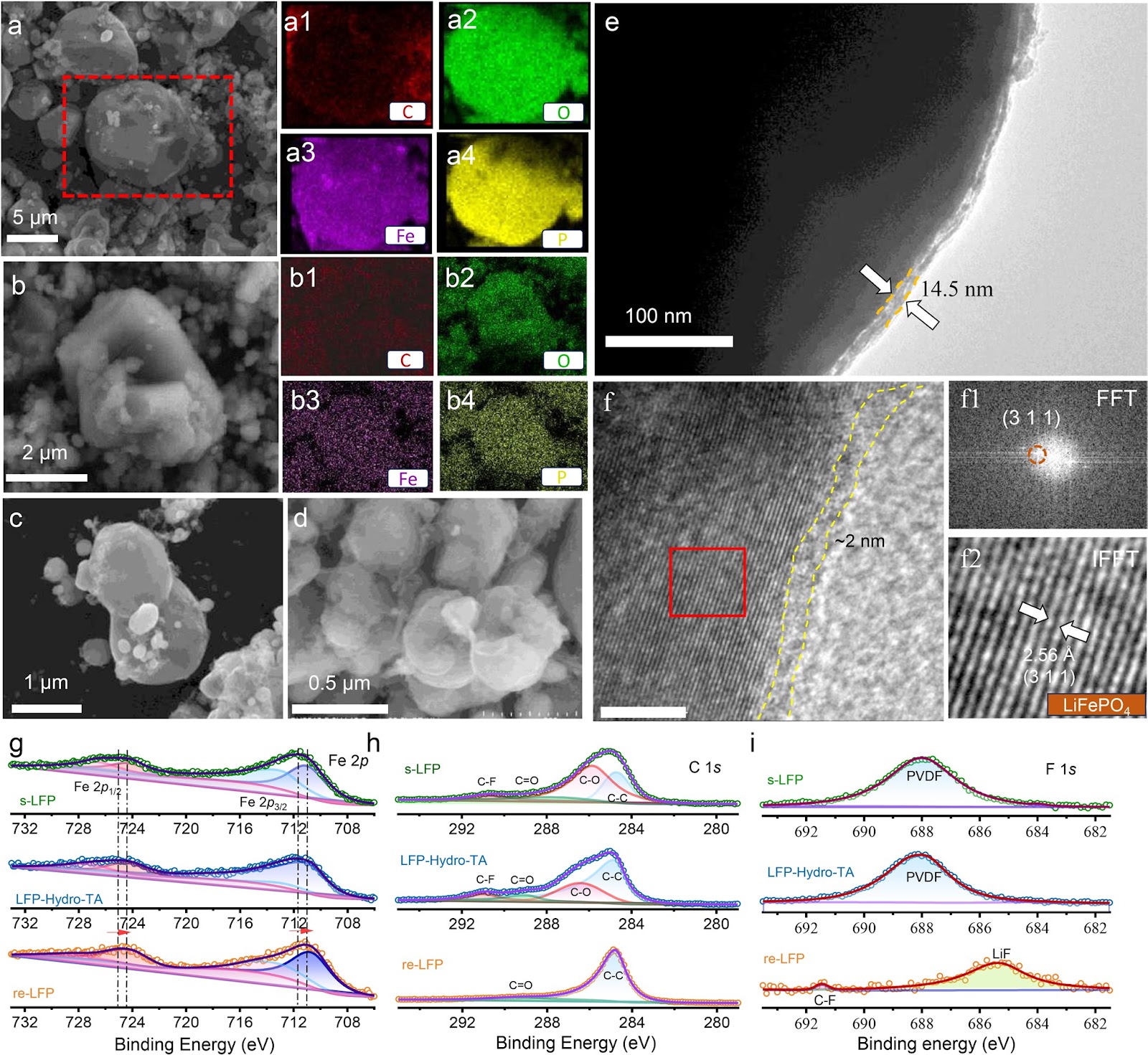
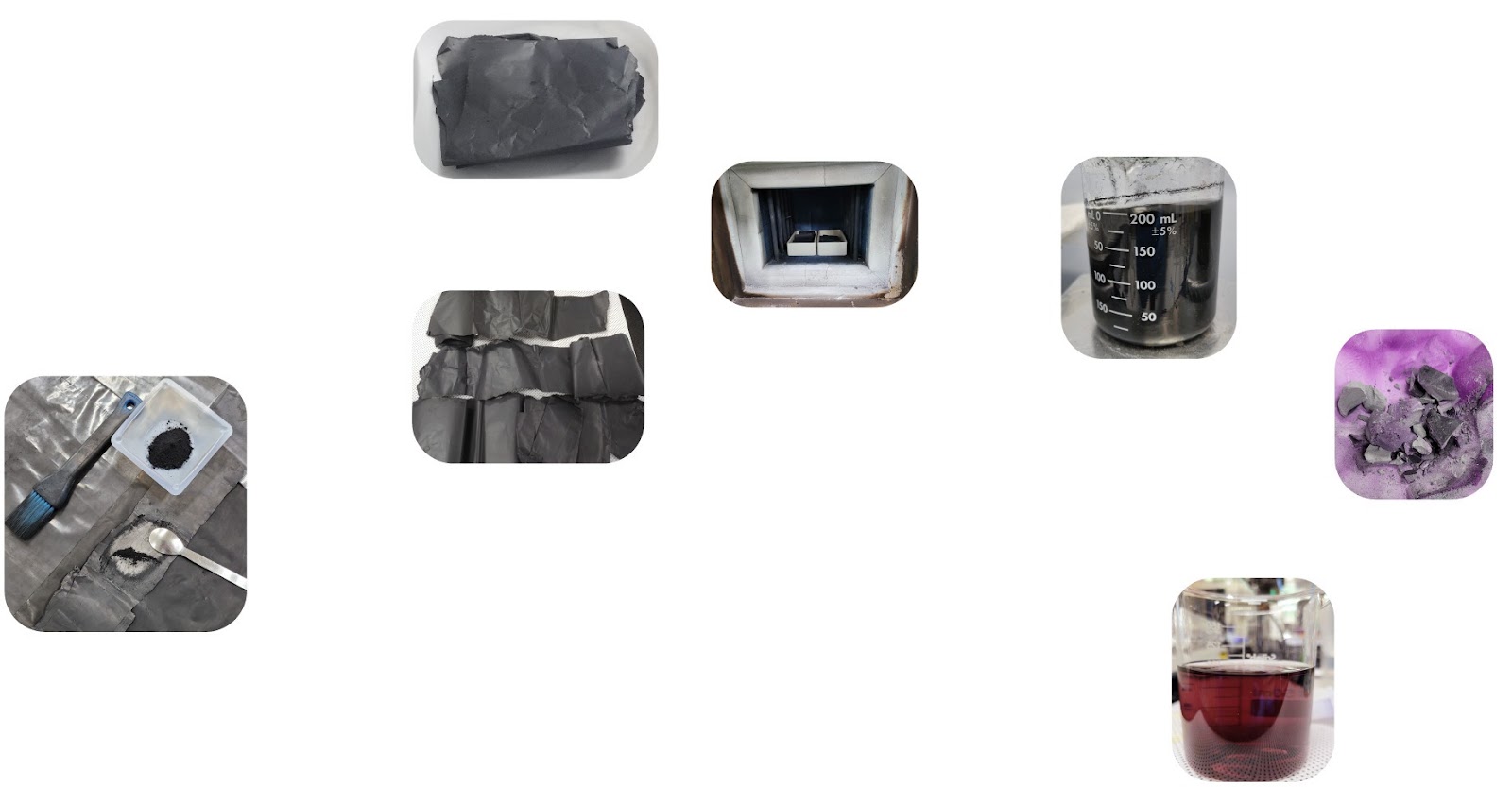
Direct Repair of the Crystal Structure and Coating Surface of Spent LiFePO4 Materials Enables Superfast Li-Ion Migration
The rapid accumulation of spent LiFePO4 (LFP) cathodes from retired lithium-ion batteries necessitates the development of effective and environmental-friendly recycling strategies. In this context, direct regeneration has emerged as a promising approach for reclaiming LFP cathode materials, offering a streamlined pathway to restore their electrochemical functionality. We report an integrated regeneration protocol that simultaneously repairs the degraded crystal structure and reconstructs the damaged carbon coating in spent LFP. The regenerated cathode material had superfast lithium-ion diffusion kinetics and a stable cathode–electrolyte interface, giving a remarkable rate capability with specific capacities of 122 mAh g−1 at 5C and 106 mAh g−1 at 10C (1C = 170 mA g−1). It also maintained capacities of 110.7 mAh g−1 (5C) and 84.1 mAh g−1 (10C) after 400 cycles. It could be used in harsh environments and could be stably cycled at subzero temperatures (−10 and −20 °C) and in solid-state electrolyte batteries. Life cycle assessment combined with economic evaluation using the EverBatt model reveals that this direct regeneration approach has high economic and environmental benefits.
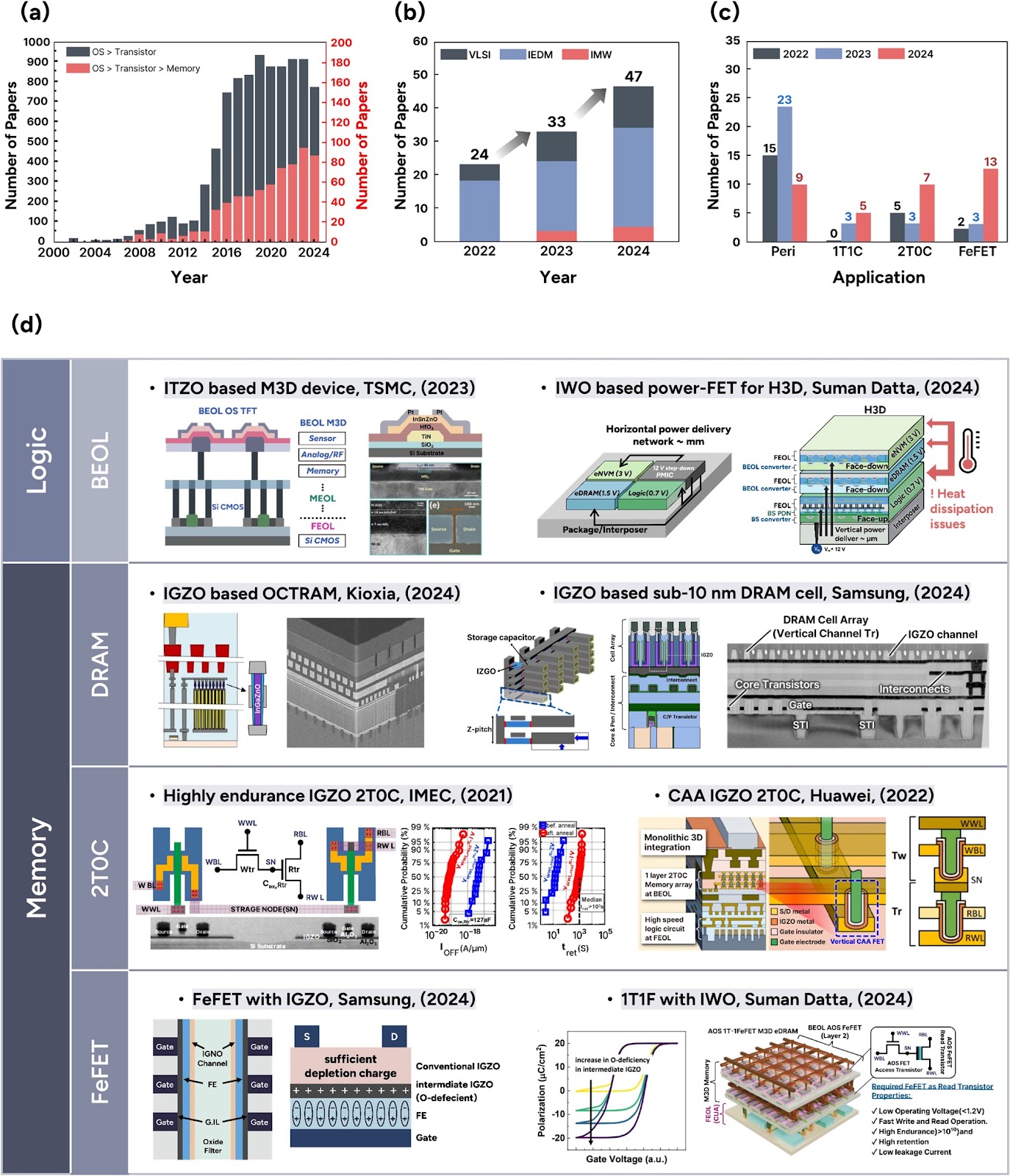
Oxide Semiconductor for Advanced Memory Architectures: Atomic Layer Deposition, Key Requirement and Challenges
Oxide semiconductors (OSs), introduced by the Hosono group in the early 2000s, have evolved from display backplane materials to promising candidates for advanced memory and logic devices. The exceptionally low leakage current of OSs and compatibility with three-dimensional (3D) architectures have recently sparked renewed interest in their use in semiconductor applications. This review begins by exploring the unique material properties of OSs, which fundamentally originate from their distinct electronic band structure. Subsequently, we focus on atomic layer deposition (ALD), a core technique for growing excellent OS films, covering both basic and advanced processes compatible with 3D scaling. The basic surface reaction mechanisms—adsorption and reaction—and their roles in film growth are introduced. Furthermore, material design strategies, such as cation selection, crystallinity control, anion doping, and heterostructure engineering, are discussed. We also highlight challenges in memory applications, including contact resistance, hydrogen instability, and lack of p-type materials, and discuss the feasibility of ALD-grown OSs as potential solutions. Lastly, we provide an outlook on the role of ALD-grown OSs in memory technologies. This review bridges material fundamentals and device-level requirements, offering a comprehensive perspective on the potential of ALD-driven OSs for next-generation semiconductor memory devices.
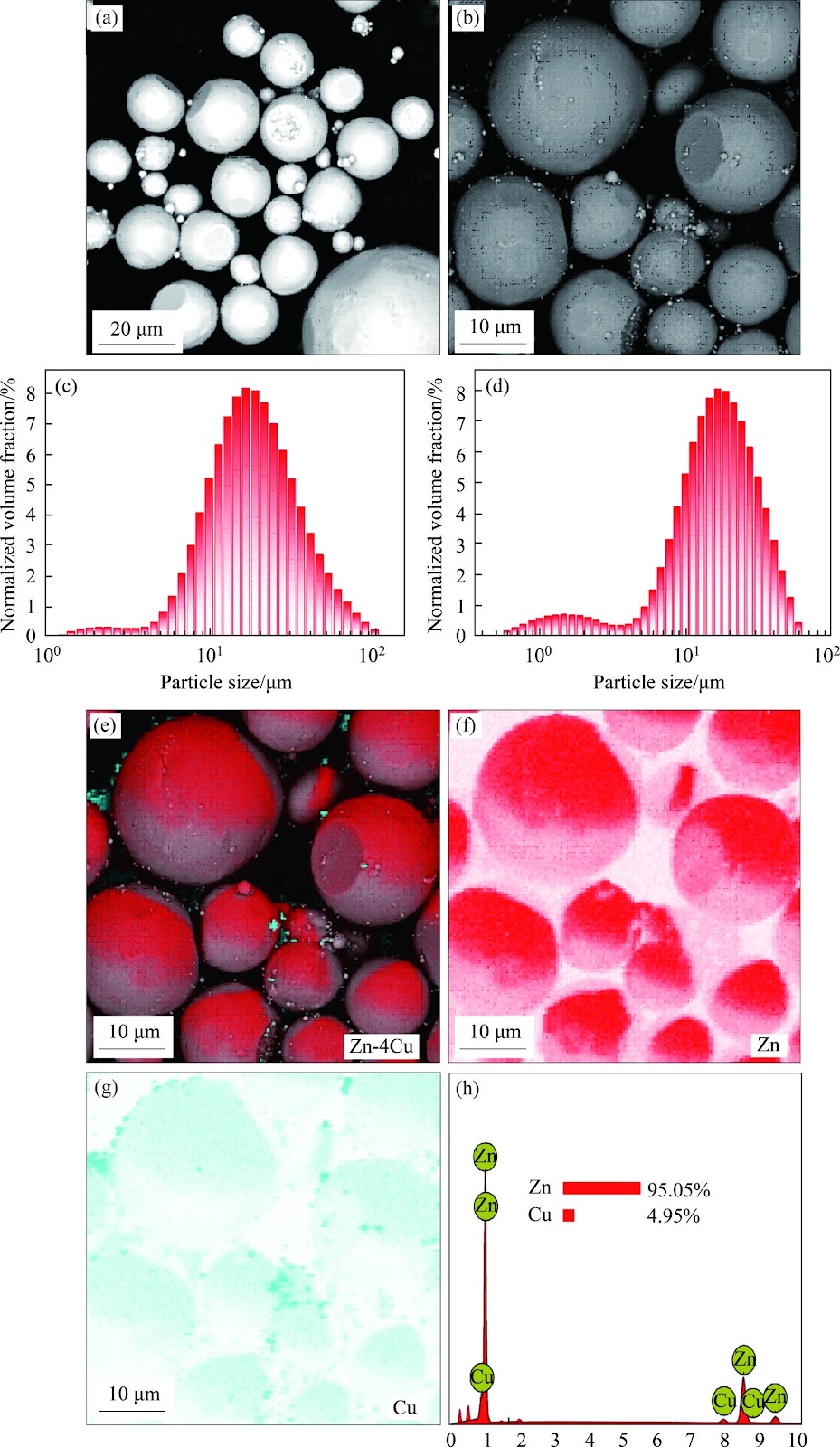
Laser powder bed fusion of biodegradable Zn-4Cu alloy: Processing, microstructure and properties
Zn's natural degradability and biocompatibility make it a promising candidate for implants, however, its mechanical properties remain insufficient for bone applications. In this study, the performance of Zn was enhanced by developing Zn-Cu alloys via laser powder bed fusion (LPBF). Optimal LPBF parameters for forming stable tracks were achieved by adjusting laser power and scanning speed. Under optimized conditions of 100 W and 100 mm/s, high-density (99.58%) Zn-Cu alloys with improved hardness (68.2HV) and yield strength (160 MPa) were achieved. These improvements are attributed to solid solution strengthening, segregation strengthening, and grain refinement. The Zn-Cu alloys also demonstrated favorable degradation behavior, with a rate of 0.16 mm/year. This degradation is primarily driven by micro-galvanic corrosion between the CuZn5 phase and Zn matrix, along with refined grains and increased grain boundary density. This work demonstrates a viable strategy for fabricating Zn-based implants with enhanced structural integrity and mechanical performance via LPBF.