Key Takeaways & Executive Findings
- •• Ag-doped TiO2 synthesized via solution combustion exhibits enhanced electrochemical sensing performance for nitrite and phosphate detection. • Doping with Ag refines particle size, increasing specific surface area and electron transfer efficiency, as confirmed by EIS. • The sensor shows high sensitivity (2 µA·µM–1·mm–2 for nitrite, 2.1 µA·µM–1·mm–2 for phosphate) and low detection limits (0.0052 mM and 0.0045 mM, respectively). • The material holds promise for practical sensing devices to monitor nitrite and phosphate levels, addressing food safety and health concerns.
Abstract
To prevent bacterial growth and ensure food safety, common practice involves the use of nitrite and phosphate salts. Nevertheless, elevated nitrite levels in the body can contribute to the development of stomach and esophageal cancers, while excessive phosphate levels may increase the risk of kidney dysfunction and the onset of osteoporosis. Electrochemical sensing has emerged as a reliable technique for detecting nitrites and phosphates. This study specifically focuses on the use of TiO2-based sensing materials for such detection. The synthesis of nanoparticulate TiO2 and Ag-doped TiO2 was successfully achieved through a solution combustion technique. The composition of the materials was examined using X-ray diffraction (XRD) and X-ray absorption near-edge structure (XANES) methods, revealing a predominant anatase composition. Doping resulted in particle refinement, contributing to an increased specific surface area and enhanced electron transfer efficiency, as indicated in the examination by electrochemical impedance spectroscopy (EIS). Cyclic voltammetry (CV) assessed the electrochemical behavior, demonstrating that in nitrite detection, a significant oxidation reaction occurred at an applied voltage of approximately 1.372 V, while in phosphate detection, the main reduction peak occurred at a voltage close to –0.48 V. High sensitivity (2 µA·µM–1·mm–2 for sodium nitrite and 2.1 µA·µM–1·mm–2 for potassium phosphate) and low limits of detection (0.0052 mM for sodium nitrite and 0.0045 mM for potassium phosphate) were observed. Experimental results support the potential use of Ag-doped TiO2 as a sensing device for nitrites and phosphates.
1. Introduction
Sodium nitrite, a common additive in processed meats, is employed to prevent bacterial growth. However, prolonged consumption of sodium nitrite in significant quantities can have adverse health effects. At higher temperatures or when interacting with certain amino acids or bacteria, nitrite can convert into nitrosamine compounds known to be carcinogenic [1]. Excessive sodium nitrite consumption has also been linked to nitrite poisoning, which manifests as headaches, dizziness, nausea, and vomiting [2]. Additionally, elevated blood nitrite levels can lead to methemoglobinemia, a condition where oxygen binding to hemoglobin is hindered, impeding oxygen transport to body tissues [2–3]. Nitrite is not restricted solely to the domain of food; it can also be found in the environment, particularly within water and air. Due to its abundance from various sources and the potential for severe health consequences, the monitoring of nitrite consumption holds significant significance. The World Health Organization (WHO) has established guidelines, setting the maximum allowable daily nitrite intake at a range of 1.6 to 9.5 g or 0.07 mg/kg of body weight [4–5]. Assessing the health risks associated with nitrite exposure necessitates the measurement of nitrite levels in bodily fluids like blood and urine, marking a matter of utmost importance.
Potassium phosphate is a frequently used food additive that plays multiple roles. It serves several purposes, including balancing the acidity of dairy products and acting as a stabilizer in emulsions like salad dressings and sauces. Phosphate takes on various forms within the human body, including dihydrogen phosphate (H2PO4) and mono-hydrogen phosphate (HPO4), and can be found in compounds such as phospholipids, adenosine triphosphate (ATP), and nucleic acids [6–7]. Monitoring phosphate levels is crucial, particularly for individuals dealing with endocrine disorders and kidney issues. Moreover, an excessive buildup of phosphate in the body can lead to damage to cellular tissues and the development of tumors [8]. Severe hyperphosphatemia, characterized by concentrations exceeding 4.6 mg/dL, can result in conditions like vascular calcification, muscle cramps, joint discomfort, cognitive impairment, and anemia [9–10]. As for dietary recommendations, adults are advised to aim for a daily intake of 700 mg of phosphate. However, for individuals aged 71 and older, as well as pregnant women, the recommended upper limit of phosphate intake is set at 3000 mg/day.
Loading authentic research manuscript (Pages 1–5)...
Thura Lin Htet, Sira Sripirommit, Manasbodin Asava-arunotai, Myo Myo Thu, Gasidit Panomsuwan, Ratchatee Techapiesancharoenkij, Pinit Kidkhunthod, Jintara Padchasri, Oratai Jongprateep (2025). Enhanced nitrite and phosphate detection through Ag-doped TiO2 sensing material. Int. Journal of Minerals, Metallurgy and Materials (矿物冶金与材料学报). https://doi.org/10.1007/s12613-025-3119-5
Research & Educational Purpose Only:The translations, structured abstracts, analytical annotations, and data reports provided by SinoTechIntel are intended exclusively for academic research, internal corporate R&D, and educational benchmarking. They do not constitute formal engineering, chemical safety, legal, or professional advice.
Copyright & Intellectual Property Notice: Original copyright of the underlying source articles and experimental data remains with the respective authors, institutions, and original publishing journals. SinoTechIntel claims intellectual property only over its proprietary translations, analytical syntheses, and AEO structured enhancements in accordance with international fair use and academic citation principles.
Frequently Asked Questions
What is the main focus of this research?
The research focuses on developing an Ag-doped TiO2 sensing material for the electrochemical detection of nitrite and phosphate, aiming to address health and food safety concerns.
How was the Ag-doped TiO2 material synthesized?
The material was synthesized using a solution combustion technique, which is a simple and efficient method for producing nanoparticulate TiO2 and Ag-doped TiO2.
What are the key performance metrics of the sensor?
The sensor exhibits high sensitivity (2 µA·µM–1·mm–2 for sodium nitrite and 2.1 µA·µM–1·mm–2 for potassium phosphate) and low detection limits (0.0052 mM for nitrite and 0.0045 mM for phosphate).
Why is detecting nitrite and phosphate important?
Elevated nitrite levels can lead to cancers and methemoglobinemia, while excessive phosphate can cause kidney dysfunction and osteoporosis. Monitoring these ions is crucial for health and food safety.
What techniques were used to characterize the material?
The material was characterized using X-ray diffraction (XRD), X-ray absorption near-edge structure (XANES), electrochemical impedance spectroscopy (EIS), and cyclic voltammetry (CV).
Related Technical Papers & Translations
Direct Repair of the Crystal Structure and Coating Surface of Spent LiFePO4 Materials Enables Superfast Li-Ion Migration
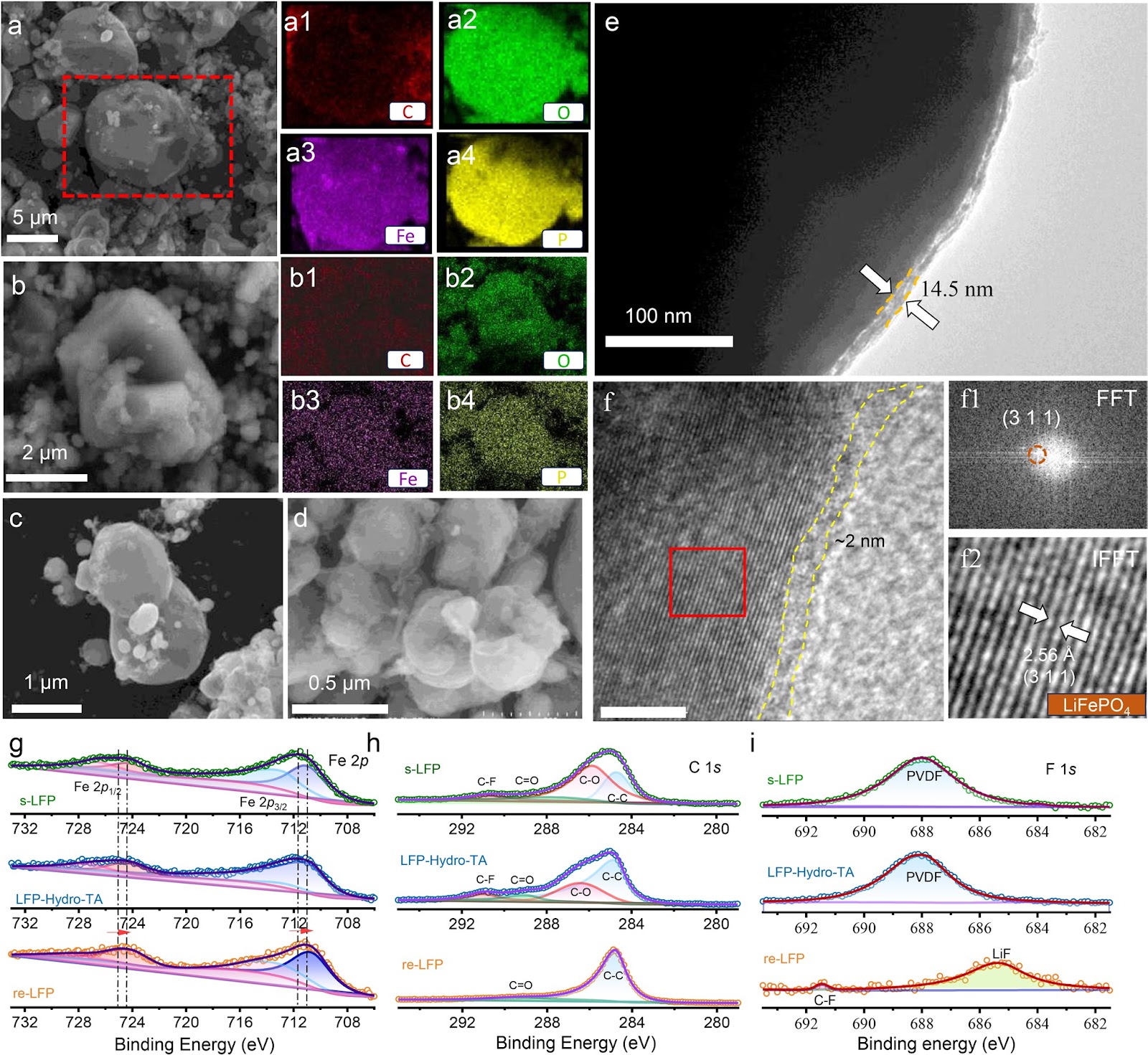
The rapid accumulation of spent LiFePO4 (LFP) cathodes from retired lithium-ion batteries necessitates the development of effective and environmental-friendly recycling strategies. In this context, direct regeneration has emerged as a promising approach for reclaiming LFP cathode materials, offering a streamlined pathway to restore their electrochemical functionality. We report an integrated regeneration protocol that simultaneously repairs the degraded crystal structure and reconstructs the damaged carbon coating in spent LFP. The regenerated cathode material had superfast lithium-ion diffusion kinetics and a stable cathode–electrolyte interface, giving a remarkable rate capability with specific capacities of 122 mAh g−1 at 5C and 106 mAh g−1 at 10C (1C = 170 mA g−1). It also maintained capacities of 110.7 mAh g−1 (5C) and 84.1 mAh g−1 (10C) after 400 cycles. It could be used in harsh environments and could be stably cycled at subzero temperatures (−10 and −20 °C) and in solid-state electrolyte batteries. Life cycle assessment combined with economic evaluation using the EverBatt model reveals that this direct regeneration approach has high economic and environmental benefits.
Oxide Semiconductor for Advanced Memory Architectures: Atomic Layer Deposition, Key Requirement and Challenges
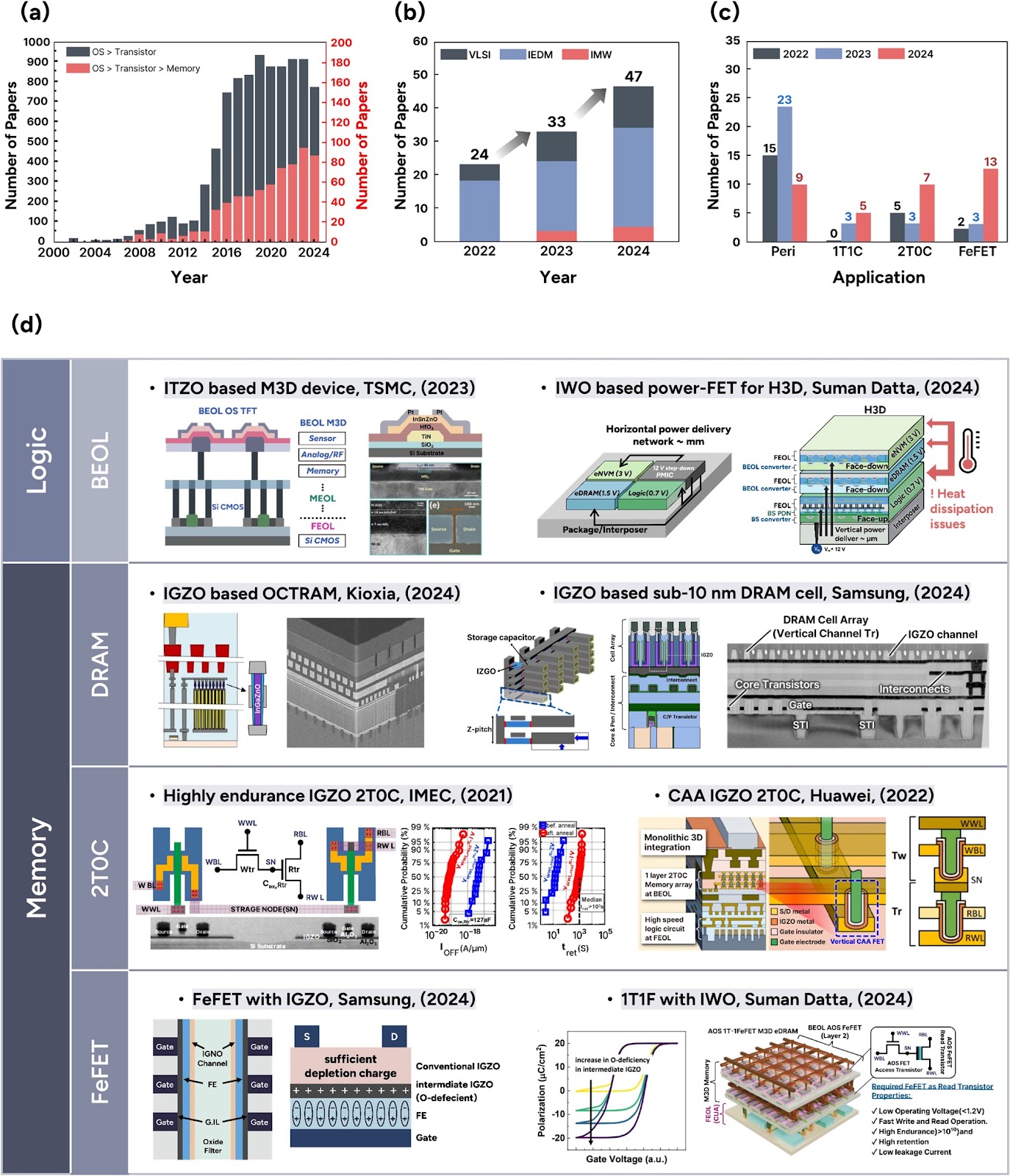
Oxide semiconductors (OSs), introduced by the Hosono group in the early 2000s, have evolved from display backplane materials to promising candidates for advanced memory and logic devices. The exceptionally low leakage current of OSs and compatibility with three-dimensional (3D) architectures have recently sparked renewed interest in their use in semiconductor applications. This review begins by exploring the unique material properties of OSs, which fundamentally originate from their distinct electronic band structure. Subsequently, we focus on atomic layer deposition (ALD), a core technique for growing excellent OS films, covering both basic and advanced processes compatible with 3D scaling. The basic surface reaction mechanisms—adsorption and reaction—and their roles in film growth are introduced. Furthermore, material design strategies, such as cation selection, crystallinity control, anion doping, and heterostructure engineering, are discussed. We also highlight challenges in memory applications, including contact resistance, hydrogen instability, and lack of p-type materials, and discuss the feasibility of ALD-grown OSs as potential solutions. Lastly, we provide an outlook on the role of ALD-grown OSs in memory technologies. This review bridges material fundamentals and device-level requirements, offering a comprehensive perspective on the potential of ALD-driven OSs for next-generation semiconductor memory devices.
Laser powder bed fusion of biodegradable Zn-4Cu alloy: Processing, microstructure and properties
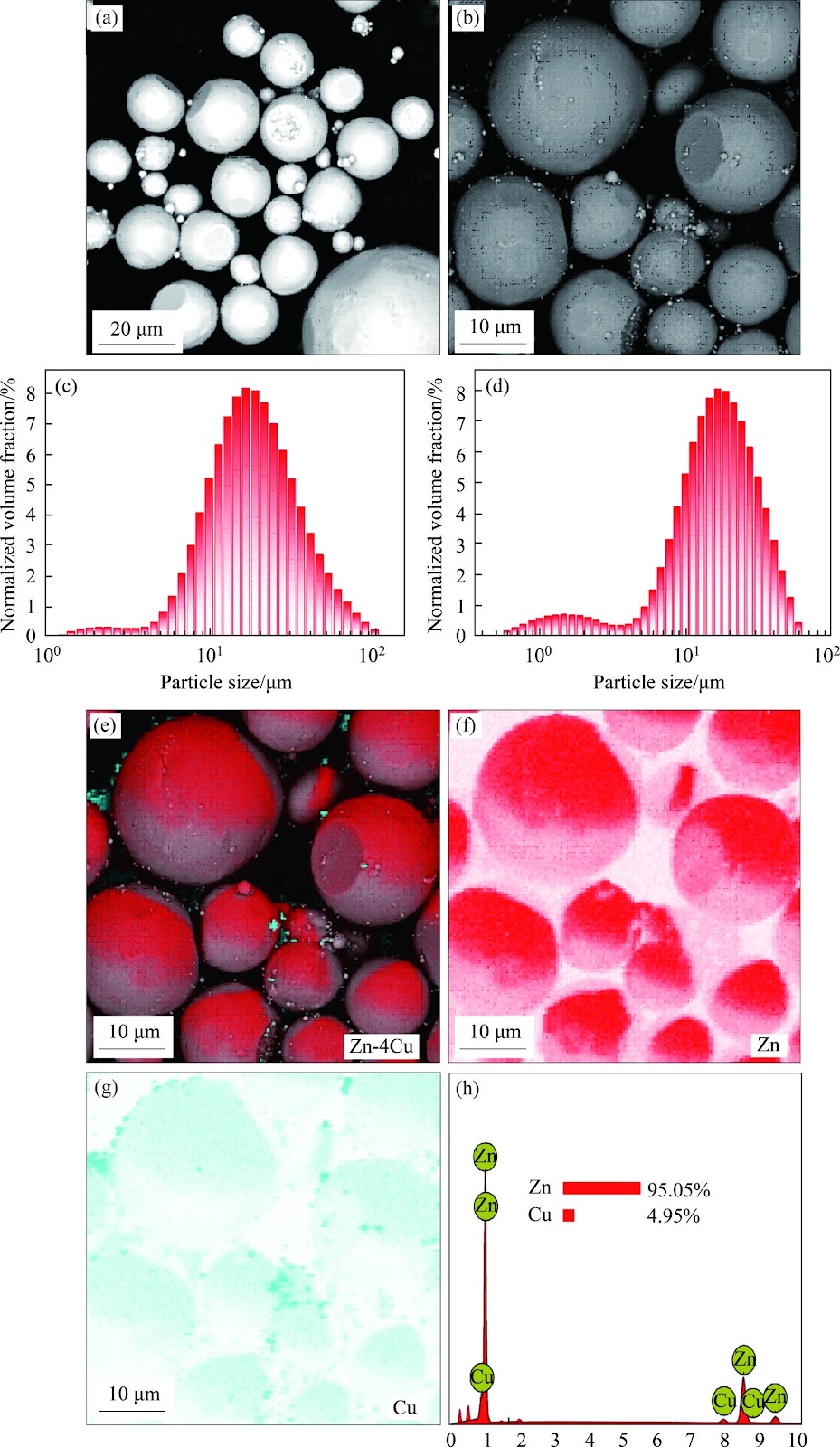
Zn's natural degradability and biocompatibility make it a promising candidate for implants, however, its mechanical properties remain insufficient for bone applications. In this study, the performance of Zn was enhanced by developing Zn-Cu alloys via laser powder bed fusion (LPBF). Optimal LPBF parameters for forming stable tracks were achieved by adjusting laser power and scanning speed. Under optimized conditions of 100 W and 100 mm/s, high-density (99.58%) Zn-Cu alloys with improved hardness (68.2HV) and yield strength (160 MPa) were achieved. These improvements are attributed to solid solution strengthening, segregation strengthening, and grain refinement. The Zn-Cu alloys also demonstrated favorable degradation behavior, with a rate of 0.16 mm/year. This degradation is primarily driven by micro-galvanic corrosion between the CuZn5 phase and Zn matrix, along with refined grains and increased grain boundary density. This work demonstrates a viable strategy for fabricating Zn-based implants with enhanced structural integrity and mechanical performance via LPBF.