Key Takeaways & Executive Findings
- •• A novel PbS QDs–PbMoO4–MoS2 ternary nanocomposite sensor achieves a response of 44.5% to 1 ppm NO2 at room temperature, ~5 times higher than pure MoS2. • The sensor exhibits exceptional selectivity toward NO2 with negligible cross-response to interfering gases, addressing a key limitation of traditional metal-oxide sensors. • DFT calculations reveal that the enhanced sensing performance arises from the synergistic receptor function of PbS QDs and PbMoO4 nanoparticles and the transducer function of MoS2 nanosheets. • The room-temperature operation, full recovery, and short response/recovery times make this sensor promising for energy-efficient, portable, and safe NO2 monitoring applications.
Abstract
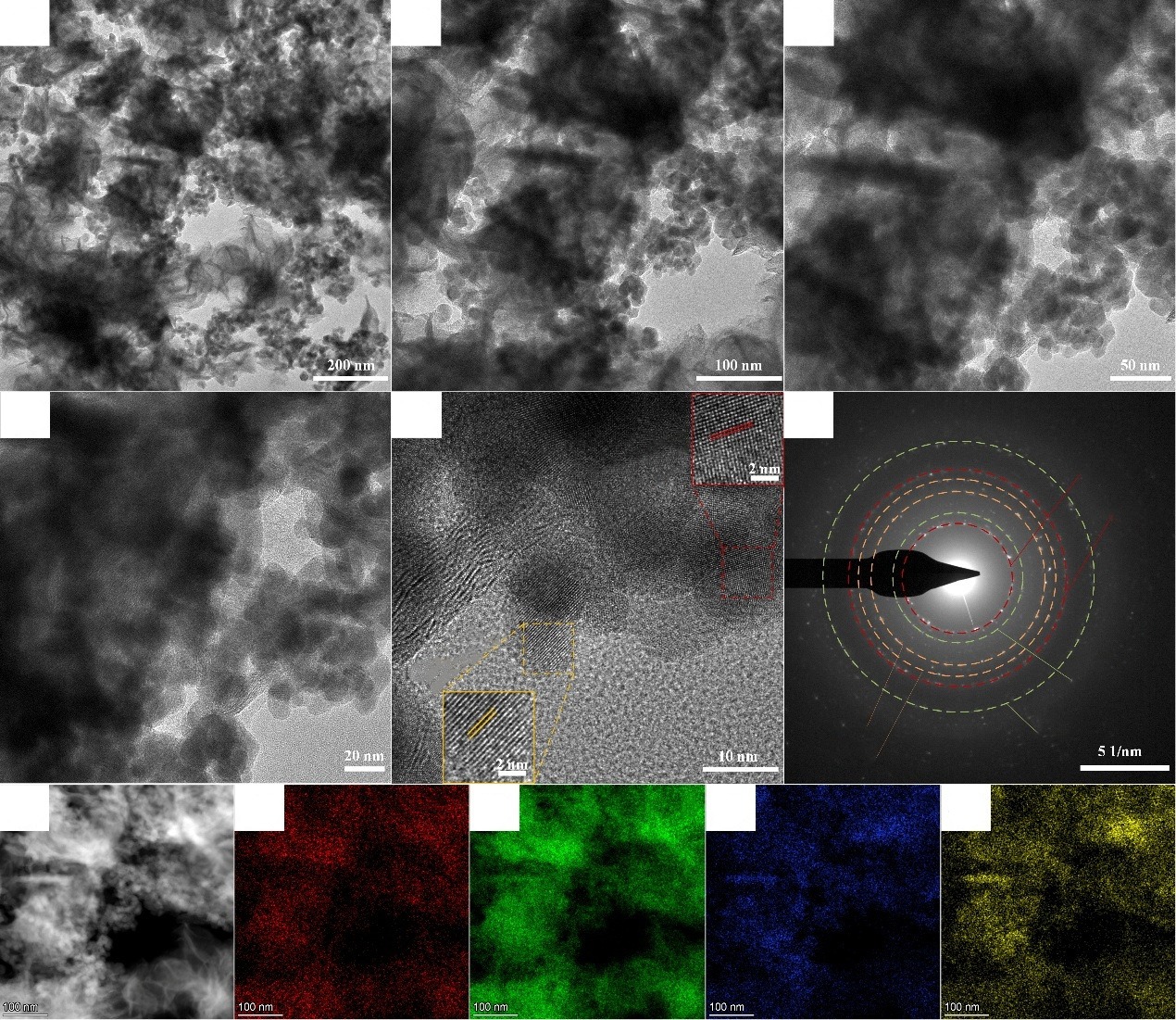
Traditional resistive semiconductor gas sensors suffer from high operating temperatures and poor selectivity. Thus, to address these issues, a highly selective nitrogen dioxide (NO2) sensor based on lead sulfide (PbS) quantum dots (QDs)–lead molybdate (PbMoO4)–molybdenum disulfide (MoS2) ternary nanocomposites operating at room temperature was fabricated herein. The ternary nanocomposites were synthesized using an in situ method, yielding PbS QDs with an average size of ~10 nm and PbMoO4 nanoparticles in the 10- to 20-nm range, uniformly distributed on ultrathin MoS2 nanosheets with an average thickness of ~7 nm. The optimized sensor demonstrated a significant improvement in response to 1 ppm NO2 at 25°C, achieving a response of 44.5%, which was approximately five times higher than that of the pure MoS2-based sensor (8.5%). The sensor also achieved relatively short response/recovery times and full recovery properties. Notably, the optimal sensor displayed extraordinary selectivity toward NO2, showing negligible responses to different interfering gases. Density functional theory (DFT) calculations were conducted to elucidate the underlying sensing mechanism, which was attributed to the enhanced specific surface area, the receptor function of both PbS QDs and PbMoO4 nanoparticles, and the transducer function of MoS2 nanosheets.
1. Introduction
The global concern over the detection of toxic and hazardous gases has been escalating, promoting substantial attention to advanced sensing technologies. Among various harmful gases, nitrogen dioxide (NO2) is commonly produced by vehicular exhaust, the manufacturing industry, and thermal power generation. Acid rain and photochemical smog induced by NO2 pose substantial damage to vulnerable ecosystems [1]. Exposure to NO2 potentially causes irreparable damage to humans, leading to respiratory diseases and cardiovascular issues. Therefore, developing effective technologies for NO2 detection holds profound significance for economic prosperity, environmental protection, and ensuring human safety [2].
Traditional resistive semiconductor gas sensors, predominantly composed of metal oxide, are subjected to the restrictions of elevated operating temperatures (typically exceeding 200°C) and poor selectivity [3]. Consequently, these sensors exhibit considerable power consumption and encounter difficulty in accurately distinguishing gas species when inferring various gases. In this respect, numerous attempts and great efforts have been devoted to the reduction of operating temperatures and enhancement of gas selectivity.
Room-temperature gas sensors offer significant advantages over high-temperature counterparts in terms of energy efficiency, safety, portability, and long-term stability. High-temperature sensors, which require elevated operational temperatures to facilitate gas detection, consume more energy and pose greater safety risks, particularly when detecting flammable gases. Additionally, prolonged high-temperature operations can induce grain growth in sensing materials, leading to sensor degradation and reduced stability. In contrast, room-temperature sensors avoid these issues, offering a more energy-efficient and portable solution with greater long-term reliability. These advantages make room-temperature gas sensors highly appealing for future applications, aligning with current technological trends and sustainability goals. Thus, various novel semiconductor nanostructures have been constructed to replace traditional monocomponent single-metal-oxide sensing materials, basically including ZnO, SnO2, Co2O3, and In2O3 [4–7]. The construction of heterostructures capitalizing on the diverse excellent properties of individual components is considered an effective method for addressing the aforementioned issues [8–9].
Quantum dots (QDs), emerging as a new type of semiconductors, are widely regarded as having the potential to break through the limitations of traditional sensing materials, given their small dimensions and exceptional electric properties. QDs are fabricated into gas sensors and achieve high sensor response and good selectivity [10]. In particular, lead sulfide (PbS) QDs stand out among various QDs because of their low-cost fabrication compatibility, narrow bandgap (0.95 eV), and large specific area [11]. Furthermore, zero-dimensional (0D) PbS QDs have proven to be attractive additives for hybrid materials in NO2 sensor applications [12]. Bimetal oxides, including ...
Loading authentic research manuscript (Pages 1–5)...
Jinzhou Bai, Yanbai Shen, Ang Li, Meili Wu, Hong Xiao, Qiang Zhao, Sikai Zhao, Wengang Liu, Baoyu Cui (2025). Design of PbS quantum dots–PbMoO4–MoS2 ternary nanocomposites for highly selective NO2 sensing at room temperature. Int. Journal of Minerals, Metallurgy and Materials (矿物冶金与材料学报). https://doi.org/10.1007/s12613-024-3027-0
Research & Educational Purpose Only:The translations, structured abstracts, analytical annotations, and data reports provided by SinoTechIntel are intended exclusively for academic research, internal corporate R&D, and educational benchmarking. They do not constitute formal engineering, chemical safety, legal, or professional advice.
Copyright & Intellectual Property Notice: Original copyright of the underlying source articles and experimental data remains with the respective authors, institutions, and original publishing journals. SinoTechIntel claims intellectual property only over its proprietary translations, analytical syntheses, and AEO structured enhancements in accordance with international fair use and academic citation principles.
Frequently Asked Questions
What is the main advantage of the PbS QDs–PbMoO4–MoS2 sensor over traditional NO2 sensors?
The sensor operates at room temperature, eliminating the need for high operating temperatures (typically >200°C) required by traditional metal-oxide sensors, thus reducing power consumption and improving safety and portability.
How does the sensor achieve high selectivity toward NO2?
The ternary nanocomposite design, combining PbS QDs, PbMoO4 nanoparticles, and MoS2 nanosheets, provides a synergistic effect that enhances the receptor and transducer functions, leading to a strong response to NO2 while showing negligible responses to interfering gases.
What is the response of the optimized sensor to 1 ppm NO2 at room temperature?
The optimized sensor achieves a response of 44.5% to 1 ppm NO2 at 25°C, which is approximately five times higher than that of the pure MoS2-based sensor (8.5%).
What role do DFT calculations play in this study?
Density functional theory (DFT) calculations were used to elucidate the sensing mechanism, confirming that the enhanced performance is attributed to the increased specific surface area, the receptor function of PbS QDs and PbMoO4 nanoparticles, and the transducer function of MoS2 nanosheets.
What are the potential applications of this room-temperature NO2 sensor?
Due to its energy efficiency, portability, and high selectivity, the sensor is suitable for environmental monitoring, industrial safety, and personal exposure assessment, especially in scenarios where low power consumption and safe operation are critical.
Related Technical Papers & Translations
Direct Repair of the Crystal Structure and Coating Surface of Spent LiFePO4 Materials Enables Superfast Li-Ion Migration
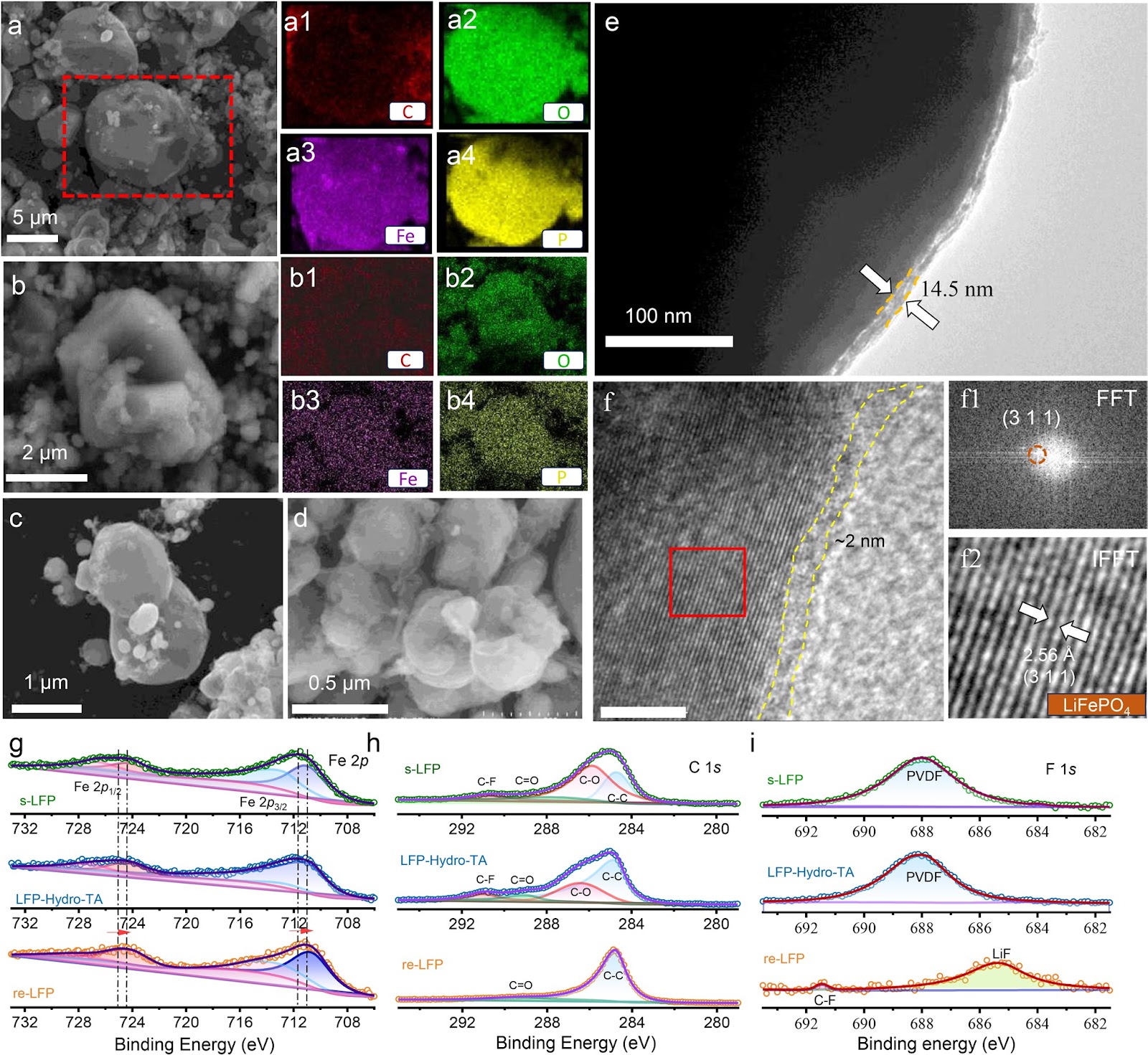
The rapid accumulation of spent LiFePO4 (LFP) cathodes from retired lithium-ion batteries necessitates the development of effective and environmental-friendly recycling strategies. In this context, direct regeneration has emerged as a promising approach for reclaiming LFP cathode materials, offering a streamlined pathway to restore their electrochemical functionality. We report an integrated regeneration protocol that simultaneously repairs the degraded crystal structure and reconstructs the damaged carbon coating in spent LFP. The regenerated cathode material had superfast lithium-ion diffusion kinetics and a stable cathode–electrolyte interface, giving a remarkable rate capability with specific capacities of 122 mAh g−1 at 5C and 106 mAh g−1 at 10C (1C = 170 mA g−1). It also maintained capacities of 110.7 mAh g−1 (5C) and 84.1 mAh g−1 (10C) after 400 cycles. It could be used in harsh environments and could be stably cycled at subzero temperatures (−10 and −20 °C) and in solid-state electrolyte batteries. Life cycle assessment combined with economic evaluation using the EverBatt model reveals that this direct regeneration approach has high economic and environmental benefits.
Oxide Semiconductor for Advanced Memory Architectures: Atomic Layer Deposition, Key Requirement and Challenges
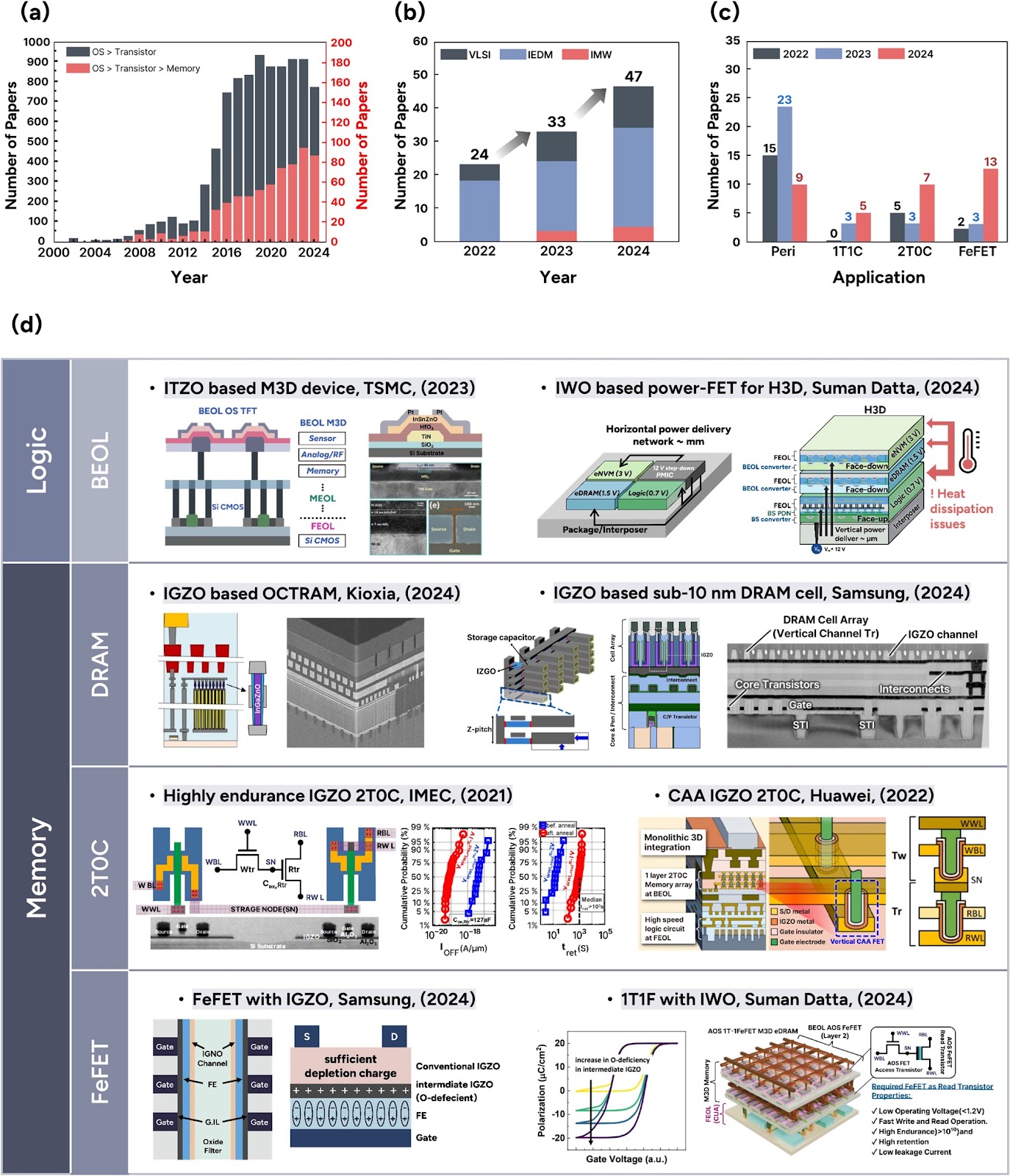
Oxide semiconductors (OSs), introduced by the Hosono group in the early 2000s, have evolved from display backplane materials to promising candidates for advanced memory and logic devices. The exceptionally low leakage current of OSs and compatibility with three-dimensional (3D) architectures have recently sparked renewed interest in their use in semiconductor applications. This review begins by exploring the unique material properties of OSs, which fundamentally originate from their distinct electronic band structure. Subsequently, we focus on atomic layer deposition (ALD), a core technique for growing excellent OS films, covering both basic and advanced processes compatible with 3D scaling. The basic surface reaction mechanisms—adsorption and reaction—and their roles in film growth are introduced. Furthermore, material design strategies, such as cation selection, crystallinity control, anion doping, and heterostructure engineering, are discussed. We also highlight challenges in memory applications, including contact resistance, hydrogen instability, and lack of p-type materials, and discuss the feasibility of ALD-grown OSs as potential solutions. Lastly, we provide an outlook on the role of ALD-grown OSs in memory technologies. This review bridges material fundamentals and device-level requirements, offering a comprehensive perspective on the potential of ALD-driven OSs for next-generation semiconductor memory devices.
Laser powder bed fusion of biodegradable Zn-4Cu alloy: Processing, microstructure and properties
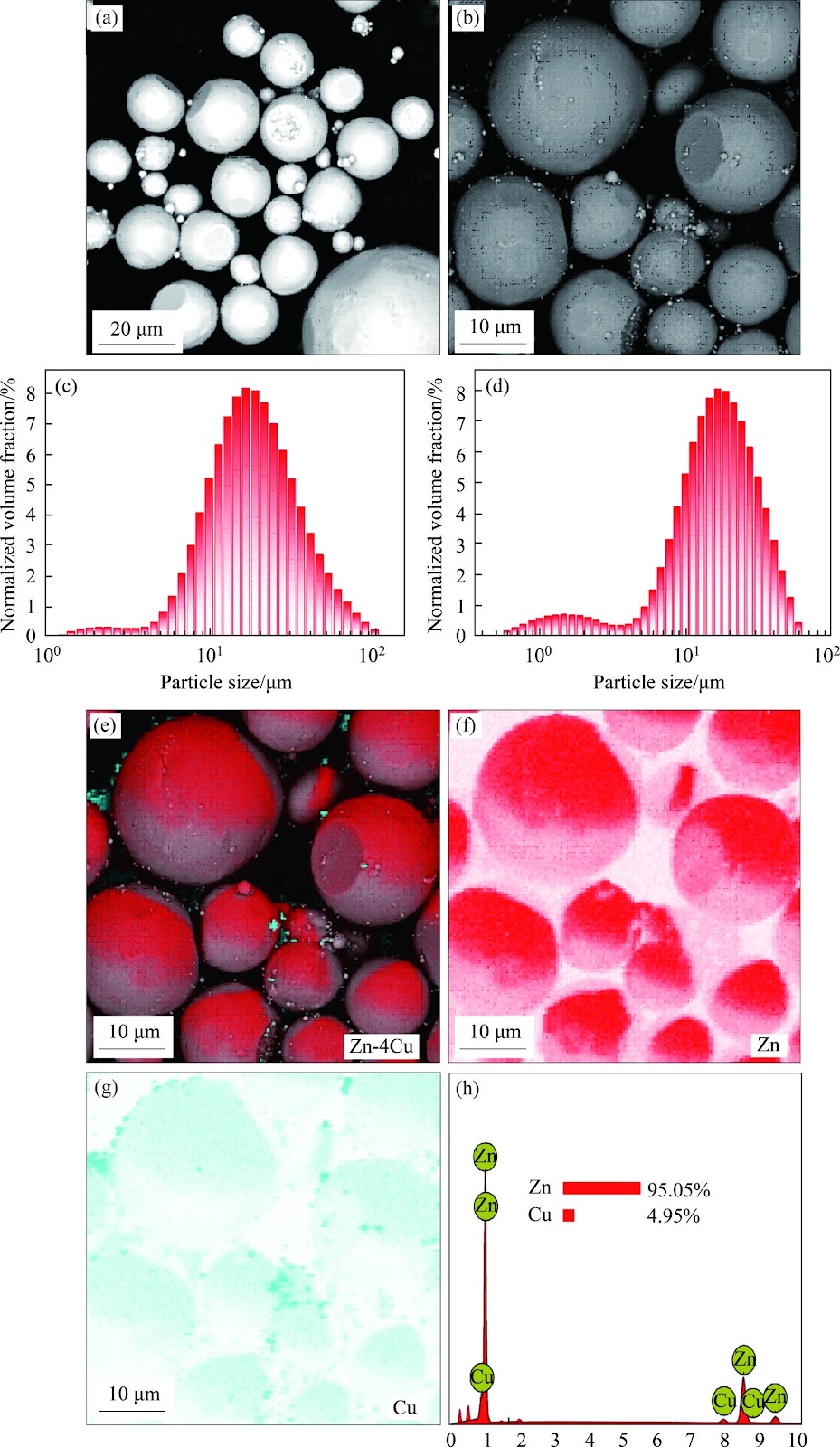
Zn's natural degradability and biocompatibility make it a promising candidate for implants, however, its mechanical properties remain insufficient for bone applications. In this study, the performance of Zn was enhanced by developing Zn-Cu alloys via laser powder bed fusion (LPBF). Optimal LPBF parameters for forming stable tracks were achieved by adjusting laser power and scanning speed. Under optimized conditions of 100 W and 100 mm/s, high-density (99.58%) Zn-Cu alloys with improved hardness (68.2HV) and yield strength (160 MPa) were achieved. These improvements are attributed to solid solution strengthening, segregation strengthening, and grain refinement. The Zn-Cu alloys also demonstrated favorable degradation behavior, with a rate of 0.16 mm/year. This degradation is primarily driven by micro-galvanic corrosion between the CuZn5 phase and Zn matrix, along with refined grains and increased grain boundary density. This work demonstrates a viable strategy for fabricating Zn-based implants with enhanced structural integrity and mechanical performance via LPBF.