SinoTechIntel Academic Portal
🏛️ Indexed Academic JournalImpact Factor: 3.8

Int. Journal of Minerals, Metallurgy and Materials (矿物冶金与材料学报)

Authoritative peer-reviewed journal in materials science, metallurgy, chemistry and engineering technologies: Int. Journal of Minerals, Metallurgy and Materials (矿物冶金与材料学报)

Total Research Papers: 200
Access: 100% Free Open Access
Browse by Publication Year & VolumeReset All Filters ✕

Published Research PapersFiltered: Year 2025 • Vol. 32

Showing 157 of 200 peer-reviewed papers with full Graphical Abstracts.

Original ResearchVol. 32, Issue 10 • pp. 2523-2535DOI: 10.1007/s12613-025-3153-3Oct 1, 2025

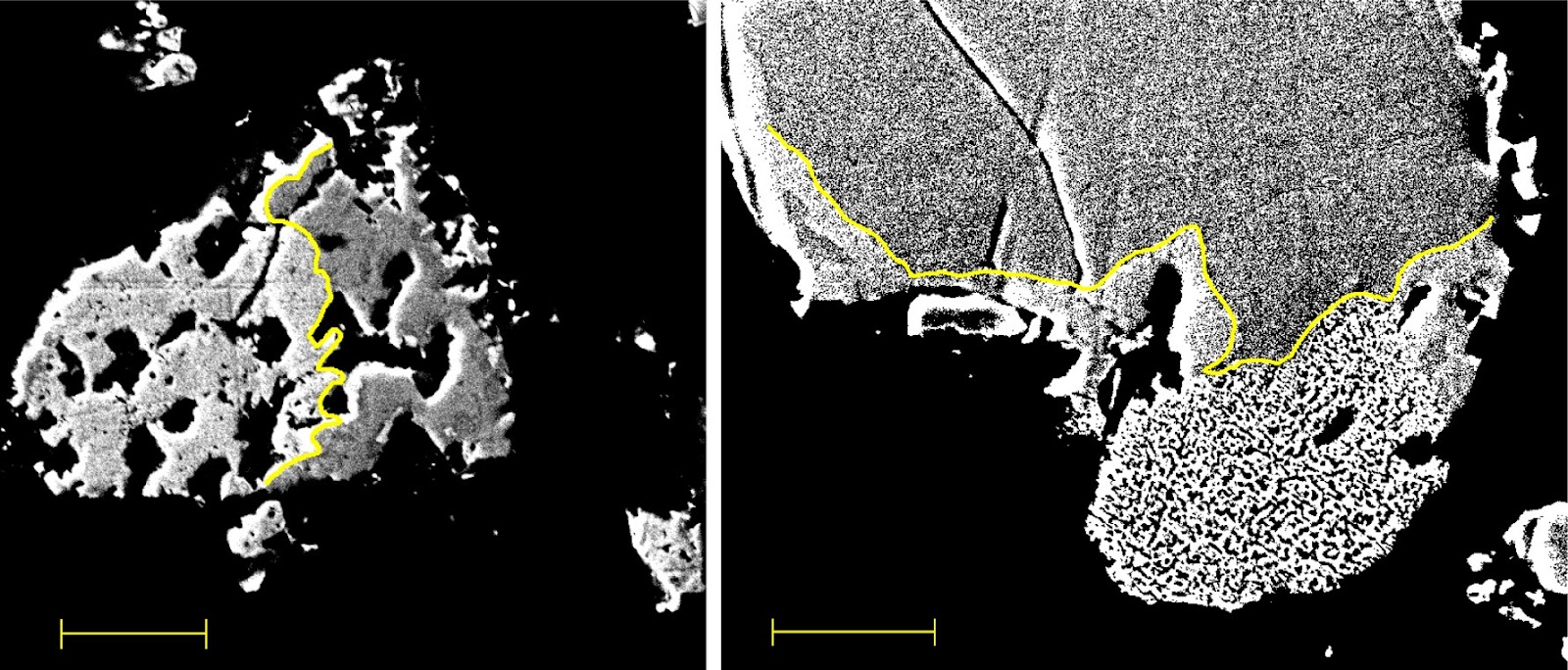
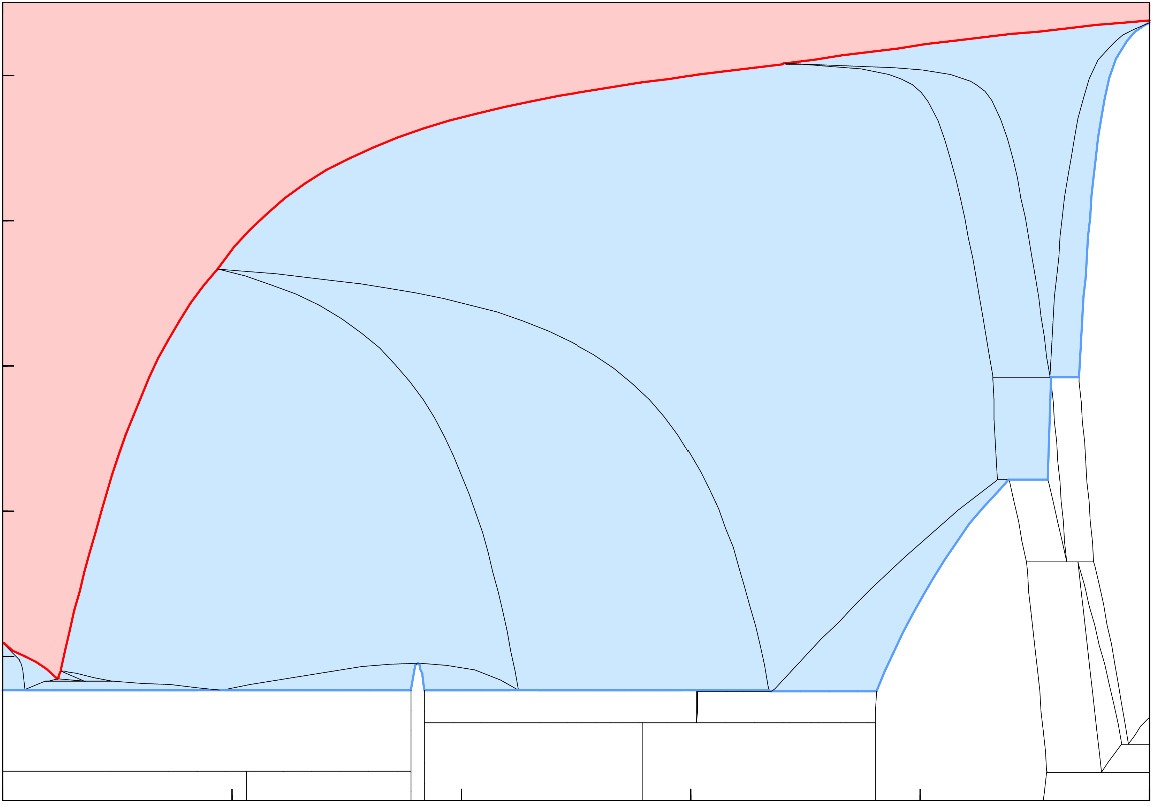
Experimental study and thermodynamic modeling of the phase equilibria in the Mg-rich corner of Mg–Zn–Mn system

Authors: Tian Yin, Yang Guo, Zheng Ma, Wenxin Hu, Qun Luo, Bin Liu, Jieyu Zhang, Guangxin Wu

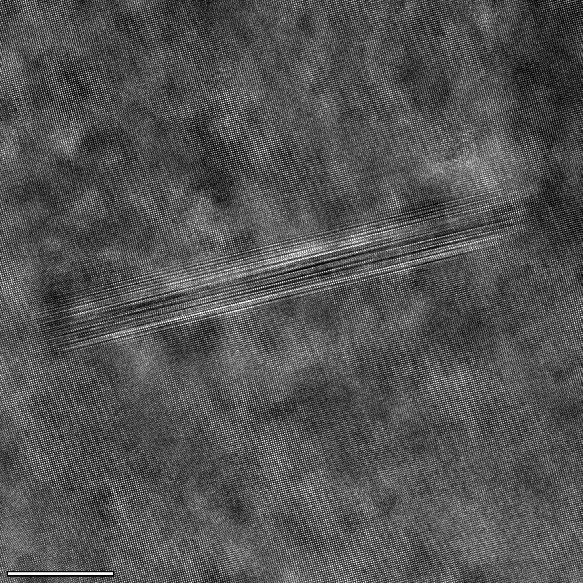
Mg–Zn–Mn alloys have the advantages of low cost, excellent mechanical properties, and high corrosion resistance. To clarify the phase equilibria of Mg–Zn–Mn alloy in the Mg-rich corners, the present work experimentally investigated the phase equilibria in the Mg-rich corner at 300–400°C with equilibrated alloy method using electron probe micro analyzer (EPMA), X-ray diffractometer (XRD), transmission electron microscopy (TEM), and differential scanning calorimeter (DSC). Mn atoms were found to dissolve into MgZn2 to form a ternary solid-solution type compound, in which Mn content can be up to 15.1at% at 400°C. Three-phase equilibrium of α-Mg + MgZn2 + α-Mn and liquid + α-Mg + MgZn2 were confirmed at 400°C. Subsequently, thermodynamic modeling of the Mg–Zn–Mn system was carried out using the CALPHAD method based on the experimental data of this work and literature data. The calculated invariant reaction Liquid + α-Mn → α-Mg + MgZn2 at 430°C shows good agreement with the DSC results. In addition, the results of solidification path calculations explain the microstructure in the as-cast and annealed alloys well. The agreement between the calculated results and experimental data proves the self-consistency of the thermodynamic database, which can provide guidance for the compositional design of Mg–Zn–Mn alloys.
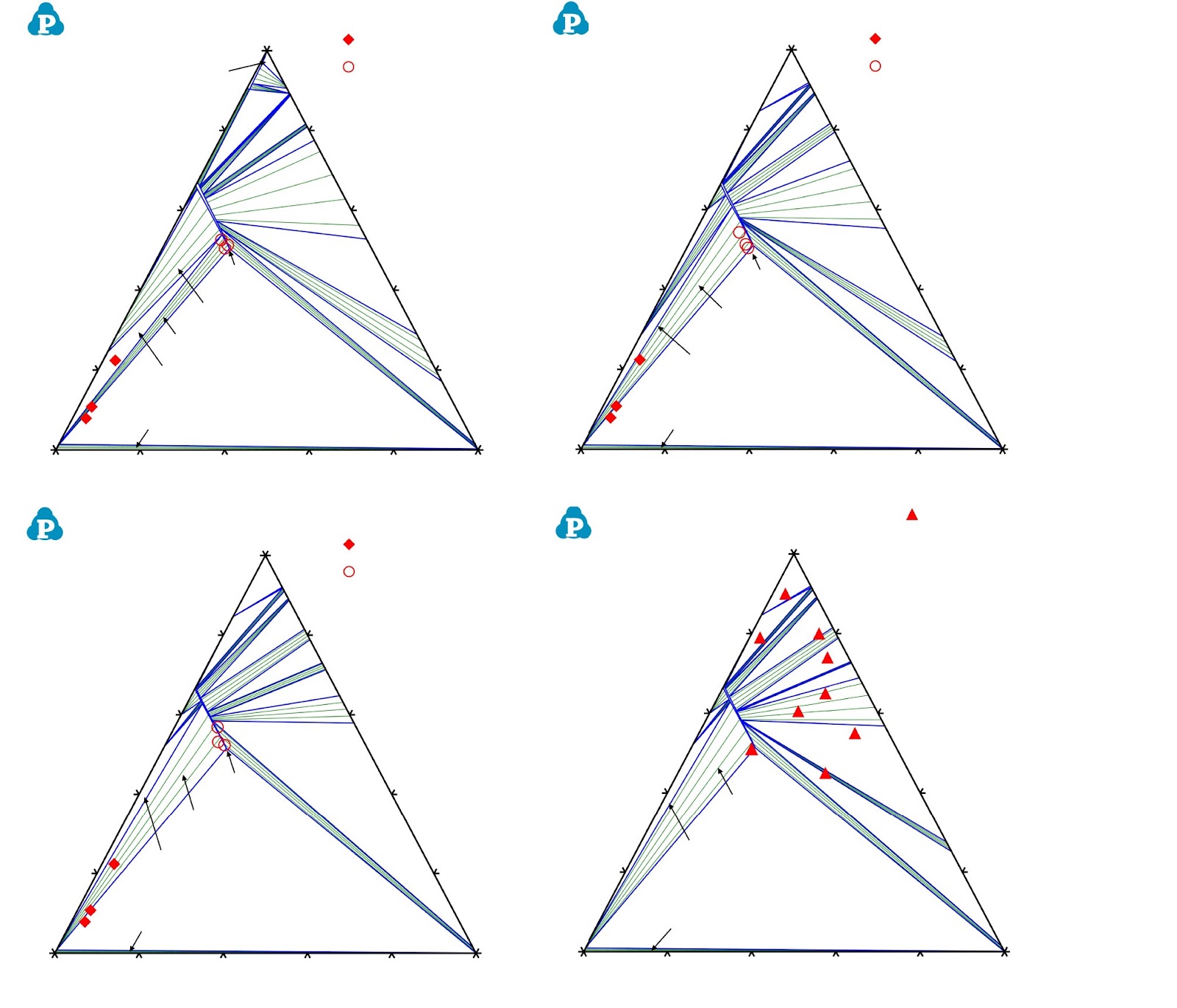

Experimental study and thermodynamic modeling of the phase equilibria in the Mg-rich corner of Mg–Zn–Mn system
Graphical Abstract
Original ResearchVol. 32, Issue 6 • pp. 1383DOI: 10.1007/s12613-025-3101-2Jan 15, 2025

Instantaneous transition of composition and morphology of inclusions with an initial Al2O3 composition in the molten steel during calcium treatment

Authors: Guojun Chen, Hejun Zhang, Ying Ren, Lifeng Zhang

The instantaneous morphological transition of triangular Al2O3 particles with various sizes in the molten Ca-treated steel was observed using a confocal scanning laser microscope at the steelmaking temperature. The composition of inclusions at different times was analyzed using scanning electron microscopy–energy dispersive spectroscopy. The shape evolution of particles was characterized by the shape parameter of overall regularity. It was found that the overall regularity of particles gradually increased with time during the calcium treatment. The geometry of particles tended to be more rounded and regular as the overall regularity increased during the modification process. An empirical formula was proposed to predict the composition of inclusion particles based on their overall regularity during the calcium treatment. When the CaO/Al2O3 mass ratio in the particle increased to 0.451, the particle was considered an ideal spherical calcium aluminate inclusion with the overall regularity of 1. Smaller particle sizes promoted the transformation of Al2O3 inclusions to spherical calcium aluminates during the calcium treatment.

Instantaneous transition of composition and morphology of inclusions with an initial Al2O3 composition in the molten steel during calcium treatment
Graphical Abstract
Original ResearchVol. 32, Issue 9 • pp. 2200-2210DOI: 10.1007/s12613-025-3157-zJan 15, 2025

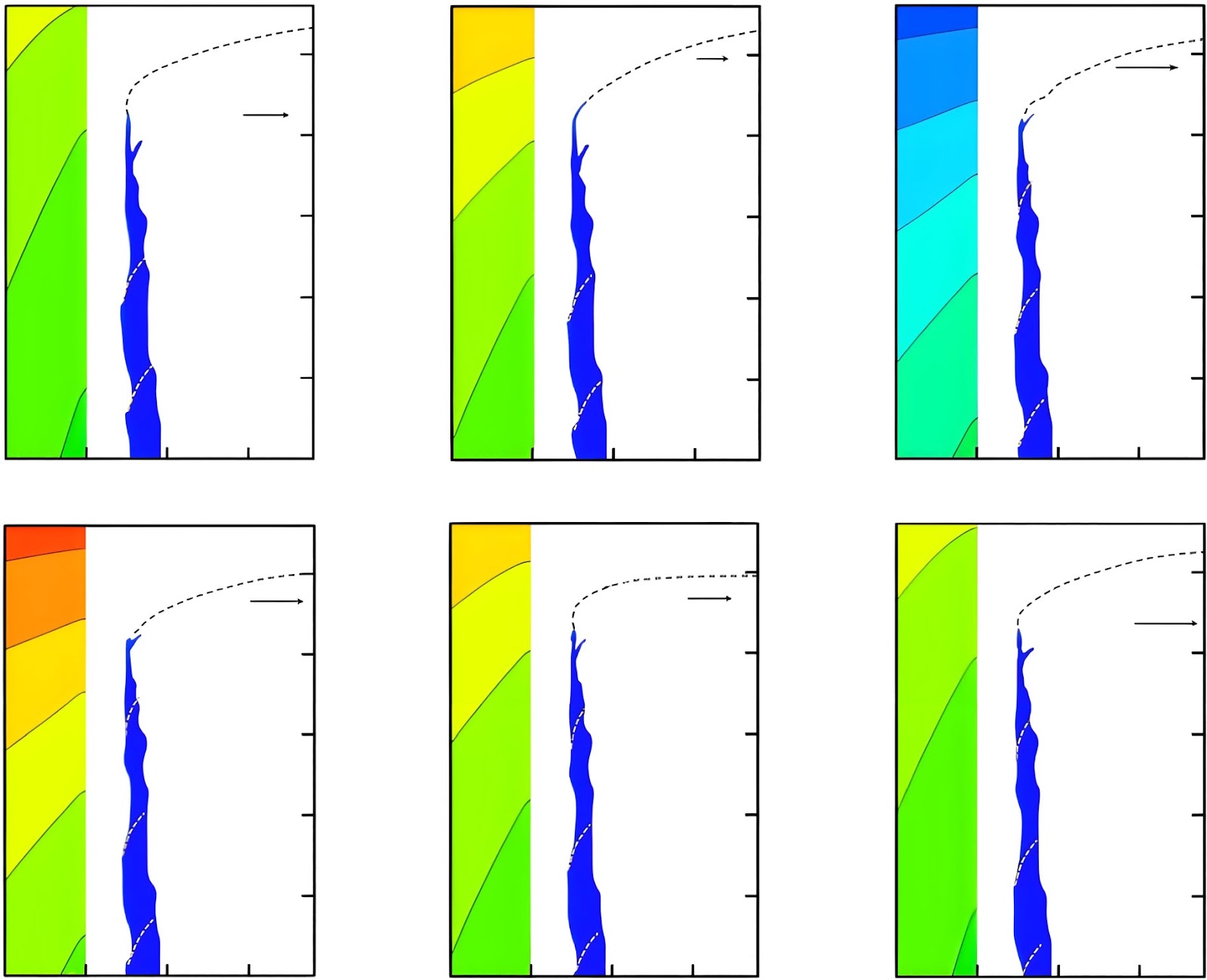
High-cycle fatigue life improvement of a PtAl-coated third-generation Ni-based single-crystal superalloy after thermal exposure

Authors: Dong Sun, Siliang He, Longfei Li, Song Lu, Weiwei Zheng, Jonathan Cormier, Qiang Feng

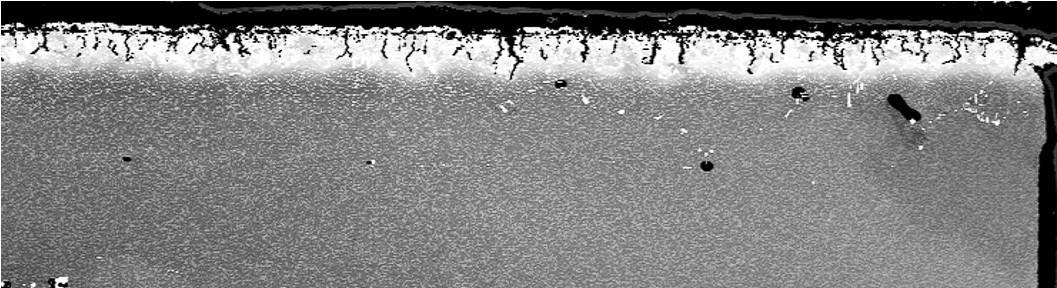
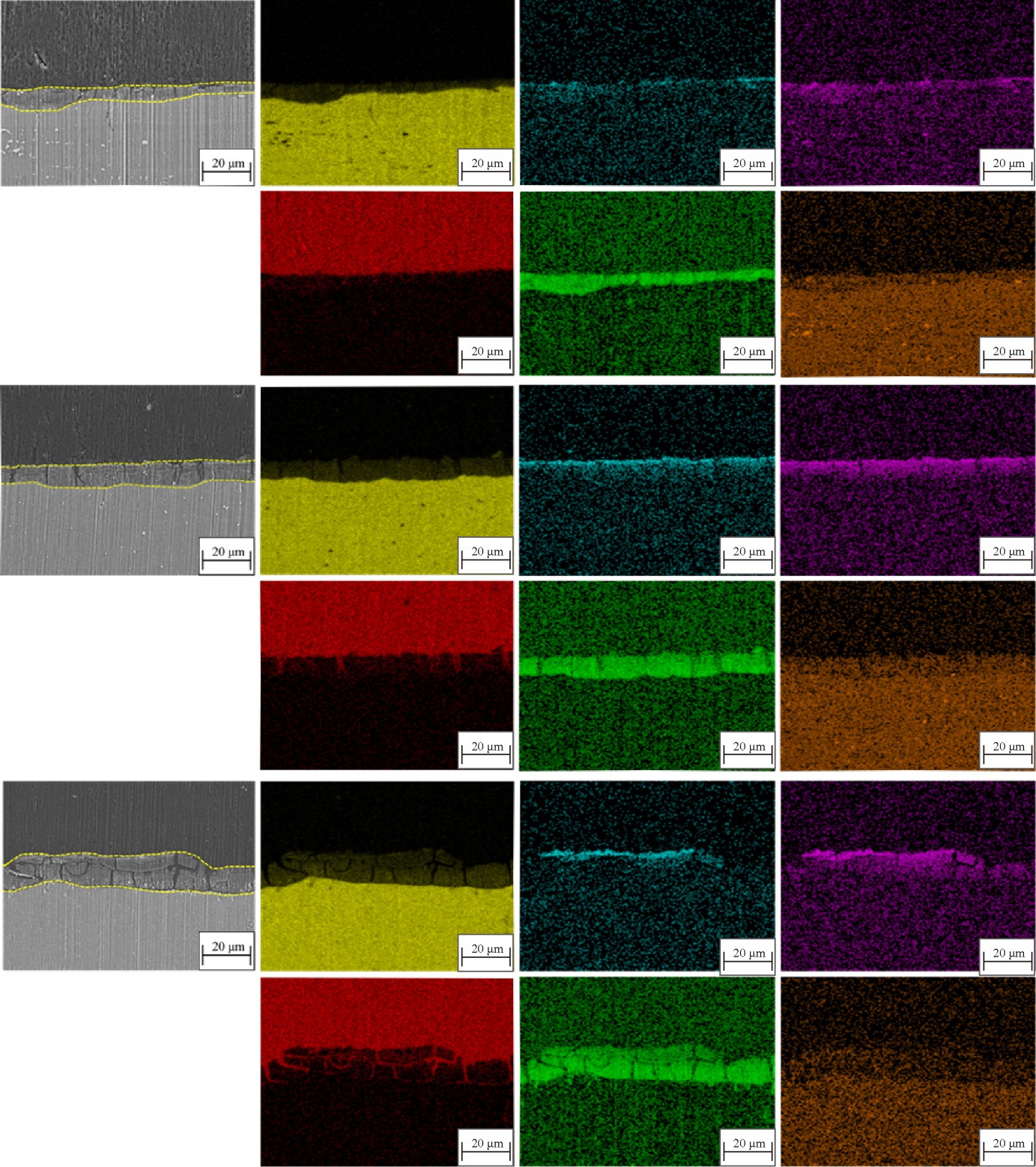
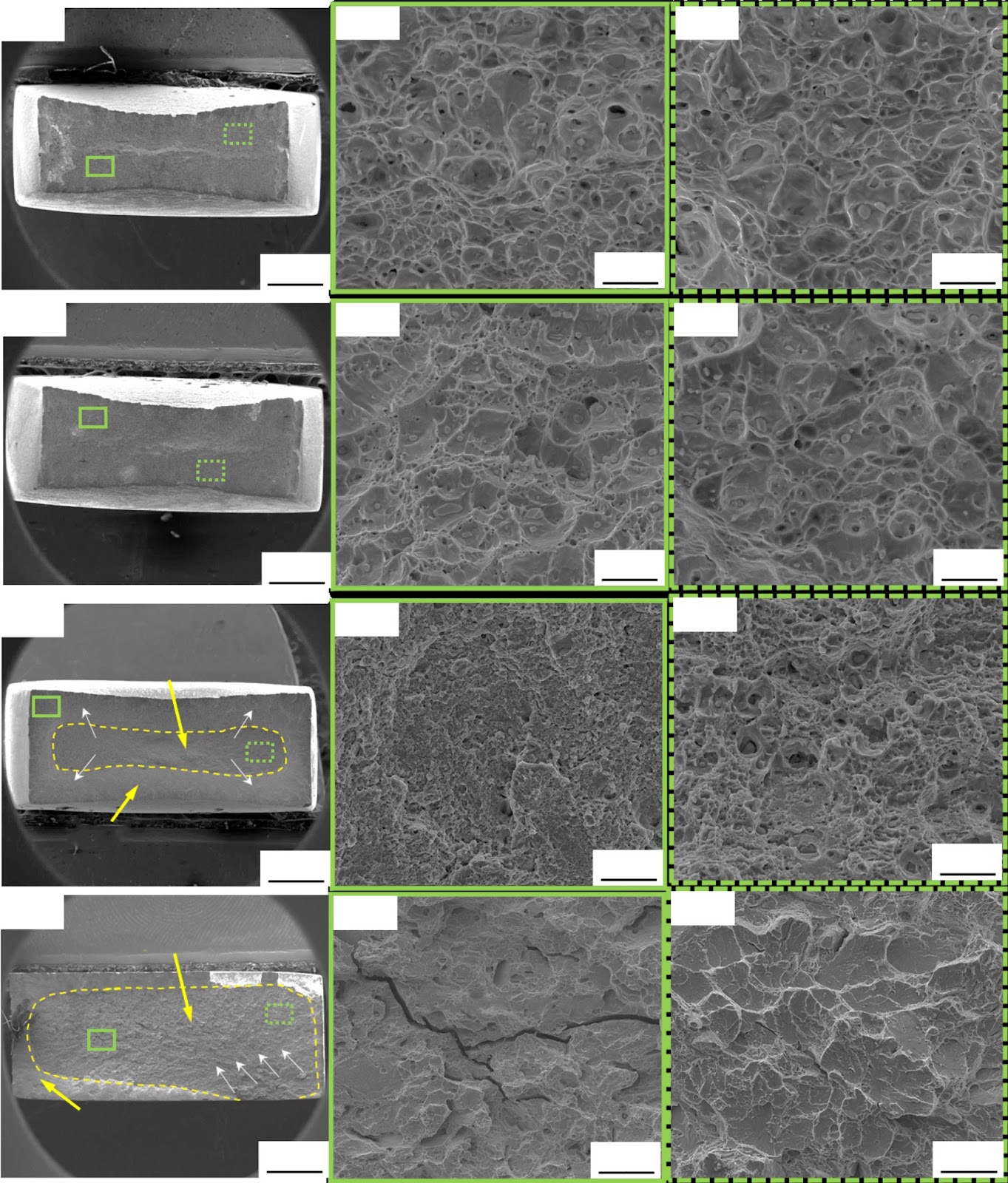
The as-deposited coating–substrate microstructure has been identified to substantially influence the high-cycle fatigue (HCF) behavior of Ni-based single-crystal (SX) superalloys at 900°C, but the impact of degraded microstructure on the HCF behavior remains unclear. In this work, a PtAl-coated third-generation SX superalloy with sheet specimen was thermal-exposed at 1100°C with different durations and then subjected to HCF tests at 900°C. The influence of microstructural degradation on the HCF life and crack initiation were clarified by analyzing the development of microcracks and coating–substrate microstructure. Notably, the HCF life of the thermal-exposed coated alloy increased abnormally, which was attributed to the transformation of the fatigue crack initiation site from surface microcracks to internal micropores compared to the as-deposited coated alloy. Although the nucleation and growth of surface microcracks occurred along the grain boundaries in the coating and the interdiffusion zone (IDZ) for both the as-deposited and the thermal-exposed coated alloys, remarkable differences of the microcrack growth into the substrate adjacent to the IDZ were observed, changing the crack initiation site. Specifically, the surface microcracks grew into the substrate through the cracking of the non-protective oxide layers in the as-deposited coated alloy. In comparison, the hinderance of the surface microcracks growth was found in the thermal-exposed coated alloy, due to the formation of a protective Al2O3 layer within the microcrack and the γ′ rafting in the substrate close to the IDZ. This study will aid in improving the HCF life prediction model for the coated SX superalloys.

High-cycle fatigue life improvement of a PtAl-coated third-generation Ni-based single-crystal superalloy after thermal exposure
Graphical Abstract
Original ResearchVol. 32, Issue 7 • pp. 1641DOI: 10.1007/s12613-024-3023-4Jan 15, 2025

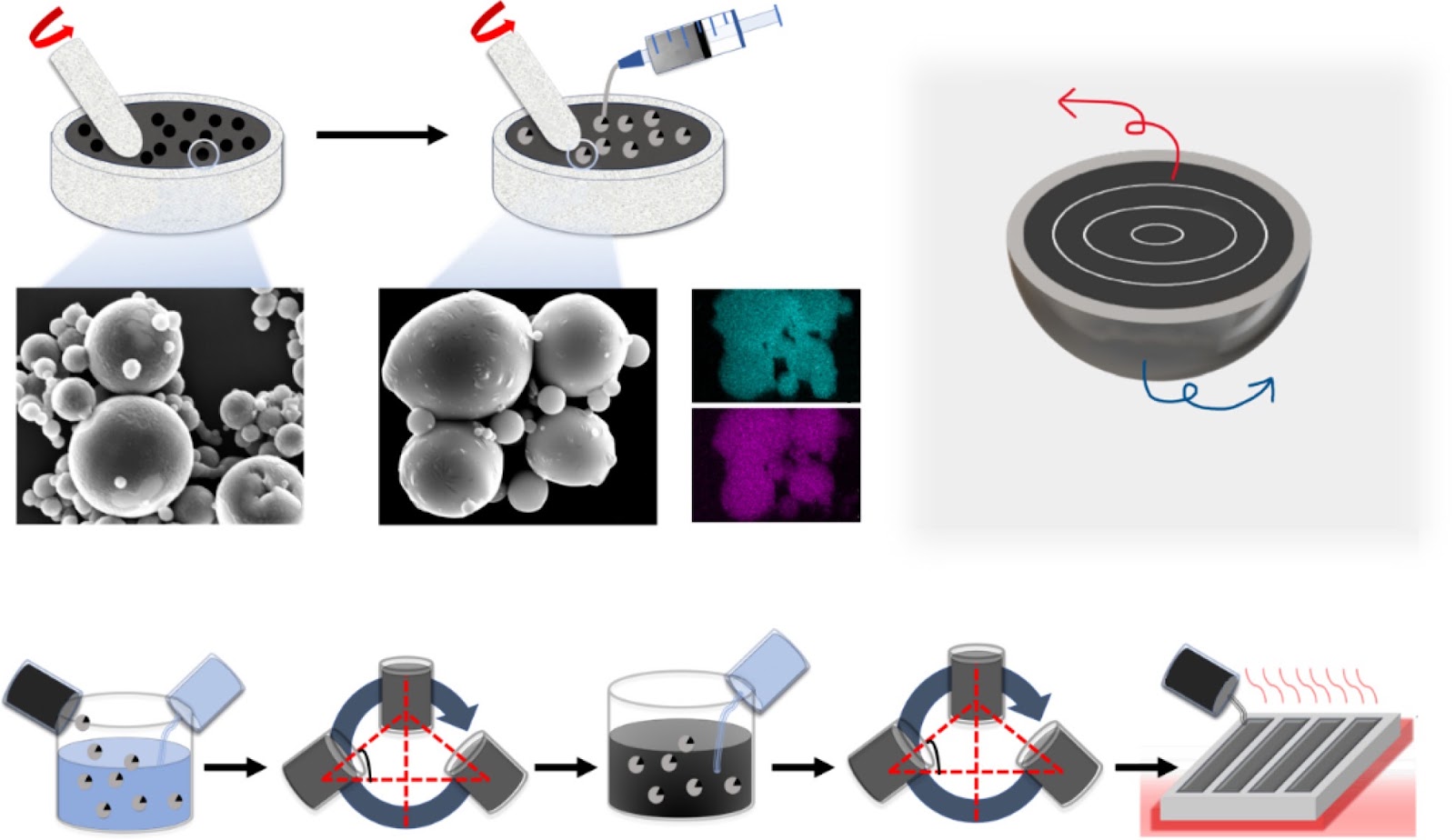
Strength–ductility synergy strategy of Ti6Al4V alloy fabricated by metal injection molding

Authors: Jianzhuo Sun, Yu Pan, Yanjun Liu, Fan Kuang, Ranpeng Lu, Xin Lu

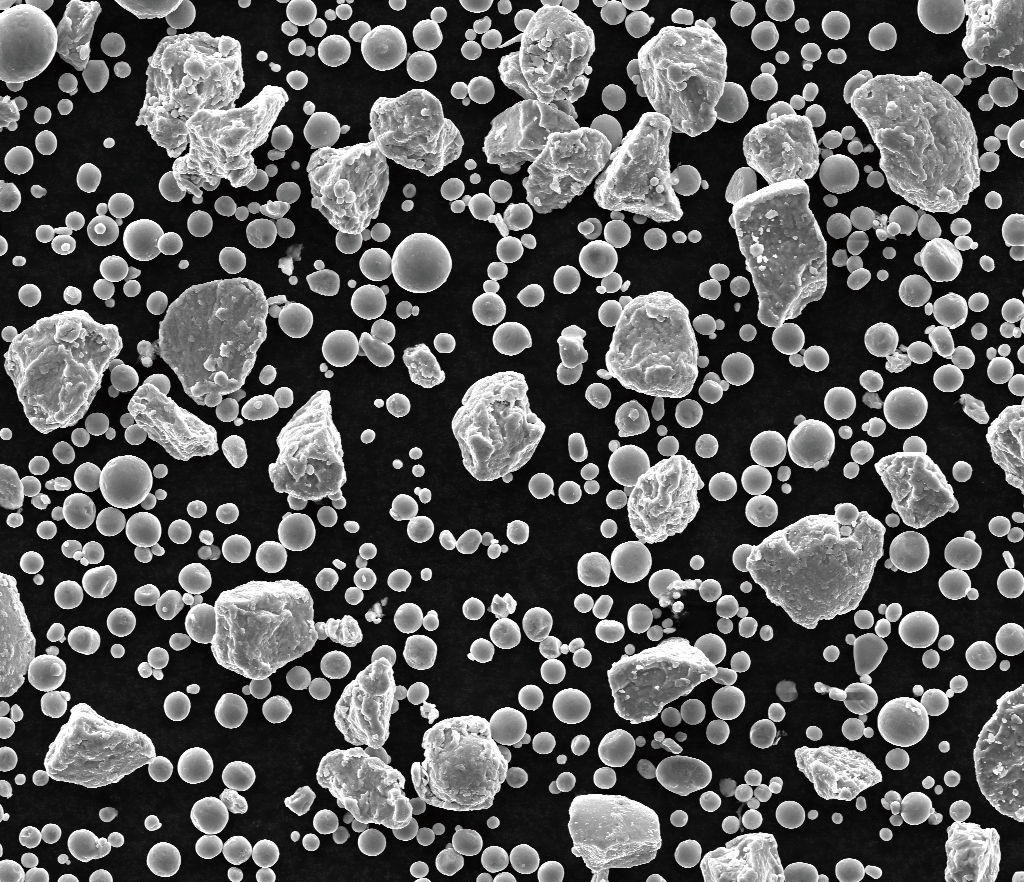
Interstitial oxygen (O) contamination remains a substantial challenge for metal injection molding (MIM) of titanium alloys. Herein, this critical problem is successfully addressed by regulating the thermal debinding temperature and incorporating the oxygen scavenger LaB6. Results indicate that the surface oxide layer (with a thickness of (13.4 ± 0.5) nm) of Ti6Al4V powder begins to dissolve into the Ti matrix within the temperature range of 663–775°C. O contamination in MIM Ti alloys can be effectively mitigated by lowering the thermal debinding temperature and adding LaB6 powder. As a result of reduced dissolved O content, the slips of mixed <a> and <c + a> dislocations are effectively accelerated, leading to improved ductility. Moreover, grain refinement, along with the in situ formation of TiB whiskers and second-phase La2O3 particles, enhances the strength of the material. The fabricated MIM Ti6Al4V sample exhibits excellent mechanical properties, achieving an ultimate tensile strength of (967 ± 5) MPa, a yield strength of (866 ± 8) MPa, and an elongation of 21.4% ± 0.7%. These tensile properties represent some of the best results reported in the literature for MIM Ti6Al4V alloys. This study offers valuable insights into the development of high-performance MIM Ti alloys and other metal materials.

Strength–ductility synergy strategy of Ti6Al4V alloy fabricated by metal injection molding
Graphical Abstract
Original ResearchVol. 32, Issue 7 • pp. 1762-DOI: 10.1007/s12613-024-3010-9Jan 15, 2025

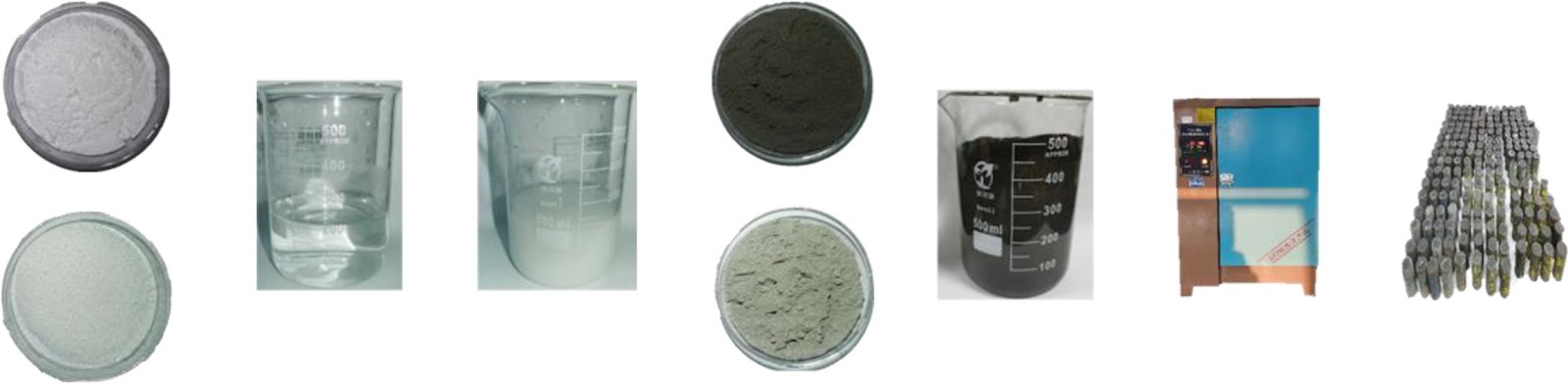
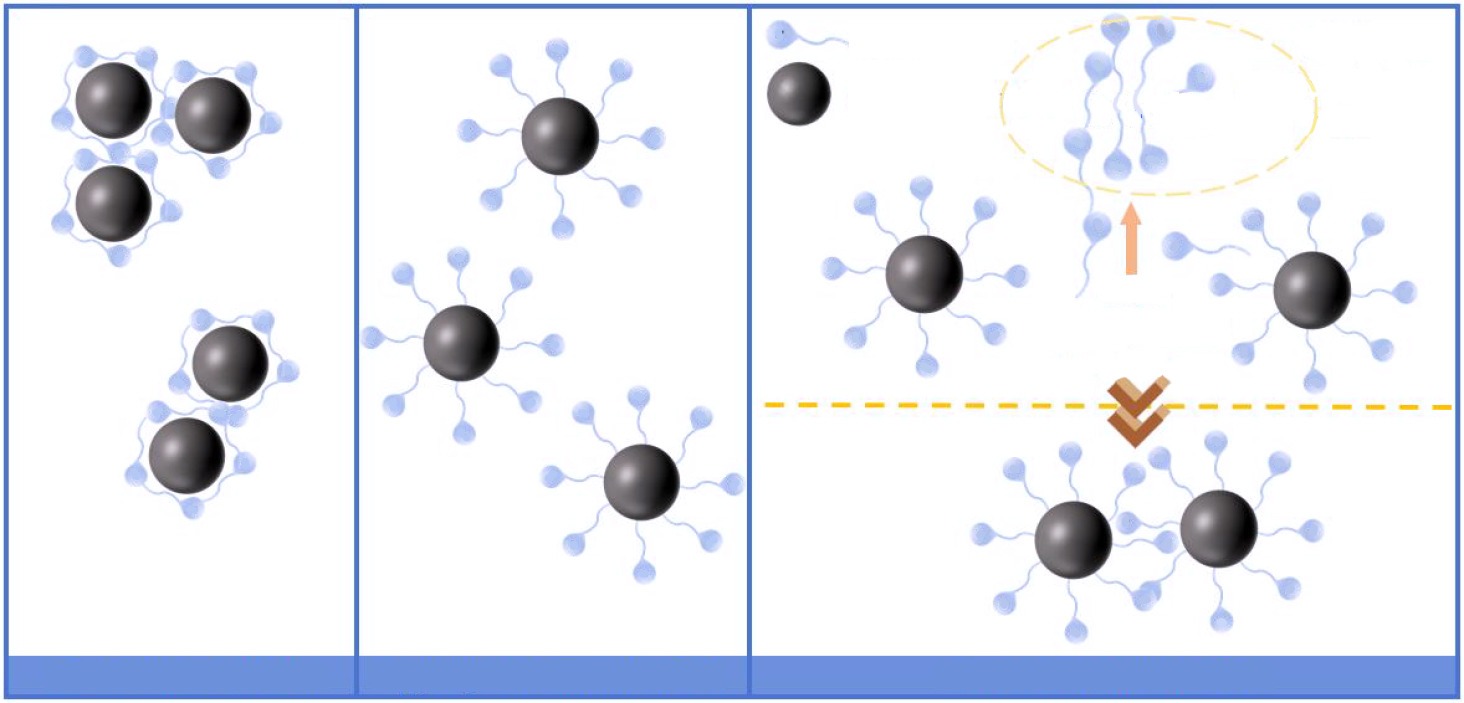
A novel fluorescence turn-on sensor for Cr3+ based on fluorescence resonance energy transfer between gold nanoparticles and rhodamine B

Authors: Qin Ma, Lin Shi, Baocheng Ran, Tianfeng Ma, Huan Wang, Yongchang Lu

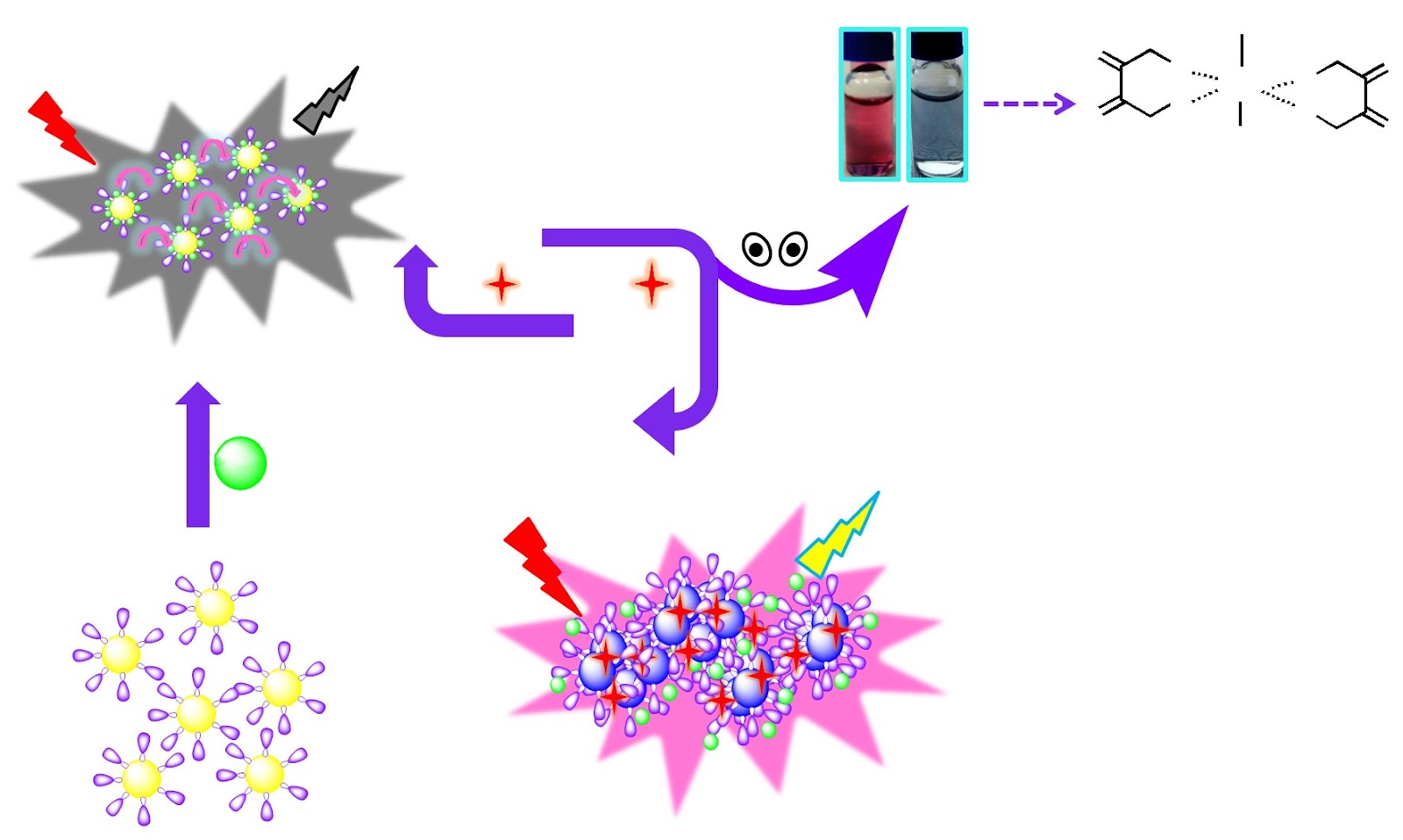
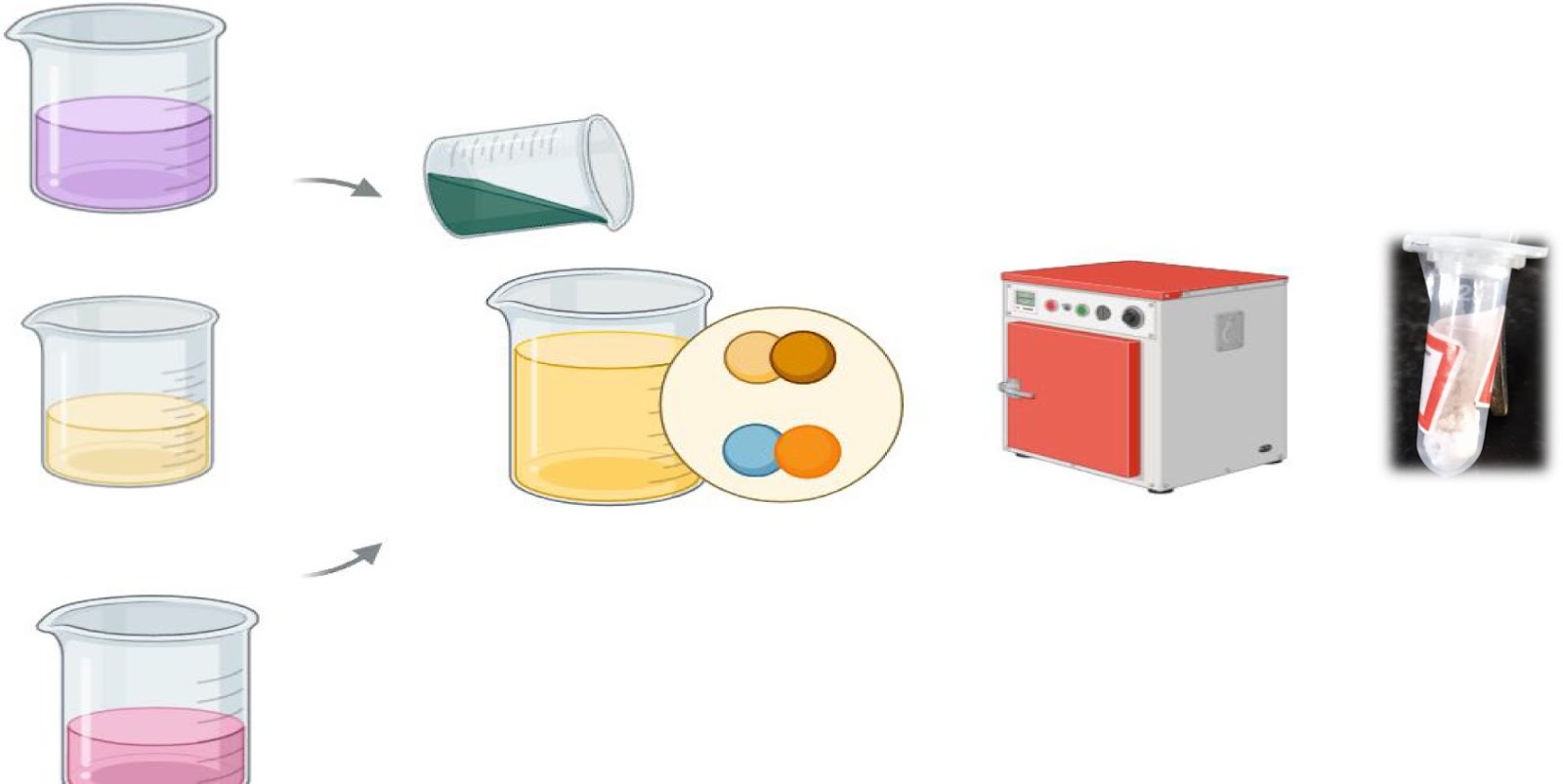
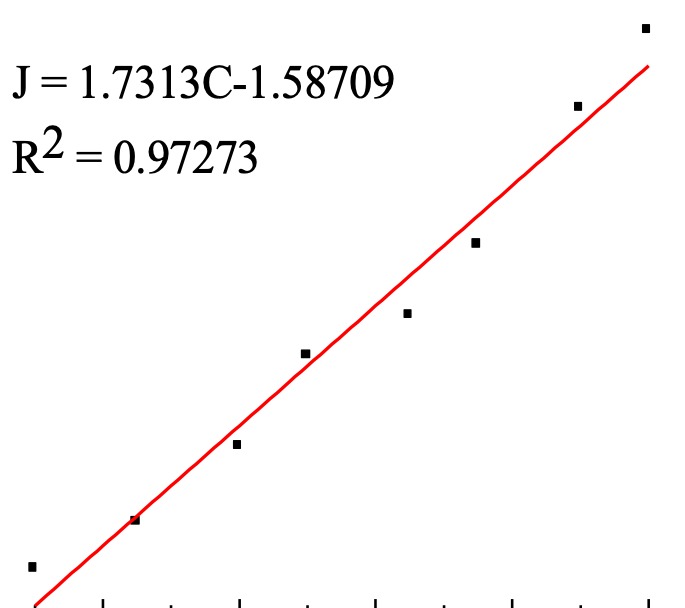
Up to now, “Turn-on” fluorescence sensor exhibits promising potential toward the detection of heavy metal ions, anions, drugs, organic dyes, DNA, pesticides, and other amino acids due to their simple, quick detection, and high sensitivity and selectivity. Herein, a novel fluorescence method of detecting Cr3+ in an aqueous solution was described based on the fluorescence resonance energy transfer between rhodamine B (RhB) and gold nanoparticles (AuNPs). The fluorescence of RhB solution could be obviously quenched (“off” state) with the presence of citrate-stabilized AuNPs. However, upon addition of Cr3+ to AuNPs@RhB system, the fluorescence of AuNPs was recovered owing to the strong interaction between Cr3+ and the specific groups on the surface of citrate-stabilized AuNPs, which will lead to the aggregation of AuNPs (“on” state). At this point, the color of the reaction solution turned to black. Under optimal conditions, the limit of detection (LOD) for Cr3+ was 0.95 nM (signal-to-noise ratio, S/N = 3) with a linear range of 0.164 nM to 3.270 μM. Furthermore, the proposed method exhibits excellent performances, such as rapid analysis, high sensitivity, extraordinary selectivity, easy preparation, switch-on fluorescence response, and non-time consuming.

A novel fluorescence turn-on sensor for Cr3+ based on fluorescence resonance energy transfer between gold nanoparticles and rhodamine B
Graphical Abstract
Original ResearchVol. 32, Issue 9 • pp. 2131DOI: 10.1007/s12613-024-3066-6Jan 15, 2025

Rapid identification method for inclusions in evaluating high-purity quartz

Authors: Min Liu, Guocheng Lv, Xin Liu, Zijie Ren, Meitang Liu, Ritong Huang, Xinyu Hou, Qinwen Zheng, Libing Liao, Jingwen Mao

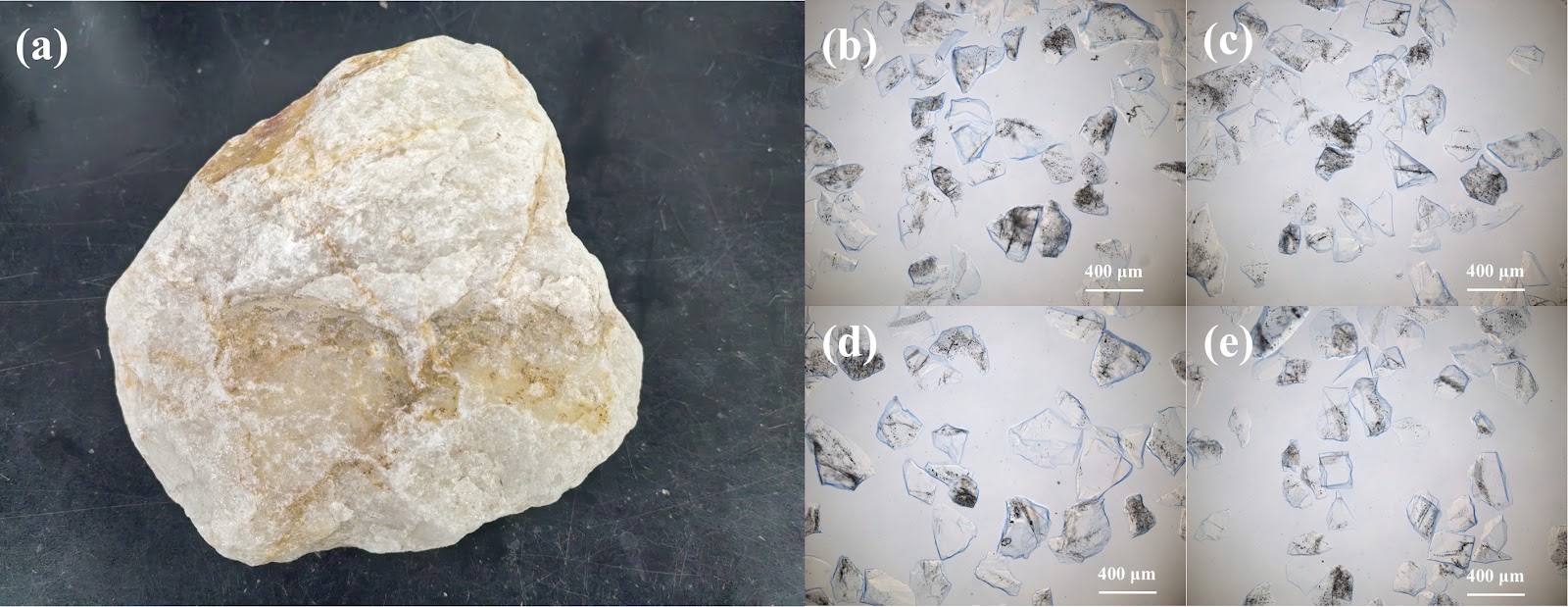
The rapid growth of semiconductor, photovoltaic, and other emerging industries has led to a sharp increase in the demand for high-purity quartz in China, particularly 4N5-grade (99.995% pure SiO2). However, heavy reliance on imported high-purity quartz poses a significant risk to the security of key national strategic industries. To address this challenge, China is focusing on identifying domestic sources of high-purity quartz and developing efficient evaluation methods. This study investigates the inclusion content in three types of quartz: pegmatite, vein quartz, and white granite. A grading system based on the transmittance of quartz grains was established by analyzing the number of inclusions. Five quartz ore samples from different regions were purified, and the resulting concentrates were analyzed using inductively coupled plasma mass spectrometry (ICP-MS). The relationships among the inclusion content of raw quartz, impurity composition of purified quartz, and quality of sintered fused quartz products were examined. The findings demonstrate that quartz with fewer inclusions results in lower impurity levels after purification, higher SiO2 purity, and more translucent glass, as confirmed by firing tests. Herein, this study establishes a clear connection between quartz inclusions and the overall quality of high-purity quartz. The proposed approach enables the rapid assessment of quartz deposit quality by identifying inclusions, offering a practical and efficient method for locating high-quality quartz resources.

Rapid identification method for inclusions in evaluating high-purity quartz
Graphical Abstract
Original ResearchVol. 32, Issue 4 • pp. 851-DOI: 10.1007/s12613-024-2971-zJan 15, 2025

Effect of 5wt% Fe3O4 addition on the phase equilibria of the CaO–SiO2–TiO2 system at 1400°C in air

Authors: Junjie Shi, Chenglong Jiang, Yifei Cao, Yumo Zhai, Yuchao Qiu, Hangkai Shi, Maoxi Yao, Jianzhong Li

The equilibrium phase relations of the CaO–SiO2–TiO2–5wt%Fe3O4 system were experimentally investigated at 1400°C in air. High-temperature equilibration-quenching techniques were employed in an electric MoSi2 resistance heated furnace, with phase composition analysis conducted using an electron probe microanalyzer and X-ray diffraction. A single liquid region, liquid–solid phase equilibria regions (including liquid–tridymite, liquid–rutile, liquid–perovskite, and liquid–wollastonite), and three-phase equilibria regions of liquid–tridymite–rutile and liquid–rutile–perovskite were found. The 1400°C isothermal sections of the CaO–SiO2–TiO2–5wt%Fe3O4 system in air were projected. The present experimental results exhibited good agreement with the calculation results obtained from FactSage.

Effect of 5wt% Fe3O4 addition on the phase equilibria of the CaO–SiO2–TiO2 system at 1400°C in air
Graphical Abstract
Original ResearchVol. 32, Issue 8 • pp. 2007DOI: 10.1007/s12613-025-3093-yJan 15, 2025

B-coating modulation strategy serving ultrahigh nickel cathodes

Authors: Aoyu Zhang, Lida Song, Zhaoyang Dong, Runguo Zheng, Zhishuang Song, Yanguo Liu, Jingsheng Xu, Zhiyuan Wang

To satisfy the demand for low-cost and long-range electric vehicles by the market, the commercialization of ultrahigh nickel cathode materials with high specific capacity and a wide electrochemical window is expected to facilitate the development of lithium-ion batteries. However, residual lithium compounds with a strong alkalinity cause difficulty in cathode preparation and indirectly affect the cycling stability of the cathode during cycling. Given the inevitability of the formation of residual alkali, a lithium-borate coating with an adjustable thickness was selected by controlling the formation of residual alkali. An additional lithium source was added to the synthesis process and converted into a thicker and more complete coating structure, which rendered the cathode with better cycle stability. As a result, the percentage of peak area of lithium carbonate on the surface-modified cathode surface exhibited a considerable decrease from 38.07% to 28.26%. The etching results show the formation of a uniform coating layer after boric acid treatment. The initial capacity of the treated cathode was 214.6 mAh·g−1 owing to the favorable effect of the surface coating, and the capacity retention raised from 59.35% to 90.75% and from 63.81% to 91.94% after cycling at 0.5 and 1 C current densities, respectively. The boric acid coating-modified strategy proposed in this paper considerably ameliorates the cycling stabilization of cathodes and provides superior commercial application value for ultrahigh nickel cathode materials.

B-coating modulation strategy serving ultrahigh nickel cathodes
Graphical Abstract
Original ResearchVol. 32, Issue 12 • pp. 3029DOI: 10.1007/s12613-025-3244-1Jan 15, 2025

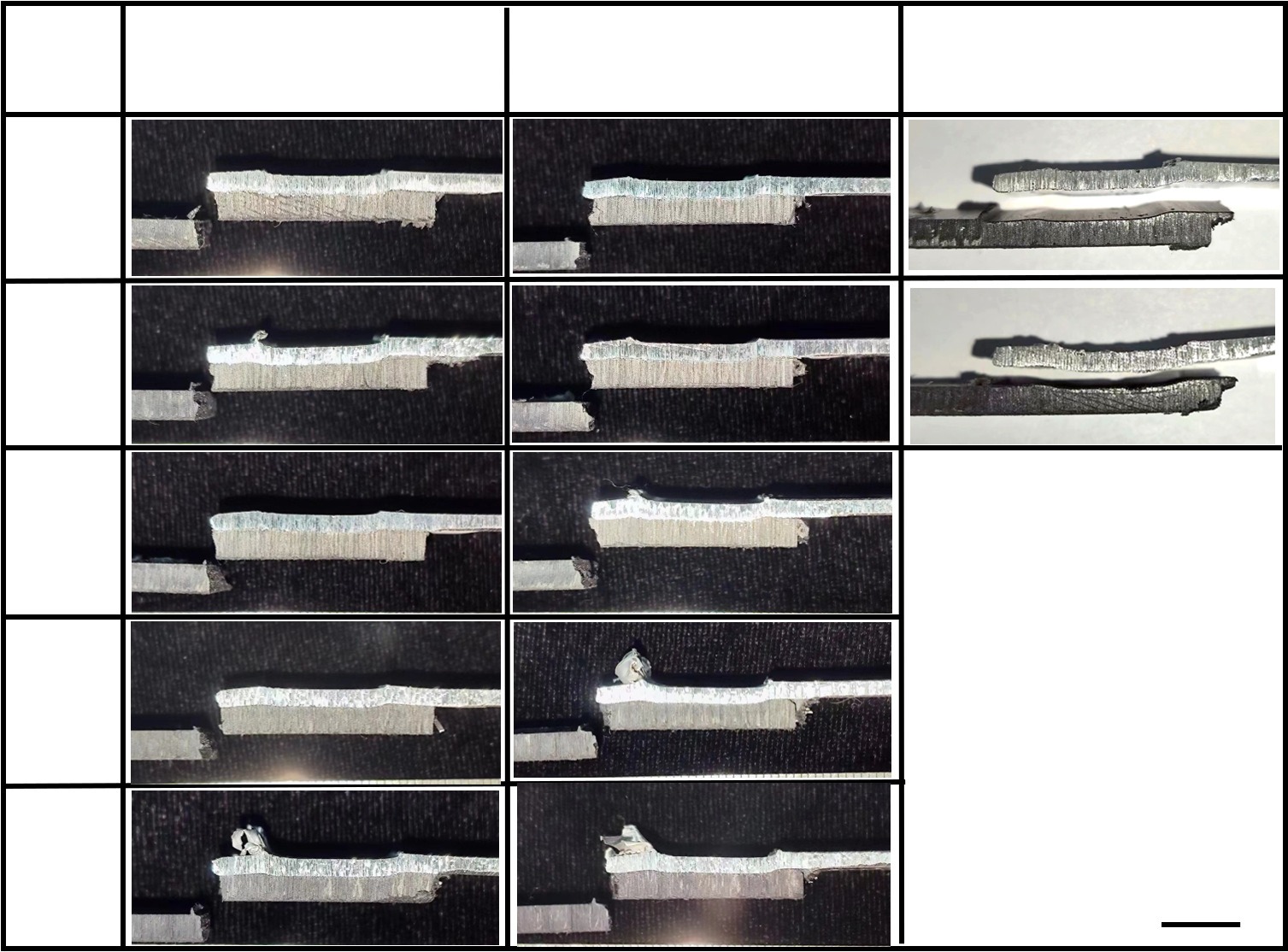
Fabrication of welded hybrid joints of aluminum alloys and polymer composites with significantly enhanced long-term reliability

Authors: Chunyang Jiang, Fengchao Liu, Lihui Wu, Ying Kan, Xianjun Pei, Hao Zhang, Zhen Zhang, Peng Xue, Dingrui Ni, Bolv Xiao, Zongyi Ma

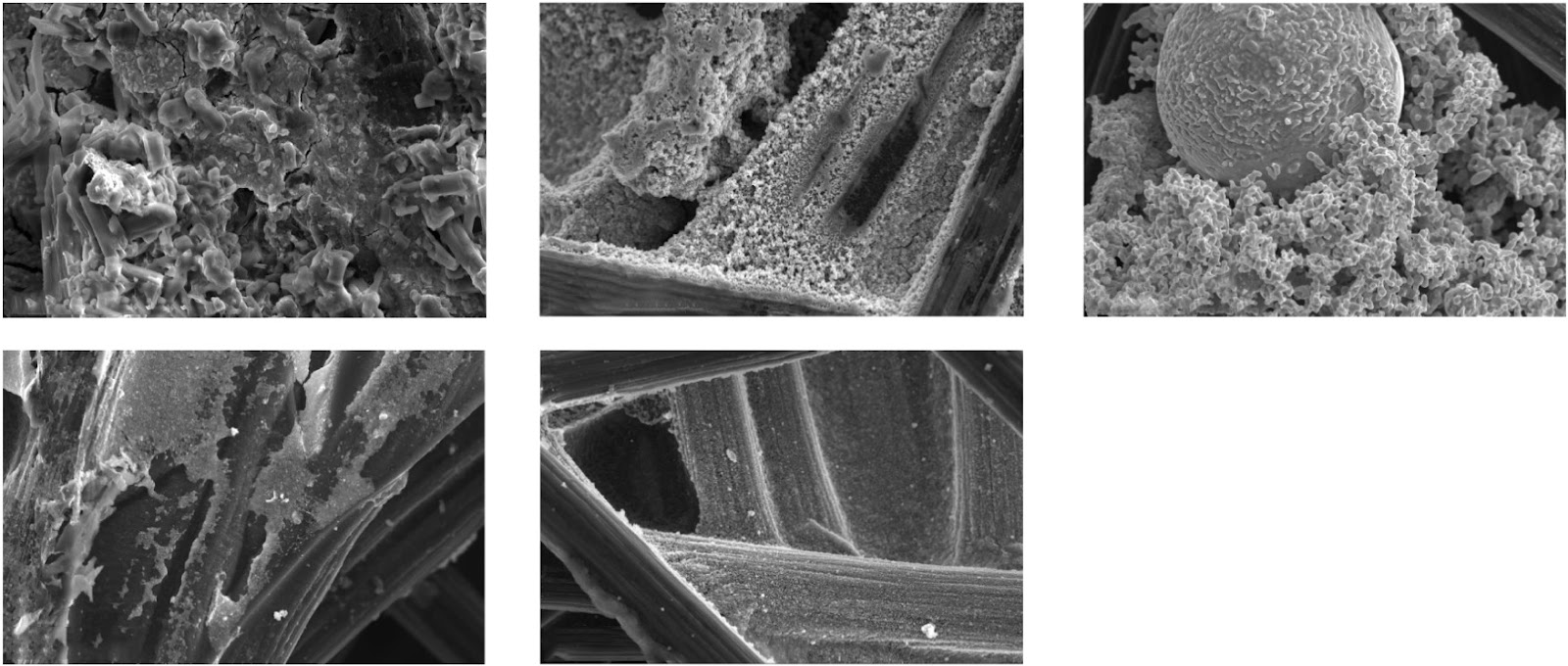
The effect of thermal degradation on the welded hybrid joints of metal and polymer composites is insufficient, which seriously inhibits the engineering applications of the joints. In this study, robust hybrid joints of metal and polymer composites were fabricated by the combination of friction lap welding (FLW) and laser surface treatment for investigating the effect of accelerated aging on the joint properties. Results showed that the FLW hybrid joints without laser surface treatment exhibited 91% reduction in the tensile shear force (TSF) after 7 days of accelerated aging tests. In contrast, the FLW hybrid joints with suitable laser surface treatment exhibited only 26% reduction in TSF even after 35 days of accelerated aging tests. Fractures of the tensile specimens occurred across the composite plates rather than along the joint interface. The enhanced reliability of the hybrid joints was mainly attributed to (1) the formation of micro-mechanical interlocking between the polymer composites and aluminum alloy plate, and (2) the modification of the stress distribution along the joint interface.

Fabrication of welded hybrid joints of aluminum alloys and polymer composites with significantly enhanced long-term reliability
Graphical Abstract
Original ResearchVol. 32, Issue 9 • pp. 2211DOI: 10.1007/s12613-024-3074-6Jan 15, 2025

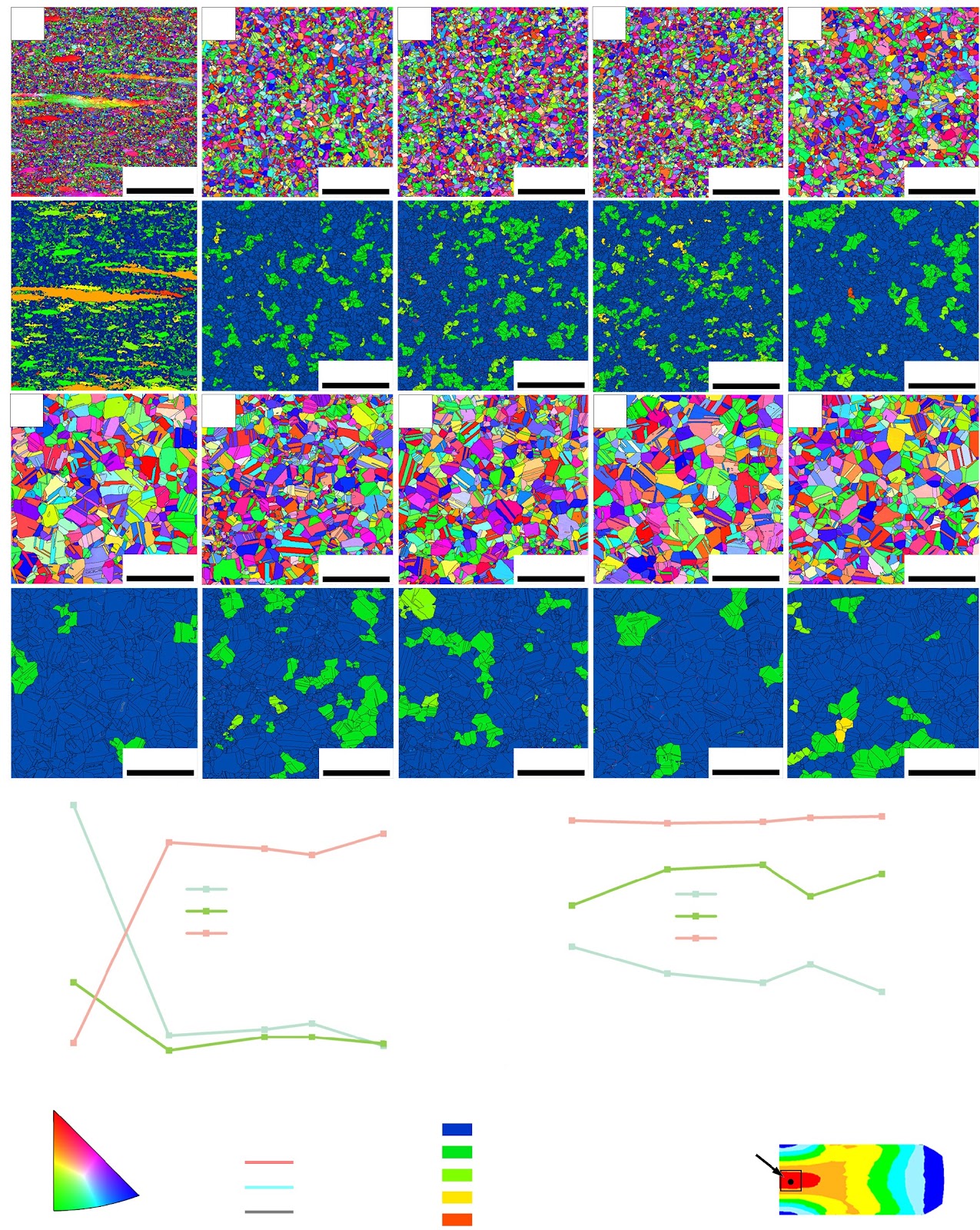
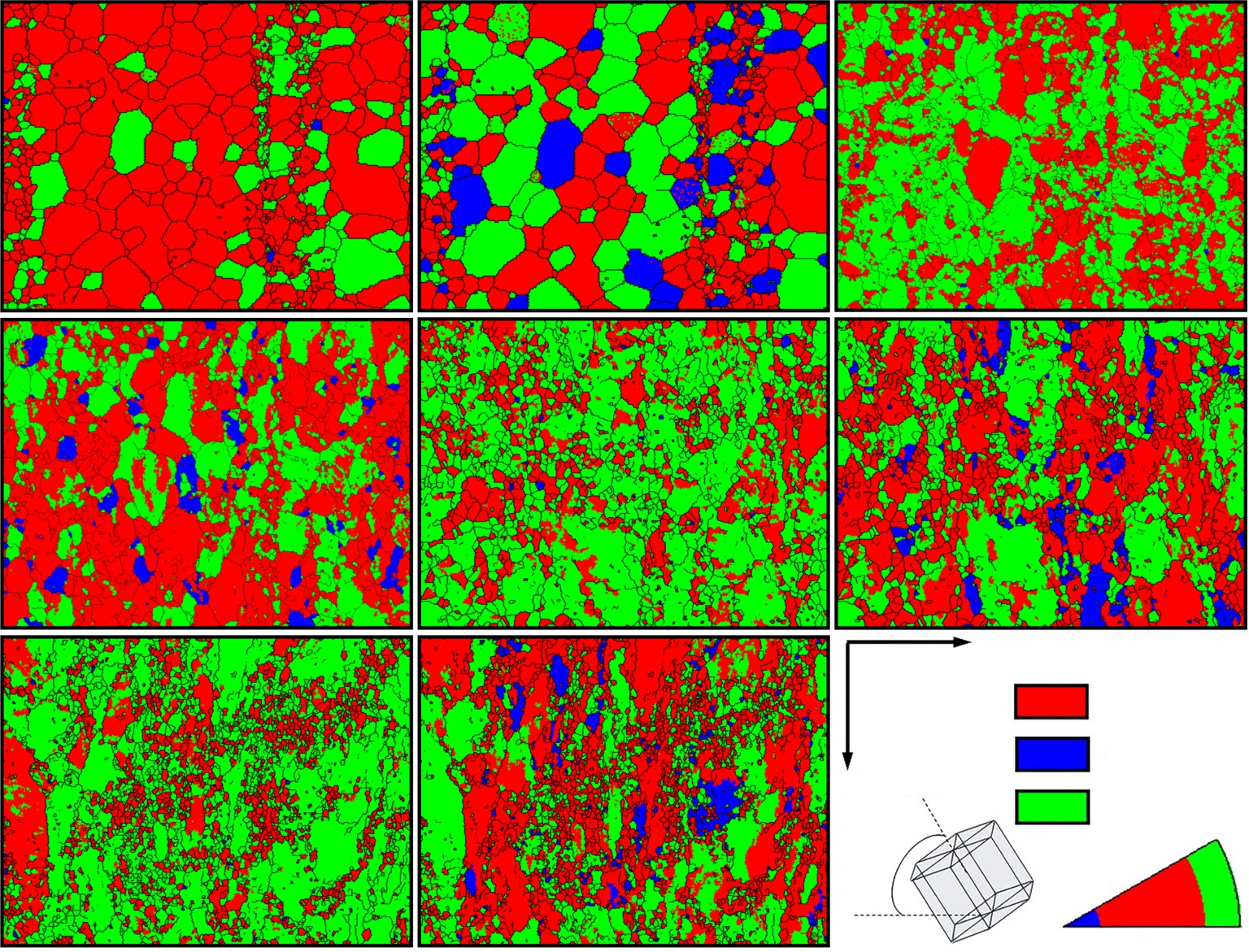
Effect of post-dynamic recrystallization on microstructure evolution of GH141 superalloy after gradient thermal deformation

Authors: Wenpeng Li, Panzhi Wang, Qing Wang, Jiadian Yang, Jingjing Ruan, Xin Zhou, Lilong Zhu, Liang Jiang, Hua Zhang

The GH141 superalloy ring-rolled parts often face microstructural inhomogeneity during production. This work investigated the effect of post-dynamic recrystallization on the microstructural evolution of GH141 superalloy after gradient thermal deformation to solve the problem of microstructural inhomogeneity. Compression tests involving double cone (DC) samples were conducted at various temperatures to assess the effect of gradient strain on internal grain microstructure variation, which ranged from the rim to the center of the samples. The results demonstrate considerable microstructural inhomogeneity induced by gradient strain in the DC samples. The delay in heat preservation facilitated post-dynamic recrystallization (PDRX) and promoted extensive recrystallization in the DC samples experiencing large gradient strain, which resulted in a homogeneous grain microstructure throughout the samples. During compression at a relatively low temperature, dynamic recrystallization (DRX) was predominantly driven by continuous dynamic recrystallization (CDRX). As the deformation temperature increased, the DRX mechanism changed from CDRX-dominated to being dominated by discontinuous dynamic recrystallization (DDRX). During the delay of the heat preservation process, PDRX was dominated by a static recrystallization mechanism, along with the occurrence of meta-dynamic recrystallization (MDRX) mechanisms. In addition, the PDRX mechanism of twin-induced recrystallization nucleation was observed.

Effect of post-dynamic recrystallization on microstructure evolution of GH141 superalloy after gradient thermal deformation
Graphical Abstract
Original ResearchVol. 32, Issue 11 • pp. 2621DOI: 10.1007/s12613-025-3159-xJan 15, 2025

A high-entropy engineered perovskite oxide for efficient and stable LSCF-based air electrode of tubular reversible solid oxide cells

Authors: Shiyue Zhu, Tian Li, Ruoyu Li, Xiaoyong Lu, Yihan Ling, Dong Tian

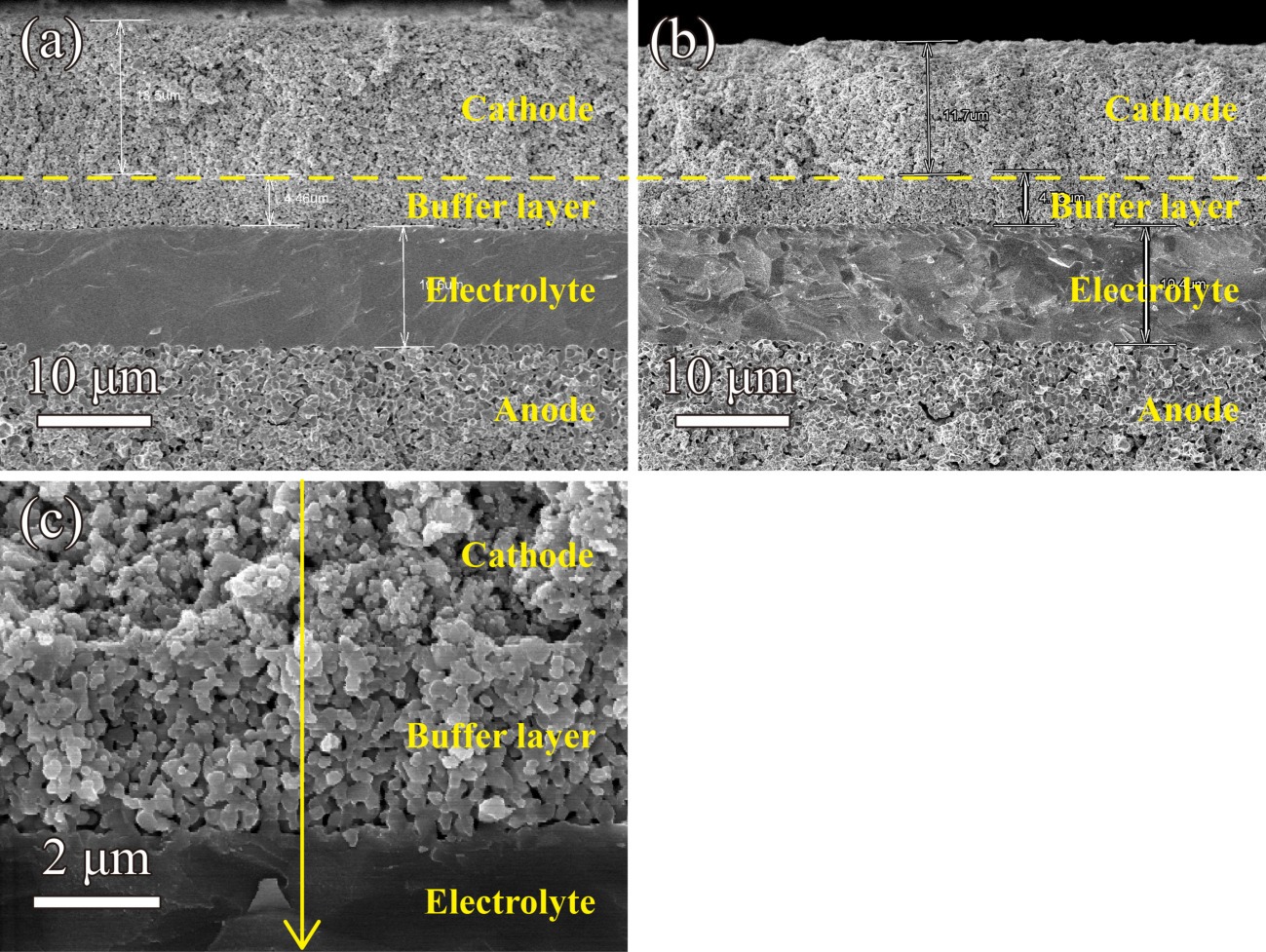
Developing highly active and stable air electrodes remains challenging for reversible solid oxide cells (R-SOCs). Herein, we report an A-site high-entropy engineered perovskite oxide, La0.2Pr0.2Nd0.2Ba0.2Sr0.2Co0.8Fe0.2O3−δ (HE-LSCF), and its electrocatalytic activity and stability property are systematically probed for tubular R-SOCs. The HE-LSCF air electrode exhibits excellent oxygen reduction reaction (ORR) activity with a low polarization resistance of 0.042 Ω·cm2 at 700°C, which is much lower than that of La0.6Sr0.4Co0.8Fe0.2O3−δ (LSCF), indicating the excellent catalytic activity of HE-LSCF. Meanwhile, the tubular R-SOCs with HE-LSCF shows a high peak power density of 1.18 W·cm−2 in the fuel cell mode and a promising electrolysis current density of −0.52 A·cm−2 at 1.5 V in the electrolysis mode with H2 (~10% H2O) atmosphere at 700°C. More importantly, the tubular R-SOCs with HE-LSCF shows favorable stability under 180 h reversible cycling test. Our results show the high-entropy design can significantly enhance the activity and robustness of LSCF electrode for tubular R-SOCs.

A high-entropy engineered perovskite oxide for efficient and stable LSCF-based air electrode of tubular reversible solid oxide cells
Graphical Abstract
Original ResearchVol. 32, Issue 10 • pp. 2560DOI: 10.1007/s12613-025-3167-xJan 15, 2025

Synthesis diamond films on high entropy alloys by chemical vapor deposition: Microstructure, growth behavior and corrosion

Authors: Wenchao Xu, Yongsheng Wang, Xiaoqin Yang, Zhen Zeng, Jianwei Wang, Naixu Wang, Sifan Chen, Dariusz M. Jarząbek, Shengwang Yu

The heteroepitaxy of diamond films has received widespread attention; however, its application remains limited owing to the mismatch in properties and structure between diamond and heterogeneous substrates. In this study, diamond films were successfully synthesized on high-entropy alloys (HEAs) substrates using microwave plasma chemical vapor deposition. The resulting diamond films were continuous, uniform, and adhered to the HEAs substrates. The mixed carbides were identified using X-ray diffraction, and the quality of the diamond films was examined using Raman spectroscopy. Moreover, the corrosion test revealed that the diamond/TiZrHfMo samples had excellent electrochemical stability and corrosion resistance with a corrosion potential value of −0.169 V in a 3.5wt% NaCl solution. A multiple regression model was established to evaluate the effects of the structure and growth parameters, which confirmed that the mixing entropy significantly affected the grain size and corrosion properties.

Synthesis diamond films on high entropy alloys by chemical vapor deposition: Microstructure, growth behavior and corrosion
Graphical Abstract
Original ResearchVol. 32, Issue 11 • pp. 2593DOI: 10.1007/s12613-025-3293-5Jan 15, 2025

Editorial for special issue on high-entropy and multicomponent-doped materials for energy applications: Innovations in energy conversion and storage

Authors: Konrad Świerczek, Kun Zheng, Liuting Zhang, Yihan Ling, Mingjiong Zhou

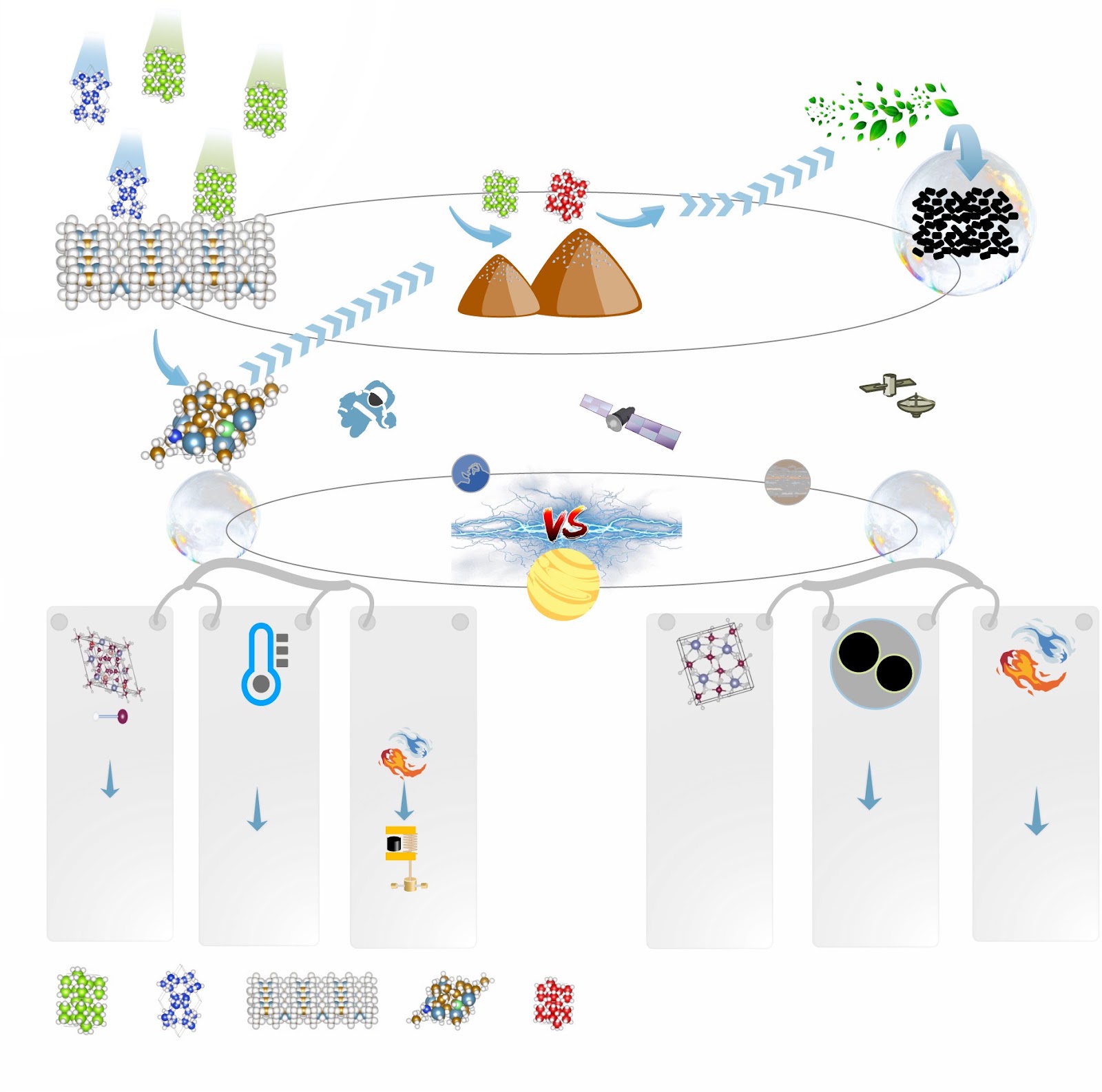
This editorial introduces a special issue of the International Journal of Minerals, Metallurgy and Materials focused on high-entropy and multicomponent-doped materials for energy applications. The collection highlights recent research on the preparation, property optimization, and potential applications of high-entropy materials (HEMs) and other compounds with increased configurational entropy. The accelerating global transition toward sustainable, carbon-neutral energy technologies calls for a new generation of materials with exceptional performance, stability, and scalability. From the perspective of materials science and solid-state chemistry, HEMs and multicomponent-doped systems are at the forefront of this transformation. By harnessing configurational entropy and exploring vast compositional spaces, researchers are uncovering previously inaccessible combinations of properties, from enhanced structural stability to tunable electronic, ionic, and catalytic functionalities. This special issue brings together work on the design, synthesis, characterization, and application of such materials for energy conversion and storage. Together, these contributions provide a comprehensive overview of how compositional complexity can be leveraged to address some of the most pressing challenges in energy science. The issue features 21 articles exploring the frontiers of HEMs for diverse energy applications, including solid oxide electrochemical cells, hydrogen storage, batteries, and capacitors. Many studies focus on designing new materials using high-entropy or multicomponent strategies to significantly enhance performance, while others investigate the physicochemical properties of novel high-entropy oxides and theoretical calculations to guide future HEM design.

Editorial for special issue on high-entropy and multicomponent-doped materials for energy applications: Innovations in energy conversion and storage
Graphical Abstract
Original ResearchVol. 32, Issue 4 • pp. 802-DOI: 10.1007/s12613-024-3048-8Jan 15, 2025

Enhancing mineral processing with deep learning: Automated quartz identification using thin section images

Authors: Gökhan Külekçi, Kemal Hacıefendioğlu, Hasan Basri Başağa

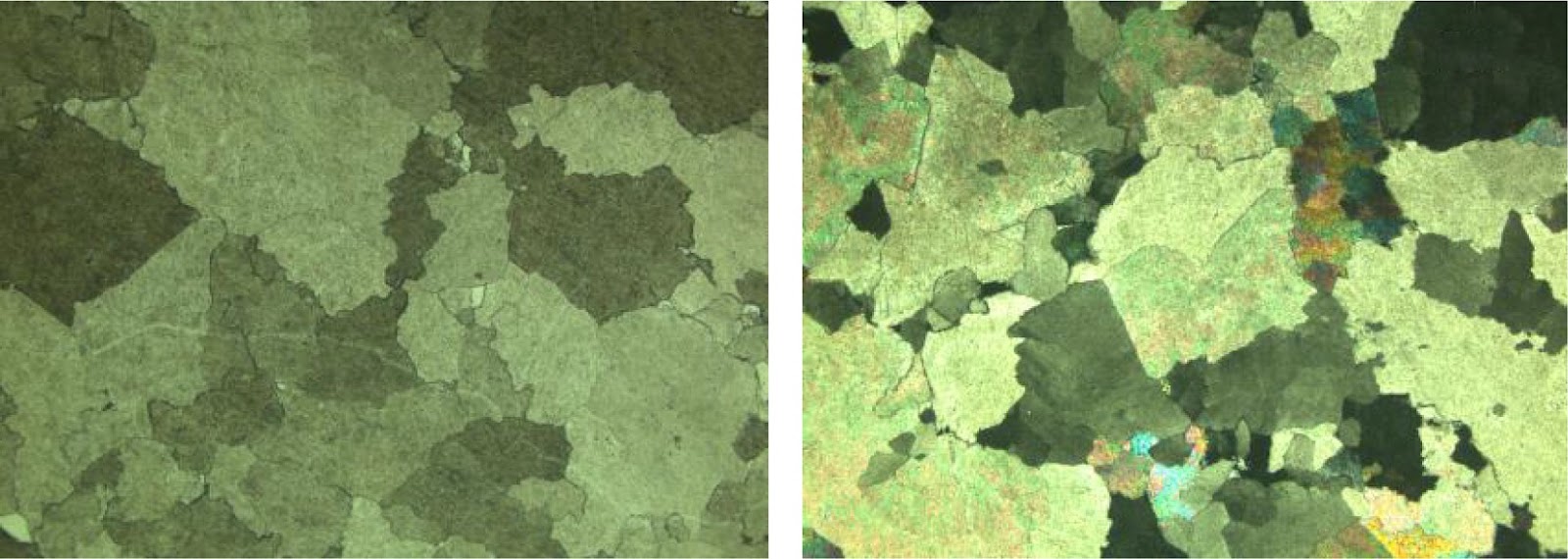
The precise identification of quartz minerals is crucial in mineralogy and geology due to their widespread occurrence and industrial significance. Traditional methods of quartz identification in thin sections are labor-intensive and require significant expertise, often complicated by the coexistence of other minerals. This study presents a novel approach leveraging deep learning techniques combined with hyperspectral imaging to automate the identification process of quartz minerals. The utilized four advanced deep learning models—PSPNet, U-Net, FPN, and LinkNet—has significant advancements in efficiency and accuracy. Among these models, PSPNet exhibited superior performance, achieving the highest intersection over union (IoU) scores and demonstrating exceptional reliability in segmenting quartz minerals, even in complex scenarios. The study involved a comprehensive dataset of 120 thin sections, encompassing 2470 hyperspectral images prepared from 20 rock samples. Expert-reviewed masks were used for model training, ensuring robust segmentation results. This automated approach not only expedites the recognition process but also enhances reliability, providing a valuable tool for geologists and advancing the field of mineralogical analysis.

Enhancing mineral processing with deep learning: Automated quartz identification using thin section images
Graphical Abstract
Original ResearchVol. 32, Issue 7 • pp. 1551-1562DOI: 10.1007/s12613-024-3080-8Jan 15, 2025

Numerical simulation of the effect of hydrogen injection and oxygen enrichment interaction on PCI in a blast furnace

Authors: Huan Liu, Li Huang, Zhenyang Wang, Alberto N. Conejo, Jianliang Zhang, Dawei Lan

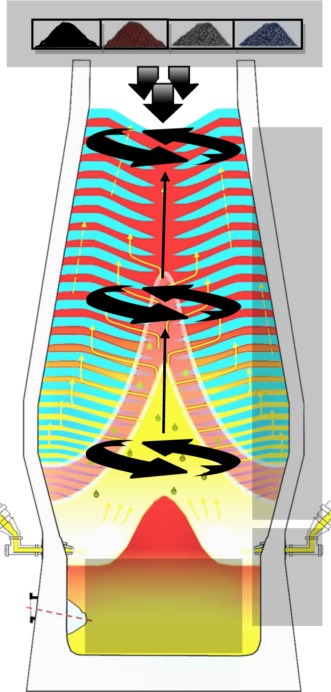
Hydrogen displays the potential to partially replace pulverized coal injection (PCI) in the blast furnace, and it can reduce CO2 emissions. In this paper, a three-dimensional mathematical model of hydrogen and pulverized coal co-injection in blast furnace tuyere was established through numerical simulation, and the effect of hydrogen injection and oxygen enrichment interaction on pulverized coal combustion and raceway smelting was investigated. The simulation results indicate that when the coal injection rate decreased from 36 to 30 t/h and the hydrogen injection increased from 0 to 3600 m3/h, the CO2 emissions decreased from 1860 to 1551 kg/t, which represents a 16.6% reduction, and the pulverized coal burnout decreased from 70.1% to 63.7%. The heat released from hydrogen combustion can not only promote the volatilization of pulverized coal but also affect the combustion reaction between volatilization and oxygen, which resulted in a decrease in the temperature at the end of the raceway. Co-injection of hydrogen with PCI increased the wall temperature near the upper half part of the raceway and at the outlet of the tuyere, which required a high cooling efficiency to extend the service life of the blast furnace. The increase in oxygen level compensated for the decreased average temperature in the raceway due to hydrogen injection. The increase in the oxygen content by 3% while maintaining constant hydrogen and PCI injection rates increased the burnout and average raceway temperature by 4.2% and 43 K, respectively. The mole fraction of CO and H2 production increased by 0.04 and 0.02, respectively. Burnout can be improved through optimization of the particle size distribution of pulverized coal.

Numerical simulation of the effect of hydrogen injection and oxygen enrichment interaction on PCI in a blast furnace
Graphical Abstract
Original ResearchVol. 32, Issue 8 • pp. 1848DOI: 10.1007/s12613-024-3071-9Jan 15, 2025

Extraction of rare earths from ion-adsorption type rare earth ore by indigenous microbial community

Authors: Jiafeng Li, Junmeng Li, Lei Tian, Jian Wang, Yanfei Xiao, Zhiyuan Ma

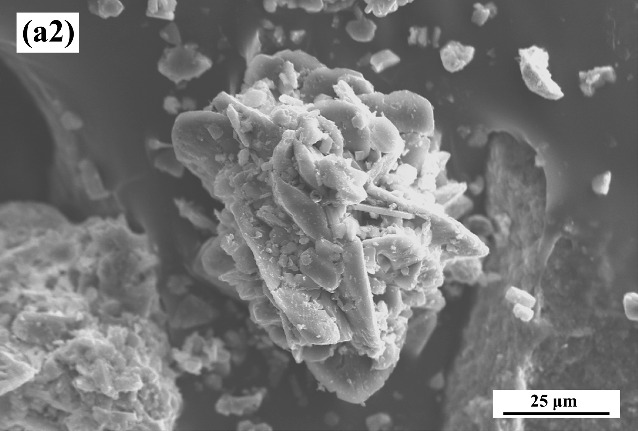
Indigenous microbial communities were employed after subculture in stirred and column bioleaching experiments involving ion-adsorption type rare earth ore. The microbial eukaryotic communities exhibited dramatically varying diversity and structure across culture compositions. Compared with Czapek and sucrose medium, the community cultured in a nutrient broth (NB) medium had a higher diversity, and it was mainly composed of Zygosaccharomyces, Ustilago, Kodamaea, Malassezia, and Aspergillus. These microorganisms secrete organic acids, such as citric acid, malic acid, gluconic acid, and itaconic acid, which provide effective coordination electrons through hydroxyl and carboxyl groups. Stirred bioleaching experiments were conducted to investigate the effect of community, inoculum dosage, liquid–solid ratio, and time on the leaching efficiency. Stirred bioleaching resulted in a concentration limitation phenomenon. When the inoculum dosage of the community cultured in NB medium was 70vol%, the liquid–solid ratio was 5.0 mL·g−1, and the time was 60 min, the upward trend of rare earths leaching rate has become very small. Specifically, the leaching rates of detectable La, Ce, and Y were approximately 92.49%, 92.42%, and 94.39%, respectively. The leaching efficiency and the three influencing factors all conformed to the Poly5 polynomial function, with variances above 0.99. Column bioleaching experiments were performed at a scale of 1 kg. The self-propelled low-pH environment increased the leaching efficiency, which resulted in a leaching rate of 98.88% for rare earths after 117 h. X-ray diffraction and scanning electron microscopy revealed that the samples mainly comprised quartz, kaolinite, orthoclase, muscovite, and zeolite, which were predominantly present in the form of lumps, flakes, rods, and small particles. After bioleaching, the wave intensity of quartz, kaolinite, orthoclase, and muscovite increased, and that of zeolite decreased considerably. A diminution in the number of fine particles indicated the dissolution of small quantities of clay minerals. Ultimately, the differentiated bioleaching mechanism of various forms of rare earths was discussed based on experimental phenomena.

Extraction of rare earths from ion-adsorption type rare earth ore by indigenous microbial community
Graphical Abstract
Original ResearchVol. 32, Issue 9 • pp. 2043DOI: 10.1007/s12613-025-3100-3Jan 15, 2025

Advances in micro/nanoparticle-enhanced Sn-based composite solders

Authors: Kaiming Liang, Wenqiang Wan, Yifei Li, Xin Zhang, Xiangdong Ding, Peng He, Shuye Zhang

Sn-based solder is a widely used interconnection material in the field of electronic packaging; however, the performance requirements for these solders are becoming increasingly demanding owing to the rapid development in this area. In recent years, the addition of micro/nanoreinforcement phases to Sn-based solders has provided a solution to improve the intrinsic properties of the solders. This paper reviews the progress in Sn-based micro/nanoreinforced composite solders over the past decade. The types of reinforcement particles, preparation methods of the composite solders, and strengthening effects on the microstructure, wettability, melting point, mechanical properties, and corrosion resistance under different particle-addition levels are discussed and summarized. The mechanisms of performance enhancement are summarized based on material-strengthening effects such as grain refinement and second-phase dispersion strengthening. In addition, we discuss the current shortcomings of such composite solders and possible future improvements, thereby establishing a theoretical foundation for the future development of Sn-based solders.

Advances in micro/nanoparticle-enhanced Sn-based composite solders
Graphical Abstract
Original ResearchVol. 32, Issue 8 • pp. 2034DOI: 10.1007/s12613-024-3073-7Jan 15, 2025

Adsorption mechanism of multiple water molecules on tricalcium silicate (001) surface: A DFT study

Authors: Xinhang Xu, Zirou Liu, Dino Spagnoli, Danial Jahed Armaghani, Chongchong Qi

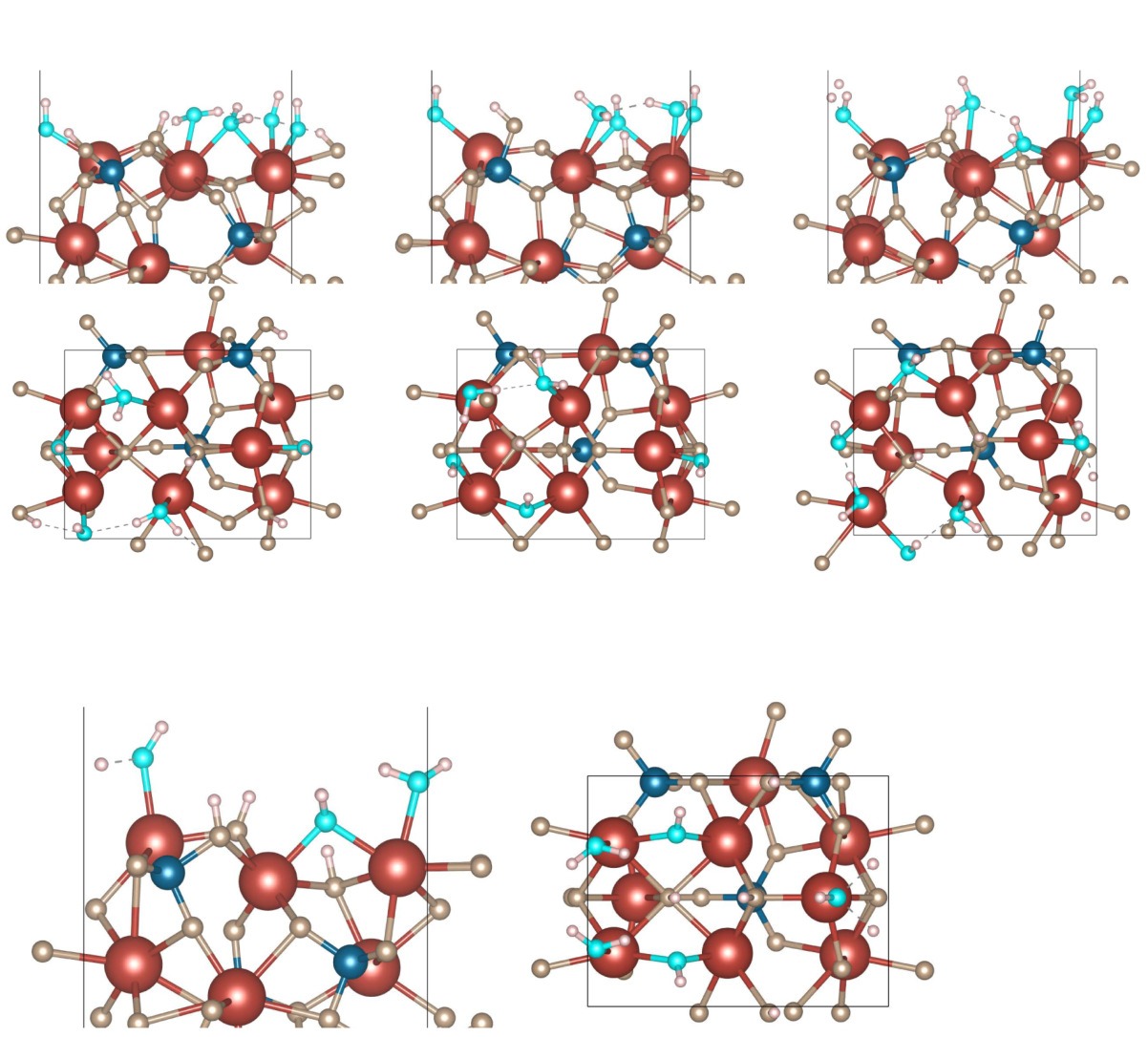
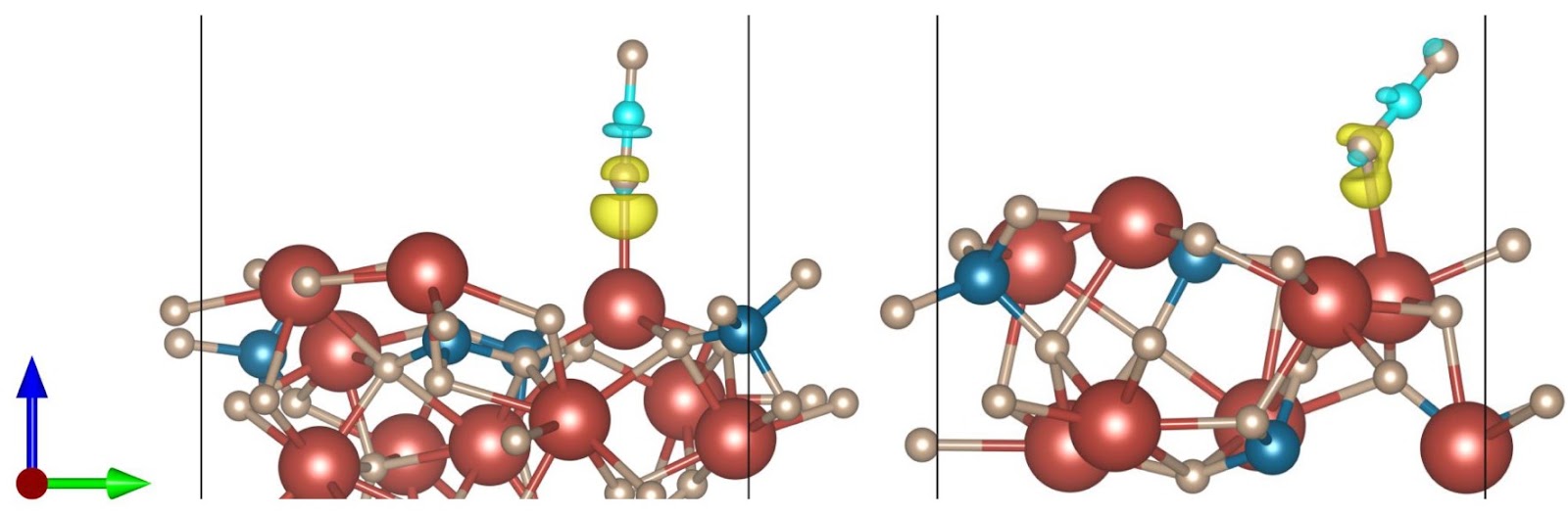
An in-depth understanding of the hydration mechanism of tricalcium silicate is an important basis for optimizing cement strength development. In this study, the adsorption of water molecules onto the M3-C3S(001) surface at different water coverage levels (θ = 1/5, 2/5, 3/5, 4/5, and 1) was investigated using first-principles calculations. The results demonstrate that the conclusions obtained for single water molecule adsorption cannot be fully applied to multiple water molecule adsorption. The total adsorption energies become more negative with increasing water coverage, while the average adsorption energy of each water molecule becomes more positive with increasing water coverage. The water–water interactions reduce the water–surface interactions and are responsible for the anticooperative adsorption of multiple water molecules onto M3-C3S(001). The formation of Ca–OH (–Ca) bonds favors the detachment of Ca from covalent oxygen, which reveals the significant role of dissociative adsorption. This work aims to extend the water adsorption study on M3-C3S(001) from single water molecule adsorption to multiple water molecule adsorption, providing more detailed insights into the initial water reaction on the C3S surface.

Adsorption mechanism of multiple water molecules on tricalcium silicate (001) surface: A DFT study
Graphical Abstract
Original ResearchVol. 32, Issue 5 • pp. 1270-1280DOI: 10.1007/s12613-024-3026-1Jan 15, 2025

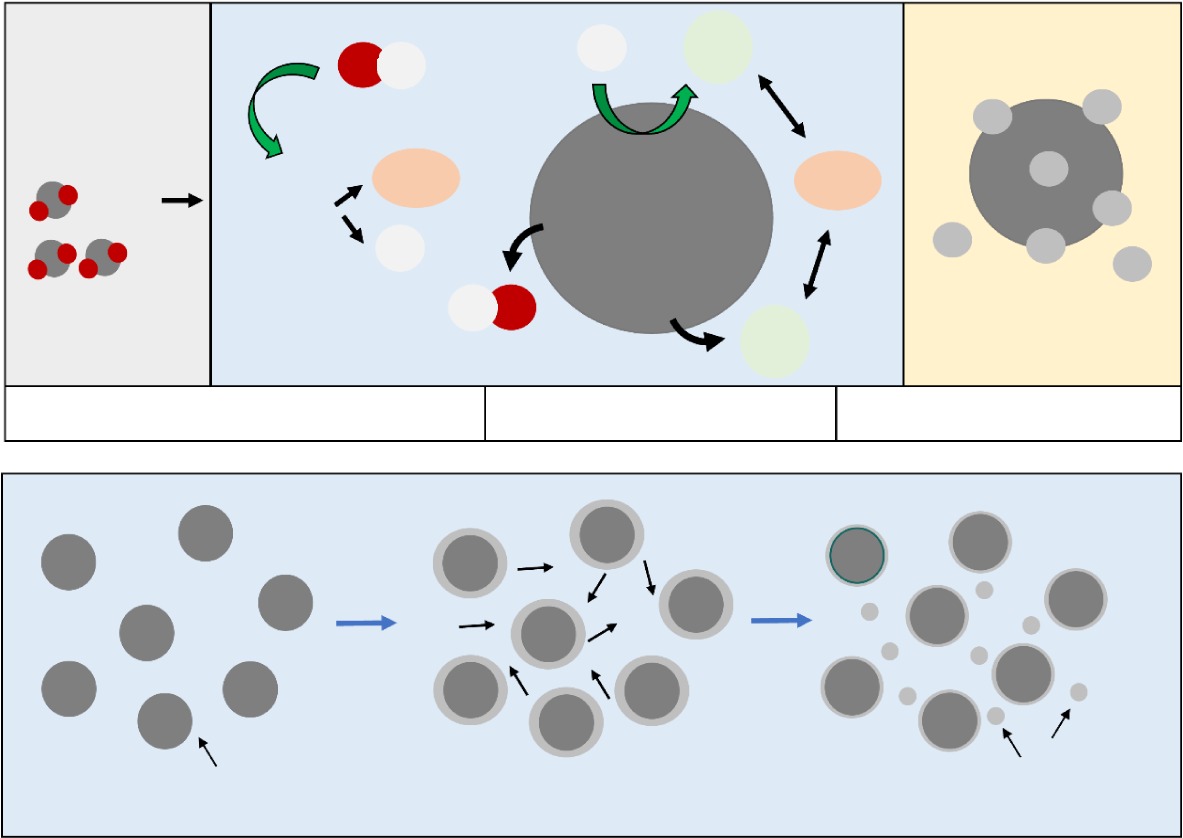
Synthesis of a halloysite/MnFe2O4 heterogeneous Fenton catalyst for the efficient degradation of organic pollutants

Authors: Xiaoyu Jiang, Sikai Zhao, Yaozhong Qi, Jiafang Zhang, Wenbao Liu, Qiang Zhao, Yanbai Shen

To address the limitations associated with conventional Fenton processes, which often exhibit a restricted pH range and present challenges in terms of catalyst recovery and second pollutant, magnetic heterogeneous halloysite (HNT)/MnFe2O4 catalysts were optimally synthesized, which could achieve 90% removal efficiency for 50 mg/L methylene blue (MB) at pH 4–10 and have high hydrogen peroxide (H2O2) utilization efficiencies. In addition, the catalysts could be easily separated from a solution through magnetic separation. The degradation efficiency of MB exhibited remarkable resilience against common aqueous interferents with anions (NO3−, Cl−, SO4^2−, CO3^2−, HCO3−) and humic acid, demonstrating negligible inhibitory effects. Notably, carbonate species (CO3^2− and HCO3−) even elicited a promotional effect on the catalytic process. Furthermore, the removal efficiency of MB only decreased by less than 10% in the fifth cycle compared with that of a fresh catalyst. Furthermore, the HNT/MnFe2O4 catalyst effectively degraded various organic pollutants, such as benzohydroxamic acid, xanthate, and eosin Y. The excellent catalytic performance of the catalysts was attributed to the synergistic effects between HNT and MnFe2O4. The electron paramagnetic resonance spectra and quenching experiments indicated that the main reactive oxygen species that participated in the degradation process were ·OH and ·O2−. ·OH directly attacked MB molecules, and ·O2− accelerated the reduction of metal ions. Therefore, the catalysts showed considerable potential for organic pollutant degradation. This study provides valuable insights into the synthesis of novel catalysts and their practical applications in organic wastewater purification.

Synthesis of a halloysite/MnFe2O4 heterogeneous Fenton catalyst for the efficient degradation of organic pollutants
Graphical Abstract
Original ResearchVol. 32, Issue 7 • pp. 1538-DOI: 10.1007/s12613-024-3070-xJan 15, 2025

Thermodynamics and kinetics of alumina and magnesium oxide in calcium ferrite sintering process

Authors: Rende Chang, Chengyi Ding, Hongming Long, Xuewei Lü, Tiejun Chun, Xiaoqing Xu, Zhiming Yan, Xuchao Wang, Sheng Xue, Wei Lü

Al2O3 and MgO serve as the primary gangue components in sintered ores, and they are critical for the formation of CaO–Fe2O3–xAl2O3 (wt%, C–F–xA) and CaO–Fe2O3–xMgO (wt%, C–F–xM) systems, respectively. In this study, a nonisothermal crystallization thermodynamics behavior of C–F–xA and C–F–xM systems was examined using differential scanning calorimetry, and a phase identification and microstructure analysis for C–F–xA and C–F–xM systems were carried out by X-ray diffraction and scanning electron microscopy. Results showed that in C–F–2A and C–F–2M systems, the increased cooling rates promoted the precipitation of CaFe2O4 (CF) but inhibited the formation of Ca2Fe2O5 (C2F). In addition, C–F–2A system exhibited a lower theoretical initial crystallization temperature (1566 K) compared to the C–F system (1578 K). This temperature further decreases to 1554 K and 1528 K in the C–F–4A and C–F–8A systems, respectively. However, in C–F–xM system, the increased MgO content raised the crystallization temperature. This is because that the enhanced precipitation of MF (a spinel phase mainly comprised Fe3O4 and MgFe2O4) and C2F phases suppressed the CF precipitation reaction. In kinetic calculations, the Ozawa method revealed the apparent activation energies of the C–F–2A and C–F–2M systems. Malek’s method revealed that the crystallization process in C–F–2A system initially followed a logarithmic law ( or ), later transitioning to a reaction order law ((1−α)−1 or (1−α)−1/2, n = 2/3) or the function of the exponential law. In C–F–2M system, it consistently followed the sequence ƒ(α) = (1−α)2 (α is the crystallization conversion rate; n is the Avrami constant; ƒ(α) is the differential equations for the model function of C2F and CF crystallization processes).

Thermodynamics and kinetics of alumina and magnesium oxide in calcium ferrite sintering process
Graphical Abstract
Original ResearchVol. 32, Issue 6 • pp. 1441DOI: 10.1007/s12613-024-3005-6Jan 15, 2025

Thermal and mechanical properties of MO2 (M = Ti, Zr, Hf) co-doped YTaO4 medium-entropy ceramics

Authors: Xunlei Chen, Lin Chen, Jiang Tian, Cheng Xu, Jiaxin Liao, Tianyu Li, Jiankun Wang, Jing Feng

Thermal and mechanical properties of yttrium tantalate (YTaO4), a top coat ceramic of thermal barrier coatings (TBCs) for aeroengines, are enhanced by synthesizing Y1−xTa1−xM2xO4 (M = Ti, Zr, Hf; x = 0.06, 0.12, 0.18, 0.24) medium-entropy ceramics (MECs) using a two-step sintering method. In addition, the thermal conductivity, thermal expansion coefficients (TECs), and fracture toughness of MECs were investigated. An X-ray diffraction study revealed that the Y1−xTa1−xM2xO4 MECs were monoclinic, and the Ti, Zr, and Hf doping elements replaced Y and Ta. The variations in atomic weights and ionic radii led to disturbed atomic arrangements and severe lattice distortions, resulting in improving the phonon scattering and reduced thermal conductivity, with Y1−xTa1−xM2xO4 MECs (x = 0.24) exhibiting the lowest thermal conductivity of 1.23 W·m−1·K−1 at 900°C. The introduction of MO2 increased the configurational entropy and weakened the ionic bonding energy, obtaining high TECs (10.4 × 10⁻⁶ K−1 at 1400°C). The reduction in the monoclinic angle β lowered the ferroelastic domain inversion energy barrier. Moreover, microcracks and crack extension toughening endowed Y1−xTa1−xM2xO4 MECs (x = 0.24) with the highest fracture toughness of (4.1 ± 0.5) MPa·m1/2. The simultaneous improvement of the thermal and mechanical properties of the MO2 (M = Ti, Zr, Hf) co-doped YTaO4 MECs can be extended to other materials.

Thermal and mechanical properties of MO2 (M = Ti, Zr, Hf) co-doped YTaO4 medium-entropy ceramics
Graphical Abstract
Original ResearchVol. 32, Issue 12 • pp. 3086DOI: 10.1007/s12613-025-3263-yJan 15, 2025

Rheological behavior and injectability of PEG/glycerol/bioactive glass-based bone grafts incorporating Denosumab

Authors: Cem Özel, Ali Can Özarslan, Sevil Yücel

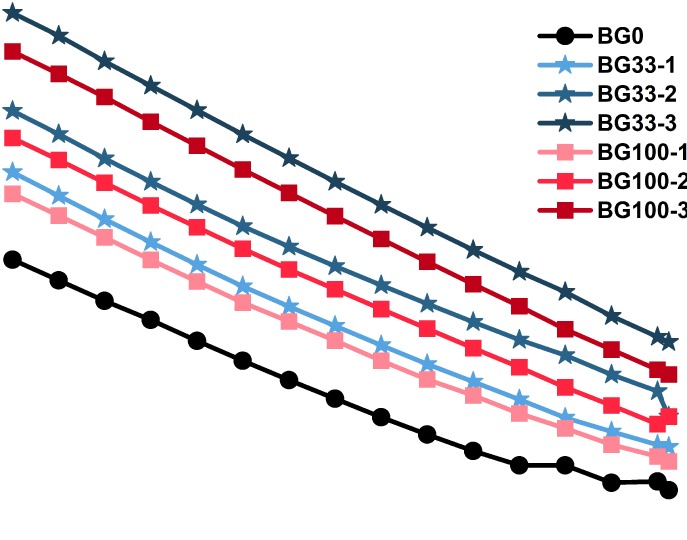
In this study, injectable bone graft putty samples were developed using fine and coarse melt-quenched 45S5 bioactive glass (BG) incorporated into a carrier system composed of glycerol and polyethylene glycol (PEG) with different average molecular weights. Selected putty samples were further incorporated with varying amounts of Denosumab (5wt%–10wt%) to investigate its influence on rheological behavior and flow properties using mathematical modeling. All PEG/glycerol/45S5-based putty samples exhibited viscoelastic behavior (storage modulus > loss modulus) and pseudoplastic behavior (n < 1), with viscosity values required for optimal flow remaining below 1000 Pa∙s. Both viscosity and thixotropic area increased proportionally with higher BG content and smaller-sized BG particles. All putty samples showed more than 98% injectability through a 12G cannula, suggesting potential clinical suitability. However, injectability decreased with smaller cannulas, dropping to 34.7%–58.3% with a 19G cannula and further decreasing with a 23G cannula at higher BG contents. Incorporation of Denosumab preserved viscoelasticity and injectability but modified the flow behavior, shifting it from pseudoplastic to more Newtonian with higher Denosumab content, while also reducing viscosity and thixotropic area values. Among all tested samples, putty containing a lower amount of Denosumab and smaller-sized BG exhibited the most suitable combination of injectability and rheological features. All putty samples were well described by both the Power law and Herschel–Bulkley rheological models (coefficient of determination > 0.95). This study highlights the influence of Denosumab on flowability and rheological relationships and suggests potential improvements in bioactivity through a dual synergistic effect of BG and Denosumab in minimally invasive bone graft systems.

Rheological behavior and injectability of PEG/glycerol/bioactive glass-based bone grafts incorporating Denosumab
Graphical Abstract
Original ResearchVol. 32, Issue 12 • pp. 3072DOI: 10.1007/s12613-025-3230-7Jan 15, 2025

Evaluation on the effects of Cu(II) on the properties of blast furnace slag–cement composites with adding Cu-bearing solid wastes

Authors: Qian Zhang, Bo Liu, Changcong An, Qiong Li, Jiling Liu, Siyu Wei, Jiaxing Fan, Zhe Sun, Dichuan Zhang, Bakhtiyor Pulatov

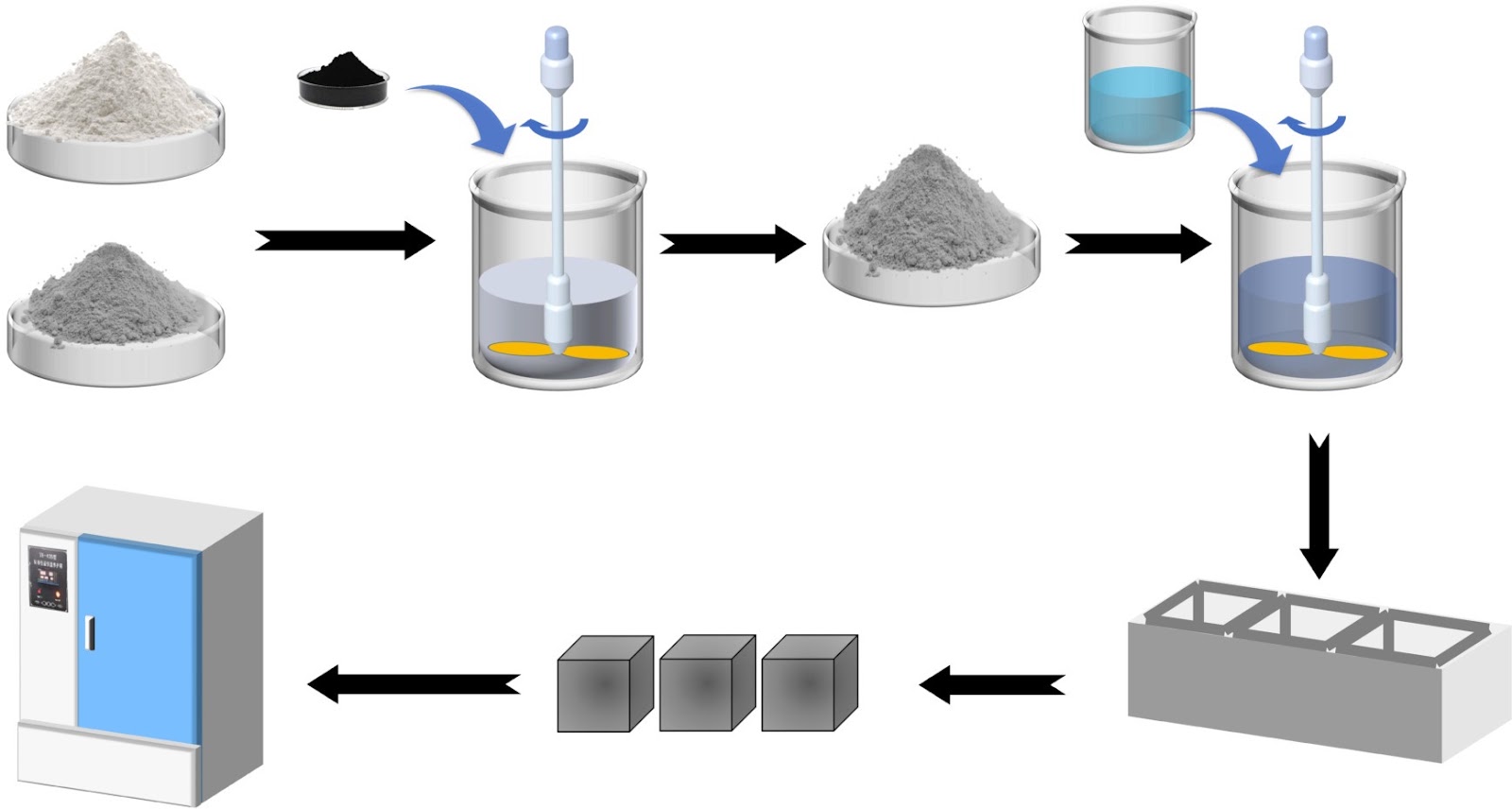
The effect of heavy metals on the properties and hydration of blast furnace slag–cement composites (BFS-CC) remain unclear. In this study, two BFS-CC (denoted as DBFS-CC and WBFS-CC) were prepared by dry and wet grinding of BFS, respectively. The effect of Cu(II) on BFS-CC’s properties and hydration was investigated by adding representative copper contaminants (CuO, CuCl2, and CuS) to the composites. Adding 1.0wt% CuO and 0.5wt% CuS increased the 3-d compressive strength of DBFS-CC by 14.9% and 5.7%, respectively, but suppressed the 3-d strength of WBFS-CC. This trend reversed at 28-d curing, where adding 1.5wt% CuO, 2.0wt% CuCl2, and 1.5wt% CuS enhanced the compressive strength of WBFS-CC by 23.4%, 6.2%, and 13.6%, respectively, but adversely affected the strength of DBFS-CC. For 28-d hydration, adding CuCl2 decreased the hydration degree of DBFS-CC but enhanced that of WBFS-CC. Adding CuO promoted the hydration degree of both composites, while adding CuS exhibited inhibitory effects. DBFS-CC immobilized CuCl2 better due to a higher hydration degree, while WBFS-CC immobilized CuO and CuS better due to having finer unhydrated BFS particles and a denser matrix. This study not only focuses on the Cu(II) immobilization effect but also reveals the differential effects of Cu(II) species on the hydration process, providing novel insights into heavy metal interactions in BFS-CC systems and their safe disposal.

Evaluation on the effects of Cu(II) on the properties of blast furnace slag–cement composites with adding Cu-bearing solid wastes
Graphical Abstract
Original ResearchVol. 32, Issue 12 • pp. 3043DOI: 10.1007/s12613-025-3190-yJan 15, 2025

Dual-template synthesis of CoNi alloy nanoparticles anchored on N-doped carbon nanotubes for efficient oxygen reduction reaction

Authors: Shengyi Huang, Yao Shen, Ang Li, Huiling Zhou, Yanxin Qiao, Aihua Yuan, Hu Zhou, Shunli Zheng

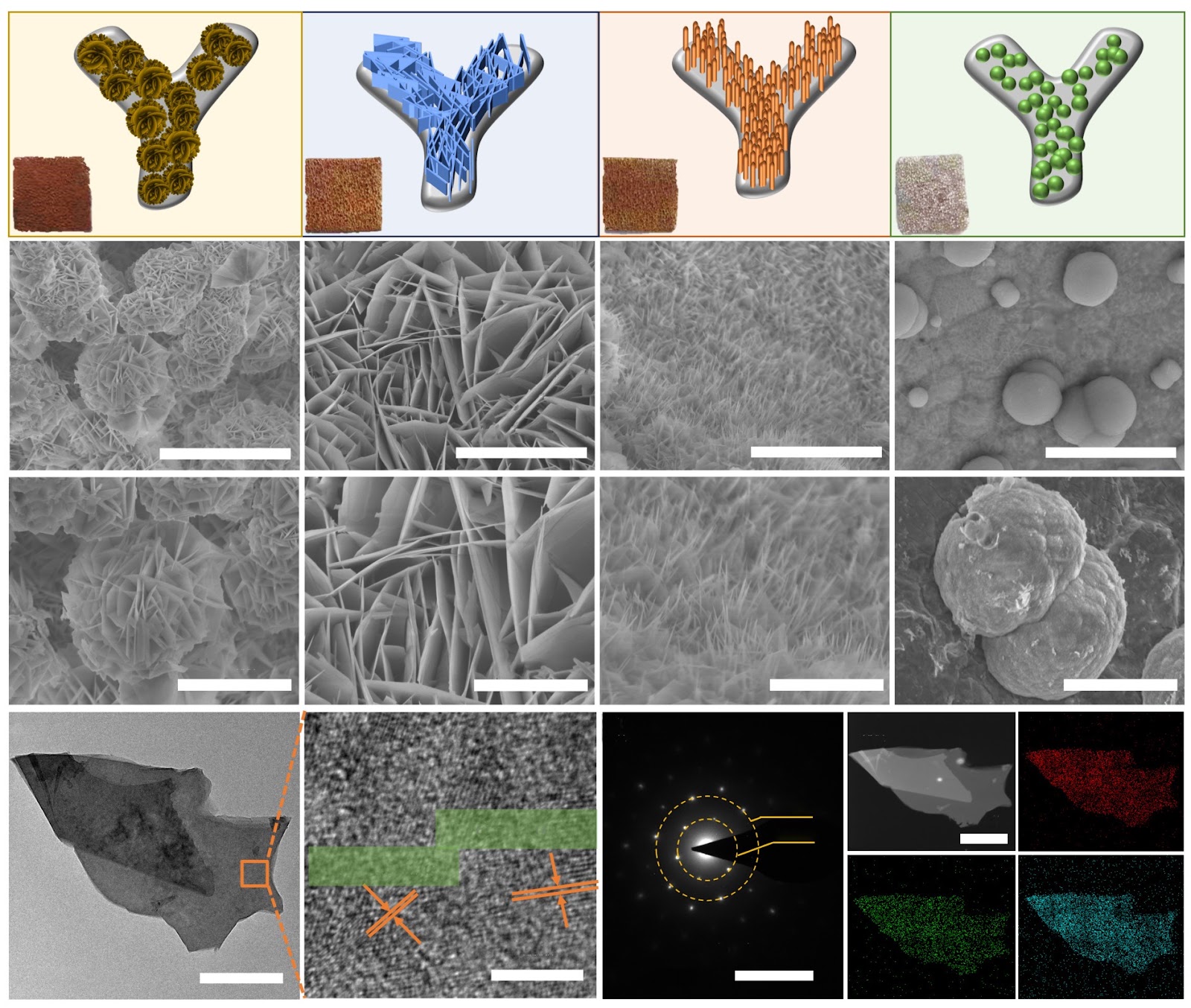
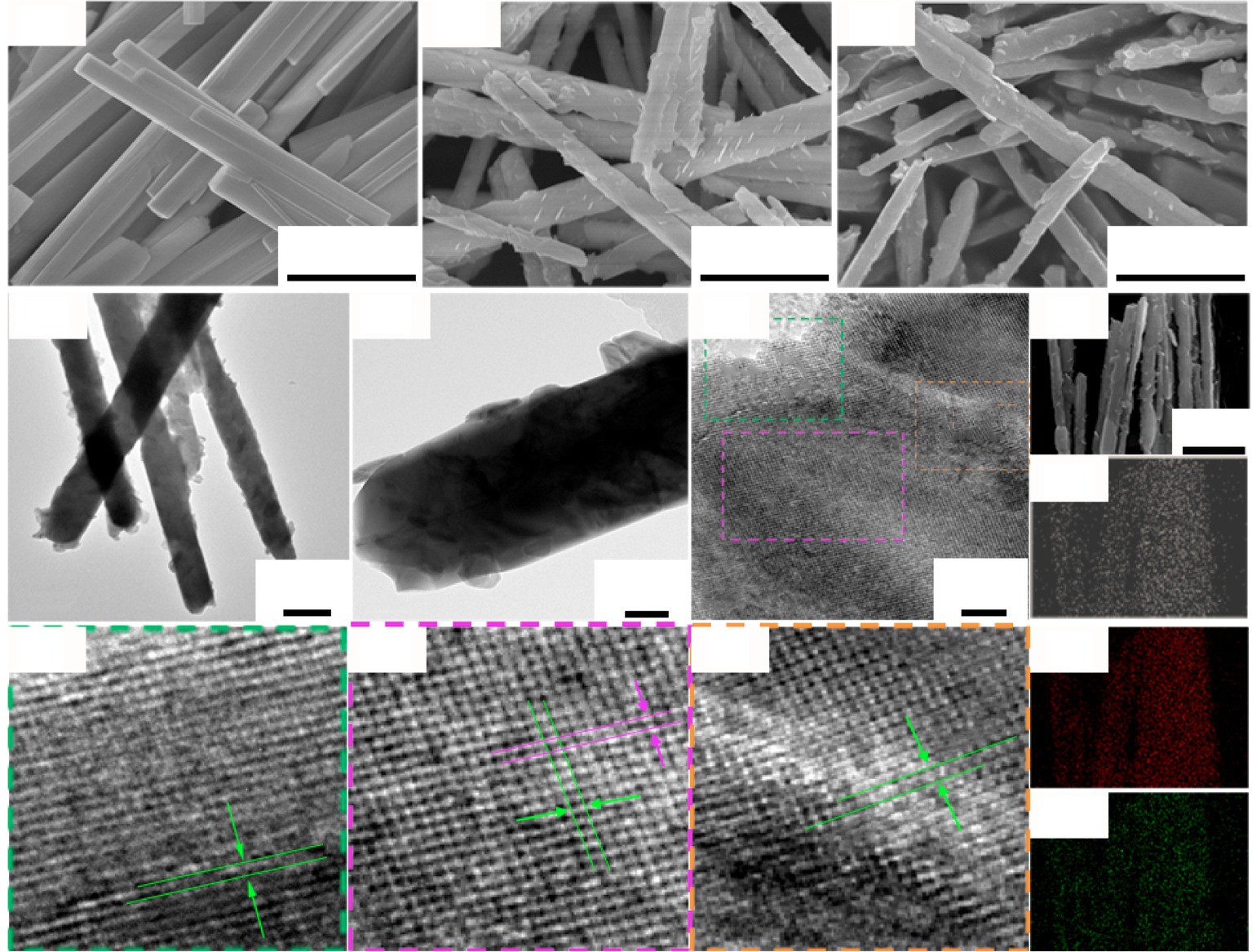
The fabrication of one-dimensional metal/N-doped carbon materials has shown a promising prospect as efficient electrocatalysts for oxygen reduction reaction (ORR). Herein, CoNi alloy nanoparticles anchored on N-doped carbon nanotubes (CoNi@NCNT) are prepared by a dual-template strategy, using polypyrrole (PPy) tubes and CoNi-based metal–organic framework as the precursors. The as-formed CoNi@NCNT catalyst displays a half-wave potential (0.83 V) as well as good durability under alkaline medium. The excellent electrocatalytic performance is ascribed to a synergistic coupling of hierarchically tubular structure, highly electronic conductivity, and abundantly alloy-type active sites. When the CoNi@NCNT catalyst is applied in zinc–air battery (ZAB), the device displays a stable charge–discharge cycling performance. The present work affords a useful approach to constructing alloy/nitrogen-incorporated carbonaceous materials as bifunctional electrocatalysts for high-performance ZABs.

Dual-template synthesis of CoNi alloy nanoparticles anchored on N-doped carbon nanotubes for efficient oxygen reduction reaction
Graphical Abstract
Original ResearchVol. 32, Issue 12 • pp. 3017DOI: 10.1007/s12613-025-3225-4Jan 15, 2025

Effects of direct aging on mechanical properties and microstructure of TiB2/AlSi7Mg alloy fabricated by laser powder bed fusion

Authors: Yirui Chang, Tingting Chen, Yang Li, Yihao Wang, Yuchi Cui, Wenjun Zhao, Yi Wu, Mingliang Wang, Haowei Wang, Zhe Chen

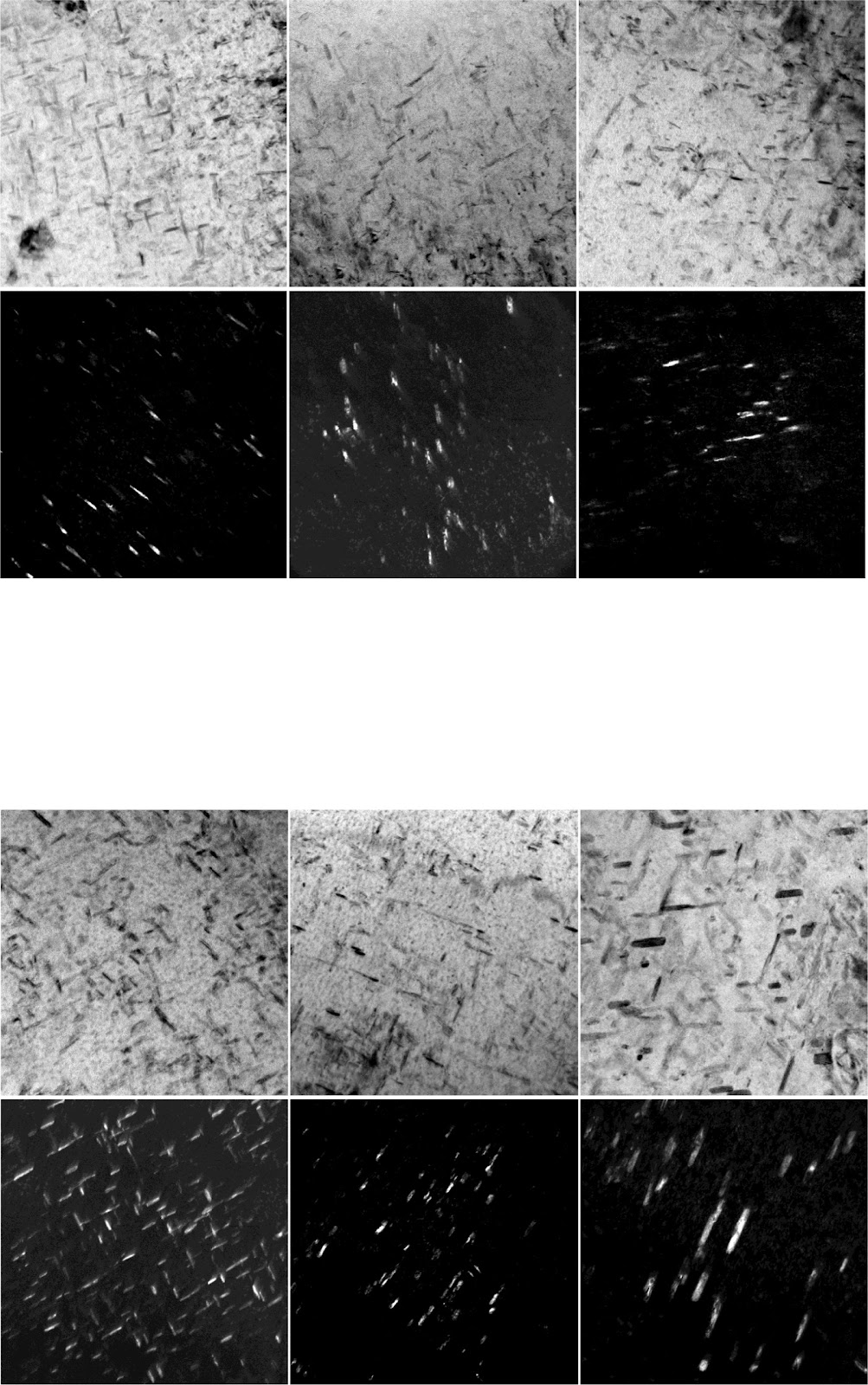
The effects of direct aging (DA) on the microstructure and mechanical properties of TiB2/AlSi7Mg alloys fabricated via laser powder bed fusion (LPBF) were systematically investigated. DA significantly improves strength while maintaining satisfactory ductility. Optimal performance is obtained through under-aging (UA) at 150°C for 4 h, resulting in a yield strength of 361 MPa, tensile strength of 503 MPa, and elongation of 9.1% in the horizontal direction. DA does not substantially alter the grain size or cellular structure but promotes the formation of nanoprecipitates within the α-Al matrix. Specifically, UA induces dot-like and needle-like Si precipitates, whereas over-aging (OA) additionally generates short rod-like β'-Mg1.8Si phases. The strengthening mechanism is attributed to the Hall–Petch effect associated with grain and cell boundaries, and the Orowan mechanism induced by nanoprecipitates. Work-hardening behavior is governed by interactions between dislocations and nanoprecipitates. The OA sample exhibits rapid saturation of work hardening due to a high initial hardening rate and dynamic recovery of dislocations, resulting in limited uniform elongation. In contrast, the UA sample demonstrates a more balanced work hardening response. These findings provide theoretical and experimental validation of DA as an effective post-processing approach aimed at enhancing the performance of LPBF Al–Si–Mg alloys in engineering applications.

Effects of direct aging on mechanical properties and microstructure of TiB2/AlSi7Mg alloy fabricated by laser powder bed fusion
Graphical Abstract
Original ResearchVol. 32, Issue 12 • pp. 3052DOI: 10.1007/s12613-025-3160-4Jan 15, 2025

Multifunctional applications of barium zinc vanadate nanoparticles for photocatalytic dye degradation, energy storage and sensing applications

Authors: S. Ishwarya, H.P. Nagaswarupa, Yashwanth Venkatraman Naik, Basavaraju N, Ramachandra Naik, Abdullah N. Alodhayb, Saravanan Pandiaraj, Burragoni Sravanthi Goud, Jae Hong Kim

The multifunctional characteristics of barium zinc vanadate (BaZnV2O7) nanoparticles (BZV NPs) were explored in this study, focusing on their photocatalytic activity, supercapacitor performance, and sensing abilities. X-ray diffraction analysis confirmed that the crystallites were 40.3 nm in size, whereas ultraviolet visible diffuse reflectance spectroscopy revealed an energy bandgap of 5.28 eV. Functional groups, elemental composition, and morphology were assessed using Fourier transform infrared spectroscopy, energy-dispersive X-ray spectroscopy, and scanning electron microscopy, respectively. The photocatalytic efficiency of the BZV NPs was evaluated at various catalyst dosages, dye concentrations, and pH levels, for the degradation of acid black-52 (AB-52) dye under UV light. Cyclic voltammetry and galvanostatic charge-discharge analyses were performed to determine the energy storage and cyclic stability of the BZV-NP-modified carbon paste electrode. In addition, a novel electrochemical sensor based on BZV was developed to accurately detect the concentration of biomolecules and chemical drugs. BZV nanoparticles exhibited remarkable photocatalytic dye degradation up to 80.4%, indicating their application in waste water treatment. The BZV-NP-modified carbon paste electrode exhibited a superior specific capacitance of 714.15 F·g−1 with excellent cycling stability over 1000 cycles. The electrodes efficiently detected biomolecules such as ascorbic acid and uric acid, chemical drugs including paracetamol and ibuprofen, and heavy metals such as mercury, cobalt, and cadmium in the concentration range of 1–5 mM. The limit of detection (LOD) was measured for all analytes, and the electrode exhibited high sensitivity. These multifunctional properties render BZV promising material for energy storage and environmental monitoring applications.

Multifunctional applications of barium zinc vanadate nanoparticles for photocatalytic dye degradation, energy storage and sensing applications
Graphical Abstract
Original ResearchVol. 32, Issue 12 • pp. 2988-DOI: 10.1007/s12613-024-3075-5Jan 15, 2025

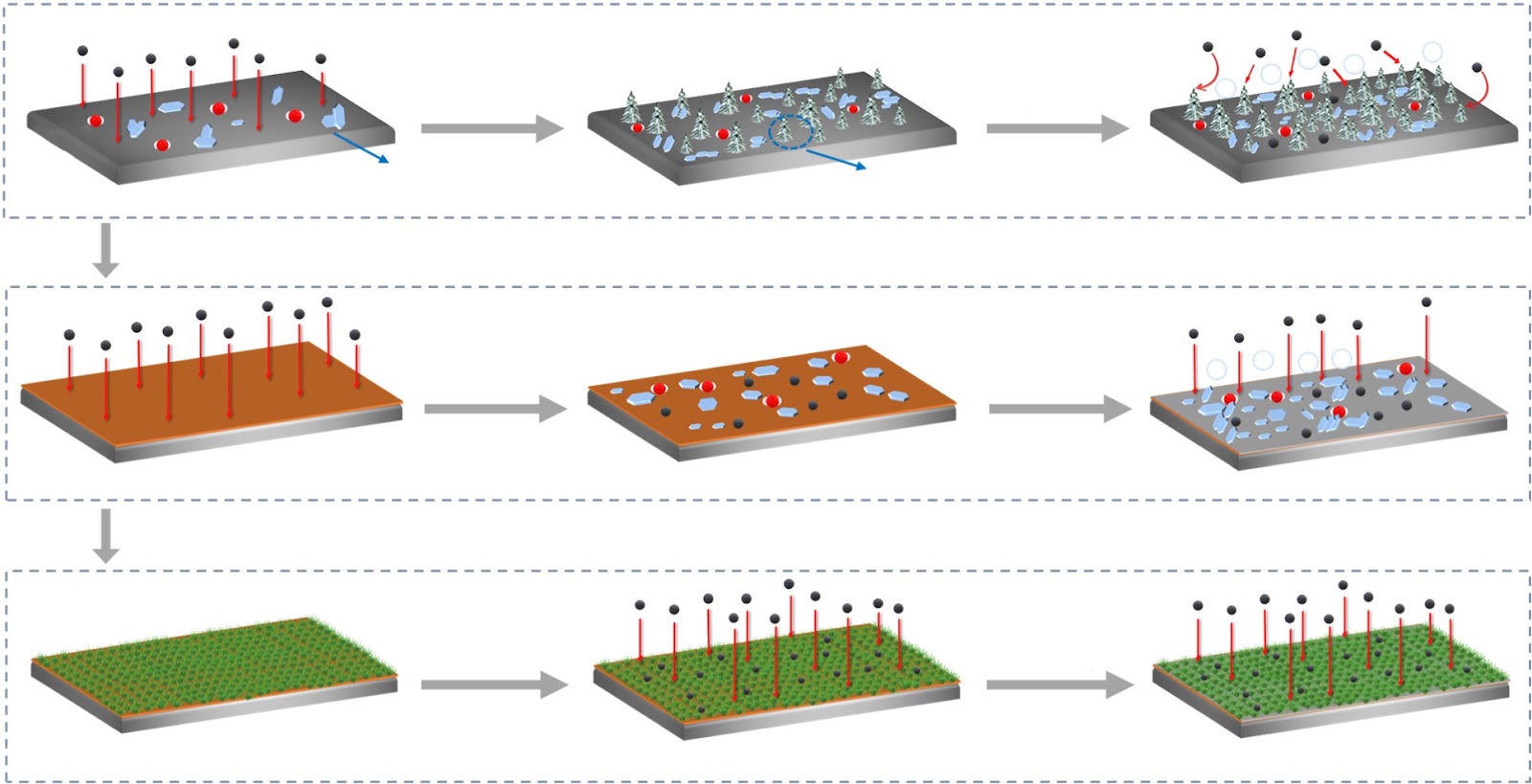
Pitting corrosion behavior of additively manufactured spherical WC/W2C-reinforced stainless steels in chloride-containing solution

Authors: Yiqi Zhou, Peihu Yuan, Decheng Kong, Xiaochang Xu, Shuoyang Wang, Lili Li, Tingting Liu, Xiaogang Li, Xuanhui Qu, Yu Yan, Chaofang Dong

An effective approach to enhance the surface degradation characteristics of laser powder bed fusion (LPBF) type 420 stainless steel involves the incorporation of spherical cast WC/W2C to create LPBF metal matrix composites (MMCs). However, the corrosion behavior of stainless steel and cast WC/W2C varies inversely across different pH levels, and the phenomenon of pitting corrosion in LPBF MMCs under varying pH conditions remains insufficiently explored. In LPBF 420 + 5wt% WC/W2C MMCs, pits form adjacent to cast WC/W2C in acidic and neutral environments, attributed to the presence of chromium-rich carbides and galvanic coupling effects. The dissolution of the reinforced particles facilitates pit nucleation in alkaline conditions. Notably, in-situ reaction layers exhibit superior corrosion resistance to the matrix or the reinforced particles across all pH levels. The distinct corrosion mechanisms influence the pitting corrosion behavior, with the corrosion ranking based on critical pitting potential being neutral > alkaline > acidic, contrasting the observed kinetics of pit growth (alkaline > acidic > neutral).

Pitting corrosion behavior of additively manufactured spherical WC/W2C-reinforced stainless steels in chloride-containing solution
Graphical Abstract
Original ResearchVol. 32, Issue 12 • pp. 2973DOI: 10.1007/s12613-025-3168-9Jan 15, 2025

Tailoring the mechanical properties of additively manufactured Custom 465 martensitic stainless steel through heat treatment modification

Authors: Xiaohong Qi, Xiaokang Liang, Xin Li, Mingyang Ma, Xinhai Zou, Guichuan Li, Zhuangzhuang Liu, Kim Vanmeensel

Custom 465 (C465) is a martensitic stainless steel known for its high strength, toughness, and corrosion resistance, widely used in aerospace, automotive, and medical industries. However, limited work has been conducted on its additive manufacturing (AM) and no dedicated heat treatments have been developed for additively manufactured C465 to optimize its strength–ductility trade-off. In this work, the C465 was fabricated via laser powder bed fusion. The effect of hot isostatic pressing, solid solution, cryogenic treatment (−78.5°C), and aging on the composition homogenization, austenite-to-martensite transition, and Ni3Ti precipitation were systemically investigated. The atom probe tomography analysis reveals that Mo atoms accumulate on Ni3Ti precipitate surfaces and inhibits the Ni3Ti growth, contributing to the enhanced strength of C465. The modified heat treatment for additively manufactured C465 reaches comparable tensile strength with the wrought counterpart, yielding an ultimate tensile strength of 1773 MPa, yield strength of 1686 MPa, and elongation of 6.5%. A yield strength calculation model was proposed and validated with measured strength under various heat treatments, providing valuable insight for heat treatment design towards diverse industrial applications.

Tailoring the mechanical properties of additively manufactured Custom 465 martensitic stainless steel through heat treatment modification
Graphical Abstract
Original ResearchVol. 32, Issue 12 • pp. 3002DOI: 10.1007/s12613-025-3257-9Jan 15, 2025

Influence of Si addition on the microstructure, mechanical and wear properties of as-cast Al0.43CoCrFeNi2.1 high-entropy alloys and performance enhancement by cold rolling and annealing

Authors: Li Wang, Junwei Qin, Yanlin Wang, Xiaohua Chen, Zidong Wang

A series of as-cast SixAl0.43CoCrFeNi2.1 (x = 0, 0.1, 0.2, and 0.3) high-entropy alloys (HEAs) was successfully fabricated by vacuum-assisted melting. The phase constituents, microstructural features, and mechanical properties (including hardness, tensile behavior, and wear behavior) of alloys with various Si contents were evaluated. The results revealed that the addition of Si promoted the precipitation of a body-centered cubic 1 (BCC1) phase enriched in Al, Ni, and Si with a B2-ordered structure. Furthermore, the secondary BCC2 phase was enriched with Cr, Fe, and Si precipitates within the BCC1 matrix. Ultimately, a multiphase face-centered cubic (FCC)/(BCC1/BCC2) structure was formed. The microstructural evolution driven by Si addition significantly enhanced the mechanical properties of the SixAl0.43CoCrFeNi2.1 HEAs. As the Si content increased, the microhardness and tensile strength improved by approximately 42% and 55%, reaching 2.359 GPa and 785 MPa, respectively. The quantitative evaluation of the various strengthening mechanisms indicated that the intrinsic hardness of the FCC matrix and hardening due to BCC1/BCC2 precipitation dominated the overall microhardness. The comparison of the energy barriers indicates that BCC2 primarily strengthens the alloy through a shear mechanism rather than an Orowan bypass mechanism. Furthermore, with increasing Si content, reduced friction and wear, together with smoother worn surfaces, reflect a greatly enhanced wear resistance. After the optimal cold-rolling and 1 h annealing at 800°C, the Si0.3Al0.43CoCrFeNi2.1 alloy showed 56% and 62% increases in microhardness and tensile strength, respectively, compared to the as-cast state, reaching 3.68 GPa and 1270 MPa. The enhanced mechanical properties are attributed to the synergistic effects of residual strain hardening by FCC ordering and L12/BCC precipitation strengthening.

Influence of Si addition on the microstructure, mechanical and wear properties of as-cast Al0.43CoCrFeNi2.1 high-entropy alloys and performance enhancement by cold rolling and annealing
Graphical Abstract
Original ResearchVol. 32, Issue 12 • pp. 2920DOI: 10.1007/s12613-025-3184-9Jan 15, 2025

Effects of vanadium valences on the solubility in Fe2TiO5 for helping to understand calcification roasting of vanadium slag

Authors: Zhengpei Yan, Shili Zheng, Yang Zhang

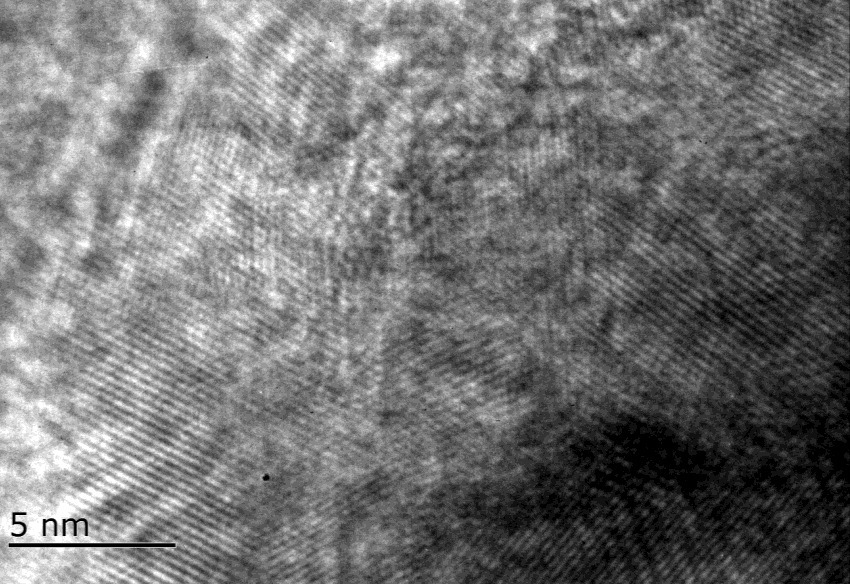
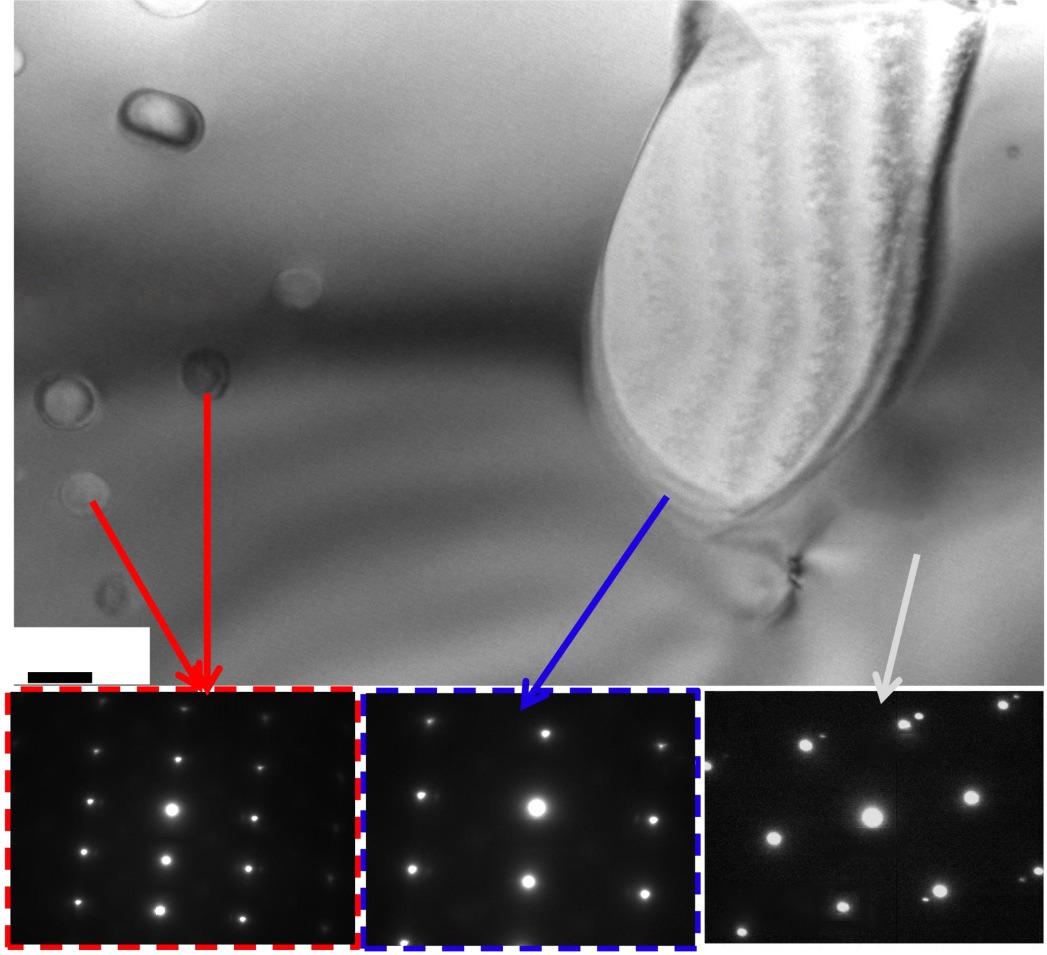
Vanadium is a strategic metal in many countries, and it is mainly extracted from vanadium slag produced in titanomagnetite metallurgy. The traditional sodium roasting process for vanadium extraction poses environmental threats, and a green calcification process has been proposed. However, the vanadium extraction rate in the calcification process is much lower than in the sodium roasting process, which is related to vanadium solid solubility in Fe2TiO5. Previous studies about vanadium behavior in Fe2TiO5 were conducted in air, with a vanadium oxidation state of V5+. Vanadium with lower oxidation states has been detected in the tailings in the calcification process. The present paper studied the effects of vanadium oxidation states on the solid solubility in Fe2TiO5 through solid-state reaction, X-ray diffraction characterization, transmission electron microscopy characterization, X-ray photoelectron spectroscopy analysis, and solid solution modeling. The relative interaction values between vanadium oxides and Fe2TiO5 are obtained as |LV2O3| > |LV2O4| > |LV2O5|, indicating that vanadium with lower valence is preferable to be solid dissolved in Fe2TiO5. The results imply that insufficiently oxidized vanadium increases the vanadium content in the Fe2TiO5 phase during vanadium slag’s calcification roasting. Besides, experimental conditions optimization shows that higher experimental temperature, vanadium introduction as V2O3, and a high-purity argon atmosphere would lead to higher vanadium solubility in Fe2TiO5, and high temperature is beneficial for the release of vanadium from vanadium-containing Fe2TiO5 when dissociated in air.

Effects of vanadium valences on the solubility in Fe2TiO5 for helping to understand calcification roasting of vanadium slag
Graphical Abstract
Original ResearchVol. 32, Issue 12 • pp. 2835DOI: 10.1007/s12613-025-3108-8Jan 15, 2025

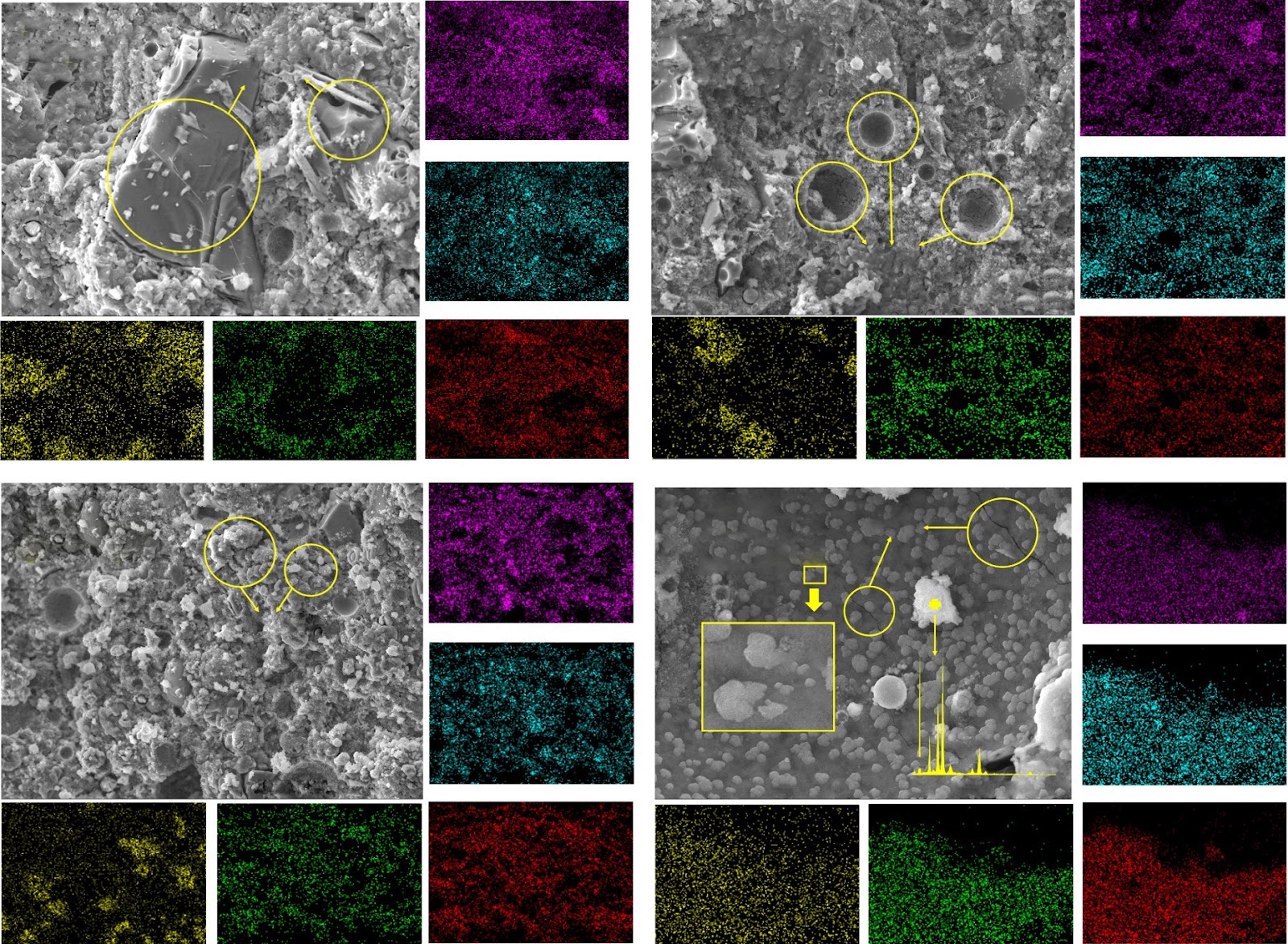
Effect of the cement–tailings ratio on the shear failure mechanism at the cemented tailing backfill–rock interface: Insights from the morphology of stope surrounding rocks

Authors: Wenkai Ru, Diyuan Li, Hao Gong, Pingkuang Luo, Junjie Zhao

The shear characteristics of the interface formed between a cemented tailings backfill (CTB) and surrounding rocks play a crucial role in the design and stability of underground goafs. To investigate the shear behavior of CTB–rock interfaces, rock samples representing the topography of surrounding rocks were constructed using 3D morphology scanning and engraving techniques. A series of direct shear tests were conducted on the CTB rock samples to examine the influence of the cement–tailings ratio on the interfacial shear behavior. The results showed that the compressive strength of the CTB and shear strength of the CTB–rock interface decreased with decreasing cement proportion. With deceasing cement content, the failure area of the CTB after the test increased, and the roughness of the newly generated interface reduced. A digital image correlation analysis revealed that the compressive stress concentration in the region with an obtuse angle with respect to the shear direction was the primary cause of CTB failure. Moreover, the correlation between the wear area and the silicon-dense area helped confirm that the silicon particles are more prone to failure in these areas than in other regions. Our findings provide new insights into the shear sliding mechanism at CTB–rock interfaces and can aid in the selection of the cement–tailings ratio at engineering sites. For example, if the horizontal principal stress of the surrounding rock mass in a backfilling area is relatively high, the cement content can be reduced for CTB applications.

Effect of the cement–tailings ratio on the shear failure mechanism at the cemented tailing backfill–rock interface: Insights from the morphology of stope surrounding rocks
Graphical Abstract
Original ResearchVol. 32, Issue 12 • pp. 2930-DOI: 10.1007/s12613-025-3232-5Jan 15, 2025

Influence of particle size and inherent gangue on hydrogen-based reduction of magnetite iron ores

Authors: Pritesh Garg, Hesham Ahmed, Charlotte Andersson, Jan-Olov Wikström, TK Sandeep Kumar, Daniel Marjavaara, Susanne Rostmark

The steel industry’s transition to hydrogen-based ironmaking necessitates a deeper understanding of magnetite ore reduction, a crucial yet underexplored pathway for decarbonization. This study systematically investigates the combined effects of particle size and gangue composition on hydrogen-based reduction behavior of four industrial magnetite ore concentrates with varying CaO and MgO contents. Thermogravimetric analysis at 973 K, interrupted reduction experiments, and post-reduction characterization steps are used to evaluate reduction extent and phase transformations across different particle size fractions and bulk ores. The finer fractions generally exhibit faster and more complete reduction. However, this trend is overridden by gangue effects in certain ores. Magnetite ores with MgO as gangue tend to form magnesio-wustite solid solution (Mg,Fe)O during reduction, resulting in dense microstructures that impede hydrogen diffusion and limit reduction progress. In contrast, magnetite ores with CaO as gangue facilitate the formation of intermediate calcium ferrites, which promote porous morphology and enhanced reducibility. Notably, even the finer particles of ore containing MgO show a lower reduction degree than the coarser particles of the ore containing CaO as gangue. This highlights the dominant role of gangue composition in governing reduction kinetics, intermediate phase formation and final product morphology. These findings contribute to the growing knowledge necessary to enable fossil-free ironmaking by emphasizing the importance of considering both granulometric characteristics and heterogeneity when evaluating magnetite ores for hydrogen-based reduction.

Influence of particle size and inherent gangue on hydrogen-based reduction of magnetite iron ores
Graphical Abstract
Original ResearchVol. 32, Issue 12 • pp. 2909DOI: 10.1007/s12613-025-3128-4Jan 15, 2025

Application of high-alumina type calcium ferrite: A new strategy of mineral phase regulation instead of chemical composition regulation in iron ore sintering

Authors: Rende Chang, Chengyi Ding, Feng Jiang, Hongming Long, Xuewei Lv, Gang Li, Peng Yuan, Changyou Yu, Mengbo Dai, Tiejun Chun

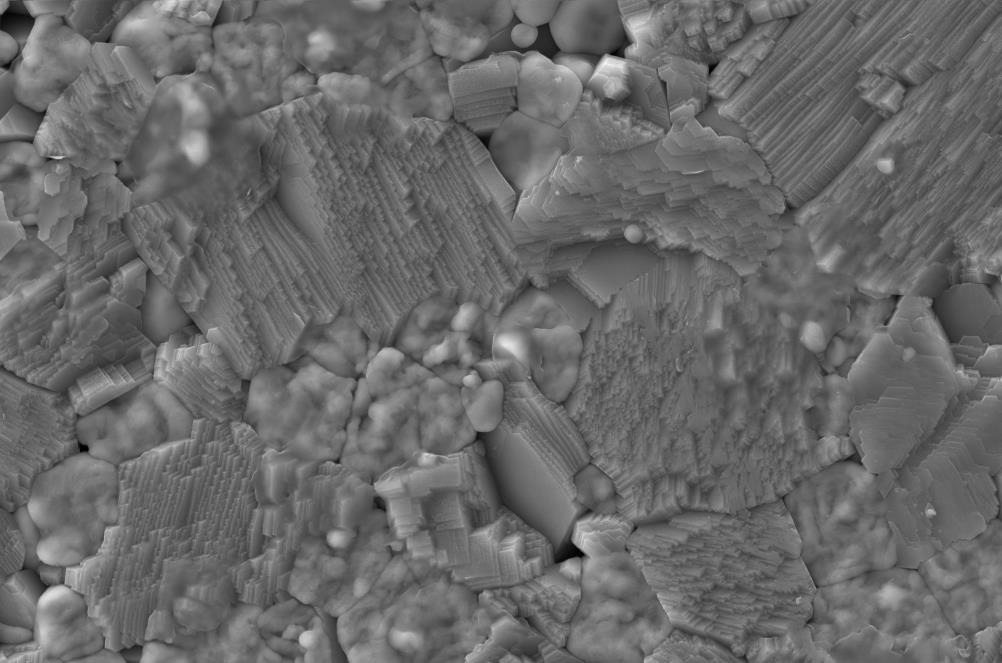
High-alumina iron ores (Al2O3 content > 3.0wt%) are widely utilized in sinter production due to their economic benefits, yet their high alumina content challenges the performance of sinter and the stability of blast furnaces. This study focuses on the application of high-alumina composite calcium ferrites (SFCA) in the sintering of high-alumina iron ores. By prefabricating calcium ferrites, we aimed to substitute phase adjustment for compositional tuning, particularly examining its effects on enhancing sinter quality at 30wt%, 50wt%, and 100wt% replacement ratios of Al2O3. Previous work developed two types of high-alumina SFCA (A-type and B-type), with A-type demonstrating superior experimental performance. Our results indicate that increasing the proportion of A-type SFCA in the raw materials leads to higher calcium ferrite and composite calcium ferrite contents, while decreasing the proportions of Al2O3, CaO, SiO2, calcium silicate, and calcium alumino-ferrite (CaAlxFe2–xO4). Scanning electron microscopy (SEM) and mineralogical analyses reveal that sinter substituted with A-type SFCA primarily consists of SFCA and calcium ferraluminate (CFA), with increasing calcium ferrite content and decreasing porosity and silicate content as the substitution ratio increases. Complete substitution of Al2O3 with A-type SFCA enhances the compressive strength of the sinters to 22.57 MPa, a 6.76 MPa improvement over traditional methods. With 100wt% substitution, the reducibility reaches 0.85, a 0.33 increase over the baseline (A-type and B-type SFCA are not added). A cost-effective method for SFCA production using high-alumina ores, hazardous waste, and iron-calcium-based solid waste is proposed to lower production costs and promote the recycling of industrial solid waste. A-type SFCA exhibits significant advantages in mechanical properties, reducibility, and melting characteristics, validating its potential in optimizing sinter performance and reducing carbon emissions, thereby laying a theoretical and practical foundation for the industrial application of high-alumina SFCA.

Application of high-alumina type calcium ferrite: A new strategy of mineral phase regulation instead of chemical composition regulation in iron ore sintering
Graphical Abstract
Original ResearchVol. 32, Issue 12 • pp. 2942-DOI: 10.1007/s12613-025-3179-6Jan 15, 2025

Comprehensive status evaluation and prediction of blast furnace based on cascade system and combined model

Authors: Zhen Zhang, Jue Tang, Quan Shi, Mansheng Chu, Mingyu Wang, Zhifeng Zhang

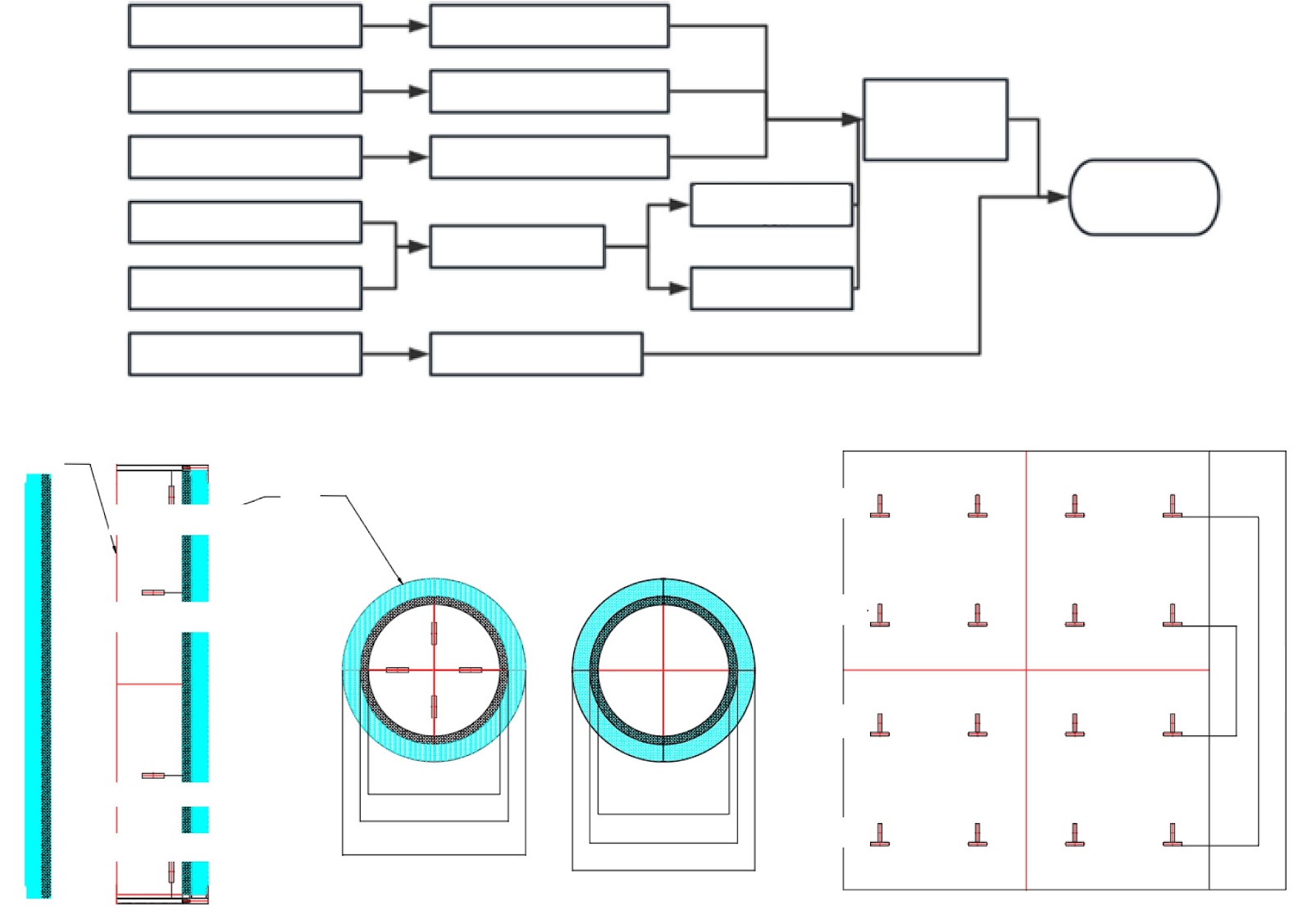
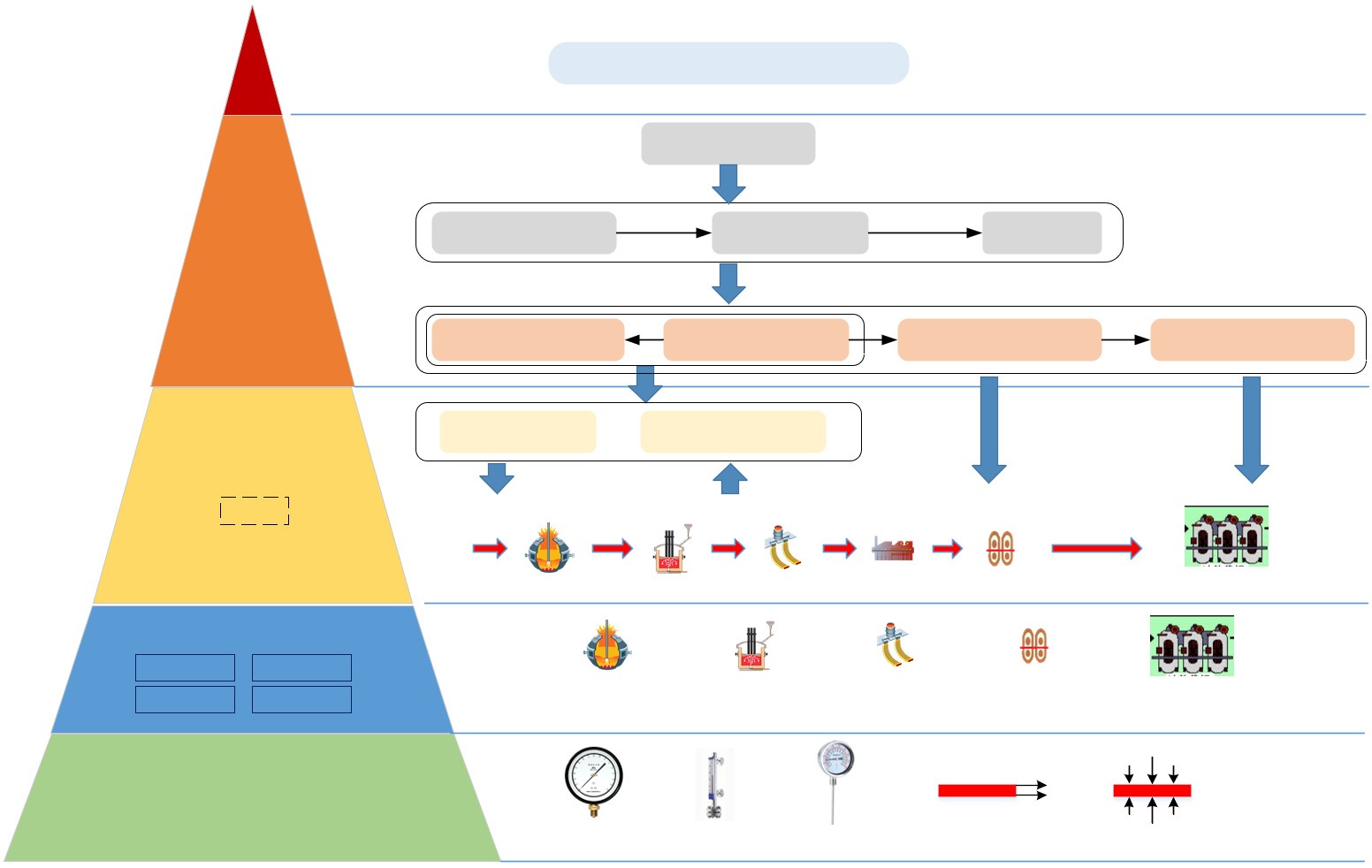
The comprehensive status of blast furnaces was one of the most important factors affecting their economy, quality, and longevity. The blast furnace comprehensive status had the nature of “black box,” and it was “unpredictable.” In this study, a blast furnace comprehensive status score and prediction method based on a cascade system and a combined model were proposed to address this issue. A dual cascade evaluation system was developed by integrating subjective and objective weighting methods. The analytic hierarchy process, coefficient of variation, entropy weight method, and impart combinatorial games were jointly employed to determine the optimal weight distribution across indicators. Categorized statuses (raw material, gas flow, furnace body, furnace cylinder, and iron–slag) were evaluated. Based on the five categories of the status data, the second cascade was applied to upgrade the quantitative evaluation of the comprehensive status. The weights of the different categories were 0.22, 0.15, 0.22, 0.21, and 0.20, respectively. According to the data analysis, the results of the comprehensive status score closely matched the on-site production logs. Based on the blast furnace smelting period, the maximal information coefficient method was applied to the 100 parameters that were most relevant to the comprehensive status. A combined prediction model for a comprehensive status score was designed using bidirectional long short-term memory (BiLSTM) and categorical boosting (CatBoost). The test results indicated that the combined model reduced the mean absolute error by an average of 0.275 and increased the hit rate by an average of 5.65 percentage points compared to BiLSTM or CatBoost alone. When the error range was ±2.5, the combined model predicted a hit rate of 91.66% for the next hour’s comprehensive status score, and its high accuracy was deemed satisfactory for the field. SHapley Additive exPlanations (SHAP) and regression fitting were applied to analyze the linear quantitative relationship between the key variables and the comprehensive status score. When the furnace bottom center temperature was increased by 10°C, the comprehensive status score increased by 0.44. This method contributes to a more precise management and control of the comprehensive status of the blast furnace on-site.

Comprehensive status evaluation and prediction of blast furnace based on cascade system and combined model
Graphical Abstract
Original ResearchVol. 32, Issue 12 • pp. 2855DOI: 10.1007/s12613-025-3246-zJan 15, 2025

Polycarboxylate superplasticizer instead of ultrasonic treatment for dispersing cellulose nanofibers to strengthen cemented rockfill

Authors: Jiangyu Wu, Wenyu Zhang, Shuo Yang, Andrey P. Jivkov, Elsabe Kearsley, Hai Pu, Qian Yin, Dan Ma, Hao Zhang, Hong S. Wong

To address the dual challenges of resource utilization of mining solid waste (e.g., coal gangue) and performance enhancement of cemented rockfill, this study systematically investigates the mechanisms of ultrasonic dispersion time and polycarboxylate superplasticizer (PCE) on the properties of cellulose nanofiber (CNF)-modified cemented rockfill. A series of comparative experiments were designed with varying ultrasonic dispersion times (0–60 min) and PCE dosages (0.1wt%–0.4wt%). Through mechanical testing, hydration product analysis, and microstructural characterization, the study revealed the advantages of PCE in promoting CNF dispersion to enhance the engineering applicability of cemented rockfill. The results demonstrate that: (1) Ultrasonic dispersion for 30 min increases the compressive strength by 37.7% compared to the untreated group; however, excessive ultrasonication (60 min) induces hydrolysis of CNF, releasing reducing sugars that retard hydration. (2) PCE facilitates CNF dispersion, achieving a 29.1% increase in compressive strength at a dosage of 0.4wt%, while simultaneously improving hydration products and microstructural development. (3) While ultrasonic dispersion yields slightly higher strength improvements, PCE demonstrates superior cost-effectiveness and operational convenience, rendering it more viable for industrial adoption. This study provides a theoretical foundation for the nano-enhanced modification of cemented rockfill, offering new insights into the recycling of solid waste and the development of high-performance materials.

Polycarboxylate superplasticizer instead of ultrasonic treatment for dispersing cellulose nanofibers to strengthen cemented rockfill
Graphical Abstract
Original ResearchVol. 32, Issue 12 • pp. 2866-DOI: 10.1007/s12613-025-3132-8Jan 15, 2025

Model experimental study on the safety characteristics of surrounding rock supports in deep wells

Authors: Renshu Yang, Feixiang Lu, Xinmin Ma, Liyun Yang, Yiyin Hu, Shuo Zhang

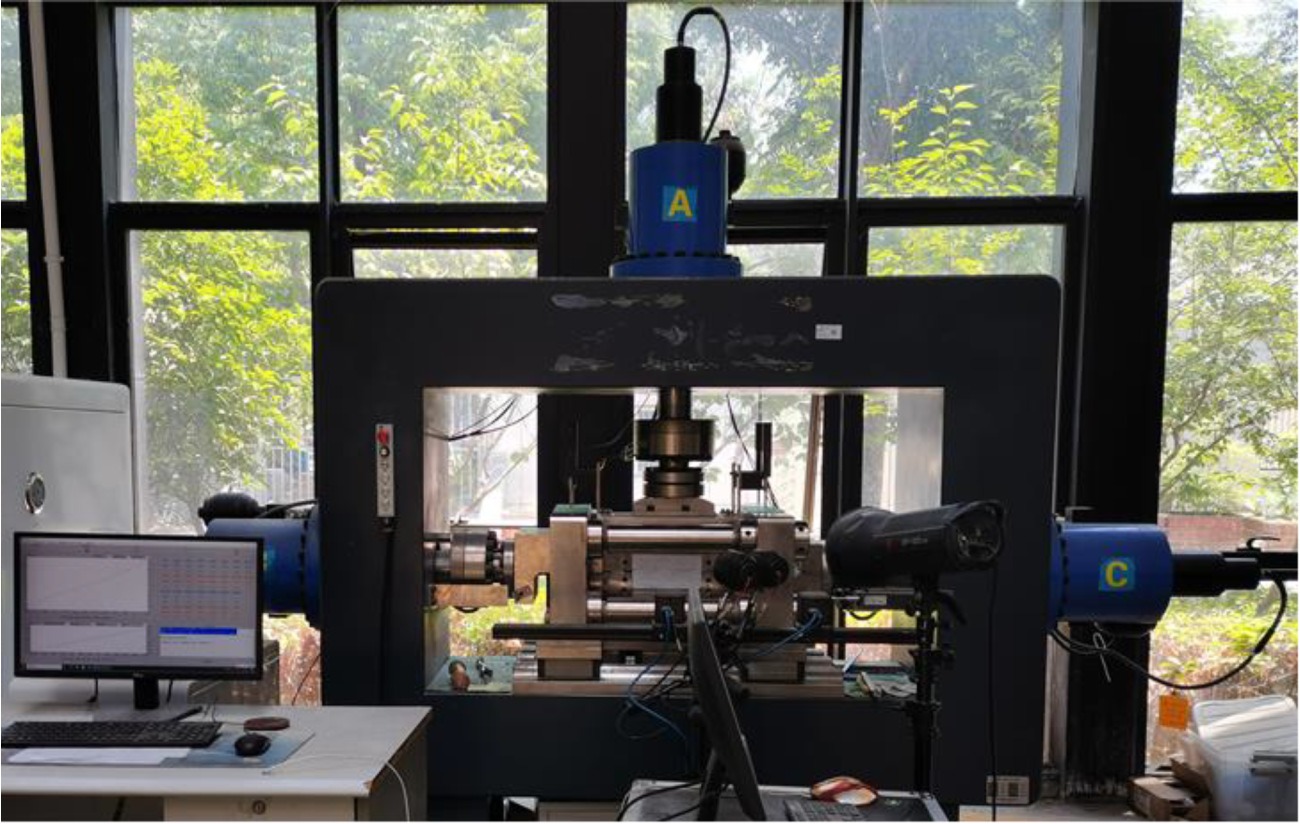
To study the use of a shaft support for the auxiliary shaft of the Xi’anshan Iron Mine, in high-stress strata at a depth between 900 and 1000 m, a new type of mold was developed using the physical similarity model test method, based on the similarity theory, and an experimental model of the shaft lining and surrounding rock was poured. Two sets of large-scale destructive tests were conducted on the shaft lining and surrounding rock. The deformation and failure laws of the shaft lining and surrounding rock under high ground stress and their ultimate horizontal bearing capacity characteristics were studied, and the safety support characteristics of the shaft lining under the interaction of the shaft lining and surrounding rock were obtained. An experimental study demonstrated that the axial pressure on the shaft wall directly affected its ultimate horizontal bearing capacity of the shaft wall. In designing the shaft wall, the influence of the axial pressure on the stress state of the concrete should be considered, and the vertical pressure should be modified to optimize the utilization of the three-dimensional compressive strength of the concrete. The reliability of the 400-mm C30 concrete shaft wall at a depth of 1000 m in the actual project was verified, and the ultimate horizontal bearing capacity of the shaft wall was obtained for a depth of 1000 m.

Model experimental study on the safety characteristics of surrounding rock supports in deep wells
Graphical Abstract
Original ResearchVol. 32, Issue 11 • pp. 2814DOI: 10.1007/s12613-025-3268-6Jan 15, 2025

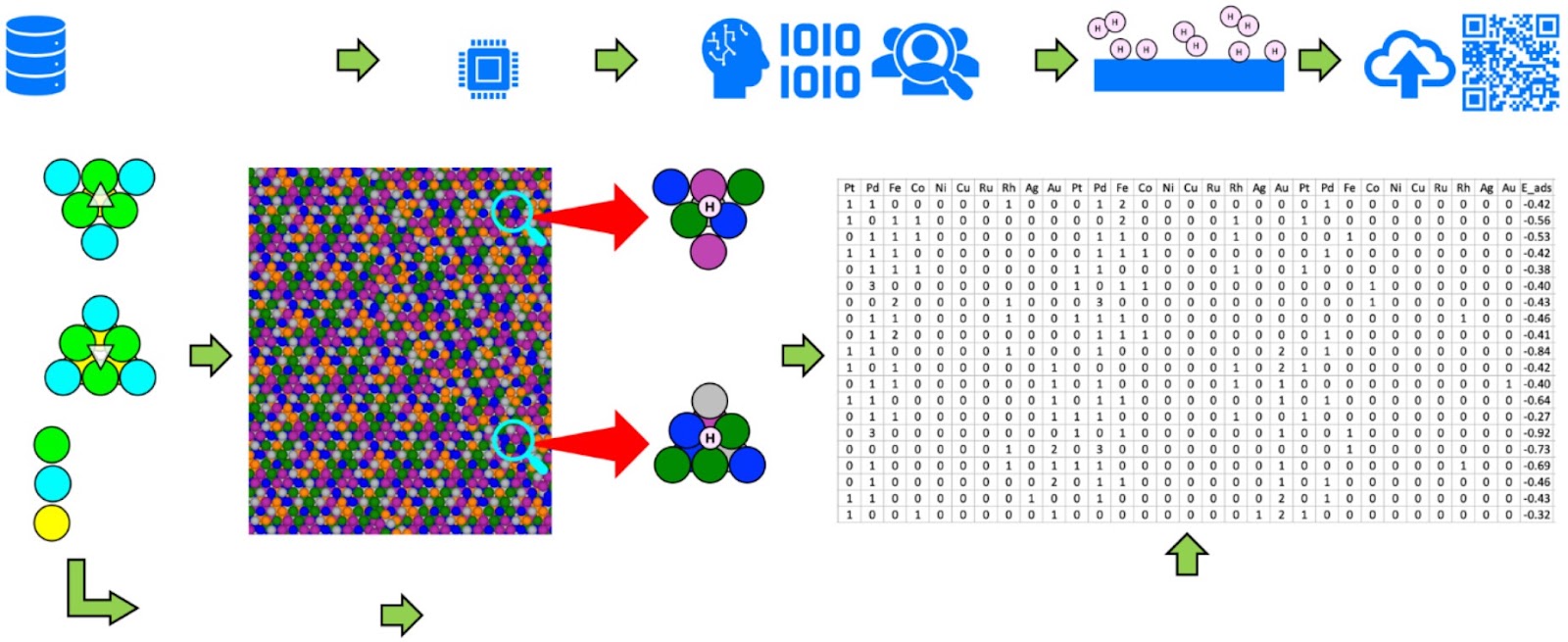
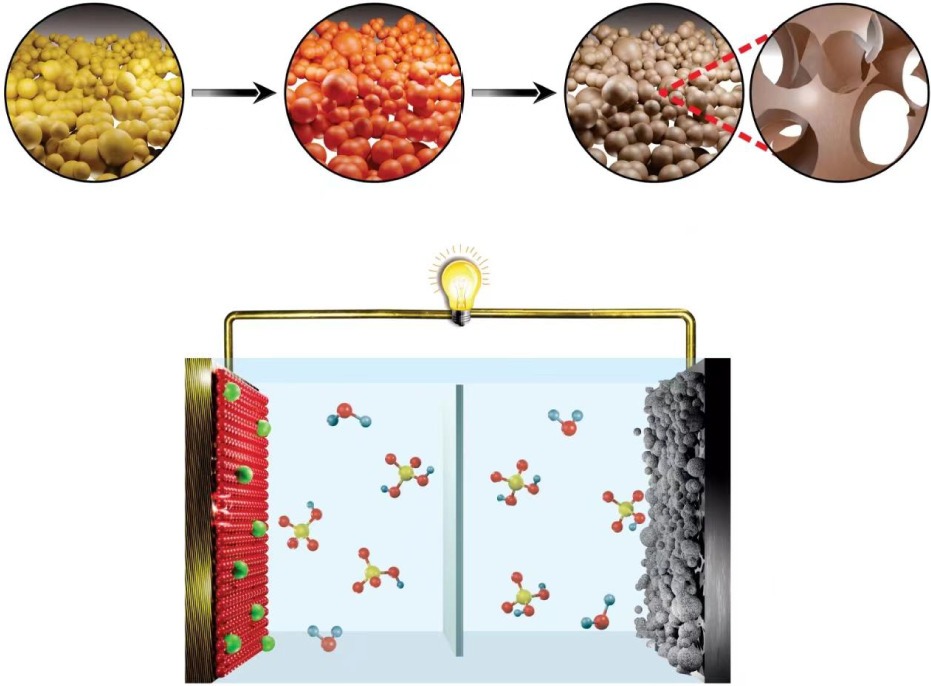
Orbital hybridization-engineered electronic structure in multicomponent sulfides boosts the performance of polysulfide/iodide flow batteries

Authors: Wenjing Li, Renhua Qian, Boxu Dong, Zhou Xu, Changyu Yan, Menghan Yang, Yuxuan Liu, Xinrui Yan, Jiantao Zai, Xuefeng Qian

Despite their attractive features of high energy density, low cost, and safety, polysulfide/iodide flow batteries (SIFBs) are hampered by the sluggish kinetics of the iodide redox couple, which restricts overall performance. Multicomponent sulfides are demonstrated as promising catalysts for accelerating redox reactions. Concurrently, the enhanced configurational entropy arising from multinary compositions drives synergistic effects among constituent elements, establishing a viable pathway to optimize catalytic performance. Building on these foundations, this work introduces a targeted orbital hybridization-optimized electron density strategy to enhance the catalytic activity. Implementing this concept, we developed an in-situ solvothermal synthesis process for an entropy-enhanced AgCuZnSnS4 loaded graphite felt (ACZTS/GF) electrode. The engineered electrode demonstrates exceptional electrocatalytic performance with improved bulk conductivity and interfacial charge transfer kinetics within a SIFB. The cell achieves a high energy efficiency of 88.5% at 20 mA·cm−2 with 10% state-of-charge. Furthermore, the battery delivers a maximum power density of 119.8 mW·cm−2 and exhibits excellent long-term cycling stability. These significant results stem from orbital hybridization-driven electronic state optimization and entropy effect-induced synergistic catalysis.

Orbital hybridization-engineered electronic structure in multicomponent sulfides boosts the performance of polysulfide/iodide flow batteries
Graphical Abstract
Original ResearchVol. 32, Issue 11 • pp. 2821DOI: 10.1007/s12613-025-3169-8Jan 15, 2025

Structural stability, optical and dielectric properties of the (Ba1/5Pb1/5Sr1/5RE1/5K1/5)TiO3 high-entropy ceramic

Authors: C. Herbert-Galarza, A. Durán

A high-entropy matrix with highly polarizable elements sharing a rare-earth element at the same crystallographic site was designed using the chemical formula Ba1/5Pb1/5Sr1/5RE1/5K1/5TiO3 (BPSREKTO), where rare-earth (RE) = La, Nb, Sm, Gd, Dy, Ho, Y, and Lu. Single-phase stability was observed only in the BPSREKTO with RE = La, Nd, and Sm high-entropy compounds. The crystal structure, optical properties, and ferroelectric nature of the single-phase ceramic compounds were investigated. Elemental and structural analyses revealed that all the cations were homogeneously distributed in a global centrosymmetric cubic structure (S.G. Pm¯3m). Optical absorption showed that the RE = Nd compound is more photoactive in the 200–1000 nm wavelength range, unlike the RE = La, Sm high-entropy compounds. The introduction of RE elements in high-entropy ceramic (HEC) systems affects the indirect bandgap of BPSREKTO with RE = La, Nd, and Sm. It was also found that cationic disorder increases the Urbach energy, leading to a decrease in the indirect energy bandgap in the HEC compound compared to the homologue BaTiO3/SrTiO3 single-phase. The dielectric spectra show a broad peak in the dielectric constant and dielectric loss, which are shifted in temperatures with increasing frequencies due to a relaxor ferroelectric transition typical of the diffuse phase transitions. This relaxor behavior was unexpected, because the global crystal structure was centrosymmetric, implying an increase in the number of polar nanoregions (PNRs). These PNRs coexisting with non-polar regions (NPRs) were observed using piezo-force microscopy. Furthermore, the slim polarization loop confirmed the relaxor behavior of BPSREKTO with RE = La, Nd, and Sm. These ferroelectric features make these RE-modified HEC materials good candidates for high-energy storage applications.

Structural stability, optical and dielectric properties of the (Ba1/5Pb1/5Sr1/5RE1/5K1/5)TiO3 high-entropy ceramic
Graphical Abstract
Original ResearchVol. 32, Issue 11 • pp. 2806DOI: 10.1007/s12613-025-3260-1Jan 15, 2025

Understanding of TiO2/Co3O4-modified configuration strategy for stabilizing O3-type NaNi0.4Fe0.2Mn0.4O2 cathodes with enhanced long-term and rate performance

Authors: Zidong Yu, Xiaojuan Liu, Zhicheng Liu, Ye Liu, Chao Su, Zhi Sun, Jilei Du, Tao Wei

Sodium-ion batteries (SIBs) have recently gained wildly interest due to the abundance of sodium, lower production costs, and better low-temperature performance compared to lithium-ion batteries (LIBs). Among various cathode materials of SIBs, O3-type NaNi0.4Fe0.2Mn0.4O2 (NFM424) demonstrates high capacity and ease of synthesis, yet suffers from structural degradation and sluggish Na+ kinetics caused by large ionic radius and strong electrostatic interactions. To overcome these issues, a configuration strategy combined with TiO2 and Co3O4 by a simple solid-state reaction method was introduced to improve structural and electrochemical stability. XRD, SEM, TEM, and various electrochemical characterizations as well as TGA/DSC tests were conducted. The resulting NaNi0.4Fe0.2Mn0.3Co0.05Ti0.05O2 (NFMCT) cathode mitigated Jahn-Teller distortions and Na+/vacancy ordering while enhancing phase integrity and diffusion pathways. The obtained NFMCT maintained 93.7 mAh·g−1 after 550 cycles at 1 C, with superior rate capabilities at 2 C and 5 C. These findings deepen the understanding of configuration strategy by using multi-element oxide and highlight a practical strategy for designing high-performance SIB cathodes.

Understanding of TiO2/Co3O4-modified configuration strategy for stabilizing O3-type NaNi0.4Fe0.2Mn0.4O2 cathodes with enhanced long-term and rate performance
Graphical Abstract
Original ResearchVol. 32, Issue 11 • pp. 2756DOI: 10.1007/s12613-025-3276-6Jan 15, 2025

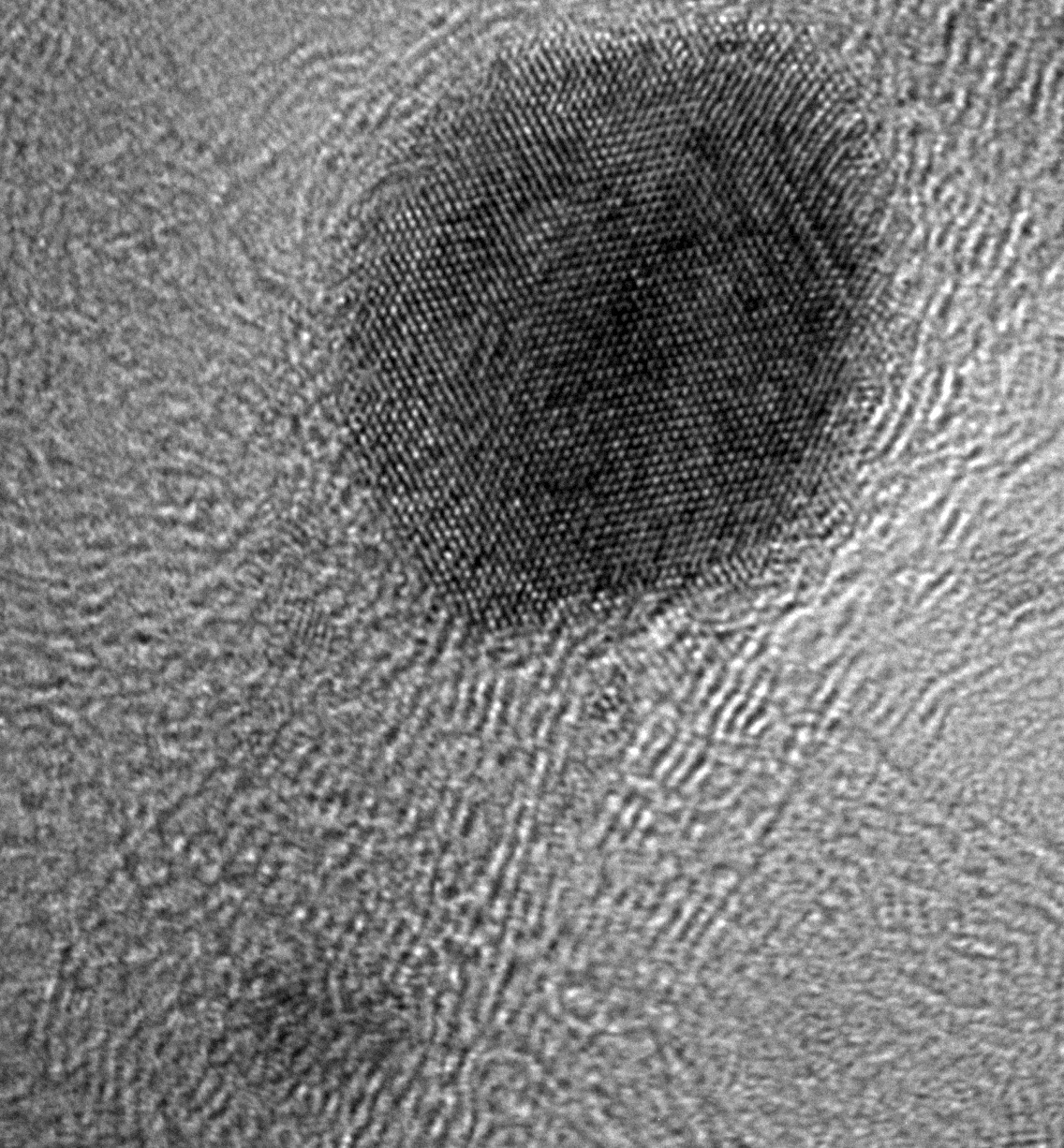
Ultrafast laser synthesis of sub-10 nm FeCoNiMnCr high-entropy alloy nanoparticles for enhanced oxygen evolution catalysis

Authors: Jiuyang Xia, Jianghong Zhang, Mingzhen Xiu, Bowei Zhang, Zehong Zhou, Yu Lu, Yizhong Huang, Junsheng Wu

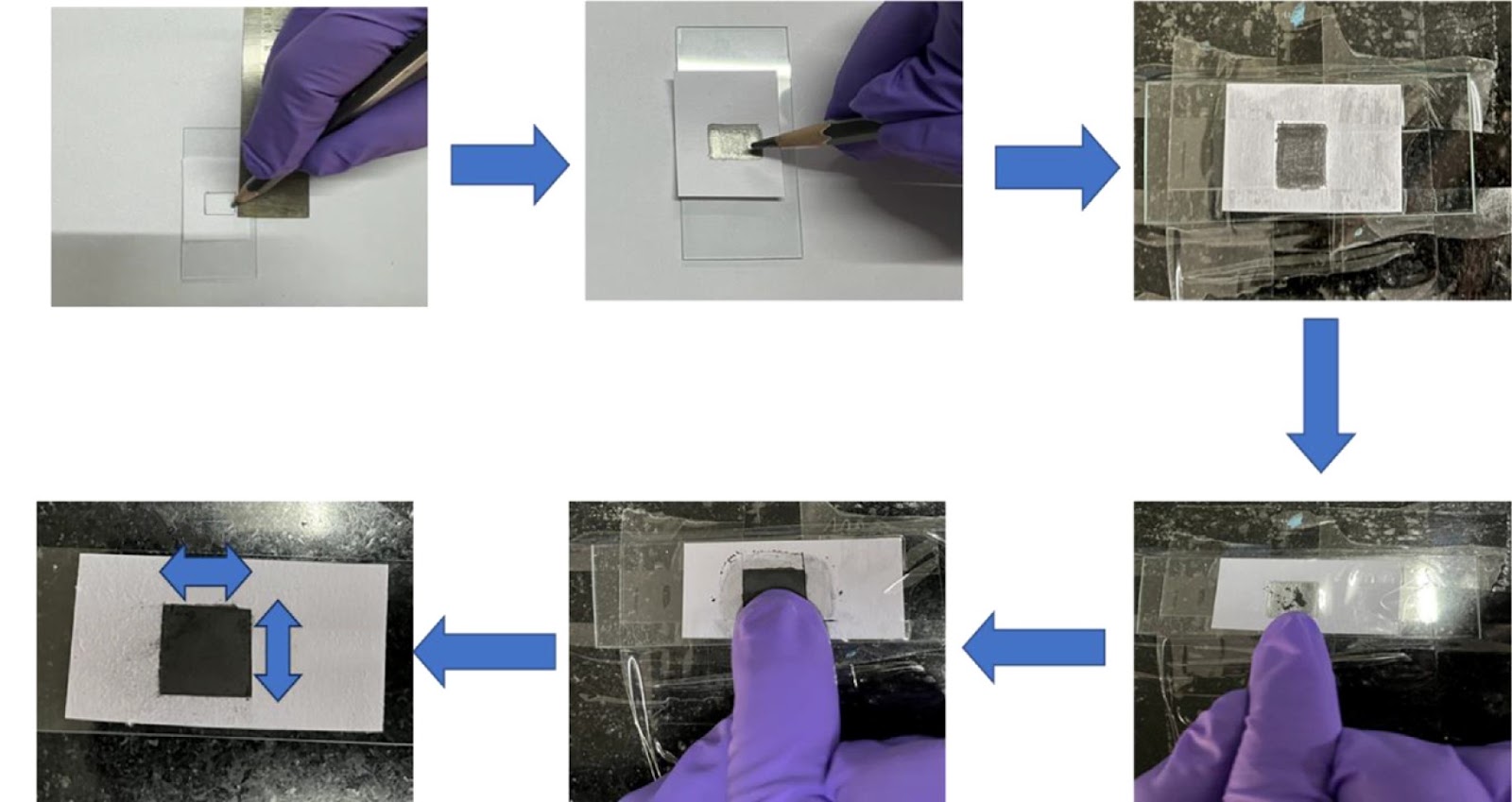
The development of efficient and robust oxygen non-precious catalysts for the oxygen evolution reaction (OER) remains a critical scientific hurdle in realizing cost-effective renewable energy conversion systems. Herein, we present a rapid laser irradiation synthesis strategy for the successful fabrication of sub-10 nm FeCoNiMnCr high-entropy alloy nanoparticles (HEA-NPs) on multi-wall carbon nanotube (MWCNT) paper, serving as highly efficient OER electrocatalysts. The synthesis of high-entropy alloy nanoparticles with precise control was accomplished through systematic optimization of laser processing parameters. Structural characterization via X-ray diffraction, high-resolution transmission electron microscopy, and high-angle annular dark-field scanning transmission electron microscopy collectively verified the formation of a phase-pure face-centered cubic crystal structure with homogeneous elemental mixing at the atomic scale. Furthermore, COMSOL Multiphysics simulations confirm that this rapid and discontinuous laser irradiation approach enables the precursor material to undergo ultrafast heating and quenching processes, effectively suppressing Ostwald ripening phenomena, which is conducive to the formation of ultrafine (sub-10 nm) high-entropy alloy nanoparticles. The synthesized HEA-NPs catalyst demonstrates exceptional oxygen evolution activity in alkaline electrolyte (1 M KOH), achieving a current density of 10 mA·cm−2 at a low overpotential of 255 mV while maintaining remarkable stability with negligible activity decay during prolonged operation (>100 h), representing state-of-the-art performance among non-precious metal catalysts. This study provides perspectives on the rapid preparation and performance regulation of HEA-NPs catalysts.

Ultrafast laser synthesis of sub-10 nm FeCoNiMnCr high-entropy alloy nanoparticles for enhanced oxygen evolution catalysis
Graphical Abstract
Original ResearchVol. 32, Issue 11 • pp. 2777-DOI: 10.1007/s12613-025-3173-zJan 15, 2025

Machine learning-accelerated density functional theory optimization of PtPd-based high-entropy alloys for hydrogen evolution catalysis

Authors: Patcharaporn Khajondetchairit, Siriwimol Somdee, Tinnakorn Saelee, Annop Ektarawong, Björn Alling, Piyasan Praserthdam, Meena Rittiruam, Supareak Praserthdam

High-entropy alloys (HEAs) have emerged as promising catalysts for the hydrogen evolution reaction (HER) due to their compositional diversity and synergistic effects. In this study, machine learning-accelerated density functional theory (DFT) calculations were employed to assess the catalytic performance of PtPd-based HEAs with the formula PtPdXYZ (X, Y, Z = Fe, Co, Ni, Cu, Ru, Rh, Ag, Au; X ≠ Y ≠ Z). Among 56 screened HEA(111) surfaces, PtPdRuCoNi(111) was identified as the most promising, with adsorption energies (Eads) between −0.50 and −0.60 eV and high d-band center of −1.85 eV, indicating enhanced activity. This surface showed the hydrogen adsorption free energy (ΔGH*) of −0.03 eV for hydrogen adsorption, outperforming Pt(111) by achieving a better balance between adsorption and desorption. Machine learning models, particularly extreme gradient boosting regression (XGBR), significantly reduced computational costs while maintaining high accuracy (root-mean-square error, RMSE = 0.128 eV). These results demonstrate the potential of HEAs for efficient and sustainable hydrogen production.

Machine learning-accelerated density functional theory optimization of PtPd-based high-entropy alloys for hydrogen evolution catalysis
Graphical Abstract
Original ResearchVol. 32, Issue 11 • pp. 2743DOI: 10.1007/s12613-025-3138-2Jan 15, 2025

Unraveling the poisoning mechanism of impurity gases on TiFe hydrogen storage alloys

Authors: Hangyan Shi, Yingxian Zhang, Zhenglong Li, Fan Gao, Xinqiang Wang, Yaxiong Yang, Yanxia Liu, Xuezhang Xiao, Fang Fang, Wen-Gang Cui

TiFe alloys are AB-based hydrogen storage materials with unique characteristics and a wide range of applications. However, the presence of impurity gases (such as O2, CO, CO2, and CH4) has a considerable impact on the hydrogen storage capacity and kinetics of TiFe alloys, drastically limiting their practical application in hydrogen storage. Consequently, in this study, we investigated the hydrogen absorption kinetics and cycling performance of the TiFe0.9 alloy in the presence of common impurity gases (including CH4, CO, CO2, and O2) and determined the corresponding poisoning mechanisms. Specifically, we found that CH4 did not react with the alloy but acted through physical coverage. In contrast, CO and CO2 occupy the active sites for H2, significantly impeding the dissociation and absorption of H2. In addition, O2 reacts directly with the alloy to form a passivating layer that prevents hydrogen absorption. These findings were further corroborated by in situ Fourier transform infrared spectrometry (FTIR) and density functional theory (DFT). The relationship between the adsorption energies of the impurity gases and hydrogen obtained through DFT calculations complements the experimental results. Understanding these poisoning behaviors is crucial for designing Ti-based high-entropy hydrogen storage alloy alloys with enhanced resistance to poisoning.

Unraveling the poisoning mechanism of impurity gases on TiFe hydrogen storage alloys
Graphical Abstract
Original ResearchVol. 32, Issue 11 • pp. 2733DOI: 10.1007/s12613-025-3175-xJan 15, 2025

Impact of Ce doping and cold rolling on the activation performance of V70Ti10Cr20 alloy

Authors: Zhenguang Huang, Qiang Shen, Shiting Yang, Peimei Dong, Chunju Lv, Meiqiang Fan, Yongfu Cui, Leichao Meng, Chao Li, Zhendong Yao

The study investigated the influence of Ce alloying and cold rolling on the activation behavior of V70Ti10Cr20-based alloys. The activation conditions of single cold rolled (V70Ti10Cr20-0.3) and single Ce replaced (V70Ti10Cr20Ce1) samples were reduced from the original two heat treatments to one heat treatment, and the incubation time was about 105 min. Unexpectedly, the two modification methods produce excellent synergistic effects that the co-modified sample (V70Ti10Cr20Ce1-0.5) was activated at room temperature (25°C) without incubation period, and reached saturation capacity (4wt%) within 12 min. Further studies show that CeO2 formed through Ce doping, serves as an active site for hydrogen absorption, facilitating the passage of hydrogen atoms through the dense oxide layer on the surface of vanadium-based alloys. Upon the foundation of Ce doping, cold rolling leads to the aggregation of dislocations around CeO2 sites, thereby further establishing a hydrogen diffusion pathway from the surface into the bulk phase, thus significantly improving the activation performance of the alloy. This work establishes a robust basis for the practical engineering use of vanadium-based hydrogen storage alloys.

Impact of Ce doping and cold rolling on the activation performance of V70Ti10Cr20 alloy
Graphical Abstract
Original ResearchVol. 32, Issue 11 • pp. 2676DOI: 10.1007/s12613-025-3277-5Jan 15, 2025

Enhancing performance and stability of Sm0.2Ce0.8O1.9-decorated La0.6Sr0.4CoO3−δ composite cathode in flat-tube solid oxide fuel cell

Authors: Zixiang Pei, Jie Zhang, Yang Zhang, Lizeng Han, Tiancheng Fan, Yang Wu, Jianxin Wang, Wanbing Guan

The commercialization of solid oxide fuel cells depends on the cathode, which possesses both high catalytic activity and a thermal-expansion coefficient (TEC) that aligns with the electrolyte. Although the cobalt-based cathode La0.6Sr0.4CoO3 (LSC) offers excellent catalytic performance, its TEC is significantly larger than that of the electrolyte. In this study, we mechanically mix Sm0.2Ce0.8O2−δ (SDC) with LSC to create a composite cathode. By incorporating 50wt% SDC, the TEC decreases significantly from 18.29 × 10⁻⁶ to 13.90 × 10⁻⁶ K−1. Under thermal-shock conditions ranging from room temperature to 800°C, the growth rate of polarization resistance is only 0.658% per cycle, i.e., merely 49% that of pure LSC. The button cell comprising the LSC-SDC composite cathode operates stably for over 900 h without Sr segregation, with a voltage growth rate of 1.11%/kh. A commercial flat-tube cell (active area: 70 cm2) comprising the LSC-SDC composite cathode delivers 54.8 W at 750°C. The distribution of relaxation-time shows that the non-electrode portion is the main rate-limiting step. This study demonstrates that the LSC-SDC mixture strategy effectively improves the compatibility with the electrolyte while maintaining a high output, thus rendering it a promising commercial cathode material.

Enhancing performance and stability of Sm0.2Ce0.8O1.9-decorated La0.6Sr0.4CoO3−δ composite cathode in flat-tube solid oxide fuel cell
Graphical Abstract
Original ResearchVol. 32, Issue 11 • pp. 2723DOI: 10.1007/s12613-025-3266-8Jan 15, 2025

Notable hydrogen storage properties in nanocrystalline Al–Cr–Cu–Fe–Ni high entropy alloy

Authors: Yogesh Kumar Yadav, Mohammad Abu Shaz, Thakur Prasad Yadav

The hydrogen storage mechanism of a single-phase nanocrystalline mechanically alloyed Al–Cr–Cu–Fe–Ni high-entropy alloy (HEA) was investigated in this study. The alloys were synthesized from the elemental powders using high-energy attritor ball mill with hexane as the process control agent. The material obtained after 40 h of milling was nanocrystalline and exhibited body-centered cubic (BCC) phase with a lattice parameter of 0.289 nm. The nanocrystalline Al–Cr–Cu–Fe–Ni HEA demonstrated remarkable hydrogen storage capacity at 300°C and 50 atm hydrogen pressure, absorbing 2.1wt% of hydrogen within 3 min and desorbing approximately 1.6wt% of hydrogen in 6 min. These rapid absorption and desorption processes highlighted the efficiency of the alloy for hydrogen uptake and release. Additionally, the alloy exhibited good cyclic stability, with a loss of only 0.2wt% of its hydrogen capacity across 25 cycles. The exceptional cycle stability and rapid kinetics of hydrogen storage and release make the nanocrystalline Al–Cr–Cu–Fe–Ni HEA a viable choice for hydrogen storage applications.

Notable hydrogen storage properties in nanocrystalline Al–Cr–Cu–Fe–Ni high entropy alloy
Graphical Abstract
Original ResearchVol. 32, Issue 11 • pp. 2666DOI: 10.1007/s12613-025-3206-7Jan 15, 2025

High-entropy oxide ceramics for detecting the ionic conductivity component in electron conductors

Authors: A.V. Shlyakhtina, E.D. Baldin, N.V. Gorshkov, D.N. Stolbov, N.V. Lyskov

A series of solid solutions with high content of Tb2O3–(TbxTi1−x)4O8−2x (x = 0.667–0.830) are synthesized in the Tb2O3–TiO2 system via co-precipitation and/or mechanical activation. This is followed by high-temperature annealing for 4–22 h. The X-ray diffraction method showed that the fluorite structure was realized for (TbxTi1−x)4O8−2x (x = 0.75–0.817). The solid solution Tb3.12Ti0.88O6.44 (64mol% Tb2O3 (x = 0.78)) with a fluorite structure exhibited a maximum hole conductivity of ~22 S/cm at 600°C. To separate the ionic component of the conductivity in the electronic conductor Tb3.12Ti0.88O6.44, its high entropy analogue, (La0.2Gd0.2Tm0.2Lu0.2Y0.2)3.12Ti0.88O6.44, was synthesized in which all rare-earth elements (REE) cations exhibited valency of +3. Consequently, the contribution of ionic (proton) conductivity (~7 × 10⁻⁶ S/cm at 600°C) was revealed with respect to the background of dominant hole conductivity. The proton conductivity of high-entropy oxide (HEО) (La0.2Gd0.2Tm0.2Lu0.2Y0.2)3.12Ti0.88O6.44 was confirmed by the detection of the isotope effect, where the mobility of the heavier O–D ions was lower than that of the O–H hydroxyls, resulting in lower conductivity in D2O vapors when compared to H2O.

High-entropy oxide ceramics for detecting the ionic conductivity component in electron conductors
Graphical Abstract
Original ResearchVol. 32, Issue 11 • pp. 2699DOI: 10.1007/s12613-025-3149-zJan 15, 2025

Optimization of Mg-based hydrogen storage materials with multicomponent and high-entropy catalysts

Authors: Yu Sun, Jiayi Cheng, Yaru Jiang, Yafei Liu, Yijing Wang

Novel hydrogen storage materials have propelled progress in hydrogen storage technologies. Magnesium hydride (MgH2) is a highly promising candidate. Nevertheless, several drawbacks, including the need for elevated thermal conditions, sluggish dehydrogenation kinetics, and high thermodynamic stability, limit its practical application. One effective method of addressing these challenges is catalyst doping, which effectively boosts the hydrogen storage capability of Mg-based materials. Herein, we review recent advancements in catalyst-doped MgH2 composites, with particular focus on multicomponent and high-entropy catalysts. Structure–property relationships and catalytic mechanisms in these doping strategies are also summarized. Finally, based on existing challenges, we discuss future research directions for the development of Mg-based hydrogen storage systems.

Optimization of Mg-based hydrogen storage materials with multicomponent and high-entropy catalysts
Graphical Abstract
Original ResearchVol. 32, Issue 11 • pp. 2689-2700DOI: 10.1007/s12613-025-3274-8Jan 15, 2025

Tuning negative thermal expansion in Sm0.85Zn0.15MnO3−δ via synthesis optimization for enhancing the stability of heterostructured solid oxide fuel cell cathodes

Authors: Jakub Fudalewski, Piotr Winiarz, Kun Zheng

Minimizing the thermal expansion coefficient (TEC) mismatch between the cathode and electrolyte in solid oxide fuel cells is crucial for achieving stable, durable operation and high performance. Recently, materials with negative thermal expansion (NTE) have attracted significant attention as effective additives for tailoring the thermomechanical properties of electrodes and enhancing cell durability. In this work, for the first time, single-phase NTE perovskite Sm0.85Zn0.15MnO3−δ (SZM15) was successfully synthesized via the sol–gel method, eliminating the unwanted ZnO phase typically observed in materials obtained through the conventional solid-state reaction route. The sol–gel approach proved highly advantageous, offering low cost, robustness, excellent chemical homogeneity, precise compositional control, and high phase purity. After optimization of synthesis parameters, a negative TEC of approximately −6.5 × 10⁻⁶ K−1 was achieved in the 400–850°C range. SZM15 was then incorporated as an additive (10wt%–50wt%) into a SmBa0.5Sr0.5CoCuO5+δ (SBSCCO) cathode to tune the thermomechanical properties with a La0.8Sr0.2Ga0.8Mg0.2O3−δ (LSGM) electrolyte, achieving a minimal TEC mismatch of only 1%. Notably, the SBSCCO + 10wt% SZM15 composite cathode exhibited the lowest polarization resistance of 0.019 Ω·cm2 at 900°C, showing approximately 70% lower than that of the pristine cathode. Excellent long-term stability after 100 h of operation was achieved. In addition, a high peak power density of 680 mW·cm−2 was achieved in a Ni-YSZ (yttria-stabilized zirconia)|YSZ|Ce0.9Gd0.1O2−δ (GDC10)|SBSCCO + 10wt% SZM15 anode-supported fuel cell at 850°C, highlighting the effectiveness of incorporating NTE materials as a promising strategy for regulating the thermomechanical properties and improving the long-term stability of intermediate temperature solid oxide fuel cells (IT-SOFCs).

Tuning negative thermal expansion in Sm0.85Zn0.15MnO3−δ via synthesis optimization for enhancing the stability of heterostructured solid oxide fuel cell cathodes
Graphical Abstract
Original ResearchVol. 32, Issue 11 • pp. 2639DOI: 10.1007/s12613-025-3201-zJan 15, 2025

Synergistic multielement effect at the B-site of high entropy double perovskite oxide: A promising fuel electrode for efficient co-electrolysis of H2O and CO2

Authors: Hui Xu, Ning Sun, Jiancheng Wang, Guozhu Zheng, Xiaoyu Zhang, Yingxue Ju, Ting Chen, Shaorong Wang

The performance of the fuel electrode in a solid oxide electrolysis cell (SOEC) is crucial to facilitating fuel gas electrolysis and is the key determinant of overall electrolysis efficiency. Nevertheless, the commercialization of integrated CO2–H2O electrolysis in SOEC remains constrained by suboptimal catalytic efficiency and long-term stability limitations inherent to conventional fuel electrode architectures. A novel high-entropy Sr2FeTi0.2Cr0.2Mn0.2Mo0.2Co0.2O6−δ (SFTCMMC) was proposed as a prospective electrode material of co-electrolysis in this work. The physicochemical properties and electrochemical performance in the co-electrolysis reaction were investigated. Full cell is capable of electrolyzing H2O and CO2 effectively with an applied voltage. The effects of temperature, H2O and CO2 concentrations, and applied voltage on the electrochemical performance of Sc0.18Zr0.82O2−δ (SSZ)-electrolyte supported SOEC were investigated by varying the operating conditions. The SOEC obtains a favorable electrolysis current density of 1.47 A·cm−2 under co-electrolysis condition at 850°C with 1.5 V. Furthermore, the cell maintains stable performance for 150 h at 1.3 V, and throughout this period, no carbon deposition is detected. The promising findings suggest that the high-entropy SFTCMMC perovskite is a viable fuel electrode candidate for efficient H2O/CO2 co-electrolysis.

Synergistic multielement effect at the B-site of high entropy double perovskite oxide: A promising fuel electrode for efficient co-electrolysis of H2O and CO2
Graphical Abstract
Original ResearchVol. 32, Issue 11 • pp. 2598-DOI: 10.1007/s12613-025-3172-0Jan 15, 2025

High-entropy materials for solid oxide cells

Authors: Qinqin Wang, Wei Kong, Shanshan Jiang, Daifen Chen

Solid oxide cells (SOCs), which include solid oxide fuel cells (SOFCs), symmetrical solid oxide cells (S-SOCs), and reversible solid oxide cells (R-SOCs), are considered key technologies for driving low-carbon and green revolution in the energy sector. Because of their clean, low-cost, and high-efficiency characteristics, SOCs have great potential for energy conversion and storage. However, the further development of SOC technologies faces challenges, such as a lack of long-term operational stability of the cell system, high material cost under high-temperature operating conditions, and limited catalytic effects at low temperatures. Recently, high-entropy materials (HEMs) have demonstrated excellent performance and wide application prospects in catalytic reactions, energy storage, supercapacitors, and other fields owing to their unique atomic arrangement and the four core effects (high mixed entropy stabilization effect, sluggish diffusion effect, lattice distortion effect, and “cocktail” effect). HEMs provide a new perspective for solving the aforementioned problems in the field of SOCs. This comprehensive review summarizes the applications of HEMs in the three fundamental components of SOCs: electrodes, electrolytes, and interconnects, focusing on the role of HEMs in enhancing catalytic activity and conductivity while mitigating harmful gas poisoning. In addition, this review proposes possible development directions for HEMs in SOCs based on the current research progress, providing valuable reference for high-entropy designs aimed at further enhancing the performance of SOCs.

High-entropy materials for solid oxide cells
Graphical Abstract
Original ResearchVol. 32, Issue 11 • pp. 2659DOI: 10.1007/s12613-025-3158-yJan 15, 2025

Structure and electrical conductivity of compositionally complex double perovskite cobaltites

Authors: Sebastian L Wachowski, Hanna Kavaliuk, Maria Sywanycz, Paula Rosiak, Tadeusz Miruszewski, Maria Gazda

In this study, compositionally complex cobaltites with the general formula BaLnCo2O6−δ with three to eight different lanthanides at the Ln-site were synthesized using the solid-state reaction method and studied. Analysis of entropy metrics and configurational entropy calculations indicated that these compounds are medium entropy oxides. All of these crystallize as tetragonal double perovskites from the space group P4/mmm. The unit cell parameters are controlled by the average ionic radius, not the configurational entropy. On the other hand, the oxygen non-stoichiometry is consistently higher than in the case of low entropy double perovskite cobaltites. The total electrical conductivity of all materials in studied conditions is well above 50 S/cm, peaking at 1487 S/cm for BaLa1/3Nd1/3Gd1/3Co2O6−δ at 300°C. The electrical conductivity decreases with the number of substituents.

Structure and electrical conductivity of compositionally complex double perovskite cobaltites
Graphical Abstract
Original ResearchVol. 32, Issue 11 • pp. 2628-DOI: 10.1007/s12613-025-3262-zJan 15, 2025

Multicomponent Gd1−xSmxBa0.5Sr0.5CoCuO5+δ double perovskites as oxygen electrodes for solid oxide cells: Effect of chemical composition and electrospun morphology

Authors: Jacek Winiarski, Piotr Winiarz, Konrad Świerczek

Multicomponent Gd1−xSmxBa0.5Sr0.5CoCuO5+δ double perovskites are optimized for application in terms of chemical composition and morphology for the use as oxygen electrodes in solid oxide cells. Structural studies of other physicochemical properties are conducted on a series of materials obtained by the sol–gel method with different ratios of Gd and Sm cations. It is documented that changing the x value, and the resulting adjustment of the average ionic radius, have a significant impact on the crystal structure, stability, as well as on the total conductivity and thermomechanical properties of the materials, with the best results obtained for the Gd0.75Sm0.25Ba0.5Sr0.5CoCuO5+δ composition. Oxygen electrodes are prepared using the selected compound, allowing to obtain low polarization resistance values, such as 0.086 Ω·cm2 at 800°C. Systematic studies of electrocatalytic activity are conducted using La0.8Sr0.2Ga0.8Mg0.2O3−δ as the electrolyte for all electrodes, and Ce0.8Gd0.2O2−δ electrolyte for the best performing Gd0.75Sm0.25Ba0.5Sr0.5CoCuO5+δ electrodes. The electrochemical data are analyzed using the distribution of relaxation times method. Also, the influence of the preparation method of the electrode material is investigated using the electrospinning technique. Finally, the performance of the Gd0.75Sm0.25Ba0.5Sr0.5CoCuO5+δ electrodes is tested in a Ni-YSZ (yttria-stabilized zirconia) anode-supported cell with a Ce0.8Gd0.2O2−δ buffer layer, in the fuel cell and electrolyzer operating modes. With the electrospun electrode, a power density of 462 mW·cm−2 is obtained at 700°C, with a current density of ca. 0.2 A·cm−2 at 1.3 V for the electrolysis at the same temperature, indicating better performance compared to the sol–gel-based electrode.

Multicomponent Gd1−xSmxBa0.5Sr0.5CoCuO5+δ double perovskites as oxygen electrodes for solid oxide cells: Effect of chemical composition and electrospun morphology
Graphical Abstract
Original ResearchVol. 32, Issue 11 • pp. 2650-DOI: 10.1007/s12613-025-3269-5Jan 15, 2025

Application of Sr2FeMoO6−δ-based medium entropy oxide as an anode internal reforming catalyst in solid oxide fuel cells fueled by low-concentration coal mine methane

Authors: Chuanqi Sun, Jinke Zhang, Xiuyang Qian, Mingfei Li, Hongming Liu, Jiangbo Dong, Jinda Li, Wenlin Yang, Mumin Rao, Yihan Ling

Low-concentration coal mine methane (LC-CMM), which is predominantly composed of methane, serves as a clean and low-carbon energy resource with significant potential for utilization. Utilizing LC-CMM as fuel for solid oxide fuel cells (SOFCs) represents an efficient and promising strategy for its effective utilization. However, direct application in Ni-based anodes induces carbon deposition, which severely degrades cell performance. Herein, a medium-entropy oxide Sr2FeNi0.1Cr0.3Mn0.3Mo0.3O6−δ (SFNCMM) was developed as an anode internal reforming catalyst. Following reduction treatment, FeNi3 nano-alloy particles precipitate on the surface of the material, thereby significantly enhancing its catalytic activity for LC-CMM reforming process. The catalyst achieved a methane conversion rate of 53.3%, demonstrating excellent catalytic performance. Electrochemical evaluations revealed that SFNCMM-Gd0.1Ce0.9O2−δ (GDC) with a weight ratio of 7:3 exhibited superior electrochemical performance when employed as the anodic catalytic layer. With H2 and LC-CMM as fuels, the single cell achieved maximum power densities of 1467.32 and 1116.97 mW·cm−2 at 800°C, respectively, with corresponding polarization impedances of 0.17 and 1.35 Ω·cm2. Furthermore, the single cell maintained stable operation for over 100 h under LC-CMM fueling without significant carbon deposition, confirming its robust resistance to carbon formation. These results underscore the potential of medium-entropy oxides as highly effective catalytic layers for mitigating carbon deposition in SOFCs.

Application of Sr2FeMoO6−δ-based medium entropy oxide as an anode internal reforming catalyst in solid oxide fuel cells fueled by low-concentration coal mine methane
Graphical Abstract
Original ResearchVol. 32, Issue 10 • pp. 2579-DOI: 10.1007/s12613-025-3212-9Jan 15, 2025

Optimization of Eu-doped lanthanum tungstate nanophosphors via surface modification for superior red luminescence and photonic applications

Authors: K. Naveen Kumar, L. Vijayalakshmi, P.K. Vishwakarma, Jiseok Lim, Mohammad Rezaul Karim, Ibrahim A. Alnaser, D. Rajesh

The luminescence behavior of Eu3+-activated lanthanum tungstate nanophosphors exhibiting intense red emission was systematically explored by modifying their surfaces using various agents, including polyvinylpyrrolidone (PVP), cetyltrimethylammonium bromide (CTAB), trisodium citrate (TC), polyvinyl alcohol (PVA), and ethylene glycol (EG). These nanophosphors were synthesized via a facile hydrothermal-assisted solid-state reaction. X-ray diffraction (XRD) analysis confirmed the orthorhombic crystal structure of all the prepared samples. Morphological and size analyses were performed using scanning electron microscopy (SEM) and particle size distribution profiling. High-resolution transmission electron microscopy (HRTEM) complemented by elemental mapping was used to evaluate the particle dimensions and interplanar spacing of the optimized sample. Fourier-transform infrared spectroscopy (FTIR) was used to identify functional groups and assign corresponding vibrational bands. X-ray photoelectron spectroscopy (XPS) provided insights into the elemental composition and binding energies of the optimized nanophosphors. Notably, the PVA-modified sample doped with 14mol% Eu3+ exhibited pronounced red emission at 616 nm, attributed to the 5D0→7F2 electric dipole transition of Eu3+ ions under ultraviolet (UV) excitation. Detailed excitation and emission spectral analyses were performed, with band assignments corresponding to the relevant electronic transitions. Among the surface-treated variants, the PVA-modified nanophosphors demonstrated exceptional color purity of 99.6%, international commission on illumination (CIE) chromaticity coordinates of (0.6351, 0.3644), and a correlated color temperature of 1147 K. These superior optical features are ascribed to the enhanced surface passivation and suppression of nonradiative recombination, facilitated effectively by the PVA surface layer. Lifetime decay analysis across all samples revealed a significantly extended lifetime for the optimized composition, further supporting its superior luminescence efficiency. In addition, evaluation of the biocompatibility of the nanophosphors highlighted their potential for biomedical applications. Overall, these findings emphasize the efficacy of PVA-modified Eu3+-doped lanthanum tungstate nanophosphors as highly efficient red emitters, suitable for application in white light-emitting diodes (WLEDs) and latent fingerprint detection while offering valuable insights into the role of surface modification in tuning the optical properties of nanophosphors.

Optimization of Eu-doped lanthanum tungstate nanophosphors via surface modification for superior red luminescence and photonic applications
Graphical Abstract
Original ResearchVol. 32, Issue 10 • pp. 2572DOI: 10.1007/s12613-025-3177-8Jan 15, 2025

An environmentally friendly synthesis route: Low-temperature preparation of vacancy-ordered double perovskites Cs2SnX6 (X = Cl, Br, I) via ionic liquid

Authors: Yuxin Huang, Yibo Cui, Qipeng Lu, Xin Liu, Lijie Zhu

Lead-free vacancy-ordered double perovskites have emerged as promising materials for optoelectronic applications due to their environmentally friendly characteristics and exceptional properties. However, conventional synthesis methods often depend on toxic reagents and stringent conditions, limiting their large-scale synthesis and practical application. In this work, an environmentally friendly synthesis route was proposed for preparing vacancy-ordered double perovskites Cs2SnX6 (X = Cl, Br, and I) with high crystallinity under low-temperature and ambient-pressure conditions. This method utilizes ion liquid (i.e., 1-butyl-3-methylimidazolium chloride ([Bmim]Cl), 1-butyl-3-methylimidazolium bromide ([Bmim]Br) and 1-butyl-3-methylimidazolium iodide ([Bmim]I)) in combination with saturated aqueous solutions of ammonium halides as solvents, replacing traditional hydrogen halide acid or polar organic solvents. Experimental and characterization results demonstrate that the Cs2SnX6 (X = Cl, Br, and I) possess high crystallinity, well-defined morphology, and improved thermal stability. These improvements are attributed to the hydrogen bonding interactions between ionic liquids and the perovskite precursors. Additionally, the halogen-rich environment provided by ionic liquids and ammonium halide salts facilitates defect passivation. Furthermore, this method is applicable to the synthesis of doped perovskite crystals, demonstrated by the successful synthesis of Bi-doped Cs2SnCl6 crystals with a photoluminescence quantum efficiency of 12.73%. This study presents a novel strategy for synthesizing high-quality vacancy-ordered double perovskites and their doping or alloyed compounds.

An environmentally friendly synthesis route: Low-temperature preparation of vacancy-ordered double perovskites Cs2SnX6 (X = Cl, Br, I) via ionic liquid
Graphical Abstract
Original ResearchVol. 32, Issue 10 • pp. 2534DOI: 10.1007/s12613-025-3092-zJan 15, 2025

Effect of low Zn content on corrosion resistance and biocompatibility of biodegradable Mg–Zn–Y–Zr alloys

Authors: Xinyi Zhou, Jun Cheng, Jun Xu, Yipei Mao, Yang Dong, Yixuan He, Meifeng He

Although the degradability and biosafety of magnesium alloys make them advantageous for biological applications, medical implants made of magnesium alloys often fail prematurely due to corrosion. Therefore, improving the corrosion resistance of magnesium alloys has become an urgent problem in the alloy design process. In this study, we designed and prepared Mg–xZn–0.5Y–0.5Zr (x = 1, 2, and 3, wt%) alloys in a hot extruded state and analyzed their surface structure through scanning electron microscopy, energy dispersion spectrometry, and X-ray diffraction. It was found that increasing the Zn content refined the recrystallized grains in the alloy. Particularly in Mg–3Zn–0.5Y–0.5Zr, the I phase became finer, forming both granular and nanoscale needle-like particles. Surface characterization after the immersion experiment showed that the corrosion product layer was mainly composed of Mg(OH)2, Zn(OH)2, CaCO3, and hydroxyapatite. The degradation rate of ZW305K was the lowest, measured as 4.1 and 6.0 mm·a−1 with the hydrogen precipitation method and weight loss method respectively. Electrochemical experiments further explained the corrosion circuit model of the alloy in solution and confirmed the earlier results. The maximum polarization resistance of ZW305K was 874.5 Ω·cm2, and the lowest corrosion current density was 0.104 mA·cm−2. As a biomedical alloy, it must exhibit good biocompatibility, so the alloy was also tested through cytotoxicity, cell adhesion, and staining experiments. The cell viability of each group after 48 h was greater than 80%, showing that the addition of zinc enhances the alloy’s biocompatibility. In summary, the prepared alloys have the potential to be used as biodegradable implant materials.

Effect of low Zn content on corrosion resistance and biocompatibility of biodegradable Mg–Zn–Y–Zr alloys
Graphical Abstract
Original ResearchVol. 32, Issue 10 • pp. 2547DOI: 10.1007/s12613-025-3111-0Jan 15, 2025

Densification, microstructure, mechanical properties, and thermal stability of high-strength Ti-modified Al–Si–Mg–Zr aluminum alloy fabricated by laser-powder bed fusion

Authors: Yaoxiang Geng, Zhifa Shan, Jiaming Zhang, Tianshuo Wei, Zhijie Zhang

Micrometer-sized, irregularly shaped Ti particles (0.5wt% and 1.0wt%) were mixed with an Al–Si–Mg–Zr matrix powder, and a novel Ti-modified Al–Si–Mg–Zr aluminum alloy was subsequently fabricated via laser-powder bed fusion (L-PBF). The results demonstrated that the introduction of Ti particles promoted the formation of near-fully equiaxed grains in the alloy owing to the strong grain refinement of the primary (Al,Si)3(Ti,Zr) nanoparticles. Furthermore, the presence of (Al,Si)3(Ti,Zr) nanoparticles inhibited the decomposition of Si-rich cell boundaries and the precipitation of Si nanoparticles in the α-Al cells. The ultimate tensile strength (UTS), yield strength (YS), and elongation of the as-built 0.5wt% Ti (0.5Ti) alloy were (468 ± 11), (350 ± 1) MPa, and (10.0 ± 1.4)%, respectively, which are comparable to those of the L-PBF Al−Si−Mg−Zr matrix alloy and significantly higher than those of traditional L-PBF Al−Si−Mg alloys. After direct aging treatment at 150°C, the precipitation of secondary nanoparticles notably enhanced the strength of the 0.5Ti alloy. Specifically, the 0.5Ti alloy achieved a maximum UTS of (479 ± 11) MPa and YS of (376 ± 10) MPa. At 250°C, the YS of the L-PBF Ti/Al−Si−Mg−Zr alloy was higher than that of the L-PBF Al−Si−Mg−Zr matrix alloy due to the retention of Si-rich cell boundaries, indicating a higher thermal stability. As the aging temperature was increased to 300°C, the dissolution of Si-rich cell boundaries, desolvation of solid-solution elements, and coarsening of nanoprecipitates led to a decrease in the UTS and YS of the alloy to below 300 and 200 MPa, respectively. However, the elongation increased significantly.

Densification, microstructure, mechanical properties, and thermal stability of high-strength Ti-modified Al–Si–Mg–Zr aluminum alloy fabricated by laser-powder bed fusion
Graphical Abstract
Original ResearchVol. 32, Issue 10 • pp. 2510DOI: 10.1007/s12613-025-3088-8Jan 15, 2025

Multiphysics modeling of dendritic thermomechanical deformation during the directional solidification of nickel-based single-crystal superalloys

Authors: Luwei Yang, Neng Ren, Mingxu Xia, Jun Li, Jianguo Li

Nickel-based single-crystal (SX) superalloys are the key metallic materials of aeroengines. However, thermomechanical deformation always occurs during the directional solidification of SX superalloys, negatively influencing the SX structure. Casting deformation is simulated in most of the previous studies, whereas the direct simulation of dendritic thermomechanical deformation has been largely ignored, resulting in a lack of comprehensive understanding of this process. In this study, we systematically investigate dendritic thermomechanical deformation with a model coupled with dendrite growth, fluid flow, and thermomechanical deformation behavior. Results reveal that the dendritic thermomechanical deformation-induced dendrite bending is not randomly distributed but is mainly concentrated on the casting surface. The dendritic thermal stress increases as dendrite grows and accumulates after dendrite bridging. Transverse thermal contraction mainly occurs at the edge of casting in the corner, and axial thermal contraction is larger than transverse contraction. The high-stress region of the primary dendrite trunk is mainly distributed below the dendrite bridging near the solidified part, and the stress along the transverse direction reaches its maximum value on the casting surface. Stress concentrated on the casting surface is mainly attributed to variations in transverse temperature gradients caused by heat dissipation on the lateral mold wall, and inconsistent constraints in the lateral mold walls.

Multiphysics modeling of dendritic thermomechanical deformation during the directional solidification of nickel-based single-crystal superalloys
Graphical Abstract
Original ResearchVol. 32, Issue 10 • pp. 2444-?DOI: 10.1007/s12613-025-3104-zJan 15, 2025

Coupling effect of TiO2 and Al2O3 on the structure of CaO–SiO2–MgO–xwt%Al2O3–ywt%TiO2 slag systems

Authors: Mao Chen, Bo Yang, Kaixuan Zhang, Junyu Chen, Yehui Li, Shuangjiang He, Meilong Hu

This study analyzes the influence of TiO2 and Al2O3 contents on the microstructure of CaO–SiO2–MgO–xwt%Al2O3–ywt%TiO2 (14 ≤ x ≤ 22, 0 ≤ y ≤ 10) blast furnace slag systems based on the change of slag viscosity, Raman spectroscopy, and molecular dynamics. The Raman spectroscopy results indicate that an increase in TiO2 content leads to the gradual depolymerization of complex silicate structures ( and ) into simpler structures ( and ) in the slag. At the same time, the Al–O–Al bonds in the aluminate structures of the slag also depolymerize into simpler Al–O− forms, resulting in a decrease in the degree of polymerization of both silicates and aluminates. In contrast, an increase in Al2O3 content generally results in an increased degree of polymerization for the silicates and aluminates. Molecular dynamics simulations of the polymerization and depolymerization processes in the microstructure of the blast furnace slag reveal that Si and Al mainly exist in tetrahedral [SiO4]4− and [AlO4]4−, while Ti mainly exists in the form of simple pentacoordinate [TiO5]6− and hexacoordinate [TiO6]8−. TiO2 exhibits basic properties in this system, whereas Al2O3 demonstrates acidic behavior. The addition of TiO2 introduces free oxide ions into the system, causing the bridging oxygens to break into non-bridging oxygens, leading to the depolymerization of complex structures and , which simplifies the slag structure. On the other hand, an increase in Al2O3 content tends to capture or share the oxide ions within the system to form [AlO4]4−, resulting in the polymerization of free oxygens into non-bridging oxygens, which further polymerize into bridging oxygens and lead to the consolidation of simple structures and , resulting in a more complex slag structure. Both Raman spectroscopy analysis and molecular dynamics simulation results indicate that the degree of polymerization of [SiO4]4− and [AlO4]4− in the slag network structure is a crucial factor determining the fluidity of the slag.

Coupling effect of TiO2 and Al2O3 on the structure of CaO–SiO2–MgO–xwt%Al2O3–ywt%TiO2 slag systems
Graphical Abstract
Original ResearchVol. 32, Issue 10 • pp. 2418DOI: 10.1007/s12613-025-3116-8Jan 15, 2025

Na2SO4-assisted reductive roasting for enhanced Ni and Co recovery from limonitic laterite: Mechanism and pilot-scale rotary kiln validation

Authors: Jing Chen, Yuqi Zhong, Boqi Wang, Jun Luo, Zhiwei Peng, Yanhu Chen, Guanghui Li, Mingjun Rao

The growing demand for Ni and Co in the new energy sector necessitates efficient extraction methods for limonitic laterite ores. This study demonstrated the effectiveness of sodium sulfate (Na2SO4) as an additive for enhancing the co-enrichment of Ni and Co during solid-state reduction. Na2SO4 promoted the formation of two distinct liquid phases, low-melting-point FeS–FeO–Fe and NaAlSiO4–NaFeSiO4, facilitating the migration and aggregation of Ni–Co–Fe alloy particles, leading to a high-grade alloy powder with 11.98wt% Ni and 0.88wt% Co and recoveries of 94.03% and 80.16%, respectively. Ni–Co–Fe particle growth was mainly driven by the FeS–FeO–Fe eutectic melt, aligned with a liquid-phase sintering mechanism. Pilot-scale rotary kiln experiments validated the industrial feasibility of this approach, which offers a promising solution for the sustainable extraction of these critical metals.

Na2SO4-assisted reductive roasting for enhanced Ni and Co recovery from limonitic laterite: Mechanism and pilot-scale rotary kiln validation
Graphical Abstract
Original ResearchVol. 32, Issue 10 • pp. 2429DOI: 10.1007/s12613-025-3121-yJan 15, 2025

Hydrogen-assisted mineral phase transformation for iron recovery and sulfur removal from laterite nickel ore tailings

Authors: Na Zhao, Yuchao Qiu, Sainan Qi, Mengyu He, Qianwen Li, Yongsheng Sun

This study explores a hydrogen-assisted mineral phase transformation process with synergistic desulfurization for the efficient recovery of iron from the high-pressure acid leach (HPAL) tailings of laterite nickel ore. HPAL tailings containing 51.50wt% iron and 2.09wt% sulfur present environmental challenges due to their sulfur content. Pre-treatment at 950°C for 15 min successfully reduced the sulfur content to 0.295wt% and increased the iron grade to 57.66wt%. Further hydrogen-assisted mineral phase transformation at 520°C for 30 min, using 40vol% hydrogen and a gas flow rate of 600 mL·min–1, resulted in a product with an iron grade of 61.00wt% and 90.11% iron recovery. The overall desulfurization rate reached 85.83% when wet scrubbing and limestone were used to capture the sulfur. This study demonstrates the efficiency of this hydrogen-assisted process for sustainable iron recovery and sulfur removal from laterite nickel ore tailings, with potential for industrial applications.

Hydrogen-assisted mineral phase transformation for iron recovery and sulfur removal from laterite nickel ore tailings
Graphical Abstract
Original ResearchVol. 32, Issue 10 • pp. 2366-DOI: 10.1007/s12613-024-3085-3Jan 15, 2025

Influence of unloading orifice size on the production of microsized ore particles by gas rapid unloading

Authors: Genghao Zhang, Deyang Zhao, Yi Chang, Yongbo Fan, Renshu Yang, Shihai Li

Gas rapid unloading (GRU) is an innovative technology for ore comminution. Increasing the production of fine powder in each ore grinding cycle is vital for scaling up the GRU method to industrial applications. This study utilizes laboratory experiments to demonstrate that moderately reducing the orifice size significantly enhances pulverization and increases fine particle yield. Numerical simulations suggest that smaller orifices improve pulverization by increasing jet speed, reducing pressure drop, and creating a larger pressure difference inside and outside the unloading orifice. The orifice size should be optimized based on feed size to ensure efficient ore discharge. Reducing the unloading orifice size improves GRU grinding efficiency and energy use, offering guidance for the design of ore discharge ports in future industrial-scale equipment.

Influence of unloading orifice size on the production of microsized ore particles by gas rapid unloading
Graphical Abstract
Original ResearchVol. 32, Issue 10 • pp. 2391DOI: 10.1007/s12613-025-3102-1Jan 15, 2025

Mechanical properties, deformation response, energy evolution and failure pattern of stratified cemented tailings backfill under triaxial compression

Authors: Wenbin Xu, Yalun Zhang, Kangqi Zhao, Tong Sun

The backfill should keep stable in the primary stope when mining an adjacent secondary stope in subsequent open stoping mining methods, and the large-size mined-out area is usually backfilled by multiple backfilling before the recovery of a secondary stope, resulting in a layered structure of backfill in stope. Therefore, it is significant to investigate the deformation responses and mechanical properties of stratified cemented tailings backfill (SCTB) with different layer structures to remain self-standing as an artificial pillar in the primary stope. The current work examined the effects of enhance layer position (1/3, 1/2, and 2/3) and thickness ratio (0, 0.1, 0.2, and 0.3) on the mechanical properties, deformation, energy evolution, microstructures, and failure modes of SCTB. The results demonstrate that the incorporation of an enhance layer significantly strengthens the deformation and strength of SCTB. Under a confining pressure of 50 kPa, the peak deviatoric stress rises from 525.6 to 560.3, 597.1, and 790.5 kPa as the thickness ratio of enhance layer is increased from 0 to 0.1, 0.2, and 0.3, representing a significant increase of 6.6%, 13.6%, and 50.4%. As the confining pressure increases, the slopes of the curves in the elastic stage become steep, and the plastic phase is extended accordingly. Additionally, the incorporation of the enhance layer significantly improves the energy storage limit of SCTB specimen. As the thickness ratio of the enhance layer increases from 0 to 0.1, 0.2, and 0.3, the elastic energy rises from 0.54 to 0.67, 0.84, and 1.00 MJ·m−3, representing a significant increase of 24.1%, 55.6%, and 85.2%. The internal friction angles and cohesions of the SCTB specimens are higher than those of the CTB specimens, however, the cohesion is more susceptible to enhance layer position and thickness ratio than the internal friction angle. The failure style of the SCTB specimen changes from shear failure to splitting bulging failure and shear bulging failure with the presence of an enhance layer. The crack propagation path is significantly blocked by the enhance layer. The findings are of great significance to the application and stability of the SCTB in subsequent stoping backfilling mines.

Mechanical properties, deformation response, energy evolution and failure pattern of stratified cemented tailings backfill under triaxial compression
Graphical Abstract
Original ResearchVol. 32, Issue 10 • pp. 2406DOI: 10.1007/s12613-025-3136-4Jan 15, 2025

Enhanced prediction of occurrence forms of heavy metals in tailings: A systematic comparison of machine learning methods and model integration

Authors: Pengxin Zhao, Kechao Li, Nana Zhou, Qiusong Chen, Min Zhou, Chongchong Qi

Tailings produced by mining and ore smelting are a major source of soil pollution. Understanding the speciation of heavy metals (HMs) in tailings is essential for soil remediation and sustainable development. Given the complex and time-consuming nature of traditional sequential laboratory extraction methods for determining the forms of HMs in tailings, a rapid and precise identification approach is urgently required. To address this issue, a general empirical prediction method for HM occurrence was developed using machine learning (ML). The compositional information of the tailings, properties of the HMs, and sequential extraction steps were used as inputs to calculate the percentages of the seven forms of HMs. After the models were tuned and compared, extreme gradient boosting, gradient boosting decision tree, and categorical boosting methods were found to be the top three performing ML models, with the coefficient of determination (R2) values on the testing set exceeding 0.859. Feature importance analysis for these three optimal models indicated that electronegativity was the most important factor affecting the occurrence of HMs, with an average feature importance of 0.4522. The subsequent use of stacking as a model integration method enabled the ability of the ML models to predict HM occurrence forms to be further improved, and resulting in an increase of R2 to 0.879. Overall, this study developed a robust technique for predicting the occurrence forms in tailings and provides an important reference for the environmental assessment and recycling of tailings.

Enhanced prediction of occurrence forms of heavy metals in tailings: A systematic comparison of machine learning methods and model integration
Graphical Abstract
Original ResearchVol. 32, Issue 10 • pp. 2341DOI: 10.1007/s12613-025-3220-9Jan 15, 2025

Hand-printed paper-based devices: Toward green flexible electronics and sensing applications

Authors: Parth Shah, Sanjay A. Bhakhar, Pratik M. Pataniya, C.K. Sumesh

The rapid advancement of modern electronics has led to a surge in solid electronic waste, which poses significant environmental and health challenges. This review focuses on recent developments in paper-based electronic devices fabricated through low-cost, hand-printing techniques, with particular emphasis on their applications in energy harvesting, storage, and sensing. Unlike conventional plastic-based substrates, cellulose paper offers several advantages, including biodegradability, recyclability, and low fabrication cost. By integrating functional nanomaterials such as two-dimensional chalcogenides, metal oxides, conductive polymers, and carbon-based structures onto paper, researchers have achieved high-performance devices such as broadband photodetectors (responsivity up to 52 mA/W), supercapacitors (energy density ~15.1 mWh/cm2), and pressure sensors (sensitivity ~18.42 kPa−1). The hand-printing approach, which eliminates the need for sophisticated equipment and toxic solvents, offers a promising route for scalable, sustainable, and disposable electronics. This review outlines fabrication methods and key performance metrics, and discusses the current challenges and future directions for realizing robust, flexible devices aligned with green technology and the United Nation’s Sustainable Development Goals.

Hand-printed paper-based devices: Toward green flexible electronics and sensing applications
Graphical Abstract
Original ResearchVol. 32, Issue 10 • pp. 2322DOI: 10.1007/s12613-025-3188-5Jan 15, 2025

Advancements in production planning and scheduling within steel manufacturing: A review and its intelligent development

Authors: Yongzhou Wang, Zhong Zheng, Liang Guo, Yongjie Yang, Shiyu Zhang, Xueying Liu, Xiaoqiang Gao

In the context of reducing its carbon emissions, the Chinese steel industry is currently undergoing an intelligent transformation to enhance its profitability and sustainability. The optimization of production planning and scheduling plays a pivotal role in realizing these objectives such as improving production efficiency, saving energy, reducing carbon emissions, and enhancing quality. However, current practices in steel enterprises are largely dependent on experience-driven manual decision approaches supported by information systems, which are inadequate to meet the complex requirements of the industry. This study explores the current situation in production planning and scheduling, analyzes the characteristics and limitations of existing methods, and emphasizes the necessity and trends of intelligent systems. It surveys the current literature on production planning and scheduling in steel enterprises and analyzes the theoretical advancements and practical challenges associated with combinatorial and sequential optimization in this field. A key focus is on the limitations of current models and algorithms in effectively addressing the multi-objective and multiconstraint characteristics of steel production. To overcome these challenges, a novel framework for intelligent production planning and scheduling is proposed. This framework leverages data- and knowledge-driven decision-making and scenario adaptability, enabling the system to respond dynamically to real-time production conditions and market fluctuations. By integrating artificial intelligence and advanced optimization methodologies, the proposed framework improves the efficiency, cost-effectiveness, and environmental sustainability of steel manufacturing.

Advancements in production planning and scheduling within steel manufacturing: A review and its intelligent development
Graphical Abstract
Original ResearchVol. 32, Issue 10 • pp. 2305DOI: 10.1007/s12613-025-3208-5Jan 15, 2025

Sustainable utilization of fluorite flotation tailings resources: A review

Authors: Shenxu Bao, Hailin Zhou, Yimin Zhang, Ye Zhang, Muyang Huang

The rapid development of novel energy materials has led to a sustained surge in the global demand for fluorine. Fluorite is the primary source of fluorine globally and is increasingly being exploited. The estimated annual production of fluorite worldwide is approximately 8 million tons, with an additional 5 million tons of fluorite tailings. This accumulation not only consumes land resources, but also contributes to dust generation and F– percolation, leading to water and air contamination. This paper comprehensively reviews the utilization methods of fluorite tailings, including the flotation recovery of quartz and fluorite, the preparation of cement mineralizing agents, and the preparation of concrete mineral additives, autoclaved lime sand brick, and glass-ceramics. Furthermore, potential future applications and research directions are proposed, including the comprehensive recovery of valuable minerals, auxiliary cementitious materials preparation, and the functionalization of glass-ceramics. This study can serve as a reference for expediting the utilization of fluorite tailings, promoting the development of tailing-free mines, and establishing sustainable development strategies.

Sustainable utilization of fluorite flotation tailings resources: A review
Graphical Abstract
Original ResearchVol. 32, Issue 9 • pp. 2280DOI: 10.1007/s12613-025-3119-5Jan 15, 2025

Enhanced nitrite and phosphate detection through Ag-doped TiO2 sensing material

Authors: Thura Lin Htet, Sira Sripirommit, Manasbodin Asava-arunotai, Myo Myo Thu, Gasidit Panomsuwan, Ratchatee Techapiesancharoenkij, Pinit Kidkhunthod, Jintara Padchasri, Oratai Jongprateep

To prevent bacterial growth and ensure food safety, common practice involves the use of nitrite and phosphate salts. Nevertheless, elevated nitrite levels in the body can contribute to the development of stomach and esophageal cancers, while excessive phosphate levels may increase the risk of kidney dysfunction and the onset of osteoporosis. Electrochemical sensing has emerged as a reliable technique for detecting nitrites and phosphates. This study specifically focuses on the use of TiO2-based sensing materials for such detection. The synthesis of nanoparticulate TiO2 and Ag-doped TiO2 was successfully achieved through a solution combustion technique. The composition of the materials was examined using X-ray diffraction (XRD) and X-ray absorption near-edge structure (XANES) methods, revealing a predominant anatase composition. Doping resulted in particle refinement, contributing to an increased specific surface area and enhanced electron transfer efficiency, as indicated in the examination by electrochemical impedance spectroscopy (EIS). Cyclic voltammetry (CV) assessed the electrochemical behavior, demonstrating that in nitrite detection, a significant oxidation reaction occurred at an applied voltage of approximately 1.372 V, while in phosphate detection, the main reduction peak occurred at a voltage close to –0.48 V. High sensitivity (2 µA·µM–1·mm–2 for sodium nitrite and 2.1 µA·µM–1·mm–2 for potassium phosphate) and low limits of detection (0.0052 mM for sodium nitrite and 0.0045 mM for potassium phosphate) were observed. Experimental results support the potential use of Ag-doped TiO2 as a sensing device for nitrites and phosphates.

Enhanced nitrite and phosphate detection through Ag-doped TiO2 sensing material
Graphical Abstract
Original ResearchVol. 32, Issue 9 • pp. 2238DOI: 10.1007/s12613-025-3191-xJan 15, 2025

Aqueous route to α-FAPbI3 microcrystals for efficient perovskite solar cells

Authors: Yining Pan, Qiang Zeng, Linhong Li, Mingxin Deng, Xiaoyu Yang, Rongze Zheng, Xiang Liao, Mingjun Zhang, Fangyang Liu

Perovskite solar cells (PSCs) based on α-phase FAPbI3 (α-FAPbI3) microcrystals precursor outperform those with δ-phase microcrystals due to their superior crystallinity and fewer defects, making α-phase microcrystals precursor more advantageous for high-performance PSCs. However, most reported synthesis methods of perovskite microcrystals, especially for aqueous synthesis, fail to reach the energy threshold required for α-phase transformation and therefore exhibit the δ phase. In this study, we introduce a novel aqueous synthesis method to fabricate α-FAPbI3 microcrystals. Our approach overcomes the energy barrier by properly heating the reaction system, enabling the direct formation of α-FAPbI3 in water. This direct one-step aqueous synthesis route yields α-FAPbI3 microcrystals with superior phase purity, crystallinity, and minimal defect density. Combined with green anti-solvent, the high-quality α-FAPbI3 microcrystals serving as exceptional precursors endow perovskite films with reduced nonradiative recombination. The PSC achieves a remarkable power conversion efficiency (PCE) of 24.43%, which is one of the highest PCE reports for using the green anti-solvent in ambient air condition. This aqueous synthesis approach shows a significant potential for scalable production of high-performance PSCs.

Aqueous route to α-FAPbI3 microcrystals for efficient perovskite solar cells
Graphical Abstract
Original ResearchVol. 32, Issue 9 • pp. 2177-2186DOI: 10.1007/s12613-025-3187-6Jan 15, 2025

Ferro-alloys as high temperature phase change materials

Authors: Paolo Lai Zhong Lo Biundo, Wojciech Polkowski, Jianmeng Jiao, Maria Wallin, Merete Tangstad

Latent heat thermal energy storage (LHTES) is an attractive method for enhancing the functionality and availability of renewable energy sources, and it is extensively used to support concentrated solar power technologies. The main feature of every LHTES system is a phase change material (PCM), i.e., a substance used to absorb/release energy upon cyclic melting/solidification. This study investigates the potential of ferro-alloys as high-performance PCM candidates, targeting energy storage capacities exceeding 1 MWh·m−3, and operational temperatures above 1000°C. A thermodynamic assessment of binary and ternary Fe-based systems, alloyed with Si, B, Cr, V, and Ti, was conducted to identify compositions with optimal phase transition characteristics and heat storage potential. The results highlight the significant potential of the Fe–Si–B system, where boron’s exceptionally high latent heat enhances energy storage capacity despite challenges posed by its high melting point and cost. The Fe–Si–Cr system revealed promising alloys, such as Fe–34Si–38Cr and Fe–34Si–43Cr, offering excellent energy storage density and favorable phase transition temperatures. In the Fe–Si–V system, vanadium additions produced alloys like Fe–36Si–14V and Fe–34Si–10V, which meet energy storage criteria, although the high melting points of some Si–V phases may restrict their practical applicability. The Fe–Si–Ti system showed standout compositions, including Fe–38Si–20Ti and Si–48Ti, achieving energy storage capacities of approximately 1.5 MWh·m−3. This study compares ferro-alloy PCMs against state-of-the-art metallic PCMs, highlighting the performance of certain ferro-alloys.

Ferro-alloys as high temperature phase change materials
Graphical Abstract
Original ResearchVol. 32, Issue 9 • pp. 2260DOI: 10.1007/s12613-025-3113-yJan 15, 2025

Nitrogen doped single-walled carbon nanohorns as Pt catalyst carrier: Balance of strong durability and high activity of ORR

Authors: Zhipeng Xie, Da Zhang, Haiyang Peng, Yong Lei, Bin Yang, Feng Liang

Nitrogen-doped single-walled carbon nanohorns (N-SWCNHs) can serve as an effective carrier for platinum (Pt) catalysts, which has the potential to improve the electrocatalytic activity of oxygen reduction reaction (ORR) and the operation life of the catalyst. In this work, dahlia-like SWCNHs with N contents ranging from 2.1at% to 4.3at% are controllably synthesized via arc discharge and applied as a carrier of Pt nanoparticles (NPs), denoted as Pt/N-SWCNHs. Pt/N-SWCNHs-2:1 (graphite and melamine with the mass ratio of 2:1) exhibits excellent electrocatalytic activity (onset potential = 0.95 V). The half-wave potential of Pt/N-SWCNHs-2:1 is only reduced by 2 mV after 3000 cyclic voltammetry cycles. This can be attributed to the enhanced dispersion of Pt NPs and the strong electronic interaction between the N-SWCNHs and Pt, facilitated by the optimal nitrogen doping level. The results of this work offer important perspectives on the design and enhancement of Pt-based electrocatalysts for ORR applications, highlighting the critical role of the nitrogen doping level in balancing the electrocatalytic activity and long-term stability.

Nitrogen doped single-walled carbon nanohorns as Pt catalyst carrier: Balance of strong durability and high activity of ORR
Graphical Abstract
Original ResearchVol. 32, Issue 9 • pp. 2249DOI: 10.1007/s12613-025-3087-9Jan 15, 2025

Sodium storage properties of Fe, Ni-bimetallic doped carbon-modified NaTi2(PO4)3

Authors: Junling Che, Jiaojiao Yu, Tong Xu, Junchao Ma, Kang Yu, Jian Qin, Wei Ren, Yanmin Jia, Xifei Li

NaTi2(PO4)3 (NTP) is a material with a NASICON structure, a three-dimensional open type skeleton, and suitable negative voltage window, which is widely regarded as a magnetic anode material for aqueous sodium ion batteries (ASIBs). However, NTP’s intrinsically poor conductivity hampers their use in ASIBs. Herein, bimetallic doped carbon material was designed and combined with the sol–gel method to prepare NaTi2(PO4)3–C–FeNi (NTP–C–FeNi) composite materials. This bimetallic doped carbon composite NTP material not only has a large specific surface area, but also effectively improves conductivity and promotes rapid migration of Na+. Following the rate performance test, NTP–C–FeNi retained a reversible capacity of 116.75 mAh·g−1 at 0.1 A·g−1, representing 95.9% of the first cycle capacity. After 500 cycles at 1.5 A·g−1, the cycle fixity was 85.3%. The enhancement of electrochemical performance may owe to the widening of pathways and acceleration of Na+ insertion/extraction facilitated by FeNi–C doping, while the carbon coating effectively promotes electrode charge transfer. The results indicate that the bimetallic doped carbon composite NaTi2(PO4)3 holds potential for practical applications in novel aqueous sodium ion battery systems.

Sodium storage properties of Fe, Ni-bimetallic doped carbon-modified NaTi2(PO4)3
Graphical Abstract
Original ResearchVol. 32, Issue 9 • pp. 2152-2162DOI: 10.1007/s12613-024-3086-2Jan 15, 2025

Smelting stage recognition for converter steelmaking based on the convolutional recurrent neural network

Authors: Zhangjie Dai, Ye Sun, Wei Liu, Shufeng Yang, Jingshe Li

The converter steelmaking process represents a pivotal aspect of steel metallurgical production, with the characteristics of the flame at the furnace mouth serving as an indirect indicator of the internal smelting stage. Effectively identifying and predicting the smelting stage poses a significant challenge within industrial production. Traditional image-based methodologies, which rely on a single static flame image as input, demonstrate low recognition accuracy and inadequately extract the dynamic changes in smelting stage. To address this issue, the present study introduces an innovative recognition model that preprocesses flame video sequences from the furnace mouth and then employs a convolutional recurrent neural network (CRNN) to extract spatiotemporal features and derive recognition outputs. Additionally, we adopt feature layer visualization techniques to verify the model’s effectiveness and further enhance model performance by integrating the Bayesian optimization algorithm. The results indicate that the ResNet18 with convolutional block attention module (CBAM) in the convolutional layer demonstrates superior image feature extraction capabilities, achieving an accuracy of 90.70% and an area under the curve of 98.05%. The constructed Bayesian optimization-CRNN (BO-CRNN) model exhibits a significant improvement in comprehensive performance, with an accuracy of 97.01% and an area under the curve of 99.85%. Furthermore, statistics on the model’s average recognition time, computational complexity, and parameter quantity (Average recognition time: 5.49 ms, floating-point operations per second: 18260.21 M (1 M = 1 × 10⁶), parameters: 11.58 M) demonstrate superior performance. Through extensive repeated experiments on real-world datasets, the proposed CRNN model is capable of rapidly and accurately identifying smelting stages, offering a novel approach for converter smelting endpoint control.

Smelting stage recognition for converter steelmaking based on the convolutional recurrent neural network
Graphical Abstract
Original ResearchVol. 32, Issue 9 • pp. 2079-DOI: 10.1007/s12613-025-3178-7Jan 15, 2025

Size effect and damage mechanisms in cementitious tungsten tailing backfill materials with varying hydroxypropyl methyl cellulose dosages

Authors: Tao Zha, Shuai Cao, Erol Yilmaz

The problems of tailings storage and high-stress conditions in deep mining have emerged as critical factors that limit the security, efficiency, and sustainability of such mines. This study explores the potential to utilize tungsten tailings to create cementitious backfill (CTB) materials and investigates the macroscopic strength features and microscopic damage evolution mechanisms of different-sized CTBs with varying dosages of hydroxypropyl methyl cellulose (HPMC). Specimens with bottom diameters of 50, 75, and 100 mm are combined with HPMC dosages of 0, 0.15wt%, 0.25wt%, and 0.35wt%. A diameter/height ratio of 1:2 is maintained for all CTB specimens. The experimental results show that as the HPMC dosage is increased from 0 to 0.35wt%, the uniaxial compressive strength (UCS) of the CTBs decreases significantly in a linear manner. The 75 mm × 150 mm CTB specimen exhibits relatively high plasticity and toughness, with good plastic deformation and energy absorption capabilities, indicating significant size effects. HPMC introduces connected bubbles during the CTB pouring process, but it exhibits anti-segregation and anti-bleeding characteristics, thus reducing tailing settling. The hydration reaction of the CTB doped with HPMC is more uniform, and the Ca/Si atomic ratio dispersion at different sites is smaller. The three CTB sizes all exhibit combined tensile and shear failure, with the 75 mm × 150 mm specimen exhibiting macroscopic tensile cracks and relatively few shear cracks. At the micro-scale, excessive ettringite and hydrated calcium silicate are interwoven and fuse, and the tungsten tailings are tightly wrapped. These results provide valuable data and notional insights for optimizing the fluidity of the backfill, and elucidate the strength and damage evolution of solidified materials during filling and extraction. This study contributes to the advancement of green, economical, safe, and sustainable mining practices.

Size effect and damage mechanisms in cementitious tungsten tailing backfill materials with varying hydroxypropyl methyl cellulose dosages
Graphical Abstract
Original ResearchVol. 32, Issue 9 • pp. 2270-DOI: 10.1007/s12613-025-3133-7Jan 15, 2025

Effect of catalyst ink preparation on formate production from CO2 electroreduction using Sn as electrocatalyst

Authors: Asier Grijalvo Rodriguez, Zhiyuan Chen, Deepak Pant, Jolien Dendooven

Electrochemical CO2 reduction is a sustainable method for producing fuels and chemicals using renewable energy sources. Sn is a widely employed catalyst for formate production, with its performance closely influenced by the catalyst ink formulations and reaction conditions. The present study explores the influence of catalyst loading, current density, and binder choice on Sn-based CO2 reduction systems. Decreasing catalyst loading from 10 to 1.685 mg·cm−2 and increasing current density in highly concentrated bicarbonate solutions significantly enhances formate selectivity, achieving 88% faradaic efficiency (FE) at a current density of −30 mA·cm−2 with a cathodic potential of −1.22 V vs. reversible hydrogen electrode (RHE) and a catalyst loading of 1.685 mg·cm−2. This low-loading strategy not only reduces catalyst costs but also enhances surface utilization and suppresses the hydrogen evolution reaction. Nafion enhances formate production when applied as a surface coating rather than pre-mixed in the ink, as evidenced by improved faradaic efficiency and lower cathodic potentials. However, this performance still does not match that of binder-free systems because Sn-based catalysts intrinsically exhibit high catalytic activity, making the binder contribution less significant. Although modifying the electrode surface with binders leads to blocked active sites and increased resistance, polyvinylidene fluoride (PVDF) remains promising because of its stability, strength, and conductivity, achieving up to 72% FE to formate at −30 mA·cm−2 and −1.66 V vs. RHE. The findings of this research reveal methodologies for optimizing the catalyst ink formulations and binder utilization to enhance the conversion of CO2 to formate, thereby offering crucial insights for the development of a cost-efficient catalyst for high-current-density operations.

Effect of catalyst ink preparation on formate production from CO2 electroreduction using Sn as electrocatalyst
Graphical Abstract
Original ResearchVol. 32, Issue 9 • pp. 2164DOI: 10.1007/s12613-025-3166-yJan 15, 2025

Elevated temperature tensile properties of wire arc additively manufactured 308L austenitic stainless steel

Authors: A. Rajesh Kannan, Yasam Palguna, Hafiz Muhammad Rehan Tariq, N. Siva Shanmugam, Tea-Sung Jun

Wire arc additive manufacturing (WAAM) presents a promising approach for fabricating medium-to-large austenitic stainless steel components, which are essential in industries like aerospace, pressure vessels, and heat exchangers. This research examines the microstructural characteristics and tensile behaviour of SS308L manufactured via the gas metal arc welding-based WAAM (WAAM 308L) process. Tensile tests were conducted at room temperature (RT, 25°C), 300°C, and 600°C in as-built conditions. The microstructure consists primarily of austenite grains with retained δ-ferrite phases distributed within the austenitic matrix. The ferrite fraction, in terms of ferrite number (FN), ranged between 2.30 and 4.80 along the build direction from top to bottom. The ferrite fraction in the middle region is 3.60 FN. Tensile strength was higher in the horizontal oriented samples (WAAM 308L-H), while ductility was higher in the vertical ones. Tensile results show a gradual reduction in strength with increasing test temperature, in which significant dynamic strain aging (DSA) is observed at 600°C. The variation in serration behavior between the vertical and horizontal specimens may be attributed to microstructural differences arising from the build orientation. The yield strength (YS), ultimate tensile strength (UTS), and elongation (EL) of WAAM 308L at 600°C were (240 ± 10) MPa, (442 ± 16) MPa, and (54 ± 2.00)%, respectively, in the horizontal orientation (WAAM 308L-H), and (248 ± 9) MPa, (412 ± 19) MPa, and (75 ± 2.80)%, respectively, in the vertical orientation (WAAM 308L-V). Fracture surfaces revealed a transition from ductile dimple fracture at RT and 300°C to a mixed ductile–brittle failure with intergranular facets at 600°C. The research explores the applicability and constraints of WAAM-produced 308L stainless steel in high-temperature conditions, offering crucial insights for its use in thermally resistant structural and industrial components.

Elevated temperature tensile properties of wire arc additively manufactured 308L austenitic stainless steel
Graphical Abstract
Original ResearchVol. 32, Issue 9 • pp. 2224DOI: 10.1007/s12613-025-3137-3Jan 15, 2025

Mechanical properties of mullite/5wt% nano-fly ash feedstock powders produced using mechanical alloying methods for plasma spraying: Towards sustainable coating solutions

Authors: Peerawatt Nunthavarawong, Torsak Boonthai, Masaki Fuchiwaki

This study examines how ball milling parameters, specifically rotational speeds (20, 40, and 60 r/min) in dry and wet conditions, affect the development of mullite/5wt% nano-fly ash coatings on AISI 410 steel, focusing on their impact on feedstock powders and plasma-sprayed coatings. Optimized milling parameters at 60 r/min under wet conditions yielded high-quality feedstock powders with a particle size of 14 µm and limited size distribution. Coatings produced from wet-milled powders demonstrated a higher deposition efficiency (35%) due to their smaller, uniformly distributed particles, which enhanced melting during the spraying process. These coatings also exhibited significantly lower porosity (7.9%), resulting in denser structures with superior mechanical properties, including a hardness of HV1 647, fracture toughness of 1.41 MPa·m0.5, and a smoother surface finish with a roughness (Ra) of 6.1 µm. Residual stress analysis showed that wet-milled coatings had higher residual stresses, reaching up to 165.95 MPa, compared to dry-milled coatings. This increase is attributed to finer particle sizes and rapid thermal cycling during deposition, which intensified tensile stresses within the coating. These results highlight the importance of optimizing milling parameters to enhance coating performance and process efficiency.

Mechanical properties of mullite/5wt% nano-fly ash feedstock powders produced using mechanical alloying methods for plasma spraying: Towards sustainable coating solutions
Graphical Abstract
Original ResearchVol. 32, Issue 9 • pp. 2095DOI: 10.1007/s12613-024-3082-6Jan 15, 2025

Improvement in workability of new green hemihydrate phosphogypsum-based filling materials: Methods, mechanism and practice

Authors: Guanzhao Jiang, Liangliang Zhao, Shunchuan Wu, Haiyong Cheng, Wei Sun, Hong Li

Hemihydrate phosphogypsum (HPG)-based filling materials have become a new low-cost green alternative for early strength filling materials. They also provide a promising solution for the large-scale utilization of phosphogypsum. However, pipe plugging, which is caused by the poor workability of HPG-based filling materials, has become a major safety hazard in the filling process. Determining an economical and practicable method is urgently needed to improve the workability of HPG slurry work. First, this work found that grinding treatment was much more effective than increasing concentration (59wt%–65wt%) and adding tailings (20wt%–100wt%) in enhancing the workability of HPG slurry based on a comprehensive analysis of water retention, fluidity, and flow stability. Then, the combined effects of particle size, particle morphology, water film, and interparticle interactions on the workability of HPG slurry were quantitatively described through a microanalysis. Moreover, the first direct evidence for the transformation from robust embedded structures to soft stacking structures was presented. In practice, the filling materials should be prepared by grinding HPG for 20 min and mixing with 0–200wt% phosphorus tailings to achieve satisfactory workability and mechanical performance. The results of this study provide practical and feasible methods for addressing the stable transportation problem of HPG slurry.

Improvement in workability of new green hemihydrate phosphogypsum-based filling materials: Methods, mechanism and practice
Graphical Abstract
Original ResearchVol. 32, Issue 9 • pp. 2141DOI: 10.1007/s12613-025-3124-8Jan 15, 2025

Numerical analysis of carrier gas characteristic effects on flow dynamics and combustion efficiency in natural gas and pulverized coal injection

Authors: Jianliang Zhang, Sijia Duan, Cuiliu Zhang, Runsheng Xu, Ternovykh Aleksei, Johannes Schenk, Yunjian Zhao

The mixing injection of natural gas and pulverized coal into the blast furnaces shows a promising technological approach in the context of global carbon reduction initiatives. Carrier gas and coal pass through the air inlet of coal lance, and the characteristics of carrier gas affect the flow in the air inlet and the combustion efficiency of coal, so it is very important to study the change of carrier gas characteristics in the lower part of blast furnace. By means of numerical simulation, the influence of carrier gas characteristics (injection rate, composition, and temperature) on the mixed combustion of natural gas (NG) and pulverized coal in the tuyere raceway of Russian blast furnace was analyzed. When N2 is used as carrier gas, the injection rate of carrier gas is reduced from 4000 to 2000 m3/h, the average tuyere temperature is increased (1947.42 to 1963.30 K), the mole fractions of CO and H2 are increased, and the burnout rate of pulverized coal is decreased. Increasing the carrier gas temperature is helpful to improve the burnout of pulverized coal. For every 20 K increase of carrier gas temperature, the average temperature in the raceway increases by 20.6 K, which promotes the release and combustion of volatiles, but the increase of carrier gas temperature from 373 to 393 K only leads to 1.16% burnout change. Considering the transportation characteristics of pulverized coal, it is suggested that the carrier gas temperature should be kept at about 373 K to obtain the best performance. It is worth noting that when air is used as carrier gas, the burnout rate of pulverized coal is increased by 2.69% compared with N2.

Numerical analysis of carrier gas characteristic effects on flow dynamics and combustion efficiency in natural gas and pulverized coal injection
Graphical Abstract
Original ResearchVol. 32, Issue 9 • pp. 2189-2200DOI: 10.1007/s12613-025-3114-xJan 15, 2025

Digital model for rapid prediction and autonomous control of die forging force for aluminum alloy aviation components

Authors: Hao Hu, Fan Zhao, Daoxiang Wu, Zhengan Wang, Zhilei Wang, Zhihao Zhang, Weidong Li, Jianxin Xie

Digital modeling and autonomous control of the die forging process are significant challenges in realizing high-quality intelligent forging of components. Using the die forging of AA2014 aluminum alloy as a case study, a machine-learning-assisted method for digital modeling of the forging force and autonomous control in response to forging parameter disturbances was proposed. First, finite element simulations of the forging processes were conducted under varying friction factors, die temperatures, billet temperatures, and forging velocities, and the sample data, including process parameters and forging force under different forging strokes, were gathered. Prediction models for the forging force were established using the support vector regression algorithm. The prediction error of Ff, that is, the forging force required to fill the die cavity fully, was as low as 4.1%. To further improve the prediction accuracy of the model for the actual Ff, two rounds of iterative forging experiments were conducted using the Bayesian optimization algorithm, and the prediction error of Ff in the forging experiments was reduced from 6.0% to 1.5%. Finally, the prediction model of Ff combined with a genetic algorithm was used to establish an autonomous optimization strategy for the forging velocity at each stage of the forging stroke, when the billet and die temperatures were disturbed, which realized the autonomous control in response to disturbances. In cases of −20 or −40°C reductions in the die and billet temperatures, forging experiments conducted with the autonomous optimization strategy maintained the measured Ff around the target value of 180 t, with the relative error ranging from −1.3% to +3.1%. This work provides a reference for the study of digital modeling and autonomous optimization control of quality factors in the forging process.

Digital model for rapid prediction and autonomous control of die forging force for aluminum alloy aviation components
Graphical Abstract
Original ResearchVol. 32, Issue 9 • pp. 2065DOI: 10.1007/s12613-025-3161-3Jan 15, 2025

Dynamic mechanical responses and debonding failure mechanisms of a bolt–resin–rock anchoring system subjected to cyclic shear loading

Authors: Qian Yin, Xinxin Nie, Zhigang Tao, Manchao He, Wenhua Zha, Gang Wang, Zhiqiang Yin, Jiangyu Wu, Linfeng Wang, Yajun Ren

This study investigated the mechanical responses and debonding mechanisms of a bolt–resin–rock composite anchoring system subjected to cyclic shear loading. A systematic analysis was conducted on the effects of the initial normal load (Fsd), cyclic shear displacement amplitude (ud), frequency (f), and rock type on the shear load, normal displacement, shear wear characteristics, and strain field evolution. The experimental results showed that as Fsd increased from 7.5 to 120 kN, both the peak and residual shear loads exhibited increasing trends, with increments ranging from 1.98% to 35.25% and from 32.09% to 86.74%, respectively. The maximum shear load of each cycle declined over the cyclic shear cycles, with the rate of decrease slowing and stabilizing, indicating that shear wear primarily occurred at the initial cyclic shear stage. During cyclic shearing, the normal displacement decreased spirally with the shear displacement, implying continuous shear contraction. The spiral curves display sparse upwards and dense downward trends, with later cycles dominated by dynamic sliding along the pre-existing shear rupture surface, which is particularly evident in coal. The bearing capacity of the anchoring system varies with the rock type and is governed by the coal strength in coal, resin–rock bonding in sandstone#1 and sandstone#2, combined resin strength and resin–rock bonding in sandstone#3 (sandstone#1, sandstone#2 and sandstone#3, increasing strength order), and resin strength and bolt–resin bonding in limestone. Cyclic shear loading induces anisotropic interfacial degradation, characterized by escalating strain concentrations and predominant resin–rock interface debonding, with the damage severity modulated by the rock type.

Dynamic mechanical responses and debonding failure mechanisms of a bolt–resin–rock anchoring system subjected to cyclic shear loading
Graphical Abstract
Original ResearchVol. 32, Issue 9 • pp. 2119DOI: 10.1007/s12613-024-3081-7Jan 15, 2025

Insights into the dissolution kinetics of copper–nickel tailings for CO2 mineral sequestration

Authors: Zhenghong Yang, Haiyun Gu, Sijia Liu, Kai Wu, Linglin Xu, Lijie Guo

Copper–nickel tailings (CNTs), consisting of more than 80wt% magnesium-bearing silicate minerals, show great potential for CO2 mineral sequestration. The dissolution kinetics of CNTs in HCl solution was investigated through a leaching experiment and kinetic modeling, and the effects of reaction time, HCl concentration, solid-to-liquid ratio, and reaction temperature on the leaching rate of magnesium were comprehensively studied. Results show that the suitable leaching conditions for magnesium in CNTs are 2 M HCl, a solid-to-liquid ratio of 50 g·L−1, and 90°C, at which the maximum leaching rate of magnesium is as high as 83.88%. A modified shrinking core model can well describe the leaching kinetics of magnesium. The dissolution of magnesium was dominated by a combination of chemical reaction and product layer diffusion, with a calculated apparent activation energy of 77.51 kJ·mol−1. This study demonstrates the feasibility of using CNTs as a media for CO2 mineral sequestration.

Insights into the dissolution kinetics of copper–nickel tailings for CO2 mineral sequestration
Graphical Abstract
Original ResearchVol. 32, Issue 9 • pp. 2109DOI: 10.1007/s12613-024-3039-9Jan 15, 2025

CO2 adsorption behaviour on β-C2S(111) and (100) surfaces: Implications for carbon sequestration in cementitious materials

Authors: Chongchong Qi, Zirou Liu, Dino Spagnoli, Danial Jahed Armaghani, Xinhang Xu

Understanding the differences in CO2 adsorption in cementitious material is critical in mitigating the carbon footprint of the construction industry. This study chose the most common β-C2S phase in the industry as the cementitious material, selecting the β-C2S(111) and β-C2S(100) surfaces for CO2 adsorption. First-principles calculations were employed to systematically compare the CO2 adsorption behaviors on both surfaces focusing on adsorption energy, adsorption configurations, and surface reconstruction. The comparison of CO2 and H2O adsorption behaviors on the β-C2S(111) surface was also conducted to shed light on the influence of CO2 on cement hydration. The adsorption energies of CO2 on the β-C2S(111) and β-C2S(100) surfaces were determined as –0.647 and –0.423 eV, respectively, suggesting that CO2 adsorption is more energetically favorable on the β-C2S(111) surface than on the β-C2S(100) surface. The adsorption energy of H2O on the β-C2S(111) surface was –1.588 eV, which is 0.941 eV more negative than that of CO2, implying that β-C2S tends to become hydrated before reacting with CO2. Bader charges, charge density differences, and the partial density of states were applied to characterize the electronic properties of CO2 and H2O molecules and those of the surface atoms. The initial Ca/O sites on the β-C2S(111) surface exhibited higher chemical reactivity due to the greater change in the average number of valence electrons in the CO2 adsorption. Specifically, after CO2 adsorption, the average number of valence electrons for both the Ca and O atoms increased by 0.002 on the β-C2S(111) surface, while both decreased by 0.001 on the β-C2S(100) surface. In addition, due to the lower valence electron number of O atoms, the chemical reactivity of O atoms on the β-C2S(111) surface after H2O adsorption was higher than the case of CO2 adsorption, which favors the occurrence of further reactions. Overall, this work assessed the adsorption capacity of the β-C2S surface for CO2 molecules, offering a strong theoretical foundation for the design of novel cementitious materials for CO2 capture and storage.

CO2 adsorption behaviour on β-C2S(111) and (100) surfaces: Implications for carbon sequestration in cementitious materials
Graphical Abstract
Original ResearchVol. 32, Issue 8 • pp. 2024DOI: 10.1007/s12613-024-3076-4Jan 15, 2025

Synthesis of various morphologies of CoFe bimetallic hydroxides for enhanced oxygen evolution reaction performance

Authors: Liming Yang, Yuanbo Cao, Linsong Wang, Tao Yang, Kang Wang, Enhui Wang, Xiangtao Yu, Hongyang Wang, Kuo-Chih Chou, Xinmei Hou

CoFe bimetallic hydroxides (CoFe BMHs) find wide applications as excellent catalysts in the field of water splitting. However, no study has systematically investigated the influence of the morphologies of CoFe BMHs on catalyst performance. In this study, CoFe BMH nanoflowers (CoFe BMH NFs), CoFe BMH nanosheets (CoFe BMH NSHs), CoFe BMH nanorods (CoFe BMH NRs), and CoFe BMH nanospheres (CoFe BMH NSPs) were prepared on nickel foam via a hydrothermal method. CoFe BMH NSHs exhibited the most beneficial catalytic activity. At a current density of 100 mA·cm−2, its overpotential for oxygen evolution reaction (OER) was 282 mV, and the overall water splitting voltage was 2.05 V. The double-layer charging capacitance (Cdl) value of CoFe BMH NSHs was the largest in CoFe BMHs, which proves that CoFe BMH NSHs have the largest active area. Furthermore, the active site in the OER process was metal oxyhydroxide (MOOH) through in situ Raman characterization, and the generation of the active substance was an irreversible process. This work provides important insights into the design of catalyst morphologies and offers valuable guidelines for the enhancement of the performance of other catalysts.

Synthesis of various morphologies of CoFe bimetallic hydroxides for enhanced oxygen evolution reaction performance
Graphical Abstract
Original ResearchVol. 32, Issue 8 • pp. 1987DOI: 10.1007/s12613-024-3050-1Jan 15, 2025

Adaptable liquid metal putty for high electromagnetic shielding

Authors: Lulu Liu, Mengmeng Lin, Linan Wang, Zhen Liu, Li Guan, Quanlin Li, Hongxia Lu, Zhongyi Wang, Biao Zhao, Rui Zhang

The development of stretchable conductors with high deformation, conductivity, and thermal conductivity using liquid metal (LM) has sparked widespread interest in the fields of flexible electronics, electromagnetic interference (EMI), and multifunctional materials. However, fabricating desirable shielding materials by directly coating LMs on soft polymer substrates remains a challenge because of the huge surface tension and weak wettability of LMs. In this study, Ga-based composite paste is prepared from a mixture of Ga and diamond nonmetallic particles through ultrasonic fragmentation. At various temperatures, the resulting LM composite putty (LMP) exhibits soft and hard properties and can thus be molded into specific shapes according to application needs. In addition, the composite can be easily coated onto polymer substrates, such as thermoplastic polyurethane (TPU) elastomer. The fabricated LMP–TPU exhibits an impressive shape deformation capacity of 1100%, demonstrating exceptional tensile properties and achieving electromagnetic interference–shielding effectiveness of up to 52 dB. Furthermore, it retains an ultrahigh conductivity of 20000 S/m, even under a strain of 600%. This feature further makes it a highly competitive multifunctional material.

Adaptable liquid metal putty for high electromagnetic shielding
Graphical Abstract
Original ResearchVol. 32, Issue 8 • pp. 1965DOI: 10.1007/s12613-024-3079-1Jan 15, 2025

Thermodynamic and mechanical properties of Co–Fe–Ni–Zn–P multicomponent metallic nanoglasses: Some insight into the entropy-stabilized glass–glass interfaces

Authors: Tian Li, Nana Li, Rongxue Luo, Guangping Zheng

Although the existence of glass–glass interfaces (GGIs) enables improved ductility of metallic nanoglasses (NGs), the excess free volumes at GGIs would cause the NGs to have a much-reduced mechanical strength. Herein, entropy-stabilized GGIs have been investigated in Co–Fe–Ni–Zn–P NGs, which have a large entropy of mixing (1.32R, where R is the gas constant) and could be in a new glass phase, different from that of glassy grain interiors. Through quantitatively determining the activation energy of glass transition separately for the GGIs and glassy grain interiors, the excess free volumes at GGIs are found to be reduced in comparison with those in the glassy grain interiors. The thermodynamically stable GGIs could be associated with increasing entropy of mixing in the GGI regions, which stabilizes the atomic structures of GGIs and enhances the glass forming ability of Co–Fe–Ni–Zn–P NGs. The influences of entropy-stabilized GGIs on the mechanical properties of Co–Fe–Ni–Zn–P NGs are further investigated by nanoindentation and creep tests under tensile deformation, demonstrating that there are notable enhancements in the ductility and mechanical strength for Co–Fe–Ni–Zn–P NGs. This work contributes to an in-depth understanding on the GGI phase in NGs and offers an alternative method for strengthening NGs through GGI engineering.

Thermodynamic and mechanical properties of Co–Fe–Ni–Zn–P multicomponent metallic nanoglasses: Some insight into the entropy-stabilized glass–glass interfaces
Graphical Abstract
Original ResearchVol. 32, Issue 8 • pp. 1955-1965DOI: 10.1007/s12613-024-3084-4Jan 15, 2025

Characterization and properties of soft magnetic (Fe0.5Co0.5)75B21Nb4 metallic glasses subjected to cryogenic treatment and relaxation annealing

Authors: Zongqi Xiao, Xingyu Zhou, Xin Zhang, Qikun Huang, Li Cai, Yan Wang

The effect of cryogenic treatment (CT) and relaxation annealing on the average nearest neighboring distance of atom (dm), thermodynamic stability, soft magnetic properties, microhardness (Hv), and corrosion resistance of as-spun (Fe0.5Co0.5)75B21Nb4 metallic glasses (MGs) is studied. On the premise of maintaining a fully amorphous phase, appropriate CT and relaxation annealing are conducive to achieving the synergistic effect of increasing saturation magnetization (Ms) and reducing coercivity (Hc). Shallow CT at 213 K optimally enhances the soft magnetic properties of MGs. Given its low activation energy of nucleation and increased activation energy of growth, appropriate CT is beneficial for achieving uniform annealed nanocrystals in amorphous phases. The correlation between free volumes (FVs) and potential energy suggests that the variation in Hc depends on the expansion and contraction behavior of amorphous phases after different CT processes. The fitting formulas of Hc–dm and Ms–Hv correlations demonstrate that soft magnetic parameters have a solid linear relationship with the contents of FVs and degree of dense random packing. Moreover, pitting resistance is improved by appropriate CT and relaxation annealing. This improvement is characterized by the promotion of the stability of the Nb-rich passive film formed during electrochemical corrosion in 3.5wt% NaCl solution.

Characterization and properties of soft magnetic (Fe0.5Co0.5)75B21Nb4 metallic glasses subjected to cryogenic treatment and relaxation annealing
Graphical Abstract
Original ResearchVol. 32, Issue 8 • pp. 1997DOI: 10.1007/s12613-024-3051-0Jan 15, 2025

Hybrid CoMoO3/CoMoO4 nanorods for enhanced lithium-ion battery performance

Authors: Lijia Wan, Tingting Zhang, Ran Sun, Chunlai Huang, Ting Lu, Junping Hu, Likun Pan

Electrode materials that rely on conversion reactions for lithium-ion batteries (LIBs) possess high energy densities. However, a key issue in their design is bolstering their stability and minimizing volume variations during lithiation and delithiation. Herein, an effective strategy was devised to fulfill the fully reversible conversion reaction for lithium storage in CoMoO4 through the hybridization of CoMoO3. CoMoO3/CoMoO4 with a nanorod structure was synthesized via one-step annealing treatment after a solvothermal process. In such a structure, the CoMoO3/CoMoO4 nanorod can considerably boost mechanical robustness and offer ample space to counteract volume fluctuations throughout successive cycles owing to the cooperative interaction between CoMoO3 and CoMoO4. CoMoO3/CoMoO4 exhibited superior lithium-storage capacity (919.6 mAh/g at 0.1 A/g after 200 cycles) and cycling stability (683.4 mAh/g at 1 A/g after 600 cycles). CoMoO3/CoMoO4 showed a high potential as an anode material for LIBs.

Hybrid CoMoO3/CoMoO4 nanorods for enhanced lithium-ion battery performance
Graphical Abstract
Original ResearchVol. 32, Issue 8 • pp. 2015-2025DOI: 10.1007/s12613-025-3091-0Jan 15, 2025

Red phosphorus/Ti3C2 MXene nanocomposite and flexible free-standing electrode for sodium-ion storage

Authors: Yuxuan Gao, Chenglong Ma, Yu Zhang, Jin Bai, Zihang Zhu, Jie Wang, Hailei Zhao

Red phosphorus (RP) has been recognized as a promising anode candidate for sodium-ion batteries (SIBs) due to its high theoretical capacity and natural abundance. However, the electrochemical performance of RP is restricted by the critical issues of the large volume variation upon cycling and the low intrinsic electronic conductivity. Herein, a nanocomposite with the structure of well-dispersed RP nanoparticles intimately attached to the surface of two-dimensional Ti3C2 nanosheets (NRP/Ti3C2) is prepared by a facile chemical precipitation method. The introduction of Ti3C2 nanosheets can effectively prevent the RP nano-grains/clusters from agglomeration and growth in the synthesis process. Besides, the flexible Ti3C2 sheets can not only function as the mechanical support for accommodating the volume change of RP upon Na+ uptake/release process, but also provide an efficient conductive network for electron transportation. Moreover, the shortened ions diffusion distance enabled by the nano feature of RP further favors the electrode reaction kinetics. When employed as anode for SIBs, the synthesized NRP/Ti3C2 composite exhibits a reversible capacity of ~862 and 576 mAh·g−1 at 0.1 and 0.5 A·g−1, respectively, as well as a maintained capacity of 525.2 mAh·g−1 after 100 cycles at 0.1 A·g−1. In addition, the fabricated free-standing NRP/Ti3C2 electrode with a capacity of ~2.21 mAh·cm−2 and stable electrochemical cycling provides a valid guide toward high-performance RP-based anodes for realizing SIBs with high energy density.

Red phosphorus/Ti3C2 MXene nanocomposite and flexible free-standing electrode for sodium-ion storage
Graphical Abstract
Original ResearchVol. 32, Issue 8 • pp. 1978DOI: 10.1007/s12613-024-3021-6Jan 15, 2025

Temperature-stabilized novel high-entropy microwave dielectric (Mg0.5Zn0.5)0.4+xLi0.4(Ca0.5Sr0.5)0.4−xTiO3 ceramics

Authors: Xingyue Liao, Yuanming Lai, Huan Huang, Mingjun Xie, Weiping Gong, Yuanxun Li, Qian Liu, Chongsheng Wu, Jiao Han, Yiming Zeng

A series of high-entropy ceramics with the nominal composition (Mg0.5Zn0.5)0.4+xLi0.4(Ca0.5Sr0.5)0.4−xTiO3 (0 ≤ x ≤ 0.4) has been successfully synthesized using the conventional solid-phase method. The (Mg0.5Zn0.5)0.4+xLi0.4(Ca0.5Sr0.5)0.4−xTiO3 ceramics are confirmed to be composed of the main phase (Zn,Mg,Li)TiO3 and the secondary phase Ca0.5Sr0.5TiO3 by X-ray diffractometer, Rietveld refinement, and X-ray spectroscopy analysis. The quality factor (Q×f) of the samples is inversely proportional to the content of the Ca0.5Sr0.5TiO3 phase, and it is influenced by the density. The secondary phase and molecular polarizability (αT) have a significant impact on the dielectric constant (εr) of the samples. Moreover, the temperature coefficient of resonant frequency (τf) of the samples is determined by the distortion of [TiO6] octahedra and the secondary phase. The results indicate that (Mg0.5Zn0.5)0.4+xLi0.4(Ca0.5Sr0.5)0.4−xTiO3 ceramics achieve ideal microwave dielectric properties (εr = 17.6, Q×f = 40900 GHz, τf = −8.6 ppm/°C) when x = 0.35. (Mg0.5Zn0.5)0.4+xLi0.4(Ca0.5Sr0.5)0.4−xTiO3 ceramics possess the potential for application in wireless communication, and a new approach has been provided to enhance the performance of microwave dielectric ceramics.

Temperature-stabilized novel high-entropy microwave dielectric (Mg0.5Zn0.5)0.4+xLi0.4(Ca0.5Sr0.5)0.4−xTiO3 ceramics
Graphical Abstract
Original ResearchVol. 32, Issue 8 • pp. 1913-DOI: 10.1007/s12613-024-3069-3Jan 15, 2025

Exploring corrosion protection evolution of rust layer on high-Cr-content weathering bridge steel in simulated tropical marine atmosphere

Authors: Bingxiao Shi, Lizhi Qin, Di Xu, Xuequn Cheng, Chao Liu, Guowei Yang, Feifan Xu, Xiaogang Li

The rust layer is a critical factor in determining the corrosion resistance performance of weathering bridge steel. Understanding the evolution mechanism of this rust layer is fundamental for the design and optimization of such steel. This study investigates the evolution of the rust layer on high-Cr-content weathering bridge steel, using an atmospheric corrosion monitoring (ACM) sensor and big data mining techniques in a simulated tropical marine atmosphere. Results reveal that the protective properties of the rust layer follow a periodic pattern of “ascending–constant” rather than a continuous ascending. Correlation analysis indicates that this phenomenon is attributed to the introduction of Cr, which promotes the formation of FeCr2O4 in the rust layer. FeCr2O4 helps prevent chloride ions from penetrating the rust layer, exerting a protective effect. These findings provide a strong scientific foundation for the design and improvement of new high-Cr-content weathering bridge steels.

Exploring corrosion protection evolution of rust layer on high-Cr-content weathering bridge steel in simulated tropical marine atmosphere
Graphical Abstract
Original ResearchVol. 32, Issue 8 • pp. 1929DOI: 10.1007/s12613-024-3062-xJan 15, 2025

Effect of aging precipitation on the stress corrosion cracking behavior of Ni(Fe,Al)-maraging steel

Authors: Xiaodong Wu, Tianliang Zhao, Tingping Hou, Zhongyu Cui, Yan Li, Kaiming Wu

The effect of aging precipitation on the stress corrosion cracking (SCC) mechanism of Ni(Fe,Al)-maraging steel was studied through the comparative characterization and analyses of the microstructures and fracture features of solid–solution and peak-aged steels. Aging precipitation exerts a chain of impacts on the deformative compatibility and electrochemical difference between the matrix and other phases or interfaces. The strength of the martensite matrix is enhanced by abundant and evenly dispersed Ni(Fe,Al) precipitates, thereby reducing the possibility of splitting across martensite laths. Meanwhile, the Volta potential difference (VPD) between the matrix and primary NbC particles increases from 11.43 to 18.60 mV. Given that most of the primary NbC particles tend to be distributed along high-angle grain boundaries (HAGBs), anodic dissolution along HAGBs accelerates. Therefore, mechanical and electrochemical factors triggered by aging precipitation are involved in the variation in SCC behavior and mechanism. The SCC susceptibility of the steel increases along with the increasing tendency for intergranular cracking.

Effect of aging precipitation on the stress corrosion cracking behavior of Ni(Fe,Al)-maraging steel
Graphical Abstract
Original ResearchVol. 32, Issue 8 • pp. 1881-DOI: 10.1007/s12613-024-3068-4Jan 15, 2025

Direct and sustainable stainless steelmaking from nickel and chromite ores by hydrogen plasma smelting reduction

Authors: Abrar Taimullah, Izzul Islam, Dale Tandersen, Ulil Amri Nizhamul, Taufiq Hidayat, Yerbolat Makhambetov, Yopi Hendrawan, Zulfiadi Zulhan

Stainless steel, known for its exceptional properties and diverse applications, conventionally requires a multistage process that generates considerable CO2 emissions by using fossil-based carbon reductants. This study investigated hydrogen plasma smelting reduction as a novel, sustainable, and efficient method for producing stainless steel directly from lateritic nickel and chromite ores. The research aimed to examine the effect of ore proportion on AISI 300 series stainless steel production and assess the reduction process over time through thermochemical calculations and experimental studies. Results showed that increasing the proportion of chromite ore in the feed raises Cr content and reduces Ni content in metals while increasing Cr2O3 and Al2O3 content in oxides. A briquette comprising 30wt% chromite ore and 70wt% calcined nickel ore yields better results for AISI 300 stainless steel, with Fe, Cr, Ni, and Si content of 62.95wt%, 19.37wt%, 11.83wt%, and 0.72wt%, respectively, after 180 s of hydrogen plasma exposure. Nearly all NiO compounds are converted into Ni after 60 s of smelting reduction, whereas FeO compounds are almost fully converted into Fe after 120 s of smelting reduction. AISI 300 series stainless steel is successfully produced after 120 s of reduction, achieving Fe, Cr, Ni, and Si content of 64.36wt%, 21.92wt%, 10.08wt%, and 0.61wt%, respectively. Process optimization remains promising because the Cr2O3 content in the slag is still relatively high at 15.52wt%. This ultrafast and direct production method holds considerable potential to transform stainless steel production by reducing environmental impact and enhancing process efficiency. Specifically, the method eliminates the use of an argon oxygen decarburization converter and vacuum oxygen decarburization in stainless steelmaking.

Direct and sustainable stainless steelmaking from nickel and chromite ores by hydrogen plasma smelting reduction
Graphical Abstract
Original ResearchVol. 32, Issue 8 • pp. 1902-1912DOI: 10.1007/s12613-025-3115-9Jan 15, 2025

Effect of Si content and tempering temperature on microstructure and precipitation behavior of graphite particles in Fe–0.58C–1.0Al steel

Authors: Yong Wan, Lijie Tian, Qing Tang, Jianwei Hou, Fengyou Qi, Xingli Zhang, Jinzhong Zuo, Yonghong Wen

In order to avoid poor machinability caused by excessive hardness under high-silicon conditions in the traditional free-cutting graphited steel, it is important to develop a suitable silicon-saving, aluminum-containing free-cutting steel. This study investigated the microstructure and graphite precipitation behavior of Fe–0.58C–1.0Al (wt%) steels with varying silicon contents (0.55wt%–2.67wt%) after tempering at different temperatures (680°C, 715°C). The tempering structure and the precipitation behavior of graphite and Fe3C in Fe–0.58C–1.0Al steels were systematically studied by optical microscopy (OM), field emission scanning electron microscopy (FESEM), and electron microprobe analyzer (EPMA). The results showed that, at both tempering temperatures, the microstructure of 0.55wt% Si steel is ferrite + granular Fe3C, and the microstructures of 1.38wt%–2.67wt% Si steels are ferrite + petaloid graphite + granular Fe3C. With increasing Si content from 1.38wt% to 2.67wt% at constant tempering temperature, the number density of graphite particles increases, though their average size decreases. Meanwhile, the number density and average size of Fe3C in experimental steels continuously decrease with the increase of Si content. For 0.55wt% Si steel without graphite precipitation, increasing tempering temperature promotes the accumulation and growth of Fe3C. For 1.38wt%–2.67wt% Si steels with graphite precipitation, higher tempering temperature promotes graphite particles growth while accelerating the decomposition and refinement of Fe3C. Furthermore, compared with the experimental steels containing 0.55wt% Si, 1.38wt% Si, and 2.67wt% Si, the 1.89wt% Si steel exhibits significantly lower hardness. Especially, when tempered at 715°C, Fe–0.58C–1.0Al steel with 1.89wt% Si exhibits enhanced graphitization behavior and reduced hardness, which is nearly HV 20 lower than previously reported Fe–0.55C–2.33Si steel.

Effect of Si content and tempering temperature on microstructure and precipitation behavior of graphite particles in Fe–0.58C–1.0Al steel
Graphical Abstract
Original ResearchVol. 32, Issue 8 • pp. 1943-DOI: 10.1007/s12613-024-3002-9Jan 15, 2025

Interpretable machine learning-based stretch formability prediction of magnesium alloys

Authors: Xu Qin, Qinghang Wang, Li Wang, Shouxin Xia, Haowei Zhai, Lingyu Zhao, Ying Zeng, Yan Song, Bin Jiang

This study involved the development of an interpretable prediction framework to access the stretch formability of AZ31 magnesium alloys through the combination of the extreme gradient boosting (XGBoost) model with the sparrow search algorithm (SSA). Eleven features were extracted from the microstructures (e.g., grain size (GS), maximum pole intensity (Imax), degree of texture dispersion (μ), radius of maximum pole position (r), and angle of maximum pole position (A)), mechanical properties (e.g., tensile yield strength (TYS), ultimate tensile strength (UTS), elongation-to-failure (EL), and strength difference (∆S)) and test conditions (e.g., sheet thickness (t) and punch speed (v)) in the data collected from the literature and experiments. Pearson correlation coefficient and exhaustive screening methods identified ten key features (not including UTS) as the final inputs, and they enhanced the prediction accuracy of Index Erichsen (IE), which served as the model’s output. The newly developed SSA-XGBoost model exhibited an improved prediction performance, with a goodness of fit (R2) of 0.91 compared with traditional machine learning models. A new dataset (four samples) was prepared to validate the reliability and generalization capacity of this model, and below 5% errors were observed between predicted and experimental IE values. Based on this result, the quantitative relationship between the key features and IE values was established via Shapley additive explanation method and XGBoost feature importance analysis. Imax, TYS, EL, r, GS, and ΔS showed a crucial influence on the IE of 10 input features. This work offers a reliable and accurate tool for the prediction of the stretch formability of AZ31 magnesium alloys and provides insights into the development of high-formable magnesium alloys.

Interpretable machine learning-based stretch formability prediction of magnesium alloys
Graphical Abstract
Original ResearchVol. 32, Issue 8 • pp. 1871DOI: 10.1007/s12613-025-3125-7Jan 15, 2025

Hydrogen reduction of lumpy Nchwaning ore in a fixed-bed reactor

Authors: Trygve Lindahl Schanche, Heiko Gaertner, Frida Vollan, Alok Sarkar, Casper van der Eijk

The application of hydrogen gas in the pre-reduction of manganese ore may replace fossil carbon consumption and reduce CO2 emissions in manganese ferroalloy production. The pre-reduction behavior of Nchwaning manganese ore was investigated using a fixed-bed reactor. The reduction rates at different temperatures and temperature programs were investigated, and the particles were sieved after reduction to measure the decrepitation. The reduction rate was measured by adding a tracer gas to the reducing gas and quantifying the off-gas. Samples with different particle-size distributions of the input material were reduced to investigate the effect of particle size on the reduction rate. Chemical analyses and X-ray diffraction were used to characterize the raw and reduced materials. The effects of particle size distribution and temperature on the oxygen removal rate were investigated. Manganese oxides were mostly reduced to MnO in the samples, whereas some iron oxides and carbonates remained. The degree of reduction was improved by using smaller particles and increasing the temperature.

Hydrogen reduction of lumpy Nchwaning ore in a fixed-bed reactor
Graphical Abstract
Original ResearchVol. 32, Issue 8 • pp. 1861-DOI: 10.1007/s12613-024-3067-5Jan 15, 2025

Enhancement of lithium extraction from coal gangue based on the deep dissociation of coal components and acid leaching

Authors: Yuanpeng Fu, Xiaomin Ma, Xianshu Dong, Yuping Fan, Guichuan Ye, Jinpeng Qiao, Zechen Liu

Extracting lithium from coal measures can alleviate the shortage of strategic metal resources. However, the lattice substitution characteristics of lithium in carrier minerals and its extremely fine intercalation and entrainment behavior are the challenges that constrain the extraction efficiency of lithium from coal series. This study focuses on improving the separation efficiency between lithium-containing minerals and other minerals and the release behavior of lithium in the liquid phase. First, the feasibility of extracting lithium from carrier minerals is confirmed based on the occurrence state and the process mineralogy characterized by Bgrimm process mineralogy analyzing system (BPMA) and time of flight secondary ion mass spectrometry (TOF-SIMS). The optimal selective grinding behavior is achieved within 15 min, allowing Li carrier minerals, including chlorite, kaolinite, and halloysite, to deliver the best dispersion effect with other minerals. Thus, the enriched lithium carrier minerals have been preenriched through screening. The leaching efficiency of Li has reached 97.43% under 1 mol/L hydrochloric acid, 15 g/L pulp density, 70°C, and 20 min. Leaching kinetics studies indicate that the decrease in apparent energy validates the impact of grinding on metal leaching, aligning with the rate-controlling step of a chemical reaction. The process proposed in this study achieves the coordinated control of size and components in coal gangue and actualizes the effective selective enrichment of lithium through its low energy consumption and environmentally friendly nature.

Enhancement of lithium extraction from coal gangue based on the deep dissociation of coal components and acid leaching
Graphical Abstract
Original ResearchVol. 32, Issue 8 • pp. 1893-1902DOI: 10.1007/s12613-024-3043-0Jan 15, 2025

In-situ research on tensile deformation and microvoid formation in a nuclear pressure vessel steel

Authors: Zhifeng Zhang, Daming Tong, Xingyun Yang, Xiaofang Wang, Lizhan Han, Guanghua Yan, Chuanwei Li, Jianfeng Gu

Tensile deformation and microvoid formation of quenched and tempered SA508 Gr.3 steel were studied using an in-situ digital image correlation technique and in-situ electron backscatter diffraction (EBSD) measurements. The quenched steel with a mixture of upper bainite and granular bainite exhibited a high ultimate tensile strength (UTS) of ~795 MPa and an elongation of ~25%. After tempering, long-rod carbides and accumulated carbide particles were formed at the interface of bainite–ferrite subunits and prior austenite grain boundaries (PAGBs), respectively. The UTS of the tempered steel decreased to ~607 MPa, whereas the total elongation increased to 33.0% with a local strain of 191.0% at the necked area. In-situ EBSD results showed that strain localization in the bainite–ferrite produced lattice rotation and dislocation pileup, thus leading to stress concentration at the discontinuities (e.g., martensite–austenite islands and carbides). Consequently, the decohesion of PAGBs dotted with martensite–austenite islands was the dominant microvoid initiation mechanism in the quenched steel, whereas microvoids primarily initiated through the fracturing of long-rod carbides and the decohesion of PAGBs with carbides aggregation in the tempered steel. The fracture surfaces for both the quenched and tempered specimens featured dimples, indicating the ductile failure mechanism caused by microvoid coalescence.

In-situ research on tensile deformation and microvoid formation in a nuclear pressure vessel steel
Graphical Abstract
Original ResearchVol. 32, Issue 8 • pp. 1826-DOI: 10.1007/s12613-025-3097-7Jan 15, 2025

Nanobubble-enhanced flotation of auriferous pyrite in gold ore: Behavior and mechanisms

Authors: Zhongxian Wu, Youjun Tao, Jincheng Ran, Hongliang Dong, Dongping Tao

Gold ores in the Jiaozhou region of China are characterized by their abundant reserves, low grade, fine dissemination, and challenges in upgrading. Froth flotation, with xanthate as the collector, is a commonly employed method for enriching auriferous pyrite from these ores. This study aimed to develop a more efficient flotation process by utilizing cavitation nanobubbles for a low-grade gold ore. Batch flotation tests demonstrated that nanobubbles significantly enhanced the flotation performance of auriferous pyrite, as evidenced by improved concentrate S and Au grades and their recoveries. The mechanisms underlying this enhancement were explored by investigating surface nanobubble (SNB) formation, bulk nanobubble (BNB) attachment to hydrophobic pyrite surfaces, and nanobubble-induced agglomeration using atomic force microscopy (AFM) and focused beam reflectance measurement (FBRM). The results revealed that nanobubble coverage on the pyrite surface is a critical factor influencing surface hydrophobicity and agglomeration. SNBs exhibited higher coverage on pyrite surfaces with increased surface hydrophobicity, flow rate, and cavitation time. Similarly, BNB attachment on pyrite surfaces was significantly increased with surface hydrophobicity and cavitation time. Enhanced surface hydrophobicity, along with higher flow rates and cavitation times, promoted pyrite particle agglomeration owing to the increased nanobubble coverage, ultimately leading to improved flotation performance.

Nanobubble-enhanced flotation of auriferous pyrite in gold ore: Behavior and mechanisms
Graphical Abstract
Original ResearchVol. 32, Issue 8 • pp. 1838-DOI: 10.1007/s12613-024-2979-4Jan 15, 2025

Differential adsorption of gum Arabic as an eco-friendly depressant for the selective flotation of chalcopyrite from molybdenite

Authors: Tao Chen, Runqing Liu, Wenchao Dong, Min Wei, Wei Sun

The environment-friendly and efficient selective separation of chalcopyrite and molybdenite poses a challenge in mineral processing. In this study, gum Arabic (GA) was initially proposed as a novel depressant for the selective separation of molybdenite from chalcopyrite during flotation. Microflotation results indicated that the inhibitory capacity of GA was stronger toward molybdenite than chalcopyrite. At pH 8.0 with 20 mg/L GA addition, the recovery rate of chalcopyrite in the concentrate obtained from mixed mineral flotation was 67.49% higher than that of molybdenite. Furthermore, the mechanism of GA was systematically investigated by various surface characterization techniques. Contact angle tests indicated that after GA treatment, the hydrophobicity of the molybdenite surface significantly decreased, but that of the chalcopyrite surface showed no apparent change. Fourier transform-infrared spectroscopy and X-ray photoelectron spectroscopy revealed a weak interaction force between GA and chalcopyrite. By contrast, GA was primarily adsorbed onto the molybdenite surface through chemical chelation, with possible contributions from hydrogen bonding and hydrophobic interactions. Pre-adsorbed GA could prevent butyl xanthate from being adsorbed onto molybdenite. Scanning electron microscopy–energy-dispersive spectrometry further indicated that GA was primarily adsorbed onto the “face” of molybdenite rather than the “edge.” Therefore, GA could be a promising molybdenite depressant for the flotation separation of Cu–Mo.

Differential adsorption of gum Arabic as an eco-friendly depressant for the selective flotation of chalcopyrite from molybdenite
Graphical Abstract
Original ResearchVol. 32, Issue 7 • pp. 1617DOI: 10.1007/s12613-024-3011-8Jan 15, 2025

Two new amino acid derivatives as green corrosion inhibitors against Q235 steel in HCl solution: Experimental and theoretical investigations

Authors: Chaoyi Li, Minghao Su, Tianyi Hou, Yuhe Shi, Junrong Huang, Jing Qing, Wenxin Niu, Yinghe Zhang, Ling Zhang, Hengzhi You

Amino acids have emerged as promising green alternatives to replace toxic inhibitors in corrosion protection applications. In this study, we present a one-step synthetic approach to get 4-(tert-butyl)benzoyl)methionine (P-Meth) and 4-(tert-butyl)benzoyl)cysteine (P-Cys) through the acylation reactions between methionine or cysteine and p-tert-butylbenzoic acid, respectively, which exhibit a super protective performance toward metals against corrosion. The corrosion rates of Q235 steel in 1 M HCl were reduced from 4.542 to 0.202 and 0.312 mg·h−1·cm−2 in the presence of 100 mg·L−1 P-Meth and P-Cys, respectively. The surface structures of Q235 steel remained unbroken after 12 h in 1 M HCl medium. The charge transfer resistances of corrosion reactions were enhanced by 12 and 9 times in the presence of P-Meth and P-Cys, respectively. P-Meth and P-Cys were adsorbed onto the Q235 steel via chemical actions, which were accompanied by minimal physical action. Molecular dynamic simulations demonstrate the higher binding energy of P-Meth onto Q235 steel than P-Cys. The study contributes to the corrosion protection of metals with green and environmentally friendly methods.

Two new amino acid derivatives as green corrosion inhibitors against Q235 steel in HCl solution: Experimental and theoretical investigations
Graphical Abstract
Original ResearchVol. 32, Issue 7 • pp. 1771-1780DOI: 10.1007/s12613-024-3027-0Jan 15, 2025

Design of PbS quantum dots–PbMoO4–MoS2 ternary nanocomposites for highly selective NO2 sensing at room temperature

Authors: Jinzhou Bai, Yanbai Shen, Ang Li, Meili Wu, Hong Xiao, Qiang Zhao, Sikai Zhao, Wengang Liu, Baoyu Cui

Traditional resistive semiconductor gas sensors suffer from high operating temperatures and poor selectivity. Thus, to address these issues, a highly selective nitrogen dioxide (NO2) sensor based on lead sulfide (PbS) quantum dots (QDs)–lead molybdate (PbMoO4)–molybdenum disulfide (MoS2) ternary nanocomposites operating at room temperature was fabricated herein. The ternary nanocomposites were synthesized using an in situ method, yielding PbS QDs with an average size of ~10 nm and PbMoO4 nanoparticles in the 10- to 20-nm range, uniformly distributed on ultrathin MoS2 nanosheets with an average thickness of ~7 nm. The optimized sensor demonstrated a significant improvement in response to 1 ppm NO2 at 25°C, achieving a response of 44.5%, which was approximately five times higher than that of the pure MoS2-based sensor (8.5%). The sensor also achieved relatively short response/recovery times and full recovery properties. Notably, the optimal sensor displayed extraordinary selectivity toward NO2, showing negligible responses to different interfering gases. Density functional theory (DFT) calculations were conducted to elucidate the underlying sensing mechanism, which was attributed to the enhanced specific surface area, the receptor function of both PbS QDs and PbMoO4 nanoparticles, and the transducer function of MoS2 nanosheets.

Design of PbS quantum dots–PbMoO4–MoS2 ternary nanocomposites for highly selective NO2 sensing at room temperature
Graphical Abstract
Original ResearchVol. 32, Issue 8 • pp. 1813-DOI: 10.1007/s12613-025-3140-8Jan 15, 2025

Effect of composite alkali activator proportion on macroscopic and microscopic properties of gangue cemented rockfill: Experiments and molecular dynamic modelling

Authors: Jiangyu Wu, Wenyu Zhang, Yiming Wang, Feng Ju, Hai Pu, Evgenii Riabokon, Mikhail Guzev, Qian Yin, Dan Ma, Hao Zhang

Using cemented rockfill to replace coal pillars offers an effective solution for reducing solid waste while ensuring the safety of gob-side entries. However, achieving the balance among low cost, high waste recycling rates, and adequate strength remains a significant challenge for cemented rockfill. This study used a composite alkali activator to activate gangue cemented rockfill. The compressive strength, scanning electron microscopy, energy dispersive spectrometer, mercury intrusion porosimetry, X-ray diffraction, and thermogravimetric tests were carried out to investigate the effect of the composite alkali activator proportion on the compressive strength, microstructure, and composition of the cemented rockfill. The calcium silicate hydrate (C–S–H) molecular model of cemented rockfill was constructed to explore the fracture evolution of the nucleated molecular structure under tension. The results show that compressive strength initially increased and then decreased with the activator proportion, the optimal activator proportion of 1:2 resulted in a 31.25% increase in strength at 3 d. This reasonable activator proportion strengthens the pozzolanic effect of gangue, and consumes more calcium hydroxide to inhibit its agglomeration, ultimately achieving the densification of microstructure. The activator proportion inevitably substitutes calcium ions with sodium ions in the C–S–H molecular model. The 12% substitution of calcium ions increases the adhesion between silicon chain layers, which is beneficial to the interlayer stress transfer. This work proposes a method for preparing low-cost cemented rockfill from alkali-activated gangue, which can be used for solid waste recycling and reducing cement consumption to achieve low-carbon goals.

Effect of composite alkali activator proportion on macroscopic and microscopic properties of gangue cemented rockfill: Experiments and molecular dynamic modelling
Graphical Abstract
Original ResearchVol. 32, Issue 7 • pp. 1681-1690DOI: 10.1007/s12613-024-2983-8Jan 15, 2025

Evolution of the microstructure and mechanical properties of WE43 magnesium alloy during multipass hot rolling

Authors: Jianlei Yang, Yuxiang Zhai, Taotao Kang, Minmin Fu, Songhui Wang, Xintong Liu, Shijie Zhou, Wenzhuo Xie, Wenke Wang, Xinhua Liu

The evolution of the microstructure and mechanical properties of WE43 magnesium alloy during multipass hot rolling was investigated. Results revealed that multipass hot rolling promoted the formation of small second phases, which was conducive to multiple dynamic recrystallization, consequently improving the microstructure homogeneity and refining the average grain size from 34.3 μm in the initial material to 8.83 μm. Meanwhile, the rolling deformation rotated abundant c-axis of the grains in the normal direction, resulting in a strong fiber texture. The yield strength in the rolling direction (RD) was improved from 164 MPa in the initial material to 324 MPa in the Pass 3 sheet due to fine-grained strengthening, second-phase strengthening, and texture modification. In addition, the distribution maps of the deformation mechanism indicated that the yield strength anisotropy between the RD and the transverse direction (TD) can be attributed to the effects of the texture component on the dominant mechanism. The dominant deformation mechanism during the tensile test was the prismatic slip caused by the strong basal texture of the RD, whereas it had a lesser proportion of prismatic slip under the influence of the weak basal texture of the TD. Compared to the basal slip, the higher critical resolved shear stress of the prismatic slip resulted in a higher increase in yield strength along the RD at approximately 51 MPa than that along the TD (RD: increase of 160 MPa; TD: increase of 109 MPa).

Evolution of the microstructure and mechanical properties of WE43 magnesium alloy during multipass hot rolling
Graphical Abstract
Original ResearchVol. 32, Issue 8 • pp. 1783-DOI: 10.1007/s12613-025-3146-2Jan 15, 2025

Structural engineering of MXenes towards high electrochemical performance in supercapacitors

Authors: Yan Liu, Kaiyang Guo, Yuanmeng Ge, Wenzheng Yan, Kai Gu, Yapeng Tian, Xinwei Cui

Supercapacitors (SCs) stand out among various energy storage devices owing to their high power density and long-term cycling stability. As new two-dimensional material, MXenes have become a research hotspot in recent years owing to their unique structure and rich surface functional groups. Compared with other materials, MXenes are more promising for SCs owing to their tunable precursors, structural stability, and excellent electrical conductivity. However, the rate performance and electrochemical reaction activity of MXene materials are poor, and stacking severely limits their application. Therefore, various modification strategies are employed to improve the electrochemical performance of MXene materials. As the modification strategy of MXene electrode materials often involves increasing the number of ion transport channels to expose more active sites, the packing density is also affected to different degrees. Therefore, achieving a balance between high volumetric capacitance and rapid ion transport has become a key issue for the application of MXene-based SCs in wearable devices and microdevices. In this paper, the latest progress in the preparation methods and modification strategies of MXenes in recent years is reviewed with the aim of achieving both high volumetric capacitance and high ion transport for expanding the application of MXene-based SCs in microdevices and wearable devices.

Structural engineering of MXenes towards high electrochemical performance in supercapacitors
Graphical Abstract
Original ResearchVol. 32, Issue 7 • pp. 1730-DOI: 10.1007/s12613-024-3055-9Jan 15, 2025

Strain-enhanced liquid-metal-coated carbonyl-iron-powder-embedded polydimethylsiloxane composites for effective electromagnetic wave absorption

Authors: Haeji Kim, Philippe Tassin, Zungsun Choi, Byungil Hwang

The advancement of wireless technologies has increased the global demand for ubiquitous connectivity. However, this surge has increased electromagnetic pollution. This study introduces a composite comprising a polymer matrix (polydimethylsiloxane, PDMS) and a magnetic filler (carbonyl iron powder, CIP) to effectively absorb electromagnetic waves (EMW) and suppress electromagnetic noise, while exhibiting good mechanical properties. Eutectic gallium–indium (EGaIn) liquid metal (LM) was introduced to improve the insulating properties of magnetic fillers. A core–shell structure was obtained by coating the CIP particles with EGaIn, thereby combining magnetic and dielectric materials to enhance EMW absorption. The fluid characteristics of the LM improved the mechanical properties, whereas its electrical conductivity enhanced interfacial polarization loss, thereby augmenting the dielectric loss value of the composites. Moreover, the application of mechanical strain enhanced the EMW absorption of the LM/CIP/PDMS composites due to the formation of a conductive LM network.

Strain-enhanced liquid-metal-coated carbonyl-iron-powder-embedded polydimethylsiloxane composites for effective electromagnetic wave absorption
Graphical Abstract
Original ResearchVol. 32, Issue 7 • pp. 1580-DOI: 10.1007/s12613-025-3112-zJan 15, 2025

Hook formation and control mechanisms in continuously cast slabs of ultra-low carbon steel

Authors: Wenjie Tong, Sen Luo, Xiaohua Wang, Chunxin Wei, Weiling Wang, Miaoyong Zhu

The hook formation mechanism in continuously cast slabs of ultra-low carbon steel was analyzed in detail through numerical calculations and experimental observations using optical microscopy, and its distribution characteristics were determined. Numerical simulations confirmed that the freezing–overflow mechanism is the primary cause of hook formation. They also revealed that the freezing event occurs unpredictably, while the overflow event takes place during the positive strip time. The average pitch of oscillation marks (OMs) on the slab surface was 8.693 mm, while the theoretical pitch was 8.889 mm, with a difference of approximately 2%. This discrepancy primarily results from varying degrees of overflow, which affects the morphology of the OMs and the positions of their deepest points. Notably, this result further confirmed that the freezing and overflow in the meniscus were indeed caused by the periodic oscillation of the mold. Higher superheat hindered hook formation, leading to a negative correlation between the hook depth distribution around the slab and the temperature distribution within the mold. Therefore, the depth of the corner hook was greater than that of other positions, which was caused by the intensified cooling effect of the corner. Moreover, key factors influencing hook development were analyzed, providing insights into transient fluid flow and heat transfer characteristics within the mold. Transient fluid flow and heat transfer contributed to the randomness and tendency of hook formation. This randomness was reflected in the varying angles of the hooks, whereas the tendency was evident in the negative correlation between superheat and hook length. Based on the randomness and tendency of hook formation and its profile characteristics, a new method for controlling hook depth based on “sine law” is proposed.

Hook formation and control mechanisms in continuously cast slabs of ultra-low carbon steel
Graphical Abstract
Original ResearchVol. 32, Issue 7 • pp. 1655-DOI: 10.1007/s12613-024-3049-7Jan 15, 2025

Development of constitutive models and hot-working processing map for Al–12Ce–0.4Sc alloys

Authors: Mohan Raj Athimulam, Jinu Paul, Srinu Gangolu, S. M. Jagadeesh Babu

The current study investigates the hot deformation behavior of Al–12Ce–0.4Sc alloy with an isothermal hot compression test at 300–450°C/0.001–1 s−1. Results show that the flow curves exhibit typical dynamic recovery (DRV) and slight flow-softening behavior. Additionally, the flow curves overlap owing to the dynamic strain aging (DSA) phenomenon at 400–450°C/0.01–0.1 s−1. Two different constitutive models were developed using the experimental data for hot deformation: (i) strain-compensated Arrhenius model (Method I) and (ii) logistic regression model (Method II). The average stress exponent (n) and apparent activation energy (Q) are 14.25 and 209.58 kJ·mol–1, respectively. The hot-working processing map shows that the optimal processing condition is 400°C/1 s−1, and the maximum power dissipation efficiency is 22%. Stable and unstable domains indicated by the processing map were correlated using scanning electron microscopy (SEM), transmission electron microscopy (TEM), and electron backscatter diffraction (EBSD) characterization techniques. The unstable domains are primarily associated with pro-eutectic Al11Ce3 intermetallic fracture and interfacial cracks between α-Al and pro-eutectic Al11Ce3.

Development of constitutive models and hot-working processing map for Al–12Ce–0.4Sc alloys
Graphical Abstract
Original ResearchVol. 32, Issue 7 • pp. 1719DOI: 10.1007/s12613-024-3020-7Jan 15, 2025

Zincophilic Cu/flexible polymer heterogeneous interfaces ensuring the stability of zinc metal anodes

Authors: Luyang Sun, Wenjia Zhang, Qiongqiong Lu, Pengfei Yue, Guoshang Zhang, Kexing Song, Yanqing Su

Aqueous zinc-ion batteries are regarded as promising electrochemical energy-storage systems for various applications because of their high safety, low costs, and high capacities. However, dendrite formation and side reactions during zinc plating or stripping greatly reduce the capacity and cycle life of a battery and subsequently limit its practical application. To address these issues, we modified the surface of a zinc anode with a functional bilayer composed of zincophilic Cu and flexible polymer layers. The zincophilic Cu interfacial layer was prepared through CuSO4 solution pretreatment to serve as a nucleation site to facilitate uniform Zn deposition. Meanwhile, the polymer layer was coated onto the Cu interface layer to serve as a protective layer that would prevent side reactions between zinc and electrolytes. Benefiting from the synergistic effect of the zincophilic Cu and protective polymer layers, the symmetric battery exhibits an impressive cycle life, lasting over 2900 h at a current density of 1 mA·cm−2 with a capacity of 1 mA·h·cm−2. Moreover, a full battery paired with a vanadium oxide cathode achieves a remarkable capacity retention of 72% even after 500 cycles.

Zincophilic Cu/flexible polymer heterogeneous interfaces ensuring the stability of zinc metal anodes
Graphical Abstract
Original ResearchVol. 32, Issue 7 • pp. 1750-1760DOI: 10.1007/s12613-025-3148-0Jan 15, 2025

Preparation and fluorescence properties of SiO2-coated CsPb1−xZnxBr3 nanocrystals with enhanced efficiency and stability

Authors: Zhe Qin, Peng Wen, Wenkui Wu, Ting Chen, Yiyuan Peng, Fei Wang, Zhixiang Xie

All-inorganic perovskite CsPbX3 (X = Cl, Br, I) nanocrystals (NCs) have emerged as promising candidates for light-emitting diode (LED) displays due to their outstanding photophysical properties. However, their practical application remains hindered by poor stability and the inherent toxicity of Pb2+. In this study, we present a two-step heating method to synthesize CsPb1−xZnxBr3 NCs with enhanced optoelectronic performance and uniform dispersion. The optimized Zn2+-doped NCs achieve a photoluminescence quantum yield (PLQY) of 86%, with a reduction in lattice spacing from 0.384 to 0.365 nm, attributed to increased perovskite lattice formation energy and effective surface passivation. To further improve stability, a silica (SiO2) shell is introduced via surface modification with (3-aminopropyl) triethoxysilane (APTES), forming CsPb0.7Zn0.3Br3@SiO2 core–shell NCs. At an optimal APTES/B-site metal ion molar ratio of 1.8, the PLQY increases to 96%. The SiO2 encapsulation significantly enhances environmental stability, with coated NCs retaining 43% of their initial photoluminescence (PL) intensity after immersion in water for 36 h, compared to only 5% for uncoated NCs. Furthermore, after ethanol treatment for 210 min, the coated NCs retain 39% of their initial PL intensity, while the uncoated counterparts retain merely 7%. The enhanced stability and luminescence performance of CsPb0.7Zn0.3Br3@SiO2 NCs make them highly promising for LED applications. White light-emitting diodes (WLEDs) fabricated using these NCs exhibit a color rendering index (CRI) of 78.2, a correlated color temperature (CCT) of 5470 K, and a luminous efficiency (LE) of 54.2 lm/W, demonstrating significant potential for next-generation display and lighting technologies.

Preparation and fluorescence properties of SiO2-coated CsPb1−xZnxBr3 nanocrystals with enhanced efficiency and stability
Graphical Abstract
Original ResearchVol. 32, Issue 7 • pp. 1693DOI: 10.1007/s12613-024-3030-5Jan 15, 2025

Fabrication and performance of carbon-sol-reinforced Cu composite coatings

Authors: Zhen He, Songlin Zheng, Lei Zhu, Wuxin Yang, Muhammad D. Hayat, Yuxin Wang

This study successfully developed a series of carbon-sol-reinforced copper (Cu-CS) composite coatings by electrodeposition employing a superiorly dispersed carbon sol (CS) to avoid nanoparticle aggregation. The CS, characterized using transmission electron microscopy and zeta potential analysis, consisted of carbon particles with an approximate diameter of 300 nm uniformly distributed in the electrolytes. The characteristics of the composite coatings were examined via scanning electron microscopy to observe its microstructures, X-ray diffraction to detect its phase constituents, and durability testing to determine the wear and corrosion resistance. Results indicated a significant improvement in coating thickness, density, and uniformity achieved for the Cu-CS composite coating with the addition of 20 mL/L CS. Moreover, the Cu-CS composite coating exhibited a low wear volume (1.15 × 10⁻³ mm3), a high hardness (HV0.5 137.1), and a low corrosion rate (0.191 mm/a). The significant contribution of carbon particles to the improvement of coating performance is mainly influenced by two factors, namely, the strengthening and lubricating effects resulting from the incorporated carbon particles. Nevertheless, overdosage of CS can compromise the microstructure of the Cu-CS composite coating, creating defects and undermining its functionality.

Fabrication and performance of carbon-sol-reinforced Cu composite coatings
Graphical Abstract
Original ResearchVol. 32, Issue 7 • pp. 1669-?DOI: 10.1007/s12613-024-3041-2Jan 15, 2025

Novel non-equilibrium partitioning model and a developed strong and ductile Al–7.5Mg–0.5Sc–0.3Zr–0.6Si alloy for selective laser melting

Authors: Jianzhou Long, Chi Zhou, Gang Wang, Shuai Zhang, Mengmeng Wang, Yuanpei Duan, Qingsong Pan, Zesheng You, Liang Song, Zhourong Feng

Strong and ductile Al alloys and their suitable design strategy have long been desired in selective laser melting (SLM). This work reports a non-equilibrium partitioning model and a correspondingly designed Al–7.5Mg–0.5Sc–0.3Zr–0.6Si alloy. This model effectively quantifies the influence of Mg and Si on hot cracking in aluminum alloy by considering the non-equilibrium partitioning under high cooling rates in SLM. The designed Al–7.5Mg–0.5Sc–0.3Zr–0.6Si alloy exhibits no hot cracks and achieves a remarkably enhanced strength–ductility synergy (a yield strength of (412 ± 8) MPa and a uniform elongation of (15.6 ± 0.6)%), superior to previously reported Al–Mg–Sc–Zr and Al–Mn alloys. A tensile cracking model is proposed to explore the origin of the improved ductility. Both the non-equilibrium partitioning model and the novel Al–7.5Mg–0.5Sc–0.3Zr–0.6Si alloy offers a promising opportunity for producing highly reliable aluminum parts through SLM.
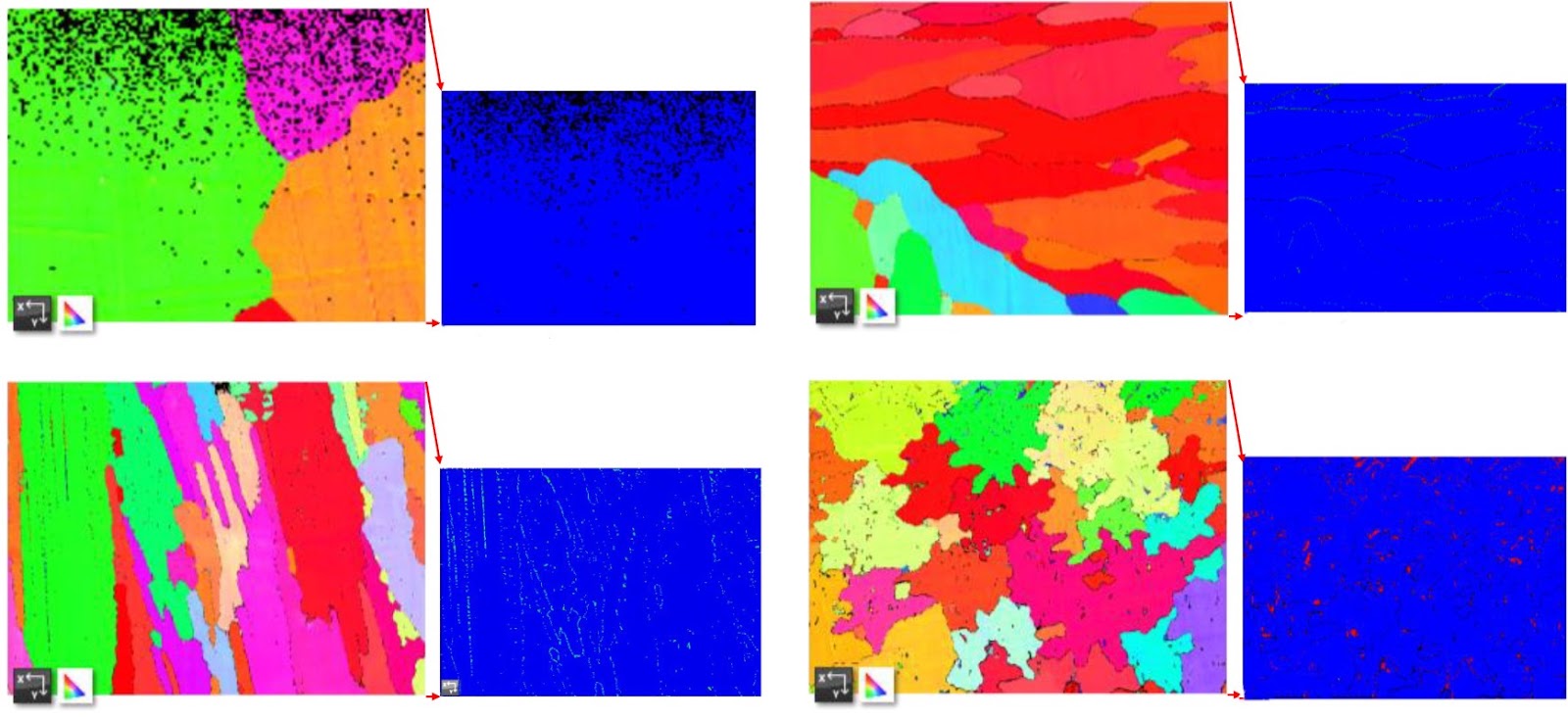
Novel non-equilibrium partitioning model and a developed strong and ductile Al–7.5Mg–0.5Sc–0.3Zr–0.6Si alloy for selective laser melting
Graphical Abstract
Original ResearchVol. 32, Issue 7 • pp. 1595-1605DOI: 10.1007/s12613-024-2988-3Jan 15, 2025

Development of strong Goss texture in ultra-thin high silicon steel with excellent magnetic properties fabricated by two-stage rolling

Authors: Xu Ning, Yongfeng Liang, Chenyang Zhang, Zhen Wang, Yanli Wang, Feng Ye, Junpin Lin

The <001> orientation of the Goss texture aligned with the rolling direction is the most easily magnetized direction, effectively enhancing the magnetic properties of non-oriented silicon steel. In the present study, an ultra-thin high-silicon sheet of 0.2 mm with a strong Goss texture was successfully fabricated using a two-stage rolling method, achieving superior magnetic properties. The combination of suitable primary rolling reduction and intermediate annealing proved beneficial in promoting the formation of Goss texture. Electron back scatter diffraction (EBSD) was used to characterize micro-shear bands within deformed grains of secondary rolled sheets. Observations revealed that the recrystallized Goss nucleus originated from the Goss substructure of shear bands within deformed {111}<112> grains during the initial stages of recrystallization. The influence of stored energy and grain size on texture evolution was thoroughly investigated using quasi-in situ EBSD during recrystallization. In the initial stages, large deformed {111}<112> and near {111}<112> grains with high stored energy facilitated nucleation and growth of Goss and near-Goss grains within shear bands and reduced grain boundary nucleation. In the later stages, large deformed grains with low stored energy underwent a strain-induced grain boundary migration mechanism to nucleate. During the recrystallization, many recrystallized Goss and near-Goss grains clustered together, with Goss grains rotating towards near-Goss orientation. The resulting annealed ultra-thin 0.2 mm sheet with a pronounced Goss texture exhibited superior magnetic properties.
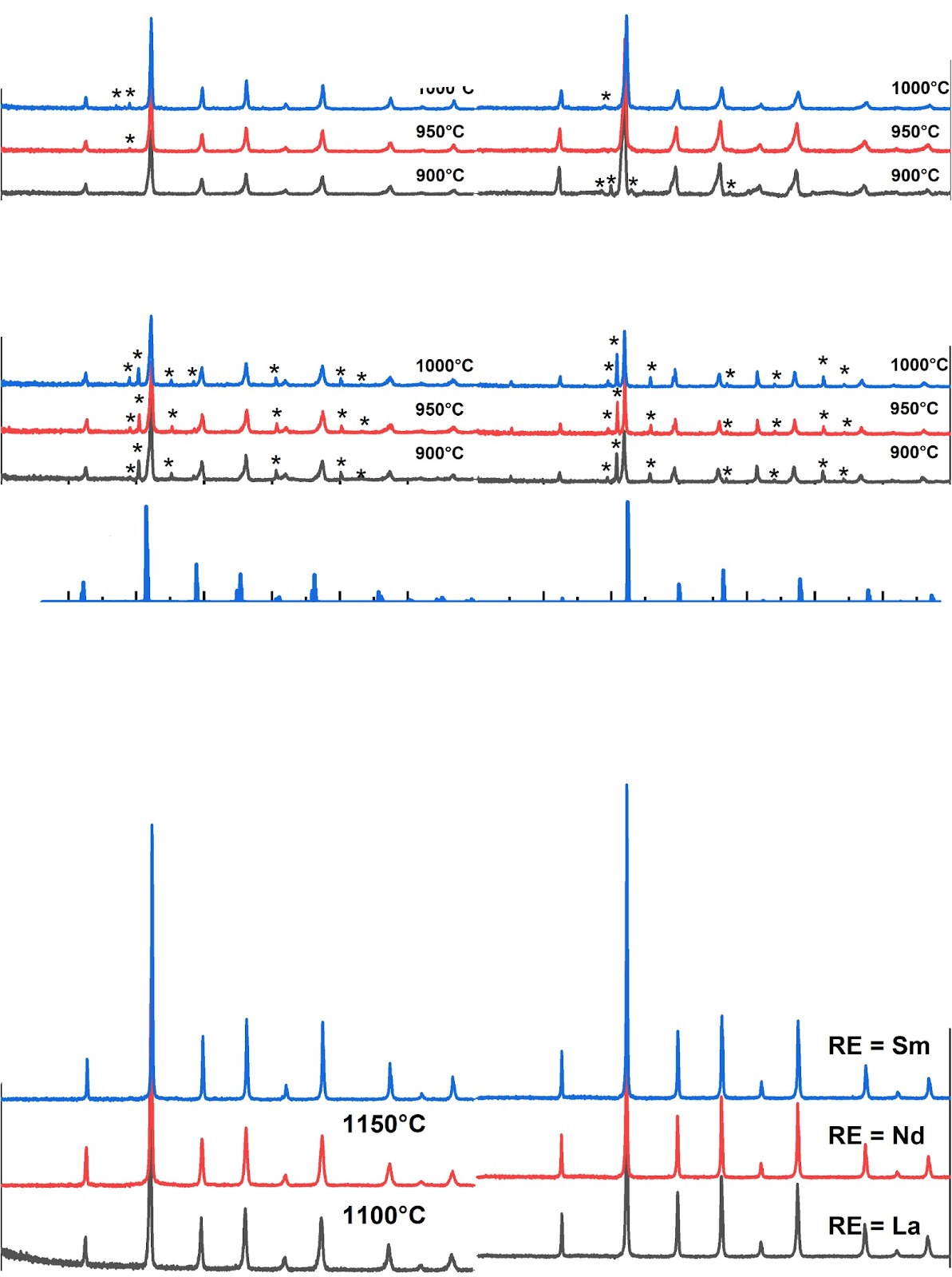
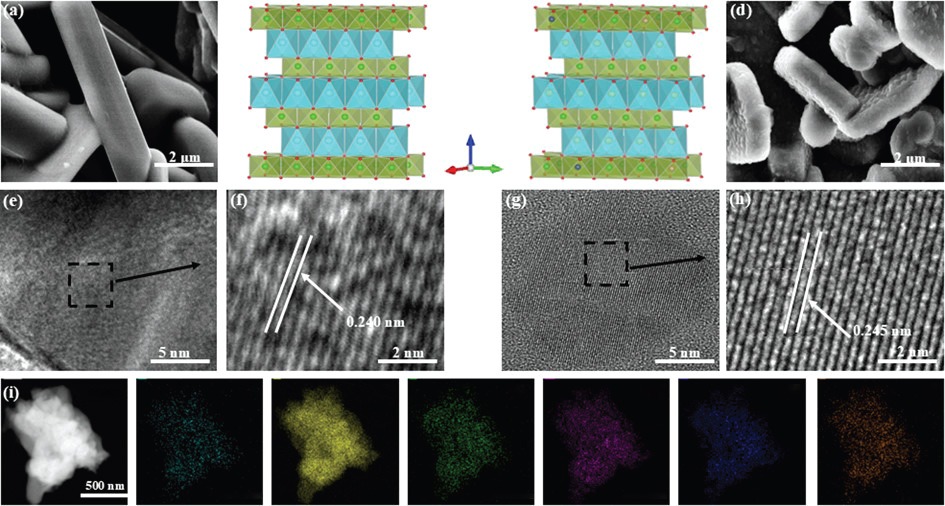
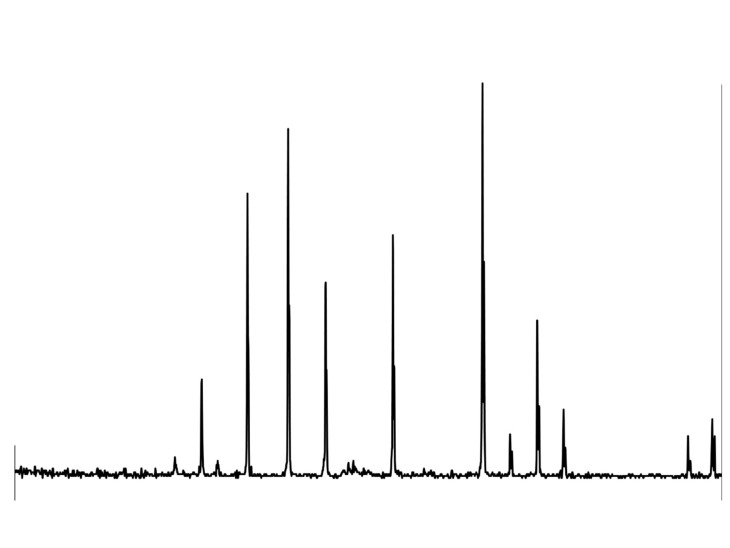
Development of strong Goss texture in ultra-thin high silicon steel with excellent magnetic properties fabricated by two-stage rolling
Graphical Abstract
Original ResearchVol. 32, Issue 7 • pp. 1566-DOI: 10.1007/s12613-024-3054-xJan 15, 2025

Identification of suitable conventional cooling methods for direct aqueous carbonation of blast furnace slags and their mechanism

Authors: Hsing-Jung Ho, Atsushi Iizuka, Hironari Kubo

The iron and steel industries generate large amounts of unavoidable CO2 emissions as well as considerable quantities of slags. More than one-half of the emitted CO2 is produced in blast furnaces during ironmaking, and thus it is meaningful to use blast furnace slags to capture CO2 while addressing the byproducts and flue gas of ironmaking. Mineral carbonation of slags is a promising route to achieve carbon neutrality and effective slag utilization. To exploit slag more effectively and capture CO2 in flue gas, an in-depth investigation into the carbonation of blast furnace slags generated with different cooling methods was conducted. The effects of the solid–liquid ratio and introduced CO2 concentration on carbonation were determined. The CO2 uptake capacity of air-cooled slag (0.04 g/g) was greater than that of water-quenched slag. The CO2 uptake capacities of the two slags were comparable with those of slags in previous works, indicating the potential of the two slags for CO2 sequestration and utilization even with low-energy input and this fact suggests that this process is feasible.

Identification of suitable conventional cooling methods for direct aqueous carbonation of blast furnace slags and their mechanism
Graphical Abstract
Original ResearchVol. 32, Issue 7 • pp. 1483-DOI: 10.1007/s12613-024-3042-1Jan 15, 2025

Effects of gangue particle-size gradation on damage and failure behavior of cemented backfill under uniaxial compression

Authors: Yongliang Li, Shiji Guo, Renshu Yang, Liangyu Xie, Shouheng Lu

Investigation techniques, such as uniaxial compression tests, acoustic emission, digital image correlation monitoring, and scanning electron microscopy, were used from macroscopic and microscopic perspectives to investigate the effects of gangue particle-size gradation on the damage characteristics of cemented backfill. The peak strength, acoustic emission characteristics, and failure modes of cemented backfills with different gangue size gradations were examined. Test results indicated that with an increase in the gradation coefficient, the compressive strength of the gangue-cemented backfill first increased and then decreased. When the gradation coefficient is 0.5, the maximum compressive strength of the backfill is 4.28 MPa. The acoustic emission counts during the loading of gangue-cemented fills with different gradation coefficients passed through three phases: rising, active, and significantly active. The number of internal pores and cracks, as well as the uneven distribution of their locations, cause differences in acoustic emission characteristics at the same stage and variations in the strength of the backfill due to the different gangue particle-size gradations in the filler sample.

Effects of gangue particle-size gradation on damage and failure behavior of cemented backfill under uniaxial compression
Graphical Abstract
Original ResearchVol. 32, Issue 6 • pp. 1404-1414DOI: 10.1007/s12613-024-3060-zJan 15, 2025

Effects of Nb content on the solidification characteristics and hot deformation behavior of Alloy 625 Plus

Authors: Shuyang Du, Yanwu Dong, Zhouhua Jiang, Lev Medovar, Ganna Stovpchenko

Through thermodynamic calculations and microstructural characterization, the effect of niobium (Nb) content on the solidification characteristics of Alloy 625 Plus was systematically investigated. Subsequently, the effect of Nb content on hot deformation behavior was examined through hot compression experiments. The results indicated that increasing the Nb content lowers the liquidus temperature of the alloy by 51°C, producing a denser solidification microstructure. The secondary dendrite arm spacing (SDAS) of the alloy decreases from 39.09 to 22.61 µm. Increasing the Nb content alleviates element segregation but increases interdendritic precipitates, increasing their area fraction from 0.15% to 5.82%. These precipitates are primarily composed of large Laves, δ, η, and γ″ phases, and trace amounts of NbC. The shapes of these precipitates change from small chunks to large elongated forms. No significant change in the type or amount of inclusions within the alloy is detected. The inclusions are predominantly individual Al2O3 and TiN, as well as Al2O3/TiN composite inclusions. Samples with varying Nb contents underwent hot compression deformation at a true strain of 0.69, a strain rate of 0.5 s−1, and a deformation temperature of 1150°C. Increasing the Nb content also elevates the peak stress observed in the flow curves. However, alloys with higher Nb content exhibit more pronounced recrystallization softening effects. The Laves phase precipitates do not completely redissolve during hot deformation and are stretched to elongated shapes. The high-strain energy storage increases the recrystallization fraction from 32.4% to 95.5%, significantly enhancing the degree of recrystallization and producing a more uniform deformation microstructure. This effect is primarily attributed to the addition of Nb, which refines the initial grains of the alloy, enhances the solid solution strengthening of the matrix, and improves the induction of particle-stimulated nucleation.

Effects of Nb content on the solidification characteristics and hot deformation behavior of Alloy 625 Plus
Graphical Abstract
Original ResearchVol. 32, Issue 6 • pp. 1427-DOI: 10.1007/s12613-024-2993-6Jan 15, 2025

Multiphase field modeling of austenite to pearlite–ferrite transformation in hypoeutectoid steel

Authors: Kaiyang Wang, Honghui Wu, Shaojie Lv, Linshuo Dong, Chaolei Zhang, Shuize Wang, Guilin Wu, Junheng Gao, Jiaming Zhu, Xinping Mao

Hypoeutectoid steel, a crucial metal structural material, is characterized by the coexisting microstructure of ferrite and pearlite. Driven by multiphase competition and multicomponent characteristics, the intricate interplay among its composition, processing conditions, and microstructure substantially complicates the understanding of austenite decomposition kinetics and elemental diffusion mechanisms during phase transformations. The present study explores the effects of cooling rate, prior austenite grain size, and C content on the component distribution and microstructure evolution during the austenite decomposition of hypoeutectoid steels to address the aforementioned complexities. Results of a multiphase field model reveal that an increase in the cooling rate from 1.0 to 7.0°C/s leads to a reduction in the ferrite proportion and fine pearlite lamellae spacing from 52vol% to 22vol% at 400°C and from 1.01 to 0.67 μm at 660°C, respectively. Concurrently, a decreased prior austenite grain size from 25.23 to 8.92 μm enhances the phase transformation driving force, resulting in small average grain sizes of pearlite clusters and proeutectoid ferrite. Moreover, increasing the C content from 0.22wt% to 0.37wt% decreases the phase transition temperature from 795 to 750°C and enhances the proportion of pearlite phases from 27vol% to 61vol% at 500°C, concurrently refining the spacing of pearlite layers from 1.25 to 0.87 μm at 600°C. Overall, this work aims to elucidate the complex dynamics governing the microstructural transformations of hypoeutectoid steels, thereby facilitating their wide application across different industrial scenes.

Multiphase field modeling of austenite to pearlite–ferrite transformation in hypoeutectoid steel
Graphical Abstract
Original ResearchVol. 32, Issue 7 • pp. 1519-?DOI: 10.1007/s12613-024-3018-1Jan 15, 2025

Microwave fluidization magnetization roasting of limonite ores: Phase transformation, microstructure and kinetics

Authors: Xinran Zhu, Yuangan Chen, Xu Liu, Yongsheng Sun, Yuexin Han

As a refractory iron ore, the clean and efficient beneficiation of limonite is crucial for ensuring a sustainable long-term supply of iron metal. In this study, the microwave fluidization magnetization roasting of limonite was explored. The micromorphology, microstructure, and mineral phase transformation of the roasted products were analyzed using a scanning electron microscope, an automatic surface area and porosity analyzer, an X-ray diffractometer, and a vibrating sample magnetometer. Kinetic analysis was also conducted to identify the factors limiting the roasting reaction rate. Microwave fluidization roasting significantly increased the specific surface area of limonite, increased the opportunity of contact between CO and limonite, and accelerated the transformation from FeO(OH) to α-Fe2O3 and then to Fe3O4. In addition, the water in the limonite ore and the newly formed magnetite exhibited a strong microwave absorption capacity, which has a certain activation effect on the reduction roasting of limonite. The saturation magnetization and maximum specific magnetization coefficient increased to 23.08 A·m2·kg−1 and 2.50 × 10⁻⁴ m3·kg−1, respectively. The subsequent magnetic separation of the reconstructed limonite yielded an iron concentrate with an Fe grade of 59.26wt% and a recovery of 90.07wt%. Kinetic analysis revealed that the reaction mechanism function model was consistent with the diffusion model (G(α) = α2), with the mechanism function described as k = 0.08208exp[−20.3441/(RgT)]. Therefore, microwave fluidization roasting shows significant potential in the beneficiation of limonite, offering a promising approach for the exploitation of refractory iron ores.

Microwave fluidization magnetization roasting of limonite ores: Phase transformation, microstructure and kinetics
Graphical Abstract
Original ResearchVol. 32, Issue 7 • pp. 1529-DOI: 10.1007/s12613-024-3004-7Jan 15, 2025

High efficiency reduction leaching of iron phosphate residue from the recycling of spent LiFePO4 battery

Authors: Huaijun Liu, Liangxing Jiang, Hengfa Ni, Shenghai Yang, Zongliang Zhang, Fangyang Liu

The effective reuse of iron phosphate residue (IPR) is the key issue in the recycling of spent LiFePO4 batteries. Therefore, in this study, the reduction leaching of IPR in H2SO4 solution by adding iron powder as reducing agent was investigated and compared with direct leaching. The results show that the leaching rate of IPR reached 97% under the optimum reduction leaching conditions. Kinetic studies show that the activation energy for reduction leaching is 12.71 kJ/mol, while that of direct leaching is 21.57 kJ/mol. Moreover, the reduction leaching time is reduced by half and the acid consumption is reduced by 30% compared to direct leaching with the same leaching rate. This work provides a scientific guidance to the treatment of iron phosphate residue from the recycling of spent LiFePO4 batteries.

High efficiency reduction leaching of iron phosphate residue from the recycling of spent LiFePO4 battery
Graphical Abstract
Original ResearchVol. 32, Issue 7 • pp. 1496-DOI: 10.1007/s12613-024-3036-zJan 15, 2025

Carbon sequestration potential and mechanisms of shotcrete for tunnel support in underground metal mines through cement hydration

Authors: Qiusong Chen, Chao Zhang, Daolin Wang, Yikai Liu, Chongchong Qi

Growing concerns about greenhouse gas emissions from underground mining have intensified the need for carbon reduction strategies at every stage. Shotcrete used in tunnel support presents a promising opportunity for carbon emission reduction. This study investigates the carbon absorption capacity, mechanical strength, and underlying mechanisms of shotcrete when exposed to varying CO2 concentrations during the mine support process. Findings reveal that higher CO2 concentrations during the initial stages of carbonation curing enhance early strength but may impede long-term strength development. Shotcrete samples exposed to 2vol% CO2 for 14 d exhibited a carbonation degree approximately three times higher than those exposed to 0.03vol% CO2. A carbonation layer formed in the shotcrete, sequestering CO2 as solid carbonates. In practical terms, shotcrete in an underground return-air tunnel absorbed 1.1 kg·m2 of CO2 over 14 d, equivalent to treating 33 m3 of contaminated air. Thus, using shotcrete for CO2 curing in return-air tunnels can significantly reduce carbon emissions, contributing to greener and more sustainable mining practices.

Carbon sequestration potential and mechanisms of shotcrete for tunnel support in underground metal mines through cement hydration
Graphical Abstract
Original ResearchVol. 32, Issue 7 • pp. 1471-DOI: 10.1007/s12613-024-3029-yJan 15, 2025

Numerical analysis of the stability and minimum required strength of sill mats considering creep behavior of rock mass

Authors: Chuan Fan, Li Li, Guangsheng Liu, Xiaocong Yang, Weidong Song, Lijie Guo, Ruofan Wang

The underhand cut-and-fill mining method is widely employed in underground mines, especially when the quality of surrounding rock mass or ore body is inferior or subjected to high stresses. Such a method typically requires the construction of sill mats with cemented backfill to provide operators with safe artificial roofs. Accurate estimation of the minimum required strength of the sill mat is crucial to minimize binder consumption and ensure its stability upon base exposure. Over the years, only a few publications were devoted to determining the minimum required cohesion (cmin) of sill mats. None of them considered rock wall closure to be associated with the creep of surrounding rock mass. Moreover, the effect of rock wall closure associated with rock creep on the cmin of the sill mat remains unknown. Thus, a series of numerical simulations was performed to fill this gap. The influence of rock creep on the cmin of base-exposed sill mat was investigated for the first time. The numerical results indicate that Mitchell’s models could be suitable for sill mats subjected to negligible wall closure. However, this scenario is rare, especially when mine depth is large. In general, the cmin of sill mats increases as mine depth increases. Neglecting rock creep would significantly underestimate the cmin of sill mats. When mine depth is large and the rock mass exhibits severe creep, cemented backfill with ductile behavior (i.e., with low stiffness but enough strength) should be considered to reduce binder consumption and prevent crushing failure. In all cases, promptly filling the mined-out stope below the sill mat can improve its stability and reduce its cmin value.

Numerical analysis of the stability and minimum required strength of sill mats considering creep behavior of rock mass
Graphical Abstract
Original ResearchVol. 32, Issue 6 • pp. 1461-DOI: 10.1007/s12613-025-3098-6Jan 15, 2025

Waste asphalt derived hierarchically porous carbon for high-performance electrocatalytic hydrogen gas capacitors

Authors: Touqeer Ahmad, Zhengxin Zhu, Muhammad Sajid, Weiping Wang, Yirui Ma, Mohsin Ali, Nawab Ali Khan, Shuang Liu, Zuodong Zhang, Wei Chen

Along with the surging demand for energy storage devices, the cost and availability of the materials remain dominant factors in slowing down their industrial application. The repurposing of waste asphalt into high-performance electrode materials is of significant interest, as it holds the potential to circumvent energy and environmental issues. Here, we report the controllable synthesis of asphalt-derived mesoporous carbon as an active material for electrocatalytic hydrogen gas capacitor (EHGC). The hierarchically porous carbon (HPC) with a high surface area of 1943.4 m2·g−1 can operate in pH universal aqueous electrolytes in EHGC. It displays a specific energy and power density of 57 Wh·kg−1 and 554 W·kg−1 in neutral electrolyte as well as 52 Wh·kg−1 and 657 W·kg−1 in acidic electrolyte. Additionally, the charge storage mechanism of HPC–EHGC is studied with the help of Raman spectroscopy and X-ray photoelectron spectroscopy. Furthermore, the assembled HPC–EHGC device displays a discharge capacitance of 170 F·g−1 with an excellent capacitance retention rate of 100% up to 20000 cycles at 10 A·g−1 in acidic electrolyte. This work introduces a novel approach to converting waste asphalt into high-performance carbon for EHGC, achieving superior performance over commercial materials. By simultaneously addressing environmental waste issues and advancing energy storage technology, this study makes a significant contribution to sustainable materials science and next-generation battery development.

Waste asphalt derived hierarchically porous carbon for high-performance electrocatalytic hydrogen gas capacitors
Graphical Abstract
Original ResearchVol. 32, Issue 6 • pp. 1358-DOI: 10.1007/s12613-025-3144-4Jan 15, 2025

Utilization of red mud and coal gangue for underground backfill material: Hydration and environmental characteristics

Authors: Jie Wang, Song Guo, Xiaoming Liu, Zengqi Zhang

The large-scale accumulation of industrial solid waste, including red mud and coal gangue, coupled with goafs left by underground mining activities, poses significant challenges to sustainable human development. In this study, red mud, coal gangue, and other solid wastes were used to prepare underground backfilling materials. The utilization rate of the total solid waste reached 95%, with red mud accounting for approximately 40wt% of the total. The unconfined compressive strength, setting time, and slump tests were conducted to evaluate the mechanical properties of the material. At the optimal ratio, the 7- and 28-d strengths reach 4.4 and 6.9 MPa, respectively. The initial and final setting times were 200 and 250 min, respectively, whereas the initial and 1-h slump exceed 250 and 210 mm, respectively. X-ray diffraction (XRD), Fourier-transform infrared spectroscopy (FTIR), and scanning electron microscopy (SEM) were employed to explore the microstructure, phase composition, and chemical bonding within the material. Needle-like, clustered, and granular hydration products were observed, and the primary crystalline structures were identified as ettringite, gmelinite, C–A–S–H, and C–S–H. In addition, a thorough environmental risk assessment was conducted, complemented by detailed economic cost and carbon emission calculations. During the creation of backfill material, hazardous elements from solid waste are immobilized through adsorption, precipitation, and incorporation into the crystal lattice. The immobilization efficiencies for Ni, Al, Cr6+, and As were 97.03%, 94.32%, 86.43%, and 84.22%, respectively, at a pH of 8.49. Moreover, the use of solid waste as a raw material results in considerable cost savings and marked reduction in carbon emissions. This study innovatively promotes the green cycle of alumina production in the bauxite mining industry.

Utilization of red mud and coal gangue for underground backfill material: Hydration and environmental characteristics
Graphical Abstract
Original ResearchVol. 32, Issue 6 • pp. 1372-DOI: 10.1007/s12613-024-3061-yJan 15, 2025

Mechanisms and interactions in the reduction of Fe2O3 by H2/CO mixed gas: Atomic insights from ReaxFF molecular dynamics simulations and experiments

Authors: Qiang Cheng, Alberto N. Conejo, Jianliang Zhang, Daniel Sopu, Yaozu Wang, Zhengjian Liu

The experiment explored the Fe2O3 reduction process with H2/CO mixed gas and confirmed a promoting effect from CO when its volume proportion in mixed gas is 20% at 850°C. The ReaxFF molecular dynamics (MD) simulation method was used to observe the reduction process and provide an atomic-level explanation. The accuracy of the parameters used in the simulation was verified by the density functional theory (DFT) calculation. The simulation shows that the initial reduction rate of H2 is much faster than that of CO (from 800 to 950°C). As the reduction proceeds, cementite, obtained after CO participates in the reduction at 850°C, will appear on the iron surface. Due to the active properties of C atoms in cementite, they are easy to further react with the O atoms in Fe2O3. The generation of internal CO may destroy the dense structure of the surface layer, thereby affecting the overall reduction swelling of Fe2O3. However, excess CO is detrimental to the reaction rate, mainly because of the poor thermodynamic conditions of CO in the temperature range and the molecular diffusion capacity is not as good as that of H2. Furthermore, the surface structures obtained after H2 and CO reduction have been compared, and it was found that the structure obtained by CO reduction has a larger surface area, thus promoting the subsequent reaction of H2.

Mechanisms and interactions in the reduction of Fe2O3 by H2/CO mixed gas: Atomic insights from ReaxFF molecular dynamics simulations and experiments
Graphical Abstract
Original ResearchVol. 32, Issue 6 • pp. 1417-1428DOI: 10.1007/s12613-025-3095-9Jan 15, 2025

Exploring the optoelectronic properties of calcium vanadate semiconductors: A combined experimental and DFT study

Authors: Xin Jin, Xianyong Ding, Guishang Pei, Shuaiqi Li, Xing’an Dong, Xiaolong Yang, Rui Wang, Peng Yu, Xuewei Lü

Metal vanadates garner significant interest because of their exceptional potential for use in diverse practical applications, which stems from their unique framework structures, bond strength heterogeneities, and strong O2−–V5+ charge-transfer bands. However, their optoelectronic properties have not yet been sufficiently explored. In this study, we synthesized three high-purity calcium vanadate compounds (CaV2O6, Ca2V2O7, and Ca3V2O8) and comprehensively investigated their optoelectronic properties via first-principles calculations and experimental characterizations. CaV2O6, Ca2V2O7, and Ca3V2O8 are indirect band gap semiconductors with band gaps of 2.5–3.4 eV. A comparative analysis between density functional theory (DFT) and DFT + U (local Coulomb interaction, U) calculations revealed that standard DFT was sufficient to accurately describe the lattice parameters and band gaps of these vanadates. Further luminescence studies revealed significant photo- and electro-luminescence properties within the visible light spectrum. Notably, the luminescence intensity of CaV2O6 exhibited a remarkable 10-fold enhancement under a modest pressure of only 0.88 GPa, underscoring its exceptional potential for use in pressure-tunable optical applications. These findings provide deeper insight into the electronic structures and optical behaviors of vanadates and highlight their potential as strong candidates for application in phosphor materials and optoelectronic devices.

Exploring the optoelectronic properties of calcium vanadate semiconductors: A combined experimental and DFT study
Graphical Abstract
Original ResearchVol. 32, Issue 6 • pp. 1345-DOI: 10.1007/s12613-024-3072-8Jan 15, 2025

Optimization and mechanism analysis of multi-solid wastes-based geopolymer using response surface methodology

Authors: Muyang Huang, Shenxu Bao, Yimin Zhang, Mengke Li, Chong Deng, Wenhan Chen

The escalating production of industrial solid waste, combined with the dwindling availability of natural resources, has intensified the focus on waste recycling. However, the heterogeneity and complexity of waste pose significant challenges to determining process parameters. In this study, burnt coal cinder (BCC), granite powder (GP), and high-calcium fly ash (Class-C FA) were used as raw materials, and the response surface methodology (RSM) and single-factor experiments were applied to optimize the process parameters for geopolymer preparation. The optimized precursor powder composition was determined to be a mass ratio of 1.6:0.9:7.3 for BCC, GP, and Class-C FA. The NaOH-precursor powder ratio and liquid–solid ratio were adjusted to 0.084 and 0.222, respectively. The curing condition was set at 80°C for 24 h. The resulting 28 d-aged multi-solid wastes-based geopolymer exhibited a high compressive strength of 61.34 MPa. The microstructure, mineral phase, and atomic bonding of geopolymers were investigated using X-ray diffraction (XRD), thermal analysis (TA), Fourier transform infrared spectroscopy (FTIR), and scanning electron microscopy with energy dispersive spectroscopy (SEM-EDS). Findings indicate that the compressive strength of geopolymer is most significantly influenced by the Class-C FA, followed by BCC. Furthermore, a minor addition of GP can optimize the structural density of the geopolymer. The Ca present in the Class-C FA participates in the geopolymerization, forming a hybrid N–(C)–A–S–H gel. RSM optimization facilitates the synergistic utilization of multi-solid wastes, ensuring an even distribution of gel and filler. This research establishes a theoretical framework for optimizing the preparation parameters of multi-solid wastes-based geopolymer and its subsequent applications; it holds significant scientific implications for the circular economy, resource transformation, and environmental conservation.

Optimization and mechanism analysis of multi-solid wastes-based geopolymer using response surface methodology
Graphical Abstract
Original ResearchVol. 32, Issue 6 • pp. 1322DOI: 10.1007/s12613-025-3147-1Jan 15, 2025

Intelligent perception of kinematic information for a flip-flow screening system based on non-invasive measurement

Authors: Weinan Wang, Chenlong Duan, Songxue Zhang, Jiahao Pan, Xu Hou, Pengfei Mao, Tatiana Aleksandrova

Flip-flow screens offer unique advantages in grading fine-grained materials. To address inaccuracies caused by sensor vibrations in traditional contact measurement methods, we constructed a non-invasive measurement system based on electrical and optical signals. A trajectory tracking algorithm for the screen-body was developed to visually measure the kinematics. Employing the principle of laser reflection for distance measurement, optical techniques were performed to capture the kinematic information of the screen-plate. Additionally, by using Wi-Fi and Bluetooth transmission of electrical signals, tracer particle tracking technology was implemented to electrically measure the kinematic information of mineral particles. Consequently, intelligent fusion and perception of the kinematic information for the screen-body, screen-plate, and particles in the screening system have been achieved.

Intelligent perception of kinematic information for a flip-flow screening system based on non-invasive measurement
Graphical Abstract
Original ResearchVol. 32, Issue 6 • pp. 1309-?DOI: 10.1007/s12613-024-3053-yJan 15, 2025

Mineralogical characterization and flotation properties of rare earths in refractory iron tailings subjected to hydrogen-based mineral phase transformation

Authors: Jilai Ning, Peng Gao, Yang Wang, Zihao Li, Shuai Yuan, Yongsheng Sun, Wenbo Li, Zhidong Tang

Hydrogen-based mineral phase transformation (HMPT) technology has demonstrated its effectiveness in separating iron and enriching rare earths from Bayan Obo refractory ores. However, further research is needed to clarify the phase composition and floatability of rare earths obtained after HMPT owing to the associated phase transformations. This study explored the mineralogical characteristics and separation behavior of rare earths in HMPT-treated iron tailings. Process mineralogy studies conducted via BGRIMM process mineralogy analysis and X-ray diffraction revealed that the main valuable minerals in the tailings included rare-earth oxides (9.15wt%), monazite (5.31wt%), and fluorite (23.52wt%). The study also examined the impact of mineral liberation and gangue mineral intergrowth on flotation performance. Flotation tests achieved a rare-earth oxide (REO) grade of 74.12wt% with a recovery of 34.17% in open-circuit flotation, whereas closed-circuit flotation resulted in a REO grade of 60.27wt% with a recovery of 73%. Transmission electron microscopy and scanning electron microscopy coupled with energy-dispersive spectroscopy revealed that monazite remained stable during the HMPT process, while bastnaesite was transformed into Ce7O12 and CeF3, leading to increased collector consumption. Nonetheless, the HMPT process did not significantly affect the flotation performance of rare earths. The enrichment of fluorite in the tailings highlighted its further recovery potential. The integration of HMPT with magnetic separation and flotation presents an efficient strategy for recovering rare earths, iron, and fluorite from Bayan Obo ores.

Mineralogical characterization and flotation properties of rare earths in refractory iron tailings subjected to hydrogen-based mineral phase transformation
Graphical Abstract
Original ResearchVol. 32, Issue 6 • pp. 1331DOI: 10.1007/s12613-024-3057-7Jan 15, 2025

Structural characteristics, surface properties and methylene blue adsorption application of halloysite nanotubes regulated with controllable treatment processes

Authors: Xiaoyu Jiang, Sikai Zhao, Jiafang Zhang, Haiyi Lü, Jie Wang, Wenbao Liu, Baoyu Cui, Yanbai Shen

To advance the precise regulation and high-value utilization of halloysite nanotubes (HNTs), this work systematically investigated five treatment strategies, including calcination, acid treatment, alkali treatment, acid treatment of calcined HNTs, and alkali treatment of calcined HNTs, to modulate their structural and application properties. The structural characteristics, surface properties, and methylene blue (MB) adsorption capacity of HNTs under multiple treatments were systematically analyzed. Calcination at varying temperatures modified the crystal structure, morphology, and surface properties of HNTs, with higher calcination temperatures reducing their reactivity towards MB. Moderate acid treatment expanded the lumen and decreased the surface potential of HNTs, significantly enhancing MB adsorption capacity. In contrast, alkali treatment dispersed the multilayered walls of HNTs and raised surface potential, reducing MB affinity. Acid treatment of calcined HNTs effectively increased their specific surface areas by leaching most of Al while maintaining the tubular structure, thereby maximizing MB adsorption. Alkali treatment of calcined HNTs destroyed the tubular structure and resulted in poor MB adsorption. HNTs pre-calcined at 600°C for 3 h and acid-treated at 60°C for 8 h exhibited an optimal specific surface area of 443 m2·g−1 and an MB adsorption capacity of 190 mg·g−1. Kinetic and Arrhenius equation fittings indicated that chemical reactions control interactions of acids and alkalis with HNTs. This study provides a comprehensive comparison and analysis of five treatment methods, offering insights into regulating the structures and surface properties of HNTs by controlling the treatment condition, thereby laying a foundation for their efficient utilization in practical applications.

Structural characteristics, surface properties and methylene blue adsorption application of halloysite nanotubes regulated with controllable treatment processes
Graphical Abstract
Original ResearchVol. 32, Issue 6 • pp. 1286-1295DOI: 10.1007/s12613-024-3059-5Jan 15, 2025

Highly efficient desorption and reuse of fatty acid collectors adsorbed on mineral surface: A case study of scheelite

Authors: Liming Tao, Wangni Wu, Zihan Zhao, Ruihua Fan, Jianjun Wang, Zhiyong Gao

Flotation is the most common method to recover valuable minerals by selective adsorption of collectors on target mineral surfaces. However, in subsequent hydrometallurgy of mineral flotation concentrates, the adsorbed collectors must be desorbed since it can adversely affect the efficiency of metallurgical process and produce wastewater. ZL, as a fatty acid mixture, is a typical industrially used collector for scheelite flotation in China. Sodium oleate (NaOL) has similar fatty acid group as ZL. In this study, the desorption behavior of NaOL/ZL from scheelite surface by a physical method of stirring at a low temperature was investigated. NaOL desorption tests of single mineral showed that a desorption rate of 77.75% for NaOL from scheelite surface into pulp was achieved in a stirring speed of 2500 r/min at 5°C in a neutral environment. Under the above desorption condition, in the pulp containing desorbed collector by adding extra 30% normal NaOL dosage, the scheelite recovery reached about 95% in the single mineral flotation test. Desorption and reuse of ZL collector for the flotation of real scheelite ore showed only a 75% normal dosage of ZL could produce a qualified rough concentrate. The atomic force microscope (AFM) tests showed that after desorption treatment of low temperature and strong stirring, the dense strip-like structure of NaOL on the scheelite surface was destroyed to be speck-like. Molecular dynamics simulations (MDS) demonstrated that the adsorption energy between NaOL and scheelite surface was more negative at 25°C (−13.39 kcal/mol) than at 5°C (−11.50 kcal/mol) in a neutral pH, indicating that a low temperature was beneficial for the desorption of collector from mineral surface. Due to its simplicity and economy, the method we proposed of desorption of collector from mineral surface and its reuse for flotation has a great potential for industrial application.

Highly efficient desorption and reuse of fatty acid collectors adsorbed on mineral surface: A case study of scheelite
Graphical Abstract
Original ResearchVol. 32, Issue 6 • pp. 1297-DOI: 10.1007/s12613-024-3016-3Jan 15, 2025

Innovative scheme for hemimorphite flotation: Synergistic activation performance and mechanism

Authors: Qicheng Feng, Yingchao Zhang, Ga Zhang, Guang Han, Wenjuan Zhao

Hemimorphite exhibits poor floatability during sulfidization flotation. Cu2+ and Pb2+ addition enhances the reactivity of the hemimorphite surface and subsequently improves its flotation behavior. In this study, the mechanisms of Cu2+ + Pb2+ adsorption onto a hemimorphite surface were investigated. We examined the interaction mechanism of xanthate with the hemimorphite surface and observed the changes in the mineral surface hydrophobicity after the synergistic activation with Cu2+ + Pb2+. Microflotation tests indicated that individual activation with Cu2+ or Pb2+ increased the flotation recovery of hemimorphite, with Pb2+ showing greater effectiveness than Cu2+. Meanwhile, synergistic activation with Cu2+ + Pb2+ considerably boosted the flotation recovery of hemimorphite. Cu2+ and Pb2+ were both adsorbed onto the hemimorphite surface, forming an adsorption layer containing Cu or Pb. Following the synergistic activation with Cu2+ + Pb2+, the activated layer on the hemimorphite surface consisted of Cu and Pb and a larger amount of the active product compared with the surface activated by Cu2+ or Pb2+ alone. In addition, xanthate adsorption on the hemimorphite surface increased noticeably after synergistic activation with Cu2+ + Pb2+, suggesting a vigorous reaction between xanthate and the activated minerals. Therefore, synergistic activation with Cu2+ + Pb2+ effectively increased the content of active products on the hemimorphite surface, thereby enhancing mineral surface reactivity, promoting collector adsorption, and improving surface hydrophobicity.

Innovative scheme for hemimorphite flotation: Synergistic activation performance and mechanism
Graphical Abstract
Original ResearchVol. 32, Issue 6 • pp. 1285DOI: 10.1007/s12613-025-3155-1Jan 15, 2025

Editorial for Innovative Young Scientist Special Issue

Authors: Aixiang Wu

This editorial introduces the Special Issue highlighting the latest innovative research conducted by young scientists who have received the 2023 or 2024 Innovative Young Scientist Awards. Established in 2023 by the University of Science and Technology Beijing, the award recognizes exceptional young scientists under 45 who have demonstrated sustained engagement in frontier research across mineral science, metallurgy, and materials science. The Special Issue showcases the boundless creativity and pioneering spirit of the award recipients, who are actively pursuing groundbreaking advancements in these fields. In mineral science, novel methodologies with high potential for industrial applications are being explored; within metallurgy, innovative insights into fundamental principles are being uncovered; concurrently, materials with superior properties are under investigation; and cutting-edge strategies for recycling and repurposing waste materials are being proposed. The editorial invites readers to delve into these discoveries and draw inspiration from the ingenuity and vision of these emerging scientific leaders.

Editorial for Innovative Young Scientist Special Issue
Graphical Abstract
Original ResearchVol. 32, Issue 5 • pp. 1234DOI: 10.1007/s12613-024-3065-7Jan 15, 2025

Synthesis and characterization of high-purity SiO2 nanoparticles utilizing greater club rush: Exploring a promising natural source

Authors: Anuchit Sawangprom, Tachgiss Jampreecha, Santi Maensiri

High-purity SiO2 nanoparticles (SNPs) play a crucial role in various electronic applications, such as semiconductors, solar cells, optical fibers, lenses, and insulating layers, given their purity and particle size, which significantly impact device efficiency. This study focuses on the synthesis and characterization of pure SNPs through the chemical etching of greater club rush. White powder SNPs were prepared using HCl etching, and their thermal behaviors were analyzed via thermogravimetric analysis/differential scanning calorimetry. Structural properties were investigated using X-ray fluorescence, scanning electron microscopy, and transmission electron microscopy. X-ray absorption near-edge structure was employed to assess the oxidation state of the SNPs. The morphology of the SNPs after the first etching was amorphous, with sizes ranging from 50 to 100 nm, which increased to 50–200 nm after the second etching. Despite this size variation, the SNPs maintained a high purity level of 99.8wt% SiO2, comparable with industry standards. Notably, the second etching with 0.1-M HCl significantly enhanced the purity level, achieving 99.8wt% SiO2 mass. Furthermore, HCl etching facilitated the formation of SiO2 in the Si4+ oxidation state, akin to industrial SNPs. These findings underscore the critical role of HCl etching in synthesizing high-purity SNPs, with potential applications in advanced electronic devices.

Synthesis and characterization of high-purity SiO2 nanoparticles utilizing greater club rush: Exploring a promising natural source
Graphical Abstract
Original ResearchVol. 32, Issue 5 • pp. 1141-DOI: 10.1007/s12613-024-2975-8Jan 15, 2025

Beneficial role of Sn in rapid rust stabilization of weathering steel in marine environments

Authors: Liu Yang, Xuequn Cheng, Xiaogang Li

Weathering steel exhibits excellent corrosion resistance and is widely used in bridges, towers, railways, highways, and other engineering projects that are exposed to the atmosphere for long periods of time. However, before the formation of stable rust layers, weathering steel is prone to liquid rust sagging and spattering, leading to environmental pollution and city appearance concerns. These factors limit the application and development of weathering steel. In this study, a rapid and environmentally friendly method was developed by introducing alloying elements, specifically investigating the role of Sn in the rapid stabilization of rust layers in marine atmospheric environments. The rust layer formed on weathering low-alloy steel exposed to prolonged outdoor conditions and laboratory immersion experiments was explored using electron probe micro-analyzer (EPMA), micro-Raman, X-ray photoelectron spectroscopy (XPS), and electrochemical measurements. Results showed an optimal synergistic effect between Sn and Cr, which facilitated the accelerated densification of the rust layer. This beneficial effect enhanced the capability of the rust layer to resist Cl− erosion and improved the protection performance of the rust layer.

Beneficial role of Sn in rapid rust stabilization of weathering steel in marine environments
Graphical Abstract
Original ResearchVol. 32, Issue 5 • pp. 1114-1124DOI: 10.1007/s12613-024-3009-2Jan 15, 2025

Numerical simulation of the deformation risk in thin slab continuous casting process with liquid core reduction

Authors: Zhida Zhang, Jize Chen, Cheng Ji, Yutang Ma, Miaoyong Zhu, Wenxue Wang

The application of liquid core reduction (LCR) technology in thin slab continuous casting can refine the internal microstructures of slabs and improve their production efficiency. To avoid crack risks caused by large deformation during the LCR process and to minimize the thickness of the slab in bending segments, the maximum theoretical reduction amount and the corresponding reduction scheme for the LCR process must be determined. With SPA-H weathering steel as a specific research steel grade, the distributions of temperature and deformation fields of a slab with the LCR process were analyzed using a three-dimensional thermal–mechanical finite element model. High-temperature tensile tests were designed to determine the critical strain of corner crack propagation and intermediate crack initiation with various strain rates and temperatures, and a prediction model of the critical strain for two typical cracks, combining the effects of strain rate and temperature, was proposed by incorporating the Zener–Hollomon parameter. The crack risks with different LCR schemes were calculated using the crack risk prediction model, and the maximum theoretical reduction amount for the SPA-H slab with a transverse section of 145 mm × 1600 mm was 41.8 mm, with corresponding reduction amounts for Segment 0 to Segment 4 of 15.8, 7.3, 6.5, 6.4, and 5.8 mm, respectively.

Numerical simulation of the deformation risk in thin slab continuous casting process with liquid core reduction
Graphical Abstract
Original ResearchVol. 32, Issue 5 • pp. 1245DOI: 10.1007/s12613-024-3040-3Jan 15, 2025

Insights into the effects of Mn substitution in CoFe2O4 nanoferrites involving high-frequency storage device applications

Authors: Biswajita Dash, Krutika L. Routray, Sunirmal Saha, P.M. Sarun, Subhasis Sarangi

Nanoferrites of the CoMnxFe(2−x)O4 series (x = 0.00, 0.05, 0.10, 0.15, 0.20) were synthesized in this study using the sol–gel auto-combustion approach. The lattice constants were computed within the range of 8.312–8.406 Å, while crystallite sizes were estimated to range between 55.20 and 31.40 nm using the Scherrer method. The different functional groups were found to correlate with various absorption bands using Fourier transform infrared (FTIR) spectroscopy. Five active modes were identified by Raman spectroscopy, revealing vibration modes of O2− ions at tetrahedral and octahedral locations. The ferromagnetic hysteresis loop was observed in all the synthesized samples, which can be explained by Neel’s model. The results showed that AC conductivity decreased with increasing Mn2+ content at the Fe2+ site, while the dielectric constant and dielectric loss increased with increasing frequency. Furthermore, the saturation magnetization (Ms), remnant magnetization (Mr), and coercivity (Hc) all showed declining trends with the increase in Mn2+ doping. Finally, the CoMn0.20Fe1.8O4 samples showed Ms and Mr values ranging from 73.12 to 66.84 emu/g and from 37.77 to 51.89 emu/g, respectively, while Hc values ranged from 1939 to 1312 Oe, after which coercivity increased. Thus, the CoMn0.20Fe1.8O4 sample can be considered a promising candidate for magnetic applications.

Insights into the effects of Mn substitution in CoFe2O4 nanoferrites involving high-frequency storage device applications
Graphical Abstract
Original ResearchVol. 32, Issue 5 • pp. 1259-DOI: 10.1007/s12613-024-2922-8Jan 15, 2025

In-situ deposition and comparative study of electromagnetic absorption performance of MXene (Ti3C2Tx)@nano-Fe1Co0.8Ni1 composites with different compositions

Authors: Hong Li, Hongyang Li, Zhenfeng Shen, Shentao Zeng, Feng Yang, Qing Cai, Wenqi Xu, Ran Wang, Cui Luo, Ying Liu

Three sets of MXene (Ti3C2Tx)@nano-Fe1Co0.8Ni1 composites with 15, 45, and 90 mg MXene were prepared by in-situ liquid-phase deposition to effectively investigate the impact of the relationship between MXene (Ti3C2Tx) and nano-Fe1Co0.8Ni1 magnetic particles on the electromagnetic absorption properties of the composites. The microstructure, static magnetic properties, and electromagnetic absorption performance of these composites were studied. Results indicate that the [email protected] composites were primarily composed of face-centered cubic crystal structure particles and MXene, with spherical Fe1Co0.8Ni1 particles uniformly distributed on the surface of the multilayered MXene. The alloy particles had an average particle size of approximately 100 nm and exhibited good dispersion without noticeable particle aggregation. With the increase in MXene content, the specific saturation magnetic and coercivity of the composite initially decreased and then increased, displaying typical soft magnetic properties. Compared with those of the Fe1Co0.8Ni1 magnetic alloy particles alone, MXene addition caused an increasing trend in the real and imaginary parts of the dielectric constant of the composite. Meanwhile, the real and imaginary parts of the magnetic permeability exhibit decreasing trend. With the increase in MXene addition, the material attenuation constant increased and the impedance matching decreased. The minimum reflection loss increased, and the maximum effective absorption bandwidth decreased. When the MXene addition was 90 mg, the composite exhibited a minimum reflection loss of −46.9 dB with a sample thickness of 1.1 mm and a maximum effective absorption bandwidth of 3.60 GHz with a sample thickness of 1.0 mm. The effective absorption bandwidth of the composites and their corresponding thicknesses showed a decreasing trend with the increase in MXene addition, reducing by 50% from 1.5 mm without MXene addition to 1 mm with 90 mg of MXene addition.

In-situ deposition and comparative study of electromagnetic absorption performance of MXene (Ti3C2Tx)@nano-Fe1Co0.8Ni1 composites with different compositions
Graphical Abstract
Original ResearchVol. 32, Issue 5 • pp. 1128-DOI: 10.1007/s12613-024-2974-9Jan 15, 2025

Microstructure–property relationship of a high strength–toughness Cr–Mo–V steel

Authors: Ce Liang, Guangxin Song, Liguang Liang, Wanlin Wang, Hang He, Jie Zeng

The demand for oil casing steel with ultra-high strength and excellent impact toughness for safe application in ultra-deep wells is pressing. In improving the combination of strength, ductility, and impact toughness, the designed Cr–Mo–V micro-alloyed oil casing steel was quenched at 800, 900, and 1000°C, followed by tempering at 600, 680, and 760°C, respectively, to obtain distinct microstructures. The results showed that the microstructure of the samples quenched at 800°C followed by tempering comprised untransformed ferrite and large undissolved carbides, which considerably deteriorated tensile strength and impact toughness. For other conditions, the nucleated carbides and the boundaries are key factors that balance the tensile strength from 1226 to 971 MPa and the impact toughness from 65 to 236 J. From the perspective of carbide, optimal precipitation strengthening is achieved with a smaller carbide size obtained by a low tempering temperature of 600°C, while larger-sized carbides would remarkably soften the matrix to improve the toughness but deteriorate the tensile strength. Additionally, an increase in prior austenite grain size with the corresponding enlarged sub-boundaries obtained by high quenching temperatures substantially diminishes grain refinement strengthening, dislocation strengthening, and the energy absorbed in the crack propagation process, which is unfavorable to strength and toughness.

Microstructure–property relationship of a high strength–toughness Cr–Mo–V steel
Graphical Abstract
Original ResearchVol. 32, Issue 5 • pp. 1198-DOI: 10.1007/s12613-024-3034-1Jan 15, 2025

Achieving the excellent intermediate-temperature strength–ductility synergy in a fine-grained FeCrNi-based medium entropy alloy with heterogeneous precipitation

Authors: Tianxiang Bai, Tuanwei Zhang, Zhiming Jiao, Jinyao Ma, Hui Chang, Jianjun Wang, Dan Zhao, Shengguo Ma, Zhouzhu Mao, Xiaoxiao Liu, Zhihua Wang

Fe–Cr–Ni austenitic alloys are extensively utilized in the hot-end components of nuclear light water reactors, turbine disks, and gas compressors. However, their low strength at elevated temperatures limits their engineering applications. In this study, a novel precipitation-strengthened alloy system is developed by incorporating Al and Si elements into a FeCrNi equiatomic alloy. The results indicate that the FeCrNiAlxSix (at%, x = 0.1, 0.2) alloys possess heterogeneous precipitation structures that feature a micron-scale σ phase at the grain boundaries and a nanoscale ordered body-centered cube (B2) phase within the grains. An exceptional strength–ductility synergy across a wide temperature range is achieved in FeCrNiAl0.1Si0.1 alloys due to grain refinement and precipitation strengthening. Notably, a yield strength of 693.83 MPa, an ultimate tensile strength of 817.55 MPa, and a uniform elongation of 18.27% are attained at 873 K. The dislocation shearing mechanism for B2 phases and the Orowan bypass mechanism for σ phase, coupled with a high density of nano-twins and stacking faults in the matrix, contribute to the excellent mechanical properties at cryogenic and ambient temperatures. Moreover, the emergence of serrated σ phase and micro-twins in the matrix plays a crucial role in the strengthening and toughening mechanisms at intermediate temperatures. This study offers a novel perspective and strategy for the development of precipitation-hardened Fe–Cr–Ni austenitic alloys with exceptional strength–ductility synergy over a broad temperature range.

Achieving the excellent intermediate-temperature strength–ductility synergy in a fine-grained FeCrNi-based medium entropy alloy with heterogeneous precipitation
Graphical Abstract
Original ResearchVol. 32, Issue 5 • pp. 1208-?DOI: 10.1007/s12613-024-3037-yJan 15, 2025

Effect of nitrogen addition on the structural, mechanical and corrosion properties of FeCoCrMnNiNx high-entropy nitride ceramic thin films

Authors: Mehdi Boroujerdnia, Ali Obeydavi

FeCoCrMnNiNx high entropy nitride ceramics thin films were prepared using the magnetron sputtering method, and the effects of nitrogen content on the thin films’ properties were later examined. The addition of N2 affected the microstructures of the thin films and their mechanical and corrosion properties. Compared with the FeCoCrMnNi thin films with 1-sccm N2, the addition of 2 and 3 sccm of N2 by as much as 5.45at% and 6.34at% changed the solid solution’s crystalline structure into an amorphous structure. The addition of nitrogen caused drastic changes to the surface morphology, creating a smoother and more uniform surface without cauliflower units. The atomic force microscopy image analysis indicated that the addition of nitrogen reduced the surface roughness from 5.58 to 1.82 nm. Adding N2 to the CoCrFeMnNi thin film helped increase its mechanical properties, such as hardness and strength, while the Young’s modulus decreased. The hardness of (8.75 ± 0.5) GPa and the reduced Young’s modulus of (257.37 ± 11.4) GPa of the FeCoCrMnNi thin film reached (12.67 ± 1.2) and (194.39 ± 12.4) GPa, respectively, with 1 sccm N2. The applied coating of the CoCrFeMnNi thin film on 304SUS increased the corrosion resistance, whereas the addition of nitrogen to the CoCrFeMnNi thin film also improved its corrosion resistance compared with that of the CoCrFeMnNi thin film without nitrogen.

Effect of nitrogen addition on the structural, mechanical and corrosion properties of FeCoCrMnNiNx high-entropy nitride ceramic thin films
Graphical Abstract
Original ResearchVol. 32, Issue 5 • pp. 1068-DOI: 10.1007/s12613-024-3078-2Jan 15, 2025

Structural characteristics and viscous behaviors of Al2O3–CaO–SiO2–Fe2O3 slags

Authors: Renze Xu, Zhen Wang

The high-temperature properties of the Al2O3–CaO–SiO2–Fe2O3 basic slag had significant influences on steelmaking operations and waste slag utilization. To further clarify the structural characteristics and properties of Al2O3–CaO–SiO2–Fe2O3 slags, the structures and viscosities of the slags were researched. The slag liquidus temperature was determined, which decreased from 1365 to 1287°C after 4.16wt%–8.52wt% Al2O3 was added to the slags and then increased to 1356°C after 17.07wt% Al2O3 was added. Structure analysis indicated that increasing temperature depolymerized the structure of the 4.16wt%Al2O3–CaO–SiO2–Fe2O3 slag by decreasing the amount of complex AlO4 units and promoting the formation of simplified silicate monomers. The addition of Al2O3 to slags could promote the polymerization of the slag structure by increasing the quantities of complex AlO4 tetrahedral and complicated Si–O units. Variations in the degree of structure polymerization showed similar trends at the same superheat degree and the same quenching temperature, and both samples could be used for analyzing the impact of Al2O3 on slag structures. Finally, the viscous behavior of the present slag system was evaluated. Increasing Al2O3 content could increase slag viscosity, and the apparent activation energy increased from 132.13 to 174.83 kJ/mol as the content of Al2O3 increased from 4.16wt% to 17.07wt%.

Structural characteristics and viscous behaviors of Al2O3–CaO–SiO2–Fe2O3 slags
Graphical Abstract
Original ResearchVol. 32, Issue 5 • pp. 1103-?DOI: 10.1007/s12613-024-3007-4Jan 15, 2025

Study on the ion behavior of solid-phase reaction synthesis of iron chromite at 1473 K

Authors: Yan Wang, Peiyuan Ni, Yuling Liu, Tengfei Deng

The enrichment of chromium in the magnetic iron chromite (Fe(CrxFe1−x)2O4) phase is crucial for the recovery and recycling of chromium in stainless-steel pickling sludge. The kinetics and reaction mechanism of the solid-phase reaction between Fe3O4 and Cr2O3 were investigated using the diffusion couple method at 1473 K. Not only the diffusion behavior of Fe2+ ions and Cr3+ ions was elucidated, but also the solid solution behavior of Fe3+ ions was discussed clearly. The microscopic morphology of the diffusion couple and the change in the concentrations of Fe and Cr cations across the diffusion layers were analyzed using scanning electron microscopy and energy dispersive spectroscopy. The self-diffusion coefficients of cations were calculated based on the concentration profiles of Fe and Cr, with the results indicating that the self-diffusion coefficient of the Fe ions was consistently higher than that of the Cr ions. Additionally, a mixture of Fe3O4 and Cr2O3 was annealed at 1373–1473 K for 1–5 h, and the kinetic parameters were calculated by studying the phase content of the product. The phase content of Fe(CrxFe1−x)2O4 in the product was determined by Rietveld refinement of X-ray diffraction data, revealing that an activation energy (E) of 177.20 kJ·mol−1 and a pre-exponential factor (B) of 610.78 min−1 of the solid-phase reaction that produced the Fe(CrxFe1−x)2O4 spinel.

Study on the ion behavior of solid-phase reaction synthesis of iron chromite at 1473 K
Graphical Abstract
Original ResearchVol. 32, Issue 5 • pp. 1091-1100DOI: 10.1007/s12613-025-3094-xJan 15, 2025

Kinetics study on the H2 reduction of Nchwaning manganese ore at elevated temperatures

Authors: Alok Sarkar, Trygve Lindahl Schanche, Maria Wallin, Jafar Safarian

Replacing solid carbon with hydrogen gas in ferromanganese production presents a forward-thinking, sustainable solution to reducing the ferro-alloy industry’s carbon emissions. The HAlMan process, a groundbreaking and eco-friendly method, has been meticulously researched and scaled up from laboratory experiments to pilot tests, aiming to drastically cut CO2 emissions associated with ferromanganese production. This innovative process could potentially reduce CO2 emissions by about 1.5 tonnes for every tonne of ferromanganese produced. In this study, a lab-scale vertical thermogravimetric furnace was used to carry out the pre-reduction of Nchwaning manganese ore, where direct reduction occurred with H2 gas under controlled isothermal conditions at 700, 800, and 900°C. The results indicated that higher pre-reduction temperatures (800 and 900°C) effectively converted Fe2O3 to metallic iron and Mn2O3 to MnO. By continuously monitoring the mass changes during the reduction, both the rate and extent of reduction were assessed. A second-order reaction model was applied to validate the experimental outcomes of H2 reduction at various temperatures, showing apparent activation energies of 29.79 kJ/mol for dried ore and 61.71 kJ/mol for pre-calcined ore. The reduction kinetics displayed a strong dependence on temperature, with higher temperatures leading to quicker and more complete reductions. The kinetics analysis suggested that the chemical reaction at the gas–solid interface between hydrogen and the manganese ore is likely the rate-limiting step in this process.

Kinetics study on the H2 reduction of Nchwaning manganese ore at elevated temperatures
Graphical Abstract
Original ResearchVol. 32, Issue 5 • pp. 1044-DOI: 10.1007/s12613-024-2976-7Jan 15, 2025

Bacterial-mediated recovery of copper from low-grade copper sulfide using fly ash and bacterial community dynamics

Authors: Wei Chen, Ming Zhang, Shenghua Yin, Yun Zhou

Bioleaching is confronted with problems, such as low efficiency, long production cycle length, and vegetation destruction. In order to solve problems above, fly ash and low-grade copper sulfide ores were used to investigate bioleaching behaviors and bacterial community succession. Results showed that copper recovery, bacterial concentration, total proportion of main leaching bacteria including Acidithiobacillus ferrooxidans, Acidibacillus ferrooxidans, and Leptospirillum ferriphilum, were improved through using appropriate dosage of fly ash. The maximum copper recovery of 79.87% and bacterial concentration of 7.08 × 10⁷ cells·mL−1 were obtained after using 0.8 g·L−1 fly ash. Exclusive precipitation including Zn(Fe3(SO4)2(OH)6)2 and Mg(Fe3(SO4)2(OH)6)2 was found in sample added 0.8 g·L−1 fly ash, which reduced the effect of hazardous ions on bacteria and thus contributing to bacterial proliferation. Bacterial community structure was differentiated, which indicated difference between original inoculation and sample used 0.8 g·L−1 fly ash was less than others. Total proportion of the three microorganism above accounted for more than 95% in all tests, especially in sample with 0.8 g·L−1 fly ash up to 99.81%. Cl− and Ag+ contained in fly ash can act as catalytic agent, which contributed to conversion from smooth and dense passivation layer to sparse and scattered one, and therefore improving contact between ores, lixiviant, and bacteria. Using appropriate dosage of fly ash showed prospects in bioleaching.

Bacterial-mediated recovery of copper from low-grade copper sulfide using fly ash and bacterial community dynamics
Graphical Abstract
Original ResearchVol. 32, Issue 4 • pp. 892-DOI: 10.1007/s12613-024-2939-zJan 15, 2025

Electrochemical extraction of strontium from molten salts using reactive zinc and aluminum electrodes

Authors: Yongcheng Zhang, Taiqi Yin, Lei Zhang, Xiaochen Zhang, Tao Bo, Xiaoli Tan, Mei Li, Wei Han

Herein, the electrochemical behaviors of Sr on inert W electrode and reactive Zn/Al electrodes were systematically investigated in LiCl–KCl–SrCl2 molten salts at 773 K using various electrochemical methods. The chemical reaction potentials of Li and Sr on reactive Zn/Al electrodes were determined. We observed that Sr could be extracted by decreasing the activity of the deposited metal Sr on the reactive electrode, although the standard reduction potential of Sr(II)/Sr was more negative than that of Li(I)/Li. The electrochemical extraction products of Sr on reactive Zn and Al electrodes were Zn13Sr and Al4Sr, respectively, with no codeposition of Li observed. Based on the density functional theory calculations, both Zn13Sr and Al4Sr were identified as stable intermetallic compounds with Zn-/Al-rich phases. In LiCl–KCl molten salt containing 3wt% SrCl2, the coulombic efficiency of Sr in the Zn electrode was ~54%. The depolarization values for Sr on Zn and Al electrodes were 0.864 and 0.485 V, respectively, exhibiting a stronger chemical interaction between Zn and Sr than between Al and Sr. This study suggests that using reactive electrodes can facilitate extraction of Sr accumulated while electrorefining molten salts, thereby enabling the purification and reuse of the salt and decreasing the volume of the nuclear waste.

Electrochemical extraction of strontium from molten salts using reactive zinc and aluminum electrodes
Graphical Abstract
Original ResearchVol. 32, Issue 5 • pp. 1079-DOI: 10.1007/s12613-024-2990-9Jan 15, 2025

Efficient AlN decomposition and Al species transformation in secondary aluminum dross through co-sintering with waste sodium acetate

Authors: Xiang Li, Nengwu Zhu, Yunhao Xi, Fei Li, Pengfei Zhang

Secondary aluminum dross (SAD) is a rich source of recyclable aluminum but poses considerable risk due to its high AlN content. Therefore, thoroughly removing AlN is essential, but intricate aluminum components and expensive additives pose challenges to the process. In this study, waste sodium acetate is proposed as an environmentally friendly additive for completely removing AlN and enhancing the extraction of aluminum from SAD. Through the exothermic decomposition of NaAc, reactions can occur at 850°C. AlN removal efficiency reached 93.19% after sintering, whereas Al leaching efficiency in the subsequent leaching process reached 90.49%, which were 37.86% and 375.26% higher than the removal efficiency of the control, respectively. These favorable results were attributed to the comprehensive transformation of aluminum species. The formation of soluble phase Na1.95Al1.95Si0.05O4 occurred during the destruction of the Al2O3 layer surrounding AlN and the transformation of other aluminum components. AlN decomposed upon contact with NaAc. Therefore, this study utilizes the decomposition properties of NaAc to provide an efficient and environmentally friendly route for removing AlN and extracting Al from SAD.

Efficient AlN decomposition and Al species transformation in secondary aluminum dross through co-sintering with waste sodium acetate
Graphical Abstract
Original ResearchVol. 32, Issue 5 • pp. 1056-1065DOI: 10.1007/s12613-024-2964-yJan 15, 2025

Flotation separation of scheelite and calcite using the biopolymer konjac glucomannan: A novel and eco-friendly depressant

Authors: Zhenhao Guan, Ying Zhang, Shuming Wen, Qi Zuo, Yu Wu, Xiaokang Li

This study investigated the effect of konjac glucomannan (KGM) on the flotation separation of calcite and scheelite. Micro-flotation tests showed that under the action of 50 mg/L KGM, the floatability of calcite notably decreased, while the impact on scheelite was negligible, resulting in a recovery difference of 82.53%. Fourier transform infrared (FTIR) spectroscopy and atomic force microscopy (AFM) analyses indicated the selective adsorption of KGM on the calcite surface. Test results of the zeta potential and UV-visible absorption spectroscopy revealed that KGM prevented the adsorption of sodium oleate on the calcite surface. X-ray photoelectron spectroscopy (XPS) analysis further confirmed the chemical adsorption of KGM on the calcite surface and the formation of Ca(OH)2. The density functional theory (DFT) simulation results were consistent with the flotation tests, demonstrating the strong adsorption performance of KGM on the calcite surface. This study offers a pathway for highly sustainable and cost-effective mineral processing by utilizing the unique properties of biopolymers such as KGM to separate valuable minerals from gangue minerals.

Flotation separation of scheelite and calcite using the biopolymer konjac glucomannan: A novel and eco-friendly depressant
Graphical Abstract
Original ResearchVol. 32, Issue 4 • pp. 964-DOI: 10.1007/s12613-024-2959-8Jan 15, 2025

NO2 gas sensor with high selectivity and fast response based on Pt-loaded nanoporous GaN

Authors: Dan Han, Xiaoru Liu, Donghui Li, Jiexu Shi, Yu Wang, Yuxuan Wang, Hongtao Wang, Shengbo Sang

In this work, we realized a room-temperature nitrogen dioxide (NO2) gas sensor based on a platinum (Pt)-loaded nanoporous gallium nitride (NP-GaN) sensing material using the thermal reduction method and coreduction with the catalysis of polyols. The gas sensor gained excellent sensitivity to NO2 at a concentration range of 200 ppm to 100 ppb, benefiting from the loading of Pt nanoparticles, and exhibited a short response time (22 s) and recovery time (170 s) to 100 ppm of NO2 at room temperature with excellent selectivity to NO2 compared with other gases. This phenomenon was attributed to the spillover effect and the synergic electronic interaction with semiconductor materials of Pt, which not only provided more electrons for the adsorption of NO2 molecules but also occupied effective sites, causing poor sites for other gases. The low detection limit of Pt/NP-GaN was 100 ppb, and the gas sensor still had a fast response 70 d after fabrication. Besides, the gas-sensing mechanism of the gas sensor was further elaborated to determine the reason leading to its improved properties. The significant spillover impact and oxygen dissociation of Pt provided advantages to its synergic electronic interaction with semiconductor materials, leading to the improvement of the gas properties of gas sensors.

NO2 gas sensor with high selectivity and fast response based on Pt-loaded nanoporous GaN
Graphical Abstract
Original ResearchVol. 32, Issue 4 • pp. 902-?DOI: 10.1007/s12613-024-2943-3Jan 15, 2025

Multiple impacts of trace Tb addition on the secondary recrystallization and magnetostriction of Fe–Ga thin sheet

Authors: Jiande Liu, Zhenghua He, Yuhui Sha, Xiaofei Zhu, Hongbo Hao, Lijia Chen, Liang Zuo

Fe–Ga sheets with large magnetostriction are required for improving the conversion efficiency under the ultra-high frequency magnetic field. Trace Tb element doping can simultaneously improve the magnetostriction and ductility of Fe–Ga alloy. However, the impact of trace Tb doping on the microstructure and magnetostriction of Fe–Ga thin sheets is an open question. In this paper, the effects of trace Tb addition on the secondary recrystallization and magnetostriction of Fe–Ga thin sheets are systematically studied by comparing the characteristics evolution of precipitation, texture, and nanoinclusions. The results indicate that trace Tb addition accelerates the secondary recrystallization of Goss texture due to the combined action of the bimodal size distributed precipitates, smaller grains, and more HEGBs in primary recrystallization. After quenching at 900°C, the magnetostriction value in 0.07at%Tb-doped Fe81Ga19 thin sheets increases by 30% to that of Fe81Ga19 thin sheets. The increase in magnetostriction is attributed to the decrease in the number of Tb-rich precipitates and the higher density of the nanometer-sized modified-D03 inclusions induced by the dissolving of trace Tb elements after quenching. These results demonstrate a simple and efficient approach for preparing Fe–Ga thin sheets with a large magnetostrictive coefficient by a combination of trace RE element addition and conventional rolling method.

Multiple impacts of trace Tb addition on the secondary recrystallization and magnetostriction of Fe–Ga thin sheet
Graphical Abstract
Original ResearchVol. 32, Issue 4 • pp. 915-?DOI: 10.1007/s12613-024-2969-6Jan 15, 2025

Optimizing the overall performance of Cu–Ni–Si alloy via controlling nanometer-lamellar discontinuous precipitation structure

Authors: Jinyu Liang, Guoliang Xie, Feixiang Liu, Wenli Xue, Rui Wang, Xinhua Liu

Simultaneously achieving high strength and high electrical conductivity in Cu–Ni–Si alloys pose a significant challenge, which greatly constrains its applications in the electronics industry. This paper offers a new pathway to improve properties, by preparation of nanometer lamellar discontinuous precipitates (DPs) arranged with the approximate same direction through a combination of deformation-aging and cold rolling process. The strengthening effect is primarily attributed to nanometer-lamellar DPs strengthening and dislocation strengthening mechanism. The accumulation of dislocations at the interface between nanometer lamellar DPs and matrix during cold deformation process can results in the decrease of dislocation density inside the matrix grains, leading to the acceptably slight reduction of electrical conductivity during cold rolling. The alloy exhibits an electrical conductivity of 45.32%IACS (international annealed copper standard, IACS), a tensile strength of 882.67 MPa, and a yield strength of 811.33 MPa by this method. This study can provide a guidance for the composition and microstructure design of a Cu–Ni–Si alloy in the future, by controlling the morphology and distribution of DPs.

Optimizing the overall performance of Cu–Ni–Si alloy via controlling nanometer-lamellar discontinuous precipitation structure
Graphical Abstract
Original ResearchVol. 32, Issue 5 • pp. 975-DOI: 10.1007/s12613-025-3103-0Jan 15, 2025

In-situ observation of nonmetallic inclusions in steel using confocal scanning laser microscopy: A review

Authors: Ying Ren, Lifeng Zhang

The characteristics of nonmetallic inclusions formed during steel production have a significant influence on steel performance. In this paper, studies on inclusions using confocal scanning laser microscopy (CSLM) are reviewed and summarized, particularly the collision of various inclusions, dissolution of inclusions in liquid slag, and reactions between inclusions and steel. Solid inclusions exhibited a high collision tendency, whereas pure liquid inclusions exhibited minimal collisions because of the small attraction force induced by their <90° contact angle with molten steel. The collision of complex inclusions in molten steel was not included in the scope of this study and should be evaluated in future studies. Higher CaO/Al2O3 and CaO/SiO2 ratios in liquid slag promoted the dissolution of Al2O3-based inclusions. The formation of solid phases in the slag should be prevented to improve dissolution of inclusions. To accurately simulate the dissolution of inclusions in liquid slag, in-situ observation of the dissolution of inclusions at the steel–slag interface is necessary. Using a combination of CSLM and scanning electron microscopy–energy dispersive spectroscopy, the composition and morphological evolution of the inclusions during their modification by the dissolved elements in steel were observed and analyzed. Although the in-situ observation of MnS and TiN precipitations has been widely studied, the in-situ observation of the evolution of oxide inclusions in steel during solidification and heating processes has rarely been reported. The effects of temperature, heating and cooling rates, and inclusion characteristics on the formation of acicular ferrites (AFs) have been widely studied. At a cooling rate of 3–5 K/s, the order of AF growth rate induced by different inclusions, as reported in literature, is Ti–O < Ti–Ca–Zr–Al–O < Mg–O < Ti–Zr–Al–O < Mn–Ti–Al–O < Ti–Al–O < Zr–Ti–Al–O. Further comprehensive experiments are required to investigate the quantitative relationship between the formation of AFs and inclusions.

In-situ observation of nonmetallic inclusions in steel using confocal scanning laser microscopy: A review
Graphical Abstract
Original ResearchVol. 32, Issue 4 • pp. 869-DOI: 10.1007/s12613-024-3064-8Jan 15, 2025

Kinetics of isothermal reduction of carbon-containing silicomanganese dust

Authors: Ju Xu, Guojun Ma, Jie Xu, Mengke Liu, Xiang Zhang, Dingli Zheng, Junlong Li

Silicomanganese dust contains large amounts of valuables, such as Si and Mn, which can be used as raw materials for the smelting of silicomanganese. However, the direct addition of dust to the submerged arc furnace can influence the permeability of burden due to the fine particle size of dust, which results in incomplete reduction reactions during the smelting process. In this paper, silicomanganese dust, graphite powder, and other additives were pressed to form carbon-containing dust briquettes, and the self-reduction process of the dust briquettes was investigated through the isothermal thermogravimetric method with different carbon–oxygen (C/O) molar ratios, contents of fluxing agents, and reduction temperatures. Various reduction kinetic models for dust briquettes at different temperatures were established. The results show that the reaction fraction of the dust briquettes was about 90% at a C/O molar ratio of 1.2 with optimal reduction efficiency. The addition of CaF2 contributed to the decrease in the melting point and viscosity of dust briquettes, which increased their reduction rate. As the reduction temperature increased, the reduction rate of dust briquettes increased. The reduction reaction rate of dust briquettes was controlled through gas-phase diffusion. Meanwhile, their reduction process was analyzed kinetically, with the reaction time of 5 min as the dividing line. The apparent activation energies for the two diffusion stages were 56.10 and 100.52 kJ/mol, respectively. The kinetic equations are expressed as [1 − (1 − ƒ)1/3]2 = 0.69e−56100/(RT)t and [1 − (1 − ƒ)1/3]2 = 2.06e−100520/(RT)t.

Kinetics of isothermal reduction of carbon-containing silicomanganese dust
Graphical Abstract
Original ResearchVol. 32, Issue 4 • pp. 954-?DOI: 10.1007/s12613-024-2962-0Jan 15, 2025

MOFs-derived flower-like cobalt@carbon multiscale hierarchical composites with effective microwave absorption in the low frequency range

Authors: Jiali Guan, Hongmei Li, Jiannan Ren, Wenhui Qiu, Qi Li, Zhufeng He, Mingwei Zhu, Wei Li, Nan Jia, Shaowei Lu

The wave-absorbing materials are kinds of special electromagnetic functional materials and have been widely used in electromagnetic pollution control and military fields. In-situ integrated hierarchical structure construction is thought as a promising route to improve the microwave absorption performance of the materials. In the present work, layer-structured Co-metal-organic frameworks (Co-MOFs) precursors were grown in-situ on the surface of carbon fibers with the hydrothermal method. After annealed at 500°C under Ar atmosphere, a novel multiscale hierarchical composite (Co@C/CF) was obtained with the support of carbon fibers, keeping the flower-like structure. Scanning electron microscope, transmission electron microscope, X-ray diffraction, Raman, and X-ray photoelectron spectroscopy were performed to analyze the microstructure and composition of the hierarchical structure, and the microwave absorption performance of the Co@C/CF composites were investigated. The results showed that the growth of the flower-like structure on the surface of carbon fiber was closely related to the metal-to-ligand ratio. The optimized Co@C/CF flower-like composites achieved the best reflection loss of −55.7 dB in the low frequency band of 6–8 GHz at the thickness of 2.8 mm, with the corresponding effective absorption bandwidth (EAB) of 2.1 GHz. The EAB of 3.24 GHz was achieved in the high frequency range of 12–16 GHz when the thickness was 1.5 mm. The excellent microwave absorption performance was ascribed to the introduction of magnetic components and the construction of the unique structure. The flower-like structure not only balanced the impedance of the fibers themselves, but also extended the propagation path of the microwave and then increased the multiple reflection losses. This work provides a convenient method for the design and development of wave-absorbing composites with in-situ integrated structure.

MOFs-derived flower-like cobalt@carbon multiscale hierarchical composites with effective microwave absorption in the low frequency range
Graphical Abstract
Original ResearchVol. 32, Issue 5 • pp. 1025-DOI: 10.1007/s12613-025-3110-1Jan 15, 2025

Strength prediction and cuttability identification of rock based on monitoring while cutting (MWC) using a conical pick

Authors: Shaofeng Wang, Yumeng Wu, Xinlei Shi, Xin Cai, Zilong Zhou

Real-time identification of rock strength and cuttability based on monitoring while cutting during excavation is essential for key procedures such as the precise adjustment of excavation parameters and the in-situ modification of hard rocks. This study proposes an intelligent approach for predicting rock strength and cuttability. A database comprising 132 data sets is established, containing cutting parameters (such as cutting depth and pick angle), cutting responses (such as specific energy and instantaneous cutting rate), and rock mechanical parameters collected from conical pick-cutting experiments. These parameters serve as input features for predicting the uniaxial compressive strength and tensile strength of rocks using regression fitting and machine learning methodologies. In addition, rock cuttability is classified using a combination of the analytic hierarchy process and fuzzy comprehensive evaluation method, and subsequently identified through machine learning approaches. Various models are compared to determine the optimal predictive and classification models. The results indicate that the optimal model for uniaxial compressive strength and tensile strength prediction is the genetic algorithm-optimized backpropagation neural network model, and the optimal model for rock cuttability classification is the radial basis neural network model.

Strength prediction and cuttability identification of rock based on monitoring while cutting (MWC) using a conical pick
Graphical Abstract
Original ResearchVol. 32, Issue 4 • pp. 936-DOI: 10.1007/s12613-024-3031-4Jan 15, 2025

Two-dimensional ultrathin nanosheets over mackinawite FeS for efficient electrochemical N2 reduction

Authors: Jing Zhang, Yingying Guo, Haiyang Li, Jing Guo, Rui Zheng, Shuai Niu, Fang Wang

Electrocatalytic N2 reduction reaction (NRR) has been considered as a promising and alternative strategy for the synthesis of NH3, which will contribute to the goal of carbon neutrality and sustainability. However, this process often suffers from the barrier for N2 activation and competitive reactions, resulting in poor NH3 yield and low Faraday efficiency (FE). Here, we report a two-dimensional (2D) ultrathin FeS nanosheets with high conductivity through a facile and scalable method under mild condition. The synthesized FeS catalysts can be used as the work electrode in the electrochemical NRR cell with N2-saturated Na2SO4 electrolyte. Such a catalyst shows a NH3 yield of 9.0 μg·h−1·mg−1 (corresponding to 1.47 × 10⁻⁴ μmol·s−1·cm−2) and a high FE of 12.4%, which significantly outperformed the other most NRR catalysts. The high catalytic performance of FeS can be attributed to the 2D mackinawite structure, which provides a new insight to explore low-cost and high-performance Fe-based electrocatalysts, as well as accelerates the practical application of the NRR.

Two-dimensional ultrathin nanosheets over mackinawite FeS for efficient electrochemical N2 reduction
Graphical Abstract
Original ResearchVol. 32, Issue 4 • pp. 925-DOI: 10.1007/s12613-024-2987-4Jan 15, 2025

High-yield carbon nanofibers derived from nanoporous Cu catalyst alloyed with Ni for sodium storage with high cycling stability

Authors: Zhenyang Yu, Changqi Duan, Qi Sun, Jinhu Ma, Yifang Zhang, Mengmeng Zhang, Delin Zhang, Zhijia Zhang, Zhiyan Jia, Yong Jiang

High-performance and low-cost anode materials are critical for superior sodium-ion batteries (SIBs). Herein, high-yield porous carbon nanofiber (CNF) anode materials (named CNFs@Cu–Ni) are prepared by chemical vapor deposition using a specialized nanoporous Cu–Ni alloy catalyst. Density functional theory calculations indicate that Ni incorporation results in a shift of the d-band center of the catalyst from −2.34157 to −1.93682 eV. This phenomenon elucidates the remarkable adsorption capacity of the Cu–Ni catalyst toward C2H2, thereby facilitating the catalytic growth of high-performance CNFs. With this approach, a superior yield of 258.6% for deposited carbon is reached after growth for 1 h. The CNFs@Cu–Ni anode presents an outstanding discharge capacity of 193.6 mAh·g−1 at 1.0 A·g−1 over 1000 cycles and an exceptional rate capability by maintaining a capacity of 158.9 mAh·g−1 even at 5.0 A·g−1 in an ether-based electrolyte. It also exhibits excellent performance in the CNFs@Cu–Ni//NVP full battery attributed to the presence of abundant Na+ adsorption sites on its surface. This study presents a new concept for the advancement of high-performance carbonaceous electrodes for SIBs.

High-yield carbon nanofibers derived from nanoporous Cu catalyst alloyed with Ni for sodium storage with high cycling stability
Graphical Abstract
Original ResearchVol. 32, Issue 4 • pp. 944-DOI: 10.1007/s12613-024-3019-0Jan 15, 2025

Enhancing electrochemical performance and magnetic properties of FeVO4 nanoparticles by Ni-doping: The role of Ni contents

Authors: Jessada Khajonrit, Thongsuk Sichumsaeng, Pinit Kidkhunthod, Supree Pinitsoontorn, Niwat Hemha, Kittima Salangsing, Anissa Srisongmueang, Santi Maensiri

The Fe1−xNixVO4 (x = 0, 0.05, 0.10, and 0.20) nanoparticles in this work were successfully synthesized via a co-precipitation method. The structural, magnetic and electrochemical properties of the prepared Fe1−xNixVO4 nanoparticles were studied as a function of Ni content. The experimental results show that the prepared Ni-doped FeVO4 samples have a triclinic structure. Scanning electron microscopy (SEM) images reveal a decrease in average nanoparticle size with increasing Ni content, leading to an enhancement in both specific surface area and magnetization values. X-ray absorption near edge structure (XANES) analysis confirms the substitution of Ni2+ ions into Fe3+ sites. The magnetic investigation reveals that Ni-doped FeVO4 exhibits weak ferromagnetic behavior at room temperature, in contrast to the antiferromagnetic behavior observed in the undoped FeVO4. Electrochemical studies demonstrate that the Fe0.95Ni0.05VO4 electrode achieves the highest specific capacitance of 334.05 F·g−1 at a current density of 1 A·g−1, which is attributed to its smallest average pore diameter. In addition, the enhanced specific surface of the Fe0.8Ni0.2VO4 electrode is responsible for its outstanding cyclic stability. Overall, our results suggest that the magnetic and electrochemical properties of FeVO4 nanoparticles could be effectively tuned by varying Ni doping contents.

Enhancing electrochemical performance and magnetic properties of FeVO4 nanoparticles by Ni-doping: The role of Ni contents
Graphical Abstract