SinoTechIntel Academic Portal
🏛️ Indexed Academic JournalImpact Factor: 3.7 (Q2 - Elsevier)Original: 新型炭材料

New Carbon Materials

3.7 (Q2 - Elsevier)

Total Research Papers: 47
Access: 100% Free Open Access
Browse by Publication Year & Volume

Published Research Papers

Showing 47 of 47 peer-reviewed papers with full Graphical Abstracts.

Original ResearchVol. 32, Issue 2 • pp. 321-333DOI: 10.1016/S1872-5805_25_61030-4Feb 15, 2025

A review of the standardized measurement of the characteristics of graphene-based materials

Authors: Zhang Donghui, Li Wan, Ou Bingxian, Wang Liangwang, Ge Guanglu

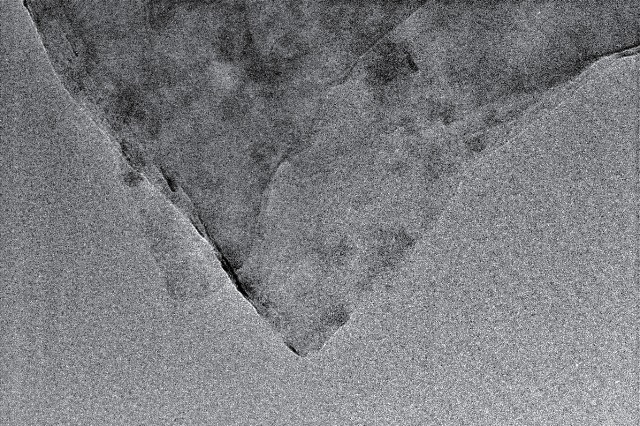
Standardization is necessary for the early industrialization of the new materials and technology. It is achieved by having agreed practices for the measurement of properties and other characteristics. The promising use of graphene-based materials in fields like electronics, energy, and composites has resulted in standards for their nomenclature, the measurement of key characteristics, and their specification, etc. Among these, standards for measuring the key characteristics are crucial. The crit

A review of the standardized measurement of the characteristics of graphene-based materials
Graphical Abstract
Original ResearchVol. 39, Issue 5 • pp. 824-843DOI: 10.1016/S1872-5805_NJan 15, 2024

Recent advances in producing hollow carbon spheres for use in sodium−sulfur and potassium−sulfur batteries

Authors: QI Zi-xin, LUO Sai-nan, RUAN Jia-feng, YUAN Tao, PANG Yue-peng, YANG Jun-he, ZHENG Shi-you

Sodium-sulfur (Na-S) and potassium-sulfur (K-S) batteries for use at room temperature have received widespread attention because of the abundance and low cost of their raw materials and their high energy density. However, their development is restricted by the shuttling of polysulfides, large volume expansion and poor conductivity. To overcome these obstacles, an effective approach is to use carbon-based materials with abundant space for the sulfur that has sulfiphilic sites to immobilize it, and a high electrical conductivity. Hollow carbon spheres (HCSs) with a controllable structure and composition are promising for this purpose. We consider recent progress in optimizing the electrochemical performance of Na-/K-S batteries by using these materials. First, the advantages of HCSs, their synthesis methods, and strategies for preparing HCSs/sulfur composite materials are reviewed. Second, the use of HCSs in Na-/K-S batteries, along with mechanisms underlying the resulting performance improvement, are discussed. Finally, prospects for the further development of HCSs for metal−S batteries are presented.

Recent advances in producing hollow carbon spheres for use in sodium−sulfur and potassium−sulfur batteries
Graphical Abstract
Original ResearchVol. 39, Issue 5 • pp. 796-823DOI: 10.1016/S1872-5805_NJan 15, 2024

A review of hard carbon anodes for rechargeable sodium-ion batteries

Authors: MU Bao-yi, CHI Chun-lei, YANG Xin-hou, HUANGFU Chao, QI Bin, WANG Guan-wen, LI Zhi-yuan, SONG Lei, WEI Tong, FAN Zhuang-jun

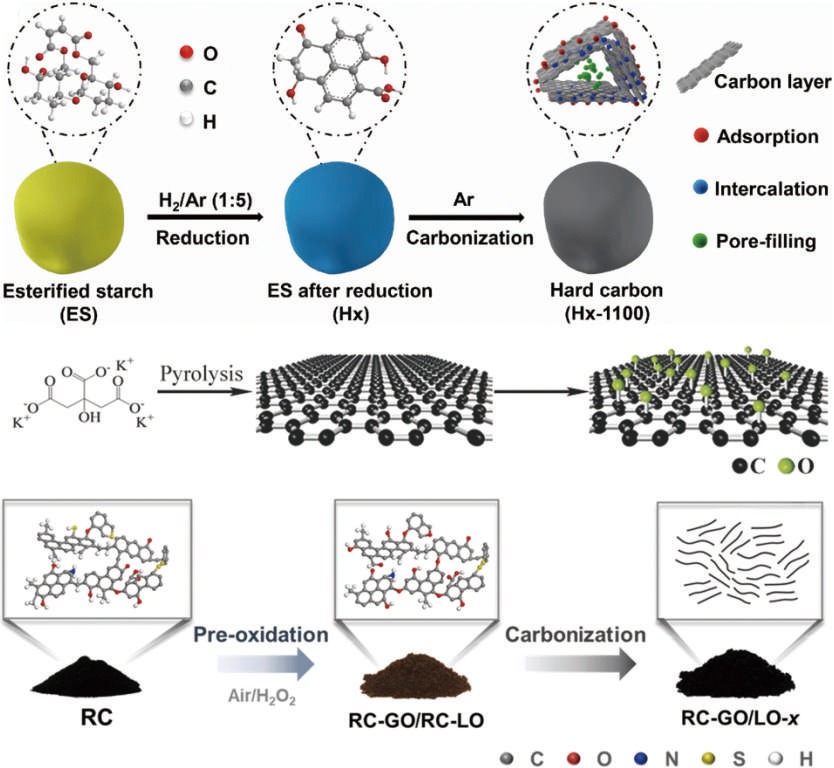
Hard carbons (HCs) are recognized as potential anode materials for sodium-ion batteries (SIBs) because of their low cost, environmental friendliness, and the abundance of their precursors. The presence of graphitic domains, numerous pores, and disordered carbon layers in HCs plays a significant role in determining their sodium storage ability, but these structural features depend on the precursor used. The influence of functional groups, including heteroatoms and oxygen-containing groups, and the microstructure of the precursor on the physical and electrochemical properties of the HC produced are evaluated, and the effects of carbonization conditions (carbonization temperature, heating rate and atmosphere) are also discussed.

A review of hard carbon anodes for rechargeable sodium-ion batteries
Graphical Abstract
Original ResearchVol. 39, Issue 5 • pp. 770-795DOI: 10.1016/S1872-5805_NJan 15, 2024

The preparation and properties of N-doped carbon materials and their use for sodium storage

Authors: YUAN Ren-lu, HOU Ruo-yang, SHANG Lei, LIU Xue-wei, LI Ang, CHEN Xiao-hong, SONG Huai-he

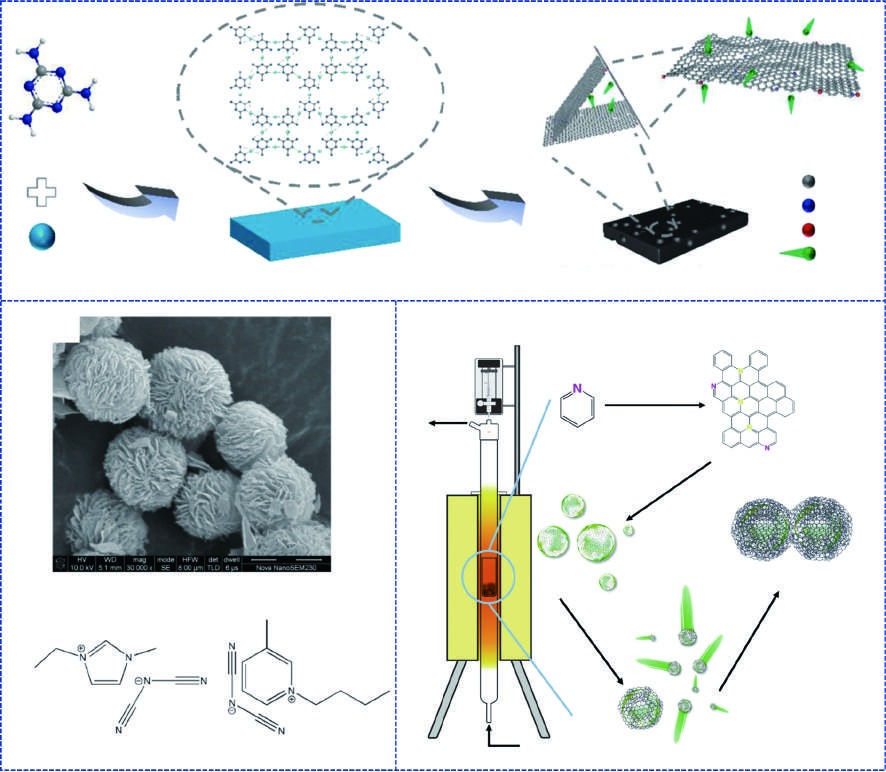
Defect engineering by heteroatom doping gives carbon materials some new characteristics such as a different electronic structure and a high electrochemical activity, making them suitable for high-performance applications. N-doping has been widely investigated because of its similar atom radius to carbon, high electronegativity as well as many different configurations. We summarize the preparation methods and properties of N-doped carbon materials, and discuss their possible use in sodium ion storage. The relationships between N content/configuration and crystallinity, electronic conductivity, wettability, chemical reactivity as well as sodium ion storage performance are discussed.

The preparation and properties of N-doped carbon materials and their use for sodium storage
Graphical Abstract
Original ResearchVol. 39, Issue 5 • pp. 100-112DOI: 10.1016/S1872-5805_NJan 15, 2024

A review of anode materials for sodium ion batteries

Authors: Syed Ali Riza, Xu Ri-gan, Liu Qi, Muhammad Hassan, Yang Qiang, Mu Dao-bin, Li Li, Wu Feng, Chen Ren-jie

Lithium-ion batteries (LIBs) are used in electric vehicles and portable smart devices, but lithium resources are dwindling and there is an increasing demand which has to be catered for. Sodium ion batteries (SIBs), which are less costly, are a promising replacement for LIBs because of the abundant natural reserves of sodium. The anode of a SIB is a necessary component of the battery but is less understood than the cathode. This review outlines the development of various types of anodes, including carbon-based, metallic and organic, which operate using different reaction mechanisms such as intercalation, alloying and conversion, and considers their challenges and prospects. Strategies for modifying their structures by doping and coating, and also modifying the solid electrolyte interface are discussed. In addition, this review also discusses the challenges encountered by the anode of SIBs and the solutions.

A review of anode materials for sodium ion batteries
Graphical Abstract
Original ResearchVol. 39, Issue 5 • pp. 729-740DOI: 10.1016/S1872-5805_NJan 15, 2024

High-Energy-Density and Fast-Charging Sodium-Ion Battery Carbon Anodes: Progress and Challenges

Authors: Jinghong Li, Yibo Zhang, Yiran Jia, Chenxu Yang, Yue Chu, Jun Zhang, Ying Tao, Quanhong Yang

Sodium-ion batteries (SIBs) have become the preferred next-generation non-resource-limited high-efficiency energy storage system due to their excellent fast-charging capability, low-temperature performance, and the abundance and low cost of sodium resources. Amorphous carbon materials, as key anode materials for the practical application of SIBs, possess advantages such as high initial Coulombic efficiency, low sodium insertion plateau, and good stability. However, current amorphous carbon anodes suffer from sluggish plateau sodium storage kinetics and the inability to simultaneously achieve high plateau capacity and high plateau potential, making it difficult to comprehensively balance fast-charging performance, energy density, and safety, which severely hinders the industrialization of SIBs. This review focuses on the key bottlenecks restricting the development of carbon anodes for SIBs, analyzes the kinetic behavior of each elementary step in the plateau sodium storage of amorphous carbon, and summarizes the research progress on constructing high-energy-density and fast-charging SIBs from two aspects: electrode–electrolyte interface and microstructure regulation of amorphous carbon. It also discusses the key factors affecting plateau sodium storage kinetics and plateau potential. Finally, it provides a brief commentary and outlook on the development direction and key challenges of carbon anodes for SIBs, aiming to promote the development of practical carbon anode materials for SIBs.

High-Energy-Density and Fast-Charging Sodium-Ion Battery Carbon Anodes: Progress and Challenges
Graphical Abstract
Original ResearchVol. 39, Issue 4 • pp. 715-728DOI: 10.1016/S1872-5805_NJan 15, 2024

Increasing the toughness while reducing the viscosity of carbon nanotube/polyether imide/polyether ether ketone nanocomposites

Authors: SONG Jiu-peng, ZHAO Yan, LI Xue-kuan, XIONG Shu, LI Shuang, WANG Kai

Polyether ether ketone (PEEK) has good mechanical properties. However, its high viscosity when molten limits its use because it is hard to process. PEEK nanocomposites containing both carbon nanotubes (CNTs) and polyether imide (PEI) were prepared by a direct wet powder blending method using a vertical injection molding machine. The addition of an optimum amount of PEI lowered the viscosity of the molten PEEK by approximately 50% while producing an increase in the toughness of the nanocomposites, whose strain to failure increased by 129%, and fracture energy increased by 97%. The uniformly dispersed CNT/PEI powder reduced the processing difficulty of PEEK nanocomposites without affecting the thermal resistance. This improvement of the strength and viscosity of PEEK facilitate its use in the preparation of thermoplastic composites.

Increasing the toughness while reducing the viscosity of carbon nanotube/polyether imide/polyether ether ketone nanocomposites
Graphical Abstract
Original ResearchVol. 39, No. 4 • pp. 703-714DOI: 10.1016/S1872-5805_NJan 15, 2024

In-situ thermal Raman mapping and stress analysis of CNT/CF/epoxy interfaces

Authors: HE Jing-zong, CHEN Shi, MA Zheng-kun, LU Yong-gen, WU Qi-lin

A study of the interfacial behavior and internal thermal stress distribution in fiber-reinforced composites is essential to assess their performance and reliability. CNT/carbon fiber (CF) hybrid fibers were constructed using electrophoretic deposition. The interfacial properties of CF/epoxy and CNT/CF/epoxy composites were statistically investigated and compared using in-situ thermal Raman mapping by dispersing CNTs as a Raman sensing medium (CNTR) in a resin. The associated local thermal stress changes can be simulated by capturing the G' band position distribution of CNTR in the epoxy at different temperatures. It was found that the G' band shifted to lower positions with increasing temperature, reaching a maximum difference of 2.43 cm−1 at 100 °C. The interfacial bonding between CNT/CF and the matrix and the stress distribution and changes during heat treatment (20–100 °C) were investigated in detail. This work is important for studying thermal stress in fiber-reinforced composites by in-situ thermal Raman mapping technology.

In-situ thermal Raman mapping and stress analysis of CNT/CF/epoxy interfaces
Graphical Abstract
Original ResearchVol. 39, No. 4 • pp. 100-112DOI: 10.1016/S1872-5805_NJan 15, 2024

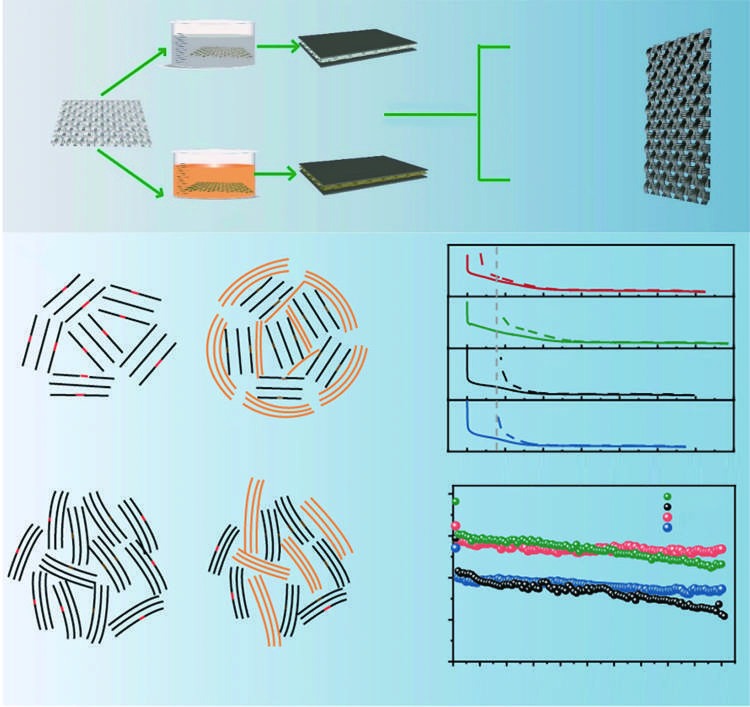
Polyetherketoneketone/carbon fiber composites with an amorphous interface prepared by solution impregnation

Authors: ZHANG Feng, LI Bo-lan, JIAO Meng-xiao, LI Yan-bo, WANG Xin, YANG Yu, YANG Yu-qiu, ZHANG Xiao-hua

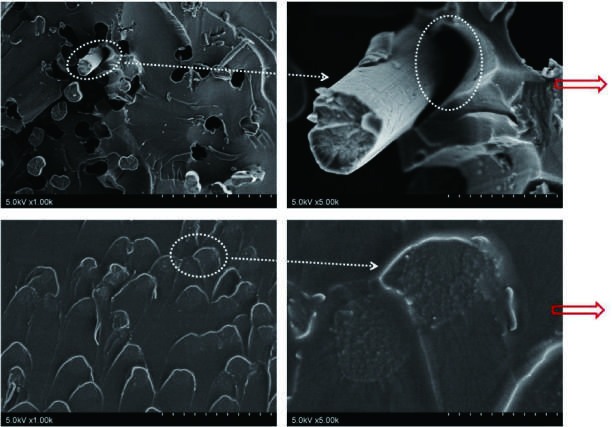
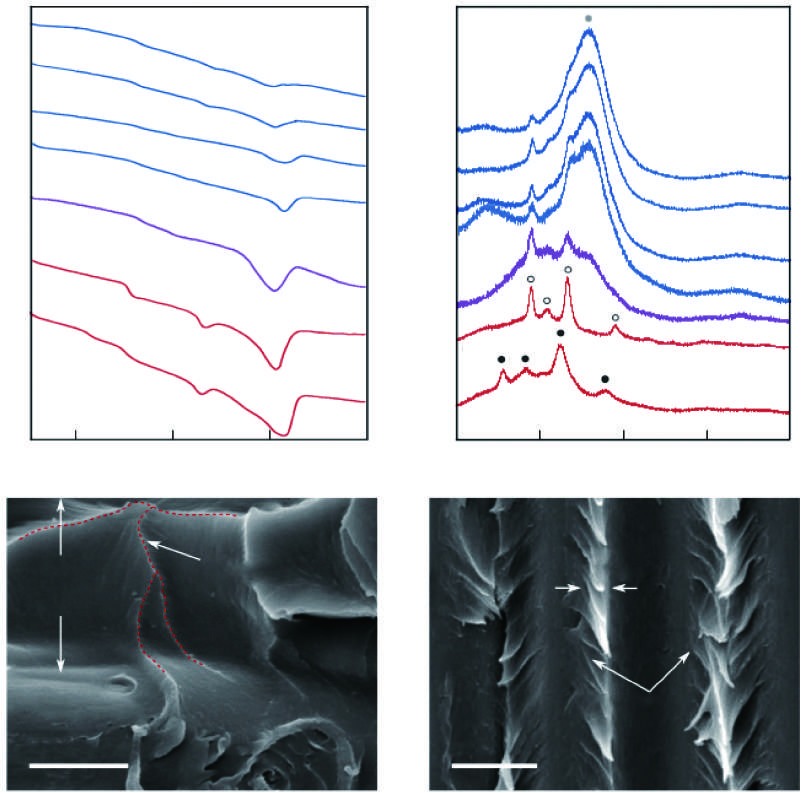
Interfacial adhesion between carbon fibers (CF) and polyetherketoneketone (PEKK) is a key factor that affects the mechanical performances of their composites. It is therefore of great importance to impregnate the CF bundles with PEKK as efficiently as possible. We report that PEKK with a good dispersion in a mixed solution of 4-chlorophenol and 1,2-dichloroethane can be introduced onto CF surfaces by solution impregnation and curing at 280, 320, 340 and 360 °C. The excellent wettability or infiltration of the PEKK solution guarantees a full covering and its tight binding to CFs, making it possible to evaluate the interfacial shear strength (IFSS) with the microdroplet method. The interior of the CF bundles is completely and uniformly filled with PEKK by solution impregnation, leading to a high interlaminar shear strength (ILSS). The maximum IFSS and ILSS reached 107.8 and 99.3 MPa, respectively. Such superior shear properties are ascribed to the formation of amorphous PEKK in the small spaces between CFs.

Polyetherketoneketone/carbon fiber composites with an amorphous interface prepared by solution impregnation
Graphical Abstract
Original ResearchVol. 39, Issue 4 • pp. 681-691DOI: 10.1016/S1872-5805_NJan 15, 2024

Cardo poly (ether sulfone) toughened E51/DETDA epoxy resin and its carbon fiber composites

Authors: WU Rong-peng, ZHANG Xing-hua, WEI Xing-hai, JING De-qi, SU Wei-guo, ZHANG Shou-chun

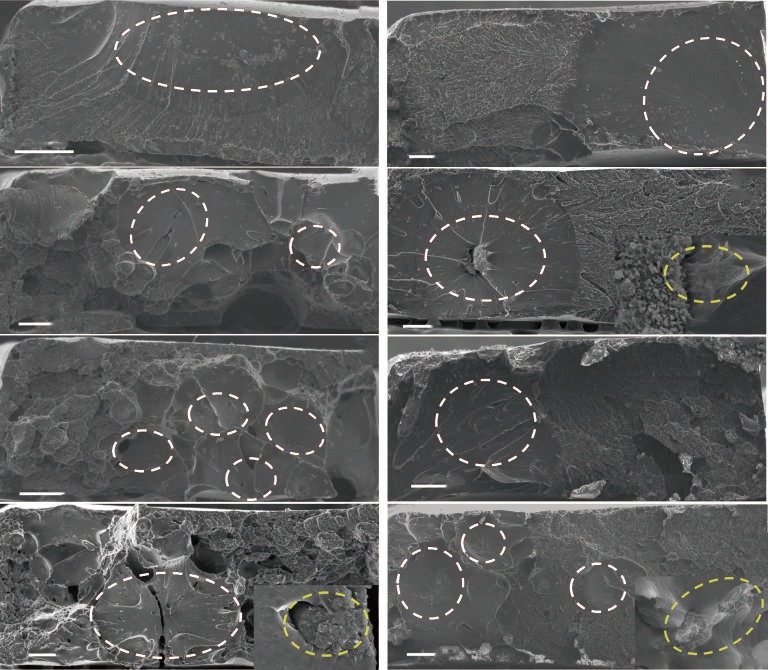
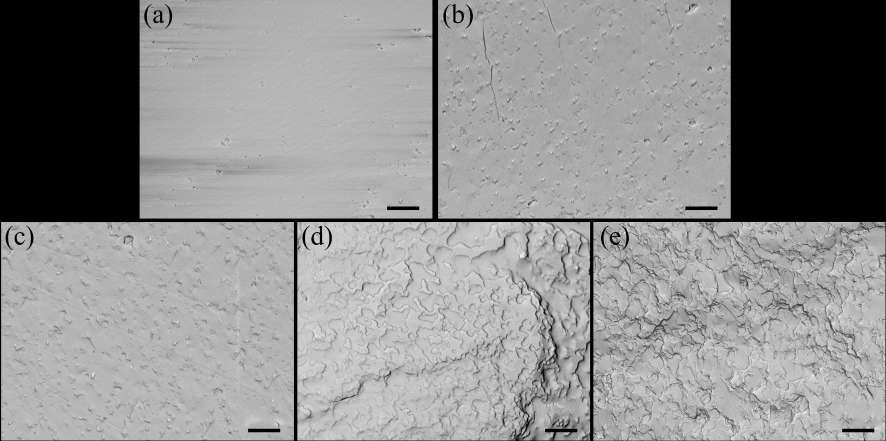
A toughener that can effectively improve the interlaminar toughness in carbon fiber composites is crucial for various applications. We investigated, the toughening effects of phenolphthalein-based cardo poly (ether sulfone) (PES-C) on E51/ DETDA epoxy and its carbon fiber composites (CFCs). Scanning electron microscopy showed that the phase structures of PES-C/epoxy blends change from island (of dispersed phase) structures to bi-continuous structures (of the matrix) as the PES-C content increased, which is associated with reaction-induced phase separation. After adding 15 phr PES-C, the glass transition temperature (Tg) of the blends increased by 51.5 °C, and the flexural strength, impact strength and fracture toughness of the blends were improved by 41.1%, 186.2% and 42.7%, respectively. These improvements could be attributed to the phase separation structure of the PES-C/epoxy system. A PES-C film was used to improve the mode-II fracture toughness (GIIC) of CFCs. The GIIC value of the 7 μm PES-C film toughened laminate was improved by 80.3% compared to that of the control laminate. The increase in GIIC was attributed to cohesive failure and plastic deformation in the interleaving region.

Cardo poly (ether sulfone) toughened E51/DETDA epoxy resin and its carbon fiber composites
Graphical Abstract
Original ResearchVol. 39, Issue 4 • pp. 668-680DOI: 10.1016/S1872-5805_NJan 15, 2024

Semi-quantitative analysis of the structural evolution of mesophase pitch-based carbon foams by Raman and FTIR spectroscopy

Authors: LIU Yue, CHANG Sheng-kai, SU Zhan-peng, HUANG Zu-jian, QIN Ji, YANG Jian-xiao

Graphitized carbon foams (GFms) were prepared using mesophase pitch (MP) as a raw material by foaming (450 °C), pre-oxidation (320 °C), carbonization (1 000 °C) and graphitization (2 800 °C). The differences in structure and properties of GFms prepared from different MP precursors pretreated by ball milling or liquid phase extraction were investigated and compared, and semi-quantitative calculations were conducted on the Raman and FTIR spectra of samples at each preparation stage. Semi-quantitative spectroscopic analysis provided detailed information on the structure and chemical composition changes of the MP and GFm derived from it. Combined with microscopic observations, the change from precursor to GFm was analyzed. The results showed that ball milling concentrated the distribution of aromatic molecules in the pitch, which contributed to uniform foaming to give a GFm with a uniform pore distribution and good properties. Liquid phase extraction helped remove light components while retaining large aromatics to form graphitic planes with the largest average size during post-treatment to produce a GFm with the highest degree of graphitization and the fewest open pores, giving the best compression resistance (2.47 MPa), the highest thermal conductivity (64.47 W/(m·K)) and the lowest electrical resistance (13.02 μΩ·m). Characterization combining semi-quantitative spectroscopic analysis with microscopic observations allowed us to control the preparation of the MP-derived GFms.

Semi-quantitative analysis of the structural evolution of mesophase pitch-based carbon foams by Raman and FTIR spectroscopy
Graphical Abstract
Original ResearchVol. 39, Issue 4 • pp. 655-667DOI: 10.1016/S1872-5805_NJan 15, 2024

Preparation of a high-performance synthetic pitch from aromatic hydrocarbons containing N/Cl

Authors: ZHANG Yu-kun, LIN Xiong-chao, GAO Hong-feng, XI Wen-shuai, WANG Cai-hong, WANG Yong-gang

The preparation of a synthetic pitch from aromatic monomers could easily regulate structure orientation at the molecular level, which would be useful in fabrication. An isotropic synthetic pitch was prepared by a chlorine- and/or nitrogen-induced substitution polymerization reaction method using aromatic hydrocarbon precursors containing Cl and N, which for this study were chloromethyl naphthalene and quinoline. This method was verified by investigating the structural changes under different synthesis conditions, and the synthesis mechanism induced by aromatics containing Cl was also probed. The result shows that the pyridinic N in quinoline contains a lone pair of electrons, and is an effective active site to induce the polymerization reaction by coupling with aromatic hydrocarbons containing Cl. The reaction between such free radicals causes strong homopolymerization and oligomerization. A higher reaction temperature and longer reaction time significantly increased the degree of polymerization and thus increased the softening point of the pitch. A linear molecular structure was formed by the Cl substitution reaction, which produced a highly spinnable pitch with a softening point of 258.6 °C, and carbon fibers with a tensile strength of 1 163.82 MPa were obtained. This study provides a relatively simple and safe method for the preparation of high-quality spinnable pitch.

Preparation of a high-performance synthetic pitch from aromatic hydrocarbons containing N/Cl
Graphical Abstract
Original ResearchVol. 39, Issue 4 • pp. 645-654DOI: 10.1016/S1872-5805_NJan 15, 2024

Formation of mesophase microbeads from bulk mesophase pitch induced by fullerene

Authors: CHEN Wen-sheng, LIU Lan-tao, WANG Zheng, DUAN Chun-feng, ZHANG Xing-wei, MA Zhao-kun, CHEN Xiao-hong, SONG Huai-he

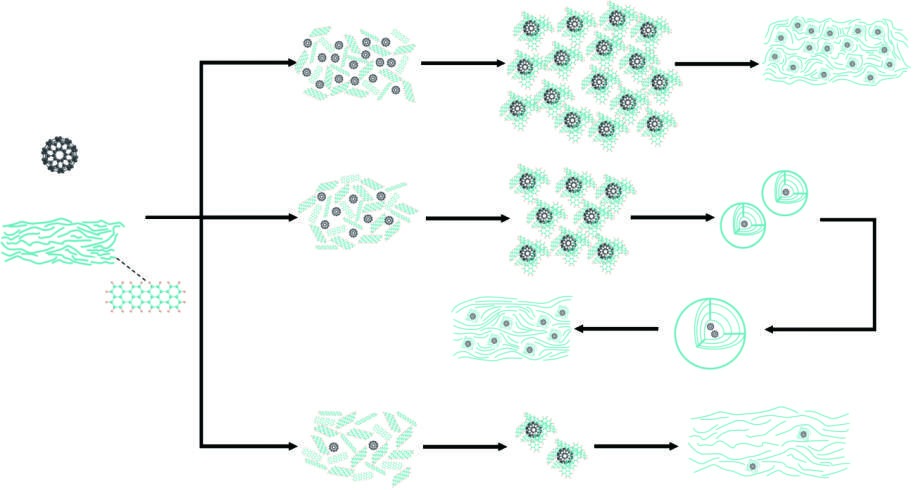
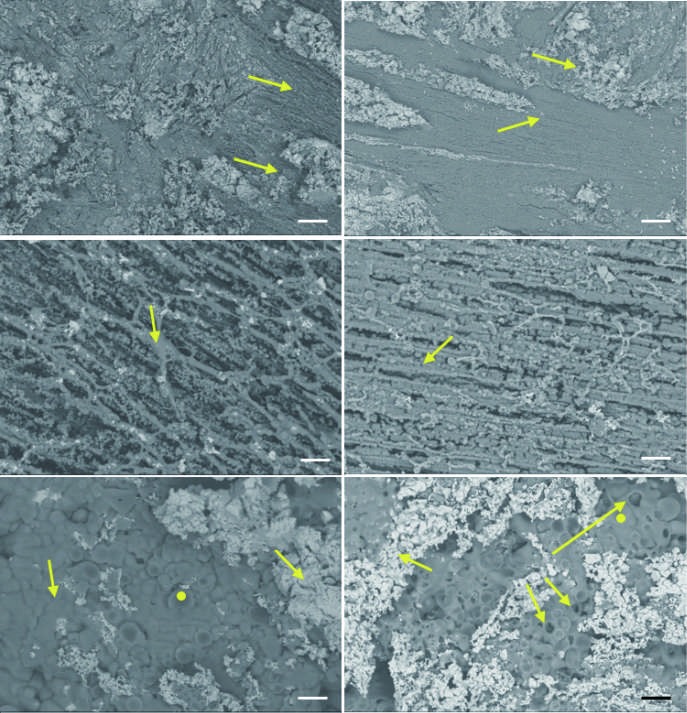
A transformation of naphthalene-based coalescenced mesophase pitch (NMP) to mesophase microbeads was achieved by heating a mixture of NMP and fullerene (C60). This is different from the conventional process of the liquid-phase carbonization of isotropic pitch to the emergence of carbon microbeads in the matrix and finally their growth to form a 100% anisotropic bulk mesophase, but rather a reverse transformation. The effects of C60 loading and reaction temperature on the morphological transformation of mesophase were investigated by polarizing optical and scanning electron microscopies. The physical changes in the NMP induced by C60 were characterized by thermogravimetric analysis, Fourier transform infrared spectroscopy, X-ray diffractometry and Raman spectroscopy. The results show that the coalesced NMP can be converted to a spherical type at 300–320 °C with the addition of 5% C60, and the size of the mesophase microbeads increases with increasing temperature. Furthermore, a model is established to explain the unique induction effect of C60 in the transformation process. This work makes the morphological transformation of MP controllable, and provides a new idea for the understanding and research of mesophase pitch.

Formation of mesophase microbeads from bulk mesophase pitch induced by fullerene
Graphical Abstract
Original ResearchVol. 39, Issue 4 • pp. 633-644DOI: 10.1016/S1872-5805_NJan 15, 2024

Ablation behaviour and mechanical performance of ZrB2-ZrC-SiC modified carbon/carbon composites prepared by vacuum infiltration combined with reactive melt infiltration

Authors: ZHANG Jia-ping, SU Xiao-xuan, LI Xin-gang, WANG Run-ning, FU Qian-gang

The development of advanced aircraft relies on high performance thermal-structural materials, and carbon/carbon composites (C/C) composited with ultrahigh-temperature ceramics are ideal candidates. However, the traditional routes of compositing are either inefficient and expensive or lead to a non-uniform distribution of ceramics in the matrix. Compared with the traditional C/C-ZrC-SiC composites prepared by the reactive melt infiltration of ZrSi2, C/C-ZrB2-ZrC-SiC composites prepared by the vacuum infiltration of ZrB2 combined with reactive melt infiltration have the higher content and more uniform distribution of the introduced ceramic phases. The mass and linear ablation rates of the C/C-ZrB2-ZrC-SiC composites were respectively 68.9% and 29.7% lower than those of C/C-ZrC-SiC composites prepared by reactive melt infiltration. The ablation performance was improved because the volatilization of B2O3, removes some of the heat, and the more uniformly distributed ZrO2, that helps produce a ZrO2-SiO2 continuous protective layer, hinders oxygen infiltration and decreases ablation.

Ablation behaviour and mechanical performance of ZrB2-ZrC-SiC modified carbon/carbon composites prepared by vacuum infiltration combined with reactive melt infiltration
Graphical Abstract
Original ResearchVol. 39, Issue 4 • pp. 611-632DOI: 10.1016/S1872-5805_NJan 15, 2024

Research progress on carbon materials derived from low-rank coal

Authors: Wenge Song, Hongjiu Zeng, Bin Wang, Xianhong Huang, Xiaoming Li, Guohua Sun

Low-rank coal is considered a high-quality precursor for carbon materials due to its abundant reserves, rich polycyclic aromatic hydrocarbons, high carbon content, and low cost. However, differences in ash content, microstructure, and interface among different low-rank coals lead to difficulties in effectively controlling the structure and performance of coal-based carbon materials. In recent years, researchers have proposed effective methods for regulating the microstructure and surface/interface of low-rank coal-based carbon materials. This review focuses on the differentiated strategies for preparing activated carbon, capacitive carbon, hard carbon, graphite, and nanocarbon materials from low-rank coal. It further discusses the effects of coal type and process on the microstructure, interface characteristics, and functional group types of coal-based carbon materials. Additionally, the applications of coal-based carbon materials in adsorption, supercapacitors, and alkali metal batteries are introduced. Finally, future research directions and challenges for low-rank coal-based carbon materials are prospected.

Research progress on carbon materials derived from low-rank coal
Graphical Abstract
Original ResearchVol. 39, Issue 4 • pp. 583-610DOI: 10.1016/S1872-5805_NJan 15, 2024

A review of the catalytic preparation of mesophase pitch

Authors: MA Zi-hui, YANG Tao, SONG Yan, CHEN Wen-sheng, DUAN Chun-feng, SONG Huai-he, TIAN Xiao-dong, GONG Xiang-jie, LIU Zheng-yang, LIU Zhan-jun

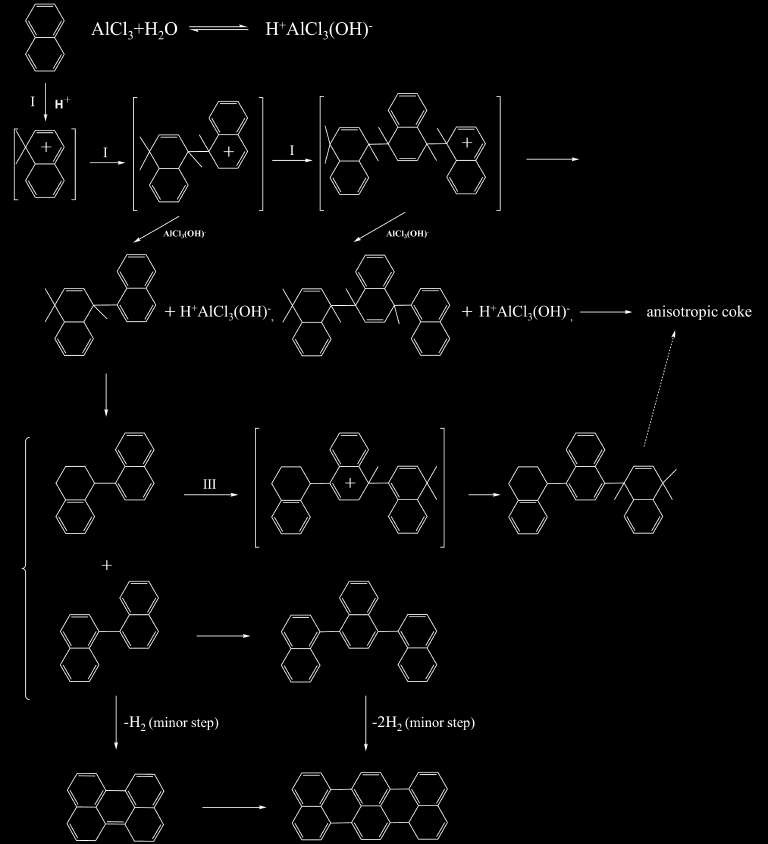
Because of its high purity and excellent orientation, mesophase pitch is a superior precursor for high-performance carbon materials. However, the preparation of top-notch mesophase pitch faces challenges. Catalytic polycondensation at low temperatures is more favorable for synthesizing mesophase pitch, because it circumvents the high-temperature free radical reaction of other thermal polycondensation approaches. The reaction is gentle and can be easily controlled. It has the potential to significantly improve the yield of mesophase pitch and easily introduce naphthenic characteristics into the molecules, catalytic polycondensation is therefore a preferred method of synthesizing highly spinnable mesophase pitch. This review provides a synopsis of the selective pretreatment of the raw materials to prepare different mesophase pitches, and explains the reaction mechanism and associated research advances for different catalytic systems in recent years. Finally, how to manufacture high-quality mesophase pitch by using a catalyst-promoter system is summarized and proposed, which may provide a theoretical basis for the future design of high-quality pitch molecules.

A review of the catalytic preparation of mesophase pitch
Graphical Abstract
Original ResearchVol. 39, Issue 3 • pp. 573-582DOI: 10.1016/S1872-5805_NJan 15, 2024

Electrochemical impurity removal from spent ternary lithium battery graphite anodes and their performance study

Authors: Rui Zhang, Yong Tian, Weili Zhang, Jiayin Song, Jie Min, Bo Pang, Jianjun Chen

With the rapid development of new energy vehicles, power lithium-ion batteries are increasingly widely used, and a large number of lithium batteries are also ushering in a peak period of retirement. The comprehensive recycling and utilization of spent lithium batteries has attracted high attention from various countries. The layered structure of the graphite anode in spent lithium batteries is basically unchanged, so high-temperature graphitization is not required during recycling, and only the removal of internal impurities needs to be considered. In this paper, the spent graphite anode was treated by heat treatment, ultrasonic separation, and acid leaching, and then an innovative electrochemical treatment was adopted to deeply remove internal metal impurities. Comparing graphite at different recycling stages, it was found that the presence of organic impurities in graphite seriously affects various electrochemical properties, while trace amounts of inorganic impurities such as Cu and Fe have little effect on the initial discharge specific capacity but reduce the cycling stability of graphite. The final recovered graphite had internal major metal impurity content below 20 mg/kg, with a discharge specific capacity of 358.7 mAh/g at 0.1 C rate, and a capacity retention rate of 95.85% after 150 cycles. Compared with reported spent graphite recycling methods, this method can deeply remove impurities inside the graphite anode, solving the problems of large acid-base consumption, incomplete impurity removal, and high energy consumption. The recovered regenerated graphite anode has good electrochemical performance, providing a new recycling and regeneration path for spent lithium battery graphite anodes.

Electrochemical impurity removal from spent ternary lithium battery graphite anodes and their performance study
Graphical Abstract
Original ResearchVol. 39, Issue 3 • pp. 561-572DOI: 10.1016/S1872-5805_NJan 15, 2024

Plasma-assisted preparation of carbon cloth-supported NiCoAl-LDHs with large interlayer spacing for electrochemical deionization

Authors: Qiutong Jiang, Guoqing Wang, Yi Li, Hongwei Huang, Qian Li, Jian Yang

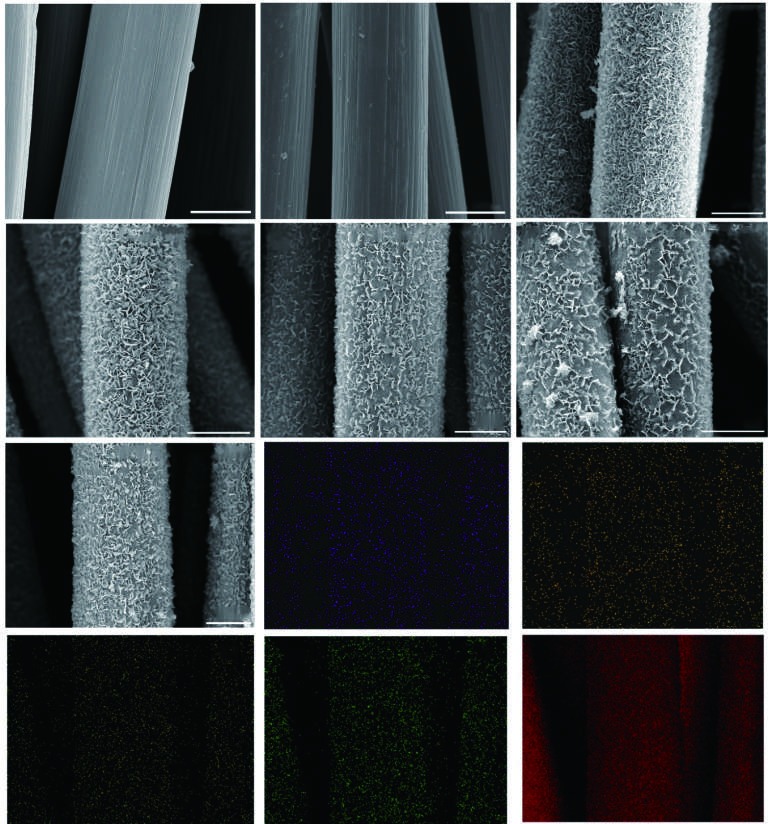
Capacitive deionization (CDI) has been regarded as an emerging desalination technology in recent years, especially for brackish water, due to its economic and energy-saving advantages. However, research on chloride removal electrodes is limited, and slow desalination kinetics also restrict their development. In this work, NiCoAl-LDHs nanosheet arrays were grown in situ on flexible carbon cloth (ACC) after surface acid treatment and then subjected to Ar plasma treatment, producing Ar-NiCoAl-LDHs@ACC with enlarged interlayer spacing. The carbon cloth substrate inhibited the agglomeration of NiCoAl-LDHs nanosheets and improved electrical conductivity, while Ar plasma treatment further expanded the interlayer spacing and enhanced hydrophilicity, providing fast chloride ion diffusion channels and releasing more interlayer active sites, achieving high desalination kinetics. Ar-NiCoAl-LDHs@ACC was used as the chloride removal electrode and assembled with activated carbon into a hybrid capacitive deionization (HCDI) device. In 1000 mg L−1 NaCl solution at 1.2 V, the salt removal capacity reached 93.26 mg g−1, the salt removal rate reached 0.27 mg g−1 s−1, and the charge efficiency was as high as 0.97. In 300 mg L−1 NaCl solution at 0.8 V, the capacity retention remained above 85% after 100 cycles. This work provides a new strategy for the controllable preparation of two-dimensional metal hydroxide materials with large interlayer spacing and the design of high-performance electrochemical chloride removal electrodes.

Plasma-assisted preparation of carbon cloth-supported NiCoAl-LDHs with large interlayer spacing for electrochemical deionization
Graphical Abstract
Original ResearchVol. 39, Issue 3 • pp. 549-560DOI: 10.1016/S1872-5805_NJan 15, 2024

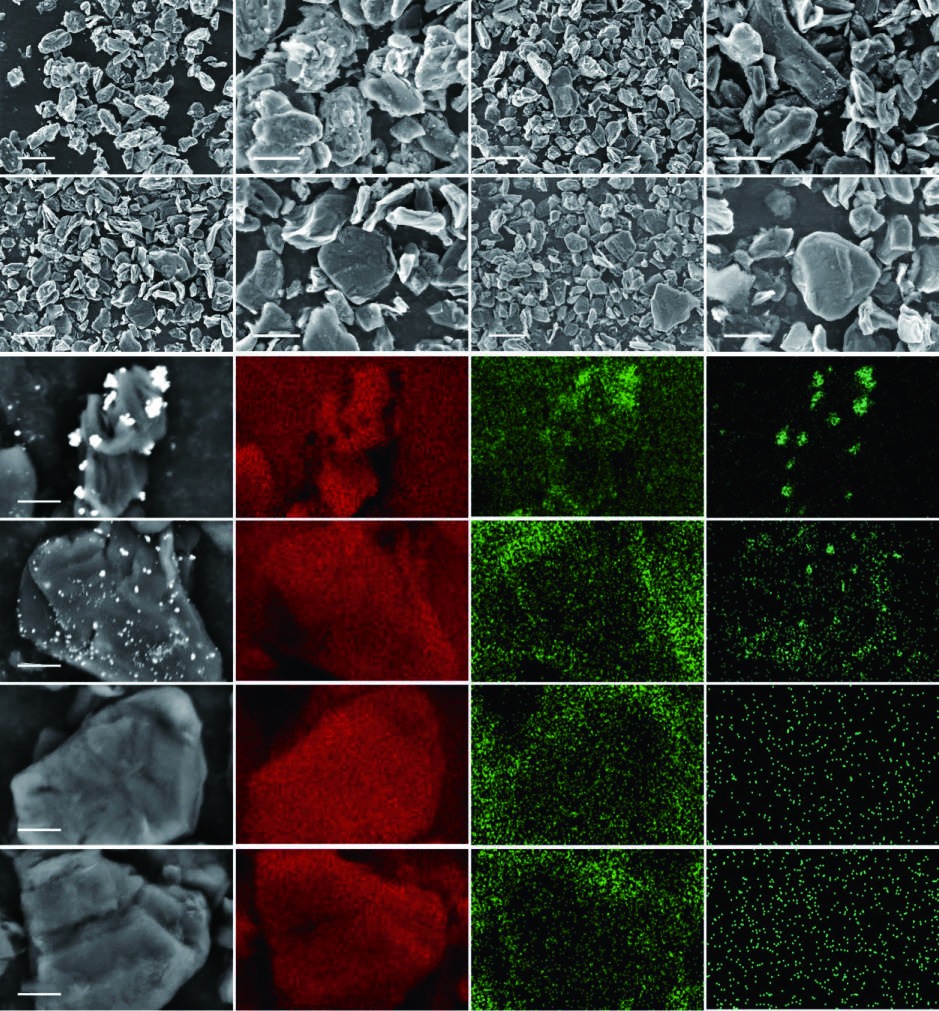
Increasing the interlayer spacing and generating closed pores to produce petroleum coke-based carbon materials for sodium ion storage

Authors: ZHUANG Hong-kun, LI Wen-cui, HE Bin, LV Jia-he, WANG Jing-song, SHEN Ming-yuan, LU An-hui

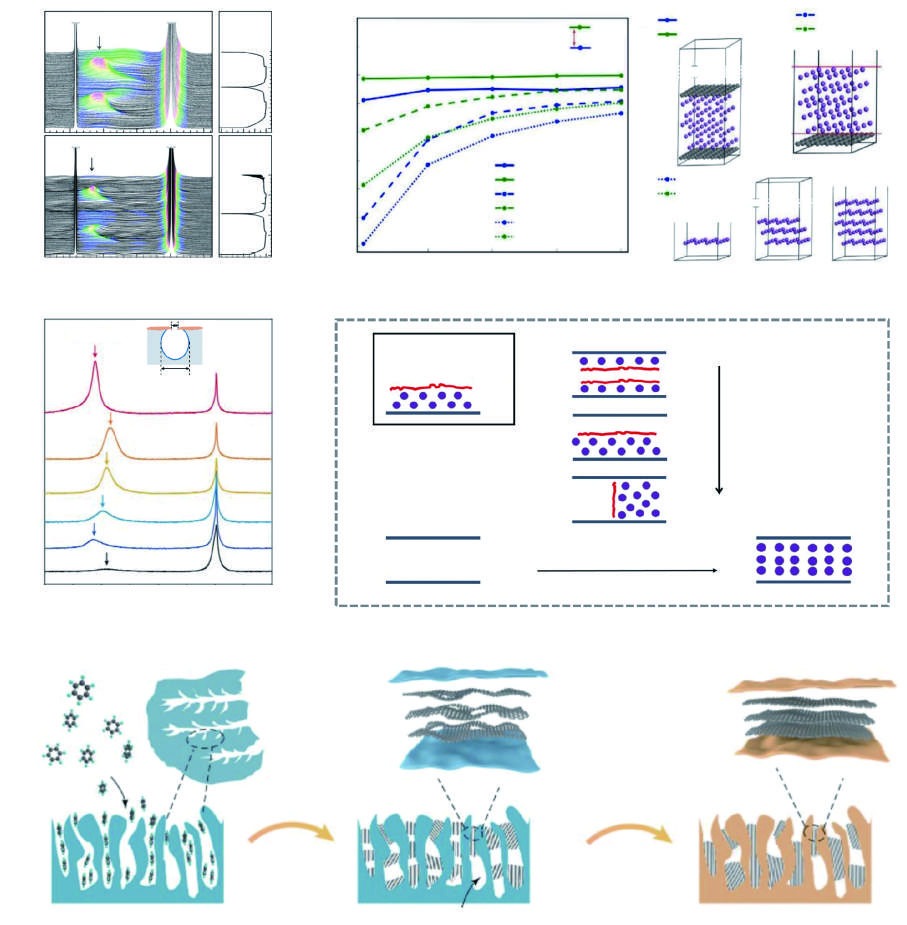
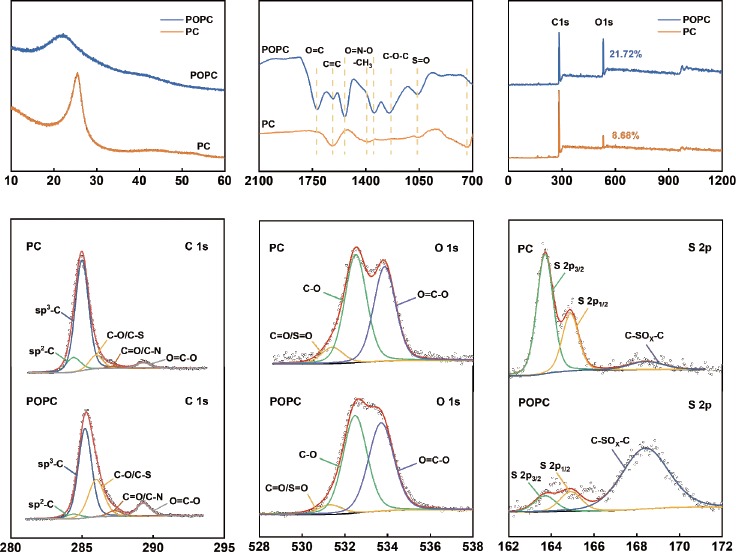
Petroleum coke (PC) is a valuable precursor for sodium-ion battery (SIB) anodes due to its high carbon content and low cost. The regulation of the microcrystalline state and pore structure of the easily-graphitized PC-based carbon is crucial for creating abundant Na+ storage sites. Here we used a precursor transformation strategy to increase the carbon interlayer spacing and generate abundant closed pores in PC-based carbon, significantly increasing its Na+ storage capacity in the plateau region. This was achieved by introducing a large number of oxygen functional groups through mixed acid treatment and then using high-temperature carbonization to decompose the oxygen functional groups and rearrange the carbon microcrystallites, resulting in a transition from open to closed pores. The optimized samples provide a large reversible capacity of 356.0 mAh g−1 at 0.02 A g−1, of which approximately 93% is below 1.0 V. Galvanostatic intermittent titration (GITT) and in-situ X-ray diffraction (XRD) analysis indicate that the sodium storage capacity in the low voltage plateau region involves a joint contribution of interlayer insertion and closed pore filling processes. This study presents a comprehensive method for the development of high-performance carbon anodes using low-cost and highly aromatic precursors.

Increasing the interlayer spacing and generating closed pores to produce petroleum coke-based carbon materials for sodium ion storage
Graphical Abstract
Original ResearchVol. 39, Issue 3 • pp. 538-548DOI: 10.1016/S1872-5805_NJan 15, 2024

Sulfonyl chloride-intensified metal chloride intercalation of graphite for efficient sodium storage

Authors: LAN Shu-qin, REN Wei-cheng, WANG Zhao, YU Chang, YU Jin-he, LIU Ying-bin, XIE Yuan-yang, ZHANG Xiu-bo, WANG Jian-jian, QIU Jie-shan

Metal chloride-intercalated graphite with excellent conductivity and a large interlayer spacing is highly desired for use in sodium ion batteries. However, halogen vapor is usually indispensable in initiating the intercalation process, which makes equipment design and experiments challenging. In this work, SO2Cl2 was used as a chlorine generator to intensify the intercalation of BiCl3 into graphite (BiCl3-GICs), which avoided the potential risks, such as Cl2 leakage, in traditional methods. The operational efficiency in the experiment was also improved. After the reaction of SO2Cl2, BiCl3, and graphite at 200 °C for 20 h, the synthesized BiCl3-GICs had a large interlayer spacing (1.26 nm) and a high amount of BiCl3 intercalation (42%), which gave SIBs a high specific capacity of 213 mAh g−1 at 1 A g−1 and an excellent rate performance (170 mAh g−1 at 5 A g−1). In-situ Raman spectra revealed that the electronic interaction between graphite and intercalated BiCl3 is weakened during the first discharge, which is favorable for sodium storage. This work broadly enables the increased intercalation of other metal chloride-intercalated graphites, offering possibilities for developing advanced energy storage devices.

Sulfonyl chloride-intensified metal chloride intercalation of graphite for efficient sodium storage
Graphical Abstract
Original ResearchVol. 39, No. 3 • pp. 526-537DOI: 10.1016/S1872-5805_NJan 15, 2024

Controllable construction of CoP nanoparticles anchored on a nitrogen-doped porous carbon as an electrocatalyst for highly efficient oxygen reduction in Zn-air batteries

Authors: YAN Xiao-li, WANG Kui, HAO Shu-wei, ZHOU Guang-da, YANG Hao-wei, ZHANG Hua, GUO Jun-jie

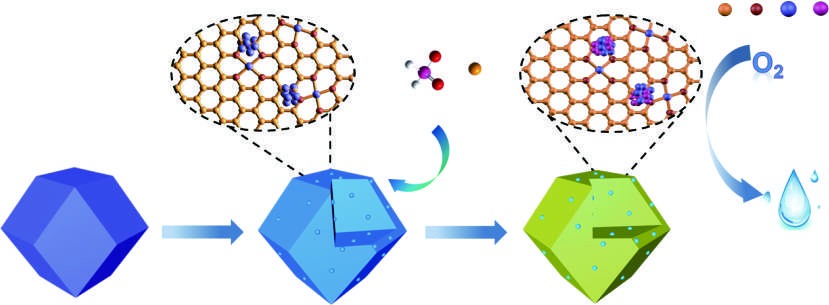
Exploring cost-efficient and highly-efficient noble metal-free catalysts for the oxygen reduction reactions (ORRs) involved in sustainable energy devices remains a great challenge. Transition-metal phosphides supported on heteroatom-doped carbons have shown potential as alternative candidates for precious metals because of their tunable electronic structures and higher catalytic performance. Phosphating was used to construct CoP nanoparticles (NPs) anchored on a nitrogen-doped porous carbon framework (CoP@NC) from Co NPs loaded on NC, using PH3 gas released from NaH2PO2 during heat treatment. The dodecahedral structure of Co NPs was retained in their transformation to CoP NPs. The CoP@NC electrocatalyst shows a remarkable ORR activity with a half-wave potential up to 0.92 V under alkaline conditions, which is attributed to the combined coupling between the well dispersed CoP nanoparticles on the nitrogen-doped carbon and the efficient mass transport in the porous structure. Zinc-air batteries assembled with the CoP@NC electrocatalyst as a cathode have a high open-circuit voltage of 1.51 V and power density of 210.1 mW cm−2. This work provides a novel strategy to develop low-cost catalysts with an excellent ORR performance to promote their practical use in metal-air batteries.

Controllable construction of CoP nanoparticles anchored on a nitrogen-doped porous carbon as an electrocatalyst for highly efficient oxygen reduction in Zn-air batteries
Graphical Abstract
Original ResearchVol. 39, No. 3 • pp. 100-112DOI: 10.1016/S1872-5805_NJan 15, 2024

Boron and nitrogen co-doped sodium alginate-based porous carbons for durable and fast Zn-ion hybrid capacitors

Authors: LU Ya-ping, WANG Hong-xing, LIU Lan-tao, PANG Wei-wei, CHEN Xiao-hong

In recent years, zinc-ion hybrid capacitors (ZIHCs) have attracted increasing attention due to their environmental friendliness and excellent electrochemical properties. However, their performance is mainly limited by the electrochemical performance of the cathode, so it is necessary to develop an advanced cathode material. N, B co-doped sodium alginate-based porous carbon (NBSPC) was prepared by one-step co-carbonization using sodium alginate as the matrix and NH4B5O8 as the N and B source. This N, B co-doping strategy improves the pore structure of the carbon materials and increases the number of surface functional groups, greatly improving the capacitive behavior of the raw materials and thus improving their electrochemical performance. When used as the cathode in ZIHCs, the NBSPC had an excellent rate performance (85.4 mA h g−1 even at ultra-high current density of 40 A g−1) and good cycling stability (15 000 cycles at 20 A g−1 with a capacity retention rate of 94.5%).

Boron and nitrogen co-doped sodium alginate-based porous carbons for durable and fast Zn-ion hybrid capacitors
Graphical Abstract
Original ResearchVol. 39, No. 3 • pp. 515-525DOI: 10.1016/S1872-5805_NJan 15, 2024

Controlled growth of a graphdiyne/cobalt hydroxide heterointerface for efficient chlorine production

Authors: LIU Hui-min, LUAN Xiao-yu, YAN Jia-yu, BU Fan-le, XUE Yu-rui, LI Yu-liang

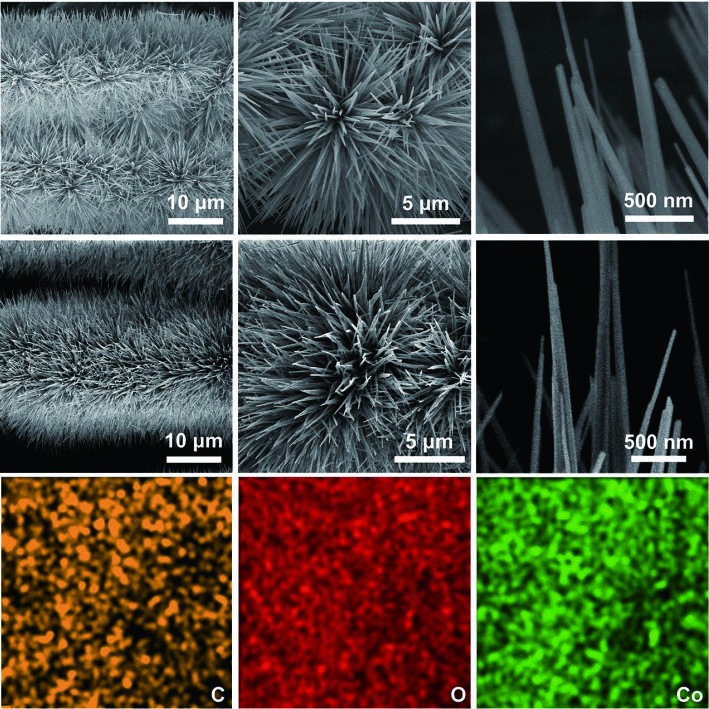
The chlor-alkali process plays a key and irreplaceable role in the chemical industry because of its use in various industrial processes. However, the low selectivity and efficiency of the reported chlorine evolution reaction (CER) electrocatalysts obviously hinder its practical use. We report a simple method for the controlled growth of high-performance CER electrocatalysts by first growing cobalt hydroxide on the surface of carbon cloth, followed by the in-situ growth of graphdiyne (GDY/Co(OH)2). As expected, the as-synthesized catalyst has a small overpotential of only 83 mV at 10 mA cm−2, a maximum Faradaic Efficiency (FE) of 91.54%, and a high chlorine yield of 157.11 mg h−1 cm−2 in acidic simulated seawater. Experimental results demonstrate that the in-situ growth of GDY on the Co(OH)2 surface leads to the formation of heterointerfaces with strong electron transfer between GDY and Co atoms, resulting in a higher conductivity, larger active specific surface area and more active sites, thereby improving the overall electrocatalytic selectivity and efficiency.

Controlled growth of a graphdiyne/cobalt hydroxide heterointerface for efficient chlorine production
Graphical Abstract
Original ResearchVol. 39, Issue 3 • pp. 458-482DOI: 10.1016/S1872-5805_NJan 15, 2024

A review of carbon material-based Z-scheme and S-scheme heterojunctions for photocatalytic clean energy generation

Authors: Sahil Rana, Amit Kumar, Wang Tong-tong, Gaurav Sharma, Pooja Dhiman, Alberto García-Peñas

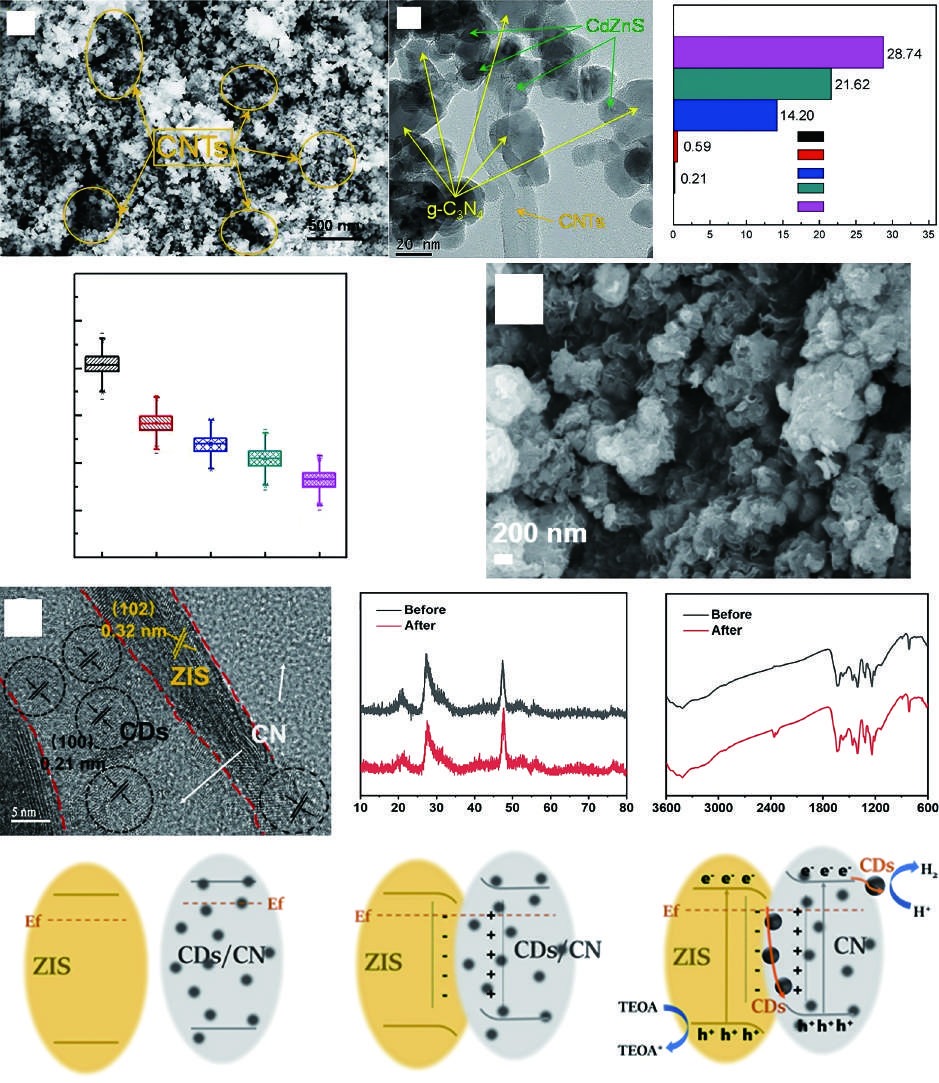
Carbon materials, including carbon nanotubes/nanofibers, graphene, graphene oxide, reduced graphene oxide, graphyne, graphdiyne, carbon quantum dots and fullerenes, have received considerable attention in recent years because of their unique properties such as high conductivity, excellent stability and biocompatibility. The integration of these materials into Z-scheme and S-scheme heterojunctions has emerged as a transformative strategy to increase their photocatalytic efficiency for energy conversion applications. We first consider the fundamental principles of clean energy generation such as photocatalytic H2 generation and CO2 reduction, elucidating their respective mechanisms and advantages. Various types of carbon materials, their synthesis and construction of Z-scheme and S-scheme heterojunctions are then discussed, emphasizing their role in promoting charge separation, reducing recombination losses and extending the spectral response range. With a focus on solar energy production, recent advances in carbon-based Z-scheme and S-scheme heterojunctions are discussed and summarized for photocatalytic H2 generation and CO2 reduction. Lastly, the current problems in the field of carbon-based photocatalysts are discussed with insights for the future development of this field.

A review of carbon material-based Z-scheme and S-scheme heterojunctions for photocatalytic clean energy generation
Graphical Abstract
Original ResearchVol. 39, Issue 3 • pp. 439-458DOI: 10.1016/S1872-5805_NJan 15, 2024

Advances in graphene/molybdenum dichalcogenide-based van der Waals heterostructure photodetectors

Authors: ZHANG Xin-hua, LIU Wei-di, GONG You-pin, LIU Qing-feng, CHEN Zhi-gang

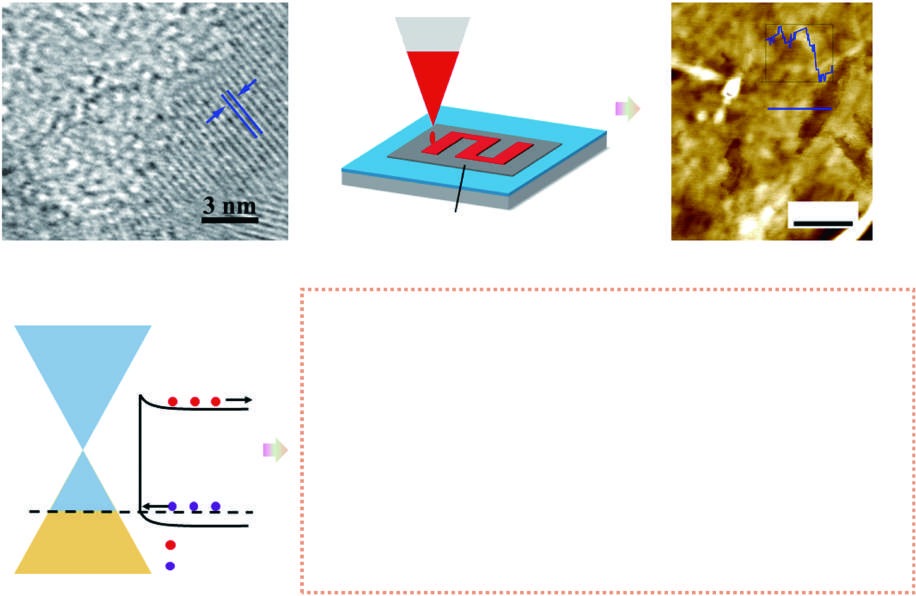
Graphene is widely used in photodetection because of its high carrier mobility and wide spectral absorption range. However, its high dark current caused by its low light absorption severely limits its performance. Molybdenum dihalide (MoX2, X=S, Se and Te) has a high absorption coefficient, which can compensate for the high dark current in graphene-based photodetectors and result in outstanding photoelectronic properties of those based on a graphene/MoX2 van der Waals heterostructure (vdWH). In this review, we firstly review working principles, performance indicators, and structures of photodetectors. After that, the significance of graphene/MoX2 vdWH photodetectors is highlighted from the fundamental perspective. Preparation methodologies and performance enhancement strategies of graphene/MoX2 vdWH photodetectors are correspondingly summarized. In the end, we highlight the current challenges and future directions of the graphene/MoX2 vdWH photodetectors. This review will guide the design of high-performance vdWH photodetectors.

Advances in graphene/molybdenum dichalcogenide-based van der Waals heterostructure photodetectors
Graphical Abstract
Original ResearchVol. 39, Issue 3 • pp. 388-406DOI: 10.1016/S1872-5805_NJan 15, 2024

Research progress of graphdiyne in aqueous ion batteries

Authors: Xu Xianmin, Feng Wencong, Ren Jingke, Luo Wen

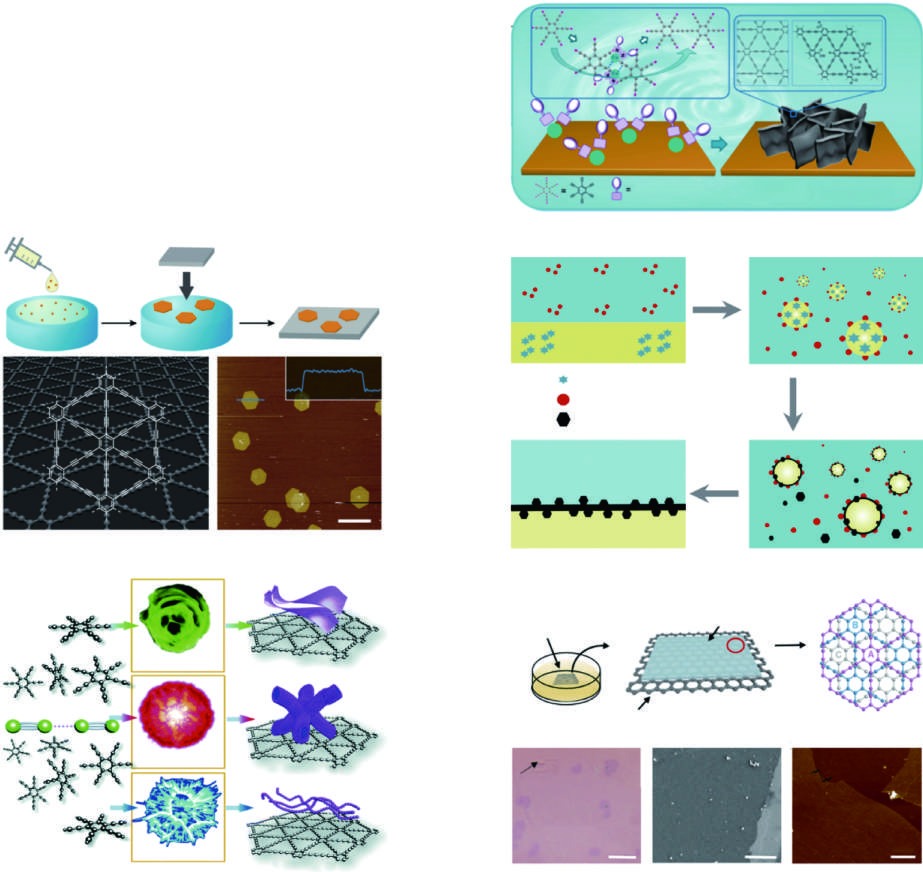
Graphdiyne (GDY) is a new carbon material with special carbon hybridization arrangement, unique chemical and electronic structure, and unique pore structure, which has good application prospects in the field of electrochemical energy storage. Emerging aqueous ion batteries have the advantages of low cost and high safety. However, the development of high-performance electrode materials, the design of new separator systems, and strategies for stable interfaces are still major challenges for aqueous ion batteries. Graphdiyne can improve ion transport and interface deposition behavior, electrolyte instability, etc. in terms of anode protection, cathode coating, separator design, and stabilizing interface pH. In particular, the bottom-up molecular structure design strategy of graphdiyne makes it easy to modify and dope, and modified graphdiyne analogs have more excellent performance, broadening its application in aqueous ion batteries. This paper systematically reviews the structure, properties, and synthesis methods of graphdiyne, and especially summarizes the research of graphdiyne in aqueous ion batteries. In addition, the existing problems and challenges in the application of graphdiyne in aqueous ion batteries are discussed, and the development of graphdiyne in aqueous ion batteries is prospected.

Research progress of graphdiyne in aqueous ion batteries
Graphical Abstract
Original ResearchVol. 39, Issue 3 • pp. 100-112DOI: 10.1016/S1872-5805_NJan 15, 2024

A review of the synthesis, characterization, and mechanism of bimetallic catalysts for electrocatalytic CO2 reduction

Authors: LIAO Yin-li, HUANG Heng-bo, ZOU Ru-yu, SHEN Shu-ling, LIU Xin-juan, TANG Zhi-hong

The electrocatalytic CO2 reduction reaction (CO2RR) is an environmentally friendly way to convert CO2 into valuable chemicals. However, CO2 conversion is a complex process, which contains 2, 4, 6, 8, and 12 electron transfer processes. It is very important to develop efficient catalysts to precisely control the number of electron transfers for the chemicals required. Single-metal catalysts have some deficiencies, including slow reaction kinetics, low product selectivity and inadequate stability. In response to these challenges, bimetallic catalysts have received significant attention owing to their unique structure and improved performance. The introduction of secondary metals alters the catalyst’s electronic structure, and creates novel active sites, as well as optimizing their interaction with the intermediates. This review provides a comprehensive account of atomically distributed bimetals based on carbon materials and non-atomic distributed bimetals such as alloys and heterostructures, including their synthesis methods, characterization, and the outcomes of different catalysts. Catalytic mechanisms of different bimetallic catalysts are proposed and challenges encountered in the CO2RR are considered.

A review of the synthesis, characterization, and mechanism of bimetallic catalysts for electrocatalytic CO2 reduction
Graphical Abstract
Original ResearchVol. 39, Issue 2 • pp. 354-366DOI: 10.1016/S1872-5805_NJan 15, 2024

The oxidation reaction mechanism and its kinetics for a carbonaceous precursor prepared from ethylene tar for use as an anode material for lithium-ion batteries

Authors: GUO Tian-rui, CHEN Rong-qi, GAO Wei, WANG Yan-li, ZHAN Liang

The oxidation reaction mechanism and its kinetics for ethylene tar were investigated in order to obtain a suitable anode material for Li-ion batteries. The oxidation of ethylene tar was divided into 3 stages (350–550, 550–700 and 700–900 K) according to the thermogravimetric curve. To reveal the oxidation reaction mechanism, the components of the gases evolved at different stages were analyzed by mass spectrometry and infrared technology. Based on these results the reaction was divided into 4 stages (323–400, 400–605, 605–750 and 750–860 K) to perform simulation calculations of the kinetics. Using the iso-conversion method (Coats-Redfern) to analyze the linear regression rates (R2) between 17 common reaction kinetics models and experimental data, an optimum reaction kinetics model for expressing the oxidation of ethylene tar was determined and the results were as follows. (1) During oxidation, the side chains of aromatic compounds first react with oxygen to form alcohols and aldehydes, leaving peroxy-radicals on aromatic rings. Subsequently, the aromatic compounds with peroxy-radicals undergo polymerization/condensation reactions to form larger molecules. (2) A fourth-order reaction model was used to describe the first 3 stages in the oxidation process, and the activation energies are 47.33, 18.69 and 9.00 kJ·mol−1 at 323–400, 400–605, 605–750 K, respectively. A three-dimensional diffusion model was applied to the fourth stage of the oxidation process, and the activation energy is 88.37 kJ·mol−1 at 750–860 K. A high softening point pitch was also produced for use as a coating of the graphite anode, and after it had been applied the capacity retention after 300 cycles increased from 51.54% to 79.07%.

The oxidation reaction mechanism and its kinetics for a carbonaceous precursor prepared from ethylene tar for use as an anode material for lithium-ion batteries
Graphical Abstract
Original ResearchVol. 39, Issue 2 • pp. 345-353DOI: 10.1016/S1872-5805_NJan 15, 2024

Flexible multifunctional Fe2O3/CC cathode host enables efficient adsorption and catalysis of polysulfides for lithium-sulfur batteries

Authors: Zhen Tian, Leilei Xue, Hongyuan Ding

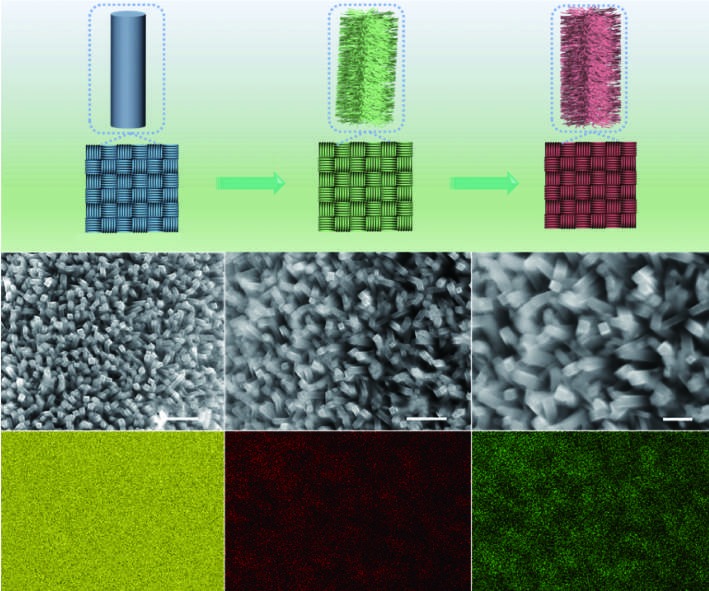
Lithium-sulfur batteries are among the most promising electrochemical energy storage devices due to their high energy density and low cost. However, the shuttle effect of polysulfides and the low conductivity of sulfur are major challenges for their commercialization. In this work, using Fe(NO3)3·9H2O as the iron source and NH4F as a surfactant, a flexible Fe2O3/CC composite was prepared by a simple hydrothermal and calcination process, in which Fe2O3 nanorods were decorated on carbon cloth (CC). The presence of mesopores in Fe2O3 facilitates electrolyte penetration and lithium-ion transport and diffusion during charge/discharge, while the abundant active sites exposed by the dense array enable efficient adsorption and rapid conversion of polysulfides, reducing the shuttle effect. Electrochemical analysis shows that the Fe2O3/CC cathode delivers a high discharge specific capacity of 1250 mAh g−1 at 0.1 C (1 C = 1672 mA g−1), and retains 789 mAh g−1 after 100 cycles. At 2 C, it still achieves a discharge capacity of 576 mAh g−1 after 1000 cycles with a capacity retention of 70%, significantly outperforming the control sample. Therefore, Fe2O3/CC effectively suppresses polysulfide shuttling and improves the rate performance and cycling stability of lithium-sulfur batteries.

Flexible multifunctional Fe2O3/CC cathode host enables efficient adsorption and catalysis of polysulfides for lithium-sulfur batteries
Graphical Abstract
Original ResearchVol. 39, Issue 2 • pp. 334-344DOI: 10.1016/S1872-5805_NJan 15, 2024

Improving the mechanical properties and thermal conductivity of mesophase-pitch-based carbon fibers by controlling the temperature in industrial spinning equipment

Authors: YE Gao-ming, SHI Kui, WU Huang, HUANG Dong, YE Chong, OUYANG Ting, ZHU Shi-peng, FAN Zhen, LIU Hong-bo, LIU Jin-shui

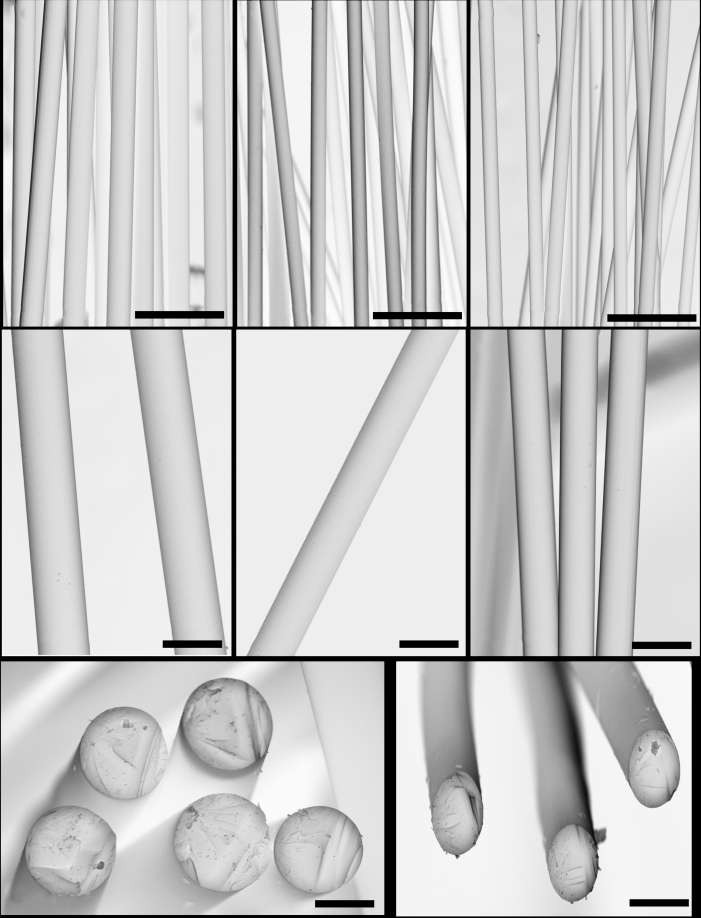
Mesophase-pitch-based carbon fibers (MPCFs) were prepared using industrial equipment with a constant extrusion rate of pitch while controlling the spinning temperature. The influence of spinning temperature on their microstructures, mechanical properties and thermal conductivities was investigated. SEM images of the fractured surface of MPCFs show that the graphite layers have a radiating structure at all spinning temperatures, but change from the fine-and-folded to the large-and-flat morphology when increasing the spinning temperature from 309 to 320 oC. At the same time the thermal conductivity and tensile strength of the MPCFs respectively increase from 704 W·m−1·K−1 and 2.16 GPa at 309 oC to 1 078 W·m−1·K−1 and 3.23 GPa at 320 oC. The lower viscosity and the weaker die-swell effect of mesophase pitch at the outlets of the spinnerets at the higher spinning temperature contribute to the improved orientation of mesophase pitch molecules in the pitch fibers, which improves the crystallite size and orientation of the MPCFs.

Improving the mechanical properties and thermal conductivity of mesophase-pitch-based carbon fibers by controlling the temperature in industrial spinning equipment
Graphical Abstract
Original ResearchVol. 39, Issue 2 • pp. 321-333DOI: 10.1016/S1872-5805_NJan 15, 2024

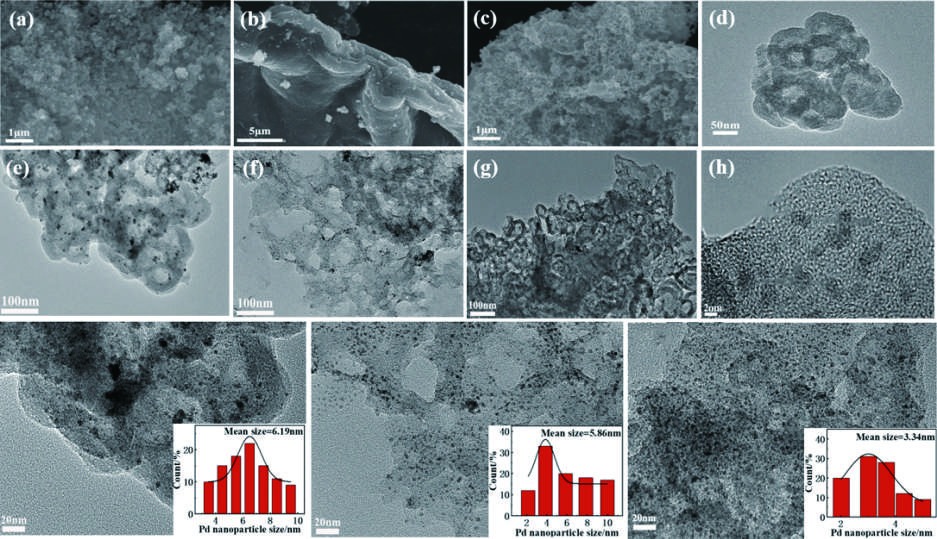
N-doped hollow carbon nanospheres embedded in N-doped graphene loaded with palladium nanoparticles as an efficient electrocatalyst for formic acid oxidation

Authors: FANG Yue, YANG Fu-kai, QU Wei-li, DENG Chao, WANG Zhen-bo

Efficient electrocatalysts with a low cost, high activity and good durability play a crucial role in the use of direct formic acid fuel cells. Pd nanoparticles supported on N-doped hollow carbon nanospheres (NHCNs) embedded in an assembly of N-doped graphene (NG) with a three-dimensional (3D) porous structure by a simple and economical method were investigated as direct formic acid fuel cell catalysts. Because of the unique porous configuration of interconnected layers doped with nitrogen atoms, the Pd/NHCN@NG catalyst with Pd nanoparticles has a large catalytic active surface area, superior electrocatalytic activity, a high steady-state current density, and a strong resistance to CO poisoning, far surpassing those of conventional Pd/C, Pd/NG, and Pd/NHCN catalysts for formic acid electrooxidation. When the HCN/GO mass ratio was 1∶1, the Pd/NHCN@NG catalyst had an outstanding performance in the catalytic oxidation of formic acid, with an activity 4.21 times that of Pd/C. This work indicates a way to produce superior carbon-based support materials for electrocatalysts, which will be beneficial for the development of fuel cells.

N-doped hollow carbon nanospheres embedded in N-doped graphene loaded with palladium nanoparticles as an efficient electrocatalyst for formic acid oxidation
Graphical Abstract
Original ResearchVol. 39, Issue 2 • pp. 297-307DOI: 10.1016/S1872-5805_NJan 15, 2024

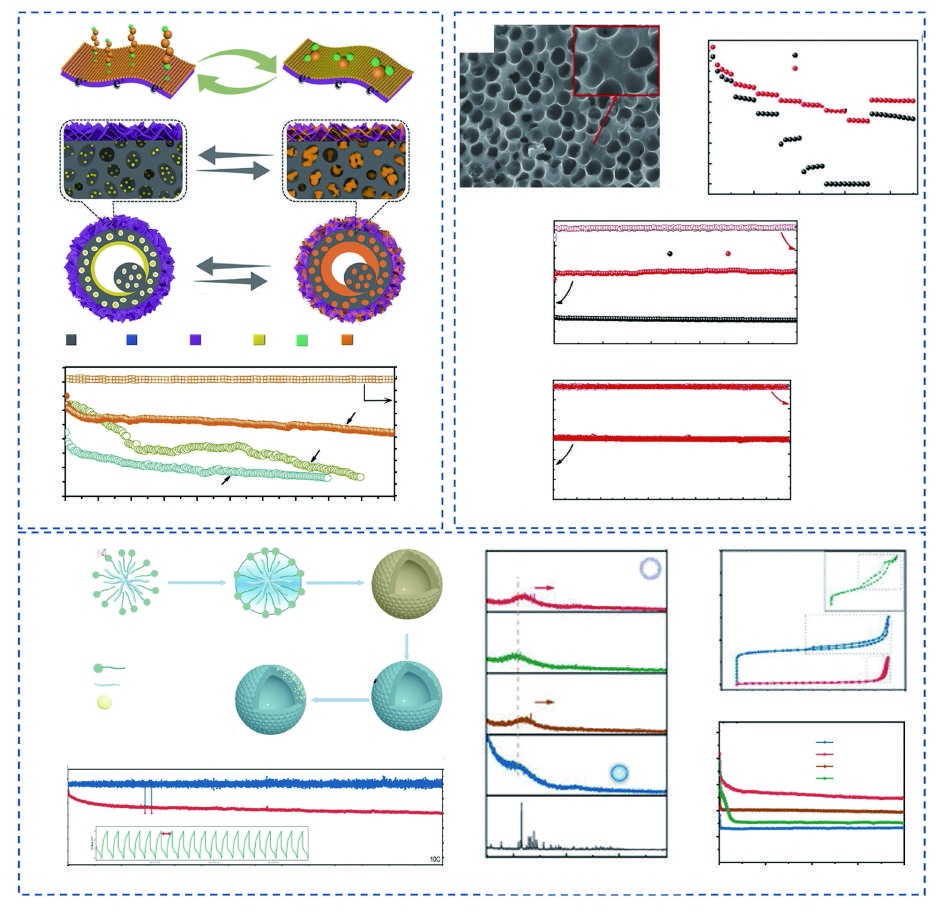
N, S co-doped coal-based hard carbon prepared by two-step carbonization and a molten salt template method for sodium storage

Authors: NIU Hui-zhu, WANG Hai-hua, SUN Li-yu, YANG Chen-rong, WANG Yu, CAO Rui, YANG Cun-guo, WANG Jie, SHU Ke-wei

Hard carbon, known for its abundant resources, stable structure and high safety, has emerged as the most popular anode material for sodium-ion batteries (SIBs). Among various sources, coal-derived hard carbon has attracted extensive attention. In this work, N and S co-doped coal-based carbon material (NSPC1200) was synthesized through a combination of two-step carbonization process and heteroatom doping using long-flame coal as a carbon source, thiourea as a nitrogen and sulfur source, and NaCl as a template. The two-step carbonization process played a crucial role in adjusting the structure of carbon microcrystals and expanding the interlayer spacing. The N and S co-doping regulated the electronic structure of carbon materials, endowing more active sites. Additionally, the introduction of NaCl as a template contributed to the construction of pore structure, which facilitates better contact between electrodes and electrolytes, enabling more efficient transport of Na+ and electrons. Under the synergistic effect, NSPC1200 exhibited exceptional sodium storage capacity, reaching 314.2 mAh g−1 at 20 mA g−1. Furthermore, NSPC1200 demonstrated commendable cycling stability, maintaining a capacity of 224.4 mAh g−1 even after 200 cycles. This work successfully achieves the strategic tuning of the microstructure of coal-based carbon materials, ultimately obtaining hard carbon anode with excellent electrochemical performance.

N, S co-doped coal-based hard carbon prepared by two-step carbonization and a molten salt template method for sodium storage
Graphical Abstract
Original ResearchVol. 39, Issue 2 • pp. 283-296DOI: 10.1016/S1872-5805_NJan 15, 2024

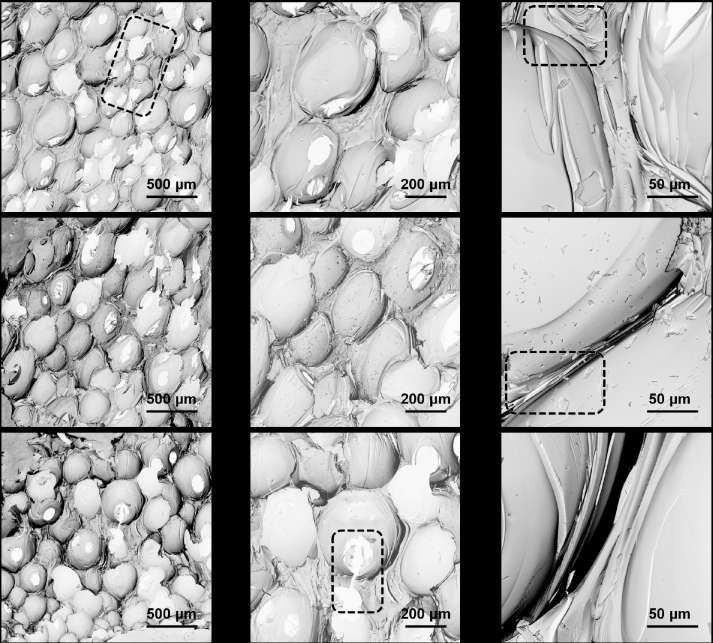
The production of electrodes for microsupercapacitors based on MoS2-modified reduced graphene oxide aerogels by 3D printing

Authors: WANG Meng-ya, LI Shi-you, GAO Can-kun, FAN Xiao-qi, QUAN Yin, LI Xiao-hua, LI Chun-lei, ZHANG Ning-shuang

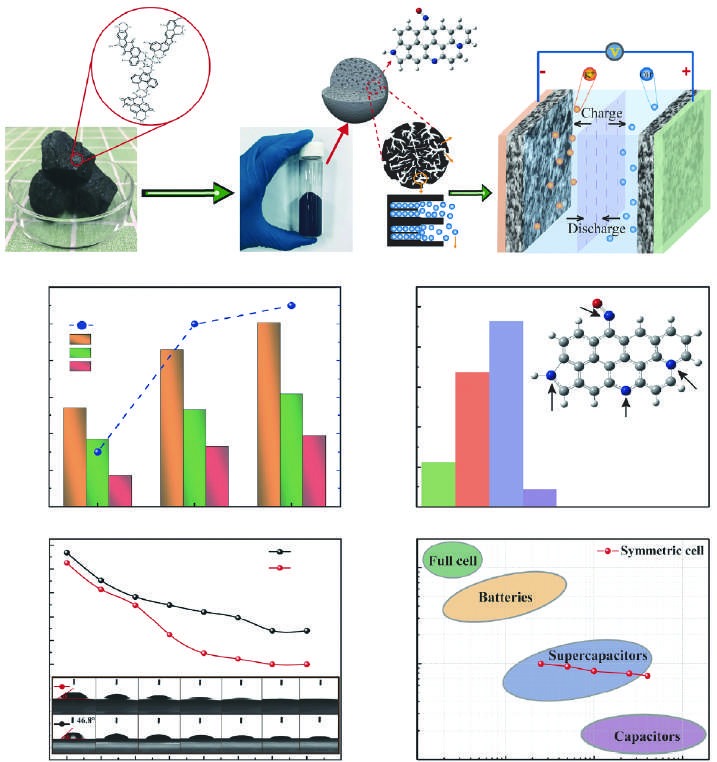
Micro-supercapacitors (MSCs) are of interest because of their high power density and excellent cycling performance, offering a broad array of potential applications. However, preparing electrodes for the MSCs with an extremely high areal capacitance and energy density remains a challenge. We constructed MSC electrodes with an ultra-high area capacitance and a high energy density, using reduced graphene oxide aerogel (GA) and MoS2 as the active materials, combined with 3D printing and surface modification. Using 3D printing, we obtained electrodes with a stable macrostructure and a GA-crosslinked micropore structure. We also used a solution method to load the surface of the printed electrode with molybdenum disulfide nanosheets, further improving the electrochemical performance. The surface capacitance of the electrode reached 3.99 F cm−2, the power density was 194 μW cm−2, and the energy density was 1 997 mWh cm−2, confirming its excellent electrochemical performance and cycling stability. This work provides a simple and efficient method for preparing MSC electrodes with a high areal capacitance and energy density, making them ideal for portable electronic devices.
The production of electrodes for microsupercapacitors based on MoS2-modified reduced graphene oxide aerogels by 3D printing
Graphical Abstract
Original ResearchVol. 39, Issue 2 • pp. 271-282DOI: 10.1016/S1872-5805_NJan 15, 2024

Polyimide-assisted fabrication of highly oriented graphene-based all-carbon foams for increasing the thermal conductivity of polymer composites

Authors: XIONG Ke, SUN Zhi-peng, HU Ji-chen, MA Cheng, WANG Ji-tong, GE Xiang, QIAO Wen-ming, LING Li-cheng

Graphene and its derivatives are often preferentially oriented horizontally during processing because of their two-dimensional (2D) layer structure. As a result, thermal interface materials (TIMs) composed of a polymer matrix and graphene-derived fillers often have a high in-plane (IP) thermal conductivity (K), however, the low through-plane (TP) K makes them unsuitable for practical use. We report the development of high-quality polyimide/graphite nanosheets (PG) perpendicular to the plane using a directional freezing technique that increase the TP K of polymer-based composites. Graphene-derived nanosheets (GNs) were obtained by the crushing of scraps of highly thermally conductive graphene films. A water-soluble polyamic acid salt solution was used to disperse the hydrophobic GNs filler to achieve directional freezing. The polyimide, which facilitated the directional alignment of the GNs, was then graphitized. The introduction of the GNs increases the order and density of the PG, thus improving the strength and heat transfer performance of its polydimethylsiloxane (PDMS) composite. The obtained PG/PDMS composite (21.1% PG, mass fraction) has an impressive TP K of 14.56 W·m−1·K−1, 81 times that of pure PDMS. This simple polyimide-assisted 2D hydrophobic fillers alignment method provides ideas for the widespread fabrication of anisotropic TIMs and enables the reuse of scraps of graphene films.

Polyimide-assisted fabrication of highly oriented graphene-based all-carbon foams for increasing the thermal conductivity of polymer composites
Graphical Abstract
Original ResearchVol. 39, Issue 2 • pp. 254-270DOI: 10.1016/S1872-5805_NJan 15, 2024

Carbon electrodes for the electrocatalytic synthesis of hydrogen peroxide: A review

Authors: HUANG Xian-huai, YANG Xin-ke, GUI Ling, LIU Shao-gen, WANG Kun, RONG Hong-wei, WEI Wei

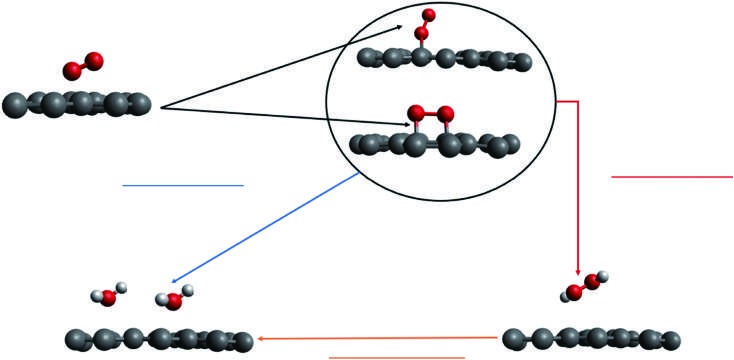
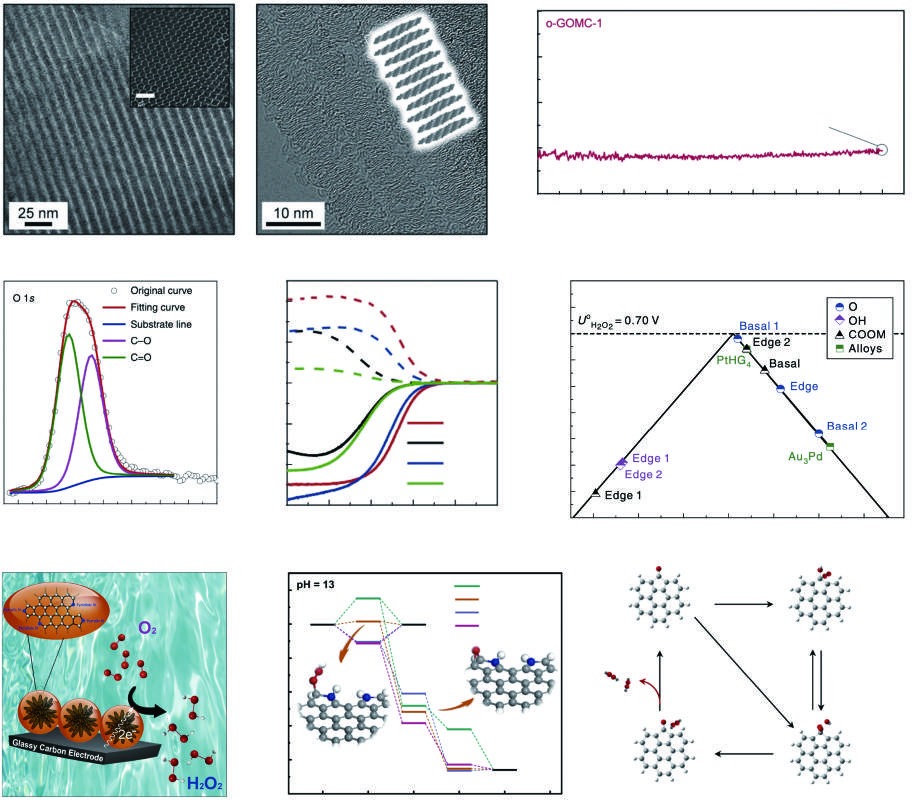
Electrocatalytic oxygen reduction by a 2e− pathway enables the instantaneous synthesis of H2O2, a process that is far superior to the conventional anthraquinone process. In recent years, the electrocatalytic synthesis of H2O2 using carbon electrodes has attracted more and more attention because of its excellent catalytic performance and superior stability. The relationship between material modification, wettability and the rate of H2O2 synthesis and service life is considered together with the three-phase interface. The structure of the carbon electrodes and the principles of electrocatalytic H2O2 synthesis are first introduced, and four major catalysts are reviewed, namely, monolithic carbon materials, metal-free catalysts, noble metal catalysts and non-precious metal catalysts. The effects of the metal anode and the electrolyte on the three-phase interface are described. The relationship between carbon electrode wettability and the three-phase interface is described, pointing out that modification focusing on improving the selectivity of the 2e− pathway can also impact electrode wettability. In addition, the relationship between the design of the components in the electrochemical system and their effect on the efficiency of H2O2 synthesis is discussed for carbon electrodes. Finally, we present our analysis of the current problems in the electrocatalytic synthesis of H2O2 for carbon electrodes and future research directions.

Carbon electrodes for the electrocatalytic synthesis of hydrogen peroxide: A review
Graphical Abstract
Original ResearchVol. 39, Issue 2 • pp. 240-253DOI: 10.1016/S1872-5805_NJan 15, 2024

Research progress on three-dimensional monolithic carbon-based photothermal conversion materials for solar-driven interfacial water evaporation

Authors: Yue Han, Peng Zhang, Xiaoming Zhao

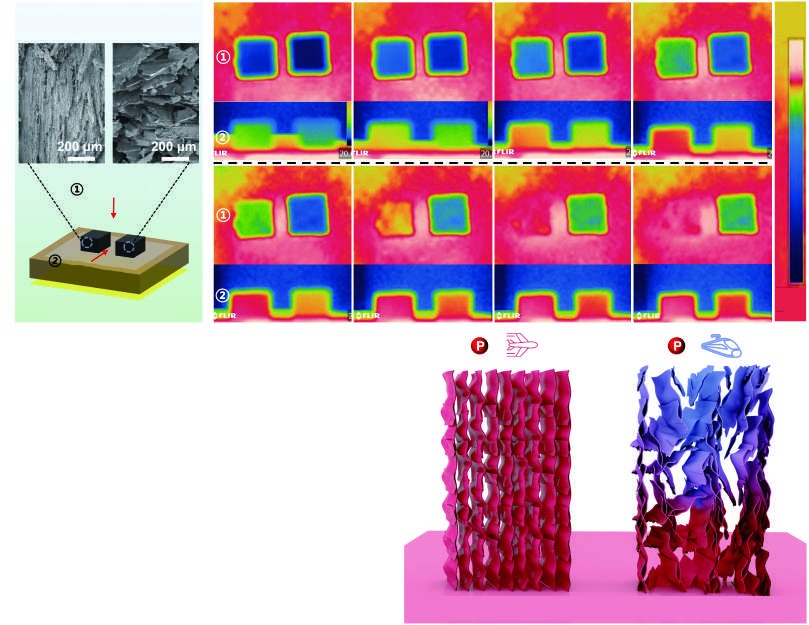
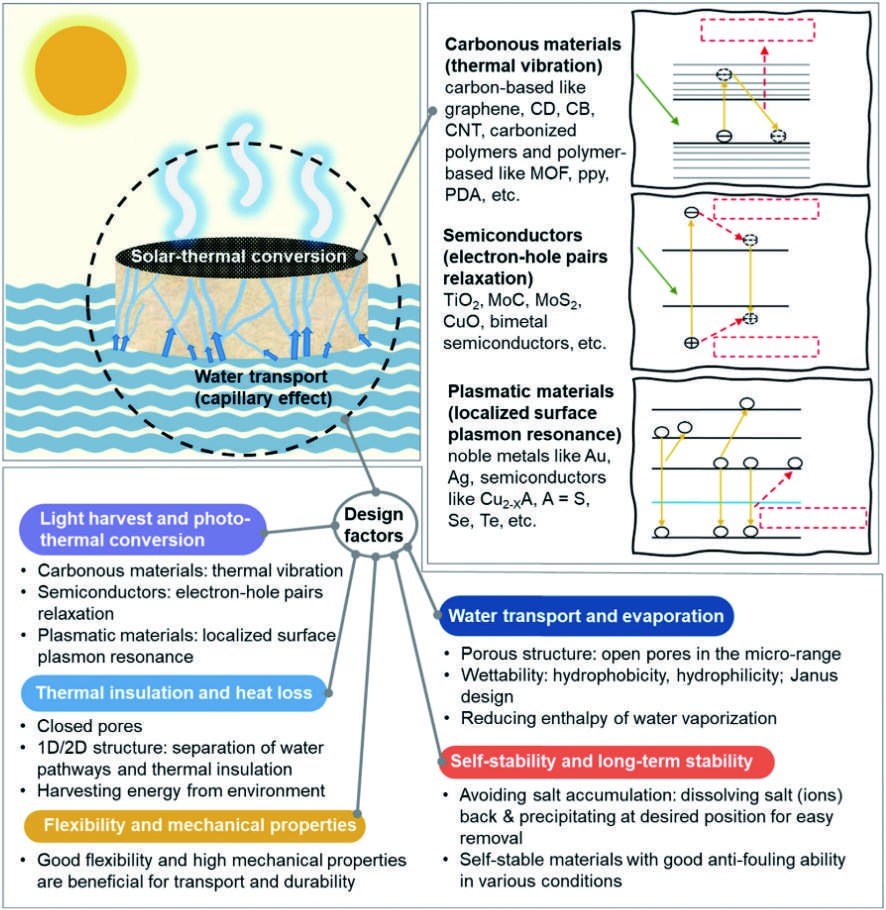
Photothermal-driven seawater desalination is considered one of the most promising methods to solve the global shortage of freshwater resources. Among them, solar-driven interfacial water evaporation (SVG) is the core process of desalination efficiency and is key to ensuring that photothermal desalination technology has high energy conversion efficiency, simple equipment, and cost-effectiveness. Among all efficient SVG candidate materials, three-dimensional monolithic carbon-based photothermal conversion materials have advantages such as low cost, high light absorption efficiency, good structural tunability, high water evaporation rate, and no secondary pollution. This review first briefly describes the basic principles of SVG, and based on this, introduces the working mechanisms and design principles of efficient SVG materials. Finally, it systematically summarizes and outlines the research progress of four different types of three-dimensional monolithic carbon-based photothermal conversion materials. This review provides a theoretical basis and research guidance for the future construction of three-dimensional monolithic carbon-based photothermal conversion materials and their application in the SVG field.

Research progress on three-dimensional monolithic carbon-based photothermal conversion materials for solar-driven interfacial water evaporation
Graphical Abstract
Original ResearchVol. 39, Issue 2 • pp. 173-200DOI: 10.1016/S1872-5805_NJan 15, 2024

A review of graphdiyne: A new material for synthesizing effective adsorbents for aqueous contaminants

Authors: Gaurav Sharma, Yaksha Verma, Amit Kumar, Pooja Dhiman, WANG Tong-tong, Florian J. Stadler

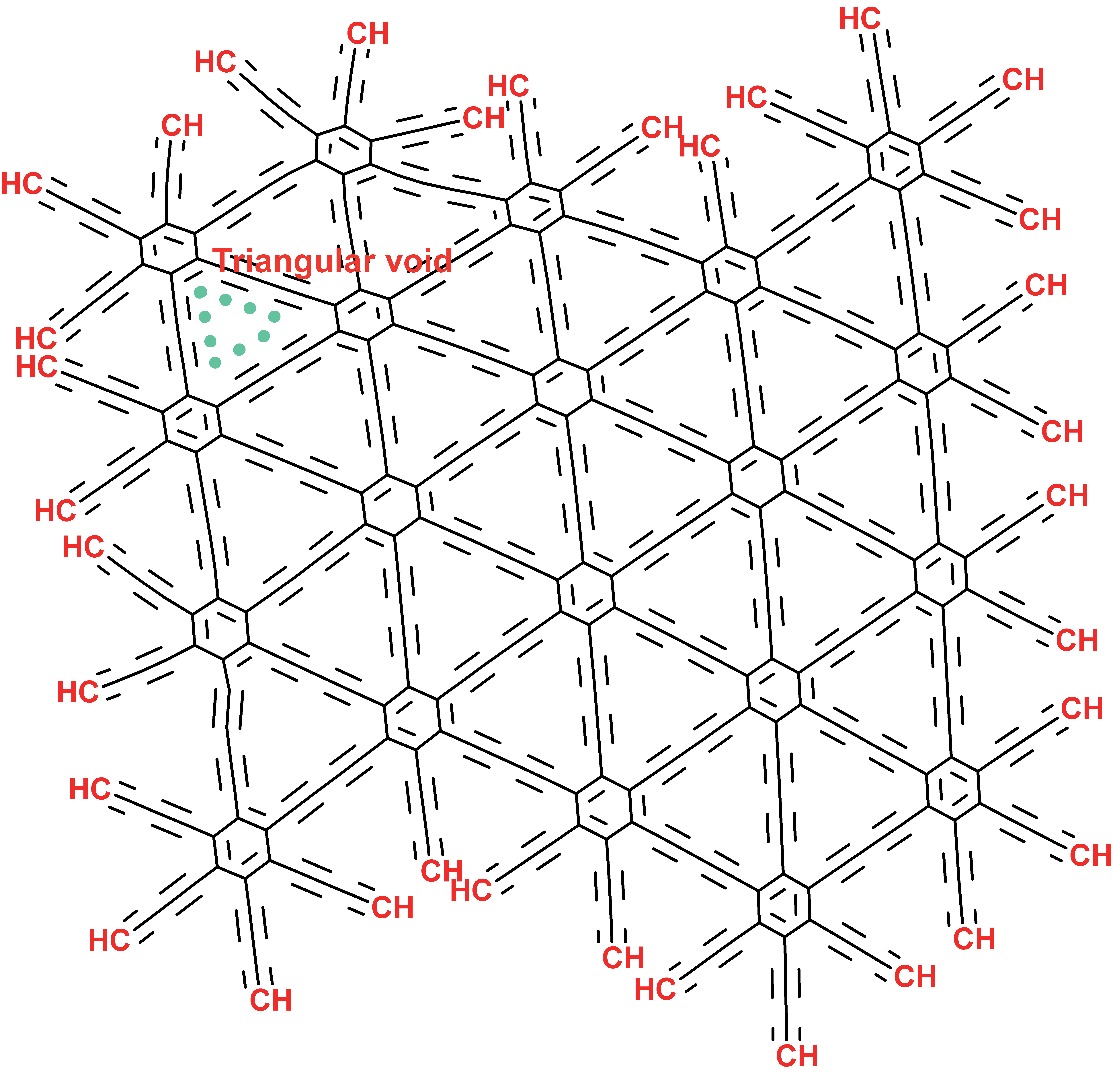
Graphdiyne (GDY), a new two-dimensional (2D) carbon molecule, is expected to have applications in the removal of contaminants from aqueous media. It has superior conjugation, unusual and varied electronic properties, and exceptional chemical and thermal stability because of its framework of sp and sp2 hybridized carbon bonds that are combined to produce benzene rings and diacetylenic bonds in a two-dimensional symmetrical network. Its molecular chemistry is the result of it having carbon-carbon triple bonds, with a regular distribution of triangular pores in its structure, which provide reaction sites and various reaction pathways. GDY is an adsorbent with an excellent efficiency for the removal of oil, organic pollutants, dyes, and metals from contaminated water, but there is limited evidence of it being used as an adsorbent in the literature. This review discusses its synthesis and its use as an adsorbent together with its prospects for pollutant removal.

A review of graphdiyne: A new material for synthesizing effective adsorbents for aqueous contaminants
Graphical Abstract
Original ResearchVol. 39, No. 1 • pp. 164-172DOI: 10.1016/S1872-5805_NJan 15, 2024

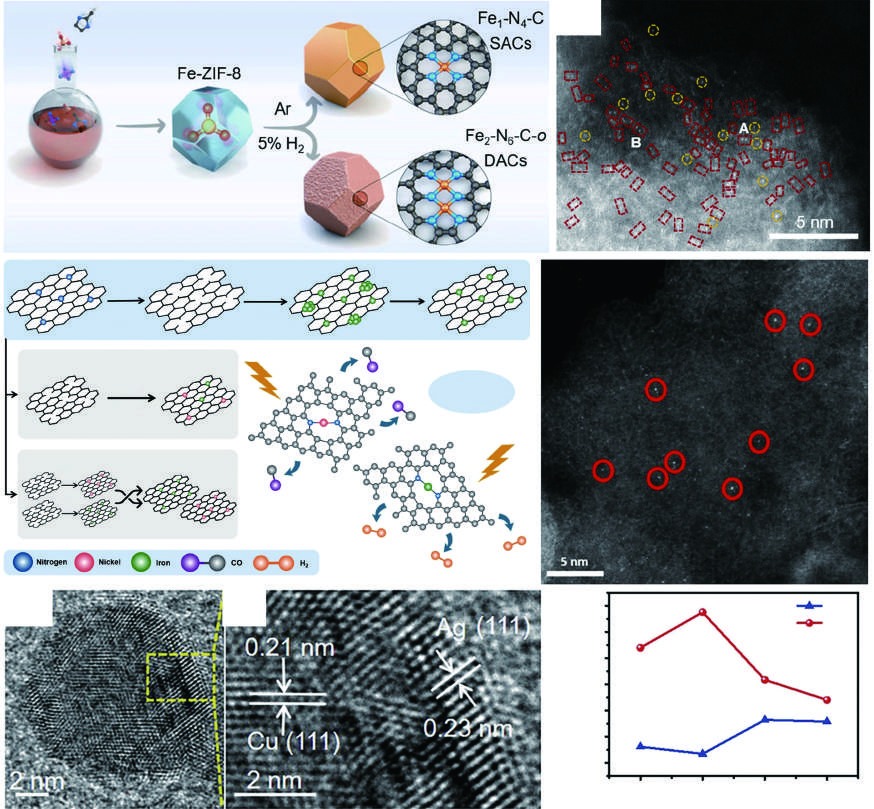
Ir nanoclusters on ZIF-8-derived nitrogen-doped carbon frameworks to give a highly efficient hydrogen evolution reaction

Authors: WANG Xi-ao, GONG Yan-shang, LIU Zhi-kun, WU Pei-shan, ZHANG Li-xue, SUN Jian-kun

The precise change of the electronic structure of active metals using low-active supports is an effective way of developing high-performance electrocatalysts. The electronic interaction of the metal and support provides a flexible way of optimizing the catalytic performance. We have fabricated an efficient hydrogen evolution reaction (HER) electrocatalyst, in which Ir nanoclusters are uniformly loaded on a nitrogen-doped carbon framework (Ir@NC). The synthesis process entails immersing an annealed zeolitic imidazolate framework-8 (ZIF-8), prepared at 900 °C as a carbon source, into an IrCl3 solution, followed by a calcination-reduction treatment at 400 °C under a H2/Ar atmosphere. The three-dimensional porous structure of the nitrogen-doped carbon framework exposes more active metal sites, and the combined effect of the Ir clusters and the N-doped carbon support efficiently changes the electronic structure of Ir, optimizing the HER process. In acidic media, Ir@NC has a remarkable HER electrocatalytic activity, with an overpotential of only 23 mV at 10 mA cm−2, an ultra-low Tafel slope (25.8 mV dec−1) and good stability for over 24 h at 10 mA cm−2. The high activity of the electrocatalyst with a simple and scalable synthesis method makes it a highly promising candidate for the industrial production of hydrogen by splitting acidic water.
Ir nanoclusters on ZIF-8-derived nitrogen-doped carbon frameworks to give a highly efficient hydrogen evolution reaction
Graphical Abstract
Original ResearchVol. 39, Issue 1 • pp. 152-163DOI: 10.1016/S1872-5805_NJan 15, 2024

Cactus-like NC/CoxP electrode enables efficient and stable hydrogen evolution for saline water splitting

Authors: CHEN Xu, ZHAO Jin-yu, ZHANG Wen-sheng, WANG Xiao-min

Designing efficient and robust catalysts for hydrogen evolution reaction (HER) is imperative for saline water electrolysis technology. A catalyst composed of CoxP nanowires array with N-doped carbon nanosheets (NC) was fabricated on Ni foam (NF) by an in-situ growth strategy. The material is designated as NC/CoxP@NF. In the preparation process, Co(OH)2 nanowires were transformed into a metal organic framework of cobalt (ZIF-67) on NF by the dissolution-coordination of endogenous Co2+ and 2-methylimidazole. The resulting cactus-like microstructure gives NC/CoxP@NF abundant exposed active sites and ion transport channels, which improve the HER catalytic reaction kinetics. Furthermore, the interconnected alternating nanowires and free-standing nanosheets in NC/CoxP@NF improve its structural stability, and the formation of surface polyanions (phosphate) and a NC nanosheet protective layer improve the anti-corrosive properties of catalysts. Thus, the NC/CoxP@NF has an excellent performance, requiring overpotentials of 107 and 133 mV for HER to achieve 10 mA cm−2 in 1.0 mol L−1 KOH and 1.0 mol L−1 KOH + 0.5 mol L−1 NaCl, respectively. This in-situ transformation strategy is a new way of constructing highly-efficient HER catalysts for saline water electrolysis.

Cactus-like NC/CoxP electrode enables efficient and stable hydrogen evolution for saline water splitting
Graphical Abstract
Original ResearchVol. 39, Issue 1 • pp. 142-151DOI: 10.1016/S1872-5805_NJan 15, 2024

A Co3O4/graphdiyne heterointerface for efficient ammonia production from nitrates

Authors: CHEN Zhao-yang, ZHAO Shu-ya, LUAN Xiao-yu, ZHENG Zhi-qiang, YAN Jia-yu, XUE Yu-rui

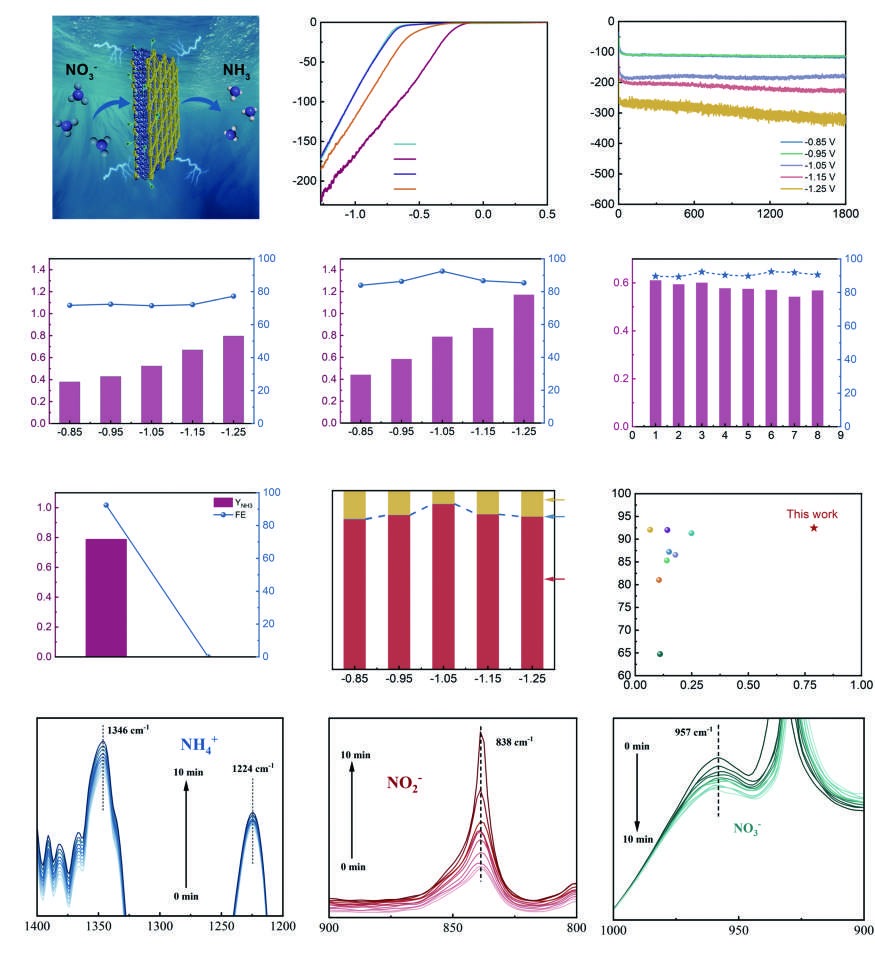
The nitrate reduction reaction (NtRR) has been demonstrated to be a promising way for obtaining ammonia (NH3) by converting NO3− to NH3. Here we report the controlled synthesis of cobalt tetroxide/graphdiyne heterostructured nanowires (Co3O4/GDY NWs) by a simple two-step process including the synthesis of Co3O4 NWs and the following growth of GDY using hexaethynylbenzene as the precursor at 110 °C for 10 h. Detailed scanning electron microscopy, high resolution transmission electron microscopy, X-ray photoelectron spectroscopy, and Raman characterization confirmed the synthesis of a Co3O4/GDY heterointerface with the formation of sp-C―Co bonds at the interface and incomplete charge transfer between GDY and Co, which provide a continuous supply of electrons for the catalytic reaction and ensure a rapid NtRR. Because of these advantages, Co3O4/GDY NWs had an excellent NtRR performance with a high NH3 yield rate (YNH3) of 0.78 mmol h−1 cm−2 and a Faraday efficiency (FE) of 92.45% at −1.05 V (vs. RHE). This work provides a general approach for synthesizing heterostructures that can drive high-performance ammonia production from wastewater under ambient conditions.

A Co3O4/graphdiyne heterointerface for efficient ammonia production from nitrates
Graphical Abstract
Original ResearchVol. 39, Issue 1 • pp. 131-141DOI: 10.1016/S1872-5805_NJan 15, 2024

Bismuth nanoparticles anchored on N-doped graphite felts to give stable and efficient iron-chromium redox flow batteries

Authors: CHE Hang-xin, GAO Yu-fei, YANG Jia-hui, HONG Song, HAO Lei-duan, XU Liang, Sana Taimoor, Alex W. Robertson, SUN Zhen-yu

Iron-chromium redox flow batteries (ICRFBs) use abundant and inexpensive chromium and iron as the active substances in the electrolyte and have great potential as a cost-effective and large-scale energy storage system. However, they are still plagued by several issues, such as the low electrochemical activity of Cr3+/Cr2+ and the occurrence of the undesired hydrogen evolution reaction (HER). We report the synthesis of amorphous bismuth (Bi) nanoparticles (NPs) immobilized on N-doped graphite felts (GFs) by a combined self-polymerization and wet-chemistry reduction strategy followed by annealing, which are used as the negative electrodes for ICRFBs. The resulting Bi NPs react with H+ to form intermediates and greatly inhibit the parasitic HER. In addition, the combined effect of Bi and N dopants on the surface of GF dramatically increases the electrochemical activity of Fe2+/Fe3+ and Cr3+/Cr2+, reduces the charge transfer resistance, and increases the mass transfer rate compared to plain GF. At the optimum Bi/N ratio of 2, a high coulombic efficiency of up to 97.7% is maintained even for 25 cycles at different current densities, the energy efficiency reaches 85.8% at 60.0 mA cm−2, exceeding many other reported materials, and the capacity reaches 862.7 mAh L−1 after 100 cycles, which is about 5.3 times that of bare GF.

Bismuth nanoparticles anchored on N-doped graphite felts to give stable and efficient iron-chromium redox flow batteries
Graphical Abstract
Original ResearchVol. 39, Issue 1 • pp. 100-130DOI: 10.1016/S1872-5805_NJan 15, 2024

Research progress on graphene-based electrocatalytic materials for carbon dioxide reduction

Authors: Zelin Wu, Congwei Wang, Xiaoxiang Zhang, Quangui Guo, Junying Wang

Electrochemical reduction of carbon dioxide (CO2) to produce fuels and high-value chemicals is an effective strategy to mitigate global warming and address energy and environmental challenges. Due to the stable molecular structure of CO2, designing highly selective, energy-efficient, and low-cost electrocatalysts is crucial. Graphene and its derivatives, with their unique and excellent physical, mechanical, and electrical properties, and relatively low cost, are competitive for CO2 electroreduction. Moreover, the surface of graphene-based materials can be modified through various methods, including doping, defect engineering, constructing composite structures, and coating shapes. This review first summarizes the fundamental concepts, evaluation criteria, and catalytic principles and processes of electrochemical CO2 reduction. Then, it briefly introduces the preparation methods of graphene-based catalysts and summarizes recent research progress according to the categories of catalytic sites. Finally, future directions for CO2 electroreduction technology are discussed and prospected.

Research progress on graphene-based electrocatalytic materials for carbon dioxide reduction
Graphical Abstract
Original ResearchVol. 39, Issue 1 • pp. 78-99DOI: 10.1016/S1872-5805_NJan 15, 2024

MOF-derived nanocarbon materials for electrochemical catalysis and their advanced characterization

Authors: CHEN Xi, LI Ming-xuan, Yan Jin-lun, Zhang Long-li

Because of the demand for clean and sustainable energy sources, nanocarbons, modified carbons and their composite materials derived from metal-organic frameworks (MOFs) are emerging as distinct catalysts for electrocatalytic energy conversion. These materials not only inherit the advantages of MOFs, like customizable dopants and structural diversity, but also effectively prevent the aggregation of nanoparticles of metals and metal oxides during pyrolysis. Consequently, they increase the electrocatalytic efficiency, improve electrical conductivity, and may play a pivotal role in green energy technologies such as fuel cells and metal-air batteries. This review first explores the carbonization mechanism of the MOF-derived carbon-based materials, and then considers 3 key aspects: intrinsic carbon defects, metal and non-metal atom doping, and the synthesis strategies for these materials. We also provide a comprehensive introduction to advanced characterization techniques to better understand the basic electrochemical catalysis processes, including mapping techniques for detecting localized active sites on electrocatalyst surfaces at the micro- to nano-scale and in-situ spectroscopy. Finally, we offer insights into future research concerning their use as electrocatalysts. Our primary objective is to provide a clearer perspective on the current status of MOF-derived carbon-based electrocatalysts and encourage the development of more efficient materials.

MOF-derived nanocarbon materials for electrochemical catalysis and their advanced characterization
Graphical Abstract
Original ResearchVol. 39, Issue 1 • pp. 64-77DOI: 10.1016/S1872-5805_NJan 15, 2024

A review of carbon-based catalysts and catalyst supports for simultaneous organic electro-oxidation and hydrogen evolution reactions

Authors: WANG Zhi-dong, XIA Tian, LI Zhen-hua, SHAO Ming-fei

Producing organic electro-oxidation and hydrogen evolution reactions (HER) simultaneously in an electrolytic cell is an appealing method for generating valuable chemicals at the anode while also producing H2 at the cathode. Within this framework, the task of designing energy-saving electrocatalysts with high selectivity and stability is a considerable challenge. Carbon-based catalysts, along with their supports, have emerged as promising candidates due to their diverse sources, large specific surface area, high porosity and multidimensional characteristics. This review summarizes progress from 2012 to 2022, in the use of carbon-based catalysts and their supports for organic electrooxidation and HER. It delves into outer-sphere electrooxidation mechanisms involving molecule-mediated oxidation and oxidative radical coupling reactions, as well as inner-sphere electrooxidation mechanisms, encompassing both acidic and alkaline electrolytes. The review also explores prospective research directions within this domain, addressing various aspects such as the design of electrocatalytic materials, the study of the relationship between the structure and properties of electrocatalysts, as well as examining their potential industrial applications.

A review of carbon-based catalysts and catalyst supports for simultaneous organic electro-oxidation and hydrogen evolution reactions
Graphical Abstract
Original ResearchVol. 39, No. 1 • pp. 42-63DOI: 10.1016/S1872-5805_NJan 15, 2024

Carbon-based metal-free nanomaterials for the electrosynthesis of small-molecule chemicals: A review

Authors: SHI Lei, LI Yan-zhe, YIN Hua-jie, ZHAO Shen-long

Electrocatalysis is a key component of many clean energy technologies that has the potential to store renewable electricity in chemical form. Currently, noble metal-based catalysts are most widely used for improving the conversion efficiency of reactants during the electrocatalytic process. However, drawbacks such as high cost and poor stability seriously hinder their large-scale use in this process and in sustainable energy devices. Carbon-based metal-free catalysts (CMFCs) have received growing attention due to their enormous potential for improving the catalytic performance. This review gives a concise comprehensive overview of recent developments in CMFCs for electrosynthesis. First, the fundamental catalytic mechanisms and design strategies of CMFCs are presented and discussed. Then, a brief overview of various electrosynthesis processes, including the synthesis of hydrogen peroxide, ammonia, chlorine, as well as various carbon- and nitrogen-based compounds is given. Finally, current challenges and prospects for CMFCs are highlighted.
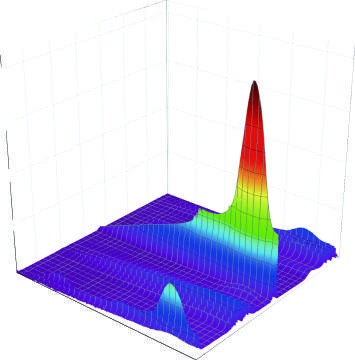
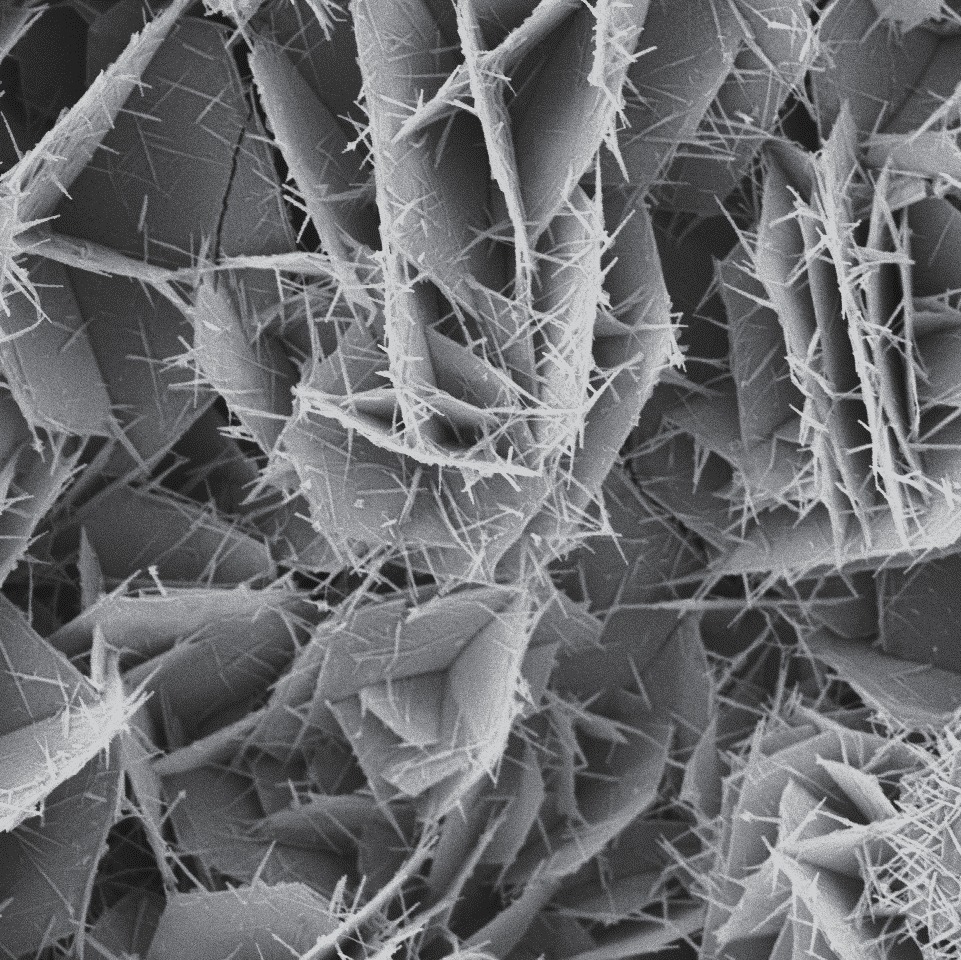
Carbon-based metal-free nanomaterials for the electrosynthesis of small-molecule chemicals: A review
Graphical Abstract
Original ResearchVol. 39, Issue 1 • pp. 17-41DOI: 10.1016/S1872-5805_NJan 15, 2024

Defect engineering of carbon-based electrocatalysts for the CO2 reduction reaction: A review

Authors: LU Yan-kun, CHENG Bai-xue, ZHAN Hao-yu, ZHOU Peng

Electrocatalytic carbon dioxide (CO2) reduction is an important way to achieve carbon neutrality by converting CO2 into high-value-added chemicals using electric energy. Carbon-based materials are widely used in various electrochemical reactions, including electrocatalytic CO2 reduction, due to their low cost and high activity. In recent years, defect engineering has attracted wide attention by constructing asymmetric defect centers in the materials, which can optimize the physicochemical properties of the material and improve its electrocatalytic activity. This review summarizes the types, methods of formation and defect characterization techniques of defective carbon-based materials. The advantages of defect engineering and the advantages and disadvantages of various defect formation methods and characterization techniques are also evaluated. Finally, the challenges of using defective carbon-based materials in electrocatalytic CO2 reduction are investigated and opportunities for their use are discussed. It is believed that this review will provide suggestions and guidance for developing defective carbon-based materials for CO2 reduction.

Defect engineering of carbon-based electrocatalysts for the CO2 reduction reaction: A review
Graphical Abstract
Original ResearchVol. 39, Issue 1 • pp. 1-16DOI: 10.1016/S1872-5805_NJan 15, 2024

Carbon-based electrocatalysts for water splitting at high-current-densities: A review

Authors: CHEN Yu-xiang, ZHAO Xiu-hui, DONG Peng, ZHANG Ying-jie, ZOU Yu-qin, WANG Shuang-yin

Electrocatalytic water splitting is a promising strategy to generate hydrogen using renewable energy under mild conditions. Carbon-based materials have attracted attention in electrocatalytic water splitting because of their distinctive features such as high specific area, high electron mobility and abundant natural resources. Hydrogen produced by industrial electrocatalytic water splitting in a large quantity requires electrocatalysis at a low overpotential at a large current density. Substantial efforts focused on fundamental research have been made, while much less attention has been paid to the high-current-density test. There are many distinct differences in electrocatalysis to split water using low and high current densities such as the bubble phenomenon, local environment around active sites, and stability. Recent research progress on carbon-based electrocatalysts for water splitting at low and high current densities is summarized, significant challenges and prospects for carbon-based electrocatalysts are discussed, and promising strategies are proposed.

Carbon-based electrocatalysts for water splitting at high-current-densities: A review
Graphical Abstract