Key Takeaways & Executive Findings
- •• Adding 15 phr PES-C to E51/DETDA epoxy increased Tg by 51.5°C and improved flexural strength, impact strength, and fracture toughness by 41.1%, 186.2%, and 42.7%, respectively. • Phase separation from island to bi-continuous structures with increasing PES-C content is key to toughening. • A 7 μm PES-C film interlayer improved mode-II fracture toughness (GIIC) of carbon fiber composites by 80.3%. • The toughening mechanism involves cohesive failure and plastic deformation in the interleaving region.
Abstract
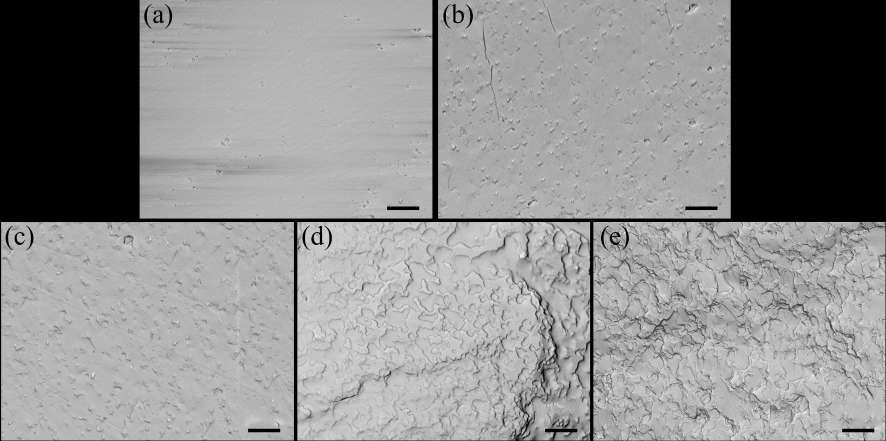
A toughener that can effectively improve the interlaminar toughness in carbon fiber composites is crucial for various applications. We investigated, the toughening effects of phenolphthalein-based cardo poly (ether sulfone) (PES-C) on E51/ DETDA epoxy and its carbon fiber composites (CFCs). Scanning electron microscopy showed that the phase structures of PES-C/epoxy blends change from island (of dispersed phase) structures to bi-continuous structures (of the matrix) as the PES-C content increased, which is associated with reaction-induced phase separation. After adding 15 phr PES-C, the glass transition temperature (Tg) of the blends increased by 51.5 °C, and the flexural strength, impact strength and fracture toughness of the blends were improved by 41.1%, 186.2% and 42.7%, respectively. These improvements could be attributed to the phase separation structure of the PES-C/epoxy system. A PES-C film was used to improve the mode-II fracture toughness (GIIC) of CFCs. The GIIC value of the 7 μm PES-C film toughened laminate was improved by 80.3% compared to that of the control laminate. The increase in GIIC was attributed to cohesive failure and plastic deformation in the interleaving region.
1. Introduction
Carbon fiber reinforced plastics (CFRPs) are widely used in industries such as aerospace, high-end sport equipment and other structural applications, mainly due to their high specific strength and excellent mechanical properties[1,2]. However, the drawback of poor interlaminar toughness of carbon fiber composites (CFCs), which is related to the properties of the resin matrix, cannot be ignored[3–6]. Therefore, enhancing the interlaminar fracture toughness of CFCs by improving the toughness of epoxy resin (EP) has received extensive attention.
It is well known that the brittleness of epoxy resin gets directly inherited into CFCs[7] and a tough matrix can effectively absorb impact energy and increase energy dissipation for crack extension[8]. In recent years, some high-performance thermoplastic resins have been widely used as tougheners of EP and CFCs, including polyetherimide (PEI)[9–11], polyethersulfone (PES)[12–14], polysulfone (PSF)[8,15,16] and polyetherketone cardo (PEK-C)[1,17,18]. However, there still exist some considerable disadvantages in the aforementioned tougheners, such as the requirements of high dosage of toughener and reduction of the Tg, which are not conducive to reducing cost or application at high temperatures. For example, Girard et al.[19] reported that the fracture toughness of EP containing 20 phr PEI was enhanced by 85% due to the bicontinuous structure, but the fracture toughness of EP with 10 phr PEI addition was remained nearly unchanged. Investigation by Sun et al.[8]suggested that the impact strength and flexural strength of 15 phr PSF/EP blends were improved by 65.3% and 22.3%, respectively. However, the Tg of PSF/EP blends decreased, which affected the range of operational temperature of the EP and its CFCs. Jiang et al.[20] demonstrated that adding 15 phr PES into EP could increase the fracture toughness and impact strength by 24.4% and 6.4%, respectively. Cheng et al.[21] used a PES porous film to toughen carbon fiber composites and the GIIC was 55.1% higher than the control sample when the added film thickness was 90 μm. Although the toughening effect was good, thicker PES films would require higher economical investments, making them commercially unviable. Li et al.[22] reported that the improvement of 48.4% in the GIIC of CFRP was achieved by adding PSF hybrid nanofibers with 10% MWNTs-EP. However, the GIIC of solely PSF nanofibers interleaved CFRP was increased by only 10%. Zhou et al.[23] prepared PES/PEK-C hybrid nanofiber veils as interleaves for CFRP, and the GIIC value was increased by 46.9% when the interlayer areal density reached 19.2 g m−2.
Hence, it is important to find tougheners that can be employed in low dosage without sacrificing Tg of EP. The thermoplastic PES-C is a potential toughening material for EP due to its specific fracture toughness[24].
Loading authentic research manuscript (Pages 1–5)...
WU Rong-peng, ZHANG Xing-hua, WEI Xing-hai, JING De-qi, SU Wei-guo, ZHANG Shou-chun (2024). Cardo poly (ether sulfone) toughened E51/DETDA epoxy resin and its carbon fiber composites. New Carbon Materials. https://doi.org/10.1016/S1872-5805_N
Research & Educational Purpose Only:The translations, structured abstracts, analytical annotations, and data reports provided by SinoTechIntel are intended exclusively for academic research, internal corporate R&D, and educational benchmarking. They do not constitute formal engineering, chemical safety, legal, or professional advice.
Copyright & Intellectual Property Notice: Original copyright of the underlying source articles and experimental data remains with the respective authors, institutions, and original publishing journals. SinoTechIntel claims intellectual property only over its proprietary translations, analytical syntheses, and AEO structured enhancements in accordance with international fair use and academic citation principles.
Frequently Asked Questions
What is the effect of PES-C on the glass transition temperature of epoxy resin?
Adding 15 phr PES-C to E51/DETDA epoxy increased the glass transition temperature (Tg) by 51.5°C, indicating improved thermal stability.
How does PES-C improve the mechanical properties of epoxy resin?
PES-C addition at 15 phr improved flexural strength by 41.1%, impact strength by 186.2%, and fracture toughness by 42.7%, attributed to reaction-induced phase separation forming bi-continuous structures.
What is the effect of PES-C film on the mode-II fracture toughness of carbon fiber composites?
A 7 μm PES-C film interlayer increased the mode-II fracture toughness (GIIC) of carbon fiber composites by 80.3% compared to the control laminate.
What is the toughening mechanism of PES-C in carbon fiber composites?
The increase in GIIC is attributed to cohesive failure and plastic deformation in the interleaving region, which enhances energy dissipation.
Why is PES-C considered a promising toughener for epoxy resins?
PES-C can be used at low dosage (15 phr) without sacrificing Tg, unlike other tougheners, making it cost-effective and suitable for high-temperature applications.
Related Technical Papers & Translations
Design and optimization of a high-efficiency distillation process for cellulosic fuel ethanol integrated with thermal coupling and molecular sieve adsorption
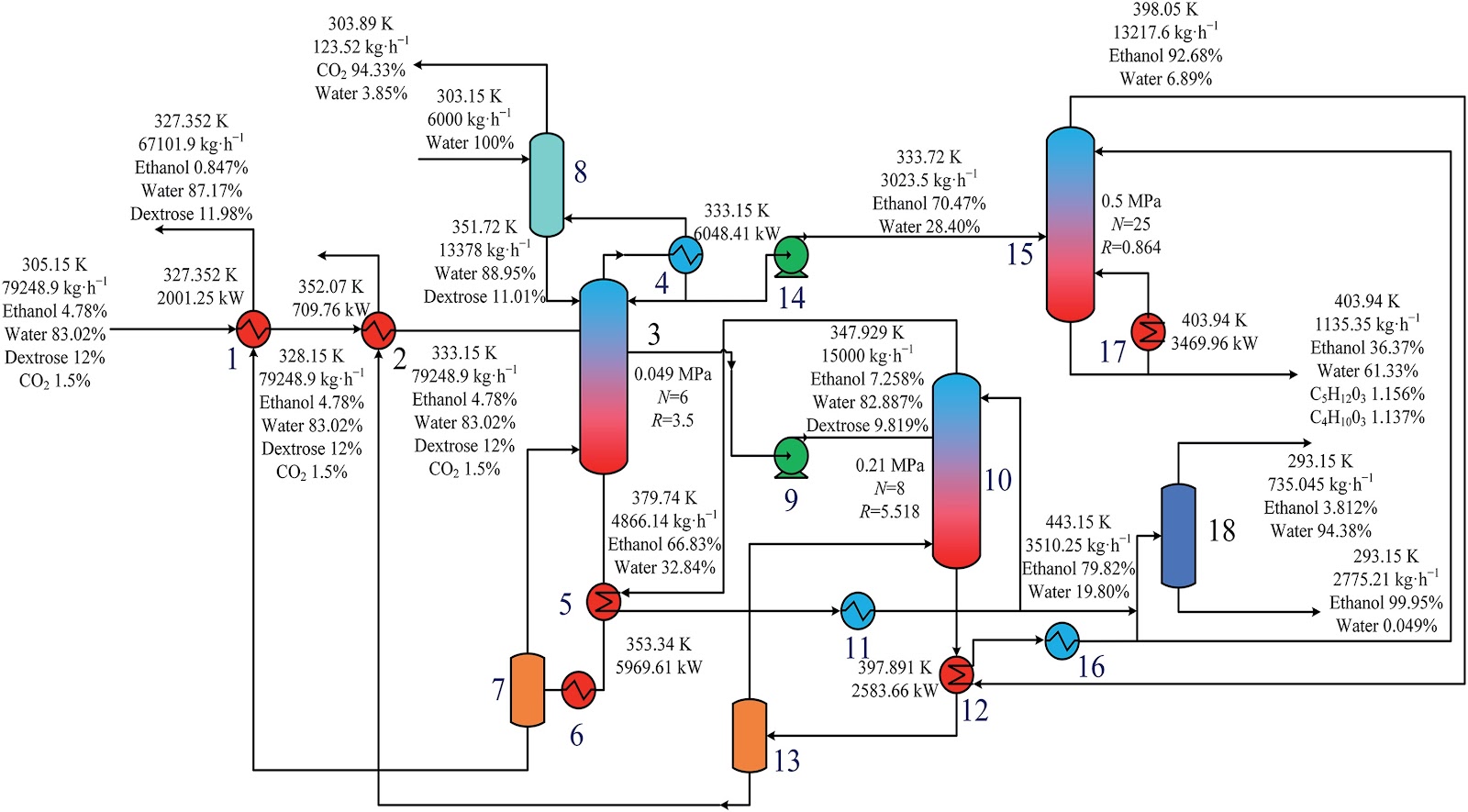
To address the challenges of high energy consumption and prominent costs in the traditional three-columns distillation process for cellulosic fuel ethanol, a distillation—molecular sieve coupling separation process is proposed. This process integrates a three-column (crude distillation column, first distillation column, second distillation column) system with a 3A molecular sieve adsorption deep dehydration unit. A thermal coupling network is constructed via differential pressure design (steam from medium/high-pressure columns as mutual heat sources, reboiler liquid waste heat for feed preheating), and molecular sieve adsorption conditions are optimized. The study first performs a thermodynamic consistency test on the ethanol—water system, determines optimal non-random two-liquid (NRTL) model binary interaction parameters via experimental data regression for Aspen Plus simulation. Aiming at minimum total annual cost (TAC), Aspen Plus is used to optimize process parameters (theoretical tray number, feed location, reflux ratio, side-draw position, etc.). Economic analysis shows this process reduces CO2 emission costs by 27.56%, TAC by 15.58% (to 5.123 × 10⁶ USD·a-1), and increases ethanol purity to >99.6%, providing an effective solution for green, efficient separation.
A cohesion loss model for determining residual strength of deep bedded sandstone
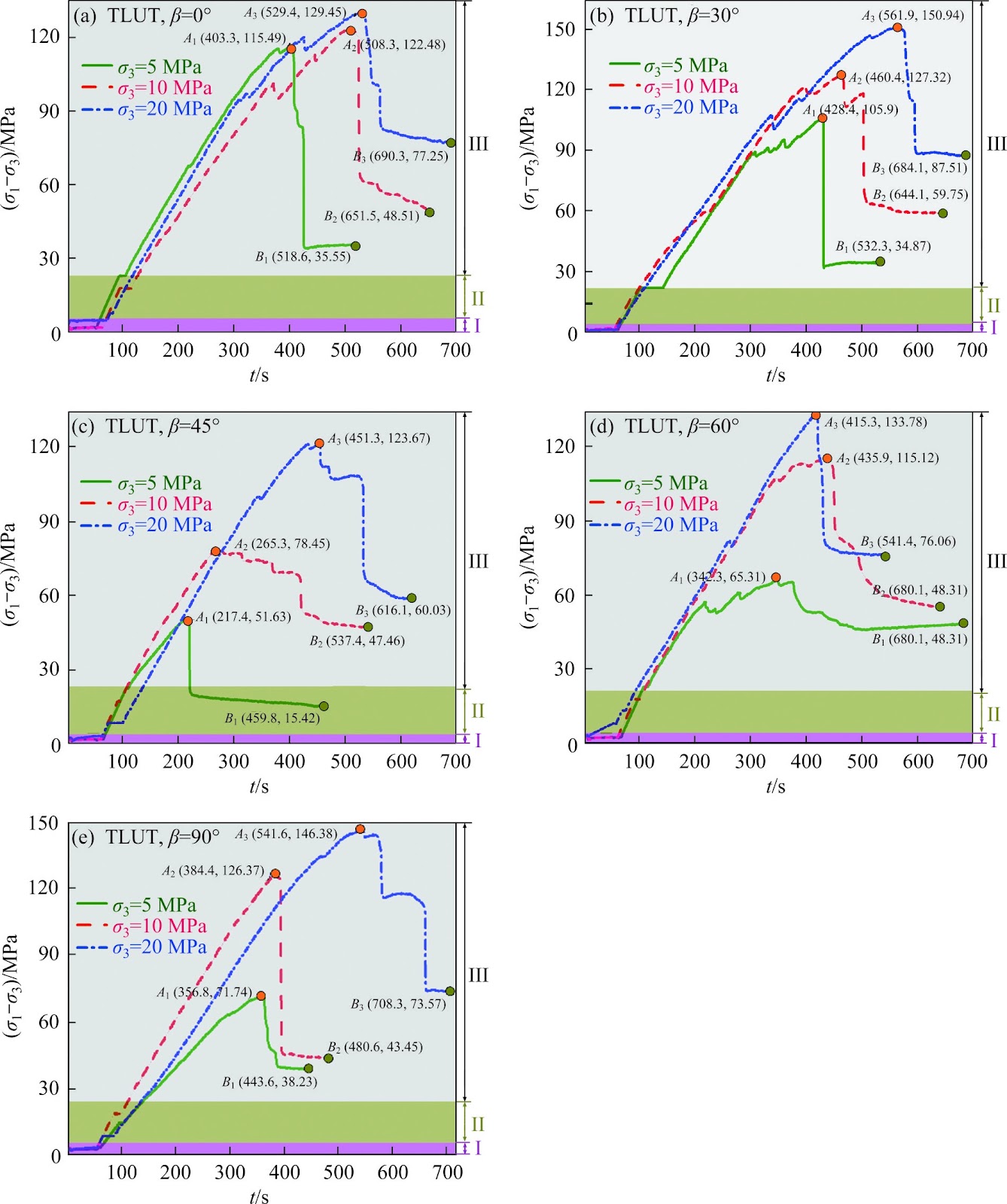
Rock residual strength, as an important input parameter, plays an indispensable role in proposing the reasonable and scientific scheme about stope design, underground tunnel excavation and stability evaluation of deep chambers. Therefore, previous residual strength models of rocks established were reviewed. And corresponding related problems were stated. Subsequently, starting from the effects of bedding and whole life-cycle evolution process, series of triaxial mechanical tests of deep bedded s
Federated model with contrastive learning and adaptive control variates for human activity recognition
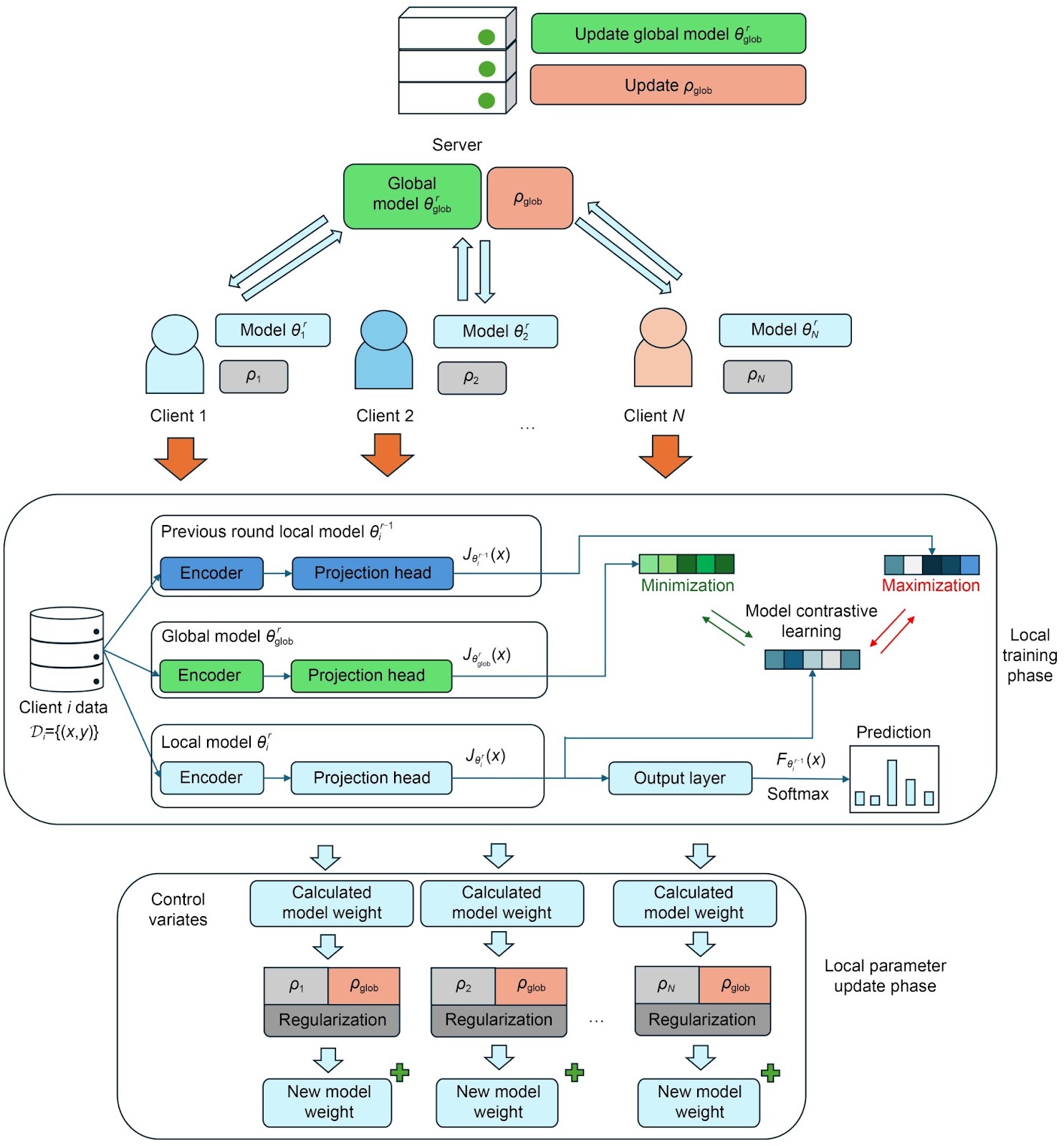
Recent attention to privacy issues demands a communication-safe method for training human activity recognition (HAR) models on client activity data. Federated learning (FL) has become a compelling technique to facilitate model training between the server and clients while preserving data privacy. However, classical FL methods often assume independent and identically distributed (IID) data among clients. This assumption does not hold true in practical scenarios. Human activity in real-world scena