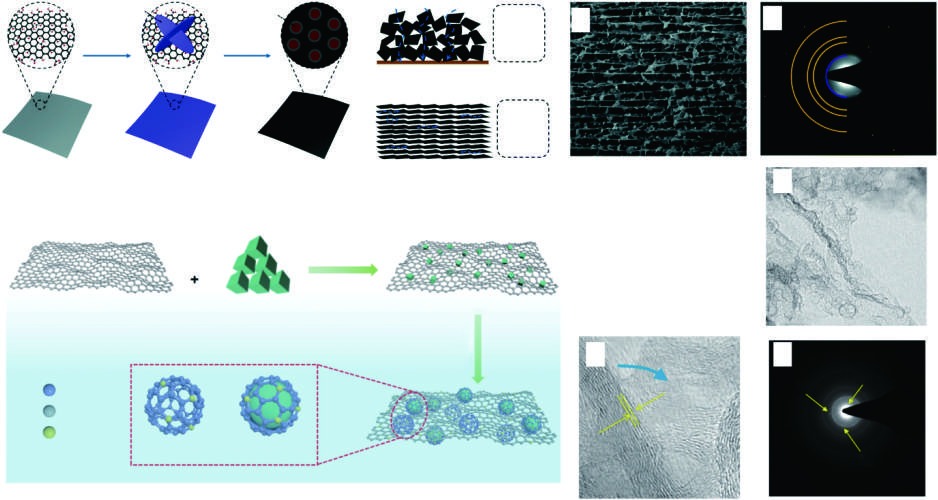
Key Takeaways & Executive Findings
- •• MOF-derived nanocarbons enhance electrocatalytic efficiency and conductivity, preventing metal nanoparticle aggregation during pyrolysis. • The review systematically covers carbonization mechanisms, intrinsic defects, and metal/non-metal doping strategies. • Advanced characterization techniques, including mapping and in-situ spectroscopy, are highlighted for understanding catalytic active sites. • These materials show promise for green energy applications such as fuel cells and metal-air batteries, with future research directions outlined.
Abstract
Because of the demand for clean and sustainable energy sources, nanocarbons, modified carbons and their composite materials derived from metal-organic frameworks (MOFs) are emerging as distinct catalysts for electrocatalytic energy conversion. These materials not only inherit the advantages of MOFs, like customizable dopants and structural diversity, but also effectively prevent the aggregation of nanoparticles of metals and metal oxides during pyrolysis. Consequently, they increase the electrocatalytic efficiency, improve electrical conductivity, and may play a pivotal role in green energy technologies such as fuel cells and metal-air batteries. This review first explores the carbonization mechanism of the MOF-derived carbon-based materials, and then considers 3 key aspects: intrinsic carbon defects, metal and non-metal atom doping, and the synthesis strategies for these materials. We also provide a comprehensive introduction to advanced characterization techniques to better understand the basic electrochemical catalysis processes, including mapping techniques for detecting localized active sites on electrocatalyst surfaces at the micro- to nano-scale and in-situ spectroscopy. Finally, we offer insights into future research concerning their use as electrocatalysts. Our primary objective is to provide a clearer perspective on the current status of MOF-derived carbon-based electrocatalysts and encourage the development of more efficient materials.
1. Introduction
Metal-organic frameworks (MOFs) are crystalline materials composed of self-assembled metal ions or clusters with organic ligands[1–2]. In recent years, MOFs have found widespread applications in various fields such as gas adsorption and separation, catalysis, chemical sensing, energy storage and conversion due to their periodic crystal structure, structural flexibility, tunable pore topology, high surface area, and tailor-able properties[3–9]. Notably, Zheng et al. have discovered that the in-depth exploration, precise design, and efficient synthesis of MOFs can now be achieved through the collaboration of GPT-4 chemists and human researchers, enhancing the feasibility and efficiency of research activities, thus accelerating the progress in MOF materials[10]. Furthermore, BASF, as a groundbreaking development, has announced its position as the first global producer of MOFs on a scale of several hundred tons per year. These MOFs, particularly zinc-triazole-oxalate-based MOF (CALF-20, developed from University of Calgary), have been designed for carbon dioxide storage and can also adsorb greenhouse gas methane, making industrial-level carbon capture possible. This significant achievement, as published in the journal Science, signifies the true industrialization of MOFs and the successful enhancement of economic benefits[6].
However, the presence of weak coordination between metal nodes and organic ligands in the majority of MOFs leads to issues such as low catalytic activity and challenges in catalyst recovery under demanding reaction conditions. These conditions include organic/water solvents, acidic or alkaline environments, and high temperatures, which have limited the practical application of MOFs in the field of electrocatalysis. On another note, high conductivity is another critical requirement for MOFs when used as electrocatalysts. Nonetheless, due to the presence of typical organic linkers surrounding redox-active sites, MOFs often exhibit poor conductivity, rendering them insulating materials. Additionally, the electronic interactions between metal nodes and organic linkers further affect the conductivity of MOFs[11]. Carbon-based catalysts exhibit distinctive traits, displaying superior catalytic activity in electrochemical reduction reaction, chemical stability, cost-effectiveness and environmental compatibility in research applications. From economic and environmental perspectives, carbon-based nanomaterials offer certain advantages due to their abundant resources and eco-friendly nature compared to metal-based catalytic materials. These attributes have garnered significant attention for potential applications across various domains for a multitude of carbon-based materials. The carbon allotrope family primarily constitutes of a vast, periodically arranged sp2 lattice, forming an extensive π-conjugated system that offers enhanced thermal and electrical conductivity. Through the efforts of numerous scholars, modifications to the lattice structure of carbon-based materials have been explored.
Loading authentic research manuscript (Pages 1–5)...
CHEN Xi, LI Ming-xuan, Yan Jin-lun, Zhang Long-li (2024). MOF-derived nanocarbon materials for electrochemical catalysis and their advanced characterization. New Carbon Materials. https://doi.org/10.1016/S1872-5805_N
Research & Educational Purpose Only:The translations, structured abstracts, analytical annotations, and data reports provided by SinoTechIntel are intended exclusively for academic research, internal corporate R&D, and educational benchmarking. They do not constitute formal engineering, chemical safety, legal, or professional advice.
Copyright & Intellectual Property Notice: Original copyright of the underlying source articles and experimental data remains with the respective authors, institutions, and original publishing journals. SinoTechIntel claims intellectual property only over its proprietary translations, analytical syntheses, and AEO structured enhancements in accordance with international fair use and academic citation principles.
Frequently Asked Questions
What are MOF-derived nanocarbon materials?
MOF-derived nanocarbon materials are carbon-based materials obtained by pyrolyzing metal-organic frameworks (MOFs). They inherit the structural diversity and customizable dopants of MOFs while preventing metal nanoparticle aggregation, resulting in enhanced electrocatalytic performance.
Why are MOF-derived nanocarbons important for electrocatalysis?
They offer high surface area, tunable porosity, and improved electrical conductivity, making them efficient catalysts for reactions like oxygen reduction and evolution, which are crucial for fuel cells and metal-air batteries.
What advanced characterization techniques are discussed?
The review covers mapping techniques for detecting localized active sites at micro- to nano-scale and in-situ spectroscopy methods to understand electrochemical catalysis processes in real time.
What are the key strategies to enhance MOF-derived nanocarbon performance?
Key strategies include introducing intrinsic carbon defects, doping with metal or non-metal atoms, and optimizing synthesis conditions to tailor the material's properties for specific electrocatalytic applications.
What are the future research directions for MOF-derived nanocarbons?
Future research may focus on developing more efficient synthesis methods, understanding structure-activity relationships, and scaling up production for practical applications in clean energy technologies.
Related Technical Papers & Translations
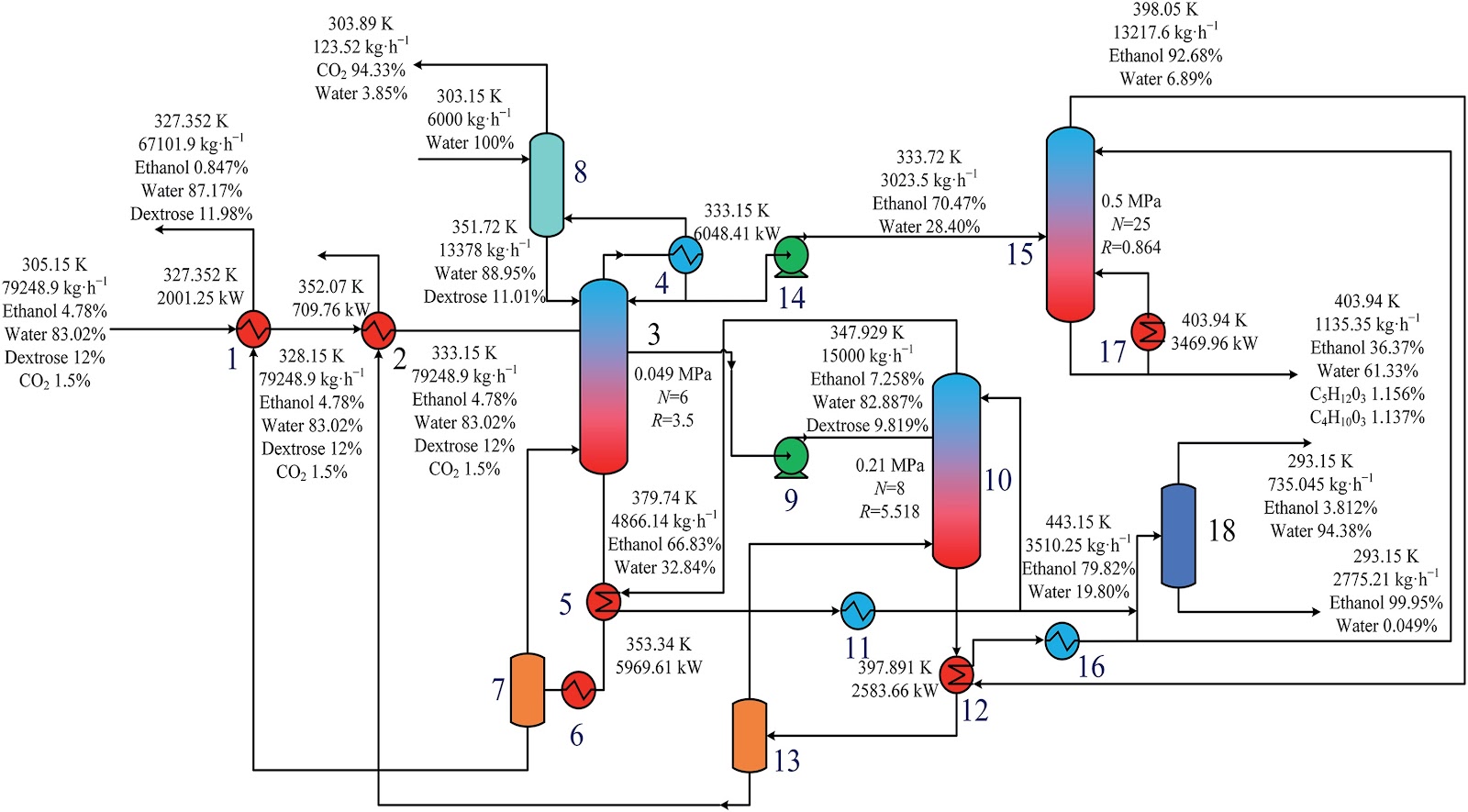
Design and optimization of a high-efficiency distillation process for cellulosic fuel ethanol integrated with thermal coupling and molecular sieve adsorption
To address the challenges of high energy consumption and prominent costs in the traditional three-columns distillation process for cellulosic fuel ethanol, a distillation—molecular sieve coupling separation process is proposed. This process integrates a three-column (crude distillation column, first distillation column, second distillation column) system with a 3A molecular sieve adsorption deep dehydration unit. A thermal coupling network is constructed via differential pressure design (steam from medium/high-pressure columns as mutual heat sources, reboiler liquid waste heat for feed preheating), and molecular sieve adsorption conditions are optimized. The study first performs a thermodynamic consistency test on the ethanol—water system, determines optimal non-random two-liquid (NRTL) model binary interaction parameters via experimental data regression for Aspen Plus simulation. Aiming at minimum total annual cost (TAC), Aspen Plus is used to optimize process parameters (theoretical tray number, feed location, reflux ratio, side-draw position, etc.). Economic analysis shows this process reduces CO2 emission costs by 27.56%, TAC by 15.58% (to 5.123 × 10⁶ USD·a-1), and increases ethanol purity to >99.6%, providing an effective solution for green, efficient separation.
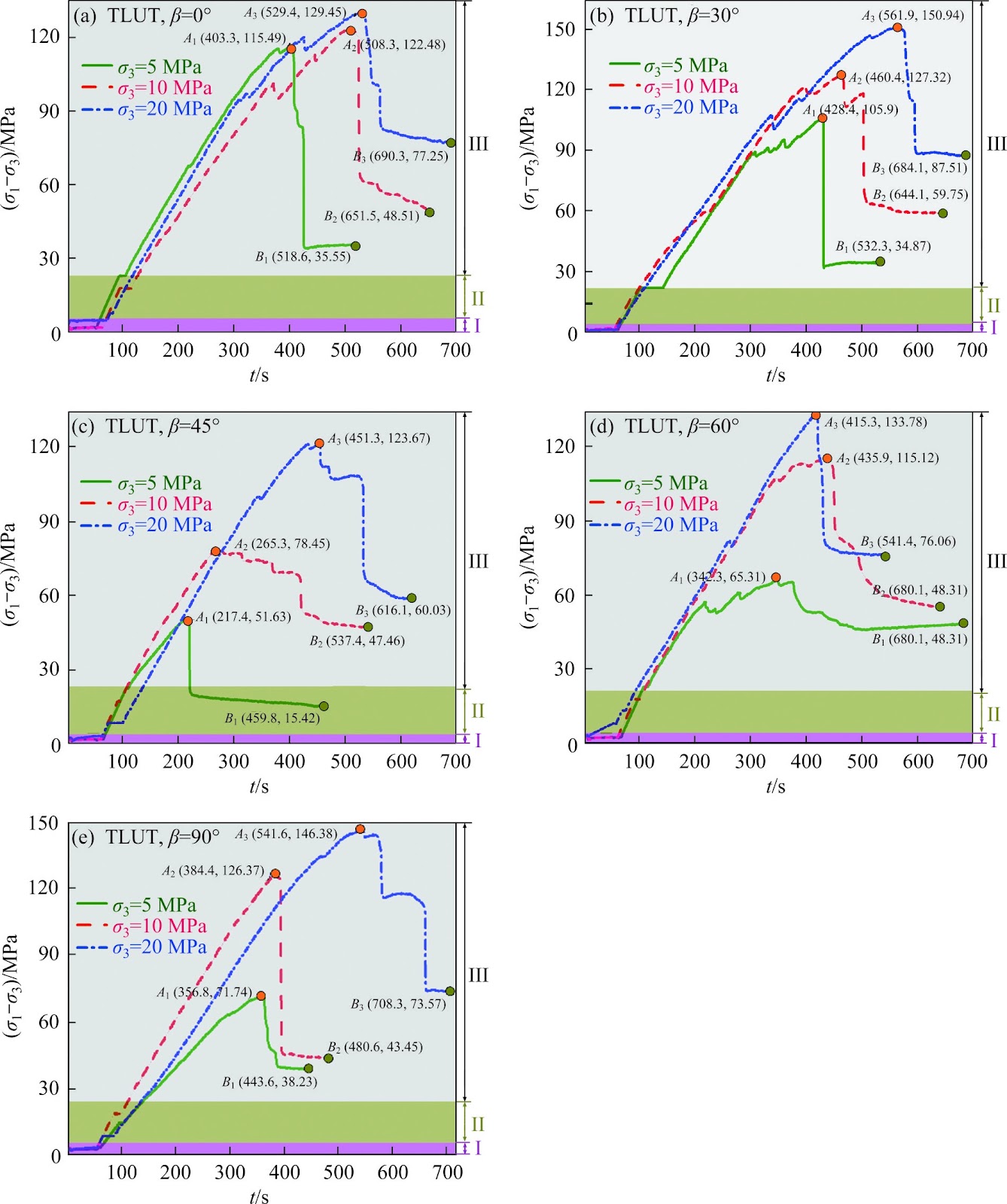
A cohesion loss model for determining residual strength of deep bedded sandstone
Rock residual strength, as an important input parameter, plays an indispensable role in proposing the reasonable and scientific scheme about stope design, underground tunnel excavation and stability evaluation of deep chambers. Therefore, previous residual strength models of rocks established were reviewed. And corresponding related problems were stated. Subsequently, starting from the effects of bedding and whole life-cycle evolution process, series of triaxial mechanical tests of deep bedded s
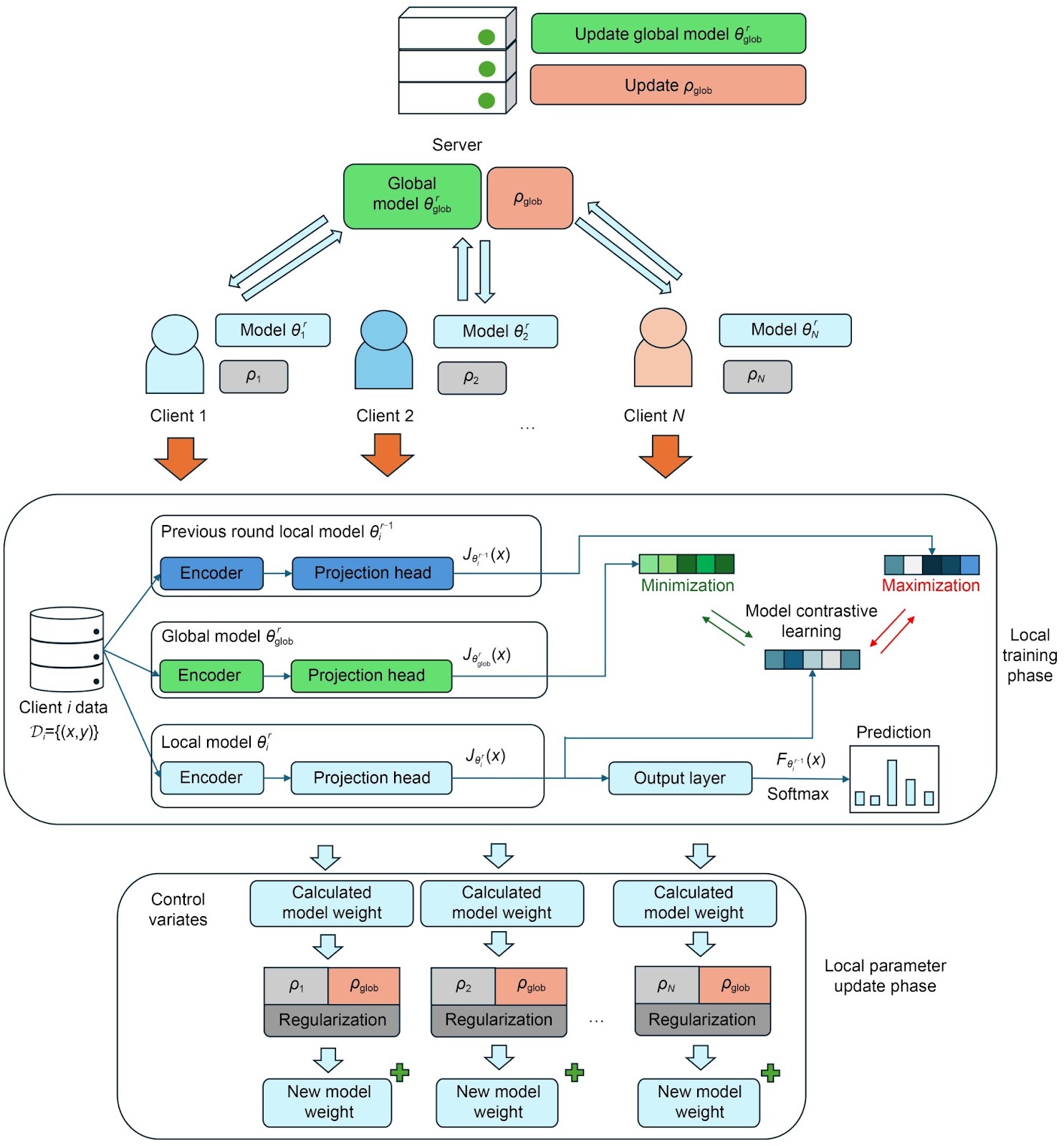
Federated model with contrastive learning and adaptive control variates for human activity recognition
Recent attention to privacy issues demands a communication-safe method for training human activity recognition (HAR) models on client activity data. Federated learning (FL) has become a compelling technique to facilitate model training between the server and clients while preserving data privacy. However, classical FL methods often assume independent and identically distributed (IID) data among clients. This assumption does not hold true in practical scenarios. Human activity in real-world scena