Key Takeaways & Executive Findings
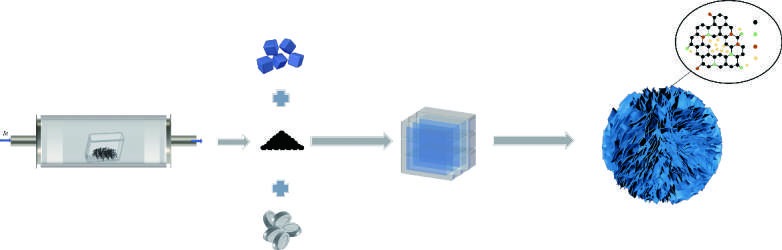
- •• N and S co-doped coal-based hard carbon (NSPC1200) was synthesized via two-step carbonization and NaCl template method, achieving high sodium storage capacity of 314.2 mAh g−1 at 20 mA g−1. • The two-step carbonization process effectively expanded interlayer spacing and adjusted carbon microcrystal structure, enhancing Na+ intercalation kinetics. • Heteroatom doping (N, S) and porous structure from NaCl template synergistically improved electronic conductivity and electrolyte accessibility, leading to excellent cycling stability (224.4 mAh g−1 after 200 cycles). • This work demonstrates a strategic approach for high-value utilization of coal in advanced energy storage, offering a promising anode material for sodium-ion batteries.
Abstract
Hard carbon, known for its abundant resources, stable structure and high safety, has emerged as the most popular anode material for sodium-ion batteries (SIBs). Among various sources, coal-derived hard carbon has attracted extensive attention. In this work, N and S co-doped coal-based carbon material (NSPC1200) was synthesized through a combination of two-step carbonization process and heteroatom doping using long-flame coal as a carbon source, thiourea as a nitrogen and sulfur source, and NaCl as a template. The two-step carbonization process played a crucial role in adjusting the structure of carbon microcrystals and expanding the interlayer spacing. The N and S co-doping regulated the electronic structure of carbon materials, endowing more active sites. Additionally, the introduction of NaCl as a template contributed to the construction of pore structure, which facilitates better contact between electrodes and electrolytes, enabling more efficient transport of Na+ and electrons. Under the synergistic effect, NSPC1200 exhibited exceptional sodium storage capacity, reaching 314.2 mAh g−1 at 20 mA g−1. Furthermore, NSPC1200 demonstrated commendable cycling stability, maintaining a capacity of 224.4 mAh g−1 even after 200 cycles. This work successfully achieves the strategic tuning of the microstructure of coal-based carbon materials, ultimately obtaining hard carbon anode with excellent electrochemical performance.
1. Introduction
Lithium-ion batteries (LIBs) stand as the most widely used secondary batteries in energy storage systems. However, limited resources of Li and its challenging extraction processes have constrained further developments in LIBs. Sodium, on the other hand, is not only abundantly available and inexpensive but also shows similar chemical properties to lithium, making sodium ion batteries (SIBs) stand out as a vital supplement or potential substitute for LIBs in research and industrialization[1–3]. However, the development and application of electrodes in SIBs are in the early stages. Graphite is usually used as the LIBs anode, but it is not suitable for SIBs due to the larger ionic radius of sodium[4–5]. Therefore, finding suitable electrode materials is crucial for the future development of SIBs.
Researchers have explored various anode materials for SIBs, each accompanied by its set of challenges. Common alloying reaction anode materials, such as Na-P[6], Na-Ge[7] and Na-Sb[8], exhibit high specific capacity. However, these materials undergo volume expansion during the intercalation and de-intercalation processes of Na+, resulting in faster specific capacity decay and reduced cycling performance. Carbon materials based on intercalation reaction, such as graphene, hard and soft carbon, are significantly advantageous considering their low cost, high stability and other aspects[9–10]. Therefore, carbon materials continue to be the mainstream choice for anodes in SIBs. Among them, coal and its by-products present a wide range of options and high carbon content, making it ideal precursors for carbon-based anode[11]. Developing coal-based carbon materials can not only meet the growing demand for secondary batteries but also reduce environmental pollution and achieve the high-value utilization of coal. Wang et al.[12] synthesized coal-based porous carbon using potassium permanganate (KMnO4) as oxidant, sodium hydroxide (NaOH) as an activator and sodium chloride (NaCl) as a template. It exhibited a sodium storage capacity of 150.4 mAh g−1 after 1 000 cycles. Similarly, Gao et al.[13] prepared coal-based carbon nanofibers (CCNF) through a spinning method using oxidized coal (OC), polyacrylonitrile (PAN) and dimethylformamide (DMF) as raw materials. It demonstrated a capacity of 109 mAh g−1 even cycling over 1 000 times. These findings collectively affirm the viability of coal-derived carbon materials in SIBs.
Previous studies have proven that the introduction of heteroatoms can promote electrical conductivity and generate more active sites, which is beneficial for enhancing electrochemical performance. In this work, we report a novel strategy to synthesize N, S co-doped coal-based hard carbon via two-step carbonization and molten salt template method, achieving high capacity and stable cycling for sodium storage.
Loading authentic research manuscript (Pages 1–5)...
NIU Hui-zhu, WANG Hai-hua, SUN Li-yu, YANG Chen-rong, WANG Yu, CAO Rui, YANG Cun-guo, WANG Jie, SHU Ke-wei (2024). N, S co-doped coal-based hard carbon prepared by two-step carbonization and a molten salt template method for sodium storage. New Carbon Materials. https://doi.org/10.1016/S1872-5805_N
Research & Educational Purpose Only:The translations, structured abstracts, analytical annotations, and data reports provided by SinoTechIntel are intended exclusively for academic research, internal corporate R&D, and educational benchmarking. They do not constitute formal engineering, chemical safety, legal, or professional advice.
Copyright & Intellectual Property Notice: Original copyright of the underlying source articles and experimental data remains with the respective authors, institutions, and original publishing journals. SinoTechIntel claims intellectual property only over its proprietary translations, analytical syntheses, and AEO structured enhancements in accordance with international fair use and academic citation principles.
Frequently Asked Questions
What is the main innovation of this study?
The study introduces a two-step carbonization combined with molten salt template method to synthesize N, S co-doped coal-based hard carbon, which effectively tunes the microstructure and heteroatom doping, leading to enhanced sodium storage performance.
What are the key performance metrics of the NSPC1200 material?
NSPC1200 exhibits a high sodium storage capacity of 314.2 mAh g−1 at 20 mA g−1 and maintains 224.4 mAh g−1 after 200 cycles, demonstrating excellent cycling stability.
How does the two-step carbonization process affect the material?
The two-step carbonization process plays a crucial role in adjusting the carbon microcrystal structure and expanding the interlayer spacing, which facilitates Na+ intercalation and improves electrochemical performance.
What is the role of NaCl template in the synthesis?
NaCl acts as a template to construct a porous structure, which enhances electrode-electrolyte contact and enables more efficient transport of Na+ and electrons, contributing to improved rate capability and cycling stability.
Why is coal-derived hard carbon considered promising for sodium-ion batteries?
Coal is abundant, low-cost, and has high carbon content, making it an ideal precursor for hard carbon anodes. The resulting materials offer stable structure, high safety, and good electrochemical performance, addressing the need for sustainable and efficient energy storage.
Related Technical Papers & Translations
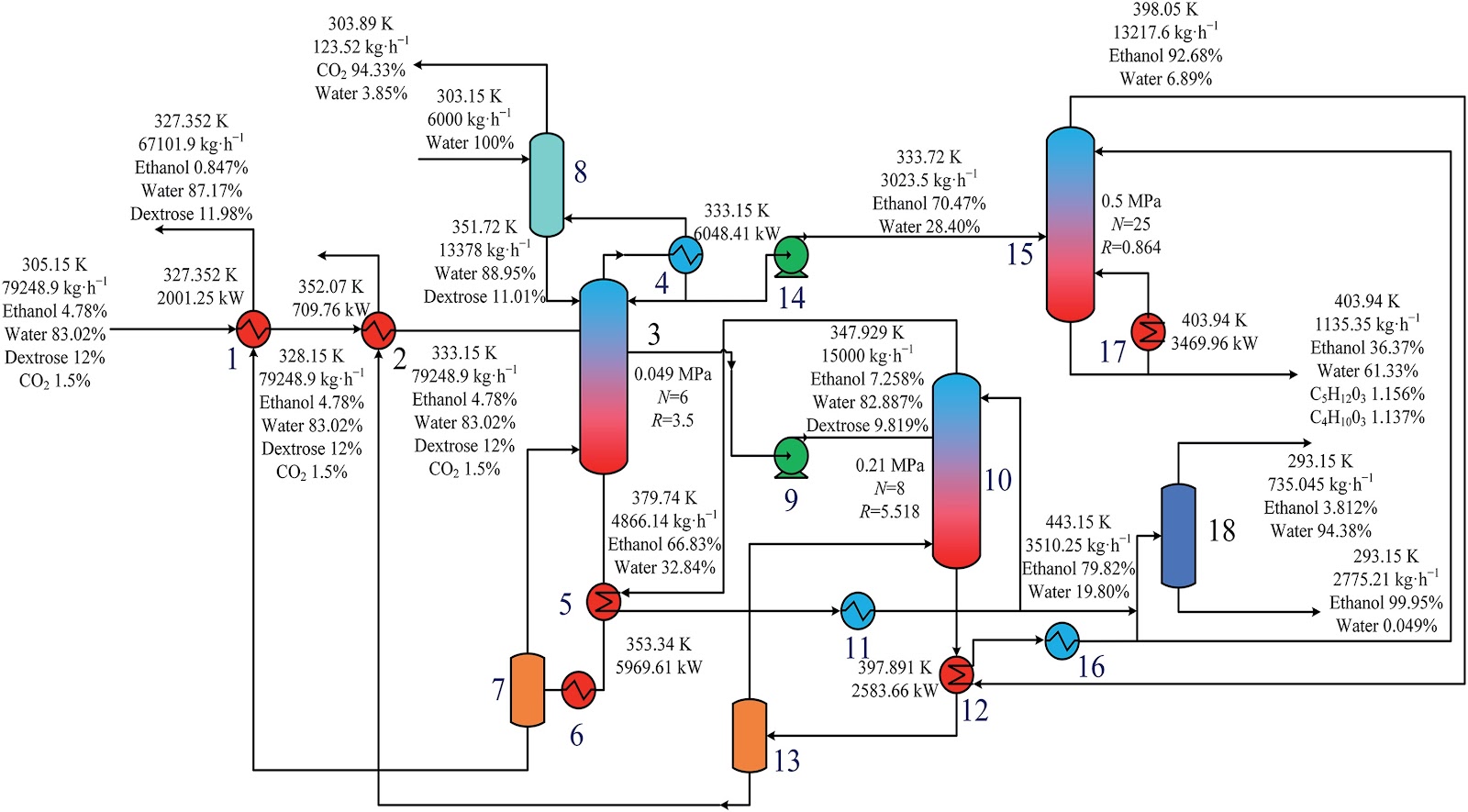
Design and optimization of a high-efficiency distillation process for cellulosic fuel ethanol integrated with thermal coupling and molecular sieve adsorption
To address the challenges of high energy consumption and prominent costs in the traditional three-columns distillation process for cellulosic fuel ethanol, a distillation—molecular sieve coupling separation process is proposed. This process integrates a three-column (crude distillation column, first distillation column, second distillation column) system with a 3A molecular sieve adsorption deep dehydration unit. A thermal coupling network is constructed via differential pressure design (steam from medium/high-pressure columns as mutual heat sources, reboiler liquid waste heat for feed preheating), and molecular sieve adsorption conditions are optimized. The study first performs a thermodynamic consistency test on the ethanol—water system, determines optimal non-random two-liquid (NRTL) model binary interaction parameters via experimental data regression for Aspen Plus simulation. Aiming at minimum total annual cost (TAC), Aspen Plus is used to optimize process parameters (theoretical tray number, feed location, reflux ratio, side-draw position, etc.). Economic analysis shows this process reduces CO2 emission costs by 27.56%, TAC by 15.58% (to 5.123 × 10⁶ USD·a-1), and increases ethanol purity to >99.6%, providing an effective solution for green, efficient separation.
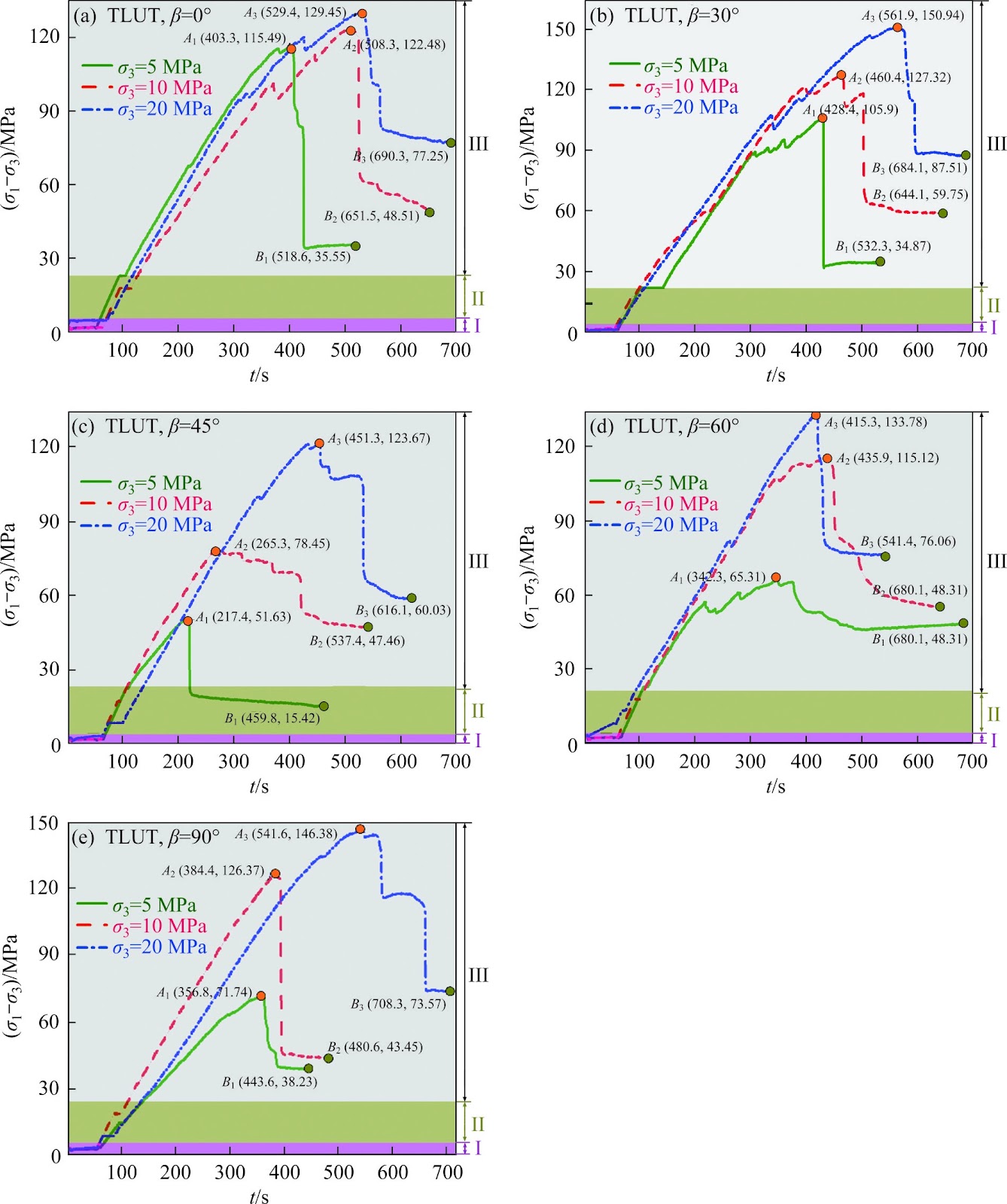
A cohesion loss model for determining residual strength of deep bedded sandstone
Rock residual strength, as an important input parameter, plays an indispensable role in proposing the reasonable and scientific scheme about stope design, underground tunnel excavation and stability evaluation of deep chambers. Therefore, previous residual strength models of rocks established were reviewed. And corresponding related problems were stated. Subsequently, starting from the effects of bedding and whole life-cycle evolution process, series of triaxial mechanical tests of deep bedded s
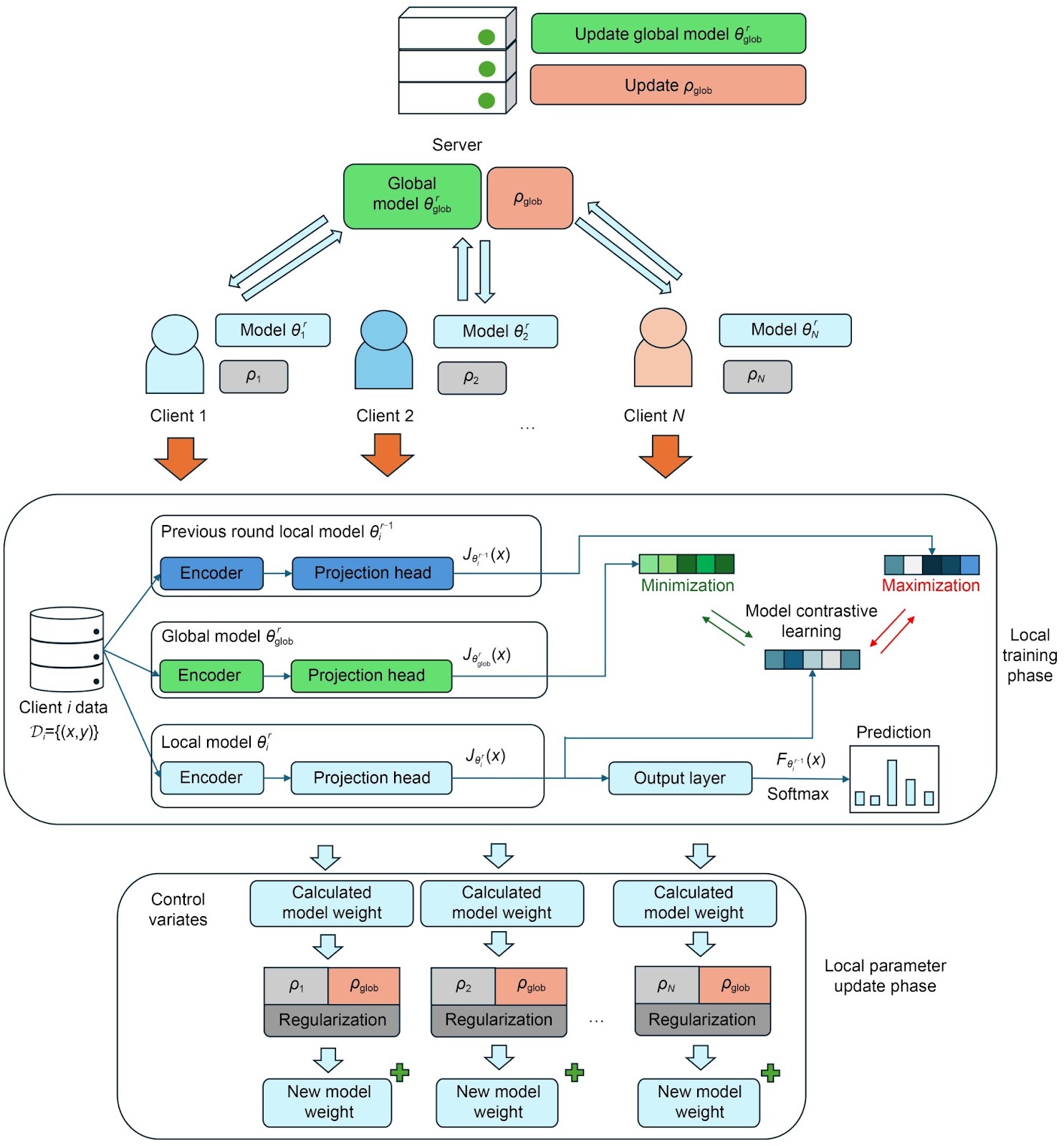
Federated model with contrastive learning and adaptive control variates for human activity recognition
Recent attention to privacy issues demands a communication-safe method for training human activity recognition (HAR) models on client activity data. Federated learning (FL) has become a compelling technique to facilitate model training between the server and clients while preserving data privacy. However, classical FL methods often assume independent and identically distributed (IID) data among clients. This assumption does not hold true in practical scenarios. Human activity in real-world scena