Key Takeaways & Executive Findings
- •• Ar plasma treatment effectively enlarges the interlayer spacing of NiCoAl-LDHs, enhancing chloride ion diffusion and active site exposure. • The flexible carbon cloth substrate improves electrical conductivity and prevents nanosheet agglomeration, enabling self-supporting electrodes without binders. • The Ar-NiCoAl-LDHs@ACC electrode achieves a high salt removal capacity of 93.26 mg g−1 and a rapid rate of 0.27 mg g−1 s−1 at 1.2 V. • The electrode exhibits excellent cycling stability with over 85% capacity retention after 100 cycles, demonstrating practical potential for brackish water desalination.
Abstract
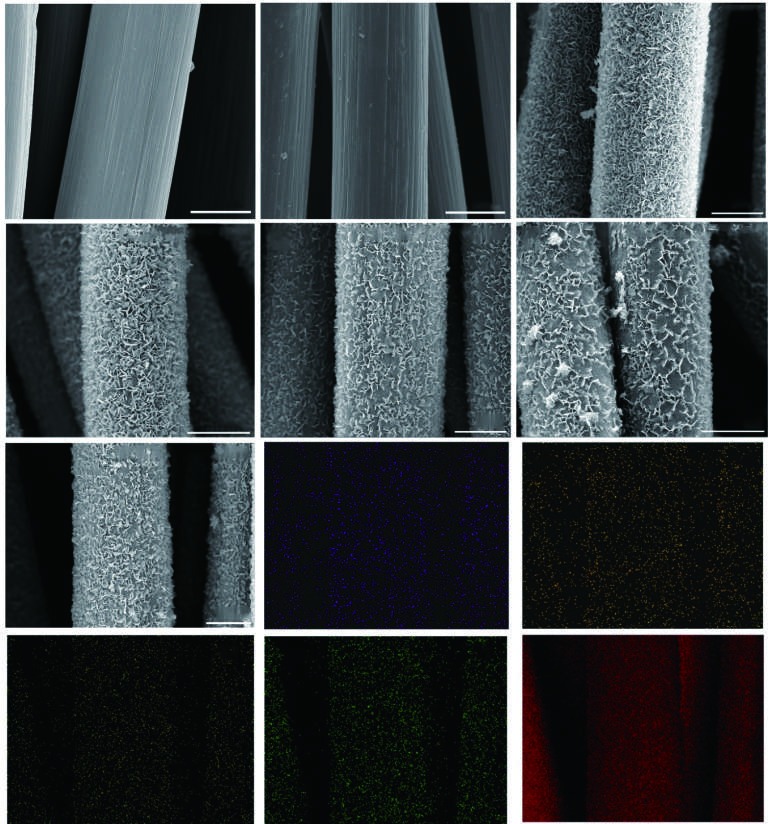
Capacitive deionization (CDI) has been regarded as an emerging desalination technology in recent years, especially for brackish water, due to its economic and energy-saving advantages. However, research on chloride removal electrodes is limited, and slow desalination kinetics also restrict their development. In this work, NiCoAl-LDHs nanosheet arrays were grown in situ on flexible carbon cloth (ACC) after surface acid treatment and then subjected to Ar plasma treatment, producing Ar-NiCoAl-LDHs@ACC with enlarged interlayer spacing. The carbon cloth substrate inhibited the agglomeration of NiCoAl-LDHs nanosheets and improved electrical conductivity, while Ar plasma treatment further expanded the interlayer spacing and enhanced hydrophilicity, providing fast chloride ion diffusion channels and releasing more interlayer active sites, achieving high desalination kinetics. Ar-NiCoAl-LDHs@ACC was used as the chloride removal electrode and assembled with activated carbon into a hybrid capacitive deionization (HCDI) device. In 1000 mg L−1 NaCl solution at 1.2 V, the salt removal capacity reached 93.26 mg g−1, the salt removal rate reached 0.27 mg g−1 s−1, and the charge efficiency was as high as 0.97. In 300 mg L−1 NaCl solution at 0.8 V, the capacity retention remained above 85% after 100 cycles. This work provides a new strategy for the controllable preparation of two-dimensional metal hydroxide materials with large interlayer spacing and the design of high-performance electrochemical chloride removal electrodes.
1. Introduction
The global increase in water consumption has led to high water stress both domestically and internationally, making it urgent to address the shortage of fresh water resources. Desalination is one of the effective methods to solve this problem [1,2]. Traditional thermal, membrane, and ion exchange methods suffer from high equipment costs, high energy consumption, and secondary pollution [3,4], which are not conducive to sustainable development. Capacitive deionization (CDI) has attracted attention due to its energy efficiency, economy, and environmental friendliness, emerging as a promising desalination technology [5,6]. CDI works by applying an electric field across electrodes, causing ions in the solution to migrate toward oppositely charged electrodes, thereby reducing ion concentration and achieving desalination.
Conventional CDI typically uses carbon materials such as activated carbon [7], carbon aerogels [8], carbon nanotubes [9], and graphene [10] as electrodes, which store charge via electrical double layers, offering fast desalination rates [11]. However, carbon electrodes suffer from co-ion repulsion effects, leading to low charge efficiency [12]. In contrast, Faradaic electrodes operate through ion intercalation/deintercalation, providing higher ion selectivity, charge efficiency, and salt removal capacity [12,13]. Most research has focused on sodium-removal materials (e.g., manganese oxides, titanium oxides, Prussian blue analogs), while studies on chloride-removal electrodes are relatively scarce. Current chloride removal electrodes mainly include Ag/AgCl and Bi/BiOCl [14], but these materials exhibit slow chloride removal rates and are prone to hydrogen/oxygen evolution reactions [15]. Layered double hydroxides (LDHs) have high electrochemical activity and can undergo rapid reversible redox reactions, leading to faster desalination rates. LDHs are two-dimensional layered materials with the general formula [M2+1−xM3+x(OH)2]2+[An−x/n·mH2O], where M2+ and M3+ are divalent and trivalent metal cations, and An− is an interlayer anion [16]. LDHs can store anions through interlayer intercalation, making them suitable for anion adsorption.
Loading authentic research manuscript (Pages 1–5)...
Qiutong Jiang, Guoqing Wang, Yi Li, Hongwei Huang, Qian Li, Jian Yang (2024). Plasma-assisted preparation of carbon cloth-supported NiCoAl-LDHs with large interlayer spacing for electrochemical deionization. New Carbon Materials. https://doi.org/10.1016/S1872-5805_N
Research & Educational Purpose Only:The translations, structured abstracts, analytical annotations, and data reports provided by SinoTechIntel are intended exclusively for academic research, internal corporate R&D, and educational benchmarking. They do not constitute formal engineering, chemical safety, legal, or professional advice.
Copyright & Intellectual Property Notice: Original copyright of the underlying source articles and experimental data remains with the respective authors, institutions, and original publishing journals. SinoTechIntel claims intellectual property only over its proprietary translations, analytical syntheses, and AEO structured enhancements in accordance with international fair use and academic citation principles.
Frequently Asked Questions
What is the main innovation of this study?
The study introduces a plasma-assisted method to enlarge the interlayer spacing of NiCoAl-LDHs grown on flexible carbon cloth, enhancing chloride ion diffusion and active site availability, leading to high-performance capacitive deionization.
How does the Ar plasma treatment improve the desalination performance?
Ar plasma treatment expands the interlayer spacing of NiCoAl-LDHs and improves hydrophilicity, which facilitates rapid chloride ion diffusion and exposes more active sites, thereby increasing salt removal capacity and rate.
What are the key performance metrics of the Ar-NiCoAl-LDHs@ACC electrode?
In 1000 mg L−1 NaCl at 1.2 V, the electrode achieves a salt removal capacity of 93.26 mg g−1, a rate of 0.27 mg g−1 s−1, and a charge efficiency of 0.97. It retains over 85% capacity after 100 cycles in 300 mg L−1 NaCl at 0.8 V.
Why is the carbon cloth substrate beneficial?
The carbon cloth provides a conductive and flexible support that inhibits nanosheet agglomeration, improves electrical conductivity, and allows the electrode to be used directly without binders or conductive additives, enhancing overall performance.
What is the significance of this work for desalination technology?
This work offers a new strategy for designing high-performance chloride removal electrodes with large interlayer spacing, potentially advancing energy-efficient and cost-effective desalination technologies for brackish water.
Related Technical Papers & Translations
Design and optimization of a high-efficiency distillation process for cellulosic fuel ethanol integrated with thermal coupling and molecular sieve adsorption
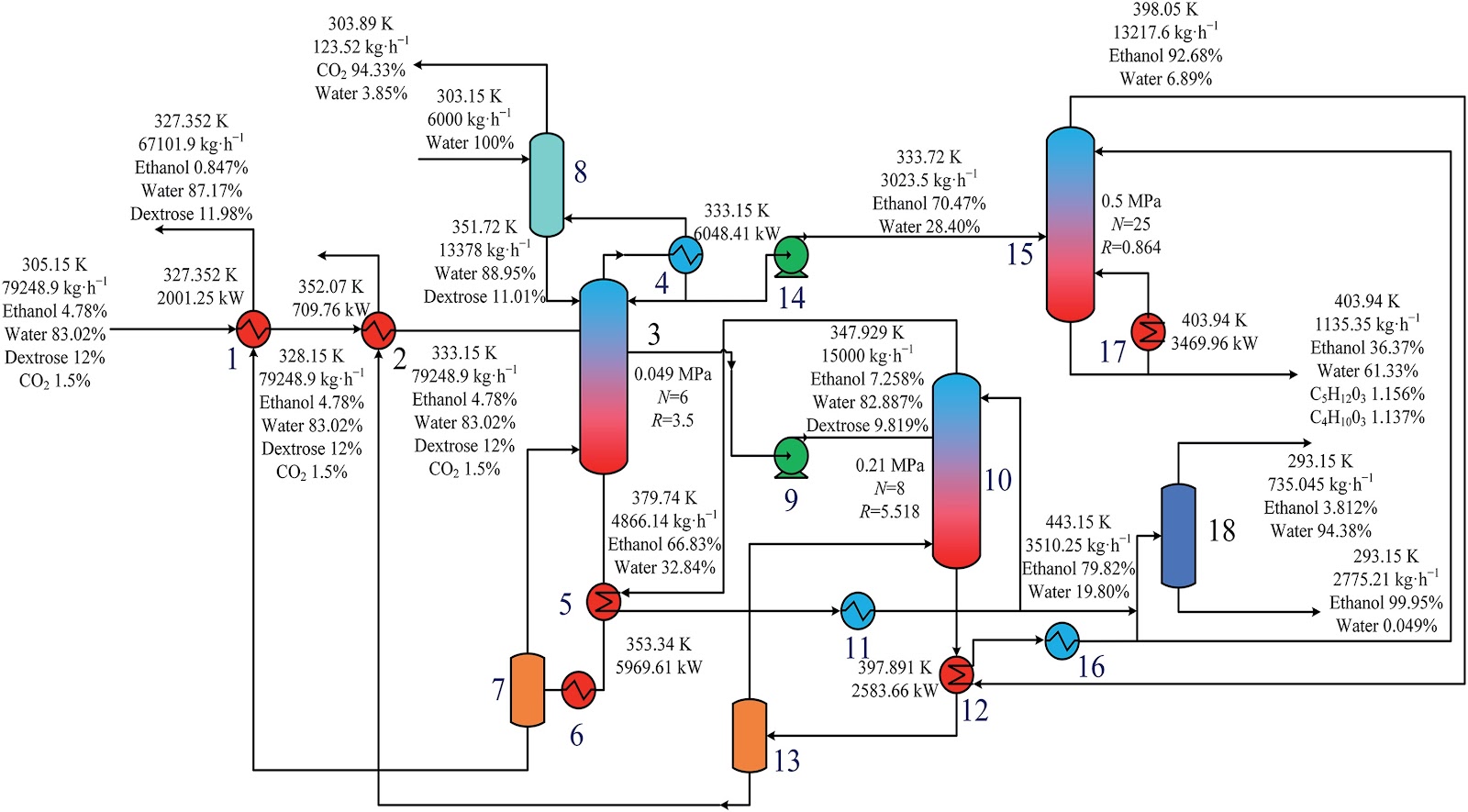
To address the challenges of high energy consumption and prominent costs in the traditional three-columns distillation process for cellulosic fuel ethanol, a distillation—molecular sieve coupling separation process is proposed. This process integrates a three-column (crude distillation column, first distillation column, second distillation column) system with a 3A molecular sieve adsorption deep dehydration unit. A thermal coupling network is constructed via differential pressure design (steam from medium/high-pressure columns as mutual heat sources, reboiler liquid waste heat for feed preheating), and molecular sieve adsorption conditions are optimized. The study first performs a thermodynamic consistency test on the ethanol—water system, determines optimal non-random two-liquid (NRTL) model binary interaction parameters via experimental data regression for Aspen Plus simulation. Aiming at minimum total annual cost (TAC), Aspen Plus is used to optimize process parameters (theoretical tray number, feed location, reflux ratio, side-draw position, etc.). Economic analysis shows this process reduces CO2 emission costs by 27.56%, TAC by 15.58% (to 5.123 × 10⁶ USD·a-1), and increases ethanol purity to >99.6%, providing an effective solution for green, efficient separation.
A cohesion loss model for determining residual strength of deep bedded sandstone
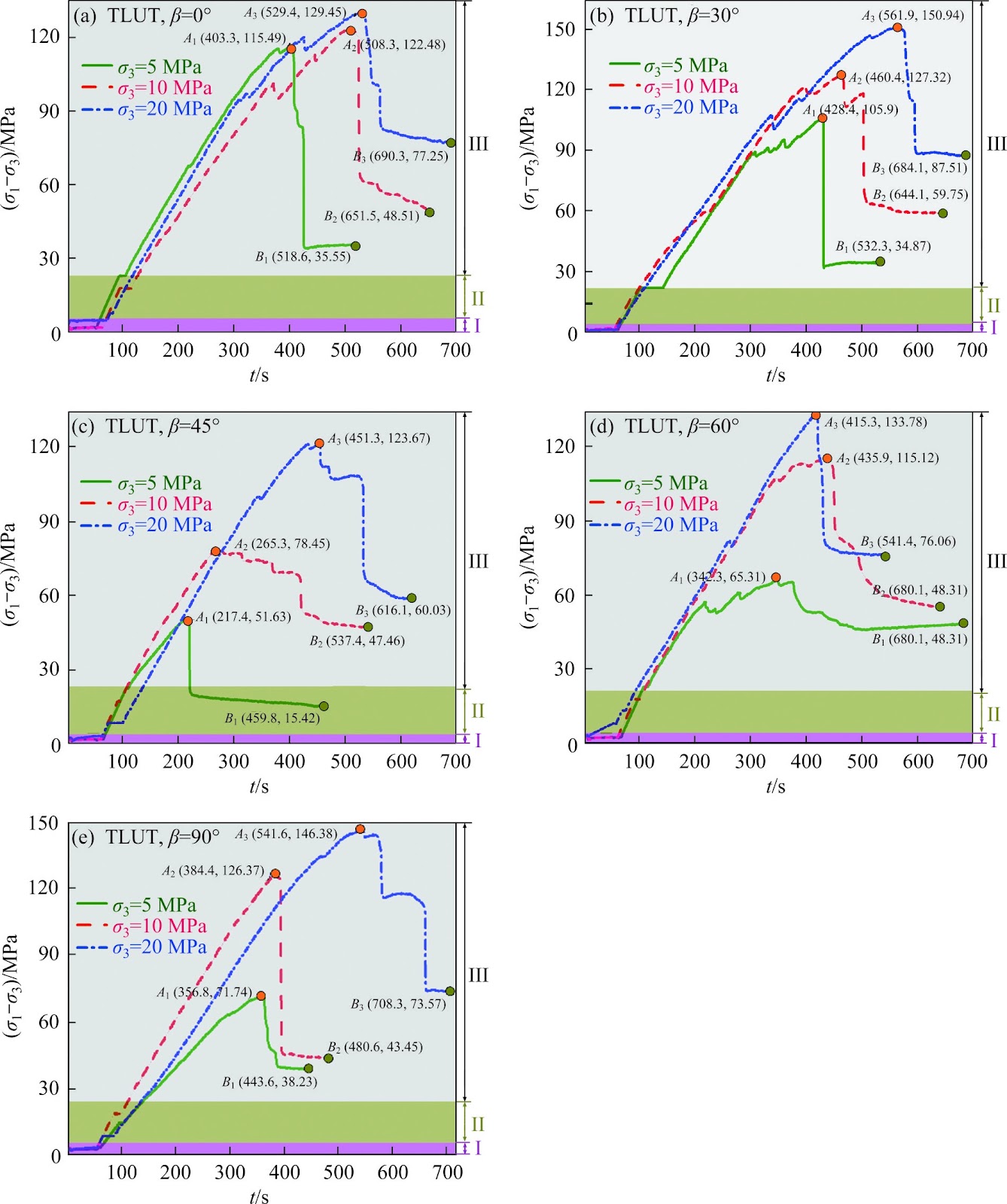
Rock residual strength, as an important input parameter, plays an indispensable role in proposing the reasonable and scientific scheme about stope design, underground tunnel excavation and stability evaluation of deep chambers. Therefore, previous residual strength models of rocks established were reviewed. And corresponding related problems were stated. Subsequently, starting from the effects of bedding and whole life-cycle evolution process, series of triaxial mechanical tests of deep bedded s
Federated model with contrastive learning and adaptive control variates for human activity recognition
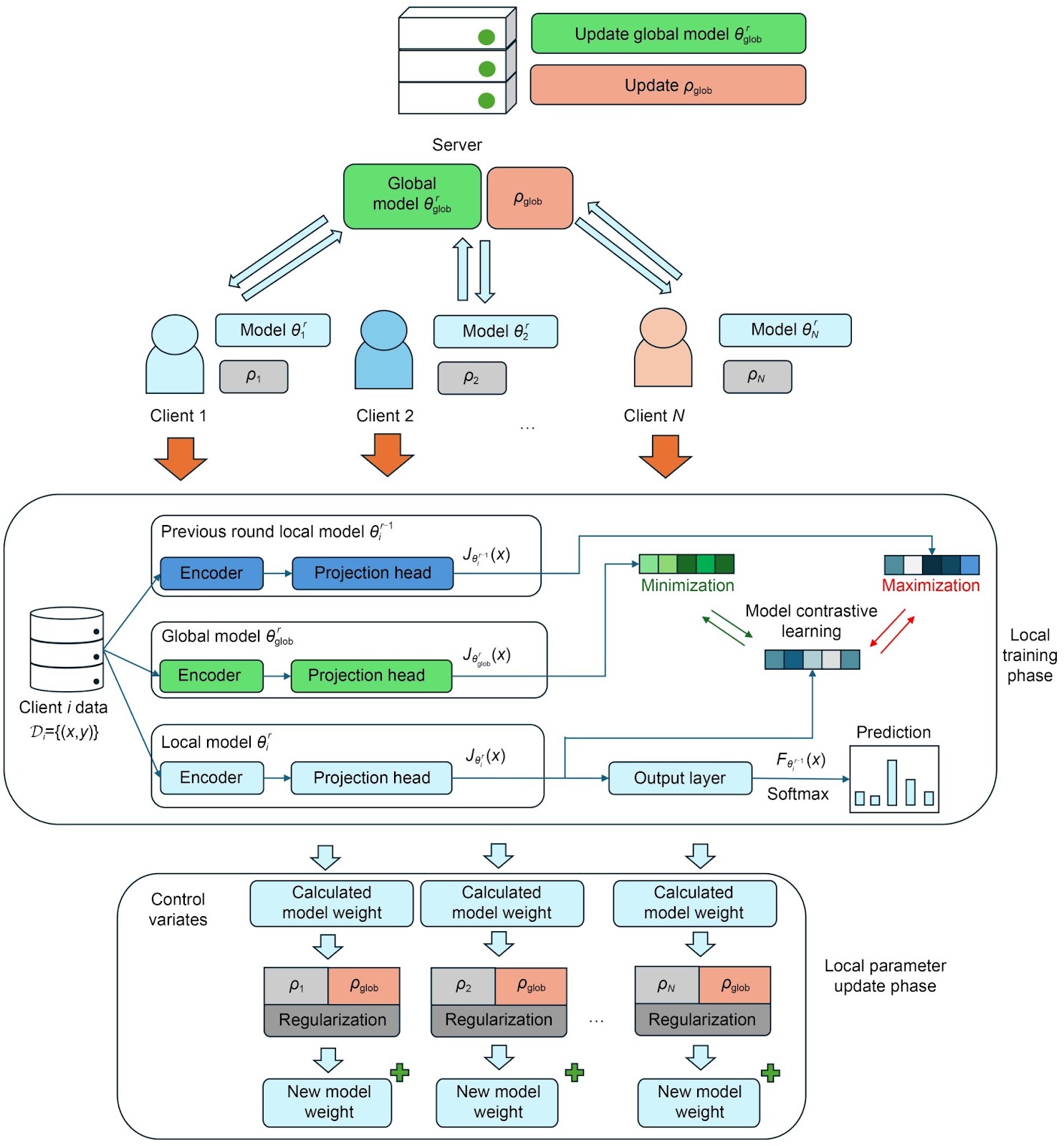
Recent attention to privacy issues demands a communication-safe method for training human activity recognition (HAR) models on client activity data. Federated learning (FL) has become a compelling technique to facilitate model training between the server and clients while preserving data privacy. However, classical FL methods often assume independent and identically distributed (IID) data among clients. This assumption does not hold true in practical scenarios. Human activity in real-world scena