Key Takeaways & Executive Findings
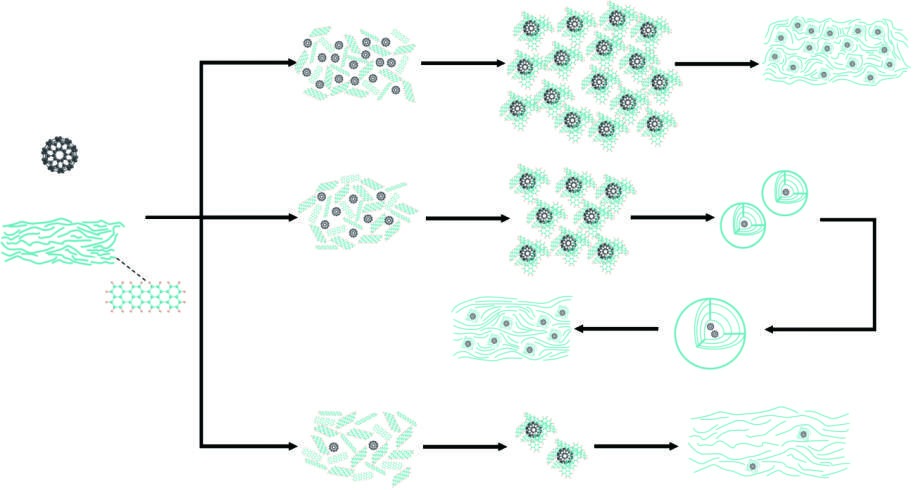
- •• Fullerene (C60) induces a reverse transformation of bulk mesophase pitch into spherical mesophase microbeads, contrasting with conventional liquid-phase carbonization. • At 300–320 °C with 5% C60 loading, coalesced naphthalene-based mesophase pitch converts to spherical microbeads, with size increasing at higher temperatures. • The induction effect is attributed to C60's nanoscale nucleation and π-electron interactions with aromatic molecules, enabling controllable morphology transformation. • This work provides a new method for tailoring mesophase pitch morphology, with potential applications in carbon materials science and engineering.
Abstract
A transformation of naphthalene-based coalescenced mesophase pitch (NMP) to mesophase microbeads was achieved by heating a mixture of NMP and fullerene (C60). This is different from the conventional process of the liquid-phase carbonization of isotropic pitch to the emergence of carbon microbeads in the matrix and finally their growth to form a 100% anisotropic bulk mesophase, but rather a reverse transformation. The effects of C60 loading and reaction temperature on the morphological transformation of mesophase were investigated by polarizing optical and scanning electron microscopies. The physical changes in the NMP induced by C60 were characterized by thermogravimetric analysis, Fourier transform infrared spectroscopy, X-ray diffractometry and Raman spectroscopy. The results show that the coalesced NMP can be converted to a spherical type at 300–320 °C with the addition of 5% C60, and the size of the mesophase microbeads increases with increasing temperature. Furthermore, a model is established to explain the unique induction effect of C60 in the transformation process. This work makes the morphological transformation of MP controllable, and provides a new idea for the understanding and research of mesophase pitch.
1. Introduction
Mesophase pitch (MP) is a nematic liquid crystal with disk or rod structure, which is usually prepared by direct thermal condensation of heavy aromatic hydrocarbons including petroleum pitch and coal tar pitch or catalytic thermal condensation of pure aromatic hydrocarbons[1]. In the traditional process of preparing MP, the morphology transformation of liquid crystal is generally divided into 4 stages: (1) As the temperature of the system reaches the liquid phase carbonization temperature (350–550 °C), the formation of optical anisotropic spheres in the isotropic matrix; (2) The growth of anisotropic spheres in the isotropic matrix with the deepening of the reaction degree; (3) Anisotropic spheroids growth and coalescence; (4) The deformation and disintegration of anisotropic spherical mesophase form bulk mesophase according to certain orientation[2–6]. Typically, isotropic pitch is used as an experimental feedstock for the preparation of mesophase microbeads by non-homogeneous nucleation. The coalescence change of the pitch basically follows the traditional steps of preparing MP. Nanoscale additives are both present inside of the mesophase microbeads to promote nucleation and attached on the surface of the mesophase microbeads to prevent agglomeration[7–11]. The morphology of the mesophase can be transformed from spherical to bulk type by changing the additive loading.
Generally, MP prepared by thermal condensation belongs to thermotropic liquid crystal, and cannot realize the reversible morphologic transformation by itself. In 1975, it is reported that the early spheroids of liquid crystals in pitch had a vaguely reversible property by Lewis[12]. This phenomenon caused by solution-precipitation mechanism can only occur before the mesophase molecules reach irreversible carbonization. Therefore, the transformation from bulk mesophase to spherical shape is usually accomplished by physical induction or isolation in the preparation of mesophase microbeads. Kodama used silicone oil to disperse 100% quinoline-soluble mesophase pitch utilizing an emulsification method to achieve the mesophase morphology transformation[13]. In 1990s, Yoon improved Kodama's emulsification method, which is not suitable for the dispersion of mesocarbon microbeads, and used polyvinyl alcohol as a suspension to transform petroleum-derived mesophases from bulk to mesocarbon microbeads with controllable particle sizes[14]. Previously, the research on the morphology of nematic liquid crystals mainly focused on thermodynamic and kinetic analysis[15–19]. Therefore, further studies are needed for the mesophase morphology transformation.
In this paper, the naphthalene-based mesophase pitch (NMP) can be transformed by adding multi-π-electron C60. Due to the nanoscale nucleation of C60 and its π-electronic induction of aromatic molecules, the texture of NMP with 100% coalescence mesophase content is induced into a spherical type. Different from the conventional thermal coalescence and mesophase emulsification methods, the direct transformation of the mesophase texture from bulk to spherical can be achieved by adjusting the temperature and C60 loading content. The unique physical
Loading authentic research manuscript (Pages 1–5)...
CHEN Wen-sheng, LIU Lan-tao, WANG Zheng, DUAN Chun-feng, ZHANG Xing-wei, MA Zhao-kun, CHEN Xiao-hong, SONG Huai-he (2024). Formation of mesophase microbeads from bulk mesophase pitch induced by fullerene. New Carbon Materials. https://doi.org/10.1016/S1872-5805_N
Research & Educational Purpose Only:The translations, structured abstracts, analytical annotations, and data reports provided by SinoTechIntel are intended exclusively for academic research, internal corporate R&D, and educational benchmarking. They do not constitute formal engineering, chemical safety, legal, or professional advice.
Copyright & Intellectual Property Notice: Original copyright of the underlying source articles and experimental data remains with the respective authors, institutions, and original publishing journals. SinoTechIntel claims intellectual property only over its proprietary translations, analytical syntheses, and AEO structured enhancements in accordance with international fair use and academic citation principles.
Frequently Asked Questions
What is the main finding of this research?
The research demonstrates that adding fullerene (C60) to naphthalene-based mesophase pitch induces a reverse transformation from bulk mesophase to spherical mesophase microbeads, which is opposite to the conventional process.
How does fullerene induce the formation of mesophase microbeads?
Fullerene acts as a nanoscale nucleation agent and its π-electron interactions with aromatic molecules induce the mesophase texture to reorganize into spherical microbeads, with the effect dependent on temperature and C60 loading.
What are the optimal conditions for forming mesophase microbeads?
The optimal conditions are a temperature of 300–320 °C and a C60 loading of 5%, which results in the conversion of coalesced mesophase pitch to spherical microbeads.
What is the significance of this work?
This work provides a controllable method for tailoring mesophase pitch morphology, offering new insights into the understanding and research of mesophase pitch, with potential applications in advanced carbon materials.
How does this method differ from traditional approaches?
Traditional methods involve the formation of mesophase microbeads from isotropic pitch via nucleation and growth, whereas this method achieves a reverse transformation from bulk mesophase to microbeads using fullerene induction, which is a novel approach.
Related Technical Papers & Translations
Design and optimization of a high-efficiency distillation process for cellulosic fuel ethanol integrated with thermal coupling and molecular sieve adsorption
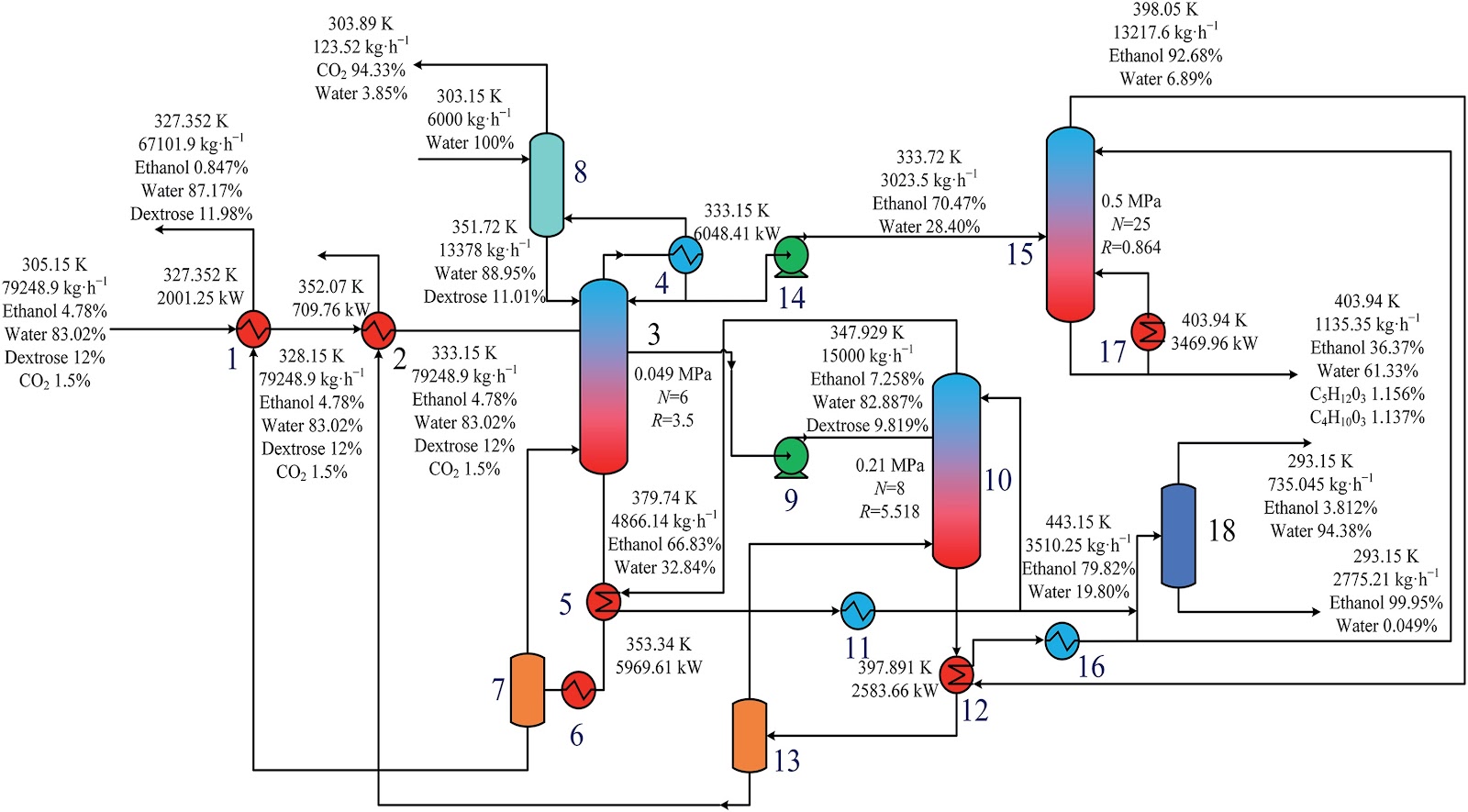
To address the challenges of high energy consumption and prominent costs in the traditional three-columns distillation process for cellulosic fuel ethanol, a distillation—molecular sieve coupling separation process is proposed. This process integrates a three-column (crude distillation column, first distillation column, second distillation column) system with a 3A molecular sieve adsorption deep dehydration unit. A thermal coupling network is constructed via differential pressure design (steam from medium/high-pressure columns as mutual heat sources, reboiler liquid waste heat for feed preheating), and molecular sieve adsorption conditions are optimized. The study first performs a thermodynamic consistency test on the ethanol—water system, determines optimal non-random two-liquid (NRTL) model binary interaction parameters via experimental data regression for Aspen Plus simulation. Aiming at minimum total annual cost (TAC), Aspen Plus is used to optimize process parameters (theoretical tray number, feed location, reflux ratio, side-draw position, etc.). Economic analysis shows this process reduces CO2 emission costs by 27.56%, TAC by 15.58% (to 5.123 × 10⁶ USD·a-1), and increases ethanol purity to >99.6%, providing an effective solution for green, efficient separation.
A cohesion loss model for determining residual strength of deep bedded sandstone
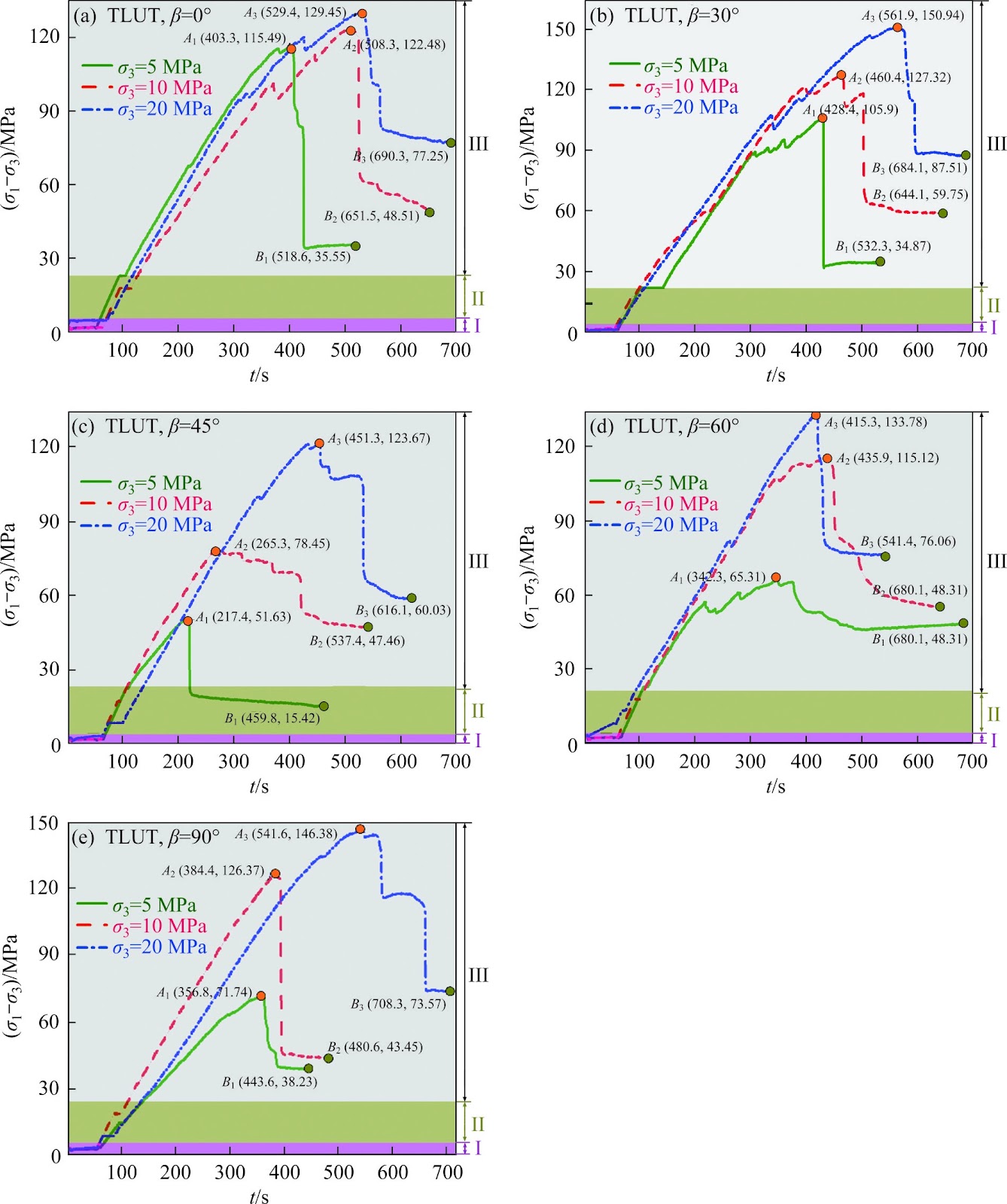
Rock residual strength, as an important input parameter, plays an indispensable role in proposing the reasonable and scientific scheme about stope design, underground tunnel excavation and stability evaluation of deep chambers. Therefore, previous residual strength models of rocks established were reviewed. And corresponding related problems were stated. Subsequently, starting from the effects of bedding and whole life-cycle evolution process, series of triaxial mechanical tests of deep bedded s
Federated model with contrastive learning and adaptive control variates for human activity recognition
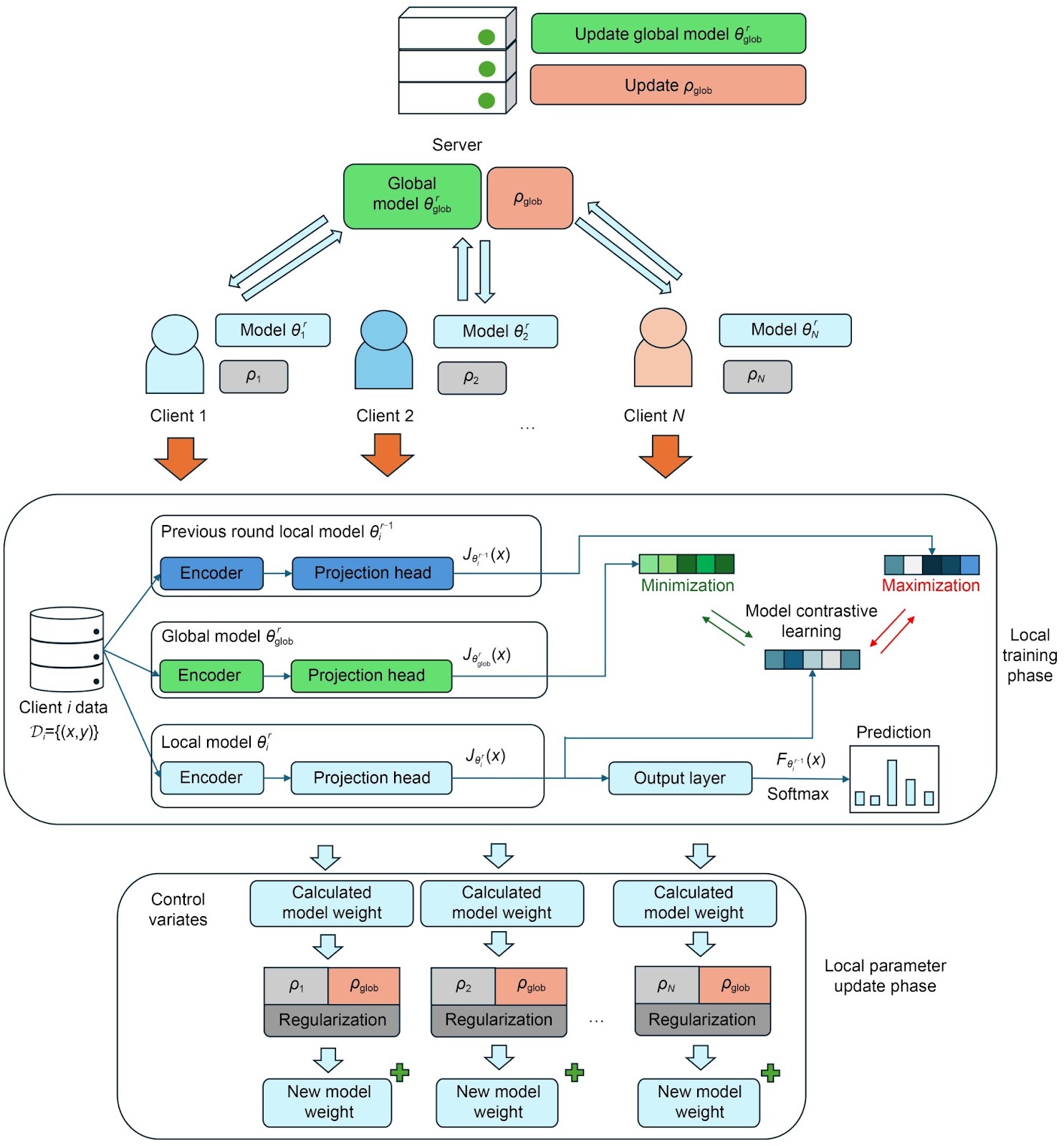
Recent attention to privacy issues demands a communication-safe method for training human activity recognition (HAR) models on client activity data. Federated learning (FL) has become a compelling technique to facilitate model training between the server and clients while preserving data privacy. However, classical FL methods often assume independent and identically distributed (IID) data among clients. This assumption does not hold true in practical scenarios. Human activity in real-world scena