Key Takeaways & Executive Findings
- •• Adding an optimal amount of PEI to CNT/PEEK nanocomposites reduces melt viscosity by ~50%, significantly improving processability. • Toughness is enhanced: strain to failure increases by 129% and fracture energy by 97%. • The CNT/PEI powder blending method maintains thermal resistance while improving mechanical performance. • The approach offers potential for PEEK powder laser sintering and thermoplastic prepreg production.
Abstract
Polyether ether ketone (PEEK) has good mechanical properties. However, its high viscosity when molten limits its use because it is hard to process. PEEK nanocomposites containing both carbon nanotubes (CNTs) and polyether imide (PEI) were prepared by a direct wet powder blending method using a vertical injection molding machine. The addition of an optimum amount of PEI lowered the viscosity of the molten PEEK by approximately 50% while producing an increase in the toughness of the nanocomposites, whose strain to failure increased by 129%, and fracture energy increased by 97%. The uniformly dispersed CNT/PEI powder reduced the processing difficulty of PEEK nanocomposites without affecting the thermal resistance. This improvement of the strength and viscosity of PEEK facilitate its use in the preparation of thermoplastic composites.
1. Introduction
Polyether ether ketone (PEEK) has excellent mechanical properties, thermal stability, abrasion resistance, and solvent resistance compared with other polymers. It has been widely used in aviation, automotive industry, offshore technology, and biomedical industry. PEEK is also widely used in fiber-reinforced polymers and 3D-printed composites[1–4]. These applications require PEEK to have low viscosity and high toughness. However, PEEK has high melting temperature and viscosity[5], resulting in difficult processing.
To address this difficulty, polymer blends can be used in the processing of PEEK[6]. Polyether imide (PEI) is an amorphous thermoplastic resin with a high glass transition temperature (Tg). It is highly hydrophobic, commercially available, and chemically compatible with PEEK, making it miscible with PEEK at any mixing ratio[7–8]. Its viscosity can be significantly reduced by incorporating PEI[9]. However, the viscosity reduction is limited, and the strength decreases with the addition of PEI[10].
On the other hand, researchers now are committed to further improve the performance of a certain aspect of PEEK by adding nanofillers[11–13], such as carbon nanotubes (CNTs)[14–17] and graphene[18–20]. As an excellent nanoscale reinforcement, CNTs have excellent strength, rigidity, electrical and thermal conductivity, making them an excellent nanoscale reinforcement[21–23]. Zhang[24] reviewed the studies on the tensile properties of CNT/PEEK. The tensile strength of CNT/PEEK can reach 121 MPa at a CNT content of 15%[25]. The addition of CNTs can result in a significant improvement in the mechanical properties and antifriction properties of PEEK[24].
Loading authentic research manuscript (Pages 1–5)...
SONG Jiu-peng, ZHAO Yan, LI Xue-kuan, XIONG Shu, LI Shuang, WANG Kai (2024). Increasing the toughness while reducing the viscosity of carbon nanotube/polyether imide/polyether ether ketone nanocomposites. New Carbon Materials. https://doi.org/10.1016/S1872-5805_N
Research & Educational Purpose Only:The translations, structured abstracts, analytical annotations, and data reports provided by SinoTechIntel are intended exclusively for academic research, internal corporate R&D, and educational benchmarking. They do not constitute formal engineering, chemical safety, legal, or professional advice.
Copyright & Intellectual Property Notice: Original copyright of the underlying source articles and experimental data remains with the respective authors, institutions, and original publishing journals. SinoTechIntel claims intellectual property only over its proprietary translations, analytical syntheses, and AEO structured enhancements in accordance with international fair use and academic citation principles.
Frequently Asked Questions
What is the main challenge in processing PEEK?
PEEK has high melting temperature and viscosity, making it difficult to process.
How does the addition of PEI affect the viscosity of PEEK nanocomposites?
Adding an optimum amount of PEI lowers the melt viscosity of PEEK by approximately 50%, significantly improving processability.
What are the improvements in mechanical properties observed in this study?
The strain to failure increased by 129% and fracture energy increased by 97%, indicating enhanced toughness.
Does the addition of CNT/PEI affect the thermal resistance of PEEK?
No, the thermal resistance is not affected by the addition of CNT/PEI powder.
What are potential applications of this modified PEEK nanocomposite?
The improved processability and toughness make it suitable for PEEK powder laser sintering and preparation of thermoplastic prepregs.
Related Technical Papers & Translations
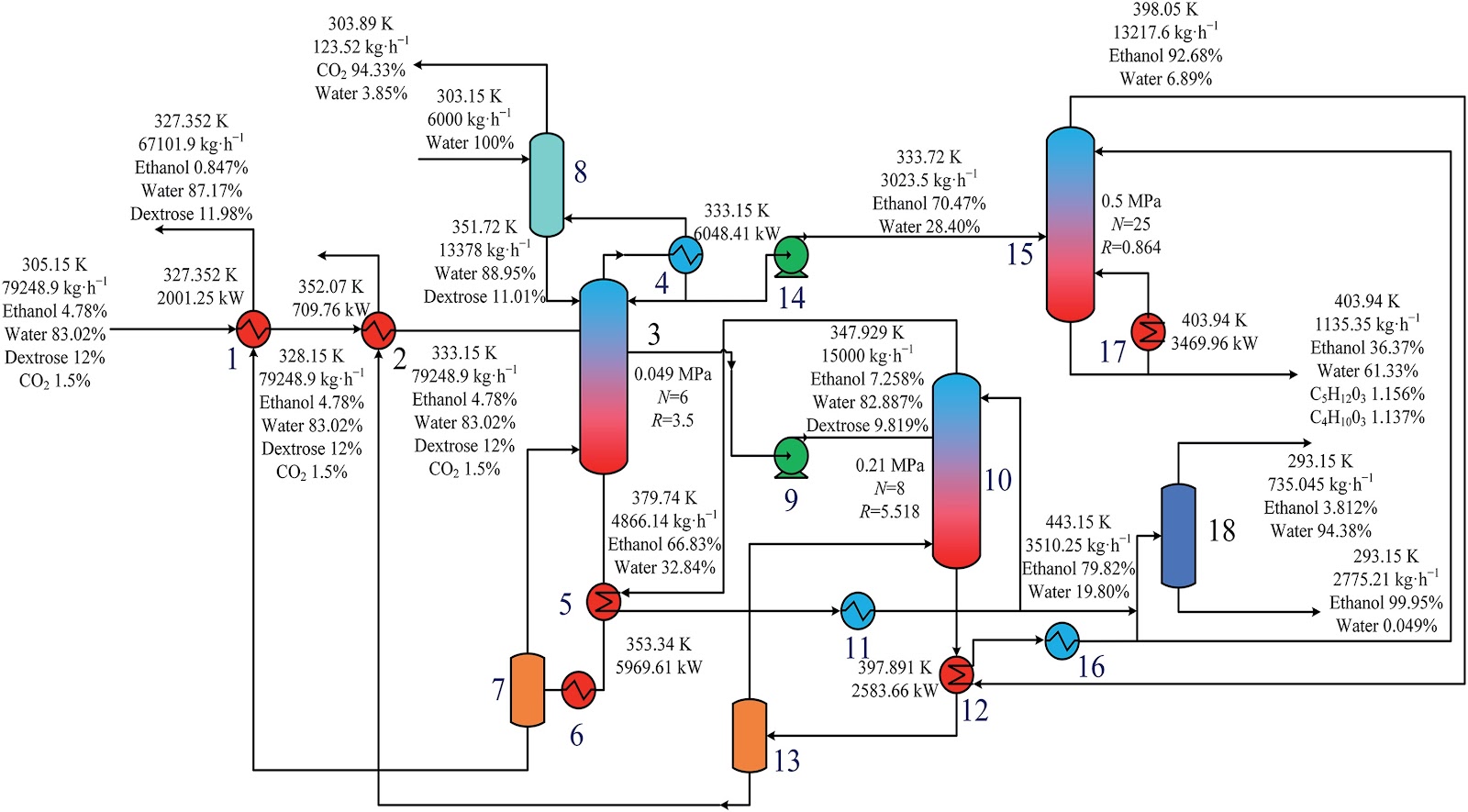
Design and optimization of a high-efficiency distillation process for cellulosic fuel ethanol integrated with thermal coupling and molecular sieve adsorption
To address the challenges of high energy consumption and prominent costs in the traditional three-columns distillation process for cellulosic fuel ethanol, a distillation—molecular sieve coupling separation process is proposed. This process integrates a three-column (crude distillation column, first distillation column, second distillation column) system with a 3A molecular sieve adsorption deep dehydration unit. A thermal coupling network is constructed via differential pressure design (steam from medium/high-pressure columns as mutual heat sources, reboiler liquid waste heat for feed preheating), and molecular sieve adsorption conditions are optimized. The study first performs a thermodynamic consistency test on the ethanol—water system, determines optimal non-random two-liquid (NRTL) model binary interaction parameters via experimental data regression for Aspen Plus simulation. Aiming at minimum total annual cost (TAC), Aspen Plus is used to optimize process parameters (theoretical tray number, feed location, reflux ratio, side-draw position, etc.). Economic analysis shows this process reduces CO2 emission costs by 27.56%, TAC by 15.58% (to 5.123 × 10⁶ USD·a-1), and increases ethanol purity to >99.6%, providing an effective solution for green, efficient separation.
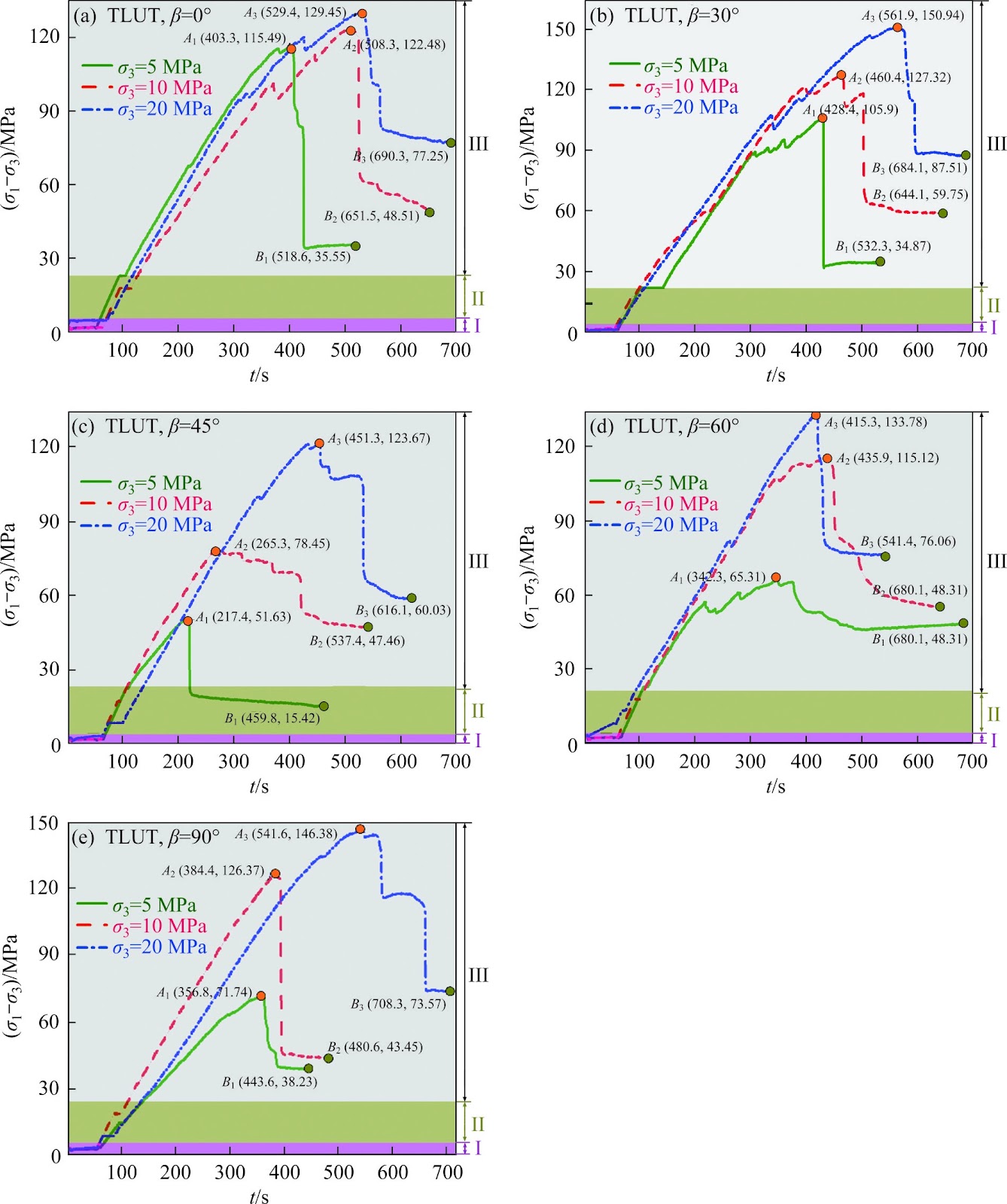
A cohesion loss model for determining residual strength of deep bedded sandstone
Rock residual strength, as an important input parameter, plays an indispensable role in proposing the reasonable and scientific scheme about stope design, underground tunnel excavation and stability evaluation of deep chambers. Therefore, previous residual strength models of rocks established were reviewed. And corresponding related problems were stated. Subsequently, starting from the effects of bedding and whole life-cycle evolution process, series of triaxial mechanical tests of deep bedded s
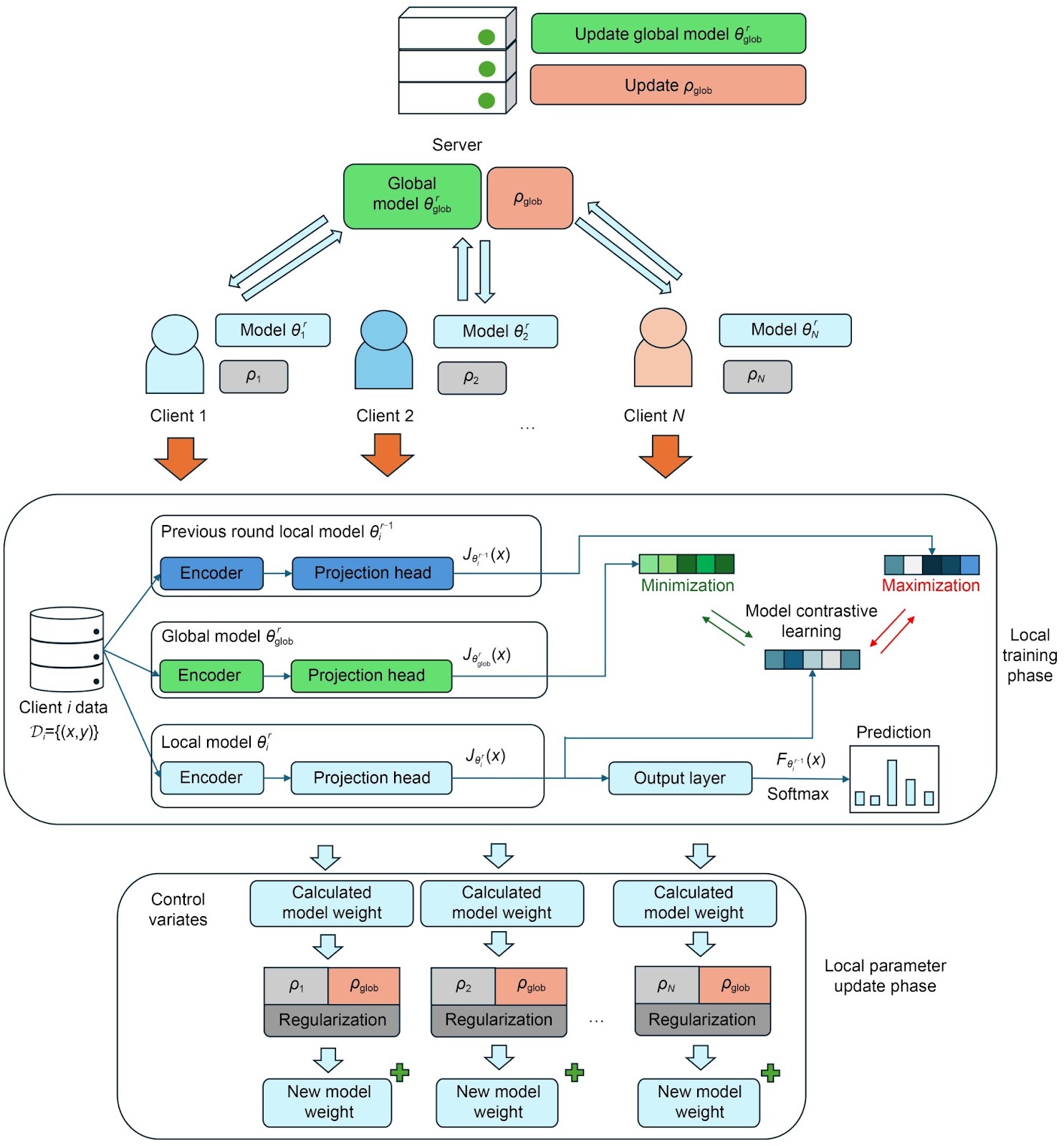
Federated model with contrastive learning and adaptive control variates for human activity recognition
Recent attention to privacy issues demands a communication-safe method for training human activity recognition (HAR) models on client activity data. Federated learning (FL) has become a compelling technique to facilitate model training between the server and clients while preserving data privacy. However, classical FL methods often assume independent and identically distributed (IID) data among clients. This assumption does not hold true in practical scenarios. Human activity in real-world scena