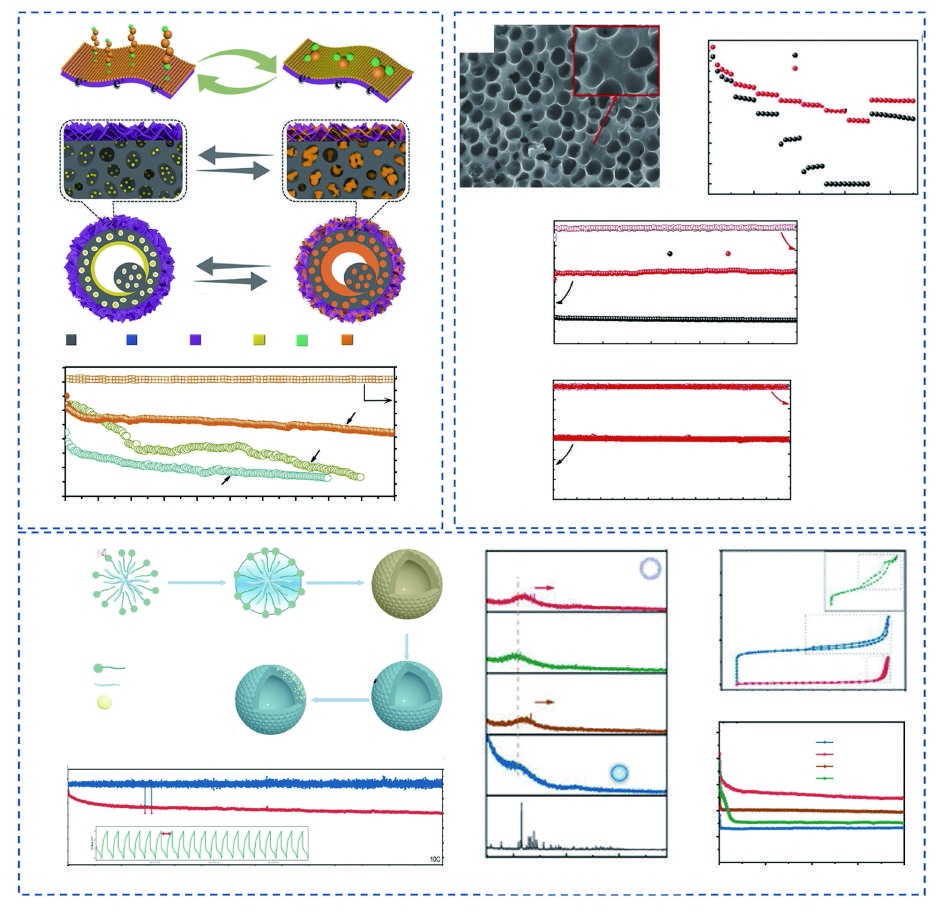
Key Takeaways & Executive Findings
- •• Hollow carbon spheres (HCSs) effectively mitigate polysulfide shuttling, volume expansion, and poor conductivity in Na-S and K-S batteries. • HCSs with controllable structure and composition enhance sulfur immobilization and electrochemical performance. • Synthesis methods and composite strategies for HCSs/sulfur are systematically reviewed. • Future prospects highlight HCSs as promising materials for advanced metal-sulfur batteries.
Abstract
Sodium-sulfur (Na-S) and potassium-sulfur (K-S) batteries for use at room temperature have received widespread attention because of the abundance and low cost of their raw materials and their high energy density. However, their development is restricted by the shuttling of polysulfides, large volume expansion and poor conductivity. To overcome these obstacles, an effective approach is to use carbon-based materials with abundant space for the sulfur that has sulfiphilic sites to immobilize it, and a high electrical conductivity. Hollow carbon spheres (HCSs) with a controllable structure and composition are promising for this purpose. We consider recent progress in optimizing the electrochemical performance of Na-/K-S batteries by using these materials. First, the advantages of HCSs, their synthesis methods, and strategies for preparing HCSs/sulfur composite materials are reviewed. Second, the use of HCSs in Na-/K-S batteries, along with mechanisms underlying the resulting performance improvement, are discussed. Finally, prospects for the further development of HCSs for metal−S batteries are presented.
1. Introduction
The lithium-sulfur (Li-S) battery, with its exceptional energy density of 2,600 Wh kg−1 and remarkable theoretical specific capacity of 1,675 mAh g−1, represents an attractive option for next-generation energy storage. Nevertheless, substantial technological hurdles remain to be overcome for its widespread commercialization. The slow redox kinetics caused by the unsatisfactory conductivity of sulfides and lithium sulfides (Li2S/Li2S2) has led to challenges such as lower actual capacity than theoretical capacity and poor stability[1,2]. Furthermore, as the sulfur cathode expands during cycling, it may cause the active materials to detach from the current collector. This detachment leads to the loss of close electrical contact between the current collector and sulfur cathode, resulting in deactivation and rapid capacity decay[3]. More importantly, the dissolution of soluble lithium polysulfides (LiPSs) into the electrolyte results in a detrimental “shuttle effect” during cycling, compromising the electrochemical cycling performance[4–6].
Although the theoretical gravimetric and volumetric energy density of Li-S batteries is approximately twice that of advanced sodium-sulfur (Na-S) batteries, their sustainable development is hindered by the low abundance of Li on Earth (0.0017%) and the consequent hike in lithium source prices[7]. Additionally, the uneven distribution and mining limit the wide application of lithium metal resources. For instance, 80% of China’s lithium consumption depends on imports because there is only around 13.6% of the whole resources of Li in China. Therefore, it is critical to develop the performance of advanced batteries that are rich in raw materials, cost-effective and environmentally friendly to ensure the sustainable development of key industries such as grid energy storage and electric vehicles. A good alternative is sodium (Na). Na resources (Na2CO3) is abundant (2.3%), widely distributed, cost-effective, and their physicochemical properties are similar to Li[8]. These advantages predict that sodium-based batteries have a long-term development prospect. Among them, room-temperature (RT) sodium-sulfur (Na-S) batteries as potential candidates have garnered increasing attention for sizeable energy storage devices, owing to superior energy density (1,274 Wh kg−1) and specific capacity (1,675 mAh g−1). Similarly, potassium-sulfur (K-S) batteries also show potential to replace Li-S cells. K, compared to Li and Na, not only boasts abundant availability, widespread distribution, and cost-effectiveness, but also exhibits incomparable benefits[9]. The redox voltage (−0.09 V) of potassium is naturally lower than that of Li (0 V) and Na (0.23 V) in organic electrolyte, which facilitate higher voltage in full battery applications. Despite its larger atomic radius (Na: 1.90 Å; K: 2.35 Å; Li: 1.55 Å), the Stokes’ radius of K in carbonate-based solvents is smaller than that of Na (4.6 Å) and Li (4.8 Å), because of weaker Lewis acidity[10]. When carbonate solvents are used as electrolytes, K ions show higher ion mobility, ionic conductivity, and higher ion transport numbers. Therefore, the K-S batteries are poised to exhibit superior power density. With both cost-effectiveness and high energy density, K-S batteries hold the potential to become a promising alternative.
Loading authentic research manuscript (Pages 1–5)...
QI Zi-xin, LUO Sai-nan, RUAN Jia-feng, YUAN Tao, PANG Yue-peng, YANG Jun-he, ZHENG Shi-you (2024). Recent advances in producing hollow carbon spheres for use in sodium−sulfur and potassium−sulfur batteries. New Carbon Materials. https://doi.org/10.1016/S1872-5805_N
Research & Educational Purpose Only:The translations, structured abstracts, analytical annotations, and data reports provided by SinoTechIntel are intended exclusively for academic research, internal corporate R&D, and educational benchmarking. They do not constitute formal engineering, chemical safety, legal, or professional advice.
Copyright & Intellectual Property Notice: Original copyright of the underlying source articles and experimental data remains with the respective authors, institutions, and original publishing journals. SinoTechIntel claims intellectual property only over its proprietary translations, analytical syntheses, and AEO structured enhancements in accordance with international fair use and academic citation principles.
Frequently Asked Questions
What are hollow carbon spheres (HCSs) and why are they used in Na-S and K-S batteries?
Hollow carbon spheres are carbon-based materials with a hollow interior and controllable structure. They are used in sodium-sulfur and potassium-sulfur batteries because they provide abundant space for sulfur, have sulfiphilic sites to immobilize polysulfides, and offer high electrical conductivity, addressing issues like shuttle effect, volume expansion, and poor conductivity.
How do hollow carbon spheres improve the performance of Na-S and K-S batteries?
HCSs improve performance by physically confining sulfur and polysulfides within their hollow structure, mitigating the shuttle effect. They also accommodate volume expansion during cycling and enhance electron transport, leading to higher capacity, better cycling stability, and improved rate capability.
What are the main challenges in Na-S and K-S batteries that HCSs help overcome?
The main challenges are the shuttling of polysulfides, large volume expansion of the sulfur cathode, and poor conductivity of sulfur and discharge products. HCSs address these by providing a conductive framework, physical encapsulation, and chemical adsorption sites.
What synthesis methods are reviewed for producing hollow carbon spheres?
The review covers various synthesis methods for HCSs, including hard templating, soft templating, and self-templating approaches, as well as strategies for preparing HCSs/sulfur composites, such as melt infiltration and solution-based methods.
What are the future prospects for hollow carbon spheres in metal-sulfur batteries?
Future prospects include developing HCSs with tailored porosity, heteroatom doping, and hybrid structures to further enhance sulfur loading, polysulfide trapping, and catalytic activity, potentially extending their application to other metal-sulfur systems like Li-S and Mg-S batteries.
Related Technical Papers & Translations
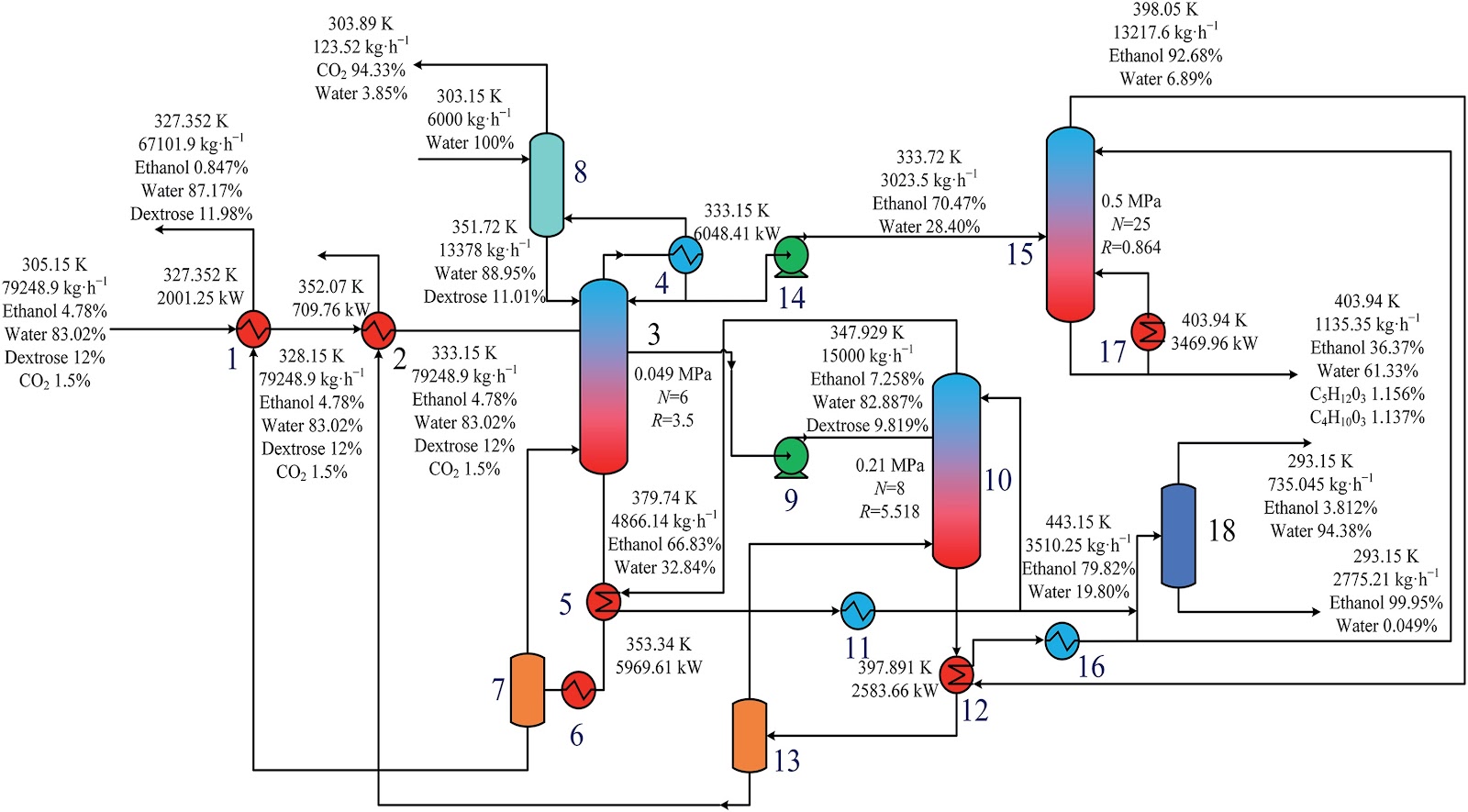
Design and optimization of a high-efficiency distillation process for cellulosic fuel ethanol integrated with thermal coupling and molecular sieve adsorption
To address the challenges of high energy consumption and prominent costs in the traditional three-columns distillation process for cellulosic fuel ethanol, a distillation—molecular sieve coupling separation process is proposed. This process integrates a three-column (crude distillation column, first distillation column, second distillation column) system with a 3A molecular sieve adsorption deep dehydration unit. A thermal coupling network is constructed via differential pressure design (steam from medium/high-pressure columns as mutual heat sources, reboiler liquid waste heat for feed preheating), and molecular sieve adsorption conditions are optimized. The study first performs a thermodynamic consistency test on the ethanol—water system, determines optimal non-random two-liquid (NRTL) model binary interaction parameters via experimental data regression for Aspen Plus simulation. Aiming at minimum total annual cost (TAC), Aspen Plus is used to optimize process parameters (theoretical tray number, feed location, reflux ratio, side-draw position, etc.). Economic analysis shows this process reduces CO2 emission costs by 27.56%, TAC by 15.58% (to 5.123 × 10⁶ USD·a-1), and increases ethanol purity to >99.6%, providing an effective solution for green, efficient separation.
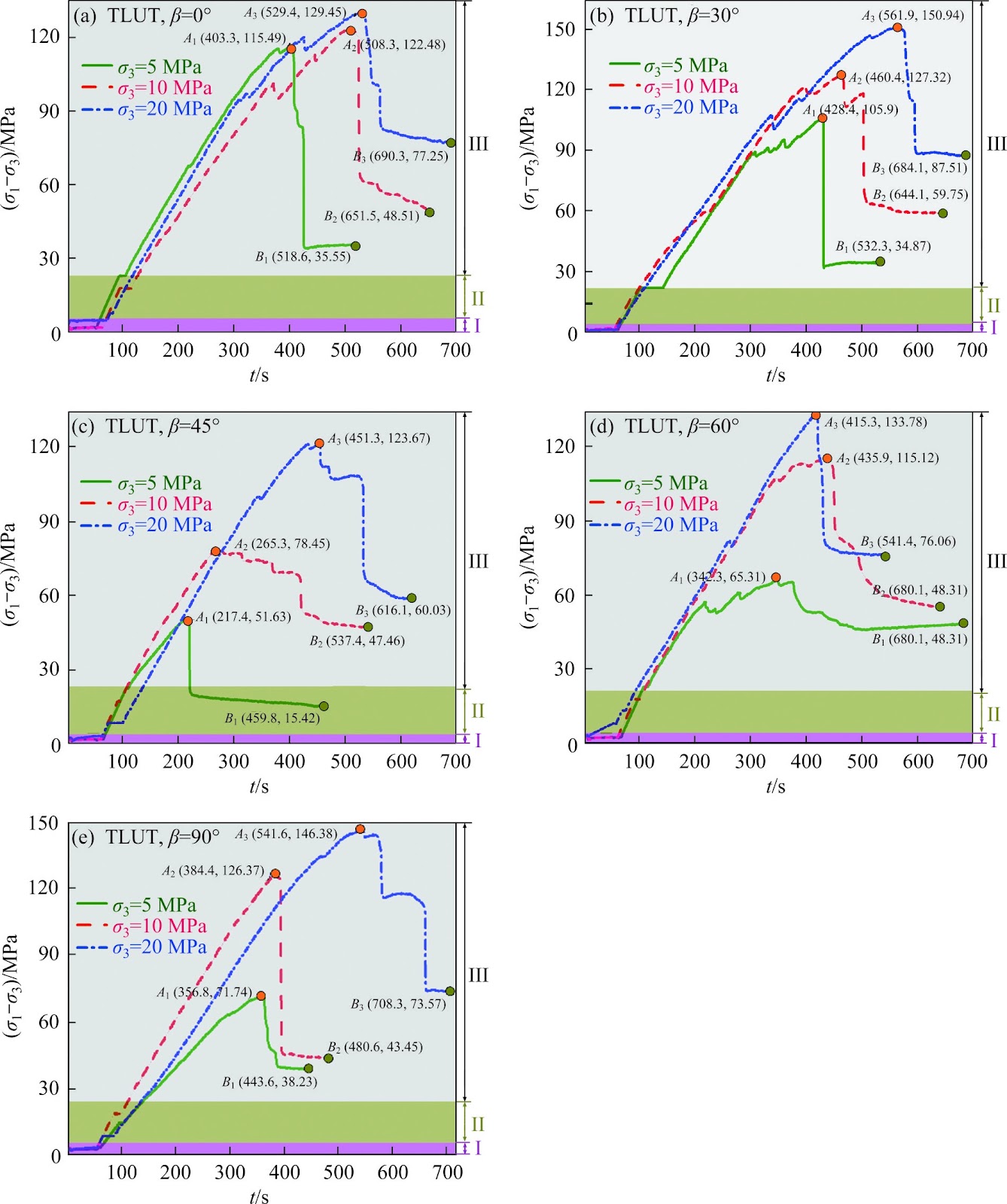
A cohesion loss model for determining residual strength of deep bedded sandstone
Rock residual strength, as an important input parameter, plays an indispensable role in proposing the reasonable and scientific scheme about stope design, underground tunnel excavation and stability evaluation of deep chambers. Therefore, previous residual strength models of rocks established were reviewed. And corresponding related problems were stated. Subsequently, starting from the effects of bedding and whole life-cycle evolution process, series of triaxial mechanical tests of deep bedded s
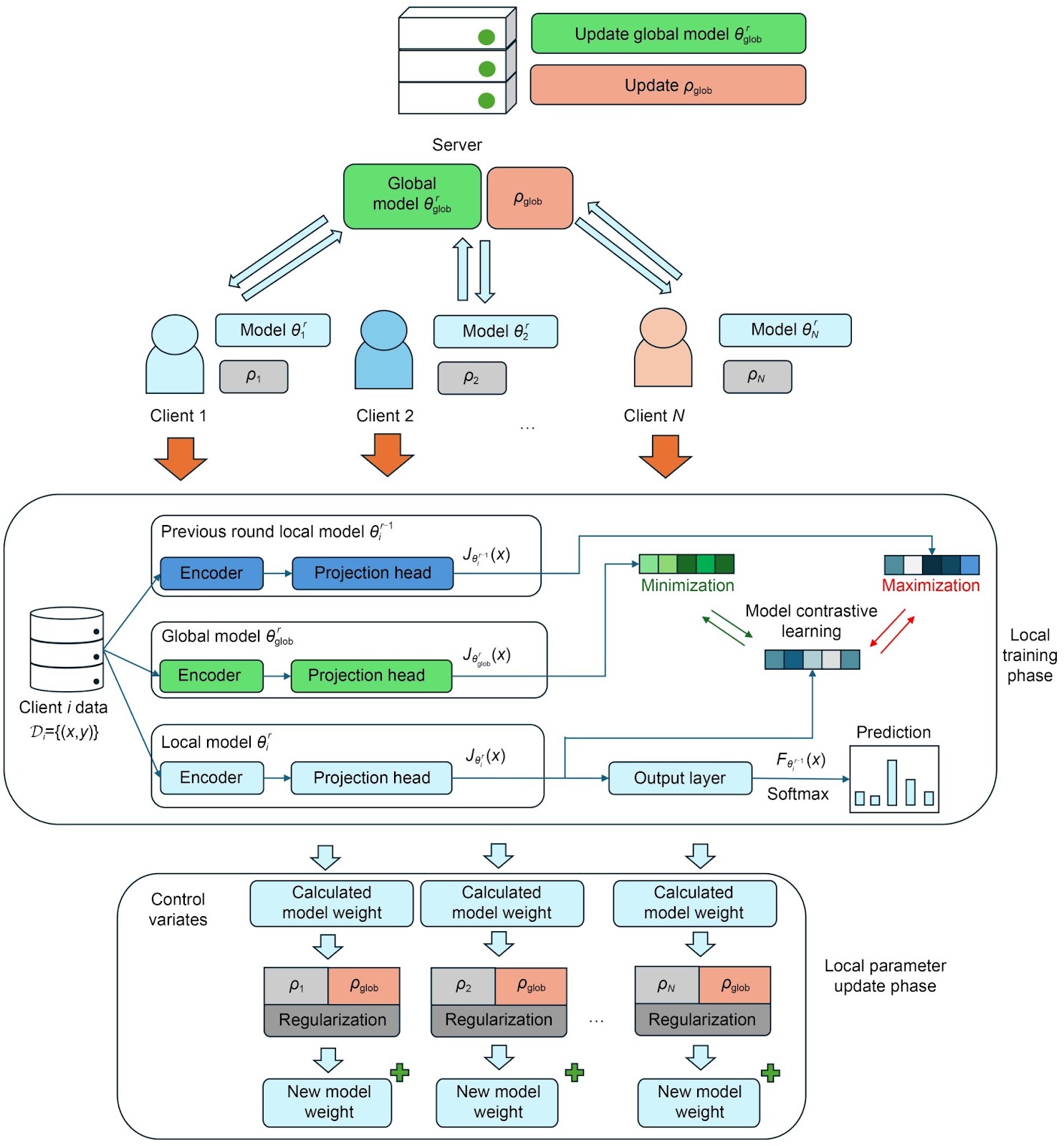
Federated model with contrastive learning and adaptive control variates for human activity recognition
Recent attention to privacy issues demands a communication-safe method for training human activity recognition (HAR) models on client activity data. Federated learning (FL) has become a compelling technique to facilitate model training between the server and clients while preserving data privacy. However, classical FL methods often assume independent and identically distributed (IID) data among clients. This assumption does not hold true in practical scenarios. Human activity in real-world scena