SinoTechIntel Academic Portal
🏛️ Indexed Academic JournalImpact Factor: 3.8 (Q1 - Elsevier)Original: 中国化学工程学报 (英文版)

Chinese Journal of Chemical Engineering

Access authentic peer-reviewed engineering methodologies, experimental datasets, and scientific literature published in this journal on SinoTechIntel.

Total Research Papers: 98
Access: 100% Free Open Access
Browse by Publication Year & VolumeReset All Filters ✕

Published Research PapersFiltered: Year 2025 • Vol. 32

Showing 37 of 98 peer-reviewed papers with full Graphical Abstracts.

Original ResearchVol. 32, Issue 10 • pp. 591-603DOI: 10.1016/j_cjche_144878868Oct 19, 2025

Aggregation-regulated bioreduction process of graphene oxide by Shewanella bacteria

Authors: Kaixin Han, Yibo Zeng, Yinghua Lu, Ping Zeng, Liang Shen

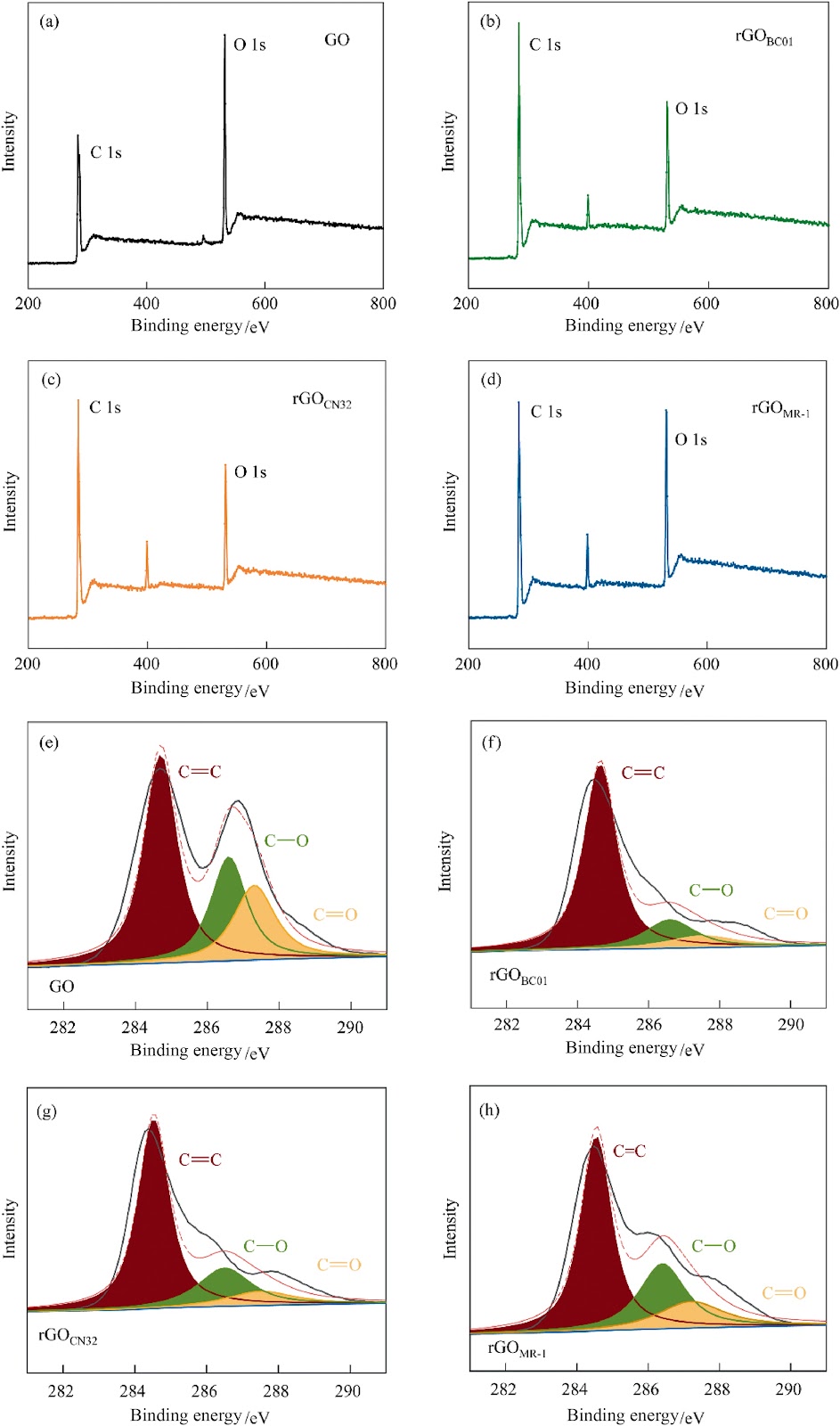
The bioreduction of graphene oxide (GO) using environmentally functional bacteria such as Shewanella represents a green approach to produce reduced graphene oxide (rGO). This process differs from the chemical reduction that involves instantaneous molecular reactions. In bioreduction, the contact of bacterial cells and GO is considered the rate-limiting step. To reveal how the bacteriaeGO integration regulates rGO production, the comparative experiments of GO and three Shewanella strains were carried out. Fourier-transform infrared spectroscopy, X-ray photoelectron spectroscopy, Raman spectroscopy, and atomic force microscopy were used to characterize the reduction degree and the aggregation degree. The results showed that a spontaneous aggregation of GO and Shewanella into the condensed entity occurred within 36 h. A positive linear correlation was established, linking three indexes of the aggregation potential, the bacterial reduction ability, and the reduction degree (ID/IG) comprehensively. © 2024 The Chemical Industry and Engineering Society of China, and Chemical Industry Press Co., Ltd. All rights reserved.
Aggregation-regulated bioreduction process of graphene oxide by Shewanella bacteria
Graphical Abstract
Original ResearchVol. 32, Issue 8 • pp. 545-557DOI: 10.1016/j_cjche_144878852Aug 5, 2025

Fabrication of graphene oxide decorated with poly(dimethyl amino ethyl methacrylate) brush for efficient Cr(VI) adsorption from aqueous solution

Authors: Alireza Nouri, Siew Fen Chua, Ebrahim Mahmoudi, Abdul Wahab Mohammad, Wei Lun Ang

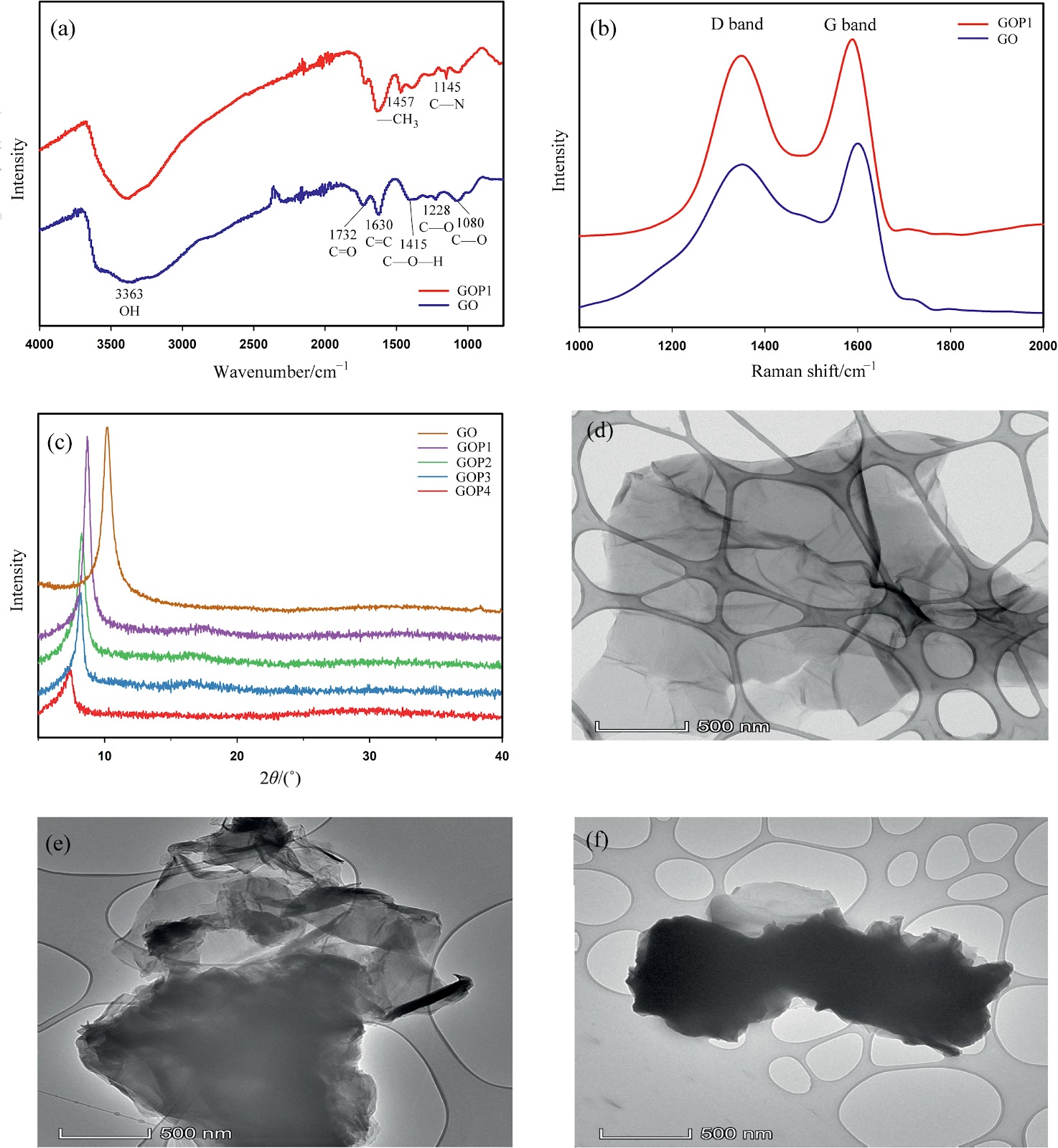
Confronting the severe health threats and environmental impacts of Cr(VI) in aquatic environments demands innovative and effective remediation approaches. In this study, Graphene oxide (GO)-decorated poly(dimethyl amino ethyl methacrylate) (PDMAEMA) brush nanocomposites (GOP1, GOP2, GOP3, and GOP4) were fabricated using atom transfer radical polymerization (ATRP) by the “graft from” method. The resulting nanocomposites were utilized for removing Cr(VI) with good adsorption performance due to the electrostatic interaction of protonated nitrogen groups in the brush chains with negatively charged particles in the solution. The kinetic model of pseudo-second-order best represented the contaminants' adsorption characteristics. The Weber–Morris model further indicated that surface adsorption and intraparticle diffusion mechanisms primarily controlled the adsorption procedure. Additionally, the Langmuir and Temkin isotherm models were found to most accurately represent the adsorption characteristics of the pollutants on the nanocomposites, and GOP4 can achieve the maximum adsorption capacity of 164.4 mg·g−1. The adsorbents' capacity maintains above 85% after five cycles of adsorption-desorption. The nanocomposites in this study demonstrate promising potential for eliminating Cr(VI) from aqueous solutions.

Fabrication of graphene oxide decorated with poly(dimethyl amino ethyl methacrylate) brush for efficient Cr(VI) adsorption from aqueous solution
Graphical Abstract
Original ResearchVol. 32, Issue 6 • pp. 499-511DOI: 10.1016/j_cjche_144878716Jun 18, 2025

Effects of ionic liquids on the vapor–liquid equilibrium of 1,3,5-trioxane–water system at 101.3 kPa

Authors: Fei Li, Tao Zhang, Li Lv, Wenxiang Tang, Yan Wang, Shengwei Tang

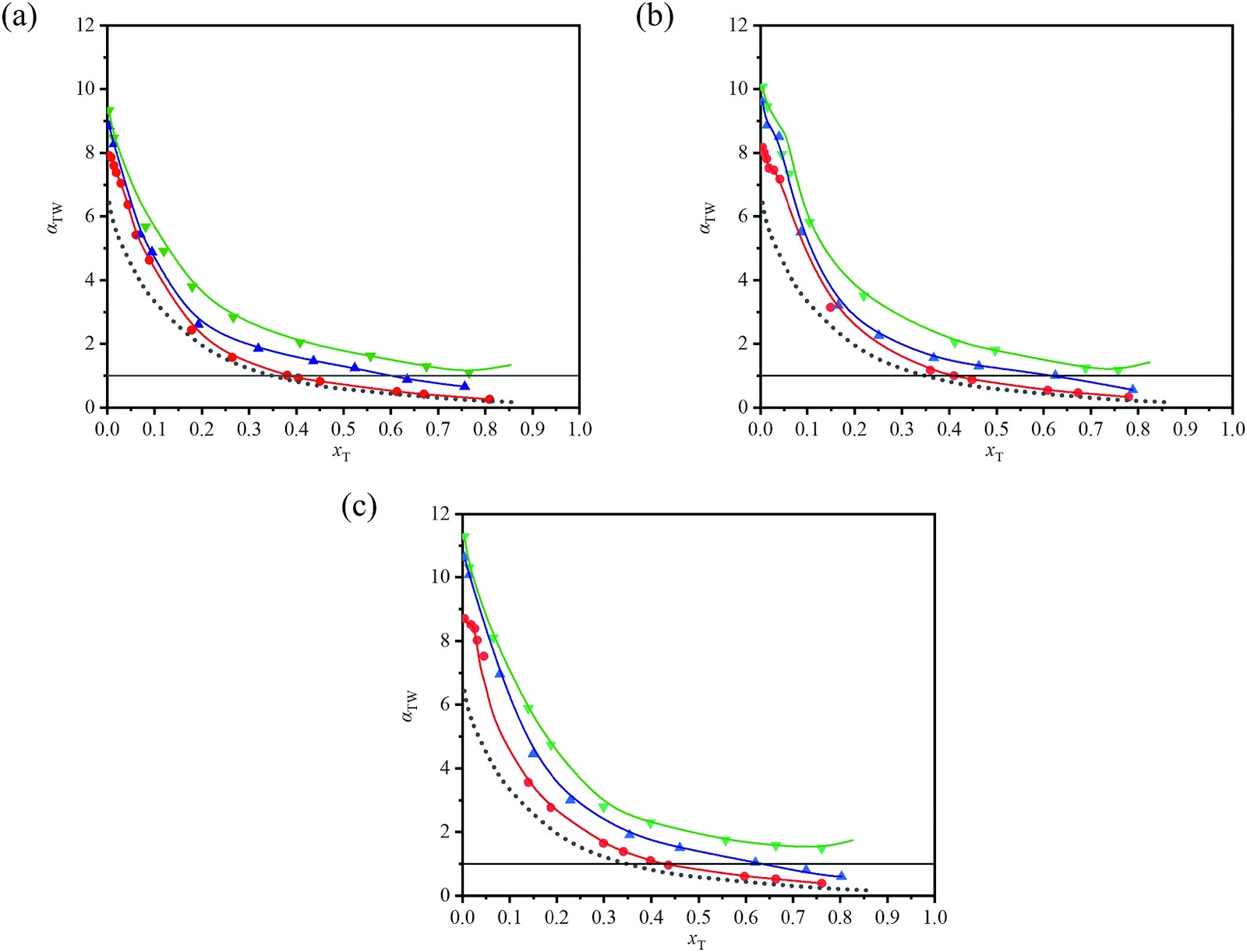
Increasing the 1,3,5-trioxane (TOX) concentration in the equilibrated vapor phase of TOX–H2O system has been recognized as a challenge for the azeotrope. Ionic liquids (ILs) were used to improve the relative volatility of TOX to H2O and destroy the azeotrope in the TOX–H2O system. The vapor–liquid equilibrium of TOX–H2O system at 101.3 kPa was studied with the addition of 1-butyl-3-methylimidazolium hydrogen sulfate, 1-hexyl-3-methylimidazolium hydrogen sulfate and 1-butyl-3-methylimidazolium nitrate, respectively. The results showed that the volatility of TOX increased with the increase in IL dosage. And the volatility of water decreased with the increase in IL dosage. The relative volatility of TOX to H2O was improved with the increase in ILs dosage. The azeotrope could be destroyed with an IL mole fraction of about 0.10. A non-random two-liquid (NRTL) model was successfully used to correlate the experimental data. The interaction parameters were obtained by fitting the experimental data with the model. The results indicated that a strong interaction existed between ILs and water. The strong interaction improved the volatility of TOX and inhibited the volatility of water, and then intensified the relative volatility of TOX to H2O. The results showed that an ILs with strong polarity and hydrophilicity may be a potential additive to improve the TOX concentration in the equilibrated vapor phase.

Effects of ionic liquids on the vapor–liquid equilibrium of 1,3,5-trioxane–water system at 101.3 kPa
Graphical Abstract
Original ResearchVol. 32, Issue 12 • pp. 431-443DOI: 10.1016/j_cjche_144875979Dec 5, 2023

Study of the reaction mechanism for preparing powdered activated coke with SO2 adsorption capability via one-step rapid activation method under flue gas atmosphere

Authors: Binxuan Zhou, Jingcai Chang, Jun Li, Jinglan Hong, Tao Wang, Liqiang Zhang, Ping Zhou, Chunyuan Ma

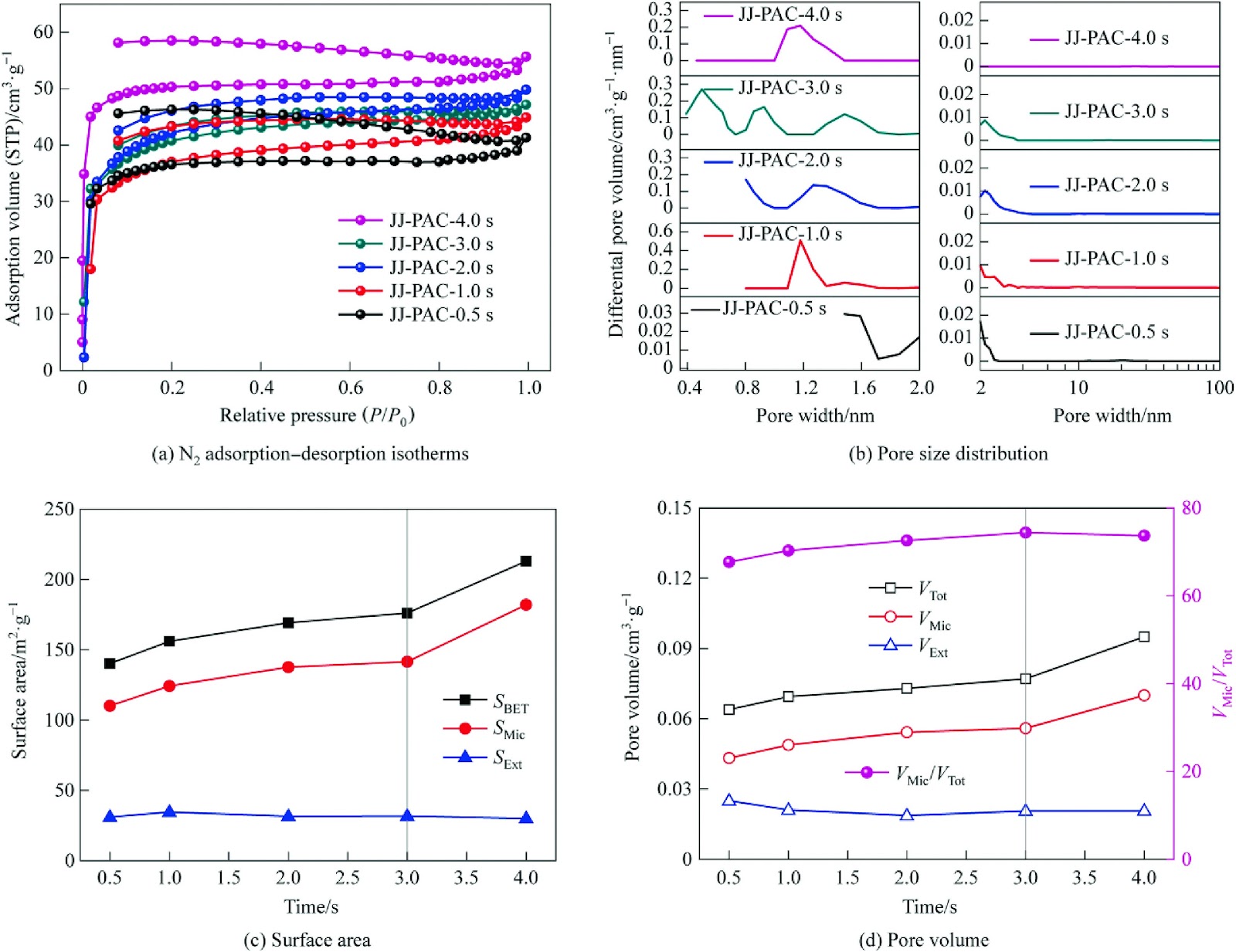
In this study, the impact of different reaction times on the preparation of powdered activated carbon (PAC) using a one-step rapid activation method under flue gas atmosphere is investigated, and the underlying reaction mechanism is summarized. Results indicate that the reaction process of this method can be divided into three stages: stage I is the rapid release of volatiles and the rapid consumption of O2, primarily occurring within a reaction time range of 0–0.5 s; stage II is mainly the continuous release and diffusion of volatiles, which is the carbonization and activation coupling reaction stage, and the carbonization process is the main in this stage. This stage mainly occurs at the reaction time range of 0.5–2.0 s when SL-coal is used as material, and that is 0.5–3.0 s when JJ-coal is used as material; stage III is mainly the activation stage, during which activated components diffuse to both the surface and interior of particles. This stage mainly involves the reaction stage of CO2 and H2O (g) activation, and it mainly occurs at the reaction time range of 2.0–4.0 s when SL-coal is used as material, and that is 3.0–4.0 s when JJ-coal is used as material. Besides, the main function of the first two stages is to provide more diffusion channels and contact surfaces/activation sites for the diffusion and activation of the activated components in the third stage. Mastering the reaction mechanism would serve as a crucial reference and foundation for designing the structure, size of the reactor, and optimal positioning of the activator nozzle in PAC preparation.

Study of the reaction mechanism for preparing powdered activated coke with SO2 adsorption capability via one-step rapid activation method under flue gas atmosphere
Graphical Abstract
Original ResearchVol. 32, Issue 11 • pp. 822-834DOI: 10.1016/j_cjche_144878408Nov 24, 2023

Selective adsorption of tetracycline by b-CD-immobilized sodium alginate aerogel coupled with ultrafiltration for reclaimed water

Authors: Xi Quan, Jun Zhang, Linlin Yin, Wei Zuo, Yu Tian

In this work, a novel composite material based on b-cyclodextrin-immobilized sodium alginate aerogel (b-CD/NaAlg) was developed utilizing cross-linker of epichlorohydrin and applied as an adsorbent to remove tetracycline antibiotics from reclaimed wastewater. A series of characterizations were utilized to confirm the successful synthesis of the adsorbent and this b-CD/NaAlg presented a three-dimensional network at the nanoscale or microscale. Under optimal conditions (pH ¼ 4, t ¼ 8 h, b-CD: NaAlg ¼ 9, adsorbent dosage ¼ 1.5 g$L-1), the maximum removal rate of b-CD/NaAlg to tetracycline was 70%. The adsorption behavior of tetracycline on b-CD/NaAlg conformed to the Freundlich isotherm model (R2 ¼ 0.9977) and the pseudo-second-order kinetic model (R2 ¼ 0.9993). Moreover, the adsorbent still removed 55.3% of tetracycline after five cycles. Specially, the adsorbent was integrated with ultrafiltration to adsorb tetracycline antibiotics from simulated reclaimed wastewater, and the removal rate of tetracycline reached 78.9% within 2 h. The existence of Cr (VI) had a negligible impact on tetracycline removal, while the presence of humic acid exhibited a promoting effect. The possible adsorption mechanisms were also elucidated through X-ray photoelectron spectroscopy and density functional theory analysis. In summary, b-CD/NaAlg represents an environmentally friendly, efficient, and sustainable adsorbent for removing tetracycline antibiotics from reclaimed water.

Selective adsorption of tetracycline by b-CD-immobilized sodium alginate aerogel coupled with ultrafiltration for reclaimed water
Graphical Abstract
Original ResearchVol. 32, Issue 11 • pp. 618-630DOI: 10.1016/j_cjche_144878042Nov 13, 2023

An effective strategy of constructing multi-metallic oxides of ZnO/CoNiO2/CoO/C microflowers for improved supercapacitive performance

Authors: Wei Guo, Yan Zhang, Xiaxin Lei, Shuang Wang

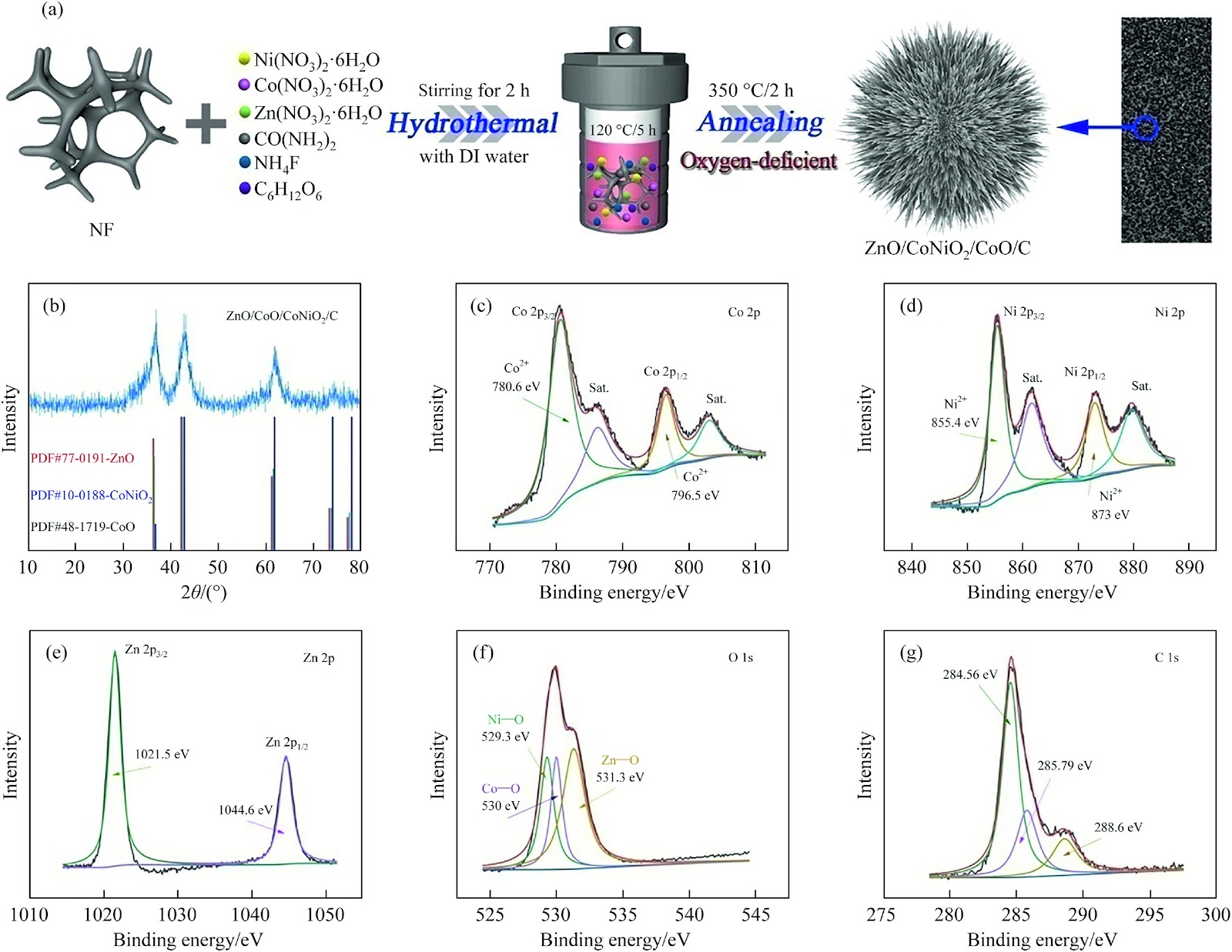
In this work, a new ZnO/CoNiO2/CoO/C metal oxides composite is prepared by cost-effective hydrothermal method coupled with annealing process under N2 atmosphere. Notably, the oxidation-defect annealing environment is conducive to both morphology and component of the composite, which flower-like ZnO/CoNiO2/CoO/C is obtained. Benefited from good chemical stability of ZnO, high energy capacity of CoNiO2 and CoO and good conductivity of C, the as-prepared sample shows promising electrochemical behavior, including the specific capacity of 1435 C·g−1 at 1 A·g−1, capacity retention of 87.3% at 20 A·g−1, and cycling stability of 90.5% for 3000 cycles at 5 A·g−1, respectively. Furthermore, the prepared ZnO/CoNiO2/CoO/C/NF//AC aqueous hybrid supercapacitors device delivers the best specific energy of 55.9 W·h·kg−1 at 850 W·kg−1. The results reflect that the as-prepared ZnO/CoNiO2/CoO/C microflowers are considered as high performance electrode materials for supercapacitor, and the strategy mentioned in this paper is benefit to prepare mixed metal oxides composite for energy conversion and storage.

An effective strategy of constructing multi-metallic oxides of ZnO/CoNiO2/CoO/C microflowers for improved supercapacitive performance
Graphical Abstract
Original ResearchVol. 32, Issue 11 • pp. 414-426DOI: 10.1016/j_cjche_144875803Nov 2, 2023

Environmental, economic and exergy analysis of separation of ternary azeotrope by variable pressure extractive distillation based on multi-objective optimization

Authors: Peizhe Cui, Jiafu Xing, Chen Li, Mengjin Zhou, Jifu Zhang, Yasen Dai, Limei Zhong, Yinglong Wang

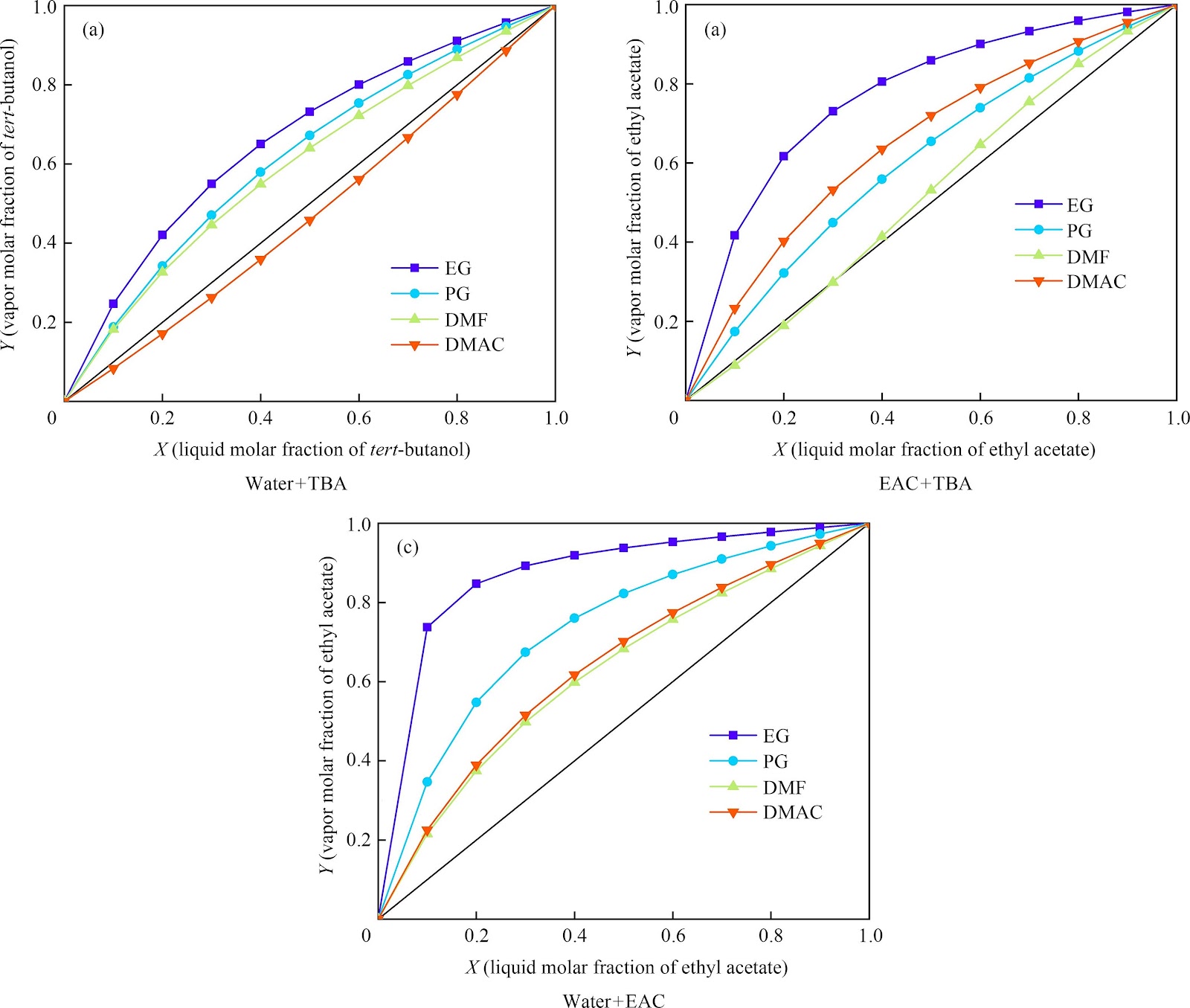
In this work, the ternary azeotrope of tert-butyl alcohol/ethyl acetate/water is separated by extractive distillation (ED) to recover the available constituents and protect the environment. Based on the conductor like shielding model and relative volatility method, ethylene glycol was selected as the extractant in the separation process. In addition, in view of the characteristic that the relative volatility between components changes with pressure, the multi-objective optimization method based on nondominated sorting genetic algorithm II optimizes the pressure and the amount of solvent cooperatively to avoid falling into the optimal local solution. Based on the optimal process parameters, the proposed heat-integrated process can reduce the gas emissions by 29.30%. The heat-integrated ED, further coupled with the pervaporation process, can reduce gas emission by 42.36% and has the highest exergy efficiency of 47.56%. In addition, based on the heat-integrated process, the proposed two heat pump assisted heat-integrated ED processes show good economic and environmental performance. The double heat pump assisted heat-integrated ED can reduce the total annual cost by 28.78% and the gas emissions by 55.83% compared with the basis process, which has a good application prospect. This work provides a feasible approach for the separation of ternary azeotropes.

Environmental, economic and exergy analysis of separation of ternary azeotrope by variable pressure extractive distillation based on multi-objective optimization
Graphical Abstract
Original ResearchVol. 32, Issue 10 • pp. 397-409DOI: 10.1016/j_cjche_144875618Oct 24, 2023

Enhanced activation of peroxymonosulfate by Fe/N co-doped ordered mesoporous carbon with dual active sites for efficient removal of m-cresol

Authors: Donghui Li, Wenzhe Wu, Xue Ren, Xixi Zhao, Hongbing Song, Meng Xiao, Quanhong Zhu, Hengjun Gai, Tingting Huang

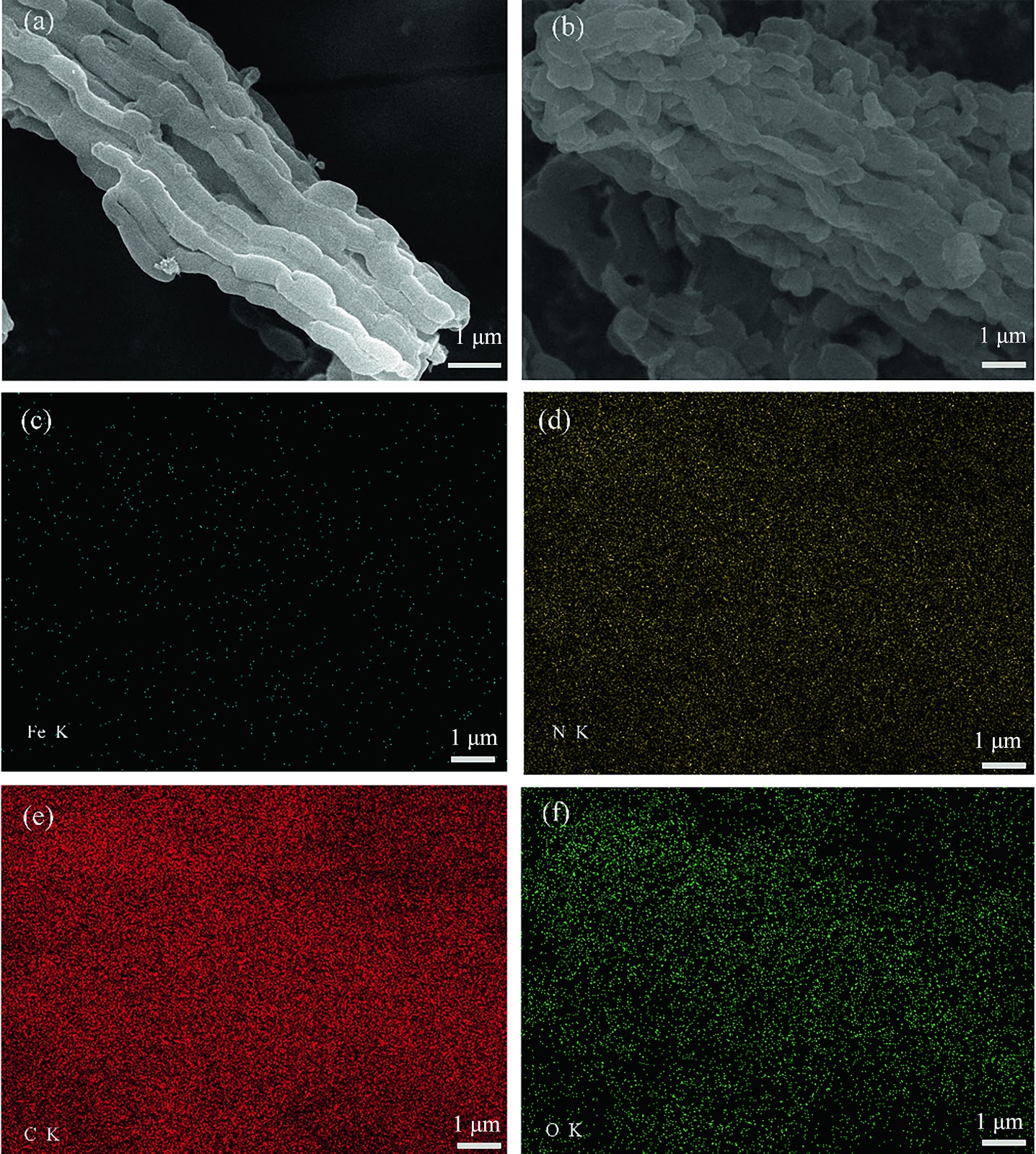
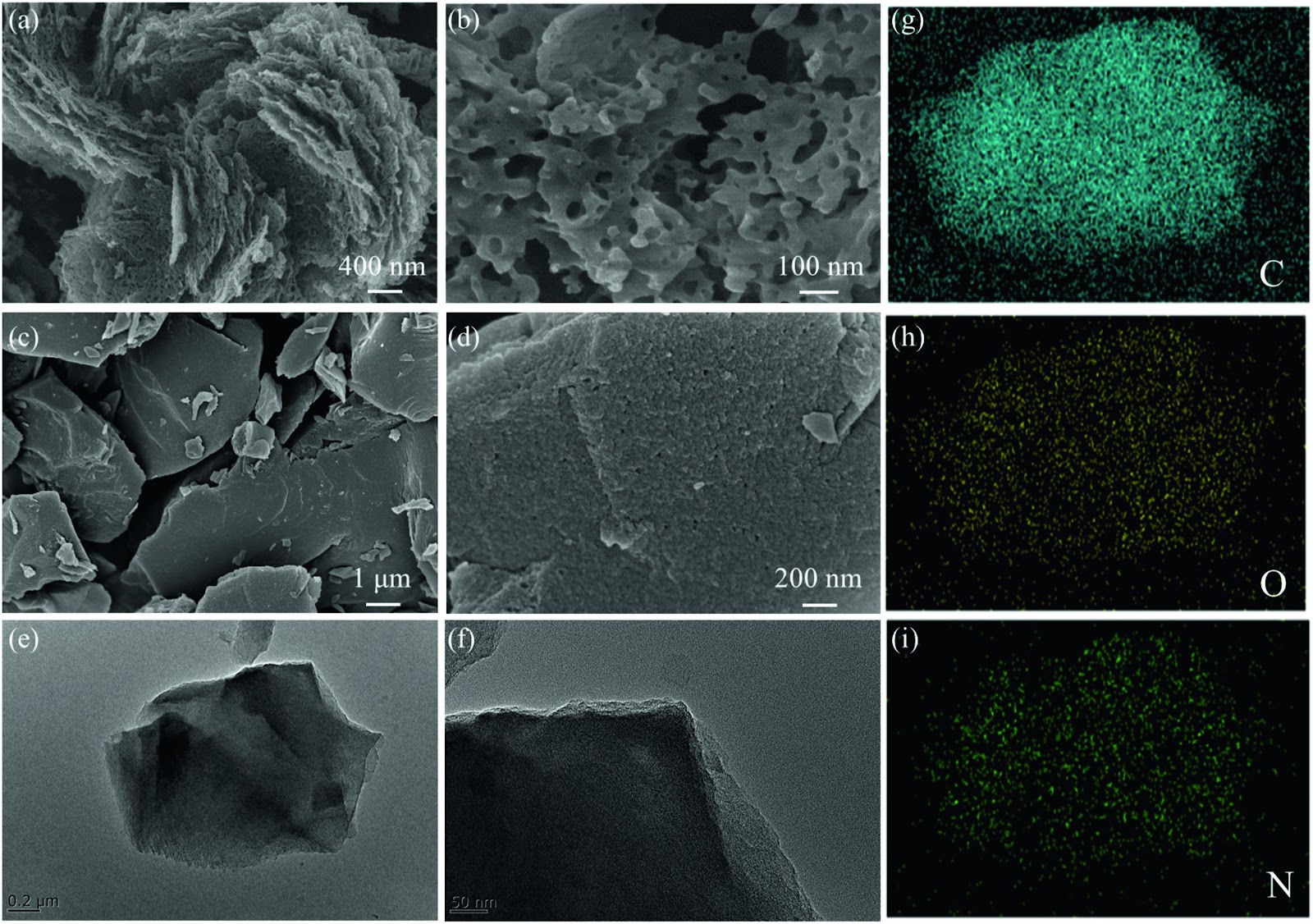
The novel Fe-N co-doped ordered mesoporous carbon with high catalytic activity in m-cresol removal was prepared by urea-assisted impregnation and simple pyrolysis method. During the preparation of the Fe-NC catalyst, the complexation of N elements in urea could anchor Fe, and the formation of C3N4 during urea pyrolysis could also prevent migration and aggregation of Fe species, which jointly improve the dispersion and stability of Fe. The FeN4 sites and highly dispersed Fe nanoparticles synergistically trigger the dual-site peroxymonosulfate (PMS) activation for highly efficient m-cresol degradation, while the ordered mesoporous structure of the catalyst could improve the mass transfer rate of the catalytic process, which together promote catalytic degradation of m-cresol by PMS activation. Reactive oxygen species (ROS) analytic experiments demonstrate that the system degrades m-cresol by free radical pathway mainly based on SO4•− and •OH, and partially based on •OH as the active components, and a possible PMS activation mechanism by 5Fe-50 for m-cresol degradation was proposed. This study can provide theoretical guidance for the preparation of efficient and stable catalysts for the degradation of organic pollutants by activated PMS.

Enhanced activation of peroxymonosulfate by Fe/N co-doped ordered mesoporous carbon with dual active sites for efficient removal of m-cresol
Graphical Abstract
Original ResearchVol. 32, Issue 3 • pp. 805-817DOI: 10.1016/j_cjche_144878383Oct 21, 2023

Pervaporation performance and characterization of hydrophilic ZSM-5 zeolite membranes for high inorganic acid and inorganic salts

Authors: Huanxu Teng, Ronghui You, Huanyi Li, Siqi Shao, Qi Zhou, Ying Yang, Ting Wu, Meihua Zhu, Xiangshu Chen, Hidetoshi Kita

The hydrophilic ZSM-5 zeolite membranes are applied to separate the inorganic acid solutions and inorganic acid/inorganic salt mixtures by pervaporation, and the membrane presents good stability, dehydration, and desalination performance. Influences of inorganic acid type (H2SO4, H3PO4, HNO3, and HCl), H2SO4 concentration (1e6 mol$L−1), test temperature (60e90 °C) and inorganic acid/inorganic salt type (2 mol$L−1 H2SO4 and sulfate, 2 mol$L−1 H3PO4 and phosphate) on the pervaporation performance are investigated in this work. Either for concentrating 3% (mass) H2SO4 solution or consecutive dehydrating 20% (mass) H2SO4 solution, the hydrophilic ZSM-5 zeolite membrane has a good dehydration performance and stability. Even though the H2SO4 concentration and test temperature are increased to 6 M and 90 °C, only H2O molecules could pass through the membrane and pH value of the permeation is kept neutral. Besides, the membrane has good dehydration and desalination performance for H2SO4/sulfates and H3PO4/phosphate mixtures, and the rejection of natrium salt, molysite, and magnesium is almost 100%.

Pervaporation performance and characterization of hydrophilic ZSM-5 zeolite membranes for high inorganic acid and inorganic salts
Graphical Abstract
Original ResearchVol. 32, Issue 10 • pp. 601-613DOI: 10.1016/j_cjche_144878040Oct 10, 2023

Metal-organic-framework-derived copper-based catalyst for multicomponent C–S coupling reaction

Authors: Lixin Chen, Hui Zhang, Linxi Hou, Xin Ge

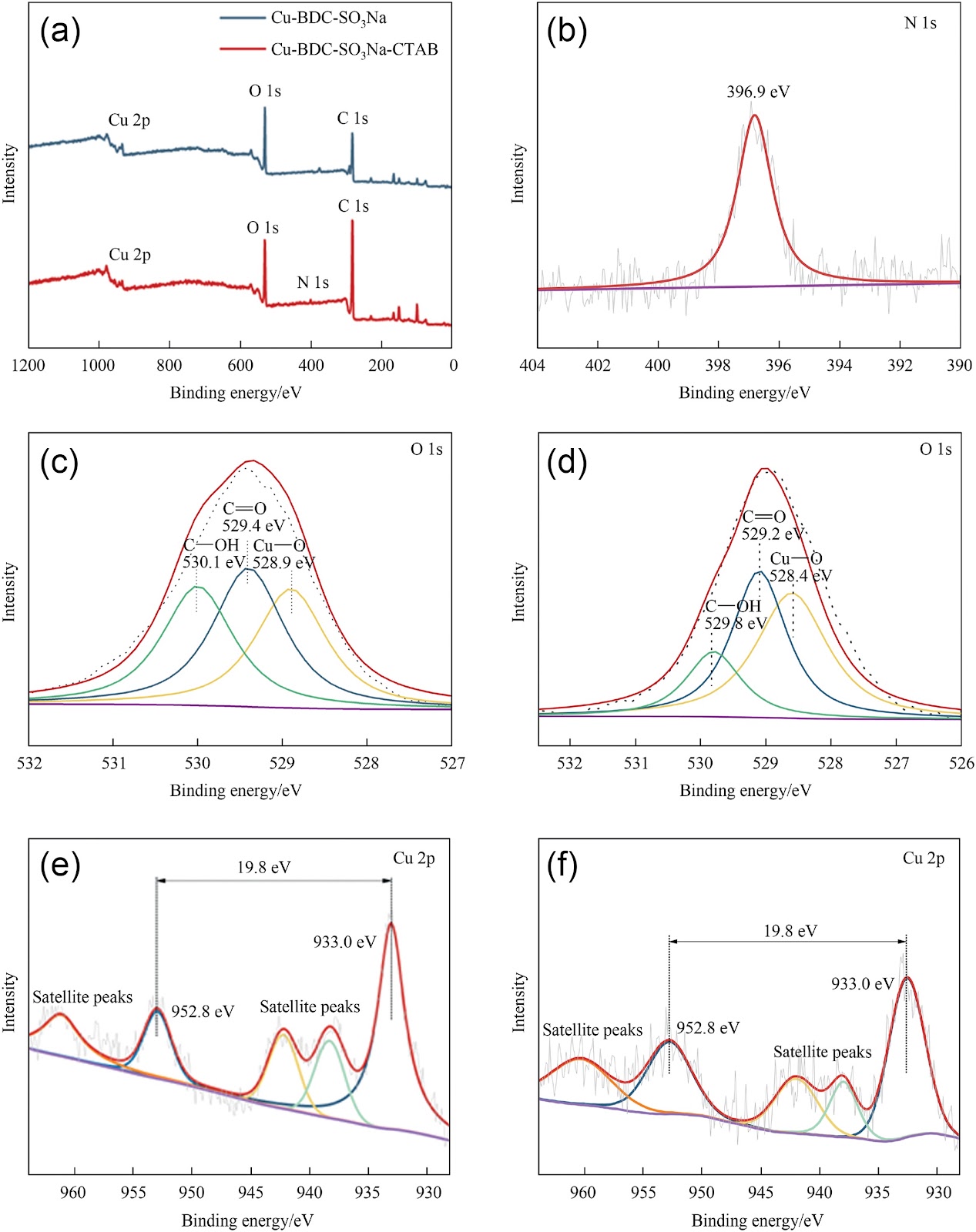
Copper-based metal-organic frameworks (Cu-MOFs) are a promising multiphase catalyst for catalyzing C–S coupling reactions by virtue of their diverse structures and functions. However, the unpleasant odor and instability of the organosulfur, as well as the mass-transfer resistance that exists in multiphase catalysis, have often limited the catalytic application of Cu-MOFs in C–S coupling reactions. In this paper, a Cu-MOFs catalyst modified by cetyltrimethylammonium bromide (CTAB) was designed to enhance mass transfer by increasing the adsorption of organic substrates using the long alkanes of CTAB. Concurrently, elemental sulfur was used to replace organosulfur to achieve a highly efficient and atom-economical multicomponent C–S coupling reaction.

Metal-organic-framework-derived copper-based catalyst for multicomponent C–S coupling reaction
Graphical Abstract
Original ResearchVol. 32, Issue 9 • pp. 380-392DOI: 10.1016/j_cjche_144875065Sep 21, 2023

Green synthesis of ZSM-5 using silica fume and catalytic co-cracking of lignin and plastics for production of monocyclic aromatics

Authors: Hongbing Fu, Yufei Gu, Tianhua Gao, Fuwei Li, Hengshuo Gu, Hucheng Ge, Yuke Liu, Zhixia Li, Hongfei Lin, Jiangfei Cao

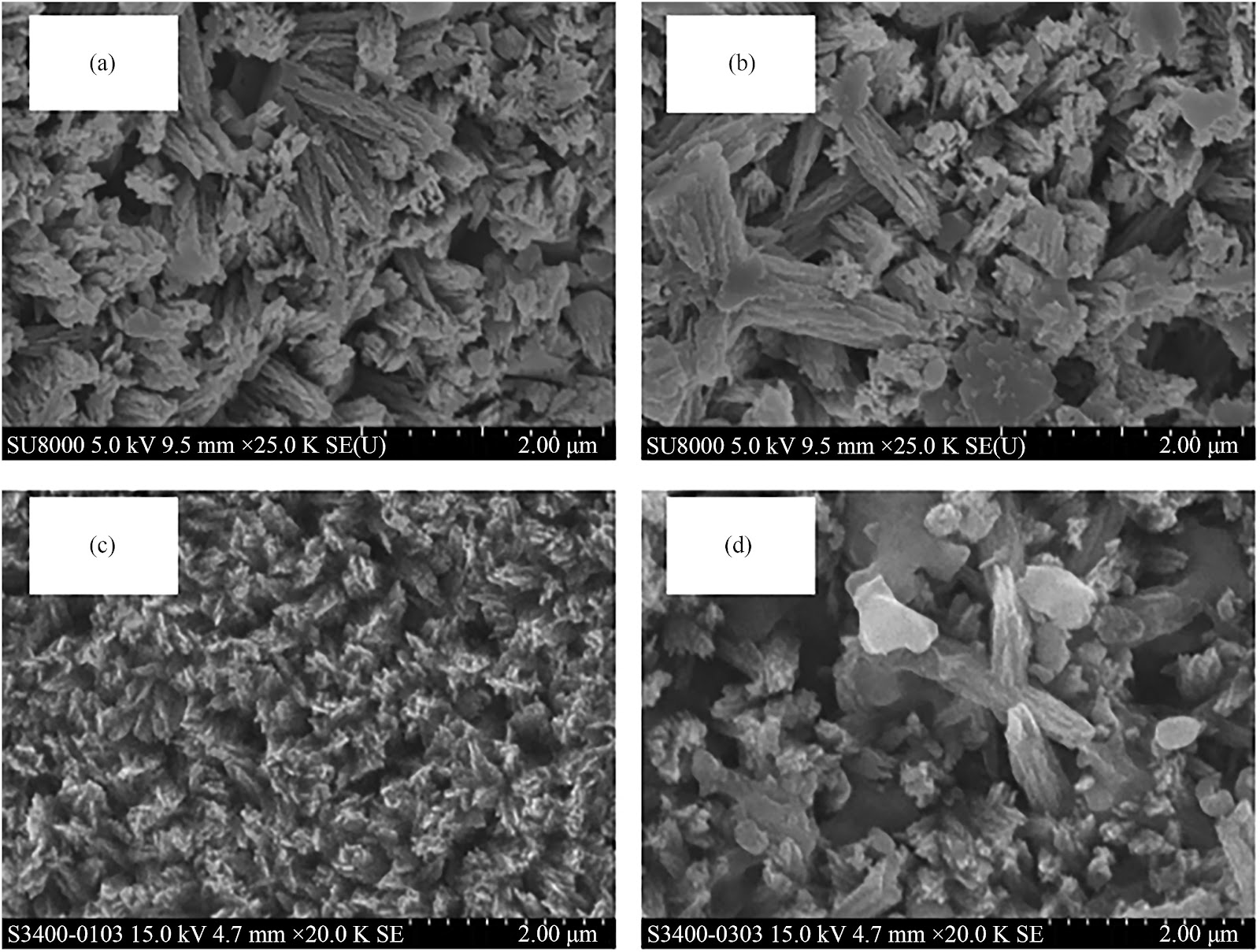
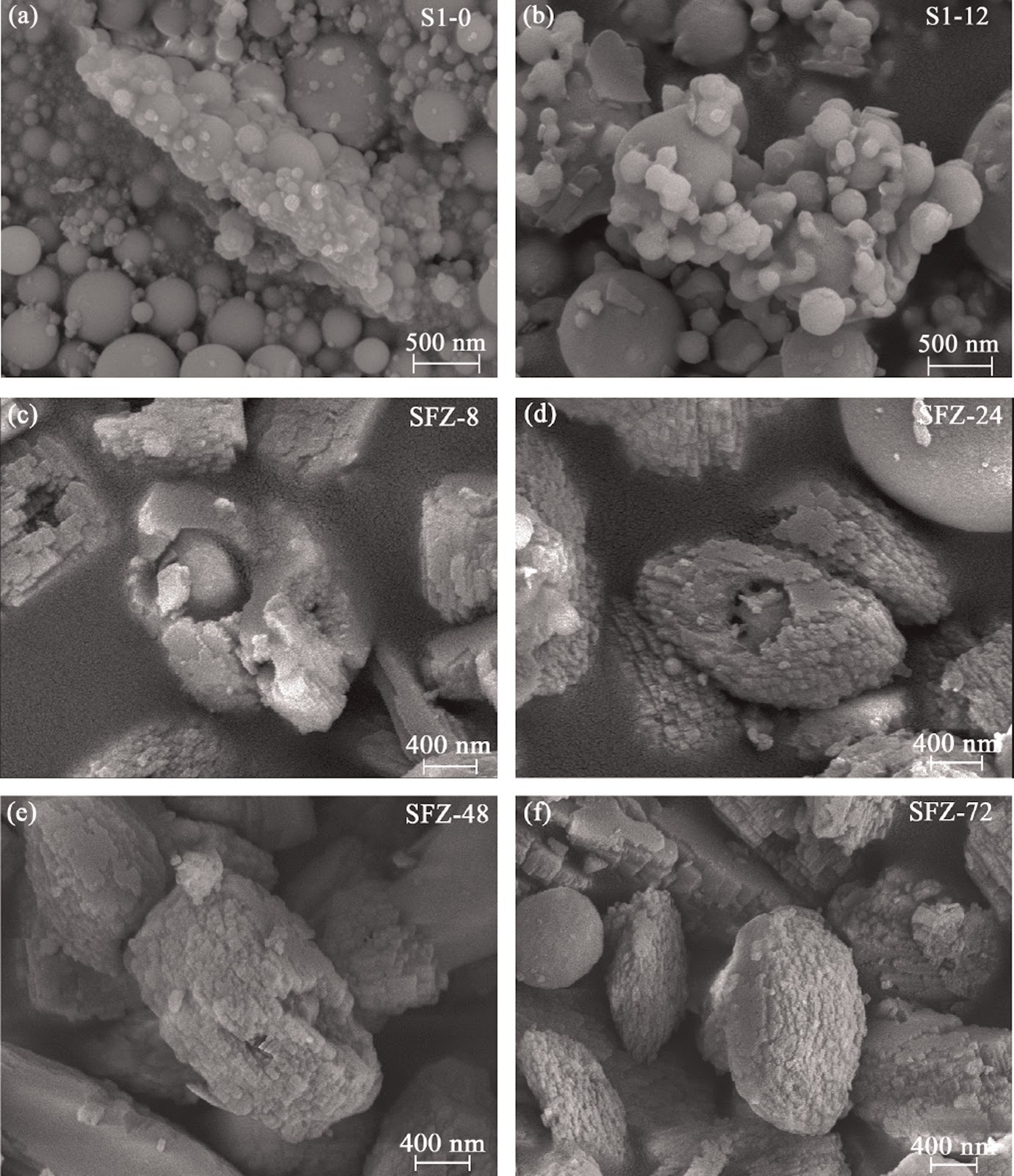
ZSM-5 with hierarchical pore structure was synthesized by a simple two-step hydrothermal crystallization from silica fume without using any organic ammonium templates. The synthesized ZSM-5 were oval shaped particles with a particle size about 2.0 lm and weak acid-dominated with proper Brønsted (B) and Lewis (L) acid sites. The ZSM-5 was used for catalytic co-cracking of n-octane and guaiacol, low-density polyethylene (LDPE) and alkali lignin (AL) to enhance the production of benzene, toluene, ethylbenzene and xylene (BTEX). The most significant synergistic effect occurred at n-octane/guaiacol at 1:1 and LDPE/AL at 1:3, under the condition, the achieved BTEX selectivity were 24% and 33% (mass) higher than the calculated values (weighted average). The highest BTEX selectivity reached 88.5%, which was 3.7% and 54.2% higher than those from individual cracking LDPE and AL. The synthesized ZSM-5 exhibited superior catalytic performance compared to the commercial ZSM-5, indicating potential application prospect.

Green synthesis of ZSM-5 using silica fume and catalytic co-cracking of lignin and plastics for production of monocyclic aromatics
Graphical Abstract
Original ResearchVol. 32, Issue 9 • pp. 788-800DOI: 10.1016/j_cjche_144878273Sep 18, 2023

Effect of mesopore spatial distribution of HZSM-5 catalyst on zinc state and product distribution in 1-hexene aromatization

Authors: Chenhao Wei, Di Gao, Guohao Zhang, Liang Zhao, Jinsen Gao, Chunming Xu

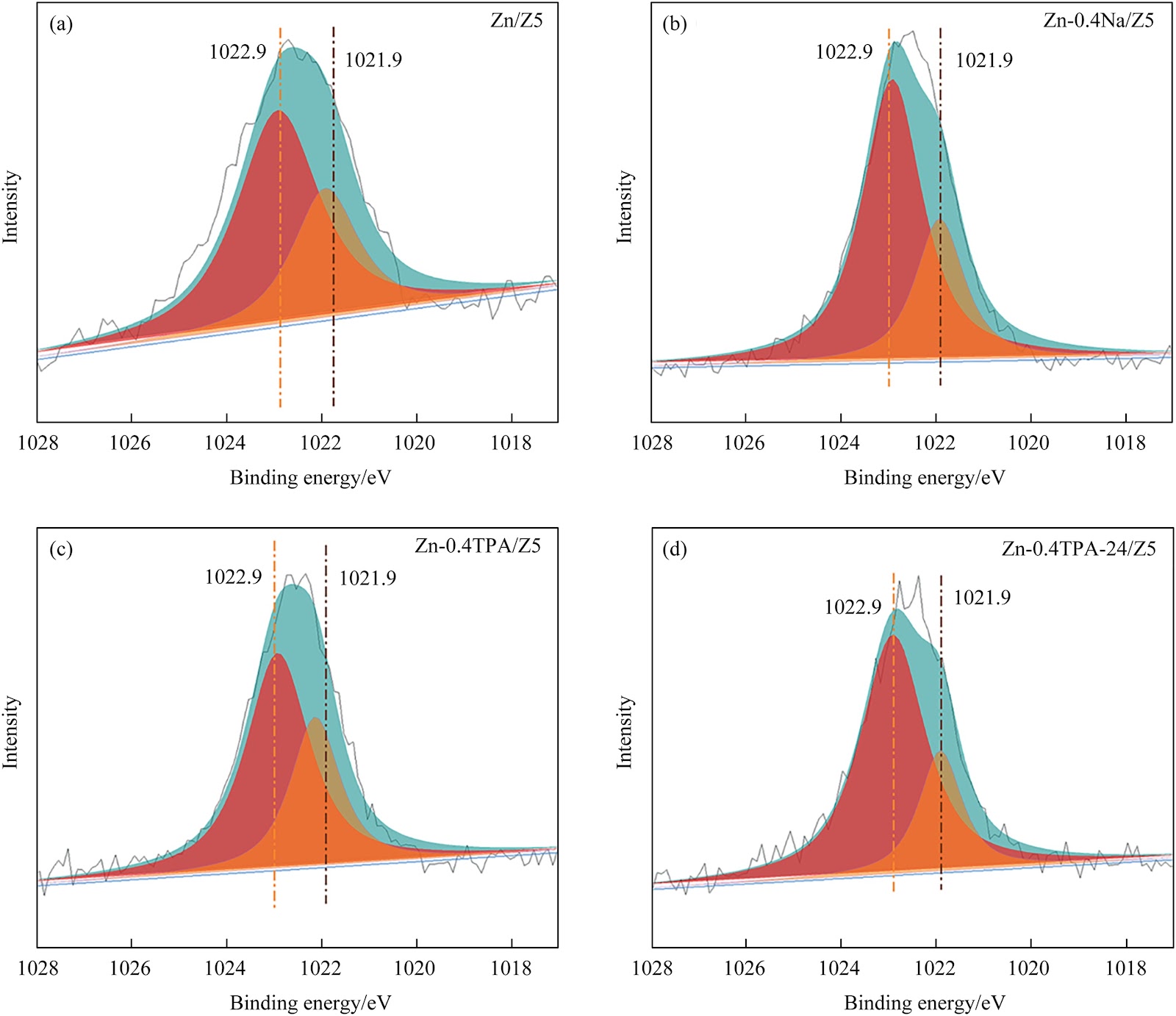
1-hexene aromatization is a promising technology to convert excess olefin in fluid catalytic cracking (FCC) gasoline to high-value benzene (B), toluene (T), and xylene. Besides, the increasing market demand of xylene has put forward higher requirements for new generation of catalyst. For increasing xylene yield in 1-hexene aromatization, the effect of mesopore structure and spatial distribution on product distribution and Zn loading was studied. Catalysts with different mesopore spatial distribution were prepared by post-treatment of parent HZSM-5 zeolite, including NaOH treatment, tetra-propylammonium hydroxide (TPAOH) treatment, and recrystallization. It was found the evenly distributed mesopore mainly prolongs the catalyst lifetime by enhancing diffusion properties but reduces the aromatics selectivity, as a result of damage of micropores close to the catalyst surface. While the selectivity of high-value xylene can be highly promoted when the mesopore is mainly distributed interior the catalyst. Besides, the state of loaded Zn was also affected by mesopores spatial distribution. On the optimized catalyst, the xylene selectivity was enhanced by 12.4% compared with conventional Zn-loaded parent HZSM-5 catalyst at conversion over 99%. It was attributed to the synergy effect of mesopores spatial distribution and optimized acid properties. This work reveals the role of mesopores in different spatial positions of 1-hexene aromatization catalysts in the reaction process and the influence on metal distribution, as well as their synergistic effect two on the improvement of xylene selectivity, which can improve our understanding of catalyst pore structure and be helpful for the rational design of high-efficient catalyst.

Effect of mesopore spatial distribution of HZSM-5 catalyst on zinc state and product distribution in 1-hexene aromatization
Graphical Abstract
Original ResearchVol. 32, Issue 9 • pp. 584-596DOI: 10.1016/j_cjche_144877764Sep 7, 2023

Preparation of PrFexCo1exO3/Mt catalyst and study on degradation of 2-hydroxybenzoic acid wastewater by catalytic wet peroxide oxidation

Authors: Binxia Zhao, Yijia Gao, Tiancheng Hun, Xiaoxiao Fan, Nan Shao, Xiaoqian Chen

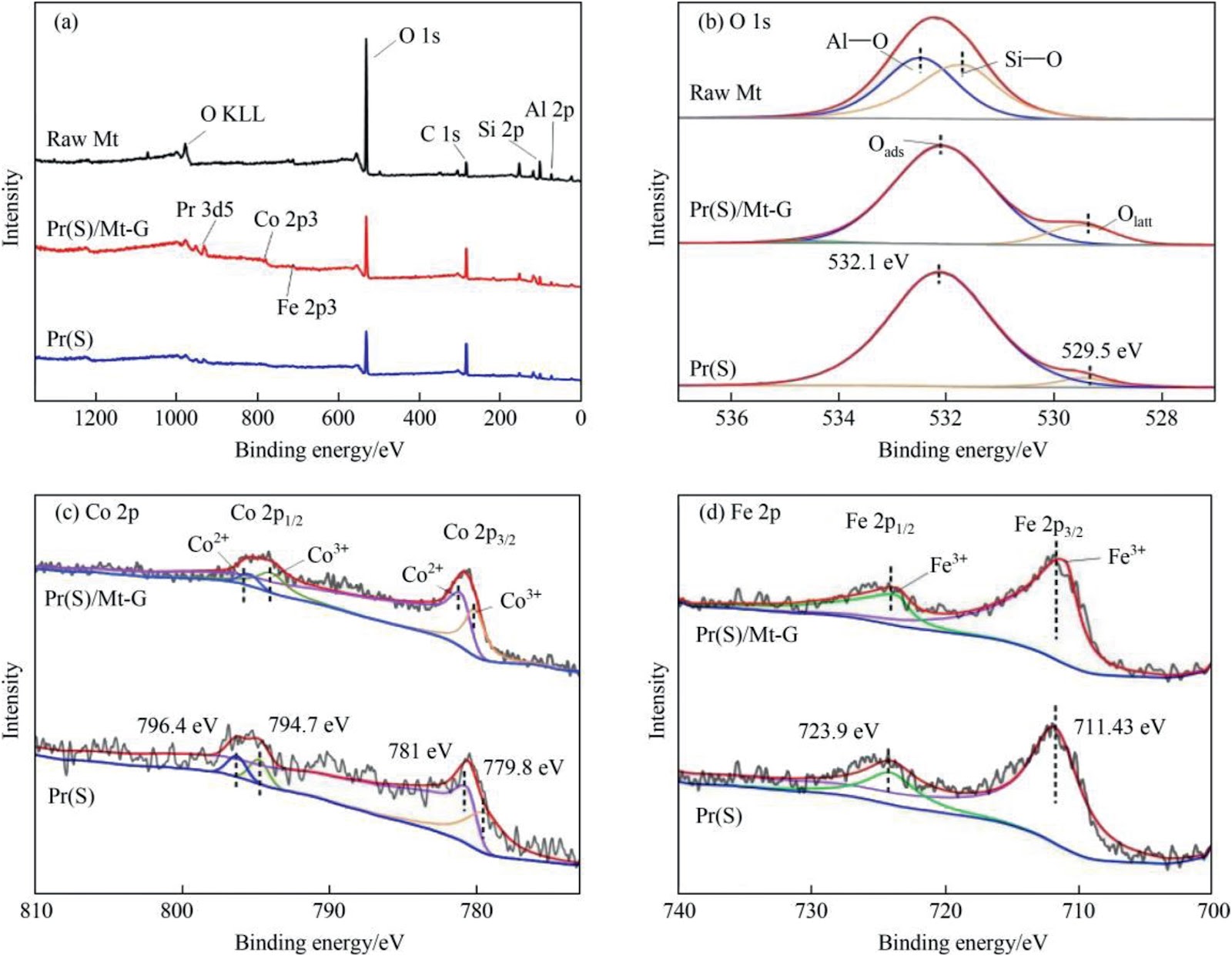
In this study, the perovskite nanocomposite PrFexCo1exO3(Pr(S)) was successfully synthesized by the sol-gel method; PrFexCo1exO3/Al-pillared montmorillonite (Pr(S)/Mt) catalysts were prepared by impregnation (D) method and solid-melting (G) method, respectively, with Pr(S) as the active component and Al-pillared montmorillonite as the carrier. The catalysts were applied to treat the 2-hydroxybenzoic acid (2-HA)-simulated wastewater by catalytic wet peroxide oxidation (CWPO) technique, and the chemical oxygen demand (COD) removal rate and the 2-HA degradation rate were used as indicators to evaluate the catalytic performance. The results of the experiment indicated that the solid-melting method was more conducive to preparing the catalyst when the Co/Fe molar ratio of 7:3 and the optimal structural properties of the catalysts were achieved. The influence of operating parameters, including reaction temperature, catalyst dosage, H2O2 dosage, pH, and initial 2-HA concentration, were optimized for the degradation of 2-HA by CWPO. The results showed that 97.64% of 2-HA degradation and 75.23% of COD removal rate were achieved under more suitable experimental conditions. In addition, after the catalyst was used five times, the degradation rate of 2-HA could still reach 76.93%, which implied the high stability and reusability of the catalyst. The high catalytic activity of the catalyst was due to the doping of Co into PrFeO3, which could promote the generation of HO•, and the high stability could be attributed to the loading of Pr(S) onto Al-Mt, which reduced the leaching of reactive metals. The study of reaction mechanism and kinetics showed that the whole degradation process conformed to the pseudo-first-order kinetic equation, and the Langmuir-Hinshelwood method was applied to demonstrate that catalysis was dominant in the degradation process.
Preparation of PrFexCo1exO3/Mt catalyst and study on degradation of 2-hydroxybenzoic acid wastewater by catalytic wet peroxide oxidation
Graphical Abstract
Original ResearchVol. 32, Issue 8 • pp. 363-375DOI: 10.1016/j_cjche_144875468Aug 18, 2023

Study on synergistic leaching of potassium and phosphorus from potassium feldspar and solid waste phosphogypsum via coupling reactions

Authors: Chao Li, Shizhao Wang, Yunshan Wang, Xuebin An, Gang Yang, Yong Sun

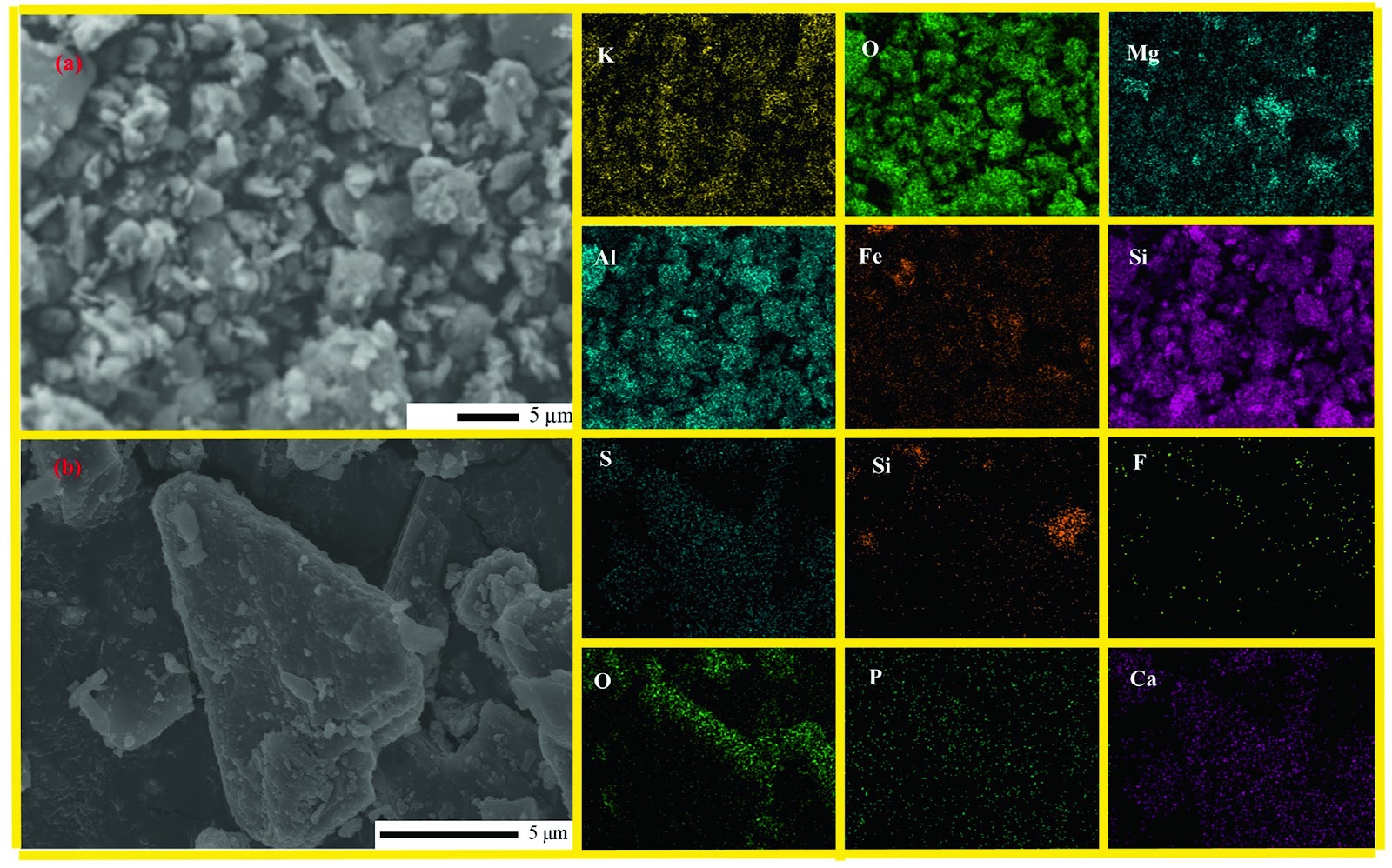
To achieve the resource utilization of solid waste phosphogypsum (PG) and tackle the problem of utilizing potassium feldspar (PF), a coupled synergistic process between PG and PF is proposed in this paper. The study investigates the features of P and F in PG, and explores the decomposition of PF using hydrofluoric acid (HF) in the sulfuric acid system for K leaching and leaching of P and F in PG. The impact factors such as sulfuric acid concentration, reaction temperature, reaction time, material ratio (PG/PF), liquid–solid ratio, PF particle size, and PF calcination temperature on the leaching of P and K is systematically investigated in this paper. The results show that under optimal conditions, the leaching rate of K and P reach more than 93% and 96%, respectively. Kinetics study using shrinking core model (SCM) indicates two significant stages with internal diffusion predominantly controlling the leaching of K. The apparent activation energies of these two stages are 11.92 kJ·mol⁻¹ and 11.55 kJ·mol⁻¹, respectively.

Study on synergistic leaching of potassium and phosphorus from potassium feldspar and solid waste phosphogypsum via coupling reactions
Graphical Abstract
Original ResearchVol. 32, Issue 8 • pp. 771-783DOI: 10.1016/j_cjche_144878343Aug 15, 2023

Enhancing capacitive deionization performance and cyclic stability of nitrogen-doped activated carbon by the electro-oxidation of anode materials

Authors: Xiaona Liu, Baohua Zhao, Yanyun Hu, Luyue Huang, Jingxiang Ma, Shuqiao Xu, Zhonglin Xia, Xiaoying Ma, Shuangchen Ma

Electrode materials with high desalination capacity and long-term cyclic stability are the focus of capacitive deionization (CDI) community. Understanding the causes of performance decay in traditional carbons is crucial to design a high-performance material. Based on this, here, nitrogen-doped activated carbon (NAC) was prepared by pyrolyzing the blend of activated carbon powder (ACP) and melamine for the positive electrode of asymmetric CDI. By comparing the indicators changes such as conductivity, salt adsorption capacity, pH, and charge efficiency of the symmetrical ACP–ACP device to the asymmetric ACP–NAC device under different CDI cycles, as well as the changes of the electrochemical properties of anode and cathode materials after long-term operation, the reasons for the decline of the stability of the CDI performance were revealed. It was found that the carboxyl functional groups generated by the electro-oxidation of anode carbon materials make the anode zero-charge potential (Epzc) shift positively, which results in the uneven distribution of potential windows of CDI units and affects the adsorption capacity. Furthermore, by understanding the electron density on C atoms surrounding the N atoms, we attribute the increased cyclic stability to the enhanced negativity of the charge of carbon atoms adjacent to quaternary-N and pyridinic-oxide-N.
Enhancing capacitive deionization performance and cyclic stability of nitrogen-doped activated carbon by the electro-oxidation of anode materials
Graphical Abstract
Original ResearchVol. 32, Issue 8 • pp. 567-579DOI: 10.1016/j_cjche_144877726Aug 4, 2023

Rational surface charge engineering of haloalkane dehalogenase for boosting the enzymatic performance in organic solvent solutions

Authors: Yin Wu, Yan Sun

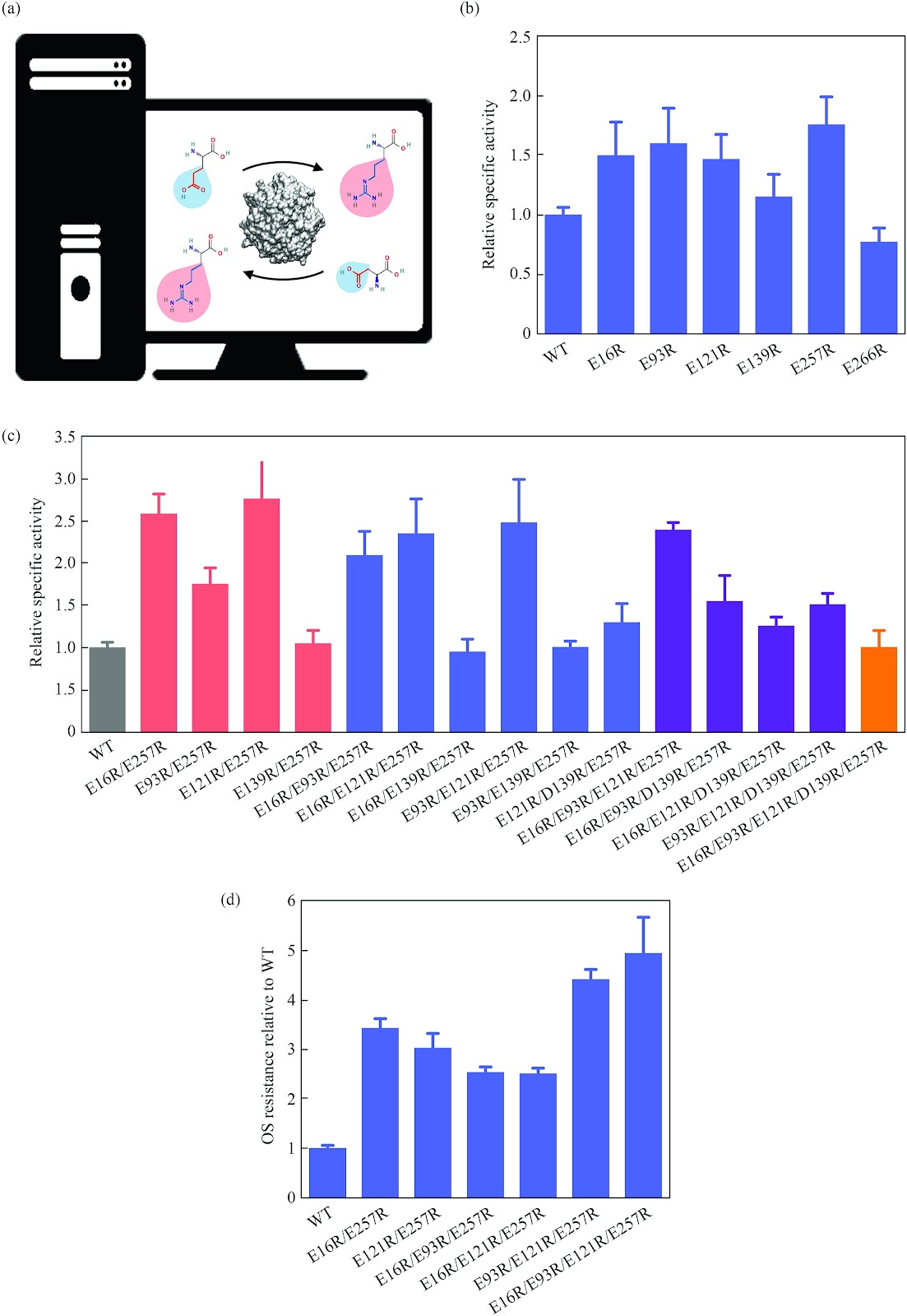
Biocatalysis in organic solvents (OSs) has numerous important applications, but native enzymes in OSs often exhibit limited catalytic performance. Herein, we proposed a computation-aided surface charge engineering strategy to improve the catalytic performance of haloalkane dehalogenase DhaA in OSs based on the energetic analysis of substrate binding to the DhaA surface. Several variants with enhanced OS resistance were obtained by replacing negative charged residues on the surface with positive charged residue (Arg). Particularly, a four-substitution variant E16R/E93R/E121R/E257R exhibited the best catalytic performance (five-fold improvement in OS resistance and seven-fold half-life increase in 40% (vol) dimethylsulfoxide). As a result, the overall catalytic performance of the variant could be at least 26 times higher than the wild-type DhaA. Fluorescence spectroscopy and molecular dynamics simulation studies revealed that the residue substitution mainly enhanced OS resistance from four aspects: (a) improved the overall structural stability, (b) increased the hydrophobicity of the local microenvironment around the catalytic triad, (c) enriched the hydrophobic substrate around the enzyme molecule, and (d) lowered the contact frequency between OS molecules and the catalytic triad. Our findings validate that computation-aided surface charge engineering is an effective and ingenious rational strategy for tailoring enzyme performance in OSs.

Rational surface charge engineering of haloalkane dehalogenase for boosting the enzymatic performance in organic solvent solutions
Graphical Abstract
Original ResearchVol. 32, Issue 7 • pp. 346-358DOI: 10.1016/j_cjche_144875280Jul 15, 2023

Investigation of oxy-fuel combustion for methane and acid gas in a diffusion flame

Authors: Songling Guo, Xun Tao, Fan Zhou, Mengyan Yu, Yufan Wu, Yunfei Gao, Lu Ding, Fuchen Wang

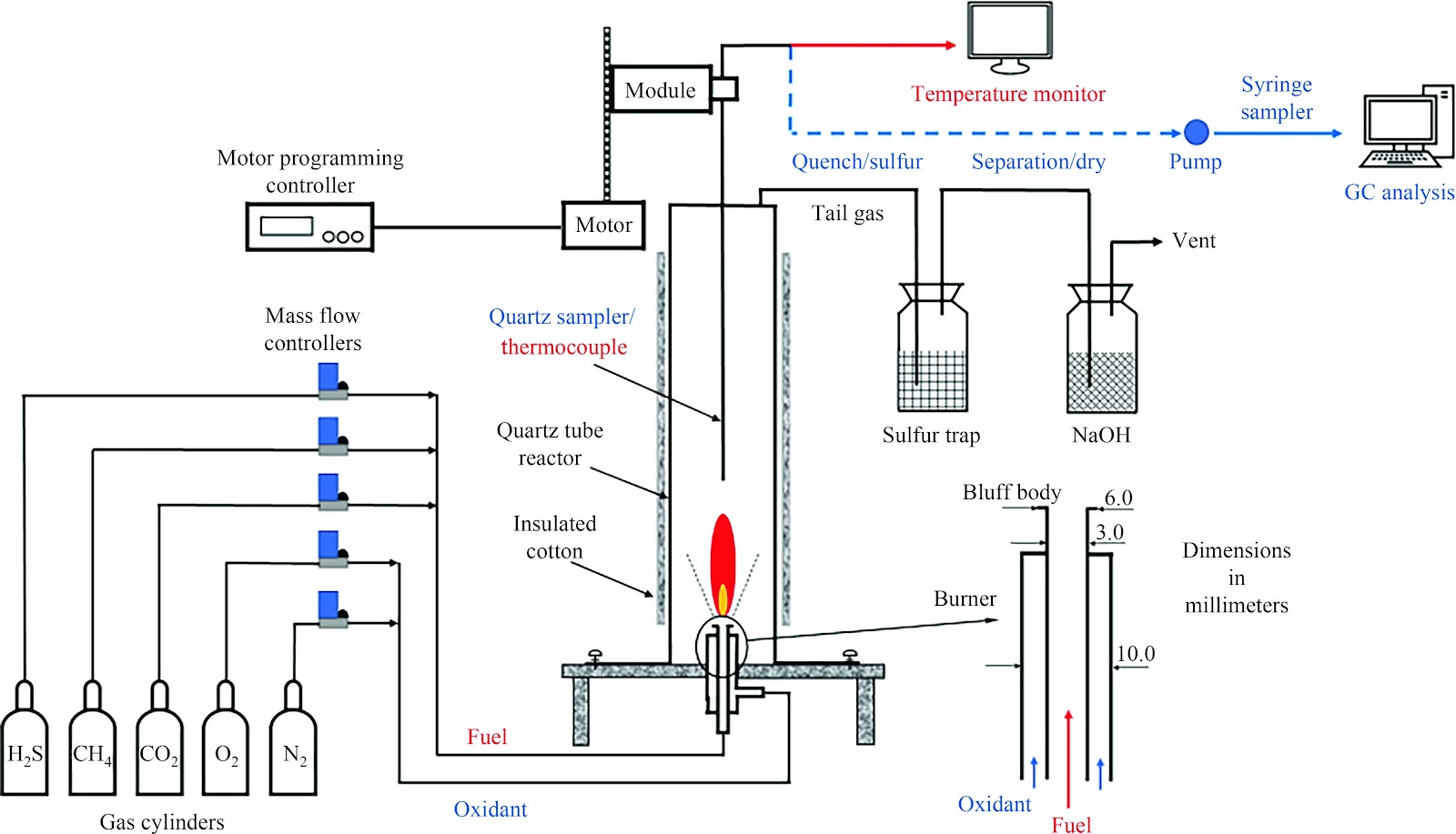
Co-combustion of methane (CH4) and acid gas (AG) is required to sustain the temperature in Claus reaction furnace. In this study, oxy-fuel combustion of methane and acid gas has been experimentally studied in a diffusion flame. Three equivalence ratios (ER = 1.0, 1.5, 2.0) and CH4-addition ratios (CH4/AG = 0.3, 0.5, 0.7) were examined and the flame was interpreted by analyzing the distributions of the temperature and species concentration along central axial. CH4-AG diffusion flame could be classified into three sections namely initial reaction, oxidation and complex reaction sections. Competitive oxidation of CH4 and H2S was noted in the first section wherein H2S was preferred and both were mainly proceeding decomposition and partial oxidation. SO2 was formed at oxidation section together with obvious presence of H2 and CO. However, H2 and CO were inclined to be sustained under fuel rich condition in the complex reaction section. Reducing ER and increasing CH4/AG contributed to higher temperature, H2S and CH4 oxidation and CO2 reactivity. Hence a growing trend for CH4 and AG to convert into H2, CO and SO2 could be witnessed. And this factor enhanced the generation of CS2 and COS in the flame inner core by interactions of CH4 and CO2 with sulfur species. COS was formed through the interactions of CO and CO2 with sulfur species. The CS2 production directly relied on reaction of CH4 with sulfur species. The concentration of COS was greater than CS2 since CS2 was probably inhibited due to the presence of H2. COS and CS2 could be consumed by further oxidation or other complex reactions.

Investigation of oxy-fuel combustion for methane and acid gas in a diffusion flame
Graphical Abstract
Original ResearchVol. 32, Issue 7 • pp. 550-562DOI: 10.1016/j_cjche_144877639Jul 1, 2023

Active MoS2-based electrode for green ammonia synthesis

Authors: Xin Liu, Lei Yang, Tao Wei, Shanping Liu, Beibei Xiao

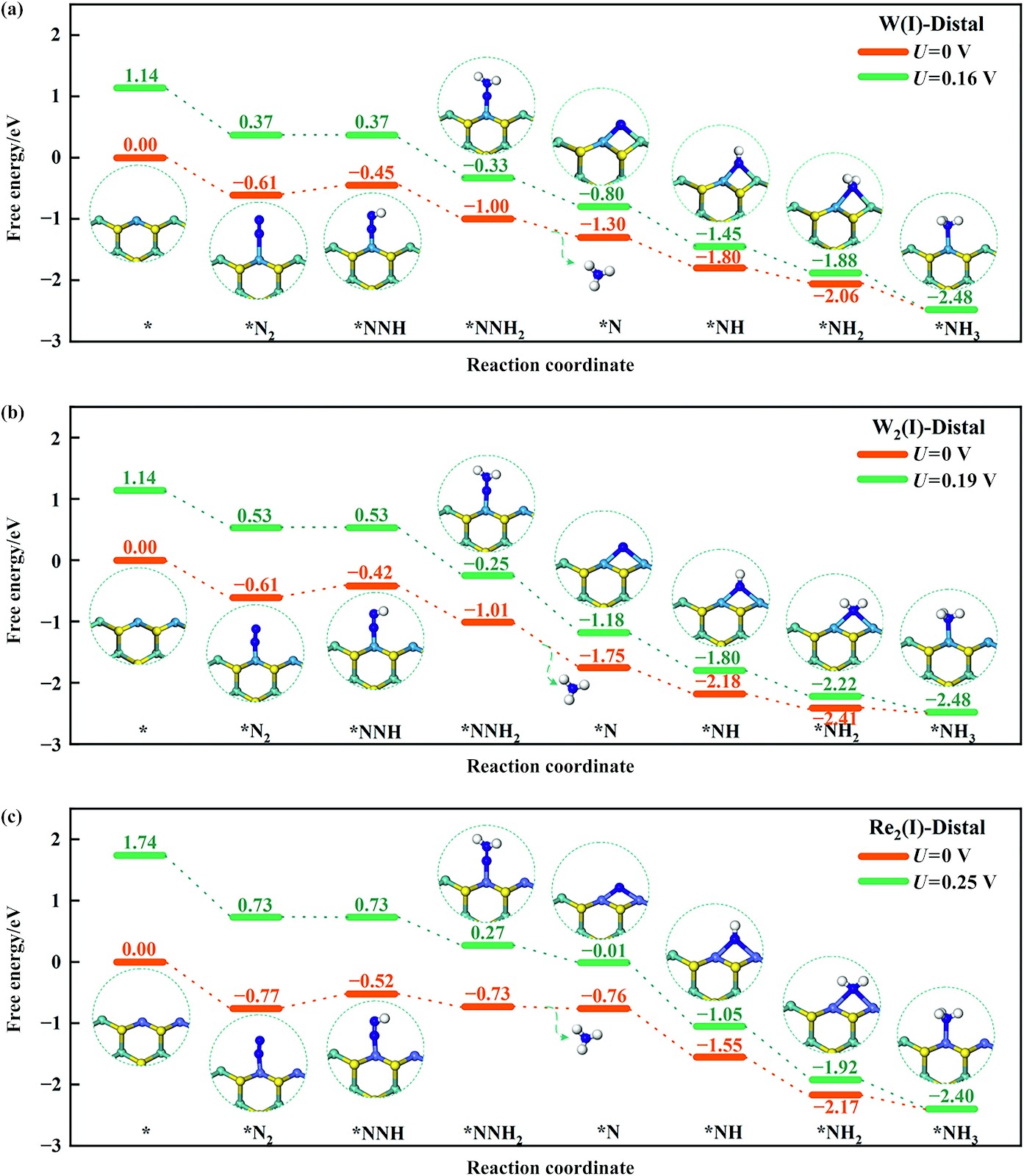
Nitrogen electro-reduction under mild conditions is one promising alternative approach of the energy-consuming Haber-Bosch process for the artificial ammonia synthesis. One critical aspect to unlocking this technology is to discover the catalysts with high selectivity and efficiency. In this work, the N2-to-NH3 conversion on the functional MoS2 is fully investigated by density functional theory calculations since the layered MoS2 provides the ideal platform for the elaborating copies of the nitrogenase found in nature, wherein the functionalization is achieved via basal-adsorption, basal-substitution or edge-substitution of transition metal elements. Our results reveal that the edge-functionalization is a feasible strategy for the activity promotion; however, the basal-adsorption and basal-substitution separately suffer from the electrochemical instability and the NRR inefficiency. Specifically, MoS2 functionalized via edge W-substitution exhibits an exceptional activity. The energetically favored reaction pathway is through the distal pathway and a limiting potential is less than 0.20 V. Overall, this work escalates the rational design of the high-effective catalysts for nitrogen fixation and provides the explanation why the predicated catalyst have a good performance, paving the guidance for the experiments.

Active MoS2-based electrode for green ammonia synthesis
Graphical Abstract
Original ResearchVol. 32, Issue 6 • pp. 533-545DOI: 10.1016/j_cjche_144877061Jun 23, 2023

Highly selective extraction of aromatics from aliphatics by using metal chloride-based ionic liquids

Authors: Hui Yu, Xiaojia Wu, Chuanqi Geng, Xinyu Li, Chencan Du, Zhiyong Zhou, Zhongqi Ren

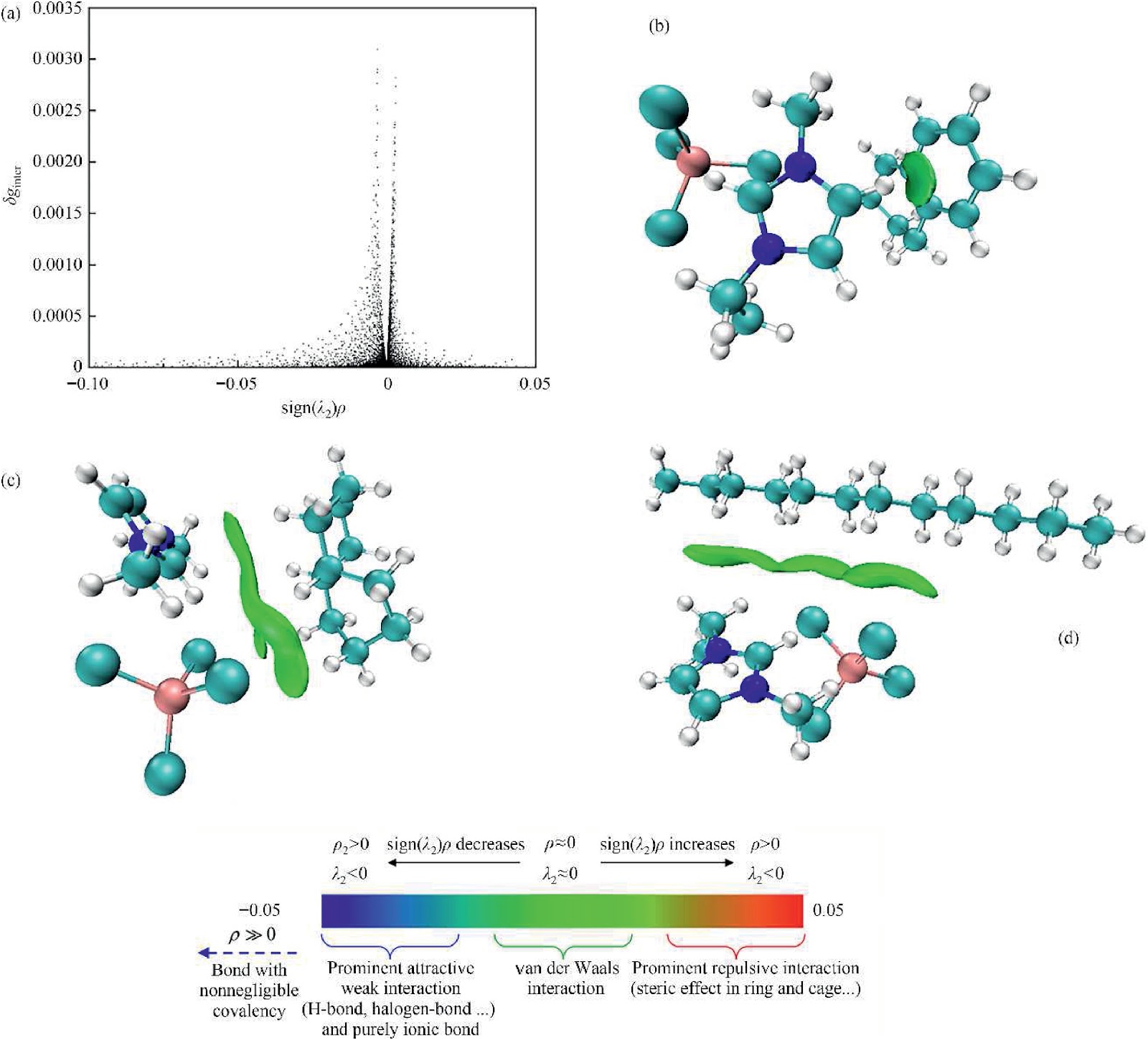
The separation of aromatics from aliphatics is essential for achieving maximum exploitation of oil resources in the petrochemical industry. In this study, a series of metal chloride-based ionic liquids were prepared and their performances in the separation of 1,2,3,4-tetrahydronaphthalene (tetralin)/dodecane and tetralin/decalin systems were studied. Among these ionic liquids, 1-ethyl-3-methylimidazolium tetrachloroferrate ([EMIM][FeCl4]) with the highest selectivity was used as the extractant. Density functional theory calculations showed that [EMIM][FeCl4] interacted more strongly with tetralin than with dodecane and decalin. Energy decomposition analysis of [EMIM][FeCl4]–tetralin indicated that electrostatics and dispersion played essential roles, and induction cannot be neglected. The van der Waals forces was a main effect in [EMIM][FeCl4]–tetralin by independent gradient model analysis. The tetralin distribution coefficient and selectivity were 0.8 and 110, respectively, with 10% (mol) tetralin in the initial tetralin/dodecane system, and 0.67 and 19.5, respectively, with 10% (mol) tetralin in the initial tetralin/decalin system. The selectivity increased with decreasing alkyl chain length of the extractant. The influence of the extraction temperature, extractant dosage, and initial concentrations of the system components on the separation performance were studied. Recycling experiments showed that the regenerated [EMIM][FeCl4] could be used repeatedly.

Highly selective extraction of aromatics from aliphatics by using metal chloride-based ionic liquids
Graphical Abstract
Original ResearchVol. 32, Issue 6 • pp. 329-341DOI: 10.1016/j_cjche_144874886Jun 12, 2023

Boosting kinetic separation of ethylene and ethane on microporous materials via crystal size control

Authors: Yixuan Ma, Cong Yu, Lifeng Yang, Rimin You, Yawen Bo, Qihan Gong, Huabin Xing, Xili Cui

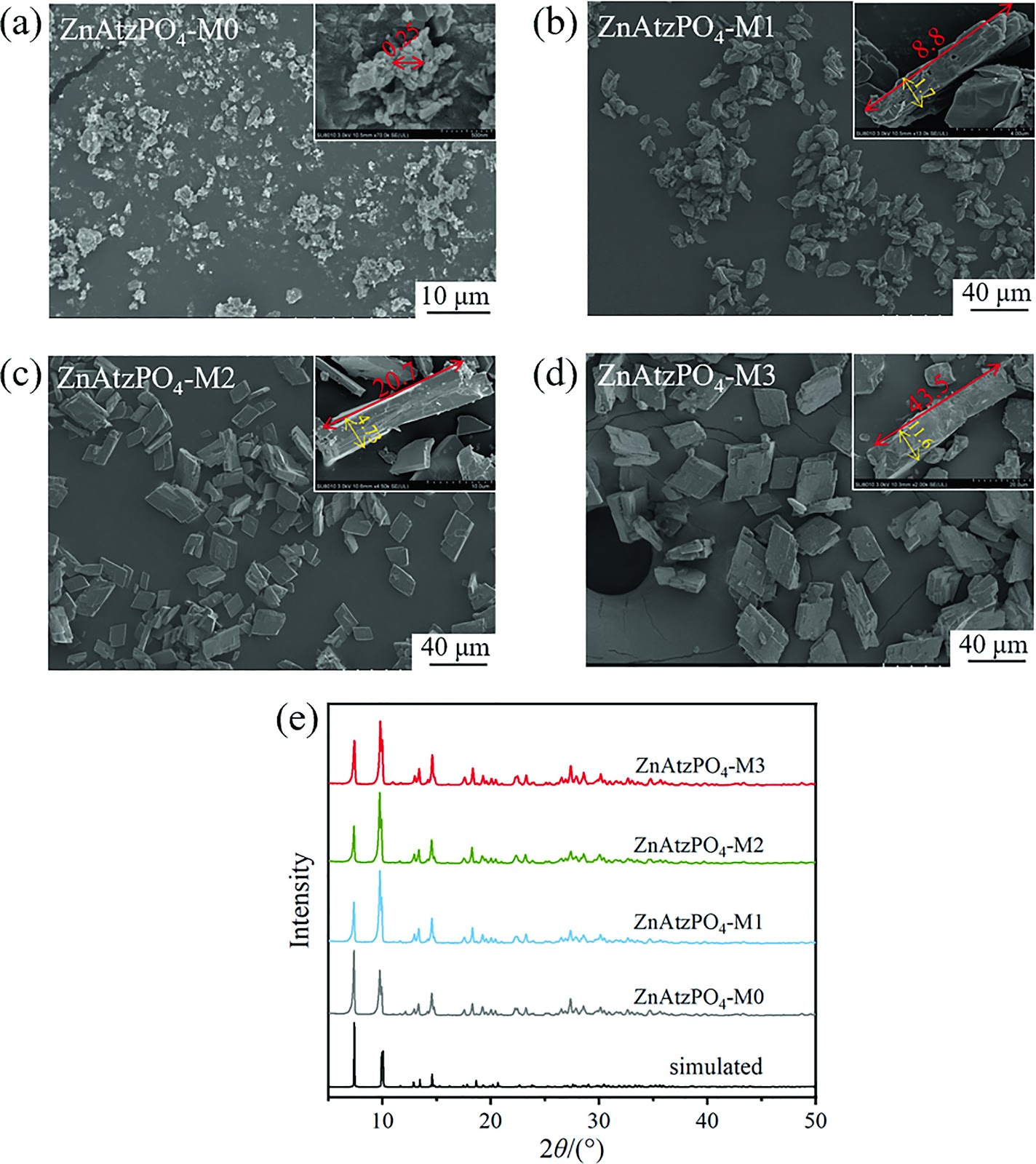
The adsorptive separation of C2H4 and C2H6, as an alternative to distillation units consuming high energy, is a promising yet challenging research. The great similarity in the molecular size of C2H4 and C2H6 brings challenges to the regulation of adsorbents to realize efficient dynamic separation. Herein, we reported the enhancement of the kinetic separation of C2H4/C2H6 by controlling the crystal size of ZnAtzPO4 (Atz = 3-amino-1,2,4-triazole) to amplify the diffusion difference of C2H4 and C2H6. Through adjusting the synthesis temperature, reactant concentration, and ligands/metal ions molar ratio, ZnAtzPO4 crystals with different sizes were obtained. Both single-component kinetic adsorption tests and binary-component dynamic breakthrough experiments confirmed the enhancement of the dynamic separation of C2H4/C2H6 with the increase in the crystal size of ZnAtzPO4. The separation selectivity of C2H4/C2H6 increased from 1.3 to 98.5 with the increase in the crystal size of ZnAtzPO4. This work demonstrated the role of morphology and size control of adsorbent crystals in the improvement of the C2H4/C2H6 kinetic separation performance.

Boosting kinetic separation of ethylene and ethane on microporous materials via crystal size control
Graphical Abstract
Original ResearchVol. 32, Issue 6 • pp. 737-749DOI: 10.1016/j_cjche_144878195Jun 9, 2023

Thermogravimetric characteristics of corn straw and bituminous coal co-pyrolysis based the ilmenite oxygen carriers

Authors: Pengxing Yuan, Xiude Hu, Jingjing Ma, Tuo Guo, Qingjie Guo

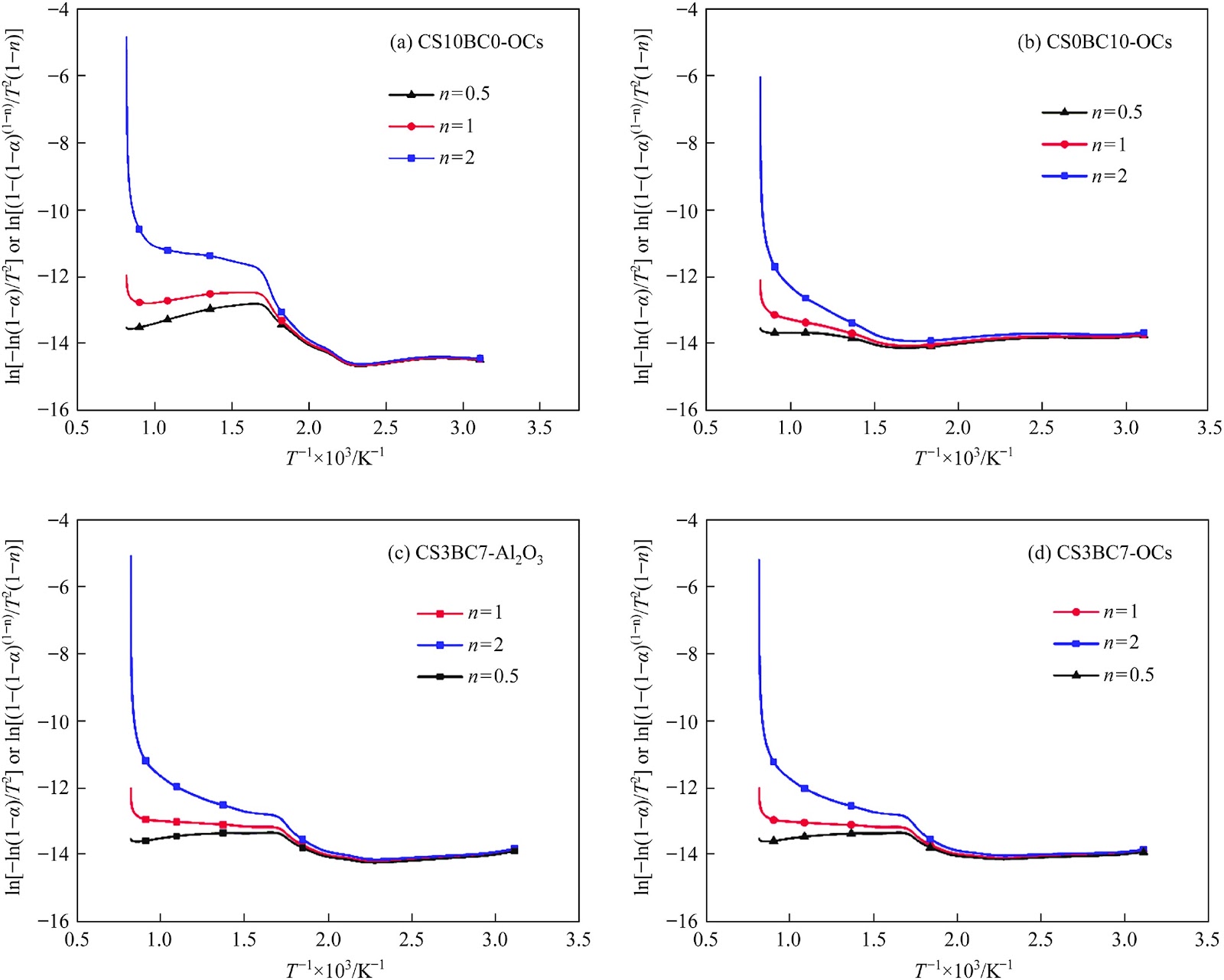
Herein, the co-pyrolysis reaction characteristics of corn straw (CS) and bituminous coal in the presence of ilmenite oxygen carriers (OCs) are investigated via thermogravimetry coupled with mass spectrometry. The results reveal that the participation of OCs weakens the devolatilization intensity of co-pyrolysis. When the CS blending ratio is <50%, the mixed fuel exhibits positive synergistic effects. The fitting results according to the Coats-Redfern integral method show that the solid–solid interaction between OCs and coke changes the reaction kinetics, enhancing the co-pyrolysis reactivity at the high-temperature zone (750–950 °C). The synergistic effect is most prominent at a 30% CS blending ratio, with co-pyrolysis activation energy in the range of 26.35–40.57 kJ·mol⁻¹.

Thermogravimetric characteristics of corn straw and bituminous coal co-pyrolysis based the ilmenite oxygen carriers
Graphical Abstract
Original ResearchVol. 32, Issue 5 • pp. 516-528DOI: 10.1016/j_cjche_144877520May 20, 2023

Long-term operation optimization of circulating cooling water systems under fouling conditions

Authors: Jiarui Liang, Yong Tian, Shutong Yang, Yong Wang, Ruiqi Yin, Yufei Wang

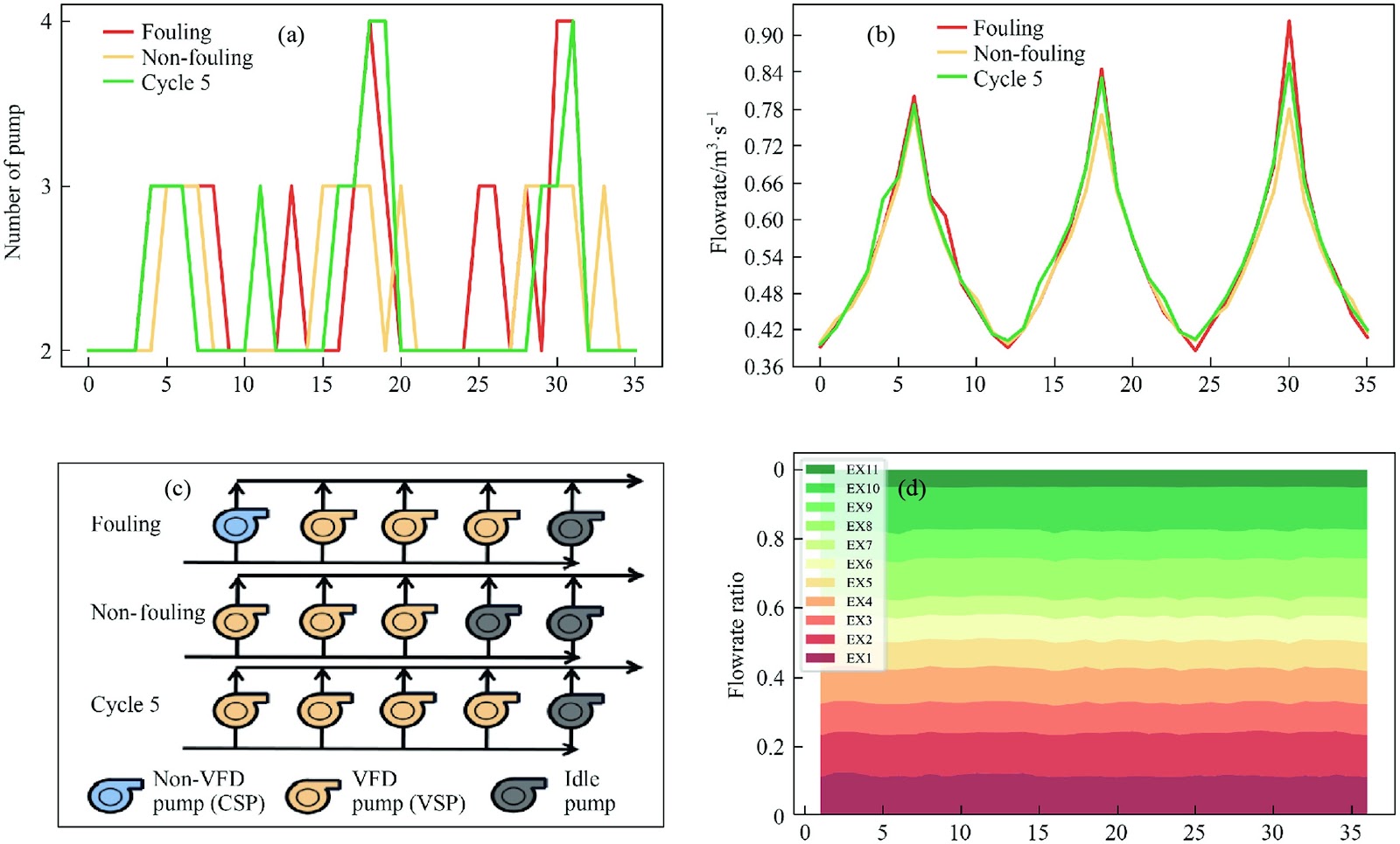
Fouling caused by excess metal ions in hard water can negatively impact the performance of the circulating cooling water system (CCWS) by depositing ions on the heat exchanger's surface. Currently, the operation optimization of CCWS often prioritizes short-term flow velocity optimization for minimizing power consumption, without considering fouling. However, low flow velocity promotes fouling. Therefore, it's crucial to balance fouling and energy/water conservation for optimal CCWS long-term operation. This study proposes a mixed-integer nonlinear programming (MINLP) model to achieve this goal. The model considers fouling in the pipeline, dynamic concentration cycle, and variable frequency drive to optimize the synergy between heat transfer, pressure drop, and fouling. By optimizing the concentration cycle of the CCWS, water conservation and fouling control can be achieved. The model can obtain the optimal operating parameters for different operation intervals, including the number of pumps, frequency, and valve local resistance coefficient. Sensitivity experiments on cycle and environmental temperature reveal that as the cycle increases, the marginal benefits of energy/water conservation decrease. In periods with minimal impact on fouling rate, energy/water conservation can be achieved by increasing the cycle while maintaining a low fouling rate. Overall, the proposed model has significant energy/water saving effects and can comprehensively optimize the CCWS through its incorporation of fouling and cycle optimization.

Long-term operation optimization of circulating cooling water systems under fouling conditions
Graphical Abstract
Original ResearchVol. 32, Issue 5 • pp. 312-324DOI: 10.1016/j_cjche_144874495May 9, 2023

Effect of aspect ratio of elliptical stirred vessel on mixing time and flow field characteristics in the absence of baffles

Authors: Yuan Yao, Peiqiao Liu, Qian Zhang, Zequan Li, Benjun Xi, Changyuan Tao, Yundong Wang, Zuohua Liu

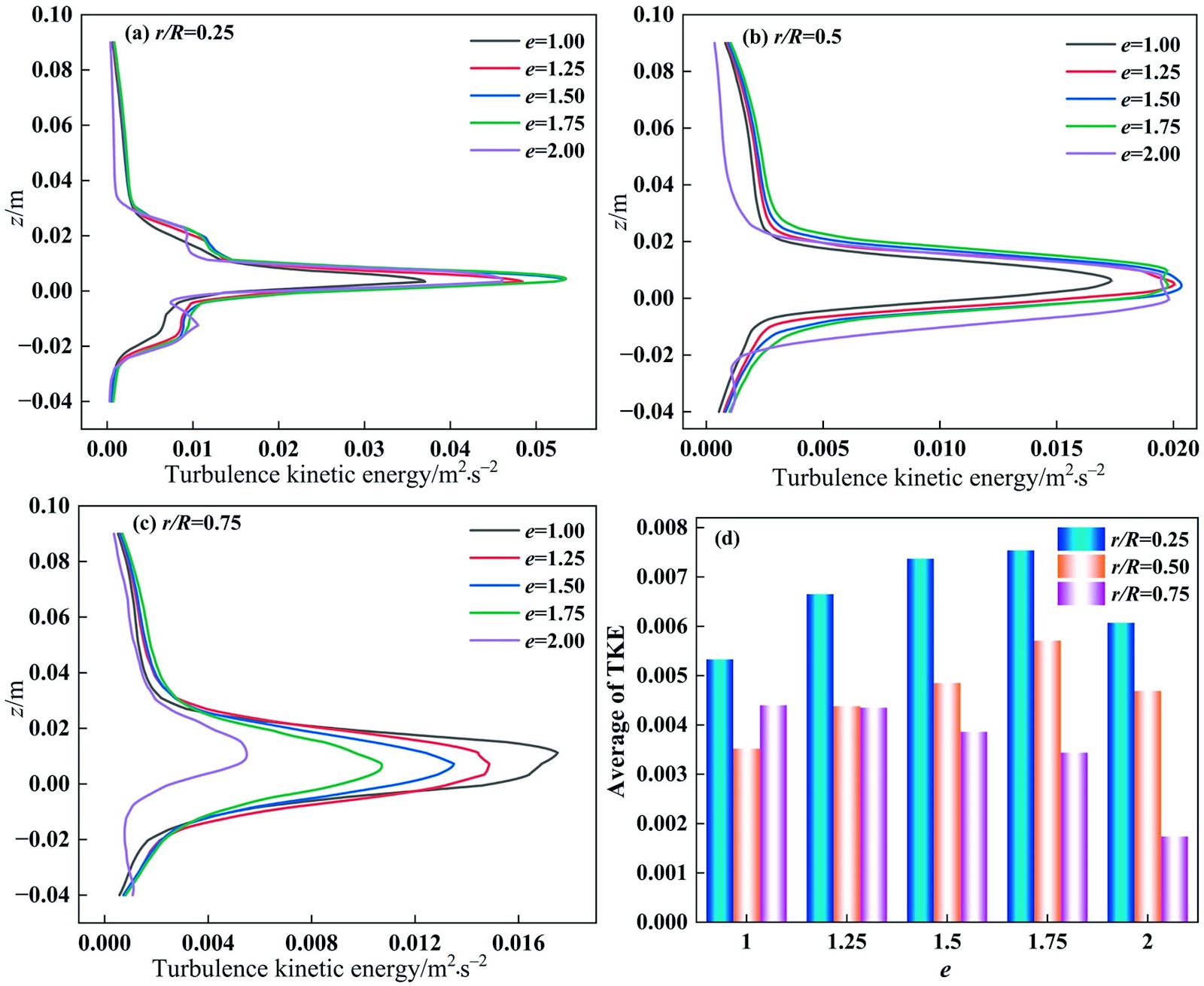
Elliptical tanks were used as an alternative to circular tanks in order to improve mixing efficiency and reduce mixing time in unbaffled stirred tanks (USTs). Five different aspect ratios of elliptical vessels were designed to compare their mixing time and flow field. Computational fluid dynamics (CFD) simulations were performed using the k–e model to calculate the mixing time and simulate turbulent flow field features, such as streamline shape, velocity distribution, vortex core region distribution, and turbulent kinetic energy (TKE) transfer. Visualization was also carried out to track the tinctorial evolution of the liquid phase. Results reveal that elliptical stirred tanks can significantly improve mixing performance in USTs. Specifically, the mixing time at an aspect ratio of 2.00 is only 45.3% of the one of a circular stirred tank. Furthermore, the secondary flow is strengthened and the vortex core region increases with the increase of aspect ratio. The axial velocity is more sensitive to the aspect ratio than the circumferential and radial velocity. Additionally, the TKE transfer in elliptical vessels is altered. These findings suggest that elliptical vessels offer a promising alternative to circular vessels for enhancing mixing performance in USTs.

Effect of aspect ratio of elliptical stirred vessel on mixing time and flow field characteristics in the absence of baffles
Graphical Abstract
Original ResearchVol. 32, Issue 5 • pp. 720-732DOI: 10.1016/j_cjche_144878169May 6, 2023

Ionic liquid-assisted preparation of hydroxyapatite and its catalytic performance for decarboxylation of itaconic acid

Authors: Shutong Pang, Hualiang An, Xinqiang Zhao, Yanji Wang

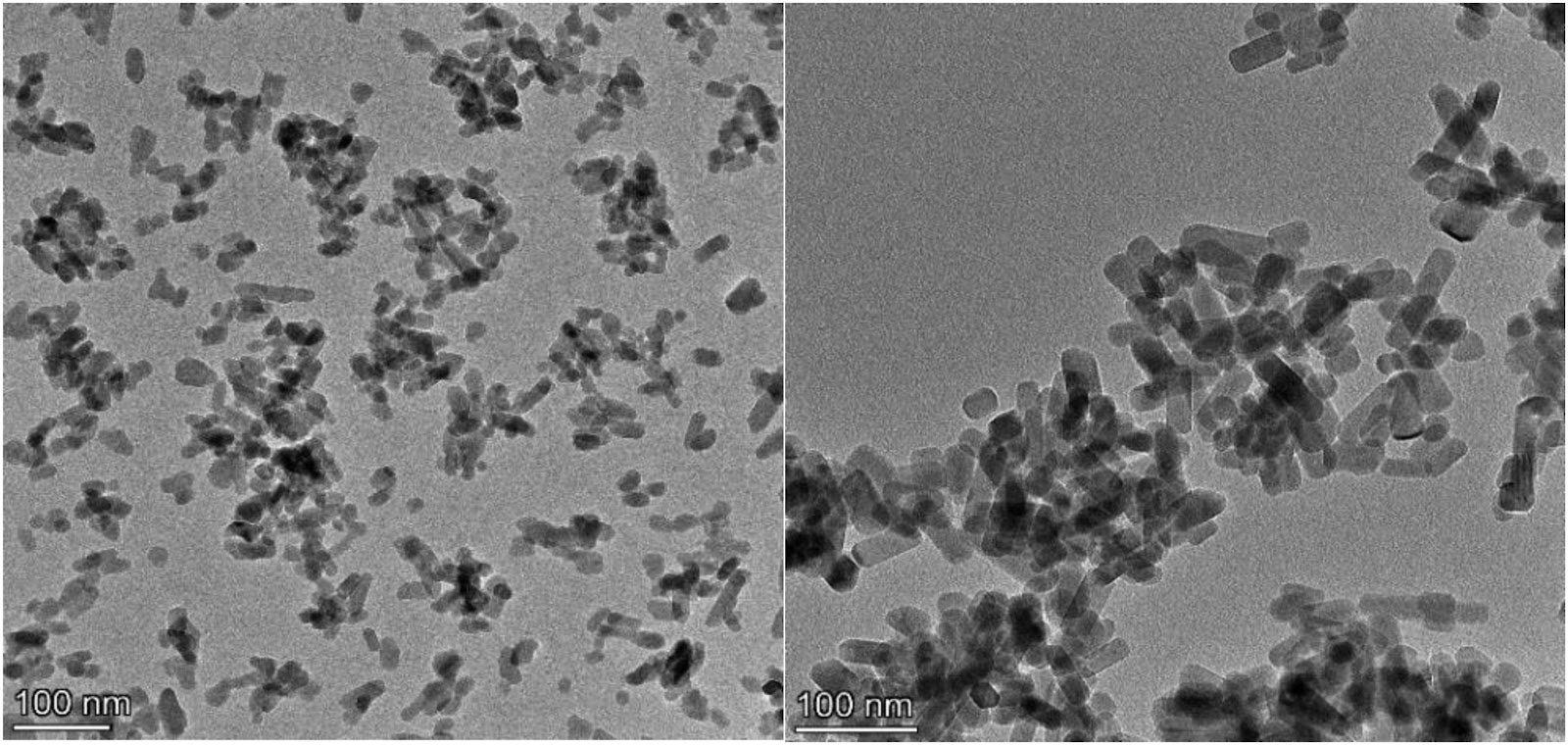
The synthesis of methacrylic acid from biomass-derived itaconic acid is a green route, for it can get rid of the dependence on fossil resource. In order to solve the problems on this route such as use of a precious-metal catalyst and a corrosive homogeneous alkali, we prepared a series of hydroxyapatite catalysts by an ionic liquid-assisted hydrothermal method and evaluated their catalytic performance. The results showed that the ionic liquid [Bmim]BF4 can affect the crystal growth of hydroxyapatite, provide fluoride ion for fluorination of hydroxyapatite, and adjust the surface acidity and basicity, morphology, textural properties, crystallinity, and composition of hydroxyapatite. The [Bmim]BF4 dosage and hydrothermal temperature can affect the fluoride ion concentration in the hydrothermal system, thus changing the degree of fluoridation of hydroxyapatite. High fluoride-ion concentration can lead to the formation of CaF2 and thus significantly decrease the catalytic performance of hydroxyapatite. The hydrothermal time mainly affects the growth of hydroxyapatite crystals on the c axis, leading to different catalytic performance. The suitable conditions for the preparation of this fluoridized hydroxyapatite are as follows: a mass ratio of [Bmim]BF4 to calcium salt = 0.2:1, a hydrothermal time of 12 h, and a hydrothermal temperature of 130 °C. A maximal methacrylic acid yield of 54.7% was obtained using the fluoridized hydroxyapatite under relatively mild reaction conditions (250 °C and 2 MPa of N2) in the absence of a precious-metal catalyst and a corrosive homogeneous alkali.

Ionic liquid-assisted preparation of hydroxyapatite and its catalytic performance for decarboxylation of itaconic acid
Graphical Abstract
Original ResearchVol. 32, Issue 4 • pp. 499-511DOI: 10.1016/j_cjche_144876880Apr 17, 2023

Simultaneous removal of sulfur dioxide and nitrogen oxide from flue gas by phosphorus sludge: The performance and absorption mechanism

Authors: Yuanyuan Yin, Xujun Wang, Lei Xu, Binbin He, Yunxiang Nie, Yi Mei

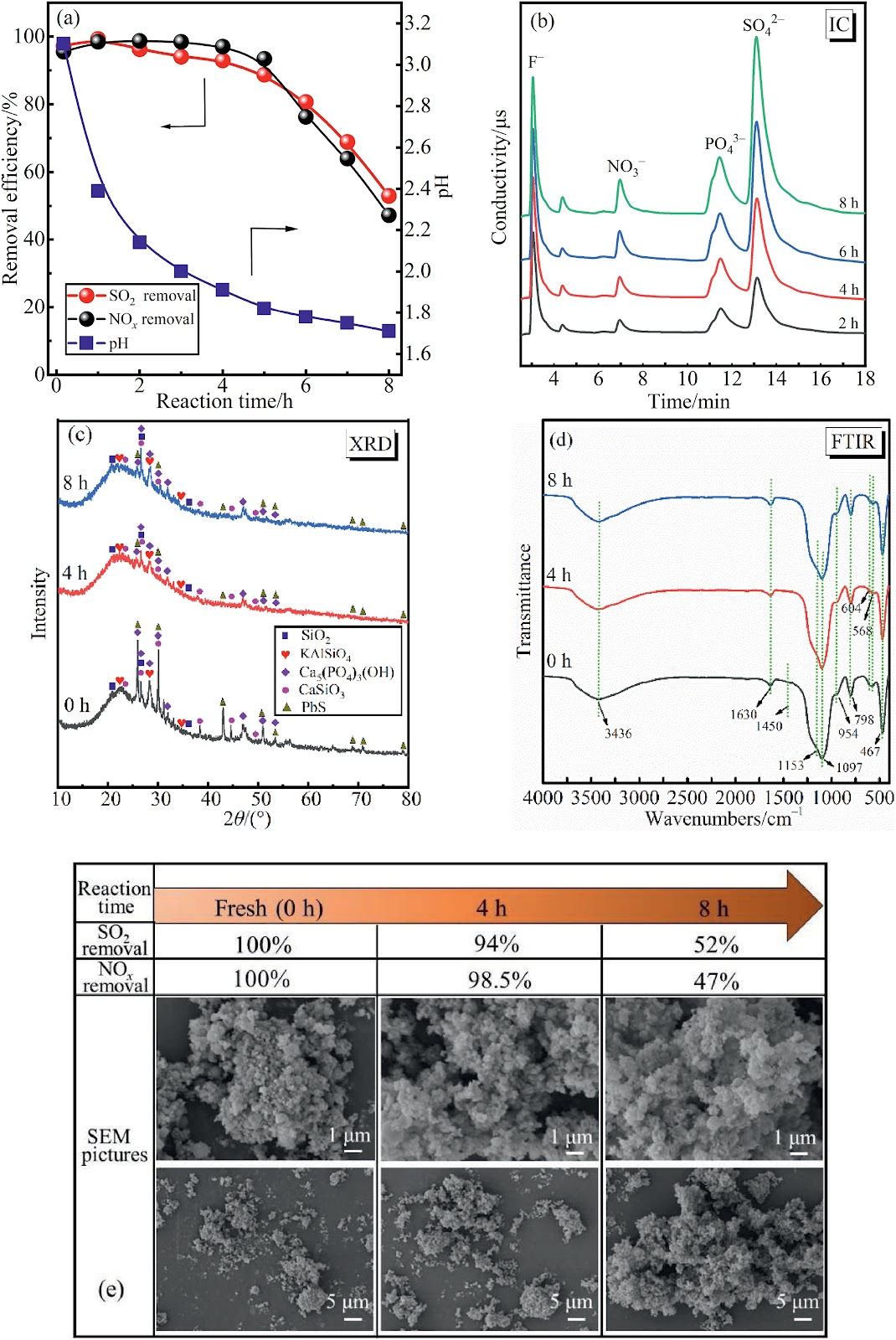
Developing low-cost and green simultaneous desulfurization and denitrification technologies is of great significance for sulfur dioxide (SO2) and nitrogen oxide (NOx) emission control at low temperatures, especially for small and medium-sized coal-fired boilers and furnaces. Herein, phosphorus sludge, an industrial waste from the production process of yellow phosphorus, has been developed to simultaneously eliminate SO2 and NOx from coal-fired flue gas. The key factors affecting the experimental results indicate that desulfurization and denitrification efficiency of over 95% can be achieved at a low temperature of 55 °C. Further, the absorption mechanism was investigated by characterizing the solid and liquid phases of the phosphorus sludge during the absorption process. The efficient removal of SO2 is attributed to the abundance of iron (Fe3+) and manganese (Mn2+) in the absorbent. SO2 can be rapidly catalyzed and converted to SO4^2- by them. The key to NOx removal is the oxidation of NO toward water-soluble high-valent nitrogen oxides by oxidizing reactive substances induced via yellow phosphorus, which are then absorbed by water and converted to NO3-. Meanwhile, yellow phosphorus is oxidized to phosphoric acid (H3PO4). The spent absorption slurry can be reused through wet process phosphoric acid production, as it contains sulfuric acid (H2SO4), nitric acid (HNO3), and H3PO4. Accordingly, this is a technology with broad application prospects.

Simultaneous removal of sulfur dioxide and nitrogen oxide from flue gas by phosphorus sludge: The performance and absorption mechanism
Graphical Abstract
Original ResearchVol. 32, Issue 4 • pp. 295-307DOI: 10.1016/j_cjche_144874680Apr 6, 2023

Facile synthesis of hierarchical NaX zeolite from natural kaolinite for efficient Knoevenagel condensation

Authors: Wen Xiao, Peng Dong, Chan Wang, Jingdong Xu, Tiesen Li, Haibo Zhu, Tinghai Wang, Renwei Xu, Yuanyuan Yue

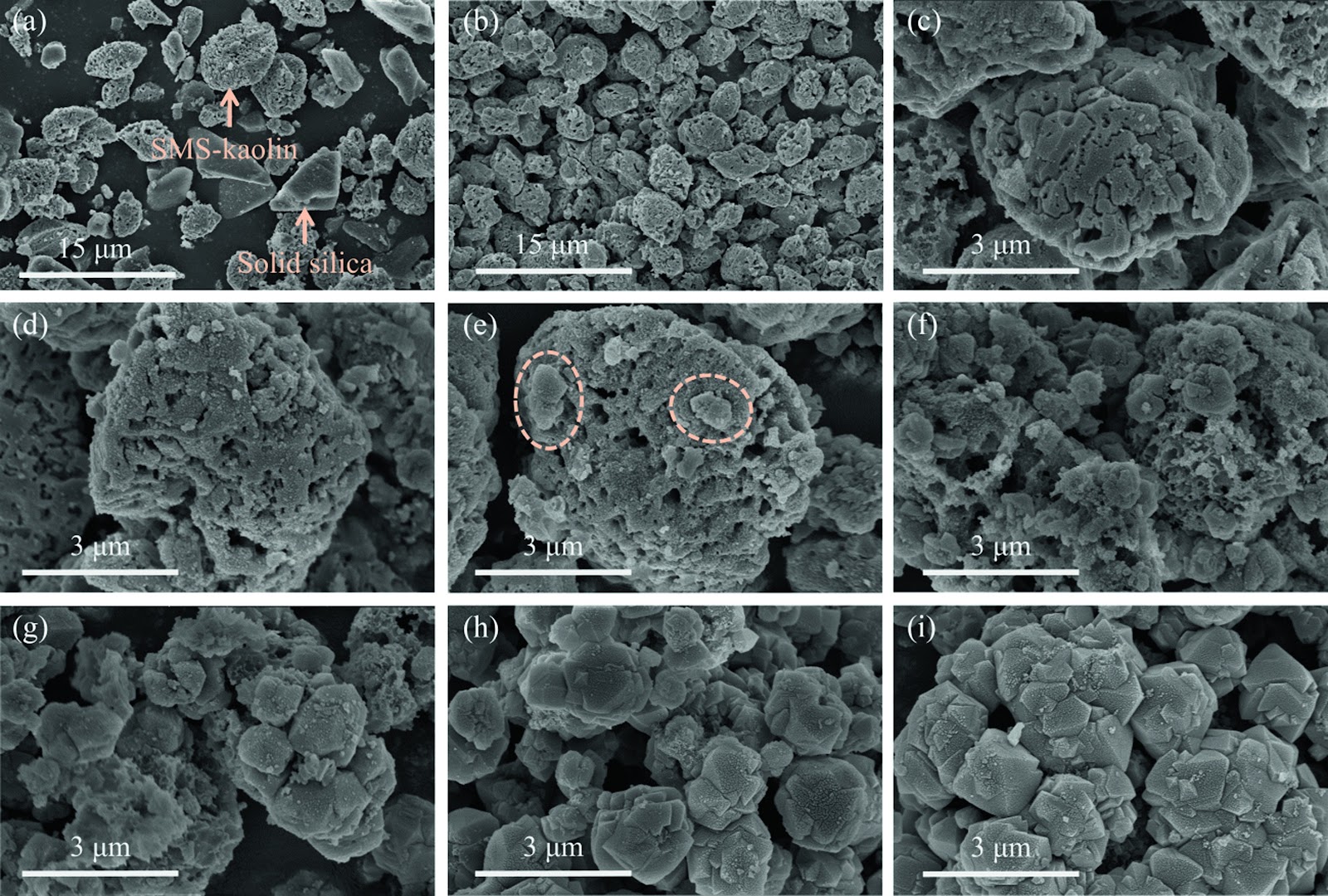
Zeolite catalysts have found extensive applications in the synthesis of various fine chemicals. However, the micropores of zeolites impose diffusion limitations on bulky molecules, greatly reducing the catalytic efficiency. Herein, we explore an economic and environmentally friendly method for synthesizing hierarchical NaX zeolite that exhibits improved catalytic performance in the Knoevenagel condensation reaction for producing the useful fine chemical 2-cyano-3-phenylacrylate. The synthesis was achieved via a low-temperature activation of kaolinite and subsequent in-situ transformation strategy without any template or seed. Systematic characterizations reveal that the synthesized NaX zeolite has both inter-crystalline and intra-crystalline mesopores, smaller crystal size, and larger external specific surface area compared to commercial NaX zeolite. Detailed mechanism investigations show that the inter-crystalline mesopores are generated by stacking smaller crystals formed from in-situ crystallization of the depolymerized kaolinite, and the intra-crystalline mesopores are inherited from the pores in the depolymerized kaolinite. This synthesis strategy provides an energy-saving and effective way to construct hierarchical zeolites, which may gain wide applications in fine chemical manufacturing.

Facile synthesis of hierarchical NaX zeolite from natural kaolinite for efficient Knoevenagel condensation
Graphical Abstract
Original ResearchVol. 32, Issue 4 • pp. 703-715DOI: 10.1016/j_cjche_144878161Apr 3, 2023

Hyperbranched polymer hollow-fiber-composite membranes for pervaporation separation of aromatic/aliphatic hydrocarbon mixtures

Authors: Tong Liu, Hao Sun, Xiangqiong Wang, Jie Li, Zhanquan Zhang, Pei Wu, Naixin Wang, Quanfu An

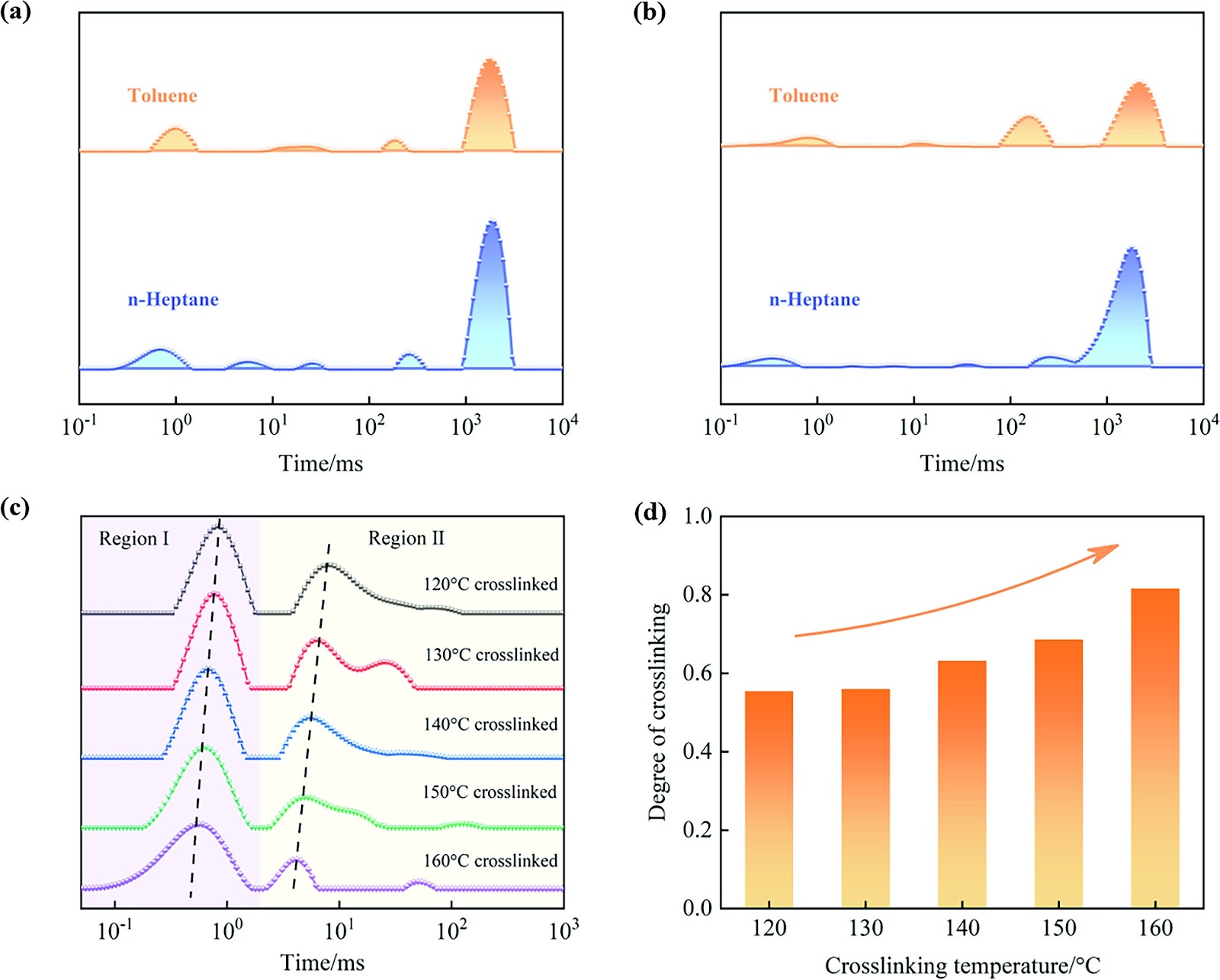
The separation of aromatic/aliphatic hydrocarbon mixtures is crucial in the petrochemical industry. Pervaporation is regarded as a promising approach for the separation of aromatic compounds from alkanes. Developing membrane materials with efficient separation performance is still the main task since the membrane should provide chemical stability, high permeation flux, and selectivity. In this study, the hyperbranched polymer (HBP) was deposited on the outer surface of a polyvinylidene fluoride (PVDF) hollow-fiber ultrafiltration membrane by a facile dip-coating method. The dip-coating rate, HBP concentration, and thermal cross-linking temperature were regulated to optimize the membrane structure. The obtained HBP/PVDF hollow-fiber-composite membrane had a good separation performance for aromatic/aliphatic hydrocarbon mixtures. For the 50%/50% (mass) toluene/n-heptane mixture, the permeation flux of optimized composite membranes could reach 1766 g·m⁻²·h⁻¹, with a separation factor of 4.1 at 60 °C. Therefore, the HBP/PVDF hollow-fiber-composite membrane has great application prospects in the pervaporation separation of aromatic/aliphatic hydrocarbon mixtures.

Hyperbranched polymer hollow-fiber-composite membranes for pervaporation separation of aromatic/aliphatic hydrocarbon mixtures
Graphical Abstract
Original ResearchVol. 32, Issue 3 • pp. 482-494DOI: 10.1016/j_cjche_144876660Mar 14, 2023

Importance of oxygen-containing functionalities and pore structures of biochar in catalyzing pyrolysis of homologous poplar

Authors: Li Qiu, Chao Li, Shu Zhang, Shuang Wang, Bin Li, Zhenhua Cui, Yonggui Tang, Obid Tursunov, Xun Hu

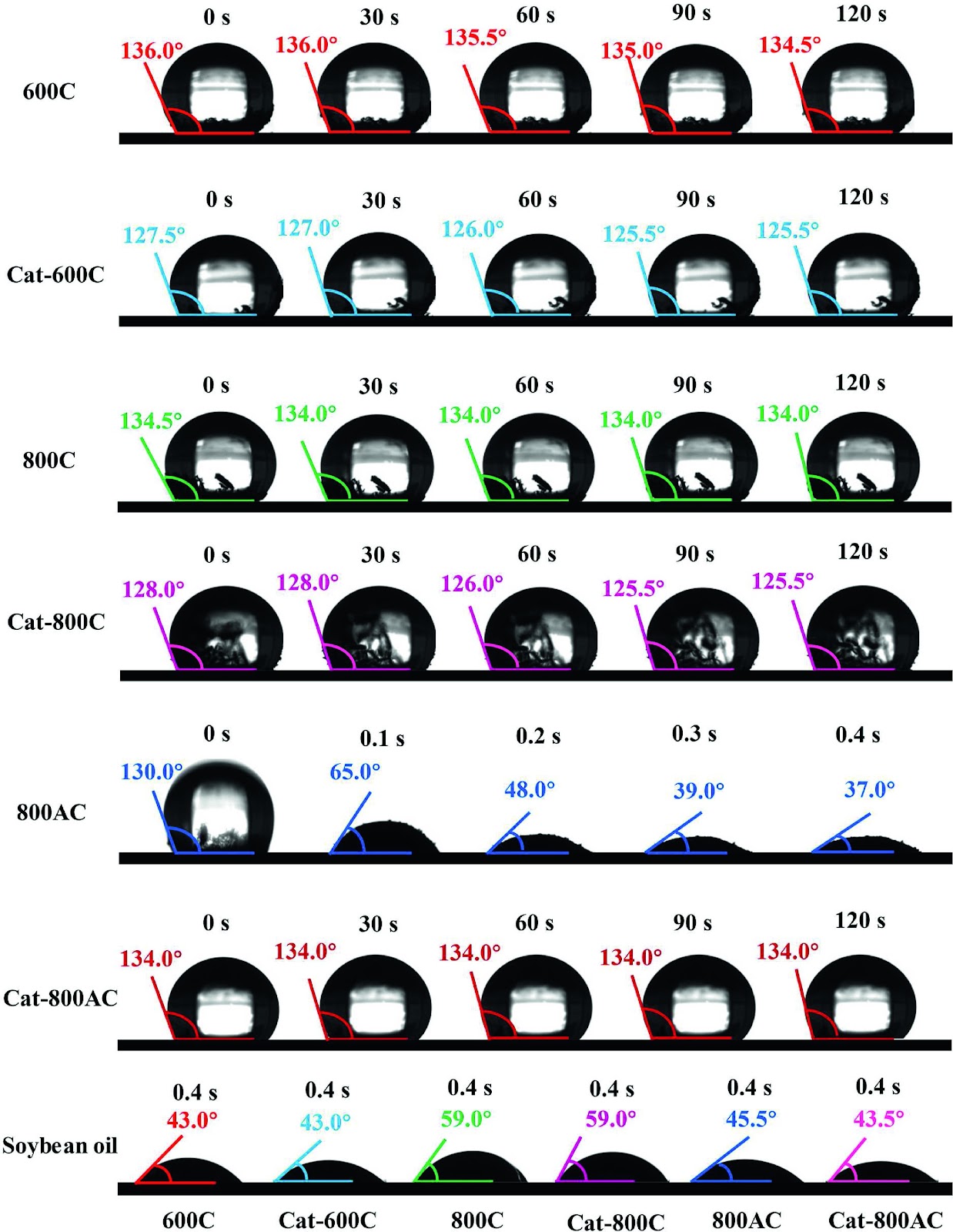
Biochar and bio-oil are produced simultaneously in one pyrolysis process, and they inevitably contact and may interact, influencing the composition of bio-oil and modifying the structure of biochar. In this sense, biochar is an inherent catalyst for pyrolysis. In this study, in order to investigate the influence of functionalities and pore structures of biochar on its capability for catalyzing the conversion of homologous volatiles in bio-oil, three char catalysts (600C, 800C, and 800AC) produced via pyrolysis of poplar wood at 600 or 800 °C or activated at 800 °C, were used for catalyzing pyrolysis of homologous poplar wood at 600 °C, respectively. The results indicated that the 600C catalyst was more active than 800C and 800AC for catalyzing cracking of volatiles to form more gas (yield increase by 40.2%) and aromatization of volatiles to form more light or heavy phenolics, due to its abundant oxygen-containing functionalities acting as active sites. The developed pores of the 800AC showed no such catalytic effect but could trap some volatiles and allow their further conversion via sufficient aromatization. Nevertheless, the interaction with the volatiles consumed oxygen on 600C (decrease by 50%), enhancing the aromatic degree and increasing thermal stability. The dominance of deposition of carbonaceous material of a very aromatic nature over 800C and 800AC resulted in net weight gain and blocked micropores but formed additional macropores. The in situ diffuse reflectance infrared Fourier transform spectroscopy characterization of the catalytic pyrolysis indicated superior activity of 600C for removal of –OH, while conversion of the intermediates bearing C=O was enhanced over all the char catalysts.

Importance of oxygen-containing functionalities and pore structures of biochar in catalyzing pyrolysis of homologous poplar
Graphical Abstract
Original ResearchVol. 32, Issue 3 • pp. 890-902DOI: 10.1016/j_cjche_144878542Mar 11, 2023

Synthesis of granulated Li1.33Mn1.67O4 via two antisolvent methods for lithium adsorption from gas-produced water

Authors: Jun Qiu, Lu-Ri Bao, Wei Guo, Ying Yang, Shu-Ying Sun

Gas-produced water is an accompanying wastewater in the natural gas extraction process, and it is a potential liquid lithium resource that contains a considerable amount of lithium. This study investigated the feasibility of using manganese-based ion sieves to adsorb and extract lithium from gas-produced water. And we focused on the applicability of two different granulation methods, extrusion and droplet, in gas-produced water systems. Two types of H1.33Mn1.67O4 particles were prepared by the extrusion method (EHMO) and the droplet method (DHMO). The porosity of DHMO was much higher than that of EHMO, and the adsorption performance of DHMO increased with the decrease of binder concentration. DHMO prepared with a binder concentration of 0.14 g·ml−1 exhibited the best adsorption performance in gas-produced water, and the Li+ adsorption capacity could reach 25.14 mg·g−1. In gas-produced water, the adsorption equilibrium of DHMO only took 9 h, and the adsorption process conformed to the Langmuir model and pseudo-second-order kinetic model. The pore diffusion model (PDM) could well describe its adsorption process. Besides, DHMO showed a great selectivity to Li+, and the selectivity order of DHMO in gas-produced water was Li+>Ba2+[Mg2+, Ca2+, Sr2+[Na+[K+. After 20 cycles, the Li+ adsorption capacity was still higher than 17.30 mg·g−1, and the rate of manganese dissolution was less than 1%.

Synthesis of granulated Li1.33Mn1.67O4 via two antisolvent methods for lithium adsorption from gas-produced water
Graphical Abstract
Original ResearchVol. 32, Issue 3 • pp. 278-290DOI: 10.1016/j_cjche_144874305Mar 3, 2023

Copper slag assisted coke reduction of phosphogypsum for sulphur dioxide preparation

Authors: Dong Ma, Qinhui Wang

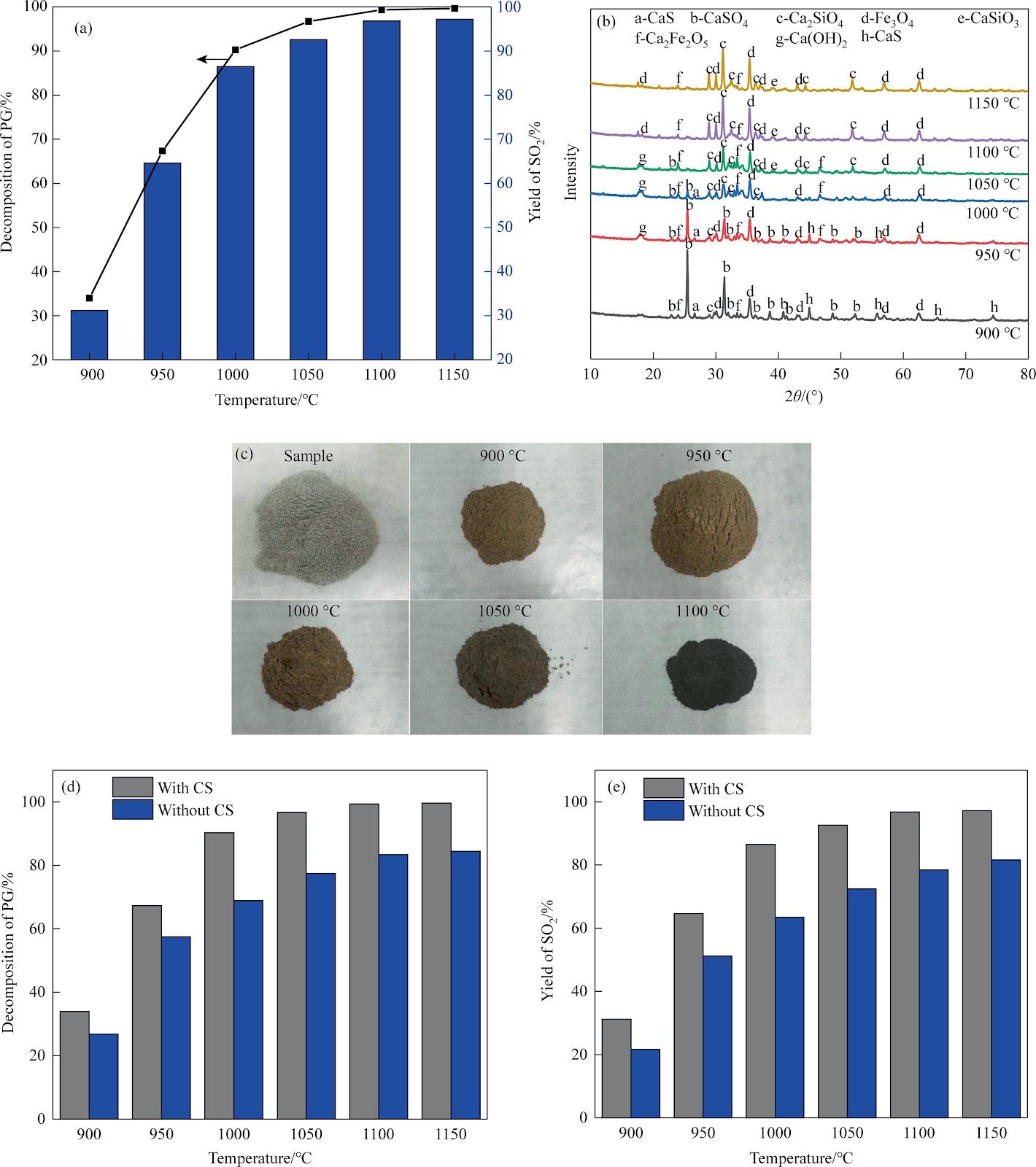
The reduction of phosphogypsum (PG) to lime slag and SO2 using coke can effectively alleviate the environmental problems caused by PG. However, the PG decomposition temperature remains high and the product yield remains poor. By adding additives, the decomposition temperature can be further reduced and PG decomposition rate and product yield can be improved. However, the use of current additives such as Fe2O3 and SiO2 brings the problem of increasing economic cost. Therefore, it is proposed to use solid waste copper slag (CS) as a new additive to reduce PG to prepare SO2, which can reduce the cost and meet the environmental benefits at the same time. The effects of proportion, temperature and thermostatic time on PG decomposition are investigated by experimental and kinetic analysis combined with FactSage thermodynamic calculations to optimize the roasting conditions. Finally, the reaction mechanism is proposed. It is found that adding CS to the coke and PG system can increase the rate of PG decomposition and SO2 yield while lowering the PG decomposition temperature. For example, when the CS/PG mass ratio increases from 0 to 1, PG decomposition rate increases from 83.38% to 99.35%, SO2 yield increases from 78.62% to 96.81%, and PG decomposition temperature decreases from 992.4 °C to 949.6 °C. The optimal reaction parameters are CS/PG mass ratio of 1, Coke/PG mass ratio of 0.06 at 1100 °C for 20 min with 99.35% PG decomposition rate and 96.81% SO2 yield. The process proceeds according to the following reactions: 2CaSO4 + 0.7C + 0.8Fe2SiO4 → 0.8Ca2SiO4 + 0.2Ca2Fe2O5 + 0.4Fe3O4 + 2SO2 + 0.7CO2. Finally, a process for decomposing PG with coke and CS is proposed.

Copper slag assisted coke reduction of phosphogypsum for sulphur dioxide preparation
Graphical Abstract
Original ResearchVol. 32, Issue 2 • pp. 261-273DOI: 10.1016/j_cjche_144874390Feb 25, 2023

The Al2O3 and Mn/Al2O3 sorbents highly utilized in destructive sorption of NF3

Authors: Yanfei Pan, Hejian Li, Li Zheng, Xiufeng Xu

NF3 is commonly used as an etching and cleaning gas in semiconductor industry, however it is a strongly greenhouse gas. Therefore, the destruction of disposal NF3 is an urgent task to migrate the greenhouse effect. Among the technologies for NF3 abatement, the destructive sorption of NF3 over metal oxides sorbents is an effective way. Thus, the search for a highly reactive and utilized sorbent for NF3 destruction is in great demand. In this work, AlOOH supported on carbon-sphere (AlOOH/CS) as precursors were synthesized hydrothermally and heat-treated to prepare the Al2O3 sorbents. The influence of AlOOH/CS hydrothermal temperatures on the reactivity of derived Al2O3 sorbents for NF3 destruction was investigated, and it is shown that the Al2O3 from AlOOH/CS hydro-thermalized at 120 °C is superior to others. Subsequently, the optimized Al2O3 was covered by Mn(OH)x to prepare Mn/Al2O3 sorbents via changing hydrothermal temperatures and Mn loadings. The results show that the Mn/Al2O3 sorbents are more utilized than bare Al2O3 in NF3 destructive sorption due to the promotional effect of Mn2O3 as surface layer on the fluorination of Al2O3 as substrate, especially the optimal 5%Mn/Al2O3(160 °C) exhibits a utilization percentage as high as 90.4%, and remarkably exceeds all the sorbents reported so far. These findings are beneficial to develop more efficient sorbents for the destruction of NF3.

The Al2O3 and Mn/Al2O3 sorbents highly utilized in destructive sorption of NF3
Graphical Abstract
Original ResearchVol. 32, Issue 2 • pp. 669-681DOI: 10.1016/j_cjche_144878043Feb 22, 2023

Microscopic experimental study on the effects of NaCl concentration on the self-preservation effect of methane hydrates under 268.15 K

Authors: Yu-Jie Zhu, Yu-Zhou Chen, Yan Xie, Jin-Rong Zhong, Xiao-Hui Wang, Peng Xiao, Yi-Fei Sun, Chang-Yu Sun, Guang-Jin Chen

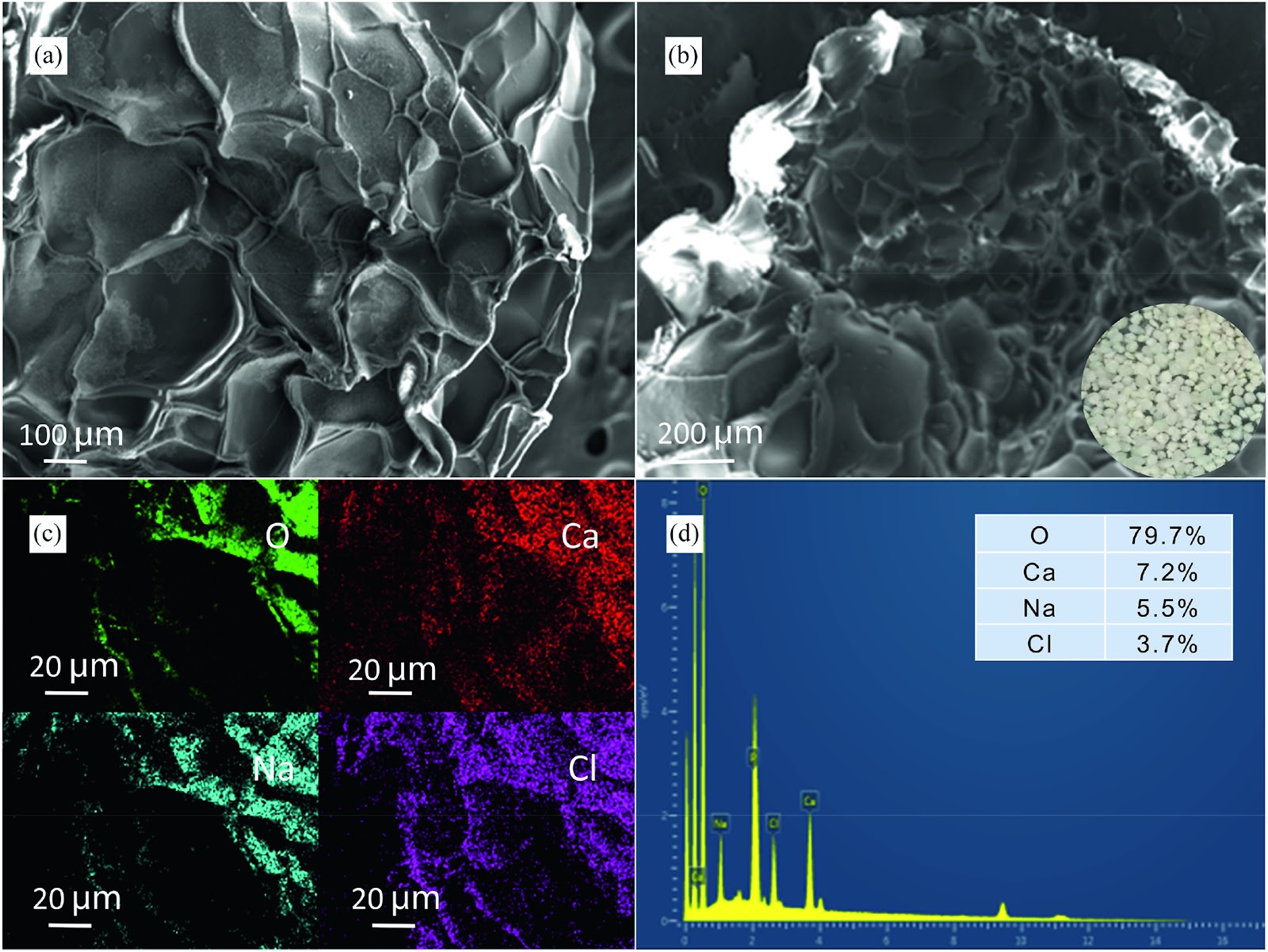
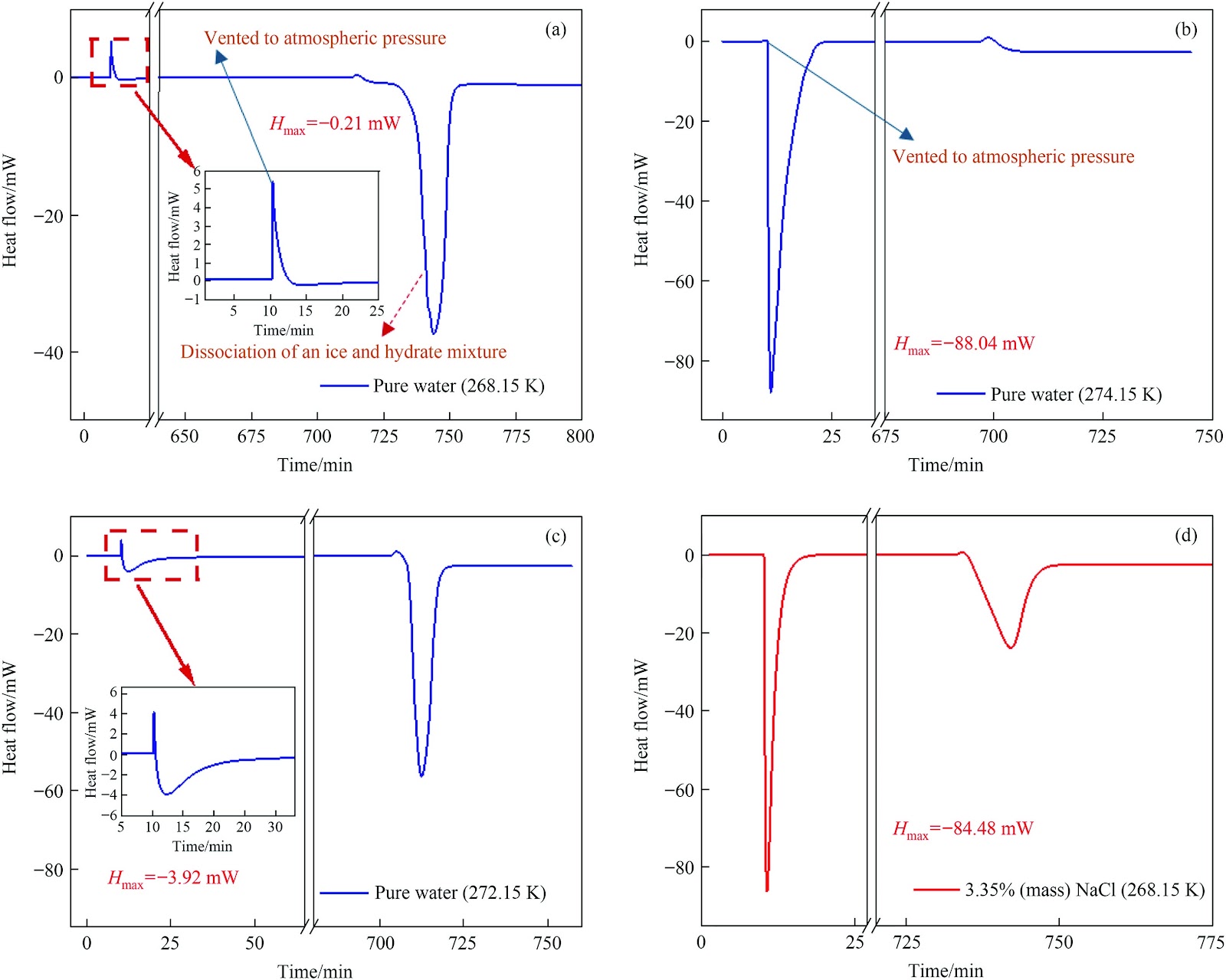
It is known that salt ions are abundant in the natural environment where natural gas hydrates are located; thus, it is essential to investigate the self-preservation effect of salt ions on methane hydrates. The dissociation behaviors of gas hydrates formed from various NaCl concentration solutions in a quartz sand system at 268.15 K were investigated to reveal the microscopic mechanism of the self-preservation effect under different salt concentrations. Results showed that as the salt concentration rises, the initial rate of hydrate decomposition quickens. Methane hydrate hardly shows self-preservation ability in the 3.35% (mass) NaCl and seawater systems at 268.15 K. Combined the morphology of hydrate observed by the confocal microscope with results obtained from in situ Raman spectroscopy, it was found that during the initial decomposition stage of gas hydrate below the ice point, gas hydrate firstly converts into liquid water and gas molecules, then turns from water to solid ice rather than directly transforming into solid ice and gas molecules. The presence of salt ions interferes with the ability of liquid water to condense into solid ice. The results of this study provide an important guide for the mechanism and application of the self-preservation effect on the storage and transport of gas and the exploitation of natural gas hydrates.

Microscopic experimental study on the effects of NaCl concentration on the self-preservation effect of methane hydrates under 268.15 K
Graphical Abstract
Original ResearchVol. 32, Issue 2 • pp. 465-477DOI: 10.1016/j_cjche_144876482Feb 11, 2023

Insight into the experiment and extraction mechanism for separating carbazole from anthracene oil with quaternary ammonium-based deep eutectic solvents

Authors: Xudong Zhang, Yanhua Liu, Jun Shen, Yugao Wang, Gang Liu, Yanxia Niu, Qingtao Sheng

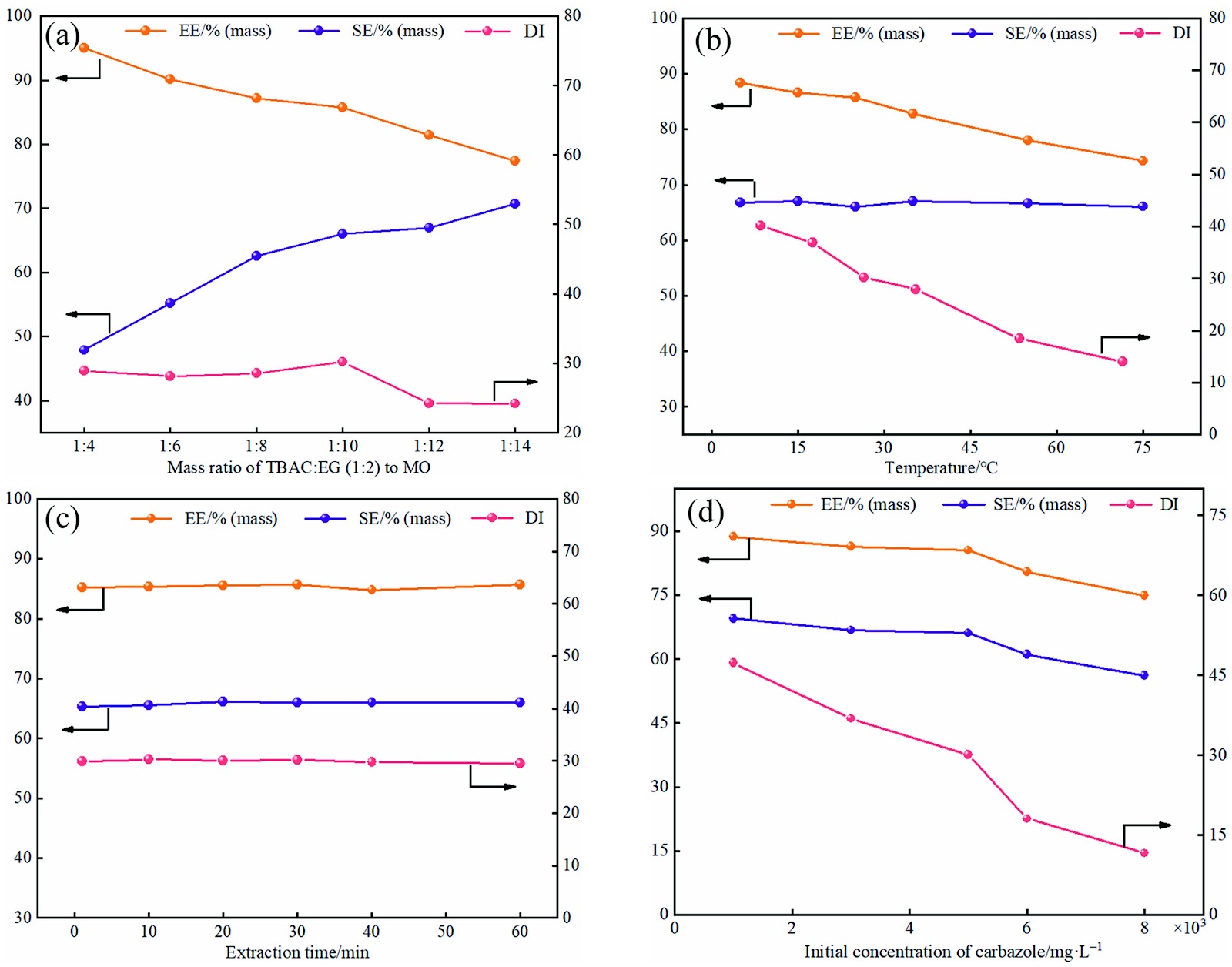
Carbazole is an irreplaceable basic organic chemical raw material and intermediate in industry. The separation of carbazole from anthracene oil by environmental benign solvents is important but still a challenge in chemical engineering. Deep eutectic solvents (DESs) as a sustainable green separation solvent have been proposed for the separation of carbazole from model anthracene oil. In this research, three quaternary ammonium-based DESs were prepared using ethylene glycol (EG) as hydrogen bond donor and tetrabutylammonium chloride (TBAC), tetrabutylammonium bromide or choline chloride as hydrogen bond acceptors. To explore their extraction performance of carbazole, the conductor-like screening model for real solvents (COSMO-RS) model was used to predict the activity coefficient at infinite dilution (γ∞) of carbazole in DESs, and the result indicated TBAC:EG (1:2) had the stronger extraction ability for carbazole due to the higher capacity at infinite dilution (C∞) value. Then, the separation performance of these three DESs was evaluated by experiments, and the experimental results were in good agreement with the COSMO-RS prediction results. The TBAC:EG (1:2) was determined as the most promising solvent. Additionally, the extraction conditions of TBAC:EG (1:2) were optimized, and the extraction efficiency, distribution coefficient and selectivity of carbazole could reach up to 85.74%, 30.18 and 66.10%, respectively. Moreover, the TBAC:EG (1:2) could be recycled by using environmentally friendly water as antisolvent. In addition, the separation performance of TBAC:EG (1:2) was also evaluated by real crude anthracene, the carbazole was obtained with purity and yield of 85.32%, 60.27%, respectively. Lastly, the extraction mechanism was elucidated by σ-profiles and interaction energy analysis. Theoretical calculation results showed that the main driving force for the extraction process was the hydrogen bonding ((N–H...Cl) and van der Waals interactions (C–H...O and C–H...π), which corresponding to the blue and green isosurfaces in IGMH analysis. This work presented a novel method for separating carbazole from crude anthracene oil, and will provide an important reference for the separation of other high value-added products from coal tar.

Insight into the experiment and extraction mechanism for separating carbazole from anthracene oil with quaternary ammonium-based deep eutectic solvents
Graphical Abstract
Original ResearchVol. 32, Issue 2 • pp. 873-885DOI: 10.1016/j_cjche_144878602Feb 8, 2023

Photoinduced transposed Paternò–Büchi reaction for effective synthesis of high-performance jet fuel

Authors: Jinxiu Hu, Xianlong Liu, Yi Liu, Kang Xue, Chengxiang Shi, Xiangwen Zhang, Li Wang, Ji-Jun Zou, Lun Pan

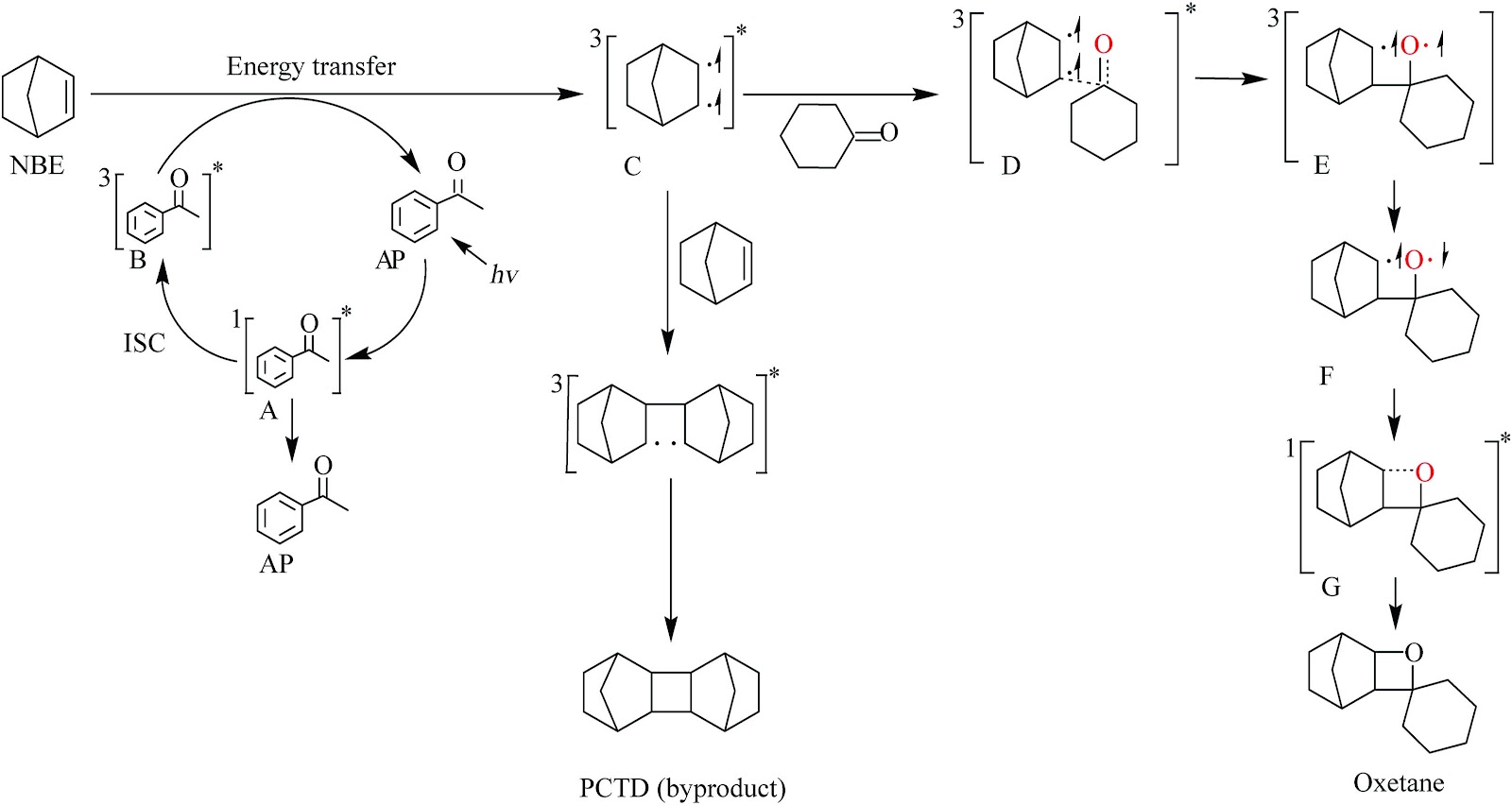
High-energy-density fuels are important for volume-limited aerospace vehicles, but the increase in fuel energy density always leads to poor cryogenic performance. Herein, we investigated the transposed Paternò–Büchi reaction of biomass cyclic ketone and cyclic alkene to synthesize a new kind of alkyl-substituted polycyclic hydrocarbon fuel with high energy density and good cryogenic performance. The triplet-energy-quenching results and phosphorescent emission spectra reveal the sensitization mechanism of the reaction, including photosensitizer excitation, triplet-triplet energy transfer, cyclization, and relaxation, and the possible reaction path was revealed by the density functional theory (DFT) calculations. The reaction conditions of photosensitizer type and addition, molar ratio of substrates, reaction temperature, and incident light intensity were optimized, with the target product yield achieving 65.5%. Moreover, the reaction dynamics of the reaction rate versus the light intensity are established. After the hydrogenation-deoxygenation reaction, three fuels with a high density of 0.864–0.938 g·ml⁻¹ and a low freezing point of < −55 °C are obtained. This work provides a benign and effective approach to synthesize high-performance fuels.

Photoinduced transposed Paternò–Büchi reaction for effective synthesis of high-performance jet fuel
Graphical Abstract
Original ResearchVol. 32, Issue 1 • pp. 652-664DOI: 10.1016/j_cjche_144878052Jan 19, 2023

Energy-saving design and optimization of pressure-swing-assisted ternary heterogenous azeotropic distillations

Authors: Lianjie Wu, Kun Lu, Qirui Li, Lianghua Xu, Yiqing Luo, Xigang Yuan

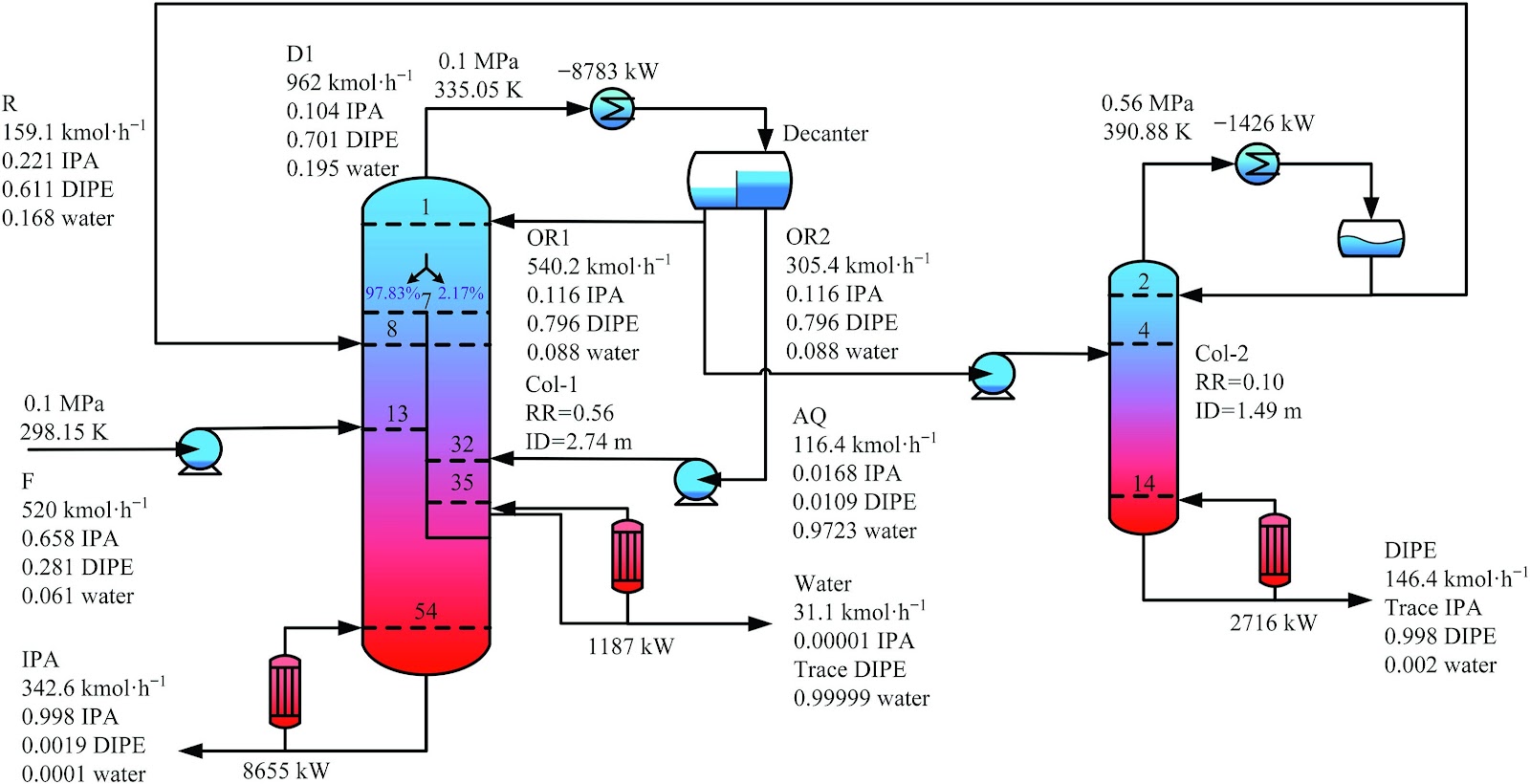
A huge amount of energy is always consumed to separate the ternary azeotropic mixtures by distillations. The heterogeneous azeotropic distillation and the pressure-swing distillation are two kinds of effective technologies to separate heterogeneous azeotropes without entrainer addition. To give better play to the synergistic energy-saving effect of these two processes, a novel pressure-swing-assisted ternary heterogeneous azeotropic distillation (THAD) process is proposed firstly. In this process, the ternary heterogeneous azeotrope is decanted into two liquid phases before being refluxed into the azeotropic distillation column to avoid the aqueous phase remixing, and three columns' pressures are modified to decrease the flowrates of the recycle streams. Then the dividing wall column and heat integration technologies are introduced to further reduce its energy consumption, and the pressure-swing-assisted ternary heterogeneous azeotropic dividing-wall column and its heat integration structure are achieved. A genetic algorithm procedure is used to optimize the proposed processes. The design results show that the proposed processes have higher energy efficiencies and lower CO2 emissions than the published THAD process.

Energy-saving design and optimization of pressure-swing-assisted ternary heterogenous azeotropic distillations
Graphical Abstract
Original ResearchVol. 32, Issue 1 • pp. 448-460DOI: 10.1016/j_cjche_144876270Jan 8, 2023

Removal of kathon by UV-C activated hydrogen peroxide: Kinetics, mechanisms, and enhanced biodegradability assessment

Authors: Jinzhi Cui, Guiqiao Wang, Xing Rong, Wensu Gao, Yaxin Lu, Yawen Luo, Lichao Zhang, Zhongfa Cheng, Canzhu Gao

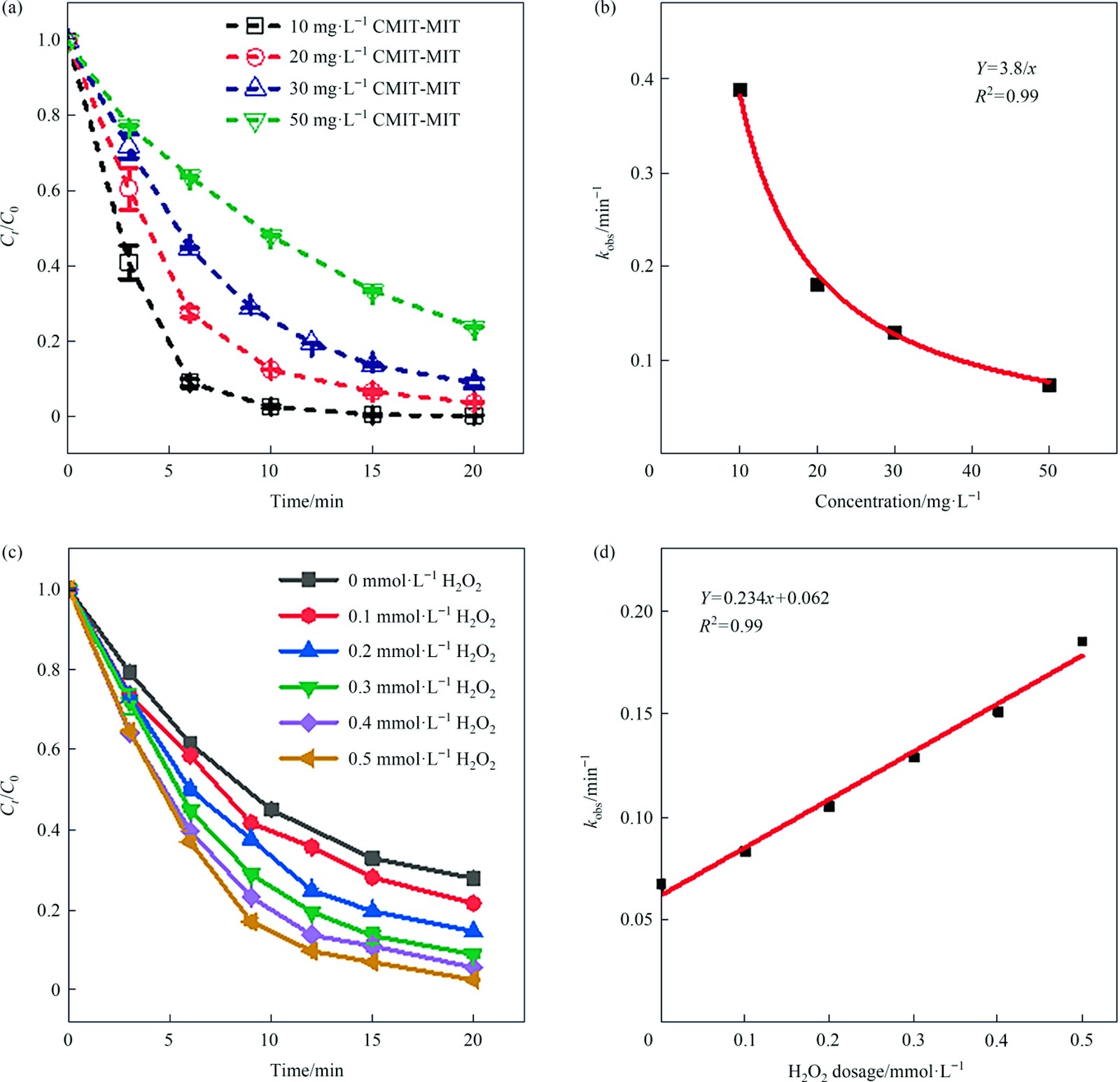
Kathon (CMI-MI), a mixture of 5-chloro-2-methyl-4-isothiazolin-3-one (CMI) and 2-methyl-4-isothiazolin-3-one (MI), was extensively used in industry as a nonoxidizing biocide or disinfectant. However, it would show adverse effects on aquatic life when it is discharged into surface water. In this study, the removal performance, parameter influence, degradation products and enhancement of subsequent biodegradation of CMI-MI in UV/H2O2 system were systematically investigated. The degradation rate of CMI-MI could reach 90% under UV irradiation for 20 min when the dosage of H2O2 was 0.3 mmol·L–1. The DOC (dissolved organic carbon) mineralization rate of CMI-MI could reach 35% under certain conditions ([H2O2] = 0.3 mmol·L–1, UV irradiation for 40 min). kobs was inversely proportional to the concentration of CMI-MI and proportional to the concentration of H2O2. The degradation rate of CMI-MI was almost unchanged in the pH range from 4 to 10. Except the presence of CO3^2- inhibited the removal rate of CMI-MI, SO4^2-, Cl-, NO3-, and NH4+ did not interfere with the degradation of CMI-MI in the system. It was found that UV/H2O2 system had lower energy consumption and more economic advantage compared with UV/PS system by comparing the EEO (electric energy per order) values under the same conditions. Two main organic products were identified, namely HCOOH and CH3NH2. There's also the formation of Cl- and SO4^2-. After UV and UV/H2O2 photolysis, the biochemical properties of CMI-MI solution were obviously improved, especially the UV/H2O2 treatment effect was better, indicating that UV/H2O2 technology is expected to combine with biotechnology to remove CMI-MI effectively and environmentally friendly from wastewater.

Removal of kathon by UV-C activated hydrogen peroxide: Kinetics, mechanisms, and enhanced biodegradability assessment
Graphical Abstract
Original ResearchVol. 32, Issue 1 • pp. 856-868DOI: 10.1016/j_cjche_144878520Jan 5, 2023

Relationship between hydrogenation degree and pyrolysis performance of jet fuel

Authors: Qing Liu, Tinghao Jia, Lun Pan, Jijun Zou, Xiangwen Zhang

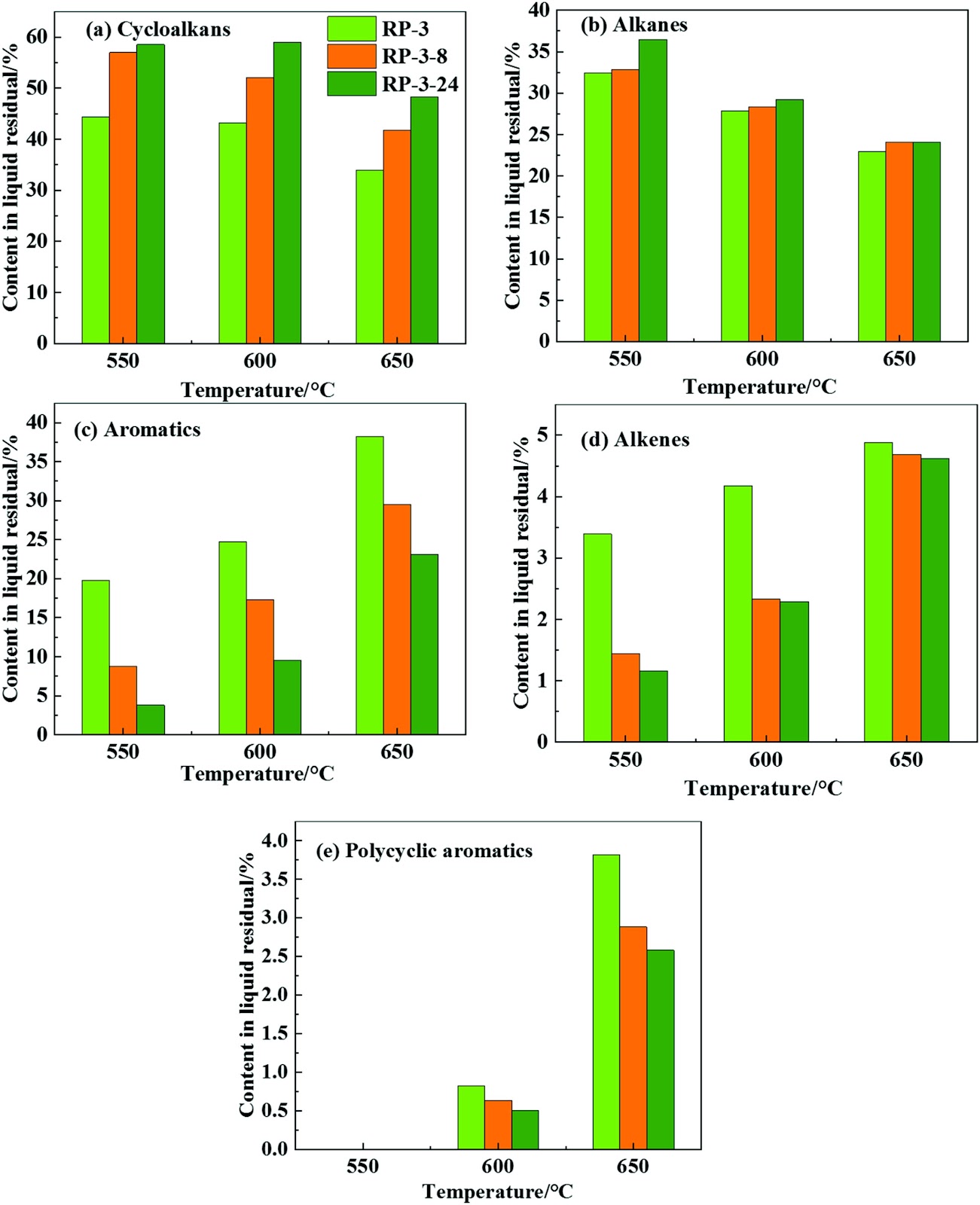
Understanding the relationship between the chemical composition and pyrolysis performance of endothermic hydrocarbon fuel (EHF) is of great significance for the design and optimization of advanced EHFs. In this work, the effect of deep hydrogenation on the pyrolysis of commercial RP-3 is investigated. Fuels with different hydrogenation degrees were obtained by the partially and completely catalytic hydrogenation and their pyrolysis performances were investigated using an apparatus equipped with an electrically heated tubular reactor. The results show that with the increase of hydrogenation degree, fuel conversion almost remains constant during the pyrolysis process (500e650 °C, 4 MPa); however, the heat sink increases slightly, and the anti-coking performance significantly improves, which are highly related to their H/C ratios. Detailed characterisations reveal that the difference of the pyrolysis performance can be ascribed to the content of aromatics and cycloalkanes: the former are prone to initiate secondary reactions to form coking precursors, while the latter could act as the hydrogen donor and release hydrogen, which will terminate the radical propagation reactions and suppress the coke deposition. This work should provide the guidance for upgrading EHFs by modulating the composition of EHFs.

Relationship between hydrogenation degree and pyrolysis performance of jet fuel
Graphical Abstract