SinoTechIntel Academic Portal
🏛️ Indexed Academic Journal

Chinese Journal of Mechanical Engineering

Access authentic peer-reviewed engineering methodologies, experimental datasets, and scientific literature published in this journal on SinoTechIntel.

Total Research Papers: 101
Access: 100% Free Open Access
Browse by Publication Year & Volume

Published Research Papers

Showing 101 of 101 peer-reviewed papers with full Graphical Abstracts.

Original ResearchVol. 38, Issue 196 • pp. 100-112DOI: 10.1186/s10033-025-01349-wJan 15, 2025

Advances in Robotic Peg-in-Hole Assembly: A Comprehensive Review

Authors: Shanglin Li, Hao Gong, Jianhua Liu, Jiakai Li, Xinjian Deng

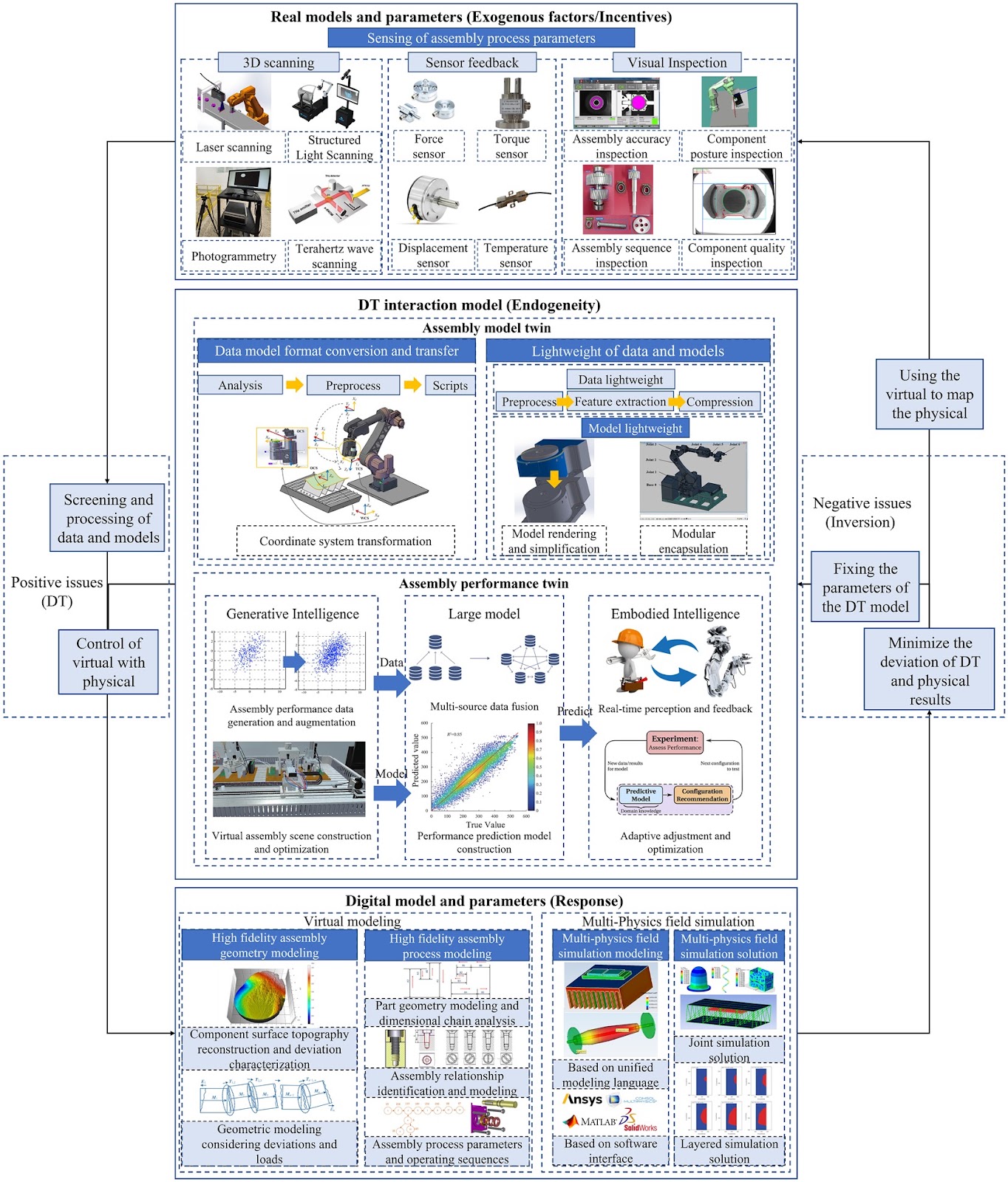
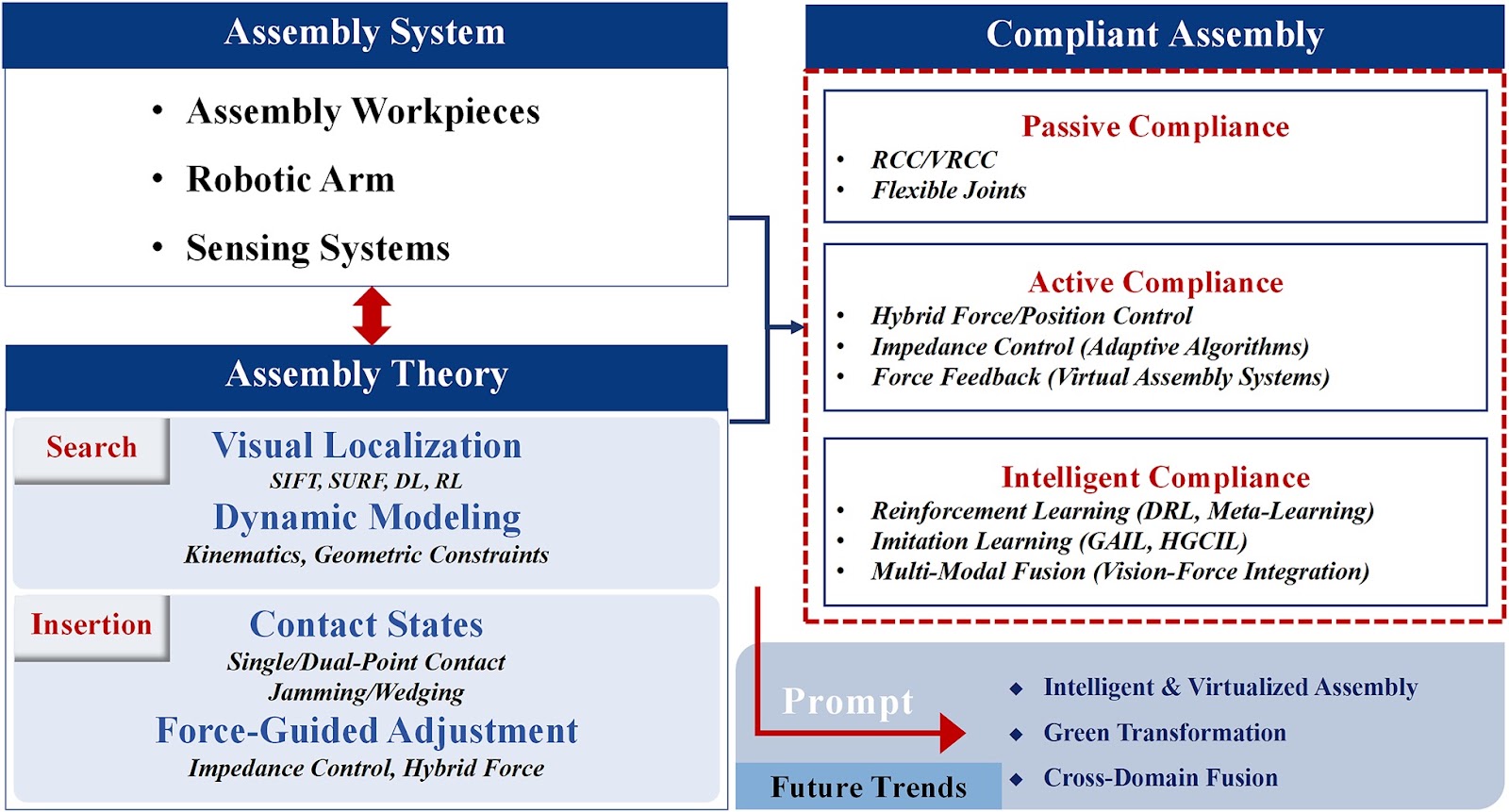
As the demands for assembly quality and efficiency increase, robot-assisted assembly applications are becoming more widespread. Peg-in-hole assembly, as a typical form of assembly, has been widely researched by scholars. Currently, robotic peg-in-hole assembly faces challenges such as complex analysis of part contact forces, difficulties in task modeling, and the failure of traditional strategies. Simply controlling the position of the robot’s end effector cannot achieve high precision, high efficiency peg-in-hole assembly. Flexible assembly, especially intelligent flexible assembly, is becoming the future development trend. So there is a lack of comprehensive reviews on robotic flexible peg-in-hole assembly. This paper first outlines the basic components of peg-in-hole assembly and summarizes the two basic operational processes of peg-in-hole assembly, along with their related theoretical foundations. We then review and analyze the research on passive compliant assembly, active compliant assembly, and intelligent flexible assembly. Finally, it presents an outlook on the future development directions of robotic peg-in-hole assembly.
Advances in Robotic Peg-in-Hole Assembly: A Comprehensive Review
Graphical Abstract
Original ResearchVol. 38, Issue 1 • pp. 100-112DOI: 10.1186/s10033-025-01232-8Jan 15, 2025

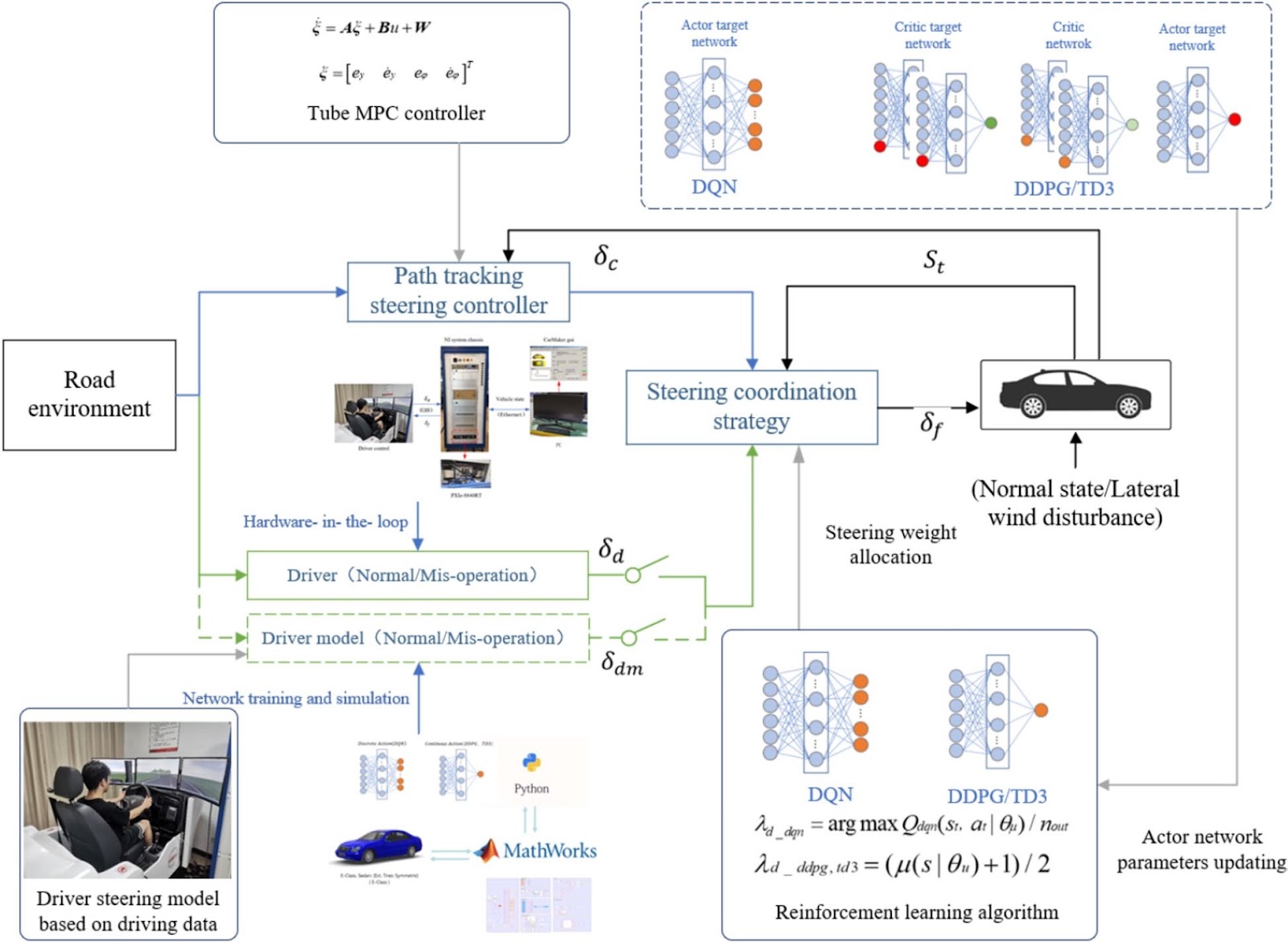
Robust Tube-MPC Trajectory Tracking Control for Four-Wheel Independent Steering Vehicles on Intermittent Snowy and Icy Roads

Authors: Xiaochuan Zhou, Ruiqi Liu, Jinyu Zhou, Ziyu Zhang, Chunyan Wang, Wanzhong Zhao

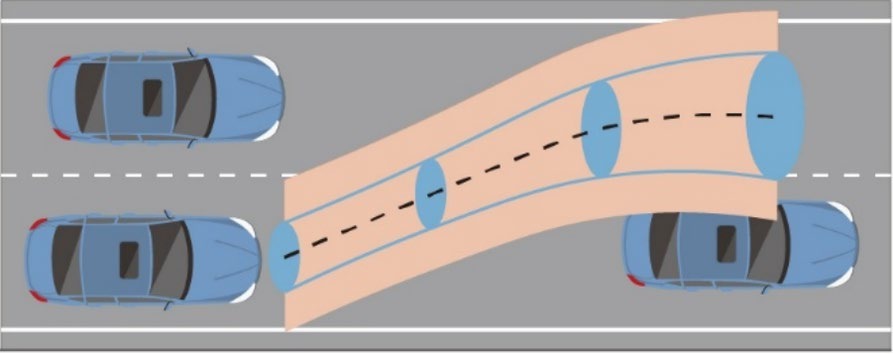
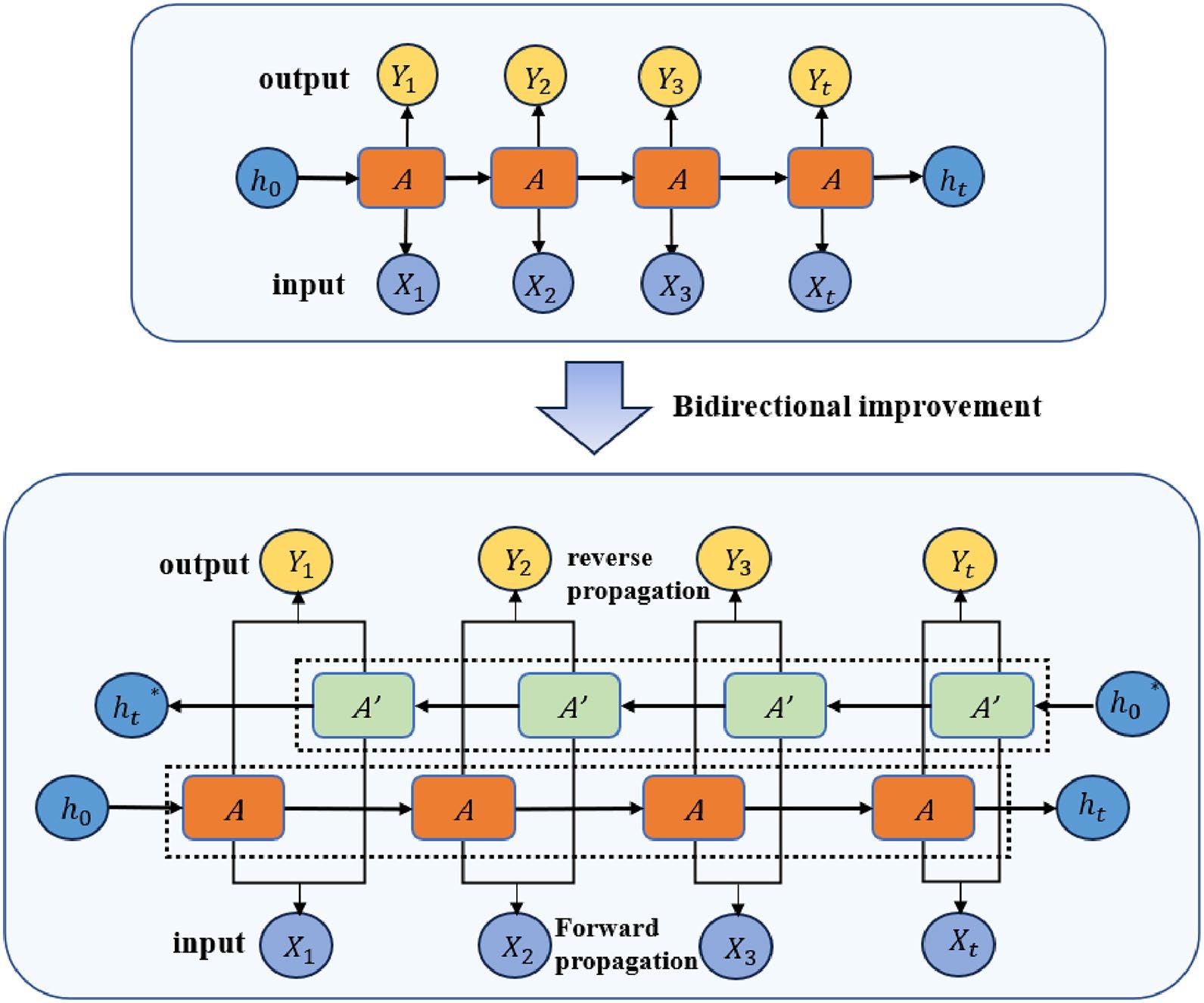
Four-Wheel Independent Steering (4WIS) Vehicles can independently control the angle of each wheel, demonstrating superior trajectory tracking performance under normal conditions. However, on intermittent icy and snowy roads, the presence of time-varying adhesion coefficients, time-varying cornering stiffness, and the irregularities due to ice and snow accumulation introduce multiple uncertainties into the steering system, significantly degrading the trajectory tracking performance of 4WIS vehicles. In response, this paper proposes a robust Tube Model Predictive Control (Tube-MPC) trajectory tracking control method for 4WIS. In this method, a Bi-directional Long Short-Term Memory neural network is established for online estimation of tire cornering stiffness under different road adhesion coefficients, providing accurate estimation of time-varying cornering stiffness for each wheel to mitigate the uncertainties of time-varying adhesion coefficients and cornering stiffness. Additionally, considering the road irregularities caused by snow accumulation on intermittent icy and snowy roads, a trajectory tracking controller that integrates Tube-MPC and robust Sliding Mode Control is proposed. The nominal MPC model, developed from the estimated tire cornering stiffness, utilizes the sliding surface and the optimal auxiliary control unit law for the tube is derived from the reaching law in Tube-MPC, aiming to minimize the trajectory tracking error while enhancing the controller’s robustness against road uncertainties. The experiments show that the proposed method outperforms the Tube-MPC algorithm in terms of trajectory accuracy and robustness. This method demonstrates excellent trajectory tracking accuracy under intermittent icy and snowy road conditions, and it lays a theoretical foundation for future studies on vehicle stability and trajectory tracking under such road conditions.

Robust Tube-MPC Trajectory Tracking Control for Four-Wheel Independent Steering Vehicles on Intermittent Snowy and Icy Roads
Graphical Abstract
Original ResearchVol. 38, Issue 51 • pp. 100-112DOI: 10.1186/s10033-025-01204-yJan 15, 2025

Learning Manipulation from Expert Demonstrations Based on Multiple Data Associations and Physical Constraints

Authors: Yangqing Ye, Yaojie Mao, Shiming Qiu, Chuan’guo Tang, Zhirui Pan, Weiwei Wan, Shibo Cai, Guanjun Bao

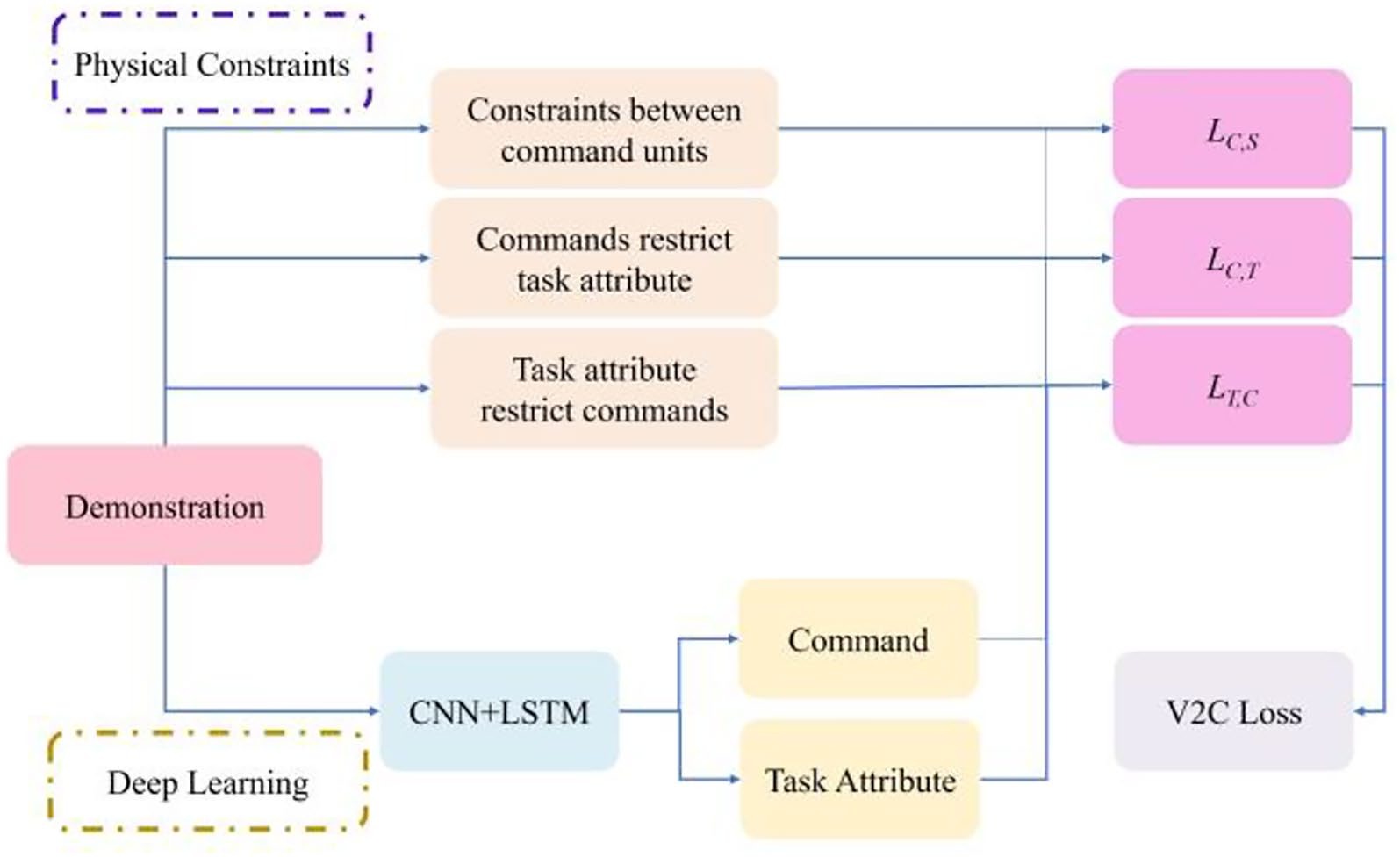
Learning from demonstration is widely regarded as a promising paradigm for robots to acquire diverse skills. Other than the artificial learning from observation-action pairs for machines, humans can learn to imitate in a more versatile and effective manner: acquiring skills through mere “observation”. Video to Command task is widely perceived as a promising approach for task-based learning, which yet faces two key challenges: (1) High redundancy and low frame rate of fine-grained action sequences make it difficult to manipulate objects robustly and accurately. (2) Video to Command models often prioritize accuracy and richness of output commands over physical capabilities, leading to impractical or unsafe instructions for robots. This article presents a novel Video to Command framework that employs multiple data associations and physical constraints. First, we introduce an object-level appearance-contrasting multiple data association strategy to effectively associate manipulated objects in visually complex environments, capturing dynamic changes in video content. Then, we propose a multi-task Video to Command model that utilizes object-level video content changes to compile expert demonstrations into manipulation commands. Finally, a multi-task hybrid loss function is proposed to train a Video to Command model that adheres to the constraints of the physical world and manipulation tasks. Our method achieved over 10% on BLEU_N, METEOR, ROUGE_L, and CIDEr compared to the up-to-date methods. The dual-arm robot prototype was established to demonstrate the whole process of learning from an expert demonstration of multiple skills and then executing the tasks by a robot.
Learning Manipulation from Expert Demonstrations Based on Multiple Data Associations and Physical Constraints
Graphical Abstract
Original ResearchVol. 38, Issue 1 • pp. 153DOI: 10.1186/s10033-025-01310-xJan 15, 2025

High Heat-fade Resistance, Metal-free Resin-based Brake Pads: A Step towards Replacing Copper by Using Andalusite

Authors: Kaikui Zheng, Zijing Min, Fawang Zhang, Zhiying Ren, Youxi Lin

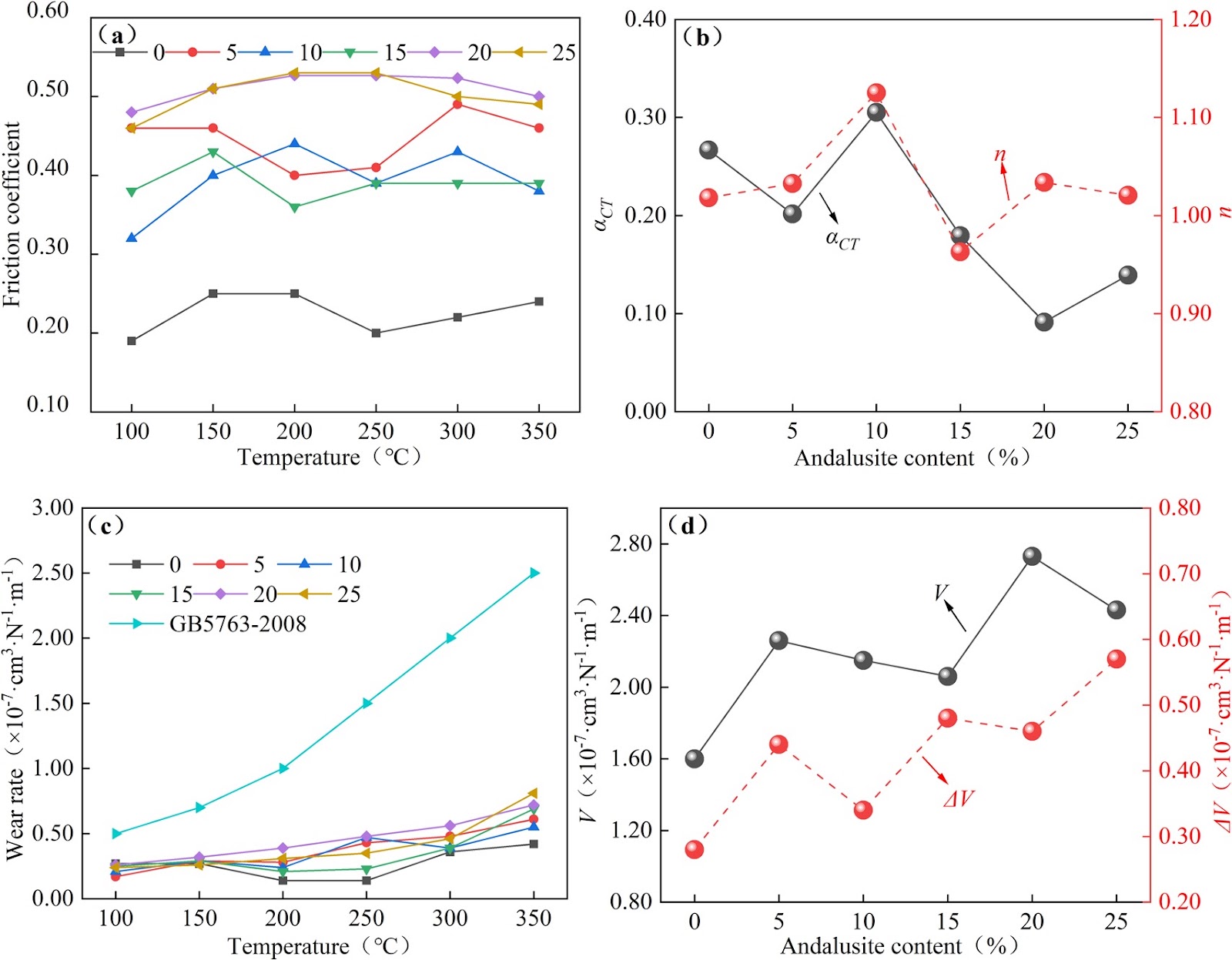
The emission of copper-containing particulate matter during braking poses a threat to the natural environment, yet copper plays a crucial role in resin-based brake pads. Developing a copper-free brake pad with high heat-fade resistance has emerged as a significant current topic. This study employs andalusite-filled resin-based brake pads as a replacement for copper in brake pads. It investigates the effects of andalusite mesh size and content on the physical properties, mechanical properties, and tribological wear performance of the brake pads, and explores the wear mechanism of andalusite-filled copper-free resin-based brake pads. The results indicate that adding andalusite to the brake pads enhances their thermal stability, hardness, impact strength, and density, effectively improving the medium-to-high temperature friction coefficient and heat-fade resistance of the brake pads. As the mesh size of andalusite increases, the hardness of the brake pads also increases, while the impact strength initially increases and then decreases. As the weight content of andalusite increases, the hardness and impact strength of the brake pads gradually increase. When the andalusite mesh size is 320 mesh and the content is 20%, the brake pads exhibit good comprehensive tribological wear performance. The addition of andalusite not only increases the medium-to-high temperature friction coefficient of the brake pads but also strengthens their high-temperature friction surface. This study successfully replaces copper, which is harmful to the environment and costly, with andalusite in brake pads, obtaining a high heat-fade resistance metal-free resin-based brake pad.

High Heat-fade Resistance, Metal-free Resin-based Brake Pads: A Step towards Replacing Copper by Using Andalusite
Graphical Abstract
Original ResearchVol. 38, Issue 198 • pp. 1-19DOI: 10.1186/s10033-025-01356-xJan 15, 2025

A Comprehensive Review of Key Technologies for Robot Motion Planning in Contact Tasks in Industrial Automation Scenarios

Authors: Shibo Jin, Kaichen Ke, Boyang Gao, Li Fu, Xingrong Huang

With the swift advancement of industrial automation, robots have emerged as an essential component in emerging industries and high-end equipment, thereby propelling industrial production towards greater intelligence and efficiency. This paper reviews the pivotal technologies for motion planning of robots engaged in contact tasks within industrial automation contexts, encompassing environmental recognition, trajectory generation strategies, and sim-to-real transfer. Environmental recognition technology empowers robots to accurately discern objects and obstacles in their operational environment. Trajectory generation strategies formulate optimal motion paths based on environmental data and task specifications. Sim-to-real transfer is committed to effectively translating strategies from simulated environments to actual production, thereby diminishing the discrepancies between simulation and reality. The article also delves into the application of artificial intelligence in robot motion planning and how embodied intelligence models catalyze the evolution of robotics technology towards enhanced intelligence and automation. The paper concludes with a synthesis of the methodologies addressing this challenge and a perspective on the myriad challenges that warrant attention.
A Comprehensive Review of Key Technologies for Robot Motion Planning in Contact Tasks in Industrial Automation Scenarios
Graphical Abstract
Original ResearchVol. 38, Issue 1 • pp. 101DOI: 10.1186/s10033-025-01275-xJan 15, 2025

A Knowledge Push Method of Complex Product Assembly Process Design Based on Distillation Model-Based Dynamically Enhanced Graph and Bayesian Network

Authors: Fengque Pei, Yaojie Lin, Jianhua Liu, Cunbo Zhuang, Sikuan Zhai

Under the paradigm of Industry 5.0, intelligent manufacturing transcends mere efficiency enhancement by emphasizing human-machine collaboration, where human expertise plays a central role in assembly processes. Despite advancements in intelligent and digital technologies, assembly process design still heavily relies on manual knowledge reuse, and inefficiencies and inconsistent quality in process documentation are caused. To address the aforementioned issues, this paper proposes a knowledge push method of complex product assembly process design based on distillation model-based dynamically enhanced graph and Bayesian network. First, an initial knowledge graph is constructed using a BERT-BiLSTM-CRF model trained with integrated human expertise and a fine-tuned large language model. Then, a confidence-based dynamic weighted fusion strategy is employed to achieve dynamic incremental construction of the knowledge graph with low resource consumption. Subsequently, a Bayesian network model is constructed based on the relationships between assembly components, assembly features, and operations. Bayesian network reasoning is used to push assembly process knowledge under different design requirements. Finally, the feasibility of the Bayesian network construction method and the effectiveness of Bayesian network reasoning are verified through a specific example, significantly improving the utilization of assembly process knowledge and the efficiency of assembly process design.

A Knowledge Push Method of Complex Product Assembly Process Design Based on Distillation Model-Based Dynamically Enhanced Graph and Bayesian Network
Graphical Abstract
Original ResearchVol. 38, Issue 1 • pp. 186DOI: 10.1186/s10033-025-01328-1Jan 15, 2025

Research on the Coupling Force between the Grinding Wheel and Rail in Grinding Train System

Authors: Tao Liu, Dabin Cui, Xinyi Li, Zhanghong Liu, Li Li

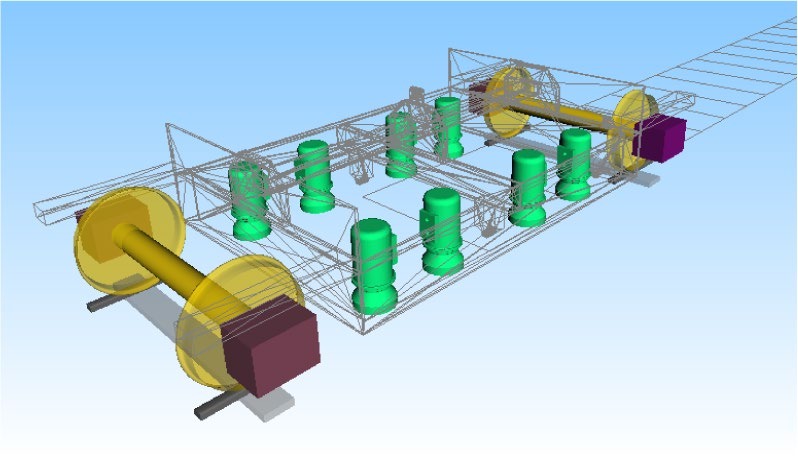
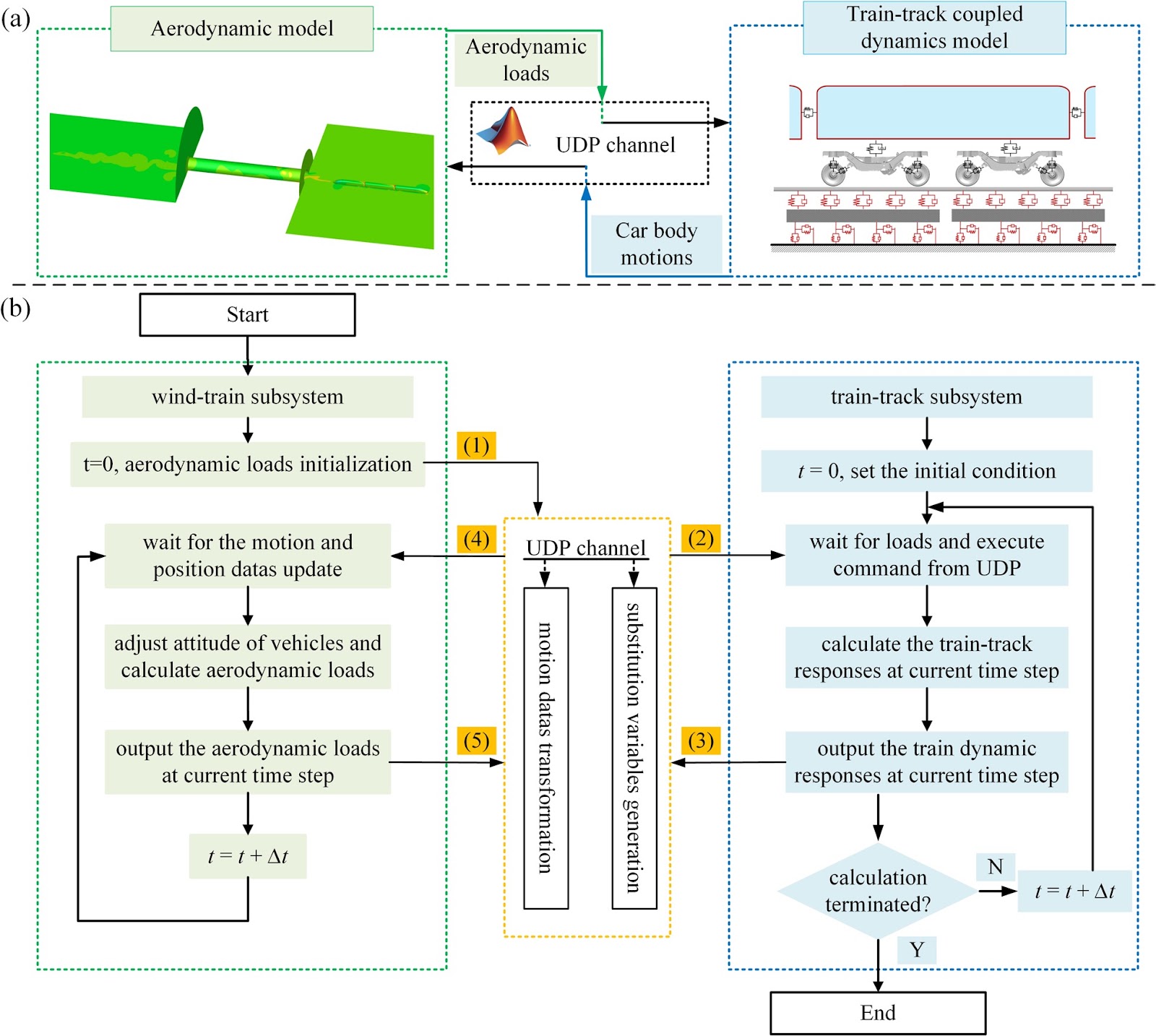
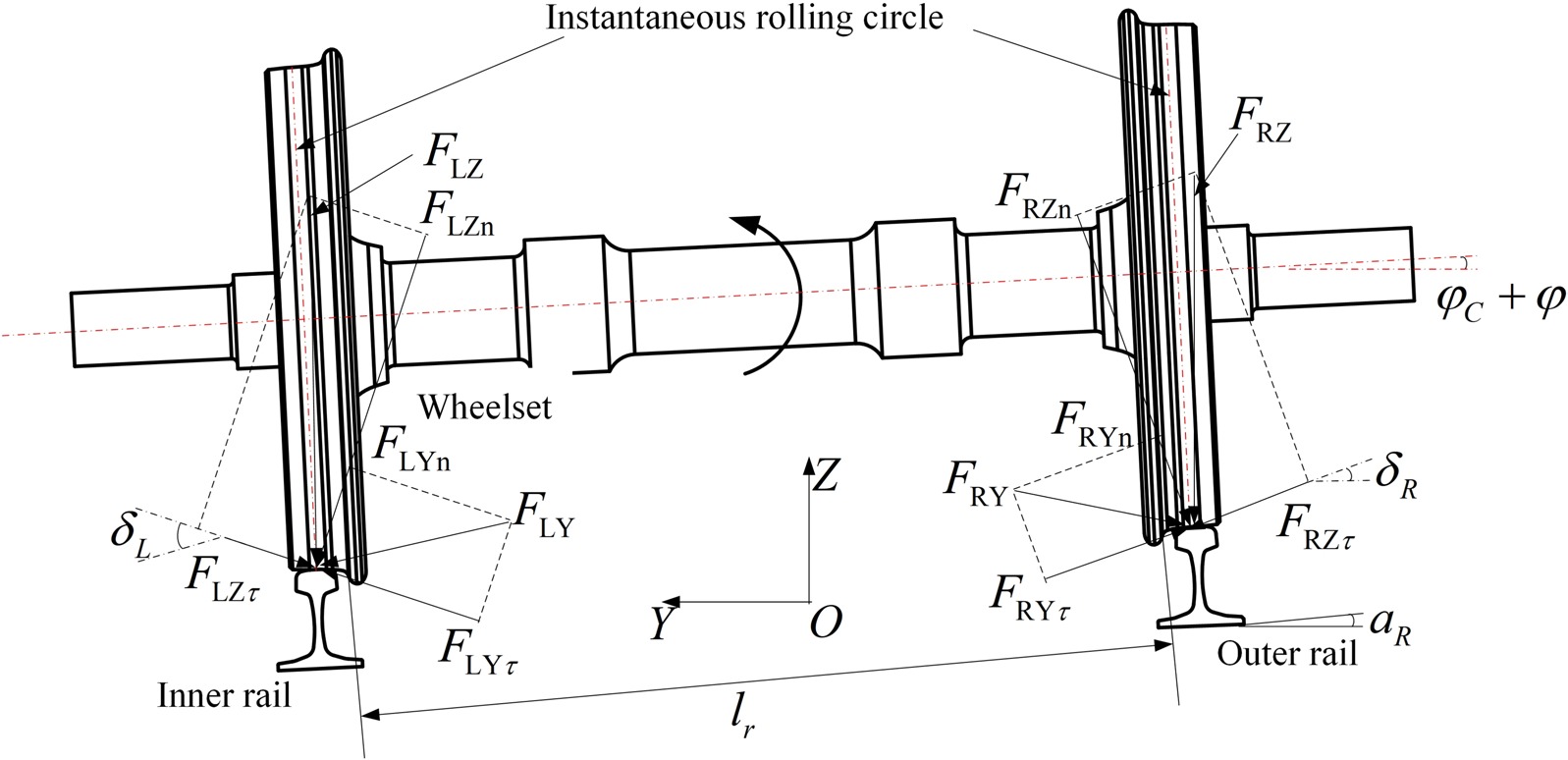
During the grinding train operation process, the grinding force between the grinding wheel and the rail is critical in ensuring the grinding quality and efficiency. The coupling vibration among the frame, the grinding wheels, and the wheelsets will seriously affect the stability of the grinding force. In this paper, the coupled mechanical model of the grinding wheel/rail is established based on the contact mechanics theory, which is embedded as a sub-model into the dynamic model of the multi-rigid buggy. The interaction among the frame, the grinding wheels and the wheelsets is analysed by setting the convex irregularity on the rail. The grinding effect is evaluated in combination with the subway’s long wave corrugation grinding conditions. The results show that when the grinding buggy passes the convex irregularity, the vibration excited by the wheelset system has a significant impact on the dynamic behavior of the grinding wheels. The vibration of the grinding wheel is mainly transmitted between the grinding wheel and the frame, less affecting the wheelset. For the long wave corrugation of the subway, the grinding effect of the grinding wheel has a certain correlation with the phase angle of the wheelset through the corrugation. The research results provide an important reference for the setting of the grinding pattern.

Research on the Coupling Force between the Grinding Wheel and Rail in Grinding Train System
Graphical Abstract
Original ResearchVol. 38, Issue 1 • pp. 192DOI: 10.1186/s10033-025-01353-0Jan 15, 2025

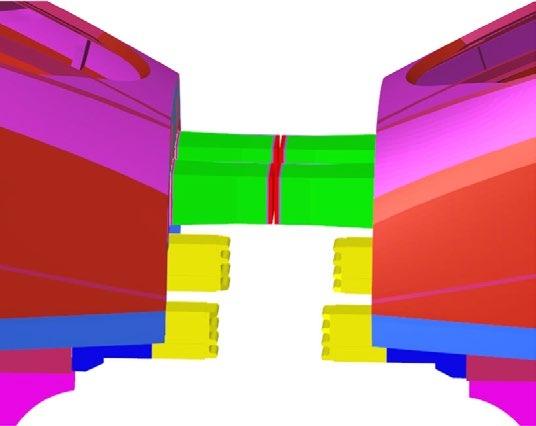
A Multi-Layer Progressive Analysis Method for Collision Energy Flow in Rail Trains

Authors: Jingke Zhang, Tao Zhu, Xiaorui Wang, Bing Yang, Shoune Xiao, Guangwu Yang, Yuru Li

The huge impact kinetic energy cannot be quickly dissipated by the energy-absorbing structure and transferred to the other vehicle through the car body structure, which will cause structural damage and threaten the lives of the occupants. Therefore, it is necessary to understand the laws of energy conversion, dissipation and transfer during train collisions. This study proposes a multi-layer progressive analysis method of energy flow during train collisions, considering the characteristics of the train. In this method, the train collision system is divided into conversion, dissipation, and transfer layers from the perspective of the train, collision interface, and car body structure to analyze the energy conversion, dissipation and transfer characteristics. Taking the collision process of a rail train as an example, a train collision energy transfer path analysis model was established based on power flow theory. The results show that when the maximum mean acceleration of the vehicle meets the standard requirements, the jerk may exceed the allowable limit of the human body, and there is a risk of injury to the occupants of a secondary collision. The decay rate of the collision energy along the direction of train operation reaches 79%. As the collision progresses, the collision energy gradually converges in the structure with holes, and the structure deforms when the gathered energy is greater than the maximum energy the structure can withstand. The proposed method helps to understand the train collision energy flow law and provides theoretical support for the train crashworthiness design in the future.

A Multi-Layer Progressive Analysis Method for Collision Energy Flow in Rail Trains
Graphical Abstract
Original ResearchVol. 38, Issue 149 • pp. 100-112DOI: 10.1186/s10033-025-01289-5Jan 15, 2025

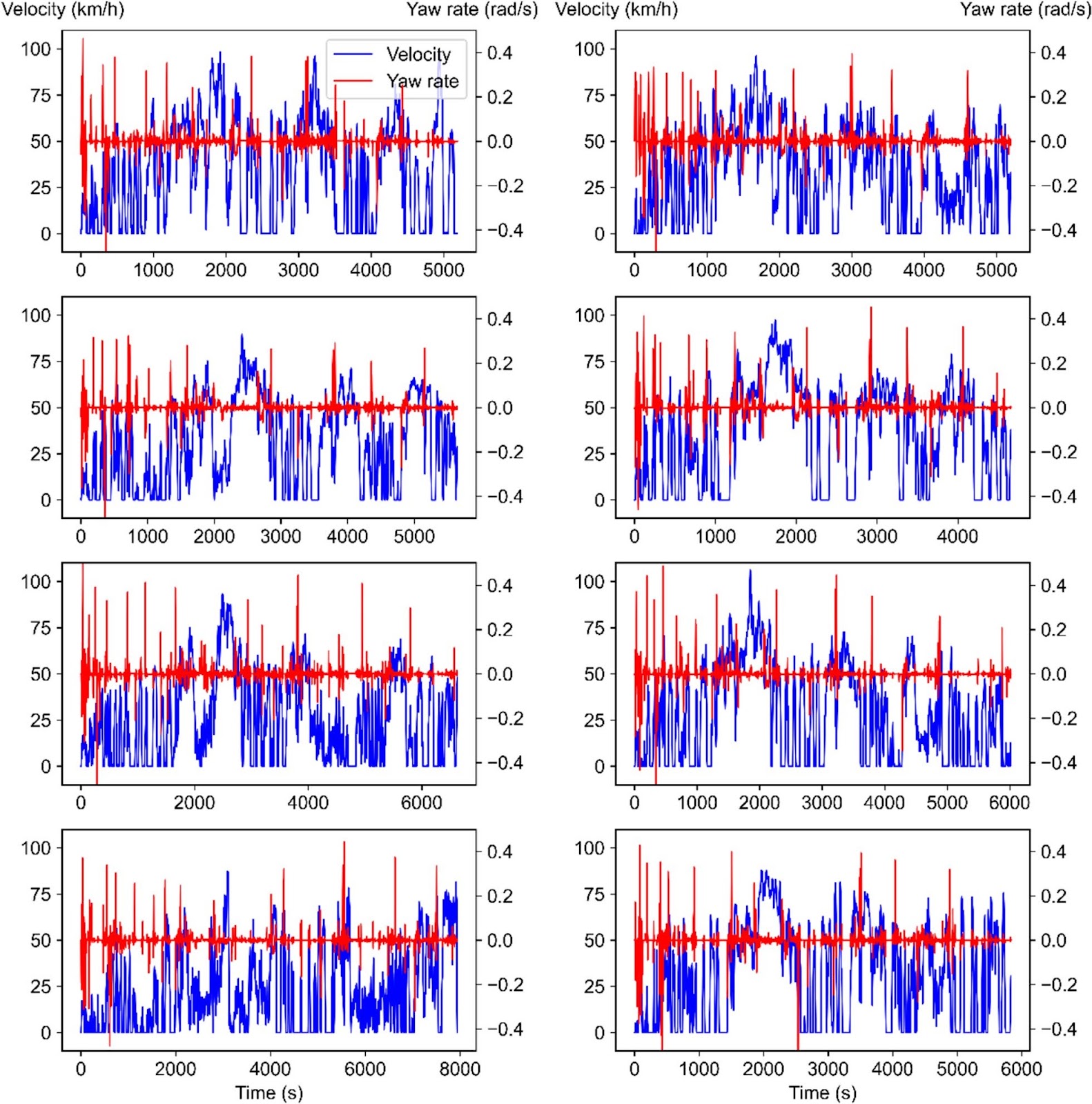
Passenger Comfort Assessment via Motion Complexity Analysis for Autonomous Vehicles

Authors: Titong Jiang, Jingyuan Li, Liang Ma, Xuewu Ji, Yahui Liu

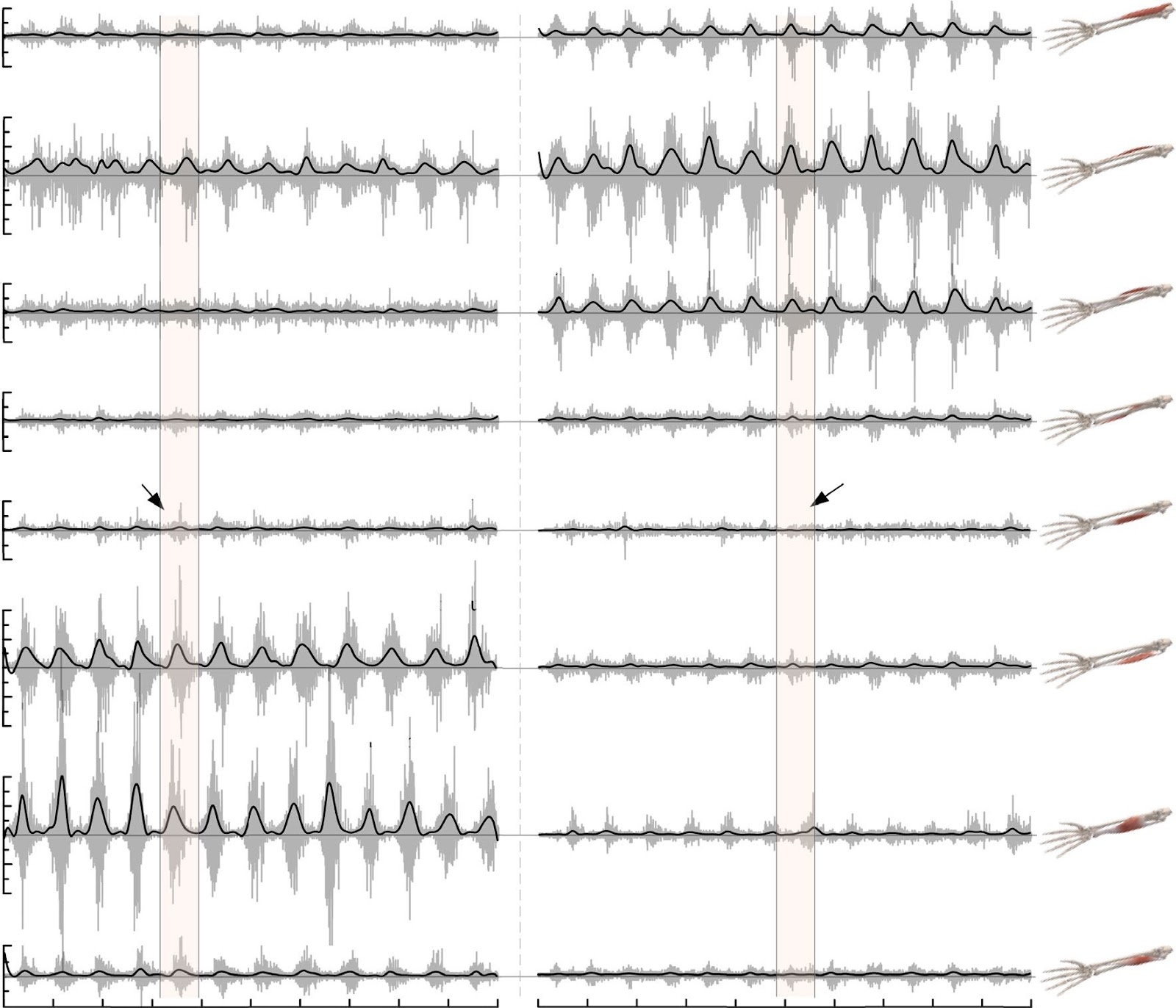
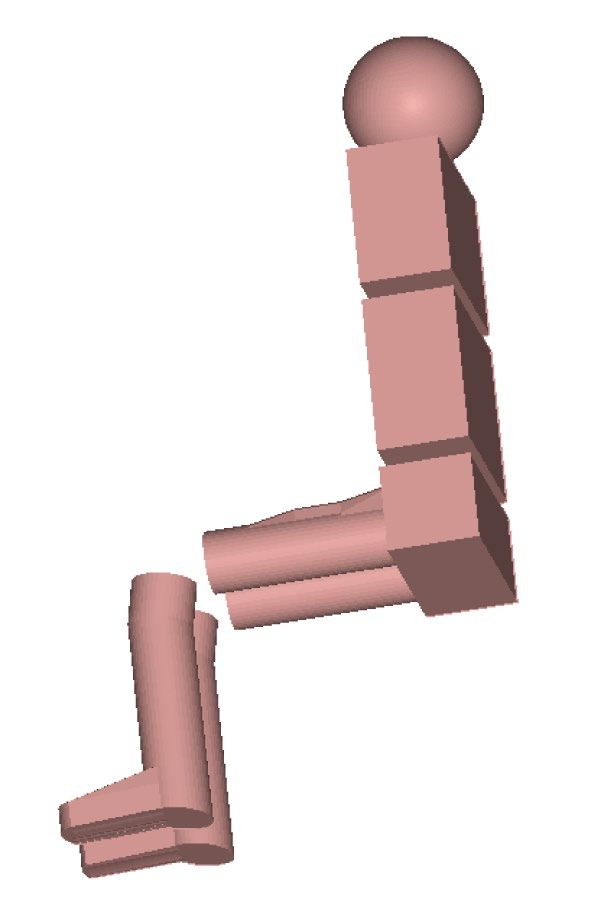
Traditionally, passenger comfort in vehicles is perceived as being most influenced by acceleration and jerk. Consequently, the current research primarily focuses on developing control algorithms to limit the maximum acceleration and jerk of the vehicle in order to improve passenger comfort. However, naturalistic driving studies demonstrate that such simple characteristics are insufficient for accurately evaluating passenger comfort. This study identifies motion complexity as a key factor of passenger comfort. A series of naturalistic driving studies are conducted, during which passenger comfort is assessed using a 5-point Likert scale. Moreover, a real-time passenger comfort measurement based on electromyography (EMG) and stepwise regression is proposed to facilitate seamless data collection. Time-series features representing motion complexity are then introduced to better describe passenger comfort. Hierarchical regression confirms that simple characteristics of motion are insufficient to explain passenger comfort, and shows that the proposed motion complexity features have a substantial effect on passenger comfort. Finally, a machine learning-based real-time passenger comfort estimation method is developed according to the foregoing findings. Experimental results show that the proposed method can accurately estimate passenger comfort in real-time using only vehicle motion information. The findings of this study suggest that vehicle motion complexity should be considered in future passenger comfort studies.

Passenger Comfort Assessment via Motion Complexity Analysis for Autonomous Vehicles
Graphical Abstract
Original ResearchVol. 38, Issue 1 • pp. 108DOI: 10.1186/s10033-025-01257-zJan 15, 2025

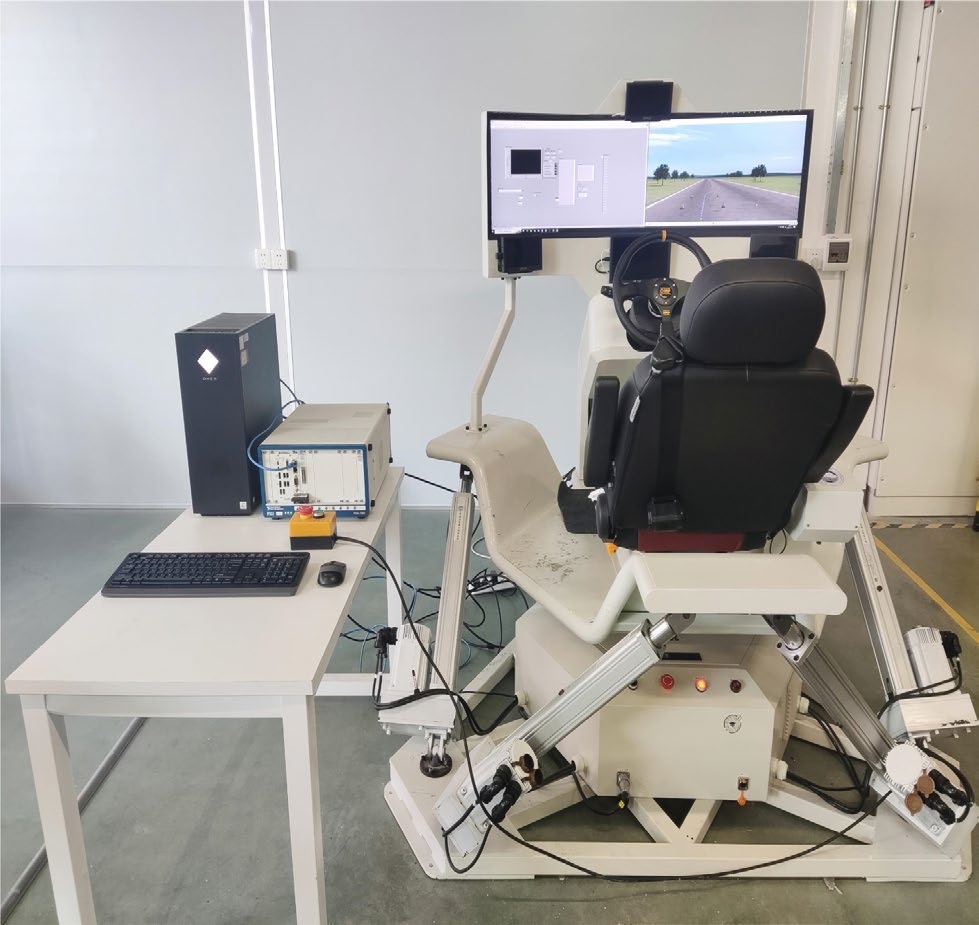
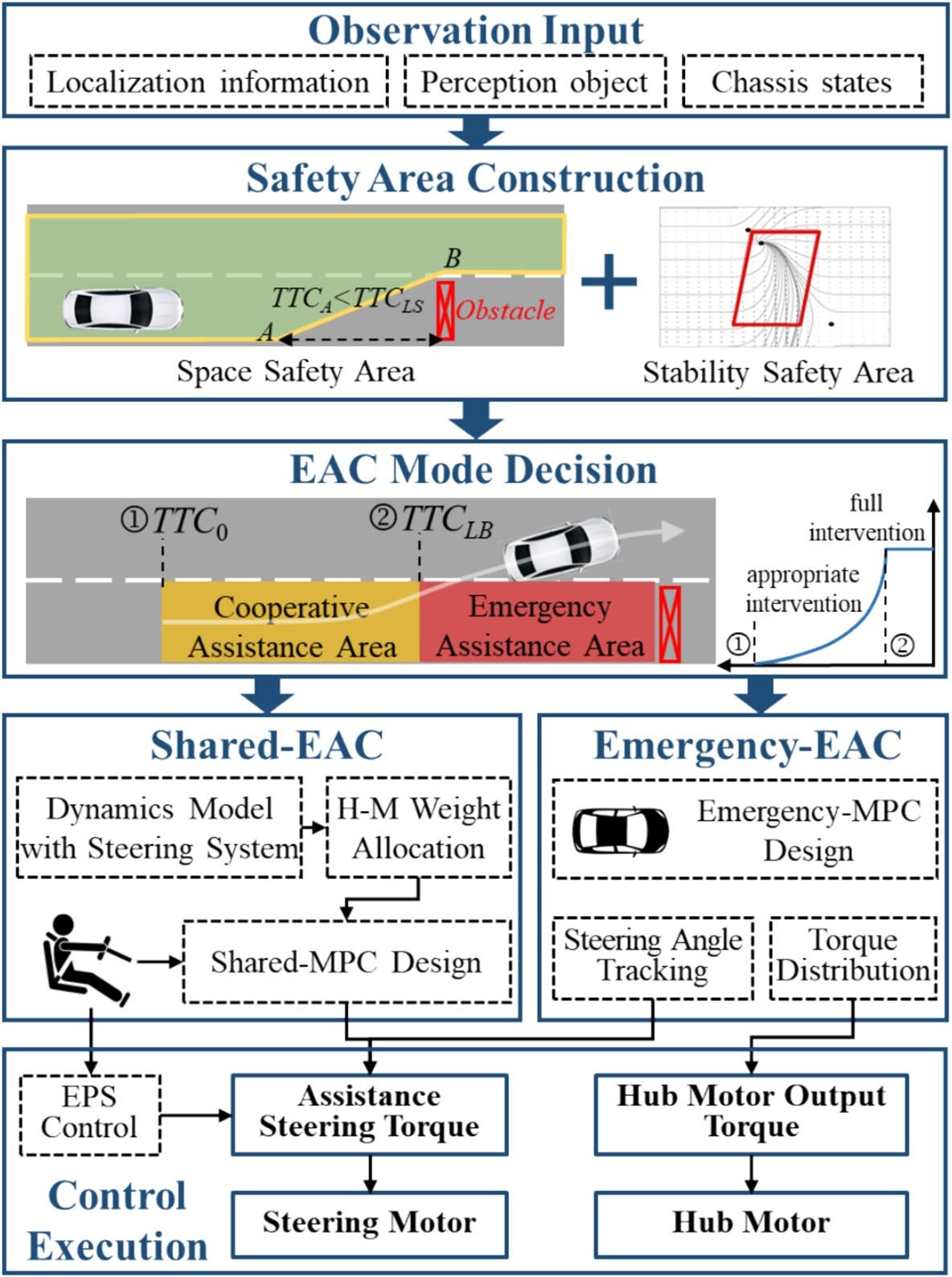
Observer-Based Robust Explicit Model Predictive Control for Path Following of Autonomous Electric Vehicles with Communication Delay

Authors: Jing Zhao, Renbin Li, Mingze Lv, Wenfeng Li, Zhengchao Xie, Pak Kin Wong

The existing research on the path following of the autonomous electric vehicle (AEV) mainly focuses on the path planning and the kinematic control. However, the dynamic control with the state observation and the communication delay is usually ignored, so the path following performance of the AEV cannot be ensured. This article studies the observer-based path following control strategy for the AEV with the communication delay via a robust explicit model predictive control approach. Firstly, a projected interval unscented Kalman filter is proposed to observe the vehicle sideslip angle and yaw rate. The observer considers the state constraints during the observation process, and the robustness of the observer is also considered. Secondly, an explicit model predictive control is designed to reduce the computational complexity. Thirdly, considering the efficiency of the information transmission, the influence of the communication delay is considered when designing the observer-based path following control strategy. Finally, the numerical simulation and the hardware-in-the-loop test are conducted to examine the effectiveness and practicability of the proposed strategy.

Observer-Based Robust Explicit Model Predictive Control for Path Following of Autonomous Electric Vehicles with Communication Delay
Graphical Abstract
Original ResearchVol. 38, Issue 1 • pp. 143DOI: 10.1186/s10033-025-01316-5Jan 15, 2025

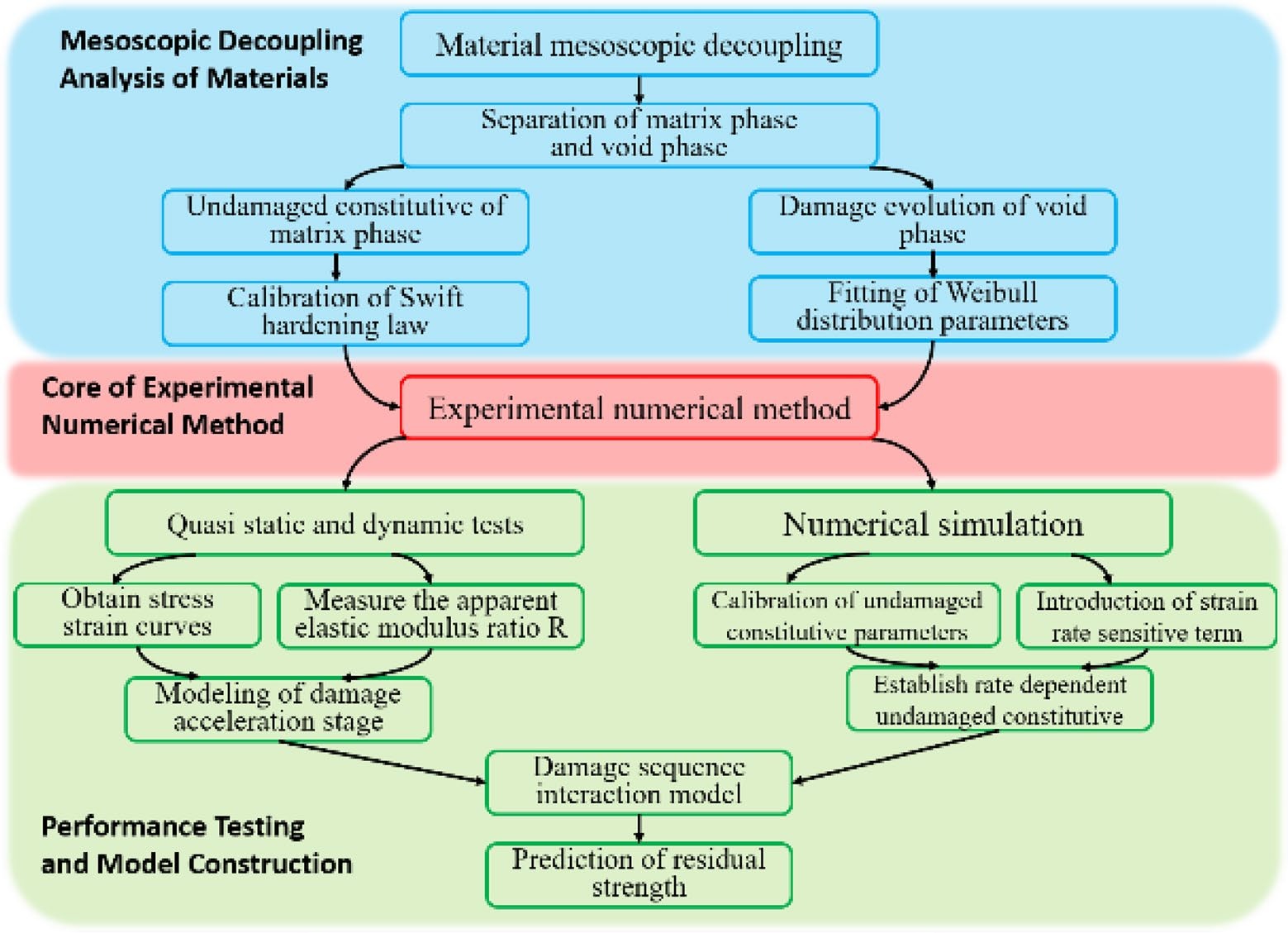
Influence of Fatigue Damage on Collision Response of Metro Vehicles: Simulation and Experimental Study Based on Damage Sequence Interaction Model

Authors: Wenyue Yuan, Tao Zhu, Bing Yang, Haoxu Ding, Xiaorui Wang, Quanwei Che, Jingke Zhang, Shoune Xiao, Cheng Lei

This study decouples the material microstructure into matrix and void phases. The undamaged constitutive is derived from the matrix phase, while the void phase contributes to damage evolution. A constitutive model is established by coupling the two. According to the void-phase evolution during damage, a damage sequence interaction model is proposed. Tests on new vehicles and vehicles in service materials yield stress-strain curves of materials without and with fatigue damage and measure the apparent elastic modulus. The damage sequence interaction model accurately predicts the residual mechanical properties of undamaged materials. A trolley collision test validates the constitutive model. Collision simulations at 25, 36, and 48 km/h reveal that compared with undamaged models, the maximum vertical lift heights of moving vehicles with fatigue damage are 4.54%, 3.74%, and 9.17% lower, respectively, and the maximum longitudinal compressions of stationary vehicles are 4.76%, 14.53%, and 33.15% higher respectively. This research emphasizes the importance of considering fatigue damage in vehicle design and maintenance. The damage sequence interaction model has high engineering application value, applicable to vehicle safety checks and design, and provides a reference for improving relevant standards.
Influence of Fatigue Damage on Collision Response of Metro Vehicles: Simulation and Experimental Study Based on Damage Sequence Interaction Model
Graphical Abstract
Original ResearchVol. 38, Issue 1 • pp. 174DOI: 10.1186/s10033-025-01336-1Jan 15, 2025

A DDPG-based Path Following Control Strategy for Autonomous Vehicles by Integrated Imitation Learning and Feedforward Exploration

Authors: Qianjie Liu, Peixiang Xiong, Qingyuan Zhu, Wei Xiao, Kejie Wang, Guoliang Hu, Gang Li

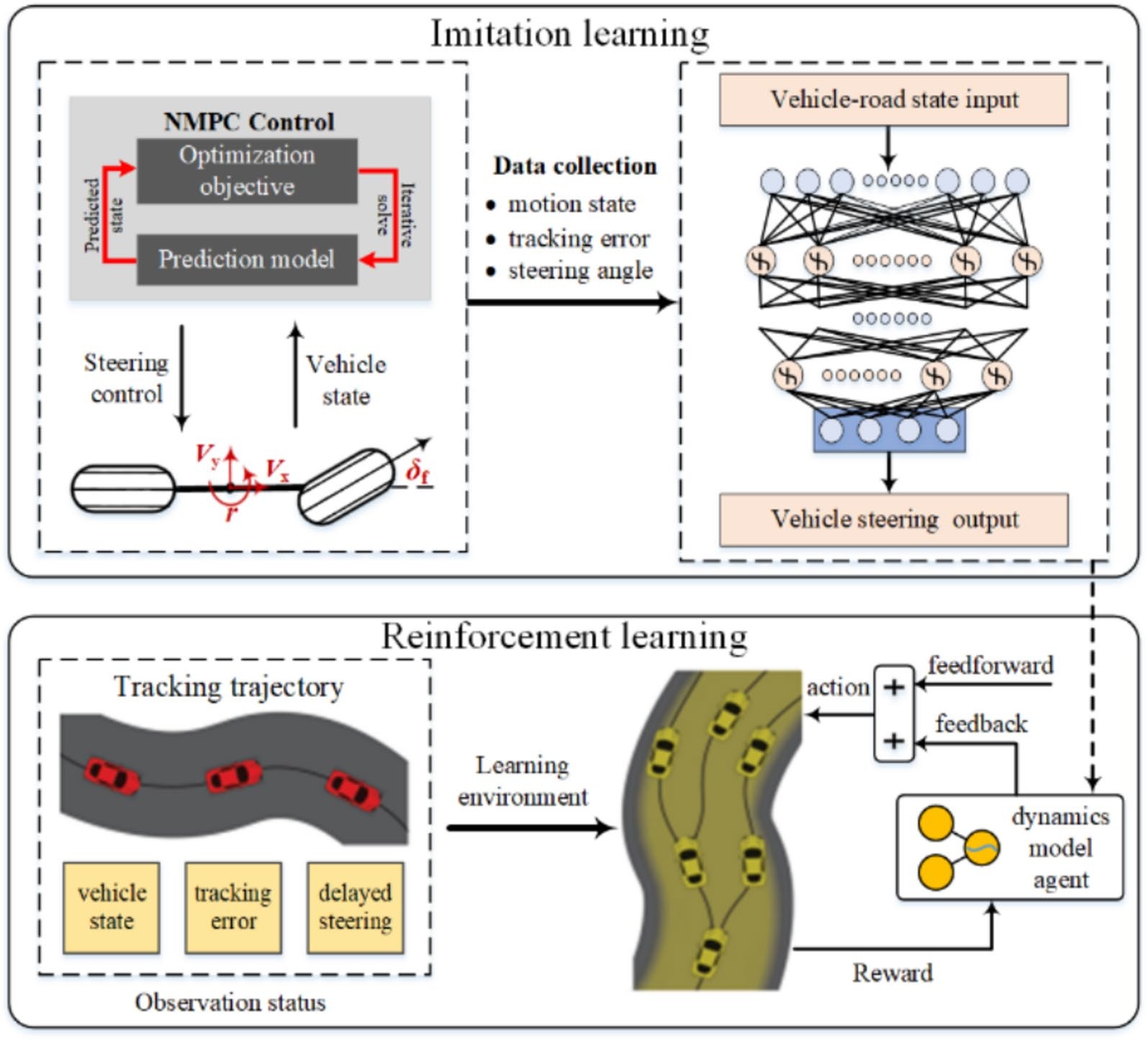
Autonomous driving technology is constantly developing to a higher level of complex scenes, and there is a growing demand for the utilization of end-to-end data-driven control. However, the end-to-end path tracking process often encounters challenges in learning efficiency and generalization. To address this issue, this paper designs a deep deterministic policy gradient (DDPG)-based reinforcement learning strategy that integrates imitation learning and feedforward exploration in the path following process. In imitation learning, the path tracking control data generated by the model predictive control (MPC) method is used to train an end-to-end steering control model of a deep neural network. Another feedforward exploration behavior is predicted by road curvature and vehicle speed, and adds it and imitation learning to the DDPG reinforcement learning to obtain decision-making experience and action prediction behavior of the path tracking process. In the reinforcement learning process, imitation learning is used to update the pre-training parameters of the actor network, and a feedforward steering technique with random noise is adopted for strategy exploration. In the reward function, a hierarchical progressive reward form and a constrained objective reward function referring to MPC are designed, and the actor-critic network architecture is determined. Finally, the path tracking performance of the designed method is verified by comparing various training results, simulations, and HIL tests. The results show that the designed method can effectively utilize pre-training and feedforward prior experience to obtain optimal path tracking performance of an autonomous vehicle, and has better generalization ability than other methods. This study provides an efficient control scheme for improving the end-to-end control performance of autonomous vehicles.

A DDPG-based Path Following Control Strategy for Autonomous Vehicles by Integrated Imitation Learning and Feedforward Exploration
Graphical Abstract
Original ResearchVol. 38, Issue 119 • pp. 1-18DOI: 10.1186/s10033-025-01287-7Jan 15, 2025

State of the Art Review on the Crashworthiness of Railway Vehicles

Authors: Chao Yang, Luze Zhang, Yujiang Lu, Ning Xu, Yichang Zhou, Qiang Li, Zunsong Ren

The state of the art is reviewed for the crashworthiness of railway vehicles in aspects of materials, energy absorbing structures, train collision simulation and experiments. The recoverable and nonreversible energy absorbers are introduced for railway vehicles first. Metallic and non-metallic materials play a crucial role in the energy dissipation process. Thin-walled structures at vehicle ends are the main energy absorbers in train collisions, which include the deformation tube, crush box, deformable anti-climber and vehicle end structures. It is necessary to build a specific dynamic model for subway and high-speed trains, which includes gas-hydraulic buffers and energy absorption devices. Furthermore, train crashworthiness could be improved with the help of crash energy management. The train collision is commonly studied by numerical methods and experiments. The research method mainly depends on the primary purpose. The simulation depending on numerical methods should be validated by related experiments. The methods provide theoretical support for train crashworthy design.

State of the Art Review on the Crashworthiness of Railway Vehicles
Graphical Abstract
Original ResearchVol. 38, Issue 151 • pp. 100-112DOI: 10.1186/s10033-025-01304-9Jan 15, 2025

Variable Stability Control Approach for Angle Following of Steer-by-wire System

Authors: Lin He, Ziang Xu, Yujiang Wei, Shanshan Peng, Huasheng Feng, Qin Shi

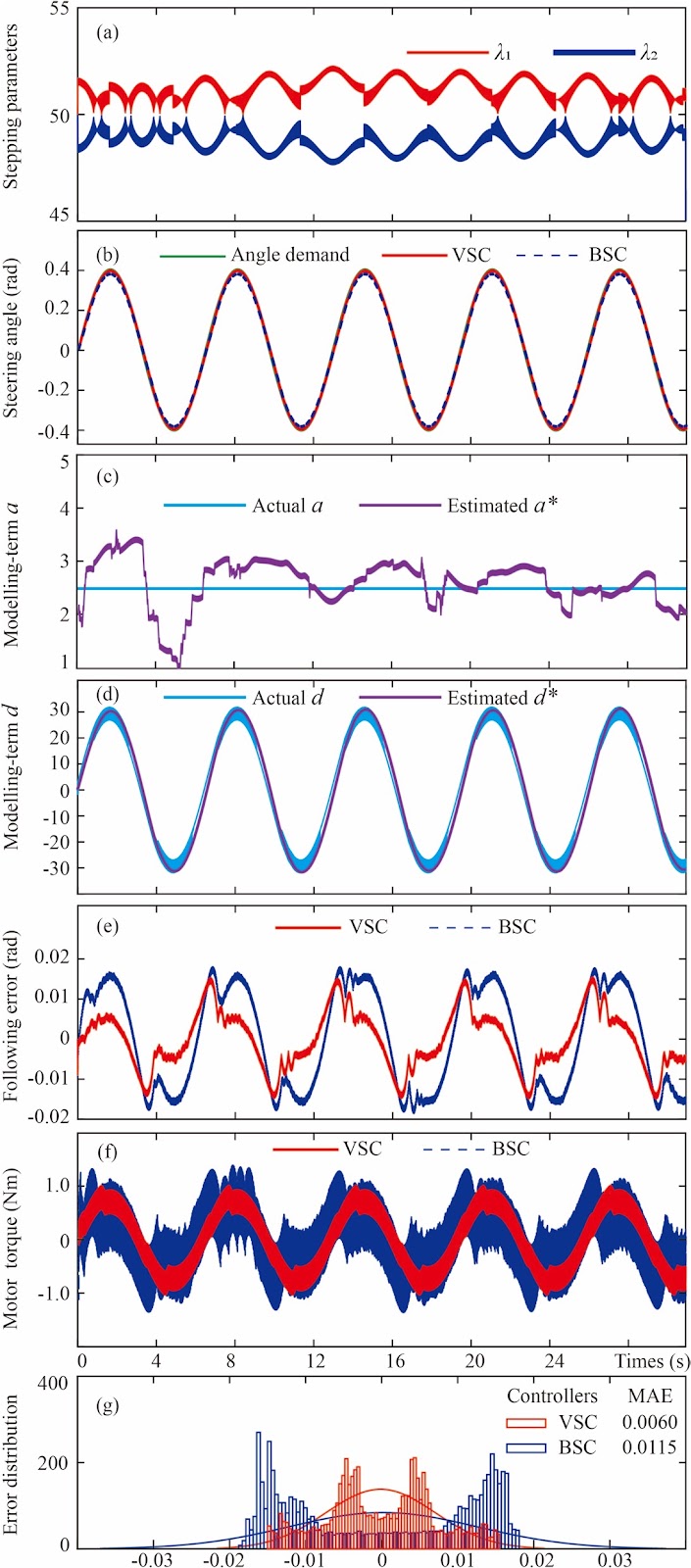
It is particularly challenging to develop a new control theory like human intelligence, as human cognition and decision-making are variable in changing environments. In this article, the idea of variable stability is adopted to design a human-like control algorithm, referred to as variable stability control. A variable model perturbation put into the system dynamics model is computed by model game control, which simulates changes in human cognition. Lyapunov stability control is employed to formulate a backstepping control law that mimics the underlying logic algorithm in human decision-making. Some variable algorithm parameters embedded into the control law are calculated using model predictive control, which imitates dynamic tuning in human decision-making. From another perspective, variable stability control is an algorithm-hybrid control approach validated in a steer-by-wire system for angle tracking. According to the experimental results, variable stability control is a promising candidate for angle tracking in steer-by-wire systems.

Variable Stability Control Approach for Angle Following of Steer-by-wire System
Graphical Abstract
Original ResearchVol. 38, Issue 1 • pp. 162DOI: 10.1186/s10033-025-01339-yJan 15, 2025

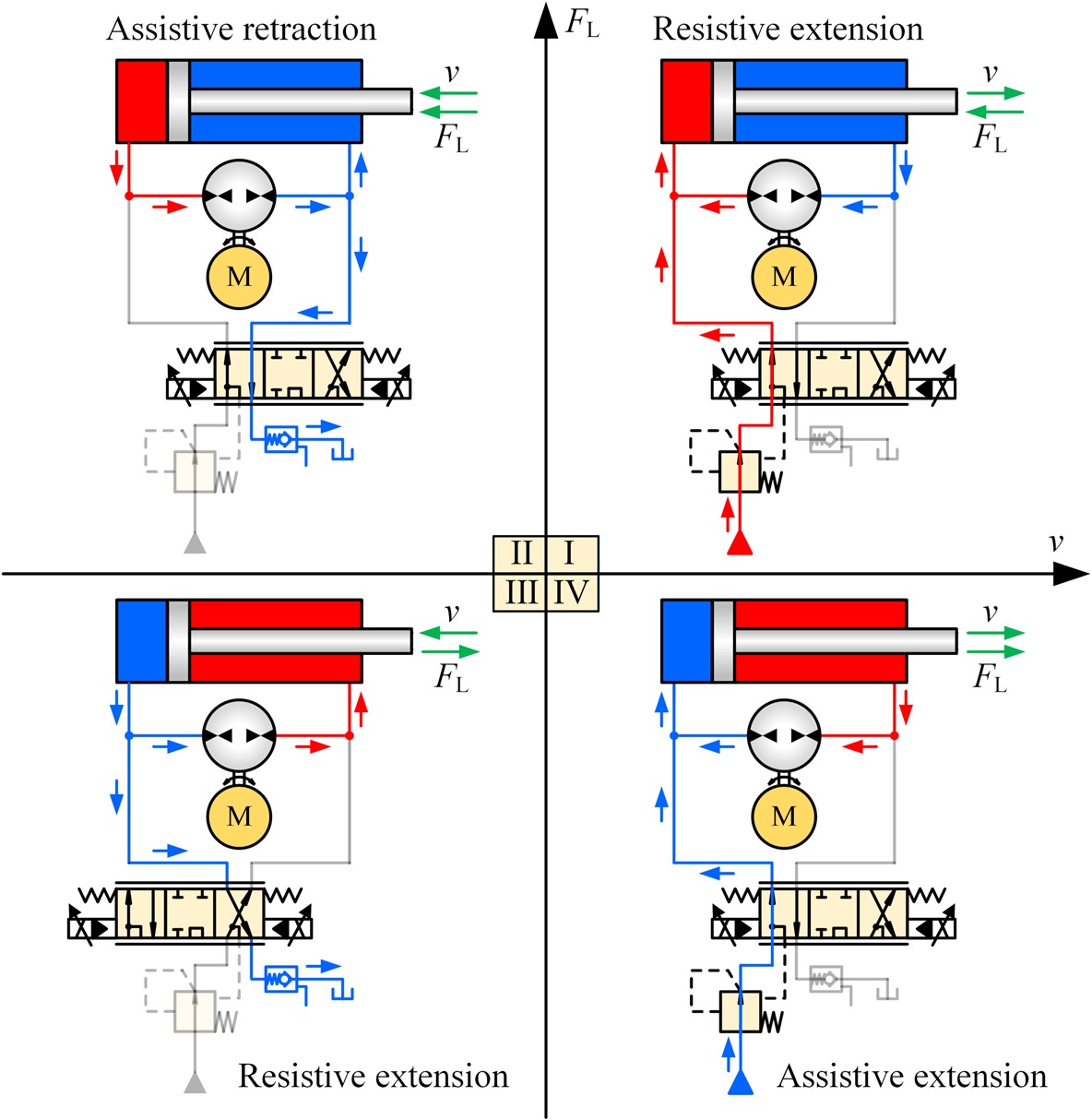
Advanced Modeling and Stability Analysis of Electro-Hydraulic Control Modules for Intelligent Chassis Systems

Authors: Fei Meng, Yanfei Ren, Junqiang Xi

This research presents an advanced study on the modeling and stability analysis of electro-hydraulic control modules used in intelligent chassis systems. Firstly, a comprehensive nonlinear mathematical model of the electro-hydraulic power-shift system is developed, incorporating pipeline characteristics through impedance analysis and examining coupling effects between the pilot solenoid valve, main valve, and pipeline. Then, the model's accuracy is validated through experimental testing, demonstrating high precision and minimal model errors. A comparative analysis between simulation data (both with and without pipeline characteristics) and experimental results reveals that the model considering pipeline parameters aligns more closely with experimental data, highlighting its superior accuracy. The research further explores the influence of key factors on system stability, including damping coefficient, feedback cavity orifice diameter, spring stiffness, pipeline length, and pipeline diameter. Significant findings include the critical impact of damping coefficient, orifice diameter, and pipeline length on stability, while spring stiffness has a minimal effect. These findings provide valuable insights for optimizing electro-hydraulic control modules in intelligent chassis systems, with practical implications for automotive and construction machinery applications.
Advanced Modeling and Stability Analysis of Electro-Hydraulic Control Modules for Intelligent Chassis Systems
Graphical Abstract
Original ResearchVol. 38, Issue 1 • pp. 88DOI: 10.1186/s10033-025-01237-3Jan 15, 2025

SOTIF-Based Analysis and Design of Control Strategies for Controllable Suspension Systems of Automobiles

Authors: Xianxu Bai, Kehe Nie, Haowei Sun, Anding Zhu, Haoxuan Dong, Di Wu

Electronic control suspension (ECS) systems are of significance to ride comfort and handling stability of ground vehicles. However, ECS systems may pose unreasonable safety risks due to performance inadequacies or improper use by drivers, which are referred to as safety of the intended functionality (SOTIF) issues. Aiming to address the inadequate performance of the ECS system, this study proposes a model predictive control (MPC) method, with a particular focus on ensuring SOTIF. First, Systems theoretic process analysis (STPA) is utilized to assess the SOTIF of the ECS system and the ECS system control architecture is built. Then, Models including the input model, lateral and vertical coupled dynamics model, and nonlinear actuator model are established. In addition, an MPC strategy with explicit dynamic constraints is designed, incorporating the dynamic mechanical performance boundaries of ECS actuators into the constraints of the controller. Subsequently, a hardware-in-the-loop testing platform is constructed for the ECS system to conduct simulation experiments under various operating conditions. Results demonstrate that the designed control strategy effectively mitigates performance inadequacies of the suspension system, significantly enhancing its overall functionality and safety.

SOTIF-Based Analysis and Design of Control Strategies for Controllable Suspension Systems of Automobiles
Graphical Abstract
Original ResearchVol. 38, Issue 1 • pp. 27DOI: 10.1186/s10033-024-01170-xJan 15, 2025

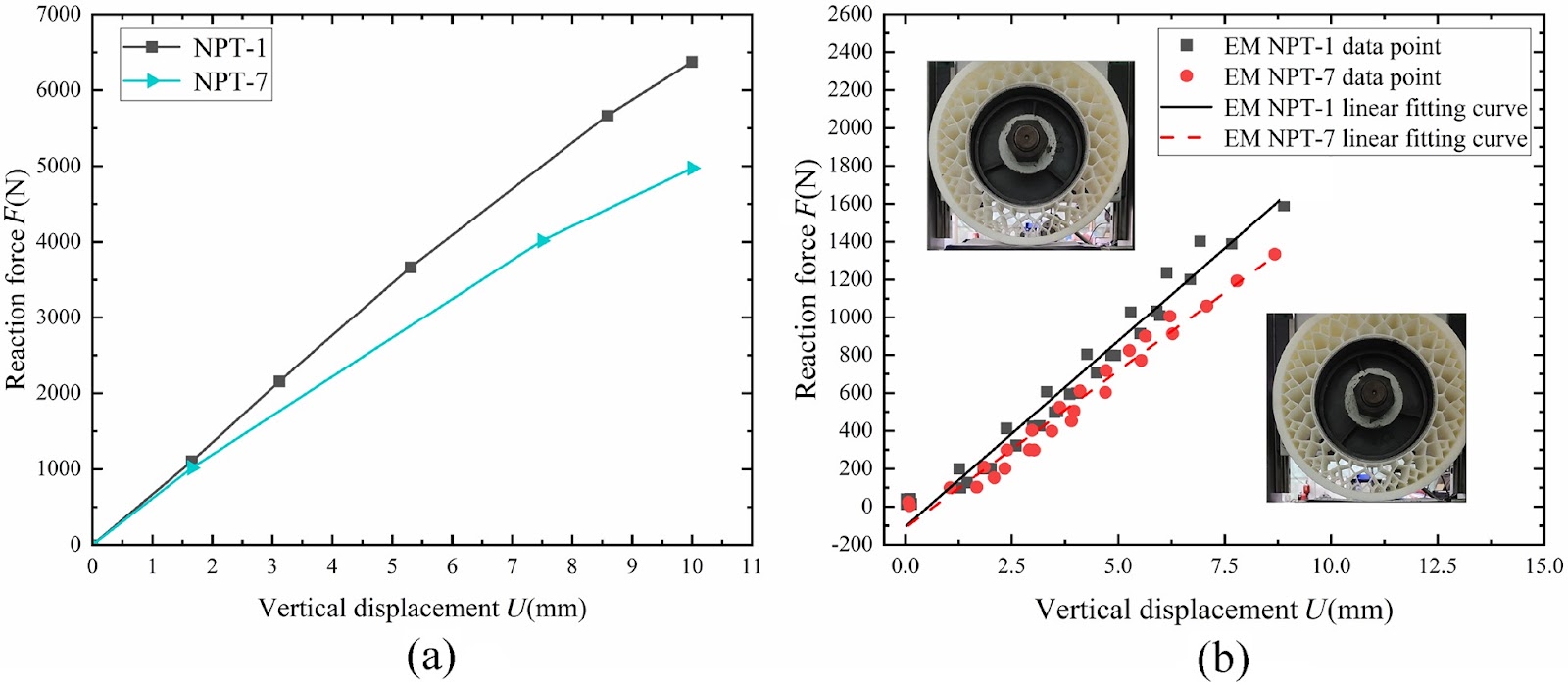
Mechanical Response and Superelastic Properties of Cu-11.85Al-3.2Mn-0.1Ti TPMS Structures Printed by Laser Powder Bed Fusion

Authors: Mingzhu Dang, Honghao Xiang, Jingjing Li, Chunsheng Ye, Chao Cai, Qingsong Wei

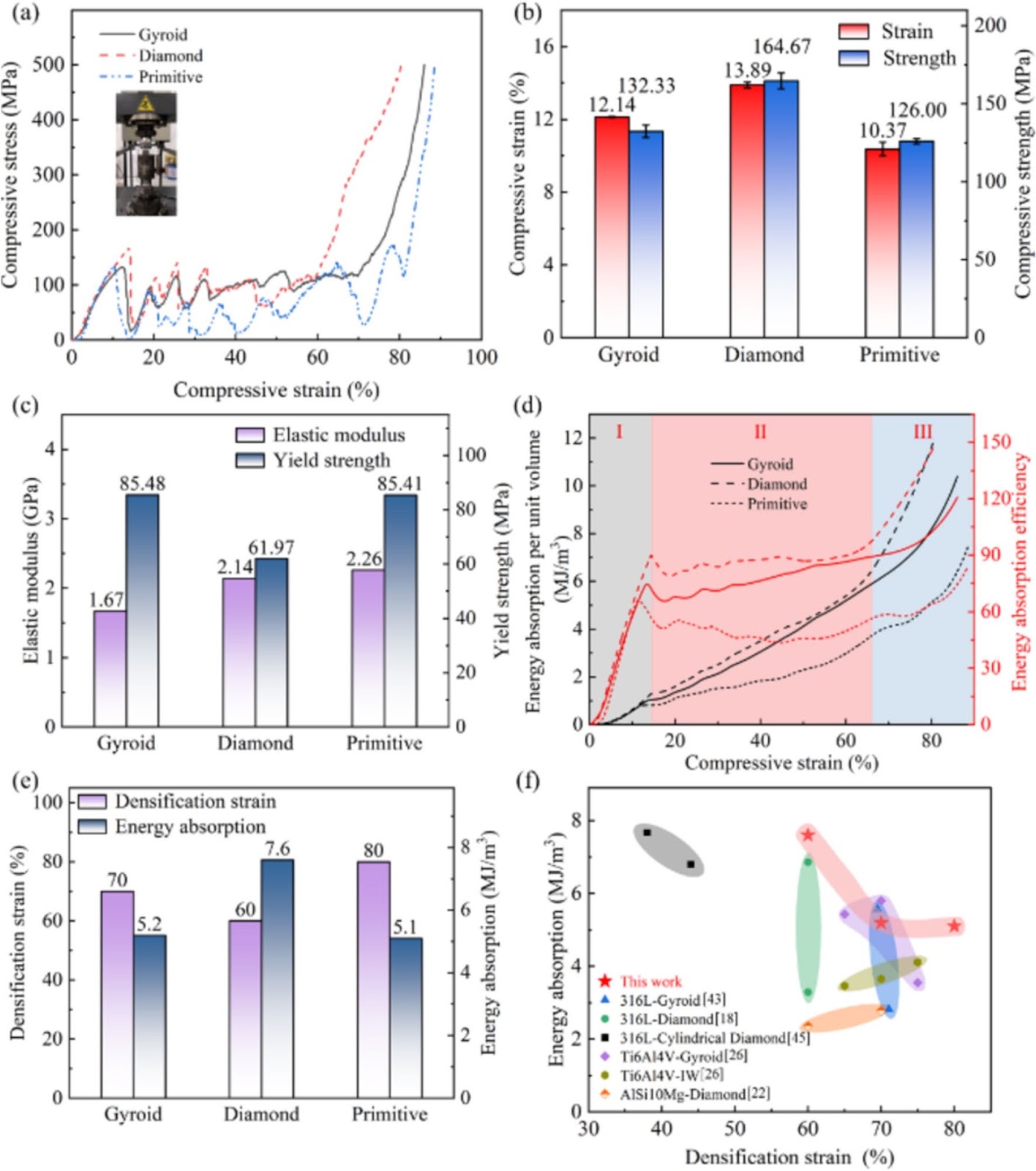
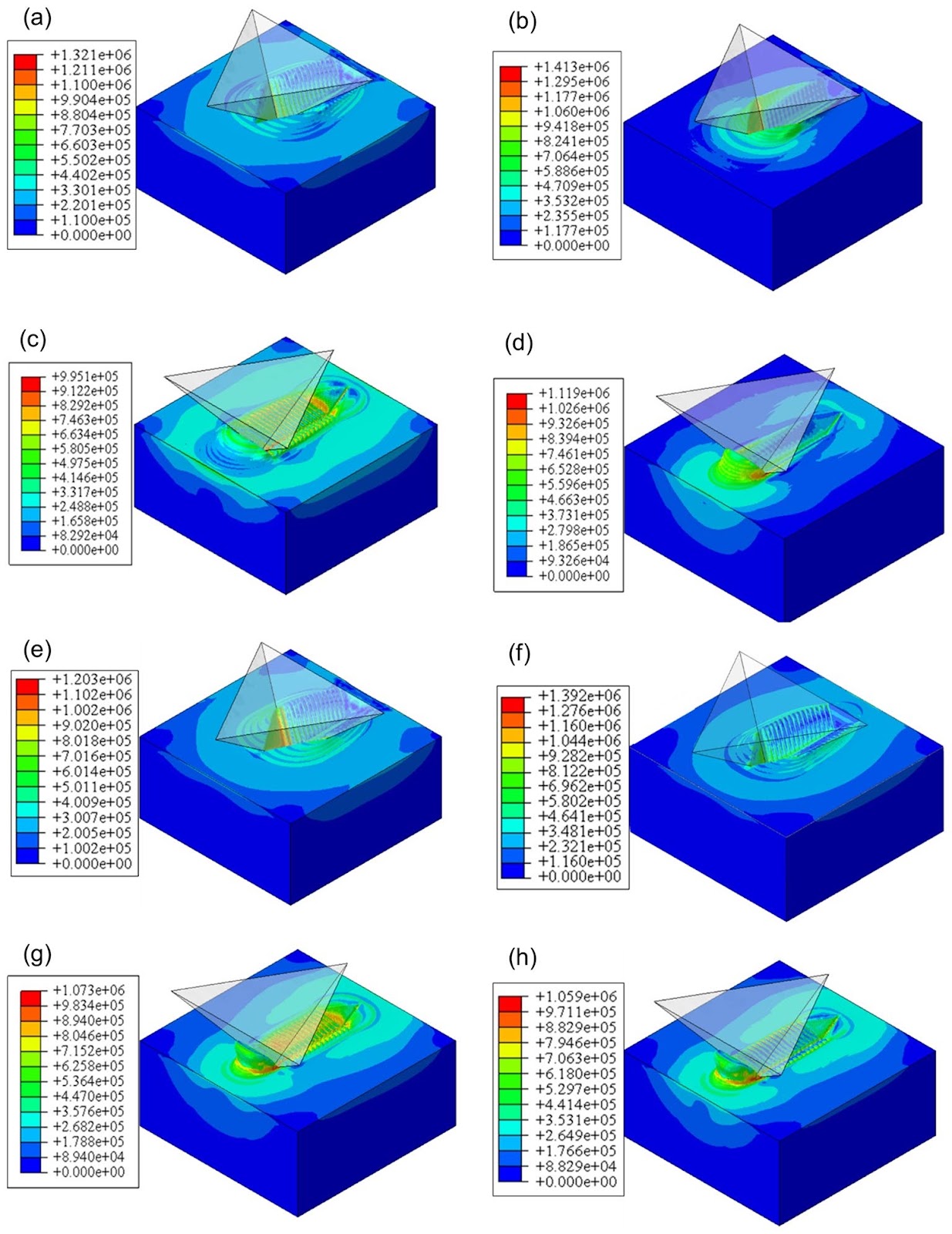
Triply periodic minimal surfaces (TPMS) are structures with smooth surfaces and excellent energy absorption properties. Combining new functional materials, such as shape memory alloys, with TPMS structures provides a novel and promising research field. In this study, three TPMS structures (Gyroid, Diamond, and Primitive) of Cu-11.85Al-3.2Mn-0.1Ti alloy were printed by laser powder bed fusion, which is favorable for the fabrication of complex structures. The manufacturing fidelity, mechanical response, and superelastic properties of the three structures were investigated. Stress distributions in the three structures during compression were analyzed by finite element (FE) simulation. The three structures were equipped with high-quality, glossy surfaces and uniform pores. However, due to powder adhesion and forming steps, there were volumetric errors and dimensional deviations between the samples and the CAD models. The errors were within 1.6% for the Gyroid and Diamond structures. The dimensional deviations at the nodes in the three structures were less than 0.09 mm. The microstructures of all structures were β1´ martensite, consistent with the cubic sample. Experimental results of compression showed that the structures underwent a layer-by-layer compression failure mode, and the Primitive structures exhibited a more pronounced oscillatory process. The Diamond structures showed the highest first fracture stress and strain of 164.67 MPa and 13.89%, respectively. It also possessed the lowest yield strength (61.97 MPa) and the best energy absorption properties (7.6 MJ/m3). Through the deformation analysis, the Gyroid and Diamond structures were found to fracture at a 45° direction, while the Primitive structures fractured horizontally. These findings were consistent with the results obtained from the FE simulation, which showed equivalent stress distributions. After applying various pre-strains, the Diamond structures displayed the highest superelastic strain of up to 3.53%. The superelastic recovery of all samples ranged from 63.5% to 71.5%.

Mechanical Response and Superelastic Properties of Cu-11.85Al-3.2Mn-0.1Ti TPMS Structures Printed by Laser Powder Bed Fusion
Graphical Abstract
Original ResearchVol. 38, Issue 1 • pp. 15DOI: 10.1186/s10033-024-01171-wJan 15, 2025

Cutting Force and State Identification in High-Speed Milling: a Semi-Analytical Multi-Dimensional Approach

Authors: Yu Zhang, Xianyin Duan, Kunpeng Zhu

High-speed milling (HSM) is advantageous for machining high-quality complex-structure surface components with various materials. Identifying and estimating cutting force signals for characterizing HSM is of high significance. However, considering the tool runout and size effects, many proposed models focus on the material and mechanical characteristics. This study presents a novel approach for predicting micromilling cutting forces using a semi-analytical multidimensional model that integrates experimental empirical data and a mechanical theoretical force model. A novel analytical optimization approach is provided to identify the cutting forces, classify the cutting states, and determine the tool runout using an adaptive algorithm that simplifies modeling and calculation. The instantaneous un-deformed chip thickness (IUCT) is determined from the trochoidal trajectories of each tool flute and optimized using the bisection method. Herein, the computational efficiency is improved, and the errors are clarified. The tool runout parameters are identified from the processed displacement signals and determined from the pre-processed vibration signals using an adaptive signal processing method. It is reliable and stable for determining tool runout and is an effective foundation for the force model. This approach is verified using HSM tests. Herein, the determination coefficients are stable above 0.9. It is convenient and efficient for achieving the key intermediate parameters (IUCT and tool runout), which can be generalized to various machining conditions and operations.

Cutting Force and State Identification in High-Speed Milling: a Semi-Analytical Multi-Dimensional Approach
Graphical Abstract
Original ResearchVol. 38, Issue 94 • pp. 100-112DOI: 10.1186/s10033-025-01242-6Jan 15, 2025

Inspired by the Adhesive Ability of Drosera and the Stress Envelope Effect Rescue Manipulator

Authors: Yanzhi Zhao, Haibo Yu, Changlei Pei, Maoshi Lu, Shijun Huang

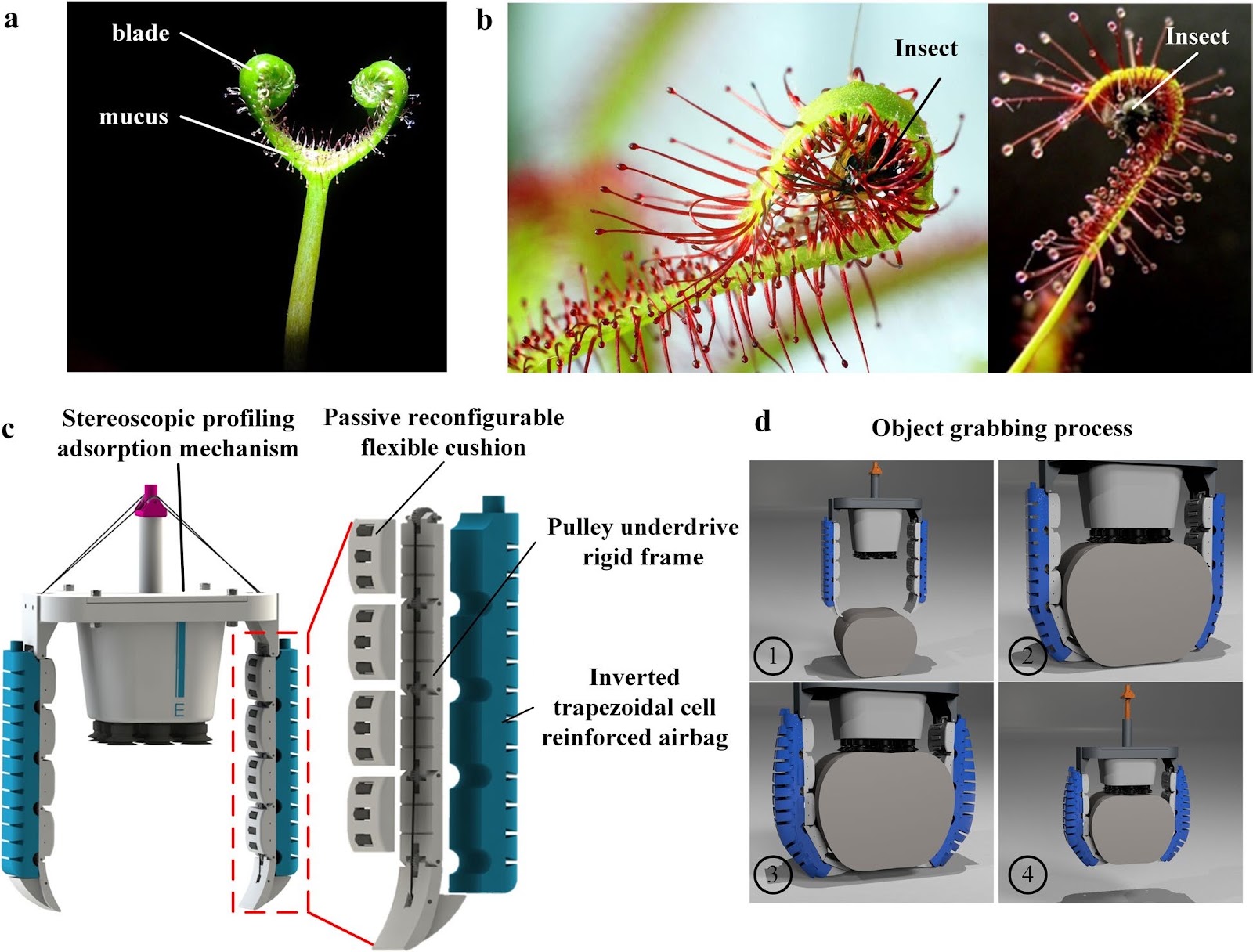
The existing research on rescue robots has focused mainly on reconnaissance, detection, and firefighting, and a small number of robots that can achieve human rescue have problems such as poor safety and stability and insufficient carrying capacity. This article addresses the above issues and cleverly combines the advantages of soft robotic arms, underactuated robotic arms, and suction cups based on the principles of bionics. A new design for a robotic arm was proposed, and its working principle was explained. Then, the human rescue process was divided into two stages, and the grasping force of the robotic arm in each stage was analyzed separately. Finally, a prototype of the principle was developed, and the feasibility of the design principle of the robotic arm was verified through grasping experiments on a cross-sectional contour model of the human chest. At the same time, grasping experiments were conducted on different objects to demonstrate the potential application of the robotic arm in grasping ground objects. This research proposes a stress envelope adsorption rescue robot arm inspired by the adhesion ability of the Drosera plant and the stress envelope effect, which can apply force to the entire surface of the human body, reduce local force on the human body, ensure load-bearing capacity and adaptability, and improve the safety and stability of rescue grasping.

Inspired by the Adhesive Ability of Drosera and the Stress Envelope Effect Rescue Manipulator
Graphical Abstract
Original ResearchVol. 38, Issue 1 • pp. 36DOI: 10.1186/s10033-025-01197-8Jan 15, 2025

Lubricant Transport Mechanism and Dynamics Model for Nepenthes-shaped Biomimetic Microtexture

Authors: Xiaoming Wang, Min Yang, Teng Gao, Lan Dong, Yusuf Suleiman Dambatta, Xin Liu, Yuying Yang, Qinglong An, Yanbin Zhang, Changhe Li

During the metal cutting process, especially in continuous contact conditions like turning, the challenge of lubricants failing to effectively reach the cutting point remains unresolved. Micro-textured cutting tools offer a potential solution for tool-chip contact challenges. Inspired by the evolutionary achievements of the biosphere, micro-textures are expected to overcome lubrication limitations in cutting zones. Drawing on the anti-gravity water transport seen at the mouth edge of the Nepenthes plant, an innovative microchannel with Nepenthes-shaped contours was designed on the rake face to enable controlled lubricant transport. However, the dynamics of lubricant delivery on textured surfaces are not fully understood. This study first analyzed the microstructure and water transport mechanism of Nepenthes to reconstruct a micro-textured surface for controlled lubricant transport. A dynamic model was then developed to describe lubricant transport within open microchannels, with mathematical simulations predicting transport speed and flow distance. To validate this model, diffusion experiments of alumina soybean oil nanolubricant on polycrystalline diamond (PCD) cutting tool surfaces were conducted, showing an average prediction deviation of 5.01%. Compared with the classical Lucas-Washburn model, the new model improved prediction accuracy by 4.72%. Additionally, comparisons were made to examine droplet spreading and non-uniform diffusion on textured surfaces, revealing that the T2 surface exhibited the strongest unidirectional diffusion characteristics. The contact angle ratio, droplet unidirectional spreading ratio, and droplet spreading aspect ratio were 0.48, 1.75, and 3.99, respectively. Finally, the anti-wear, friction-reducing, and efficiency-enhancing mechanisms of micro-textured surfaces in minimum quantity lubrication turning were analyzed. This approach may support continuous cutting of difficult-to-machine materials.

Lubricant Transport Mechanism and Dynamics Model for Nepenthes-shaped Biomimetic Microtexture
Graphical Abstract
Original ResearchVol. 38, Issue 1 • pp. 100-112DOI: 10.1186/s10033-025-01280-0Jan 15, 2025

Biomimetic Desert Beetle Microgrinding Tool Flow-field Model and Processability Evaluation

Authors: Zhonghao Li, Jiachao Hao, Min Yang, Xiaoming Wang, Yifei Cheng, Zongming Zhou, Fenghan Jiang, Xiao Ma, Mingzheng Liu, Xin Cui, Yanbin Zhang, Benkai Li, Changhe Li

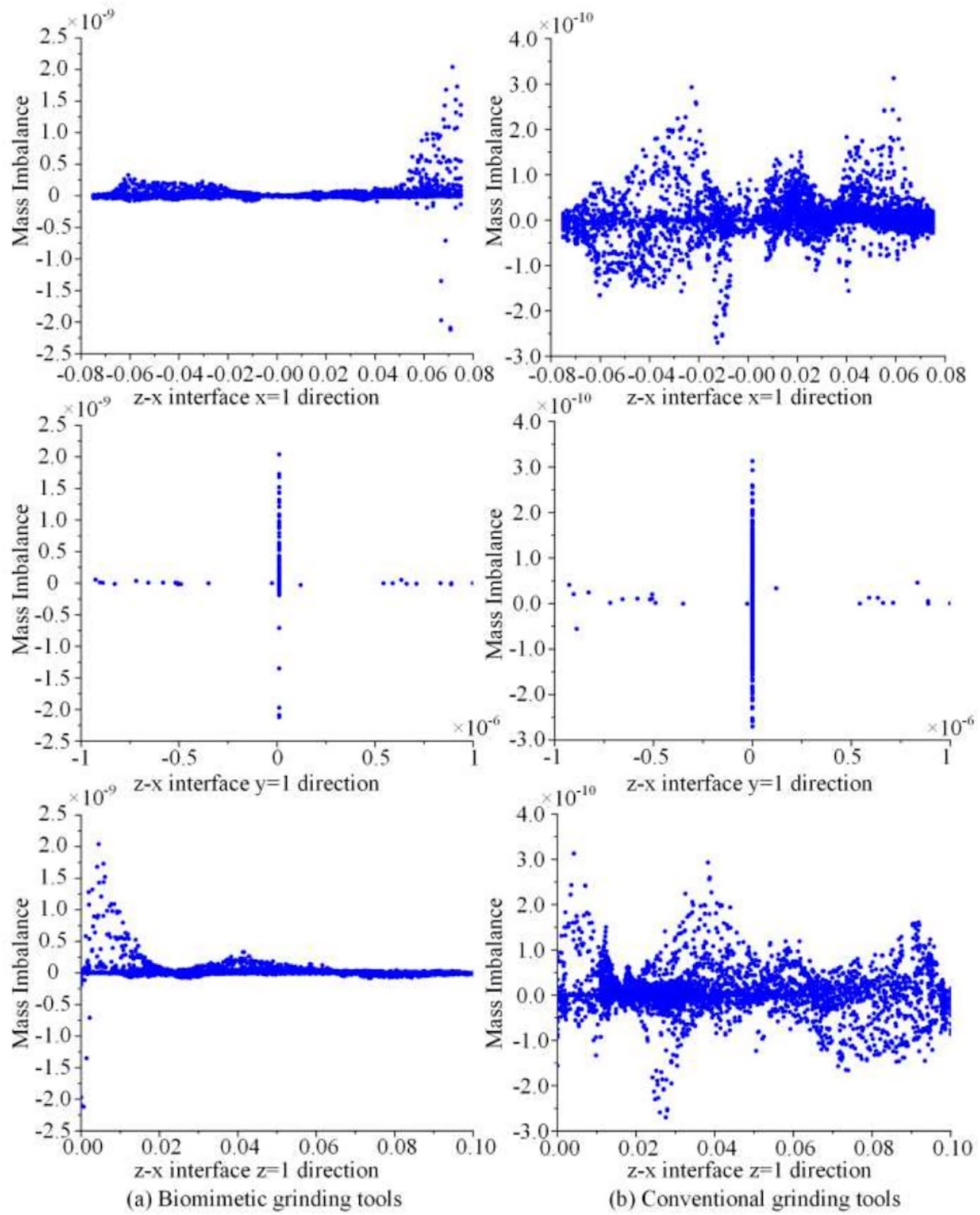
Microgrinding is widely used in clinical bone surgery, but saline spray cooling faces technical challenges such as low wettability at the microgrinding tool–bone interface, easy clogging of the microgrinding tools, and high grinding temperatures. These issues can lead to bone necrosis, irreversible thermal damage to nerves, or even surgical failure. Inspired by the water-trapping and directional transportation abilities of desert beetles, this study proposes a biomimetic desert beetle microgrinding tool. The flow-field distribution directly influences the convective heat transfer of the cooling medium in the grinding zone, which in turn affects the grinding temperature. To address this, a mathematical model of the two-phase flow field at the biomimetic microgrinding tool–bone interface is developed. The results indicate an average error of 14.74% between the calculated and experimentally obtained airflow field velocities. Next, a biomimetic desert beetle microgrinding tool is prepared. Experiments with physiological saline spray cooling were conducted on fresh bovine femur bone, which has mechanical properties similar to human bone. Results show that, compared with conventional microgrinding tools, the biomimetic tools reduced bone surface temperature by 21.7%, 13.2%, 5.8%, 20.3%, and 25.8% at particle sizes of 150#, 200#, 240#, 270#, and 300#, respectively. The surface morphology of the biomimetic microgrinding tools after grinding is observed and analyzed, revealing a maximum clogging area reduction of 23.0%, which is 6.1%, 6.0%, 10.0%, 15.6%, and 9.5% less than that observed with conventional tools. Finally, this study unveils the dynamic mechanism of cooling medium transfer in the flow field at the biomimetic microgrinding tool–bone interface. This research provides theoretical guidance and technical support for clinical bone resection surgery.

Biomimetic Desert Beetle Microgrinding Tool Flow-field Model and Processability Evaluation
Graphical Abstract
Original ResearchVol. 38, Issue 1 • pp. 159DOI: 10.1186/s10033-025-01303-wJan 15, 2025

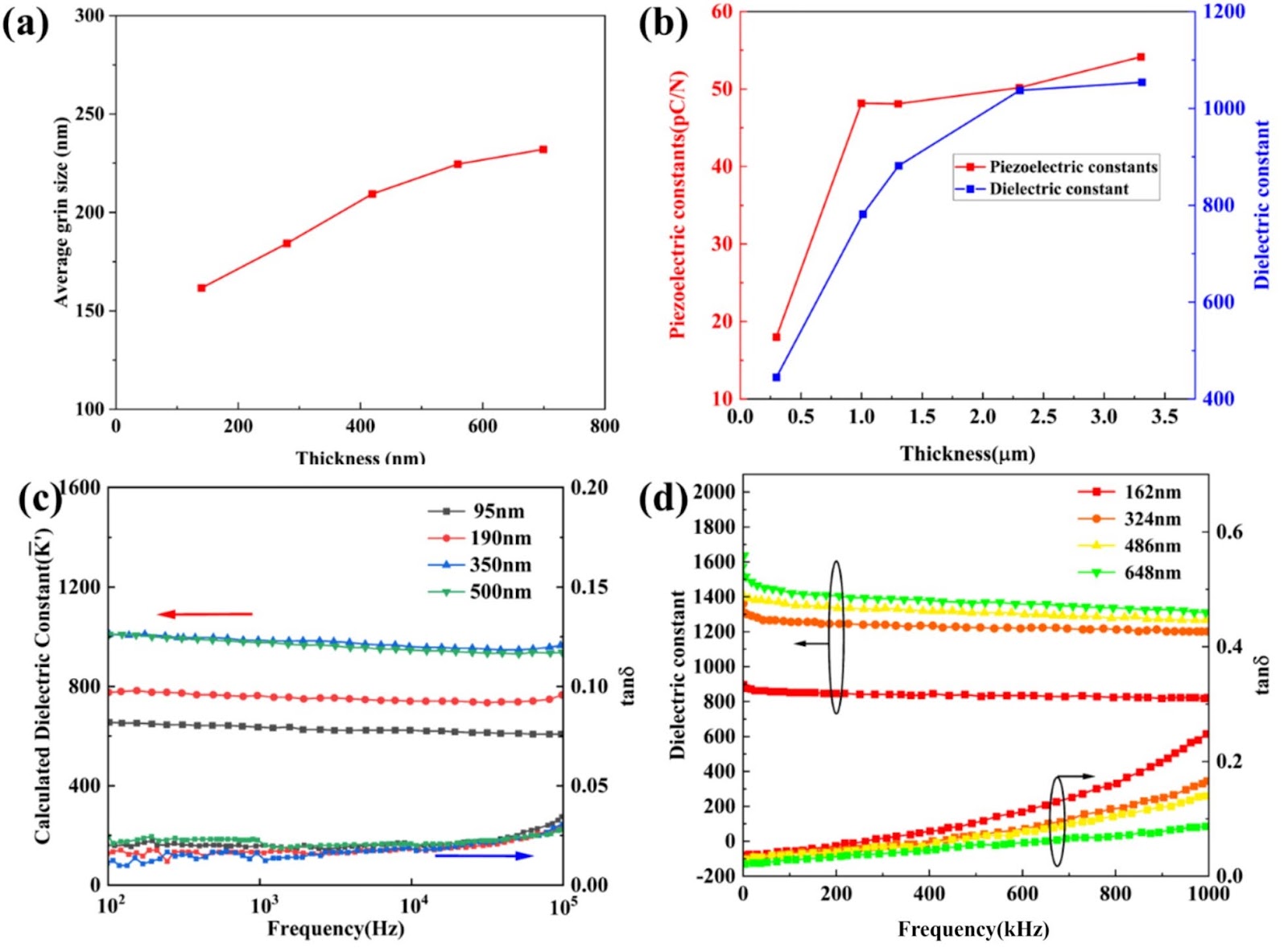
Research Progress of Microstructure Regulation on the Electrical Properties of PZT Ferroelectric Films

Authors: Hefa Zhu, Zhiguo Xing, Haidou Wang, Longlong Zhou, Wei Peng, Qingbo Mi, Han Dong, Weiling Guo

Lead zirconate titanate (PbZrxTi1-xO3, PZT) ferroelectric films possess remarkable characteristics such as high residual polarization, high dielectric constant, and high piezoelectric coefficient and have great application prospects in modern electronics, communications, medical care, and military fields. At present, the microstructure changes of PZT ferroelectric thin films have a significant impact on their electrical properties. Therefore, this work summarizes the influences of geometric structure (thickness, porosity), composition structure (Zr/Ti ratio, doping), and grain structure (grain size, grain boundaries, orientation) on the electrical properties of PZT ferroelectric thin films. The results show that the changes in thickness and porosity have a significant impact on the electrical properties of PZT ferroelectric films. Especially, the actual application scenarios and preparation processes determine the required geometric dimensions and structures of PZT ferroelectric films. The Zr/Ti ratio and doping mainly affect the electrical properties by influencing the phase composition of PZT ferroelectric films. The changes in grain size, boundary structure, and orientation dependence mainly have a certain degree of influence on the domain response and domain switching behavior of PZT ferroelectric thin films. In conclusion, different structures have different influence effects on the dielectric, ferroelectric, and piezoelectric properties of PZT ferroelectric films. The way the tiny structure affects how PZT thin films work was shown, helping to guide the design of ferroelectric thin film devices. In order to further study and apply piezoelectric ceramic devices, it is crucial to have an in-depth understanding of the relationship between the structure and performance of piezoelectric ceramic devices.

Research Progress of Microstructure Regulation on the Electrical Properties of PZT Ferroelectric Films
Graphical Abstract
Original ResearchVol. 38, Issue 1 • pp. 173DOI: 10.1186/s10033-025-01317-4Jan 15, 2025

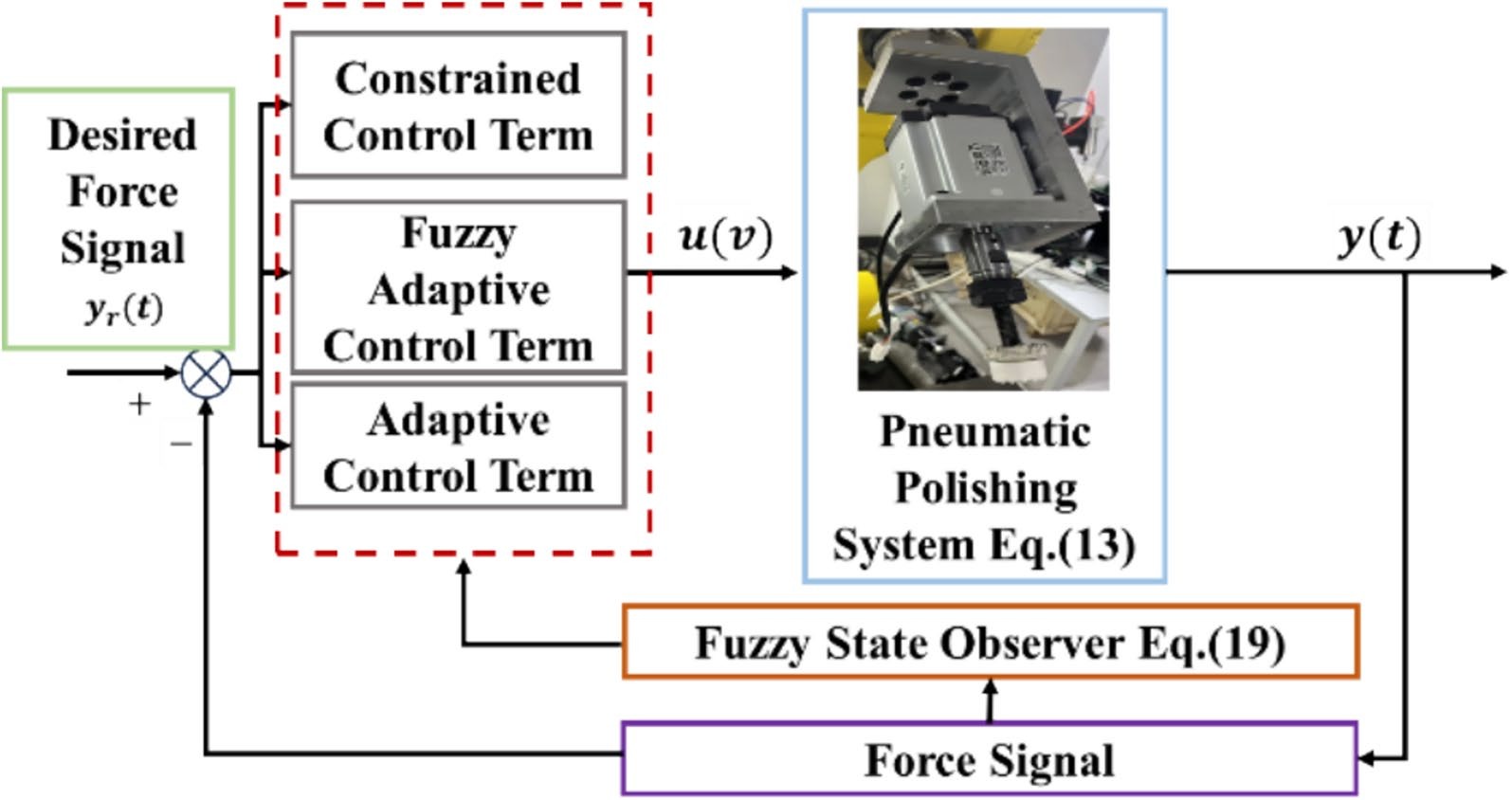
Observer-based Adaptive Fuzzy Force Control for the Pneumatic Polishing System End-actuator with Uncertain Dynamic Contact Model

Authors: Zhiguo Yang, Wenbo Zhao, Jiange Kou, Yushan Ma, Yixuan Wang, Yan Shi

In the field of flexible polishing, the accuracy of contact force control directly affects processing quality and material removal uniformity. However, the complex dynamic contact model and inherent strong hysteresis of pneumatic systems can significantly impact the force control accuracy of pneumatic polishing system end-effectors. To enhance responsiveness and control precision during the flexible polishing process, this study proposes an observer-based fuzzy adaptive control (OBFAC) scheme. To ensure control accuracy under an uncertain dynamic contact model, a fuzzy state observer is designed to estimate unmeasured states, while fuzzy logic approximates the uncertain nonlinear functions in the model to improve control performance. Additionally, the integral barrier Lyapunov function is employed to ensure that all states remain within predefined constraints. The stability of the proposed control scheme is analyzed using the Lyapunov function, and a pneumatic polishing experimental platform is constructed to conduct polishing contact force control experiments under multiple scenarios. Experimental results demonstrate that the proposed OBFAC scheme achieves superior tracking control performance compared to existing control schemes.

Observer-based Adaptive Fuzzy Force Control for the Pneumatic Polishing System End-actuator with Uncertain Dynamic Contact Model
Graphical Abstract
Original ResearchVol. 38, Issue 70 • pp. 100-112DOI: 10.1186/s10033-025-01225-7Jan 15, 2025

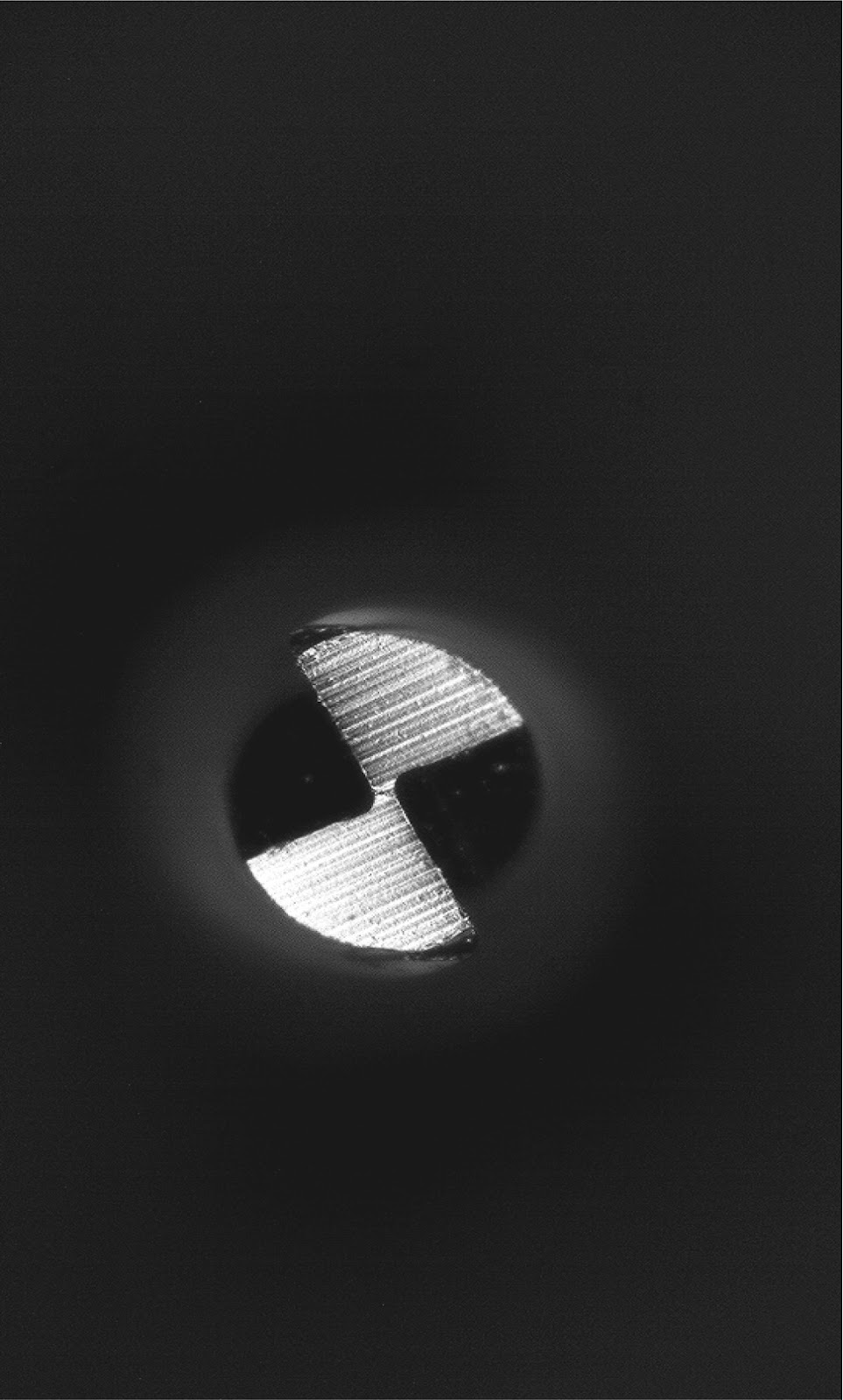
Robust and Fast Monitoring Method of Micro-Milling Tool Wear Using Image Processing

Authors: Yuan Li, Geok Soon Hong, Kunpeng Zhu

In micro milling machining, tool wear directly affects workpiece quality and accuracy, making effective tool wear monitoring a key factor in ensuring product integrity. The use of machine vision-based methods can provide an intuitive and efficient representation of tool wear conditions. However, micro milling tools have non-flat flanks, thin coatings can peel off, and spindle orientation is uncertain during downtime. These factors result in low pixel values, uneven illumination, and arbitrary tool position. To address this, we propose an image-based tool wear monitoring method. It combines multiple algorithms to restore lost pixels due to uneven illumination during segmentation and accurately extract wear areas. Experimental results demonstrate that the proposed algorithm exhibits high robustness to such images, effectively addressing the effects of illumination and spindle orientation. Additionally, the algorithm has low complexity, fast execution time, and significantly reduces the detection time in situ.

Robust and Fast Monitoring Method of Micro-Milling Tool Wear Using Image Processing
Graphical Abstract
Original ResearchVol. 38, Issue 1 • pp. 148DOI: 10.1186/s10033-025-01241-7Jan 15, 2025

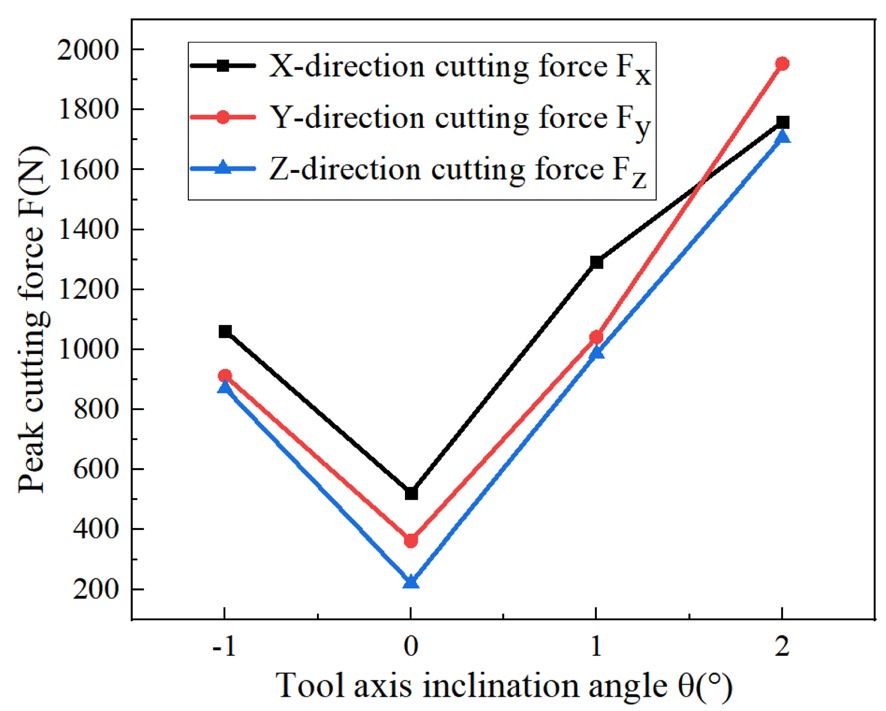
An Optimization Method for Five-axis Plunge Milling Tool Path Considering SIRD

Authors: Xueqin Wang, Zhaocheng Wei, Dong Wang, Debao Zhang, Minjie Wang

A sudden increase in the radial depth (SIRD) is a distinctive phenomenon in plunge milling. It is typically characterized by a sharp increase in cutting force at the end of the axial feed of the tool, accompanied by harsh machine vibration sounds, which can negatively impact the reliability of plunge milling. This paper proposes an optimization method to eliminate SIRD in five-axis plunge milling. Initially, a five-axis plunge milling experiment and an analysis of the spatial position relationship between the plunge tools and the workpiece revealed that the cause of SIRD is unreasonable tool path planning. Subsequently, using the cutter position and cutter axis vector as variables, an SIRD discrimination model was developed for adjacent cutter positions and extended to multiple cutter positions. Optimizing the plunge milling tool path is considered a multivariate optimization problem that involves determining the cutter point and cutter axis vector. The SIRD discrimination model was used as a constraint function to aid in solving for the variables. The simulation and experimental results indicate that with the remaining volume of material as the optimization target, the optimized plunge milling tool path results in a residual material volume that is less than 60% of the gradually decreasing plunge depth. This optimization decreases the subsequent semi-finishing time of the workpiece and enhances machining efficiency. Additionally, it does not rely on operator experience and facilitates efficient automated optimization of the tool path to exclude SIRD.

An Optimization Method for Five-axis Plunge Milling Tool Path Considering SIRD
Graphical Abstract
Original ResearchVol. 38, Issue 127 • pp. 1-16DOI: 10.1186/s10033-025-01306-7Jan 15, 2025

Characterization of Micro-grooves Processed Using a Green Femtosecond Laser in Silicon Carbide

Authors: Lijuan Zheng, Xiangqian Xu, Wenwen Tao, Yong Sun, Yongfeng Zhao, Chuanhong Hu, Xiongbing Tao, Xin Wei, Chengyong Wang

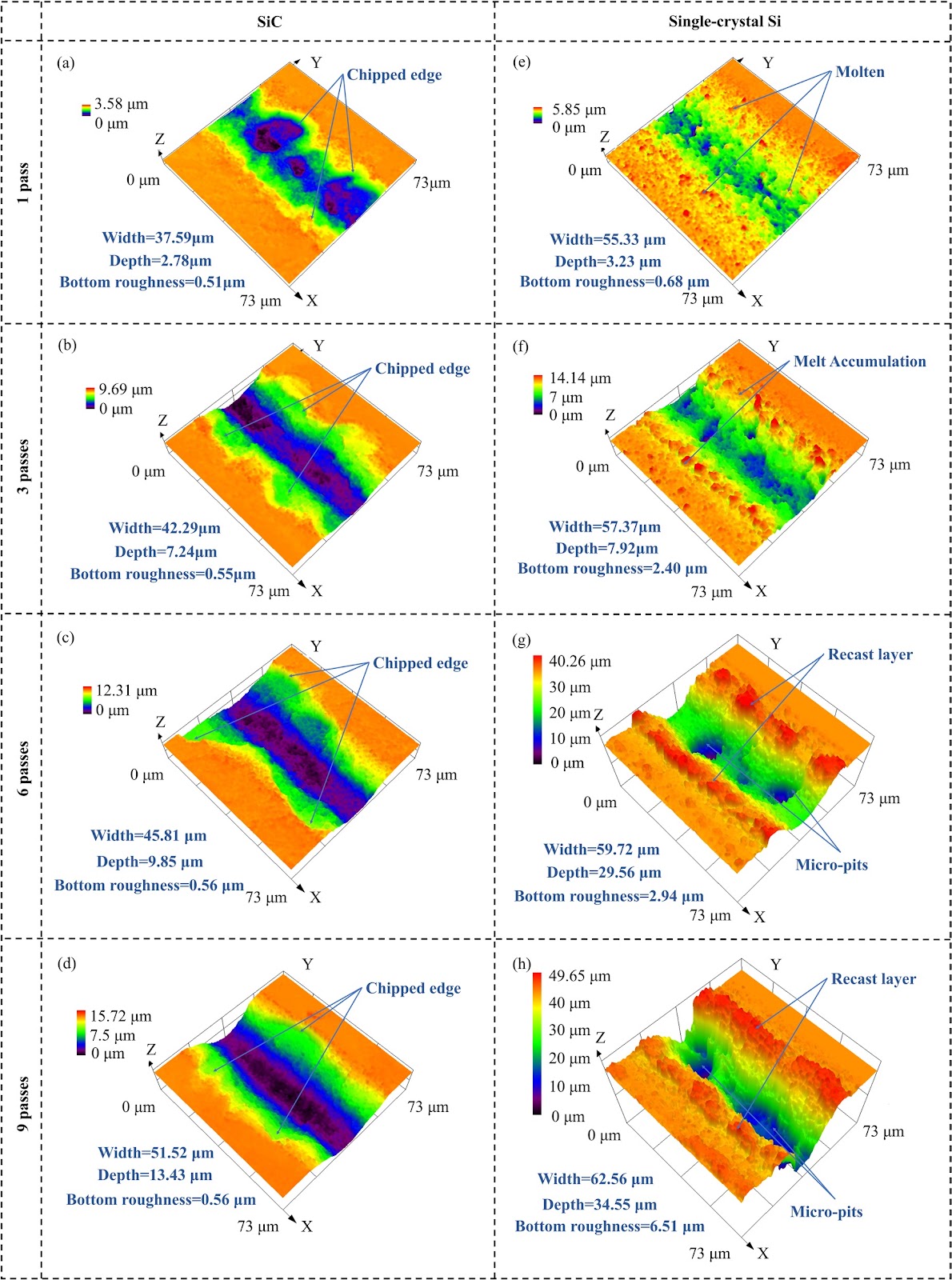
Silicon carbide (SiC) is widely used in fields such as new energy, military radar, and aerospace due to its outstanding physical and chemical properties. The surface micro-grooves of SiC can enhance the performance of micro-electro-mechanical systems, micro-sensors, and field-effect transistors. However, SiC, being a brittle and hard material, poses challenges for traditional machining methods like micro-groove machining and chemical etching, including sub-surface damage, short tool life, and low processing efficiency. This paper investigates the processing characteristics of femtosecond laser machining of SiC micro-grooves and compares them with those of single-crystal Si. The results indicate that femtosecond laser ablation of SiC primarily leads to melting and vaporization, forming modification, melted, and ablation areas in the affected area. Femtosecond laser processing of SiC micro-grooves involves three processes: heat absorption and melting, vaporization, and chipping, with vaporization as the primary material removal mechanism. The depth and width of SiC micro-grooves are positively correlated with pulse energy (Ep), pulse overlap rate (PO), and number of passes (Npass). The bottom roughness of the micro-grooves is positively correlated with Ep, negatively correlated with PO, and less affected by changes in the Npass. These findings further elucidate the material removal and micro-groove formation mechanisms of SiC under femtosecond laser irradiation, providing theoretical insights for high-quality and high-efficiency processing of SiC micro-grooves.

Characterization of Micro-grooves Processed Using a Green Femtosecond Laser in Silicon Carbide
Graphical Abstract
Original ResearchVol. 38, Issue 110 • pp. 100-112DOI: 10.1186/s10033-025-01254-2Jan 15, 2025

Design and Performance Verification of a Novel Eccentric Rotational Cutting Tool for Removal of Vascular Calcification Tissue

Authors: Chuhang Gao, Zhaoju Zhu, Ziyu Cui, Bingwei He

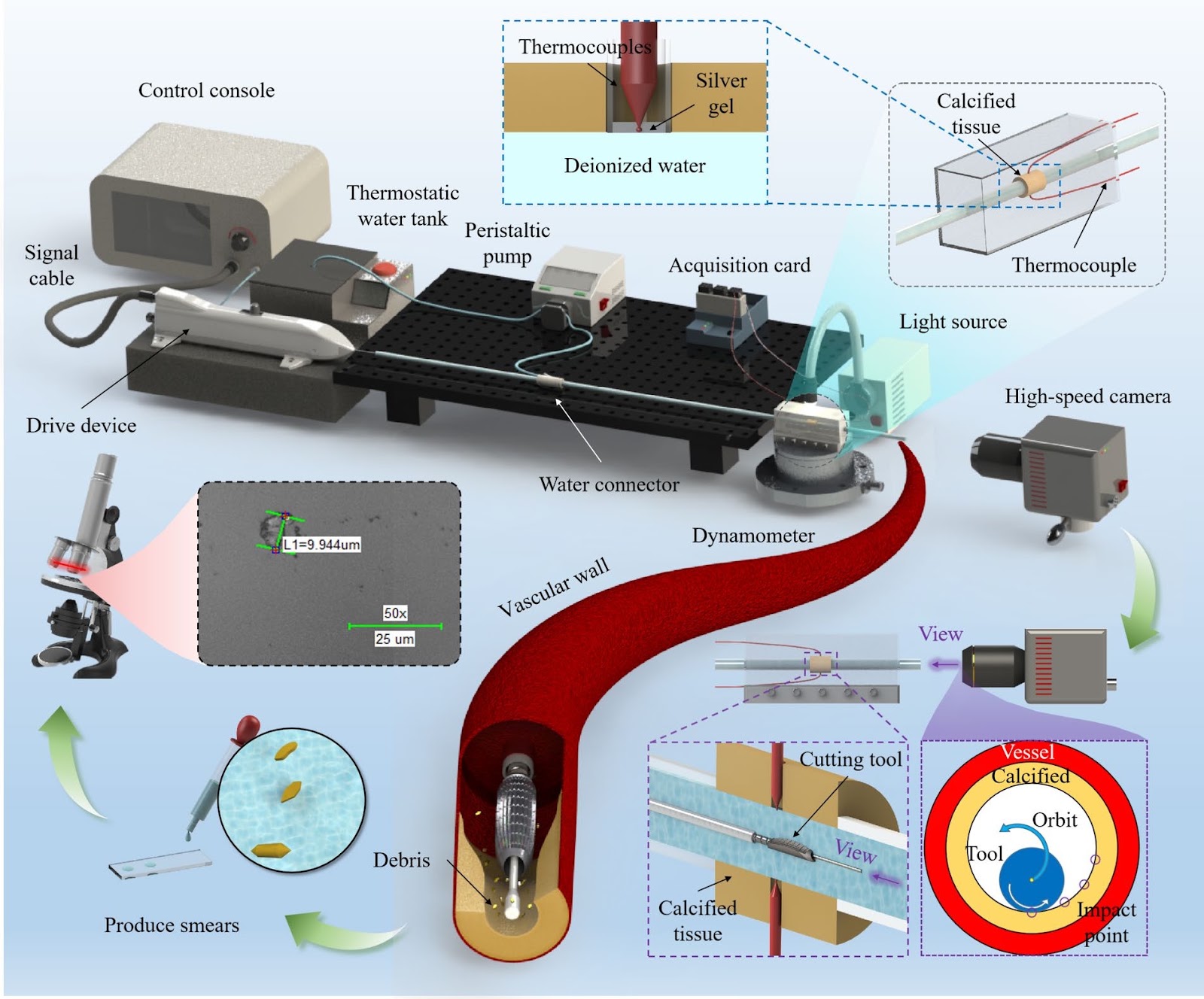
Cardiovascular disease is the leading cause of human mortality, and calcified tissue blocking blood vessels is the main cause of major adverse cardiovascular events (MACE). Rotational Atherectomy (RA) is a minimally invasive catheter-based treatment method that involves high-speed cutting of calcified tissue using miniature tools for removal. However, the cutting forces, heat, and debris can induce tissue damage and give rise to serious surgical complications. To enhance the effectiveness and efficiency of RA, a novel eccentric rotational cutting tool, with one side comprising axial and circumferential staggered micro-blades, was designed and fabricated in this study. In addition, a series of experiments were conducted to analyze their performance across five dimensions: tool kinematics, force, temperature, debris, and surface morphology of the specimens. Experimental results show that the force, temperature and debris size of the novel tool were well inhibited at the highest rotational speed. For the tool of standard clinical size (diameter 1.25 mm), the maximum force is 0.75 N, with a maximum temperature rise in the operation area of 1.09 ℃. Debris distribution followed a normal distribution pattern, with 90% of debris measuring smaller than 9.12 μm. All tool metrics met clinical safety requirements, indicating its superior performance. This study provides a new idea for the design of calcified tissue removal tools, and contributes positively to the advancement of RA.

Design and Performance Verification of a Novel Eccentric Rotational Cutting Tool for Removal of Vascular Calcification Tissue
Graphical Abstract
Original ResearchVol. 38, Issue 1 • pp. 100-112DOI: 10.1186/s10033-025-01315-6Jan 15, 2025

Research on the Microstructure Characterization and Fatigue Behavior of Nickel-Based Superalloy Subjected to Short-Arc and Milling Composite Processing

Authors: Pai Wang, Wenxiang Zhao, Xibin Wang, Shuyao Liu, Yifan Bai, Hongtao Chen, Zhibing Liu

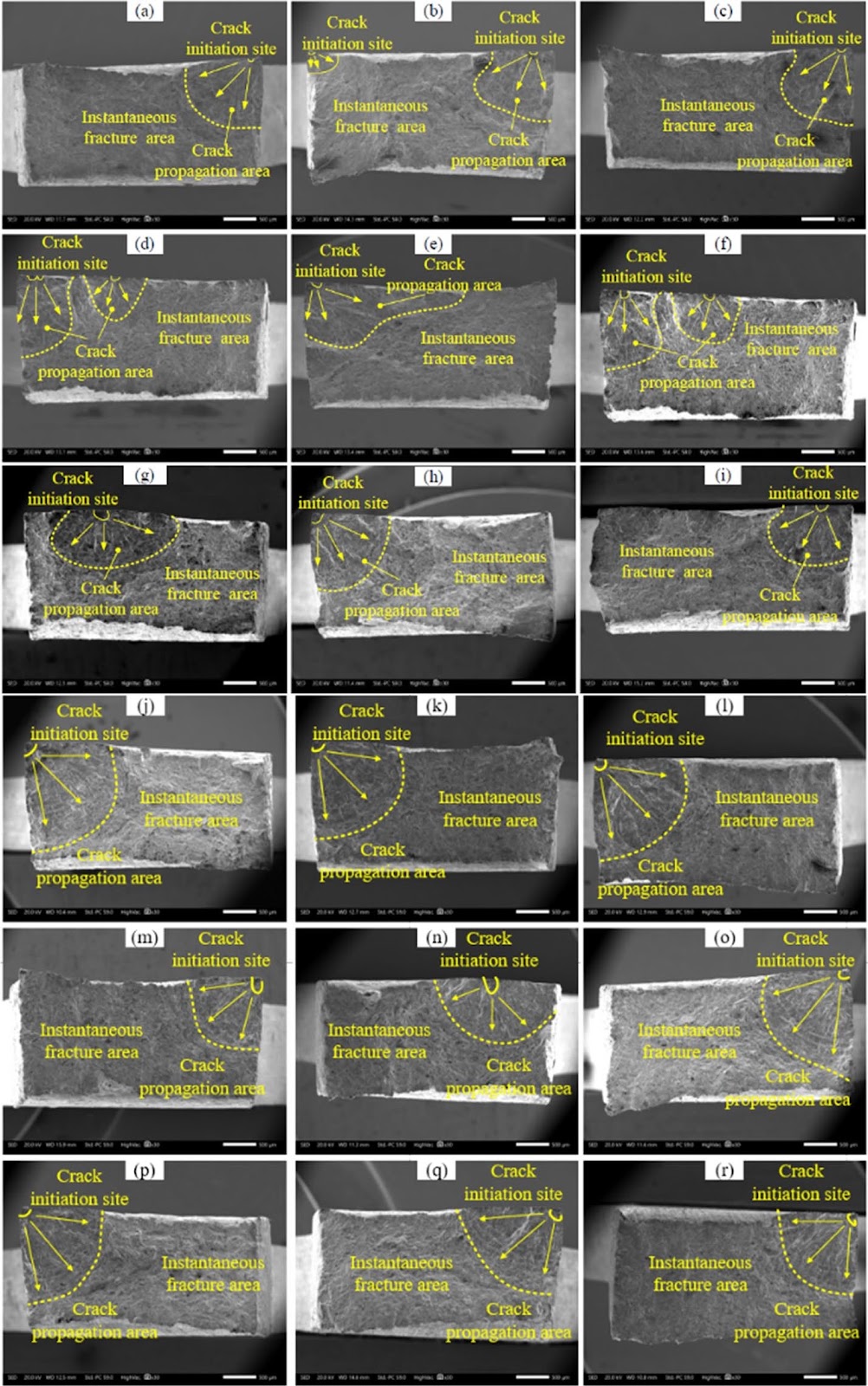
Short-arc machining is a novel electrical discharge machining method that utilizes high-energy arc discharge as the energy carrier. Due to its low cost and high processing efficiency, it has been widely applied in the efficient processing of superalloys. To address the challenges of efficient and high-precision processing of superalloys, a processing method combining short-arc machining with precision milling is employed. Advanced material characterization techniques such as electron backscatter diffraction (EBSD) are utilized to analyze the physical properties of the recast layer and surface crystal characteristics. High-temperature low-cycle fatigue life tests are conducted to investigate the correlation between fatigue life and typical surface integrity parameters (surface roughness, residual stress), as well as crystallographic parameters (grain size, grain orientation spread, geometrically necessary dislocations). Processing parameter optimization is achieved with fatigue life as the target. The results indicate that at high temperatures during short-arc machining, the surface material underwent recrystallisation to form a recast layer with a grain size reduction of 85.5% and a heat affected layer depth of over 400 μm. The trends in fatigue life are consistent with changes in residual stress, grain orientation spread and geometrically necessary dislocations. Selecting a larger axial depth of cut and lower feed per tooth is advantageous for achieving a higher fatigue life. The proposed research provides an instruction for high efficient precision machining of superalloys.

Research on the Microstructure Characterization and Fatigue Behavior of Nickel-Based Superalloy Subjected to Short-Arc and Milling Composite Processing
Graphical Abstract
Original ResearchVol. 38, Issue 1 • pp. 100-112DOI: 10.1186/s10033-025-01335-2Jan 15, 2025

Learning to Predict 3D Meshes from a Single Image via Depth Consistency

Authors: Hao Huang, Shaoli Liu, Jianhua Liu, Peng Jin

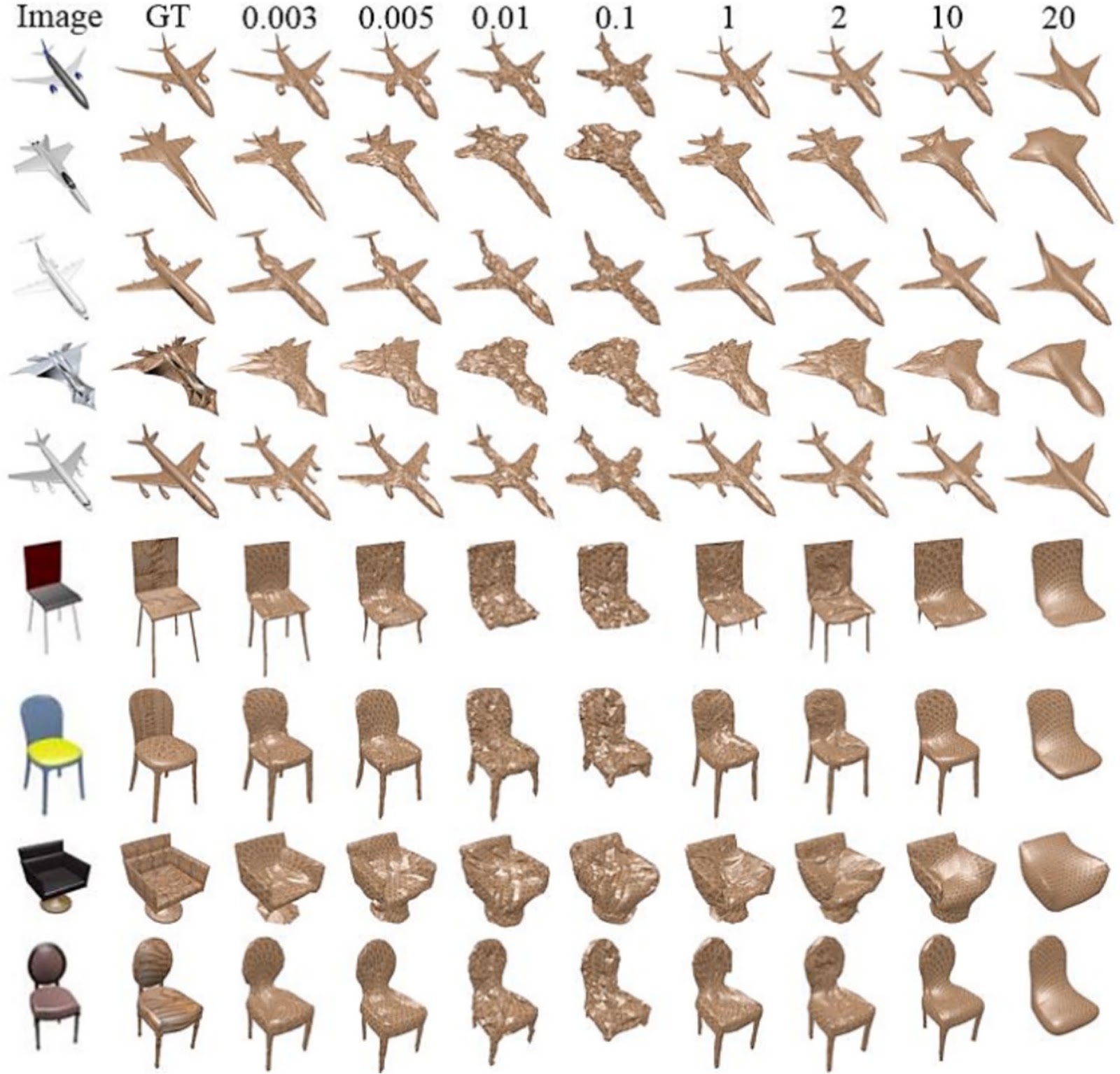
Reconstructing three-dimensional (3D) shapes from a single image remains a significant challenge in computer vision due to the inherent ambiguity caused by missing or occluded shape information. Previous studies have predominantly focused on mesh models supervised by multi-view silhouettes. However, such methods are limited in reconstructing fine details. In this study, a 3D mesh model is predicted from a single image, leveraging depth consistency and without requiring viewpoint pose annotations. The model effectively learns strong shape priors that preserve finer structures and accurately predicts view poses from "correlation-supervised" viewpoints. Additionally, standard deviation and Laplacian losses were employed to regulate mesh edge distribution, resulting in more precise reconstructions. Differentiable renderer functions were derived from the 3D mesh to generate depth maps. Compared to conventional approaches, the proposed method provided superior representation of subtle structures. When applied to both synthetic and real-world datasets, the model outperformed existing methods in view-based 3D reconstruction tasks.

Learning to Predict 3D Meshes from a Single Image via Depth Consistency
Graphical Abstract
Original ResearchVol. 38, Issue 1 • pp. 100-112DOI: 10.1186/s10033-025-01253-3Jan 15, 2025

Controlling the Longitudinal Vibration of an Elastic Rod within a Wide Frequency Band by Utilizing an Adjustable Stiffness Internal Support

Authors: Xinhui Shen, Chi Yu, Rongshen Guo, Yuhao Zhao, Mingfei Chen, Haijian Cui

In engineering practice, there are many factors causing the vibration to which rods are usually subjected. Generally, the vibration of elastic rods motivated by determined vibration excitations can be controlled effectively. However, the working frequency of vibration excitation may vary due to environmental changes, the working conditions of equipment, and other factors. Consequently, it remains a challenge to restrict the longitudinal vibration of elastic rods within a wide frequency band. In order to meet the relevant engineering requirements and address the existing limitations, the longitudinal vibration control of an elastic rod within a wide frequency band is explored in this study through an adjustable stiffness internal support. To achieve this purpose, the variable stiffness longitudinal vibration control theory of the elastic rod is validated. The model of an adjustable stiffness internal support is designed, constructed, and tested, demonstrating that the stiffness coefficients of the adjustable stiffness internal support can be effectively controlled. Through the adjustable stiffness internal support, the experiment on longitudinal vibration control of the elastic rod is designed and performed. It leads to the conclusion that the adjustable stiffness internal support within the adjustable working region is effective in restricting the longitudinal vibration within a wide frequency band of the elastic rod. Furthermore, the existence of the adjustable working region in the experiment demonstrates the effectiveness of the adjustable stiffness internal support intended for the variable stiffness longitudinal vibration control of an elastic rod. To sum up, this study provides insights into an adjustable stiffness mechanism for applying the theory of variable stiffness longitudinal vibration control on an elastic rod in engineering practice.

Controlling the Longitudinal Vibration of an Elastic Rod within a Wide Frequency Band by Utilizing an Adjustable Stiffness Internal Support
Graphical Abstract
Original ResearchVol. 38, Issue 1 • pp. 100-112DOI: 10.1186/s10033-025-01274-yJan 15, 2025

Intelligent Manufacturing of a Bibliometric Review: From Frontier Hotspots to Key Technologies and Applications

Authors: Xiaohan Sun, Lan Dong, Zongyi Liu, Aiguo Qin, Jixin Liu, Zongming Zhou, Xu Yan, Guang Wang, Bo Liu, Zhigang Zhou, Xiangguo Chen, Yuewen Feng, Bo Zhang, Danyang Liu, Changhe Li

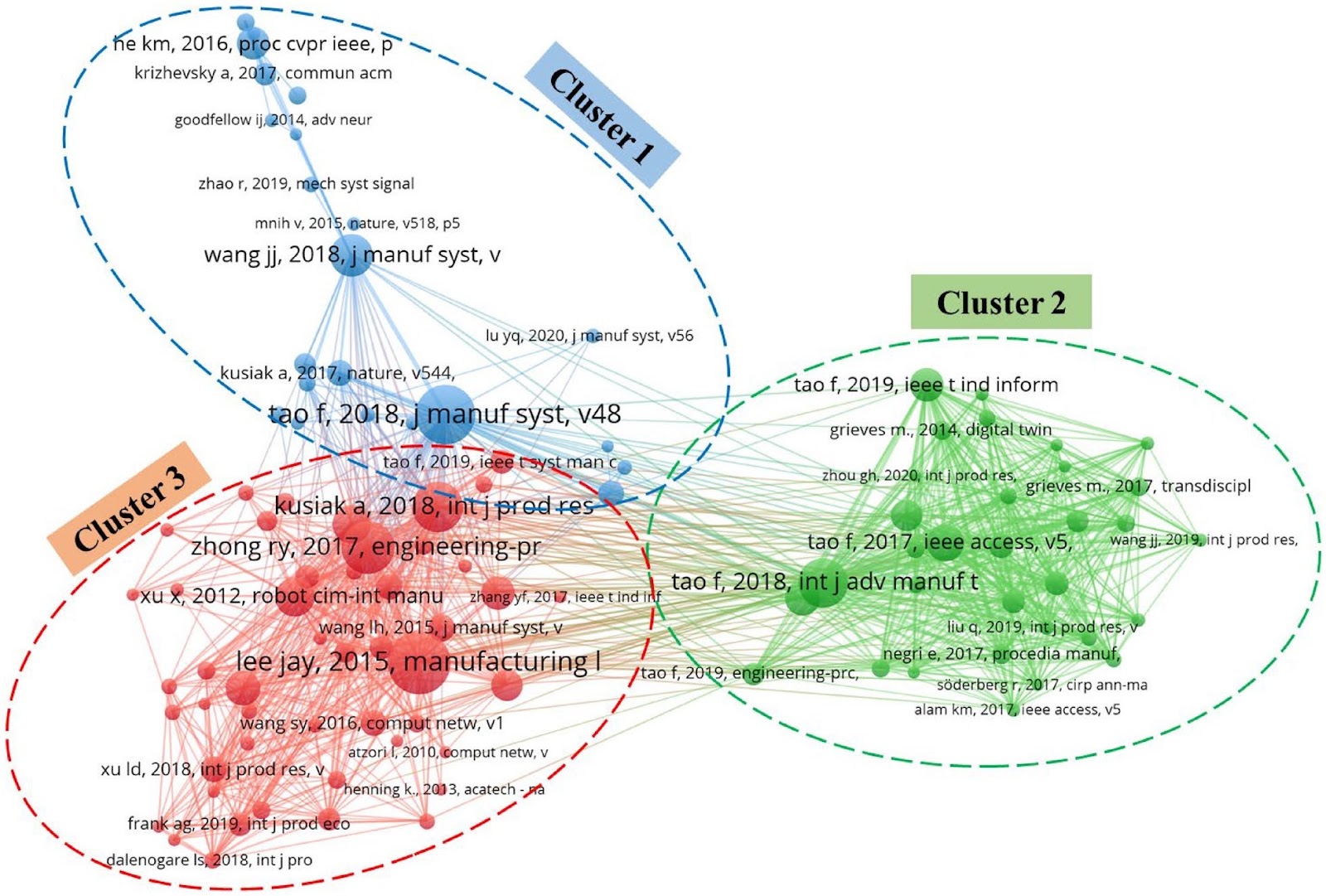
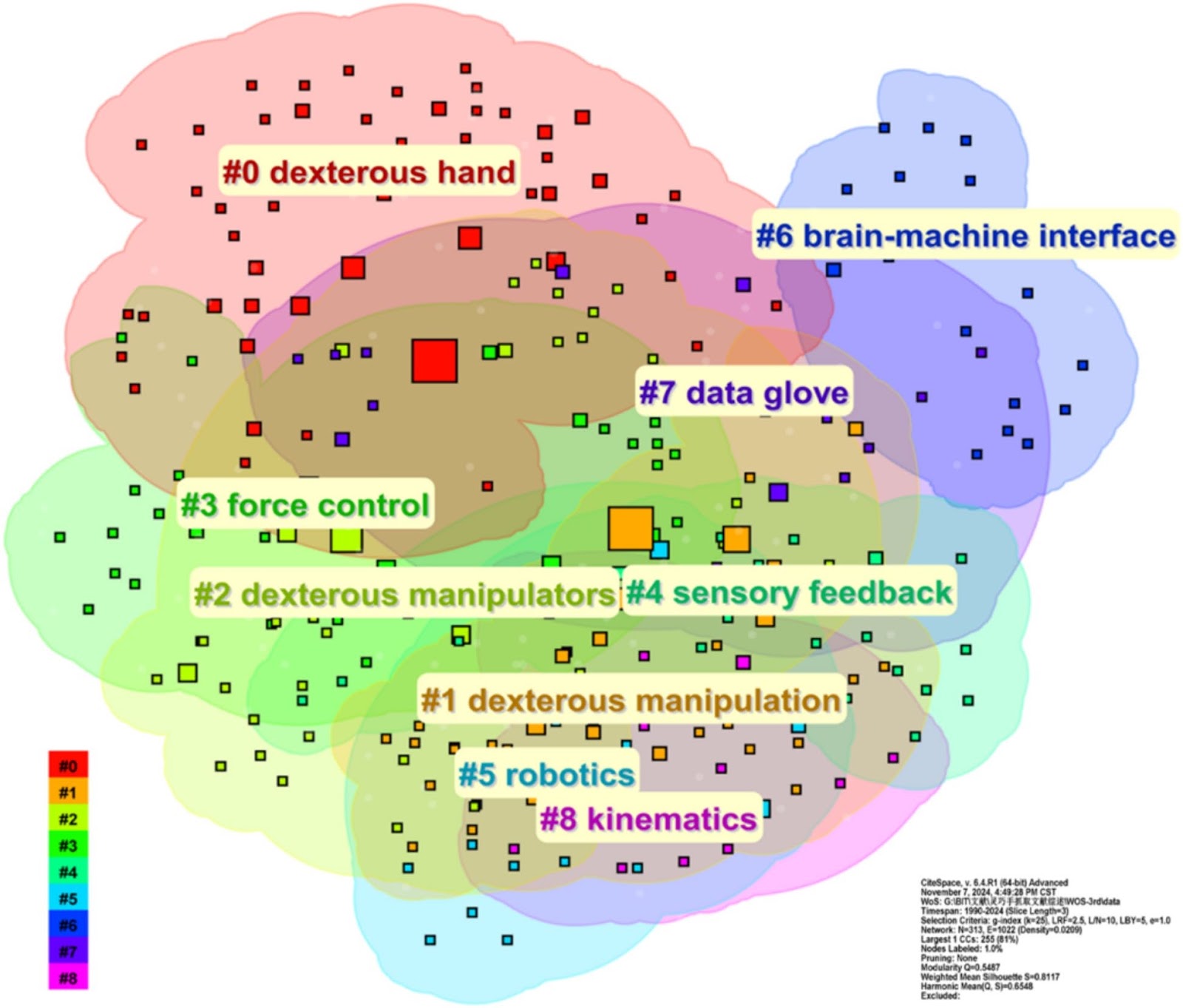
Intelligent manufacturing (IM), a driving force behind the fourth industrial revolution, is reshaping the manufacturing sector by enhancing productivity, efficiency, and sustainability. Despite the rapid technological advancements in IM, comprehensive bibliometric reviews remain limited. This article systematically reviews the latest research in IM, addressing emerging hotspots, key technologies, and their applications across the entire product manufacturing cycle. Bibliometric analysis is employed to identify research trends visualize publication volume, collaboration patterns, research domains, co-citations, and emerging areas of interest. The article then examines key technologies supporting IM, including sensors, the Internet of Things (IoT), big data analytics, cloud computing, artificial intelligence (AI), digital twins, and virtual reality (VR)/augmented reality (AR). Furthermore, it explores the application of these technologies throughout the manufacturing cycle—from intelligent reliability design, material transportation and tracking, to intelligent planning and scheduling, machining and fabrication, monitoring and maintenance, quality inspection and control, warehousing and management, and sustainable green manufacturing—through specific case studies. Lastly, the article discusses future research directions, highlighting the increasing global market and the need for enhanced interdisciplinary collaboration, technological integration, computing power upgrades, and attention to security and privacy in IM. This study provides valuable insights for scholars and serves as a guide for future research and strategic investment decisions, offering a comprehensive view of the IM field.

Intelligent Manufacturing of a Bibliometric Review: From Frontier Hotspots to Key Technologies and Applications
Graphical Abstract
Original ResearchVol. 38, Issue 120 • pp. 100-112DOI: 10.1186/s10033-025-01293-9Jan 15, 2025

Isogeometric Collocation Method for Random Field Discretization Based on Adaptive Moment Abscissae

Authors: Zhenyu Liu, Deshang Peng, Minglong Yang, Jin Cheng, Chan Qiu, Jianrong Tan

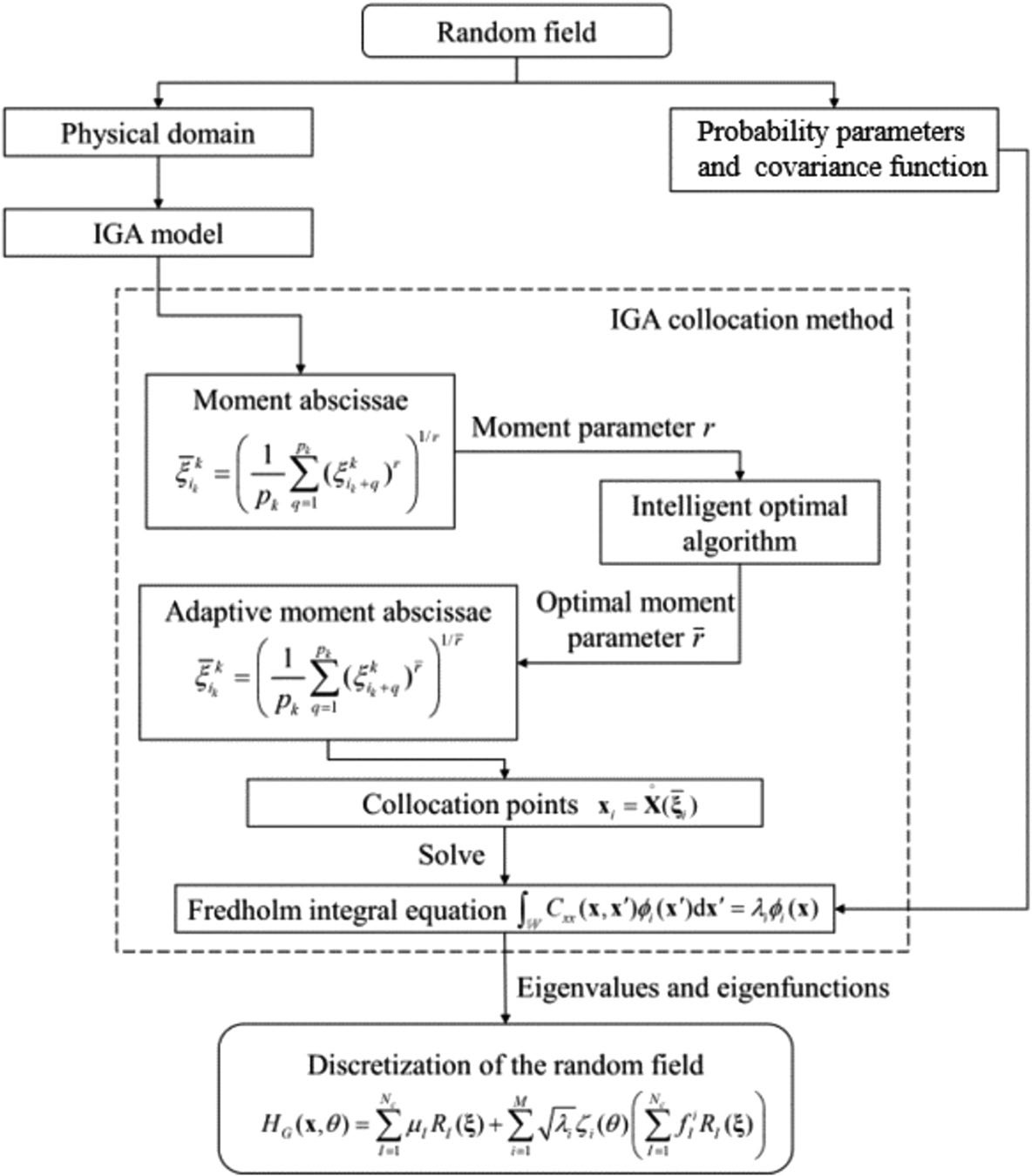
The discretization of random fields is the first and most important step in the stochastic analysis of engineering structures with spatially dependent random parameters. The essential step of discretization is solving the Fredholm integral equation to obtain the eigenvalues and eigenfunctions of the covariance functions of the random fields. The collocation method, which has fewer integral operations, is more efficient in accomplishing the task than the time-consuming Galerkin method, and it is more suitable for engineering applications with complex geometries and a large number of elements. With the help of isogeometric analysis that preserves accurate geometry in analysis, the isogeometric collocation method can efficiently achieve the results with sufficient accuracy. An adaptive moment abscissa is proposed to calculate the coordinates of the collocation points to further improve the accuracy of the collocation method. The adaptive moment abscissae led to more accurate results than the classical Greville abscissae when using the moment parameter optimized with intelligent algorithms. Numerical and engineering examples illustrate the advantages of the proposed isogeometric collocation method based on the adaptive moment abscissae over existing methods in terms of accuracy and efficiency.

Isogeometric Collocation Method for Random Field Discretization Based on Adaptive Moment Abscissae
Graphical Abstract
Original ResearchVol. 38, Issue 115 • pp. 1-18DOI: 10.1186/s10033-025-01281-zJan 15, 2025

MILP Modeling and Optimization of Three-Stage Flexible Job Shop Scheduling Problem with Assembly and AGV Transportation

Authors: Shiming Yang, Leilei Meng, Saif Ullah, Chaoyong Zhang, Hongyan Sang, Biao Zhang

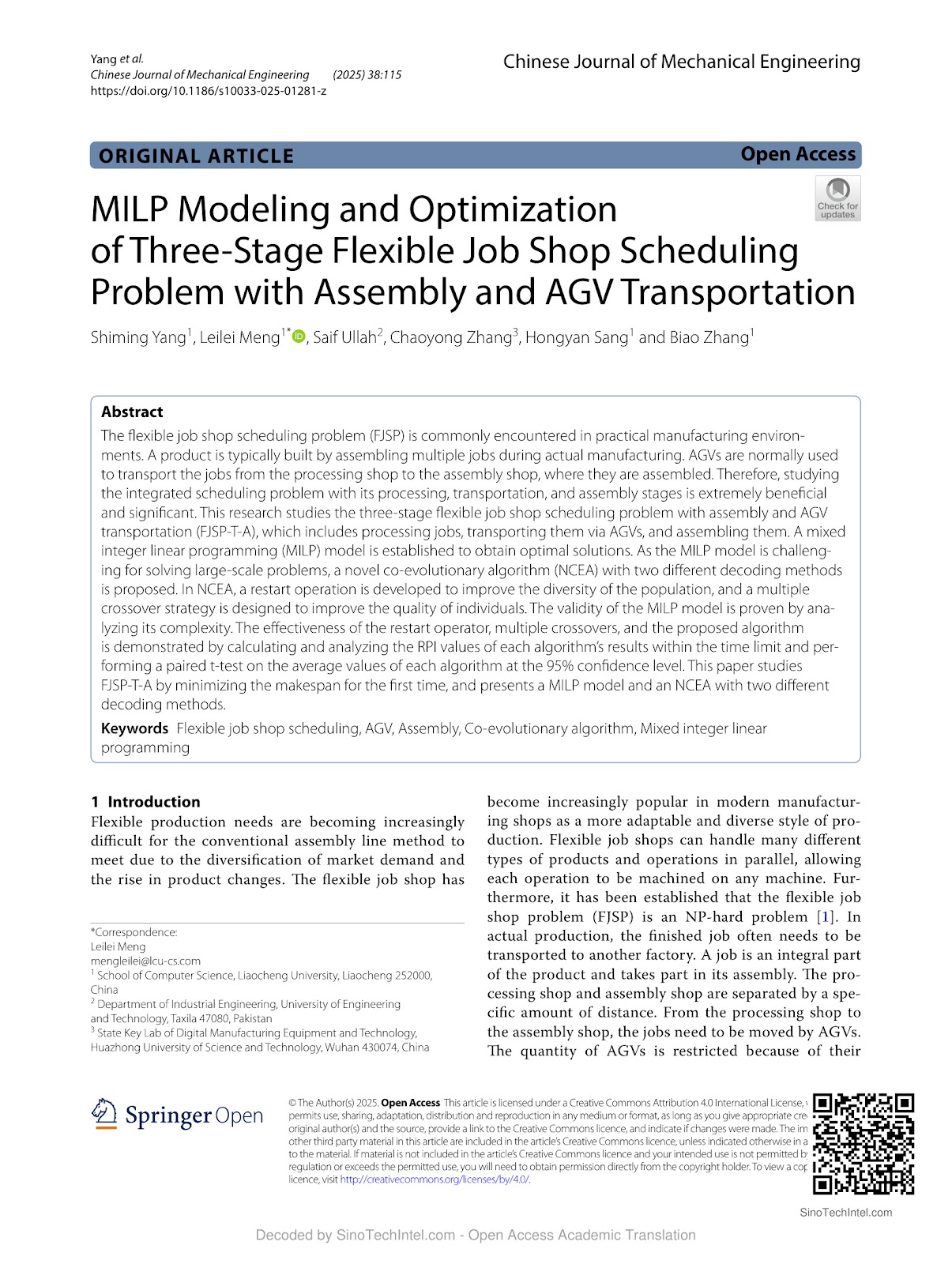
The flexible job shop scheduling problem (FJSP) is commonly encountered in practical manufacturing environments. A product is typically built by assembling multiple jobs during actual manufacturing. AGVs are normally used to transport the jobs from the processing shop to the assembly shop, where they are assembled. Therefore, studying the integrated scheduling problem with its processing, transportation, and assembly stages is extremely beneficial and significant. This research studies the three-stage flexible job shop scheduling problem with assembly and AGV transportation (FJSP-T-A), which includes processing jobs, transporting them via AGVs, and assembling them. A mixed integer linear programming (MILP) model is established to obtain optimal solutions. As the MILP model is challenging for solving large-scale problems, a novel co-evolutionary algorithm (NCEA) with two different decoding methods is proposed. In NCEA, a restart operation is developed to improve the diversity of the population, and a multiple crossover strategy is designed to improve the quality of individuals. The validity of the MILP model is proven by analyzing its complexity. The effectiveness of the restart operator, multiple crossovers, and the proposed algorithm is demonstrated by calculating and analyzing the RPI values of each algorithm's results within the time limit and performing a paired t-test on the average values of each algorithm at the 95% confidence level. This paper studies FJSP-T-A by minimizing the makespan for the first time, and presents a MILP model and an NCEA with two different decoding methods.

MILP Modeling and Optimization of Three-Stage Flexible Job Shop Scheduling Problem with Assembly and AGV Transportation
Graphical Abstract
Original ResearchVol. 38, Issue 133 • pp. 100-112DOI: 10.1186/s10033-025-01284-wJan 15, 2025

Automatic Generation Method of Knowledge Graph for Complex Product Assembly Processes Based on Text Mining

Authors: Kunping Li, Jianhua Liu, Sikuan Zhai, Cunbo Zhuang, Fengque Pei

Efficient preparation and assembly guidance for complex products relies heavily on semantic information in assembly process documents. This information encompasses various levels of elements and complex semantic relationships. However, there is currently a scarcity of effective modeling techniques to express these documents’ inherent assembly process knowledge. This study introduces a method for constructing an Assembly Process Knowledge Graph of Complex Products (APKG-CP) utilizing text mining techniques to tackle the challenges of high costs, low efficiency, and difficulty reusing process knowledge. Developing the assembly process knowledge graph involves categorizing entity and relationship classes from multiple levels. The Bert-BiLSTM-CRF model integrates BERT (bidirectional encoder representations from transformers), BiLSTM (bidirectional long short-term memory), and CRF (conditional random field) to extract knowledge entities and relationships in assembly process documents automatically. Furthermore, the knowledge fusion method automatically instantiates the assembly process knowledge graph. The proposed construction method is validated by constructing and visualizing an assembly process knowledge graph using data from an aerospace enterprise as an example. Integrating the knowledge graph with the assembly process preparation system demonstrates its effectiveness for process design.

Automatic Generation Method of Knowledge Graph for Complex Product Assembly Processes Based on Text Mining
Graphical Abstract
Original ResearchVol. 38, Issue 100 • pp. 100-112DOI: 10.1186/s10033-025-01271-1Jan 15, 2025

A Heuristic Mutation Based Genetic Algorithm for Fast Parallel Scheduling of Steel Cold Rolling

Authors: Hairong Yang, Yangyi Du, Yonggang Li, Weidong Qian, Bing Hu

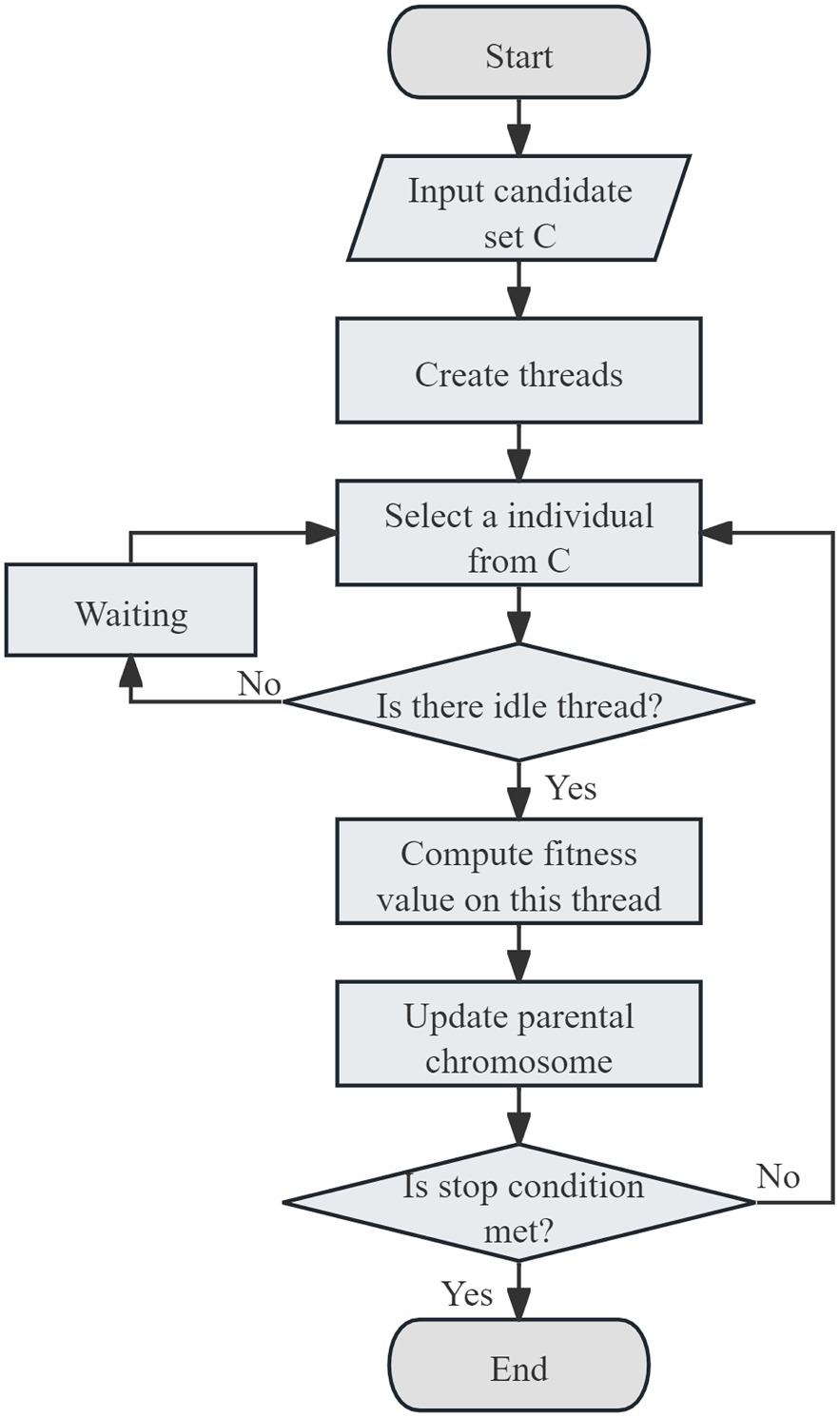
A well-designed production schedule for cold rolling can enhance steel enterprises’ operational efficiency and profitability. Nevertheless, the intricate constraints and numerous steps involved in cold rolling pose challenges to devising a rational scheduling plan. Therefore, considering the practical production constraints, this paper investigates a cold rolling scheduling problem for processing jobs with specific due dates and batch attributions on parallel heterogeneous machines with continuous production requirements. Firstly, the scheduling problem is formulated as a mixed integer linear program (MILP) model with an economic objective. Then, a modified genetic algorithm (GA) is proposed to search for the optimal solution to the MILP problem. Specifically, this method includes a heuristic initialization mechanism to generate feasible initial solutions, three heuristic mutation operators to generate promising candidate solutions, and a parallel computing mechanism to accelerate the evaluation process of the GA. The simulation results demonstrate that the proposed method can be effectively implemented to generate optimized scheduling schemes in the cold rolling process.

A Heuristic Mutation Based Genetic Algorithm for Fast Parallel Scheduling of Steel Cold Rolling
Graphical Abstract
Original ResearchVol. 38, Issue 123 • pp. 1-14DOI: 10.1186/s10033-025-01295-7Jan 15, 2025

Numerical Analysis of Fluid and Temperature Field of an Accessory Gearbox

Authors: Qinjie Lin, Liangliang Gong, Yongqiang Xu, Caichao Zhu, Huaiju Liu, Zehua Lu

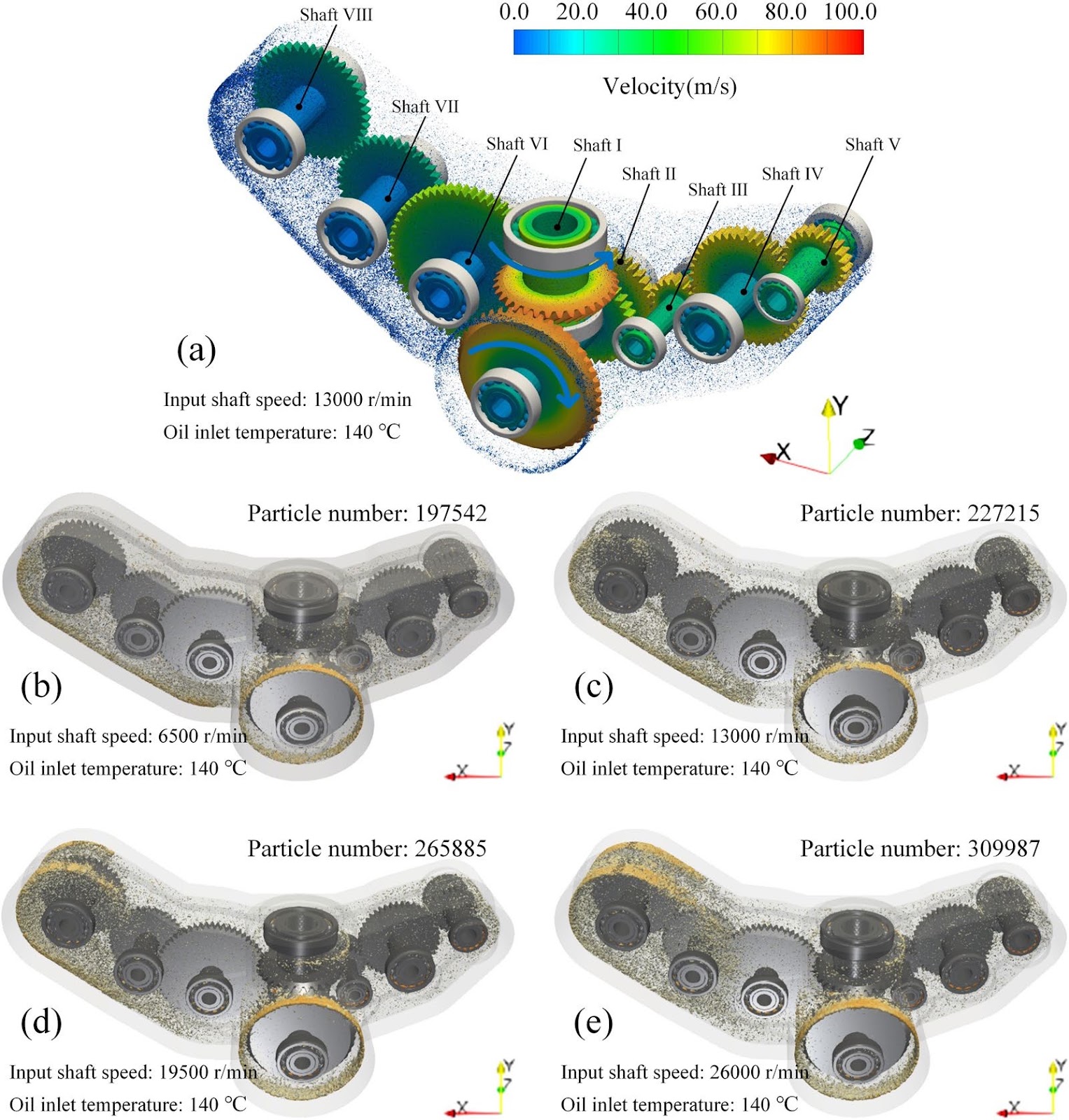
The accessory gearbox is a vital component of aviation engines, and its power loss, flow characteristics, and temperature distribution significantly influence engine performance, particularly under high-temperature and high-speed conditions. However, research on the thermal and flow characteristics of entire transmission systems remains limited. This study presents a mathematical model designed to evaluate power loss and heat generation within the transmission system of an accessory gearbox. The Moving Particle Semi-Implicit (MPS) method, a Lagrangian numerical technique for fluid dynamics, was utilized to calculate the flow field of the gearbox and determine the surface convective heat transfer coefficient under stable flow conditions. Subsequently, a three-dimensional finite element thermal network method was employed to calculate the gearbox temperature distribution. This method captures detailed temperature fields of key components while estimating other components using lumped parameters, effectively balancing accuracy and efficiency in temperature field calculations. The results indicate that rotational speed has a greater impact on total power loss than the oil inlet temperature. The bevel gears, which are responsible for power input, along with the input shaft bearings, are the primary contributors to power loss, collectively accounting for nearly 50% of the total power loss. This research introduces a predictive method for examining the thermal and flow characteristics of aviation transmission systems, facilitating rapid forecasting of the flow field, temperature distribution, and power consumption.

Numerical Analysis of Fluid and Temperature Field of an Accessory Gearbox
Graphical Abstract
Original ResearchVol. 38, Issue 1 • pp. 194DOI: 10.1186/s10033-025-01355-yJan 15, 2025

Virtual Impedance Adaptation of Lower-Limb Exoskeleton for Human Performance Augmentation Based on Deep Reinforcement Learning

Authors: Ranran Zheng, Zhiyuan Yu, Hongwei Liu, Junqin Lin, Bo Zeng, Longfei Jia

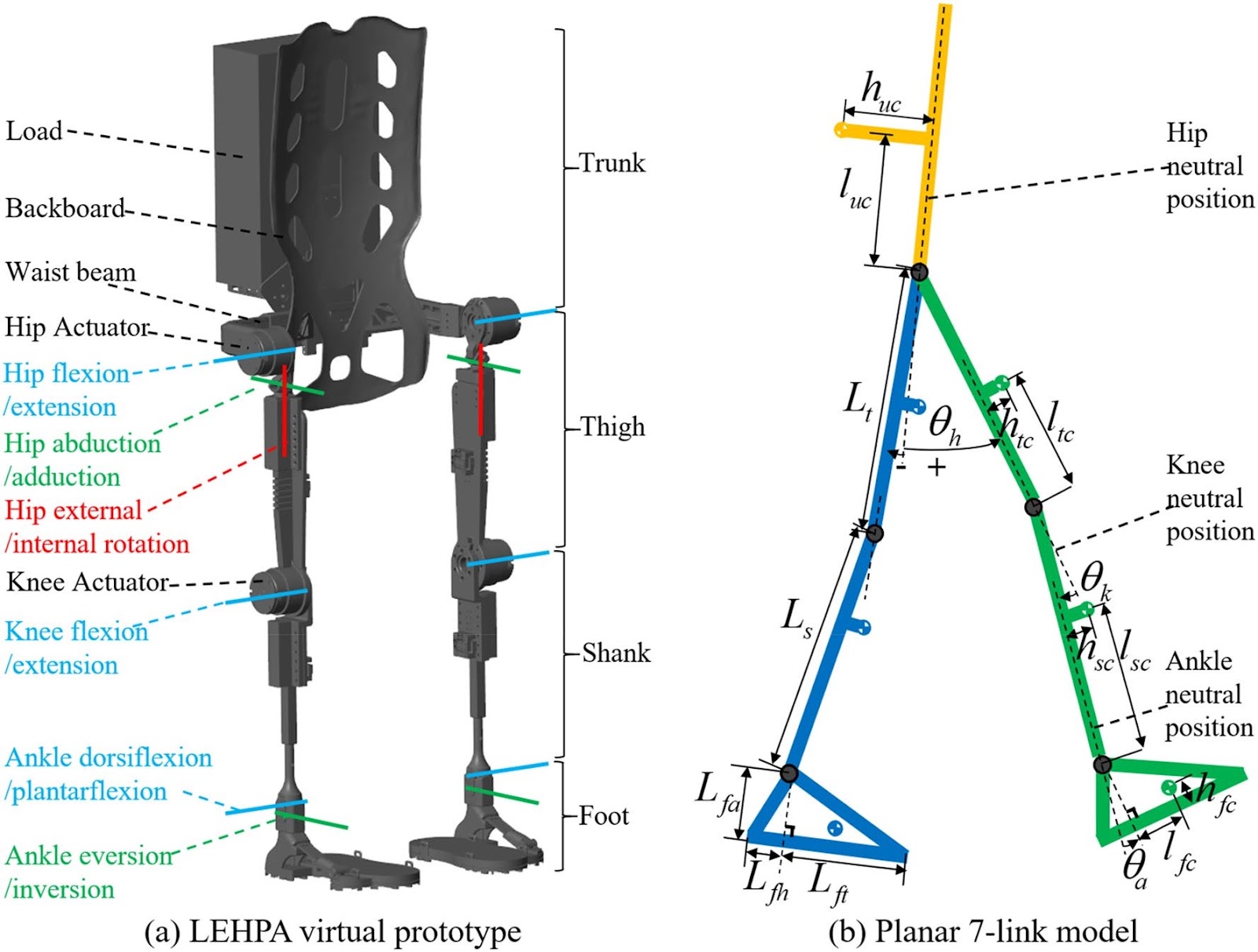
This paper proposes virtual impedance adaptation of the lower-limb exoskeleton for human performance augmentation (LEHPA) based on deep reinforcement learning (VIADRL) to mitigate reliance on model accuracy and address the ever-changing human-exoskeleton interaction (HEI) dynamics. The classical sensitivity amplification control strategy is expanded to the virtual impedance control strategy with more learnable virtual impedance parameters. The adjustment of these virtual impedance parameters is formalized as finding the optimal policy for a Markov Decision Process and can then be effectively resolved using deep reinforcement learning algorithms. To ensure safe and efficient policy training, a multibody simulation environment is established to facilitate the training process, supplemented by the innovative hybrid inverse-forward dynamics simulation approach for executing the simulation. For comparison purposes, the SADRL strategy is introduced as a benchmark. A novel control performance evaluation method based on the HEI forces at the back, thighs, and shanks is proposed to quantitatively evaluate the performance of our proposed VIADRL strategy. The VIADRL controller is systematically compared with the SADRL controller at five selected walking speeds. The lumped ratio of HEI forces under the SADRL strategy relative to those under the SADRL strategy is as low as 0.81 in simulation and approximately 0.89 on the LEHPA prototype. The overall reduction of HEI forces demonstrates the superiority of the VIADRL strategy in comparison to the SADRL strategy.

Virtual Impedance Adaptation of Lower-Limb Exoskeleton for Human Performance Augmentation Based on Deep Reinforcement Learning
Graphical Abstract
Original ResearchVol. 38, Issue 1 • pp. 154DOI: 10.1186/s10033-025-01323-6Jan 15, 2025

Data-Driven Human-in-the-Loop Iterative Learning Fault Estimation Method

Authors: Fei Wang, Jie Sun, Junwei Zhu, Ruofeng Wei

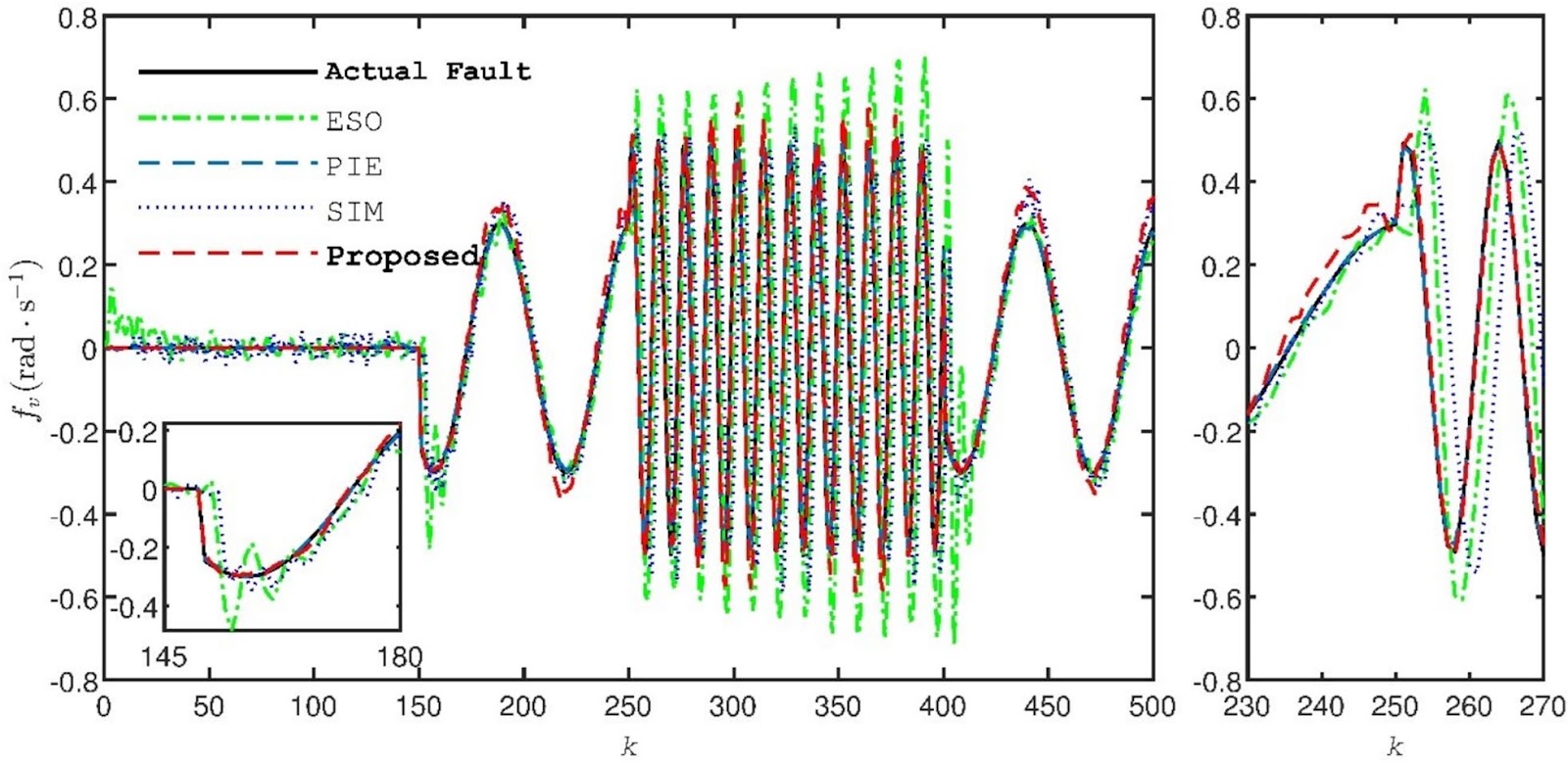
For control systems with unknown model parameters, this paper proposes a data-driven iterative learning method for fault estimation. First, input and output data from the system under fault-free conditions are collected. By applying orthogonal triangular decomposition and singular value decomposition, a data-driven realization of the system's kernel representation is derived, based on this representation, a residual generator is constructed. Then, the actuator fault signal is estimated online by analyzing the system's dynamic residual, and an iterative learning algorithm is introduced to continuously optimize the residual-based performance function, thereby enhancing estimation accuracy. The proposed method achieves actuator fault estimation without requiring knowledge of model parameters, eliminating the time-consuming system modeling process, and allowing operators to focus on system optimization and decision-making. Compared with existing fault estimation methods, the proposed method demonstrates superior transient performance, steady-state performance, and real-time capability, reduces the need for manual intervention and lowers operational complexity. Finally, experimental results on a mobile robot verify the effectiveness and advantages of the method.

Data-Driven Human-in-the-Loop Iterative Learning Fault Estimation Method
Graphical Abstract
Original ResearchVol. 38, Issue 1 • pp. 47DOI: 10.1186/s10033-025-01222-wJan 15, 2025

Intelligent Design Method for Thermal Conductivity Topology Based on a Deep Generative Network

Authors: Qiyin Lin, Feiyu Gu, Chen Wang, Hao Guan, Tao Wang, Kaiyi Zhou, Lian Liu, Desheng Yao

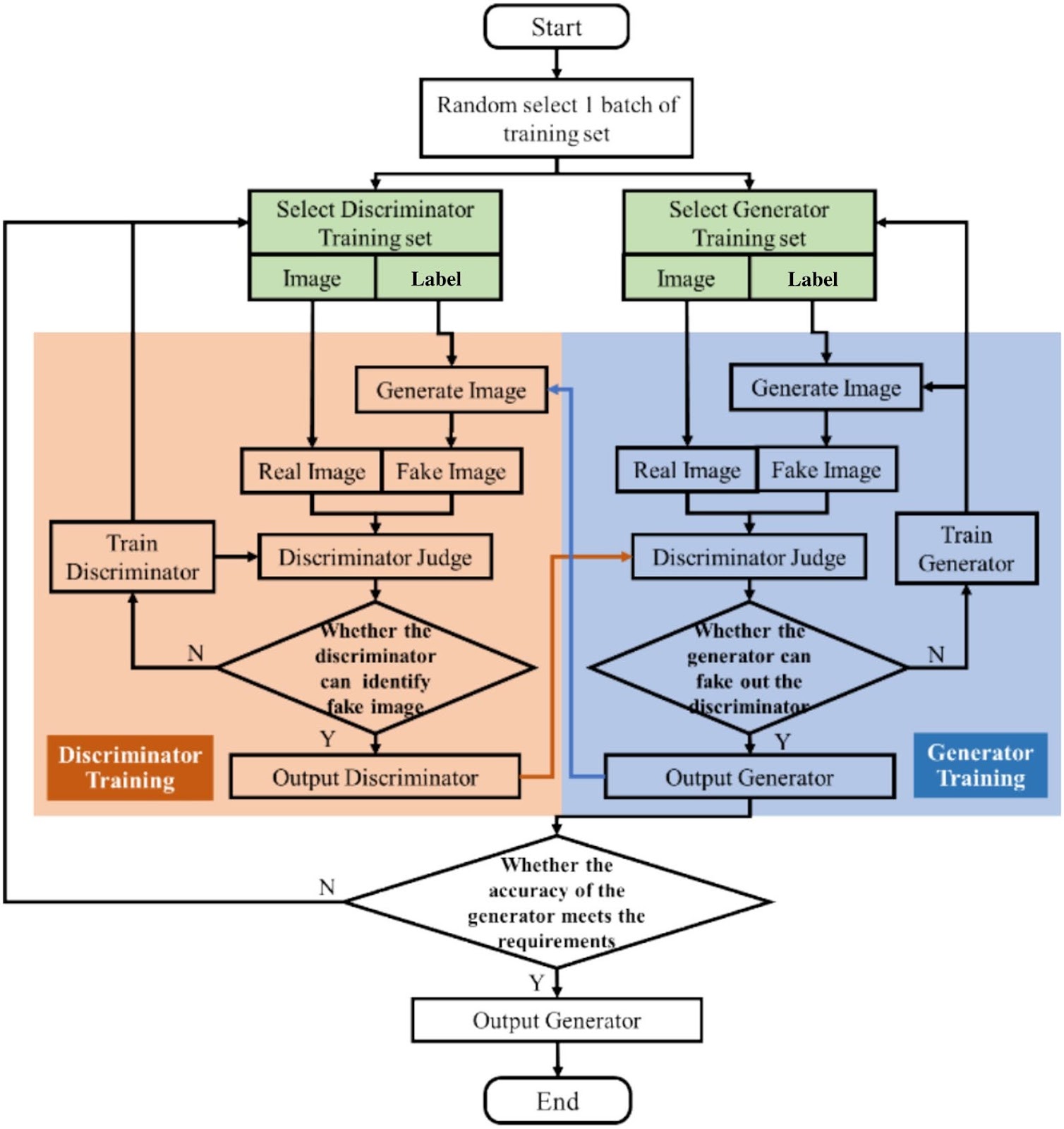
Heat dissipation performance is critical to the design of high-end equipment, such as integrated chips and high-precision machine tools. Owing to the advantages of artificial intelligence in solving complex tasks involving a large number of variables, researchers have exploited deep learning to expedite the optimization of material properties, such as the heat dissipation of solid isotropic materials with penalization (SIMP). However, because the approach is limited by discrete datasets and labeled training forms, ensuring the continuous adaptation of the condition domain and maintaining the stability of the design structure remain major challenges in the current intelligent design methodology for thermally conductive structures. In this study, we propose an innovative intelligent design framework integrating Conditional Deep Convolutional Generative Adversarial Networks (CDCGAN) with SIMP, capable of creating topology structures that meet prescribed thermal conduction performance. This proposed design strategy significantly reduces the computational time required to solve symmetric and random heat sink problems compared with existing design approaches and is approximately 98% faster than standard SIMP methods and 55.5% faster than conventional deep-learning-based methods. In addition, we benchmarked the design performance of the proposed framework against theoretical structural designs via experimental measurements. We observed a 50.1% reduction in the average temperature and a 28.2% reduction in the highest temperature in our designed topology compared with those theoretical structure designs.

Intelligent Design Method for Thermal Conductivity Topology Based on a Deep Generative Network
Graphical Abstract
Original ResearchVol. 38, Issue 1 • pp. 189DOI: 10.1186/s10033-025-01350-3Jan 15, 2025

Simulation Analysis of How Scratches Influence Frequency Splitting and Energy Dissipation of Hemispherical Resonator

Authors: Jingyang Guo, Henan Liu, Mingjun Chen, Jian Cheng

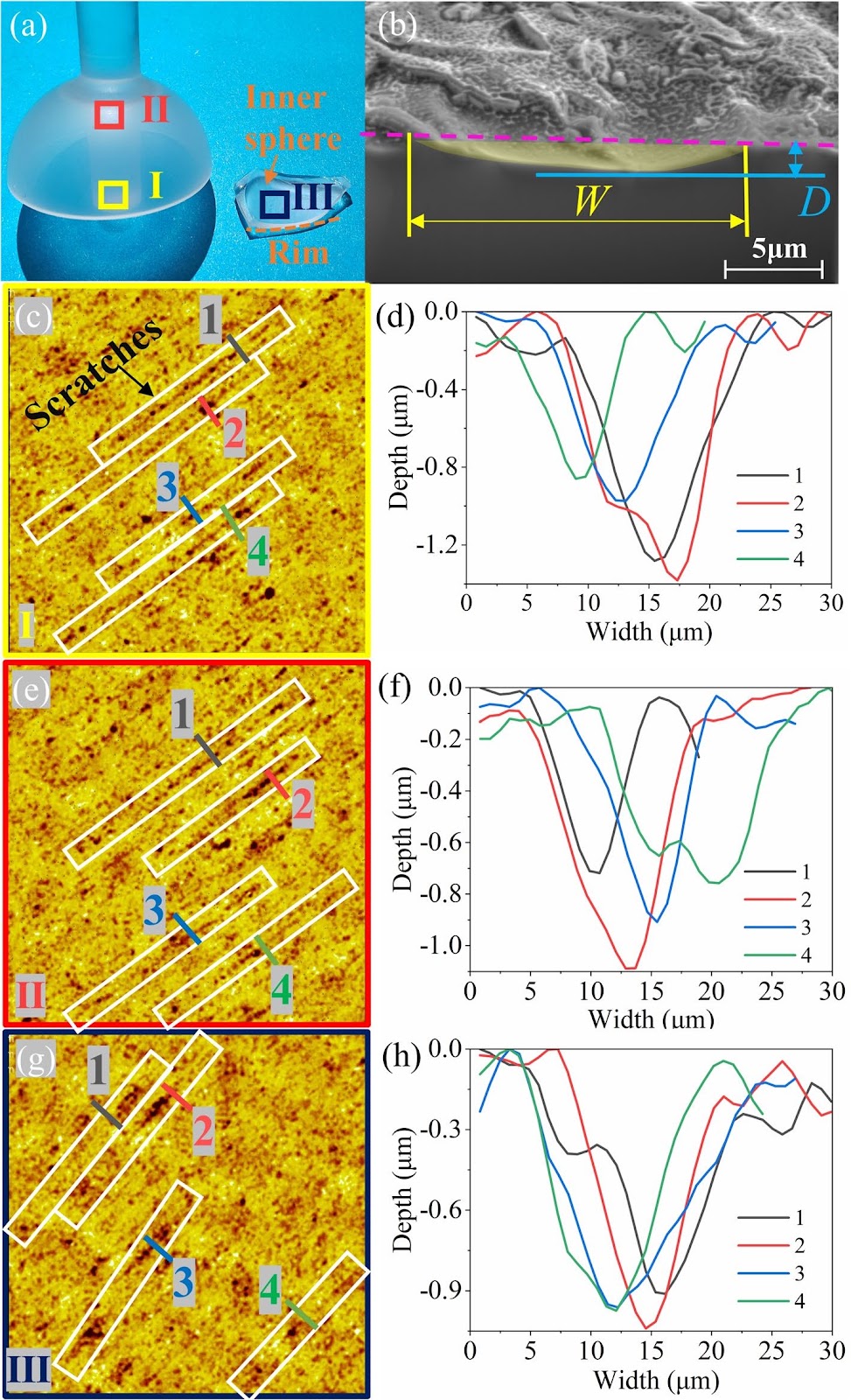
The fused quartz hemispherical resonator is the core component of the hemispherical resonator gyroscope. It features a complex shape and is made from a material that is difficult to process. Scratches are easily introduced during grinding, potentially degrading the mass-stiffness-damping symmetry; however, the underlying mechanisms of this influence have not been fully understood. This paper aims to investigate the effects of scratch defects on the frequency splitting and quality factor of the hemispherical resonator. First, finite element models of the hemispherical resonator with scratches are established. Then, the effects of the mass-stiffness factor, as well as the latitude and length of the scratches, on frequency splitting are analyzed. Furthermore, the impacts of latitude, length, and the first four harmonics of the unbalanced mass caused by scratches on thermoelastic damping and anchor loss are examined. Simulation results indicate that scratches above 55° latitude cause frequency splitting solely due to stiffness changes. Frequency splitting caused by scratches of the same size on the inherent rigidity shaft at the rim is approximately 50% of that near the transition fillet. Frequency splitting varies linearly with the volume of material removed by scratches. Scratches have little effect on thermoelastic damping. The first three harmonics of the unbalanced mass due to scratches at the rim are the primary contributors to anchor loss. Finally, focused ion beam trimming experiments are conducted at different locations on the hemispherical resonator. The trends observed in the experimental results are consistent with the simulation results. This work provides guidance for evaluating the impact of scratches on the performance of hemispherical resonators and for developing appropriate trimming processes.

Simulation Analysis of How Scratches Influence Frequency Splitting and Energy Dissipation of Hemispherical Resonator
Graphical Abstract
Original ResearchVol. 38, Issue 161 • pp. 1-12DOI: 10.1186/s10033-025-01299-3Jan 15, 2025

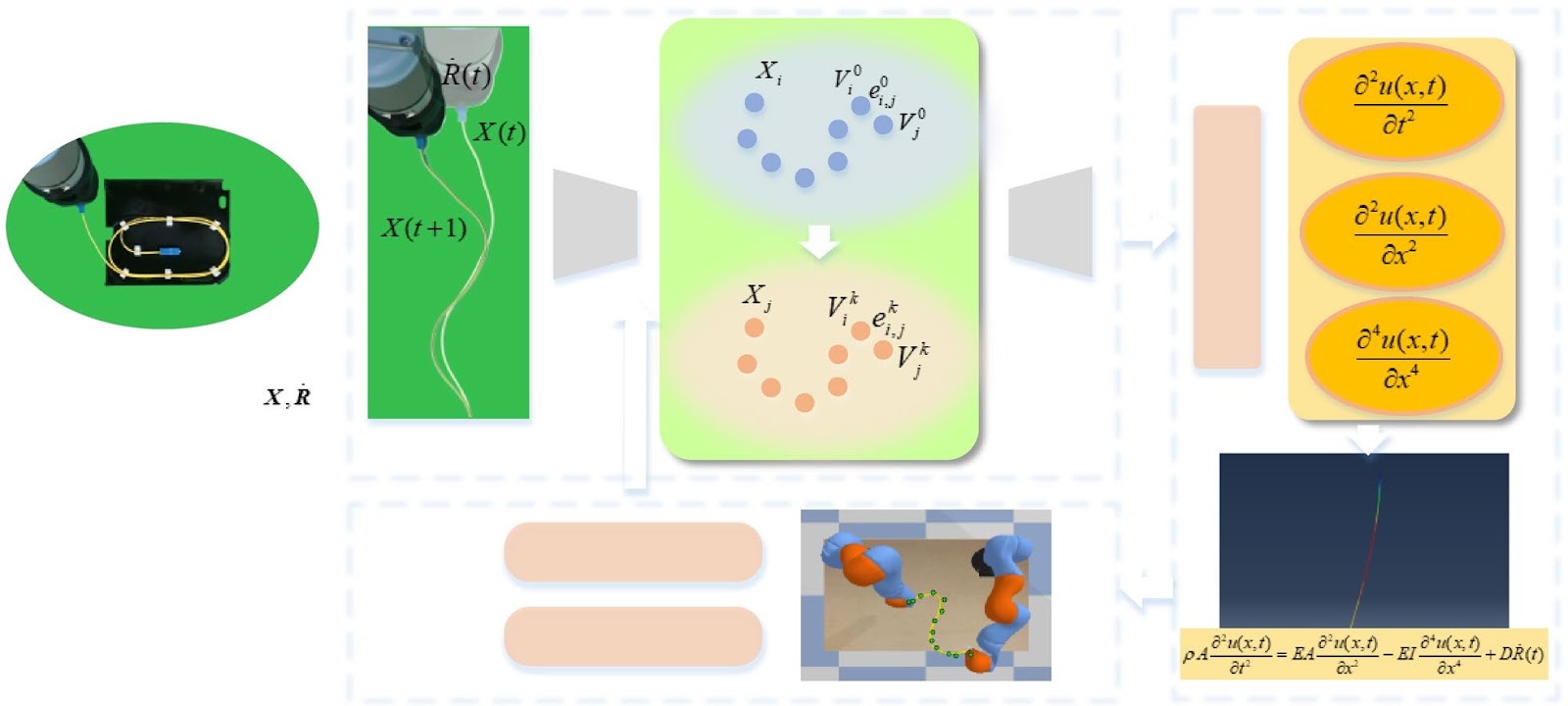
Physics-Informed Graph Learning for Shape Prediction in Robot Manipulate of Deformable Linear Objects

Authors: Meixuan Wang, Junliang Wang, Jie Zhang, Xinting Liao, Guojin Li

Shape prediction of deformable linear objects (DLO) plays critical roles in robotics, medical devices, aerospace, and manufacturing, especially in manipulating objects such as cables, wires, and fibers. Due to the inherent flexibility of DLO and their complex deformation behaviors, such as bending and torsion, it is challenging to predict their dynamic characteristics accurately. Although the traditional physical modeling method can simulate the complex deformation behavior of DLO, the calculation cost is high and it is difficult to meet the demand of real-time prediction. In addition, the scarcity of data resources also limits the prediction accuracy of existing models. To solve these problems, a method of fiber shape prediction based on a physical information graph neural network (PIGNN) is proposed in this paper. This method cleverly combines the powerful expressive power of graph neural networks with the strict constraints of physical laws. Specifically, we learn the initial deformation model of the fiber through graph neural networks (GNN) to provide a good initial estimate for the model, which helps alleviate the problem of data resource scarcity. During the training process, we incorporate the physical prior knowledge of the dynamic deformation of the fiber optics into the loss function as a constraint, which is then fed back to the network model. This ensures that the shape of the fiber optics gradually approaches the true target shape, effectively solving the complex nonlinear behavior prediction problem of deformable linear objects. Experimental results demonstrate that, compared to traditional methods, the proposed method significantly reduces execution time and prediction error when handling the complex deformations of deformable fibers. This showcases its potential application value and superiority in fiber manipulation.

Physics-Informed Graph Learning for Shape Prediction in Robot Manipulate of Deformable Linear Objects
Graphical Abstract
Original ResearchVol. 38, Issue 1 • pp. 91DOI: 10.1186/s10033-025-01239-1Jan 15, 2025

Human-centric Product Conceptual Design Model and Its Feedback-based Co-evolution Method

Authors: Bing Lai, Xin Guo, Wu Zhao, Jun Li, Hao Xue, Kai Zhang

In the context of Industry 5.0, more emphasis is placed on human-centric smart manufacturing patterns. Product design is a vital phase of smart manufacturing, involving user engagement is an essential factor in enhancing design quality and fostering innovation. With user involvement in-depth, dynamically changing user requirements and feedback bring new problems to the design process, and the traditional linear solving process cannot perceive such variations timely, which causes hysteresis in the solution. The design solution’s hysteresis affects the consensus achievement process between the designer and user, further prolonging the iteration cycle. To address this issue, a human-centric product conceptual design model is proposed for the timely translation of such variations into design solutions. In this model, design problems are formed by centering on user requirements, designer and user collaboratively solve the problems to form design solutions. Through a cycle of problem-driven, knowledge-supported, and solution evaluation, new problems are solved promptly to achieve progressive solution convergence, which clarifies the iterative evolution process and improves iterative efficiency. To verify the effectiveness of the model, a natural gas well foaming agent automatic filling device design is presented.

Human-centric Product Conceptual Design Model and Its Feedback-based Co-evolution Method
Graphical Abstract
Original ResearchVol. 38, Issue 1 • pp. 171DOI: 10.1186/s10033-025-01346-zJan 15, 2025

Grasp Control of Dexterous Hands Based on Bibliometric Analysis: A Survey

Authors: Zhe Xu, Sihan Huang, Liya Yao, Jiahao Zhu, Guoxin Wang, Yan Yan

Recent years have witnessed unprecedented development in humanoid robotics, with dexterous hand grasping emerging as a focal research area across industrial and academic sectors. To track the state-of-the-art dexterous hand grasp, a review of dexterous hand grasp based on bibliometric analysis is executed. The related studies on dexterous hand grasp are collected from the Web of Science for analysis, where the publication details and cooperation situations from the perspectives of country, institute, etc. are discussed. The keywords cluster is adopted to find the hot research topic of dexterous hand grasp. The development trend of dexterous hand grasp is explored based on the top 25 keywords with the strongest citation bursts. The review findings indicate that precision control via multimodal fusion, autonomous task understanding and intelligent decision, and in-hand dexterous manipulation are top three hotspots in future.

Grasp Control of Dexterous Hands Based on Bibliometric Analysis: A Survey
Graphical Abstract
Original ResearchVol. 38, Issue 191 • pp. 1-14DOI: 10.1186/s10033-025-01348-xJan 15, 2025

A Novel Gait Identity Recognition Method for Personalized Human-robot Collaboration in Industry 5.0

Authors: Zhangli Lu, Ruohan Wang, Huiying Zhou, Na Dong, Honghao Lyu, Geng Yang

The integration of human-robot collaboration (HRC) in manufacturing, particularly within the framework of Human-Cyber-Physical Systems (HCPS) and the emerging paradigm of Industry 5.0, has the potential to significantly enhance productivity, safety, and ergonomics. However, achieving seamless collaboration requires robots to recognize the identity of individual human workers and perform appropriate collaborative operations. This paper presents a novel gait identity recognition method using Inertial Measurement Unit (IMU) data to enable personalized HRC in manufacturing settings, contributing to the human-centric vision of Industry 5.0. The hardware of the entire system consists of the IMU wearable device as the data source and a collaborative robot as the actuator, reflecting the interconnected nature of HCPS. The proposed method leverages wearable IMU sensors to capture motion data, including 3-axis acceleration, 3-axis angular velocity. The two-tower Transformer architecture is employed to extract and analyze gait features. It consists of Temporal and Channel Modules, multi-head Auto-Correlation mechanism, and multi-scale convolutional neural network (CNN) layers. A series of optimization experiments were conducted to improve the performance of the model. The proposed model is compared with other state-of-the-art studies on two public datasets as well as one self-collected dataset. The experimental results demonstrate the better performance of our method in gait identity recognition. It is experimentally verified in the manufacturing environment involving four workers and one collaborative robot in an HRC assembly task, showcasing the practical applicability of this human-centric approach in the context of Industry 5.0.

A Novel Gait Identity Recognition Method for Personalized Human-robot Collaboration in Industry 5.0
Graphical Abstract
Original ResearchVol. 38, Issue 1 • pp. 190DOI: 10.1186/s10033-025-01283-xJan 15, 2025

Study of a Moment Suspension Mechanism for Off-Road Operation of a Multi-Terrain Mobile Robot

Authors: Buyun Wang, Menglong Jiang, Bing Zhao, Wen Peng, Yi Liang, Jun Cheng, Hanchun Hu

To effectively improve the adaptability and traversal abilities of a multi-terrain mobile robot under the dynamic excitation of multiple roads, we explore the mobile robot’s vibration and joint driving output stall caused by the dynamic excitation of the road spectrum function and analyze techniques for reducing the vibration and enhancing the driving moment of a four-wheel differential-speed mobile robot. A double-wishbone vibration reduction suspension and a moment compensator were designed for a multi-terrain mobile robot by theoretically describing its suspension-wheel-road dynamics. Also, the mobile robot’s road adaptability and traversal abilities were mathematically characterized under dynamic excitation. Co-simulation in ADAMS-MATLAB/Simulink is performed such as the harsh condition of in situ rotation and outdoor experimental schemes are implemented in which the experimental data are analyzed. The experimental result verifies the correctness of the theoretical analysis, as well as the effectiveness of the vibration reduction suspension and the moment compensator. The compatibility of the mobile robot’s driving mechanisms with road traversal abilities has been improved under various terrain conditions in complex field operation scenarios.

Study of a Moment Suspension Mechanism for Off-Road Operation of a Multi-Terrain Mobile Robot
Graphical Abstract
Original ResearchVol. 38, Issue 125 • pp. 100-112DOI: 10.1186/s10033-025-01266-yJan 15, 2025

A Motion-decoupled Pneumatic Rigid-Flexible Hybrid Joint with Independently-Controlled Variable Stiffness for Continuum Robot

Authors: Wenbiao Wang, Jiahao Shi, Ke Wu, Rui Chen, Zean Yuan, Shibo Cai, Guanjun Bao

Continuum robots have been a hot topic in recent years due to their intrinsic features of agility, flexibility, and safety. To successfully deploy continuum robots in practical applications, further enhancements in variable stiffness, decoupled motion, and embedded sensing are highly desirable. Since continuum robots are usually composed of multiple joints assembled in series, their mechanical properties and performance will certainly rely on the connected joints. This paper proposes a motion-decoupled variable stiffness-decoupled pneumatic rigid-flexible hybrid joint (RFHJ), which is modular designed and integrated with a rigid hinge, a stiffness-tuning module, and soft actuators. The soft pneumatic muscle actuators are pre-stretched during assembly, ensuring the stable initial state of RFHJ. A novel musculature-mounting configuration is also presented, which enables RFHJs to achieve independent motions in two orthogonal planes. Furthermore, the variable stiffness module is embedded in the RFHJ’s structure to offer real-time and independent stiffness tunability across multiple scales in two perpendicular directions. The proposed RFHJ makes most of the advantages of soft continuum robots and conventional rigid serial robots by introducing a hybrid structure to provide both safe human-robot interaction (HRI), accurate control and reliable stiffness variation, presenting promising potentials for robotic systems, which have been theoretically proved and experimentally verified on the physical prototype. The experimental results also indicate that the developed RFHJ can work with variable stiffness ranging in [1.2, 49.9] N·m/rad. A variable stiffness rigid-flexible hybrid continuum arm (RFHA) is designed with three RFHJs in series. Primary tests on the developed RFHA prototype demonstrate that it has the characteristics of decoupled driving, bidirectional stiffness tunability and self-stability.

A Motion-decoupled Pneumatic Rigid-Flexible Hybrid Joint with Independently-Controlled Variable Stiffness for Continuum Robot
Graphical Abstract
Original ResearchVol. 38, Issue 1 • pp. 98DOI: 10.1186/s10033-025-01267-xJan 15, 2025

Design, Kinematics and Stiffness Analysis of a Reconfigurable Cable-Driven Parallel Robot

Authors: Qingjun Wu, Bin Zi, Bo Hu, Yuan Li

Cable-driven parallel robots (CDPRs) have advantages of larger workspace and load capacity than conventional parallel robots while existing interference problems among cables, workpieces and the end-effector. In order to avoid collision and improve the flexibility of the robots, this study proposes a reconfigurable cable-driven parallel robot (RCDPR) having characteristics of large load-to-weight ratio, easy modularity and variable stiffness. Adjustable brackets are connected to the moving platform to adjust the position of the pull-out point with the movement of the end-effector. In addition, a variable stiffness actuator (VSA) accompanied by finite element analysis is designed to optimize the cable tension to adapt different task requirements. Firstly, a new idea of reconfiguration is given, and an inverse kinematic model is established using the vector closure principle to derive its inverse kinematic expressions focusing on one of the configurations. Second, the VSA is attached to each cable to achieve stiffness adjustment, and the system stiffness is derived in detail. Finally, the rationality and accuracy of the robot are verified through numerical analysis, providing a reference for subsequent trajectory planning with implications.

Design, Kinematics and Stiffness Analysis of a Reconfigurable Cable-Driven Parallel Robot
Graphical Abstract
Original ResearchVol. 38, Issue 1 • pp. 75DOI: 10.1186/s10033-025-01224-8Jan 15, 2025

Digital Twin-driven Inversion of Assembly Precision for Industrial Equipment: Challenges, Progress and Perspectives

Authors: Dinghao Cheng, Bingtao Hu, Yixiong Feng, Jiangxin Yang, Ruirui Zhong, Tianyue Wang, Jianrong Tan

Assembly precision greatly influences the performance of complex high-end equipment. The traditional industrial assembly process and deviation transfer are implicit and uncertain, causing problems like poor component fit and hard-to-trace assembly stress concentration. Assemblers can only check whether the dimensional tolerance of the component design is exceeded step by step in combination with prior knowledge. Inversion in industrial assembly optimizes assembly and design by comparing real and theoretical results and doing inversion analysis to reduce assembly deviation. The digital twin (DT) technology visualizes and predicts the assembly process by mapping real and virtual model parameters and states simultaneously, expanding parameter range for inversion analysis and improving inversion result accuracy. Problems in improving industrial assembly precision and the significance and research status of DT-driven parametric inversion of assembly tools, processes and object precision are summarized. It analyzes vital technologies for assembly precision inversion such as multi-attribute assembly process parameter sensing, virtual modeling of high-fidelity assembly systems, twin synchronization of assembly process data models, multi-physical field simulation, and performance twin model construction of the assembly process. Combined with human-cyber-physical system, augmented reality, and generative intelligence, the outlook of DT-driven assembly precision inversion is proposed, providing support for DT’s use in industrial assembly and precision improvement.

Digital Twin-driven Inversion of Assembly Precision for Industrial Equipment: Challenges, Progress and Perspectives
Graphical Abstract
Original ResearchVol. 38, Issue 1 • pp. 141DOI: 10.1186/s10033-025-01296-6Jan 15, 2025

Physiological Characteristics of Forearm Muscles During Different Movement Patterns of Wrist

Authors: Leiyu Zhang, Xu Sun, Peng Su, Jianfeng Li, Yawei Chang, Yongjian Gao, Li Zhang

The abundant muscle tissues of the forearm determine the movements of the wrist, hand and fingers together. However, linking wrist kinematics and forearm muscle activation is still a challenging. There may exist blindness in the rehabilitation therapy of forearm muscles, due to the lack of the physiological characteristics of muscle activation and sequences. An armband with eight channels was used to collect surface electromyographic signals (sEMGs) of a specific section of the forearm under the different wrist movements, palm postures, and external loads, based on the image of magnetic resonance imaging (MRI). The collected cross-sectional muscles covered almost all surface muscles. The muscle activation could be expressed clearly by enveloping the sEMG signals of 8 muscles within a single cycle. The root mean square (RMS) and the average peak value VP were used to evaluate the activation intensities of dominant muscles. The activation sequences and the absolute times of dominant muscles were obtained from the envelopes of their raw sEMGs, and not influenced by the palm postures and external loads. In addition, their RMS and VP under each wrist movement increased approximate linearly with external loads. The corresponding contribution ratios were first calculated to evaluate the role played by each muscle. The well-defined data of forearm muscles could provide standard references for the rehabilitation therapy of forearm muscles.

Physiological Characteristics of Forearm Muscles During Different Movement Patterns of Wrist
Graphical Abstract
Original ResearchVol. 38, Issue 1 • pp. 181DOI: 10.1186/s10033-025-01347-yJan 15, 2025

Stiffness Modeling and Performance Evaluation of a (R(RPS&RP))&2-UPS Parallel Mechanism

Authors: Minghao Wang, Manxin Wang, Hutian Feng, Chuhan Wu

The average stiffness performance indices throughout the workspace are commonly used as global stiffness performance indices to evaluate the overall stiffness performance of parallel mechanisms, which involves an analysis of the stiffness performance of numerous discrete points in the workspace. This necessitates time-consuming and inefficient calculation, which is particularly pronounced in the optimization design stage of the mechanism, where the variations in the global stiffness performance indices versus various dimensional and structural parameters need to be analyzed. This paper presents a semi-analytical approach for stiffness modeling of the novel (R(RPS&RP))&2-UPS parallel mechanism (referred to as the Trifree mechanism) and proposes “local” stiffness performance indices as alternatives to global indices. Drawing on the screw theory, the Cartesian stiffness matrix of the Trifree mechanism is formulated explicitly by considering the compliances of all elastic elements and the over-constraint characteristics inherent in the mechanism. Based on the spherical motion pattern of the Trifree mechanism, four special reference configurations are extracted within the workspace. This yields “local” stiffness performance indices capable of accurately evaluating the overall stiffness performance of the mechanism and effectively improving the computational efficiency. The variations in global and “local” stiffness performance indices versus key design parameters are investigated. Furthermore, the proposed indices are applied to the Tricept and Trimule mechanisms. The results demonstrate that the proposed indices exhibit excellent computational accuracy and efficiency in evaluating the overall stiffness performance of these spherical parallel mechanisms. Moreover, the stiffness performance of the novel parallel mechanism investigated in this study closely resembles that of the well-known Tricept and Trimule mechanisms. This research proposes a semi-analytic stiffness model of the Trifree mechanism and “local” stiffness performance indices to evaluate the overall stiffness performance, thereby substantially improving the computational efficiency without sacrificing accuracy.

Stiffness Modeling and Performance Evaluation of a (R(RPS&RP))&2-UPS Parallel Mechanism
Graphical Abstract
Original ResearchVol. 38, Issue 103 • pp. 1-16DOI: 10.1186/s10033-025-01259-xJan 15, 2025

Motion Characteristics Analysis of a Novel Autonomous Underwater Vehicle Deployable Capture Mechanism

Authors: Guoxing Zhang, Renjie Luo, Jinwei Guo, Jie Wang, Xinlu Xia

The study of capture mechanisms with high capture adaptability is the key to improving the efficiency of autonomous underwater vehicle (AUV) retrieval and release. This study aims to develop a capture mechanism for the launch and recovery of AUV and elucidate its kinematic characteristics. Initially, based on the principles of deployment and retraction for AUV capture movements, a design scheme for a novel foldable and deployable capture mechanism is proposed. Subsequently, a detailed analysis of the Degrees of Freedom (DoFs) for enveloping and grasping movements is conducted according to screw theory. Additionally, the structural design of the actuation units for the capture mechanism is thoroughly discussed. Motion screw topology diagram is utilized to construct the kinematic model. On this basis, kinematic simulation verification of the capture mechanism is performed. The theoretical analysis revealed that the DoF for enveloping and grasping movements are 6 and 2, respectively. By appropriately configuring the actuation mechanism, enveloping and grasping movements can be achieved with a single actuation. The displacement and velocity curves of the capture mechanism were smooth, with no interference occurring. Vibration test results validate the reliability of the capture mechanism. The research work provides a valuable reference for the development of novel capture equipment for AUVs.

Motion Characteristics Analysis of a Novel Autonomous Underwater Vehicle Deployable Capture Mechanism
Graphical Abstract
Original ResearchVol. 38, Issue 1 • pp. 182DOI: 10.1186/s10033-025-01341-4Jan 15, 2025

Deep Transfer Learning Based Fault Diagnosis for Electromagnetic Pulse Valve Faults Under Small Sample

Authors: Tao Wang, Min Wang, Bo Wang, Lianghao Ma

The electromagnetic pulse valve, as a key component in baghouse dust removal systems, plays a crucial role in the performance of the system. However, despite the promising results of intelligent fault diagnosis methods based on extensive data in diagnosing electromagnetic valves, real-world diagnostic scenarios still face numerous challenges. Collecting fault data for electromagnetic pulse valves is not only time-consuming but also costly, making it difficult to obtain sufficient fault data in advance, which poses challenges for small sample fault diagnosis. To address this issue, this paper proposes a fault diagnosis method for electromagnetic pulse valves based on deep transfer learning and simulated data. This method achieves effective transfer from simulated data to real data through four parameter transfer strategies, which combine parameter freezing and fine-tuning operations. Furthermore, this paper identifies a parameter transfer strategy that simultaneously fine-tunes the feature extractor and classifier, and introduces an attention mechanism to integrate fault features, thereby enhancing the correlation and information complementarity among multi-sensor data. The effectiveness of the proposed method is evaluated through two fault diagnosis cases under different operating conditions. In this study, small sample data accounted for 7.9% and 8.2% of the total dataset, and the experimental results showed transfer accuracies of 93.5% and 94.2%, respectively, validating the reliability and effectiveness of the method under small sample conditions.

Deep Transfer Learning Based Fault Diagnosis for Electromagnetic Pulse Valve Faults Under Small Sample
Graphical Abstract
Original ResearchVol. 38, Issue 1 • pp. 199DOI: 10.1186/s10033-025-01352-1Jan 15, 2025

A CFD-MBD Co-Simulation Approach for Studying Aerodynamic Characteristics and Dynamic Performance of High-Speed Trains

Authors: Yanlin Hu, Qinghua Chen, Xin Ge, Wentao He, Haowei Yu, Liang Ling, Kaiyun Wang

The interaction between the airflow and train influences the aerodynamic characteristics and dynamic performance of high-speed trains. This study focused on the fluid-solid coupling effect of airflow and HST, and proposed a co-simulation (CS) approach between computational fluid dynamics and multi-body dynamics. Firstly, the aerodynamic model was developed by employing overset mesh technology and the finite volume method, and the detailed train-track coupled dynamic model was established. Then the User Data Protocol was adopted to build data communication channels. Moreover, the proposed CS method was validated by comparison with a reported field test result. Finally, a case study of the HST exiting a tunnel subjected to crosswind was conducted to compare differences between CS and offline simulation (OS) methods. In terms of the presented case, the changing trends of aerodynamic forces and car-body displacements calculated by the two methods were similar. Differences mainly lie in aerodynamic moments and transient wheel-rail impacts. Maximum pitching and yawing moments on the head vehicle in the two methods differ by 21.1 kN∙m and 29.6 kN∙m, respectively. And wheel-rail impacts caused by sudden changes in aerodynamic loads are significantly severer in CS. Wheel-rail safety indices obtained by CS are slightly greater than those by OS. This research proposes a CS method for aerodynamic characteristics and dynamic performance of the HST in complex scenarios, which has superiority in computational efficiency and stability.

A CFD-MBD Co-Simulation Approach for Studying Aerodynamic Characteristics and Dynamic Performance of High-Speed Trains
Graphical Abstract
Original ResearchVol. 38, Issue 106 • pp. 100-112DOI: 10.1186/s10033-025-01263-1Jan 15, 2025

Rolling Bearing Early Fault Detection Method Based on Feature Clustering Fusion Degradation Index

Authors: Xiangyang Xu, Haotian Wang, Xihui Liang, Chuan Zhao, Ziyuan Ren

The research on rolling bearing early fault detection is mainly focused on degradation index extraction and adaptive setting of alarm threshold. The mainstream methods are to extract degradation indicators based on adaptive features and set adaptive alarm thresholds based on the Shewhart control chart. However, the adaptive feature extraction method does not consider the correlation between features, and the Shewhart control chart is not sensitive to small fluctuations caused by early faults. In this study, a rolling bearing early fault detection method based on a feature clustering fusion degradation index is proposed. The multidomain statistical features are extracted to form the initial feature set, and the improved hierarchical clustering algorithm is combined with the feature evaluation index to select features to form a preferred feature subset, to ensure the richness of index information and reduce redundancy. After the construction of the degradation index, to suppress the interference caused by nonstationary and abnormal shocks in early fault detection, the accurate evaluation method and anomaly determination strategy of control chart parameters are studied, and an improved exponential weighted move average control chart is designed to monitor the degradation index. The effectiveness and superiority of the proposed method are verified by public data sets. This research provides a rolling bearing early fault detection method, which can provide comprehensive degradation indicators, eliminate interference caused by random anomalies and running in periods, and achieve an accurate detection of early bearing failures.

Rolling Bearing Early Fault Detection Method Based on Feature Clustering Fusion Degradation Index
Graphical Abstract
Original ResearchVol. 38, Issue 1 • pp. 193DOI: 10.1186/s10033-025-01205-xJan 15, 2025

Dynamic Modeling of the Three-Dimensional Seated Human Body for High-Speed Train Ride Comfort Analysis

Authors: Hanwen Xu, Xinbiao Xiao, Xiaoqing Dong, Jian Han, Peng Chen, Qin Hu, Xuesong Jin

Typically, seat or floor acceleration is used to evaluate the ride comfort of a high-speed train. However, the dynamic performance of the human body significantly differs from that of the floor. Therefore, using the car body floor and seat accelerations to calculate the ride comfort index of a high-speed train may not reflect the true feelings of passengers. In this study, a 3D human-seat-vehicle-track coupling model was established to investigate the ride comfort of high-speed train passengers. The seated human model, which considers the longitudinal, lateral, vertical, pitching, yawing, and rolling motions, comprises the head, upper torso, lower torso, pelvis, thighs, and shanks. The model parameters were determined using multi-axis excitation measurement data based on a genetic algorithm. Subsequently, the applicability of the small-angle assumption and natural modes of the human model is analyzed. Using the coupling system model, the vibration characteristics of the human-seat interaction surface were analyzed. The ride comfort of the high-speed train and human body dynamic performance were analyzed under normal conditions, track geometric irregularities and train meeting conditions. The results showed that the passenger seats in the front and rear rows adjacent to the window had a higher acceleration value than the others. The human backrest and seat pad connection points have higher vibration amplitudes than the car body floor in the human-sensitive frequency range, indicating that using the acceleration values on the floor may underestimate the discomfort of passengers. The ride comfort of high-speed trains diminishes in the presence of track geometric irregularities and when trains pass each other. When the excitation frequency of track geometry irregularities approached the natural frequency of the human-seat-vehicle system, ride comfort in high-speed trains decreased significantly. Moreover, using seat acceleration to evaluate passenger ride comfort overlooks the vibration characteristics of the human body. The transient aerodynamic force generated when the train meets can cause a larger car body roll and lateral motion at 2 Hz, which, in turn, decreases the passenger ride comfort. This study presents a detailed human-seat-vehicle-track coupling system that can reflect a passenger’s dynamic performance under complex operating conditions.

Dynamic Modeling of the Three-Dimensional Seated Human Body for High-Speed Train Ride Comfort Analysis
Graphical Abstract
Original ResearchVol. 38, Issue 1 • pp. 100-112DOI: 10.1186/s10033-025-01256-0Jan 15, 2025

Fretting Wear Performance of CrN Coating after Laser Shock Peening

Authors: Chuangming Ning, Ke Li, Guocan Tang, Yujie Xie, Lunlin Shang, Guangan Zhang, Zhenbing Cai

CrN coatings are also employed to protect structural materials in nuclear power plants. It should be noted that the preparation process utilizing physical vapor deposition (PVD) techniques inevitably entails certain defects. Such a phenomenon will affect the protective properties of CrN coatings. In this study, low-energy laser shock peening (LE-LSP) with varying energies was employed for the post-treatment of CrN coatings. The effects of different laser energy LE-LSP treatments on the surface morphology, crystal structure and fretting wear properties of CrN coatings were investigated. The results revealed that the surface of the CrN coatings subjected to LE-LSP underwent significant plastic deformation and displayed a regular texture structure. The surface roughness and Vickers hardness of the CrN coatings exhibit a significant increase. Under a laser energy of 150 mJ, the surface hardness exhibits a maximum increase of 2.35 times. The residual stress of CrN coatings diminishes with the augmentation of laser energy due to the formation of surface cracks. Following LE-LSP treatment, the columnar crystal structure of the CrN coating was disrupted and fragmented into fine grains due to the impact force. As the laser energy augments, the fragmented CrN grains undergo further compaction. During fretting wear, all specimens were in the gross slip regime. The wear mechanism of the CrN coating, 120 and 150 mJ specimens are primarily dominated by abrasive wear, and accompanied by oxidative wear. For specimens treated with 30, 60 and 90 mJ, the predominant wear mechanisms are mainly peeling and abrasive wear, and accompanied by oxidative wear. Both the wear area and wear volume initially increase and then decrease as the laser energy increases. The 150 mJ specimen exhibited the smallest wear area and wear volume of all tested specimens. The wear volume was reduced by 76.32% when compared to that of the CrN coating. This study complements the existing research on PVD/LSP composite strengthening techniques. Introduces a novel post-treatment methodology for PVD coatings. Provides certain theoretical support for subsequent PVD/LSP composite strengthening.

Fretting Wear Performance of CrN Coating after Laser Shock Peening
Graphical Abstract
Original ResearchVol. 38, Issue 122 • pp. 100-112DOI: 10.1186/s10033-025-01276-wJan 15, 2025

Bi-Directional Evolutionary Topology Optimization with Adaptive Evolutionary Ratio for Nonlinear Structures

Authors: Linli Tian, Wenhua Zhang

Current topology optimization methods for nonlinear continuum structures often suffer from low computational efficiency and limited applicability to complex nonlinear problems. To address these issues, this paper proposes an improved bi-directional evolutionary structural optimization (BESO) method tailored for maximizing stiffness in nonlinear structures. The optimization program is developed in Python and can be combined with Abaqus software to facilitate finite element analysis (FEA). To accelerate the speed of optimization, a novel adaptive evolutionary ratio (ER) strategy based on the BESO method is introduced, with four distinct adaptive ER functions proposed. The Newton-Raphson method is utilized for iteratively solving nonlinear equilibrium equations, and the sensitivity information for updating design variables is derived using the adjoint method. Additionally, this study extends topology optimization to account for both material nonlinearity and geometric nonlinearity, analyzing the effects of various nonlinearities. A series of comparative studies are conducted using benchmark cases to validate the effectiveness of the proposed method. The results show that the BESO method with adaptive ER significantly improves the optimization efficiency. Compared to the BESO method with a fixed ER, the convergence speed of the four adaptive ER BESO methods is increased by 37.3%, 26.7%, 12% and 18.7%, respectively. Given that Abaqus is a powerful FEA platform, this method has the potential to be extended to large-scale engineering structures and to address more complex optimization problems. This research proposes an improved BESO method with novel adaptive ER, which significantly accelerates the optimization process and enables its application to topology optimization of nonlinear structures.

Bi-Directional Evolutionary Topology Optimization with Adaptive Evolutionary Ratio for Nonlinear Structures
Graphical Abstract
Original ResearchVol. 38, Issue 1 • pp. 95DOI: 10.1186/s10033-025-01264-0Jan 15, 2025

Trajectory Tracking Control of Parking Automated Guided Vehicles Using Nonlinear Disturbance Observer-based Sliding Mode

Authors: Xudong Hu, Bo Zhu, Dongkui Tan, Nong Zhang

Automated valet parking systems based on parking automated guided vehicles (P-AGVs) are effective for improving parking convenience and increasing parking density. The ability of P-AGVs to move towards any position and attain any orientation simultaneously due to their mecanum wheels makes it convenient to transport vehicles in a parking lot. In this study, a nonlinear disturbance observer-based sliding mode controller for the trajectory tracking problem of a P-AGV is proposed. The kinematic and dynamic models for a P-AGV tracking trajectory are first analyzed in sequence and the influences of disturbing forces considered. Subsequently, a nonlinear disturbance observer (NDO) is designed to estimate the disturbing forces and torques generated by the caster wheels. Based on the designed NDO, a robust nonsingular terminal sliding-mode (NTSM) controller is used to track reference trajectories. The stabilities of the NDO and NDO-NTSM control systems are theoretically verified using their Lyapunov functions. Finally, simulations and experiments are performed to verify the effectiveness of the proposed control scheme. The experimental results show that the proposed NDO-NTSM controller can improve the trajectory tracking stability by 42–68% compared to a traditional NTSM controller. The NDO-based sliding mode controller for trajectory tracking proposed in this study can effectively reduce the impact of disturbances on trajectory tracking accuracy.

Trajectory Tracking Control of Parking Automated Guided Vehicles Using Nonlinear Disturbance Observer-based Sliding Mode
Graphical Abstract
Original ResearchVol. 38, Issue 1 • pp. 180DOI: 10.1186/s10033-025-01286-8Jan 15, 2025

A New Dynamic Model of Hydro-Viscous Clutch in a Stepless Speed Regulation Fan Drive System Considering Oil Groove Structures

Authors: Lintao Duan, Layue Zhao, Liming Wang, Yimin Shao, Liuyang Guo, Shi Chen, Zaigang Chen

This study aims to develop an accurate calculation model of transmission torque and load-bearing capacity for hydro-viscous clutches (HVC) used in high-power vehicles, which is important to investigate the step-less speed regulation characteristics in a fan drive system. However, most of the existing models ignore the distribution differences of groove area along the radial direction, which may lead to significant deviations in calculating the mechanical property of friction pairs related to operating conditions and the engagement process. To fill this gap, a new calculation model for bearing capacity and frictional torque of friction pairs with different oil grooves is proposed, in which the traditional fixed contact area ratio coefficient for oil groove measurement is replaced by a more precise discrete micro-ring area ratio (DMAR) integration method. Then, a 32-degree-of-freedoms dynamic model of HVC at a fan drive system is established for the prediction of dynamic responses during speed regulation. Results show that friction pairs with different oil grooves have a direct influence on frictional torque and bearing capacity through the change of DMAR along the radial direction. The friction pairs with different groove structures have oscillation phenomena at the engagement steady-state boundary. Furthermore, a step-less speed regulation experimental setup is established to verify the correctness of the proposed model. It is demonstrated that the axial engagement force and the speed regulation curve predicted by the proposed method are in good agreement with the experimental data. The results could effectively predict the engagement dynamic characteristics. The numerical relationship among the structure parameters, the mechanical properties of friction pairs, and the speed regulation characteristics of the system are established through the proposed model, which lays a theoretical foundation for the structure design of friction plates and optimization of step-less speed regulation performance.

A New Dynamic Model of Hydro-Viscous Clutch in a Stepless Speed Regulation Fan Drive System Considering Oil Groove Structures
Graphical Abstract
Original ResearchVol. 38, Issue 1 • pp. 150DOI: 10.1186/s10033-025-01292-wJan 15, 2025

T-S Fuzzy Based Model Predictive Control Method for the Direct Yaw Moment Control System Design

Authors: Faan Wang, Xinqi Liu, Guodong Yin, Liwei Xu, Jinhao Liang, Yanbo Lu

Distributed drive electric vehicles (DDEVs) endow the ability to improve vehicle stability performance through direct yaw-moment control (DYC). However, the nonlinear characteristics pose a great challenge to vehicle dynamics control. For this purpose, this paper studies the DYC through the Takagi-Sugeno (T-S) fuzzy-based model predictive control to deal with the nonlinear challenge. First, a T-S fuzzy-based vehicle dynamics model is established to describe the time-varying tire cornering stiffness and vehicle speeds, and thus the uncertain parameters can be represented by the norm-bounded uncertainties. Then, a robust model predictive control (MPC) is developed to guarantee vehicle handling stability. A feasible solution can be obtained through a set of linear matrix inequalities (LMIs). Finally, the tests are conducted by the Carsim/Simulink joint platform to verify the proposed method. The comparative results show that the proposed strategy can effectively guarantee the vehicle’s lateral stability while handling the nonlinear challenge.

T-S Fuzzy Based Model Predictive Control Method for the Direct Yaw Moment Control System Design
Graphical Abstract
Original ResearchVol. 38, Issue 1 • pp. 66DOI: 10.1186/s10033-024-01143-0Jan 15, 2025

Reinforcement Learning Based Energy Management Strategy for Fuel Cell Hybrid Electric Vehicles

Authors: Ruoyan Han, Hongwen He, Yaxiong Wang, Yong Wang

With increasingly serious environmental pollution and the energy crisis, fuel cell hybrid electric vehicles have been considered as an ideal alternative to traditional hybrid electric vehicles. Nevertheless, the total costs of fuel cell systems are still too high, thus limiting the further development of fuel cell hybrid electric vehicles. This paper presents an energy management strategy (EMS) based on deep reinforcement learning for the energy management of fuel cell hybrid electric vehicles. The energy management model of a fuel cell hybrid electric bus and its main components are established. Considering the power response characteristics of the fuel cell system, the power change rate of the fuel cell system is reasonably limited and introduced as action variables into the network of Double Deep Q-Learning (DDQL), and a novel DDQL-based EMS is developed for the fuel cell hybrid electric bus. Subsequently, a comparative test is conducted with the DP-based and the Rule-based EMS to analyze the performance of the DDQL-based EMS. The results indicate that the proposed EMS achieves good fuel economy performance, with an improvement of 15.4% compared to the Rule-based EMS under the training scenarios. In terms of generalization performance, the proposed EMS also achieves good fuel economy performance, which improves by 13.3% compared to the Rule-based energy management strategy under the testing scenario.

Reinforcement Learning Based Energy Management Strategy for Fuel Cell Hybrid Electric Vehicles
Graphical Abstract
Original ResearchVol. 38, Issue 1 • pp. 97DOI: 10.1186/s10033-025-01206-wJan 15, 2025

Method Design and Field Experiment Validation of Predictive Fuel-saving Cruise Control Based on Cloud Control Platform

Authors: Keke Wan, Shuyan Li, Bolin Gao, Fachao Jiang, Yanbin Liu

Predictive cruise control (PCC) is an intelligence-assisted control technology that can significantly improve the overall performance of a vehicle by using road and traffic information in advance. With the continuous development of cloud control platforms (CCPs) and telematics boxes (T-boxes), cloud-based predictive cruise control (CPCC) systems are considered an effective solution to the problems of map update difficulties and insufficient computing power on the vehicle side. In this study, a vehicle-cloud hierarchical control architecture for PCC is designed based on a CCP and T-box. This architecture utilizes waypoint structures for hierarchical and dynamic cooperative inter-triggering, enabling rolling optimization of the system and commanding parsing at the vehicle end. This approach significantly improves the anti-interference capability and resolution efficiency of the system. On the CCP side, a predictive fuel-saving speed-planning (PFSP) algorithm that considers the throttle input, speed variations, and time efficiency based on the waypoint structure is proposed. It features a forward optimization search without requiring weight adjustments, demonstrating robust applicability to various road conditions and vehicles equipped with constant cruise (CC) system. On the vehicle-side T-box, based on the reference control sequence with the global navigation satellite system position, the recommended speed is analyzed and controlled using the acute angle principle. Through analyzing the differences of the PFSP algorithm compared to dynamic programming (DP) and Model predictive control (MPC) algorithms under uphill and downhill conditions, the results show that the PFSP achieves good energy-saving performance compared to CC without exhibiting significant speed fluctuations, demonstrating strong adaptability to the CC system. Finally, by building an experimental platform and running field tests over a total of 2000 km, we verified the effectiveness and stability of the CPCC system and proved the fuel-saving performance of the proposed PFSP algorithm. The results showed that the CPCC system equipped with the PFSP algorithm achieved an average fuel-saving rate of 2.05%–4.39% compared to CC.

Method Design and Field Experiment Validation of Predictive Fuel-saving Cruise Control Based on Cloud Control Platform
Graphical Abstract
Original ResearchVol. 38, Issue 184 • pp. 100-112DOI: 10.1186/s10033-025-01294-8Jan 15, 2025

Path Tracking Robust Control Strategy for Intelligent Vehicle Based on Force-Driven with MPC and H∞

Authors: Qiangqiang Yao, Yiheng Shi, Peng Hang, Ying Tian

Due to errors in vehicle dynamics modeling, uncertainty in model parameters, and disturbances from curvature, the performance of the path tracking controller is poor or even unstable under high-speed and large-curvature conditions. Therefore, a path tracking robust control strategy based on force-driven H∞ and MPC is proposed. To fully exploit the nonlinear dynamics characteristics of tires, a force-driven state space model of a path tracking system based on a linear time-varying tire model is established; the H∞ and MPC methods are used to design a robust controller. Considering disturbance and system state constraints, the robust control constraint model based on LMI is established. Finally, the proposed controller is validated through joint simulations using CarSim and MATLAB. The results show that the maximum lateral deviation is reduced by 17.07%, and the maximum course angle deviation is reduced by 13.04% under large curvature disturbance conditions. The maximum lateral deviation is reduced by 27.85%, and the maximum course angle deviation is reduced by 31.17% under conditions of uncertain road adhesion coefficients. Based on the controller’s performance, the proposed controller effectively mitigates modeling errors, parameter uncertainties, and curvature disturbances.

Path Tracking Robust Control Strategy for Intelligent Vehicle Based on Force-Driven with MPC and H∞
Graphical Abstract
Original ResearchVol. 38, Issue 1 • pp. 155DOI: 10.1186/s10033-025-01329-0Jan 15, 2025

Research on Aerodynamic Characteristics of Isolated Non-pneumatic Mechanical Elastic Wheels

Authors: Shuo Guo, Youqun Zhao, Fen Lin, Chenxi Zhang, Song Yu

Non-pneumatic wheels inherently offer explosion-proof advantages compared to pneumatic wheel. Our team innovatively proposed an “elastic ring-hinge group” type non-pneumatic mechanical elastic wheel (ME-Wheel). To analyze the gas flow characteristics around the ME-Wheel, this study analyzed the aerodynamic characteristics of the ME-Wheel for the first time by using CFD calculation method, and studied the influences of speed, steering angle, camber angle and hinge group on the aerodynamic characteristics of the wheel. Compared with camber angle, steering angle has a more significant effect on the aerodynamic characteristics of non-pneumatic mechanical elastic wheels in terms of lift and drag. Speed has no significant effect on the wheel drag coefficient and lift coefficient. The number of hinge groups has a significant effect on wheel aerodynamic characteristics. The deviations between the maximum and minimum values of drag, lift, drag coefficient, and lift coefficient are 6.06%, 8.57%, 6.05%, and 8.6%, respectively. This study addresses a critical gap in the design optimization of ME-Wheel, provides a theoretical basis for the aerodynamic optimization of ME-Wheel, and has strong practical significance for the commercial development of non-pneumatic mechanical elastic wheels.

Research on Aerodynamic Characteristics of Isolated Non-pneumatic Mechanical Elastic Wheels
Graphical Abstract
Original ResearchVol. 38, Issue 1 • pp. 100-112DOI: 10.1186/s10033-025-01270-2Jan 15, 2025

Multi-mode Evasion Assistance Control Method for Intelligent Distributed-drive Electric Vehicle Considering Human Driver's Reaction

Authors: Bo Leng, Zhuoren Li, Ming Liu, Ce Yang, Yi Luo, Amir Khajepour, Lu Xiong

Vehicle collision avoidance (CA) has been widely studied to improve road traffic safety. However, most evasion assistance control methods face challenges in effectively coordinating collision avoidance safety and human-machine interaction conflict. This paper introduces a novel multi-mode evasion assistance control (MEAC) method for intelligent distributed-drive electric vehicles. A reference safety area is established considering the vehicle safety and stability requirements, which serves as a guiding principle for evading obstacles. The proposed method includes two control modes: Shared-EAC (S-EAC) and Emergency-EAC (E-EAC). In S-EAC, an integrated human-machine authority allocation mechanism is designed to mitigate conflicts between human drivers and the control system during collision avoidance. The E-EAC mode is tailored for situations where the driver has no collision avoidance behavior and utilizes model predictive control to generate additional yaw moments for collision avoidance. Simulation and experimental results indicate that the proposed method reduces human-machine conflict and assists the driver in safe collision avoidance in the S-EAC mode under various driver conditions. In addition, it enhances the vehicle responsiveness and reduces the extent of emergency steering in the E-EAC mode while improving the safety and stability during the collision avoidance process.

Multi-mode Evasion Assistance Control Method for Intelligent Distributed-drive Electric Vehicle Considering Human Driver's Reaction
Graphical Abstract
Original ResearchVol. 38, Issue 1 • pp. 185DOI: 10.1186/s10033-025-01191-0Jan 15, 2025

Multi-agent System Cooperative Control of Autonomous Vehicle Chassis Based on Scenario-driven Hybrid-DMPC with Variable Topology

Authors: Yuxing Li, Yingfeng Cai, Yubo Lian, Xiaoqiang Sun, Long Chen

The development of chassis active safety control technology has improved vehicle stability under extreme conditions. However, its cross-system and multi-functional characteristics make the controller difficult to achieve cooperative goals. In addition, the chassis system, which has high complexity, numerous subsystems, and strong coupling, will also lead to low computing efficiency and poor control effect of the controller. Therefore, this paper proposes a scenario-driven hybrid distributed model predictive control algorithm with variable control topology. This algorithm divides multiple stability regions based on the vehicle's β −γ phase plane, forming a mapping relationship between the control structure and the vehicle's state. A control input fusion mechanism within the transition domain is designed to mitigate the problems of system state oscillation and control input jitter caused by switching control structures. Then, a distributed state-space equation with state coupling and input coupling characteristics is constructed, and a weighted local agent cost function in quadratic programming is derived. Through cost coupling, local agents can coordinate global performance goals. Finally, through Simulink/CarSim joint simulation and hardware-in-the-loop (HIL) test, the proposed algorithm is validated to improve vehicle stability while ensuring trajectory tracking accuracy and has good applicability for multi-objective coordinated control. This paper combines the advantages of distributed MPC and decentralized MPC, achieving a balance between approximating the global optimal results and the solution's efficiency.

Multi-agent System Cooperative Control of Autonomous Vehicle Chassis Based on Scenario-driven Hybrid-DMPC with Variable Topology
Graphical Abstract
Original ResearchVol. 38, Issue 1 • pp. 158DOI: 10.1186/s10033-025-01298-4Jan 15, 2025

Improving Path Tracking Performance of 4WIS Vehicles via Constraint-Oriented Consistent Coordinated Steering

Authors: Zeyu Yang, Yusheng Dai, Manjiang Hu, Yougang Bian, Qingjia Cui, Yang Li

Research has shown that when vehicles follow the Ackerman steering principle (ASP), the tire wear can be reduced and the path tracking performance can be improved. However, in the case of four-wheel independent steering (4WIS) vehicles, the steering systems of the four wheels are relatively independent, and there are differences and uncertainties in individual steering dynamics, which lead to challenges for all four wheels in simultaneously satisfying the ASP and may deteriorate the vehicle path tracking performance. In response to this problem, this paper introduces a four-wheel consistent coordinated steering control for 4WIS vehicles. The algorithm innovatively reconfigures the Ackerman steering relationships as coupling constraints among the wheels, and utilizes the constraint-following method to design controller. The controller achieves uniform boundedness (UB) and uniform ultimate boundedness (UUB) of ASP constraint error. The Carsim/Simulink joint simulation results demonstrate that the algorithm guarantees the approximate satisfaction of ASP in both the transient and steady-state of the vehicle path tracking. Also, it significantly improves the path tracking performance.

Improving Path Tracking Performance of 4WIS Vehicles via Constraint-Oriented Consistent Coordinated Steering
Graphical Abstract
Original ResearchVol. 38, Issue 1 • pp. 166DOI: 10.1186/s10033-025-01340-5Jan 15, 2025

Multi-model Switching Control Study of a Full-Car Suspension System for Balancing Ride Comfort and Handling Stability

Authors: Fubao Xu, Xiangjun Xia, Jing Cao, Pengfei Liu, Donghong Ning, Haiping Du

The cooperative control of ride comfort and handling stability in automobile suspension systems presents a significant challenge in intelligent chassis system design. This complexity arises from the high degrees of freedom, diverse operating conditions, and inherent trade-offs between performance metrics in full-car suspension systems. In this paper, a novel switching control strategy is proposed to better balance ride comfort and handling stability for a full-car suspension system. The system integrates a ride comfort controller and an anti-rollover controller, guided by a new rollover risk assessment indicator that requires fewer state variables. First, a vehicle suspension simplification model approach is introduced, reducing the fourteen-degree-of-freedom full-car suspension model to three two-degree-of-freedom models: vertical, pitch and roll. Based on these simplified models, vertical, roll, and pitch controllers are designed, simplifying the controller design process for full-car suspension systems. The ride comfort controller is constructed using the modal energy method in conjunction with the simplified model controllers, while the roll controller functions as the anti-rollover controller. The proposed rollover risk assessment indicator serves as the switching criterion between handling stability and ride comfort control. Experimental results demonstrate that the proposed switching control strategy effectively adapts to various road conditions, enabling the semi-active variable damping suspension system to perform multi-modal switching. Compared to a well-tuned passive suspension, vertical, roll, and pitch accelerations are reduced by 14.13%, 13.02% and 13.08%, respectively, significantly improving ride comfort. Additionally, the system effectively mitigates rollover risk, achieving reductions in roll angle, roll speed, and roll acceleration by 19.69%, 16.40%, and 29.96%, respectively, thereby greatly enhancing vehicle safety. Overall, the proposed switching control strategy achieves a successful balance between ride comfort and handling stability, enhancing overall driving performance.

Multi-model Switching Control Study of a Full-Car Suspension System for Balancing Ride Comfort and Handling Stability
Graphical Abstract
Original ResearchVol. 38, Issue 1 • pp. 136DOI: 10.1186/s10033-025-01314-7Jan 15, 2025

Dynamics of Generalized Space-Deployable Mechanisms Based on the Local Frame of the SE(3) Group

Authors: Zijie Zeng, Tuanjie Li, Hangjia Dong

As space equipment become larger in size and more flexible, generalized mechanisms are being widely used in space-deployable structures. Dynamic modeling of large-scale generalized space-deployable mechanisms is challenging owing to the coupling between the deformation of flexible links and rigid body motion. This study develops a dynamic modeling method for generalized mechanisms using the local frame of the SE(3) Lie group. The model represents both rigid and flexible links within a unified Lie group setting. The expressions for the velocities of rigid links and deformation of flexible links are derived using the Lie algebra framework. The nonuniqueness of the degrees of freedom of generalized kinematic pairs is considered, and the velocity fields of kinematic pairs in different situations are expressed. The equations of motion are derived using Hamilton’s principle. Because the velocities are expressed in the local frame, the mass matrix in the equation is constant, which yields a compact and unified expression for the dynamic equation. A Lie group generalized-α time integration method is adopted to ensure numerical stability and efficiency in simulating multibody systems with large rotations and deformations. Two numerical examples are studied to demonstrate a formulation that reflects the motion responses under varying configurations and loading conditions. This study broadens the application of the local frame of the Lie group formulation in space mechanisms and provides a new concept for dynamic modeling of generalized mechanisms.

Dynamics of Generalized Space-Deployable Mechanisms Based on the Local Frame of the SE(3) Group
Graphical Abstract
Original ResearchVol. 38, Issue 1 • pp. 128DOI: 10.1186/s10033-025-01297-5Jan 15, 2025

A State-of-the-Art Review on the Revolution of Structure and Control of Vehicle Chassis System: from Tradition to Distributed Chassis System

Authors: Ning Zhang, Zihong Li, Cheng Wang, Jinxiang Wang, Weichao Zhuang, Wenpeng Wei, Guodong Yin

With the advent of in-wheel motors and corner modules, the structure of vehicle chassis subsystems has shifted from traditionally centralized to distributed. This review focuses on the distributed chassis system (DCS) equipped with corner modules. It first provides a comprehensive summary and description of the revolution of the structure and control methods of vehicle chassis systems (including driving, braking, suspension, and steering systems). Given that DCS integrates various chassis subsystems, this review moves beyond individual subsystem analysis and delves into the coordination of these subsystems at the vehicle level. It provides a detailed summary of the methods and architectures used for integrated coordination and control, ensuring that multiple subsystems can function seamlessly as an integrated whole. Finally, this review summarizes the latest distributed control architecture for DCS. It also examines current control theories in the fields of control and information technology for distributed systems, such as multi-agent systems and cyber-physical systems. Based on these two control approaches, a multi-domain cooperative control framework for DCS is proposed.

A State-of-the-Art Review on the Revolution of Structure and Control of Vehicle Chassis System: from Tradition to Distributed Chassis System
Graphical Abstract
Original ResearchVol. 38, Issue 1 • pp. 105DOI: 10.1186/s10033-025-01273-zJan 15, 2025

Modeling and Control of the Linear Motor Active Suspension with Quasi-zero Stiffness Air Spring System Using Polynomial Chaos Expansion

Authors: Pai Li, Xing Xu, Cong Liang, Te Chen, Jiachen Jiang, Vincent Akolbire Atindana

As a crucial component of intelligent chassis systems, air suspension significantly enhances driver comfort and vehicle stability. To further improve the adaptability of commercial vehicles to complex and variable road conditions, this paper proposes a linear motor active suspension with quasi-zero stiffness (QZS) air spring system. Firstly, a dynamic model of the linear motor active suspension with QZS air spring system is established. Secondly, considering the random uncertainties in the linear motor parameters due to manufacturing and environmental factors, a dynamic model and state equations incorporating these uncertainties are constructed using the polynomial chaos expansion (PCE) method. Then, based on H2 robust control theory and the Kalman filter, a state feedback control law is derived, accounting for the random parameter uncertainties. Finally, simulation and hardware-in-the-loop (HIL) experimental results demonstrate that the PCE-H2 robust controller not only provides better performance in terms of vehicle ride comfort compared to general H2 robust controller but also exhibits higher robustness to the effects of random uncertain parameters, resulting in more stable control performance.

Modeling and Control of the Linear Motor Active Suspension with Quasi-zero Stiffness Air Spring System Using Polynomial Chaos Expansion
Graphical Abstract
Original ResearchVol. 38, Issue 1 • pp. 195DOI: 10.1186/s10033-025-01354-zJan 15, 2025

Estimation of Road Friction Coefficient via the Data Enforced Unscented Kalman Filter

Authors: Jinheng Han, Junzhi Zhang, Chen Lv, Ruihai Ma, Henglai Wei

The tire-road friction coefficient (TRFC) plays a critical role in vehicle safety and dynamic stability, with model-based approaches being the primary method for TRFC estimation. However, the accuracy of these methods is often constrained by the complexity of tire force expressions and uncertainties in tire model parameters, particularly under diverse and complex driving conditions. To address these challenges, this paper proposes a novel data-enforced unscented Kalman filter (DeUKF) approach for precise TRFC estimation in intelligent chassis systems. First, an Unscented Kalman Filter is constructed using a nominal tire model-based vehicle dynamics formulation. Then, leveraging Willems’ Fundamental Lemma and historical real-world driving data, the vehicle dynamics model is adaptively corrected within the Unscented Kalman Filter framework. This correction effectively mitigates the adverse effects of tire model uncertainties, thereby enhancing TRFC estimation accuracy. Finally, real vehicle experiments are conducted to validate the effectiveness and superiority of the proposed method.

Estimation of Road Friction Coefficient via the Data Enforced Unscented Kalman Filter
Graphical Abstract
Original ResearchVol. 38, Issue 1 • pp. 130DOI: 10.1186/s10033-025-01312-9Jan 15, 2025

Thick-Panel Origami-Inspired Multiple Metamorphic Mechanisms with Planar-Spherical-Bennett Bifurcated Cycle

Authors: Yuyao Chen, Xi Kang, Bing Li

The intricate relationship between origami and mechanism underscores the fertile ground for innovation, which is particularly evident in the construction theory of thick-panel origami. Despite its potential, thick panel origami remains relatively unexplored in the context of single-loop metamorphic mechanisms. Drawing inspiration from thick-panel origami, particularly Miura origami, this study proposes a pioneering single-loop 6R multiple metamorphic mechanism. Through rigorous mathematical modeling (including the construction and resolution of the D-H closed-loop equation) and leveraging advanced analytical tools such as the screw theory and Lie theory, this study meticulously elucidates the planar, spherical, and Bennett motion branches of the mechanism. Furthermore, it delineates all the three bifurcation points between the motion branches, thereby providing a comprehensive understanding of the kinematic behavior of the mechanism. A metamorphic network can be constructed by applying several single-loop mechanisms to a symmetrical layout. Owing to its metamorphic properties, this network can act as a structural backbone for deployable antennas, aerospace shelters, and morphing wing units, thereby enabling a single mechanism to achieve multiple folding configurations. This paper not only introduces innovative metamorphic mechanisms but also suggests a promising method for uncovering and designing metamorphic mechanisms by developing new mechanisms from thick-panel origami.

Thick-Panel Origami-Inspired Multiple Metamorphic Mechanisms with Planar-Spherical-Bennett Bifurcated Cycle
Graphical Abstract
Original ResearchVol. 38, Issue 1 • pp. 187DOI: 10.1186/s10033-025-01345-0Jan 15, 2025

Modeling, Analysis and Control on Vehicle Lateral Dynamics with Chassis Heterogeneous Actuators

Authors: Bo Leng, Wei Han, Selim Solmaz, Reiner John, Lu Xiong

Chassis-by-wire technology has gained significant attention, with the scope of chassis domain control expanding from traditional two-dimensional plane motion control to encompass three-dimensional space motion control. Modern chassis-by-wire systems manage an increasing number of heterogeneous chassis execution systems, including distributed drive, all-wheel drive (AWD), brake-by-wire (BBW), steer-by-wire(SBW), rear-wheel steering (RWS), active stabilizer bar (ASB) and active suspension system (ASS), greatly enhancing the controllable degrees of freedom compared to conventional chassis configurations. To advance research in chassis domain control, it is essential to understand how these heterogeneous execution systems influence vehicle dynamics. This paper focuses on the modeling and analysis of the lateral, longitudinal, and vertical chassis control and execution systems, as well as their impact on vehicle lateral motion. Using a vehicle simulation platform, both the vehicle dynamics model and the individual dynamics models of each execution system were developed to analyze the influence of these systems on lateral dynamics. Additionally, a hierarchical control architecture was designed to control the vehicle’s lateral stability. The effectiveness of the proposed control scheme was demonstrated and validated through hardware-in-the-loop (HIL) tests and real-world vehicle testing.

Modeling, Analysis and Control on Vehicle Lateral Dynamics with Chassis Heterogeneous Actuators
Graphical Abstract
Original ResearchVol. 38, Issue 152 • pp. 1-17DOI: 10.1186/s10033-025-01308-5Jan 15, 2025

Synthesis of and Experiment on a Morphing Nose Cone Driven by a Biomimetic 4-3R1U&3R Parallel Mechanism

Authors: Hui Yang, Zhonghao Huang, Yan Wang, Yongsheng Zhao, Yanpu Yao, Shangling Qiao

Aircraft have received much attention because of their capability to adapt to various flight environments and complex missions. The nose cone is one of the key elements in optimising the aerodynamic shape of aircraft. A morphing nose cone (MNC) driven by a biomimetic 4-3R1U&3R parallel mechanism is proposed in this study. Based on screw theory, the parallel mechanism’s configuration is determined, and the structure’s full-cycle degrees of freedom are concurrently confirmed. Examples in the paper demonstrate the viability of the structure by configuration synthesis, and diagrams also show the chains. This MNC is modelled after the structural design of the cicada’s abdomen and can be extended, contracted and bent. It can actively adjust its shape in response to change in the flight environments, thereby aerodynamic performance and enhancing the aircraft’s multi-mission capabilities. A scaled-down prototype is created to verify the deformation capacity of the MNC meeting the engineering requirements. Results show that the extension ratio is 36.7%, and the bending angle is 21.7°, which is better than expected. The relative error value is within a reasonable range and the extension process is incredibly stable. This research proposes new perspectives for the design of MNCs.

Synthesis of and Experiment on a Morphing Nose Cone Driven by a Biomimetic 4-3R1U&3R Parallel Mechanism
Graphical Abstract
Original ResearchVol. 38, Issue 1 • pp. 169DOI: 10.1186/s10033-025-01337-0Jan 15, 2025

Configuration Synthesis and Analysis of Capture Origami Mechanism Based on Graph Theory

Authors: Hui Yang, Chuanlu Zhu, Chuanyang Li, Yan Wang, Jiantao Yao, Yongsheng Zhao

Origami mechanisms are extensively employed in various engineering applications due to their exceptional folding performance and deformability. The key to designing origami mechanisms lies in the design of the creases. The crease design is often derived from experience and inspiration, so it is crucial to have a systematic approach to crease design. In this paper, a novel synthesis approach based on graph theory is proposed, which effectively addresses the challenge of designing the creases in origami mechanisms. The essence of this method lies in the acquisition of the double symmetrical crease pattern through the directed graph product operation of two subgraphs. The crease pattern can be simplified by employing a technique that eliminates certain creases while preserving the non-isomorphism and symmetry of the pattern. An improved mixed-integer linear programming model is developed to achieve an automatic distribution of the peak_valley creases of the origami. The proposed method ultimately generates 12 unique double symmetrical crease patterns. The new method proposed in this paper, through systematic design, significantly improves the efficiency of mechanism design while opening up broad prospects for exploring new mechanism structures, thereby greatly expanding its application potential in cutting-edge fields such as aerospace engineering and intelligent robots.

Configuration Synthesis and Analysis of Capture Origami Mechanism Based on Graph Theory
Graphical Abstract
Original ResearchVol. 38, Issue 1 • pp. 140DOI: 10.1186/s10033-025-01325-4Jan 15, 2025

Conformal Geometric Algebra-based Forward Kinematics Analysis Method for the (2-SPR+RPS)+(3-SPR) Serial-Parallel Hybrid Mechanism

Authors: Zhonghai Zhang, Dongyang Zhu, Duanling Li

Parallel mechanisms with fewer degrees of freedom that incorporate two or more SPR limbs have been widely adopted in industrial applications in recent years. However, notable theoretical gaps persist, particularly in the field of analytical solutions for forward kinematics. To address this, this paper proposes an innovative forward kinematics analysis method based on Conformal Geometric Algebra (CGA) for complex hybrid mechanisms formed by serial concatenation of such parallel mechanisms. The method efficiently represents geometric elements and their operational relationships by defining appropriate unknown parameters. It constructs fundamental geometric objects such as spheres and planes, derives vertex expressions through intersection and dual operations, and establishes univariate high-order equations via inner product operations, ultimately obtaining complete analytical solutions for the forward kinematics of hybrid mechanisms. Using the (2-SPR+RPS) + (3-SPR) serial-parallel hybrid mechanism as a validation case, three configuration tests implemented in Mathematica demonstrate that: for each configuration, the upper 3-SPR mechanism yields 15 mathematical solutions, while the lower 2-SPR+RPS mechanism yields 4 mathematical solutions. After geometric constraint filtering, a unique physically valid solution is obtained for each mechanism. SolidWorks simulations further verify the correctness and reliability of the model. This research provides a reliable analytical method for forward kinematics of hybrid mechanisms, holding significant implications for advancing their applications in high-precision scenarios.

Conformal Geometric Algebra-based Forward Kinematics Analysis Method for the (2-SPR+RPS)+(3-SPR) Serial-Parallel Hybrid Mechanism
Graphical Abstract
Original ResearchVol. 38, Issue 77 • pp. 1-17DOI: 10.1186/s10033-025-01249-zJan 15, 2025

Design and Performance Study of an Automatic Compensation Wear High-Pressure Rotary Sealing Device

Authors: Hongxiang Jiang, Huihe Zhao, Xiaodi Zhang, Hongsheng Li, Chao Xia

A rotary sealing device that automatically compensates for wear is designed to address the issues of easy wear and the short service life of the rotary sealing device with automatic wear compensation in mining machinery. After the end face of the guide sleeve wears out, it still tightly adheres to the sealing valve seat under the pressure difference, achieving automatic wear compensation. Based on fluid-solid coupling technology, the structural strength of the rotary sealing device was checked. The influence of factors on the sealing performance of rotary sealing devices was studied using the control variable method. The results show that as the pressure of water increases, the leakage rate of the sealing device decreases, and after 30 MPa, the leakage rate is almost 0 mL/h. The temperature of the rotating sealing device increases with the increase of rotation speed or pressure, and the temperature is more affected by the rotation speed factor. The frictional torque increases with increasing pressure and is independent of rotational speed. Comprehensive analysis shows that the wear resistance and reliability level of the sealing guide sleeve material is PVDF>PEEK>PE>PA. This study designs a high-pressure automatic compensation wear rotary sealing device and selects the optimal sealing material, providing technical support for the application of high-pressure water jet in mining machinery.

Design and Performance Study of an Automatic Compensation Wear High-Pressure Rotary Sealing Device
Graphical Abstract
Original ResearchVol. 38, Issue 1 • pp. 59DOI: 10.1186/s10033-025-01227-5Jan 15, 2025

Investigation of a Low-Power-Consumption and Self-Retaining Micro Solenoid Valve for Thermal Management Systems

Authors: Jing Yao, Shuai Yang, Liu Yang, Qingxin Meng, Chao Ai, Xiangdong Kong

Thermosyphon loops are widely used in cooling systems. However, such distributed thermal management systems lack the ability to actively control the coolant flow in each parallel branch. An effective method for addressing this is to control the coolant flow in each branch using a solenoid valve. However, the existing valves do not satisfy the requirements for fast switching, low power, low pressure loss, and miniaturization. Therefore, in this study, a low-power-consumption miniature solenoid valve (LMSV) is proposed for use in thermal management systems. The key novelty is that the valve is designed with a suitably sized permanent magnet (PM) to allow the spool to continue working without consuming electrical energy. To achieve low flow resistance, a straight-through design is employed in the valve with the electromagnetic actuator located inside the valve shell. Multiphysical coupling analysis is performed to investigate its performance. The influence of the PM dimensions and current on the magnetic field distribution and electromagnetic force is studied. The effects of these key parameters on the flow field and pressure loss are also analyzed. Because the LMSV is sensitive to temperature, the switching time and energy consumption at different working temperatures are investigated. Experimental test platforms are constructed. A valve switching time of as short as 3 ms, pressure loss of 200 Pa at 0.92 L/min, and energy consumption of approximately 1.55 J during the opening and closing processes are achieved. The novel solenoid valve proposed in this study offers fast switching, low power consumption, low pressure loss, and miniaturization to meet the requirements of thermal management systems.

Investigation of a Low-Power-Consumption and Self-Retaining Micro Solenoid Valve for Thermal Management Systems
Graphical Abstract
Original ResearchVol. 38, Issue 1 • pp. 60DOI: 10.1186/s10033-025-01208-8Jan 15, 2025

Multi-Objective Optimization Approach for Achieving Target Profile in Rail Grinding of Worn Rails

Authors: Zhiwei Wu, Wengang Fan, Jiang Li, Zhiao Liu, Jiating Yang

This research aimed to overcome challenges such as high costs, lengthy optimization time, and low efficiency in resolving issues related to wheel-rail contact, rail wear, and vehicle dynamics. Based on the wheel-rail contact parameters, an optimal design method for rail grinding target profile is proposed from wear profile measurement to grinding profile design according to the actual railway track and vehicle operating conditions. We utilized Isight to create a simulation test and developed an RBF proxy model that incorporated both mechanical and geometric aspects of wheel-rail contact. By integrating rail modeling, wheel-rail contact analysis, and multi-objective optimization, we established a rail grinding optimization model that was solved using the NSGA-II algorithm. After optimization, the study achieved a 31.863% reduction in average contact stress, a 70.5% reduction in matching wear work, and a 100.391% increase in the difference in rolling radius between the wheel and rail.

Multi-Objective Optimization Approach for Achieving Target Profile in Rail Grinding of Worn Rails
Graphical Abstract
Original ResearchVol. 38, Issue 1 • pp. 72DOI: 10.1186/s10033-025-01229-3Jan 15, 2025

Revolutionizing Rail Transportation: Unleashing Titanium Alloys for Enhanced Performance, Safety, and Sustainability

Authors: Zhe Zhang, Bing Yang, Shoune Xiao

The exploration of titanium alloy applications in railway transportation aims to meet the newly emerged demand for vehicles that are lighter and more efficient. This research focuses on the potential of these materials to concurrently reduce vehicle weight and enhance efficiency, sustainability, and safety. Challenges faced include high production and processing costs, durability issues in harsh railway environments, and environmental impacts associated with alloy production. Research findings indicate that innovative alloy design and advanced processing techniques, such as powder metallurgy, additive manufacturing, and surface treatment, significantly improve the applicability of titanium alloys in railway applications. These methods substantially increase energy efficiency and safety. Additionally, advancements in environmentally sustainable practices in the production of titanium alloys address ecological concerns. As research progresses, the study and development of low-cost, high-performance titanium alloys highlight the need for more efficient and environmentally friendly manufacturing processes. Exploring new alloy compositions and applying emerging technologies in processing and manufacturing are key areas for future research. These advancements are expected to enhance the role of titanium alloys in revolutionizing railway transportation, aligning with global trends towards sustainability and performance improvement. This research underscores the significant potential contribution of titanium alloys to future efficient and eco-friendly rail travel.

Revolutionizing Rail Transportation: Unleashing Titanium Alloys for Enhanced Performance, Safety, and Sustainability
Graphical Abstract
Original ResearchVol. 38, Issue 1 • pp. 100-112DOI: 10.1186/s10033-025-01277-9Jan 15, 2025

Performance Analysis of Open–Closed Circuit Integrated Pump-Valve Collaborative Drive Multi-Actuator System

Authors: Tao Liang, Long Quan, Lei Ge, Lianpeng Xia

Load-sensing systems use a centralized power source for energy supply and multiway valves for flow distribution and suffer from excessive throttling losses and low energy efficiency. Pump-controlled systems adopt volumetric control methods to eliminate throttling losses. However, pump-controlled multi-actuator systems require excessive installed power. To address these issues, by combining the respective advantages of valve- and pump-controlled technologies, an open–closed circuit integrated pump-valve collaborative drive multi-actuator system consisting of pump- and valve-controlled units is proposed. The pump-controlled units manage the individual actuator motions, whereas the valve-controlled unit enhances the driving power of the pump-controlled units. In addition, to optimize the operation characteristics and energy consumption, a four-quadrant control strategy and an ultralow-pressure loss control strategy were proposed. Several experiments were conducted to evaluate the working performance of the proposed system and the load-sensing system under different working conditions. Experimental results demonstrated that the proposed system exhibited satisfactory velocity control characteristics. Compared with the traditional load-sensing system, the proposed system reduced throttling losses by 90.4−94.4% and energy consumption by 45.9−50.0%. Additionally, only 22.8% of the total energy consumption was attributed to the pump-controlled units, with the remainder provided by the valve-controlled unit. Compared with the traditional pump-controlled multi-actuator system, the proposed system achieved a 29.4% reduction in installed power, thereby lowering the system installed power and costs. This paper presents an electrohydraulic multi-actuator drive method that combines high energy efficiency and high power density and is suitable for electric construction machinery and other heavy equipment with multiple actuators.

Performance Analysis of Open–Closed Circuit Integrated Pump-Valve Collaborative Drive Multi-Actuator System
Graphical Abstract
Original ResearchVol. 38, Issue 1 • pp. 63DOI: 10.1186/s10033-025-01207-9Jan 15, 2025

Multi-Objective Parallel Human-machine Steering Coordination Control Strategy of Intelligent Vehicles Path Tracking Based on Deep Reinforcement Learning

Authors: Hongbo Wang, Lizhao Feng, Shaohua Li, Wuwei Chen, Juntao Zhou

In the parallel steering coordination control strategy for path tracking, it is difficult to match the current driver steering model using the fixed parameters with the actual driver, and the designed steering coordination control strategy under a single objective and simple conditions is difficult to adapt to the multi-dimensional state variables’ input. In this paper, we propose a deep reinforcement learning algorithm-based multi-objective parallel human-machine steering coordination strategy for path tracking considering driver misoperation and external disturbance. Firstly, the driver steering mathematical model is constructed based on the driver preview characteristics and steering delay response, and the driver characteristic parameters are fitted after collecting the actual driver driving data. Secondly, considering that the vehicle is susceptible to the influence of external disturbances during the driving process, the Tube MPC (Tube Model Predictive Control) based path tracking steering controller is designed based on the vehicle system dynamics error model. After verifying that the driver steering model meets the driver steering operation characteristics, DQN (Deep Q-network), DDPG (Deep Deterministic Policy Gradient) and TD3 (Twin Delayed Deep Deterministic Policy Gradient) deep reinforcement learning algorithms are utilized to design a multi-objective parallel steering coordination strategy which satisfies the multi-dimensional state variables’ input of the vehicle. Finally, the tracking accuracy, lateral safety, human-machine conflict and driver steering load evaluation index are designed in different driver operation states and different road environments, and the performance of the parallel steering coordination control strategies with different deep reinforcement learning algorithms and fuzzy algorithms are compared by simulations and hardware in the loop experiments. The results show that the parallel steering collaborative strategy based on a deep reinforcement learning algorithm can more effectively assist the driver in tracking the target path under lateral wind interference and driver misoperation, and the TD3-based coordination control strategy has better overall performance.

Multi-Objective Parallel Human-machine Steering Coordination Control Strategy of Intelligent Vehicles Path Tracking Based on Deep Reinforcement Learning
Graphical Abstract
Original ResearchVol. 38, Issue 1 • pp. 78DOI: 10.1186/s10033-025-01235-5Jan 15, 2025

Performance Analysis and Multi-Objective Optimization of Functional Gradient Honeycomb Non-pneumatic Tires

Authors: Haichao Zhou, Haifeng Zhou, Haoze Ren, Zhou Zheng, Guolin Wang

The spoke as a key component has a significant impact on the performance of the non-pneumatic tire (NPT). The current research has focused on adjusting spoke structures to improve the single performance of NPT. Few studies have been conducted to synergistically improve multi-performance by optimizing the spoke structure. Inspired by the concept of functionally gradient structures, this paper introduces a functionally gradient honeycomb NPT and its optimization method. Firstly, this paper completes the parameterization of the honeycomb spoke structure and establishes the numerical models of honeycomb NPTs with seven different gradients. Subsequently, the accuracy of the numerical models is verified using experimental methods. Then, the static and dynamic characteristics of these gradient honeycomb NPTs are thoroughly examined by using the finite element method. The findings highlight that the gradient structure of NPT-3 has superior performance. Building upon this, the study investigates the effects of key parameters, such as honeycomb spoke thickness and length, on load-carrying capacity, honeycomb spoke stress and mass. Finally, a multi-objective optimization method is proposed that uses a response surface model (RSM) and the Non-dominated Sorting Genetic Algorithm - II (NSGA-II) to further optimize the functional gradient honeycomb NPTs. The optimized NPT-OP shows a 23.48% reduction in radial stiffness, 8.95% reduction in maximum spoke stress and 16.86% reduction in spoke mass compared to the initial NPT-1. The damping characteristics of the NPT-OP have also been improved. The results offer a theoretical foundation and technical methodology for the structural design and optimization of gradient honeycomb NPTs.

Performance Analysis and Multi-Objective Optimization of Functional Gradient Honeycomb Non-pneumatic Tires
Graphical Abstract
Original ResearchVol. 38, Issue 1 • pp. 71DOI: 10.1186/s10033-025-01203-zJan 15, 2025

FS-DRL: Fine-Grained Scheduling of Autonomous Vehicles at Non-Signalized Intersections via Dual Reinforced Learning

Authors: Ning Sun, Weihao Wu, Guangbing Xiao, Guodong Yin

Complex road conditions without signalized intersections when the traffic flow is nearly saturated result in high traffic congestion and accidents, reducing the traffic efficiency of intelligent vehicles. The complex road traffic environment of smart vehicles and other vehicles frequently experiences conflicting start and stop motion. The fine-grained scheduling of autonomous vehicles (AVs) at non-signalized intersections, which is a promising technique for exploring optimal driving paths for both assisted driving nowadays and driverless cars in the near future, has attracted significant attention owing to its high potential for improving road safety and traffic efficiency. Fine-grained scheduling primarily focuses on signalized intersection scenarios, as applying it directly to non-signalized intersections is challenging because each AV can move freely without traffic signal control. This may cause frequent driving collisions and low road traffic efficiency. Therefore, this study proposes a novel algorithm to address this issue. Our work focuses on the fine-grained scheduling of automated vehicles at non-signal intersections via dual reinforced training (FS-DRL). For FS-DRL, we first use a grid to describe the non-signalized intersection and propose a convolutional neural network (CNN)-based fast decision model that can rapidly yield a coarse-grained scheduling decision for each AV in a distributed manner. We then load these coarse-grained scheduling decisions onto a deep Q-learning network (DQN) for further evaluation. We use an adaptive learning rate to maximize the reward function and employ parameter ε to tradeoff the fast speed of coarse-grained scheduling in the CNN and optimal fine-grained scheduling in the DQN. In addition, we prove that using this adaptive learning rate leads to a converged loss rate with an extremely small number of training loops. The simulation results show that compared with Dijkstra, RNN, and ant colony-based scheduling, FS-DRL yields a high accuracy of 96.5% on the sample, with improved performance of approximately 61.54%–85.37% in terms of the average conflict and traffic efficiency.

FS-DRL: Fine-Grained Scheduling of Autonomous Vehicles at Non-Signalized Intersections via Dual Reinforced Learning
Graphical Abstract
Original ResearchVol. 38, Issue 1 • pp. 62DOI: 10.1186/s10033-025-01223-9Jan 15, 2025

CGA-Based Approach to Forward Kinematics of Parallel Mechanisms with the 3-RE Structure

Authors: Duanling Li, Yuankai Zhang, Ying Zhang, Zhonghai Zhang, Longjie Fan, Xiao Su, Shuaimin Gao

To investigate the forward kinematics problem of parallel mechanisms with complex limbs and to expand the applicability of the powerful tool of Conformal Geometric Algebra (CGA), a CGA-based modeling and solution method for a class of parallel platforms with 3-RE structure after locking the actuated joints is proposed in this paper. Given that the angle between specific joint axes of limbs remains constant, a set of geometric constraints for the forward kinematics of parallel mechanisms (PM) are determined. After translating unit direction vectors of these joint axes to the common starting point, the geometric constraints of the angle between the vectors are transformed into the distances between the endpoints of the vectors, making them easier to handle. Under the framework of CGA, the positions of key points that determine the position and orientation of the moving platform can be intuitively determined by the intersection, division, and duality of basic geometric entities. By employing the tangent half-angle substitution, the forward kinematic analysis of the parallel mechanisms leads to a high-order univariate polynomial equation without the need for any complex algebraic elimination operations. After solving this equation and back substitution, the position and pose of the MP can be obtained indirectly. A numerical case is utilized to confirm the effectiveness of the proposed method.

CGA-Based Approach to Forward Kinematics of Parallel Mechanisms with the 3-RE Structure
Graphical Abstract
Original ResearchVol. 38, Issue 1 • pp. 56DOI: 10.1186/s10033-025-01216-8Jan 15, 2025

Fast, Safe and Robust Motion Planning for Autonomous Vehicles Based on Robust Control Invariant Tubes

Authors: Mingzhuo Zhao, Tong Shen, Fanxun Wang, Guodong Yin

This paper tackles uncertainties between planning and actual models. It extends the concept of RCI (robust control invariant) tubes, originally a parameterized representation of closed-loop control robustness in traditional feedback control, to the domain of motion planning for autonomous vehicles. Thus, closed-loop system uncertainty can be preemptively addressed during vehicle motion planning. This involves selecting collision-free trajectories to minimize the volume of robust invariant tubes. Furthermore, constraints on state and control variables are translated into constraints on the RCI tubes of the closed-loop system, ensuring that motion planning produces a safe and optimal trajectory while maintaining flexibility, rather than solely optimizing for the open-loop nominal model. Additionally, to expedite the solving process, we were inspired by L2 gain to parameterize the RCI tubes and developed a parameterized explicit iterative expression for propagating ellipsoidal uncertainty sets within closed-loop systems. Furthermore, we applied the pseudospectral orthogonal collocation method to parameterize the optimization problem of transcribing trajectories using high-order Lagrangian polynomials. Finally, under various operating conditions, we incorporate both the kinematic and dynamic models of the vehicle and also conduct simulations and analyses of uncertainties such as heading angle measurement, chassis response, and steering hysteresis. Our proposed robust motion planning framework has been validated to effectively address nearly all bounded uncertainties while anticipating potential tracking errors in control during the planning phase. This ensures fast, closed-loop safety and robustness in vehicle motion planning.

Fast, Safe and Robust Motion Planning for Autonomous Vehicles Based on Robust Control Invariant Tubes
Graphical Abstract
Original ResearchVol. 38, Issue 1 • pp. 16DOI: 10.1186/s10033-025-01177-yJan 15, 2025

Understanding the Machining Process of Hierarchical Micro/Nanograting Structures Used for Optical Variable Device

Authors: Yanquan Geng, Wenhan Zhu, Xiaosong Zhang, Aoxiang Zhang, Yongda Yan, Hailong Cui, Bo Xue, Jiqiang Wang

Hierarchical micro/nanograting structures have attracted increasing attention owing to their significant applications in the fields of structural coloring, anti-counterfeiting, and decoration. Thus, the fabrication of hierarchical micro/nanograting structures is important for these applications. In this study, a strategy for machining hierarchical micro/nanograting structures is developed by controlling the tool movement trajectory. A coupling Euler-Lagrange finite element model is established to simulate the machining process. The effect of the machining methods on the nanograting formation is demonstrated, and a suitable machining method for reducing the cutting force is obtained. The height of the nanograting decreases with an increase in the tool edge radius. Furthermore, optical variable devices (OVDs) are machined using an array overlap machining approach. Coding schemes for the parallel column unit crossover and column unit in the groove crossover are designed to achieve high-quality machining of OVDs. The coloring of the logo of the Harbin Institute of Technology and the logo of the centennial anniversary of the Harbin Institute of Technology on the surface of metal samples, such as aluminum alloys, is realized. The findings of this study provide a method for the fabrication of hierarchical micro/nanograting structures that can be used to prepare OVDs.

Understanding the Machining Process of Hierarchical Micro/Nanograting Structures Used for Optical Variable Device
Graphical Abstract
Original ResearchVol. 38, Issue 48 • pp. 100-112DOI: 10.1186/s10033-025-01217-7Jan 15, 2025

Effect of Aluminizing and Laser Shock Peening Treatments on the High-Temperature Oxidation Resistance of AISI 321 Stainless Steel for Solar Thermal Power Heat Exchanger

Authors: Wei Li, Wenyang Qin, Dapeng Jiang, Guowei Bo, Song Ni, Hui Chen, Yilin Zhao, Weiying Huang, Xulong Peng, Jianjun He, Yanjie Ren, Cong Li, Libo Zhou, Shengde Zhang, Jian Chen

The high-temperature oxidation resistance of AISI 321 stainless steel used in solar thermal power heat exchangers determines its service life. In this study, aluminizing and subsequent laser shock peening (LSP) treatments were employed to improve the high-temperature oxidation resistance of AISI 321 stainless steel at 620 °C. These two treatments decreased the oxidation rate of AISI 321 steel. Specifically, the optimal oxidation resistance was observed in aluminized steel before oxidation for 144 h owing to the increased entropy of the LSP-treated specimen. After 144 h, LSP-treated steel achieved the best oxidation resistance because of the formation of a protective α-Al2O3 film. Moreover, the large amount of subgrain boundaries formed on the aluminized layer of the LSP-treated samples could act as short-circuit paths for the outward diffusion of Al, facilitating the rapid nucleation of α-Al2O3. Meanwhile, the aluminized layer could isolate the contact between the oxidation environment and matrix, thereby decreasing the oxidation rate. Furthermore, the minimum oxidation parabolic constant was calculated for LSP-treated steel (6.45787 × 10⁻¹⁴), which was 69.18% and 36.36% that of aluminized and 321 steel, respectively, during the entire oxidation process. Therefore, the combination of aluminizing and LSP treatments can improve the high-temperature oxidation resistance of 321 stainless steel, providing a new idea for its surface treatment to achieve a long service life at high temperatures.

Effect of Aluminizing and Laser Shock Peening Treatments on the High-Temperature Oxidation Resistance of AISI 321 Stainless Steel for Solar Thermal Power Heat Exchanger
Graphical Abstract
Original ResearchVol. 38, Issue 1 • pp. 31DOI: 10.1186/s10033-025-01179-wJan 15, 2025

Kinematic Calibration of a 5-DoF Parallel Machining Robot with a Novel Adaptive and Weighted Identification Method Based on Generalized Cross Validation

Authors: Lefeng Gu, Fugui Xie

Accurate kinematic calibration is the very foundation for robots’ application in industry demanding high precision such as machining. Considering the complex error characteristic and severe ill-posed identification issues of a 5-DoF parallel machining robot, this paper proposes an adaptive and weighted identification method to achieve high-precision kinematic calibration while maintaining reliable stability. First, a kinematic error propagation mechanism model considering the non-ideal constraints and the screw self-rotation is formulated by incorporating the intricate structure of multiple chains and a unique driven screw arrangement of the robot. To address the challenge of accurately identifying such a sophisticated error model, a novel adaptive and weighted identification method based on generalized cross validation (GCV) is proposed. Specifically, this approach innovatively introduces Gauss-Markov estimation into the GCV algorithm and utilizes prior physical information to construct both a weighted identification model and a weighted cross-validation function, thus eliminating the inaccuracy caused by significant differences in dimensional magnitudes of pose errors and achieving accurate identification with flexible numerical stability. Finally, the kinematic calibration experiment is conducted. The comparative experimental results demonstrate that the presented approach is effective and has enhanced accuracy performance over typical least squares methods, with maximum position and orientation errors reduced from 2.279 mm to 0.028 mm and from 0.206° to 0.017°, respectively.

Kinematic Calibration of a 5-DoF Parallel Machining Robot with a Novel Adaptive and Weighted Identification Method Based on Generalized Cross Validation
Graphical Abstract
Original ResearchVol. 38, Issue 1 • pp. 30DOI: 10.1186/s10033-024-01160-zJan 15, 2025

Rule-Guidance Reinforcement Learning for Lane Change Decision-making: A Risk Assessment Approach

Authors: Lu Xiong, Zhuoren Li, Danyang Zhong, Puhang Xu, Chen Tang

To solve problems of poor security guarantee and insufficient training efficiency in the conventional reinforcement learning methods for decision-making, this study proposes a hybrid framework to combine deep reinforcement learning with rule-based decision-making methods. A risk assessment model for lane-change maneuvers considering uncertain predictions of surrounding vehicles is established as a safety filter to improve learning efficiency while correcting dangerous actions for safety enhancement. On this basis, a Risk-fused DDQN is constructed utilizing the model-based risk assessment and supervision mechanism. The proposed reinforcement learning algorithm sets up a separate experience buffer for dangerous trials and punishes such actions, which is shown to improve the sampling efficiency and training outcomes. Compared with conventional DDQN methods, the proposed algorithm improves the convergence value of cumulated reward by 7.6% and 2.2% in the two constructed scenarios in the simulation study and reduces the number of training episodes by 52.2% and 66.8% respectively. The success rate of lane change is improved by 57.3% while the time headway is increased at least by 16.5% in real vehicle tests, which confirms the higher training efficiency, scenario adaptability, and security of the proposed Risk-fused DDQN.

Rule-Guidance Reinforcement Learning for Lane Change Decision-making: A Risk Assessment Approach
Graphical Abstract
Original ResearchVol. 38, Issue 1 • pp. 18DOI: 10.1186/s10033-024-01172-9Jan 15, 2025

Neural Network Adaptive Hierarchical Sliding Mode Control for the Trajectory Tracking of a Tendon-Driven Manipulator

Authors: Yudong Zhang, Leiying He, Jianneng Chen, Bo Yan, Chuanyu Wu

Tracking control of tendon-driven manipulators has become a prevalent research area. However, the existence of flexible elastic tendons generates substantial residual vibrations, resulting in difficulties for trajectory tracking control of the manipulator. This paper proposes the radial basis function neural network adaptive hierarchical sliding mode control (RBFNNA-HSMC) method, which combines the dynamic model of the elastic tendon-driven manipulator (ETDM) with radial basis neural network adaptive control and hierarchical sliding mode control technology. The aim is to achieve trajectory tracking control of ETDM even under conditions of model inaccuracy and disturbance. The Lyapunov stability theory demonstrates the stability of the proposed RBFNNA-HSM controller. In order to assess the effectiveness and adaptability of the proposed control method, simulations and experiments were performed on a two-DOF ETDM. The RBFNNA-HSM method shows superior tracking accuracy compared to traditional model-based HSM control. The experiment shows that the maximum tracking error for ETDM double-joint trajectory tracking is below 2.593×10⁻³ rad and 1.624×10⁻³ rad, respectively.

Neural Network Adaptive Hierarchical Sliding Mode Control for the Trajectory Tracking of a Tendon-Driven Manipulator
Graphical Abstract
Original ResearchVol. 38, Issue 45 • pp. 100-112DOI: 10.1186/s10033-025-01196-9Jan 15, 2025

Inverse Kinematics of 2 (3RPS) and 2 (3SPR) Serial‑Parallel Manipulators

Authors: Bo Hu, Ziwei Xu, Ren Wang, Miaomiao Feng, Nijia Ye

Serial-parallel manipulators are of great interest to academic community in recent years, especially those composed of classical parallel mechanisms. There have been many studies around 2(3RPS) and 2(3SPR) S-PMs, but unfortunately their inverse kinematics have not yet been resolved. This paper discovers that the unknown kinematic parameters of middle platform are responsible for the unresolvable of inverse kinematics, meanwhile the unknown kinematic parameters of middle platform also have huge coupling relationships. Therefore, to break through this challenges, the huge coupling relationships are decoupled layer by layer, the kinematic parameters of middle platform are solved by combining Sylvester’s elimination method, and the inverse displacements of 2(3RPS) and 2(3SPR) S-PMs are obtained subsequently. This paper not only solves the inverse kinematics of classical 2(3RPS) and 2(3SPR) S-PMs, but also reveals the essence of the inverse kinematics of general (3-DOF)+(3-DOF) 6-DOF S-PMs and proposes a corresponding solution.

Inverse Kinematics of 2 (3RPS) and 2 (3SPR) Serial‑Parallel Manipulators
Graphical Abstract
Original ResearchVol. 38, Issue 1 • pp. 54DOI: 10.1186/s10033-025-01215-9Jan 15, 2025

An Approach to Welding Penetration Control with Neighborhood Rough Set and ANFIS

Authors: Xiaohong Xiang, Zhiqiang Feng, Naiwen Fang, Daidi Zhao, Yuefei Wang

Owing to process conditions such as uneven clearance of base metal assembly and welding deformation, it is difficult to obtain well-formed structural welds with robot constant specification parameters welding. Determining how to extract a structured, anti-interference, concise, and dynamic knowledge model from measurable data, and then adjust the welding parameters with corresponding control methods in real time is a central problem to be solved in welding formation control. Hence, this paper proposes a welding penetration control method based on a Neighborhood Rough Set-Adaptive Neuro-Fuzzy Inference System (NRS-ANFIS) to achieve effective penetration control for the GMAW welding process. In orthogonal experiments, the NRS algorithm, which is based on visual sensing to obtain the properties of the weld pool and gap changes, is used to reduce the established frontal weld pool feature information decision table, and the minimum feature set of the weld pool tail width WT and the tail area coefficient CTS is obtained. The minimum feature set of the effective frontal weld pool, real-time line laser distance change, and real-time current information are used as the input for the ANFIS control system. The experimental results for the two groups of time-varying gaps demonstrate that under the condition of no preheating of the base metal, the complete welding penetration rate of the adjusted welding process parameters output by the trained ANFIS model reaches 87%, and the backside melting width is uniform and consistent, which meets the welding specification requirements.

An Approach to Welding Penetration Control with Neighborhood Rough Set and ANFIS
Graphical Abstract
Original ResearchVol. 38, Issue 1 • pp. 8DOI: 10.1186/s10033-024-01169-4Jan 15, 2025

Designing Load-Bearing Bio-Inspired Materials for Simultaneous Static Properties and Dynamic Damping: Multi-Objective Optimization for Micro-Structure

Authors: Bo Dong, Yunfei Jia, Wei Wang

Biological load-bearing materials, like the nacre in shells, have a unique staggered structure that supports their superior mechanical properties. Engineers have been encouraged to imitate it to create load-bearing bio-inspired materials which have excellent properties not present in conventional composites. To create such materials with desirable mechanical properties, the optimum structural parameters combination must be selected. Moreover, the optimal design of bio-inspired composites needs to take into account the trade-offs between various mechanical properties. In this paper, multi-objective optimization models were developed using structural parameters as design variables and mechanical properties as optimization objectives, including stiffness, strength, toughness, and dynamic damping. Using the NSGA-II optimization algorithm, a set of optimal solutions were solved. Additionally, three different structures in natural nacre were introduced in order to utilize the better structure when design bio-inspired materials. The range of optimal solutions that obtained using results from previous research were examined and explained why this collection of optimal solution ranges is better. Also, optimal solutions were compared with the structural features and mechanical properties of real nacre and artificial biomimetic composites to validate our models. Finally, the optimum design strategies can be obtained for nacre-like composites. Our research methodically proposes an optimization method for achieving load-bearing bio-inspired materials with excellent properties and creates a set of optimal solutions from which designers can select the one that best suits their preferences, allowing the fabricated materials to demonstrate preferred performance.

Designing Load-Bearing Bio-Inspired Materials for Simultaneous Static Properties and Dynamic Damping: Multi-Objective Optimization for Micro-Structure
Graphical Abstract
Original ResearchVol. 38, Issue 1 • pp. 20DOI: 10.1186/s10033-024-01163-wJan 15, 2025

Active Control Method for Frequency Domain Error of Aerostatic Spindle Based on Acoustic Levitation

Authors: Guoda Chen, Zhaoshou Chen, Yifan Ge

In the machining of high-end optical components, the aerostatic spindle error of an ultra-precision machine tool has a significant impact on the surface quality of the machined surfaces. The surfaces of many high-end optical components need to meet the extremely stringent requirements of the full-frequency band error, which poses significant challenge to the control of the aerostatic spindle error. In this research, we put forward an active control method for the frequency domain error of the aerostatic spindle based on acoustic levitation, in which the acoustic-magnetism-fluid-solid multi-field coupling rotor dynamics modeling method of the aerostatic spindle was proposed and the corresponding multi-field coupling model was established. Through the numerical simulation and preliminary experiments, the influence law of acoustic levitation on the frequency domain error of the aerostatic spindle is obtained. The results showed that acoustic levitation can be used to control the frequency domain error of the aerostatic spindle to some extent, which verified the effectiveness of the proposed method.

Active Control Method for Frequency Domain Error of Aerostatic Spindle Based on Acoustic Levitation
Graphical Abstract
Original ResearchVol. 38, Issue 1 • pp. 14DOI: 10.1186/s10033-024-01164-9Jan 15, 2025

Collaborative Improvement of Structure Shape and Surface Integrity in Titanium Alloy Hole Burnishing

Authors: Jiahui Liu, Pingfa Feng, Zibiao Wang, Jianfu Zhang, Feng Feng, Xiangyu Zhang

In the aerospace field, hole burnishing enhancement plays an essential role in improving the service performance of load-bearing holes. To satisfy the assembly accuracy and strength requirements, the structure shape and surface integrity must be considered simultaneously during the enhancement process. The current manufacturing process of hole burnishing has a relatively weak balance between the structure shape and surface integrity; therefore, it is necessary to analyze the mechanism and optimize the parameters to improve the strengthening effect of the holes. In this study, a two-dimensional longitudinal simplified model for the hole burnishing process was established, and the reasons for the surface roughness improvement of the hole wall and material accumulation on the upper surface were analyzed. Experiments were conducted to determine the influence of the burnishing parameters on the structure shape (material accumulation, shape contour, and roundness) and surface integrity (surface roughness, residual stress, and surface hardness), based on the opposite requirements of improving the structure shape and surface integrity for the burnishing depth (BD). The results showed that with an increase in the BD, the structure shape deteriorated, whereas the surface integrity improved. Fatigue behavior verification experiments were conducted, and parameter selection schemes for the collaborative improvement of the structure shape and surface integrity were discussed. For the holes of titanium alloy TB6 (Ti-10V-2Fe-3Al), the fatigue life can be increased by 162% when the BD, spindle speed, and feed rate were 0.20 mm, 200 r/min, and 0.2 mm/r, respectively.

Collaborative Improvement of Structure Shape and Surface Integrity in Titanium Alloy Hole Burnishing
Graphical Abstract
Original ResearchVol. 38, Issue 1 • pp. 11DOI: 10.1186/s10033-025-01185-yJan 15, 2025

Study on Dry Electrical Discharge Assisted Grinding of SiCp/Al Composite

Authors: Yanjun Lu, Yuming Huang, Xiaobu Liu, Rong Cheng, Shunda Zhan

SiC-reinforced aluminum matrix (SiCp/Al) composite is widely utilized in the aerospace, automotive, and electronics industries due to the combination of ceramic hardness and metal toughness. However, the significant disparity in properties between SiC particles and the aluminum matrix results in severe tool wear and diminished surface quality during conventional machining. This study proposes an environmentally friendly and clean dry electrical discharge assisted grinding process as an efficient and low-damage machining method for SiCp/Al. An experimental platform was set up to study the impact of grinding and discharge process parameters on surface quality. The study compared the chip formation mechanism and surface quality between dry electrical discharge assisted grinding and conventional grinding, revealing relationships between surface roughness, grinding force, grinding temperature, and related parameters. The results indicate that the proposed grinding method leads to smaller chip sizes, lower grinding forces and temperatures, and an average reduction of 19.2% in surface roughness compared to conventional grinding. The axial, tangential, and normal grinding forces were reduced by roughly 10.5%, 37.8%, and 23.0%, respectively. The optimized process parameters were determined to be N = 2500 r/min, vf = 30 mm/min, a = 10 µm, E = 15 V, f = 5000 Hz, dc = 80%, resulting in a surface roughness of 0.161 μm.

Study on Dry Electrical Discharge Assisted Grinding of SiCp/Al Composite
Graphical Abstract
Original ResearchVol. 38, Issue 1 • pp. 2DOI: 10.1186/s10033-024-01145-yJan 15, 2025

Application of Fuzzy Inference System in Gas Turbine Engine Fault Diagnosis Against Measurement Uncertainties

Authors: Shuai Ma, Yafeng Wu, Zheng Hua, Linfeng Gou

Robustness against measurement uncertainties is crucial for gas turbine engine diagnosis. While current research focuses mainly on measurement noise, measurement bias remains challenging. This study proposes a novel performance-based fault detection and identification (FDI) strategy for twin-shaft turbofan gas turbine engines and addresses these uncertainties through a first-order Takagi-Sugeno-Kang fuzzy inference system. To handle ambient condition changes, we use parameter correction to preprocess the raw measurement data, which reduces the FDI’s system complexity. Additionally, the power-level angle is set as a scheduling parameter to reduce the number of rules in the TSK-based FDI system. The data for designing, training, and testing the proposed FDI strategy are generated using a component-level turbofan engine model. The antecedent and consequent parameters of the TSK-based FDI system are optimized using the particle swarm optimization algorithm and ridge regression. A robust structure combining a specialized fuzzy inference system with the TSK-based FDI system is proposed to handle measurement biases. The performance of the first-order TSK-based FDI system and robust FDI structure are evaluated through comprehensive simulation studies. Comparative studies confirm the superior accuracy of the first-order TSK-based FDI system in fault detection, isolation, and identification. The robust structure demonstrates a 2%–8% improvement in the success rate index under relatively large measurement bias conditions, thereby indicating excellent robustness. Accuracy against significant bias values and computation time are also evaluated, suggesting that the proposed robust structure has desirable online performance. This study proposes a novel FDI strategy that effectively addresses measurement uncertainties.

Application of Fuzzy Inference System in Gas Turbine Engine Fault Diagnosis Against Measurement Uncertainties
Graphical Abstract
Original ResearchVol. 38, Issue 1 • pp. 21DOI: 10.1186/s10033-025-01188-9Jan 15, 2025

State-of-the-art Review of Metallic Microneedles: Structure, Fabrication, and Application

Authors: Zhishan Yuan, Hongzhao Zhang, Wentao Hu, Xiao Yu, Si Qin, Chengyong Wang, Fenglin Zhang

Microneedle (MN) is a medical device containing an array of needles with a micrometer-scale. It can penetrate the human stratum corneum painlessly and efficiently for treatment and diagnosis purposes. Currently, the materials commonly used to manufacture MNs include silicon, polymers, ceramics and metals. Metallic MNs (MMNs) have drawn significant attention owing to its superior mechanical properties, machinability, and biocompatibility. This paper is a state-of-the-art review of the structure, fabrication technologies, and applications of MMNs. According to the relative position of the axis of MN and the plane of the substrate, MMNs can be divided into in-plane and out-of-plane. Solid, hollow, coated and porous MMNs are also employed to characterize their internal and surface structures. Until now, numerous fabrication technologies, including cutting tool machining, non-traditional machining, etching, hot-forming, and additive manufacturing, have been used to fabricate MMNs. The recent advances in the application of MMNs in drug delivery, disease diagnosis, and cosmetology are also discussed in-depth. Finally, the shortcomings in the fabrication and application of MMNs and future directions for development are highlighted.

State-of-the-art Review of Metallic Microneedles: Structure, Fabrication, and Application
Graphical Abstract
Original ResearchVol. 38, Issue 1 • pp. 5DOI: 10.1186/s10033-024-01173-8Jan 15, 2025

Knowledge Driven Machine Learning Towards Interpretable Intelligent Prognostics and Health Management: Review and Case Study

Authors: Ruqiang Yan, Zheng Zhou, Zuogang Shang, Zhiying Wang, Chenye Hu, Yasong Li, Yuangui Yang, Xuefeng Chen, Robert X. Gao

Despite significant progress in the Prognostics and Health Management (PHM) domain using pattern learning systems from data, machine learning (ML) still faces challenges related to limited generalization and weak interpretability. A promising approach to overcoming these challenges is to embed domain knowledge into the ML pipeline, enhancing the model with additional pattern information. In this paper, we review the latest developments in PHM, encapsulated under the concept of Knowledge Driven Machine Learning (KDML). We propose a hierarchical framework to define KDML in PHM, which includes scientific paradigms, knowledge sources, knowledge representations, and knowledge embedding methods. Using this framework, we examine current research to demonstrate how various forms of knowledge can be integrated into the ML pipeline and provide roadmap to specific usage. Furthermore, we present several case studies that illustrate specific implementations of KDML in the PHM domain, including inductive experience, physical model, and signal processing. We analyze the improvements in generalization capability and interpretability that KDML can achieve. Finally, we discuss the challenges, potential applications, and usage recommendations of KDML in PHM, with a particular focus on the critical need for interpretability to ensure trustworthy deployment of artificial intelligence in PHM.

Knowledge Driven Machine Learning Towards Interpretable Intelligent Prognostics and Health Management: Review and Case Study
Graphical Abstract