Key Takeaways & Executive Findings
- •• An eight-channel armband with MRI guidance enables comprehensive sEMG capture from forearm muscles during various wrist movements, palm postures, and external loads. • Muscle activation sequences and absolute times are invariant to palm posture and external load, providing stable neuromuscular control patterns. • RMS and average peak values of dominant muscles increase approximately linearly with external load, quantifying load-dependent activation intensity. • Contribution ratios of each muscle to wrist movements offer standard references for targeted rehabilitation therapy of forearm muscles.
Abstract
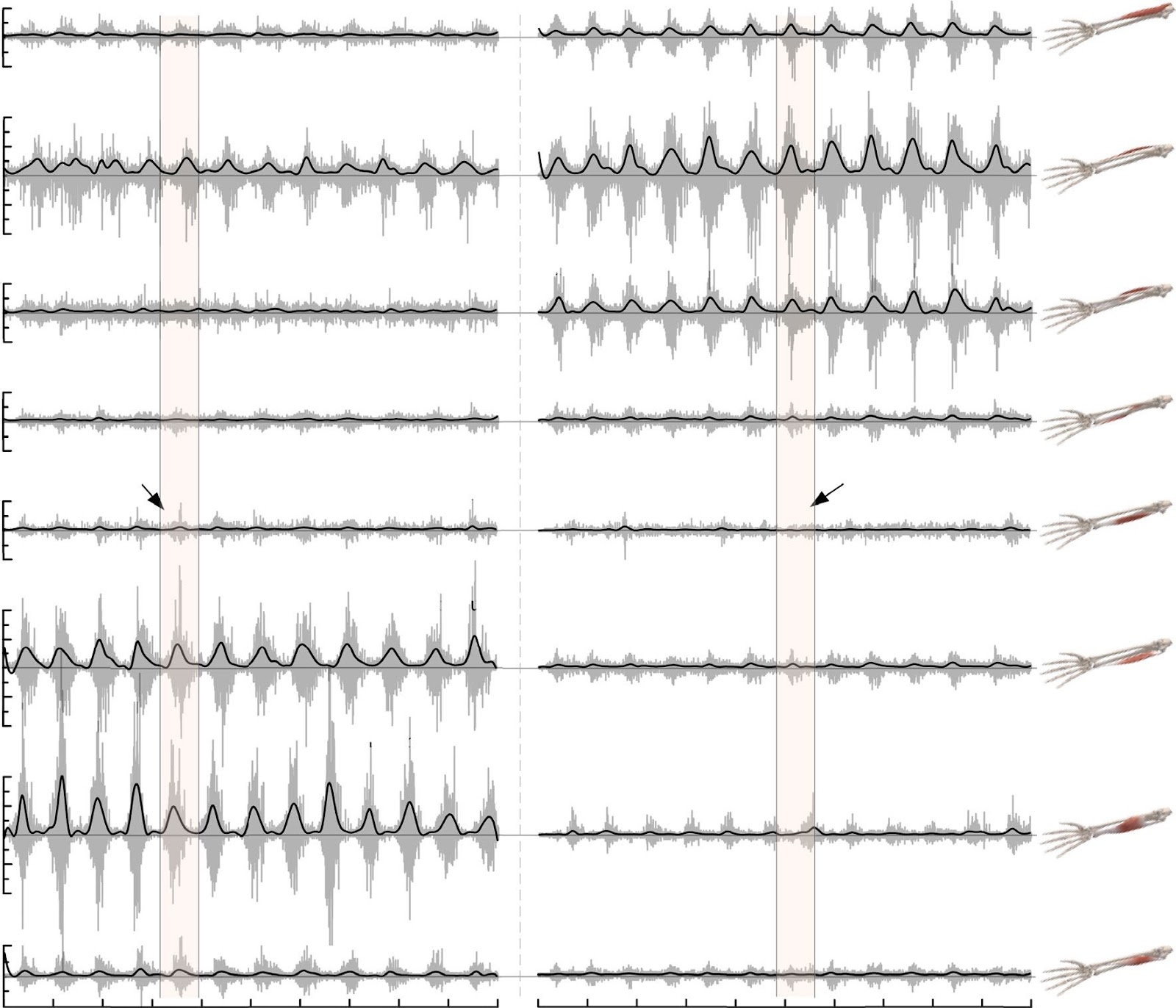
The abundant muscle tissues of the forearm determine the movements of the wrist, hand and fingers together. However, linking wrist kinematics and forearm muscle activation is still a challenging. There may exist blindness in the rehabilitation therapy of forearm muscles, due to the lack of the physiological characteristics of muscle activation and sequences. An armband with eight channels was used to collect surface electromyographic signals (sEMGs) of a specific section of the forearm under the different wrist movements, palm postures, and external loads, based on the image of magnetic resonance imaging (MRI). The collected cross-sectional muscles covered almost all surface muscles. The muscle activation could be expressed clearly by enveloping the sEMG signals of 8 muscles within a single cycle. The root mean square (RMS) and the average peak value VP were used to evaluate the activation intensities of dominant muscles. The activation sequences and the absolute times of dominant muscles were obtained from the envelopes of their raw sEMGs, and not influenced by the palm postures and external loads. In addition, their RMS and VP under each wrist movement increased approximate linearly with external loads. The corresponding contribution ratios were first calculated to evaluate the role played by each muscle. The well-defined data of forearm muscles could provide standard references for the rehabilitation therapy of forearm muscles.
1. Introduction
Proximal limb segments are responsible for limb transport, while distal limb segments are responsible for object manipulation. Wrist and forearm articulations play an important role in enhancing the usefulness of the hand by allowing it to take a variety of orientations with respect to the elbow, which are critical for daily life. The abundant muscle tissues of the forearm determine the movements of the wrist, hand and fingers together. However, linking wrist kinematics and forearm muscle activation is still a challenging and crucial problem [1, 2] for improving prosthetic control [3, 4], developing realistic biomechanical models [5], or improving wrist rehabilitation by more adapted physiotherapy (functional electrical stimulation (FES) [6, 7], infrared therapy [8], massage therapy [9], etc.). Especially, the full benefits of FES may be limited due to lack of a systematic approach to formulate the muscle patterns of stimulation [10].
There are a large number of forearm muscles, and each muscle is roughly divided into flexor or extensor. However, existing research mainly focuses on the mapping between muscles and hand/finger postures [1, 11, 12]. Artificial intelligence algorithms are often used for the pattern recognition based on the forearm surface electromyographic signals (sEMGs) [13], which are used for motion control of prosthetics with multiple degrees of freedom [14]. Hence, the direct and precise mapping between the muscle activation and wrist movements is even more scarce. The well-defined data of activation sequence of each muscle and its contribution to wrist movements under the different palm postures and external loads are urgently needed to better understand the natural organization of neuromuscular control [15].
Electromyographic signals (EMGs) are commonly used to evaluate or express the muscle activation and physiological effect [16]. Intramuscular electrodes are ideal for deep muscles [2], but have some disadvantages: placement requires thorough knowledge of the musculoskeletal anatomy, and is invasive (needle inserted into muscles) and painful. Although sEMG is non-invasive and easy to apply, the recorded signals are dependent on the accurate placement of electrodes over muscles, notably multichannel data acquisition [17]. As a multichannel electromyographic sensor, the armband has attracted increasing attention from researchers [18–20], as it can fully collect sEMG from any cross-section of the forearm at once [21, 22]. Its collection circuit...
Loading authentic research manuscript (Pages 1–5)...
Leiyu Zhang, Xu Sun, Peng Su, Jianfeng Li, Yawei Chang, Yongjian Gao, Li Zhang (2025). Physiological Characteristics of Forearm Muscles During Different Movement Patterns of Wrist. Chinese Journal of Mechanical Engineering. https://doi.org/10.1186/s10033-025-01296-6
Research & Educational Purpose Only:The translations, structured abstracts, analytical annotations, and data reports provided by SinoTechIntel are intended exclusively for academic research, internal corporate R&D, and educational benchmarking. They do not constitute formal engineering, chemical safety, legal, or professional advice.
Copyright & Intellectual Property Notice: Original copyright of the underlying source articles and experimental data remains with the respective authors, institutions, and original publishing journals. SinoTechIntel claims intellectual property only over its proprietary translations, analytical syntheses, and AEO structured enhancements in accordance with international fair use and academic citation principles.
Frequently Asked Questions
What is the main objective of this study?
The study aims to characterize the physiological properties of forearm muscles, including activation intensity, sequence, and contribution ratios, during different wrist movements, palm postures, and external loads, to provide standard references for rehabilitation therapy.
How were forearm muscle signals collected?
An eight-channel armband was used to collect surface electromyographic signals (sEMGs) from a specific forearm cross-section, guided by magnetic resonance imaging (MRI) to ensure coverage of almost all surface muscles.
What are the key findings regarding muscle activation?
Muscle activation sequences and absolute times are independent of palm posture and external load, while activation intensities (RMS and average peak value) increase approximately linearly with external load. Contribution ratios of each muscle were calculated to quantify their roles.
Why is this research important for rehabilitation?
The well-defined data on muscle activation patterns and contributions can help design more targeted and effective rehabilitation protocols, such as functional electrical stimulation (FES), by identifying which muscles to stimulate and in what sequence.
What methods were used to analyze the sEMG signals?
The sEMG signals were enveloped to visualize activation within a single cycle. Root mean square (RMS) and average peak value (VP) were used to evaluate activation intensities, and activation sequences were derived from the envelopes.
Related Technical Papers & Translations
Direct Repair of the Crystal Structure and Coating Surface of Spent LiFePO4 Materials Enables Superfast Li-Ion Migration
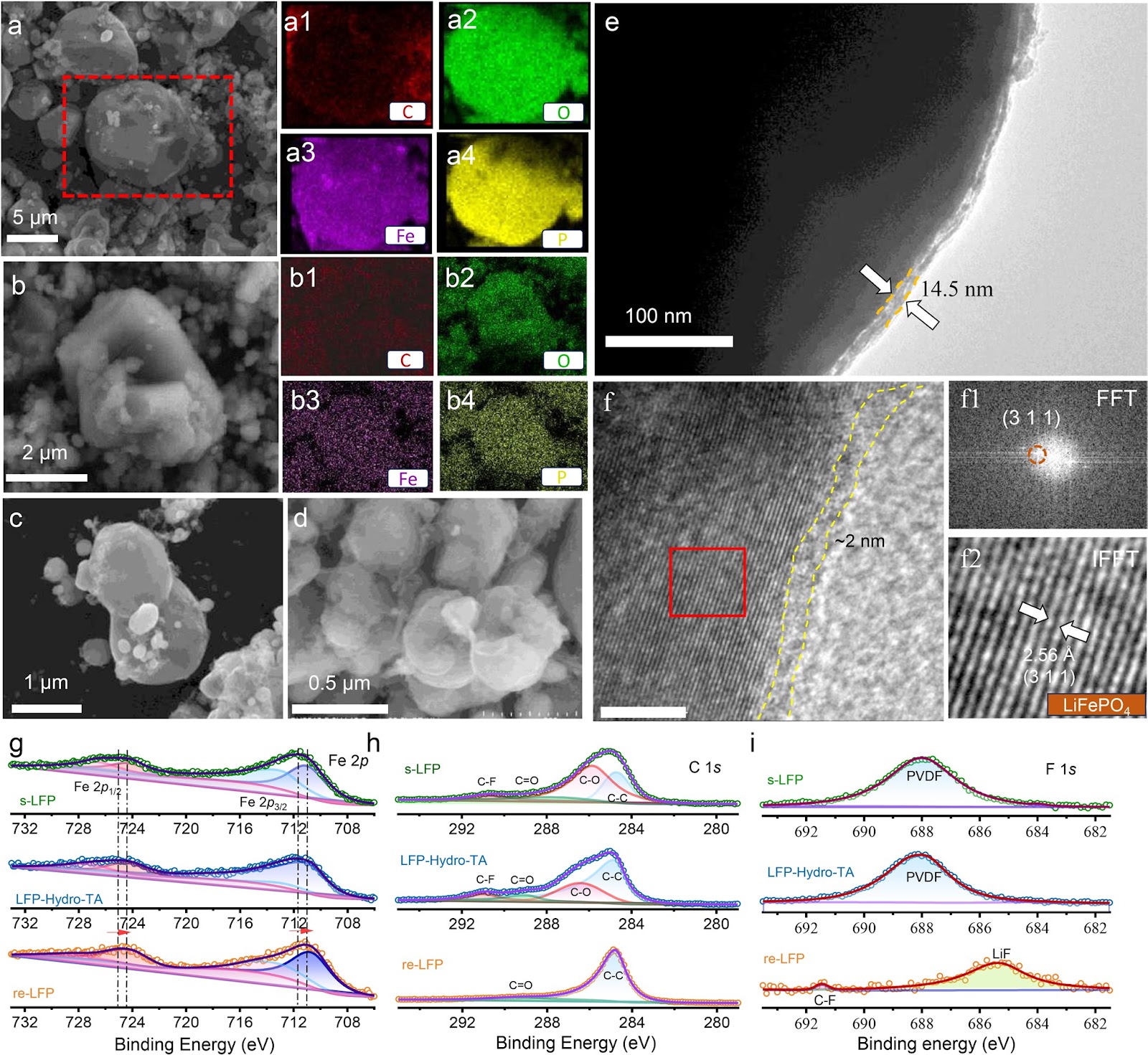
The rapid accumulation of spent LiFePO4 (LFP) cathodes from retired lithium-ion batteries necessitates the development of effective and environmental-friendly recycling strategies. In this context, direct regeneration has emerged as a promising approach for reclaiming LFP cathode materials, offering a streamlined pathway to restore their electrochemical functionality. We report an integrated regeneration protocol that simultaneously repairs the degraded crystal structure and reconstructs the damaged carbon coating in spent LFP. The regenerated cathode material had superfast lithium-ion diffusion kinetics and a stable cathode–electrolyte interface, giving a remarkable rate capability with specific capacities of 122 mAh g−1 at 5C and 106 mAh g−1 at 10C (1C = 170 mA g−1). It also maintained capacities of 110.7 mAh g−1 (5C) and 84.1 mAh g−1 (10C) after 400 cycles. It could be used in harsh environments and could be stably cycled at subzero temperatures (−10 and −20 °C) and in solid-state electrolyte batteries. Life cycle assessment combined with economic evaluation using the EverBatt model reveals that this direct regeneration approach has high economic and environmental benefits.
Oxide Semiconductor for Advanced Memory Architectures: Atomic Layer Deposition, Key Requirement and Challenges
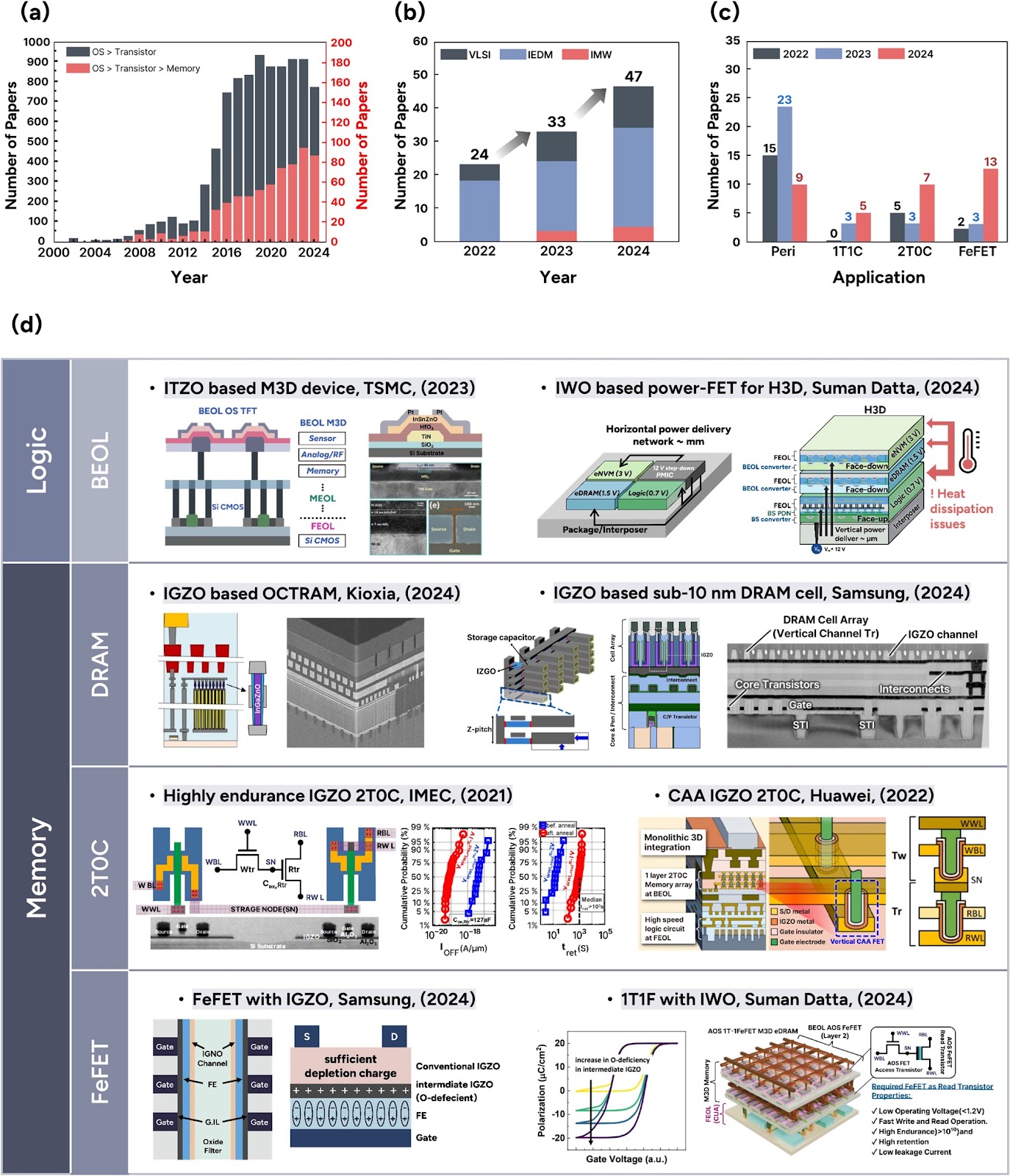
Oxide semiconductors (OSs), introduced by the Hosono group in the early 2000s, have evolved from display backplane materials to promising candidates for advanced memory and logic devices. The exceptionally low leakage current of OSs and compatibility with three-dimensional (3D) architectures have recently sparked renewed interest in their use in semiconductor applications. This review begins by exploring the unique material properties of OSs, which fundamentally originate from their distinct electronic band structure. Subsequently, we focus on atomic layer deposition (ALD), a core technique for growing excellent OS films, covering both basic and advanced processes compatible with 3D scaling. The basic surface reaction mechanisms—adsorption and reaction—and their roles in film growth are introduced. Furthermore, material design strategies, such as cation selection, crystallinity control, anion doping, and heterostructure engineering, are discussed. We also highlight challenges in memory applications, including contact resistance, hydrogen instability, and lack of p-type materials, and discuss the feasibility of ALD-grown OSs as potential solutions. Lastly, we provide an outlook on the role of ALD-grown OSs in memory technologies. This review bridges material fundamentals and device-level requirements, offering a comprehensive perspective on the potential of ALD-driven OSs for next-generation semiconductor memory devices.
Laser powder bed fusion of biodegradable Zn-4Cu alloy: Processing, microstructure and properties
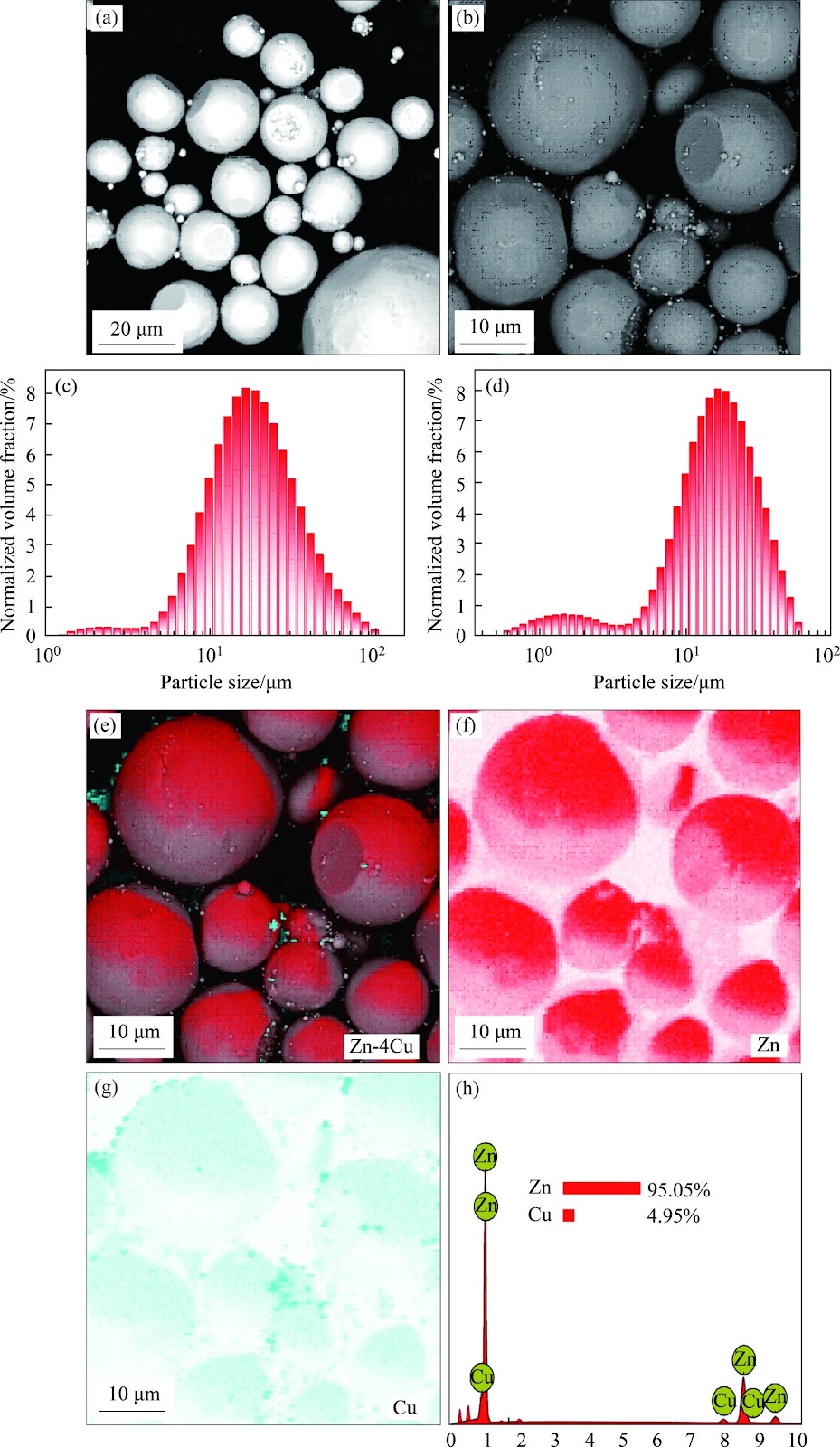
Zn's natural degradability and biocompatibility make it a promising candidate for implants, however, its mechanical properties remain insufficient for bone applications. In this study, the performance of Zn was enhanced by developing Zn-Cu alloys via laser powder bed fusion (LPBF). Optimal LPBF parameters for forming stable tracks were achieved by adjusting laser power and scanning speed. Under optimized conditions of 100 W and 100 mm/s, high-density (99.58%) Zn-Cu alloys with improved hardness (68.2HV) and yield strength (160 MPa) were achieved. These improvements are attributed to solid solution strengthening, segregation strengthening, and grain refinement. The Zn-Cu alloys also demonstrated favorable degradation behavior, with a rate of 0.16 mm/year. This degradation is primarily driven by micro-galvanic corrosion between the CuZn5 phase and Zn matrix, along with refined grains and increased grain boundary density. This work demonstrates a viable strategy for fabricating Zn-based implants with enhanced structural integrity and mechanical performance via LPBF.