SinoTechIntel Academic Portal
🏛️ Indexed Academic Journal

Nano-Micro Letters

Access authentic peer-reviewed engineering methodologies, experimental datasets, and scientific literature published in this journal on SinoTechIntel.

Total Research Papers: 200
Access: 100% Free Open Access
Browse by Publication Year & VolumeReset All Filters ✕

Published Research PapersFiltered: Year 2025 • 17 • Issue 1

Showing 61 of 200 peer-reviewed papers with full Graphical Abstracts.

Original ResearchVol. 17, Issue 1 • pp. 219DOI: 10.1007/s40820-025-01744-xApr 15, 2025

Cost Effectivities Analysis of Perovskite Solar Cells: Will it Outperform Crystalline Silicon Ones?

Authors: Yingming Liu, Ziyang Zhang, Tianhao Wu, Wenxiang Xiang, Zhenzhen Qin, Xiangqian Shen, Yong Peng, Wenzhong Shen, Yongfang Li, Liyuan Han

The commercialization of perovskite solar cells (PSCs) has garnered worldwide attention and many efforts were devoted on the improvement of efficiency and stability. Here, we estimated the cost effectivities of PSCs based on the current industrial condition. Through the analysis of current process, the manufacturing cost and the levelized cost of electricity (LCOE) of PSCs is estimated as 0.57 $ W−1 and 18–22 US cents (kWh)−1, respectively, and we demonstrate the materials cost shares 70% of the total cost. Sensitivity analysis indicates that the improvement of efficiency, yield and decrease in materials cost significantly reduce the cost of the modules. Analysis of the module cost and LCOE indicates that the PSCs have the potential to outperform the silicon solar cells in the condition of over 25% efficiency and 25-year lifetime in future. To achieve this target, it is essential to further refine the fabrication processes of each layer in the module, develop stable inorganic transport materials, and precisely control material formation and processing at the microscale and nanoscale to enhance charge transport.
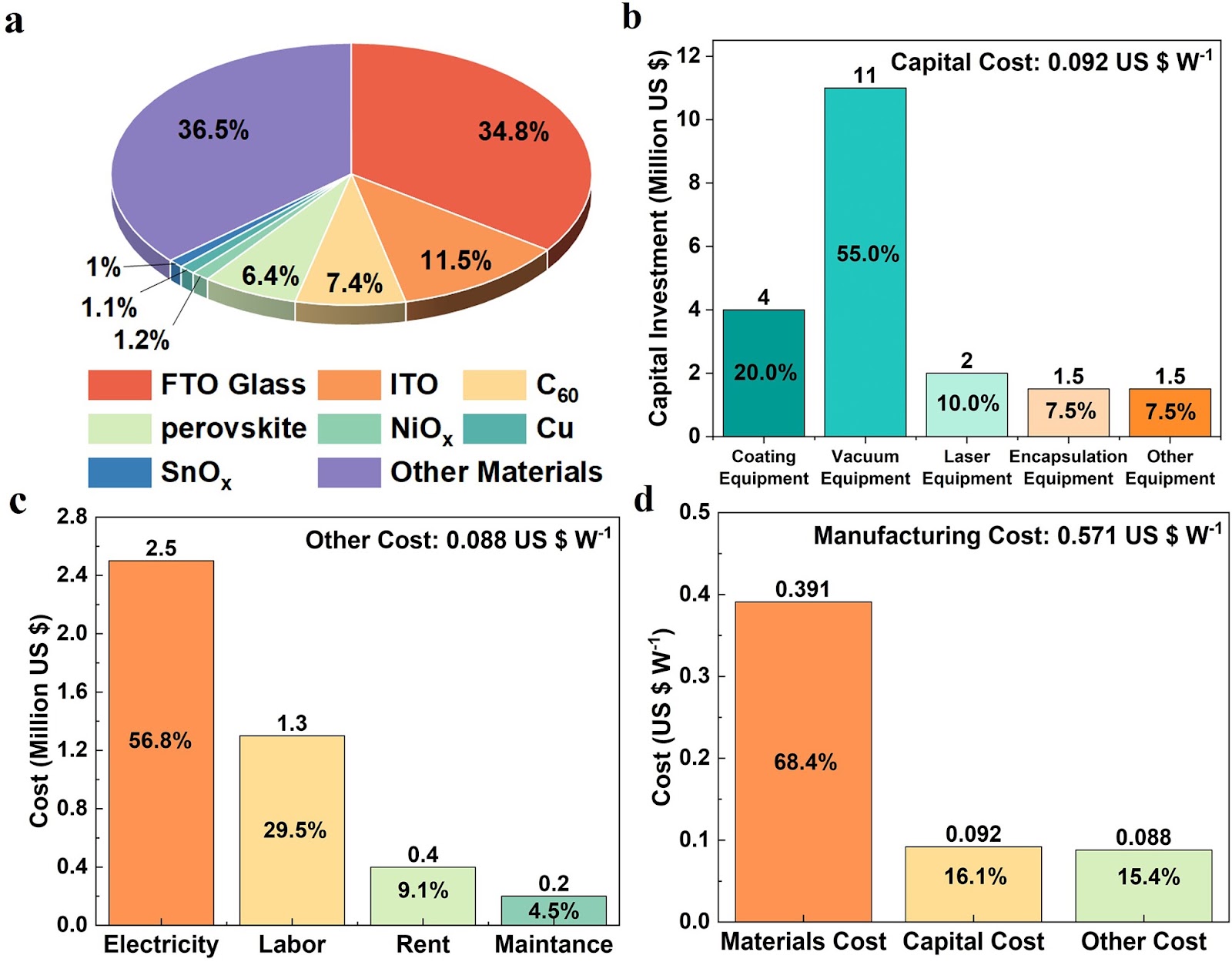
Cost Effectivities Analysis of Perovskite Solar Cells: Will it Outperform Crystalline Silicon Ones?
Graphical Abstract
Original ResearchVol. 17, Issue 1 • pp. 218DOI: 10.1007/s40820-025-01724-1Apr 14, 2025

Integrating Hard Silicon for High-Performance Soft Electronics via Geometry Engineering

Authors: Lei Yan, Zongguang Liu, Junzhuan Wang, Linwei Yu

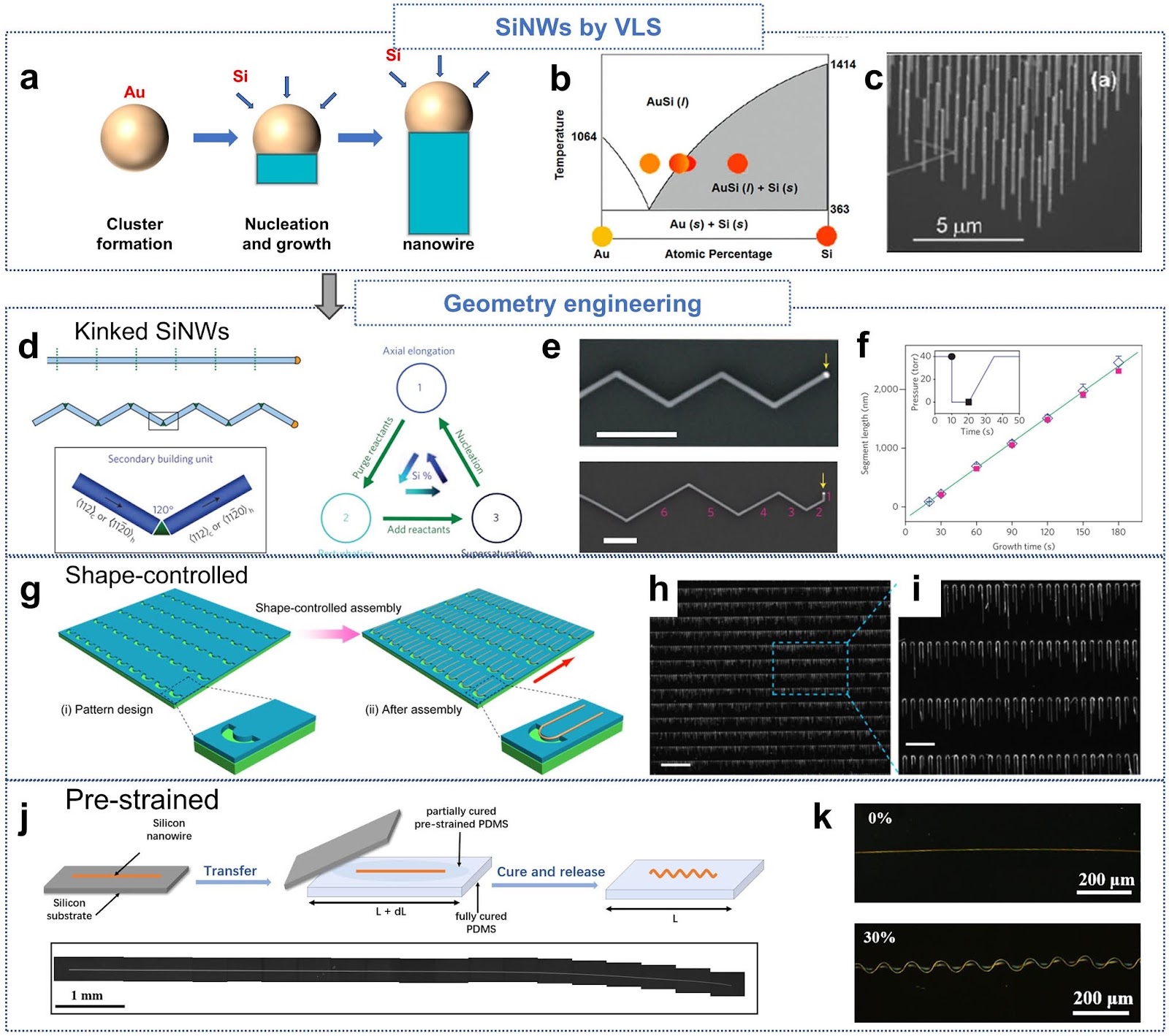
Soft electronics, which are designed to function under mechanical deformation (such as bending, stretching, and folding), have become essential in applications like wearable electronics, artificial skin, and brain-machine interfaces. Crystalline silicon is one of the most mature and reliable materials for high-performance electronics; however, its intrinsic brittleness and rigidity pose challenges for integrating it into soft electronics. Recent research has focused on overcoming these limitations by utilizing structural design techniques to impart flexibility and stretchability to Si-based materials, such as transforming them into thin nanomembranes or nanowires. This review summarizes key strategies in geometry engineering for integrating crystalline silicon into soft electronics, from the use of hard silicon islands to creating out-of-plane foldable silicon nanofilms on flexible substrates, and ultimately to shaping silicon nanowires using vapor–liquid–solid or in-plane solid–liquid–solid techniques. We explore the latest developments in Si-based soft electronic devices, with applications in sensors, nanoprobes, robotics, and brain-machine interfaces. Finally, the paper discusses the current challenges in the field and outlines future research directions to enable the widespread adoption of silicon-based flexible electronics.

Integrating Hard Silicon for High-Performance Soft Electronics via Geometry Engineering
Graphical Abstract
Original ResearchVol. 17, Issue 1 • pp. 214DOI: 10.1007/s40820-025-01728-xApr 14, 2025

Muscle-Inspired Anisotropic Aramid Nanofibers Aerogel Exhibiting High-Efficiency Thermoelectric Conversion and Precise Temperature Monitoring for Firefighting Clothing

Authors: Zhicai Yu, Yuhang Wan, Mi Zhou, Md Hasib Mia, Siqi Huo, Lele Huang, Jie Xu, Qing Jiang, Zhenrong Zheng, Xiaodong Hu, Hualing He

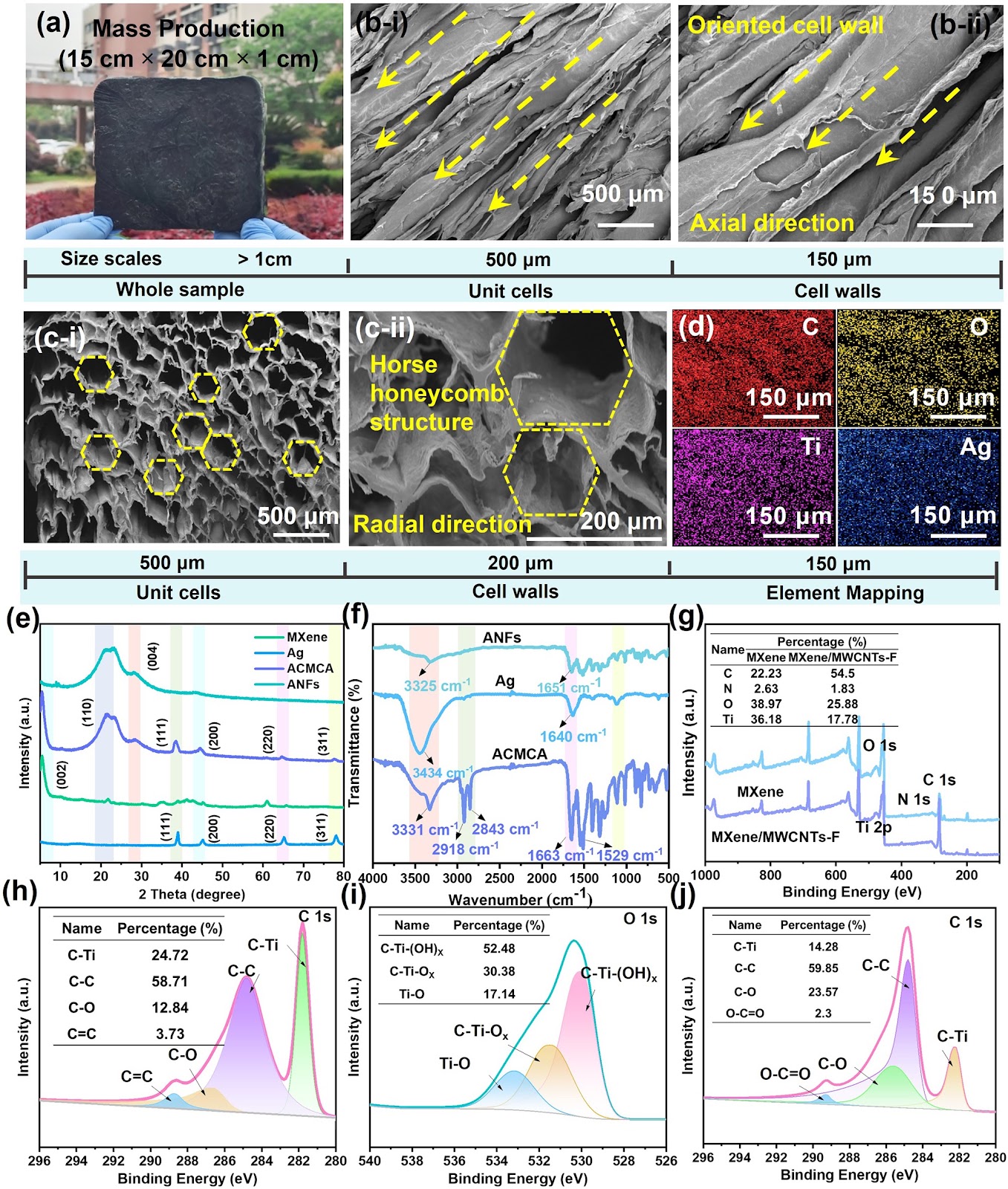
Enhancing the firefighting protective clothing with exceptional thermal barrier and temperature sensing functions to ensure high fire safety for firefighters has long been anticipated, but it remains a major challenge. Herein, inspired by the human muscle, an anisotropic fire safety aerogel (ACMCA) with precise self-actuated temperature monitoring performance is developed by combining aramid nanofibers with eicosane/MXene to form an anisotropically oriented conductive network. By combining the two synergies of the negative temperature-dependent thermal conductive eicosane, which induces a high-temperature differential, and directionally ordered MXene that establishes a conductive network along the directional freezing direction. The resultant ACMCA exhibited remarkable thermoelectric properties, with S values reaching 46.78 μV K−1 and κ values as low as 0.048 W m−1 K−1 at room temperature. Moreover, the prepared anisotropic aerogel ACMCA exhibited electrical responsiveness to temperature variations, facilitating its application in intelligent temperature monitoring systems. The designed anisotropic aerogel ACMCA could be incorporated into the firefighting clothing as a thermal barrier layer, demonstrating a wide temperature sensing range (50–400 °C) and a rapid response time for early high-temperature alerts (~1.43 s). This work provides novel insights into the design and application of temperature-sensitive anisotropic aramid nanofibers aerogel in firefighting clothing.

Muscle-Inspired Anisotropic Aramid Nanofibers Aerogel Exhibiting High-Efficiency Thermoelectric Conversion and Precise Temperature Monitoring for Firefighting Clothing
Graphical Abstract
Original ResearchVol. 17, Issue 1 • pp. 215DOI: 10.1007/s40820-025-01745-wApr 14, 2025

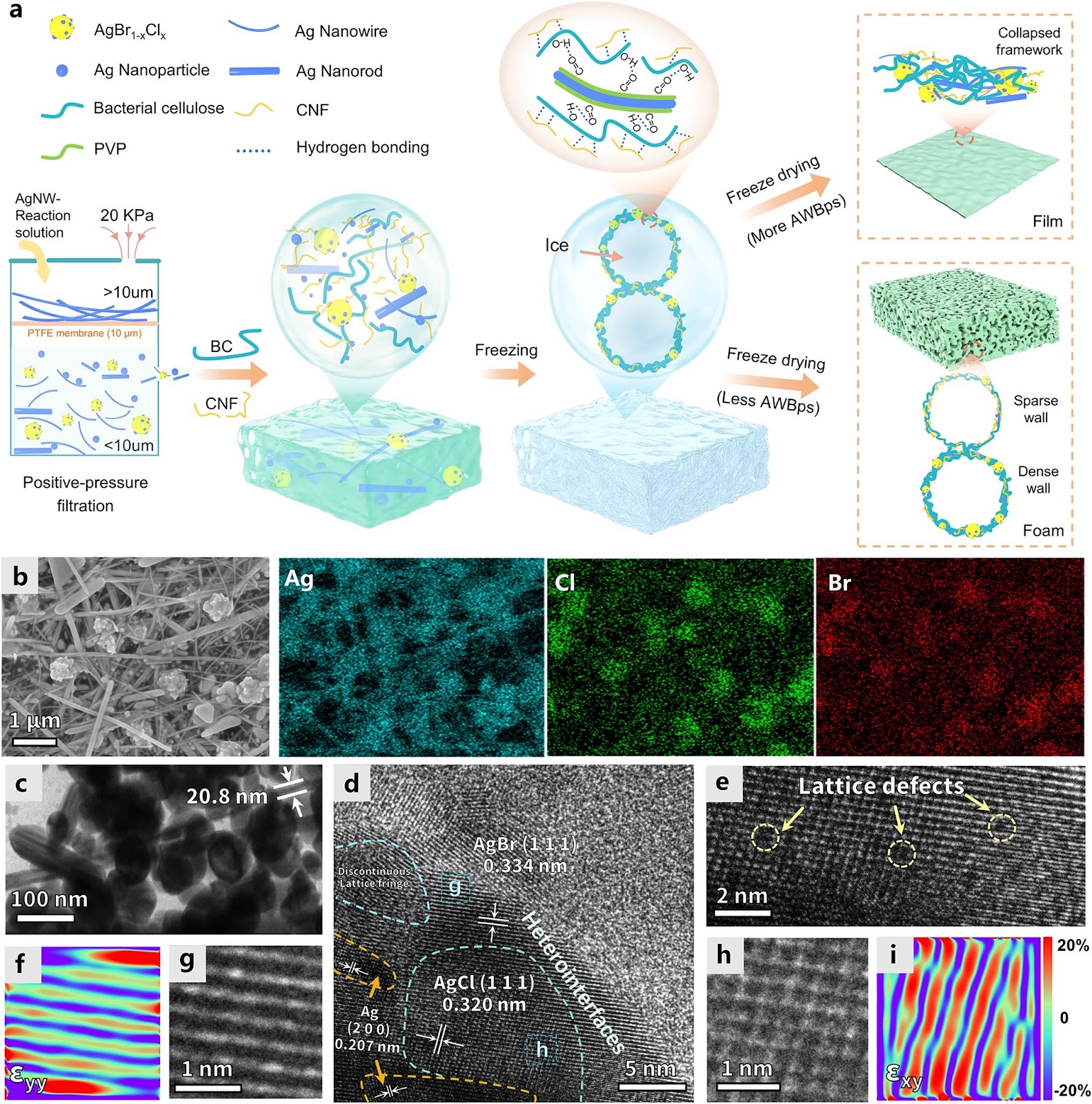
Intelligent Point-of-Care Biosensing Platform Based on Luminescent Nanoparticles and Microfluidic Biochip with Machine Vision Algorithm Analysis

Authors: Yuan Liu, Xinyue Lao, Man-Chung Wong, Menglin Song, Yifei Zhao, Yingjin Ma, Qianqian Bai, Jianhua Hao

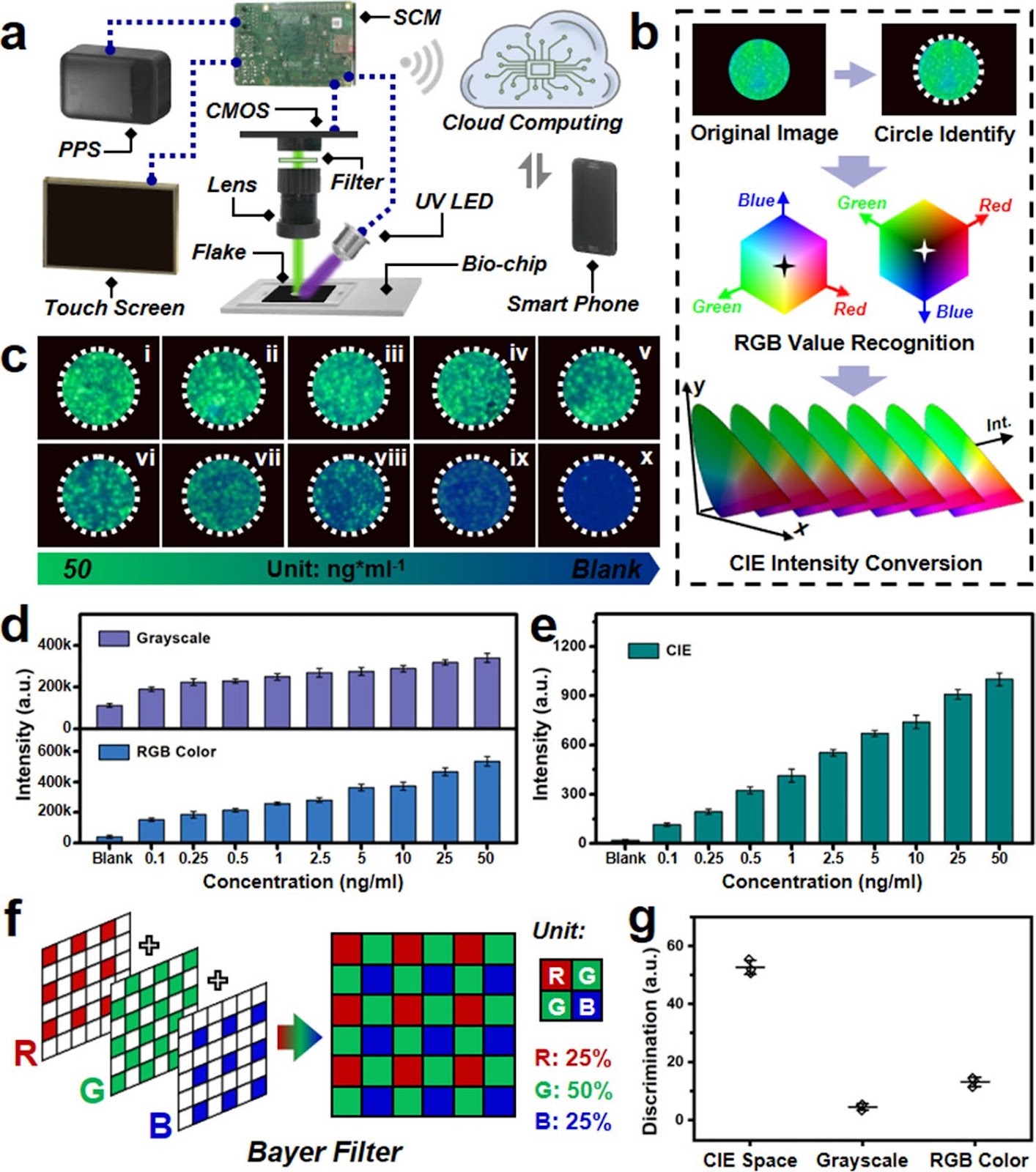
Realizing the point-of-care tumor markers biodetection with good convenience and high sensitivity possesses great significance for prompting cancer monitoring and screening in biomedical study field. Herein, the quantum dots luminescence and microfluidic biochip with machine vision algorithm-based intelligent biosensing platform have been designed and manufactured for point-of-care tumor markers diagnostics. The employed quantum dots with excellent photoluminescent performance are modified with specific antibody as the optical labeling agents for the designed sandwich structure immunoassay. The corresponding biosensing investigations of the designed biodetection platform illustrate several advantages involving high sensitivity (~0.021 ng mL−1), outstanding accessibility, and great integrability. Moreover, related test results of human-sourced artificial saliva samples demonstrate better detection capabilities compared with commercially utilized rapid test strips. Combining these infusive abilities, our elaborate biosensing platform is expected to exhibit potential applications for the future point-of-care tumor markers diagnostic area.

Intelligent Point-of-Care Biosensing Platform Based on Luminescent Nanoparticles and Microfluidic Biochip with Machine Vision Algorithm Analysis
Graphical Abstract
Original ResearchVol. 17, Issue 1 • pp. 217DOI: 10.1007/s40820-025-01705-4Apr 14, 2025

Low-Power Memristor for Neuromorphic Computing: From Materials to Applications

Authors: Zhipeng Xia, Xiao Sun, Zhenlong Wang, Jialin Meng, Boyan Jin, Tianyu Wang

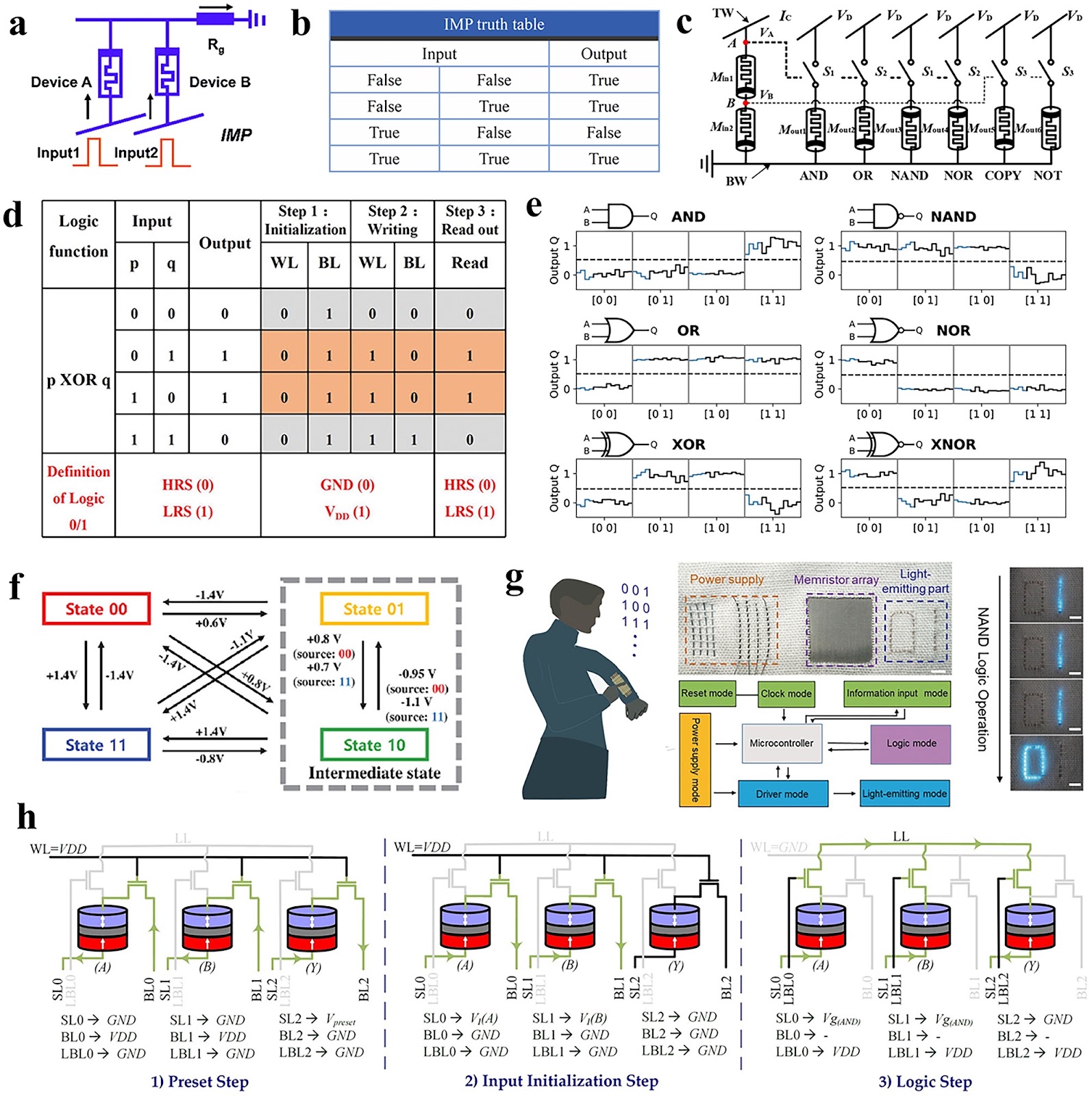
As an emerging memory device, memristor shows great potential in neuromorphic computing applications due to its advantage of low power consumption. This review paper focuses on the application of low-power-based memristors in various aspects. The concept and structure of memristor devices are introduced. The selection of functional materials for low-power memristors is discussed, including ion transport materials, phase change materials, magnetoresistive materials, and ferroelectric materials. Two common types of memristor arrays, 1T1R and 1S1R crossbar arrays are introduced, and physical diagrams of edge computing memristor chips are discussed in detail. Potential applications of low-power memristors in advanced multi-value storage, digital logic gates, and analogue neuromorphic computing are summarized. Furthermore, the future challenges and outlook of neuromorphic computing based on memristor are deeply discussed.

Low-Power Memristor for Neuromorphic Computing: From Materials to Applications
Graphical Abstract
Original ResearchVol. 17, Issue 1 • pp. 213DOI: 10.1007/s40820-025-01710-7Apr 11, 2025

Breaking Boundaries: Advancing Trisulfur Radical-Mediated Catalysis for High-Performance Lithium–Sulfur Batteries

Authors: Junfeng Wu, Bohai Zhang, Zhiqi Zhao, Yuehui Hou, Yufeng Wang, Ruizheng Zhao, Hao Zhang, Jiandong Hu, Ke Yang, Bin Tang, Zhen Zhou

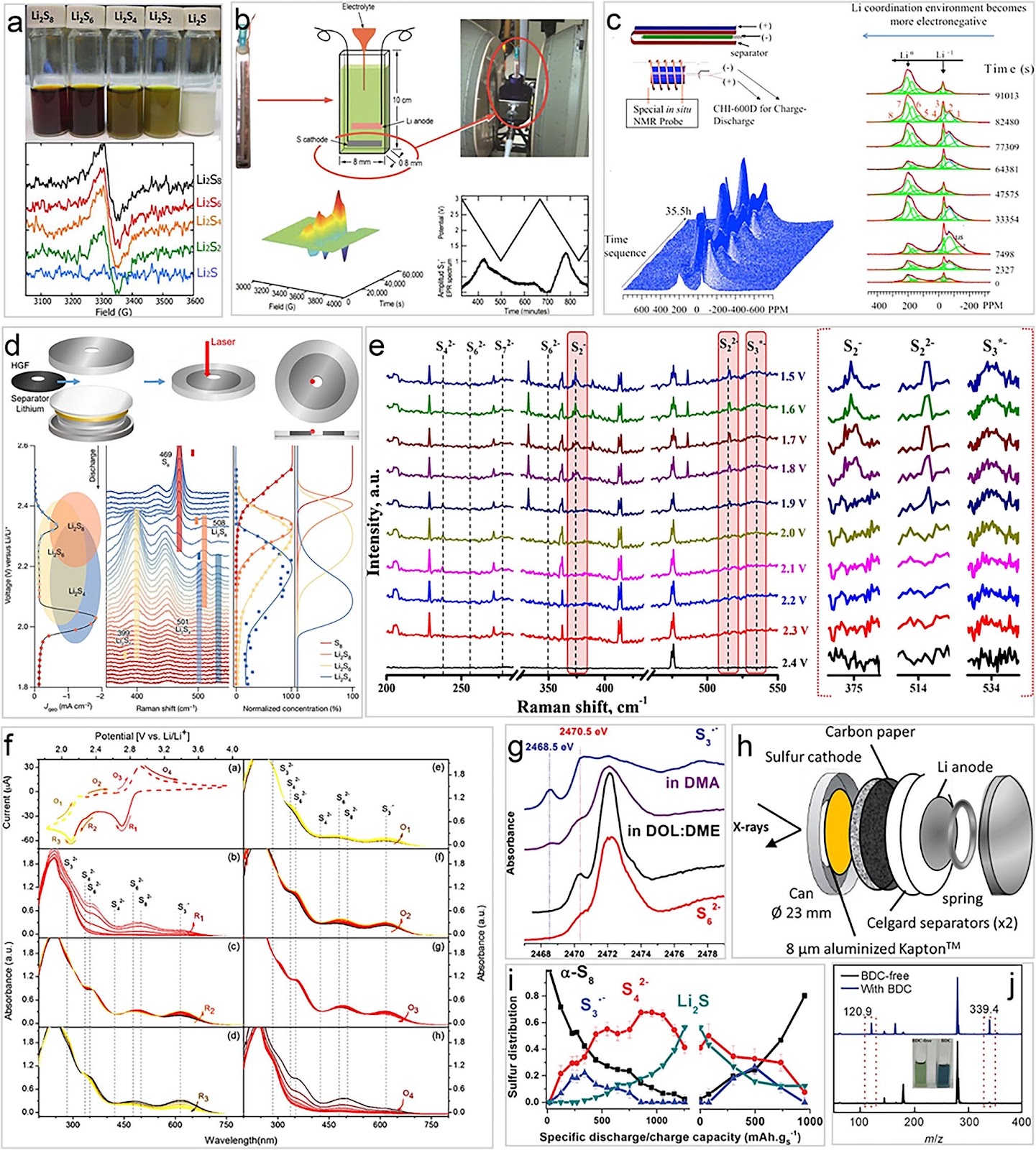
Lithium–sulfur batteries (LSBs) have attracted significant attention due to their high theoretical energy density and low-cost raw materials. However, LSBs still face various challenges in practical applications, particularly the shuttle effect, electrode passivation, and slow kinetics. In recent years, trisulfur radicals (TRs), important intermediates in LSBs, have emerged as a promising and beyond-traditional solution to these problems, which serves as a mediated catalyst to improve the electrochemical performance of LSBs. As a system that is inconsistent with the catalytic conversion process discussed in the traditional LSBs, this review focuses on the generation, detection, promotion, and catalytic roles of TRs, especially emphasizing the formation of TRs in solid-state lapis lazuli analogs and discussing the pros and cons of high donor number solvents and/or their co-solvents in stabilizing TRs. Strategies involving homogeneous/heterogeneous catalysts are discussed for increment of TRs and enhancing catalytic reactions in LSBs. Ultimately, given TRs’ significant potential as a key factor in enhancing the performance of LSBs, future perspectives and outlooks are provided to guide the further development of TRs in LSBs. This review provides valuable insights into the design of electrolytes and catalysts for increment of TRs, paving the new practical direction and way for advanced LSBs.

Breaking Boundaries: Advancing Trisulfur Radical-Mediated Catalysis for High-Performance Lithium–Sulfur Batteries
Graphical Abstract
Original ResearchVol. 17, Issue 1 • pp. 208DOI: 10.1007/s40820-025-01716-1Apr 9, 2025

Highly Permeable and Liquid-Repellent Textiles with Micro-Nano-Networks for Medical and Health Protection

Authors: Na Meng, Yuen Hu, Yufei Zhang, Ningbo Cheng, Yanyan Lin, Chengfeng Ding, Qingyu Chen, Shaoju Fu, Zhaoling Li, Xianfeng Wang, Jianyong Yu, Bin Ding

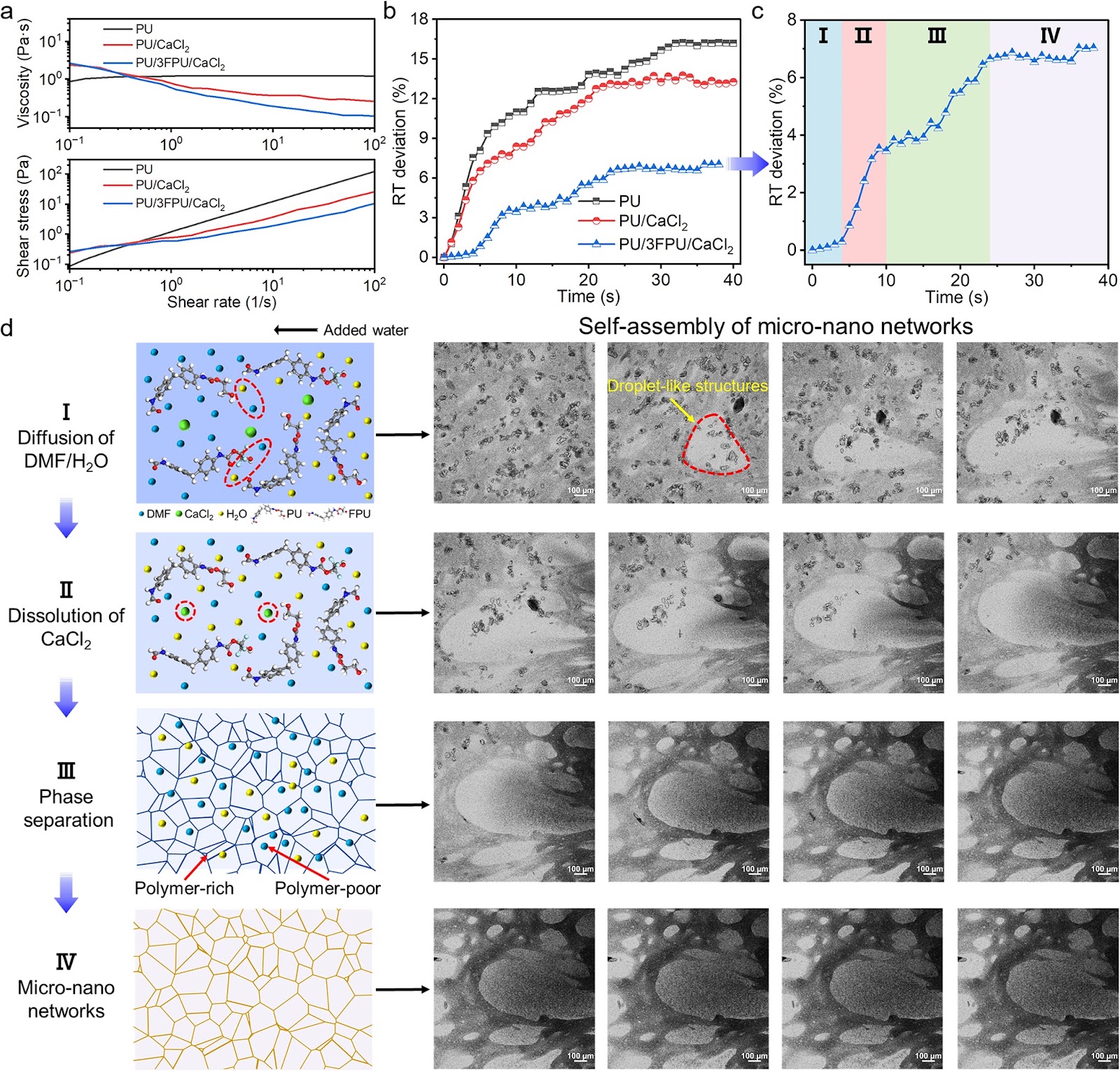
Current protective clothing often lacks sufficient comfort to ensure efficient performance of healthcare workers. Developing protective textiles with high air and moisture permeability is a potential and effective solution to discomfort of medical protective clothing. However, realizing the facile production of a protective textile that combines safety and comfort remains a challenge. Herein, we report the fabrication of highly permeable protective textiles (HPPT) with micro/nano-networks, using non-solvent induced phase separation synergistically driven by CaCl2 and fluorinated polyurethane, combined with spraying technique. The HPPT demonstrates excellent liquid repellency and comfort, ensuring high safety and a dry microenvironment for the wearer. The textile exhibits not only a high hydrostatic pressure (12.86 kPa) due to its tailored small mean pore size (1.03 μm) and chemical composition, but also demonstrates excellent air permeability (14.24 mm s−1) and moisture permeability (7.92 kg m−2 d−1) owing to the rational combination of small pore size and high porosity (69%). The HPPT offers superior comfort compared to the commercially available protective materials. Additionally, we elucidated a molding mechanism synergistically inducted by diffusion–dissolution-phase separation. This research provides an innovative perspective on enhancing the comfort of medical protective clothing and offers theoretical support for regulating of pore structure during phase separations.

Highly Permeable and Liquid-Repellent Textiles with Micro-Nano-Networks for Medical and Health Protection
Graphical Abstract
Original ResearchVol. 17, Issue 1 • pp. 206DOI: 10.1007/s40820-025-01715-2Apr 1, 2025

Achieving 20% Toluene-Processed Binary Organic Solar Cells via Secondary Regulation of Donor Aggregation in Sequential Processing

Authors: Yufei Wang, Chuanlin Gao, Wen Lei, Tao Yang, Zezhou Liang, Kangbo Sun, Chaoyue Zhao, Lu Chen, Liangxiang Zhu, Haoxuan Zeng, Xiaokang Sun, Bin He, Hanlin Hu, Zeguo Tang, Mingxia Qiu, Shunpu Li, Peigang Han, Guangye Zhang

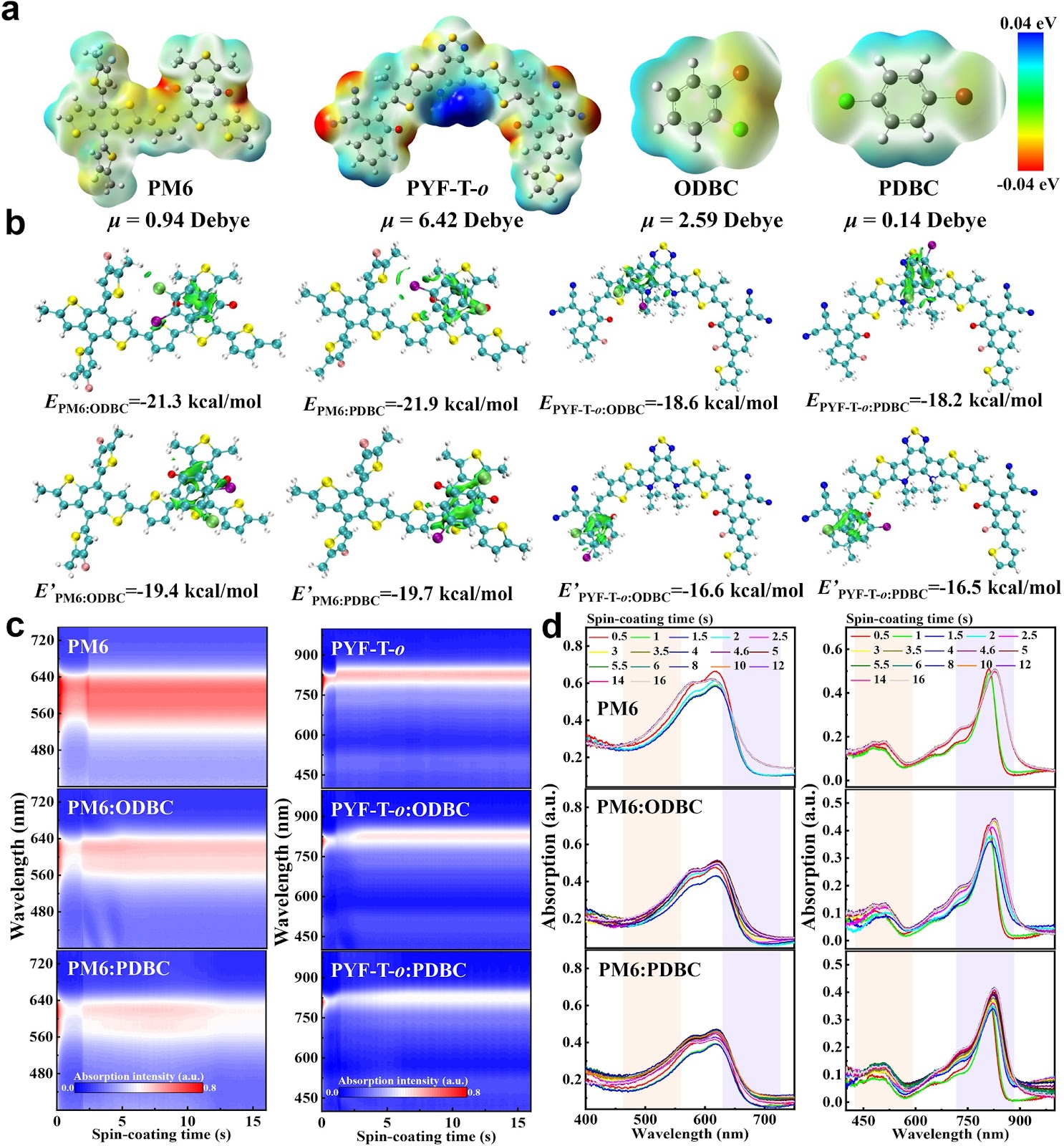
Sequential processing (SqP) of the active layer offers independent optimization of the donor and acceptor with more targeted solvent design, which is considered the most promising strategy for achieving efficient organic solar cells (OSCs). In the SqP method, the favorable interpenetrating network seriously depends on the fine control of the bottom layer swelling. However, the choice of solvent(s) for both the donor and acceptor have been mostly based on a trial-and-error manner. A single solvent often cannot achieve sufficient yet not excessive swelling, which has long been a difficulty in the high efficient SqP OSCs. Herein, two new isomeric molecules are introduced to fine-tune the nucleation and crystallization dynamics that allows judicious control over the swelling of the bottom layer. The strong non-covalent interaction between the isomeric molecule and active materials provides an excellent driving force for optimize the swelling-process. Among them, the molecule with high dipole moment promotes earlier nucleation of the PM6 and provides extended time for crystallization during SqP, improving bulk morphology and vertical phase segregation. As a result, champion efficiencies of 17.38% and 20.00% (certified 19.70%) are achieved based on PM6/PYF-T-o (all-polymer) and PM6/BTP-eC9 devices casted by toluene solvent.

Achieving 20% Toluene-Processed Binary Organic Solar Cells via Secondary Regulation of Donor Aggregation in Sequential Processing
Graphical Abstract
Original ResearchVol. 17, Issue 1 • pp. 204DOI: 10.1007/s40820-025-01721-4Mar 31, 2025

An Ultra-Thin Wearable Thermoelectric Paster Based on Structured Organic Ion Gel Electrolyte

Authors: Zhijian Du, La Li, Guozhen Shen

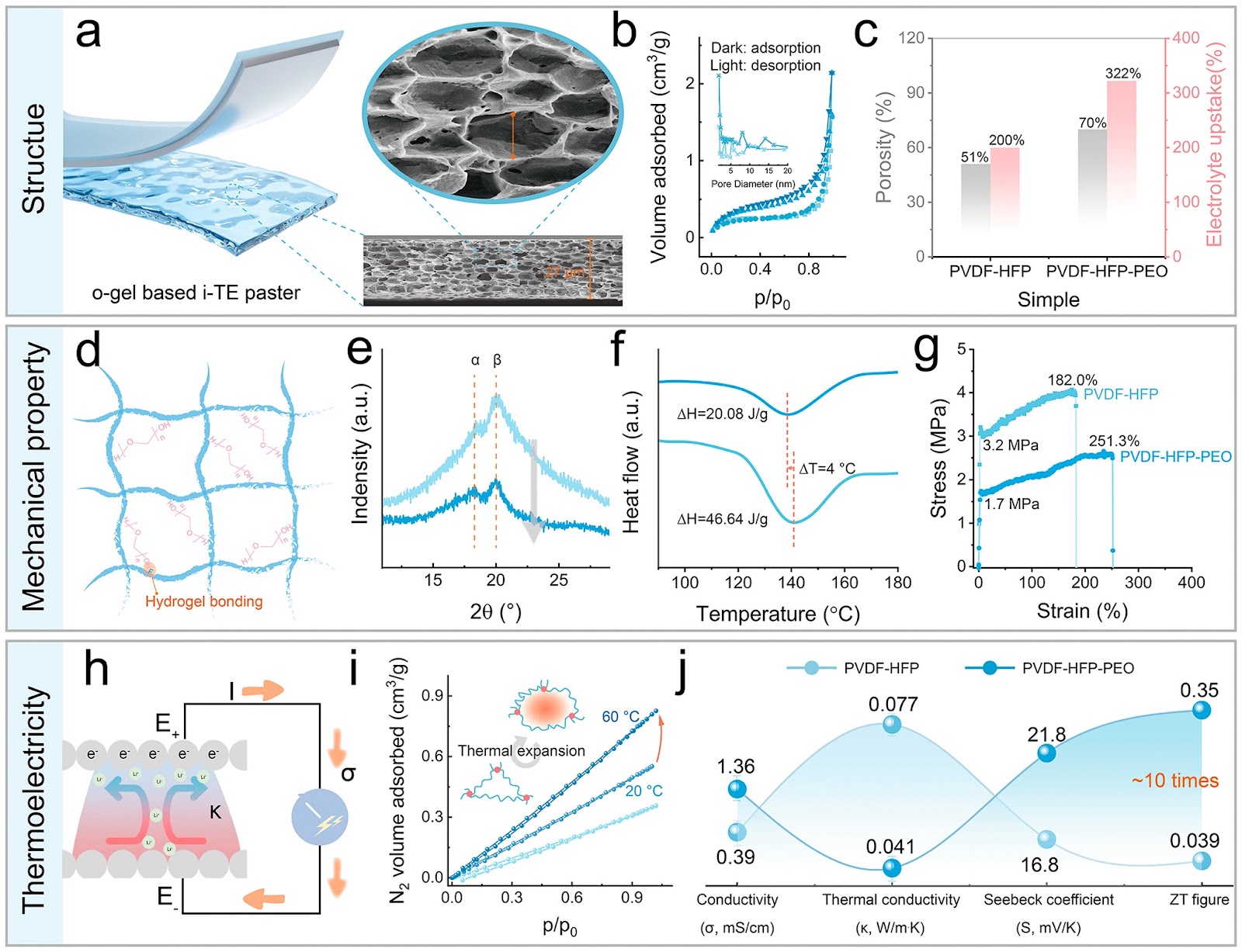
Thermoelectric technology that utilizes thermodynamic effects to convert thermal energy into electrical energy has greatly expanded wearable health monitoring, personalized detecting, and communicating applications. Encouragingly, thermoelectric technology assisted by artificial intelligence exerts great development potential in wearable electronic devices that rely on the self-sustainable operation of human body heat. Ionic thermoelectric (i-TE) devices that possess high Seebeck coefficients and a constant and stable electrical output are expected to achieve an effective conversation of thermal energy harvesting. Herein, we developed an i-TE paster for thermal chargeable energy storage, temperature-triggered material recognition, contact/non-contact temperature detection, and photo thermoelectric conversion applications. An all-solid-state organic ionic gel electrolyte (PVDF-HFP-PEO gel) with onion epidermal cells-like structure was sandwiched between two electrodes, which take full advantage of a synergy between the Soret effect and the polymer thermal expansion effect, thus achieving the enhanced ZT value up to 900% compared with the PEO-free electrolyte. The i-TE device delivers a Seebeck coefficient of 28 mV K−1, a maximum energy conversion efficiency of 1.3% in performance, and ultra-thin and skin-attachable properties in wearability, which demonstrate the great potential and application prospect of the i-TE paster in self-sustainable wearable electronics.

An Ultra-Thin Wearable Thermoelectric Paster Based on Structured Organic Ion Gel Electrolyte
Graphical Abstract
Original ResearchVol. 17, Issue 1 • pp. 205DOI: 10.1007/s40820-025-01718-zMar 31, 2025

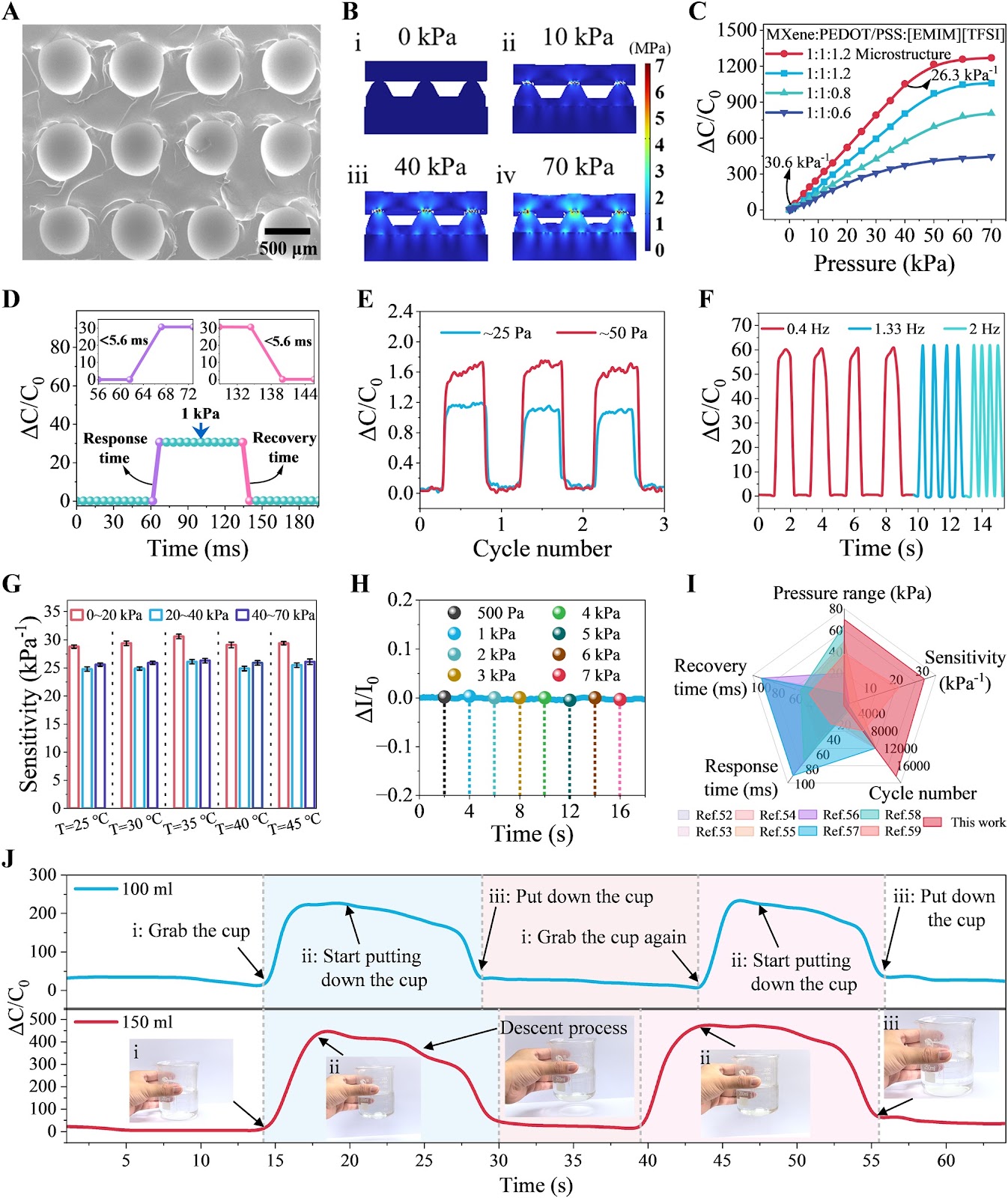
Boosting Sensitivity of Cellulose Pressure Sensor via Hierarchically Porous Structure

Authors: Minzhang Chen, Xiaoni An, Fengyan Zhao, Pan Chen, Junfeng Wang, Miaoqian Zhang, Ang Lu

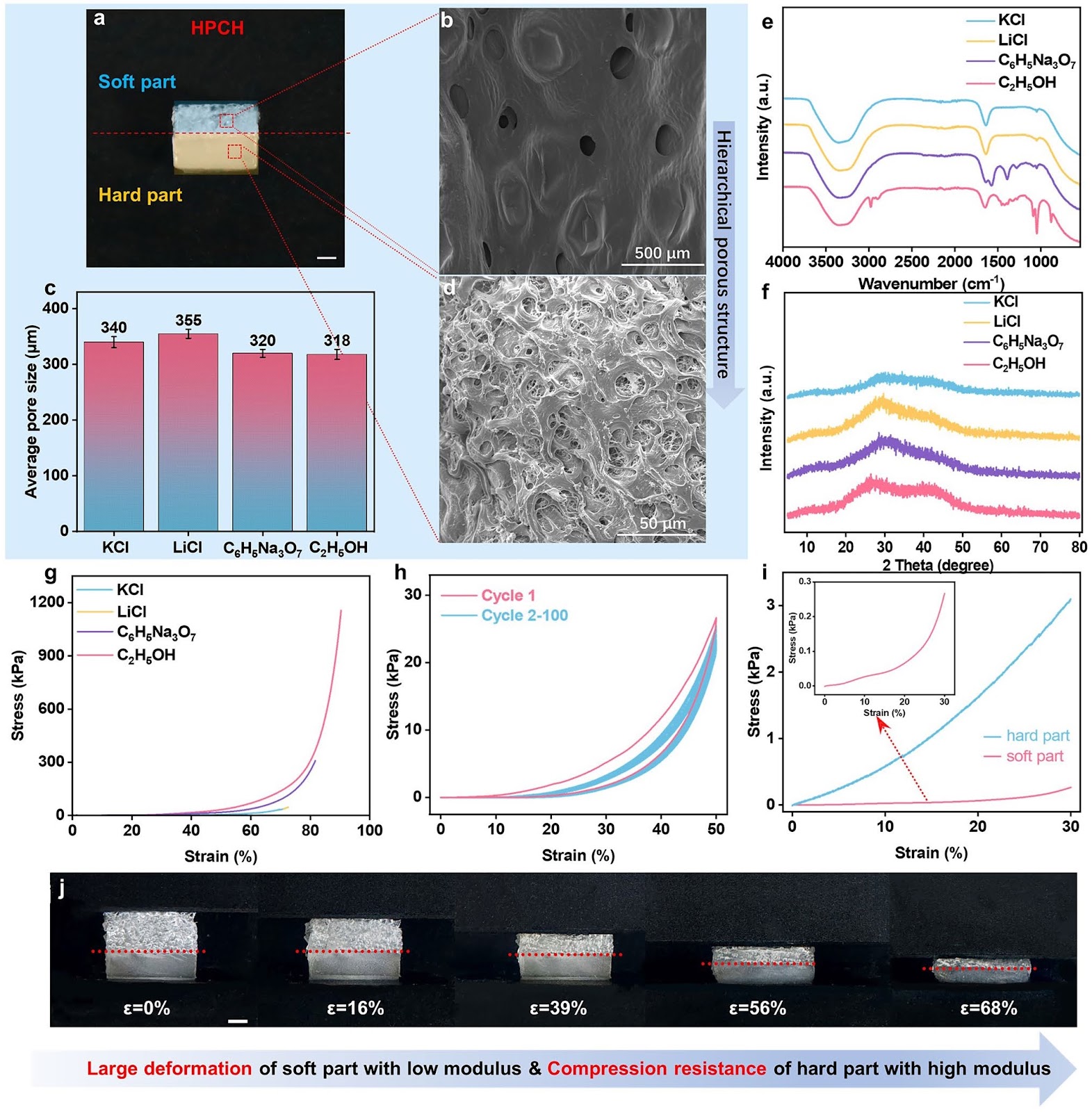
Pressure sensors are essential for a wide range of applications, including health monitoring, industrial diagnostics, etc. However, achieving both high sensitivity and mechanical ability to withstand high pressure in a single material remains a significant challenge. This study introduces a high-performance cellulose hydrogel inspired by the biomimetic layered porous structure of human skin. The hydrogel features a novel design composed of a soft layer with large macropores and a hard layer with small micropores, each of which contribute uniquely to its pressure-sensing capabilities. The macropores in the soft part facilitate significant deformation and charge accumulation, providing exceptional sensitivity to low pressures. In contrast, the microporous structure in the hard part enhances pressure range, ensuring support under high pressures and preventing structural failure. The performance of hydrogel is further optimized through ion introduction, which improves its conductivity, and as well the sensitivity. The sensor demonstrated a high sensitivity of 1622 kPa⁻¹, a detection range up to 160 kPa, excellent conductivity of 4.01 S m⁻¹, rapid response time of 33 ms, and a low detection limit of 1.6 Pa, outperforming most existing cellulose-based sensors. This innovative hierarchically porous architecture not only enhances the pressure-sensing performance but also offers a simple and effective approach for utilizing natural polymers in sensing technologies. The cellulose hydrogel demonstrates significant potential in both health monitoring and industrial applications, providing a sensitive, durable, and versatile solution for pressure sensing.

Boosting Sensitivity of Cellulose Pressure Sensor via Hierarchically Porous Structure
Graphical Abstract
Original ResearchVol. 17, Issue 1 • pp. 203DOI: 10.1007/s40820-025-01707-2Mar 28, 2025

Engineering Bipolar Doping in a Janus Dual-Atom Catalyst for Photo-Enhanced Rechargeable Zn-Air Battery

Authors: Ning Liu, Yinwu Li, Wencai Liu, Zhanhao Liang, Bin Liao, Fang Yang, Ming Zhao, Bo Yan, Xuchun Gui, Hong Bin Yang, Dingshan Yu, Zhiping Zeng, Guowei Yang

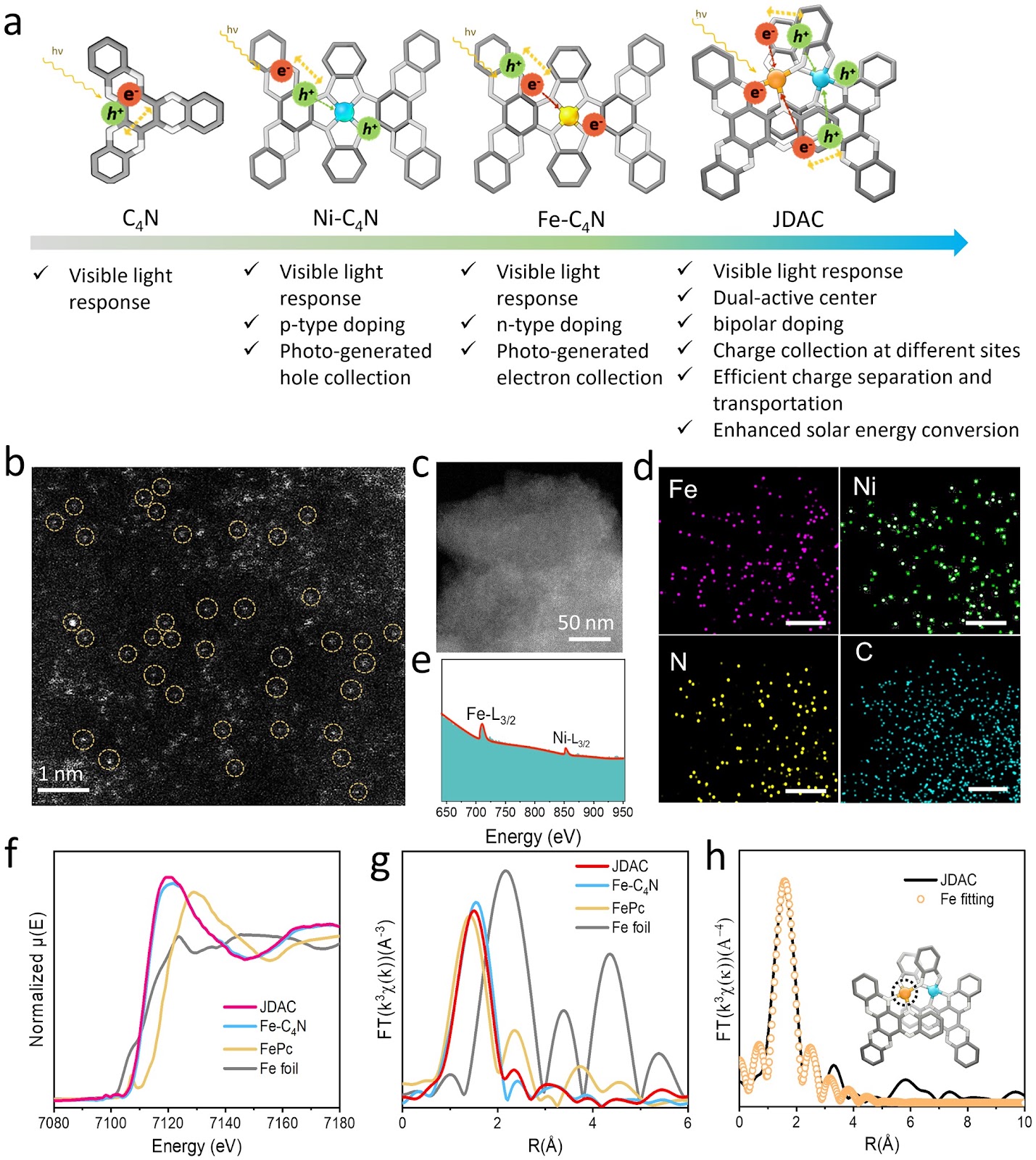
Harnessing solar energy to enhance the rechargeable zinc–air batteries (RZABs) performance is a promising avenue toward sustainable energy storage and conversion. Simultaneously enhancing light-absorption capacity and carrier separation efficiency in nanomaterials, as well as improving electrical conductivity and configuration for electrocatalysis, presents a formidable challenge due to inherent trade-offs and interdependencies. Here, we have developed a Janus dual-atom catalyst (JDAC) with bifunctional centers for efficient charge separation and electrocatalytic performance through a bipolar doping strategy. The in situ X-ray absorption near-edge structure and Raman spectroscopy analyses demonstrated that the Ni and Fe centers in JDAC not only function as effective sites for oxygen evolution reaction and oxygen reduction reaction, respectively, but also serve as efficient hole and electron enrichment sites, effectively suppressing photoelectron recombination while enhancing photocurrent generation. As a result, the assembled JDAC-based light-assisted RZABs exhibited extraordinary stability at large current densities. This work delivers pivotal insight to design Janus dual-atom catalysts that efficiently convert solar energy into electric and chemical energy.

Engineering Bipolar Doping in a Janus Dual-Atom Catalyst for Photo-Enhanced Rechargeable Zn-Air Battery
Graphical Abstract
Original ResearchVol. 17, Issue 1 • pp. 201DOI: 10.1007/s40820-025-01706-3Mar 26, 2025

Tunable Platform Capacity of Metal–Organic Frameworks via High-Entropy Strategy for Ultra-Fast Sodium Storage

Authors: Shusheng Tao, Ziwei Cao, Xuhuan Xiao, Zirui Song, Dengyi Xiong, Ye Tian, Wentao Deng, Youcai Liu, Hongshuai Hou, Guoqiang Zou, Xiaobo Ji

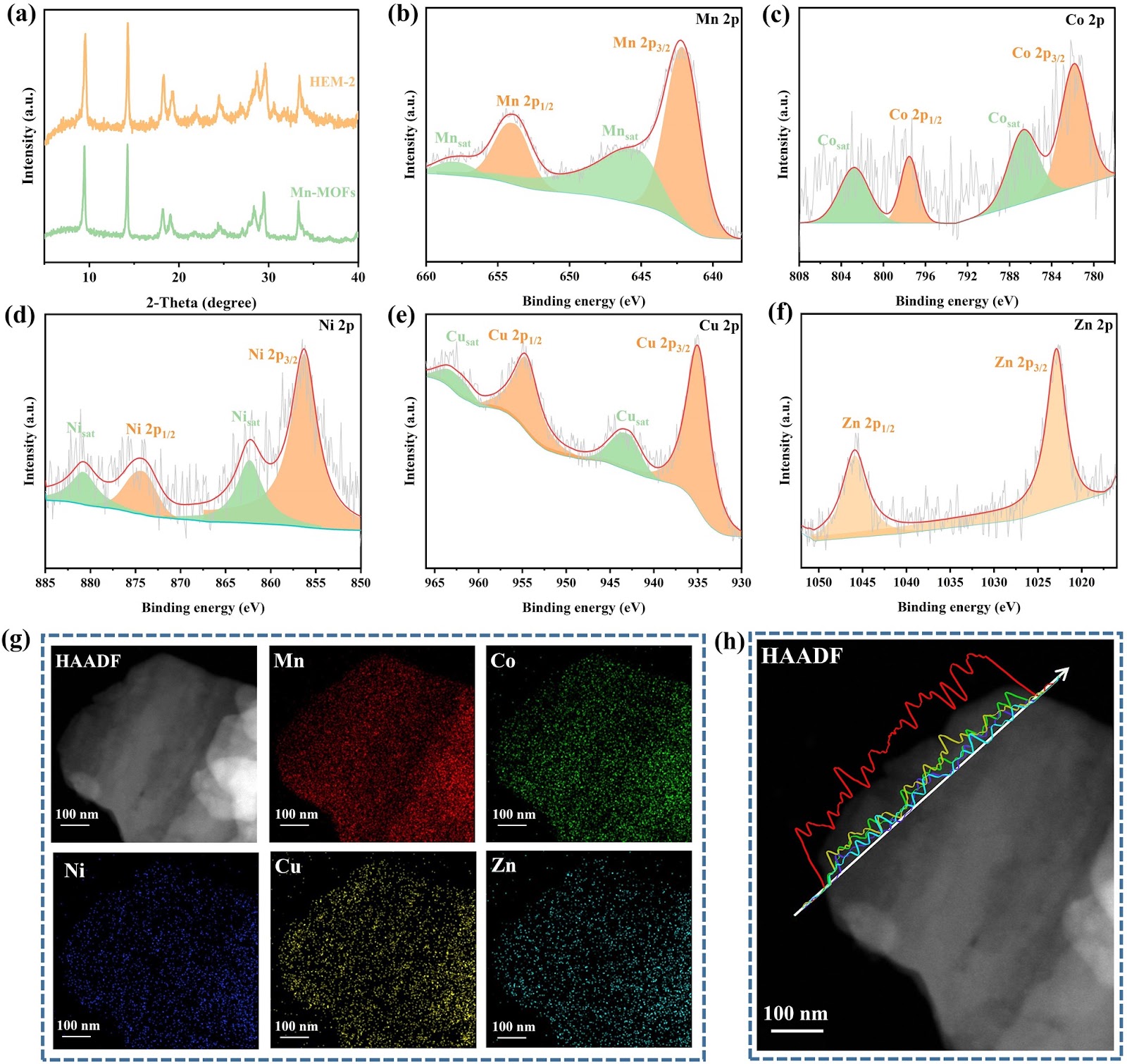
Precise regulation of the platform capacity/voltage of electrode materials contributes to the efficient operation of sodium-ion fast-charging devices. However, the design of such electrode materials is still in a blank stage. Herein, based on tunable metal–organic frameworks, we have designed a novel material system—two-dimensional high-entropy metal–organic frameworks (HE-MOFs), which exhibits unique properties in sodium storage and is of vital importance for realizing fast-charging batteries. Furthermore, we have found that the high-entropy effect can regulate the electronic structure, the sodium-ion migration environment, and the sodium-ion storage active sites, thereby meeting the requirements of electrode materials for sodium-ion fast-charging devices. Impressively, the HE-MOFs material still maintains a reversible specific capacity of 89 mAh g−1 at a current density of 20 A g−1. It presents an ideal sodium storage voltage plateau of approximately 0.5 V, and its platform capacity is increased to 122.7 mAh g−1, far superior to that of Mn-MOFs (with no platform capacity). This helps to reduce safety hazards during the fast-charging process and demonstrates its great application value in the fields of fast-charging sodium-ion batteries and capacitors. Our research findings have broken the barriers to the application of non-conductive MOFs as energy storage materials, enhanced the understanding of the regulation of platform capacity and voltage, and paved the way for the realization of high-security sodium-ion fast-charging devices.

Tunable Platform Capacity of Metal–Organic Frameworks via High-Entropy Strategy for Ultra-Fast Sodium Storage
Graphical Abstract
Original ResearchVol. 17, Issue 1 • pp. 200DOI: 10.1007/s40820-025-01701-8Mar 26, 2025

Catalysis-Induced Highly-Stable Interface on Porous Silicon for High-Rate Lithium-Ion Batteries

Authors: Zhuobin Han, Phornphimon Maitarad, Nuttapon Yodsin, Baogang Zhao, Haoyu Ma, Kexin Liu, Yongfeng Hu, Siriporn Jungsuttiwong, Yumei Wang, Li Lu, Liyi Shi, Shuai Yuan, Yongyao Xia, Yingying Lv

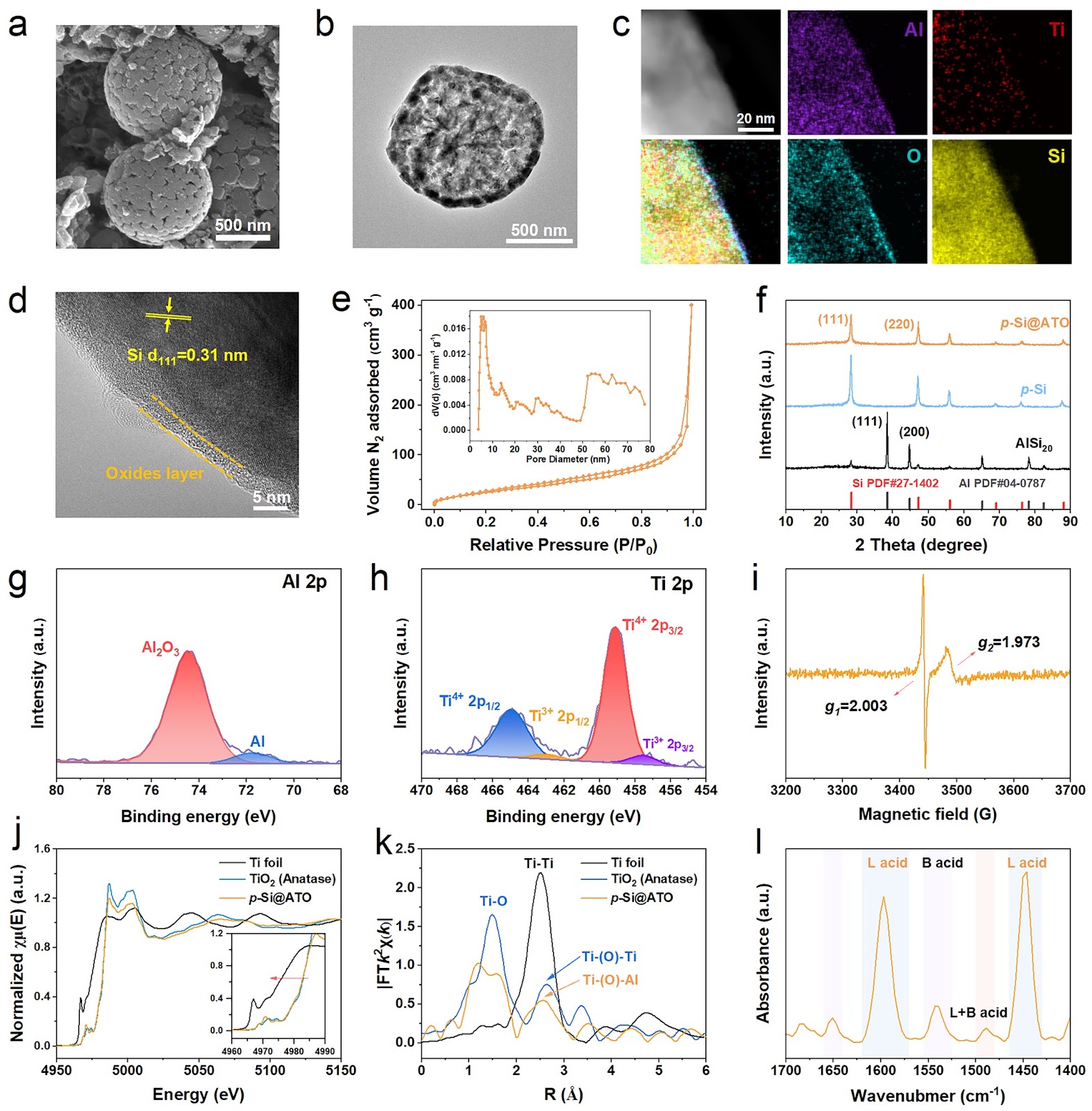
Silicon stands as a key anode material in lithium-ion battery ascribing to its high energy density. Nevertheless, the poor rate performance and limited cycling life remain unresolved through conventional approaches that involve carbon composites or nanostructures, primarily due to the un-controllable effects arising from the substantial formation of a solid electrolyte interphase (SEI) during the cycling. Here, an ultra-thin and homogeneous Ti doping alumina oxide catalytic interface is meticulously applied on the porous Si through a synergistic etching and hydrolysis process. This defect-rich oxide interface promotes a selective adsorption of fluoroethylene carbonate, leading to a catalytic reaction that can be aptly described as “molecular concentration-in situ conversion”. The resultant inorganic-rich SEI layer is electrochemical stable and favors ion-transport, particularly at high-rate cycling and high temperature. The robustly shielded porous Si, with a large surface area, achieves a high initial Coulombic efficiency of 84.7% and delivers exceptional high-rate performance at 25 A g−1 (692 mAh g−1) and a high Coulombic efficiency of 99.7% over 1000 cycles. The robust SEI constructed through a precious catalytic layer promises significant advantages for the fast development of silicon-based anode in fast-charging batteries.

Catalysis-Induced Highly-Stable Interface on Porous Silicon for High-Rate Lithium-Ion Batteries
Graphical Abstract
Original ResearchVol. 17, Issue 1 • pp. 198DOI: 10.1007/s40820-025-01708-1Mar 24, 2025

Bioinspired Electrolyte-Gated Organic Synaptic Transistors: From Fundamental Requirements to Applications

Authors: Yuanying Liang, Hangyu Li, Hu Tang, Chunyang Zhang, Dong Men, Dirk Mayer

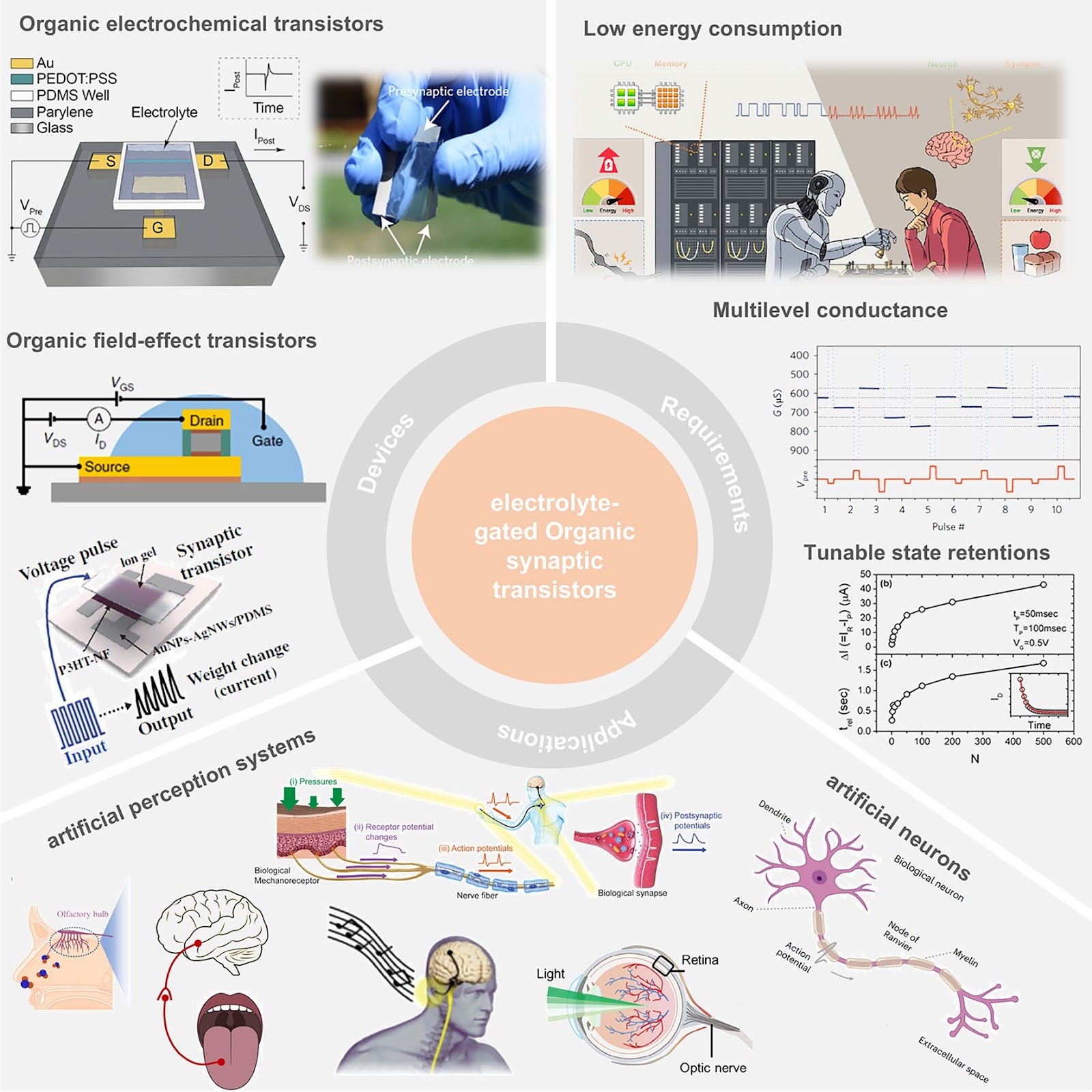
Rapid development of artificial intelligence requires the implementation of hardware systems with bioinspired parallel information processing and presentation and energy efficiency. Electrolyte-gated organic transistors (EGOTs) offer significant advantages as neuromorphic devices due to their ultra-low operation voltages, minimal hardwired connectivity, and similar operation environment as electrophysiology. Meanwhile, ionic–electronic coupling and the relatively low elastic moduli of organic channel materials make EGOTs suitable for interfacing with biology. This review presents an overview of the device architectures based on organic electrochemical transistors and organic field-effect transistors. Furthermore, we review the requirements of low energy consumption and tunable synaptic plasticity of EGOTs in emulating biological synapses and how they are affected by the organic materials, electrolyte, architecture, and operation mechanism. In addition, we summarize the basic operation principle of biological sensory systems and the recent progress of EGOTs as a building block in artificial systems. Finally, the current challenges and future development of the organic neuromorphic devices are discussed.

Bioinspired Electrolyte-Gated Organic Synaptic Transistors: From Fundamental Requirements to Applications
Graphical Abstract
Original ResearchVol. 17, Issue 1 • pp. 199DOI: 10.1007/s40820-025-01712-5Mar 24, 2025

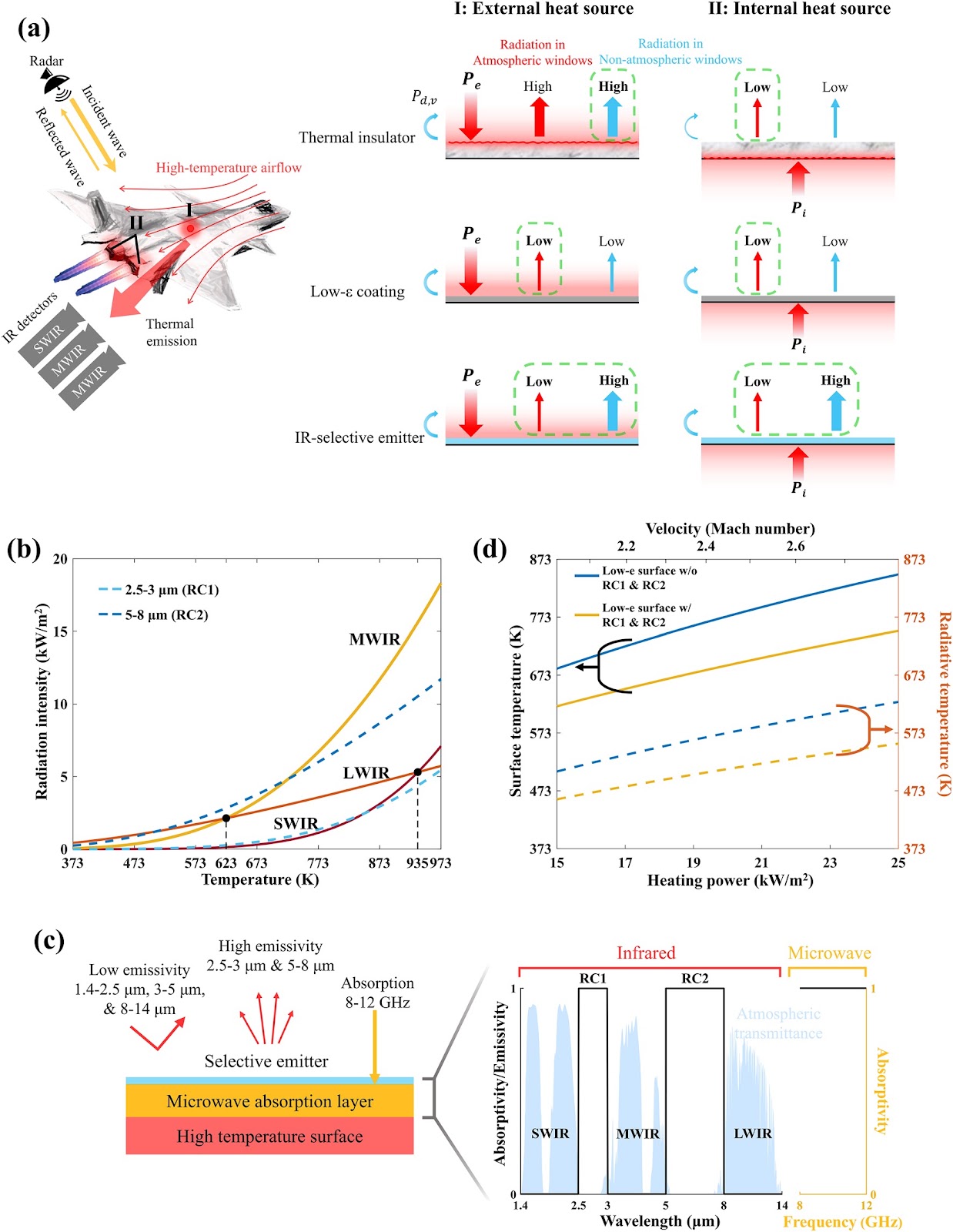
High-Temperature Stealth Across Multi-Infrared and Microwave Bands with Efficient Radiative Thermal Management

Authors: Meng Zhao, Huanzheng Zhu, Bing Qin, Rongxuan Zhu, Jihao Zhang, Pintu Ghosh, Zuojia Wang, Min Qiu, Qiang Li

High-temperature stealth is vital for enhancing the concealment, survivability, and longevity of critical assets. However, achieving stealth across multiple infrared bands—particularly in the short-wave infrared (SWIR) band—along with microwave stealth and efficient thermal management at high temperatures, remains a significant challenge. Here, we propose a strategy that integrates an IR-selective emitter (Mo/Si multilayer films) and a microwave metasurface (TiB2–Al2O3–TiB2) to enable multi-infrared band stealth, encompassing mid-wave infrared (MWIR), long-wave infrared (LWIR), and SWIR bands, and microwave (X-band) stealth at 700 °C, with simultaneous radiative cooling in non-atmospheric window (5–8 μm). At 700 °C, the device exhibits low emissivity of 0.38/0.44/0.60 in the MWIR/LWIR/SWIR bands, reflection loss below −3 dB in the X-band (9.6–12 GHz), and high emissivity of 0.82 in 5–8 μm range—corresponding to a cooling power of 9.57 kW m−2. Moreover, under an input power of 17.3 kW m−2—equivalent to the aerodynamic heating at Mach 2.2—the device demonstrates a temperature reduction of 72.4 °C compared to a conventional low-emissivity molybdenum surface at high temperatures. This work provides comprehensive guidance on high-temperature stealth design, with far-reaching implications for multispectral information processing and thermal management in extreme high-temperature environments.

High-Temperature Stealth Across Multi-Infrared and Microwave Bands with Efficient Radiative Thermal Management
Graphical Abstract
Original ResearchVol. 17, Issue 1 • pp. 196DOI: 10.1007/s40820-025-01687-3Mar 21, 2025

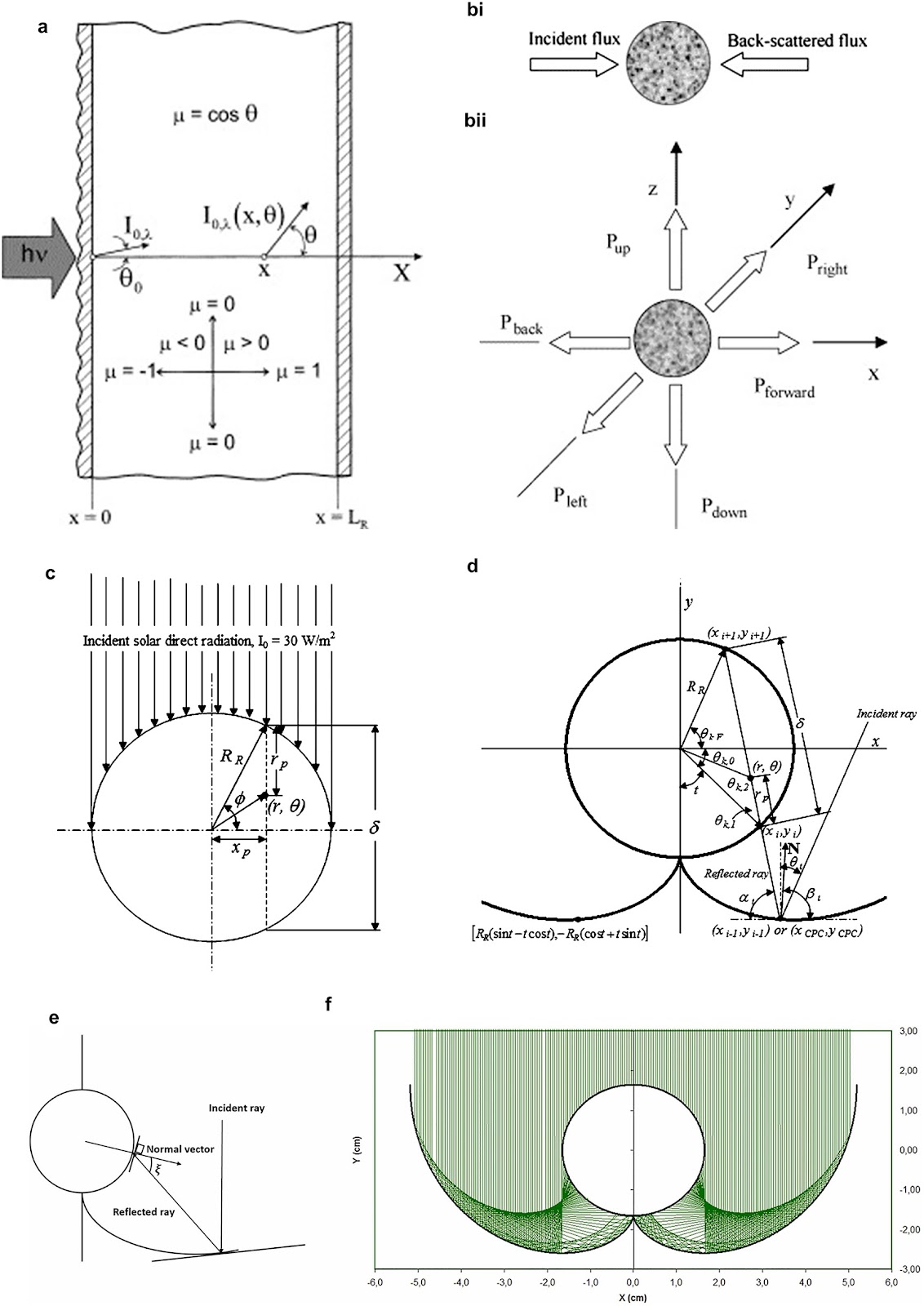
An Overview of Dynamic Descriptions for Nanoscale Materials in Particulate Photocatalytic Systems from Spatiotemporal Perspectives

Authors: Jiawei Yan, Zhidong Wei, Kai Takagi, Masaya Motodate, Zhi Jiang, Chiaki Terashima, Wenfeng Shangguan

Particulate photocatalytic systems using nanoscale photocatalysts have been developed as an attractive promising route for solar energy utilization to achieve resource sustainability and environmental harmony. Dynamic obstacles are considered as the dominant inhibition for attaining satisfactory energy-conversion efficiency. The complexity in light absorption and carrier transfer behaviors has remained to be further clearly illuminated. It is challenging to trace the fast evolution of charge carriers involved in transfer migration and interfacial reactions within a micro–nano-single-particle photocatalyst, which requires spatiotemporal high resolution. In this review, comprehensive dynamic descriptions including irradiation field, carrier separation and transfer, and interfacial reaction processes have been elucidated and discussed. The corresponding mechanisms for revealing dynamic behaviors have been explained. In addition, numerical simulation and modeling methods have been illustrated for the description of the irradiation field. Experimental measurements and spatiotemporal characterizations have been clarified for the reflection of carrier behavior and probing detection of interfacial reactions. The representative applications have been introduced according to the reported advanced research works, and the relationships between mechanistic conclusions from variable spatiotemporal measurements and photocatalytic performance results in the specific photocatalytic reactions have been concluded. This review provides a collective perspective for the full understanding and thorough evaluation of the primary dynamic processes, which would be inspired for the improvement in designing solar-driven energy-conversion systems based on nanoscale particulate photocatalysts.

An Overview of Dynamic Descriptions for Nanoscale Materials in Particulate Photocatalytic Systems from Spatiotemporal Perspectives
Graphical Abstract
Original ResearchVol. 17, Issue 1 • pp. 197DOI: 10.1007/s40820-024-01635-7Mar 21, 2025

Physics of 2D Materials for Developing Smart Devices

Authors: Neeraj Goel, Rahul Kumar

Rapid industrialization advancements have grabbed worldwide attention to integrate a very large number of electronic components into a smaller space for performing multifunctional operations. To fulfill the growing computing demand state-of-the-art materials are required for substituting traditional silicon and metal oxide semiconductors frameworks. Two-dimensional (2D) materials have shown their tremendous potential surpassing the limitations of conventional materials for developing smart devices. Despite their ground-breaking progress over the last two decades, systematic studies providing in-depth insights into the exciting physics of 2D materials are still lacking. Therefore, in this review, we discuss the importance of 2D materials in bridging the gap between conventional and advanced technologies due to their distinct statistical and quantum physics. Moreover, the inherent properties of these materials could easily be tailored to meet the specific requirements of smart devices. Hence, we discuss the physics of various 2D materials enabling them to fabricate smart devices. We also shed light on promising opportunities in developing smart devices and identified the formidable challenges that need to be addressed.

Physics of 2D Materials for Developing Smart Devices
Graphical Abstract
Original ResearchVol. 17, Issue 1 • pp. 192DOI: 10.1007/s40820-025-01713-4Mar 19, 2025

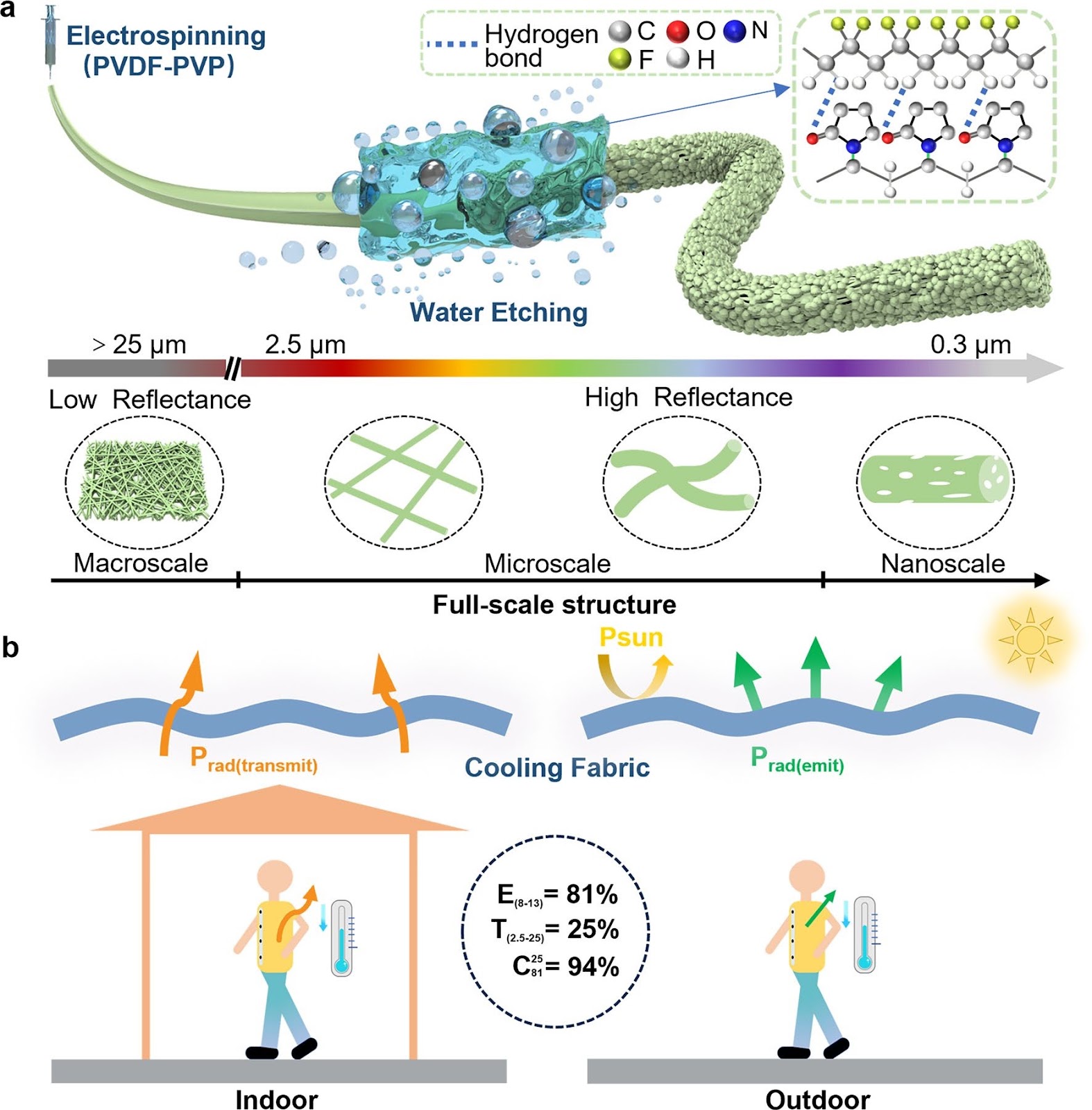
Selective Emission Fabric for Indoor and Outdoor Passive Radiative Cooling in Personal Thermal Management

Authors: Haijiao Yu, Jiqing Lu, Jie Yan, Tian Bai, Zhaoxuan Niu, Bin Ye, Wanli Cheng, Dong Wang, Siqi Huan, Guangping Han

Radiative cooling fabric creates a thermally comfortable environment without energy input, providing a sustainable approach to personal thermal management. However, most currently reported fabrics mainly focus on outdoor cooling, ignoring to achieve simultaneous cooling both indoors and outdoors, thereby weakening the overall cooling performance. Herein, a full-scale structure fabric with selective emission properties is constructed for simultaneous indoor and outdoor cooling. The fabric achieves 94% reflectance performance in the sunlight band (0.3–2.5 µm) and 6% in the mid-infrared band (2.5–25 µm), effectively minimizing heat absorption and radiation release obstruction. It also demonstrates 81% radiative emission performance in the atmospheric window band (8–13 µm) and 25% radiative transmission performance in the mid-infrared band (2.5–25 μm), providing 60 and 26 W m−2 net cooling power outdoors and indoors. In practical applications, the fabric achieves excellent indoor and outdoor human cooling, with temperatures 1.4–5.5 °C lower than typical polydimethylsiloxane film. This work proposes a novel design for the advanced radiative cooling fabric, offering significant potential to realize sustainable personal thermal management.

Selective Emission Fabric for Indoor and Outdoor Passive Radiative Cooling in Personal Thermal Management
Graphical Abstract
Original ResearchVol. 17, Issue 1 • pp. 189DOI: 10.1007/s40820-025-01684-6Mar 17, 2025

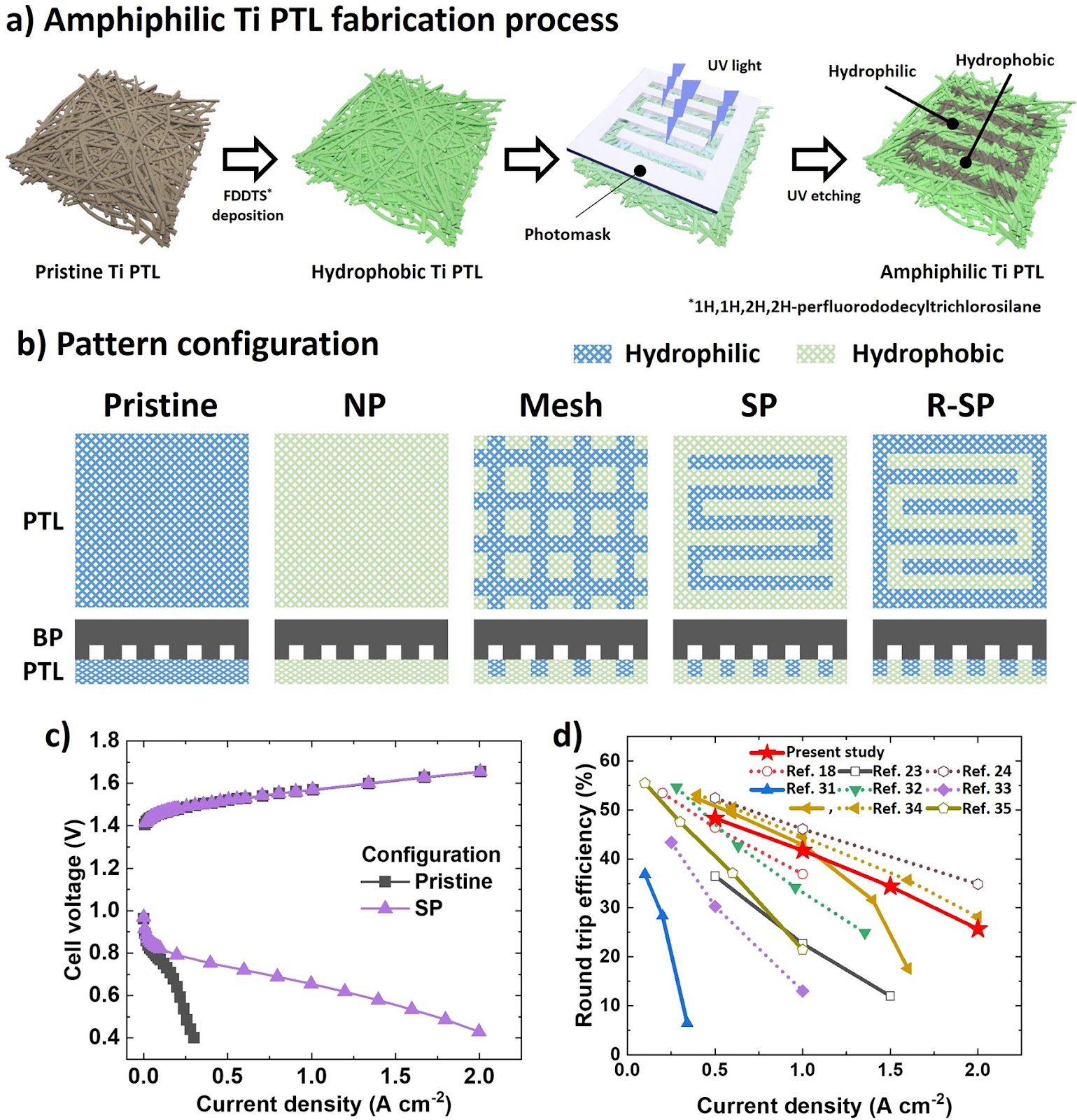
Regulating Water Transport Paths on Porous Transport Layer by Hydrophilic Patterning for Highly Efficient Unitized Regenerative Fuel Cells

Authors: Sung Min Lee, Keun Hwan Oh, Hwan Yeop Jeong, Duk Man Yu, Tae-Ho Kim

While unitized regenerative fuel cells (URFCs) are promising for renewable energy storage, their efficient operation requires simultaneous water management and gas transport, which is challenging from the standpoint of water management. Herein, a novel approach is introduced for examining the alignment hydrophilic pattern of a Ti porous transport layer (PTL) with the flow field of a bipolar plate (BP). UV/ozone patterning and is employed to impart amphiphilic characteristics to the hydrophobic silanized Ti PTL, enabling low-cost and scalable fabrication. The hydrophilic pattern and its alignment with the BP are comprehensively analyzed using electrochemical methods and computational simulations. Notably, the serpentine-patterned (SP) Ti PTL, wherein the hydrophilic channel is directly aligned with the serpentine flow field of the BP, effectively enhances oxygen removal in the water electrolyzer (WE) mode and mitigates water flooding in the fuel cell (FC) mode, ensuring uninterrupted water and gas flow. Further, URFCs with SP configuration exhibit remarkable performance in the WE and FC modes, achieving a significantly improved round-trip efficiency of 25.7% at 2 A cm−2.

Regulating Water Transport Paths on Porous Transport Layer by Hydrophilic Patterning for Highly Efficient Unitized Regenerative Fuel Cells
Graphical Abstract
Original ResearchVol. 17, Issue 1 • pp. 183DOI: 10.1007/s40820-025-01686-4Mar 13, 2025

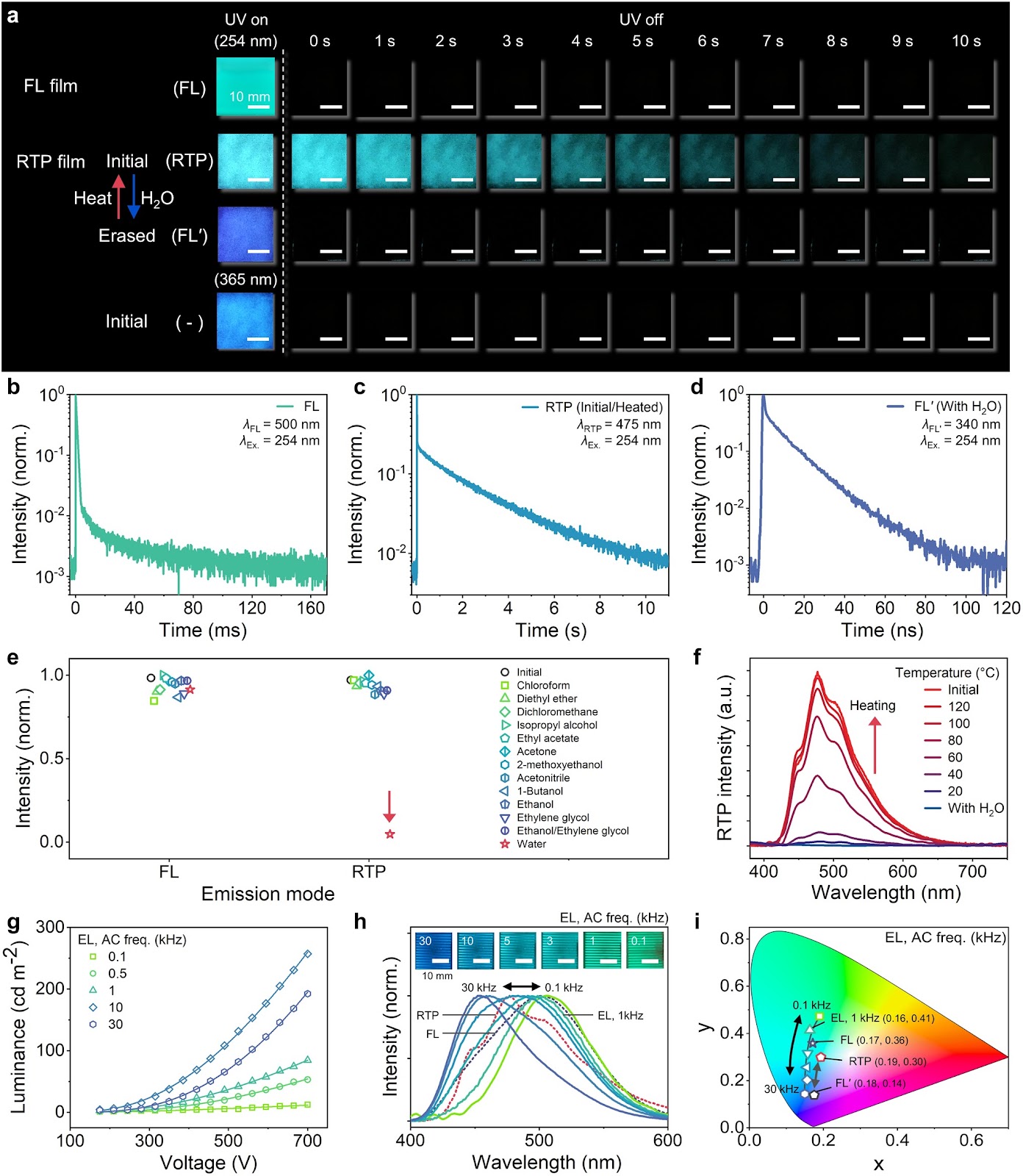
Rewritable Triple-Mode Light-Emitting Display

Authors: Seokyeong Lee, Jong Woong Park, Jihye Jang, Jin Woo Oh, Gwanho Kim, Jioh Yoo, Jong Gun Jung, Hyowon Han, Wei Jiang, Chang Eun Lee, Jungwon Yoon, Kaiying Zhao, Cheolmin Park

Despite great progress in developing mode-selective light emission technologies based on self-emitting materials, few rewritable displays with mode-selective multiple light emissions have been demonstrated. Herein, we present a rewritable triple-mode light-emitting display enabled by stimuli-interactive fluorescence (FL), room-temperature phosphorescence (RTP), and electroluminescence (EL). The display comprises coplanar electrodes separated by a gap, a polymer composite with FL inorganic phosphors (EL/FL layer), and a polymer composite with solvent-responsive RTP additives (RTP layer). Upon 254 nm UV exposure, a dual-mode emission of RTP and FL occurs from the RTP and EL/FL layers, respectively. When a polar liquid, besides water, is applied on the display and an AC field is applied between the coplanar electrodes, EL from the EL/FL layer is triggered, and the display operates in a triple mode. Interestingly, when water is applied to the display, the RTP mode is deactivated, rendering the display to operate in a dual mode of FL and EL. By manipulating the evaporation of the applied polar liquids and water, the mode-selective light emission of FL, RTP, and EL is rewritable in the triple-mode display. Additionally, a high-security full-color information encryption display is demonstrated, wherein the information of digital numbers, letters, and Morse code encoded in one optical mode is only deciphered when properly matched with that encoded in the other two modes. Thus, this article outlines a strategy to fulfill the substantial demand for high-security personalized information based on room-temperature multi-light-emitting displays.

Rewritable Triple-Mode Light-Emitting Display
Graphical Abstract
Original ResearchVol. 17, Issue 1 • pp. 186DOI: 10.1007/s40820-025-01696-2Mar 13, 2025

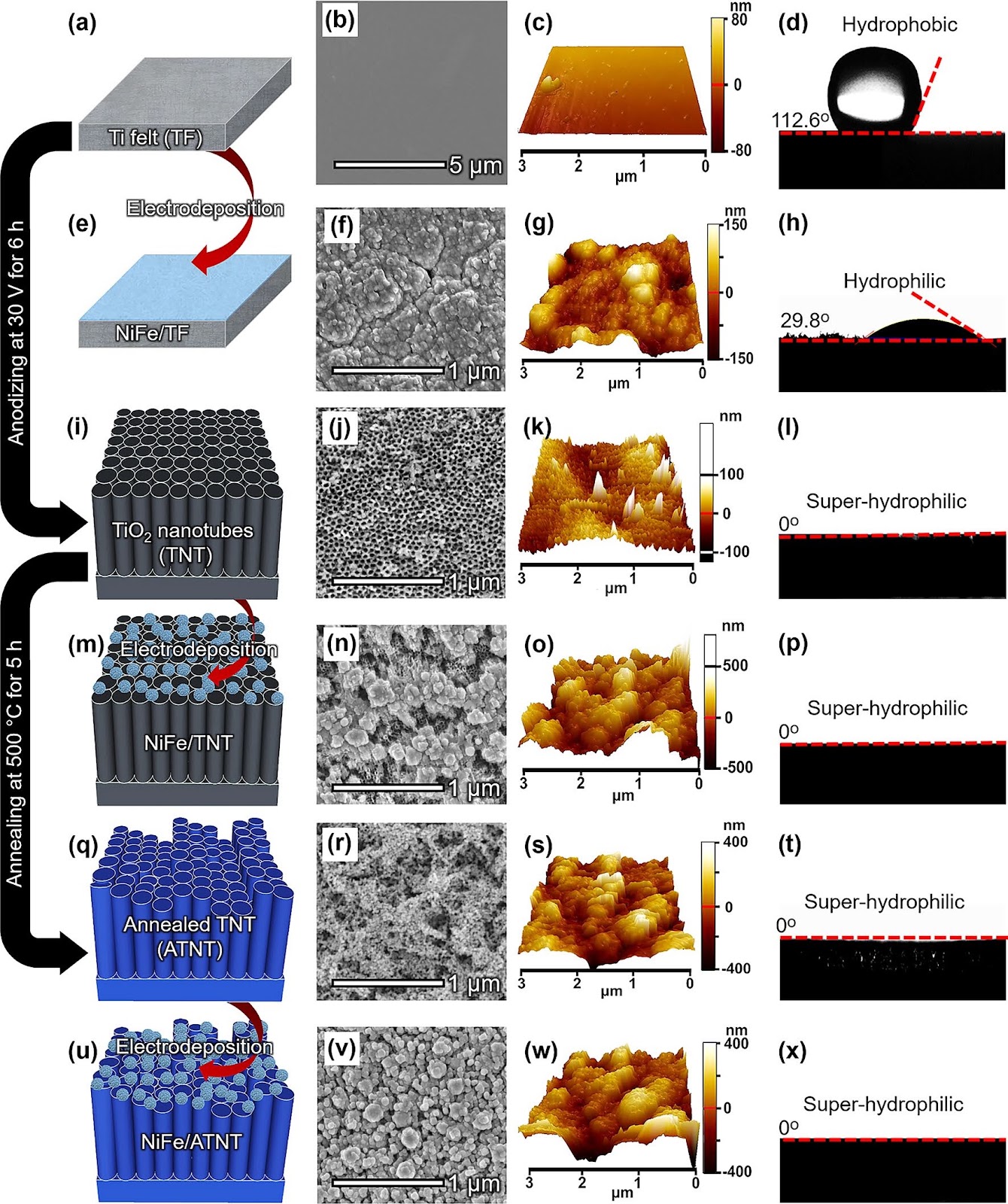
Rapid Outgassing of Hydrophilic TiO2 Electrodes Achieves Long-Term Stability of Anion Exchange Membrane Water Electrolyzers

Authors: Shajahan Shaik, Jeonghyeon Kim, Mrinal Kanti Kabiraz, Faraz Aziz, Joon Yong Park, Bhargavi Rani Anne, Mengfan Li, Hongwen Huang, Ki Min Nam, Daeseong Jo, Sang-Il Choi

The state-of-the-art anion-exchange membrane water electrolyzers (AEMWEs) require highly stable electrodes for prolonged operation. The stability of the electrode is closely linked to the effective evacuation of H2 or O2 gas generated from electrode surface during the electrolysis. In this study, we prepared a super-hydrophilic electrode by depositing porous nickel–iron nanoparticles on annealed TiO2 nanotubes (NiFe/ATNT) for rapid outgassing of such nonpolar gases. The super-hydrophilic NiFe/ATNT electrode exhibited an overpotential of 235 mV at 10 mA cm−2 for oxygen evolution reaction in 1.0 M KOH solution, and was utilized as the anode in the AEMWE to achieve a current density of 1.67 A cm−2 at 1.80 V. In addition, the AEMWE with NiFe/ATNT electrode, which enables effective outgassing, showed record stability for 1500 h at 0.50 A cm−2 under harsh temperature conditions of 80 ± 3 °C.

Rapid Outgassing of Hydrophilic TiO2 Electrodes Achieves Long-Term Stability of Anion Exchange Membrane Water Electrolyzers
Graphical Abstract
Original ResearchVol. 17, Issue 1 • pp. 181DOI: 10.1007/s40820-025-01694-4Mar 12, 2025

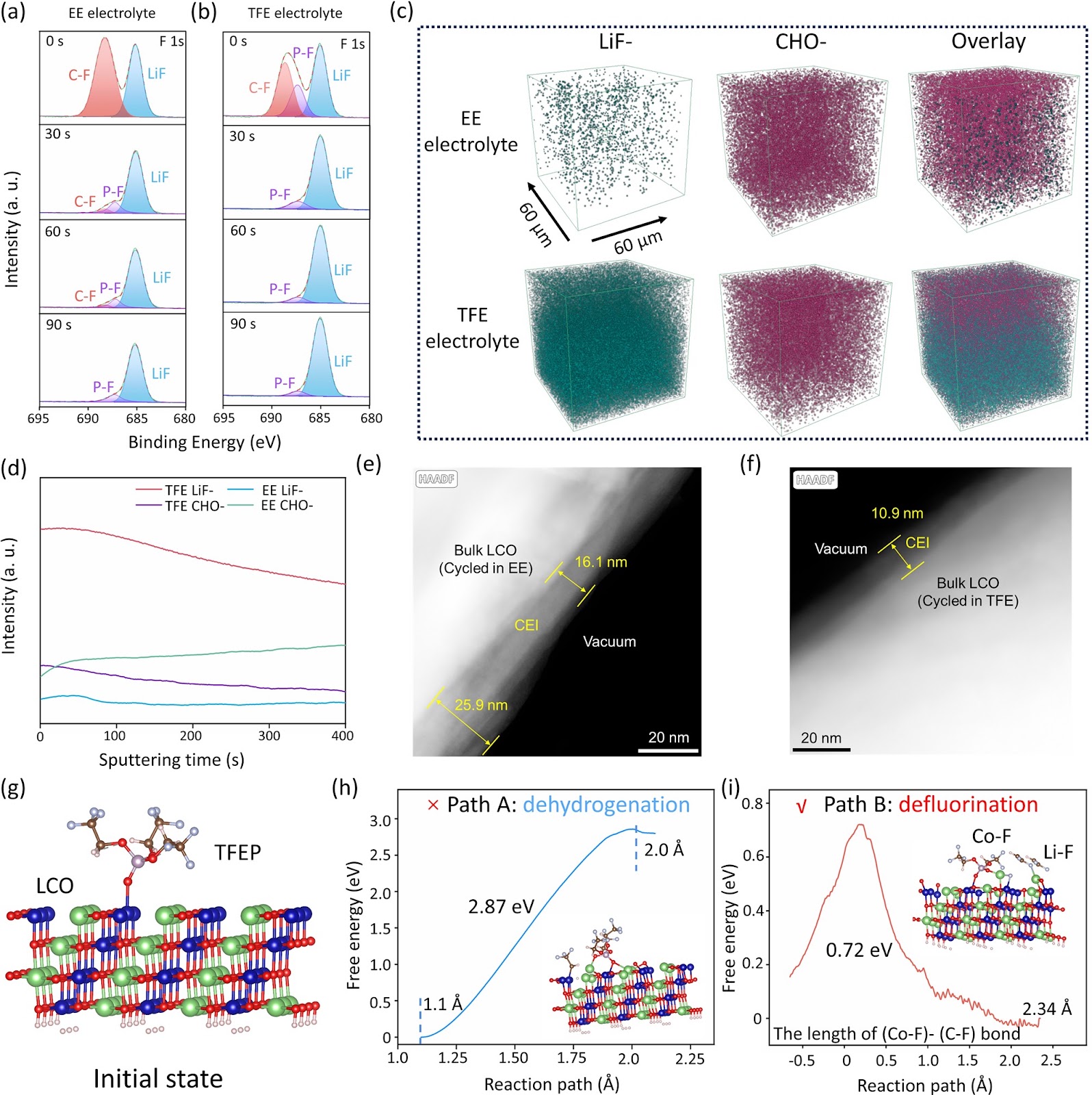
Manipulating Interfacial Stability via Preferential Absorption for Highly Stable and Safe 4.6 V LiCoO2 Cathode

Authors: Long Chen, Xin He, Yiqing Chen, Youmin Hou, Yujie Zhang, Kangli Wang, Xinping Ai, Yuliang Cao, Zhongxue Chen

Elevating the upper cutoff voltage to 4.6 V could effectively increase the reversible capacity of LiCoO2 (LCO) cathode, whereas the irreversible structural transition, unstable electrode/electrolyte interface and potentially induced safety hazards severely hinder its industrial application. Building a robust cathode/electrolyte interface film by electrolyte engineering is one of the efficient approaches to boost the performance of high-voltage LCO (HV-LCO); however, the elusive interfacial chemistry poses substantial challenges to the rational design of highly compatible electrolytes. Herein, we propose a novel electrolyte design strategy and screen proper solvents based on two factors: highest occupied molecular orbital energy level and LCO absorption energy. Tris (2, 2, 2-trifluoroethyl) phosphate is determined as the optimal solvent, whose low defluorination energy barrier significantly promotes the construction of LiF-rich cathode/electrolyte interface layer on the surface of LCO, thereby eventually suppresses the phase transition and enhances Li+ diffusion kinetics. The rationally designed electrolyte endows graphite||HV-LCO pouch cells with long cycle life (85.3% capacity retention after 700 cycles), wide-temperature adaptability (−60–80 °C) and high safety (pass nail penetration). This work provides new insights into the electrolyte screening and rational design to constructing stable interface for high-energy lithium-ion batteries.

Manipulating Interfacial Stability via Preferential Absorption for Highly Stable and Safe 4.6 V LiCoO2 Cathode
Graphical Abstract
Original ResearchVol. 17, Issue 1 • pp. 180DOI: 10.1007/s40820-025-01692-6Mar 12, 2025

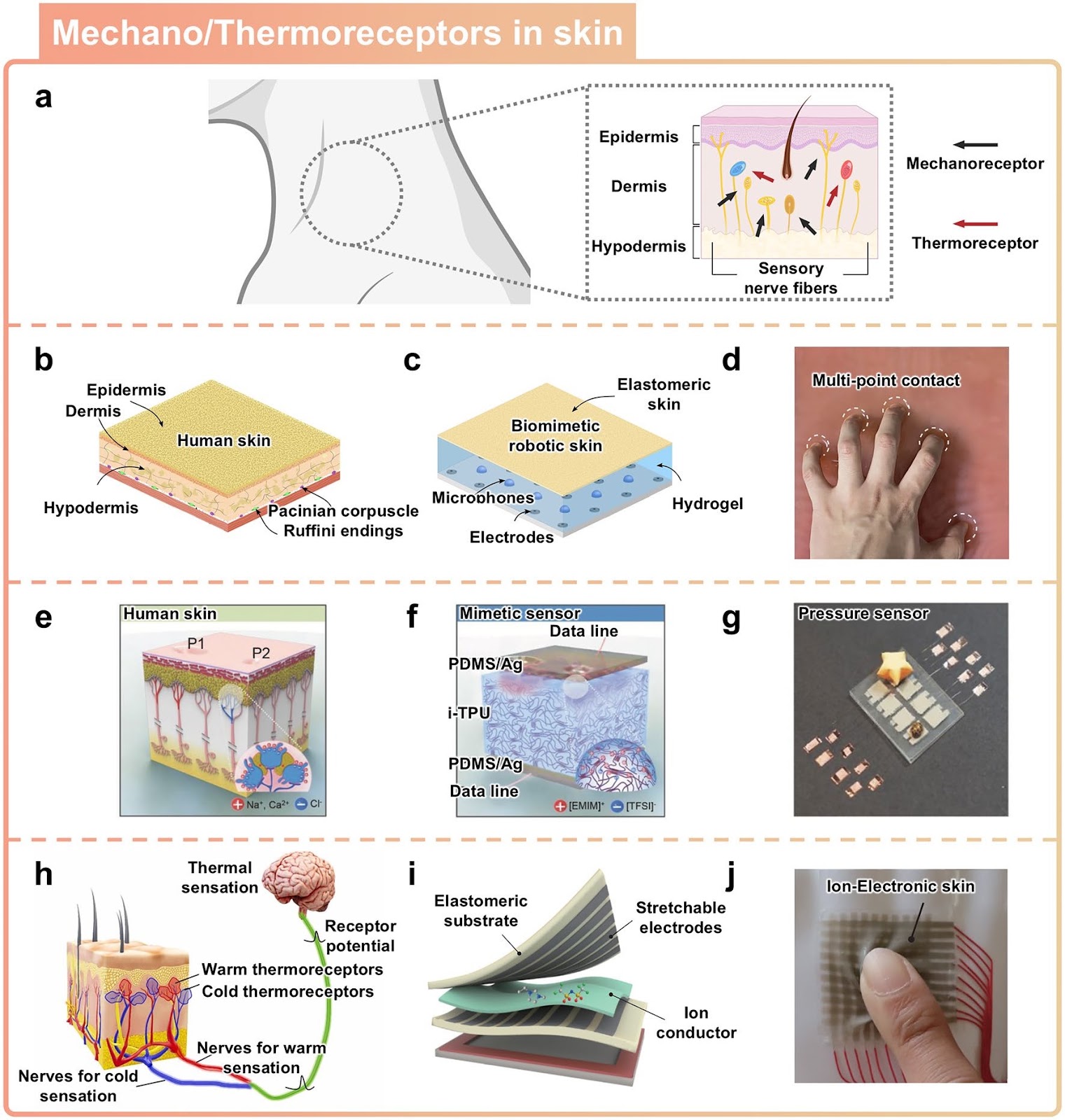
Bio-Inspired Ionic Sensors: Transforming Natural Mechanisms into Sensory Technologies

Authors: Kyongtae Choi, Gibeom Lee, Min-Gyu Lee, Hee Jae Hwang, Kibeom Lee, Younghoon Lee

Many natural organisms have evolved unique sensory systems over millions of years that have allowed them to detect various changes in their surrounding environments. Sensory systems feature numerous receptors—such as photoreceptors, mechanoreceptors, and chemoreceptors—that detect various types of external stimuli, including light, pressure, vibration, sound, and chemical substances. These stimuli are converted into electrochemical signals, which are transmitted to the brain to produce the sensations of sight, touch, hearing, taste, and smell. Inspired by the biological principles of sensory systems, recent advancements in electronics have led to a wide range of applications in artificial sensors. In the current review, we highlight recent developments in artificial sensors inspired by biological sensory systems utilizing soft ionic materials. The versatile characteristics of these ionic materials are introduced while focusing on their mechanical and electrical properties. The features and working principles of natural and artificial sensing systems are investigated in terms of six categories: vision, tactile, hearing, gustatory, olfactory, and proximity sensing. Lastly, we explore several challenges that must be overcome while outlining future research directions in the field of soft ionic sensors.

Bio-Inspired Ionic Sensors: Transforming Natural Mechanisms into Sensory Technologies
Graphical Abstract
Original ResearchVol. 17, Issue 1 • pp. 178DOI: 10.1007/s40820-025-01698-0Mar 10, 2025

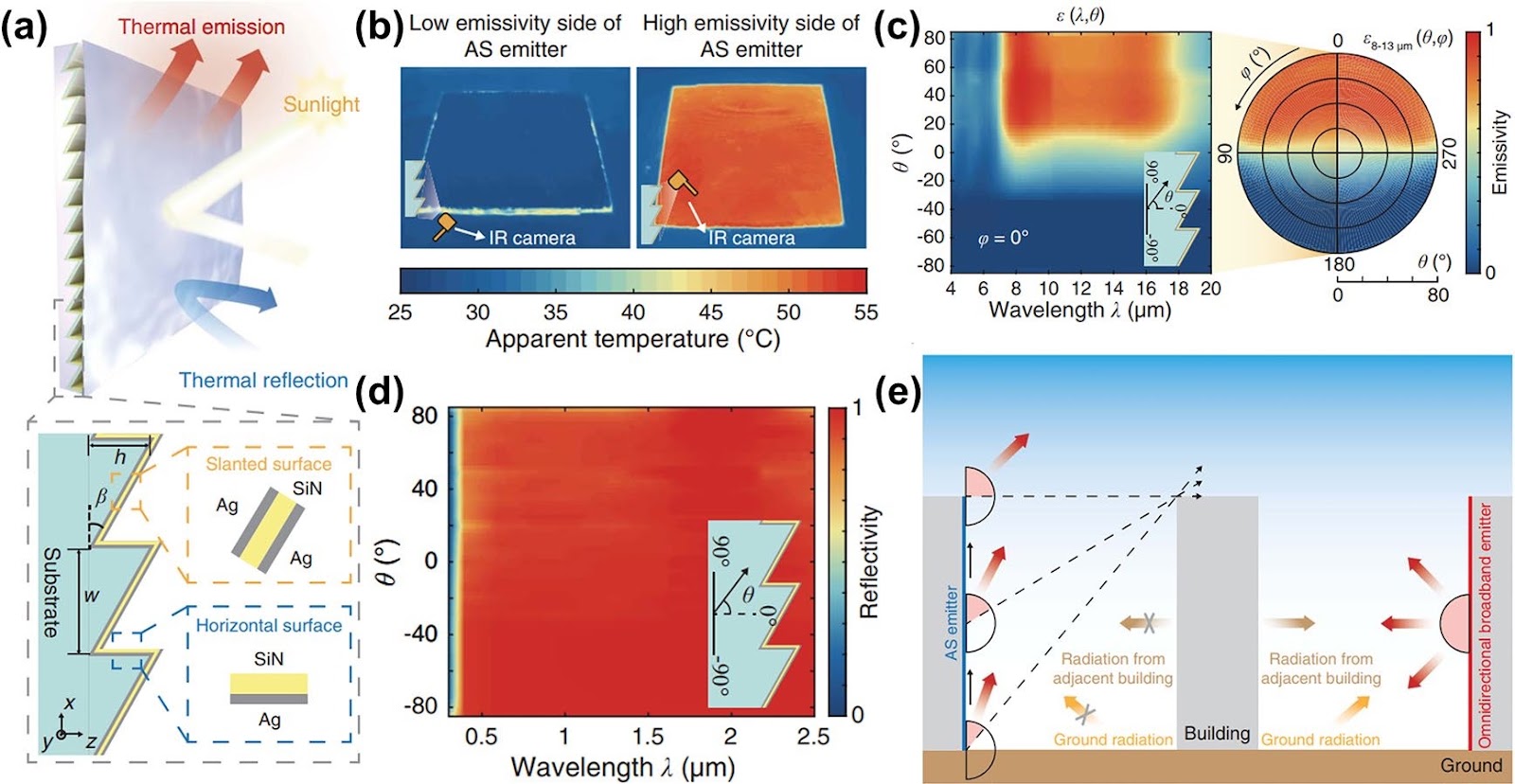
Angle-Selective Photonics for Smart Subambient Radiative Cooling

Authors: Fan Liu, Qichong Zhang

During the daytime, conventional radiative coolers disregard the directionality of thermal radiation, thereby overlooking the upward radiation from the ground. This upward radiation enhances the outward thermal radiation, leading to a substantial reduction in the subambient daytime radiative cooling performance. Conversely, radiative coolers featuring angular asymmetry and spectral selectivity effectively resolve the problem of thermal radiation directionality, successfully evading the interference caused by the ground-generated thermal radiation. This cooler overcomes the limitations posed by the angle of incident light, making it suitable for subambient daytime radiative cooling of vertical surfaces. Furthermore, by adjusting the structure of the cooler, the angular range of thermal radiation can be modulated, enabling the application of radiative cooling technology for intelligent temperature regulation of various inclined surfaces encountered in daily life. This innovative work makes a significant contribution to the development of subambient smart thermal interaction systems and opens up new possibilities for the practical application of radiative cooling technology.

Angle-Selective Photonics for Smart Subambient Radiative Cooling
Graphical Abstract
Original ResearchVol. 17, Issue 1 • pp. 175DOI: 10.1007/s40820-025-01672-wMar 4, 2025

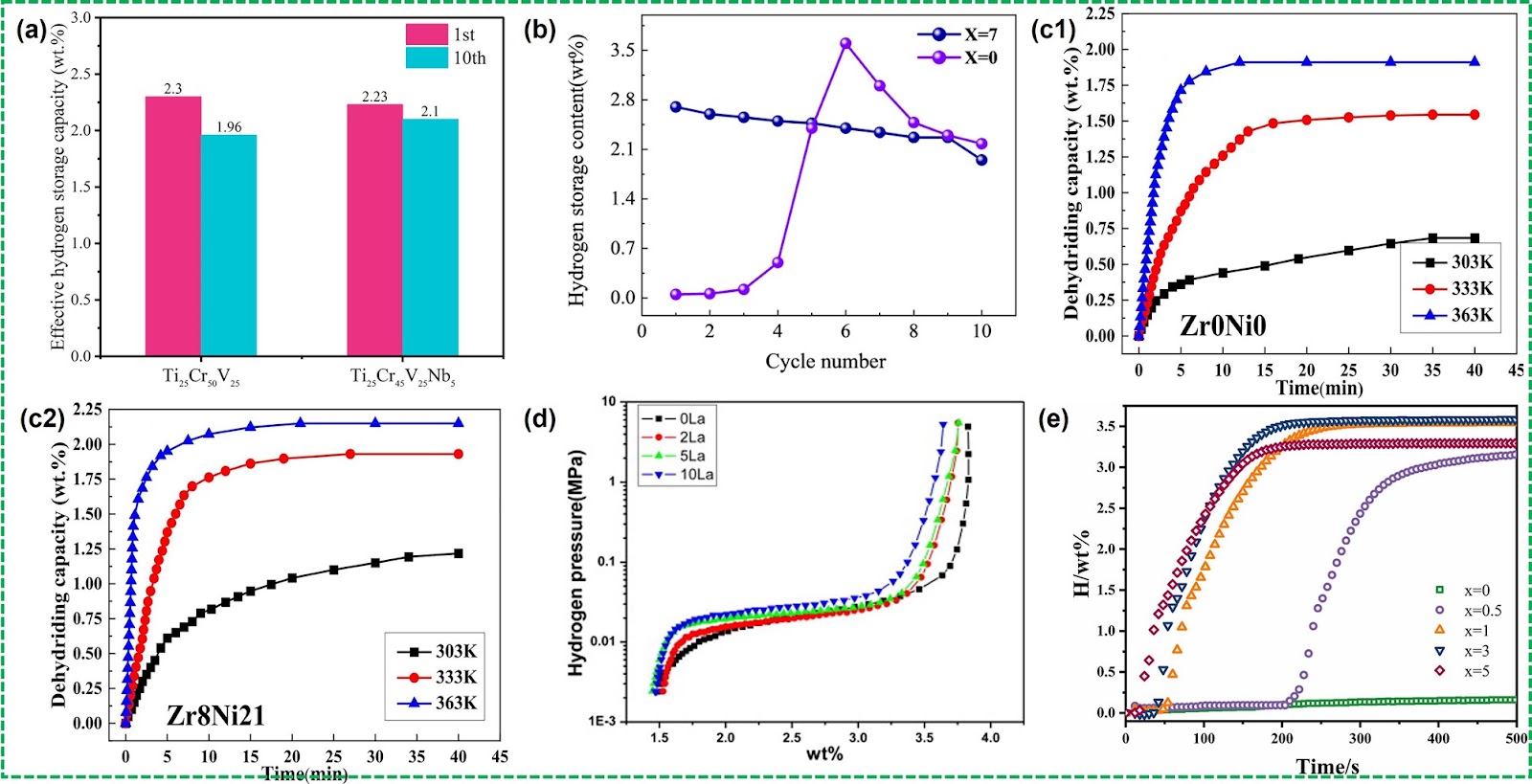
V–Ti-Based Solid Solution Alloys for Solid-State Hydrogen Storage

Authors: Shaoyang Shen, Yongan Li, Liuzhang Ouyang, Lan Zhang, Min Zhu, Zongwen Liu

This review details the advancement in the development of V–Ti-based hydrogen storage materials for using in metal hydride (MH) tanks to supply hydrogen to fuel cells at relatively ambient temperatures and pressures. V–Ti-based solid solution alloys are excellent hydrogen storage materials among many metal hydrides due to their high reversible hydrogen storage capacity which is over 2 wt% at ambient temperature. The preparation methods, structure characteristics, improvement methods of hydrogen storage performance, and attenuation mechanism are systematically summarized and discussed. The relationships between hydrogen storage properties and alloy compositions as well as phase structures are discussed emphatically. For large-scale applications on MH tanks, it is necessary to develop low-cost and high-performance V–Ti-based solid solution alloys with high reversible hydrogen storage capacity, good cyclic durability, and excellent activation performance.

V–Ti-Based Solid Solution Alloys for Solid-State Hydrogen Storage
Graphical Abstract
Original ResearchVol. 17, Issue 1 • pp. 171DOI: 10.1007/s40820-024-01603-1Mar 3, 2025

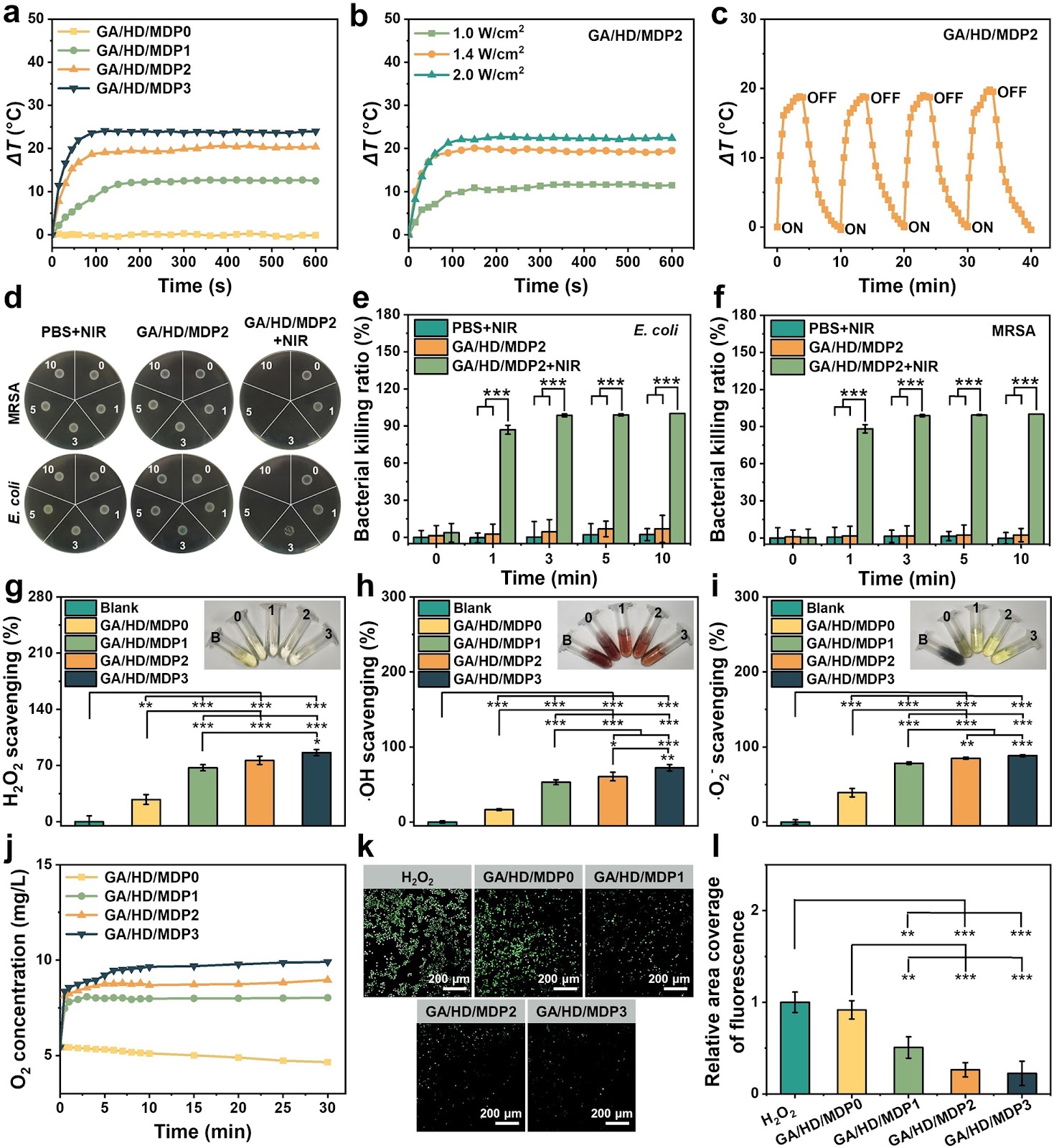
All-in-One: A Multifunctional Composite Biomimetic Cryogel for Coagulation Disorder Hemostasis and Infected Diabetic Wound Healing

Authors: Jiaxin Wang, Yutong Yang, Huiru Xu, Shengfei Huang, Baolin Guo, Juan Hu

Traditional hemostatic materials are difficult to meet the needs of non-compressible bleeding and for coagulopathic patients. In addition, open wounds are susceptible to infection, and then develop into chronic wounds. However, the development of integrated dressings that do not depend on coagulation pathway and improve the microenvironment of chronic wounds remains a challenge. Inspired by the porous structure and composition of the natural extracellular matrix, adipic dihydrazide modified gelatin (GA), dodecylamine-grafted hyaluronic acid (HD), and MnO2 nanozyme (manganese dioxide)@DFO (deferoxamine)@PDA (polydopamine) (MDP) nanoparticles were combined to prepare GA/HD/MDP cryogels through amidation reaction and hydrogen bonding. These cryogels exhibited good fatigue resistance, photothermal antibacterial (about 98% killing ratios of both Escherichia coli and methicillin-resistant Staphylococcus aureus (MRSA) after 3 min near-infrared irradiation), reactive oxygen species scavenging, oxygen release, and angiogenesis properties. Furthermore, in the liver defect model of rats with coagulopathy, the cryogel displayed less bleeding and shorter hemostasis time than commercial gelatin sponge. In MRSA-infected diabetic wounds, the cryogel could decrease wound inflammation and oxidative stress, alleviate the hypoxic environment, promote collagen deposition, and induce vascular regeneration, showing a better repair effect compared with the Tegaderm™ film. These results indicated that GA/HD/MDP cryogels have great potential in non-compressible hemorrhage for coagulopathic patients and in healing infected wounds for diabetic patients.

All-in-One: A Multifunctional Composite Biomimetic Cryogel for Coagulation Disorder Hemostasis and Infected Diabetic Wound Healing
Graphical Abstract
Original ResearchVol. 17, Issue 1 • pp. 173DOI: 10.1007/s40820-025-01673-9Mar 3, 2025

A Review of MAX Series Materials: From Diversity, Synthesis, Prediction, Properties Oriented to Functions

Authors: Jian Zhang, Ru Jia, Kar Ban Tan, Jiaming Li, Shichong Xu, Guobing Ying, Wenjuan Han, Ming Lu

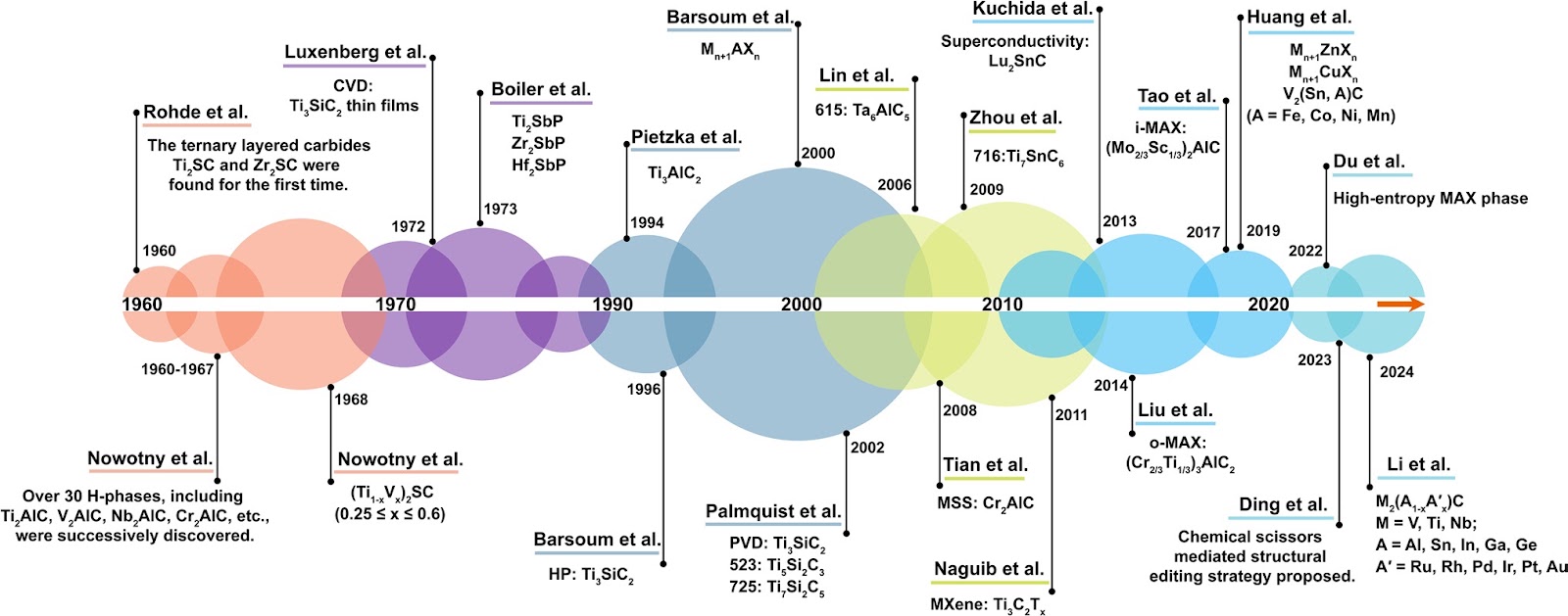
MAX series materials, as non-van der Waals layered multi-element compounds, contribute remarkable regulated properties and functional dimension, combining the features of metal and ceramic materials due to their inherently laminated crystal structure that Mn+1Xn slabs are intercalated with A element layers. Oriented to the functional requirements of information, intelligence, electrification, and aerospace in the new era, how to accelerate MAX series materials into new quality productive forces? The systematic enhancement of knowledge about MAX series materials is intrinsic to understanding its low-dimensional geometric structure characteristics, and physical and chemical properties, revealing the correlation of composition, structure, and function and further realizing rational design based on simulation and prediction. Diversity also brings complexity to MAX materials research. This review provides substantial tabular information on (I) MAX's research timeline from 1960 to the present, (II) structure diversity and classification convention, (III) synthesis route exploration, (IV) prediction based on theory and machine learning, (V) properties, and (VI) functional applications. Herein, the researchers can quickly locate research content and recognize connections and differences of MAX series materials. In addition, the research challenges for the future development of MAX series materials are highlighted.

A Review of MAX Series Materials: From Diversity, Synthesis, Prediction, Properties Oriented to Functions
Graphical Abstract
Original ResearchVol. 17, Issue 1 • pp. 170DOI: 10.1007/s40820-025-01664-wFeb 28, 2025

Design of Ultra-Stable Solid Amine Adsorbents and Mechanisms of Hydroxyl Group-Dependent Deactivation for Reversible CO2 Capture from Flue Gas

Authors: Meng Zhao, Liang Huang, Yanshan Gao, Ziling Wang, Shuyu Liang, Xuancan Zhu, Qiang Wang, Hong He, Dermot O’Hare

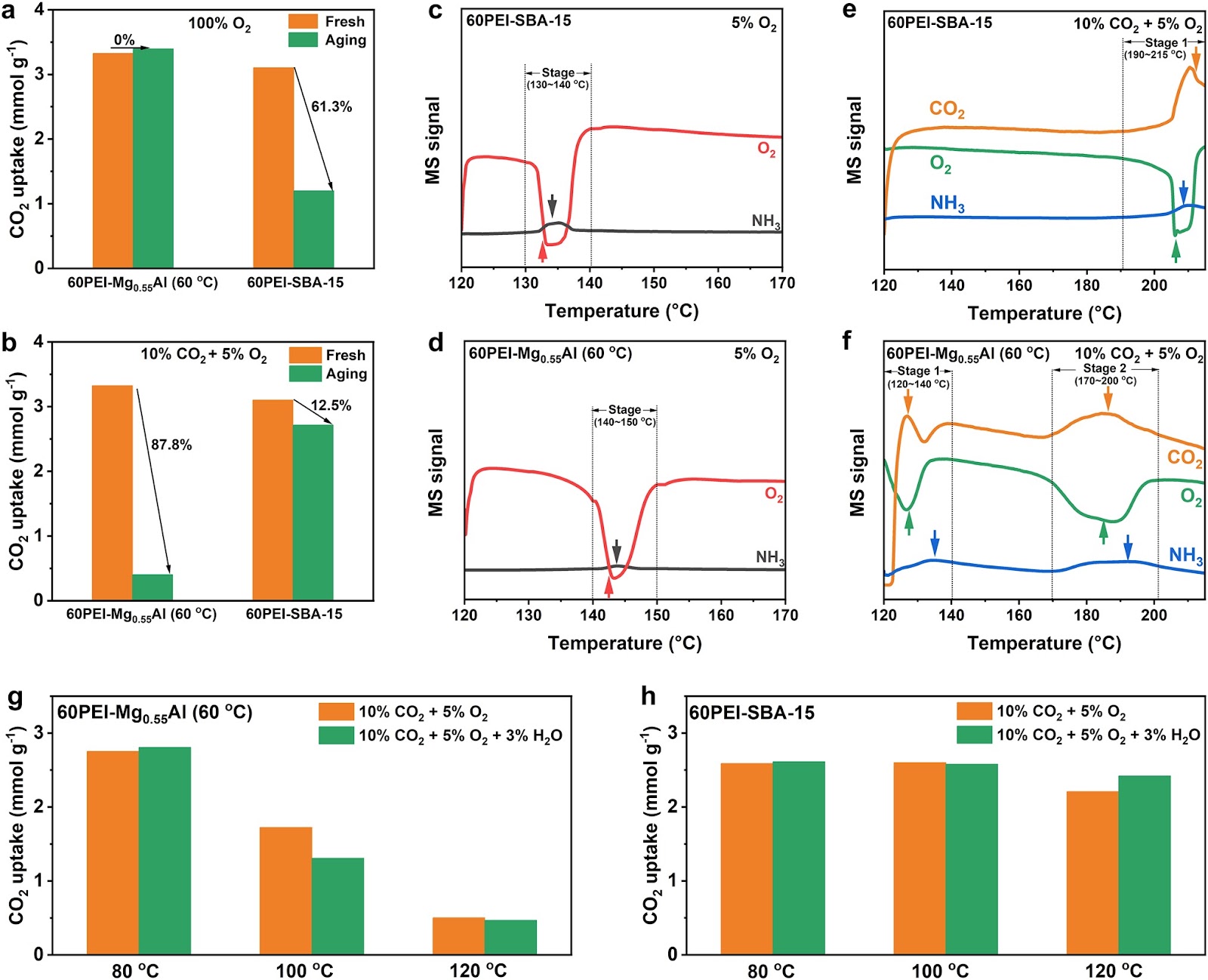
Although supported solid amine adsorbents have attracted great attention for CO2 capture, critical chemical deactivation problems including oxidative degradation and urea formation have severely restricted their practical applications for flue gas CO2 capture. In this work, we reveal that the nature of surface hydroxyl groups (metal hydroxyl Al–OH and nonmetal hydroxyl Si–OH) plays a key role in the deactivation mechanisms. The polyethyleneimine (PEI) supported on Al–OH-containing substrates suffers from severe oxidative degradation during the CO2 capture step due to the breakage of amine-support hydrogen bonding networks, but exhibits an excellent anti-urea formation feature by preventing dehydration of carbamate products under a pure CO2 regeneration atmosphere. In contrast, PEI supported on Si–OH-containing substrates exhibits excellent anti-oxidative stability under simulated flue gas conditions by forming a robust hydrogen bonding protective network with Si–OH, but suffers from obvious urea formation during the pure CO2 regeneration step. We also reveal that the urea formation problem for PEI-SBA-15 can be avoided by the incorporation of an OH-containing PEG additive. Based on the intrinsic understanding of degradation mechanisms, we successfully synthesized an adsorbent 40PEI-20PEG-SBA-15 that demonstrates outstanding stability and retention of a high CO2 capacity of 2.45 mmol g−1 over 1000 adsorption–desorption cycles, together with negligible capacity loss during aging in simulated flue gas (10% CO2 + 5% O2 + 3% H2O) for one month at 60–70 °C. We believe this work makes great contribution to the advancement in the field of ultra-stable solid amine-based CO2 capture materials.

Design of Ultra-Stable Solid Amine Adsorbents and Mechanisms of Hydroxyl Group-Dependent Deactivation for Reversible CO2 Capture from Flue Gas
Graphical Abstract
Original ResearchVol. 17, Issue 1 • pp. 167DOI: 10.1007/s40820-024-01626-8Feb 26, 2025

Yolk–Shell CoNi@N‑Doped Carbon‑CoNi@CNTs for Enhanced Microwave Absorption, Photothermal, Anti‑Corrosion, and Antimicrobial Properties

Authors: Qiqin Liang, Mukun He, Beibei Zhan, Hua Guo, Xiaosi Qi, Yunpeng Qu, Yali Zhang, Wei Zhong, Junwei Gu

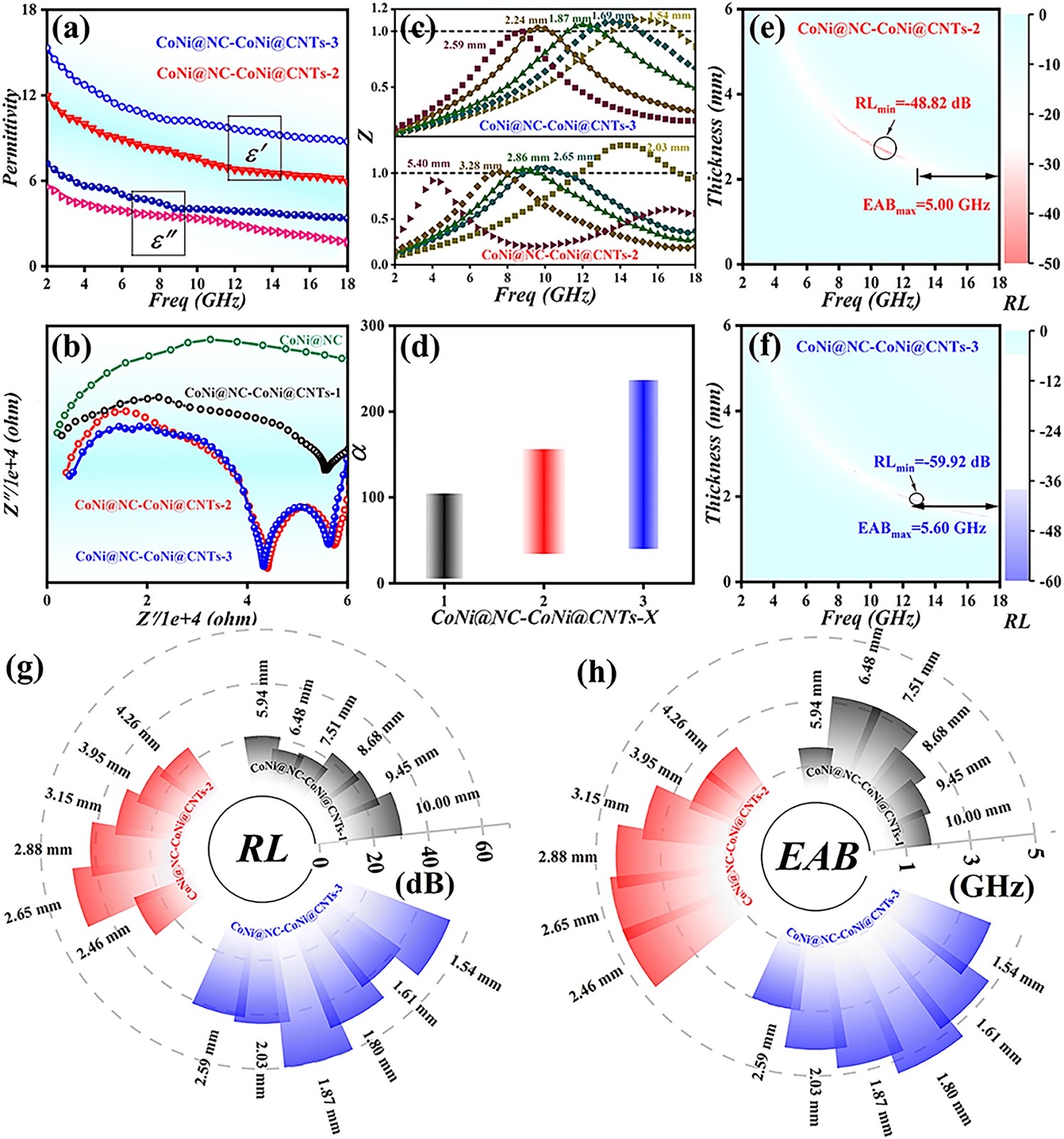
The previous studies mainly focused on improving microwave absorbing (MA) performances of MA materials. Even so, these designed MA materials were very difficult to be employed in complex and changing environments owing to their single-functionalities. Herein, a combined Prussian blue analogues derived and catalytical chemical vapor deposition strategy was proposed to produce hierarchical cubic sea urchin-like yolk–shell CoNi@N-doped carbon (NC)-CoNi@carbon nanotubes (CNTs) mixed-dimensional multicomponent nanocomposites (MCNCs), which were composed of zero-dimensional CoNi nanoparticles, three-dimensional NC nanocubes and one-dimensional CNTs. Because of good impedance matching and attenuation characteristics, the designed CoNi@NC-CoNi@CNTs mixed-dimensional MCNCs exhibited excellent MA performances, which achieved a minimum reflection loss (RLmin) of −71.70 dB at 2.78 mm and Radar Cross section value of −53.23 dB m2. More importantly, the acquired results demonstrated that CoNi@NC-CoNi@CNTs MCNCs presented excellent photothermal, antimicrobial and anti-corrosion properties owing to their hierarchical cubic sea urchin-like yolk–shell structure, highlighting their potential multifunctional applications. It could be seen that this finding not only presented a generalizable route to produce hierarchical cubic sea urchin-like yolk–shell magnetic NC-CNTs-based mixed-dimensional MCNCs, but also provided an effective strategy to develop multifunctional MCNCs and improve their environmental adaptabilities.

Yolk–Shell CoNi@N‑Doped Carbon‑CoNi@CNTs for Enhanced Microwave Absorption, Photothermal, Anti‑Corrosion, and Antimicrobial Properties
Graphical Abstract
Original ResearchVol. 17, Issue 1 • pp. 165DOI: 10.1007/s40820-025-01680-wFeb 25, 2025

Durable Acidic Oxygen Evolution Via Self-Construction of Iridium Oxide/Iridium-Tantalum Oxide Bi-Layer Nanostructure with Dynamic Replenishment of Active Sites

Authors: Qi Guo, Rui Li, Yanan Zhang, Qiqin Zhang, Yi He, Zhibin Li, Weihong Liu, Xiongjun Liu, Zhaoping Lu

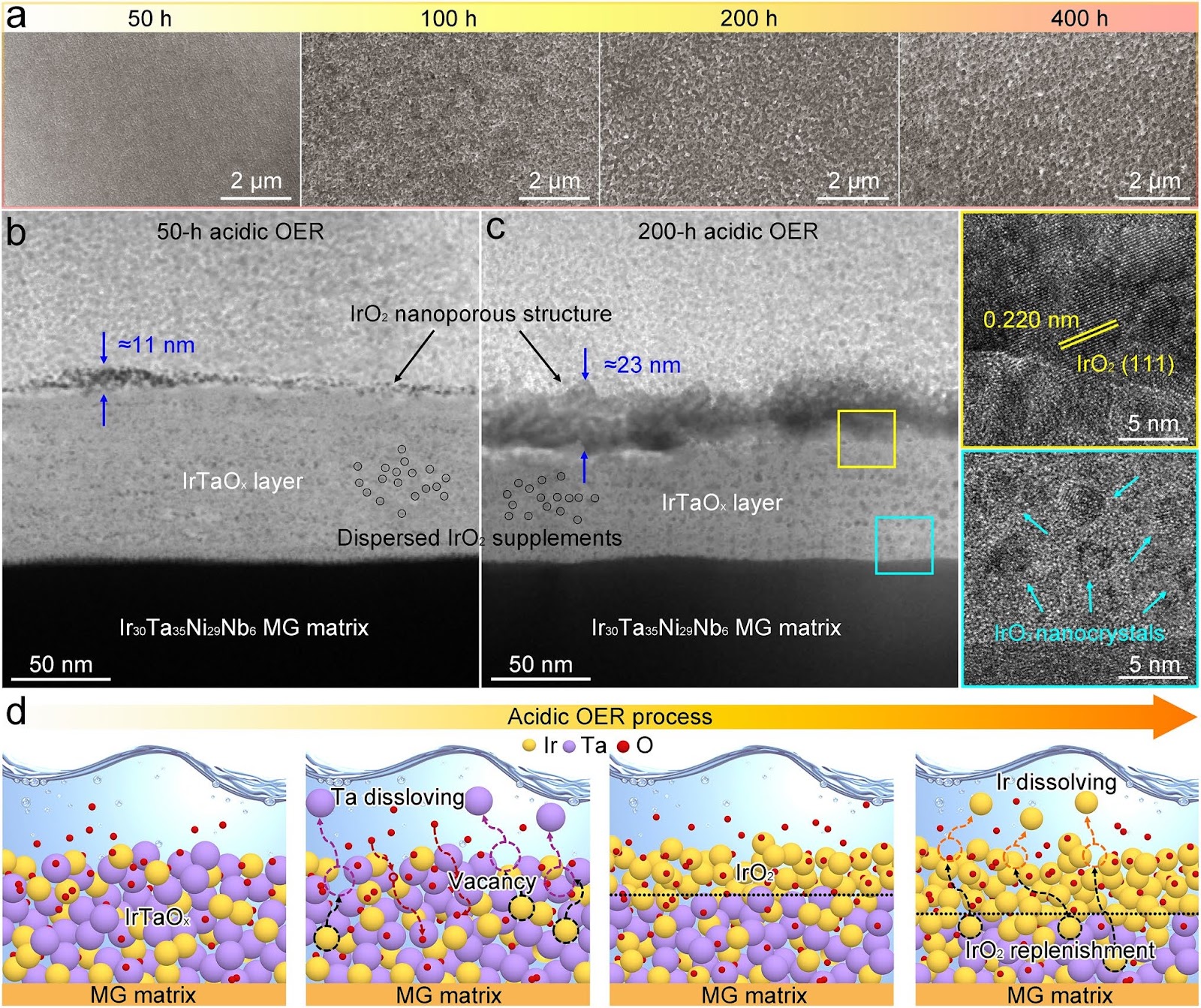
Proton exchange membrane (PEM) water electrolysis presents considerable advantages in green hydrogen production. Nevertheless, oxygen evolution reaction (OER) catalysts in PEM water electrolysis currently encounter several pressing challenges, including high noble metal loading, low mass activity, and inadequate durability, which impede their practical application and commercialization. Here we report a self-constructed layered catalyst for acidic OER by directly using an Ir–Ta-based metallic glass as the matrix, featuring a nanoporous IrO2 surface formed in situ on the amorphous IrTaOx nanostructure during OER. This distinctive architecture significantly enhances the accessibility and utilization of Ir, achieving a high mass activity of 1.06 A mgIr−1 at a 300 mV overpotential, 13.6 and 31.2 times greater than commercial Ir/C and IrO2, respectively. The catalyst also exhibits superb stability under industrial-relevant current densities in acid, indicating its potential for practical uses. Our analyses reveal that the coordinated nature of the surface-active Ir species is effectively modulated through electronic interaction between Ir and Ta, preventing them from rapidly evolving into high valence states and suppressing the lattice oxygen participation. Furthermore, the underlying IrTaOx dynamically replenishes the depletion of surface-active sites through inward crystallization and selective dissolution, thereby ensuring the catalyst’s long-term durability.

Durable Acidic Oxygen Evolution Via Self-Construction of Iridium Oxide/Iridium-Tantalum Oxide Bi-Layer Nanostructure with Dynamic Replenishment of Active Sites
Graphical Abstract
Original ResearchVol. 17, Issue 1 • pp. 164DOI: 10.1007/s40820-024-01638-4Feb 25, 2025

Modulating Electromagnetic Genes Through Bi-Phase High-Entropy Engineering Toward Temperature-Stable Ultra-Broadband Megahertz Electromagnetic Wave Absorption

Authors: Xiaoji Liu, Yuping Duan, Nan Wu, Guangming Li, Yuan Guo, Jiangyong Liu, Ning Zhu, Qiang Wang, Lin Wang, Zichen Xu, Hao Wei, Guojun Wang, Zhijia Zhang, Songsong Zhang, Wenjun Zhou, Teng Ma, Tongmin Wang

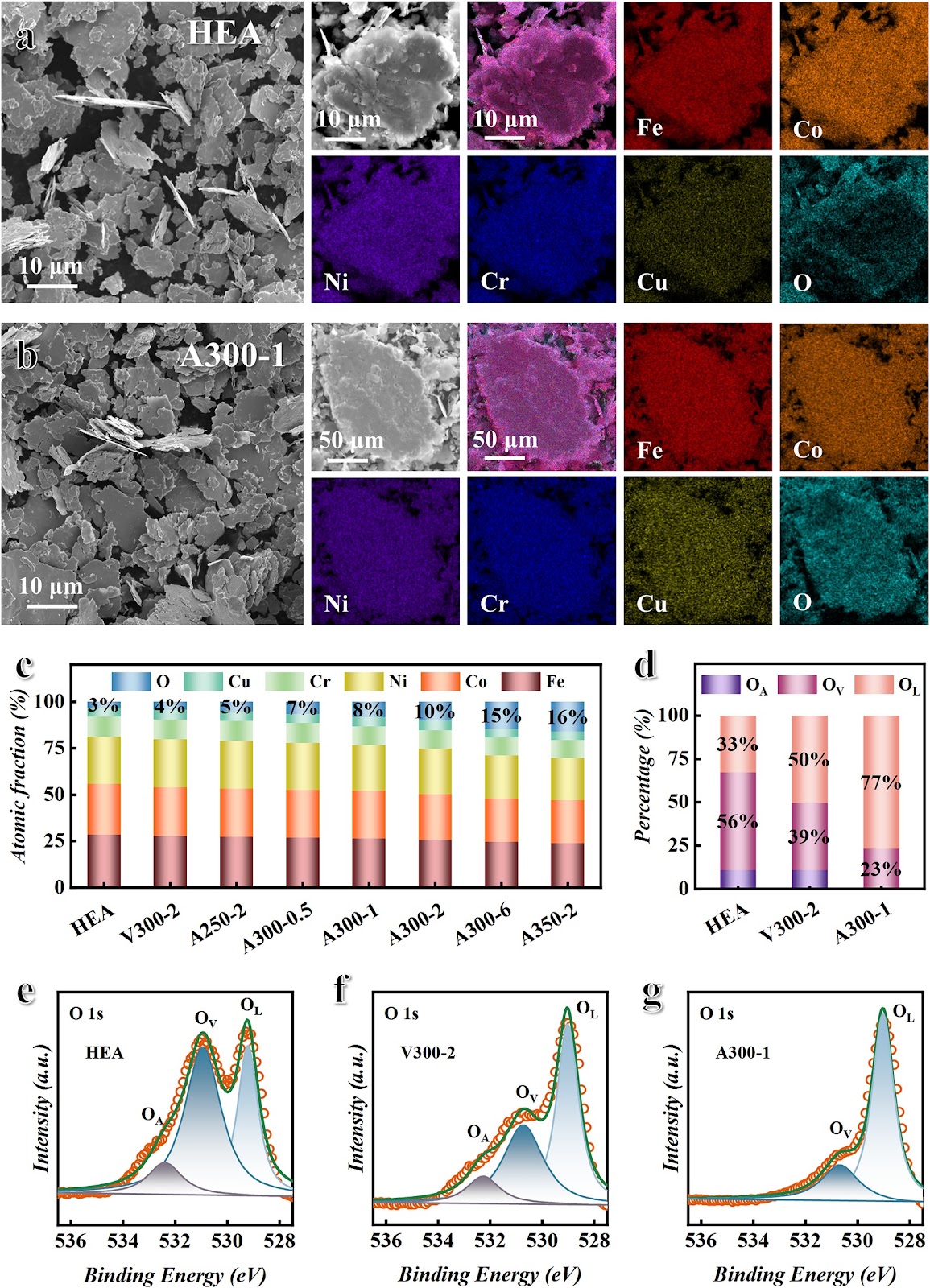
Magnetic absorbers with high permeability have significant advantages in low-frequency and broadband electromagnetic wave (EMW) absorption. However, the insufficient magnetic loss and inherent high conductivity of existing magnetic absorbers limit the further expansion of EMW absorption bandwidth. Herein, the spinel (FeCoNiCrCu)3O4 high-entropy oxides (HEO) are successfully constructed on the surface of FeCoNiCr0.4Cu0.2 high-entropy alloys (HEA) through low-temperature oxygen bath treatment. On the one hand, HEO and HEA have different magnetocrystalline anisotropies, which is conducive to achieving continuous natural resonance to improve magnetic loss. On the other hand, HEO with low conductivity can serve as an impedance matching layer, achieving magneto-electric co-modulation. When the thickness is 5 mm, the minimum reflection loss (RL) value and absorption bandwidth (RL < −5 dB) of bi-phase high-entropy composites (BPHEC) can reach −12.8 dB and 633 MHz, respectively. The RCS reduction value of multilayer sample with impedance gradient characteristic can reach 18.34 dB m2. In addition, the BPHEC also exhibits temperature-stable EMW absorption performance, high Curie temperature, and oxidation resistance. The absorption bandwidth maintains between 593 and 691 MHz from −50 to 150 °C. This work offers a new and tunable strategy toward modulating the electromagnetic genes for temperature-stable ultra-broadband megahertz EMW absorption.

Modulating Electromagnetic Genes Through Bi-Phase High-Entropy Engineering Toward Temperature-Stable Ultra-Broadband Megahertz Electromagnetic Wave Absorption
Graphical Abstract
Original ResearchVol. 17, Issue 1 • pp. 161DOI: 10.1007/s40820-025-01682-8Feb 24, 2025

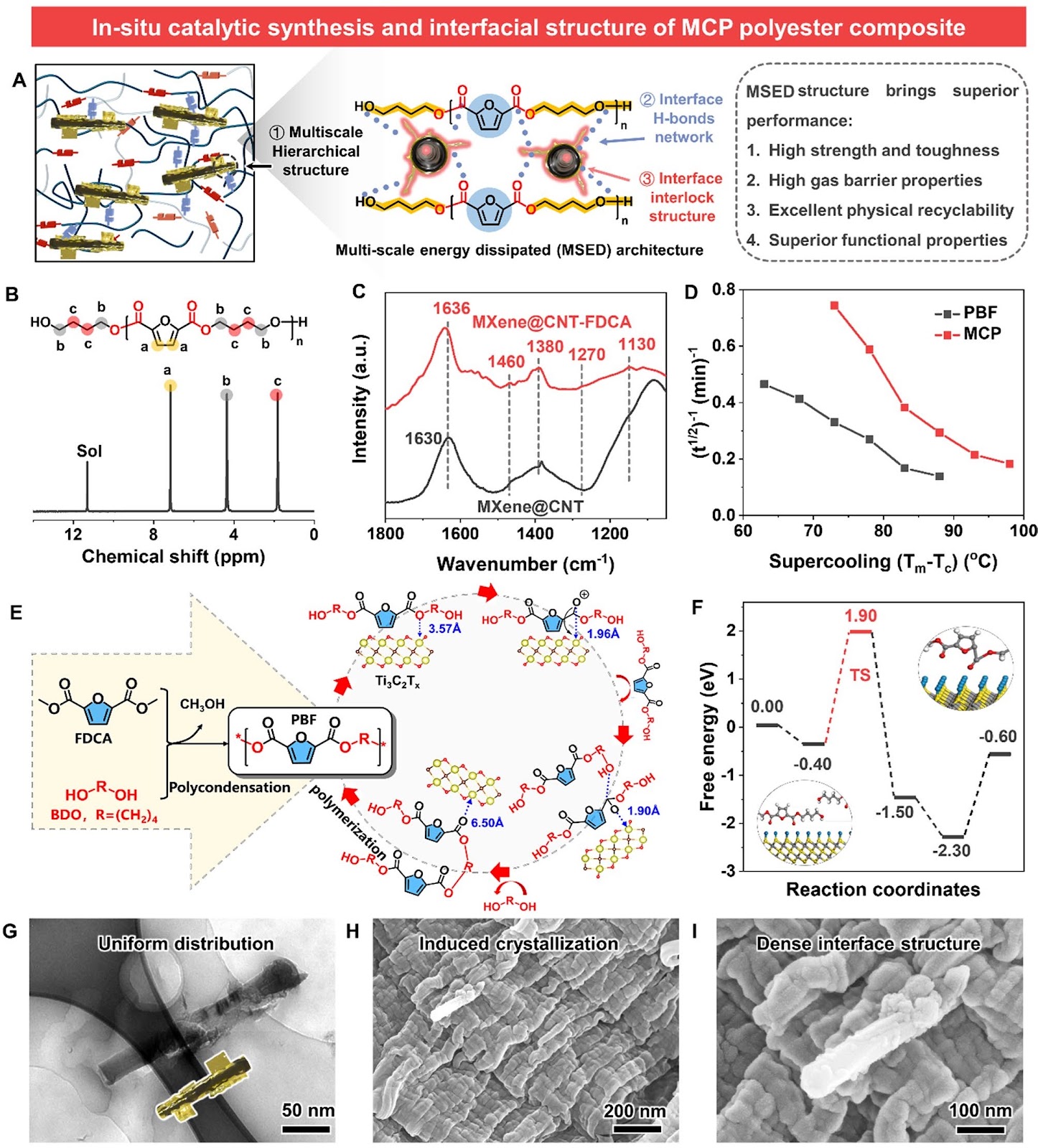
Robust and Reprocessable Biorenewable Polyester Nanocomposites In Situ Catalyzed and Reinforced by Dendritic MXene@CNT Heterostructure

Authors: Hao Wang, Jiheng Ding, Hongran Zhao, Qinchao Chu, Jin Zhu, Jinggang Wang

Renewable 2,5-furandicarboxylic acid-based polyesters are one of the most promising materials for achieving plastic replacement in the age of energy and environmental crisis. However, their properties still cannot compete with those of petrochemical-based plastics, owing to insufficient molecular and/or microstructure designs. Herein, we utilize the Ti3C2Tx-based MXene nanosheets for decorating carbon nanotube (CNT) and obtaining the structurally stable and highly dispersed dendritic heterostructured MXene@CNT, that can act as multi-roles, i.e., polycondensation catalyst, crystal nucleator, and interface enhancer of polyester. The bio-based MXene@CNT/polybutylene furandicarboxylate (PBF) (denoted as MCP) nanocomposites are synthesized by the strategy of “in situ catalytic polymerization and hot-pressing”. Benefiting from the multi-scale interactions (i.e., covalent bonds, hydrogen bonds, and physical interlocks) in hybrid structure, the MCP presents exceptional mechanical strength (≈101 MPa), stiffness (≈3.1 GPa), toughness (≈130 MJ m−3), and barrier properties (e.g., O2 0.0187 barrer, CO2 0.0264 barrer, and H2O 1.57 × 10⁻¹⁴ g cm cm−2 s Pa) that are higher than most reported bio-based materials and engineering plastics. Moreover, it also displays satisfactory multifunctionality with high reprocessability (90% strength retention after 5 recycling), UV resistance (blocking 85% UVA rays), and solvent-resistant properties. As a state-of-art high-performance and multifunctional material, the novel bio-based MCP nanocomposite offers a more sustainable alternative to petrochemical-based plastics in packaging and engineering material fields. More importantly, our catalysis-interfacial strengthening integration strategy opens a door for designing and constructing high-performance bio-based polyester materials in future.

Robust and Reprocessable Biorenewable Polyester Nanocomposites In Situ Catalyzed and Reinforced by Dendritic MXene@CNT Heterostructure
Graphical Abstract
Original ResearchVol. 17, Issue 1 • pp. 156DOI: 10.1007/s40820-025-01656-wFeb 21, 2025

A Flexible-Integrated Multimodal Hydrogel-Based Sensing Patch

Authors: Peng Wang, Guoqing Wang, Guifen Sun, Chenchen Bao, Yang Li, Chuizhou Meng, Zhao Yao

Sleep monitoring is an important part of health management because sleep quality is crucial for restoration of human health. However, current commercial products of polysomnography are cumbersome with connecting wires and state-of-the-art flexible sensors are still interferential for being attached to the body. Herein, we develop a flexible-integrated multimodal sensing patch based on hydrogel and its application in unconstraint sleep monitoring. The patch comprises a bottom hydrogel-based dual-mode pressure–temperature sensing layer and a top electrospun nanofiber-based non-contact detection layer as one integrated device. The hydrogel as core substrate exhibits strong toughness and water retention, and the multimodal sensing of temperature, pressure, and non-contact proximity is realized based on different sensing mechanisms with no crosstalk interference. The multimodal sensing function is verified in a simulated real-world scenario by a robotic hand grasping objects to validate its practicability. Multiple multimodal sensing patches integrated on different locations of a pillow are assembled for intelligent sleep monitoring. Versatile human–pillow interaction information as well as their evolution over time are acquired and analyzed by a one-dimensional convolutional neural network. Track of head movement and recognition of bad patterns that may lead to poor sleep are achieved, which provides a promising approach for sleep monitoring.

A Flexible-Integrated Multimodal Hydrogel-Based Sensing Patch
Graphical Abstract
Original ResearchVol. 17, Issue 1 • pp. 155DOI: 10.1007/s40820-025-01665-9Feb 21, 2025

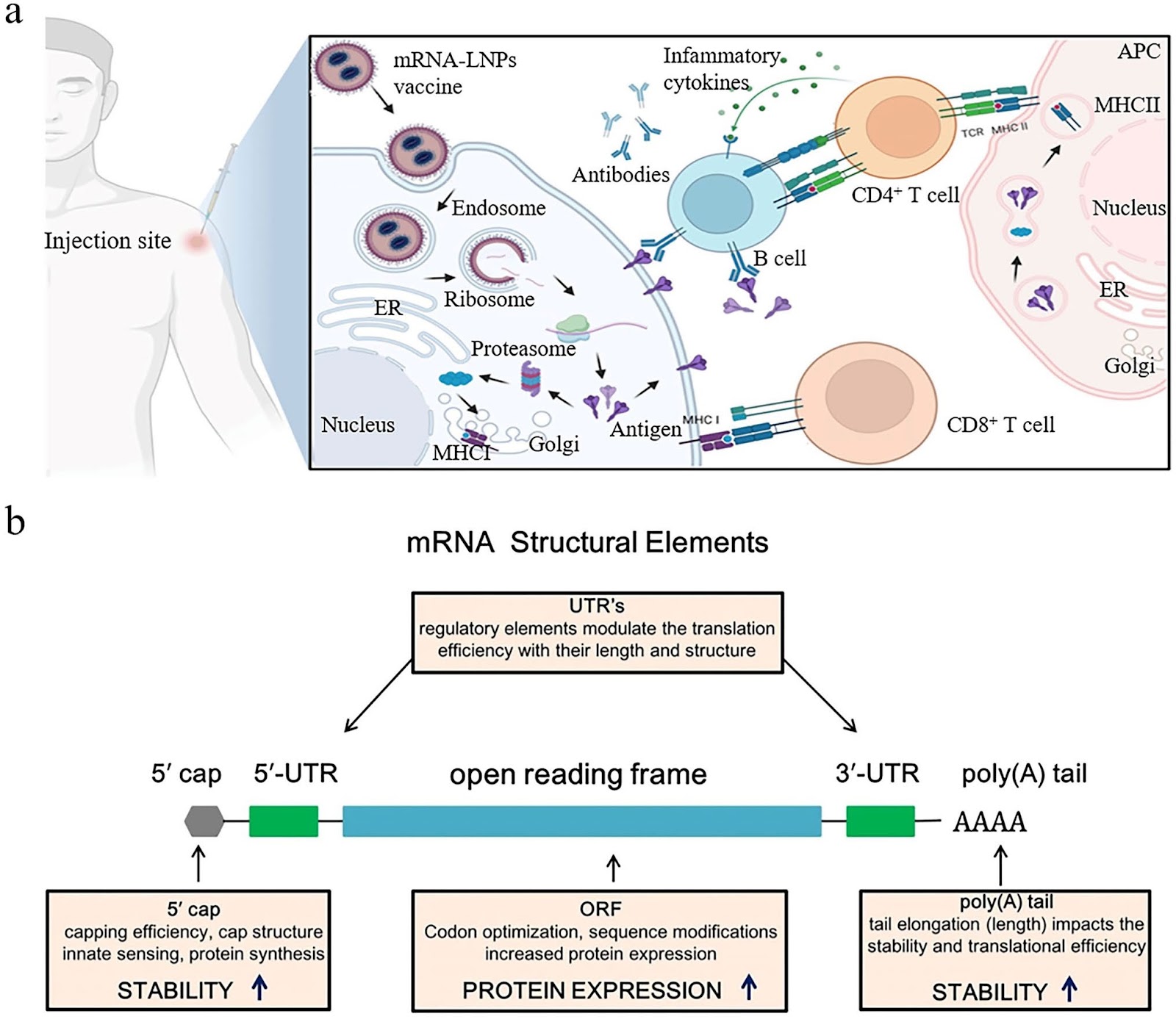
Developing mRNA Nanomedicines with Advanced Targeting Functions

Authors: Ji Wang, Lijun Cai, Ning Li, Zhiqiang Luo, Haozhen Ren, Bing Zhang, Yuanjin Zhao

The emerging messenger RNA (mRNA) nanomedicines have sprung up for disease treatment. Developing targeted mRNA nanomedicines has become a thrilling research hotspot in recent years, as they can be precisely delivered to specific organs or tissues to enhance efficiency and avoid side effects. Herein, we give a comprehensive review on the latest research progress of mRNA nanomedicines with targeting functions. mRNA and its carriers are first described in detail. Then, mechanisms of passive targeting, endogenous targeting, and active targeting are outlined, with a focus on various biological barriers that mRNA may encounter during in vivo delivery. Next, emphasis is placed on summarizing mRNA-based organ-targeting strategies. Lastly, the advantages and challenges of mRNA nanomedicines in clinical translation are mentioned. This review is expected to inspire researchers in this field and drive further development of mRNA targeting technology.

Developing mRNA Nanomedicines with Advanced Targeting Functions
Graphical Abstract
Original ResearchVol. 17, Issue 1 • pp. 153DOI: 10.1007/s40820-025-01650-2Feb 19, 2025

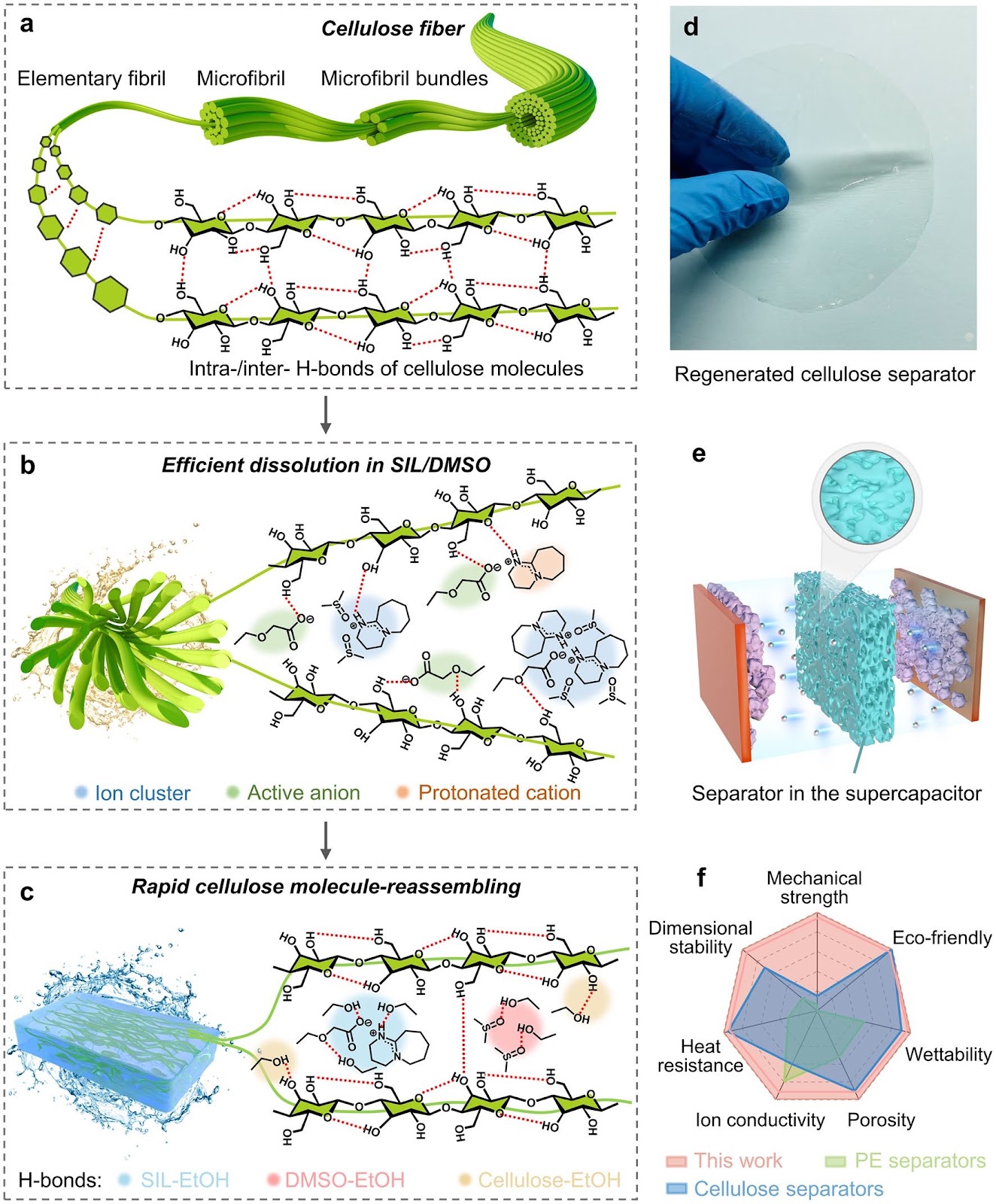
Robust and High-Wettability Cellulose Separators with Molecule-Reassembled Nano-Cracked Structures for High-Performance Supercapacitors

Authors: Xiaoyu Wang, Wenqiu Zheng, Hui Zhao, Junying Li, Sheng Chen, Feng Xu

Separators in supercapacitors (SCs) frequently suffer from high resistance and the risk of short circuits due to inadequate electrolyte wettability, depressed mechanical properties, and insufficient thermal stability. Here, we develop a high-performance regenerated cellulose separator with nano-cracked structures for SCs via a binary solvent of superbase-derived ionic liquid and dimethylsulfoxide (DMSO). The unique nano-cracks with an average width of 7.45 nm arise from the acceleration of cellulose molecular reassembly by DMSO-regulated hydrogen bonding, which endows the separator with high porosity (70.2%) and excellent electrolyte retention (329%). The outstanding thermal stability (273 °C) and mechanical strength (70 MPa) enable the separator to maintain its structural integrity under high temperatures and external forces. With these benefits, the SC utilizing the cellulose separator enables a high specific capacitance of 93.6 F g−1 at 1.0 A g−1 and a remarkable capacitance retention of 99.5% after 10,000 cycles compared with the commercial NKK-MPF30AC and NKK-TF4030. The robust and high-wettability cellulose separator holds promise as a superior alternative to commercial separators for advanced SCs with enhanced performance and improved safety.

Robust and High-Wettability Cellulose Separators with Molecule-Reassembled Nano-Cracked Structures for High-Performance Supercapacitors
Graphical Abstract
Original ResearchVol. 17, Issue 1 • pp. 154DOI: 10.1007/s40820-025-01674-8Feb 19, 2025

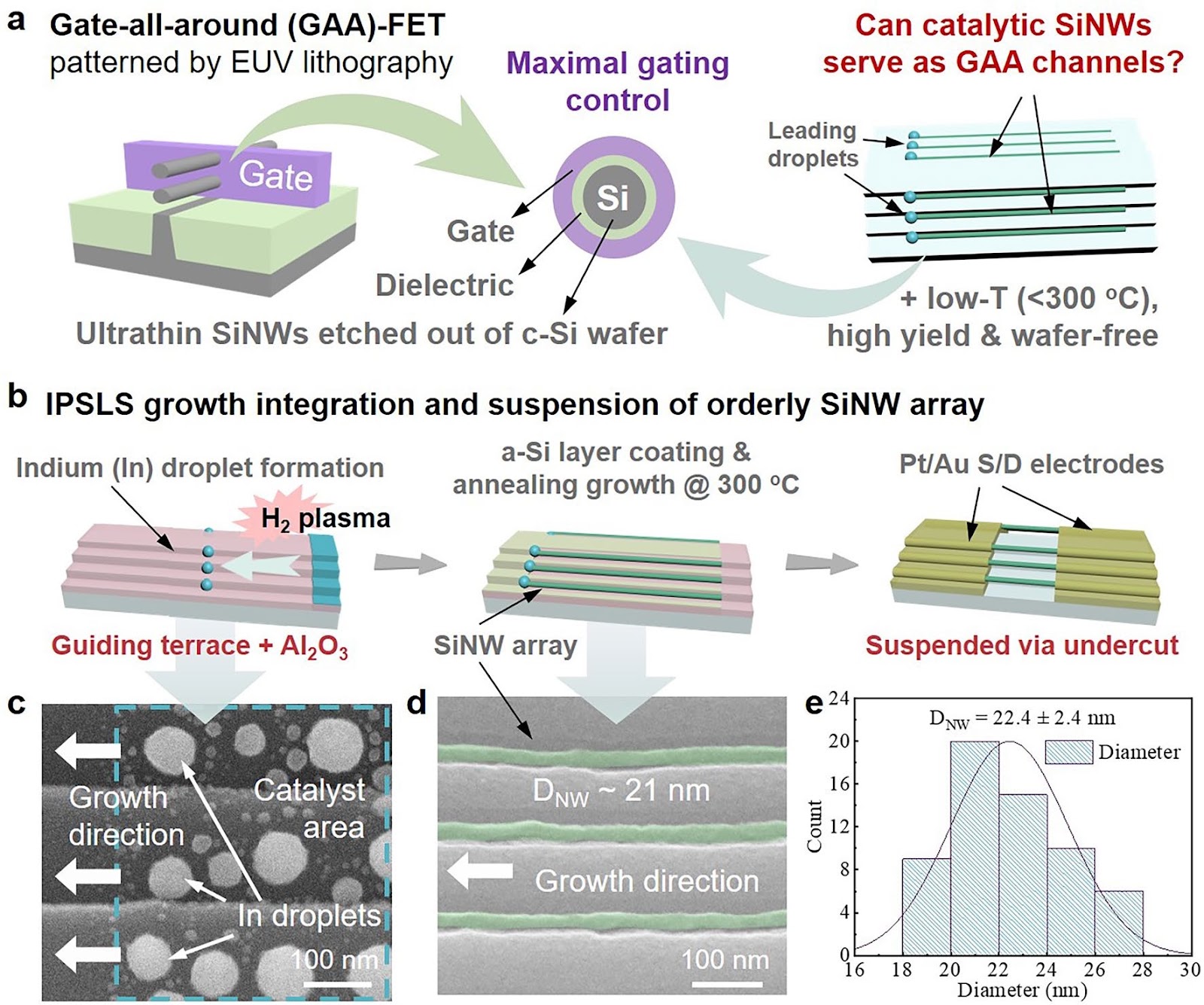
High-Performance Gate-All-Around Field Effect Transistors Based on Orderly Arrays of Catalytic Si Nanowire Channels

Authors: Wei Liao, Wentao Qian, Junyang An, Lei Liang, Zhiyan Hu, Junzhuan Wang, Linwei Yu

Gate-all-around field-effect transistors (GAA-FETs) represent the leading-edge channel architecture for constructing state-of-the-art high-performance FETs. Despite the advantages offered by the GAA configuration, its application to catalytic silicon nanowire (SiNW) channels, known for facile low-temperature fabrication and high yield, has faced challenges primarily due to issues with precise positioning and alignment. In exploring this promising avenue, we employed an in-plane solid–liquid-solid (IPSLS) growth technique to batch-fabricate orderly arrays of ultrathin SiNWs, with diameters of DNW = 22.4 ± 2.4 nm and interwire spacing of 90 nm. An in situ channel-releasing technique has been developed to well preserve the geometry integrity of suspended SiNW arrays. By optimizing the source/drain contacts, high-performance GAA-FET devices have been successfully fabricated, based on these catalytic SiNW channels for the first time, yielding a high on/off current ratio of 10^7 and a steep subthreshold swing of 66 mV dec−1, closing the performance gap between the catalytic SiNW-FETs and state-of-the-art GAA-FETs fabricated by using advanced top-down EBL and EUV lithography. These results indicate that catalytic IPSLS SiNWs can also serve as the ideal 1D channels for scalable fabrication of high-performance GAA-FETs, well suited for monolithic 3D integrations.

High-Performance Gate-All-Around Field Effect Transistors Based on Orderly Arrays of Catalytic Si Nanowire Channels
Graphical Abstract
Original ResearchVol. 17, Issue 1 • pp. 151DOI: 10.1007/s40820-025-01668-6Feb 17, 2025

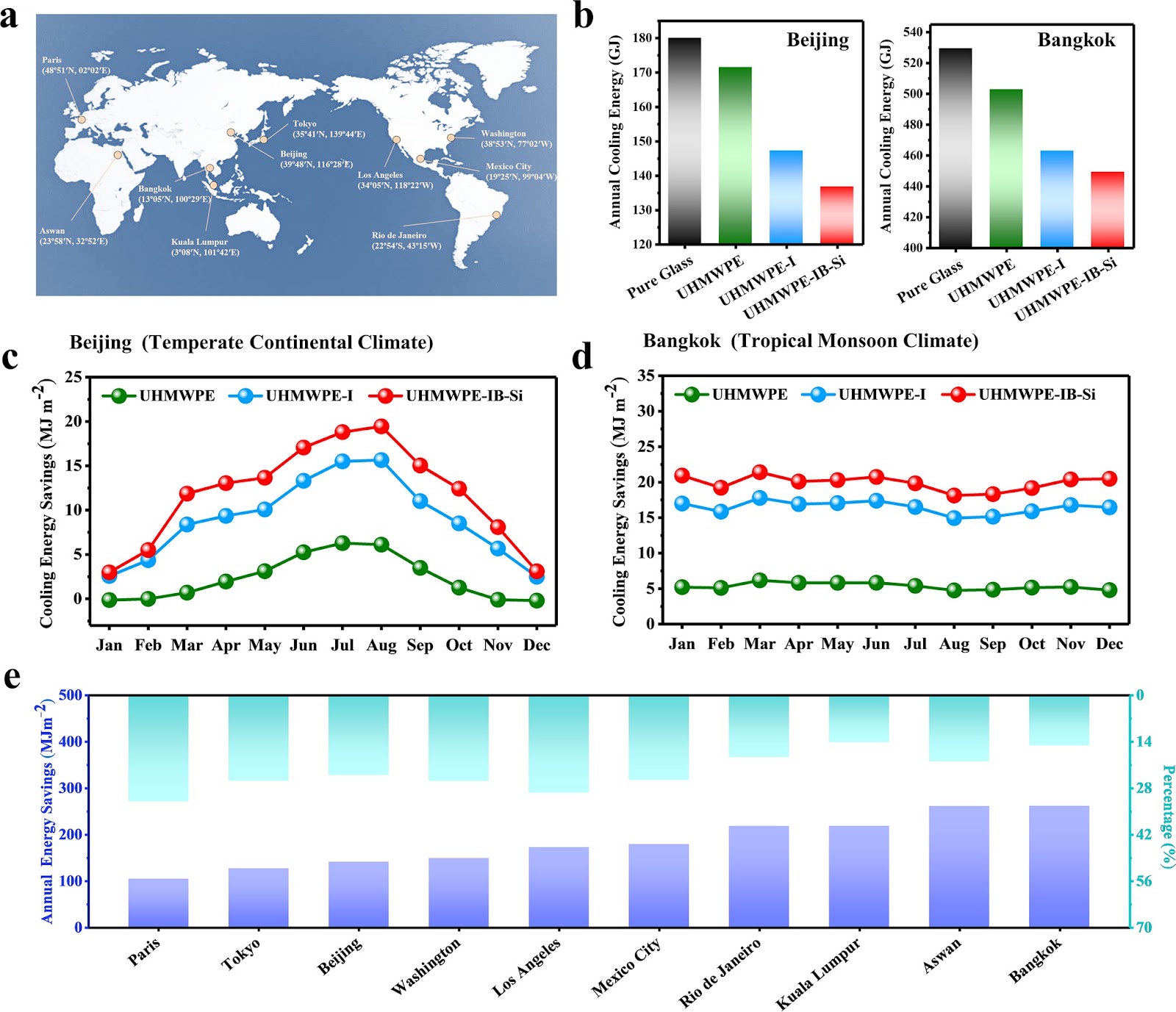
A Transparent Polymer-Composite Film for Window Energy Conservation

Authors: Xianhu Liu, Haoyu Zhang, Yamin Pan, Jun Ma, Chuntai Liu, Changyu Shen

As living standards improve, the energy consumption for regulating indoor temperature keeps increasing. Windows, in particular, enhance indoor brightness but also lead to increased energy loss, especially in sunny weather. Developing a product that can maintain indoor brightness while reducing energy consumption is a challenge. We developed a facile, spectrally selective transparent ultrahigh-molecular-weight polyethylene composite film to address this trade-off. It is based on a blend of antimony-doped tin oxide and then spin-coated hydrophobic fumed silica, achieving a high visible light transmittance (> 70%) and high shielding rates for ultraviolet (> 90%) and near-infrared (> 70%). When applied to the acrylic window of containers and placed outside, this film can cause a 10 °C temperature drop compared to a pure polymer film. Moreover, in building energy simulations, the annual energy savings could be between 14.1% ~ 31.9% per year. The development of energy-efficient and eco-friendly transparent films is crucial for reducing energy consumption and promoting sustainability in the window environment.

A Transparent Polymer-Composite Film for Window Energy Conservation
Graphical Abstract
Original ResearchVol. 17, Issue 1 • pp. 148DOI: 10.1007/s40820-025-01648-wFeb 17, 2025

Recent Advances of Electrocatalysts and Electrodes for Direct Formic Acid Fuel Cells: from Nano to Meter Scale Challenges

Authors: Yang Li, Ming-Shui Yao, Yanping He, Shangfeng Du

Direct formic acid fuel cells are promising energy devices with advantages of low working temperature and high safety in fuel storage and transport. They have been expected to be a future power source for portable electronic devices. The technology has been developed rapidly to overcome the high cost and low power performance that hinder its practical application, which mainly originated from the slow reaction kinetics of the formic acid oxidation and complex mass transfer within the fuel cell electrodes. Here, we provide a comprehensive review of the progress around this technology, in particular for addressing multiscale challenges from catalytic mechanism understanding at the atomic scale, to catalyst design at the nanoscale, electrode structure at the micro scale and design at the millimeter scale, and finally to device fabrication at the meter scale. The gap between the highly active electrocatalysts and the poor electrode performance in practical devices is highlighted. Finally, perspectives and opportunities are proposed to potentially bridge this gap for further development of this technology.
Recent Advances of Electrocatalysts and Electrodes for Direct Formic Acid Fuel Cells: from Nano to Meter Scale Challenges
Graphical Abstract
Original ResearchVol. 17, Issue 1 • pp. 146DOI: 10.1007/s40820-025-01676-6Feb 17, 2025

Fast-Developing Dynamic Radiative Thermal Management: Full-Scale Fundamentals, Switching Methods, Applications, and Challenges

Authors: Long Xie, Xuechuan Wang, Yageng Bai, Xiaoliang Zou, Xinhua Liu

Rapid population growth in recent decades has intensified both the global energy crisis and the challenges posed by climate change, including global warming. Currently, the increased frequency of extreme weather events and large fluctuations in ambient temperature disrupt thermal comfort and negatively impact health, driving a growing dependence on cooling and heating energy sources. Consequently, efficient thermal management has become a central focus of energy research. Traditional thermal management systems consume substantial energy, further contributing to greenhouse gas emissions. In contrast, emergent radiant thermal management technologies that rely on renewable energy have been proposed as sustainable alternatives. However, achieving year-round thermal management without additional energy input remains a formidable challenge. Recently, dynamic radiative thermal management technologies have emerged as the most promising solution, offering the potential for energy-efficient adaptation across seasonal variations. This review systematically presents recent advancements in dynamic radiative thermal management, covering fundamental principles, switching mechanisms, primary materials, and application areas. Additionally, the key challenges hindering the broader adoption of dynamic radiative thermal management technologies are discussed. By highlighting their transformative potential, this review provides insights into the design and industrial scalability of these innovations, with the ultimate aim of promoting renewable energy integration in thermal management applications.

Fast-Developing Dynamic Radiative Thermal Management: Full-Scale Fundamentals, Switching Methods, Applications, and Challenges
Graphical Abstract
Original ResearchVol. 17, Issue 1 • pp. 147DOI: 10.1007/s40820-025-01675-7Feb 17, 2025

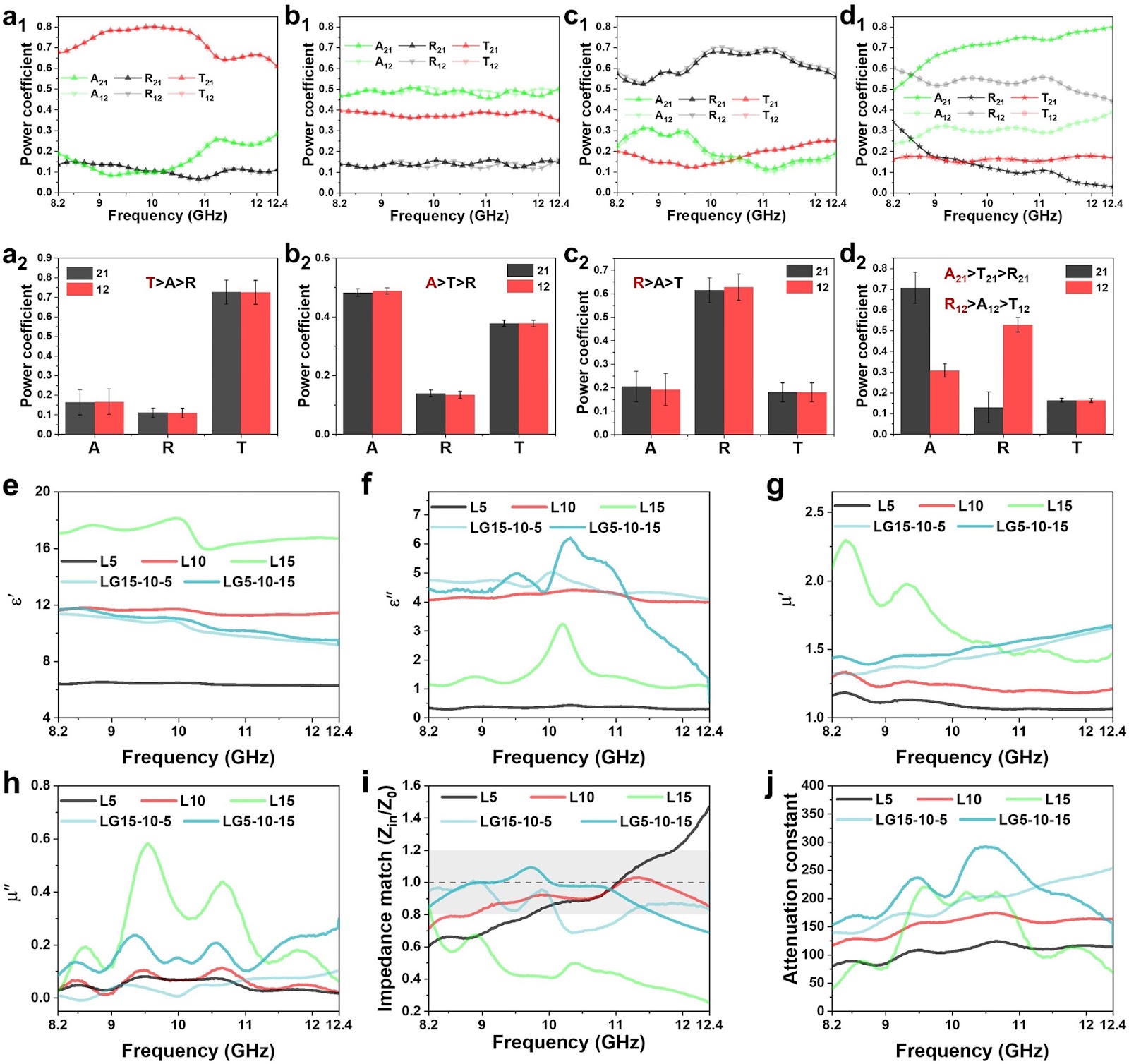
Absorption–Reflection–Transmission Power Coefficient Guiding Gradient Distribution of Magnetic MXene in Layered Composites for Electromagnetic Wave Absorption

Authors: Yang Zhou, Wen Zhang, Dong Pan, Zhaoyang Li, Bing Zhou, Ming Huang, Liwei Mi, Chuntai Liu, Yuezhan Feng, Changyu Shen

The morphological distribution of absorbent in composites is equally important with absorbents for the overall electromagnetic properties, but it is often ignored. Herein, a comprehensive consideration including electromagnetic component regulation, layered arrangement structure, and gradient concentration distribution was used to optimize impedance matching and enhance electromagnetic loss. On the microscale, the incorporation of magnetic Ni nanoparticles into MXene nanosheets (Ni@MXene) endows suitable intrinsic permittivity and permeability. On the macroscale, the layered arrangement of Ni@MXene increases the effective interaction area with electromagnetic waves, inducing multiple reflection/scattering effects. On this basis, according to the analysis of absorption, reflection, and transmission (A–R–T) power coefficients of layered composites, the gradient concentration distribution was constructed to realize the impedance matching at low-concentration surface layer, electromagnetic loss at middle concentration interlayer and microwave reflection at high-concentration bottom layer. Consequently, the layered gradient composite (LG5-10–15) achieves complete absorption coverage of X-band at thickness of 2.00–2.20 mm with RLmin of −68.67 dB at 9.85 GHz in 2.05 mm, which is 199.0%, 12.6%, and 50.6% higher than non-layered, layered and layered descending gradient composites, respectively. Therefore, this work confirms the importance of layered gradient structure in improving absorption performance and broadens the design of high-performance microwave absorption materials.

Absorption–Reflection–Transmission Power Coefficient Guiding Gradient Distribution of Magnetic MXene in Layered Composites for Electromagnetic Wave Absorption
Graphical Abstract
Original ResearchVol. 17, Issue 1 • pp. 145DOI: 10.1007/s40820-025-01655-xFeb 14, 2025

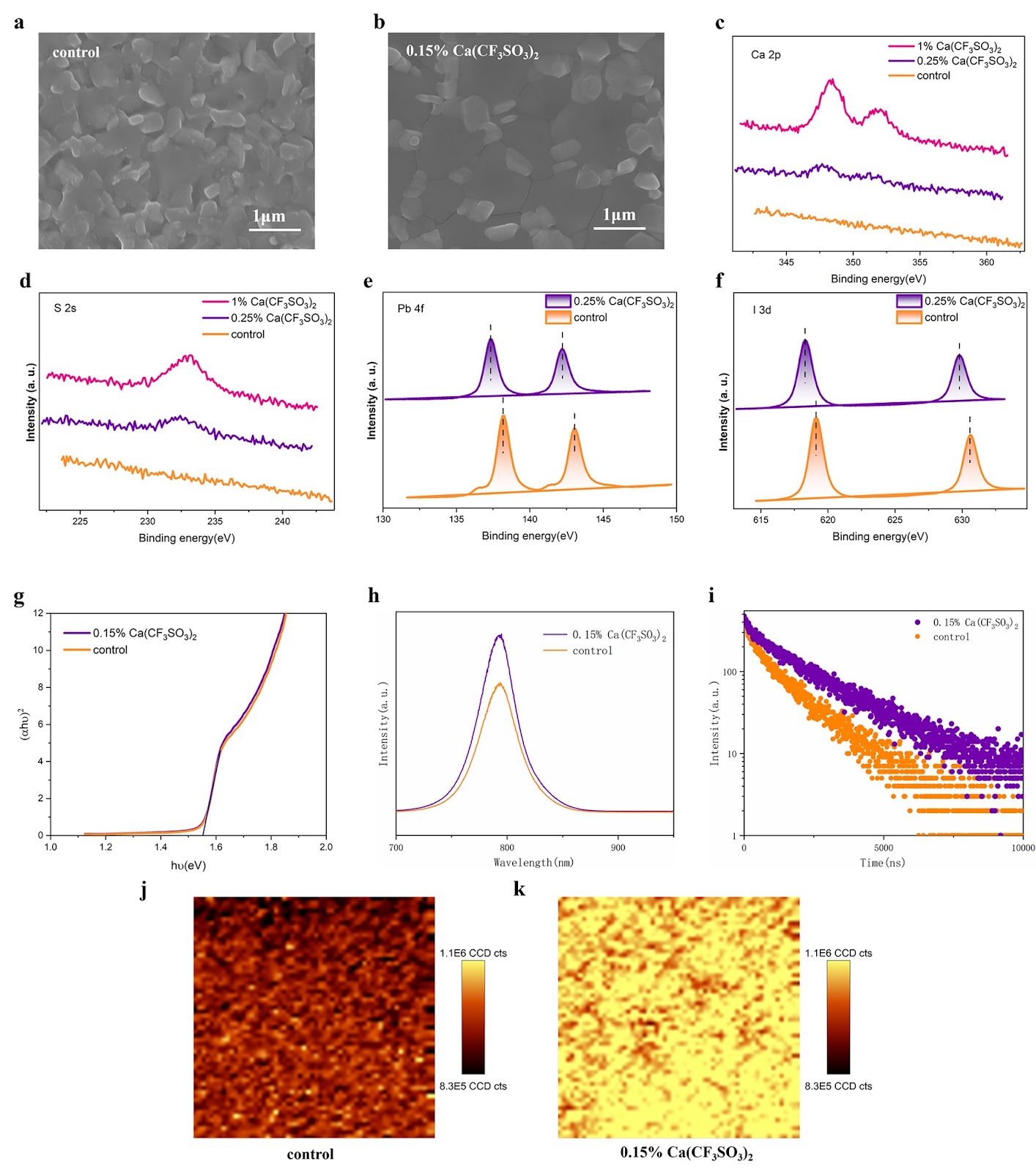
Understanding the Decoupled Effects of Cations and Anions Doping for High-Performance Perovskite Solar Cells

Authors: Tianxiang Hu, Yixi Wang, Kai Liu, Jia Liu, Haoyang Zhang, Qudrat Ullah Khan, Shijie Dai, Weifan Qian, Ruochen Liu, Yanyan Wang, Chongyuan Li, Zhenru Zhang, Mingxiang Luo, Xiaofei Yue, Chunxiao Cong, Yuan Yongbo, Anran Yu, Jia Zhang, Yiqiang Zhan

The past decade has witnessed the rapid increasement in power conversion efficiency of perovskite solar cells (PSCs). However, serious ion migration hampers their operational stability. Although dopants composed of varied cations and anions are introduced into perovskite to suppress ion migration, the impact of cations or anions is not individually explored, which hinders the evaluation of different cations and further application of doping strategy. Here we report that a special group of sulfonic anions (like CF3SO3−) successfully introduce alkaline earth ions (like Ca2+) into perovskite lattice compared to its halide counterparts. Furthermore, with effective crystallization regulation and defect passivation of sulfonic anions, perovskite with Ca(CF3SO3)2 shows reduced PbI2 residue and metallic Pb0 defects; thereby, corresponding PSCs show an enhanced PCE of 24.95%. Finally by comparing the properties of perovskite with Ca(CF3SO3)2 and FACF3SO3, we found that doped Ca2+ significantly suppressed halide migration with an activation energy of 1.246 eV which accounts for the improved operational stability of Ca(CF3SO3)2-doped PSCs, while no obvious impact of Ca2+ on trap density is observed. Combining the benefits of cations and anions, this study presents an effective method to decouple the effects of cations and anions and fabricate efficient and stable PSCs.

Understanding the Decoupled Effects of Cations and Anions Doping for High-Performance Perovskite Solar Cells
Graphical Abstract
Original ResearchVol. 17, Issue 1 • pp. 143DOI: 10.1007/s40820-024-01636-6Feb 13, 2025

Integrating Electric Ambipolar Effect for High-Performance Zinc Bromide Batteries

Authors: Wenda Li, Hengyue Xu, Shanzhe Ke, Hongyi Zhang, Hao Chen, Gaijuan Guo, Xuanyi Xiong, Shiyao Zhang, Jianwei Fu, Chengbin Jing, Jiangong Cheng, Shaohua Liu

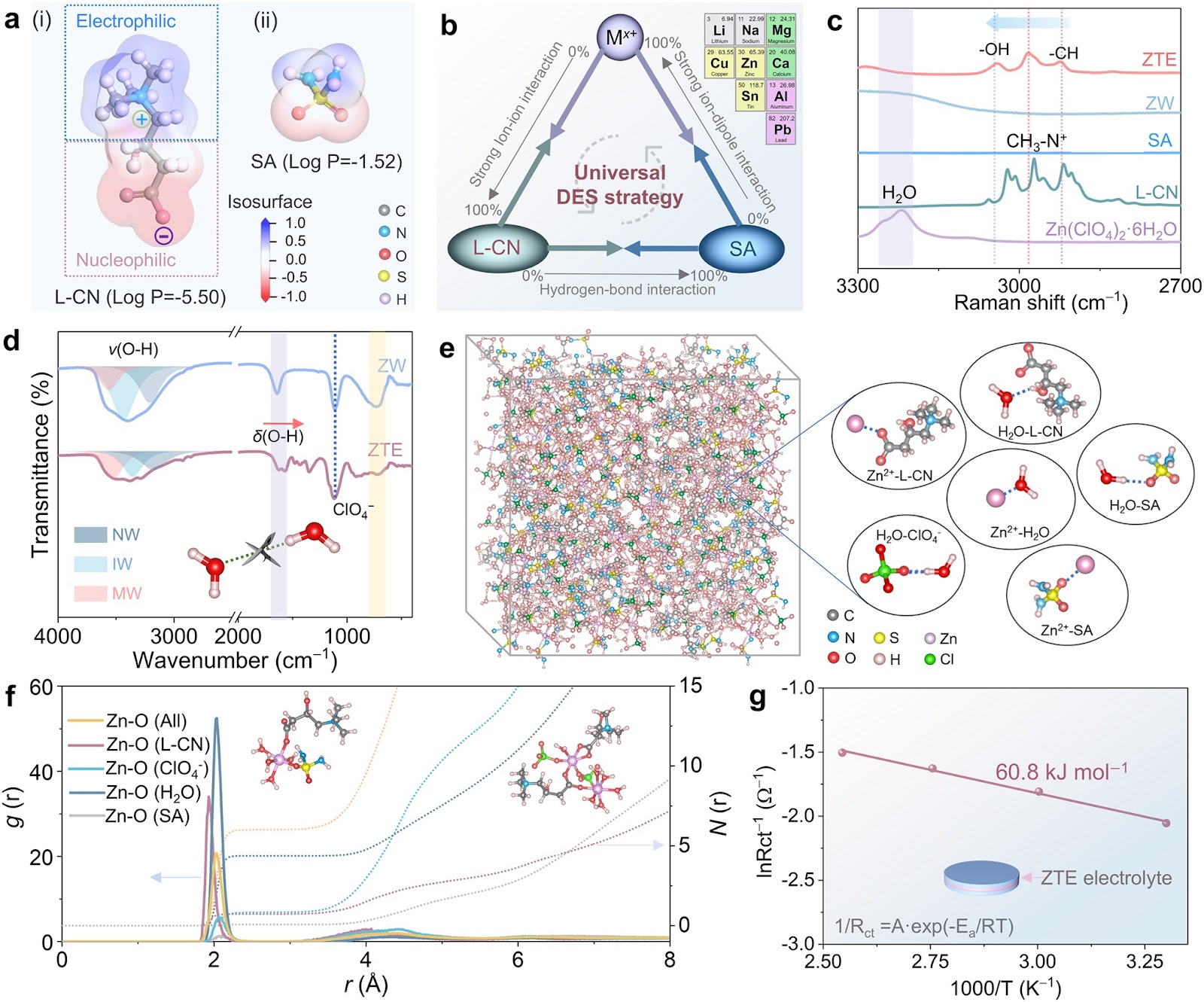
The coupling of fast redox kinetics, high-energy density, and prolonged lifespan is a permanent aspiration for aqueous rechargeable zinc batteries, but which has been severely hampered by a narrow voltage range and suboptimal compatibility between the electrolytes and electrodes. Here, we unprecedentedly introduced an electric ambipolar effect for synergistic manipulation on Zn2+ ternary-hydrated eutectic electrolyte (ZTE) enabling high-performance Zn-Br2 batteries. The electric ambipolar effect motivates strong dipole interactions among hydrated perchlorates and bipolar ligands of L-carnitine (L-CN) and sulfamide, which reorganized primary cations solvation sheath in a manner of forming Zn[(L-CN)(SA)(H2O)4]2+ configuration and dynamically restricting desolvated H2O molecules, thus ensuring a broadened electrochemical window of 2.9 V coupled with high ionic conductivity. Noticeably, L-CN affords an electrostatic shielding effect and an in situ construction of organic–inorganic interphase, endowing oriented Zn anode plating/stripping reversibly for over 2400 h. Therefore, with the synergy of electro/nucleophilicity and exceptional compatibility, the ZTE electrolyte dynamically boosts the conversion redox of Zn-Br2 batteries in terms of high specific capacity and stable cycling performance. These findings open a window for designing electrolytes with synergetic chemical stability and compatibility toward advanced zinc-ion batteries.

Integrating Electric Ambipolar Effect for High-Performance Zinc Bromide Batteries
Graphical Abstract
Original ResearchVol. 17, Issue 1 • pp. 144DOI: 10.1007/s40820-025-01670-yFeb 13, 2025

Thin and Flexible Breeze-Sense Generators for Non-Contact Haptic Feedback in Virtual Reality

Authors: Kaijun Zhang, Zhe Liu, Yexi Zhou, Zhaoyang Li, Dazhe Zhao, Xiao Guan, Tianjun Lan, Yanting Gong, Bingpu Zhou, Junwen Zhong

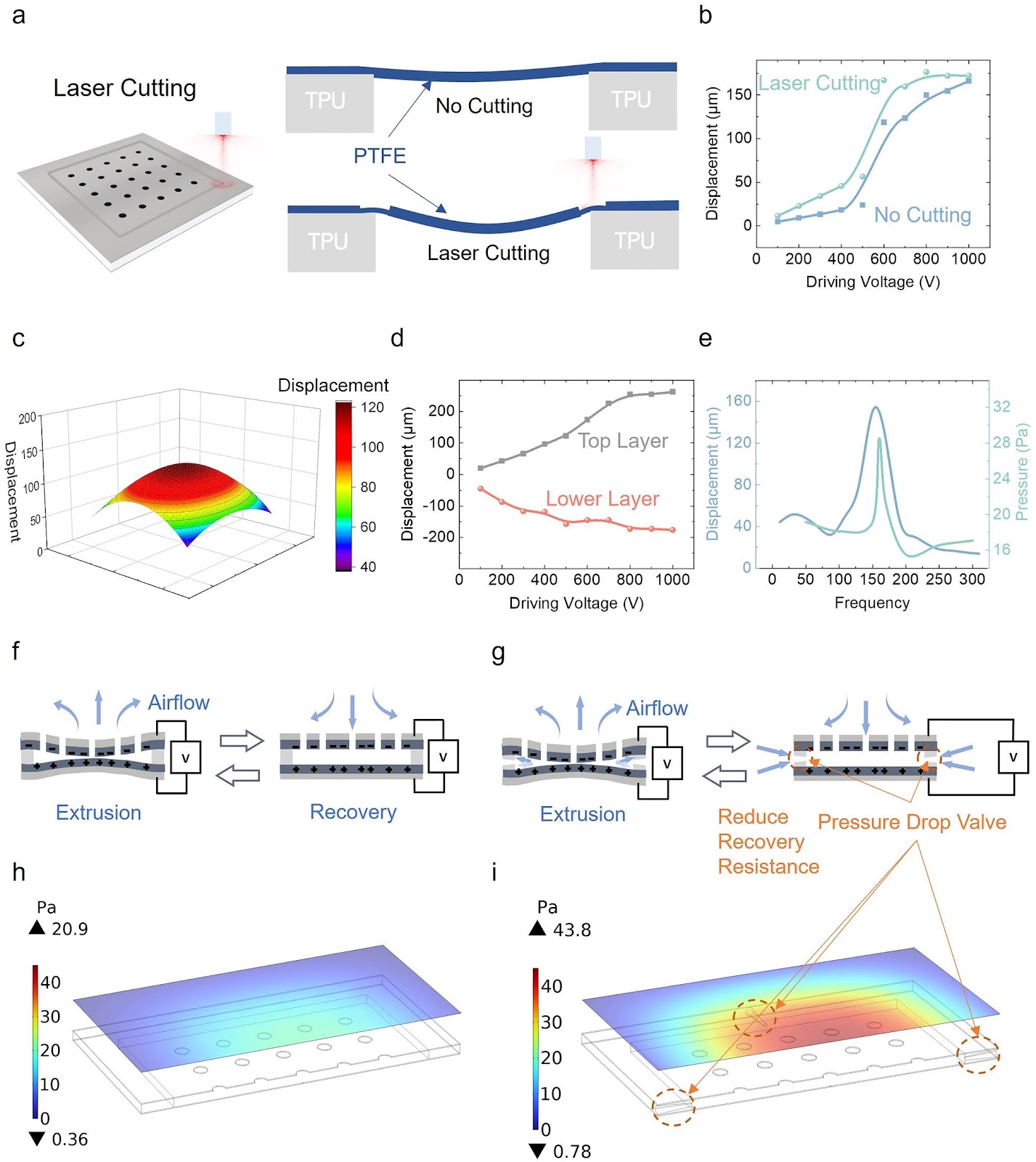
In the realm of virtual reality (VR), haptic feedback is integral to enhance the immersive experience; yet, existing wearable devices predominantly rely on skin contact feedback, lacking options for compact and non-contact breeze-sense feedback. Herein, we propose a compact and non-contact working model piezoelectret actuator for providing a gentle and safe breeze sensation. This easy-fabricated and flexible breeze-sense generator with thickness around 1 mm generates air flow pressure up to ~163 Pa, which is significantly sensed by human skin. In a typical demonstration, the breeze-sense generators array showcases its versatility by employing multiple coded modes for non-contact information transmitting. The thin thinness and good flexibility facilitate seamless integration with wearable VR setups, and the wearable arrays empower volunteers to precisely perceive the continuous and sudden breeze senses in the virtual environments. This work is expected to inspire developing new haptic feedback devices that play pivotal roles in human–machine interfaces for VR applications.

Thin and Flexible Breeze-Sense Generators for Non-Contact Haptic Feedback in Virtual Reality
Graphical Abstract
Original ResearchVol. 17, Issue 1 • pp. 142DOI: 10.1007/s40820-025-01657-9Feb 12, 2025

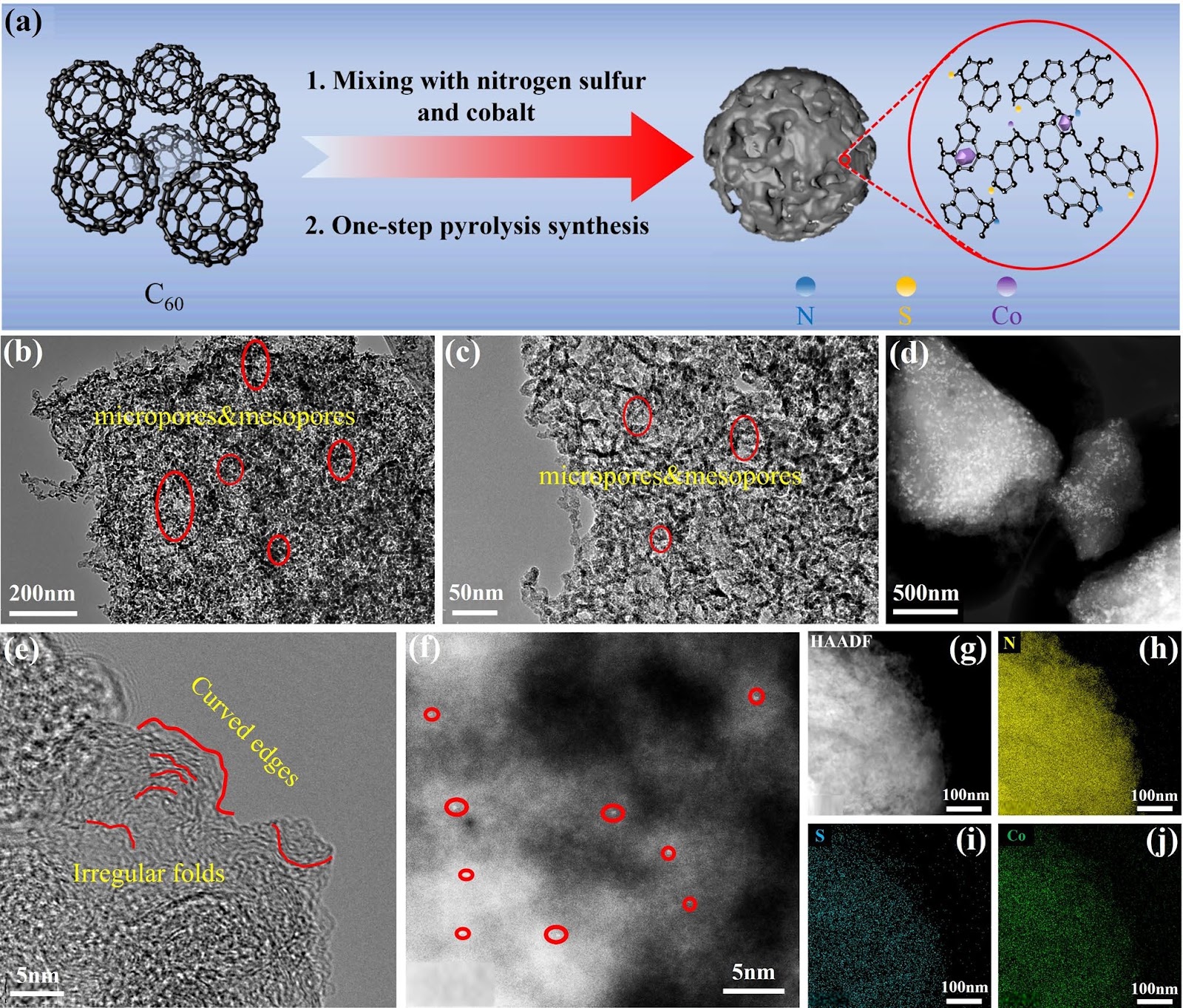
Synergistic Single-Atom and Clustered Cobalt Sites on N/S Co-Doped Defect Nano-Carbon for Efficient H2O2 Electrosynthesis

Authors: Yuzhong Huang, Chang Zhang, Xingyu Wang, Yuji Wu, Jun Lv, Jian Zhang, Wangqiang Shen, Xing Lu

Non-noble-based single atomic catalysts have exhibited significant potential in electrochemical production of H2O2 via two-electron oxygen reduction reactions (2e− ORR). However, constructing highly efficient and acid-resistant catalysts remains a challenge but significant. In this work, fullerene (C60) with abundant pentagonal inherent defects was employed as a carbon substrate to synthesize defect-rich nanocarbon electrocatalysts doped with NSCo single atoms and accompanied by metallic Co nanoparticles (CoSA/CoNP-NSDNC) for the first time. The electrochemical experiments demonstrate that the active sites of CoSA/CoNP-NSDNC are formed through the synergistic interaction between NSCo single atoms and Co nanoparticle clusters embedded within the carbon framework. The obtained CoSA/CoNP-NSDNC catalyst exhibits an onset potential as 0.72 V versus RHE and achieves up to 90% H2O2 selectivity over a wide potential range of 500 mV. Moreover, the as-obtained CoSA/CoNP-NSDNC configured as the cathode in a self-assembled flow cell under acidic conditions achieves a high H2O2 production rate of 4206.96 mmol gcat⁻1 h⁻1 with a Faraday efficiency of ∼ 95% and exhibit ultra fast degradation of organic pollutants. This work focuses on the synergistic effect of non-noble metal nanoparticles, metal single-atom sites, and topological defects on the 2e− ORR process, which provides a new direction for designing carbon-based catalysts for efficient H2O2 electrosynthesis.
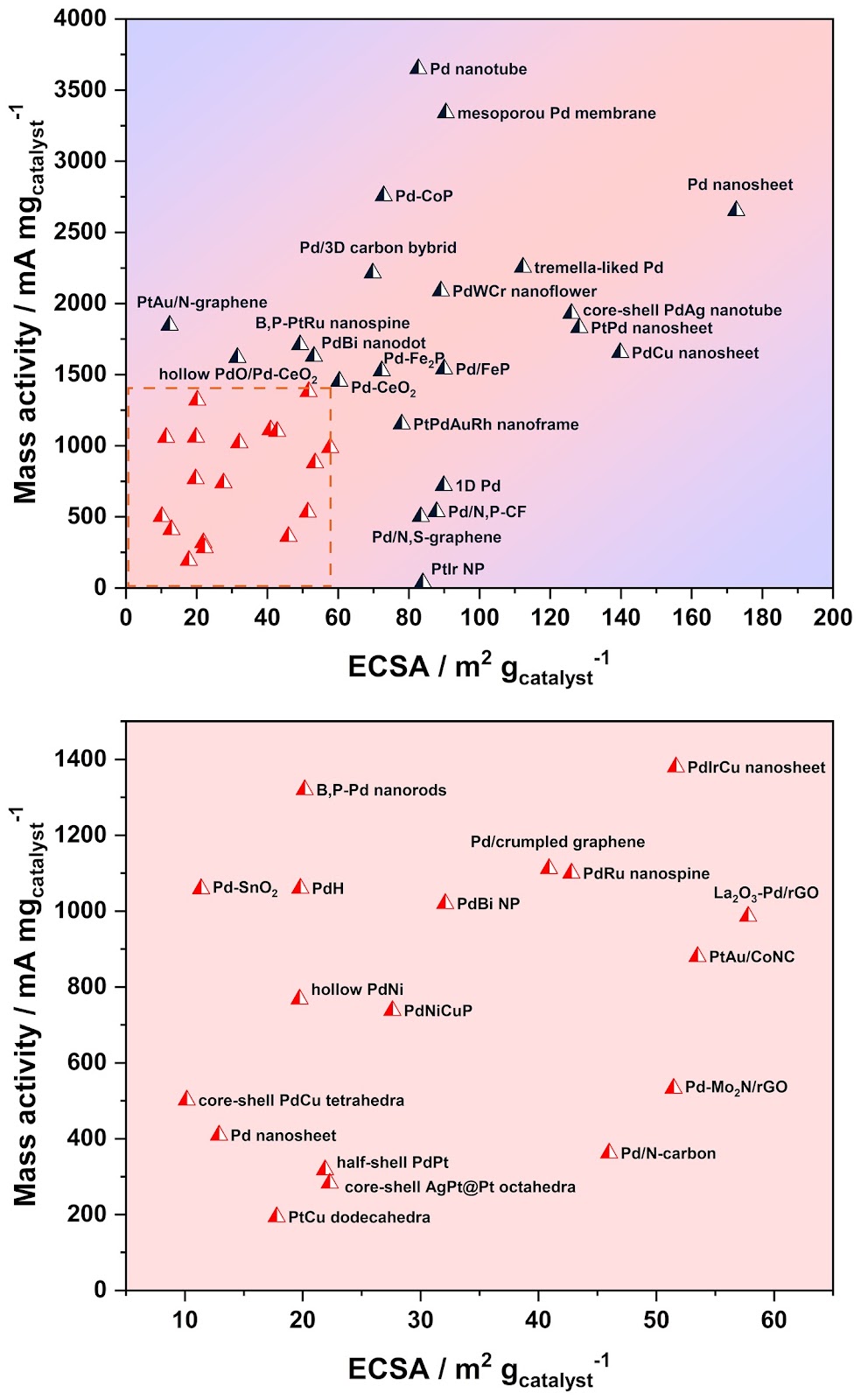
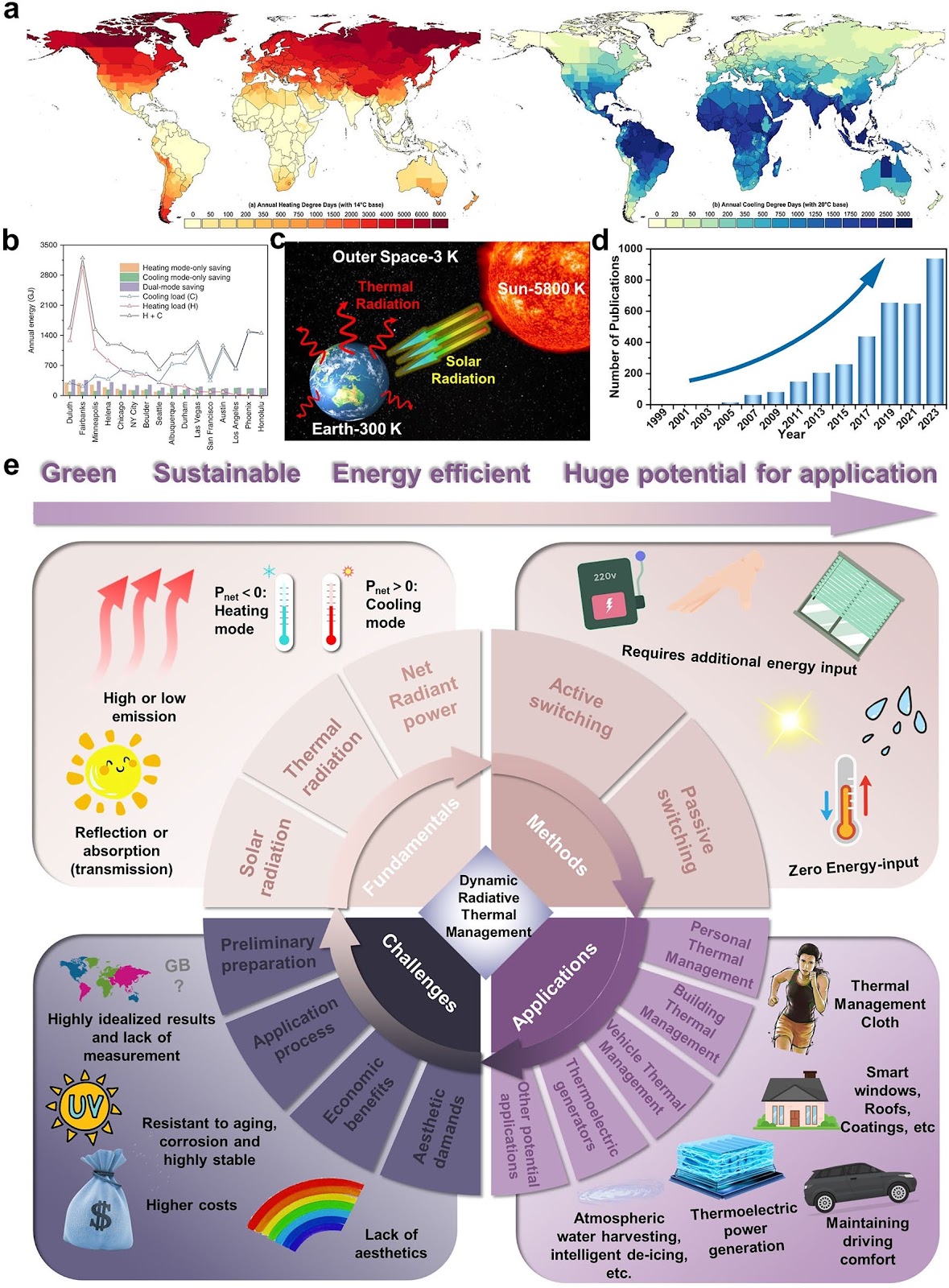
Synergistic Single-Atom and Clustered Cobalt Sites on N/S Co-Doped Defect Nano-Carbon for Efficient H2O2 Electrosynthesis
Graphical Abstract
Original ResearchVol. 17, Issue 1 • pp. 140DOI: 10.1007/s40820-025-01667-7Feb 11, 2025

Construction of Multifunctional Conductive Carbon-Based Cathode Additives for Boosting Li6PS5Cl-Based All-Solid-State Lithium Batteries

Authors: Xin Gao, Ya Chen, Zheng Zhen, Lifeng Cui, Ling Huang, Xiao Chen, Jiayi Chen, Xiaodong Chen, Duu-Jong Lee, Guoxiu Wang

The electrochemical performance of all-solid-state lithium batteries (ASSLBs) can be prominently enhanced by minimizing the detrimental degradation of solid electrolytes through their undesirable side reactions with the conductive carbon additives (CCAs) inside the composite cathodes. Herein, the well-defined Mo3Ni3N nanosheets embedded onto the N-doped porous carbons (NPCs) substrate are successfully synthesized (Mo-Ni@NPCs) as CCAs inside LiCoO2 for Li6PSC5Cl (LPSCl)-based ASSLBs. This nano-composite not only makes it difficult for hydroxide groups (–OH) to survive on the surface but also allows the in situ surface reconstruction to generate the ultra-stable MoS2-Mo3Ni3N heterostructures after the initial cycling stage. These can effectively prevent the occurrence of OH-induced LPSC decomposition reaction from producing harmful insulating sulfates, as well as simultaneously constructing the highly-efficient electrons/ions dual-migration pathways at the cathode interfaces to facilitate the improvement of both electrons and Li+ ions conductivities in ASSLBs. With this approach, fine-tuned Mo-Ni@NPCs can deliver extremely outstanding performance, including an ultra-high first discharge-specific capacity of 148.61 mAh g−1 (0.1C), a high Coulombic efficiency (94.01%), and a capacity retention rate after 1000 cycles still attain as high as 90.62%. This work provides a brand-new approach of “conversion-protection” strategy to overcome the drawbacks of composite cathodes interfaces instability and further promotes the commercialization of ASSLBs.

Construction of Multifunctional Conductive Carbon-Based Cathode Additives for Boosting Li6PS5Cl-Based All-Solid-State Lithium Batteries
Graphical Abstract
Original ResearchVol. 17, Issue 1 • pp. 137DOI: 10.1007/s40820-025-01659-7Feb 6, 2025

Electromagnetic Functions Modulation of Recycled By-Products by Heterodimensional Structure

Authors: Ze Nan, Wei Wei, Zhenhua Lin, Ruimei Yuan, Miao Zhang, Jincheng Zhang, Jianyong Ouyang, Jingjing Chang, Hejun Li, Yue Hao

One of the significant technological challenges in safeguarding electronic devices pertains to the modulation of electromagnetic (EM) wave jamming and the recycling of defensive shields. The synergistic effect of heterodimensional materials can effectively enable the manipulation of EM waves by altering the nanostructure. Here we propose a novel approach for upcycling by-products of silver nanowires that can fabricate shape-tunable aerogels which enable the modulation of its interaction with microwaves by heterodimensional structure of by-products. By-product heterodimensionality was used to design EM-wave-jamming-dissipation structures and therefore two typical tunable aerogel forms were studied. The first tunable form was aerogel film, which shielded EM interference (EMI shielding effectiveness (EMI SE) > 89 dB) and the second tunable form was foam, which performed dual EM functions (SE > 30 dB & reflective loss (RL) < -35 dB, effective absorption bandwidth (EAB) > 6.7 GHz). We show that secondary recycled aerogels retain nearly all of their EM protection properties, making this type of closed-loop cycle an appealing option. Our findings pave the way for the development of adaptive EM functions with nanoscale regulation in a green and closed-loop cycle, and they shed light on the fundamental understanding of microwave interactions with heterodimensional structures.

Electromagnetic Functions Modulation of Recycled By-Products by Heterodimensional Structure
Graphical Abstract
Original ResearchVol. 17, Issue 1 • pp. 132DOI: 10.1007/s40820-025-01662-yFeb 6, 2025

Microneedle-Based Approaches for Skin Disease Treatment

Authors: Yanhua Han, Xiaoyu Qin, Weisen Lin, Chen Wang, Xuanying Yin, Jiaxin Wu, Yang Chen, Xiaojia Chen, Tongkai Chen

The use of microneedles (MNs) has been established as an effective transdermal drug delivery strategy that has been extensively deployed for treating various diseases, including skin diseases. MNs can surpass the constraints of conventional drug delivery methods by their superior safety and efficacy through precise targeting, while simultaneously enabling painless delivery. Currently, MNs are increasingly used as carriers for drug delivery, with the loading of insoluble drugs to improve their treatment efficiency or combining with bioactive substances for the construction of an efficient drug delivery system to maximize the effects of bioactive substances. The methods used for preparation MNs are diverse, enabling them to meet the requirements of most applications. The emergence of MNs has addressed the shortcomings associated with insoluble drugs, expanded the applications of bioactive substances, and improved their use in clinical practice. This review summarizes current information on the application of MNs in a variety of skin diseases, such as psoriasis, vitiligo, alopecia, hypertrophic scarring, atopic dermatitis, melanoma, acne, and skin infections. The current clinical applications and future opportunities for MNs in the treatment of skin diseases are also discussed. Despite substantial progress in the clinical application of MNs as delivery vectors, issues such as low drug loading and poor mechanical strength during MNs preparation remain the main challenges. Therefore, clinical implementation of MNs-based therapies remains limited, highlighting key opportunities for future research.

Microneedle-Based Approaches for Skin Disease Treatment
Graphical Abstract
Original ResearchVol. 17, Issue 1 • pp. 124DOI: 10.1007/s40820-024-01640-wJan 31, 2025

Advances in TENGs for Marine Energy Harvesting and In Situ Electrochemistry

Authors: Chuguo Zhang, Yijun Hao, Xiangqian Lu, Wei Su, Hongke Zhang, Zhong Lin Wang, Xiuhan Li

The large-scale use of ample marine energy will be one of the most important ways for human to achieve sustainable development through carbon neutral development plans. As a burgeoning technological method for electromechanical conversion, triboelectric nanogenerator (TENG) has significant advantages in marine energy for its low weight, cost-effectiveness, and high efficiency in low-frequency range. It can realize the efficient and economical harvesting of low-frequency blue energy by constructing the floating marine energy harvesting TENG. This paper firstly introduces the power transfer process and structural composition of TENG for marine energy harvesting in detail. In addition, the latest research works of TENG on marine energy harvesting in basic research and structural design are systematically reviewed by category. Finally, the advanced research progress in the power take-off types and engineering study of TENG with the marine energy are comprehensively generalized. Importantly, the challenges and problems faced by TENG in marine energy and in situ electrochemical application are summarized and the corresponding prospects and suggestions are proposed for the subsequent development direction and prospects to look forward to promoting the commercialization process of this field.

Advances in TENGs for Marine Energy Harvesting and In Situ Electrochemistry
Graphical Abstract
Original ResearchVol. 17, Issue 1 • pp. 125DOI: 10.1007/s40820-024-01639-3Jan 31, 2025

Atomically Dispersed Metal Atoms: Minimizing Interfacial Charge Transport Barrier for Efficient Carbon-Based Perovskite Solar Cells

Authors: Yanying Shi, Xusheng Cheng, Yudi Wang, Wenrui Li, Wenzhe Shang, Wei Liu, Wei Lu, Jiashuo Cheng, Lida Liu, Yantao Shi

Carbon-based perovskite solar cells (C-PSCs) exhibit notable stability and durability. However, the power conversion efficiency (PCE) is significantly hindered by energy level mismatches, which result in interfacial charge transport barriers at the electrode-related interfaces. Herein, we report a back electrode that utilizes atomically dispersed metallic cobalt (Co) in carbon nanosheets (Co1/CN) to adjust the interfacial energy levels. The electrons in the d-orbitals of Co atoms disrupt the electronic symmetry of the carbon nanosheets (CN), inducing a redistribution of the electronic density of states that leads to a downward shift in the Fermi level and a significantly reduced interfacial energy barrier. As a result, the C-PSCs using Co1/CN as back electrodes achieve a notable PCE of 22.61% with exceptional long-term stability, maintaining 94.4% of their initial efficiency after 1000 h of continuous illumination without encapsulation. This work provides a promising universal method to regulate the energy level of carbon electrodes for C-PSCs and paves the way for more efficient, stable, and scalable solar technologies toward commercialization.

Atomically Dispersed Metal Atoms: Minimizing Interfacial Charge Transport Barrier for Efficient Carbon-Based Perovskite Solar Cells
Graphical Abstract
Original ResearchVol. 17, Issue 1 • pp. 126DOI: 10.1007/s40820-024-01641-9Jan 31, 2025

Advanced Bismuth-Based Anode Materials for Efficient Potassium Storage: Structural Features, Storage Mechanisms and Modification Strategies

Authors: Yiye Tan, Fanglan Mo, Hongyan Li

Potassium-ion batteries (PIBs) are considered as a promising energy storage system owing to its abundant potassium resources. As an important part of the battery composition, anode materials play a vital role in the future development of PIBs. Bismuth-based anode materials demonstrate great potential for storing potassium ions (K+) due to their layered structure, high theoretical capacity based on the alloying reaction mechanism, and safe operating voltage. However, the large radius of K+ inevitably induces severe volume expansion in depotassiation/potassiation, and the sluggish kinetics of K+ insertion/extraction limits its further development. Herein, we summarize the strategies used to improve the potassium storage properties of various types of materials and introduce recent advances in the design and fabrication of favorable structural features of bismuth-based materials. Firstly, this review analyzes the structure, working mechanism and advantages and disadvantages of various types of materials for potassium storage. Then, based on this, the manuscript focuses on summarizing modification strategies including structural and morphological design, compositing with other materials, and electrolyte optimization, and elucidating the advantages of various modifications in enhancing the potassium storage performance. Finally, we outline the current challenges of bismuth-based materials in PIBs and put forward some prospects to be verified.

Advanced Bismuth-Based Anode Materials for Efficient Potassium Storage: Structural Features, Storage Mechanisms and Modification Strategies
Graphical Abstract
Original ResearchVol. 17, Issue 1 • pp. 122DOI: 10.1007/s40820-025-01652-0Jan 31, 2025

Novel Cellulosic Fiber Composites with Integrated Multi-Band Electromagnetic Interference Shielding and Energy Storage Functionalities

Authors: Xuewen Han, Cheng Hao, Yukang Peng, Han Yu, Tao Zhang, Haonan Zhang, Kaiwen Chen, Heyu Chen, Zhenxing Wang, Ning Yan, Junwen Pu

In an era where technological advancement and sustainability converge, developing renewable materials with multifunctional integration is increasingly in demand. This study filled a crucial gap by integrating energy storage, multi-band electromagnetic interference (EMI) shielding, and structural design into bio-based materials. Specifically, conductive polymer layers were formed within the 2,2,6,6-tetramethylpiperidine-1-oxide (TEMPO)-oxidized cellulose fiber skeleton, where a mild TEMPO-mediated oxidation system was applied to endow it with abundant macropores that could be utilized as active sites (specific surface area of 105.6 m2 g−1). Benefiting from the special hierarchical porous structure of the material, the constructed cellulose fiber-derived composites can realize high areal-specific capacitance of 12.44 F cm−2 at 5 mA cm−2 and areal energy density of 3.99 mWh cm−2 (2005 mW cm−2) with an excellent stability of maintaining 90.23% after 10,000 cycles at 50 mA cm−2. Meanwhile, the composites showed a high electrical conductivity of 877.19 S m−1 and excellent EMI efficiency (>99.99%) in multiple wavelength bands. The composite material’s EMI values exceed 100 dB across the L, S, C, and X bands, effectively shielding electromagnetic waves in daily life. The proposed strategy paves the way for utilizing bio-based materials in applications like energy storage and EMI shielding, contributing to a more sustainable future.

Novel Cellulosic Fiber Composites with Integrated Multi-Band Electromagnetic Interference Shielding and Energy Storage Functionalities
Graphical Abstract
Original ResearchVol. 17, Issue 1 • pp. 117DOI: 10.1007/s40820-025-01660-0Jan 27, 2025

NH4+-Modulated Cathodic Interfacial Spatial Charge Redistribution for High-Performance Dual-Ion Capacitors

Authors: Yumin Chen, Ziyang Song, Yaokang Lv, Lihua Gan, Mingxian Liu

Compared with Zn2+, the current mainly reported charge carrier for zinc hybrid capacitors, small-hydrated-sized and light-weight NH4+ is expected as a better one to mediate cathodic interfacial electrochemical behaviors, yet has not been unraveled. Here we propose an NH4+-modulated cationic solvation strategy to optimize cathodic spatial charge distribution and achieve dynamic Zn2+/NH4+ co-storage for boosting Zinc hybrid capacitors. Owing to the hierarchical cationic solvated structure in hybrid Zn(CF3SO3)2–NH4CF3SO3 electrolyte, high-reactive Zn2+ and small-hydrate-sized NH4(H2O)4+ induce cathodic interfacial Helmholtz plane reconfiguration, thus effectively enhancing the spatial charge density to activate 20% capacity enhancement. Furthermore, cathodic interfacial adsorbed hydrated NH4+ ions afford high-kinetics and ultrastable C‧‧‧H (NH4+) charge storage process due to a much lower desolvation energy barrier compared with heavy and rigid Zn(H2O)6 2+ (5.81 vs. 14.90 eV). Consequently, physical uptake and multielectron redox of Zn2+/NH4+ in carbon cathode enable the zinc capacitor to deliver high capacity (240 mAh g−1 at 0.5 A g−1), large-current tolerance (130 mAh g−1 at 50 A g−1) and ultralong lifespan (400,000 cycles). This study gives new insights into the design of cathode–electrolyte interfaces toward advanced zinc-based energy storage.

NH4+-Modulated Cathodic Interfacial Spatial Charge Redistribution for High-Performance Dual-Ion Capacitors
Graphical Abstract
Original ResearchVol. 17, Issue 1 • pp. 106DOI: 10.1007/s40820-024-01599-8Jan 9, 2025

Advancements in Passive Wireless Sensing Systems in Monitoring Harsh Environment and Healthcare Applications

Authors: Wei Yue, Yunjian Guo, Jong-Chul Lee, Enkhzaya Ganbold, Jia-Kang Wu, Yang Li, Cong Wang, Hyun Soo Kim, Young-Kee Shin, Jun-Ge Liang, Eun-Seong Kim, Nam-Young Kim

Recent advancements in passive wireless sensor technology have significantly extended the application scope of sensing, particularly in challenging environments for monitoring industry and healthcare applications. These systems are equipped with battery-free operation, wireless connectivity, and are designed to be both miniaturized and lightweight. Such features enable the safe, real-time monitoring of industrial environments and support high-precision physiological measurements in confined internal body spaces and on wearable epidermal devices. Despite the exploration into diverse application environments, the development of a systematic and comprehensive research framework for system architecture remains elusive, which hampers further optimization of these systems. This review, therefore, begins with an examination of application scenarios, progresses to evaluate current system architectures, and discusses the function of each component—specifically, the passive sensor module, the wireless communication model, and the readout module—within the context of key implementations in target sensing systems. Furthermore, we present case studies that demonstrate the feasibility of proposed classified components for sensing scenarios, derived from this systematic approach. By outlining a research trajectory for the application of passive wireless systems in sensing technologies, this paper aims to establish a foundation for more advanced, user-friendly applications.

Advancements in Passive Wireless Sensing Systems in Monitoring Harsh Environment and Healthcare Applications
Graphical Abstract
Original ResearchVol. 17, Issue 1 • pp. 103DOI: 10.1007/s40820-024-01569-0Jan 8, 2025

Plant Cell Wall-Like Soft Materials: Micro- and Nanoengineering, Properties, and Applications

Authors: Roya Koshani, Mica L. Pitcher, Jingyi Yu, Christine L. Mahajan, Seong H. Kim, Amir Sheikhi

Plant cell wall (CW)-like soft materials, referred to as artificial CWs, are composites of assembled polymers containing micro-/nanoparticles or fibers/fibrils that are designed to mimic the composition, structure, and mechanics of plant CWs. CW-like materials have recently emerged to test hypotheses pertaining to the intricate structure–property relationships of native plant CWs or to fabricate functional materials. Here, research on plant CWs and CW-like materials is reviewed by distilling key studies on biomimetic composites primarily composed of plant polysaccharides, including cellulose, pectin, and hemicellulose, as well as organic polymers like lignin. Micro- and nanofabrication of plant CW-like composites, characterization techniques, and in silico studies are reviewed, with a brief overview of current and potential applications. Micro-/nanofabrication approaches include bacterial growth and impregnation, layer-by-layer assembly, film casting, 3-dimensional templating microcapsules, and particle coating. Various characterization techniques are necessary for the comprehensive mechanical, chemical, morphological, and structural analyses of plant CWs and CW-like materials. CW-like materials demonstrate versatility in real-life applications, including biomass conversion, pulp and paper, food science, construction, catalysis, and reaction engineering. This review seeks to facilitate the rational design and thorough characterization of plant CW-mimetic materials, with the goal of advancing the development of innovative soft materials and elucidating the complex structure–property relationships inherent in native CWs.

Plant Cell Wall-Like Soft Materials: Micro- and Nanoengineering, Properties, and Applications
Graphical Abstract
Original ResearchVol. 17, Issue 1 • pp. 105DOI: 10.1007/s40820-024-01625-9Jan 8, 2025

Photolithographic Microfabrication of Microbatteries for On-Chip Energy Storage

Authors: Yuan Ma, Sen Wang, Zhong-Shuai Wu

Microbatteries (MBs) are crucial to power miniaturized devices for the Internet of Things. In the evolutionary journey of MBs, fabrication technology emerges as the cornerstone, guiding the intricacies of their configuration designs, ensuring precision, and facilitating scalability for mass production. Photolithography stands out as an ideal technology, leveraging its unparalleled resolution, exceptional design flexibility, and entrenched position within the mature semiconductor industry. However, comprehensive reviews on its application in MB development remain scarce. This review aims to bridge that gap by thoroughly assessing the recent status and promising prospects of photolithographic microfabrication for MBs. Firstly, we delve into the fundamental principles and step-by-step procedures of photolithography, offering a nuanced understanding of its operational mechanisms and the criteria for photoresist selection. Subsequently, we highlighted the specific roles of photolithography in the fabrication of MBs, including its utilization as a template for creating miniaturized micropatterns, a protective layer during the etching process, a mold for soft lithography, a constituent of MB active component, and a sacrificial layer in the construction of micro-Swiss-roll structure. Finally, the review concludes with a summary of the key challenges and future perspectives of MBs fabricated by photolithography, providing comprehensive insights and sparking research inspiration in this field.

Photolithographic Microfabrication of Microbatteries for On-Chip Energy Storage
Graphical Abstract
Original ResearchVol. 17, Issue 1 • pp. 102DOI: 10.1007/s40820-024-01612-0Jan 6, 2025

Biomimetic Micro-Nanostructured Evaporator with Dual-Transition-Metal MXene for Efficient Solar Steam Generation and Multifunctional Salt Harvesting

Authors: Ruiqi Xu, Hongzhi Cui, Na Wei, Yang Yu, Lin Dai, Xiaohua Chen

Solar-driven interfacial evaporation is one of the most attractive approaches to addressing the global freshwater shortage. However, achieving an integrated high evaporation rate, salt harvesting, and multifunctionality in evaporator is still a crucial challenge. Here, a novel composite membrane with biomimetic micro-nanostructured superhydrophobic surface is designed via ultrafast laser etching technology. Attractively, the double-transition-metal (V1/2Mo1/2)2CTx MXene nanomaterials as a photothermal layer, exhibiting the enhanced photothermal conversion performance due to elevated joint densities of states, which enables high populations of photoexcited carrier relaxation and heat release, provides a new insight into the photothermal conversion mechanism for multiple principal element MXene. Hence, the (V1/2Mo1/2)2CTx MXene-200 composite membrane can achieve a high evaporation rate of 2.23 kg m−2 h−1 under one sun, owing to the enhanced “light trap” effect, photothermal conversion, and high-throughput water transfer. Synergetically, the membrane can induce the directed precipitation of salt at the membrane edge, thus enabling salt harvesting for recycling and zero-emission of brine water. Moreover, the composite membrane is endowed with excellent multifunctionality of anti-/de-icing, anti-fouling, and antibacterial, overcoming the disadvantage that versatility is difficult to be compatible. Therefore, the evaporator and the promising strategy hold great potential for the practical application of solar evaporation.

Biomimetic Micro-Nanostructured Evaporator with Dual-Transition-Metal MXene for Efficient Solar Steam Generation and Multifunctional Salt Harvesting
Graphical Abstract
Original ResearchVol. 17, Issue 1 • pp. 91DOI: 10.1007/s40820-024-01606-yDec 20, 2024

Next-Generation Desalination Membranes Empowered by Novel Materials: Where Are We Now?

Authors: Siqi Wu, Lu Elfa Peng, Zhe Yang, Pulak Sarkar, Mihail Barboiu, Chuyang Y. Tang, Anthony G. Fane

Membrane desalination is an economical and energy-efficient method to meet the current worldwide water scarcity. However, state-of-the-art reverse osmosis membranes are gradually being replaced by novel membrane materials as a result of ongoing technological advancements. These novel materials possess intrinsic pore structures or can be assembled to form lamellar membrane channels for selective transport of water or solutes (e.g., NaCl). Still, in real applications, the results fall below the theoretical predictions, and a few properties, including large-scale fabrication, mechanical strength, and chemical stability, also have an impact on the overall effectiveness of those materials. In view of this, we develop a new evaluation framework in the form of radar charts with five dimensions (i.e., water permeance, water/NaCl selectivity, membrane cost, scale of development, and stability) to assess the advantages, disadvantages, and potential of state-of-the-art and newly developed desalination membranes. In this framework, the reported thin film nanocomposite membranes and membranes developed from novel materials were compared with the state-of-the-art thin film composite membranes. This review will demonstrate the current advancements in novel membrane materials and bridge the gap between different desalination membranes. In this review, we also point out the prospects and challenges of next-generation membranes for desalination applications. We believe that this comprehensive framework may be used as a future reference for designing next-generation desalination membranes and will encourage further research and development in the field of membrane technology, leading to new insights and advancements.

Next-Generation Desalination Membranes Empowered by Novel Materials: Where Are We Now?
Graphical Abstract
Original ResearchVol. 17, Issue 1 • pp. 88DOI: 10.1007/s40820-024-01580-5Dec 16, 2024

Concurrently Boosting Activity and Stability of Oxygen Reduction Reaction Catalysts via Judiciously Crafting Fe–Mn Dual Atoms for Fuel Cells

Authors: Lei Zhang, Yuchen Dong, Lubing Li, Yuchuan Shi, Yan Zhang, Liting Wei, Chung-Li Dong, Zhiqun Lin, Jinzhan Su

The ability to unlock the interplay between the activity and stability of oxygen reduction reaction (ORR) represents an important endeavor toward creating robust ORR catalysts for efficient fuel cells. Herein, we report an effective strategy to concurrent enhance the activity and stability of ORR catalysts via constructing atomically dispersed Fe–Mn dual-metal sites on N-doped carbon (denoted (FeMn-DA)–N–C) for both anion-exchange membrane fuel cells (AEMFC) and proton exchange membrane fuel cells (PEMFC). The (FeMn-DA)–N–C catalysts possess ample dual-metal atoms consisting of adjacent Fe-N4 and Mn-N4 sites on the carbon surface, yielded via a facile doping-adsorption-pyrolysis route. The introduction of Mn carries several advantageous attributes: increasing the number of active sites, effectively anchoring Fe due to effective electron transfer to Mn (revealed by X-ray absorption spectroscopy and density-functional theory (DFT), thus preventing the aggregation of Fe), and effectively circumventing the occurrence of Fenton reaction, thus reducing the consumption of Fe. The (FeMn-DA)–N–C catalysts showcase half-wave potentials of 0.92 and 0.82 V in 0.1 M KOH and 0.1 M HClO4, respectively, as well as outstanding stability. As manifested by DFT calculations, the introduction of Mn affects the electronic structure of Fe, down-shifts the d-band Fe active center, accelerates the desorption of OH groups, and creates higher limiting potentials. The AEMFC and PEMFC with (FeMn-DA)–N–C as the cathode catalyst display high power densities of 1060 and 746 mW cm−2, respectively, underscoring their promising potential for practical applications. Our study highlights the robustness of designing Fe-containing dual-atom ORR catalysts to promote both activity and stability for energy conversion and storage materials and devices.

Concurrently Boosting Activity and Stability of Oxygen Reduction Reaction Catalysts via Judiciously Crafting Fe–Mn Dual Atoms for Fuel Cells
Graphical Abstract
Original ResearchVol. 17, Issue 1 • pp. 87DOI: 10.1007/s40820-024-01558-3Dec 11, 2024

Precision-Engineered Construction of Proton-Conducting Metal–Organic Frameworks

Authors: Liyu Zhu, Hongbin Yang, Ting Xu, Feng Shen, Chuanling Si

Proton-conducting materials have attracted considerable interest because of their extensive application in energy storage and conversion devices. Among them, metal–organic frameworks (MOFs) present tremendous development potential and possibilities for constructing novel advanced proton conductors due to their special advantages in crystallinity, designability, and porosity. In particular, several special design strategies for the structure of MOFs have opened new doors for the advancement of MOF proton conductors, such as charged network construction, ligand functionalization, metal-center manipulation, defective engineering, guest molecule incorporation, and pore-space manipulation. With the implementation of these strategies, proton-conducting MOFs have developed significantly and profoundly within the last decade. Therefore, in this review, we critically discuss and analyze the fundamental principles, design strategies, and implementation methods targeted at improving the proton conductivity of MOFs through representative examples. Besides, the structural features, the proton conduction mechanism and the behavior of MOFs are discussed thoroughly and meticulously. Future endeavors are also proposed to address the challenges of proton-conducting MOFs in practical research. We sincerely expect that this review will bring guidance and inspiration for the design of proton-conducting MOFs and further motivate the research enthusiasm for novel proton-conducting materials.

Precision-Engineered Construction of Proton-Conducting Metal–Organic Frameworks
Graphical Abstract
Original ResearchVol. 17, Issue 1 • pp. 78DOI: 10.1007/s40820-024-01579-yNov 29, 2024

RGB Color-Discriminable Photonic Synapse for Neuromorphic Vision System

Authors: Bum Ho Jeong, Jaewon Lee, Miju Ku, Jongmin Lee, Dohyung Kim, Seokhyun Ham, Kyu-Tae Lee, Young-Beom Kim, Hui Joon Park

To emulate the functionality of the human retina and achieve a neuromorphic visual system, the development of a photonic synapse capable of multispectral color discrimination is of paramount importance. However, attaining robust color discrimination across a wide intensity range, even irrespective of medium limitations in the channel layer, poses a significant challenge. Here, we propose an approach that can bestow the color-discriminating synaptic functionality upon a three-terminal transistor flash memory even with enhanced discriminating capabilities. By incorporating the strong induced dipole moment effect at the excitation, modulated by the wavelength of the incident light, into the floating gate, we achieve outstanding RGB color-discriminating synaptic functionality within a remarkable intensity range spanning from 0.05 to 40 mW cm−2. This approach is not restricted to a specific medium in the channel layer, thereby enhancing its applicability. The effectiveness of this color-discriminating synaptic functionality is demonstrated through visual pre-processing of a photonic synapse array, involving the differentiation of RGB channels and the enhancement of image contrast with noise reduction. Consequently, a convolutional neural network can achieve an impressive inference accuracy of over 94% for Canadian-Institute-For-Advanced-Research-10 colorful image recognition task after the pre-processing. Our proposed approach offers a promising solution for achieving robust and versatile RGB color discrimination in photonic synapses, enabling significant advancements in artificial visual systems.

RGB Color-Discriminable Photonic Synapse for Neuromorphic Vision System
Graphical Abstract
Original ResearchVol. 17, Issue 1 • pp. 75DOI: 10.1007/s40820-024-01581-4Nov 27, 2024

Advances in the Development of Gradient Scaffolds Made of Nano-Micromaterials for Musculoskeletal Tissue Regeneration

Authors: Lei Fang, Xiaoqi Lin, Ruian Xu, Lu Liu, Yu Zhang, Feng Tian, Jiao Jiao Li, Jiajia Xue

The intricate hierarchical structure of musculoskeletal tissues, including bone and interface tissues, necessitates the use of complex scaffold designs and material structures to serve as tissue-engineered substitutes. This has led to growing interest in the development of gradient bone scaffolds with hierarchical structures mimicking the extracellular matrix of native tissues to achieve improved therapeutic outcomes. Building on the anatomical characteristics of bone and interfacial tissues, this review provides a summary of current strategies used to design and fabricate biomimetic gradient scaffolds for repairing musculoskeletal tissues, specifically focusing on methods used to construct compositional and structural gradients within the scaffolds. The latest applications of gradient scaffolds for the regeneration of bone, osteochondral, and tendon-to-bone interfaces are presented. Furthermore, the current progress of testing gradient scaffolds in physiologically relevant animal models of skeletal repair is discussed, as well as the challenges and prospects of moving these scaffolds into clinical application for treating musculoskeletal injuries.

Advances in the Development of Gradient Scaffolds Made of Nano-Micromaterials for Musculoskeletal Tissue Regeneration
Graphical Abstract