SinoTechIntel Academic Portal
🏛️ Indexed Academic Journal

China Foundry

Access authentic peer-reviewed engineering methodologies, experimental datasets, and scientific literature published in this journal on SinoTechIntel.

Total Research Papers: 75
Access: 100% Free Open Access
Browse by Publication Year & Volume

Published Research Papers

Showing 75 of 75 peer-reviewed papers with full Graphical Abstracts.

Original ResearchVol. 23, No. 3 • pp. 462-474DOI: 10.1007/s41230-026-5156-8Jan 15, 2026

Effect of eutectic content on microstructure and mechanical properties of Al-Zn-Mg-Cu alloys

Authors: Peng-fei Li, Yu-dong Sui, Hai-ni Jin, An-kang Xiong, Wan-zeng Li, Hao Zhou, Ye-hua Jiang

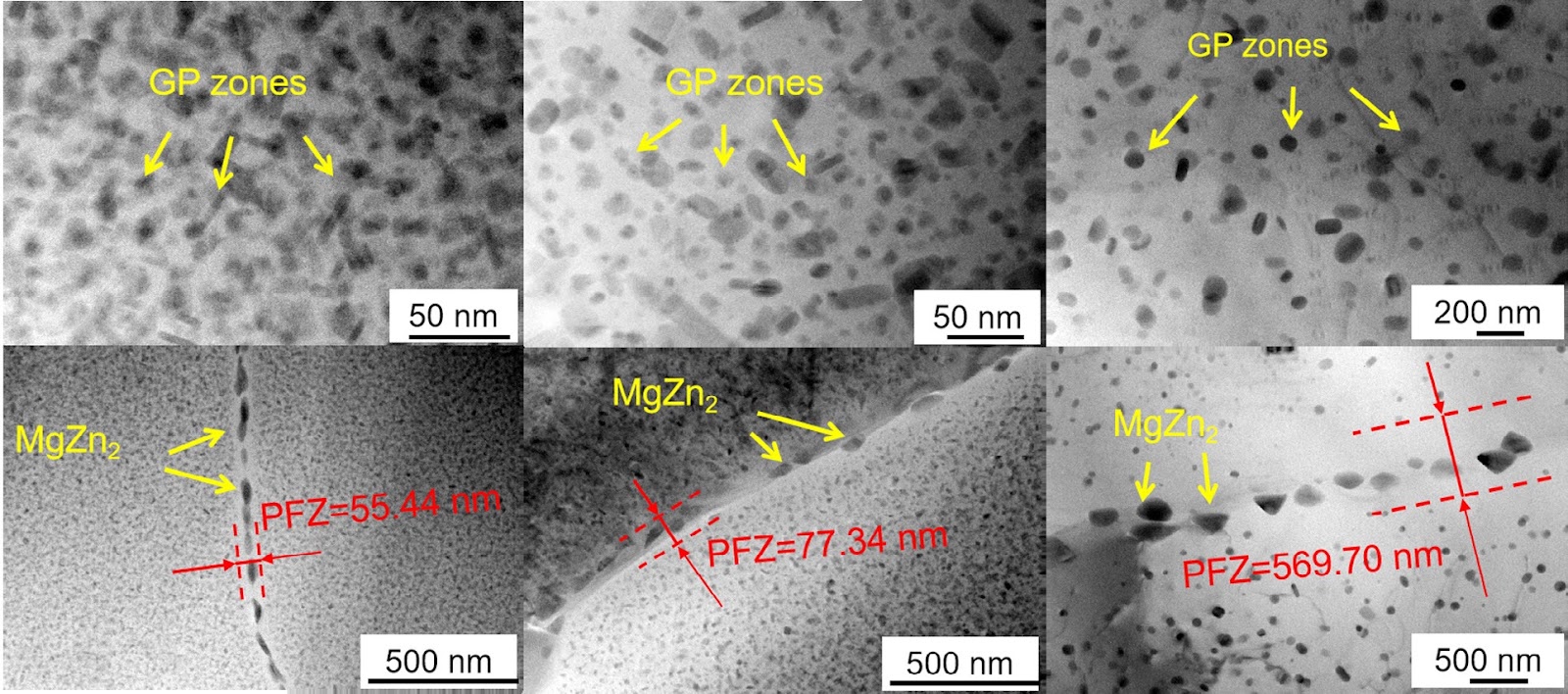
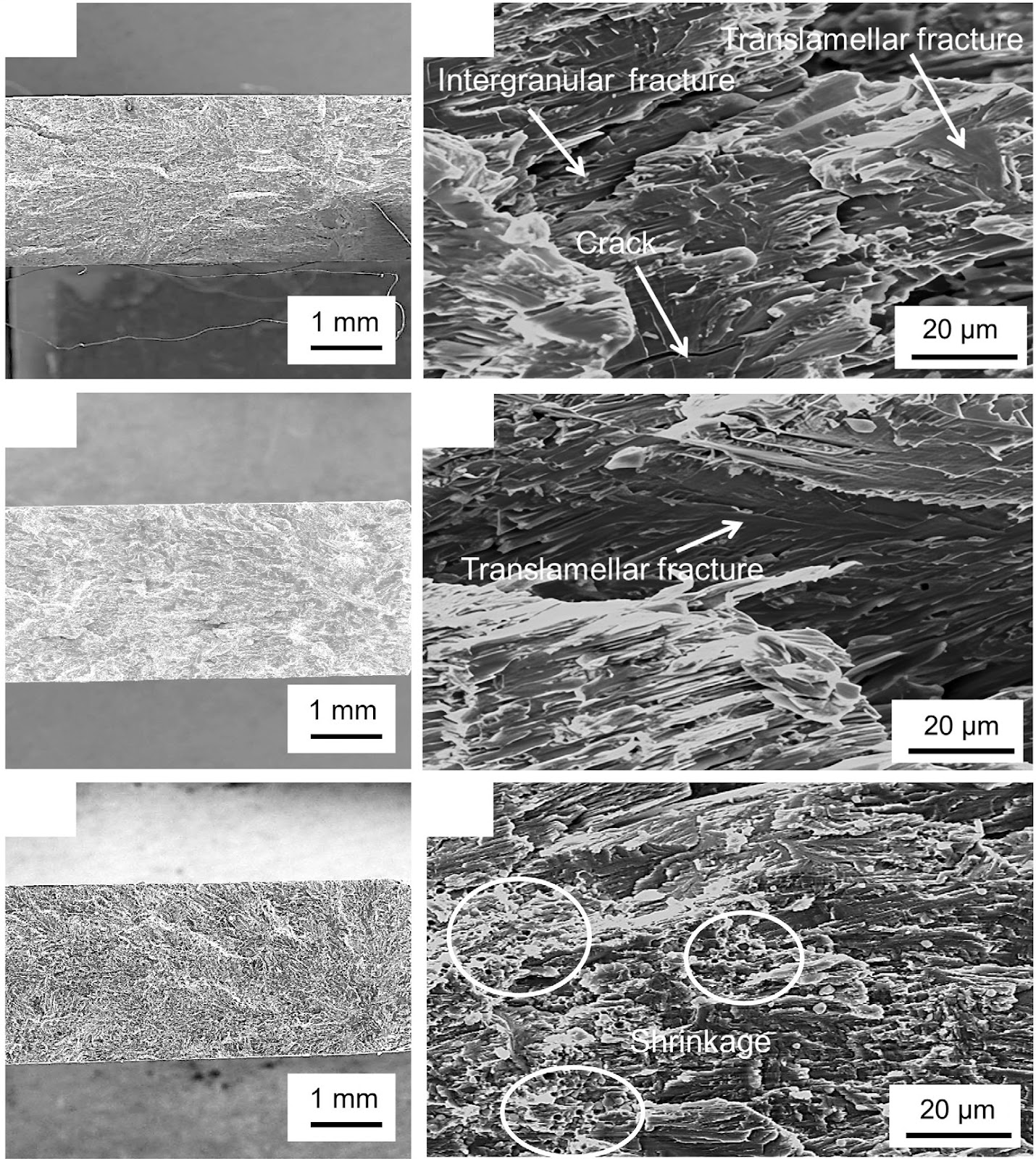
The 7xxx series aluminum alloys have emerged as a particularly promising class of lightweight structural materials. However, the inherent strength of these materials is primarily influenced by the content and type of alloying elements added during the manufacturing process, as well as casting defects. The present study investigated the effects of eutectics formed by solute atoms (Zn, Mg, and Cu), with equal mass ratios (Zn/Mg=2, Mg/Cu=3) but varying overall contents, on the liquid film thickness, crack propagation depth, and the mechanical properties of the Al-Zn-Mg-Cu alloy after heat treatment. The results from gravity casting indicate that the intergranular liquid film thickness increases with the increase of eutectic content. A thick intergranular liquid film in the casting can accommodate greater strain during grain contraction, thereby preventing liquid film rupture and subsequent hot tearing. Concurrently, during the solution treatment at 475 °C, the residual eutectic fraction in the Al-7Zn-3.5Mg-1.18Cu alloy diminishes from 9.1% at 10 h to 0.35% at 40 h. At 165 °C, the Al-6Zn-3.0Mg-1.0Cu alloy exhibits the optimal mechanical properties, with a peak aging tensile strength of 510 MPa and an elongation of 6.4%. The incorporation of lower concentrations of solute atoms (Zn, Mg, and Cu) serves to reduce the barrier to dislocation precipitation, thereby enhancing alloy plasticity. However, when the proportion of alloying elements exceeds the solubility limit of the α-Al matrix at specific heat treatment temperatures, coarse residual phases remain intergranular, thereby significantly impairing the mechanical properties of the alloy. This study provides a reference for the optimal addition level of the main strengthening elements in Al‑Zn‑Mg‑Cu alloys.
Effect of eutectic content on microstructure and mechanical properties of Al-Zn-Mg-Cu alloys
Graphical Abstract
Original ResearchVol. 23, No. 3 • pp. 345-356DOI: 10.1007/s41230-026-5183-5Jan 15, 2026

Achieving optimal strength-conductivity balance in cast Al-2.3Fe-Mg-Si alloys via Mg/Si ratio regulation

Authors: Yu-fei Zhang, Xi-long Luo, Zheng-hao Shao, Qun Luo, Bin Hu, Hong-zhou Lu, Qian Li

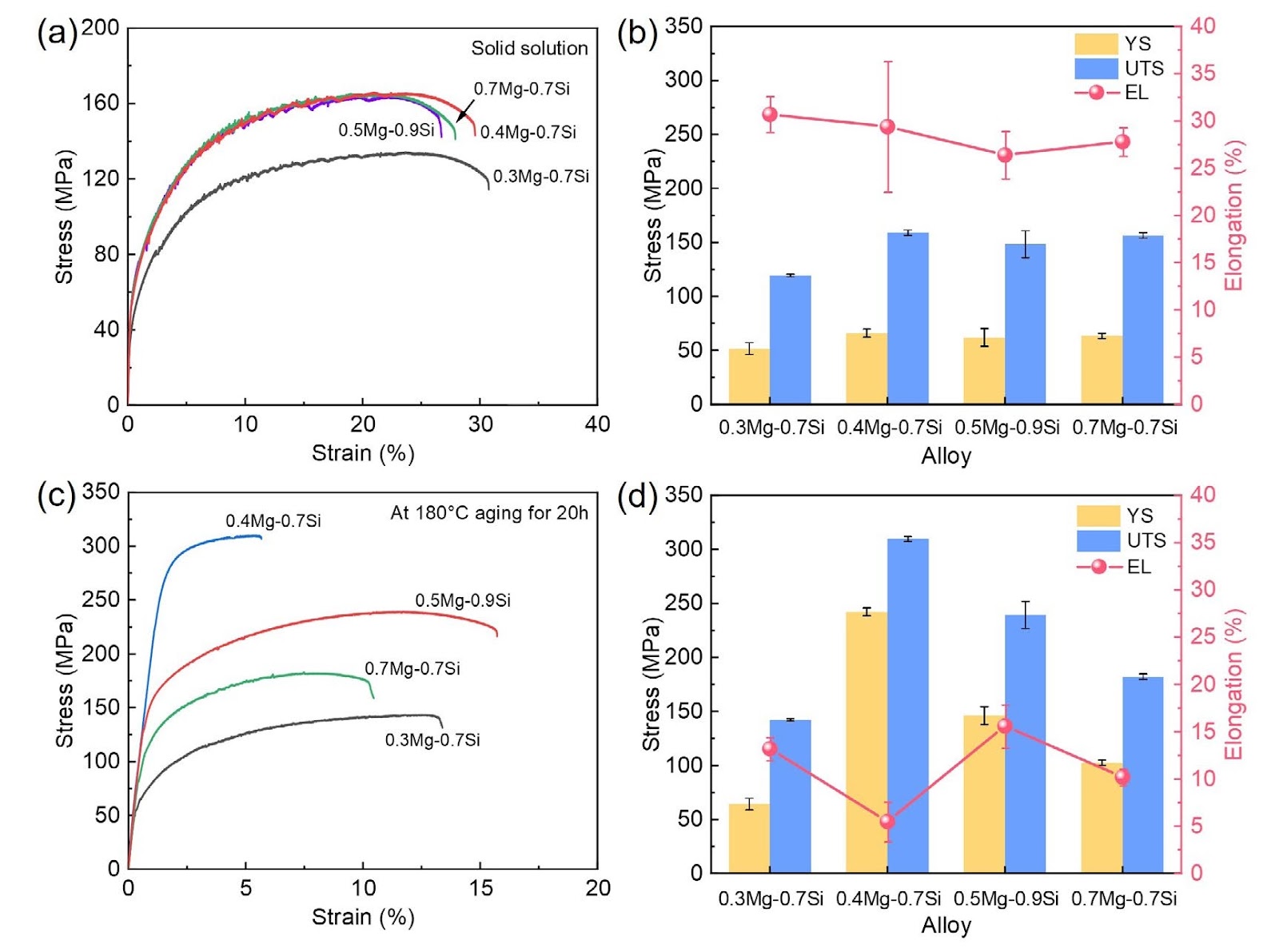
The Al-2.3Fe eutectic alloy is regarded as a promising substitute for Cu conductors in automotive motors owing to its excellent castability and low resistivity. However, its application is restricted by the mutually exclusive relationship between electrical conductivity and mechanical strength. The microstructure and mechanical properties of Al-2.3Fe alloy were modified through Mg/Si alloying combined with T6 heat treatment in this work, leading to the development of a high-performance cast Al-2.3Fe-Mg-Si alloy. In the Al-2.3Fe-0.40Mg-0.72Si (Mg/Si=0.56) alloy subjected to T6 treatment, an electrical conductivity of (52.5±0.6)% IACS is achieved, while the ultimate tensile strength is significantly enhanced to 309.5±5.6 MPa. The addition of Mg and Si brings about marked changes in the solidification process of the Al-2.3Fe alloy, resulting in considerable variations in both the morphology of the second phase and its phase constitution. The aging behavior of the alloy is governed by second phase and solid solubility. Through optimization of the Mg/Si ratio, the aging response can be effectively enhanced. At the ratio of Mg/Si=0.56, a balance is achieved between solid solubility and precipitation, while simultaneously minimizing the detrimental impact on electrical conductivity and reaching the best mechanical properties and electrical conductivity in peak-aged Al-2.3Fe-xMg-ySi alloy. This work providing valuable insights for developing advanced conductor materials.

Achieving optimal strength-conductivity balance in cast Al-2.3Fe-Mg-Si alloys via Mg/Si ratio regulation
Graphical Abstract
Original ResearchVol. 23, No. 3 • pp. 451-461DOI: 10.1007/s41230-026-5175-5Jan 15, 2026

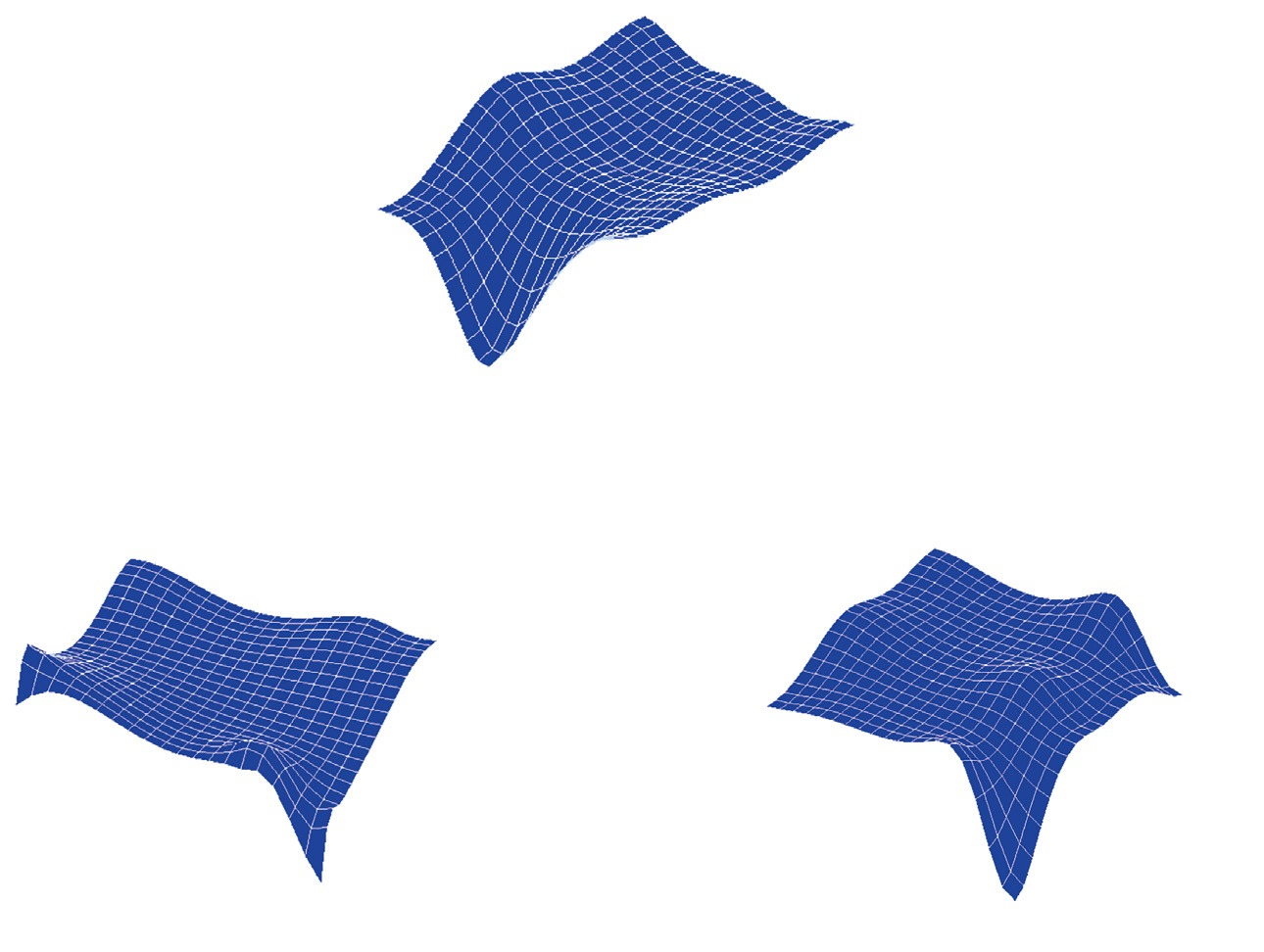
Dimensional control of turbine blades via RSM-based process parameter optimization in investment casting

Authors: Sheng-jie Ren, Rui-yuan Zhang, Sheng Meng, Hang-yu Li, Wen-jing Wang, Zhong-min Xiao, Kun Bu

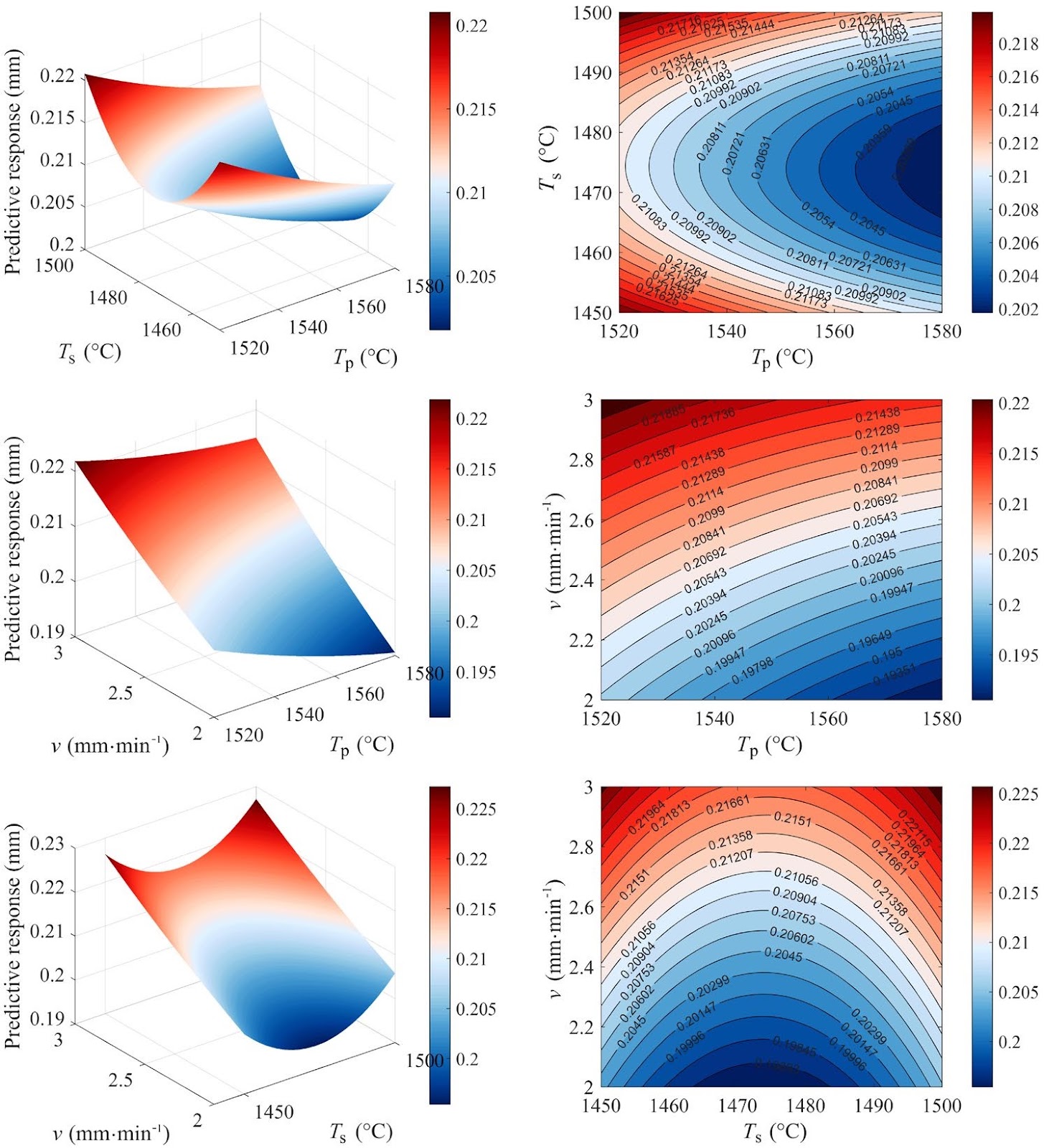
To address the dimensional accuracy challenges in investment casting of DD6 nickel-based superalloy hollow turbine blades, a multi-parameter collaborative optimization and deformation response prediction method based on response surface methodology was proposed. Using a Box-Behnken design, with pouring temperature, shell temperature, and withdrawal rate as key variables, deformation response data were obtained through numerical simulation, and a second-order model incorporating linear, interaction, and quadratic terms was established to characterize the nonlinear coupling effects of process parameters on dimensional deformation. The results indicate that withdrawal rate is the dominant factor influencing deformation, while shell temperature exhibits a pronounced “U”-shaped nonlinear trend. Significant interactions between process parameters are also observed. The constructed model demonstrates high predictive accuracy, with R2 of 0.978 and an RMSE of 0.0026 mm, and exhibits strong generalization capability, enabling the identification of optimal parameter combinations even beyond the simulated dataset. Compared with conventional orthogonal design methods, the maximum deformation of the optimized process was reduced from 0.2021 mm to 0.1905 mm, achieving an improvement of approximately 5.74%. This work provides a theoretical foundation and practical strategy for dimensional accuracy control and multi-parameter process optimization in the manufacturing of complex thin-walled castings.

Dimensional control of turbine blades via RSM-based process parameter optimization in investment casting
Graphical Abstract
Original ResearchVol. 23, No. 3 • pp. 396-406DOI: 10.1007/s41230-026-5150-1Jan 15, 2026

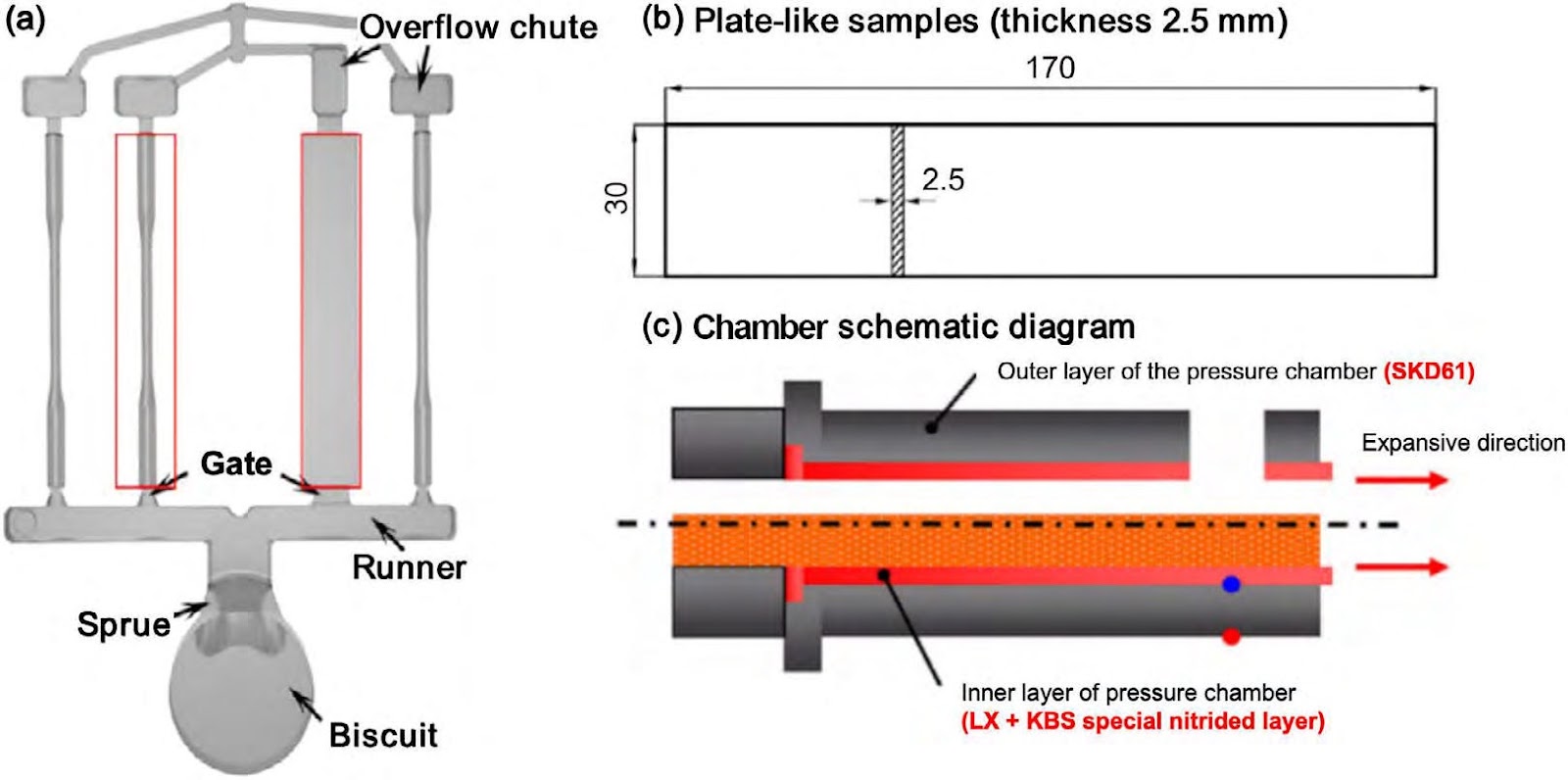
Effects of TiB2 on microstructure, mechanical properties, and fluidity of AlSi10MnMg alloy fabricated by high-pressure die casting

Authors: Lei Liu, Wei-xiao Yang, Kai Zhao, Yan-qiang Li, Tao Zhang, Ying Fu, Zhi-rou Zhang, En-yu Guo, Hui-jun Kang, Zong-ning Chen, Tong-min Wang

Optimizing the mechanical properties and fluidity of hypoeutectic Al-Si alloys in high-pressure die casting (HPDC) is critical for manufacturing thin-walled components with large sizes. The performance and fluidity of castings over long flow distances depend on the precise control of solidification behavior during the complex HPDC process. In this study, an AlSi10MnMg alloy was fabricated using a fluidity test mold with three channels of different thicknesses to investigate the influence of varying TiB2 content on the microstructure, mechanical properties, and fluidity of the alloy during long-distance filling in HPDC. Results indicate that the addition of 0.018wt.% TiB2 significantly reduces externally solidified crystals (ESCs) and porosity contents, improving the filling distance from 1,700 mm to 1,833 mm. The reduction in ESCs in the castings by TiB2 is attributed to its ability to promote the migration of ESCs from the shot sleeve toward the melt center, where temperature and flow velocity are higher. At a filling distance of 1,300 mm, the ultimate tensile strength (UTS), yield strength (YS), and elongation increase notably with addition of 0.018wt.% TiB2. When the addition of TiB2 increases to 0.036wt.%, the area fraction of ESCs in the channel increases compared to that with 0.018wt.%, and the filling distance slightly decreases to 1,796.9 mm. The mechanical properties of the alloy with 0.036wt.% TiB2 are better than those of the alloy with 0.018wt.% TiB2 over short distances, but become inferior beyond 1,000 mm. This work reveals the role of TiB2 in regulating solidification and flow during long-range filling, offering new insights into the processability of HPDC Al-Si alloys.
Effects of TiB2 on microstructure, mechanical properties, and fluidity of AlSi10MnMg alloy fabricated by high-pressure die casting
Graphical Abstract
Original ResearchVol. 23, No. 3 • pp. 377-384DOI: 10.1007/s41230-026-5201-7Jan 15, 2026

Regulating creep behavior via dynamic in-situ precipitation of Ti3AlC phase in Ti45Al8Nb-0.6C alloy

Authors: Zhe Deng, Pei Liu, Wei Wang, Ai-qin Wang, Jing-pei Xie, Zhi-yong Zhang

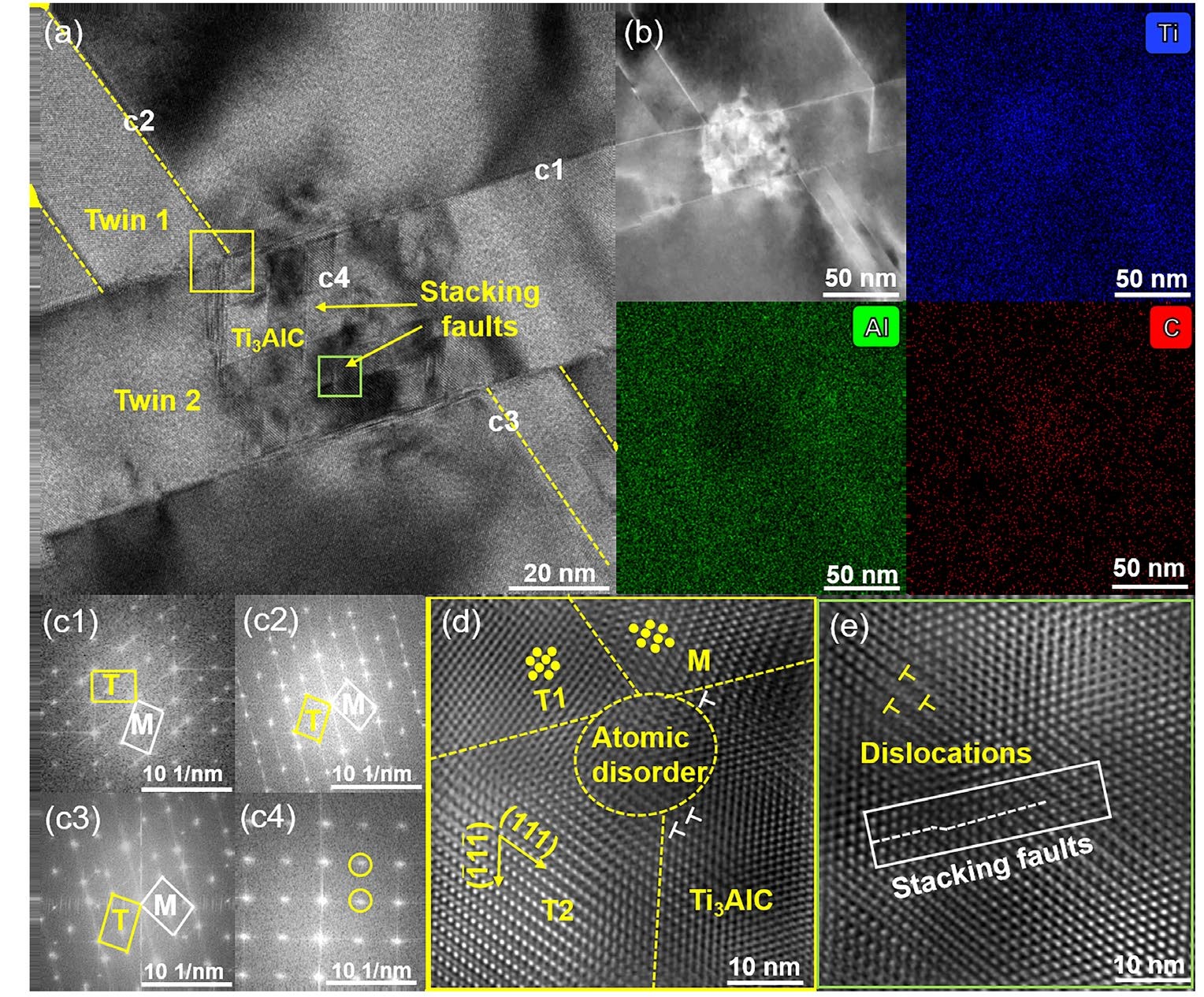
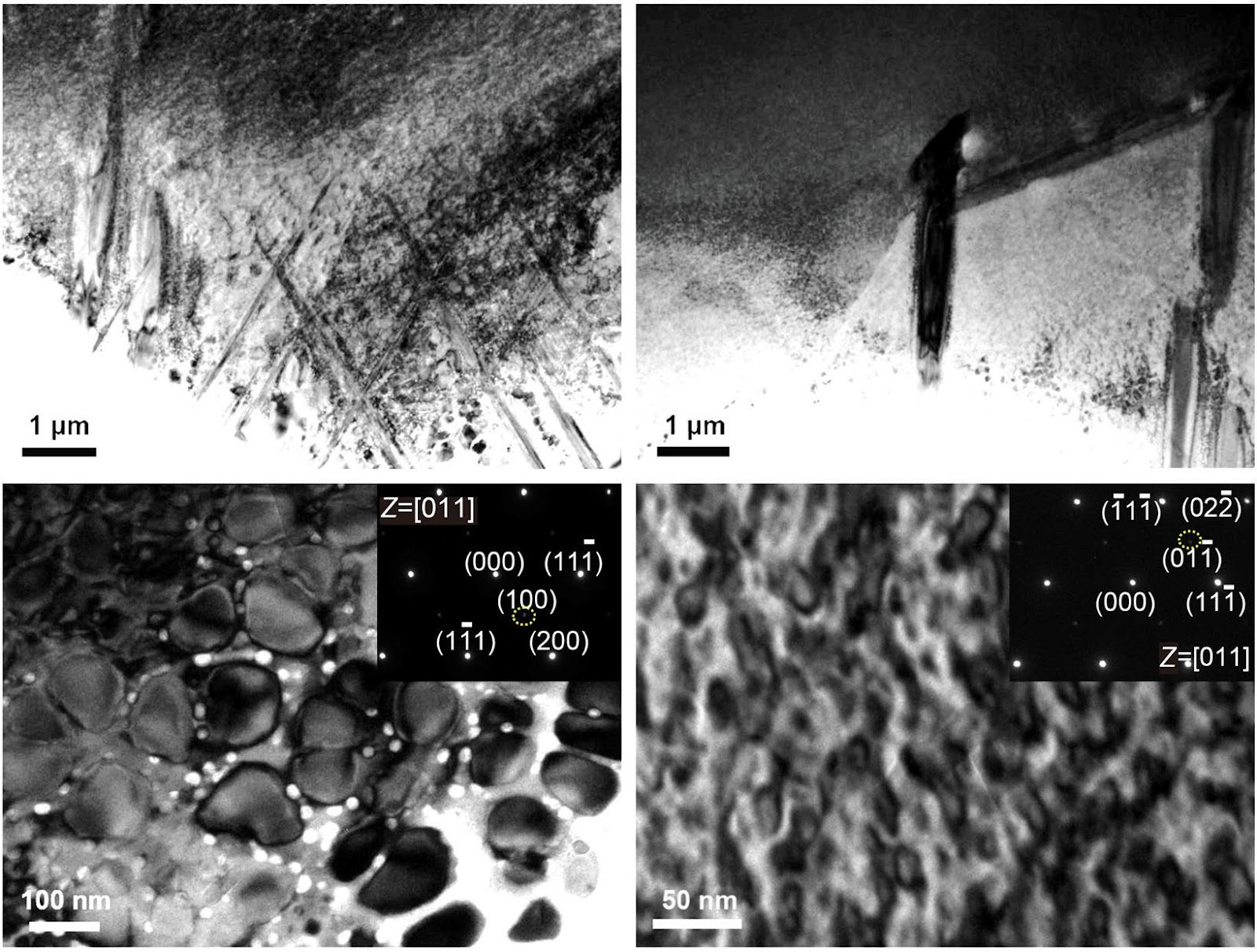
TiAl alloys are attractive for high-temperature structural applications, yet their creep resistance and microstructural stability at high temperatures remain critical challenges. In this study, Ti45Al8Nb-0.6C alloy was prepared by vacuum induction melting to investigate its creep behavior and underlying deformation mechanisms at 800 °C under 200 MPa. The alloy exhibits a relatively homogeneous microstructure composed of (γ+α2) lamellar colonies, B2 phase, and blocky γ phase, with a creep life of 137 h and a typical ductile-brittle mixed fracture mode. Post-creep microstructural characterization reveals pronounced B2 phase formation, deformation twinning, lamellar coarsening, and abundant stacking faults at lamellar interfaces. Extensive dynamic recrystallization occurs during creep, leading to the formation of fine recrystallized grains. The Ti3AlC phase plays a dual strengthening role by effectively impeding dislocation motion and developing characteristic defect structures, including high-density dislocations and ladder-like stacking faults during deformation. These synergistic microstructural evolutions contribute to the enhanced creep resistance of the alloy.

Regulating creep behavior via dynamic in-situ precipitation of Ti3AlC phase in Ti45Al8Nb-0.6C alloy
Graphical Abstract
Original ResearchVol. 23, No. 3 • pp. 407-420DOI: 10.1007/s41230-026-5185-3Jan 15, 2026

Optimization of multi-process parameters in secondary cooling solidification process of S30432 continuous casting billet

Authors: Zhi-qiang Li, Ying-xuan Shan, Li Wu, Hua Hou, Yu-hong Zhao

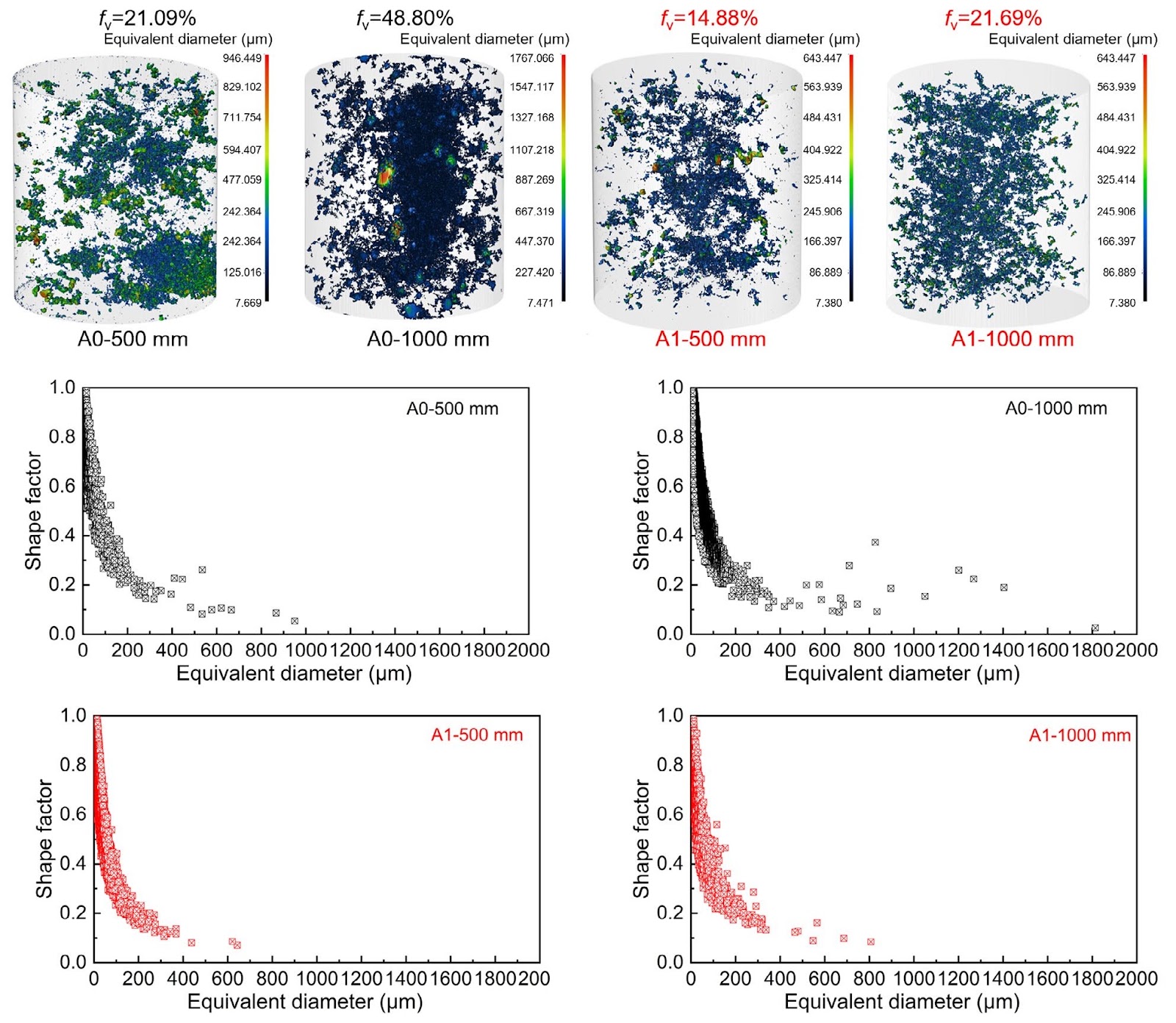
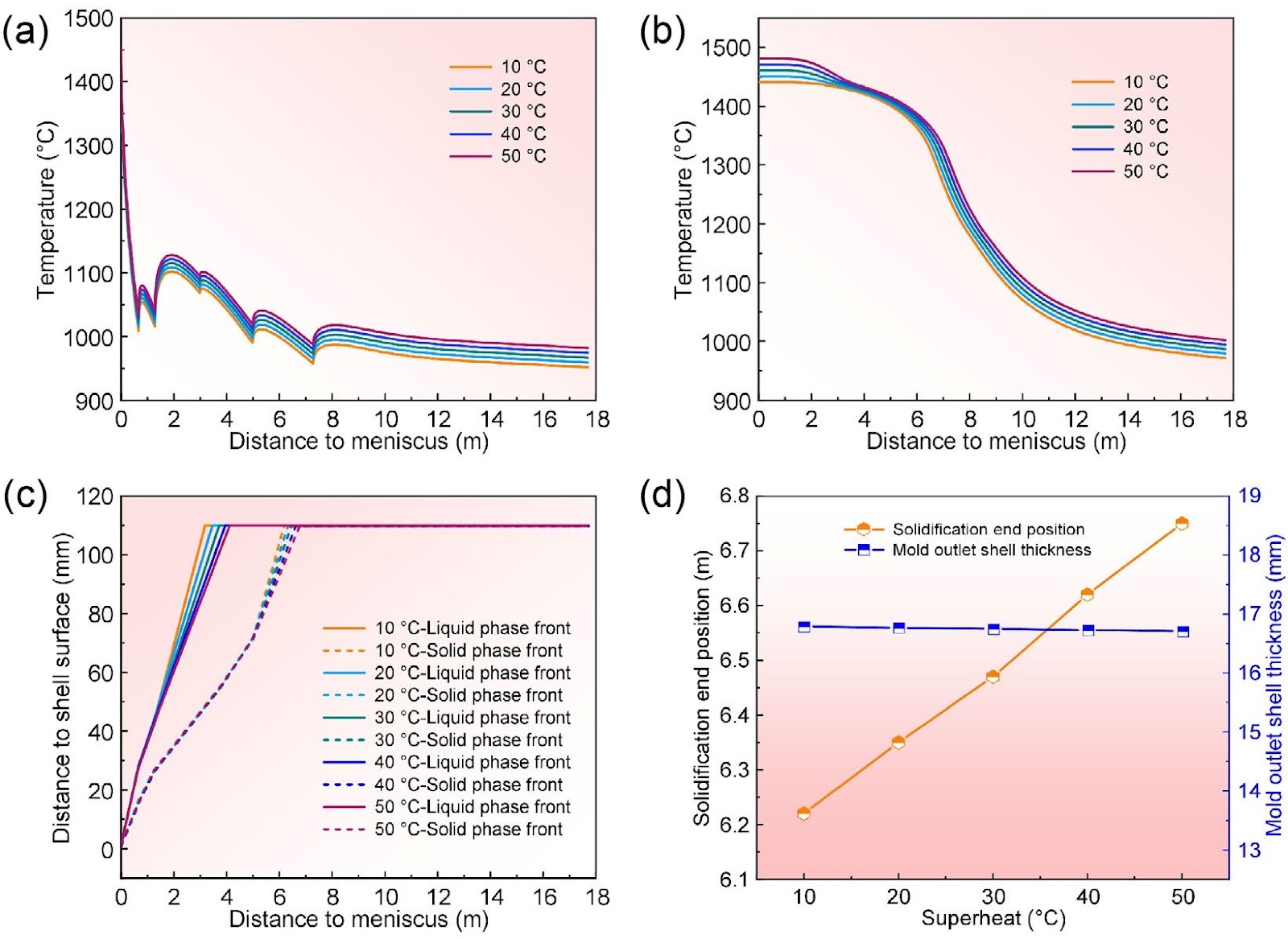
The synergistic mechanism of multiple process parameters on the solidification structure of niobium containing austenitic stainless steel during continuous casting is complex, which seriously affects the quality of continuous casting billets and seamless pipes. In order to optimize the quality of continuous casting billet, a finite element model of solidification and heat transfer in continuous casting process was established for the secondary cooling process of continuous casting billet. The control variable method was used to explore the influence of casting speed and superheat on the solidification process. At the same time, an orthogonal scheme was designed to study the coupling effect of multiple process parameters on the heat transfer and solidification state of continuous casting billets, and optimized process parameters were selected. The optimization results of process parameters were verified through production experiments, and it is found that the enrichment of coarse niobium compounds directly causes the initiation and propagation of inner wall cracks during the large deformation hot piercing of S30432 seamless tubes. Process parameter optimization, especially the synergistic effect of the decrease of superheat and increase of specific water flow promotes the grain refinement and expension of equiaxed crystal zone, thereby mitigating the segregation of Nb elements and improving the distribution of niobium compounds.

Optimization of multi-process parameters in secondary cooling solidification process of S30432 continuous casting billet
Graphical Abstract
Original ResearchVol. 23, No. 3 • pp. 357-366DOI: 10.1007/s41230-026-5182-6Jan 15, 2026

Effect of Nb, Ti introduction sequence on adsorption of Nb on TiB2 surface and grain refinement performance of Al-4Ti-1Nb-1B

Authors: Hao Yi, Ying Cheng, Hua-rui Zhang, Hu Zhang

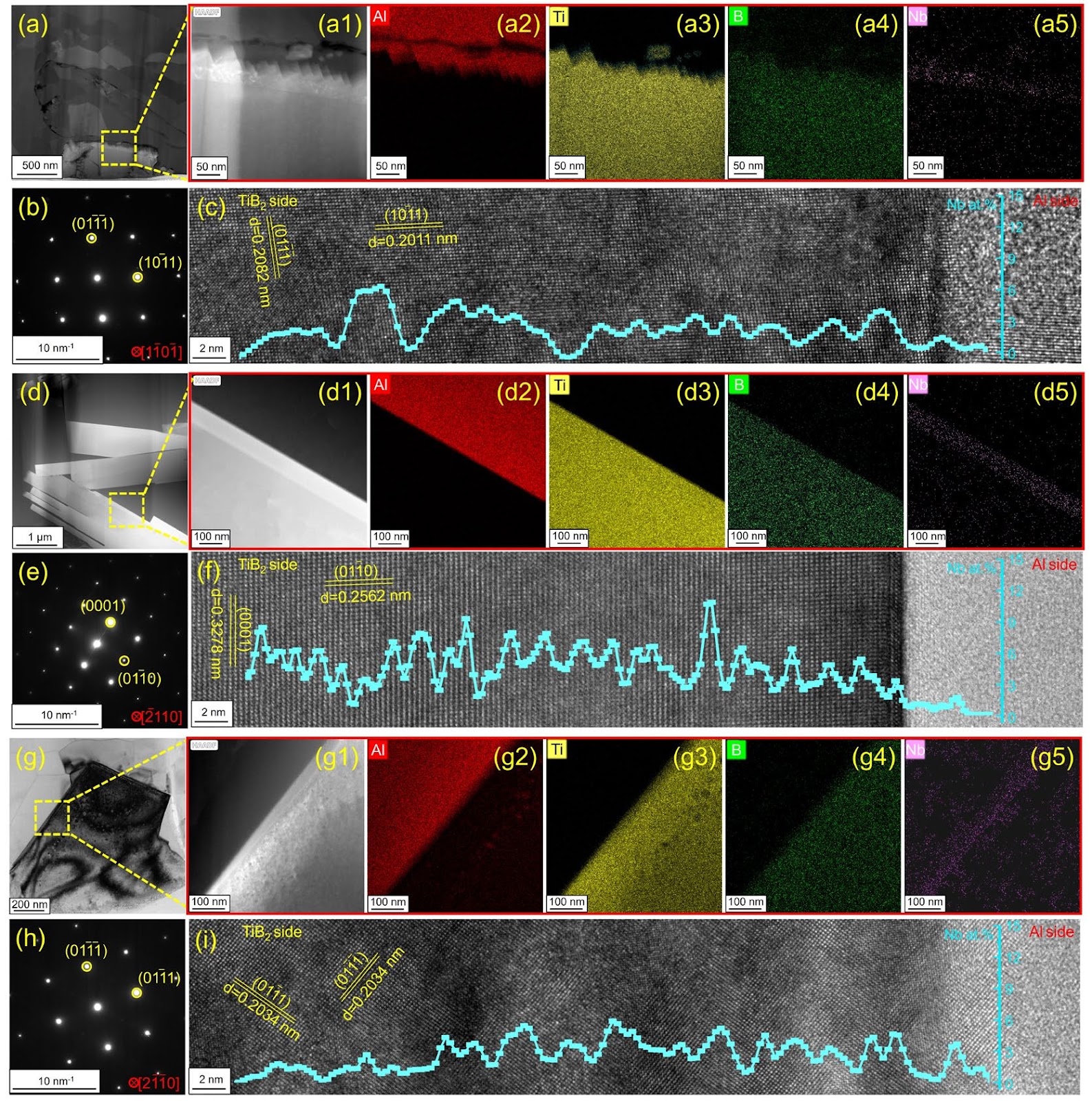
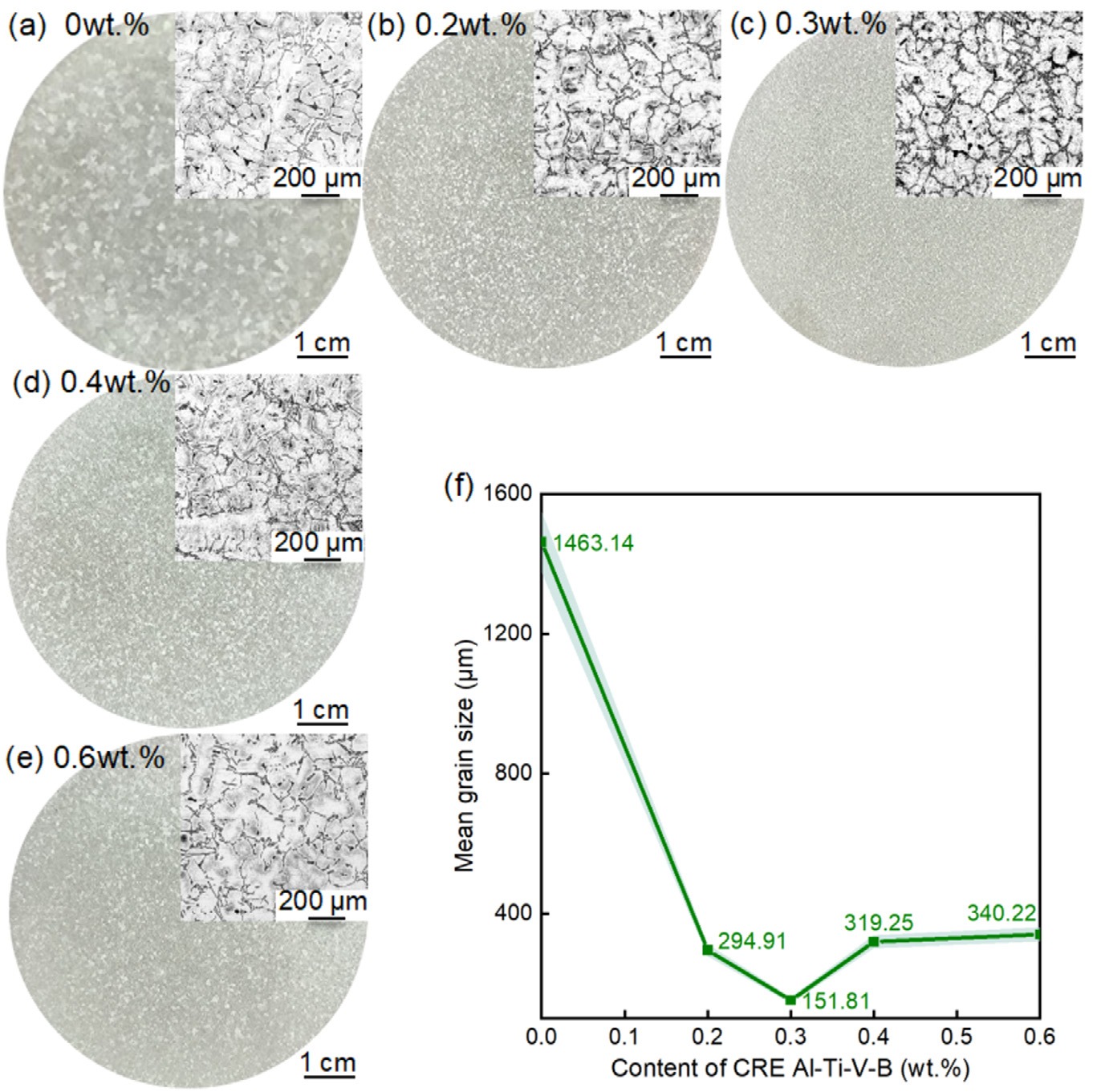
Abstract: In recent years, Al-Ti-Nb-B grain refiners have attracted increasing attention due to their grain refinement performance and anti-Si poisoning ability. This study investigates the influence of the introduction sequence of Ti and Nb during the synthesis of Al-4Ti-1Nb-1B refiners on their refinement performance on CP-Al and a series of Al-Si alloys (Al-3.5Si, Al-7Si, and Al-10.5Si). It is found that Al-4Ti-1Nb-1B prepared by introducing Ti prior to Nb exhibits the best grain refinement and anti-Si poisoning compared to samples where Nb is introduced before Ti or where both are added simultaneously. This Ti-first approach demonstrates superior grain refinement performance across CP-Al, Al-3.5S1, Ai-7Si, and Al-10.5Si alloys, especially at higher Si contents. It refines the grain size of Al-7Si to 150.1±27.5 μm from over 1,500 μm for the unrefined alloy. This superior performance is attributed to the variation in ground-state energy ΔE for the Ti prior to Nb sequence is lower than that of other sequences, thereby facilitating Nb adsorption on the TiB2 surface. TEM observations corroborate these findings, showing that TiB2 prepared by this sequence has the highest average Nb content of 3.80at.%. First-principles calculations reveal that this unique Nb adsorption enhances the TiB2/Al interfacial adhesion energy Wad and suppresses the segregation tendency of Si atoms at the interface, κSi(cSi). The higher the Nb adsorption at the TiB2/Al interface, the stronger the resistance to Si poisoning. These findings underscore the pivotal role of Nb-modified TiB2 in improving grain refinement and offer a novel strategy for advancing grain refiner technologies in Al-Si alloys.
Effect of Nb, Ti introduction sequence on adsorption of Nb on TiB2 surface and grain refinement performance of Al-4Ti-1Nb-1B
Graphical Abstract
Original ResearchVol. 23, No. 3 • pp. 283-290DOI: 10.1007/s41230-026-5163-9Jan 15, 2026

In situ monitoring of surface depressions in metal laser additive manufacturing and its interlayer transfer mechanism

Authors: Jie Li, Jie Wan, Zi-jian Chen, Jin-shan Li, Jun Wang

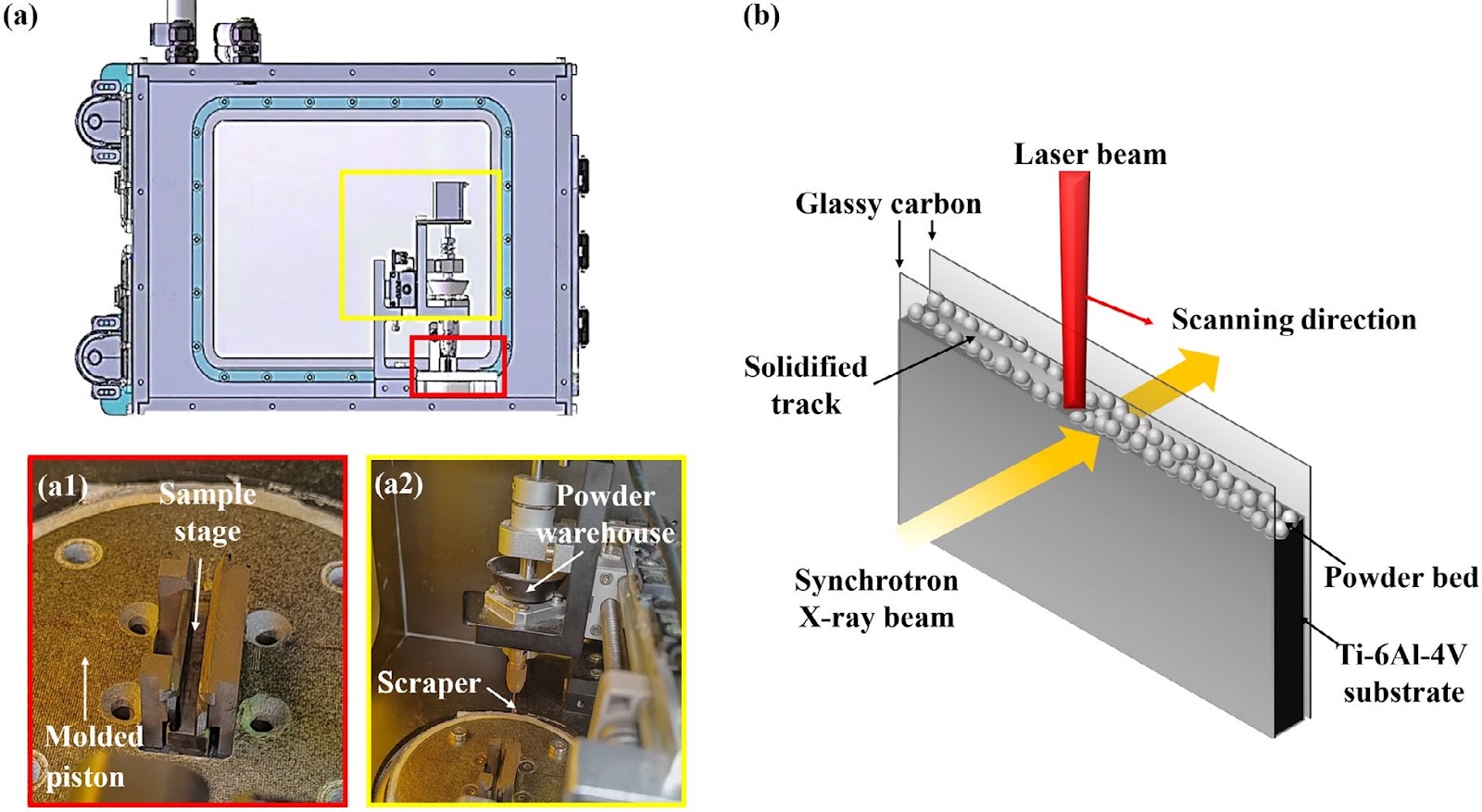
In laser powder bed fusion (LPBF) additive manufacturing, surface depressions caused by melt pool instability can induce defects throughout the layer-by-layer printing process. To address the limited understanding of interlayer defect transmission mechanisms, synchrotron X-ray in situ imaging was used to systematically investigate the dynamic evolution of surface depressions during multi-pass printing by adjusting interlayer process parameters. Experimental results show that insufficient energy input in the first layer leads to balling and fracture of melt tracks. When the energy input in the second layer is increased, local overheating at the gap between melt tracks from the previous layer causes surface depressions. Reducing the energy input in the third layer hinders melt backflow, enlarging the depression region. Further lowering the energy input in the final layer leads to the formation of internal unfused defects. This study reveals the dynamic correlation between surface depressions and interlayer defect evolution, offering critical experimental evidence and theoretical guidance for closed-loop interlayer process control in laser additive manufacturing.

In situ monitoring of surface depressions in metal laser additive manufacturing and its interlayer transfer mechanism
Graphical Abstract
Original ResearchVol. 23, No. 3 • pp. 421-434DOI: 10.1007/s41230-026-5206-2Jan 15, 2026

Effect of critical tempering on microstructure evolution, mechanical performance, and corrosion behavior of a cast multiphase stainless steel

Authors: Jing-yu He, Guo-qiang Liu, Zi-xiang Wu, Hua-wei Zhang, Xiang Chen

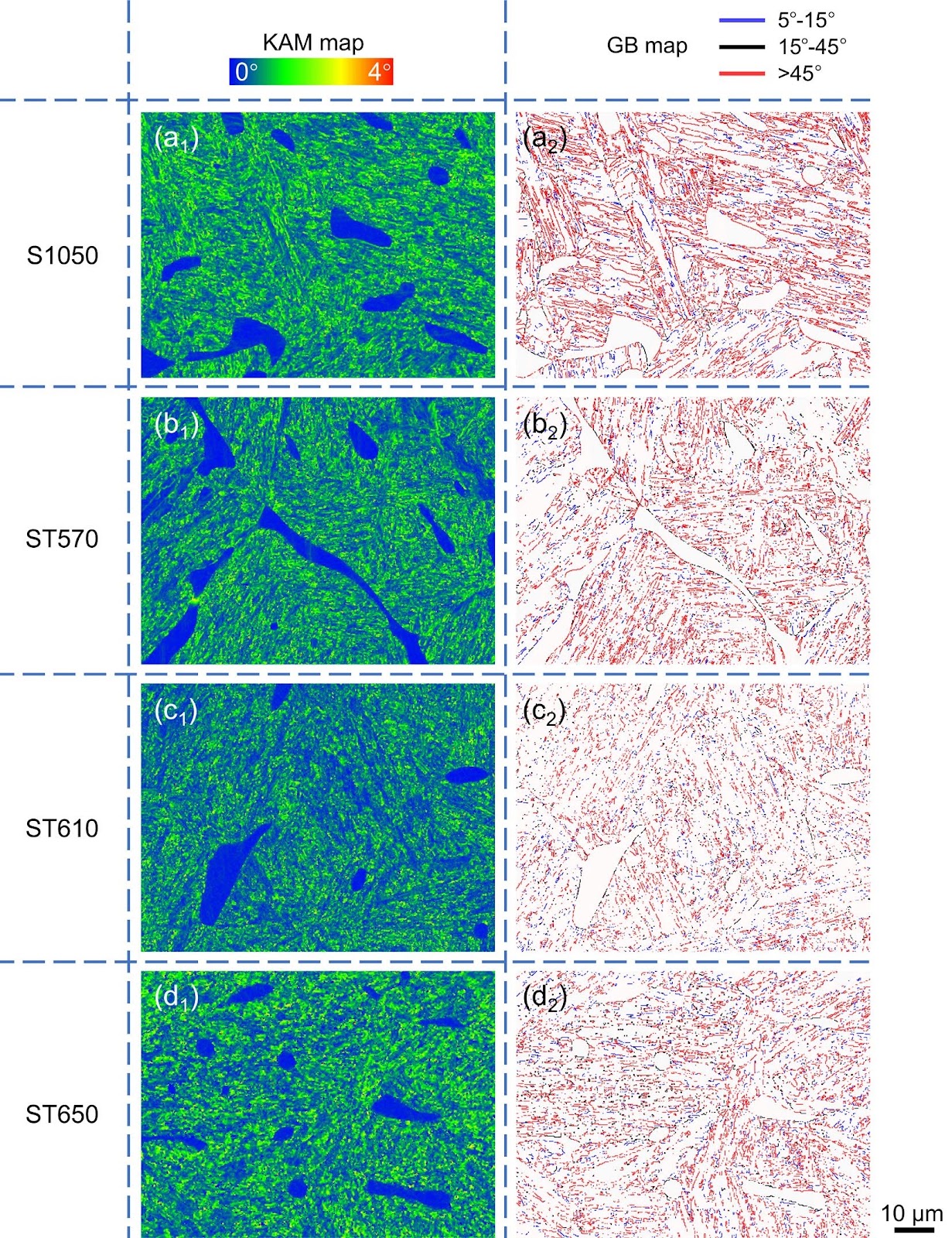
A novel cast stainless steel featuring a multiphase microstructure and a nominal composition of Fe-13.5Cr-2.6Si-6.9Ni-1.1Cu-1.1Mn-1.0Mo-0.35Al-0.025C (wt.%) was investigated. Following solution treatment at 1,050 °C and water quenching, the specimens were subjected to further tempering at 570 °C, 610 °C, and 650 °C to explore the effects of critical tempering on microstructure, mechanical properties, and corrosion resistance. Various characterization techniques were employed to examine the phase distribution within the microstructure, with particular attention given to the content and morphology of reverted austenite. Tensile and corrosion tests were carried out to evaluate the performance of the specimens. The results reveal that critical tempering significantly enhances the mechanical properties, with the specimen tempered at 610 °C achieving the highest product of strength and elongation (PSE=23.6 GPa·%), whereas corrosion resistance deteriorates with increasing tempering temperature. Calculations of the martensite start temperature (Ms) and stacking fault energy (γSFE) for the reversed austenite in different specimens indicate that the stability of reversed austenite strongly influences mechanical behavior through the TRIP and TWIP effects. However, tempering-induced Cr segregation at ferrite/martensite interfaces and the formation of Cr-depleted zones become more pronounced at higher tempering temperatures, leading to a degradation in corrosion resistance. Furthermore, multiphase coordinated deformation improves the strength-ductility balance, while corrosion tends to initiate at chemically inhomogeneous phase boundaries.

Effect of critical tempering on microstructure evolution, mechanical performance, and corrosion behavior of a cast multiphase stainless steel
Graphical Abstract
Original ResearchVol. 23, No. 3 • pp. 385-395DOI: 10.1007/s41230-026-5274-3Jan 15, 2026

Intelligent design of cooling systems for aluminum alloy die-casting dies: A framework integrating topology optimization and particle swarm optimization

Authors: Le-chuan Li, Ya-jun Yin, Xu Shen, Wen Li, Xiao-yuan Ji, Chao-jian Liang, Wei Wei, Jian-xin Zhou

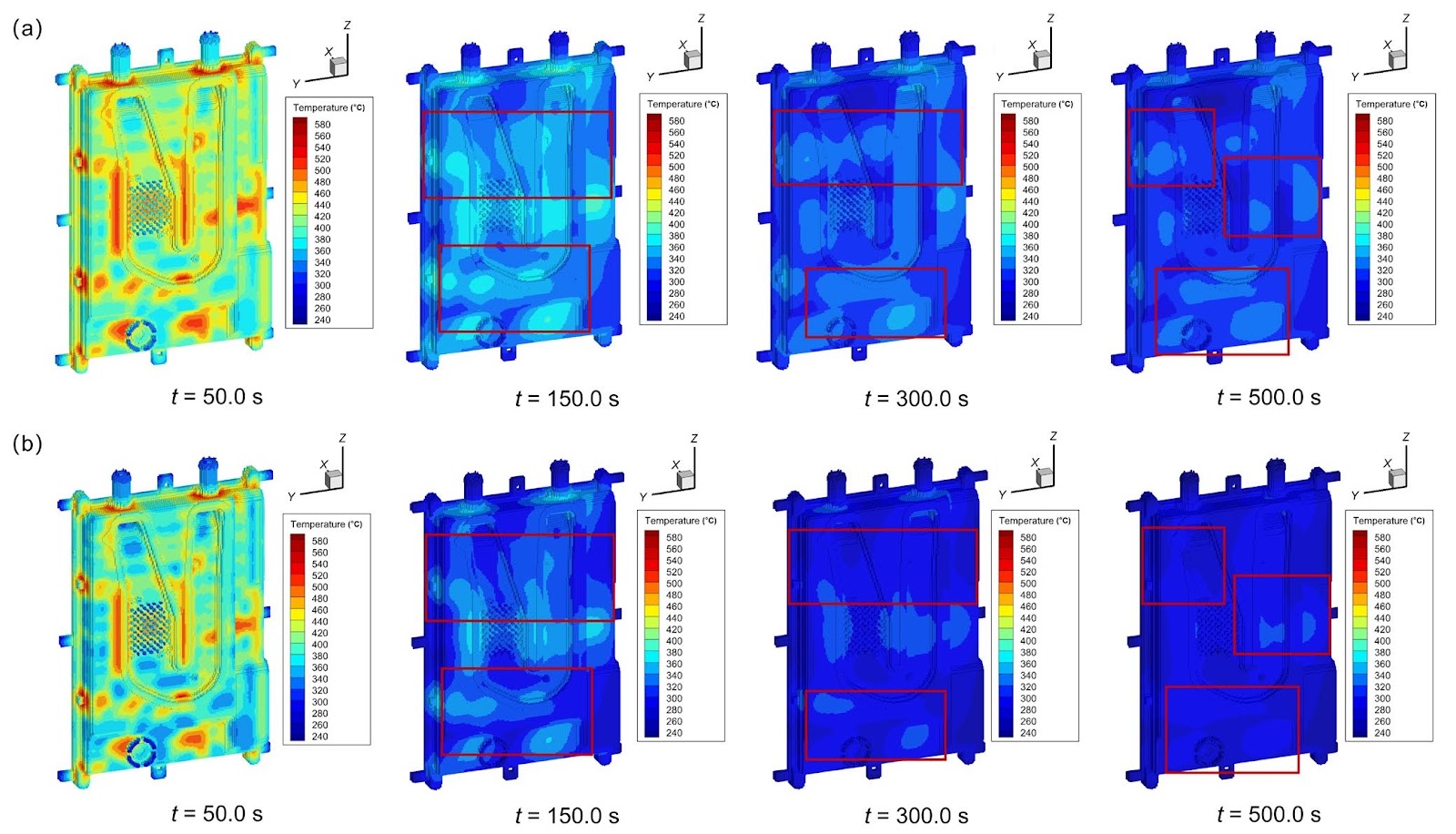
With the growing demand for lightweight and high-performance components in automotive and aerospace industries, aluminum alloy die-castings are evolving toward larger dimensions and thinner walls, posing significant challenges to thermal management during solidification. Traditional cooling channel designs often fail to ensure uniform temperature distribution, leading to defects such as shrinkage porosity and deformation. This study proposes an automated design framework integrating the moving morphable components (MMC) topology optimization method with particle swarm optimization (PSO) to generate efficient and manufacturable cooling channel layouts for A380 aluminum alloys. Firstly, a systematic initialization strategy was developed with component dimensions of 4-10 mm in width and 15-40 mm in length, along with discrete orientation angles. The optimization process effectively guided components toward high-temperature regions identified through numerical simulation, followed by post-processing operations including temperature-based sorting, overlap removal, and component interconnection. The final design with 20 retained components was selected. Then, castings with a conventional cooling system and without any cooling system were employed as benchmark cases for comparison with the current optimized design. Compared with the conventional and no-cooling cases, the current cooling system exhibits a consistently lower temperature standard deviation after 30 s, maintains superior thermal uniformity throughout solidification, and achieves this improvement without comprising the average temperature.
Intelligent design of cooling systems for aluminum alloy die-casting dies: A framework integrating topology optimization and particle swarm optimization
Graphical Abstract
Original ResearchVol. 23, No. 3 • pp. 336-344DOI: 10.1007/s41230-026-5243-xJan 15, 2026

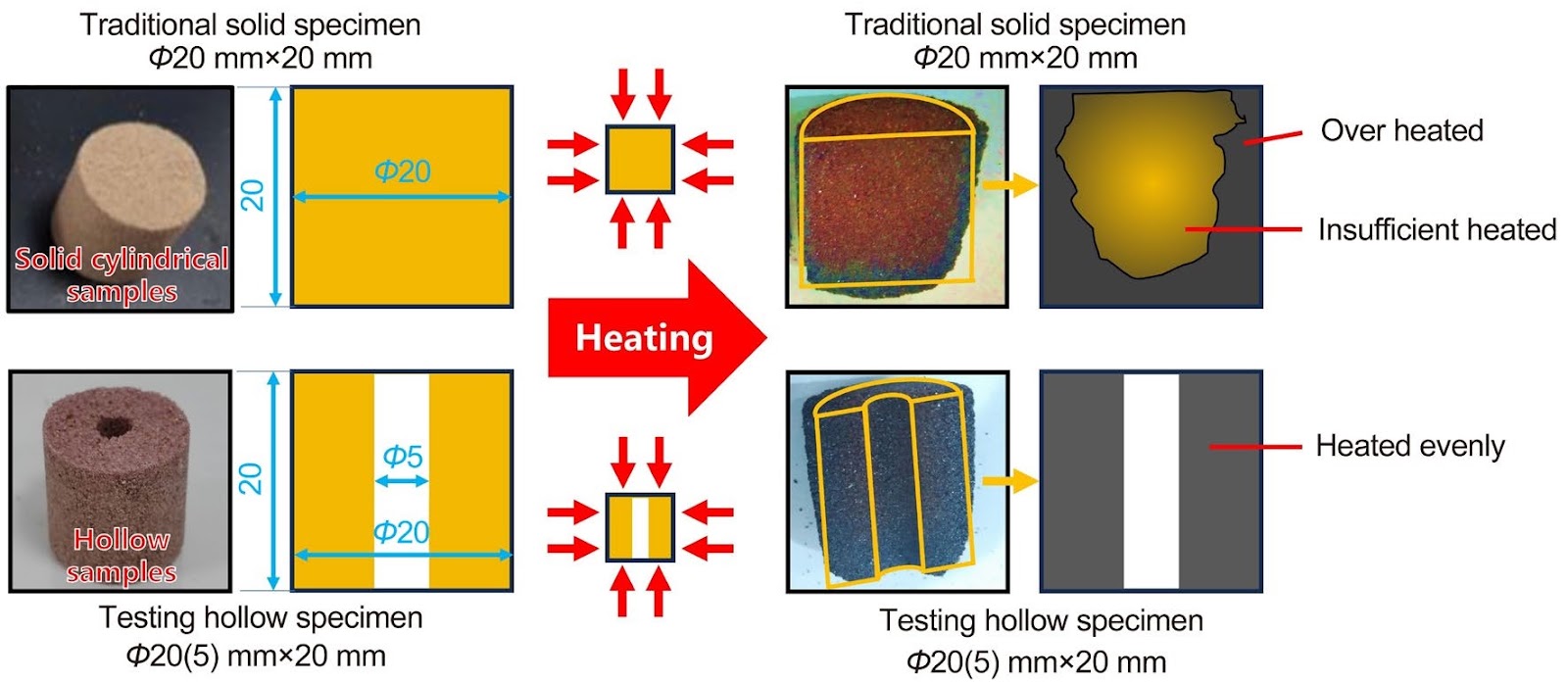
Factors influencing high-temperature compressive strength of alkaline phenolic resin-bonded sand

Authors: Xin Peng, Yu-yang Qi, Peng Yu, Peng Wan, Zhen-wei Liu, Wen Li, Xu Shen, Xiao-yuan Ji, Ya-jun Yin, Yuan-cai Li, Jian-xin Zhou

During the casting process, no-bake resin-bonded sand molds and cores rapidly heat up upon contact with high-temperature molten metal, causing dramatic changes in the resin binder system and a significant deterioration in mechanical properties, which subsequently leads to casting defects. To reveal the mechanism behind the evolution of high-temperature performance, the effects of resin content, base sand type, and particle size on the compressive strength of alkaline phenolic no-bake resin-bonded sand at temperatures ranging from 600 °C to 1,000 °C were investigated. The results show that the temperature range of 600-800 °C represents the primary stage of strength loss, corresponding to intense resin decomposition. Meanwhile, structural reorganization of the carbon skeleton above 900 °C can lead to a partial recovery of strength. This study provides key data and theoretical support for understanding the high-temperature mechanical behavior of resin-bonded sand and its relationship with casting defects.

Factors influencing high-temperature compressive strength of alkaline phenolic resin-bonded sand
Graphical Abstract
Original ResearchVol. 23, No. 3 • pp. 367-376DOI: 10.1007/s41230-026-5146-xJan 15, 2026

Control of fine grain structures and strengthening-toughening mechanisms in magnesium alloys fabricated by wire-arc directed energy deposition

Authors: Wei Liu, Hai-long Jia, Yi-hang Yang, Min Zha, Artem Marchenkov, Pin-kui Ma, Hui-yuan Wang

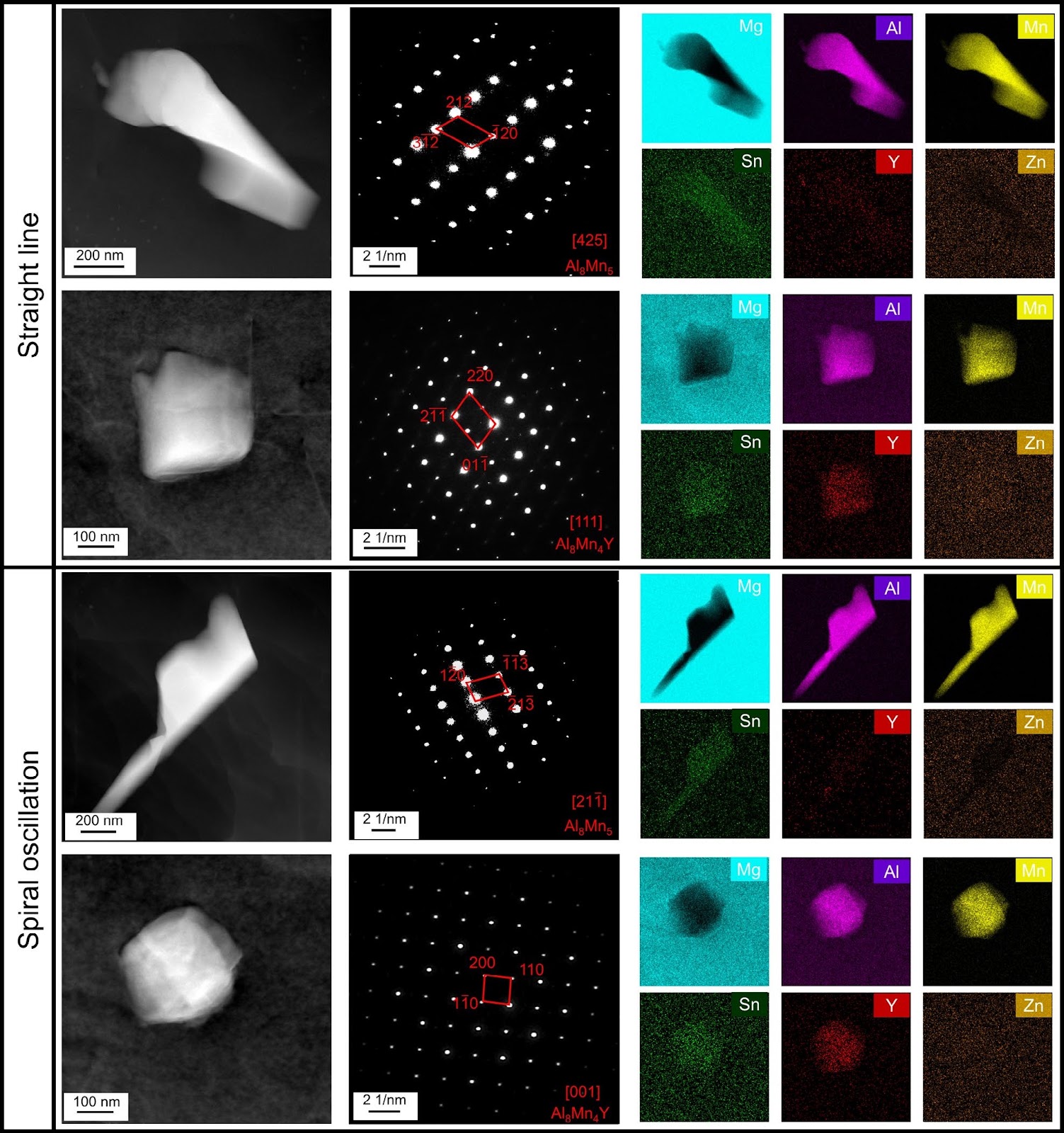
Wire-arc directed energy deposition (WA-DED) has attracted considerable attention for the fabrication of magnesium (Mg) alloys due to its high efficiency, low cost, and rapid prototyping capability for complex components. However, the inherent rapid solidification and complex thermal cycling associated with WA-DED often result in coarse columnar grains and pronounced mechanical anisotropy, which severely limiting its application potential. In this study, a novel spiral oscillation (SO) strategy was implemented during WA-DED AZ31 Mg alloy to refine the microstructure, reduce mechanical anisotropy, and achieve a strength-ductility synergy. Specifically, the yield strength (YS), ultimate tensile strength (UTS), and elongation (EL) are increased by 9.7%, 38.1%, and 147%, respectively. These improvements by the SO strategy are primarily attributed to the promotion of columnar-to-equiaxed transformation (CET), a 74.2% reduction in maximum texture intensity, and a more uniform distribution of second-phase particles. Second-phase particles are primarily composed of Al8Mn5 and Al8Mn4Y. This study provides a novel strategy for microstructural control aimed at improving the performance of WA-DED AZ31 Mg alloy components.

Control of fine grain structures and strengthening-toughening mechanisms in magnesium alloys fabricated by wire-arc directed energy deposition
Graphical Abstract
Original ResearchVol. 23, No. 3 • pp. 327-335DOI: 10.1007/s41230-026-5208-0Jan 15, 2026

Effects of natural and forced convections on dendritic growth in thin-walled Al-Cu alloy by counter-gravity casting: A phase-field lattice-Boltzmann study

Authors: Jia-tuo An, Da-fan Du, Li-jun Zhang, An-ping Dong, Bao-de Sun

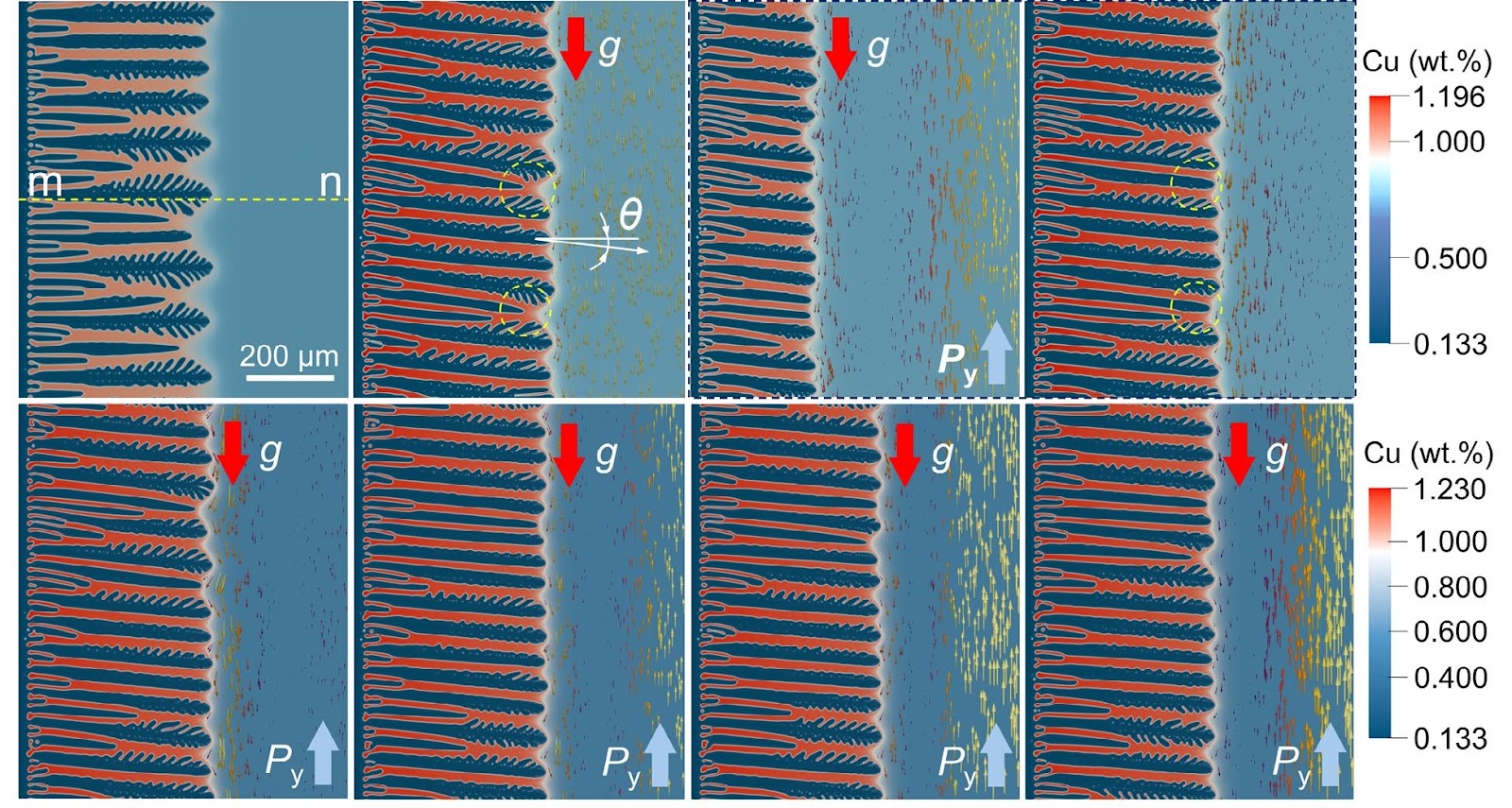
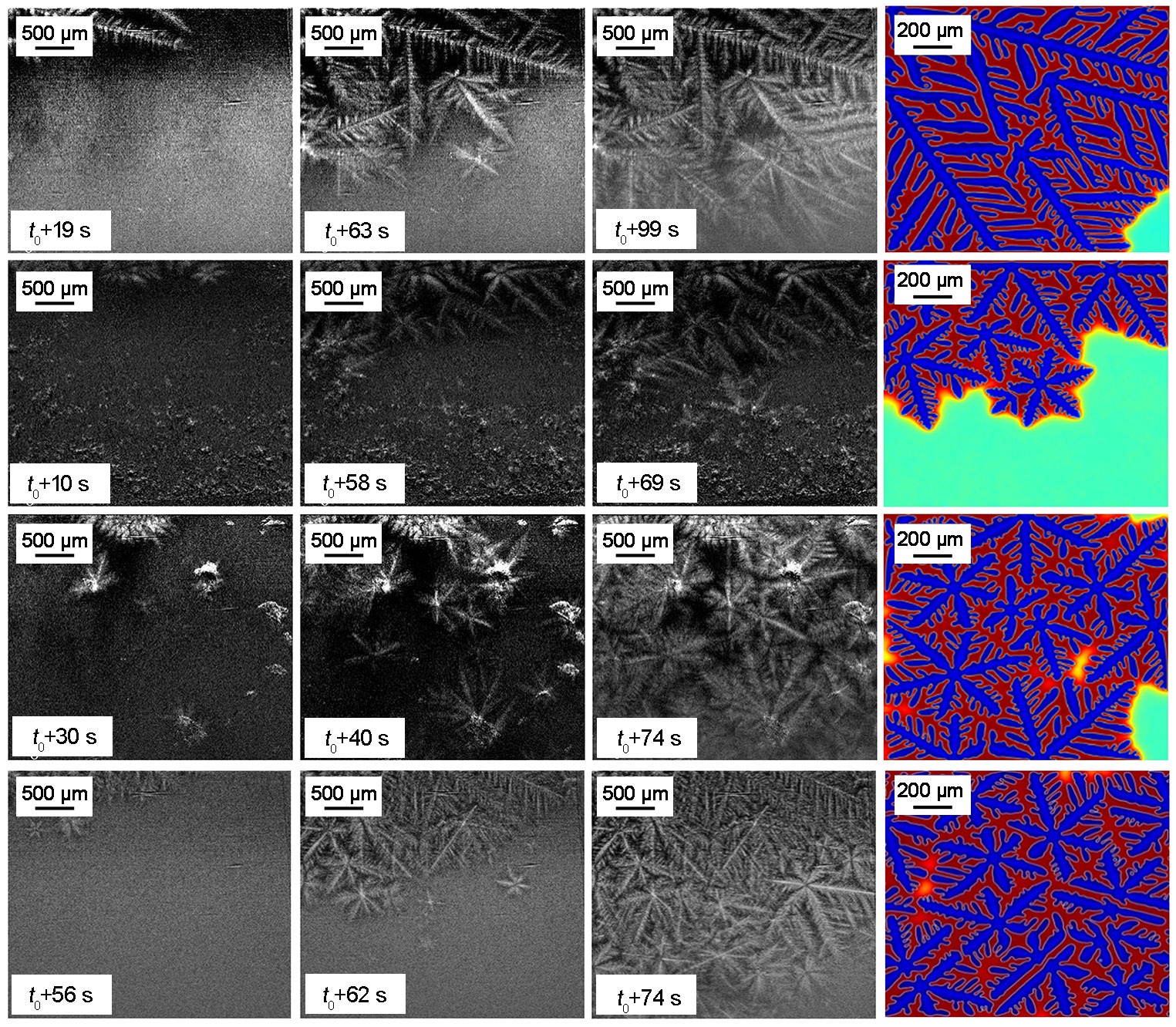
Thin-walled aluminum alloys, prized for their high specific strength, are critical to modern aerospace and other advanced industries. Counter-gravity casting (CGC) is a premier method for fabricating such components, where precise control over solidification microstructure is paramount. However, this control is challenged by the complex interplay of forced and natural convection during solidification. This study employs a coupled multiple-relaxation-time lattice Boltzmann (D2Q9) and quantitative phase-field model to simulate dendritic growth in a thin-walled Al-0.576wt.%Cu alloy. Simulations reveal that convection disrupts dendritic symmetry: for equiaxed crystals, solute plumes and asymmetric arm growth are observed, while for columnar dendrites, an optimal applied force exists that refines the microstructure without compromising economic viability. Furthermore, forced convection consistently reduces the inclination angle of primary dendrites. These findings, validated against experimental data, elucidate the micro-mechanisms of dendritic growth under convection, providing critical theoretical guidance for optimizing CGC processes.

Effects of natural and forced convections on dendritic growth in thin-walled Al-Cu alloy by counter-gravity casting: A phase-field lattice-Boltzmann study
Graphical Abstract
Original ResearchVol. 23, No. 3 • pp. 303-314DOI: 10.1007/s41230-025-5127-5Jan 15, 2026

Tuning needle-like precipitation for enhanced strength-ductility synergy in a non-equiatomic FeNiCoCuTi high-entropy alloy

Authors: Li-ran Huang, Zhi-ming Li, Wei-ping Chen, Zhi-qiang Fu

Precipitation strengthening is an effective strengthening strategy widely utilized in high-entropy alloys (HEAs) with a single-phased face-centered cubic (fcc) structure. In recent research works, reinforcing phase adopted are mostly focused on equiaxed or nearly equiaxed structures (e.g., spherical, cubic, and rod-like), while relatively rare studies on the strengthening effects of needle-like precipitates with large aspect ratios. The η-D024 phase, like the L12 strengthening phase most commonly used in fcc-structured HEAs, features an ordered Ni3Ti-type structure and also exhibits a comparable strengthening effect. However, since the η phase often co-precipitates with other precipitates in alloy system, the strengthening effect of the sole η-D024 phase in fcc-structured alloys remains to be further explored. In this study, microstructural evolution, phase transformation, and mechanical behaviors of a non-equiatomic Fe27Ni27Co26Cu10Ti10 HEA were systematically investigated. Results show that following high-temperature heat treatment, the microstructure of the studied HEA transforms from a combination of the fcc, L12, Cu-rich, and η phases in the as-cast state to a fcc+η structure in the heat-treated state. Meanwhile, the mechanical properties of the heat-treated HEA are significantly improved, with a total elongation increasing from approximately 0.9% to 7.5%. The enhanced ductility of the heat-treated alloy can be attributed to the strong hindering effect of numerous needle-like η phase at the grain boundaries, which restricts crack propagation and dislocation movement. This study develops a novel η-strengthened FeNiCoCuTi HEA, expanding the selection of available reinforcing phases in fcc-structured alloys and providing valuable insights into the phase transformation and strengthening effect of the η-D024 phase.

Tuning needle-like precipitation for enhanced strength-ductility synergy in a non-equiatomic FeNiCoCuTi high-entropy alloy
Graphical Abstract
Original ResearchVol. 23, No. 3 • pp. 315-326DOI: 10.1007/s41230-026-5263-6Jan 15, 2026

Microstructure and mechanical properties evolution of near-β alloy Ti-4Al-6Cr-5Mo-5Nb-xTa

Authors: Jia-qi Hao, Hong-ze Fang, Xing-fang Xue, Ji-chang Yu, Bo-bo Li, Bao-hui Zhu, Rui-run Chen

To meet the aerospace industry’s demand for aircraft featuring high thrust-to-weight ratios and lightweight structures capable of operating in complex service environments, β titanium alloys with high specific strength and good plasticity have become a current research hotspot in the development of domestic fasteners. Based on the calculated Mo equivalent, the alloy composition Ti-4Al-6Cr-5Mo-5Nb is classified as a near-β titanium alloy within the titanium alloy design space. The microstructure is further controlled by adding alloy element Ta with a mass fraction of 0.4wt.%-2.0wt.%. Research results indicate that Ta dissolves completely in the matrix without forming new phases within the investigated range. As the Ta content increases, the proportion of the β phase increases significantly, the β grain diameter decreases markedly from 2.4 mm to 0.4 mm, and the α phase gradually coarsens. When adding 1.6wt.% Ta, the tensile strength and fracture toughness of the alloy reach the peak values of 735 MPa and 55 MPa·m1/2, respectively.

Microstructure and mechanical properties evolution of near-β alloy Ti-4Al-6Cr-5Mo-5Nb-xTa
Graphical Abstract
Original ResearchVol. 23, No. 3 • pp. 291-302DOI: 10.1007/s41230-026-5154-xJan 15, 2026

Microstructure and mechanical properties of high pressure die casting AE81 magnesium alloy battery module ends

Authors: He-cong Xie, Jiang-feng Song, Chuang-ming Li, Zhi-hua Dong, Ang Zhang, Jiang Zheng, Dao-yan Yang, Wei Ren, Xian-yue Qin, Hong-fen Feng, Dong-xia Xiang, Bin Jiang

AE81 magnesium alloy castings for electric vehicle battery module ends were fabricated using high pressure die casting (HPDC). Effects of filling behavior and solidification sequence on the spatial distribution of microstructure and mechanical properties were systematically investigated. The results indicate that along the flow path toward the overflow gate, the area fraction of externally solidified crystals (ESCs) gradually decreases, and the average grain size becomes finer, resulting in a slight increase in yield strength. In addition, the pores’ volume fraction significantly affects ductility and tensile strength, with the gate region exhibiting the highest porosity (0.74%) and thus the lowest elongation (4.3%) and ultimate tensile strength (218 MPa). In other regions, the porosity decreases to 0.33%-0.39%, resulting in increased elongation (6%-7%) and higher ultimate tensile strength (235-242 MPa). Analysis of the microstructure-property relationship reveals that the yield strength follows the Hall-Petch relationship, while elongation and tensile strength are negatively correlated with pore volume fraction. This finding elucidates the mechanism behind the formation of performance gradients in HPDC magnesium alloys and provides a theoretical basis for the design of lightweight components in new energy vehicles.

Microstructure and mechanical properties of high pressure die casting AE81 magnesium alloy battery module ends
Graphical Abstract
Original ResearchVol. 23, No. 1 • pp. 73-82DOI: 10.1007/s41230-025-4045-xJan 15, 2026

Evolution of microstructure and properties of Cu-12Fe alloys prepared by twin-roll strip casting

Authors: Tian-mo Wu, Yuan-xiang Zhang, Shuai-jie Guo, Nuo-jin Wang, Jian Kang, Guo Yuan

The Cu-12Fe alloy has attracted significant attention due to its excellent electrical conductivity and electromagnetic shielding capability, high strength, cost-effectiveness, and recyclability. In the present work, the Cu-12Fe alloy strip with the thickness of 2.4 mm was successfully produced by twin-roll strip casting. The microstructure and properties of the Cu-12Fe alloy were tailored by cold rolling and aging treatment. The tensile strength of the as-cast strip is approximately 328 MPa and its elongation is 25%. The Fe phase randomly dispersed in the matrix, and the average size of Fe-rich phase is 2 μm. Besides, enrichment of Fe phase is observed in the central layer of the strip, results in the formation of the “sandwich structure”. Moreover, the as-cast strip of Cu-12Fe was directly cold-rolled from 2.4 to 0.12 mm. The directly cold-rolled sample after aging at 450 °C for 16 h (Process I) shows excellent electrical conductivity of 69.5% IACS, the tensile strength and elongation are 513 MPa and 3.8%, the saturation magnetic flux density is 20.1 emu·g-1, and the coercive force is 25.2 Oe. In Process II, the as-cast strip firstly cold-rolled to 1.2 mm, then aged at 500 °C for 1.5 h, followed by cold rolling to 0.12 mm, finally aged at 450 °C for 16 h. The sample after Process II shows the electrical conductivity of 66.3% IACS, the tensile strength of 533 MPa, an elongation of 3.5%, saturation magnetic flux density of 21.4 emu·g-1, and the coercive force of 22.3 Oe.

Evolution of microstructure and properties of Cu-12Fe alloys prepared by twin-roll strip casting
Graphical Abstract
Original ResearchVol. 23, No. 1 • pp. 83-93DOI: 10.1007/s41230-025-4083-4Jan 15, 2026

Effect of cooling rate on solidification behavior and micro-segregation of high-alloyed wrought superalloy GH4975

Authors: Guang-di Zhao, Xi-min Zang, Yi-xuan Sun, Xiao-yu Yao

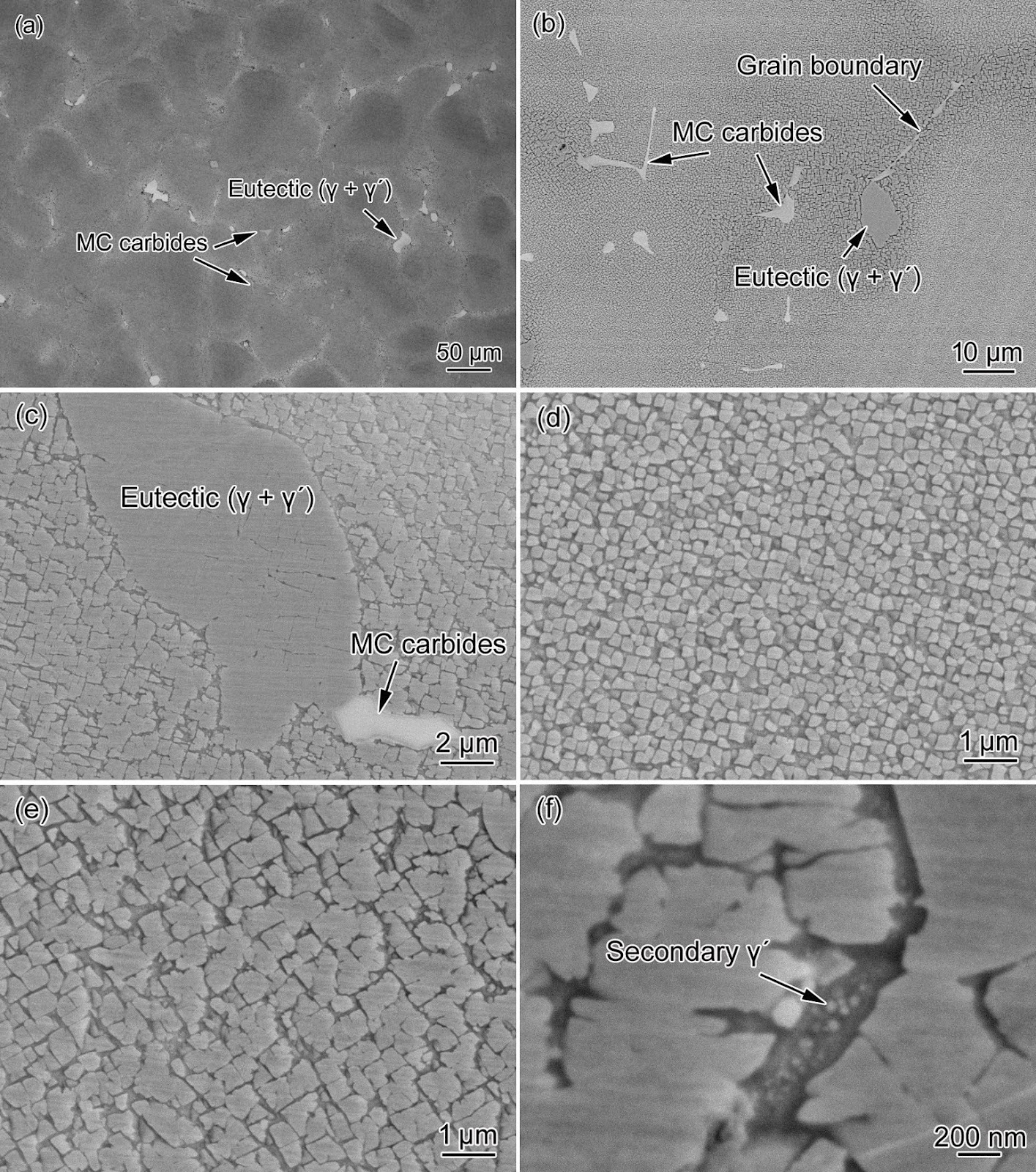
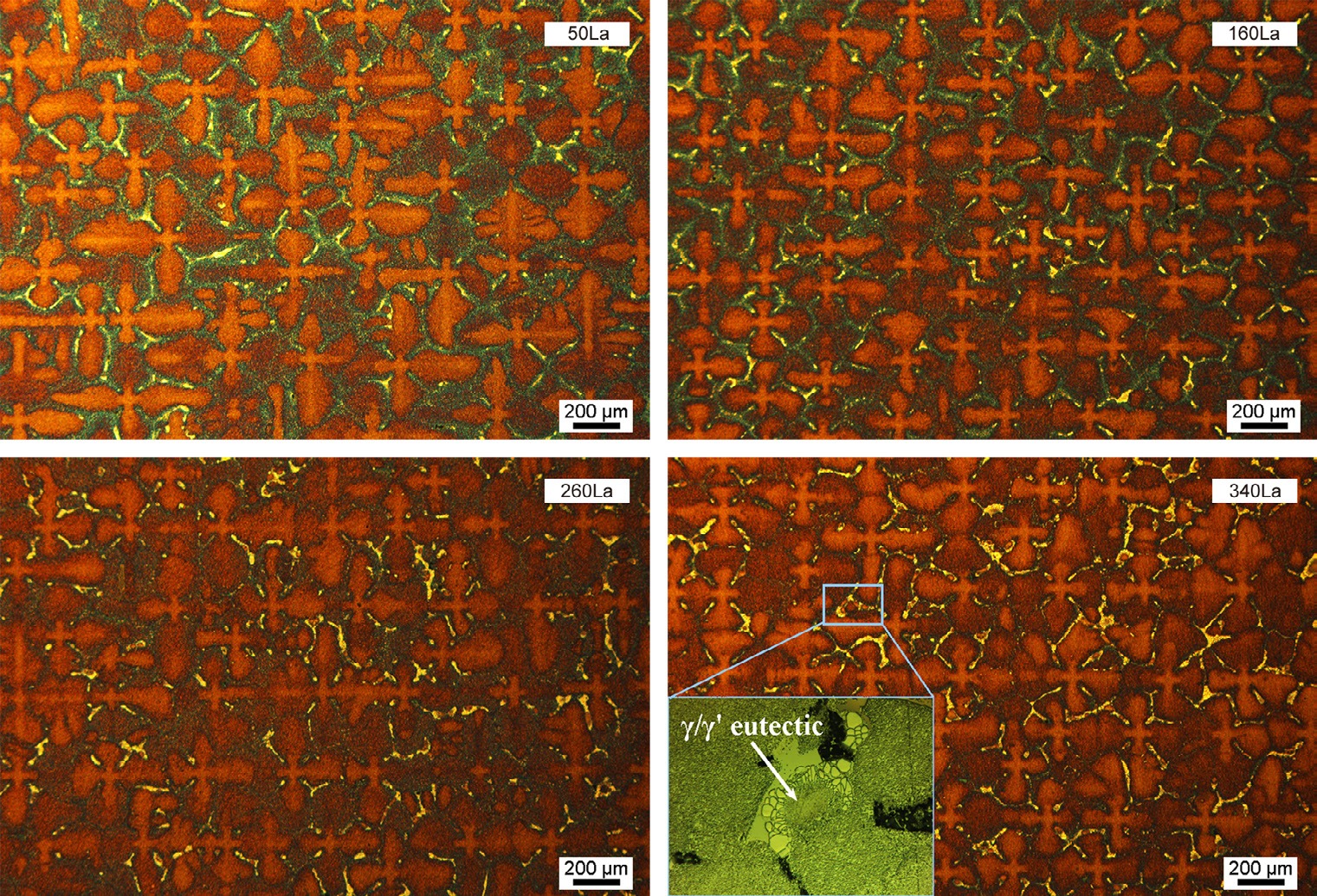
The high-alloyed wrought superalloy GH4975 tends to form coarse MC carbides and eutectic (γ+γ′) phases, which adversely affect the cogging and homogenization process. To provide theoretical guidance for control of MC carbides and eutectic (γ+γ′) formation, differential thermal analysis (DTA) was utilized to investigate the effect of cooing rate (10-90 °C·min-1) on solidification behavior and micro-segregation of GH4975 alloy. According to the thermodynamic calculation and distribution characteristics of precipitates, the MC carbides can act as nucleation sites for γ dendrites, but the nucleation of γ dendrites becomes less dependent on the MC carbide primers at higher cooling rates. As the γ dendrites grow, the elements including Ti and Nb gradually accumulate in the residual liquid and leads to the formation of more MC carbides near the interdendritic region. Finally, the solidification is terminated with the formation of eutectic (γ+γ′). With an increase in cooling rate, the liquidus temperature rises, but the solidus temperature decreases, and thus the solidification range is obviously enlarged. The dendritic structure is significantly refined by the increase of cooling rate. The secondary dendrite arm spacing, λ2, as a function of cooling rate, , can be expressed as λ2=216.78 -0.42. Moreover, the increasing cooling rate weakens the back diffusion of Al, Ti, and Nb, increases the undercooling, and limits the growth of precipitates. Consequently, the sizes of MC carbides, eutectic (γ+γ′), and primary γ′ significantly decrease, but the area fraction of eutectic (γ+γ′) linerly increases as the cooling rate rises. Thus moderate cooling rate (such as 30 °C·min-1) should be selected during the solidification process of GH4975 alloy.

Effect of cooling rate on solidification behavior and micro-segregation of high-alloyed wrought superalloy GH4975
Graphical Abstract
Original ResearchVol. 23, No. 1 • pp. 45-54DOI: 10.1007/s41230-025-5024-yJan 15, 2026

Stray grains evolution and high-temperature stress rupture behavior of crystallographic lamellar microstructure in Ni-based superalloys prepared by laser powder bed fusion

Authors: Peng Wang, Jing-jing Liang, Yu-ping Zhu, Wei Song, Qiao-lei Li, Yi Qiu, Ying-ju Li, Yi-zhou Zhou, Han-lin Liao, Lei Shi, Li-ming Lei, Xiao-feng Sun, Jin-guo Li

Abstract: The unique crystallographic lamellar microstructure (CLM) Ni-based superalloys fabricated by laser powder bed fusion (LPBF) exhibits excellent tensile properties. This study aims to investigate CLM’s high-temperature stress rupture behavior and use these findings to improve the additive manufacturing process. The result shows that the high temperature-induced intergranular fracture in <110> grain region is responsible for stress rupture failure under both conditions of 760 °C/780 MPa and 980 °C/260 MPa. Among them, the sub-grain boundary fracture occurs only under high temperature and low stress, 980 °C/260 MPa. Due to the severe intergranular fracture induced by stray grains, the stress rupture life is very low under both conditions. According to the finite element simulation, the formation of stray grains stems from the unstable heat flow within the melt pool during the process. In addition, the shorter stress rupture lifetime does not excite a more pronounced dislocation network around the γ′ phase. However, the deformation twins can still be activated inside the <110> grains, so it has excellent plasticity under both test conditions. Finally, this work indicates that the future optimization of CLM by LPBF should focus on eliminating of high-angle grain boundaries in <110> grains.

Stray grains evolution and high-temperature stress rupture behavior of crystallographic lamellar microstructure in Ni-based superalloys prepared by laser powder bed fusion
Graphical Abstract
Original ResearchVol. 23, No. 1 • pp. 94-100DOI: 10.1007/s41230-025-4147-5Jan 15, 2026

Controlling externally solidified crystals and porosity for enhancing mechanical properties of a die-casting aluminum-silicon alloy

Authors: Yi-hui Zhang, Xiang-yi Jiao, Peng-yue Wang, Yi-xian Liu, Jin-rui Wang, Wen-ning Liu, Li-jun Shi, Cheng-gang Wang, Shou-mei Xiong

The effects of the high pressure die casting (HPDC) processes on porosity, microstructure, and mechanical properties of heat-treatment-free aluminum silicon (Al-Si) alloys have long been a focal point in automotive die-casting research. In this work, the combined effect of shot sleeve materials and slow shot speeds on porosity, microstructure and mechanical properties of a newly designed HPDC Al-Si alloy was investigated. Results show that employing a ceramic shot sleeve or increasing the slow shot speed significantly reduces both the average size and area fraction of externally solidified crystals (ESCs), as well as the average pore size and volume fraction. When the slow shot speed is increased from 0.05 m·s-1 to 0.1 m·s-1, the pore volume fraction decreases by 10.2% in steel-shot-sleeve samples, compared to a substantial 67.1% reduction in ceramic-shot-sleeve samples. At a slow shot speed of 0.1 m·s-1, castings produced with a ceramic shot sleeve exhibit superior mechanical properties: 8.3% higher yield strength, 17.4% greater tensile strength, and an 81.4% improvement in elongation, relative to those from a steel shot sleeve. These findings provide valuable insights for minimizing porosity and coarse ESCs in die castings, offering promising potential for broader industrial applications.

Controlling externally solidified crystals and porosity for enhancing mechanical properties of a die-casting aluminum-silicon alloy
Graphical Abstract
Original ResearchVol. 23, No. 1 • pp. 001-019DOI: 10.1007/s41230-026-5085-6Jan 15, 2026

A review of electroslag remelting composite technologies

Authors: Yu Wang, Yan-chun Lou, Fang Wang, Heng Cao, Yun-bao Gao, Ling Zhao, Zhi Han, Meng Li

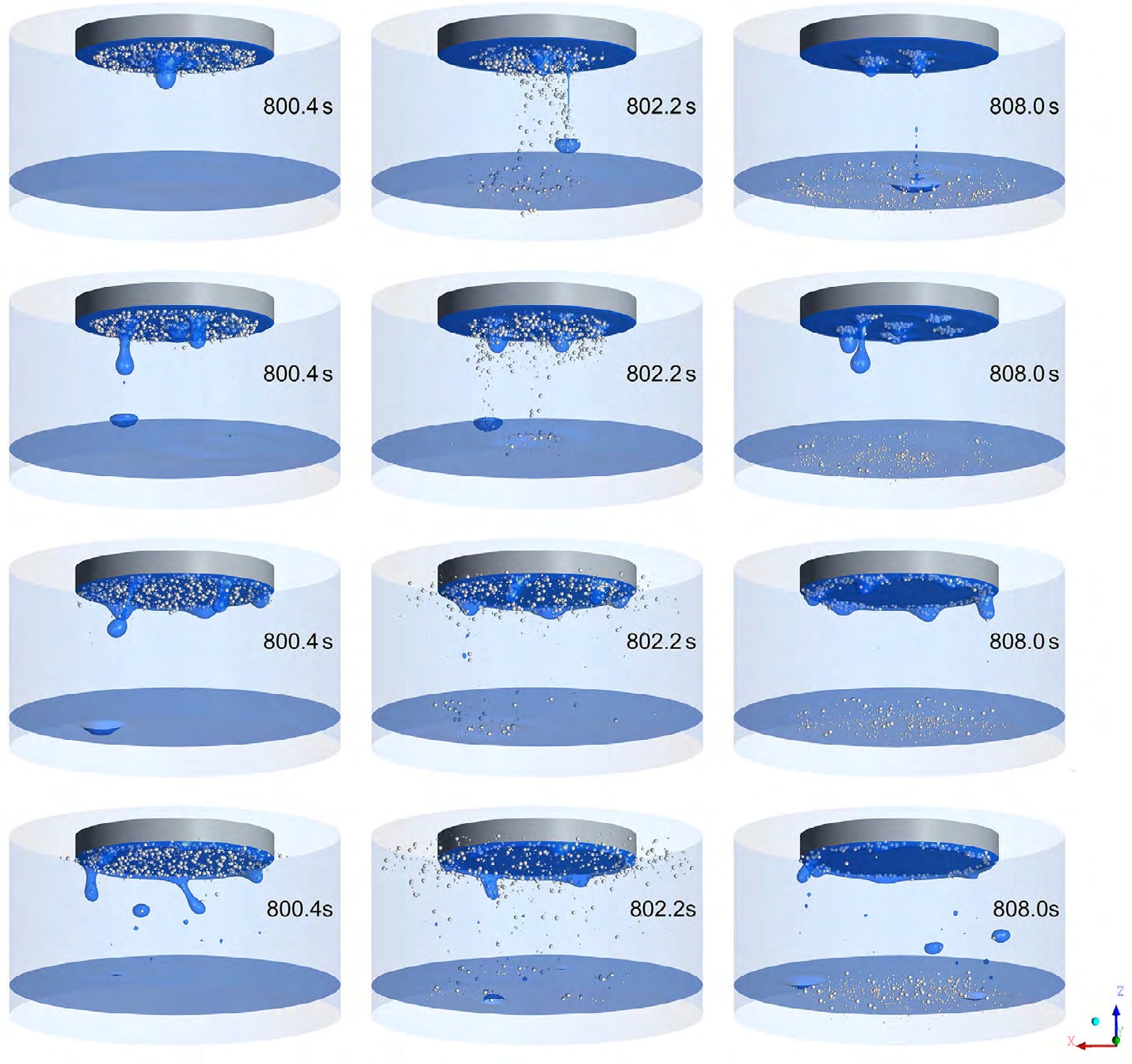
Electroslag remelting (ESR) is an important metallurgical process for producing high-purity materials with homogeneous compositions and sound microstructures, and its typical products are ingots or simple castings. The core principle involves the resistive melting of a consumable electrode within a slag pool, followed by the refining of molten metal droplets as they traverse the slag, and subsequent sequential solidification in a water-cooled mold. However, conventional ESR processes face limitations in producing large or complex-shaped components, enhancing production efficiency, achieving highly specialized microstructures, and meeting ultra-high purity demands for advanced applications. Advanced composite ESR technologies have been developed to overcome these limitations by innovatively modifying key process aspects. For instance, electrode systems are improved using vibration, rotation, or multiple electrodes. Enhanced mold design and solidification control are achieved through techniques including conductive molds, mold rotation, and ingot withdrawal. Precise control of the process is realized through the use of protective gas, vacuum, or elevated pressure, as well as the application of external fields such as magnetic fields or ultrasonic vibration. This review comprehensively summarizes these advanced techniques, examining their principles and characteristics, and discussing their specific advantages and challenges.

A review of electroslag remelting composite technologies
Graphical Abstract
Original ResearchVol. 23, No. 2 • pp. 245-253DOI: 10.1007/s41230-026-5016-6Jan 15, 2026

Titanium alloy with synergistic enhancement of strength and toughness based on molybdenum equivalent design: Microstructure evolution and strengthening-toughening mechanism

Authors: Yi-li Li, Hong-ze Fang, Rui-run Chen, Jia-qi Hao, Bao-hui Zhu, Jing-jie Guo

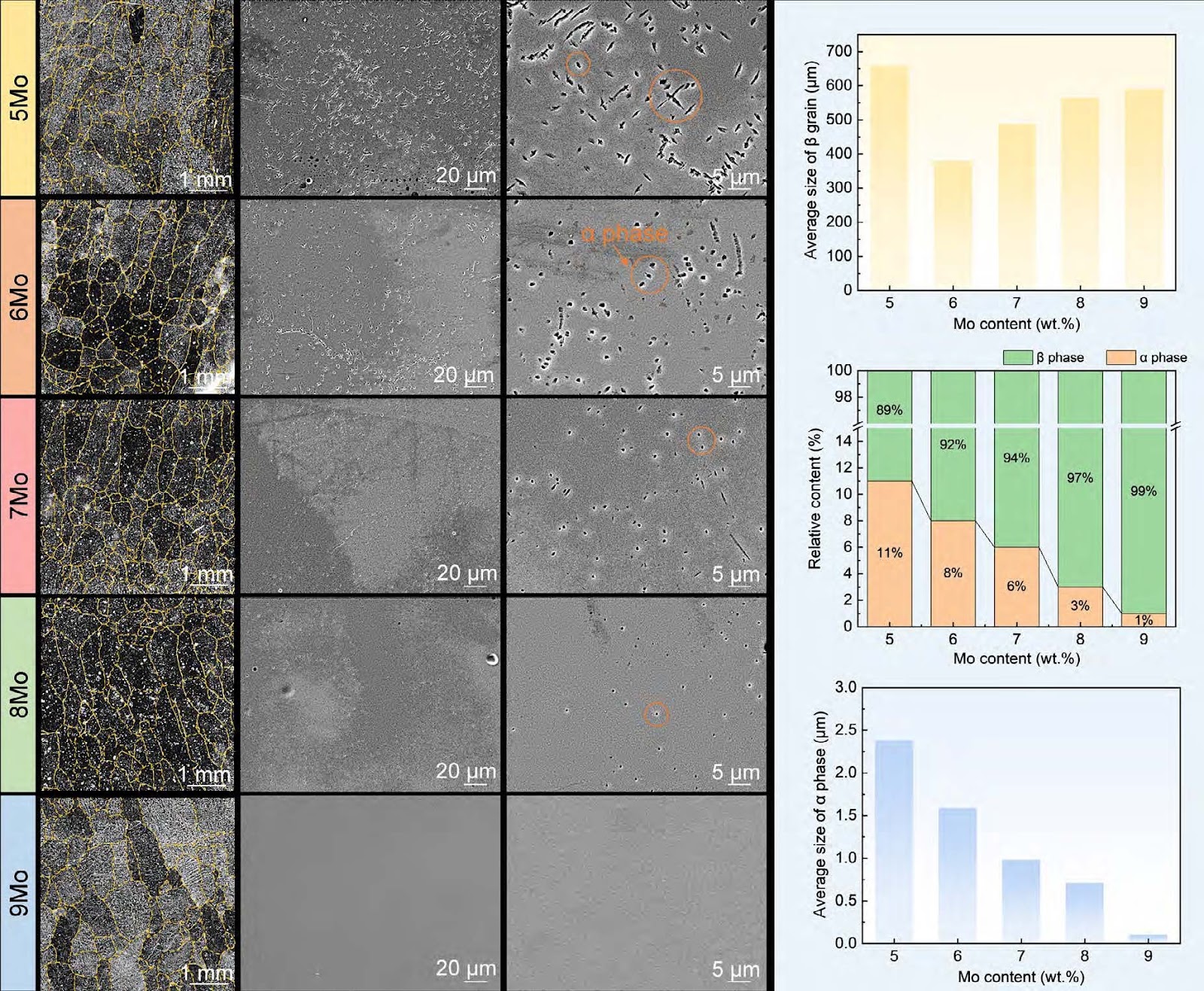
The traditional "trial and error" microstructural control method, with high cost and low efficiency, has become a key issue restricting the development of ultra-high strength and toughness titanium alloys. This study adopts the molybdenum equivalent (Mo[eq]) method to rapidly design Ti-xMo-4Al-4Zr-3Nb-2Cr-1Fe alloys (x=5-9). The as-cast alloys with different Mo[eq] exhibit a single peak of the β phase in XRD. The β grains of 5Mo alloy (the lowest Mo[eq]) exhibit elongated columnar grain characteristics. As the Mo[eq] increases, the β grains transition towards a more equiaxed form, resulting in a decrease in aspect ratio and a reduction in grain size. As the Mo[eq] increases, the α phase content gradually decreases and the α phase is almost unobservable in 9Mo alloy (the highest Mo[eq]). The α phase in 5Mo alloy exhibits short rod-shaped shapes with an average length of about 2.4 μm, while the α phase in 6Mo alloy shows an equiaxed and short rod shapes with the smallest size. The strength, plasticity, and toughness are the lowest in 5Mo alloy, with values of 867 MPa, 7.3%, and 56 MPa·m1/2, respectively. However, it reaches its maximum in 6Mo alloy, where the strength, plasticity, and toughness increase to 984 MPa, 12.8%, and 74 MPa·m1/2, respectively. The mechanical properties of Ti-xMo-4Al-4Zr-3Nb-2Cr-1Fe alloys are affected mainly by solid-solution strengthening of Mo element, refinement of β grain, and changes in α/β phase content. This study lays a certain theoretical foundation for the theoretical research and composition development of new ultra-high strength and toughness titanium alloys.
Titanium alloy with synergistic enhancement of strength and toughness based on molybdenum equivalent design: Microstructure evolution and strengthening-toughening mechanism
Graphical Abstract
Original ResearchVol. 23, No. 2 • pp. 274-282DOI: 10.1007/s41230-026-5097-2Jan 15, 2026

Creep behavior and fracture mechanism of high Al/Nb-containing TiAl alloy

Authors: Yan Wang, Qi Wang, Rui-run Chen, Yan-qing Su, Heng-zhi Fu

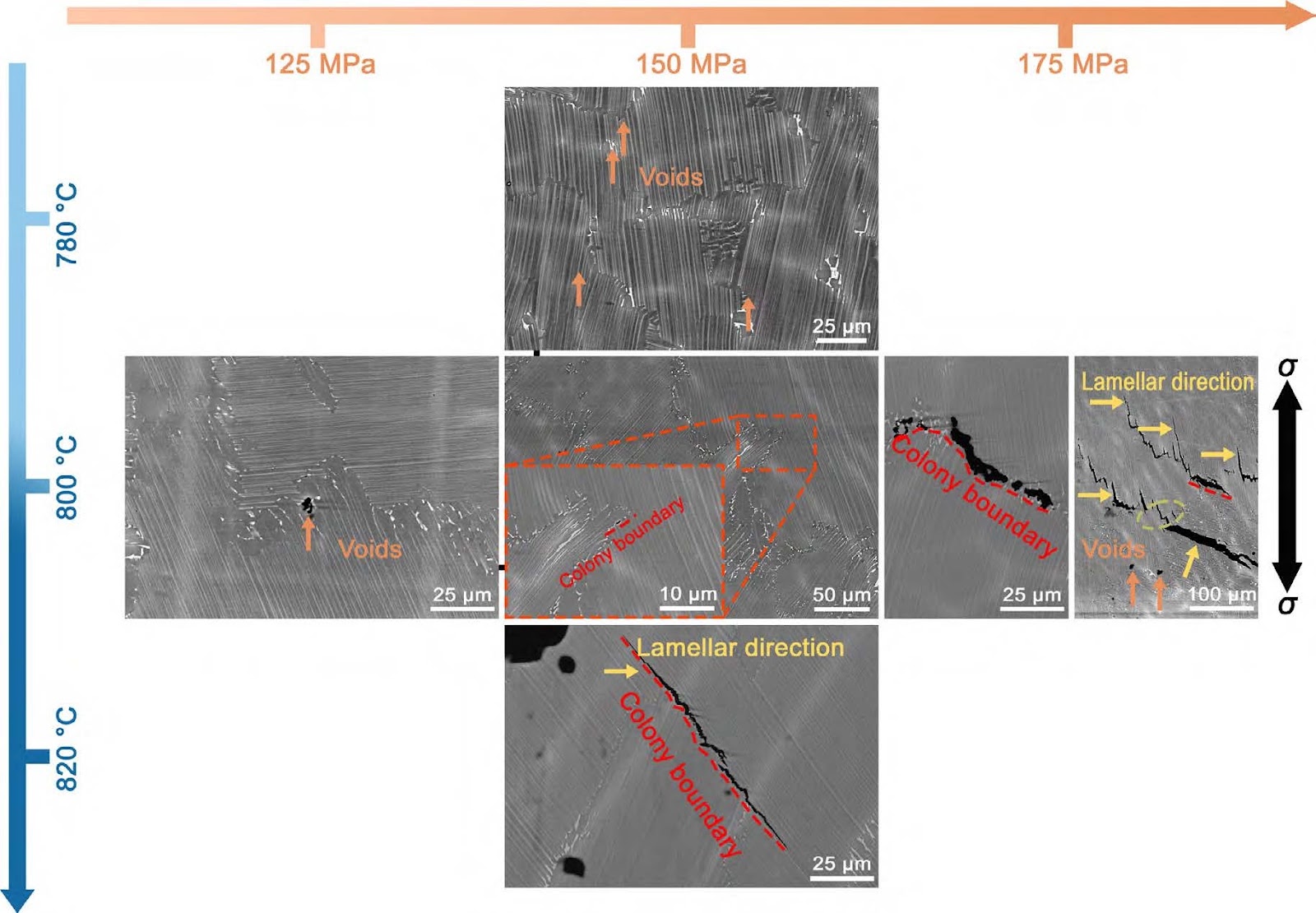
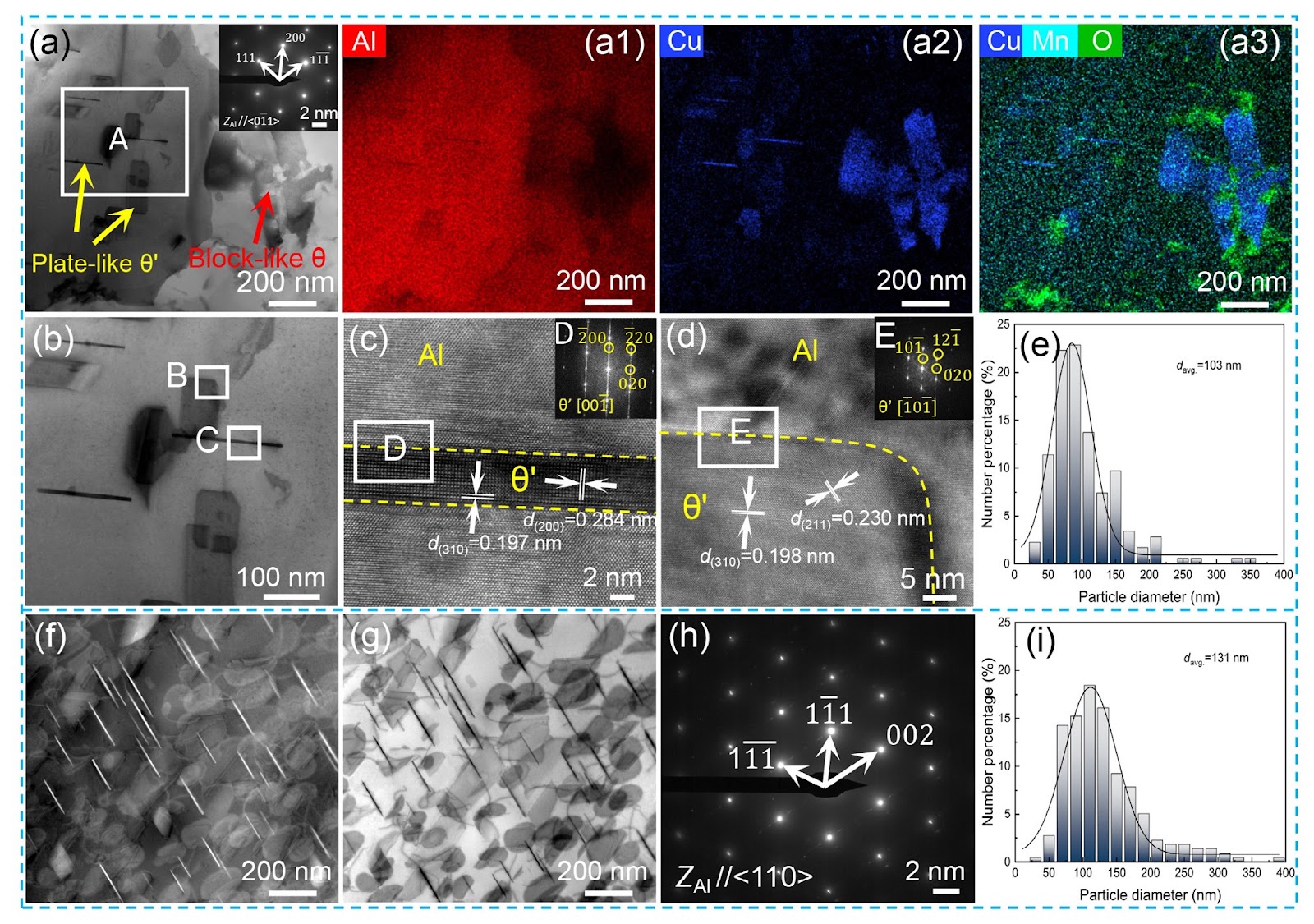
High Al content inhibits the formation of B2 phase, which improves creep resistance in high Al/Nb-containing TiAl alloys. In this work, the microstructure evolution and creep behavior of TiAl based alloy Ti-46Al-8Nb (at.%) with a high Al/Nb content, produced by the vacuum consumable electrode melting technology and the electromagnetic cold crucible melting technology, were studied. The microstructure of the Ti-46Al-8Nb alloy is composed of α2/γ phases arranged in layers with different orientations, which possesses smooth grain boundaries due to small-blocky segregation and irregular serrated grain boundaries caused by large-blocky segregation. Under conditions of 780-820 °C and 125-175 MPa for 200 h, it exhibits typical power-law creep characteristics. The apparent activation energy of creep (Q) and apparent stress exponent (n) of the Ti-46Al-8Nb alloy are Q=274 kJ·mol-1 and n=1.97, respectively. The creep deformation mechanism is grain boundary sliding. Cracks easily form at the smooth boundary. The irregular serrated boundaries with small specific surface area hinder the dislocation movement, thereby improving the boundary creep resistance. When the stress concentration reaches a certain degree, the cracks will initiate between the lamellar structures within the grain. The crack usually propagates along the boundary perpendicular to or at an angle of 45° with the stress axis until creep failure occurs.
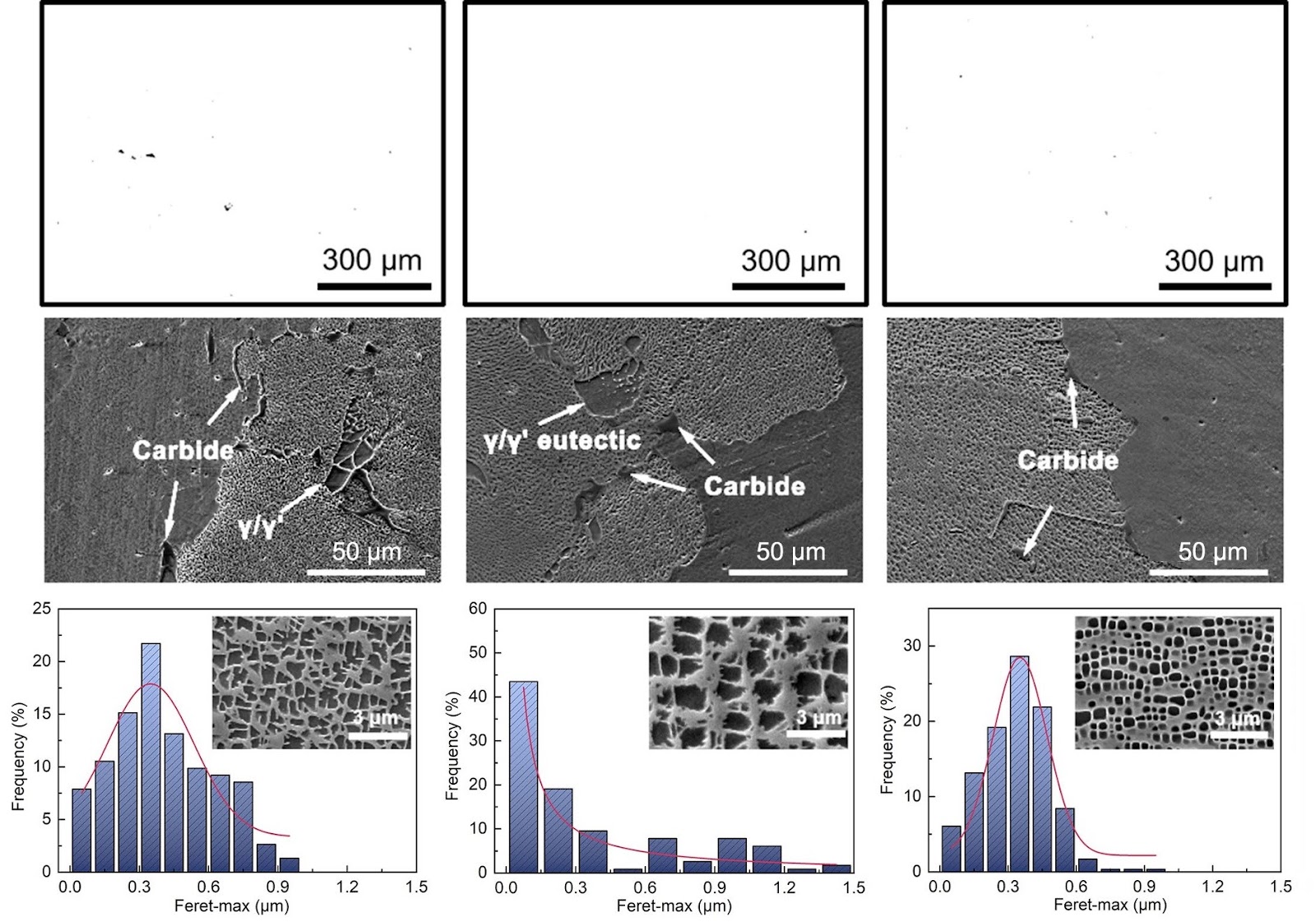
Creep behavior and fracture mechanism of high Al/Nb-containing TiAl alloy
Graphical Abstract
Original ResearchVol. 23, No. 1 • pp. 37-44DOI: 10.1007/s41230-025-5004-2Jan 15, 2026

Effect of Ta addition on microstructure and mechanical properties of Ti46Al1.5Cr8Nb alloy

Authors: Jiang-shan Liang, Liao Mi, Hong-ze Fang, Xin Ding, Xian-fei Ding, Bao-hui Zhu, Rui-run Chen

The microstructure of high Nb-TiAl alloys was optimized by the addition of a small amount of Ta elements to further improve their properties. A series of Ti46Al1.5Cr8Nb-xTa (x=0.2, 0.4, 0.6, 0.8, 1.0, at.%) alloys were prepared by vacuum arc melting. The microstructure, mechanical properties, and related influencing mechanisms were systematically investigated. The results indicate that the solidification microstructure of the Ti46Al1.5Cr8Nb-xTa alloys comprises the γ-TiAl phase, α2-Ti3Al phase, and B2 phase. As the Ta content increases from 0.2at.% to 1.0at.%, the content of α2 phase and B2 phase increases, while the γ phase content decreases. Among them, the B2 phase shows the most pronounced change, being significantly refined, with its content increasing from 12.49% to 21.91%. In addition, the average size of the lamellar colony decreases from 160.65 to 94.44 μm. The addition of the Ta element shifts the solidification path toward lower aluminum concentrations, leading to changes in phase content. The tantalum-induced increase in the B2 phase and enhanced supercooling at the solidification front provide the basis for lamellar colony refinement. Compressive testing at room temperature reveals that the Ti46Al1.5Cr8Nb0.4Ta alloy exhibits optimal compressive properties, achieving a compressive strength of 2,434 MPa and a compressive strain of 33.1%. The improvement of its properties is attributed to a combination of lamellar colony refinement, solid solution strengthening resulting from the incorporation of Ta element, and a reduction in the c/a of the γ phase.

Effect of Ta addition on microstructure and mechanical properties of Ti46Al1.5Cr8Nb alloy
Graphical Abstract
Original ResearchVol. 22, No. 5 • pp. 534-544DOI: 10.1007/s41230-025-4072-7Sep 1, 2025

Effect of 3D printing angle on microstructure and mechanical properties of silica ceramic cores by stereolithography

Authors: Yue Gu, Wen-yan Duan, Gong Wang, Bing-shan Liu, Xiao-dong Liu, Shan Li

Ceramic cores fabricated by stereolithography exhibit great potential in casting turbine blades. Previous research on ceramic core molding was primarily conducted using vertical printing techniques, which not only resulted in lengthy molding durations but also compromised the mechanical strength. In this work, silica (SiO2) ceramic cores, with fine complex geometric shapes, were fabricated using 65vol.% ceramic slurry by digital light processing (DLP) with different printing angles. Printing angles significantly impact the surface accuracy, shrinkage, printing efficiency of green bodies, as well as the microstructure and mechanical properties of sintered ceramic core samples. As the printing angle in the green body increases, the bonding area decreases, surface roughness on the XY plane worsens, shrinkage in the Z direction becomes more pronounced, and the printing efficiency declines. Similarly, an increase in the printing angle in the sintered body leads to a reduction in bending strength. At a printing angle of 30°, the printing time is reduced to half of that at 90°, which improves the molding efficiency. Meanwhile, the obtained bulk density of 1.71 g·cm-3, open porosity of 24%, and flexural strength of 10.6±1 MPa can meet the requirements of sintered ceramic cores. Therefore, designing and optimizing the printing angles can achieve the balance between shrinkage, printing efficiency, and flexural strength.

Effect of 3D printing angle on microstructure and mechanical properties of silica ceramic cores by stereolithography
Graphical Abstract
Original ResearchVol. 22, No. 4 • pp. 407-416DOI: 10.1007/s41230-025-4287-7Jul 1, 2025

Effect of quenching, lamellarizing, and tempering heat treatment on cryogenic toughness of ZG14Ni3Cr1MoV steel

Authors: Chang-fu Li, Yun-bao Gao, Bao-zhi Li, Ling Zhao, Yu Wang, Hai-jun Zhang, Qiu Du, Zeng-rui Wang

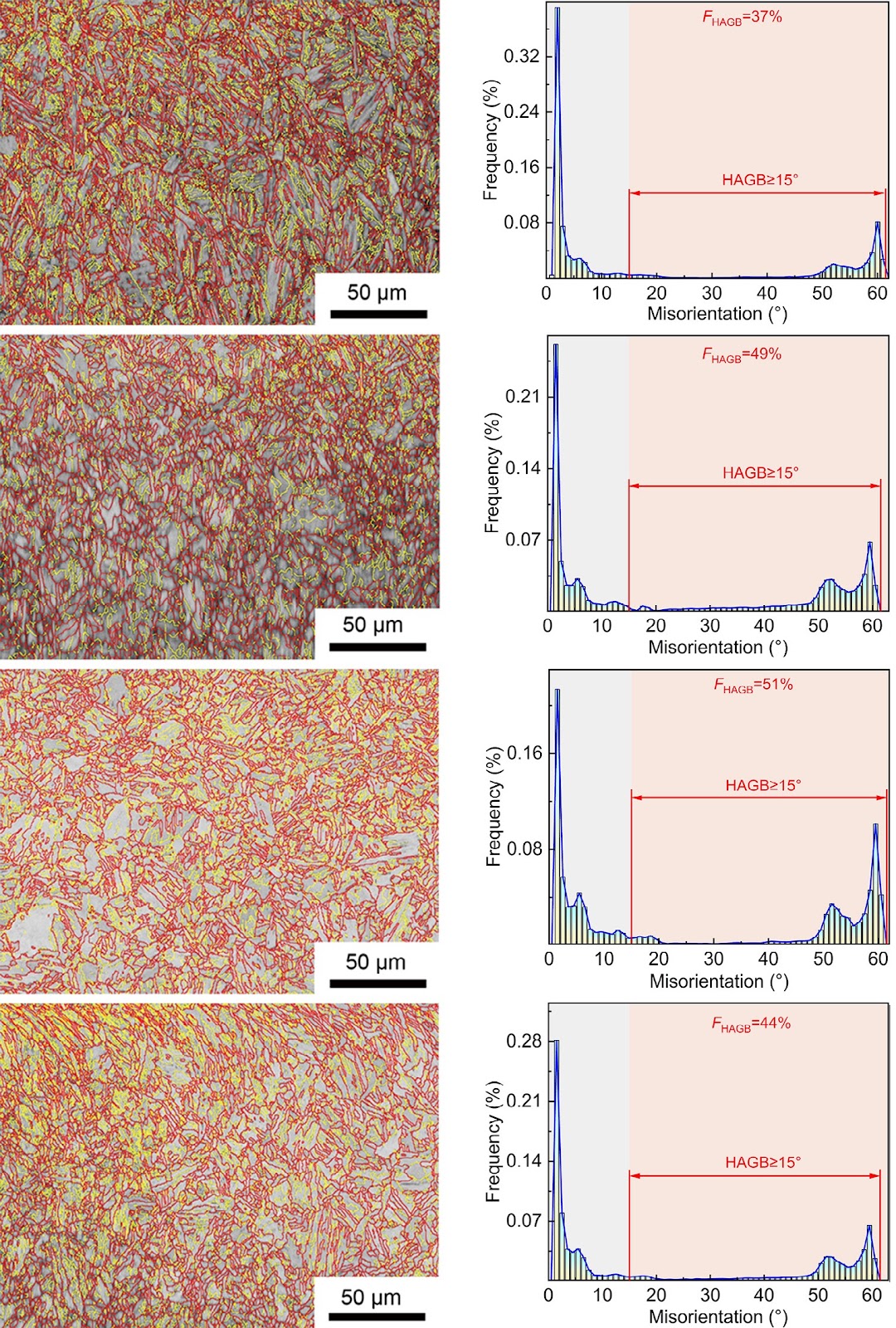
The present work aims to investigate the effects of quenching, lamellarizing, and tempering (QLT) heat treatment on the microstructure and mechanical properties of ZG14Ni3Cr1MoV high-strength low-alloy (HSLA) steel by comparing with traditional quenching and tempering (QT) heat treatment. Following the various QLT heat treatments, a dual-phase microstructure consisting of “soft” ferrite and “hard” tempered bainite is obtained, exhibiting significantly refined grain sizes (38.87 to 46.51 μm for QLT samples) compared to QT samples (64.93 μm). As the lamellar quenching temperature increases from 750 °C to 810 °C, the yield strength and tensile strength of the QLT samples increase, although they remain lower than those of the QT samples. Conversely, elongation at fracture, reduction of area, and the product of strength and elongation synergy decrease, yet consistently exceed QT levels. Notably, the QLT samples demonstrate superior cryogenic impact toughness within the range of -80 °C to -120 °C, achieving optimal values after 910 °C quenching + 780 °C lamellar quenching + 670 °C tempering: 215.97 J at -80 °C, 207.80 J at -100 °C, and 183.17 J at -120 °C. This exceptional cryogenic toughness is attributed to two key mechanisms in the dual-phase microstructure: (i) a low dislocation density that suppresses crack initiation, and (ii) crack-tip passivation by soft ferrite, coupled with crack deflection and hindrance at high-angle grain boundaries (HAGBs). The results establish QLT as a viable method for enhancing cryogenic toughness in ZG14Ni3Cr1MoV HSLA steels.

Effect of quenching, lamellarizing, and tempering heat treatment on cryogenic toughness of ZG14Ni3Cr1MoV steel
Graphical Abstract
Original ResearchVol. 22, No. 3 • pp. 239-251DOI: 10.1007/s41230-025-4031-3May 1, 2025

Quantitative analysis of columnar-to-equiaxed transition in Mg-Gd-Zn alloys

Authors: Yong-biao Wang, Bao-qi Ma, Jia-xin Wang, Xin-tian Liu, Ang Zhang, Jian-xiu Liu, Yan Wang, Yu-juan Wu, Li-ming Peng

Columnar to equiaxial crystal transition (CET) is an important technological feature in many casting processes. This work investigated the CET during the solidification of Mg-Gd-Zn alloys by combining synchrotron radiation in-situ imaging and phase-field method. Results show that the grain size, dendrite tip radius, and secondary dendrite arm spacing (SDAS) all exponentially decrease with an increase in cooling rate (Vc). The variation in the radius of the dendritic tip is similar to the prediction of the Hunt model, while the variation in the SDAS is close to the Bouchard-Kirkaldy model. It is worth noting that the CET is promoted by a decrease in the temperature gradient (G) and an increase in the cooling rate (Vc). In both equiaxed and columnar crystal regions, the dendrite tip growth rate and solid phase volume fraction increase with increasing G and Vc. In addition, the CET process has been predicted by simulation. The results are consistent with the predictions of the GTK model, which is important for the in-depth study of the dendrite morphology in different crystallization regions. In the final stage, the effects of different critical subcooling degrees and nucleation densities on the CET were explored. The results show that increasing the critical nucleation supercooling degree can inhibit the generation of equiaxial crystals, while increasing the nucleation density helps to promote the CET.

Quantitative analysis of columnar-to-equiaxed transition in Mg-Gd-Zn alloys
Graphical Abstract
Original ResearchVol. 22, No. 6 • pp. 710-722DOI: 10.1007/s41230-025-4145-7Jan 15, 2025

Deep learning retrieval of 3D casting models combined with professional knowledge for process reuse

Authors: Xiao-long Pei, Hua Hou, Li-wen Chen, Zhi-qiang Duan, Yu-hong Zhao

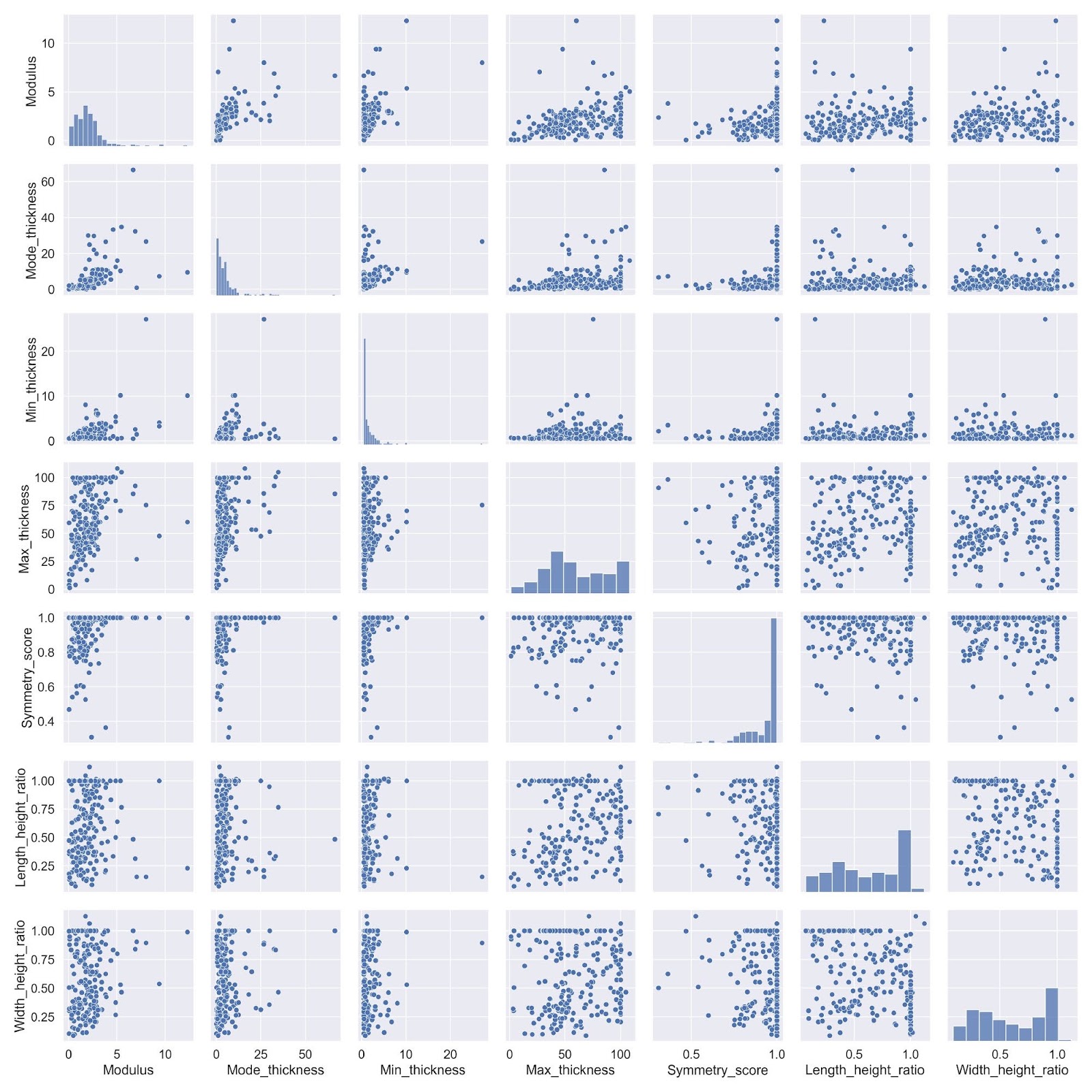
Accurate retrieval of casting 3D models is crucial for process reuse. Current methods primarily focus on shape similarity, neglecting process design features, which compromises reusability. In this study, a novel deep learning retrieval method for process reuse was proposed, which integrates process design features into the retrieval of casting 3D models. This method leverages the comparative language-image pretraining (CLIP) model to extract shape features from the three views and sectional views of the casting model and combines them with process design features such as modulus, main wall thickness, symmetry, and length-to-height ratio to enhance process reusability. A database of 230 production casting models was established for model validation. Results indicate that incorporating process design features improves model accuracy by 6.09%, reaching 97.82%, and increases process similarity by 30.25%. The reusability of the process was further verified using the casting simulation software EasyCast. The results show that the process retrieved after integrating process design features produces the least shrinkage in the target model, demonstrating this method’s superior ability for process reuse. This approach does not require a large dataset for training and optimization, making it highly applicable to casting process design and related manufacturing processes.

Deep learning retrieval of 3D casting models combined with professional knowledge for process reuse
Graphical Abstract
Original ResearchVol. 22, No. 6 • pp. 701-709DOI: 10.1007/s41230-025-4043-zJan 15, 2025

A new oolitic content test method for green sand by repeated approximation

Authors: Yu-yang Qi, Jian-xin Zhou, Xin Peng, Si-yuan Pan, Ya-jun Yin, Xiao-yuan Ji, Yuan-cai Li, Peng-fei Lin, Peng Wan

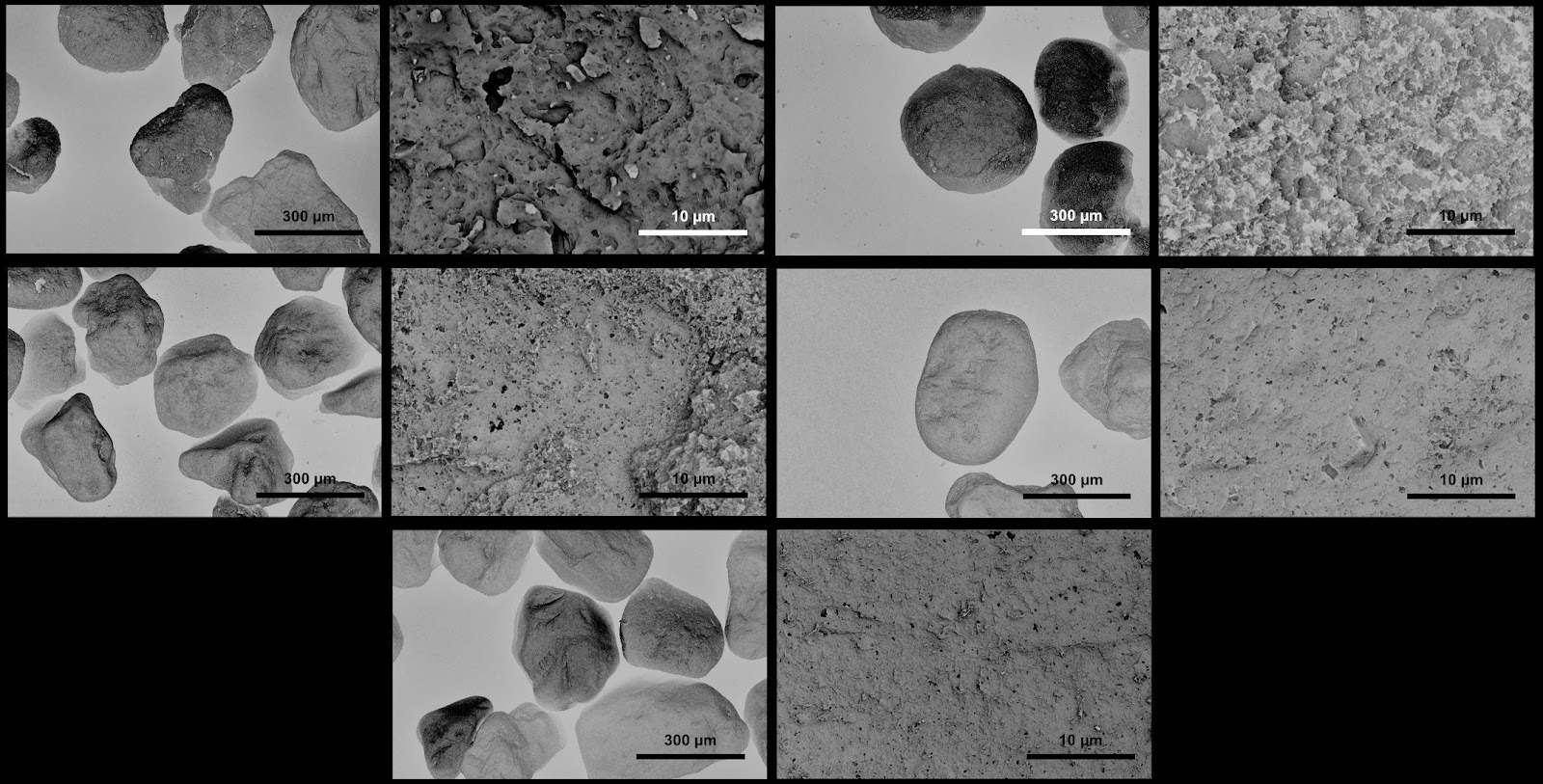
The reuse of green sand in casting production is hindered by the accumulation of oolitic deposits, primarily composed of clay binder with surface degradation, which may adversely affect the the moulding sand performance. Currently, there is a lack of standardized methods for quantifying the oolitic content. Accurate measurement of oolitic content is of great significance to the reuse of green sand. Attempts to determine oolitic content using potassium hydroxide (KOH) and phosphoric acid (H3PO4) methods encounter challenges due to their excessive reactions with SiO2 in the sand. In this study, an improved method for measuring the oolitic content of green sand with repeated approximations was proposed. This method judges the chemical activity of the sample surface through the change of its mass to accurately obtain the mass of the reaction oolitic deposits. The test result of the used sand samples from the foundry shows that the oolitic deposits are completely removed after reacting with KOH solution three times at 300 °C for 20 min. SEM and EDS also show that after three times of reactions, the surface of green sand becomes smooth and the content of Al-containing oolitic deposits is very low. This indicates that the method can accurately control the extent of the reaction. Implementation of this method at Huangshi Dongbei Casting Co., Ltd. has yielded consistent and reliable test results, effectively mirroring variations in green sand oolitic content on the production line. This new method is expected to be widely adopted to improve the efficiency and quality of reused green sand in casting operations.

A new oolitic content test method for green sand by repeated approximation
Graphical Abstract
Original ResearchVol. 22, No. 6 • pp. 673-680DOI: 10.1007/s41230-025-4184-0Jan 15, 2025

High-temperature performance of silica ceramic cores with additives prepared by stereolithography 3D printing

Authors: Yue-ting Ma, Rui-long Yu, Ying-wei Zhou, Peng-wei Wang, Ren-xiao Zou, Tian-jiao Gao, Ming Kang

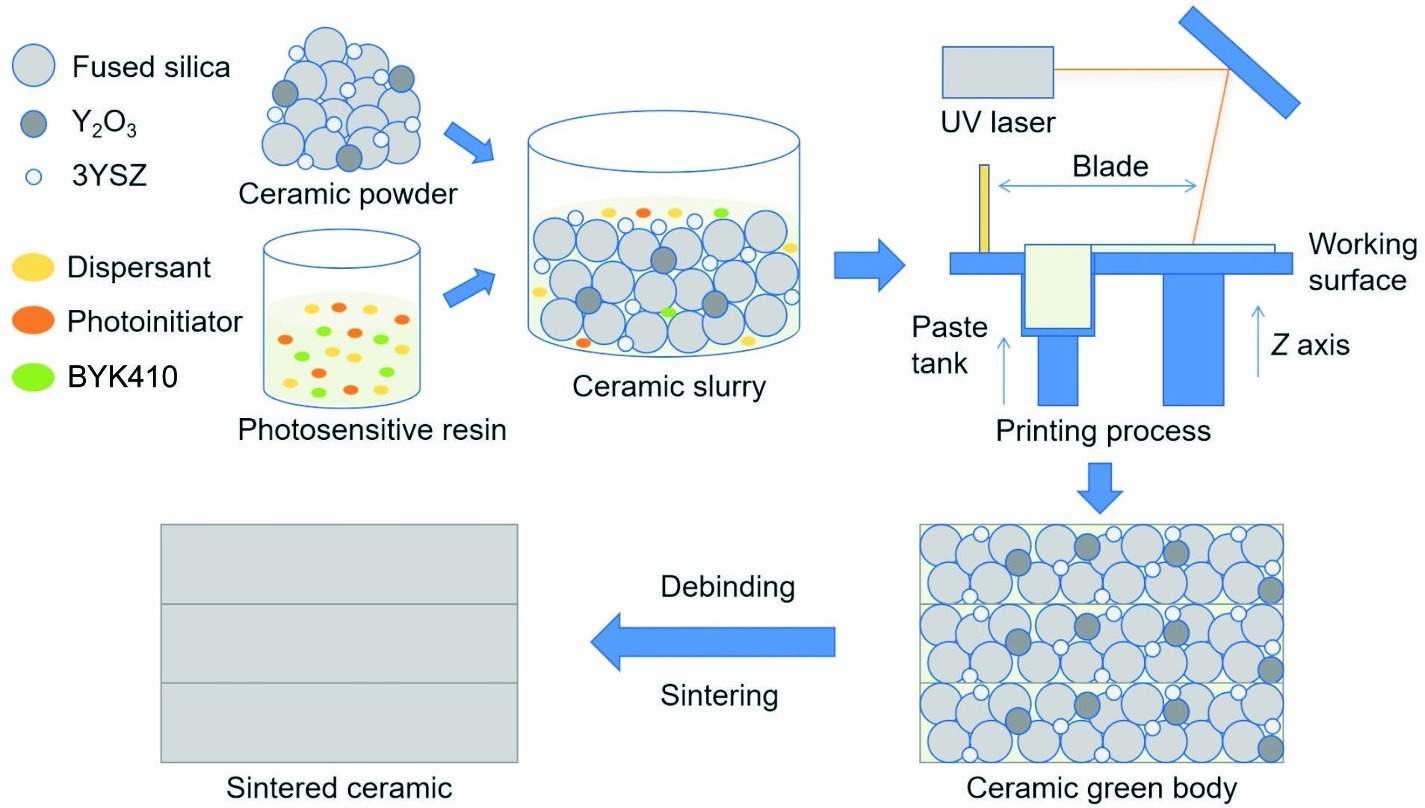
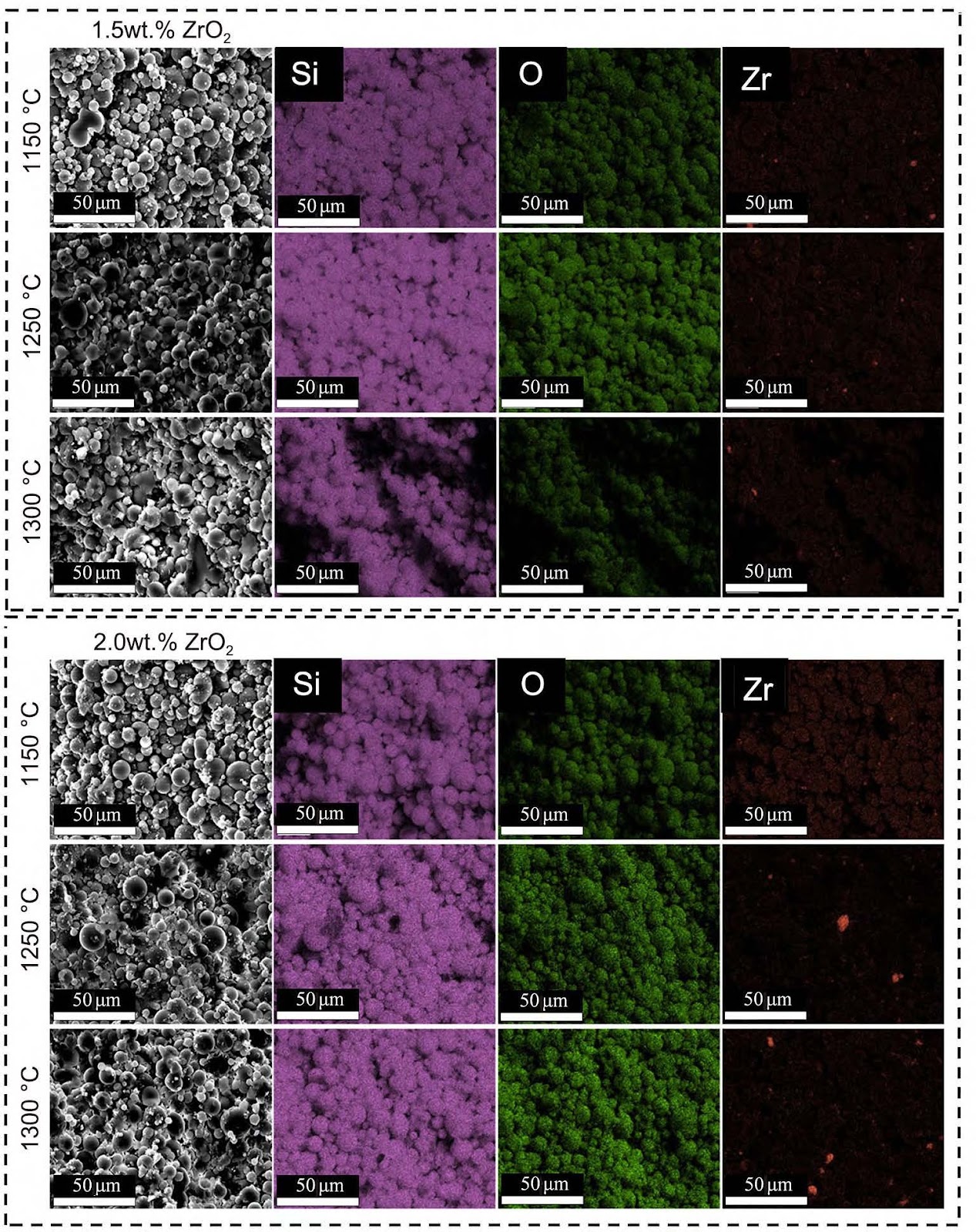
Ceramic cores are key to forming a cooling structure within the hollow blade cavities. The use of stereolithography (SL) 3D printing technology eliminates the need for moulds, facilitating the preparation of complex-shaped ceramic cores. In this study, silica-based ceramic cores incorporating nano-3YSZ (3mol.% yttria stabilised zirconia) and micron-sized Y2O3 were prepared via SL 3D printing ceramic technology to promote the formation of cristobalite and ZrSiO4, thereby improving the high-temperature properties. The flexural strength at 25 °C and 1,500 °C, deflection at 1,500 °C, shrinkage rate, and porosity of the core samples sintered at different temperatures (1,170 °C, 1,185 °C, 1,200 °C, 1,215 °C, and 1,230 °C) were tested and investigated. The mechanism underlying the high temperature performance of the cores was elucidated through analysis of cross-sectional morphology, element distribution, and phase constitution of the samples. As the sintering temperature increases, the shrinkage and flexural strength at 25 °C of the core rise, while the open porosity and deflection at 1,500 °C decrease. When the sintering temperature reaches 1,200 °C or higher, the 1,500 °C flexural strength can be measured, which increases as the sintering temperature rises. The core exhibits excellent creep resistance when sintered at temperatures of 1,200 °C and above. Considering the comprehensive performance requirements for the core, the sintering temperature of 1,200 °C was selected. At the sintering temperature of 1,200 °C, the core exhibits shrinkage rates of 3.76% (X), 3.38% (Y), and 3.95% (Z), alongside a flexural strength of 9.01 MPa at 25 °C and 32.15 MPa at 1,500 °C, and an open porosity of 26.39%. The deflection of the core at 1,500 °C is 0.15 mm, which helps to maintain the dimensional stability of the ceramic core during casting. XRD results indicate that samples fractured after 25 °C flexural strength test still contain amorphous quartz glass, alongside substantial quantities of yttria stabilized zirconia and Y2O3. Samples fractured after 1,500 °C flexural strength test exhibit significant crystallisation of amorphous quartz glass into cristobalite, with silica and 3YSZ combining to form ZrSiO4. Y2O3 as a network modifier of the glass network destroys the bridging oxygen in the silica-oxygen bond, thereby reducing the energy required for glass crystallisation and promoting the crystallisation reaction of quartz glass to form cristobalite. In addition, nano-3YSZ combines with SiO2 at high temperatures to form ZrSiO4. Since cristobalite and ZrSiO4 are crystals, both of them have strong creep resistance, thus improving the high temperature flexural strength and deformation resistance of the ceramic cores.

High-temperature performance of silica ceramic cores with additives prepared by stereolithography 3D printing
Graphical Abstract
Original ResearchVol. 22, No. 6 • pp. 615-627DOI: 10.1007/s41230-025-4207-xJan 15, 2025

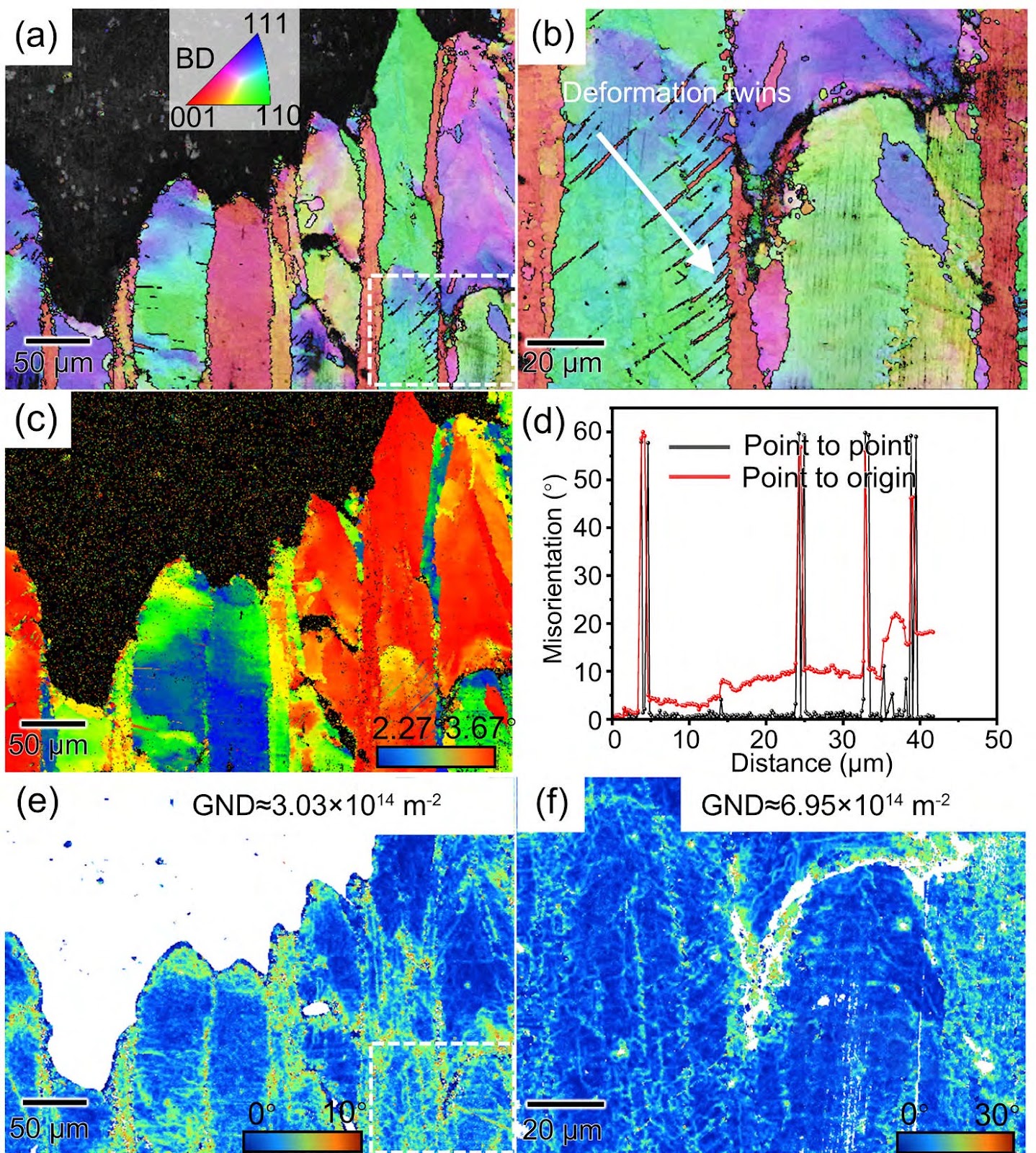
Influence of scanning strategies on microstructure and properties anisotropy of GH3536 alloy formed by laser powder bed fusion

Authors: Ming-song Hao, Lin Zhou, Kai Wang, Guan Wang, Jing-jing Liang, Jin-guo Li

The GH3536 (Hastelloy-X) nickel-based superalloy is increasingly applied in the aerospace industry due to its exceptional combination of excellent oxidation resistance and high-temperature strength. Laser powder bed fusion (LPBF) is an additive manufacturing (AM) technology for producing metallic components with complex shapes using layer-by-layer manufacture principle. The debate has long prevailed as to research on eliminating anisotropy in the forming of GH3536 alloy through LPBF technology. In this study, the anisotropy of microstructure and mechanical properties of GH3536 alloy formed by LPBF was investigated using different scanning strategies (0°, 90°, 67°, checkerboard, and contour). The scanning strategy was optimized to reduce the weaving differences between the horizontal and vertical directions of the microstructure of the LPBF formed GH3536 alloy, which in turn reduces the anisotropy of the properties in both directions. The results of the tensile specimens indicate that except for the horizontal specimens produced using the contour scanning strategy, the strength of all other specimens exceeds that of the vertical specimens. Additionally, differences in elongation are observed, demonstrating that the GH3536 alloy fabricated via laser powder bed fusion exhibits anisotropic properties. According to electron backscatter diffraction (EBSD) analysis, the grain boundary strengthening and geometrically necessary dislocations (GNDs) impede dislocation motion during tensile deformation along the horizontal direction. Consequently, this mechanism negatively affects both the tensile strength and ductility in that orientation. The anisotropy in tensile strength and plasticity is attributed to the different crack sensitivities in the two tensile directions. In addition, specimens molded using different scanning strategies exhibit varying degrees of anisotropy, strength, and elongation due to different degrees of texture strengthening, grain boundary strengthening, and dislocation strengthening effects. Regardless of the stretching direction, the combined tensile properties of the 0° and contoured specimens are the worst under the room temperature and 815 °C stretching conditions. The 67° specimens exhibit the best combined tensile properties. Therefore, the anisotropy of the mechanical properties of the LPBF formed GH3536 alloy can be positively mitigated by modulating the scanning strategy.

Influence of scanning strategies on microstructure and properties anisotropy of GH3536 alloy formed by laser powder bed fusion
Graphical Abstract
Original ResearchVol. 22, No. 6 • pp. 691-700DOI: 10.1007/s41230-025-3078-5Jan 15, 2025

Hot deformation behavior of 2707 hyper duplex stainless steel

Authors: Ai-qin Wang, Pei Liu, Chen-lu Liu, Hang Wang, Jing-pei Xie

The hot deformation behavior of 2707 hyper duplex stainless steel (HDSS) was investigated through a hot compression test at 950 °C to 1,250 °C at strain rates of 0.01 s-1 to 10 s-1. Observations from the flow stress curves reveal a balance between work hardening and dynamic recovery at the beginning of the deformation and subsequently demonstrate various softening mechanisms with the increase of strain. At high strain rates, dynamic recovery is the prevailing mechanism, whereas, at medium and low strain rates, dynamic recrystallization becomes dominant. The constitutive equation was constructed, and the deformation activation energy was calculated to be 645.46 kJ·mol-1. The hot processing map was drawn based on the dynamic material model at a strain of 0.8. The results indicate that the hot workability of 2707 HDSS decreases due to its high alloying content. The microstructure evolution of 2707 HDSS at 1,050 °C was identified by means of electron backscatter diffraction and transmission electron microscopy. The results demonstrate that the ferrite completes dynamic recrystallization at the strain rate of 1 s-1. The softening process of austenite is influenced by ferrite and mainly experiences dynamic recovery. The austenite located at the α/γ phase boundaries tends to undergo dynamic recrystallization.

Hot deformation behavior of 2707 hyper duplex stainless steel
Graphical Abstract
Original ResearchVol. 22, No. 6 • pp. 681-690DOI: 10.1007/s41230-025-5161-3Jan 15, 2025

Ni-based superalloy synergistic strengthened by in-situ nano-carbides and residual graphene fabricated via laser powder bed fusion

Authors: Shi-ling Min, Li Wang, Jia-sheng Li, Jing Liu, Dong-yan Liu, Xiang-wei Li, Zhong Chen, Jia-sheng Dong, Lang-hong Lou

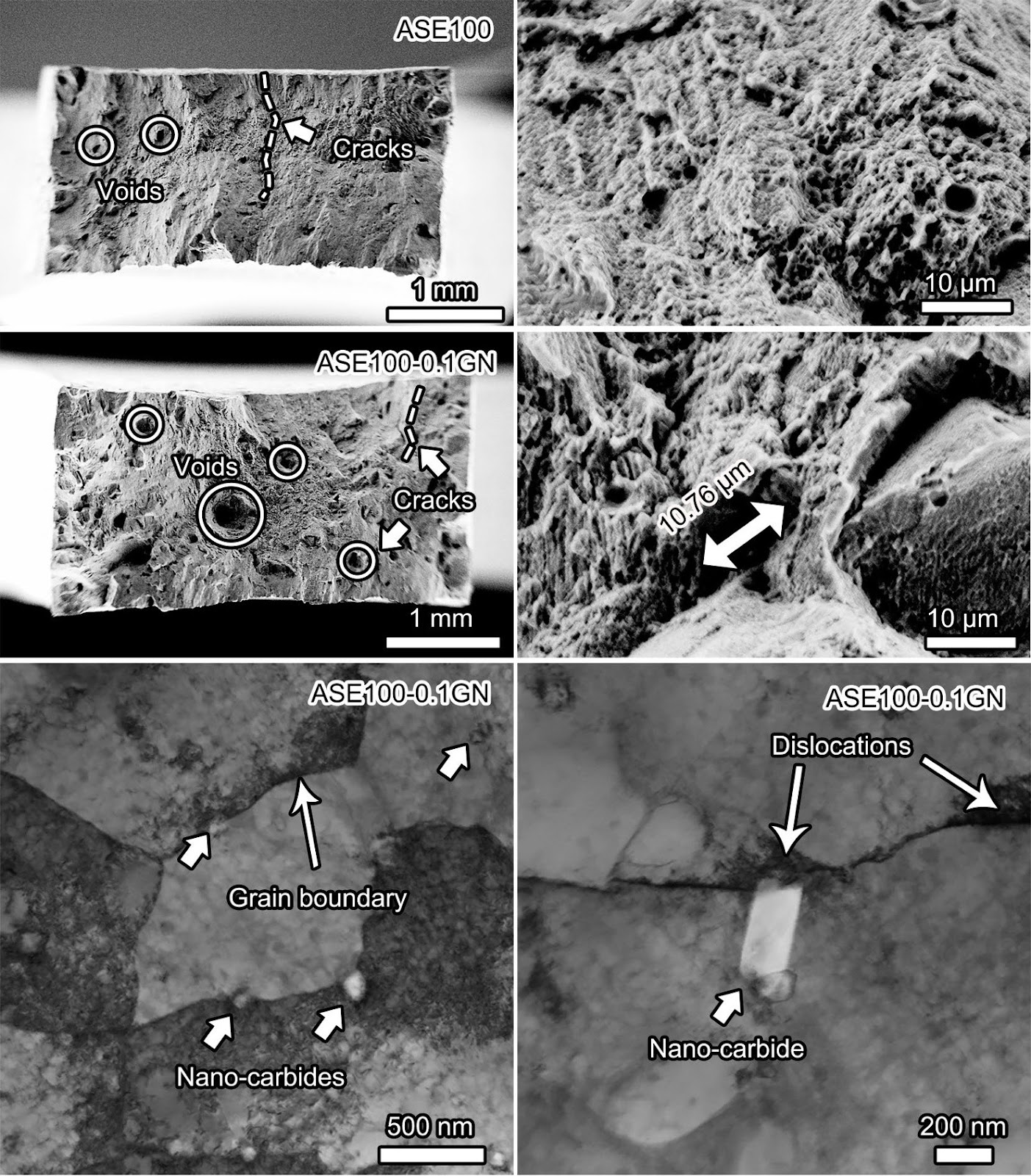
With the increase in power of the industrial gas turbine and thrust-weight ratio of aeroengine, the conventional strengthening method of adding refractory elements into superalloys has become difficult to meet the demands for the higher mechanical properties. A novel Ni-based superalloy was designed with enhanced strength and hardness based on the graphene nanosheets (GNs) synergistic in-situ nano-carbides strengthening in the present work. Nano-carbides were induced by in-situ reaction of the GNs with alloy powders during additive manufacturing. The microstructure and thermophysical properties of different alloys with 0.1wt.% GNs and without GNs were investigated by SEM, EBSD, TEM, differential scanning calorimetry (DSC), and small angle neutron scattering (SANS). Residual GNs were also detected by SANS and DSC. The nano-carbides are uniformly distributed in the matrix and combine with residual GNs to refine the cellular structure. Compared with the original alloy (ASE100), the hardness of the alloy with 0.1wt.% GNs (ASE100-0.1GN) is increased by 31 HV (from 315 HV to 346 HV), and the yield tensile strength is increased by 86 MPa (from 756 MPa to 842 MPa). The GNs react with alloy melt in the molten pools to generate nano-carbides under the Marangoni effect during manufacturing process. The dispersion nano-carbides are distributed at both grain boundaries and within grains, effectively hindering the movement of dislocation and enhancing the strength of alloy.

Ni-based superalloy synergistic strengthened by in-situ nano-carbides and residual graphene fabricated via laser powder bed fusion
Graphical Abstract
Original ResearchVol. 22, No. 6 • pp. 637-645DOI: 10.1007/s41230-025-5018-9Jan 15, 2025

Impact of submicron TiB2 particles on microstructure, casting performance, and mechanical properties of an Al-Cu alloy

Authors: Xiao-lu Hong, Peng Hu, Da-hui Chen, Liang-yu Wu, Yu Fu, Jiang Zhang, Yong-qiang Liu, Pei-yu Zhou, Ying-jiang Peng, Lin-chong Hou

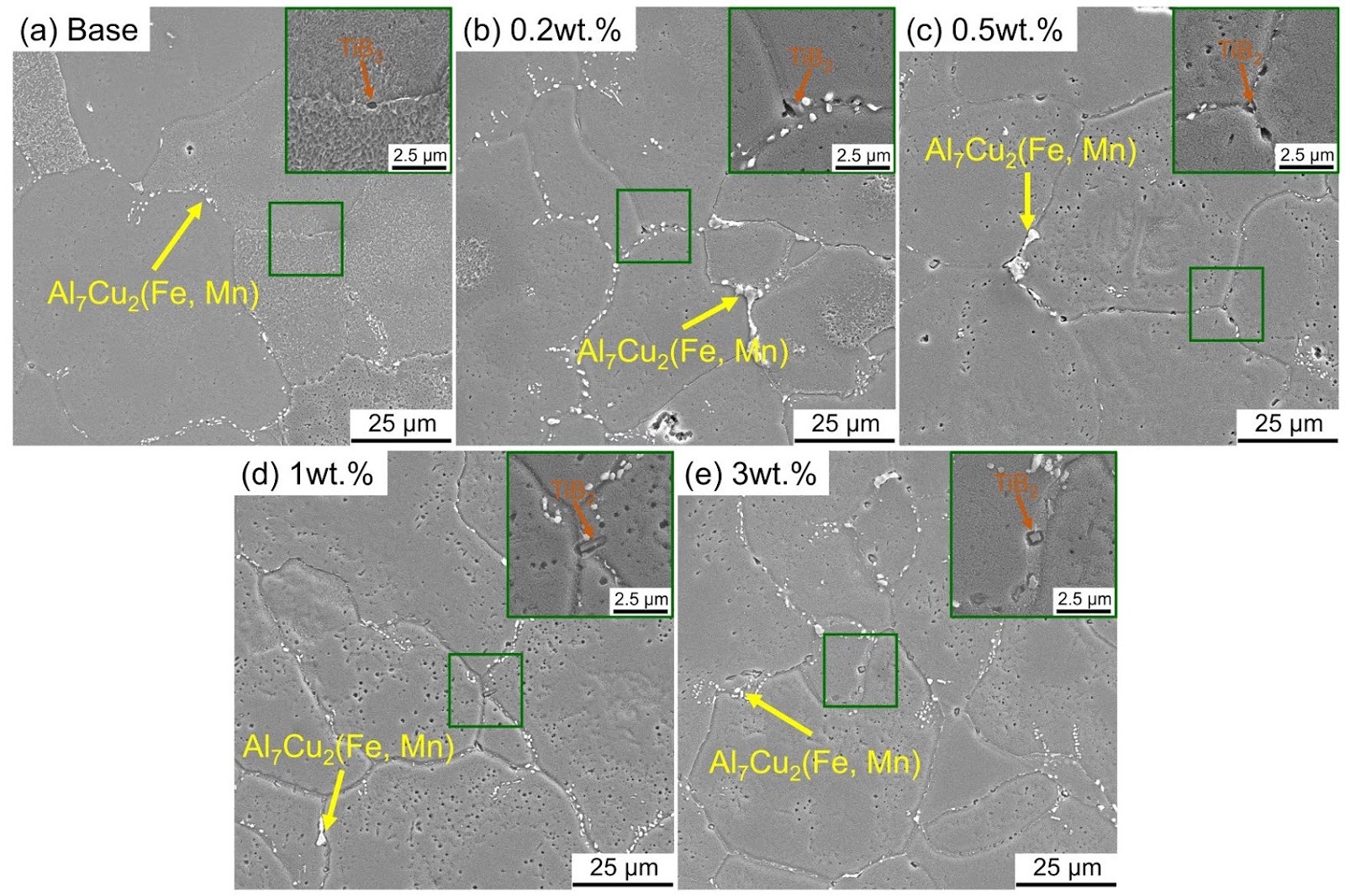
Abstract: Although the strengthening and grain refinement effects of TiB2 particles on aluminum alloys have been extensively studied, their influence on casting behavior remains relatively underexplored. In this study, the influence of different addition amounts of submicron TiB2 particles on the microstructure, casting performance, and mechanical properties of an Al-Cu (ZL205A) alloy was systematically investigated. The introduction of TiB2 particles leads to significant grain refinement, transforming the microstructure from coarse grains to fine equiaxed grains by providing additional nucleation sites and inhibiting grain growth. SEM and TEM analyses reveal that the added submicron TiB2 particles exhibit minimal effect on the distribution of intermetallic phases or precipitates. Casting performance, as evaluated by spiral fluidity and hot tearing tests, shows notable improvements with TiB2 additions. At a TiB2 content of 3wt.%, the fluidity length increases by 20%, and the hot tearing susceptibility coefficient decreases by 29%. These enhancements are mainly due to the refined grain structure and the formation of interdendritic bridging in TiB2-reinforced alloys. However, the overall enahncement in casting properties shows little variation across the TiB2 additions from 0.2wt.% to 3wt.%. Mechanical testing shows that the highest hardness and strength are achieved with a 1wt.% addition of TiB2 particles, primarily attributed to refined grain size and reinforcement of the aluminum matrix. Based on these findings, a TiB2 particle content of 1wt.% is recommended for optimizing both the casting performance and mechanical properties of the ZL205A alloy.

Impact of submicron TiB2 particles on microstructure, casting performance, and mechanical properties of an Al-Cu alloy
Graphical Abstract
Original ResearchVol. 22, No. 6 • pp. 654-663DOI: 10.1007/s41230-025-4231-xJan 15, 2025

Interfacial microstructure and mechanical properties of A356/6061 bimetal fabricated by liquid-solid compound casting

Authors: Chang-li Liu, Peng-fei Xing, Hong Zheng, Qi Gao, Meng-wu Wu

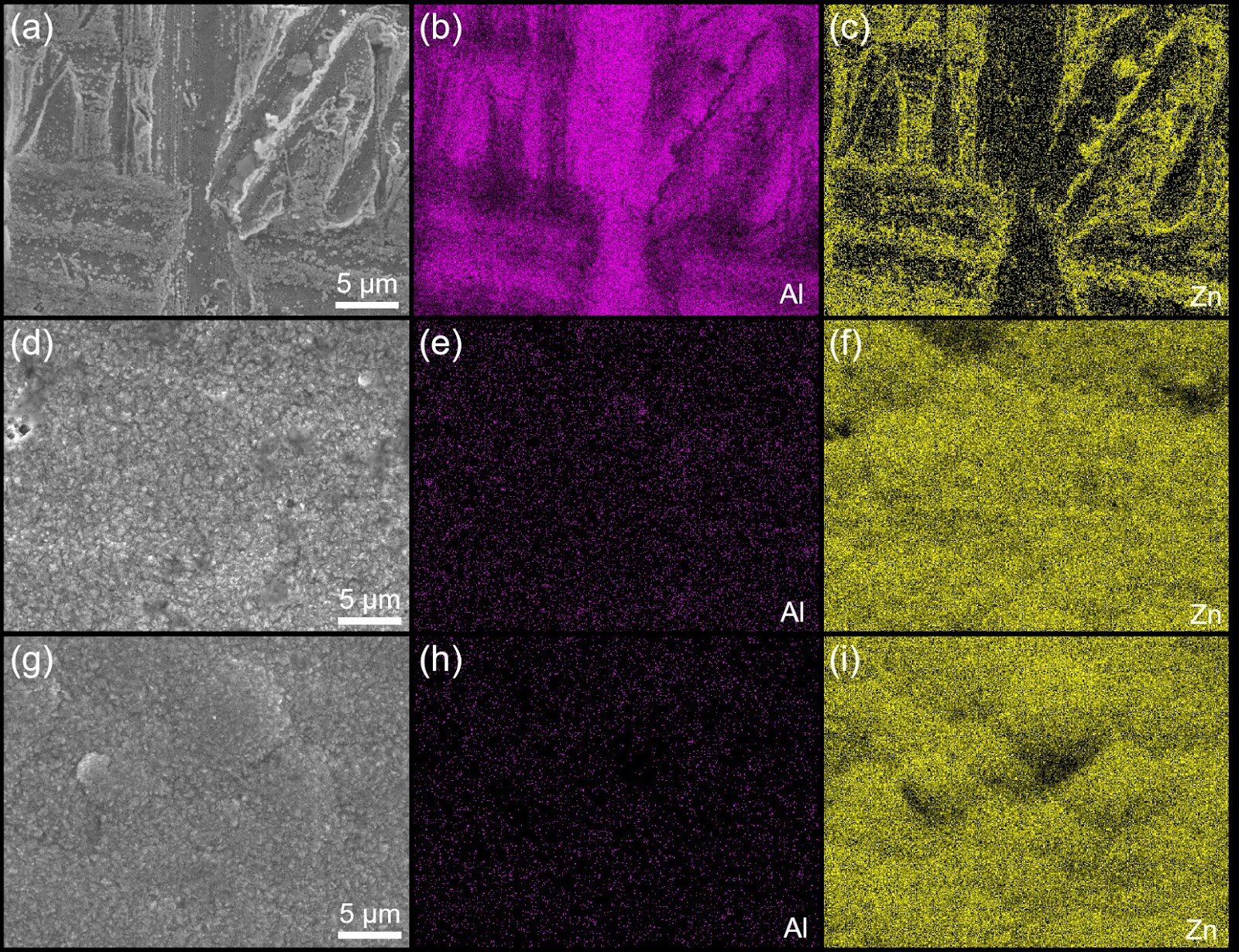
A356/6061 bimetallic specimens were prepared by liquid-solid compound casting. The effects of various casting conditions on the interfacial microstructure and mechanical properties of the bimetallic specimens were studied. Results demonstrate that a combination of chemical zinc deposition and electroplating can create a dense protective layer on the surface of the 6061 aluminum bar, achieving complete metallurgical bonding at the bimetallic interface. The interfacial microstructure is primarily characterized by equiaxed grain formation, with eutectic silicon distributed along the grain boundaries. Notably, the thickness of the zinc plating layer does not significantly influence the microstructure of the interface transition layer. Pouring temperature is critical for establishing metallurgical bonding at the bimetallic interface, with the thickness of the transition layer increasing as the pouring temperature rises. The hardness of the bimetallic composite interface falls between the hardness values of the two constituent materials. While the thickness of the galvanized layer has a minimal effect on interfacial shear strength, there is a slight decrease in shear strength with increasing pouring temperature, with a maximum value recorded at 68 MPa.

Interfacial microstructure and mechanical properties of A356/6061 bimetal fabricated by liquid-solid compound casting
Graphical Abstract
Original ResearchVol. 22, No. 6 • pp. 646-653DOI: 10.1007/s41230-025-4054-9Jan 15, 2025

Effect of alumina fibers on ceramic shell mold properties

Authors: Bing-zheng Fan, Ling Zhang, Lei Jin, Xin-li Guo, Lan-bo Ma, Guo-yan Shui, Xun Sun

Alumina fibers, with an aspect ratio ranging from 9 to 27, were utilized as the reinforcing materials for silica-sol ceramic shell molds, and the impact of different alumina fiber additions on the green bending strength, room- and high-temperature bending strength, and self-weight deformation of ceramic shell molds was investigated. The green bending strength of shell molds is the maximum at an alumina fiber addition amount of 0.2wt.%, reaching 6.20 MPa. Further increases in alumina fiber content do not significantly affect the green bending strength. As the alumina fiber addition amount increases from 0.2wt.% to 1.0wt.%, the bending strength and the resistance to self-weight deformation of the ceramic shell molds at high-temperatures show a pattern of first increase and then decrease. The shell molds after sintering exhibit the highest room-temperature strength of 17.33 MPa and the highest high-temperature strength (18.97 MPa at 1,100 °C; 17.78 MPa at 1,200 °C; and 15.3 MPa at 1,300 °C), and the smallest self-weight deformation of 0.022% at 1,000 °C when the alumina fiber addition is 0.6wt.%. The appropriate amount of fibers in the shell mold matrix consume the energy required for crack growth through mechanisms such as bridging and pulling-out, thereby improving the strength of shell molds. In summary, the comprehensive performance of the shell molds is the best when the fiber addition amount is 0.6wt.%.

Effect of alumina fibers on ceramic shell mold properties
Graphical Abstract
Original ResearchVol. 22, No. 6 • pp. 664-672DOI: 10.1007/s41230-025-4276-xJan 15, 2025

Influence of Tin addition on microstructure, mechanical, and tribological properties of magnesium matrix

Authors: John Iruthaya Raj Manuvel, Senthil Murugan Subramanian, Raja Venkatesan, Jebapriya Mani

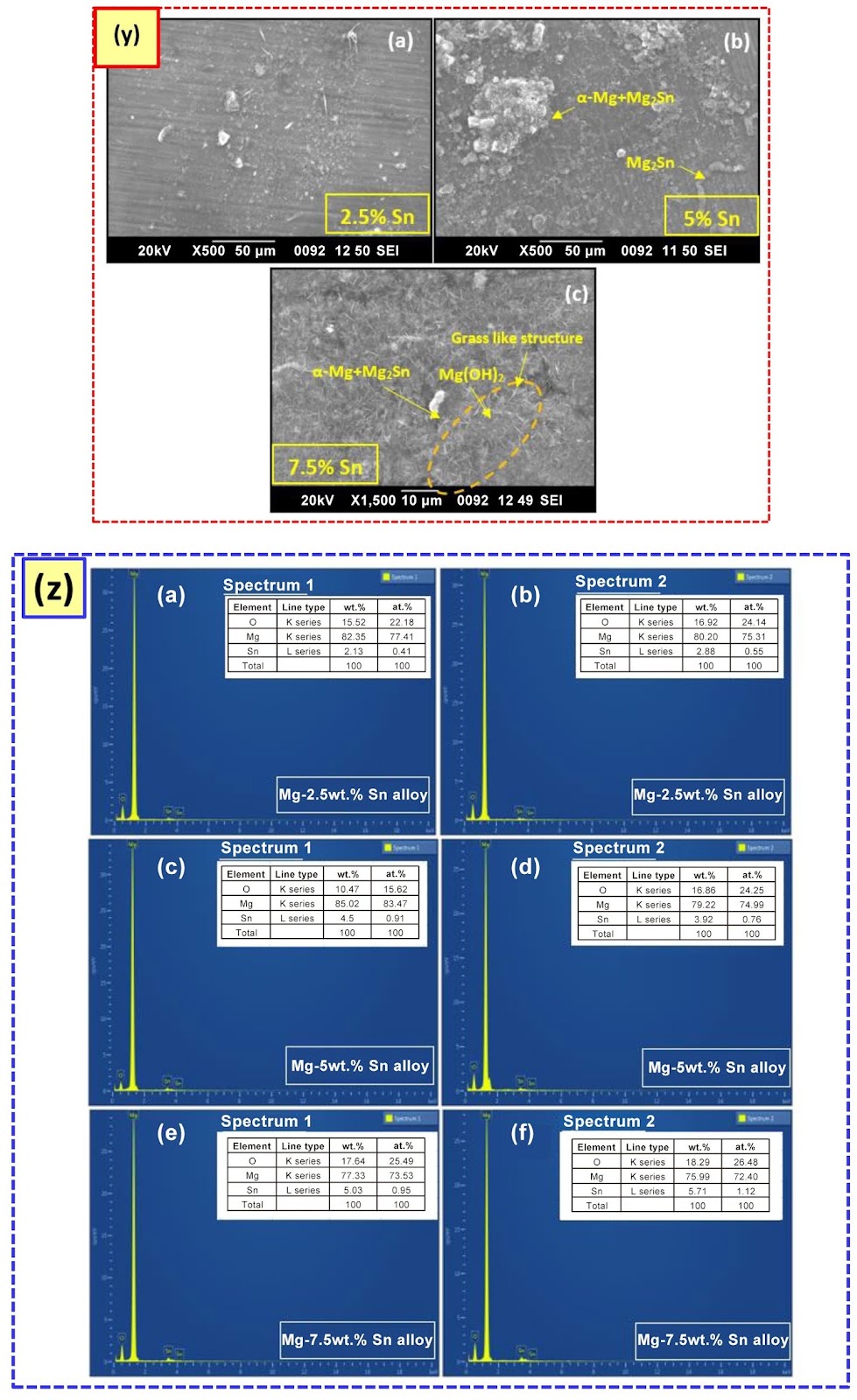
In this study, the effect of Tin (Sn) addition on the microstructure, mechanical properties, and wear resistance of pure magnesium (Mg) was examined. Mg-Sn alloys were synthesized using stir casting technique with Sn concentrations of 2.5%, 5%, and 7.5% by weight. The specimens were prepared as per ASTM standards for their evaluation. Higher Sn concentrations result in a reduced volume fraction of the eutectic phase, while Mg2Sn precipitates are observed in alloys with 5% or more Sn. Scanning electron microscopy (SEM) analysis of the Mg-7.5wt.% Sn alloy reveals the presence of Mg(OH)2, with X-ray diffraction (XRD) confirming an oxygen content of 18% by weight. The addition of Sn minimizes casting porosity, enhancing the quality of the alloys. The findings demonstrate a positive correlation between increasing Sn content and enhanced strength and wear resistance. The Mg-7.5wt.% Sn alloy exhibits significantly enhanced tensile properties attributed to grain refinement and the formation of well-defined grain boundaries compared to alloys with lower Sn additions (2.5% and 5%), although a slight reduction in microhardness is observed. Tribological evaluation indicates reduced wear and friction, suggesting better surface performance. This research underscores the complex interplay between Sn content, microstructural evolution, and the resulting mechanical and tribological performance of Mg-Sn alloys.

Influence of Tin addition on microstructure, mechanical, and tribological properties of magnesium matrix
Graphical Abstract
Original ResearchVol. 22, No. 5 • pp. 592-602DOI: 10.1007/s41230-025-5001-5Jan 15, 2025

Mitigating anisotropy of vat photopolymerization 3D printing Al2O3-based ceramic cores through zircon addition

Authors: Bo-yang Qu, Rui-long Yu, Tian-chi Chen, Qiao-lei Li, Ang Li, Wei Liu, Xi-he Liu, Xin-yan Yue, Jing-jing Liang, Jin-guo Li

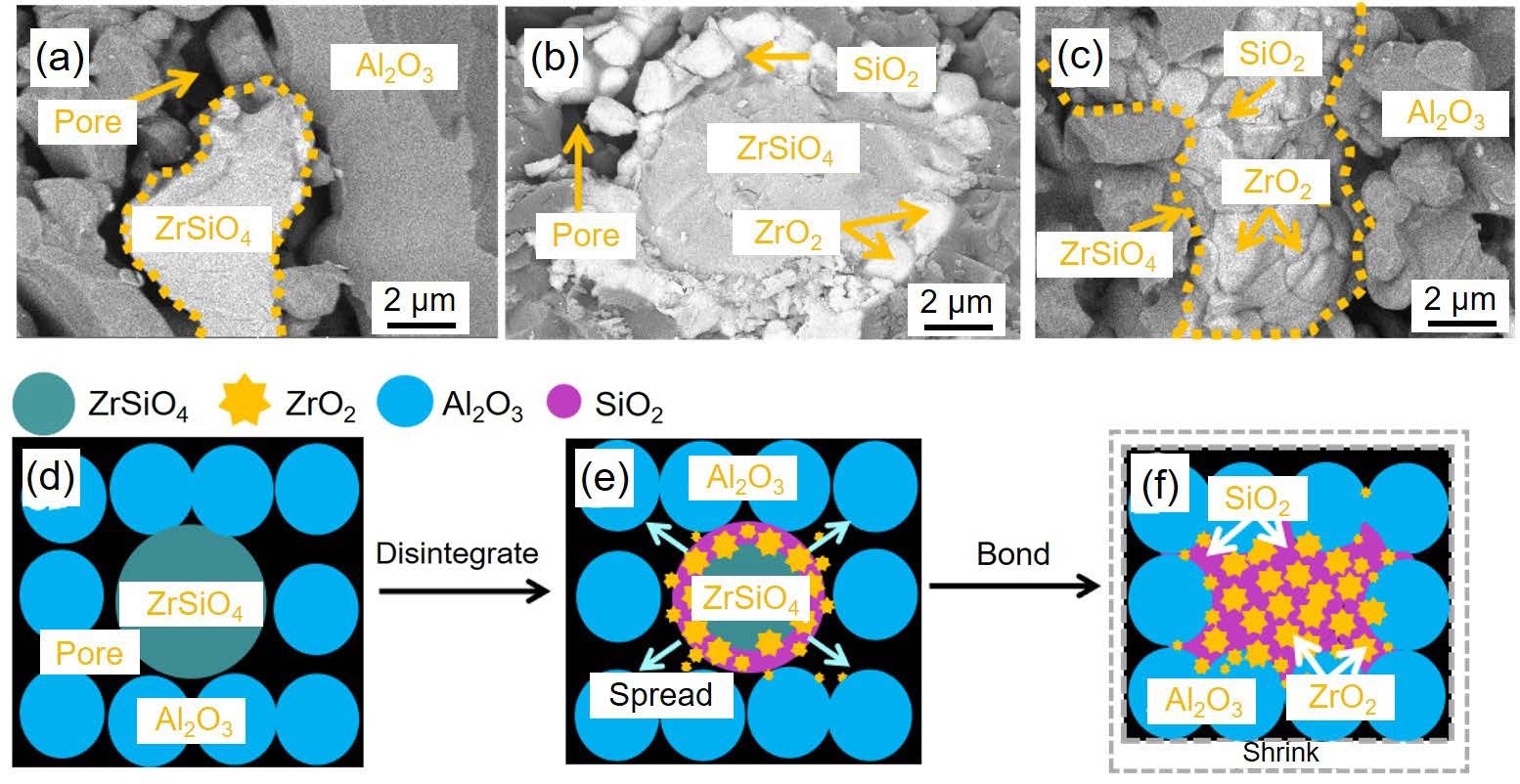
Ceramic cores are important in the fabrication of superalloy hollow blades, which are increasingly characterized by intricate internal cavity channels. This complexity poses significant challenges to traditional manufacturing processes. The vat photopolymerization 3D printing technology provides a new choice for ceramic cores with complex structures. However, the lamellar structure of the vat photopolymerization 3D printed ceramic cores leads to the anisotropy. Meanwhile, the low strength and high shrinkage of ceramic cores restrict their industrial application. In this study, using Al2O3 powder as the main material, the effects of zircon content on the sintering shrinkage, open porosity, flexural strength, and other properties of Al2O3-based ceramic cores were studied to address the aforementioned issues. The influencing mechanism of zircon distribution on sintering shrinkage was analyzed, and the strengthening mechanism of mullite on ceramic cores was discussed from both thermodynamics and dynamics aspects. Through the comprehensive evaluation of ceramic core properties, the Al2O3-based ceramic core with 15vol.% zircon exhibites the optimal performance. Compared with the core samples without zirconium addition, the flexural strength of the Al2O3-based ceramic core with 15vol.% zircon increases from 14.80 MPa to 61.54 MPa at 25 °C, an increase of 315.8%; and from 4.91 MPa to 11.59 MPa at 1,500 °C, an increase of 136.0%. The shrinkage in the Z-axis is reduced by 21%, which better weakens the anisotropy of the shrinkage of 3D printed Al2O3-based ceramic cores. ZrO2 phase and mullite phase are formed by zircon, which improve the comprehensive properties of Al2O3-based ceramic cores. The successful 3D printing of high-performance Al2O3-based ceramic cores via vat photopolymerization has promoted its industrial application for fabricating ceramic cores with complex structures.

Mitigating anisotropy of vat photopolymerization 3D printing Al2O3-based ceramic cores through zircon addition
Graphical Abstract
Original ResearchVol. 22, No. 6 • pp. 628-636DOI: 10.1007/s41230-025-4049-6Jan 15, 2025

A method for enhancing ductility of a polycrystalline Ni-based superalloy K417G

Authors: Hou-fan Cao, Wei-dong Xuan, Zhi-ming Fan, Lei-xin Duan, Jun Bao, Han-song Li, Bao-jun Wang, Zhong-ming Ren

In this work, the effects of hot isostatic pressing and heat treatment (solution and double aging) on the high-temperature tensile properties of a nickel-based polycrystalline superalloy K417G were investigated. The experimental results indicate that following the hot isostatic pressing and heat treatment, the porosity of the alloy decreases from 0.072% (in as-cast state) to 0.043%. The volume fraction of γ' phase increases from 43.28% to 56.54%, and the shape tends to be more cubic. The plasticity of the superalloy at 900 °C increases from 5.1% in as-cast state to 9.8% followed HIP and HT, but the tensile strength remains unchanged. Large size micropores are present in the as-cast sample and cracks sprout and expand at the micropores. After hot isostatic pressing and heat treatment, micropores are effectively eliminated, preventing them from becoming sources of cracks. This delay in the emergence of cracks results in enhanced plasticity. In addition, dislocations in the specimens after hot isostatic pressing and heat treatment bypasses the γ' phase through the Orowan mechanism, leading to a further increase in plasticity.

A method for enhancing ductility of a polycrystalline Ni-based superalloy K417G
Graphical Abstract
Original ResearchVol. 22, No. 6 • pp. 603-614DOI: 10.1007/s41230-025-4267-yJan 15, 2025

Impact of TiC particles on microstructure and properties of Al-Cu-Mn alloys by semi-continuous casting

Authors: Gao-song Wang, Sheng-xiao Zhou, Zhi-yu Gao, Tao Zheng, Da Xu, Wen-tao Sun, Zai-hong Wang

Al-based TiC particle-reinforced composites with varying TiC concentrations were fabricated through semi-continuous casting. The effects of TiC particles on the alloys’ microstructure, grain boundary segregation, and mechanical properties were systematically analyzed. Moreover, the mechanisms by which TiC particles contribute to grain refinement, suppression of grain boundary segregation, and enhancement of hardness and wear resistance were discussed. The results demonstrate that TiC particles act as heterogeneous nucleation sites for α-Al within the Al-Cu-Mn alloys, leading to a refinement of grain size. As the TiC particle’s content increases, the grain size of the alloy drops at first and then elevates, transitioning from coarse dendritic crystals to fine equiaxed grains. At a TiC content of 1.3wt.%, the alloy exhibits the smallest grain size, reducing from 139±42 μm without TiC to 90±38 μm. Beyond this concentration, grain coarsening is observed. The incorporation of TiC particles effectively mitigates Cu segregation at grain boundaries, thereby enhancing the homogeneity of the Al-Cu-Mn matrix alloys. Additionally, the addition of TiC particles promotes hardness and wear resistance. Both hardness and wear resistance exhibit an initial increase followed by a decrease with increasing TiC content from 0 to 1.8wt.%.

Impact of TiC particles on microstructure and properties of Al-Cu-Mn alloys by semi-continuous casting
Graphical Abstract
Original ResearchVol. 22, No. 5 • pp. 507-518DOI: 10.1007/s41230-025-4210-2Jan 15, 2025

Preparation of soluble ceramic cores via additive manufacturing technology: A review

Authors: Xiao-peng Yu, Wen-ming Jiang, Yun-xia Wang, Li Yang, Zi-wei Peng, Zi-tian Fan

Ceramic cores are key components in the production of castings with complex cavity structures. With the continuous development of the aerospace field, the demand for the castings with complex cavity structures is increasing. When using insoluble ceramic cores for casting, there is a significant challenge in removing complex blind cavities, which severely affects the completeness of the shape of the castings. Soluble ceramic cores can disintegrate when placed in water, greatly simplifying the removal process of cores and ensuring the complete formation of castings with complex cavity structures. Additive manufacturing technology, compared to traditional methods for preparing the soluble ceramic cores, does not require molds and can achieve direct forming of complex cores, simplifying the preparation process and reducing production time and costs. Nowadays, various additive manufacturing technologies, such as stereolithography (SL), selective laser sintering (SLS), direct ink writing (DIW), and binder jetting (BJ) technologies, have been successfully applied to the preparation of the ceramic cores. This paper analyzed the advantages and limitations of various additive manufacturing technologies, reviewed the research progress and raw material classifications of soluble ceramic cores prepared by these technologies, and looked forward to the future developments in the preparation of soluble ceramic cores using additive manufacturing technologies.

Preparation of soluble ceramic cores via additive manufacturing technology: A review
Graphical Abstract
Original ResearchVol. 22, No. 5 • pp. 545-554DOI: 10.1007/s41230-025-5003-3Jan 15, 2025

Effect of polysilazane on microstructure and properties of Al2O3-based ceramic core for 3D printing

Authors: Sheng-qi Liu, Rui-long Yu, Wen-jun Dong, Qiao-lei Li, Ang Li, Wei Liu, Xi-he Liu, Xin-yan Yue, Jing-jing Liang, Jin-guo Li

The performance of an aero-engine is closely related to the cooling ability of the hollow turbine blades. Ceramic core is an important component in the production of hollow turbine blades with a complex structure. As the pace of updating and iteration in turbine blade design continues to accelerate, the internal cavity structures of turbine blades have become increasingly complex. Traditional hot injection process is difficult to meet the production requirements of ceramic cores with complex structures. 3D printing technology can manufacture ceramic cores without the need for moulds, significantly shortening the production cycle and providing a new technology for the production of ceramic cores with complex structures. To meet the technical requirements of the investment casting process, ceramic cores must possess adequate mechanical strength and appropriate porosity. In this work, the ceramic slurry with polysilazane (PSZ) precursor was successfully prepared, and the Al2O3-based ceramic cores with high performance were fabricated using 3D printing technology. The regulation mechanism of polysilazane on the performance of ceramic cores was investigated. The results show that with the increase of PSZ content, the flexural strength of ceramic cores firstly increases and then decreases. When the content of PSZ is 5%, the flexural strength at 25 °C and 1,500 °C are 31.5 MPa and 13.1 MPa, respectively, and the porosity is 36.7%. This work is expected to advance the research and practical application of high-performance ceramic cores fabricated via 3D printing.

Effect of polysilazane on microstructure and properties of Al2O3-based ceramic core for 3D printing
Graphical Abstract
Original ResearchVol. 22, No. 5 • pp. 519-533DOI: 10.1007/s41230-025-4182-2Jan 15, 2025

Influence of final sintering temperature on properties of nano-ZrO2 reinforced SiO2-based ceramic cores via stereolithography additive manufacturing

Authors: Qi-qi Huang, Chao-yue Chen, Yu-hao Yin, Song-zhe Xu, Xia Li, Tao Hu, Shuo Yin, Jiang Wang, Wei-dong Xuan, Zhong-ming Ren

As a reliable additive manufacturing technology, the stereolithography (SLA) ceramic core necessitates a tailored sintering process to achieve optimal performance. This study explored the effects of final sintering temperatures (specifically 1,150, 1,250, and 1,300 °C) on the properties of SLA-fabricated SiO2-based ceramic cores reinforced with nano-ZrO2 (at concentrations of 1.0wt.%, 1.5wt.%, and 2.0wt.%). The results demonstrate that increasing the final sintering temperature and the incorporation of nano-ZrO2 enhance the viscous flow of quartz glass, resulting in a higher sintering degree. As the final sintering temperature rises, the ceramic samples exhibit increased shrinkage rate, decreased apparent porosity, and increased bulk density. Higher final sintering temperatures also promote greater cristobalite precipitation, promoting an increase in the amount and precipitation rate of quartz during investment casting. The formation of a cristobalite and ZrSiO4 network at elevated temperatures effectively inhibits the viscous flow of quartz glass, thereby significantly improving high-temperature flexural strength and creep resistance of ceramic cores. When the content of nano-ZrO2 is between 1.5wt.% and 2.0wt.%, the final sintering temperature of 1,250 °C is the best choice. Under these conditions, the shrinkage rate along the Z direction ranges from 3.35% to 3.68%, the porosity lies between 25.57% and 26.03%, the bulk density varies from 1.612 to 1.645 g·cm-3, the room temperature flexural strength is between 26.79 and 27.85 MPa, and the flexural strength at high temperatures is within the range of 30.77 to 33.02 MPa. The deflection at high-temperatures is 3.37-5.31 mm, while the surface roughness of the upper surface is 3.26-4.79 μm, and the surface roughness of the side surface is 4.97-5.79 μm. These findings provide valuable guidance for optimizing the sintering processes of SLA ceramic cores, offering potential for industrial applications.

Influence of final sintering temperature on properties of nano-ZrO2 reinforced SiO2-based ceramic cores via stereolithography additive manufacturing
Graphical Abstract
Original ResearchVol. 22, No. 4 • pp. 480-492DOI: 10.1007/s41230-025-4144-8Jan 15, 2025

Effects of Al and C content on κ-carbide precipitation and strengthening in high-Mn low-density steels: A quantitative study

Authors: Yu-xiang Liu, Tao Xu, Jian-lei Zhang, Feng-hui An, Gang Chen, Chang-jiang Song, Qi-jie Zhai

Fe-28Mn-(10-12)Al-(0.8-1.4)C (wt.%) steels were designed to investigate the influence of varying Al and C content on precipitation behavior of κ-carbide and its contribution to the strength of high-Mn low-density steels. Results reveal that both Al and C elements promote κ-carbide precipitation, with C having a more pronounced effect. In near-rapidly solidified 10Al steel strips, increasing C content from 0.8wt.% to 1.4wt.% raises the κ-carbide size from 9.6 nm to 38.2 nm, accompanied by volume fraction increase from 10.2vol.% to 29.8vol.%. In comparison, the average size and volume fraction of κ-carbides in 12Al0.8C steel are only 11.4 nm and 17.8vol.%, respectively. Higher Al and C content reduces the lattice mismatch between austenite and κ-carbides, thus promoting nucleation of κ-carbides. Notably, the increase in C content results in a greater reduction in the Gibbs free energy of κ-carbide, leading to a stronger driving force for κ-carbide formation. Consequently, as the C content increases from 0.8wt.% to 1.4wt.%, the interaction between κ-carbides and dislocations transforms from particle cutting to bypassing, and the maximum precipitation strengthening of κ-carbides reaches 583 MPa. The construction of the relationship between Al and C content and κ-carbide precipitation in this study would provide valuable insights for alloy design of high-Mn steels.

Effects of Al and C content on κ-carbide precipitation and strengthening in high-Mn low-density steels: A quantitative study
Graphical Abstract
Original ResearchVol. 22, No. 5 • pp. 555-564DOI: 10.1007/s41230-025-4178-yJan 15, 2025

Vat photopolymerization of silica-based ceramic cores using high solid loading slurry with performance optimization

Authors: Yong-kang Yang, Bo-ran Wang, Zi-qi Jia, Shu-xin Niu, Xin Li, Ya-jie Guo, Xi-qing Xu

Vat photopolymerization (VPP) 3D printing is an optimized technology for complex-shaped ceramic cores, in which the solid loading of ceramic slurries greatly influences the microstructure and property of the final ceramic parts. However, the high solid loading of slurries is highly limited by the high viscosity. In this study, silica-based ceramic core slurries with solid loading up to 68vol.% were achieved by the composition design to optimize the performance, considering the curing, rheological, and double bond conversion rate. The slurries demonstrate superior curing and rheological performance with mass ratio of monomers being 3:2 and mass fraction of BYK111 being 4wt.%. Afterwards, the impact of solid loading on the morphology and mechanical properties was investigated. As the solid loading increases, the microstructure becomes gradually dense, leading to an improved flexural strength of 19.5 MPa. Additionally, the sintering shrinkage becomes more uniform, satisfying the casting requirements effectively. This work serves as a guide for the preparation of ceramic slurries with a high solid loading.

Vat photopolymerization of silica-based ceramic cores using high solid loading slurry with performance optimization
Graphical Abstract
Original ResearchVol. 22, No. 5 • pp. 493-506DOI: 10.1007/s41230-025-4240-9Jan 15, 2025

Vat photopolymerization 3D printing of ceramic cores: Advances, challenges, and prospects

Authors: Xiang Li, Hai-jun Su, Dong Dong, Hao Jiang, Ya-wen Ma, Zhong-lin Shen, Yi-nuo Guo, Yun Zhang, Zhuo Zhang, Min Guo

To meet the evolving demands of aeroengine development, the structural and performance requirements for ceramic cores have become increasingly stringent. Vat photopolymerization 3D printing, owing to its moldless, flexible manufacturing, and other advantages, demonstrates significant potential in the preparation of ceramic cores with intricate structures. However, its practical application still faces multiple challenges, including layered structures and property anisotropy, defects such as cracks and collapse during printing and sintering, forming inaccuracies, and difficulties in controlling surface roughness. Recent advances have focused on optimizing slurry formulation and rheology, improving curing behavior, introducing auxiliary powders and additives, tailoring forming parameters, and optimizing the sintering process. Nevertheless, effectively suppressing lamellar defects, achieving superior dimensional accuracy, and maintaining high surface quality in complex structures remain the core scientific and technical issues to be solved. Future research should concentrate on refining curing mechanisms, advancing powder design and organic system optimization, and regulating the coupled processes of forming, debinding, and sintering to accelerate the application of VPP 3D printed ceramic cores in aerospace manufacturing.

Vat photopolymerization 3D printing of ceramic cores: Advances, challenges, and prospects
Graphical Abstract
Original ResearchVol. 22, No. 4 • pp. 471-479DOI: 10.1007/s41230-025-4199-6Jan 15, 2025

On microstructure and room-/high-temperature properties of an Al2O3/Al-Cu-Mn composite

Authors: Jing-bin Liu, Jing-yi Hu, Meng-yu Li, Gui-liang Liu, Tong Gao, Xiang-fa Liu

An Al2O3/Al-Cu-Mn composite was fabricated using a combination of ball milling and liquid-solid reaction, with a nominal composition of Al-4Cu-0.5Mn-2.8γ-Al2O3. The composite contains reinforcement particles, including nano-sized θ’ and T(Al20Cu2Mn3) particles after T6 heat treatment, as well as in-situ synthesized nano-sized γ-Al2O3 particles. Tensile tests of the Al-4Cu-0.5Mn-2.8γ-Al2O3 composite and the Al-4Cu-0.5Mn base alloy after T6 treatment were carried out at room temperature and elevated temperatures (200 °C, 300 °C, and 400 °C). Compared with the base alloy, the yield strength of the Al-4Cu-0.5Mn-2.8γ-Al2O3 composite after T6 treatment increases significantly from 187 MPa to 263 MPa at room temperature. Simultaneously, at elevated temperatures, the yield strength is also enhanced, with a yield strength of 52 MPa at 400 °C for this composite. The in-situ fabricated γ-Al2O3 particles, mainly distributed along the grain boundaries, are supposed to play the main strengthening role, especially at high temperatures. This work acts as a reference for designing composites for high-temperature applications.

On microstructure and room-/high-temperature properties of an Al2O3/Al-Cu-Mn composite
Graphical Abstract
Original ResearchVol. 22, No. 4 • pp. 417-426DOI: 10.1007/s41230-025-3113-6Jan 15, 2025

Microstructural evolution and comprehensive properties of Mg-8Li-3Al-2Zn alloy during annealing treatment under various cooling rates

Authors: Ling Li, Wang-yang Xue, Zhu-min Li, Tian-yu Liu, Rui Zheng, Guo-bing Mao

Annealing treatment is an effective strategy to enhance the comprehensive properties of Mg-8Li-3Al-2Zn (LAZ832) alloy, where the cooling rate plays a decisive role in tailoring microstructure and performance. This study systematically investigates the effects of cooling rates, controlled via water quenching (WC), air cooling (AC), and furnace cooling (FC), on the phase evolution, mechanical properties, and corrosion resistance of LAZ832. The annealed microstructure consists of α-Mg, β-Li, AlLi, and MgLi2Al phases, and the volume fraction of Al-Li phases (AlLi and MgLi2Al) increases as the cooling rate decreases. Strengthening mechanisms are dominated by solid solution strengthening, driven by the dissolution of Al and Zn atoms into the matrix, which significantly enhances tensile strength. However, excessive solute content leads to a marked decline in ductility. Scanning probe microscope (SPM) reveals an elevated work function due to the dissolution of Al and Zn atoms into the matrix phase, correlating with improved corrosion resistance. Comprehensive analysis demonstrates that air cooling achieves an optimal balance between tensile strength, ductility, and corrosion resistance, outperforming furnace-cooled samples and offering a pragmatic compromise compared to water-quenched specimens with higher strength but brittle failure. These findings establish a robust framework for designing LAZ832 alloys with tailored microstructures and multi-property optimization, advancing their application in lightweight engineering fields.

Microstructural evolution and comprehensive properties of Mg-8Li-3Al-2Zn alloy during annealing treatment under various cooling rates
Graphical Abstract
Original ResearchVol. 22, No. 4 • pp. 463-470DOI: 10.1007/s41230-025-4265-0Jan 15, 2025

Effect of surface recrystallization on high-temperature tensile properties of a directionally solidified DZ409 Ni-based superalloy

Authors: Qiang Yang, Ya-zhou Li, Fu Wang, Jing Wang, Di-chen Li, Jian-tao Wu

Surface recrystallization (RX) is a typical grain defect observed in directionally solidified (DS) Ni-based superalloys. Most studies have focused on the RX behavior and its impact on the mechanical properties of single-crystal (SC) superalloys, with limited research on its influence on the high-temperature mechanical properties of DS superalloys. This study systematically investigated the effect of RX on the high-temperature tensile properties of a DS DZ409 superalloy. The results show that at 650 °C, the yield strength decreases almost linearly with an increase in RX fraction. A significant reduction in elongation is observed as the RX fraction increases from 0% to 4.9%. However, beyond this point, further increase in RX fraction leads to minimal changes in elongation. At 950 °C, both yield strength and elongation decrease as the RX fraction increases from 0% to 4.9%. At 650 °C, fractures in the RX DS superalloys exhibit a mixed mode of transgranular and intergranular cleavage fracture, while at 950 °C, it features a combination of ductile and intergranular dimple fractures. The failure mechanism of the RX DS superalloy is associated with the introduction of transverse grain boundaries (GBs) during RX. In the early stages of tensile testing at intermediate and high temperatures, cracks can easily initiate at these GBs. Subsequently, the cracks propagate along the GBs into the DS matrix, ultimately leading to failure of the DS superalloy.

Effect of surface recrystallization on high-temperature tensile properties of a directionally solidified DZ409 Ni-based superalloy
Graphical Abstract
Original ResearchVol. 22, No. 4 • pp. 395-406DOI: 10.1007/s41230-025-4177-zJan 15, 2025

Designing the counter pressure casting gating system for a large thin-walled cabin by machine learning

Authors: Xiao-long Zhang, Hua Hou, Xiao-long Pei, Zhi-qiang Duan, Yu-hong Zhao

The design of casting gating system directly determines the solidification sequence, defect severity, and overall quality of the casting. A novel machine learning strategy was developed to design the counter pressure casting gating system of a large thin-walled cabin casting. A high-quality dataset was established through orthogonal experiments combined with design criteria for the gating system. Spearman’s correlation analysis was used to select high-quality features. The gating system dimensions were predicted using a gated recurrent unit (GRU) recurrent neural network and an elastic network model. Using EasyCast and ProCAST casting software, a comparative analysis of the flow field, temperature field, and solidification field can be conducted to demonstrate the achievement of steady filling and top-down sequential solidification. Compared to the empirical formula method, this method eliminates trial-and-error iterations, reduces porosity, reduces casting defect volume from 11.23 cubic centimeters to 2.23 cubic centimeters, eliminates internal casting defects through the incorporation of an internally cooled iron, fulfilling the goal of intelligent gating system design.

Designing the counter pressure casting gating system for a large thin-walled cabin by machine learning
Graphical Abstract
Original ResearchVol. 22, No. 4 • pp. 427-438DOI: 10.1007/s41230-025-4170-6Jan 15, 2025

Effects of Cr element doping on microstructure and performance of quinary FeCoNiSiB multi-principal element alloys

Authors: Shu-yan Zhang, Dan-yue Ma, Pei-pei Shen, Bo Sun, Hua Chen, Zhi-bin Zhang

This research focused on the influences of Cr element doping on the microstructure, thermal stability, microhardness, soft magnetic, and anti-corrosion properties of FeCoNiSiB multi-principal element alloys. The as-received Fe-Co-Ni-Si-B-Cr alloy ribbons made by melt-spinning technique could maintain amorphous nature. The glass-transition temperature and onset crystallization temperature become lower with the addition of Cr, and the highest values are 782.0 K and 821.5 K, respectively. When the Cr content reaches 3at.%, the alloy owns the best soft magnetic performance with the saturation magnetic flux density of ~0.578 T and coercivity of ~5.5 A·m-1 among the studied melt-spun ribbon samples. The microhardness of all alloy ribbons reduces with an increasing Cr content on the whole, and the values are 810 HV0.5 or above. The corrosion behavior of these multi-principal element amorphous alloys containing Cr was also investigated in detail. As the Cr content increases, the corrosion resistance becomes superior and the specimens present the obvious passive regions in 3.5wt.% NaCl solution. The glassy ribbons with 8at.% Cr have the highest self-corrosion potential of -0.340 V and pitting potential of 0.288 V as well as the widest passive region of 0.628 V. Besides, the corroded micrographs of alloy ribbons immersed in corrosive environment lasting 100 h are also presented, which further confirms the above-mentioned experimental results. This research deepens the understanding about the role of Cr element in the microstructure and a series of physical and chemical properties of Fe-Co-Ni-Si-B-Cr multi-principal element amorphous alloys.

Effects of Cr element doping on microstructure and performance of quinary FeCoNiSiB multi-principal element alloys
Graphical Abstract
Original ResearchVol. 22, No. 4 • pp. 439-448DOI: 10.1007/s41230-025-4118-xJan 15, 2025

Effect of CNT content on microstructure and tribological properties of CNTs/AlSi10Mg composites by LPBF

Authors: Li-yi Jiang, Chao-yi Shen, Ting-ting Liu, Chang-dong Zhang, Xiang Su, Wei-wei Xu, Bo-xiang Wang, Zhi-xiang Qi, Wen-he Liao

In this study, carbon nanotubes (CNTs)/AlSi10Mg composite parts with CNTs contents ranging from 0.0 to 2.0wt.% were successfully fabricated via laser powder bed fusion (LPBF) with laser scan speeds ranging from 900 to 1,900 mm·s-1. Uniform dispersion of CNTs in the powders can be achieved when their content is below 2.0wt.%. In the LPBF samples, the morphology of the CNTs is found to be directly related to their content. Especially, the length of CNTs in samples prepared by LPBF increases as the CNT content increases. The length of CNTs is approximately 200-300 nm in the 1.0wt.% CNTs/AlSi10Mg composites and approximately 500-1,000 nm in the 2.0wt.% CNTs/AlSi10Mg composites. The hardness of the composites reaches its highest value of 143.3 HV when the CNTs content is 1.0wt.% and the laser scan speed is 1,300 mm·s-1. It is found that the self-lubricating properties of the CNTs improve the tribological properties of the composites. The coefficient of friction (CoF) and wear rate of the samples decrease with increasing CNT content. At a CNTs content of 2.0wt.%, the CoF and wear rate of the composite decrease by approximately 14% and 30%, respectively, compared to the unreinforced matrix. The presence of CNTs leads to a more complete and refined network microstructure within the samples. Both the CNTs and the aluminum carbide contribute to the Orowan mechanism and the Hall-Petch effect within the matrix.

Effect of CNT content on microstructure and tribological properties of CNTs/AlSi10Mg composites by LPBF
Graphical Abstract
Original ResearchVol. 22, No. 4 • pp. 374-384DOI: 10.1007/s41230-025-5034-9Jan 15, 2025

Influence of nodular graphite on microstructure, mechanical properties, and wear behavior of austempered ductile iron

Authors: Xue-bo Zhao, Shu-ya Diao, Yan-song Nan, Jin-hai Liu, Jing-kun Li

This study systematically investigated the effects of graphite nodule parameters, including count, average diameter, and nodularity, on microstructure and mechanical properties of austempered ductile irons (ADIs). The ADI specimens with graphite nodule counts of 212±11 mm-2, 308±9 mm-2, 415±10 mm-2, and 589±13 mm-2 were designated as G-200, G-300, G-400, and G-600, respectively. Results indicate a progressive refinement of graphite with an increase in nodule counts. Specifically, the average nodule diameter decreases from 33.3±1.3 μm for G-200 to 17.0±0.7 μm for G-600. The nodularity of all samples is above 90%. Furthermore, the nodularity exhibits a corresponding increasing trend with the rise of graphite nodule count in ADIs. Additionally, the volume fraction of the austenite phase in ADIs decreases with an increase in graphite nodule count. The graphite nodule count changes the tensile strength and elongation of ADIs. The specimen G-400 exhibits the ultimate tensile strength of 897±11 MPa and an elongation of 9.8%±0.6%, representing 5.3% and 44.1% improvements respectively compared to G-200. To explore the wear resistance of ADIs with different graphite nodule counts, dry sliding friction and wear test of different samples was carried out at room temperature. At a high load of 25 N, G-400 exhibits superior wear resistance, achieving a 42% reduction in worn volume compared to G-200. Worn micromorphology identifies three primary wear mechanisms: microcutting-dominated abrasive wear, adhesive wear, and fatigue wear.

Influence of nodular graphite on microstructure, mechanical properties, and wear behavior of austempered ductile iron
Graphical Abstract
Original ResearchVol. 22, No. 4 • pp. 363-373DOI: 10.1007/s41230-025-4028-yJan 15, 2025

Simulation study on integrated bottom car body formation by high pressure die casting with a dual injection system

Authors: Rong Xiao, Jing-guo Wang, Shao-xing Meng, Wei-dong Mao, Li-geng Yang, Jin Zhang, Lei Song, Wan-tong Chen, Wen-bo Yu

This study investigates the formation feasibility of the integrated bottom car body components with dual die casting injection molding technology. During the production of a die-cast super-large one-piece body part weighing over 10,000 t, a thorough comparison and investigation were conducted on the arising issues, using both single and double injection systems. Particular attention was given to meticulously discussing the die casting filling problems and microstructural defects that originated from the filling process. The research findings indicate that the implementation of a double injection system can significantly minimize cold shuts and reduce the solidification time. The effectiveness of this die casting technique was further confirmed by the production of high-quality castings using a scaled model that replicated real casting conditions at a 1:3 ratio, thereby maintaining a one-to-one correspondence in essential aspects. This successful study offers both theoretical insights and practical applications for the production of integrated bottom car bodies utilizing die casting in conjunction with a dual injection system.

Simulation study on integrated bottom car body formation by high pressure die casting with a dual injection system
Graphical Abstract
Original ResearchVol. 22, No. 4 • pp. 385-394DOI: 10.1007/s41230-025-4101-6Jan 15, 2025

Effect of La content on microstructure, tensile properties, and electrical conductivity of cast Al-Mg-Si-xLa alloys

Authors: Hong-yu Xu, Hai-feng Jia, Ze-sheng Ji, Ming-liang Li, Han Yu, Bo Jiang, Ye Wang, Mao-liang Hu

Lightweight aluminum alloy conductor materials (Al-Mg-Si alloys) require not only high electrical conductivity to reduce electrical loss, but also high strength to withstand extreme weather conditions. To improve electrical conductivity and mechanical properties of Al-Mg-Si alloy simultaneously, the rare earth La was introduced to modify the Al-Mg-Si alloy. The effect of La addition on the microstructure, tensile properties and electrical conductivity of cast Al-Mg-Si alloy was investigated systematically. Results indicate that the appropriate La content is helpful to improve the strength and electrical conductivity of Al-Mg-Si alloys. When the addition of La is 0.2wt.%, the α-Al grains are refined apparently, Mg and Si solute atoms in the Al matrix are reduced by the formation of Mg2Si phase; the distribution of Al11La3 phases is uniform, and the morphology of AlFeSi phase transforms from continuous state to discontinuous state. The Al-Mg-Si-0.2La alloy exhibits the optimal tensile properties and electrical conductivity, with an ultimate tensile strength of 170 MPa, a yield strength of 88 MPa, an elongation of 18.9%, and an electrical conductivity of 44.0% IACS. These values represent improvements of 9.0%, 15.8%, 70.3%, and 17.3%, respectively, compared to the Al-Mg-Si alloy without La addition. However, excessive La deteriorates the properties of Al-Mg-Si-xLa alloys.

Effect of La content on microstructure, tensile properties, and electrical conductivity of cast Al-Mg-Si-xLa alloys
Graphical Abstract
Original ResearchVol. 22, No. 3 • pp. 352-362DOI: 10.1007/s41230-025-4047-8Jan 15, 2025

Effect of deep cryogenic treatment on microstructure and mechanical properties of AlCoCrFeNi2.1 eutectic high-entropy alloy

Authors: Si-ruo Zhang, Cheng-hao Liu, Hao Qi, Hao-kai Wu, Guang-yu Yang, Ting-shuai Tan, Ying-dong Qu, Guang-long Li

As a typical eutectic high-entropy alloy (EHEA), AlCoCrFeNi2.1 exhibits excellent casting properties. However, the imbalance between strength and plasticity hinders its application as an advanced structural material. In order to address this challenge, deep cryogenic treatment (DCT) as a new process applied in the field of EHEAs was proposed in this study. The effects of different DCT times on the microstructure and mechanical properties of AlCoCrFeNi2.1 EHEAs were studied, mainly focusing on the flake structure of FCC+B2 layer. The experimental results suggest that with the extension of the DCT time, the dislocation density in the FCC phase increases significantly. The spherical BCC precipitate phase is generated within the B2 phase, and the average size of this newly generated precipitate phase gradually decreases. Increasing the number of dislocations and precipitate phases is of great significance to improve the mechanical properties. The AlCoCrFeNi2.1 EHEA exhibits excellent comprehensive mechanical properties after DCT for 36 h. Compared with the as-cast state, the tensile strength at room temperature reaches 1,034.51 MPa, increased by 5.74%. The plasticity reaches 21.72%, which is increased by 11.79%. The results show that the tensile strength and ductility of AlCoCrFeNi2.1 EHEAs are balanced and improved after DCT, which are more suitable as advanced structural materials. In addition, the introduction of the DCT process to EHEAs solves the problem of environmental pollution caused by traditional heat treatment process. This study provides useful guidance for using the DCT process to strengthen the mechanical properties of “lamellar + block” type EHEAs.

Effect of deep cryogenic treatment on microstructure and mechanical properties of AlCoCrFeNi2.1 eutectic high-entropy alloy
Graphical Abstract
Original ResearchVol. 22, No. 3 • pp. 345-351DOI: 10.1007/s41230-025-4146-6Jan 15, 2025

Effect of Al content on phase evolution, damping capacity, and mechanical properties of AlxCrFe3Ni medium entropy alloys

Authors: Ning-ning Geng, Jiang Li, Wei Zhang, Peng Gao, Qing-chun Xiang, Ying-lei Ren, Bo Yu, Ke-qiang Qiu

The phase constitution, microstructure, damping capacity, and mechanical properties of as-cast AlxCrFe3Ni (x=0.5, 0.52, 0.54, and 0.56, respectively) medium entropy alloys were investigated. It is found that the volume fraction of BCC phase increases while that of FCC decreases with increasing the Al content. When the content of Al is 0.54, the alloy is composed of 82.1vol.% BCC matrix and 17.9vol.% FCC phase. Wherein the FCC phase is distributed on the BCC matrix, forming a structure where the hard BCC matrix is surrounded by soft FCC phase. This results in a hindering effect on the propagation process of vibration waves. The damping performance of Al0.54CrFe3Ni alloy, characterized by an internal friction of Q-1 is as high as 0.059, is higher than that of most FeCr damping alloys. The volume fraction of the BCC phase and the peculiar distribution of the FCC phase are identified as the key factors affecting the damping capacity. In addition, the Al0.54CrFe3Ni alloy exhibits a high yield strength of 811.16 MPa.

Effect of Al content on phase evolution, damping capacity, and mechanical properties of AlxCrFe3Ni medium entropy alloys
Graphical Abstract
Original ResearchVol. 22, No. 3 • pp. 333-344DOI: 10.1007/s41230-025-4171-5Jan 15, 2025

A new mathematical model for investigating solidification, solute transportation, and TiN precipitation in a micro-alloy steel containing Ti

Authors: Han Wang, Tian-peng Qu, Tian Liang, Xiang-long Li, De-yong Wang, Lei Fan, Zhi-xiao Zhang, Zheng-hong Yang

In order to investigate the segregation process and clarify its effect on the formation of TiN during the solidification of a micro-alloy steel containing titanium (Ti), a new mathematical model concerning solute transportation, solidification, as well as TiN precipitation was successfully established and verified. The transportation of solute elements was described using the Brody-Fleming microsegregation model, while the thermodynamic principles governing the precipitation of TiN were derived within the framework of the model. Additionally, the model accounts for variations in the diffusion coefficient due to phase transition and the influence of non-equilibrium solidification on solute distribution. High-temperature tests were conducted to validate the mathematical model. Results show that during solidification, due to selective crystallization, there is positive segregation of Ti and N in the solidifying front. What’s more, due to the high cooling rate near the surface of this steel, negative segregation is easier to be formed in the surface area. The highest concentration of TiN precipitation is found in the 1/4 width of this steel. High-temperature experiment shows that when the solidifying front reaches the 1/4 width of the specimen, the concentration product of Ti and N elements biased at the solidifying front reaches the thermodynamic conditions of TiN precipitation, and exists a higher concentration of TiN distributed in this region. To address this phenomenon, a comparative analysis of the effects of cooling rate and initial solute element content on TiN precipitation behavior was conducted. An increase in the surface cooling rate accelerates the progression of the solidification front and diminishes solute segregation near the front, thereby reducing TiN precipitation. However, with the increase of the initial solute element content, the concentration product of Ti and N elements rises, then the content of TiN precipitation increases. The results of this model provide important insight into the micro segregation and TiN precipitation mechanism of the micro-alloy steels bearing titanium.

A new mathematical model for investigating solidification, solute transportation, and TiN precipitation in a micro-alloy steel containing Ti
Graphical Abstract
Original ResearchVol. 22, No. 3 • pp. 273-282DOI: 10.1007/s41230-024-4050-5Jan 15, 2025

Microstructural evolution and mechanical properties of Ti43Al alloy by directional annealing

Authors: Li Zhou, Jie-ren Yang, Yun-lu Ma, Ze-dong Liu, Rui-run Chen

Abstract: The directional annealing technique is widely used to prepare columnar grains or single crystals. To investigate the effect of hot zone temperature and temperature gradient on the growth of columnar crystals, Ti43Al alloys were heat treated by the directional annealing technique and their mechanical properties were tested. The results show that columnar grains with a maximum size of 22.29 mm can be obtained at a hot zone temperature of 1,350 °C and a temperature gradient of 8 K·mm-1. During the directional annealing process, Ti43Al alloys are heated to α single-phase domain to start the phase transformation. Columnar grains with a microstructure of fully lamellar colonies are obtained at different hot zone temperatures and temperature gradients. The distribution of the orientation difference for the α2 phase was found to be more random, suggesting that the growth of the columnar crystals may be stochastic in nature. Tensile testing results show that the strength and elongation of directional annealed Ti43Al alloy at 1,400 °C-8 K·mm-1 are 411.23 MPa and 2.29%, and the remaining directional annealed alloys show almost plasticity.

Microstructural evolution and mechanical properties of Ti43Al alloy by directional annealing
Graphical Abstract
Original ResearchVol. 22, No. 3 • pp. 323-332DOI: 10.1007/s41230-025-4082-5Jan 15, 2025

Effect of Si content on microstructure, mechanical, and thermal/electrical conductivities of Al-xSi-0.3Mn-0.3Mg-0.14Fe alloy prepared by super-slow-speed die-casting

Authors: Lu Zhang, Heng-cheng Liao, Jiang Li

In this study, Al-xSi-0.3Mn-0.3Mg-0.14Fe alloys (x=6.5, 7.5, 8.5, wt.%) were prepared by super-slow-speed die-casting, and the effects of Si content on the microstructure, mechanical, and thermal/electrical conductivities in as-cast, T5, and T6 states (DIN EN 1706:2020) were investigated. It is found that the increase of Si content in the alloy enhances the formation of eutectic segregation band in the casting surface microstructure. Within the Si content range of 6.5%-8.5%, as a comprehensive evaluation criterion of mechanical properties, the quality index (QI) of 376.1 MPa can be obtained in the as-cast state of the alloy with about 7.5% Si content, 373.4 MPa in T5 state of the alloy with 6.5% Si content, and 432.2 MPa in T6 state of the alloy containing 8.5% Si. The heat treatment state significantly affects the thermal conductivity and electrical conductivity of the alloys. The eutectic silicon in the alloy is segemented and further spheroidizaed during the solution process, and the solute atoms of Mg and Si are more adequately precipitated during the aging process. Both of these greatly reduce the probability of electron scattering. Thus, T6 treatment significantly improves the electrical and thermal conductivities. With the increase of Si content, both thermal conductivity and electrical conductivity decrease slightly, demonstrating a strong correlation with the Si content in the alloy.

Effect of Si content on microstructure, mechanical, and thermal/electrical conductivities of Al-xSi-0.3Mn-0.3Mg-0.14Fe alloy prepared by super-slow-speed die-casting
Graphical Abstract
Original ResearchVol. 22, No. 3 • pp. 283-291DOI: 10.1007/s41230-025-4130-1Jan 15, 2025

Lightweight Al-Nb-Ti-V-Cr high entropy alloys with high hardness and enhanced mechanical properties via doping Co

Authors: Fang-dong Xu, De-zhi Chen, Rui-run Chen, Bin Gan, Jing-yue Yu

To develop high-hardness and high-strength lightweight high entropy alloys (LHEAs), a series of CoxAlNbTiVCr alloys were designed. The phase constitution, distribution, and crystal structure of the Laves phase in alloys can be altered by adjusting the composition of HEAs, which in turn influences their mechanical properties. CoxAlNbTiVCr (x=0, 0.5, 1, 1.5, and 2, atomic ratio percentage) LHEAs were designed and prepared to characterize the microstructure and tailor the mechanical properties. The introduction of Co changes the microstructure of LHEAs from a single B2 structure to a mixture dendrite structure, which consists of B2 phase, C14 and C15 Laves phase. Wherein the C14 and C15 Laves phases exhibit coupled growth. Several parameters including mixing enthalpy (ΔHmix), valence electron concentration (VEC), atomic radius size (δ), mixing entropy (ΔS), and electronegativity difference (Δχ) are used to predict the formation of B2 and Laves phase in LHEAs. When the Co content increases from 0 to 1.5at.%, Laves phase volume fraction gradually increases, which leads to an enhancement in the compressive strength from 1,520.8 MPa to 1,844.4 MPa. Co1.5AlNbTiVCr alloy exhibits the maximum Vickers hardness of 699.4 HV. The improvement of mechanical properties mainly originates from solid solution strengthening and second phase strengthening.

Lightweight Al-Nb-Ti-V-Cr high entropy alloys with high hardness and enhanced mechanical properties via doping Co
Graphical Abstract
Original ResearchVol. 22, No. 3 • pp. 252-262DOI: 10.1007/s41230-025-4041-1Jan 15, 2025

Effect of melt superheating on solidification microstructure and mechanical properties of K424 superalloy

Authors: Gao-yang Jing, Ao-qi Li, Xun Sun, Lei Jin, Cheng Zhou, Dong-ping Zhan, Ji-hang Li

The effect of melt superheating treatment on the solidification microstructure and mechanical properties of the γ' phase precipitation-strengthened K424 superalloy was investigated. Differential scanning calorimetry (DSC) experiments were conducted to explore the influence of melt treatment temperature on the undercooling of the superalloy. Additionally, pouring experiments were carried out to assess how alterations in both the temperature and duration of melt treatment impacted the grain size, secondary dendrite arm spacing (SDAS), elemental segregation, and mechanical properties of the alloy. Metallographic analysis, scanning electron microscopy, energy dispersive spectroscopy (EDS) and Thermo-Calc software were employed for microstructure characterization. The test specimens were subjected to tensile testing at room temperature and stress rupture testing at 975 °C under 196 MPa. The findings reveal that appropriate melt treatment conditions result in decreased grain size, refined SDAS, minimized elemental segregation, and significant improvements in mechanical properties. Specifically, the study demonstrates that a melt treatment at 1,650 °C for 5 min results in the smallest average grain size of 949 μm and the smallest SDAS of 25.38 μm. Furthermore, the room temperature tensile properties and creep resistance are notably affected by the melt treatment parameters. It is shown that specific melt treatment conditions, such as holding at 1,650 °C for 5 min, result in superior room temperature strength and extended stress rupture life of the K424 superalloy, while a balance between strength and stability is achieved at 1,600 °C with a holding time of 10 min. These findings offer guidance for optimizing the melt treatment parameters for the K424 superalloy, laying a foundation for further investigations.

Effect of melt superheating on solidification microstructure and mechanical properties of K424 superalloy
Graphical Abstract
Original ResearchVol. 22, No. 2 • pp. 231-238DOI: 10.1007/s41230-024-3173-zJan 15, 2025

Contextual design and real-time verification for agile casting design

Authors: Dong Xiang, Chu-hao Zhou, Xuan-pu Dong, Shu-ren Guo, Yan-song Ding, Hua-tang Cao

In the foundry industries, process design has traditionally relied on manuals and complex theoretical calculations. With the advent of 3D design in casting, computer-aided design (CAD) has been applied to integrate the features of casting process, thereby expanding the scope of design options. These technologies use parametric model design techniques for rapid component creation and use databases to access standard process parameters and design specifications. However, 3D models are currently still created through inputting or calling parameters, which requires numerous verifications through calculations to ensure the design rationality. This process may be significantly slowed down due to repetitive modifications and extended design time. As a result, there are increasingly urgent demands for a real-time verification mechanism to address this issue. Therefore, this study proposed a novel closed-loop model and software development method that integrated contextual design with real-time verification, dynamically verifying relevant rules for designing 3D casting components. Additionally, the study analyzed three typical closed-loop scenarios of agile design in an independent developed intelligent casting process system. It is believed that foundry industries can potentially benefit from favorably reduced design cycles to yield an enhanced competitive product market.

Contextual design and real-time verification for agile casting design
Graphical Abstract
Original ResearchVol. 22, No. 3 • pp. 263-272DOI: 10.1007/s41230-025-4070-9Jan 15, 2025

Mechanical properties and microstructures of Mg-6Si alloys fabricated using the tungsten-inert-gas arc additive manufacturing

Authors: Peng-cheng Zhou, Guo-qiang You, Jin-yu Feng, Lei Wang, Xiao Lin, Bin Jiang

Si-containing Mg alloys solidified at conventional rates often contain coarse and sharp Mg2Si phases, which can result in inferior material properties. In this study, Mg-6wt.% Si (Mg-6Si) alloy was prepared by wire arc additive manufacturing (WAAM), employing the gas tungsten arc welding technique with rapid cooling. The microstructures and mechanical properties of the WAAM alloy were investigated and compared with those of the as-cast samples produced using a metal mold. The results indicate that the WAAM Mg-6Si is harder and stronger than the as-cast samples. The microhardness of the WAAM Mg-6Si increases by 36.6% in comparison to that of as-cast Mg-6Si alloy. Furthermore, the average tensile strengths at room temperature and 150 °C increases by 63.4% and 21.3%, respectively. WAAM refines both the Mg2Si phase and the overall grains, resulting in a homogeneous morphology and improved mechanical properties. The granular Mg2Si phase, characterized by fine particles with a diffused distribution, shows a significant increase in concentration. The acicular Mg2Si phase is distributed along the grain boundaries, and its concentration significantly decreases. The average grain size of the Mg2Si phase is about 9.20 μm, about 5 times smaller. The refinement and distribution of the granular Mg2Si phase, as well as the reduction in the amount of needle-like Mg2Si particles, are the key factors for improving the mechanical properties of WAAM Mg-6Si alloy.

Mechanical properties and microstructures of Mg-6Si alloys fabricated using the tungsten-inert-gas arc additive manufacturing
Graphical Abstract
Original ResearchVol. 22, No. 1 • pp. 83-89DOI: 10.1007/s41230-024-4036-3Jan 15, 2025

New poly-types of LPSO structures in a non-equilibrium Mg97Zn1Y1.6Ca0.4 alloy

Authors: Qian-qian Jin, Zi-hui Tang, Wen-long Xiao, Xiu-yu Qu, Xu-hao Han, Lin Mei, Xiao-hong Shao, Xiu-liang Ma

In this study, a comprehensive analysis of microstructural features, morphology, crystal structures, and interface structures of long-period stacking ordered (LPSO) structures in a non-equilibrium Mg97Zn1Y1.6Ca0.4 alloy cast in a steel mold was carried out. The addition of Ca element plays an important role in the refinement of LPSO structure. The result reveals new poly-types including 20H F2F2F4, 60R (F2F3 3)3, and 66H F2F3 3F2(F6)4 featuring a 6-Mg structure, alongside the prevalent 18R and 14H LPSO structures. The incoherent interface between 20H and the Mg matrix is split into two dislocation arrays, leading to the formation of a segment of 60R1. Moreover, the superstructure 116L, designated as (F2)18F4, is formed through the ordered distribution of F4 stacking faults in 18R.

New poly-types of LPSO structures in a non-equilibrium Mg97Zn1Y1.6Ca0.4 alloy
Graphical Abstract
Original ResearchVol. 22, No. 3 • pp. 292-300DOI: 10.1007/s41230-025-4017-1Jan 15, 2025

Effect of heat treatment on microstructure and mechanical properties of a novel Al-Zn-Mg-Cu alloy

Authors: Yan-mei Yang, Xin-chen Tang, Ye-fei Li, Xue-wei Fang, Da-wei Yi, Zhi-yun Zhang, Qiao-ling Zheng, Zhi-xi Wang, Guo-yu Zhang, Su Zhang, Hao Cheng, Yang He, Yi-bo Liu, Zi-han Wu, Ya-nan Chen, Yi-min Gao

Effects of solution and aging treatment on the microstructure and mechanical properties of a novel Al-Zn-Mg-Cu alloy by microalloying rare elements Sc and Er were studied. The results show that solution time has a visible influence on the microstructure and mechanical properties of the alloy. Specifically, as the solution time increases, the area fraction of the residual phase in the alloy decreases, and the shape of the grain becomes more spheroidal and coarser, leading to a decrease in hardness. This is attributed to the dissolution of strengthening phases during the solution treatment, which weakens the solid solution strengthening effect. The single-stage aging treatment shows an initial increase in strength and hardness of the alloy, followed by a decrease as the aging time is extended, until a steady state is achieved. The optimal single-aging conditions are found to be at 120 °C for 24 h, where the alloy exhibits an excellent combination of high strength and good ductility, with an ultimate tensile strength (UTS) of 523 MPa, yield strength (YS) of 482 MPa, and elongation (El) of 1.75%, respectively. Compared to single-stage aging, double-stage aging (120 °C for 24 h and then 150 °C for 52 h) significantly increases the elongation of the alloy (4.17%), but the UTS reduces to 465.29 MPa, and YS reduces to 410.64 MPa. Transmission electron microscopy (TEM) observations disclose that the grain size, the distribution spacing of precipitates along the grain boundary, and the width of the precipitation-free zone (PFZ) all undergo augmentation as the duration of the second stage aging process elongates.

Effect of heat treatment on microstructure and mechanical properties of a novel Al-Zn-Mg-Cu alloy
Graphical Abstract
Original ResearchVol. 22, No. 1 • pp. 65-74DOI: 10.1007/s41230-025-3171-9Jan 15, 2025

Effect of pouring time on microstructure and mechanical properties of centrifugal cast Ti-46Al alloy tubes

Authors: Gang Huang, Qian Dang, Cong-cong Su, Jing Zhao, Chi Zhang, Guo-huai Liu, Zhao-dong Wang

The grain size of TiAl alloy castings prepared by traditional casting process is coarse, thus showing poor mechanical properties. In this study, a new type of high performance Ti-46Al alloy tube prepared by vacuum centrifugal casting technology was introduced. This research comprehensively examined the influence of pouring time on the microstructure and mechanical performance of the castings, employing both experimental approaches and ProCast simulation methodologies. The findings indicate that prolonging the pouring time facilitates a microstructural evolution from coarse columnar grains to refined equiaxed grains. Under the condition of pouring temperature of 1,600 °C, rotation speed of 800 r·min-1 and pouring time of 6 s, the tensile strength of Ti-46Al alloy at room temperature reaches 650 MPa, and the tensile strength at 800 °C reaches 705 MPa, which is significantly higher than that of traditional as-cast Ti-Al alloy.

Effect of pouring time on microstructure and mechanical properties of centrifugal cast Ti-46Al alloy tubes
Graphical Abstract
Original ResearchVol. 22, No. 2 • pp. 222-230DOI: 10.1007/s41230-025-3135-0Jan 15, 2025

Refinement of A356 alloy using continuous rheological extrusion Al-Ti-V-B master alloy

Authors: Hong-fei Jia, Guang-zong Zhang, Shuo Zhang, Da Teng, Qing He, Jun-wen Li, Ren-guo Guan

Based on thermodynamic calculations and continuous rheological extrusion (CRE) technology, Al-Ti-V-B master alloys were designed and prepared. The morphology and the distribution of the refined phases in the master alloys were analyzed by XRD, SEM, and TEM. The effects of master alloy addition and holding time on the microstructure and mechanical properties of A356 alloy were investigated. Under the optimum refiner addition of 0.3wt.% and the holding time of 20 min, the average grain size of the refined A356 alloy is 151.8±9.11 μm, 89.62% lower than that of original A356 alloy. The tensile strength and elongation of as-cast A356 refined alloy are 196.11 MPa and 5.75%, respectively. After T6 treatment, the tensile strength and elongation of A356 refined alloy are 290.1 MPa and 3.09%, respectively. The fracture morphology is characterized by a predominance of along-crystal fracture with a small amount of through-crystal fracture, attributed to the refined grains. Finer grains promote crack path deflection and localized plastic deformation, enhancing energy dissipation and reducing the tendency for brittle fracture. This study provides a novel approach to improving the mechanical properties of A356 alloy through grain refinement using CRE Al-Ti-V-B master alloy.

Refinement of A356 alloy using continuous rheological extrusion Al-Ti-V-B master alloy
Graphical Abstract
Original ResearchVol. 22, No. 1 • pp. 55-64DOI: 10.1007/s41230-025-4006-4Jan 15, 2025

Effect of lanthanum on microstructure of a nickel-based single crystal superalloy

Authors: Hong Gao, Kai Guan, Ren-jie Cui, Jian-chao Qin, Zi-han Zhao, Zhao-hui Huang

To enhance the high-temperature oxidation resistance and mechanical properties of a second-generation nickel-based superalloy, various concentrations of lanthanum (La) ranging from 5.0×10⁻⁵wt.% to 3.4×10⁻⁴wt.% are added to the alloy. The microstructure of the nickel-based single crystal superalloy with trace of La was examined by means of SEM, EDS and TEM. Results show the addition of La decreases the segregation of elements and increases the amount of γ/γ′ eutectics of the as-cast alloy, and in the interdendritic region, the growth of eutectics is accompanied by the growth of strip clusters composed of Ni5La and Ni3Ta. As the La content in the alloy increases, the proportion of Ni5La in the cluster increases. After heat treatment, incipient melting occurs in the cluster regions, leading to an increase in microporosity compared to the original as-cast samples. Furthermore, the heat treatment alters the shape of the clusters from a strip morphology to an elliptical one, and it changes their composition from Ni5La and Ni3Ta to a combination of Ni5La, Ni3Ta, and MC carbides.

Effect of lanthanum on microstructure of a nickel-based single crystal superalloy
Graphical Abstract
Original ResearchVol. 22, No. 1 • pp. 33-44DOI: 10.1007/s41230-024-4014-9Jan 15, 2025

Numerical simulation of microstructure and microporosity morphology in directional solidification of aluminum-copper alloys: Effect of copper content and withdrawal rate

Authors: Wei Yuan, Hai-dong Zhao, Xu Shen, Chun Zou, Yuan Liu, Qing-yan Xu

Microporosity formed in the solidification process of Al alloys is detrimental to the alloy properties. A two-dimensional cellular automaton (CA) model was developed to simulate the microstructure and microporosity formation in Al-Cu alloys, considering variations in Cu content and solidification rate. The results indicate that the Cu content primarily influences the growth of microporosity. To validate the model, directional solidification experiments were conducted on Al-Cu alloys with varing Cu contents and withdrawal rates. The experimental results of dendrites and microporosity characteristics agree well with the predictions from the developed model, thus confirming the validity of the model. The alloy’s liquidus temperature, dendrite morphology, and hydrogen saturation solubility arising from different Cu contents have significant effects on microporosity morphology. The withdrawal rate primarily affects the nucleation of hydrogen microporosity by altering cooling rates and dendritic growth rates, resulting in different microporosity characteristics.

Numerical simulation of microstructure and microporosity morphology in directional solidification of aluminum-copper alloys: Effect of copper content and withdrawal rate
Graphical Abstract
Original ResearchVol. 22, No. 1 • pp. 45-54DOI: 10.1007/s41230-024-3147-1Jan 15, 2025

Abrasive wear behavior of functionally graded Al3Ti reinforced aluminum matrix composite

Authors: Eylül Tuğçe Yaman Yildiz, Ömer Savaş, Muhammed Soner Başer, Engin Kocaman

Aluminum alloys are widely used in industry due to their light weight. These alloys are generally exposed to abrasive wear, which diminishes their effective lifespan. The wear resistance of these alloys is enhanced by adding various reinforcements, however, this enhancement comes at the cost of reduced fracture toughness. This paradox of increased wear resistance versus decreased fracture toughness in aluminum alloys can be resolved by using functionally graded materials (FGMs). This study focuses on the abrasive wear behavior of functional graded aluminum matrix composites reinforced with Al3Ti particles. The wear properties of the composites were investigated by considering the characteristics of the composite such as matrix type and various composite zones, as well as the wear parameters such as abrasive particle diameter, load, sliding speed and distance. Taguchi method was used in the abrasive wear tests in order to get more reliable results in a time-efficient manner. Experiment recipes were created based on the L27(3^6) orthogonal series. As a result of the study, it is observed that the wear resistance of the composites increases with an increase in Al3Ti reinforcement content and hardness of the matrix. In addition, the size of abrasive particles and the applied load are significant factors affecting abrasive wear.

Abrasive wear behavior of functionally graded Al3Ti reinforced aluminum matrix composite
Graphical Abstract
Original ResearchVol. 22, No. 1 • pp. 23-32DOI: 10.1007/s41230-024-4091-9Jan 15, 2025

Prediction of intrusive gas pores caused by resin burning in sand core for iron castings

Authors: Ji-wu Wang, Xiao-long Wang, Yu-cheng Sun, Yu-hang Huang, Xiu-ming Chen, Xiong-zhi Wu, Na Li, Jin-wu Kang, Tao Jing, Tian-you Huang, Hai-liang Yu

In the production of castings, intrusive gas pore represents a kind of common defects which can lead to leakage in high gas-tightness requirement castings, such as cylinder blocks and cylinder heads for engines. It occurs due to the intrusion of gases generated during the resin burning of the sand core into castings during the casting process. Therefore, a gas generation and flow constitution model was established, in which the gas generation rate is a function of temperature and time, and the flow of gas is controlled by the gas release, conservation, and Darcy’s law. The heat transfer and gas flow during casting process was numerically simulated. The dangerous point of cores is firstly identified by a virtual heat transfer method based on the similarity between heat transfer and gas flow in the sand core. The gas pores in castings are predicted by the gas pressure, the viscosity and state of the melt for these dangerous points. Three distinct sand core structures were designed and used for the production of iron castings, and the simulated gas pore results were validated by the obtained castings.

Prediction of intrusive gas pores caused by resin burning in sand core for iron castings
Graphical Abstract
Original ResearchVol. 22, No. 1 • pp. 12-22DOI: 10.1007/s41230-024-3072-3Jan 15, 2025

Review of rare earth oxide doping-modified laser cladding of Fe-based alloy coatings

Authors: Han-yu Zhou, Li-yao Li, Yang Zhao, Ming-xue Shen, Huo-ping Zhao, Ye-long Xiao, Shao-peng Liu

Conventional Fe-C alloy parts used in mechanical transmission and braking systems exposed to the external environment often suffer from wear and corrosion failures. Surface coating strengthening technologies have been explored to improve the surface performance and prolong service life of these parts. Among these technologies, laser cladding has shown promise in producing Fe-based alloy coatings with superior interfacial bonding properties to the Fe-C alloy substrate. Additionally, the microstructure of the Fe-based alloy coating is more uniform and the grain size is finer than that of surfacing welding, thermal spraying, and plasma cladding, and the oxide film of alloying elements on the coating surface can improve the coating performance. However, Fe-based alloy coatings produced by laser cladding typically exhibit lower hardness, lower wear resistance, corrosion resistance, and oxidation resistance compared to coatings based on Co and Ni alloys. Moreover, these coatings are susceptible to defects such as pores and cracks. To address these limitations, the incorporation of rare-earth oxides through doping in the laser cladding process has garnered significant attention. This approach has demonstrated substantial improvements in the microstructure and properties of Fe-based alloy coatings. This paper reviewed recent research on the structure and properties of laser-cladded Fe-based alloy coatings doped with various rare earth oxides, including La2O3, CeO2, and Y2O3. Specifically, it discussed the effects of rare earth oxides and their concentrations on the structure, hardness, friction, wear, corrosion, and oxidation characteristics of these coatings. Furthermore, the mechanisms by which rare earth oxides influence the coating’s structure and properties were summarized. This review aimed to serve as a valuable reference for the application and advancement of laser cladding technology for rare earth modified Fe-based alloy coatings.

Review of rare earth oxide doping-modified laser cladding of Fe-based alloy coatings
Graphical Abstract
Original ResearchVol. 22, No. 1 • pp. 90-98DOI: 10.1007/s41230-025-3157-7Jan 1, 2025

Influence of surface layer slurry temperature on surface cracks and holes of ZTC4 titanium alloy by investment casting

Authors: Wei-dong Li, Xu-na Shi

In this work, the influences of surface layer slurry at different temperatures (10 °C, 14 °C, 18 °C, 22 °C) on wax patterns deformation, shrinkage, slurry coating characteristics, and the surface quality of the casting were investigated by using a single factor variable method. The surface morphologies of the shell molds produced by different temperatures of the surface (first) layer slurries were observed via electron microscopy. Furthermore, the microscopic composition of these shell molds was obtained by EDS, and the osmotic effect of the slurry on the wax patterns at different temperatures was also assessed by the PZ-200 Contact Angle detector. The forming reasons for the surface cracks and holes of thick and large ZTC4 titanium alloy by investment casting were analyzed. The experimental results show that the surface of the shell molds prepared by the surface layer slurry with a low temperature exhibits noticeable damage, which is mainly due to the poor coating performance and the serious expansion and contraction of wax pattern at low temperatures. The second layer shell material (SiO2, Al2O3) immerses into the crack area of the surface layer, contacts and reacts with the molten titanium to form surface cracks and holes in the castings. With the increase of the temperature of surface layer slurry, the damage to the shell surface tends to weaken, and the composition of the shell molds’ surface becomes more uniform with less impurities. The results show that the surface layer slurry at 22 °C is evenly coated on the surface of the wax patterns with appropriate thickness, and there is no surface shell mold rupture caused by sliding slurry after sand leaching. The surface layer slurry temperature is consistent with the wax pattern temperature and the workshop temperature, so there is no damage of the surface layer shell caused by expansion and contraction. Therefore, the shell mold prepared by the surface layer slurry at this temperature has good integrity, isolating the contact between the low inert shell material and the titanium liquid effectively, and the ZTC4 titanium alloy cylinder casting prepared by this shell mold is smooth, without cracks and holes.

Influence of surface layer slurry temperature on surface cracks and holes of ZTC4 titanium alloy by investment casting
Graphical Abstract
Original ResearchVol. 22, No. 1 • pp. 75-82DOI: 10.1007/s41230-024-4124-4Jan 1, 2025

Achieving further refinement of grain structure and improvement of mechanical properties in Al-12Si-4Cu-2Ni-1Mg alloy by Al-Ti-C-B master alloy addition and deep cryogenic treatment

Authors: Lin-fei Xia, Wen-bo Li, Zuo-shan Wei, Yu-ying Wu, Xiang-fa Liu

Near-eutectic Al-Si alloys are widely used in automotive manufacturing due to their superior wear resistance and high temperature performance. Because of high Si content, the grain refinement of near-eutectic Al-Si alloy has been a problem for many years. In this study, the effect of deep cryogenic treatment (DCT) on the microstructure and mechanical properties of Al-12Si-4Cu-2Ni-Mg alloy with addition of Al-Ti-C-B master alloy was fully investigated. Results show that the average grain size of the alloy is greatly reduced from 0.92 mm to 0.50 mm, and the eutectic Si and Al7Cu4Ni precipitates are spheroidized and refined in Al-12Si-4Cu-2Ni-Mg after DCT for 24 h and aging treatment. Thereby these changes of microstructures result in a significant increment of about 22.5% in elongation and a slight enhancement of about 6.8% in tensile strength. Moreover, the refinement of microstructure also significantly improves the fatigue life of the alloy.

Achieving further refinement of grain structure and improvement of mechanical properties in Al-12Si-4Cu-2Ni-1Mg alloy by Al-Ti-C-B master alloy addition and deep cryogenic treatment
Graphical Abstract