SinoTechIntel Academic Portal
🏛️ Indexed Academic Journal

Nano-Micro Letters

Access authentic peer-reviewed engineering methodologies, experimental datasets, and scientific literature published in this journal on SinoTechIntel.

Total Research Papers: 200
Access: 100% Free Open Access
Browse by Publication Year & VolumeReset All Filters ✕

Published Research PapersFiltered: Year 2025 • 17 • 1

Showing 44 of 200 peer-reviewed papers with full Graphical Abstracts.

Original ResearchVol. 17, Issue 1 • pp. 202DOI: 10.1007/s40820-025-01709-0Mar 26, 2025

Cationic Adsorption-Induced Microlevelling Effect: A Pathway to Dendrite-Free Zinc Anodes

Authors: Long Jiang, Yiqing Ding, Le Li, Yan Tang, Peng Zhou, Bingan Lu, Siyu Tian, Jiang Zhou

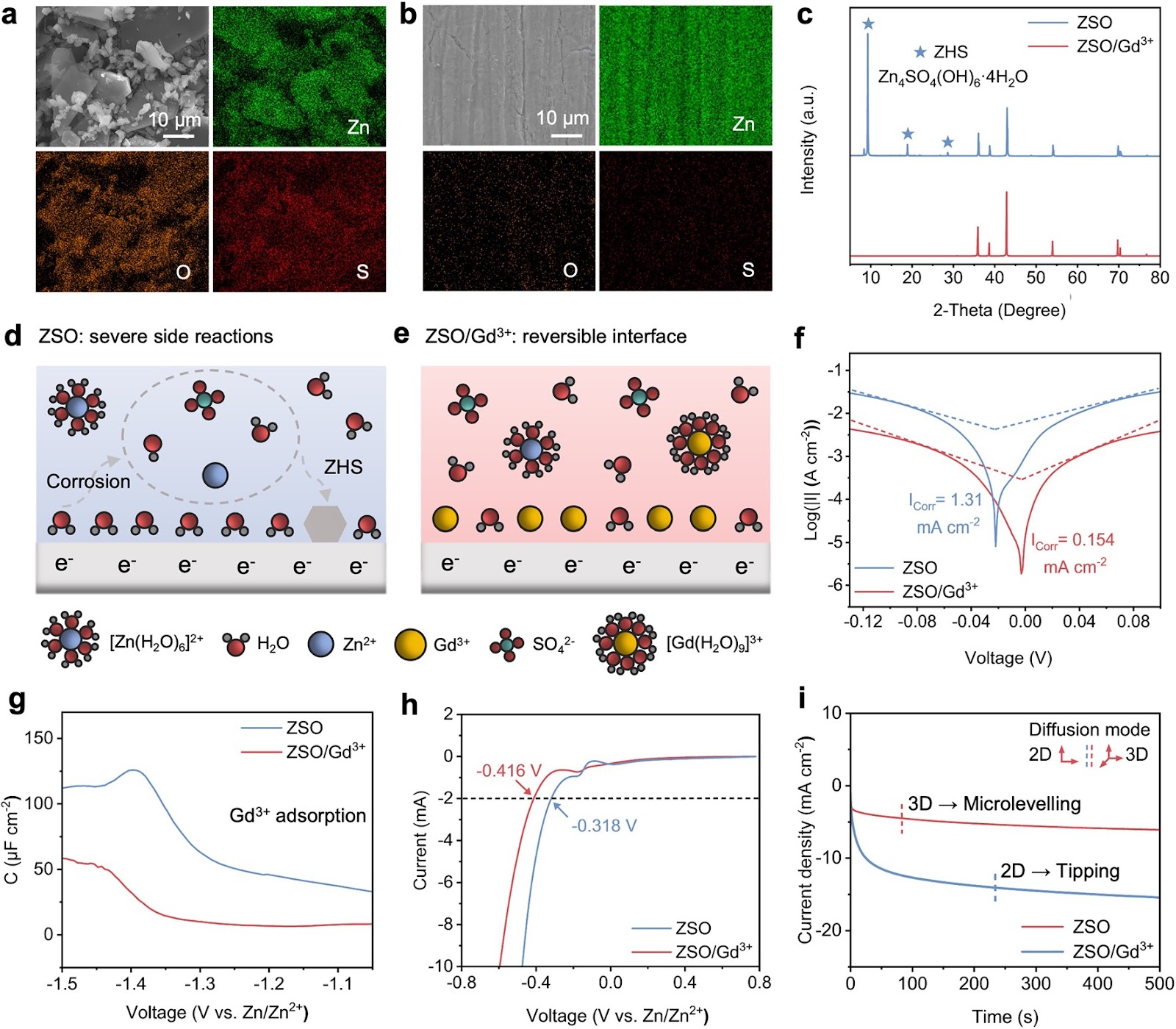
Dendrite growth represents one of the most significant challenges that impede the development of aqueous zinc-ion batteries. Herein, Gd3+ ions are introduced into conventional electrolytes as a microlevelling agent to achieve dendrite-free zinc electrodeposition. Simulation and experimental results demonstrate that these Gd3+ ions are preferentially adsorbed onto the zinc surface, which enables dendrite-free zinc anodes by activating the microlevelling effect during electrodeposition. In addition, the Gd3+ additives effectively inhibit side reactions and facilitate the desolvation of [Zn(H2O)6]2+, leading to highly reversible zinc plating/stripping. Due to these improvements, the zinc anode demonstrates a significantly prolonged cycle life of 2100 h and achieves an exceptional average Coulombic efficiency of 99.72% over 1400 cycles. More importantly, the Zn//NH4V4O10 full cell shows a high capacity retention rate of 85.6% after 1000 cycles. This work not only broadens the application of metallic cations in battery electrolytes but also provides fundamental insights into their working mechanisms.
Cationic Adsorption-Induced Microlevelling Effect: A Pathway to Dendrite-Free Zinc Anodes
Graphical Abstract
Original ResearchVol. 17, Issue 1 • pp. 190DOI: 10.1007/s40820-025-01691-7Mar 17, 2025

Host–Guest Inversion Engineering Induced Superionic Composite Solid Electrolytes for High-Rate Solid-State Alkali Metal Batteries

Authors: Xiong Xiong Liu, Long Pan, Haotian Zhang, Pengcheng Yuan, Mufan Cao, Yaping Wang, Zeyuan Xu, Min Gao, Zheng Ming Sun

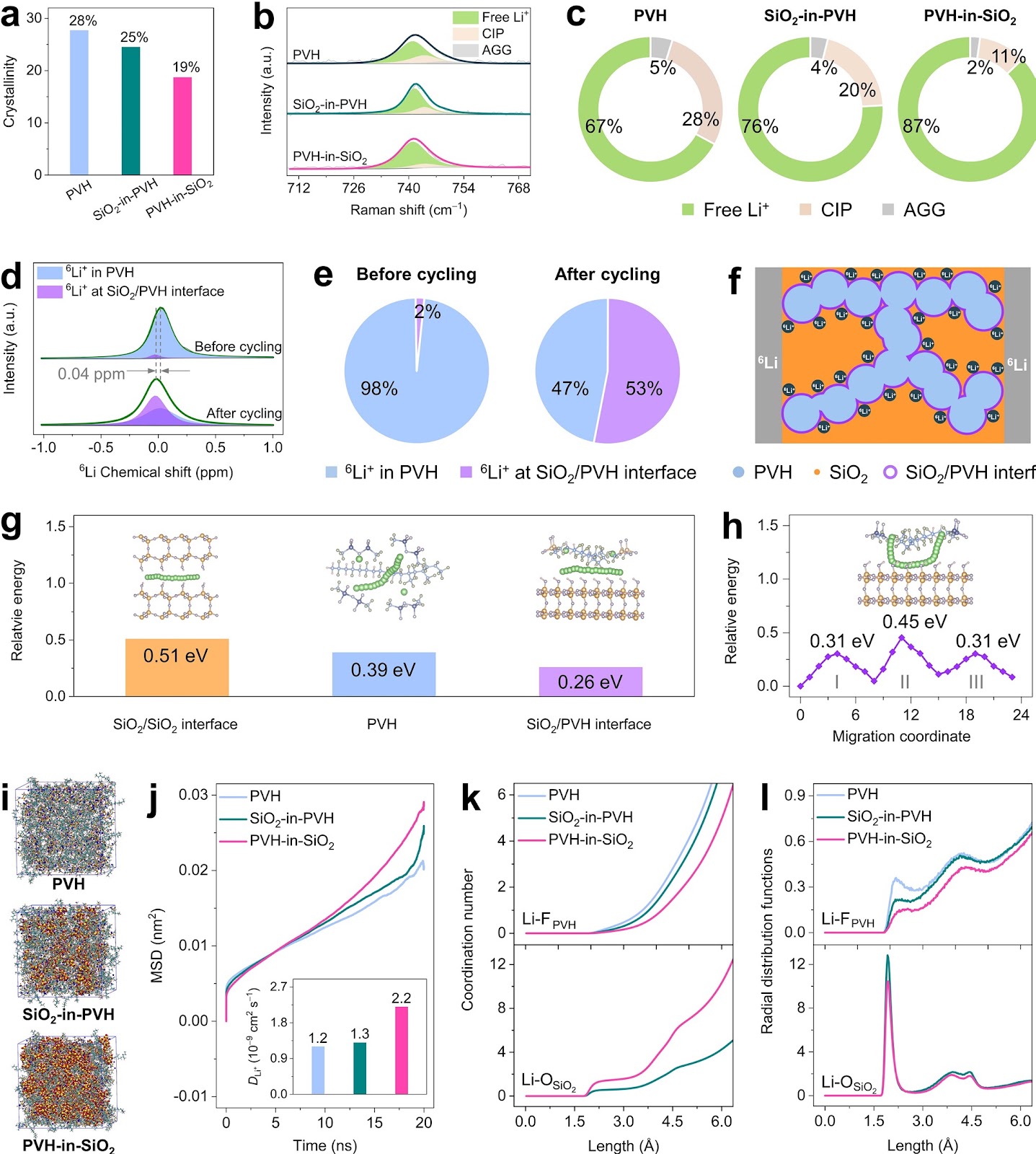
Composite solid electrolytes (CSEs) are promising for solid-state Li metal batteries but suffer from inferior room-temperature ionic conductivity due to sluggish ion transport and high cost due to expensive active ceramic fillers. Here, a host–guest inversion engineering strategy is proposed to develop superionic CSEs using cost-effective SiO2 nanoparticles as passive ceramic hosts and poly(vinylidene fluoride-hexafluoropropylene) (PVH) microspheres as polymer guests, forming an unprecedented “polymer guest-in-ceramic host” (i.e., PVH-in-SiO2) architecture differing from the traditional “ceramic guest-in-polymer host”. The PVH-in-SiO2 exhibits excellent Li-salt dissociation, achieving high-concentration free Li+. Owing to the low diffusion energy barriers and high diffusion coefficient, the free Li+ is thermodynamically and kinetically favorable to migrate to and transport at the SiO2/PVH interfaces. Consequently, the PVH-in-SiO2 delivers an exceptional ionic conductivity of 1.32 × 10⁻³ S cm−1 at 25 °C (vs. typically 10−5–10−4 S cm−1 using high-cost active ceramics), achieved under an ultralow residual solvent content of 2.9 wt% (vs. 8–15 wt% in other CSEs). Additionally, PVH-in-SiO2 is electrochemically stable with Li anode and various cathodes. Therefore, the PVH-in-SiO2 demonstrates excellent high-rate cyclability in LiFePO4|Li full cells (92.9% capacity-retention at 3C after 300 cycles under 25 °C) and outstanding stability with high-mass-loading LiFePO4 (9.2 mg cm−1) and high-voltage NCM622 (147.1 mAh g−1). Furthermore, we verify the versatility of the host–guest inversion engineering strategy by fabricating Na-ion and K-ion-based PVH-in-SiO2 CSEs with similarly excellent promotions in ionic conductivity. Our strategy offers a simple, low-cost approach to fabricating superionic CSEs for large-scale application of solid-state Li metal batteries and beyond.

Host–Guest Inversion Engineering Induced Superionic Composite Solid Electrolytes for High-Rate Solid-State Alkali Metal Batteries
Graphical Abstract
Original ResearchVol. 17, Issue 1 • pp. 188DOI: 10.1007/s40820-025-01703-6Mar 17, 2025

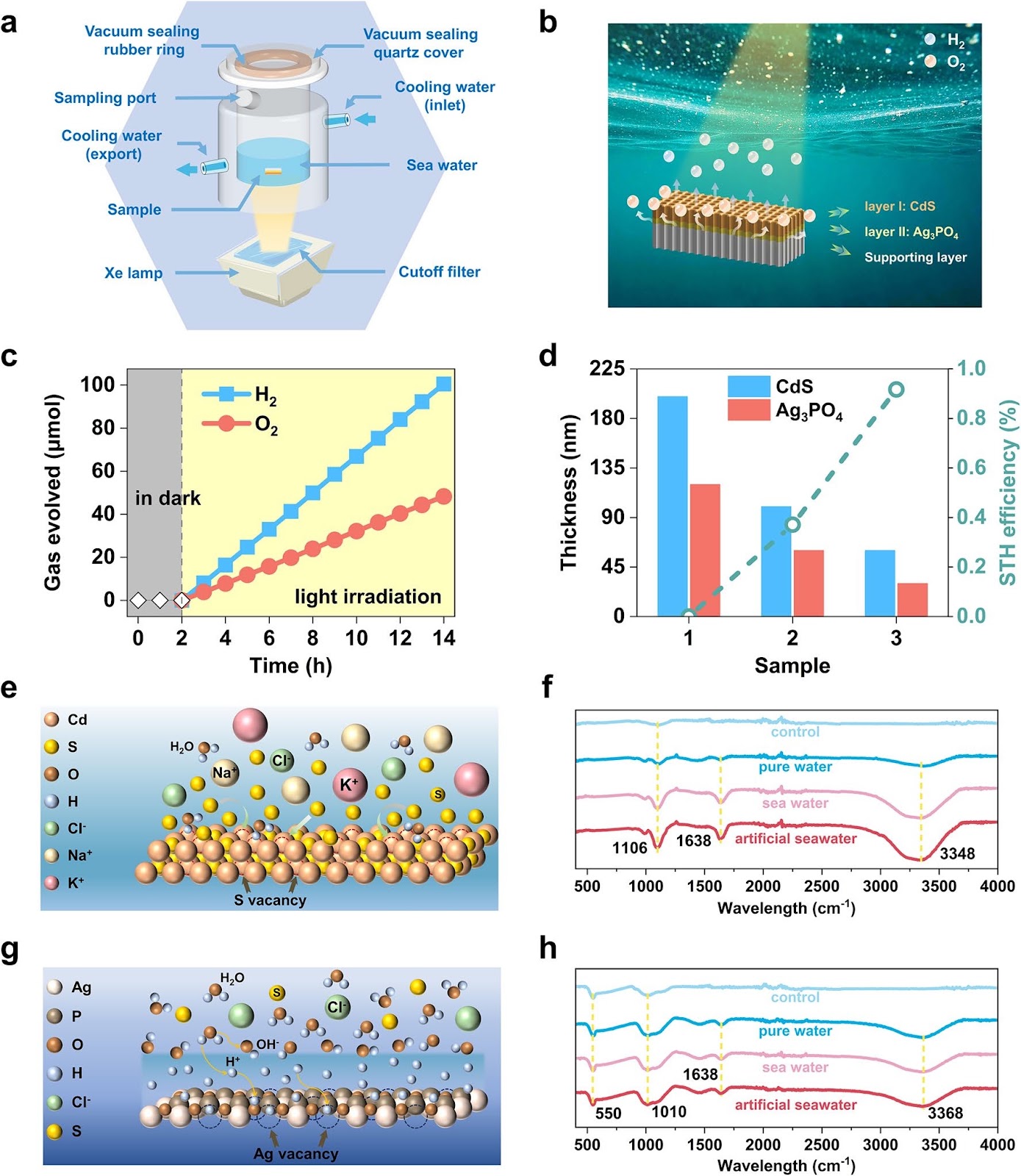
Porous Microreactor Chip for Photocatalytic Seawater Splitting over 300 Hours at Atmospheric Pressure

Authors: Desheng Zhu, Zhipeng Dong, Chengmei Zhong, Junhong Zhang, Qi Chen, Ni Yin, Wencheng Jia, Xiong Zheng, Fengzai Lv, Zhong Chen, Zhenchao Dong, Wencai Huang

Photocatalytic seawater splitting is an attractive way for producing green hydrogen. Significant progresses have been made recently in catalytic efficiencies, but the activity of catalysts can only maintain stable for about 10 h. Here, we develop a vacancy-engineered Ag3PO4/CdS porous microreactor chip photocatalyst, operating in seawater with a performance stability exceeding 300 h. This is achieved by the establishment of both catalytic selectivity for impurity ions and tailored interactions between vacancies and sulfur species. Efficient transport of carriers with strong redox ability is ensured by forming a heterojunction within a space charge region, where the visualization of potential distribution confirms the key design concept of our chip. Moreover, the separation of oxidation and reduction reactions in space inhibits the reverse recombination, making the chip capable of working at atmospheric pressure. Consequently, in the presence of Pt co-catalysts, a high solar-to-hydrogen efficiency of 0.81% can be achieved in the whole durability test. When using a fully solar-driven 256 cm2 hydrogen production prototype, a H2 evolution rate of 68.01 mmol h−1 m−2 can be achieved under outdoor insolation. Our findings provide a novel approach to achieve high selectivity, and demonstrate an efficient and scalable prototype suitable for practical solar H2 production.

Porous Microreactor Chip for Photocatalytic Seawater Splitting over 300 Hours at Atmospheric Pressure
Graphical Abstract
Original ResearchVol. 17, Issue 1 • pp. 187DOI: 10.1007/s40820-025-01689-1Mar 14, 2025

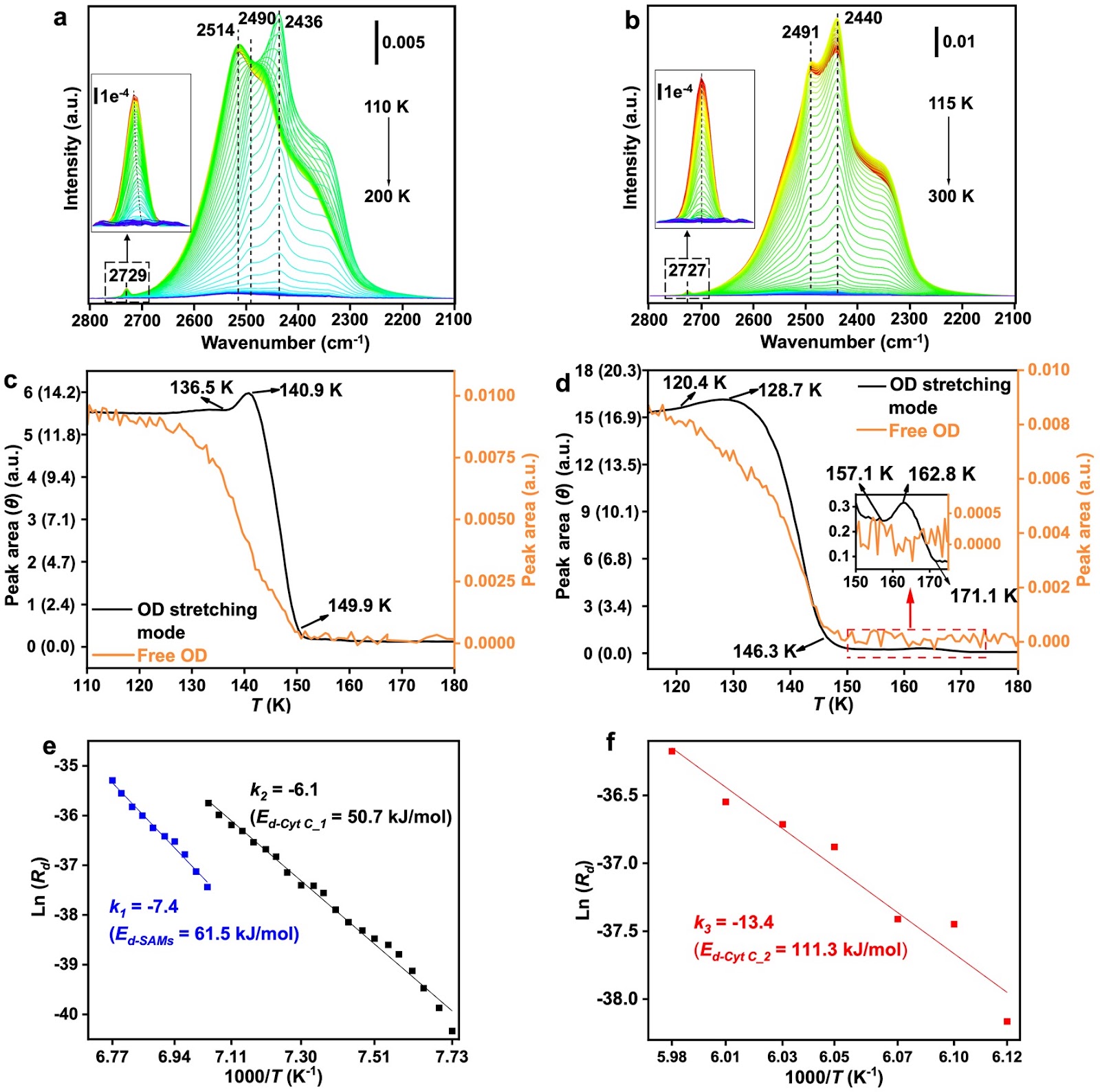
Observation of Ice-Like Two-Dimensional Flakes on Self-Assembled Protein Monolayer without Nanoconfinement under Ambient Conditions

Authors: Wuxian Peng, Linbo Li, Xiyue Bai, Ping Yi, Yu Xie, Lejia Wang, Wei Du, Tao Wang, Jian-Qiang Zhong, Yuan Li

Directly correlating the morphology and composition of interfacial water is vital not only for studying water icing under critical conditions but also for understanding the role of protein–water interactions in bio-relevant systems. In this study, we present a model system to study two-dimensional (2D) water layers under ambient conditions by using self-assembled monolayers (SAMs) supporting the physisorption of the Cytochrome C (Cyt C) protein layer. We observed that the 2D island-like water layers were uniformly distributed on the SAMs as characterized by atomic force microscopy, and their composition was confirmed by nano-atomic force microscopy-infrared spectroscopy and Raman spectroscopy. In addition, these 2D flakes could grow under high-humidity conditions or melt upon the introduction of a heat source. The formation of these flakes is attributed to the activation energy for water desorption from the Cyt C being nearly twofold high than that from the SAMs. Our results provide a new and effective method for further understanding the water–protein interactions.

Observation of Ice-Like Two-Dimensional Flakes on Self-Assembled Protein Monolayer without Nanoconfinement under Ambient Conditions
Graphical Abstract
Original ResearchVol. 17, Issue 1 • pp. 184DOI: 10.1007/s40820-025-01688-2Mar 13, 2025

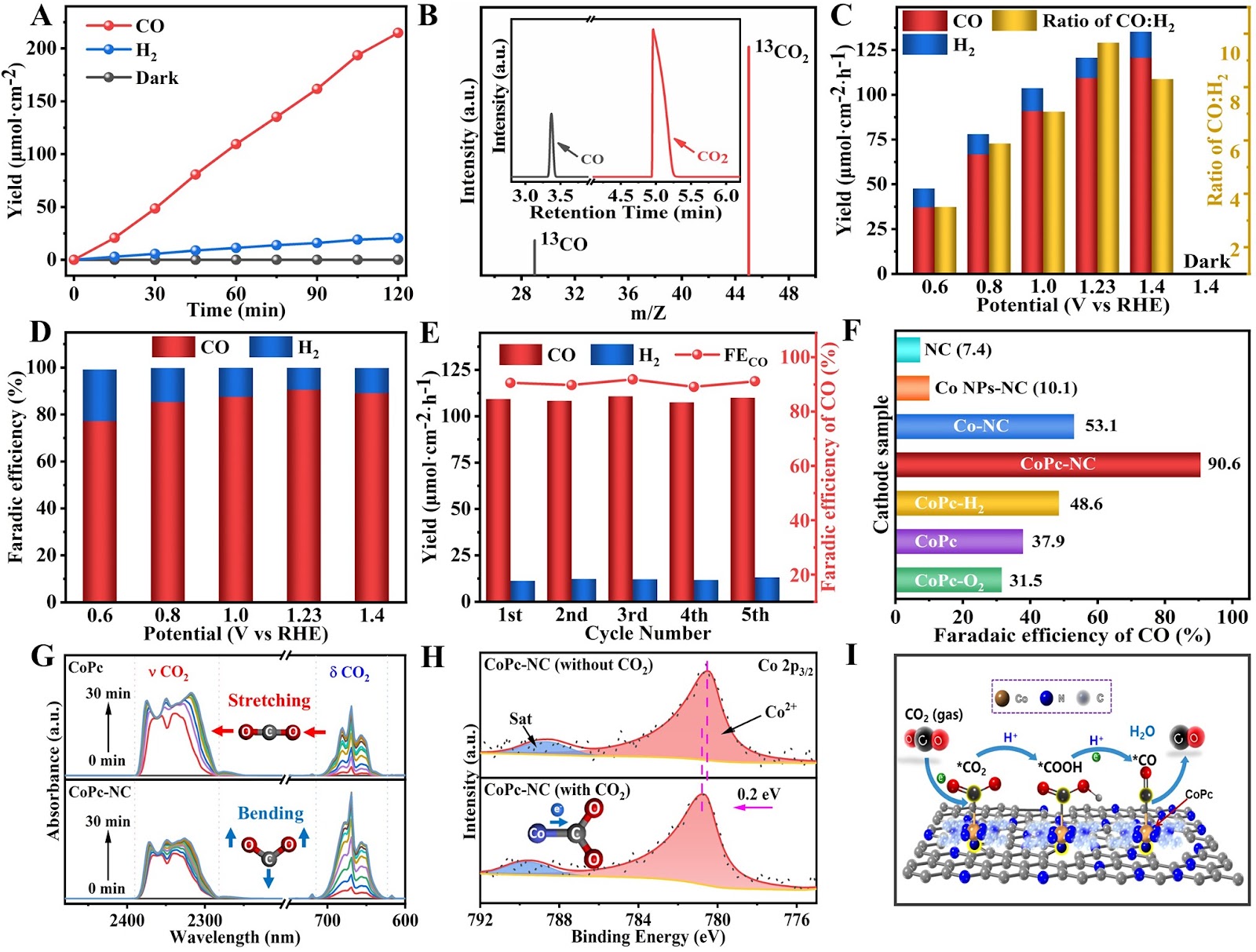
Highly Active Oxygen Evolution Integrating with Highly Selective CO2-to-CO Reduction

Authors: Chaowei Wang, Laihong Geng, Yingpu Bi

Artificial carbon fixation is a promising pathway for achieving the carbon cycle and environment remediation. However, the sluggish kinetics of oxygen evolution reaction (OER) and poor selectivity of CO2 reduction seriously limited the overall conversion efficiencies of solar energy to chemical fuels. Herein, we demonstrated a facile and feasible strategy to rationally regulate the coordination environment and electronic structure of surface-active sites on both photoanode and cathode. More specifically, the defect engineering has been employed to reduce the coordination number of ultrathin FeNi catalysts decorated on BiVO4 photoanodes, resulting in one of the highest OER activities of 6.51 mA cm−2 (1.23 VRHE, AM 1.5G). Additionally, single-atom cobalt (II) phthalocyanine anchoring on the N-rich carbon substrates to increase Co–N coordination number remarkably promotes CO2 adsorption and activation for high selective CO production. Their integration achieved a record activity of 109.4 μmol cm−2 h−1 for CO production with a faradaic efficiency of >90%, and an outstanding solar conversion efficiency of 5.41% has been achieved by further integrating a photovoltaic utilizing the sunlight (>500 nm).

Highly Active Oxygen Evolution Integrating with Highly Selective CO2-to-CO Reduction
Graphical Abstract
Original ResearchVol. 17, Issue 1 • pp. 182DOI: 10.1007/s40820-025-01695-3Mar 12, 2025

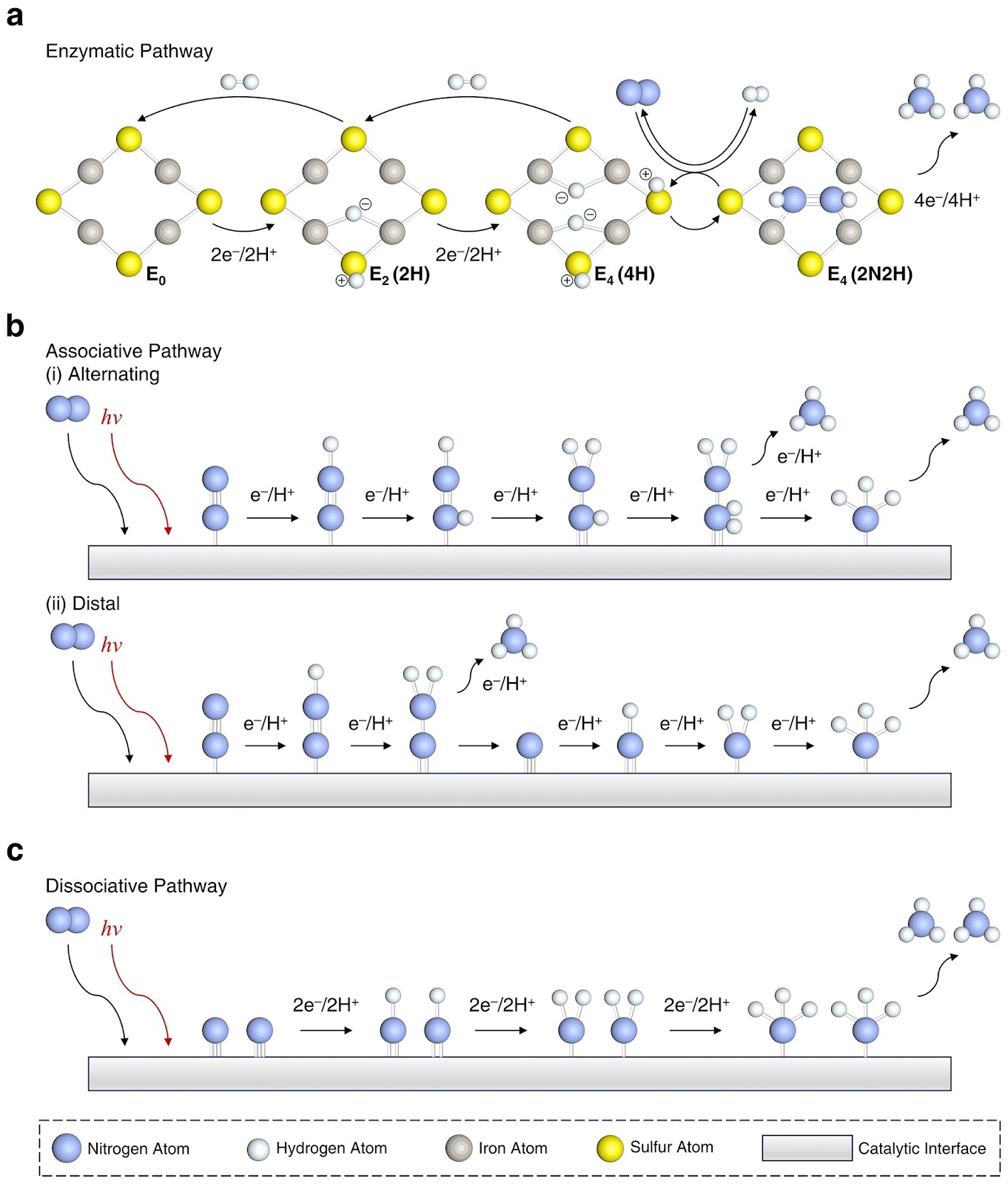
Design Refinement of Catalytic System for Scale-Up Mild Nitrogen Photo-Fixation

Authors: Xiao Hu Wang, Bin Wu, Yongfa Zhu, Dingsheng Wang, Nian Bing Li, Zhichuan J. Xu, Hong Qun Luo

Ammonia and nitric acid, versatile industrial feedstocks, and burgeoning clean energy vectors hold immense promise for sustainable development. However, Haber–Bosch and Ostwald processes, which generates carbon dioxide as massive by-product, contribute to greenhouse effects and pose environmental challenges. Thus, the pursuit of nitrogen fixation through carbon–neutral pathways under benign conditions is a frontier of scientific topics, with the harnessing of solar energy emerging as an enticing and viable option. This review delves into the refinement strategies for scale-up mild photocatalytic nitrogen fixation, fields ripe with potential for innovation. The narrative is centered on enhancing the intrinsic capabilities of catalysts to surmount current efficiency barriers. Key focus areas include the in-depth exploration of fundamental mechanisms underpinning photocatalytic procedures, rational element selection, and functional planning, state-of-the-art experimental protocols for understanding photo-fixation processes, valid photocatalytic activity evaluation, and the rational design of catalysts. Furthermore, the review offers a suite of forward-looking recommendations aimed at propelling the advancement of mild nitrogen photo-fixation. It scrutinizes the existing challenges and prospects within this burgeoning domain, aspiring to equip researchers with insightful perspectives that can catalyze the evolution of cutting-edge nitrogen fixation methodologies and steer the development of next-generation photocatalytic systems.

Design Refinement of Catalytic System for Scale-Up Mild Nitrogen Photo-Fixation
Graphical Abstract
Original ResearchVol. 17, Issue 1 • pp. 179DOI: 10.1007/s40820-025-01693-5Mar 11, 2025

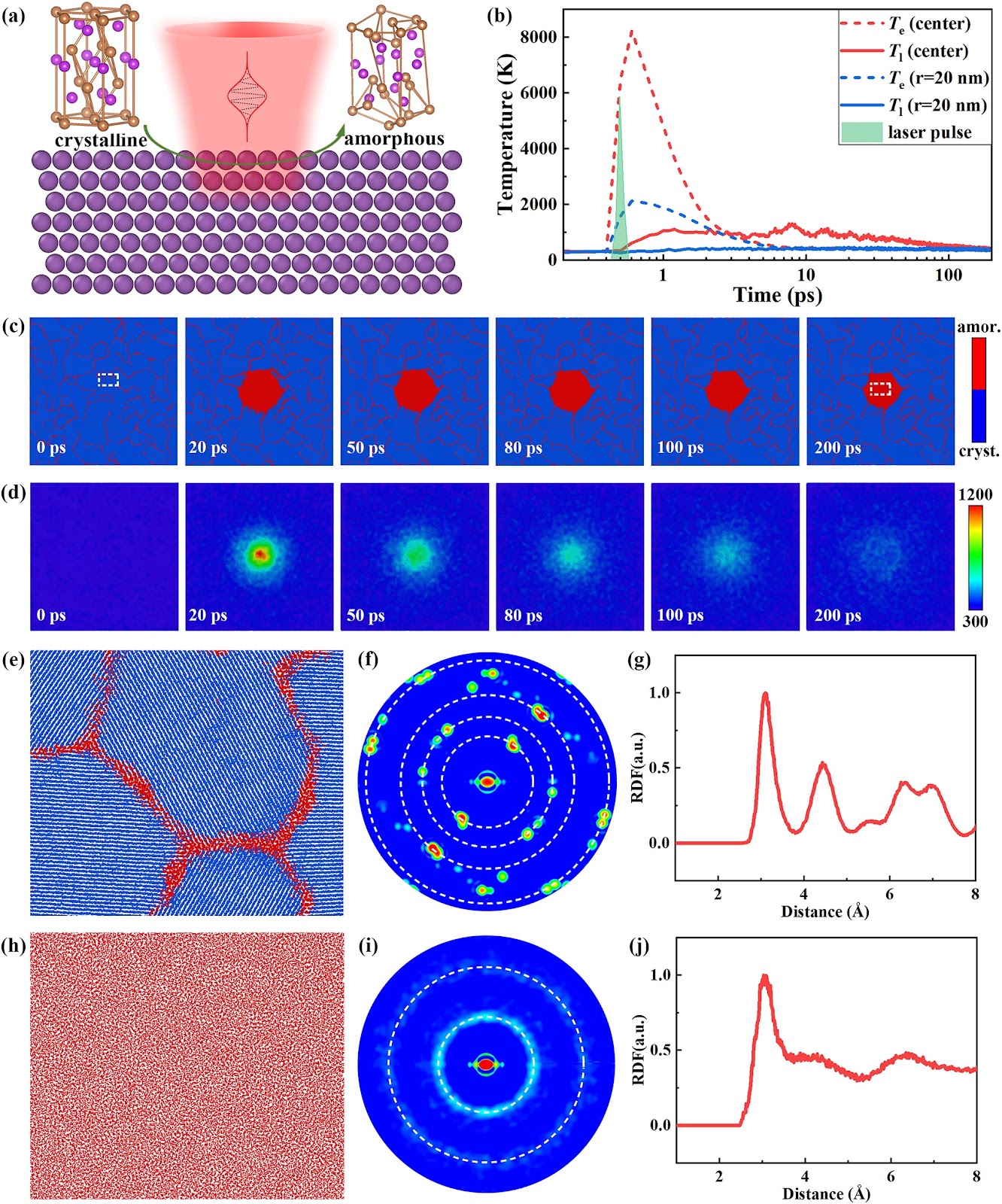
Photonic Chip Based on Ultrafast Laser-Induced Reversible Phase Change for Convolutional Neural Network

Authors: Jiawang Xie, Jianfeng Yan, Haoze Han, Yuzhi Zhao, Ma Luo, Jiaqun Li, Heng Guo, Ming Qiao

Photonic computing has emerged as a promising technology for the ever-increasing computational demands of machine learning and artificial intelligence. Due to the advantages in computing speed, integrated photonic chips have attracted wide research attention on performing convolutional neural network algorithm. Programmable photonic chips are vital for achieving practical applications of photonic computing. Herein, a programmable photonic chip based on ultrafast laser-induced phase change is fabricated for photonic computing. Through designing the ultrafast laser pulses, the Sb film integrated into photonic waveguides can be reversibly switched between crystalline and amorphous phase, resulting in a large contrast in refractive index and extinction coefficient. As a consequence, the light transmission of waveguides can be switched between write and erase states. To determine the phase change time, the transient laser-induced phase change dynamics of Sb film are revealed at atomic scale, and the time-resolved transient reflectivity is measured. Based on the integrated photonic chip, photonic convolutional neural networks are built to implement machine learning algorithm, and images recognition task is achieved. This work paves a route for fabricating programmable photonic chips by designed ultrafast laser, which will facilitate the application of photonic computing in artificial intelligence.

Photonic Chip Based on Ultrafast Laser-Induced Reversible Phase Change for Convolutional Neural Network
Graphical Abstract
Original ResearchVol. 17, Issue 1 • pp. 176DOI: 10.1007/s40820-025-01685-5Mar 10, 2025

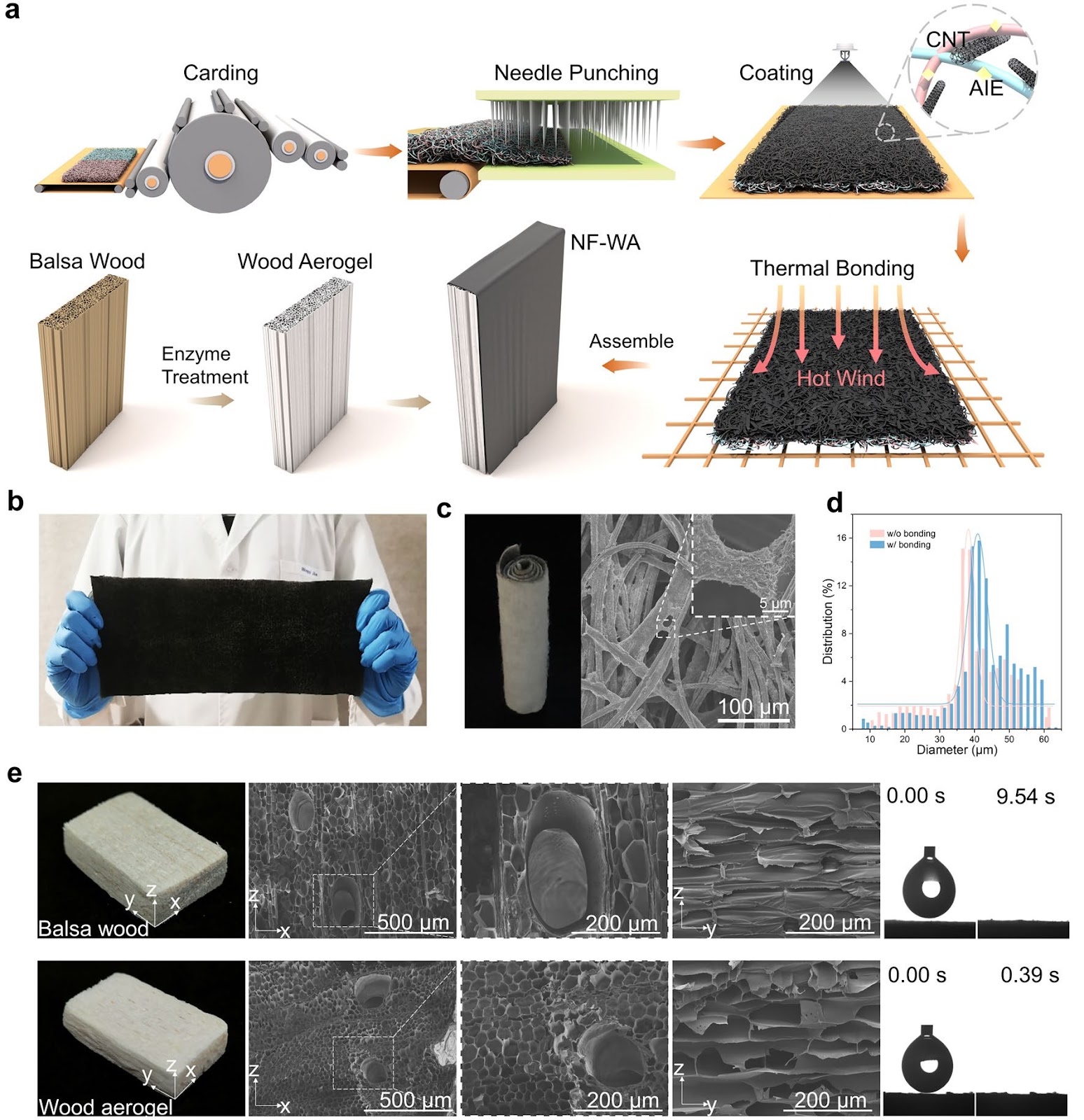
Integration of Bio-Enzyme-Treated Super-Wood and AIE-Based Nonwoven Fabric for Efficient Evaporating the Wastewater with High Concentration of Ammonia Nitrogen

Authors: Qian Ding, Bingqi Jin, Yinxia Zheng, Huiru Zhao, Jun Wang, Haoxuan Li, Dong Wang, Ben Zhong Tang

The treatment of ammonia nitrogen wastewater (ANW) has garnered significant attention due to the ecology, and even biology is under increasing threat from over discharge ANW. Conventional ANW treatment methods often encounter challenges such as complex processes, high costs and secondary pollution. Considerable progress has been made in employing solar-induced evaporators for wastewater treatment. However, there remain notable barriers to transitioning from fundamental research to practical applications, including insufficient evaporation rates and inadequate resistance to biofouling. Herein, we propose a novel evaporator, which comprises a bio-enzyme-treated wood aerogel that serves as water pumping and storage layer, a cost-effective multi-walled carbon nanotubes coated hydrophobic/hydrophilic fibrous nonwoven mat functioning as photothermal evaporation layer, and aggregation-induced emission (AIE) molecules incorporated as anti-biofouling agent. The resultant bioinspired evaporator demonstrates a high evaporation rate of 12.83 kg m−2 h−1 when treating simulated ANW containing 30 wt% NH4Cl under 1.0 sun of illumination. AIE-doped evaporator exhibits remarkable photodynamic antibacterial activity against mildew and bacteria, ensuring outstanding resistance to biofouling over extended periods of wastewater treatment. When enhanced by natural wind under 1.0 sun irradiation, the evaporator achieves an impressive evaporation rate exceeding 20 kg m−2 h−1. This advancement represents a promising and viable approach for the effective removal of ammonia nitrogen wastewater.

Integration of Bio-Enzyme-Treated Super-Wood and AIE-Based Nonwoven Fabric for Efficient Evaporating the Wastewater with High Concentration of Ammonia Nitrogen
Graphical Abstract
Original ResearchVol. 17, Issue 1 • pp. 172DOI: 10.1007/s40820-025-01678-4Mar 3, 2025

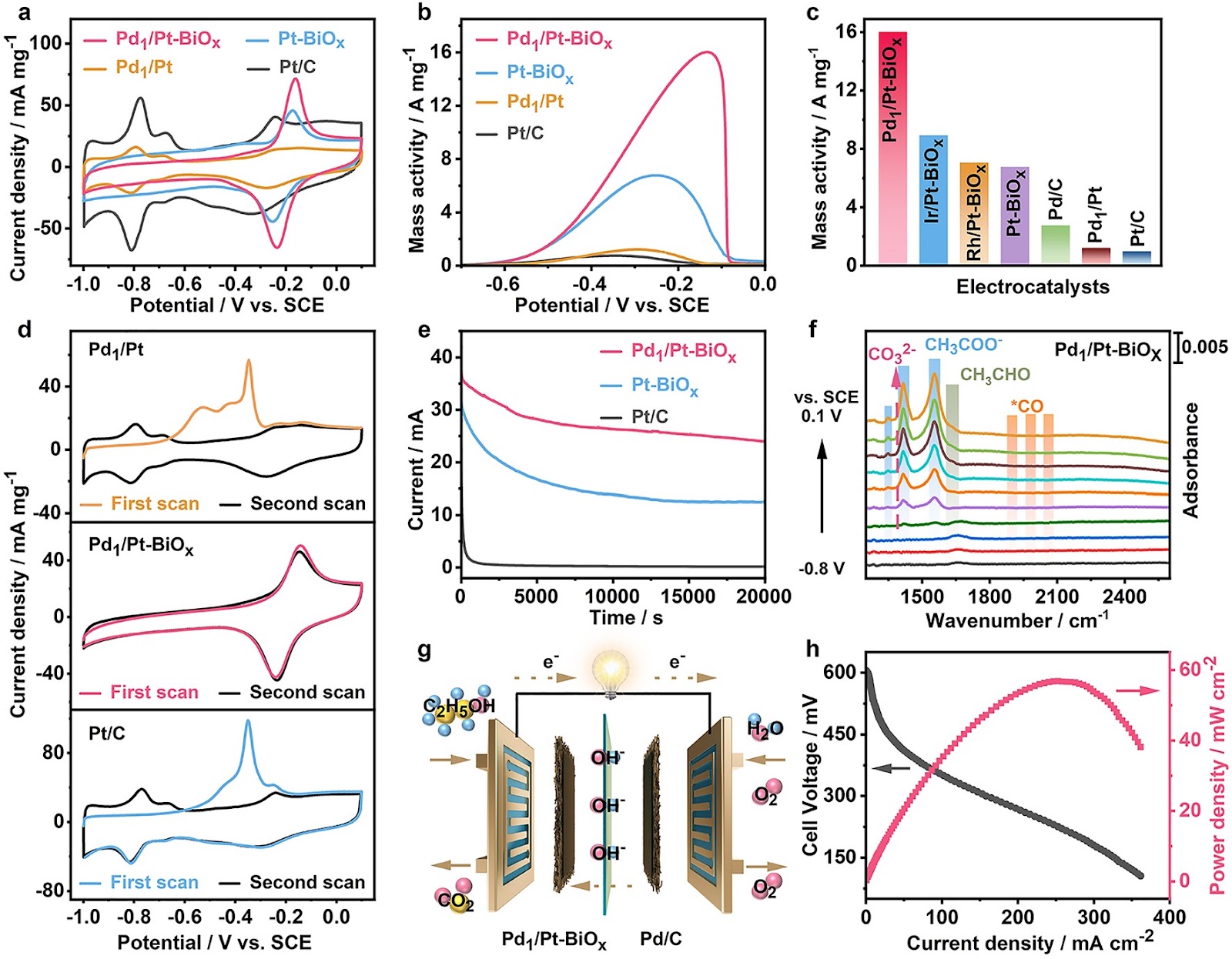
Boosting Alcohol Oxidation Electrocatalysis with Multifactorial Engineered Pd1/Pt Single-Atom Alloy-BiOx Adatoms Surface

Authors: Yujia Liao, Wen Chen, Yutian Ding, Lei Xie, Qi Yang, Qilong Wu, Xianglong Liu, Jinliang Zhu, Renfei Feng, Xian-Zhu Fu, Shuiping Luo, Jing-Li Luo

Engineering nanomaterials at single-atomic sites could enable unprecedented catalytic properties for broad applications, yet it remains challenging to do so on the surface of multimetallic nanocrystals. Herein, we present the multifactorial engineering (size, shape, phase, and composition) of the fully ordered PtBi nanoplates at atomic level, achieving a unique catalyst surface where the face-centered cubic (fcc) Pt edges are modified by the isolated Pd atoms and BiOx adatoms. This Pd1/Pt-BiOx electrocatalyst exhibits an ultrahigh mass activity of 16.01 A mg−1 Pt+Pd toward ethanol oxidation in alkaline electrolyte and enables a direct ethanol fuel cell of peak power density of 56.7 mW cm−2. The surrounding BiOx adatoms are critical for mitigating CO-poisoning on the Pt surface, and the Pd1/Pt single-atom alloy further facilitates the electrooxidation of CH3CH2OH. This work offers new insights into the rational design and construction of sophisticated catalyst surface at single-atomic sites for highly efficient electrocatalysis.

Boosting Alcohol Oxidation Electrocatalysis with Multifactorial Engineered Pd1/Pt Single-Atom Alloy-BiOx Adatoms Surface
Graphical Abstract
Original ResearchVol. 17, Issue 1 • pp. 169DOI: 10.1007/s40820-025-01677-5Feb 27, 2025

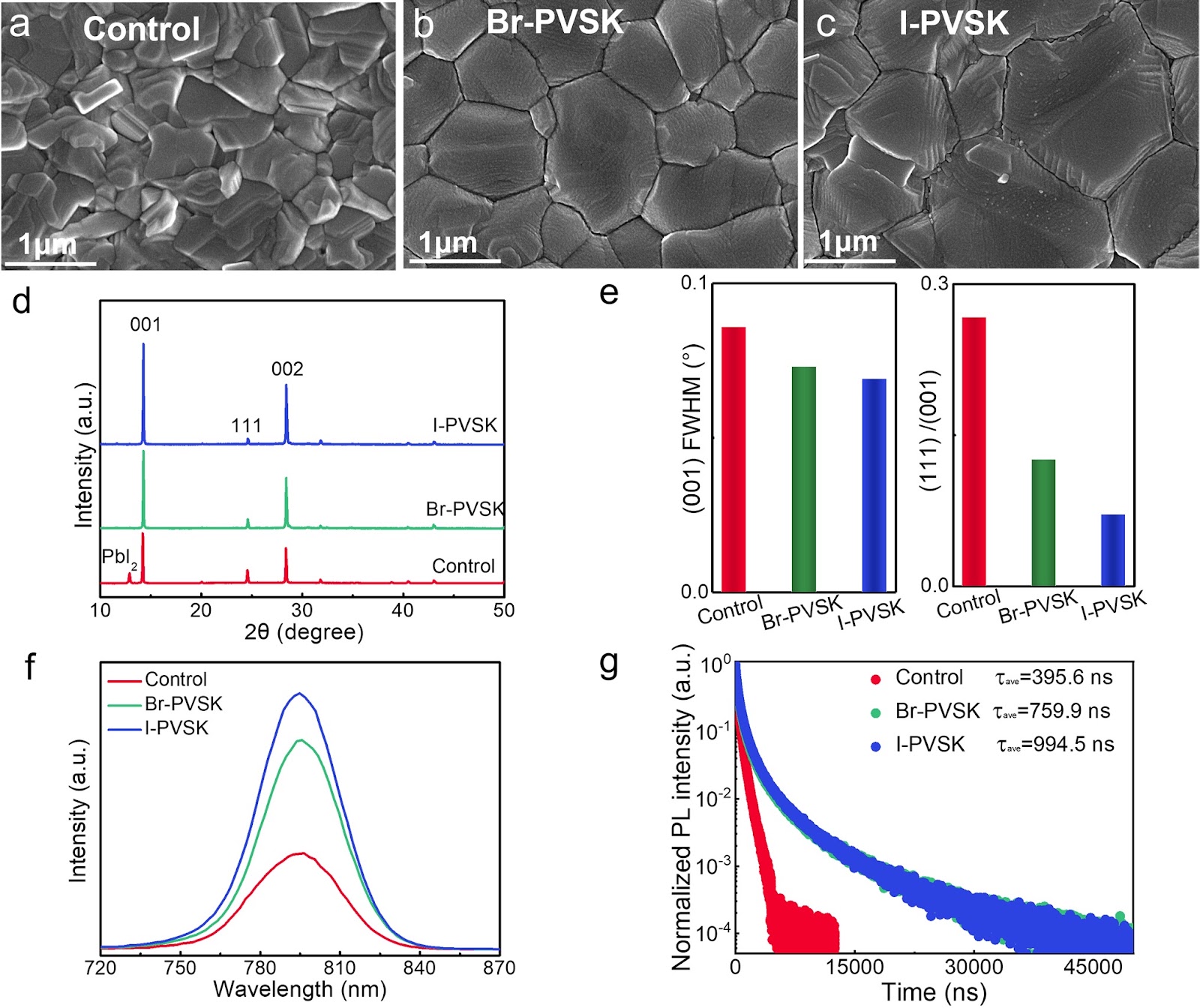
Quantum Dots Mediated Crystallization Enhancement in Two-Step Processed Perovskite Solar Cells

Authors: Heng Liu, Geyu Jin, Jiantao Wang, Weihai Zhang, Long Qing, Yao Zhang, Qiongqiong Lu, Pengfei Yue, Guoshang Zhang, Jing Wei, Hongbo Li, Hsing-Lin Wang

Hybrid organic–inorganic lead halide perovskites have emerged as a promising material for high-efficiency solar cells, yet challenges related to crystallization and defects limit their performance and stability. This study investigates the use of perovskite quantum dots (QDs) as crystallization seeds to enhance the quality of FAPbI3 perovskite films and improve the performance of perovskite solar cells (PSCs). We demonstrate that CsPbI3 and CsPbBr3 QDs effectively guide the crystallization process, leading to the formation of larger crystals with preferential orientations, particularly the (001) and (002) planes, which are associated with reduced defect densities. This seed-mediated growth strategy resulted in PSCs with power conversion efficiencies (PCEs) of 24.75% and 24.11%, respectively, compared to the baseline efficiency of 22.05% for control devices. Furthermore, devices incorporating QD-treated perovskite films exhibited remarkable stability, maintaining over 80% of their initial PCE after 1000 h of simulated sunlight exposure, a significant improvement over the control. Detailed optoelectronic characterization revealed reduced non-radiative recombination and enhanced charge transport in QD-treated devices. These findings highlight the potential of QDs as a powerful tool to improve perovskite crystallization, facet orientation, and overall device performance, offering a promising route to enhance both efficiency and stability in PSCs.

Quantum Dots Mediated Crystallization Enhancement in Two-Step Processed Perovskite Solar Cells
Graphical Abstract
Original ResearchVol. 17, Issue 1 • pp. 168DOI: 10.1007/s40820-025-01681-9Feb 26, 2025

An Engineered Heterostructured Trinity Enables Fire-Safe, Thermally Conductive Polymer Nanocomposite Films with Low Dielectric Loss

Authors: Qiang Chen, Jiabing Feng, Yijiao Xue, Siqi Huo, Toan Dinh, Hang Xu, Yongqian Shi, Jiefeng Gao, Long-Cheng Tang, Guobo Huang, Weiwei Lei, Pingan Song

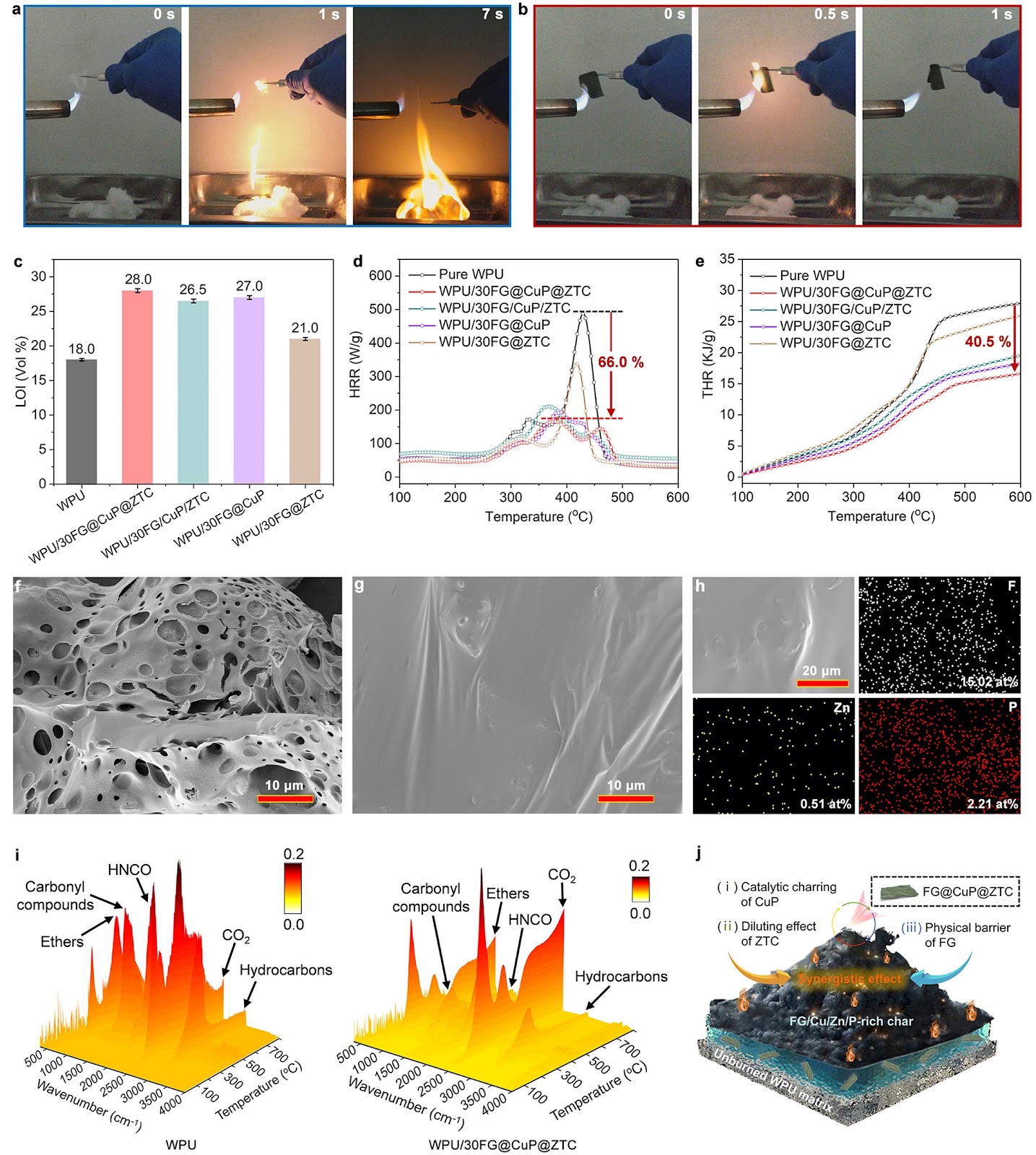
To adapt to the trend of increasing miniaturization and high integration of microelectronic equipments, there is a high demand for multifunctional thermally conductive (TC) polymeric films combining excellent flame retardancy and low dielectric constant (ε). To date, there have been few successes that achieve such a performance portfolio in polymer films due to their different and even mutually exclusive governing mechanisms. Herein, we propose a trinity strategy for creating a rationally engineered heterostructure nanoadditive (FG@CuP@ZTC) by in situ self-assembly immobilization of copper-phenyl phosphonate (CuP) and zinc-3, 5-diamino-1,2,4-triazole complex (ZTC) onto the fluorinated graphene (FG) surface. Benefiting from the synergistic effects of FG, CuP, and ZTC and the bionic lay-by-lay (LBL) strategy, the as-fabricated waterborne polyurethane (WPU) nanocomposite film with 30 wt% FG@CuP@ZTC exhibits a 55.6% improvement in limiting oxygen index (LOI), 66.0% and 40.5% reductions in peak heat release rate and total heat release, respectively, and 93.3% increase in tensile strength relative to pure WPU film due to the synergistic effects between FG, CuP, and ZTC. Moreover, the WPU nanocomposite film presents a high thermal conductivity (λ) of 12.7 W m−1 K−1 and a low ε of 2.92 at 106 Hz. This work provides a commercially viable rational design strategy to develop high-performance multifunctional polymer nanocomposite films, which hold great potential as advanced polymeric thermal dissipators for high-power-density microelectronics.
An Engineered Heterostructured Trinity Enables Fire-Safe, Thermally Conductive Polymer Nanocomposite Films with Low Dielectric Loss
Graphical Abstract
Original ResearchVol. 17, Issue 1 • pp. 166DOI: 10.1007/s40820-024-01593-0Feb 26, 2025

Enhancing Thermal Protection in Lithium Batteries with Power Bank-Inspired Multi-Network Aerogel and Thermally Induced Flexible Composite Phase Change Material

Authors: Zaichao Li, Feng Cao, Yuang Zhang, Shufen Zhang, Bingtao Tang

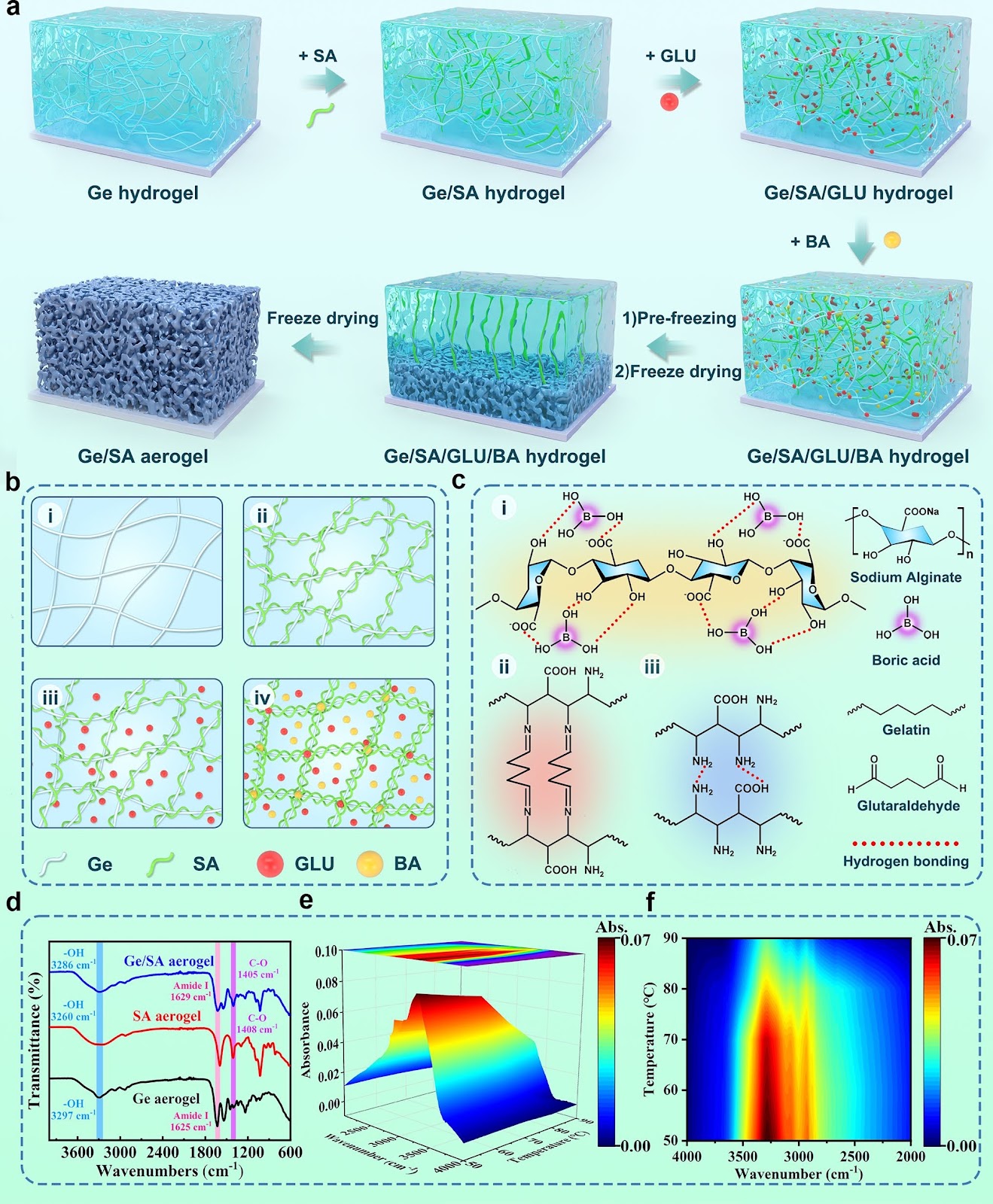
Thermal runaway (TR) is considered a significant safety hazard for lithium batteries, and thermal protection materials are crucial in mitigating this risk. However, current thermal protection materials generally suffer from poor mechanical properties, flammability, leakage, and rigid crystallization, and they struggle to continuously block excess heat transfer and propagation once thermal saturation occurs. This study proposes a novel type of thermal protection material: an aerogel coupled composite phase change material (CPCM). The composite material consists of gelatin/sodium alginate (Ge/SA) composite biomass aerogel as an insulating component and a thermally induced flexible CPCM made from thermoplastic polyester elastomer as a heat-absorbing component. Inspired by power bank, we coupled the aerogel with CPCM through the binder, so that CPCM can continue to ‘charge and store energy’ for the aerogel, effectively absorbing heat, delaying the heat saturation phenomenon, and maximizing the duration of thermal insulation. The results demonstrate that the Ge/SA aerogel exhibits excellent thermal insulation (with a temperature difference of approximately 120 °C across a 1 cm thickness) and flame retardancy (achieving a V-0 flame retardant rating). The CPCM exhibits high heat storage density (811.9 J g−1), good thermally induced flexibility (bendable above 40 °C), and thermal stability. Furthermore, the Ge/SA-CPCM coupled composite material shows even more outstanding thermal insulation performance, with the top surface temperature remaining at 89 °C after 100 min of exposure to a high temperature of 230 °C. This study provides a new direction for the development of TR protection materials for lithium batteries.

Enhancing Thermal Protection in Lithium Batteries with Power Bank-Inspired Multi-Network Aerogel and Thermally Induced Flexible Composite Phase Change Material
Graphical Abstract
Original ResearchVol. 17, Issue 1 • pp. 162DOI: 10.1007/s40820-025-01679-3Feb 24, 2025

2D Undulated Metal Hydrogen-Bonded Organic Frameworks with Self-Adaption Interlayered Sites for Highly Efficient C–C Coupling in the Electrocatalytic CO2 Reduction

Authors: Jianning Lv, Wenrui Li, Shuai Li, Shuo Xu, Zunhang Lv, Zhejiaji Zhu, Lu Dai, Bo Wang, Pengfei Li

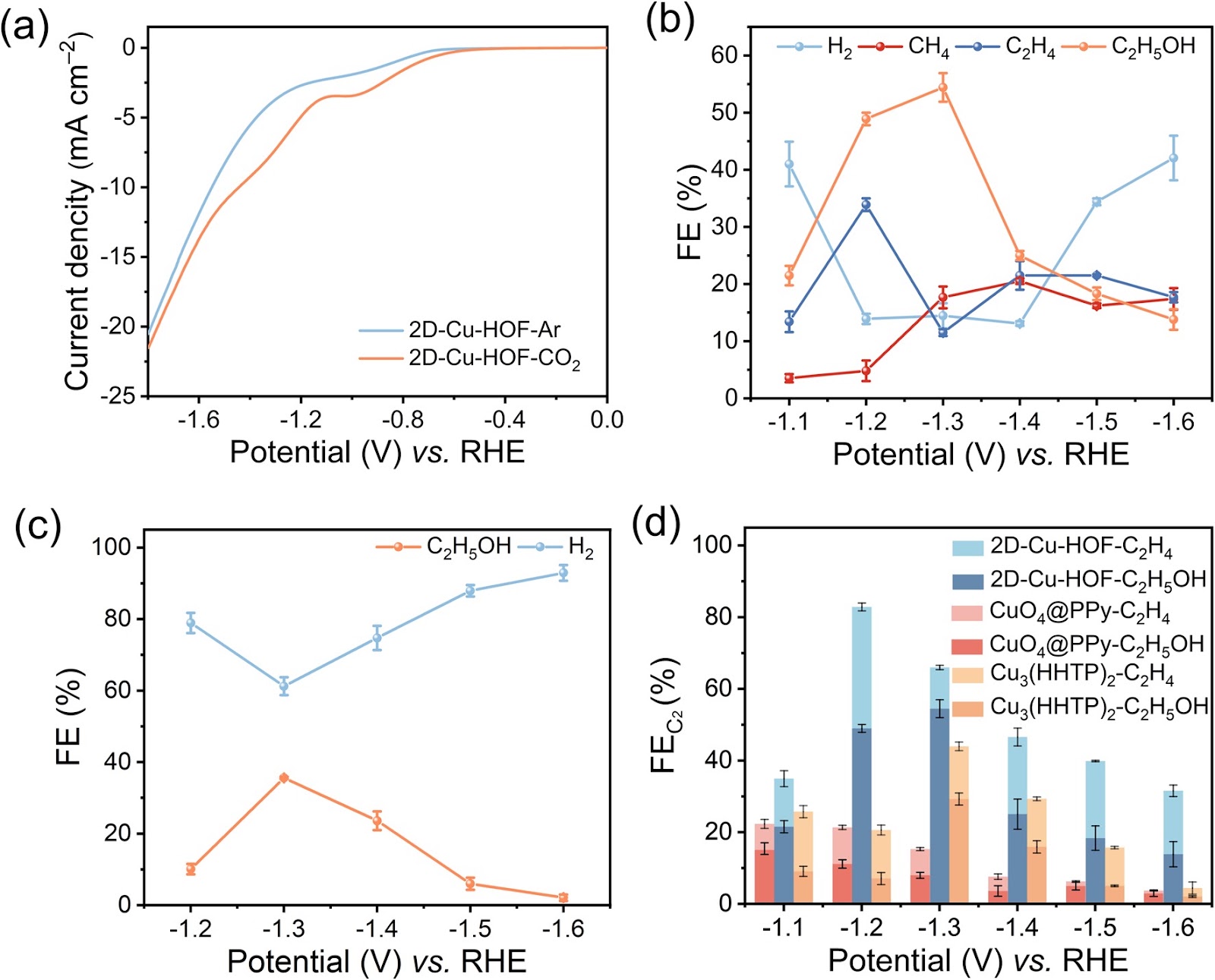
The hydrogen-bonded organic frameworks (HOFs) as a new type of porous framework materials have been widely studied in various areas. However, the lack of appropriate active sites, low intrinsic conductivity, and poor stability limited their performance in the field of electrocatalysis. Herein, we designed two 2D metal hydrogen-bonded organic frameworks (2D–M–HOF, M = Cu2+ or Ni2+) with coordination compounds based on 2,3,6,7,14,15-hexahydroxyl cyclotricatechylene and transition metal ions (Cu2+ and Ni2+), respectively. The crystal structure of 2D–Cu–HOF is determined by continuous rotation electron diffraction, indicating an undulated 2D hydrogen-bond network with interlayered π-π stacking. The flexible structure of 2D–M–HOF leads to the formation of self-adaption interlayered sites, resulting in superior activity and selectivity in the electrocatalytic conversion of CO2 to C2 products, achieving a total Faradaic efficiency exceeding 80% due to the high-efficiency C–C coupling. The experimental results and density functional calculations verify that the undulated 2D–M–HOF enables the energetically favorable formation of *OCCHO intermediate. This work provides a promising strategy for designing HOF catalysts in electrocatalysis and related processes.

2D Undulated Metal Hydrogen-Bonded Organic Frameworks with Self-Adaption Interlayered Sites for Highly Efficient C–C Coupling in the Electrocatalytic CO2 Reduction
Graphical Abstract
Original ResearchVol. 17, Issue 1 • pp. 157DOI: 10.1007/s40820-025-01666-8Feb 24, 2025

Nanomaterials Enhanced Sonodynamic Therapy for Multiple Tumor Treatment

Authors: Mengyao Yang, Xin Wang, Mengke Peng, Fei Wang, Senlin Hou, Ruirui Xing, Aibing Chen

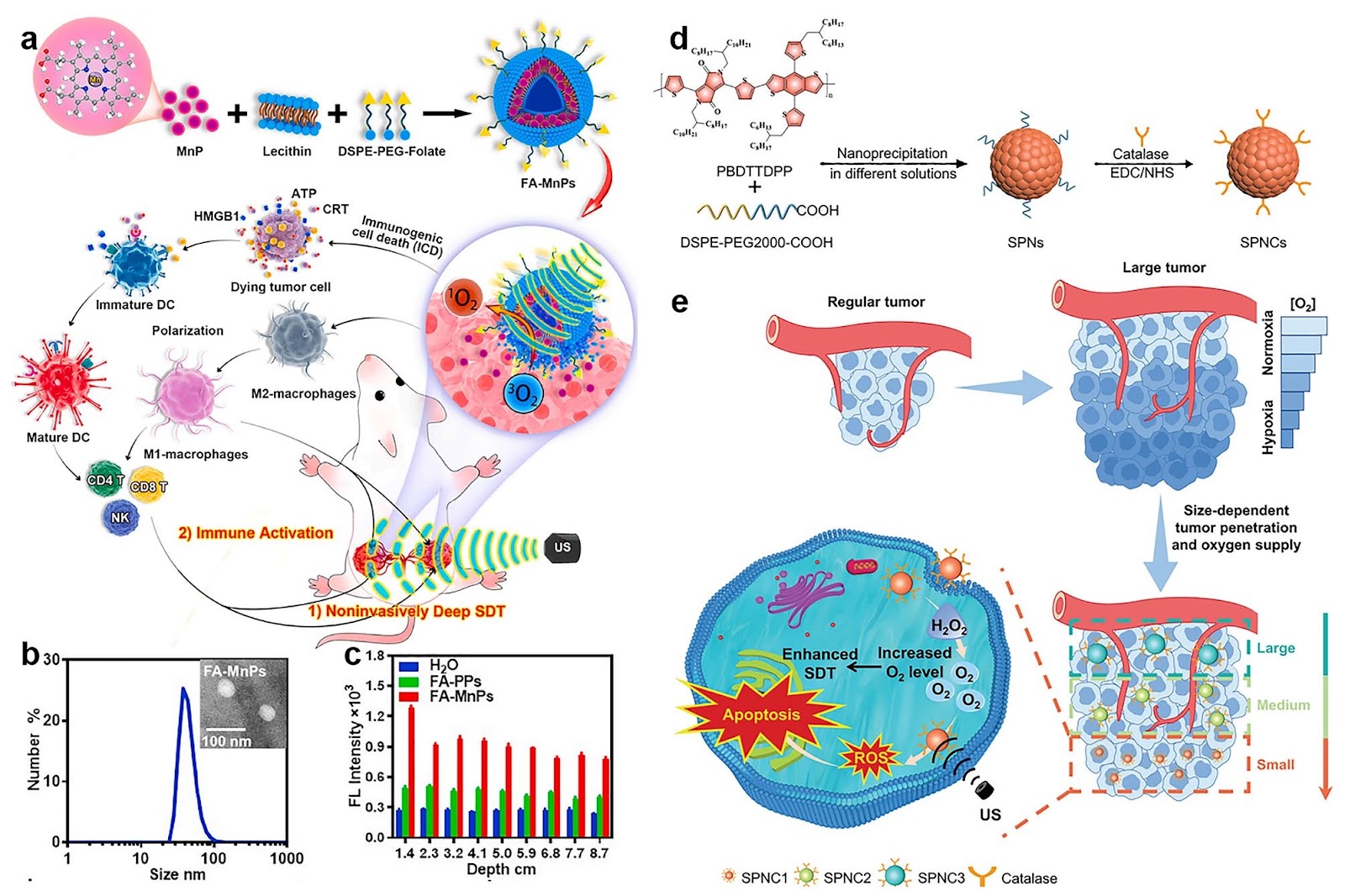
Sonodynamic therapy (SDT) as an emerging modality for malignant tumors mainly involves in sonosensitizers and low-intensity ultrasound (US), which can safely penetrate the tissue without significant attenuation. SDT not only has the advantages including high precision, non-invasiveness, and minimal side effects, but also overcomes the limitation of low penetration of light to deep tumors. The cytotoxic reactive oxygen species can be produced by the utilization of sonosensitizers combined with US and kill tumor cells. However, the underlying mechanism of SDT has not been elucidated, and its unsatisfactory efficiency retards its further clinical application. Herein, we shed light on the main mechanisms of SDT and the types of sonosensitizers, including organic sonosensitizers and inorganic sonosensitizers. Due to the development of nanotechnology, many novel nanoplatforms are utilized in this arisen field to solve the barriers of sonosensitizers and enable continuous innovation. This review also highlights the potential advantages of nanosonosensitizers and focus on the enhanced efficiency of SDT based on nanosonosensitizers with monotherapy or synergistic therapy for deep tumors that are difficult to reach by traditional treatment, especially orthotopic cancers.

Nanomaterials Enhanced Sonodynamic Therapy for Multiple Tumor Treatment
Graphical Abstract
Original ResearchVol. 17, Issue 1 • pp. 159DOI: 10.1007/s40820-024-01585-0Feb 24, 2025

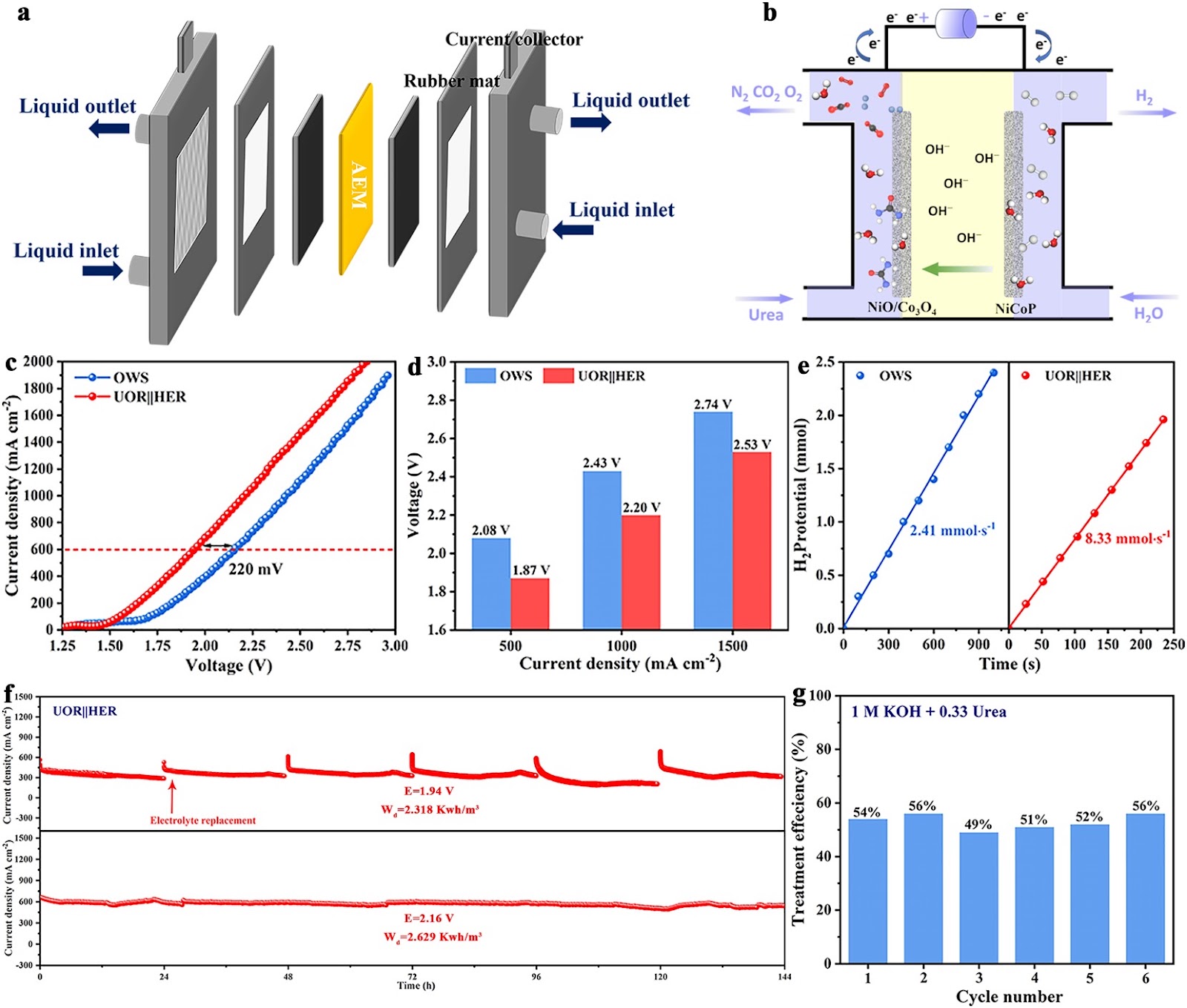
Scalable Electrocatalytic Urea Wastewater Treatment Coupled with Hydrogen Production by Regulating Adsorption Behavior of Urea Molecule

Authors: Chunming Yang, Huijuan Pang, Xiang Li, Xueyan Zheng, Tingting Wei, Xu Ma, Qi Wang, Chuantao Wang, Danjun Wang, Bin Xu

Electrocatalytic urea wastewater treatment technology has emerged as a promising method for environmental remediation. However, the realization of highly efficient and scalable electrocatalytic urea wastewater treatment (SEUWT) is still an enormous challenge. Herein, through regulating the adsorption behavior of urea functional groups, the efficient SEUWT coupled hydrogen production is realized in anion exchange membrane water electrolyzer (AEMWE). Density functional theory calculations indicate that self-driven electron transfer at the heterogeneous interface (NiO/Co3O4) can induce charge redistribution, resulting in electron-rich NiO and electron-deficient Co3O4, which are superior to adsorbing C=O (electron-withdrawing group) and –NH2 (electron-donating group), respectively, regulating the adsorption behavior of urea molecule and accelerating the reaction kinetics of urea oxidation. This viewpoint is further verified by temperature-programmed desorption experiments. The SEUWT coupled hydrogen production in AEMWE assembled with NiO/Co3O4 (anode) and NiCoP (cathode) can continuously treat urea wastewater at an initial current density of 600 mA cm−2, with the average urea treatment efficiency about 53%. Compared with overall water splitting, the H2 production rate (8.33 mmol s−1) increases by approximately 3.5 times. This work provides a cost-effective strategy for scalable purifying urea-rich wastewater and energy-saving hydrogen production.

Scalable Electrocatalytic Urea Wastewater Treatment Coupled with Hydrogen Production by Regulating Adsorption Behavior of Urea Molecule
Graphical Abstract
Original ResearchVol. 17, Issue 1 • pp. 158DOI: 10.1007/s40820-024-01589-wFeb 24, 2025

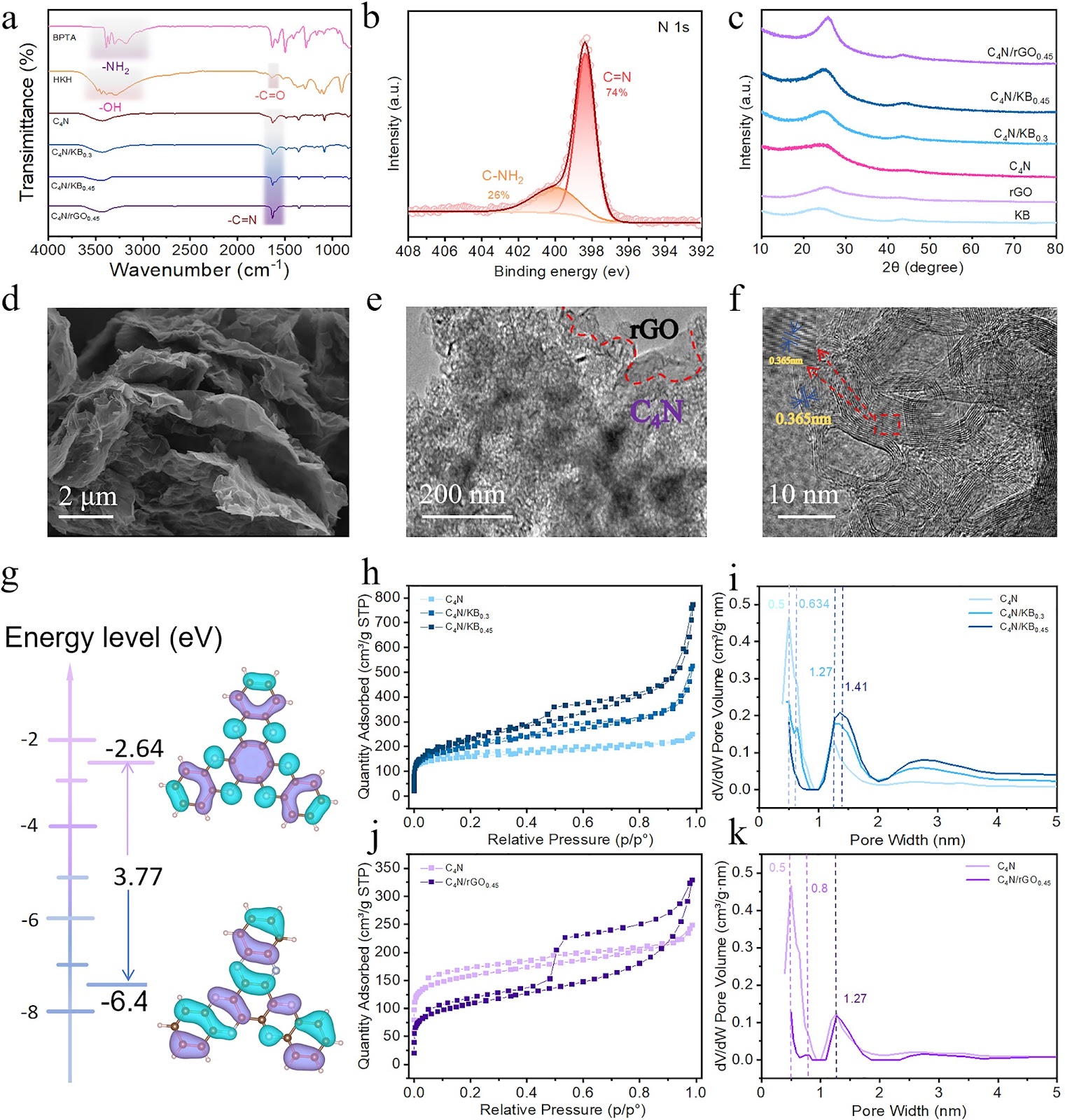
An Ultra-Stable, High-Energy and Wide-Temperature-Range Aqueous Alkaline Sodium-Ion Battery with the Microporous C4N/rGO Anode

Authors: Mengxiao Li, Rui Li, Huige Ma, Mingsheng Yang, Yujie Dai, HaiPing Yu, Yuxin Hao, Zhihui Wang, Bei Wang, Mingjun Hu, Jun Yang

Common anode materials in aqueous alkaline electrolytes, such as cadmium, metal hydrides and zinc, usually suffer from remarkable biotoxicity, high cost, and serious side reactions. To overcome these problems, we develop a conjugated porous polymer (CPP) in-situ grown on reduced graphene oxide (rGO) and Ketjen black (KB), noted as C4N/rGO and C4N/KB respectively, as the alternative anodes. The results show that C4N/rGO electrode delivers a low redox potential (−0.905 V vs. Ag/AgCl), high specific capacity (268.8 mAh g−1 at 0.2 A g−1), ultra-stable and fast sodium ion storage behavior (216 mAh g−1 at 20 A g−1) in 2 M NaOH electrolyte. The assembled C4N/rGO//Ni(OH)2 full battery can cycle stably more than 38,000 cycles. Furthermore, by adding a small amount of antifreeze additive dimethyl sulfoxide (DMSO) to adjust the hydrogen bonding network, the low-temperature performance of the electrolyte (0.1 DMSO/2 M NaOH) is significantly improved while hydrogen evolution is inhibited. Consequently, the C4N/rGO//Ni(OH)2 full cell exhibits an energy density of 147.3 Wh Kg−1 and ultra-high cycling stability over a wide temperature range from −70 to 45 °C. This work provides an ultra-stable high-capacity CPP-based anode and antifreeze electrolyte for aqueous alkaline batteries and will facilitate their practical applications under extreme conditions.

An Ultra-Stable, High-Energy and Wide-Temperature-Range Aqueous Alkaline Sodium-Ion Battery with the Microporous C4N/rGO Anode
Graphical Abstract
Original ResearchVol. 17, Issue 1 • pp. 152DOI: 10.1007/s40820-024-01601-3Feb 17, 2025

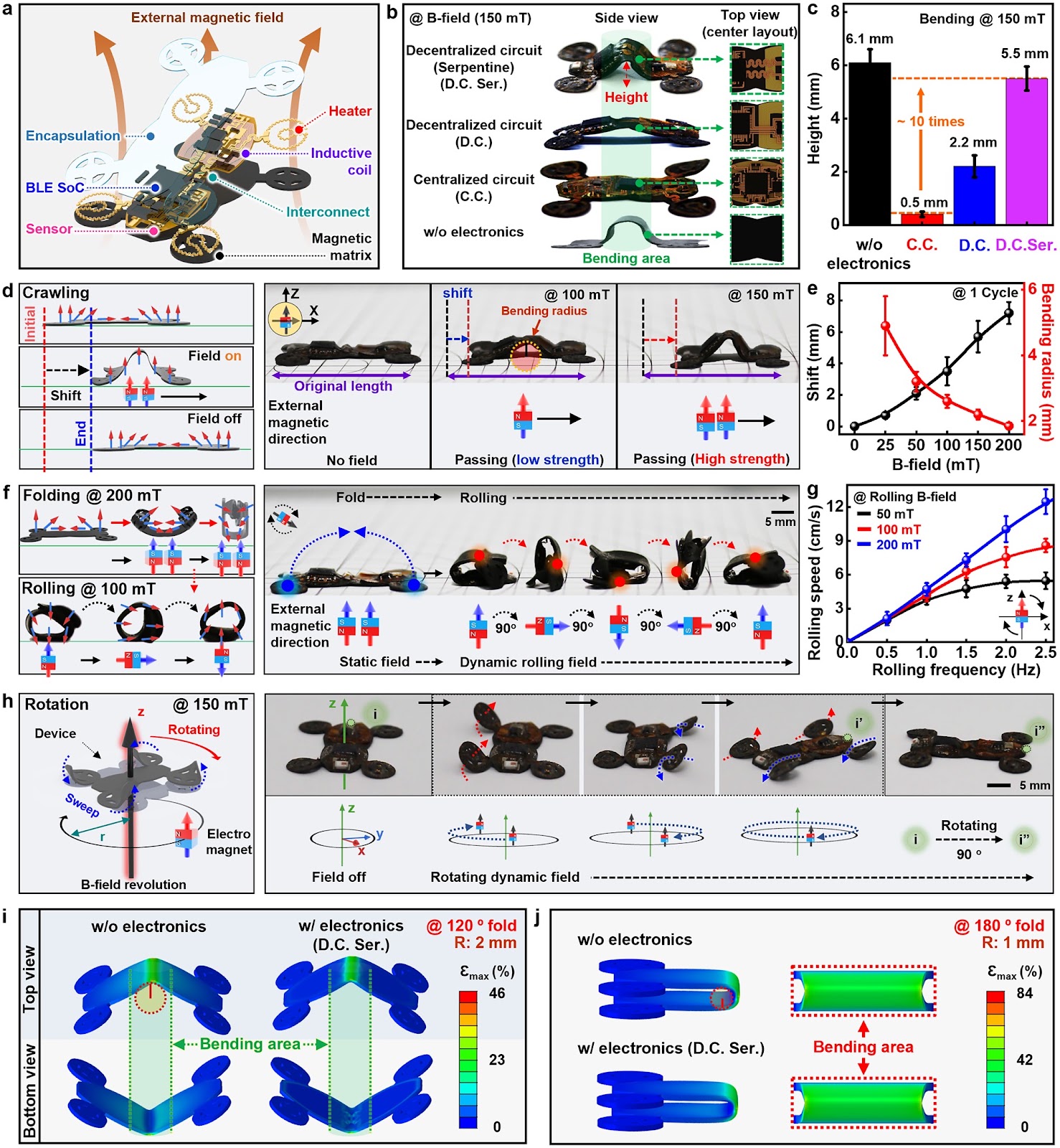
Wireless, Multifunctional System-Integrated Programmable Soft Robot

Authors: Sungkeun Han, Jeong-Woong Shin, Joong Hoon Lee, Bowen Li, Gwan-Jin Ko, Tae-Min Jang, Ankan Dutta, Won Bae Han, Seung Min Yang, Dong-Je Kim, Heeseok Kang, Jun Hyeon Lim, Chan-Hwi Eom, So Jeong Choi, Huanyu Cheng, Suk-Won Hwang

Soft robots have partially or entirely provided versatile opportunities for issues or roles that cannot be addressed by conventional machine robots, although most studies are limited to designs, controls, or physical/mechanical motions. Here, we present a transformable, reconfigurable robotic platform created by the integration of magnetically responsive soft composite matrices with deformable multifunctional electronics. Magnetic compounds engineered to undergo phase transition at a low temperature can readily achieve reversible magnetization and conduct various changes of motions and shapes. Thin and flexible electronic system designed with mechanical dynamics does not interfere with movements of the soft electronic robot, and the performances of wireless circuit, sensors, and devices are independent of a variety of activities, all of which are verified by theoretical studies. Demonstration of navigations and electronic operations in an artificial track highlights the potential of the integrated soft robot for on-demand, environments-responsive movements/metamorphoses, and optoelectrical detection and stimulation. Further improvements to a miniaturized, sophisticated system with material options enable in situ monitoring and treatment in envisioned areas such as biomedical implants.

Wireless, Multifunctional System-Integrated Programmable Soft Robot
Graphical Abstract
Original ResearchVol. 17, Issue 1 • pp. 139DOI: 10.1007/s40820-024-01609-9Feb 8, 2025

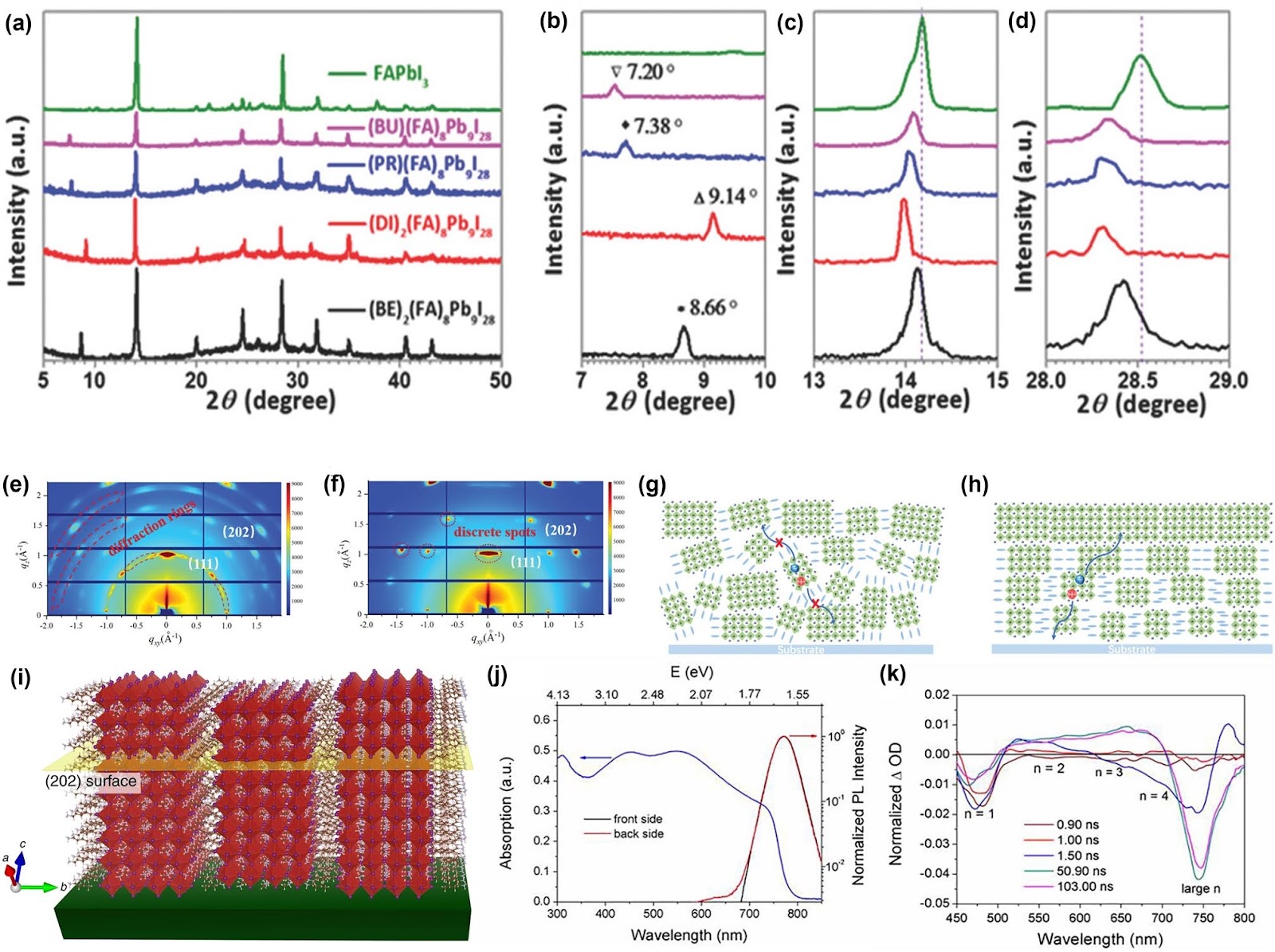
Structural Mechanisms of Quasi-2D Perovskites for Next-Generation Photovoltaics

Authors: Hyeonseok Lee, Taeho Moon, Younghyun Lee, Jinhyun Kim

Quasi-two-dimensional (2D) perovskite embodies characteristics of both three-dimensional (3D) and 2D perovskites, achieving the superior external environment stability structure of 2D perovskites alongside the high efficiency of 3D perovskites. This effect is realized through critical structural modifications in device fabrication. Typically, perovskites have an octahedral structure, generally ABX3, where an organic ammonium cation (A’) participates in forming the perovskite structure, with A’(n) (n = 1 or 2) sandwiched between A(n-1)B(n)X(3n+1) perovskite layers. Depending on whether A’ is a monovalent or divalent cation, 2D perovskites are classified into Ruddlesden-Popper perovskite or Dion-Jacobson perovskite, each generating different structures. Although each structure achieves similar effects, they incorporate distinct mechanisms in their formation. And according to these different structures, various properties appear, and additive and optimizing methods to increase the efficiency of 3D perovskites also exist in 2D perovskites. In this review, scientific understanding and engineering perspectives of the quasi-2D perovskite is investigated, and the optimal structure quasi-2D and the device optimization is also discussed to provide the insight in the field.

Structural Mechanisms of Quasi-2D Perovskites for Next-Generation Photovoltaics
Graphical Abstract
Original ResearchVol. 17, Issue 1 • pp. 138DOI: 10.1007/s40820-025-01651-1Feb 7, 2025

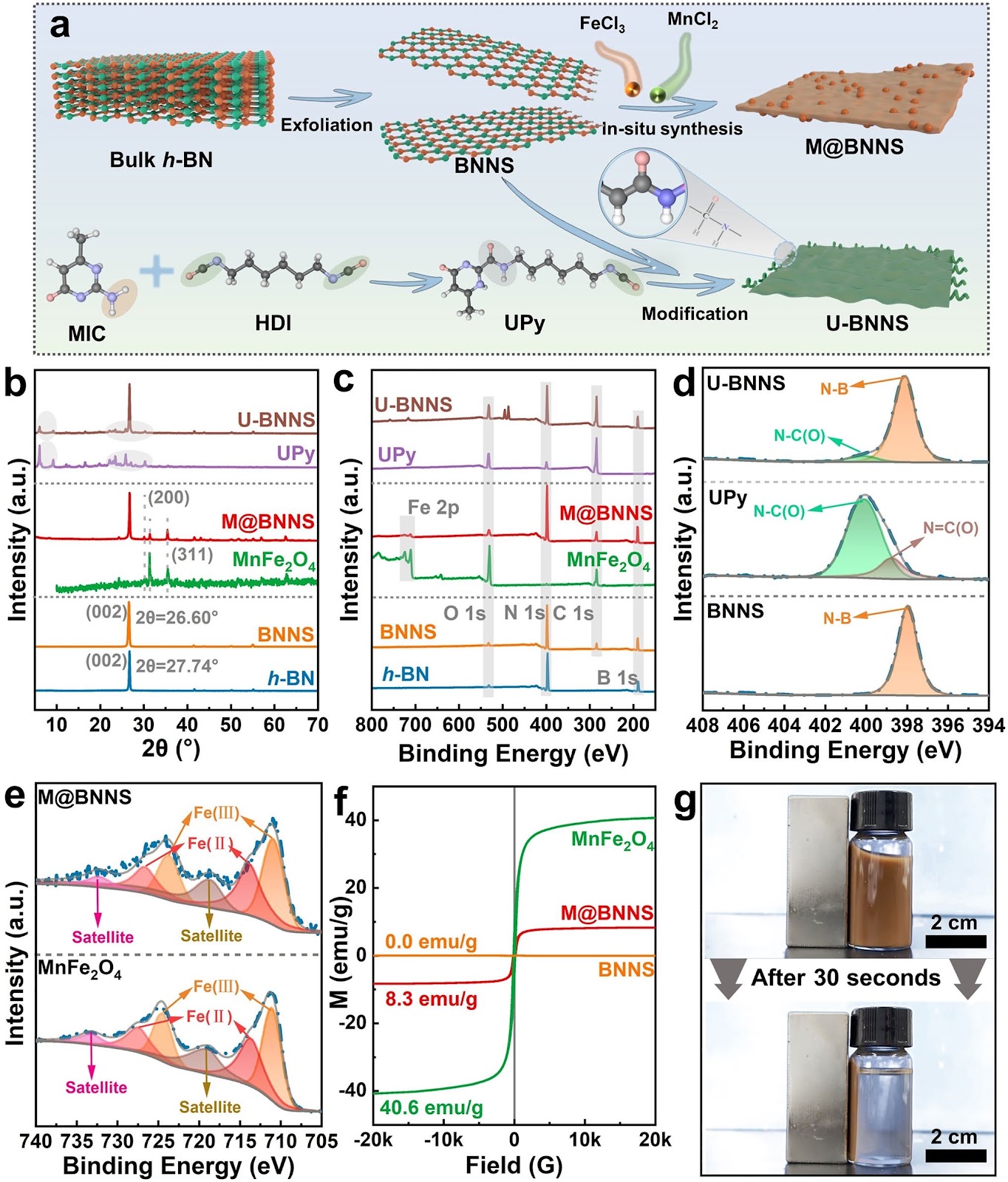
Highly Thermally Conductive and Flame-Retardant Waterborne Polyurethane Composites with 3D BNNS Bridging Structures via Magnetic Field Assistance

Authors: Hao Jiang, Yuhui Xie, Mukun He, Jindao Li, Feng Wu, Hua Guo, Yongqiang Guo, Delong Xie, Yi Mei, Junwei Gu

The microstructure design for thermal conduction pathways in polymeric electrical encapsulation materials is essential to meet the stringent requirements for efficient thermal management and thermal runaway safety in modern electronic devices. Hence, a composite with three-dimensional network (Ho/U-BNNS/WPU) is developed by simultaneously incorporating magnetically modified boron nitride nanosheets (M@BNNS) and non-magnetic organo-grafted BNNS (U-BNNS) into waterborne polyurethane (WPU) to synchronous molding under a horizontal magnetic field. The results indicate that the continuous in-plane pathways formed by M@BNNS aligned along the magnetic field direction, combined with the bridging structure established by U-BNNS, enable Ho/U-BNNS/WPU to exhibit exceptional in-plane (λ//) and through-plane thermal conductivities (λ⊥). In particular, with the addition of 30 wt% M@BNNS and 5 wt% U-BNNS, the λ// and λ⊥ of composites reach 11.47 and 2.88 W m−1 K−1, respectively, which representing a 194.2% improvement in λ⊥ compared to the composites with a single orientation of M@BNNS. Meanwhile, Ho/U-BNNS/WPU exhibits distinguished thermal management capabilities as thermal interface materials for LED and chips. The composites also demonstrate excellent flame retardancy, with a peak heat release and total heat release reduced by 58.9% and 36.9%, respectively, compared to WPU. Thus, this work offers new insights into the thermally conductive structural design and efficient flame-retardant systems of polymer composites, presenting broad application potential in electronic packaging fields.

Highly Thermally Conductive and Flame-Retardant Waterborne Polyurethane Composites with 3D BNNS Bridging Structures via Magnetic Field Assistance
Graphical Abstract
Original ResearchVol. 17, Issue 1 • pp. 136DOI: 10.1007/s40820-025-01647-xFeb 6, 2025

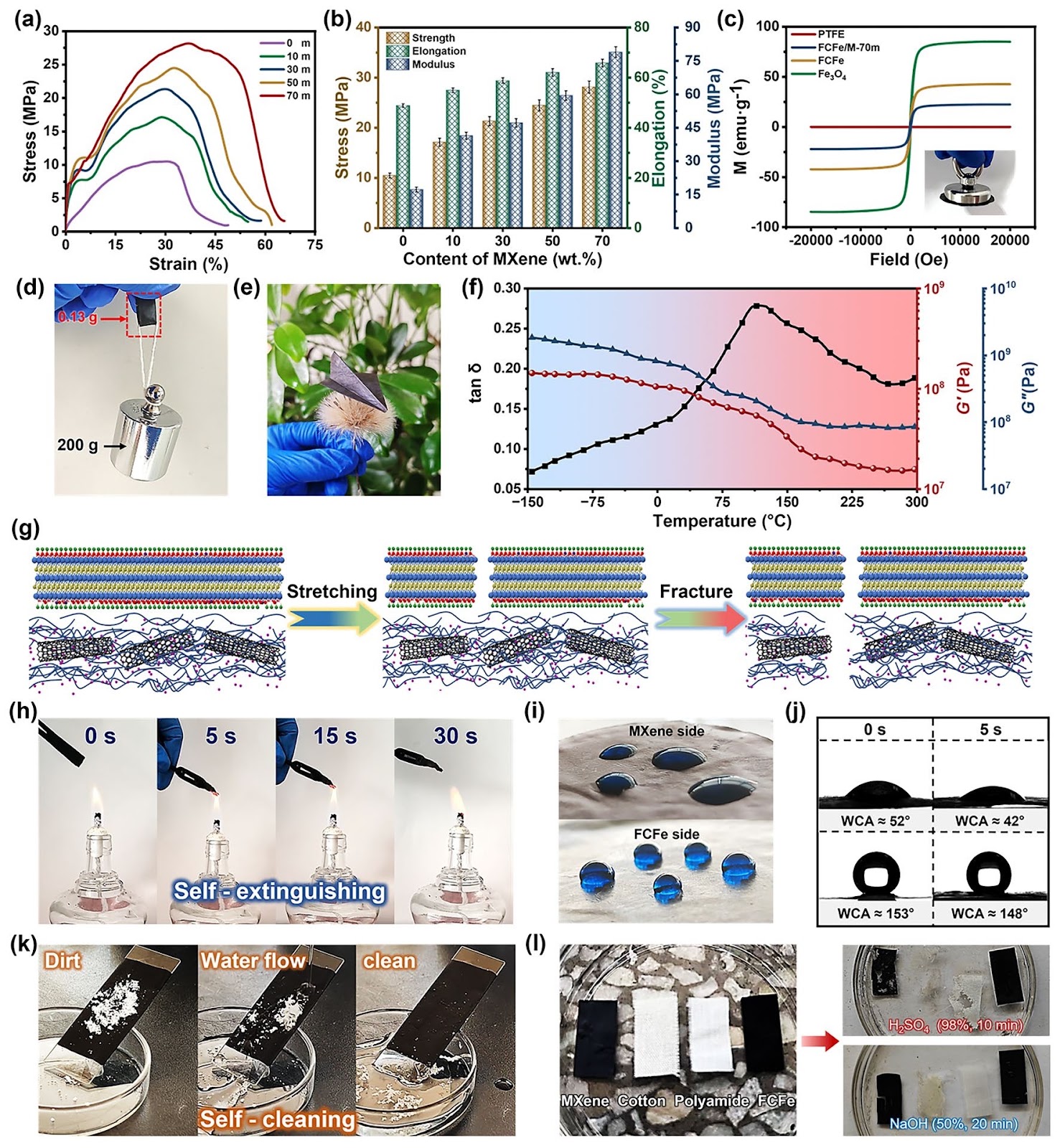
Multifunctional Janus-Structured Polytetrafluoroethylene-Carbon Nanotube-Fe3O4/MXene Membranes for Enhanced EMI Shielding and Thermal Management

Authors: Runze Shao, Guilong Wang, Jialong Chai, Jun Lin, Guoqun Zhao, Zhihui Zeng, Guizhen Wang

Herein, a novel Janus-structured multifunctional membrane with integrated electromagnetic interference (EMI) shielding and personalized thermal management is fabricated using shear-induced in situ fibrillation and vacuum-assisted filtration. Interestingly, within the polytetrafluoroethylene (PTFE)-carbon nanotube (CNT)-Fe3O4 layer (FCFe), CNT nanofibers interweave with PTFE fibers to form a stable “silk-like” structure that effectively captures Fe3O4 particles. By incorporating a highly conductive MXene layer, the FCFe/MXene (FCFe/M) membrane exhibits excellent electrical/thermal conductivity, mechanical properties, and flame retardancy. Impressively, benefiting from the rational regulation of component proportions and the design of a Janus structure, the FCFe/M membrane with a thickness of only 84.9 µm delivers outstanding EMI shielding effectiveness of 44.56 dB in the X-band, with a normalized specific SE reaching 10,421.3 dB cm2 g−1, which is attributed to the “absorption-reflection-reabsorption” mechanism. Furthermore, the membrane demonstrates low-voltage-driven Joule heating and fast-response photothermal performance. Under the stimulation of a 3 V voltage and an optical power density of 320 mW cm−2, the surface temperatures of the FCFe/M membranes can reach up to 140.4 and 145.7 °C, respectively. In brief, the FCFe/M membrane with anti-electromagnetic radiation and temperature regulation is an attractive candidate for the next generation of wearable electronics, EMI compatibility, visual heating, thermotherapy, and military and aerospace applications.

Multifunctional Janus-Structured Polytetrafluoroethylene-Carbon Nanotube-Fe3O4/MXene Membranes for Enhanced EMI Shielding and Thermal Management
Graphical Abstract
Original ResearchVol. 17, Issue 1 • pp. 133DOI: 10.1007/s40820-025-01658-8Feb 6, 2025

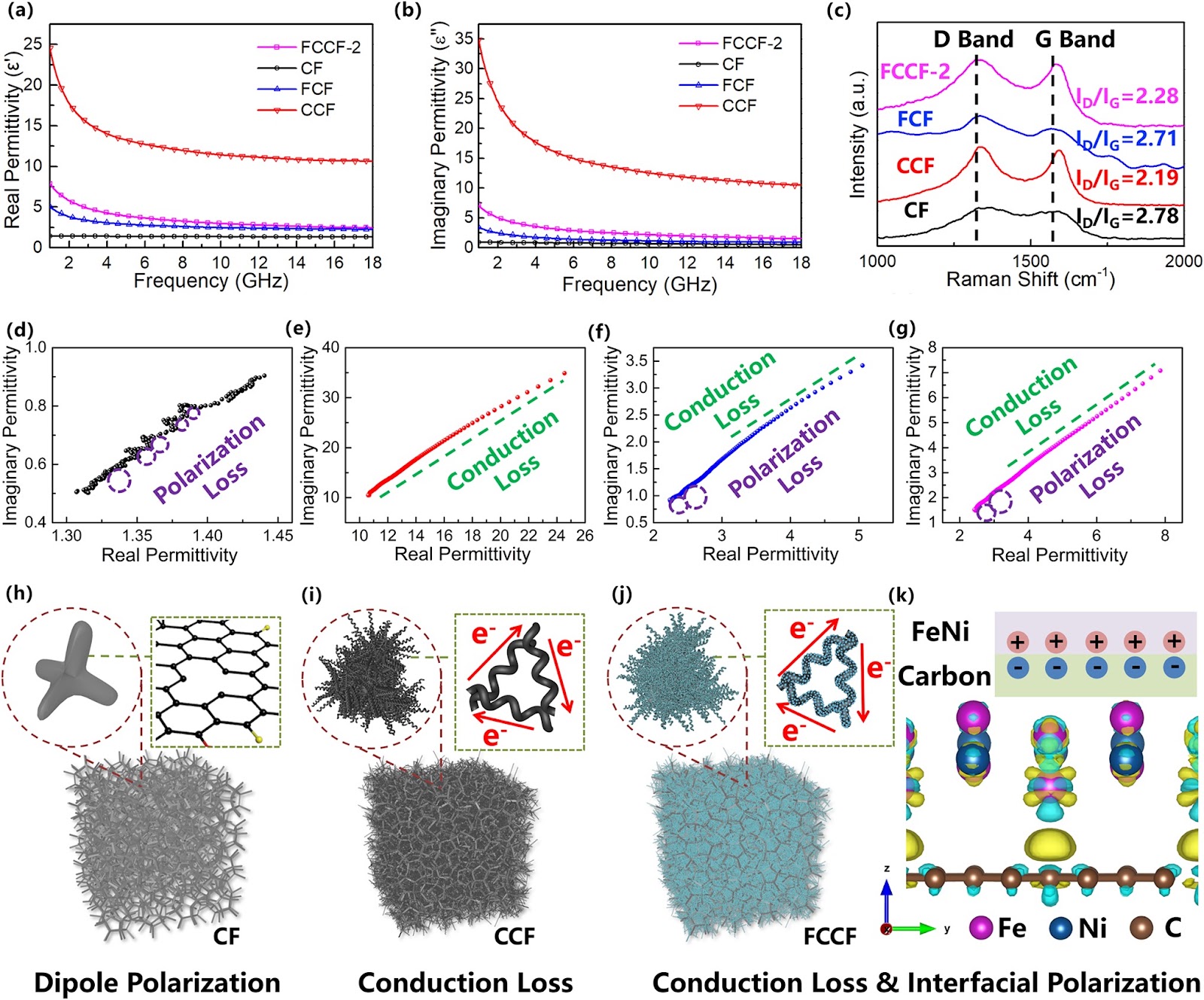
Multifunctional Carbon Foam with Nanoscale Chiral Magnetic Heterostructures for Broadband Microwave Absorption in Low Frequency

Authors: Hao Zhang, Kaili Kuang, Yifeng Zhang, Chen Sun, Tingkang Yuan, Ruilin Yin, Zeng Fan, Renchao Che, Lujun Pan

The construction of carbon nanocoil (CNC)-based chiral-dielectric-magnetic trinity composites is considered as a promising approach to achieve excellent low-frequency microwave absorption. However, it is still challenging to further enhance the low frequency microwave absorption and elucidate the related loss mechanisms. Herein, the chiral CNCs are first synthesized on a three-dimensional (3D) carbon foam and then combined with the FeNi/NiFe2O4 nanoparticles to form a novel chiral-dielectric-magnetic trinity foam. The 3D porous CNC-carbon foam network provides excellent impedance matching and strong conduction loss. The formation of the FeNi-carbon interfaces induces interfacial polarization loss, which is confirmed by the density functional theory calculations. Further permeability analysis and the micromagnetic simulation indicate that the nanoscale chiral magnetic heterostructures achieve magnetic pinning and coupling effects, which enhance the magnetic anisotropy and magnetic loss capability. Owing to the synergistic effect between dielectricity, chirality, and magnetism, the trinity composite foam exhibits excellent microwave absorption performance with an ultrabroad effective absorption bandwidth (EAB) of 14 GHz and a minimum reflection of loss less than −50 dB. More importantly, the C-band EAB of the foam is extended to 4 GHz, achieving the full C-band coverage. This study provides further guidelines for the microstructure design of the chiral-dielectric-magnetic trinity composites to achieve broadband microwave absorption.
Multifunctional Carbon Foam with Nanoscale Chiral Magnetic Heterostructures for Broadband Microwave Absorption in Low Frequency
Graphical Abstract
Original ResearchVol. 17, Issue 1 • pp. 131DOI: 10.1007/s40820-024-01643-7Feb 6, 2025

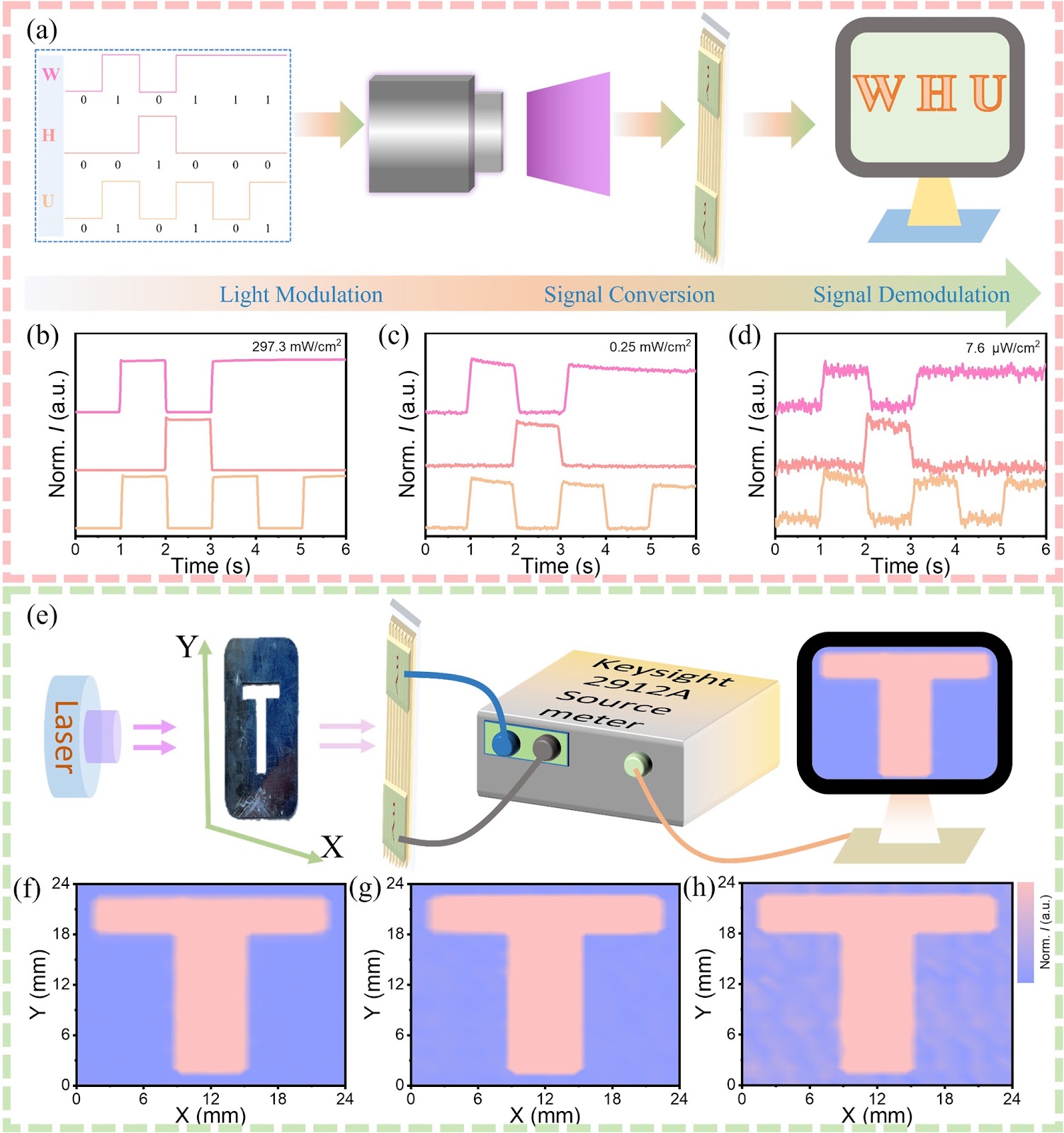
Light Management in 2D Perovskite Toward High-Performance Optoelectronic Applications

Authors: Kailian Dong, Tao Jiang, Guoyi Chen, Hongsen Cui, Shuxin Wang, Shun Zhou, Chen Wang, Yi Yang, Fang Yao, Chen Tao, Weijun Ke, Guojia Fang

Two-dimensional Dion-Jacobson (DJ) perovskite has garnered significant attention due to its superior responsivity and operation stability. However, efforts are predominantly focused on discovering new organic spacer to synthesize novel perovskites, while material-form-associated light management, which is crucial for enhancing the photodetector’s efficiency, is largely overlooked. Herein, we introduced surface light management strategy into DJ-type perovskite system by synthesizing surface-patterned BDAPbBr4 (BPB, BDA = NH3(CH2)4NH3) microplates (MPs) using template-assisted space-confined method, which was further elucidated by theoretical optical simulation. By leveraging surface-patterned MPs to enhance light absorption, the BPB-based photodetectors (PDs) achieved remarkable photoresponse in ultraviolet region, marked by a high on/off ratio (~ 5000), superior responsivity (2.24 A W−1), along with large detectivity (~ 1013 Jones) and low detection limit (68.7 nW cm−2). Additionally, the PDs showcased superior light communication and imaging capabilities even under weak-light illumination. Notably, the anisotropic nature of the surface-patterned MPs conferred excellent polarization sensitivity to the PD. These results represented the first demonstration of BPB perovskite in weak-light communication and imaging, as well as in polarized light detection. Our findings offer valuable insights into enhancing photodetector performance and optoelectronic applications through surface light management strategies.

Light Management in 2D Perovskite Toward High-Performance Optoelectronic Applications
Graphical Abstract
Original ResearchVol. 17, Issue 1 • pp. 134DOI: 10.1007/s40820-025-01669-5Feb 6, 2025

Functionalized Aluminum Nitride for Improving Hydrolysis Resistances of Highly Thermally Conductive Polysiloxane Composites

Authors: Mukun He, Lei Zhang, Kunpeng Ruan, Junliang Zhang, Haitian Zhang, Peng Lv, Yongqiang Guo, Xuetao Shi, Hua Guo, Jie Kong, Junwei Gu

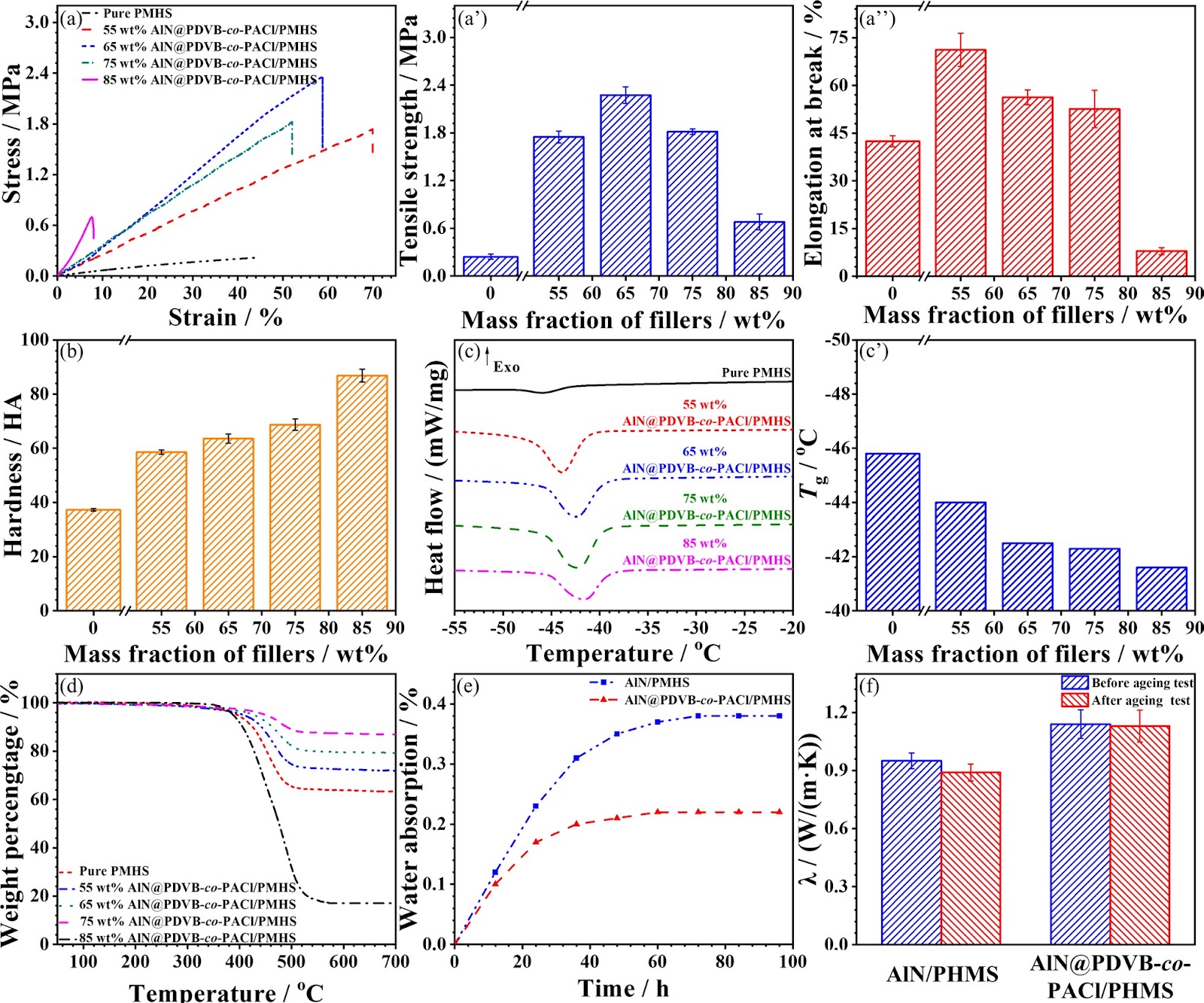
A series of divinylphenyl-acryloyl chloride copolymers (PDVB-co-PACl) is synthesized via atom transfer radical polymerization employing tert-butyl acrylate and divinylbenzene as monomers. PDVB-co-PACl is utilized to graft on the surface of spherical aluminum nitride (AlN) to prepare functionalized AlN (AlN@PDVB-co-PACl). Polymethylhydrosiloxane (PMHS) is then used as the matrix to prepare thermally conductive AlN@PDVB-co-PACl/PMHS composites with AlN@PDVB-co-PACl as fillers through blending and curing. The grafting of PDVB-co-PACl synchronously enhances the hydrolysis resistance of AlN and its interfacial compatibility with PMHS matrix. When the molecular weight of PDVB-co-PACl is 5100 g mol−1 and the grafting density is 0.8 wt%, the composites containing 75 wt% of AlN@PDVB-co-PACl exhibit the optimal comprehensive performance. The thermal conductivity (λ) of the composite is 1.14 W m−1 K−1, which enhances by 20% and 420% compared to the λ of simply physically blended AlN/PMHS composite and pure PMHS, respectively. Meanwhile, AlN@PDVB-co-PACl/PMHS composites display remarkable hydrothermal aging resistance by retaining 99.1% of its λ after soaking in 90 °C deionized water for 80 h, whereas the λ of the blended AlN/PMHS composites decreases sharply to 93.7%.

Functionalized Aluminum Nitride for Improving Hydrolysis Resistances of Highly Thermally Conductive Polysiloxane Composites
Graphical Abstract
Original ResearchVol. 17, Issue 1 • pp. 128DOI: 10.1007/s40820-024-01596-xFeb 5, 2025

Functionalized Separators Boosting Electrochemical Performances for Lithium Batteries

Authors: Zixin Fan, Xiaoyu Chen, Jingjing Shi, Hui Nie, Xiaoming Zhang, Xingping Zhou, Xiaolin Xie, Zhigang Xue

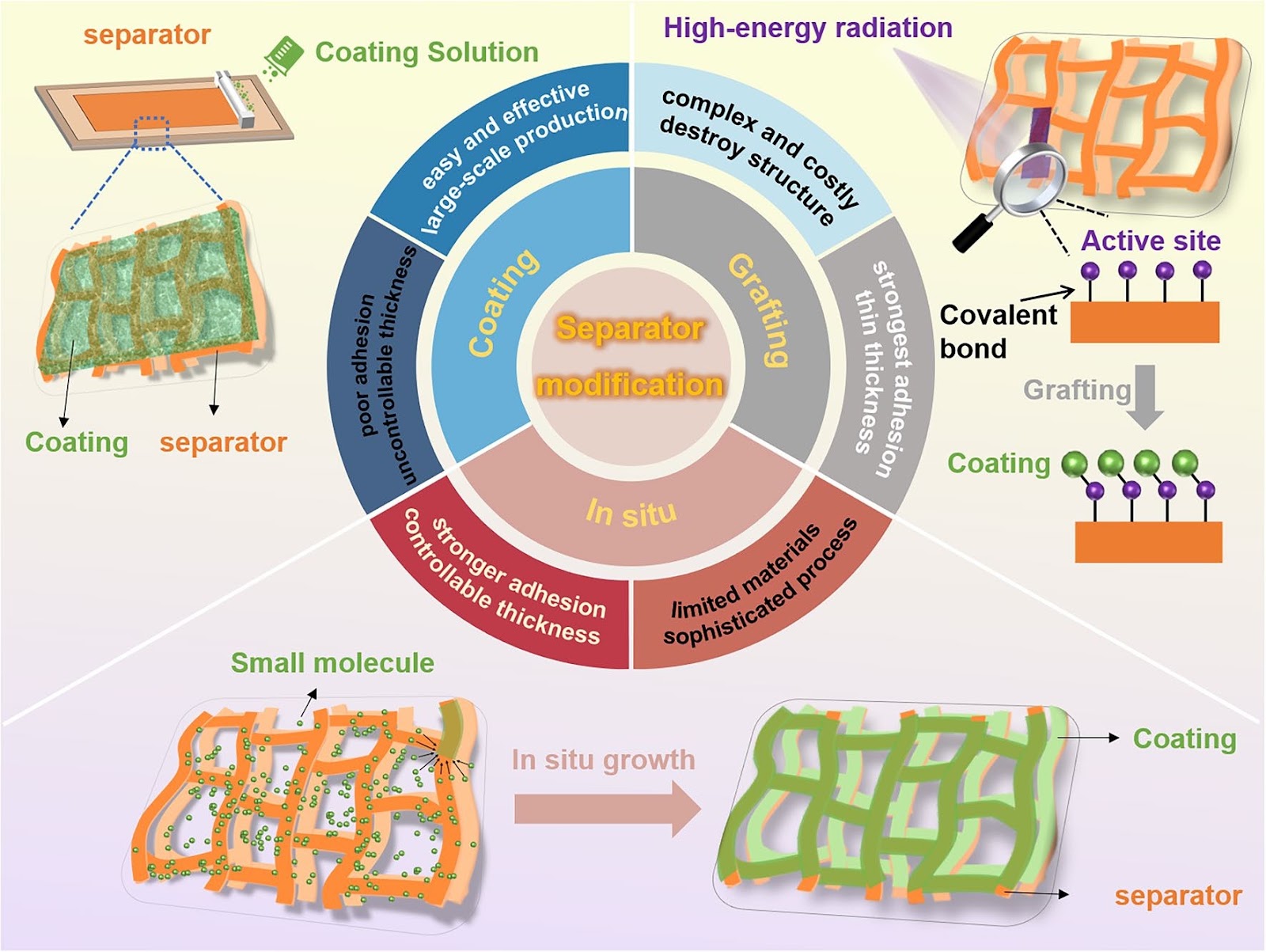
The growing demands for energy storage systems, electric vehicles, and portable electronics have significantly pushed forward the need for safe and reliable lithium batteries. It is essential to design functional separators with improved mechanical and electrochemical characteristics. This review covers the improved mechanical and electrochemical performances as well as the advancements made in the design of separators utilizing a variety of techniques. In terms of electrolyte wettability and adhesion of the coating materials, we provide an overview of the current status of research on coated separators, in situ modified separators, and grafting modified separators, and elaborate additional performance parameters of interest. The characteristics of inorganics coated separators, organic framework coated separators and inorganic–organic coated separators from different fabrication methods are compared. Future directions regarding new modified materials, manufacturing process, quantitative analysis of adhesion and so on are proposed toward next-generation advanced lithium batteries.

Functionalized Separators Boosting Electrochemical Performances for Lithium Batteries
Graphical Abstract
Original ResearchVol. 17, Issue 1 • pp. 130DOI: 10.1007/s40820-024-01628-6Feb 5, 2025

Enhanced Conductivity of Multilayer Copper–Carbon Nanofilms via Plasma Immersion Deposition

Authors: Haotian Weng, Xiwu Zhang, Xuan Liu, Yunhui Tang, Hewei Yuan, Yang Xu, Kun Li, Xiaolu Huang

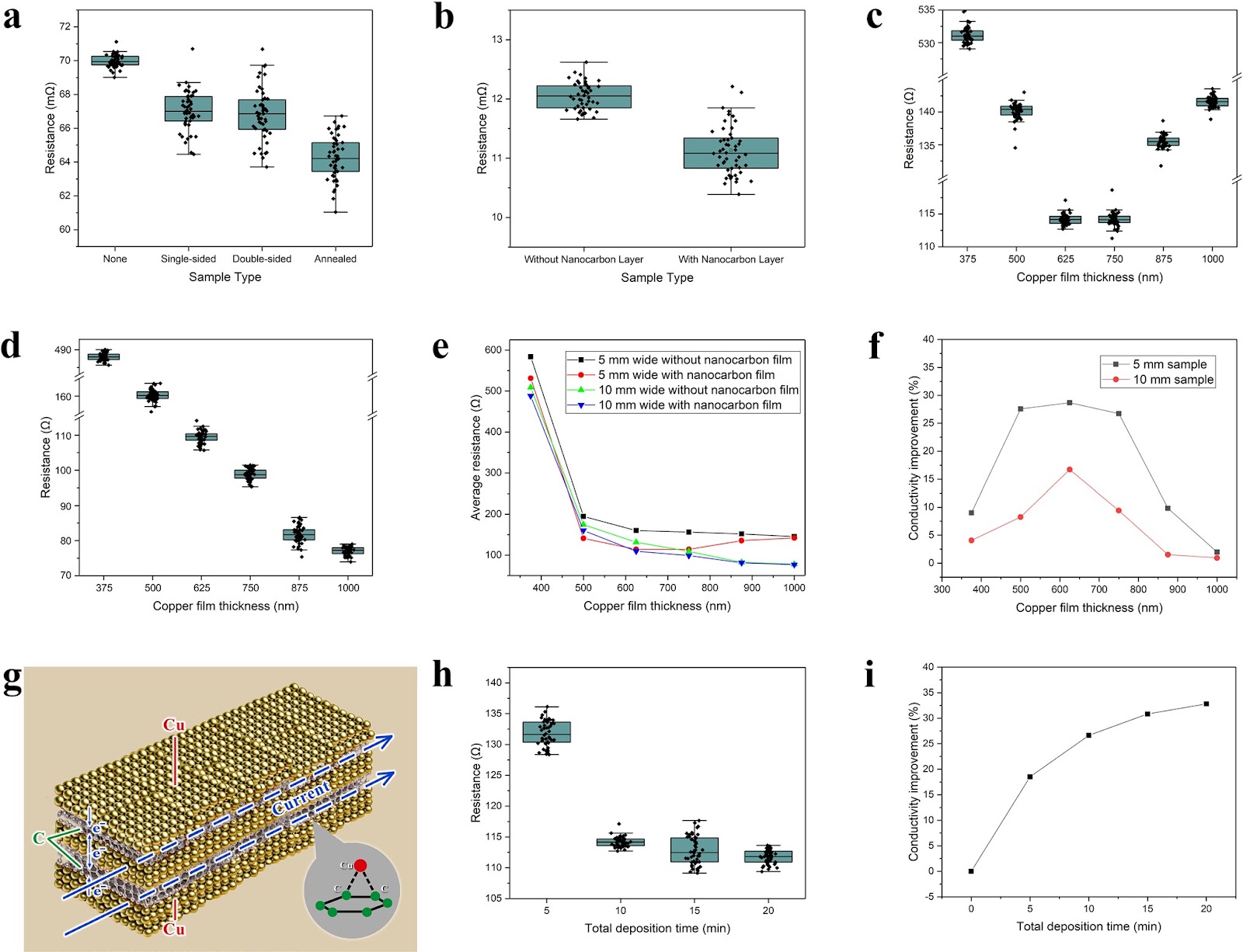
Although room-temperature superconductivity is still difficult to achieve, researching materials with electrical conductivity significantly higher than that of copper will be of great importance in improving energy efficiency, reducing costs, lightening equipment weight, and enhancing overall performance. Herein, this study presents a novel copper–carbon nanofilm composite with enhanced conductivity which has great applications in the electronic devices and electrical equipment. Multilayer copper–carbon nanofilms and interfaces with superior electronic structures are formed based on copper materials using plasma immersion nanocarbon layer deposition technology, effectively enhancing conductivity. Experimental results show that for a five-layer copper–carbon nanofilm composite, the conductivity improves significantly when the thickness of the carbon nanofilm increases. When the carbon nanofilm accounts for 16% of the total thickness, the overall conductivity increases up to 30.20% compared to pure copper. The mechanism of the enhanced conductivity is analyzed including roles of copper atom adsorption sites and electron migration pathways by applying effective medium theory, first-principles calculations and density of states analysis. Under an applied electric field, the high-density electrons in the copper film can migrate into the nanocarbon film, forming highly efficient electron transport channels, which significantly enhance the material’s conductivity. Finally, large-area electrode coating equipment is developed based on this study, providing the novel and robust strategy to enhance the conductivity of copper materials, which enables industrial application of copper–carbon nanocomposite films in the field of high conductivity materials.

Enhanced Conductivity of Multilayer Copper–Carbon Nanofilms via Plasma Immersion Deposition
Graphical Abstract
Original ResearchVol. 17, Issue 1 • pp. 129DOI: 10.1007/s40820-025-01661-zFeb 5, 2025

Multiscale Biomimetic Evaporators Based on Liquid Metal/Polyacrylonitrile Composite Fibers for Highly Efficient Solar Steam Generation

Authors: Yuxuan Sun, Dan Liu, Fei Zhang, Xiaobo Gao, Jie Xue, Qingbin Zheng

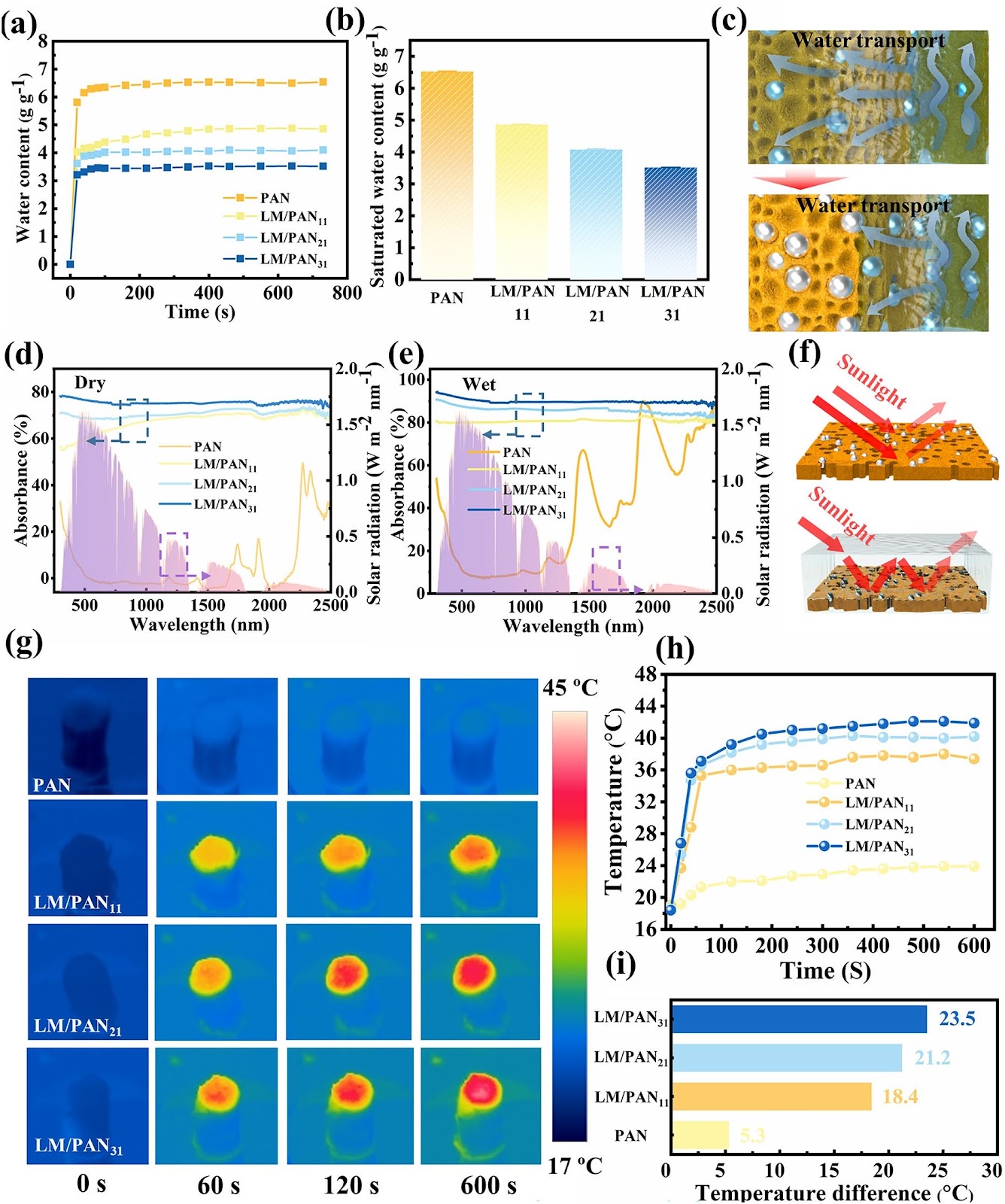
Solar steam generation (SSG) offers a cost-effective solution for producing clean water by utilizing solar energy. However, integrating effective thermal management and water transportation to develop high-efficiency solar evaporators remains a significant challenge. Here, inspired by the hierarchical structure of the stem of bird of paradise, a three-dimensional multiscale liquid metal/polyacrylonitrile (LM/PAN) evaporator is fabricated by assembling LM/PAN fibers. The strong localized surface plasmon resonance of LM particles and porous structure of LM/PAN fibers with interconnected channels lead to efficient light absorption up to 90.9%. Consequently, the multiscale biomimetic LM/PAN evaporator achieves an outstanding water evaporation rate of 2.66 kg m−2 h−1 with a solar energy efficiency of 96.5% under one sun irradiation and an exceptional water rate of 2.58 kg m−2 h−1 in brine. Additionally, the LM/PAN evaporator demonstrates a superior purification performance for seawater, with the concentration of Na+, Mg2+, K+ and Ca2+ in real seawater dramatically decreased by three orders to less than 7 mg L−1 after desalination under light irradiation. The multiscale LM/PAN evaporator with hierarchical structure regulates the water transportation as well as thermal management for highly effective solar-driven evaporation, providing valuable insight into the structural design principles for advanced SSG systems.
Multiscale Biomimetic Evaporators Based on Liquid Metal/Polyacrylonitrile Composite Fibers for Highly Efficient Solar Steam Generation
Graphical Abstract
Original ResearchVol. 17, Issue 1 • pp. 120DOI: 10.1007/s40820-025-01649-9Jan 28, 2025

Zn(TFSI)2-Mediated Ring-Opening Polymerization for Electrolyte Engineering Toward Stable Aqueous Zinc Metal Batteries

Authors: Zhenjie Liu, Murong Xi, Rui Sheng, Yudai Huang, Juan Ding, Zhouliang Tan, Jiapei Li, Wenjun Zhang, Yonggang Wang

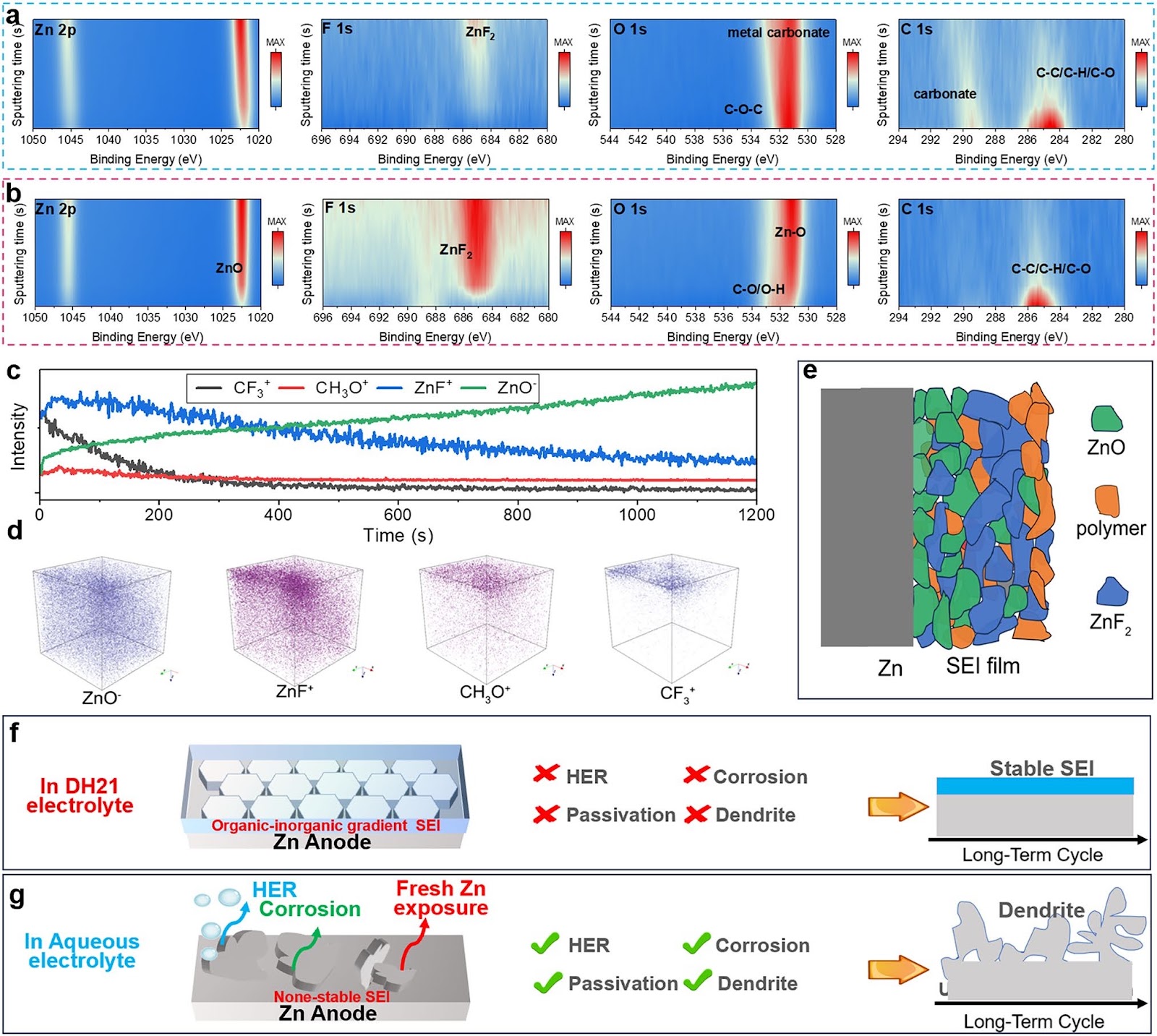
Practical Zn metal batteries have been hindered by several challenges, including Zn dendrite growth, undesirable side reactions, and unstable electrode/electrolyte interface. These issues are particularly more serious in low-concentration electrolytes. Herein, we design a Zn salt-mediated electrolyte with in situ ring-opening polymerization of the small molecule organic solvent. The Zn(TFSI)2 salt catalyzes the ring-opening polymerization of (1,3-dioxolane (DOL)), generating oxidation-resistant and non-combustible long-chain polymer (poly(1,3-dioxolane) (pDOL)). The pDOL reduces the active H2O molecules in electrolyte and assists in forming stable organic–inorganic gradient solid electrolyte interphase with rich organic constituents, ZnO and ZnF2. The introduction of pDOL endows the electrolyte with several advantages: excellent Zn dendrite inhibition, improved corrosion resistance, widened electrochemical window (2.6 V), and enhanced low-temperature performance (freezing point = −34.9 °C). Zn plating/stripping in pDOL-enhanced electrolyte lasts for 4200 cycles at 99.02% Coulomb efficiency and maintains a lifetime of 8200 h. Moreover, Zn metal anodes deliver stable cycling for 2500 h with a high Zn utilization of 60%. A Zn//VO2 pouch cell assembled with lean electrolyte (electrolyte/capacity (E/C = 41 mL (Ah)−1) also demonstrates a capacity retention ratio of 92% after 600 cycles. These results highlight the promising application prospects of practical Zn metal batteries enabled by the Zn(TFSI)2-mediated electrolyte engineering.
Zn(TFSI)2-Mediated Ring-Opening Polymerization for Electrolyte Engineering Toward Stable Aqueous Zinc Metal Batteries
Graphical Abstract
Original ResearchVol. 17, Issue 1 • pp. 118DOI: 10.1007/s40820-024-01584-1Jan 27, 2025

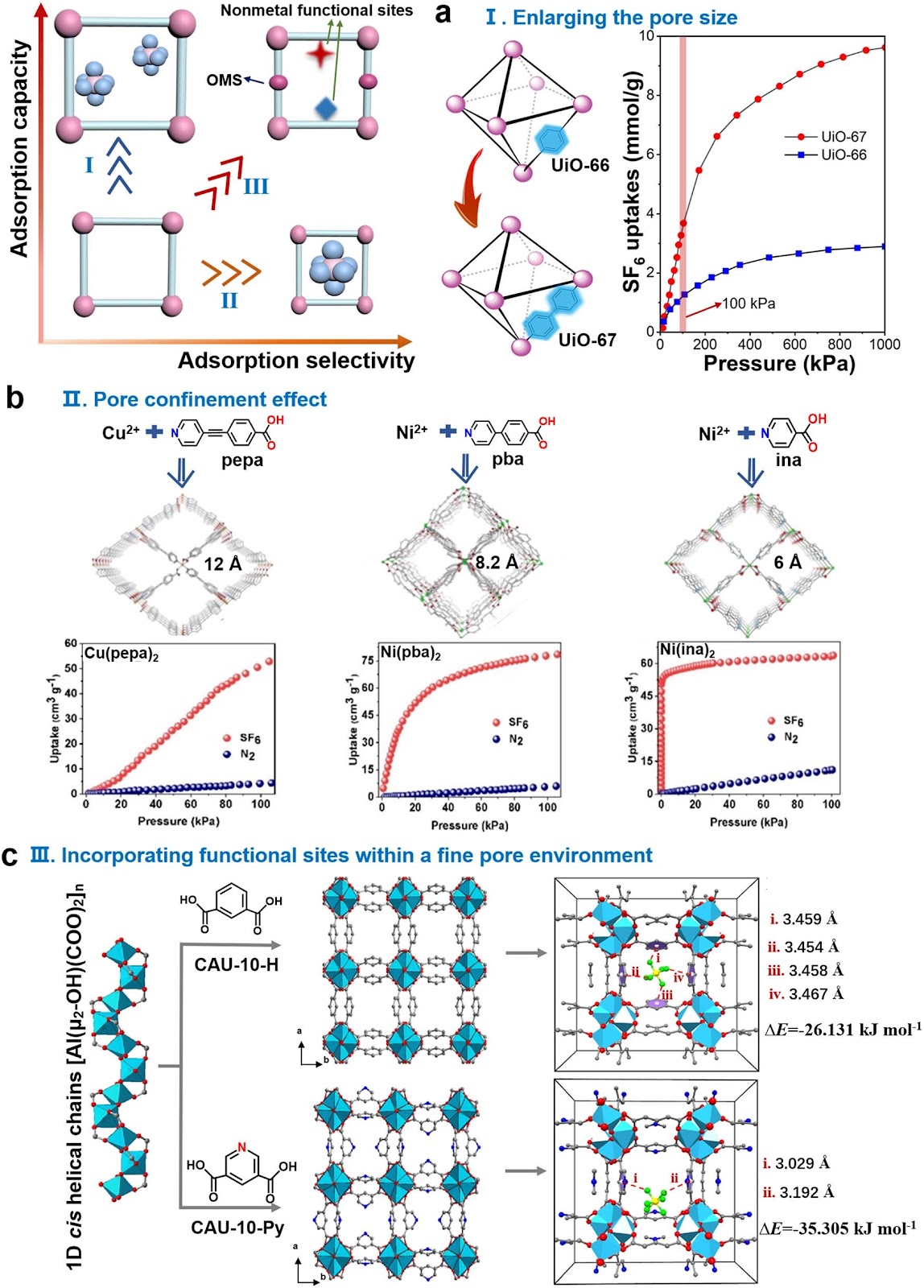
Molecular Mechanism Behind the Capture of Fluorinated Gases by Metal–Organic Frameworks

Authors: Qian Wang, Yong Hu, Yifan Gu

Fluorinated gases (F-gases) play a vital role in the chemical industry and in the fields of air conditioning, refrigeration, health care, and organic synthesis. However, the direct emission of waste gases containing F-gases into the atmosphere contributes to greenhouse effects and generates toxic substances. Developing porous materials for the energy-efficient capture, separation, and recovery of F-gases is highly desired. Recently, as a highly designable porous adsorbents, metal–organic frameworks (MOFs) exhibit excellent selective sorption performance toward F-gases, especially for the recognition and separation of different F-gases with highly similar properties, showing their great potential in F-gases control and recovery. In this review, we discuss the capture and separation of F-gases and their azeotropic, near-azeotropic, and isomeric mixtures in various application scenarios by MOFs, specifically classify and analyze molecular interaction between F-gases and MOFs, and interpret the mechanisms underlying their high performance regarding both adsorption capacity and selectivity, providing a repertoire for future materials design. Challenges faced in the transformation research roadmap of MOFs adsorbent separation technologies toward F-gases are also discussed, and areas for future research endeavors are highlighted.

Molecular Mechanism Behind the Capture of Fluorinated Gases by Metal–Organic Frameworks
Graphical Abstract
Original ResearchVol. 17, Issue 1 • pp. 116DOI: 10.1007/s40820-025-01646-yJan 27, 2025

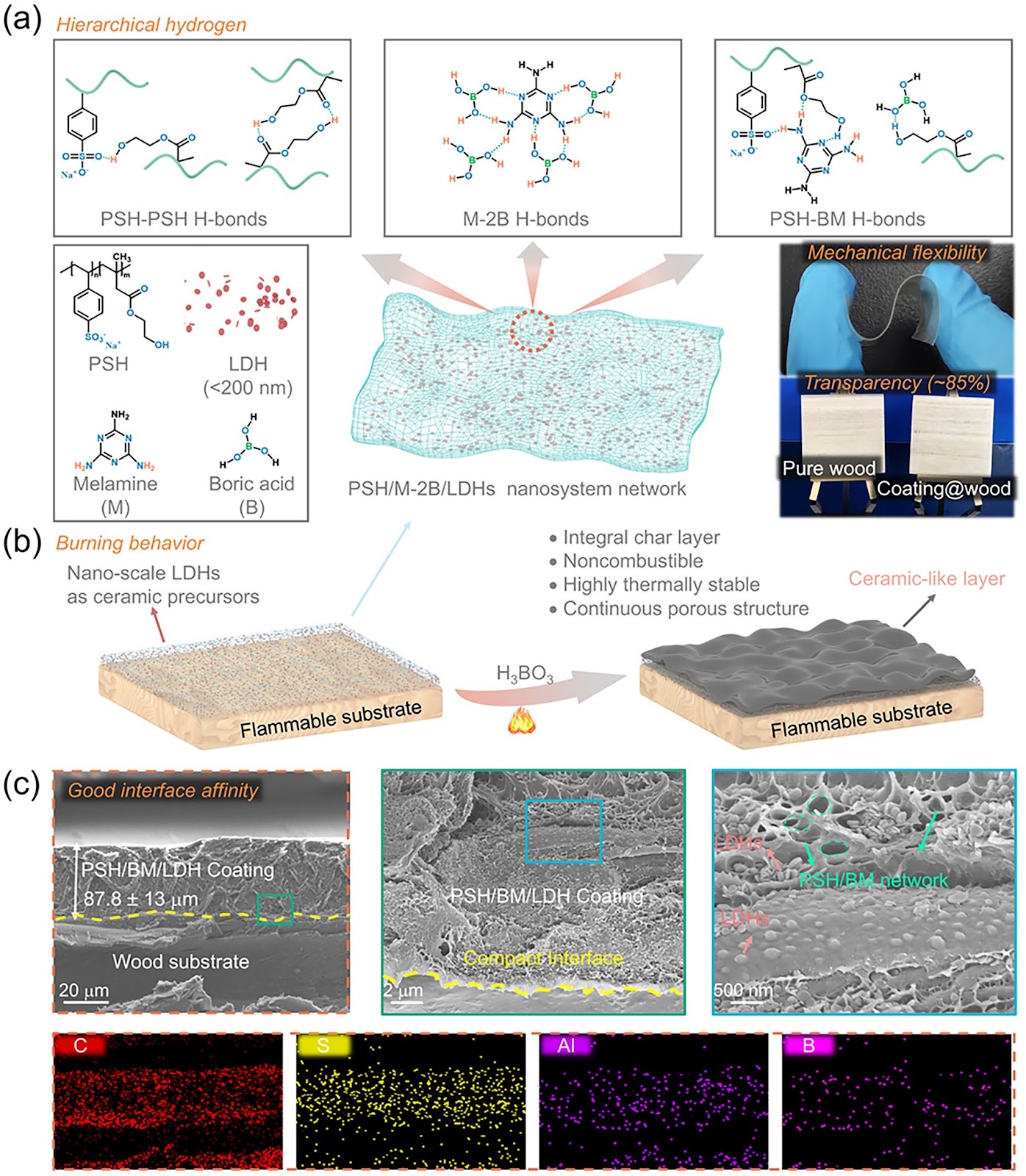
Layered Double Hydroxide Nanosheets Incorporated Hierarchical Hydrogen Bonding Polymer Networks for Transparent and Fire-Proof Ceramizable Coatings

Authors: Bifan Guo, Yimin He, Yongming Chen, Tianci Yang, Chaohua Peng, Weiang Luo, Birong Zeng, Yiting Xu, Lizong Dai

In recent decades, annual urban fire incidents, including those involving ancient wooden buildings burned, transportation, and solar panels, have increased, leading to significant loss of human life and property. Addressing this issue without altering the surface morphology or interfering with optical behavior of flammable materials poses a substantial challenge. Herein, we present a transparent, low thickness, ceramifiable nanosystem coating composed of a highly adhesive base (poly(SSS1-co-HEMA1)), nanoscale layered double hydroxide sheets as ceramic precursors, and supramolecular melamine di-borate as an accelerator. We demonstrate that this hybrid coating can transform into a porous, fire-resistant protective layer with a highly thermostable vitreous phase upon exposure to flame/heat source. A nanosystem coating of just ~100 μm thickness can significantly increase the limiting oxygen index of wood (Pine) to 37.3%, dramatically reduce total heat release by 78.6%, and maintain low smoke toxicity (CITG = 0.016). Detailed molecular force analysis, combined with a comprehensive examination of the underlying flame-retardant mechanisms, underscores the effectiveness of this coating. This work offers a strategy for creating efficient, environmentally friendly coatings with fire safety applications across various industries.

Layered Double Hydroxide Nanosheets Incorporated Hierarchical Hydrogen Bonding Polymer Networks for Transparent and Fire-Proof Ceramizable Coatings
Graphical Abstract
Original ResearchVol. 17, Issue 1 • pp. 115DOI: 10.1007/s40820-024-01645-5Jan 24, 2025

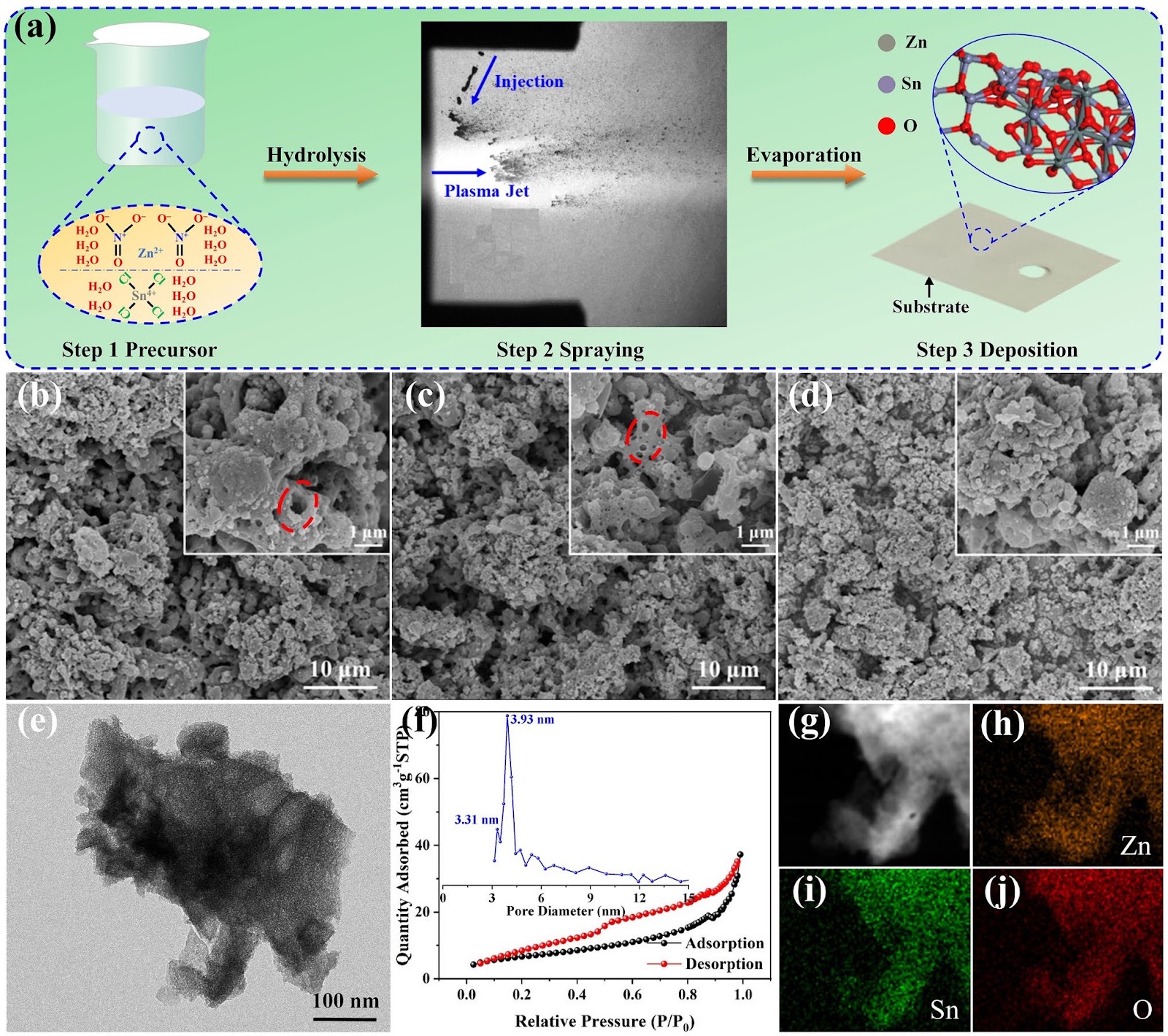
Ultrasensitive Chemiresistive Gas Sensors Based on Dual-Mesoporous Zinc Stannate Composites for Room Temperature Rice Quality Monitoring

Authors: Jinyong Xu, Xuxiong Fan, Kaichun Xu, Kaidi Wu, Hanlin Liao, Chao Zhang

The integration of dual-mesoporous structures, the construction of heterojunctions, and the incorporation of highly concentrated oxygen vacancies are pivotal for advancing metal oxide-based gas sensors. Nonetheless, achieving an optimal design that simultaneously combines mesoporous structures, precise heterojunction modulation, and controlled oxygen vacancies through a one-step process remains challenging. This study proposes an innovative method for fabricating zinc stannate semiconductors featuring dual-mesoporous structures and tunable oxygen vacancies via a direct solution precursor plasma spray technique. As a proof of concept, the resulting zinc stannate-based coatings are applied to detect 2-undecanone, a key biomarker for rice aging. Remarkably, the zinc oxide/zinc stannate heterojunctions with a well-defined secondary pore structure exhibit exceptional gas-sensing performance for 2-undecanone at room temperature. Furthermore, practical experiments indicate that the developed sensor effectively identifies adulteration in various rice varieties. These results underscore the potential of this method for designing metal oxides with tailored properties for high-performance gas sensors. The enhanced adsorption capacity and dual-mesoporous features of this semiconductor make it a promising candidate for sensing applications in agricultural food safety inspections.

Ultrasensitive Chemiresistive Gas Sensors Based on Dual-Mesoporous Zinc Stannate Composites for Room Temperature Rice Quality Monitoring
Graphical Abstract
Original ResearchVol. 17, Issue 1 • pp. 114DOI: 10.1007/s40820-024-01610-2Jan 23, 2025

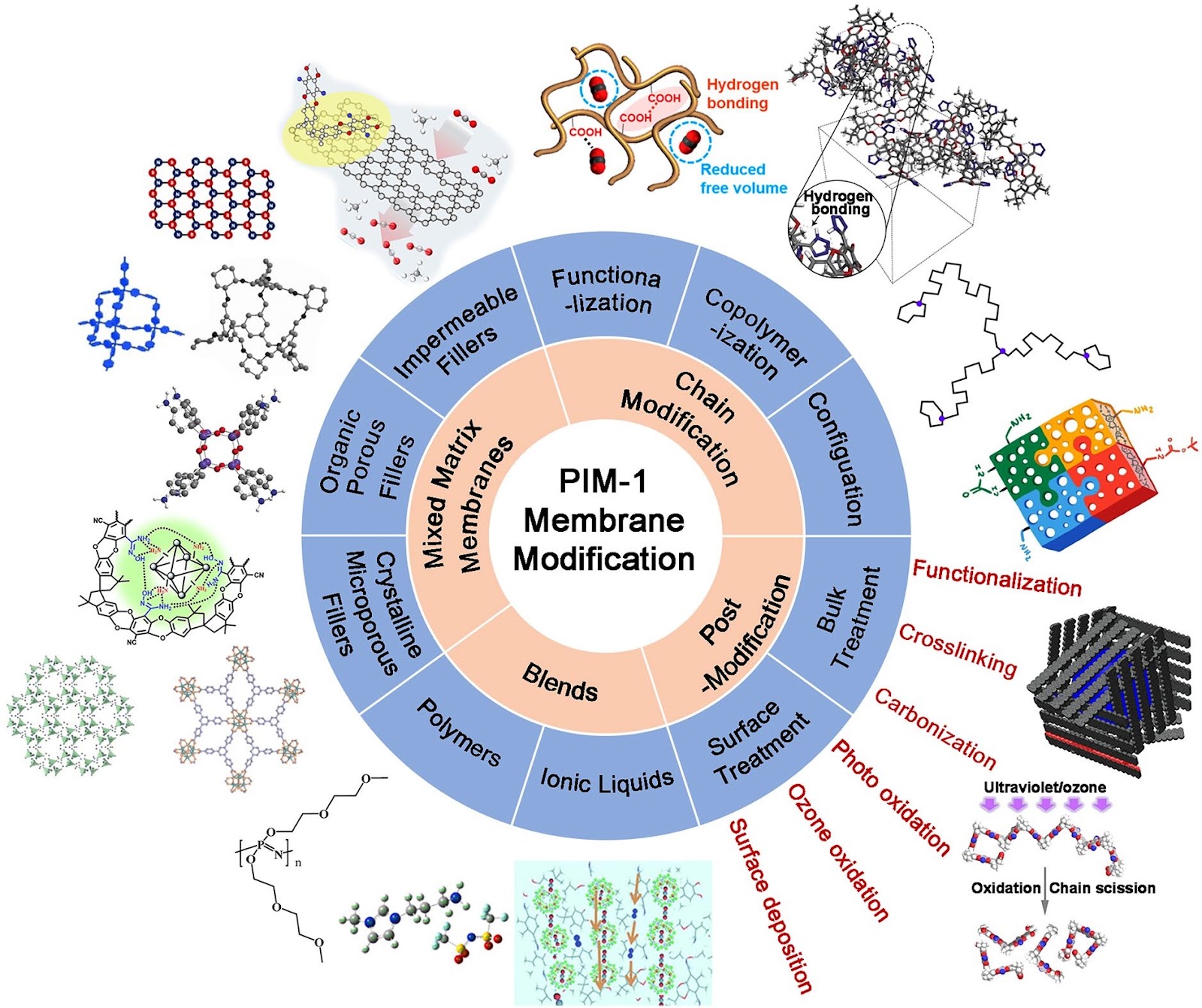
Membranes of Polymer of Intrinsic Microporosity PIM-1 for Gas Separation: Modification Strategies and Meta-Analysis

Authors: Boya Qiu, Yong Gao, Patricia Gorgojo, Xiaolei Fan

Polymers of intrinsic microporosity (PIMs) have received considerable attention for making high-performance membranes for carbon dioxide separation over the last two decades, owing to their highly permeable porous structures. However, challenges regarding its relatively low selectivity, physical aging, and plasticisation impede relevant industrial adoptions for gas separation. To address these issues, several strategies including chain modification, post-modification, blending with other polymers, and the addition of fillers, have been developed and explored. PIM-1 is the most investigated PIMs, and hence here we review the state-of-the-arts of the modification strategies of PIM-1 critically and discuss the progress achieved for addressing the aforementioned challenges via meta-analysis. Additionally, the development of PIM-1-based thin film composite membranes is commented as well, shedding light on their potential in industrial gas separation. We hope that the review can be a timely snapshot of the relevant state-of-the-arts of PIMs guiding future design and optimisation of PIMs-based membranes for enhanced performance towards a higher technology readiness level for practical applications.

Membranes of Polymer of Intrinsic Microporosity PIM-1 for Gas Separation: Modification Strategies and Meta-Analysis
Graphical Abstract
Original ResearchVol. 17, Issue 1 • pp. 113DOI: 10.1007/s40820-025-01653-zJan 22, 2025

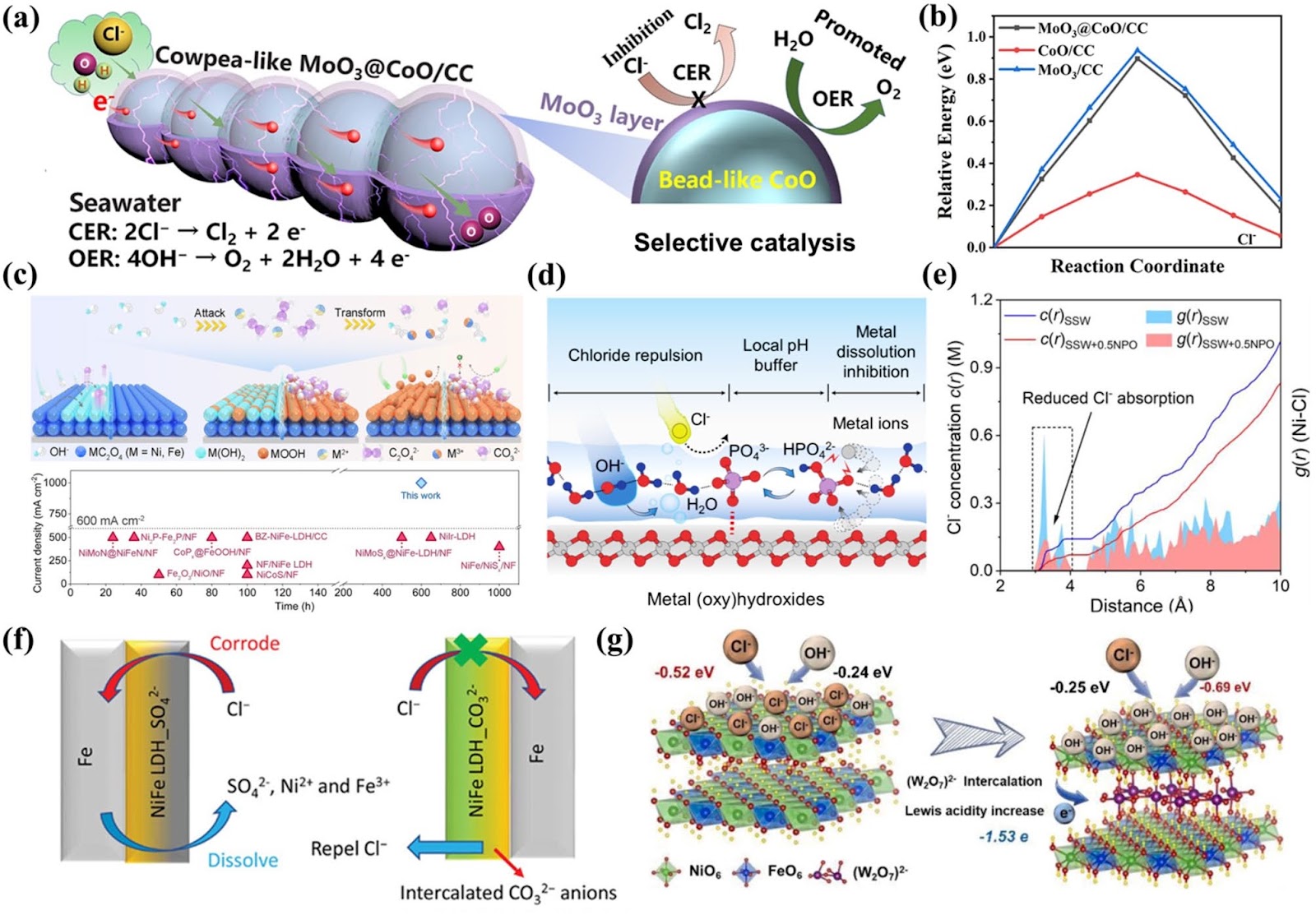
Comprehensive Chlorine Suppression: Advances in Materials and System Technologies for Direct Seawater Electrolysis

Authors: Cenkai Zhao, Zheyuan Ding, Kunye Zhang, Ziting Du, Haiqiu Fang, Ling Chen, Hao Jiang, Min Wang, Mingbo Wu

Seawater electrolysis offers a promising pathway to generate green hydrogen, which is crucial for the net-zero emission targets. Indirect seawater electrolysis is severely limited by high energy demands and system complexity, while the direct seawater electrolysis bypasses pre-treatment, offering a simpler and more cost-effective solution. However, the chlorine evolution reaction and impurities in the seawater lead to severe corrosion and hinder electrolysis’s efficiency. Herein, we review recent advances in the rational design of chlorine-suppressive catalysts and integrated electrolysis systems architectures for chloride-induced corrosion, with simultaneous enhancement of Faradaic efficiency and reduction of electrolysis’s cost. Furthermore, promising directions are proposed for durable and efficient seawater electrolysis systems. This review provides perspectives for seawater electrolysis toward sustainable energy conversion and environmental protection.

Comprehensive Chlorine Suppression: Advances in Materials and System Technologies for Direct Seawater Electrolysis
Graphical Abstract
Original ResearchVol. 17, Issue 1 • pp. 111DOI: 10.1007/s40820-024-01637-5Jan 20, 2025

Revisiting Dipole-Induced Fluorinated-Anion Decomposition Reaction for Promoting a LiF-Rich Interphase in Lithium-Metal Batteries

Authors: Liu Wang, Jiahui Guo, Qi Qi, Xiaotong Li, Yuanmeng Ge, Haoyi Li, Yunfeng Chao, Jiang Du, Xinwei Cui

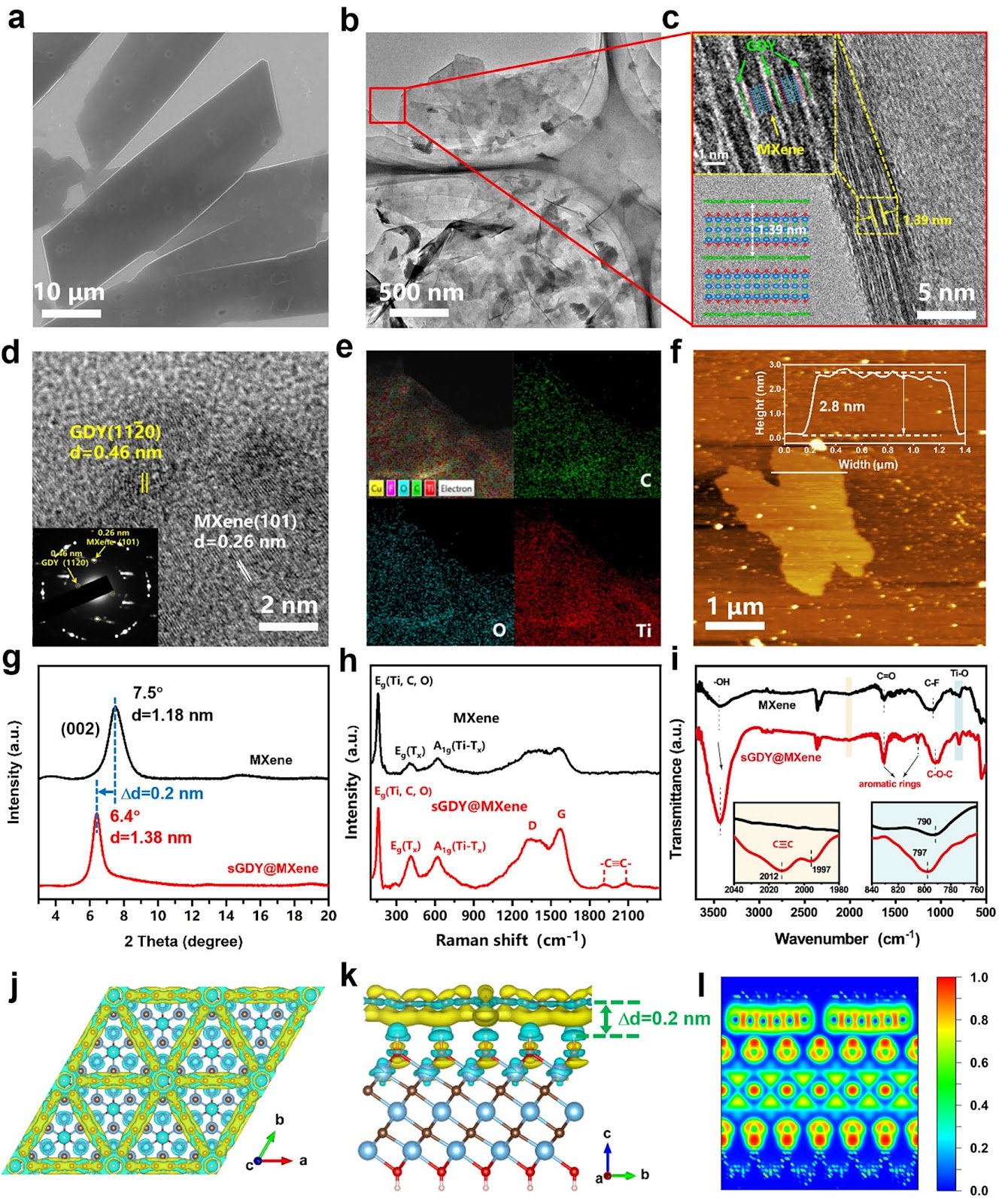
Building anion-derived solid electrolyte interphase (SEI) with enriched LiF is considered the most promising strategy to address inferior safety features and poor cyclability of lithium-metal batteries (LMBs). Herein, we discover that, instead of direct electron transfer from surface polar groups to bis(trifluoromethanesulfonyl)imide (TFSI−) for inducing a LiF-rich SEI, the dipole-induced fluorinated-anion decomposition reaction begins with the adsorption of Li ions and is highly dependent on their mobility on the polar surface. To demonstrate this, a single-layer graphdiyne on MXene (sGDY@MXene) heterostructure has been successfully fabricated and integrated into polypropylene separators. It is found that the adsorbed Li ions connect electron-donating sGDY@MXene to TFSI−, facilitating interfacial charge transfer for TFSI− decomposition. However, this does not capture the entire picture. The sGDY@MXene also renders the adsorbed Li ions with high mobility, enabling them to reach optimal reaction sites and expedite their coordination processes with O on O=S=O and F on the broken –CF3−, facilitating bond cleavage. In contrast, immobilized Li ions on the more lithiophilic pristine MXene retard these cleavage processes. Consequently, the decomposition reaction is accelerated on sGDY@MXene. This work highlights the dedicate balance between lithiophilicity and Li-ion mobility in effectively promoting a LiF-rich SEI for the long-term stability of LMBs.

Revisiting Dipole-Induced Fluorinated-Anion Decomposition Reaction for Promoting a LiF-Rich Interphase in Lithium-Metal Batteries
Graphical Abstract
Original ResearchVol. 17, Issue 1 • pp. 109DOI: 10.1007/s40820-024-01597-wJan 15, 2025

Wearable Biodevices Based on Two-Dimensional Materials: From Flexible Sensors to Smart Integrated Systems

Authors: Yingzhi Sun, Weiyi He, Can Jiang, Jing Li, Jianli Liu, Mingjie Liu

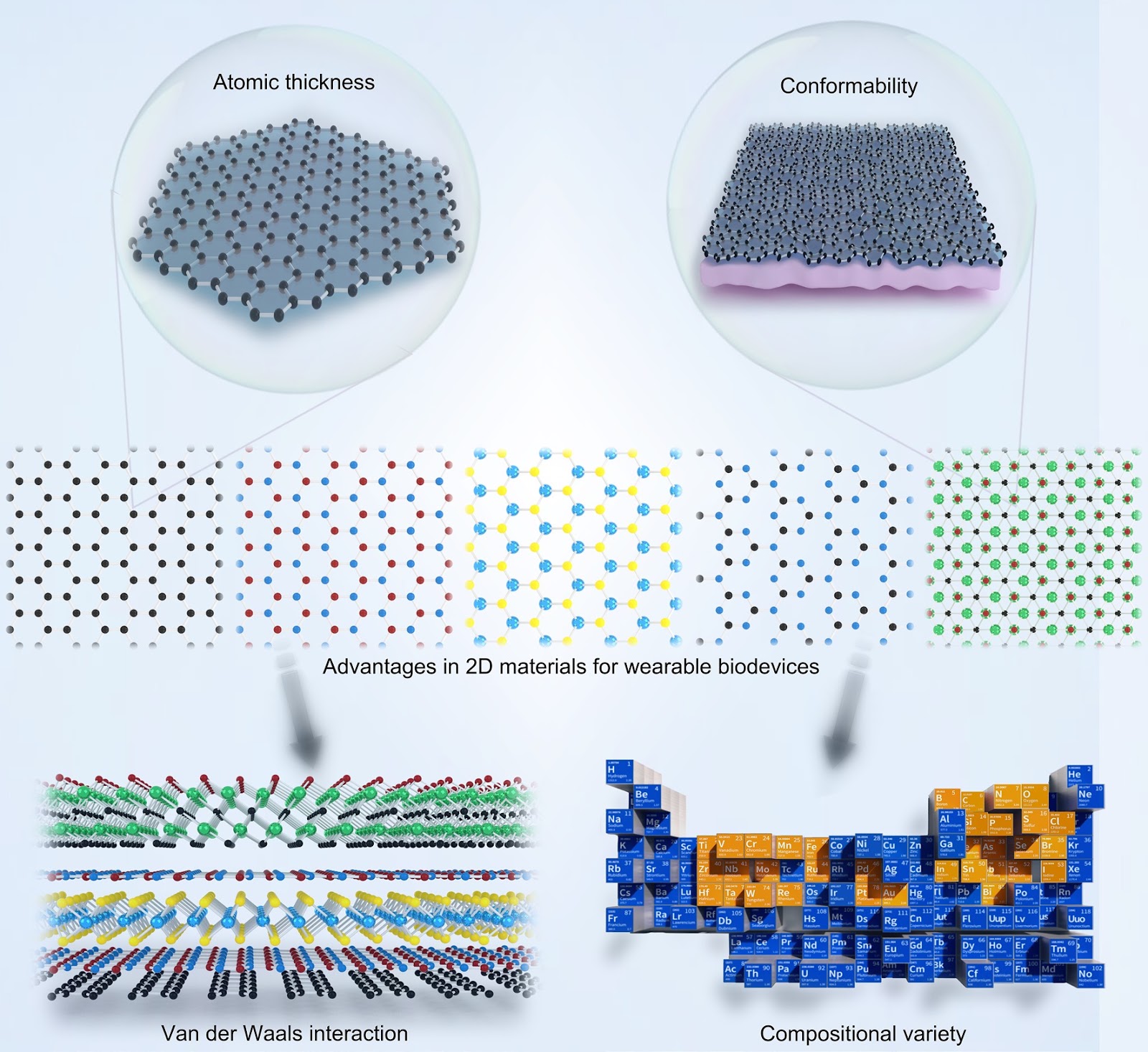
The proliferation of wearable biodevices has boosted the development of soft, innovative, and multifunctional materials for human health monitoring. The integration of wearable sensors with intelligent systems is an overwhelming tendency, providing powerful tools for remote health monitoring and personal health management. Among many candidates, two-dimensional (2D) materials stand out due to several exotic mechanical, electrical, optical, and chemical properties that can be efficiently integrated into atomic-thin films. While previous reviews on 2D materials for biodevices primarily focus on conventional configurations and materials like graphene, the rapid development of new 2D materials with exotic properties has opened up novel applications, particularly in smart interaction and integrated functionalities. This review aims to consolidate recent progress, highlight the unique advantages of 2D materials, and guide future research by discussing existing challenges and opportunities in applying 2D materials for smart wearable biodevices. We begin with an in-depth analysis of the advantages, sensing mechanisms, and potential applications of 2D materials in wearable biodevice fabrication. Following this, we systematically discuss state-of-the-art biodevices based on 2D materials for monitoring various physiological signals within the human body. Special attention is given to showcasing the integration of multi-functionality in 2D smart devices, mainly including self-power supply, integrated diagnosis/treatment, and human–machine interaction. Finally, the review concludes with a concise summary of existing challenges and prospective solutions concerning the utilization of 2D materials for advanced biodevices.

Wearable Biodevices Based on Two-Dimensional Materials: From Flexible Sensors to Smart Integrated Systems
Graphical Abstract
Original ResearchVol. 17, Issue 1 • pp. 107DOI: 10.1007/s40820-024-01613-zJan 10, 2025

Tuning Isomerism Effect in Organic Bulk Additives Enables Efficient and Stable Perovskite Solar Cells

Authors: Qi Zhang, Qiangqiang Zhao, Han Wang, Yiguo Yao, Lei Li, Yulin Wei, Ruida Xu, Chenyang Zhang, Erik O. Shalenov, Yongguang Tu, Kai Wang, Mingjia Xiao

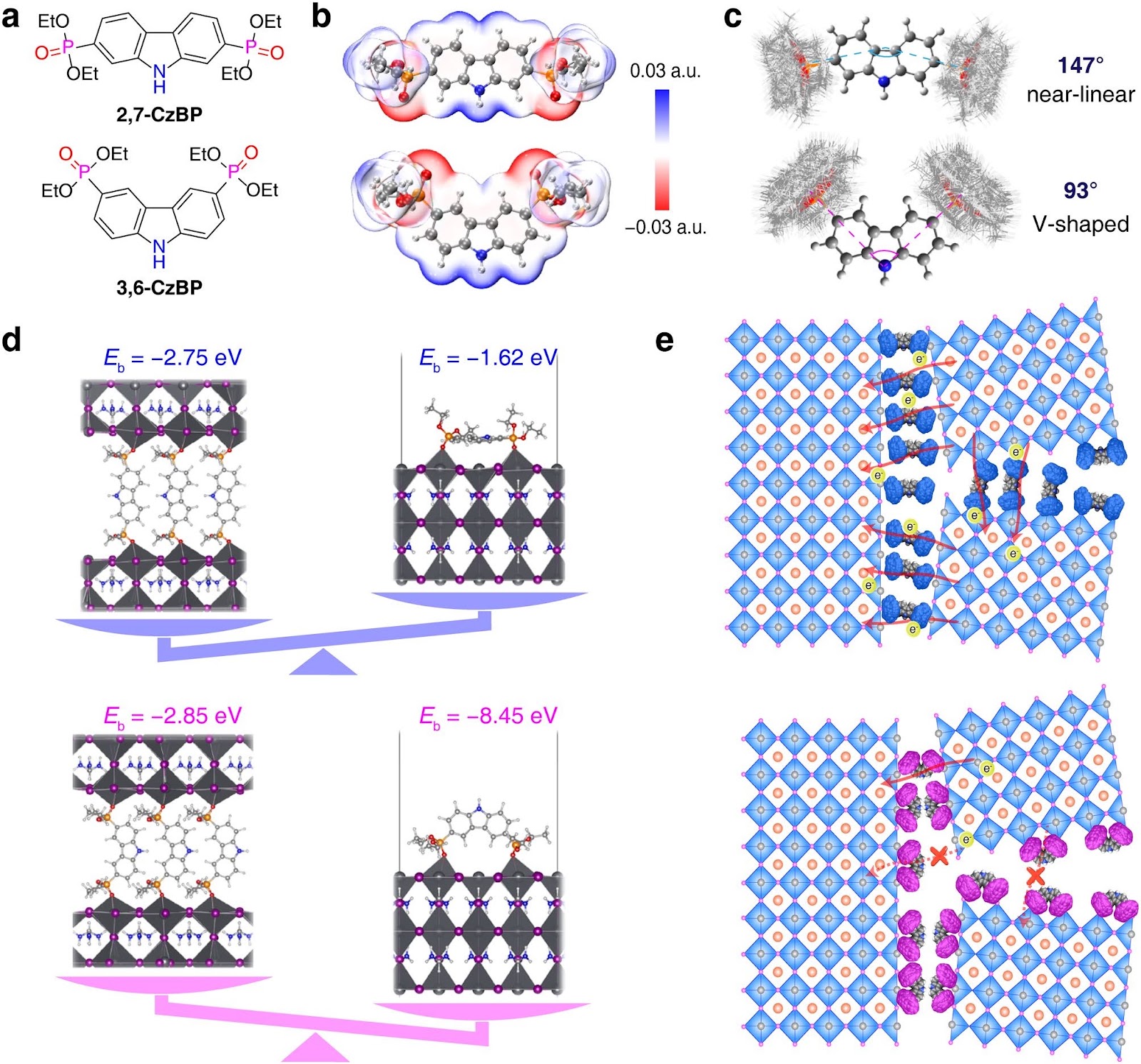
Organic additives with multiple functional groups have shown great promise in improving the performance and stability of perovskite solar cells. The functional groups can passivate undercoordinated ions to reduce nonradiative recombination losses. However, how these groups synergistically affect the enhancement beyond passivation is still unclear. Specifically, isomeric molecules with different substitution patterns or molecular shapes remain elusive in designing new organic additives. Here, we report two isomeric carbazolyl bisphosphonate additives, 2,7-CzBP and 3,6-CzBP. The isomerism effect on passivation and charge transport process was studied. The two molecules have similar passivation effects through multiple interactions, e.g., P=O···Pb, P=O···H–N and N–H···I. 2,7-CzBP can further bridge the perovskite crystallites to facilitates charge transport. Power conversion efficiencies (PCEs) of 25.88% and 21.04% were achieved for 0.09 cm2 devices and 14 cm2 modules after 2,7-CzBP treatment, respectively. The devices exhibited enhanced operational stability maintaining 95% of initial PCE after 1000 h of continuous maximum power point tracking. This study of isomerism effect hints at the importance of tuning substitution positions and molecular shapes for organic additives, which paves the way for innovation of next-generation multifunctional aromatic additives.

Tuning Isomerism Effect in Organic Bulk Additives Enables Efficient and Stable Perovskite Solar Cells
Graphical Abstract
Original ResearchVol. 17, Issue 1 • pp. 100DOI: 10.1007/s40820-024-01591-2Dec 30, 2024

Lessons from Nature: Advances and Perspectives in Bionic Microwave Absorption Materials

Authors: Dashuang Wang, Tuo Ping, Zhilan Du, Xiaoying Liu, Yuxin Zhang

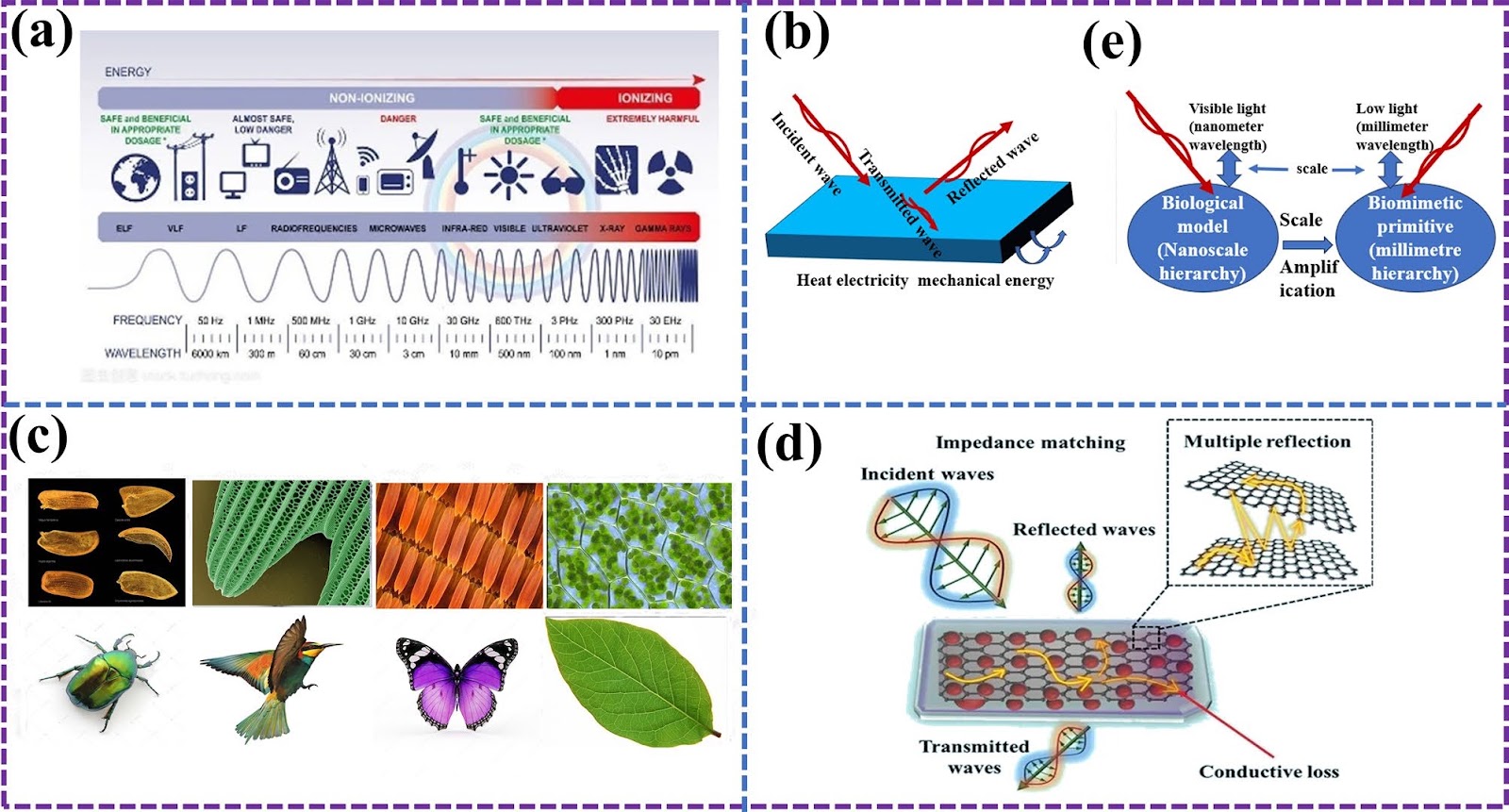
Inspired by the remarkable electromagnetic response capabilities of the complex morphologies and subtle microstructures evolved by natural organisms, this paper delves into the research advancements and future application potential of bionic microwave-absorbing materials (BMAMs). It outlines the significance of achieving high-performance microwave-absorbing materials through ingenious microstructural design and judicious composition selection, while emphasizing the innovative strategies offered by bionic manufacturing. Furthermore, this work meticulously analyzes how inspiration can be drawn from the intricate structures of marine organisms, plants, animals, and non-metallic minerals in nature to devise and develop BMAMs with superior electromagnetic wave absorption properties. Additionally, the paper provides an in-depth exploration of the theoretical underpinnings of BMAMs, particularly the latest breakthroughs in broadband absorption. By incorporating advanced methodologies such as simulation modeling and bionic gradient design, we unravel the scientific principles governing the microwave absorption mechanisms of BMAMs, thereby furnishing a solid theoretical foundation for understanding and optimizing their performance. Ultimately, this review aims to offer valuable insights and inspiration to researchers in related fields, fostering the collective advancement of research on BMAMs.

Lessons from Nature: Advances and Perspectives in Bionic Microwave Absorption Materials
Graphical Abstract
Original ResearchVol. 17, Issue 1 • pp. 98DOI: 10.1007/s40820-024-01604-0Dec 27, 2024

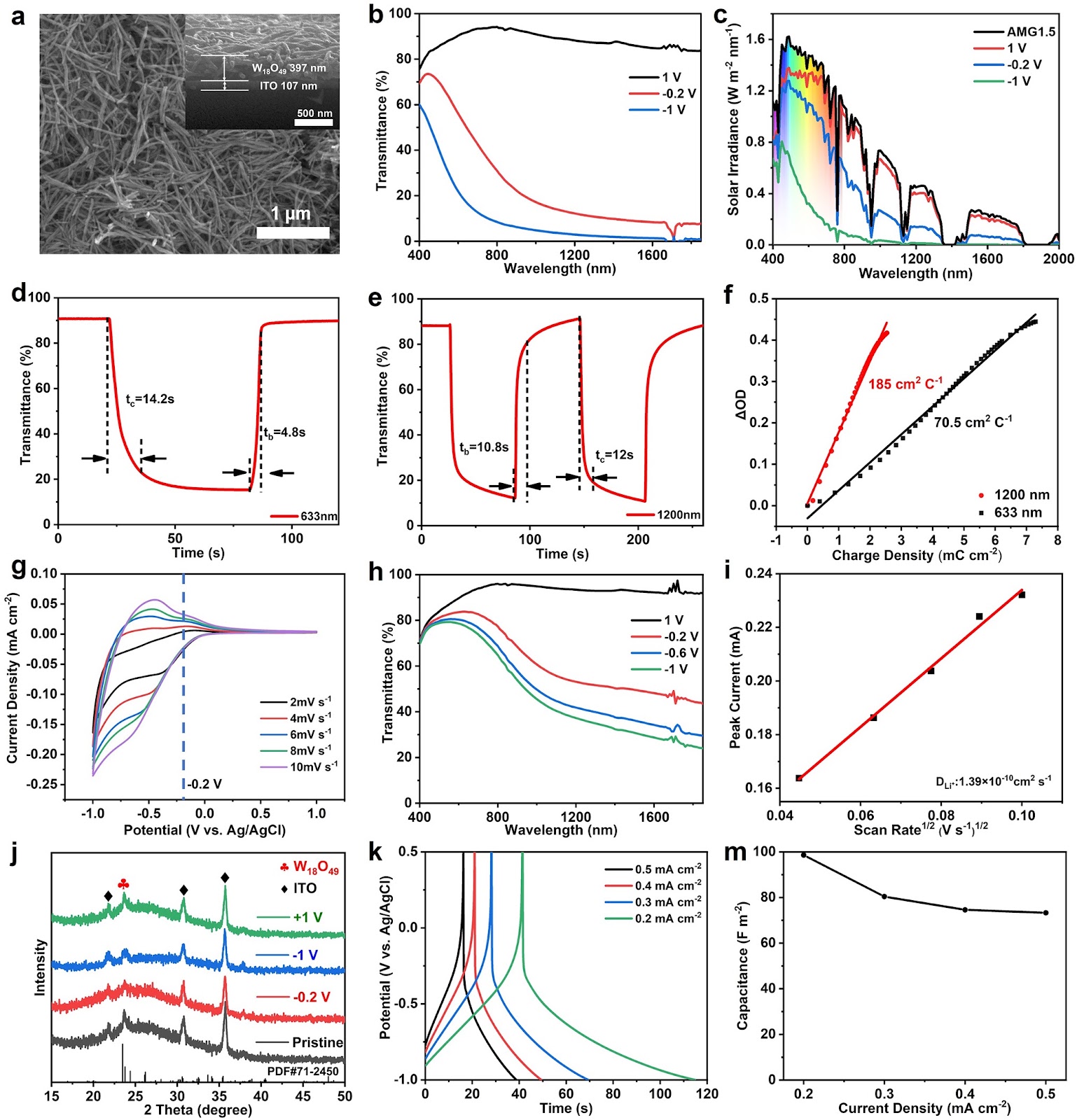
An Efficient and Flexible Bifunctional Dual-Band Electrochromic Device Integrating with Energy Storage

Authors: Zekun Huang, Yutao Peng, Jing Zhao, Shengliang Zhang, Penglu Qi, Xianlin Qu, Fuqiang Yan, Bing Ding, Yimin Xuan, Xiaogang Zhang

Dual-band electrochromic devices capable of the spectral-selective modulation of visible (VIS) light and near-infrared (NIR) can notably reduce the energy consumption of buildings and improve the occupants’ visual and thermal comfort. However, the low optical modulation and poor durability of these devices severely limit its practical applications. Herein, we demonstrate an efficient and flexible bifunctional dual-band electrochromic device which not only shows excellent spectral-selective electrochromic performance with a high optical modulation and a long cycle life, but also displays a high capacitance and a high energy recycling efficiency of 51.4%, integrating energy-saving with energy-storage. The nanowires structure and abundant oxygen-vacancies of oxygen-deficient tungsten oxide nanowires endows it high flexibility and a high optical modulation of 73.1% and 85.3% at 633 and 1200 nm respectively. The prototype device assembled can modulate the VIS light and NIR independently and effectively through three distinct modes with a long cycle life (3.3% capacity loss after 10,000 cycles) and a high energy-saving performance (8.8 °C lower than the common glass). Furthermore, simulations also demonstrate that our device outperforms the commercial low-emissivity glass in terms of energy-saving in most climatic zones around the world. Such windows represent an intriguing potential technology to improve the building energy efficiency.

An Efficient and Flexible Bifunctional Dual-Band Electrochromic Device Integrating with Energy Storage
Graphical Abstract
Original ResearchVol. 17, Issue 1 • pp. 96DOI: 10.1007/s40820-024-01598-9Dec 26, 2024

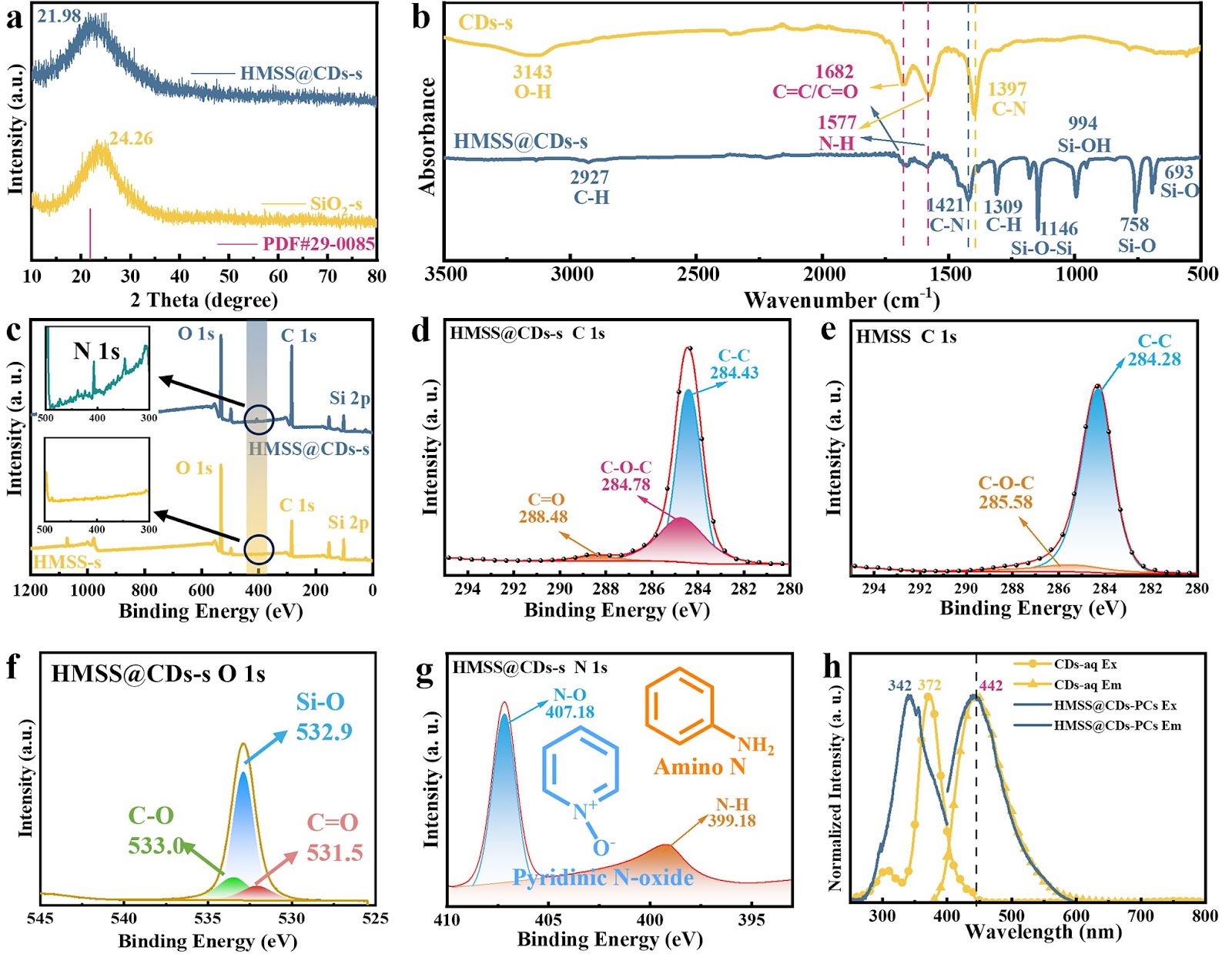
Carbon Dots-Modified Hollow Mesoporous Photonic Crystal Materials for Sensitivity- and Selectivity-Enhanced Sensing of Chloroform Vapor

Authors: Junchen Liu, Ji Liu, Zhipeng Li, Liupeng Zhao, Tianshuang Wang, Xu Yan, Fangmeng Liu, Xiaomin Li, Qin Li, Peng Sun, Geyu Lu, Dongyuan Zhao

Chloroform and other volatile organic pollutants have garnered widespread attention from the public and researchers, because of their potential harm to the respiratory system, nervous system, skin, and eyes. However, research on chloroform vapor sensing is still in its early stages, primarily due to the lack of specific recognition motif. Here we report a mesoporous photonic crystal sensor incorporating carbon dots-based nanoreceptor (HMSS@CDs-PCs) for enhanced chloroform sensing. The colloidal PC packed with hollow mesoporous silica spheres provides an interconnected ordered macro-meso-hierarchical porous structure, ideal for rapid gas sensing utilizing the photonic bandgap shift as the readout signal. The as-synthesized CDs with pyridinic-N-oxide functional groups adsorbed in the hollow mesoporous silica spheres are found to not only serve as the chloroform adsorption sites, but also a molecular glue that prevents crack formation in the colloidal PC. The sensitivity of HMSS@CDs-PCs sensor is 0.79 nm ppm−1 and an impressively low limit of detection is 3.22 ppm, which are the best reported values in fast-response chloroform vapor sensor without multi-signal assistance. The positive response time is 7.5 s and the negative response time 9 s. Furthermore, relatively stable sensing can be maintained within a relative humidity of 20%–85%RH and temperature of 25–55 °C. This study demonstrates that HMSS@CDs-PCs sensors have practical application potential in indoor and outdoor chloroform vapor detection.

Carbon Dots-Modified Hollow Mesoporous Photonic Crystal Materials for Sensitivity- and Selectivity-Enhanced Sensing of Chloroform Vapor
Graphical Abstract
Original ResearchVol. 17, Issue 1 • pp. 97DOI: 10.1007/s40820-024-01588-xDec 26, 2024

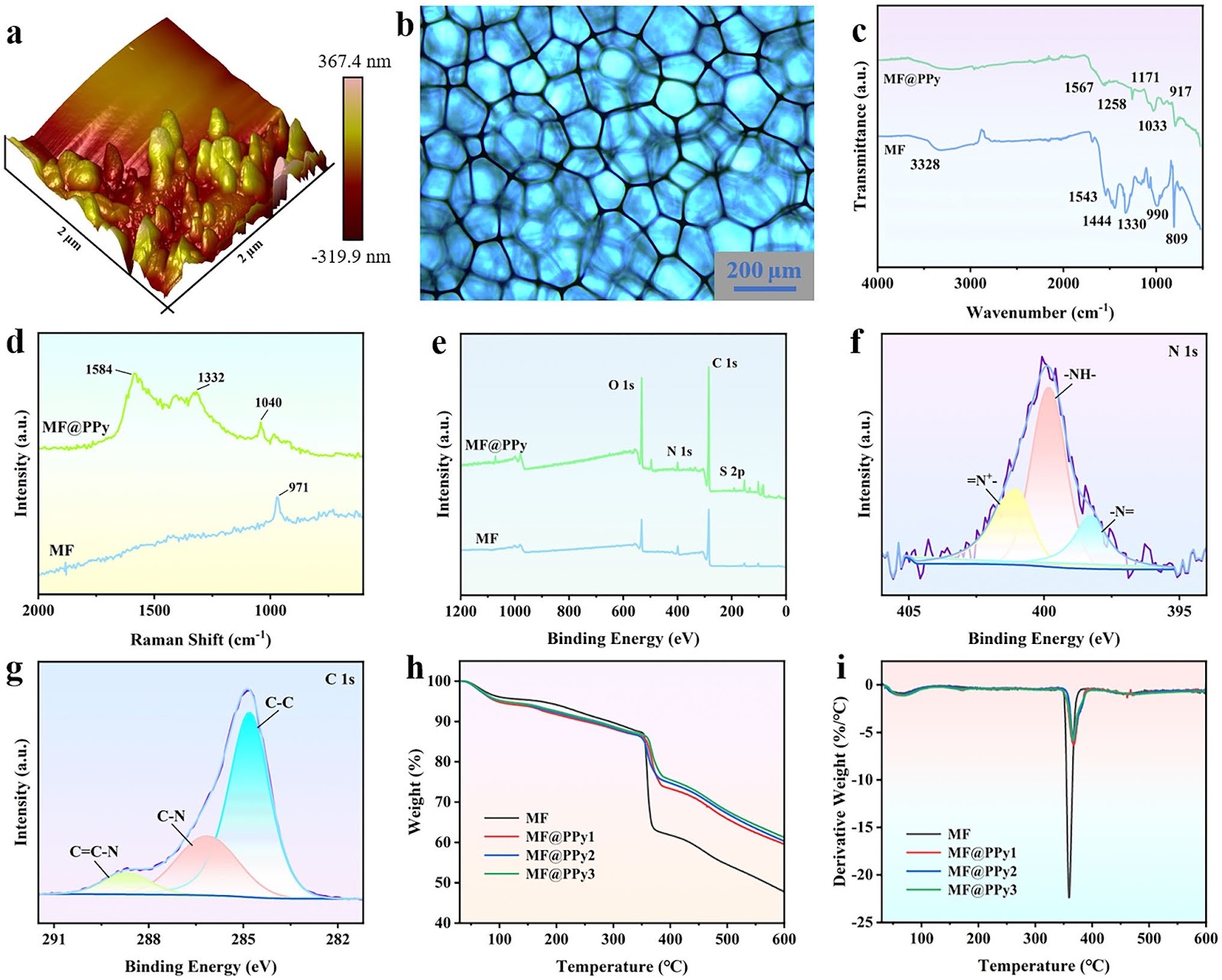
Hierarchically Porous Polypyrrole Foams Contained Ordered Polypyrrole Nanowire Arrays for Multifunctional Electromagnetic Interference Shielding and Dynamic Infrared Stealth

Authors: Yu-long Liu, Ting-yu Zhu, Qin Wang, Zi-jie Huang, De-xiang Sun, Jing-hui Yang, Xiao-dong Qi, Yong Wang

As modern communication and detection technologies advance at a swift pace, multifunctional electromagnetic interference (EMI) shielding materials with active/positive infrared stealth, hydrophobicity, and electric-thermal conversion ability have received extensive attention. Meeting the aforesaid requirements simultaneously remains a huge challenge. In this research, the melamine foam (MF)/polypyrrole (PPy) nanowire arrays (MF@PPy) were fabricated via one-step electrochemical polymerization. The hierarchical MF@PPy foam was composed of three-dimensional PPy micro-skeleton and ordered PPy nanowire arrays. Due to the upwardly grown PPy nanowire arrays, the MF@PPy foam possessed good hydrophobicity ability with a water contact angle of 142.00° and outstanding stability under various harsh environments. Meanwhile, the MF@PPy foam showed excellent thermal insulation property on account of the low thermal conductivity and elongated ligament characteristic of PPy nanowire arrays. Furthermore, taking advantage of the high conductivity (128.2 S m−1), the MF@PPy foam exhibited rapid Joule heating under 3 V, resulting in dynamic infrared stealth and thermal camouflage effects. More importantly, the MF@PPy foam exhibited remarkable EMI shielding effectiveness values of 55.77 dB and 19,928.57 dB cm2 g−1. Strong EMI shielding was put down to the hierarchically porous PPy structure, which offered outstanding impedance matching, conduction loss, and multiple attenuations. This innovative approach provides significant insights to the development of advanced multifunctional EMI shielding foams by constructing PPy nanowire arrays, showing great applications in both military and civilian fields.

Hierarchically Porous Polypyrrole Foams Contained Ordered Polypyrrole Nanowire Arrays for Multifunctional Electromagnetic Interference Shielding and Dynamic Infrared Stealth
Graphical Abstract
Original ResearchVol. 17, Issue 1 • pp. 90DOI: 10.1007/s40820-024-01566-3Dec 19, 2024

Skin-Friendly Large Matrix Iontronic Sensing Meta-Fabric for Spasticity Visualization and Rehabilitation Training via Piezo-Ionic Dynamics

Authors: Ruidong Xu, Tong Xu, Minghua She, Xinran Ji, Ganghua Li, Shijin Zhang, Xinwei Zhang, Hong Liu, Bin Sun, Guozhen Shen, Mingwei Tian

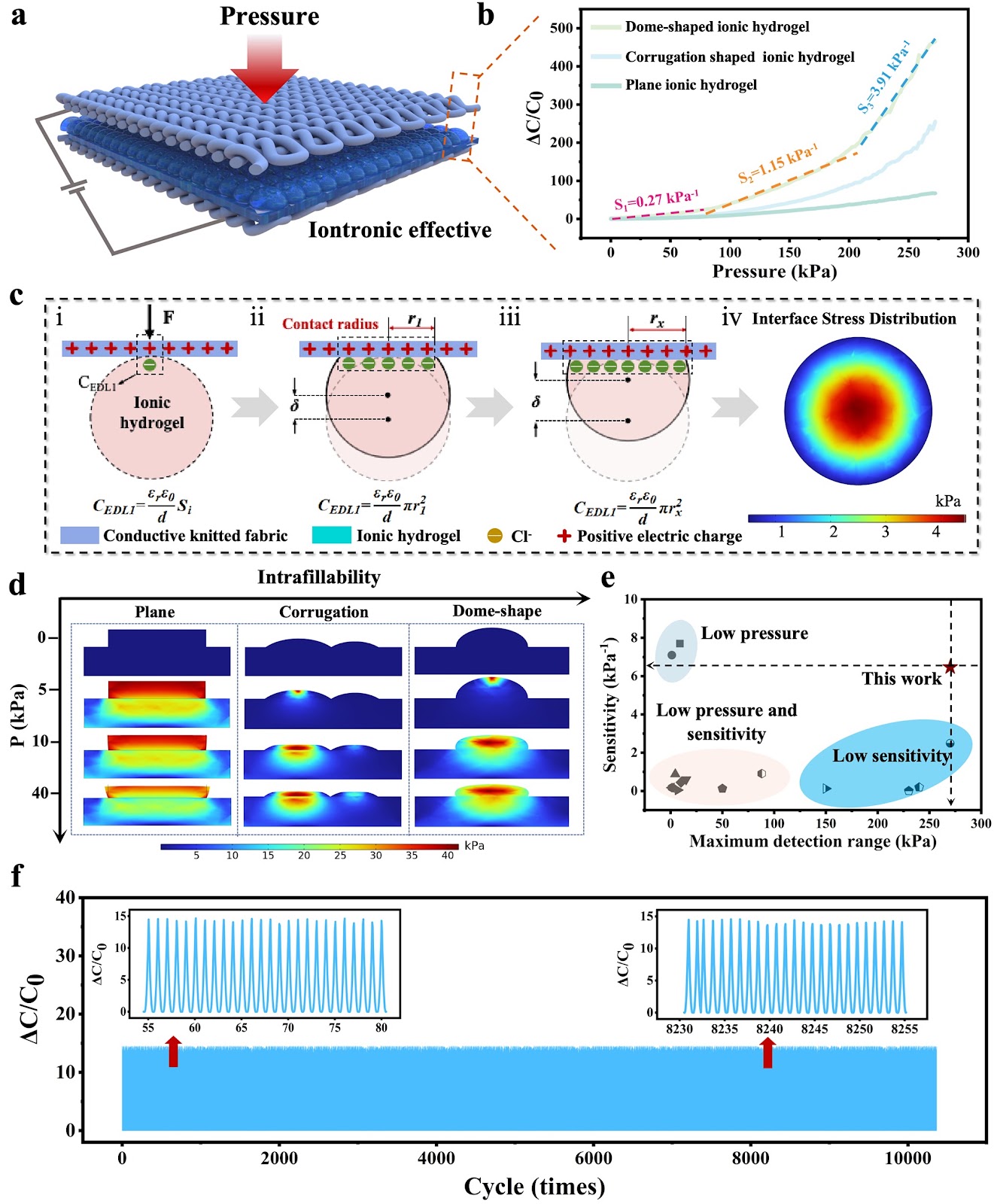
Rehabilitation training is believed to be an effectual strategy that can reduce the risk of dysfunction caused by spasticity. However, achieving visualization rehabilitation training for patients remains clinically challenging. Herein, we propose visual rehabilitation training system including iontronic meta-fabrics with skin-friendly and large matrix features, as well as high-resolution image modules for distribution of human muscle tension. Attributed to the dynamic connection and dissociation of the meta-fabric, the fabric exhibits outstanding tactile sensing properties, such as wide tactile sensing range (0~300 kPa) and high-resolution tactile perception (50 Pa or 0.058%). Meanwhile, thanks to the differential capillary effect, the meta-fabric exhibits a "hitting three birds with one stone" property (dryness wearing experience, long working time and cooling sensing). Based on this, the fabrics can be integrated with garments and advanced data analysis systems to manufacture a series of large matrix structure (40×40, 1600 sensing units) training devices. Significantly, the tunability of piezo-ionic dynamics of the meta-fabric and the programmability of high-resolution imaging modules allow this visualization training strategy extendable to various common disease monitoring. Therefore, we believe that our study overcomes the constraint of standard spasticity rehabilitation training devices in terms of visual display and paves the way for future smart healthcare.

Skin-Friendly Large Matrix Iontronic Sensing Meta-Fabric for Spasticity Visualization and Rehabilitation Training via Piezo-Ionic Dynamics
Graphical Abstract
Original ResearchVol. 17, Issue 1 • pp. 86DOI: 10.1007/s40820-024-01567-2Dec 9, 2024

Unlocking Novel Functionality: Pseudocapacitive Sensing in MXene-Based Flexible Supercapacitors

Authors: Eunji Kim, Seongbeen Kim, Hyeong Min Jin, Gyungtae Kim, Hwi-Heon Ha, Yunhui Choi, Kyoungha Min, Su-Ho Cho, Hee Han, Chi Won Ahn, Jaewoo Roh, Il-Kwon Oh, Jinwoo Lee, Yonghee Lee

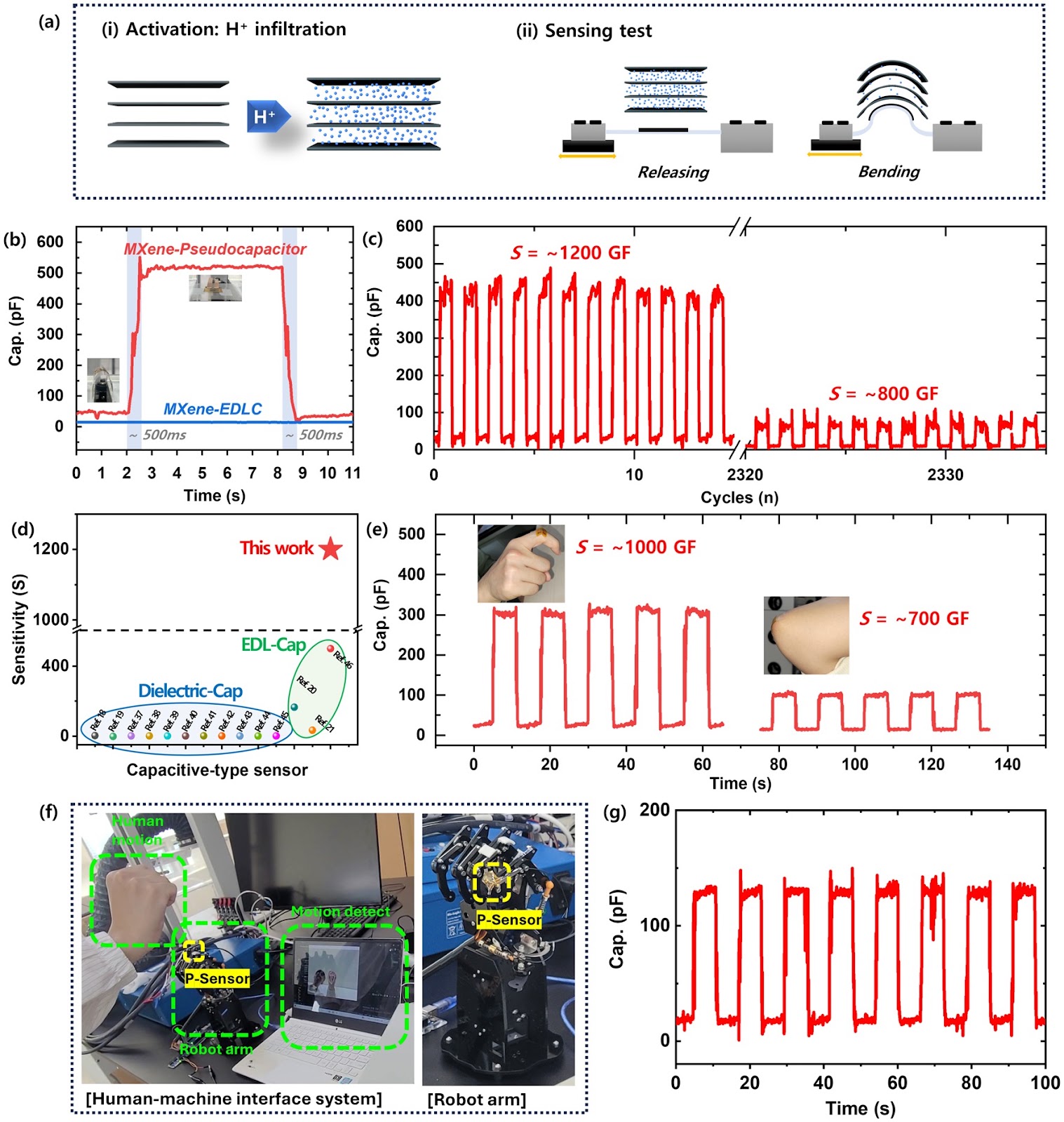
Extensively explored for their distinctive pseudocapacitance characteristics, MXenes, a distinguished group of 2D materials, have led to remarkable achievements, particularly in the realm of energy storage devices. This work presents an innovative Pseudocapacitive Sensor. The key lies in switching the energy storage kinetics from pseudocapacitor to electrical double layer capacitor by employing the change of local pH (-log[H+]) in MXene-based flexible supercapacitors during bending. Pseudocapacitive sensing is observed in acidic electrolyte but absent in neutral electrolyte. Applied shearing during bending causes liquid-crystalline MXene sheets to increase in their degree of anisotropic alignment. With blocking of H+ mobility due to the higher diffusion barrier, local pH increases. The electrochemical energy storage kinetics transits from Faradaic chemical protonation (intercalation) to non-Faradaic physical adsorption. We utilize the phenomenon of capacitance change due to shifting energy storage kinetics for strain sensing purposes. The developed highly sensitive Pseudocapacitive Sensors feature a remarkable gauge factor (GF) of approximately 1200, far surpassing conventional strain sensors (GF: ~1 for dielectric-cap sensor). The introduction of the Pseudocapacitive Sensor represents a paradigm shift, expanding the application of pseudocapacitance from being solely confined to energy devices to the realm of multifunctional electronics. This technological leap enriches our understanding of the pseudocapacitance mechanism of MXenes, and will drive innovation in cutting-edge technology areas, including advanced robotics, implantable biomedical devices, and health monitoring systems.

Unlocking Novel Functionality: Pseudocapacitive Sensing in MXene-Based Flexible Supercapacitors
Graphical Abstract
Original ResearchVol. 17, Issue 1 • pp. 81DOI: 10.1007/s40820-024-01577-0Dec 3, 2024

Anti-Swelling Polyelectrolyte Hydrogel with Submillimeter Lateral Confinement for Osmotic Energy Conversion

Authors: Yongxu Liu, Jiangnan Song, Zhen Liu, Jialin Chen, Dejuan Wang, Hui Zhi, Jiebin Tang, Yafang Zhang, Ningbo Li, Weijia Zhou, Meng An, Hong Liu, Guobin Xue

Harvesting the immense and renewable osmotic energy with reverse electrodialysis (RED) technology shows great promise in dealing with the ever-growing energy crisis. One key challenge is to improve the output power density with improved trade-off between membrane permeability and selectivity. Herein, polyelectrolyte hydrogels (channel width, 2.2 nm) with inherent high ion conductivity have been demonstrated to enable excellent selective ion transfer when confined in cylindrical anodized aluminum pore with lateral size even up to the submillimeter scale (radius, 0.1 mm). The membrane permeability of the anti-swelling hydrogel can also be further increased with cellulose nanofibers. With real seawater and river water, the output power density of a three-chamber cell on behalf of repeat unit of RED system can reach up to 8.99 W m−2 (per unit total membrane area), much better than state-of-the-art membranes. This work provides a new strategy for the preparation of polyelectrolyte hydrogel-based ion-selective membranes, owning broad application prospects in the fields of osmotic energy collection, electrodialysis, flow battery and so on.

Anti-Swelling Polyelectrolyte Hydrogel with Submillimeter Lateral Confinement for Osmotic Energy Conversion
Graphical Abstract
Original ResearchVol. 17, Issue 1 • pp. 76DOI: 10.1007/s40820-024-01587-yNov 27, 2024

A Multifunctional Hydrogel with Multimodal Self-Powered Sensing Capability and Stable Direct Current Output for Outdoor Plant Monitoring Systems

Authors: Xinge Guo, Luwei Wang, Zhenyang Jin, Chengkuo Lee

Smart farming with outdoor monitoring systems is critical to address food shortages and sustainability challenges. These systems facilitate informed decisions that enhance efficiency in broader environmental management. Existing outdoor systems equipped with energy harvesters and self-powered sensors often struggle with fluctuating energy sources, low durability under harsh conditions, non-transparent or non-biocompatible materials, and complex structures. Herein, a multifunctional hydrogel is developed, which can fulfill all the above requirements and build self-sustainable outdoor monitoring systems solely by it. It can serve as a stable energy harvester that continuously generates direct current output with an average power density of 1.9 W m−3 for nearly 60 days of operation in normal environments (24 °C, 60% RH), with an energy density of around 1.36 × 10^7 J m−3. It also shows good self-recoverability in severe environments (45 °C, 30% RH) in nearly 40 days of continuous operation. Moreover, this hydrogel enables noninvasive and self-powered monitoring of leaf relative water content, providing critical data on evaluating plant health, previously obtainable only through invasive or high-power consumption methods. Its potential extends to acting as other self-powered environmental sensors. This multifunctional hydrogel enables self-sustainable outdoor systems with scalable and low-cost production, paving the way for future agriculture.

A Multifunctional Hydrogel with Multimodal Self-Powered Sensing Capability and Stable Direct Current Output for Outdoor Plant Monitoring Systems
Graphical Abstract
Original ResearchVol. 17, Issue 1 • pp. 72DOI: 10.1007/s40820-024-01576-1Nov 27, 2024

Dual-Donor-Induced Crystallinity Modulation Enables 19.23% Efficiency Organic Solar Cells

Authors: Anhai Liang, Yuqing Sun, Sein Chung, Jiyeong Shin, Kangbo Sun, Chaofeng Zhu, Jingjing Zhao, Zhenmin Zhao, Yufei Zhong, Guangye Zhang, Kilwon Cho, Zhipeng Kan

Trap-assisted charge recombination is one of the primary limitations of restricting the performance of organic solar cells. However, effectively reducing the presence of traps in the photoactive layer remains challenging. Herein, wide bandgap polymer donor PTzBI-dF is demonstrated as an effective modulator for enhancing the crystallinity of the bulk heterojunction active layers composed of D18 derivatives blended with Y6, leading to dense and ordered molecular packings, and thus, improves photoluminescence quenching properties. As a result, the photovoltaic devices exhibit reduced trap-assisted charge recombination losses, achieving an optimized power conversion efficiency of over 19%. Besides the efficiency enhancement, the devices comprised of PTzBI-dF as a third component simultaneously attain decreased current leakage, improved charge carrier mobilities, and suppressed bimolecular charge recombination, leading to reduced energy losses. The advanced crystalline structures induced by PTzBI-dF and its characteristics, such as well-aligned energy level, and complementary absorption spectra, are ascribed to the promising performance improvements. Our findings suggest that donor phase engineering is a feasible approach to tuning the molecular packings in the active layer, providing guidelines for designing effective morphology modulators for high-performance organic solar cells.

Dual-Donor-Induced Crystallinity Modulation Enables 19.23% Efficiency Organic Solar Cells
Graphical Abstract