Recent study on hydrophilization of polyvinylidene fluoride membrane for oily wastewater treatment
Authors: Nita Aryanti, Aininu Nafisa, Tutuk Djoko Kusworo
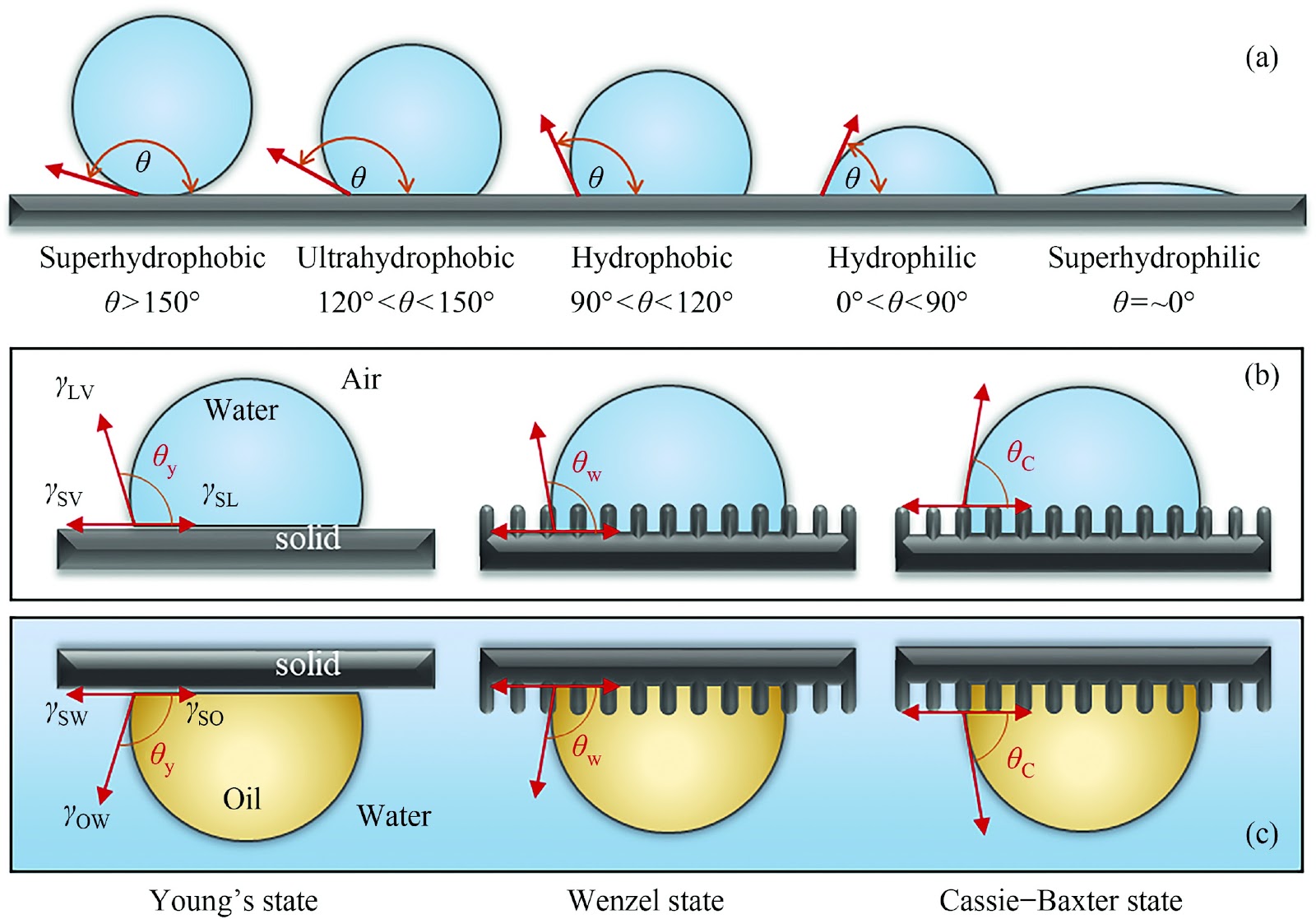
Polyvinylidene fluoride (PVDF) polymer-based membranes are extensively used in wastewater treatment, yet their partially hydrophobic nature poses significant challenges. Numerous studies have focused on creating super-wetting membranes to enhance the water affinity of PVDF membranes. This review provides a comprehensive discussion on the hydrophilization of PVDF-based membranes, examining the chemical and physical properties that influence water affinity. Followed by various fabrication techniques, appropriate modifier materials, efficient operational conditions, and recent advancements in hydrophilization methods. Additionally, the review systematically evaluates the performance of these hydrophilized membranes in separating surfactant-stabilized oil-in-water emulsions, highlighting the importance of long-term stability and environmental considerations. The antifouling mechanisms and the effectiveness of hydrophilic membranes in oil-water separation processes are also discussed, offering insights into the development and application of these technologies. The discussion explain in this review provides important information for the research of wastewater treatment, green material and green industry.