SinoTechIntel Academic Portal
🏛️ Indexed Academic JournalImpact Factor: 3.8 (Q1 - Elsevier)Original: 中国化学工程学报 (英文版)

Chinese Journal of Chemical Engineering

Access authentic peer-reviewed engineering methodologies, experimental datasets, and scientific literature published in this journal on SinoTechIntel.

Total Research Papers: 98
Access: 100% Free Open Access
Browse by Publication Year & VolumeReset All Filters ✕

Published Research PapersFiltered: Year 2024 • 76

Showing 20 of 98 peer-reviewed papers with full Graphical Abstracts.

Original ResearchVol. 76, Issue 1 • pp. 157-186DOI: 10.1016/j_cjche_1448Oct 18, 2024

Recent study on hydrophilization of polyvinylidene fluoride membrane for oily wastewater treatment

Authors: Nita Aryanti, Aininu Nafisa, Tutuk Djoko Kusworo

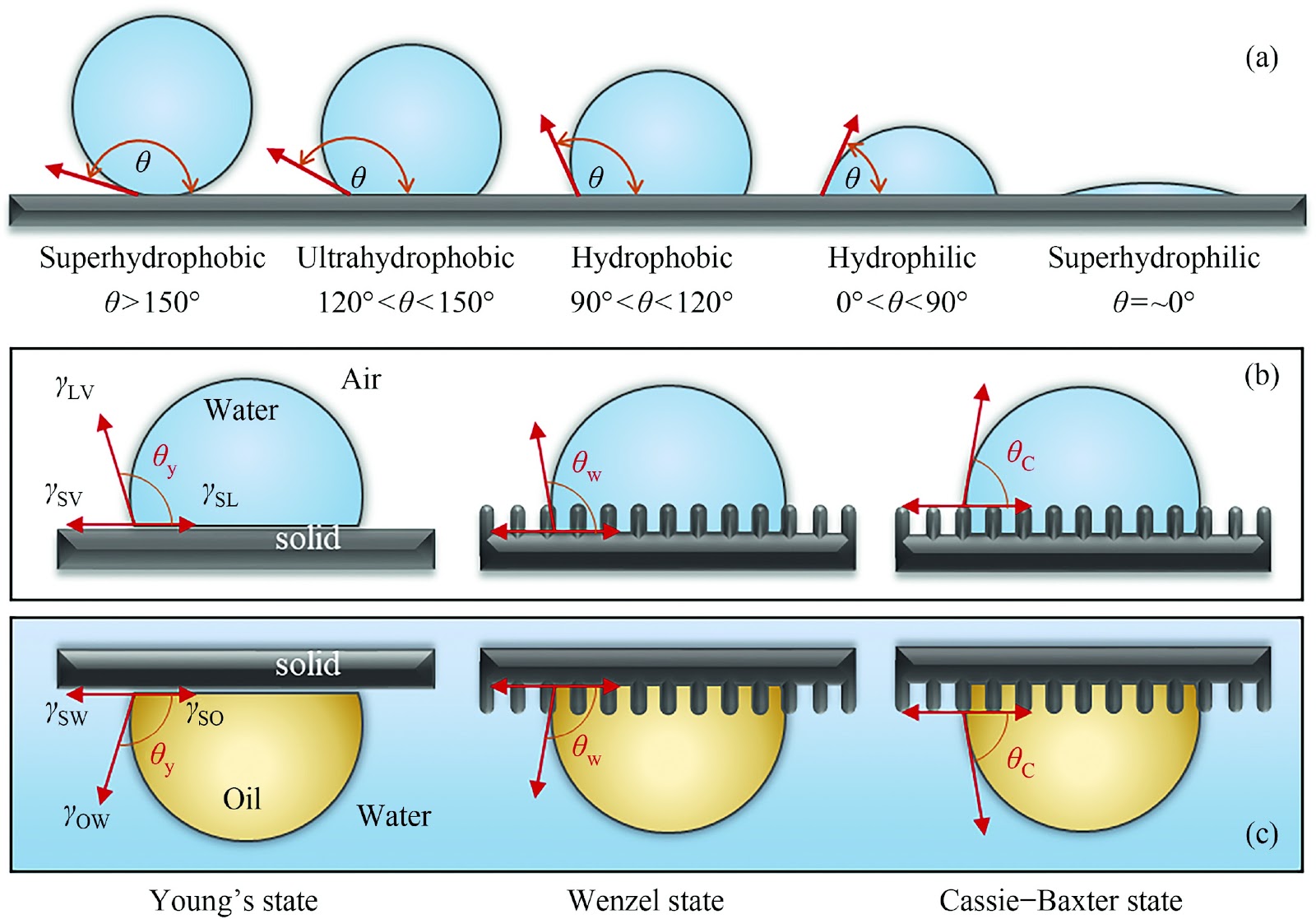
Polyvinylidene fluoride (PVDF) polymer-based membranes are extensively used in wastewater treatment, yet their partially hydrophobic nature poses significant challenges. Numerous studies have focused on creating super-wetting membranes to enhance the water affinity of PVDF membranes. This review provides a comprehensive discussion on the hydrophilization of PVDF-based membranes, examining the chemical and physical properties that influence water affinity. Followed by various fabrication techniques, appropriate modifier materials, efficient operational conditions, and recent advancements in hydrophilization methods. Additionally, the review systematically evaluates the performance of these hydrophilized membranes in separating surfactant-stabilized oil-in-water emulsions, highlighting the importance of long-term stability and environmental considerations. The antifouling mechanisms and the effectiveness of hydrophilic membranes in oil-water separation processes are also discussed, offering insights into the development and application of these technologies. The discussion explain in this review provides important information for the research of wastewater treatment, green material and green industry.
Recent study on hydrophilization of polyvinylidene fluoride membrane for oily wastewater treatment
Graphical Abstract
Original ResearchVol. 76, Issue 1 • pp. 201-210DOI: 10.1016/j_cjche_1448Oct 11, 2024

NiMo-MMO catalyst derived from LDHs precursors toward the deep hydrogenation of pyrene

Authors: Yongliang Jia, Boyang Bai, Jing Wang, Yueyi Wang, Zheng Wang, Xiaoxun Ma

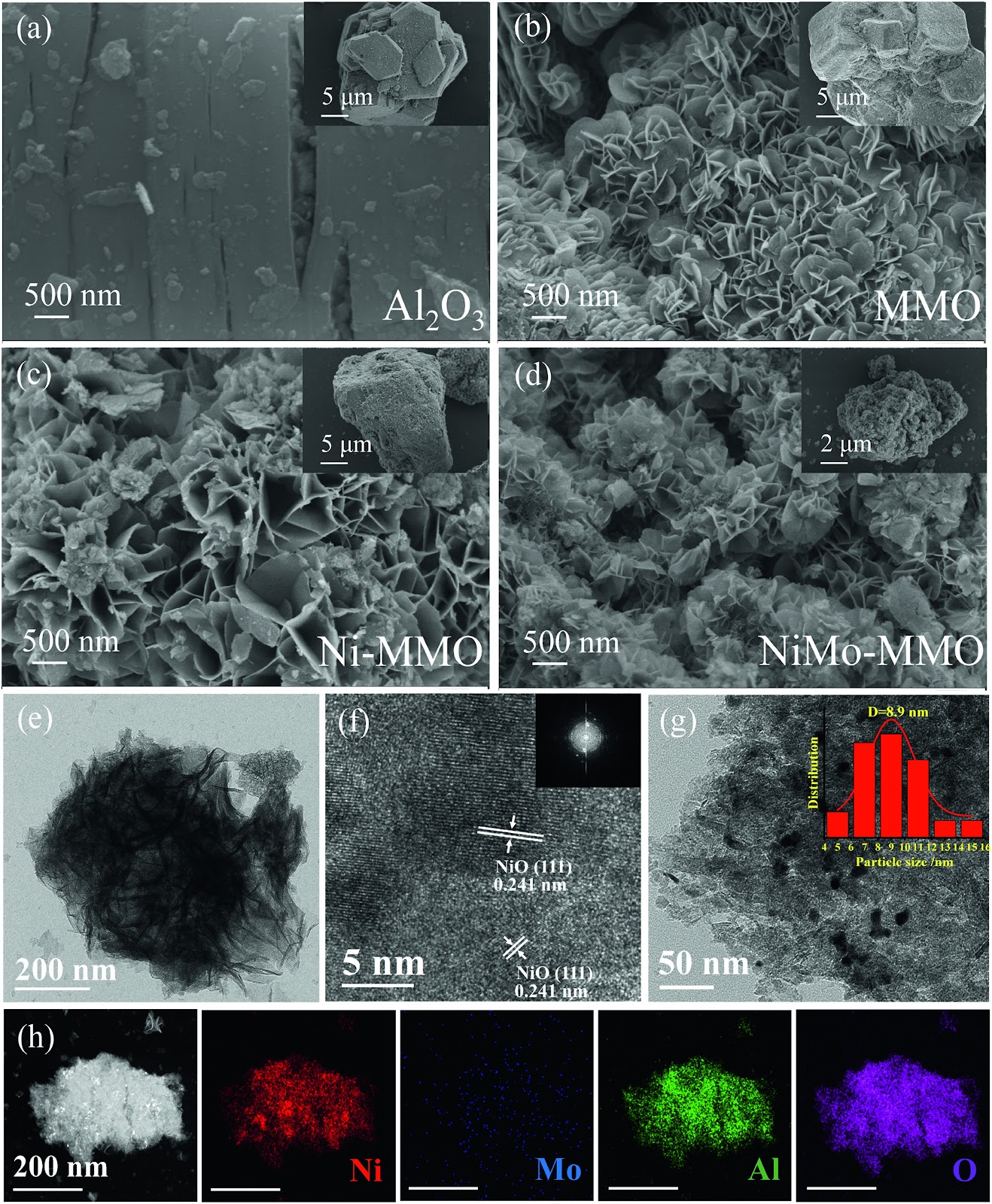
A series of Ni-based catalysts were prepared via structural topological transformation from the Ni@Al2O3 layered double hydroxides (LDHs) precursors, and applied for the deep catalytic hydrogenation saturation of pyrene in a high-pressure reactor. The pore structures, active species dispersion, surface morphology, amount and type of acid of the prepared catalysts were characterized by BET, XRD, SEM, TEM, XPS, SEM, NH3-TPD and Py-IR. We studied the influence of physicochemical properties of Ni-based catalysts on the regularity and mechanism of deep hydrogenation of pyrene. Meanwhile, the synergy between Ni and Mo, and the interaction between active metals and support were discussed to further reveal the constitutive relationship during the hydrogenation reaction of pyrene. The results of the evaluation of the catalytic hydrogenation of pyrene show that the as-prepared NiMo mixed metal oxide (MMO) catalyst showed excellent catalytic activity: ~95% pyrene conversion, 90.12% for the selectivity of deep hydrogenation products (hexahydropyrene, decahydropyrene and hexadecahydropyrene). It was expected that the successfully preparation and utilization of NiMo-MMO catalyst could provide a theoretical basis for the design of this kind of catalysts for deep catalytic hydrogenation of polycyclic aromatic hydrocarbons (PAHs).

NiMo-MMO catalyst derived from LDHs precursors toward the deep hydrogenation of pyrene
Graphical Abstract
Original ResearchVol. 76, Issue 1 • pp. 64-74DOI: 10.1016/j_cjche_1448Oct 11, 2024

Numerical investigation of turbulent mass transfer processes in turbulent fluidized bed by computational mass transfer

Authors: Hailun Ren, Liang Zeng, Wenbin Li, Shuyong Chen, Zhongli Tang, Donghui Zhang

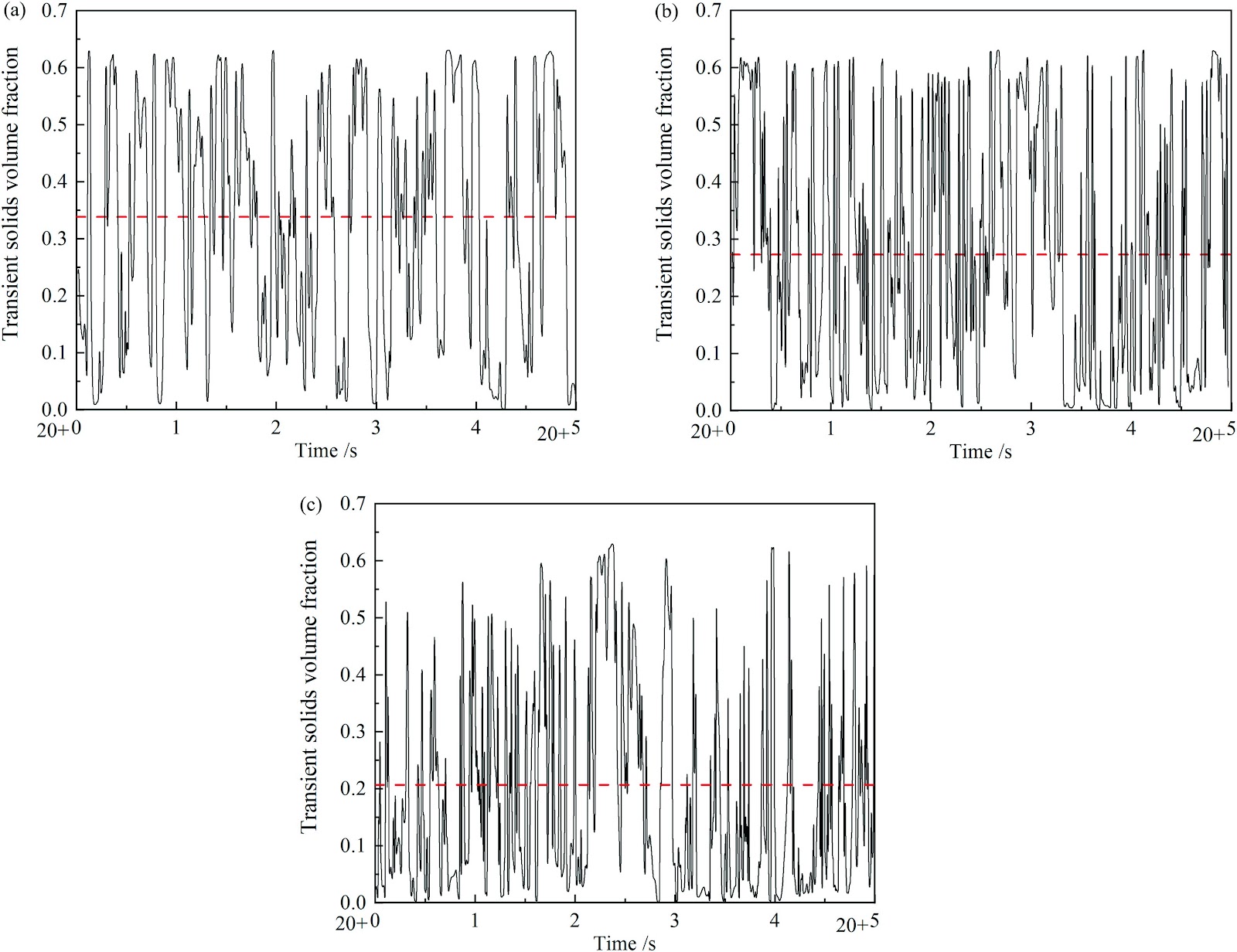
Turbulent fluidized bed possesses a distinct advantage over bubbling fluidized bed in high solids contact efficiency and thus exerts great potential in applications to many industrial processes. Simulation for fluidization of fluid catalytic cracking (FCC) particles and the catalytic reaction of ozone decomposition in turbulent fluidized bed is conducted using the Eulerian–Eulerian approach, where the recently developed two-equation turbulent (TET) model is introduced to describe the turbulent mass diffusion. The energy minimization multi-scale (EMMS) drag model and the kinetic theory of granular flow (KTGF) are adopted to describe gas–particles interaction and particle–particle interaction respectively. The TET model features the rigorous closure for the turbulent mass transfer equations and thus enables more reliable simulation. With this model, distributions of ozone concentration and gas–particles two-phase velocity as well as volume fraction are obtained and compared against experimental data. The average absolute relative deviation for the simulated ozone concentration is 9.67% which confirms the validity of the proposed model. Moreover, it is found that the transition velocity from bubbling fluidization to turbulent fluidization for FCC particles is about 0.5 m·s−1 which is consistent with experimental observation.

Numerical investigation of turbulent mass transfer processes in turbulent fluidized bed by computational mass transfer
Graphical Abstract
Original ResearchVol. 76, Issue 1 • pp. 237-250DOI: 10.1016/j_cjche_1448Oct 5, 2024

Preparation of Mn-Ce oxide-loaded Al2O3 by citric acid-assisted impregnation for enhanced catalytic ozonation degradation of dye wastewater

Authors: Shaopeng Li, Weichao Li, Yun Wu, Xianming Zheng, Xuehui Zhao, Ning Nan, Hongwei Zhang

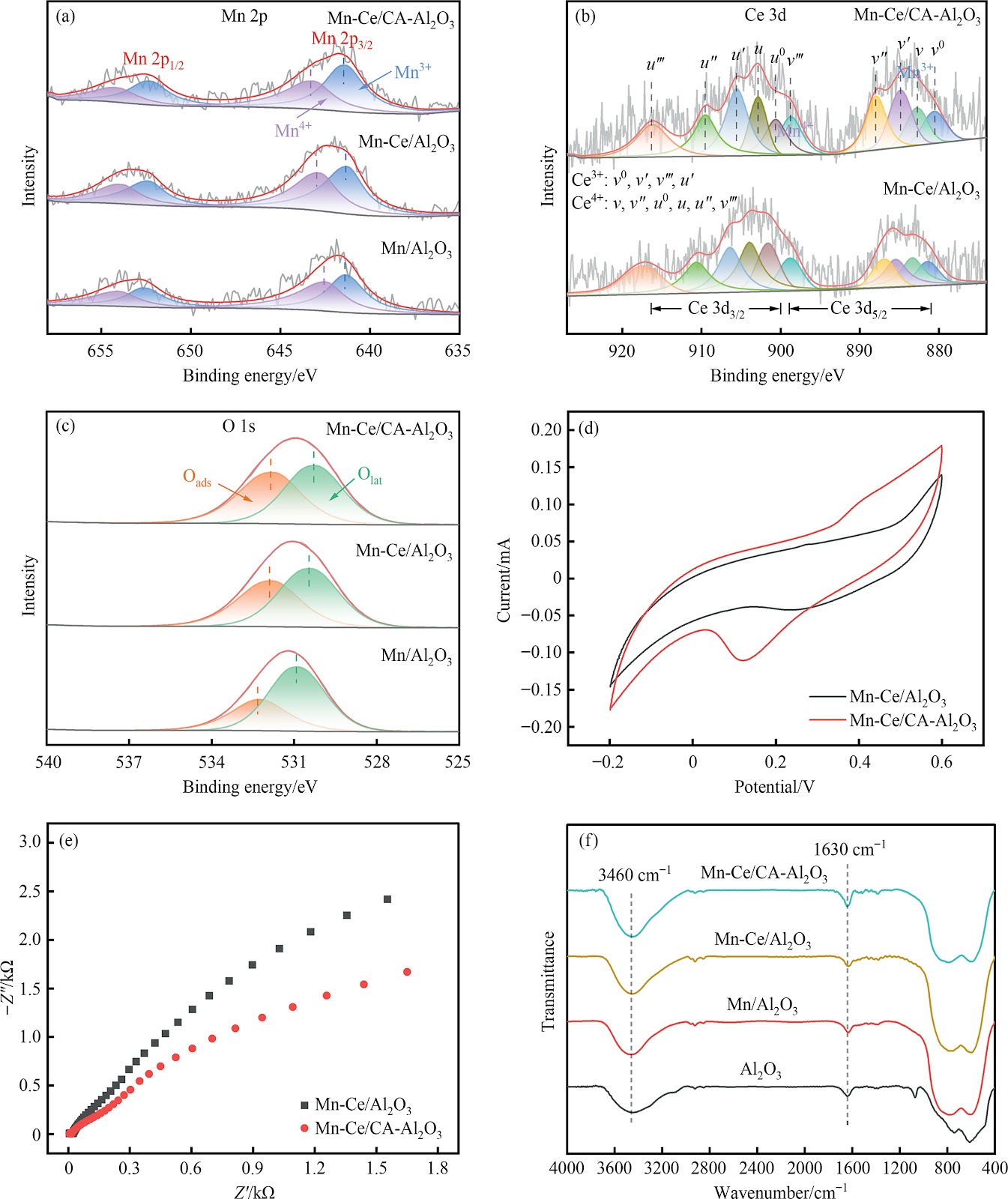
The performance of supported catalysts is significantly affected by the dispersion degree of the active components on the support. In this study, citric acid (CA) was used as a modifier to prepare Al2O3 supported Mn-Ce oxides (Mn-Ce/CA-Al2O3) by the impregnation-calcination method. The characterization results showed that adding citric acid enhanced the dispersion of Mn-Ce oxides on the support, rendering Mn-Ce/CA-Al2O3 with a larger specific surface area and abundant surface hydroxyl groups, thereby providing more reaction sites for catalytic ozonation. The Mn-Ce/CA-Al2O3 exhibited excellent catalytic ozonation performance in degrading Reactive Black 5 (RB5) dye. It achieved nearly complete decolorization of RB5 within 60 min, with a COD removal efficiency of 60%, which was superior to the sole ozonation (30%). Furthermore, the Mn-Ce/CA-Al2O3 system demonstrated significant degradation of RB5 over a wide pH range of 3-11. Based on the XPS and EPR analysis results, a preliminary mechanism of catalytic ozonation over the Mn-Ce/CA-Al2O3 was proposed. The redox cycle of Mn3+/Mn4+ and Ce3+/Ce4+ effectively accelerated the electron transfer process, thus promoting the generation of reactive oxygen species (ROS) and improving the degradation of RB5. Meanwhile, the Mn-Ce/CA-Al2O3 exhibited superior catalytic stability and effective treatment capabilities for real dye wastewater.

Preparation of Mn-Ce oxide-loaded Al2O3 by citric acid-assisted impregnation for enhanced catalytic ozonation degradation of dye wastewater
Graphical Abstract
Original ResearchVol. 76, Issue 1 • pp. 211-226DOI: 10.1016/j_cjche_1448Oct 5, 2024

Rigorous design and economic optimization of reactive distillation column considering real liquid hold-up and hydraulic conditions of industrial device

Authors: Yuchang Du, Yiqing Luo, Peilin Yang, Shengkun Jia, Xigang Yuan

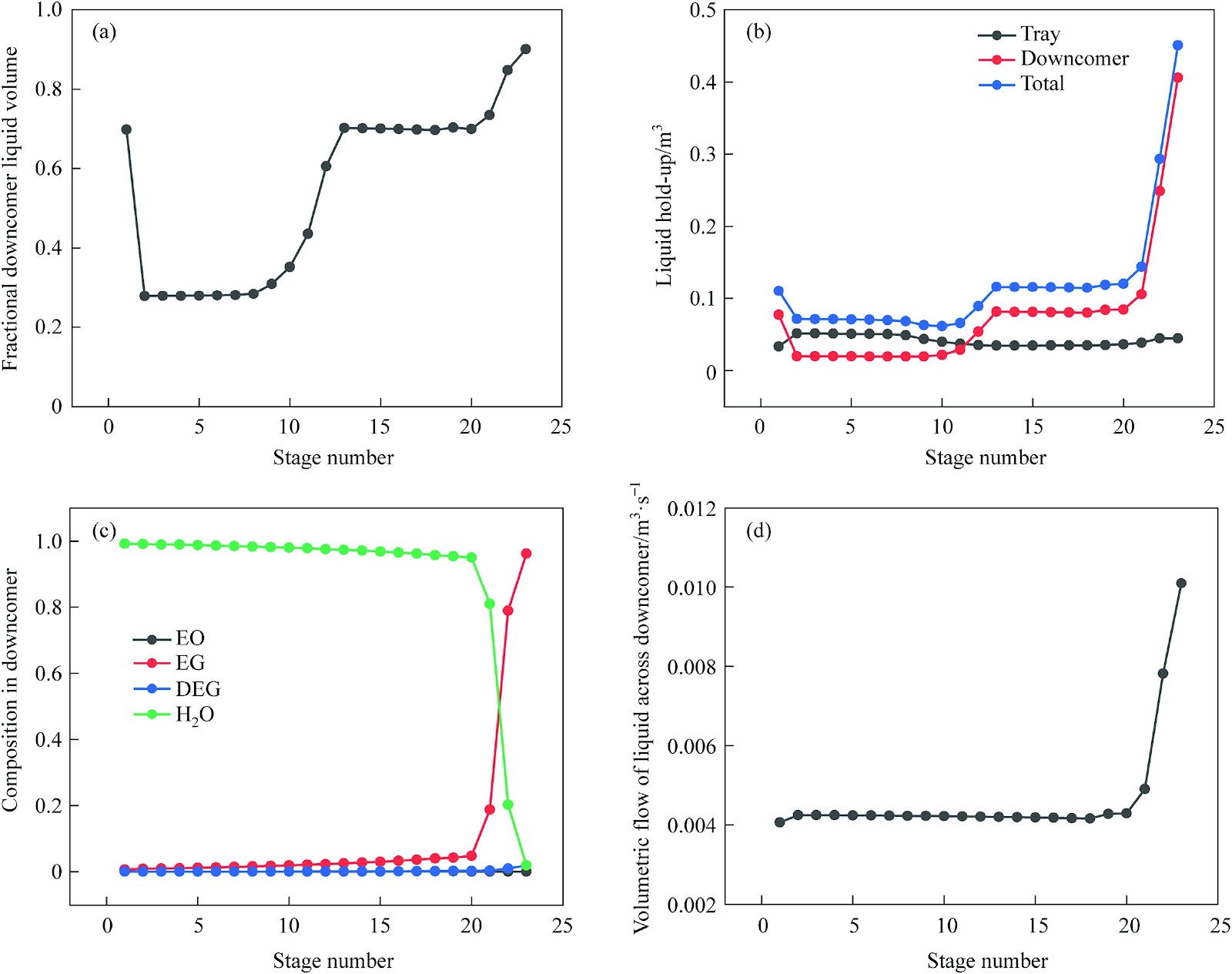
The liquid hold-up in a reactive distillation (RD) column not only has a significant impact on the extent of reactions, but also affects the pressure drop and hydraulic conditions in the column. Therefore, the liquid hold-up would be a critical design factor for RD columns. However, the existing design methods for RD columns typically neglect the influence of considerable amount of liquid hold-up in downcomers owing to the difficulties of solving a large-scale nonlinear model system by considering downcomer hydraulics, resulting in significant deviations from actual situation and even operation infeasibility of the designed column. In this paper, a pseudo-transient (PT) RD model based on equilibrium model considering tray hydraulics was established for rigorous simulation and optimization of RD plate columns considering the liquid hold-up both in downcomers and column trays, and a steady-state optimization algorithm assisted by the PT model was adopted to robustly solve the optimization problem. The optimization results of either ethylene glycol RD or methyl acetate RD demonstrated that assuming all the liquid hold-up of a stage belonged to the tray will cause significant deviations in the column diameter, weir height, and the number of stages, which leads to not meeting the separation requirements and even operation hydraulic infeasibility. The rigorous model proposed in this study which considers the liquid hold-up both on trays and in downcomers as well as hydraulic constraints can be applied to systematically design industrial RD plate columns to simultaneously obtain optimal operating variables and equipment structure variables.

Rigorous design and economic optimization of reactive distillation column considering real liquid hold-up and hydraulic conditions of industrial device
Graphical Abstract
Original ResearchVol. 76, Issue 1 • pp. 83-94DOI: 10.1016/j_cjche_1448Oct 4, 2024

Solid–liquid phase equilibria in the aqueous system containing the chlorides of potassium, ammonium, and calcium at 298.2, 323.2, and 348.2 K

Authors: Fuyu Zhuge, Nan Zhang, Haiying Tang, Qi Li, Niancu Chen, Xudong Yu

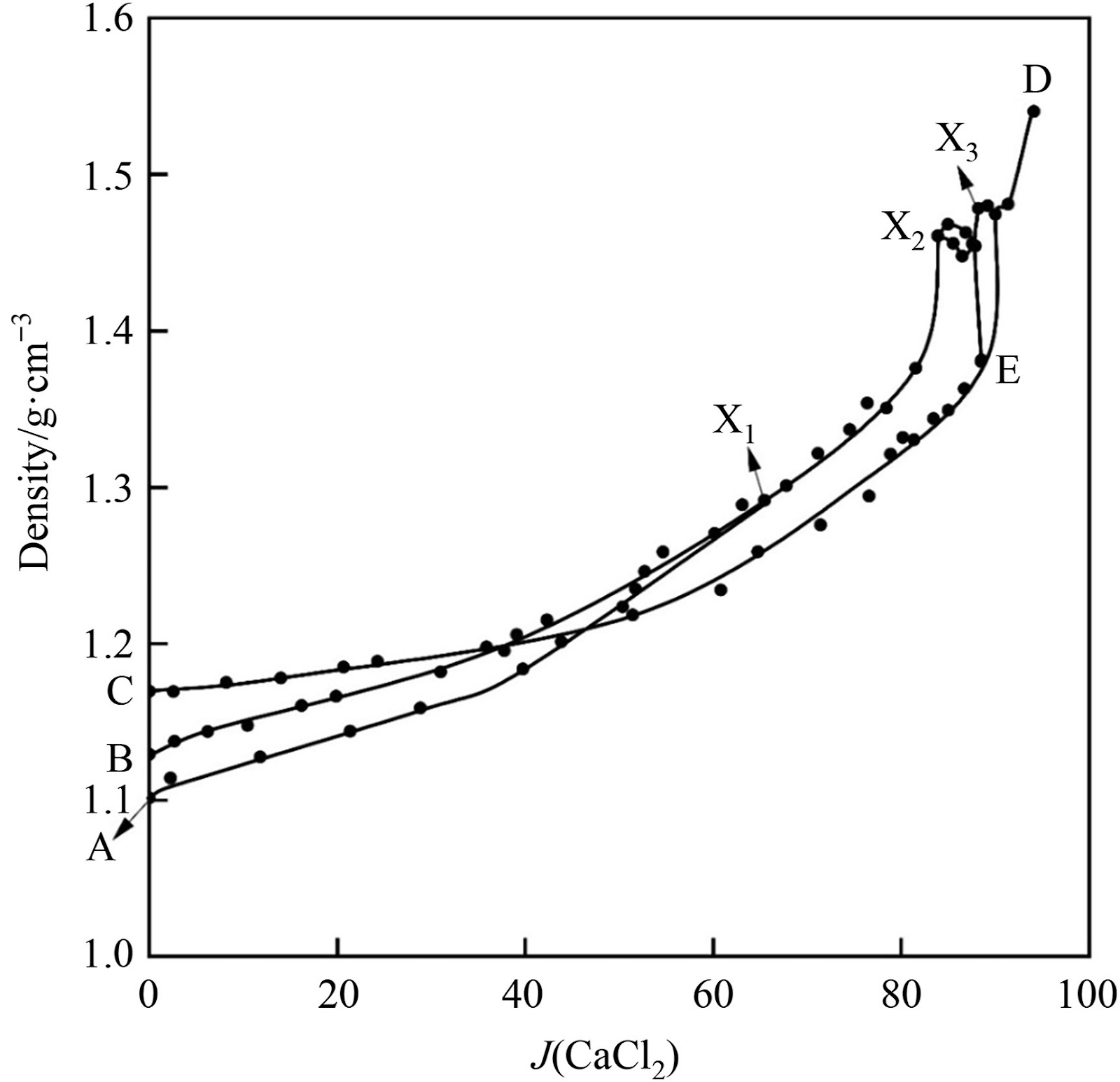
In order to obtain the crystalline forms of the salts of the potassium, ammonium, calcium coexisting chloride system, the phase equilibria relationship of quaternary system K+, NH4+, Ca2+//Cl−-H2O at 298.2, 323.2, and 348.2 K was studied by isothermal dissolution equilibrium method. The solubility and density of equilibrium liquid phases of the system were experimentally determined; X-ray powder diffractometer was used to determine the compositions of the equilibrium solid phase at the quaternary invariant point. It is found that the quaternary system is a complex system at these three temperatures. The phase diagram at 298.2 K consists of three invariant points, seven univariate curves and five crystalline phase regions, forming the solid solutions (NH4Cl)x(KCl)1−x and (KCl)x(NH4Cl)1−x; while at 323.2 and 348.2 K the phase diagram consists of five invariant points, eleven univariate curves and seven crystalline phase regions, the double salts (KCl·CaCl2) and (2NH4Cl·CaCl2·3H2O), solid solutions (KCl)x(NH4Cl)1−x and (NH4Cl)x(KCl)1−x were formed. Among them, the crystalline phase region of solid solution (KCl)x(NH4Cl)1−x is the largest at three temperatures, indicating that it is the easiest to crystallize in this system. Comparing the phase diagrams of the quaternary system at 298.2, 323.2, and 348.2 K, it can be seen that the crystalline form of CaCl2 changes with the increase of temperature: CaCl2·6H2O at 298.2 K, CaCl2·2H2O at 323.2 and 348.2 K. From 323.2 to 348.2 K, the crystalline phase regions of (KCl·CaCl2) and (2NH4Cl·CaCl2·3H2O) increased gradually.

Solid–liquid phase equilibria in the aqueous system containing the chlorides of potassium, ammonium, and calcium at 298.2, 323.2, and 348.2 K
Graphical Abstract
Original ResearchVol. 76, Issue 1 • pp. 227-236DOI: 10.1016/j_cjche_1448Oct 3, 2024

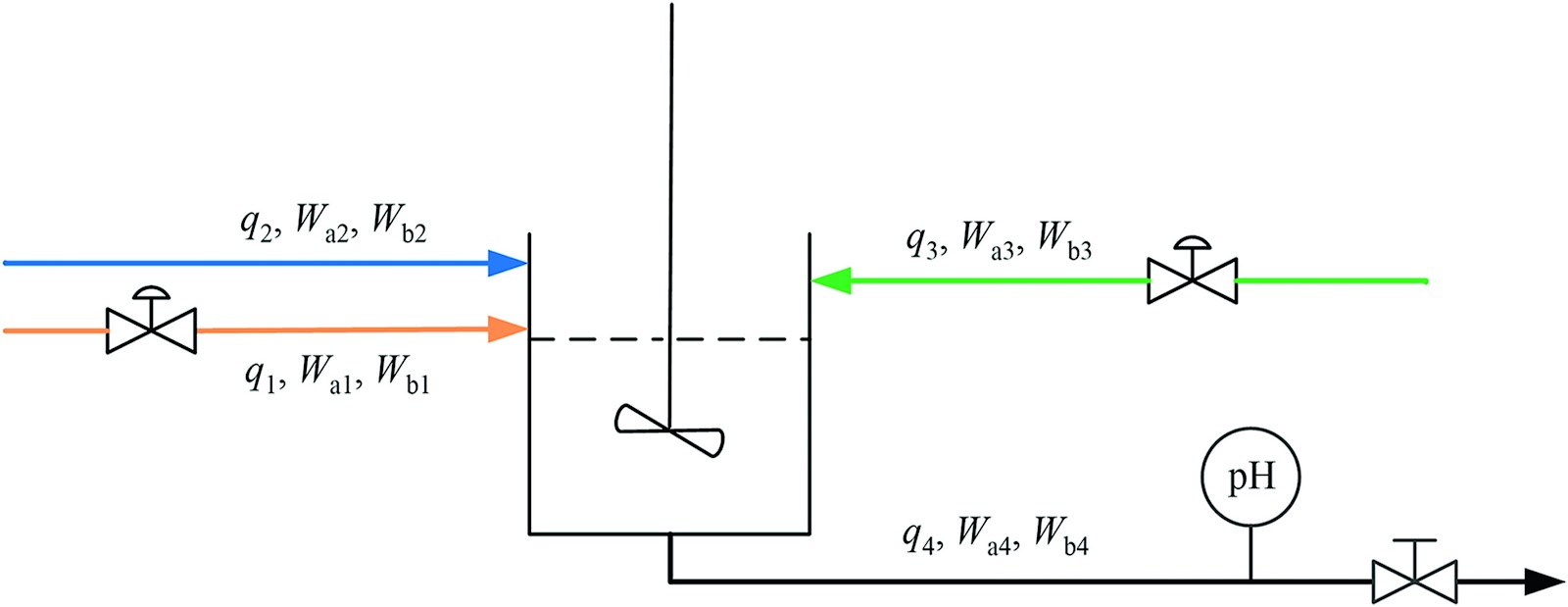
A model free adaptive control method based on self-adjusting PID algorithm in pH neutralization process

Authors: Kang Liu, You Fan, Juan Chen

In this paper, a new model free adaptive control method based on self-adjusting PID algorithm (MFAC-SA-PID) is proposed to solve the problem that the pH process with strong nonlinearity is difficult to control near the neutralization point. The MFAC-SA-PID method also solves the problem that the parameters of the model free adaptive control (MFAC) method are not easy to be adjusted and the effect is not obvious by introducing a fuzzy self-adjusting algorithm to adjust the controller parameters. Then the convergence and stability of the MFAC-SA-PID method are proved in this paper. In the simulation study, the control performance of the MFAC-SA-PID method proposed in this paper is compared with the traditional MFAC method and the improved model free adaptive control (IMFAC) method, respectively. The results show that the proposed MFAC-SA-PID method has better control effect on the pH neutralization process. The MFAC-SA-PID control performance also outperforms the traditional MFAC method and IMFAC method when step input disturbances are added, which indicates that the MFAC-SA-PID method has better robustness and stability.

A model free adaptive control method based on self-adjusting PID algorithm in pH neutralization process
Graphical Abstract
Original ResearchVol. 76, Issue 1 • pp. 251-263DOI: 10.1016/j_cjche_1448Sep 30, 2024

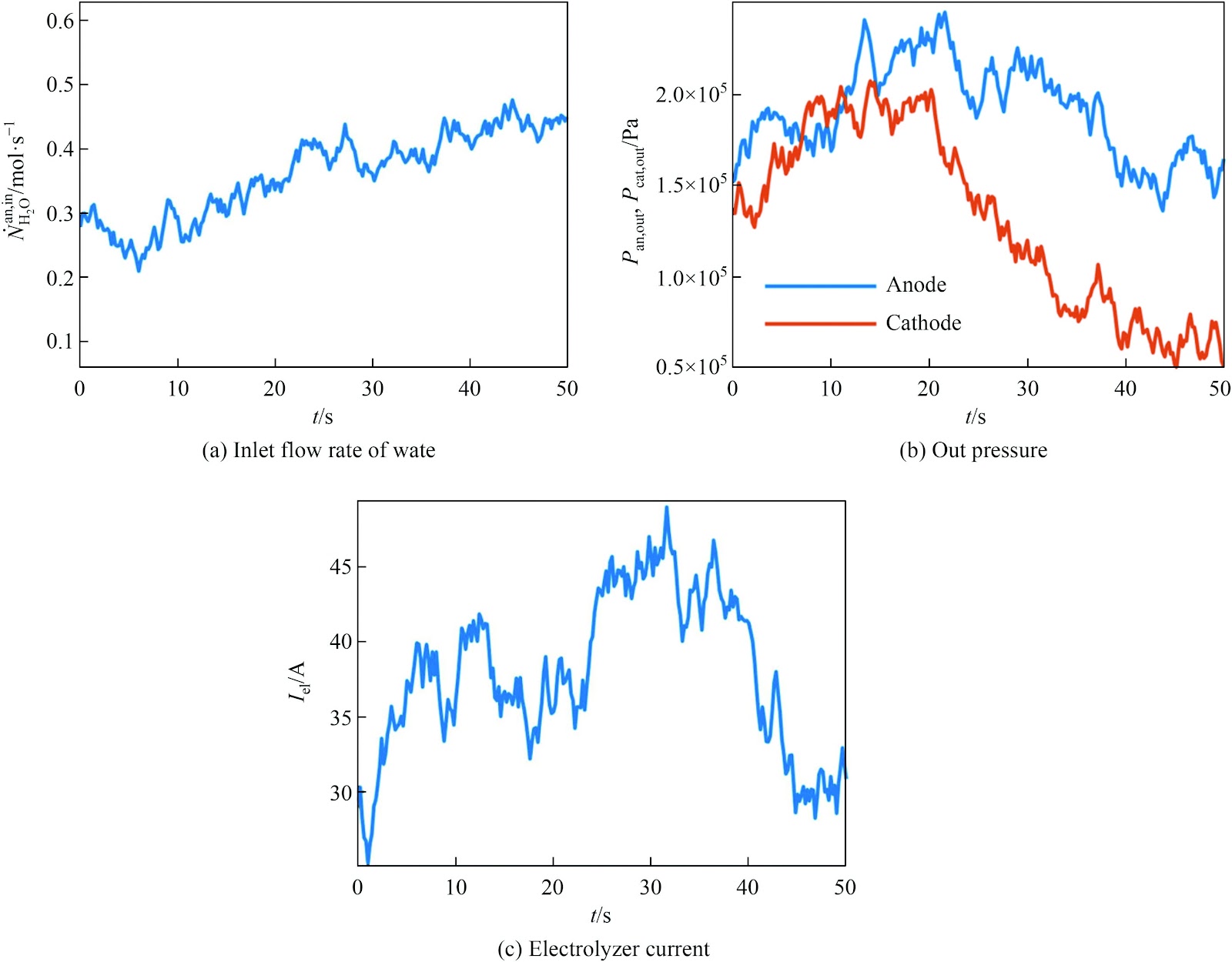
A fuzzy compensation-Koopman model predictive control design for pressure regulation in proton exchange membrane electrolyzer

Authors: Haokun Xiong, Lei Xie, Cheng Hu, Hongye Su

Proton exchange membrane (PEM) electrolyzer have attracted increasing attention from the industrial and researchers in recent years due to its excellent hydrogen production performance. Developing accurate models to predict their performance is crucial for promoting and accelerating the design and optimization of electrolysis systems. This work developed a Koopman model predictive control (MPC) method incorporating fuzzy compensation for regulating the anode and cathode pressures in a PEM electrolyzer. A PEM electrolyzer is then built to study pressure control and provide experimental data for the identification of the Koopman linear predictor. The identified linear predictors are used to design the Koopman MPC. In addition, the developed fuzzy compensator can effectively solve the Koopman MPC model mismatch problem. The effectiveness of the proposed method is verified through the hydrogen production process in PEM simulation.

A fuzzy compensation-Koopman model predictive control design for pressure regulation in proton exchange membrane electrolyzer
Graphical Abstract
Original ResearchVol. 76, Issue 1 • pp. 281-291DOI: 10.1016/j_cjche_1448Sep 28, 2024

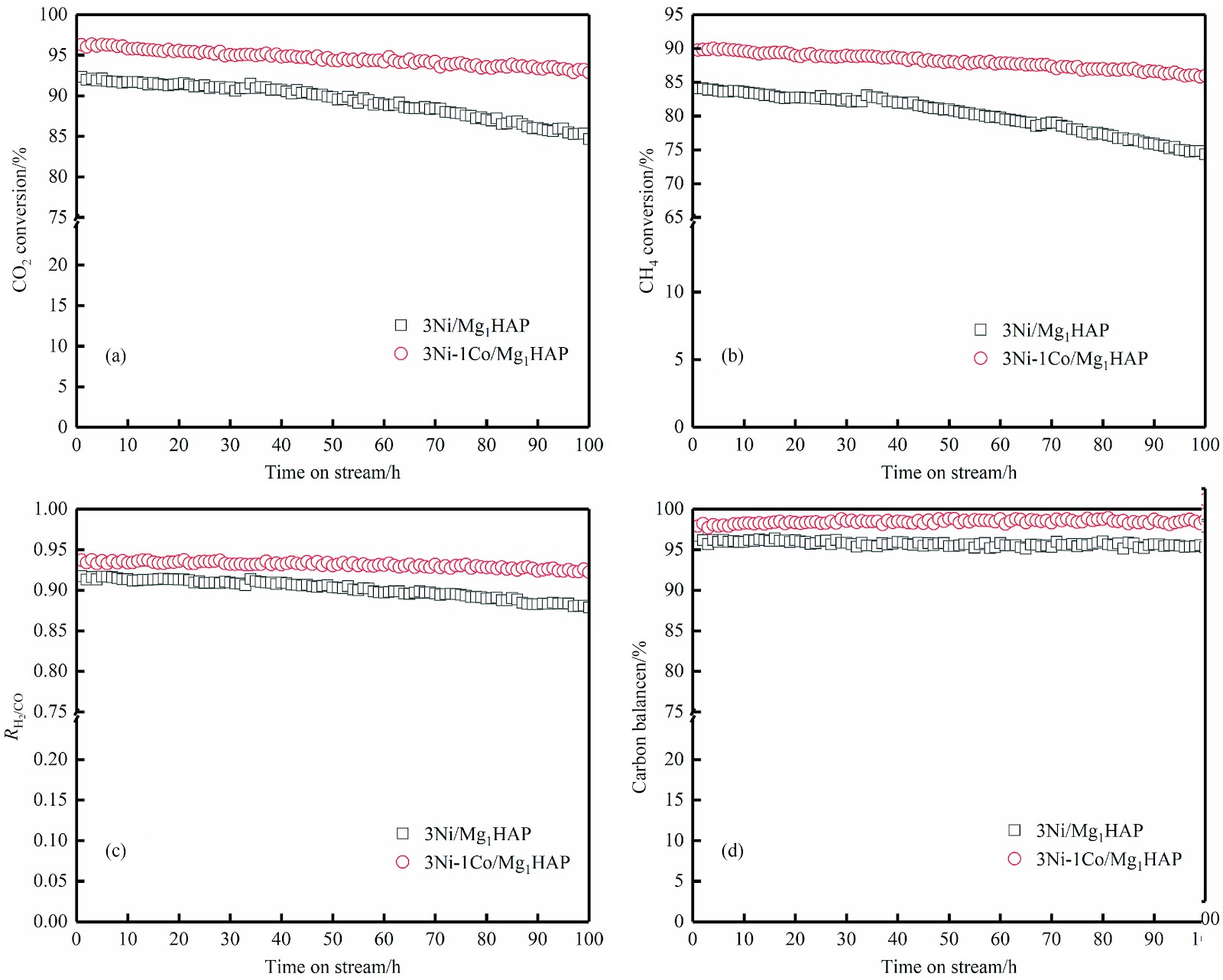
Effect of cobalt on the activity of nickel-based/magnesium-substituted hydroxyapatite catalysts for dry reforming of methane

Authors: Tongming Su, Bo Gong, Xinling Xie, Xuan Luo, Zuzeng Qin, Hongbing Ji

The dry reforming of methane (DRM) reaction can directly convert methane (CH4) and carbon dioxide (CO2) into syngas (H2+CO), which is a promising method for achieving carbon neutralization. In this study, a series of 3Ni-xCo/Mg1HAP alloy catalysts with different ratio were synthesized by the coprecipitation method, and the optimum Ni-Co ratio for the DRM reaction was studied. A series of characterization methods revealed that after Co was added, the formation of Ni-Co alloys increased the interactions between metals. However, an excess of Co inhibits the entry of Ni into the lattice of Mg1HAP, resulting in metal accumulation on the surface of the support. In addition, the introduction of Co improves the dispersion of Ni metal, which endows the catalyst with better catalytic activity and stability. Raman spectroscopy of the catalyst after the stability test showed that the addition of Co reduced the proportion of graphitic carbon, which was also the main reason for its improved stability.

Effect of cobalt on the activity of nickel-based/magnesium-substituted hydroxyapatite catalysts for dry reforming of methane
Graphical Abstract
Original ResearchVol. 76, Issue 1 • pp. 264-271DOI: 10.1016/j_cjche_1448Sep 23, 2024

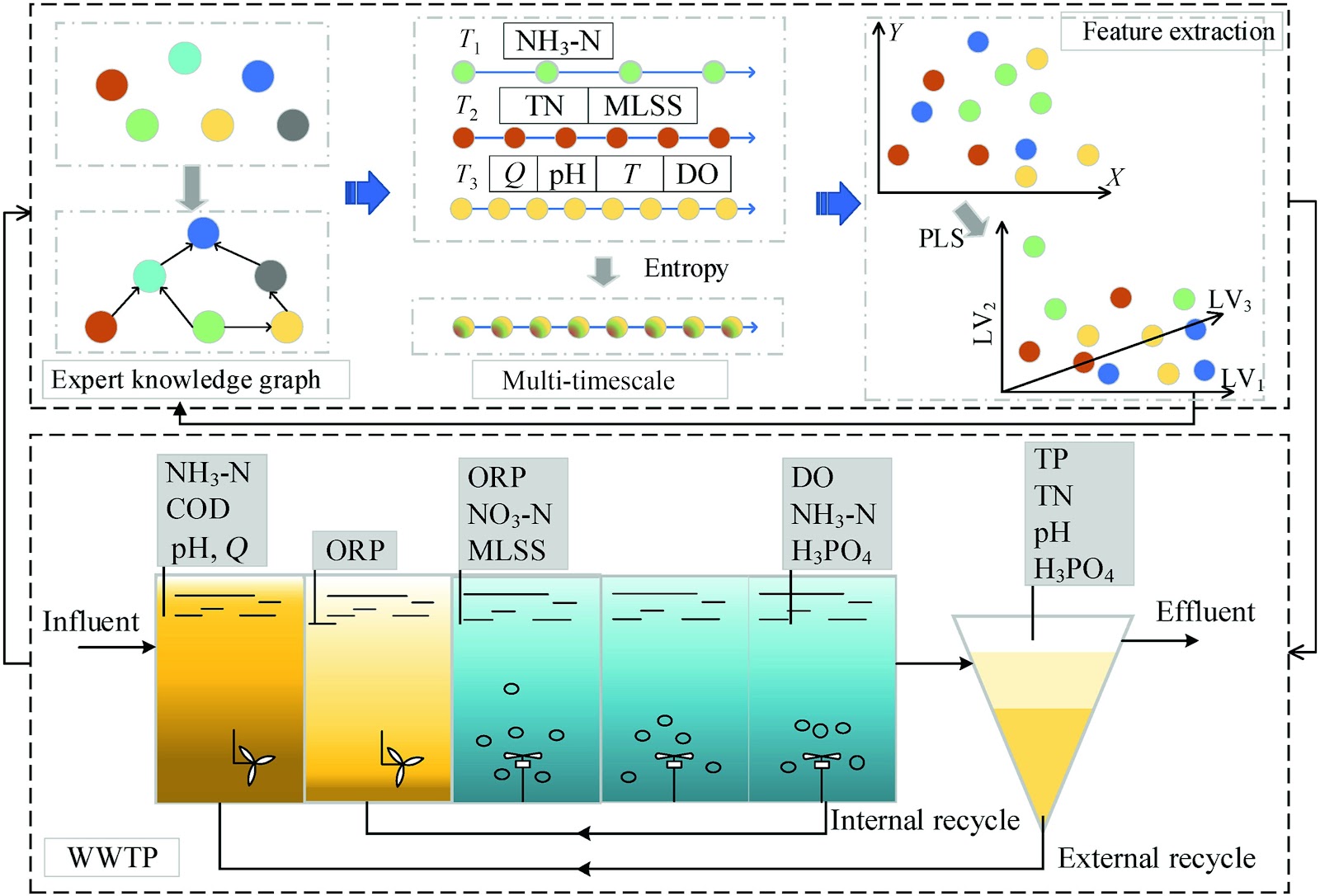
Multi-timescale feature extraction method of wastewater treatment process based on adaptive entropy

Authors: Honggui Han, Yaqian Zhao, Xiaolong Wu, Hongyan Yang

In wastewater treatment systems, extracting meaningful features from process data is essential for effective monitoring and control. However, the multi-time scale data generated by different sampling frequencies pose a challenge to accurately extract features. To solve this issue, a multi-timescale feature extraction method based on adaptive entropy is proposed. Firstly, the expert knowledge graph is constructed by analyzing the characteristics of wastewater components and water quality data, which can illustrate various water quality parameters and the network of relationships among them. Secondly, multiscale entropy analysis is used to investigate the inherent multi-timescale patterns of water quality data in depth, which enables us to minimize information loss while uniformly optimizing the timescale. Thirdly, we harness partial least squares for feature extraction, resulting in an enhanced representation of sample data and the iterative enhancement of our expert knowledge graph. The experimental results show that the multi-timescale feature extraction algorithm can enhance the representation of water quality data and improve monitoring capabilities.

Multi-timescale feature extraction method of wastewater treatment process based on adaptive entropy
Graphical Abstract
Original ResearchVol. 76, Issue 1 • pp. 272-280DOI: 10.1016/j_cjche_1448Sep 21, 2024

Preparation of coconut oil/aluminum nitride/expanded graphite composite phase change materials with high thermal conductivity and stable shape for thermal energy storage

Authors: Chao Gao, Feng Jiang, Benguo Zhang, Mingchuan Shen, Yuguo Zhang

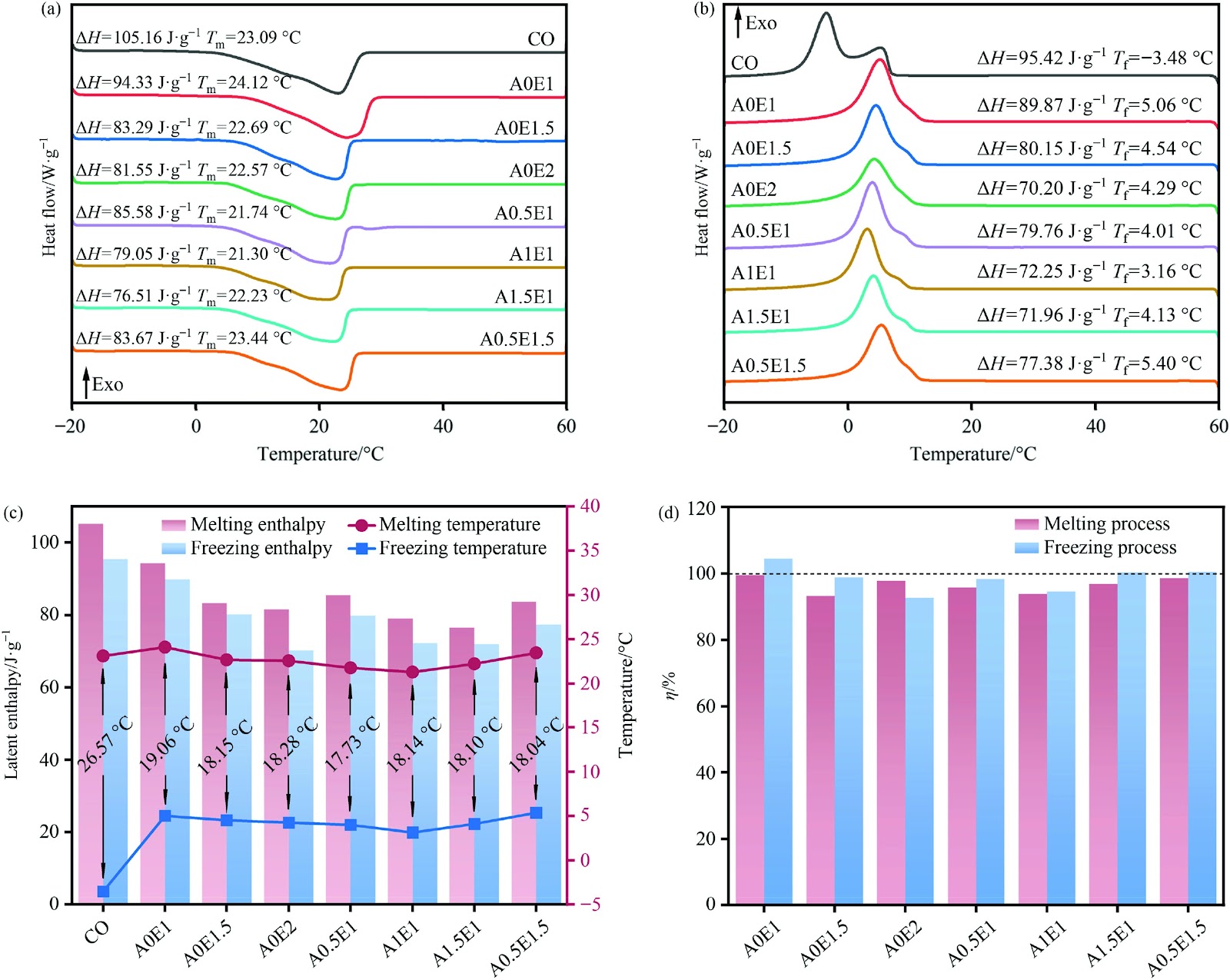
Phase change energy storage is one of the solutions to effectively deal with the problem of intermittency and spatial and temporal mismatch between supply and demand of new energy sources (solar, wind, etc.). However, phase change materials (PCMs) suffer from low thermal conductivity, which greatly affects energy storage and release efficiency. In this study, a novel shape-stable phase change material (SSPCM) was prepared by mixing coconut oil (CO) as a PCM with aluminum nitride (AlN) thermally conductive reinforcing particles and vacuum impregnated into expanded graphite (EG). The results showed that the thermal conductivity of the prepared SSPCM reached 2.985 W·m⁻¹·K⁻¹, which was 1765% higher than that of pure CO. The latent heat of SSPCM was 83.67 J·g⁻¹, which was 99% of the theoretical value. Furthermore, SSPCM showed excellent thermal stability and thermal cycle reliability. The proposed SSPCMs have the advantages of being renewable and simple preparation methods, which have great potential for application.

Preparation of coconut oil/aluminum nitride/expanded graphite composite phase change materials with high thermal conductivity and stable shape for thermal energy storage
Graphical Abstract
Original ResearchVol. 76, Issue 1 • pp. 75-82DOI: 10.1016/j_cjche_1448Sep 19, 2024

The preparation of SnS2@NxC electrodes and its exceptional performance in energy storage usages

Authors: Zhen He, Yuqian Wei, Yunfei Song, Jiaming Liu, Yuxin Wang, Muhammad D. Hayat

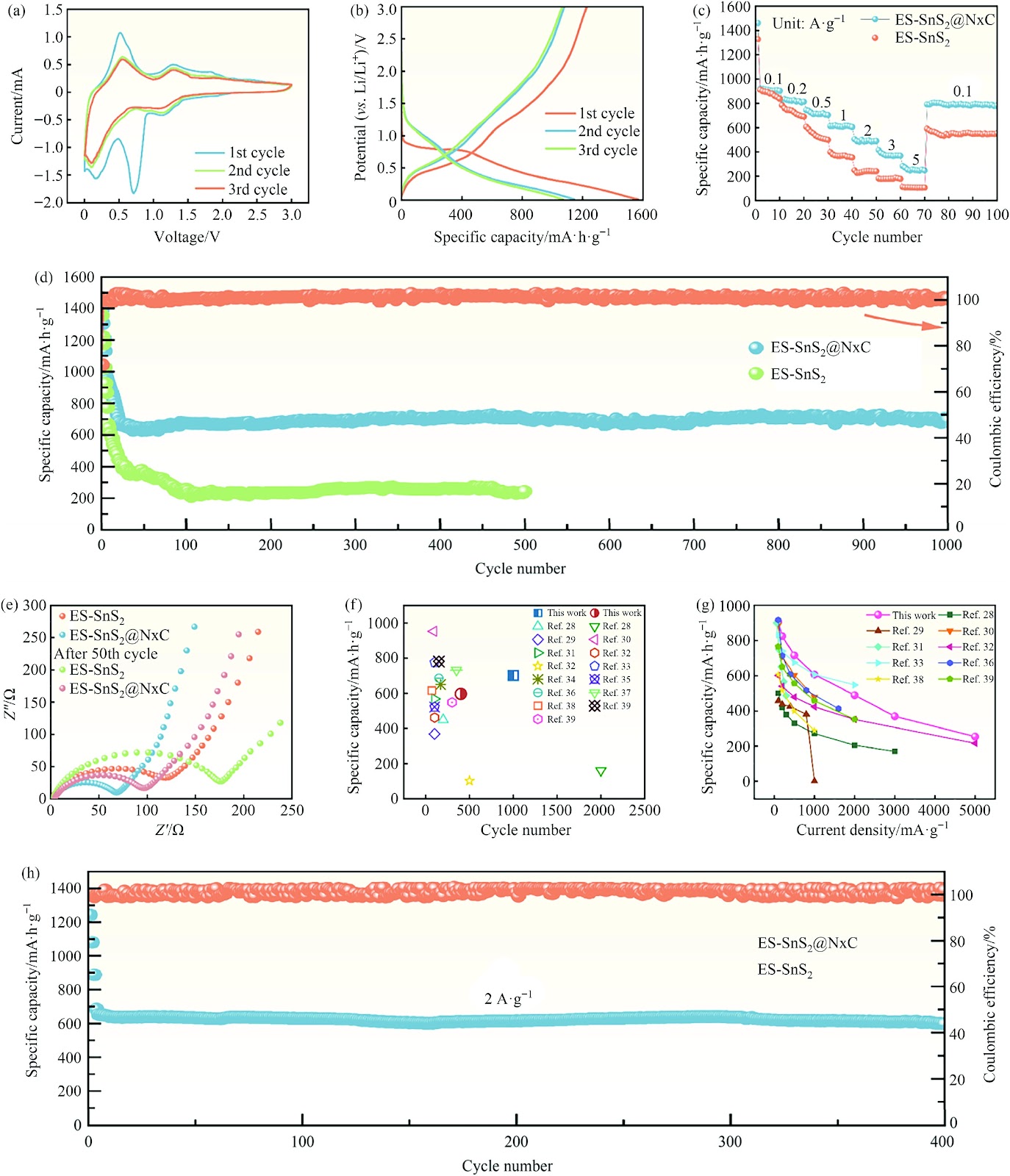
Tin sulfide (SnS2) anodes have garnered significant attention within emerging energy storage technologies. However, the application of SnS2 is curtailed due to its inherent limitations, including poor cyclic stability and inevitable volumetric expansion upon cycling. This study reports the successful fabrication of an innovative SnS2-based composite, featuring an eggshell-like structured nitrogen-doped carbon coating, referred to as SnS2@NxC. This novel architecture, wherein SnS2 acts as the core encapsulated by a nitrogen-doped carbon shell, characterized by a void space between the shell and core, is crucial in mitigating volumetric expansion. This configuration contributes to maintaining the structural integrity of the composite materials, even under the stresses of continuous cycling. Nitrogen within the carbon matrix enhances conductivity and promotes the formation of a more robust and stable solid electrolyte interphase (SEI) layer. Experimental investigations have substantiated the electrochemical superiority of the SnS2@NxC electrode, demonstrating a specific capacity of 701.8 mA·h·g−1 after 1000 cycles at 0.5 A·g−1 and maintaining a capacity of 597.2 mA·h·g−1 after 400 cycles at a heightened current density of 2 A·g−1. These findings underscore the exceptional cyclic performance and durability of the SnS2@NxC electrode.

The preparation of SnS2@NxC electrodes and its exceptional performance in energy storage usages
Graphical Abstract
Original ResearchVol. 76, Issue 1 • pp. 292-300DOI: 10.1016/j_cjche_1448Sep 17, 2024

Ligand-tuning of coordination compound for improved oxygen evolution

Authors: Kunpeng Yang, Yuanjun Liu, Yuyu Liu, Xingmei Guo, Xiangjun Zheng, Junhao Zhang, Guoxing Zhu

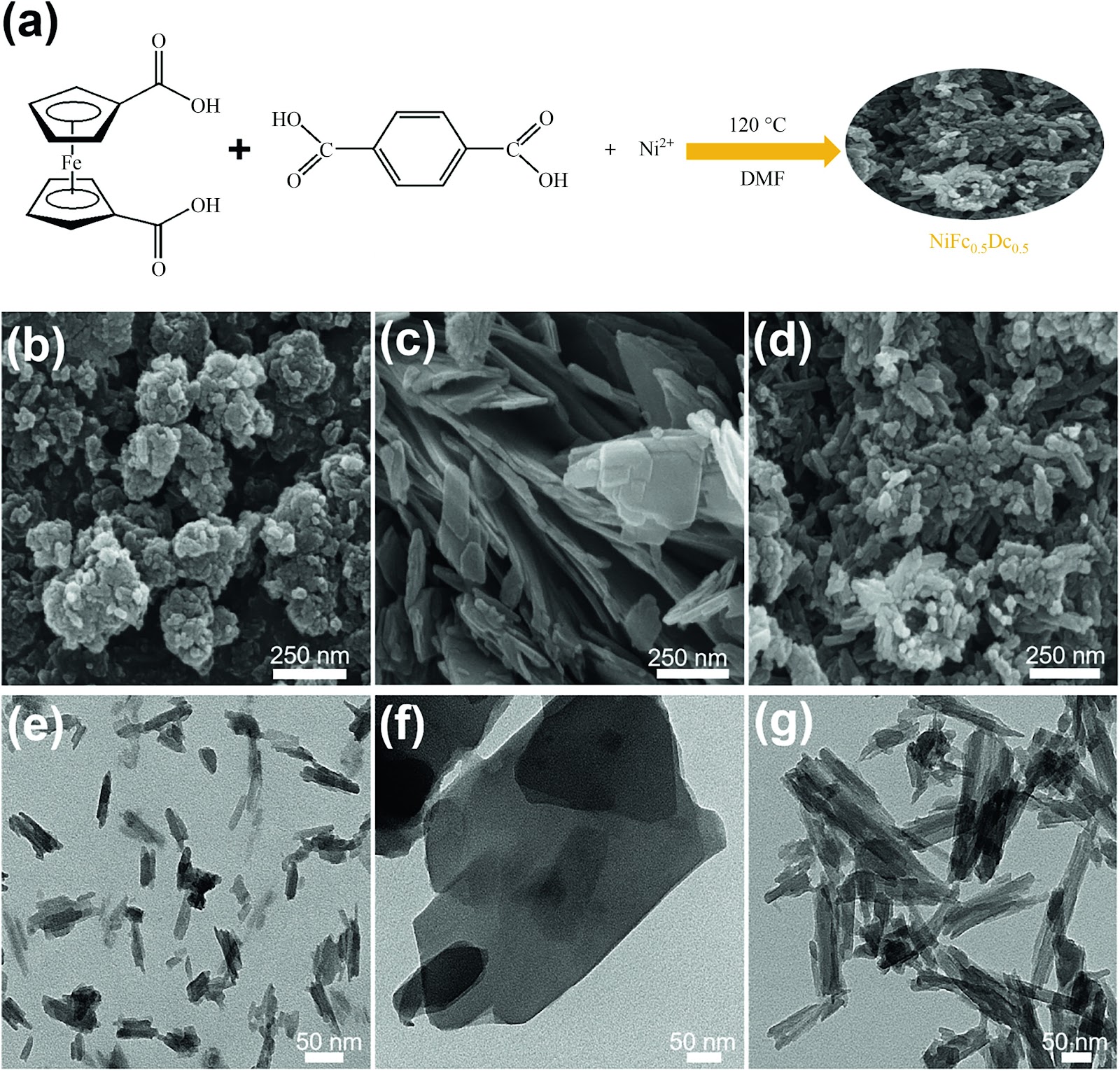
Controllable regulation of the reconstruction process for the pre-catalysts towards oxygen evolution remains as a great challenge. In this study, we report a bi-ligand strategy to facilitate the structural transformation of coordination compounds to metal oxyhydroxides during oxygen evolution with enhanced activity. A coordination compound consisting of 1,10-ferrocene acid (Fc) and Ni2+ was synthesized, in which terephthalic acid was introduced. The second ligand of terephthalic acid facilitates the reconstruction process, inducing an enhanced catalytic activity. In 1 mol·L−1 KOH aqueous solution, the optimized catalyst can drive a current density of 10 mA·cm−2 under a lower overpotential of 220 mV. Using this catalyst, zinc-air batteries can be prepared. The obtained zinc-air battery presents a large specific capacity of 718 mA·h·g−1 with excellent cycling stability for over 100 h far exceeding that of Pt/C+RuO2 battery fabricated with commercial catalysts. The excellent performance and low cost of this catalyst will open up broad prospects for the development of advanced systems for water electrolysis and zinc air batteries.

Ligand-tuning of coordination compound for improved oxygen evolution
Graphical Abstract
Original ResearchVol. 76, Issue 1 • pp. 147-156DOI: 10.1016/j_cjche_1448Sep 16, 2024

A general pressure drop model based on liquid holdup of gas-liquid flow in micro-packed beds

Authors: Junjie Wang, Lin Sheng, Jiang Deng, Guangsheng Luo

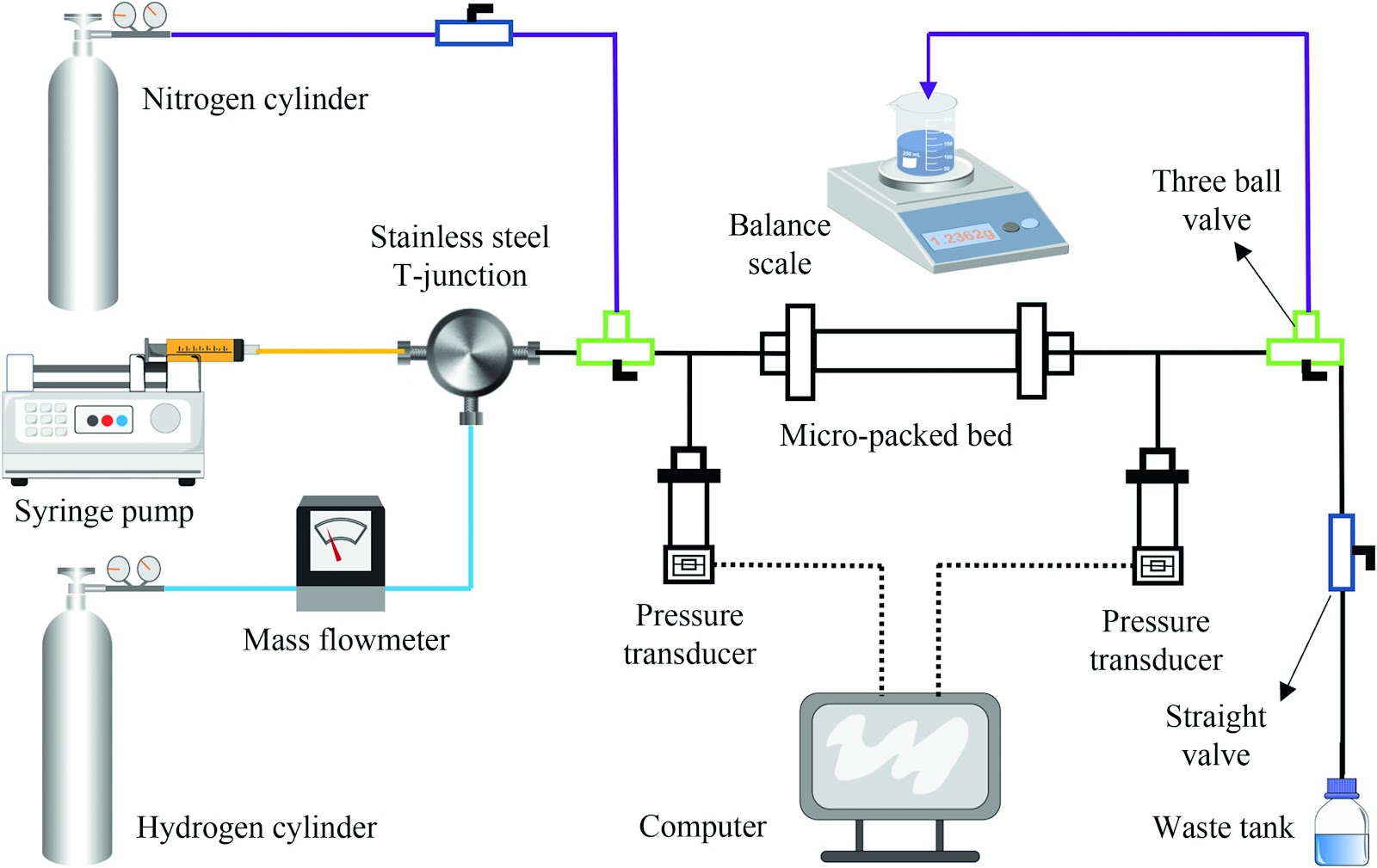
The understanding of the gas-liquid flow characteristics in a micro-packed bed reactor is still immature, especially for many gas-organic working systems commonly used in industry. Accordingly, this study proposes a platform to investigate the gas-liquid flow characteristics in a micro-packed bed reactor and presents a unified expression for these characteristics of both organic and aqueous liquid phase. The influence of two-phase flow rate, working solution viscosity, and packing particle size on the liquid holdup and pressure drop were studied. The gas-organic working systems results show that the liquid holdup ranges between 0.5 and 0.8 and pressure drop ranges from 50 to 350 kPa·m−1. In particular, a strong correlation between the two flow characteristics parameters (liquid holdup and pressure drop) was proposed for the first time. Finally, a general pressure drop mathematical prediction model in micro-packed bed were developed.

A general pressure drop model based on liquid holdup of gas-liquid flow in micro-packed beds
Graphical Abstract
Original ResearchVol. 76, Issue 1 • pp. 118-123DOI: 10.1016/j_cjche_1448Sep 16, 2024

Continuous monitoring of residual water content in boiling water-hydrocarbon emulsions during thermomechanical dehydration

Authors: A. Safiulina, S. Khusnutdinov, I. Khusnutdinov, I. Goncharova

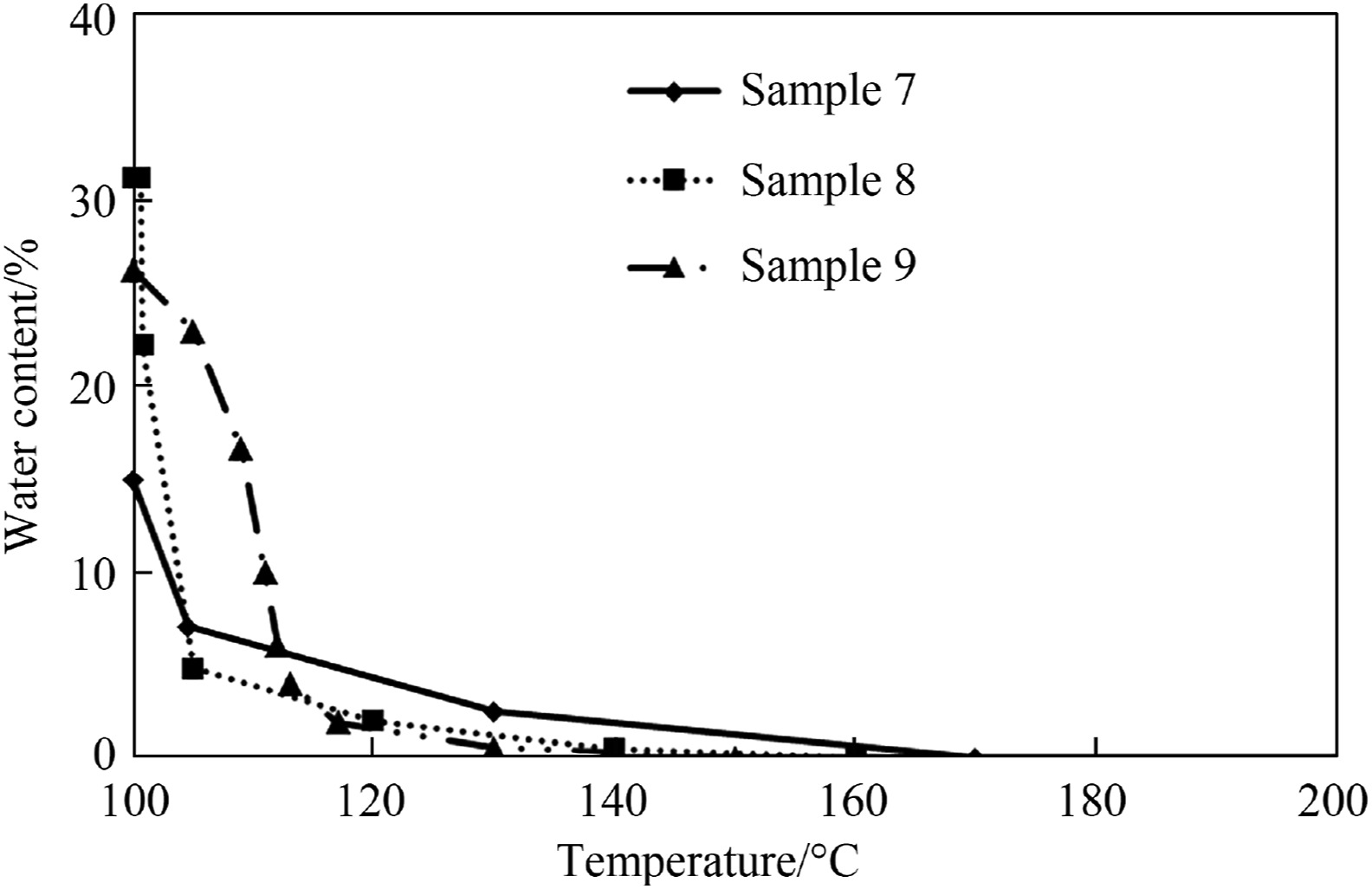
Significant waste resources are generated in the form of water-oil emulsions. These emulsions cannot be effectively destroyed on an industrial scale by traditional methods that rely on the settling of the aqueous phase, and therefore, they accumulate in large quantities. Thermomechanical dehydration, based on the evaporation of the water phase, presents a promising process for recycling such waste. However, within the framework of thermomechanical dehydration, the issue of optimizing energy costs for heating raw materials and controlling the water content in the product arises. Standard methods of determining water content under the boiling conditions of highly stable water-hydrocarbon emulsions are characterized by low efficiency, as they require constant sampling and the involvement of additional equipment and personnel. Consequently, this presents a challenge in predicting and creating an automated thermomechanical dehydration process. Therefore, dynamic curves depicting changes in the water content of these emulsions, depending on the temperature of the boiling liquid, have been obtained. It is proposed to determine the rate of temperature increase (dT/dt) of the boiling emulsion for continuous, real-time monitoring of the residual water content and for recording the moment of complete dehydration. Achieving a boiling emulsion temperature of 130-170 °C (or higher) and/or the rate of temperature increase from 3.0 to 5.5 (or above) indicates the complete dehydration of the emulsion. The proposed method can be implemented in any industrial or laboratory-scale unit for thermomechanical dehydration without significant capital costs. It is based on the use of simple devices consisting of temperature sensors and a computing unit for determining the temperature and rate of heating.

Continuous monitoring of residual water content in boiling water-hydrocarbon emulsions during thermomechanical dehydration
Graphical Abstract
Original ResearchVol. 76, Issue 1 • pp. 95-104DOI: 10.1016/j_cjche_1448Sep 12, 2024

Insights into constructing a stable and efficient microbial consortium system

Authors: Yinshan Lin, Haohong Lin, Jingyuan Liu, Fengxue Xin, Minjiao Chen, Weiliang Dong, Xiujuan Qian, Min Jiang

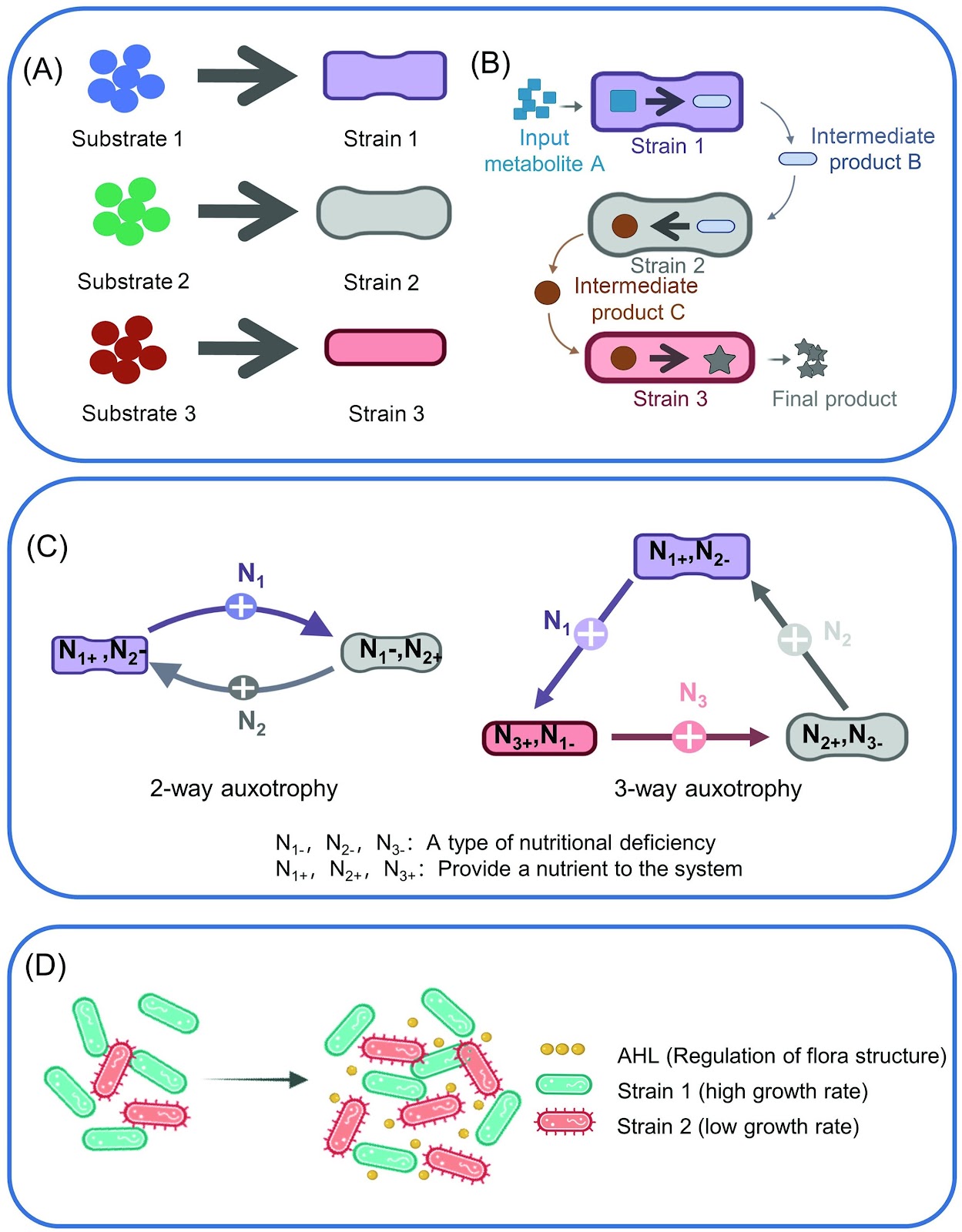
The concept of labor division and multi-module cooperation of microbial consortia offers it promising potentials in various areas, such as the utilization of complex substrates, synthesis of natural compounds with long metabolic pathways and remediation of environmental pollutants within a hostile environment. Consequently, synthetic microbial consortia represent a new frontier for synthetic biology because they can solve more complex problems than monocultures. However, current research on microbial consortia often involves the simple mixing of multiphase systems, where strains are co-cultured sequentially or individually cultured and then mixed-cultured. The instability and low efficiency of microbial consortia systems hindered their practical application. To construct a stable and efficient microbial consortium, it is essential to consider the different growth and metabolic characteristics of strains, the competition for various nutrients as well as the complex carbon, energy and signaling dynamics within the system. In this review, we provide a progressive strategy for constructing a stable and efficient microbial consortium system across three stages: compromised stage (work together), microenvironment-oriented stage (work better), and metabolite delivery-enhanced stage (work best). The detailed methods and points for attention of each stage are summarized, with a highlight on the technical bottleneck and application limitations. Through the integration of interdisciplinary strategies, such as materials science and mathematical models, the goal of building a stable and efficient microbial consortium is constantly advanced.

Insights into constructing a stable and efficient microbial consortium system
Graphical Abstract
Original ResearchVol. 76, Issue 1 • pp. 187-200DOI: 10.1016/j_cjche_1448Sep 11, 2024

On the enhanced properties of composite asphalt via adding surface modified calcium sulfate whisker-SBR

Authors: Aoqi Cui, Emmerson Hondo, Nur Fatihah Tajul Ariffin, Yanpeng Pei, Xuan Su, Zhonghe Chen

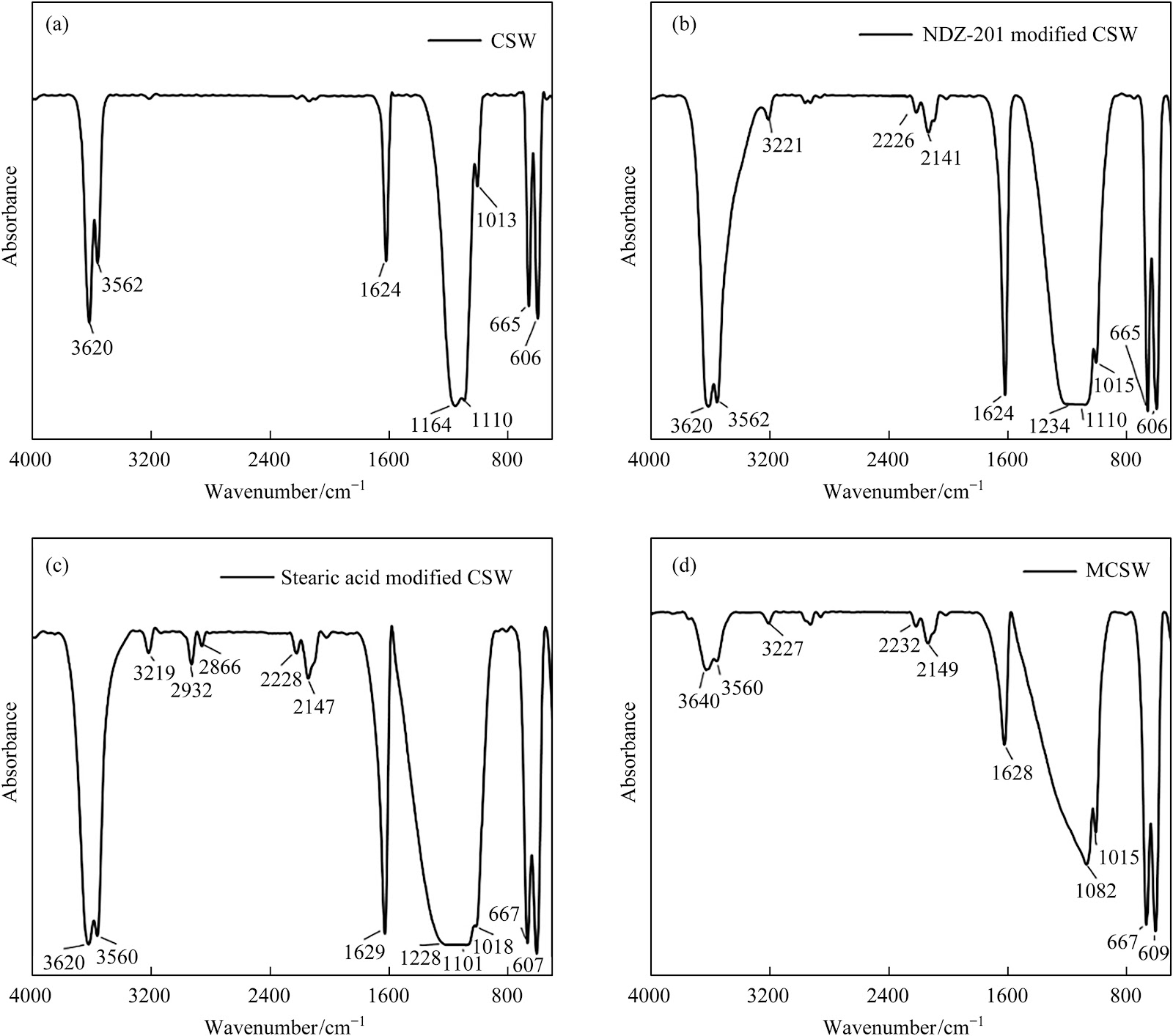
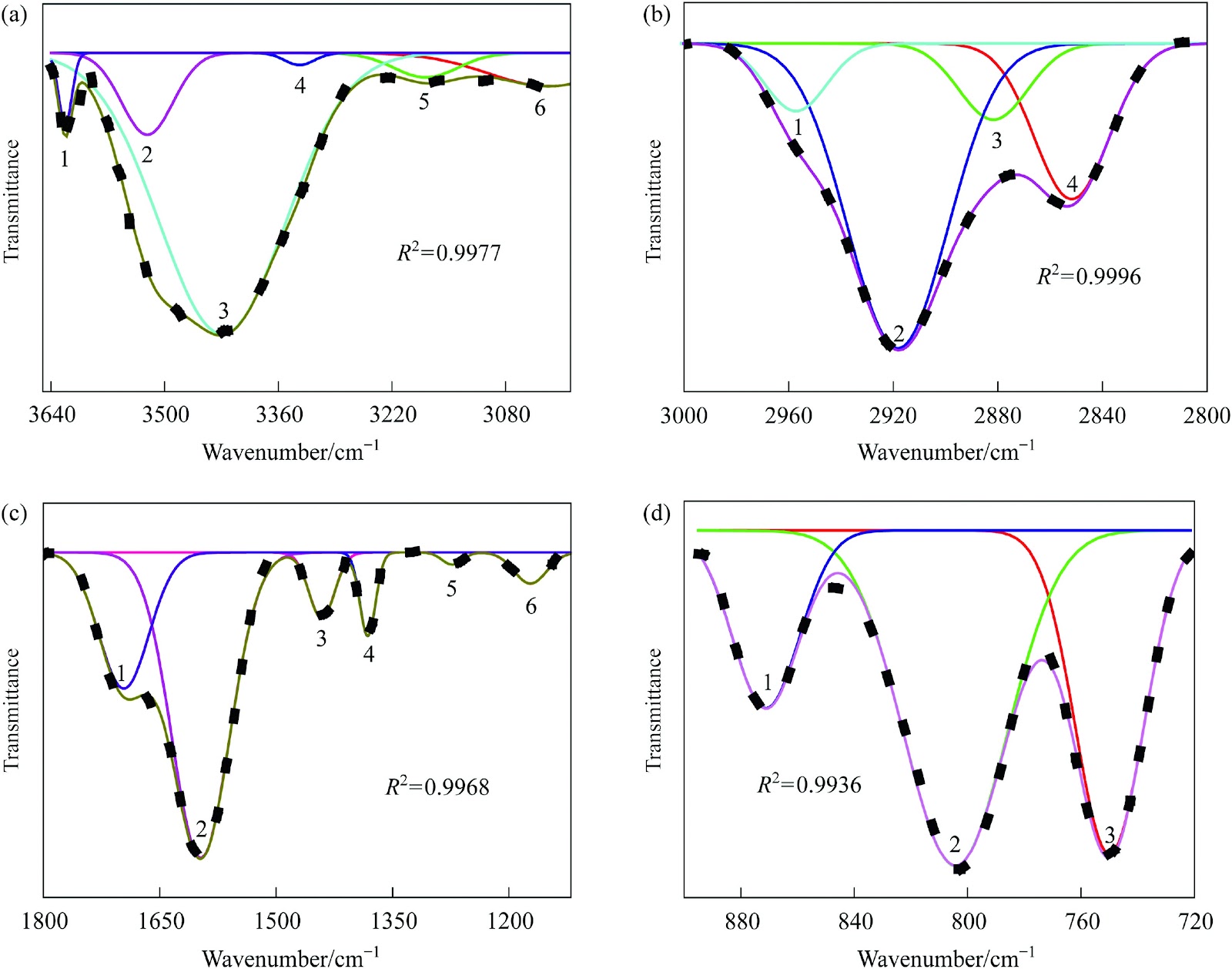
With the aim of improving the durability and safety, erosion time, and cost-effective of asphalt road, a composite of modified calcium sulfate whisker-styrene butadiene rubber modified asphalt (MCSW-SBRMA) was prepared via thermal doping. Firstly, stearic acid and titanate coupling agent (NDZ-201) were used as a modifier to transform calcium sulfate whisker (CSW) into MCSW via wet modification method at 60 °C and anhydrous ethanol as a dispersant. What is more, the optimum loading of modifier (a mixture of 25% stearic acid + 75% NDZ-201) was found to be at 2% to prepare MCSW. Subsequently, a composite of MCSW-SBRMA was prepared with different loading of MCSW (i.e. 2% to 8%) to enhance the softening point of asphalt. In this study, it was found that 4% of modifiers was the best composition to improve the MCSW-SBRMA properties as elucidated in the orthogonal experiment table L16(42). The effects of MCSW and SBR addition on several properties of asphalt were studied by multiple routine tests including penetration, segregation test, and so on. The results show that: 2% to 8% MCSW can increase the softening point of SBR modified asphalt (SBRMA) by 7% to 8%. 4% MCSW increased the PG of SBRMA from 64 to 70, which greatly improved the high temperature characteristics of asphalt. The 5 °C ductility of MCSW-SBRMA is greater than 100 cm, which greatly improves the low temperature performance of asphalt. Through the application of fluorescence microscopy (FM), Fourier transform infrared spectroscopy (FTIR), Scanning electron microscopy (SEM), and energy dispersive spectroscopy (SEM-EDS), it has been demonstrated that MCSW-SBR effectively alters asphalt in a highly uniform manner, with some MCSW still retaining large cross sections, thereby facilitating the dispersion of shear stress and enhancing the durability of asphalt.

On the enhanced properties of composite asphalt via adding surface modified calcium sulfate whisker-SBR
Graphical Abstract
Original ResearchVol. 76, Issue 1 • pp. 124-134DOI: 10.1016/j_cjche_1448Sep 11, 2024

Structural parameters and molecular model of Shendong subbituminous coal

Authors: Xiaoping Su, Ning Li, Longjian Li, Reyila Tuerhong, Yongchong Yu, Ping Zhang, Qiong Su, Tao Shen, Ming Sun, Xiaoxun Ma

Coal has a highly complex chemical structure, similar to polymers, coal is a macromolecular structure composed of a large number of “similar compounds”, which is called the basic structural unit. Understanding coal structure is the basis of its transformation and utilization. Shendong (SD) coal was analyzed by FTIR, XRD, XPS, and NMR. The results show that SD coal normalized structure formula is C100H68.5O35.7N1.2S0.2 and the average number of aromatic rings is 1.98. eCH2d content accounts for about 82% in aliphatic CeH region, and the ratio of ether bond CeO, aromatic ether CeO and C]O is about 2:1:11 in oxygen-containing functional group region. The d002, LC, La and NC of SD coal micro-crystalline structure parameters are 0.1832 nm, 1.4688 nm, 2.0852 nm and 9.017, respectively. Aromatic carbon and aliphatic carbon ratios of SD coal are 55.67% and 29.97%, aromatic cluster size and average methylene chain length are 0.224 and 1.817. Based on these structural parameters, molecular model of SD coal was constructed with 13C SSNMR experimental spectra as a reference. The model was constructed with an atom composition of C214H214O49N2S.

Structural parameters and molecular model of Shendong subbituminous coal
Graphical Abstract
Original ResearchVol. 76, Issue 1 • pp. 49-63DOI: 10.1016/j_cjche_1448Aug 24, 2024

Preparation of an adsorptive membrane of polyvinylidene fluoride incorporated functionalized boron nitride nanosheets for arsenic removal

Authors: S. Selambakkannu, N.L. Ishak, N.M. Fauzi, N. Ismail, Z.A. Karim

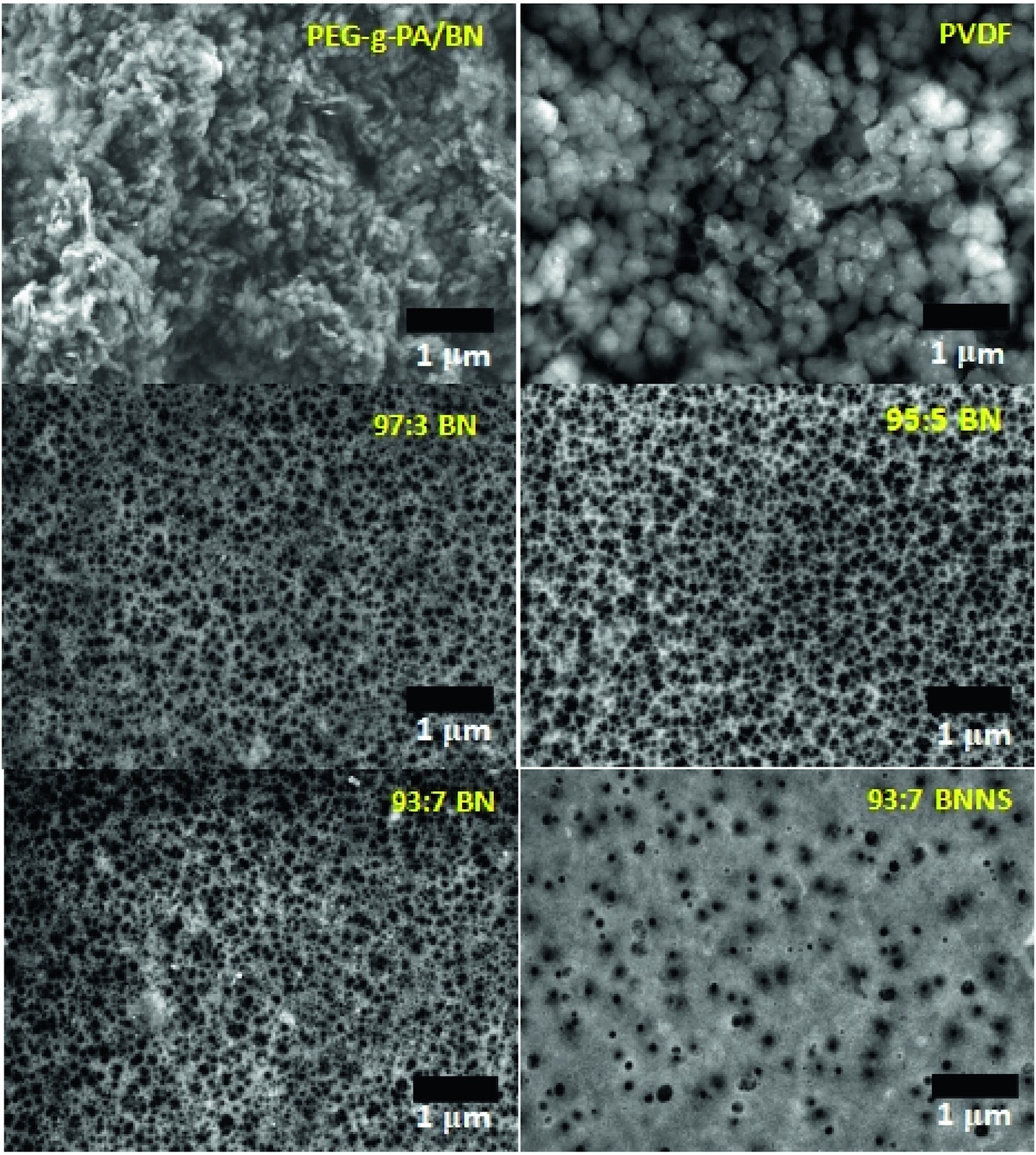
Incorporating nanomaterials into membranes will enhance wastewater treatment efficiency with their unique characteristics, such as higher permeability, thermal stability, surface roughness, hydrophilicity, and fouling control. In this study, the surface-modified boron nitride with phosphoric acid 2-hydroxyethyl methacrylate ester (PA/BN) was grafted with polyethylene glycol (PEG) via conventional grafting. The PEG grafted PA/BN (PEG-g-PA/BN) melt blended with polyvinylidene fluoride (PVDF) resin by using an internal mixer at different mass percentages (100% PVDF (PVDF), 3% PEG-g-PA/BN + 97% PVDF (97:3 BN), 5% PEG-g-PA/BN + 95% PVDF (95:5 BN), 7% PEG-g-PA/BN + 93% PVDF (93:7 BN), and 7% PEG-g-PA/BNNS + 93% PVDF (93:7 BNNS). Phase inversion technique was used to cast the blended mixture into a thin membrane. The prepared membranes were analyzed with different characterization techniques to determine chemical composition, crystallinity, morphology, and thermal properties. The prepared composite membrane was evaluated in terms of water permeability, anti-fouling resistance, and solute rejection efficiency with deionized water, bovine serum albumin, and arsenic solution as well. PVDF membranes show high water flux and porosity. The water flux and porosity of the blends decrease as the percentage of PEG-g-PA/BN increases. However, the highest removal capacity for arsenic was observed at 93:7 BN. The adsorption of arsenic ions takes place via complexation with PA/BN in the PVDF matrix. This was confirmed with field emission scanning electron microscopy-energy-dispersive X-ray analysis and X-ray photoelectron spectroscopy analyses.

Preparation of an adsorptive membrane of polyvinylidene fluoride incorporated functionalized boron nitride nanosheets for arsenic removal
Graphical Abstract
Original ResearchVol. 76, Issue 1 • pp. 105-117DOI: 10.1016/j_cjche_1448Jan 15, 2024

The robust design of PMIA braided tube reinforced PFA hollow fiber membranes with graphene doping for water-in-oil separation

Authors: Wei Zhao, Xin Jin, Kaikai Chen, Haoyang Ling, Hailiang Liu, Changfa Xiao

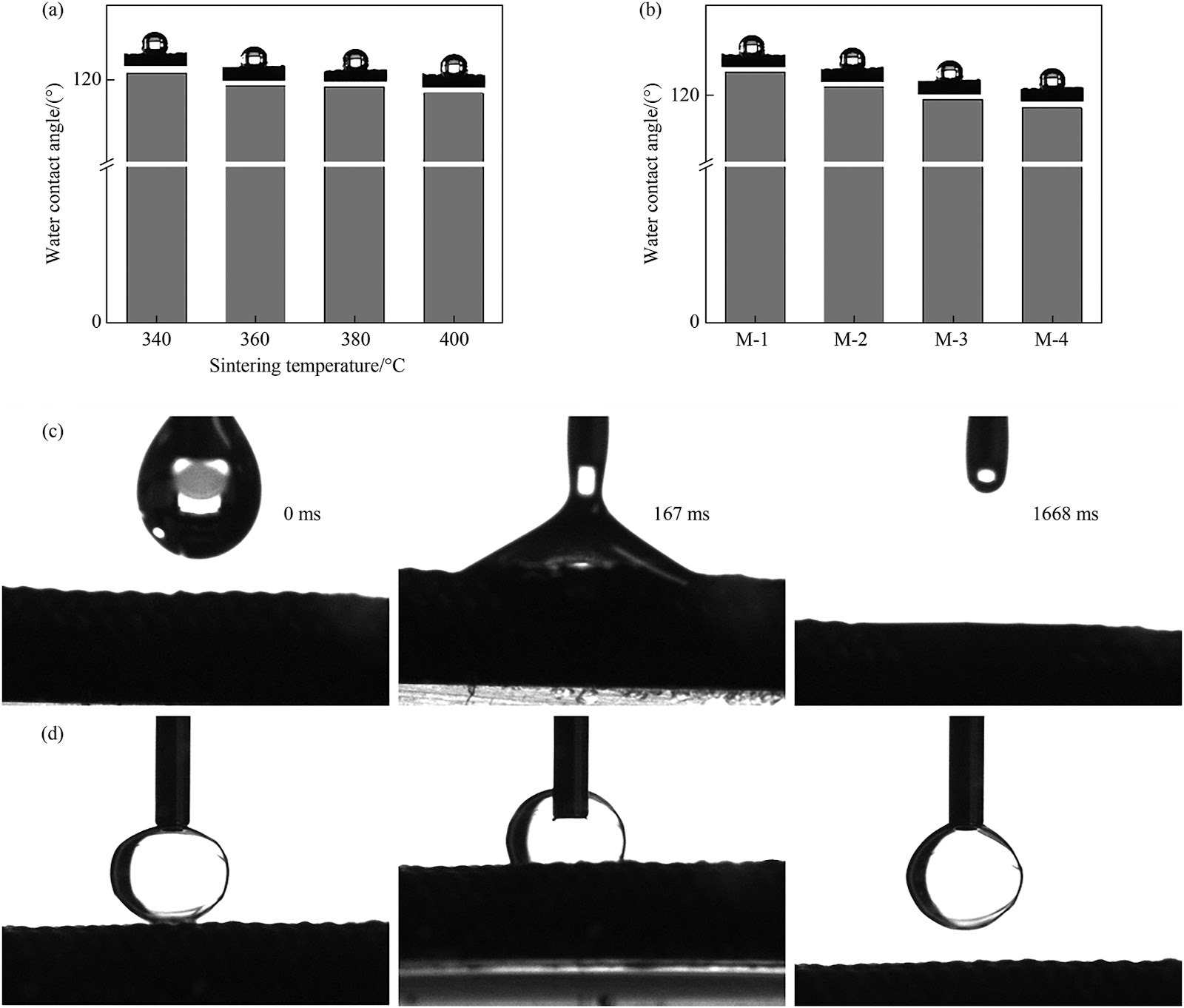
In order to solve the problem of oily wastewater, the poly(m-phenyleneisophthalamide) (PMIA) braided tube reinforced (PBR) poly(tetrafluoroethylene-co-perfluoropropyl vinyl ether) (PFA) hollow fiber membrane with thermal and solvent resistant property was prepared via no-solvent green method. The membrane surface and pore structure was optimized by changing the sintering temperature and graphene (GE) content. The morphologies showed that the spherical surface with good lipophilicity was formed, and the excellent mechanical strength with a favorable interface bonding state could be obtained due to the PFA melts permeating into the supporting layer. The doping of GE produced synergistic effects with the sintering temperature owing to its good thermal conductivity and pore formation. The PBR-PFA/GE hollow fiber membrane exhibited good hydrophobicity and lipophilicity with more than 97% separation efficiency for different oil products at 0.02 MPa. With the addition of GE, the average pore size first increases and then decreases, and the porosity gradually decreases. In addition, the hollow fiber membrane showed high separation ability to the water-in-oil emulsion, and maintained a stable flux recovery rate after recycling, making it possible to apply in the field of oily wastewater treatment.

The robust design of PMIA braided tube reinforced PFA hollow fiber membranes with graphene doping for water-in-oil separation
Graphical Abstract