SinoTechIntel Academic Portal
πŸ›οΈ Indexed Academic Journal

Journal of Central South University

Access authentic peer-reviewed engineering methodologies, experimental datasets, and scientific literature published in this journal on SinoTechIntel.

Total Research Papers: 152
Access: 100% Free Open Access
Browse by Publication Year & VolumeReset All Filters βœ•

Published Research PapersFiltered: Year 2026 β€’ 33

Showing 48 of 152 peer-reviewed papers with full Graphical Abstracts.

Original ResearchVol. 33, Issue 1 β€’ pp. 66-77DOI: 10.1007/s11771-026-6173-xβ€’ Jan 15, 2026

Laser powder bed fusion of biodegradable Zn-4Cu alloy: Processing, microstructure and properties

Authors: WANG Han-dan, ZHAO Yang, DONG An-ping, HE Lin, SHUAI Ci-jun, GAO Cheng-de

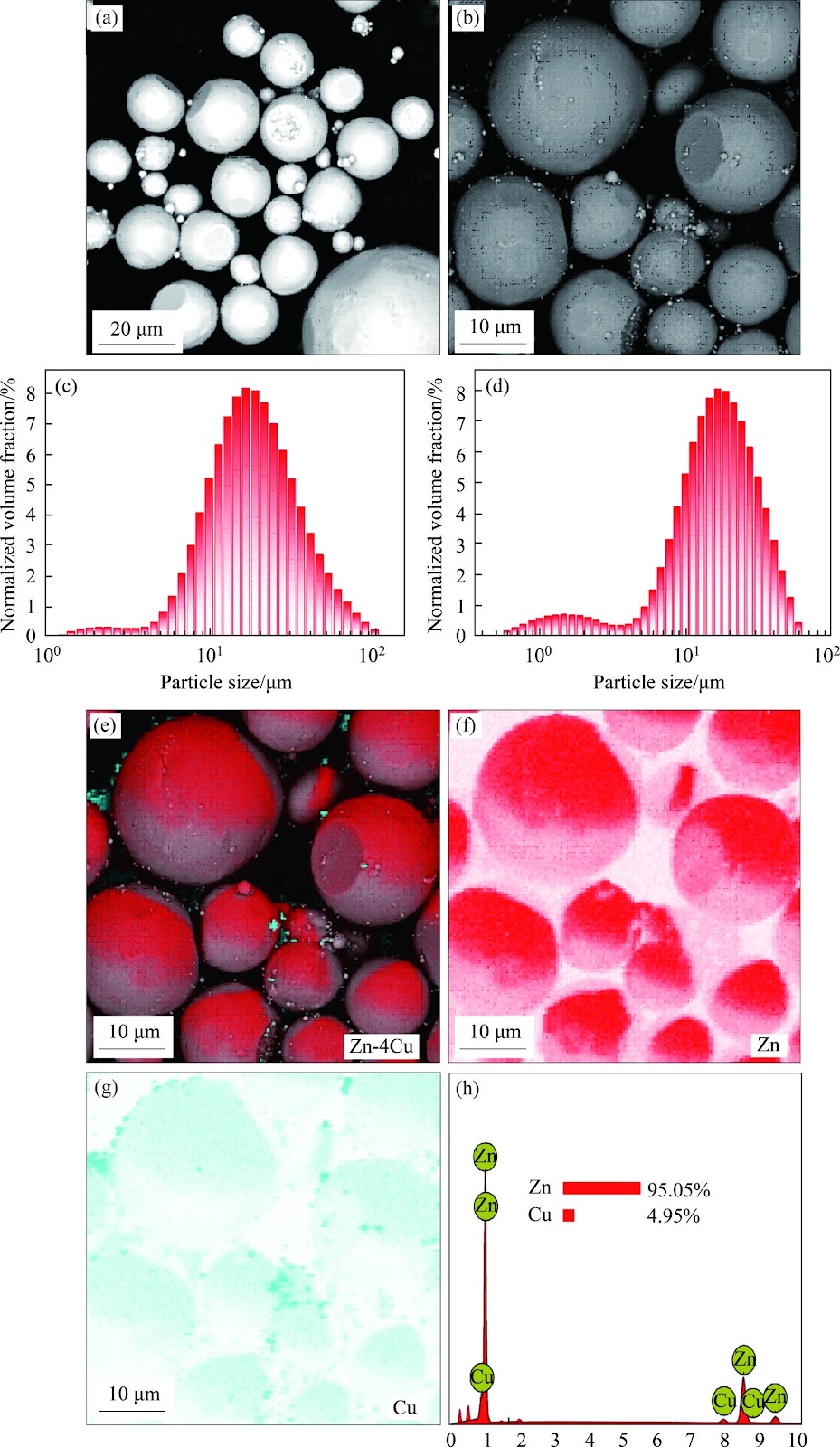
Zn's natural degradability and biocompatibility make it a promising candidate for implants, however, its mechanical properties remain insufficient for bone applications. In this study, the performance of Zn was enhanced by developing Zn-Cu alloys via laser powder bed fusion (LPBF). Optimal LPBF parameters for forming stable tracks were achieved by adjusting laser power and scanning speed. Under optimized conditions of 100 W and 100 mm/s, high-density (99.58%) Zn-Cu alloys with improved hardness (68.2HV) and yield strength (160 MPa) were achieved. These improvements are attributed to solid solution strengthening, segregation strengthening, and grain refinement. The Zn-Cu alloys also demonstrated favorable degradation behavior, with a rate of 0.16 mm/year. This degradation is primarily driven by micro-galvanic corrosion between the CuZn5 phase and Zn matrix, along with refined grains and increased grain boundary density. This work demonstrates a viable strategy for fabricating Zn-based implants with enhanced structural integrity and mechanical performance via LPBF.
Laser powder bed fusion of biodegradable Zn-4Cu alloy: Processing, microstructure and properties
Graphical Abstract
Original ResearchVol. 33, Issue 1 β€’ pp. 50-65DOI: 10.1007/s11771-026-6161-1β€’ Jan 15, 2026
Pressure-driven Mn solubility enhancement in Zn alloy: Synergistic strengthening and reduced corrosion rate for biomedical application

Authors: LU Gang, DAI Yi-long, LEI Xiao-li, GUO Lin, ZHANG De-chuang, LIN Jian-guo

Zn-Mn alloys are regarded as promising biodegradable metals for orthopedic applications owing to their moderate degradation rates and favorable osteogenic properties. However, the presence of a substantial number of second-phase particles in Zn-based alloys might induce severe localized degradation via micro-coupling corrosion, thereby compromising the mechanical integrity of the alloy during in vivo tissue regeneration. In this study, high-pressure solid solution (HPSS) treatment was conducted at 5 GPa and 380 ℃ for 1 h to fabricate Zn-0.5Mn alloys. Microstructural characterization revealed that the HPSS treatment facilitated the formation of a supersaturated solid solution by completely dissolving the ΞΆ-MnZn13 phase into the Ξ±-Zn matrix. The resultant strengthening mechanisms, including supersaturated solid solution strengthening, grain-size strengthening, and dislocation strengthening, collectively enhanced the compressive yield strength (Οƒcys) of the Zn-0.5Mn alloy to about 183.7 MPa, approximately three times that of the as-cast (AC) Zn-0.5Mn alloy. Moreover, compared with the AC alloy, the HPSS Zn-0.5Mn alloy exhibited uniform degradation behavior with a markedly reduced degradation rate.

Pressure-driven Mn solubility enhancement in Zn alloy: Synergistic strengthening and reduced corrosion rate for biomedical application
Graphical Abstract
Original ResearchVol. 33, Issue 4 β€’ pp. 1885-1900DOI: 10.1007/s11771-026-6289-zβ€’ Jan 15, 2026

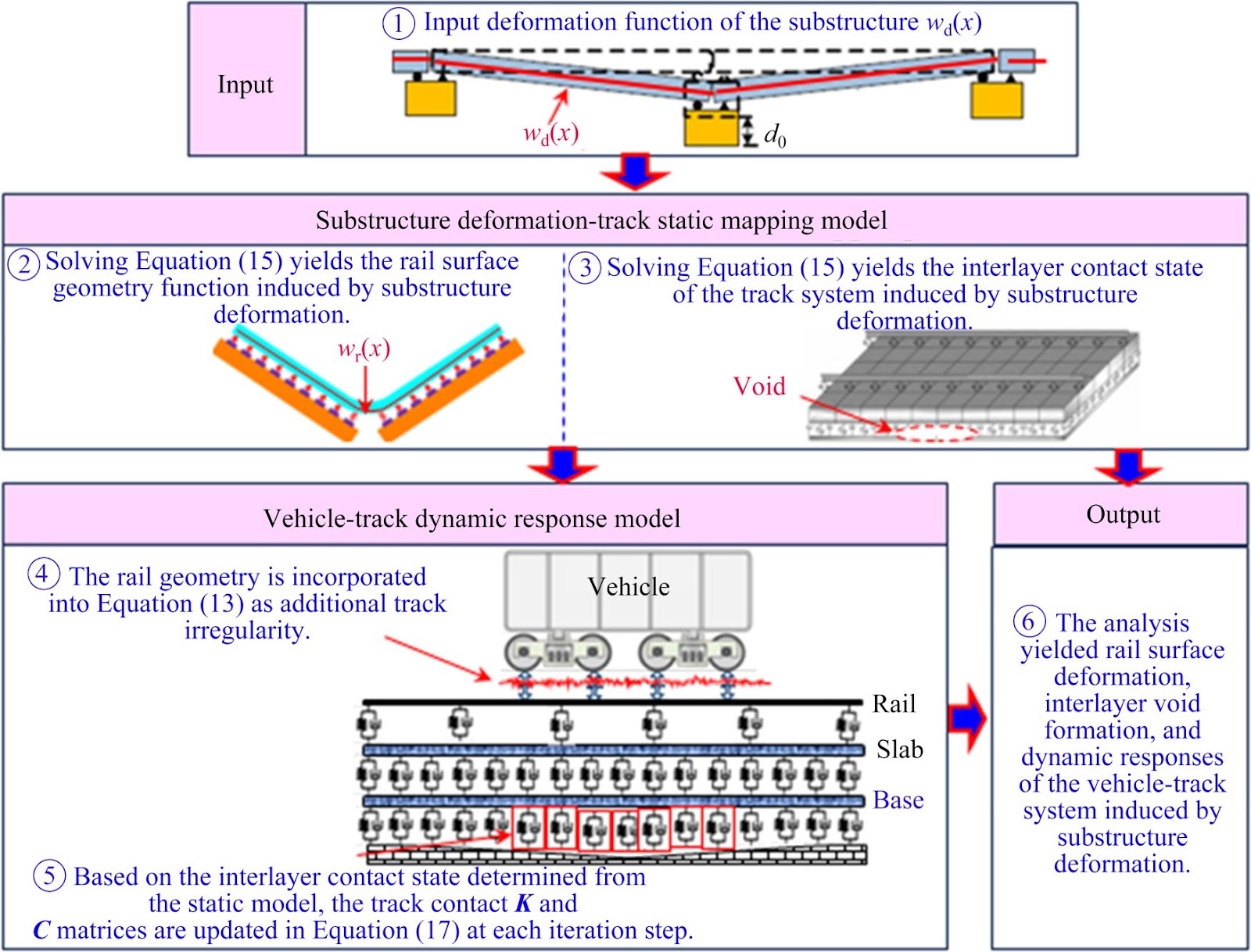
A unified analytical model for track deformation mapping and vehicle-track dynamic response induced by substructure deformation

Authors: CHEN Yao, FENG Qing-song, ZHAO Lei, ZHANG Ling, YANG Zhou

This study establishes a nonlinear vehicle-track coupled dynamic model that explicitly accounts for the effects of substructure deformation. Based on the vehicle-track coupled dynamics framework, the track structure is modeled using an energy-based approach, in which displacement functions of track layers are expanded into modified Fourier series. The static rail geometry and interlayer contact relations are derived through the principle of stationary potential energy. Considering the dynamic excitation from moving trains, a cross-iterative algorithm is employed to obtain the system responses, thereby enabling unified analysis of static track deformation and dynamic vehicle–track interactions. The results demonstrate that the proposed model effectively reveals the coupling mechanism between substructure deformation parameters, rail surface geometry, and system dynamics. The critical conditions for avoiding void formation under cosine-type and angular-type subgrade settlements follow power-law and linear relations, respectively. For a cosine-type settlement with a wavelength of 15 m and amplitude exceeding 35 mm, vehicle ride quality deteriorates significantly. Moreover, interlayer separation induced by substructure deformation leads to repeated "contact-separation-recontact" impacts, which may degrade long-term structural performance. This study provides a unified theoretical and computational framework for quantitatively assessing the effects of substructure deformation on high-speed train safety and track structure durability.

A unified analytical model for track deformation mapping and vehicle-track dynamic response induced by substructure deformation
Graphical Abstract
Original ResearchVol. 33, Issue 2 β€’ pp. 802-820DOI: 10.1007/s11771-026-6168-7β€’ Jan 15, 2026

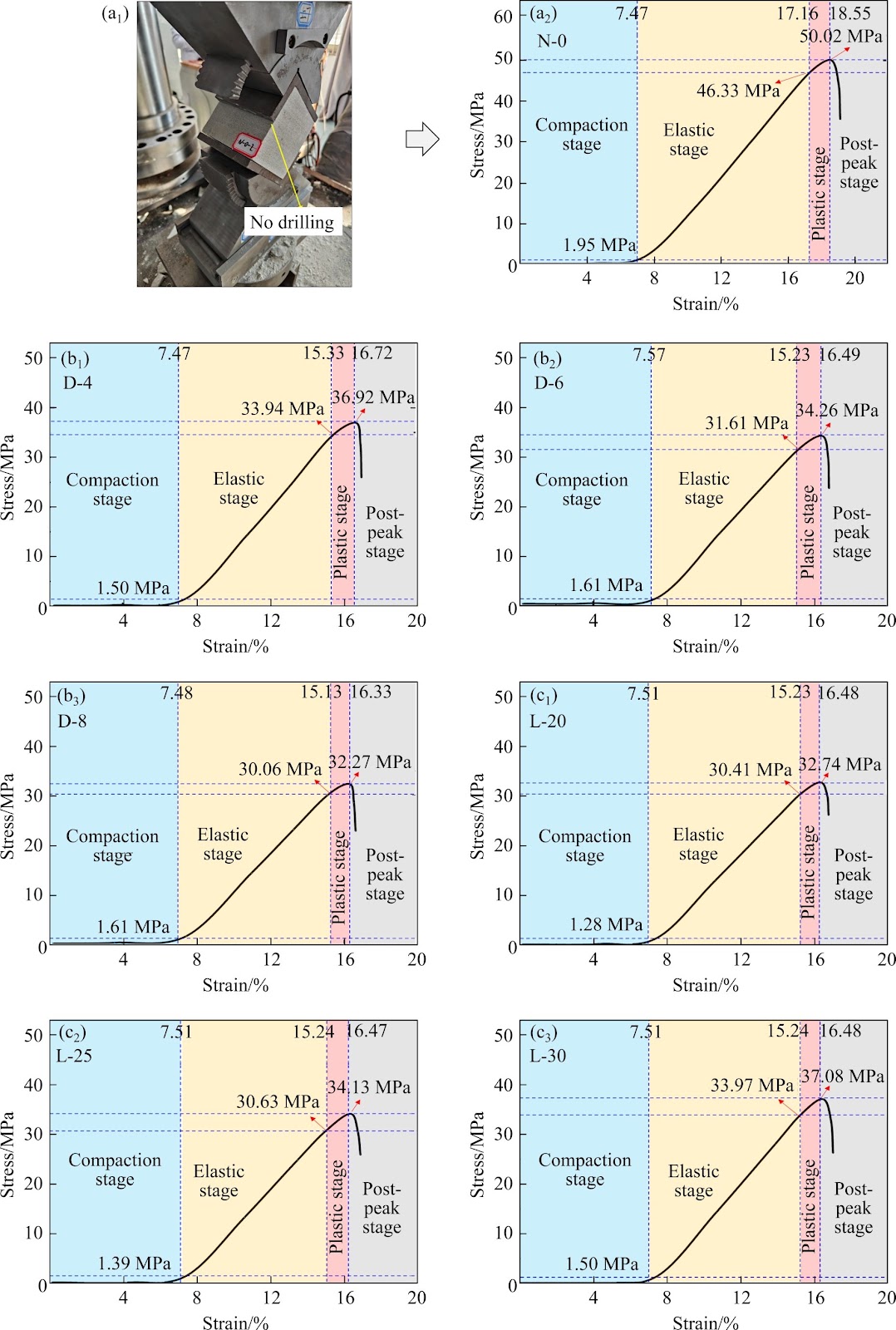
Mechanism and application of a new method for roof cutting and pressure relief with dense drilling

Authors: FU Qiang, YANG Jun, GAO Yu-bing, LI Chang-jiang, LIU Yu-xuan, JIANG Han-ze, ZHOU Jian-lin, WU Xing

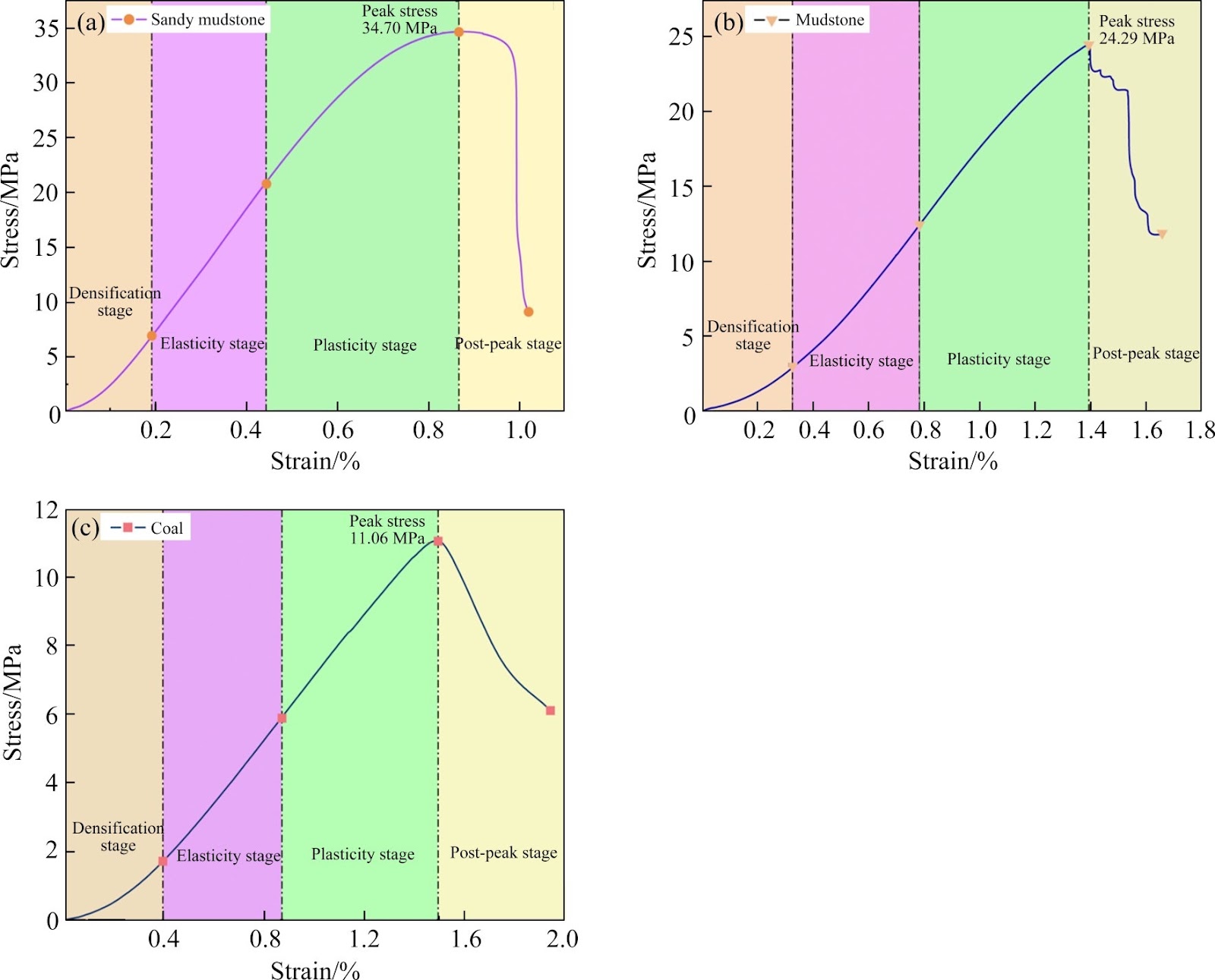
With the continual deterioration of mining conditions, the deformation and failure of surrounding rock in roadways with weak roofs under intense mine pressure during close-distance coal seam extraction has become a critical issue restricting the safe and efficient mining of coal. To address the issue of increased surrounding rock damage caused by blasting pressure relief in such roadways, this study proposes an innovative non-explosive method for roof cutting and pressure relief with dense drilling (RCPRDD) to protect the roadway. A combined approach of laboratory experiments, theoretical analysis, numerical simulation, and field testing was employed to clarify the rock weakening effects and mechanisms induced by dense drilling. An optimal design method for drilling diameter and spacing was established, and the effectiveness of this method was validated. The research results indicate that the degree of rock weakening induced by dense drilling is primarily related to the drilling density coefficient. As the drilling density coefficient increases, the rock weakening effect becomes more pronounced. At the same time, dense drilling exerts a significant amplifying effect on the tensile stress experienced by the side roof of the roadway goaf. A functional relationship between the dense drilling weakening coefficient and the drilling density coefficient was established, providing a theoretical basis for the selection of key parameters for dense drilling. The method was ultimately implemented in a field engineering test, effectively reducing the stress in the coal body of the advanced roadway, controlling the deformation and failure of the surrounding rock, and achieving the goal of protecting the roadway. This demonstrated the feasibility and effectiveness of the RCPRDD. The research findings provide a scientific basis for controlling roadway deformation under similar conditions.

Mechanism and application of a new method for roof cutting and pressure relief with dense drilling
Graphical Abstract
Original ResearchVol. 33, Issue 3 β€’ pp. 1460-1472DOI: 10.1007/s11771-026-6210-9β€’ Jan 15, 2026

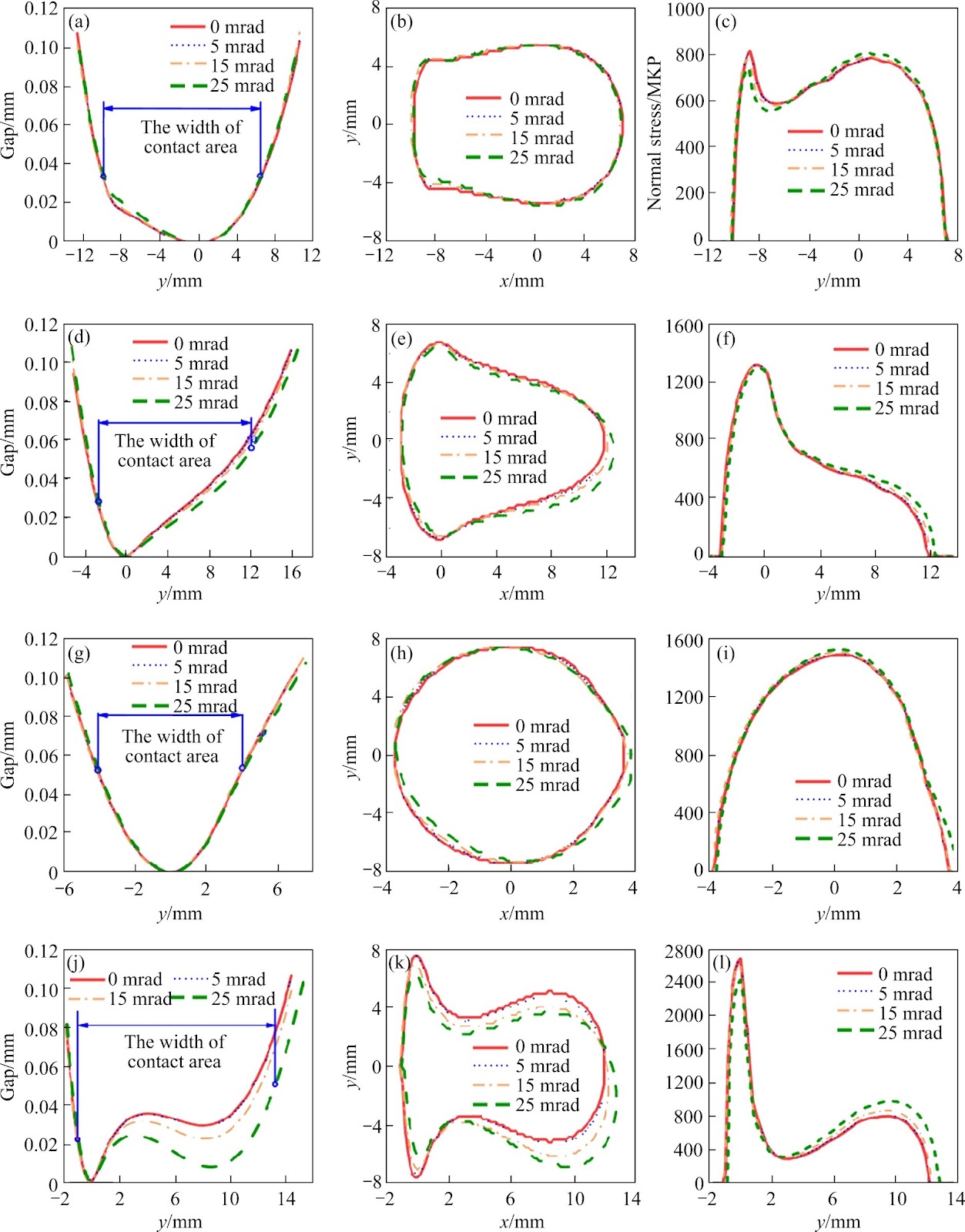
Numerical simulation of wheel-rail rolling contact fatigue considering yaw angle and interfacial conditions

Authors: LI Ding-kang, WU Bing, WANG Zhao-yang, LI Ji-peng, ZUO Jian-yong

The accuracy of wheel-rail rolling contact force is of great significance for vehicle dynamics simulation. A wheel-rail rolling contact behavior model considering wheelset yaw is proposed. The NORM algorithm is adopted to solve the wheel-rail normal contact problem. The extended creep force model (ECF) is used for the tangential contact problem, which considers different interfacial conditions, temperature in the contact area, and the elastoplastic behavior of the third body. A fatigue life prediction framework based on the critical plane method is introduced to evaluate the contact fatigue damage under the coupled influence of yaw angle and interfacial conditions. The effects of wheel yaw angle on the contact pressure and wheel-rail rolling contact fatigue life under dry and wet conditions are investigated. The results show that under both dry and wet conditions, increasing yaw angle leads to an increase in creepage, expansion of the sliding area, enhancement of creep force, and a simultaneous increase in the contact area temperature, thereby causing an increase in the fatigue parameter (FP). The wheel-rail rolling contact life with yaw angle is shortened compared to that without yaw, and the life decay rate under wet condition is slower than that under dry condition.

Numerical simulation of wheel-rail rolling contact fatigue considering yaw angle and interfacial conditions
Graphical Abstract
Original ResearchVol. 33, Issue 1 β€’ pp. 1-49DOI: 10.1007/s11771-025-6102-4β€’ Jan 15, 2026

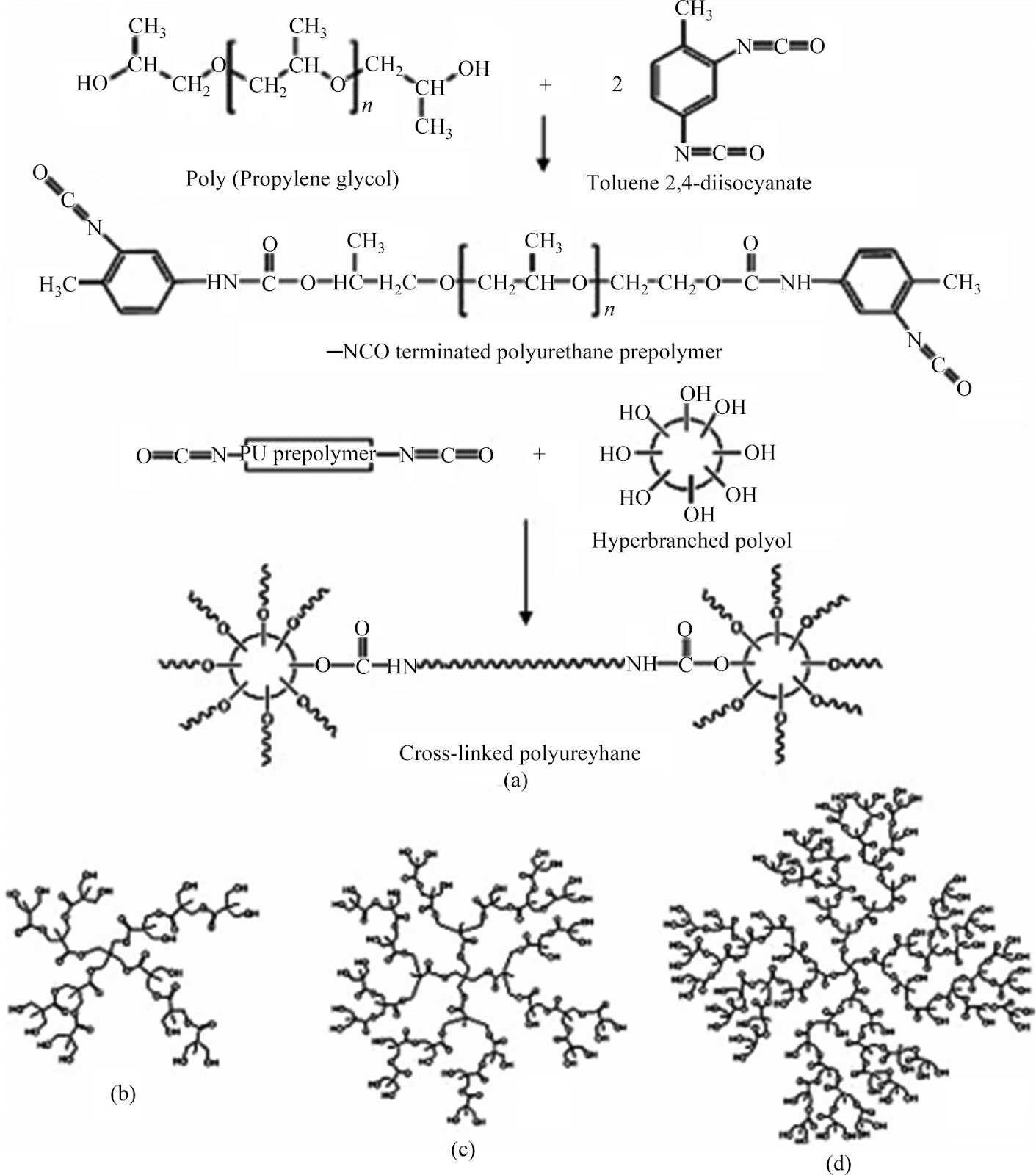
Chemistry and potential applications of multifunctional polymer nanocomposite coatings: A review

Authors: A.M. FADL

Polymer nanocomposite coatings (PNCCs) are unprecedented generation of coatings engineered for displaying inexpensive and brilliant functional surface coatings with eminent corrosion guard, mechanical resistance, antimicrobial, chemical durability, electrical insulation, and UV aging features. Due to their widely anticipation in petroleum, applications in building, conveyance, aerospace, electronics, automobiles and energy, these multi-functional coatings have a tremendous leverage in human life, all technological and scientific subjects. Numerous applications have been made for multilateral polymers like polyurethane (PU), epoxy (EP), polyaniline (PANI) conductive polymer, polypyrrole (PPy), and etc, on various metallic surfaces especially, carbon steel substrate owing to their excellent resistance properties. Practically, nanomaterials can possess potential in the all-interdisciplinary domains of materials science and engineering, chemical and physical sciences, biological and health sciences. As known, the designed polymer nanocomposite coating paradigm is fundamentally constituted from polymer or resin as a vehicle and inorganic nanofillers (nanoparticles and nanocomposites). Some commercialized and excessively employed nanocontainers in polymer nanocomposite coating formulations, like ZnO, TiO2, carbon nanotubes (CNTs), clay, SiO2, Al2O3, graphene, GO, CeO2, ZrO2, FeTiO3, etc were discussed. The current review covered the chemistry and potential applications of the largest utilized multifunctional polymer nanocomposite coatings such as EP, PU and other considerable PNCCs. Lately, a titanic attention was made for epoxy nanocomposites because of their distinct physicochemical characteristics, which result from the combined qualities of the nanoparticles and polymer material unity. In addition, the author incorporated some of his scientific contributions in this area represented in construction of innovative functional polymer nanocomposites for a variety of uses with high economic, industrial impacts and future orientation. Furthermore, some newly published applications of polymer nanocomposite coatings were incorporated and discussed.

Chemistry and potential applications of multifunctional polymer nanocomposite coatings: A review
Graphical Abstract
Original ResearchVol. 33, Issue 1 β€’ pp. 131-143DOI: 10.1007/s11771-026-6166-9β€’ Jan 15, 2026

Microstructure and the corrosion resistance of SiC reinforced pyrolytic graphite coating under physical vapor transport SiC environment

Authors: TAO Xian-cheng, SUN Wei, SUN Ye-hua, DENG Nan-jun, WANG Zi-wei, XIONG Xiang

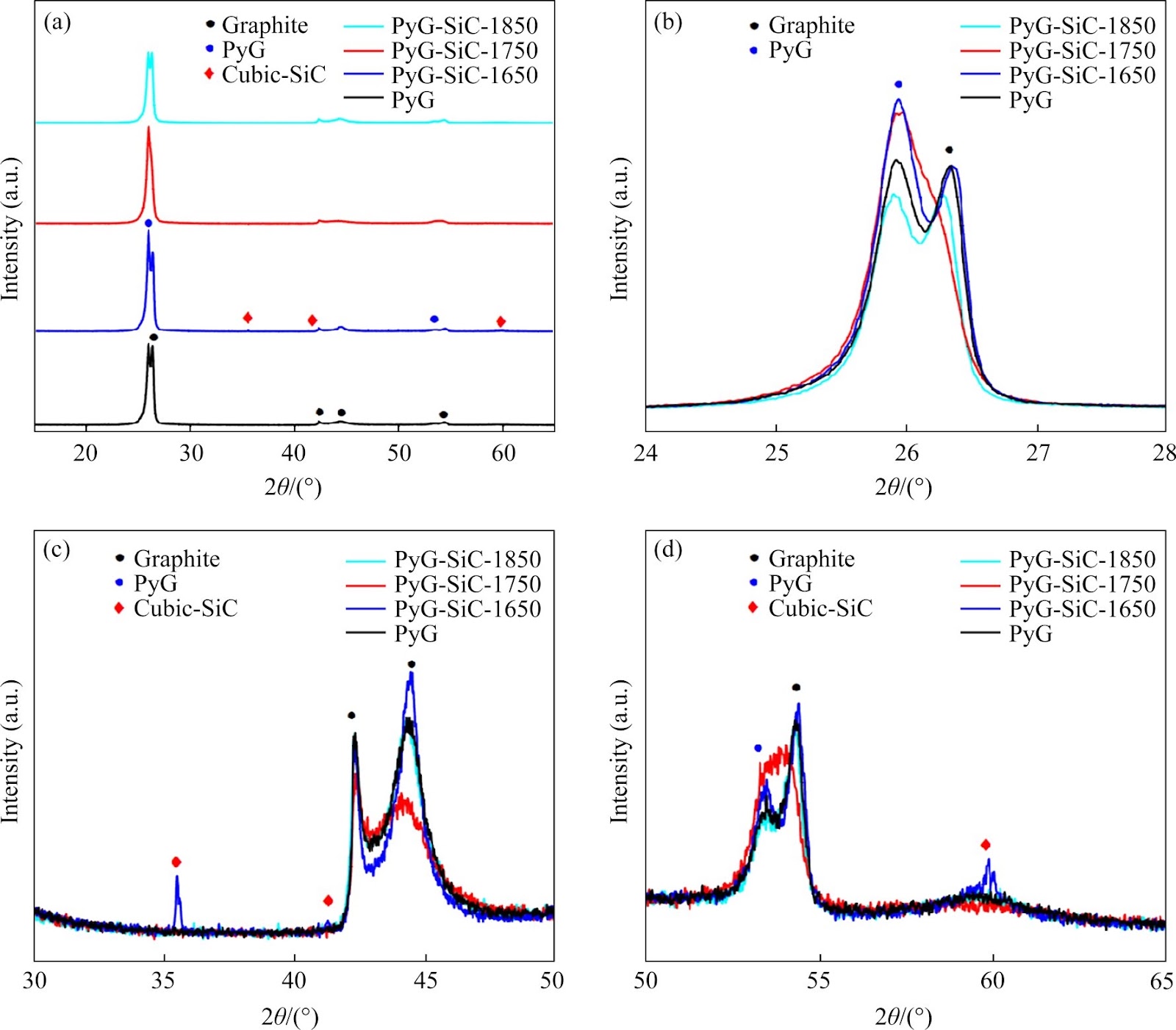
In order to effectively prevent the contamination of carbon particle volatiles during high-purity SiC crystals are prepared using the physical vapor transport (PVT) method in ultra-high temperature environments (Tβ‰₯2000 ℃), this study innovatively attempts to protect graphite materials with SiC reinforced pyrolytic graphite (PyG) coating. It is discovered by preparing the SiC particle layer, the degree of graphitization and stability of PyG coating can be improved. The corrosion test results demonstrated that the SiC reinforced PyG coating can maintain an intact coating with a high graphitization degree after the SiC vapour corrosion test of 2050 ℃-120 h. Conversely, the samples with and without PyG coating reveal porous and eroded surfaces. Furthermore, following the SiC vapour corrosion test, the PyG coating sample’s integral ratio of D-band and G-band (ID/IG) of Raman spectrum test data, reduced by 6.5%, while the SiC reinforced PyG coating decreased by 17.2%, indicating its excellent corrosion resistance. The application of SiC reinforced pyrolytic graphite coating in preparing the SiC single crystal might received a theoretical foundation according to this work.

Microstructure and the corrosion resistance of SiC reinforced pyrolytic graphite coating under physical vapor transport SiC environment
Graphical Abstract
Original ResearchVol. 33, Issue 4 β€’ pp. 1706-1727DOI: 10.1007/s11771-026-6266-6β€’ Jan 15, 2026

Transformation of strain energy increment in catastrophe model and its application to stability analysis of host rock in nuclear waste disposal caverns

Authors: ZHANG Rui-xin, ZHANG Qiang-yong, LIU Chuan-cheng, DUAN Kang, WEN Zhi-jie, SUN Xi-kui, WANG Peng-fei

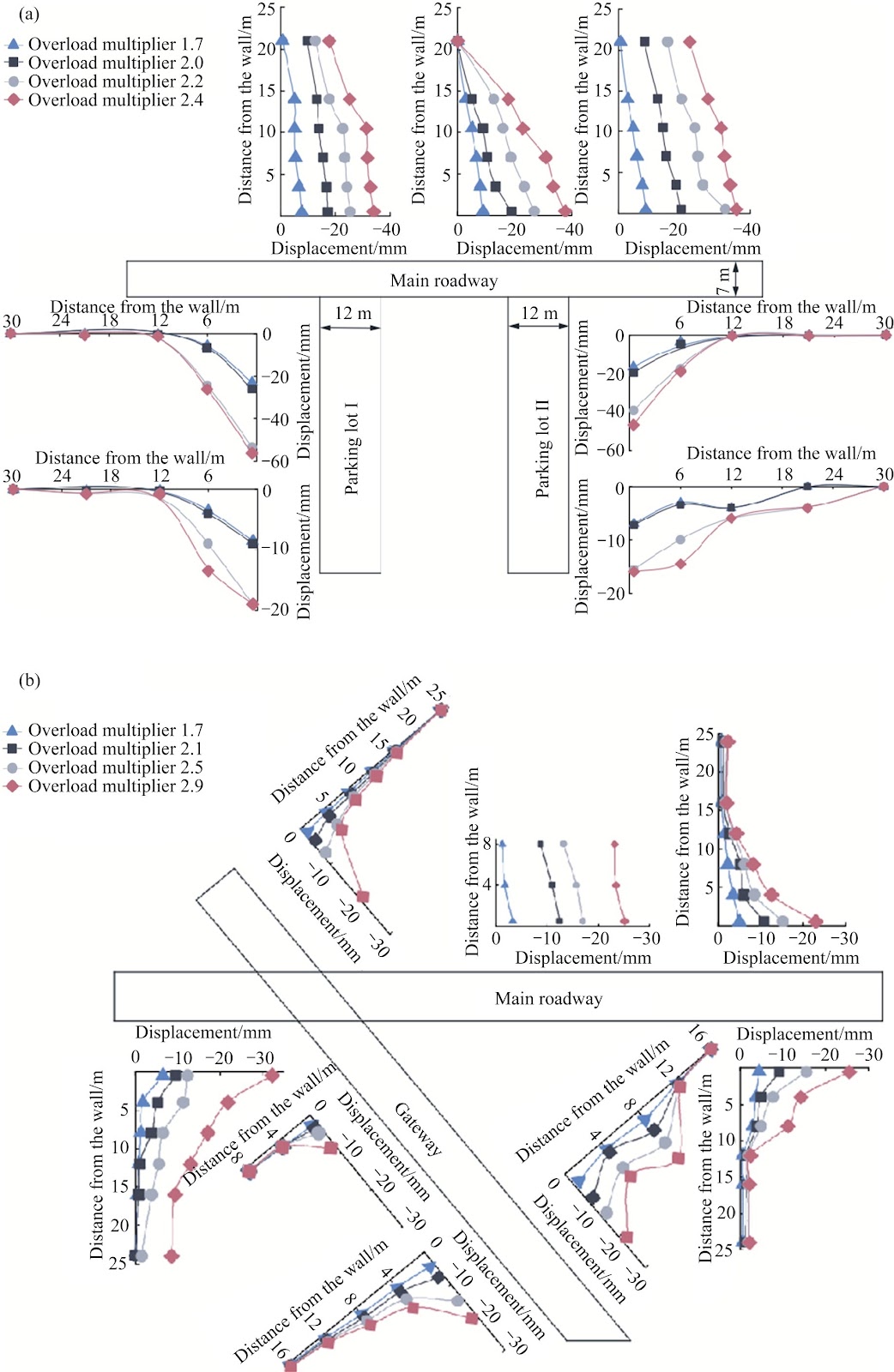
To reduce the subjectivity of conventional instability criteria in deep rock engineering, this study develops an energy-driven criterion grounded in cusp catastrophe theory and embeds it within an improved nonlinear Hoek-Brown (H-B) strength-reduction framework. We derive an explicit algebraic transformation that maps a quartic energy potential to the standard cusp form and introduce the mutation eigenvalue Ξ” as a physically interpretable measure of proximity to the vanishing of the energy barrier. Building on this, failure staging is diagnosed in practice by the concurrence of a slope mutation in displacement-reduction-factor curves, a threshold jump of total plastic strain-energy increment typically exceeding threefold between adjacent reduction steps, and video-confirmed crack through-connection. Integrating Ξ” with the nonlinear reduction scheme yields reproducible integral safety factors. Two representative cavern layouts (Model A/B) are validated by scaled physical model tests and companion simulations: global failure occurs at the overload safety factor K=2.33 for Model A and K=2.73 for Model B, with relative deviations from tests (2.4P0 and 2.9P0) of 1.3% and βˆ’5.9%, respectively, coinciding with the energy-jump threshold and the multi-evidence diagnosis. Compared with the equivalent Mohr-Coulomb parameter approach, the improved nonlinear scheme produces smaller (more conservative) safety factors by 5.7% and 2.5%, while better matching the observed destabilization process. The framework clarifies the role of Ξ” as an energy-based instability indicator and offers a practical, verifiable criterion for cavern stability assessment.

Transformation of strain energy increment in catastrophe model and its application to stability analysis of host rock in nuclear waste disposal caverns
Graphical Abstract
Original ResearchVol. 33, Issue 3 β€’ pp. 1403-1418DOI: 10.1007/s11771-026-6162-0β€’ Jan 15, 2026

The influence of microwave irradiation on thermal properties and fracturing mechanism of basalt in rock excavation

Authors: TANG Rui-feng, YANG Ben-gao, XIE Jing, YANG Zhu, YANG Zun-dong, BAI Yan-bo, GAO Ming-zhong

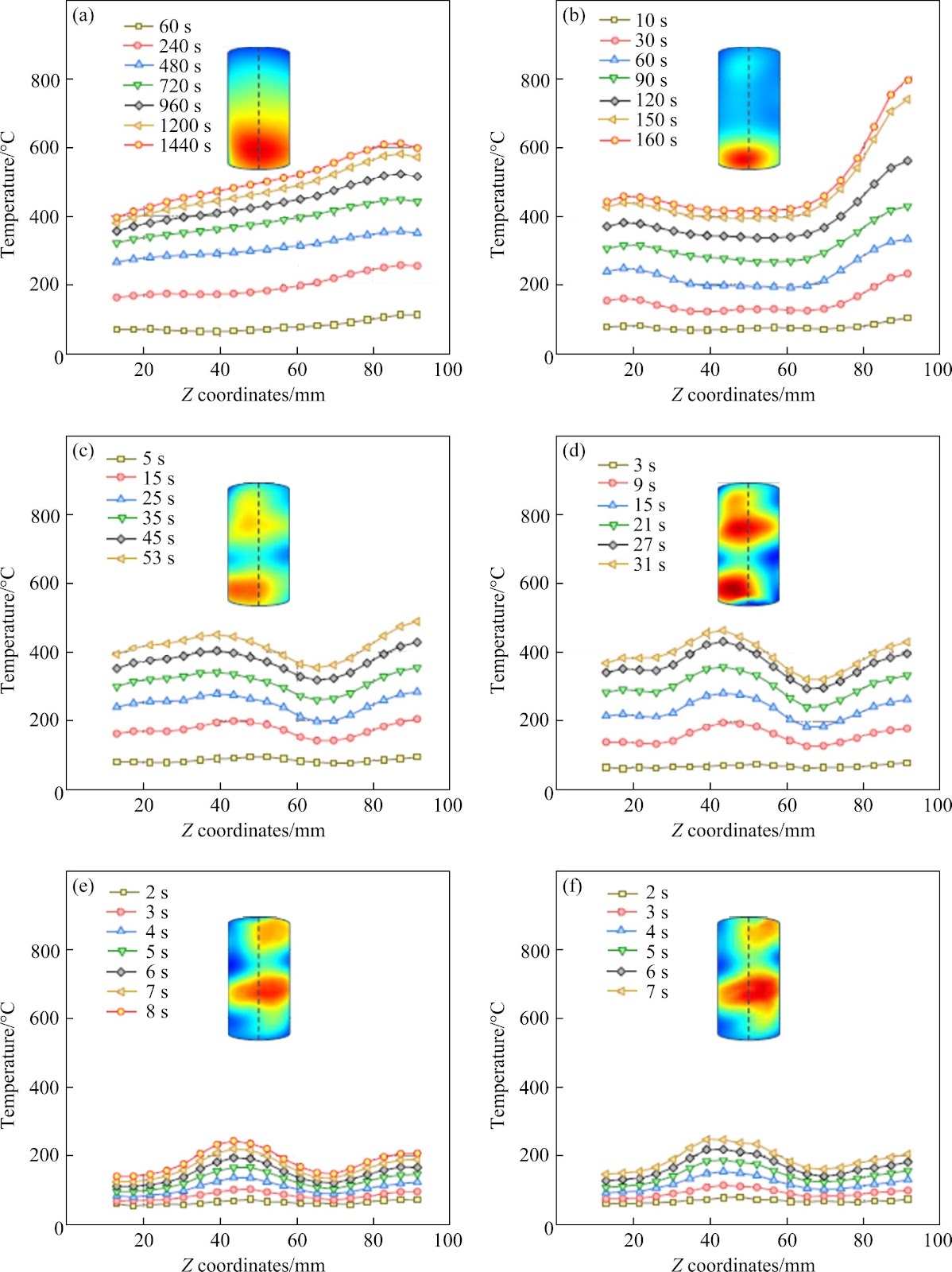
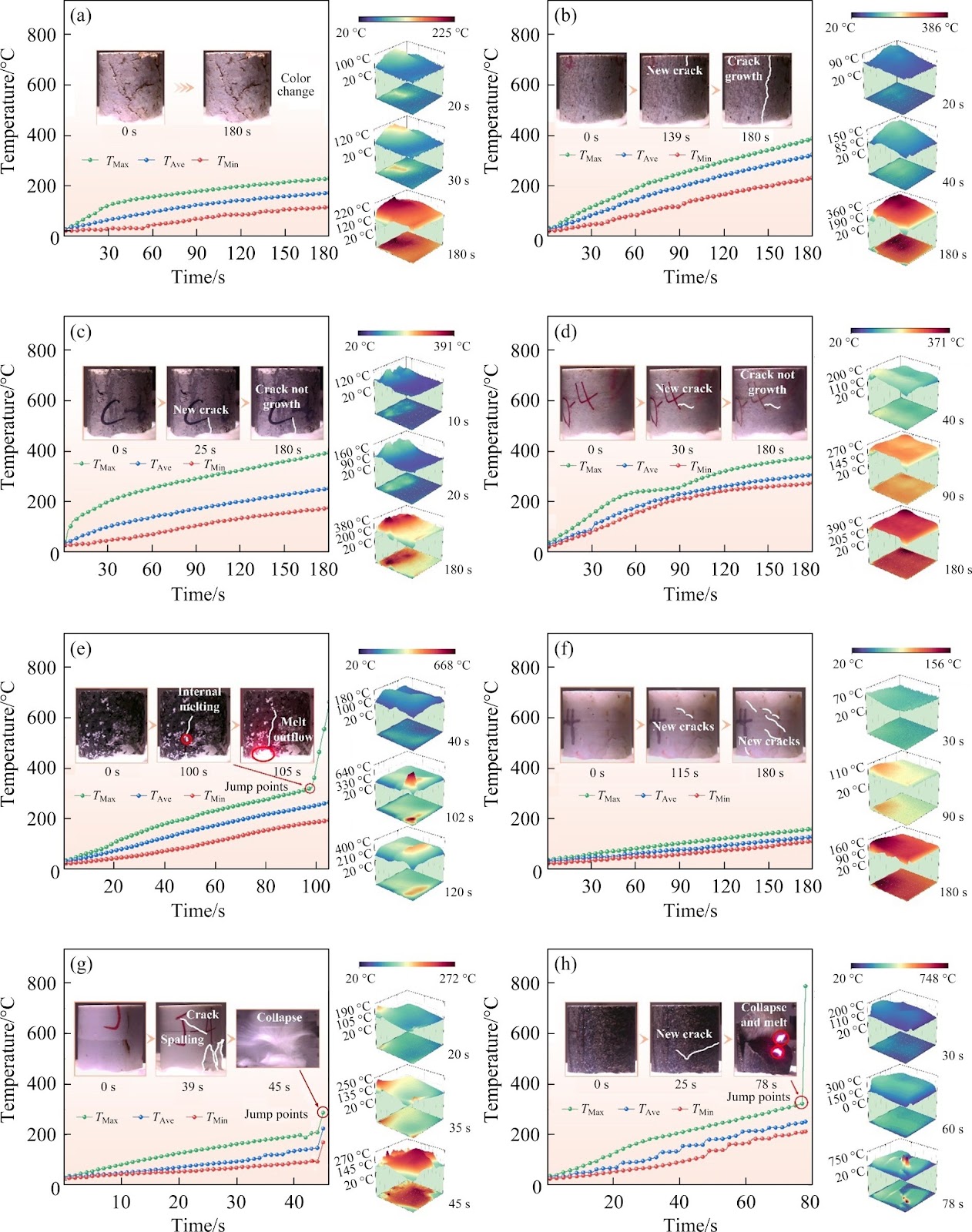
Microwave fracturing is a promising technique for facilitating the efficient exploitation of deep earth resources while reducing energy consumption and cutter wear during mechanical excavation. In this study, the thermal properties of basalt under six power levels are investigated and the mechanism of microwave fracturing is elucidated through real-time monitoring and microstructural analysis. The results show that the failure modes of basalt can be categorized into high-temperature melting failure (>300 ℃) and low-temperature burst failure (<200 ℃). High-power microwave irradiation not only altered the failure mode but also modified the relationship between temperature rise and time. The temperature distribution exhibits a wave pattern, making it more prone to inducing transverse tensile cracks. Dehydration of basalt is triggered when the temperature exceeds 200 ℃, which subsequently promotes the initiation of macroscopic cracks. Microscopically, microwave fracturing is mainly driven by thermal stresses, while steam pressure, especially under high-power conditions, plays a dominant role in the fracturing process. These results are anticipated to provide necessary theoretical and technical support for the efficient exploitation of deep earth resources.

The influence of microwave irradiation on thermal properties and fracturing mechanism of basalt in rock excavation
Graphical Abstract
Original ResearchVol. 33, Issue 4 β€’ pp. 1553-1567DOI: 10.1007/s11771-026-6257-7β€’ Jan 15, 2026

A dual-component strategy for ambiently-cured high-toughness red mud-based geopolymer: Modified nano-TiO2 and sodium polyacrylate

Authors: CHEN Jing, BAI Bing, NIE Qing-ke, BAI Fan, ZHANG Hai-qing

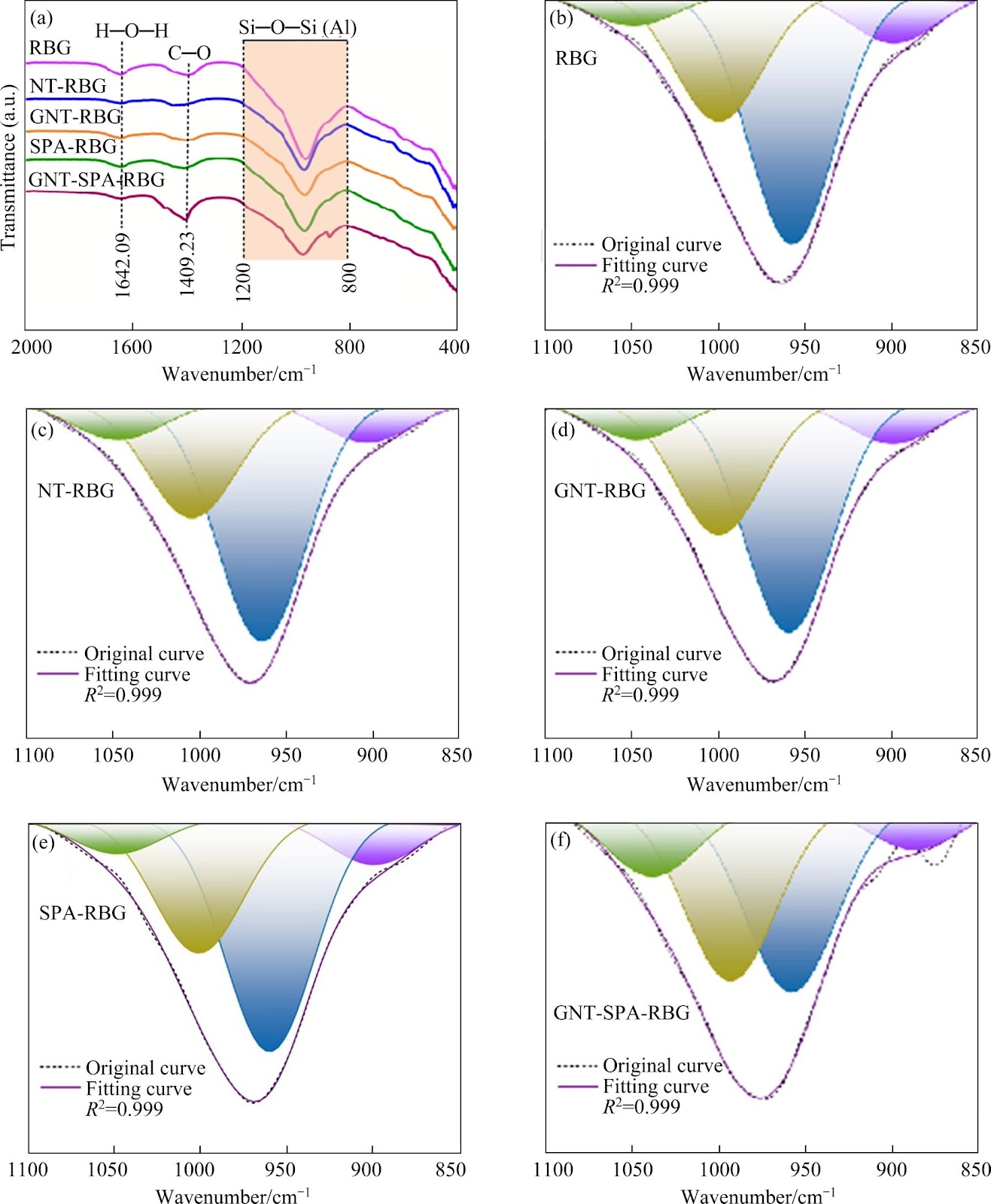
In response to the growing demand for sustainable construction materials, this study overcomes the inherent brittleness and poor fracture resistance of red mud-based geopolymer (RBG) through the strategic combination of surface-modified nano-TiO2 (NT) and sodium polyacrylate (SPA). The NT was functionalized with silane coupling agent to improve dispersibility and interfacial bonding, while SPA was added to enhance fracture toughness. Under the condition of ambient curing, the optimum mixture containing 3 wt% (glycidoxypropyltriethoxysilane) -modified NT (GNT) and 0.5 wt% SPA achieved a 28 d compressive strength of 43.40 MPa and a flexural strength of 8.16 MPa. The performance index meets the Portland cement (PC 42.5) standards. Microstructural analyses (XRD, FT-IR and SEM-EDS) revealed that the formation of geopolymer gel was increased, the crystallinity was reduced, and the degree of polymerization was improved, which confirmed the effectiveness of this method in producing high-toughness and environmentally friendly geopolymer.

A dual-component strategy for ambiently-cured high-toughness red mud-based geopolymer: Modified nano-TiO2 and sodium polyacrylate
Graphical Abstract
Original ResearchVol. 33, Issue 4 β€’ pp. 1613-1625DOI: 10.1007/s11771-026-6187-4β€’ Jan 15, 2026

An acid-free process for the selective recovery of lithium from spent ternary lithium-ion batteries

Authors: ZHANG Kun, YANG Jian, JIANG Liang-xing, LAI Yan-qing, XU Kai-hua

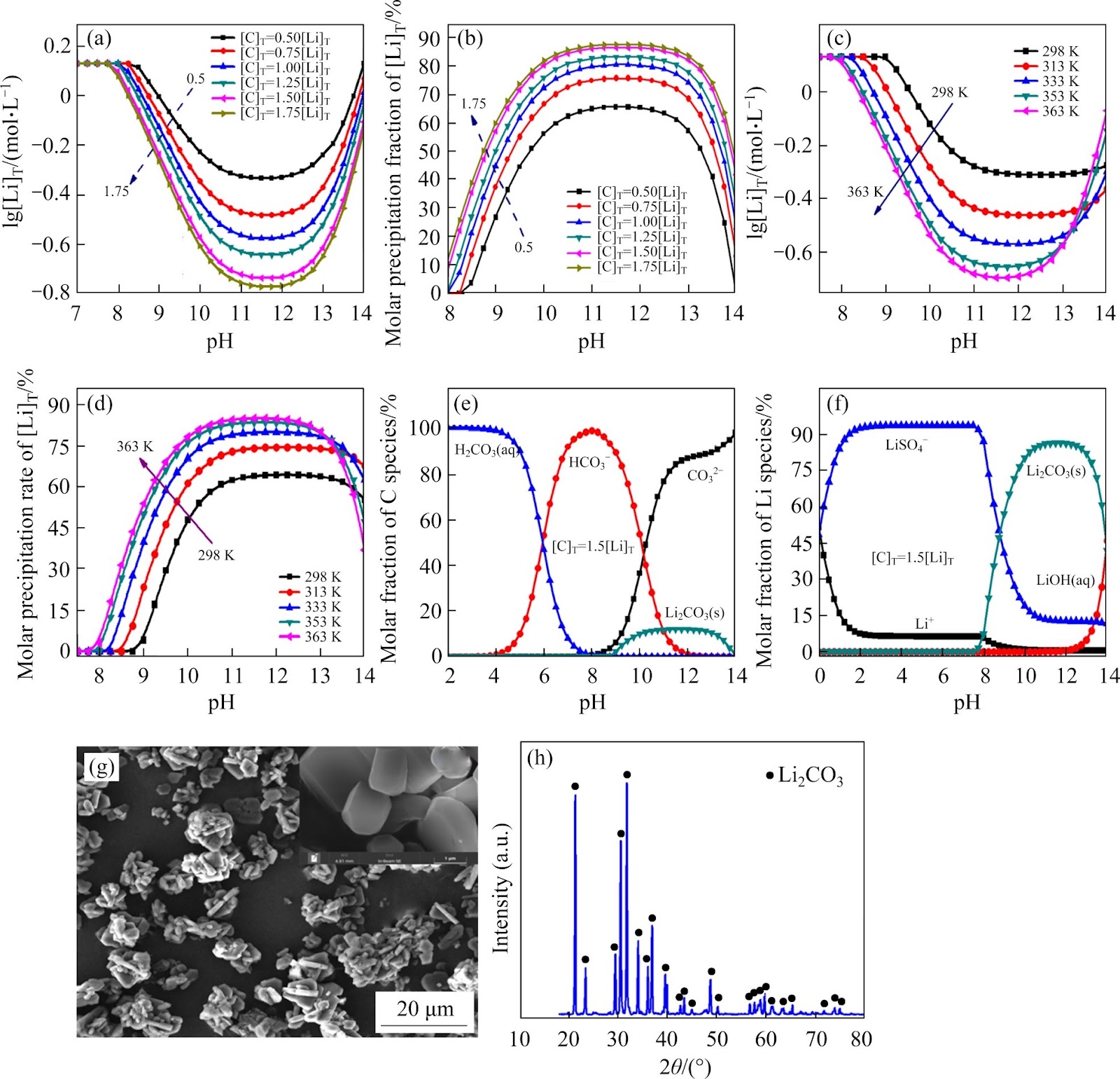
With the dramatic accumulation of the end-of-life lithium-ion batteries, their recycling is attracting extensive attention worldwide. To address the problem of low lithium recovery in the current typical hydrometallurgy recovery process, this research uses sodium bisulfate as an auxiliary roasting reagent to extract lithium from spent lithium-ion batteries through sulphation roasting, which can enhance the lithium recovery rate significantly. A systematic study of the sulphation roasting process and the mechanisms was carried out with experiments, thermodynamic calculations, and characterization of the roasted sample phases. The results showed that at a roasting temperature of 600 Β°C, NaHSO4Β·H2O/spent LiNixCoyMnzO2 cathode powders (S-NCM) mass ratio of 1.2, and roasting time of 60 min, 95% selective dissolution of lithium was acquired, while the leaching rates of Ni, Co, and Mn were confined under 1%. During roasting, the NCM layered structure collapses and the lithium is transformed into the LiNaSO4 phase, while the transition metals transform into Ni6MnO8 and MnCo2O4 phases. The removal of impurity ions from the lithium-rich leaching solution and the generation of Li2CO3 were achieved by a combination of thermodynamic calculations and experiments.

An acid-free process for the selective recovery of lithium from spent ternary lithium-ion batteries
Graphical Abstract
Original ResearchVol. 33, Issue 4 β€’ pp. 1487-1498DOI: 10.1007/s11771-026-6204-7β€’ Jan 15, 2026

Effects of deep cryogenic treatment on microstructures, mechanical properties and dimensional stability of beryllium for inertial devices

Authors: REN Peng-he, XIAO Lai-rong, ZHAO Xiao-jun, CAI Zhen-yang

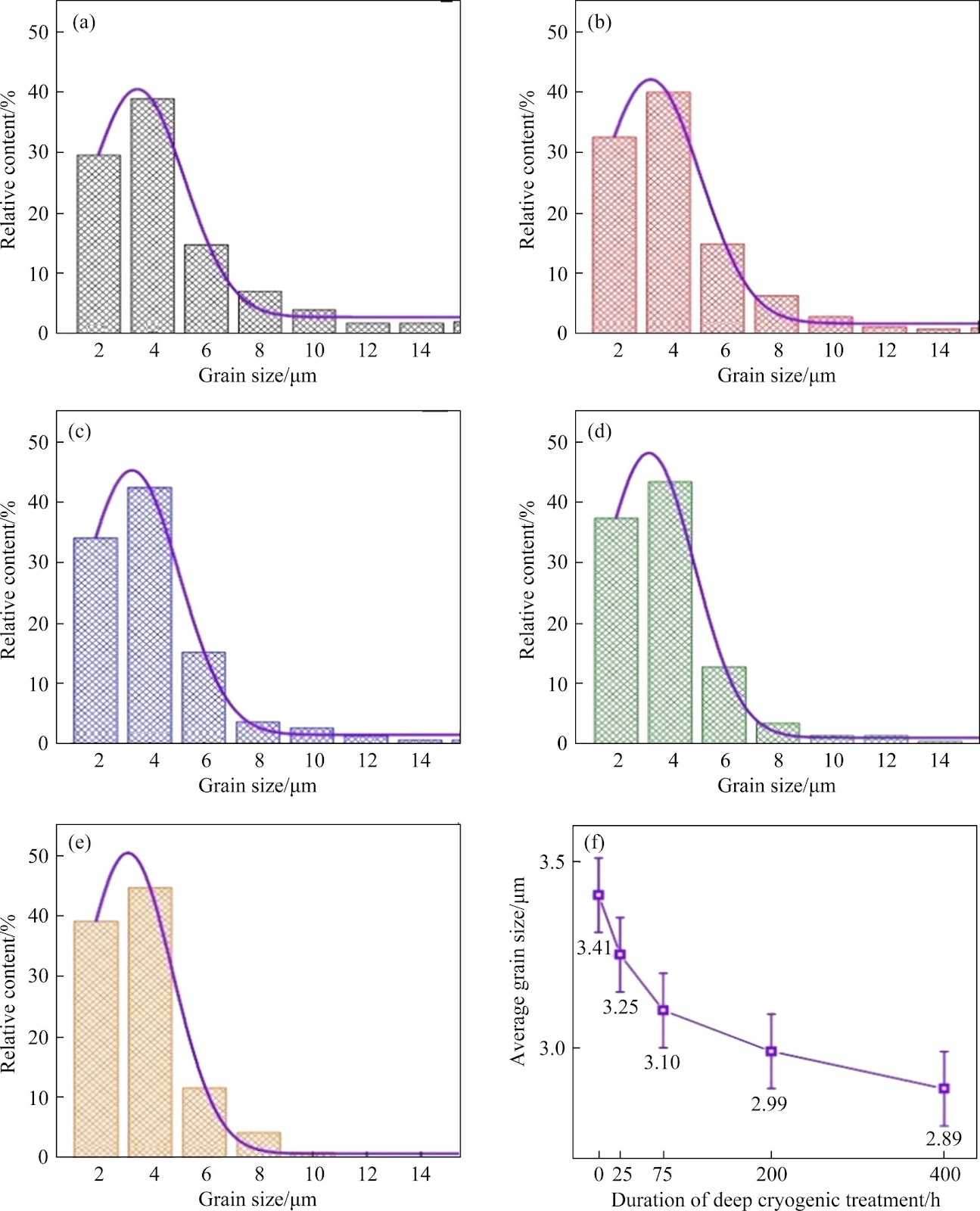
This study investigated the effects of deep cryogenic treatment (DCT) on hot isostatic pressed (HIP) beryllium for inertial devices, focusing on residual stress, microstructure, tensile properties, and dimensional stability. The findings revealed that during DCT, residual stress in beryllium increased gradually due to non-uniform volumetric contraction and mismatch stress, reaching a 59.9% increase from initial levels after 200 h of DCT. DCT led to significant grain refinement and an increase in dislocation density. In 200 h DCT-treated beryllium, geometric necessary dislocation (GND) density increased 17.9%, grain size decreased 12.3%, and therefore yield strength and tensile strength improved by 4.2% and 5.6%, respectively. The dimensional stability of HIP beryllium was significantly enhanced by DCT, and the improvement tended to increase with the duration of DCT. The cumulative size changes of beryllium after 200 h of DCT during both cold exposure and cold cycling decreased significantly by 86% and 50%, respectively, compared to those of HIP beryllium. Furthermore, the residual tensile strength and retention rate increased by 12.5% and 5.5%, respectively, after undergoing room-temperature creep at 100 MPa for 1000 h.

Effects of deep cryogenic treatment on microstructures, mechanical properties and dimensional stability of beryllium for inertial devices
Graphical Abstract
Original ResearchVol. 33, Issue 4 β€’ pp. 1728-1745DOI: 10.1007/s11771-026-6238-xβ€’ Jan 15, 2026

Effect of loading rate on the brittleness index of granite: An experimental investigation

Authors: YIN Tu-bing, LIU Fan, MA Jie-xin, DAI Hao, LU Jian-fei, GUO Wen-xuan, LI Xi-bing

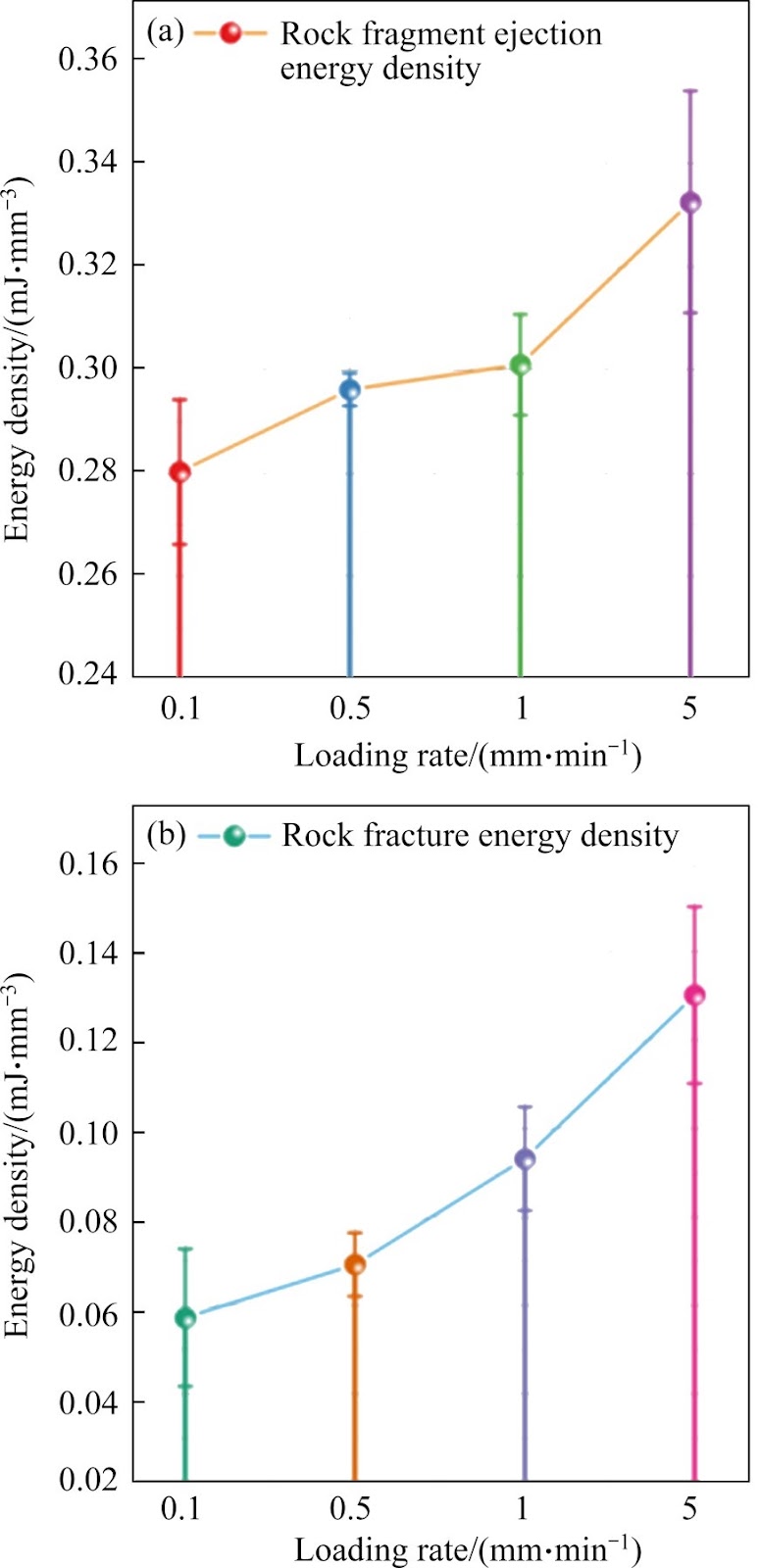
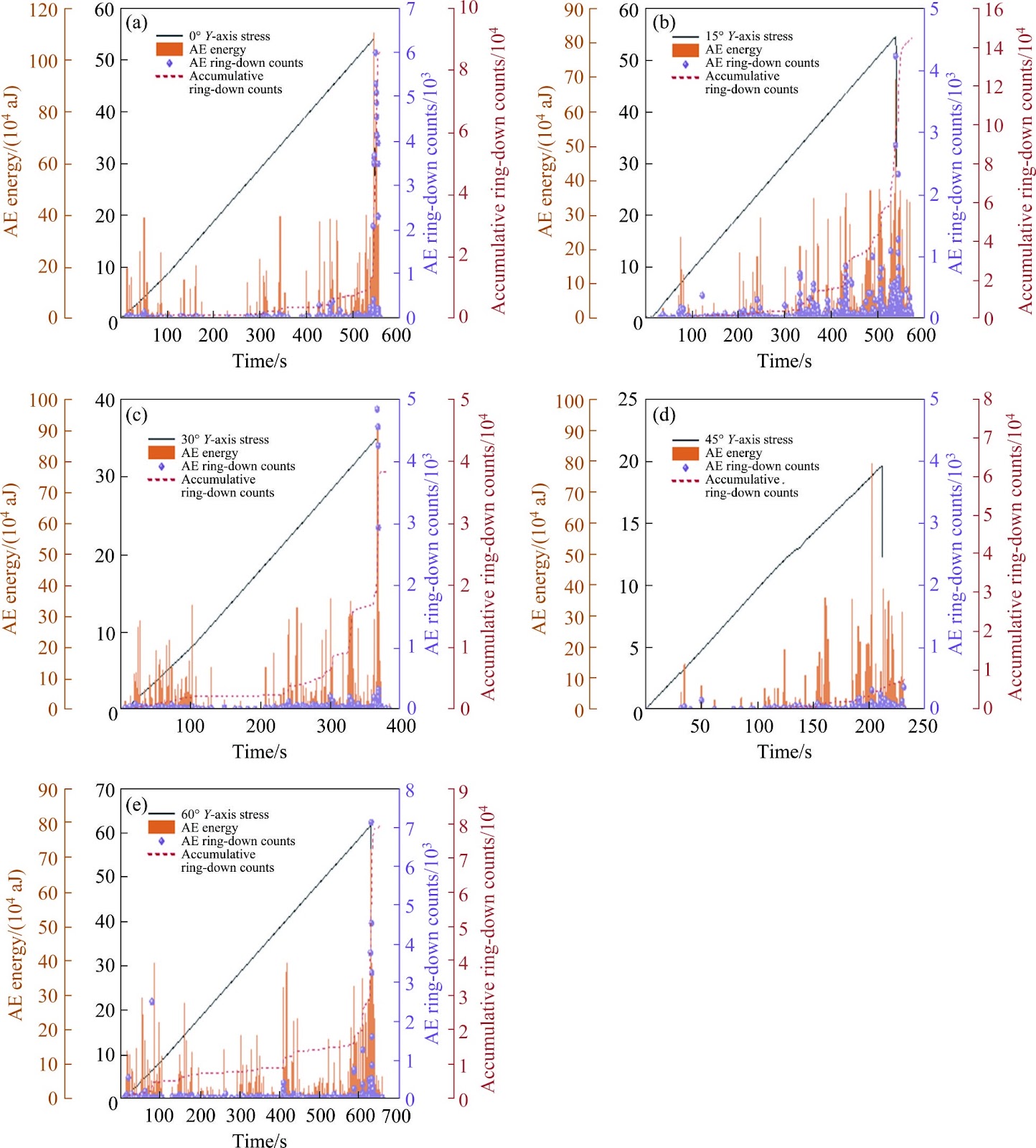
In deep underground engineering, rock brittleness is closely associated with rockburst and feasibility of hydraulic fracturing. The loading rate plays a crucial role in determining the severity of rockburst and cuttability. By conducting uniaxial compression tests and single-cycle loading-unloading experiments, the brittle evolution of four types of granite under different loading rates was investigated. During the uniaxial compression process, acoustic emission parameters were used to characterize the crack evolution patterns. Additionally, the macroscopic failure process of the specimens and the post-failure rock fragments were recorded with a high-speed camera, providing multi-scale validation. This study proposes a quantitative brittleness index based on rock fracture energy, and its validity is verified by analyzing the rock failure process and the macroscopic characteristics of rock fragments. This work contributes to advancing research on rock brittleness indices considering the coupling between energy evolution and kinematic mechanisms. The research results indicate that as the loading rate increases from 0.1 mm/min to 5 mm/min, the quantitative evaluation index (Bs) for brittleness increases from 0.17 to 0.28, while the qualitative evaluation indices MF (projectile mass ratio) and l (average lumpiness) increase from 0.3261 to 0.4184 and from 32.96 mm to 38.12 mm, respectively. With increasing loading rates, the brittleness of the rock increases significantly. A series of qualitative and quantitative results, including fractal characteristics and acoustic emission parameters, reveal the crack evolution patterns of granite under different loading rates and confirm the rationality of the brittleness index. This study provides theoretical guidance for practical deep underground engineering applications.

Effect of loading rate on the brittleness index of granite: An experimental investigation
Graphical Abstract
Original ResearchVol. 33, Issue 2 β€’ pp. 821-833DOI: 10.1007/s11771-026-6207-4β€’ Jan 15, 2026

Heating and fracture spatiotemporal evolution characteristics of key granite minerals under microwave irradiation

Authors: BAI Yan-bo, YANG Ben-gao, WANG Jing-yu, XIE Jing, TANG Rui-feng, GAO Ming-zhong, YUAN Liang

Microwave fracturing offers significant potential for efficient hard rock fragmentation. This study investigates real-time heating and fracture characteristics of ten granitoid minerals under 2 kW microwave irradiation for 3 min. Chlorite, amphibole, and altered plagioclase were identified as highly microwave-sensitive, exhibiting high mass and P-wave velocity decay, rapid heating rates (>2.5 ℃/s) and violent rupture. Mineral surface temperature non-uniformity, quantified by the coefficient of variation (VT), evolved through distinct increasing, decreasing, and stabilizing phases, reflecting shifts in dominance between heat accumulation and transfer. Temperature gradients revealed the spatial relationship between hotspots and rupture points, with shallow melting influencing surface temperature distribution. Undamaged minerals exhibited significant temperature gradient spatiotemporal variability but ultimately stabilizing. These results enable prediction of microwave heating behavior in hard rocks containing analogous minerals and enhance our understanding of microwave-induced weakening mechanisms.

Heating and fracture spatiotemporal evolution characteristics of key granite minerals under microwave irradiation
Graphical Abstract
Original ResearchVol. 33, Issue 1 β€’ pp. 175-188DOI: 10.1007/s11771-026-6182-9β€’ Jan 15, 2026

An innovative design driven by contact performances for skiving of spur face gear drive with single cutter

Authors: TANG Zhong-wei, ZHOU Yuan-sheng, MO Shuai, TANG Jin-yuan, MA Chi, ZHANG Wu-ji, HE Hai-yu

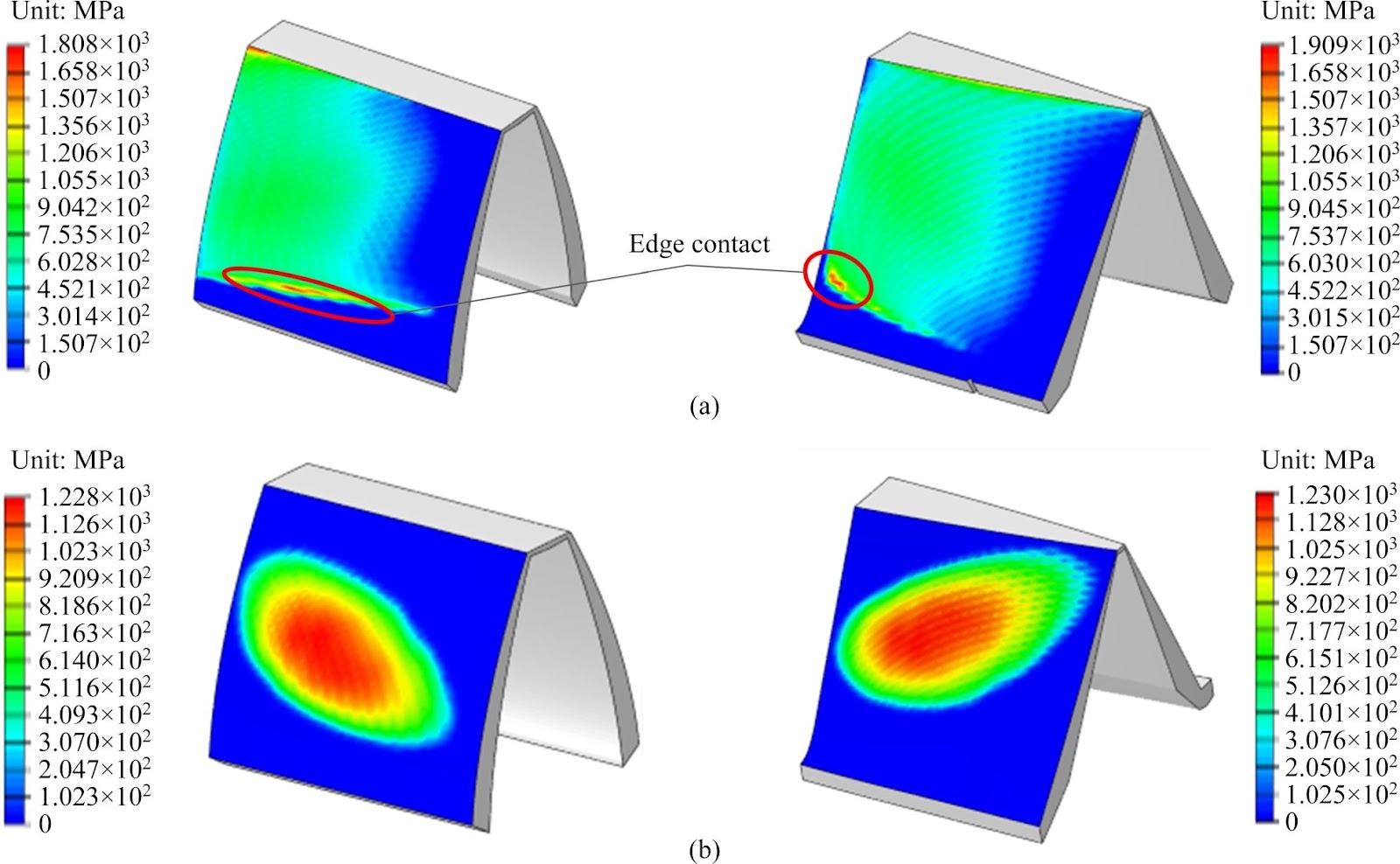
This study develops a contact performance-driven method for skiving face gear drives using a single cutter, eliminating the traditional need for separate cutters to reduce production costs and time. First, the mathematical models of the tooth flanks for the face gear drives are established based on the gear skiving processes. Then, load tooth contact analysis (LTCA) model is established to calculate the contact performance data. Next, a two-stage optimization model is employed to determine the optimal parameters of the cutting edge with improved contact performances. The effectiveness of this method is validated through simulations and rolling tests. Compared with the traditional method, the proposed method can machine both the face gear and its mating pinion with a single cutter. Simulation results show that the proposed method avoids tooth surface edge contact, with the maximum tooth surface contact stress reduced by 31.7%, the contact ratio decreases by 21.5%, and the transmission error increases by 22.3%. Rolling tests verify the consistency of tooth surface contact patterns between simulations and experiments. The proposed method provides a reference for the cutting edge design of skiving cutters for face gear pairs.

An innovative design driven by contact performances for skiving of spur face gear drive with single cutter
Graphical Abstract
Original ResearchVol. 33, Issue 4 β€’ pp. 1794-1814DOI: 10.1007/s11771-026-6295-1β€’ Jan 15, 2026

Research on movement and fracture laws of overlying strata in fully mechanized top-coal caving faces within shallow-buried weathered and oxidized zones

Authors: TIAN Mao-lin, YANG Cheng, CHEN Shao-jie, YIN Da-wei, ZHOU Yuan, ZHANG An-fu, WANG Jia-bao

Affected by the depositional environment, coal seams in the weathered and oxidized zone and their overlying strata are characterized by developed fractures and poor self-stability, leading to difficulties in roadway and working face roof management. This paper analyzes the failure characteristics of coal-rock masses in this zone. Combined with model tests and numerical simulation methods, it investigates the stress distribution status, deformation-failure characteristics, and movement-fracture laws of the overlying strata in a fully mechanized top-coal caving working face. The results indicate: (1) Weathering and oxidation significantly degrade strength and increase plastic deformation in coal-rock masses; (2) Under mining-induced disturbance, overlying strata stress is released from the in-situ state and sharply reduced, forming stress concentration zones ahead of the coal wall and at face ends; (3) During mining, fractures propagating upwards from the coal wall trigger rib spalling and top-coal collapse, forming combined cantilever and articulated rock beam structures. The overlying strata sequentially undergo four deformation-failure stages: "bed separation, immediate roof fracture, main roof fracture, and high-level strata collapse". The research findings can provide a basis for the safe mining of fully mechanized top-coal caving faces in weathered and oxidized coal.

Research on movement and fracture laws of overlying strata in fully mechanized top-coal caving faces within shallow-buried weathered and oxidized zones
Graphical Abstract
Original ResearchVol. 33, Issue 4 β€’ pp. 1687-1705DOI: 10.1007/s11771-026-6267-5β€’ Jan 15, 2026

Fragility analysis of canyon-crossing bridges considering the near-source canyon topographic effect

Authors: WANG Ming-dong, LU Kai-wei, LI Shuai, WANG Jing-quan, HU Yu-qing, ZHANG Ning

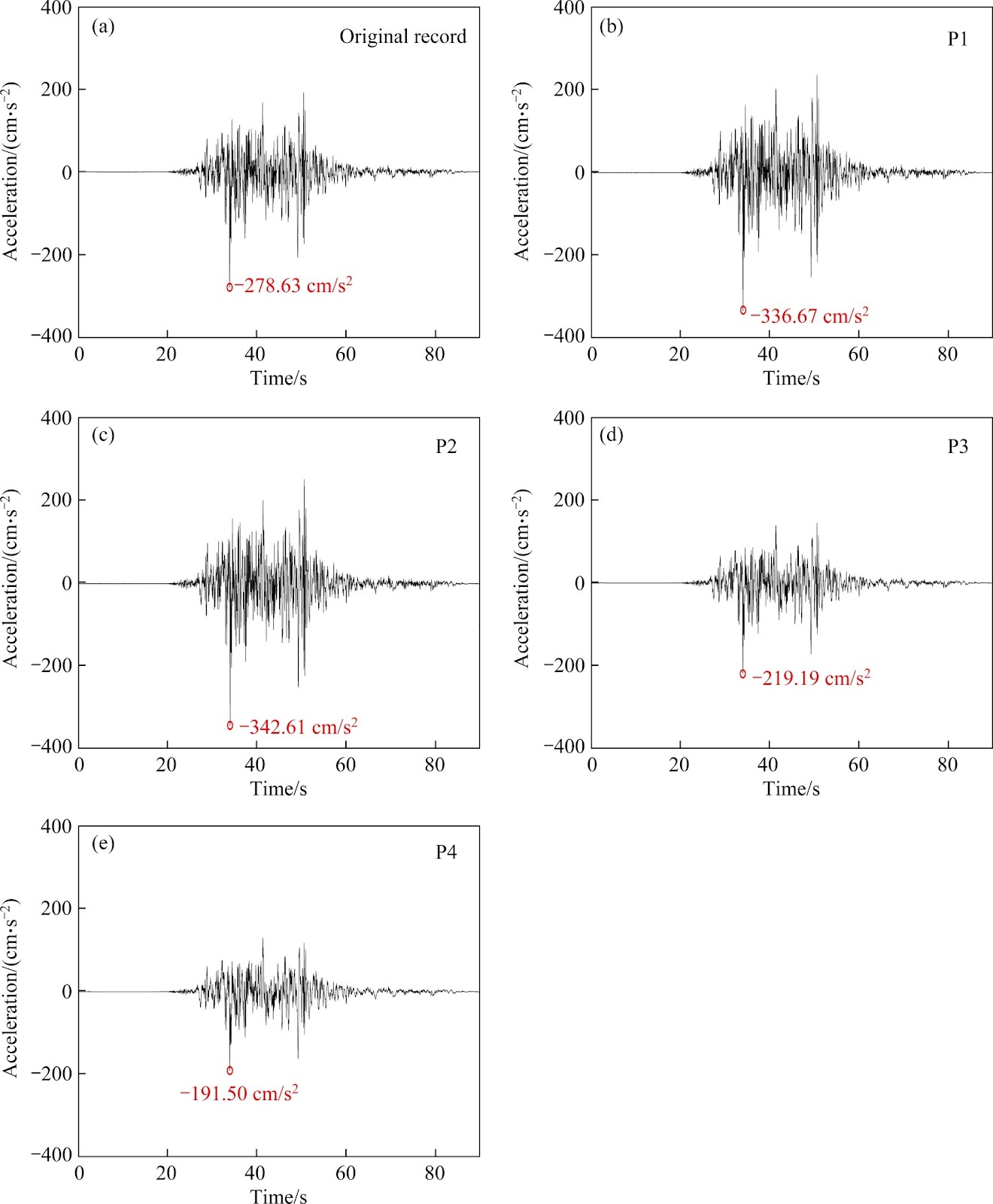
Previous earthquakes indicate that near-source canyon topographic effect (NCTE) can substantially amplify the seismic responses of canyon-crossing bridges (CCBs). While the conventional practices are to make disaster response decisions based on the deterministic approaches, they cannot provide a holistic view regarding the impacts of uncertainties of ground motions on CCBs. Thus, this study adopts the performance-based seismic assessment in a probabilistic framework to evaluate the seismic fragility of CCBs considering NCTE. For this purpose, a numerical model of a typical tall-pier CCB across a V-shaped canyon is constructed using OpenSees. Eighteen ground motions combined with NCTE are simulated using the region-matching method. Peak ground acceleration (PGA), spectral acceleration at the fundamental period T1 (Sa(T1)), and peak ground velocity (PGV) are compared to determine the optimal intensity measure (IM). The probabilistic seismic demand models and fragility curves are constructed. The results show that PGV is the optimal IM for ground motions considering NCTE. The NCTE can significantly increase the damage probability of CCBs. The damage probability of the side bearing is the most sensitive to NCTE among the vulnerable components. The side pier bearings and the side piers on the illuminated canyon side may be the most vulnerable components considering the NCTE effect.

Fragility analysis of canyon-crossing bridges considering the near-source canyon topographic effect
Graphical Abstract
Original ResearchVol. 33, Issue 4 β€’ pp. 1859-1884DOI: 10.1007/s11771-026-6256-8β€’ Jan 15, 2026

True triaxial experiment and FDEM simulation on the controlling effect of coal-measure rock interfaces on hydraulic fracture propagation

Authors: MA Jun-qiang, WEI Si-yuan, LI Xue-hua, DONG Guo-wei, YAO Qiang-ling, YUAN Yu-xin, WANG Hong-sheng

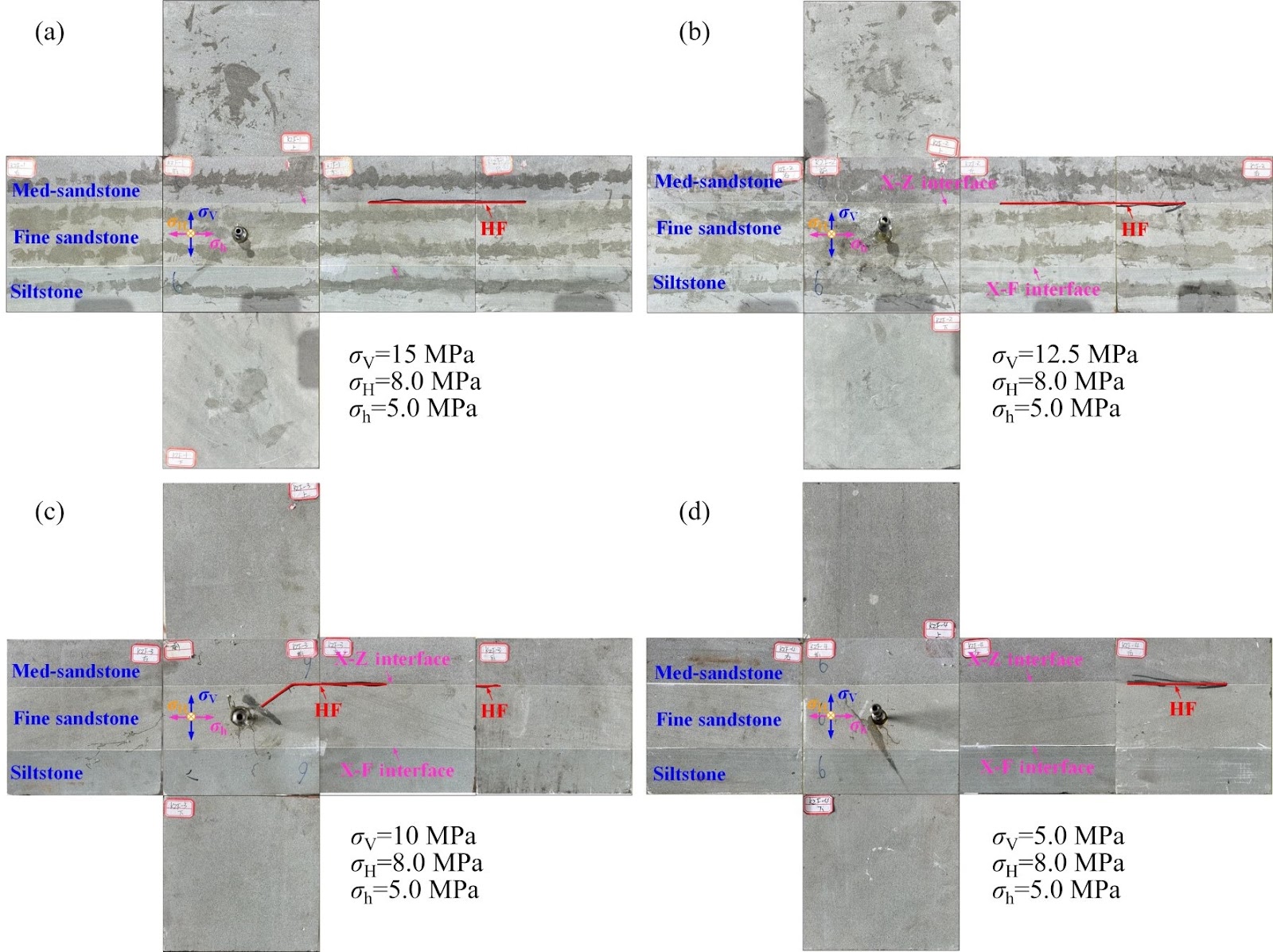
This study integrates true triaxial hydraulic fracturing experiments with finite-discrete element method (FDEM) numerical simulation to systematically investigate the control mechanisms of interface strength and inclination angle on hydraulic fracture propagation in coal measure strata under different in-situ stress conditions. The results indicate that the fracture propagation path at the rock interface is jointly controlled by the interface strength coefficient (Ξ·), the interface inclination angle (ΞΈ), and the vertical stress difference coefficient (k). When fractures propagate from soft rock to hard rock, the interface strength coefficient (Ξ·) plays a dominant role. The larger the Ξ· is, the more likely the hydraulic fracture is to penetrate the interface along the direction of vertical stress. Conversely, when fractures propagate from hard rock to soft rock, vertical stress primarily controls the propagation path. A larger vertical stress difference coefficient promotes interface crossing, while a smaller coefficient tends to cause the fracture to extend laterally along the interface. The interface inclination angle influences the magnitude and direction of the vertical stress component along the interface. A smaller ΞΈ facilitates interface penetration by hydraulic fractures, whereas a larger ΞΈ leads to fracture propagation along the interface. The complexity of the hydraulic fracture network increases with higher k and ΞΈ . Moreover, the complexity of hydraulic fracture morphology exhibits a non-monotonic trend, initially decreasing and then increasing with rising k and ΞΈ. This research provides an important theoretical basis for the design and control of hydraulic fracturing in coal measure strata.

True triaxial experiment and FDEM simulation on the controlling effect of coal-measure rock interfaces on hydraulic fracture propagation
Graphical Abstract
Original ResearchVol. 33, Issue 4 β€’ pp. 1775-1793DOI: 10.1007/s11771-026-6234-1β€’ Jan 15, 2026

Conversion of tunnel excavation methods and optimization of support measures under transformation of rock stratum: A case study

Authors: JIANG Hua, HU Hao, SHEN Qing-yun, ZHANG Ao

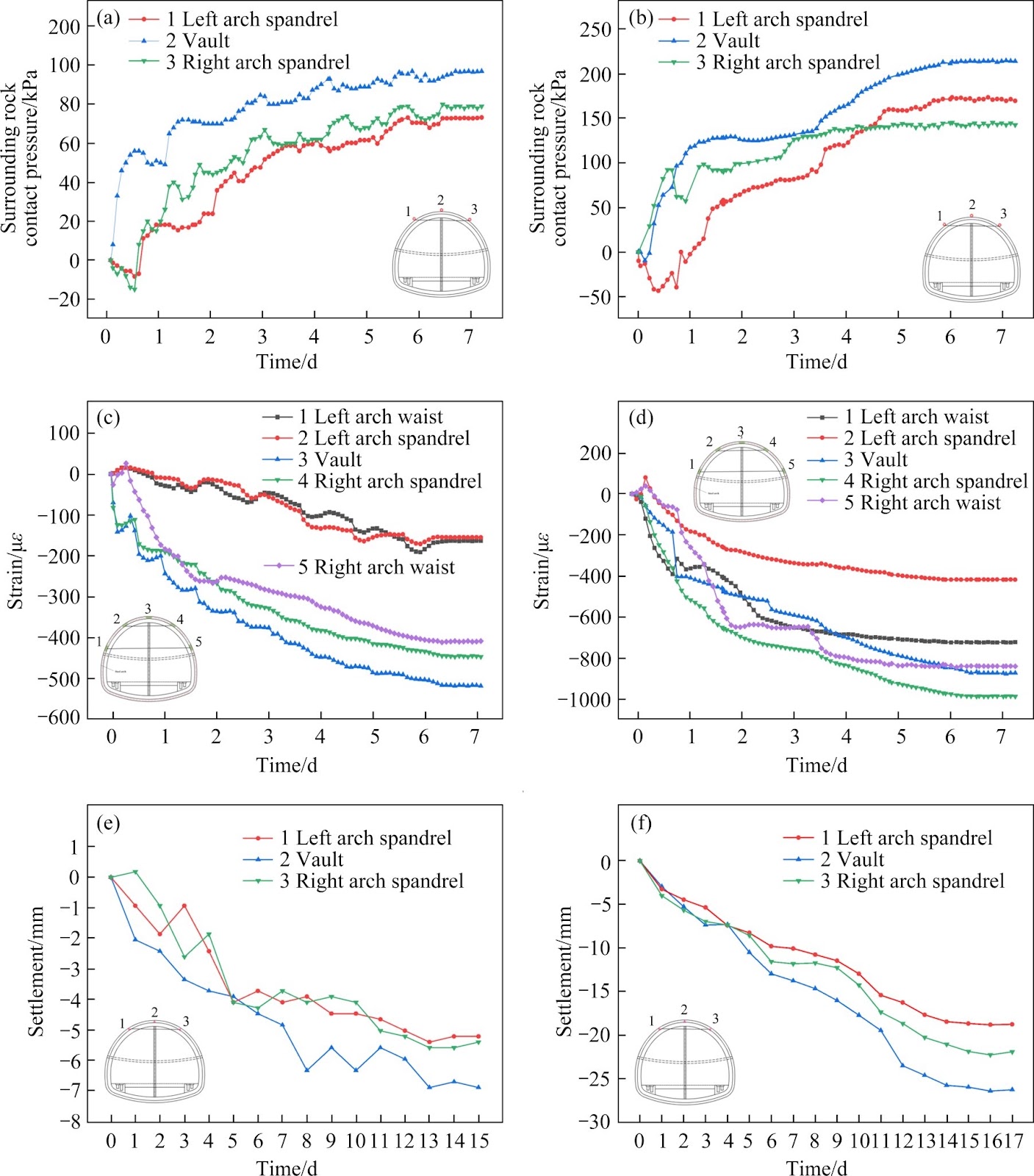
Layered rock masses represent complex geological formations characterized by pronounced anisotropy in strength. This study monitors stress/deformation during construction to summarize layered rock mass deformation and support stress characteristics based on Yunwushan Tunnel. Shale shows greater vault settlement and asymmetric support deformation than sandstone. The excavation was optimized by establishing a numerical model, analyzing the advanced support effect, and redesigning the anchor rod to control the asymmetric large deformation. The results show that: 1) It is effective to set a transition section before the sudden change of rock mass, and the optimal distance for setting the transition section is 6 m. 2) The implementation of advance small pipe support has been shown to effectively mitigate settlement in the tunnel arch, whereas anchor bolt support is effective in controlling the horizontal convergence of the surrounding rock. 3) Adjusting the angle of the anchor bolt is a cost-effective reinforcement method when facing asymmetric deformation. 4) It is recommended to flexibly adjust the angle of the anchor bolts and increase the advance small pipe support in mountain tunnel projects under the transformation of rock strata. These outcomes may serve as a valuable reference for the design and construction of similar engineering projects.

Conversion of tunnel excavation methods and optimization of support measures under transformation of rock stratum: A case study
Graphical Abstract
Original ResearchVol. 33, Issue 4 β€’ pp. 1815-1837DOI: 10.1007/s11771-026-6272-8β€’ Jan 15, 2026

Micro-CT characterization and fractal study on the fracture structure of coal under the liquid nitrogen cold soaking

Authors: LIU Shu-min, WANG Shuai-lin, LI Xue-long, SUN Hai-tao, WAN Ni, ZHANG Dong-ming, WANG Deng-ke

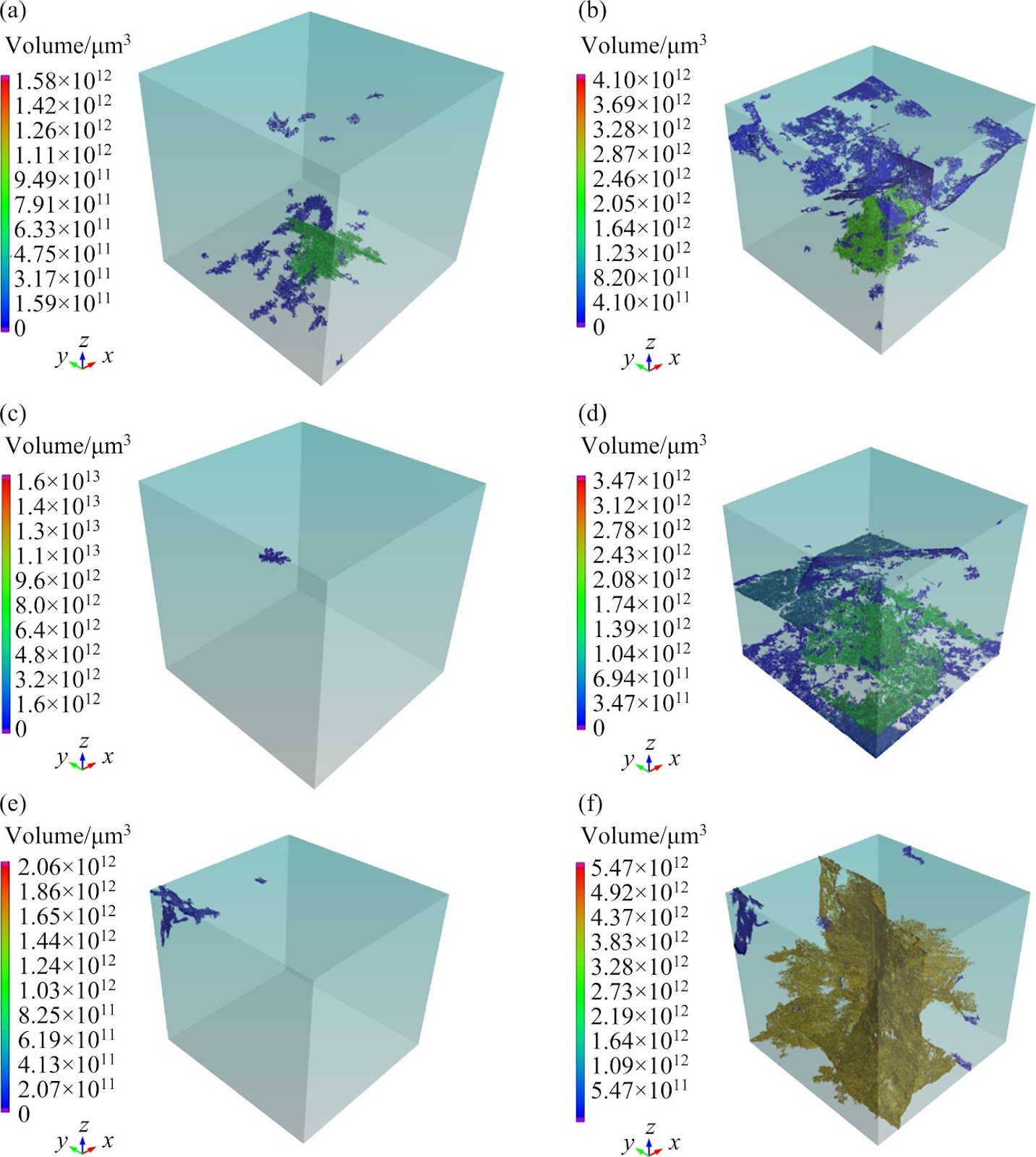
The development of coalbed methane in China is constrained by complex geological conditions characterized by low permeability, low saturation, low reservoir pressure, and high adsorption ("three lows and one high"), posing significant challenges to its efficient development. The liquid nitrogen-induced fracturing and permeability enhancement technology can effectively promote the expansion and connection of macroscopic and microscopic fractures, thereby improving the permeability of coal seams. In this study, industrial micro-CT scanning technology, the VRA-UNet method, and fractal dimension calculation methods are employed to conduct an in-depth analysis of the action mechanism of liquid nitrogen cold soaking on the fracture structure of coal bodies with different metamorphism degrees. The results indicate that liquid nitrogen cold soaking promotes the generation, expansion, and connection of new fractures inside coal bodies to form fracture networks. Via Matlab programming and VG Studio MAX image analysis software, fracture extraction and calculation are performed on CT-scanned coal samples; it is statistically found that the quantitative fracture indices of coal increase after liquid nitrogen cold soaking. Compared with the fracture spectrum peak proportions of raw coal samples, the fracture spectrum peak proportions of anthracite, bituminous coal, and lignite increase by 8.375%, 12.680%, and 79.939%, respectively after liquid nitrogen cold soaking. By combining the VRA-UNet method for coal fracture identification, the box-counting method is used to calculate that the fractal dimension of coal fractures after liquid nitrogen cold soaking is larger than that of raw coal samples. The research findings of this paper will provide theoretical and technical support for the efficient development of coalbed methane and the improvement of coal seam gas extraction rates.

Micro-CT characterization and fractal study on the fracture structure of coal under the liquid nitrogen cold soaking
Graphical Abstract
Original ResearchVol. 33, Issue 4 β€’ pp. 1637-1651DOI: 10.1007/s11771-026-6261-yβ€’ Jan 15, 2026

Reaction mechanism of alumina, sulfur and gallium in desulfurization concentrate from diasporic bauxite during high-temperature digestion

Authors: GUO Yan, WANG Lei, PAN Xiao-lin, LIU Ji-long, LI Min, YU Hai-yan

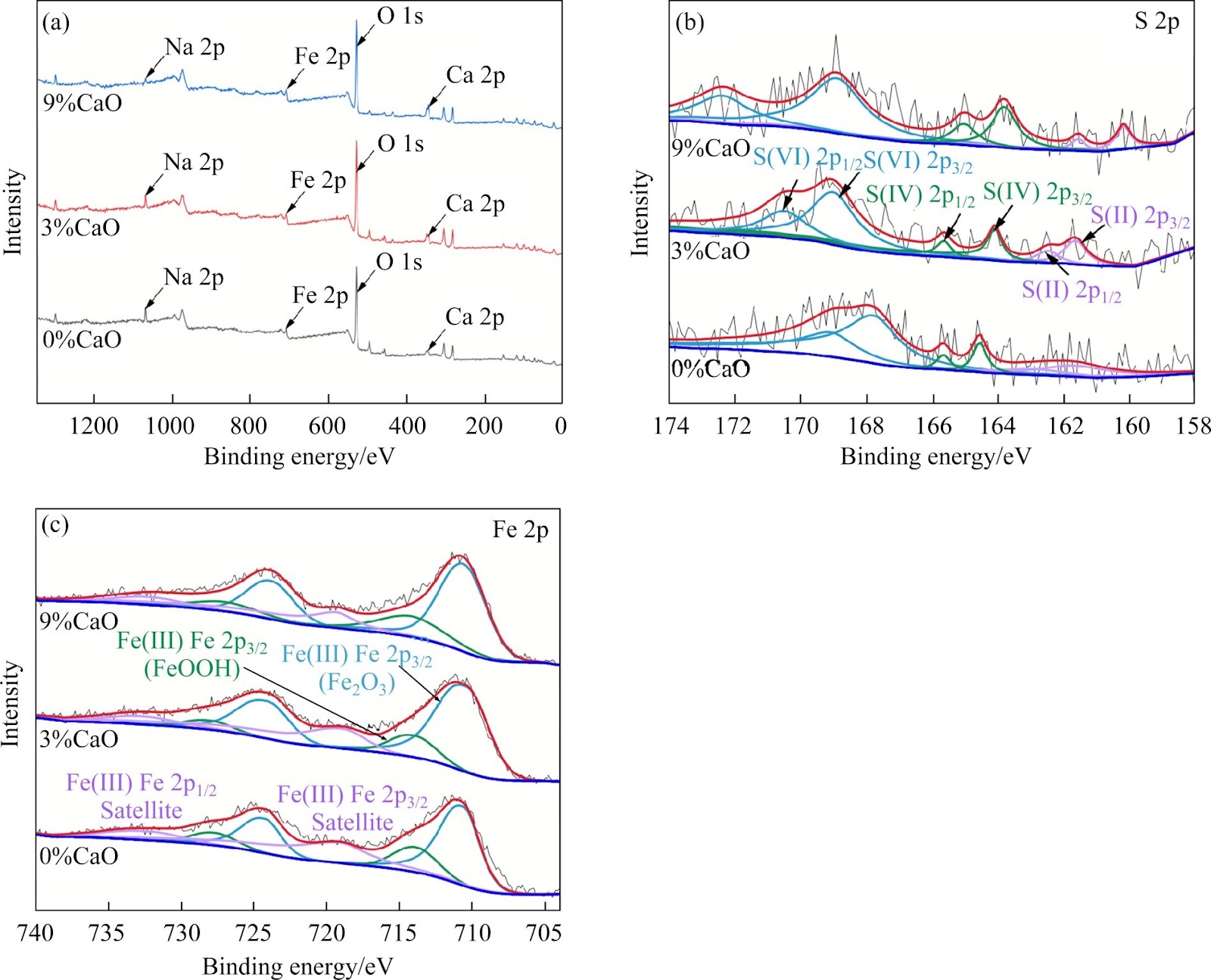
To mitigate the detrimental effects of sulfur and enhance the enrichment efficiency of valuable elements in desulfurized diasporic bauxite, the effects of CaO dosage, caustic alkali concentration, reaction temperature and time on the digestion behavior of alumina, sulfur and gallium were illustrated, and the digestion thermodynamics and mechanism were also revealed. During the high-temperature Bayer process, alumina and gallium were digested synergistically, while pyrite was digested to S2βˆ’ and SO42βˆ’. Appropriate CaO dosage promotes the digestion of alumina and gallium, and facilitates the precipitation of sulfur as calcium sulfoaluminate hydrate, effectively removing sulfur from the solution. Excess CaO leads to the formation of hydrogarnet, wherein Ga3+ incorporates into the crystal lattice by substituting for Al3+, reducing the digestion efficiency of gallium. Under the optimum conditions (CaO dosage of 3%, reaction temperature of 260 ℃, reaction time of 60 min, caustic alkali concentration of 260 g/L), the corresponding alumina and gallium digestion efficiencies reach 90.82% and 77.58%, respectively, with a significantly reduced sulfur concentration of 1.32 g/L in the solution. This work provides theoretical guidance for the efficient co-extraction of alumina and gallium from high-sulfur bauxite via the Bayer process.

Reaction mechanism of alumina, sulfur and gallium in desulfurization concentrate from diasporic bauxite during high-temperature digestion
Graphical Abstract
Original ResearchVol. 33, Issue 4 β€’ pp. 1838-1858DOI: 10.1007/s11771-026-6264-8β€’ Jan 15, 2026

Deformation characteristics of arch shoulder and collaborative support technology of concrete-filled steel tubes in Hudi Coal Mine

Authors: ZUO Jian-ping, ZHU Fan, LIU De-jun, WANG Jun

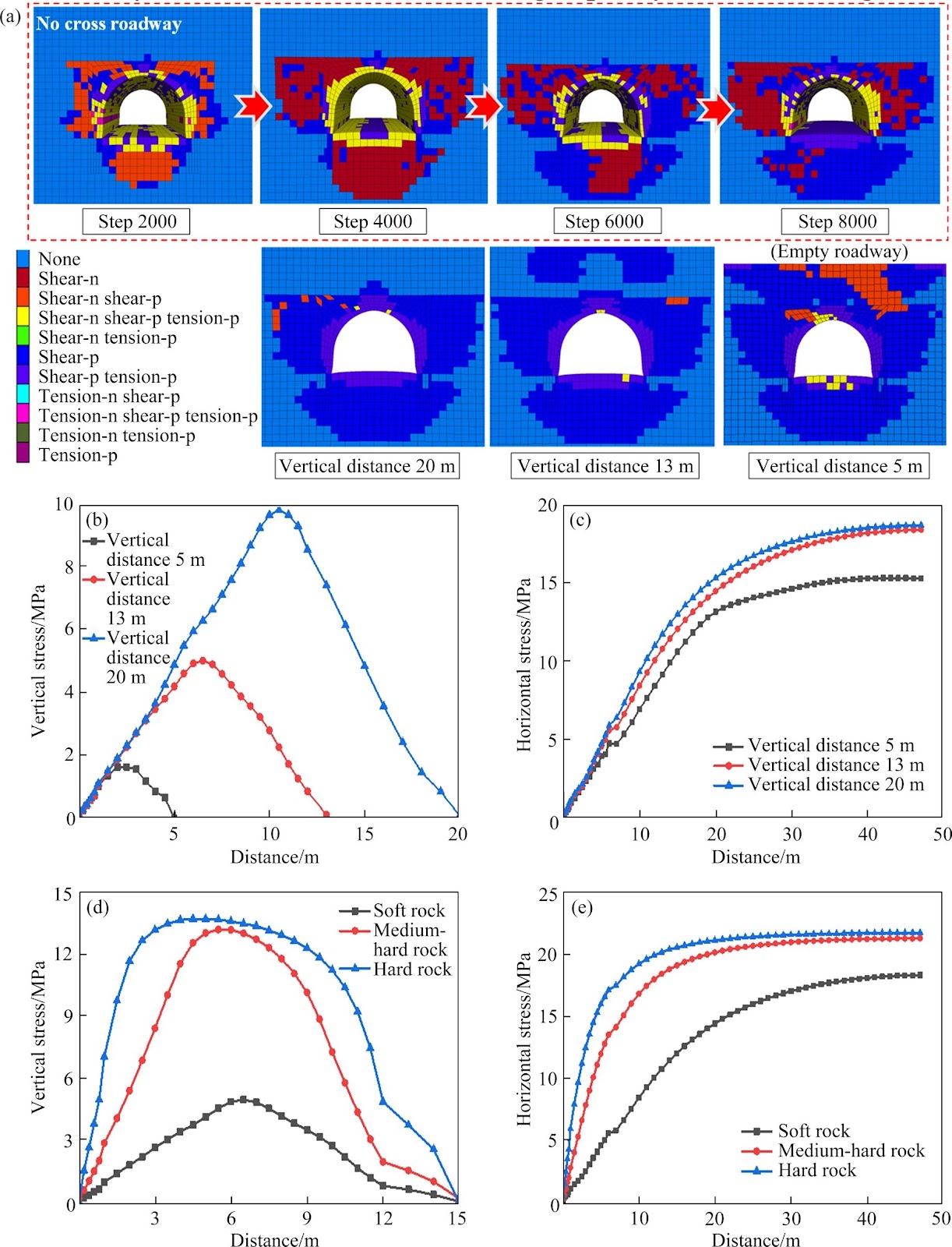
Aiming at the problem of large deformation of arch shoulder in deep high stress roadway of Hudi Coal Mine, through field sampling, experimental test and numerical simulation, the deformation mechanism of arch shoulder under the coupling action of high stress, soft and hard rock strata of roof, weakening of surrounding rock and disturbance of space staggered roadway was revealed. According to the research results, high-stress increases the range of the plastic zone, and the soft and hard rock strata change the expansion form of the plastic zone. With the decrease of the vertical distance of the space staggered roadway, the insufficient bearing capacity of the supporting material and other factors lead to the increase of the deformation of the shoulder angle and the side, forming the deformation characteristics of the arch shoulder. Based on this, the active and passive collaborative control technology is proposed, and the targeted support concept of "unloading control + strong support + collaborative" is adopted. The optimization scheme controls the deformation of roadway within 8% of the section size, significantly reduces the range of the plastic zone, and effectively solves the problem of difficult support of arch shoulder deformation.

Deformation characteristics of arch shoulder and collaborative support technology of concrete-filled steel tubes in Hudi Coal Mine
Graphical Abstract
Original ResearchVol. 33, Issue 4 β€’ pp. 1652-1668DOI: 10.1007/s11771-026-6231-4β€’ Jan 15, 2026

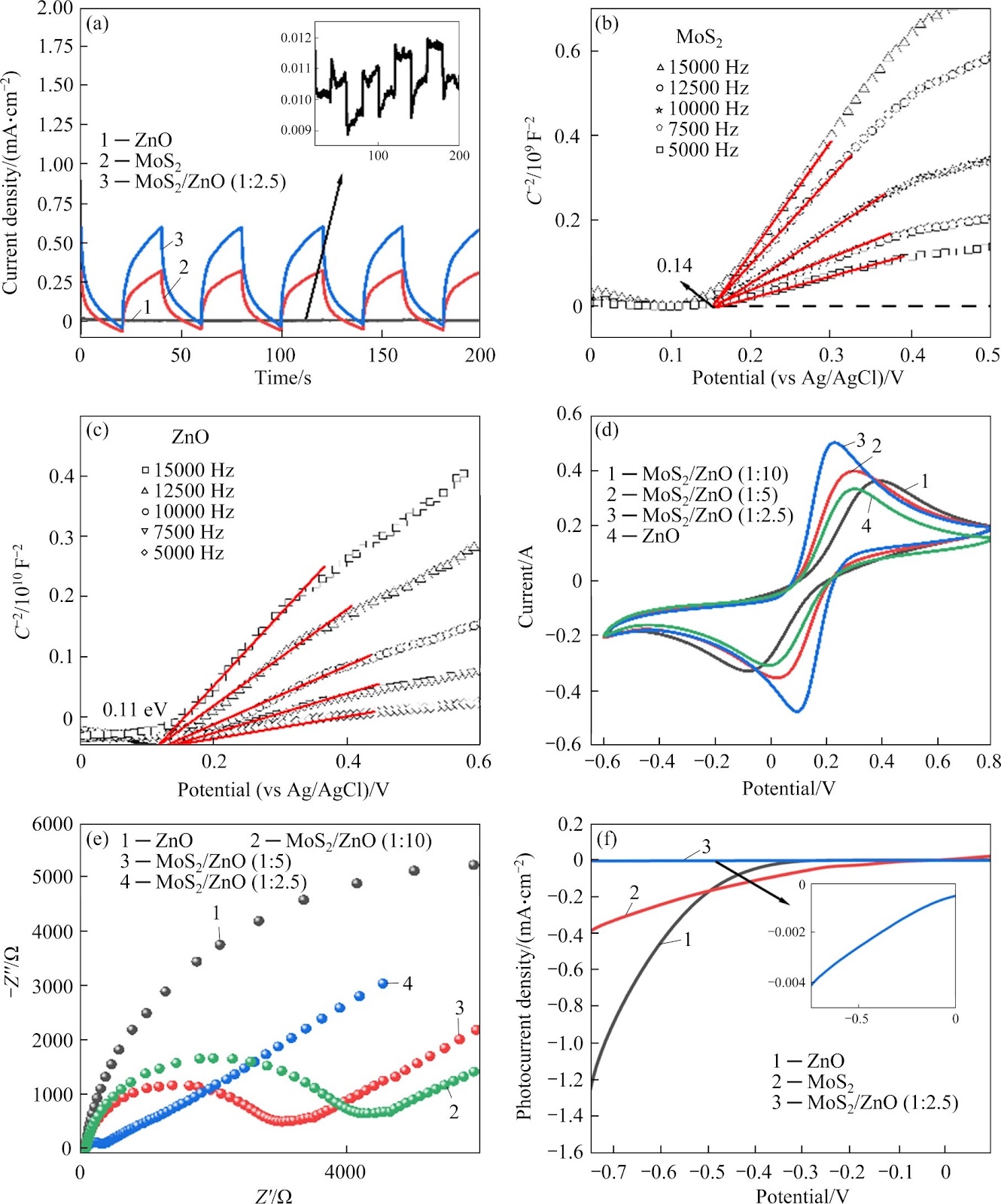
Piezoelectric-enhanced photocatalytic purification of wastewater containing tetracycline via MoS2/ZnO heterojunction

Authors: YANG Chen-yu, YU Ting-ting, HE Yu-qi, LI Jia-jun, ZHANG Yong-hang, JIANG Ji-zhou

Piezoelectric enhanced photocatalytic purification of polluted wastewater is currently one of the better strategies for environmental pollution control. This work proposes a novel and efficient approach for the purification of tetracycline hydrochloride (TC) wastewater via core-shell MoS2/ZnO heterojunction activated by peroxodisulfate (PDS), where the MoS2/ZnO heterojunction was fabricated via a hydrothermal route. By exploiting the intrinsic piezoelectric properties of both MoS2 and ZnO, the heterojunction generates an internal electric field that facilitates the separation of photogenerated electron-hole pairs, thereby accelerating the photocatalytic purification. Under the optimized conditions, the TC purification efficiency can reach 91.2% with the collaborative assistance of PDS activation, and the MoS2/ZnO heterojunction also exhibited excellent recyclability, maintaining a purification efficiency of 90.76% over five cycles. The MoS2/ZnO heterojunction demonstrated robust photocatalytic activity under visible-light irradiation and aeration, with the purification kinetics conforming to a pseudo-first-order model. And the purification pathways of TC were systematically investigated, and the dominant reactive oxygen species involved in the process were identified. This work elucidates the underlying piezoelectric-photocatalytic mechanism and provides a sustainable strategy for the efficient removal of antibiotic contaminants from aqueous environments, offering significant potential for practical environmental remediation applications.

Piezoelectric-enhanced photocatalytic purification of wastewater containing tetracycline via MoS2/ZnO heterojunction
Graphical Abstract
Original ResearchVol. 33, Issue 4 β€’ pp. 1746-1774DOI: 10.1007/s11771-026-6239-9β€’ Jan 15, 2026

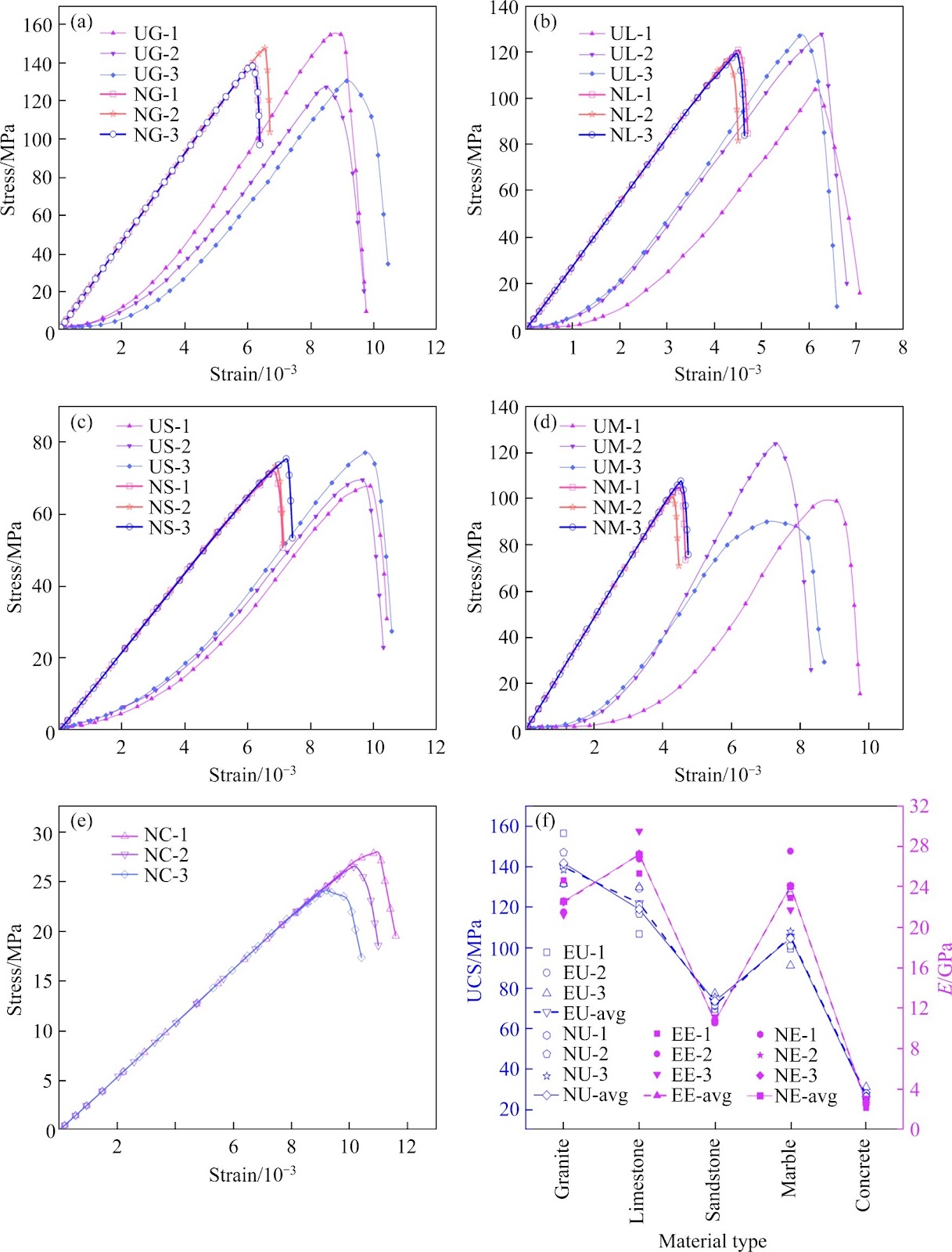
Fracture response characteristics on model I of rock-concrete interface with different lithologies after heat treatment

Authors: LU Jian-you, CHEN Xiao-nan, ZHOU Zi-long, CHANG Xu

Studying the fracture behavior of rock-concrete interface (RCI) of various lithologies under temperature and loading is crucial for the safety of structural systems involving these interfaces. In this study, the implications of temperature and interface strength factor (ISF) on the fracture mechanics of rock-concrete composite specimens with varying lithologies were studied using three-point bending numerical experiments with rock-concrete bi-material (RCB) notched semi-circular bending (NSCB) specimens. The findings indicate that the fracture toughness (KIC) and fracture energy (Gf) of RCI with various lithologies are negatively correlated with temperature, and SCI is most significantly affected by temperature. Meanwhile, at higher temperatures, the KIC and Gf of RCI exhibited lower sensitivity to the ISF, indicating that the failure of the specimen was driven by thermal effects. Furthermore, the length of the fracture process zone (rc) of the RCB specimens of varying lithologies exhibited a linear increasing trend with increasing temperature. This phenomenon indicates a transition from brittle to ductile materials. This study provides critical insights for ensuring the long-term safety and enhancing the disaster resilience of major infrastructure in extreme environments.

Fracture response characteristics on model I of rock-concrete interface with different lithologies after heat treatment
Graphical Abstract
Original ResearchVol. 33, Issue 4 β€’ pp. 1669-1686DOI: 10.1007/s11771-026-6282-6β€’ Jan 15, 2026

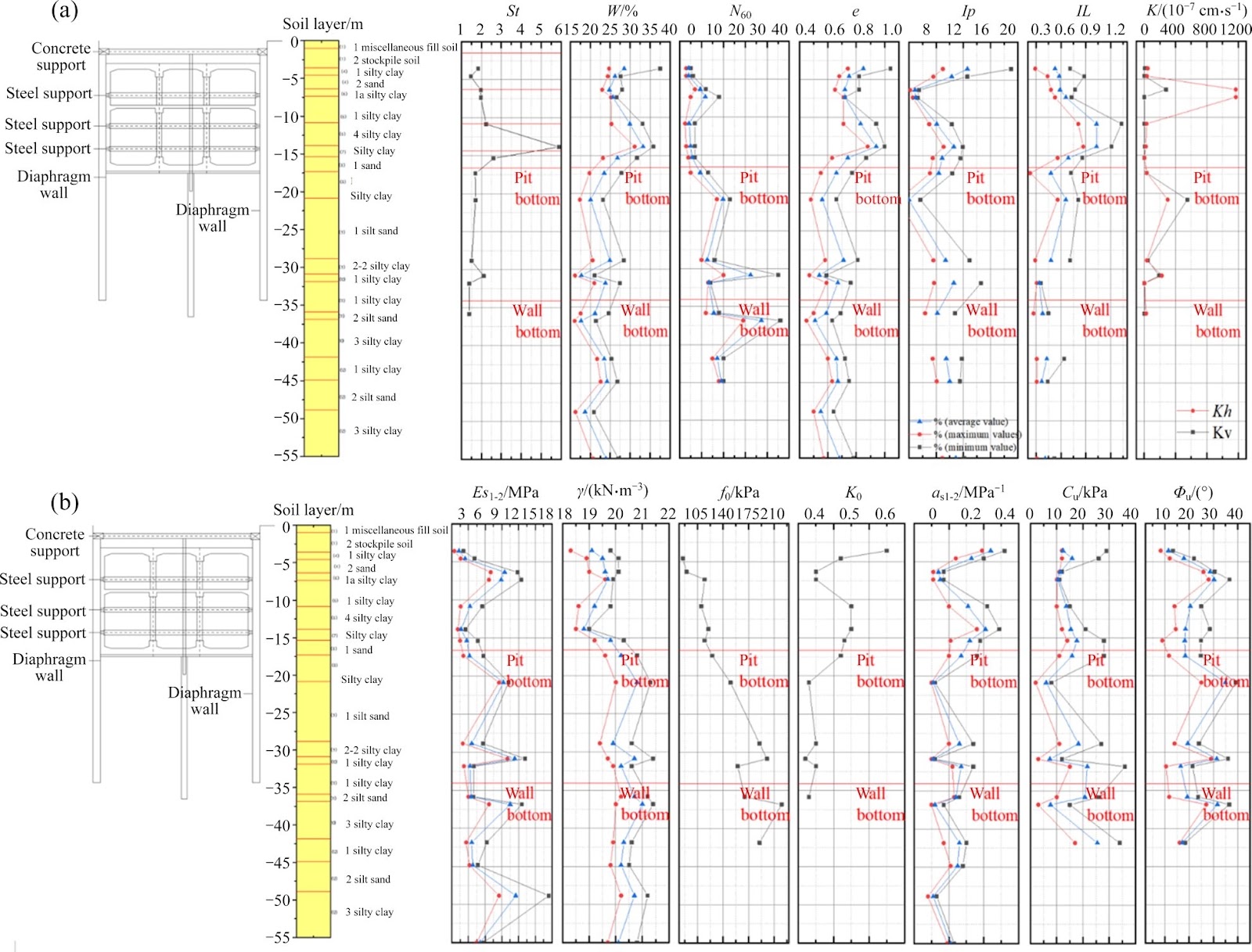
Analytical prediction for lateral deformation of internal braced diaphragm wall in foundation pit based on plate theory

Authors: SONG Ye, ZHANG Ding-li, SUN Zhen-yu, WANG Guan-qing

Current analytical methods for predicting the lateral deformation of diaphragm walls require complex calculation processes, including numerous parameters with uncertain accuracy, which are difficult to use in practical engineering applications. In this study, we propose a novel analytical approach for calculating diaphragm wall deformation. First, a differential element moment balance method for calculating earth pressure is proposed using a simplified calculation. The excavation effect on the sliding wedge and multiple factors of the ground were considered. Subsequently, the work performed by the earth pressure and internal support structure was calculated. Based on plate theory, a calculation model for the diaphragm wall deformation was established, accounting for the interaction between the ground and internal support structure. Finally, the analytical model was solved using the principle of minimum potential energy and the Ritz method. The proposed method was validated by comparing field measurement data with numerical simulations. A parametric study was conducted to explore the sensitivities of the influencing factors on the lateral deformation of the diaphragm wall, from which a design scheme for the diaphragm wall was presented under the given deformation control standard.

Analytical prediction for lateral deformation of internal braced diaphragm wall in foundation pit based on plate theory
Graphical Abstract
Original ResearchVol. 33, Issue 4 β€’ pp. 1626-1636DOI: 10.1007/s11771-026-6237-yβ€’ Jan 15, 2026

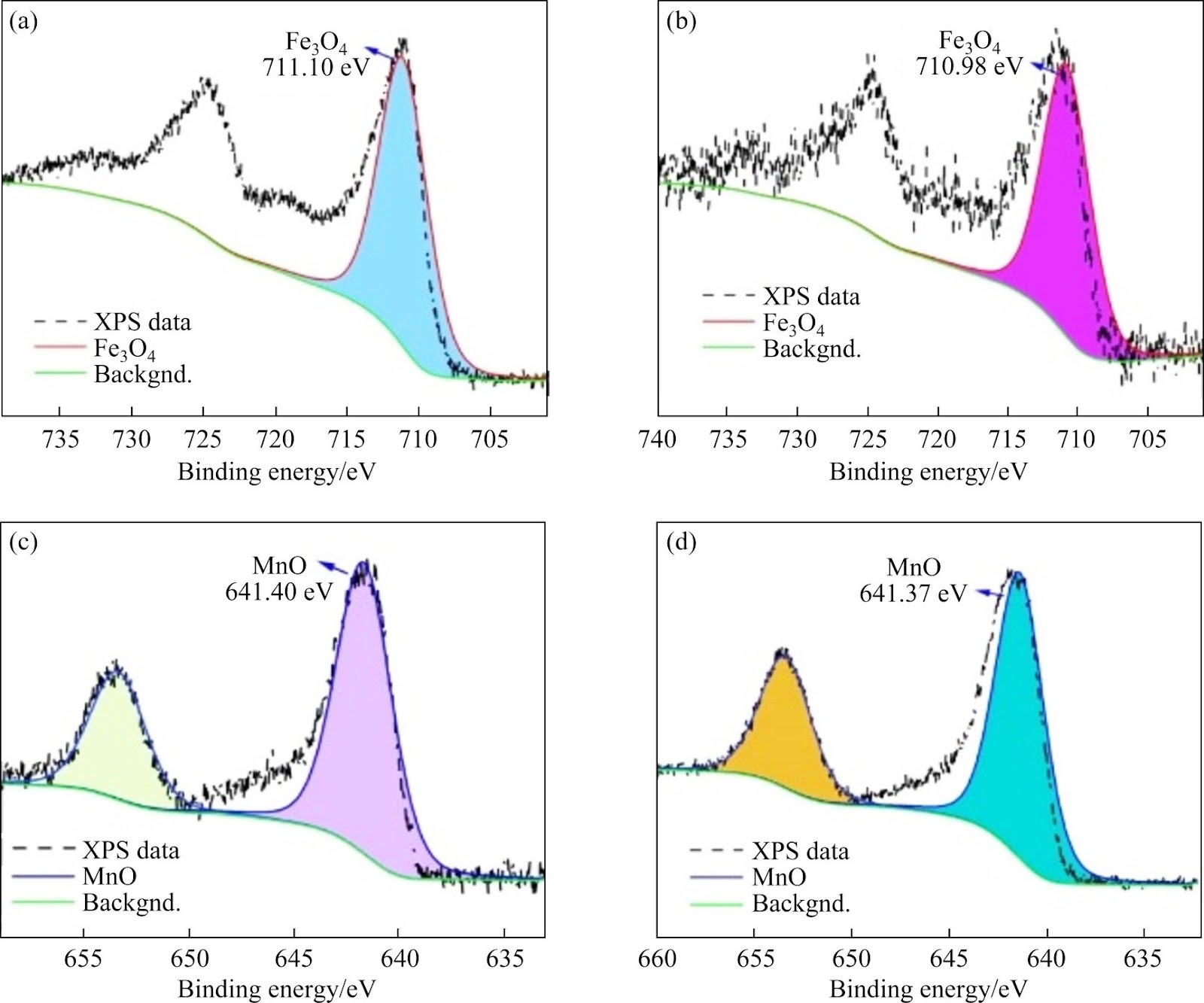
Precise mineral phase transformation and separation utilization technology for ferromanganese ore

Authors: CHEN Jia-li, GAO Peng, LIU Jie, ZHU Yi-min, ZHOU Wen-tao

Intergrown ferromanganese ore resources are typical strategic mineral resources with huge reserves and abundant hematite, pyrolusite, and other valuable minerals, which is of great significance for its development and utilization. This paper adopts a combination of phase transformation and magnetic separation to explore the phase transformation mechanism of Fe minerals and Mn minerals during the roasting process. The analysis of the properties of the raw ore shows that the Fe-containing and Mn-containing minerals of the intergrown ferromanganese ore are hematite and pyrolusite, respectively. The optimal conditions for controlling the mineral phase were obtained, including roasting temperature of 600 ℃ for 30 min, and a grinding fineness of <0.074 mm accounting for 50%. Meanwhile, a Fe grade of 61.05% with a recovery of 80.77%, and a Mn grade of 61.60% with a recovery of 87.81% were acquired. The precise mineral phase transformation (MPT) could be realized via adjusting the roasting conditions. Hematite is transformed into magnetite, while pyrolusite is transformed into manganosite, and then they were effectively separated and concentrated via magnetic separation.

Precise mineral phase transformation and separation utilization technology for ferromanganese ore
Graphical Abstract
Original ResearchVol. 33, Issue 4 β€’ pp. 1583-1596DOI: 10.1007/s11771-026-6235-0β€’ Jan 15, 2026

Selectivity of composite thionocarbamate collector in flotation separation of chalcocite from pyrite in low-alkaline pH pulp

Authors: ZHAO Xin-miao, YAO Xiang, WU Yan-ming, YANG Yuan-kun, YU Sheng-li, OUYANG Chong-zhong, LÜ Bing-chao, GU Guo-hua, WANG Yan-hong

The flotation separation of high pyrite content secondary copper ores faces challenges including elevated pH levels, poor xanthate selectivity, and higher costs associated with its combination with Z-200. In this work, a composite thionocarbamate collector (TJ-215), with low-cost raw materials and a short synthetic route, showed a better selectivity for chalcocite than Z-200 when pH>8. Zeta potential analysis indicated a stronger interaction between TJ-215 and chalcocite. These results were achieved through the synergistic coordination of NHβ€”C=S and C=Nβ€”OH in TJ-215 molecule, compared with the single thiourea group, NHβ€”C=S, in Z-200 molecule. At low-alkaline condition, the NHβ€”C=S in TJ-215 formed Cuβ€”S, Cuβ€”N bonds with Cu atoms, and the C=Nβ€”OH combined with Cu to form a Cuβ€”O bond. The results of this study provide guidance on the replacement of Z-200 by TJ-215 in the separation of chalcocite from pyrite in weak alkaline conditions.

Selectivity of composite thionocarbamate collector in flotation separation of chalcocite from pyrite in low-alkaline pH pulp
Graphical Abstract
Original ResearchVol. 33, Issue 4 β€’ pp. 1597-1612DOI: 10.1007/s11771-025-6070-8β€’ Jan 15, 2026

Collaborative strategy for elevated reduction of Cr(VI) through pyrolyzed graphite-based biosynthetic Schwertmannite composite catalyzed by oxalic acid

Authors: HUANG Chen-zi, CHEN Jun-wen, CHEN Jian-cheng, XIONG Yao, LI Peng-hui, ZHU Jian-yu, GAN Min

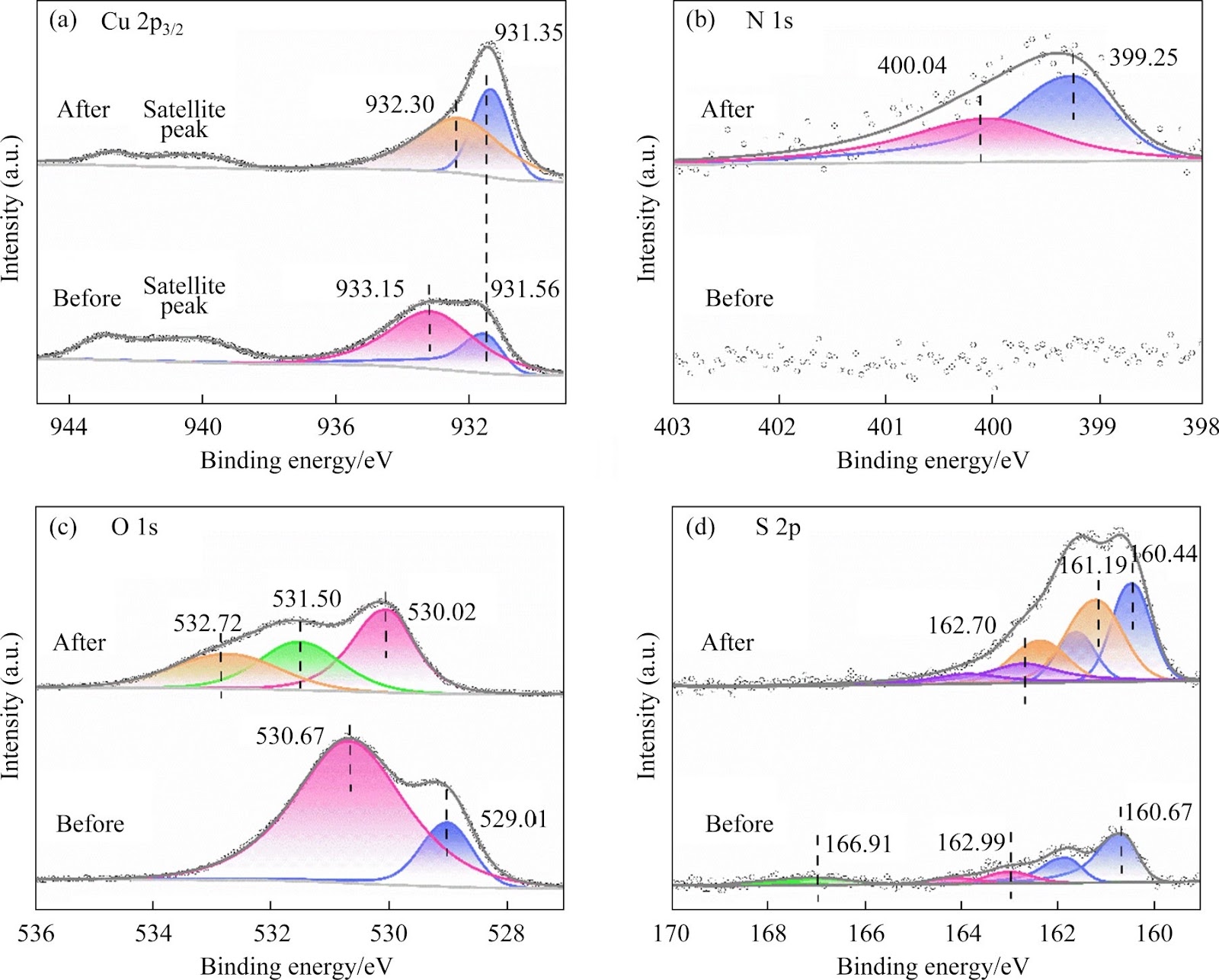
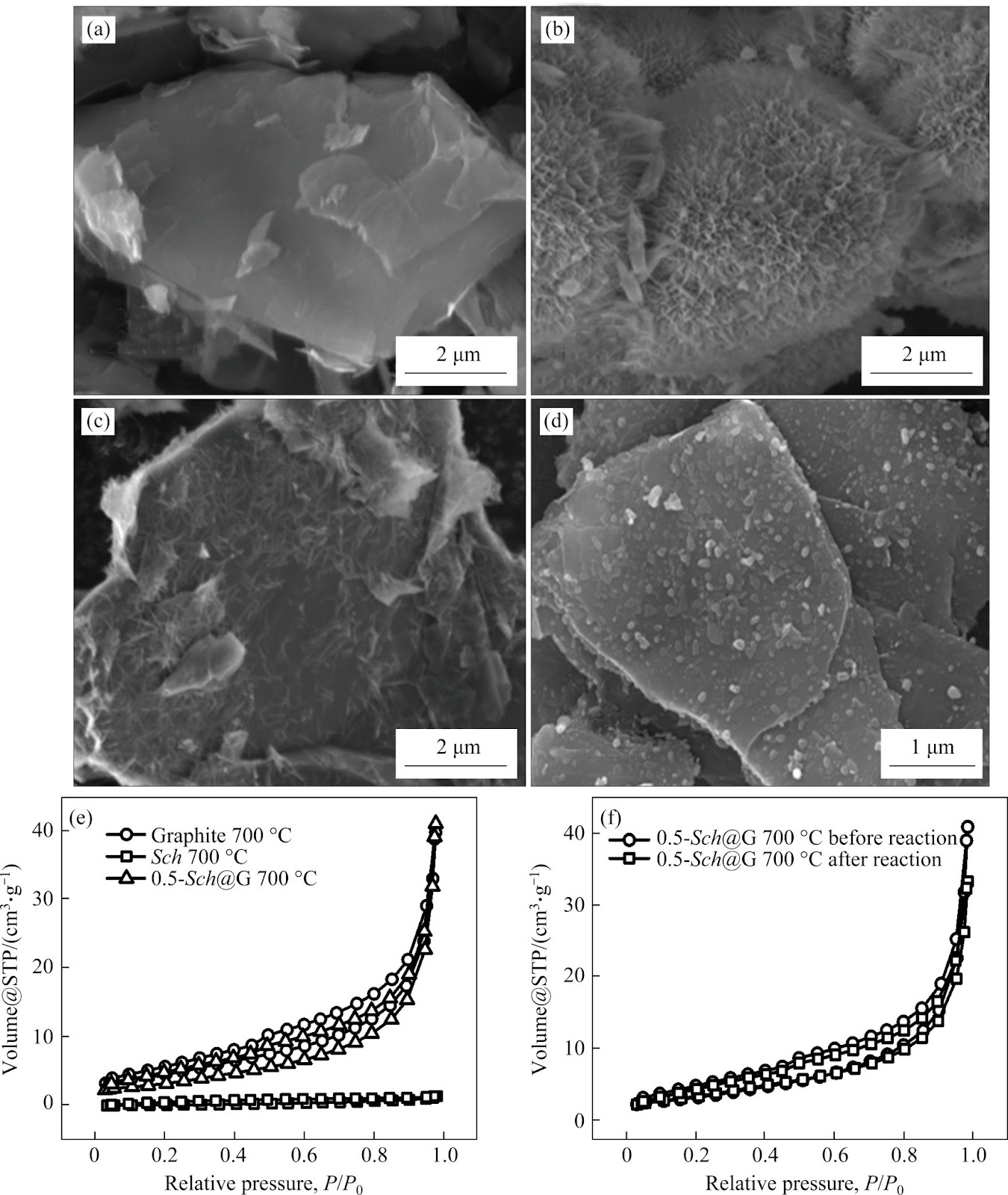
Graphite has the potential to mediate the reduction process of Cr(VI) by oxalic acid (OA), but a reasonable modification is required to enhance the mediation of electron transfer. In this study, biosynthetic Schwertmannite (Sch) modified graphite (Sch@G) was pyrolyzed at 700℃ for Cr(VI) remediation. Biosynthetic Sch particles were successfully loaded on the graphite, providing high specific surface area and abundant O-containing functional groups. The removal efficiency of Cr(VI) reached 90.42% within 60 min, facilitated by the synergistic between 1 g/L Sch@G and 1 mmol/L OA. Additionally, the comparative experiments exhibited a significant capacity of Sch@G in a wide pH range (pH 2βˆ’10), the removal efficiency was 97.9% within 60 min even at pH 10. Furthermore, the catalyst presented superior environmental adaptability in solutions containing various types of anions (Clβˆ’, SO4^2βˆ’, NO3βˆ’, H2PO4βˆ’). Mechanism analysis revealed that the catalyst greatly promotes the transfer of electrons from OA to Cr-contaminants, along with the release of low-valent Fe from Sch, enabling efficient electrons transfer to the Cr-contaminant. Meanwhile, the addition of OA could complex OA-Cr(VI) compound, lowering the activity of Cr(VI) and facilitating the subsequent Cr(VI) removal. Generally, the synergistic effect of the catalyst and OA can form an efficient system that enables rapid and effective remediation of Cr(VI) contamination across a wide pH range. Thus, the catalyst presents as a promising graphite-based biomaterial for the rapid and effective remediation of Cr(VI) contaminants from wastewater.

Collaborative strategy for elevated reduction of Cr(VI) through pyrolyzed graphite-based biosynthetic Schwertmannite composite catalyzed by oxalic acid
Graphical Abstract
Original ResearchVol. 33, Issue 4 β€’ pp. 1525-1540DOI: 10.1007/s11771-026-6212-7β€’ Jan 15, 2026

Leakage- and tunneling-current through the gate dielectric of organic thin film transistor using retarded Green's function, creation and annihilation operators

Authors: BAHARI Ali, ROODBARI SHAHMIRI Mandana, BAHARI Mohammad

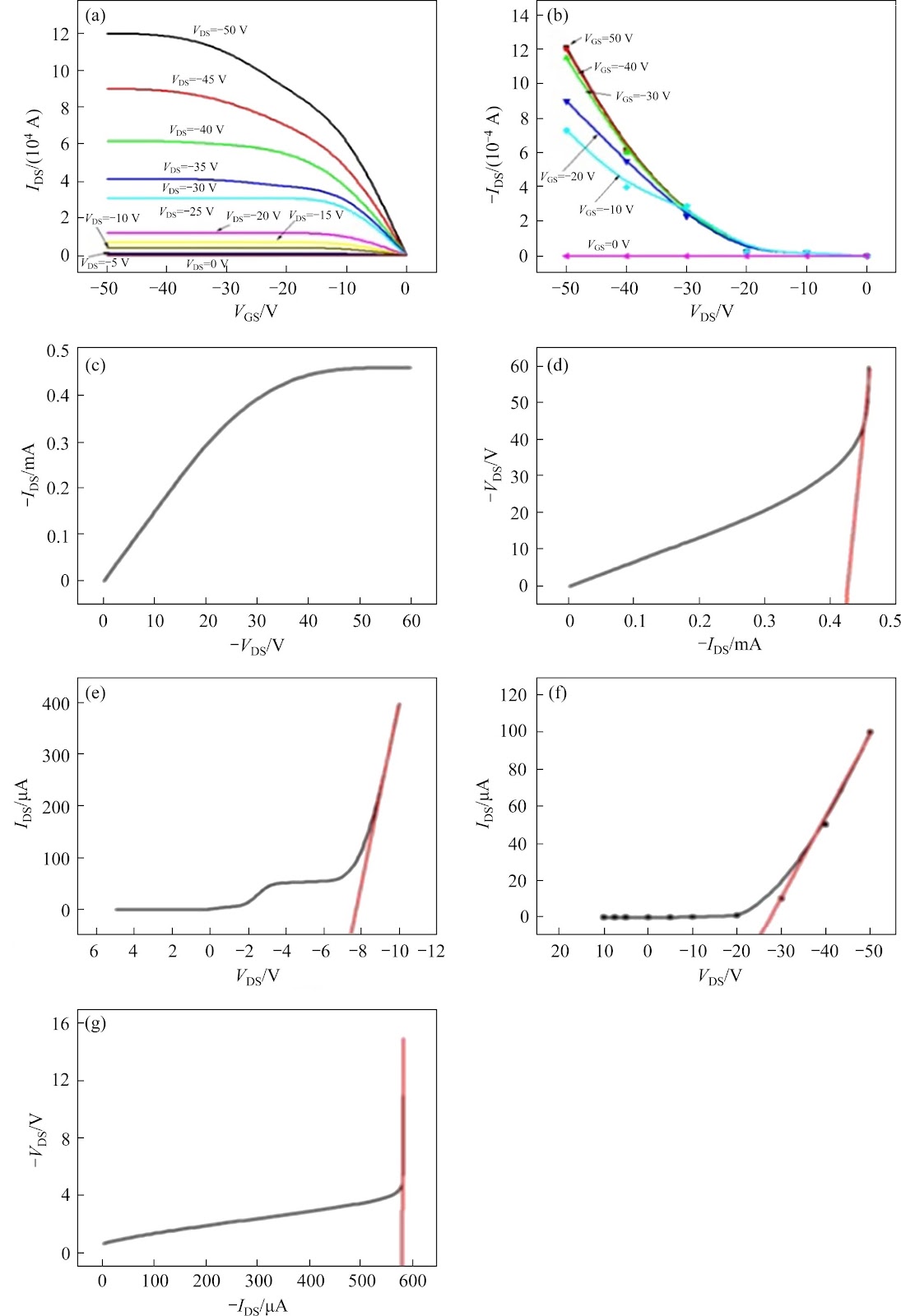
Abstract: One of the main challenges of current metal-oxide-semiconductor field effect transistors (MOSFETs) is the exponential increase in the tunneling- (and leakage-) current through the gate dielectric material while shrinking the gate dielectric material thickness. Over the last two decades, many researchers have attempted to find an alternative material for the gate dielectric of transistors that has the advantages of the current silicon oxide gate dielectric of MOSFETs but without its disadvantages. In the search for an excellent gate dielectric, researchers have compared the key electrical parameters with those of current gate dielectric materials. They applied equations, approaches, and relationships for their evaluations and estimations, which may be incomplete relationships and most likely did not lead to the correct evaluation probability. Among the cases, the great importance is the relationship with the leakage-current from the gate dielectric layer in organic field-effect transistors (OFETs) or thin-film transistors (TFTs). In these discussions and evaluations based on the conventional leakage-current relationship, interactions related to particle exchange and pinch-up displacement in the charge carrier transport channel, particularly the overlap of the wave functions of electrons (or holes) in the channel and at the interface layers, have not been considered. The novelty and specific objectives of the present work are: modifying the Hamiltonian operators based on self-energy (Ξ£), the retarded Green's function (GR), creation (C+ )/annihilation (C) operators, and the overlapping wave functions of the charge carriers in the gate and substrate systems; obtaining a more complete leakage-current density (J) relationship than the existing relationships; and comparing the electrical characteristics measurement results of five small molecule polymers: PEIE (0.8 nA/cm2), Ps (1 nA/cm2), PFS (2 nA/cm2), ph (4 nA/cm2), PMMA (20 nA/cm2) with previously reported findings. The obtained results can be highly useful for optimizing organic thin-film transistor formulations for potential use in next-generation nanoelectronic devices with lower energy consumption.

Leakage- and tunneling-current through the gate dielectric of organic thin film transistor using retarded Green's function, creation and annihilation operators
Graphical Abstract
Original ResearchVol. 33, Issue 4 β€’ pp. 1568-1582DOI: 10.1007/s11771-026-6270-xβ€’ Jan 15, 2026

Insights into the adsorption properties of NaOL on hydroxide mineral surfaces: Experiments and DFT calculations

Authors: YAO Jin, DU Wei-fan, GONG Xiu-feng, YIN Wan-zhong, YU Jian-wei, ZHAO Xu

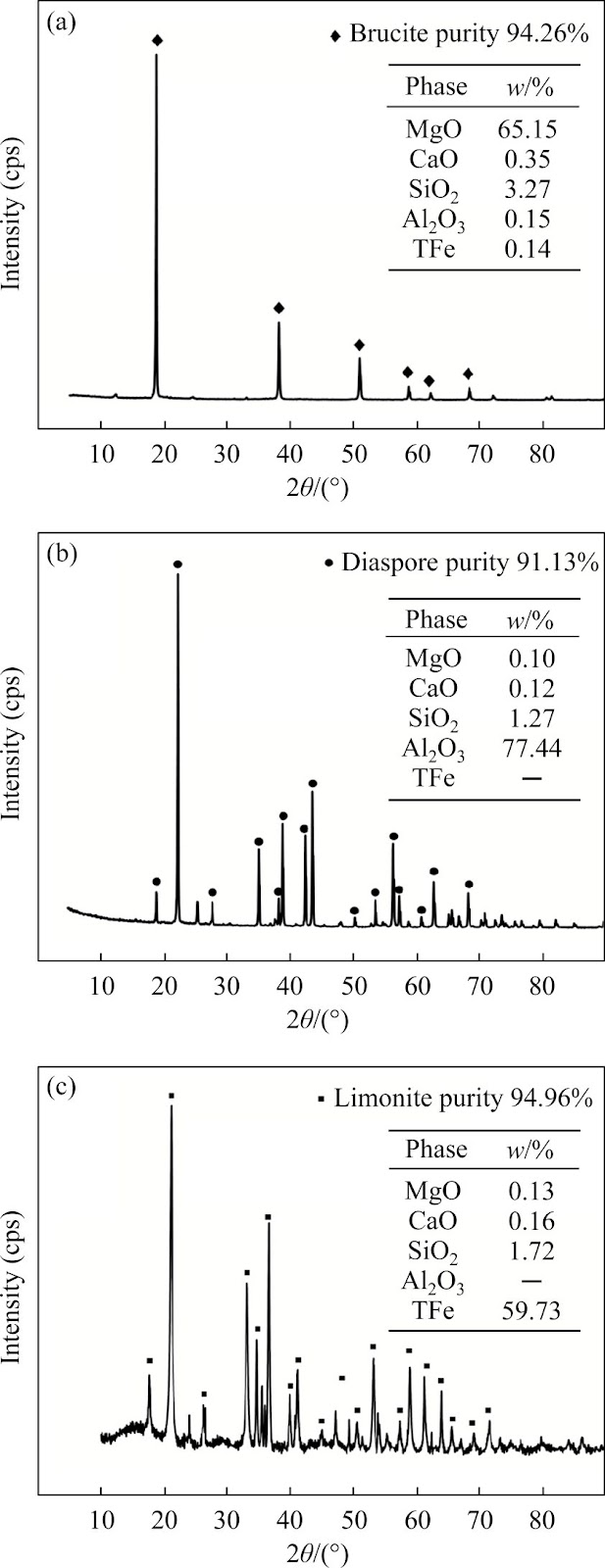
Brucite, diaspore, and limonite, as typical hydroxide minerals, exhibit similar surface properties due to their high content of βˆ’OH. This study investigated the effect of traditional anionic collector sodium oleate (NaOL) on the flotation performance and surface properties of brucite, diaspore, and limonite. The flotation experiment results show that adding 40 mg/L NaOL at pH 11 can significantly increase the flotation recovery of brucite compared to diaspore and limonite. The results of contact angle, zeta potential, and XPS indicate that NaOL can exhibit strong adsorption on the surfaces of the three minerals, but the adsorption effect on the brucite surface is stronger than that on diaspore and limonite, resulting in differences in floatability among the three minerals. This is mainly due to the weak interlayer interaction force of brucite, which can expose more Mg2+ sites during the grinding process, resulting in brucite being able to adsorb more oleate ions. DFT calculations further indicate that sodium oleate has greater adsorption energy on the brucite surface and can stably undergo chemical adsorption through covalent bonding between O in the carboxyl group and metal sites on the surface of hydroxides. This study provides molecular-level insights into the design of highly efficient selective collectors for metal hydroxide minerals.

Insights into the adsorption properties of NaOL on hydroxide mineral surfaces: Experiments and DFT calculations
Graphical Abstract
Original ResearchVol. 33, Issue 4 β€’ pp. 1541-1552DOI: 10.1007/s11771-026-6265-7β€’ Jan 15, 2026

A novel green porous ceramics fabricated simply by utilizing both manganese slag and silicate tailings as raw materials at low temperature

Authors: LI Meng-ke, GENG Zi-han, XU Xin, CAI Xin-yi, LIU Yun, CHEN Yue-hui, YOU Zhi-min, GUO Jing, WANG Jun, YANG Bao-jun

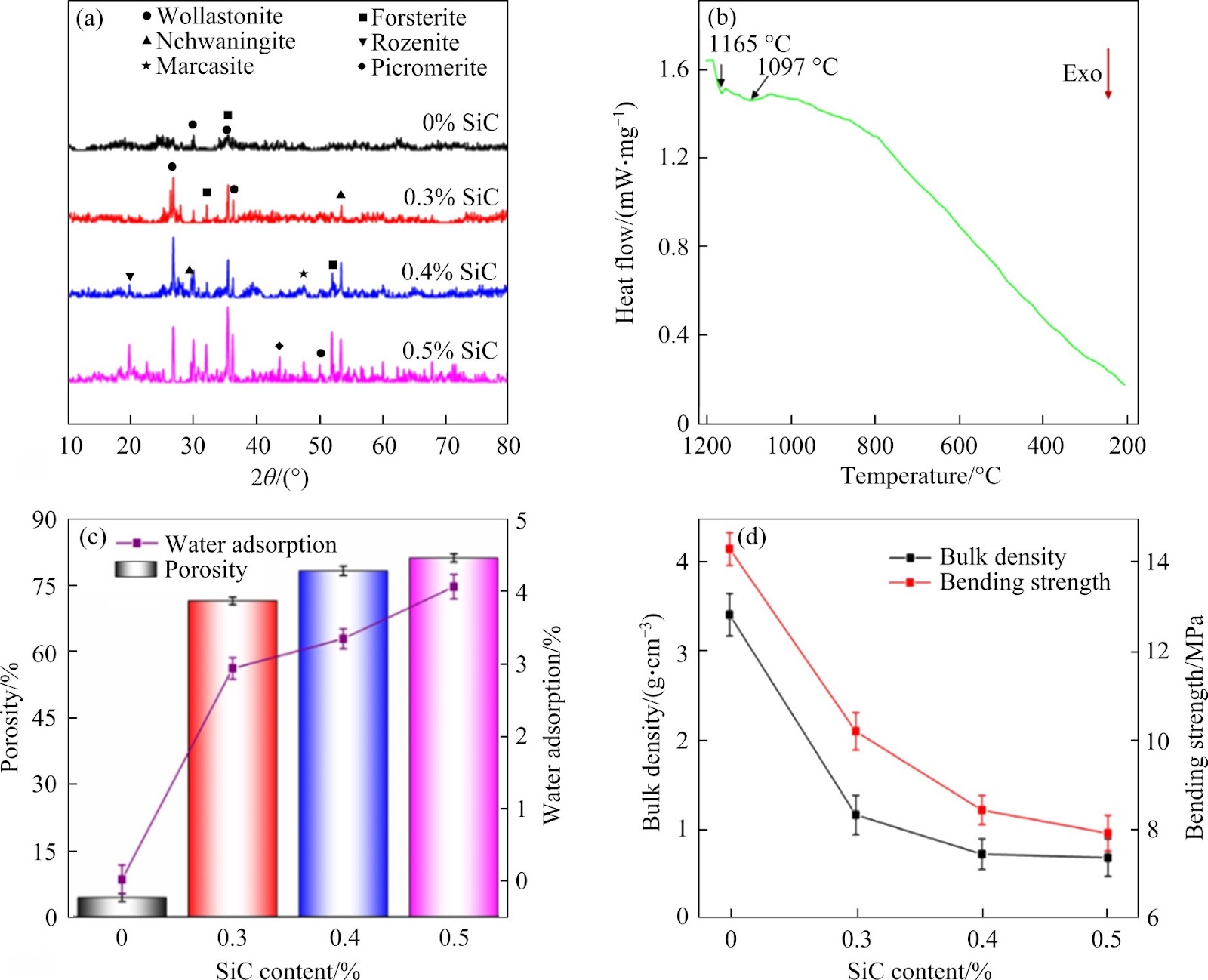
A porous wollastonite ceramic with high porosity and low density has been successfully fabricated at low temperature with silicate tailings and electrolytic manganese slag (MS) as primary raw materials in this study. The influences of calcination temperature, SiC, and MS addition amounts on porosity, water adsorption, pore size distribution, bulk density, and bending strength were systematically studied. The results showed that 0.4 wt% of SiC was optimal for the ceramic foaming at a sintering temperature of 1140 ℃. The porosity of ceramics reduced from 78.4% to 63.7%, bulk density elevated from 0.96 to 1.13 g/cm3, and bending strength increased from 8.43 to 11.22 MPa as the MS increased from 8.33 wt% to 41.67 wt%. Moreover, the best corrosion resistance performance was reached to 99.55% with 8.33 wt% MS content and a sintering temperature of 1160 ℃. This work is of significance for the solid waste utilization.

A novel green porous ceramics fabricated simply by utilizing both manganese slag and silicate tailings as raw materials at low temperature
Graphical Abstract
Original ResearchVol. 33, Issue 4 β€’ pp. 1515-1524DOI: 10.1007/s11771-026-6236-zβ€’ Jan 15, 2026

Few-layer NbOCl2 nanosheets as acidifying agents for pH clocks

Authors: KANG Jian-long, ZHOU Li, WANG Ying-wei, HE Jun, XIAO Si

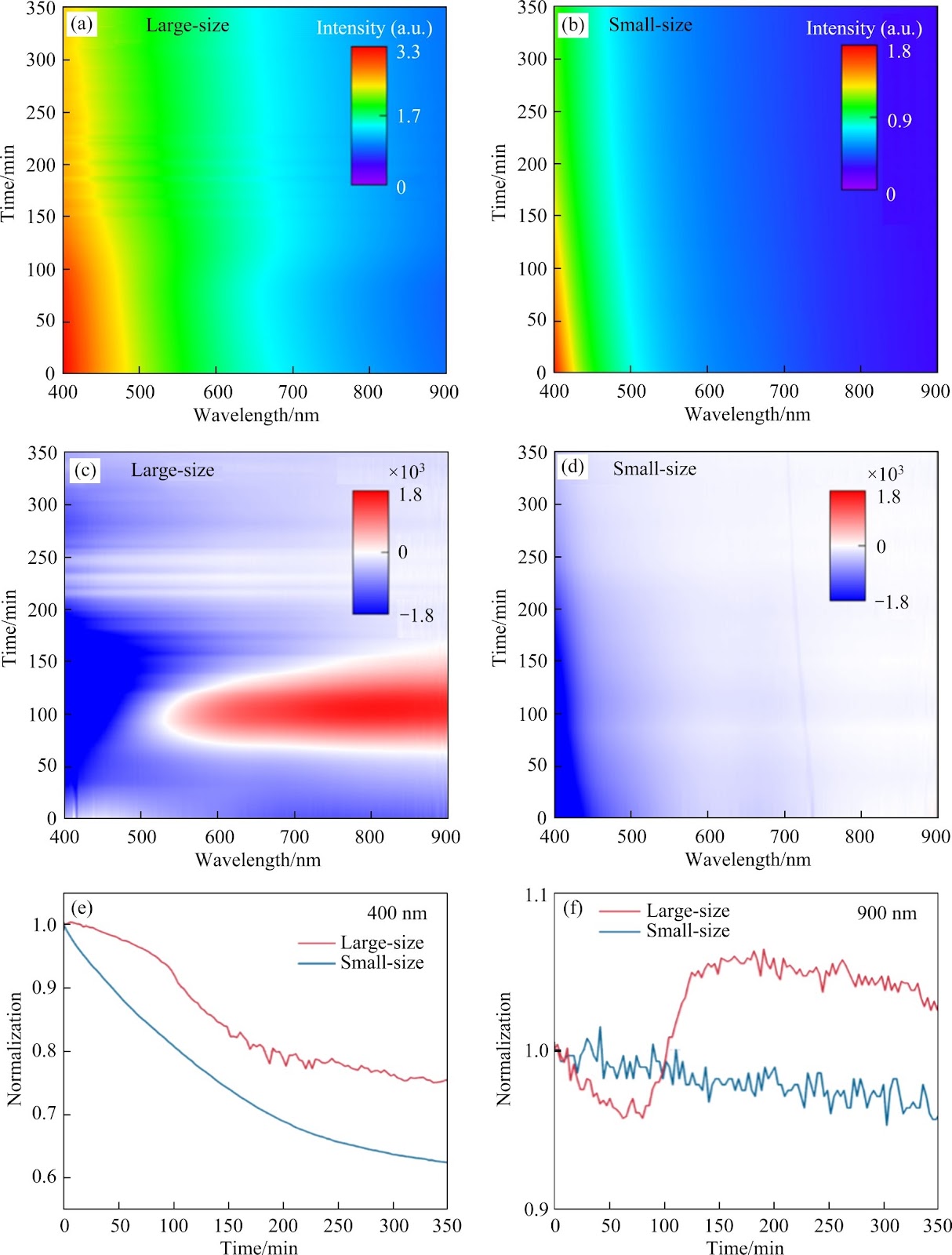
The pH clock is critical for identifying acid-sensitive substances and elucidating the mechanisms of chemical processes using spectral techniques. Effectively controlling the rate of H+ release with inorganic acids is challenging due to their fast acidification property. In addition, the strong corrosiveness of inorganic acids and the slowing rate of acidification in organic acids with decreasing pH further limit their applicability in fine spectral analysis. Therefore, developing a simple, safe, acidifying agent capable of controlling H+ release with a well-defined identification window is crucial for advancing spectral detection technologies. This study presents niobium oxide dichloride (NbOCl2) nanosheets as a novel acidifying agent that not only regulates the rate of H+ release but also has a smooth extinction spectrum, making it suitable for monitoring acid-responsive behavior. The results demonstrate that NbOCl2 is an excellent platform for pH clocks. Using spectral dynamics and first derivative images of the time-resolved extinction data, we have quantified the key factors associated with the wavelength of the extinction spectrum. Transient absorption results further indicated that H+ released from NbOCl2 nanosheets reduced absorption, with its carrier dynamics exhibiting pronounced size dependence. These properties suggest NbOCl2 nanosheets to be an ideal candidate as an acidifying agent.

Few-layer NbOCl2 nanosheets as acidifying agents for pH clocks
Graphical Abstract
Original ResearchVol. 33, Issue 3 β€’ pp. 1437-1459DOI: 10.1007/s11771-026-6228-zβ€’ Jan 15, 2026

Heavy metal concentrations in agricultural soil from the Western Dongting Lake area of Hunan province, China, and a tiered ecological risk assessment

Authors: XIA Mei-hua, CUI Li-li, CAO Nai-liang, HU Mai, XU Zhen-yu, FAN Xue-li, YU Ying-hong, LIU Wen-qing, KAN Rui-feng, ZHU Ming-dong

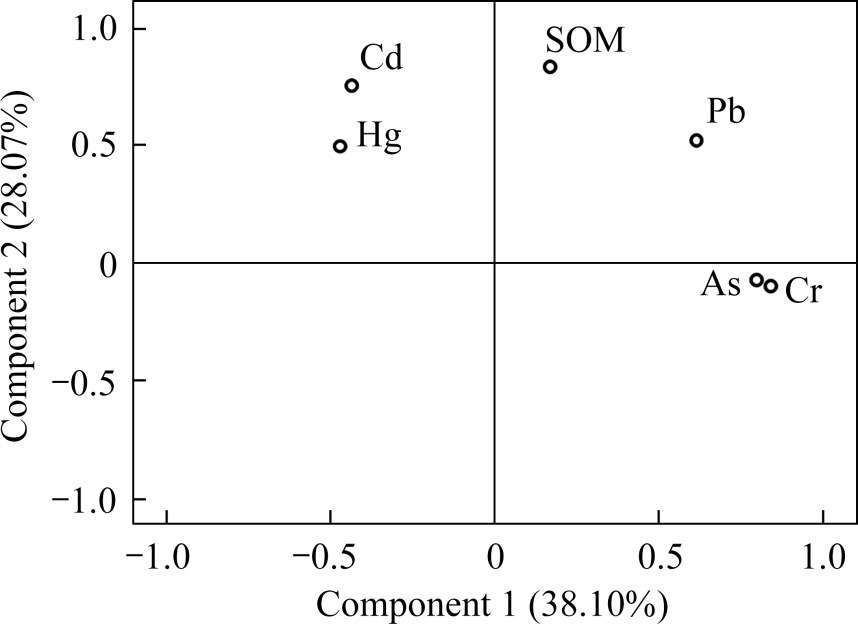
The Western Dongting Lake area, a biodiversity hotspot under traditional farming, has long suffered heavy metal pollution. In this study, the concentrations of As, Cd, Cr, Hg, and Pb in agricultural soils were determined and ecological risks were evaluated using both the hazard quotient(HQ) model and the probabilistic ecological risk assessment(PERA) model. The results showed that HQ suggested slight or negligible risks, whereas PERA indicated consistently high and unacceptable risks. This discrepancy arose because HQ criteria are derived from human health thresholds and provide only deterministic estimates, whereas PERA incorporates species-specific predicted no-effect concentration(PNEC), environmental variability, and uncertainty, thereby providing more precise and site-specific risk assessments and assigning probabilities. By applying a tiered PERA model, our study highlights its novelty and superiority in ecological risk characterization, providing critical guidance for soil management and ecological protection in contaminated farmlands.

Heavy metal concentrations in agricultural soil from the Western Dongting Lake area of Hunan province, China, and a tiered ecological risk assessment
Graphical Abstract
Original ResearchVol. 33, Issue 4 β€’ pp. 1499-1514DOI: 10.1007/s11771-026-6260-zβ€’ Jan 15, 2026

Optimization of CVD SiC process and preparation of high-purity coatings based on a thermodynamic-fluid dynamics coupled model

Authors: XU Zhen-nan, CHEN Zhao-ke, SHU Rui, XUE Jia-xiang, XIE Feng-min-yu, WU Zong-xu, YANG Rong-kun, YANG Zheng-mao, XIONG Xiang

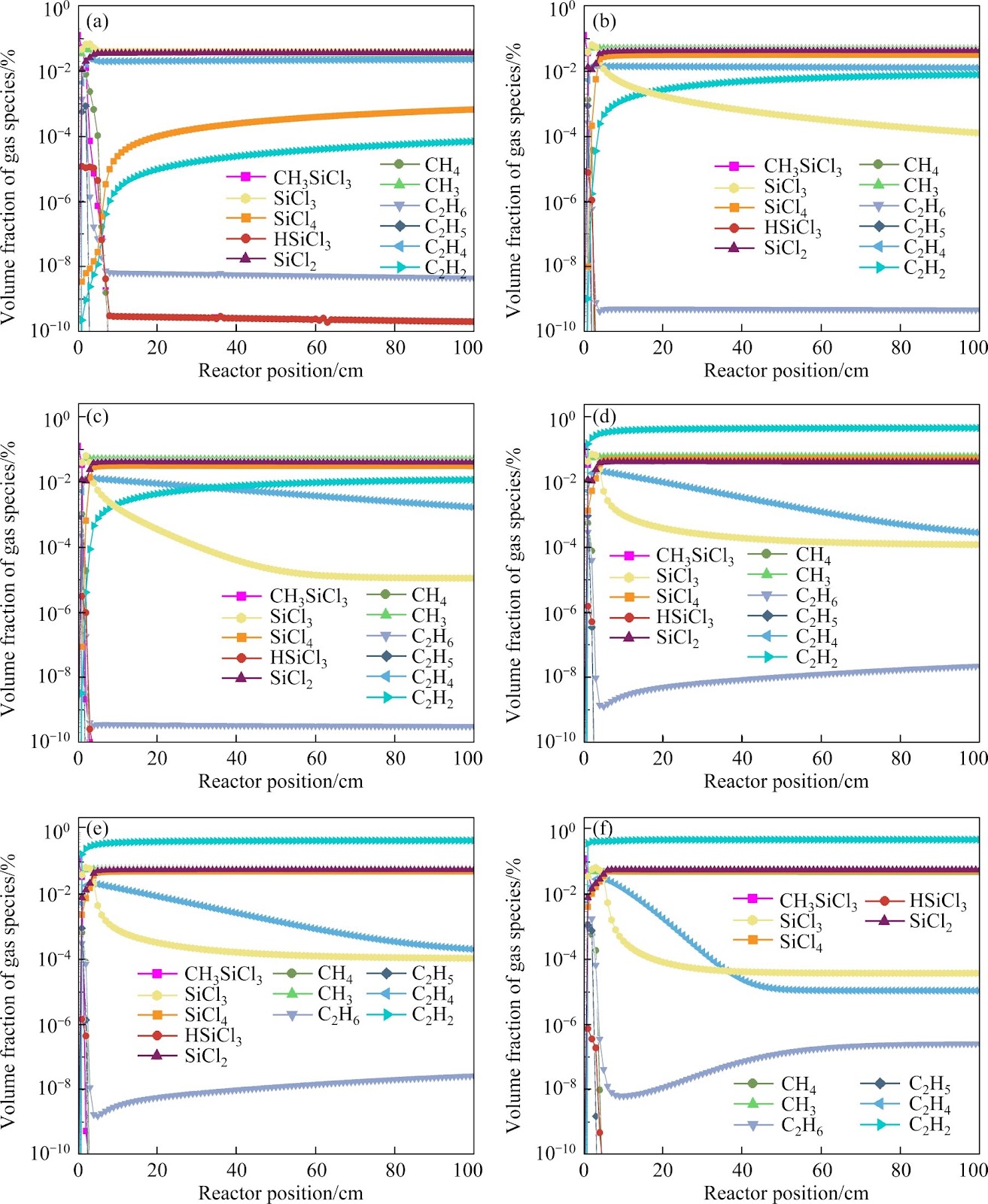
The mechanism of SiC preparation via chemical vapor deposition (CVD) of the CH3SiCl3(MTS)-H2 system remains unclear. This article integrates thermodynamic calculations, fluid dynamics simulations, and experimental validations to enable a synergistic analysis from thermodynamic equilibrium predictions to fluid dynamics-based dynamic modeling. The results systematically reveal the effects of process parameters on the SiC deposition procedure. It was found that the silicon-rich phenomenon observed at low temperatures is related to the low reactivity of CH4 and the preferential adsorption of chlorosilanes. With increasing deposition temperature, the concentration of silicon-containing molecular species such as SiCl2 rises, while unsaturated hydrocarbons like C2H2 become the dominant carbon sources at high temperature, ultimately producing nearly stoichiometric SiC coatings at 1400 ℃. Notably, thermodynamic calculation results alone exhibited deviations from experimental results, whereas coupling with fluid dynamics simulations, consistency was improved significantly. This research method not only compensates limitations inherent in thermodynamic calculations but also provides reliable theoretical basis and technical support for precise control of CVD parameters and optimization of SiC chemical composition.

Optimization of CVD SiC process and preparation of high-purity coatings based on a thermodynamic-fluid dynamics coupled model
Graphical Abstract
Original ResearchVol. 33, Issue 3 β€’ pp. 1473-1486DOI: 10.1007/s11771-026-6226-1β€’ Jan 15, 2026

Sensorless estimation of surface-mounted permanent magnet synchronous motors based on polar-corrected feedforward quadrature phase-locked loop

Authors: HAN Kun, YU Chen, LI Wei

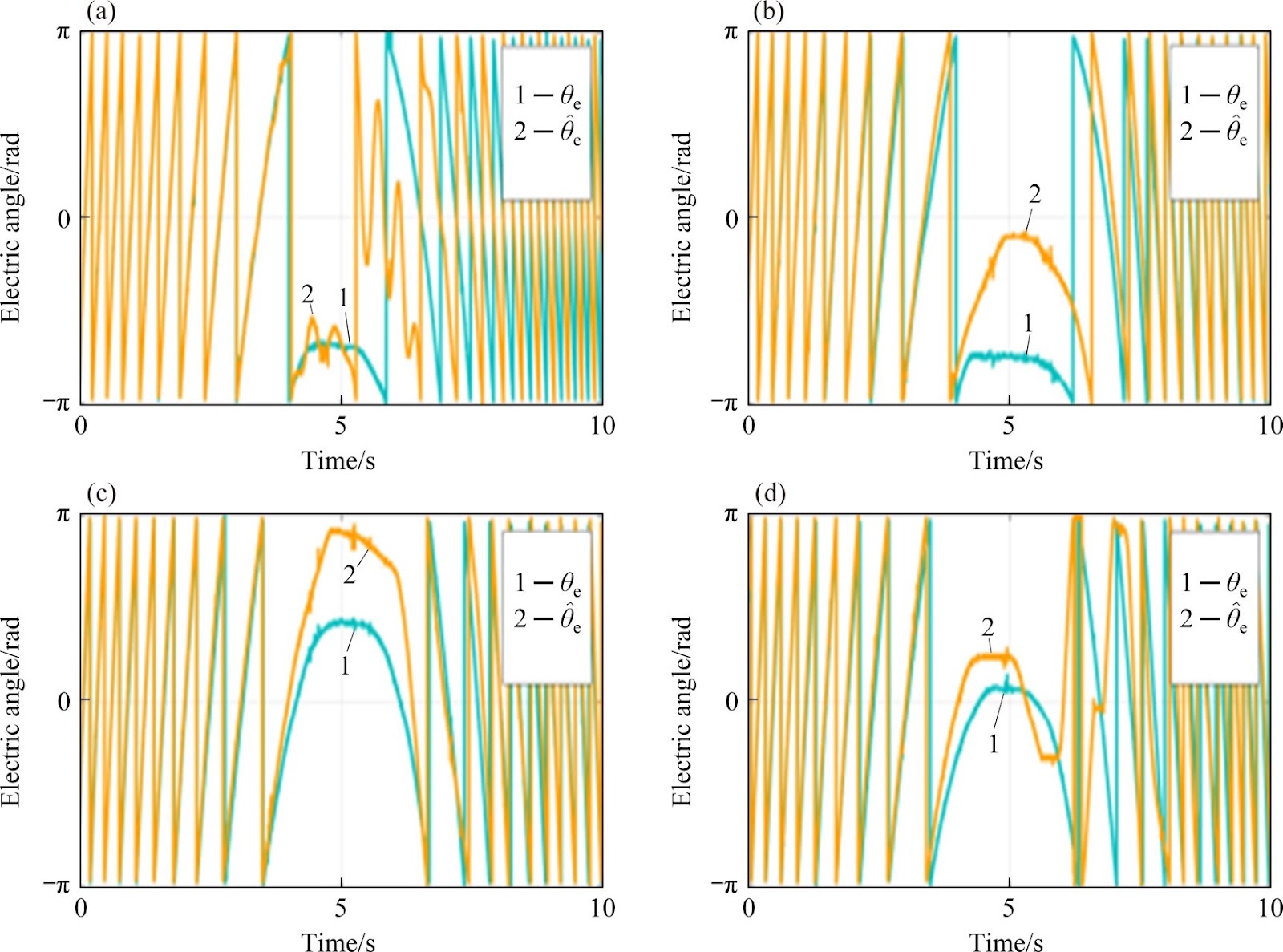
The sensorless control of surface-mounted permanent magnet synchronous motor (SPMSM) usually uses quadrature phase-locked loop (QPLL) to extract the phase information of the back electromotive force to realize the rotor angle estimation. However, the traditional QPLL has a convergence deviation of 180Β° when the motor is reversed, and the angle estimation error is obvious when the motor is accelerated and decelerated. To solve these problems, an enhanced QPLL (EQPLL) with polarity correction and high precision angle feedforward compensation is proposed. Firstly, the traditional phase discriminator is improved based on the two-phase stationary coordinate system, and the polarity correction function is designed by the error component of the improved phase discriminator to realize the non-convergent deviation angle estimation under the forward and reverse switching conditions of the motor. In addition, the error component of the improved phase discriminator is used as the feedforward compensation signal, and the enhanced generalized integrator is used to filter it, so as to realize the angle error compensation with low delay and low noise. Finally, the proposed scheme is verified by experiment on the motor platform, and compared with the existing scheme. The experimental results show that the proposed scheme can realize the polarity correction and angle error elimination, and at the same time, the noise mean square error is reduced by 24.33% compared with the existing angle feedforward compensation scheme.

Sensorless estimation of surface-mounted permanent magnet synchronous motors based on polar-corrected feedforward quadrature phase-locked loop
Graphical Abstract
Original ResearchVol. 33, Issue 3 β€’ pp. 1419-1436DOI: 10.1007/s11771-026-6189-2β€’ Jan 15, 2026

Influence of plant root reinforcement on 3D geosynthetic slopes

Authors: SHAN Jun-tao, YANG Xiao-li, XIA Long, LONG Gui-hua, YANG Bao-yu, REN Li-wei

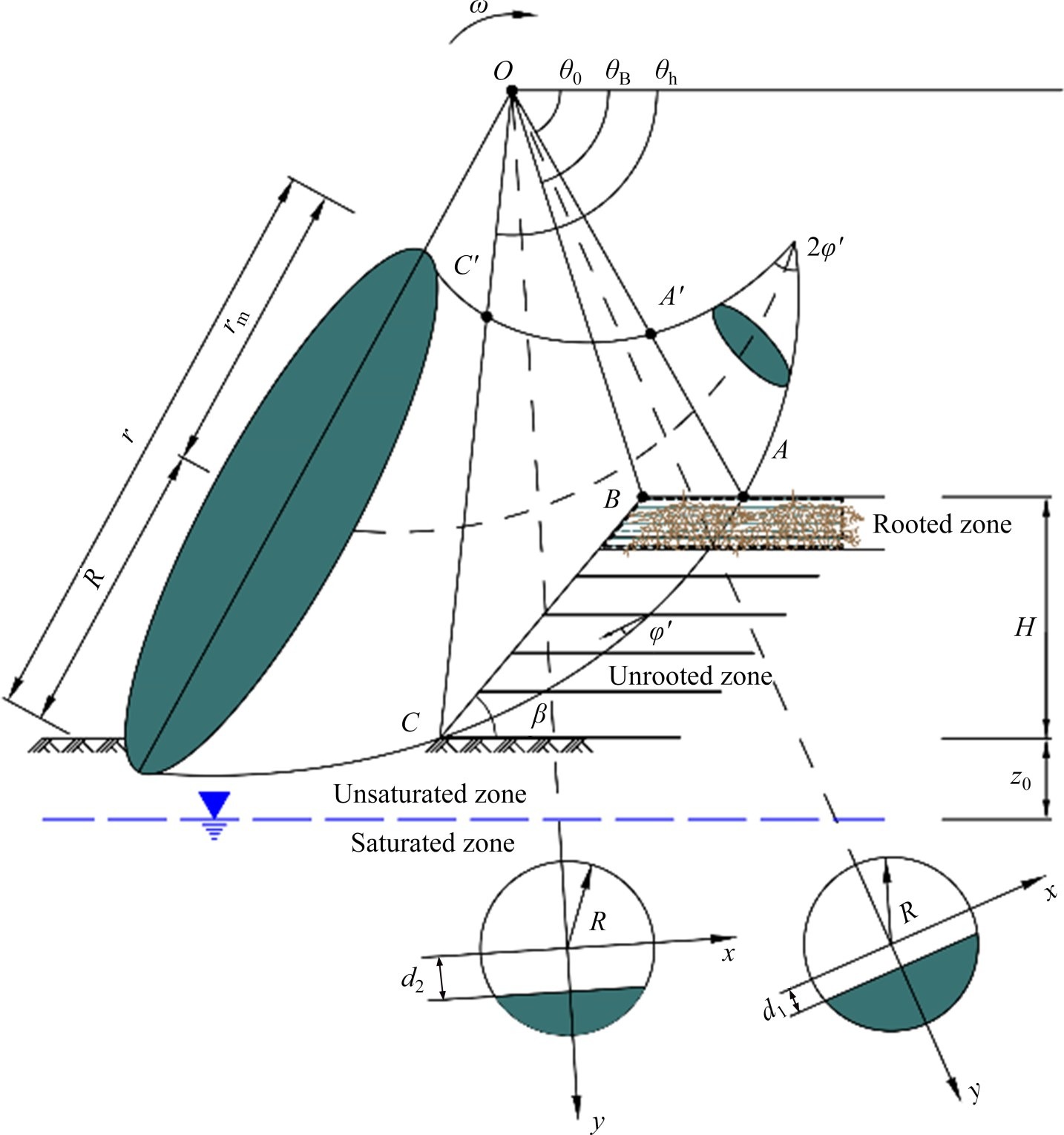
Plant roots serve as a natural reinforcement method with the potential to significantly enhance slope stability. In engineering practice, roots can function synergistically with geosynthetics, reducing the reliance on artificial materials. Based on a three-dimensional (3D) rotational failure mechanism, this study proposes a novel framework to evaluate the influence of plant roots on the stability of geosynthetic-reinforced slopes. By integrating the hydrological effects of transpiration and the mechanical composite action of root–soil interaction, the reinforcing capacity of uniform root systems is comprehensively assessed. The required dimensionless reinforcement strength at the limit failure state is derived using the functional balance equation. The validity of the proposed method is confirmed through comparisons with existing two-dimensional (2D) solutions for vegetated slopes and 3D solutions for non-vegetated reinforced slopes. Furthermore, various parameter plots are provided to facilitate design analysis. The results indicate that accounting for 3D spatial effects and plant root reinforcement significantly reduces the required reinforcement strength, thereby lowering construction costs and enhancing overall slope safety.

Influence of plant root reinforcement on 3D geosynthetic slopes
Graphical Abstract
Original ResearchVol. 33, Issue 2 β€’ pp. 861-885DOI: 10.1007/s11771-026-6203-8β€’ Jan 15, 2026

Seismic stability analysis of tunnel face in inclined layered soils with unsaturated flow

Authors: WU Huan-jiang, ZHOU De, LIAO Hong, ZHU Jian-qun

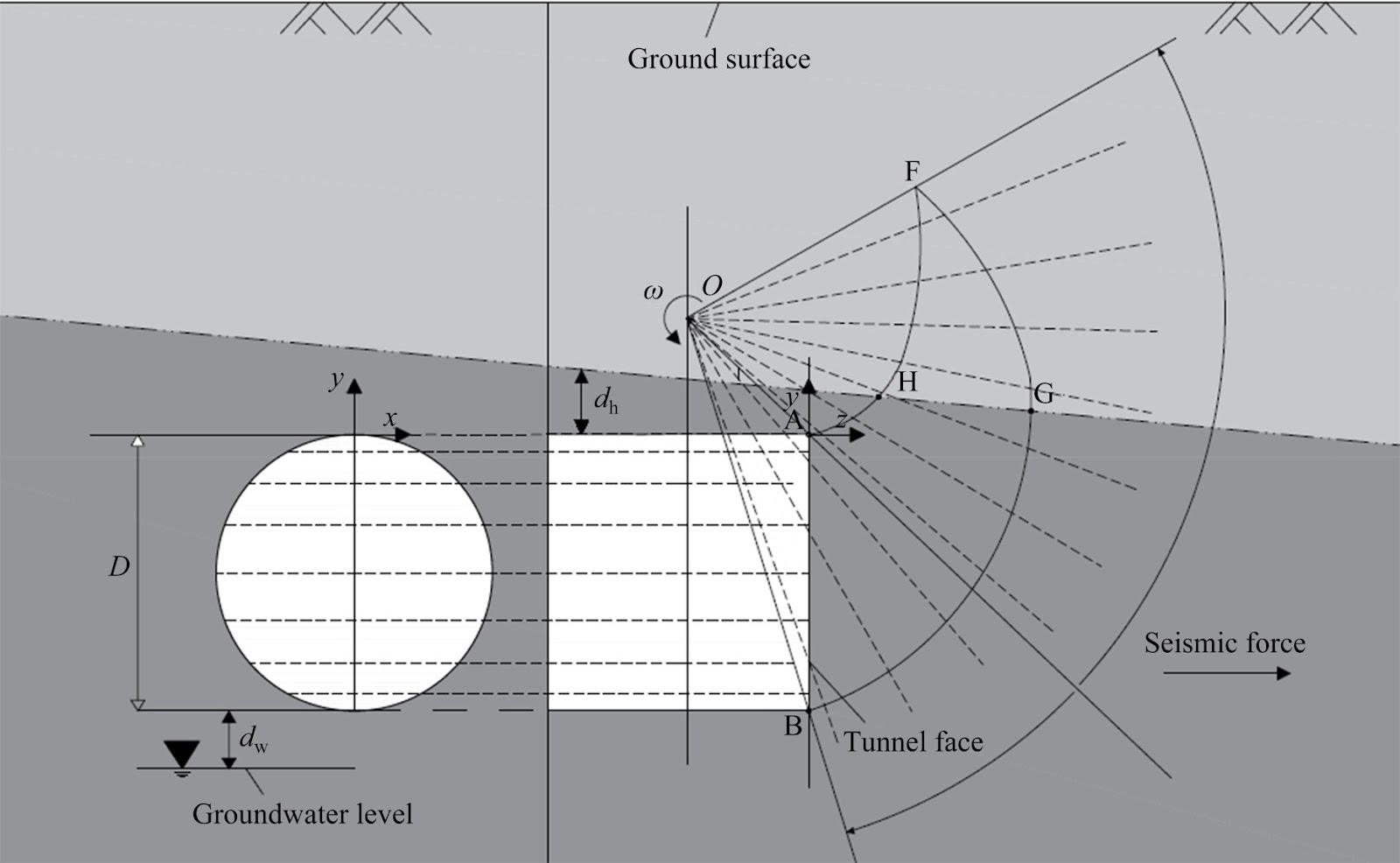
The tunnel face stability is investigated in inclined layered soils under steady unsaturated seepage and seismic loading. The rigorous estimate of the maximum face pressure is provided during tunnel excavation. The modified pseudo-dynamic method is applied to capture the spatial and temporal characteristics of seismic forces. A spatial distribution formula for suction stress under steady seepage conditions is derived for inclined layered soils. The study examines how inclined stratification influences the shape of failure mechanisms, the suction head profile, and variations in seismic acceleration. The spatial and temporal changes in suction stress and seismic loading are integrated into the energy equilibrium formulation based on a three-dimensional discretized failure model, and the critical face support pressure can be calculated via an integrated optimization strategy. The distributions of seismic acceleration ratios are obtained under various dynamic parameter conditions and the spatial variation of suction stress in the soil ahead of the tunnel face under different hydraulic hysteresis scenarios. The proposed analytical approach is compared with previous research, and the differences in results under different representations of seismic waves are also discussed. The research results can provide a valid framework to evaluate the influence of seismic excitation, steady-unsaturated infiltration, hydraulic hysteresis, and inclined stratification on tunnel face stability.

Seismic stability analysis of tunnel face in inclined layered soils with unsaturated flow
Graphical Abstract
Original ResearchVol. 33, Issue 2 β€’ pp. 886-904DOI: 10.1007/s11771-026-6194-5β€’ Jan 15, 2026

Interaction analysis of sequentially installed support system and reinforced rock for deep tunnels

Authors: CHEN Xu, ZHANG Ding-li, SUN Zhen-yu, CHEN Xuan-hao

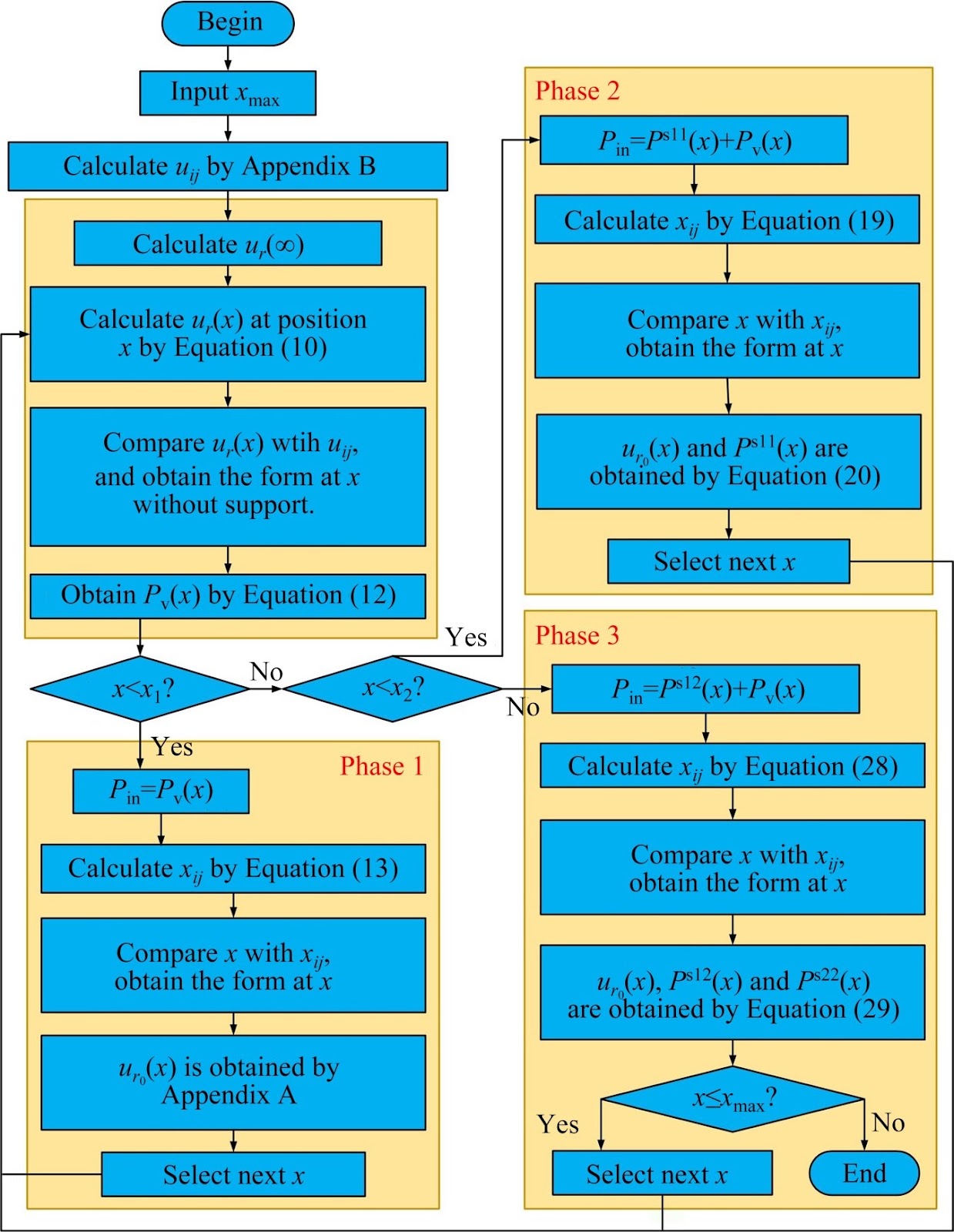
This study analyzed the interaction between sequentially installed combined support systems and the surrounding rock. Six distinct forms of elastic-brittle-plastic rock masses with reinforcement were analyzed, along with the critical displacements that governed their transition behaviors. Virtual support pressure was introduced to assess the spatial influence of the tunnel face. It was determined by integrating the longitudinal displacement profile with the proposed ground characteristic curve solutions under various ground conditions. Considering the timing of support installation, the support-rock interaction was divided into three phases. A method was presented to determine the evolution of this interaction based on critical displacements. An analytical approach was further proposed to describe the complete process of support system-rock interaction using displacement coordination. The analytical results are validated against numerical simulations and field measurements, and the method's advantages are demonstrated through comparisons with existing models and the convergence-confinement approach. Finally, the effects of surrounding rock and support parameters are examined. The results indicate that residual cohesion, the friction angle of reinforced ground, and reinforcement thickness strongly influence tunnel behavior. Additionally, increasing the stiffness or advancing the installation of secondary support substantially raises secondary support pressure.

Interaction analysis of sequentially installed support system and reinforced rock for deep tunnels
Graphical Abstract
Original ResearchVol. 33, Issue 2 β€’ pp. 747-766DOI: 10.1007/s11771-026-6201-xβ€’ Jan 15, 2026

Effect of composite stress arches evolution on abutment pressure distribution in repeated mining of close-distance coal seams

Authors: HU Pin-pin, ZUO Yu-jun, RONG Peng, CHEN Bin, ZHENG Lu-lin, WEN Zhi-jie, HU Jin-chun, REN Wei-de

Due to the unique geological structure in the Guizhou region, issues such as stress concentration and inefficient resource utilization efficiency arise during repeated mining of close-distance coal seam. This study focuses on the Longfeng Coal Mine in Guizhou, investigating the evolution of stress arches and abutment pressure distribution under repeated mining conditions through similarity simulations, numerical simulations, and theoretical analysis. The study introduces a novel composite stress arch model, which more accurately represents stress evolution under complex mining conditions compared to traditional single arch theories. The model highlights the gradual transformation of a single stress arch into a composite structure, accounting for the increasing complexity of the stress distribution. Based on these evolution characteristics, a mechanical model of composite arches under nonlinear loading was developed. The calculation results and field monitoring data show that after repeated mining, the stop-mining coal pillar width should be optimized between 65 and 70 m. The research reveals the coupling relationship between the evolution of composite arches and the distribution of abutment pressure, which aids in optimizing coal pillar design, enhancing resource recovery rates, and ensuring the stability of roadways and stopes.

Effect of composite stress arches evolution on abutment pressure distribution in repeated mining of close-distance coal seams
Graphical Abstract
Original ResearchVol. 33, Issue 2 β€’ pp. 834-846DOI: 10.1007/s11771-026-6206-5β€’ Jan 15, 2026

Optimizing differential travel-time measurements with dynamic time warping

Authors: LIU Jian-xin, NIE Zi-ting, HOU Xin-rong, GAO Da-wei

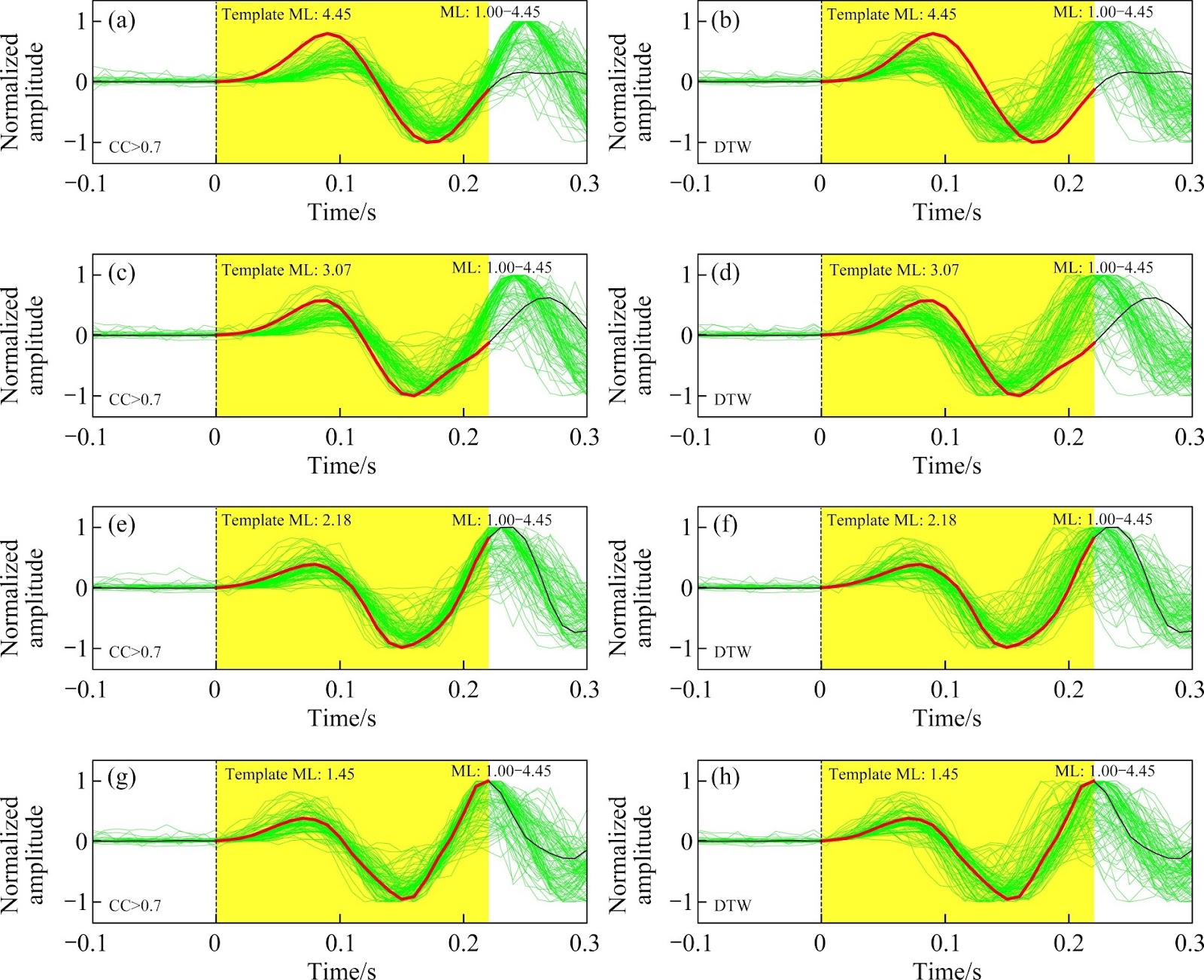
Precise differential travel-time measurement is essential for earthquake relative locating. The waveform cross-correlation (WCC) technique is widely regarded as the most effective method for calculating the differential travel-time of seismic phases. However, for earthquake pairs with large magnitude differences, substantial biases can arise due to disparities in the duration of the initial pulse, potentially leading to significant mislocations, particularly for mainshocks. To overcome this limitation, we propose to use the dynamic time warping (DTW) algorithm to optimize differential travel-time calculation. Using high-quality earthquake waveform data from the San Andreas Fault (2012 βˆ’2019), we systematically compared the performance of DTW and WCC, respectively. Our results demonstrate that DTW substantially improves differential travel-time measurements, especially in cases involving large magnitude differences. In addition, we tested the robustness of DTW using noisy seismic data, demonstrating its superior resilience to noise.

Optimizing differential travel-time measurements with dynamic time warping
Graphical Abstract
Original ResearchVol. 33, Issue 2 β€’ pp. 783-801DOI: 10.1007/s11771-026-6205-6β€’ Jan 15, 2026

Structural deterioration and instability in grouted reinforcement crushed rock masses subjected to increasing-amplitude fatigue loading

Authors: LI Ju-zhou, LI Chang-hong, TAHERI Abbas, LI Peng, MA Dan

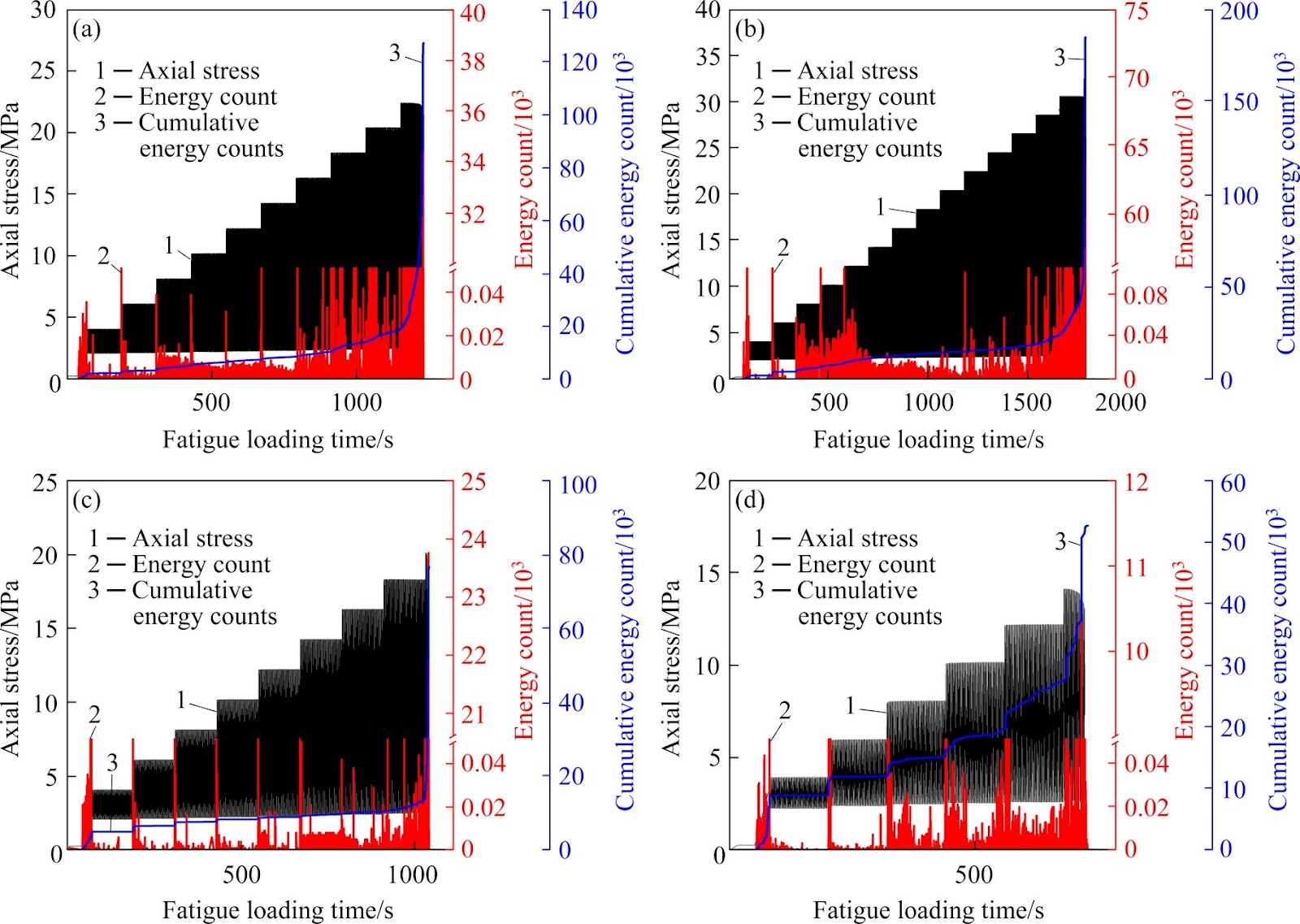
To investigate the influence of different Talbot grading indices (n-values) on the fatigue damage deterioration and instability behavior of grouted reinforcement body, an increasing-amplitude fatigue loading test was conducted on grouted reinforcement specimens with different n-values using the multi-functional electro-hydraulic servo-controlled rigidity test system (MTS-815). Acoustic emission (AE) technology was employed to monitor the entire testing process. The fatigue mechanical response mechanism, AE characteristic parameters, and damage modes were analyzed. The results demonstrate that as n-value increases, the mechanical characteristics of the specimens initially increase and then decrease. AE parameters, including the cumulative AE ring counts and energy counts, follow the same trend, and spectral characteristics exhibit a strong correlation with crack evolution. The cumulative AE ring counts damage model reveals a three-phase behavior for the specimens under different n-values. The b-value, which characterizes the scale distribution of cracking events, correlates with the volumetric strain growth rate, showing a more sensitive response. Differences in n-values directly affect the distribution of RA/AF signals and damage modes. The findings provide valuable insights into predicting the destabilization of grouted reinforcement specimens under fatigue disturbance and offer necessary theoretical support for the design and stability control of excavation in fragmented surrounding rock.

Structural deterioration and instability in grouted reinforcement crushed rock masses subjected to increasing-amplitude fatigue loading
Graphical Abstract
Original ResearchVol. 33, Issue 1 β€’ pp. 144-159DOI: 10.1007/s11771-025-6116-yβ€’ Jan 15, 2026

In-situ phosphatization of waterborne acrylic latex coatings for long-term corrosion protection of metal without flash rust

Authors: YUAN Rui, TANG Zhi-xing, XIAO Min-di, CAI Min-zhao, ZHAO Zi-long, GU Lin

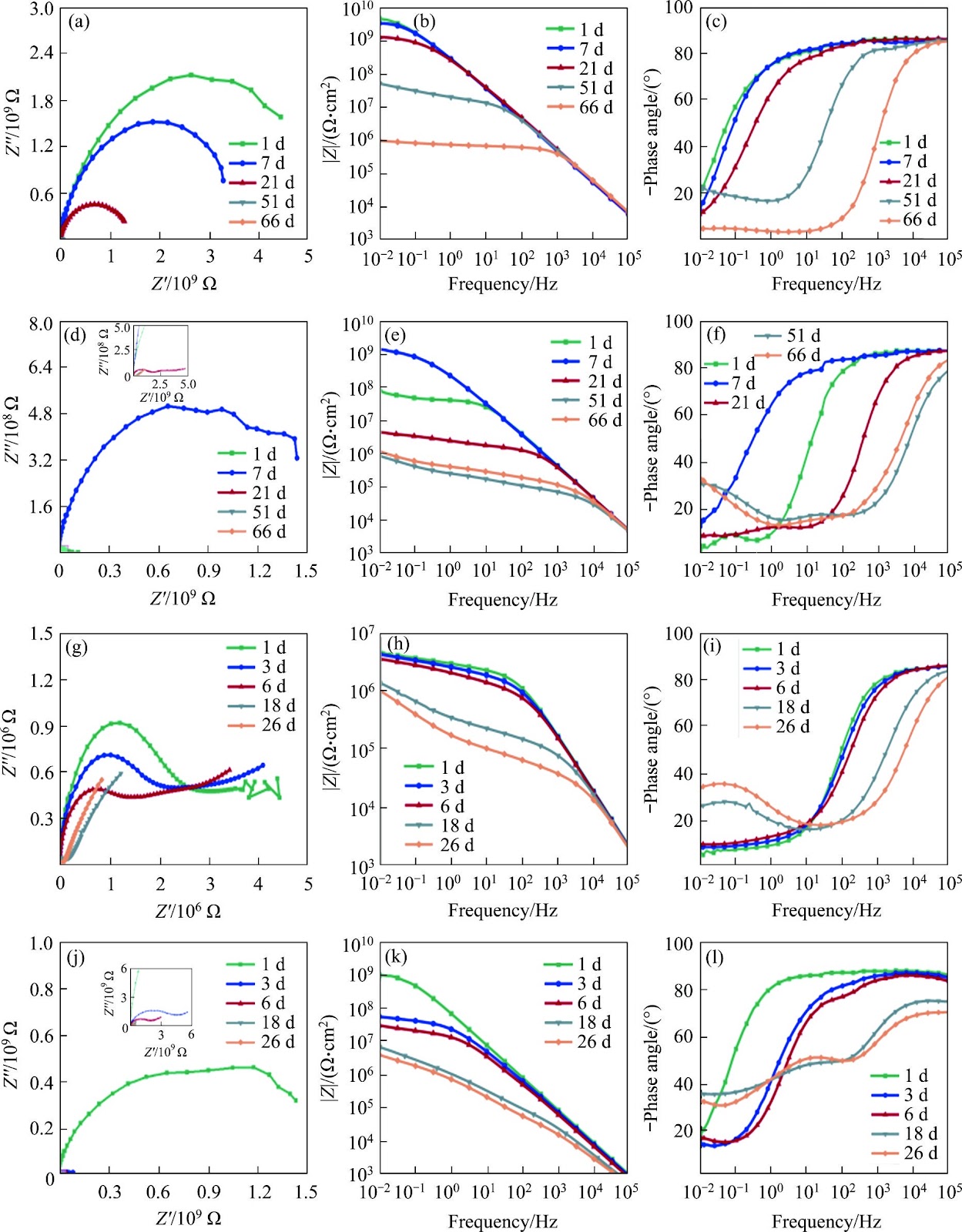
Waterborne acrylic coatings are widely utilized due to their cost-effectiveness, high transparency, strong resistance to weather and chemicals, impressive mechanical properties, and excellent adhesion to various substrates. In these coatings, a reactive emulsifier containing phosphate groups can be integrated into the molecular chain during polymerization, which enhances the coating's compactness and corrosion resistance. This work focuses on the synthesis of styrene-butyl acrylate (St-BA) latex and methyl methacrylate-butyl acrylate (MMA-BA) latex using the reactive phosphate emulsifier ANPEO10-P1 through seed emulsion polymerization, achieving a conversion rate of approximately 99% and a solid content close to 50%. The resulting coatings from St-BA and MMA-BA latexes demonstrated long-term corrosion protection for carbon steel and aluminum alloy due to in-situ phosphatization, effectively preventing flash rust. Notably, the MMA-BA coating exhibited remarkable durability, enduring immersion for up to 1224 h (51 d) on Q235 carbon steel before reaching the failure threshold (|Z|0.01Hz£106 Ω·cm2) on Q235 carbon steel. On 5052 aluminum alloy, the St-BA coating maintained |Z|0.01Hz>108 Ω·cm2 for 480 h (20 d). Furthermore, the corrosion resistance of St-BA and MMA-BA coatings on Q235 steel sheet and 5052 aluminum alloy surpassed that of commercially available MMA-BA and St-BA coatings after immersion in a 3.5 wt% NaCl aqueous solution. This work also delves into the anticorrosion mechanism of MMA-BA and St-BA coatings.

In-situ phosphatization of waterborne acrylic latex coatings for long-term corrosion protection of metal without flash rust
Graphical Abstract
Original ResearchVol. 33, Issue 2 β€’ pp. 725-746DOI: 10.1007/s11771-025-6108-yβ€’ Jan 15, 2026

Mechanical behavior and tensile bearing performance of anchorage body under the influence of structural plane dip angle

Authors: GENG Yi, LI Xi-bing, CHEN Jiang-zhan, ZHAN Xin-yu, YAN Rong-yun, ZHOU Xiao-li

With increasing mining depth in metal mines, the stability of roadway support structures is significantly affected by the complex surrounding rock. This study performs biaxial compression and bolt pull-out experiments on anchorage body specimens with different structural plane dip angles to explore failure mechanisms of anchorage structures and evolutionary law of bolt anchorage force. Results show the dip angle notably impacts the bearing capacity and failure modes of anchorage specimens. Their peak stress exhibits a V-shaped trend: decreasing from 54.80 MPa to 19.65 MPa as dip angles increase from 0Β° to 45Β°, with failure mode transitioning from tensile to shear; at 60Β°, it becomes a tensile-dominated mixed mode. Bolt anchoring significantly enhances bearing capacity (most remarkably by 153.22% at 45Β°) and changes failure from brittle to ductile. Pull-out tests reveal two failure modes: slip at the bolt-rock interface and bolt fracture. At 45Β°, bolt fracture occurs under a 14.55 kN peak pull-out load, matching the bolt's yield strength. This failure mechanism involves two key factors: structural plane sliding that shears the bolt, and mechanical interlocking that restricts pull-out, substantially increasing anchorage force. These findings provide insights for stability assessment and support design of roadway structures in complex geological environments.

Mechanical behavior and tensile bearing performance of anchorage body under the influence of structural plane dip angle
Graphical Abstract
Original ResearchVol. 33, Issue 2 β€’ pp. 767-782DOI: 10.1007/s11771-026-6198-1β€’ Jan 15, 2026

Mesoscopic fracture evolution of granite under different thermal disturbances

Authors: XIE Jin, XI Bao-ping, HE Shui-xin, DONG Yun-sheng, CHEN Lu-hai

Hot-stage polarizing microscopy technique was employed to investigate the mesoscopic fracture evolution characteristics of granite throughout the entire process from room temperature to real-time high temperature and then to cooling. The study analyzed the influence of mineral types, temperature, cooling medium, and the heating and cooling progress on the microcrack development in granite. Additionally, the contributions of heating and cooling to the damage of granite were discussed. The research indicates that crack evolution follows a characteristic trend: the number of small cracks increases, and larger cracks form through the coalescence and propagation of smaller ones during heating. The thermal fracture threshold for granite was identified at 300 Β°C. The three main minerals in granite exhibit distinct area change behaviors with temperature. After natural cooling, mineral areas show a slight increase compared to the pre-treatment state. Following thermal shock in water, these areas decrease marginally relative to their extent at 600 ℃ yet remain significantly larger values than initial ones. Thermal shock cooling induces more extensive fracturing in granite compared to natural air cooling. Furthermore, the heating process contributes more significantly to the overall damage than the subsequent cooling stage. This study enhances the understanding of mesoscopic evolution in thermal disturbances treated rocks and provides a theoretical basis for assessing rock stability in high-temperature engineering environments.

Mesoscopic fracture evolution of granite under different thermal disturbances
Graphical Abstract
Original ResearchVol. 33, Issue 2 β€’ pp. 847-860DOI: 10.1007/s11771-026-6214-5β€’ Jan 15, 2026

3D finite-difference numerical simulation of the gravitational field using a preconditioned GMRES iterative solver

Authors: TONG Xiao-zhong, XIE Wei, MA Hui-ying, WEN Xin-yue, ZHU Wen-di, ZHANG Chen

With the evolution of geophysical surveys from traditional two-dimensional (2D) to three-dimensional (3D) models, the resulting large data volumes pose significant challenges to inversion, particularly when resolving large-scale 3D structures. A direct solver for solving an ill-conditioned linear system resulting from the finite-difference approximation of a boundary value problem requires more memory and time than iterative solvers. To overcome this limitation, an efficient iterative solver for 3D finite-difference approach is introduced to calculate the 3D gravitational potential and the associated gravitational field. Firstly, the boundary value problem associated with 3D gravitational potential is discretized using central finite-difference technique based on right rectangular prismatic grids. The resulting large unsymmetric sparse systems are then solved using the generalized minimal residual algorithm (GMRES) iterative solver in combination with incomplete LU factorization. Secondly, to obtain high-accuracy partial derivatives of gravitational potential, a high-degree Lagrange interpolation scheme is employed. Finally, three density models are applied to test the accuracy, reliability, and flexibility of our 3D finite-difference algorithm. All computational results demonstrate that our method provides an accurate approximation of the gravitational field and is applicable to 3D forward modeling.

3D finite-difference numerical simulation of the gravitational field using a preconditioned GMRES iterative solver
Graphical Abstract
Original ResearchVol. 33, Issue 1 β€’ pp. 160-174DOI: 10.1007/s11771-025-6125-xβ€’ Jan 15, 2026

Three-dimensional characterization of intermetallic compound formation in magnesium alloys with micro X-ray computed tomography

Authors: SUN Wei, HU Xiao-juan, DENG Yang-chao, YANG Yang, YAO Hu, ZHANG Yong-hong, ZHANG Rui-feng, ZENG Guang

This comprehensive study investigates the formation and evolution of intermetallic compounds during the solidification process of magnesium alloys using advanced micro X-ray computed tomography. By analyzing both common industrial Mg-Al-Zn alloys and a novel rare earth-containing Mg-Ni-Gd-Y alloy, we aim to characterize the nucleation, growth, and distribution of Al-Mn and eutectic intermetallics across various stages of solidification. The non-destructive imaging technique employed in this research provides high-resolution, three-dimensional insights into the microstructural development, allowing for a detailed examination of the morphology, spatial arrangement, and interconnectivity of intermetallic phases. This approach overcomes limitations of traditional two-dimensional metallographic methods, offering a more comprehensive understanding of the complex three-dimensional structures formed during solidification.

Three-dimensional characterization of intermetallic compound formation in magnesium alloys with micro X-ray computed tomography
Graphical Abstract
Original ResearchVol. 33, Issue 1 β€’ pp. 78-89DOI: 10.1007/s11771-026-6176-7β€’ Jan 15, 2026

A low-cost TiNb alloy with high strength for orthopedic implants with low modulus tuned by oxygen concentration

Authors: LOU Jia, TANG Xin-dong, DU Chang-hai, LI Dong-yang, LI Yi-min

Hard tissue repair materials that balance high strength with low modulus are highly promising, representing a transformative focus in applied biomaterials research. In this study, Ti-Nb alloys with high performance are prepared by a low-cost process for orthopedic applications. Phase composition, modulus, compressive strength and recovery properties are effectively manipulated by tailoring trace amounts of interstitial oxygen. With increasing oxygen concentration in sintered Ti-Nb alloys, the Ξ² (body centered cubic) phase was stabilized due to the lattice distortion. The elastic modulus declined from 91 to 24 GPa. The compressive strength slightly decreased from 1595 to 1404 MPa and yield strength increased from 760 to 904 MPa. Additionally, the recovery properties were enhanced by the interstitial oxygen as a shape memory alloy. The utilization of trace oxygen serves to modulate the thermoelastic martensitic transformation in Ti-Nb alloys, thereby obtaining appropriate mechanical properties. A notable reduction in modulus is achieved while maintaining high strength, which facilitates the development of orthopedic implants capable of withstanding more complex forces.

A low-cost TiNb alloy with high strength for orthopedic implants with low modulus tuned by oxygen concentration
Graphical Abstract
Original ResearchVol. 33, Issue 1 β€’ pp. 110-130DOI: 10.1007/s11771-026-6160-2β€’ Jan 15, 2026

Influence mechanism of cooling strategy on the improvement of corrosion performance of fine-grained Al7075 friction stir welding joint

Authors: Yang Bo-hai, Luo Lei, Wang Wen, Cui Chun-juan, Yang Xi-rong, Gan Chen, Yan Wen-wen, Han Ying

This work examines the microstructure and corrosion properties of fine-grained Al7075 across different regions under varying cooling conditions during friction stir welding. The findings demonstrate that forced cooling significantly improves the corrosion resistance of the welded joints. Specifically, the corrosion resistance was the highest in the stir zone, followed by the thermo-mechanical affected zone, and then the heat affected zone. Forced cooling mitigates grain growth by controlling the welding thermal effects, thereby increasing the proportion of Ξ£3 grain boundaries. The modification of these microstructural characteristics promotes the formation of a dense oxide layer, thereby enhancing the corrosion resistance. Furthermore, forced cooling mitigates the precipitation and coarsening of the anodic phase in the stir zone, which in turn reduces the susceptibility of the joint to pitting corrosion. Additionally, the lower recrystallization texture content in the joint, resulting from forced cooling, contributes to a reduction in the number of corrosion-active sites, thereby further improving the corrosion performance of the welded joint.

Influence mechanism of cooling strategy on the improvement of corrosion performance of fine-grained Al7075 friction stir welding joint
Graphical Abstract