Key Takeaways & Executive Findings
- •• The study reveals that traditional hazard quotient (HQ) models underestimate ecological risks in agricultural soils, while probabilistic ecological risk assessment (PERA) provides more accurate and site-specific risk characterization. • PERA incorporates species-specific PNEC, environmental variability, and uncertainty, assigning probabilities to risk estimates, thus offering a superior tiered approach for contaminated farmland management. • Heavy metal contamination (As, Cd, Cr, Hg, Pb) in the Western Dongting Lake area poses consistently high and unacceptable ecological risks, necessitating urgent soil management and remediation strategies. • The tiered PERA model provides critical guidance for ecological protection and soil management, highlighting its novelty and practical applicability in contaminated agricultural regions.
Abstract
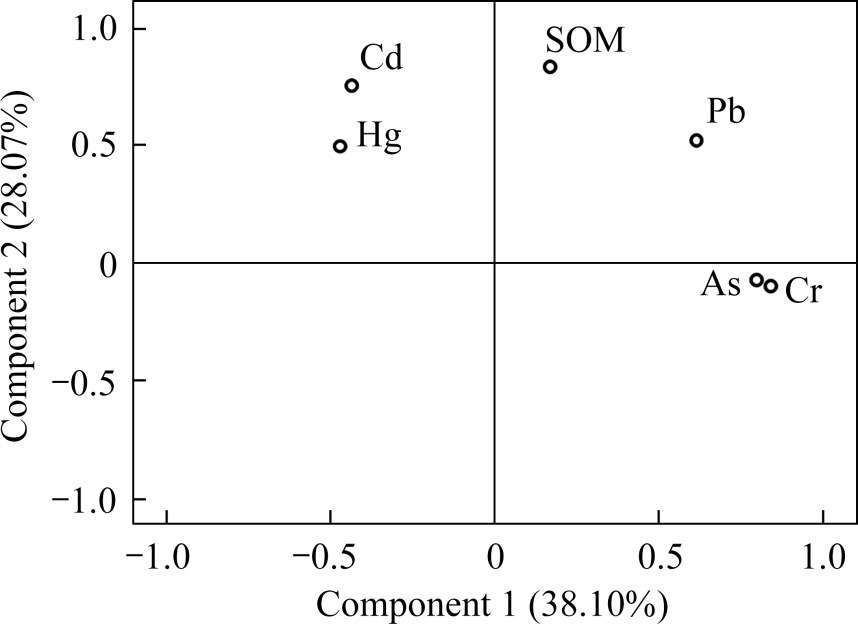
The Western Dongting Lake area, a biodiversity hotspot under traditional farming, has long suffered heavy metal pollution. In this study, the concentrations of As, Cd, Cr, Hg, and Pb in agricultural soils were determined and ecological risks were evaluated using both the hazard quotient(HQ) model and the probabilistic ecological risk assessment(PERA) model. The results showed that HQ suggested slight or negligible risks, whereas PERA indicated consistently high and unacceptable risks. This discrepancy arose because HQ criteria are derived from human health thresholds and provide only deterministic estimates, whereas PERA incorporates species-specific predicted no-effect concentration(PNEC), environmental variability, and uncertainty, thereby providing more precise and site-specific risk assessments and assigning probabilities. By applying a tiered PERA model, our study highlights its novelty and superiority in ecological risk characterization, providing critical guidance for soil management and ecological protection in contaminated farmlands.
1. Introduction
Heavy metals are generally defined as metal elements with a density >5 g/cm3 [1, 2]. Heavy metals such as arsenic (As), cadmium (Cd), chromium (Cr), mercury (Hg), and lead (Pb) are of serious concern because they are persistent in environmental media, can bioaccumulate in organisms, and are carcinogenic. Exposure to heavy metals can cause various adverse health effects on humans, including bladder cancer (As), brain and cerebellum damage (Hg), chondromalacia and osteoporosis (Cd), damage to the kidneys and nervous, hematopoietic, and digestive systems (Pb), lung cancer (As, Cd, and hexavalent Cr), and skin cancer (As) [3]. JIANG et al [4] conducted a study on the water quality of the Xiangjiang River in Hengyang, and the human health risk assessment showed that As posed a certain threat to the health of local residents, especially children. Cd posed potential risks to both adults and children. Heavy metal pollution has caused problems around the world for a long time, and many governments and international organizations have paid close attention to the risks posed by heavy metal pollution.
Agricultural soil is an important resource for sustaining humans but can also act as the ultimate reservoir for heavy metals [5]. The vertical distribution of heavy metal contents in the soil and the diversity of microbial communities are influenced by heavy metal pollution [6]. Heavy metals can be taken up by crops and therefore enter the food chain and pose risks to environmental and human health. Heavy metals in agricultural soil can be supplied by various natural and anthropogenic sources [7]. At the regional scale, natural factors such as soil-forming parent rocks are the dominant sources of heavy metals in soil. However, at the local scale, anthropogenic sources such as atmospheric deposition of industrial emissions, chemical fertilizers and pesticides, and wastewater applied as irrigation are the main sources of heavy metals in soil [8]. A national soil pollution survey indicated that 19.4% of agricultural land in China exceeded the relevant thresholds, with heavy metals (inorganic pollutants) being the primary contributors [9]. Although recent studies have reported various approaches, such as microbial-based ecological remediation, which can effectively mitigate multiple types of environmental pollution including heavy metals [10, 11], the widespread occurrence of heavy metal contamination in agricultural soils across China still makes identifying the associated ecological risks highly significant for effective environmental management.
Loading authentic research manuscript (Pages 1–5)...
XIA Mei-hua, CUI Li-li, CAO Nai-liang, HU Mai, XU Zhen-yu, FAN Xue-li, YU Ying-hong, LIU Wen-qing, KAN Rui-feng, ZHU Ming-dong (2026). Heavy metal concentrations in agricultural soil from the Western Dongting Lake area of Hunan province, China, and a tiered ecological risk assessment. Journal of Central South University. https://doi.org/10.1007/s11771-026-6228-z
Research & Educational Purpose Only:The translations, structured abstracts, analytical annotations, and data reports provided by SinoTechIntel are intended exclusively for academic research, internal corporate R&D, and educational benchmarking. They do not constitute formal engineering, chemical safety, legal, or professional advice.
Copyright & Intellectual Property Notice: Original copyright of the underlying source articles and experimental data remains with the respective authors, institutions, and original publishing journals. SinoTechIntel claims intellectual property only over its proprietary translations, analytical syntheses, and AEO structured enhancements in accordance with international fair use and academic citation principles.
Frequently Asked Questions
What is the main objective of this study?
The study aims to determine the concentrations of heavy metals (As, Cd, Cr, Hg, Pb) in agricultural soils of the Western Dongting Lake area and to evaluate ecological risks using both hazard quotient (HQ) and probabilistic ecological risk assessment (PERA) models, highlighting the superiority of PERA in providing site-specific risk assessments.
Why does the hazard quotient (HQ) model underestimate ecological risks?
The HQ model is derived from human health thresholds and provides deterministic estimates, ignoring species-specific sensitivities and environmental variability. In contrast, PERA incorporates species-specific PNEC, environmental variability, and uncertainty, offering more precise and probabilistic risk estimates.
What are the key findings of the study?
The study found that HQ indicated slight or negligible risks, while PERA consistently showed high and unacceptable risks. This discrepancy underscores the need for tiered ecological risk assessment approaches to accurately characterize risks in contaminated farmlands.
How can the results of this study be applied in practice?
The findings provide critical guidance for soil management and ecological protection in contaminated farmlands, helping policymakers and land managers prioritize remediation efforts based on probabilistic risk assessments rather than deterministic thresholds.
What is the significance of using a tiered PERA model?
The tiered PERA model integrates multiple lines of evidence and uncertainty analysis, offering a more comprehensive and realistic risk characterization. This approach is novel and superior for site-specific ecological risk assessment, enabling better-informed decisions for soil management.
Related Technical Papers & Translations
Direct Repair of the Crystal Structure and Coating Surface of Spent LiFePO4 Materials Enables Superfast Li-Ion Migration
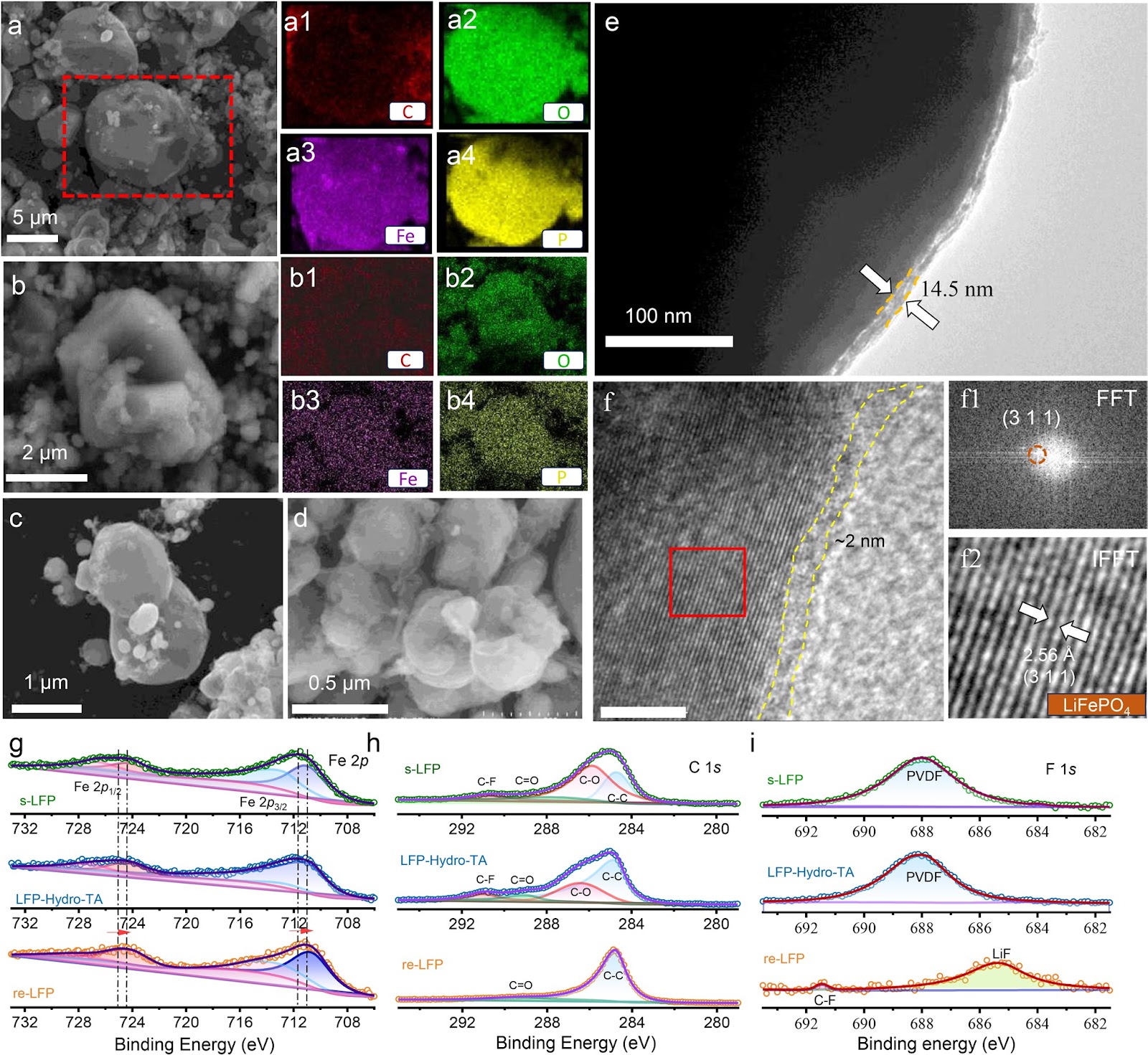
The rapid accumulation of spent LiFePO4 (LFP) cathodes from retired lithium-ion batteries necessitates the development of effective and environmental-friendly recycling strategies. In this context, direct regeneration has emerged as a promising approach for reclaiming LFP cathode materials, offering a streamlined pathway to restore their electrochemical functionality. We report an integrated regeneration protocol that simultaneously repairs the degraded crystal structure and reconstructs the damaged carbon coating in spent LFP. The regenerated cathode material had superfast lithium-ion diffusion kinetics and a stable cathode–electrolyte interface, giving a remarkable rate capability with specific capacities of 122 mAh g−1 at 5C and 106 mAh g−1 at 10C (1C = 170 mA g−1). It also maintained capacities of 110.7 mAh g−1 (5C) and 84.1 mAh g−1 (10C) after 400 cycles. It could be used in harsh environments and could be stably cycled at subzero temperatures (−10 and −20 °C) and in solid-state electrolyte batteries. Life cycle assessment combined with economic evaluation using the EverBatt model reveals that this direct regeneration approach has high economic and environmental benefits.
Oxide Semiconductor for Advanced Memory Architectures: Atomic Layer Deposition, Key Requirement and Challenges
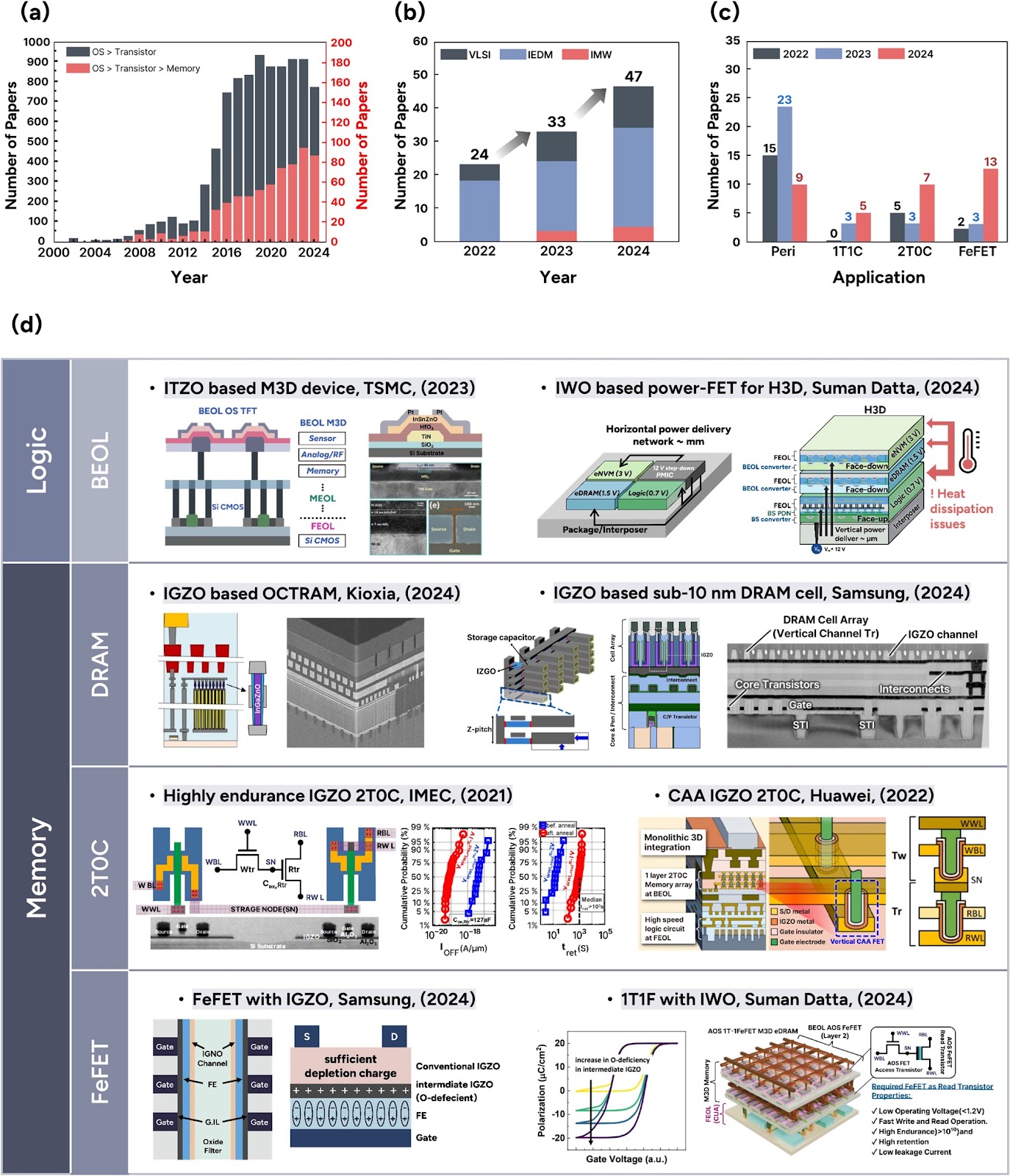
Oxide semiconductors (OSs), introduced by the Hosono group in the early 2000s, have evolved from display backplane materials to promising candidates for advanced memory and logic devices. The exceptionally low leakage current of OSs and compatibility with three-dimensional (3D) architectures have recently sparked renewed interest in their use in semiconductor applications. This review begins by exploring the unique material properties of OSs, which fundamentally originate from their distinct electronic band structure. Subsequently, we focus on atomic layer deposition (ALD), a core technique for growing excellent OS films, covering both basic and advanced processes compatible with 3D scaling. The basic surface reaction mechanisms—adsorption and reaction—and their roles in film growth are introduced. Furthermore, material design strategies, such as cation selection, crystallinity control, anion doping, and heterostructure engineering, are discussed. We also highlight challenges in memory applications, including contact resistance, hydrogen instability, and lack of p-type materials, and discuss the feasibility of ALD-grown OSs as potential solutions. Lastly, we provide an outlook on the role of ALD-grown OSs in memory technologies. This review bridges material fundamentals and device-level requirements, offering a comprehensive perspective on the potential of ALD-driven OSs for next-generation semiconductor memory devices.
Laser powder bed fusion of biodegradable Zn-4Cu alloy: Processing, microstructure and properties
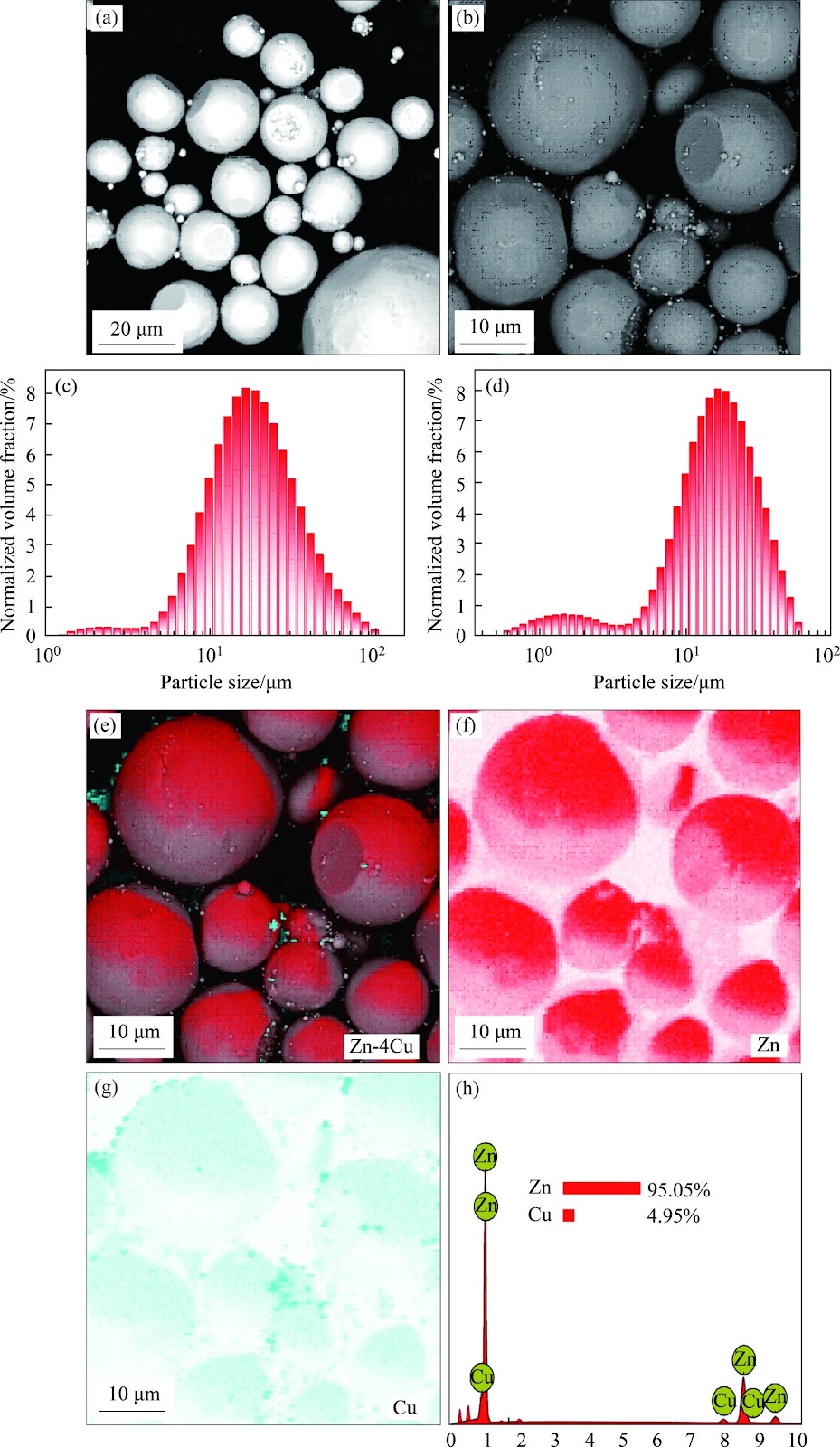
Zn's natural degradability and biocompatibility make it a promising candidate for implants, however, its mechanical properties remain insufficient for bone applications. In this study, the performance of Zn was enhanced by developing Zn-Cu alloys via laser powder bed fusion (LPBF). Optimal LPBF parameters for forming stable tracks were achieved by adjusting laser power and scanning speed. Under optimized conditions of 100 W and 100 mm/s, high-density (99.58%) Zn-Cu alloys with improved hardness (68.2HV) and yield strength (160 MPa) were achieved. These improvements are attributed to solid solution strengthening, segregation strengthening, and grain refinement. The Zn-Cu alloys also demonstrated favorable degradation behavior, with a rate of 0.16 mm/year. This degradation is primarily driven by micro-galvanic corrosion between the CuZn5 phase and Zn matrix, along with refined grains and increased grain boundary density. This work demonstrates a viable strategy for fabricating Zn-based implants with enhanced structural integrity and mechanical performance via LPBF.