Key Takeaways & Executive Findings
- •• Polymer nanocomposite coatings (PNCCs) offer multifunctional properties including corrosion protection, mechanical resistance, antimicrobial activity, chemical durability, electrical insulation, and UV aging resistance, making them highly valuable across industries. • The review systematically covers the chemistry and applications of major PNCC systems, particularly epoxy and polyurethane, highlighting the role of inorganic nanofillers such as ZnO, TiO2, CNTs, graphene, and others. • The author's own contributions to developing innovative functional polymer nanocomposites are presented, emphasizing economic and industrial impacts and future directions. • The paper provides a comprehensive overview of recent advances and applications of PNCCs, serving as a key reference for researchers and engineers in materials science and coating technology.
Abstract
Polymer nanocomposite coatings (PNCCs) are unprecedented generation of coatings engineered for displaying inexpensive and brilliant functional surface coatings with eminent corrosion guard, mechanical resistance, antimicrobial, chemical durability, electrical insulation, and UV aging features. Due to their widely anticipation in petroleum, applications in building, conveyance, aerospace, electronics, automobiles and energy, these multi-functional coatings have a tremendous leverage in human life, all technological and scientific subjects. Numerous applications have been made for multilateral polymers like polyurethane (PU), epoxy (EP), polyaniline (PANI) conductive polymer, polypyrrole (PPy), and etc, on various metallic surfaces especially, carbon steel substrate owing to their excellent resistance properties. Practically, nanomaterials can possess potential in the all-interdisciplinary domains of materials science and engineering, chemical and physical sciences, biological and health sciences. As known, the designed polymer nanocomposite coating paradigm is fundamentally constituted from polymer or resin as a vehicle and inorganic nanofillers (nanoparticles and nanocomposites). Some commercialized and excessively employed nanocontainers in polymer nanocomposite coating formulations, like ZnO, TiO2, carbon nanotubes (CNTs), clay, SiO2, Al2O3, graphene, GO, CeO2, ZrO2, FeTiO3, etc were discussed. The current review covered the chemistry and potential applications of the largest utilized multifunctional polymer nanocomposite coatings such as EP, PU and other considerable PNCCs. Lately, a titanic attention was made for epoxy nanocomposites because of their distinct physicochemical characteristics, which result from the combined qualities of the nanoparticles and polymer material unity. In addition, the author incorporated some of his scientific contributions in this area represented in construction of innovative functional polymer nanocomposites for a variety of uses with high economic, industrial impacts and future orientation. Furthermore, some newly published applications of polymer nanocomposite coatings were incorporated and discussed.
1. Introduction
Nanocomposites are the heterogeneous multiphase solid materials where one of the phases has nanoscale structures like nanorods, nanospheres, nanotubes, or nanoflower [1, 2]. Nanocomposites can be constructed by adding one substance into other by different ways as sol-gel process, mixing of melt and solution, in-situ polymerization, precipitation methods, and electrospinning resulting in new characteristic materials with superior properties against the individual substances [3, 4]. These superb characteristics include corrosion prevention, stiffness, wear resistance, damaged structures repair, chemical stability, and etc [4].
A nanocomposite coating is a substance constructed from at least two immiscible phases, in which one phase must contain at least one dimensional nanoscaled-material and the other main phase is the dispersing material [5]. Based on the structure of nanocontainers and matrix as dispersing polymer or resin, nanocomposite coatings (NCC) were classified into several categories. Firstly, based on the type of nanostructured materials (nanofillers), NCCs containing 0D: the filler is with three nano-scaled dimensions such as nanoparticles; 1D: the filler is with two nano-scaled dimensions such as nanotubes or whiskers; and 2D: the filler is with one nano-scaled dimension such as nanolayers [5]. Furthermore, based on the organic and inorganic dispersing matrix, NCCs are divided into different frameworks such as inorganic/organic (I/O), organic/inorganic (O/I), organic/organic (O/O), and inorganic/inorganic (I/I). Examples on organic matrices are mostly polymers like epoxy resin [6], polyurethane [7], polyamide [8], polyacrylate [9], polyethylene glycol (PEG) [10], polyvinylidene fluoride (PVDF) [11], polyvinyl alcohol (PVA) [12], polyester [13], polycarbonate [14], etc. are variably employed. Organic matrix containing natural polymers like starch, gluten, chitosan (CS), and vegetable oils were also reported [15]. Pine needles, a natural fiber were also used in the making of nanocomposite coats [16]. Another examples on inorganic matrices are like metal carbides (WC-Co) [17], metal oxides (SiO2, Fe2O3) [18], clay [19], carbon nanotube (CNT) [20].
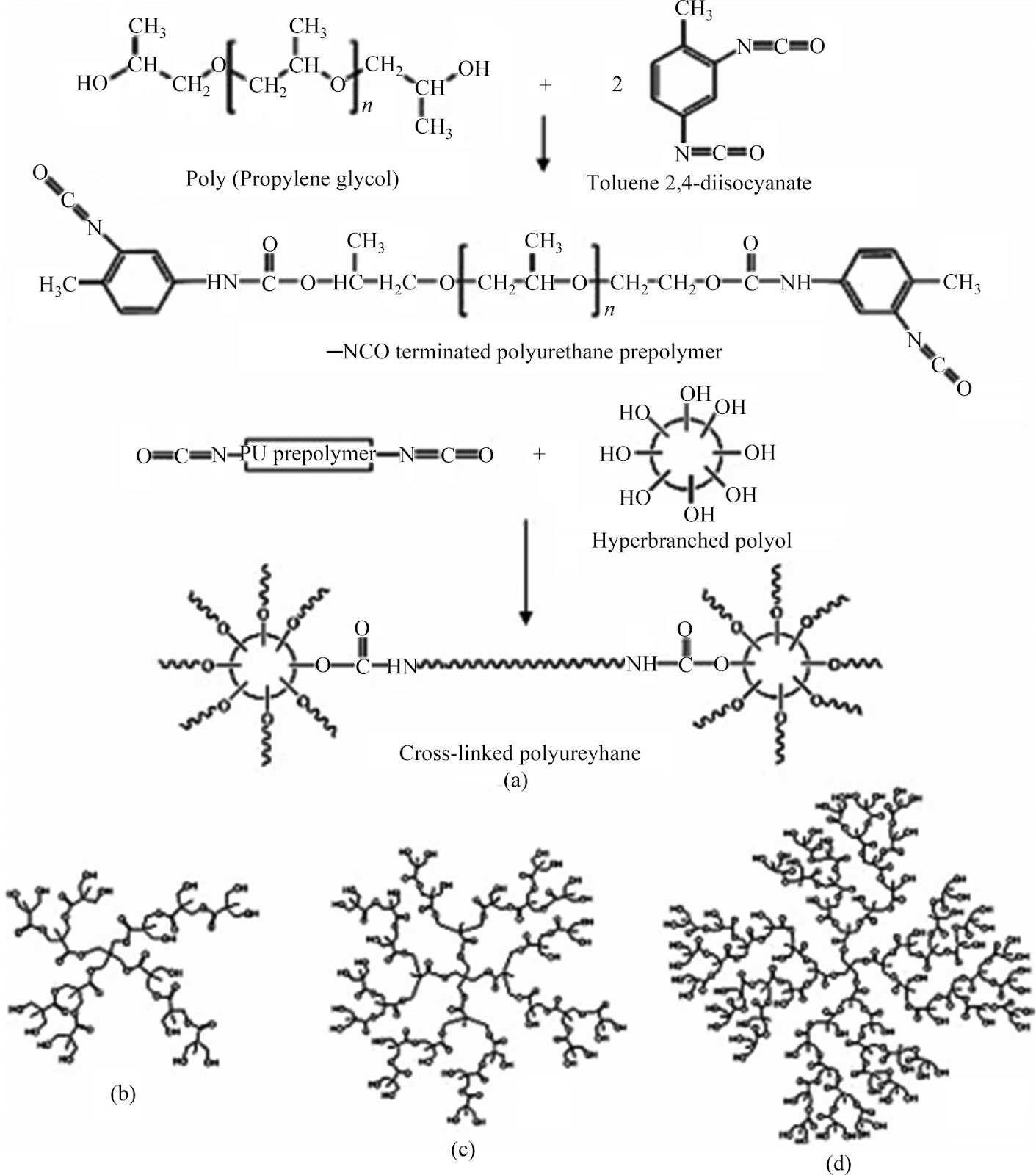
Coating layer can provide a protective barrier for impeding the permeation of corrosive species including H2O, O2, or ions. Most of polymer molecules consist of methylene group (CH2) repeated units which display excelle
Loading authentic research manuscript (Pages 1–5)...
A.M. FADL (2026). Chemistry and potential applications of multifunctional polymer nanocomposite coatings: A review. Journal of Central South University. https://doi.org/10.1007/s11771-025-6102-4
Research & Educational Purpose Only:The translations, structured abstracts, analytical annotations, and data reports provided by SinoTechIntel are intended exclusively for academic research, internal corporate R&D, and educational benchmarking. They do not constitute formal engineering, chemical safety, legal, or professional advice.
Copyright & Intellectual Property Notice: Original copyright of the underlying source articles and experimental data remains with the respective authors, institutions, and original publishing journals. SinoTechIntel claims intellectual property only over its proprietary translations, analytical syntheses, and AEO structured enhancements in accordance with international fair use and academic citation principles.
Frequently Asked Questions
What are polymer nanocomposite coatings (PNCCs)?
Polymer nanocomposite coatings are advanced coating systems composed of a polymer matrix and inorganic nanofillers, engineered to provide multifunctional properties such as corrosion protection, mechanical resistance, antimicrobial activity, chemical durability, electrical insulation, and UV aging resistance.
What are the main types of nanofillers used in PNCCs?
Common nanofillers include zinc oxide (ZnO), titanium dioxide (TiO2), carbon nanotubes (CNTs), clay, silica (SiO2), alumina (Al2O3), graphene, graphene oxide (GO), cerium oxide (CeO2), zirconium oxide (ZrO2), and iron titanate (FeTiO3).
Which polymers are commonly used as matrices in PNCCs?
Epoxy (EP) and polyurethane (PU) are the most widely used polymers, along with others like polyaniline (PANI), polypyrrole (PPy), polyamide, polyacrylate, and natural polymers such as chitosan.
What are the key applications of PNCCs?
PNCCs are used in petroleum, building, transportation, aerospace, electronics, automotive, and energy sectors, primarily for corrosion protection, mechanical reinforcement, antimicrobial surfaces, and UV resistance.
What is the significance of this review?
This review provides a comprehensive overview of the chemistry and potential applications of multifunctional polymer nanocomposite coatings, highlighting recent advances, the author's contributions, and future directions, making it a valuable resource for researchers and engineers.
Related Technical Papers & Translations
Direct Repair of the Crystal Structure and Coating Surface of Spent LiFePO4 Materials Enables Superfast Li-Ion Migration
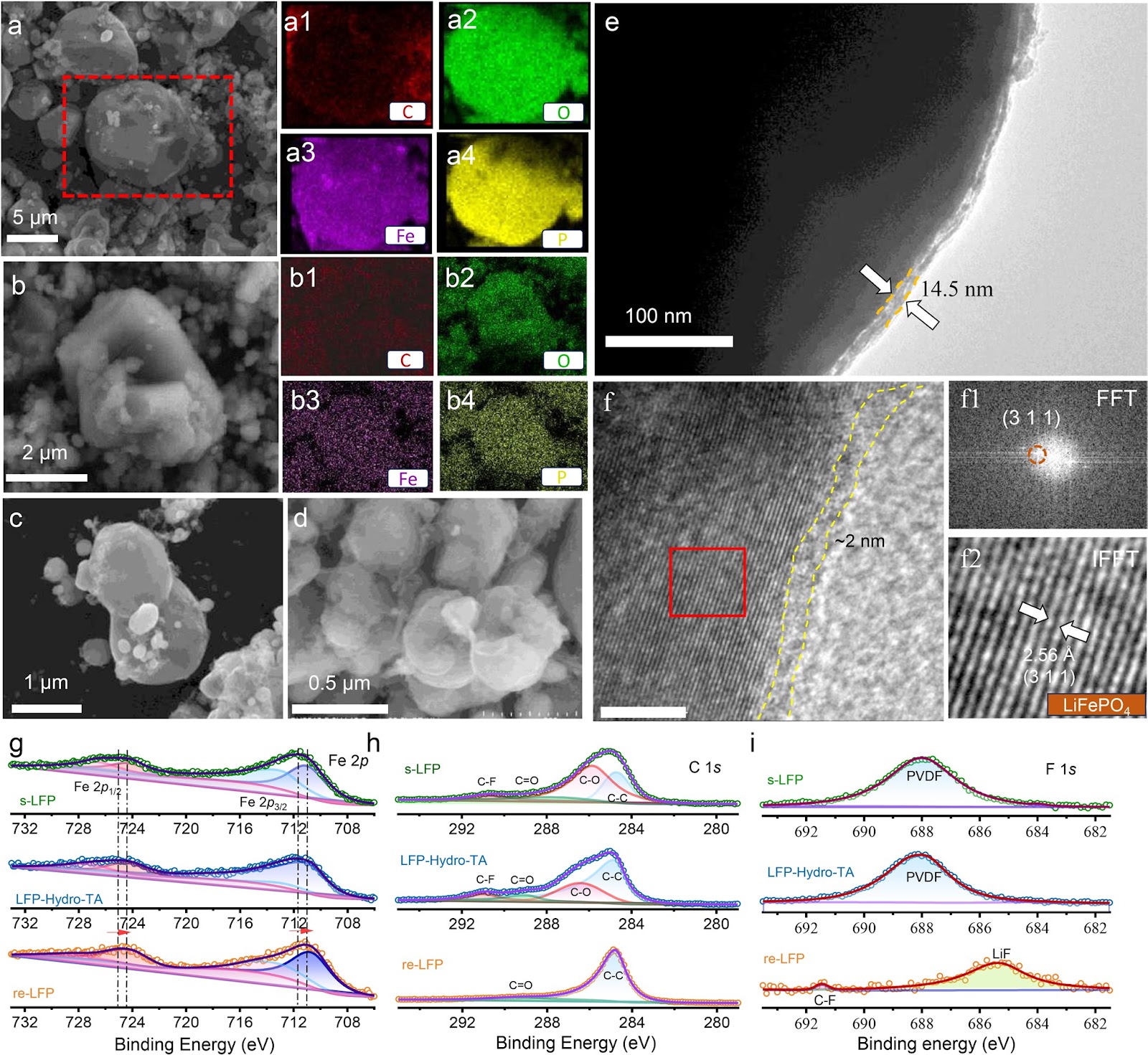
The rapid accumulation of spent LiFePO4 (LFP) cathodes from retired lithium-ion batteries necessitates the development of effective and environmental-friendly recycling strategies. In this context, direct regeneration has emerged as a promising approach for reclaiming LFP cathode materials, offering a streamlined pathway to restore their electrochemical functionality. We report an integrated regeneration protocol that simultaneously repairs the degraded crystal structure and reconstructs the damaged carbon coating in spent LFP. The regenerated cathode material had superfast lithium-ion diffusion kinetics and a stable cathode–electrolyte interface, giving a remarkable rate capability with specific capacities of 122 mAh g−1 at 5C and 106 mAh g−1 at 10C (1C = 170 mA g−1). It also maintained capacities of 110.7 mAh g−1 (5C) and 84.1 mAh g−1 (10C) after 400 cycles. It could be used in harsh environments and could be stably cycled at subzero temperatures (−10 and −20 °C) and in solid-state electrolyte batteries. Life cycle assessment combined with economic evaluation using the EverBatt model reveals that this direct regeneration approach has high economic and environmental benefits.
Oxide Semiconductor for Advanced Memory Architectures: Atomic Layer Deposition, Key Requirement and Challenges
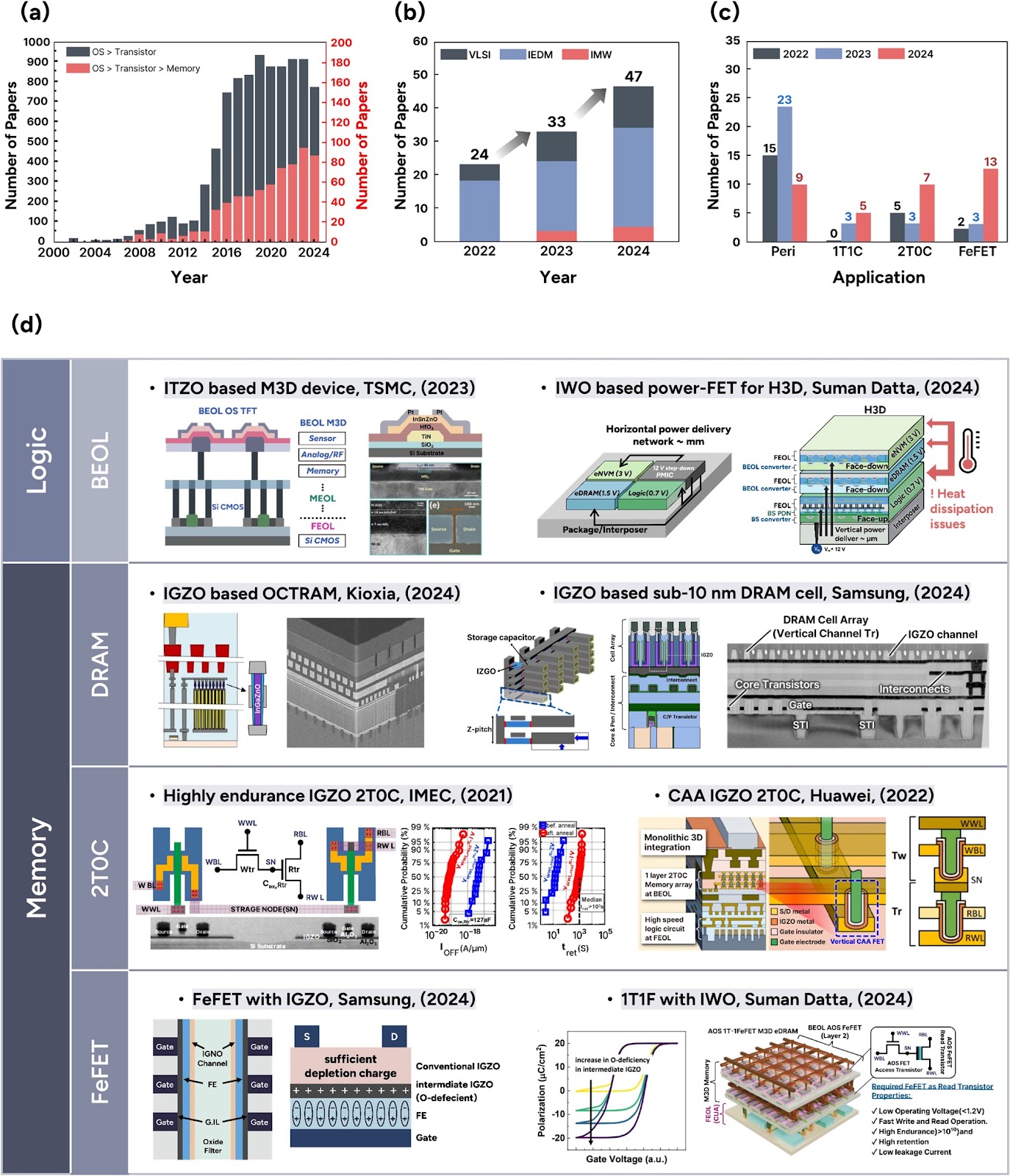
Oxide semiconductors (OSs), introduced by the Hosono group in the early 2000s, have evolved from display backplane materials to promising candidates for advanced memory and logic devices. The exceptionally low leakage current of OSs and compatibility with three-dimensional (3D) architectures have recently sparked renewed interest in their use in semiconductor applications. This review begins by exploring the unique material properties of OSs, which fundamentally originate from their distinct electronic band structure. Subsequently, we focus on atomic layer deposition (ALD), a core technique for growing excellent OS films, covering both basic and advanced processes compatible with 3D scaling. The basic surface reaction mechanisms—adsorption and reaction—and their roles in film growth are introduced. Furthermore, material design strategies, such as cation selection, crystallinity control, anion doping, and heterostructure engineering, are discussed. We also highlight challenges in memory applications, including contact resistance, hydrogen instability, and lack of p-type materials, and discuss the feasibility of ALD-grown OSs as potential solutions. Lastly, we provide an outlook on the role of ALD-grown OSs in memory technologies. This review bridges material fundamentals and device-level requirements, offering a comprehensive perspective on the potential of ALD-driven OSs for next-generation semiconductor memory devices.
Laser powder bed fusion of biodegradable Zn-4Cu alloy: Processing, microstructure and properties
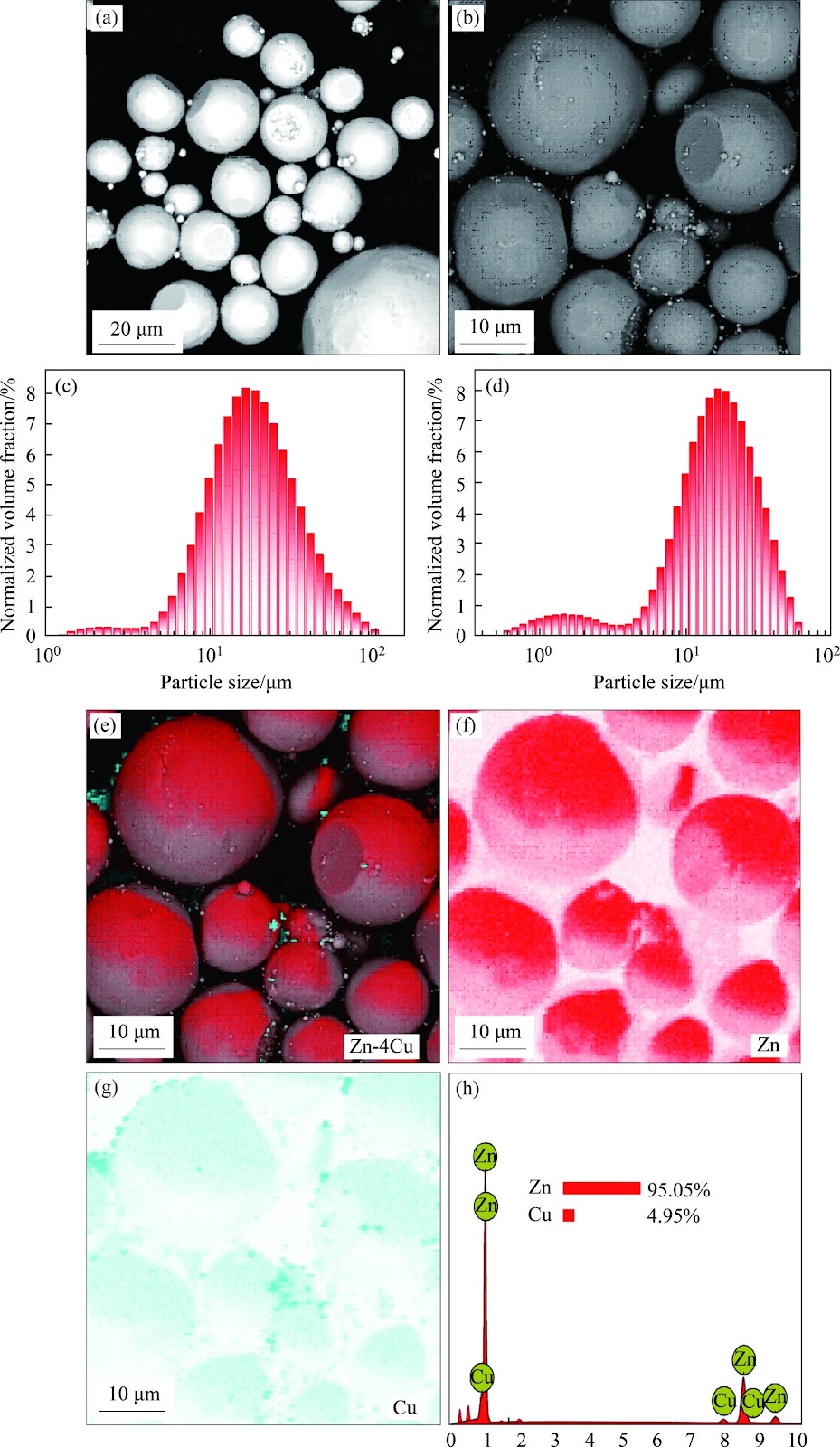
Zn's natural degradability and biocompatibility make it a promising candidate for implants, however, its mechanical properties remain insufficient for bone applications. In this study, the performance of Zn was enhanced by developing Zn-Cu alloys via laser powder bed fusion (LPBF). Optimal LPBF parameters for forming stable tracks were achieved by adjusting laser power and scanning speed. Under optimized conditions of 100 W and 100 mm/s, high-density (99.58%) Zn-Cu alloys with improved hardness (68.2HV) and yield strength (160 MPa) were achieved. These improvements are attributed to solid solution strengthening, segregation strengthening, and grain refinement. The Zn-Cu alloys also demonstrated favorable degradation behavior, with a rate of 0.16 mm/year. This degradation is primarily driven by micro-galvanic corrosion between the CuZn5 phase and Zn matrix, along with refined grains and increased grain boundary density. This work demonstrates a viable strategy for fabricating Zn-based implants with enhanced structural integrity and mechanical performance via LPBF.