SinoTechIntel Academic Portal
🏛️ Indexed Academic Journal

Nano-Micro Letters

Access authentic peer-reviewed engineering methodologies, experimental datasets, and scientific literature published in this journal on SinoTechIntel.

Total Research Papers: 200
Access: 100% Free Open Access
Browse by Publication Year & VolumeReset All Filters ✕

Published Research PapersFiltered: Year 2026 • 18 • Issue 1

Showing 28 of 200 peer-reviewed papers with full Graphical Abstracts.

Original ResearchVol. 18, Issue 1 • pp. 137DOI: 10.1007/s40820-025-01980-1Jan 15, 2026

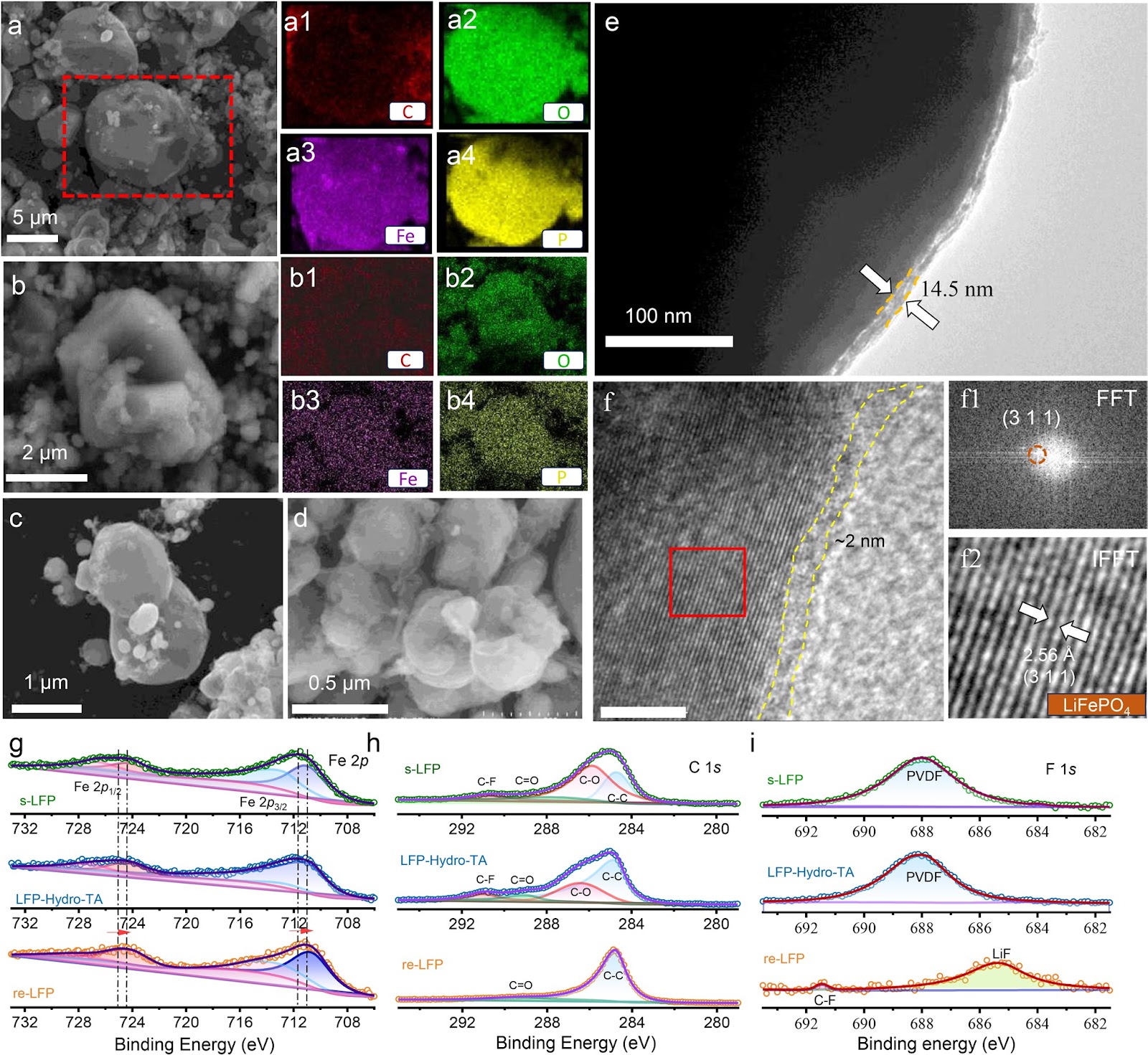
Direct Repair of the Crystal Structure and Coating Surface of Spent LiFePO4 Materials Enables Superfast Li-Ion Migration

Authors: Yuanqi Lan, Jianfeng Wen, Yatian Zhang, Xuexia Lan, Tianyi Song, Jie Zhu, Jing Peng, Wenjiao Yao, Yongbing Tang, Hui-Ming Cheng

The rapid accumulation of spent LiFePO4 (LFP) cathodes from retired lithium-ion batteries necessitates the development of effective and environmental-friendly recycling strategies. In this context, direct regeneration has emerged as a promising approach for reclaiming LFP cathode materials, offering a streamlined pathway to restore their electrochemical functionality. We report an integrated regeneration protocol that simultaneously repairs the degraded crystal structure and reconstructs the damaged carbon coating in spent LFP. The regenerated cathode material had superfast lithium-ion diffusion kinetics and a stable cathode–electrolyte interface, giving a remarkable rate capability with specific capacities of 122 mAh g−1 at 5C and 106 mAh g−1 at 10C (1C = 170 mA g−1). It also maintained capacities of 110.7 mAh g−1 (5C) and 84.1 mAh g−1 (10C) after 400 cycles. It could be used in harsh environments and could be stably cycled at subzero temperatures (−10 and −20 °C) and in solid-state electrolyte batteries. Life cycle assessment combined with economic evaluation using the EverBatt model reveals that this direct regeneration approach has high economic and environmental benefits.
Direct Repair of the Crystal Structure and Coating Surface of Spent LiFePO4 Materials Enables Superfast Li-Ion Migration
Graphical Abstract
Original ResearchVol. 18, Issue 1 • pp. 180DOI: 10.1007/s40820-025-02013-7Jan 15, 2026

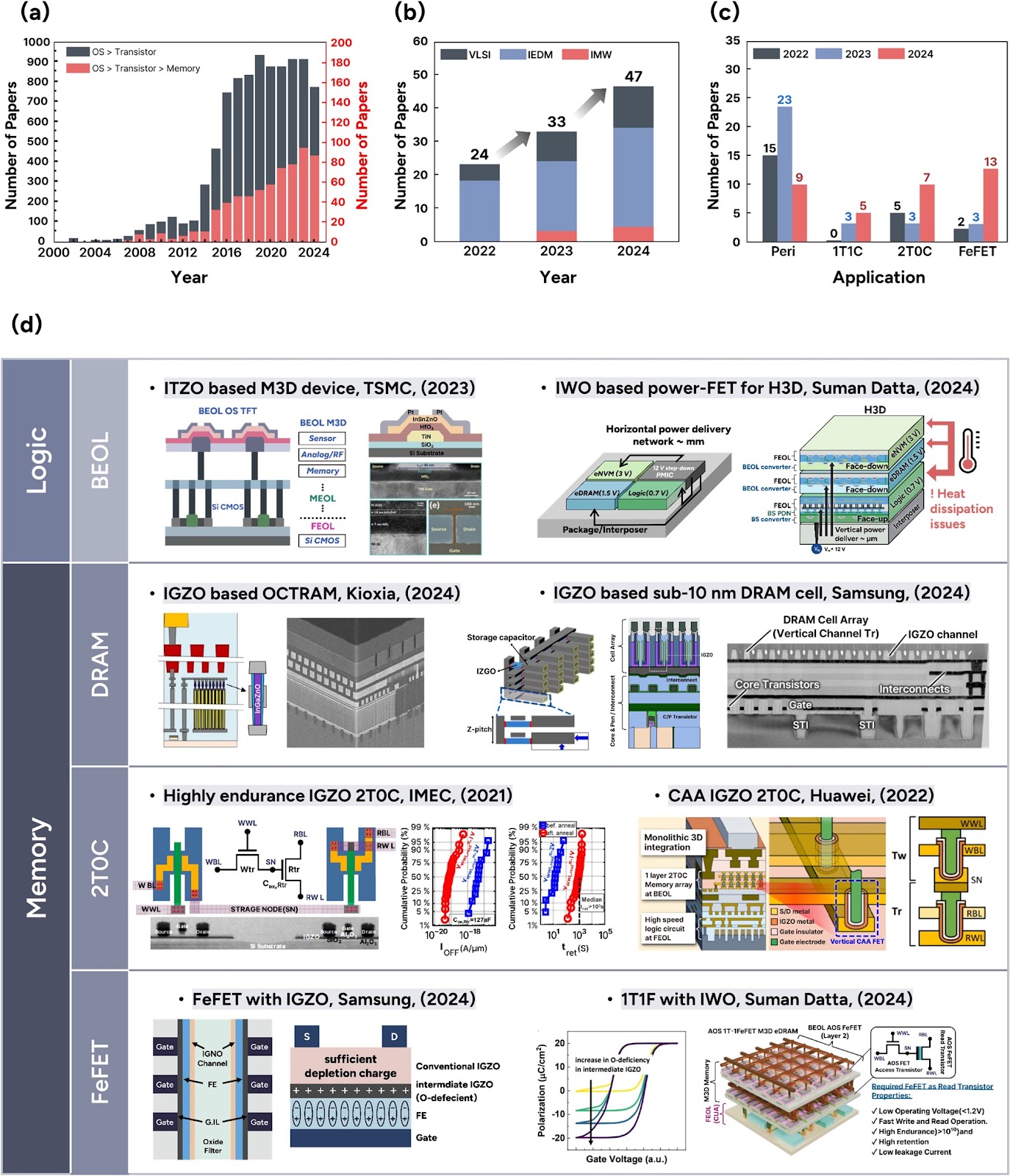
Oxide Semiconductor for Advanced Memory Architectures: Atomic Layer Deposition, Key Requirement and Challenges

Authors: Chi-Hoon Lee, Seong-Hwan Ryu, Taewon Hwang, Sang-Hyun Kim, Yoon-Seo Kim, Jin-Seong Park

Oxide semiconductors (OSs), introduced by the Hosono group in the early 2000s, have evolved from display backplane materials to promising candidates for advanced memory and logic devices. The exceptionally low leakage current of OSs and compatibility with three-dimensional (3D) architectures have recently sparked renewed interest in their use in semiconductor applications. This review begins by exploring the unique material properties of OSs, which fundamentally originate from their distinct electronic band structure. Subsequently, we focus on atomic layer deposition (ALD), a core technique for growing excellent OS films, covering both basic and advanced processes compatible with 3D scaling. The basic surface reaction mechanisms—adsorption and reaction—and their roles in film growth are introduced. Furthermore, material design strategies, such as cation selection, crystallinity control, anion doping, and heterostructure engineering, are discussed. We also highlight challenges in memory applications, including contact resistance, hydrogen instability, and lack of p-type materials, and discuss the feasibility of ALD-grown OSs as potential solutions. Lastly, we provide an outlook on the role of ALD-grown OSs in memory technologies. This review bridges material fundamentals and device-level requirements, offering a comprehensive perspective on the potential of ALD-driven OSs for next-generation semiconductor memory devices.

Oxide Semiconductor for Advanced Memory Architectures: Atomic Layer Deposition, Key Requirement and Challenges
Graphical Abstract
Original ResearchVol. 18, Issue 1 • pp. 172DOI: 10.1007/s40820-025-01997-6Jan 15, 2026

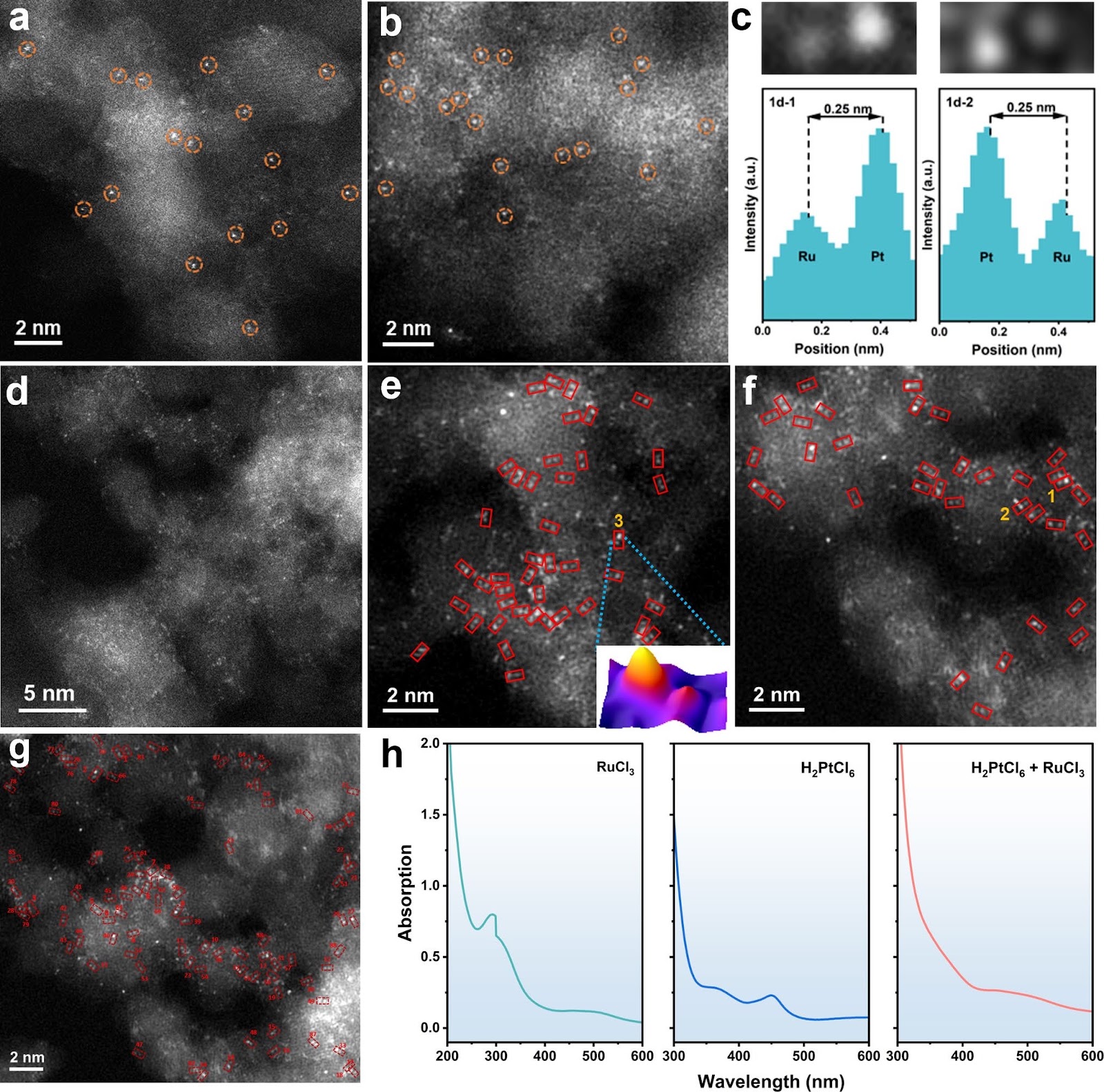
Atomically Dispersed Pt-Ru Dual-Atom Catalysts for Efficient Low-Temperature CO Oxidation Reaction

Authors: Yanan Qi, Hongqiu Chen, Feng Hong, Xiangbin Cai, Zhehan Ying, Jiangyong Diao, Zhimin Jia, Jiawei Chen, Ning Wang, Shengling Xiang, Xiaowen Chen, Guodong Wen, Bo Sun, Geng Sun, Hongyang Liu

Single-atom catalysts (SACs) have demonstrated excellent performance in heterogeneous catalytic reactions owing to their maximized atomic efficiency, distinctive geometric, and electronic configurations. However, the efficacy of SACs remains limited for certain reactions requiring simultaneous activation of multiple reactants over metallic active sites. Herein, we report an atomically dispersed Pt1Ru1 dual-atom pair site anchored on nanodiamond@graphene (ND@G) for CO oxidation. The Pt1Ru1 dual-atom catalyst shows an exceptional turnover frequency (TOF) of 17.6 × 10⁻² s−1 at significantly lower temperature (30 °C), achieving a tenfold increase in TOF compared to single-atom Pt1/ND@G catalyst (1.5 × 10⁻² s−1) and surpassing to previously reported Pt-based catalysts under similar conditions. Moreover, the catalyst demonstrates excellent stability, maintaining its activity for 40 h at 80 °C without significant deactivation. The superior catalytic performance of Pt-Ru dual-atom catalysts is attributed to the synergistic effect between Pt and Ru atoms with enhanced metallicity for improving simultaneous adsorption and activation of CO and O2, and the tuning of conventional competitive reactant adsorption into a non-competitive pathway over dual-atom pair sites. The present work manifests the advantages of dual-atom pair sites in heterogeneous catalysis and paves the way for precise design of catalysts at the atomic scale.

Atomically Dispersed Pt-Ru Dual-Atom Catalysts for Efficient Low-Temperature CO Oxidation Reaction
Graphical Abstract
Original ResearchVol. 18, Issue 1 • pp. 158DOI: 10.1007/s40820-025-01989-6Jan 15, 2026

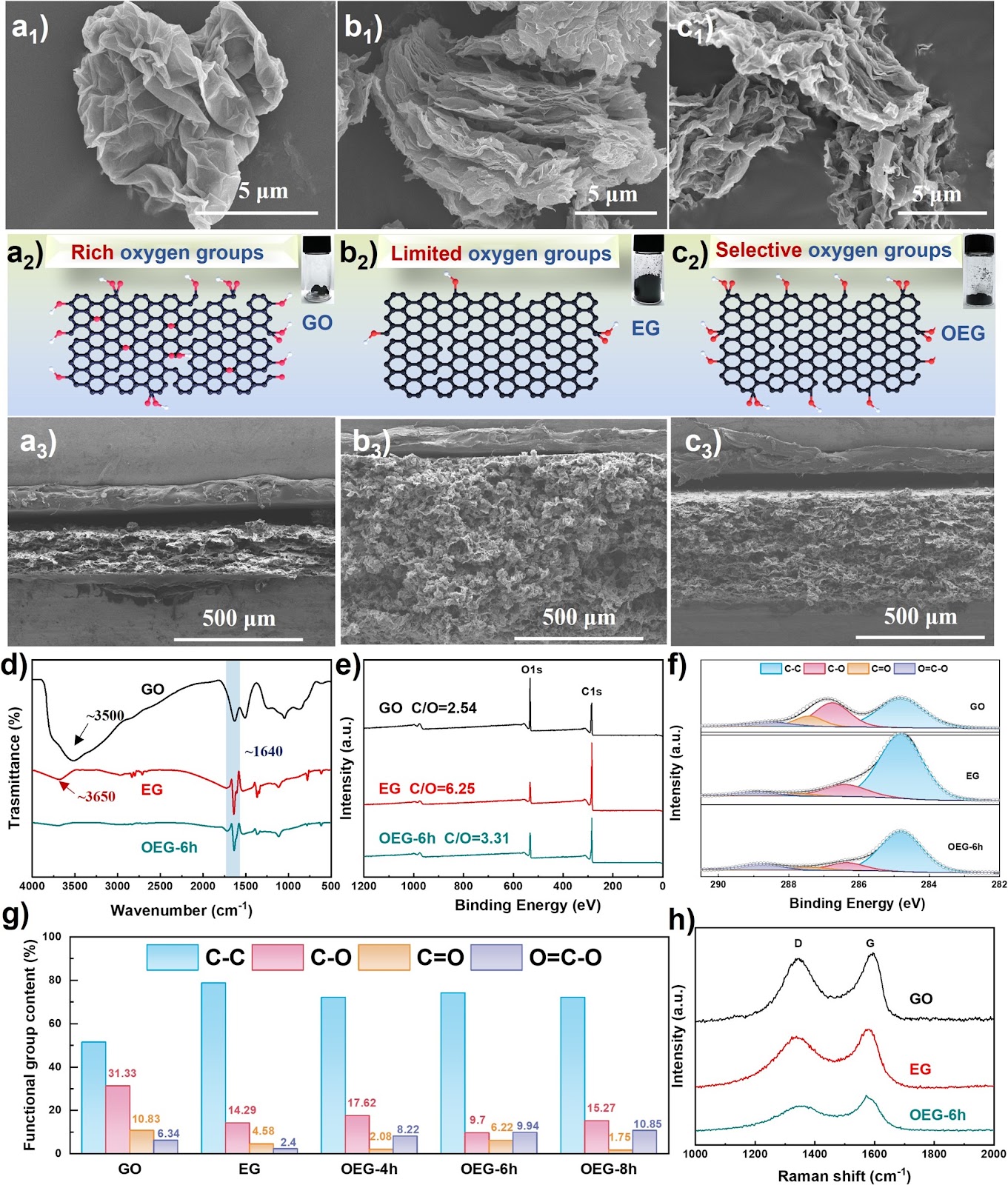
Synergistic Design of Flexible Nanopapers for High-Performance Proton Pseudocapacitors

Authors: Jiayue Dong, Zhaoqing Lu, Li Hua, Zizhan Guo, Xiaoxu Xu, Jinlong Wu, Fengfeng Jia, Yuanming Wang

Two-dimensional materials for flexible energy storage commonly face huge challenges in limited active surface and hindered charge transport. Herein, we report an innovative asymmetric pseudocapacitor based on synergistic design of modified MXene and graphene, integrating gas-induced rapid expansion technology and precise surface chemical regulation methods. For graphene modification, rapid vaporization induces exfoliation and expansion of graphene oxide layers. Subsequently, pseudocapacitive oxygen-containing groups were selectively introduced through acid oxidation, yielding expanded-and-oxidized graphene (OEG) for positive porous-nanopaper electrode. For MXene modification, alkali-treated MXene underwent hydrazine assistance to facilitate gas expansion and –NH2 grafting, producing MXene-NH2 (NOM) for negative porous-nanopaper electrode. Density functional theory calculations show that –COOH more effectively modulate graphene’s electronic structure by inducing charge redistribution and creating active sites, thereby enhancing H+ adsorption and ion interactions compared to –OH. Meanwhile, –NH2 on MXene enable electron delocalization and dynamic Ti–N–H+ interactions, speeding up proton adsorption/desorption and boosting both pseudocapacitance and conductivity. Through collaborative optimized spatial architecture and surface properties, flexible OEGB and NOMB exhibited of 333.6 and 500.5 F g−1 at high mass loading, respectively. The assembled proton pseudocapacitor readily achieved energy and power densities of 58.9 Wh kg−1 and 3802 W kg−1, respectively, with excellent stability for potential applications.

Synergistic Design of Flexible Nanopapers for High-Performance Proton Pseudocapacitors
Graphical Abstract
Original ResearchVol. 18, Issue 1 • pp. 140DOI: 10.1007/s40820-025-01965-0Jan 15, 2026

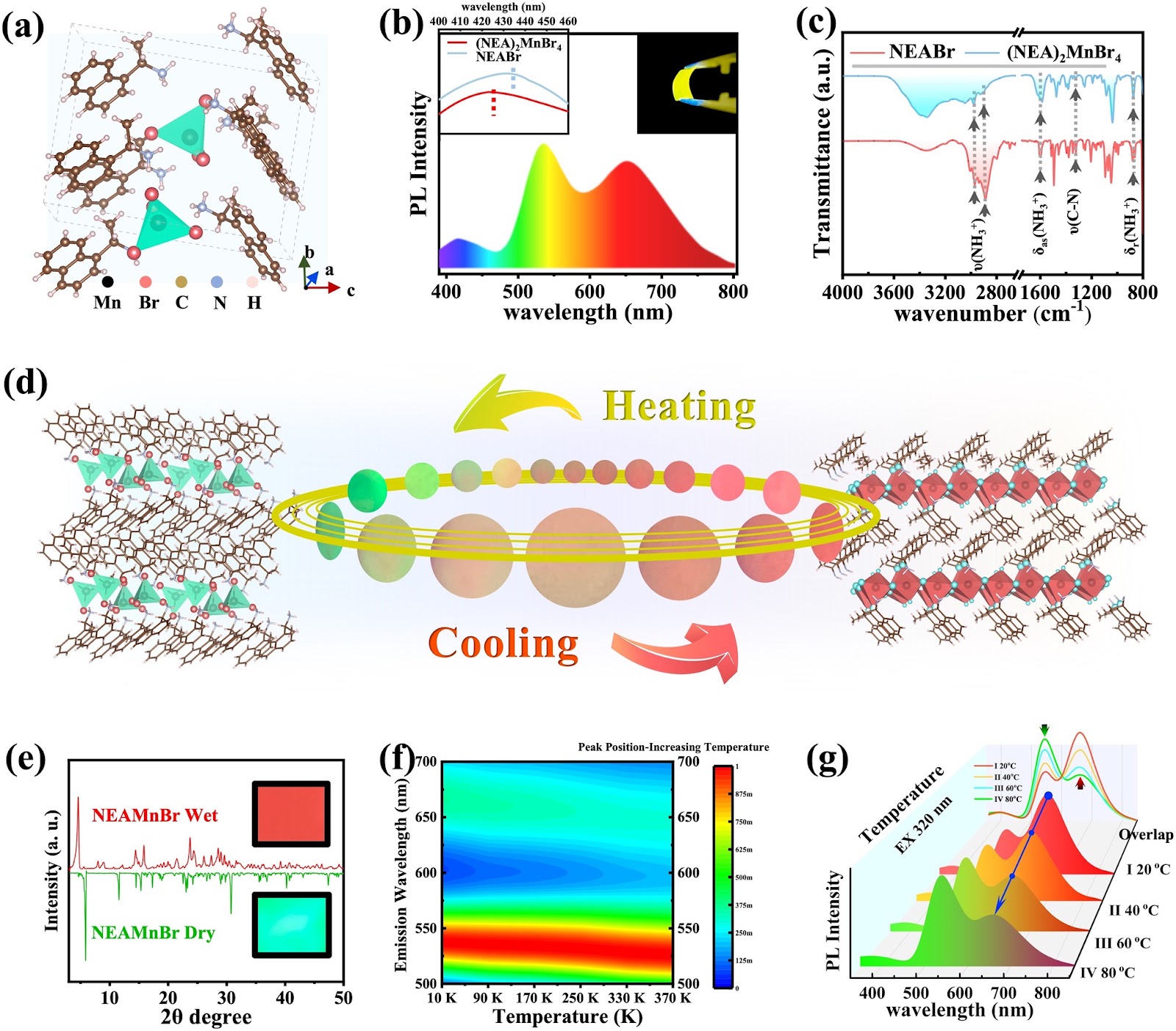
Modulation of Trichromatic Emission Centers in Organic–Inorganic Hybrids for Optoelectronic Applications

Authors: Weidong Cai, Chongyuan Li, Qiang Guo, Fuxiang Ji, Muyi Zhang, Yiqiang Zhan

Organic–inorganic metal halides (OIMHs) have emerged as highly promising novel multifunctional optoelectronic materials, owing to their easily adjustable properties from a variety of combinations of different components. But it is still difficult and rare to realize highly tunable multicolor luminescence within the same material. In this work, we successfully incorporated three adjustable emission centers in OIMHs to synthesize a novel OIMH (NEA)2MnBr4, with each emission center capable of emitting one of the primary colors—red, green, and blue. The green and red emissions originate from the tetrahedron and octahedron structures in the Mn-based frame, while the blue can be attributed to the contribution of organic components. Additionally, to achieve comparable emission intensity among the three primary colors, we enhanced the blue emission performance by optimizing the ratio of organic structure components and incorporating chirality in the OIMHs. The resulting high-quality films can be obtained by spin-coating method with a photoluminescence quantum yields of up to 96%. More interestingly, by the dual manipulation of excitation wavelength and temperature, the sample can be emitted at least seven distinct colors including a standard white luminescence at (0.33, 0.33), opening up promising prospects for multicolor luminescence applications such as high-end anti-counterfeiting technology, light-emitting diodes, X-ray imaging, latent fingerprints, humidity detection, and so on. Therefore, based on application scenarios and requirements, our research on this highly tunable luminescent OIMH material lays a solid foundation for further development of various functional properties of related materials.

Modulation of Trichromatic Emission Centers in Organic–Inorganic Hybrids for Optoelectronic Applications
Graphical Abstract
Original ResearchVol. 18, Issue 1 • pp. 153DOI: 10.1007/s40820-025-01975-yJan 15, 2026

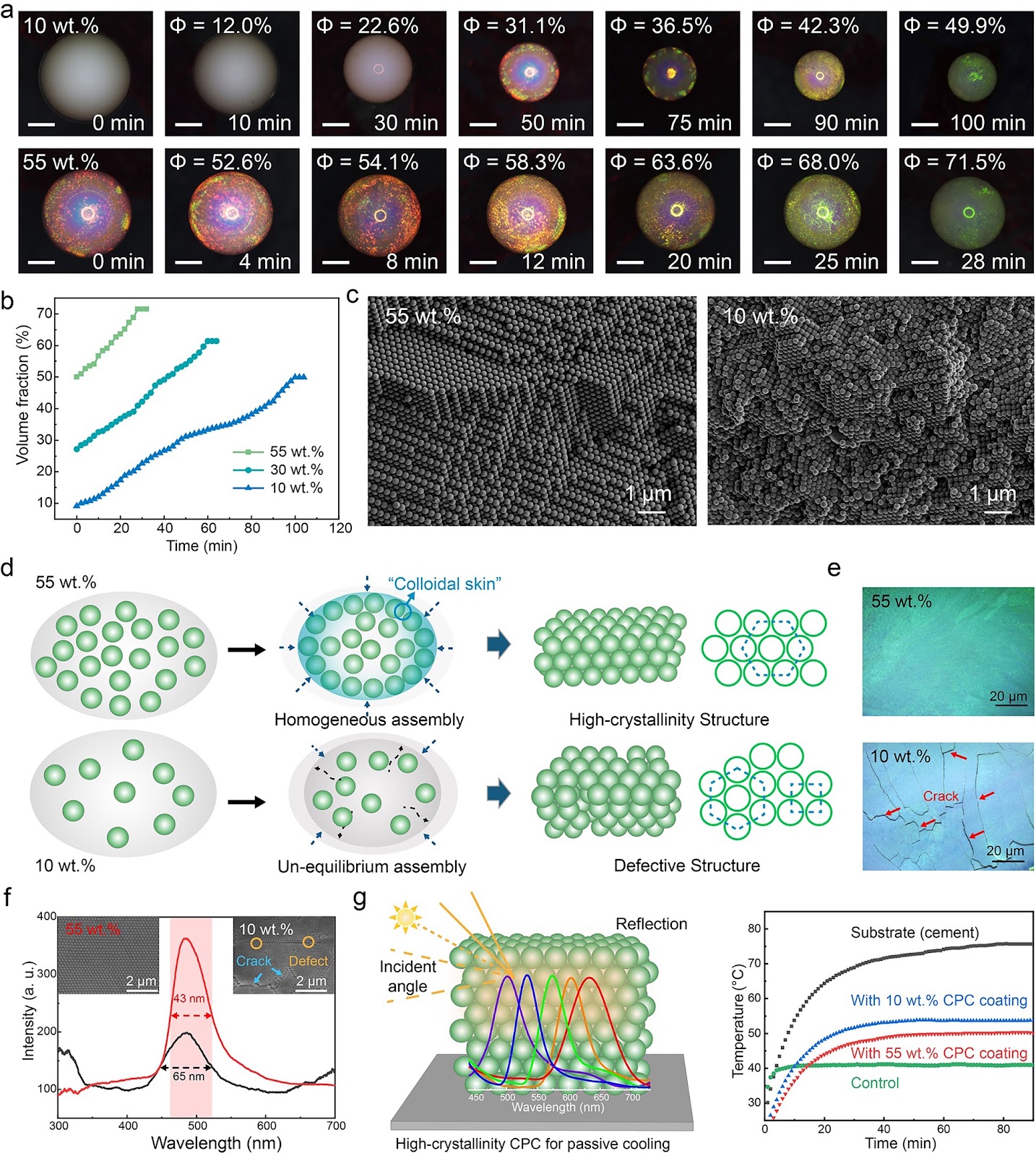
Scalable-Designed Photonic Metamaterial for Color-Regulating Passive Daytime Radiative Cooling

Authors: Xiao-Qing Yu, Fucheng Li, Jiawei Wang, Nianxiang Zhang, Guo-Xing Li, Yan Song, Qing Li, Su Chen

Methods allowing passive daytime radiative cooling (PDRC) to be carried out in an energy-efficient and scalable way are potentially important for various disciplines. Here, we report a sustainable strategy for scalable-designed and color-regulating PDRC coating based on high-crystallinity photonic metamaterial (crystallinity: 71.5%; enhanced assembly efficiency: 72%), that is derived from the as-prepared 55 wt% solid content poly(methyl methacrylate-butyl acrylate-methacrylic acid) P(MMA-BA-MAA) monodispersed latexes (approaching theoretical limit: 59 wt%). Robust meter-scale PDRC coatings are constructed by various industrial modes onto diverse surfaces, addressing bottlenecks like dull appearance, high cost, low efficiency, and hard construction. Notably, the solar reflectance, long-wave infrared emittance, and calculated theoretical cooling power of the designed PDRC coating, respectively, reach ~0.94, ~0.97, and ~95.5 W m−2 under solar radiation, which can achieve an average 5.3 °C sub-ambient daytime temperature drop in the summer in Nanjing. The cooling performance, scale preparation, and cost-effectiveness of the PDRC coating have extended into leading position compared with those of state-of-the-art designs. This work provides promising route to reduce carbon emissions and energy consumption for global sustainability.

Scalable-Designed Photonic Metamaterial for Color-Regulating Passive Daytime Radiative Cooling
Graphical Abstract
Original ResearchVol. 18, Issue 1 • pp. 183DOI: 10.1007/s40820-025-02012-8Jan 15, 2026

Scalable Manufacturing and Precise Patterning of Perovskites for Light-Emitting Diodes

Authors: Shuaiqi Liu, Hao Jiang, Jizhuang Wang, Li Liu, Zhiwen Zhou, Mojun Chen

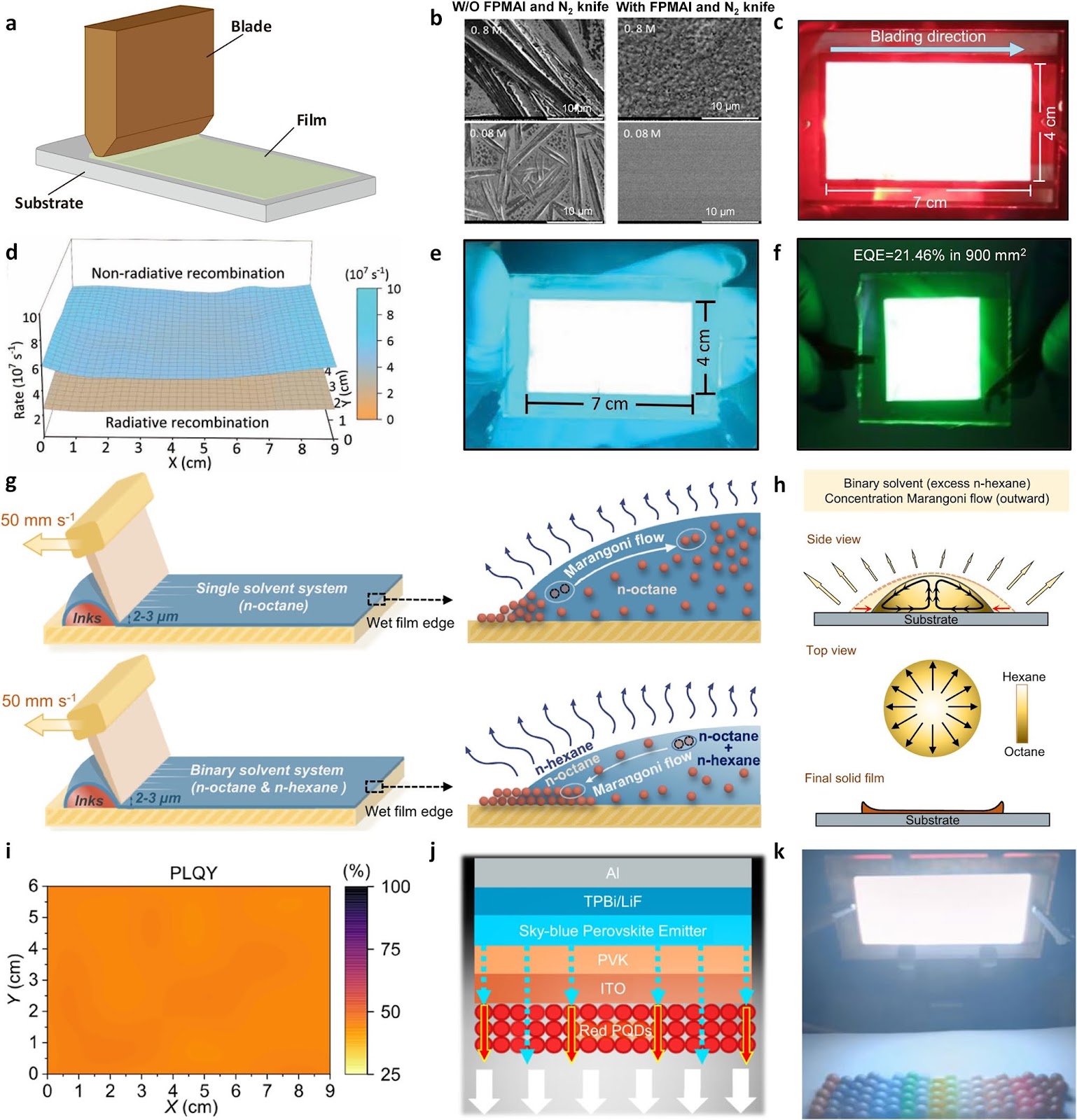
Owing to the exceptional optoelectronic properties, metal halide perovskites have emerged as leading semiconductor materials for next-generation display technologies, providing perovskite light-emitting diodes (PeLEDs) great potential for high-quality color displays with a wide color gamut and pure color emission. Although laboratory-scale PeLEDs have achieved near-theoretical efficiencies, challenges such as achieving uniform large-area films, improving material stability, and enhancing patterning precision remain barriers to commercialization. This review presents a systematic analysis of scalable manufacturing and precision patterning strategies for PeLEDs, focusing on their applications in large-area lighting and full-color displays. Fabrication methods are categorized into film deposition techniques (spin-coating, blade-coating, and thermal evaporation) and patterning strategies, including top-down (photolithography, laser/e-beam lithography, and nanoimprinting) and bottom-up (patterned crystal growth, inkjet printing, and electrohydrodynamic jet printing) approaches. In this review, we discuss the advantages and limitations of each strategy, highlight current challenges, and outlook possible pathways towards scalable, high-performance PeLEDs for advanced optoelectronic applications.

Scalable Manufacturing and Precise Patterning of Perovskites for Light-Emitting Diodes
Graphical Abstract
Original ResearchVol. 18, Issue 1 • pp. 178DOI: 10.1007/s40820-025-02015-5Jan 15, 2026

Enhancing Ultraviolet Stability and Operational Durability of Perovskite Photodetectors by Incorporating Chlorine into Thermally-Switchable Tautomeric Passivators

Authors: Yong Wang, Guangsheng Liu, Feng Lin, Yuqin Hu, Niu Lai, Junhong Lv, Shuming Ye, Jie Yang, Rongfei Wang, Feng Qiu, Yu Yang, Wenhua Zhang, Chong Wang

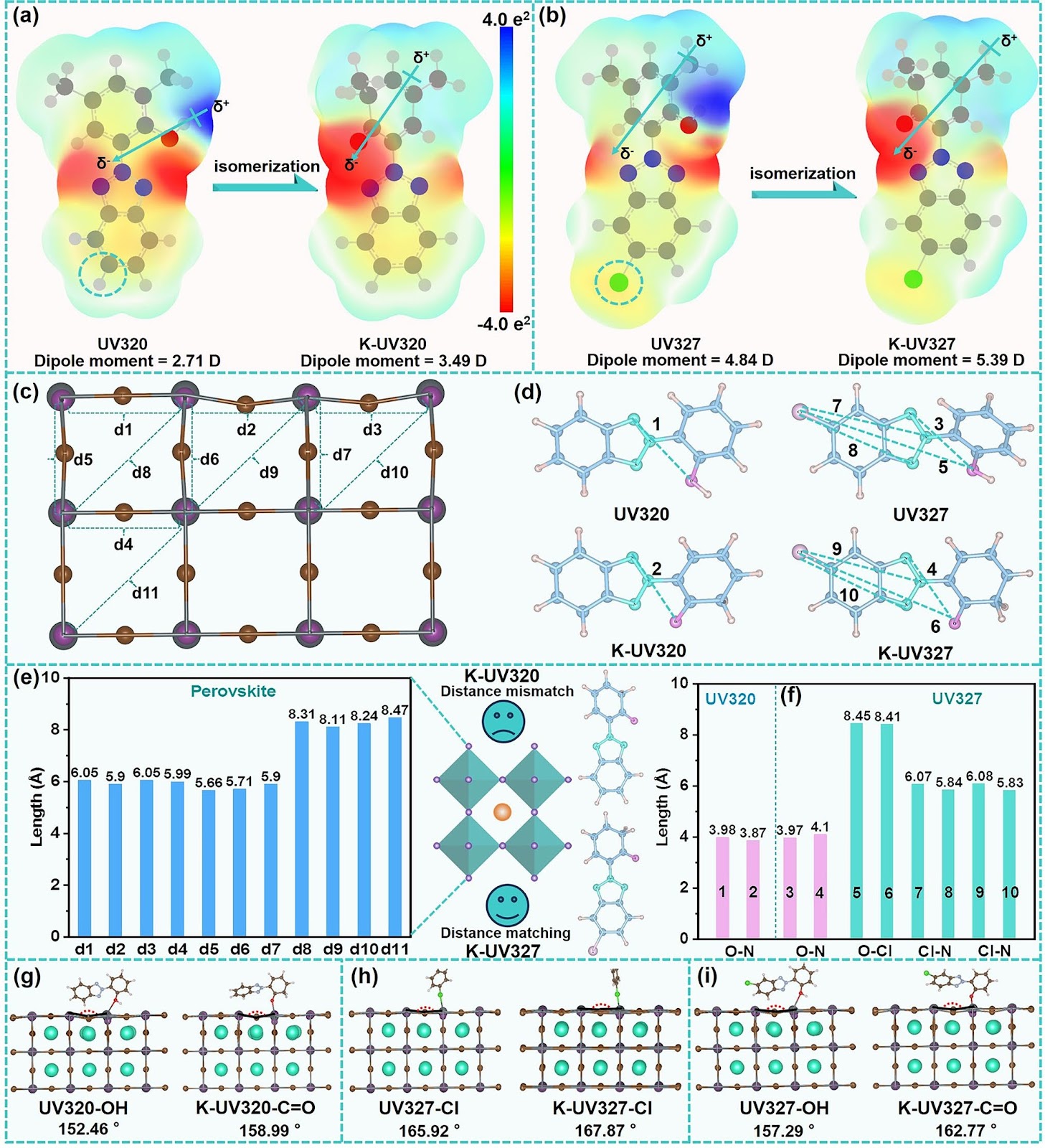
UV-absorbing additives have recently been demonstrated to be effective interfacial modifiers that simultaneously enhance the UV stability and crystallization of halide perovskite. However, the underlying mechanisms concerning UV absorption, defect passivation, and efficacy optimization of these additives remain unresolved. Herein, two UV tautomeric absorbers (UV320 and UV327) are selected as defect-passivators for perovskites. The keto–enol tautomeric evolution processes and corresponding defect passivation performance/mechanism of both the original molecules and their tautomers are thoroughly compared and elucidated through experimental characterizations and density functional theory calculations. The additional carbonyl (–C=O) groups generated through the keto–enol tautomeric process triggered by the Cl atom in UV327 ultimately provide superior chemical coordination and enhanced defect-passivation capability compared to the original counterparts. Moreover, the versatility of K-UV327 is further demonstrated by its optimization of SnO2 film quality, interfacial energy band alignment, charge extraction efficiency, and defect state suppression. The photodetector optimized by UV327’s tautomer achieves an ultralow dark current density of 3.22 × 10−10 A cm−2, an enhanced linear dynamic range of 94.14 dB, and a fast response time of 23.35/26.19 μs. Notably, unencapsulated devices maintain a stable response at 3900 Hz following 300 h exposure to 40% ± 5% relative humidity and 30 h UV irradiation.

Enhancing Ultraviolet Stability and Operational Durability of Perovskite Photodetectors by Incorporating Chlorine into Thermally-Switchable Tautomeric Passivators
Graphical Abstract
Original ResearchVol. 18, Issue 1 • pp. 176DOI: 10.1007/s40820-025-01881-3Jan 15, 2026

Iron–Manganese Dual-Doping Tailors the Electronic Structure of Na3V2(PO4)2F3 for High-Performance Sodium-Ion Batteries

Authors: Jien Li, Shuang Luo, Renjie Li, Yingkai Hua, Linlong Lyu, Xiangjun Pu, Jun Fan, Zheng-Long Xu

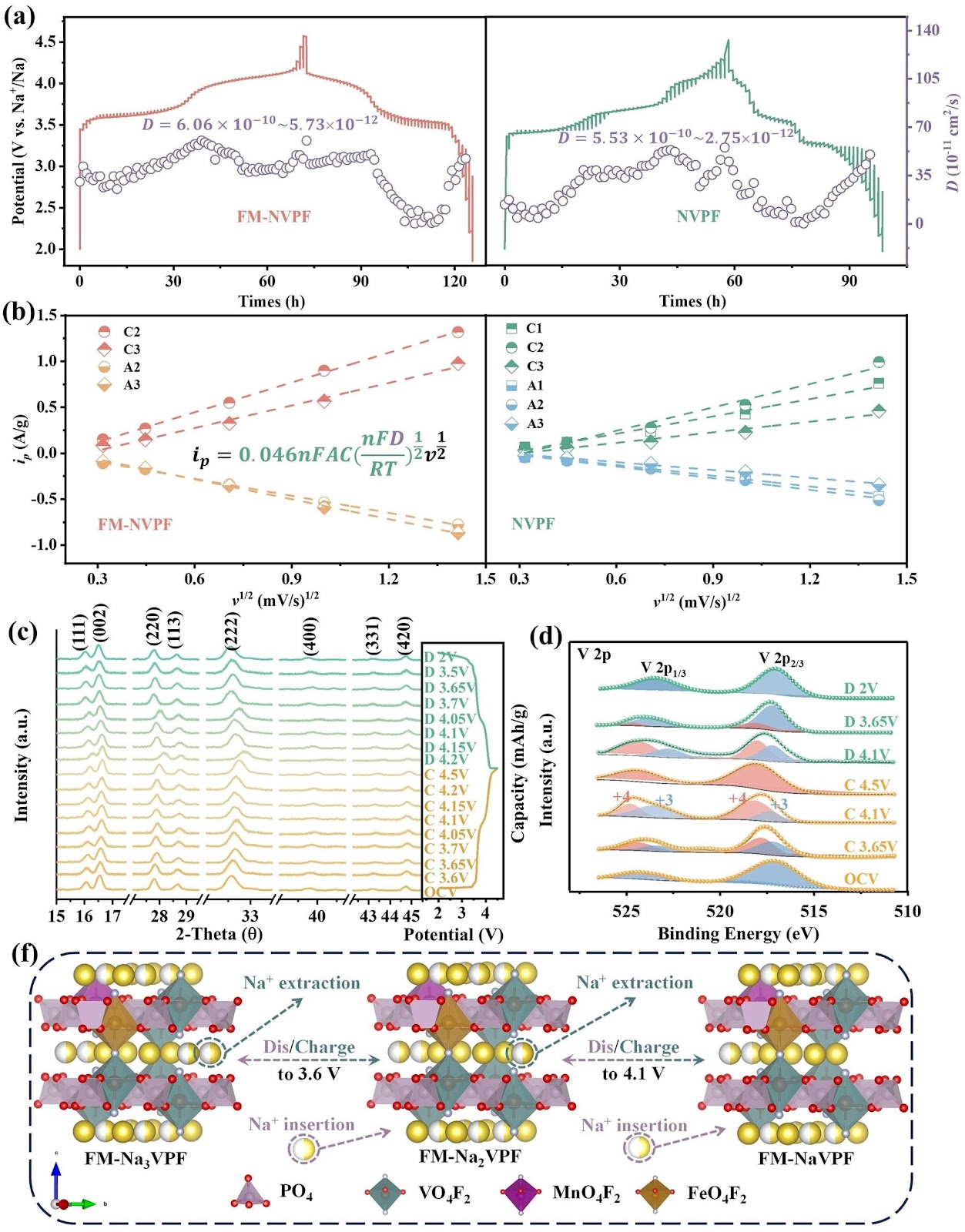
Sodium superionic conductor (NASICON)-type materials are promising cathodes for sodium-ion batteries due to their stable multi-channel frameworks and exceptional ionic conductivity. Among them, Na3V2(PO4)2F3 (NVPF) has attracted significant attention. However, the low electronic conductivity and phase impurities limit its sodium storage capability. Herein, we present a Fe and Mn dual-doped NVPF (FM-NVPF) cathode with improved phase purity, electronic conductivity, and electrochemical activities. Detailed ex-situ analyses and density functional theory calculations reveal that Fe and Mn dopants induce defect energy levels and modulate the electronic structure, resulting in a direct-to-indirect bandgap transition in NVPF, which in turn increases carrier concentration and lifetime, accelerates ionic/electronic transport, and improves structural stability. As a result, the FM-NVPF cathode delivers a high capacity of 126.6 mAh g⁻1 at 0.1 C (1 C = 128 mAh g⁻1) and outstanding high-rate capability of 67.6 mAh g⁻1 at 50 C, corresponding to 1.2 min per charge. Furthermore, Na ion full cells assembled with the FM-NVPF cathodes and hard carbon anodes exhibit a high energy density of about 175 Wh kg⁻1 cathode+anode mass and appealing cyclic stability. This work provides an efficient strategy for developing high-purity and high-performance NVPF cathode materials for advanced sodium-ion batteries.

Iron–Manganese Dual-Doping Tailors the Electronic Structure of Na3V2(PO4)2F3 for High-Performance Sodium-Ion Batteries
Graphical Abstract
Original ResearchVol. 18, Issue 1 • pp. 173DOI: 10.1007/s40820-025-02011-9Jan 15, 2026

A High-Performance Thermal Charging Cell with High Power Density and Long Runtime Enabled by Zn2+ and NH4+ Co-insertion

Authors: Zhiwei Han, Shengliang Zhang, Helang Huang, Jing Wang, Hui Dou, Tianran Zhang, Xiaogang Zhang

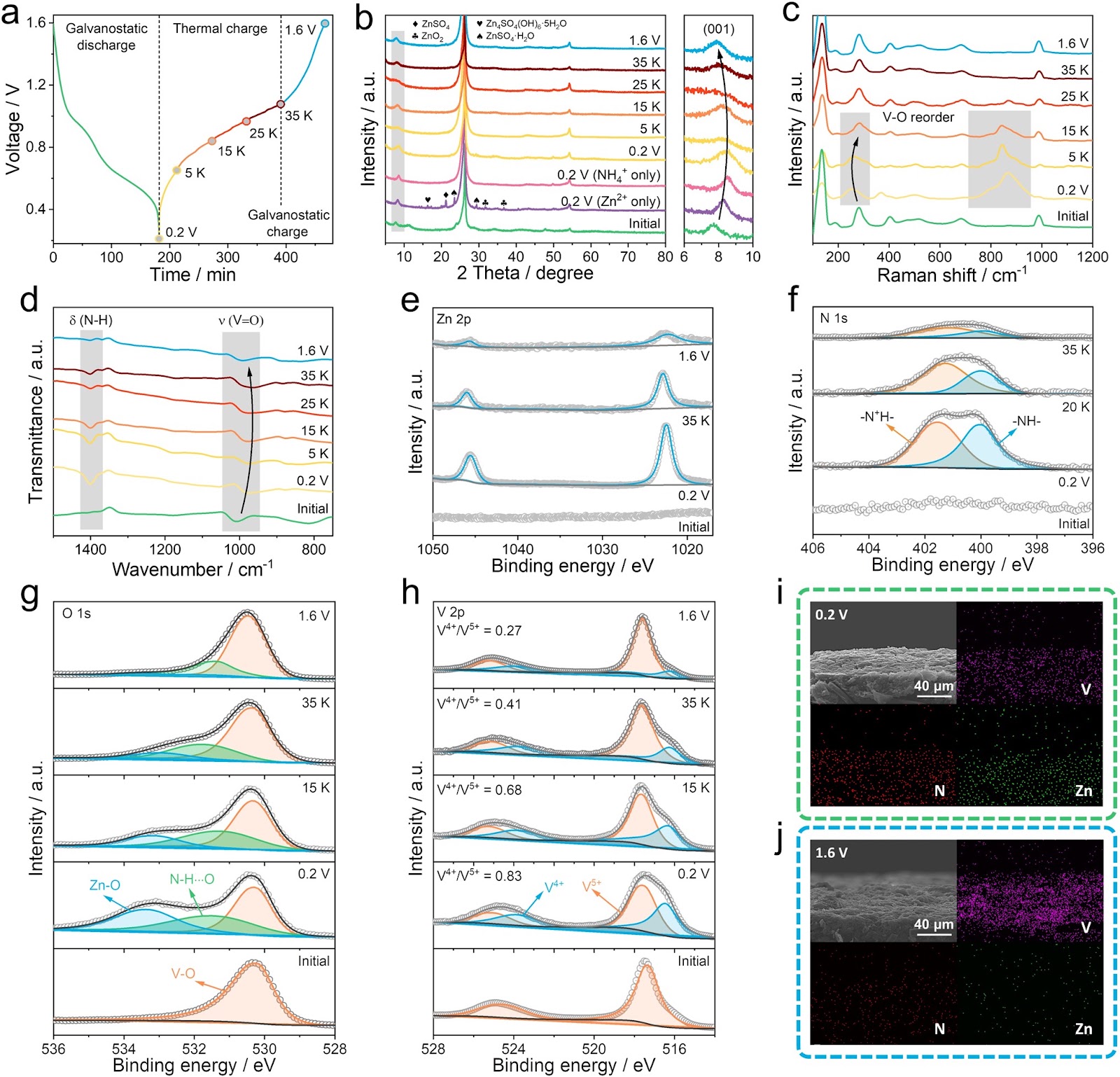
Zn-based thermal charging devices, utilizing the synergistic effect of ion thermoextraction and thermodiffusion, are able to efficiently convert thermal energy into electrical energy and storage in the devices, making them a highly promising technology for low-grade heat recovery and utilization. However, the low output power density and energy conversion efficiency resulted by the slow diffusion kinetics of Zn2+ hinder their development. Herein, we present a high-performance thermal charging cell design using Zn2+/NH4+ hybrid ion electrolyte, which not only maintains the high output voltage of the Zn-based thermoelectric system, but also significantly enhances the output power density due to the fast diffusion kinetics of NH4+. Based on this strategy, the thermal charging cell displays a high thermopower of 12.5 mV K−1 and an excellent normalized power density of 19.6 mW m−2 K−2 at a temperature difference of 35 K. The Carnot-relative efficiency is as high as 12.74%. Moreover, it can operate continuously for over 72 h when the temperature difference persists, achieving a balance between thermoelectric conversion and output. This work provides a simple and effective strategy for the design of high-performance thermal charging cells for low-grade heat conversion and utilization.

A High-Performance Thermal Charging Cell with High Power Density and Long Runtime Enabled by Zn2+ and NH4+ Co-insertion
Graphical Abstract
Original ResearchVol. 18, Issue 1 • pp. 166DOI: 10.1007/s40820-025-02009-3Jan 15, 2026

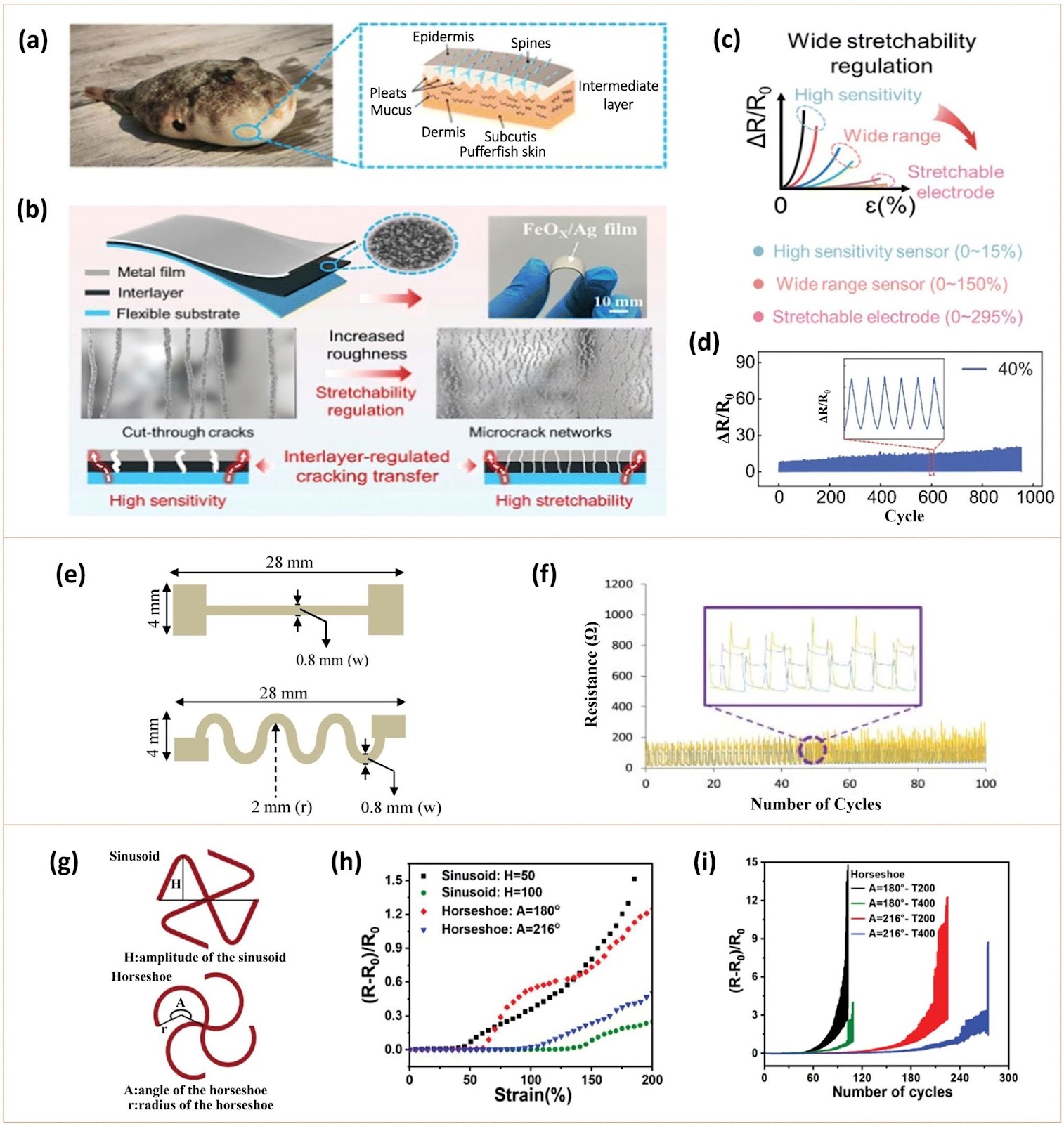
Design, Fabrication, and Application of Stretchable Electronic Conductors

Authors: Bin Cheng, Jingting Zhuo, Yao Zhou, Jiaxiang Chen, Lingyun Cao, Jiangfeng He, Zhihong Chen, Xiaoxiao Ma, Juan Wang, Honglong Li, Guowei Yang, Fang Yi

Stretchable electronics have been recognized as intriguing next-generation electronics that possess huge market value, and stretchable electronic conductors (SECs) are essential for stretchable electronics, which not only can serve as critical functional components but also are the indispensable electronic connections bridging various electronic components within stretchable electronic systems. Herein, we offer a comprehensive review of recent progress in SECs including the material categories, structure designs, fabrication techniques, and applications. The characteristics, performance enhancement strategies, and application requirements are emphasized. Based on the recent advances, the existing challenges and future prospects are outlined and discussed.

Design, Fabrication, and Application of Stretchable Electronic Conductors
Graphical Abstract
Original ResearchVol. 18, Issue 1 • pp. 163DOI: 10.1007/s40820-025-02017-3Jan 15, 2026

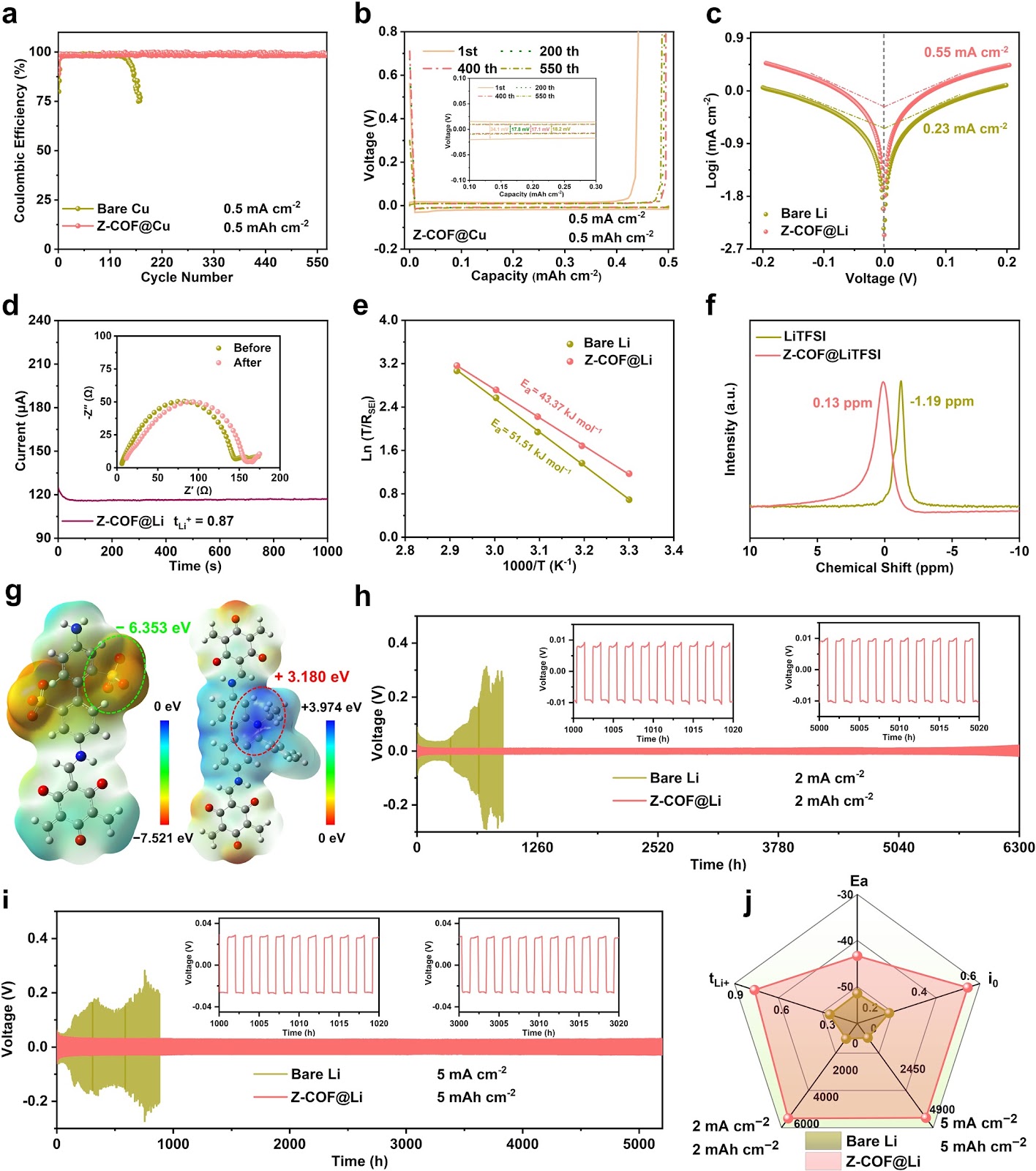
Regulating Li+ Transport and Interfacial Stability with Zwitterionic COF Protective Layer Towards High-Performance Lithium Metal Batteries

Authors: Liya Rong, Yifeng Han, Chi Zhang, Hongling Yao, Zhaojun He, Xianbao Wang, Zaiping Guo, Tao Mei

The sluggish Li+ migration kinetics and unstable electrode/electrolyte interface severely hinder the commercial application of high-performance lithium metal batteries (LMBs). Herein, an artificial protective layer is constructed using zwitterionic covalent organic framework (Z-COF) simultaneously containing sulfonate and ethidium groups, aiming to facilitate rapid, uniform Li+ transport and stabilize anode interface. The sulfonate groups with high lithiophilicity provide abundant hopping sites for fast Li+ diffusion. The ethidium cations immobilize TFSI− and solvent molecules by ion–dipole interactions, which accelerate the dissociation of LiTFSI and Li+ desolvation. Moreover, the monodispersed zwitterionic units coupling with ordered micropore structures in Z-COF create exclusive Li+ migration channels, modulate homogeneous space charge distribution, kinetically facilitating uniform Li+ deposition. Experiments and theoretical calculations indicate that C–F and S–N bonds of TFSI− exhibit enhanced cleavage susceptibility driven by electrostatic attraction, realizing a LiF/Li3N-rich electrolyte/electrode interface. The designed Z-COF protection layer enables Li|Li symmetrical cells stable cycling over 6300 h at 2 mA cm−2/2 mAh cm−2. The Z-COF@Li|LiFePO4 (LFP) full cells deliver high-capacity retention of 85.2% after 1000 cycles at 8 C. The assembled Z-COF@Li|LFP pouch cells demonstrate a lifespan of more than 240 cycles. This work provides fresh insights into the practical application of zwitterionic COF in next-generation LMBs.

Regulating Li+ Transport and Interfacial Stability with Zwitterionic COF Protective Layer Towards High-Performance Lithium Metal Batteries
Graphical Abstract
Original ResearchVol. 18, Issue 1 • pp. 171DOI: 10.1007/s40820-025-02016-4Jan 15, 2026

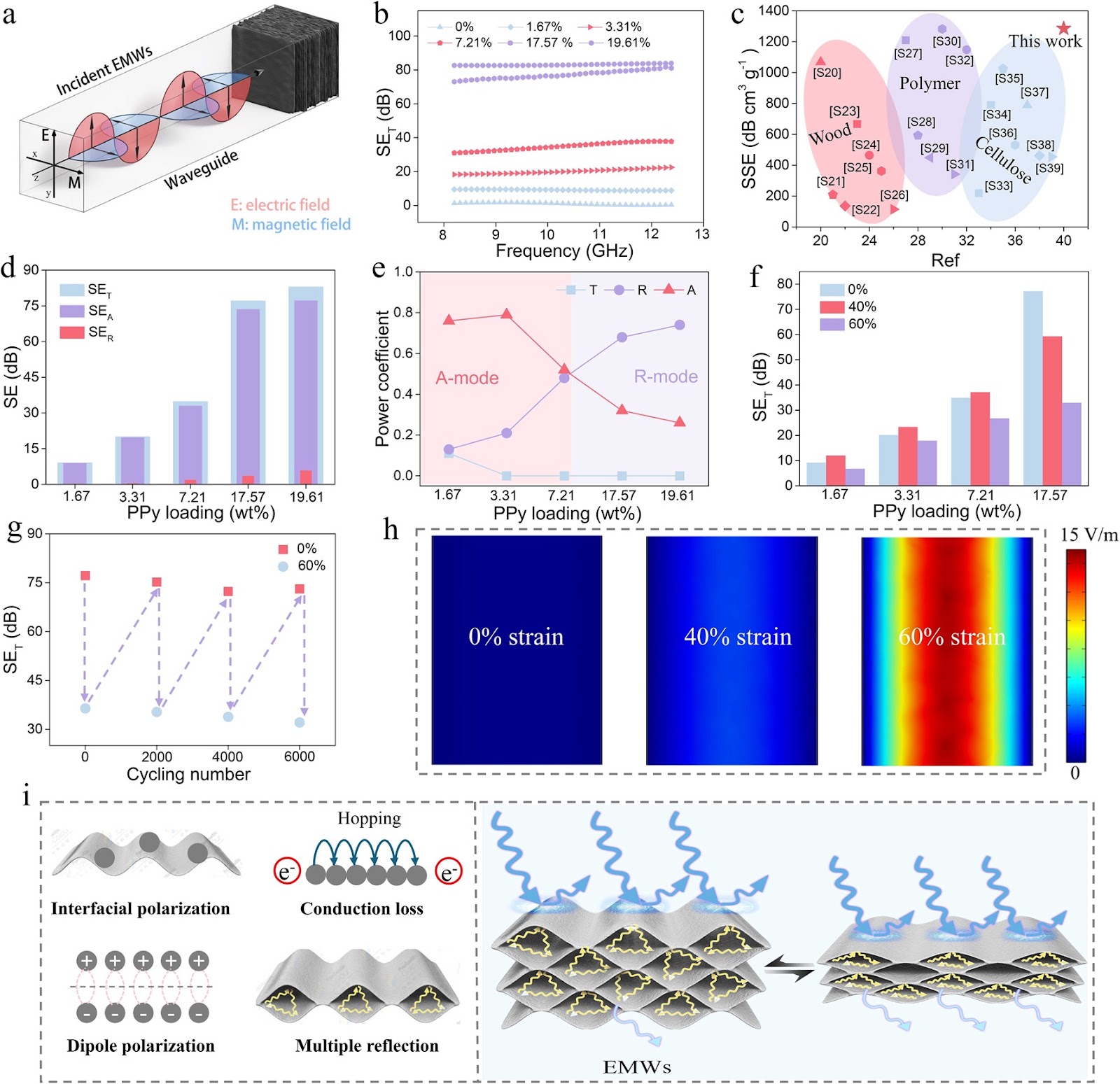
Highly Elastic and Conductive Lamellar Wood Sponge via Cell Wall Reconfiguration Toward Smart Multifunctional Applications

Authors: Xin-jian Dai, Xin Wang, Ji-hang Hu, Pan Jiang, Xiao-qing Wang

Three-dimensional porous foams and aerogels with high compressibility and elasticity hold great promise for applications in pressure sensing, electromagnetic interference (EMI) shielding, and thermal insulation. However, their widespread application is often hindered by compromised structural stability and inadequate fatigue resistance under repeated compression. Herein, a sustainable “top-down” cell wall reconfiguration strategy is proposed to fabricate highly elastic, fatigue-resistant, and electrically conductive lamellar wood sponge from natural balsa wood. This strategy involves the conversion of the intrinsic cellular structure of wood into an arch-shaped lamellar architecture reinforced by chemical cross-linking, followed by coating the lamellar scaffold with conductive polypyrrole (PPy) via in situ polymerization. The resulting PPy-coated cross-linked wood sponge (CWS@PPy) demonstrates reversible compressibility, excellent fatigue resistance (∼3.5% plastic deformation after 10,000 cycles at 40% strain). The strain-induced conductivity changes in CWS@PPy enable tunable EMI shielding effectiveness under cyclic compression and also facilities high-sensitivity pressure sensing (0.72 kPa−1). Additionally, CWS@PPy exhibits a low through-plane thermal conductivity of 0.037 W m−1 K−1, which can be dynamically tuned for adaptive thermal management. The proposed mechanically robust and conductive wood sponge provides a versatile and sustainable platform for next-generation smart devices.

Highly Elastic and Conductive Lamellar Wood Sponge via Cell Wall Reconfiguration Toward Smart Multifunctional Applications
Graphical Abstract
Original ResearchVol. 18, Issue 1 • pp. 164DOI: 10.1007/s40820-025-02003-9Jan 15, 2026

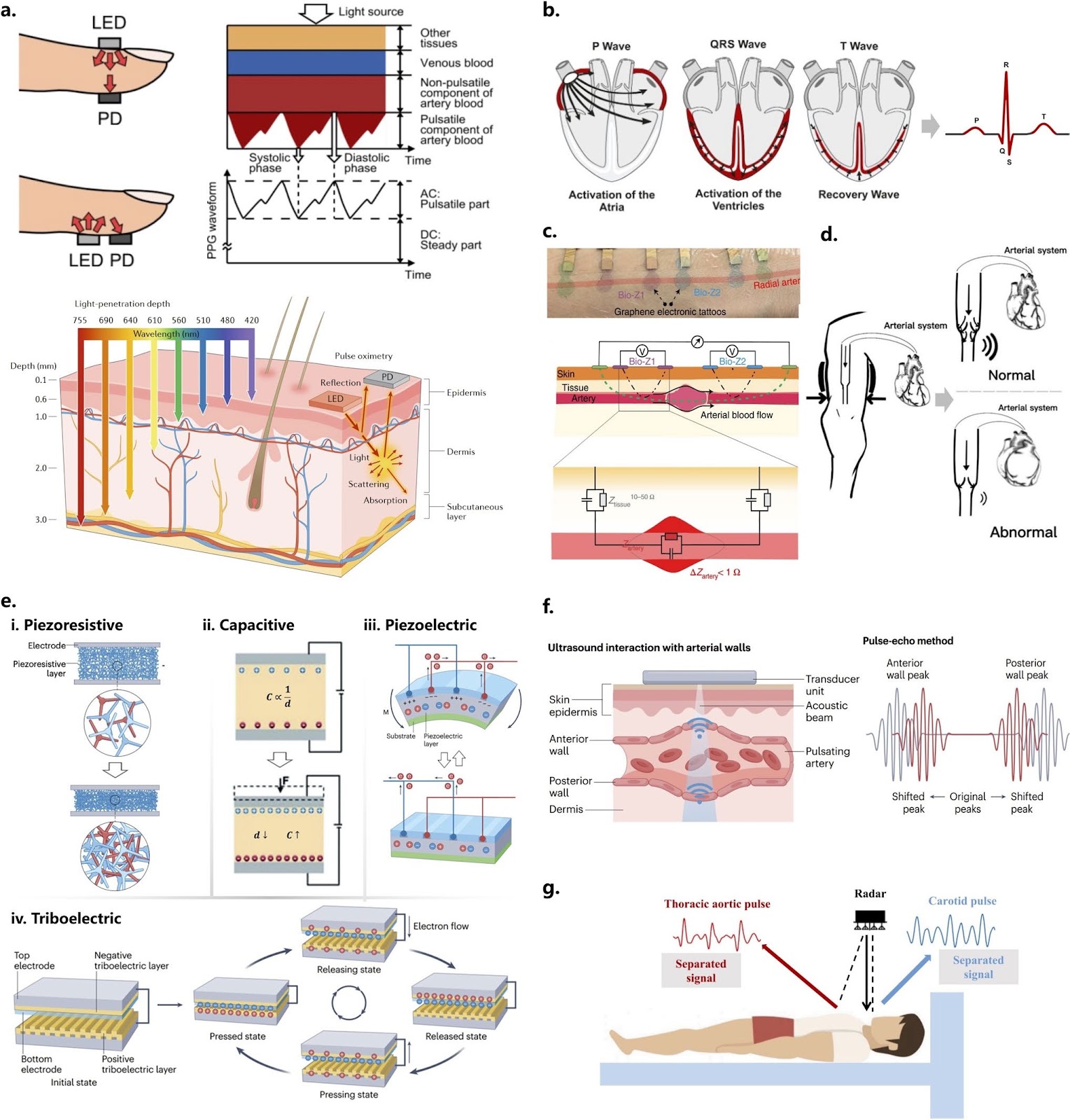
Artificial Intelligence-Enhanced Wearable Blood Pressure Monitoring in Resource-Limited Settings: A Co-Design of Sensors, Model, and Deployment

Authors: Yiming Zhang, Shirong Qiu, Kai Du, Shun Wu, Ting Xiang, Kenghao Zheng, Zijun Liu, Hanjie Chen, Nan Ji, Fa Wang, Weijia Wu, Yuan-Ting Zhang

Accurate blood pressure (BP) monitoring is essential for preventing and managing cardiovascular disease. Advancements in materials science, medicine, flexible electronic, and artificial intelligence (AI) have enabled cuffless, unobtrusive BP monitoring systems, offering an alternative to traditional sphygmomanometers. However, extending these advances to real-world cardiovascular care particularly in resource-limited settings remains challenging due to constraints in computational resources, power efficiency, and deployment scalability. This review presents a comprehensive synthesis of AI-enhanced wearable BP monitoring, emphasizing its potential for personalized, scalable, and accessible healthcare. We systematically analyze the end-to-end system architecture, from mechano-electric sensing principles and AI-based estimation models to edge-aware deployment strategies tailored for low-resource environments. We further discuss clinical validation metrics and implementation barriers and prospective strategies. To bridge lab-to-field translation, we propose an innovative "sensor-model-deployment-assessment" co-design framework. This roadmap highlights how AI-enhanced BP technologies can support proactive hypertension control and promote cardiovascular health equity on a global scale.

Artificial Intelligence-Enhanced Wearable Blood Pressure Monitoring in Resource-Limited Settings: A Co-Design of Sensors, Model, and Deployment
Graphical Abstract
Original ResearchVol. 18, Issue 1 • pp. 160DOI: 10.1007/s40820-025-01996-7Jan 15, 2026

Sandwich-Architected Hybrid Organic Crystals with Humidity–Temperature Sensing and Cryogenic Photothermal Actuation

Authors: Linfeng Lan, Lijie Wang, Chenguang Wang, Hongyu Zhang

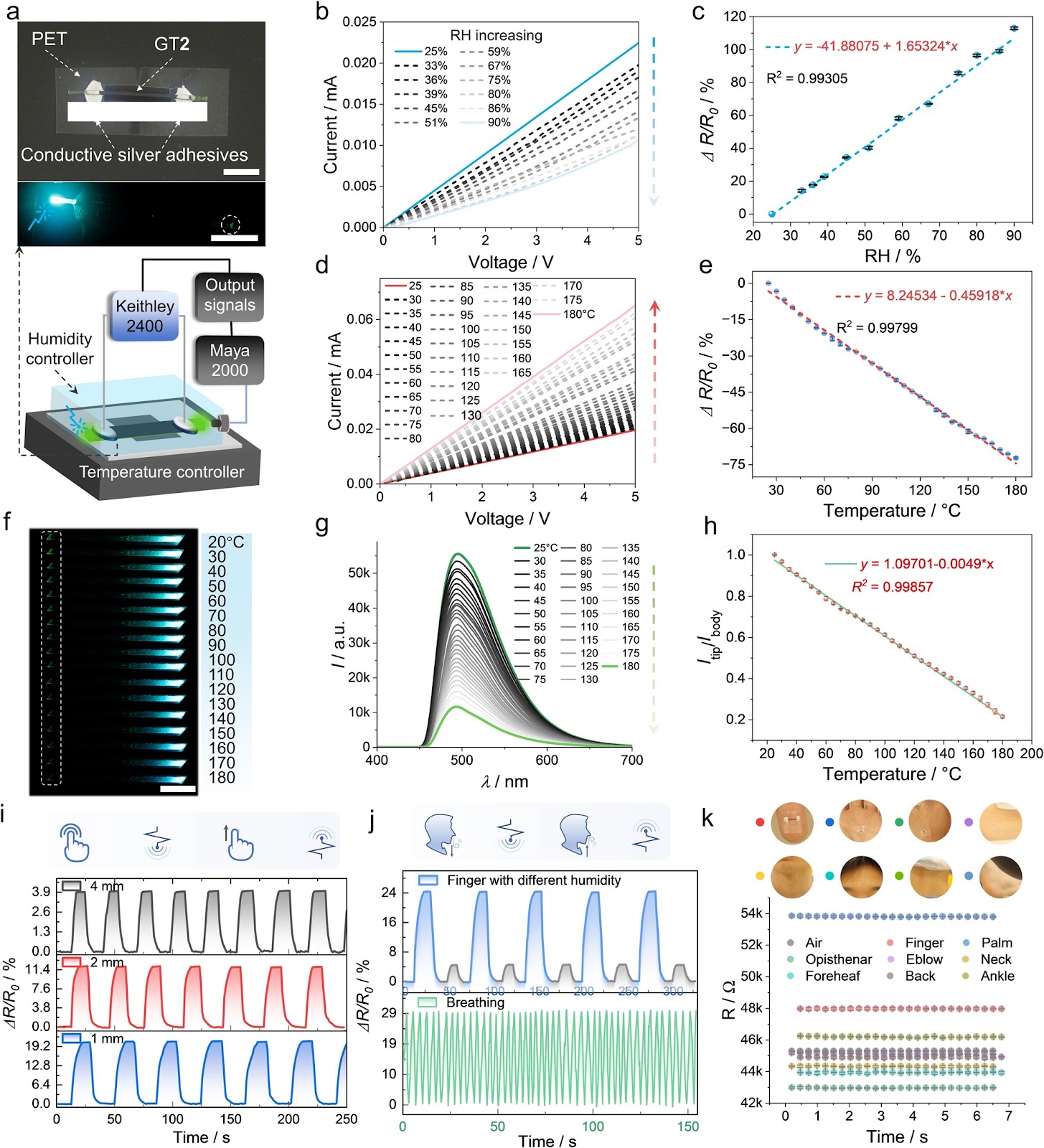
The growing demand for personalized health care, smart wearables, and advanced environmental monitoring has spurred the development of multifunctional materials that combine flexibility, environmental adaptability, and diverse functionalities. However, conventional materials often failed to integrate these attributes simultaneously, hindering their applicability in next-generation technologies. Here, we present an organic–inorganic hybrid crystalline material with a unique sandwich-like architecture, in which a flexible organic crystal core is encased by reduced graphene oxide (rGO) and thermoplastic polyurethane (TPU). This strategic integration endows the material with fluorescence, cryogenic flexibility, and electrical conductivity, while also enabling dual sensing and actuation capabilities. The rGO layer facilitates real-time humidity (25–90% RH) and temperature (25–180 °C) sensing through environmental interactions, whereas the differential thermal expansion between TPU and the flexible crystal core drives efficient photothermal actuation at −150 °C for advanced thermal regulation. The hybrid material exhibits stable performance under extreme conditions, making it a promising candidate for biomedical monitoring, flexible electronics, and energy applications. This work establishes hybrid crystalline materials as versatile and scalable platforms for addressing complex technological demands, paving the way for their application in next-generation multifunctional devices.

Sandwich-Architected Hybrid Organic Crystals with Humidity–Temperature Sensing and Cryogenic Photothermal Actuation
Graphical Abstract
Original ResearchVol. 18, Issue 1 • pp. 170DOI: 10.1007/s40820-025-02014-6Jan 15, 2026

In situ Studies of Electrochemical Energy Conversion and Storage Technologies: From Materials, Intermediates, and Products to Surroundings

Authors: Xing Chen, Yu-Lin Sun, Xiu-Mei Lin, Jin-Chao Dong, Jian-Feng Li

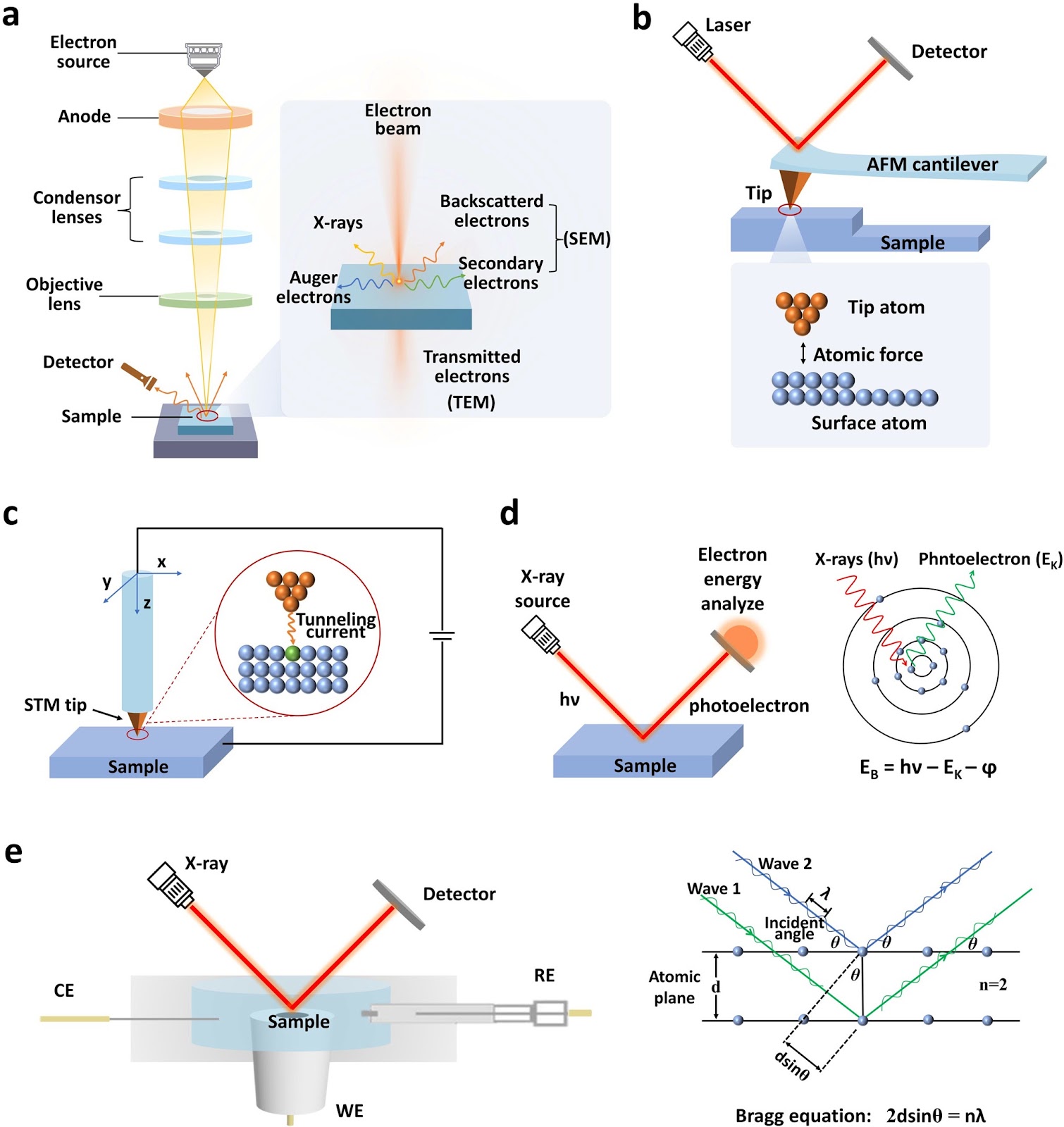
Escalating global energy demands and climate urgency necessitate advanced electrochemical energy conversion and storage technologies (EECSTs) like electrocatalysis and rechargeable batteries. Improving their performance relies on elucidating reaction mechanisms and structure-performance relationships via in situ studies. This review summarizes recent in situ studies of EECSTs through a variety of advanced characterization techniques aiming at mapping reaction pathways for the rational design of overall high-performance reaction systems. We outline the principles, capabilities, advantages, and limitations of various in situ techniques. Their applications in in situ studies of fuel cells, water/CO2 electrolysis, and lithium batteries are highlighted with representative examples. These studies enable dynamic tracking of chemical and structural evolution of overall reaction systems, including materials, intermediates, products, and surroundings during operation, providing insights critical to rational system design. Future advancements will involve integrating multimodal in situ/operando approaches with artificial intelligence to enable real-time monitoring at practical scales. Such integration promises precise mechanistic insights and robust structure-performance correlations, ultimately accelerating the development of high-performance EECSTs aligned with sustainability and market requirements.

In situ Studies of Electrochemical Energy Conversion and Storage Technologies: From Materials, Intermediates, and Products to Surroundings
Graphical Abstract
Original ResearchVol. 18, Issue 1 • pp. 165DOI: 10.1007/s40820-025-02006-6Jan 15, 2026

Nature-Inspired Redox Shuttle with Regenerable Antioxidant for Efficient All-Perovskite Tandem Solar Cells

Authors: Rui Meng, Liming Du, Can Li, Zhi Wan, Jishan Shi, Yueying Zhang, Wenfeng Liu, Chongyang Zhi, Chunmei Jia, Lili Tan, Chuanxiao Xiao, Xian-Zong Wang, Lin Song, Xingyu Gao, Zhen Li

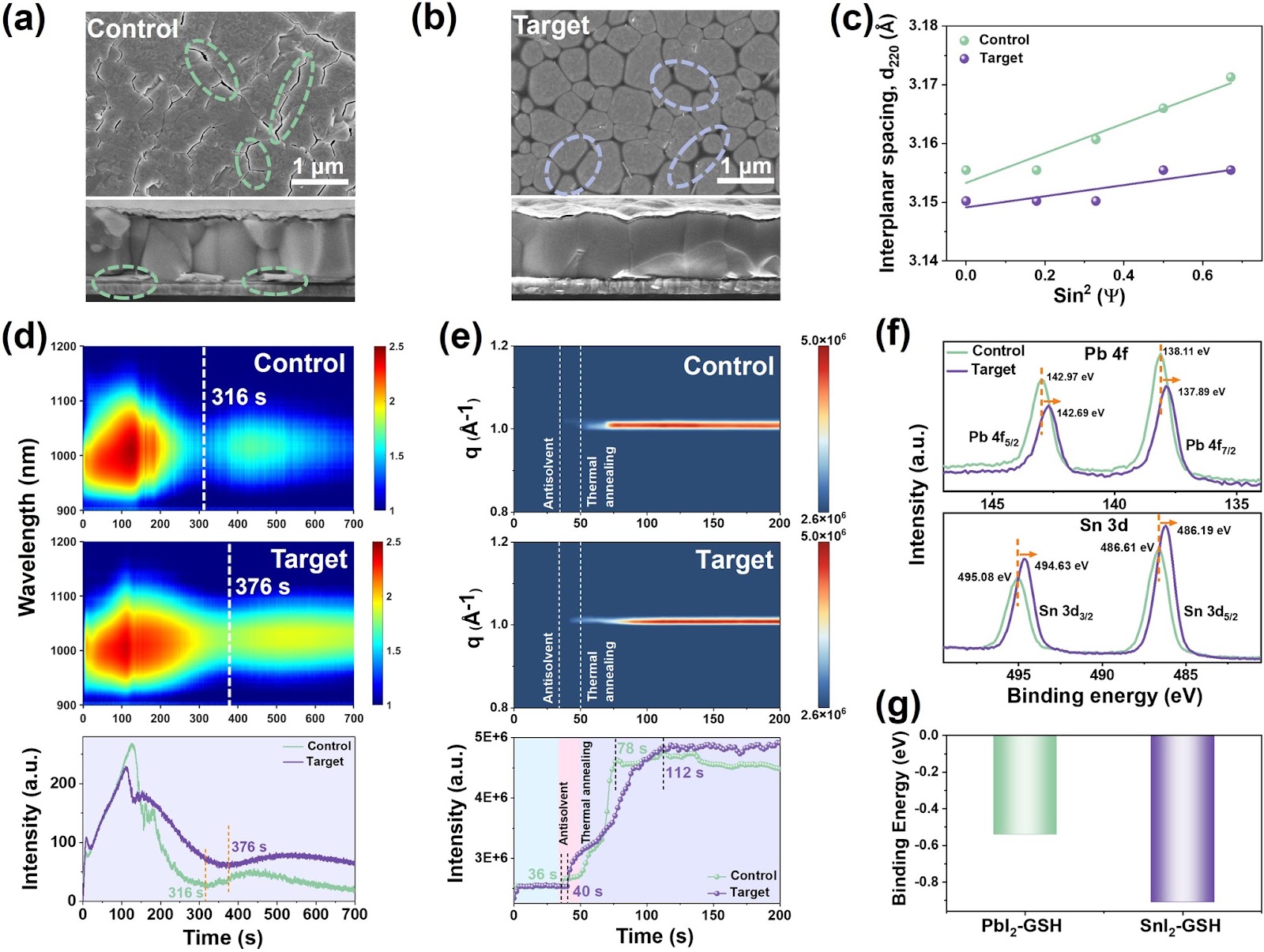
Pb–Sn mixed perovskite solar cells (PSCs) are crucial components for realizing efficient all-perovskite tandem devices. However, their efficiency and stability are severely limited by oxidative degradation (Sn4+ formation) and metallic defects (Sn0/Pb0). In addition, the rapid and uncontrolled Sn2+ nucleation kinetics result in nonuniform crystallization. Herein, we introduce a natural redox shuttle glutathione (GSH) in Pb–Sn mixed PSCs, achieving regenerable antioxidation and crystallization regulation simultaneously. The reversible redox reactions between GSH and glutathione disulfide (GSSG) enable the self-healing of Sn4+ and Sn0/Pb0 impurities, creating a regenerable antioxidation protective shell at the perovskite interfaces. Meanwhile, the strong coordination between GSH and perovskite regulates the crystallization process, optimizing the nucleation and crystallization kinetics. Furthermore, the GSH incorporation creates a high-quality charge separation junction at the perovskite/hole transport layer, facilitating carrier separation and extraction. The optimized Pb–Sn PSCs exhibit impressive power conversion efficiencies (PCEs) of up to 23.71%. The champion all-perovskite tandem PSCs with GSH achieve a PCE of 28.49% and retain 90% of the initial PCE after 560 h of continuous illumination. This work establishes a new nature-inspired redox shuttling strategy and elucidates its working mechanism, advancing the development of efficient and stable all-perovskite tandem solar cells.

Nature-Inspired Redox Shuttle with Regenerable Antioxidant for Efficient All-Perovskite Tandem Solar Cells
Graphical Abstract
Original ResearchVol. 18, Issue 1 • pp. 159DOI: 10.1007/s40820-025-02002-wJan 15, 2026

Vapor Deposition Engineering for Thin-Film Microbatteries: From Nanoscale Ionics to Interface-Integrated Architectures

Authors: Mingming Zheng, Xinrui Xu, Xiaofei Wang, Haibin Lin, Changmin Hou, Mustafa Khan, Jinlong Zhu, Songbai Han

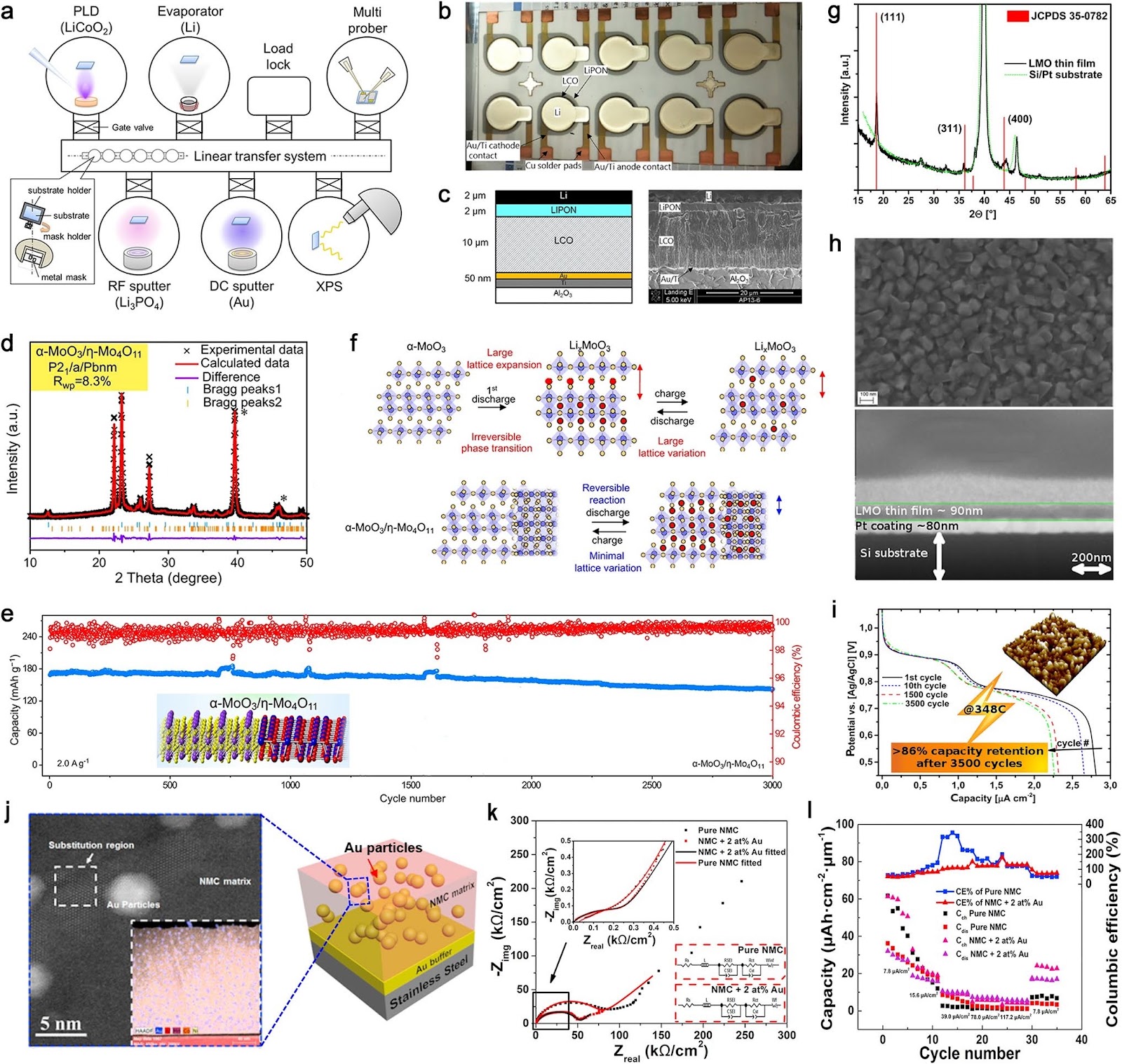
The rapid proliferation of microelectronics, coupled with the advent of the internet of things (IoT) era, has created an urgent demand for miniaturized, integrable, and reliable on-chip energy storage systems. All-solid-state thin-film microbatteries (TFMBs), distinguished by their intrinsic safety, compact design, and compatibility with microfabrication techniques, have emerged as promising candidates to power next-generation IoT devices. Nevertheless, in contrast to the well-established development of conventional lithium-ion batteries, the advancement of TFMBs remains at an early stage, facing persistent challenges in materials innovation, interface optimization, and scalable manufacturing. This review critically examines the pivotal role of vapor deposition technologies, including magnetron sputtering, pulsed laser deposition, thermal/electron-beam evaporation, chemical vapor deposition, and atomic layer deposition, in the fabrication and performance modulation of TFMBs. We systematically summarize recent progress in thin-film electrodes and solid-state electrolytes, with particular emphasis on how deposition parameters dictate crystallinity, lattice orientation, and ionic transport in functional layers. Furthermore, we highlight strategies for solid–solid interface engineering, three-dimensional structural design, and multifunctional integration to enhance capacity retention, cycling stability, and interfacial compatibility. Looking ahead, TFMBs are expected to evolve toward multifunctional platforms, exhibiting mechanical flexibility, optical transparency, and hybrid energy-harvesting compatibility, thereby meeting the heterogeneous energy requirements of future IoT ecosystems. Overall, this review provides a comprehensive perspective on vapor-phase-enabled TFMB technologies, delivering both theoretical insights and technological guidelines for the scalable realization of high-performance microscale power sources.

Vapor Deposition Engineering for Thin-Film Microbatteries: From Nanoscale Ionics to Interface-Integrated Architectures
Graphical Abstract
Original ResearchVol. 18, Issue 1 • pp. 156DOI: 10.1007/s40820-025-01990-zJan 15, 2026

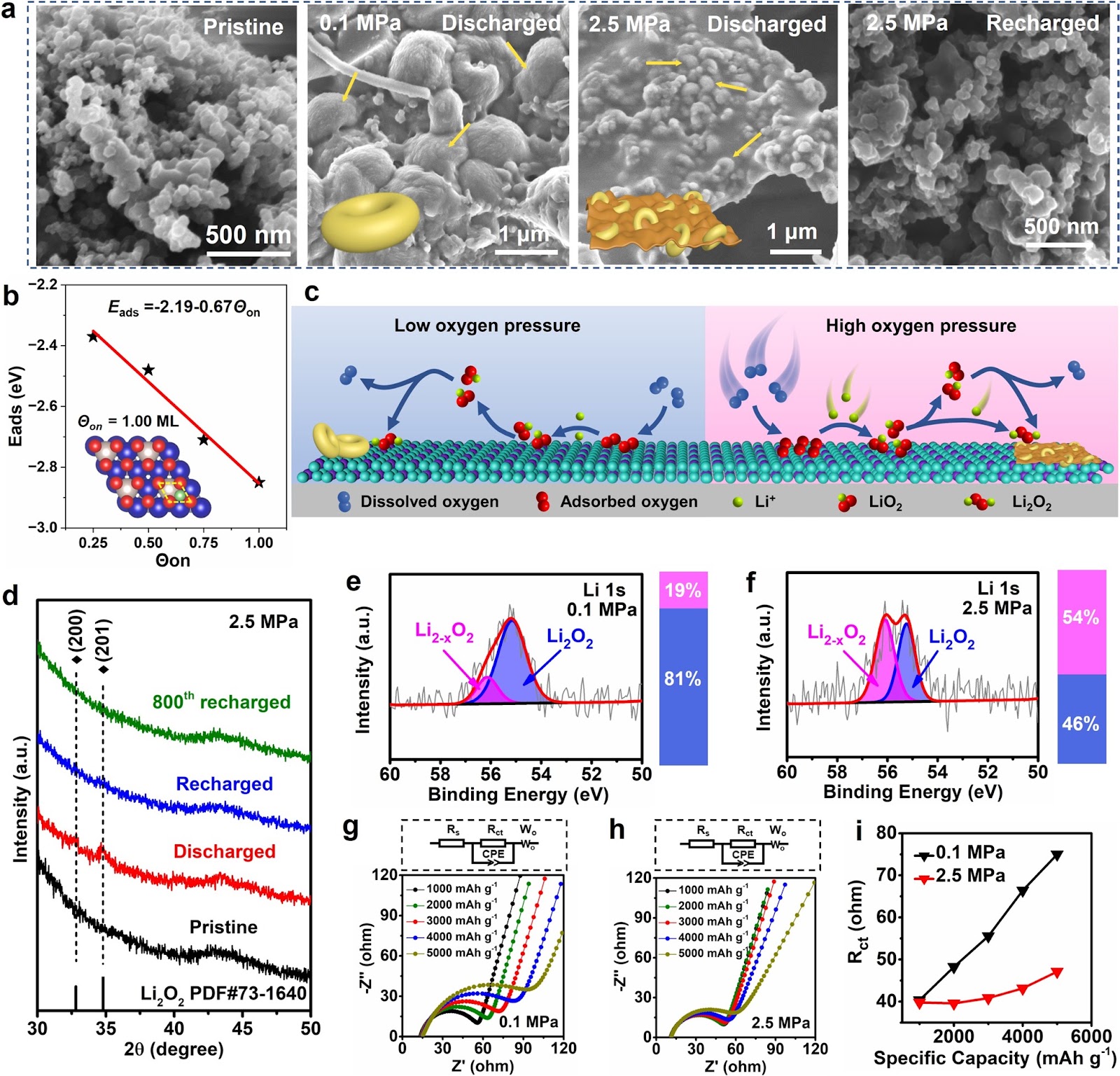
Oxygen-Pressure Protocol Breaking Cycle Limit of Continuously Reversible Lithium-Oxygen Batteries

Authors: Xinhang Cui, Fenglong Xiao, Guoliang Zhang, Zhangliu Tian, Qingshan Bao, Yanlu Li, Deliang Cui, Qilong Wang, Feng Dang, Wei Chen, Haohai Yu, Huaijin Zhang, Gang Lian

Lithium-oxygen (Li-O2) battery is favored among “beyond lithium-ion” technologies for sustainability because of its exceptional energy density. Major impediments are the poor cycle stability and grievous capacity degradation at high current densities. We address these issues by a “killing two birds with one stone” O2-pressure protocol. It first resolves efficient O2 mass transport at high rates. The accelerated reaction kinetics optimizes the composition and growth pathway of discharge products. This protocol secondly achieves protection of Li anodes via densifying corrosion layers on them. Consequently, the battery delivers both ultrahigh discharge capacity (> 9,000 mAh g−1) at 3,000 mA g−1 and excellent cycling stability. Under a dual-strategy effect of high-pressure O2 and artificial protection layers, the battery actualizes over 11-fold increase in cycle life of 5,170 h (2,585 cycles). The strategy opens avenues for advancing Li-O2 batteries towards practical application and confers the extension to other gas-based batteries.

Oxygen-Pressure Protocol Breaking Cycle Limit of Continuously Reversible Lithium-Oxygen Batteries
Graphical Abstract
Original ResearchVol. 18, Issue 1 • pp. 151DOI: 10.1007/s40820-025-01979-8Jan 15, 2026

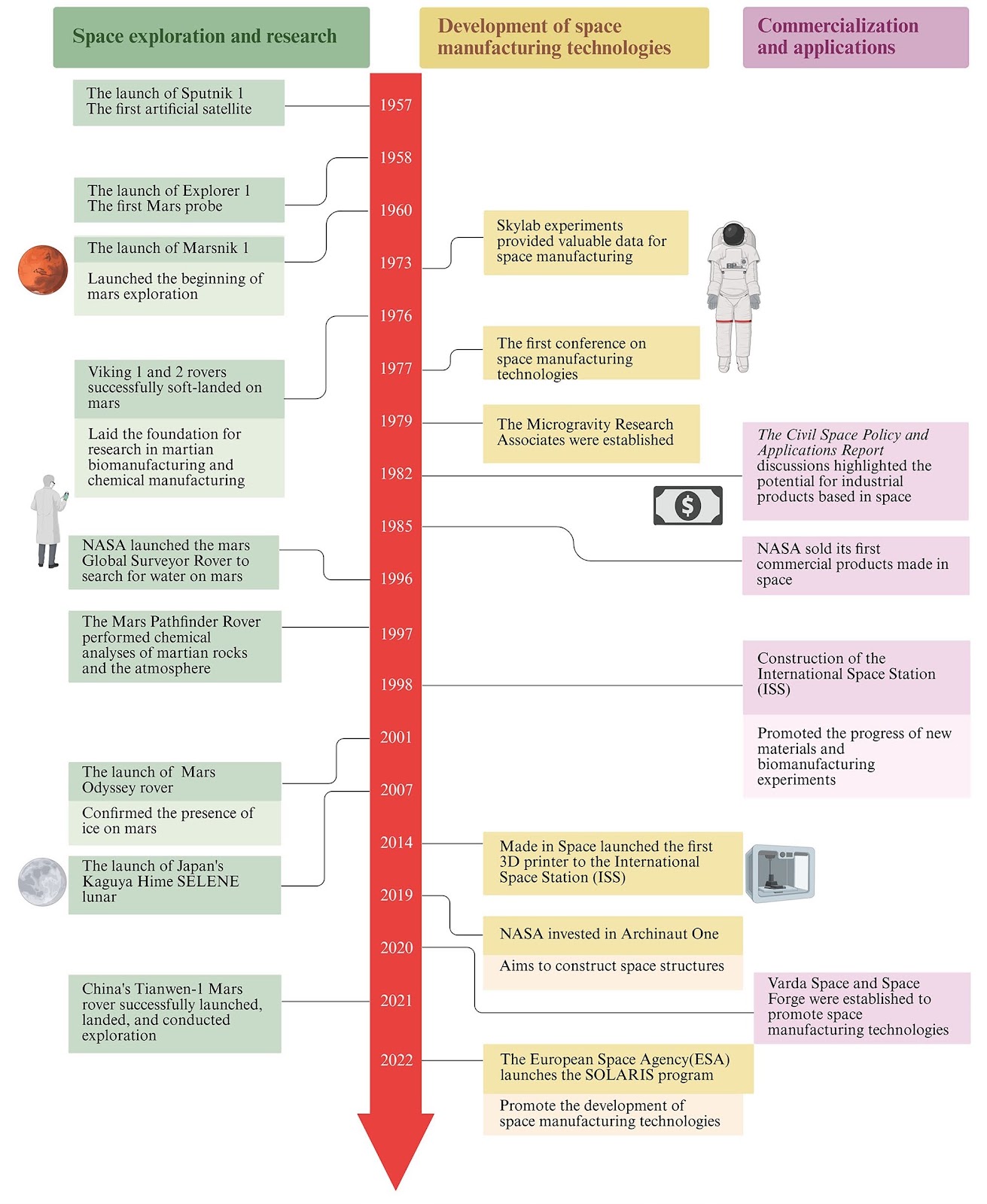
Emerging Chemical and Biological Materials Technologies in the Extraplanetary Environment

Authors: Qingyao Jiang, Bin Wang, Yifan Cheng, Yiming Wang, Hongxin Zhao, Yuan Lu

Space exploration and manufacturing are of critical importance for scientific advancement, technological innovation, national security, and the acquisition of extraterrestrial resources. In view of this, chemical and biological nano-/micro-/meso-scale manufacturing provide complementary approaches to overcome key space exploration challenges by enabling the in-situ production of essential life-support materials, propellants, and other resources. This review examines the origin and historical evolution of space manufacturing and the latest advances across different environments—from orbital space stations and the lunar surface to Mars and asteroids. It is structured to present the current state of research, outline key manufacturing strategies and technologies, assess the technical and environmental challenges, and discuss emerging trends and future directions. Besides, the potential applications of emerging technologies such as synthetic biology and artificial intelligence in overcoming the limitations of microgravity, limited resources, and extreme conditions are discussed. Ultimately, this integrative review could serve to guide future development, from advancing space science and disruptive manufacturing to enabling interdisciplinary and application-level innovations.

Emerging Chemical and Biological Materials Technologies in the Extraplanetary Environment
Graphical Abstract
Original ResearchVol. 18, Issue 1 • pp. 154DOI: 10.1007/s40820-025-01999-4Jan 15, 2026

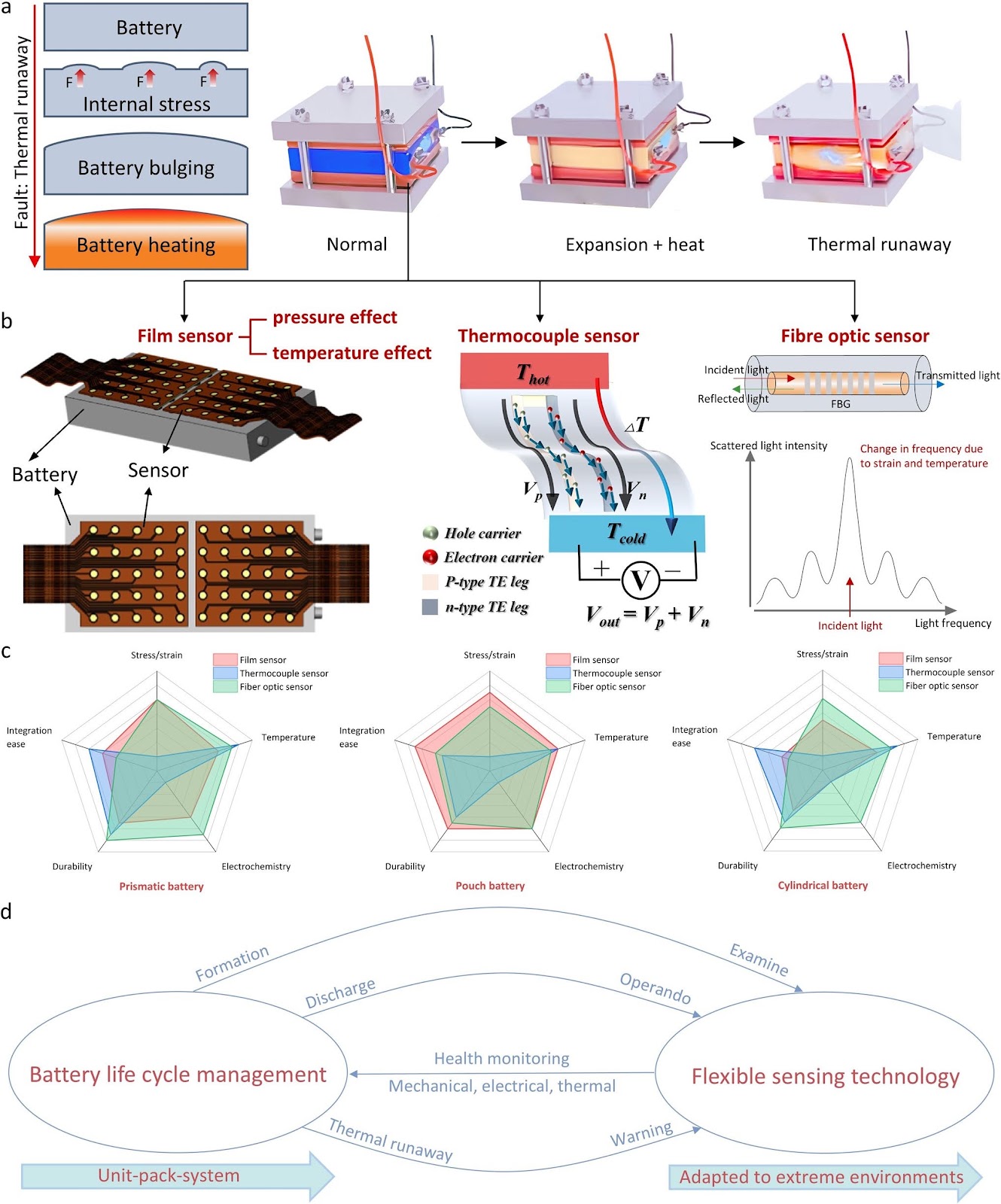
Flexible Sensors for Battery Health Monitoring

Authors: Xin Wang, Haiyan Zhang, Xinyi Qi, Sheng Chen, Zekai Huang, Jinwei Zhao, Yihang Wang, Dezhi Wu, Gaofeng Zheng, Chenyang Xue, Jianlin Zhou, Hailong Wang, Zongyou Yin, Libo Gao

With the widespread application of lithium batteries in electric vehicles and energy storage systems, battery-related safety and reliability issues have become increasingly prominent. Conventional monitoring methods often struggle to address dynamic changes under complex operando. In recent years, flexible sensing technology has emerged as a promising solution for battery health monitoring due to its high adaptability and conformability to complex structures. Meanwhile, empowered by artificial intelligence (AI) for data analysis, the collected data enables efficient and accurate state assessment, offering robust support for accident prevention. Against this background, this paper first explores the integrated applications of flexible sensors in battery health monitoring and their unique advantages in addressing complex battery operating conditions, while analyzing the potential of AI in battery state analysis. Subsequently, it systematically reviews mainstream flexible sensing technologies (e.g., film sensors, thermocouples, and optical fiber sensors), elucidating their mechanisms for revealing intricate internal battery processes during operation. Finally, the paper discusses AI’s role in enhancing monitoring efficiency and accuracy, and envisions future research directions and application prospects. This work aims to provide technical references for the battery health monitoring field as well as promote the application of flexible sensing technologies in improving battery system safety and reliability.

Flexible Sensors for Battery Health Monitoring
Graphical Abstract
Original ResearchVol. 18, Issue 1 • pp. 143DOI: 10.1007/s40820-025-01982-zJan 15, 2026

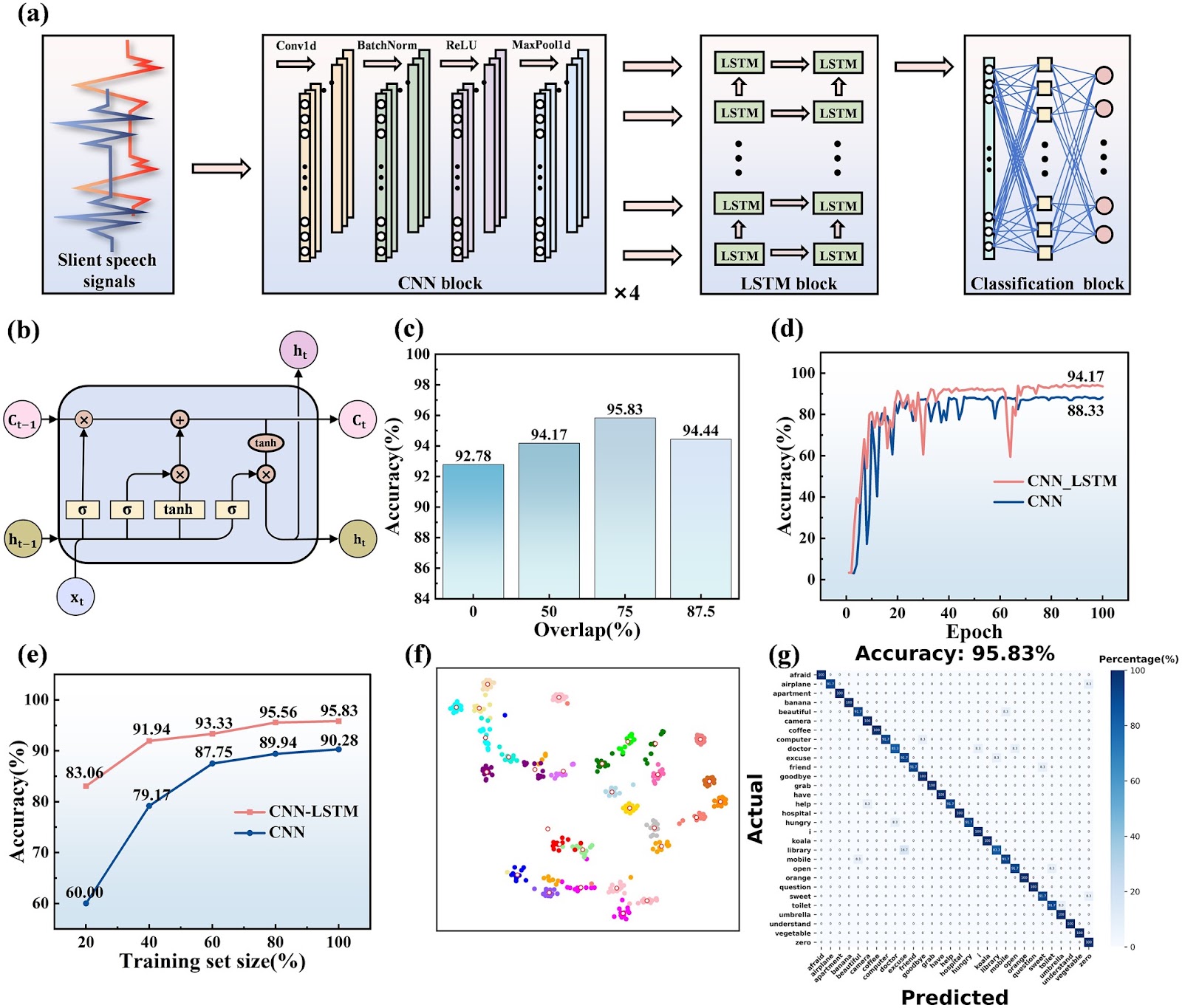
TENG-Based Self-Powered Silent Speech Recognition Interface: from Assistive Communication to Immersive AR/VR Interaction

Authors: Shuai Lin, Yanmin Guo, Xiangyao Zeng, Xiongtu Zhou, Yongai Zhang, Chengda Li, Chaoxing Wu

Lip language provides a silent, intuitive, and efficient mode of communication, offering a promising solution for individuals with speech impairments. Its articulation relies on complex movements of the jaw and the muscles surrounding it. However, the accurate and real-time acquisition and decoding of these movements into reliable silent speech signals remains a significant challenge. In this work, we propose a real-time silent speech recognition system, which integrates a triboelectric nanogenerator-based flexible pressure sensor (FPS) with a deep learning framework. The FPS employs a porous pyramid–structured silicone film as the negative triboelectric layer, enabling highly sensitive pressure detection in the low-force regime (1 V N−1 for 0–10 N and 4.6 V N−1 for 10–24 N). This allows it to precisely capture jaw movements during speech and convert them into electrical signals. To decode the signals, we proposed a convolutional neural network-long short-term memory (CNN–LSTM) hybrid network, combining CNN and LSTM model to extract both local spatial features and temporal dynamics. The model achieved 95.83% classification accuracy in 30 categories of daily words. Furthermore, the decoded silent speech signals can be directly translated into executable commands for contactless and precise control of the smartphone. The system can also be connected to AR glasses, offering a novel human–machine interaction approach with promising potential in AR/VR applications.

TENG-Based Self-Powered Silent Speech Recognition Interface: from Assistive Communication to Immersive AR/VR Interaction
Graphical Abstract
Original ResearchVol. 18, Issue 1 • pp. 150DOI: 10.1007/s40820-025-02001-xJan 15, 2026

Biomimetic Gradient Lubrication Hydrogel Contrived by Self-Reinforced MOFs Nanoparticle Network

Authors: Desheng Liu, Yixian Wang, Changcheng Bai, Danli Hu, Xingxing Yang, Yaozhong Lu, Tao Wu, Fei Zhai, Pan Jiang, Xiaolong Wang, Weimin Liu

The development of gradient lubrication materials is critical for numerous biomedical applications, particularly in magnifying mechanical properties and service longevity. Herein, we present an innovative approach to fabricate biomimetic gradient lubrication hydrogel through the synergistic integration of three-dimensional (3D) printed metal–organic frameworks (MOFs) nanoparticle network hydrogel skeletons with bio-inspired lubrication design. Specifically, robust hydrogel skeletons were engineered through single or multi-material 3D printing, followed by the in situ growth of MOFs nanoparticles within this hydrogel network to create a reinforced, load-bearing architecture. Subsequently, biomimetic lubrication capability was enabled by mechanically coupling another lubricating hydrogel within 3D-printed MOFs nanoparticle network hydrogel skeleton. The superficial layer is highly lubricious to ensure low coefficient of friction (~ 0.1141) and wear resistance (40,000 cycles), while the deeper layer is stiffer to afford the obligatory mechanical support (fracture strength ~ 2.50 MPa). Furthermore, the gradient architecture stiffness of the hydrogel can be modulated by manipulating the spatial distribution of MOFs within the 3D-printed hydrogel skeleton. As a proof-of-concept, biomimetic gradient hydrogel meniscus structures with C- and O-shaped configurations were constructed by leveraging multi-material 3D printing, demonstrating exceptional lubrication performance. This innovative biomimetic design opens new avenues for creating implantable biomedical gradient lubricating materials with reinforced mechanical and lubrication performance.

Biomimetic Gradient Lubrication Hydrogel Contrived by Self-Reinforced MOFs Nanoparticle Network
Graphical Abstract
Original ResearchVol. 18, Issue 1 • pp. 139DOI: 10.1007/s40820-025-01993-wJan 15, 2026

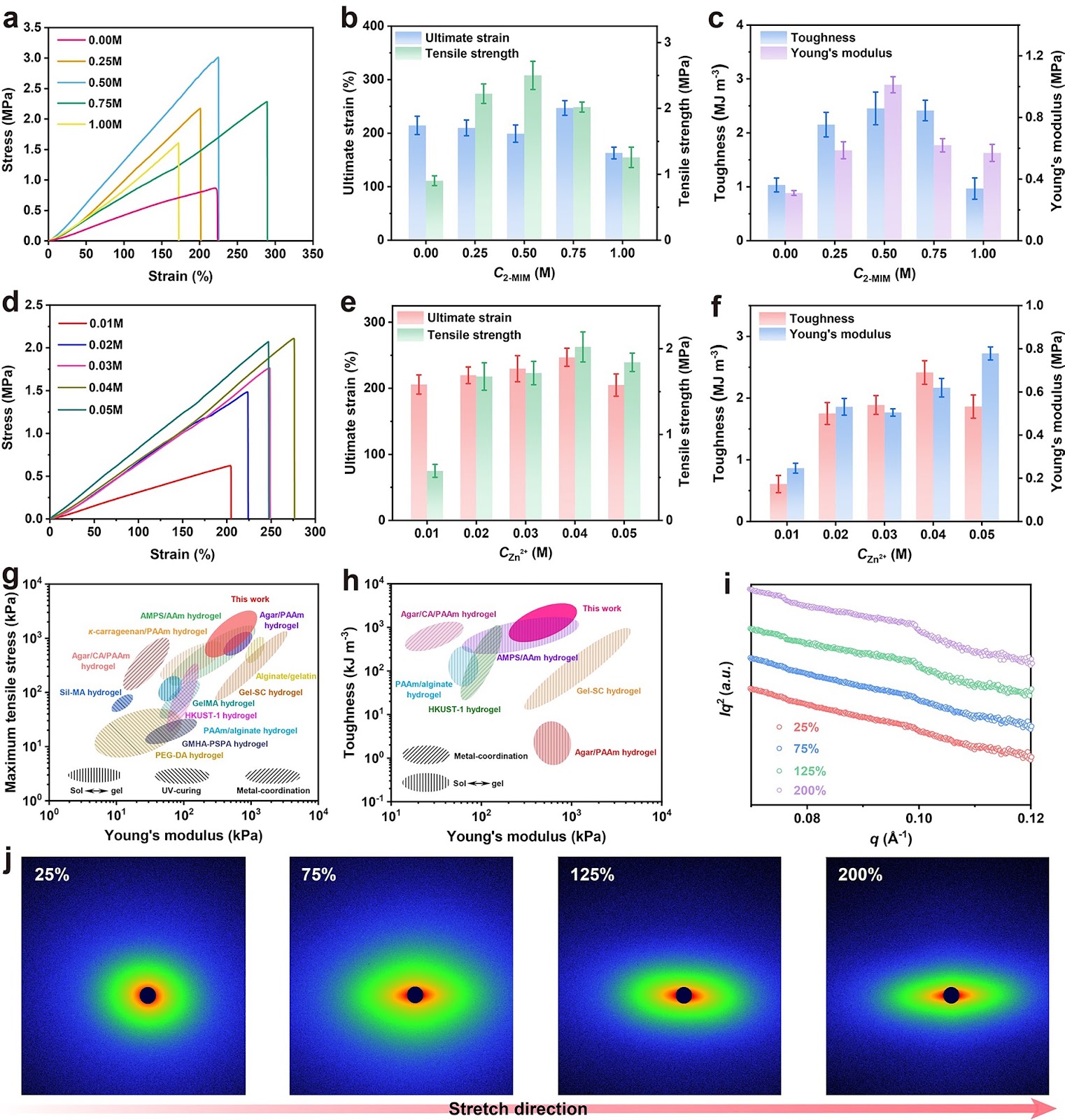
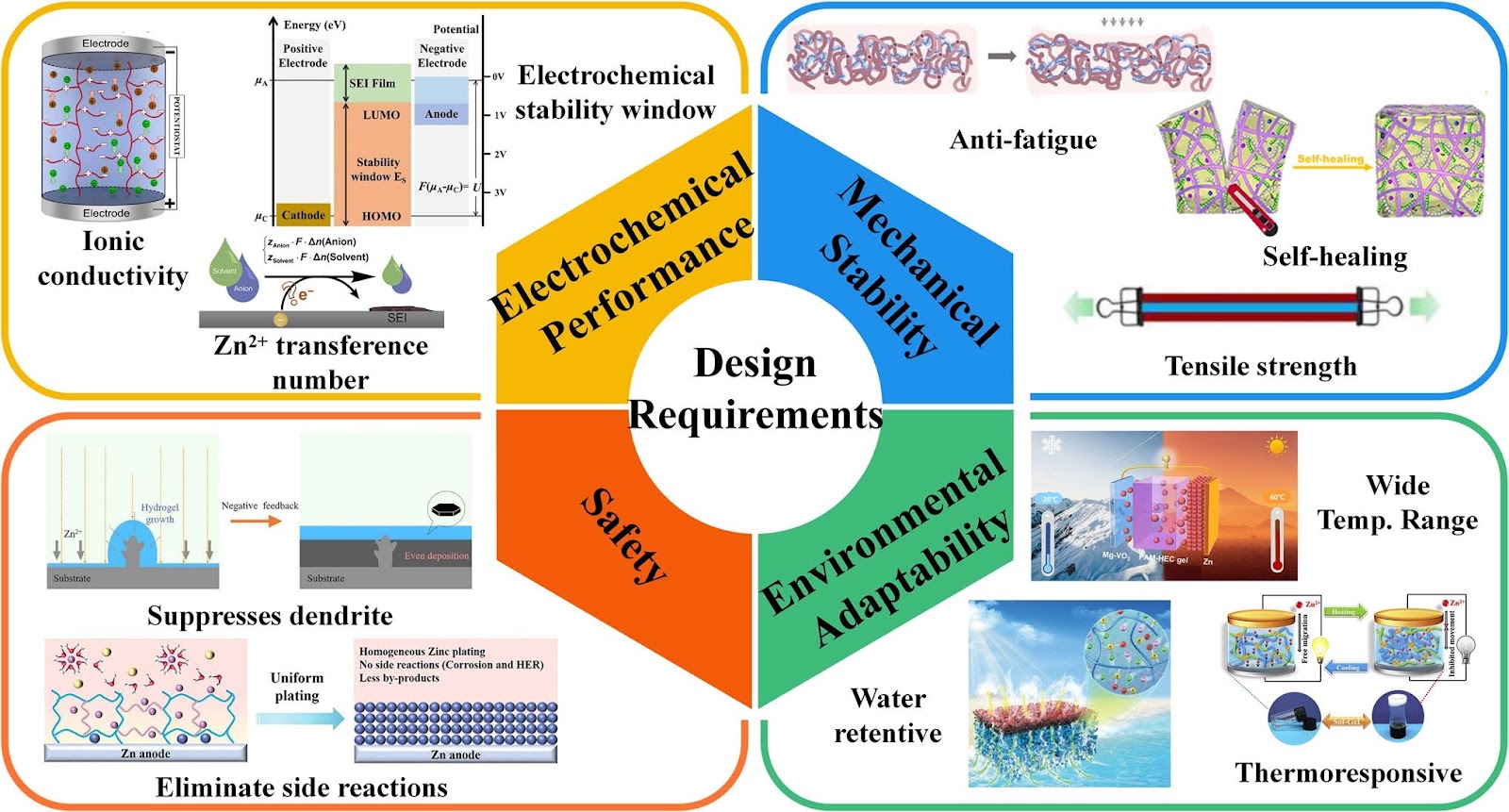
Hydrogel Electrolytes for Zinc-Ion Batteries: Materials Design, Functional Strategies, and Future Perspectives

Authors: Zhengchu Zhang, Yongbiao Mu, Lijuan Xiao, Hengyuan Hu, Tao Xue, Limin Zang, Eiichi Sakai, Meisheng Han, Chao Yang, Lin Zeng, Jianhui Qiu

With the escalating demand for safe, sustainable, and high-performance energy storage systems, hydrogel electrolytes have emerged as promising alternatives to conventional liquid electrolytes in zinc-ion batteries. By integrating the high ionic conductivity of liquid electrolytes with the mechanical robustness of solid frameworks, hydrogel electrolytes offer distinct advantages in suppressing zinc dendrite formation, enhancing interfacial stability, and enabling reliable operation under extreme environmental conditions. This review systematically summarizes the fundamental characteristics and design criteria of hydrogel electrolytes, including mechanical flexibility, ionic transport capabilities, and environmental adaptability. It further explores various compositional design strategies involving natural polymers, synthetic polymers, and composite systems, as well as the incorporation of electrolyte salts and functional additives. In addition, recent advances in functional optimization, such as anti-freezing properties, self-healing abilities, thermal responsiveness, and biocompatibility, are comprehensively discussed. Finally, the review outlines the current challenges and proposes potential directions for future research.

Hydrogel Electrolytes for Zinc-Ion Batteries: Materials Design, Functional Strategies, and Future Perspectives
Graphical Abstract
Original ResearchVol. 18, Issue 1 • pp. 141DOI: 10.1007/s40820-025-01991-yJan 15, 2026

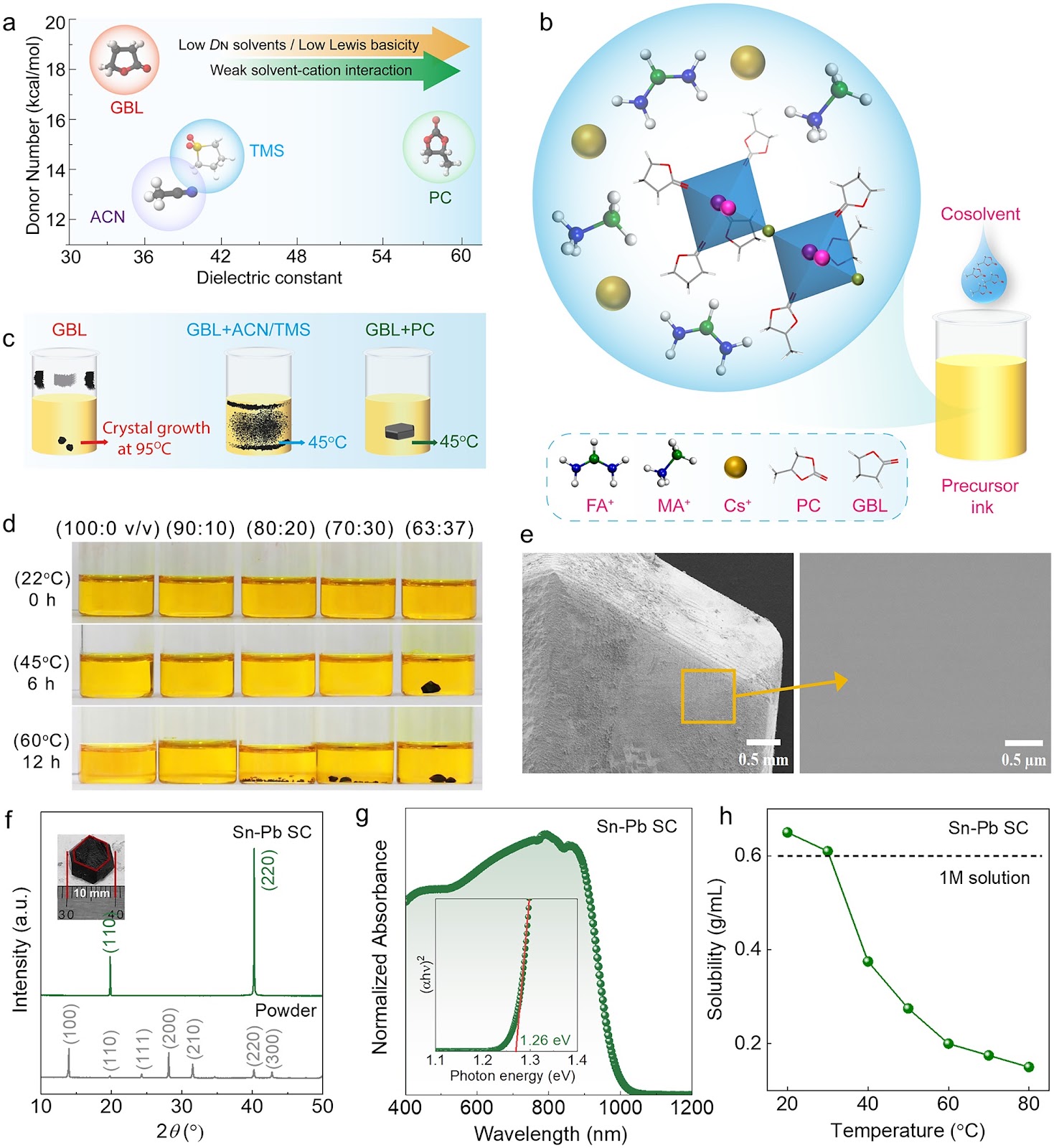
Monolithic Integration of Redox-Stable Sn–Pb Halide Perovskite Single-Crystalline Films for Durable Near-Infrared Photodetection

Authors: Rajendra Kumar Gunasekaran, Jihoon Nam, Myeong-geun Choi, Won Chang Choi, Sunwoo Kim, Doyun Im, Yeonghun Yun, Yun Hwa Hong, Sang Hyeok Ryou, Hyungwoo Lee, Kwang Heo, Sangwook Lee

Tin–lead (Sn–Pb) halide perovskite single crystals combine narrow bandgaps, long carrier diffusion lengths, and low trap densities, positioning them as ideal candidates for near-infrared (NIR) optoelectronics. However, conventional growth strategies rely on bulk crystallization at elevated temperatures, leading to uncontrolled nucleation, Sn2+ oxidation, and poor compatibility with planar integration. Here, we develop a coordination-engineered crystallization strategy that enables direct, low-temperature growth of micrometer-thick Sn–Pb single-crystal thin films on device-compatible substrates. By modulating metal–solvent coordination strength using a low-donor number cosolvent system, we delineate a narrow processing window that stabilizes precursor speciation, lowers the nucleation barrier, and guides directional crystal growth under mild thermal conditions (< 40 °C). The resulting crystal films exhibit smooth morphology, high crystallinity, compositional uniformity, and ultralow trap densities (~ 3.98 × 10^12 cm−3). When integrated into NIR photodetectors, these films deliver high responsivity (0.51 A W−1 at 900 nm), specific detectivity up to 3.6 × 10^12 Jones, fast response (~ 188 μs), and > 25,000 cycles of ambient operational stability. This approach establishes a scalable platform for redox-stable, low-temperature growth of Sn–Pb perovskite crystal films and expands the processing–structure–function landscape for next-generation infrared optoelectronics.

Monolithic Integration of Redox-Stable Sn–Pb Halide Perovskite Single-Crystalline Films for Durable Near-Infrared Photodetection
Graphical Abstract
Original ResearchVol. 18, Issue 1 • pp. 145DOI: 10.1007/s40820-025-01956-1Jan 15, 2026

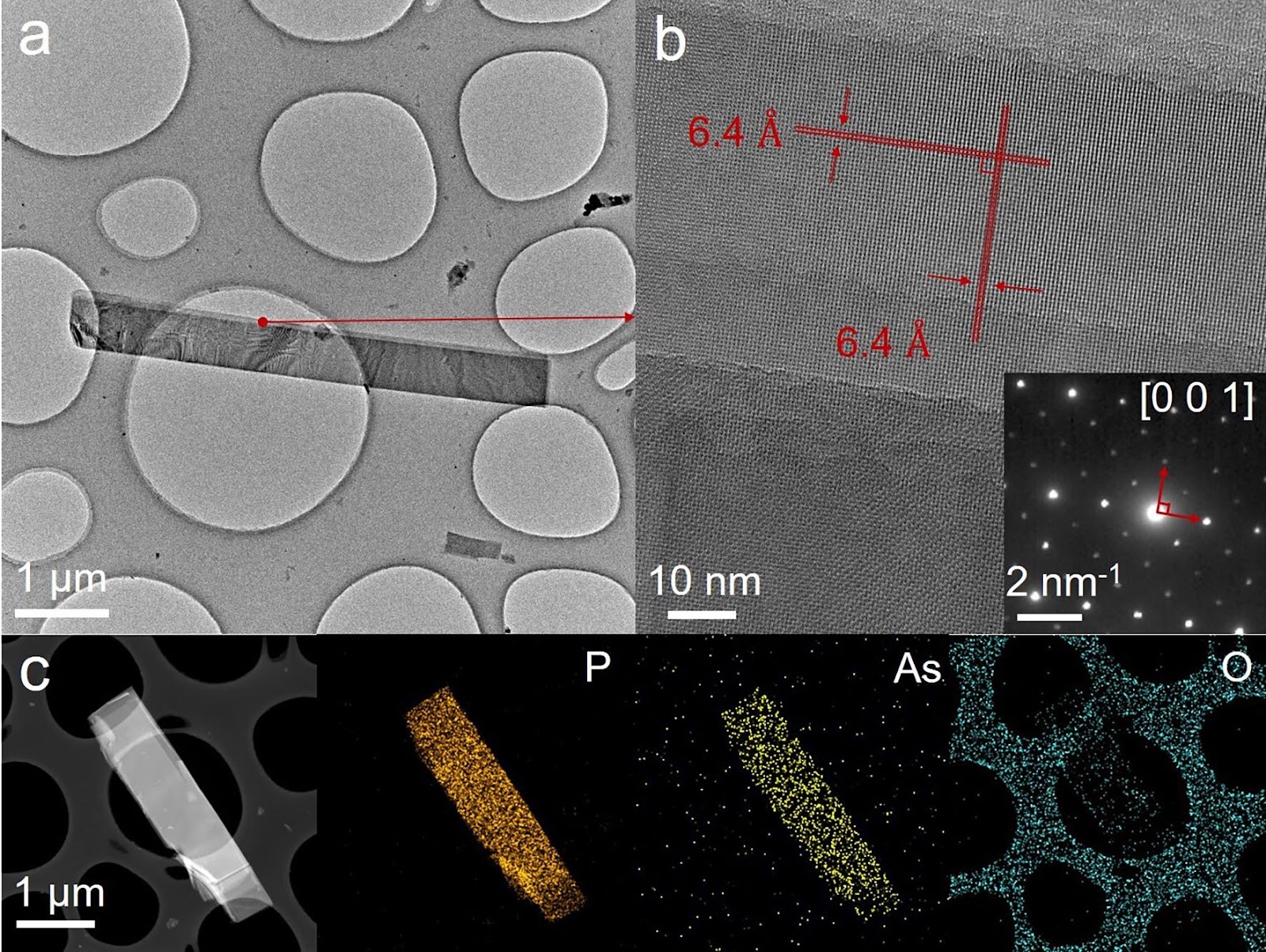
Violet Arsenic Phosphorus: Switching p-Type into High Performance n-Type Semiconductor by Arsenic Substitution

Authors: Rui Zhai, Zhuorui Wen, Xuewen Zhao, Junyi She, Mengyue Gu, Fanqi Bu, Chang Huang, Guodong Meng, Yonghong Cheng, Jinying Zhang

Violet phosphorus, a recently explored layered elemental semiconductor, has attracted much attention due to its unique photo-electric, mechanical properties, and high hole mobility. Herein, violet arsenic phosphorus has for the first time been synthesized by a molten lead method. The crystal structure of violet arsenic phosphorus (P83.4As0.6, CSD-2408761) was determined by single crystal X-ray diffraction to have similar structure as that of violet phosphorus, where P12 is occupied by arsenic/phosphorus (As/P) atoms as mixed occupancy sites As1/P12. The arsenic substitution has been demonstrated to tune the band structure of violet phosphorus, switching p-type of violet phosphorus to high-performance n-type violet arsenic phosphorus. The effective electron mass along the <010> direction is significantly reduced from 1.792 to 0.515 m0 by arsenic substitution, resulting in an extremely high electron mobility of 2622.503 cm2 V⁻1 s⁻1. The field effect transistor built with P83.4As0.6 nanosheets was measured to have a high electron mobility (137.06 cm2 V⁻1 s⁻1, 61.2 nm), even under ambient conditions for 5 h, much higher than the hole mobility of violet phosphorene nanosheets (4.07 cm2 V⁻1 s⁻1, 73.3 nm). This work provides a new idea for designing phosphorus-based materials for field effect transistors, giving significant potential in complementary metal–oxide–semiconductor applications.

Violet Arsenic Phosphorus: Switching p-Type into High Performance n-Type Semiconductor by Arsenic Substitution
Graphical Abstract
Original ResearchVol. 18, Issue 1 • pp. 55DOI: 10.1007/s40820-025-01887-xJan 15, 2026

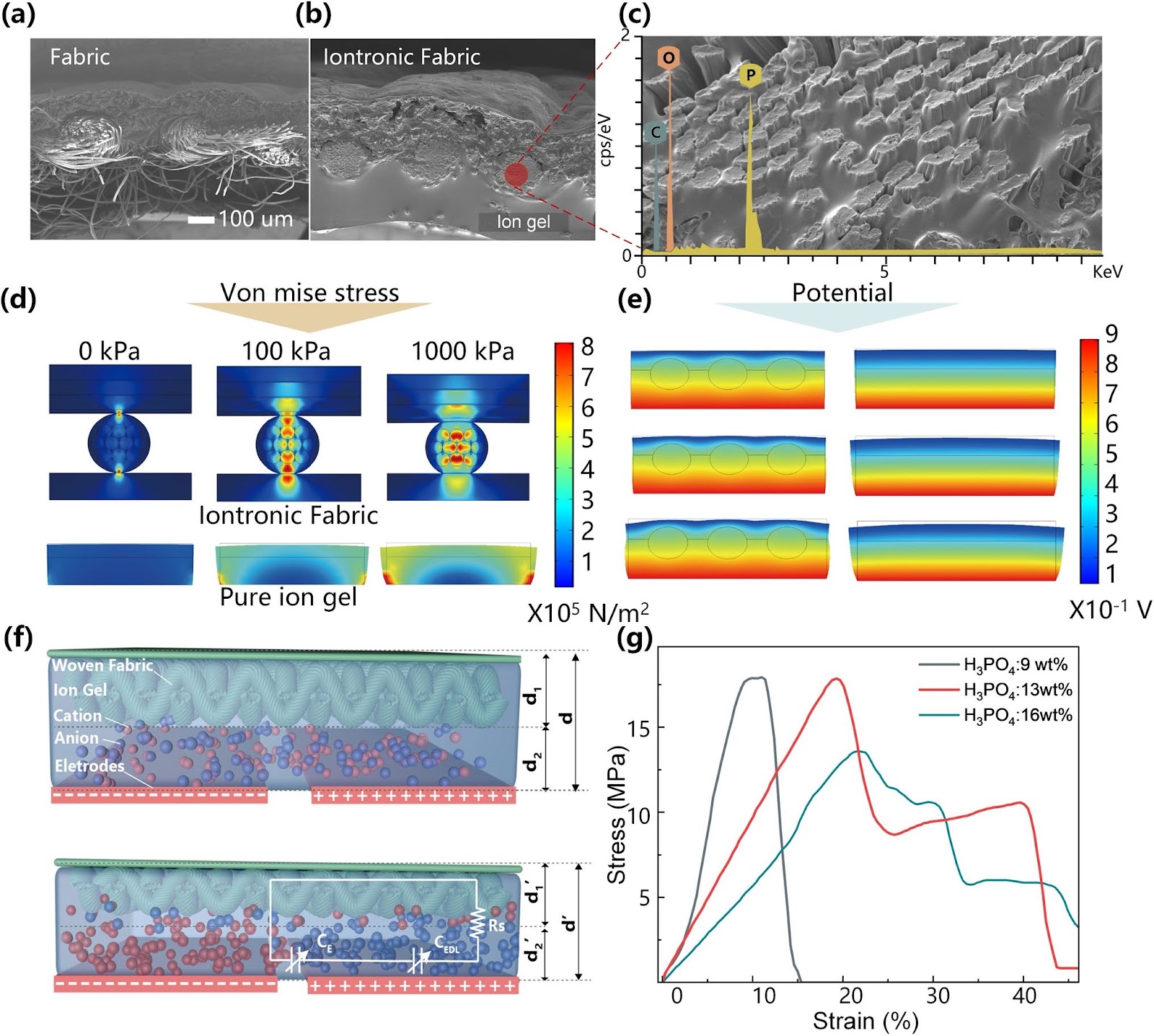
Skin-Inspired Ultra-Linear Flexible Iontronic Pressure Sensors for Wearable Musculoskeletal Monitoring

Authors: Pei Li, Shipan Lang, Lei Xie, Yong Zhang, Xin Gou, Chao Zhang, Chenhui Dong, Chunbao Li, Jun Yang

The growing prevalence of exercise-induced tibial stress fractures demands wearable sensors capable of monitoring dynamic musculoskeletal loads with medical-grade precision. While flexible pressure-sensing insoles show clinical potential, their development has been hindered by the intrinsic trade-off between high sensitivity and full-range linearity (R2 > 0.99 up to 1 MPa) in conventional designs. Inspired by the tactile sensing mechanism of human skin, where dermal stratification enables wide-range pressure adaptation and ion-channel-regulated signaling maintains linear electrical responses, we developed a dual-mechanism flexible iontronic pressure sensor (FIPS). This innovative design synergistically combines two bioinspired components: interdigitated fabric microstructures enabling pressure-proportional contact area expansion (∝ P1/3) and iontronic film facilitating self-adaptive ion concentration modulation (∝ P2/3), which together generate a linear capacitance-pressure response (C ∝ P). The FIPS achieves breakthrough performance: 242 kPa−1 sensitivity with 0.997 linearity across 0–1 MPa, yielding a record linear sensing factor (LSF = 242,000). The design is validated across various substrates and ionic materials, demonstrating its versatility. Finally, the FIPS-driven design enables a smart insole demonstrating 1.8% error in tibial load assessment during gait analysis, outperforming nonlinear counterparts (6.5% error) in early fracture-risk prediction. The biomimetic design framework establishes a universal approach for developing high-performance linear sensors, establishing generalized principles for medical-grade wearable devices.

Skin-Inspired Ultra-Linear Flexible Iontronic Pressure Sensors for Wearable Musculoskeletal Monitoring
Graphical Abstract
Original ResearchVol. 18, Issue 1 • pp. 49DOI: 10.1007/s40820-025-01886-yJan 15, 2026

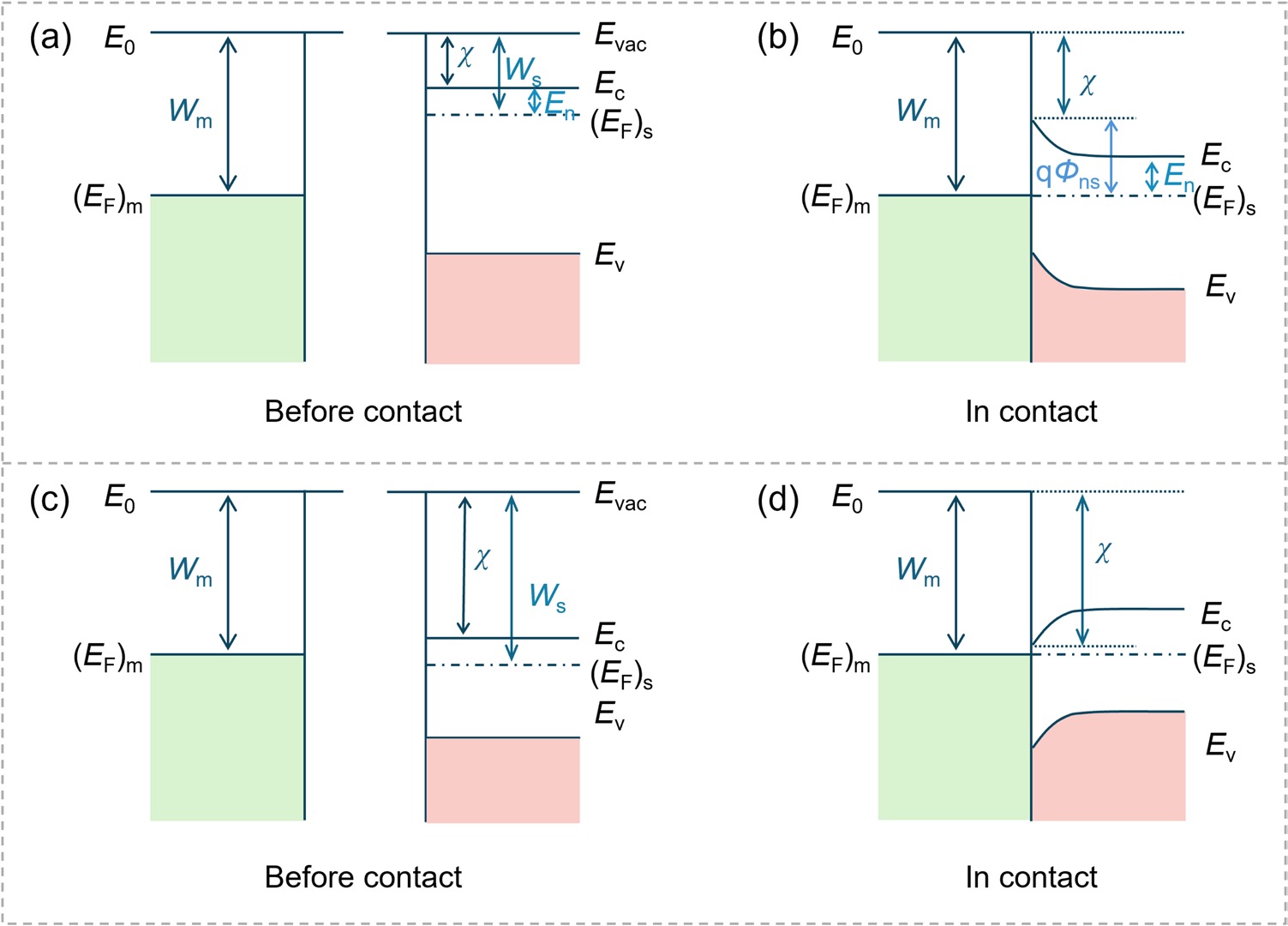
Solar-Driven Redox Reactions with Metal Halide Perovskites Heterogeneous Structures

Authors: Qing Guo, Jin-Dan Zhang, Jian Li, Xiyuan Feng

Metal halide perovskites (MHPs) with striking electrical and optical properties have appeared at the forefront of semiconductor materials for photocatalytic redox reactions but still suffer from some intrinsic drawbacks such as inferior stability, severe charge-carrier recombination, and limited active sites. Heterojunctions have recently been widely constructed to improve light absorption, passivate surface for enhanced stability, and promote charge-carrier dynamics of MHPs. However, little attention has been paid to the review of MHPs-based heterojunctions for photocatalytic redox reactions. Here, recent advances of MHPs-based heterojunctions for photocatalytic redox reactions are highlighted. The structure, synthesis, and photophysical properties of MHPs-based heterojunctions are first introduced, including basic principles, categories (such as Schottky junction, type-I, type-II, Z-scheme, and S-scheme junction), and synthesis strategies. MHPs-based heterojunctions for photocatalytic redox reactions are then reviewed in four categories: H2 evolution, CO2 reduction, pollutant degradation, and organic synthesis. The challenges and prospects in solar-light-driven redox reactions with MHPs-based heterojunctions in the future are finally discussed.

Solar-Driven Redox Reactions with Metal Halide Perovskites Heterogeneous Structures
Graphical Abstract