SinoTechIntel Academic Portal
🏛️ Indexed Academic JournalImpact Factor: 3.8

Surface Technology (表面技术)

Authoritative peer-reviewed journal in materials science, metallurgy, chemistry and engineering technologies: Surface Technology (表面技术)

Total Research Papers: 25
Access: 100% Free Open Access
Browse by Publication Year & VolumeReset All Filters ✕

Published Research PapersFiltered: Year 2026 • Vol. 32

Showing 25 of 25 peer-reviewed papers with full Graphical Abstracts.

Original ResearchVol. 32, Issue 10 • pp. 100-112DOI: 10.16490/j.cnki.issn.1001-3660.2026.10.002Jan 15, 2026

Research Progress and Prospects of Corrosion-resistant High-entropy Alloy Coatings

Authors: WANG Haitao, YANG Pan, ZHAO Fan, ZENG Yi, SHAO Feng, XIANG Chao, LAI Jianping, YU Jiaxin

Marine environments impose combined electrochemical, microbiological, and cavitation erosion degradation on metallic infrastructure, shortening service intervals and inflating maintenance expenditure. High-entropy alloy (HEA) coatings mitigate these failure modes through simple solid-solution or amorphous microstructures that suppress galvanic coupling and promote dense passive film formation. This review systematically examines corrosion-resistant HEA coatings from single-factor to multi-factor coupling perspectives, covering classification and compositional design, fabrication routes, and corrosion behavior under complex marine conditions. Key coating systems include FeCoCrNiMn, AlCoCrFeNi, FeCrNiCoAl, and (FeCoCrNi)75B15Si10 amorphous alloys deposited by atmospheric plasma spraying, high-velocity oxy-fuel spraying, and wire arc spraying. Elemental additions of Cr, Al, and Mo enhance passivation; B and Si promote amorphous phase formation. The review identifies core engineering bottlenecks: compositional design, process optimization, and service performance validation. A multi-scale simulation, process-structure optimization, and in-situ characterization framework is proposed to accelerate coating deployment. These findings provide theoretical and technical guidance for next-generation corrosion-resistant coatings in marine equipment.
Research Progress and Prospects of Corrosion-resistant High-entropy Alloy Coatings
Graphical Abstract
Original ResearchVol. 32, Issue 10 • pp. 100-112DOI: 10.16490/j.cnki.issn.1001-3660.2026.10.003Jan 15, 2026

Effect of Sodium Hypochlorite Concentration and Medium Temperature on Corrosion of 45# Steel in Artificial Seawater and Simulated Concrete Pore Solution

Authors: ZHANG Junnan, WEI Donghong, FU Qi, SONG Guangling

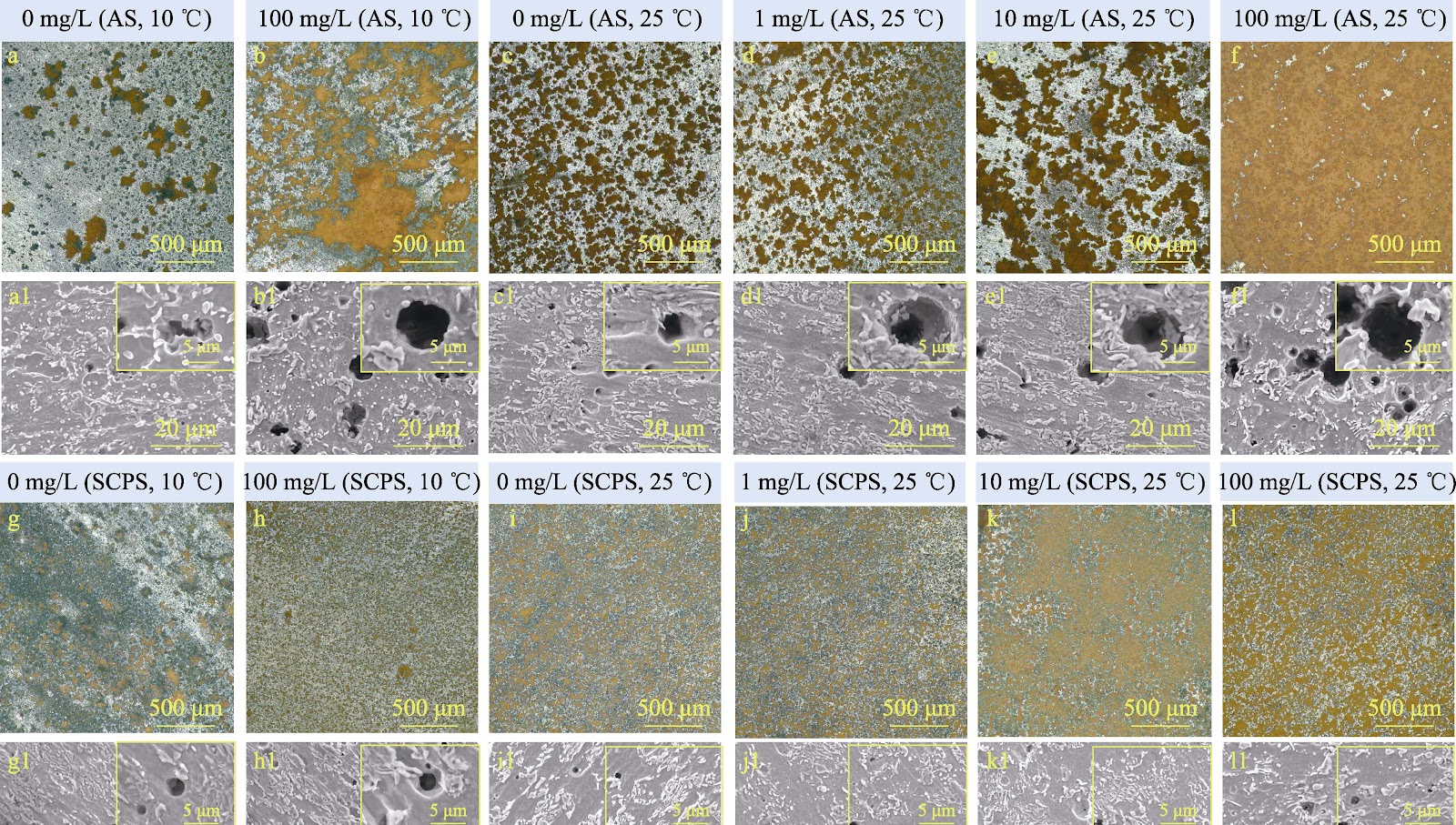
Seawater discharged during LNG regasification carries residual chlorine, predominantly sodium hypochlorite (NaClO), and low temperature, posing a dual corrosion threat to carbon steel components and adjacent reinforced concrete. This study systematically evaluates the corrosion behavior of 45# steel in artificial seawater (AS) and simulated concrete pore solution (SCPS, pH≈10) under NaClO concentrations of 0, 1, 10, and 100 mg/L at 10 °C and 25 °C. Electrochemical impedance spectroscopy, potentiodynamic polarization, weight-loss measurements, and localized corrosion-depth analysis were combined with SEM, EDS, XPS, and XRD to resolve corrosion kinetics, morphology, and product composition. In AS at 25 °C, increasing NaClO from 0 to 100 mg/L decreased charge transfer and film resistance (Rct + Rf) from 2266 to 1207 Ω·cm² and increased corrosion current density (Jcorr) from 11.48 to 18.29 μA/cm². Weight-loss rates remained 0.108 mm/a at 0 and 1 mg/L NaClO, rose slightly to 0.123 mm/a at 10 mg/L (+13%), and sharply to 0.202 mm/a at 100 mg/L (+87%). Corrosion morphology shifted from localized to uniform, with reduced pit depth. In SCPS at 25 °C, the alkaline environment suppressed NaClO-induced acceleration: Rct + Rf decreased from 2922 to 2266 Ω·cm², and weight-loss rates increased only 8% (0.0937 mm/a) at 10 mg/L and 25% (0.108 mm/a) at 100 mg/L relative to the 0.0865 mm/a control. However, 100 mg/L NaClO in SCPS significantly deepened localized pits. At 10 °C, both media exhibited reduced corrosion current density, thinner product layers, and shallower pits. Under standard discharge conditions (residual chlorine ≤0.2 mg/L), the additional corrosion risk from cold discharge water is negligible.

Effect of Sodium Hypochlorite Concentration and Medium Temperature on Corrosion of 45# Steel in Artificial Seawater and Simulated Concrete Pore Solution
Graphical Abstract
Original ResearchVol. 32, Issue 10 • pp. 100-112DOI: 10.16490/j.cnki.issn.1001-3660.2026.10.004Jan 15, 2026

Corrosion Inhibition Mechanism of Typical Inorganic Inhibitors on Stainless Steel in a Simulated Electrolytic Seawater Environment

Authors: LIU Zhirong, LI Shiyu, ZHANG Huiyu, ZHANG Hailong, LIN Bing, TANG Junlei

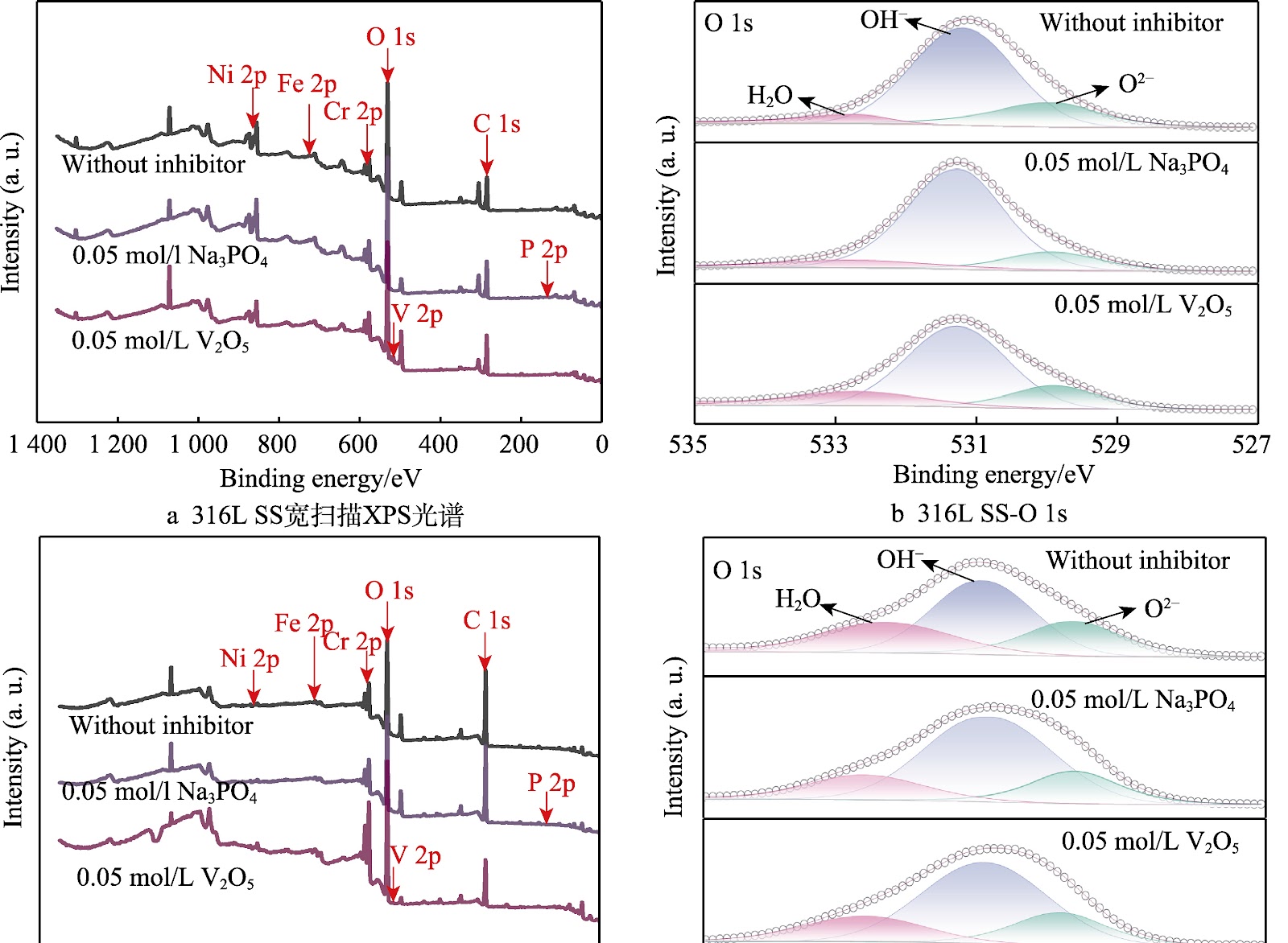
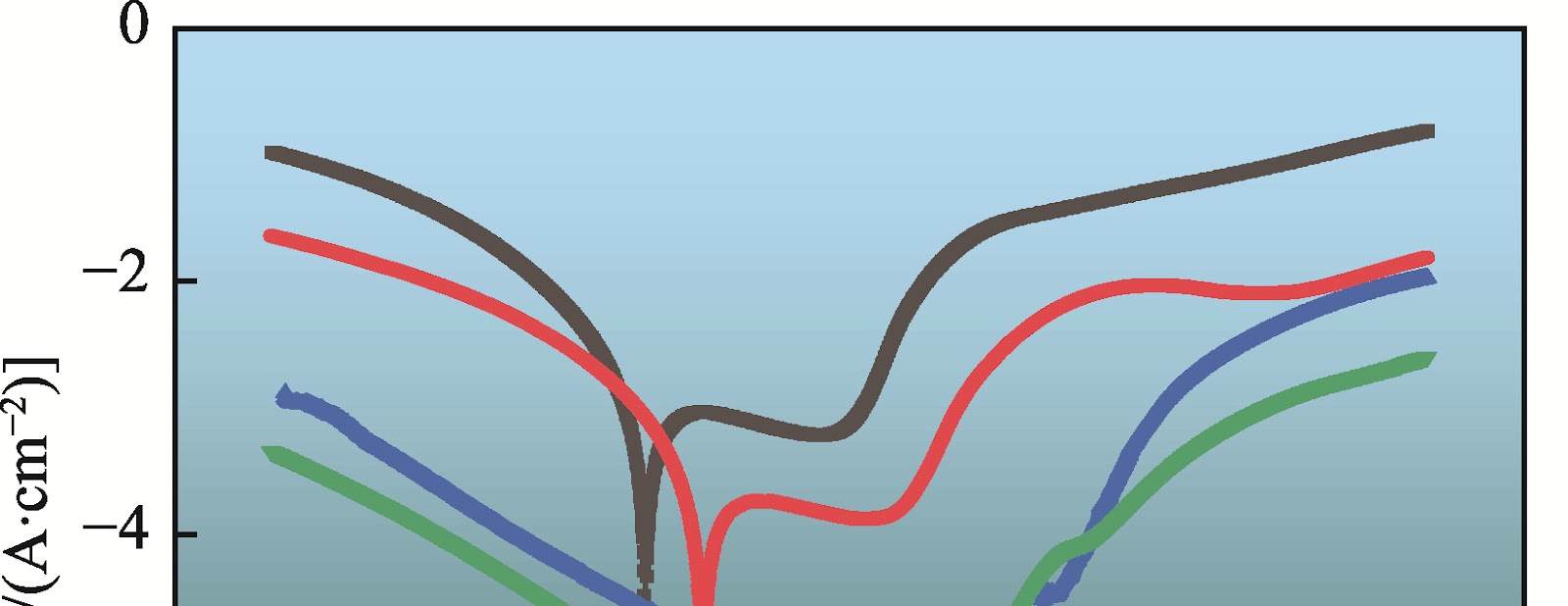
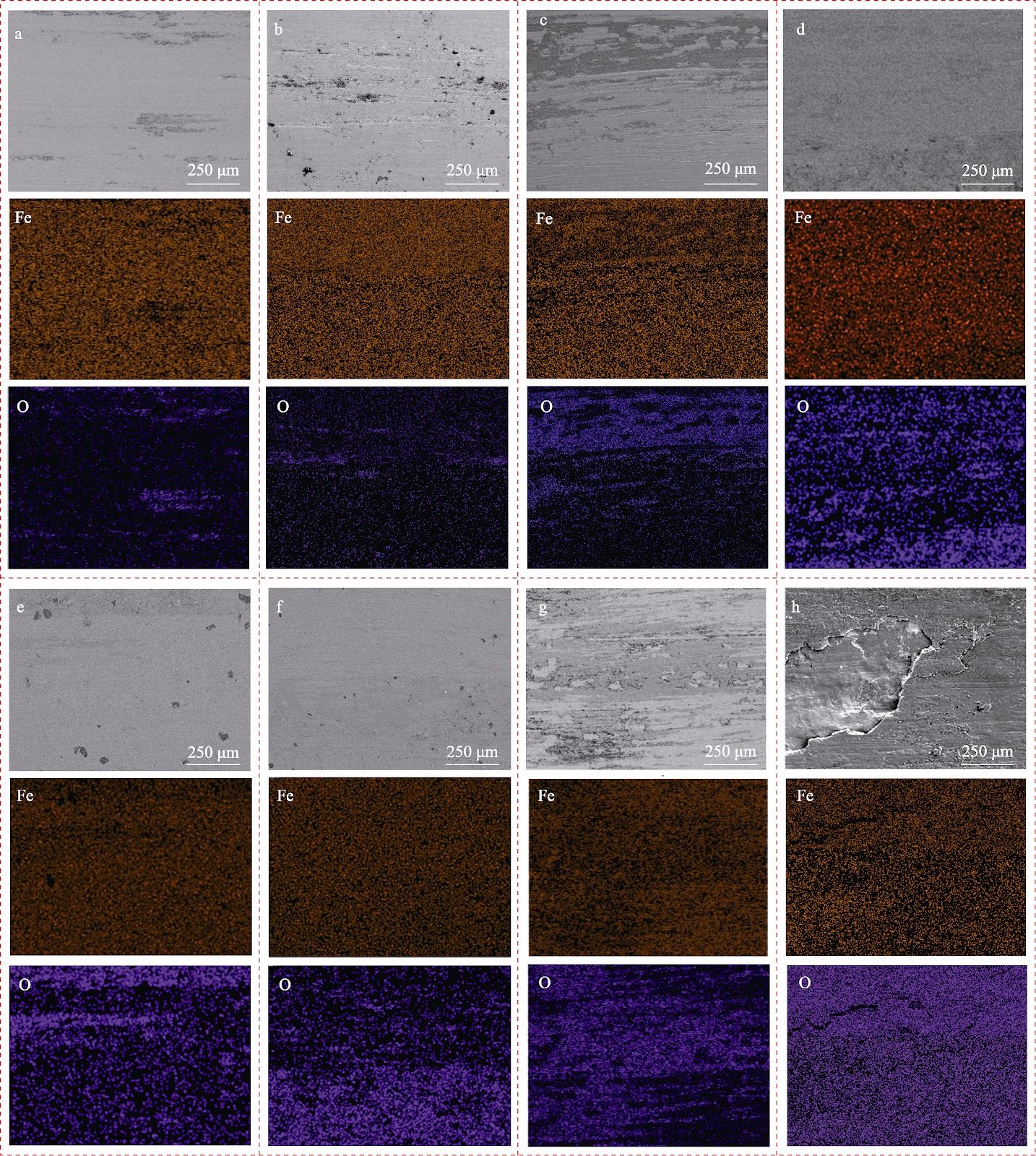
Alkaline seawater electrolysis for hydrogen production imposes severe corrosion on structural stainless steels, particularly in high-temperature, highly alkaline, chloride-rich electrolytes. This study evaluates four inorganic inhibitors—sodium molybdate (Na2MoO4), sodium tungstate (Na2WO4), sodium phosphate (Na3PO4), and vanadium pentoxide (V2O5)—for 316L austenitic stainless steel (316L SS) and 2205 duplex stainless steel (2205 DSS) in a simulated electrolytic seawater environment (6.0 mol/L NaOH, 2.0 mol/L NaCl, 90 °C). Potentiodynamic polarization, electrochemical impedance spectroscopy (EIS), and 14-day immersion tests quantified inhibition efficiency (IE). Surface morphology and film chemistry were characterized by SEM, optical profilometry (OP), and XPS. V2O5 exhibited the highest IE, reaching 79.90% for 316L SS and 89.58% for 2205 DSS at 0.05 mol/L, followed by Na3PO4 (83.33% for 2205 DSS). Na2MoO4 and Na2WO4 were least effective. EIS fitting revealed that V2O5 markedly increased film resistance (Rf) and charge-transfer resistance (Rct) (e.g., Rct = 29,770 Ω·cm², Rf = 923.50 Ω·cm² for 316L SS), indicating suppressed interfacial charge transfer. XPS confirmed the incorporation of V4+/V5+ and PO4³− species into the surface film, forming a dense, barrier-type vanadium/phosphate composite layer that mitigates corrosion. These findings establish V2O5 and Na3PO4 as promising inhibitors for stainless steel in harsh alkaline electrolytic seawater systems.

Corrosion Inhibition Mechanism of Typical Inorganic Inhibitors on Stainless Steel in a Simulated Electrolytic Seawater Environment
Graphical Abstract
Original ResearchVol. 32, Issue 10 • pp. 100-112DOI: 10.16490/j.cnki.issn.1001-3660.2026.10.005Jan 15, 2026

Influence of Temperature on Diffusion Behavior and Infiltration Layer Structure of Sherardizing on Structural Steel

Authors: YU Tianjian, LI Haiyang, ZHANG Shizhao, LIU Shujing, WANG Shuaixing, LIU Xiaohui, DU Nan

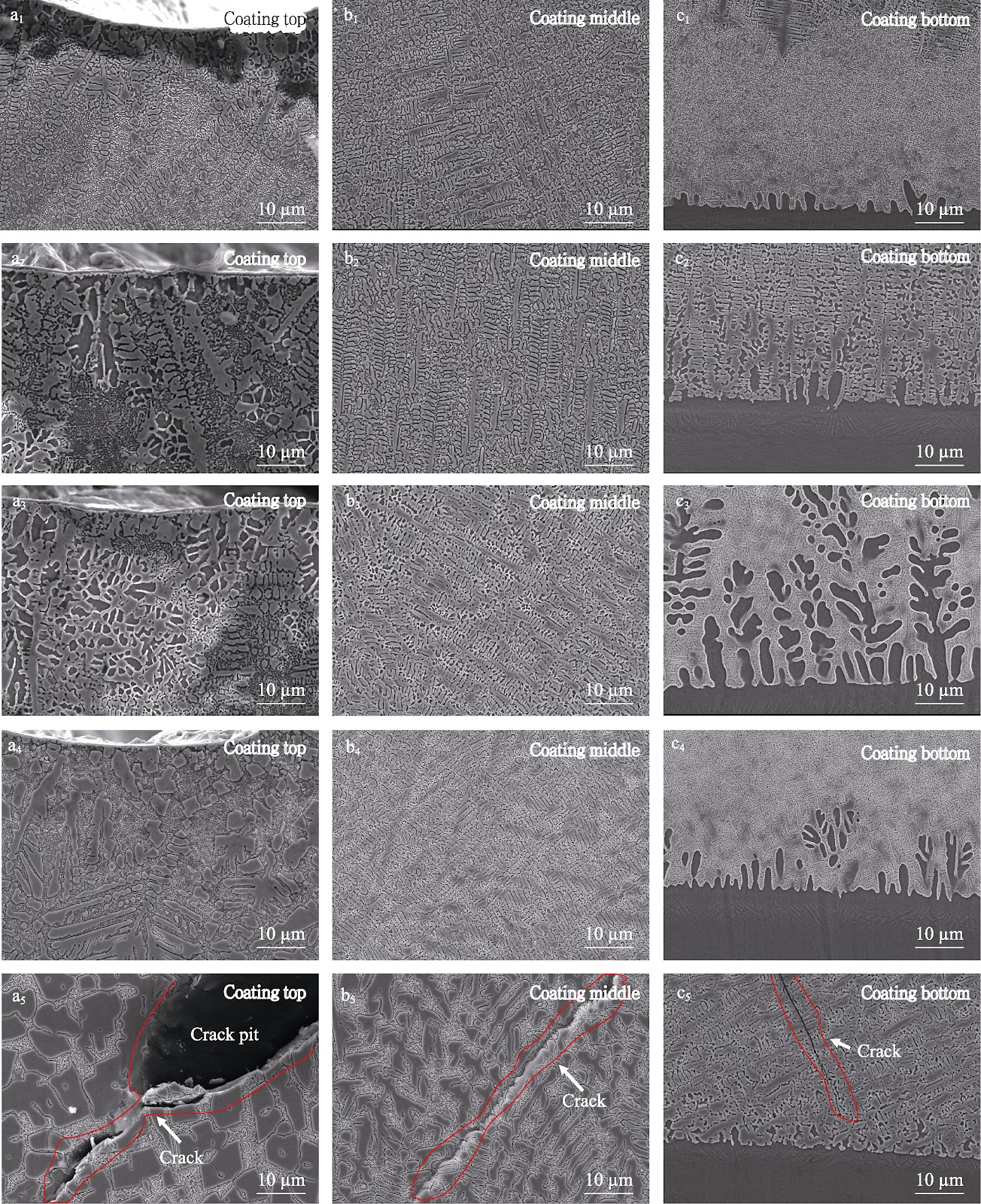
Powder sherardizing on Q235 structural steel was conducted in a 70wt.% Zn–0.8wt.% NH4Cl–29.2wt.% α-Al2O3 activated pack at 340–400 °C for 2–10 h to establish the temperature-dependent growth kinetics, phase evolution, and corrosion performance of Zn–Fe intermetallic layers. Cross-sectional SEM/EDS and XRD show that all layers consist of δ and Γ phases, with Γ concentrated near the substrate; excessive Γ at 340 °C initiates interfacial cracking. Layer thickness increases monotonically with temperature and time, rising from 10.80 μm at 340 °C to 43.90 μm at 400 °C after 6 h, and from 12.10 μm at 2 h to 81.60 μm at 10 h at 380 °C. The Zn/Fe ratio and δ-phase fraction increase with temperature, yielding denser layers and improved corrosion resistance; at 380–400 °C, corrosion current densities fall to 1.16×10⁻⁶–9.78×10⁻⁷ A/cm². The diffusion coefficient at 380 °C is 2.341×10⁻¹³ m²/s. Prolonged holding beyond 6 h produces through-thickness cracks. DSC and microstructural evidence support a three-stage growth mechanism: formation of active Zn atoms via ZnCl2 decomposition, bidirectional Zn/Fe interdiffusion along substrate defects, and continuous inward advancement of the Zn–Fe intermetallic front. The optimal processing window is 380 °C for 6 h, yielding a ~36.1 μm crack-free layer with 84.1% δ phase and superior corrosion resistance.

Influence of Temperature on Diffusion Behavior and Infiltration Layer Structure of Sherardizing on Structural Steel
Graphical Abstract
Original ResearchVol. 32, Issue 10 • pp. 100-112DOI: 10.16490/j.cnki.issn.1001-3660.2026.10.001Jan 15, 2026

Research Progress and Problem Analysis on Corrosion Prediction of Supercritical CO2 Transport Pipelines

Authors: LI Fagen, CAO Yuguang, ZHEN Ying, LI Xuanpeng, HUANG Jufeng

Pipeline transport is the core of large-scale CO2 delivery in CCUS projects, and supercritical pipeline transport is the most economical and feasible method. However, inherent multicomponent impurities and complex aqueous phase precipitation make corrosion control difficult and costly. This review assesses corrosion mechanisms and prediction technologies for supercritical CO2 transport pipelines, focusing on numerical analysis, supporting experiments, and field application within comprehensive mechanistic models. Current understanding has clarified the effects of individual impurities (H2O, H2S, O2, SO2, N2O, N2, H2, CH4) and operating parameters, but synergistic mechanisms of mixed gases remain unresolved, lacking systematic quantitative description. Existing prediction models are limited in applicability to corrosion conditions, morphological matching, and comprehensiveness of factors. Experimental methods suffer from insufficient reliability, particularly in precise metering and replenishment of corrosive media under low water content and multicomponent impurity synergy. Field application faces challenges in rational model use and accurate extraction of field data. Future directions include: deepening research on synergistic effects of impurity gases and quantifying them via theoretical analysis to establish mapping between impurity concentration and corrosion rate; accelerating development of aqueous phase precipitation and distribution models, multicomponent impurity water chemistry models, thermodynamic and kinetic models for multicomponent reactions, and competitive formation/growth models for multiple product films; strengthening experimental techniques for precise metering and replenishment under low water and multicomponent synergy; and improving field application by understanding model parameter physical meanings, applicability boundaries, and ensuring reasonable input parameters and accurate field data extraction.

Research Progress and Problem Analysis on Corrosion Prediction of Supercritical CO2 Transport Pipelines
Graphical Abstract
Original ResearchVol. 32, Issue 11 • pp. 100-112DOI: 10.16490/j.cnki.issn.1001-3660.2026.11.005Jan 15, 2026

Research on Wear Resistance and Wear Mechanism of NM500 Steel in a Wide Temperature Range

Authors: MA Heng, LI Zhenwei, WANG Zhongxue, LI Wenquan, ZHANG Qingpu, HAN Wenzheng, HE Kang, CUI Hongzhi

The tribological behavior of NM500 wear-resistant steel was systematically evaluated across a wide temperature range from −50 to 600 °C to elucidate the influence of temperature on wear resistance and to provide a theoretical basis for service life extension. Friction and wear tests were conducted using a high-temperature tribometer under a normal load of 150 N, rotational speed of 354 r/min, wear track diameter of 15 mm, and test duration of 60 minutes. The microstructure was characterized by SEM and EBSD, while worn surfaces were analyzed using XRD, SEM, and 3D laser confocal microscopy. NM500 steel exhibits a fine lath martensitic structure with a grain size of 7.08 μm, conferring high hardness and superior wear resistance. At cryogenic temperatures (−50, −25, 0 °C), the wear mechanism is predominantly abrasive wear, with a wear rate of only 1.29×10⁻⁶ mm3/(N·m). As temperature increases, oxide formation on the worn surface intensifies, friction coefficient decreases to a minimum of 0.3 (50% lower than at low temperature), and wear rate increases significantly: 18×10−6, 22.7×10⁻⁶, 46.7×10⁻⁶, and 128×10−6 mm3/(N·m) at 100, 200, 300, and 600 °C, respectively. The dominant wear mechanism transitions from abrasive wear at low temperatures to oxidative wear with adhesive wear at elevated temperatures. At 600 °C, thermal softening, reduced texture strength, and oxide film delamination exacerbate material loss, shifting the mechanism to oxidative wear as the primary mode with adhesive wear as secondary.

Research on Wear Resistance and Wear Mechanism of NM500 Steel in a Wide Temperature Range
Graphical Abstract
Original ResearchVol. 32, Issue 11 • pp. 100-112DOI: 10.16490/j.cnki.issn.1001-3660.2026.11.003Jan 15, 2026

Effect of Ni Content on the Microstructure and Tribological Properties of NiTi Alloy Coatings

Authors: ZHANG Qi, YUE Yun, ZHANG Xin, DU Sanming, PING Jingyan, DENG Sier, ZHANG Yongzhen

Plasma arc cladding was employed to fabricate NiTi coatings with varying Ni contents (60, 63, 65, 67, and 70 wt.%) on TC4 titanium alloy to enhance surface wear resistance. Microstructural characterization via SEM, OM, and XRD revealed that coatings with 60–67 wt.% Ni were dense and defect-free, whereas the 70 wt.% Ni coating exhibited through-thickness cracks. All coatings exceeded 1.2 mm in thickness and comprised a NiTi toughening phase and Ti2Ni strengthening phase. Increased dilution ratio with higher Ni content reduced actual Ni in the coating, maximizing Ti2Ni fraction (78.6%) in the 67NiTi coating, which achieved a peak hardness of 677.41 HV0.2 (2.05 times that of the TC4 substrate). Tribological testing under 5–20 N loads showed that the average wear rate of all coatings decreased significantly, following a V-shaped trend with Ni content. The 67NiTi coating exhibited the lowest wear rate (2.74×10⁻⁴ mm³/(N·m)) at 20 N, a 65% improvement over the substrate, with wear mechanisms dominated by mild abrasive and adhesive wear. These findings demonstrate that optimized Ni content in plasma-clad NiTi coatings effectively mitigates the poor wear resistance of titanium alloys, offering a viable surface engineering solution for load-bearing applications.

Effect of Ni Content on the Microstructure and Tribological Properties of NiTi Alloy Coatings
Graphical Abstract
Original ResearchVol. 32, Issue 11 • pp. 100-112DOI: 10.16490/j.cnki.issn.1001-3660.2026.11.002Jan 15, 2026

Tribological Performance of Diamond/Diamond-like Composite Coatings in Simulated Seawater Environment

Authors: YANG Chengye, SONG Hui, LI He, MU Yuanyuan, YANG Shihao, GUO Peng, JIANG Nan, MAO Xinbiao, Kazuhito Nishimura

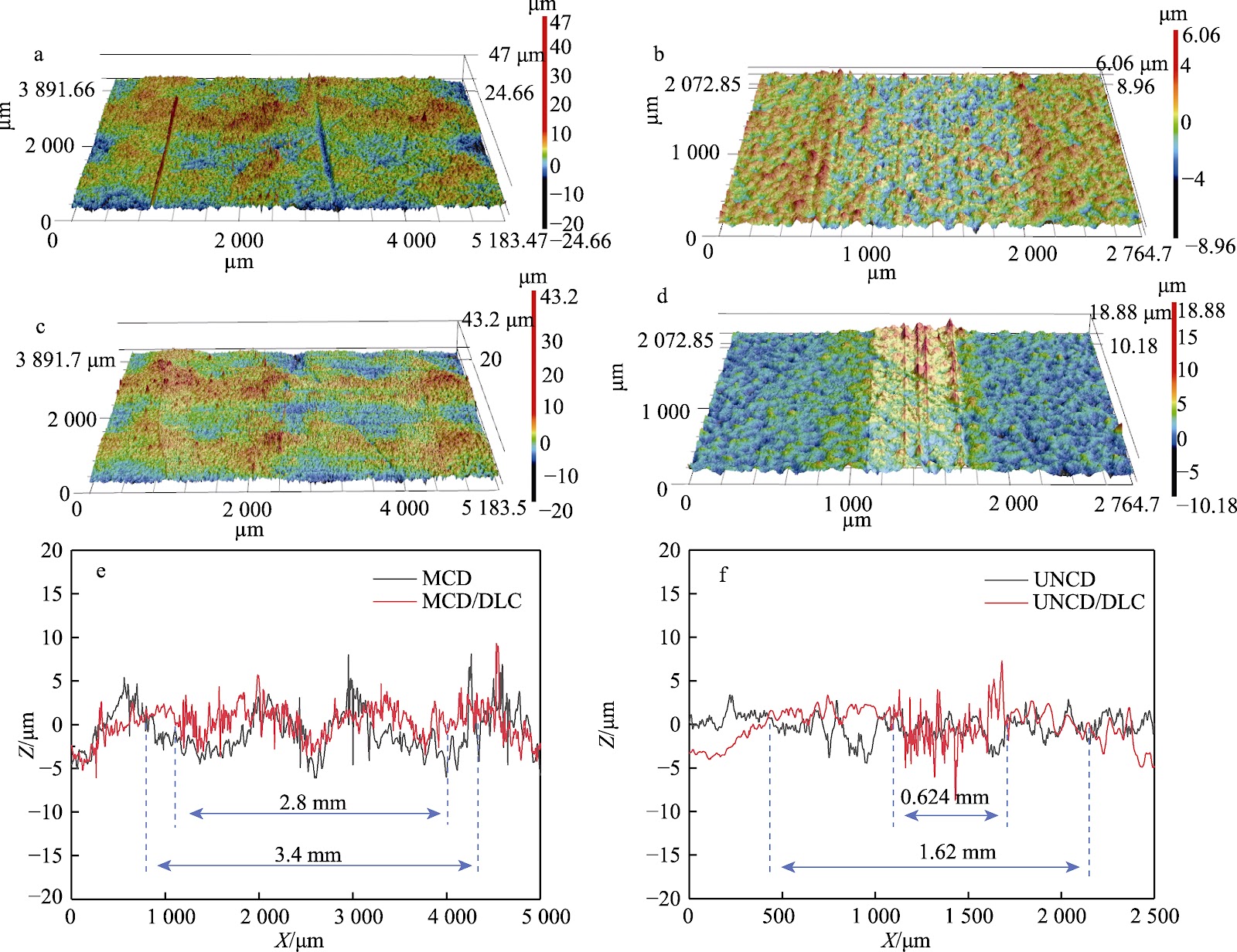
Silicon carbide mechanical seal rings in marine rotary equipment suffer severe wear, demanding coatings that simultaneously deliver high hardness, low friction, and corrosion resistance. This study fabricates diamond/diamond-like carbon (DLC) duplex coatings via hot-filament chemical vapor deposition (HFCVD) followed by magnetron-sputter-assisted ion-beam deposition. Microcrystalline diamond (MCD) and ultra-nanocrystalline diamond (UNCD) underlayers are grown on SiC, then capped with a hydrogenated DLC lubricating topcoat, forming a rigid-underlayer/lubricating-top-layer architecture. Tribological tests in simulated seawater reveal that DLC reduces MCD surface roughness from 155.33 nm to 123.77 nm and UNCD roughness from 92.43 nm to 81.90 nm. The MCD/DLC coating lowers steady-state friction coefficient and specific wear rate by 32.08% and 12.22%, respectively; UNCD/DLC achieves 26.67% and 20.92% improvements. SEM, Raman, and XPS analyses of worn surfaces indicate that the DLC top layer mitigates interfacial shear stress, enhances boundary lubrication, and accelerates friction-induced graphitization. The composite coating also reduces counterface ball damage and debris accumulation, extending the service life of mating components. These findings demonstrate that the duplex architecture overcomes the inherent limitations of monolithic diamond coatings, offering a viable route for durable marine seal applications.

Tribological Performance of Diamond/Diamond-like Composite Coatings in Simulated Seawater Environment
Graphical Abstract
Original ResearchVol. 32, Issue 11 • pp. 100-112DOI: 10.16490/j.cnki.issn.1001-3660.2026.11.001Jan 15, 2026

Friction and Wear Experiment and Simulation of YSZ-CaF2 Coating at High-temperature Conditions

Authors: DUAN Ailing, HUANG Xingrui, JING Jiannong, WANG Quan, WANG Zhiwei, MO Jiliang

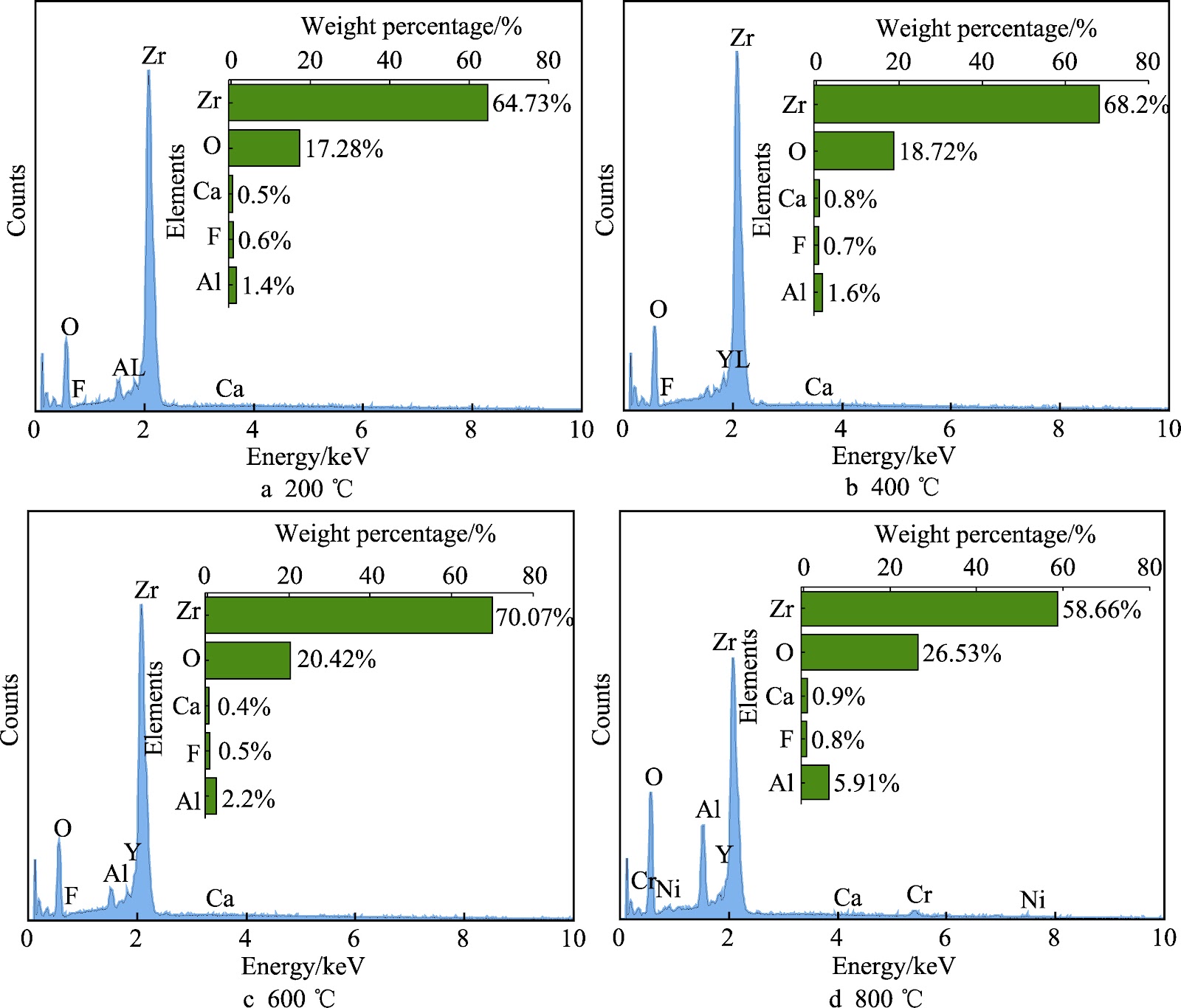
Aero-engine thrust-to-weight ratios and inlet temperatures continue to rise, imposing severe tribological demands on high-temperature moving components. YSZ-CaF2 self-lubricating wear-resistant coatings were deposited by plasma spraying, and ball-on-surface reciprocating sliding tests were conducted from room temperature to 800 °C. Friction coefficient and wear rate both decreased monotonically with increasing temperature, reaching minima at 800 °C. Post-test characterization by SEM/EDS, XRD, and white-light interferometry revealed increased surface concentrations of ZrO2 and Al2O3 wear-resistant phases and CaF2 lubricious phase, accompanied by formation of a continuous protective oxide layer. A finite element model of the ball/coating contact incorporating thermomechanical coupling was developed, and a wear simulation method integrating temperature-dependent friction coefficients and wear rates was implemented using Archard wear theory and Arbitrary Lagrangian-Eulerian adaptive meshing. Simulated contact pressures agreed with Hertzian analytical solutions, and simulated wear volumes deviated from experimental measurements by less than 3% at all tested temperatures. The simulations further showed that contact pressure decreased and became more uniformly distributed as temperature increased. The combination of increased CaF2 lubricious phase and ZrO2/Al2O3 wear-resistant phases, together with oxide layer formation, improved interfacial contact conditions and reduced friction and wear. The proposed simulation methodology is validated as accurate and effective for predicting tribological behavior and wear evolution of YSZ-CaF2 coatings under high-temperature service conditions.

Friction and Wear Experiment and Simulation of YSZ-CaF2 Coating at High-temperature Conditions
Graphical Abstract
Original ResearchVol. 32, Issue 11 • pp. 100-112DOI: 10.16490/j.cnki.issn.1001-3660.2026.11.007Jan 15, 2026

Effect of Wavy Textures on Friction Reduction and Wear Resistance of Cam Tappets

Authors: XIE Hanchong, CHEN Wengang, YIN Meiyue, FENG Jinming, ZHANG Yipeng, YANG Zhijin, CHEN Zancong, ZHENG Lili, Dongyang LI

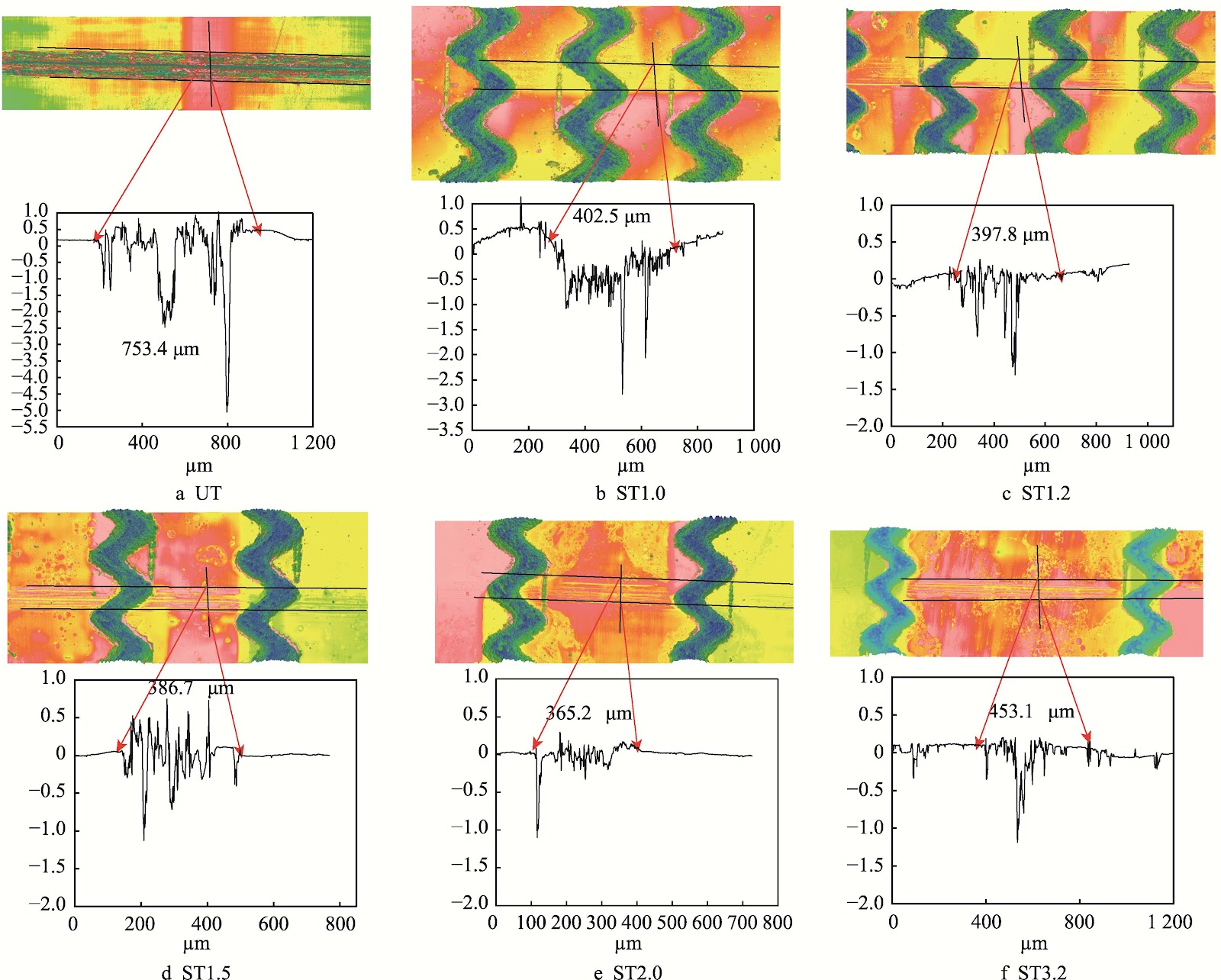
The cam-tappet friction pair in internal combustion engines experiences severe wear under excessive loads and complex lubrication, reducing engine efficiency. This study employs laser surface texturing to fabricate biomimetic wavy textures on GCr15 steel, varying texture spacing to investigate the influence of area fraction on tribological performance. Ball-on-disk tests simulated cam-tappet point contact using AISI 1045 steel balls under 10 N load, 1.038 GPa contact stress, 150 r/min, and oil lubrication. Friction coefficient and wear rate were monitored, with surface morphology and elemental composition analyzed by SEM, 3D profilometer, and EDS. Fluent simulations modeled oil film pressure distribution for different spacings. All textured samples outperformed the untextured substrate. Optimal area fraction of 15–20% reduced friction coefficient by ~50% and wear rate by 60% compared to the substrate, while oil film pressure increased by 20% relative to a 9.75% area fraction texture. Simulation and experimental results concur. Excessive texture area fraction increases contact stress and wear, whereas insufficient area fraction yields low oil film pressure and poor hydrodynamic effects. Laser-fabricated biomimetic wavy textures effectively enhance the friction and wear performance of GCr15 steel through abrasive particle storage and hydrodynamic pressure augmentation, with an optimal area fraction of 15–20%.

Effect of Wavy Textures on Friction Reduction and Wear Resistance of Cam Tappets
Graphical Abstract
Original ResearchVol. 32, Issue 11 • pp. 100-112DOI: 10.16490/j.cnki.issn.1001-3660.2026.11.006Jan 15, 2026

Optimized Design and Lubrication Friction Performance of Elliptical Micro-textures in Gear Surfaces

Authors: WANG Yan, LUO Shanming, FANG Yiming, CHANG Xuefeng

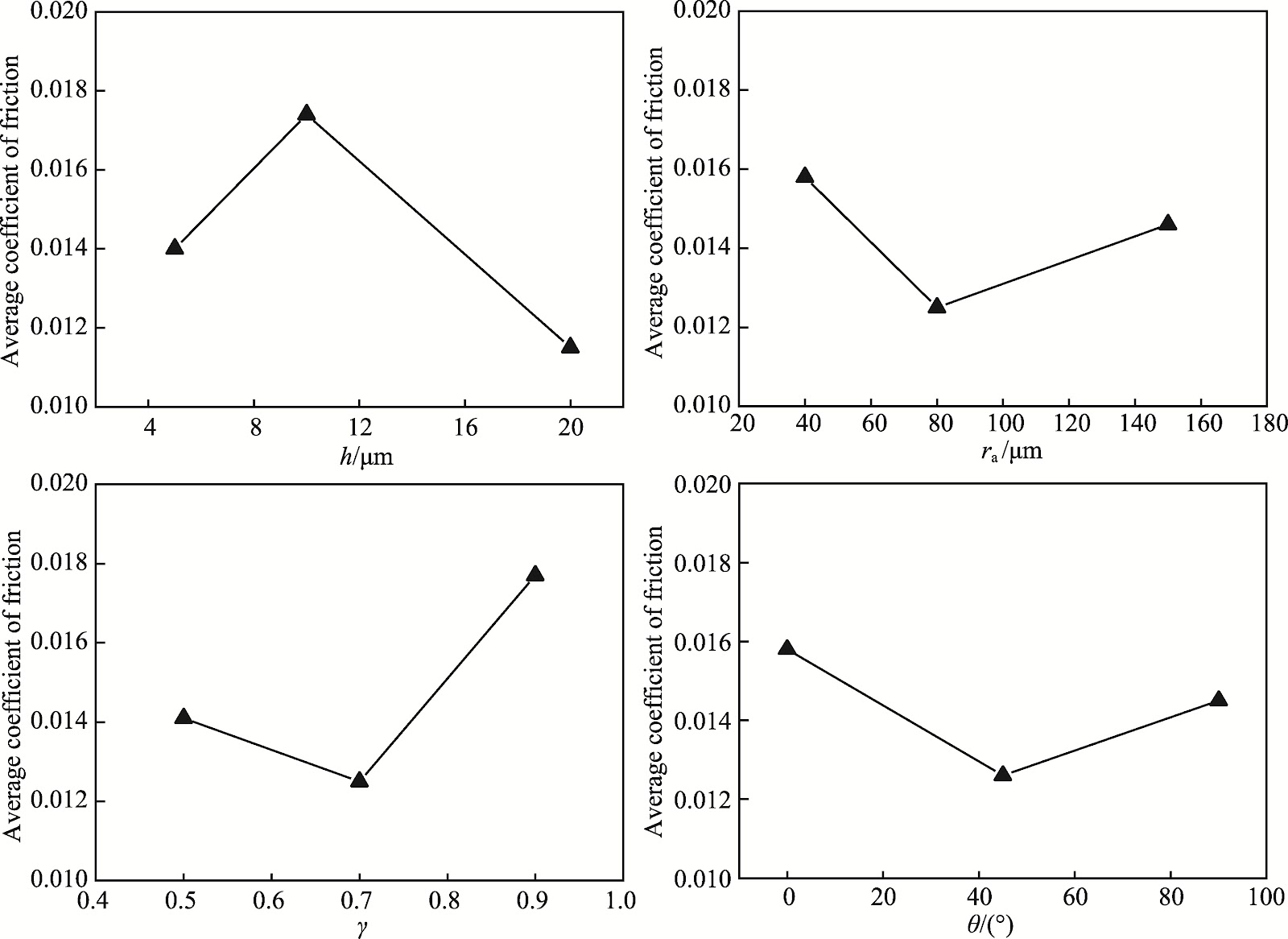
Gear transmissions under high-speed and heavy-load conditions frequently fail due to incomplete lubricating films, leading to scuffing and severe wear. This study introduces elliptical micro-textures on gear tooth surfaces to enhance hydrodynamic lubrication. A CFD model, based on the Navier-Stokes equations with an incompressible Newtonian fluid assumption, simulated the effects of area ratio (δ), ellipticity (γ=rb/ra), inclination angle (θ), major axis radius (ra), and depth (h) on dimensionless load capacity (W*), wall friction force (F*), and dynamic pressure coefficient (K=W*/F*). Orthogonal rolling-sliding wear tests on cylindrical rollers validated the simulations. Results indicate that area ratio and inclination angle are the most influential parameters, with optimal ranges of 25%-30% and 45°, respectively. The optimal texture parameters were identified as h=20 μm, ra=150 μm, γ=0.7, and θ=0°. Gear tests with these optimized textures showed a transition from severe adhesive wear to minor scratching, with maximum and minimum damage area ratios reduced by 81.11% and 76.97%, respectively, compared to untextured gears. The study acknowledges limitations due to isothermal, incompressible assumptions and neglect of thermal effects, surface elastic deformation, and cavitation. Future work aims to develop a thermo-elastohydrodynamic lubrication model incorporating operating parameters for precise prediction under extreme conditions.

Optimized Design and Lubrication Friction Performance of Elliptical Micro-textures in Gear Surfaces
Graphical Abstract
Original ResearchVol. 32, Issue 11 • pp. 100-112DOI: 10.16490/j.cnki.issn.1001-3660.2026.11.010Jan 15, 2026

Effects of Three Types of Textures on Wear Resistance and Mechanisms of Ultra-high Strength Steel Surfaces

Authors: LI Shuqing, CONG Dalong, PENG Dong, YANG Bingdong, MA Guojia

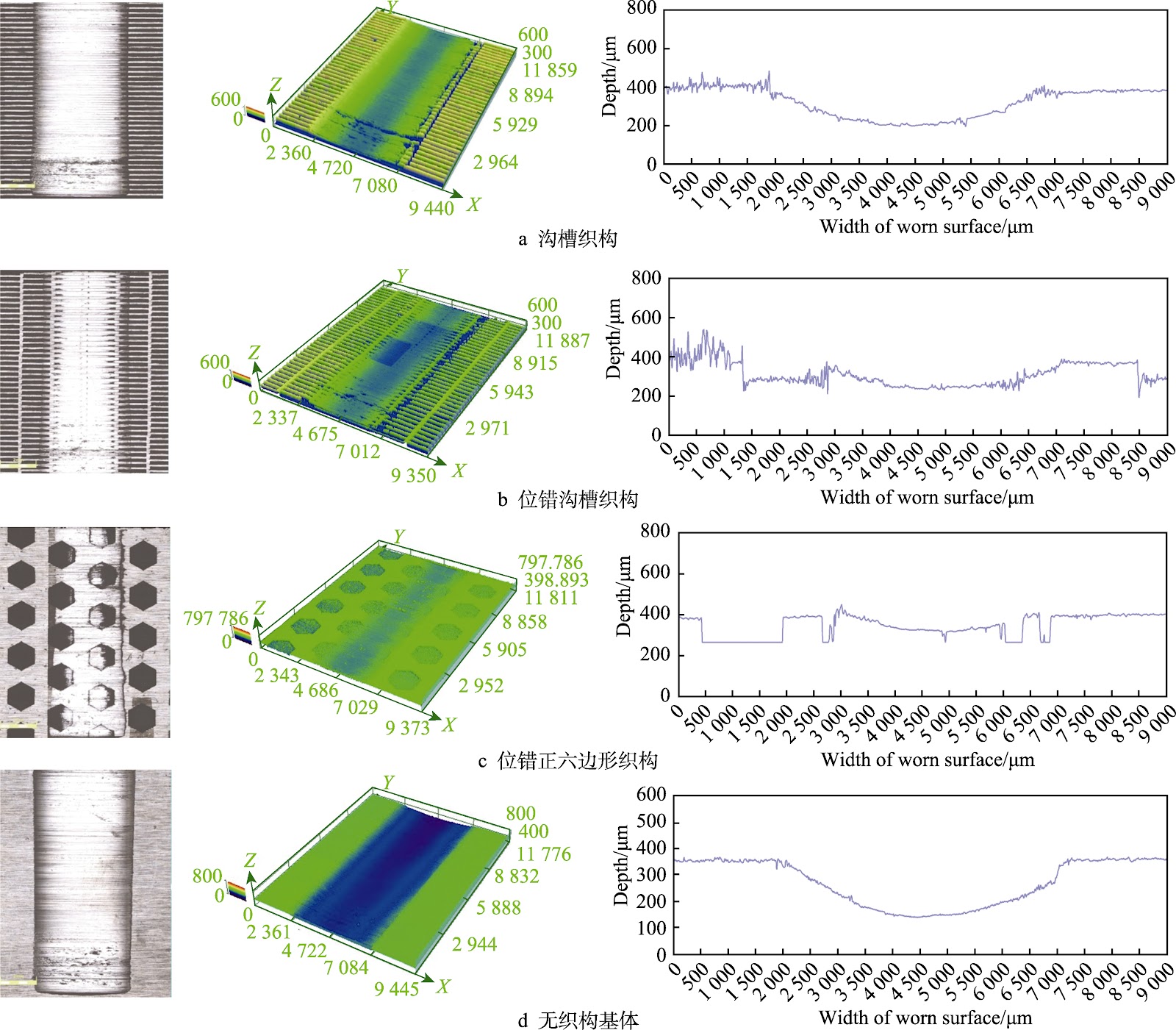
Ultra-high strength steel AF1410 is widely used in moving components of advanced equipment due to its excellent strength, wear resistance, and corrosion resistance. However, increasingly severe service conditions demand higher sliding wear resistance than traditional surface treatments can provide. This study employed ultrafast laser texturing to fabricate three distinct surface patterns on AF1410: groove texture (1#), dislocation groove texture (2#), and dislocation-type regular hexagonal texture (3#). Dry friction wear tests were conducted to evaluate mass wear rates and wear mechanisms. The mass wear rates of textured surfaces were 82.7%, 42.8%, and 20.1% of the untextured substrate, respectively. The 3# dislocation-type regular hexagonal texture exhibited the lowest wear rate (0.0823 mg/min) versus 0.4084 mg/min for the untextured substrate. Wear mechanisms for textured surfaces were dominated by ploughing cutting and abrasive wear with minor adhesive wear; no oxidative wear occurred. The untextured substrate suffered severe plastic cutting, deep ploughing, and mixed abrasive-adhesive wear. Dislocation arrangements improved stress distribution and debris storage. Texture morphology and distribution affect actual contact area, friction force dispersion, and debris retention capacity. The results demonstrate that dislocation-type regular hexagonal texturing offers the most significant enhancement in sliding wear resistance for AF1410 under the tested conditions.

Effects of Three Types of Textures on Wear Resistance and Mechanisms of Ultra-high Strength Steel Surfaces
Graphical Abstract
Original ResearchVol. 32, Issue 11 • pp. 100-112DOI: 10.16490/j.cnki.issn.1001-3660.2026.11.008Jan 15, 2026

Tribological Properties of Shot Peening/Bionic Texture Multi-modified Layers on Ti/Mo-doped 65Mn Steel Plow Surfaces

Authors: GOU Yushun, LIU Chengzhou, WANG Ruirui, XU Zehua, HUA Sunmingqiang, KONG Detong, WANG Yuan

The rapid wear failure of 65Mn steel plow surfaces under sandy/clayey tillage conditions, driven by abrasive wear and soil adhesion, necessitates advanced surface modification strategies. This study investigates a triple synergistic modification combining Ti/Mo doping, shot peening, and bionic texturing to enhance tribological performance under water-soil solution lubrication. 65Mn steel ingots with and without (0.1wt.% Ti + 0.2wt.% Mo) doping were cast, heat-treated (normalizing at 830°C, quenching at 800°C, tempering at 265°C), and subjected to ultrasonic shot peening (0.35 MPa, 300% coverage) and laser-textured bionic patterns (37% texture ratio) inspired by pangolin scales. Tribological tests under 20 N and 50 N loads revealed that Ti/Mo doping refined grains and formed TiC precipitates, increasing hardness from 414.7 HV to 496.9 HV and reducing friction coefficient and wear rate by 6.2–6.7% and 41.6–38.7%, respectively. Shot peening alone increased surface roughness (Ra 0.027 to 0.173 μm) and hardness (496.9 to 579.7 HV), reducing wear rate by 33.9–49.8% despite a 9.3–10.3% increase in friction coefficient. Bionic texturing alone reduced friction and wear by 8.6–7.1% and 25.6–40.9%, but limited by texture edge collapse. The combined shot peening/texture treatment reduced friction and wear by 24.1–20.0% and 74.1–77.0% versus doped-only samples. The full multi-modified layer achieved the lowest friction coefficients (0.104, 0.112) and wear rates (0.91×10⁻⁵, 1.24×10⁻⁵ mm³/(N·m)), representing reductions of up to 28.7%, 25.3% and 84.8%, 85.9% compared to the original sample. This “strong matrix-hard surface-antifriction interface” system offers a viable strategy for extending the service life of agricultural soil-engaging components.

Tribological Properties of Shot Peening/Bionic Texture Multi-modified Layers on Ti/Mo-doped 65Mn Steel Plow Surfaces
Graphical Abstract
Original ResearchVol. 32, Issue 11 • pp. 100-112DOI: 10.16490/j.cnki.issn.1001-3660.2026.11.004Jan 15, 2026

Effect of Ambient Temperature and Humidity on the Current-carrying Tribological Properties of Carbon Brushes/Collector Rings

Authors: ZHAO Xinze, LI Yang, WU Hailin, LI Wanting, LI Chenshi, XU Xiang, ZHAO Meiyun, YANG Wei

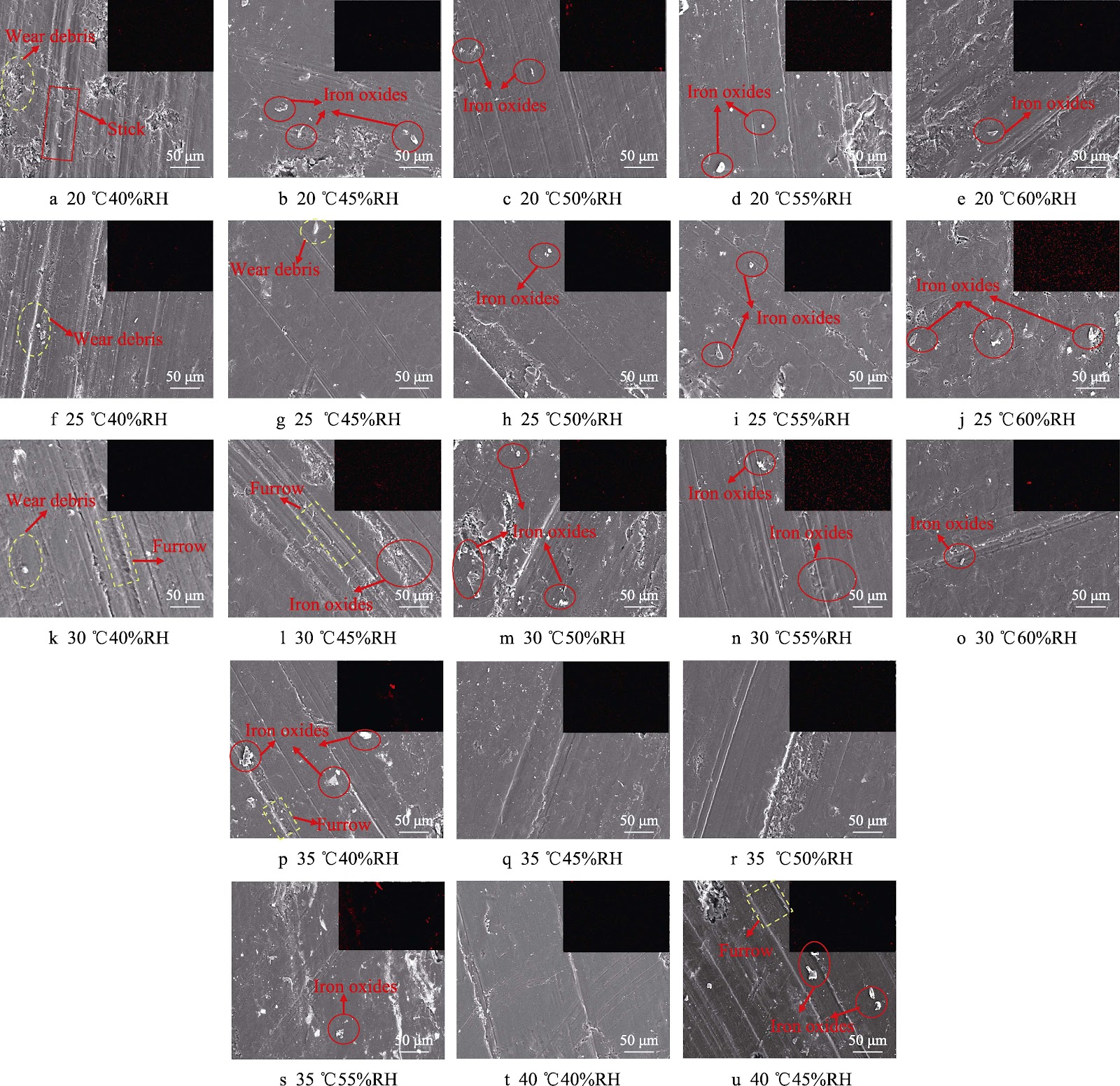
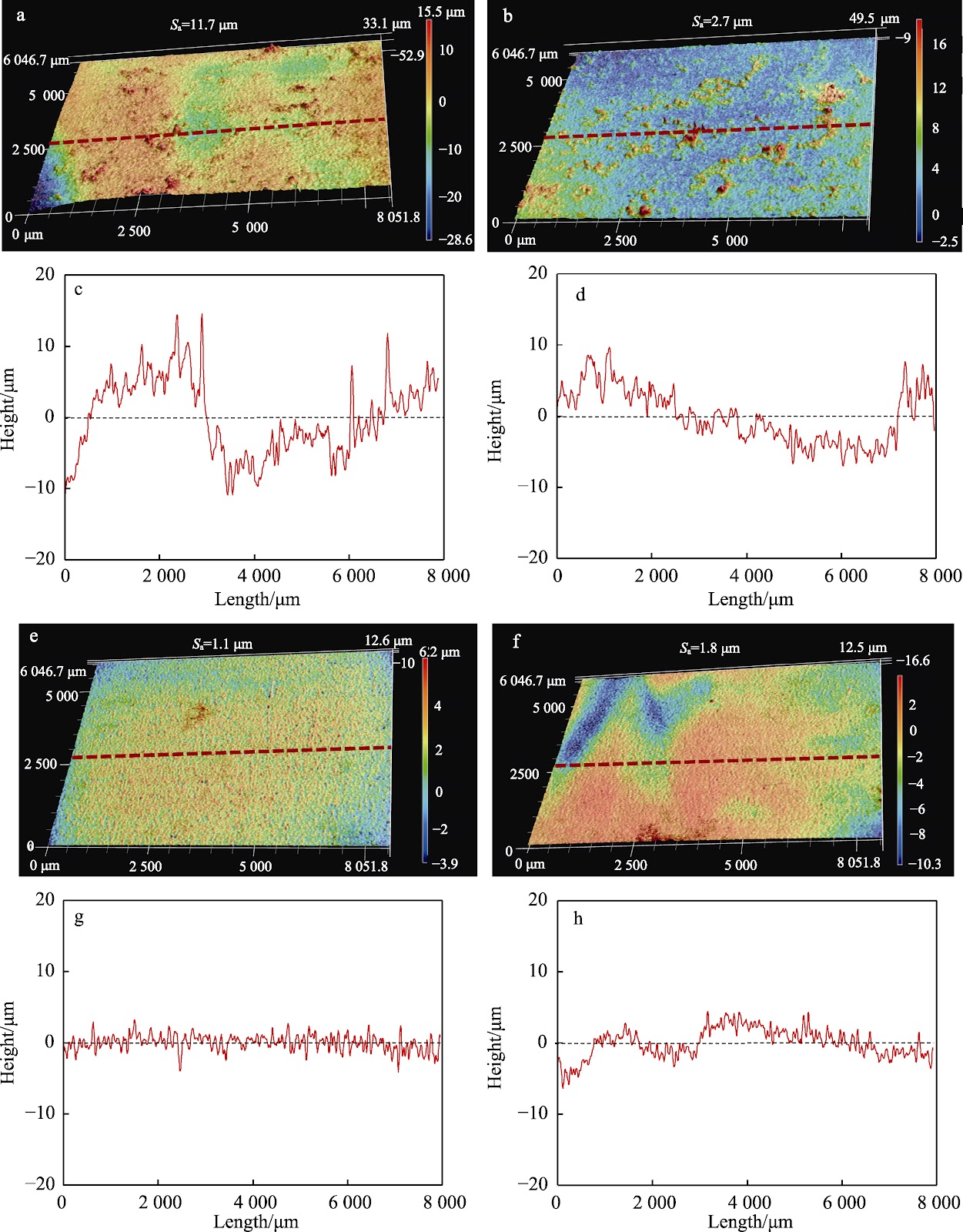
The operational reliability of hydroelectric generator units is critically constrained by the current-carrying tribological performance of carbon brush/collector ring systems, which are highly sensitive to ambient temperature and humidity. This study conducted controlled-atmosphere experiments on a 45 steel/carbon friction pair under temperatures of 20–40 °C and relative humidity (RH) of 40–60%. Key parameters including friction coefficient, wear rate, contact resistance, and contact temperature were measured, and surface damage mechanisms were analyzed. Results show that at 35 °C and 50% RH, the average friction coefficient reached a minimum of 0.1297, a 46.6% reduction compared to the maximum of 0.2427 at 25 °C and 55% RH. The lowest average contact resistance of 1.52 Ω was obtained at 25 °C/50% RH and 40 °C/45% RH, representing a 49.3% decrease from the maximum of 2.27 Ω at 25 °C/40% RH. Wear rate was minimized at 50% RH. Contact temperature exhibited an 'N'-shaped variation with increasing temperature at constant humidity. Elevated temperature promoted oxidation but reduced water vapor and induced desorption of water molecules, hindering water film formation. At 30 °C, friction coefficient, wear rate, and contact resistance all reached relatively low values. Increased humidity reduced surface roughness and smoothed the brush surface. Water vapor is a key factor influencing abrasive and adhesive wear, with adhesive wear minimized near 50% RH. High temperature or high humidity environments degrade current-carrying tribological performance. These findings provide optimal environmental parameters for enhancing the operational reliability of hydroelectric generator units.

Effect of Ambient Temperature and Humidity on the Current-carrying Tribological Properties of Carbon Brushes/Collector Rings
Graphical Abstract
Original ResearchVol. 32, Issue 11 • pp. 100-112DOI: 10.16490/j.cnki.issn.1001-3660.2026.11.009Jan 15, 2026

Design and Field Testing of Laser Cladding Coatings with Surface Textures on Rotary Tiller Blades

Authors: ZHU Chen, JIANG Fulin, XIONG Jiajun, YANG Fazhan, LI Yuhuan

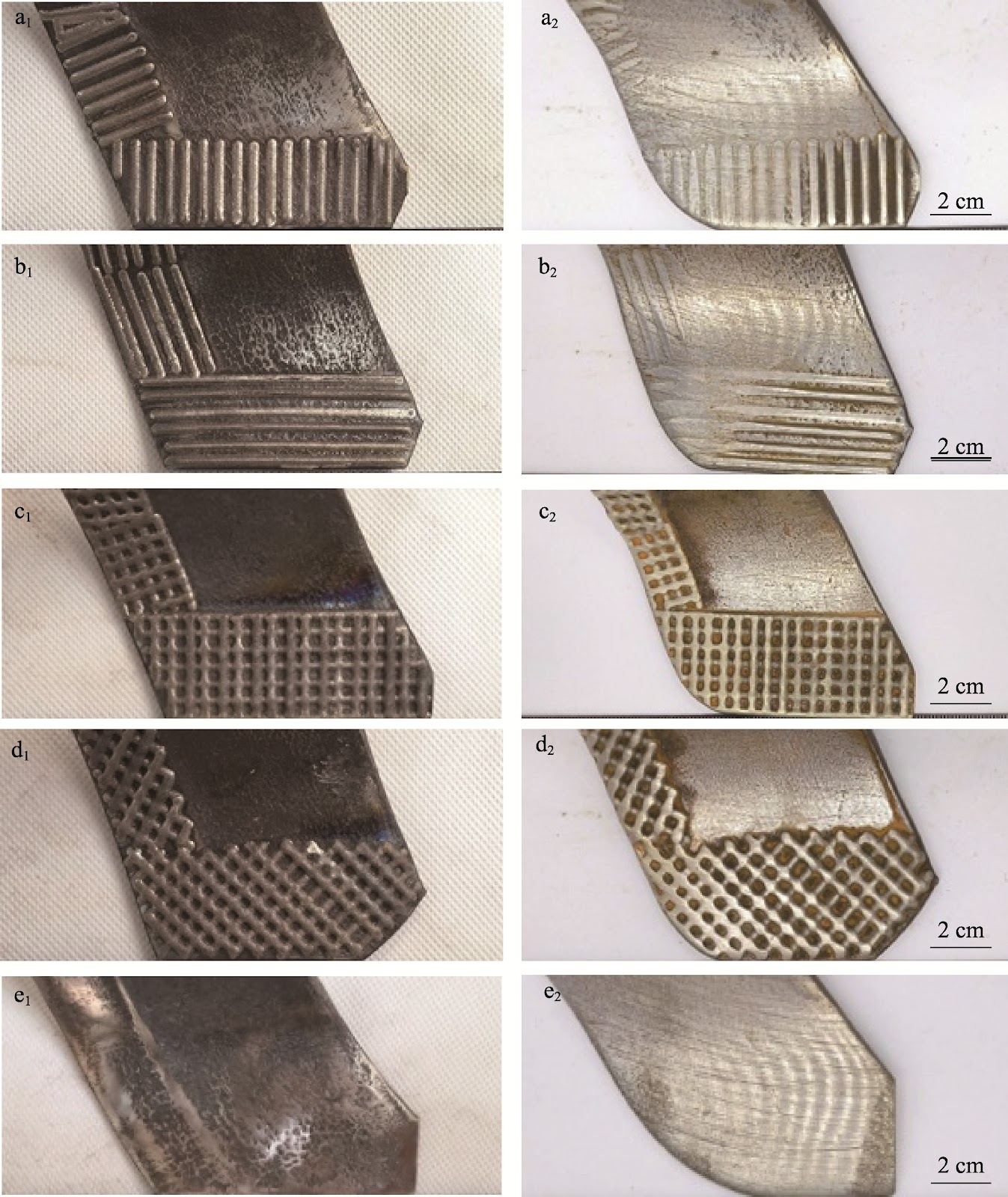
Rotary tiller blades suffer continuous abrasive wear from soil, sand, and crop residues, causing premature failure and high replacement costs. Conventional overlapping laser cladding consumes excessive powder and generates interfacial defects. This study designed and fabricated four non-overlapping textured Ni60A-WC (20%) composite coatings with grooves on 245-type 65Mn steel blades: perpendicular to blade edge, parallel to blade edge, vertical cross (90° intersection), and oblique cross (45° intersection). Grooves enable soil self-filling to form a protective layer. Discrete element method (EDEM) simulations identified stress concentration at the forward cutting edge, side cutting edge, and their junction. Field tests compared textured, untextured, and ordinary blades. The vertical cross texture exhibited the best wear resistance, with a wear rate of only 2.33%, an 80% reduction versus ordinary blades, while reducing cladding powder consumption by 67% (4.1 g vs. 18.6 g for traditional overlapping). Wear data correlated with simulated cumulative contact force. Laser confocal microscopy showed the wear area of the vertical cross texture (852.559 μm²) was only 18% of that of the perpendicular texture. The wear mechanism involves soil and sand filling the grooves to form a soft-hard alternating self-filling wear-resistant coating parallel to the cutting direction, enabling a fill-wear-refill dynamic cycle. This approach reduces powder usage while enhancing wear resistance.

Design and Field Testing of Laser Cladding Coatings with Surface Textures on Rotary Tiller Blades
Graphical Abstract
Original ResearchVol. 32, Issue 12 • pp. 100-112DOI: 10.16490/j.cnki.issn.1001-3660.2026.12.008Jan 15, 2026

Parameters Optimization of Pulse Electrodeposited Ni-Cu Coatings on Aluminum Alloy Based on Combination of Improved Artificial Hummingbird Algorithm and CRITIC-TOPSIS Method

Authors: WU Wenwei, WU Zhihao, XU Xiaobin, YE Bing, ZHOU Fei

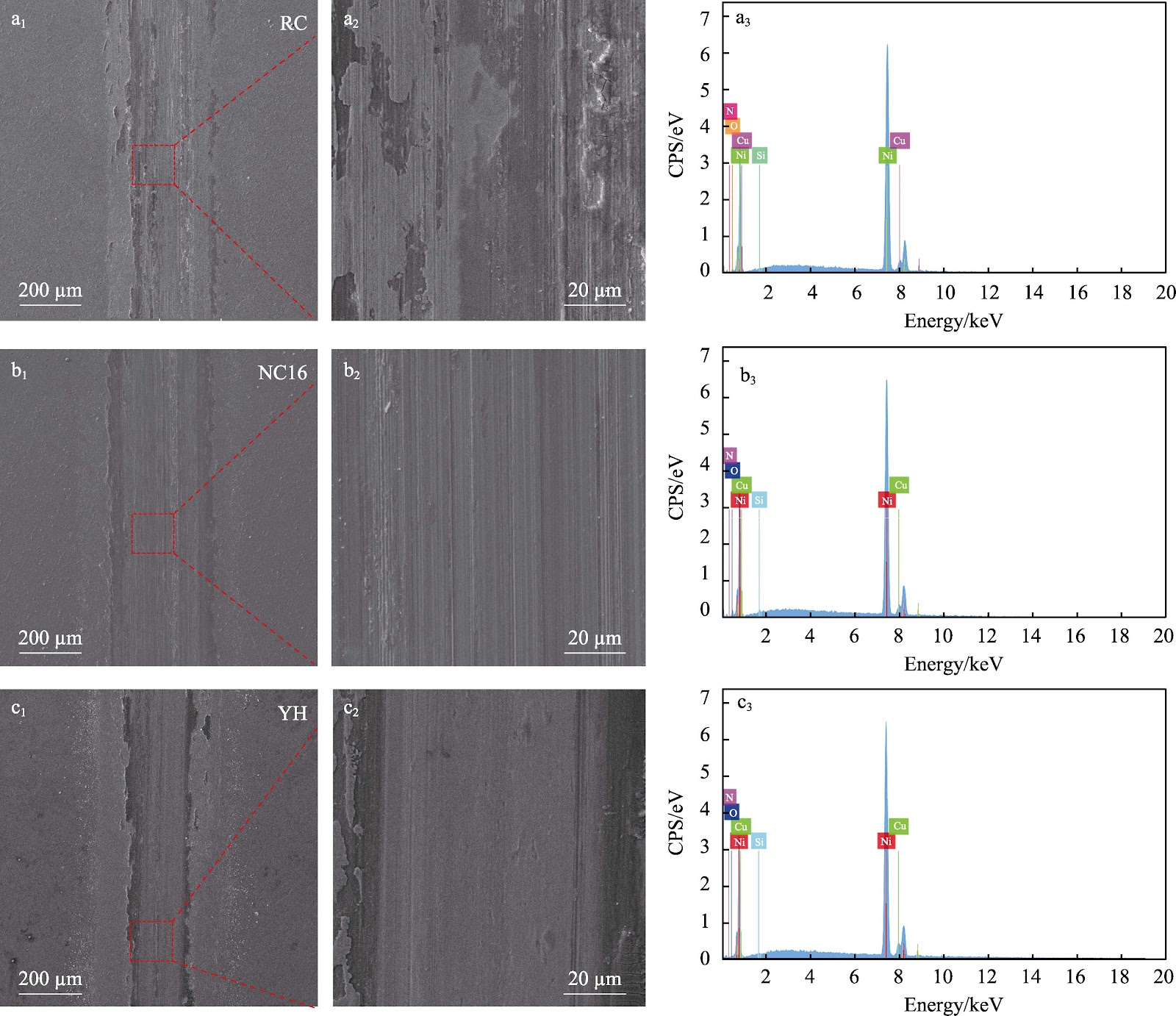
The performance coupling contradictions among corrosion resistance, wear resistance, and thermal conductivity of 6061 aluminum alloy under harsh service conditions were addressed by developing a multi-objective optimization strategy for pulse electrodeposited Ni-Cu coatings. An L16 orthogonal array quantified the effects of current density (1.5–4.5 A/dm²), pulse duty cycle (30%–75%), and pulse frequency (200–1400 Hz) on coating properties. An improved multi-objective Artificial Hummingbird Algorithm (MOAHA) incorporating Fuch chaotic mapping for initial population distribution and an enhanced crowding distance mechanism based on Euclidean metrics was combined with CRITIC-TOPSIS decision-making. The optimized parameters—current density 3.87 A/dm², duty cycle 75%, and frequency 262 Hz—produced a coating (designated YH) with microhardness 273.70 HV0.05, thermal conductivity 11.11 W/(m·K), corrosion current density 1.21 μA/cm², and wear rate 1.092×10⁻⁵ mm³/(N·m). Microstructural analysis confirmed a dense, fine-grained structure without compositional variation, validating that the multi-objective strategy achieves synergistic enhancement of hardness, thermal conductivity, corrosion resistance, and wear resistance. This approach effectively balances the competing performance requirements of Ni-Cu coatings on aluminum alloy, providing a viable technical pathway for surface protection under demanding conditions.

Parameters Optimization of Pulse Electrodeposited Ni-Cu Coatings on Aluminum Alloy Based on Combination of Improved Artificial Hummingbird Algorithm and CRITIC-TOPSIS Method
Graphical Abstract
Original ResearchVol. 32, Issue 12 • pp. 100-112DOI: 10.16490/j.cnki.issn.1001-3660.2026.12.004Jan 15, 2026

Test and Simulation Analysis on the Corrosion Evolution over Time of H-shaped Steel Components

Authors: LIU Zhe, GU Wenxu, BAN Huiyong, ZHOU Xuejun, WEI Ruida

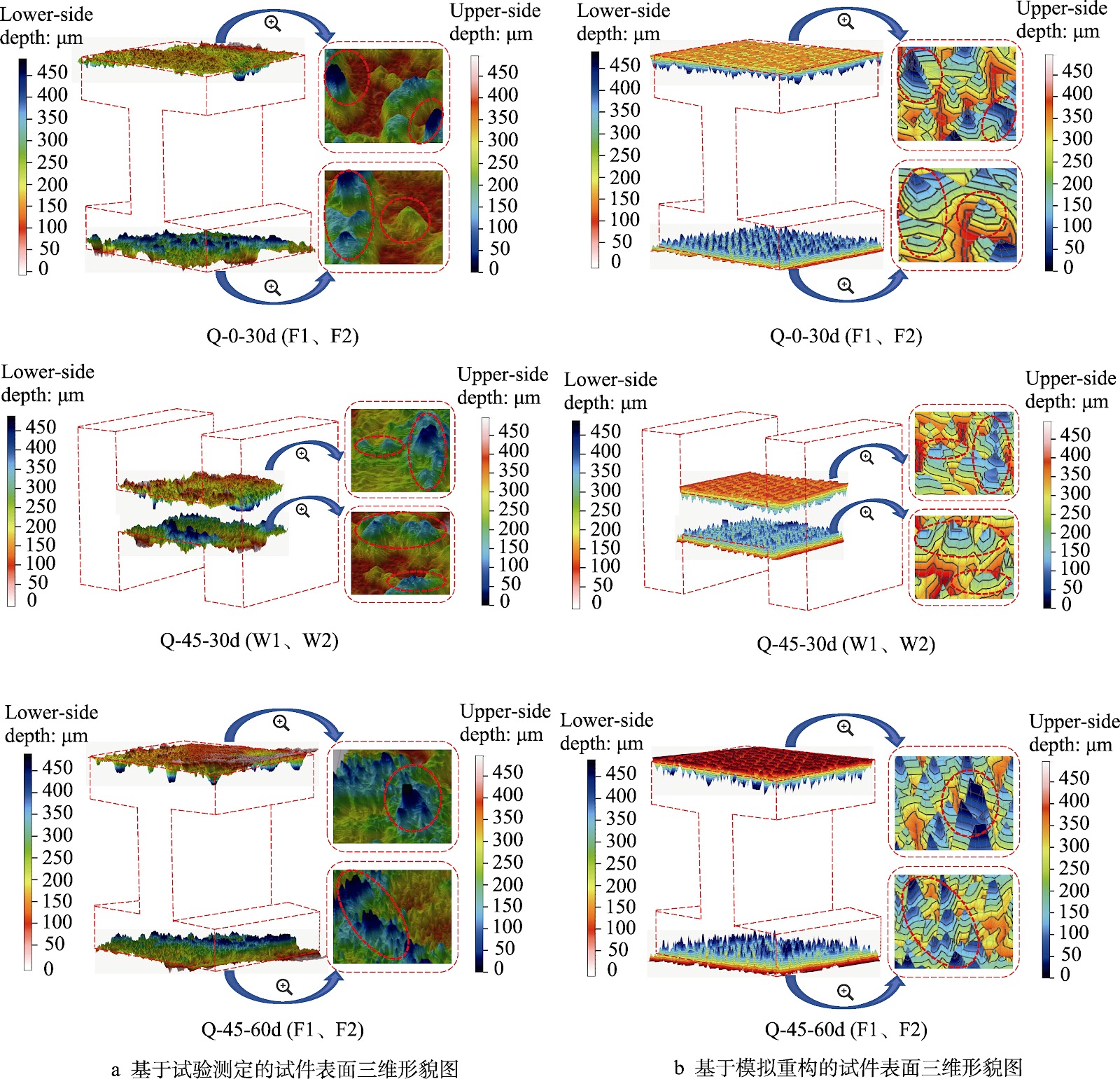
H-shaped steel components are ubiquitous in steel structures, yet corrosion research has largely remained confined to two-dimensional flat plates, leaving the spatial-geometric effects on three-dimensional sections poorly quantified. This study addresses that gap through neutral salt spray (NSS) corrosion experiments on H-shaped steel specimens positioned at 0°, 45°, and 90° over corrosion cycles extending to 60 days, coupled with a three-dimensional cellular automata (3D-CA) model of the corrosion evolution. The spatial placement angle exerts a decisive influence on corrosion distribution. At 0° and 45°, the upper flange corrodes more severely than the web, while the lower flange remains least affected; the 45° specimen, however, exhibits accelerated attack because its inclined geometry prevents formation of a protective NaCl electrolyte film on the flanges. At 60 days, the 45° specimen's F1 surface shows average rust layer thickness and average pit depth exceeding those of the 0° specimen by 45.79% and 54.78%, respectively. At 90°, the W1 surface is most severely corroded, followed by the flanges, with W2 least affected. The 3D-CA model reproduces the time-dependent corrosion morphology, yielding pit depth distributions consistent with a Weibull function and agreeing with experimental pit morphology and depth within 5% error. The model is validated as a reliable predictor of spatially heterogeneous corrosion evolution in H-shaped steel, though it currently omits coupled stress and external loading effects.

Test and Simulation Analysis on the Corrosion Evolution over Time of H-shaped Steel Components
Graphical Abstract
Original ResearchVol. 32, Issue 12 • pp. 100-112DOI: 10.16490/j.cnki.issn.1001-3660.2026.12.005Jan 15, 2026

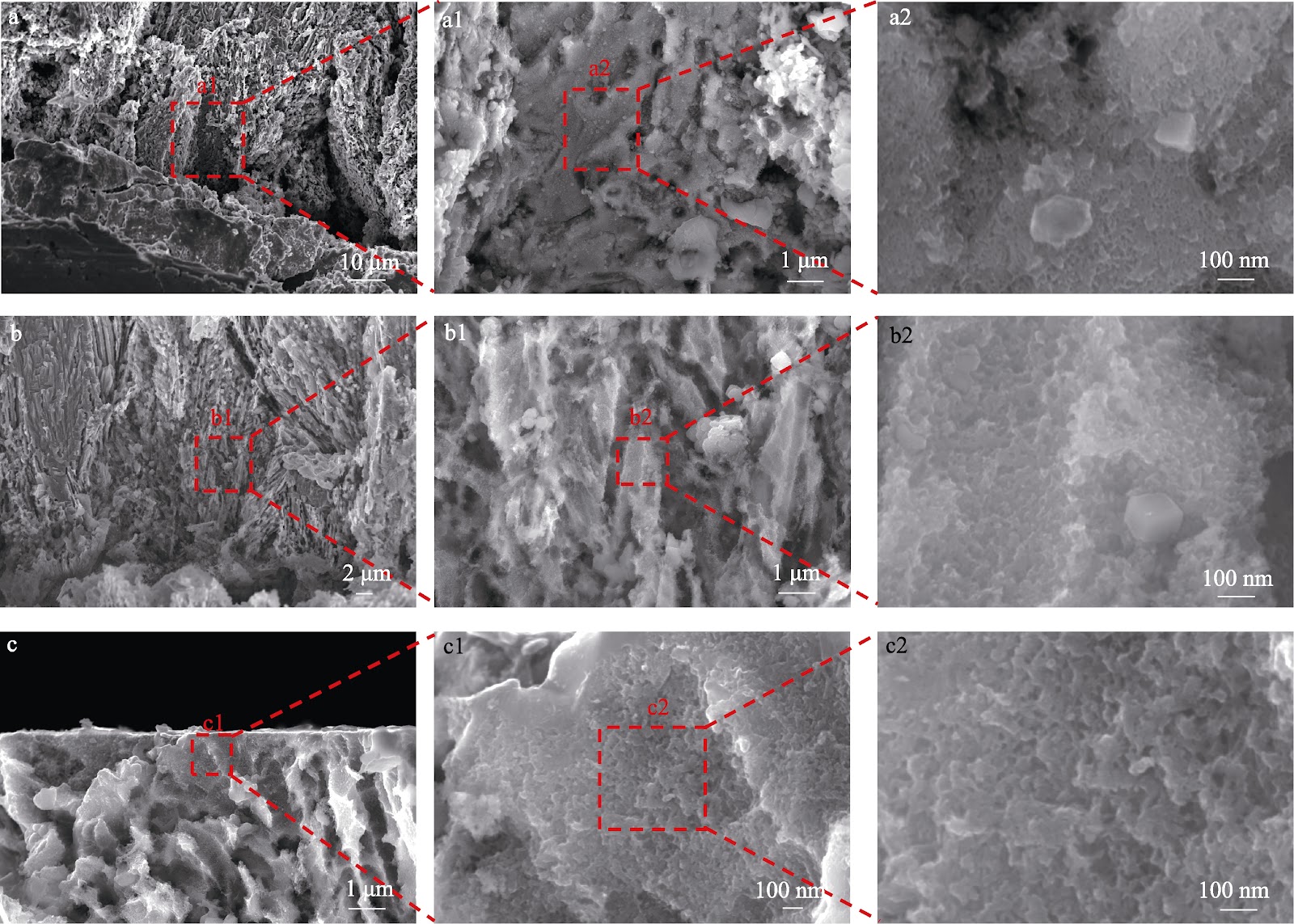
Fabrication and Properties of Micro-arc Oxidation/Polyimide/CeO2 Composite Coating on Mg Alloys

Authors: CHEN Liyan, WEI Xiaoqing, WANG Chenfeng, HAO Xiaofei, LI Yan, ZHAO Xingchuan

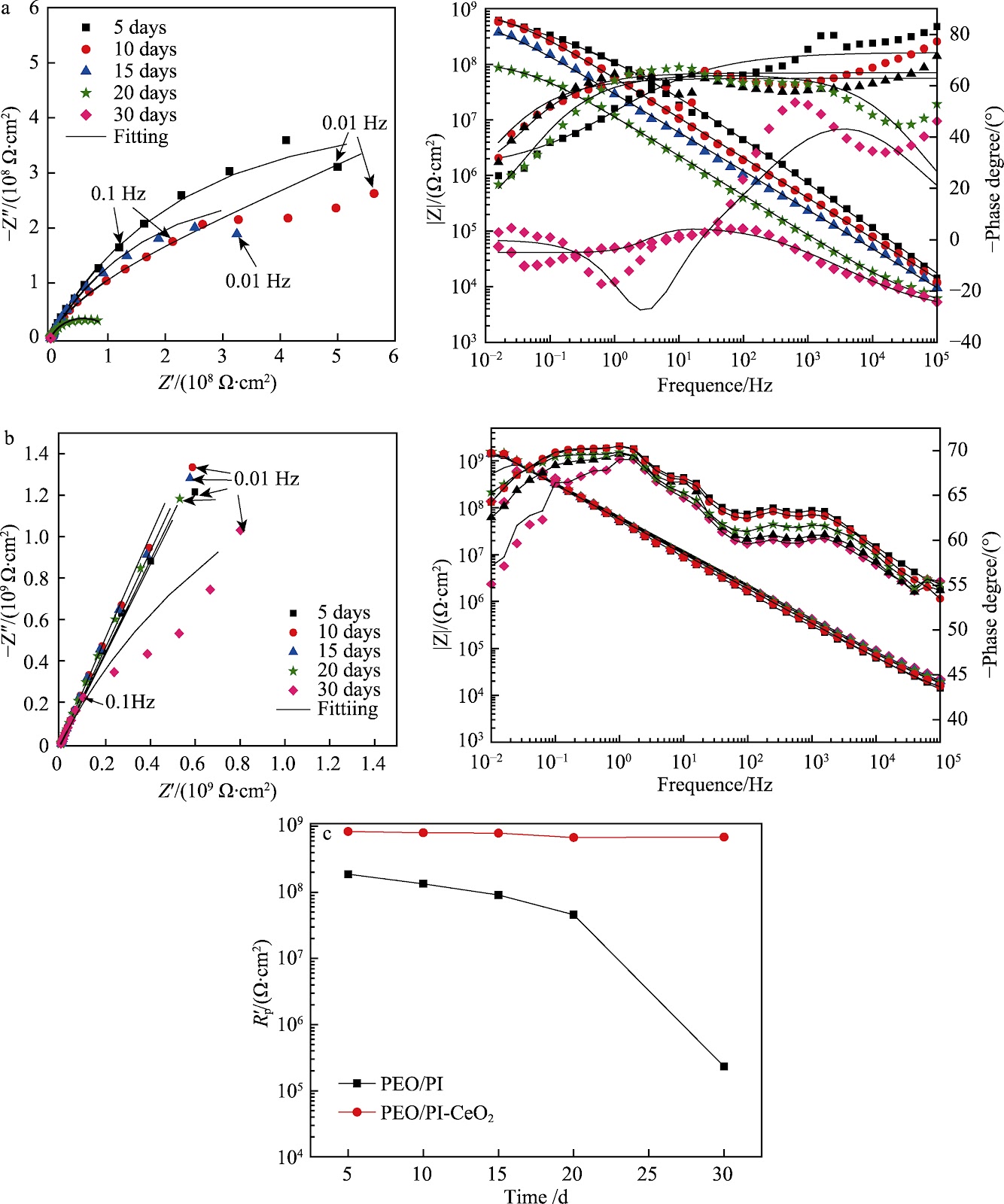
Micro-arc oxidation (MAO) coatings on magnesium alloys exhibit inherent micro-pores and micro-cracks that serve as corrosive pathways, limiting long-term corrosion and wear resistance. This study fabricates a polyimide (PI)/CeO2 composite coating to seal MAO defects and enhance protective performance. CeO2 particles were dispersed in a polyimide solution and applied to MAO-treated surfaces. Scanning electron microscopy, X-ray diffraction, electrochemical testing, salt spray testing, and friction-wear testing characterized microstructure, corrosion resistance, and wear resistance. Microstructural analysis shows the PI layer completely fills MAO pores, forming a dense, smooth, hydrophobic surface with contact angles of (114.6±4.2)° and (110.1±3.3)°. Electrochemical tests reveal the MAO/PI-CeO2 coating exhibits the most positive corrosion potential and lowest corrosion current density in 3.5 wt.% NaCl, far superior to single MAO and MAO/PI coatings. Salt spray testing confirms only slight local corrosion after 40 days, demonstrating excellent long-term stability. CeO2 doping densifies the PI matrix; dissolved Ce3+/Ce4+ reacts with OH– to form precipitates that seal micro-defects and inhibit cathodic reactions. The introduction of CeO2 reduces wear depth and width, significantly enhancing wear resistance. PI provides self-lubrication, while CeO2 enhances load-bearing capacity and structural integrity, reducing plastic deformation during sliding contact. The composite coating successfully seals MAO defects and significantly improves long-term corrosion resistance, wear resistance, and hydrophobicity of MAO-coated magnesium alloys.

Fabrication and Properties of Micro-arc Oxidation/Polyimide/CeO2 Composite Coating on Mg Alloys
Graphical Abstract
Original ResearchVol. 32, Issue 12 • pp. 100-112DOI: 10.16490/j.cnki.issn.1001-3660.2026.12.003Jan 15, 2026

Accelerated Corrosion of Aluminum Alloy and Determination Method of Equivalent Accelerated Relationship

Authors: ZHANG Teng, WANG Changkai, ZHANG Tianyu, HE Yuting

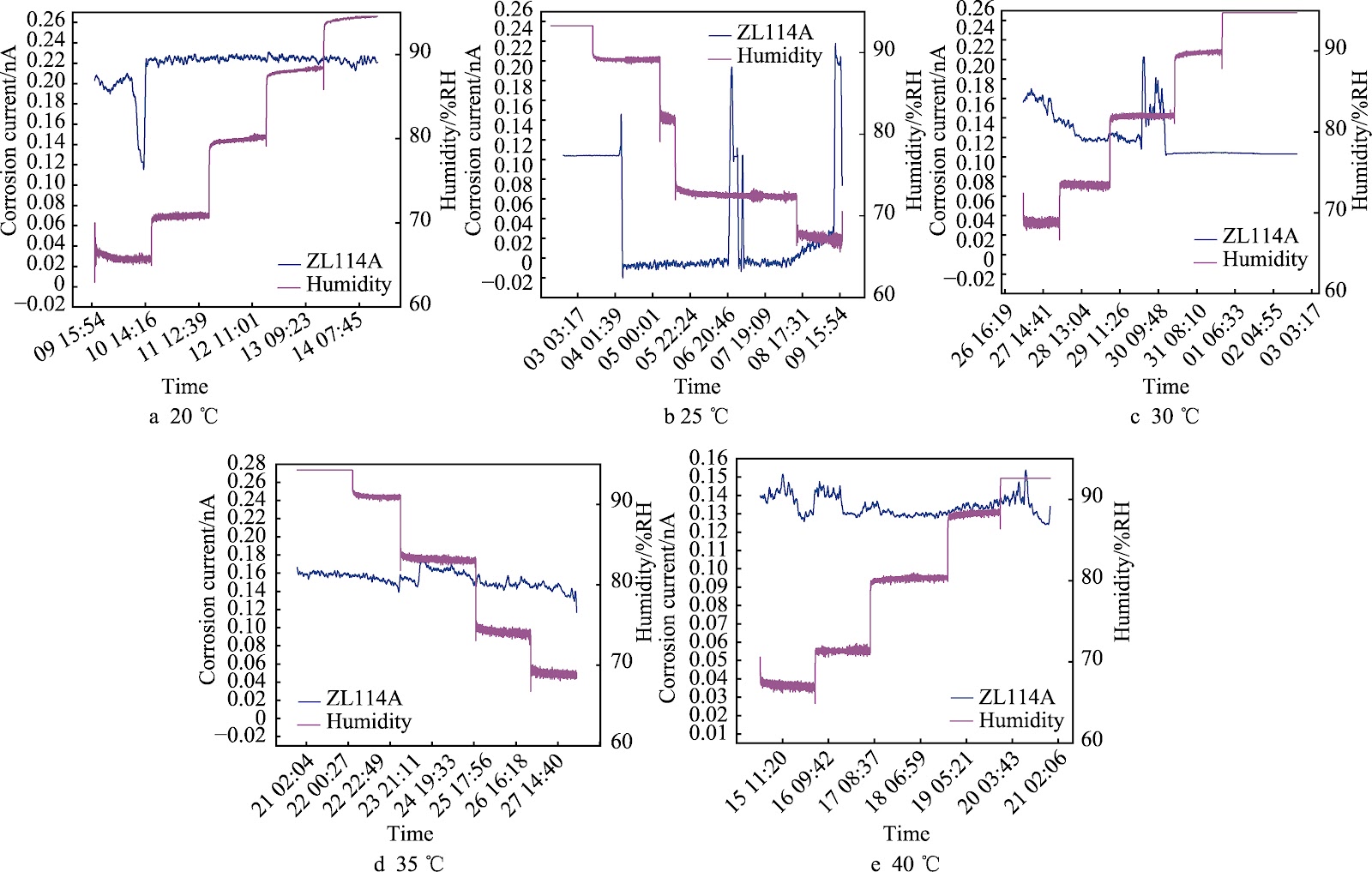
A double-bridge connection method is proposed for rapid determination of the equivalent accelerated relationship between laboratory accelerated corrosion environment spectrum and actual atmospheric exposure for aviation aluminum alloys. The method employs corrosion electricity and corrosion weight loss as equivalent parameters, enabling calculation of the equivalent acceleration relationship without long-term outdoor exposure test pieces, using atmospheric environment monitoring data, laboratory corrosion weight loss tests, and short-term atmospheric exposure results. For ZL114A aluminum alloy, 10-year atmospheric monitoring data from a tropical marine environment were processed to compile climatic and chemical environment spectra. A laboratory accelerated corrosion environment spectrum was prepared via weighted concentration of environmental factors. Atmospheric corrosion monitoring (ACM) and electrochemical workstation measurements determined corrosion current and conversion coefficients under varying temperature, humidity, and acid solution conditions. The cumulative corrosion electricity for 10-year island atmospheric exposure was 3,050,339.15 C. Laboratory weight loss tests yielded the average corrosion weight loss rate per unit area. The equivalent acceleration relationship for ZL114A alloy under the compiled spectrum was 74 h/a. Verification via SEM, CT scanning, and fatigue testing compared surface damage morphology, pit dimensions, fatigue life, and fracture morphology of specimens exposed to atmospheric conditions for 6 months, 1 year, and laboratory accelerated corrosion for 72 h. Results confirm identical corrosion damage modes and severity consistent with the derived equivalent acceleration relationship. The 72 h accelerated specimens exhibited damage between 6-month and 1-year atmospheric exposures, closer to 1-year exposure, validating the method's feasibility.

Accelerated Corrosion of Aluminum Alloy and Determination Method of Equivalent Accelerated Relationship
Graphical Abstract
Original ResearchVol. 32, Issue 12 • pp. 100-112DOI: 10.16490/j.cnki.issn.1001-3660.2026.12.002Jan 15, 2026

Research Progress on High-temperature Failure Mechanism and Efficiency Enhancement Strategy of Thermal Barrier Coatings

Authors: WU Xiaochen, JI Xiantao, SUN Hanrong, ZHANG Peikai, CUI Yue, YIN Fengshi, MA Zongqing, SHI Chengcheng, ZHAO Kai, SUN Jinzhao

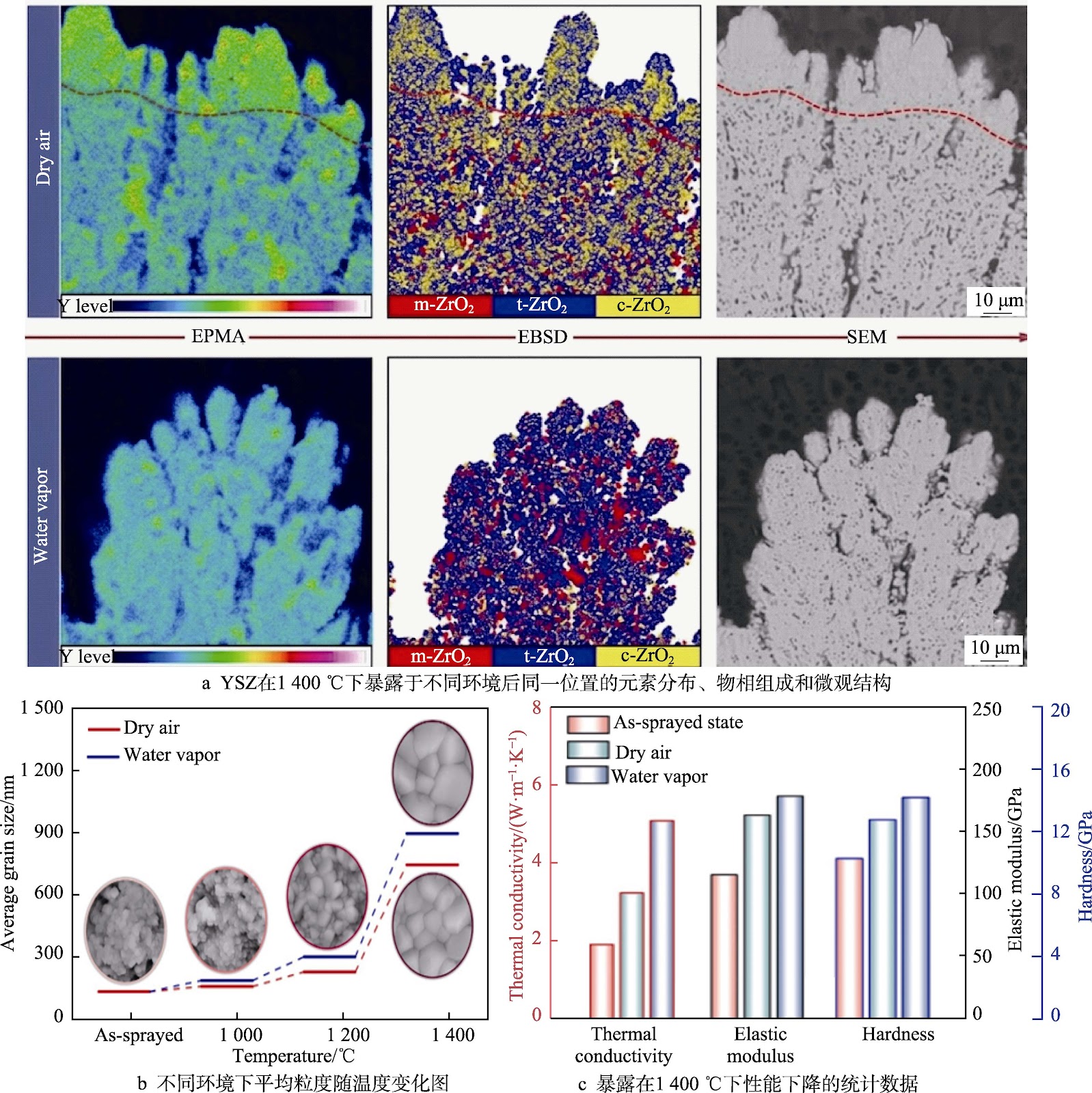
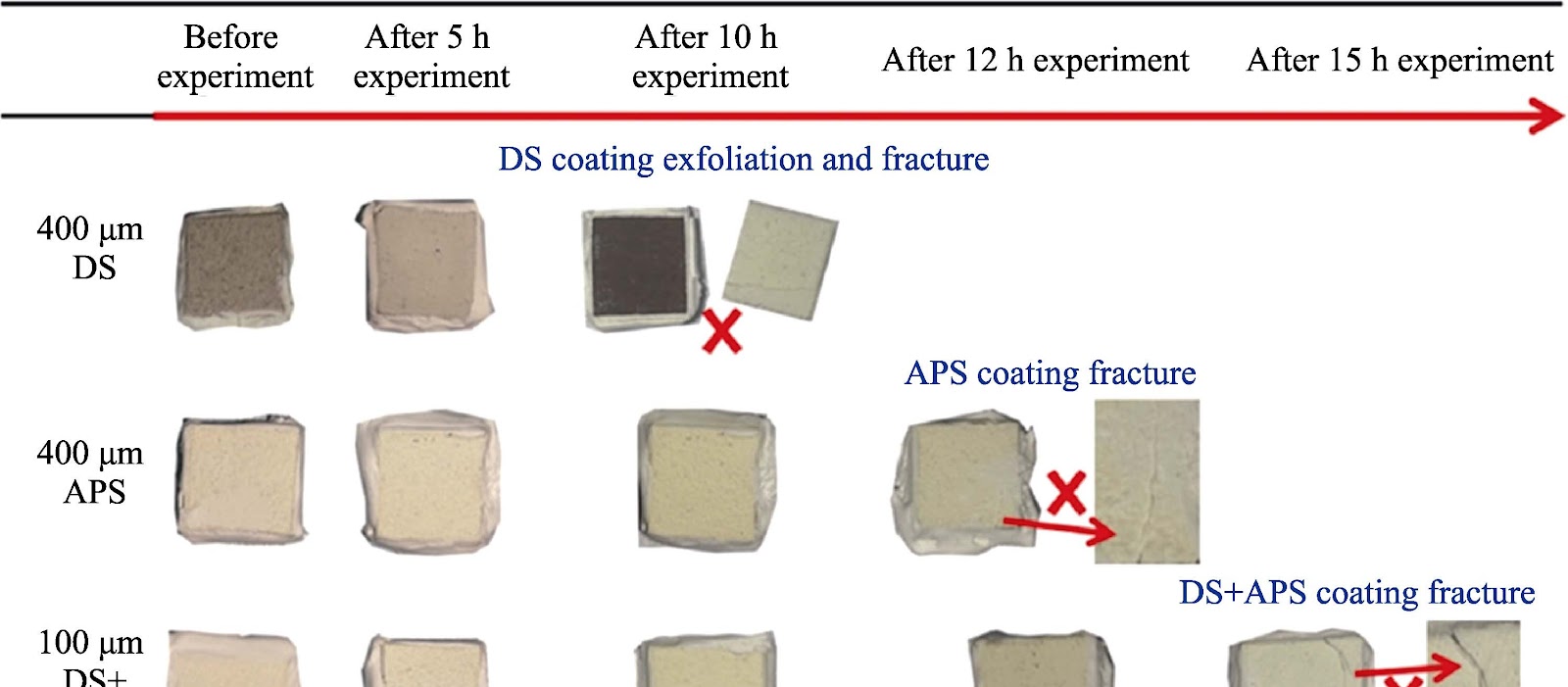
Thermal barrier coatings (TBCs) are critical for protecting aero-engine and gas-turbine hot-section components, yet conventional yttria-stabilized zirconia (YSZ) coatings degrade severely above 1200 °C through phase destabilization, sintering-induced densification, and environmental attack. This review systematically analyzes high-temperature failure mechanisms governed by coupled oxidation, residual stress, and corrosion. Key degradation modes include thermally grown oxide (TGO) thickening and interfacial rumpling, tetragonal-to-monoclinic phase transformation in YSZ, CMAS and molten-salt infiltration, and water-oxygen synergistic erosion. The dynamic interrelations and nonlinear characteristics of these failure modes are clarified. Efficiency enhancement strategies are categorized into compositional optimization (novel ceramics, multi-component solid solutions, reactive-element doping), microstructural design (lamellar, columnar, and functionally graded architectures), and post-treatment (laser remelting, vacuum heat treatment). Quantitative benchmarks demonstrate that at 1200 °C thermal cycling, BPS coatings remain intact after 250 cycles versus spallation of 8YSZ at 150 cycles, indicating a ≥67% lifetime improvement. Vacuum heat treatment suppresses bond-coat damage, reducing oxide content by ~80% and porosity by ~90% after 400 h isothermal oxidation. These findings provide a theoretical and technical basis for rational design of next-generation high-performance, long-life TBCs.

Research Progress on High-temperature Failure Mechanism and Efficiency Enhancement Strategy of Thermal Barrier Coatings
Graphical Abstract
Original ResearchVol. 32, Issue 12 • pp. 100-112DOI: 10.16490/j.cnki.issn.1001-3660.2026.12.007Jan 15, 2026

Effect of STL6/TiN Composite Coating on Corrosion Resistance of F347 Stainless Steel

Authors: YU Huaming, GU Jinlong, WU Xiaokang, ZHU Gangxian, ZHANG Xing, WANG Chuanyang, LI Jiaqiang

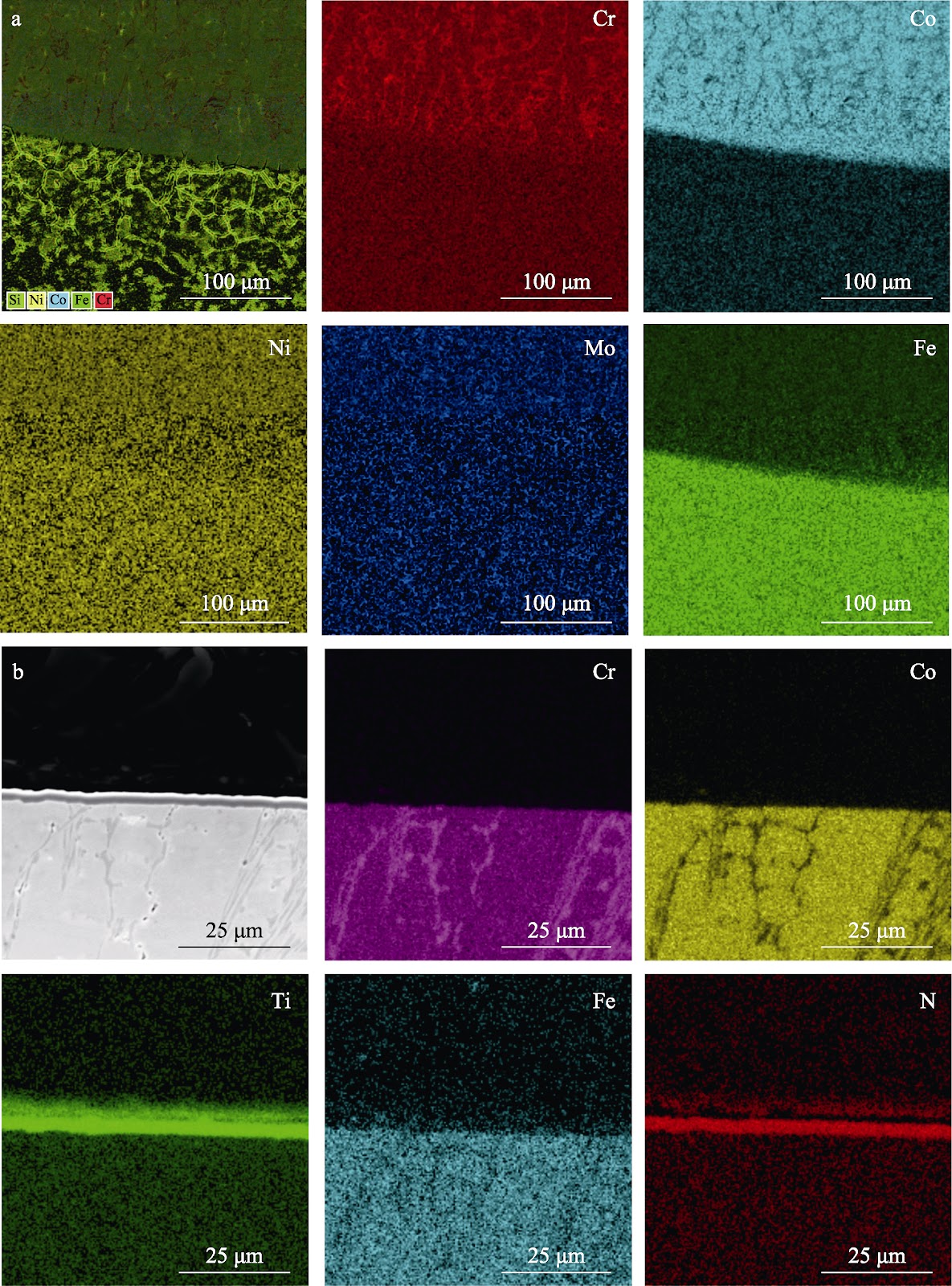
The corrosion resistance of ASTM A182 F347 austenitic stainless steel was enhanced via a two-stage surface engineering protocol: plasma transferred arc deposition of Stellite 6 (STL6) followed by chemical vapor deposition of titanium nitride (TiN). Microstructural characterization confirmed a metallurgically bonded interface with elemental interdiffusion; the STL6 layer exhibited a graded structure from planar/equiaxed grains at the substrate to columnar dendrites and fine equiaxed grains at the surface, with minimal oxide content. Electrochemical testing in 3.5% NaCl solution revealed that the STL6/TiN composite coating reduced the corrosion current density to 0.37 μA/cm², the lowest among the three sample types (F347 substrate, F347-STL6, and F347-STL6-TiN). The composite coating also demonstrated the highest passivation potential (939 mV) and the largest impedance modulus |Z|, indicating superior passive film stability. Post-corrosion analysis showed that the F347 substrate suffered extensive deep pitting, while the STL6 coating exhibited intergranular corrosion with an oxide film. In contrast, the STL6/TiN composite coating displayed only sparse shallow pits. The improved performance is attributed to the formation of a dense Cr₂O₃ passive film on the STL6 layer and the additional barrier provided by the TiN topcoat. These findings offer a viable route for extending the service life of F347 stainless steel in aggressive environments.

Effect of STL6/TiN Composite Coating on Corrosion Resistance of F347 Stainless Steel
Graphical Abstract
Original ResearchVol. 32, Issue 12 • pp. 100-112DOI: 10.16490/j.cnki.issn.1001-3660.2026.12.009Jan 15, 2026

Effects of Surface Functional Groups of Nanomaterials on Corrosion Inhibition Performance and Mechanisms

Authors: HE Chuang, NIE Yuheng, ZHENG Qiqi, HU Jiaji, LI Xingqiang, HE Haijie, YU Jing, YE Xiaowei

Surface functional groups dictate the corrosion inhibition efficiency of nanomaterials, yet isolating their single-variable effect has remained intractable because particle size and carbon core structure typically co-vary during synthesis. This study employs a post-modification strategy to prepare three carbon dot (CD) variants with nearly identical particle size and graphitization degree but distinctly different surface terminations: carboxyl-rich (OCDs), thiol-rich (SCDs), and amino-rich (NCDs). Transmission electron microscopy, Raman spectroscopy, and Fourier transform infrared spectroscopy confirm that the carbon cores are structurally equivalent, while surface chemistry differs markedly. Weight loss measurements, electrochemical impedance spectroscopy, and potentiodynamic polarization consistently rank inhibition efficiency (IE) in 1 mol/L HCl at 100 mg/L as NCDs (91.2%) > SCDs (86.6%) > OCDs (79.0%). The mechanism involves dual protection: adsorption film formation and induced oxide film densification. NCDs adopt a parallel adsorption configuration with the strongest binding energy, yielding the densest protective film and promoting a compact oxide layer. SCDs also adsorb in parallel but with weaker film-forming capability. OCDs cannot achieve parallel adsorption, exhibit the lowest binding energy, and produce the least dense films. These findings establish a direct structure–property relationship for surface group engineering of nanomaterial corrosion inhibitors, providing a validated experimental framework for designing high-efficiency inhibitors. The study is limited to 25 °C; future work will address temperature effects (40, 60, 80 °C), long-term dissolution–adsorption equilibria, and in situ characterization of Fe2+/Fe3+ ratios in the oxide film.

Effects of Surface Functional Groups of Nanomaterials on Corrosion Inhibition Performance and Mechanisms
Graphical Abstract
Original ResearchVol. 32, Issue 12 • pp. 100-112DOI: 10.16490/j.cnki.issn.1001-3660.2026.12.010Jan 15, 2026

Effect of Porous Layer Thickness on Photocatalytic Performance of Ti/TiO2 Photoanodes Fabricated by Laser Cladding-electrochemical Dealloying

Authors: XIANG Yihou, FANG Yongyong, LUO Chengyang, ZHENG Yafeng, WU Guolong, YAO Jianhua

Bulk TiO2 photoanodes suffer from low specific surface area and rapid recombination of photogenerated electron-hole pairs, limiting practical photocatalytic efficiency. This study systematically investigates the quantitative relationship between nanoporous layer thickness and photoelectrochemical performance of Ti/TiO2 photoanodes fabricated via a two-step laser cladding-electrochemical dealloying route. Cu67Ti33 precursor coatings were deposited on pure Ti substrates by laser cladding, followed by selective dealloying in 20 wt.% HNO3 for durations of 1 to 40 h. This process yielded a controllable porous layer thickness ranging from 0 to 260.8 μm. The sample dealloyed for 8 h (npT-8h) exhibited optimal performance: a photocurrent density of 4.54 μA/cm2, charge transfer resistance of 47.28 Ω·cm2, double-layer capacitance of 5.53 mF/cm2, and a methyl orange degradation rate constant of 0.00529 min−1, achieving 61% degradation within 180 min. The enhanced performance is attributed to a synergistic balance between charge separation/transport efficiency and surface reactive site density at the optimal thickness, with auxiliary light-trapping effects from the three-dimensional hierarchical porous network. This work establishes porous layer thickness as an independent, critical parameter for optimizing nanoporous Ti/TiO2 photoanodes, providing a theoretical and experimental framework for high-performance photoelectrode design.

Effect of Porous Layer Thickness on Photocatalytic Performance of Ti/TiO2 Photoanodes Fabricated by Laser Cladding-electrochemical Dealloying
Graphical Abstract
Original ResearchVol. 32, Issue 12 • pp. 100-112DOI: 10.16490/j.cnki.issn.1001-3660.2026.12.006Jan 15, 2026

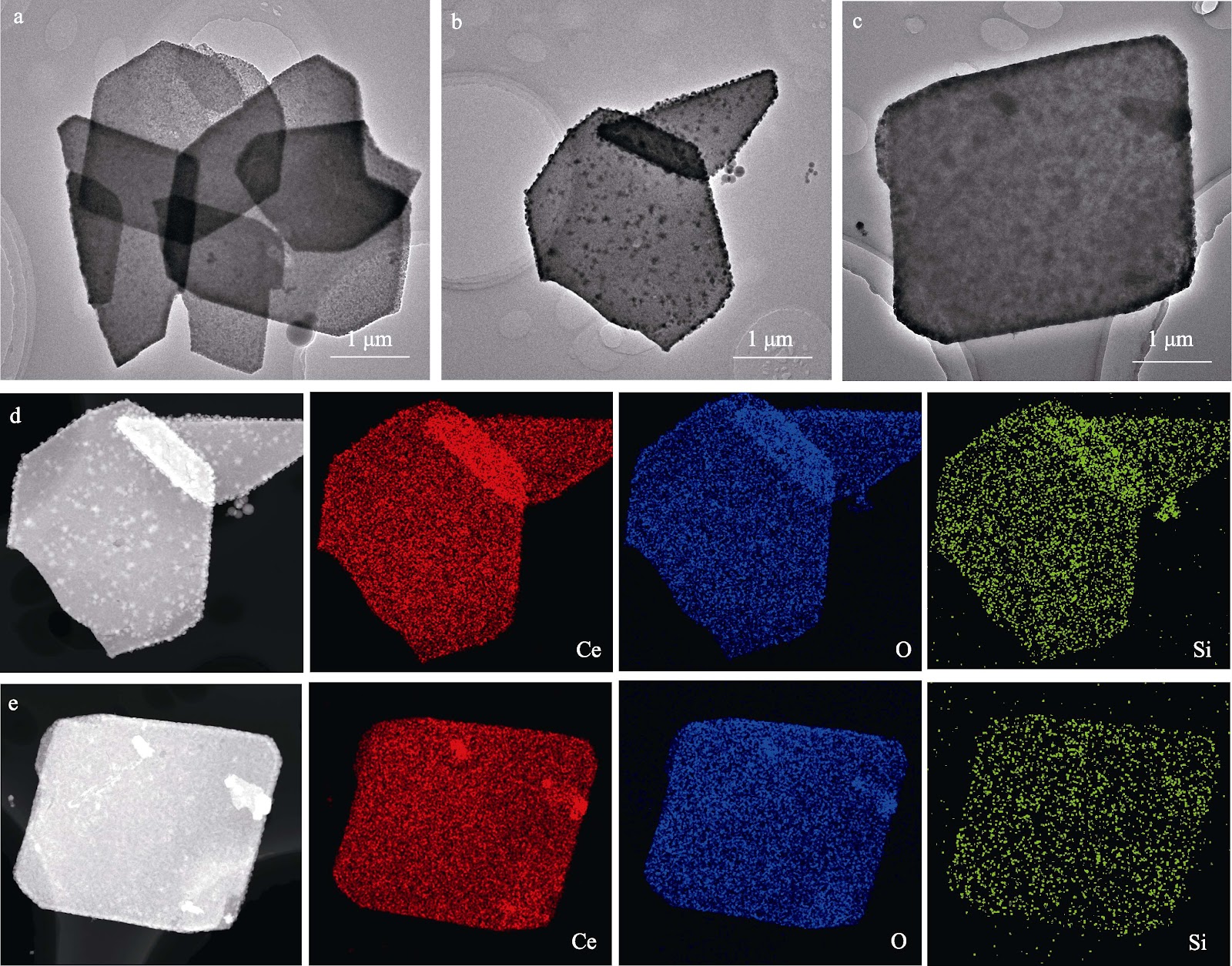
Ultraviolet Aging Resistance and Corrosion Protection Performance of Silane-modified CeO2/Epoxy Composite Coatings

Authors: YANG Yanli, SHEN Shitai, HAO Kailang, LUO Jiatao, ZHAO Kailiang, WEI Guoying, ZHU Benfeng

Aluminum-lithium alloys are critical aerospace structural materials but suffer localized corrosion in chloride environments, necessitating protective coatings that also resist ultraviolet degradation. Conventional epoxy coatings are brittle, prone to microcracking, and photodegrade under UV radiation, leading to chalking, discoloration, and loss of barrier properties. This study synthesizes sheet-like CeO2 nanoparticles via reverse precipitation and functionalizes them with vinyl triethoxysilane (VTEO) and γ-aminopropyl triethoxysilane (KH550) to enhance interfacial compatibility and dispersion in an epoxy matrix. The resulting VTEO−CeO2/Epoxy and KH550−CeO2/Epoxy composite coatings are systematically characterized using FT-IR, XRD, and TEM, confirming successful silane grafting. UV-Vis and fluorescence spectroscopy reveal that modified CeO2 absorbs UV radiation more strongly and converts it to harmless heat, delaying photoxidative degradation of aromatic ether and CH3−C bonds in the epoxy. After 168 h of UV accelerated aging, the VTEO−CeO2/Epoxy coating exhibits the lowest corrosion current density (3.175×10⁻⁷ A/cm2) and larger capacitive arc radius, indicating superior and stable corrosion resistance. Contact angle tests show minimal hydrophilicity change after aging. The self-healing mechanism involves Ce3+ reacting with water and oxygen at damage sites to form insoluble CeO2 and Ce(OH)3, blocking micropores and inhibiting corrosive media ingress. This work provides a viable strategy for multifunctional epoxy coatings with integrated UV shielding, corrosion inhibition, and autonomous self-healing for aerospace applications.

Ultraviolet Aging Resistance and Corrosion Protection Performance of Silane-modified CeO2/Epoxy Composite Coatings
Graphical Abstract
Original ResearchVol. 32, Issue 12 • pp. 100-112DOI: 10.16490/j.cnki.issn.1001-3660.2026.12.001Jan 15, 2026

Research Progress on the Structural Design and Common Preparation Technologies of Thermal Barrier Coatings

Authors: ZHOU Xinnuo, ZHANG Ping

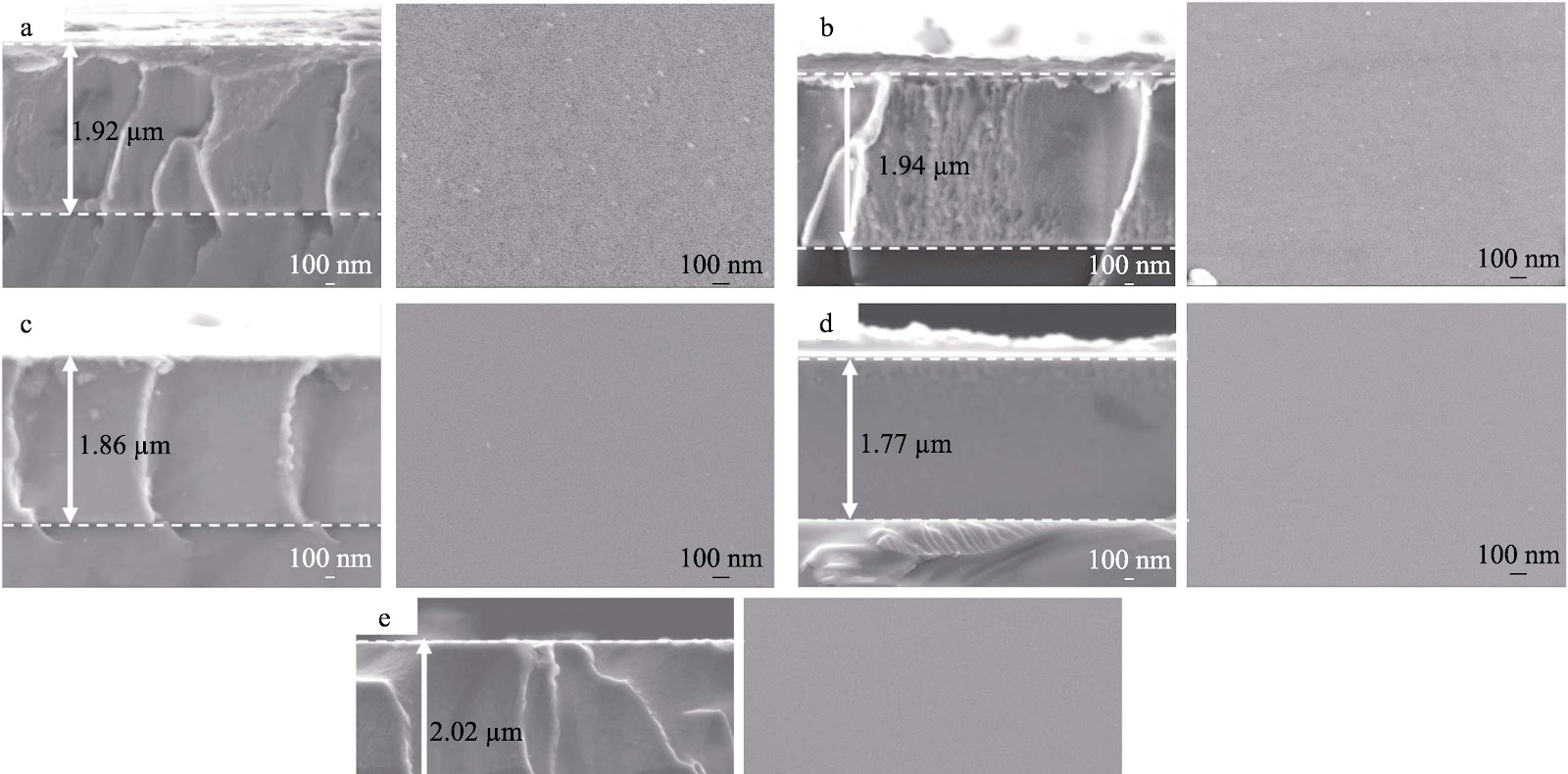
Thermal barrier coatings (TBCs) are critical for extending the service life of high-temperature components in gas turbines and aeroengines. This review systematically examines the structural design and preparation technologies of TBCs, focusing on the evolution from double-layer to multi-layer architectures. Double-layer systems on nickel-based superalloys, steels, and aluminum alloys are analyzed, alongside multi-layer configurations such as dual bond coats and bond coat + multi-layer ceramic structures. The intrinsic correlations between microstructure and performance for coatings deposited by atmospheric plasma spraying (APS) and electron beam physical vapor deposition (EB-PVD) are elucidated. APS produces lamellar porous structures with thermal conductivity as low as 0.8–1.2 W·m⁻¹·K⁻¹, while EB-PVD yields columnar structures with superior strain tolerance. A2B2O7-type pyrochlore ceramics, such as Gd2Zr2O7, exhibit lower thermal conductivity (1.2–1.6 W·m⁻¹·K⁻¹) and enhanced CMAS resistance compared to conventional YSZ. Multi-layer composite coatings incorporating these materials demonstrate improved thermal cycling life and corrosion resistance. The review identifies key bottlenecks, including sintering-induced degradation and CMAS attack, and outlines future directions involving novel materials, process integration, and advanced structural design. This work provides a systematic theoretical basis and technical pathway for developing high-performance TBCs for extreme operating conditions.

Research Progress on the Structural Design and Common Preparation Technologies of Thermal Barrier Coatings
Graphical Abstract