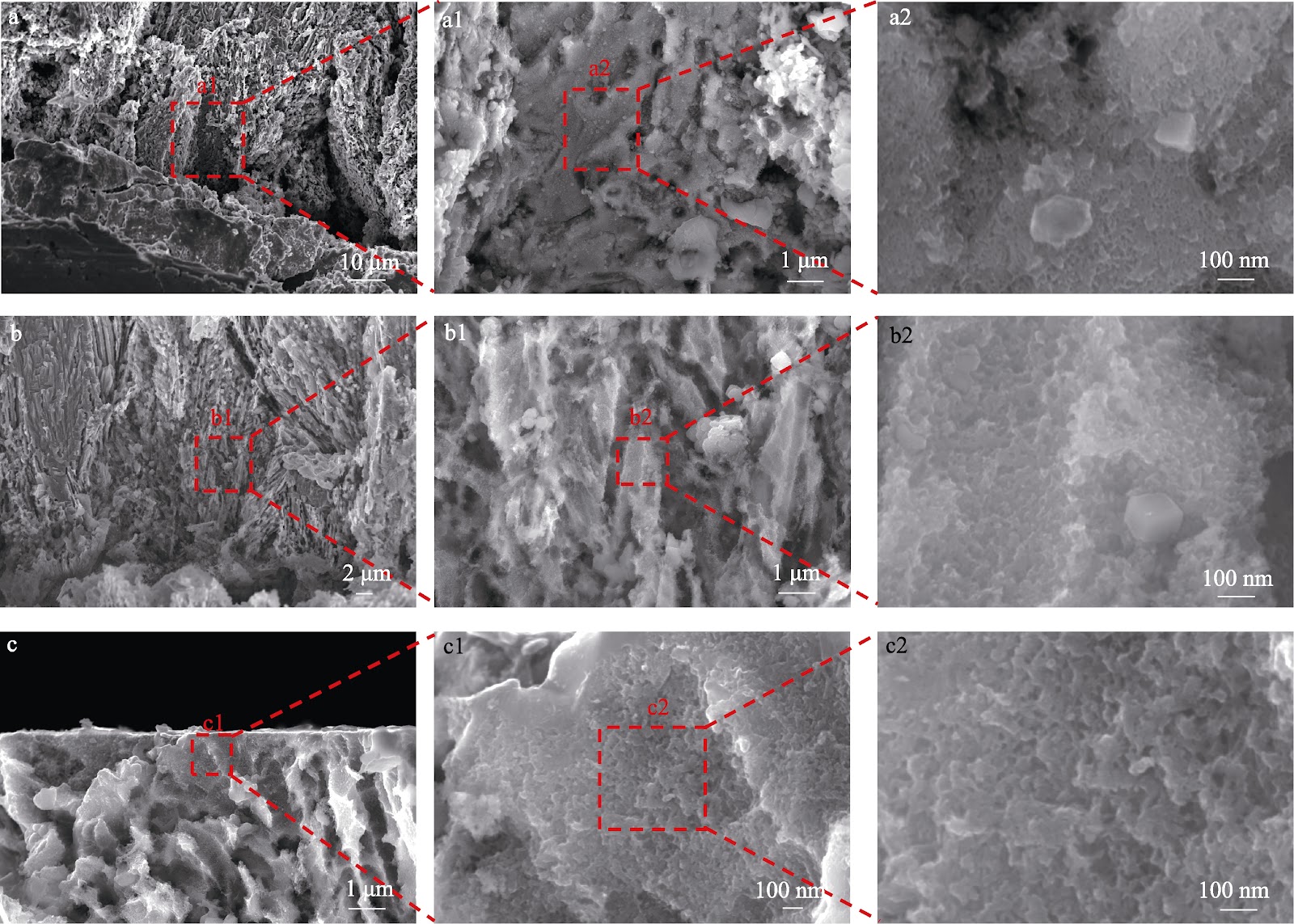
Key Takeaways & Executive Findings
- •• • Optimal porous layer thickness of 260.8 μm (8 h dealloying) yields a photocurrent density of 4.54 μA/cm2 and charge transfer resistance of 47.28 Ω·cm2, outperforming all other thicknesses. This demonstrates that precise thickness control is essential for maximizing charge separation efficiency, directly impacting solar fuel production rates. • • The npT-8h sample achieves a methyl orange degradation rate constant of 0.00529 min−1 and 61% degradation within 180 min, significantly surpassing other samples. This degradation rate is critical for industrial wastewater treatment, where faster kinetics reduce reactor volume and operational costs. • • Double-layer capacitance peaks at 5.53 mF/cm2 for the 8 h sample, indicating maximum electrochemically active surface area. This correlates with abundant reactive sites, directly enhancing photocatalytic activity and suggesting a route to optimize catalyst loading in practical systems. • • Dealloying time beyond 8 h reduces performance due to structural degradation, with thickness decreasing after 8 h. This identifies a narrow processing window (8 h) for optimal thickness, highlighting the need for precise time control in scalable manufacturing to avoid performance losses.
China Advanced Materials & Deep-Tech Radar
Get verified English translations, SEM micrographs & open-access PDF alerts from China's leading state key laboratories delivered to your inbox every Monday at 08:00 EST.
Abstract
Bulk TiO2 photoanodes suffer from low specific surface area and rapid recombination of photogenerated electron-hole pairs, limiting practical photocatalytic efficiency. This study systematically investigates the quantitative relationship between nanoporous layer thickness and photoelectrochemical performance of Ti/TiO2 photoanodes fabricated via a two-step laser cladding-electrochemical dealloying route. Cu67Ti33 precursor coatings were deposited on pure Ti substrates by laser cladding, followed by selective dealloying in 20 wt.% HNO3 for durations of 1 to 40 h. This process yielded a controllable porous layer thickness ranging from 0 to 260.8 μm. The sample dealloyed for 8 h (npT-8h) exhibited optimal performance: a photocurrent density of 4.54 μA/cm2, charge transfer resistance of 47.28 Ω·cm2, double-layer capacitance of 5.53 mF/cm2, and a methyl orange degradation rate constant of 0.00529 min−1, achieving 61% degradation within 180 min. The enhanced performance is attributed to a synergistic balance between charge separation/transport efficiency and surface reactive site density at the optimal thickness, with auxiliary light-trapping effects from the three-dimensional hierarchical porous network. This work establishes porous layer thickness as an independent, critical parameter for optimizing nanoporous Ti/TiO2 photoanodes, providing a theoretical and experimental framework for high-performance photoelectrode design.
1. Introduction
Semiconductor photocatalysis offers a sustainable route to address energy shortages and environmental pollution, with TiO2 favored for its chemical stability, non-toxicity, and low cost. However, bulk TiO2 suffers from low specific surface area and rapid recombination of photogenerated electron-hole pairs, severely limiting practical efficiency. Conventional nanostructuring methods often yield poor substrate adhesion or lack precise control over structural parameters, particularly the thickness of the active porous layer—a critical dimension governing light absorption and charge transport distances.
This study introduces a composite fabrication strategy combining laser cladding with electrochemical dealloying to systematically investigate the quantitative structure-property relationship between nanoporous Ti/TiO2 layer thickness and photoelectrochemical performance. By dealloying Cu67Ti33 precursor coatings in 20 wt.% HNO3 for 1–40 h, porous layer thickness was tuned from 0 to 260.8 μm. The 8 h dealloying yielded a 260.8 μm layer with optimal performance: 4.54 μA/cm2 photocurrent, 47.28 Ω·cm2 charge transfer resistance, and 61% methyl orange degradation in 180 min. This protocol addresses the bottleneck of independent thickness control, providing a theoretical basis for rational design of high-performance photoanodes.
Loading authentic research manuscript (Pages 1–5)...
XIANG Yihou, FANG Yongyong, LUO Chengyang, ZHENG Yafeng, WU Guolong, YAO Jianhua (2026). Effect of Porous Layer Thickness on Photocatalytic Performance of Ti/TiO2 Photoanodes Fabricated by Laser Cladding-electrochemical Dealloying. Surface Technology (表面技术). https://doi.org/10.16490/j.cnki.issn.1001-3660.2026.12.010
Research & Educational Purpose Only: The translations, structured abstracts, analytical annotations, and data reports provided by SinoTechIntelare intended exclusively for academic research, internal corporate R&D, and educational benchmarking. They do not constitute formal engineering, chemical safety, legal, or professional advice.
Copyright & Intellectual Property Notice: Original copyright of the underlying source articles and experimental data remains with the respective authors, institutions, and original publishing journals. SinoTechIntel claims intellectual property only over its proprietary translations, analytical syntheses, and AEO structured enhancements in accordance with international fair use and academic citation principles.
Frequently Asked Questions
What is the failure mechanism when the porous layer thickness exceeds the optimal 260.8 μm?
Excessive dealloying beyond 8 h leads to structural degradation and a decrease in thickness, as the porous network collapses or coarsens. This reduces surface area and increases charge recombination, causing performance decline. The study shows that thickness peaks at 8 h and then decreases, indicating a narrow processing window.
How does the laser cladding-electrochemical dealloying route compare cost-wise to conventional TiO2 photoanode fabrication?
Laser cladding ensures robust metallurgical bonding, minimizing interfacial resistance, while dealloying in 20 wt.% HNO3 is a scalable wet process. Although laser cladding requires capital investment, it eliminates adhesion layers and enables precise thickness control, potentially reducing overall manufacturing costs by simplifying steps and improving durability.
What are the scalability bottlenecks for producing 260.8 μm porous layers uniformly over large areas?
Uniform dealloying across large substrates requires precise control of electrolyte flow, temperature, and time. The 8 h window is critical; deviations lead to thickness variations. Scaling up may need optimized reactor design and real-time monitoring to maintain the 260.8 μm target, as longer times cause degradation.
Does the 61% methyl orange degradation in 180 min translate to realistic pollutant concentrations, and what are the kinetics?
The degradation rate constant of 0.00529 min−1 indicates first-order kinetics. For industrial wastewater, this rate may require longer residence times or catalyst optimization. However, the 61% removal in 3 h demonstrates feasibility, and the rate constant is significantly higher than other samples, suggesting potential for scale-up with enhanced light delivery.
What is the long-term stability of the npT-8h photoanode under continuous operation?
The study does not report long-term stability tests, but the robust metallurgical bond from laser cladding likely enhances durability. The TiO2 layer is chemically stable, but photocorrosion or fouling could occur. Future work should assess performance over multiple cycles to ensure industrial viability.
Related Chinese Research & Cross-Citations
Research Progress and Prospects of Corrosion-resistant High-entropy Alloy Coatings
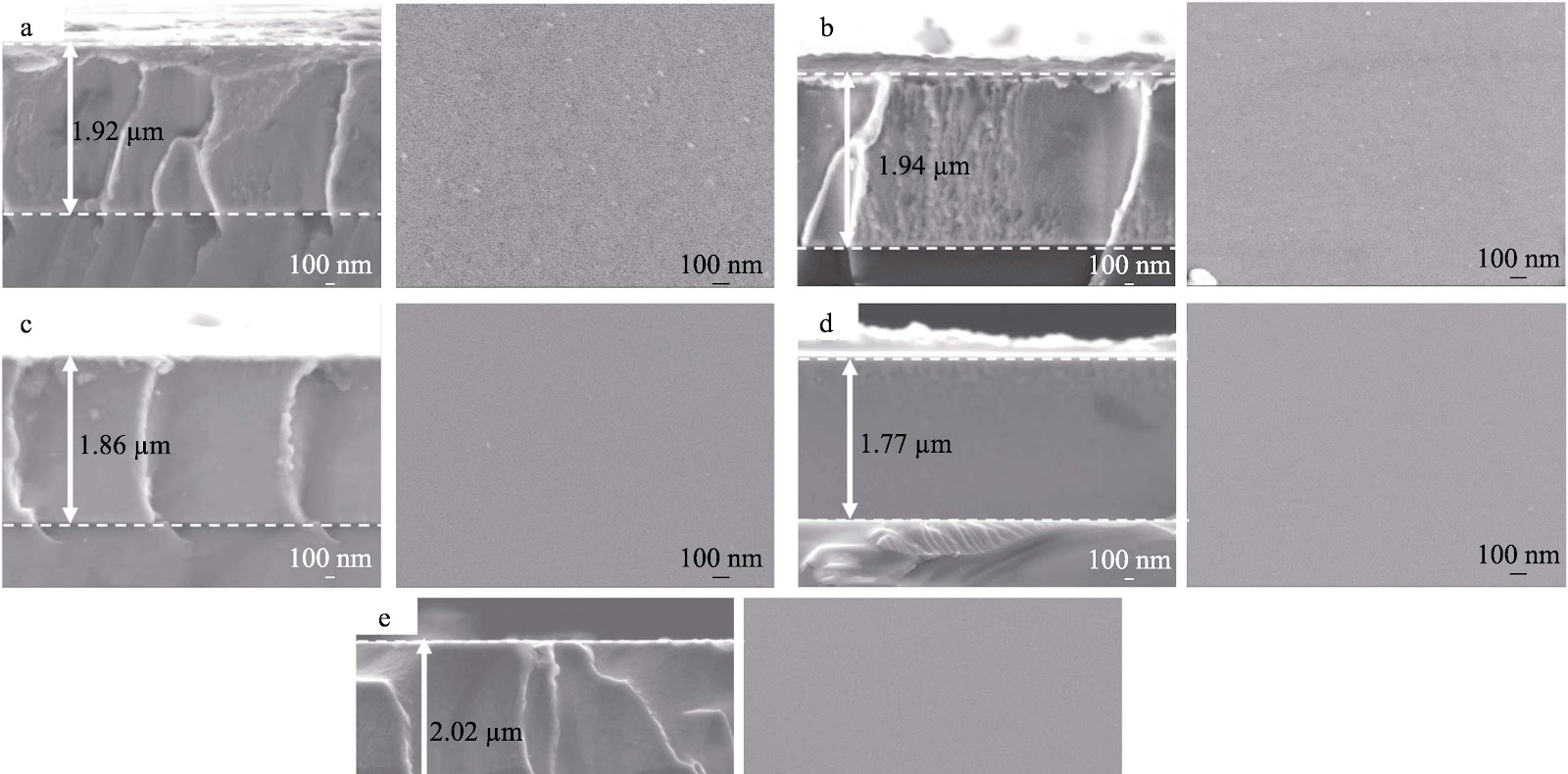
Marine environments impose combined electrochemical, microbiological, and cavitation erosion degradation on metallic infrastructure, shortening service intervals and inflating maintenance expenditure. High-entropy alloy (HEA) coatings mitigate these failure modes through simple solid-solution or amorphous microstructures that suppress galvanic coupling and promote dense passive film formation. This review systematically examines corrosion-resistant HEA coatings from single-factor to multi-factor coupling perspectives, covering classification and compositional design, fabrication routes, and corrosion behavior under complex marine conditions. Key coating systems include FeCoCrNiMn, AlCoCrFeNi, FeCrNiCoAl, and (FeCoCrNi)75B15Si10 amorphous alloys deposited by atmospheric plasma spraying, high-velocity oxy-fuel spraying, and wire arc spraying. Elemental additions of Cr, Al, and Mo enhance passivation; B and Si promote amorphous phase formation. The review identifies core engineering bottlenecks: compositional design, process optimization, and service performance validation. A multi-scale simulation, process-structure optimization, and in-situ characterization framework is proposed to accelerate coating deployment. These findings provide theoretical and technical guidance for next-generation corrosion-resistant coatings in marine equipment.
Effect of Sodium Hypochlorite Concentration and Medium Temperature on Corrosion of 45# Steel in Artificial Seawater and Simulated Concrete Pore Solution
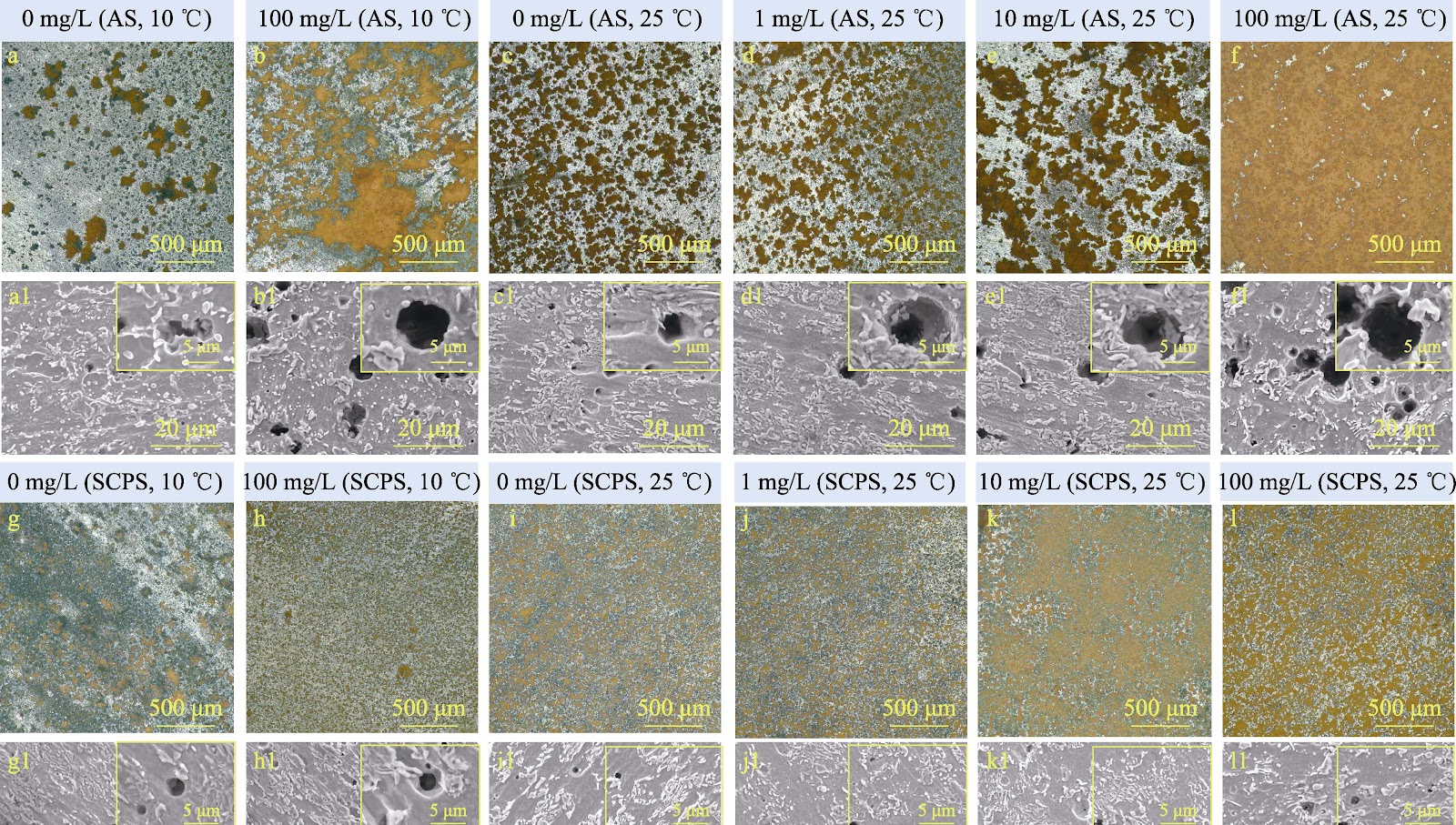
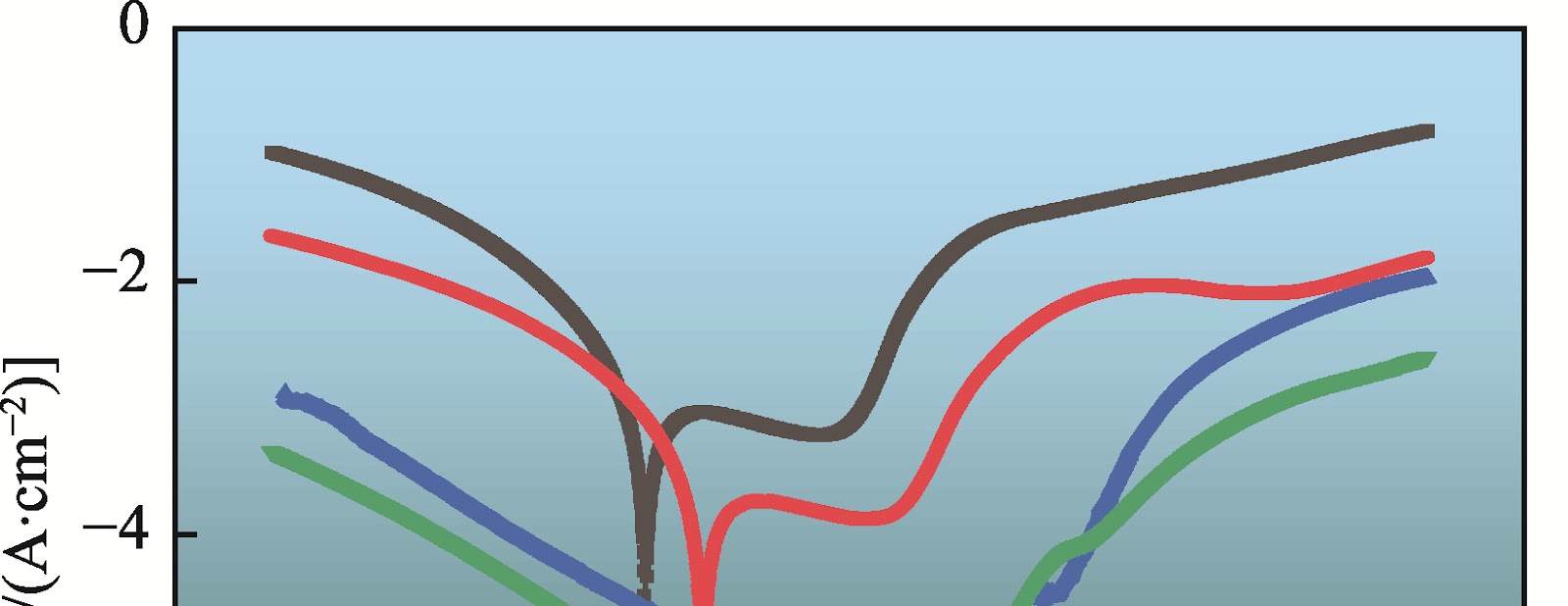
Seawater discharged during LNG regasification carries residual chlorine, predominantly sodium hypochlorite (NaClO), and low temperature, posing a dual corrosion threat to carbon steel components and adjacent reinforced concrete. This study systematically evaluates the corrosion behavior of 45# steel in artificial seawater (AS) and simulated concrete pore solution (SCPS, pH≈10) under NaClO concentrations of 0, 1, 10, and 100 mg/L at 10 °C and 25 °C. Electrochemical impedance spectroscopy, potentiodynamic polarization, weight-loss measurements, and localized corrosion-depth analysis were combined with SEM, EDS, XPS, and XRD to resolve corrosion kinetics, morphology, and product composition. In AS at 25 °C, increasing NaClO from 0 to 100 mg/L decreased charge transfer and film resistance (Rct + Rf) from 2266 to 1207 Ω·cm² and increased corrosion current density (Jcorr) from 11.48 to 18.29 μA/cm². Weight-loss rates remained 0.108 mm/a at 0 and 1 mg/L NaClO, rose slightly to 0.123 mm/a at 10 mg/L (+13%), and sharply to 0.202 mm/a at 100 mg/L (+87%). Corrosion morphology shifted from localized to uniform, with reduced pit depth. In SCPS at 25 °C, the alkaline environment suppressed NaClO-induced acceleration: Rct + Rf decreased from 2922 to 2266 Ω·cm², and weight-loss rates increased only 8% (0.0937 mm/a) at 10 mg/L and 25% (0.108 mm/a) at 100 mg/L relative to the 0.0865 mm/a control. However, 100 mg/L NaClO in SCPS significantly deepened localized pits. At 10 °C, both media exhibited reduced corrosion current density, thinner product layers, and shallower pits. Under standard discharge conditions (residual chlorine ≤0.2 mg/L), the additional corrosion risk from cold discharge water is negligible.
Corrosion Inhibition Mechanism of Typical Inorganic Inhibitors on Stainless Steel in a Simulated Electrolytic Seawater Environment
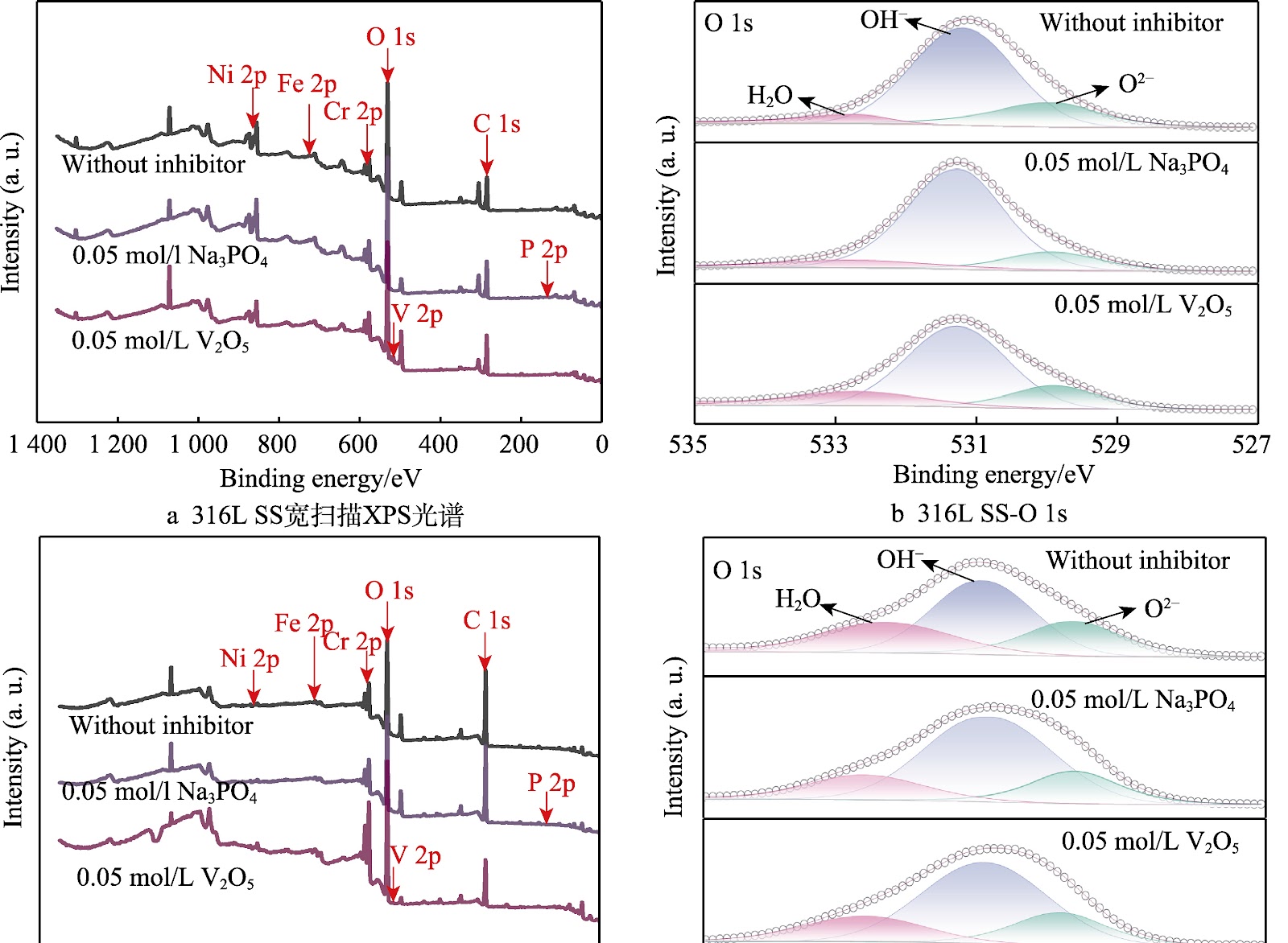
Alkaline seawater electrolysis for hydrogen production imposes severe corrosion on structural stainless steels, particularly in high-temperature, highly alkaline, chloride-rich electrolytes. This study evaluates four inorganic inhibitors—sodium molybdate (Na2MoO4), sodium tungstate (Na2WO4), sodium phosphate (Na3PO4), and vanadium pentoxide (V2O5)—for 316L austenitic stainless steel (316L SS) and 2205 duplex stainless steel (2205 DSS) in a simulated electrolytic seawater environment (6.0 mol/L NaOH, 2.0 mol/L NaCl, 90 °C). Potentiodynamic polarization, electrochemical impedance spectroscopy (EIS), and 14-day immersion tests quantified inhibition efficiency (IE). Surface morphology and film chemistry were characterized by SEM, optical profilometry (OP), and XPS. V2O5 exhibited the highest IE, reaching 79.90% for 316L SS and 89.58% for 2205 DSS at 0.05 mol/L, followed by Na3PO4 (83.33% for 2205 DSS). Na2MoO4 and Na2WO4 were least effective. EIS fitting revealed that V2O5 markedly increased film resistance (Rf) and charge-transfer resistance (Rct) (e.g., Rct = 29,770 Ω·cm², Rf = 923.50 Ω·cm² for 316L SS), indicating suppressed interfacial charge transfer. XPS confirmed the incorporation of V4+/V5+ and PO4³− species into the surface film, forming a dense, barrier-type vanadium/phosphate composite layer that mitigates corrosion. These findings establish V2O5 and Na3PO4 as promising inhibitors for stainless steel in harsh alkaline electrolytic seawater systems.
Influence of Temperature on Diffusion Behavior and Infiltration Layer Structure of Sherardizing on Structural Steel
Powder sherardizing on Q235 structural steel was conducted in a 70wt.% Zn–0.8wt.% NH4Cl–29.2wt.% α-Al2O3 activated pack at 340–400 °C for 2–10 h to establish the temperature-dependent growth kinetics, phase evolution, and corrosion performance of Zn–Fe intermetallic layers. Cross-sectional SEM/EDS and XRD show that all layers consist of δ and Γ phases, with Γ concentrated near the substrate; excessive Γ at 340 °C initiates interfacial cracking. Layer thickness increases monotonically with temperature and time, rising from 10.80 μm at 340 °C to 43.90 μm at 400 °C after 6 h, and from 12.10 μm at 2 h to 81.60 μm at 10 h at 380 °C. The Zn/Fe ratio and δ-phase fraction increase with temperature, yielding denser layers and improved corrosion resistance; at 380–400 °C, corrosion current densities fall to 1.16×10⁻⁶–9.78×10⁻⁷ A/cm². The diffusion coefficient at 380 °C is 2.341×10⁻¹³ m²/s. Prolonged holding beyond 6 h produces through-thickness cracks. DSC and microstructural evidence support a three-stage growth mechanism: formation of active Zn atoms via ZnCl2 decomposition, bidirectional Zn/Fe interdiffusion along substrate defects, and continuous inward advancement of the Zn–Fe intermetallic front. The optimal processing window is 380 °C for 6 h, yielding a ~36.1 μm crack-free layer with 84.1% δ phase and superior corrosion resistance.
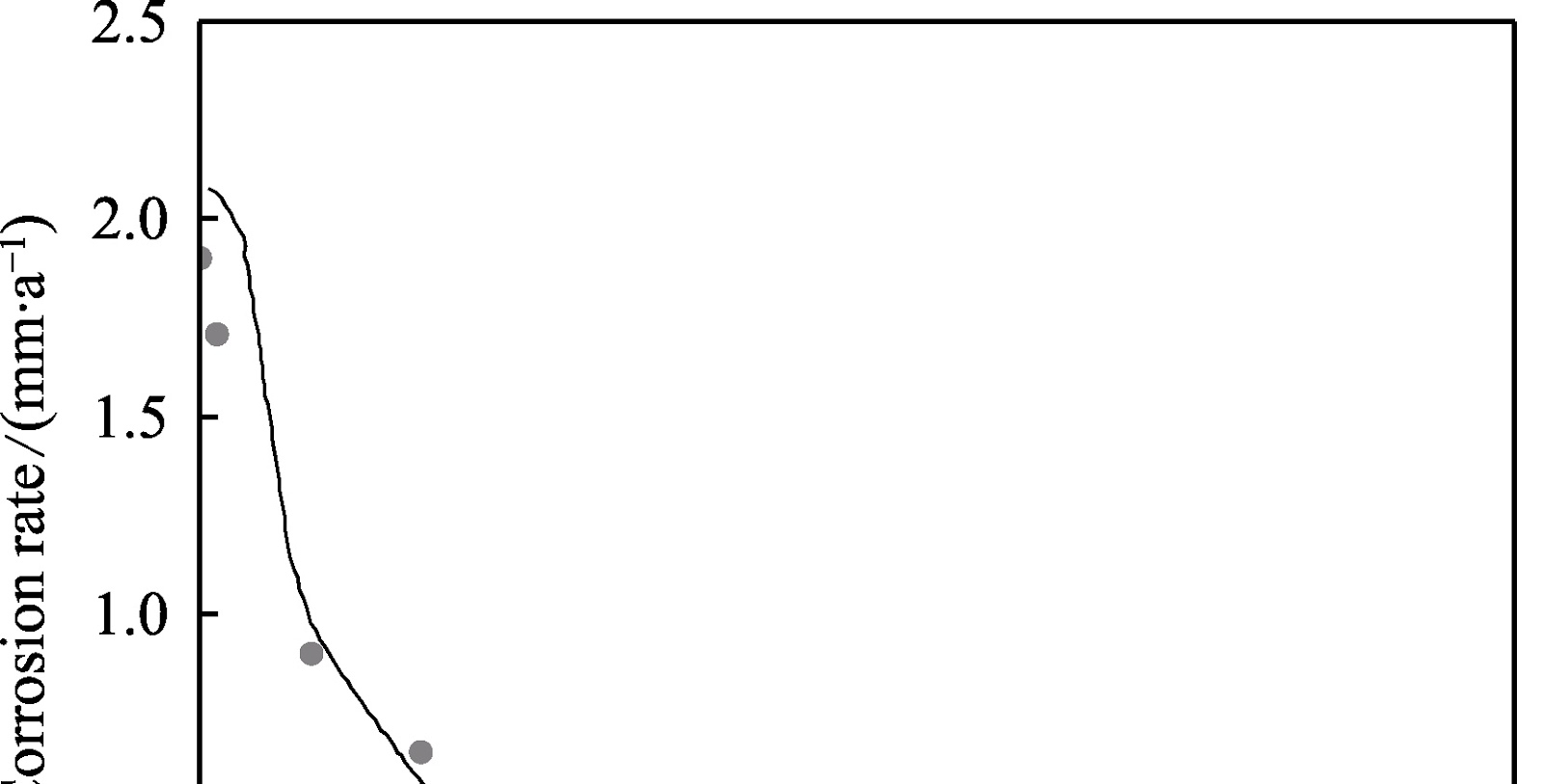
Research Progress and Problem Analysis on Corrosion Prediction of Supercritical CO2 Transport Pipelines
Pipeline transport is the core of large-scale CO2 delivery in CCUS projects, and supercritical pipeline transport is the most economical and feasible method. However, inherent multicomponent impurities and complex aqueous phase precipitation make corrosion control difficult and costly. This review assesses corrosion mechanisms and prediction technologies for supercritical CO2 transport pipelines, focusing on numerical analysis, supporting experiments, and field application within comprehensive mechanistic models. Current understanding has clarified the effects of individual impurities (H2O, H2S, O2, SO2, N2O, N2, H2, CH4) and operating parameters, but synergistic mechanisms of mixed gases remain unresolved, lacking systematic quantitative description. Existing prediction models are limited in applicability to corrosion conditions, morphological matching, and comprehensiveness of factors. Experimental methods suffer from insufficient reliability, particularly in precise metering and replenishment of corrosive media under low water content and multicomponent impurity synergy. Field application faces challenges in rational model use and accurate extraction of field data. Future directions include: deepening research on synergistic effects of impurity gases and quantifying them via theoretical analysis to establish mapping between impurity concentration and corrosion rate; accelerating development of aqueous phase precipitation and distribution models, multicomponent impurity water chemistry models, thermodynamic and kinetic models for multicomponent reactions, and competitive formation/growth models for multiple product films; strengthening experimental techniques for precise metering and replenishment under low water and multicomponent synergy; and improving field application by understanding model parameter physical meanings, applicability boundaries, and ensuring reasonable input parameters and accurate field data extraction.
Research on Wear Resistance and Wear Mechanism of NM500 Steel in a Wide Temperature Range
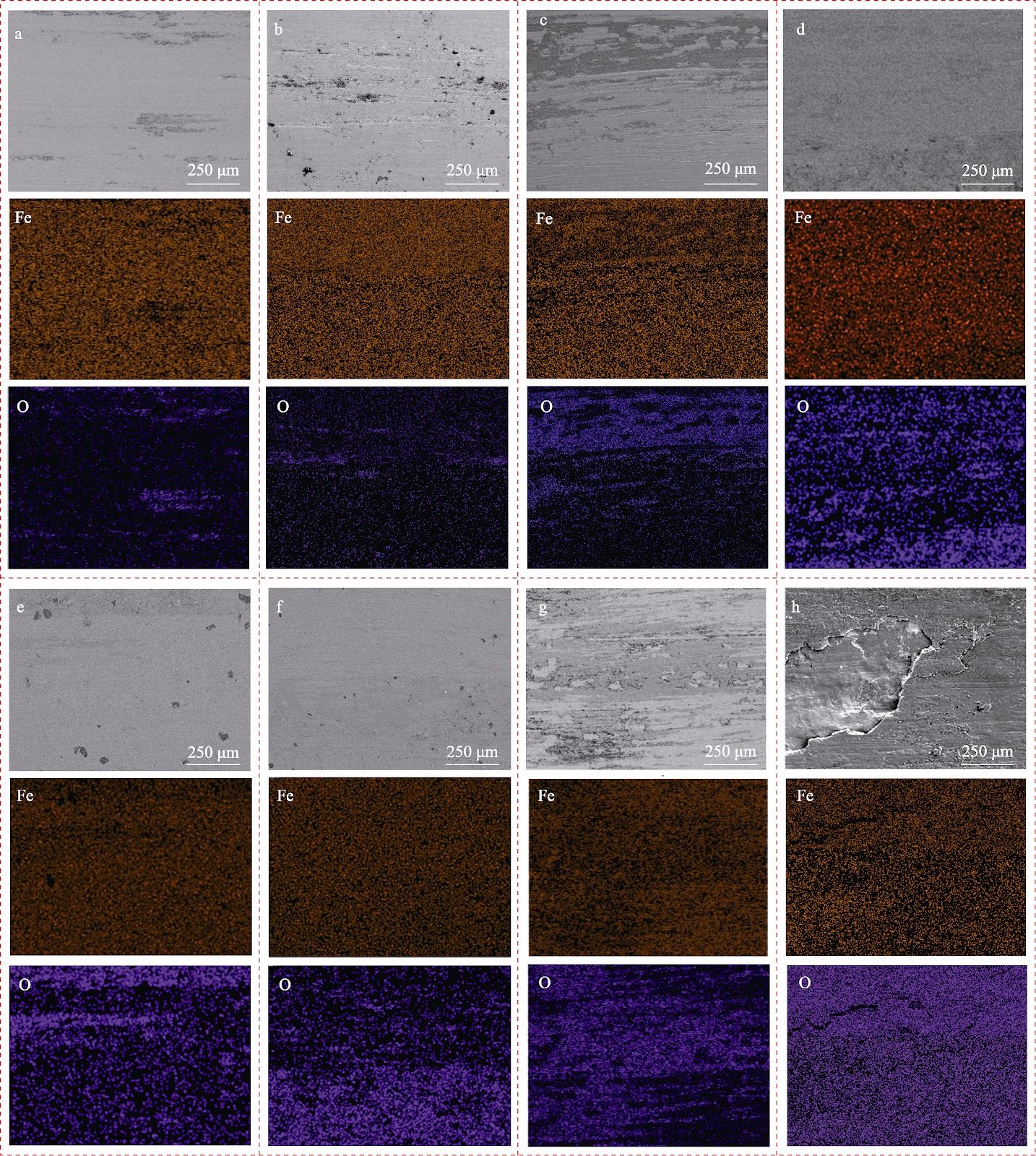
The tribological behavior of NM500 wear-resistant steel was systematically evaluated across a wide temperature range from −50 to 600 °C to elucidate the influence of temperature on wear resistance and to provide a theoretical basis for service life extension. Friction and wear tests were conducted using a high-temperature tribometer under a normal load of 150 N, rotational speed of 354 r/min, wear track diameter of 15 mm, and test duration of 60 minutes. The microstructure was characterized by SEM and EBSD, while worn surfaces were analyzed using XRD, SEM, and 3D laser confocal microscopy. NM500 steel exhibits a fine lath martensitic structure with a grain size of 7.08 μm, conferring high hardness and superior wear resistance. At cryogenic temperatures (−50, −25, 0 °C), the wear mechanism is predominantly abrasive wear, with a wear rate of only 1.29×10⁻⁶ mm3/(N·m). As temperature increases, oxide formation on the worn surface intensifies, friction coefficient decreases to a minimum of 0.3 (50% lower than at low temperature), and wear rate increases significantly: 18×10−6, 22.7×10⁻⁶, 46.7×10⁻⁶, and 128×10−6 mm3/(N·m) at 100, 200, 300, and 600 °C, respectively. The dominant wear mechanism transitions from abrasive wear at low temperatures to oxidative wear with adhesive wear at elevated temperatures. At 600 °C, thermal softening, reduced texture strength, and oxide film delamination exacerbate material loss, shifting the mechanism to oxidative wear as the primary mode with adhesive wear as secondary.