Key Takeaways & Executive Findings
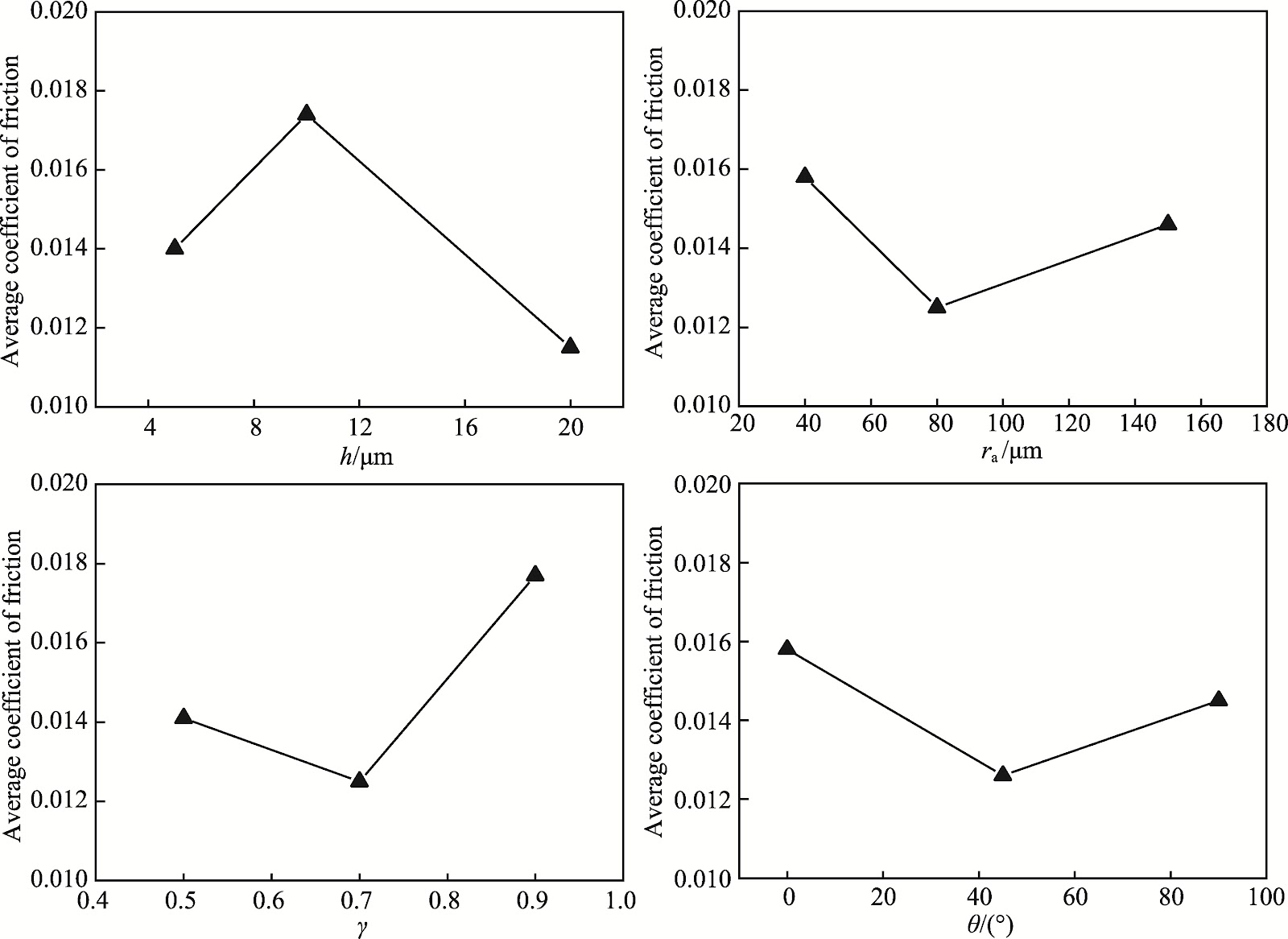
- •• • Optimal elliptical texture parameters (h=20 μm, ra=150 μm, γ=0.7, θ=0°) reduced maximum and minimum damage area ratios by 81.11% and 76.97%, respectively, in gear tests, shifting wear from severe adhesive to minor scratching. This directly extends gear service life in marine and heavy machinery, reducing unplanned downtime and maintenance costs. • • Area ratio and inclination angle are the most significant factors affecting lubrication performance, with optimal values around 25%-30% and 45°, respectively. This provides a clear design window for engineers, avoiding trial-and-error and accelerating industrial adoption of surface texturing. • • Under rolling-sliding line contact, elliptical textures with longer major axes (at constant ellipticity) more effectively reduce friction, as confirmed by CFD and orthogonal wear tests. This geometric insight enables tailored texture designs for specific gear geometries, enhancing tribological efficiency. • • Improper parameter combinations can exacerbate wear, highlighting the necessity of systematic optimization. The study's orthogonal experimental design identified robust parameter sets, mitigating the risk of detrimental textures in practical applications.
China Advanced Materials & Deep-Tech Radar
Get verified English translations, SEM micrographs & open-access PDF alerts from China's leading state key laboratories delivered to your inbox every Monday at 08:00 EST.
Abstract
Gear transmissions under high-speed and heavy-load conditions frequently fail due to incomplete lubricating films, leading to scuffing and severe wear. This study introduces elliptical micro-textures on gear tooth surfaces to enhance hydrodynamic lubrication. A CFD model, based on the Navier-Stokes equations with an incompressible Newtonian fluid assumption, simulated the effects of area ratio (δ), ellipticity (γ=rb/ra), inclination angle (θ), major axis radius (ra), and depth (h) on dimensionless load capacity (W*), wall friction force (F*), and dynamic pressure coefficient (K=W*/F*). Orthogonal rolling-sliding wear tests on cylindrical rollers validated the simulations. Results indicate that area ratio and inclination angle are the most influential parameters, with optimal ranges of 25%-30% and 45°, respectively. The optimal texture parameters were identified as h=20 μm, ra=150 μm, γ=0.7, and θ=0°. Gear tests with these optimized textures showed a transition from severe adhesive wear to minor scratching, with maximum and minimum damage area ratios reduced by 81.11% and 76.97%, respectively, compared to untextured gears. The study acknowledges limitations due to isothermal, incompressible assumptions and neglect of thermal effects, surface elastic deformation, and cavitation. Future work aims to develop a thermo-elastohydrodynamic lubrication model incorporating operating parameters for precise prediction under extreme conditions.
1. Introduction
Gear transmissions are critical in modern industry, yet under high-speed and heavy-load conditions, maintaining a complete lubricating oil film between meshing teeth remains a persistent challenge. This leads to increased friction, temperature rise, and severe surface failures such as scuffing and wear. Conventional surface engineering approaches, including coatings and lubricant additives, have shown limited effectiveness under extreme contact pressures and varying entrainment speeds. Surface texturing has emerged as a promising solution, but the systematic influence of geometric parameters on lubrication performance, particularly for elliptical textures with adjustable major and minor axes, inclination angle, depth, and area ratio, remains insufficiently explored.
This study addresses the bottleneck by integrating computational fluid dynamics (CFD) simulations with orthogonal rolling-sliding wear tests to optimize elliptical micro-textures on gear surfaces. The gear tooth contact is simplified to a cylinder-on-plane configuration based on Hertz contact theory, and a CFD model using the Navier-Stokes equations evaluates the effects of area ratio, ellipticity, inclination angle, major axis radius, and depth on dimensionless load capacity, wall friction force, and dynamic pressure coefficient. The optimized texture parameters are then validated through gear friction and wear tests, demonstrating a significant reduction in damage area ratios and a transition in wear mechanisms. This protocol provides a rigorous framework for designing surface textures that enhance hydrodynamic lubrication and extend gear lifespan under demanding operational conditions.
Loading authentic research manuscript (Pages 1–5)...
WANG Yan, LUO Shanming, FANG Yiming, CHANG Xuefeng (2026). Optimized Design and Lubrication Friction Performance of Elliptical Micro-textures in Gear Surfaces. Surface Technology (表面技术). https://doi.org/10.16490/j.cnki.issn.1001-3660.2026.11.006
Research & Educational Purpose Only: The translations, structured abstracts, analytical annotations, and data reports provided by SinoTechIntelare intended exclusively for academic research, internal corporate R&D, and educational benchmarking. They do not constitute formal engineering, chemical safety, legal, or professional advice.
Copyright & Intellectual Property Notice: Original copyright of the underlying source articles and experimental data remains with the respective authors, institutions, and original publishing journals. SinoTechIntel claims intellectual property only over its proprietary translations, analytical syntheses, and AEO structured enhancements in accordance with international fair use and academic citation principles.
Frequently Asked Questions
What is the primary failure mechanism that elliptical micro-textures aim to mitigate in gear contacts?
Under high-speed and heavy-load conditions, incomplete lubricating films lead to adhesive wear and scuffing. The optimized elliptical textures (h=20 μm, ra=150 μm, γ=0.7, θ=0°) reduced maximum and minimum damage area ratios by 81.11% and 76.97%, respectively, shifting the wear mechanism from severe adhesive wear to minor scratching, as confirmed by gear tests.
How do the geometric parameters of elliptical textures influence lubrication performance, and which are most critical?
CFD simulations and orthogonal tests identified area ratio (δ) and inclination angle (θ) as the most influential parameters, with optimal ranges of 25%-30% and 45°, respectively. Ellipticity (γ) and major axis radius (ra) also play significant roles, while depth (h) exhibits complex effects. The optimal combination was h=20 μm, ra=150 μm, γ=0.7, θ=0°.
What are the limitations of the current study, and how might they affect industrial applicability?
The study assumes isothermal, incompressible fluid flow and neglects thermal effects, surface elastic deformation, and cavitation. These simplifications may limit quantitative predictions under real-world conditions. Future work will develop a thermo-elastohydrodynamic lubrication model to incorporate operating parameters, enabling precise optimization for high-speed, heavy-load applications.
Can the optimized elliptical textures be reliably manufactured on gear surfaces at scale, and what are the cost implications?
The study does not address manufacturing scalability or cost. However, the textures are defined by standard geometric parameters (depth, radii, angle) that are compatible with laser surface texturing or micromachining. Industrial adoption will require cost-benefit analysis, but the 81.11% reduction in damage area suggests potential for significant lifecycle cost savings through extended gear life and reduced maintenance.
How does the performance of elliptical textures compare to other texture shapes (e.g., circular, rectangular) in gear lubrication?
The study focuses exclusively on elliptical textures due to their high design flexibility. While previous research has compared various shapes, systematic optimization of elliptical parameters was lacking. The results demonstrate that elliptical textures significantly enhance hydrodynamic pressure distribution, but direct comparative data with other shapes under identical conditions are not provided. This remains a gap for future comparative studies.
Related Chinese Research & Cross-Citations
Research Progress and Prospects of Corrosion-resistant High-entropy Alloy Coatings
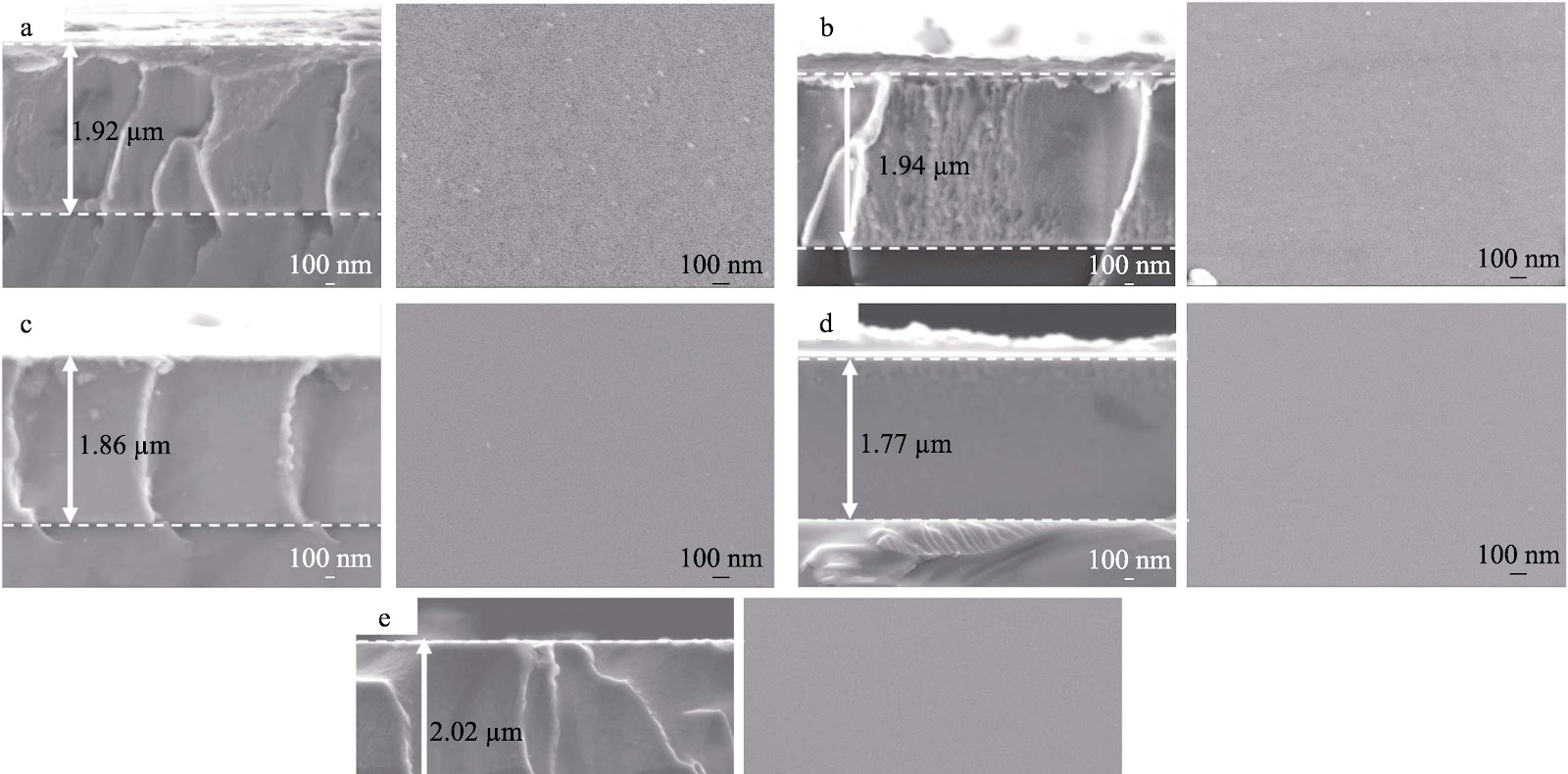
Marine environments impose combined electrochemical, microbiological, and cavitation erosion degradation on metallic infrastructure, shortening service intervals and inflating maintenance expenditure. High-entropy alloy (HEA) coatings mitigate these failure modes through simple solid-solution or amorphous microstructures that suppress galvanic coupling and promote dense passive film formation. This review systematically examines corrosion-resistant HEA coatings from single-factor to multi-factor coupling perspectives, covering classification and compositional design, fabrication routes, and corrosion behavior under complex marine conditions. Key coating systems include FeCoCrNiMn, AlCoCrFeNi, FeCrNiCoAl, and (FeCoCrNi)75B15Si10 amorphous alloys deposited by atmospheric plasma spraying, high-velocity oxy-fuel spraying, and wire arc spraying. Elemental additions of Cr, Al, and Mo enhance passivation; B and Si promote amorphous phase formation. The review identifies core engineering bottlenecks: compositional design, process optimization, and service performance validation. A multi-scale simulation, process-structure optimization, and in-situ characterization framework is proposed to accelerate coating deployment. These findings provide theoretical and technical guidance for next-generation corrosion-resistant coatings in marine equipment.
Effect of Sodium Hypochlorite Concentration and Medium Temperature on Corrosion of 45# Steel in Artificial Seawater and Simulated Concrete Pore Solution
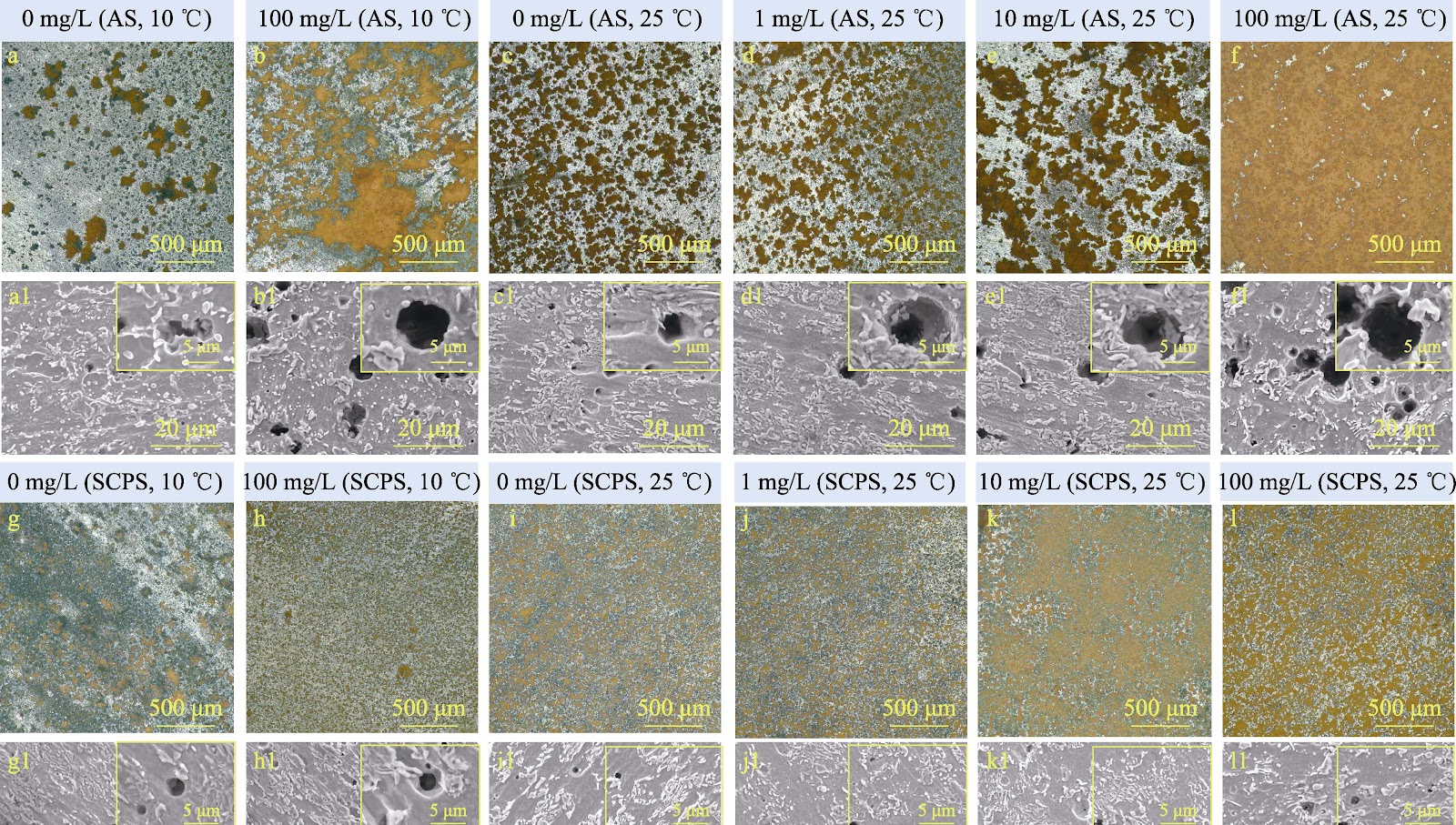
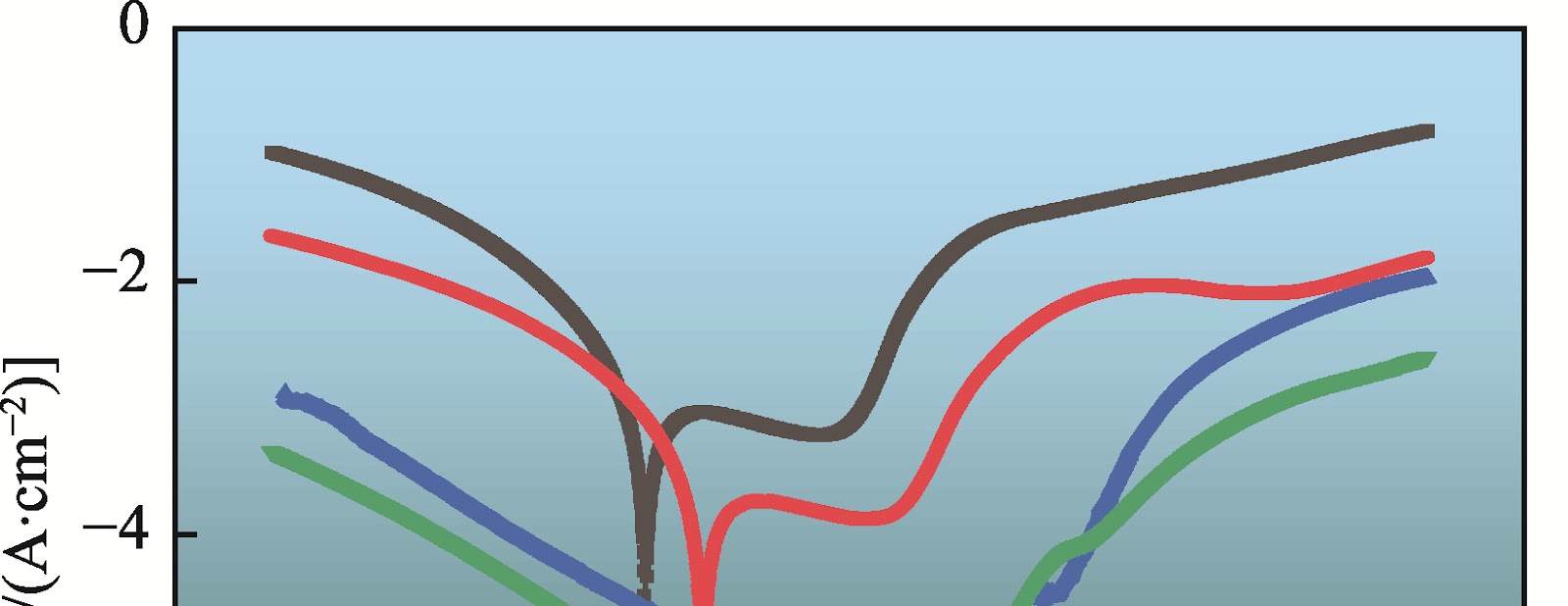
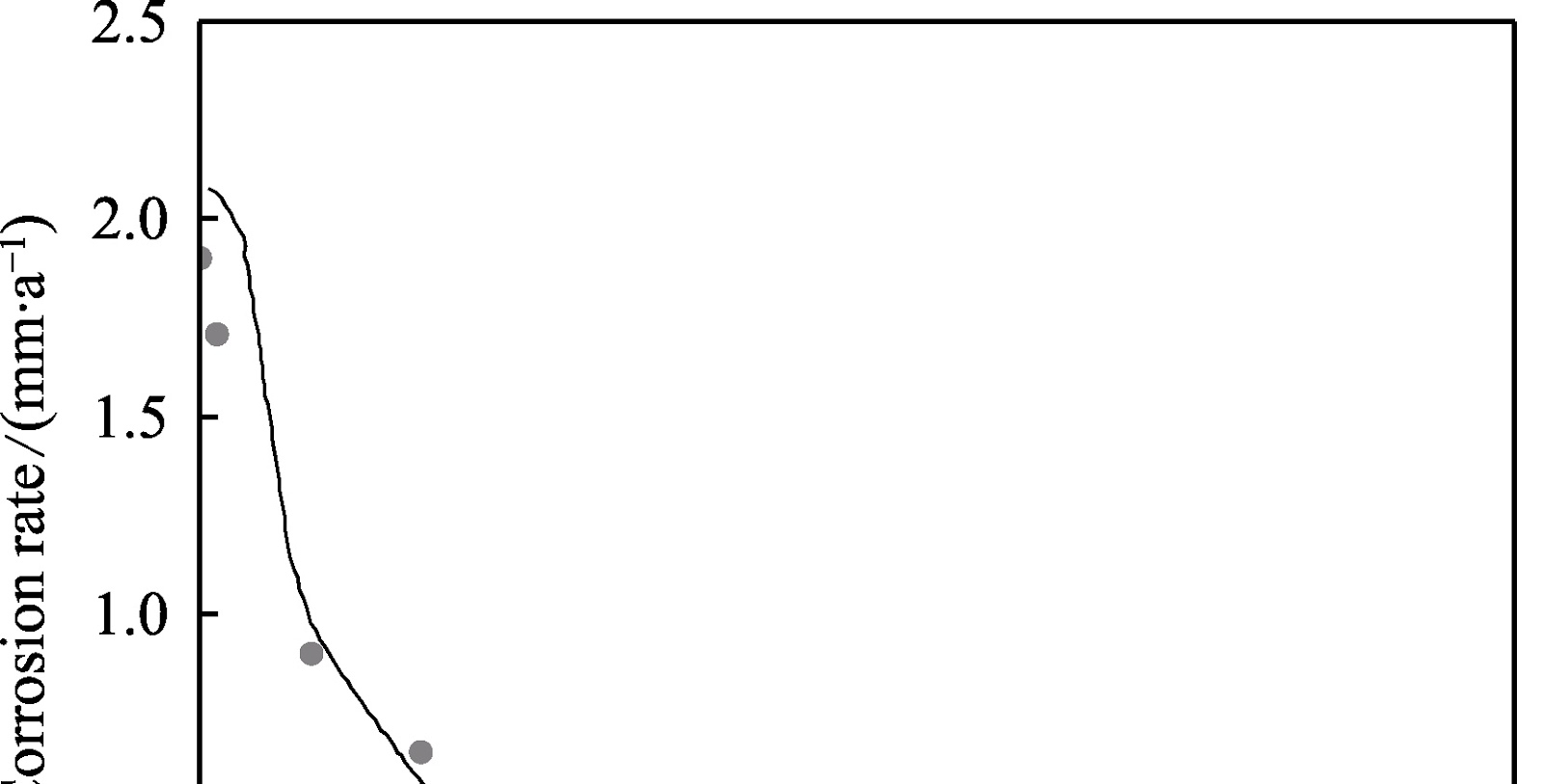
Seawater discharged during LNG regasification carries residual chlorine, predominantly sodium hypochlorite (NaClO), and low temperature, posing a dual corrosion threat to carbon steel components and adjacent reinforced concrete. This study systematically evaluates the corrosion behavior of 45# steel in artificial seawater (AS) and simulated concrete pore solution (SCPS, pH≈10) under NaClO concentrations of 0, 1, 10, and 100 mg/L at 10 °C and 25 °C. Electrochemical impedance spectroscopy, potentiodynamic polarization, weight-loss measurements, and localized corrosion-depth analysis were combined with SEM, EDS, XPS, and XRD to resolve corrosion kinetics, morphology, and product composition. In AS at 25 °C, increasing NaClO from 0 to 100 mg/L decreased charge transfer and film resistance (Rct + Rf) from 2266 to 1207 Ω·cm² and increased corrosion current density (Jcorr) from 11.48 to 18.29 μA/cm². Weight-loss rates remained 0.108 mm/a at 0 and 1 mg/L NaClO, rose slightly to 0.123 mm/a at 10 mg/L (+13%), and sharply to 0.202 mm/a at 100 mg/L (+87%). Corrosion morphology shifted from localized to uniform, with reduced pit depth. In SCPS at 25 °C, the alkaline environment suppressed NaClO-induced acceleration: Rct + Rf decreased from 2922 to 2266 Ω·cm², and weight-loss rates increased only 8% (0.0937 mm/a) at 10 mg/L and 25% (0.108 mm/a) at 100 mg/L relative to the 0.0865 mm/a control. However, 100 mg/L NaClO in SCPS significantly deepened localized pits. At 10 °C, both media exhibited reduced corrosion current density, thinner product layers, and shallower pits. Under standard discharge conditions (residual chlorine ≤0.2 mg/L), the additional corrosion risk from cold discharge water is negligible.
Corrosion Inhibition Mechanism of Typical Inorganic Inhibitors on Stainless Steel in a Simulated Electrolytic Seawater Environment
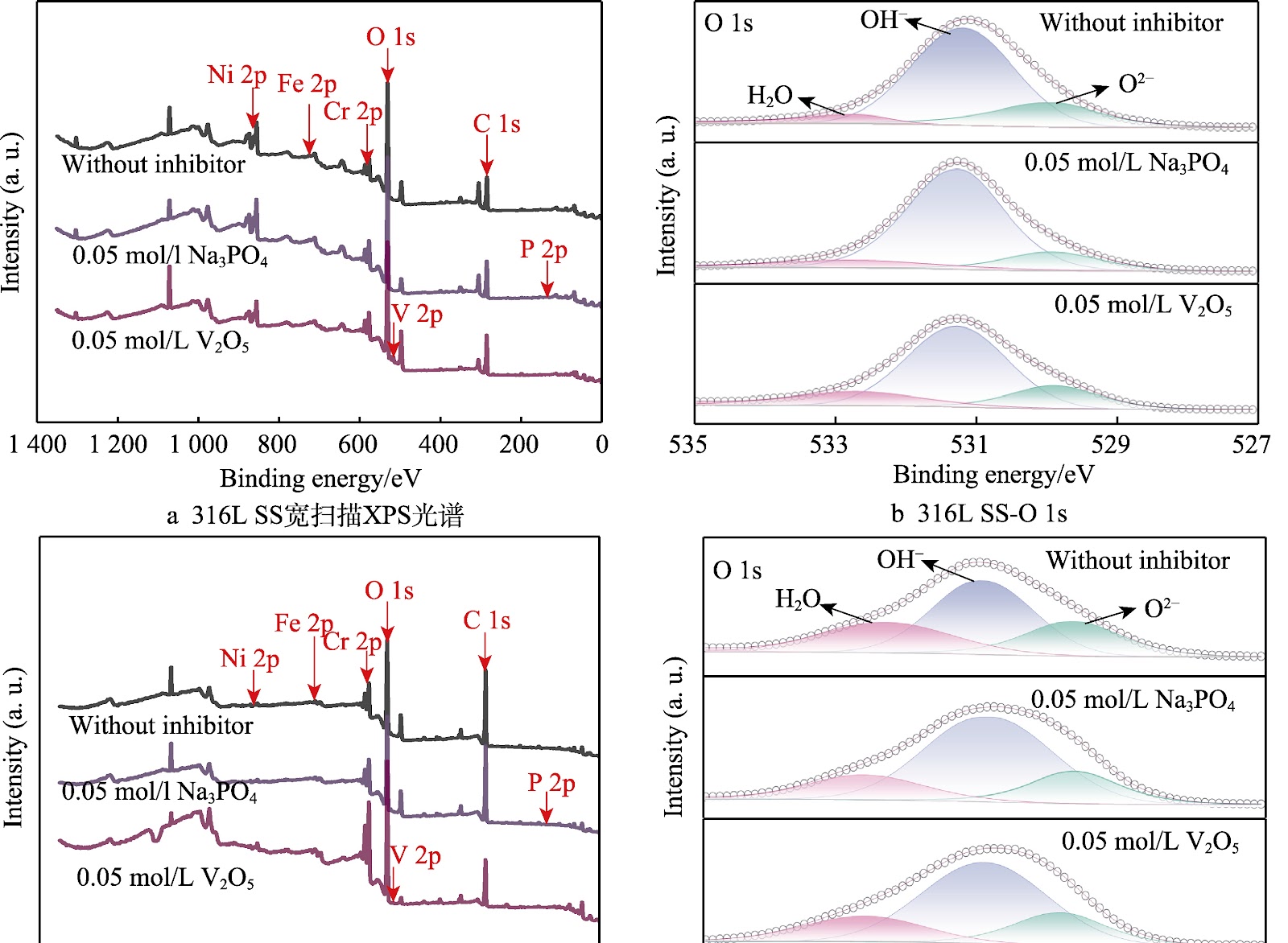
Alkaline seawater electrolysis for hydrogen production imposes severe corrosion on structural stainless steels, particularly in high-temperature, highly alkaline, chloride-rich electrolytes. This study evaluates four inorganic inhibitors—sodium molybdate (Na2MoO4), sodium tungstate (Na2WO4), sodium phosphate (Na3PO4), and vanadium pentoxide (V2O5)—for 316L austenitic stainless steel (316L SS) and 2205 duplex stainless steel (2205 DSS) in a simulated electrolytic seawater environment (6.0 mol/L NaOH, 2.0 mol/L NaCl, 90 °C). Potentiodynamic polarization, electrochemical impedance spectroscopy (EIS), and 14-day immersion tests quantified inhibition efficiency (IE). Surface morphology and film chemistry were characterized by SEM, optical profilometry (OP), and XPS. V2O5 exhibited the highest IE, reaching 79.90% for 316L SS and 89.58% for 2205 DSS at 0.05 mol/L, followed by Na3PO4 (83.33% for 2205 DSS). Na2MoO4 and Na2WO4 were least effective. EIS fitting revealed that V2O5 markedly increased film resistance (Rf) and charge-transfer resistance (Rct) (e.g., Rct = 29,770 Ω·cm², Rf = 923.50 Ω·cm² for 316L SS), indicating suppressed interfacial charge transfer. XPS confirmed the incorporation of V4+/V5+ and PO4³− species into the surface film, forming a dense, barrier-type vanadium/phosphate composite layer that mitigates corrosion. These findings establish V2O5 and Na3PO4 as promising inhibitors for stainless steel in harsh alkaline electrolytic seawater systems.
Influence of Temperature on Diffusion Behavior and Infiltration Layer Structure of Sherardizing on Structural Steel
Powder sherardizing on Q235 structural steel was conducted in a 70wt.% Zn–0.8wt.% NH4Cl–29.2wt.% α-Al2O3 activated pack at 340–400 °C for 2–10 h to establish the temperature-dependent growth kinetics, phase evolution, and corrosion performance of Zn–Fe intermetallic layers. Cross-sectional SEM/EDS and XRD show that all layers consist of δ and Γ phases, with Γ concentrated near the substrate; excessive Γ at 340 °C initiates interfacial cracking. Layer thickness increases monotonically with temperature and time, rising from 10.80 μm at 340 °C to 43.90 μm at 400 °C after 6 h, and from 12.10 μm at 2 h to 81.60 μm at 10 h at 380 °C. The Zn/Fe ratio and δ-phase fraction increase with temperature, yielding denser layers and improved corrosion resistance; at 380–400 °C, corrosion current densities fall to 1.16×10⁻⁶–9.78×10⁻⁷ A/cm². The diffusion coefficient at 380 °C is 2.341×10⁻¹³ m²/s. Prolonged holding beyond 6 h produces through-thickness cracks. DSC and microstructural evidence support a three-stage growth mechanism: formation of active Zn atoms via ZnCl2 decomposition, bidirectional Zn/Fe interdiffusion along substrate defects, and continuous inward advancement of the Zn–Fe intermetallic front. The optimal processing window is 380 °C for 6 h, yielding a ~36.1 μm crack-free layer with 84.1% δ phase and superior corrosion resistance.
Research Progress and Problem Analysis on Corrosion Prediction of Supercritical CO2 Transport Pipelines
Pipeline transport is the core of large-scale CO2 delivery in CCUS projects, and supercritical pipeline transport is the most economical and feasible method. However, inherent multicomponent impurities and complex aqueous phase precipitation make corrosion control difficult and costly. This review assesses corrosion mechanisms and prediction technologies for supercritical CO2 transport pipelines, focusing on numerical analysis, supporting experiments, and field application within comprehensive mechanistic models. Current understanding has clarified the effects of individual impurities (H2O, H2S, O2, SO2, N2O, N2, H2, CH4) and operating parameters, but synergistic mechanisms of mixed gases remain unresolved, lacking systematic quantitative description. Existing prediction models are limited in applicability to corrosion conditions, morphological matching, and comprehensiveness of factors. Experimental methods suffer from insufficient reliability, particularly in precise metering and replenishment of corrosive media under low water content and multicomponent impurity synergy. Field application faces challenges in rational model use and accurate extraction of field data. Future directions include: deepening research on synergistic effects of impurity gases and quantifying them via theoretical analysis to establish mapping between impurity concentration and corrosion rate; accelerating development of aqueous phase precipitation and distribution models, multicomponent impurity water chemistry models, thermodynamic and kinetic models for multicomponent reactions, and competitive formation/growth models for multiple product films; strengthening experimental techniques for precise metering and replenishment under low water and multicomponent synergy; and improving field application by understanding model parameter physical meanings, applicability boundaries, and ensuring reasonable input parameters and accurate field data extraction.
Research on Wear Resistance and Wear Mechanism of NM500 Steel in a Wide Temperature Range
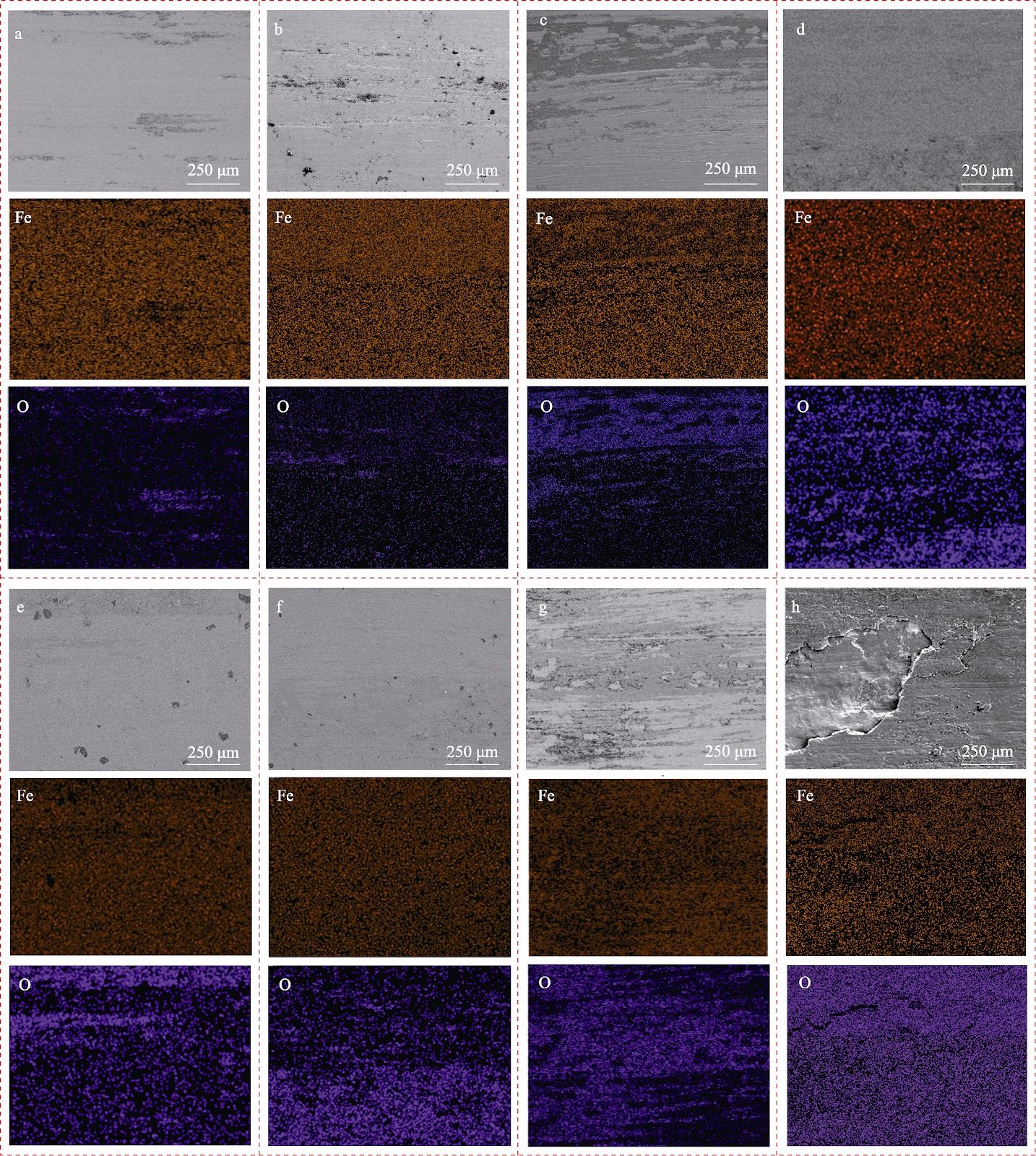
The tribological behavior of NM500 wear-resistant steel was systematically evaluated across a wide temperature range from −50 to 600 °C to elucidate the influence of temperature on wear resistance and to provide a theoretical basis for service life extension. Friction and wear tests were conducted using a high-temperature tribometer under a normal load of 150 N, rotational speed of 354 r/min, wear track diameter of 15 mm, and test duration of 60 minutes. The microstructure was characterized by SEM and EBSD, while worn surfaces were analyzed using XRD, SEM, and 3D laser confocal microscopy. NM500 steel exhibits a fine lath martensitic structure with a grain size of 7.08 μm, conferring high hardness and superior wear resistance. At cryogenic temperatures (−50, −25, 0 °C), the wear mechanism is predominantly abrasive wear, with a wear rate of only 1.29×10⁻⁶ mm3/(N·m). As temperature increases, oxide formation on the worn surface intensifies, friction coefficient decreases to a minimum of 0.3 (50% lower than at low temperature), and wear rate increases significantly: 18×10−6, 22.7×10⁻⁶, 46.7×10⁻⁶, and 128×10−6 mm3/(N·m) at 100, 200, 300, and 600 °C, respectively. The dominant wear mechanism transitions from abrasive wear at low temperatures to oxidative wear with adhesive wear at elevated temperatures. At 600 °C, thermal softening, reduced texture strength, and oxide film delamination exacerbate material loss, shifting the mechanism to oxidative wear as the primary mode with adhesive wear as secondary.