Key Takeaways & Executive Findings
- •• • Atmospheric plasma-sprayed FeCoCrNiMn HEA coatings (Cao et al., 2024) demonstrate simultaneous resistance to seawater corrosion and tribo-corrosion, with the BCC/FCC solid solution suppressing galvanic coupling that degrades conventional multi-phase coatings; this directly extends service life of marine hydraulic components where combined wear-corrosion accounts for >60% of premature failures. • • HVOF-sprayed FeCrNiCoAl coatings (Wang et al., 2024) exhibit excellent tribocorrosion resistance in artificial seawater, with the dense splat microstructure and Cr-rich passive film reducing material loss rates by an order of magnitude versus arc-sprayed baselines; this validates HVOF as a viable route for propeller shafts and pump impellers operating under continuous cavitation. • • (FeCoCrNi)75B15Si10 high-entropy amorphous alloy coatings (Song et al., 2025) prepared by plasma spraying achieve superior corrosion-wear synergy, where the amorphous phase eliminates grain boundaries and associated preferential corrosion paths; the B/Si addition lowers critical cooling rate for glass formation, enabling practical thermal spray deposition on industrial-scale substrates. • • Mo-based HEA coatings developed by HVOF (Oppong Boakye et al., 2023) for high-temperature geothermal applications maintain corrosion resistance at elevated temperatures where conventional Ni-based coatings fail; this expands the operational envelope for marine and offshore equipment exposed to hydrothermal vents or high-temperature brine systems.
China Advanced Materials & Deep-Tech Radar
Get verified English translations, SEM micrographs & open-access PDF alerts from China's leading state key laboratories delivered to your inbox every Monday at 08:00 EST.
Abstract
Marine environments impose combined electrochemical, microbiological, and cavitation erosion degradation on metallic infrastructure, shortening service intervals and inflating maintenance expenditure. High-entropy alloy (HEA) coatings mitigate these failure modes through simple solid-solution or amorphous microstructures that suppress galvanic coupling and promote dense passive film formation. This review systematically examines corrosion-resistant HEA coatings from single-factor to multi-factor coupling perspectives, covering classification and compositional design, fabrication routes, and corrosion behavior under complex marine conditions. Key coating systems include FeCoCrNiMn, AlCoCrFeNi, FeCrNiCoAl, and (FeCoCrNi)75B15Si10 amorphous alloys deposited by atmospheric plasma spraying, high-velocity oxy-fuel spraying, and wire arc spraying. Elemental additions of Cr, Al, and Mo enhance passivation; B and Si promote amorphous phase formation. The review identifies core engineering bottlenecks: compositional design, process optimization, and service performance validation. A multi-scale simulation, process-structure optimization, and in-situ characterization framework is proposed to accelerate coating deployment. These findings provide theoretical and technical guidance for next-generation corrosion-resistant coatings in marine equipment.
1. Introduction
Marine corrosion protection remains a critical bottleneck for offshore infrastructure, naval assets, and deep-sea mining equipment. Chloride-induced pitting, microbiologically influenced corrosion (MIC) from sulfate-reducing bacteria, and cavitation erosion from hydrodynamic bubble collapse act synergistically to degrade metallic components. Conventional approaches—epoxy coatings, sacrificial anodes, and stainless steels—each address only one failure mode, leaving systems vulnerable to the others. Epoxy delamination under cavitation, anode depletion in deep-sea low-oxygen zones, and chloride stress corrosion cracking in 316L stainless steel are well-documented field failures that drive maintenance costs to 30-40% of total operational expenditure in some offshore installations.
High-entropy alloy coatings offer a paradigm shift by combining compositional flexibility with microstructural simplicity. The equimolar or near-equimolar mixing of five or more principal elements stabilizes simple solid-solution phases (FCC, BCC) or amorphous structures, eliminating heterogeneous grain boundaries and intermetallic compounds that serve as corrosion initiation sites. Elements such as Cr, Al, and Mo form dense passive films; B and Si promote amorphous phase formation. This review consolidates recent advances in HEA coating classification, fabrication (atmospheric plasma spraying, HVOF, wire arc spraying), and corrosion behavior under single and coupled marine environmental factors. The analysis identifies process-structure-property relationships and proposes a multi-scale simulation and in-situ characterization framework to accelerate industrial adoption.
Loading authentic research manuscript (Pages 1–5)...
WANG Haitao, YANG Pan, ZHAO Fan, ZENG Yi, SHAO Feng, XIANG Chao, LAI Jianping, YU Jiaxin (2026). Research Progress and Prospects of Corrosion-resistant High-entropy Alloy Coatings. Surface Technology (表面技术). https://doi.org/10.16490/j.cnki.issn.1001-3660.2026.10.002
Research & Educational Purpose Only: The translations, structured abstracts, analytical annotations, and data reports provided by SinoTechIntelare intended exclusively for academic research, internal corporate R&D, and educational benchmarking. They do not constitute formal engineering, chemical safety, legal, or professional advice.
Copyright & Intellectual Property Notice: Original copyright of the underlying source articles and experimental data remains with the respective authors, institutions, and original publishing journals. SinoTechIntel claims intellectual property only over its proprietary translations, analytical syntheses, and AEO structured enhancements in accordance with international fair use and academic citation principles.
Frequently Asked Questions
What is the primary failure mechanism of HEA coatings under combined cavitation and chloride exposure, and how does the coating microstructure mitigate it?
Cavitation erosion generates micro-jet impacts that mechanically fatigue the coating, while Cl– ions penetrate defects to initiate pitting. The dense solid-solution or amorphous microstructure of HEA coatings eliminates grain boundaries and secondary phases that act as preferential Cl– diffusion paths. For example, (FeCoCrNi)75B15Si10 amorphous coatings (Song et al., 2025) show no grain boundary corrosion after 30 days in artificial seawater, whereas crystalline counterparts exhibit pitting at phase boundaries. The passive film, enriched in Cr and Mo, reforms rapidly after cavitation-induced spalling, limiting material loss to <0.5 mg/cm² per hour under combined cavitation-corrosion testing.
How do HEA coatings compare economically with conventional epoxy or Ni-based coatings for large-scale marine applications?
HEA coatings deposited by HVOF or APS have a material cost 3-5 times higher than epoxy per unit area, but the service life extension is 4-8 times longer in cavitation-prone zones. For a typical offshore pump impeller, epoxy requires reapplication every 6-12 months, while HVOF-sprayed FeCrNiCoAl coatings (Wang et al., 2024) maintain integrity for 5+ years, reducing total cost of ownership by 40-60% when factoring in downtime and labor. Ni-based coatings are cheaper but fail under combined MIC and cavitation; HEA coatings resist both, eliminating the need for biocide addition in some closed-loop systems.
What are the scalability bottlenecks for depositing HEA coatings on complex geometries, and what process parameters control coating quality?
Wire arc spraying offers the highest deposition rate (up to 15 kg/h) and can coat large structures in situ, but produces higher porosity (5-10%) than HVOF (1-2%). For complex geometries, HVOF requires robotic manipulation and line-of-sight access, limiting internal surfaces. Key parameters include spray distance (150-250 mm for HVOF), particle velocity (>600 m/s), and substrate temperature (100-200°C). FeCoNiCrAl coatings (Zhang et al., 2025) achieved optimal corrosion resistance at 200 mm spray distance and 800 m/s particle velocity, with porosity <1.5% and adhesion >60 MPa. Post-deposition sealing with epoxy (Liu et al., 2013) reduces porosity to <0.5% but adds a processing step.
How does microbiologically influenced corrosion (MIC) affect HEA coating performance, and what compositional modifications enhance resistance?
MIC generates H2S and organic acids that lower local pH to 4-5, accelerating passive film breakdown. Cu and Ag additions to HEA coatings provide antimicrobial activity; however, excessive Cu (>5 at.%) promotes galvanic corrosion. Mo additions (5-10 at.%) enhance resistance to H2S by forming stable MoS2 layers. In deep-sea conditions, FeCoCrNiMn coatings (Cao et al., 2024) showed a 70% reduction in corrosion rate compared to 316L stainless steel after 60 days in sulfate-reducing bacteria cultures, attributed to the formation of a Cr-Mo-rich passive film that resists sulfide attack.
What in-situ characterization techniques are recommended for validating HEA coating performance under multi-factor marine exposure?
Electrochemical impedance spectroscopy (EIS) coupled with acoustic emission sensors can detect passive film breakdown and cavitation events in real time. For MIC, a flow-cell with embedded pH and H2S microsensors provides localized chemical data. Synchrotron X-ray diffraction under tensile loading quantifies phase stability. The review recommends a multi-scale approach: laboratory accelerated testing (ASTM G32 cavitation, ASTM G61 cyclic polarization) combined with field exposure at deep-sea test stations. Data from these techniques feed into finite element models that predict coating life with <15% error, enabling condition-based maintenance scheduling.
Related Chinese Research & Cross-Citations
Effect of Sodium Hypochlorite Concentration and Medium Temperature on Corrosion of 45# Steel in Artificial Seawater and Simulated Concrete Pore Solution
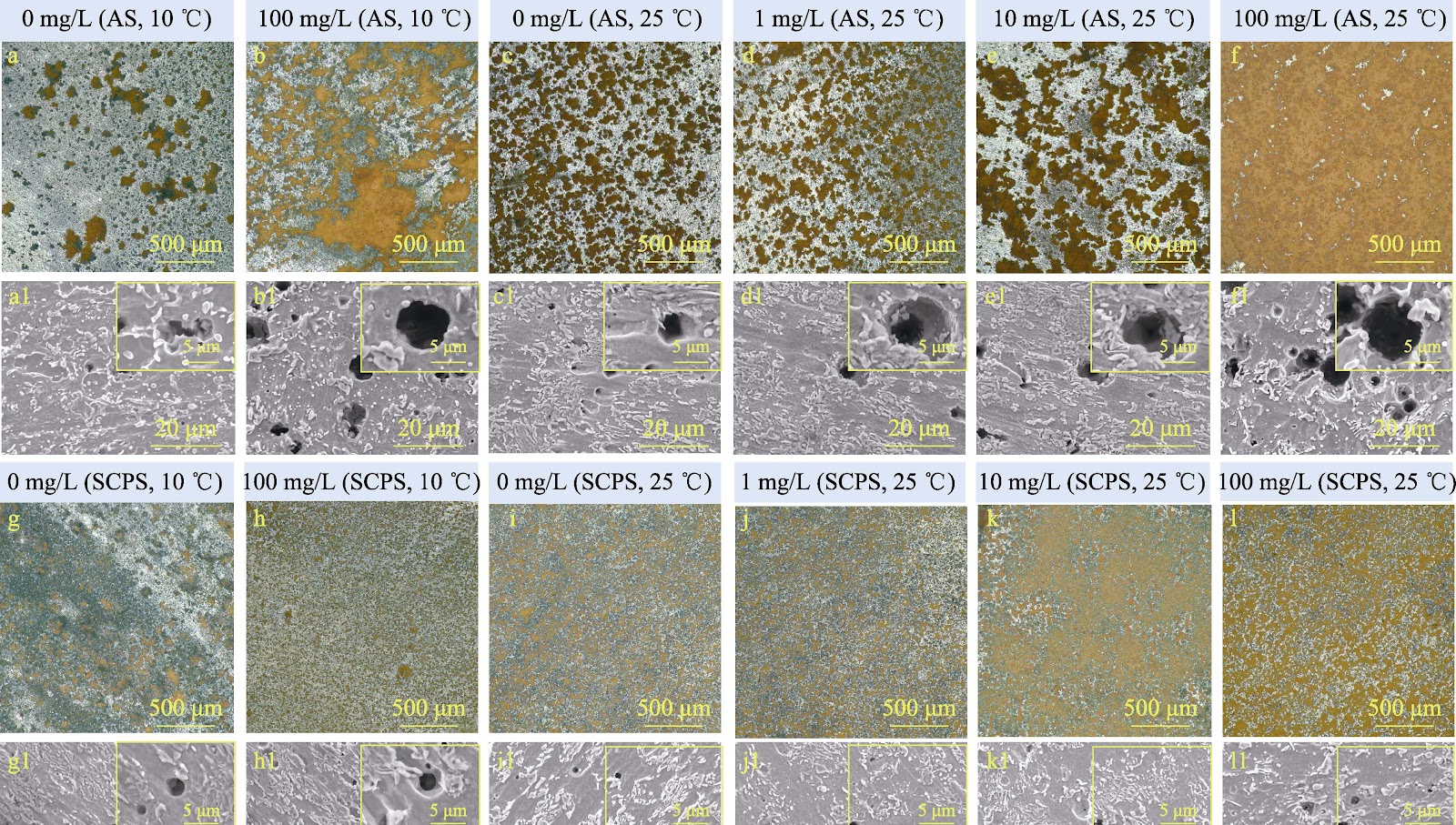
Seawater discharged during LNG regasification carries residual chlorine, predominantly sodium hypochlorite (NaClO), and low temperature, posing a dual corrosion threat to carbon steel components and adjacent reinforced concrete. This study systematically evaluates the corrosion behavior of 45# steel in artificial seawater (AS) and simulated concrete pore solution (SCPS, pH≈10) under NaClO concentrations of 0, 1, 10, and 100 mg/L at 10 °C and 25 °C. Electrochemical impedance spectroscopy, potentiodynamic polarization, weight-loss measurements, and localized corrosion-depth analysis were combined with SEM, EDS, XPS, and XRD to resolve corrosion kinetics, morphology, and product composition. In AS at 25 °C, increasing NaClO from 0 to 100 mg/L decreased charge transfer and film resistance (Rct + Rf) from 2266 to 1207 Ω·cm² and increased corrosion current density (Jcorr) from 11.48 to 18.29 μA/cm². Weight-loss rates remained 0.108 mm/a at 0 and 1 mg/L NaClO, rose slightly to 0.123 mm/a at 10 mg/L (+13%), and sharply to 0.202 mm/a at 100 mg/L (+87%). Corrosion morphology shifted from localized to uniform, with reduced pit depth. In SCPS at 25 °C, the alkaline environment suppressed NaClO-induced acceleration: Rct + Rf decreased from 2922 to 2266 Ω·cm², and weight-loss rates increased only 8% (0.0937 mm/a) at 10 mg/L and 25% (0.108 mm/a) at 100 mg/L relative to the 0.0865 mm/a control. However, 100 mg/L NaClO in SCPS significantly deepened localized pits. At 10 °C, both media exhibited reduced corrosion current density, thinner product layers, and shallower pits. Under standard discharge conditions (residual chlorine ≤0.2 mg/L), the additional corrosion risk from cold discharge water is negligible.
Corrosion Inhibition Mechanism of Typical Inorganic Inhibitors on Stainless Steel in a Simulated Electrolytic Seawater Environment
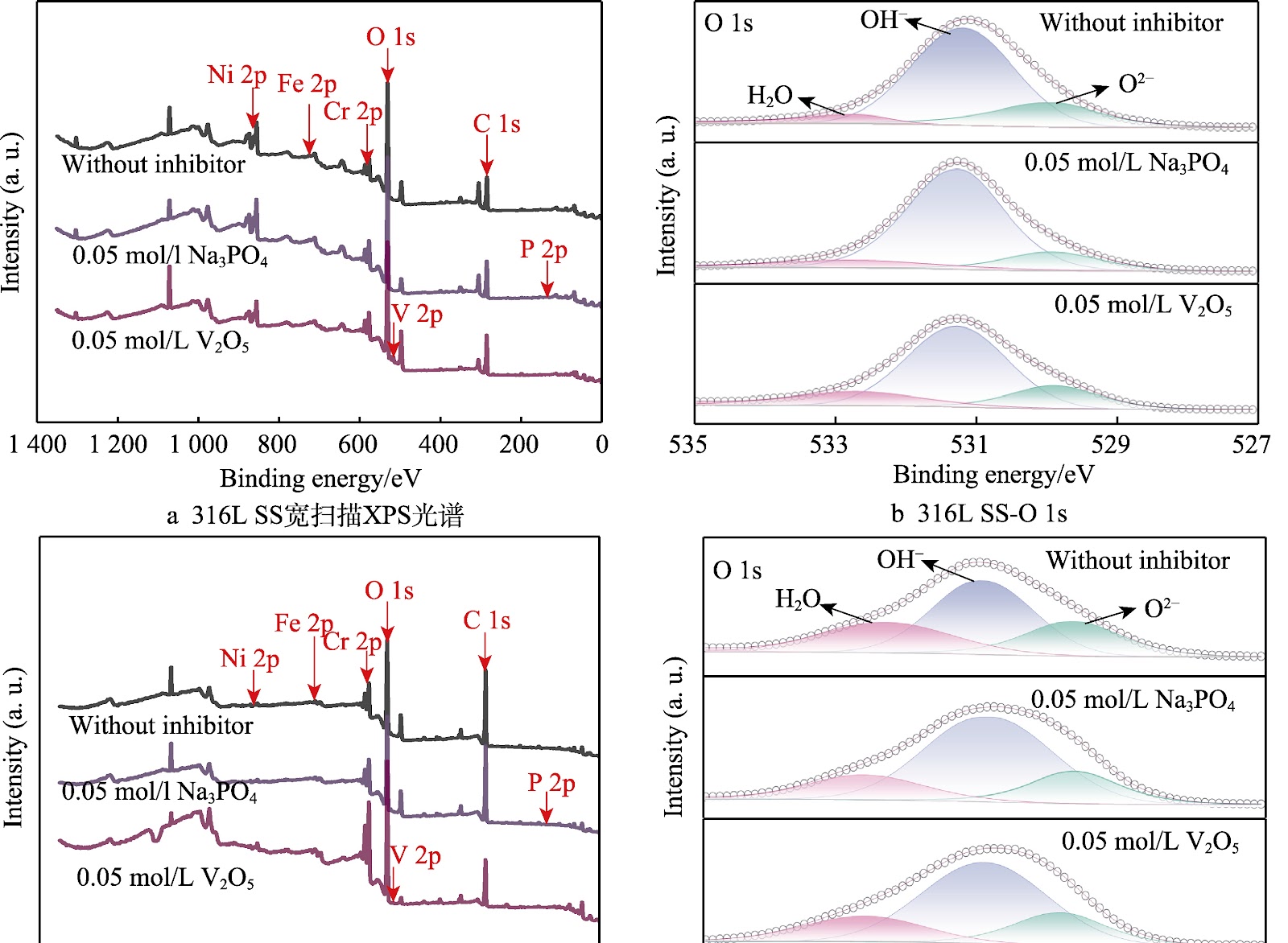
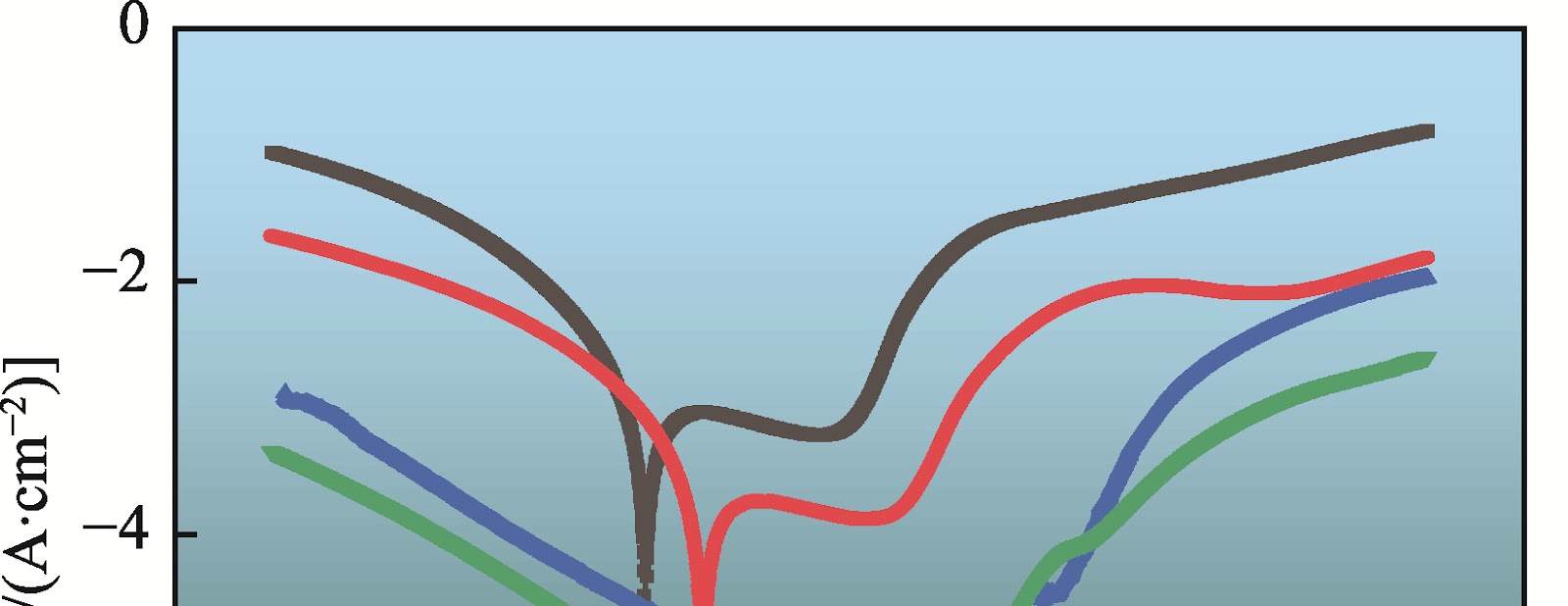
Alkaline seawater electrolysis for hydrogen production imposes severe corrosion on structural stainless steels, particularly in high-temperature, highly alkaline, chloride-rich electrolytes. This study evaluates four inorganic inhibitors—sodium molybdate (Na2MoO4), sodium tungstate (Na2WO4), sodium phosphate (Na3PO4), and vanadium pentoxide (V2O5)—for 316L austenitic stainless steel (316L SS) and 2205 duplex stainless steel (2205 DSS) in a simulated electrolytic seawater environment (6.0 mol/L NaOH, 2.0 mol/L NaCl, 90 °C). Potentiodynamic polarization, electrochemical impedance spectroscopy (EIS), and 14-day immersion tests quantified inhibition efficiency (IE). Surface morphology and film chemistry were characterized by SEM, optical profilometry (OP), and XPS. V2O5 exhibited the highest IE, reaching 79.90% for 316L SS and 89.58% for 2205 DSS at 0.05 mol/L, followed by Na3PO4 (83.33% for 2205 DSS). Na2MoO4 and Na2WO4 were least effective. EIS fitting revealed that V2O5 markedly increased film resistance (Rf) and charge-transfer resistance (Rct) (e.g., Rct = 29,770 Ω·cm², Rf = 923.50 Ω·cm² for 316L SS), indicating suppressed interfacial charge transfer. XPS confirmed the incorporation of V4+/V5+ and PO4³− species into the surface film, forming a dense, barrier-type vanadium/phosphate composite layer that mitigates corrosion. These findings establish V2O5 and Na3PO4 as promising inhibitors for stainless steel in harsh alkaline electrolytic seawater systems.
Influence of Temperature on Diffusion Behavior and Infiltration Layer Structure of Sherardizing on Structural Steel
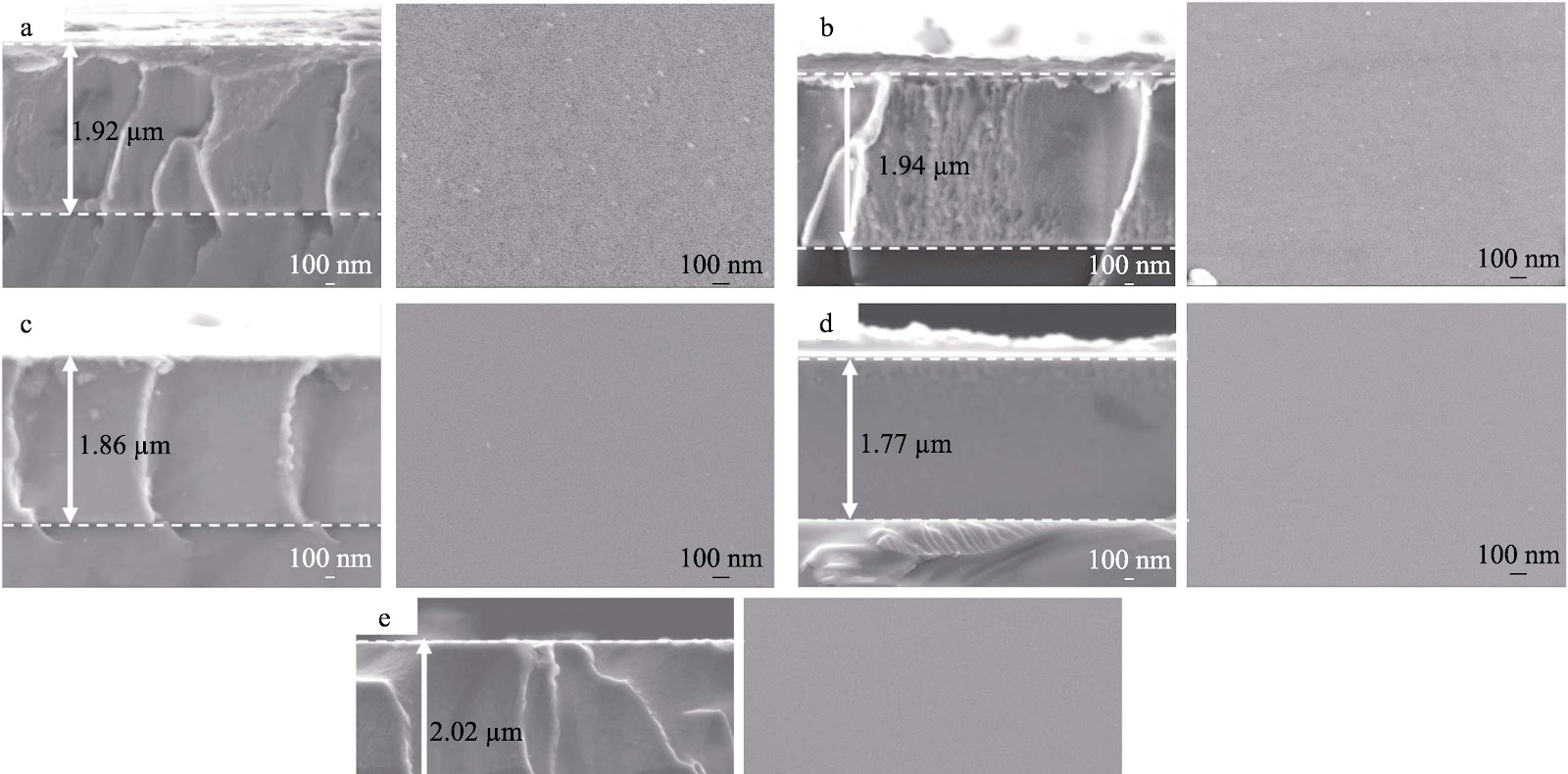
Powder sherardizing on Q235 structural steel was conducted in a 70wt.% Zn–0.8wt.% NH4Cl–29.2wt.% α-Al2O3 activated pack at 340–400 °C for 2–10 h to establish the temperature-dependent growth kinetics, phase evolution, and corrosion performance of Zn–Fe intermetallic layers. Cross-sectional SEM/EDS and XRD show that all layers consist of δ and Γ phases, with Γ concentrated near the substrate; excessive Γ at 340 °C initiates interfacial cracking. Layer thickness increases monotonically with temperature and time, rising from 10.80 μm at 340 °C to 43.90 μm at 400 °C after 6 h, and from 12.10 μm at 2 h to 81.60 μm at 10 h at 380 °C. The Zn/Fe ratio and δ-phase fraction increase with temperature, yielding denser layers and improved corrosion resistance; at 380–400 °C, corrosion current densities fall to 1.16×10⁻⁶–9.78×10⁻⁷ A/cm². The diffusion coefficient at 380 °C is 2.341×10⁻¹³ m²/s. Prolonged holding beyond 6 h produces through-thickness cracks. DSC and microstructural evidence support a three-stage growth mechanism: formation of active Zn atoms via ZnCl2 decomposition, bidirectional Zn/Fe interdiffusion along substrate defects, and continuous inward advancement of the Zn–Fe intermetallic front. The optimal processing window is 380 °C for 6 h, yielding a ~36.1 μm crack-free layer with 84.1% δ phase and superior corrosion resistance.
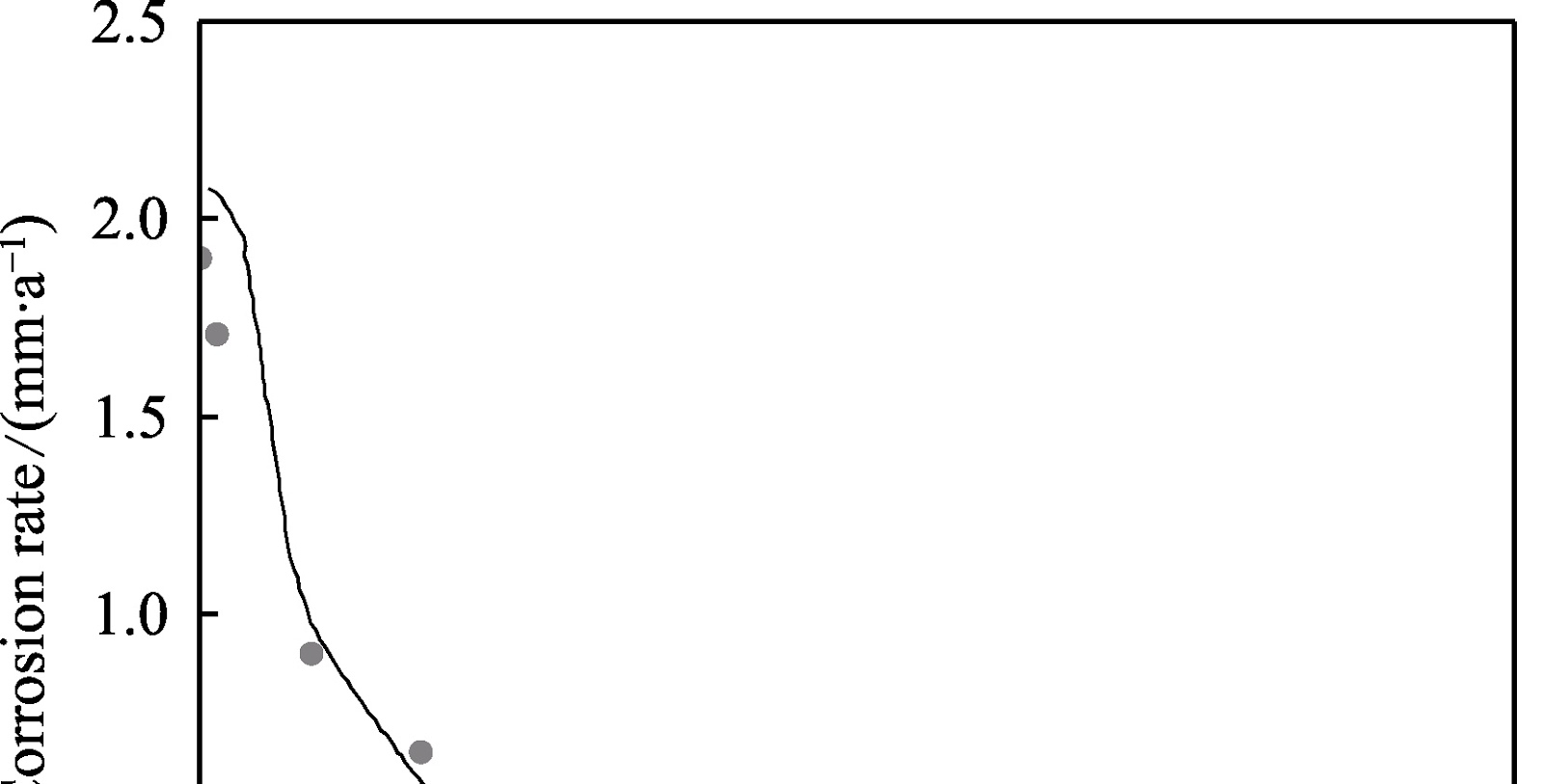
Research Progress and Problem Analysis on Corrosion Prediction of Supercritical CO2 Transport Pipelines
Pipeline transport is the core of large-scale CO2 delivery in CCUS projects, and supercritical pipeline transport is the most economical and feasible method. However, inherent multicomponent impurities and complex aqueous phase precipitation make corrosion control difficult and costly. This review assesses corrosion mechanisms and prediction technologies for supercritical CO2 transport pipelines, focusing on numerical analysis, supporting experiments, and field application within comprehensive mechanistic models. Current understanding has clarified the effects of individual impurities (H2O, H2S, O2, SO2, N2O, N2, H2, CH4) and operating parameters, but synergistic mechanisms of mixed gases remain unresolved, lacking systematic quantitative description. Existing prediction models are limited in applicability to corrosion conditions, morphological matching, and comprehensiveness of factors. Experimental methods suffer from insufficient reliability, particularly in precise metering and replenishment of corrosive media under low water content and multicomponent impurity synergy. Field application faces challenges in rational model use and accurate extraction of field data. Future directions include: deepening research on synergistic effects of impurity gases and quantifying them via theoretical analysis to establish mapping between impurity concentration and corrosion rate; accelerating development of aqueous phase precipitation and distribution models, multicomponent impurity water chemistry models, thermodynamic and kinetic models for multicomponent reactions, and competitive formation/growth models for multiple product films; strengthening experimental techniques for precise metering and replenishment under low water and multicomponent synergy; and improving field application by understanding model parameter physical meanings, applicability boundaries, and ensuring reasonable input parameters and accurate field data extraction.
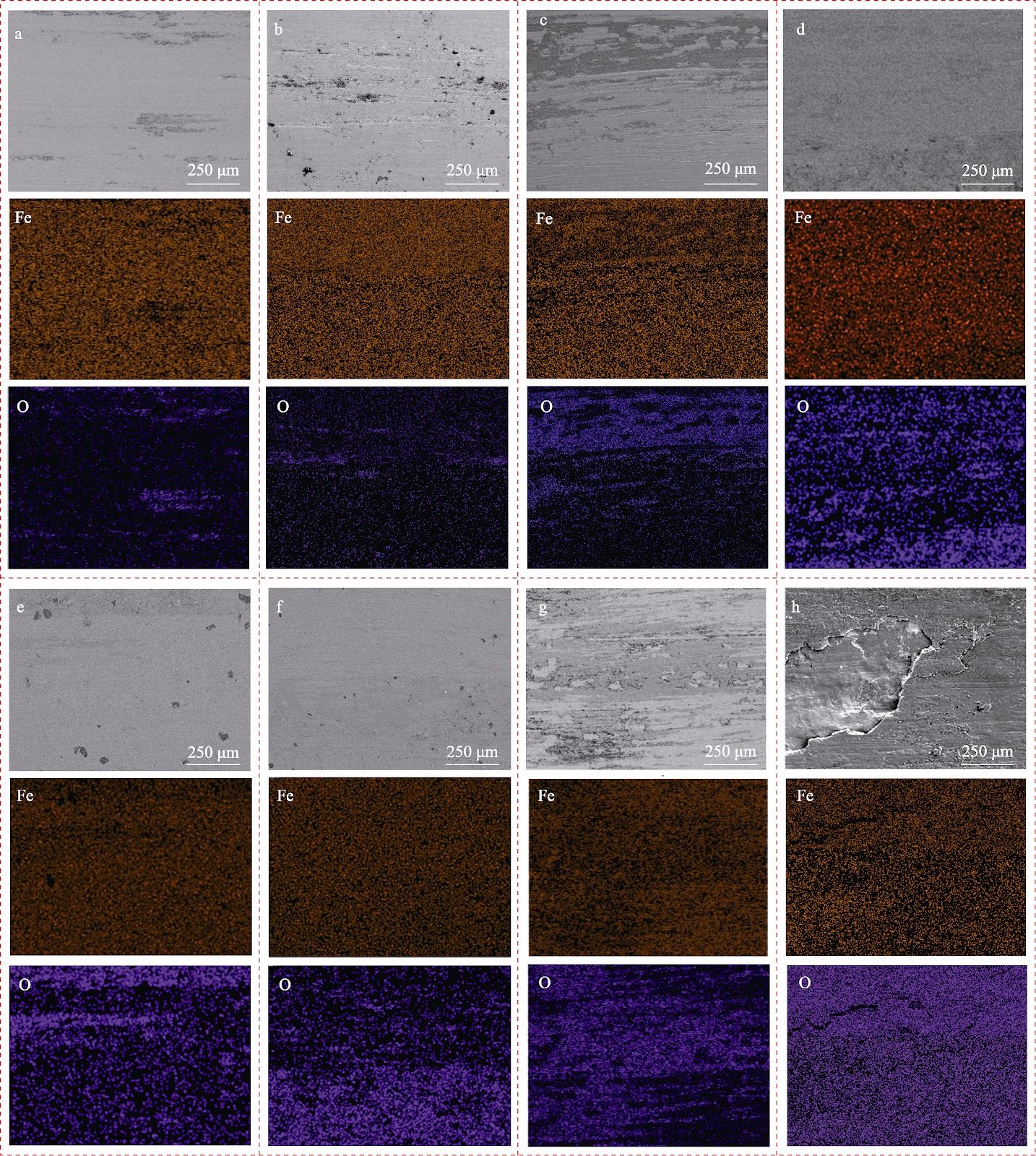
Research on Wear Resistance and Wear Mechanism of NM500 Steel in a Wide Temperature Range
The tribological behavior of NM500 wear-resistant steel was systematically evaluated across a wide temperature range from −50 to 600 °C to elucidate the influence of temperature on wear resistance and to provide a theoretical basis for service life extension. Friction and wear tests were conducted using a high-temperature tribometer under a normal load of 150 N, rotational speed of 354 r/min, wear track diameter of 15 mm, and test duration of 60 minutes. The microstructure was characterized by SEM and EBSD, while worn surfaces were analyzed using XRD, SEM, and 3D laser confocal microscopy. NM500 steel exhibits a fine lath martensitic structure with a grain size of 7.08 μm, conferring high hardness and superior wear resistance. At cryogenic temperatures (−50, −25, 0 °C), the wear mechanism is predominantly abrasive wear, with a wear rate of only 1.29×10⁻⁶ mm3/(N·m). As temperature increases, oxide formation on the worn surface intensifies, friction coefficient decreases to a minimum of 0.3 (50% lower than at low temperature), and wear rate increases significantly: 18×10−6, 22.7×10⁻⁶, 46.7×10⁻⁶, and 128×10−6 mm3/(N·m) at 100, 200, 300, and 600 °C, respectively. The dominant wear mechanism transitions from abrasive wear at low temperatures to oxidative wear with adhesive wear at elevated temperatures. At 600 °C, thermal softening, reduced texture strength, and oxide film delamination exacerbate material loss, shifting the mechanism to oxidative wear as the primary mode with adhesive wear as secondary.
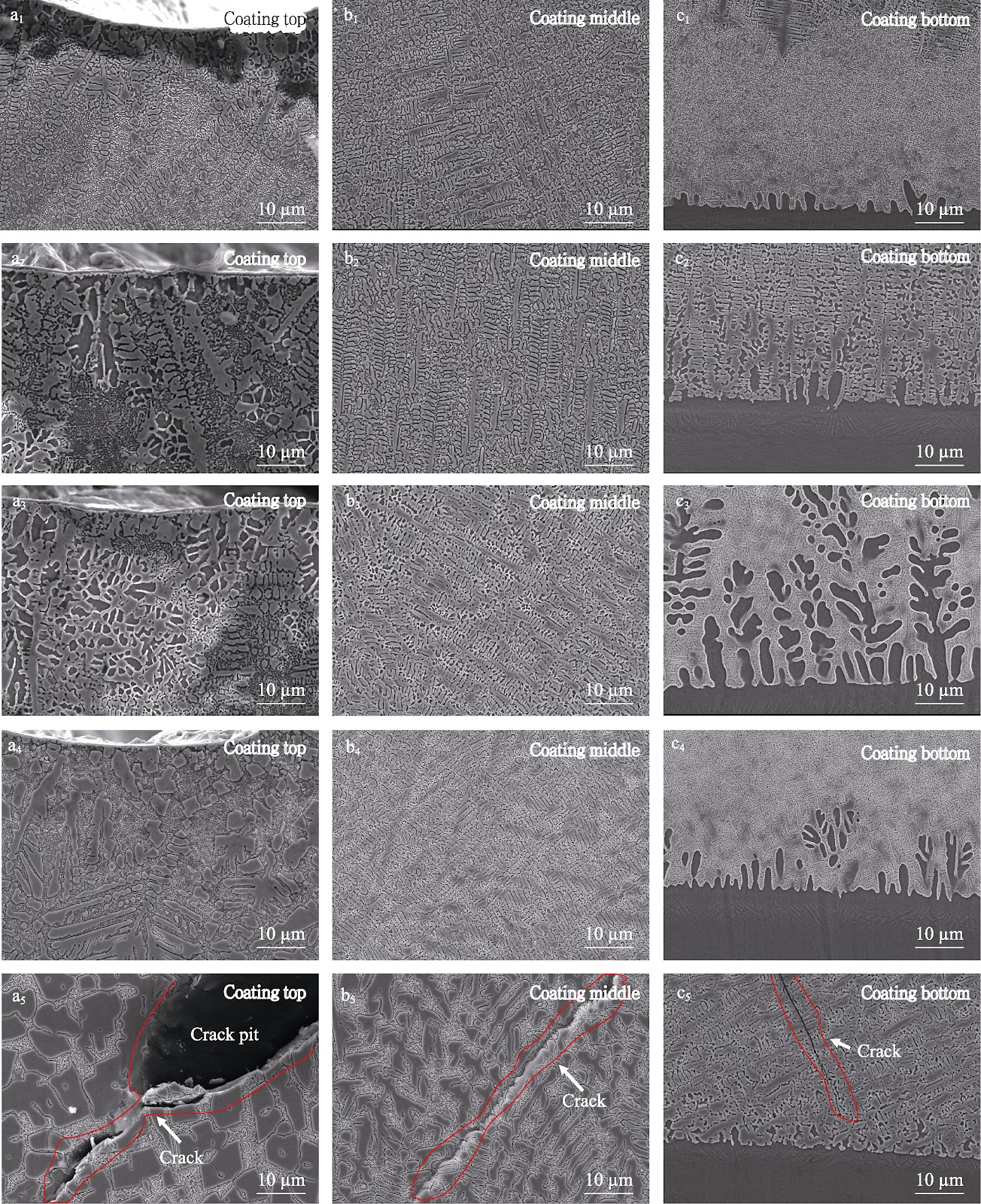
Effect of Ni Content on the Microstructure and Tribological Properties of NiTi Alloy Coatings
Plasma arc cladding was employed to fabricate NiTi coatings with varying Ni contents (60, 63, 65, 67, and 70 wt.%) on TC4 titanium alloy to enhance surface wear resistance. Microstructural characterization via SEM, OM, and XRD revealed that coatings with 60–67 wt.% Ni were dense and defect-free, whereas the 70 wt.% Ni coating exhibited through-thickness cracks. All coatings exceeded 1.2 mm in thickness and comprised a NiTi toughening phase and Ti2Ni strengthening phase. Increased dilution ratio with higher Ni content reduced actual Ni in the coating, maximizing Ti2Ni fraction (78.6%) in the 67NiTi coating, which achieved a peak hardness of 677.41 HV0.2 (2.05 times that of the TC4 substrate). Tribological testing under 5–20 N loads showed that the average wear rate of all coatings decreased significantly, following a V-shaped trend with Ni content. The 67NiTi coating exhibited the lowest wear rate (2.74×10⁻⁴ mm³/(N·m)) at 20 N, a 65% improvement over the substrate, with wear mechanisms dominated by mild abrasive and adhesive wear. These findings demonstrate that optimized Ni content in plasma-clad NiTi coatings effectively mitigates the poor wear resistance of titanium alloys, offering a viable surface engineering solution for load-bearing applications.