SinoTechIntel Academic Portal
🏛️ Indexed Academic JournalImpact Factor: 3.8

Transactions of Nonferrous Metals Society of China (中国有色金属学报)

Authoritative peer-reviewed journal in materials science, metallurgy, chemistry and engineering technologies: Transactions of Nonferrous Metals Society of China (中国有色金属学报)

Total Research Papers: 52
Access: 100% Free Open Access
Browse by Publication Year & VolumeReset All Filters ✕
Select Specific Issue:

Published Research PapersFiltered: Year 2025 • Vol. 32

Showing 37 of 52 peer-reviewed papers with full Graphical Abstracts.

Original ResearchVol. 32, Issue 1 • pp. 100-112DOI: 10.1016/S1003-6326(25)67034-8Jan 15, 2025

Preparation of ammonium paratungstate via adding (NH4)2CO3 or NH4HCO3 to ammonium metatungstate solution

Authors: Li-ming ZHANG, Lei-ting SHEN, Qiu-sheng ZHOU, Tian-gui QI, Zhi-hong PENG, Gui-hua LIU, Yi-lin WANG, Xiao-bin LI

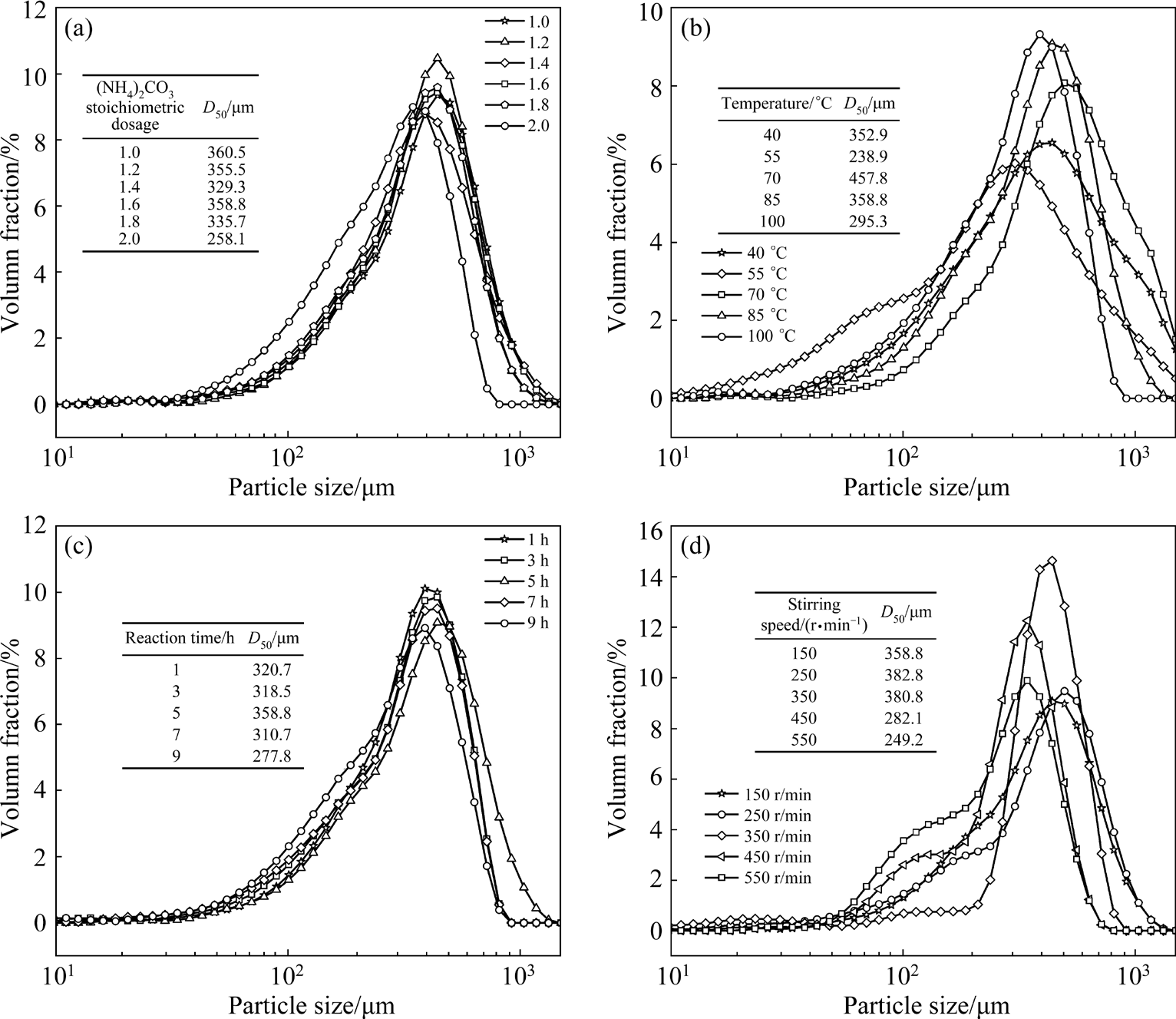
A new technology was proposed to produce ammonium paratungstate (APT) from ammonium metatungstate (AMT) solution by adding (NH4)2CO3 or NH4HCO3 in order to reduce energy consumption and subsequent ammonia recovery burden in crystallization step. Specifically, the effects of ammonium source dosage, temperature, reaction time and stirring speed on crystallization yield, crystalline phase and morphology of APT products were systematically investigated. The results showed that crystallization yields under optional conditions with (NH4)2CO3 and NH4HCO3 as ammonium sources could reach 85.4% and 86.9% with particle size (D50) of 358.8 μm and 441.3 μm, respectively. The crystallization mechanism could be identified as H2W12O40^6- first transforming to H2W12O42^6- and finally to H2W12O42^10-, resulting in the APT precipitation by H2W12O42^10- combining with NH4^+. (NH4)6[H6W12O42]·10H2O played as an intermediate in the crystallization, which could also react with ammonium sources to form APT crystals. Compared to NH3·H2O as an ammonium resource, the corresponding maximum crystallization yields under the same optimal conditions were in order of NH4HCO3>(NH4)2CO3>NH3·H2O, while different ammonium sources affect the morphology of crystallization product.
Preparation of ammonium paratungstate via adding (NH4)2CO3 or NH4HCO3 to ammonium metatungstate solution
Graphical Abstract
Original ResearchVol. 32, Issue 1 • pp. 100-112DOI: 10.1016/S1003-6326(25)67029-4Jan 15, 2025

Enhanced furfural hydrogenation via Ru nanoparticles supported on CeO2−Mg(OH)2 composite nanosheet

Authors: Xiao-jun ZHAO, Li-qiang WANG, Guang-ji ZHANG, Yin FANG, You-nian LIU, Tie-chui YUAN

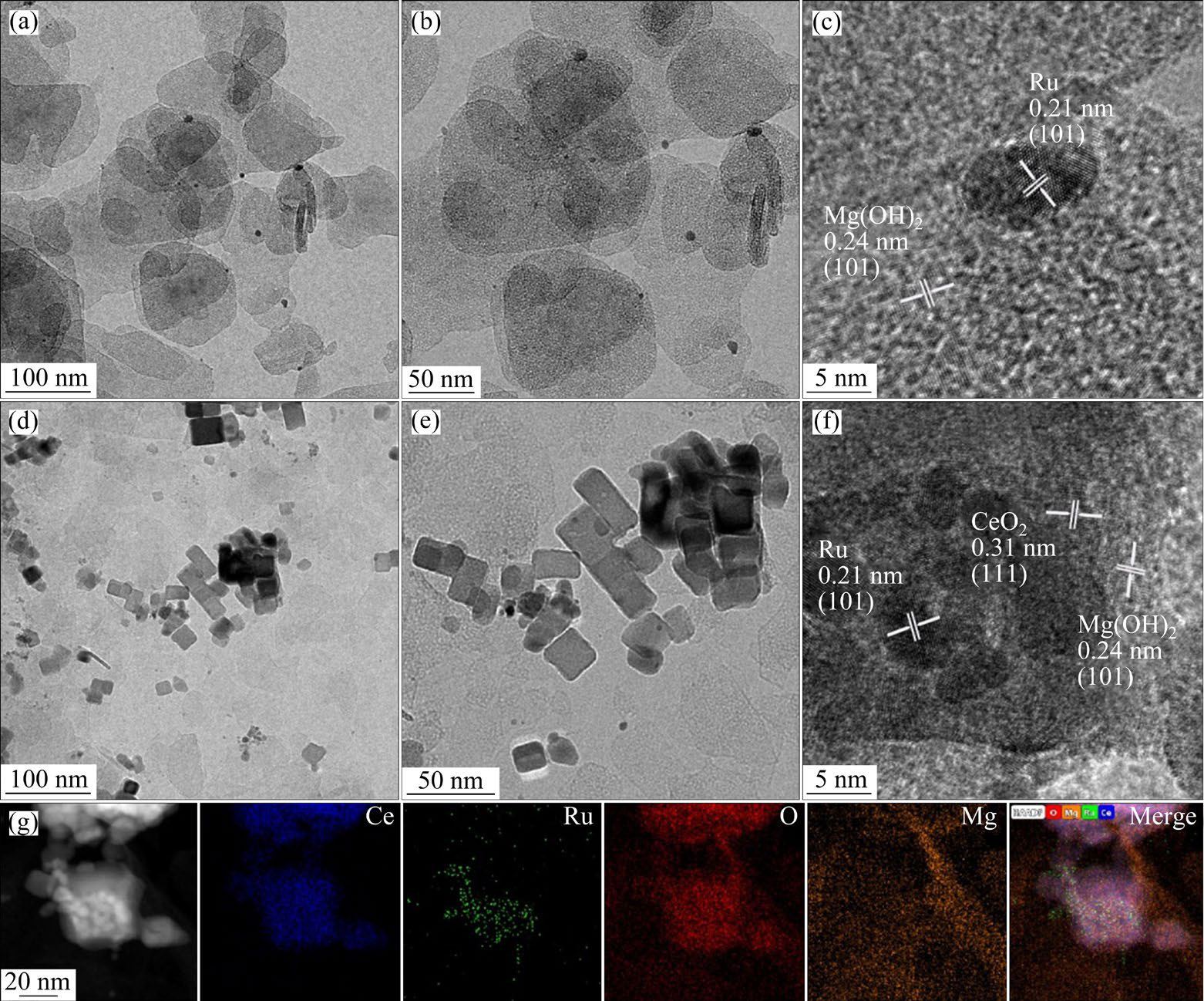
Ru nanoparticles (NPs) supported on CeO2−Mg(OH)2 composite nanosheets, donated as Ru/CeO2−Mg(OH)2, are developed as the highly active catalyst for selective hydrogenation of furfural to furfuryl alcohol. Characterization results demonstrate that Ru NPs are adsorbed on the surface of the polyhedra of CeO2, which are scattered on the surface of the thin Mg(OH)2 nanosheets. Ru/CeO2−Mg(OH)2-0.2 achieves 92.6% conversion of furfural and 96.3% selectivity to furfuryl alcohol. Ru/CeO2−Mg(OH)2-0.2 retains high activity after six cycles, due to the introduction of CeO2 to form composite support that effectively prevents the leaching of Ru NPs. The strong metal–support interaction (SMSI) between Ru NPs and the CeO2−Mg(OH)2 composite support can tune the electronic structure of Ru NPs, which facilitates the H2 activation. Moreover, the CeO2−Mg(OH)2 interface exhibits specific adsorption of C=O bonds compared to the CeO2 alone. The composite-supported nanoparticles provide a valuable strategy for constructing highly efficient hydrogenation catalysts.

Enhanced furfural hydrogenation via Ru nanoparticles supported on CeO2−Mg(OH)2 composite nanosheet
Graphical Abstract
Original ResearchVol. 32, Issue 1 • pp. 100-112DOI: 10.1016/S1003-6326(25)66926-3Jan 15, 2025

Effect of aging treatment on bending collapse and energy absorption of 7003 aluminum alloy bumper beams

Authors: Cong-chang XU, Han-lin XIANG, Teng ZHAN, Peng-cheng GUO, Luo-xing LI

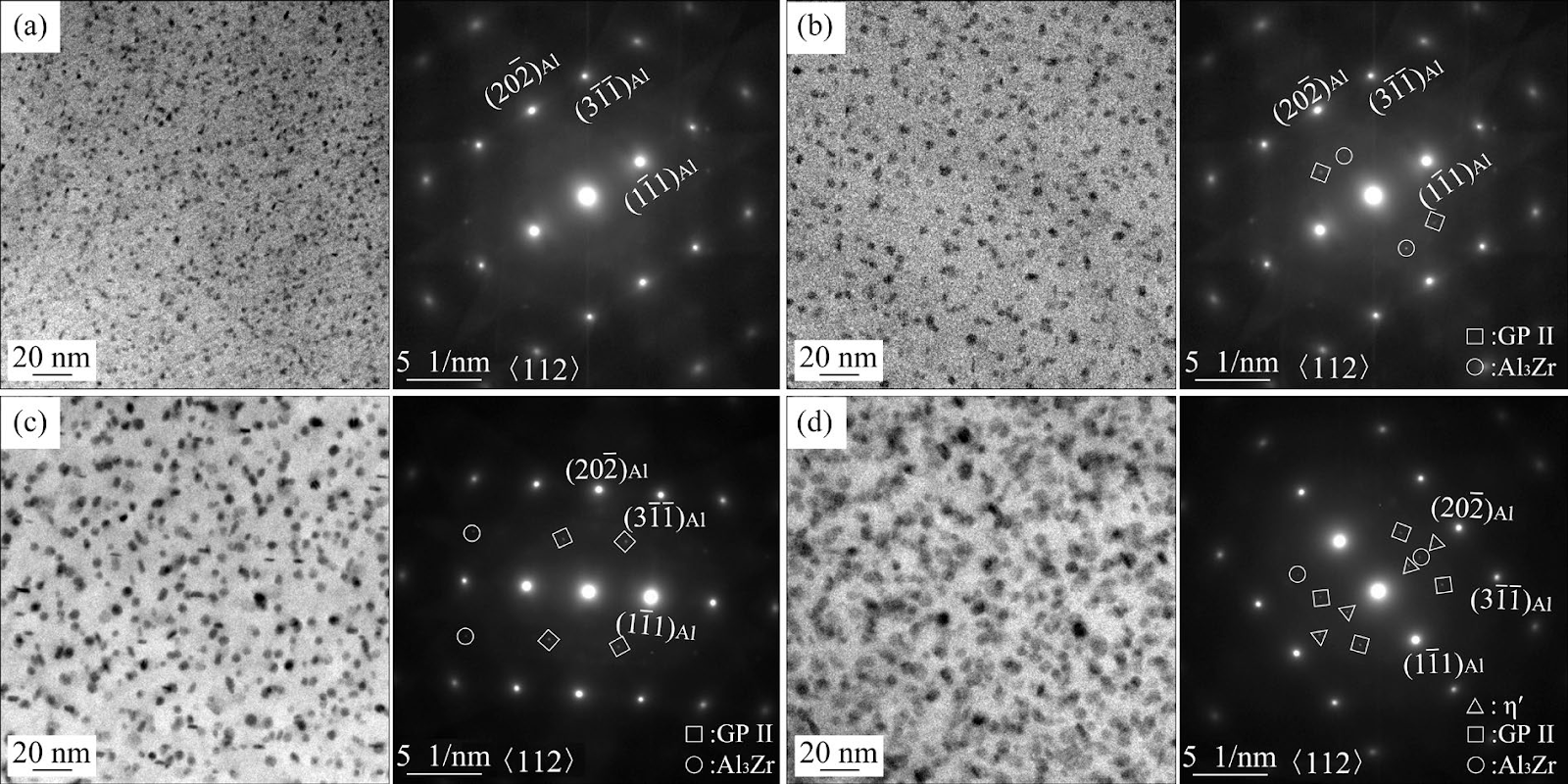
The bending collapse and energy absorption of 7003 aluminum alloy bumper beams under four aging conditions (pre-aging, under-aging, peak-aging, and over-aging) were investigated through three-point bending tests. Microstructural characterization was performed using scanning electron microscopy and transmission electron microscopy. Based on the Swift−Hockett−Sherby constitutive model combined with the Gurson−Tvergaard−Needleman damage model, the plastic response and fracture behavior of the 7003 aluminum alloy under uniaxial tension and three-point bending were accurately predicted. The results showed that the peak bending force of the beams was proportional to the strength under different aging states, while stress triaxiality governed the cracking failure. Pre-aged and under-aged beams resisted cracking until reaching 250 mm displacement due to stress transition from tensile to compression on the bottom surface. The under-aged beam exhibited optimal energy absorption (7.86 kJ) and a higher peak force (38.75 kN).

Effect of aging treatment on bending collapse and energy absorption of 7003 aluminum alloy bumper beams
Graphical Abstract
Original ResearchVol. 32, Issue 1 • pp. 100-112DOI: 10.1016/S1003-6326(25)67030-0Jan 15, 2025

Realizing stable zinc anodes via three-dimensional passivation layer

Authors: Shi LI, Xin-wei DAI, Rui-bo JIANG, Yan-ting CAI, Lan-yan LI, Zhong-min WAN, Xi CHEN, Xiang-zhong KONG, Guo-zhao FANG

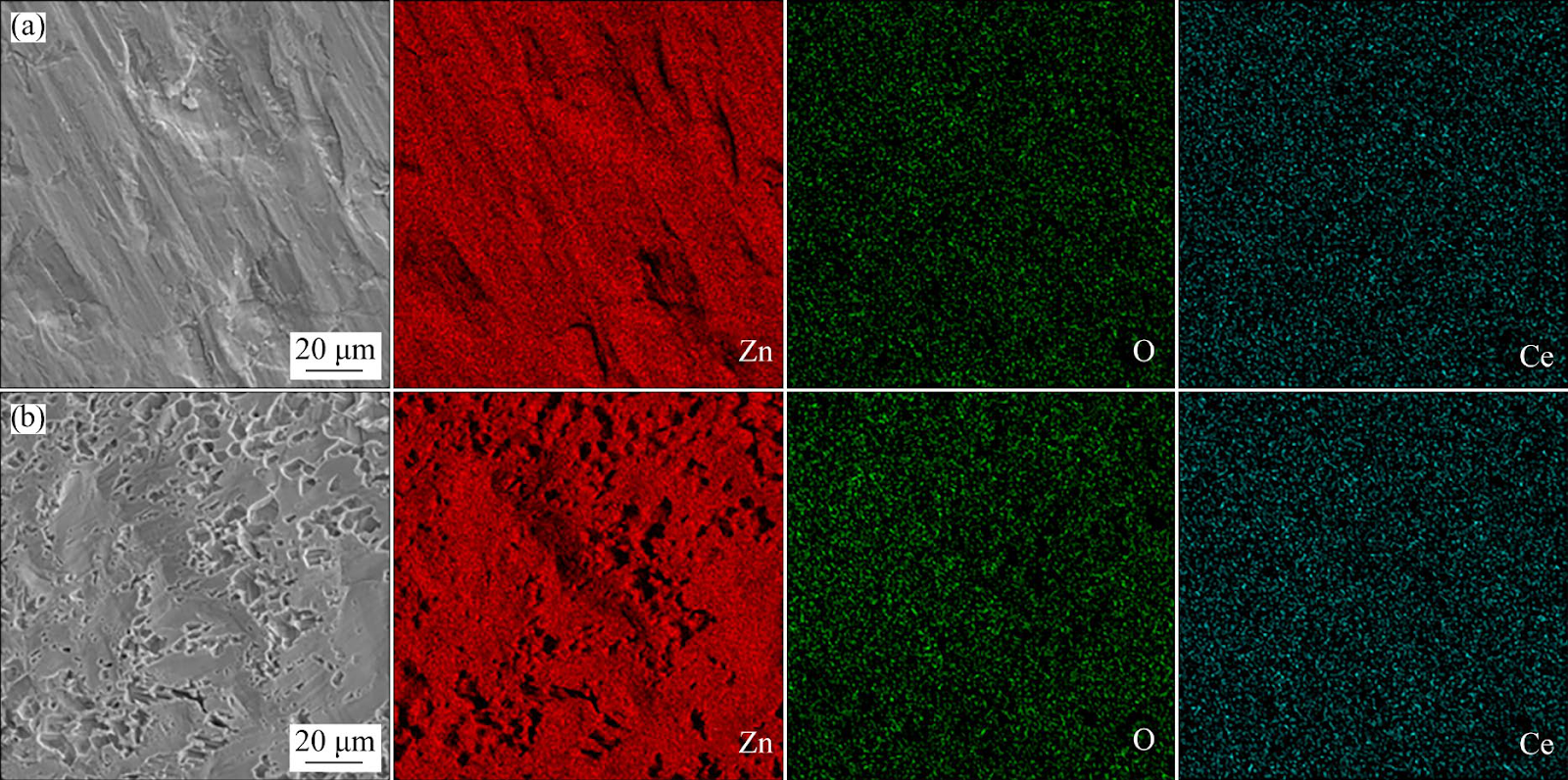
A porous three-dimensional (3D) structure was created on the Zn surface by an electrostripping activation process under high current density, which could suppress the non-uniform Zn2+ deposition induced by the “tip effect.” Moreover, a functional CeO4H4/Ce(OH)3 passivation layer was introduced to prevent electrochemical corrosion and facilitate electrolyte infiltration. Benefiting from the ingenious 3D structure and passivation layer, the assembled symmetric cell delivers a long lifespan of over 1500 h at 5 mA/cm2. Even at 20 mA/cm2, the electrode can still operate for over 300 h. The R-Zn@CeǁMnO2 full cell exhibits a capacity of 205.3 mA·h/g after 300 cycles at a current density of 0.3 A/g.

Realizing stable zinc anodes via three-dimensional passivation layer
Graphical Abstract
Original ResearchVol. 32, Issue 1 • pp. 100-112DOI: 10.1016/S1003-6326(25)67031-2Jan 15, 2025

Stable interfaces in lithium metal batteries constructed via in-situ electrolyte reformulation

Authors: Kuan DAI, Feng-jing WU, Mu-lan QIN, Chang-wei SU, Wan-min LIU, Xin-ye LUO

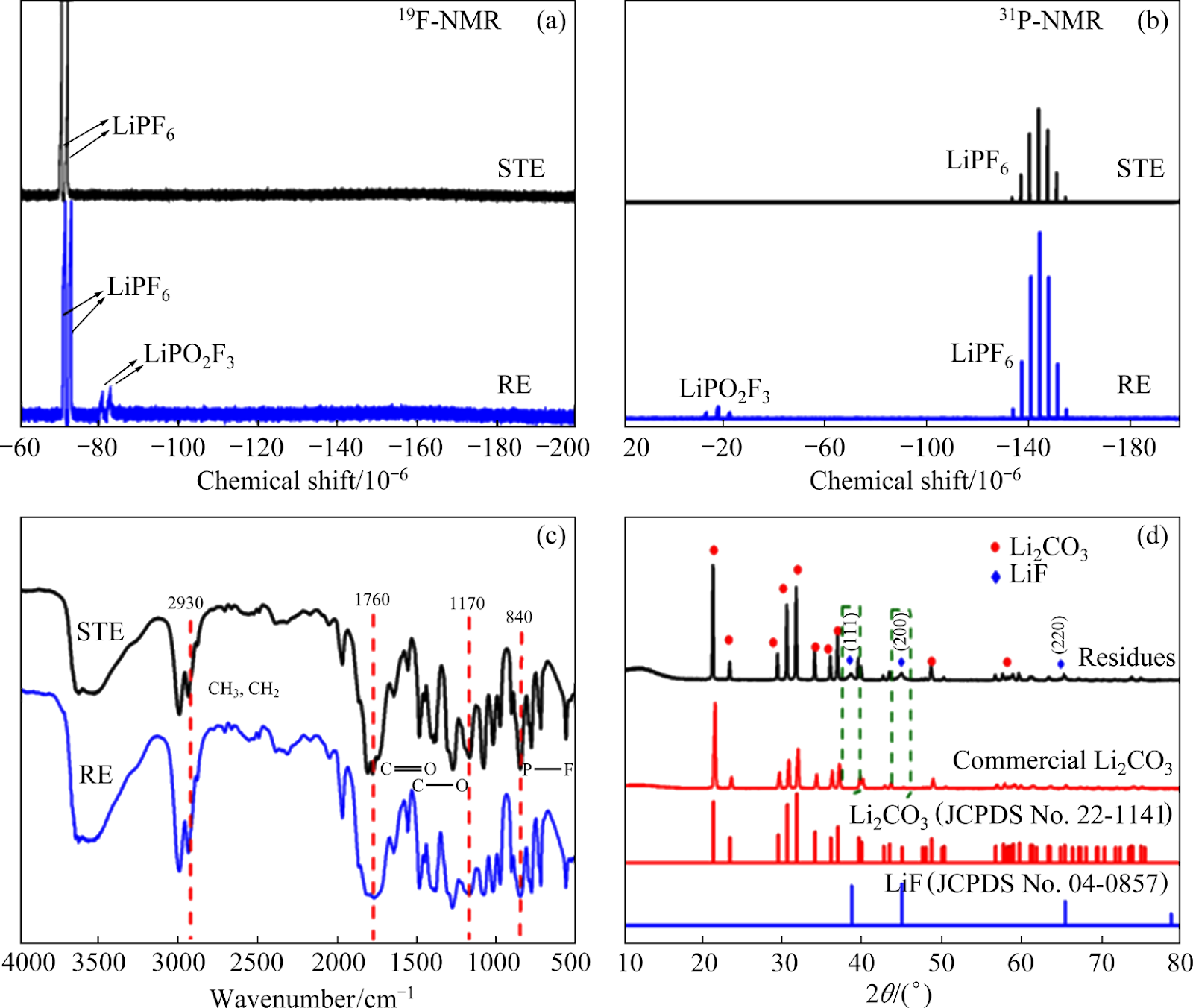
Li2CO3 was introduced into LiPF6-based electrolytes and the electrolytes were stored at 40 °C. Nuclear magnetic analysis of electrolytes and X-ray diffraction characterization of reaction residues demonstrate the formation of LiPO2F2 and LiF during storage. This reformulated electrolyte boosts lifespan and Coulombic efficiency (CE) in Li||Li and Li||Cu cells, with Li||Li cells stably cycling for >800 h and 300 h at 0.5 mA/cm2 and 1.0 mA/cm2, respectively. Moreover, with the optimal content of Li2CO3, the CE of the reformulated electrolyte (91.56%) is greatly improved compared to that of the standard electrolyte (81.99%). The compatibility and enhanced rate performance of the reformulated electrolyte are also exhibited in Li||NCM full cells with a moderately high mass loading of 9.6 mg/cm2.

Stable interfaces in lithium metal batteries constructed via in-situ electrolyte reformulation
Graphical Abstract
Original ResearchVol. 32, Issue 1 • pp. 100-112DOI: 10.1016/S1003-6326(25)67033-6Jan 15, 2025

Phase composition of slag−iron interface and elemental distribution behavior between hot metal and Ti-bearing electric furnace slags

Authors: Jian-fa JING, Yu-feng GUO, Shuai WANG, Feng CHEN, Ling-zhi YANG, Guan-zhou QIU

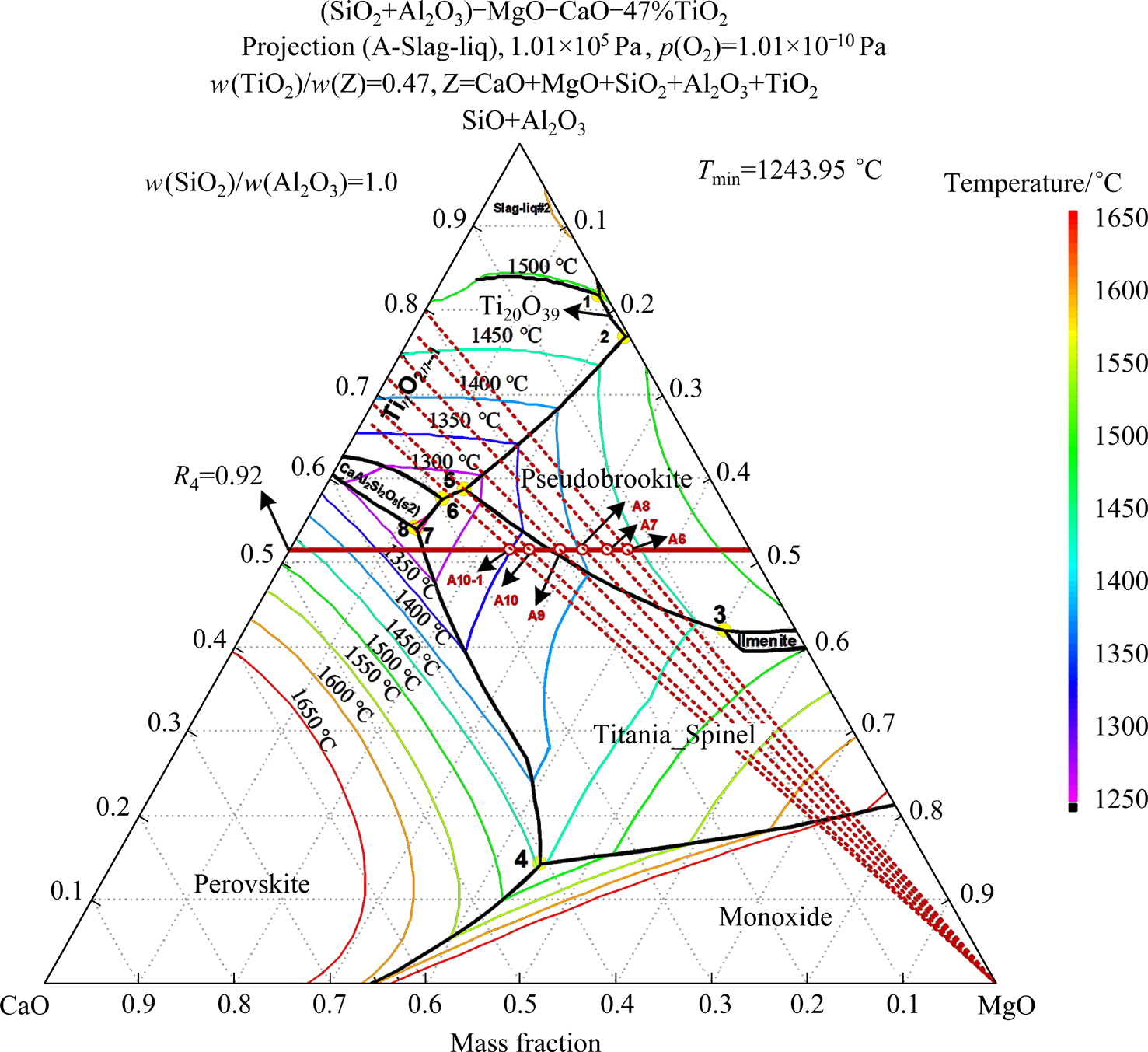
The phase composition at the slag−iron interface and the distribution behavior of titanium, vanadium, chromium and silicon between hot metal and Ti-bearing electric furnace slag were thoroughly explored. The basicity range for the anosovite phase region was defined by using a phase diagram and a minimum smelting temperature was set at 1540 °C. Thermodynamic calculations demonstrate that the activities of TiO2 and SiO2 in the slag decrease with increasing basicity, while those of V2O3 and Cr2O3 increase. Similarly, the activities of [Ti] and [Si] in the molten metal decrease, while those of [V] and [Cr] rise with increasing basicity. As basicity increases, the distribution ratios, LTi and LSi decrease, whereas LV and LCr increase. Significantly, the recovery efficiencies of vanadium and titanium are improved with higher basicity. The primary phases identified in the slag include anosovite, diopside, and titanium spinel. However, when the basicity exceeds 0.8, the formation of the perovskite phase becomes less favorable, suggesting that basicity should be maintained at or below 0.8.

Phase composition of slag−iron interface and elemental distribution behavior between hot metal and Ti-bearing electric furnace slags
Graphical Abstract
Original ResearchVol. 32, Issue 1 • pp. 100-112DOI: 10.1016/S1003-6326(25)67027-0Jan 15, 2025

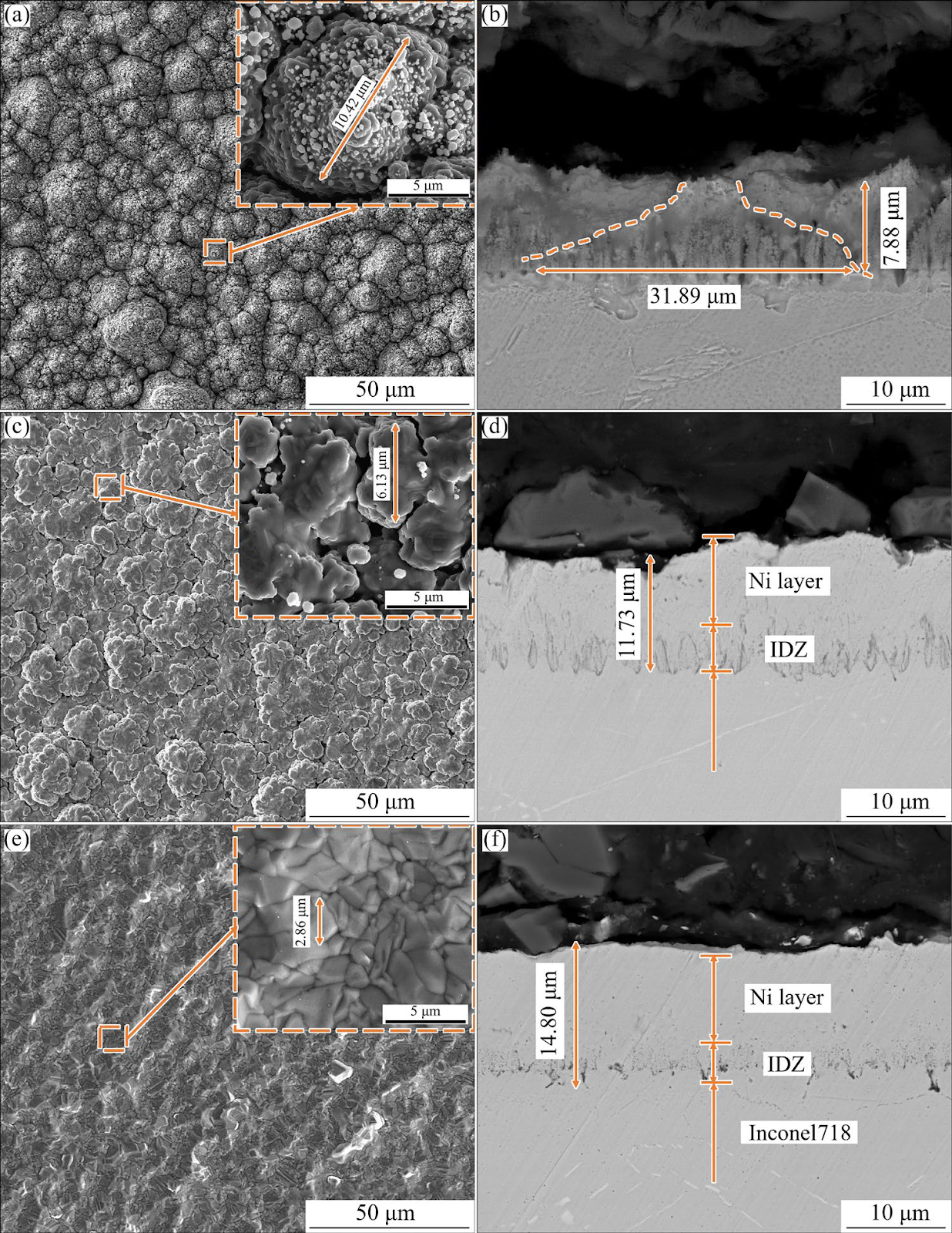
Enhancing adhesion in columnar crystal Ni coatings via interface-pinning structure optimization

Authors: Shi-yu CUI, Hua-wei CHENG, Jun HUANG, Wen-ping LIANG, Luis Saucedo MORA, Joseph P. DOMBLESKY, Jun-ming LUO

Double glow plasma surface alloying was utilized to synthesize a nickel coating with controlled columnar crystalline architecture. The deposition process was systematically regulated with a fixed source electrode bias of −990 V and precisely controlled deposition temperatures (750, 800, and 850 °C) through cathode bias modulation. Plasma characteristics were quantitatively analyzed through argon emission spectroscopy, enabling precise determination of electron density and temperature. Elemental interdiffusion behavior was comprehensively characterized using electron probe microanalysis, revealing significant interface-pinning effects achieved through strategic manipulation of layer-by-layer and island growth mechanisms. Critical analysis of diffusion coefficients demonstrated comparable magnitudes between the primary diffusion coefficients, along with their cross-diffusion coefficient, suggesting substantial involvement of Inconel718 re-sputtering phenomena in the diffusion dynamics. The coating exhibited exceptional adhesion performance, maintaining structural integrity through 200 rigorous thermal cycling tests without observable delamination.

Enhancing adhesion in columnar crystal Ni coatings via interface-pinning structure optimization
Graphical Abstract
Original ResearchVol. 32, Issue 1 • pp. 100-112DOI: 10.1016/S1003-6326(25)67024-5Jan 15, 2025

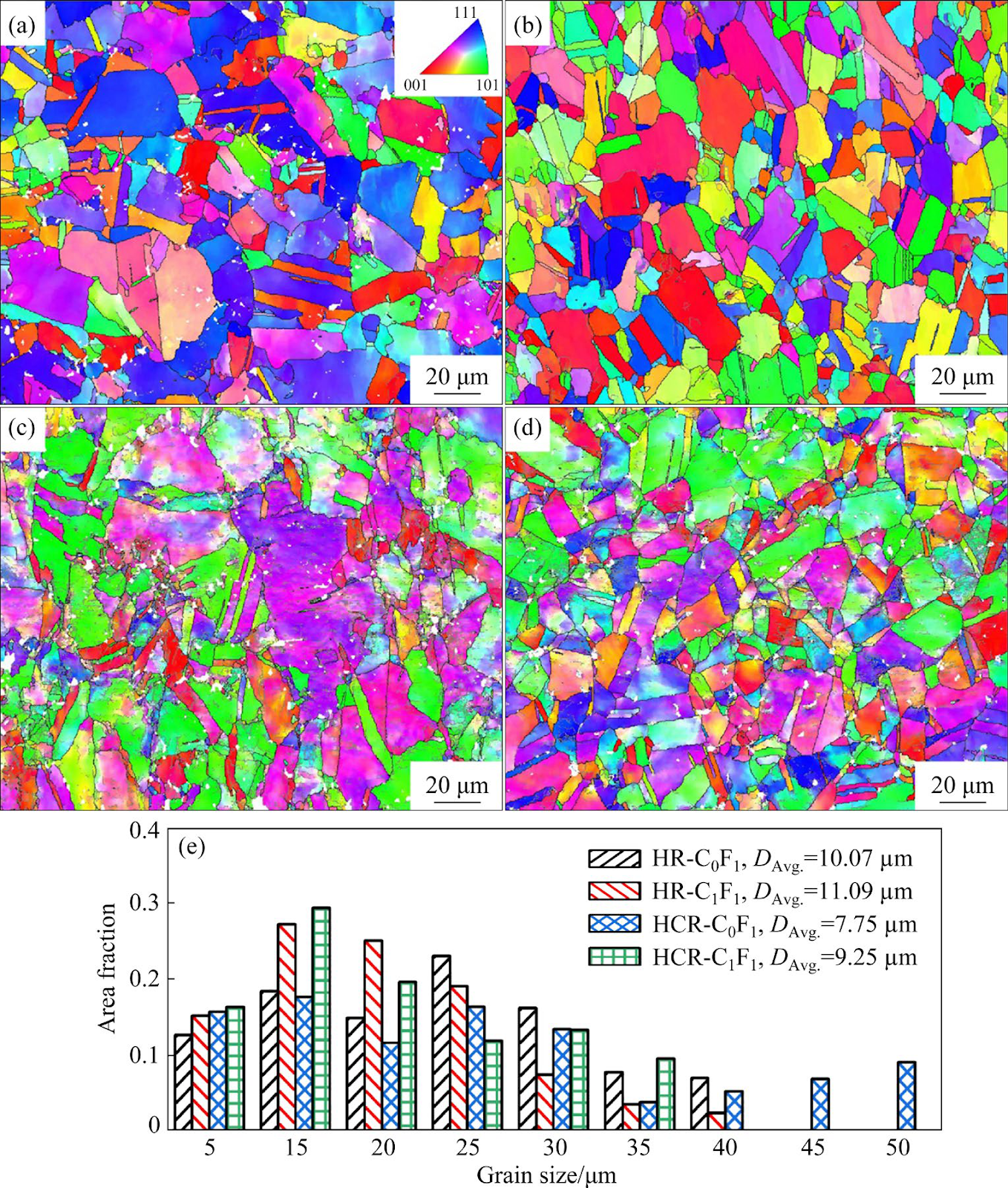
Optimization of microstructure and properties of directionally solidified Cu−15Ni−8Sn alloy by multi-stage thermomechanical treatment

Authors: Yu-fan SHI, Cheng-jun GUO, Ming-quan YUAN, Xi-ming YANG, Xiang-peng XIAO, Hang WANG, Bin YANG

The Cu−15Ni−8Sn alloy wire with a nano-layered structure was fabricated using directional solidification techniques and a multi-stage thermomechanical treatment. A systematic investigation was conducted on microstructure evolution and its impact on mechanical properties. After aging at 400 °C for 0.25 h, the ultimate tensile strength of the alloy reaches 1509 MPa, >200 MPa higher than that of the alloy after single thermomechanical treatment. Furthermore, grain refinement and heightened 〈111〉 fiber texture are identified as key factors contributing to the enhancement of the mechanical properties of the alloy. These findings highlight the importance of multi-stage thermomechanical treatment on microstructure evolution and mechanical properties of Cu−15Ni−8Sn alloy.

Optimization of microstructure and properties of directionally solidified Cu−15Ni−8Sn alloy by multi-stage thermomechanical treatment
Graphical Abstract
Original ResearchVol. 32, Issue 1 • pp. 100-112DOI: 10.1016/S1003-6326(25)67016-6Jan 15, 2025

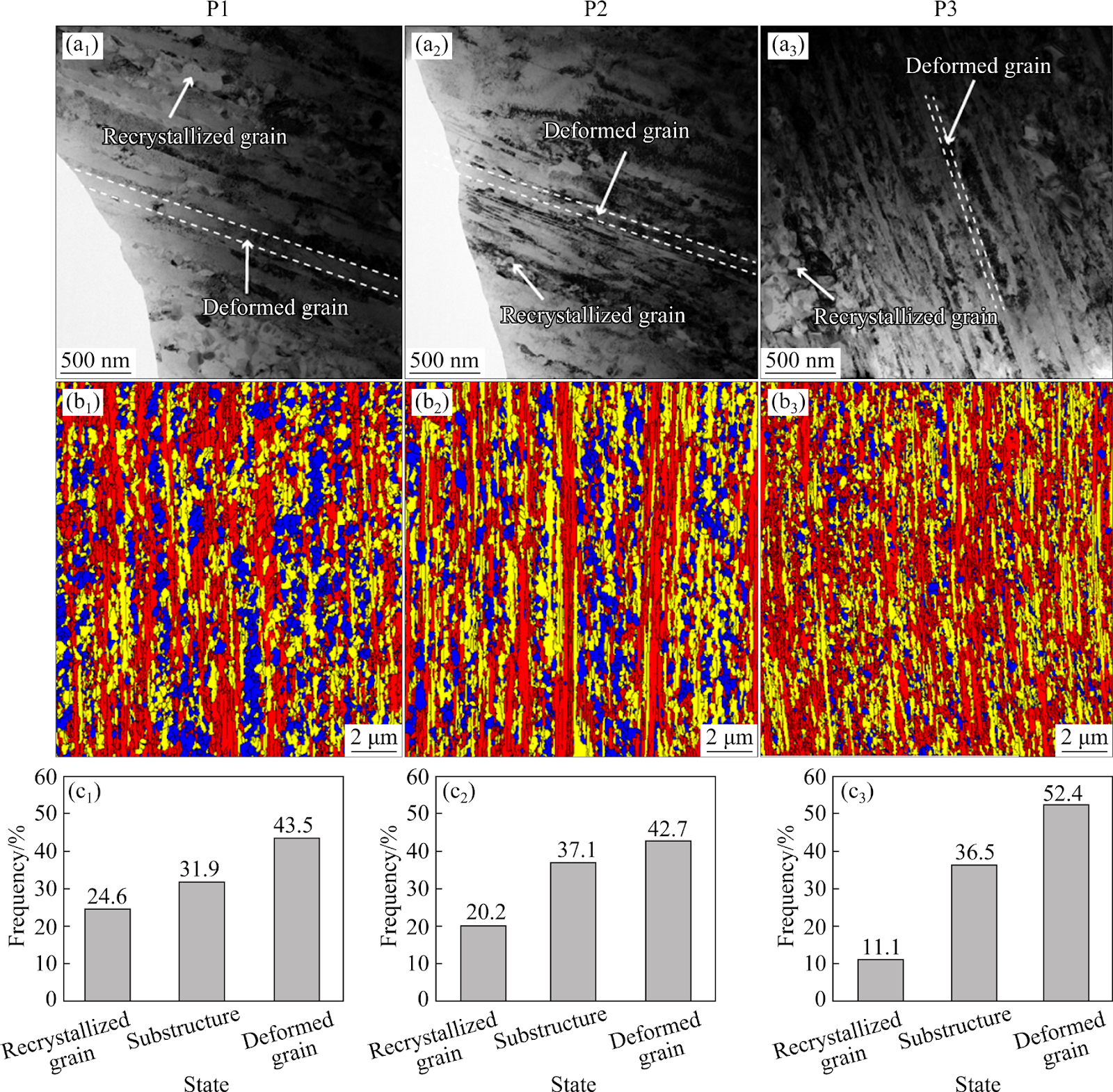
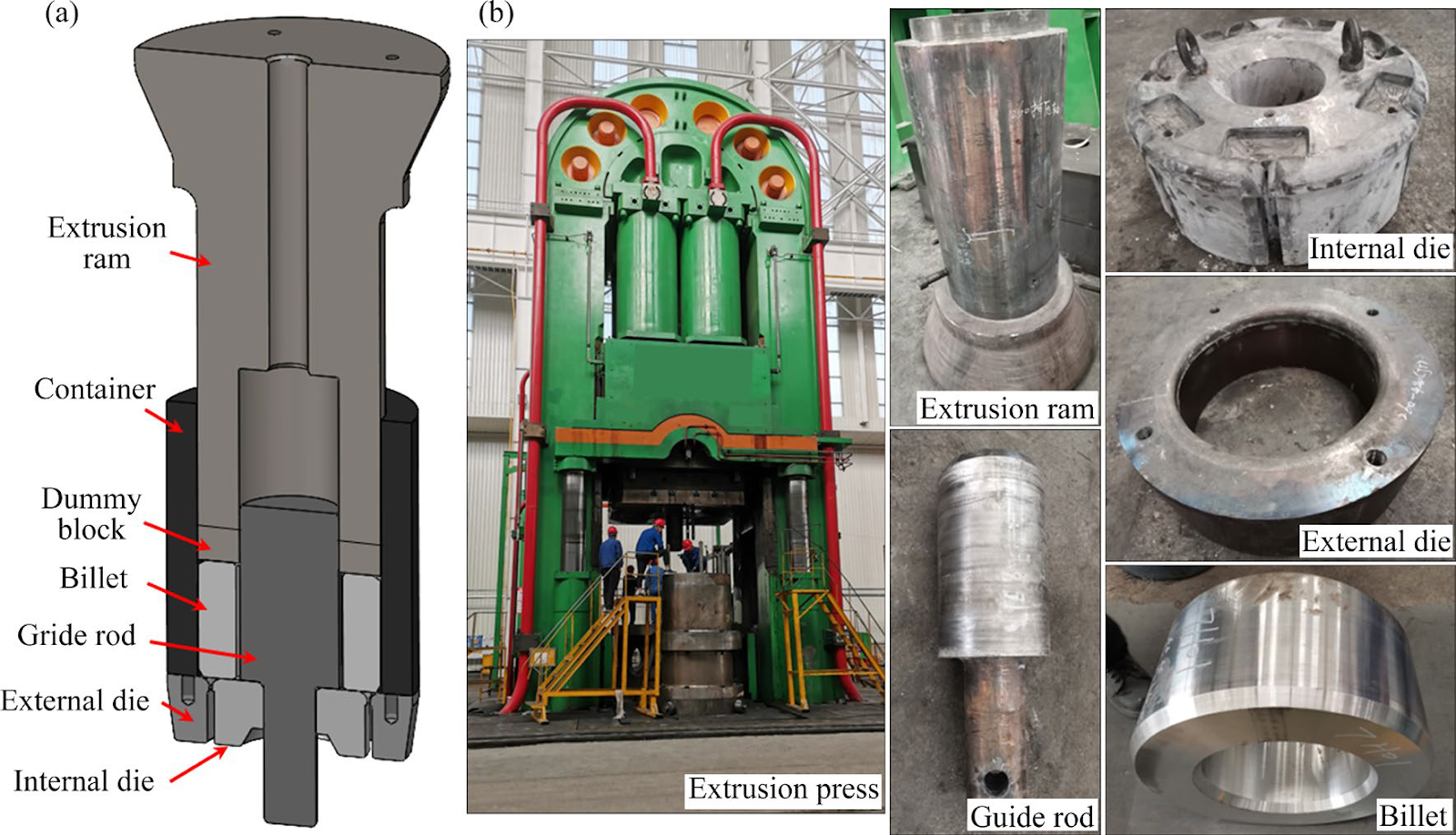
Achieving uniform microstructure and properties in large-sized seamless thin-walled cylindrical components with high-ribs using novel forward needle penetration extrusion process

Authors: Hui LI, Cong CHANG, Hong-bang SHAO, Yuan-chun HUANG, Jun-hua CHENG

An innovative forward needle penetration extrusion die assembly was designed, which enabled precision manufacturing of large-sized seamless Al−Zn−Mg alloy thin-walled cylindrical components with high-ribs. Through systematic numerical simulation and experimental validation, optimal process parameters were established (billet temperature of 465 °C, die temperature of 460 °C, container temperature of 420 °C, and extrusion speed of 1.5 mm/s), achieving exceptional material flow uniformity with a low standard deviation of the velocity field (SDV) of 0.478 at the bearing cross-section. The developed method produces seamless components exhibiting superior microstructural homogeneity compared to conventional porthole extrusion. Coarse secondary-phase particles are significantly fragmented after extrusion deformation, and grains are flattened into fibrous shapes, with the predominant recrystallization mechanisms being geometric dynamic recrystallization (GDRX) and discontinuous dynamic recrystallization (DDRX). Mechanical property variations across different regions are controlled within 7%, with the rib head region showing the highest tensile strength and yield strength, reaching 360 MPa and 215 MPa, respectively. Additionally, all regions exhibit elongation values exceeding 22%, indicating consistent ductility throughout the structure.

Achieving uniform microstructure and properties in large-sized seamless thin-walled cylindrical components with high-ribs using novel forward needle penetration extrusion process
Graphical Abstract
Original ResearchVol. 32, Issue 1 • pp. 100-112DOI: 10.1016/S1003-6326(25)67025-7Jan 15, 2025

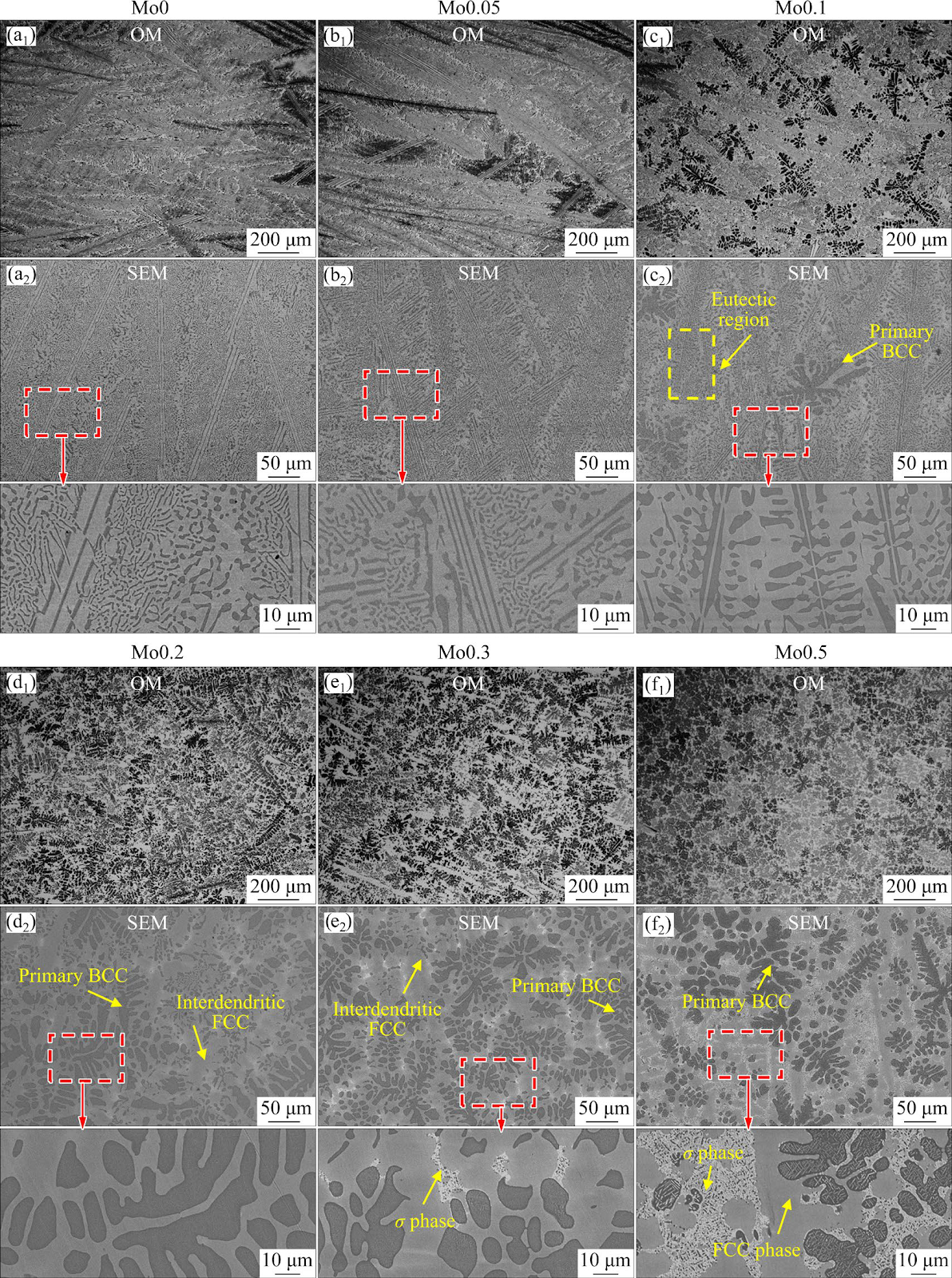
Achieving outstanding strength−ductility matching in dual-phase high-entropy alloys via modulation of BCC phase

Authors: Xu YANG, De-zhi CHEN, Li FENG, Gang QIN, Qi WANG, Rui-run CHEN

The impact of Mo on the microstructure, phase constitution, and tensile properties of Al1.25CoCrFeNi3−xMox (x=0.05, 0.1, 0.2, 0.3, and 0.5) high-entropy alloys (HEAs) was explored systematically through phase diagram simulation and experimental validation. The findings indicate that Mo addition transforms the microstructure from eutectic to hypereutectic and eventually to dendritic. Mo promotes the nucleation of the body-centered cubic phase by reducing the nucleation barrier and altering the valence electron concentration. As Mo content increases, yield strength rises, while the tensile strength and plasticity increase first and then decrease. Notably, the Al1.25CoCrFeNi2.8Mo0.2 HEA achieves an impressive tensile strength of 1234.80 MPa and a fracture strain of 19.33%. Key strengthening mechanisms include solid solution strengthening, grain boundary strengthening, and heterogeneous interface strengthening.

Achieving outstanding strength−ductility matching in dual-phase high-entropy alloys via modulation of BCC phase
Graphical Abstract
Original ResearchVol. 32, Issue 1 • pp. 100-112DOI: 10.1016/S1003-6326(25)67014-2Jan 15, 2025

Effects of (Al−Ti−La+Nd) modification and heat treatment on microstructure and properties of Al−7Si alloy

Authors: Wan-wu DING, Jian-chao CHEN, Xu-dong TIAN, Jia-zhi AN, Hai-cun YU, Hai-xia ZHANG, Guo-li WEI

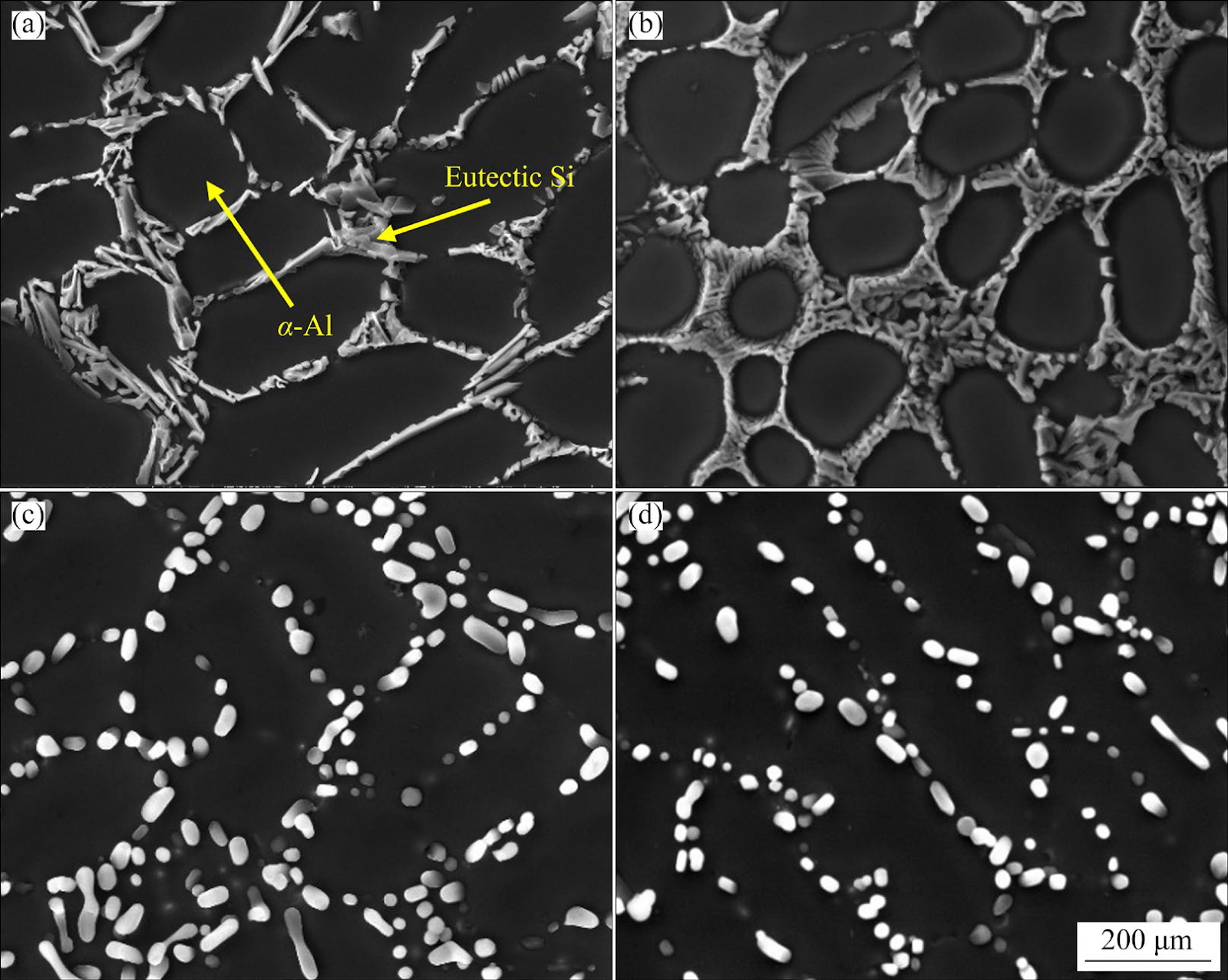
The effects of adding a novel Al−3Ti−4.35La master alloy and Nd and heat treatment on the microstructure and mechanical properties of Al−7Si alloy were investigated. The results showed that the secondary dendrite arm spacing of α-Al in the as-cast Al−7Si alloy was refined from 18.3 to 11.9 μm after modification with 0.2 wt.% Al−Ti−La and 0.03 wt.% Nd, and the length of eutectic Si was reduced from 8.6 to 5.0 μm. After heat treatment at 535 °C for 3 h followed by 165 °C for 3 h, the morphology of the eutectic Si became more rounded, and the size decreased. The microhardness, ultimate tensile strength, and elongation were HV 66.1, 184.9 MPa, and 24.4%, respectively, which increased by 24.2%, 11.6%, and 194.0% compared to the as-cast state. The addition of Al−3Ti−4.35La master alloy and Nd can reduce the nucleation temperature of eutectic Si in Al−7Si, thereby suppressing its growth. Notably, the Ti2(Al,Si)20(La,Nd) phase formed in the Al−7Si alloy after the addition of Al−Ti−La and Nd adhered to or coexisted near the eutectic Si particles, inhibiting their growth.

Effects of (Al−Ti−La+Nd) modification and heat treatment on microstructure and properties of Al−7Si alloy
Graphical Abstract
Original ResearchVol. 32, Issue 1 • pp. 100-112DOI: 10.1016/S1003-6326(25)67020-8Jan 15, 2025

Influence of existence mode of silicide and α2 phase on creep behavior of TC25G alloy at 550−600 °C

Authors: Zhuo-meng LIU, She-wei XIN, Yong-qing ZHAO, Kun QIAN, Chi-cheng LUO, Si-yuan ZHANG

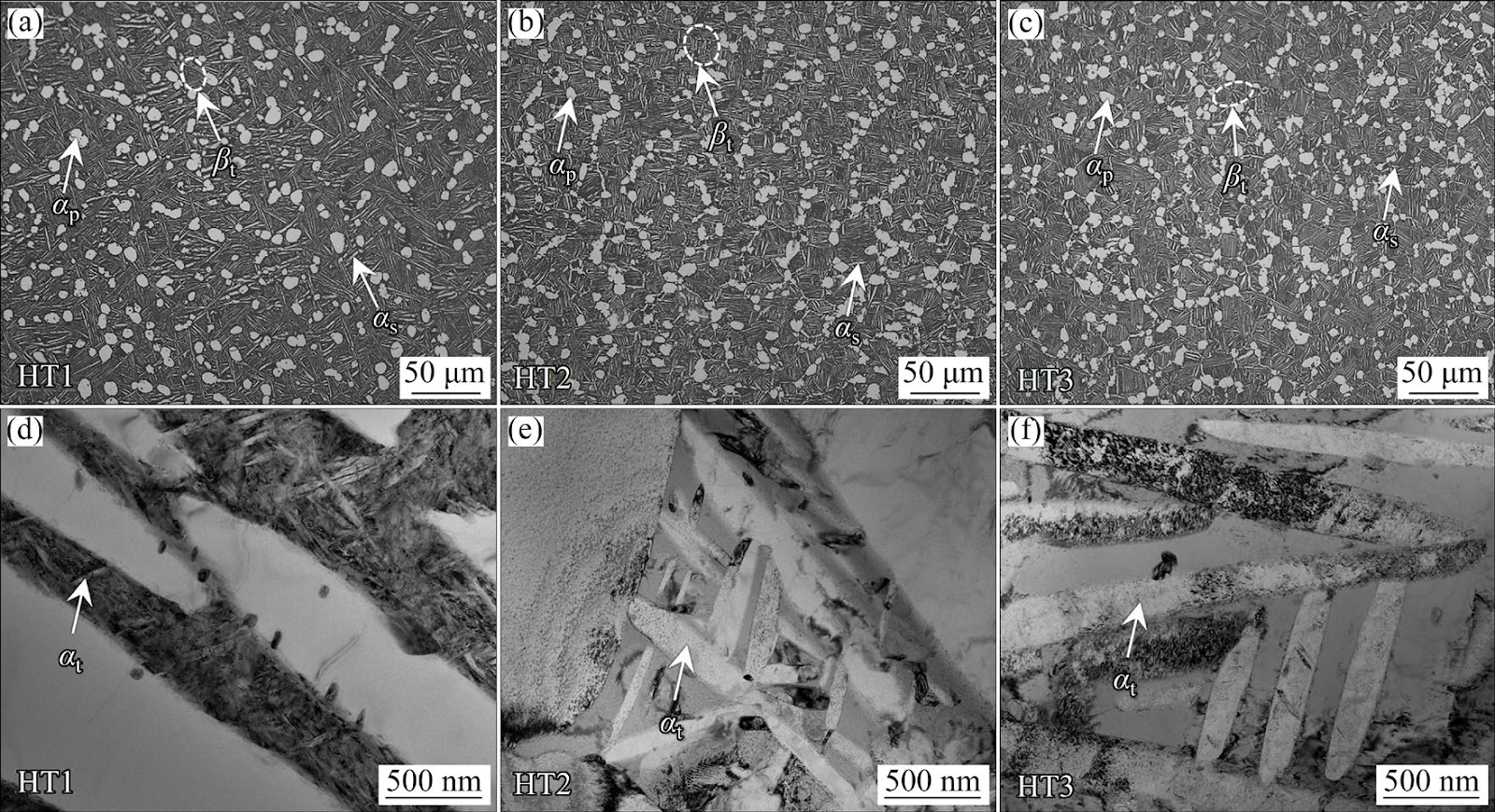
In TC25G alloy, Ti3Al (α2 phase) and silicide were precipitated during long-term aging. To access the effect of precipitates, three heat treatment processes were designed. The effects of these heat treatments on the creep behavior of alloy were compared and analyzed. The results show that the creep resistance of HT2 exceeds that of HT3, highlighting a significant precipitation strengthening effect of α2 phase. Furthermore, at temperatures and stresses lower than or equal to 570 °C and 200 MPa, respectively, the creep resistance of HT1 is close to that of HT3, suggesting that silicide precipitated before creep attenuates the strengthening of creep deformation caused by the coarsening of αs phase. At 600 °C and 250 MPa, the creep resistance of HT1 is significantly higher than that of HT3, indicating that when the dynamic precipitation of silicide in HT1 is adequate, it also resists the creep deformation of the alloy. The stress exponent for HT1, HT2 and HT3 ranges 1.7−1.9 (550 °C) and 3.7−4.4 (600 °C), indicating that the amount of silicide and α2 phase doesn’t affect the creep mechanism. The increase in creep activation energy is attributed to the enhanced inhibition caused by lots of precipitates on phase boundary migration and dislocations motion.

Influence of existence mode of silicide and α2 phase on creep behavior of TC25G alloy at 550−600 °C
Graphical Abstract
Original ResearchVol. 32, Issue 1 • pp. 100-112DOI: 10.1016/S1003-6326(25)67026-9Jan 15, 2025

Synergistic enhancement of strength−ductility in Sn1.0Ag0.5Cu composite solder via surface-modified nano-sized ZrO2 and micro-sized T-ZnOw hybrid reinforcements

Authors: Fu-peng HUO, Chuan-tong CHEN, Zhi JIN, Xun-da LIU, Ke-ke ZHANG, Hiroshi NISHIKAWA

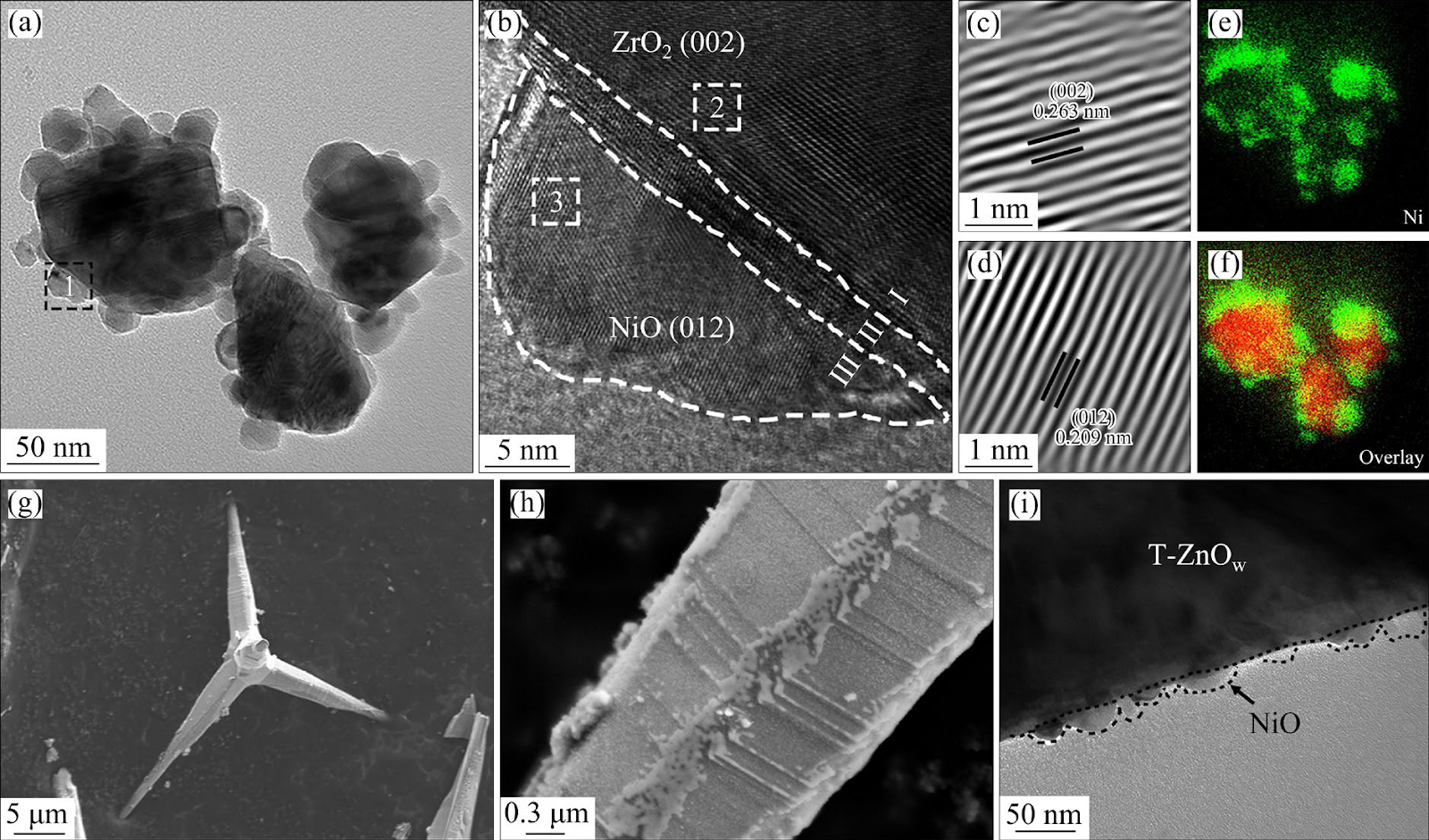
A novel SnAgCu composite solder with multi-phase and multi-scale hybrid reinforcement was developed. Initially, surface modification of nano-sized ZrO2 and micro-sized tetra-needle-like ZnO whisker (T-ZnOw) was performed using pyrolysis method. Subsequently, the modified ZrO2 and T-ZnOw were incorporated into Sn1.0Ag0.5Cu composite solders using an ultrasonic-assisted casting method. The microstructure evolution, interface between solder matrix and reinforcements, and mechanical properties were systematically investigated. The results indicated that the composite solder exhibited a high proportion of eutectic structures with minimal coarse intermetallic compounds. Furthermore, at the interface between the reinforcements and Sn1.0Ag0.5Cu, no gaps, micropores, or new phases were observed, while atomic inter-diffusion was detected. When the Zn/Zr molar ratio was set to be 2꞉3, the composite solder achieved an ultimate tensile strength of 35.9 MPa and an elongation of 31.4%, representing improvements of 30.5% and 47.4%, respectively, compared to plain Sn1.0Ag0.5Cu solder.

Synergistic enhancement of strength−ductility in Sn1.0Ag0.5Cu composite solder via surface-modified nano-sized ZrO2 and micro-sized T-ZnOw hybrid reinforcements
Graphical Abstract
Original ResearchVol. 32, Issue 1 • pp. 100-112DOI: 10.1016/S1003-6326(25)67015-4Jan 15, 2025

6061 Al/Cu layered composites with high strength and well interfacial bonding prepared by accumulative roll bonding

Authors: Ling OU, Yan-jun XIAO, Cai-he FAN, Jun-wei LIU, Wu-dan MA

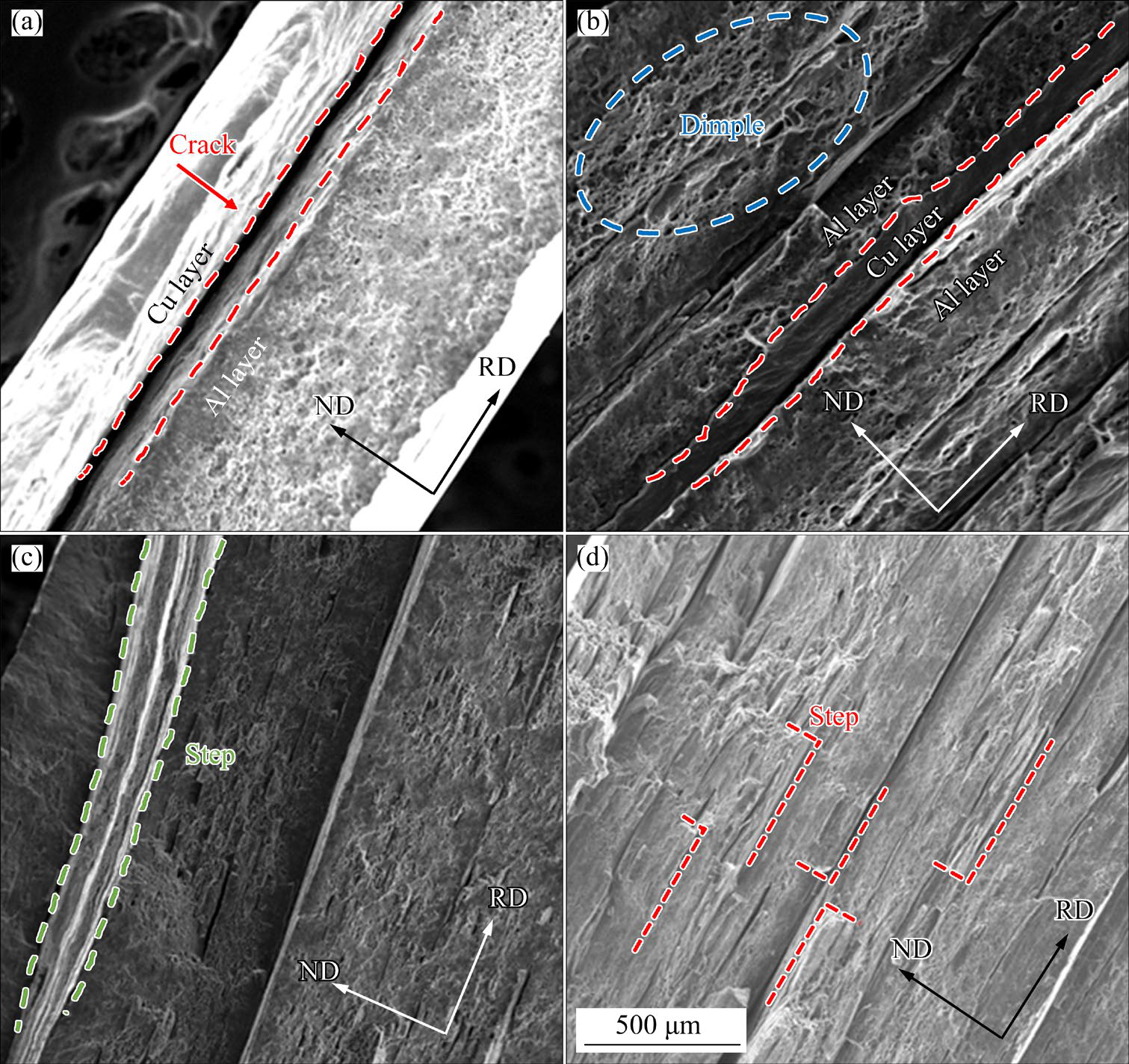
6061 Al/Cu layered composites were fabricated by accumulative roll bonding (ARB). The microstructural evolution was examined using scanning electron microscopy, electron backscatter diffraction, and transmission electron microscopy. After seven ARB cycles, the tensile strength increased to 416 MPa, whereas the elongation decreased to 6.7%. The strength enhancement is mainly attributed to work hardening and grain refinement. No brittle intermetallic compounds (IMCs) were detected at the interface, and interfacial bonding improved with additional ARB cycles. The small hardness difference between Al and Cu promoted uniform plastic deformation across layers, enhancing interfacial cohesion. However, strain localization due to different work hardening responses of Al and Cu led to pronounced shear band formation after seven ARB cycles, reducing the plasticity.

6061 Al/Cu layered composites with high strength and well interfacial bonding prepared by accumulative roll bonding
Graphical Abstract
Original ResearchVol. 32, Issue 1 • pp. 100-112DOI: 10.1016/S1003-6326(25)67022-1Jan 15, 2025

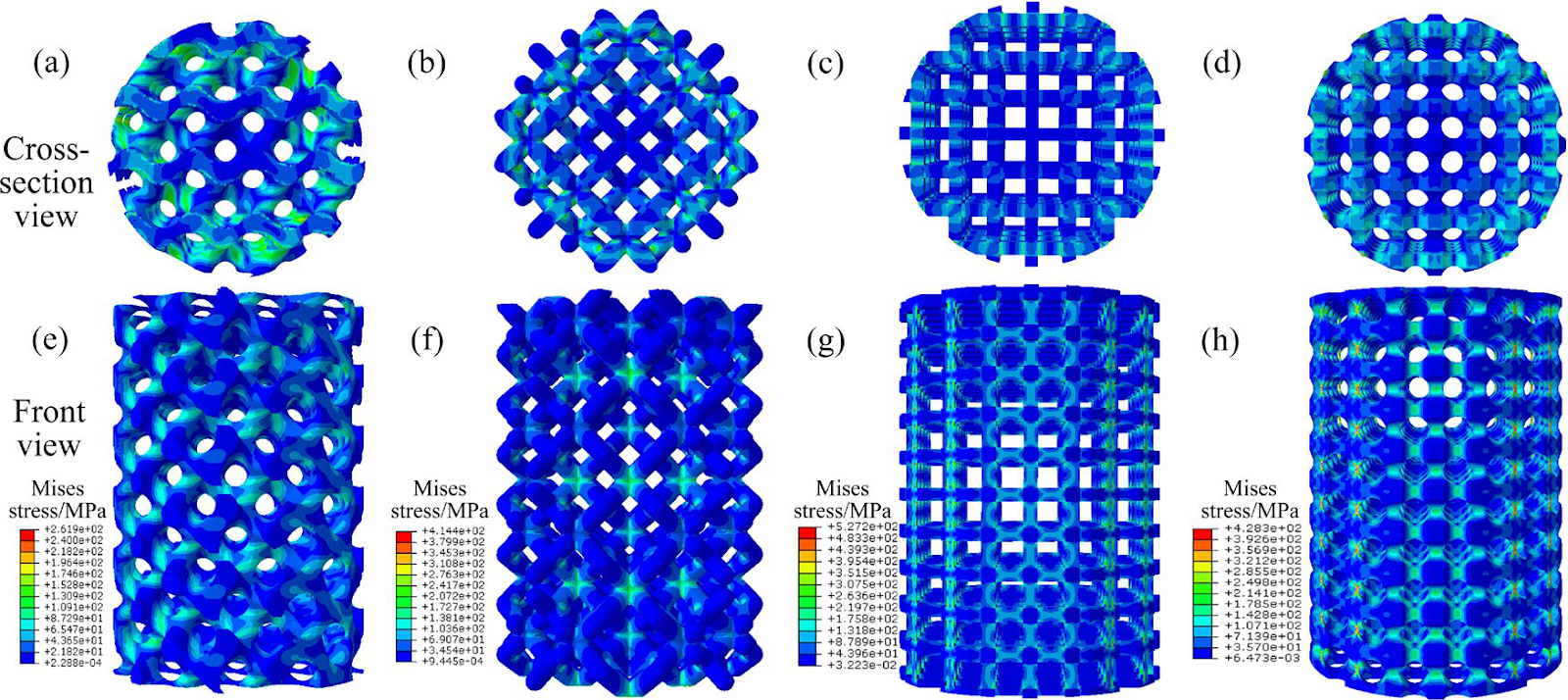
Influence of porous structures with small unit cell on mechanical properties of porous titanium dental implants fabricated by selective laser melting

Authors: Lu-man LIAO, Rui-min TANG, Kai WANG, Li YI, Yi-long DAI, Xiao-yong ZHANG, Liang-jian CHEN

Based on the application requirements for porous dental implants, four porous structures of gyroid, RD (rhombic dodecahedron), cubic, and CHC (three identical cylinders hollow cubic) for porous titanium implants have been designed and fabricated using selective laser melting (SLM) technology. Typically, the unit cell dimensions range from 0.5 to 1.6 mm, with pore diameters between 300 and 900 µm, achieving porosities of 60%−80%. The influence of porous structures with small unit cell on scaffold formability and mechanical properties was investigated through compression, torsion tests as well as finite element simulations. Consequently, gyroid scaffolds exhibit optimal formability with the lowest porosity and pore deviation. With the same porosity, gyroid and RD scaffolds exhibit lower compressive strength than cubic and CHC scaffolds, yet their torsional properties show an inverse relationship. Moreover, gyroid scaffolds possess the highest torque but the lowest compressive strength and elastic modulus. The gyroid scaffold with 60% porosity shows a modulus of 3.96 GPa, matching bone modulus of 0−30 GPa. Its compressive strength reaches 176.3 MPa, exceeding that of bone by 100 MPa. Additionally, the torque for the d4.0 mm implant is 2.22 N·m, approaching the FDA safe torque of 2.3 N·m. Therefore, the gyroid represents the most ideal structure for porous dental implants.

Influence of porous structures with small unit cell on mechanical properties of porous titanium dental implants fabricated by selective laser melting
Graphical Abstract
Original ResearchVol. 32, Issue 1 • pp. 100-112DOI: 10.1016/S1003-6326(25)67021-XJan 15, 2025

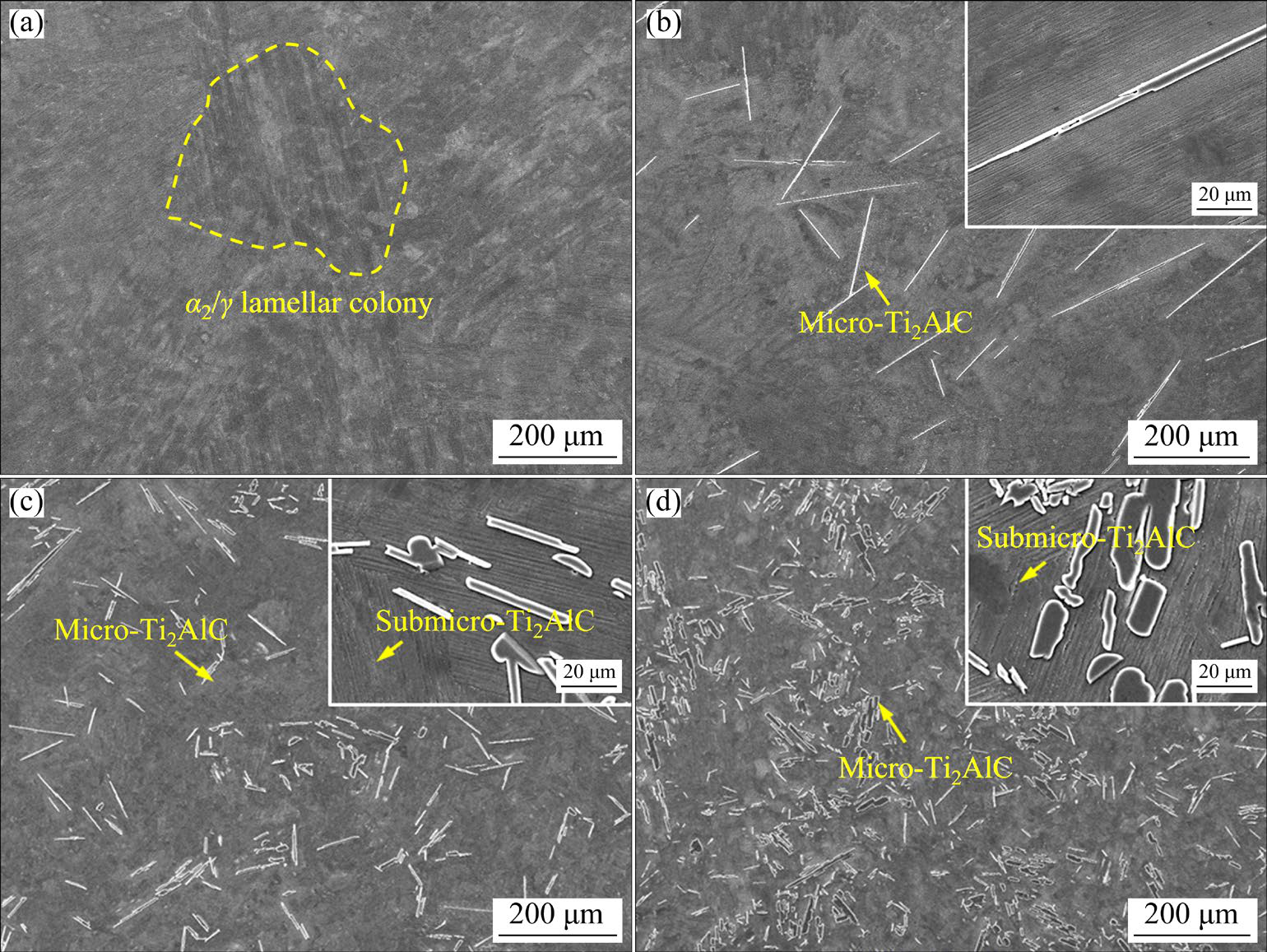
Fabrication, microstructure and high-temperature strengthening mechanism of multi-scale Ti2AlC/TiAl composite

Authors: Zhe DENG, Pei LIU, Zhi-yong ZHANG, Ai-qin WANG, Jing-pei XIE, Zhen-bo WANG

The multi-scale Ti2AlC/TiAl composites were fabricated. Micro-Ti2AlC particles are obtained in-situ at the grain boundaries of the full lamellar TiAl matrix by vacuum arc melting. The targeted precipitation of submicro-Ti2AlC at the lamellae TiAl/Ti3Al phase boundary and directional precipitation of nano-Ti2AlC within TiAl crystals are achieved by heat treatment. And the best high-temperature tensile properties are obtained when the graphite powder is added at 2 at.%, resulting in a tensile strength of 561 MPa and an elongation of 3.6%. These findings underscore the multifaceted role played by the multi-scale Ti2AlC: micro-Ti2AlC effectively inhibits grain boundary softening and hinders dislocation motion, while submicro-Ti2AlC prevents twin propagation and obstructs dislocation motion. Nano-Ti2AlC, on the other hand, not only hinders dislocation movement but also fine-tunes the lamellar microstructure.

Fabrication, microstructure and high-temperature strengthening mechanism of multi-scale Ti2AlC/TiAl composite
Graphical Abstract
Original ResearchVol. 32, Issue 1 • pp. 100-112DOI: 10.1016/S1003-6326(25)67012-9Jan 15, 2025

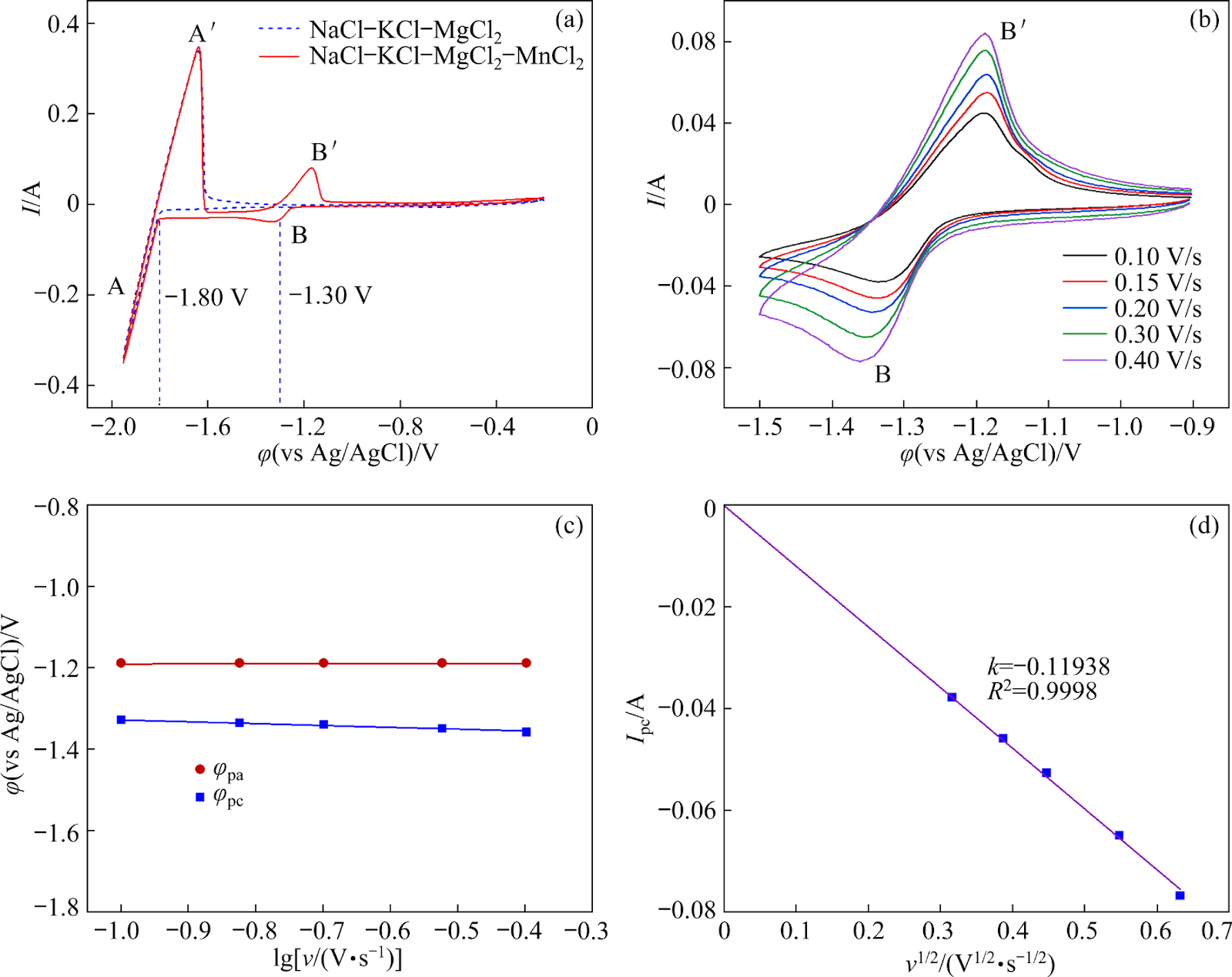
Electrochemical separation of Mn(II) impurity from molten salt electrolyte for magnesium electrolysis

Authors: Zhi-wen ZHAO, Zheng ZENG, Yan-ping WANG, Pei TANG, Chang JIANG, Zhong-sheng HUA

The electrochemical separation of Mn(II) impurity from molten NaCl−KCl−MgCl2 was systematically investigated to facilitate the electrolytic production of high-purity magnesium. The reduction of Mn(II) to Mn metal on tungsten electrode was a quasi-reversible process controlled by diffusion. The apparent standard potential and exchange current density of Mn(II)/Mn(0) electrode reaction were determined at temperatures ranging from 973 to 1048 K. Solid Mn metal generated during electrolysis aggregated into irregular clumps and adsorbed some needle-like MgO, imposing a detrimental effect on both the aggregation and the purity of magnesium metal. After electrolysis at −1.5 V in molten NaCl−KCl−MgCl2−0.62wt.%MnCl2 for 8 h, the concentration of MnCl2 impurity decreased to 0.037 wt.%, achieving a removal efficiency of 94.14%. When direct electrolysis was performed in molten NaCl−KCl−MgCl2−0.62wt.%MnCl2, the obtained magnesium metal was small blocks with a caviar-like appearance, and the purity was just 98.59%. In contrast, a large globule of magnesium metal was obtained when electrolysis was performed in the purified electrolyte, and its purity was improved to 99.94%. The controlled-potential electrolysis proposed in this work has been verified to be a green and practically effective method to separate the metal ion impurities from molten electrolyte for high purity magnesium extraction.

Electrochemical separation of Mn(II) impurity from molten salt electrolyte for magnesium electrolysis
Graphical Abstract
Original ResearchVol. 32, Issue 1 • pp. 100-112DOI: 10.1016/S1003-6326(25)66982-2Jan 15, 2025

Improving mechanical properties of Cu/CNTs composites by incorporating nanotwins

Authors: Wei-lin YU, Si-wei LUO, Juan ZHU, Min SONG, Tian-yu SUN, Jian-hong YI, Liang LIU, Yang-zhen LIU, Zhi-guo ZHANG, Yong YANG, Zhen-tao YU, Wei LI, Bai-song GUO

To exploit the combined strengthening effects of nanotwins and carbon nanotubes (CNTs) in Cu matrix composites, the nanotwins with a width ranging from 3 to 30 nm were incorporated into the CNTs-reinforced Cu matrix composites using cryogenic rolling and optimizing the initial particle size of the raw Cu powders. The formation of nanotwins in the Cu matrix composite reinforced by only 0.2 wt.% CNTs is accompanied by the increased dislocation density and refined Cu grain size, resulting in much better strength−ductility synergy than the referenced composite without significant nanotwins formation. The analysis of strengthening and toughening mechanisms demonstrates that the strength increment mainly derives from grain refinement strengthening, dislocation strengthening, and nanotwin strengthening. The strength increment from the contribution of the nanotwins accounts for 19.9% of the overall strength increment for the composite. Meanwhile, the retention of good tensile ductility can be reasonably explained by the increased dislocation accommodation ability due to the formed nanotwins and the decreased induced dislocation proliferation.

Improving mechanical properties of Cu/CNTs composites by incorporating nanotwins
Graphical Abstract
Original ResearchVol. 32, Issue 1 • pp. 100-112DOI: 10.1016/S1003-6326(25)66981-0Jan 15, 2025

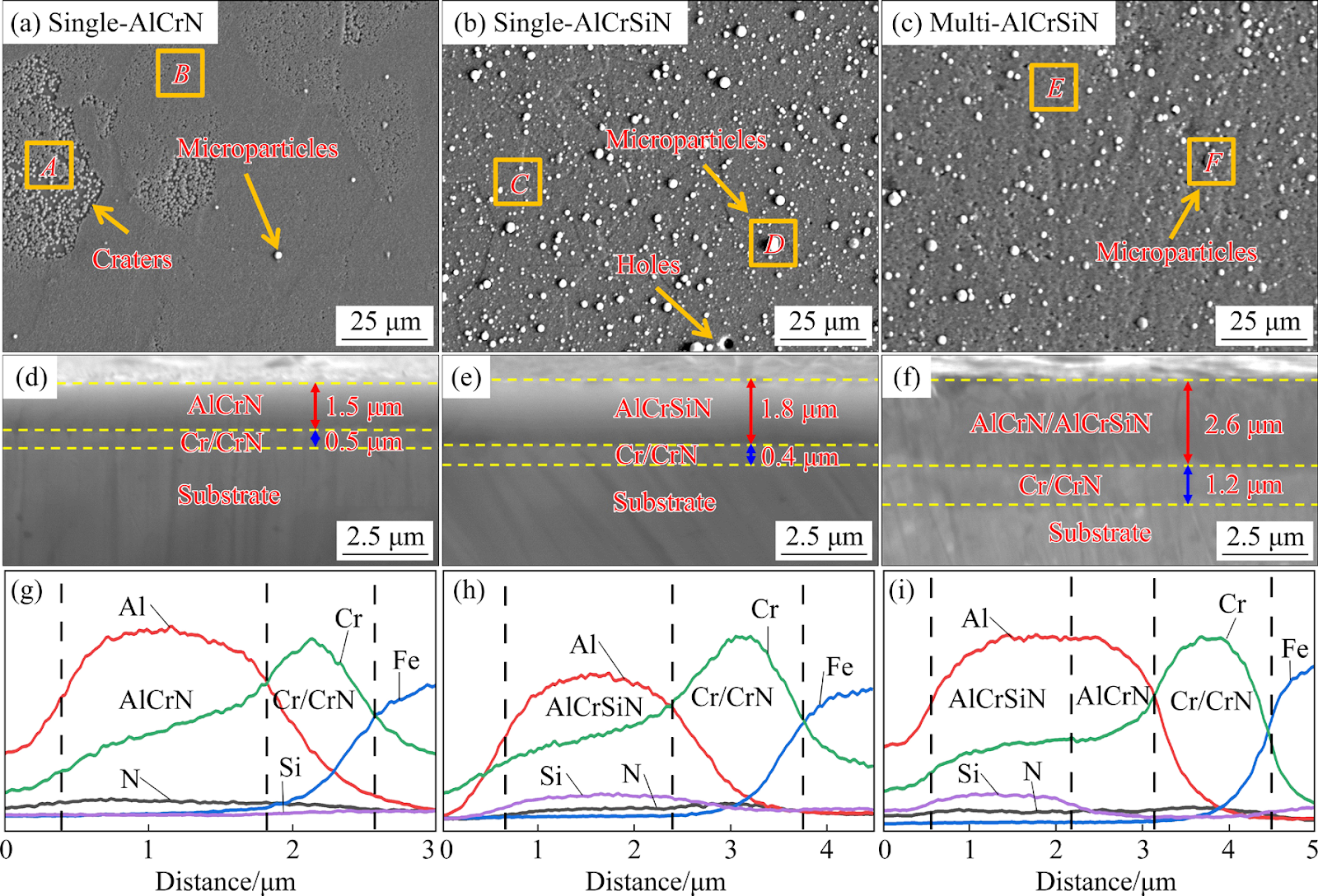
Multiscale investigation of oxidation mechanism in AlCrSiN multilayer coatings via experiments and ab initio molecular dynamics

Authors: Ji-yuan LIU, Shu-bing HU, Bo PENG, Jing-jing TIAN, Si-qi ZENG, Hai-xin CHANG, Hong-ya LI, Jin-ke YU, Fei GUO

An advanced AlCrSiN/AlCrN/CrN/Cr multilayer coating was developed via hybrid multiarc ion plating and high-power impulse magnetron sputtering. The multilayer design enhanced the substrate–coating compatibility, achieving a critical load of 87.8 N. Silicon doping induced nanocrystallization and amorphization, increasing the hardness to 26 GPa. At high temperatures, a nanoscale Cr-rich (Cr,Al)2O3 layer was formed, effectively inhibiting oxygen diffusion. The coating underwent unique phase transformations, during which Cr2N and amorphous Si3N4 were converted into dispersed SiCr3 nanoparticles, which stabilized Cr atoms and suppressed their outward diffusion. Ab initio molecular dynamics simulations revealed that Cr atoms exhibited higher chemical activity and oxygen-capture capability than Al atoms and Si atoms served as diffusion barriers by pinning onto the oxidized surface, considerably improving the oxidation resistance of the coating.

Multiscale investigation of oxidation mechanism in AlCrSiN multilayer coatings via experiments and ab initio molecular dynamics
Graphical Abstract
Original ResearchVol. 32, Issue 1 • pp. 100-112DOI: 10.1016/S1003-6326(25)66984-6Jan 15, 2025

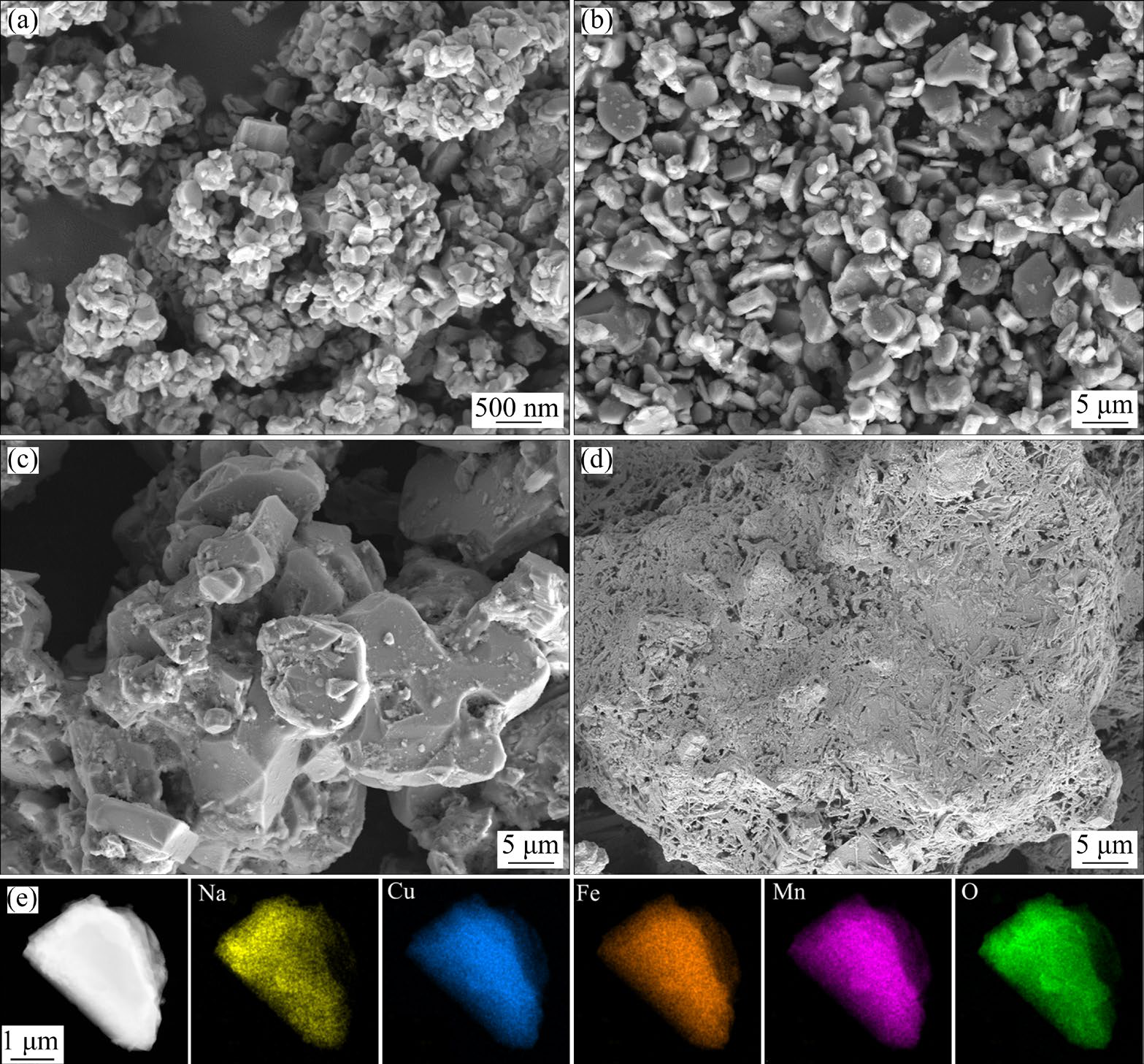
Effect of calcination temperature on interlayer spacing and oxygen vacancies concentration of NaCu0.2Fe0.3Mn0.5O2 layered materials for sodium-ion batteries

Authors: Bo-wen XU, Da ZHANG, Xuan-tian FENG, Sheng-ping HOU, Peng DONG, Dong-feng XUE, Feng LIANG

NaCu0.2Fe0.3Mn0.5O2 (NCFM) cathode material was synthesized using a simple solid-state reaction, and the effect of calcination temperature on its interlayer spacing and oxygen vacancies concentration was investigated. Through electrochemical testing and material characterizations, higher calcination temperatures increase the electrostatic repulsion between oxygen atoms in adjacent layers, resulting in an expansion of Na layer spacing. This structural change enhances the diffusion kinetics of Na⁺, thereby significantly improving the rate performance of NCFM. Furthermore, elevated calcination temperatures facilitate the reduction of oxygen vacancies, leading to improved crystallinity. This enhancement in crystallinity mitigates structural strain during phase transitions, contributing to improved cyclic stability. Consequently, the optimized NCFM shows an initial discharge specific capacity of 143.3 mA·h/g at 0.1C, with a capacity retention rate of 79.28% after 100 cycles at 1C.

Effect of calcination temperature on interlayer spacing and oxygen vacancies concentration of NaCu0.2Fe0.3Mn0.5O2 layered materials for sodium-ion batteries
Graphical Abstract
Original ResearchVol. 32, Issue 1 • pp. 100-112DOI: 10.1016/S1003-6326(25)67011-7Jan 15, 2025

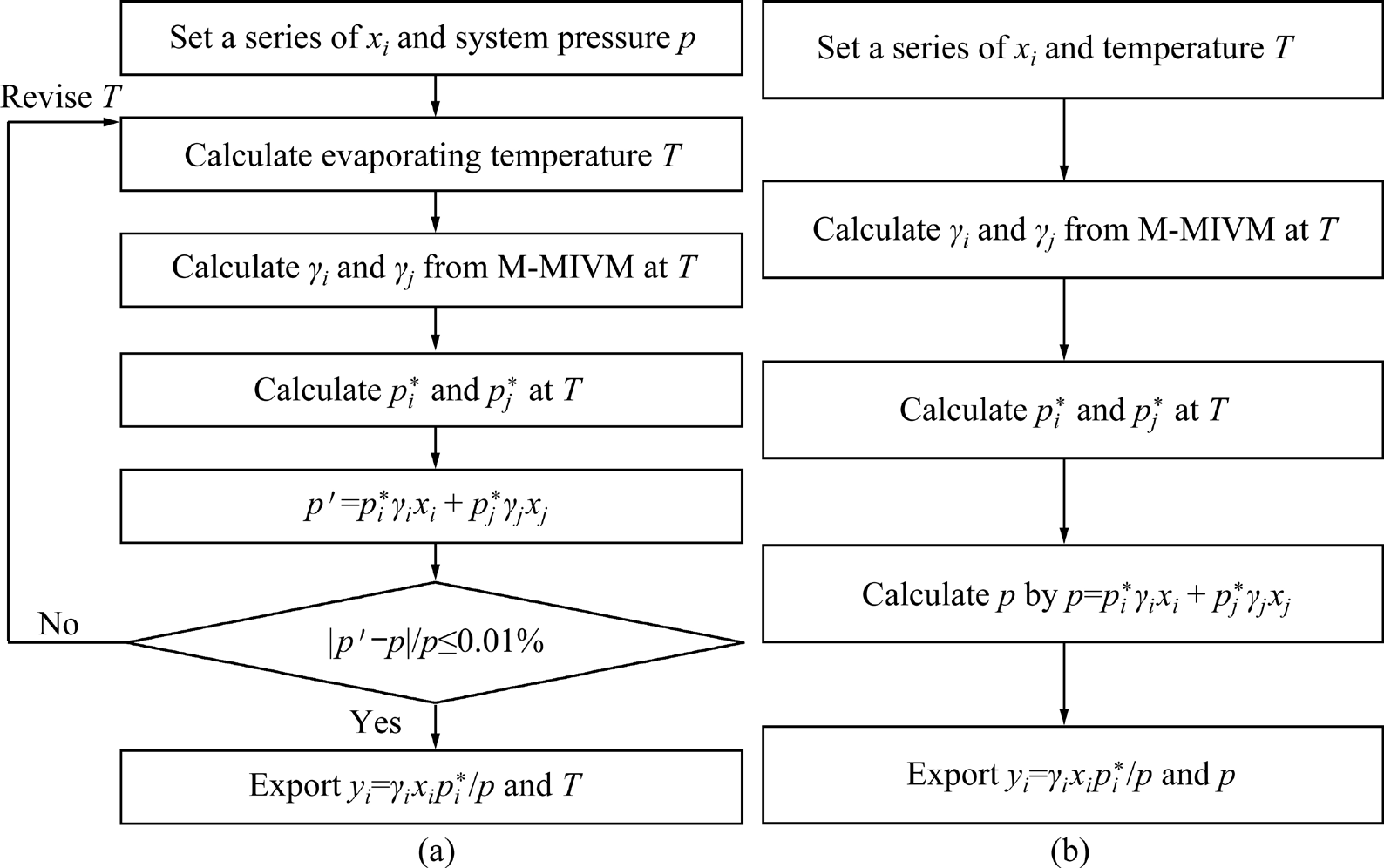
Simulation prediction and experimental study of phase equilibrium for Ag−Cu and Ag−Sb binary alloys in vacuum distillation

Authors: Qing-song LI, Bin YANG, Yang TIAN, Bao-qiang XU, Wen-long JIANG, Yuan GAO, Zong-kui JIANG

The modified molecular interaction volume model (M-MIVM) was used to calculate the activity values and their deviations from experimental data for Ag−Cu and Ag−Sb binary alloys. Subsequently, theoretical vapor−liquid equilibrium phase diagrams (T−x−y and p−x−y) were plotted via combining M-MIVM and vacuum theory. The vapor−liquid phase equilibrium (VLE) experiments were conducted on the Ag−Cu alloy at 1500−1560 K and 10−15 Pa and Ag−Sb alloys at 950−1350 K and 10 Pa. The results showed that the average relative deviation and average standard deviation of activity were lower than 5% and 0.02, respectively. A comparison of theoretical and experiment results for VLE revealed that the simulated data on the T−x−y diagram were well consistent with experimental values. Therefore, the VLE phase diagrams can serve as a guide in vacuum separation experiments and industrial production for Ag−Cu and Ag−Sb binary alloys.

Simulation prediction and experimental study of phase equilibrium for Ag−Cu and Ag−Sb binary alloys in vacuum distillation
Graphical Abstract
Original ResearchVol. 32, Issue 1 • pp. 100-112DOI: 10.1016/S1003-6326(25)66987-1Jan 15, 2025

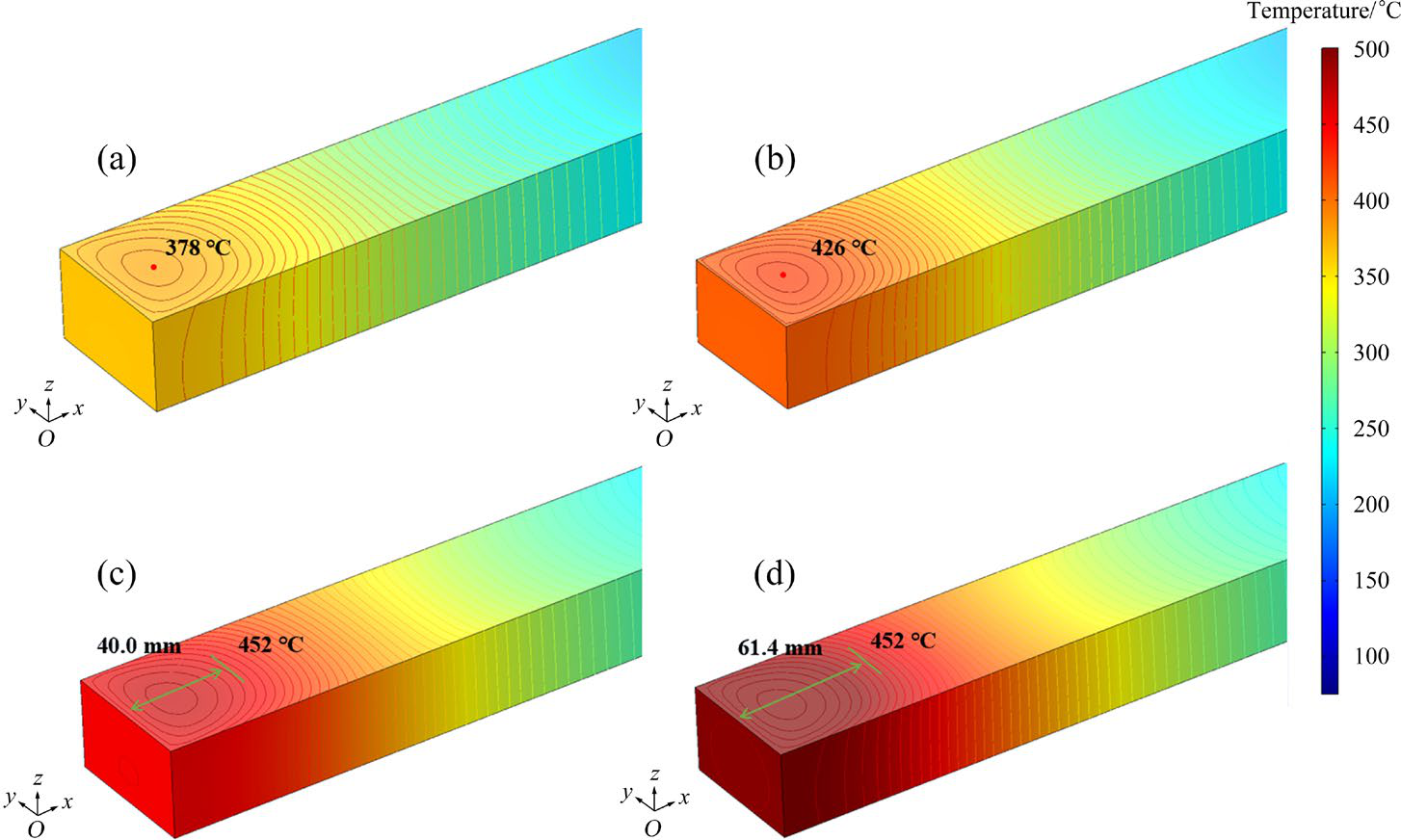
Preparation of high-purity tellurium based on simulation-assisted zone refining

Authors: Qing-hua TIAN, Zhi-qiang HE, Zhi-peng XU, Hai-bei WANG, Liu ZHU

The effect of temperature on molten zone length was investigated through simulation to optimize the control of molten zone length during the experimental process. The temperature gradient distribution within the molten zone during zone refining was simulated using COMSOL Multiphysics software and experimentally validated. The simulated molten zone length showed good agreement with the actual measured length. The experimental study of tellurium purification by zone refining was conducted under the following conditions: three passes of zone refining, a hydrogen flow rate of 0.5 L/min, and molten zone movement speeds of 0.5 and 1.0 mm/min. The results demonstrated that the removal efficiencies of impurities such as Ca and Cu exceeded 95%, while the removal efficiency of phosphorus (P) reached over 70%. And the purity of tellurium reached 6N.

Preparation of high-purity tellurium based on simulation-assisted zone refining
Graphical Abstract
Original ResearchVol. 32, Issue 1 • pp. 100-112DOI: 10.1016/S1003-6326(25)66986-XJan 15, 2025

Kinetics and morphological evolution mechanism of WO3 during non-isothermal hydrogen reduction

Authors: Rui-fang WANG, Xiang ZHAN, Yong-qiang CHEN, Shi-ming ZHANG, Yu-si CHE, Ji-lin HE

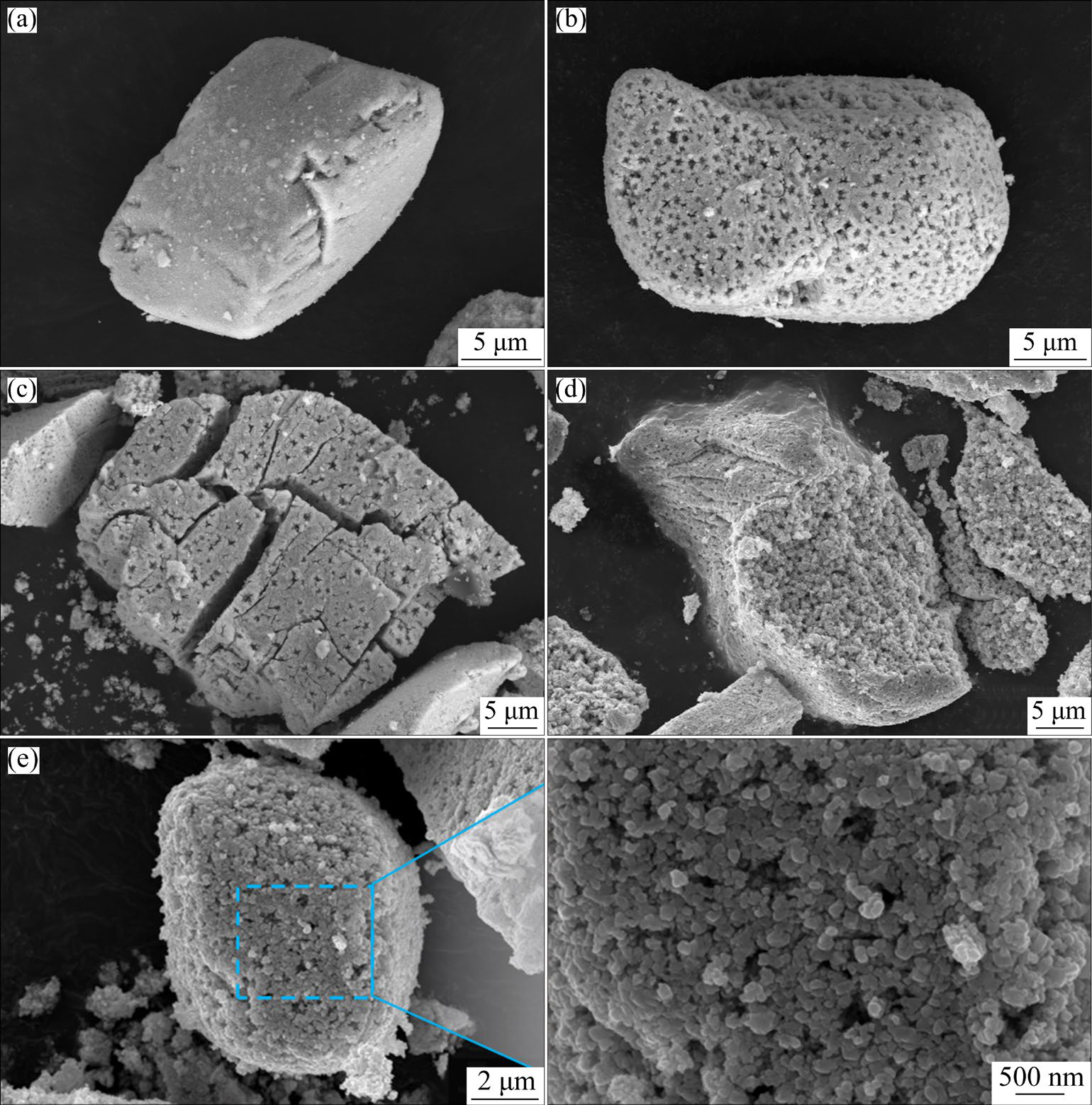
The hydrogen reduction kinetics of tungsten trioxide (WO3) was investigated via non-isothermal thermogravimetric analysis. Under the local gas–solid reduction conditions, the particle morphology of tungsten powders was found to be consistent with that of raw material WO3. The removal of oxygen from tungsten oxide during hydrogen reduction led to the formation of porous structures between the reduced particles, which were obviously different from the polyhedral single-crystal configuration of tungsten powders obtained via chemical vapor deposition. Moreover, the two-stage hydrogen reduction mechanisms of WO3 under the local gas–solid reduction conditions can be described using the composite autocatalytic function. The activation energies of the first and second stages of the hydrogen reduction of WO3 were determined to be 121 and 135 kJ/mol, respectively.

Kinetics and morphological evolution mechanism of WO3 during non-isothermal hydrogen reduction
Graphical Abstract
Original ResearchVol. 32, Issue 1 • pp. 100-112DOI: 10.1016/S1003-6326(25)66980-9Jan 15, 2025

Effect of sintering temperature on microstructure and mechanical properties of 95W-HEA alloys

Authors: Shi-dong XIE, Liang-liang TANG, Bo-hua DUAN, Zhuang-zhi WU, De-zhi WANG

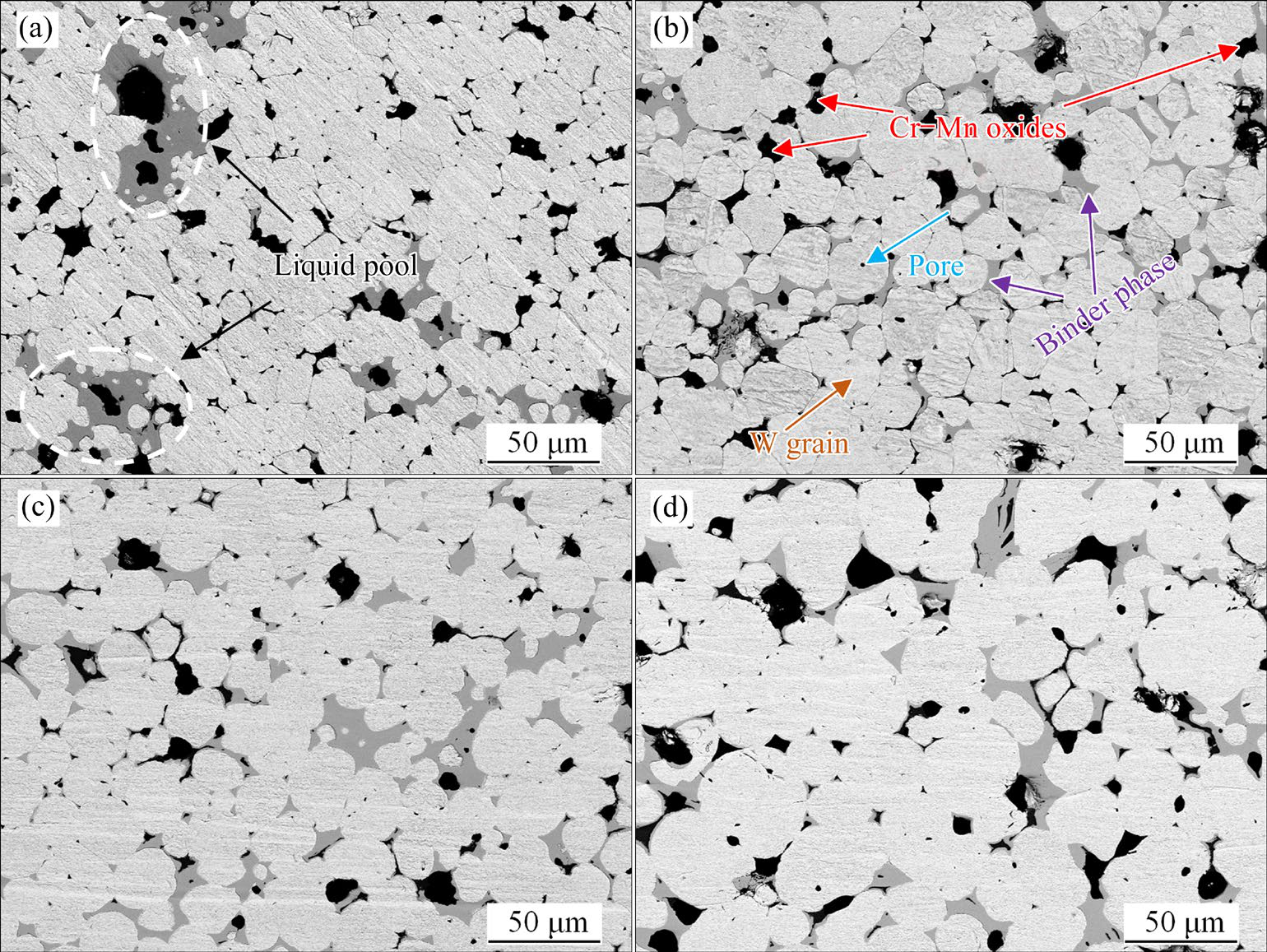
The use of high entropy alloy as a binder for tungsten heavy alloys offers potential advantages. The 95W-5CoCrFeMnNi alloys (95W-HEAs) were prepared via powder metallurgy at sintering temperatures of 1400−1550 °C. The microstructure analysis revealed that the tungsten phase in 95W-HEAs exhibited a nearly spherical morphology in the HEA binder matrix and the formation of a Cr−Mn oxide mixed phase was observed. The sintering temperature exerted a significant influence on the relative density, grain size, W−W contiguity, and mechanical properties of the alloys. The optimal performance was achieved when sintering at 1450 °C, yielding a relative density of 96.61%, a W−W contiguity of 0.528, an average grain size of 18.97 µm, a compressive strength of 2234.82 MPa, and a hardness of HV 400.6. The activation energy for the diffusion of tungsten in the liquid phase formed by HEA binder was calculated to be 354.514 kJ/mol, highlighting its role in controlling grain growth.

Effect of sintering temperature on microstructure and mechanical properties of 95W-HEA alloys
Graphical Abstract
Original ResearchVol. 32, Issue 1 • pp. 100-112DOI: 10.1016/S1003-6326(25)66983-4Jan 15, 2025

Effects of modulation layer thickness on microstructures and mechanical behavior of VN/TiN−Ni nano-multilayered films

Authors: Wen-jie CHENG, Ping LIU, Xin-fa ZHU, Yi MENG, Hong-mei LU, Peter K. LIAW, Wei LI

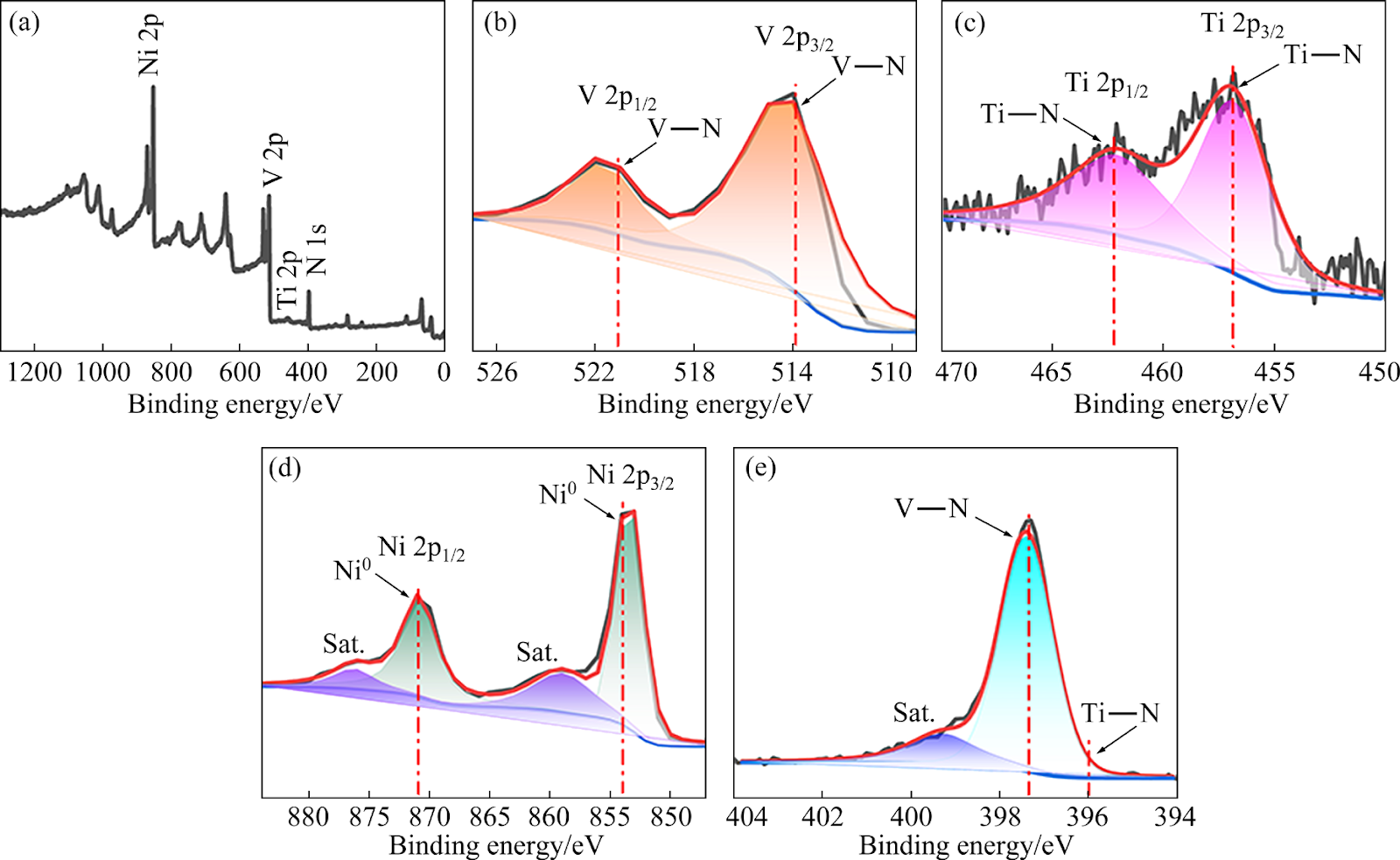
The dependence of interface structure and mechanical properties on the modulation layer thickness of VN/TiN−Ni nano-multilayered films deposited on Si substrates using a reactive magnetron sputtering technique was systematically investigated. The films were characterized using X-ray diffraction, scanning electron microscopy, X-ray photoelectron spectroscopy, transmission electron microscopy, and nanoindentation. The results show that the TiN−Ni layer grows epitaxially on the VN layer, forming a coherent interface between the two sublayers. When the deposition time ratio of the two sublayers (TTiN−Ni꞉TVN) is 10꞉12, the films exhibit remarkable mechanical properties, with hardness, elastic modulus, and fracture toughness values of 25.9 GPa, 317 GPa, and 1.88 MPa·m1/2, respectively. Meanwhile, fracture toughness is improved by approximately 50% compared to the VN monolithic film. This enhancement is attributed to the coherent interface between the sublayers and the phase separation in the TiN−Ni layer.

Effects of modulation layer thickness on microstructures and mechanical behavior of VN/TiN−Ni nano-multilayered films
Graphical Abstract
Original ResearchVol. 32, Issue 1 • pp. 100-112DOI: 10.1016/S1003-6326(25)66985-8Jan 15, 2025

Petrogenesis of Early Mesozoic Furong pluton in central Hunan, China and its implications for tungsten mineralization

Authors: Jian-xiong DU, Jian-tang PENG, A-xiang HU, Ta-gen DAI, Meng-ying SUO, Li-chao XIAHOU

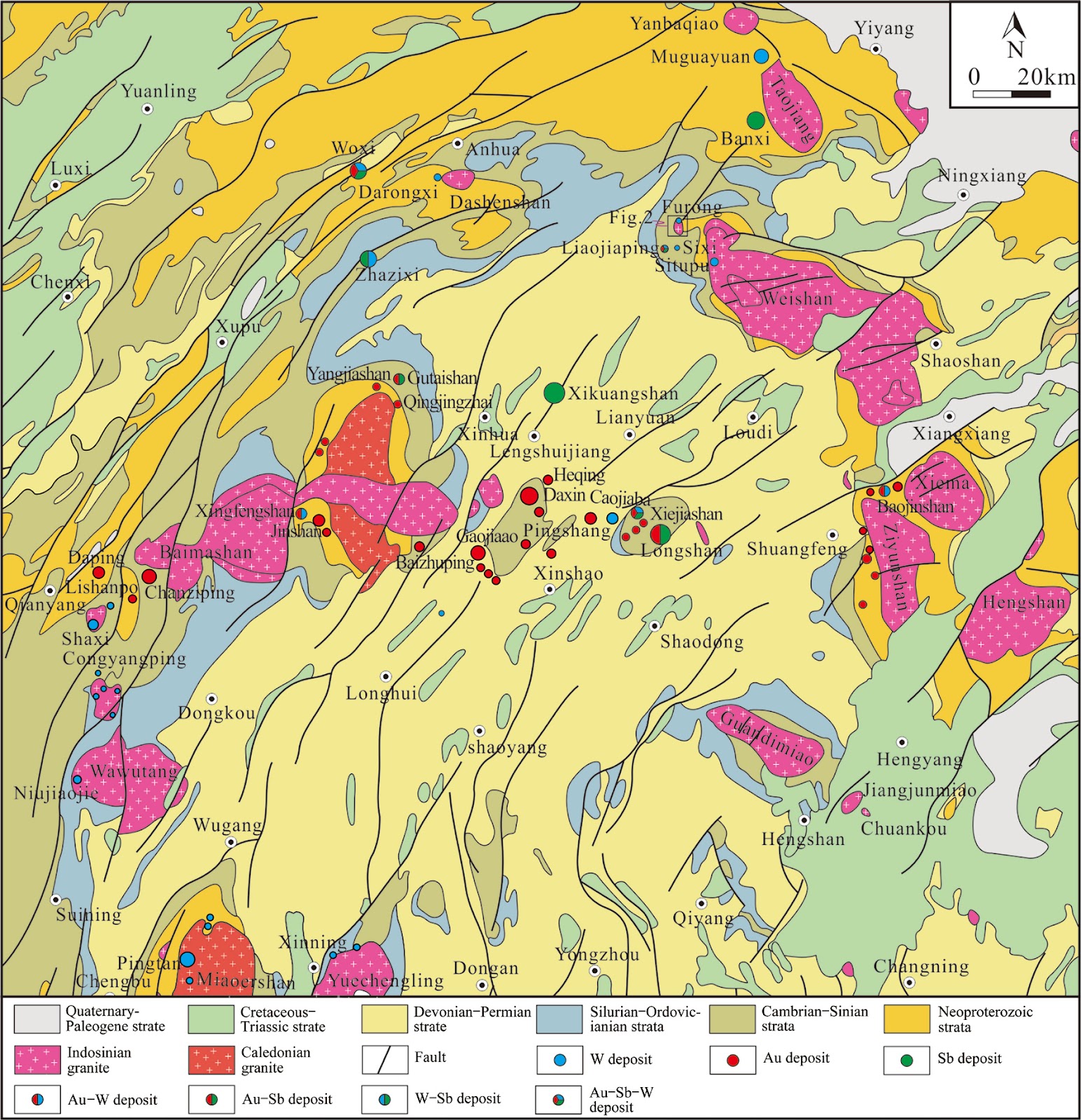
The Furong pluton, located in central Hunan, China, hosts numerous tungsten veins within and around the granite, which are of great economic significance. However, its petrogenesis and related mineralization are poorly constrained. In this study, we used U−Pb dating, petrological and geochemical methods to ascertain the emplacement time, classification of granitic rock, nature of the source rocks, formation mechanism, and its geodynamic implications for the Furong pluton. It is shown that the granite is precisely determined to be formed at ~210 Ma, and belongs to the moderately-fractionated S-type granite. Combined with regional tectonic setting, it is concluded that the pluton was formed due to crust extension and thinning followed by plate collision and compression in South China. It is also revealed that tungsten mineralization and Indosinian granites exhibit a close temporal, spatial and genetic relationships, and further exploration of tungsten deposits within and around the granite in central Hunan, even in South China, is urgently needed.

Petrogenesis of Early Mesozoic Furong pluton in central Hunan, China and its implications for tungsten mineralization
Graphical Abstract
Original ResearchVol. 32, Issue 1 • pp. 100-112DOI: 10.1016/S1003-6326(25)66979-2Jan 15, 2025

Effect of trace impurity elements on high-temperature corrosion resistance of DD98M alloy

Authors: Geng-yi DONG, Yijiala YILITI, Run-ze YU, Jie MENG, Wen-jun HAN, Kai CHANG, Qi-fei ZHANG, Xiao-gang YOU, Yi-nong WANG

The influence of varying levels of impurity elements on the hot corrosion resistance of the DD98M alloy in Na2SO4+NaCl salt at 950 °C was investigated. The results indicate that the corrosion resistance of the DD98M alloy significantly decreases with an increase in impurity content, and the presence of nitrogen leads to an increase in alloy porosity. These porosities promote the rapid diffusion of molten salt and oxygen into the alloy, resulting in a bilateral diffusion of oxygen and sulfur, which leads to an accumulation of these elements at the oxide−matrix interface. This process contributes to the formation and propagation of interfacial cracks. A growth model was developed for hot corrosion products in alloys with varying impurity elements.

Effect of trace impurity elements on high-temperature corrosion resistance of DD98M alloy
Graphical Abstract
Original ResearchVol. 32, Issue 1 • pp. 100-112DOI: 10.1016/S1003-6326(25)66978-0Jan 15, 2025

Morphological and size evolution of γ' phases during aging in nickel-based single crystal superalloy

Authors: Ye-yuan HU, Shao-xiang LI, Qing-yan XU

A multistage solution treatment process was applied for nickel-based single crystal superalloys, complemented by various aging durations and cooling rates. The microstructure was characterized by scanning electron microscopy (SEM) to observe the γ' phase. Additionally, phase field simulations were conducted to model the growth of γ' precipitates during aging and analyze their morphological evolution. The experimental results demonstrated that the multistage solution treatment effectively eliminated eutectic phases and carbides. Moreover, samples aged for 10 min exhibited larger and more rectangular γ' precipitates compared with those aged for 5 min. Notably, secondary γ' precipitates were observed in samples subjected to water cooling. Two indices for quantifying rectangularization were proposed and successfully applied. Based on the simulation results, lattice mismatch induced coherency stresses and elevated stress triaxiality along the 〈111〉 direction contributed to the rectangularization of the γ' phase.

Morphological and size evolution of γ' phases during aging in nickel-based single crystal superalloy
Graphical Abstract
Original ResearchVol. 32, Issue 1 • pp. 100-112DOI: 10.1016/S1003-6326(25)66955-XJan 15, 2025

Effects of electroshock treatment on microstructure evolution and mechanical properties of Ti−8Al−1Mo−1V alloy

Authors: Jian ZHOU, Yu-peng YAO, Hong-xin SUN, Chang LIU, Yan WEN, Li-qiang WANG, Lai-chang ZHANG, Le-chun XIE, Lin HUA

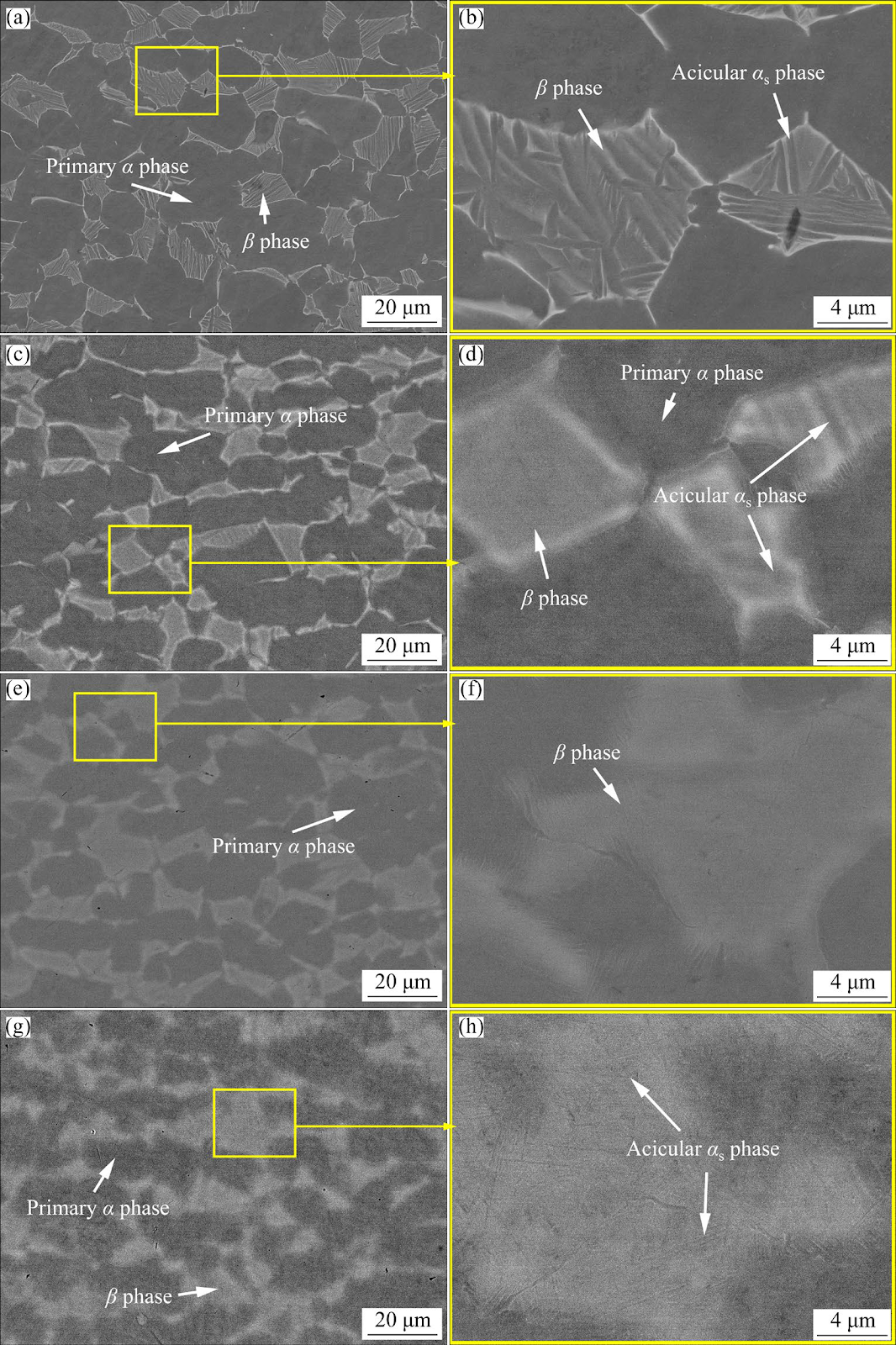
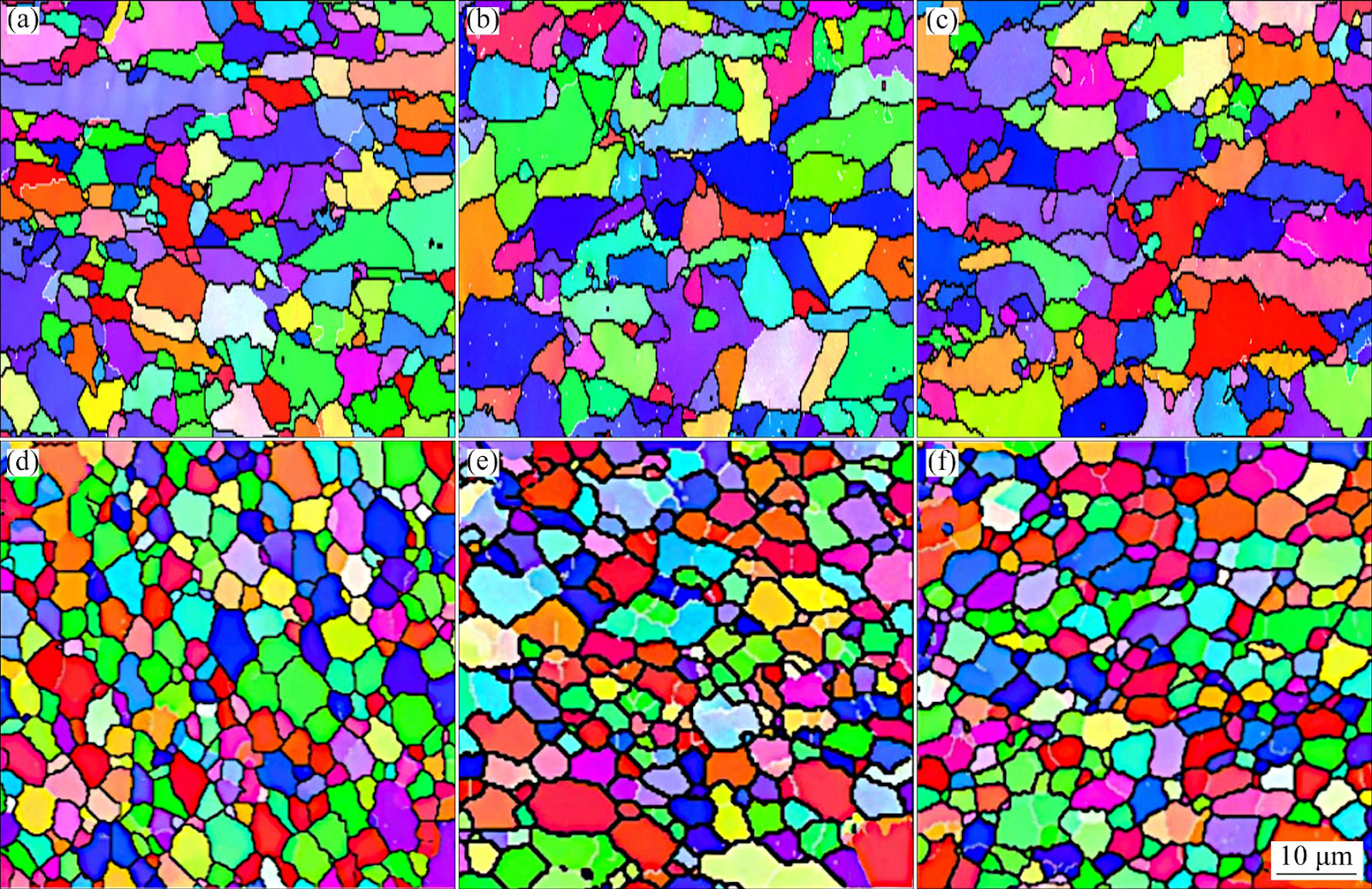
The effect mechanism of electroshock treatment (EST) on microstructure evolution and mechanical property variations of Ti−8Al−1Mo−1V alloy was investigated. The results show that EST results in the phase transformation from the acicular secondary αs to β phase. While the EST time is 0.12 s, the acicular martensitic phase (αM) precipitates. The results of electron backscattered diffraction (EBSD) reveals that the average grain size decreases from 3.95 to 2.53 μm after EST, indicating that the grains are refined, and the significant recrystallization behavior and martensitic transformation occur. The orientation distribution reveals a more uniform distribution of texture, which is caused by the variation of crystal orientation after the phase transformation. The compression fracture behavior of materials indicates that EST significantly enhances the yield strength while reduces the fracture strain. The improvement of yield strength is mainly attributed to the precipitation of martensitic phase. All results indicate that EST is an effective approach for manipulating the microstructure and optimizing the texture distribution of titanium alloys.

Effects of electroshock treatment on microstructure evolution and mechanical properties of Ti−8Al−1Mo−1V alloy
Graphical Abstract
Original ResearchVol. 32, Issue 1 • pp. 100-112DOI: 10.1016/S1003-6326(25)66950-0Jan 15, 2025

Microstructure evolution and corrosion behavior of refill friction stir spot welding joint for dissimilar Al alloys

Authors: Fang-yuan JIANG, Da ZHANG, Yan-kun MA, Jiang-tao XIONG, Wei GUO, Jing-long LI

The dissimilar 2B06 and 7B04 Al alloy joints were prepared by refill friction stir spot welding (RFSSW), and the microstructural evolution and corrosion behavior of the joints were investigated. Based on microstructural analysis, the welded joints exhibit distinct microstructural zones, including the stir zone (SZ), thermomechanically affected zone (TMAZ), and heat-affected zone (HAZ). The grain size of each zone is in the order of HAZ > TMAZ > SZ. Notably, the TMAZ and HAZ contain significantly larger secondary-phase particles compared to the SZ, with particle size in the HAZ increasing at higher rotational speeds. Electrochemical tests indicate that corrosion susceptibility follows the sequence of HAZ > TMAZ > SZ > BM, with greater sensitivity observed at increased rotational speeds. Post-corrosion mechanical performance degradation primarily arises from crevice corrosion at joint overlaps, but not from the changes in the microstructure.

Microstructure evolution and corrosion behavior of refill friction stir spot welding joint for dissimilar Al alloys
Graphical Abstract
Original ResearchVol. 32, Issue 1 • pp. 100-112DOI: 10.1016/S1003-6326(25)66953-6Jan 15, 2025

Influence of interface shape on microstructure and mechanical properties of Mg/Al composite plates fabricated by hot-pressing

Authors: Shi-jun TAN, Bo SONG, Hao-hua XU, Ting-ting LIU, Jia SHE, Sheng-feng GUO, Xian-hua CHEN, Kai-hong ZHENG, Fu-sheng PAN

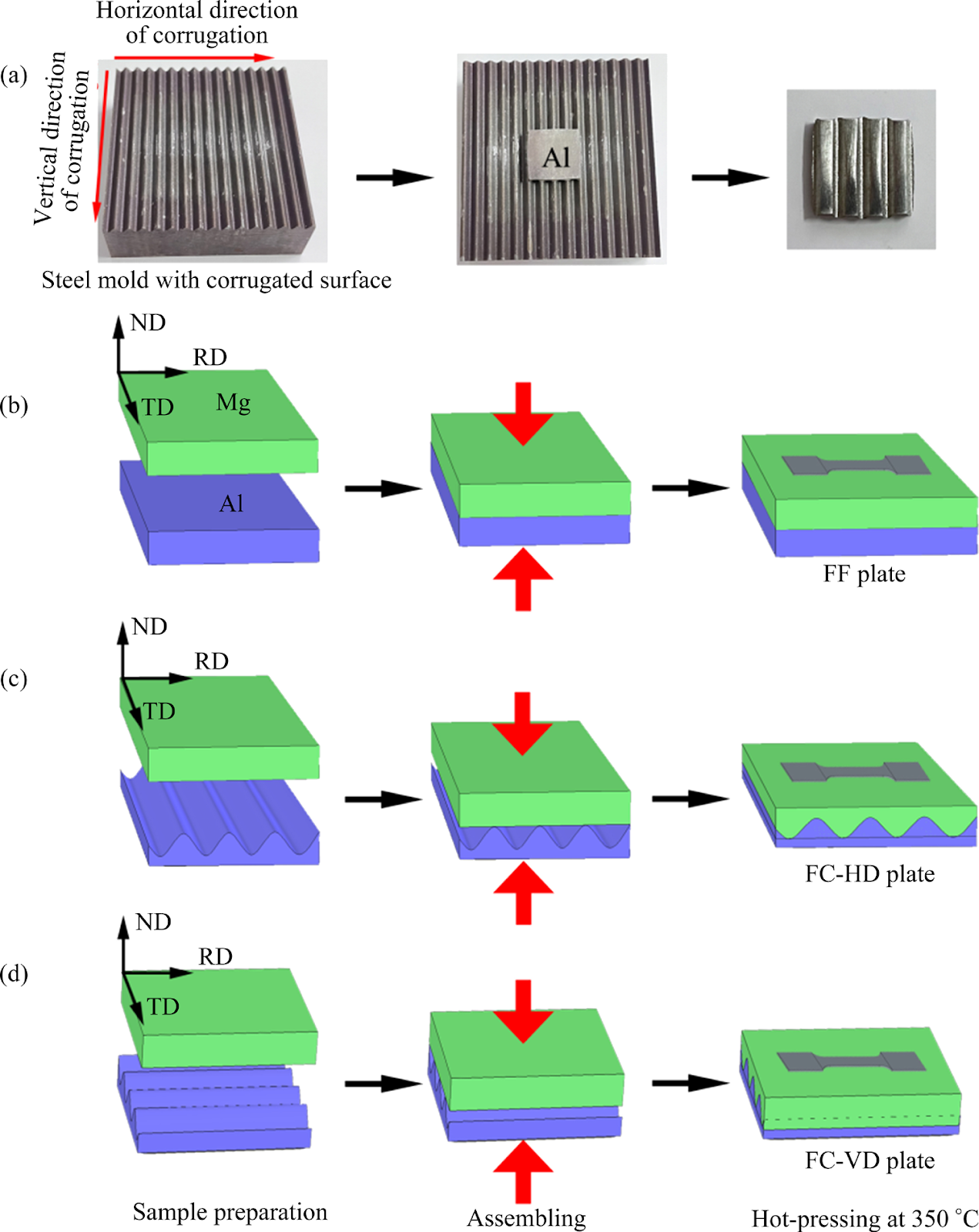
A new method was proposed for preparing AZ31/1060 composite plates with a corrugated interface, which involved cold-pressing a corrugated surface on the Al plate and then hot-pressing the assembled Mg/Al plate. The results show that cold-pressing produces intense plastic deformation near the corrugated surface of the Al plate, which promotes dynamic recrystallization of the Al substrate near the interface during the subsequent hot-pressing. In addition, the initial corrugation on the surface of the Al plate also changes the local stress state near the interface during hot pressing, which has a large effect on the texture components of the substrates near the corrugated interface. The construction of the corrugated interface can greatly enhance the shear strength by 2−4 times due to the increased contact area and the strong “mechanical gearing” effect. Moreover, the mechanical properties are largely depended on the orientation relationship between corrugated direction and loading direction.
Influence of interface shape on microstructure and mechanical properties of Mg/Al composite plates fabricated by hot-pressing
Graphical Abstract
Original ResearchVol. 32, Issue 1 • pp. 100-112DOI: 10.1016/S1003-6326(25)66952-4Jan 15, 2025

Effect of different artificial aging treatments on tensile creep behavior of extruded lean Mg−Al−Ca−Mn alloy

Authors: Ming-yu LI, Zhi-ping GUAN, Jia-wang SONG, Hong-jie JIA, Pin-kui MA, Gang WANG, Wei YAN, Ming-hui WANG, Zhi-gang LI

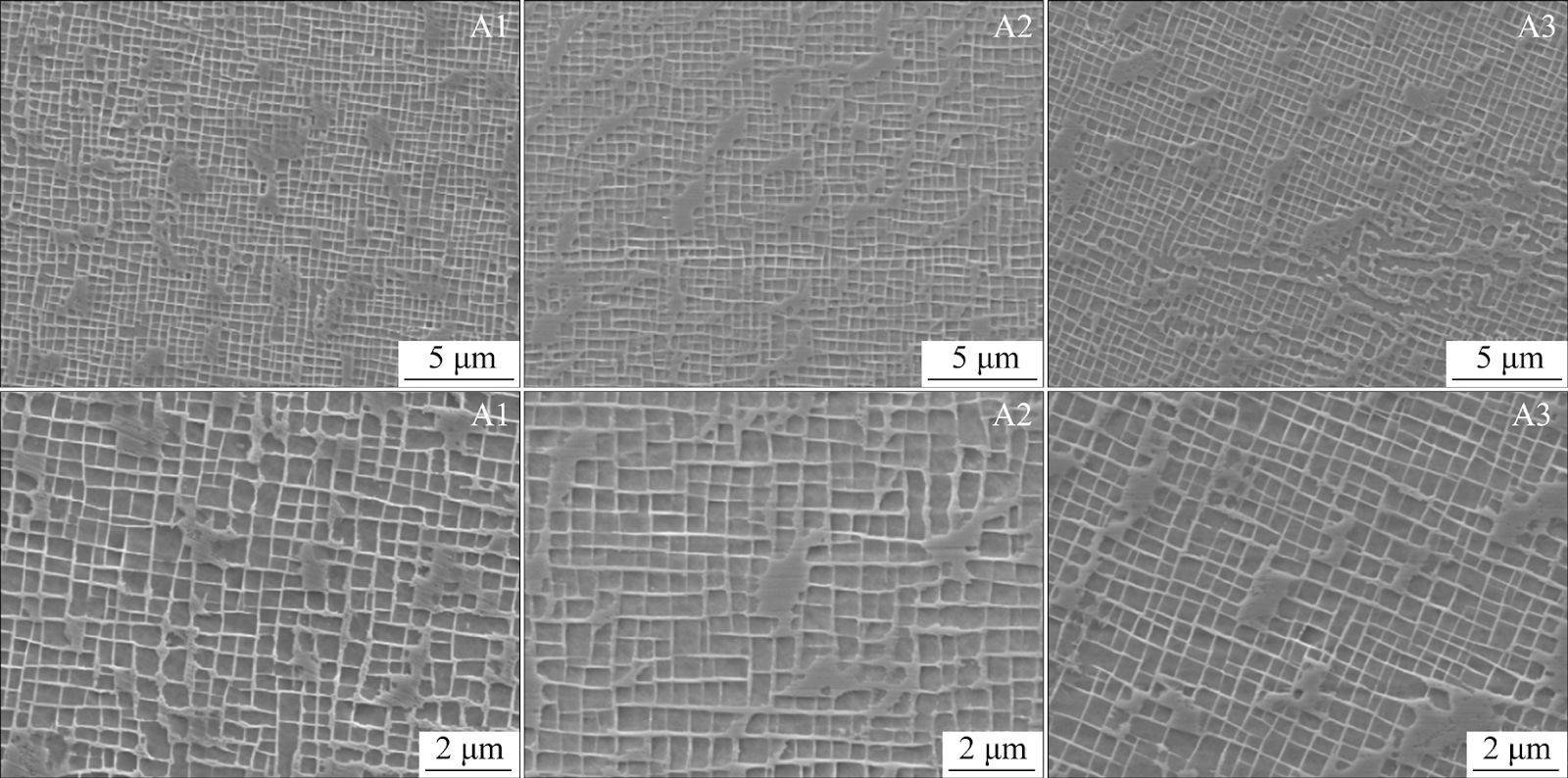
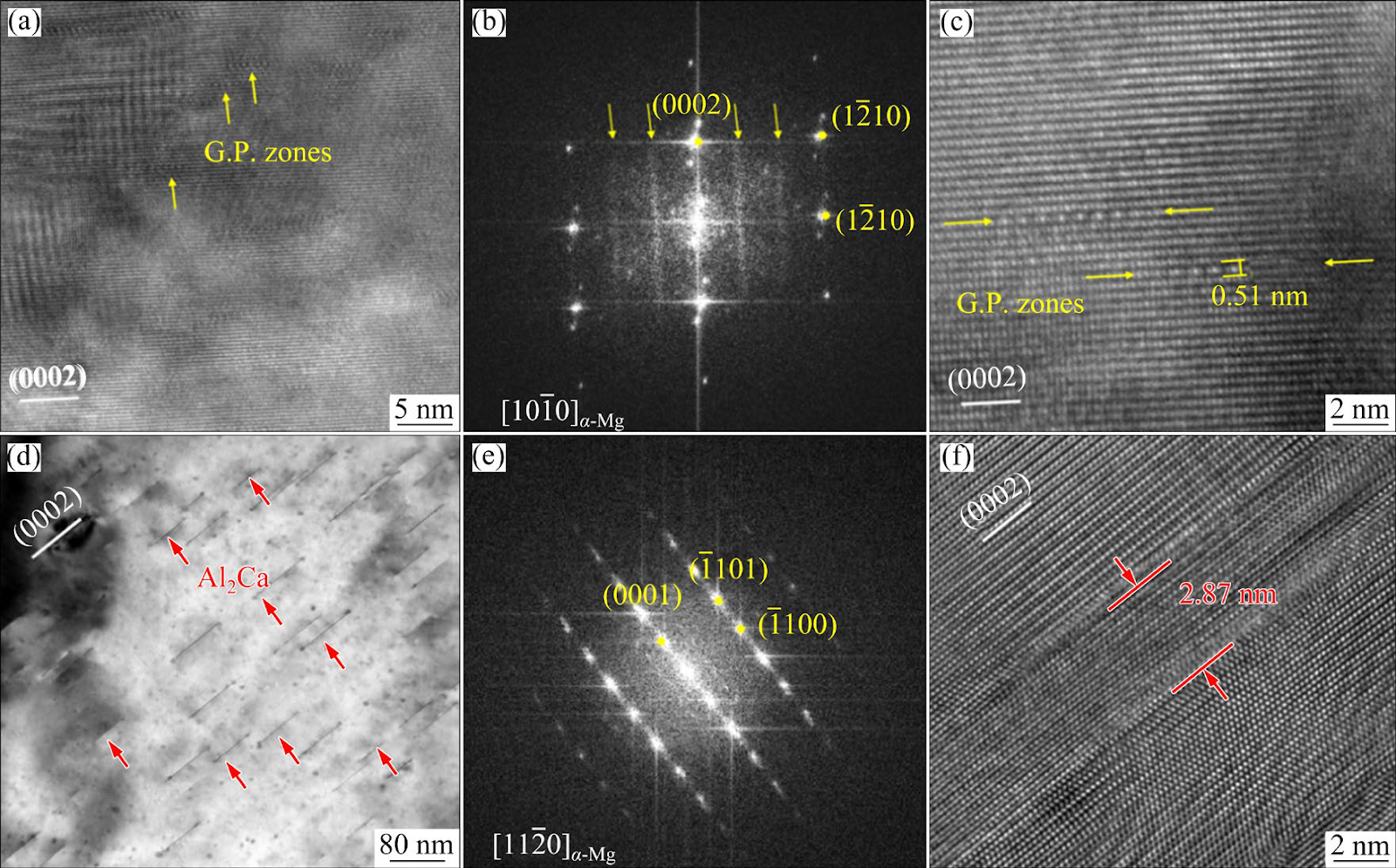
The effects of artificial aging (T6) on the creep resistance with tensile stresses in the range of 50−80 MPa at 175 °C were investigated for an extruded Mg−1.22Al−0.31Ca−0.44Mn (wt.%) alloy. The Guinier-Preston (G.P.) zones primarily precipitate in the sample aged at 200 °C for 1 h (T6-200°C/1h), while the Al2Ca phases mainly precipitate in the sample aged at 275 °C for 8 h (T6-275°C/8h). The T6-200°C/1h sample exhibits excellent creep resistance, with a steady-state creep rate one order of magnitude lower than that of the T6-275°C/8h sample. The abnormally high stress exponent (~8.2) observed in the T6-200°C/1h sample is associated with the power-law breakdown mechanism. TEM analysis illuminates that the creep mechanism for the T6-200°C/1h sample is cross-slip between basal and prismatic dislocations, while the T6-275°C/8h sample exhibits a mixed mechanism of dislocation cross-slip and climb. Compared with the Al2Ca phase, the dense G.P. zones effectively impede dislocation climb and glide during the creep process, demonstrating superior creep resistance of the T6-200°C/1h sample.

Effect of different artificial aging treatments on tensile creep behavior of extruded lean Mg−Al−Ca−Mn alloy
Graphical Abstract
Original ResearchVol. 32, Issue 1 • pp. 100-112DOI: 10.1016/S1003-6326(25)66954-8Jan 15, 2025

Weakening aging-induced embrittlement via deformation-assisted regulation of isothermal ω precipitation in metastable Ti−15Mo alloy

Authors: Fei ZHANG, Shi-wei PAN, Shun XU, Feng QIAN, Jiang-kun FAN, Qun-bo FAN, Xing-wang CHENG

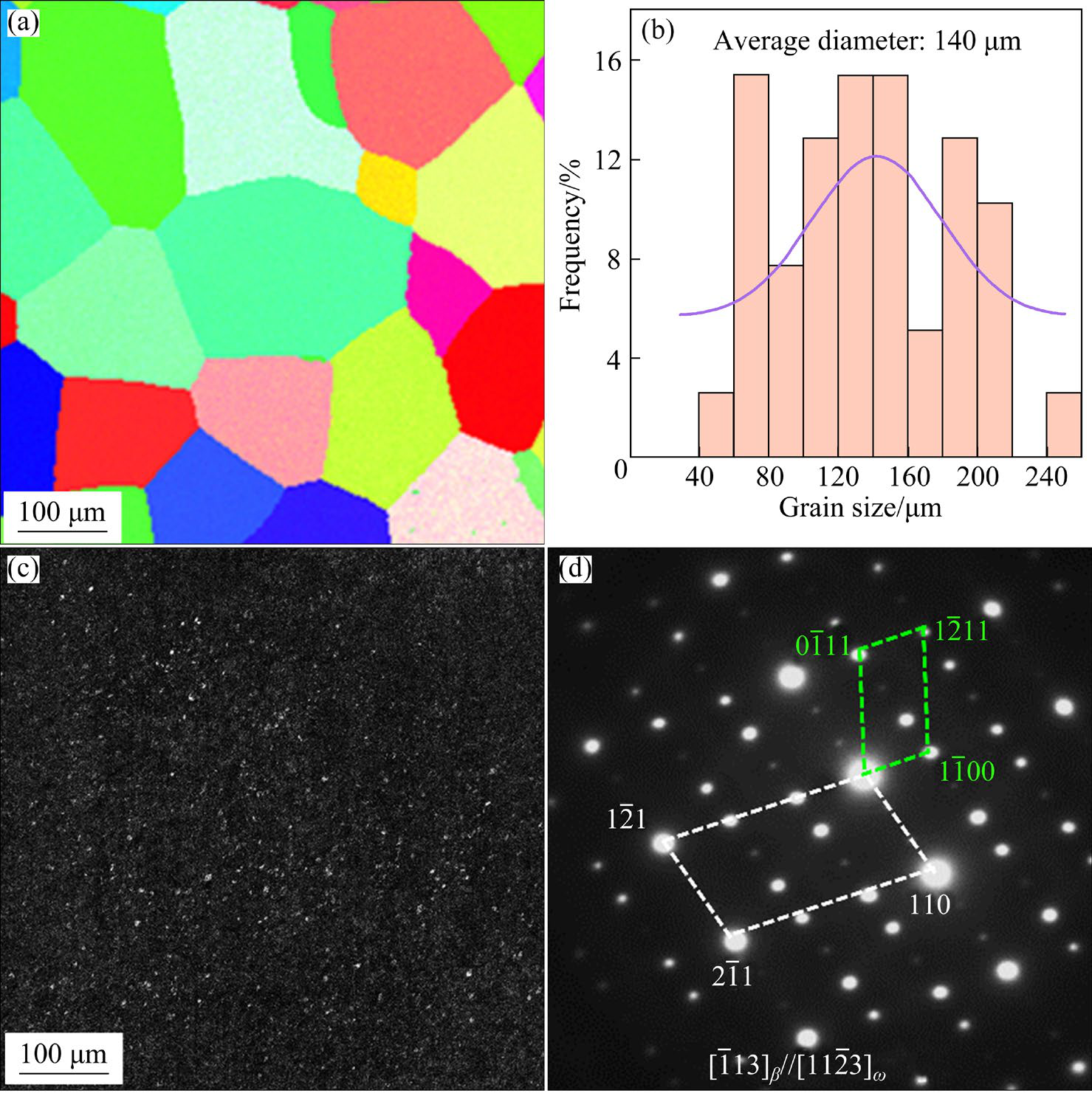
In order to overcome the embrittlement of metastable titanium alloys caused by the precipitation of ωiso phase during aging, regulation of isothermal ω precipitation was investigated in Ti−15Mo alloy. The results show that the sample is brittle when direct aging (A) is applied at 350 °C for 1 h after solution treatment (ST). If pre-deformation (D) is performed on the ST sample to induce {332} twins and secondary α′′ phase, subsequent aging at 350 °C (STDA350) improves the strength to 931 MPa with a good ductility of about 20% maintained. However, when aging is performed at 400 °C or 450 °C (STDA400/450), the strength can be further improved, but the ductility is dramatically reduced. Atomic-scale characterizations show that the partial collapse of ω phase in the STDA350 sample effectively eliminates aging-induced embrittlement, but complete collapse leads to poor ductility in the STDA400/450 sample.

Weakening aging-induced embrittlement via deformation-assisted regulation of isothermal ω precipitation in metastable Ti−15Mo alloy
Graphical Abstract
Original ResearchVol. 32, Issue 1 • pp. 100-112DOI: 10.1016/S1003-6326(25)66951-2Jan 15, 2025

3D morphological characteristics of shrinkage porosities and their relationship with microstructures in Mg−12Al magnesium alloy

Authors: Chuang-ming LI, Ang ZHANG, Yong-feng LI, Heng-rui HU, He LIU, Yu-yang GAO, Zhi-hua DONG, Bin JIANG, Fu-sheng PAN

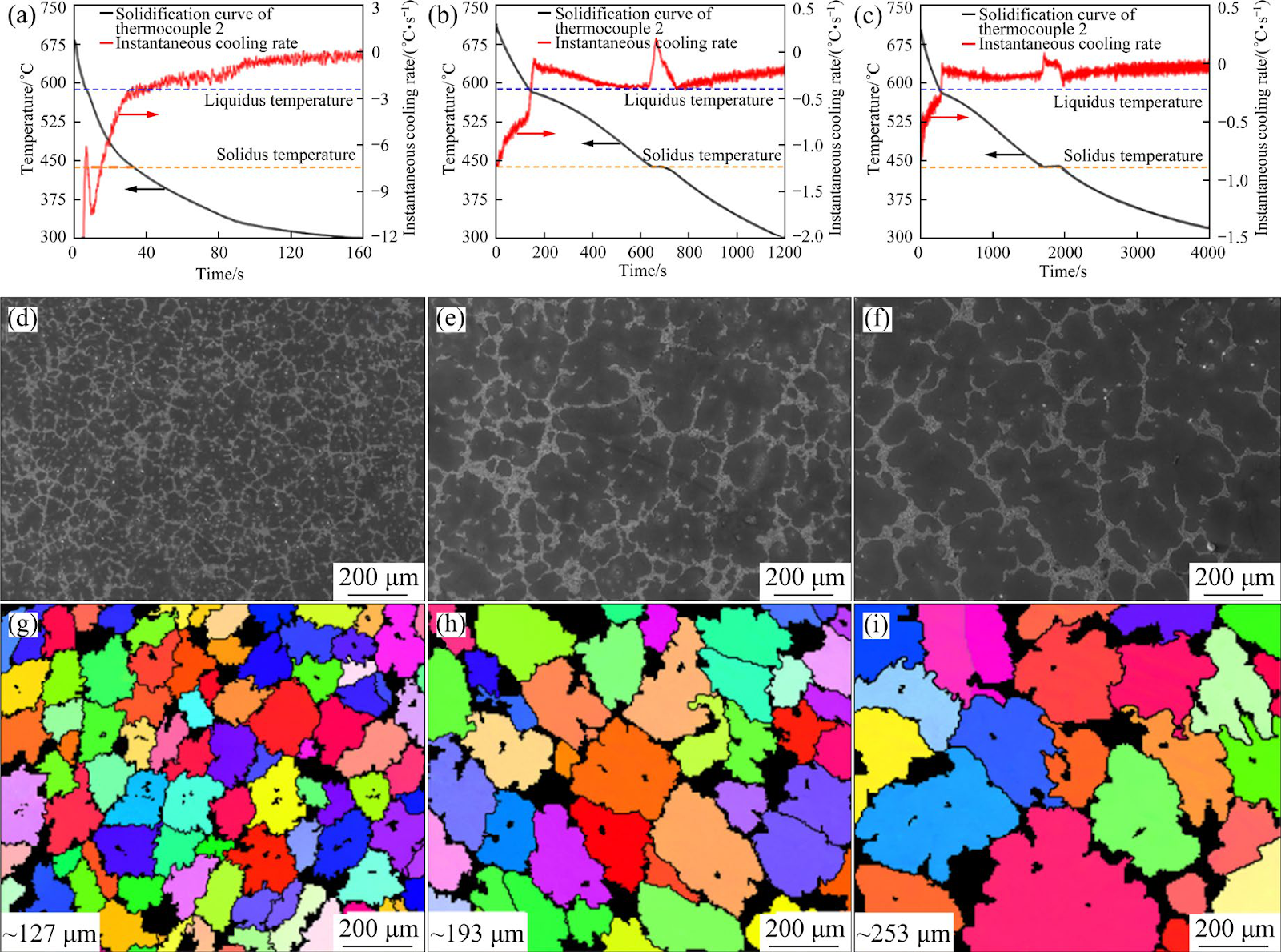
The dependence of shrinkage porosities on microstructure characteristics of Mg−12Al alloy was investigated. The distribution, morphology, size, and number density of shrinkage porosities were analyzed under different cooling rates. The relationship between shrinkage porosities and microstructure characteristics was discussed in terms of temperature conditions, feeding channel characteristics, and feeding capacity. Further, the feeding behavior of the residual liquid phase in the solid skeleton was quantified by introducing permeability. Results show a strong correlation between the solid microstructure skeleton and shrinkage porosity characteristics. An increase in permeability corresponds to a declining number density of shrinkage porosities. This study aims to provide a more complete understanding how to reduce shrinkage porosities by controlling microstructure characteristics.

3D morphological characteristics of shrinkage porosities and their relationship with microstructures in Mg−12Al magnesium alloy
Graphical Abstract
Original ResearchVol. 32, Issue 1 • pp. 100-112DOI: 10.1016/S1003-6326(25)66949-4Jan 15, 2025

Precipitation behavior of S' phase in rapid cold punched Al−Cu−Mg alloy

Authors: Ze-yi HU, Pu-yu LI, Cai-he FAN, Shuai WU, Yi-ling LU, Yin-chun XIAO, Ling OU

The evolution of the S' precipitate in Al−Cu−Mg alloy was investigated using transmission electron microscopy (TEM), high-angle annular dark-field scanning transmission electron microscopy (HAADF−STEM), molecular dynamics (MD) simulations, and other analytical techniques. The precipitation behavior during different aging stages of the supersaturated solid solution formed after rapid cold punching was focused, which induces rapid dissolution of precipitates. The findings reveal that the precipitation sequence is significantly influenced by aging temperature. At higher aging temperatures, which mitigate lattice distortion in the matrix, the precipitation sequence follows the conventional path. Conversely, at lower aging temperatures, where lattice distortion persists, the sequence deviates, suppressing the formation of Guinier−Preston−Bagaryatsky (GPB) zones. MD simulations confirm that the variations in solute atom diffusion rates at different aging temperatures lead to the differences in the S' phase precipitation sequence.

Precipitation behavior of S' phase in rapid cold punched Al−Cu−Mg alloy
Graphical Abstract
Original ResearchVol. 32, Issue 1 • pp. 100-112DOI: 10.1016/S1003-6326(25)66946-9Jan 15, 2025

Additive manufacturing techniques for WC−Co cemented carbides: Principle, progress, and perspective

Authors: Zhan-he LIU, Ke-chao ZHOU, Kai-hua SHI, Xiao-zan WU, He XIAO, Chao-qun PENG, Ri-chu WANG, Xiao-feng WANG

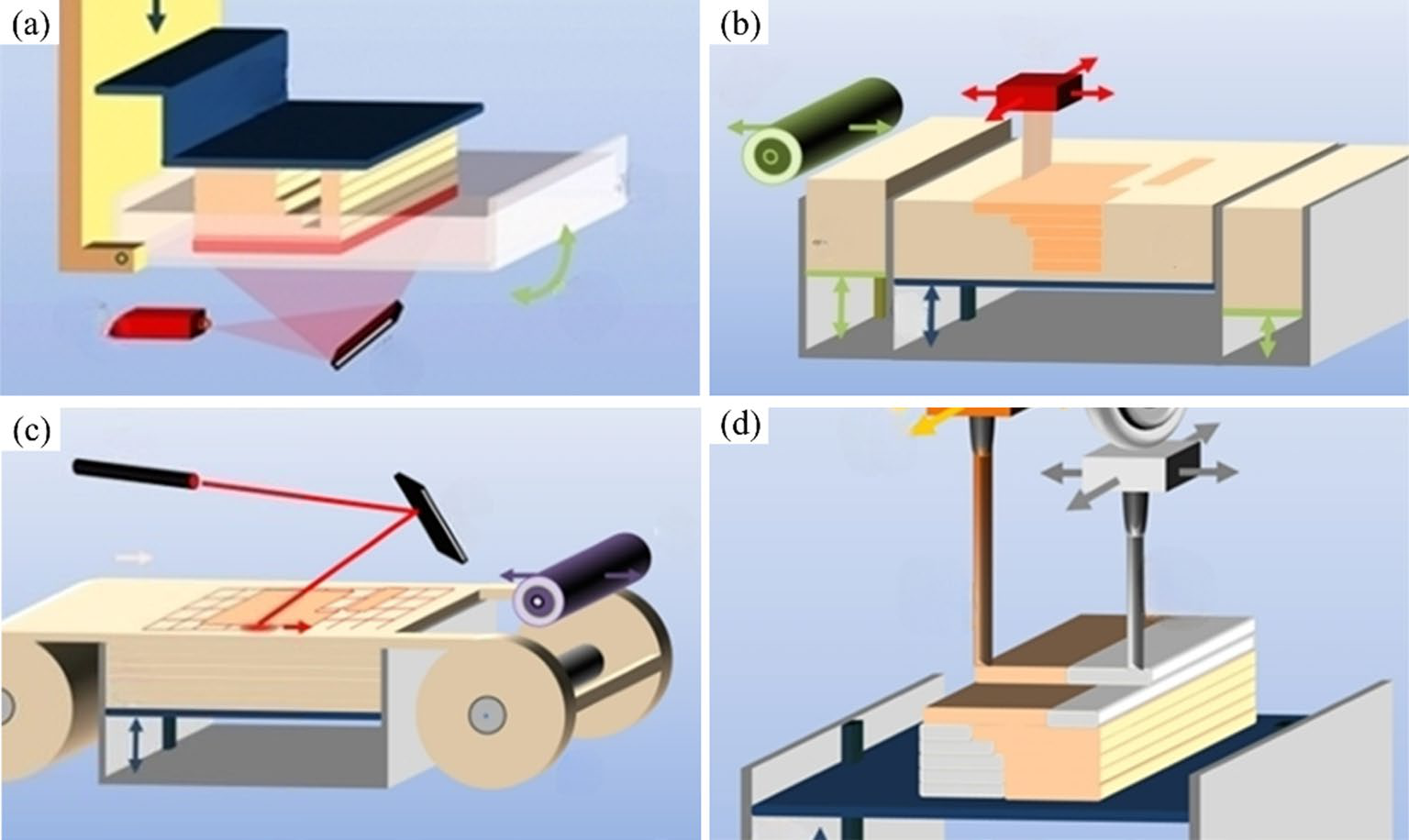
Additive manufacturing (AM) technology has emerged as a viable solution for manufacturing complex-shaped WC−Co cemented carbide products, thereby expanding their applications in industries such as resource mining, equipment manufacturing, and electronic information. This review provides a comprehensive summary of the progress of AM technology in WC−Co cemented carbides. The fundamental principles and classification of AM techniques are introduced, followed by a categorization and evaluation of the AM techniques for WC−Co cemented carbides. These techniques are classified as either direct AM technology (DAM) or indirect AM technology (IDAM), depending on their inclusion of post-processes like de-binding and sintering. Through an analysis of microstructure features, the most suitable AM route for WC−Co cemented carbide products with controllable microstructure is identified as the indirect AM technology, such as binder jet printing (BJP), which integrates AM with conventional powder metallurgy.

Additive manufacturing techniques for WC−Co cemented carbides: Principle, progress, and perspective
Graphical Abstract
Original ResearchVol. 32, Issue 1 • pp. 100-112DOI: 10.1016/S1003-6326(25)66948-2Jan 15, 2025

Influence of minor Sc on microstructure and properties of AA7085 alloy

Authors: Ting-bin LIANG, Hong WANG, Jia-hai LI, Zhi-chao YANG, Bin WANG, De-yu ZHANG, Xiang-yi ZHANG, Asad ALI, Xi-zhou KAI, Yu-tao ZHAO, Shuang-bao WANG

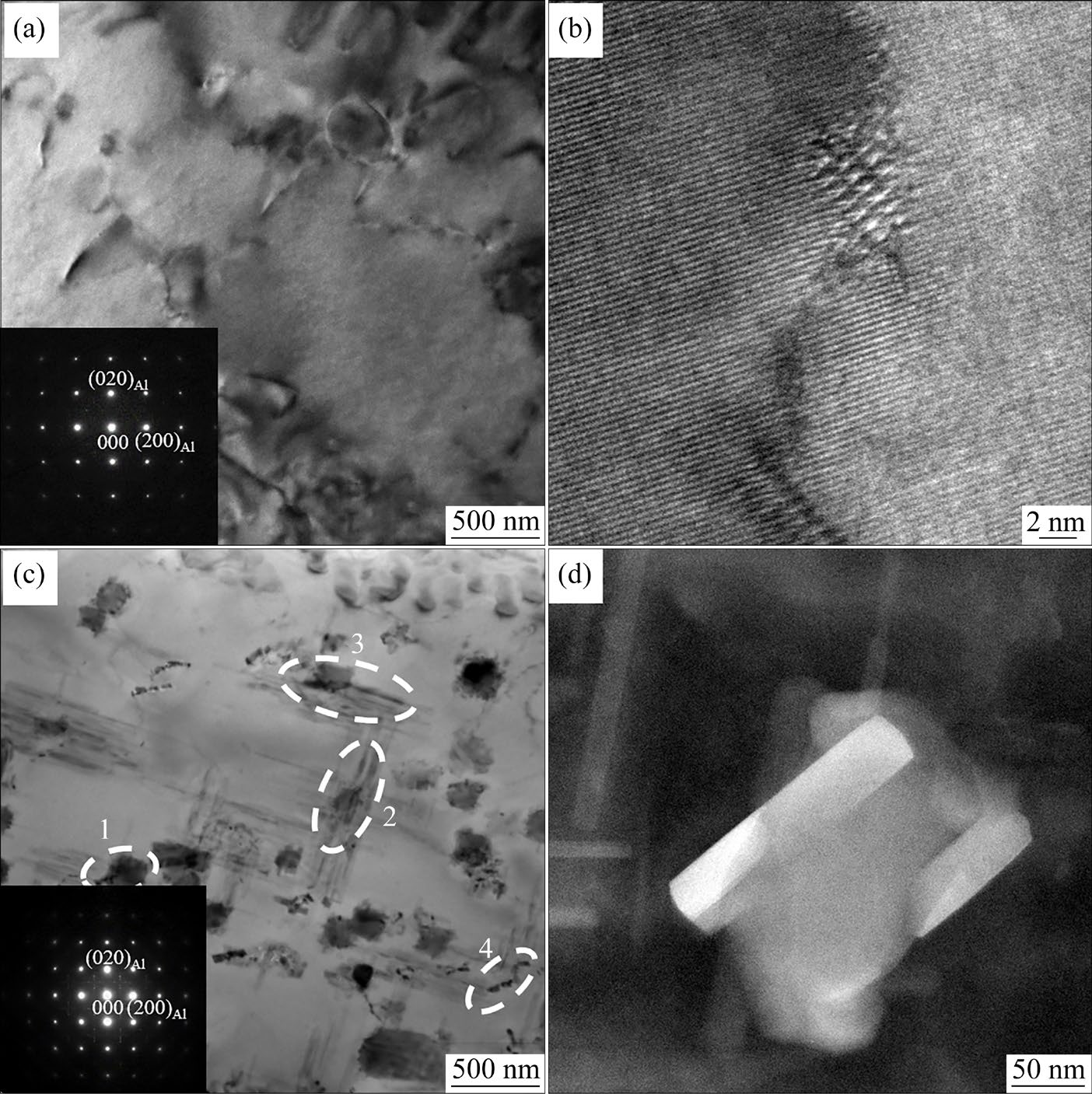
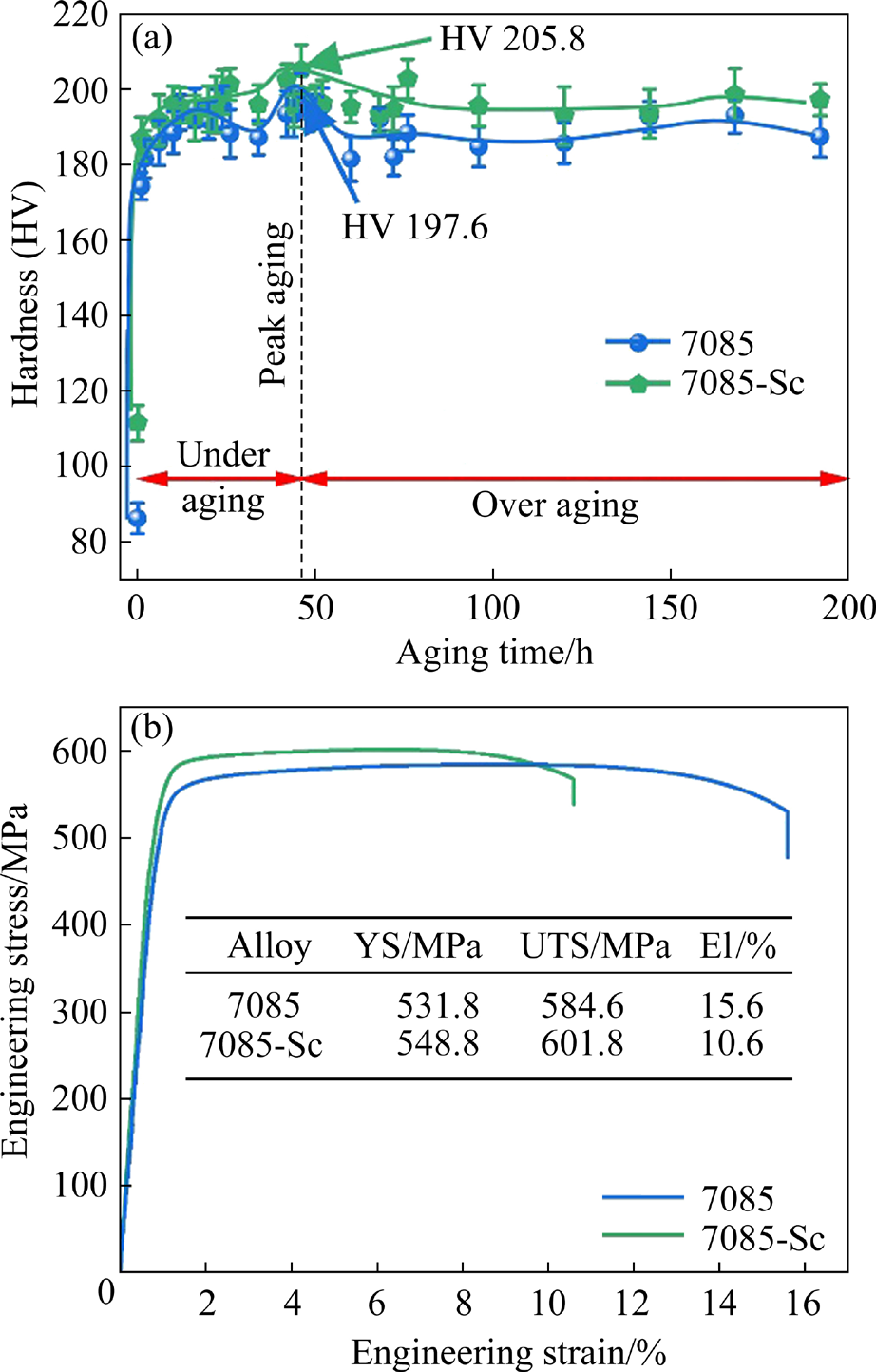
The age-hardening response, mechanical, and corrosion-resistant properties of AA7085 alloys with and without the addition of 0.3 wt.% scandium (Sc) were compared. Using advanced techniques such as aberration-corrected transmission electron microscopy and first-principles calculations, the underlying micromechanisms of Sc microalloying were revealed. Results show that the increase in strength of the AA7085-Sc alloy is mainly attributed to the decreased Al grain size and increased number density of both Al3Sc@Al3(Sc,Zr) core−shell nanoparticles and Sc-containing ηp and GP−ηp nanoprecipitates. Strong strain fields and evident electron transfer from Zr to the neighboring matrix Al atoms exist at the Al3Sc@Al3(Sc,Zr)/Al interface. The Sc doping in GP−ηp and ηp suppresses the GP−ηp → ηp transformation. Modified corrosion resistance of the AA7085-Sc alloy compared with AA7085 alloy is associated with the fine grain boundary precipitates of η phases and narrow precipitation free zone. The reasons of property changes of AA7085 alloy after Sc microalloying are explored based on the multiscale microstructural characterization.

Influence of minor Sc on microstructure and properties of AA7085 alloy
Graphical Abstract