SinoTechIntel Academic Portal
🏛️ Indexed Academic JournalImpact Factor: 3.8

Int. Journal of Minerals, Metallurgy and Materials (矿物冶金与材料学报)

Authoritative peer-reviewed journal in materials science, metallurgy, chemistry and engineering technologies: Int. Journal of Minerals, Metallurgy and Materials (矿物冶金与材料学报)

Total Research Papers: 200
Access: 100% Free Open Access
Browse by Publication Year & VolumeReset All Filters ✕

Published Research PapersFiltered: Year 2025 • 32

Showing 26 of 200 peer-reviewed papers with full Graphical Abstracts.

Original ResearchVol. 32, Issue 7 • pp. 1739DOI: 10.1007/s12613-025-3099-5Jan 15, 2025

Controllable synthesis and structure-activity relationship of Ni doping in SmCrO3 for improved magnetic and dielectric properties

Authors: Wenjie Huang, Rui Li, Ruoxuan Zhang, Yimin Cui, Rongming Wang

Doping small amounts at the A-site or B-site of SmCrO3 ceramics is a promising approach for modifying their microstructure, as well as their magnetic and dielectric properties. In this study, polycrystalline ceramics of Sm1−xNixCrO3 (x = 0, 0.05, and 0.20) and SmCr1−yNiyO3 (y = 0.05 and 0.20) were synthesized via a conventional solid-state reaction. X-ray diffraction validated that all the doped ceramics maintained an orthorhombic crystalline structure consistent with the Pbnm space group. Furthermore, X-ray photoelectron spectroscopy demonstrated the presence of Ni2+ ions in the doped specimens. Notably, doping resulted in significant enhancement of low-temperature magnetic properties, particularly in samples doped at the A-site, such as Sm0.80Ni0.20CrO3. Compared with the pristine sample, the maximum magnetization of Sm0.80Ni0.20CrO3 increased by approximately 60.9% and 93.5% in the zero-field cooling and field-cooling modes, respectively, in an external magnetic field of 100 Oe. Furthermore, the dielectric constants of the Ni-doped ceramics initially exceeded that of the pristine sample as the temperature increased. At equivalent doping ratios, A-site doping demonstrated superior performance over B-site doping, including higher magnetization, lower dielectric loss, and enhanced electrical quality factors.
Controllable synthesis and structure-activity relationship of Ni doping in SmCrO3 for improved magnetic and dielectric properties
Graphical Abstract
Original ResearchVol. 32, Issue 7 • pp. 1628DOI: 10.1007/s12613-024-3017-2Jan 15, 2025

Effects of calcium–magnesium–alumina–silicate and NaCl melting sequence on corrosion resistance of thermal barrier coatings

Authors: Yang Feng, Yong Shang, Chun Li, Xiao Zhang, Yanling Pei, Shengkai Gong, Huibin Xu

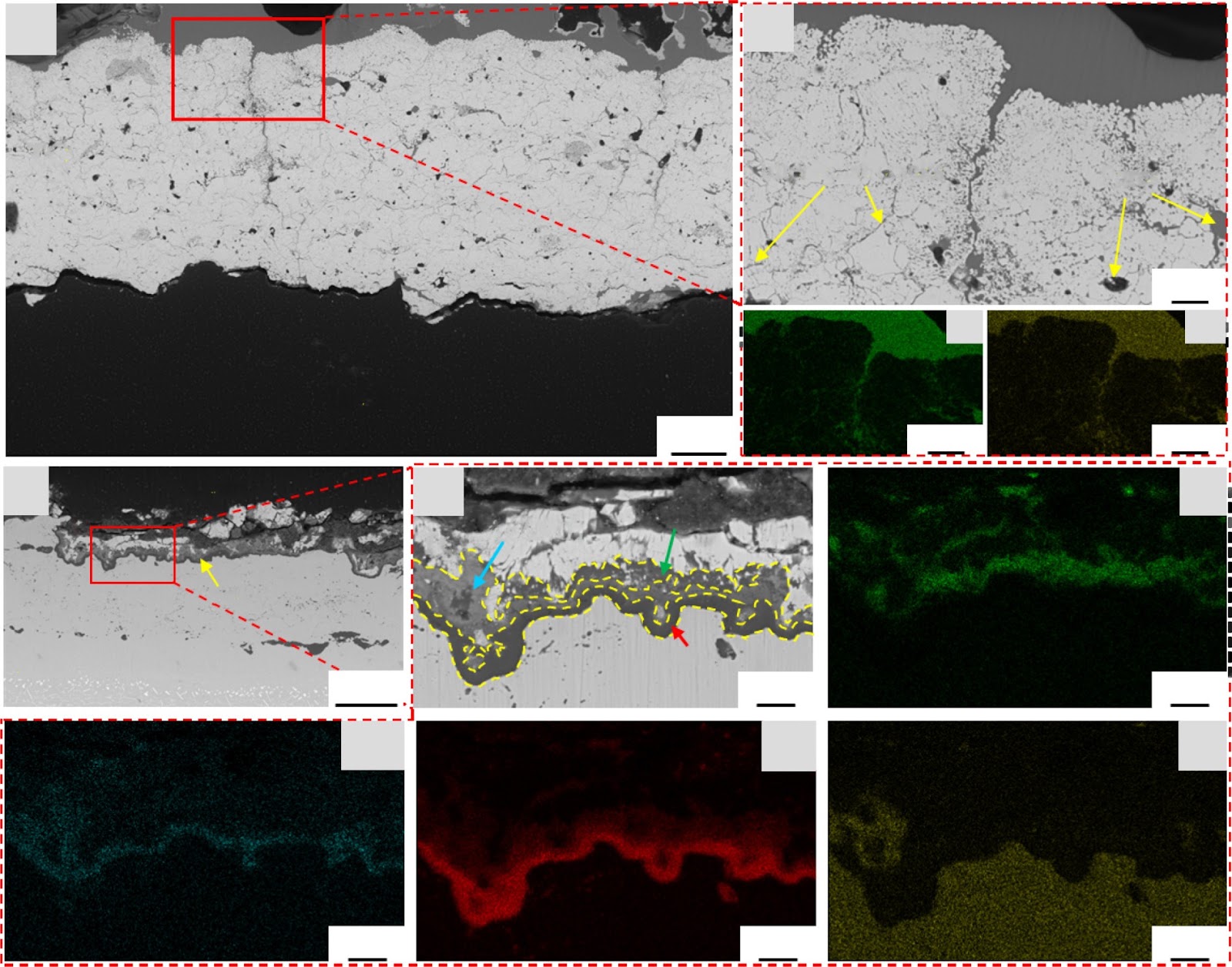
Calcium–magnesium–alumina–silicate (CMAS) and/or molten salt corrosion have attracted increased attention, which is an important cause of thermal barrier coating (TBC) failure. In this study, the effect of CMAS and NaCl melting sequence on the corrosion mechanisms of yttria-stabilized zirconia (YSZ) TBCs was revealed through experiments and finite element simulations. The YSZ TBCs were prepared via atmospheric plasma spraying. Subsequently, the CMAS and NaCl corrosion experiments of the TBCs were conducted at 1250°C. Results indicated that the melting sequence of CMAS and NaCl could influence the TBC failure mode. The coating failure modes after CMAS + NaCl mixed corrosion and NaCl melting followed by CMAS melting were buckling failures. Conversely, the coating failure mode was observed to be spalling failures. This study provides data support for the optimization of TBC systems in complex corrosive environments.

Effects of calcium–magnesium–alumina–silicate and NaCl melting sequence on corrosion resistance of thermal barrier coatings
Graphical Abstract
Original ResearchVol. 32, Issue 7 • pp. 1703DOI: 10.1007/s12613-024-3058-6Jan 15, 2025

Microstructural optimization and strengthening mechanisms of in-situ TiB2/Al–Cu composite after multidirectional forging for six passes

Authors: Sen Yang, Zhiren Sun, Zipeng Wang, Shuhui Zhao, Kaikun Wang, Dun Li, Xiaokai Wang

In-situ TiB2/Al–Cu composite was processed by multidirectional forging (MDF) for six passes. The microstructure evolution of the forged workpiece was examined across various regions. The mechanical properties of the as-cast and MDFed composites were compared, and their strengthening mechanisms were analyzed. Results indicate that the grain refinement achieved through the MDF process is mainly due to the subdivision of the original grains through mechanical geometric fragmentation and the occurrence of dynamic recrystallization (DRX). DRX grains are formed through discontinuous DRX, continuous DRX, and recrystallization induced by particle-stimulated nucleation. A rise in accumulated equivalent strain results in finer α-Al grains and a more uniform distribution of TiB2 particles, which enhance the Vickers hardness of the composite. In addition, the tensile properties of the MDFed composite significantly improve compared with those of the as-cast composites, with ultimate tensile strength and yield strength increasing by 51.2% and 54%, respectively. This enhancement is primarily due to grain refinement strengthening and dislocation strengthening achieved by the MDF process.

Microstructural optimization and strengthening mechanisms of in-situ TiB2/Al–Cu composite after multidirectional forging for six passes
Graphical Abstract
Original ResearchVol. 32, Issue 5 • pp. 1220DOI: 10.1007/s12613-025-3106-xJan 15, 2025

Enhancing rheology and mechanical properties of DLP 3D-printed Si3N4 materials via composition optimization and gas-pressure sintering

Authors: Qing Qin, Gang Xiong, Lin Han, Yujuan Zhang, Zhen Shen, Changchun Ge

Digital light processing (DLP) is a crucial additive manufacturing (AM) technique for producing high-precision ceramic components. This study aims to optimize the formulation of Si3N4 slurry to enhance both its performance and manufacturability in the DLP process, and investigate key factors such as particle size distribution, photopolymer resin monomer ratios, and dispersant types to improve the slurry’s rheological properties. Through these optimizations, a photosensitive Si3N4 slurry with 50vol% solid content was developed, exhibiting excellent stability, and low viscosity (2.48 Pa·s at a shear rate of 12.8 s−1). The effects of gas-pressure sintering on the material’s phase composition, microstructure, and mechanical properties were further explored, revealing that this technique significantly increases the flexural strength of the green sample from (109 ± 10.24) to (618 ± 42.15) MPa. The sintered ceramics exhibited high hardness ((16.59 ± 0.05) GPa) and improved fracture toughness ((4.45 ± 0.03) MPa·m1/2). Crack trajectory analysis revealed that crack deflection, crack bridging, and the pull-out of rod-like β-Si3N4 grains, are the main toughening mechanisms, which could effectively mitigate crack propagation. Among these mechanisms, crack deflection and bridging were particularly influential, significantly enhancing the fracture toughness of the Si3N4 matrix. Overall, this research highlights how monomer formulation and gas-pressure sintering strengthen the performance of Si3N4 slurry in the DLP three-dimensional printing technique. This work is expected to provide new insights for fabricating complex Si3N4 ceramic components with superior mechanical properties.

Enhancing rheology and mechanical properties of DLP 3D-printed Si3N4 materials via composition optimization and gas-pressure sintering
Graphical Abstract
Original ResearchVol. 32, Issue 12 • pp. 2958DOI: 10.1007/s12613-025-3216-5Jan 15, 2025

Chelating extraction of critical metals from cathode of end-of-life lithium titanium oxide batteries: Experiments, machine learning and validation

Authors: Heewon Kang, Muhammad Farhan, Sohwi Park, Li Cai, Allan Gomez-Flores, Hyunjung Kim

Lithium-ion batteries (LIBs) that reached their end-of-life (EoL) require recycling, rather than disposal, to recirculate valuable metals and protect the environment. This led us to investigate the extraction of metals from the cathodes of EoL lithium-titanate batteries using ethylenediaminetetraacetic acid disodium (EDTA-2Na). In this work, an orthogonal array was used to design experiments and signal-to-noise calculations were used to define the optimal conditions, which were 0.50 mol/L EDTA-2Na, pH = 6, 75°C, 180 min, 2% pulp density, and 300 r/min, resulting in 97.96%, 94.79%, 96.45%, and 98.89% leaching efficiencies for Li, Ni, Co, and Mn, respectively. Statistically significant interactions between variables were then identified using Pearson’s correlation at the 95% confidence interval, and the pH and temperature were found to be significant. The extraction efficiency decreased as the pH increased, but increased as the temperature increased. Machine learning fitting using linear regression for multi-output prediction was unsatisfactory, whereas random forest regression (RFR) produced satisfactory results. Permutation importance was computed on the fitted RFR to determine feature importance, and confirmed that the pH and temperature were influential variables; however, the time and pulp density were also noted. As the fitted RFR failed to satisfactorily predict leaching efficiencies in additional validation experiments, we recommend increasing the number of experiments and using additional fitting models. An additional analysis that included the initial oxidation–reduction potential (optimal 33.3 mV) revealed this to be the most important variable, the effect of which largely overshadows those of all the other variables. Finally, an environmental assessment highlighted the benefits of the chelating extraction; however, the economic assessment indicated room for improvement.

Chelating extraction of critical metals from cathode of end-of-life lithium titanium oxide batteries: Experiments, machine learning and validation
Graphical Abstract
Original ResearchVol. 32, Issue 12 • pp. 2896DOI: 10.1007/s12613-025-3096-8Jan 15, 2025

An in-depth exploration of the performance and influence of rapid dewatering filter aid for red mud slurry

Authors: Le Tao, Yanxiu Wang, Wei Sun, Chengwen Wang, Li Wang, Zhiyong Gao, Tingan Zhang

Red mud is a kind of industrial waste residue produced in the process of alumina production, which has strong suspension and is difficult to precipitate and filter. This study compared the effects of 4 kinds of filter aids, including CaCl2, polymerized ferrous sulfate (PFS), steel slag (SS), and Portland cement (PC), on the filtration rate, filter cake moisture content, and Na2O content of red mud slurry. At a dosage of 10 g·L‒1, the filtration effects were in the following order: PFS > CaCl2 > SS > PC. Under the combination of 5 g·L‒1 SS and 5 g·L‒1 PC, the better filtration effect was achieved with a filtration time of 205.17 s, which was reduced by 58.52% compared to the original red mud. The combined use of SS and PC exhibits better advantages in terms of cost and filtration effect. This study provides a data foundation for the rapid filtration of red mud slurry. The use of SS and PC as filter aids for red mud holds broad application prospects.

An in-depth exploration of the performance and influence of rapid dewatering filter aid for red mud slurry
Graphical Abstract
Original ResearchVol. 32, Issue 12 • pp. 2880DOI: 10.1007/s12613-025-3131-9Jan 15, 2025

Dynamic compressive strength optimization and stemming performance of self-swelling cartridge for rock blasting

Authors: Runran Li, Shuai Xu, Kai Liu

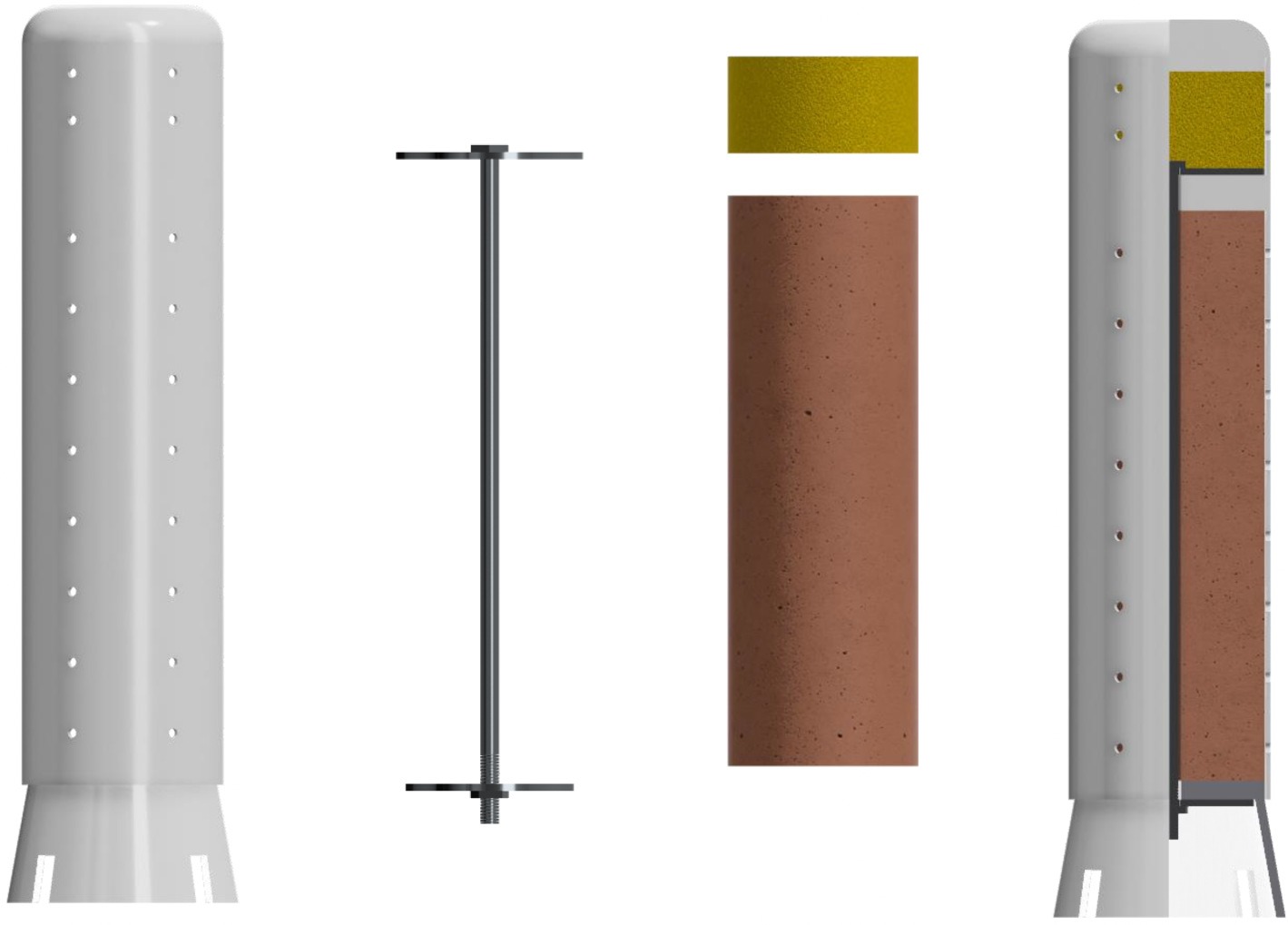
During rock drilling and blasting activities, stemming blast holes is to prevent high-pressure explosive gases from the holes, thereby enhancing the overall blasting effectiveness. Hence, it is imperative to investigate the dynamic mechanical properties of the stemming materials. In this study, impact compression tests were conducted on self-swelling cartridges (SSCs) using a split Hopkinson pressure bar (SHPB), aiming to evaluate dynamic performances across strain rate range of 20 to 65 s−1. Test results indicate that the dynamic compressive strength of SSCs exhibits the following trends: it increases with increasing density of SSC, decreases with an increase in insertion gap, and follows an initial rise and subsequent fall trend with an increase in water absorption. The order of significance among these factors is density > water absorption > insertion gaps. SSCs exhibit a pronounced strain-rate strengthening dependence in dynamic compressive strength. Furthermore, both the compressive peak stress and peak strain of SSCs follow a well-defined quadratic upward trend with increasing strain rates. As the strain rate increases, the degree of fragmentation, absorbed energy, and dynamic increase factor exhibit an upward trend. Model experimental results indicate that, compared to cementitious stemming materials, SSCs can prolong the duration of gas explosion action. Therefore, SSCs are more suitable for high strain-rate applications such as blasting stemming and rock burst control.

Dynamic compressive strength optimization and stemming performance of self-swelling cartridge for rock blasting
Graphical Abstract
Original ResearchVol. 32, Issue 11 • pp. 2786DOI: 10.1007/s12613-025-3275-7Jan 15, 2025

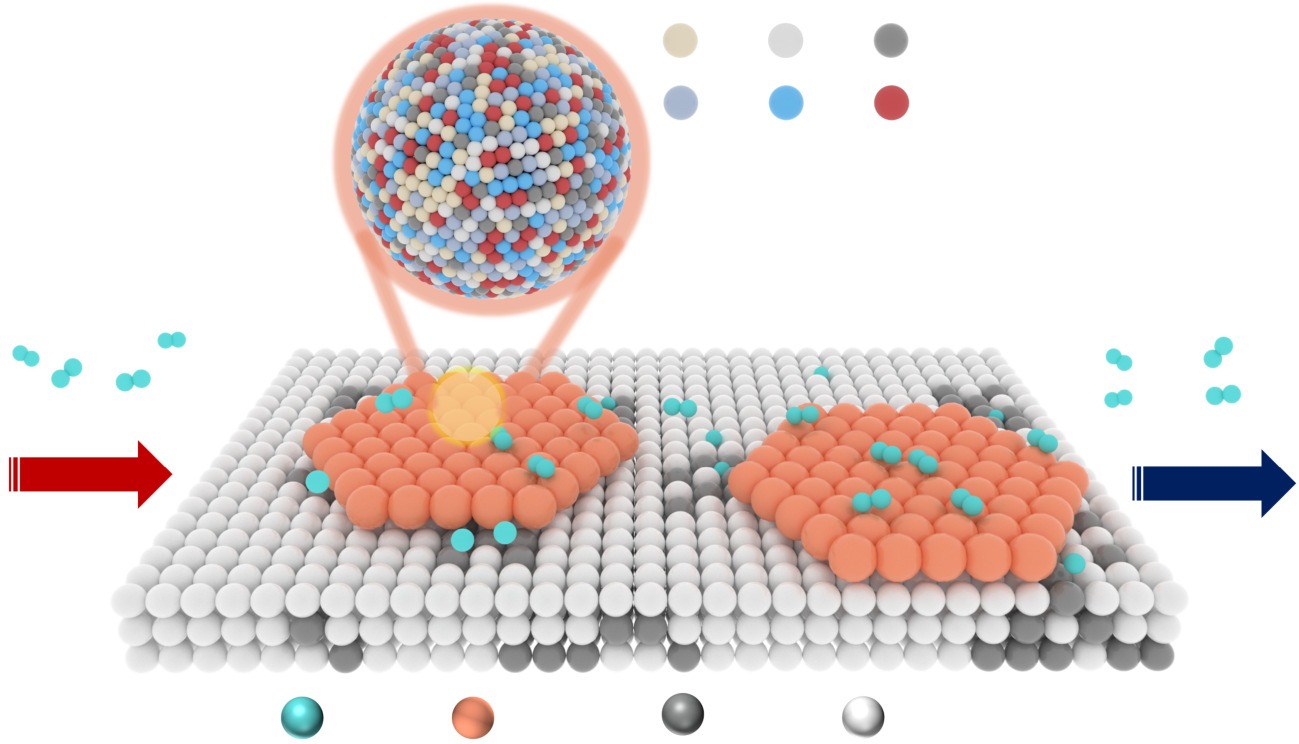
Properties and performances of high-entropy materials in batteries

Authors: Jiasheng Wang, Jianzhong Jiang, Peter K. Liaw, Yong Zhang

High-entropy materials (HEMs), an innovative class of materials with complex stoichiometry, have recently garnered considerable attention in energy storage applications. While their multi-element compositions (five or more principal elements in nearly equiatomic proportions) confer unique advantages such as high configurational entropy, lattice distortion, and synergistic cocktail effects, the fundamental understanding of structure–property relationships in battery systems remains fragmented across existing studies. This review addresses critical research gaps by proposing a multidimensional design paradigm that systematically integrates synergistic mechanisms spanning cathodes, anodes, electrolytes, and electrocatalysts. We provide an in-depth analysis of HEMs’ thermodynamic/kinetic stabilization principles and structure-regulated electrochemical properties, integrating and establishing quantitative correlations between entropy-driven phase stability and charge transport dynamics. By summarizing the performance benchmarking results of lithium/sodium/potassium-ion battery components, we reveal how entropy-mediated structural tailoring enhances cycle stability and ionic conductivity. Notably, we pioneer the systematic association of high-entropy effects to electrochemical interfaces, demonstrating their unique potential in stabilizing solid-electrolyte interphases and suppressing transition metal dissolution. Emerging opportunities in machine learning-driven composition screening and sustainable manufacturing are discussed alongside critical challenges, including performance variability metrics and cost-benefit analysis for industrial implementation. This work provides both fundamental insights and practical guidelines for advancing HEMs toward next-generation battery technologies.

Properties and performances of high-entropy materials in batteries
Graphical Abstract
Original ResearchVol. 32, Issue 11 • pp. 2713DOI: 10.1007/s12613-024-3033-2Jan 15, 2025

Amorphous scaly high-entropy borides with electron traps for efficient catalysis in solid-state hydrogen storage

Authors: Li Wang, Fuying Wu, Daifen Chen, Ting Bian, Petr Senin, Liuting Zhang

Owing to the orbital hybridization between the transition metal and the B element and the electron-trapping effect of the B element, transition metal borides are considered very promising materials for energy catalysis. In this work, an amorphous scaly high-entropy boride (HEB) with electron traps was designed and fabricated via a facile reduction method to improve the hydrogen storage properties of magnesium hydride (MgH2). For dehydrogenation, the onset temperature of MgH2 + 10wt% HEB was dropped to 187.4°C; besides, the composite exhibited superior isothermal kinetics and the activation energy of the composite was reduced from (212.78 ± 3.93) to (65.04 ± 2.81) kJ/mol. In addition, MgH2 + 10wt% HEB could absorb hydrogen at 21.5°C, and 5.02wt% H2 was charged in 50 min at 75°C. For reversible hydrogen storage capacity tests, the composite maintained a retention rate of 97% with 6.47wt% hydrogen capacity after 30 cycles. Combining microstructure evidence with hydrogen storage performance, the catalytic mechanism was proposed. During ball milling, scaly high-entropy borides riveted a large number of heterogeneous active sites on the surface of MgH2. Driven by the cocktail effect as well as the orbital hybridization of metal borides, numerous active sites steadily enhanced the hydrogen storage reactions in MgH2.

Amorphous scaly high-entropy borides with electron traps for efficient catalysis in solid-state hydrogen storage
Graphical Abstract
Original ResearchVol. 32, Issue 11 • pp. 2767DOI: 10.1007/s12613-025-3226-3Jan 15, 2025

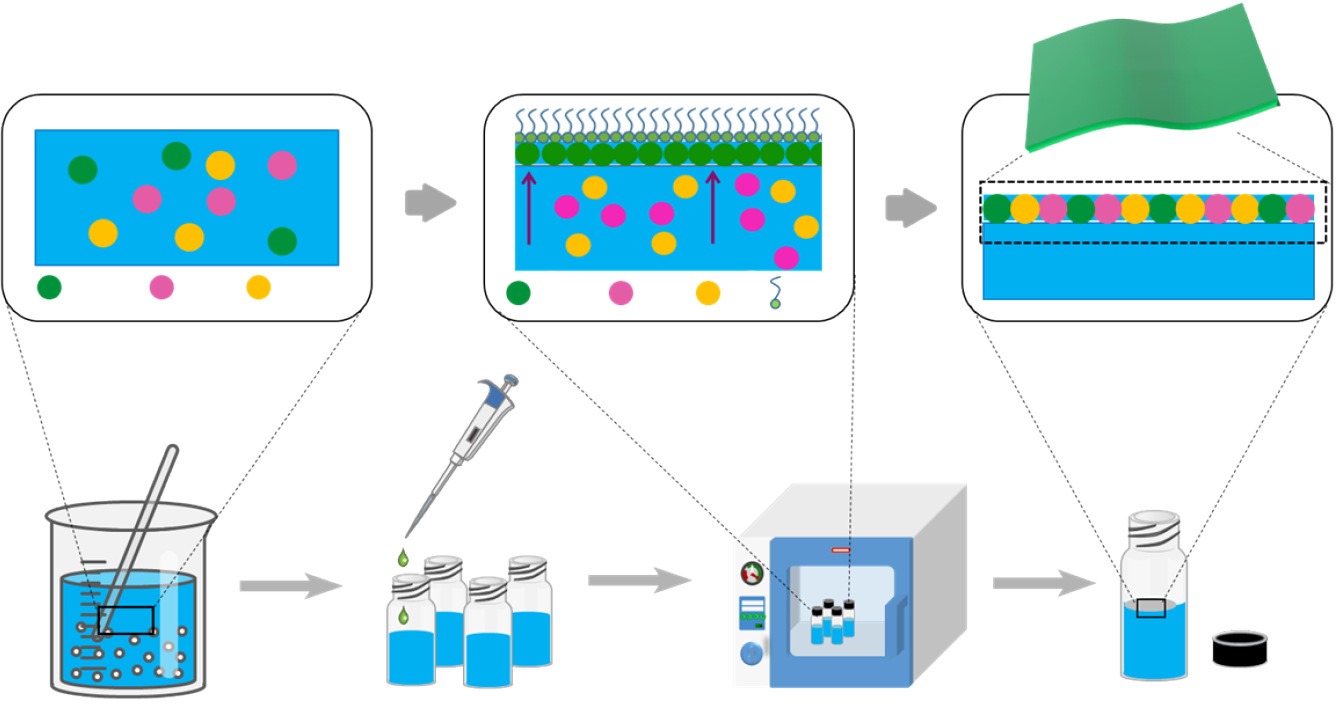
Ultrathin two-dimensional medium-entropy alloy as a highly efficient and stable electrocatalyst for oxygen evolution reaction

Authors: Guangyuan Yan, Tianlu Wang, Haoze Xue, Minglei Zhang, Zihan Xu, Fei Chen, Wenbo Yu

The development of highly active, durable, and low-cost electrocatalysts is crucial for electrocatalytic hydrogen production. Ultrathin two-dimensional (2D) nanomaterials have extremely large specific surface areas, making them highly desirable electrocatalyst morphologies. Medium-entropy alloys (MEAs) exhibit compositional tunability and entropy-driven structural stability, making them ideal electrocatalyst candidates. In this study, MoCoNi MEA with ultrathin 2D morphology was successfully developed using a facile ionic layer epitaxial method. The ultrathin 2D MoCoNi MEA showed an excellent oxygen evolution reaction (OER) electrocatalytic performance, with a low overpotential of 167 mV at a current density of 10 mA/cm2 and small Tafel slope of 33.2 mV/dec. At the overpotential of 167 mV, the ultrathin 2D MoCoNi MEA exhibited ultrahigh mass activity of 3359.6 A/g, which is three orders of magnitude higher than that of the commercial noble metal oxide RuO2 (1.15 A/g). This excellent electrocatalytic performance was attributed to the synergy of multiple active metal-induced medium entropies, as well as the ultrathin thickness, which considerably shortened the charge-transfer distance and thus significantly promoted charge transfer. Owing to the natural entropy-stabilizing effect, the ultrathin 2D MoCoNi MEA maintained 90% of the initial current after a continuous OER electrocatalytic test for 134 h, showing impressive electrocatalytic stability. This study opens new avenues for the development of high-performance and low-cost electrocatalyst materials by creating MEAs with ultrathin 2D morphology.

Ultrathin two-dimensional medium-entropy alloy as a highly efficient and stable electrocatalyst for oxygen evolution reaction
Graphical Abstract
Original ResearchVol. 32, Issue 10 • pp. 2483DOI: 10.1007/s12613-025-3127-5Jan 15, 2025

Extreme removal of fine inclusions from 304 stainless steel via high-temperature supergravity fields

Authors: Shuai Zhang, Lei Guo, Zhancheng Guo

The extreme removal of SiO2 and MnO inclusions in 304 stainless steel in supergravity fields was investigated using an in-house high-temperature supergravity equipment. The influences of the gravity coefficient and separation time on the removal efficiency of the inclusions were studied. After supergravity treatment, the inclusions migrated to the top of the sample and formed large aggregates. Meanwhile, the lower part of the sample was purified considerably and appeared significantly cleaner than the raw material. At the gravity coefficient of 500 and separation time of 600 s, the total oxygen content at the bottom of the sample (position E) decreased from 240 to 28 ppm. This corresponded to a total oxygen removal rate of 88.33%. The volume fraction and number density of inclusions exhibited a gradient distribution along the supergravity direction, with values of 8.5% and 106 mm–2 at the top of the sample (position A) and 0.06% and 22 mm–2 at its bottom.

Extreme removal of fine inclusions from 304 stainless steel via high-temperature supergravity fields
Graphical Abstract
Original ResearchVol. 32, Issue 10 • pp. 2495DOI: 10.1007/s12613-025-3202-yJan 15, 2025

Dynamic mechanical behavior of ultra-high strength steel fabricated by laser additive manufacturing: Influence of energy density

Authors: Xiaoyu Gong, Zhengqing Zhou, Dayong Li, Zhiyang Fan, Zhiming Bai, Bin Hu, Yageng Li, Jia Liu, Wenyue Zheng

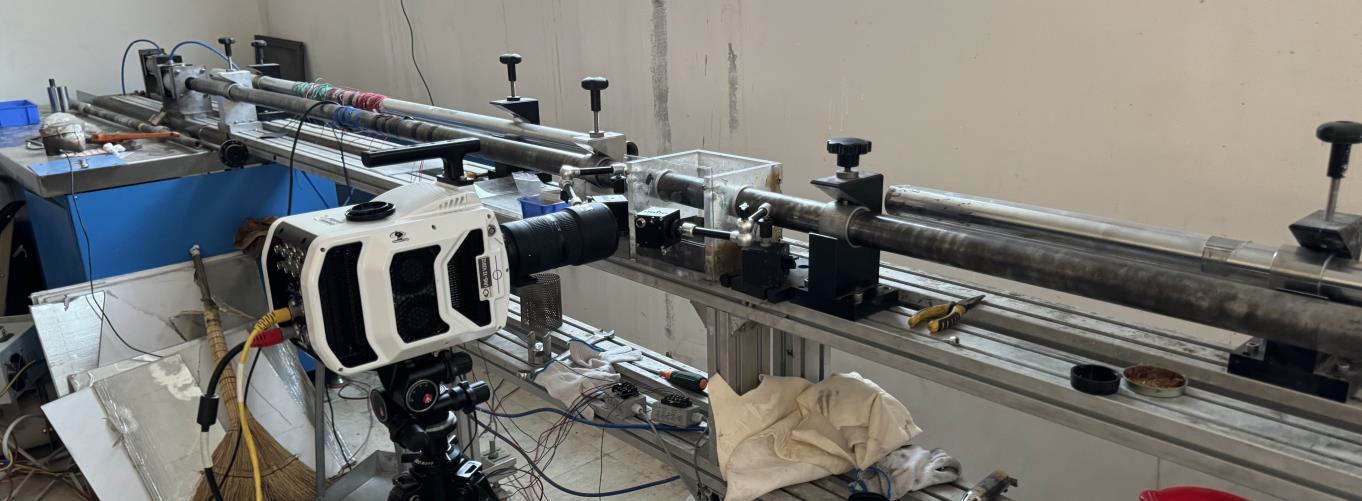
Ultra-high strength steel (UHSS) fabricated via laser additive manufacturing (LAM) holds significant promise for applications in defense, aerospace, and other high-performance sectors. However, its response to high-impact loading remains insufficiently understood, particularly regarding the influence of energy density on its dynamic mechanical behavior. In this study, scanning electron microscopy, electron backscatter diffraction, and image recognition techniques were employed to investigate the microstructural variations of LAM-fabricated UHSS under different energy density conditions. The dynamic mechanical behavior of the material was characterized using a Split Hopkinson Pressure Bar system in combination with high-speed digital image correlation. The study reveals the spatiotemporal evolution of surface strain and crack formation, as well as the underlying dynamic fracture mechanisms. A clear correlation was established between the microstructures formed under varying energy densities and the resulting dynamic mechanical strength of the material. Results demonstrate that optimal material density is achieved at energy densities of 292 and 333 J/mm3. In contrast, energy densities exceeding 333 J/mm3 induce keyhole defects, compromising structural integrity. Dynamic performance is strongly dependent on material density, with peak impact resistance observed at 292 J/mm3—where strength is 8.4% to 17.6% higher than that at 500 J/mm3. At strain rates ≥ 2000 s−1, the material reaches its strength limit at approximately 110 μs, with the initial crack appearing within 12 μs, followed by rapid failure. Conversely, at strain rates ≤ 1500 s−1, only microcracks and adiabatic shear bands are detected. A transition in fracture surface morphology from ductile to brittle is observed with increasing strain rate. These findings offer critical insights into optimizing the dynamic mechanical properties of LAM-fabricated UHSS and provide a valuable foundation for its deployment in high-impact environments.

Dynamic mechanical behavior of ultra-high strength steel fabricated by laser additive manufacturing: Influence of energy density
Graphical Abstract
Original ResearchVol. 32, Issue 10 • pp. 2456DOI: 10.1007/s12613-024-3083-5Jan 15, 2025

High-alumina type calcium ferrite: A new mineral phase for low-carbon ironmaking in the future

Authors: Rende Chang, Chengyi Ding, Feng Jiang, Hongming Long, Xuewei Lü, Tiejun Chun, Xiaoqing Xu, Zhiming Yan, Yue Sun, Wei Lü

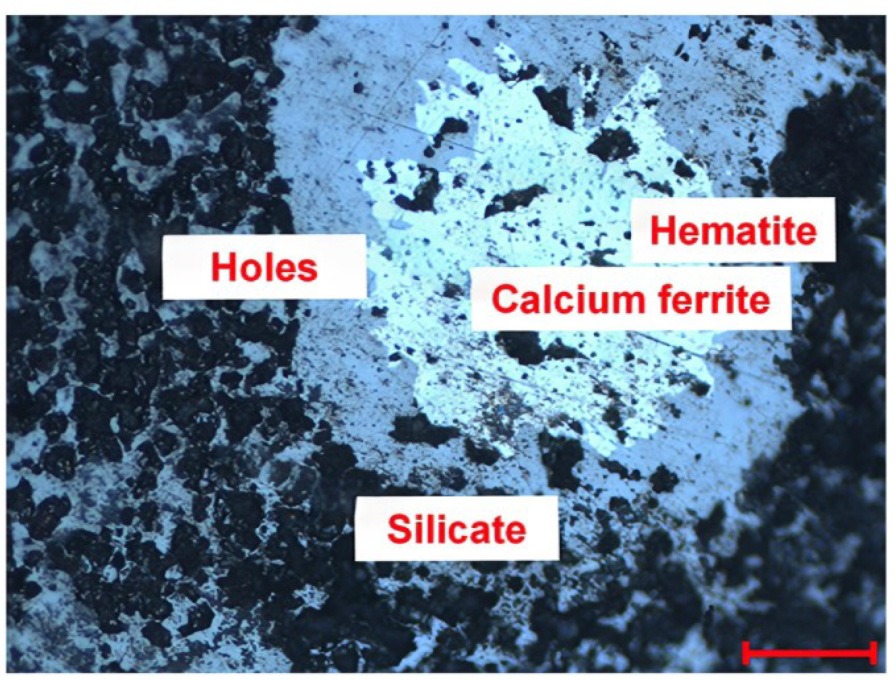
With the gradual reduction in high-quality iron ore resources, the global steel industry faces long-term challenges. For example, the continuous increase in the Al2O3 content of iron ore has led to a decrease in the metallurgical performance of sinter and fluctuations in slag properties. Considering calcium ferrite (CF) and composite CF (silico-ferrite of calcium and aluminum, SFCA) play a crucial role as a binding phase in high-alkalinity sinter and exhibit excellent physical strength and metallurgical performance, we propose incorporating excess Al2O3 into SFCA to form a new binding phase with excellent properties for high-quality sinter preparation. In the synthesis of high-Al2O3 SFCA, two high-Al2O3 phases were identified as types A (Al1.2Ca2.8Fe8.7O20Si0.8) and B (Ca4Al4.18Fe1.82Si6O26). Results show that type A SFCA sample had a higher cell density (4.13 g/cm3) and longer Fe–O bond length (2.2193 Å) than type B (3.46 g/cm3 and 1.9415 Å), with a significantly greater lattice oxygen concentration (7.86% vs. 1.85%), which demonstrates advantages in strength and reducibility. Type A SFCA sample contained a lower proportion of silicates, was predominantly composed of SFCA, and exhibited minimal porosity. Melting point and viscosity simulation tests indicate that type A SFCA sample formed a liquid phase at 880°C with a viscosity range of 0–0.35 Pa·s, which is notably lower than that of type B SFCA sample (1220°C and 0–20 Pa·s). This finding suggests that type A SFCA sample has a low initial melting temperature and viscosity, which facilitates increasing liquid-phase generation and improving flow properties. Such a condition enhances the adhesion to surrounding ore particles. Compressive strength tests reveal that type A SFCA sample (36.83–42.48 MPa) considerably outperformed type B SFCA sample (5.98–12.79 MPa) and traditional sinter (5.02–13.68 MPa). In addition, at 900°C, type A SFCA sample achieved a final reducibility of 0.89, which surpassed that of type B SFCA sample (0.83). In summary, type A SFCA sample demonstrates superior structural, thermophysical, and metallurgical properties, which highlights its promising potential for industrial applications.

High-alumina type calcium ferrite: A new mineral phase for low-carbon ironmaking in the future
Graphical Abstract
Original ResearchVol. 32, Issue 10 • pp. 2469-?DOI: 10.1007/s12613-025-3145-3Jan 15, 2025

Factor analysis and machine learning for predicting endpoint carbon content in converter steelmaking

Authors: Lihua Zhao, Shuai Yang, Yongzhao Xu, Zhongliang Wang, Xin Liu, Yanping Bao

The endpoint carbon content in the converter is critical for the quality of steel products, and accurately predicting this parameter is an effective way to reduce alloy consumption and improve smelting efficiency. However, most scholars currently focus on modifying methods to enhance model accuracy, while overlooking the extent to which input parameters influence accuracy. To address this issue, in this study, a prediction model for the endpoint carbon content in the converter was developed using factor analysis (FA) and support vector machine (SVM) optimized by improved particle swarm optimization (IPSO). Analysis of the factors influencing the endpoint carbon content during the converter smelting process led to the identification of 21 input parameters. Subsequently, FA was used to reduce the dimensionality of the data and applied to the prediction model. The results demonstrate that the performance of the FA–IPSO–SVM model surpasses several existing methods, such as twin support vector regression and support vector machine. The model achieves hit rates of 89.59%, 96.21%, and 98.74% within error ranges of ±0.01%, ±0.015%, and ±0.02%, respectively. Finally, based on the prediction results obtained by sequentially removing input parameters, the parameters were classified into high influence (5%–7%), medium influence (2%–5%), and low influence (0–2%) categories according to their varying degrees of impact on prediction accuracy. This classification provides a reference for selecting input parameters in future prediction models for endpoint carbon content.

Factor analysis and machine learning for predicting endpoint carbon content in converter steelmaking
Graphical Abstract
Original ResearchVol. 32, Issue 10 • pp. 2376DOI: 10.1007/s12613-025-3109-7Jan 15, 2025

Impact of aggregate segregation on mechanical property and failure mechanism of cemented coarse aggregate backfill

Authors: Aixiang Wu, Lei Wang, Zhuen Ruan, Jiandong Wang, Shaoyong Wang, Ruiming Guo, Jingyan Xu, Longjian Bai

Utilizing coarse aggregates containing mining waste rock for backfilling addresses the strength requirements and reduces the expenses associated with binder and solid waste treatment. However, this type of material is prone to aggregate segregation, which can lead to uneven deformation and damage to the backfill. We employed an image-segmentation method that incorporated machine learning to analyze the distribution information of the aggregates on the splitting surface of the test blocks. The results revealed a nonlinear relationship between aggregate segregation and variations in solid concentration (SC) and cement/aggregate ratio (C/A). The SC of 81wt%–82wt% and C/A of 10.00wt%–12.50wt% reflect surges in fluid dynamics, friction effects, and shifts in their dominance. A uniaxial compression experiment, supplemented with additional strain gauges and digital image correlation technology, enabled us to analyze the mechanical properties and failure mechanism under the influence of aggregate segregation. It was found that the uniaxial compressive strength, ranging from 1.75 MPa to 12.65 MPa, is linearly related to both the SC and C/A, and exhibits no significant relationship with the degree of segregation in numerical terms. However, the degree of segregation affects the development trend of the elastic modulus to a certain extent, and a standard deviation of the aggregate area ratio of less than 1.63 clearly indicates a higher elastic modulus. In the pouring direction, the top area of the test block tended to form a macroscopic fracture surface earlier. By contrast, the compressibility of the bottom area was greater than that of the top area. The intensification of aggregate segregation widened the differences in the deformation and failure characteristics between the different areas. For samples with different uniformities, significant differences in local deformation ranging from 515.00 με to 1693.70 με were observed during the stable deformation stage. The extreme unevenness of the aggregate leads to rapid crack penetration in the sample, causing macroscopic tensile failure and resulting in premature structural failure.

Impact of aggregate segregation on mechanical property and failure mechanism of cemented coarse aggregate backfill
Graphical Abstract
Original ResearchVol. 32, Issue 9 • pp. 2294DOI: 10.1007/s12613-024-3044-zJan 15, 2025

A broadband metamaterial wave absorber based on carbonyl iron powder modified dielectric layer

Authors: Yuan Tian, Shuo Cheng, Guoyu Yang, Xuming Yao, Long Cheng, Yujun Li, Jianjun Jiang

In the field of broadband metamaterial absorbers, most research efforts have focused on optimizing the resonant layers and designing multi-layer structures, but relatively little attention has been paid to the dielectric layers themselves. This paper proposed a method using carbonyl iron powder to modify the dielectric layer. This method significantly enhances the electromagnetic wave attenuation capability of the dielectric layer with the X-band range for metamaterial absorbers. A broadband absorber with a reflection loss (RL) of less than –10 dB within the frequency range of 4.98–18 GHz and covering the C, X, and Ku band was designed. This work analyzed the surface current distribution and the power loss distribution to elucidate the absorption mechanism of the absorber. It was found that the modified dielectric layer accounted for more than 30% of the total loss in the 2–18 GHz frequency band, and the effective absorption bandwidth (RL ≤ –10 dB) was almost twice that of the unmodified dielectric layer. This enhancement in absorption bandwidth is attributed to the introduction of a new electromagnetic wave loss mechanism by carbonyl iron powder. Meanwhile, the absorber exhibited good angular stability, maintaining at least 80% absorption (RL ≤ –7 dB) in the 7.0–18.0 GHz range even when the incident angle was increased to 60°. The experimental results showed that the measured results matched the simulation results well. Furthermore, compared with other methods for broadening the absorption bandwidth, the metamaterial absorber obtained by this method offers several advantages, including wideband absorption, thin profile, and a simple manufacturing process. This approach provides a new and promising direction for the design of broadband absorbers.

A broadband metamaterial wave absorber based on carbonyl iron powder modified dielectric layer
Graphical Abstract
Original ResearchVol. 32, Issue 7 • pp. 1607DOI: 10.1007/s12613-024-3077-3Jan 15, 2025

Optimizing microstructure of medium Ni-bearing steel to ensure high resistance to corrosion and corrosion-assisted mechanical degradation

Authors: Jin Sung Park, Seung Woo Jin, Seong Jun Yun, Gyu Bin Baek, Jun-Seob Lee, Soon Gi Lee, Sung Jin Kim

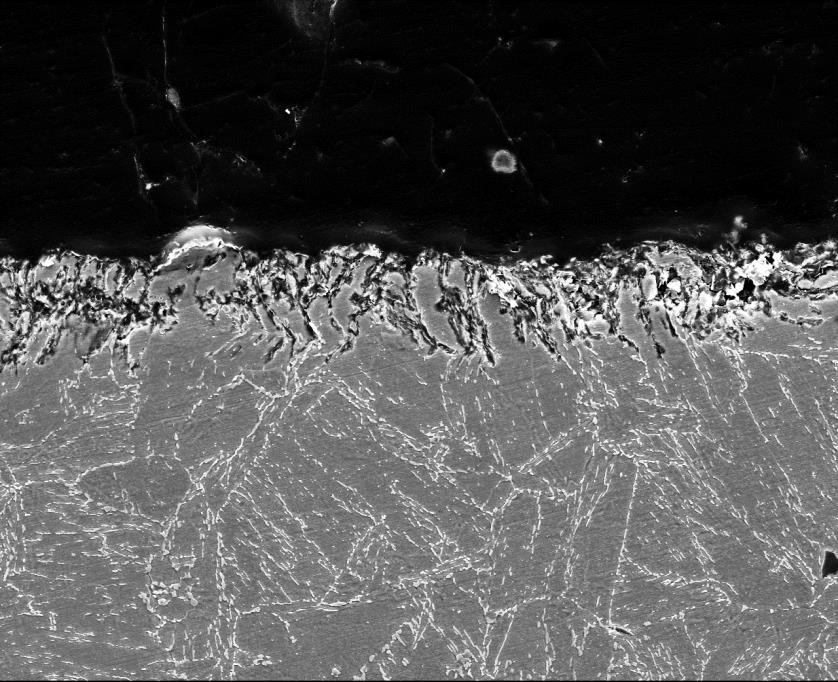
Through quenching and tempering (QT) and quenching and partitioning (Q&P) processes, this study aimed to investigate the effects of microstructural modifications on the corrosion behavior and corrosion-assisted mechanical degradation of medium Ni-bearing steel. The primary objective was the identification of strategies for the enhancement of the long-term lifespan and reliability of these alloys in neutral aqueous environments. Various electrochemical evaluations and microstructural characterizations were conducted to elucidate the relationship between heat treatment processes and corrosion behavior. The findings reveal that the conventional Q&P process formed partitioned austenite with a coarse size within the martensitic matrix, which led to an uneven distribution of Ni and high kernel average misorientation and resulted in an increased susceptibility to corrosion and corrosion-induced mechanical degradation. In addition, the corroded QT sample displayed preferential attacks around cementite clusters due to selective dissolution. By contrast, a slightly higher partitioning temperature, just above the martensite transformation start temperature, provided finely distributed austenite within bainite in the microstructure, which exhibited lower corrosion kinetics and reduced susceptibility to mechanical degradation in the corrosive environment. This study highlights the potential of microstructural optimization through the Q&P process with a high partitioning temperature as an effective technical strategy for achieving the superior durability and reliability of medium Ni-bearing steel alloys in neutral aqueous environments.

Optimizing microstructure of medium Ni-bearing steel to ensure high resistance to corrosion and corrosion-assisted mechanical degradation
Graphical Abstract
Original ResearchVol. 32, Issue 6 • pp. 1451DOI: 10.1007/s12613-025-3170-2Jan 15, 2025

In-situ observation on bubble evolution during laser powder bed fusion of oxide ceramic

Authors: Zhun Su, Wenquan Lu, Zongye Ding, Liang Zhao, Fan Yang, Jianguo Li, Qiaodan Hu

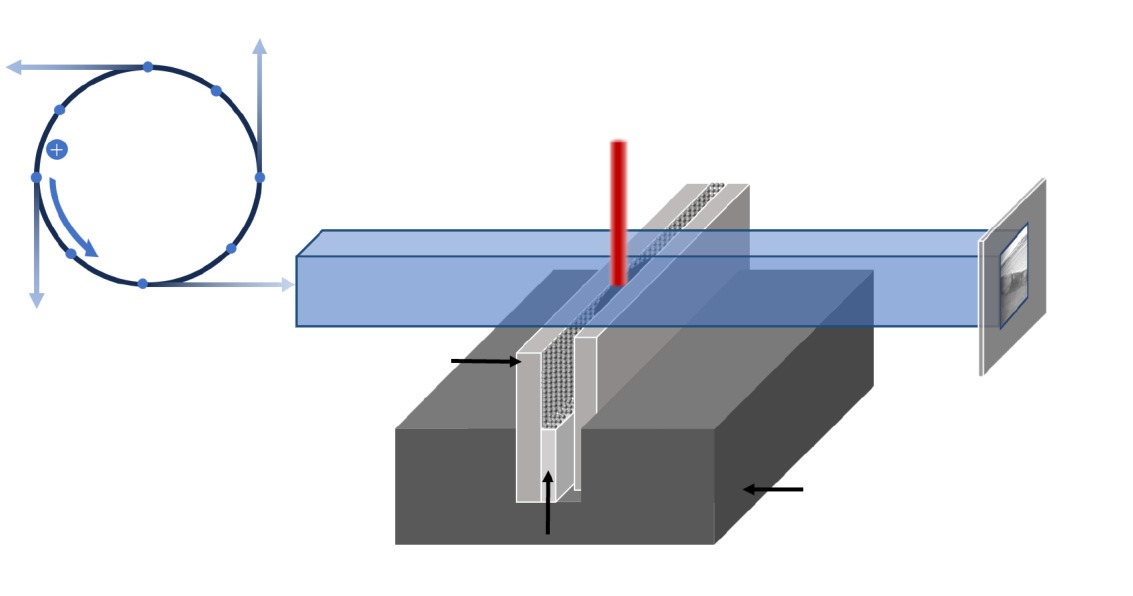
Laser powder bed fusion (LPBF) is used to fabricate complex-shaped, dense, and high-performance oxide ceramics. During LPBF, bubbles form and evolve in the melt pool and ultimately remain in the printed ceramics as pores, which significantly degrade the mechanical properties. Therefore, it is essential to understand the bubble behaviors during LPBF. Herein, we conducted an in-situ investigation of the bubble dynamics in the melt pool of homogeneously mixed Al2O3–Y2O3 powders using synchrotron high-speed X-ray imaging. The formation, growth, motion, and evolution of bubbles, as well as the relationship between the instability of melt flow and bubble rupture during LPBF, were elucidated. The findings reveal that bubbles from the interstices within the powder bed grow following three distinct modes, i.e., uplift growth, gas channel attachment, and bubble coalescence. Furthermore, melt flow oscillations caused by the bursting of large bubbles can lead to local instability of the melt pool. Results from this study enhance the understanding of bubble dynamics during LPBF and may provide valuable insights for pore elimination in LPBF-processed oxide ceramics.

In-situ observation on bubble evolution during laser powder bed fusion of oxide ceramic
Graphical Abstract
Original ResearchVol. 32, Issue 7 • pp. 1507DOI: 10.1007/s12613-024-2977-6Jan 15, 2025

Intelligent identification of acoustic emission Kaiser effect points and its application in efficiently acquiring in-situ stress

Authors: Zhangwei Chen, Zhixiang Liu, Jiangzhan Chen, Xibing Li, Linqi Huang

Large-scale underground projects need accurate in-situ stress information, and the acoustic emission (AE) Kaiser effect method currently offers lower costs and streamlined procedures. In this method, the accuracy and speed of Kaiser point identification are important. Thus, this study aims to integrate chaos theory and machine learning for accurately and quickly identifying Kaiser points. An intelligent model of the identification of AE partitioned areas was established by phase space reconstruction (PSR), genetic algorithm (GA), and support vector machine (SVM). Then, the plots of model classification results were made to identify Kaiser points. We refer to this method of identifying Kaiser points as the partitioning plot method based on PSR–GA–SVM (PPPGS). The PSR–GA–SVM model demonstrated outstanding performance, which achieved a 94.37% accuracy rate on the test set, with other evaluation metrics also indicating exceptional performance. The PPPGS identified Kaiser points similar to the tangent-intersection method with greater accuracy. Furthermore, in the feature importance score of the classification model, the fractal dimension extracted by PSR ranked second after accumulated AE count, which confirmed its importance and reliability as a classification feature. The PPPGS was applied to in-situ stress measurement at a phosphate mine in Guizhou Weng’an, China, to validate its practicability, where it demonstrated good performance.

Intelligent identification of acoustic emission Kaiser effect points and its application in efficiently acquiring in-situ stress
Graphical Abstract
Original ResearchVol. 32, Issue 6 • pp. 1390DOI: 10.1007/s12613-024-2991-8Jan 15, 2025

Grain growth kinetics model of high-temperature ferrite and austenite in Ti microalloyed steel during continuous casting

Authors: Tianci Chen, Cheng Ji, Jianhua Yang, Yunguang Chi, Miaoyong Zhu

The microstructural characteristics of austenite in Ti microalloyed steel during continuous casting significantly influence the thermoplasticity, thereby affecting the quality of the slab. In this work, a prediction model for two-stage austenite growth under varying cooling rates was established by incorporating the effect of second-phase pinning and high-temperature ferrite–austenite phase transformation and growth theory. The results indicate that with 0.02wt% Ti, the high-temperature ferrite growth exhibits typical parabolic growth characteristics. When the Ti content increases to 0.04wt%, the high-temperature ferrite grain boundary migration rate significantly slows during the initial solidification stage. The predicted austenite grain sizes for 0.02wt% Ti microalloyed steel at the center, quarter, and surface of the slab are 5592, 3529, and 1524 μm, respectively. For 0.04wt% Ti microalloyed steel, the austenite grain sizes are 4074, 2942, and 1179 μm at the same positions. The average error is within 5%. As the Ti content increases from 0.02wt% to 0.04wt%, the austenite grain refinement at the center is most significant, with an average grain size reduction of 27.14%.

Grain growth kinetics model of high-temperature ferrite and austenite in Ti microalloyed steel during continuous casting
Graphical Abstract
Original ResearchVol. 32, Issue 5 • pp. 1176DOI: 10.1007/s12613-024-3032-3Jan 15, 2025

Texture, residual stress and mechanical properties of 7039-T6 thick plate Al alloy with MIG-welded laminar tearing

Authors: Jinghan Yang, Linyang Wu, Yong Lian, Rongjun Zhang, Xingyu Chen, Jin Zhang, Pengfei Ji, Jinshan Luo, Fangyun Chen

7039 Al alloys are widely used in armor vehicles, given the material’s high specific strength and fracture toughness. However, laminar tearing in the thickness plane of the base metal (BM), specifically in the normal direction (ND) and rolling direction (RD) plane, was occasionally observed after the welding of thick plates, resulting in premature material failure. A vertically metal-inert gas (MIG)-welded laminar tearing component of a 30 mm thick plate was analyzed to determine the factors associated with this phenomenon. The texture, residual stress, microhardness, and tensile properties were also investigated. The results indicated that the crack extended along the RD as a transcrystalline fracture and terminated at the BM. The grains near the crack grew preferentially in the (001) crystal direction. Furthermore, the tensile strength (83 MPa) and elongation (6.8%) in the RD were relatively higher than those in the ND. In particular, the primary factors for crack initiation include stronger texture, higher dislocation density, increased Al7Cu2Fe phases, lower proportion of small-angle grain boundaries, and varying grain sizes in different regions, leading to the fragile microstructure. The higher residual stress of the BM promotes the formation and extension of cracks. The restraining force due to fixation and welding shrinkage force transformed the crack into laminar tearing. Preventive measures of laminar tearing were also proposed.

Texture, residual stress and mechanical properties of 7039-T6 thick plate Al alloy with MIG-welded laminar tearing
Graphical Abstract
Original ResearchVol. 32, Issue 5 • pp. 1190DOI: 10.1007/s12613-024-2942-4Jan 15, 2025

Effects of high-entropy alloy binders on the microstructure and mechanical/thermal properties of cemented carbides

Authors: Jialin Sun, Xiao Li, Le Zhao, Jun Zhao

The binder phase performs critically on the comprehensive properties of cemented carbides, especially the hardness (HV) and fracture toughness (KIC) relationship. There are strong motivations in both research community and industry for developing alternative binders to Co in cemented carbide system, due to the reasons such as price instability, property degeneration, and toxicity. Herein, six kinds of high entropy alloys (HEA) including CoCrFeNiMn, CoCrFeMnAl, CoCrFeNiAl, CoCrNiMnAl, CoFeNiMnAl, and CrFeNiMnAl were employed as the alternative binder for the preparation of WC–HEA cemented carbides through mechanical alloying and two-step spark plasma sintering. The impacts of HEA on the microstructures, mechanical properties, and thermal conductivity of WC–HEA hardmetals were determined and discussed. WC–HEA hardmetals exhibited both superior HV and KIC to WC–metal or WC–intermetallic cemented carbides, indicating that HEA alloys were not only harder but also tougher in comparison with traditional metal or intermetallic binders. The HEA bonded hardmetals yielded thermal conductivities much lower than that of traditional WC–Co cemented carbide. The excellent HV–KIC relationship of WC–HEA facilitated the potential engineering structural application of cemented carbides.

Effects of high-entropy alloy binders on the microstructure and mechanical/thermal properties of cemented carbides
Graphical Abstract
Original ResearchVol. 32, Issue 5 • pp. 1162-DOI: 10.1007/s12613-024-2982-9Jan 15, 2025

Hot deformation behavior and microstructure evolution of Mg–Gd–Sm(–Zn)–Zr alloys

Authors: Aowen Wang, Xiaoya Chen, Quanan Li, Zheng Wu, Limin Zhu, Hongxi Zhu, Huanju He

The dynamic recrystallization (DRX) and dynamic precipitation of Mg–5Gd–3Sm(–1Zn)–0.5Zr alloys after hot compression deformation were analyzed by electron backscatter diffraction (EBSD) and transmission electron microscopy (TEM) techniques. Furthermore, the DRX mechanisms were investigated by calculating the deformation activation energy, establishing the constitutive equation, and creating a critical strain model. The results indicate that the presence of Zn element enhanced the production of DRX, considerably reduced the strength of {0001} plane texture, and boosted the Schmidt factor of nonbasal plane slip. The Mg–5Gd–3Sm–0.5Zr alloy had a low degree of DRX, manifested as a monolayer of DRX grains at the grain boundaries, and dominated by the discontinuous DRX mechanism. However, the Mg–5Gd–3Sm–1Zn–0.5Zr alloy had a high degree of DRX, which occurred in the form of multilayered DRX grains by the main mechanism of continuous DRX. Compared with the Mg–5Gd–3Sm–0.5Zr alloy, in addition to the Mg5(Gd,Sm) phase, the Mg–5Gd–3Sm–1Zn–0.5Zr alloy also introduced a new dynamic precipitation phase called (Mg,Zn)3(Gd,Sm) phase. The dynamic precipitation phase prevented grain boundary migration and dislocation motion, which promoted DRX nucleation and prevented the growth of recrystallized grains.

Hot deformation behavior and microstructure evolution of Mg–Gd–Sm(–Zn)–Zr alloys
Graphical Abstract
Original ResearchVol. 32, Issue 5 • pp. 1151-DOI: 10.1007/s12613-024-3045-yJan 15, 2025

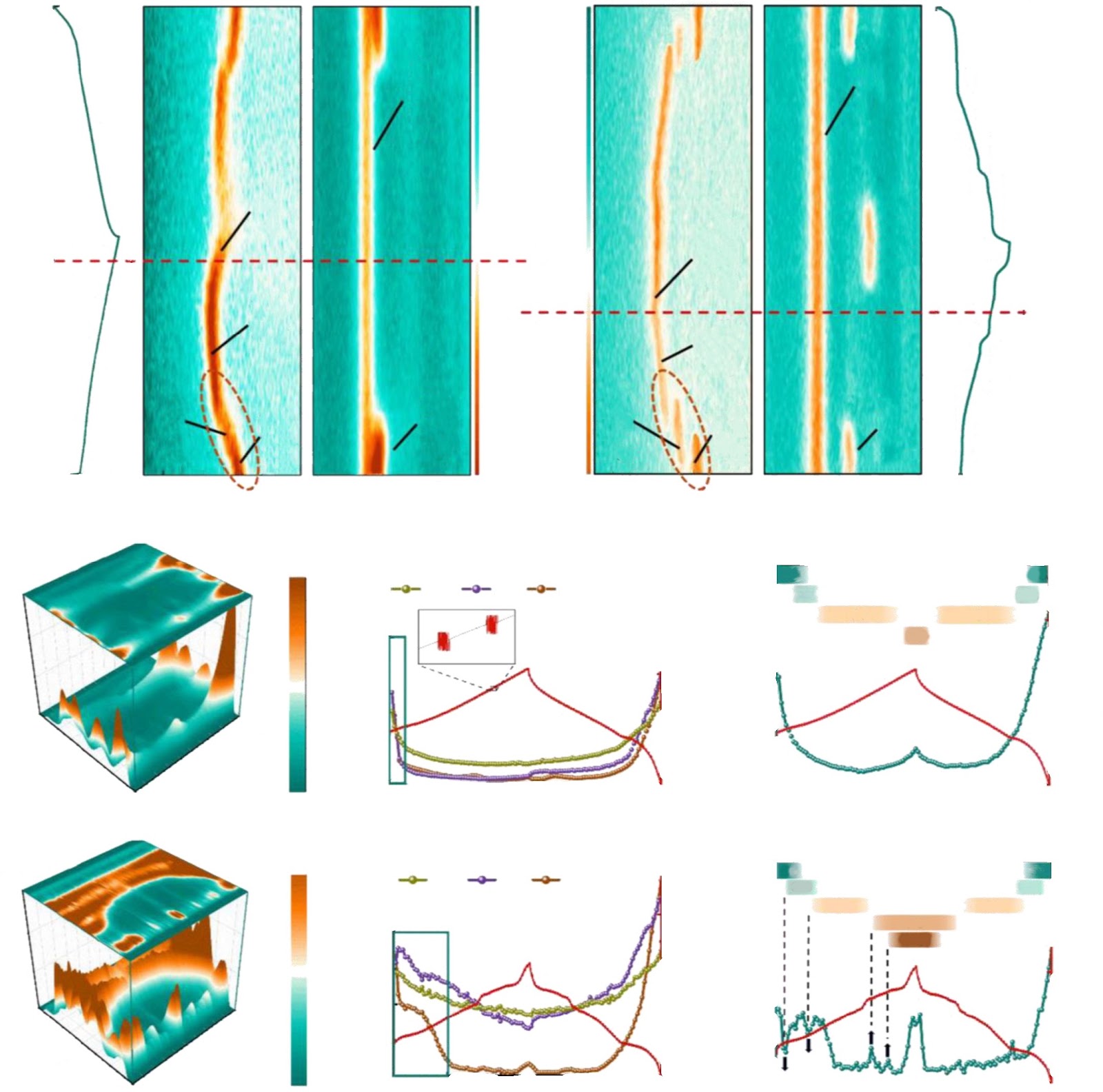
Towards understanding and prediction of corrosion degradation of organic coatings under tropical marine atmospheric environment via a data-driven approach

Authors: Shaopeng Liu, Lingwei Ma, Jinke Wang, Yiran Li, Haiyan Gong, Haitao Ren, Xiaogang Li, Dawei Zhang

The corrosion degradation of organic coatings in tropical marine atmospheric environments results in substantial economic losses across various industries. The complexity of a dynamic environment, combined with high costs, extended experimental periods, and limited data, places a limit on the comprehension of this process. This study addresses this challenge by investigating the corrosion degradation of damaged organic coatings in a tropical marine environment using an atmospheric corrosion monitoring sensor and a random forest (RF) model. For damage simulation, a polyurethane coating applied to a Fe/graphite corrosion sensor was intentionally scratched and exposed to the marine atmosphere for over one year. Pearson correlation analysis was performed for the collection and filtering of environmental and corrosion current data. According to the RF model, the following specific conditions contributed to accelerated degradation: relative humidity (RH) above 80% and temperatures below 22.5°C, with the risk increasing significantly when RH exceeded 90%. High RH and temperature exhibited a cumulative effect on coating degradation. A high risk of corrosion occurred in the nighttime. The RF model was also used to predict the coating degradation process using environmental data as input parameters, with the accuracy showing improvement when the duration of influential environmental ranges was considered.

Towards understanding and prediction of corrosion degradation of organic coatings under tropical marine atmospheric environment via a data-driven approach
Graphical Abstract
Original ResearchVol. 32, Issue 5 • pp. 992DOI: 10.1007/s12613-024-3035-0Jan 15, 2025

Brief review of external physical field-boosted low-temperature electrodeposition for metals and alloys

Authors: Junjian Zhou, Zhiyuan Li, Qi Wang, Na Li, Xu Li, Yana Wang, Weili Song

Electrochemical metallurgy at low temperature (<473 K) shows promise for the extraction and refinement of metals and alloys in a green and sustainable manner. However, the kinetics of the electrodeposition process is generally slow at low temperature, resulting in large overpotential and low current efficiency. Thus, the application of external physical fields has emerged as an effective strategy for improving the mass and charge transfer processes during electrochemical reactions. This review highlights the challenges associated with low-temperature electrochemical processes and briefly discusses recent achievements in optimizing electrodeposition processes through the use of external physical fields. The regulating effects on the optimization of the electrodeposition process and the strategies for selecting various external physical fields, including magnetic, supergravity, and ultrasonic fields are summarized from the perspectives of equipment and mechanisms. Finally, advanced methods for in-situ characterization of external physical field-assisted electrodeposition processes are reviewed to gain a deeper understanding of metallic electrodeposition. An in-depth exploration of the mechanism by which external physical fields affect the electrode process is essential for enhancing the efficiency of metal extraction at low temperatures.

Brief review of external physical field-boosted low-temperature electrodeposition for metals and alloys
Graphical Abstract
Original ResearchVol. 32, Issue 4 • pp. 879-DOI: 10.1007/s12613-024-2967-8Jan 15, 2025

Effect of Al content on nanoprecipitates, austenite grain growth and toughness in coarse-grained heat-affected zones of Al–Ti–Ca deoxidized shipbuilding steels

Authors: Tingting Li, Jian Yang, Yinhui Zhang, Han Sun, Yanli Chen, Yuqi Zhang

This work focuses on the influence of Al content on the precipitation of nanoprecipitates, growth of prior austenite grains (PAGs), and impact toughness in simulated coarse-grained heat-affected zones (CGHAZs) of two experimental shipbuilding steels after being subjected to high-heat input welding at 400 kJ·cm−1. The base metals (BMs) of both steels contained three types of precipitates: Type I: cubic (Ti,Nb)(C,N), Type II: precipitate with cubic (Ti,Nb)(C,N) core and Nb-rich cap, and Type III: ellipsoidal Nb-rich precipitate. In the BM of 60Al and 160Al steels, the number densities of the precipitates were 11.37 × 10⁵ and 13.88 × 105 mm−2, respectively. The 60Al and 160Al steel contained 38.12% and 6.39% Type III precipitates, respectively. The difference in the content of Type III precipitates in the 60Al steel reduced the pinning effect at the elevated temperature of the CGHAZ, which facilitated the growth of PAGs. The average PAG sizes in the CGHAZ of the 60Al and 160Al steels were 189.73 and 174.7 µm, respectively. In the 60Al steel, the low lattice mismatch among Cu2S, TiN, and γ-Al2O3 facilitated the precipitation of Cu2S and TiN onto γ-Al2O3 during welding, which decreased the number density of independently precipitated (Ti,Nb)(C,N) particles but increased that of γ-Al2O3–TiN–Cu2S particles. Thus, abnormally large PAGs formed in the CGHAZ of the 60Al steel, and they reached a maximum size of 1 mm. These PAGs greatly reduced the microstructural homogeneity and consequently decreased the impact toughness from 134 (0.016wt% Al) to 54 J (0.006wt% Al) at −40°C.

Effect of Al content on nanoprecipitates, austenite grain growth and toughness in coarse-grained heat-affected zones of Al–Ti–Ca deoxidized shipbuilding steels
Graphical Abstract