SinoTechIntel Academic Portal
High-Performance CompositesStrategic Intelligence Pillar

Carbon Fiber Reinforced Polymers (CFRP) & Ceramic Matrix Composites (CMC) in Chinese Aerospace

Decoded research tracking T800/T1000 polyacrylonitrile precursor synthesis, automated fiber placement (AFP), and high-temperature SiC/SiC ceramic composites.

Primary Focus: Carbon Fiber CompositesCurated Papers: 24 Verified StudiesDomain Authority: SinoTechIntel

State-of-the-Art Executive Brief & Commercialization Roadmap

China has attained self-sufficiency across high-modulus and high-tenacity carbon fiber production, scaling domestic T800 and T1000 PAN-based filaments via chemical giants such as Sinopec and Zhongfu Shenying. Academic breakthroughs from the CAS Institute of Coal Chemistry and Beihang University focus on interface sizing agents, epoxy toughening, and out-of-autoclave (OOA) resin transfer molding for large-scale composite wingboxes and hydrogen storage tanks. In extreme thermal regimes, continuous silicon carbide fiber reinforced silicon carbide (SiC/SiC) Ceramic Matrix Composites (CMC) are actively replacing nickel superalloys in aero-engine hot-section components, resisting temperatures up to 1,450 °C in oxidative environments.

Core Technical Benchmarks & Performance Thresholds

Tensile Strength (T1000-grade)
> 6,400 MPa
Standard polyacrylonitrile-based dry-jet wet spinning
Tensile Modulus (M55J-grade)
> 540 GPa
High-modulus aerospace structural grade
CMC Temperature Resistance
1,450 °C
SiC/SiC oxidation resistant matrix
Interlaminar Shear Strength (ILSS)
> 110 MPa
With modified silane coupling sizing

Lead Research Institutions & Enterprise Innovators

🏛️ CAS Institute of Coal Chemistry (Taiyuan)🏛️ Beihang University (BUAA)🏛️ National University of Defense Technology (NUDT)🏛️ Zhongfu Shenying Carbon Fiber Co.🏛️ AVIC Composite Technology Centre

Verified Chinese Research Papers in Carbon Fiber Composites

24 Studies Indexed
Research PaperYear: 2026
Preparation and Performance of Epoxy Resin Cured Compounds with High Mechanical Strength and Energy-release Capability for Reactive Warhead Casings

Preparation and Performance of Epoxy Resin Cured Compounds with High Mechanical Strength and Energy-release Capability for Reactive Warhead Casings

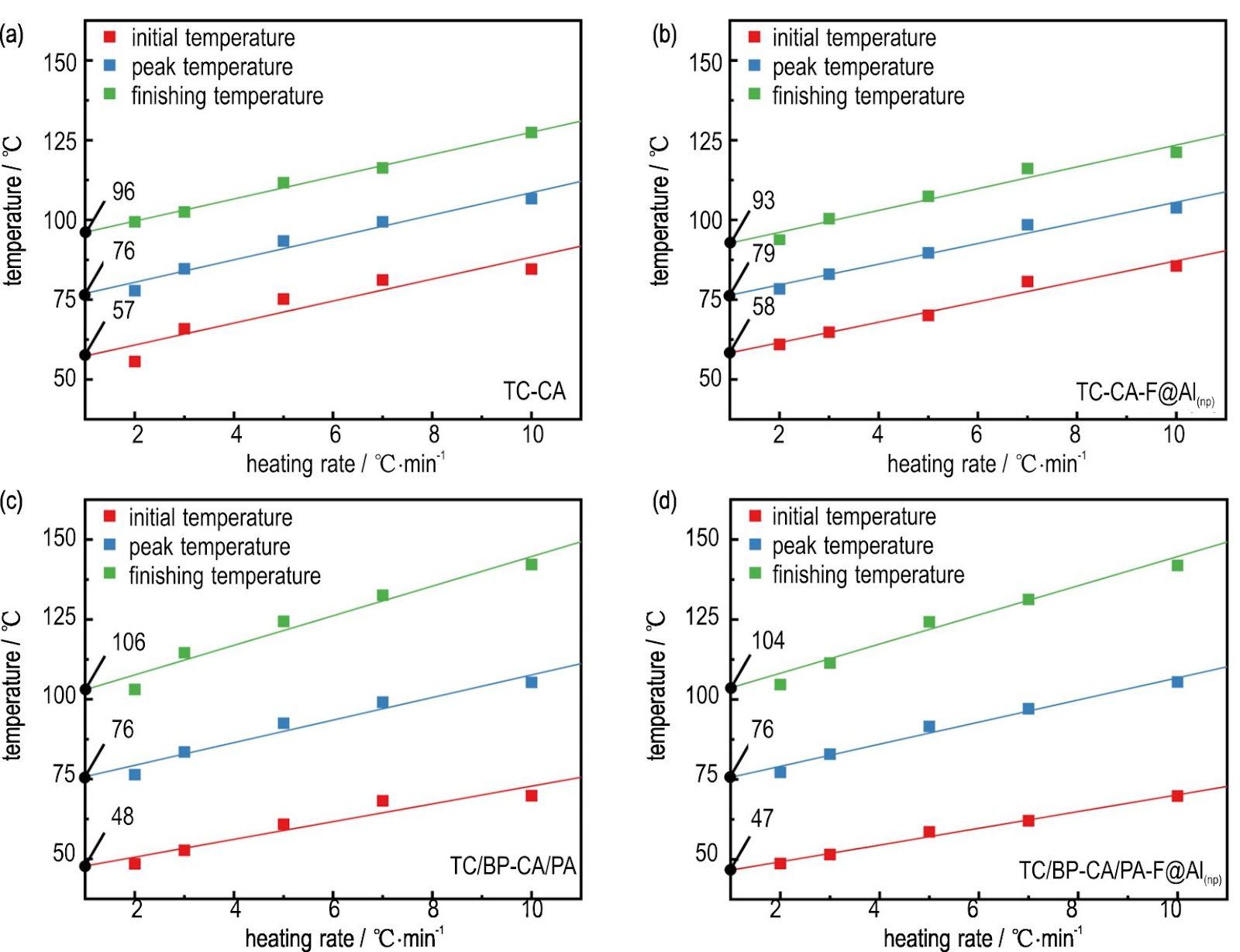
To address the issue that resin matrices in carbon fiber reinforced polymer (CFRP) composites cannot participate in explosive energy release when used in warhead casings, an epoxy resin cured compound with both high mechanical properties and high energy-release characteristics was prepared by introducing more easily pyrolyzable polyether segments and fluoropolymer-coated nano-aluminum powder into a high-rigidity epoxy cured compound. The crosslinked network structure, mechanical properties, thermal decomposition characteristics, ignition and combustion characteristics, and energy-release performance were characterized using infrared spectroscopy, quasi-static mechanical testing, TG-DSC, laser ignition testing, and closed bomb testing. Results show that the cured compound has a well-formed crosslinked network, a tensile strength of 72.41 MPa, an initial thermal decomposition temperature of approximately 273 °C, a minimum ignition energy reduced to 1.77 J, a maximum pressure rise rate of 0.407 MPa·ms⁻¹, and a peak pressure increased to 5.935 MPa in closed bomb tests. The introduction of polyether segments and fluoropolymer-coated nano-aluminum enhances the energy release rate and total energy release, making the material a potential resin matrix for CFRP-based reactive structural materials.
Examine Data & PDF
Research PaperYear: 2026
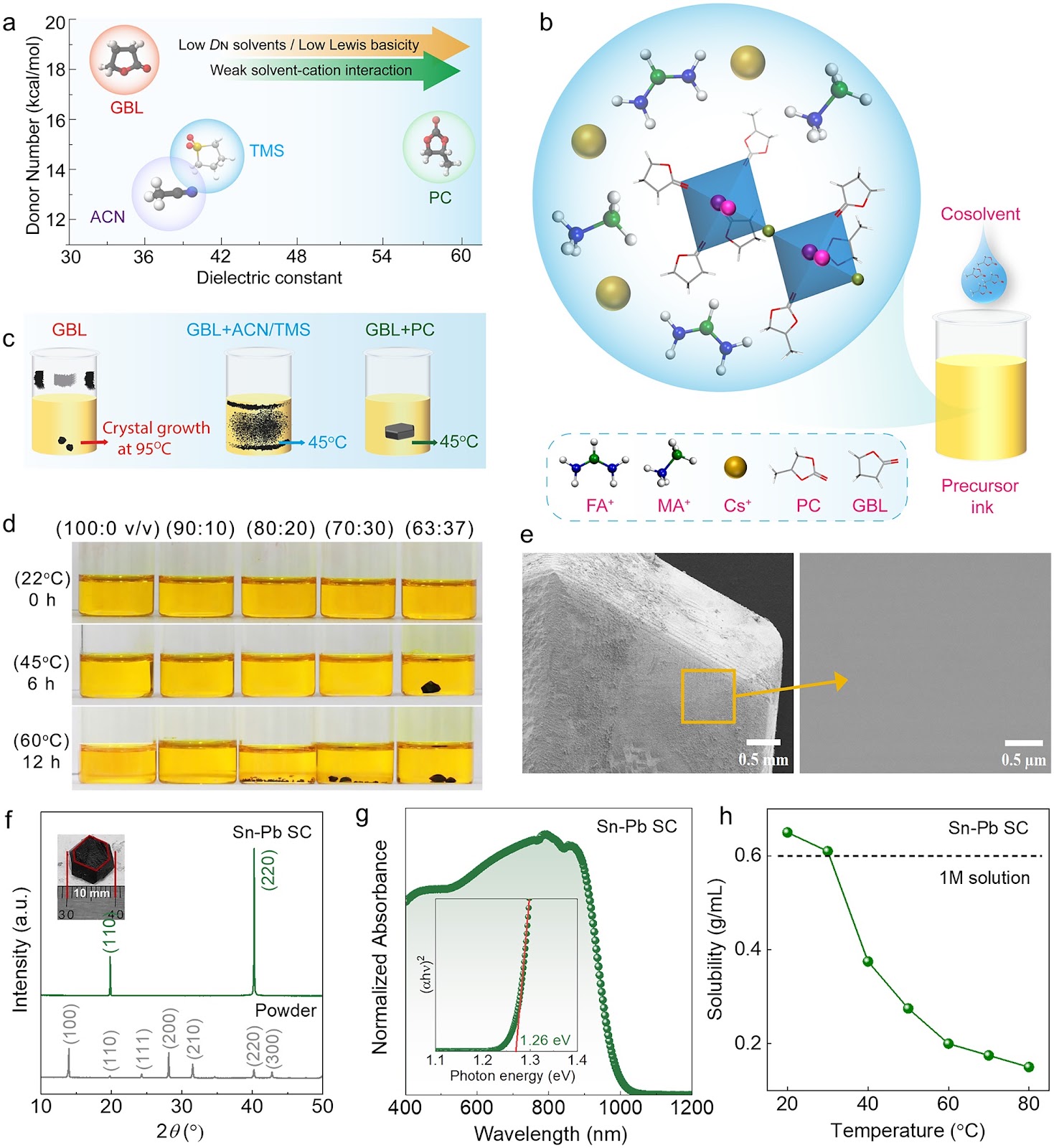
Monolithic Integration of Redox-Stable Sn–Pb Halide Perovskite Single-Crystalline Films for Durable Near-Infrared Photodetection

Monolithic Integration of Redox-Stable Sn–Pb Halide Perovskite Single-Crystalline Films for Durable Near-Infrared Photodetection

Tin–lead (Sn–Pb) halide perovskite single crystals combine narrow bandgaps, long carrier diffusion lengths, and low trap densities, positioning them as ideal candidates for near-infrared (NIR) optoelectronics. However, conventional growth strategies rely on bulk crystallization at elevated temperatures, leading to uncontrolled nucleation, Sn2+ oxidation, and poor compatibility with planar integration. Here, we develop a coordination-engineered crystallization strategy that enables direct, low-temperature growth of micrometer-thick Sn–Pb single-crystal thin films on device-compatible substrates. By modulating metal–solvent coordination strength using a low-donor number cosolvent system, we delineate a narrow processing window that stabilizes precursor speciation, lowers the nucleation barrier, and guides directional crystal growth under mild thermal conditions (< 40 °C). The resulting crystal films exhibit smooth morphology, high crystallinity, compositional uniformity, and ultralow trap densities (~ 3.98 × 10^12 cm−3). When integrated into NIR photodetectors, these films deliver high responsivity (0.51 A W−1 at 900 nm), specific detectivity up to 3.6 × 10^12 Jones, fast response (~ 188 μs), and > 25,000 cycles of ambient operational stability. This approach establishes a scalable platform for redox-stable, low-temperature growth of Sn–Pb perovskite crystal films and expands the processing–structure–function landscape for next-generation infrared optoelectronics.

Examine Data & PDF
Research PaperYear: 2025
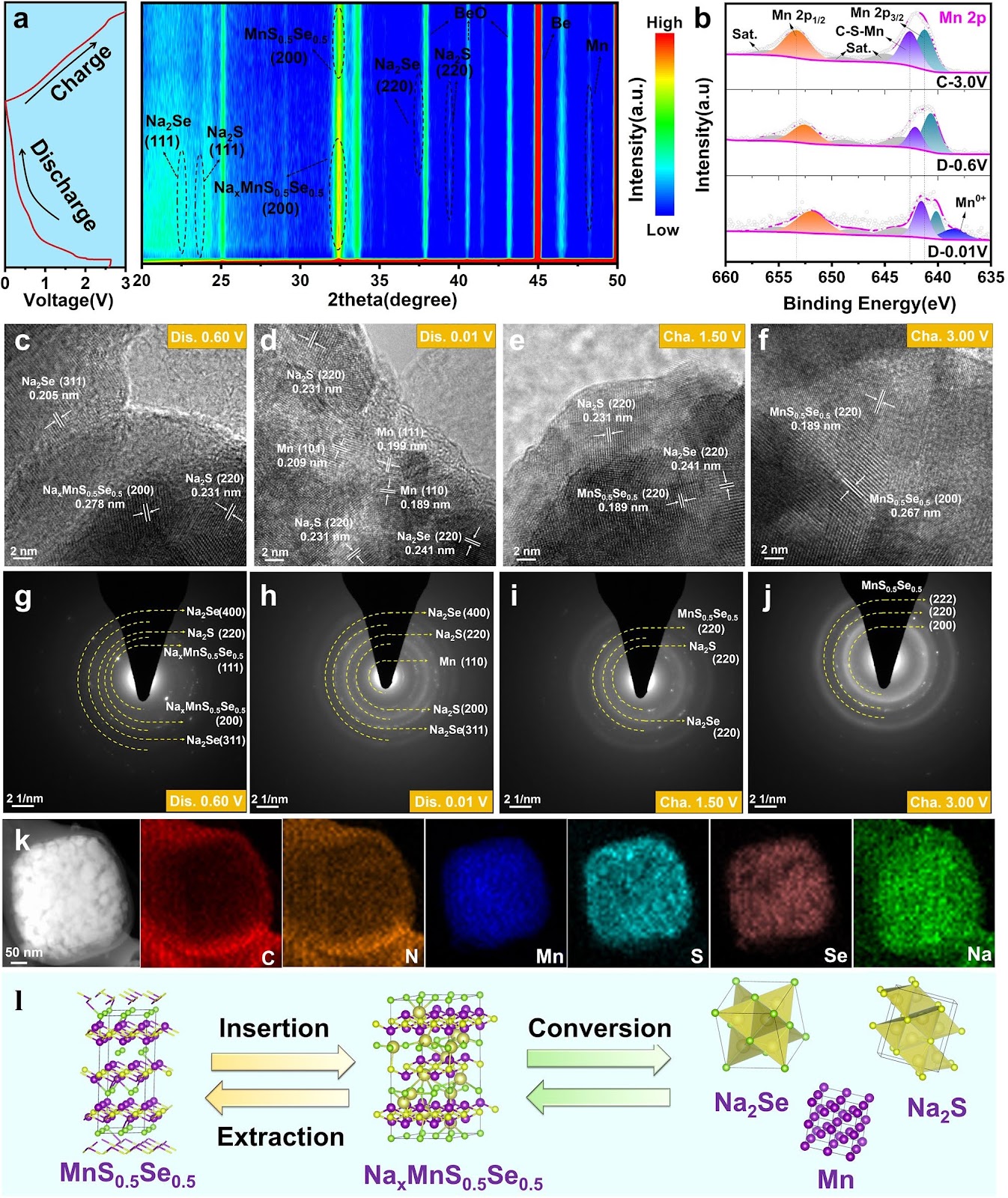
Se-Regulated MnS Porous Nanocubes Encapsulated in Carbon Nanofibers as High-Performance Anode for Sodium-Ion Batteries

Se-Regulated MnS Porous Nanocubes Encapsulated in Carbon Nanofibers as High-Performance Anode for Sodium-Ion Batteries

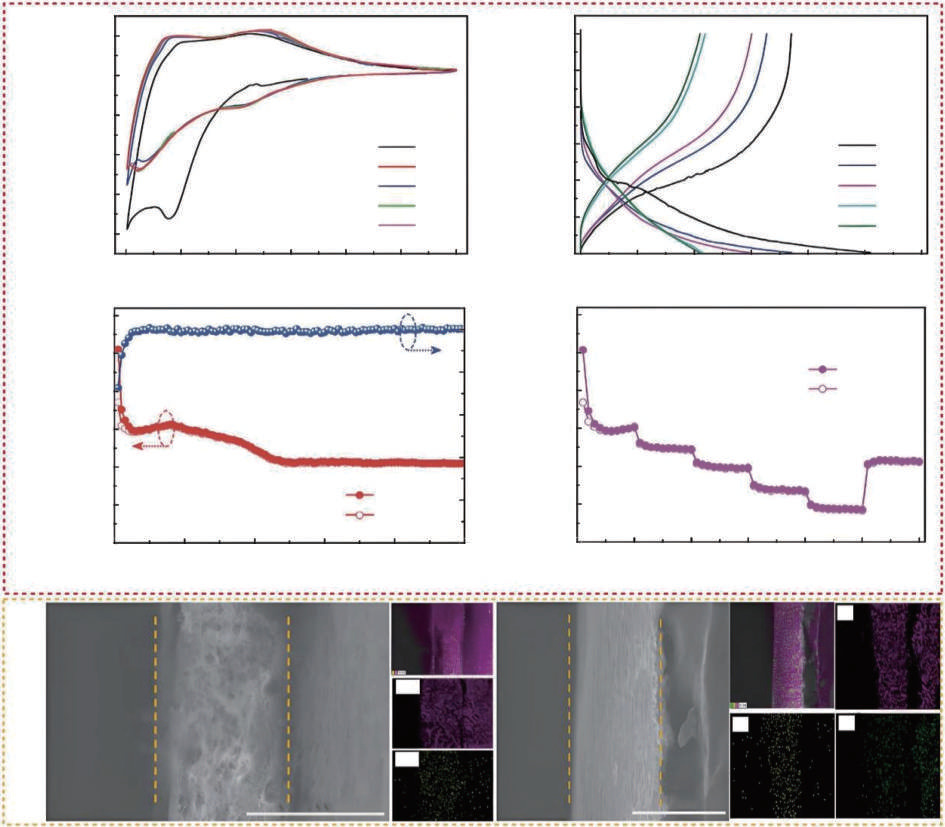
Manganese-based chalcogenides have significant potential as anodes for sodium-ion batteries (SIBs) due to their high theoretical specific capacity, abundant natural reserves, and environmental friendliness. However, their application is hindered by poor cycling stability, resulting from severe volume changes during cycling and slow reaction kinetics due to their complex crystal structure. Here, an efficient and straightforward strategy was employed to in-situ encapsulate single-phase porous nanocubic MnS0.5Se0.5 into carbon nanofibers using electrospinning and the hard template method, thus forming a necklace-like porous MnS0.5Se0.5-carbon nanofiber composite (MnS0.5Se0.5@N-CNF). The introduction of Se significantly impacts both the composition and microstructure of MnS0.5Se0.5, including lattice distortion that generates additional defects, optimization of chemical bonds, and a nano-spatially confined design. In situ/ex-situ characterization and density functional theory calculations verified that this MnS0.5Se0.5@N-CNF alleviates the volume expansion and facilitates the transfer of Na+/electron. As expected, MnS0.5Se0.5@N-CNF anode demonstrates excellent sodium storage performance, characterized by high initial Coulombic efficiency (90.8%), high-rate capability (370.5 mAh g−1 at 10 A g−1) and long durability (over 5000 cycles at 5 A g−1). The MnS0.5Se0.5@N-CNF //NVP@C full cell, assembled with MnS0.5Se0.5@N-CNF as anode and Na3V2(PO4)3@C as cathode, exhibits a high energy density of 254 Wh kg−1 can be provided. This work presents a novel strategy to optimize the design of anode materials through structural engineering and Se substitution, while also elucidating the underlying reaction mechanisms.

Examine Data & PDF
Research PaperYear: 2025
Muscle-Inspired Anisotropic Aramid Nanofibers Aerogel Exhibiting High-Efficiency Thermoelectric Conversion and Precise Temperature Monitoring for Firefighting Clothing

Muscle-Inspired Anisotropic Aramid Nanofibers Aerogel Exhibiting High-Efficiency Thermoelectric Conversion and Precise Temperature Monitoring for Firefighting Clothing

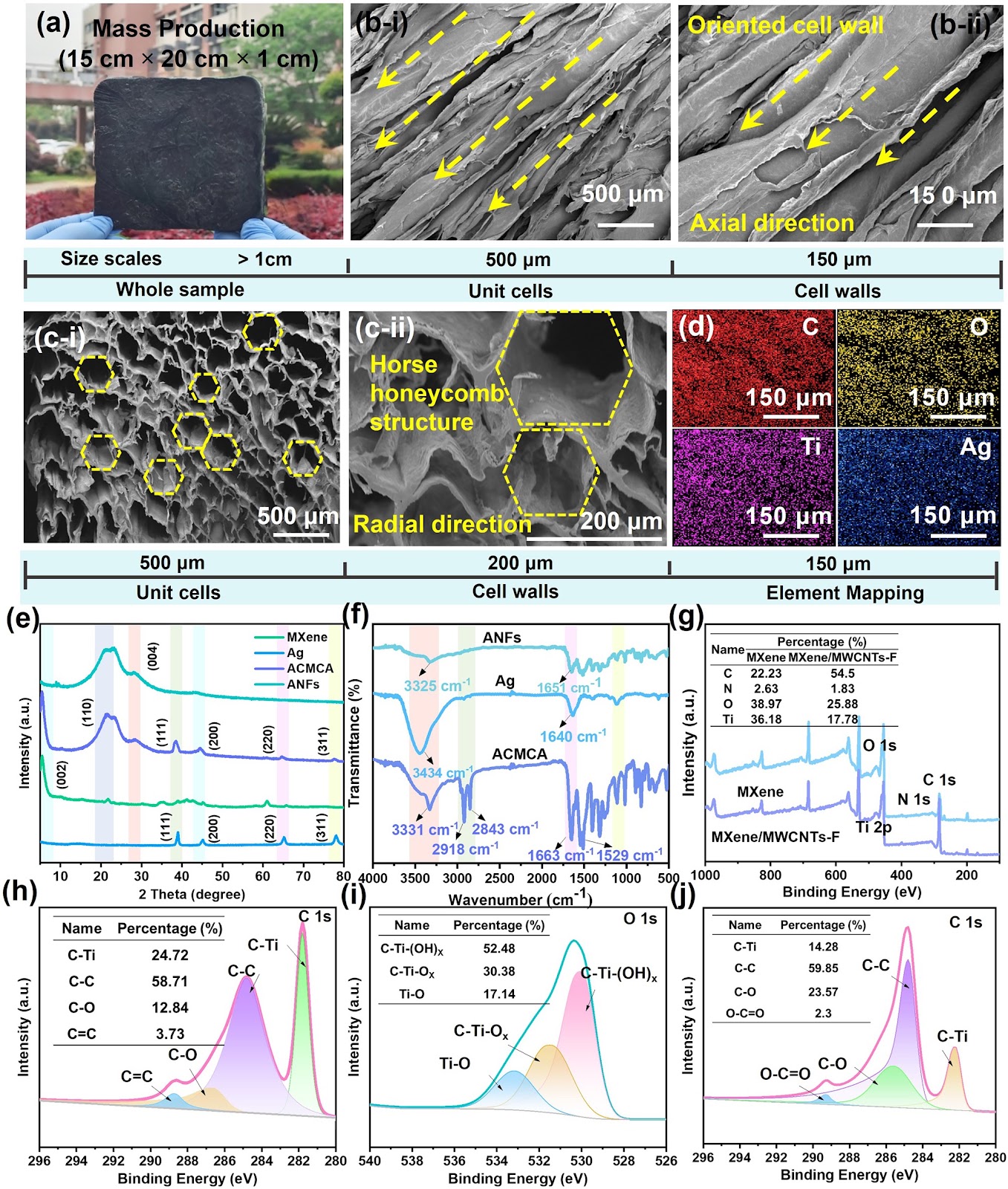
Enhancing the firefighting protective clothing with exceptional thermal barrier and temperature sensing functions to ensure high fire safety for firefighters has long been anticipated, but it remains a major challenge. Herein, inspired by the human muscle, an anisotropic fire safety aerogel (ACMCA) with precise self-actuated temperature monitoring performance is developed by combining aramid nanofibers with eicosane/MXene to form an anisotropically oriented conductive network. By combining the two synergies of the negative temperature-dependent thermal conductive eicosane, which induces a high-temperature differential, and directionally ordered MXene that establishes a conductive network along the directional freezing direction. The resultant ACMCA exhibited remarkable thermoelectric properties, with S values reaching 46.78 μV K−1 and κ values as low as 0.048 W m−1 K−1 at room temperature. Moreover, the prepared anisotropic aerogel ACMCA exhibited electrical responsiveness to temperature variations, facilitating its application in intelligent temperature monitoring systems. The designed anisotropic aerogel ACMCA could be incorporated into the firefighting clothing as a thermal barrier layer, demonstrating a wide temperature sensing range (50–400 °C) and a rapid response time for early high-temperature alerts (~1.43 s). This work provides novel insights into the design and application of temperature-sensitive anisotropic aramid nanofibers aerogel in firefighting clothing.

Examine Data & PDF
Research PaperYear: 2025
Organic Radical-Boosted Ionic Conductivity in Redox Polymer Electrolyte for Advanced Fiber-Shaped Energy Storage Devices

Organic Radical-Boosted Ionic Conductivity in Redox Polymer Electrolyte for Advanced Fiber-Shaped Energy Storage Devices

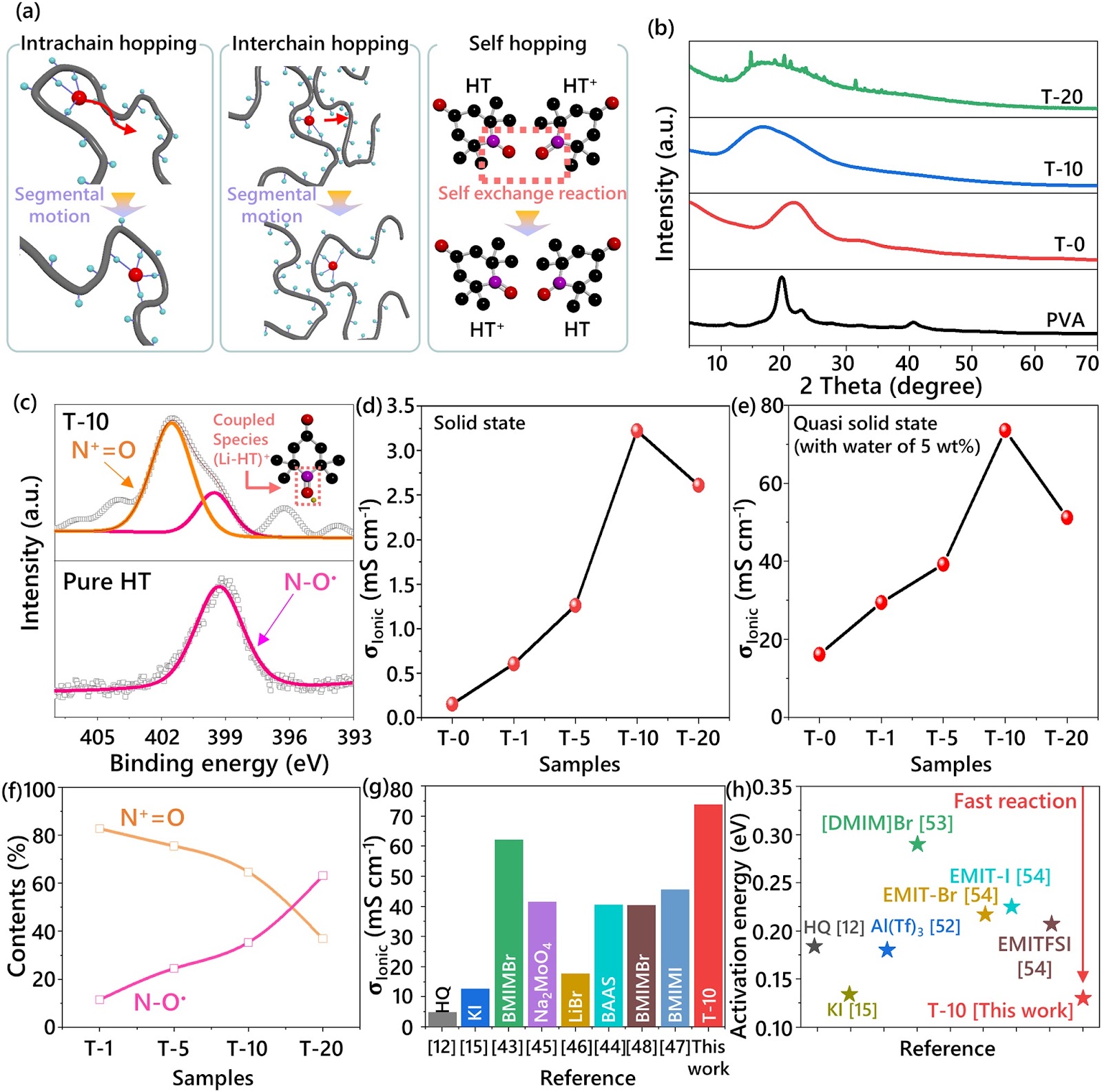
Fiber-shaped energy storage devices (FSESDs) with exceptional flexibility for wearable power sources should be applied with solid electrolytes over liquid electrolytes due to short circuits and leakage issue during deformation. Among the solid options, polymer electrolytes are particularly preferred due to their robustness and flexibility, although their low ionic conductivity remains a significant challenge. Here, we present a redox polymer electrolyte (HT_RPE) with 4-hydroxy-2,2,6,6-tetramethylpiperidine-1-oxyl (HT) as a multi-functional additive. HT acts as a plasticizer that transforms the glassy state into the rubbery state for improved chain mobility and provides distinctive ion conduction pathway by the self-exchange reaction between radical and oxidized species. These synergetic effects lead to high ionic conductivity (73.5 mS cm−1) based on a lower activation energy of 0.13 eV than other redox additives. Moreover, HT_RPE with a pseudocapacitive characteristic by HT enables an outstanding electrochemical performance of the symmetric FSESDs using carbon-based fiber electrodes (energy density of 25.4 W h kg−1 at a power density of 25,000 W kg−1) without typical active materials, along with excellent stability (capacitance retention of 91.2% after 8,000 bending cycles). This work highlights a versatile HT_RPE that utilizes the unique functionality of HT for both the high ionic conductivity and improved energy storage capability, providing a promising pathway for next-generation flexible energy storage devices.

Examine Data & PDF
Research PaperYear: 2025
Multifunctional Janus-Structured Polytetrafluoroethylene-Carbon Nanotube-Fe3O4/MXene Membranes for Enhanced EMI Shielding and Thermal Management

Multifunctional Janus-Structured Polytetrafluoroethylene-Carbon Nanotube-Fe3O4/MXene Membranes for Enhanced EMI Shielding and Thermal Management

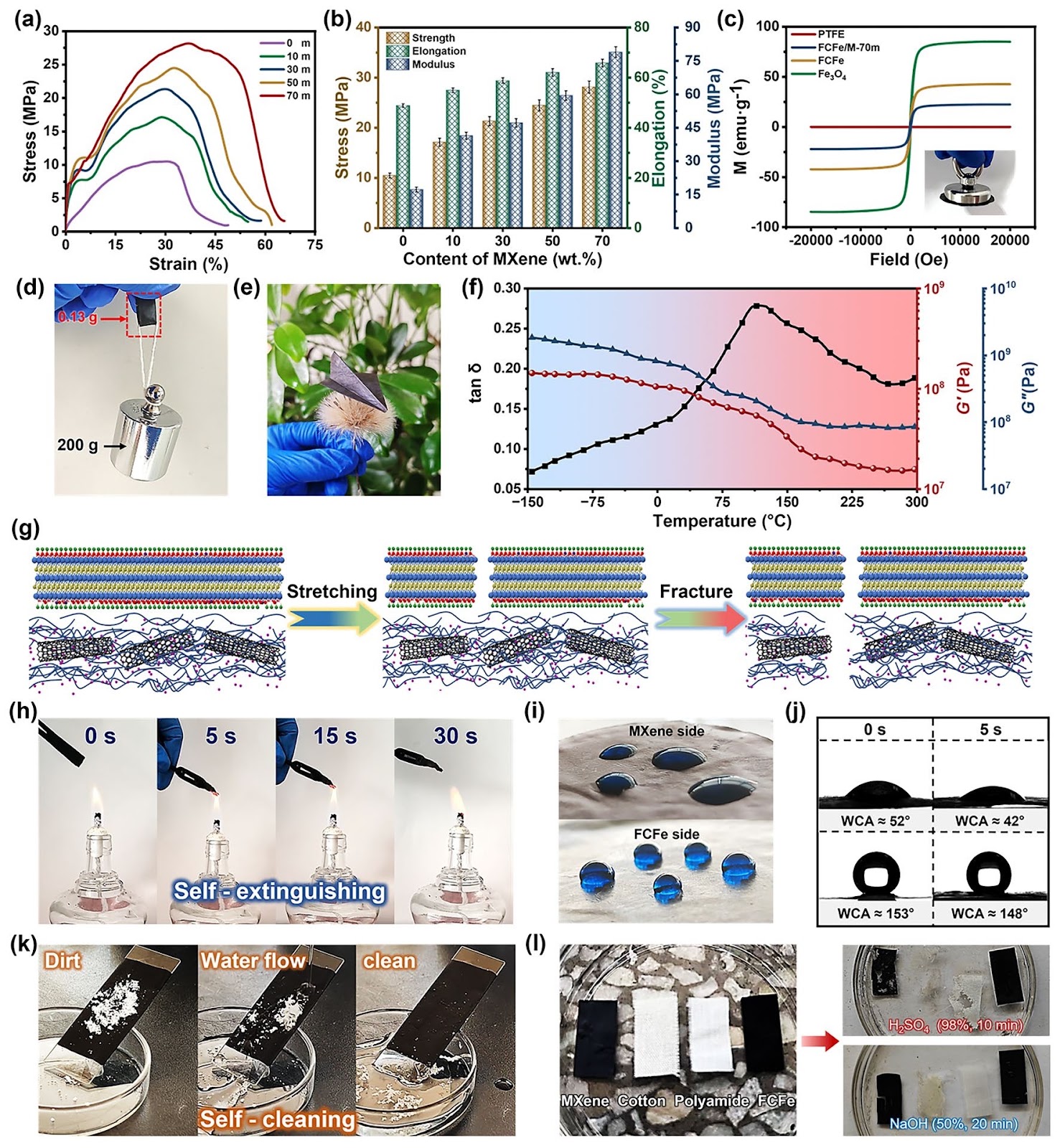
Herein, a novel Janus-structured multifunctional membrane with integrated electromagnetic interference (EMI) shielding and personalized thermal management is fabricated using shear-induced in situ fibrillation and vacuum-assisted filtration. Interestingly, within the polytetrafluoroethylene (PTFE)-carbon nanotube (CNT)-Fe3O4 layer (FCFe), CNT nanofibers interweave with PTFE fibers to form a stable “silk-like” structure that effectively captures Fe3O4 particles. By incorporating a highly conductive MXene layer, the FCFe/MXene (FCFe/M) membrane exhibits excellent electrical/thermal conductivity, mechanical properties, and flame retardancy. Impressively, benefiting from the rational regulation of component proportions and the design of a Janus structure, the FCFe/M membrane with a thickness of only 84.9 µm delivers outstanding EMI shielding effectiveness of 44.56 dB in the X-band, with a normalized specific SE reaching 10,421.3 dB cm2 g−1, which is attributed to the “absorption-reflection-reabsorption” mechanism. Furthermore, the membrane demonstrates low-voltage-driven Joule heating and fast-response photothermal performance. Under the stimulation of a 3 V voltage and an optical power density of 320 mW cm−2, the surface temperatures of the FCFe/M membranes can reach up to 140.4 and 145.7 °C, respectively. In brief, the FCFe/M membrane with anti-electromagnetic radiation and temperature regulation is an attractive candidate for the next generation of wearable electronics, EMI compatibility, visual heating, thermotherapy, and military and aerospace applications.

Examine Data & PDF
Research PaperYear: 2025
Layered Double Hydroxide Nanosheets Incorporated Hierarchical Hydrogen Bonding Polymer Networks for Transparent and Fire-Proof Ceramizable Coatings

Layered Double Hydroxide Nanosheets Incorporated Hierarchical Hydrogen Bonding Polymer Networks for Transparent and Fire-Proof Ceramizable Coatings

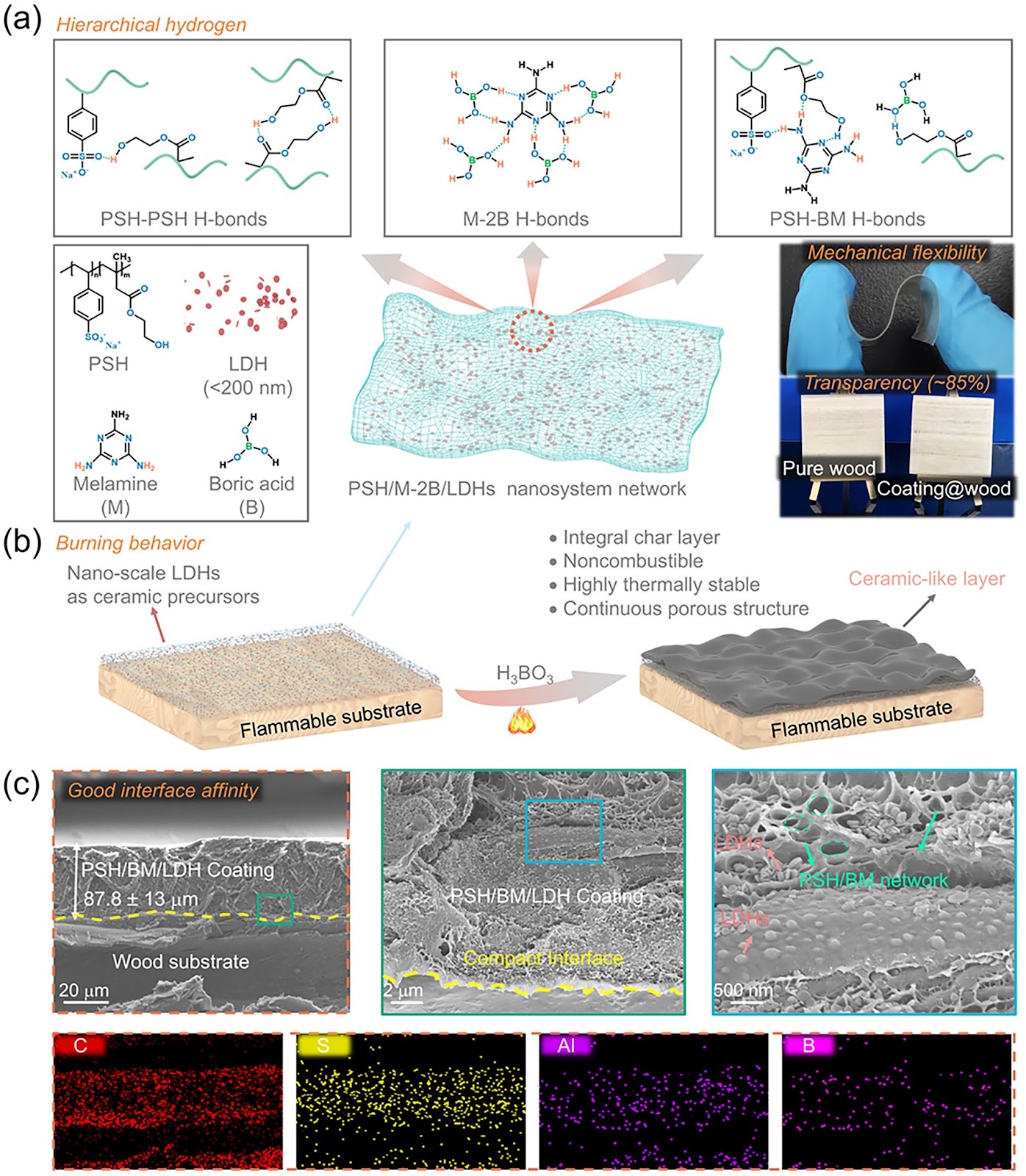
In recent decades, annual urban fire incidents, including those involving ancient wooden buildings burned, transportation, and solar panels, have increased, leading to significant loss of human life and property. Addressing this issue without altering the surface morphology or interfering with optical behavior of flammable materials poses a substantial challenge. Herein, we present a transparent, low thickness, ceramifiable nanosystem coating composed of a highly adhesive base (poly(SSS1-co-HEMA1)), nanoscale layered double hydroxide sheets as ceramic precursors, and supramolecular melamine di-borate as an accelerator. We demonstrate that this hybrid coating can transform into a porous, fire-resistant protective layer with a highly thermostable vitreous phase upon exposure to flame/heat source. A nanosystem coating of just ~100 μm thickness can significantly increase the limiting oxygen index of wood (Pine) to 37.3%, dramatically reduce total heat release by 78.6%, and maintain low smoke toxicity (CITG = 0.016). Detailed molecular force analysis, combined with a comprehensive examination of the underlying flame-retardant mechanisms, underscores the effectiveness of this coating. This work offers a strategy for creating efficient, environmentally friendly coatings with fire safety applications across various industries.

Examine Data & PDF
Research PaperYear: 2025
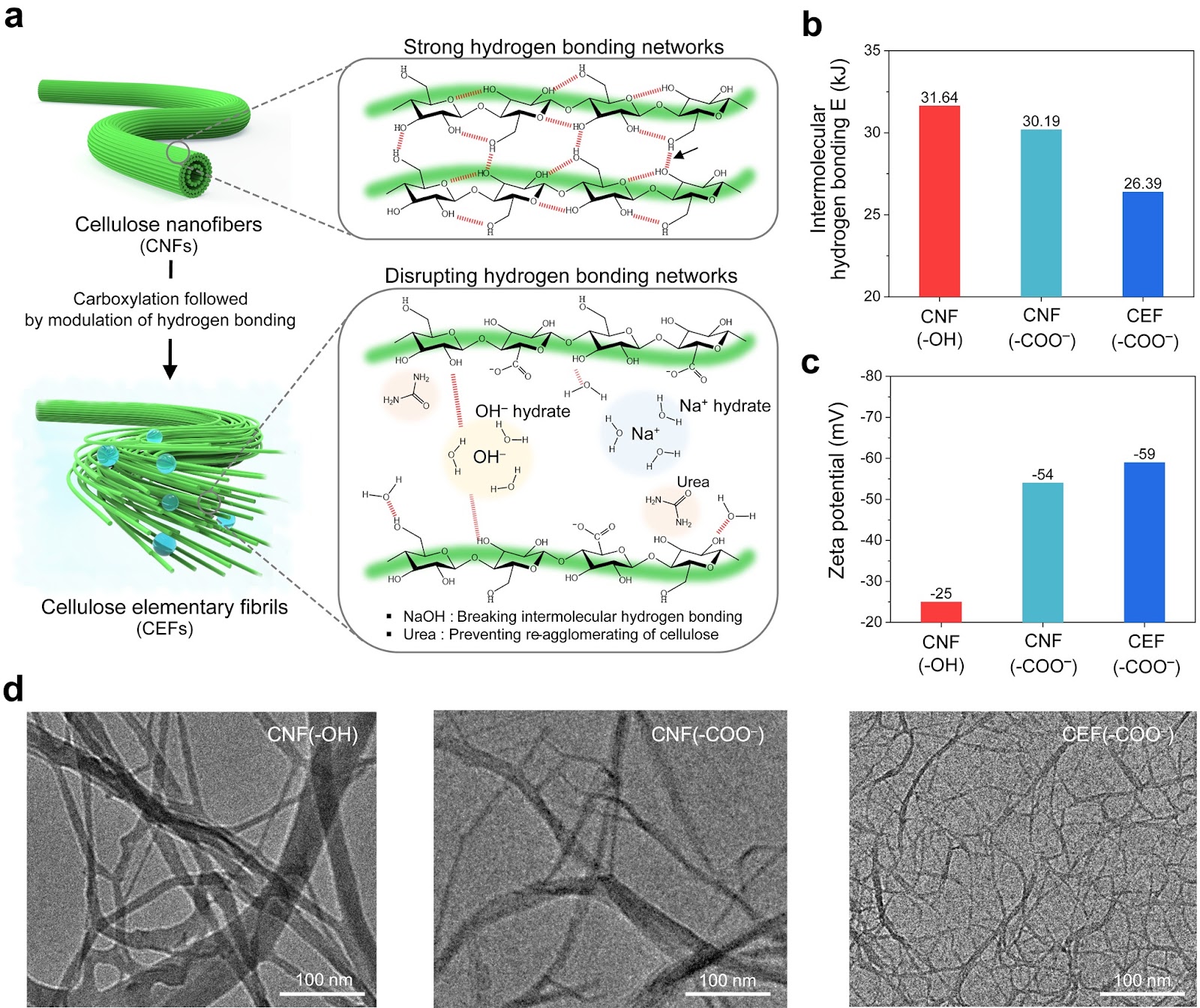
Cellulose Elementary Fibrils as Deagglomerated Binder for High-Mass-Loading Lithium Battery Electrodes

Cellulose Elementary Fibrils as Deagglomerated Binder for High-Mass-Loading Lithium Battery Electrodes

Amidst the ever-growing interest in high-mass-loading Li battery electrodes, a persistent challenge has been the insufficient continuity of their ion/electron conduction pathways. Here, we propose cellulose elementary fibrils (CEFs) as a class of deagglomerated binder for high-mass-loading electrodes. Derived from natural wood, CEF represents the most fundamental unit of cellulose with nanoscale diameter. The preparation of the CEFs involves the modulation of intermolecular hydrogen bonding by the treatment with a proton acceptor and a hydrotropic agent. This elementary deagglomeration of the cellulose fibers increases surface area and anionic charge density, thus promoting uniform dispersion with carbon conductive additives and suppressing interfacial side reactions at electrodes. Consequently, a homogeneous redox reaction is achieved throughout the electrodes. The resulting CEF-based cathode (overlithiated layered oxide (OLO) is chosen as a benchmark electrode active material) exhibits a high areal-mass-loading (50 mg cm–2, equivalent to an areal capacity of 12.5 mAh cm–2) and a high specific energy density (445.4 Wh kg–1) of a cell, which far exceeds those of previously reported OLO cathodes. This study highlights the viability of the deagglomerated binder in enabling sustainable high-mass-loading electrodes that are difficult to achieve with conventional synthetic polymer binders.

Examine Data & PDF
Research PaperYear: 2025
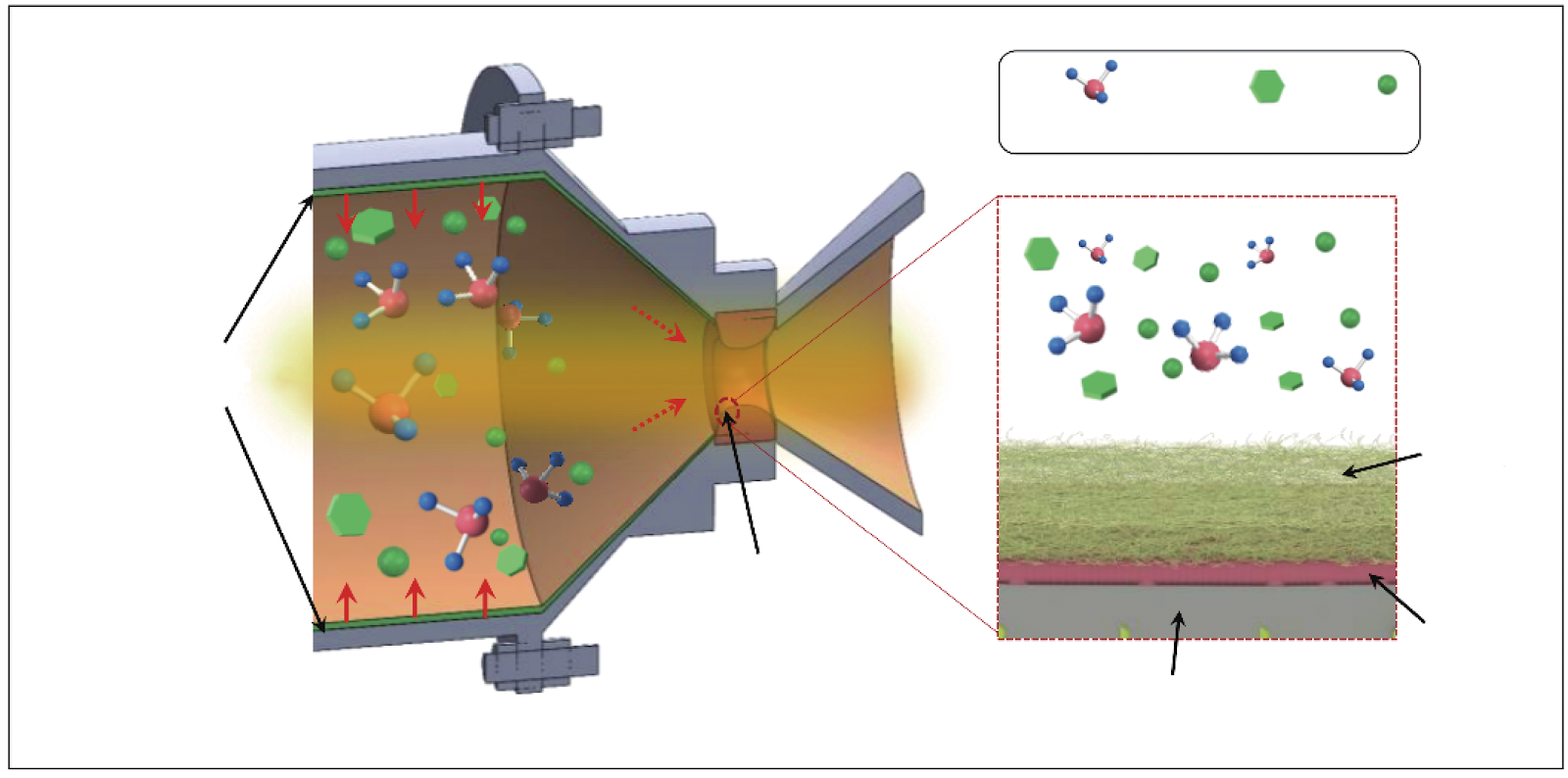
Discontinuous ablation behavior of four-directional dual-matrix C/C composites under dual-pulse solid rocket motors

Discontinuous ablation behavior of four-directional dual-matrix C/C composites under dual-pulse solid rocket motors

Four-directional dual-matrix C/C composites were fabricated from PAN-based carbon fibers using a combined approach of soft-hard hybrid weaving preform molding, chemical vapor infiltration (CVI) of pyrolytic carbon (PyC), high pressure impregnation and carbonization of pitch-derived carbon. The ablation resistance of the composites was evaluated by testing in a dual-pulse solid rocket motor, and their ablation behavior was investigated. The carbon rods formed by twisting and carbonizing fiber bundles, exhibited a hexagonal cross-section, surrounded by a dense PyC “wall” structure formed during the CVI process. The linear ablation rates of the composites after pulse I and pulse II were 0.068 mm/s and 0.113 mm/s, respectively. A cellular-like PyC layer and nanowire structures were deposited on the surface of the throat convergent section during the post-combustion cooling phase, while cracks and delamination occurred on and within the divergent section. The ablation of C/C composites under these conditions was a complex multi-mechanism process, including ultra-high temperatures, high-speed gas scouring, oxygen-containing thermochemical ablation, and thermal shock. This work elucidates the ablation behaviors of C/C composites under dual-pulse conditions and provides technical guidance and a theoretical basis for designing and fabricating C/C composites for extreme ablation environments.

Examine Data & PDF
Research PaperYear: 2025
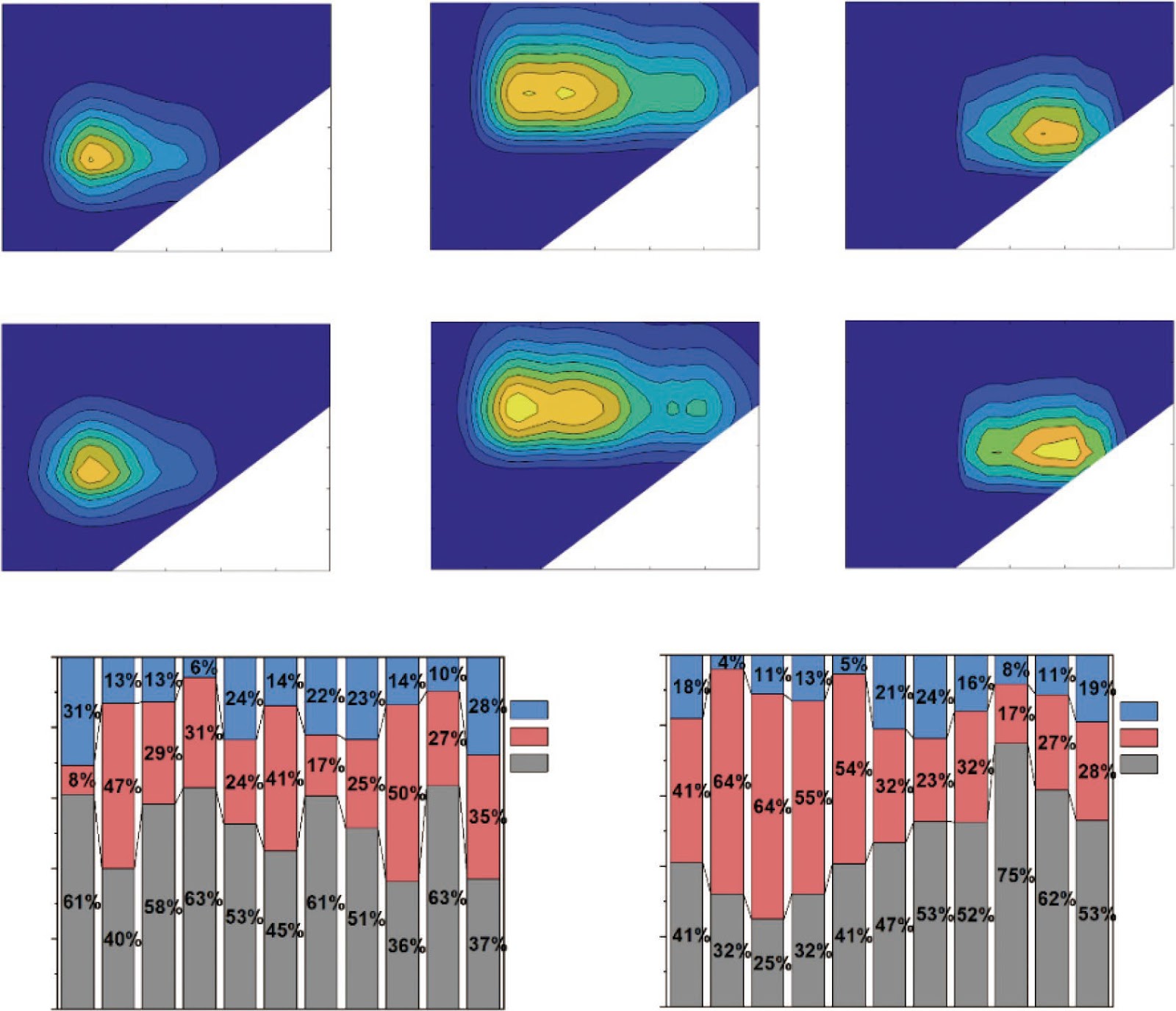
The effect of the chemical structure of spinnable pitches on their rheological properties and spinnability and the properties of carbon fibers produced from them

The effect of the chemical structure of spinnable pitches on their rheological properties and spinnability and the properties of carbon fibers produced from them

The structure and composition of a spinnable pitch determine the properties of the carbon fibers produced from it. Spinnable pitches with low and high softening points (L-SP and H-SP) were prepared by air-blowing thermal polymerization of coal tar pitch. The polymerization mechanism, structural composition, properties of the pitch, and the carbon fiber properties were investigated by fluorescence excitation-emission spectroscopy with parallel factor analysis, EPR, 13C-NMR, dynamic shear rheometry, XRD, Raman, etc. L-SP had the lower degree of polymerization, longer alkyl side chains, and a higher proportion of C―O―C groups. At its spinning temperature, the molten L-SP had viscous-dominant rheological characteristics. H-SP had larger polycyclic aromatic hydrocarbon rings, a higher degree of branching, and a higher polarity. The molten H-SP had a high storage and loss moduli, and a rheological behavior with nearly balanced viscous and elastic properties. Although carbon fibers prepared from H-SP had the better physical properties, their inferior rheological properties could lead to melt die swelling, the formation of surface particles and an increased number of irregularities. The superior viscoelasticity of L-SP promoted uniform stretching, maximizing the properties of carbon fibers. This ultimately resulted in similar tensile strengths and moduli of the carbon fibers prepared from the two pitches. The high-quality spinnable pitch had a high aromatic carbon content, a small size of its PAHs, and a low C=O/O―C=O content, which ensured viscosity-dominated rheological behavior, thereby reducing die swelling and melt fracture, and the spinning stability and properties of the carbon fibers produced were improved.

Examine Data & PDF
Research PaperYear: 2025
Fabrication of CoFe/C@polypyrrole composites with efficient electromagnetic wave absorption properties

Fabrication of CoFe/C@polypyrrole composites with efficient electromagnetic wave absorption properties

Recently, increasingly severe electromagnetic radiation has caused harm to precision equipment and human health, which requires the development of effective electromagnetic wave (EMW) absorption materials. These materials require both a strong absorption and a broad bandwidth at low filling rates and small thicknesses. To meet this requirement we have constructed a cobalt-iron/carbon@polypyrrole (CoFe/C@PPy) composite by a two-step synthesis process. The first is the fabrication of magnetic CoFe/C fibers, followed by their coating with a PPy layer with a controlled thickness. This combination of materials results in a magnetic loss from CoFe/C and a dielectric loss from PPy which improves both impedance matching and EMW dissipation. An optimized material has a PPy layer with a thickness of 2.0 mm and a loading of 10% and has a minimum reflection loss (RLmin) of −45.6 dB at 14.64 GHz, and the corresponding effective absorption bandwidth is 5.12 GHz. Furthermore, CST Studio simulations and far-field radar cross-section (RCS) analysis validate its practical use, showing a notable RCS reduction of up to 37.5 dBm2 for a perfect electric conductor.

Examine Data & PDF
Research PaperYear: 2025
Rapidly fabricated carbon/carbon composites with a mesophase pitch binder and graphite flake filler with excellent EMI shielding and thermal conductivity

Rapidly fabricated carbon/carbon composites with a mesophase pitch binder and graphite flake filler with excellent EMI shielding and thermal conductivity

Carbon/carbon (C/C) composites are ideal materials for electromagnetic interference (EMI) shielding and thermal management in the aerospace field because of their low density. However, traditional C/C composites primarily rely on repeated densification to increase their EMI shielding effectiveness (SE), which not only increases density but also involves lengthy preparation cycles. We have constructed a unidirectional (1D) C/C composite using a matrix of mesophase pitch-derived carbon and graphite flakes, reinforced with mesophase pitch-based carbon fibers. Using a one-step consolidation process produced by spontaneous assembly during heating, the open pores and a continuous conductive network give the composite an EMI SE of up to 83.97 dB in the 8.2–12.4 GHz (X-band). The material also has a thermal conductivity of 191.84 W·m−1·K−1 and an electrical conductivity of 6.50 × 10⁴ S·m−1 along the fiber direction, together with a flexural strength exceeding 100 MPa, while having a bulk density of only 1.01 g·cm−3. This work therefore presents a short-cycle fabrication strategy for low-density C/C composites that integrate high EMI SE, efficient thermal management, and good mechanical properties.

Examine Data & PDF
Research PaperYear: 2025
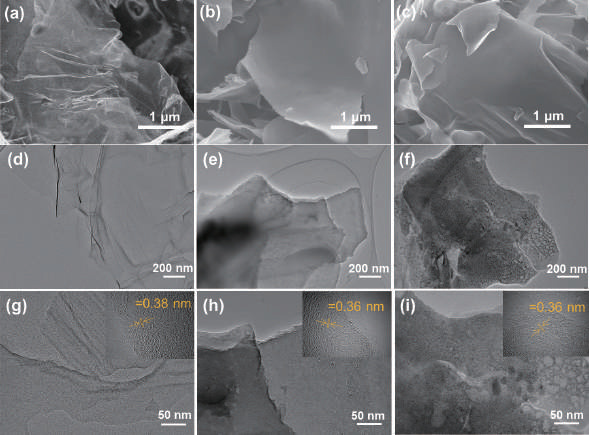
The potassium storage performance of carbon nanosheets derived from heavy oils

The potassium storage performance of carbon nanosheets derived from heavy oils

As by-products of petroleum refining, heavy oils are characterized by a high carbon content, low cost and great variability, making them competitive precursors for the anodes of potassium ion batteries (PIBs). However, the relationship between heavy oil composition and potassium storage performance remains unclear. Using heavy oils containing distinct chemical groups as the carbon source, namely fluid catalytic cracking slurry (FCCS), petroleum asphalt (PA) and deoiled asphalt (DOA), three carbon nanosheets (CNS) were prepared through a molten salt method, and used as the anodes for PIBs. The composition of the heavy oil determines the lamellar thicknesses, sp3-C/sp2-C ratio and defect concentration, thereby affecting the potassium storage performance. The high content of aromatic hydrocarbons and moderate amount of heavy component moieties in FCCS produce carbon nanosheets (CNS-FCCS) that have a smaller layer thickness, larger interlayer spacing (0.372 nm), and increased number of folds than in CNS derived from the other three precursors. These features give it faster charge/ion transfer, more potassium storage sites and better reaction kinetics. CNS-FCCS has a remarkable K+ storage capacity (248.7 mAh g−1 after 100 cycles at 0.1 A g−1), long cycle lifespan (190.8 mAh g−1 after 800 cycles at 1.0 A g−1) and excellent rate capability, ranking it among the best materials for this application. This work sheds light on the influence of heavy oil composition on carbon structure and electrochemical performance, and provides guidance for the design and development of advanced heavy oil-derived carbon electrodes for PIBs.

Examine Data & PDF
Research PaperYear: 2025
Preparation of a high-performance synthetic pitch from aromatic hydrocarbons containing N/Cl

Preparation of a high-performance synthetic pitch from aromatic hydrocarbons containing N/Cl

The preparation of a synthetic pitch from aromatic monomers could easily regulate structure orientation at the molecular level, which would be useful in fabrication. An isotropic synthetic pitch was prepared by a chlorine- and/or nitrogen-induced substitution polymerization reaction method using aromatic hydrocarbon precursors containing Cl and N, which for this study were chloromethyl naphthalene and quinoline. This method was verified by investigating the structural changes under different synthesis conditions, and the synthesis mechanism induced by aromatics containing Cl was also probed. The result shows that the pyridinic N in quinoline contains a lone pair of electrons, and is an effective active site to induce the polymerization reaction by coupling with aromatic hydrocarbons containing Cl. The reaction between such free radicals causes strong homopolymerization and oligomerization. A higher reaction temperature and longer reaction time significantly increased the degree of polymerization and thus increased the softening point of the pitch. A linear molecular structure was formed by the Cl substitution reaction, which produced a highly spinnable pitch with a softening point of 258.6 °C, and carbon fibers with a tensile strength of 1 163.82 MPa were obtained. This study provides a relatively simple and safe method for the preparation of high-quality spinnable pitch.

Examine Data & PDF
Research PaperYear: 2025
Polyetherketoneketone/carbon fiber composites with an amorphous interface prepared by solution impregnation

Polyetherketoneketone/carbon fiber composites with an amorphous interface prepared by solution impregnation

Interfacial adhesion between carbon fibers (CF) and polyetherketoneketone (PEKK) is a key factor that affects the mechanical performances of their composites. It is therefore of great importance to impregnate the CF bundles with PEKK as efficiently as possible. We report that PEKK with a good dispersion in a mixed solution of 4-chlorophenol and 1,2-dichloroethane can be introduced onto CF surfaces by solution impregnation and curing at 280, 320, 340 and 360 °C. The excellent wettability or infiltration of the PEKK solution guarantees a full covering and its tight binding to CFs, making it possible to evaluate the interfacial shear strength (IFSS) with the microdroplet method. The interior of the CF bundles is completely and uniformly filled with PEKK by solution impregnation, leading to a high interlaminar shear strength (ILSS). The maximum IFSS and ILSS reached 107.8 and 99.3 MPa, respectively. Such superior shear properties are ascribed to the formation of amorphous PEKK in the small spaces between CFs.

Examine Data & PDF
Research PaperYear: 2025
In-situ thermal Raman mapping and stress analysis of CNT/CF/epoxy interfaces

In-situ thermal Raman mapping and stress analysis of CNT/CF/epoxy interfaces

A study of the interfacial behavior and internal thermal stress distribution in fiber-reinforced composites is essential to assess their performance and reliability. CNT/carbon fiber (CF) hybrid fibers were constructed using electrophoretic deposition. The interfacial properties of CF/epoxy and CNT/CF/epoxy composites were statistically investigated and compared using in-situ thermal Raman mapping by dispersing CNTs as a Raman sensing medium (CNTR) in a resin. The associated local thermal stress changes can be simulated by capturing the G' band position distribution of CNTR in the epoxy at different temperatures. It was found that the G' band shifted to lower positions with increasing temperature, reaching a maximum difference of 2.43 cm−1 at 100 °C. The interfacial bonding between CNT/CF and the matrix and the stress distribution and changes during heat treatment (20–100 °C) were investigated in detail. This work is important for studying thermal stress in fiber-reinforced composites by in-situ thermal Raman mapping technology.

Examine Data & PDF
Research PaperYear: 2025
Ablation behaviour and mechanical performance of ZrB2-ZrC-SiC modified carbon/carbon composites prepared by vacuum infiltration combined with reactive melt infiltration

Ablation behaviour and mechanical performance of ZrB2-ZrC-SiC modified carbon/carbon composites prepared by vacuum infiltration combined with reactive melt infiltration

The development of advanced aircraft relies on high performance thermal-structural materials, and carbon/carbon composites (C/C) composited with ultrahigh-temperature ceramics are ideal candidates. However, the traditional routes of compositing are either inefficient and expensive or lead to a non-uniform distribution of ceramics in the matrix. Compared with the traditional C/C-ZrC-SiC composites prepared by the reactive melt infiltration of ZrSi2, C/C-ZrB2-ZrC-SiC composites prepared by the vacuum infiltration of ZrB2 combined with reactive melt infiltration have the higher content and more uniform distribution of the introduced ceramic phases. The mass and linear ablation rates of the C/C-ZrB2-ZrC-SiC composites were respectively 68.9% and 29.7% lower than those of C/C-ZrC-SiC composites prepared by reactive melt infiltration. The ablation performance was improved because the volatilization of B2O3, removes some of the heat, and the more uniformly distributed ZrO2, that helps produce a ZrO2-SiO2 continuous protective layer, hinders oxygen infiltration and decreases ablation.

Examine Data & PDF
Research PaperYear: 2025
Cardo poly (ether sulfone) toughened E51/DETDA epoxy resin and its carbon fiber composites

Cardo poly (ether sulfone) toughened E51/DETDA epoxy resin and its carbon fiber composites

A toughener that can effectively improve the interlaminar toughness in carbon fiber composites is crucial for various applications. We investigated, the toughening effects of phenolphthalein-based cardo poly (ether sulfone) (PES-C) on E51/ DETDA epoxy and its carbon fiber composites (CFCs). Scanning electron microscopy showed that the phase structures of PES-C/epoxy blends change from island (of dispersed phase) structures to bi-continuous structures (of the matrix) as the PES-C content increased, which is associated with reaction-induced phase separation. After adding 15 phr PES-C, the glass transition temperature (Tg) of the blends increased by 51.5 °C, and the flexural strength, impact strength and fracture toughness of the blends were improved by 41.1%, 186.2% and 42.7%, respectively. These improvements could be attributed to the phase separation structure of the PES-C/epoxy system. A PES-C film was used to improve the mode-II fracture toughness (GIIC) of CFCs. The GIIC value of the 7 μm PES-C film toughened laminate was improved by 80.3% compared to that of the control laminate. The increase in GIIC was attributed to cohesive failure and plastic deformation in the interleaving region.

Examine Data & PDF
Research PaperYear: 2025
A review of carbon material-based Z-scheme and S-scheme heterojunctions for photocatalytic clean energy generation

A review of carbon material-based Z-scheme and S-scheme heterojunctions for photocatalytic clean energy generation

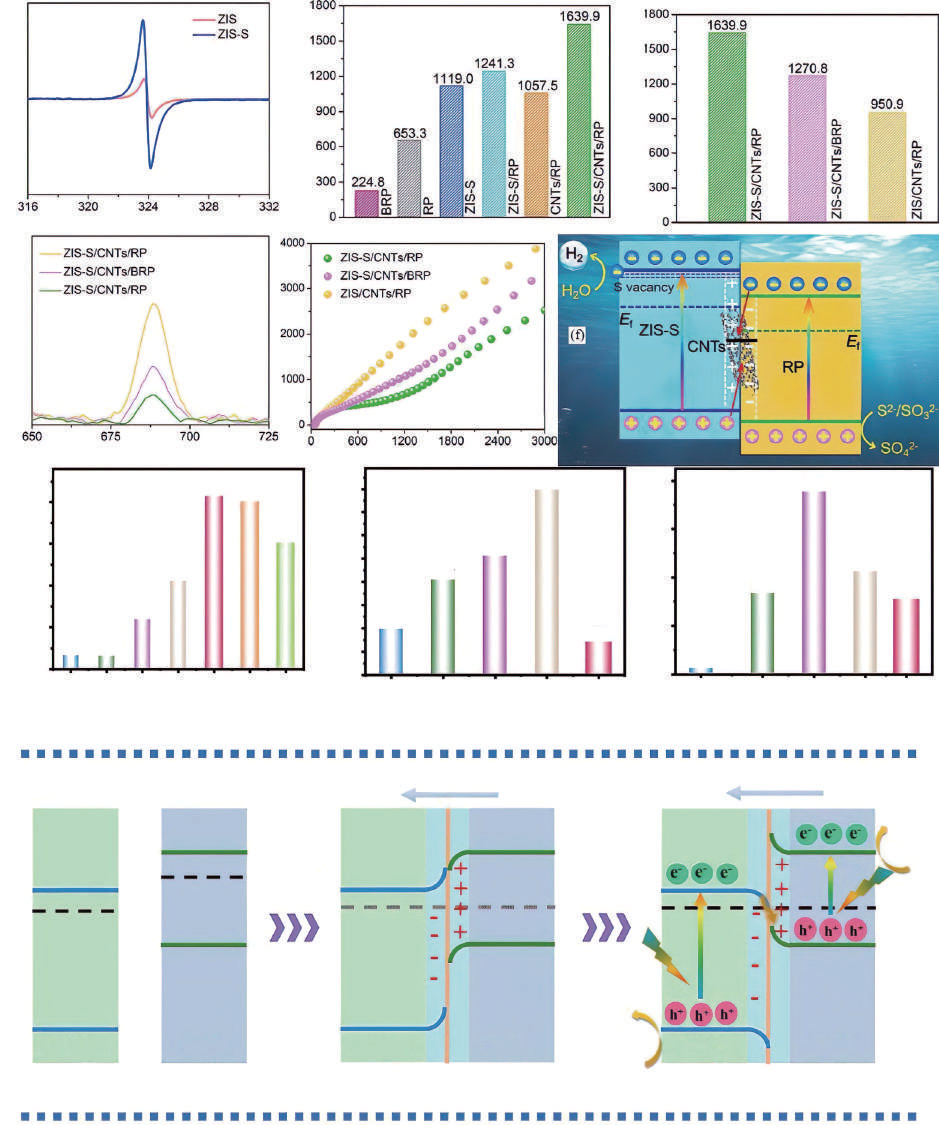
Carbon materials, including carbon nanotubes/nanofibers, graphene, graphene oxide, reduced graphene oxide, graphyne, graphdiyne, carbon quantum dots and fullerenes, have received considerable attention in recent years because of their unique properties such as high conductivity, excellent stability and biocompatibility. The integration of these materials into Z-scheme and S-scheme heterojunctions has emerged as a transformative strategy to increase their photocatalytic efficiency for energy conversion applications. We first consider the fundamental principles of clean energy generation such as photocatalytic H2 generation and CO2 reduction, elucidating their respective mechanisms and advantages. Various types of carbon materials, their synthesis and construction of Z-scheme and S-scheme heterojunctions are then discussed, emphasizing their role in promoting charge separation, reducing recombination losses and extending the spectral response range. With a focus on solar energy production, recent advances in carbon-based Z-scheme and S-scheme heterojunctions are discussed and summarized for photocatalytic H2 generation and CO2 reduction. Lastly, the current problems in the field of carbon-based photocatalysts are discussed with insights for the future development of this field.

Examine Data & PDF
Research PaperYear: 2025
Improving the mechanical properties and thermal conductivity of mesophase-pitch-based carbon fibers by controlling the temperature in industrial spinning equipment

Improving the mechanical properties and thermal conductivity of mesophase-pitch-based carbon fibers by controlling the temperature in industrial spinning equipment

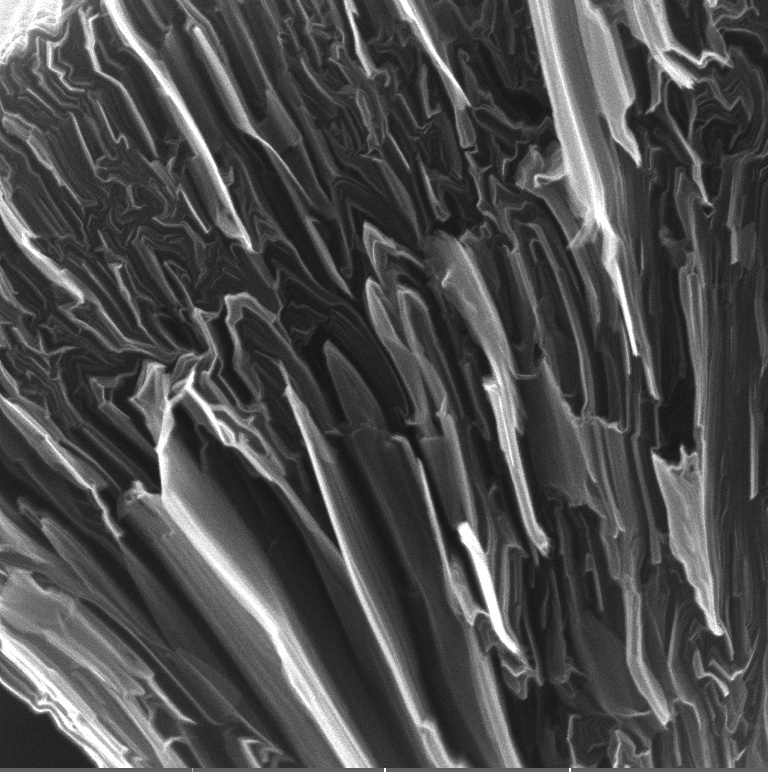
Mesophase-pitch-based carbon fibers (MPCFs) were prepared using industrial equipment with a constant extrusion rate of pitch while controlling the spinning temperature. The influence of spinning temperature on their microstructures, mechanical properties and thermal conductivities was investigated. SEM images of the fractured surface of MPCFs show that the graphite layers have a radiating structure at all spinning temperatures, but change from the fine-and-folded to the large-and-flat morphology when increasing the spinning temperature from 309 to 320 °C. At the same time the thermal conductivity and tensile strength of the MPCFs respectively increase from 704 W·m−1·K−1 and 2.16 GPa at 309 °C to 1 078 W·m−1·K−1 and 3.23 GPa at 320 °C. The lower viscosity and the weaker die-swell effect of mesophase pitch at the outlets of the spinnerets at the higher spinning temperature contribute to the improved orientation of mesophase pitch molecules in the pitch fibers, which improves the crystallite size and orientation of the MPCFs.

Examine Data & PDF
Research PaperYear: 2025
A new anode material for high rate and long life lithium/sodium storage

A new anode material for high rate and long life lithium/sodium storage

It is imperative to design suitable anode materials for both lithium-ion (LIBs) and sodium-ion batteries (SIBs) with a high-rate performance and ultralong cycling life. We fabricated a MoO2/MoS2 heterostructure that was then homogeneously distributed in N,S-doped carbon nanofibers (MoO2/MoS2@NSC) by electrospinning and sulfurization. The one-dimensional carbon fiber skeleton serves as a conductive frame to decrease the diffusion pathway of Li+/Na+, while the N/S doping creates abundant active sites and significantly improves the ion diffusion kinetics. Moreover, the deposition of MoS2 nanosheets on the MoO2 bulk phase produces an interface that enables fast Li+/Na+ transport, which is crucial for achieving high efficiency energy storage. Consequently, as the anode for LIBs, MoO2/MoS2@NSC gives an excellent cycling stability of 640 mAh g−1 for 2000 cycles under 5.0 A g−1 with an ultralow average capacity drop of 0.002% per cycle and an exceptional rate capability of 614 mAh g−1 at 10.0 A g−1. In SIBs, it also produces a significantly better electrochemical performance (reversible capacity of 242 mAh g−1 under 2.0 A g−1 for 2000 cycles and 261 mAh g−1 under 5.0 A g−1). This work shows how introducing a novel interface in the anode can produce rapid Li+/Na+ storage kinetics and a long cycling performance.

Examine Data & PDF
Research PaperYear: 2025
A review of the use of electrospinning in the preparation of flexible lithium-ion batteries

A review of the use of electrospinning in the preparation of flexible lithium-ion batteries

Electrospinning technology has emerged as a promising method for fabricating flexible lithium-ion batteries (FLIBs) due to its ability to create materials with desirable properties for energy storage applications. FLIBs, which are foldable and have high energy densities, are becoming increasingly important as power sources for wearable devices, flexible electronics, and mobile energy applications. Carbon materials, especially carbon nanofibers, are pivotal in improving the performance of FLIBs by increasing electrical conductivity, chemical stability, and surface area, as well as reducing costs. These materials also play a significant role in establishing conducting networks and improving structural integrity, which are essential for extending the cycle life and enhancing the safety of the batteries. This review considers the role of electrospinning in the fabrication of critical FLIB components, with a particular emphasis on the integration of carbon materials. It explores strategies to optimize FLIB performance by fine-tuning the electrospinning parameters, such as electric field strength, spinning rate, solution concentration, and carbonization process. Precise control over fiber properties is crucial for enhancing battery reliability and stability during folding and bending. It also highlights the latest research findings in carbon-based electrode materials, high-performance electrolytes, and separator structures, discussing the practical challenges and opportunities these materials present. It underscores the significant impact of carbon materials on the evolution of FLIBs and their potential to shape future energy storage technologies.

Examine Data & PDF
Research PaperYear: 2025
A B,N co-doped carbon nanotube array with anchored MnO2 nanosheets as a flexible cathode for aqueous zinc-ion batteries

A B,N co-doped carbon nanotube array with anchored MnO2 nanosheets as a flexible cathode for aqueous zinc-ion batteries

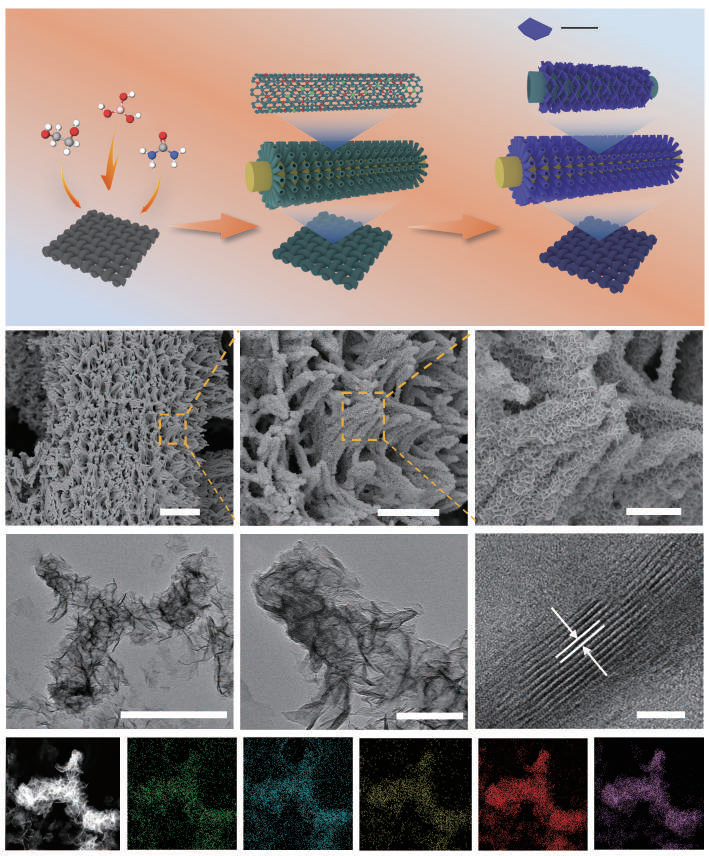
For rechargeable aqueous zinc-ion batteries (ZIBs), the design of nanocomposites comprised of electrochemically active materials and carbon materials with novel structures has great promise in addressing the issue of electrical conductivity and structural stability in the electrode materials during electrochemical cycling. We report the production of a novel flexible electrode material, by anchoring MnO2 nanosheets on a B,N co-doped carbon nanotube array (BNCNTs) grown on carbon cloth (BNCNTs@MnO2), which was fabricated by in-situ pyrolysis and hydrothermal growth. The generated BNCNTs were strongly bonded to the surface of the carbon fibers in the carbon cloth which provides both excellent electron transport and ion diffusion, and improves the stability and durability of the cathode. Importantly, the BNCNTs offer more active sites for the hydrothermal growth of MnO2, ensuring a uniform distribution. Electrochemical tests show that BNCNTs@MnO2 delivers a high specific capacity of 310.7 mAh g−1 at 0.1 A g−1, along with excellent rate capability and outstanding cycling stability, with a 79.7% capacity retention after 8000 cycles at 3 A g−1.

Examine Data & PDF
Research PaperYear: 2025
The use of a ternary metal sulfide loading on carbon fibers as the sulfur host for high performance low-temperature lithium sulfur batteries

The use of a ternary metal sulfide loading on carbon fibers as the sulfur host for high performance low-temperature lithium sulfur batteries

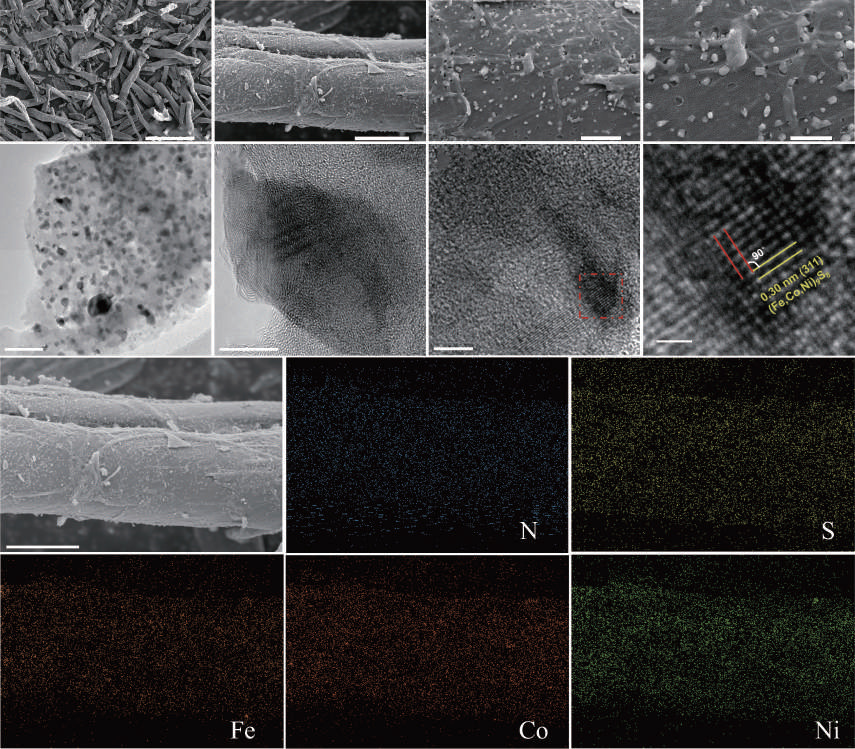
The use of lithium-sulfur (Li-S) batteries is limited by sulfur redox reactions involving multi-phase transformations, especially at low temperatures. To address this issue, we report a material (FCNS@NCFs) consisting of nitrogen-doped carbon fibers loaded with a ternary metal sulfide ((Fe, Co, Ni)9S8) for use as the sulfur host in Li-S batteries. This material was prepared using transfer blot filter paper as the carbon precursor, thiourea as the source of nitrogen and sulfur, and FeCl3·6H2O, CoCl2·6H2O and NiCl2·6H2O as the metal ion sources. It was synthesized by an impregnation method followed by calcination. The nitrogen doping significantly increased the conductivity of the host, and the metal sulfides have excellent catalytic activities. Theoretical calculations, and adsorption and deposition experiments show that active sites on the surface of FCNS@NCFs selectively adsorb polysulfides, facilitate rapid adsorption and conversion, prevent cathode passivation and inhibit the polysulfide shuttling. The FCNS@NCFs used as the sulfur host has excellent electrochemical properties. Its initial discharge capacity is 1639.0 mAh g−1 at 0.2 C and room temperature, and it remains a capacity of 1255.1 mAh g−1 after 100 cycles. At −20 °C, it has an initial discharge capacity of 1578.5 mAh g−1 at 0.2 C, with a capacity of 867.5 mAh g−1 after 100 cycles. Its excellent performance at both ambient and low temperatures suggests a new way to produce high-performance low-temperature Li-S batteries.

Examine Data & PDF

Frequently Asked Technical Questions (Carbon Fiber Composites)

Q:Has China achieved domestic production of T1000-grade carbon fiber?

Yes, commercial lines operated by Zhongfu Shenying and state-supported institutes produce verified T1000 and M40J/M55J grade fibers for domestic aviation and deep-space missions.

Q:What advantages do Chinese SiC/SiC composites offer over metallic alloys?

SiC/SiC CMCs offer one-third the density of nickel-based superalloys while operating without cooling up to 1,450 °C, significantly raising the thrust-to-weight ratio of aero-engines.

Explore Related Research Pillars in SinoTechIntel