SinoTechIntel Academic Portal
Advanced Metallurgy & Structural MaterialsStrategic Intelligence Pillar

High-Entropy Alloys (HEAs): Microstructure, Tensile Ductility & Extreme Environment Performance

Comprehensive intelligence tracking Chinese multi-principal element alloy designs, overcoming strength-ductility trade-offs in cryogenic, nuclear, and aerospace environments.

Primary Focus: High-Entropy AlloysCurated Papers: 24 Verified StudiesDomain Authority: SinoTechIntel

State-of-the-Art Executive Brief & Commercialization Roadmap

High-Entropy Alloys (HEAs) and Multi-Principal Element Alloys (MPEAs) have emerged as the vanguard of structural metallurgy in China. Spearheaded by the Chinese Academy of Sciences (CAS), University of Science and Technology Beijing (USTB), and Central South University, Chinese researchers have pioneered novel non-equiatomic compositions and dual-phase microstructures that shatter conventional strength-ductility trade-offs. By combining transformation-induced plasticity (TRIP) and twinning-induced plasticity (TWIP) mechanisms, recent Chinese developments have achieved cryogenic tensile strengths exceeding 1.8 GPa alongside over 40% elongation at liquid nitrogen temperatures (77 K). Key commercial and military drivers include radiation-resistant reactor core cladding, deep-sea submersibles, and next-generation scramjet combustion chambers.

Core Technical Benchmarks & Performance Thresholds

Cryogenic Ultimate Tensile Strength
> 1.85 GPa
At 77 K liquid nitrogen testing
Uniform Elongation at Failure
42 - 50%
TWIP + TRIP cooperative mechanism
Irradiation Swelling Resistance
< 0.1%
At 100 dpa ion irradiation
Continuous Operating Temperature
Up to 1,150 °C
Refractory MoNbTaW-based HEA

Lead Research Institutions & Enterprise Innovators

🏛️ CAS Institute of Metal Research (IMR Shenyang)🏛️ University of Science and Technology Beijing (USTB)🏛️ Central South University (CSU)🏛️ Northwestern Polytechnical University (NWPU)🏛️ Baowu Steel Group Advanced Metallurgy Lab

Verified Chinese Research Papers in High-Entropy Alloys

24 Studies Indexed
Research PaperYear: 2026
Steady Shear Rheological Response of Ferrofluids Containing Hydrophilic Fumed Silica under Magnetic Fields

Steady Shear Rheological Response of Ferrofluids Containing Hydrophilic Fumed Silica under Magnetic Fields

This study investigates the steady shear rheological behavior of water-based ferrofluids composited with hydrophilic fumed silica under different magnetic field strengths, with particular attention paid to avoiding gelation that reduces fluidity. Seven composite ferrofluid samples were prepared and characterized. By adjusting the silica particle size and volume fraction, their effects on viscosity and yield stress were explored. As a result, pronounced shear-thinning behavior is observed in this dispersion, with their flow curves under different magnetic field strengths effectively scaled by the Mason number. A higher silica concentration or larger particle size increases the critical Mason number, showing that field-induced structures become more stable. In contrast, only high silica concentrations significantly enhance shear thinning, as reflected by a larger flow index, whereas particle size has little influence. Yield stress analysis further shows that macroscopic models capture normalized Bingham yield stress, while microscopic models better predict normalized static yield stress. Overall, this work demonstrates that hydrophilic fumed silica offers a simple and effective route for tuning the magnetorheology of water-based ferrofluids without inducing gelation, ensuring controllable rheology and good fluidity.
Examine Data & PDF
Research PaperYear: 2026
Effect of Particle Size on Ignition and Combustion Performance of Al-Li-Mg Alloys

Effect of Particle Size on Ignition and Combustion Performance of Al-Li-Mg Alloys

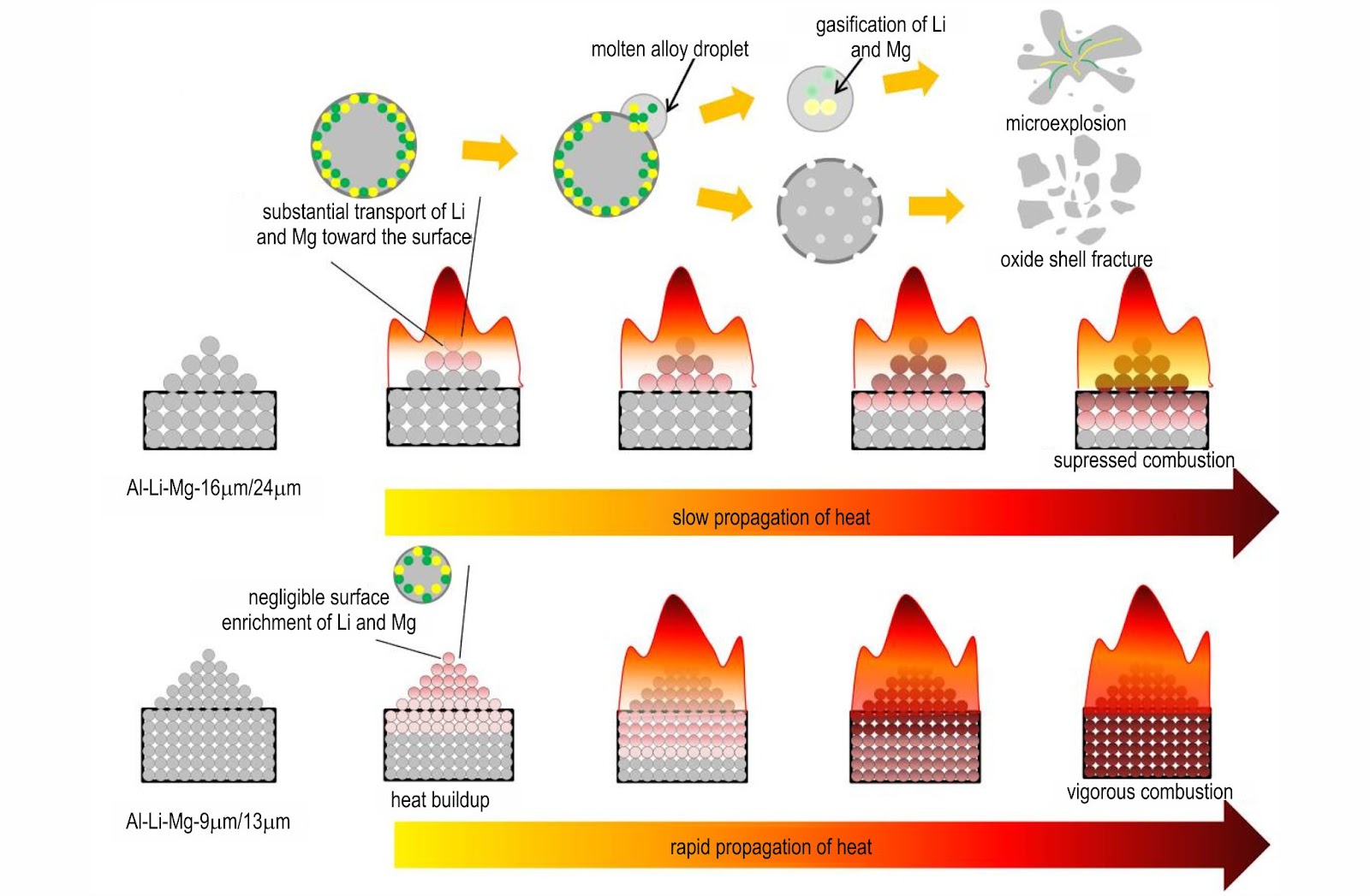
To elucidate the influence mechanism of particle size on the ignition and combustion behavior of Al-Li-Mg alloys, four alloy powders with median diameters of 9, 13, 16, and 24 μm were systematically investigated. Physicochemical properties were characterized by laser diffraction, scanning electron microscopy, X-ray diffraction, simultaneous thermal analysis, and oxygen bomb calorimetry. Ignition and combustion behaviors were assessed using a laser ignition test bench equipped with high-speed photography and fiber-optic spectrometry. Results show that with increasing particle size, ignition delay time first decreases sharply then stabilizes, dropping from 135 ms (9 μm) to 51 ms (13 μm), then to 15 ms (16 μm) and 18 ms (24 μm). Combustion intensity, indicated by maximum spectral intensity, decreases from 7300.4 (9 μm) to 1721.6 (24 μm). Combustion duration initially extends slightly then stabilizes, from 857 ms (9 μm) to 928 ms (13 μm) and approximately 920 ms for larger sizes. Notably, the 13 μm alloy achieves an optimal balance among ignition delay (51 ms), combustion duration (928 ms), and combustion intensity (6041.8). The study reveals a critical size effect: between 13 and 16 μm, ignition delay drops by 71% while combustion intensity decreases by 54%, indicating a transition from surface-diffusion-controlled to micro-explosion-dominated combustion. This mechanism arises from competition between heat conduction and elemental diffusion: larger particles restrict heat transfer, promoting Li and Mg surface enrichment and temperature gradients that induce micro-explosions, thereby shortening ignition delay but reducing combustion efficiency and intensity.

Examine Data & PDF
Research PaperYear: 2026
Hydrogenation-Dehydrogenation Preparation of TiZrNbTa Refractory High-Entropy Alloy Powder

Hydrogenation-Dehydrogenation Preparation of TiZrNbTa Refractory High-Entropy Alloy Powder

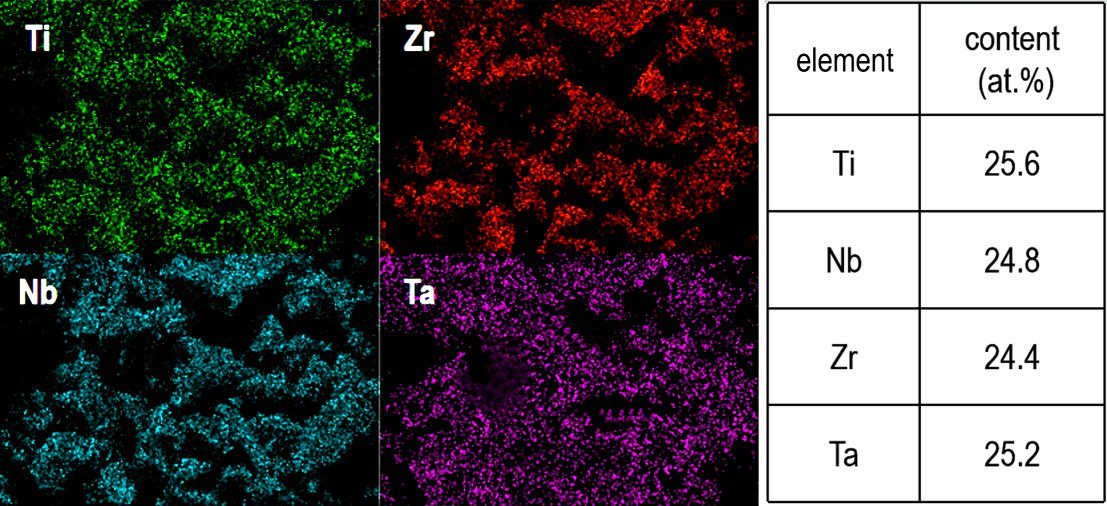
TiZrNbTa refractory high-entropy alloy (RHEA) is an active alloy with excellent mechanical properties and energy release characteristics. However, its high and disparate melting points of constituent elements and wide liquid-solid two-phase region hinder large-scale forming via conventional casting. Powder metallurgy offers a viable route, but obtaining suitable powder is critical. This study systematically investigated the hydrogenation-dehydrogenation (HDH) process for preparing equimolar TiZrNbTa RHEA powder. The as-cast alloy was hydrogenated at 550 °C under 0.25 MPa hydrogen pressure for 2 h, transforming the BCC solid solution into metal hydrides (ZrH2, TiH2, and (Nb,Ta)H). Mechanical crushing yielded irregular hydride powder with an average particle size (D50) of 11.13 μm, and hydrogen and oxygen contents of 1.823% and 0.111%, respectively. Subsequent vacuum dehydrogenation at 450 °C for 1.5 h produced single-phase BCC TiZrNbTa powder with significantly reduced hydrogen (0.028%) and slightly increased oxygen (0.121%) contents, and a narrower particle size distribution with D50 reduced to 5.67 μm. The results demonstrate that the HDH process is an effective method for producing low-oxygen TiZrNbTa RHEA powder with suitable particle size for powder metallurgy applications.

Examine Data & PDF
Research PaperYear: 2026
Preparation and Performance of Epoxy Resin Cured Compounds with High Mechanical Strength and Energy-release Capability for Reactive Warhead Casings

Preparation and Performance of Epoxy Resin Cured Compounds with High Mechanical Strength and Energy-release Capability for Reactive Warhead Casings

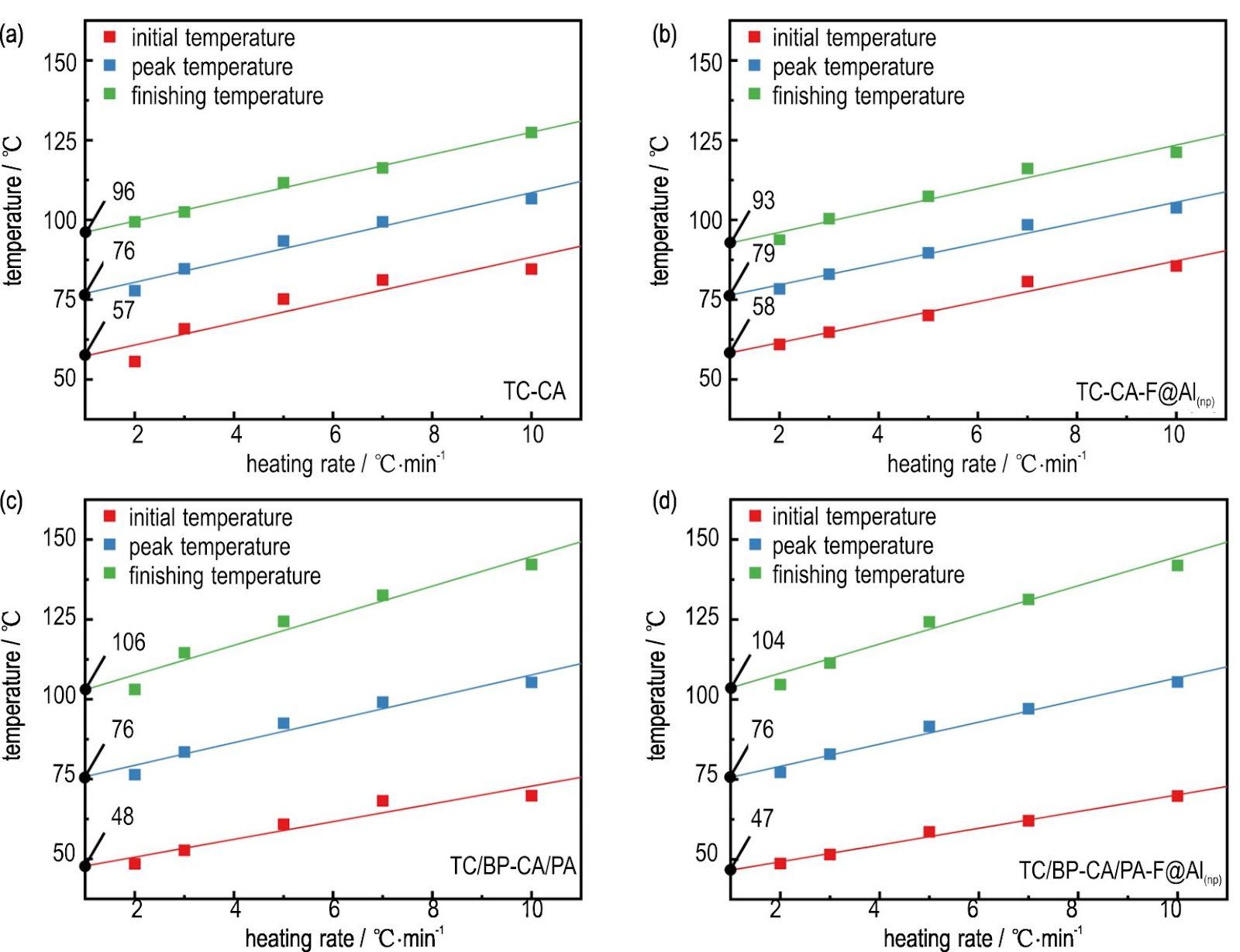
To address the issue that resin matrices in carbon fiber reinforced polymer (CFRP) composites cannot participate in explosive energy release when used in warhead casings, an epoxy resin cured compound with both high mechanical properties and high energy-release characteristics was prepared by introducing more easily pyrolyzable polyether segments and fluoropolymer-coated nano-aluminum powder into a high-rigidity epoxy cured compound. The crosslinked network structure, mechanical properties, thermal decomposition characteristics, ignition and combustion characteristics, and energy-release performance were characterized using infrared spectroscopy, quasi-static mechanical testing, TG-DSC, laser ignition testing, and closed bomb testing. Results show that the cured compound has a well-formed crosslinked network, a tensile strength of 72.41 MPa, an initial thermal decomposition temperature of approximately 273 °C, a minimum ignition energy reduced to 1.77 J, a maximum pressure rise rate of 0.407 MPa·ms⁻¹, and a peak pressure increased to 5.935 MPa in closed bomb tests. The introduction of polyether segments and fluoropolymer-coated nano-aluminum enhances the energy release rate and total energy release, making the material a potential resin matrix for CFRP-based reactive structural materials.

Examine Data & PDF
Research PaperYear: 2026
Simulation Study on Heat Transfer Characteristics of Continuous Synthesis Process of 3-Amino-4-aminoximiofurazan

Simulation Study on Heat Transfer Characteristics of Continuous Synthesis Process of 3-Amino-4-aminoximiofurazan

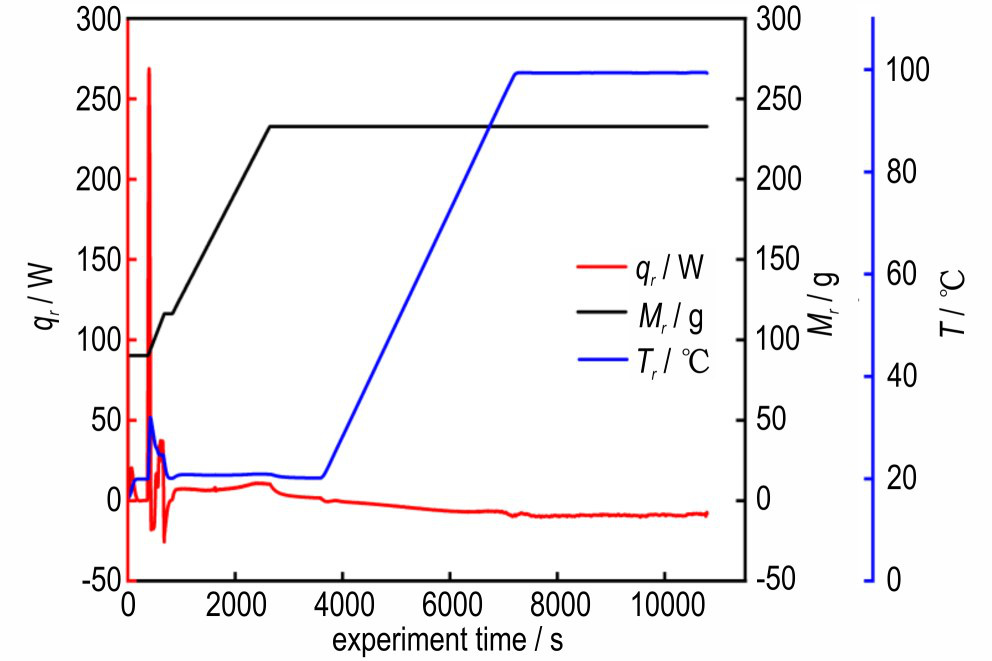
The channel reactor offers advantages of high-efficiency mass and heat transfer, providing a basis for transitioning mixed-controlled strongly exothermic reactions from batch to continuous industrial production. This study focuses on the synthesis of 3-amino-4-aminoximiofurazan (AAOF). Reaction calorimetry experiments provided fundamental heat release data, which, combined with material and energy balances, yielded exothermic model parameters for a channel reactor. A heat transfer-exothermic model was constructed, and numerical solutions simulated jacket heat transfer, heat transfer rates, and heat exchange medium effectiveness. Thermal safety risks in the continuous flow process were analyzed, leading to a heat exchange control strategy. Results show that for a reactor tube of 0.01 m diameter and 5 m length, producing AAOF at 2 kg·h⁻¹ with heat transfer oil in co-current flow, the mass flow rate significantly affects safety: below 0.1 kg·h⁻¹, outlet temperature exceeds 120 °C, approaching the onset decomposition temperature (121.7 °C), risking thermal accumulation and runaway; optimal heat removal occurs at 2–3.5 kg·h⁻¹; above 4.5 kg·h⁻¹, temperature drops below 100 °C, failing to meet process conditions. The optimal heat exchange medium flow range is 2–3.5 kg·h⁻¹, providing foundational data and process parameters for safe design and stable operation of AAOF synthesis in channel reactors.

Examine Data & PDF
Research PaperYear: 2026
Review on Ship Structural Damage and Protection Subjected to Underwater Contact Explosions

Review on Ship Structural Damage and Protection Subjected to Underwater Contact Explosions

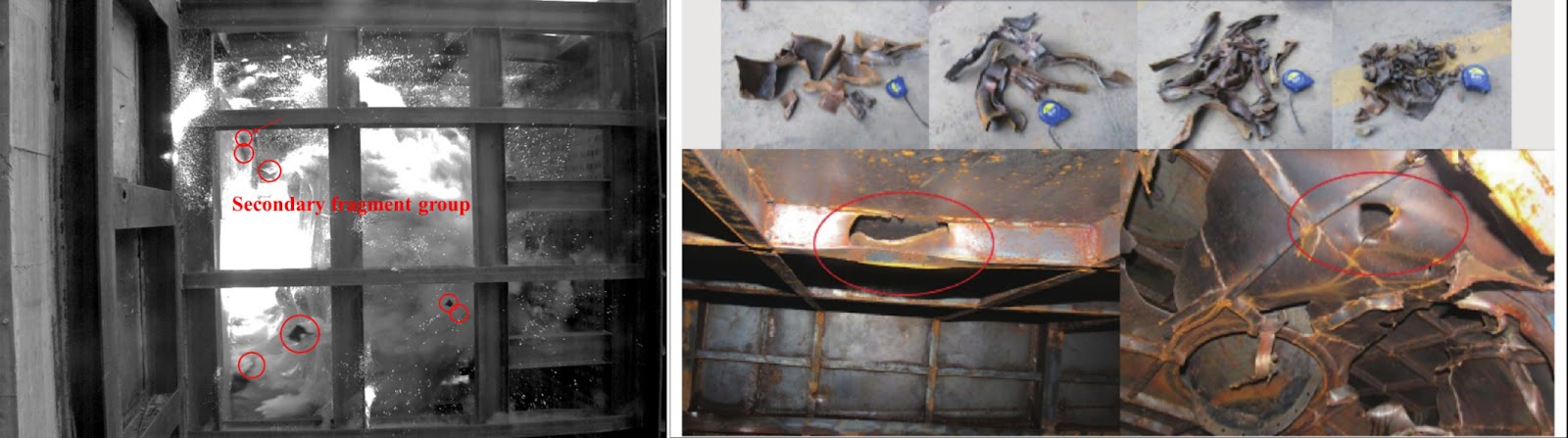
Underwater contact explosions from torpedoes and mines pose severe threats to ship survivability. The coupled effects of shock waves, bubbles, and secondary fragments induce complex structural damage. This review first analyzes the load characteristics of underwater contact explosions, detailing the spatial-temporal evolution of shock waves, bubbles, and secondary fragments. Subsequently, it examines protective mechanisms from two perspectives: multi-cabin structural protection and composite structure/material protection, focusing on damage suppression and energy dissipation. Finally, key technical challenges are summarized to guide future research. The review highlights that shock waves cause initial indentation and perforation of the outer plate, while bubble pulsation and collapse jets dominate subsequent large deformation and tearing of bulkheads. Experimental studies show that stiffened plates exhibit significant strain growth during bubble pulsation, potentially exceeding shock wave effects. Multi-cabin designs, such as liquid-filled compartments, effectively mitigate damage through energy absorption and impedance mismatch. Composite materials offer enhanced blast resistance but face scalability issues. The paper underscores the need for high-fidelity numerical methods and experimental validation to resolve controversies regarding dominant damage mechanisms. This work provides a comprehensive reference for advancing ship structural protection against underwater contact explosions.

Examine Data & PDF
Research PaperYear: 2026
Influence of Preparation Processes on the Structure and Properties of the Ductile Thermoelectric Material Ag2S0.4Te0.6

Influence of Preparation Processes on the Structure and Properties of the Ductile Thermoelectric Material Ag2S0.4Te0.6

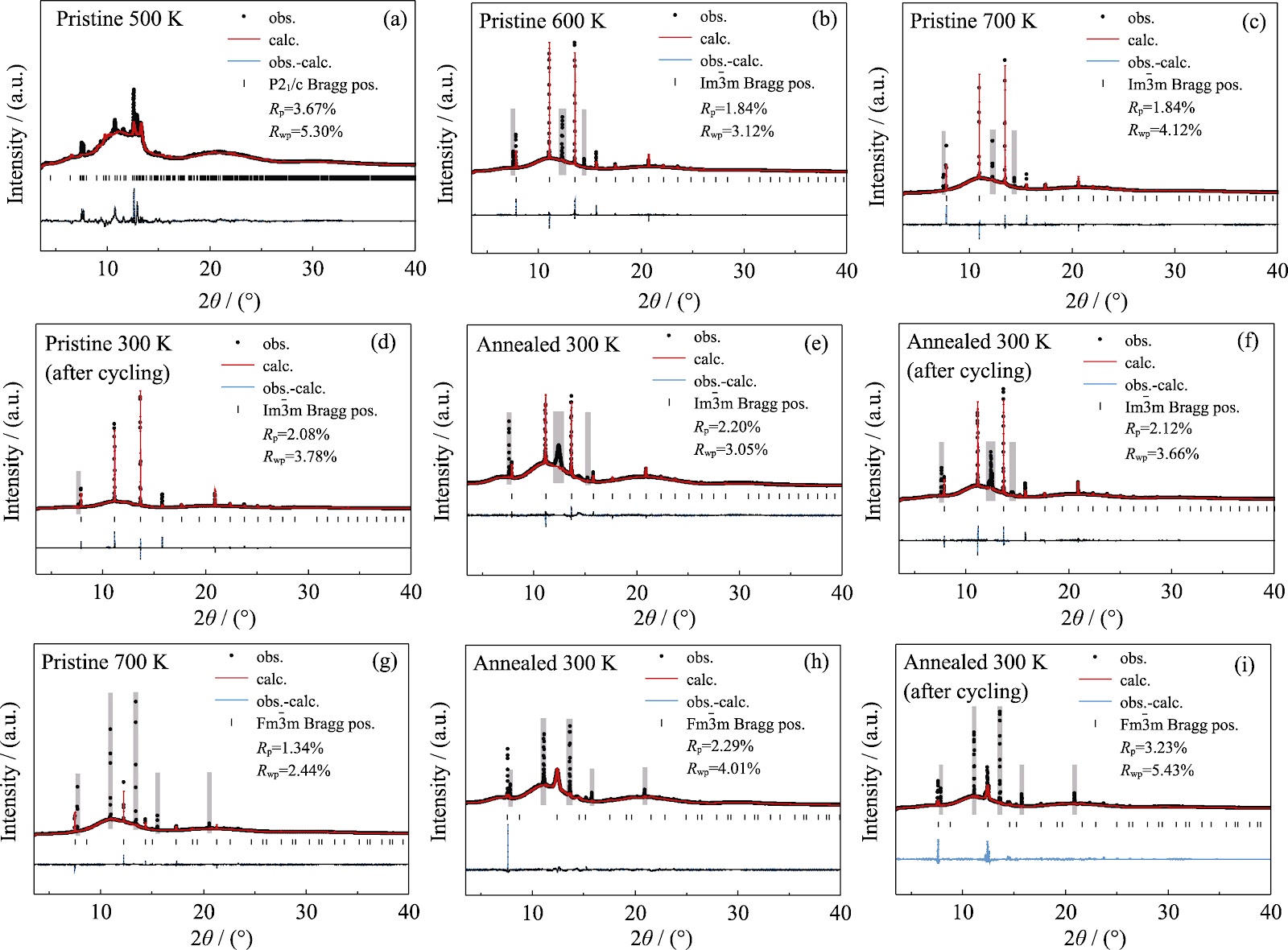
Ag2S0.4Te0.6 is an inorganic semiconductor with favorable ductility and thermoelectric performance, showing potential for applications in wearable electronics. Recent studies have indicated that optimization of preparation processes, such as annealing, can significantly enhance the ductility of the material, which is closely related to its phase composition and crystal structure. In this work, high-resolution synchrotron radiation powder X-ray diffraction data of the Ag2S0.4Te0.6 powder sample before and after annealing were collected over a temperature range of 110–700 K. By combining Rietveld structural refinement, high-resolution transmission electron microscopy, and atomic pair distribution function analysis, the influence of the annealing process on the phase composition and structural evolution behavior of the powder samples was investigated in detail. The results show that the pristine Ag2S0.4Te0.6 powder is predominantly amorphous, containing only a small amount of poorly crystalline monoclinic phase. During heating, the material gradually crystallizes, first forming a monoclinic phase, which subsequently transforms into mixed body-centered cubic (bcc) and face-centered cubic (fcc) phases. After cooling back to room temperature, the sample remains in a mixed state of bcc-dominated cubic crystallinity and amorphous phase. In contrast, the annealed powder sample already exhibits a mixed cubic crystalline/amorphous state at room temperature, and no obvious phase transition behavior is observed during heating. Moreover, the thermoelectric properties of Ag2S0.4Te0.6 bulk sample remain largely unaffected by the annealing process. This study provides structural insights for further understanding the annealing-induced improvement in ductility.

Examine Data & PDF
Research PaperYear: 2026
Research Progress on Controllable Synthesis of Blue-emitting ZnSeTe Quantum Dots and Quantum-dot Light-emitting Diode Devices

Research Progress on Controllable Synthesis of Blue-emitting ZnSeTe Quantum Dots and Quantum-dot Light-emitting Diode Devices

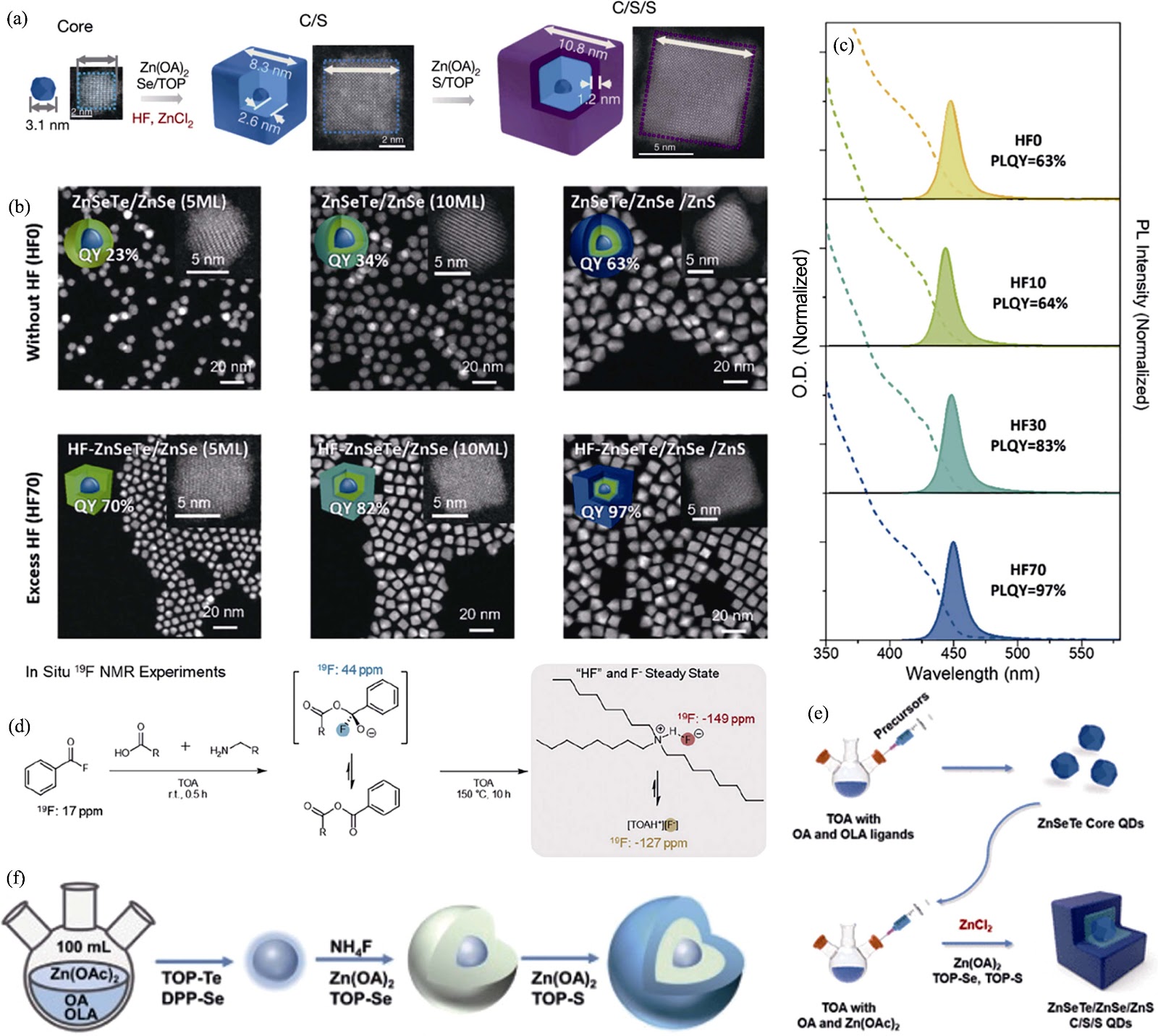
Colloidal quantum dots (QDs) are promising emissive materials for optoelectronic devices owing to their tunable emission wavelength, high color purity, and solution processability. Quantum-dot light-emitting diodes (QLEDs), an important complementary technology to organic light-emitting diodes, have demonstrated considerable potential in display applications. However, the inherent toxicity of conventional Cd- and Pb-based QDs has driven the development of heavy-metal-free QDs systems. Currently, heavy-metal-free blue QLEDs still lag significantly behind their red and green counterparts in device efficiency and operational stability, representing a critical bottleneck to their practical application. To address this issue, ZnSeTe QDs have attracted significant research interest due to their tunable bandgap and excellent blue emission properties. In this work, a comprehensive review of ZnSeTe QDs is provided. Firstly, their nucleation and growth mechanisms, as well as typical synthesis methods are introduced, and the key factors affecting their optical properties are discussed. On this basis, various performance optimization strategies, including band engineering, surface etching, shell passivation, and ligand regulation, are systematically summarized. Furthermore, electroluminescence mechanisms of QLEDs and recent progress on the application of ZnSeTe QDs in blue-emitting devices are reviewed. Finally, the current challenges, such as low emission efficiency, limited device lifetime, and charge injection imbalance, are discussed, and potential future development directions are proposed.

Examine Data & PDF
Research PaperYear: 2026
Investigation of coupled acoustic and electrical responses and early warning approaches during re-loading of damaged coal

Investigation of coupled acoustic and electrical responses and early warning approaches during re-loading of damaged coal

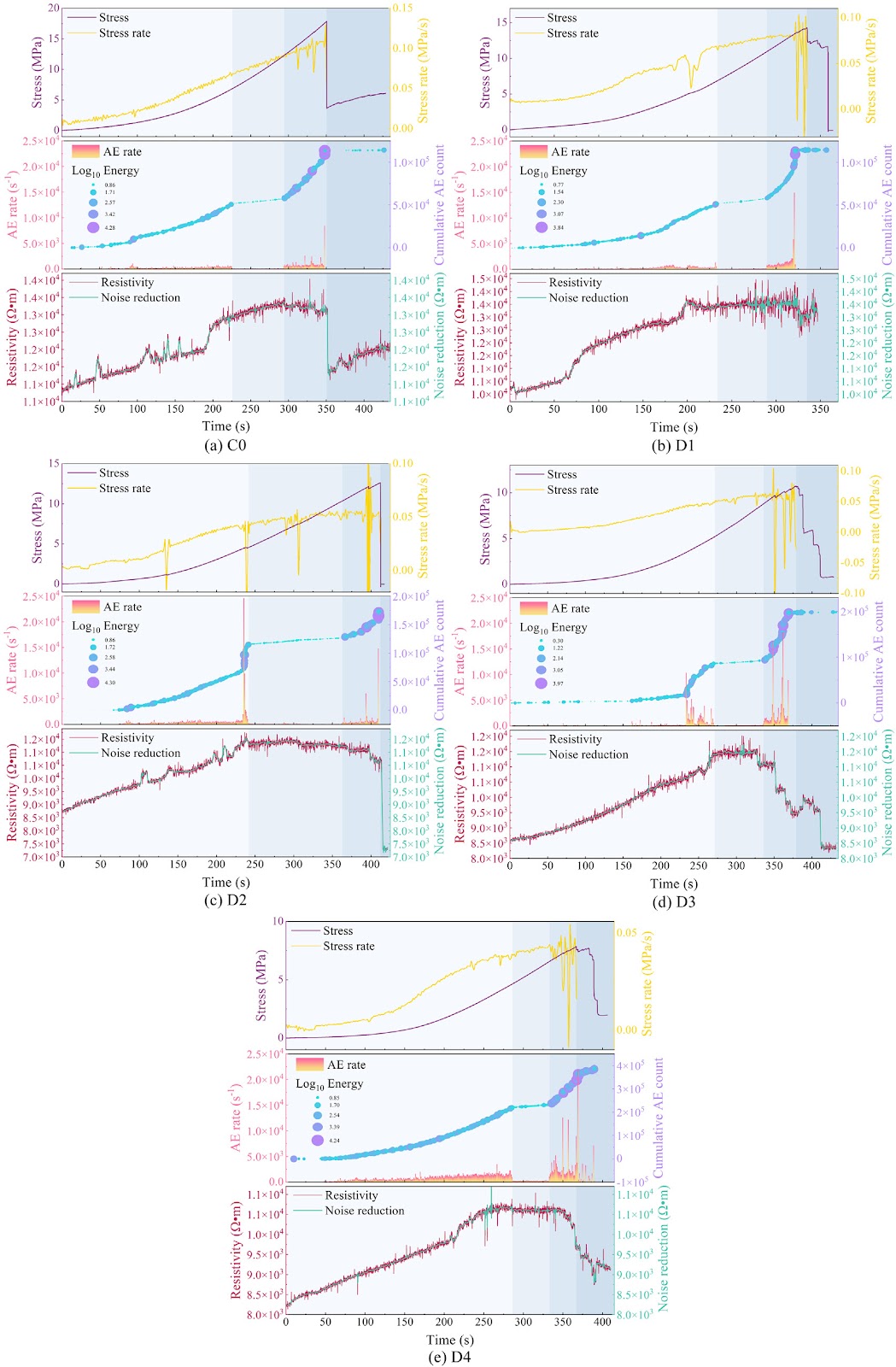
Initial damage from engineering disturbances in deep coal mining degrades mechanical properties and heightens dynamic-hazard risks, challenging conventional monitoring. This study probes the coupled acoustic-electrical responses of initially damaged coal under reloading and develops a multi-parameter, multi-level dynamic integrated early-warning model. Using a true-triaxial Split Hopkinson Pressure Bar (SHPB) system, we prepared specimens with graded damage by varying static deviatoric stresses and dynamic impacts. Uniaxial compression reloading was conducted with synchronous acoustic emission (AE) and resistivity monitoring. Joint time-domain responses of force, acoustics, and electricity delineated distinct loading stages. Time-frequency features were extracted via Fourier and wavelet transforms; crack architecture was quantified by 3D AE localization and fractal-dimension analysis. Initial damage markedly reduced load-bearing capacity. Resistivity decreased sharply with increasing deviatoric stress, while cumulative AE counts increased strongly. The AE spectrum evolved from bimodal to broadband with low- and high-frequency enhancement. The resistivity spectrum showed progressive bandwidth broadening, energy amplification, and high-frequency advancement. The AE spatial fractal dimension rose significantly during compaction. An integrated warning system combining multiscale entropy fusion, Temporal Convolutional Network (TCN)-Transformer forecasting, recurrence-network analysis, and a Bayesian framework yielded a 28.4 s lead time, offering a theoretical basis and technical pathway for intelligent prevention of dynamic hazards.

Examine Data & PDF
Research PaperYear: 2026
Influence of Aggregate Particle Size on Fracture Behavior and Energy Evolution of Cemented Rockfill in the Post-Peak Stage

Influence of Aggregate Particle Size on Fracture Behavior and Energy Evolution of Cemented Rockfill in the Post-Peak Stage

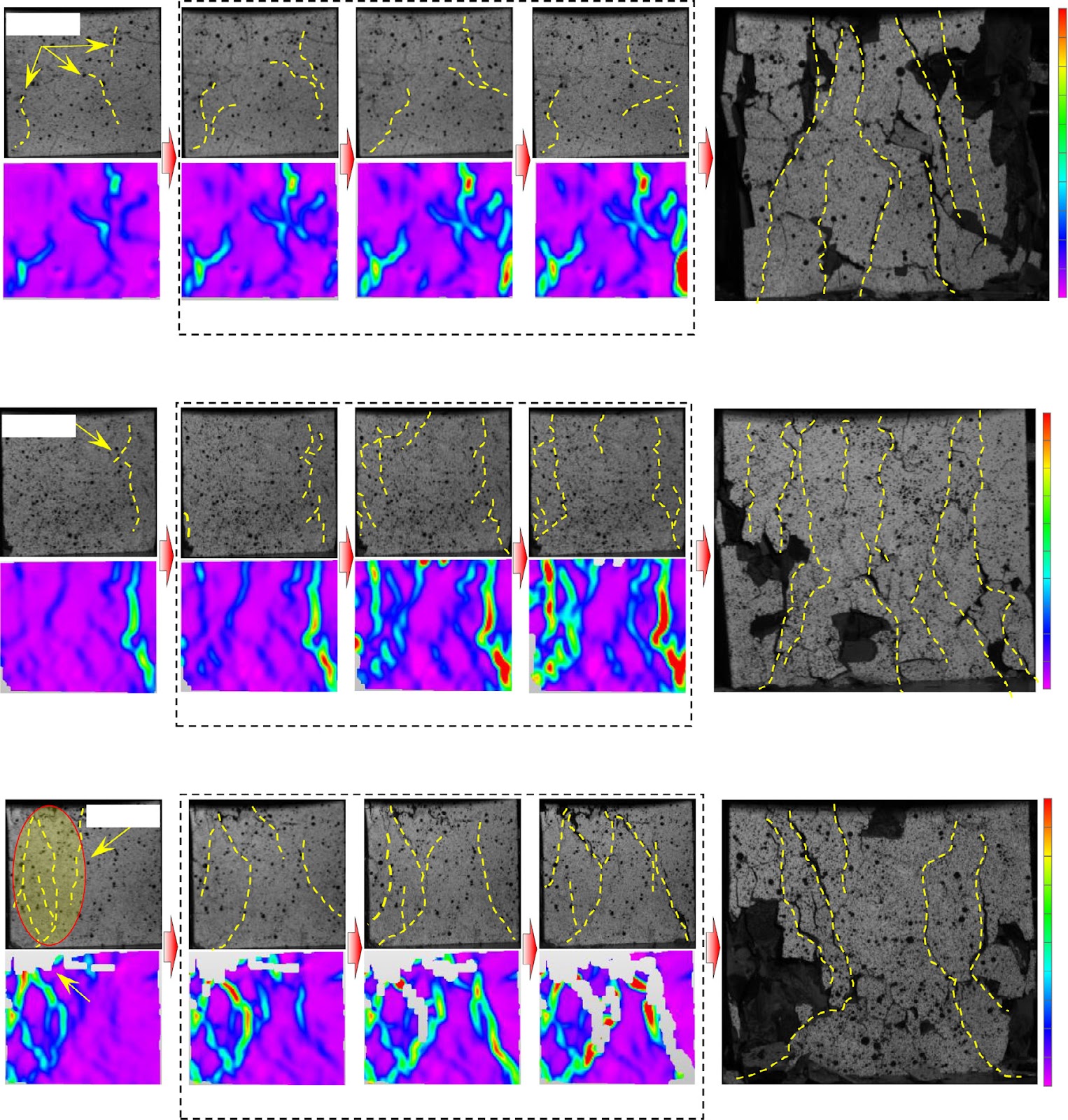
Cemented rockfill (CRF) combines structural support with sustainable reuse of coal-derived solid waste. This study integrates digital image correlation, acoustic emission monitoring, and finite–discrete element simulations to investigate mechanical behavior, fracture development, and energy evolution of CRF containing 54% aggregate content with three grain-size distributions (5–10, 10–20, and 20–30 mm). Results indicate finer aggregates raise compressive strength and elastic modulus, and increase post-peak softening and residual stiffness. Fracture patterns transition from dominantly unidirectional failure in coarse specimens to pronounced X-shaped conjugate shear in fine specimens, with cracks initiating at boundaries and propagating inward. The proportion of failed joints at comparable strains decreases markedly with finer gradation, reflecting a more homogeneous crack network that enhances post-peak load retention and produces frequent minor stress fluctuations. Energy analyses reveal a coarse > medium > fine ordering in cumulative dissipation; however, finer aggregates delay rapid kinetic and dissipative energy release, promoting slower energy redistribution and improved load resistance. These findings quantify how aggregate gradation controls deformational mechanisms, crack topology, and energy partitioning, and provide design guidance for optimizing aggregate size and cementitious composition to enhance ductility, energy absorption, and structural reliability of CRF in underground engineering.

Examine Data & PDF
Research PaperYear: 2026
θ-TaN: Redefining the Thermal Conductivity Limit of Metallic Materials

θ-TaN: Redefining the Thermal Conductivity Limit of Metallic Materials

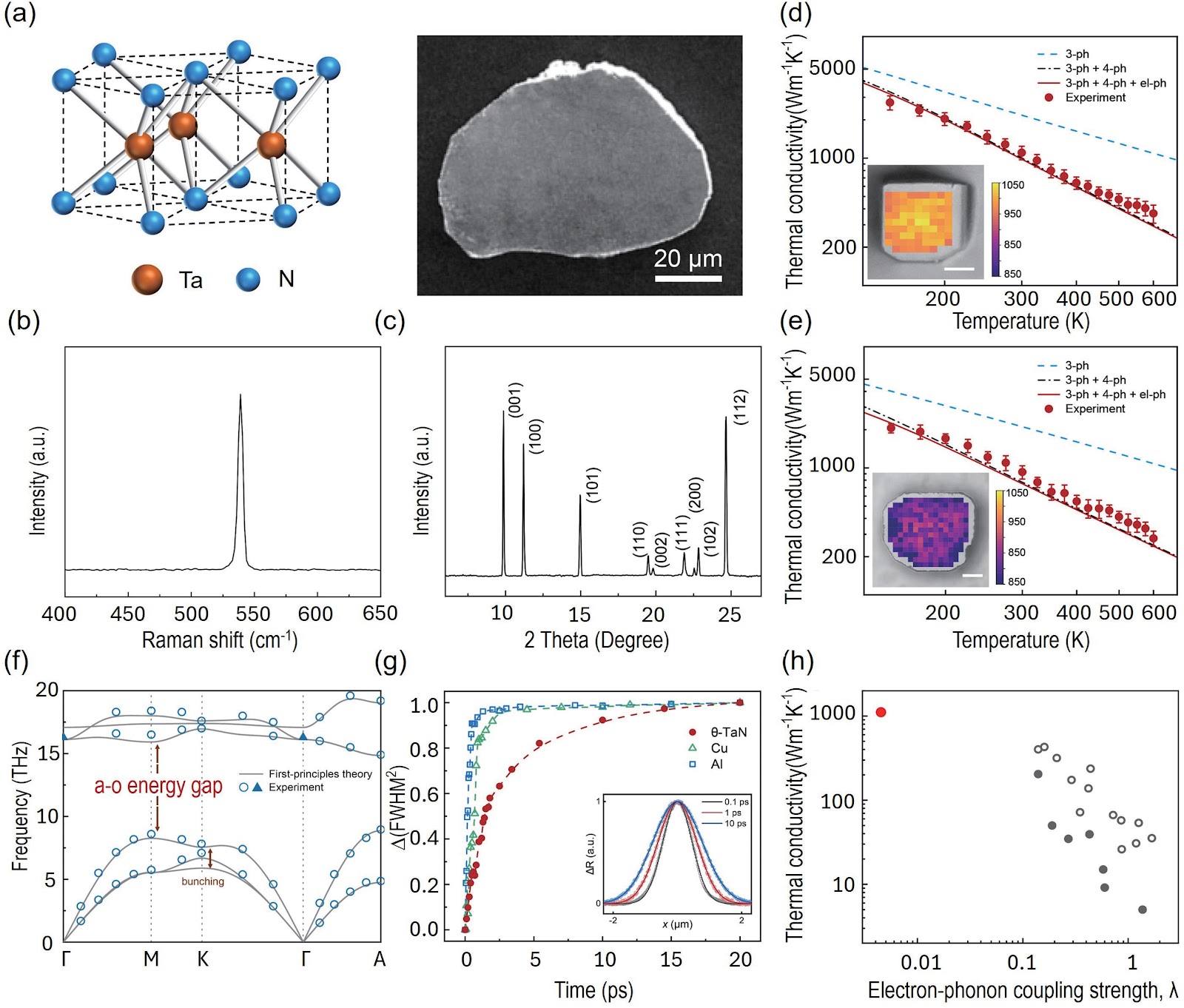
Thermal management has become a critical bottleneck for the performance and reliability of modern electronics. For over a century, the thermal conductivity (κ) of metallic materials was believed to have an inherent upper limit of approximately 400 W·m⁻¹·K⁻¹, constrained by strong electron-phonon coupling and lattice anharmonicity. However, a groundbreaking study by Li et al. (Science, 2026) experimentally realized single-crystalline θ-phase tantalum nitride (θ-TaN), a metastable transition metal nitride with a room-temperature thermal conductivity of ~1100 W·m⁻¹·K⁻¹ along the a-axis and ~928 W·m⁻¹·K⁻¹ along the c-axis, nearly three times that of copper. This work shatters the long-standing thermal conductivity limit for metals and validates theoretical predictions. The exceptional performance of θ-TaN arises from its unique hexagonal crystal structure (space group P6m2), featuring a large acoustic-optical phonon gap (~8 THz) and acoustic phonon bunching, which suppress phonon-phonon scattering. Additionally, weak electron-phonon coupling and minimal isotope scattering contribute to phonon-dominated heat transport. The authors synthesized high-quality single crystals via a flux-assisted metathesis reaction, overcoming challenges of conventional high-pressure routes. Using time-domain thermoreflectance and inelastic X-ray scattering, they confirmed the intrinsic ultrahigh thermal conductivity and mapped the phonon band structure. This discovery introduces a new class of high-thermal-conductivity metals, opening transformative opportunities for thermal management in electronics, aerospace, and energy systems.

Examine Data & PDF
Research PaperYear: 2026
Multi-phase clock generation techniques toward high-frequency and wideband applications

Multi-phase clock generation techniques toward high-frequency and wideband applications

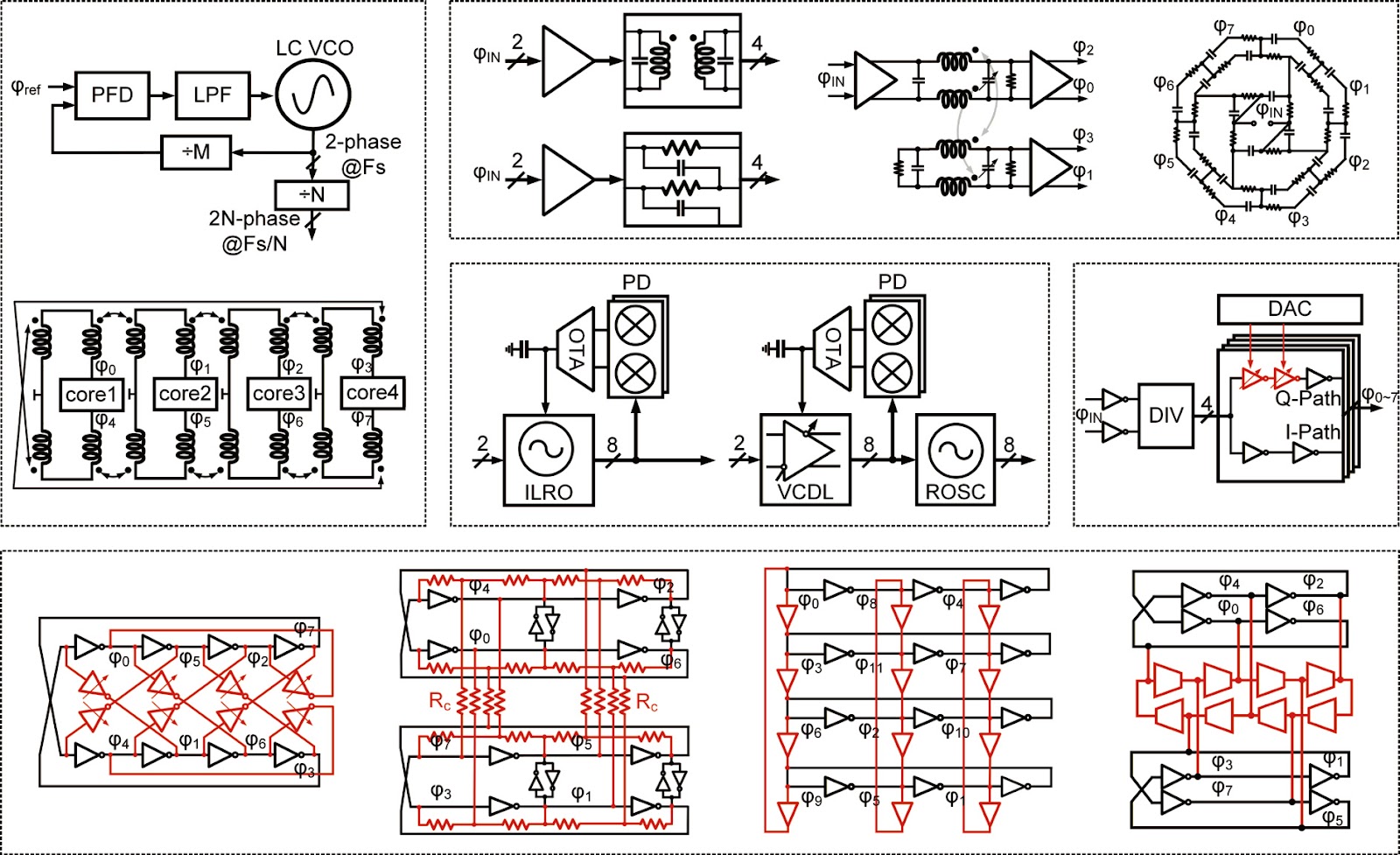
Multi-phase clocks are fundamental components in modern wireline and wireless communication systems, serving as timing and phase references across diverse architectures. As data rates and carrier frequencies scale, the required phase count and operating frequency have increased substantially, pushing conventional clock generation techniques toward their limits. In high-speed wireline transceivers, multi-phase clocks are essential for CDR phase interpolation, time-interleaved ADCs, and advanced PAM-based modulation, imposing stringent requirements on RMS jitter, phase accuracy, and robustness against PVT variations. In wireless and millimeter-wave systems, they are employed for LO generation, quadrature modulation, and beam steering, where phase accuracy often dominates over absolute jitter. Conventional techniques, including PLL-based dividers, multi-core LC oscillators, and passive phase-shifting networks, face scalability challenges at high frequencies, including limited speed, area overhead, narrowband operation, and sensitivity to mismatch. Ring oscillators offer inherent phase scalability and wide tuning range but suffer from poor stability and jitter. Injection-locked ring oscillators (ILROs) enhance stability and phase noise while preserving multi-phase advantages, yet achieving wide locking range and high phase accuracy simultaneously remains challenging. This research highlight reviews these techniques, discusses their limitations, and outlines advanced injection and feedback schemes to overcome these challenges, aiming to guide future developments in high-frequency and wideband multi-phase clock generation.

Examine Data & PDF
Research PaperYear: 2026
Load-bearing characteristics of backfilling solids in deep mining under flexible passive confining pressure: An experimental study

Load-bearing characteristics of backfilling solids in deep mining under flexible passive confining pressure: An experimental study

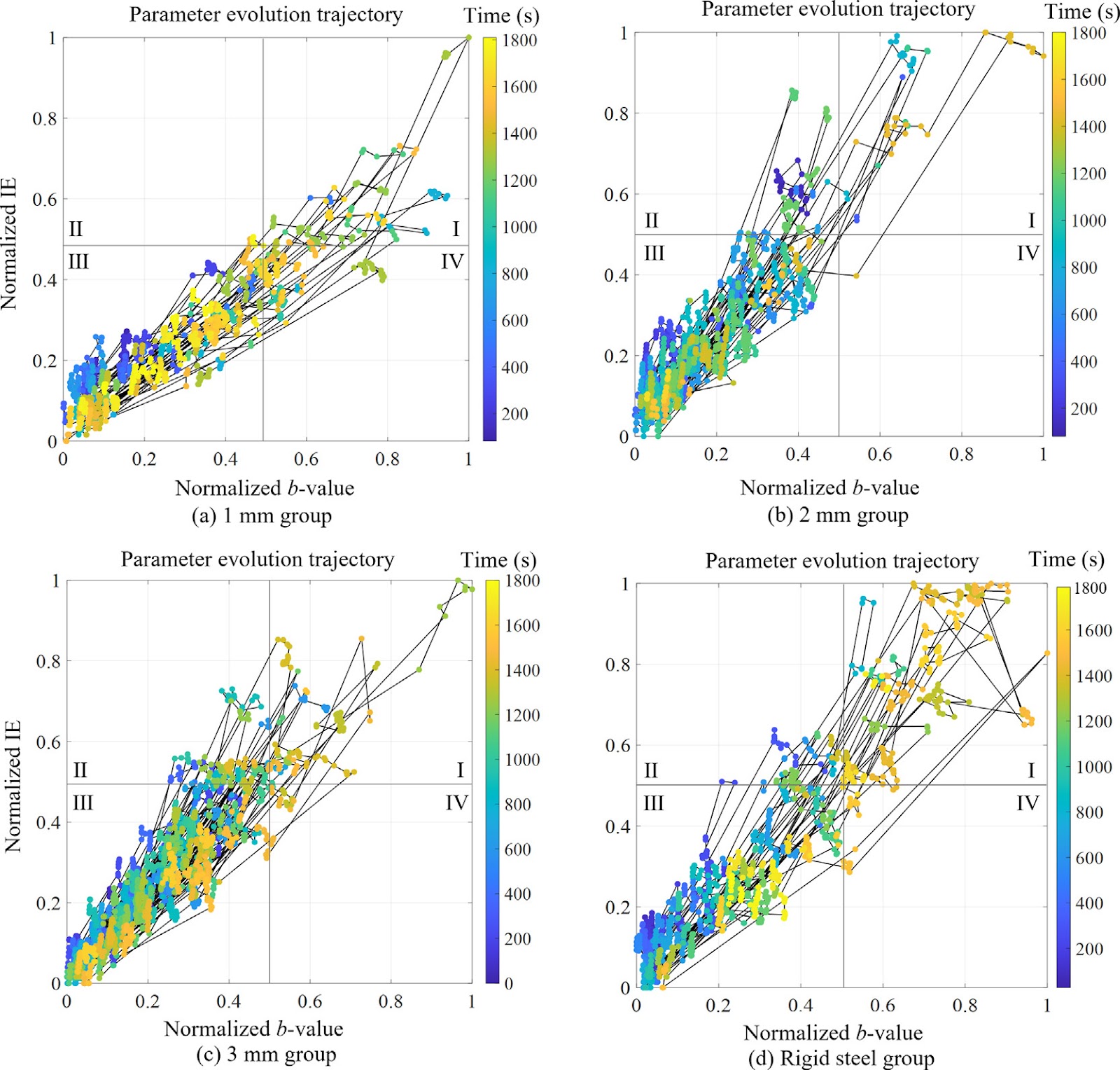
To address the deviation between rigid confining pressure experiments and actual engineering conditions of deep backfill mining, where backfill near the working face has less confining pressure, while that in deep goaf areas is under high confining pressure, this study investigates the load-bearing characteristics of rock granular materials under flexible passive confining pressure. Customized PC molds with varying wall thicknesses and rigid steel molds were used to construct a gradient confining pressure environment. Compression tests were conducted, combined with the characterization of acoustic emission (AE) monitoring, strain measurement, particle sieving, and scanning electron microscopy (SEM) observation. The results show that flexible passive confining pressure divides the particle compression process into three stages that are different from those under traditional rigid constraints, namely the initial compaction stage, the crushing failure stage, and the lateral confinement-dominated stage. AE signals exhibit a bimodal energy distribution, and the time interval between the two can vary by more than 4 times with changes. The failure modes transition from shear to tension. Compared with intact materials, granular materials under lateral confinement maintain continuous volume contraction, and can even maintain a continuous volume contraction trend at least when the strain reaches 8%. And lateral confinement stiffness significantly enhances axial bearing capacity: when the axial strain reaches 30%, the axial stress in the rigid confinement group is nearly 5 times that in the flexible confinement group. Fractal dimension increases from 1.94 to 2.39 as the confinement stiffness rises. This study clarifies the influence mechanism of lateral confinement stiffness on granular mechanics, providing fundamental support for optimizing backfill design based on goaf locations and improving surrounding rock control in deep green mining.

Examine Data & PDF
Research PaperYear: 2026
Coupled TM-damage modeling and global sensitivity analysis of thermal spalling in heterogeneous rocks

Coupled TM-damage modeling and global sensitivity analysis of thermal spalling in heterogeneous rocks

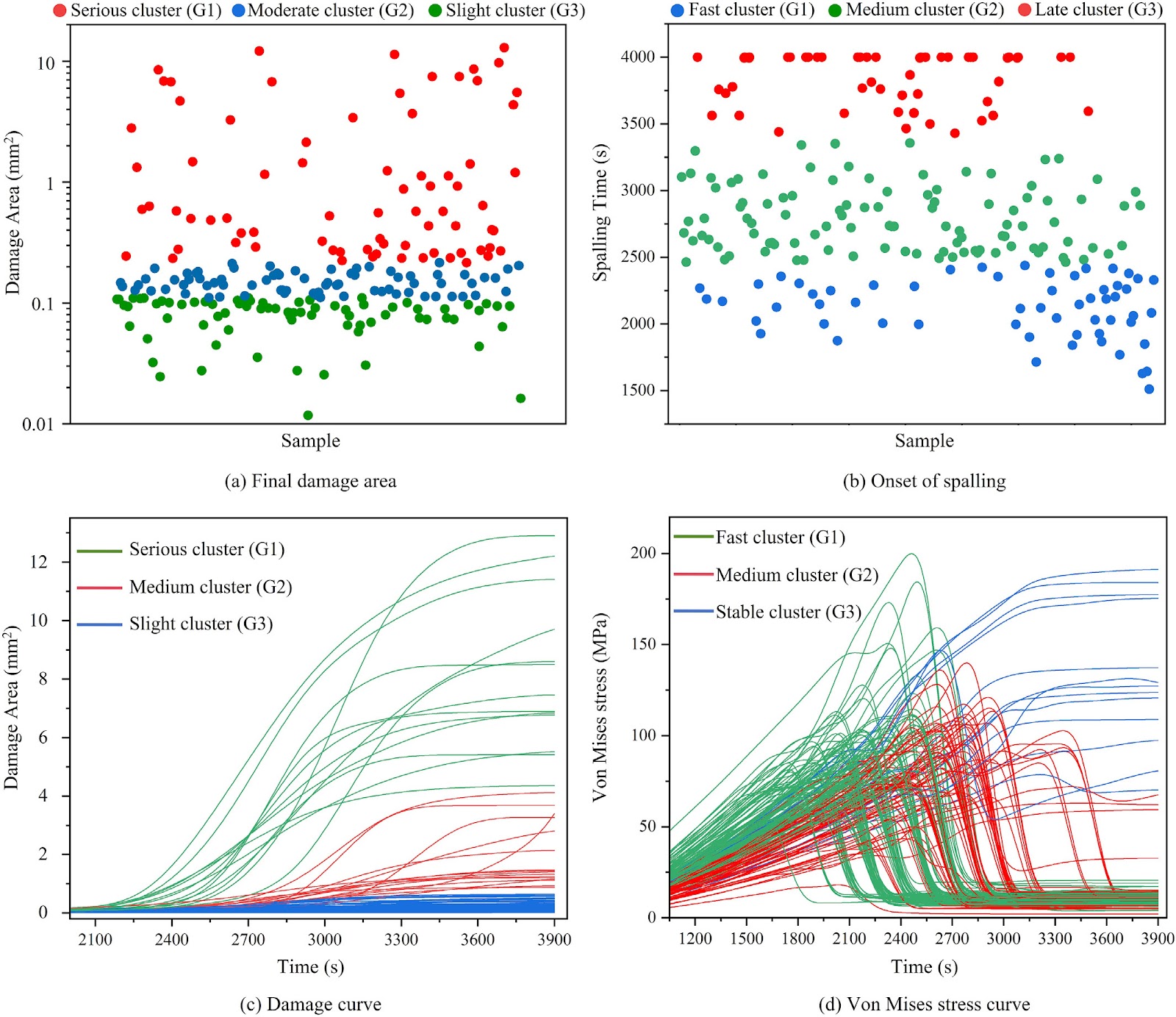
Thermal spalling in heterogeneous rocks under rapid heating poses critical risks to deep mining and geothermal operations. In this study, we develop a coupled thermal–mechanical–damage (TM-D) model that explicitly incorporates Weibull distributed heterogeneity to a single fracture in rock, and validate it against ceramic quenching and granite acoustic emission experiments. Distance based generalized sensitivity analysis (DGSA) is applied to quantify the influence and interactions of key parameters, revealing the dominant controls on spalling onset, severity, and damage morphology. The results demonstrate that thermal stress dominates crack initiation and propagation, that lateral constraints can significantly delay and suppress spalling, and that material heterogeneity markedly influences peak stress and damage modes within a certain range of thermal expansion coefficient and has multiple effects on thermal spalling. This study provides a theoretical basis for quantitative assessment and parameter optimization of thermal spalling processes in rock masses.

Examine Data & PDF
Research PaperYear: 2026
Exciplex-Enabled Fully Stretchable OLEDs Achieve a Record External Quantum Efficiency of 17%

Exciplex-Enabled Fully Stretchable OLEDs Achieve a Record External Quantum Efficiency of 17%

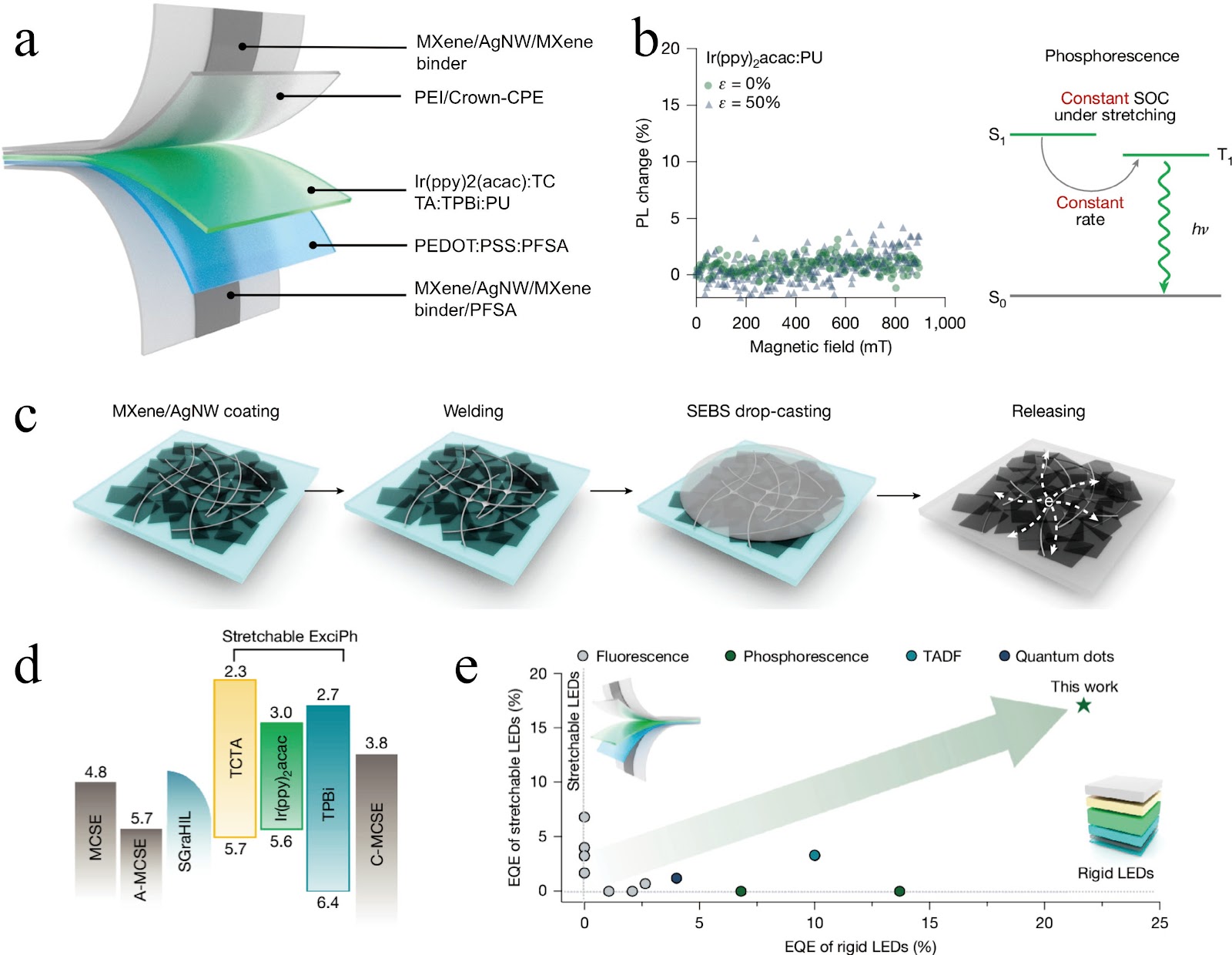
Organic light-emitting diodes (OLEDs) are promising candidates for on-skin applications due to their intrinsic stretchability. However, the external quantum efficiency (EQE) of stretchable OLEDs has long been limited to approximately 10%, stemming from the incorporation of insulating elastomer matrices that hinder exciton energy transfer and charge transport, and from conventional stretchable electrodes with insufficient electrical properties and poor interfacial contact. In a recent breakthrough published in Nature (2026), Gogotsi and Lee reported an exciplex-enabled strategy that overcomes these limitations. By integrating a stretchable exciplex-assisted phosphorescent emitting layer, triplet harvesting is significantly enhanced through an elastomer-tolerant triplet-recycling mechanism. Furthermore, they employ work-function-tunable MXene-contact stretchable electrodes (MCSEs) that provide two-dimensional electrical contact for efficient charge injection. Combining these advances, they achieve an unprecedented EQE of 17% in fully stretchable OLEDs while maintaining excellent mechanical stability. The spin-flip process, which converts non-radiative triplets into radiative singlets, is critical yet challenging in stretchable OLEDs because the necessary spin-orbit coupling (SOC) is sensitive to variations in intermolecular distance under strain. The authors utilize the phosphorescent emitter bis(2-phenylpyridine) (Ir(ppy)2acac), whose heavy-metal iridium center provides strong SOC, enabling nearly complete intersystem crossing and triplet utilization. The study demonstrates that the intrinsic SOC of Ir(ppy)2acac remains stable under 50% tensile strain, preserving both spin-mixing rates and photoluminescence stability. To prevent aggregation-induced quenching and enable efficient energy transfer within a soft matrix, the authors develop a stretchable exciplex-assisted phosphorescent (ExciPh) layer using TCTA and TPBi to form an exciplex cohost, while a thermoplastic polyurethane (PU) elastomer provides mechanical stretchability. This system enables triplet excitons to undergo reverse intersystem crossing (RISC) within a charge-transfer state, followed by long-range Förster resonance energy transfer (FRET) to the phosphorescent dopant. The fabricated OLED demonstrates an EQE of 21.7%, validating the effectiveness of this approach. Beyond the emissive layer, the researchers develop MXene-conductive stretchable electrodes (MCSEs) by integrating a two-dimensional MXene interlayer with silver nanowire (AgNW) networks, achieving a sheet resistance of ~30 Ω/sq with over 85% transmittance at 550 nm and a widely tunable work function (3.79–5.71 eV). They also introduce a stretchable gradient hole injection layer (SGraHIL) that suppresses exciton quenching at the interface while maintaining excellent stretchability. By integrating the SGraHIL, the ExciPh emitting layer, and MCSE electrodes, the authors fabricate fully stretchable OLEDs that achieve an unprecedented EQE of 17%, retaining 83% of initial efficiency after 100 cycles of 20% cyclic strain. This work represents a significant advance in intrinsically stretchable optoelectronics, offering a scalable route toward highly conductive, work-function-tunable contacts and influencing broader fields such as stretchable sensors and soft photonic systems.

Examine Data & PDF
Research PaperYear: 2026
One-dimensional domain walls: A new dimension for ferroelectric nanoelectronics

One-dimensional domain walls: A new dimension for ferroelectric nanoelectronics

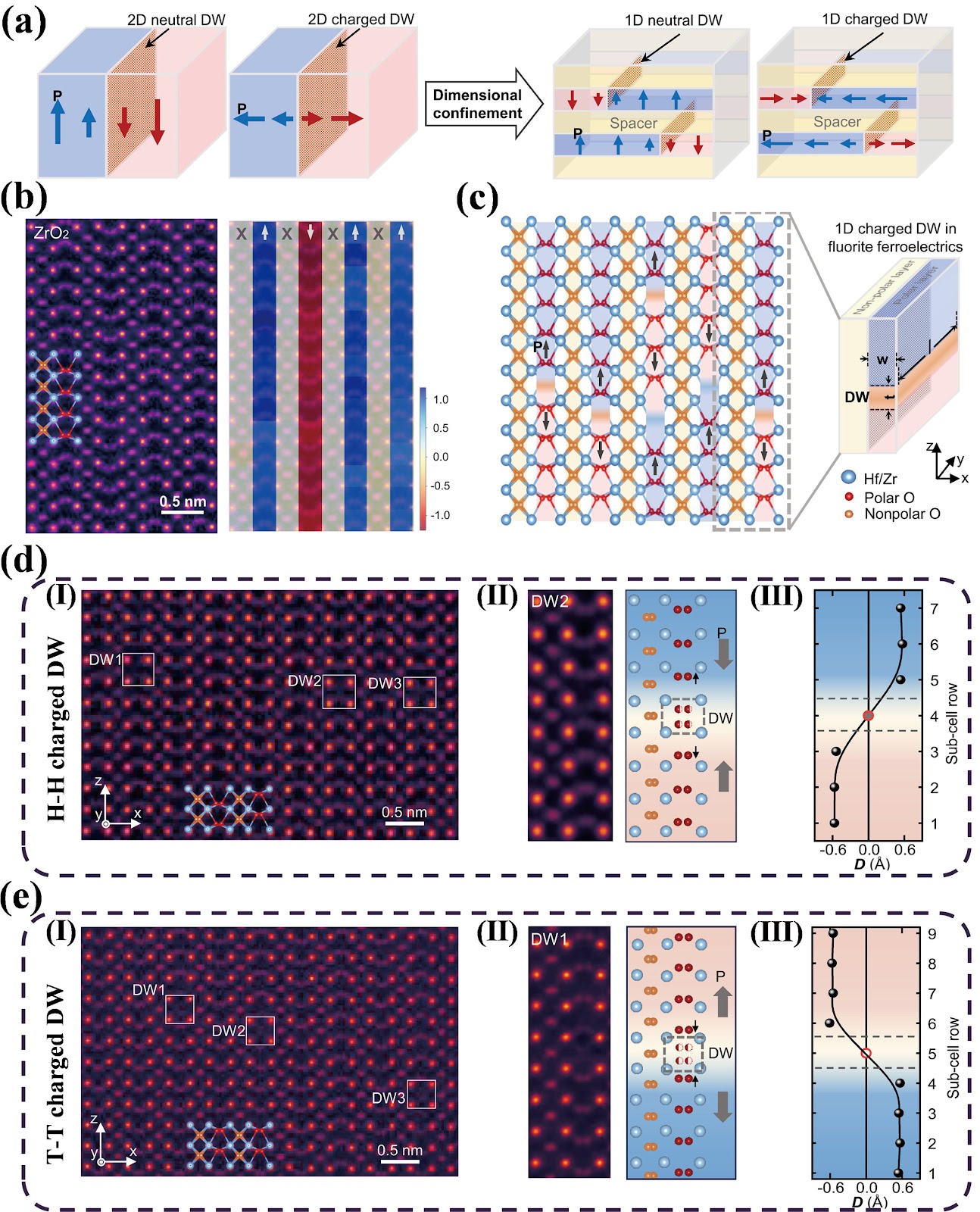
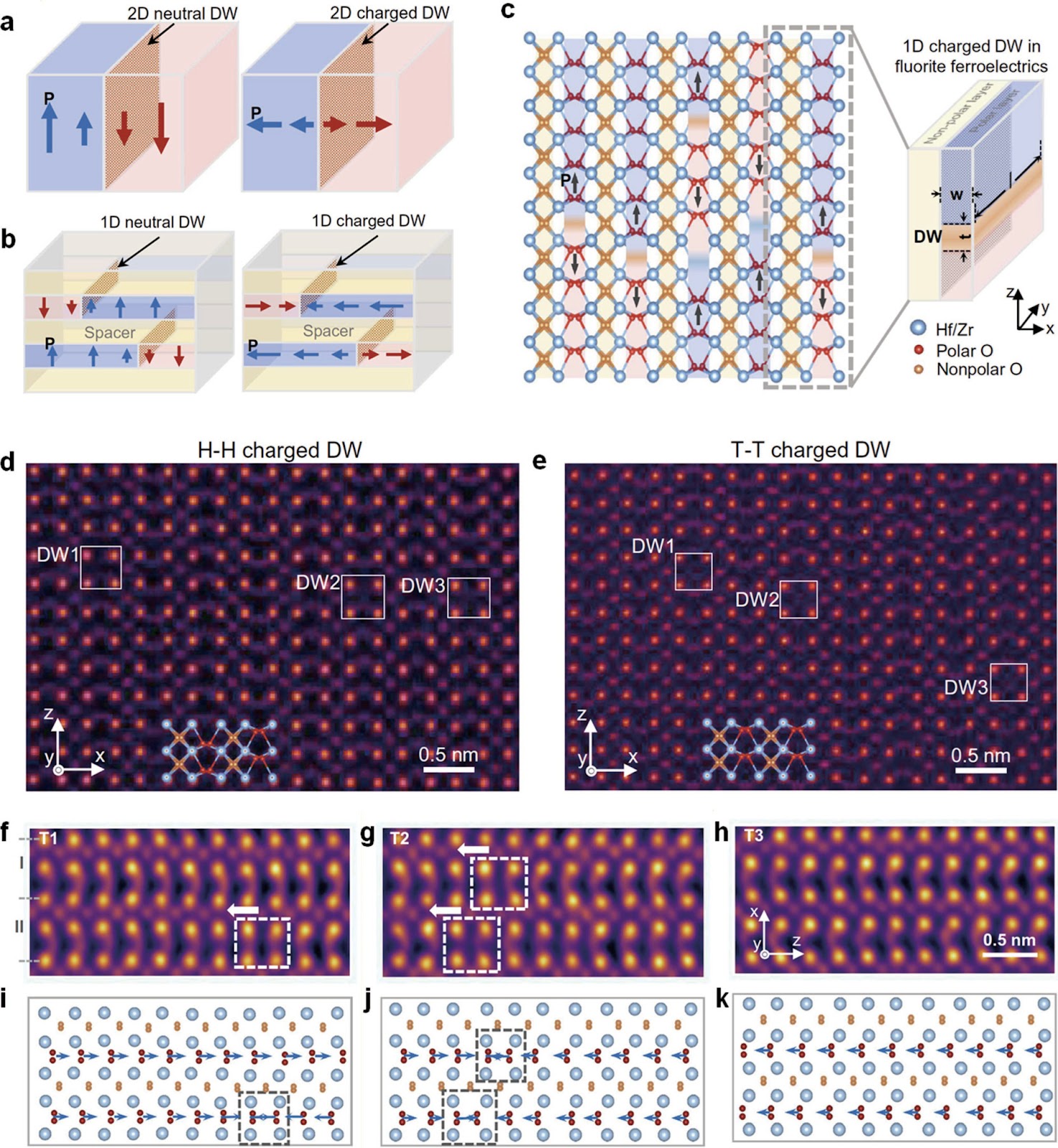
Topological structures in ferroelectric materials, such as vortices, skyrmions, and merons, have attracted significant attention due to their emergent physical properties distinct from the bulk parent phase. Among these, ferroelectric domain walls (DWs) have long been considered potential active elements for next-generation electronic devices, leading to the paradigm of "domain wall nanoelectronics." However, conventional perovskite ferroelectrics exhibit two-dimensional (2D) domain walls, and charged domain walls (CDWs) suffer from structural broadening due to electronic screening, limiting miniaturization. Recently, a research team led by Chen Ge, Kui-juan Jin, and Qinghua Zhang from the Institute of Physics, Chinese Academy of Sciences, reported the groundbreaking observation of one-dimensional (1D) CDWs in fluorite-structured ferroelectric ZrO2, achieving atomic-scale confinement. Using multislice electron ptychography, they visualized head-to-head and tail-to-tail CDWs with atomic-scale width and thickness (~2.55 Å and ~2.7 Å), equivalent to a single subcell unit. The stability of these atomically thin walls is attributed to a distinct ionic screening mechanism: self-balanced oxygen nonstoichiometry, where H–H walls accumulate excess oxygen ions and T–T walls harbor oxygen vacancies. Furthermore, in situ electric-field experiments demonstrated dynamic manipulation of these 1D structures, revealing a coupling between polarization switching and oxygen ion transport. This discovery breaks the inherent physical limitations of perovskite ferroelectrics and opens new avenues for high-density ferroelectric nanoelectronics.

Examine Data & PDF
Research PaperYear: 2026
Tensile-Shear Collaborative Fracturing in Hard Rock Induced by a Controllable Free Surface: Mechanism and Application

Tensile-Shear Collaborative Fracturing in Hard Rock Induced by a Controllable Free Surface: Mechanism and Application

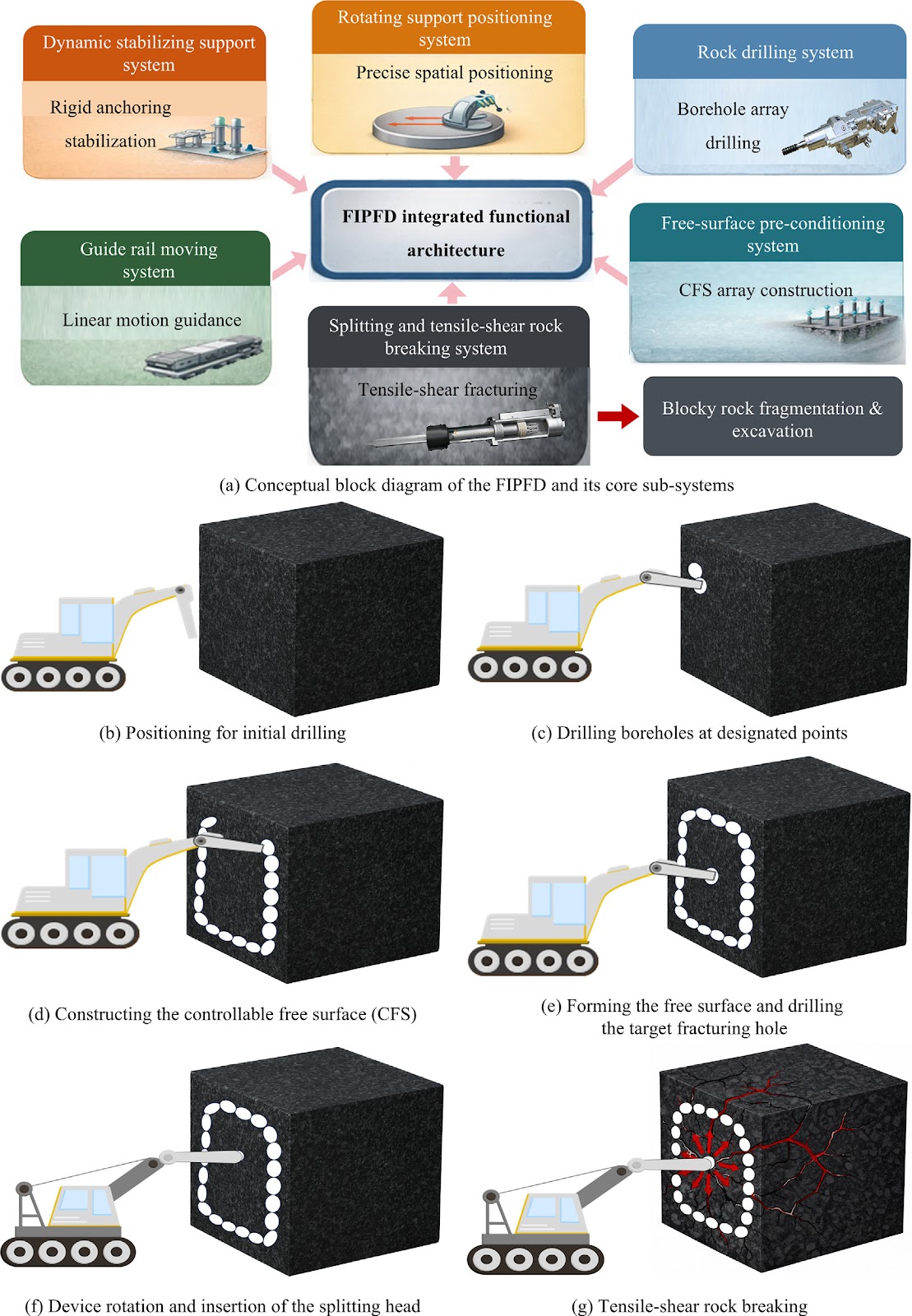
In deep hard rock mining, high confining pressure inhibits tensile failure, leading to low efficiency and severe tool wear in conventional mechanical rock breaking methods. To solve this problem, we propose a Controllable Free Surface Induced Tensile-Shear Collaborative Fracturing (CFS-TSCF) method. The method pre-forms an engineered controllable free surface (CFS) to reconfigure the local stress field, enabling a specialized device (FIPFD) to apply directional tensile-shear loads for low-energy breaking. A multi-scale approach integrating lab AE tests, DEM simulations, and field verification investigated the fracture mechanism and performance. Results revealed a predominantly tensile-driven (>50%) process. The CFS transforms the rock's triaxial compression into a specific stress path. This path, dominated by directional tension and constrained by lateral compression, guides the fracture along a low-energy channel. This also dictates the micro-mechanism's evolution from central quasi-tensile to peripheral tensile-shear failure. Field trials in hard rock (>200 MPa UCS) validated the method, demonstrating controllable, blocky spalling and achieving an average mining efficiency of 52.03 t/h. This research validates the CFS-TSCF method, offering a new technical paradigm for safe, efficient, continuous hard rock mining.

Examine Data & PDF
Research PaperYear: 2026
Energy characteristics during the progressive shear failure of rock joints and brittleness evaluation

Energy characteristics during the progressive shear failure of rock joints and brittleness evaluation

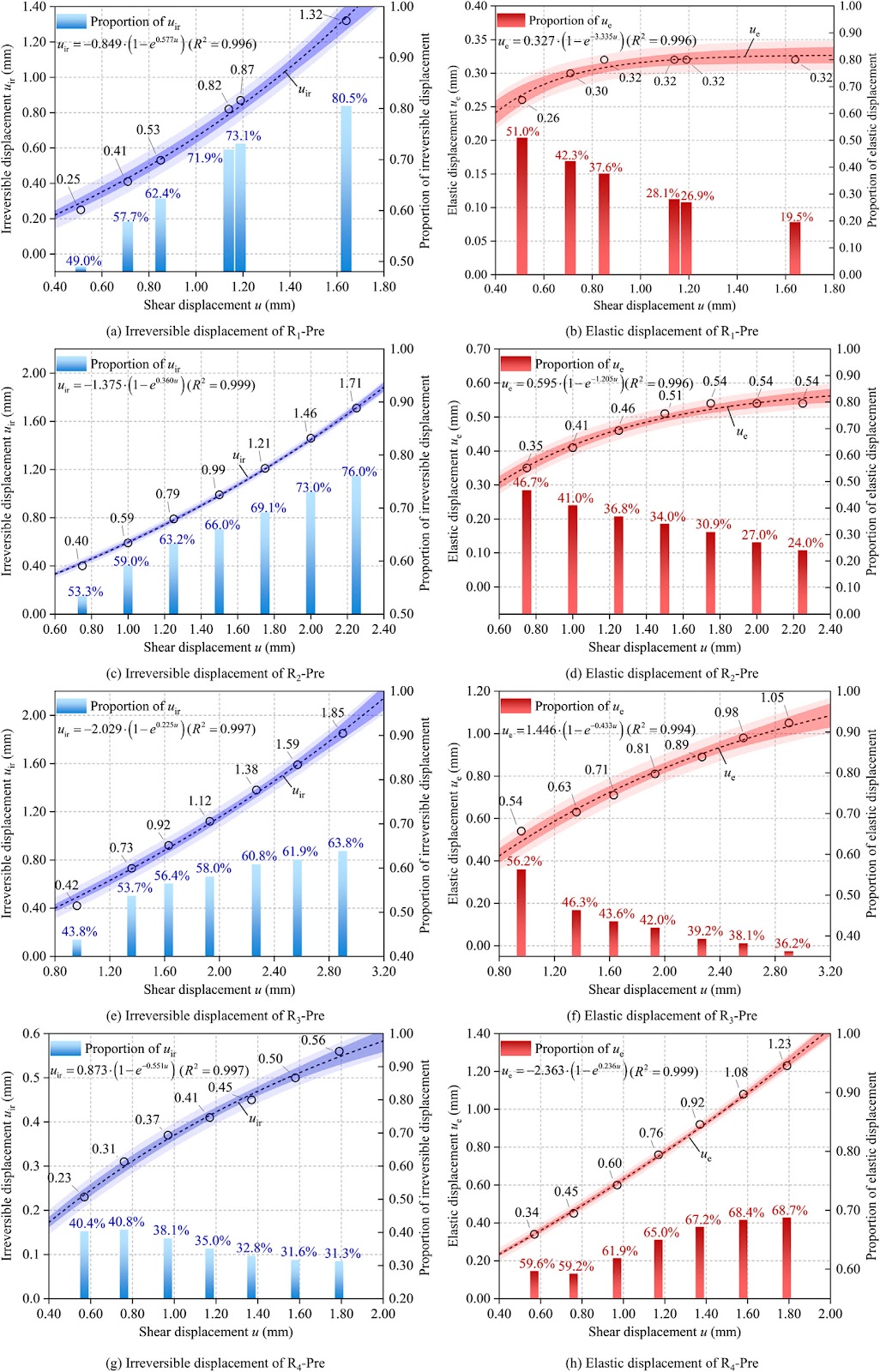
The energy-driven progressive brittle shear failure of rock joints is a key mechanism behind deep engineering disasters such as joint-induced rockbursts and engineering earthquakes. To investigate the energy evolution mechanisms and disaster proneness, monotonic and stepwise loading-unloading tests were performed on regular dentate joints under constant normal stiffness boundary conditions. Results indicate a transition in damage mechanism from climbing wear of low-inclination asperities to brittle rupture of high-inclination ones, accompanied by a marked decrease in irreversible displacement. Energy analysis reveals a strong linear relationship between pre-peak elastic energy density and both input energy density and shear stress squared. The post-peak elastic energy release rate (g) and the self-sustaining instability coefficient (l) increase with joint undulation. A dimensionless brittleness index (BI) integrating the complete energy conversion and release process was proposed to quantify the energy balanced budget. The highly undulated joint R4 showed the most pronounced brittleness and instability intensity with the highest BI value of 0.697, along with g = 0.774 and l = 0.611. This study provides deeper insight into the understanding of the disaster-inducing proneness and stability assessment in jointed rock mass.

Examine Data & PDF
Research PaperYear: 2026
One-dimensional charged domain walls in fluorite ferroelectrics

One-dimensional charged domain walls in fluorite ferroelectrics

Ferroelectric domain walls are conventionally regarded as two-dimensional (2D) interfacial objects that separate regions of different polarization within a crystal. This picture has guided decades of research into polarization switching, domain evolution, and ferroic functionality. In most ferroelectrics, electrostatic considerations strongly favor head-to-tail (H–T) polarization configurations, which minimize bound charge and reduce electrostatic energy. By contrast, charged domain walls (CDWs) carry positive or negative bound polarization charge and form where polarization vectors arrange head-to-head (H–H) or tail-to-tail (T–T), generally considered energetically unfavorable. When such charged walls do occur, they are typically stabilized only as extended 2D structures through a combination of electronic screening, defect accumulation, and lattice relaxation. Despite these energetic constraints, CDWs have attracted growing interest over the past decade because of their emergent functional properties, including enhanced electrical conductivity, strong electromechanical coupling, and reconfigurable electronic behavior localized at charged walls, motivating the broader concept of domain-wall nanoelectronics. Nevertheless, ferroelectric domain walls have almost universally been treated as quasi-2D objects. Further reduction of their dimensionality has long been assumed to be impractical, particularly for charged walls, because confining bound polarization charge to lower dimensions would dramatically increase electrostatic energy. Against this backdrop, Zhong et al. reported the direct observation of one-dimensional (1D) CDWs confined within individual polar layers of ferroelectric ZrO2 (Science (2026)). Using atomic-resolution electron microscopy combined with in situ electric-field manipulation, they demonstrated that both H–H and T–T CDWs can exist as atomic-scale line defects rather than extended 2D interfaces, with their bound polarization charge stabilized through a self-balancing oxygen compensation mechanism. The discovery represents an extreme limit of ferroelectric domain-wall confinement and introduces a fundamentally new class of polar topological objects that occupy an intermediate conceptual regime between conventional domain walls and line defects.

Examine Data & PDF
Research PaperYear: 2026
Estimation of characteristic stresses in granite through acoustic emission monitoring of microcrack fracture mode evolution

Estimation of characteristic stresses in granite through acoustic emission monitoring of microcrack fracture mode evolution

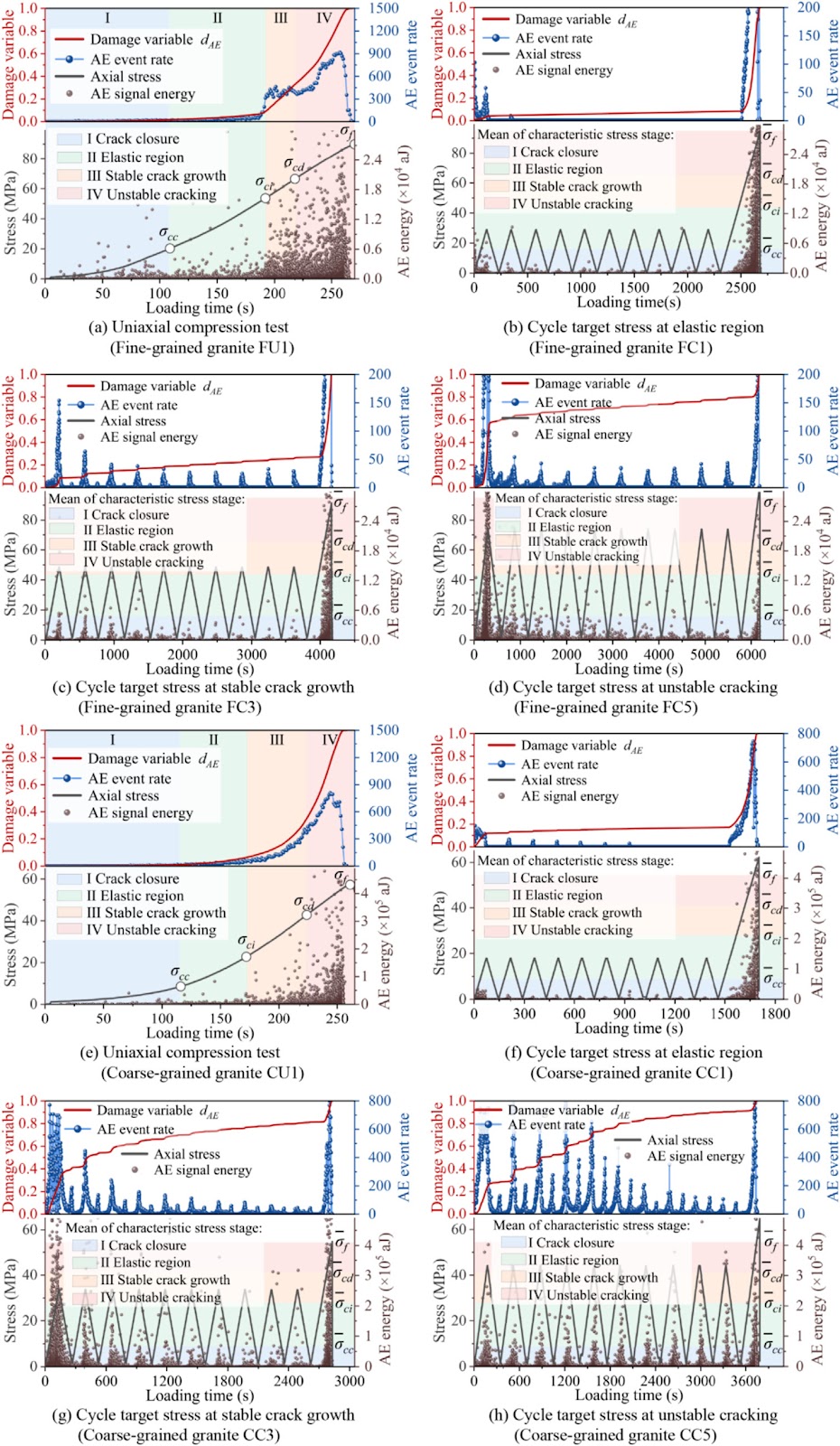
Characteristic stresses are critical indicators for microcrack initiation and propagation in rock, a process intrinsically linked to fracture mode. To investigate fracture mode evolution and its feasibility for estimating characteristic stresses, this study conducted uniaxial compression and cyclic loading-unloading tests on fine- and coarse-grained granite with acoustic emission (AE) monitoring. Cyclic target stresses were set within intervals determined by characteristic stresses. Analysis using the AE parameters AF-RA revealed that fracture mode evolution correlates with damage level, and shear microcrack propagation primarily governs macroscopic failure. A characteristic stress estimation method was developed by mapping key points on the shear crack proportion curve: crack closure stress (transition between fluctuating and stable segments), crack initiation stress (inflection point of curve rise), and crack damage stress (slope change point in ascending segment). Comparative analysis with the crack volumetric strain method validated the proposed method. The influences of fracture mode dividing line and statistical interval were discussed, with practical recommendations provided. Compared to conventional AE parameters, the fracture mode proportion exhibits lower sensitivity to AE parameter variations, enabling more reliable identification of characteristic stress points. Furthermore, it directly reflects microcrack evolution behavior, enhancing interpretability and providing a novel perspective for AE-based characteristic stress determination.

Examine Data & PDF
Research PaperYear: 2026
Three-Panchromatic Organic Self-Adaptive Transistors for In-Pixel Color Correction

Three-Panchromatic Organic Self-Adaptive Transistors for In-Pixel Color Correction

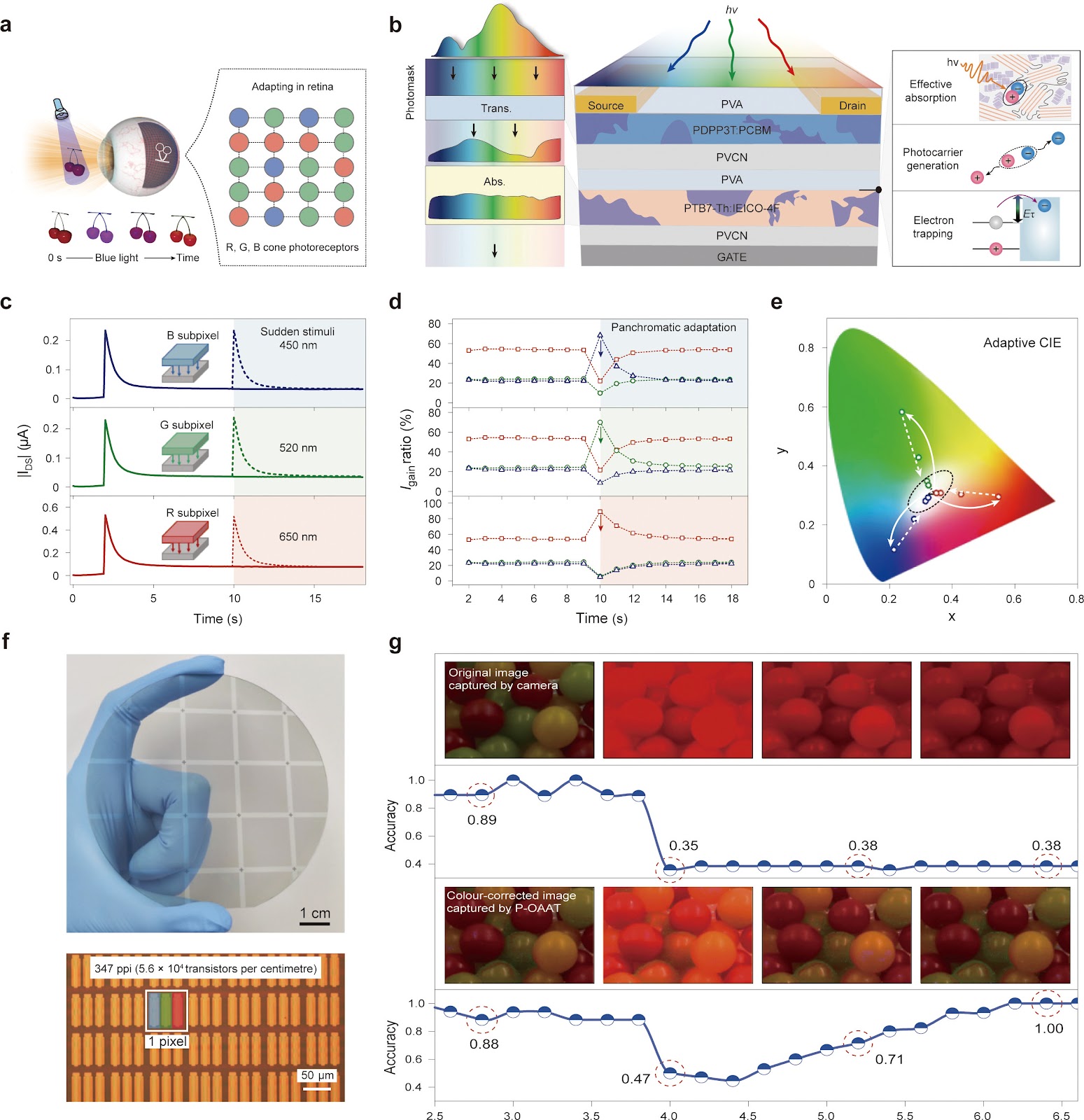
Machine vision systems face a fundamental challenge of illumination-dependent color shift, which conventional post-capture white-balance correction methods address at the cost of computational overhead and latency. Inspired by the human retina's chromatic adaptation, we propose a three-panchromatic organic self-adaptive transistor (OAAT) that embeds color correction directly at the pixel level. The device integrates a dual-layer complementary bulk heterojunction (BHJ) into an organic transistor architecture: a PTB7-Th:IEICO-4F blend serves as the adaptive photoresponse layer with broad-spectrum absorption and wavelength-insensitive trap activation energy that decreases with light intensity, while a PDPP3T:PCBM layer provides spectrally compensatory sensing. This design enables rapid, stable, and intensity-dependent photoadaptation, with an active adaptation index exceeding 150 for red, green, and blue stimuli. Under spectrally biased illumination, the device's responses follow von Kries coefficients and converge to a white-like chromatic state within seconds, demonstrating true chromatic adaptation. Wafer-scale fabrication achieved a 96.1% yield across 256 transistors, with pixel density of 347 ppi and over one million pixels integrated on a four-inch sapphire substrate. In a hybrid artificial visual system combining the OAAT array with a lightweight CNN, in-sensor correction restored classification accuracy for 'frog' in CIFAR-10 from 59.1% to 96.3% under blue-light interference, and outperformed conventional RGB cameras in real-world non-uniform lighting. This work presents a scalable, hardware-based solution for in-pixel color correction, promising for energy-efficient and real-time machine vision.

Examine Data & PDF
Research PaperYear: 2026
Stabilizing Perovskite Fabrication in Ambient Air

Stabilizing Perovskite Fabrication in Ambient Air

Perovskite-based solar cells have advanced rapidly due to their high efficiency potential, low-cost processing, and flexible fabrication routes. While silicon solar cells remain the dominant commercial technology, combining perovskites with silicon in tandem architectures offers a clear pathway to exceed the efficiency limits of single-junction devices. By pairing perovskite's tunable absorption with silicon's proven performance, perovskite–silicon tandem solar cells open new opportunities for high-efficiency photovoltaics. Yet translating these advances from laboratory demonstrations to scalable manufacturing remains a major challenge. A central obstacle lies in fabricating high-quality perovskite films under ambient conditions. Moisture in air directly interferes with perovskite crystallization, leading to disordered crystal growth, surface degradation, and the accumulation of non-ideal secondary phases. Although thermal annealing is often used to improve crystallinity, the combined effects of heat and humidity can instead accelerate irreversible degradation when processing in air. Together, these factors make crystallization control under ambient conditions particularly difficult, underscoring the need for new strategies that can stabilize film formation without relying on tightly controlled environments. Previous studies have explored several approaches to optimize perovskite film fabrication in ambient air, such as solvent engineering and longitudinal homogeneous intermediates in hybrid sequential deposition, as well as techniques like the P1.5 process that introduce a diffusion barrier layer. However, challenges persist, particularly in achieving the same performance as films fabricated in controlled environments. Now, writing in Joule, Tan et al. tackle this challenge with a novel approach that intervenes in the wet-film stage to stabilize the crystallization process. Instead of relying on environmental controls to eliminate moisture, the authors introduce an additive, n-butylammonium thiocyanate (nBASCN), to regulate crystallization dynamics. Implemented as part of the hybrid sequential deposition process, this wet-film intervention modifies the crystallization pathway, preventing premature nucleation and promoting uniform growth. The key innovation lies in the use of nBASCN to decouple diffusion from crystallization, enabling uniform crystallization and improving film quality under ambient conditions. This intervention not only improves film quality but also enhances device performance, with nBASCN-treated devices achieving higher power conversion efficiency (PCE) compared to untreated controls. Beyond improving single-junction perovskite solar cells, this approach is also effective for tandem solar cells, demonstrating the strategy's applicability to more complex multi-junction devices. This marks a crucial step toward achieving scalable, high-efficiency tandem solar cells.

Examine Data & PDF
Research PaperYear: 2026
Improved Solvent Systems for the Commercialization of Perovskite Photovoltaic Modules

Improved Solvent Systems for the Commercialization of Perovskite Photovoltaic Modules

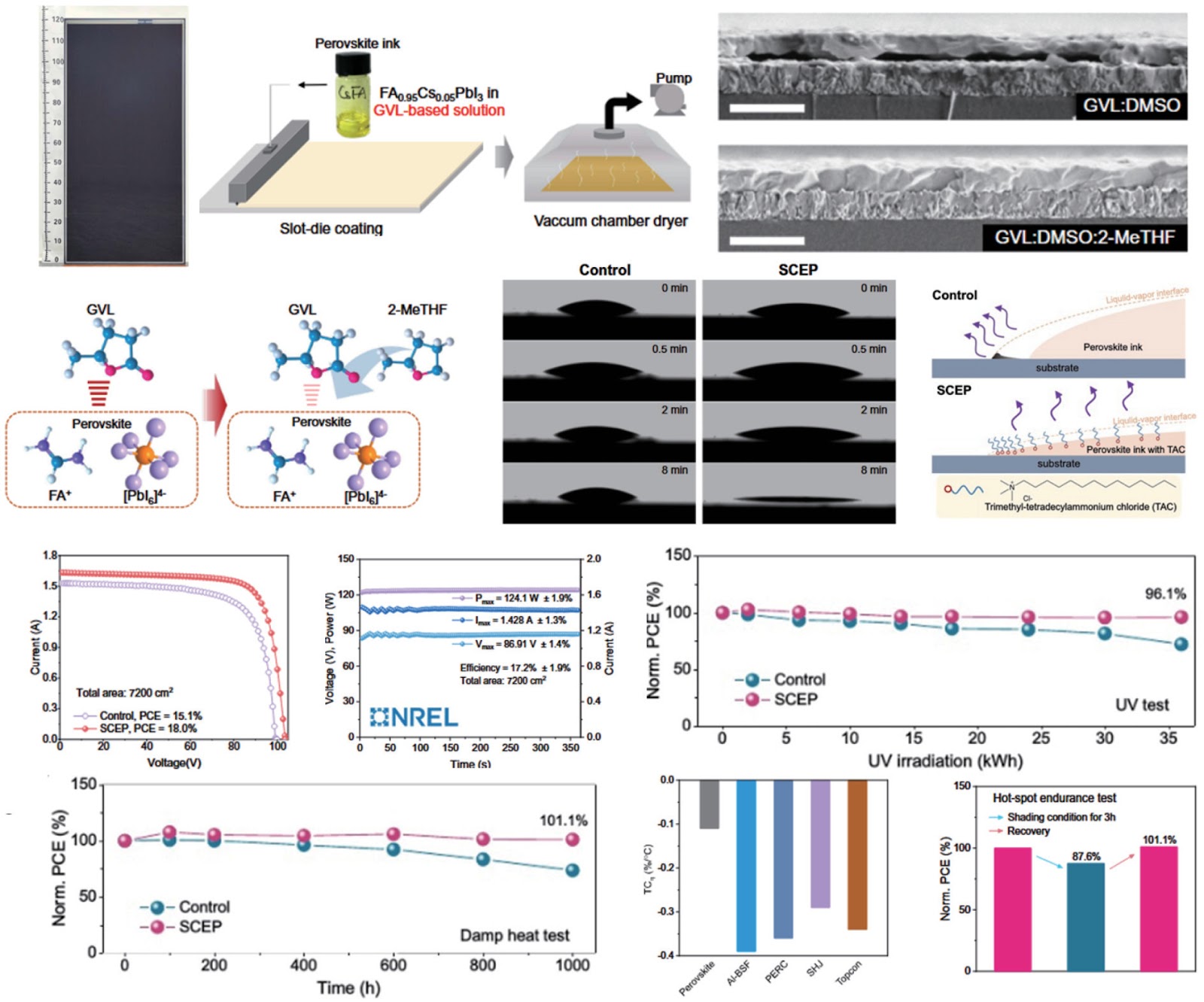
Perovskite solar cells (PSCs) are widely recognized as a transformative technology for next-generation photovoltaics, given their exceptional promise for achieving high power conversion efficiencies (PCE), utilizing low-cost raw materials, and enabling versatile fabrication routes. However, commercialization efforts continue to face considerable obstacles, such as the dependence on toxic solvents, inadequate uniformity in large-area film deposition, and limited operational durability. Conventional perovskite inks commonly rely on highly toxic, high-boiling-point aprotic polar solvents, including N,N-dimethylformamide (DMF) and N-methyl-2-pyrrolidone (NMP). These solvents present serious environmental and health hazards while also impeding processing speeds and perovskite film quality in scalable high-throughput manufacturing, such as roll-to-roll slot-die coating, owing to their slow evaporation kinetics. Furthermore, residual solvent and heterogeneous crystallization tend to introduce a high density of defects in perovskite films, which undermines the long-term stability and reliability of the resulting perovskite photovoltaic modules (PPM) and hinders compliance with the rigorous standards required for commercial deployment. Thus, the establishment of an eco-friendly and efficient solvent system is essential for enabling the widespread adoption of perovskite technology in the mainstream photovoltaic market. In this context, Wang et al. devised an eco-friendly ink formulation utilizing green solvents (γ-valerolactone (GVL), dimethylsulfoxide (DMSO) and 2-methyltetrahydrofuran (2-MeTHF)), and integrated it with a solvent-constrained edge-protection (SCEP) strategy. This approach enhanced the edge quality of perovskite films and lowered defect density under ambient conditions, thereby enabling the scalable production of high-performance PPM (Science, 2025, 390, 1021-1028). These approaches enabled the production of 7200-square-centimeter PPM that achieved a certified stabilized efficiency of 17.2% by NREL. In addition, the scalable module passed all IEC 61215 reliability standards as certified by TÜV Rheinland. This work has realized a PPM with a certified stabilized efficiency of 17.2% over an area of 7200 cm2. The adoption of green solvents not only addresses environmental and regulatory concerns, but also owing to their lower boiling point and the optimized process flow, which reduces energy consumption during production. Combined with slot-die coating technology, which is well-suited for large-scale roll-to-roll manufacturing, the proposed solution demonstrates considerable potential for achieving highly competitive levelized cost of electricity in the future, thereby accelerating the commercialization of perovskite photovoltaics.

Examine Data & PDF
Research PaperYear: 2026
Heating Rate Effect of Thermal Expansion in Granite and Implications for Rock Breaking

Heating Rate Effect of Thermal Expansion in Granite and Implications for Rock Breaking

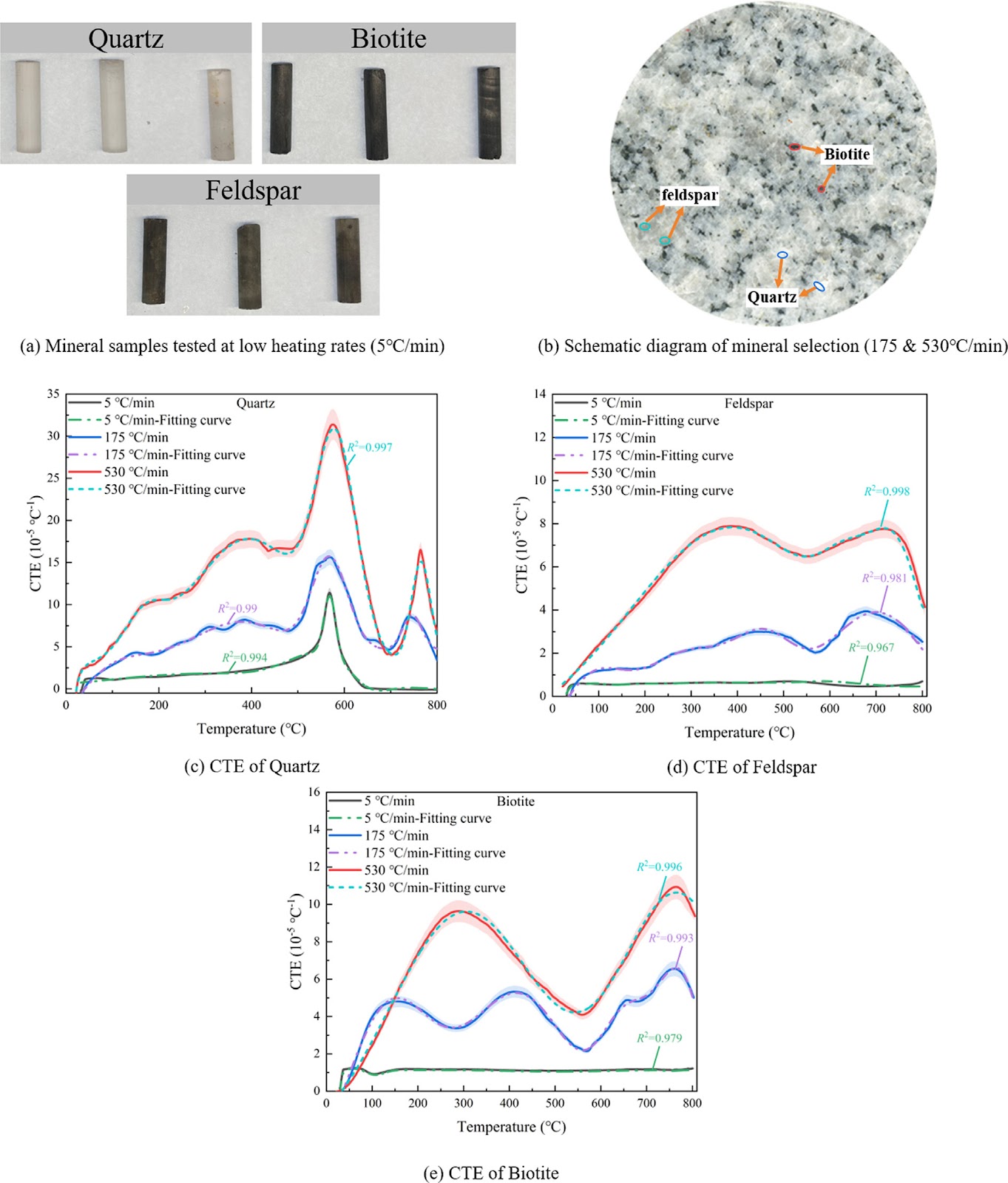
The influence of the heating rate on the thermo-mechanical response and damage evolution of rock is a critical factor limiting the safety and efficiency of engineering applications. Conventional models are limited, however, as they assume a static coefficient of thermal expansion (CTE) and ignore its dynamic nature under rapid thermal loading. This study confronts this knowledge gap using a synergistic experimental–numerical approach. A custom system combining induction heating and Digital Image Correlation was employed to measure the rate-dependent CTE of both bulk granite and its constituent minerals over various heating rates. These dynamic coefficients were then integrated into a high-fidelity numerical model to simulate microwave-assisted rock breaking. Results definitively show the CTE is strongly rate-dependent. While the quartz phase transition at ~573 °C triggers critical damage, faster heating significantly amplifies strain localization and damage accumulation. Crucially, simulations revealed that under identical microwave loading, the model using dynamic CTE (530 °C/min) reached a 1000 mm² failure area 11 times faster than the model using quasi-static CTE (5 °C/min). This study fundamentally establishes rock's CTE as a dynamic, rate-dependent property, providing a key scientific basis for advancing such thermal fracturing technologies.

Examine Data & PDF

Frequently Asked Technical Questions (High-Entropy Alloys)

Q:What are the main breakthroughs in Chinese High-Entropy Alloys (HEAs)?

Chinese researchers have led global innovations in interstitial element doping (carbon, nitrogen, boron), gradient-grained HEAs, and refractory multi-principal element systems that combine ultra-high cryogenic toughness with superior oxidation resistance above 1000 °C.

Q:How do Chinese HEAs compare to conventional nickel superalloys?

Refractory HEAs developed by Chinese state laboratories have demonstrated lower density and up to 200 °C higher temperature tolerance than standard Inconel 718, positioning them for next-generation aerospace turbine and hypersonic heat shield applications.

Q:Which Chinese academic journals publish the most HEA research?

Leading publications include the Journal of Central South University, Acta Metallurgica Sinica, Transactions of Nonferrous Metals Society of China, and Journal of Materials Science & Technology.

Explore Related Research Pillars in SinoTechIntel