SinoTechIntel Academic Portal
Precision Manufacturing & PowdersStrategic Intelligence Pillar

Metal Additive Manufacturing: LPBF Process Optimization, Defect Control & Superalloy Printing

In-depth analysis of Chinese Laser Powder Bed Fusion (LPBF) and Directed Energy Deposition (DED) methodologies for titanium, inconel, and refractory components.

Primary Focus: Metal 3D PrintingCurated Papers: 24 Verified StudiesDomain Authority: SinoTechIntel

State-of-the-Art Executive Brief & Commercialization Roadmap

China has established the worlds largest industrial scale deployment of Laser Powder Bed Fusion (LPBF) and Directed Energy Deposition (DED) systems, driven by commercial space startups, aerospace primes (AVIC, CASC), and medical implant manufacturers. Research centers at Huazhong University of Science and Technology (HUST) and Northwestern Polytechnical University have solved longstanding keyhole porosity, spatter dynamics, and anisotropic thermal stress issues through multi-laser synchronized scanning and in-situ acoustic emission monitoring. Spherical pre-alloyed powder synthesis via plasma rotating electrode process (PREP) has lowered raw material costs while boosting packing density for aerospace grade Ti-6Al-4V, Scalmalloy, and Inconel 718 parts.

Core Technical Benchmarks & Performance Thresholds

Printed Part Relative Density
> 99.95%
Optimized LPBF laser volumetric energy density
Surface Roughness (Ra)
< 6.5 µm
As-built without post-machining
Build Envelope Capacity
1,500 x 1,500 x 2,000 mm
Multi-laser synchronized industrial frames
Fatigue Limit (Ti-6Al-4V)
> 620 MPa
After HIP (Hot Isostatic Pressing)

Lead Research Institutions & Enterprise Innovators

🏛️ Huazhong University of Science and Technology (Wuhan)🏛️ Northwestern Polytechnical University (State Key Lab of Solidification)🏛️ Tsinghua University Department of Mechanical Engineering🏛️ BLT (Bright Laser Technologies)🏛️ CAS Shenyang Institute of Automation

Verified Chinese Research Papers in Metal 3D Printing

24 Studies Indexed
Research PaperYear: 2026
Stabilizing Perovskite Fabrication in Ambient Air

Stabilizing Perovskite Fabrication in Ambient Air

Perovskite-based solar cells have advanced rapidly due to their high efficiency potential, low-cost processing, and flexible fabrication routes. While silicon solar cells remain the dominant commercial technology, combining perovskites with silicon in tandem architectures offers a clear pathway to exceed the efficiency limits of single-junction devices. By pairing perovskite's tunable absorption with silicon's proven performance, perovskite–silicon tandem solar cells open new opportunities for high-efficiency photovoltaics. Yet translating these advances from laboratory demonstrations to scalable manufacturing remains a major challenge. A central obstacle lies in fabricating high-quality perovskite films under ambient conditions. Moisture in air directly interferes with perovskite crystallization, leading to disordered crystal growth, surface degradation, and the accumulation of non-ideal secondary phases. Although thermal annealing is often used to improve crystallinity, the combined effects of heat and humidity can instead accelerate irreversible degradation when processing in air. Together, these factors make crystallization control under ambient conditions particularly difficult, underscoring the need for new strategies that can stabilize film formation without relying on tightly controlled environments. Previous studies have explored several approaches to optimize perovskite film fabrication in ambient air, such as solvent engineering and longitudinal homogeneous intermediates in hybrid sequential deposition, as well as techniques like the P1.5 process that introduce a diffusion barrier layer. However, challenges persist, particularly in achieving the same performance as films fabricated in controlled environments. Now, writing in Joule, Tan et al. tackle this challenge with a novel approach that intervenes in the wet-film stage to stabilize the crystallization process. Instead of relying on environmental controls to eliminate moisture, the authors introduce an additive, n-butylammonium thiocyanate (nBASCN), to regulate crystallization dynamics. Implemented as part of the hybrid sequential deposition process, this wet-film intervention modifies the crystallization pathway, preventing premature nucleation and promoting uniform growth. The key innovation lies in the use of nBASCN to decouple diffusion from crystallization, enabling uniform crystallization and improving film quality under ambient conditions. This intervention not only improves film quality but also enhances device performance, with nBASCN-treated devices achieving higher power conversion efficiency (PCE) compared to untreated controls. Beyond improving single-junction perovskite solar cells, this approach is also effective for tandem solar cells, demonstrating the strategy's applicability to more complex multi-junction devices. This marks a crucial step toward achieving scalable, high-efficiency tandem solar cells.
Examine Data & PDF
Research PaperYear: 2026
In situ monitoring of surface depressions in metal laser additive manufacturing and its interlayer transfer mechanism

In situ monitoring of surface depressions in metal laser additive manufacturing and its interlayer transfer mechanism

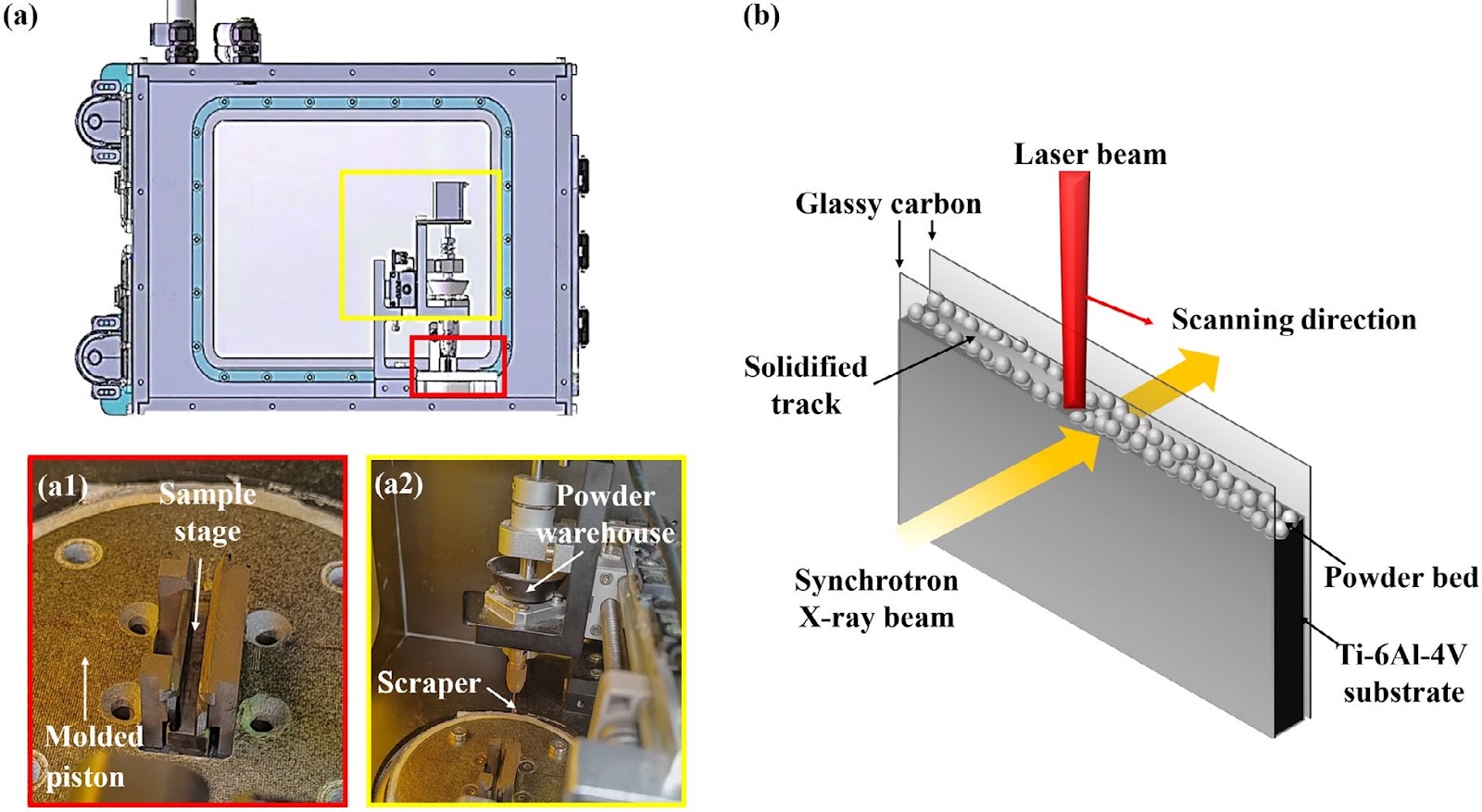
In laser powder bed fusion (LPBF) additive manufacturing, surface depressions caused by melt pool instability can induce defects throughout the layer-by-layer printing process. To address the limited understanding of interlayer defect transmission mechanisms, synchrotron X-ray in situ imaging was used to systematically investigate the dynamic evolution of surface depressions during multi-pass printing by adjusting interlayer process parameters. Experimental results show that insufficient energy input in the first layer leads to balling and fracture of melt tracks. When the energy input in the second layer is increased, local overheating at the gap between melt tracks from the previous layer causes surface depressions. Reducing the energy input in the third layer hinders melt backflow, enlarging the depression region. Further lowering the energy input in the final layer leads to the formation of internal unfused defects. This study reveals the dynamic correlation between surface depressions and interlayer defect evolution, offering critical experimental evidence and theoretical guidance for closed-loop interlayer process control in laser additive manufacturing.

Examine Data & PDF
Research PaperYear: 2026
Control of fine grain structures and strengthening-toughening mechanisms in magnesium alloys fabricated by wire-arc directed energy deposition

Control of fine grain structures and strengthening-toughening mechanisms in magnesium alloys fabricated by wire-arc directed energy deposition

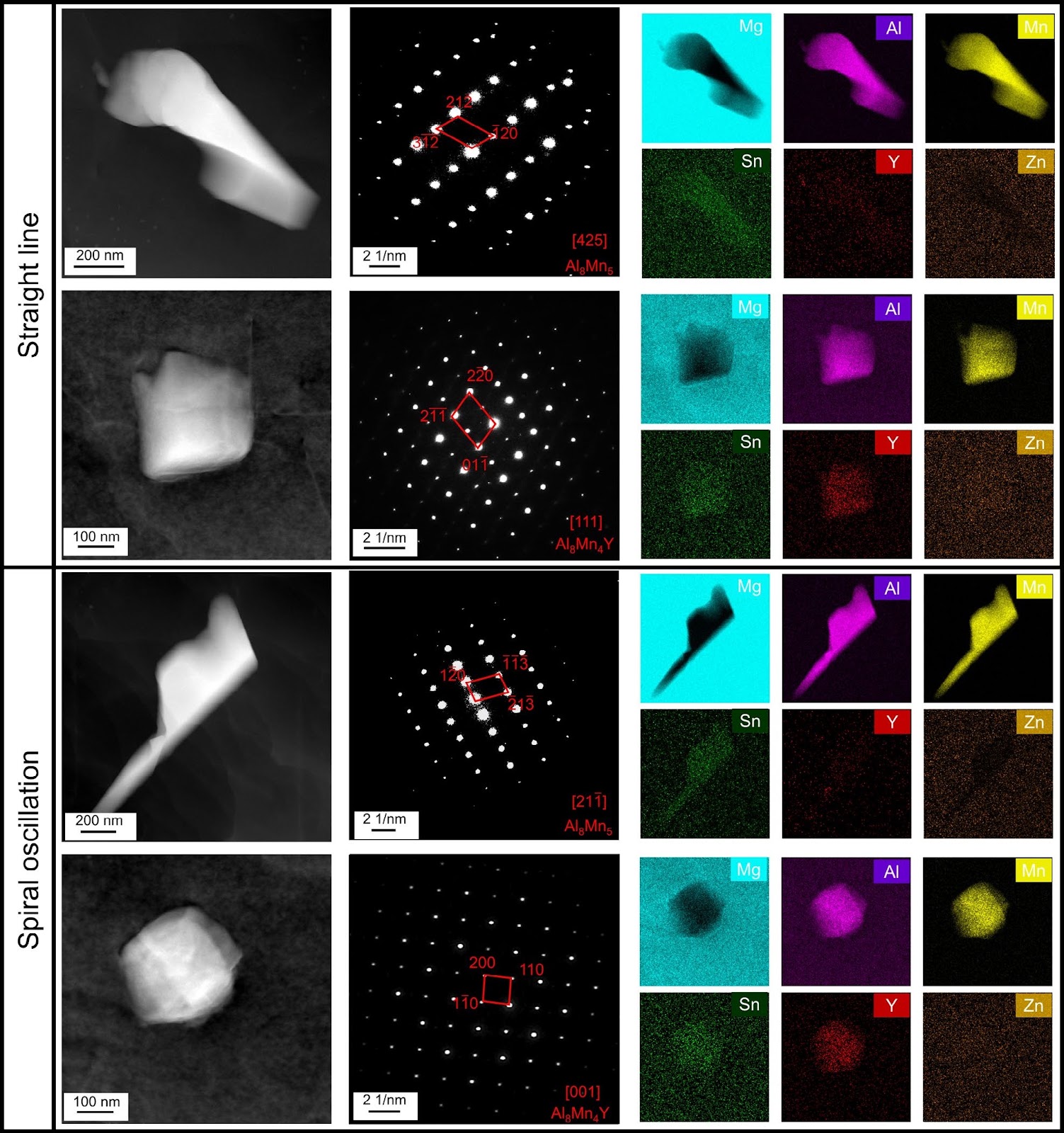
Wire-arc directed energy deposition (WA-DED) has attracted considerable attention for the fabrication of magnesium (Mg) alloys due to its high efficiency, low cost, and rapid prototyping capability for complex components. However, the inherent rapid solidification and complex thermal cycling associated with WA-DED often result in coarse columnar grains and pronounced mechanical anisotropy, which severely limiting its application potential. In this study, a novel spiral oscillation (SO) strategy was implemented during WA-DED AZ31 Mg alloy to refine the microstructure, reduce mechanical anisotropy, and achieve a strength-ductility synergy. Specifically, the yield strength (YS), ultimate tensile strength (UTS), and elongation (EL) are increased by 9.7%, 38.1%, and 147%, respectively. These improvements by the SO strategy are primarily attributed to the promotion of columnar-to-equiaxed transformation (CET), a 74.2% reduction in maximum texture intensity, and a more uniform distribution of second-phase particles. Second-phase particles are primarily composed of Al8Mn5 and Al8Mn4Y. This study provides a novel strategy for microstructural control aimed at improving the performance of WA-DED AZ31 Mg alloy components.

Examine Data & PDF
Research PaperYear: 2026
Stray grains evolution and high-temperature stress rupture behavior of crystallographic lamellar microstructure in Ni-based superalloys prepared by laser powder bed fusion

Stray grains evolution and high-temperature stress rupture behavior of crystallographic lamellar microstructure in Ni-based superalloys prepared by laser powder bed fusion

Abstract: The unique crystallographic lamellar microstructure (CLM) Ni-based superalloys fabricated by laser powder bed fusion (LPBF) exhibits excellent tensile properties. This study aims to investigate CLM’s high-temperature stress rupture behavior and use these findings to improve the additive manufacturing process. The result shows that the high temperature-induced intergranular fracture in <110> grain region is responsible for stress rupture failure under both conditions of 760 °C/780 MPa and 980 °C/260 MPa. Among them, the sub-grain boundary fracture occurs only under high temperature and low stress, 980 °C/260 MPa. Due to the severe intergranular fracture induced by stray grains, the stress rupture life is very low under both conditions. According to the finite element simulation, the formation of stray grains stems from the unstable heat flow within the melt pool during the process. In addition, the shorter stress rupture lifetime does not excite a more pronounced dislocation network around the γ′ phase. However, the deformation twins can still be activated inside the <110> grains, so it has excellent plasticity under both test conditions. Finally, this work indicates that the future optimization of CLM by LPBF should focus on eliminating of high-angle grain boundaries in <110> grains.

Examine Data & PDF
Research PaperYear: 2026
Laser powder bed fusion of biodegradable Zn-4Cu alloy: Processing, microstructure and properties

Laser powder bed fusion of biodegradable Zn-4Cu alloy: Processing, microstructure and properties

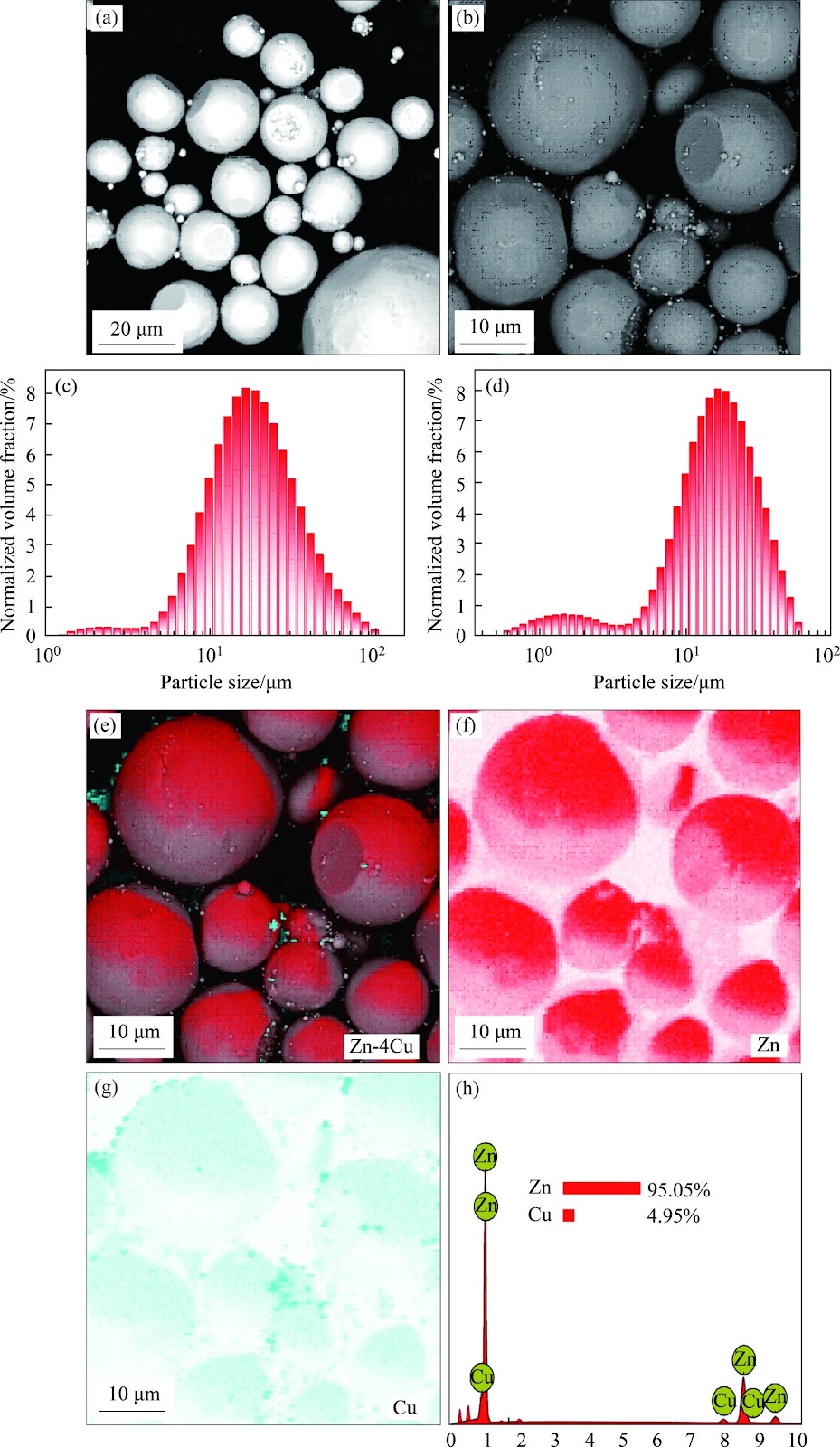
Zn's natural degradability and biocompatibility make it a promising candidate for implants, however, its mechanical properties remain insufficient for bone applications. In this study, the performance of Zn was enhanced by developing Zn-Cu alloys via laser powder bed fusion (LPBF). Optimal LPBF parameters for forming stable tracks were achieved by adjusting laser power and scanning speed. Under optimized conditions of 100 W and 100 mm/s, high-density (99.58%) Zn-Cu alloys with improved hardness (68.2HV) and yield strength (160 MPa) were achieved. These improvements are attributed to solid solution strengthening, segregation strengthening, and grain refinement. The Zn-Cu alloys also demonstrated favorable degradation behavior, with a rate of 0.16 mm/year. This degradation is primarily driven by micro-galvanic corrosion between the CuZn5 phase and Zn matrix, along with refined grains and increased grain boundary density. This work demonstrates a viable strategy for fabricating Zn-based implants with enhanced structural integrity and mechanical performance via LPBF.

Examine Data & PDF
Research PaperYear: 2026
Multiscale Design of Dual-Gradient Metamaterials Using Gel-Mediated 3D-Printed Graphene Aerogels for Broadband Electromagnetic Absorption

Multiscale Design of Dual-Gradient Metamaterials Using Gel-Mediated 3D-Printed Graphene Aerogels for Broadband Electromagnetic Absorption

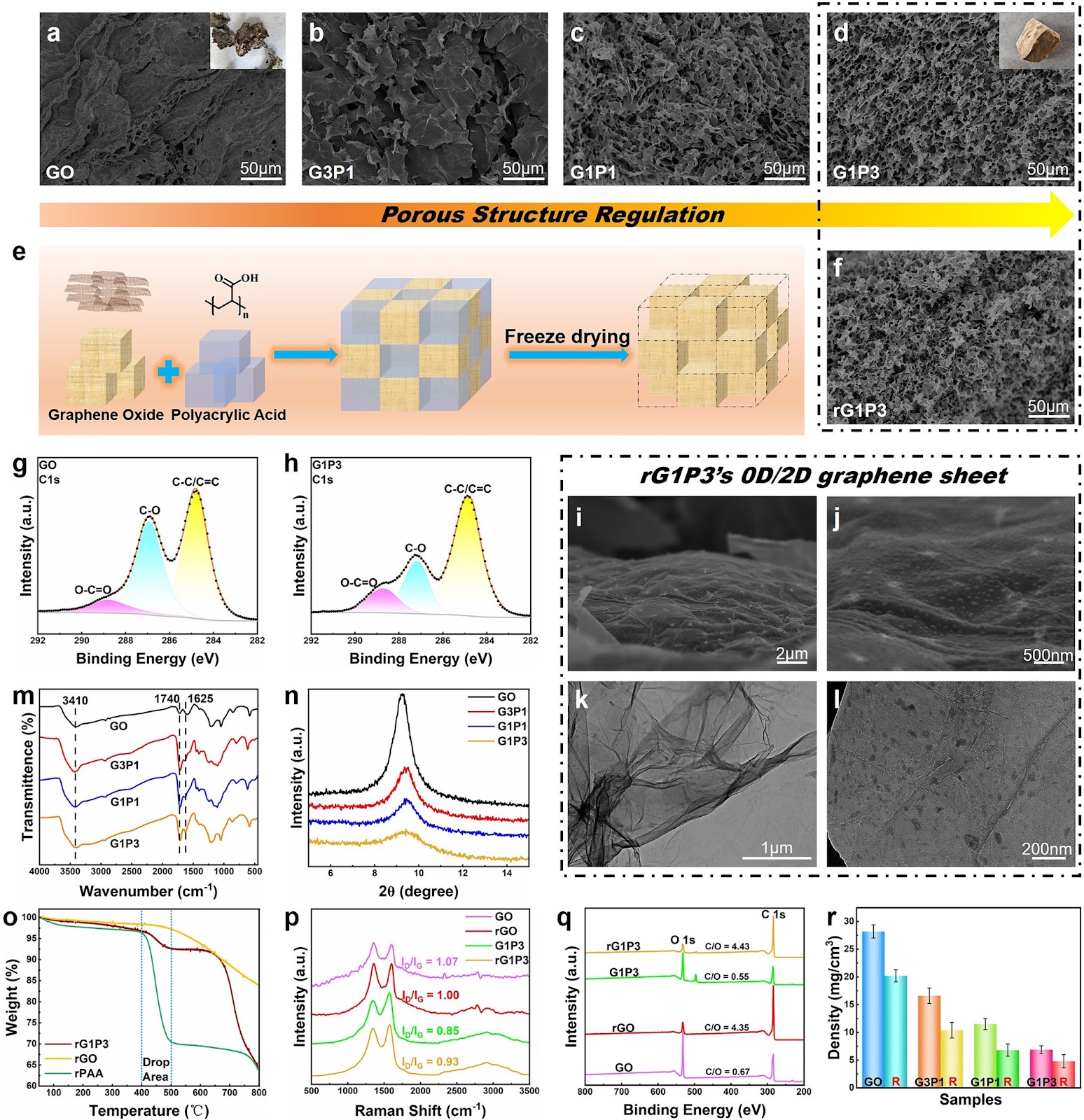
Three-dimensional (3D)-printed graphene aerogels hold promise for electromagnetic wave absorption (EWA) engineering due to its ultralow density, outstanding electromagnetic dissipation with the flexibility and precision of manufacturing strategies. However, their high conductivity causes severe impedance mismatch, limiting EWA performance. 3D printing requirements also constrain the dielectric properties of printable graphene inks, hindering the integration of high-performance absorbers with advanced manufacturing. This study proposes a polyacrylic acid (PAA) gel-mediated 3D porous graphene oxide (GO) aerogel multiscale regulation strategy. Precise gel content control enables dual-gradient tuning of the rheology (Benefiting direct ink writing (DIW)) and dielectric loss (Enhancing EWA) of GO/PAA composites and reduces aerogel density (6.9 mg cm−3 from 28.2 mg cm−3). Thermal reduction decomposes PAA into amorphous carbon nanoparticles anchored on reduced graphene oxide (rGO), enhancing impedance matching and absorption via synergistic 0D/2D interfacial polarization and conductive loss. The optimized rGO/PAA aerogel achieves a minimum reflection loss (RL) of −39.86 dB at 2.5 mm and an effective absorption bandwidth (EAB) of 8.36 GHz (9.64–18 GHz) at 3.2 mm. Combining DIW and this aerogel, we design a metamaterial absorber (MA) with dual material (dielectric loss) and structural gradients. This MA exhibits an ultrawide EAB of 14 GHz (4–18 GHz) with a total thickness of 7.8 mm. This work establishes a coupled design paradigm of “composition-structure-performance,” providing an engineerable solution for developing lightweight, broadband EWA materials.

Examine Data & PDF
Research PaperYear: 2026
Rational Design and Functionalization of Melt Electrowritten 4D Scaffolds for Biomedical Applications

Rational Design and Functionalization of Melt Electrowritten 4D Scaffolds for Biomedical Applications

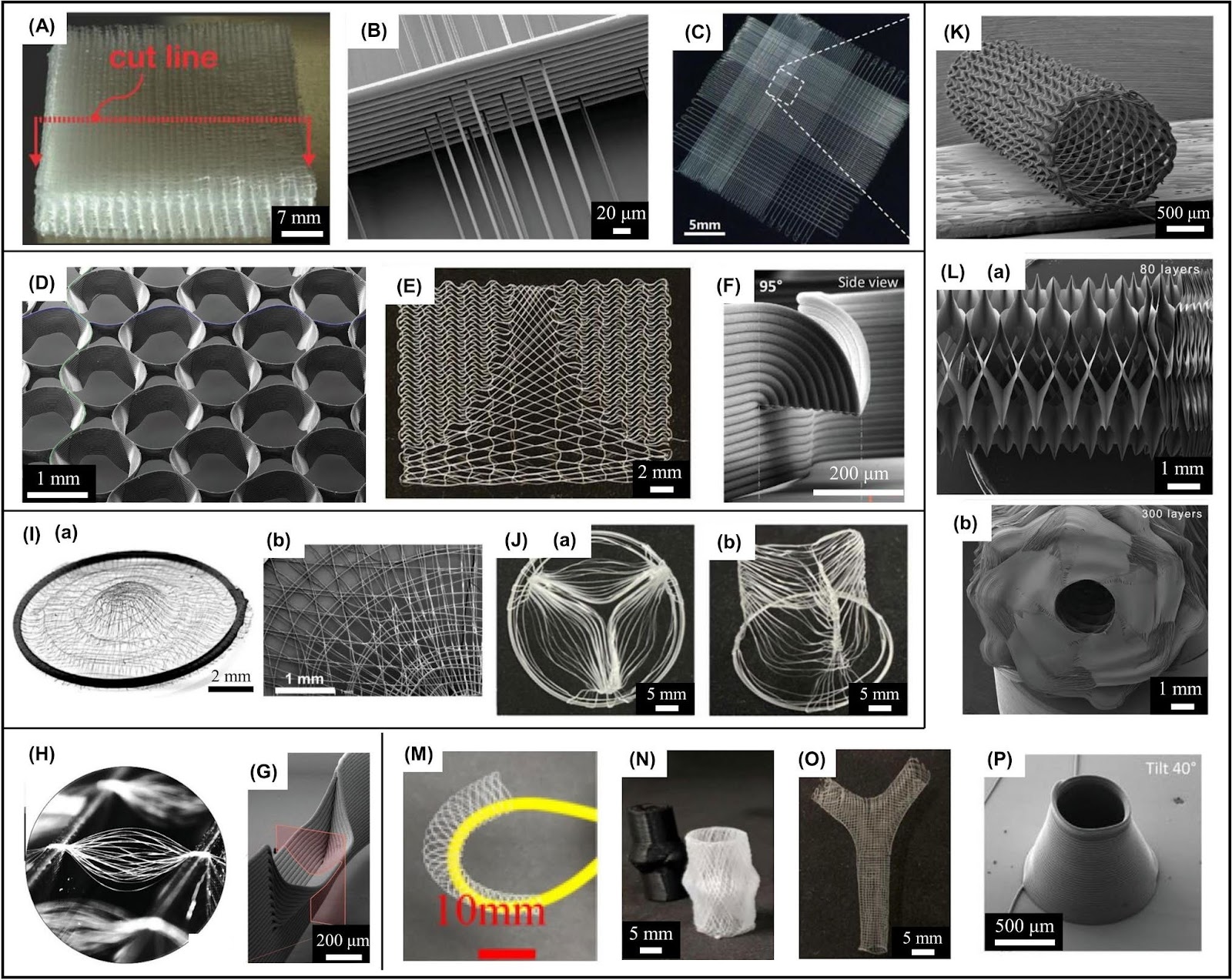
Melt electrowriting (MEW) enables the precise deposition of polymeric fibers at micro-/nanoscale, allowing for the fabrication of 3D biomimetic scaffolds. By incorporating stimuli-responsive polymers and/or functional fillers, MEW-based 4D printing creates scaffolds capable of undergoing controlled, reversible shape transformations in response to external stimuli over time. These dynamic 4D scaffolds can be tailored for minimally invasive delivery, remote actuation, and real-time responsiveness to physiological environments, making them highly relevant for biomedical applications. This review systematically elucidates the principles of MEW-based 4D printing, including material considerations, actuation methods, and structure design strategies, along with shape programming and morphing mechanisms. The versatility of MEW for rational fabrication of biomimetic scaffolds is firstly introduced. Subsequently, the critical elements underpinning MEW-based 4D printing process are overviewed, including an analysis of stimuli-responsive materials compatible with MEW, an evaluation of applicable external stimuli, and a discussion on the advancements in design strategies for 4D scaffolds. Recent progress of MEW 4D scaffolds for applications in tissue engineering, biomedical implants, and drug delivery systems are highlighted. Finally, key challenges and perspectives toward material innovation, fabrication optimization, and actuation control are discussed. This review aims to provide valuable insights for design and creation of multifunctional biomimetic dynamic scaffolds by MEW-based 4D printing.

Examine Data & PDF
Research PaperYear: 2026
Biomimetic Gradient Lubrication Hydrogel Contrived by Self-Reinforced MOFs Nanoparticle Network

Biomimetic Gradient Lubrication Hydrogel Contrived by Self-Reinforced MOFs Nanoparticle Network

The development of gradient lubrication materials is critical for numerous biomedical applications, particularly in magnifying mechanical properties and service longevity. Herein, we present an innovative approach to fabricate biomimetic gradient lubrication hydrogel through the synergistic integration of three-dimensional (3D) printed metal–organic frameworks (MOFs) nanoparticle network hydrogel skeletons with bio-inspired lubrication design. Specifically, robust hydrogel skeletons were engineered through single or multi-material 3D printing, followed by the in situ growth of MOFs nanoparticles within this hydrogel network to create a reinforced, load-bearing architecture. Subsequently, biomimetic lubrication capability was enabled by mechanically coupling another lubricating hydrogel within 3D-printed MOFs nanoparticle network hydrogel skeleton. The superficial layer is highly lubricious to ensure low coefficient of friction (~ 0.1141) and wear resistance (40,000 cycles), while the deeper layer is stiffer to afford the obligatory mechanical support (fracture strength ~ 2.50 MPa). Furthermore, the gradient architecture stiffness of the hydrogel can be modulated by manipulating the spatial distribution of MOFs within the 3D-printed hydrogel skeleton. As a proof-of-concept, biomimetic gradient hydrogel meniscus structures with C- and O-shaped configurations were constructed by leveraging multi-material 3D printing, demonstrating exceptional lubrication performance. This innovative biomimetic design opens new avenues for creating implantable biomedical gradient lubricating materials with reinforced mechanical and lubrication performance.

Examine Data & PDF
Research PaperYear: 2026
Towards sustainable lunar habitats with ISRU in Chang’E mission: Mechanical–energy evolution and damage mechanisms of LPBF-printed lunar regolith simulate

Towards sustainable lunar habitats with ISRU in Chang’E mission: Mechanical–energy evolution and damage mechanisms of LPBF-printed lunar regolith simulate

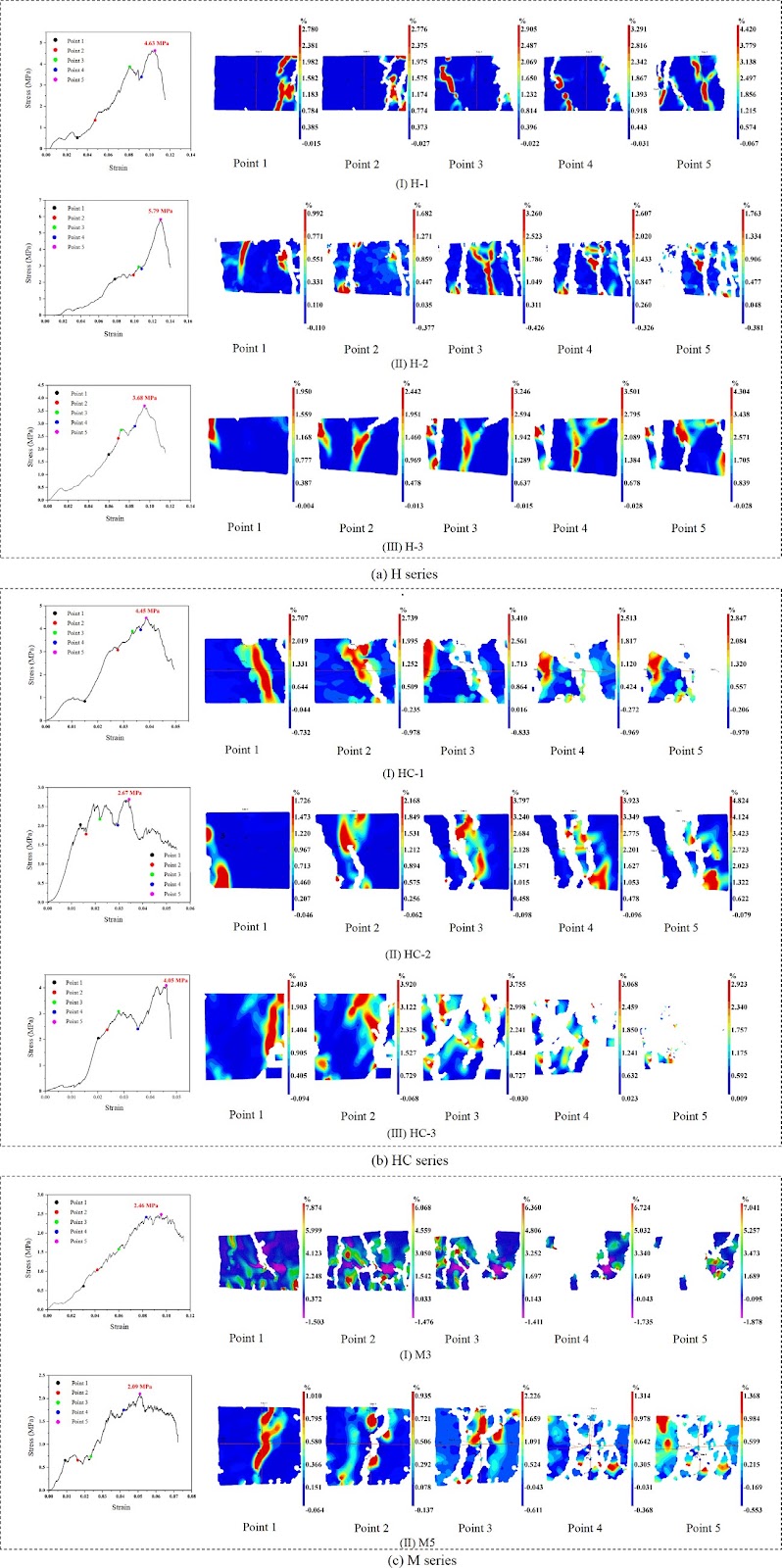
Targeting Chang’E-8 mission’ in-situ resource utilization (ISRU) for sustainable lunar habitats, laser powder bed fusion (LPBF) provides a viable pathway for in-situ additive manufacturing of lunar regolith. To elucidate mission relevant mechanical behavior and failure mechanisms of LPBF fabricated lunar regolith simulants, mare type and highland type simulant specimens were produced. Microstructural characterization, mechanical test coupled with three-dimensional digital image correlation (3D-DIC), and an energy-dissipation framework were employed for comprehensive analysis. The pristine highland specimens achieved 5.79 MPa and a peak strain of 0.13 (50 mm × 50 mm × 30 mm), significantly outperforming their mare counterparts. Wire-cutting to 20 mm × 20 mm × 20 mm lowered strength by ∼ 20% and peak strain to 0.04, indicating cutting-induced defects reduce ductility. All specimens displayed multi-peaked stress–strain curves. 3D-DIC revealed band-type strain localization in pristine highland samples, diffuse strain patterns in cut highland samples, and highly tortuous, network-type bands in mare samples; the anisotropy index was also quantified. Fragmented particles exhibited fractal dimensions ranging from 1.6 to 2.0 (size 1.25–9 mm). Energy evolution progressed through three distinct stages: elastic energy storage, progressive energy dissipation delaying crack propagation, and final unstable collapse. An energy-based damage model was established and validated. The data and methods developed support Chang’E-8 missions’ ISRU demonstrations and establish a transferable framework toward sustainable lunar habitats.

Examine Data & PDF
Research PaperYear: 2025
Effect of 3D printing angle on microstructure and mechanical properties of silica ceramic cores by stereolithography

Effect of 3D printing angle on microstructure and mechanical properties of silica ceramic cores by stereolithography

Ceramic cores fabricated by stereolithography exhibit great potential in casting turbine blades. Previous research on ceramic core molding was primarily conducted using vertical printing techniques, which not only resulted in lengthy molding durations but also compromised the mechanical strength. In this work, silica (SiO2) ceramic cores, with fine complex geometric shapes, were fabricated using 65vol.% ceramic slurry by digital light processing (DLP) with different printing angles. Printing angles significantly impact the surface accuracy, shrinkage, printing efficiency of green bodies, as well as the microstructure and mechanical properties of sintered ceramic core samples. As the printing angle in the green body increases, the bonding area decreases, surface roughness on the XY plane worsens, shrinkage in the Z direction becomes more pronounced, and the printing efficiency declines. Similarly, an increase in the printing angle in the sintered body leads to a reduction in bending strength. At a printing angle of 30°, the printing time is reduced to half of that at 90°, which improves the molding efficiency. Meanwhile, the obtained bulk density of 1.71 g·cm-3, open porosity of 24%, and flexural strength of 10.6±1 MPa can meet the requirements of sintered ceramic cores. Therefore, designing and optimizing the printing angles can achieve the balance between shrinkage, printing efficiency, and flexural strength.

Examine Data & PDF
Research PaperYear: 2025
3D-Printed Boron-Nitrogen Doped Carbon Electrodes for Sustainable Wastewater Treatment via MPECVD

3D-Printed Boron-Nitrogen Doped Carbon Electrodes for Sustainable Wastewater Treatment via MPECVD

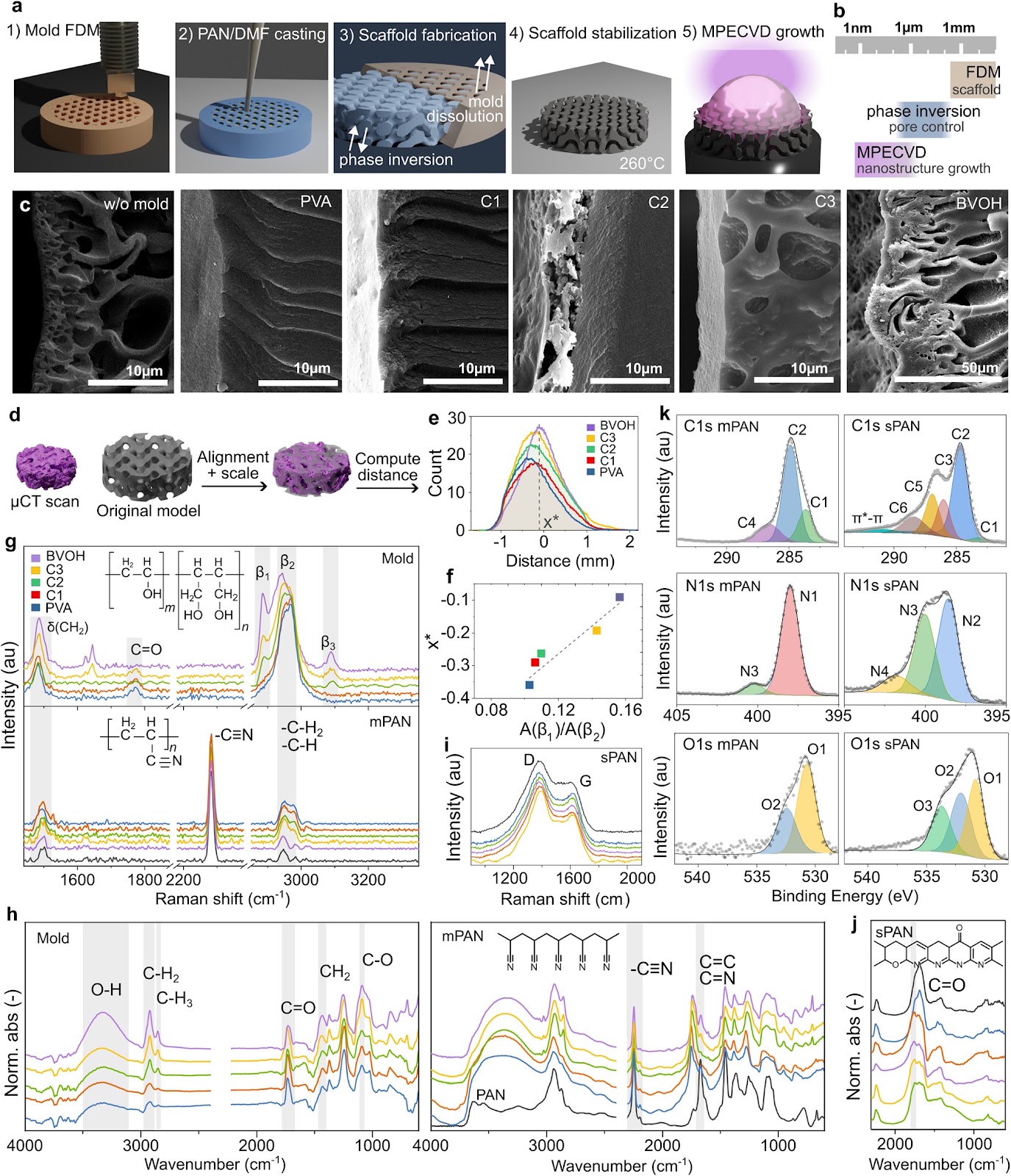
This study proposes a novel and sustainable method for fabricating 3D-printed carbon-based electrodes for electrochemical wastewater treatment. We prepared B,N-doped carbon electrodes with hierarchical porosity and a significantly enhanced surface area-to-volume ratio (up to 180%) compared to non-optimized analogues using a synergistic combination of 3D printing, phase inversion, and microwave plasma-enhanced chemical vapor deposition. This process allows the metal-free growth of vertically aligned carbon nanostructures directly onto polymer-derived substrates, resulting in a 20-fold increase in the electrochemically active surface area. Computational fluid dynamics simulations were used to improve mass transport and reduce pressure drop. Electrochemical characterization demonstrated that the optimized electrodes performed significantly better, achieving 4.7-, 4-, and 6.5-fold increases in the degradation rates of atenolol, metoprolol, and propranolol, respectively, during electrochemical oxidation. These results highlight the efficacy of the integrated fabrication and simulation approach in producing high-performance electrodes for sustainable wastewater treatment applications.

Examine Data & PDF
Research PaperYear: 2025
Indium-MOF as Multifunctional Promoter to Remove Ionic Conductivity and Electrochemical Stability Constraints on Fluoropolymer Electrolytes for All-Solid-State Lithium Metal Battery

Indium-MOF as Multifunctional Promoter to Remove Ionic Conductivity and Electrochemical Stability Constraints on Fluoropolymer Electrolytes for All-Solid-State Lithium Metal Battery

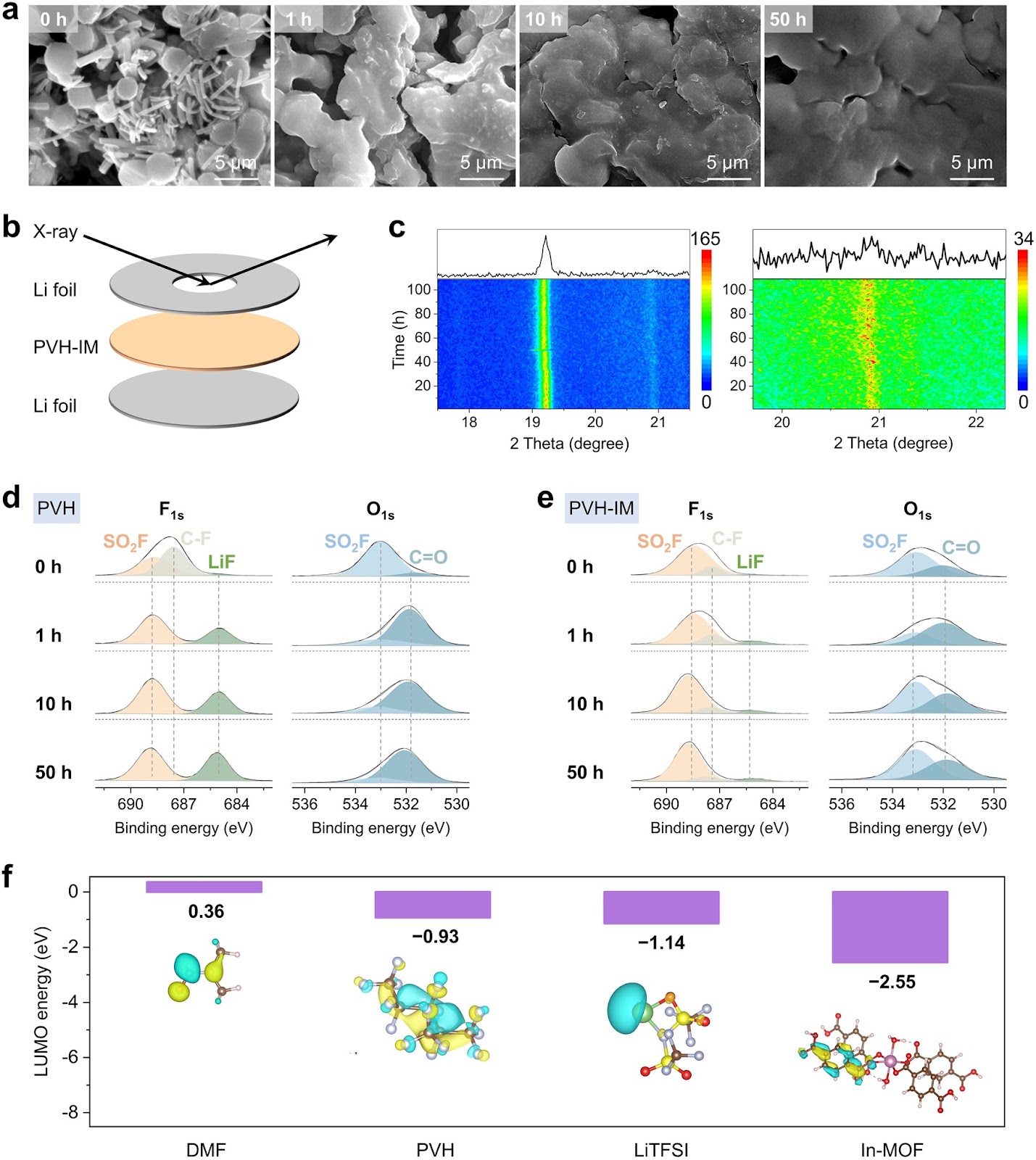
Fluoropolymers promise all-solid-state lithium metal batteries (ASLMBs) but suffer from two critical challenges. The first is the trade-off between ionic conductivity (σ) and lithium anode reactions, closely related to high-content residual solvents. The second, usually consciously overlooked, is the fluoropolymer's inherent instability against alkaline lithium anodes. Here, we propose indium-based metal–organic frameworks (In-MOFs) as a multifunctional promoter to simultaneously address these two challenges, using poly(vinylidene fluoride–hexafluoropropylene) (PVH) as the typical fluoropolymer. In-MOF plays a trio: (1) adsorbing and converting free residual solvents into bonded states to prevent their side reactions with lithium anodes while retaining their advantages on Li+ transport; (2) forming inorganic-rich solid electrolyte interphase layers to prevent PVH from reacting with lithium anodes and promote uniform lithium deposition without dendrite growth; (3) reducing PVH crystallinity and promoting Li-salt dissociation. Therefore, the resulting PVH/In-MOF (PVH-IM) showcases excellent electrochemical stability against lithium anodes, delivering a 5550 h cycling at 0.2 mA cm−2 with a remarkable cumulative lithium deposition capacity of 1110 mAh cm−2. It also exhibits an ultrahigh σ of 1.23 × 10⁻³ S cm−1 at 25 °C. Moreover, all-solid-state LiFePO4|PVH-IM|Li full cells show outstanding rate capability and cyclability (80.0% capacity retention after 280 cycles at 0.5C), demonstrating high potential for practical ASLMBs.

Examine Data & PDF
Research PaperYear: 2025
Additive Manufacturing of Nickel-Based Superalloys for Aerospace Propulsion: Grain Boundary Engineering and Hot Isostatic Pressing Protocols in Chinese Aerospace R&D

Additive Manufacturing of Nickel-Based Superalloys for Aerospace Propulsion: Grain Boundary Engineering and Hot Isostatic Pressing Protocols in Chinese Aerospace R&D

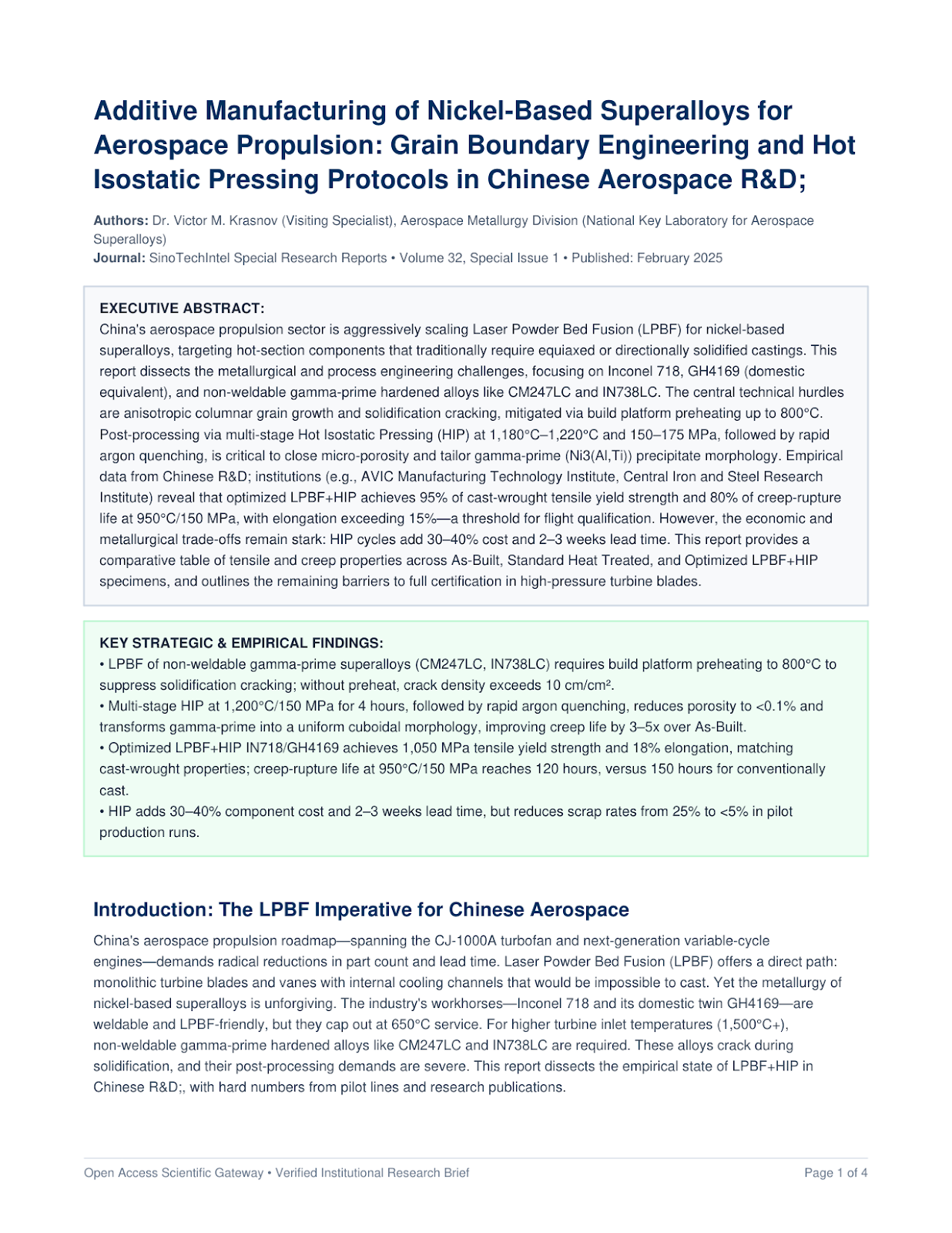
China's aerospace propulsion sector is aggressively scaling Laser Powder Bed Fusion (LPBF) for nickel-based superalloys, targeting hot-section components that traditionally require equiaxed or directionally solidified castings. This report dissects the metallurgical and process engineering challenges, focusing on Inconel 718, GH4169 (domestic equivalent), and non-weldable gamma-prime hardened alloys like CM247LC and IN738LC. The central technical hurdles are anisotropic columnar grain growth and solidification cracking, mitigated via build platform preheating up to 800°C. Post-processing via multi-stage Hot Isostatic Pressing (HIP) at 1,180°C–1,220°C and 150–175 MPa, followed by rapid argon quenching, is critical to close micro-porosity and tailor gamma-prime (Ni3(Al,Ti)) precipitate morphology. Empirical data from Chinese R&D institutions (e.g., AVIC Manufacturing Technology Institute, Central Iron and Steel Research Institute) reveal that optimized LPBF+HIP achieves 95% of cast-wrought tensile yield strength and 80% of creep-rupture life at 950°C/150 MPa, with elongation exceeding 15%—a threshold for flight qualification. However, the economic and metallurgical trade-offs remain stark: HIP cycles add 30–40% cost and 2–3 weeks lead time. This report provides a comparative table of tensile and creep properties across As-Built, Standard Heat Treated, and Optimized LPBF+HIP specimens, and outlines the remaining barriers to full certification in high-pressure turbine blades.

Examine Data & PDF
Research PaperYear: 2025
3D-printed Ti/graphene composite current collectors for high-voltage aqueous zinc-ion batteries

3D-printed Ti/graphene composite current collectors for high-voltage aqueous zinc-ion batteries

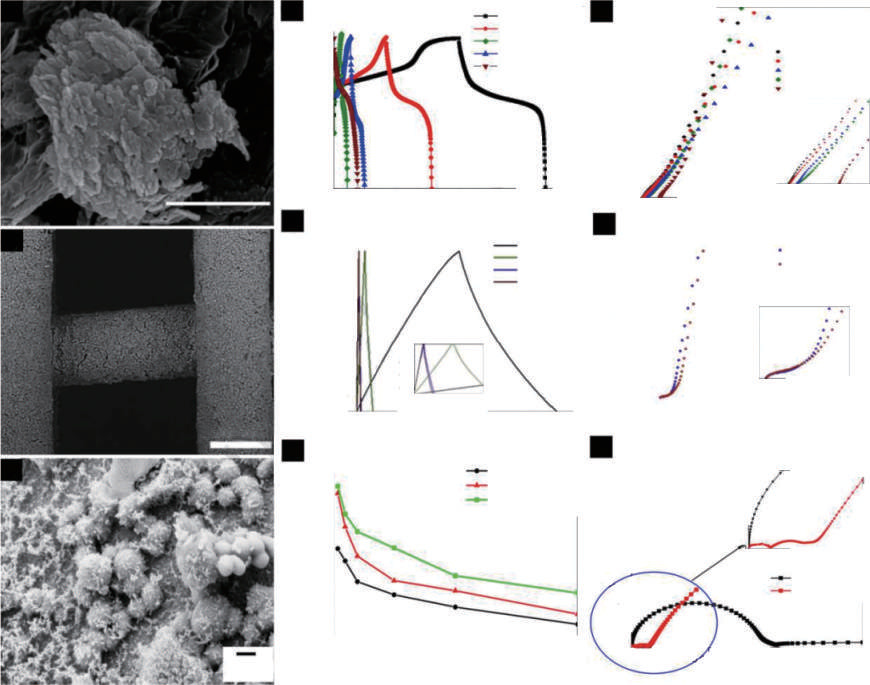
Aqueous zinc-ion batteries (AZIBs) have significant promise as large-scale energy storage devices due to their high safety, low cost, and environmental friendliness. However, their application has been constrained by limited operational voltage windows. A high-voltage-resistant Ti-graphene-Ti cathode current collector (TGT) was designed and fabricated by three-dimensional (3D) printing. The surface of the TGT has a TixOy protective layer, which effectively suppresses electrolyte decomposition under high voltage conditions so that the voltage window of the battery is extended to 1.0–2.2 V without the obvious formation of by-products. Simultaneously, the graphene layer in the TGT structure significantly improves the adsorption and insertion/extraction kinetics of cations, resulting in a high specific capacity of 307.5 mAh g−1 and a prolonged cycling life of the battery. The resultant AZIBs have a stable charge/discharge performance over 400 cycles at a high voltage. Furthermore, the influence of the geometric arrangements of Ti and graphene in the 3D printing process on the energy storage mechanism was investigated and provided novel insight for the development of high-voltage-resistant composite cathode current collectors for AZIBs.

Examine Data & PDF
Research PaperYear: 2025
A review of 3D graphene materials for energy storage and conversion

A review of 3D graphene materials for energy storage and conversion

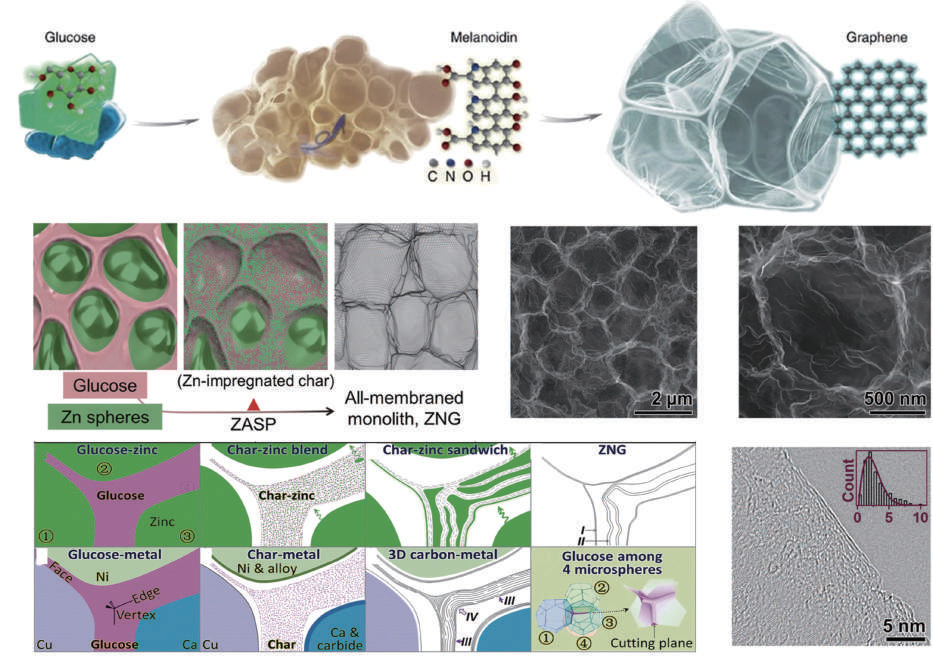
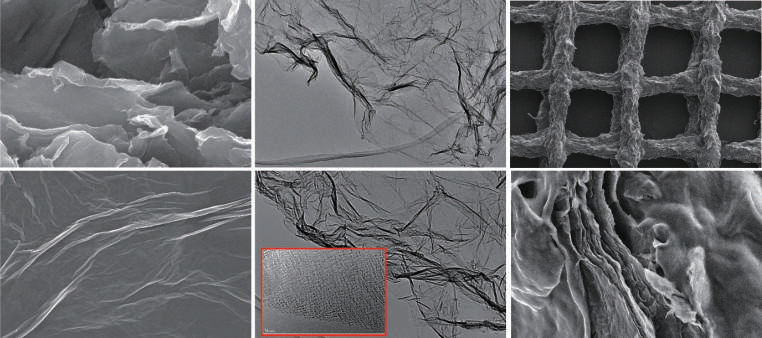
Three-dimensional (3D) graphene monoliths are a new carbon material, that has tremendous potential in the fields of energy conversion and storage. They can solve the limitations of two-dimensional (2D) graphene sheets, including interlayer restacking, high contact resistance, and insufficient pore accessibility. By constructing interconnected porous networks, 3D graphenes not only retain the intrinsic advantages of 2D graphene sheets, such as high specific surface area, excellent electrical and thermal conductivities, good mechanical properties, and outstanding chemical stability, but also enable efficient mass transport of external fluid species. We summarize the fabrication methods for 3D graphenes, with a particular focus on their applications in energy-related systems. Techniques including chemical reduction assembly, chemical vapor deposition, 3D printing, chemical blowing, and zinc-tiered pyrolysis have been developed to change their pore structure and elemental composition, and ways in which they can be integrated with functional components. In terms of energy conversion and storage, they have found broad use in buffering mechanical impacts, suppressing noise, photothermal conversion, electromagnetic shielding and absorption. They have also been used in electrochemical energy systems such as supercapacitors, secondary batteries, and electrocatalysis. By reviewing recent progress in structural design and new applications, we also discuss the problems these materials face, including scalable fabrication and precise pore structure control, and possible new applications.

Examine Data & PDF
Research PaperYear: 2025
The production of electrodes for microsupercapacitors based on MoS2-modified reduced graphene oxide aerogels by 3D printing

The production of electrodes for microsupercapacitors based on MoS2-modified reduced graphene oxide aerogels by 3D printing

Micro-supercapacitors (MSCs) are of interest because of their high power density and excellent cycling performance, offering a broad array of potential applications. However, preparing electrodes for the MSCs with an extremely high areal capacitance and energy density remains a challenge. We constructed MSC electrodes with an ultra-high area capacitance and a high energy density, using reduced graphene oxide aerogel (GA) and MoS2 as the active materials, combined with 3D printing and surface modification. Using 3D printing, we obtained electrodes with a stable macrostructure and a GA-crosslinked micropore structure. We also used a solution method to load the surface of the printed electrode with molybdenum disulfide nanosheets, further improving the electrochemical performance. The surface capacitance of the electrode reached 3.99 F cm−2, the power density was 194 μW cm−2, and the energy density was 1 997 mWh cm−2, confirming its excellent electrochemical performance and cycling stability. This work provides a simple and efficient method for preparing MSC electrodes with a high areal capacitance and energy density, making them ideal for portable electronic devices.

Examine Data & PDF
Research PaperYear: 2025
A review of carbon-based hybrid materials for supercapacitors

A review of carbon-based hybrid materials for supercapacitors

Supercapacitors are gaining popularity due to their high cycling stability, power density, and fast charge and discharge rates. Researchers are exploring electrode materials, electrolytes, and separators for cost-effective energy storage systems. Advances in materials science have led to the development of hybrid nanomaterials, such as combining filamentous carbon forms with inorganic nanoparticles, to create new charge and energy transfer processes. Notable materials for electrochemical energy-storage applications include MXenes, 2D transition metal carbides, and nitrides, carbon black, carbon aerogels, activated carbon, carbon nanotubes, conducting polymers, carbon fibers, and nanofibers, and graphene, because of their thermal, electrical, and mechanical properties. Carbon materials mixed with conducting polymers, ceramics, metal oxides, transition metal oxides, metal hydroxides, transition metal sulfides, transition metal dichalcogenide, metal sulfides, carbides, nitrides, and biomass materials have received widespread attention due to their remarkable performance, eco-friendliness, cost-effectiveness, and renewability. This article explores the development of carbon-based hybrid materials for future supercapacitors, including electric double-layer capacitors, pseudocapacitors, and hybrid supercapacitors. It investigates the difficulties that influence structural design, manufacturing (electrospinning, hydrothermal/solvothermal, template-assisted synthesis, electrodeposition, electrospray, 3D printing) techniques and the latest carbon-based hybrid materials research offer practical solutions for producing high-performance, next-generation supercapacitors.

Examine Data & PDF
Research PaperYear: 2025
Growth and optical properties of large-sized Co2+: ZnGa2O4 single crystal

Growth and optical properties of large-sized Co2+: ZnGa2O4 single crystal

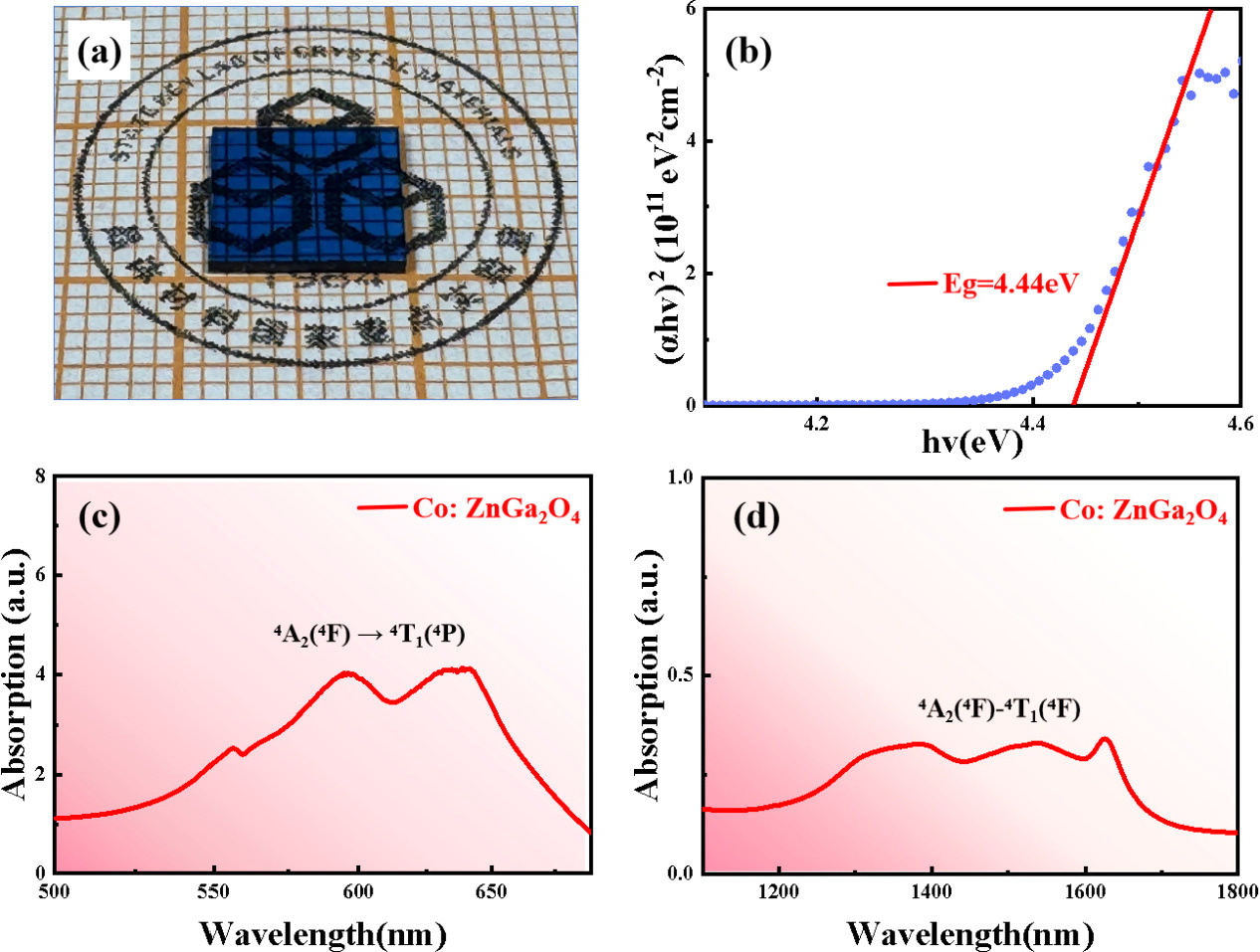
The transition of cobalt ions located at tetrahedral sites will produce strong absorption in the visible and near-infrared regions, and is expected to work in a passively Q-switched solid-state laser at the eye-safe wavelength of 1.5 µm. In this study, Co2+ ions were introduced into the wide bandgap semiconductor material ZnGa2O4, and large-sized and high-quality Co2+-doped ZnGa2O4 crystals with a volume of about 20 cm3 were grown using the vertical gradient freeze (VGF) method. Crystal structure and optical properties were analyzed using X-ray powder diffraction (XRD), X-ray photoelectron spectroscopy (XPS), and absorption spectroscopy. XRD results show that the Co2+-doped ZnGa2O4 crystal has a pure spinel phase without impurity phases and the rocking curve full width at half maximum (FWHM) is only 58 arcsec. The concentration of Co2+ in Co2+-doped ZnGa2O4 crystals was determined to be 0.2 at.% by the energy dispersive X-ray spectroscopy. The optical band gap of Co2+-doped ZnGa2O4 crystals is 4.44 eV. The optical absorption spectrum for Co2+-doped ZnGa2O4 reveals a prominent visible absorption band within 550−670 nm and a wide absorption band spanning from 1100 to 1700 nm. This suggests that the Co2+ ions have substituted the Zn2+ ions, which are typically tetrahedrally coordinated, within the lattice structure of ZnGa2O4. The visible region's absorption peak and the near-infrared broad absorption band are ascribed to the 4A2(4F) → 4T1(4P) and 4A2(4F) →4T1(4F) transitions, respectively. The optimal ground state absorption cross section was determined to be 3.07 × 10⁻¹⁹ cm2 in ZnGa2O4, a value that is comparatively large within the context of similar materials. This finding suggests that ZnGa2O4 is a promising candidate for use in near-infrared passive Q-switched solid-state lasers.

Examine Data & PDF
Research PaperYear: 2025
Influence of porous structures with small unit cell on mechanical properties of porous titanium dental implants fabricated by selective laser melting

Influence of porous structures with small unit cell on mechanical properties of porous titanium dental implants fabricated by selective laser melting

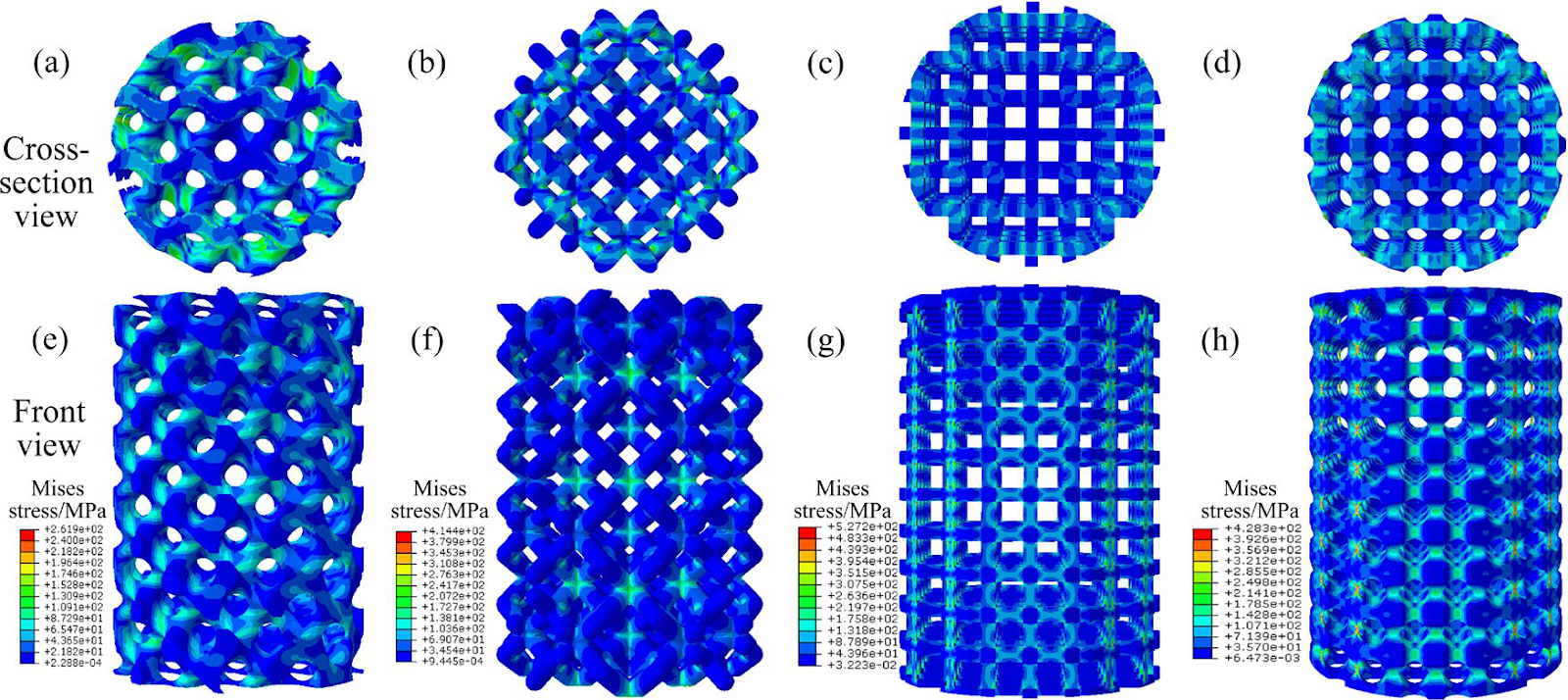
Based on the application requirements for porous dental implants, four porous structures of gyroid, RD (rhombic dodecahedron), cubic, and CHC (three identical cylinders hollow cubic) for porous titanium implants have been designed and fabricated using selective laser melting (SLM) technology. Typically, the unit cell dimensions range from 0.5 to 1.6 mm, with pore diameters between 300 and 900 µm, achieving porosities of 60%−80%. The influence of porous structures with small unit cell on scaffold formability and mechanical properties was investigated through compression, torsion tests as well as finite element simulations. Consequently, gyroid scaffolds exhibit optimal formability with the lowest porosity and pore deviation. With the same porosity, gyroid and RD scaffolds exhibit lower compressive strength than cubic and CHC scaffolds, yet their torsional properties show an inverse relationship. Moreover, gyroid scaffolds possess the highest torque but the lowest compressive strength and elastic modulus. The gyroid scaffold with 60% porosity shows a modulus of 3.96 GPa, matching bone modulus of 0−30 GPa. Its compressive strength reaches 176.3 MPa, exceeding that of bone by 100 MPa. Additionally, the torque for the d4.0 mm implant is 2.22 N·m, approaching the FDA safe torque of 2.3 N·m. Therefore, the gyroid represents the most ideal structure for porous dental implants.

Examine Data & PDF
Research PaperYear: 2025
Additive manufacturing techniques for WC−Co cemented carbides: Principle, progress, and perspective

Additive manufacturing techniques for WC−Co cemented carbides: Principle, progress, and perspective

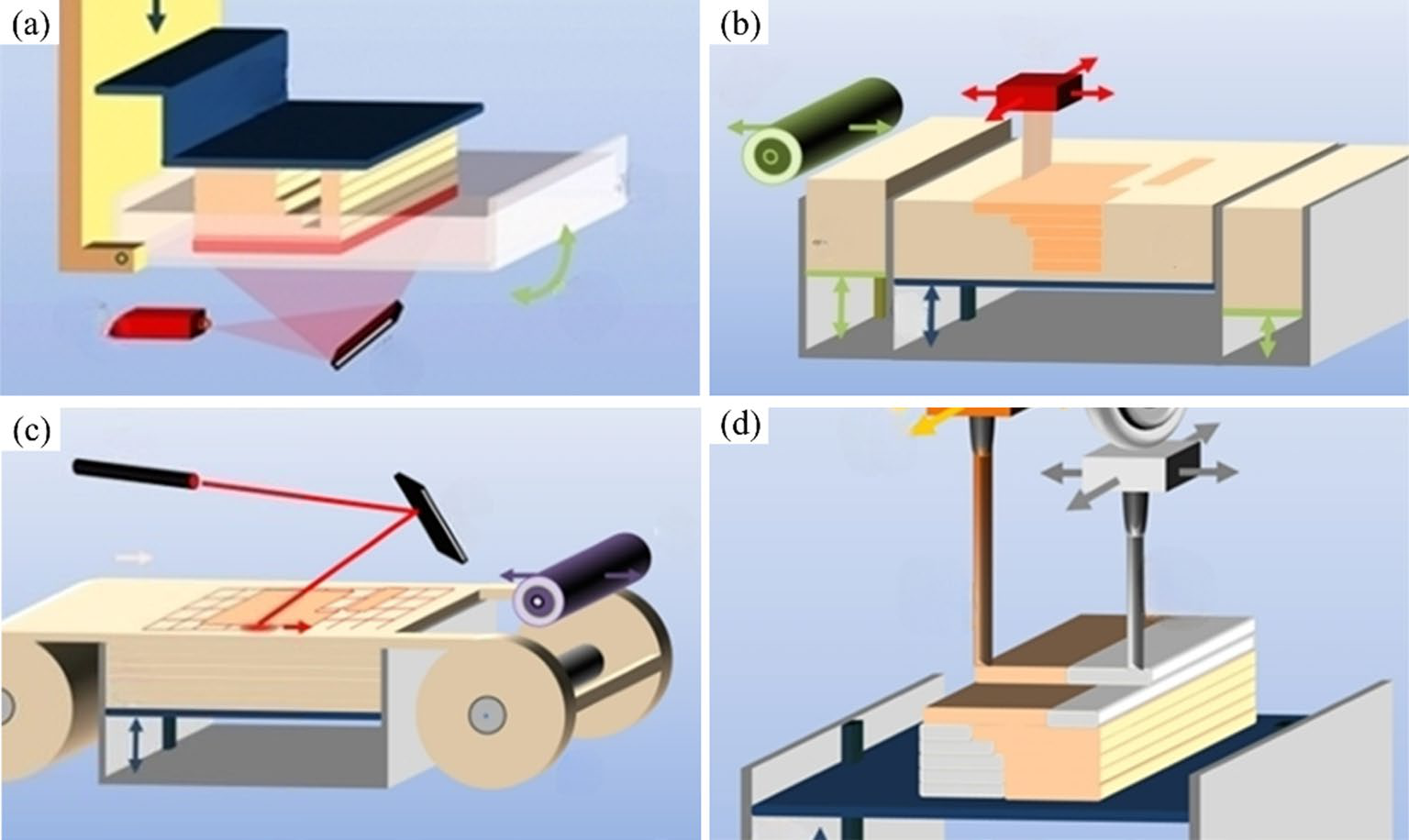
Additive manufacturing (AM) technology has emerged as a viable solution for manufacturing complex-shaped WC−Co cemented carbide products, thereby expanding their applications in industries such as resource mining, equipment manufacturing, and electronic information. This review provides a comprehensive summary of the progress of AM technology in WC−Co cemented carbides. The fundamental principles and classification of AM techniques are introduced, followed by a categorization and evaluation of the AM techniques for WC−Co cemented carbides. These techniques are classified as either direct AM technology (DAM) or indirect AM technology (IDAM), depending on their inclusion of post-processes like de-binding and sintering. Through an analysis of microstructure features, the most suitable AM route for WC−Co cemented carbide products with controllable microstructure is identified as the indirect AM technology, such as binder jet printing (BJP), which integrates AM with conventional powder metallurgy.

Examine Data & PDF
Research PaperYear: 2025
High-temperature performance of silica ceramic cores with additives prepared by stereolithography 3D printing

High-temperature performance of silica ceramic cores with additives prepared by stereolithography 3D printing

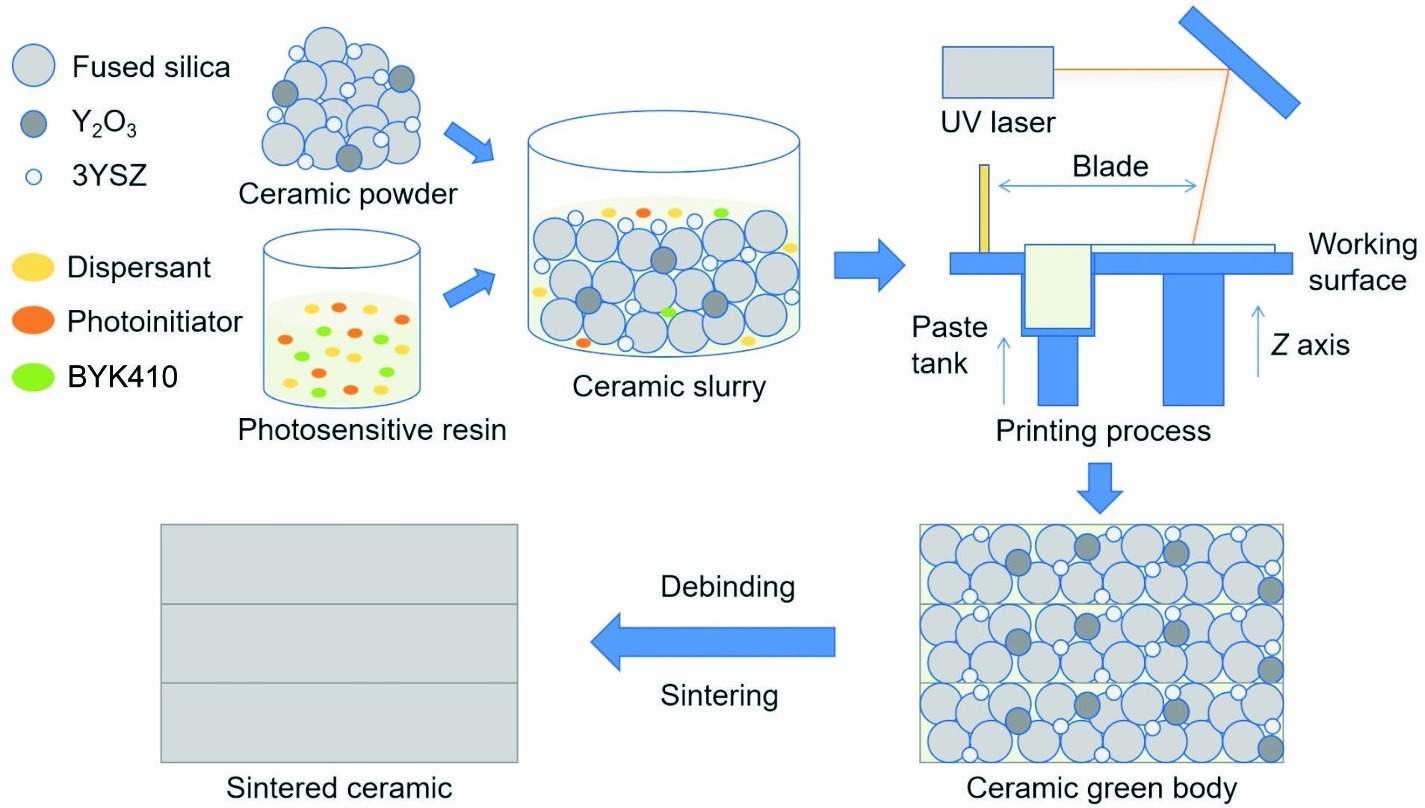
Ceramic cores are key to forming a cooling structure within the hollow blade cavities. The use of stereolithography (SL) 3D printing technology eliminates the need for moulds, facilitating the preparation of complex-shaped ceramic cores. In this study, silica-based ceramic cores incorporating nano-3YSZ (3mol.% yttria stabilised zirconia) and micron-sized Y2O3 were prepared via SL 3D printing ceramic technology to promote the formation of cristobalite and ZrSiO4, thereby improving the high-temperature properties. The flexural strength at 25 °C and 1,500 °C, deflection at 1,500 °C, shrinkage rate, and porosity of the core samples sintered at different temperatures (1,170 °C, 1,185 °C, 1,200 °C, 1,215 °C, and 1,230 °C) were tested and investigated. The mechanism underlying the high temperature performance of the cores was elucidated through analysis of cross-sectional morphology, element distribution, and phase constitution of the samples. As the sintering temperature increases, the shrinkage and flexural strength at 25 °C of the core rise, while the open porosity and deflection at 1,500 °C decrease. When the sintering temperature reaches 1,200 °C or higher, the 1,500 °C flexural strength can be measured, which increases as the sintering temperature rises. The core exhibits excellent creep resistance when sintered at temperatures of 1,200 °C and above. Considering the comprehensive performance requirements for the core, the sintering temperature of 1,200 °C was selected. At the sintering temperature of 1,200 °C, the core exhibits shrinkage rates of 3.76% (X), 3.38% (Y), and 3.95% (Z), alongside a flexural strength of 9.01 MPa at 25 °C and 32.15 MPa at 1,500 °C, and an open porosity of 26.39%. The deflection of the core at 1,500 °C is 0.15 mm, which helps to maintain the dimensional stability of the ceramic core during casting. XRD results indicate that samples fractured after 25 °C flexural strength test still contain amorphous quartz glass, alongside substantial quantities of yttria stabilized zirconia and Y2O3. Samples fractured after 1,500 °C flexural strength test exhibit significant crystallisation of amorphous quartz glass into cristobalite, with silica and 3YSZ combining to form ZrSiO4. Y2O3 as a network modifier of the glass network destroys the bridging oxygen in the silica-oxygen bond, thereby reducing the energy required for glass crystallisation and promoting the crystallisation reaction of quartz glass to form cristobalite. In addition, nano-3YSZ combines with SiO2 at high temperatures to form ZrSiO4. Since cristobalite and ZrSiO4 are crystals, both of them have strong creep resistance, thus improving the high temperature flexural strength and deformation resistance of the ceramic cores.

Examine Data & PDF
Research PaperYear: 2025
Influence of scanning strategies on microstructure and properties anisotropy of GH3536 alloy formed by laser powder bed fusion

Influence of scanning strategies on microstructure and properties anisotropy of GH3536 alloy formed by laser powder bed fusion

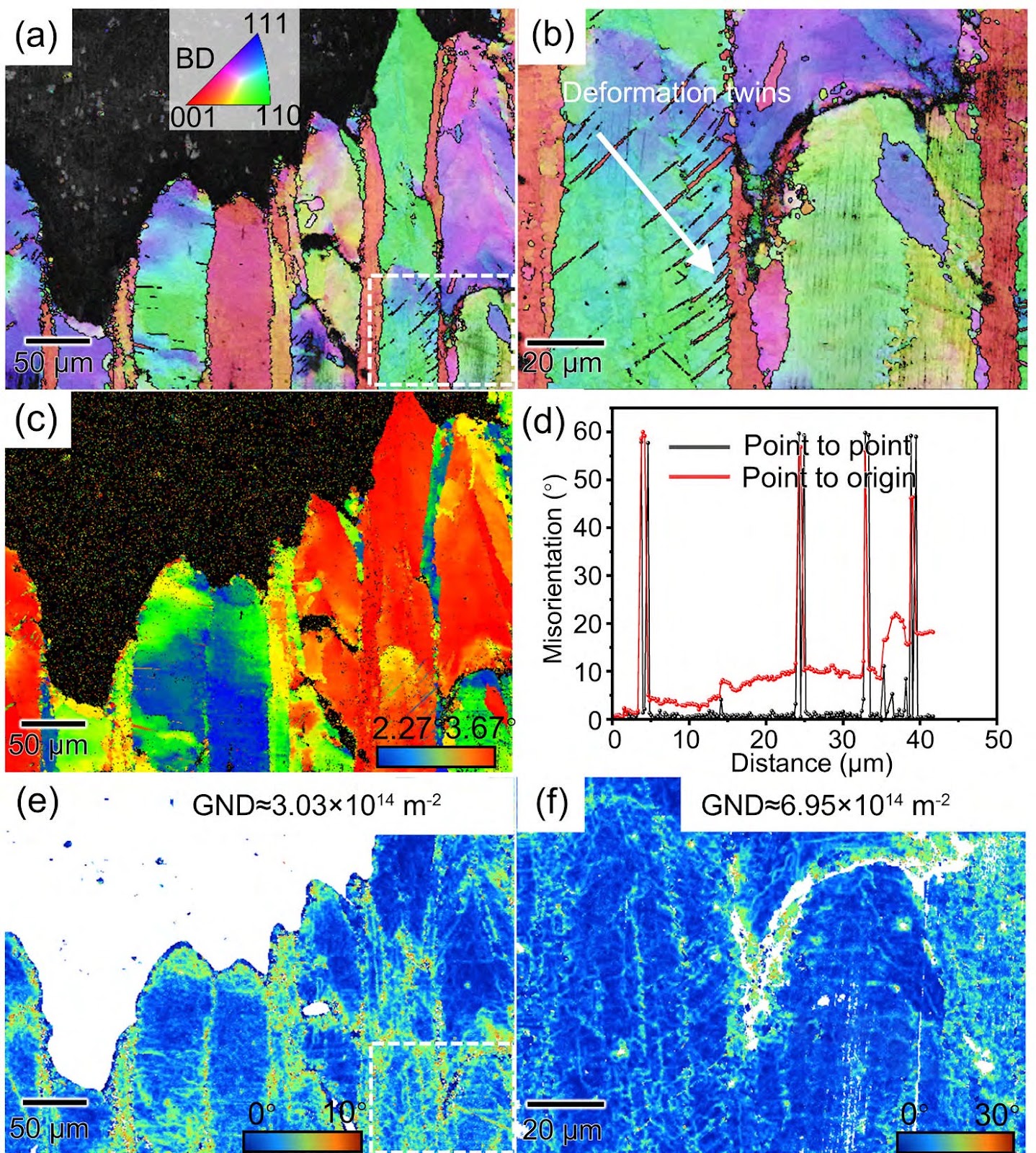
The GH3536 (Hastelloy-X) nickel-based superalloy is increasingly applied in the aerospace industry due to its exceptional combination of excellent oxidation resistance and high-temperature strength. Laser powder bed fusion (LPBF) is an additive manufacturing (AM) technology for producing metallic components with complex shapes using layer-by-layer manufacture principle. The debate has long prevailed as to research on eliminating anisotropy in the forming of GH3536 alloy through LPBF technology. In this study, the anisotropy of microstructure and mechanical properties of GH3536 alloy formed by LPBF was investigated using different scanning strategies (0°, 90°, 67°, checkerboard, and contour). The scanning strategy was optimized to reduce the weaving differences between the horizontal and vertical directions of the microstructure of the LPBF formed GH3536 alloy, which in turn reduces the anisotropy of the properties in both directions. The results of the tensile specimens indicate that except for the horizontal specimens produced using the contour scanning strategy, the strength of all other specimens exceeds that of the vertical specimens. Additionally, differences in elongation are observed, demonstrating that the GH3536 alloy fabricated via laser powder bed fusion exhibits anisotropic properties. According to electron backscatter diffraction (EBSD) analysis, the grain boundary strengthening and geometrically necessary dislocations (GNDs) impede dislocation motion during tensile deformation along the horizontal direction. Consequently, this mechanism negatively affects both the tensile strength and ductility in that orientation. The anisotropy in tensile strength and plasticity is attributed to the different crack sensitivities in the two tensile directions. In addition, specimens molded using different scanning strategies exhibit varying degrees of anisotropy, strength, and elongation due to different degrees of texture strengthening, grain boundary strengthening, and dislocation strengthening effects. Regardless of the stretching direction, the combined tensile properties of the 0° and contoured specimens are the worst under the room temperature and 815 °C stretching conditions. The 67° specimens exhibit the best combined tensile properties. Therefore, the anisotropy of the mechanical properties of the LPBF formed GH3536 alloy can be positively mitigated by modulating the scanning strategy.

Examine Data & PDF
Research PaperYear: 2025
Ni-based superalloy synergistic strengthened by in-situ nano-carbides and residual graphene fabricated via laser powder bed fusion

Ni-based superalloy synergistic strengthened by in-situ nano-carbides and residual graphene fabricated via laser powder bed fusion

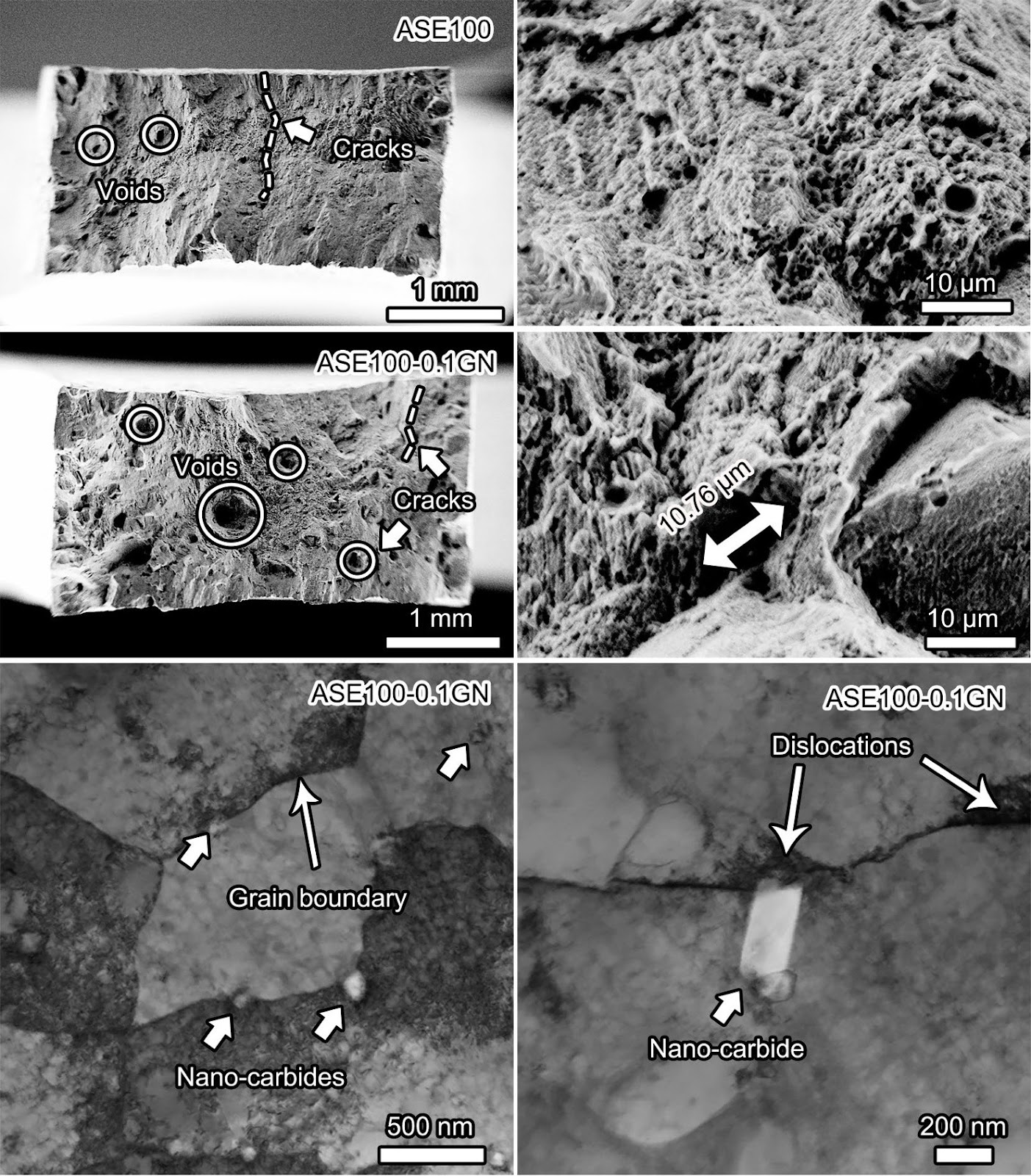
With the increase in power of the industrial gas turbine and thrust-weight ratio of aeroengine, the conventional strengthening method of adding refractory elements into superalloys has become difficult to meet the demands for the higher mechanical properties. A novel Ni-based superalloy was designed with enhanced strength and hardness based on the graphene nanosheets (GNs) synergistic in-situ nano-carbides strengthening in the present work. Nano-carbides were induced by in-situ reaction of the GNs with alloy powders during additive manufacturing. The microstructure and thermophysical properties of different alloys with 0.1wt.% GNs and without GNs were investigated by SEM, EBSD, TEM, differential scanning calorimetry (DSC), and small angle neutron scattering (SANS). Residual GNs were also detected by SANS and DSC. The nano-carbides are uniformly distributed in the matrix and combine with residual GNs to refine the cellular structure. Compared with the original alloy (ASE100), the hardness of the alloy with 0.1wt.% GNs (ASE100-0.1GN) is increased by 31 HV (from 315 HV to 346 HV), and the yield tensile strength is increased by 86 MPa (from 756 MPa to 842 MPa). The GNs react with alloy melt in the molten pools to generate nano-carbides under the Marangoni effect during manufacturing process. The dispersion nano-carbides are distributed at both grain boundaries and within grains, effectively hindering the movement of dislocation and enhancing the strength of alloy.

Examine Data & PDF
Research PaperYear: 2025
Mitigating anisotropy of vat photopolymerization 3D printing Al2O3-based ceramic cores through zircon addition

Mitigating anisotropy of vat photopolymerization 3D printing Al2O3-based ceramic cores through zircon addition

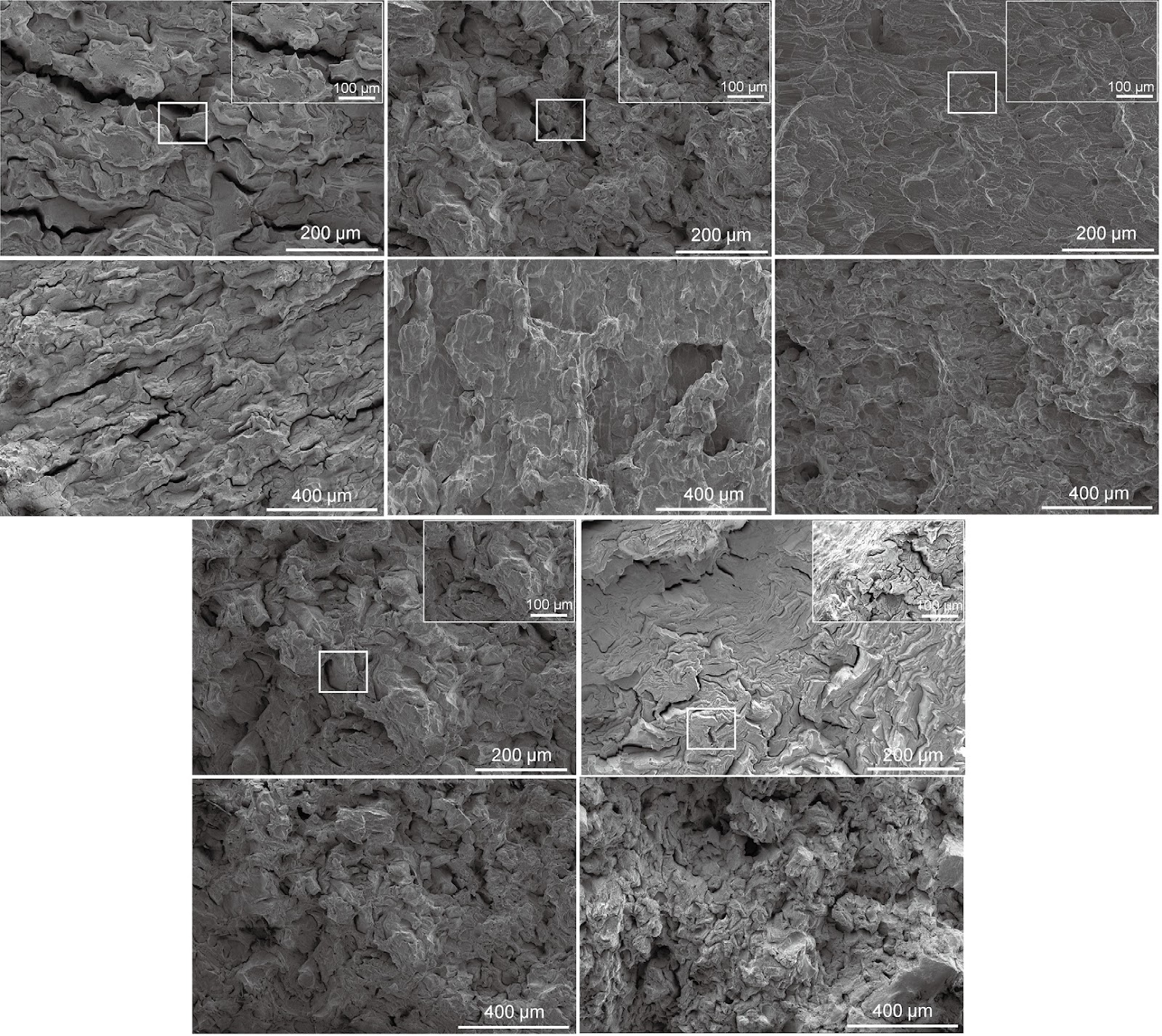
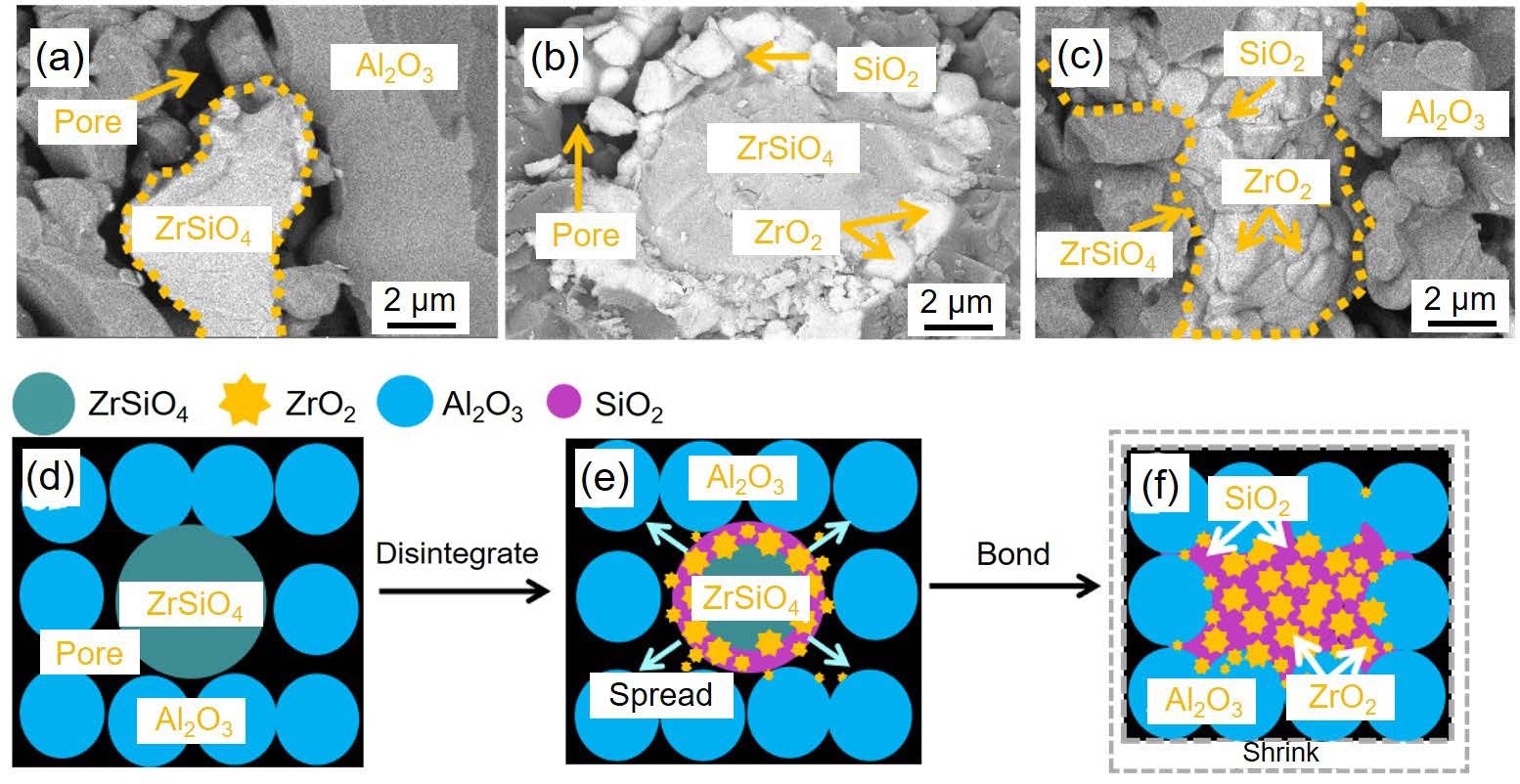
Ceramic cores are important in the fabrication of superalloy hollow blades, which are increasingly characterized by intricate internal cavity channels. This complexity poses significant challenges to traditional manufacturing processes. The vat photopolymerization 3D printing technology provides a new choice for ceramic cores with complex structures. However, the lamellar structure of the vat photopolymerization 3D printed ceramic cores leads to the anisotropy. Meanwhile, the low strength and high shrinkage of ceramic cores restrict their industrial application. In this study, using Al2O3 powder as the main material, the effects of zircon content on the sintering shrinkage, open porosity, flexural strength, and other properties of Al2O3-based ceramic cores were studied to address the aforementioned issues. The influencing mechanism of zircon distribution on sintering shrinkage was analyzed, and the strengthening mechanism of mullite on ceramic cores was discussed from both thermodynamics and dynamics aspects. Through the comprehensive evaluation of ceramic core properties, the Al2O3-based ceramic core with 15vol.% zircon exhibites the optimal performance. Compared with the core samples without zirconium addition, the flexural strength of the Al2O3-based ceramic core with 15vol.% zircon increases from 14.80 MPa to 61.54 MPa at 25 °C, an increase of 315.8%; and from 4.91 MPa to 11.59 MPa at 1,500 °C, an increase of 136.0%. The shrinkage in the Z-axis is reduced by 21%, which better weakens the anisotropy of the shrinkage of 3D printed Al2O3-based ceramic cores. ZrO2 phase and mullite phase are formed by zircon, which improve the comprehensive properties of Al2O3-based ceramic cores. The successful 3D printing of high-performance Al2O3-based ceramic cores via vat photopolymerization has promoted its industrial application for fabricating ceramic cores with complex structures.

Examine Data & PDF

Frequently Asked Technical Questions (Metal 3D Printing)

Q:What is the primary industrial application of Chinese metal 3D printing?

Aerospace structural brackets, single-piece rocket engine thrust chambers, regenerative cooling nozzles, and patient-specific orthopedic titanium implants dominate the commercial output.

Q:How do Chinese LPBF systems handle residual stresses in large components?

Innovations include preheated build plates (up to 500 °C), island-scanning laser path strategies, and integrated post-build Hot Isostatic Pressing (HIP) cycles verified by neutron diffraction.

Explore Related Research Pillars in SinoTechIntel