SinoTechIntel Academic Portal
Functional & Magnetic MaterialsStrategic Intelligence Pillar

Rare-Earth Permanent Magnets: Grain Boundary Diffusion, Dysprosium Reduction & NdFeB Recycling

Comprehensive analysis of Chinese heavy rare-earth grain boundary diffusion (GBD) processes in ultra-high coercivity sintered NdFeB magnets for electric drive motors.

Primary Focus: Rare Earth MagnetsCurated Papers: 18 Verified StudiesDomain Authority: SinoTechIntel

State-of-the-Art Executive Brief & Commercialization Roadmap

China controls over 70% of global rare-earth mining and over 90% of sintered Neodymium-Iron-Boron (NdFeB) magnet refining. Current academic research at the CAS Ningbo Institute of Materials Technology and Baotou Rare Earth Research Institute focuses on grain boundary diffusion (GBD) technologies using dysprosium (Dy) and terbium (Tb) vapor or slurry. This allows the production of 52SH and 54UH high-coercivity magnets for 15,000+ RPM electric vehicle motors while slashing heavy rare-earth consumption by up to 75%. Closed-loop hydrometallurgical recycling protocols are also achieving >98% neodymium and praseodymium recovery from spent EV drive units.

Core Technical Benchmarks & Performance Thresholds

Maximum Energy Product (BH)max
> 54 MGOe
N54 sintered NdFeB commercial grades
Intrinsic Coercivity (Hcj)
> 25 kOe (1,990 kA/m)
With Dy/Tb grain boundary diffusion
Heavy Rare-Earth Savings
60 - 75%
Compared to conventional bulk alloy doping
Rare-Earth Recycling Recovery Rate
> 98.5%
Selective acid leaching and ionic liquid extraction

Lead Research Institutions & Enterprise Innovators

🏛️ CAS Ningbo Institute of Materials Technology & Engineering🏛️ Baotou Rare Earth Research Institute🏛️ Central Iron and Steel Research Institute (CISRI)🏛️ China Northern Rare Earth Group🏛️ JL MAG Rare-Earth Co.

Verified Chinese Research Papers in Rare Earth Magnets

18 Studies Indexed
Research PaperYear: 2026
Microstructure and tribological properties of Y2O3-doped Fe-based alloy coatings by laser cladding

Microstructure and tribological properties of Y2O3-doped Fe-based alloy coatings by laser cladding

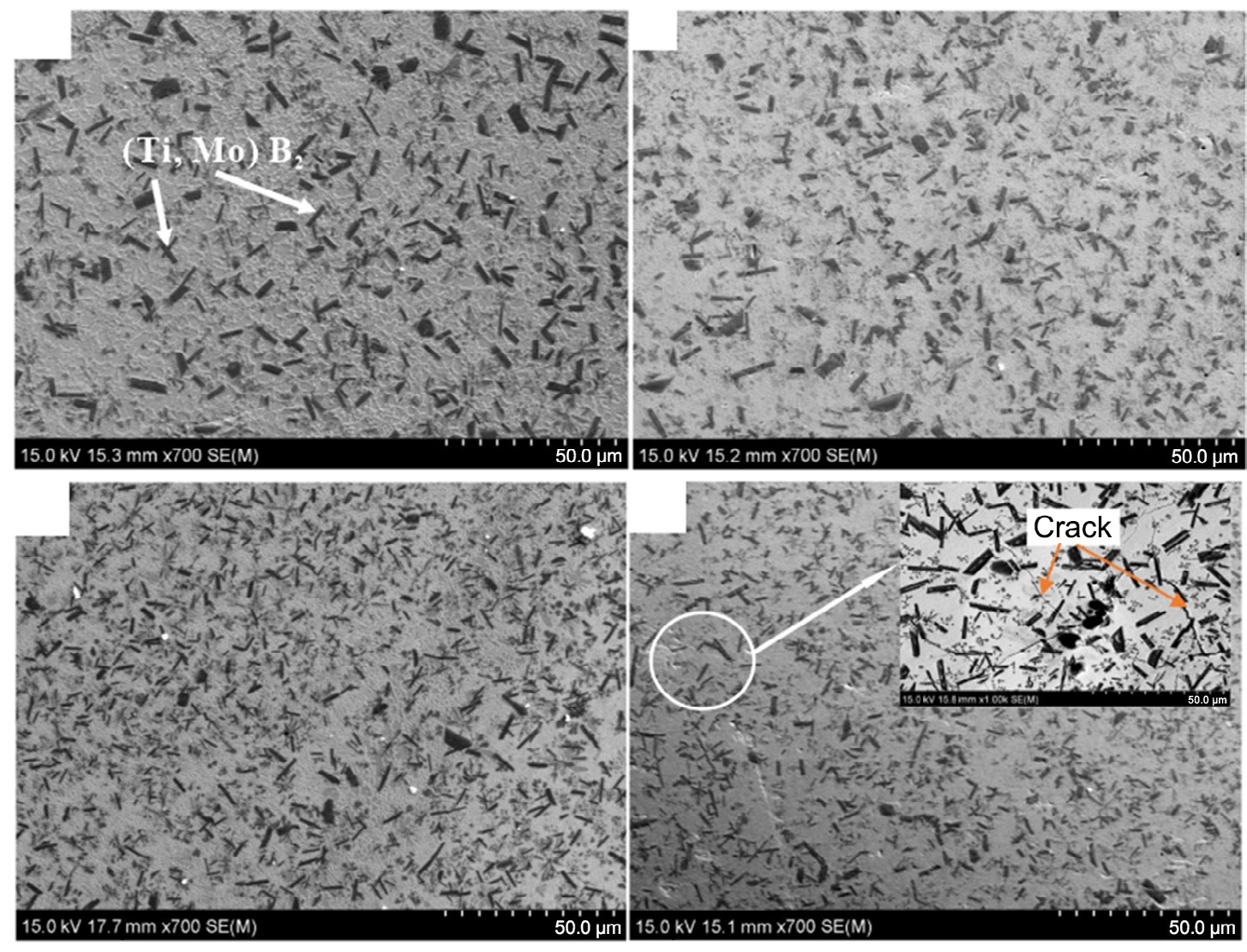
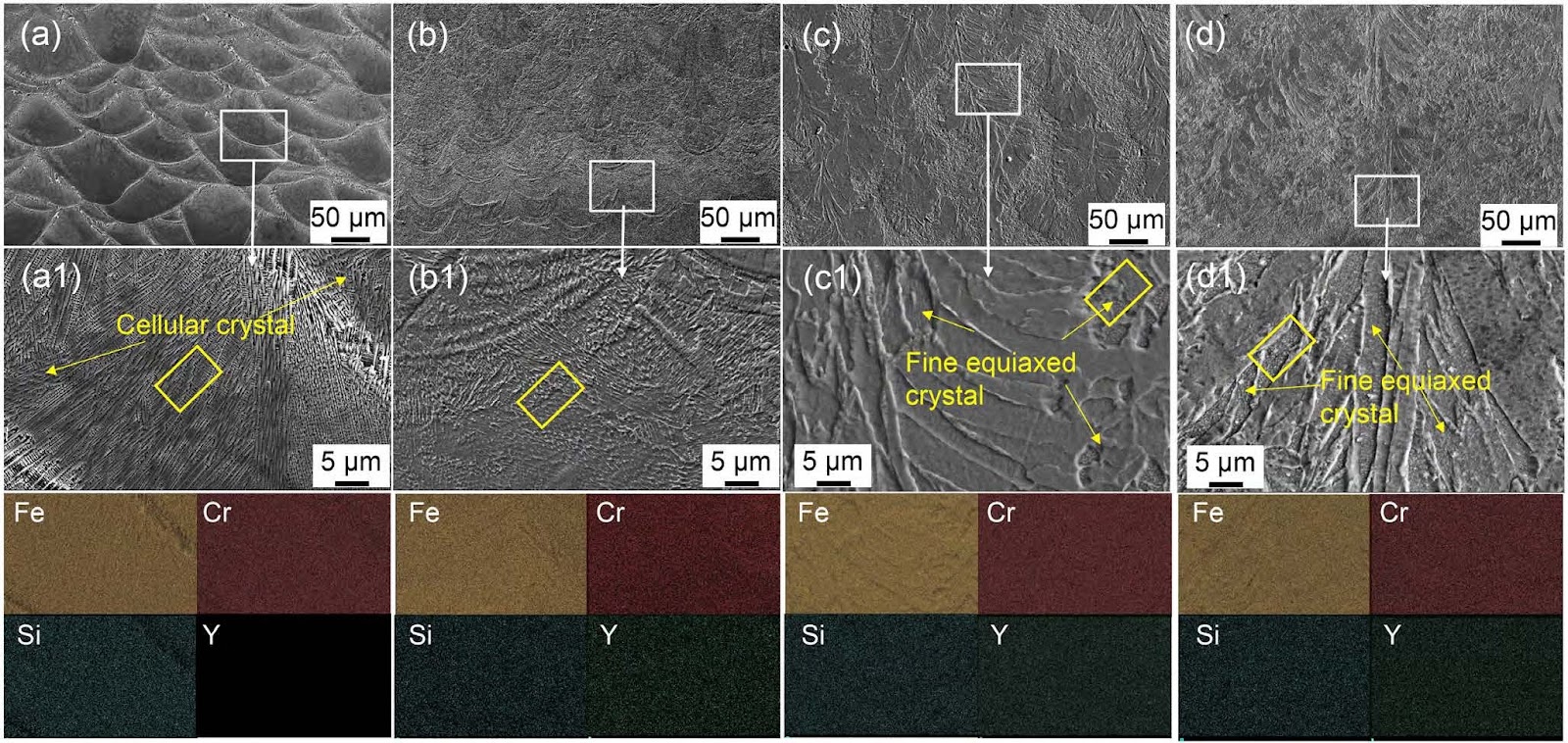
The laser-clad Fe45 alloy coating inherently comprises multiple crystalline phases, resulting in a heterogeneous microstructural distribution that influences its performance. In this study, the rare earth yttria (Y2O3) was employed to modify laser-clad Fe45 alloy coatings, and the effects of Y2O3 addition on their microstructure, microhardness, and tribological properties were investigated. As the Y2O3 content increases from 0% to 0.3wt.%, the dominant microstructure transforms from columnar crystals to fine cellular and equiaxed crystals. The modified coating with 0.3wt.% Y2O3 achieves a surface hardness of 568 HV0.3 and a wear volume of 1,735.41 μm3, representing a 14.06% increase in hardness and a 51.16% reduction in wear volume compared to the undoped coating. Further increasing the Y2O3 content from 0.3wt.% to 0.9wt.% gradually leads to the emergence of a coarser feather-like microstructure, characterized by a dendritic framework with inter-dendritic equiaxed crystals. Concurrently, both the hardness and wear resistance of the coating decrease. Nevertheless, all Y2O3-modified coatings surpass the undoped Fe45 coating in both hardness and wear resistance. Appropriate Y2O3 doping effectively refines the Fe45 alloy coating’s microstructure and induces lattice distortion, thereby enhancing its hardness and wear resistance.
Examine Data & PDF
Research PaperYear: 2026
Sensorless estimation of surface-mounted permanent magnet synchronous motors based on polar-corrected feedforward quadrature phase-locked loop

Sensorless estimation of surface-mounted permanent magnet synchronous motors based on polar-corrected feedforward quadrature phase-locked loop

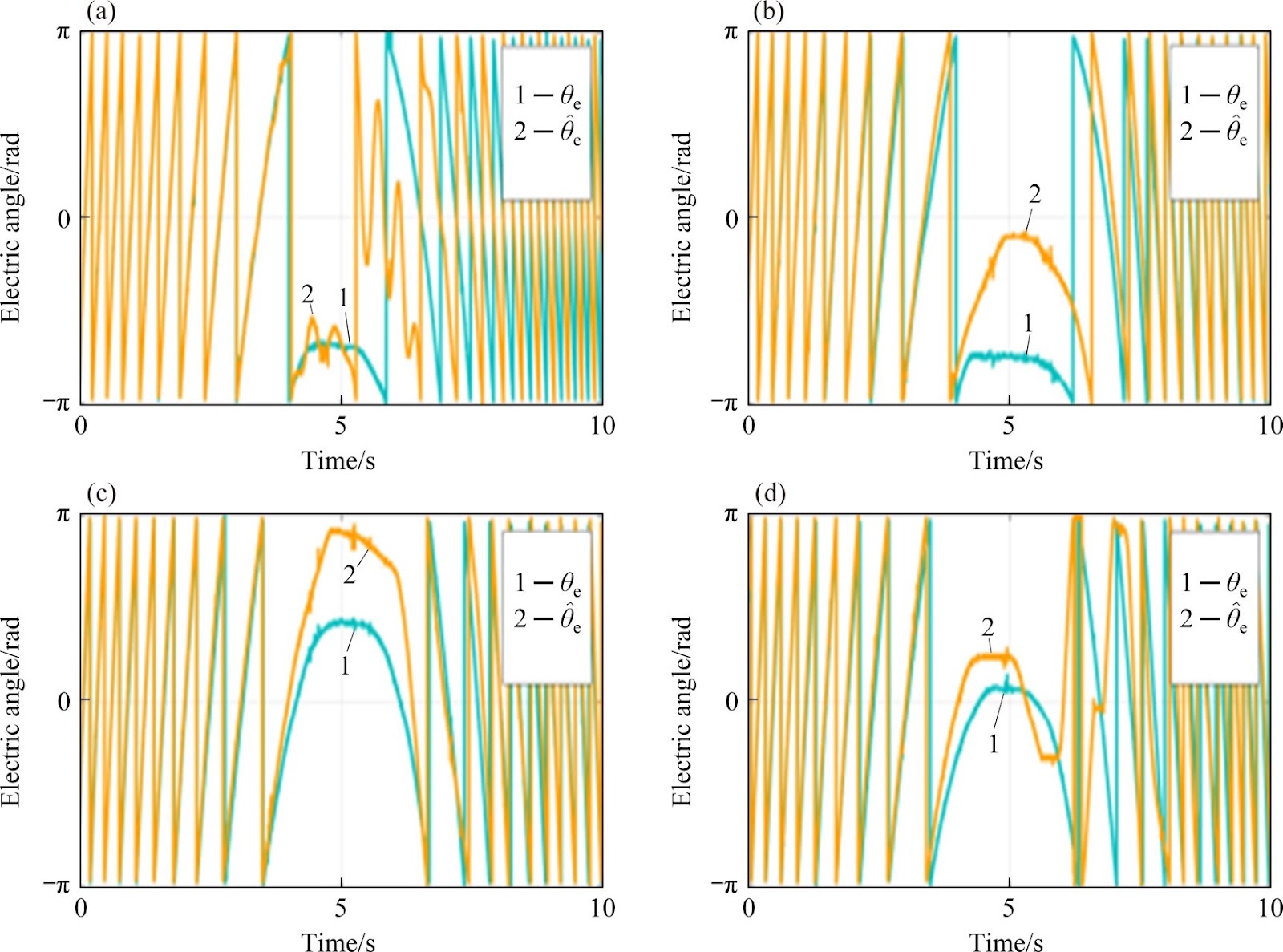
The sensorless control of surface-mounted permanent magnet synchronous motor (SPMSM) usually uses quadrature phase-locked loop (QPLL) to extract the phase information of the back electromotive force to realize the rotor angle estimation. However, the traditional QPLL has a convergence deviation of 180° when the motor is reversed, and the angle estimation error is obvious when the motor is accelerated and decelerated. To solve these problems, an enhanced QPLL (EQPLL) with polarity correction and high precision angle feedforward compensation is proposed. Firstly, the traditional phase discriminator is improved based on the two-phase stationary coordinate system, and the polarity correction function is designed by the error component of the improved phase discriminator to realize the non-convergent deviation angle estimation under the forward and reverse switching conditions of the motor. In addition, the error component of the improved phase discriminator is used as the feedforward compensation signal, and the enhanced generalized integrator is used to filter it, so as to realize the angle error compensation with low delay and low noise. Finally, the proposed scheme is verified by experiment on the motor platform, and compared with the existing scheme. The experimental results show that the proposed scheme can realize the polarity correction and angle error elimination, and at the same time, the noise mean square error is reduced by 24.33% compared with the existing angle feedforward compensation scheme.

Examine Data & PDF
Research PaperYear: 2026
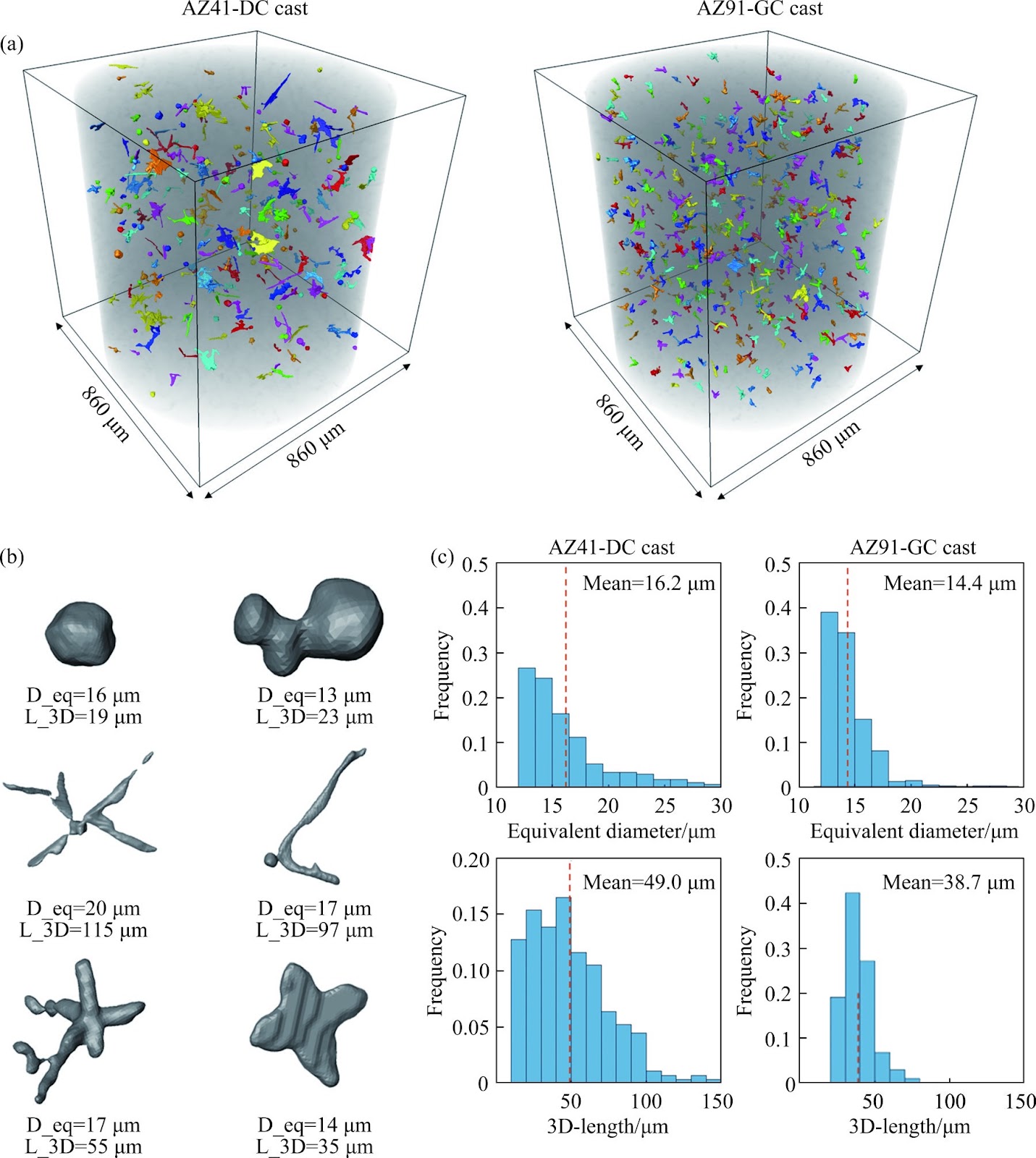
Three-dimensional characterization of intermetallic compound formation in magnesium alloys with micro X-ray computed tomography

Three-dimensional characterization of intermetallic compound formation in magnesium alloys with micro X-ray computed tomography

This comprehensive study investigates the formation and evolution of intermetallic compounds during the solidification process of magnesium alloys using advanced micro X-ray computed tomography. By analyzing both common industrial Mg-Al-Zn alloys and a novel rare earth-containing Mg-Ni-Gd-Y alloy, we aim to characterize the nucleation, growth, and distribution of Al-Mn and eutectic intermetallics across various stages of solidification. The non-destructive imaging technique employed in this research provides high-resolution, three-dimensional insights into the microstructural development, allowing for a detailed examination of the morphology, spatial arrangement, and interconnectivity of intermetallic phases. This approach overcomes limitations of traditional two-dimensional metallographic methods, offering a more comprehensive understanding of the complex three-dimensional structures formed during solidification.

Examine Data & PDF
Research PaperYear: 2025
Buried Interface Regulation with TbCl3 for Highly-Efficient All-Inorganic Perovskite/Silicon Tandem Solar Cells

Buried Interface Regulation with TbCl3 for Highly-Efficient All-Inorganic Perovskite/Silicon Tandem Solar Cells

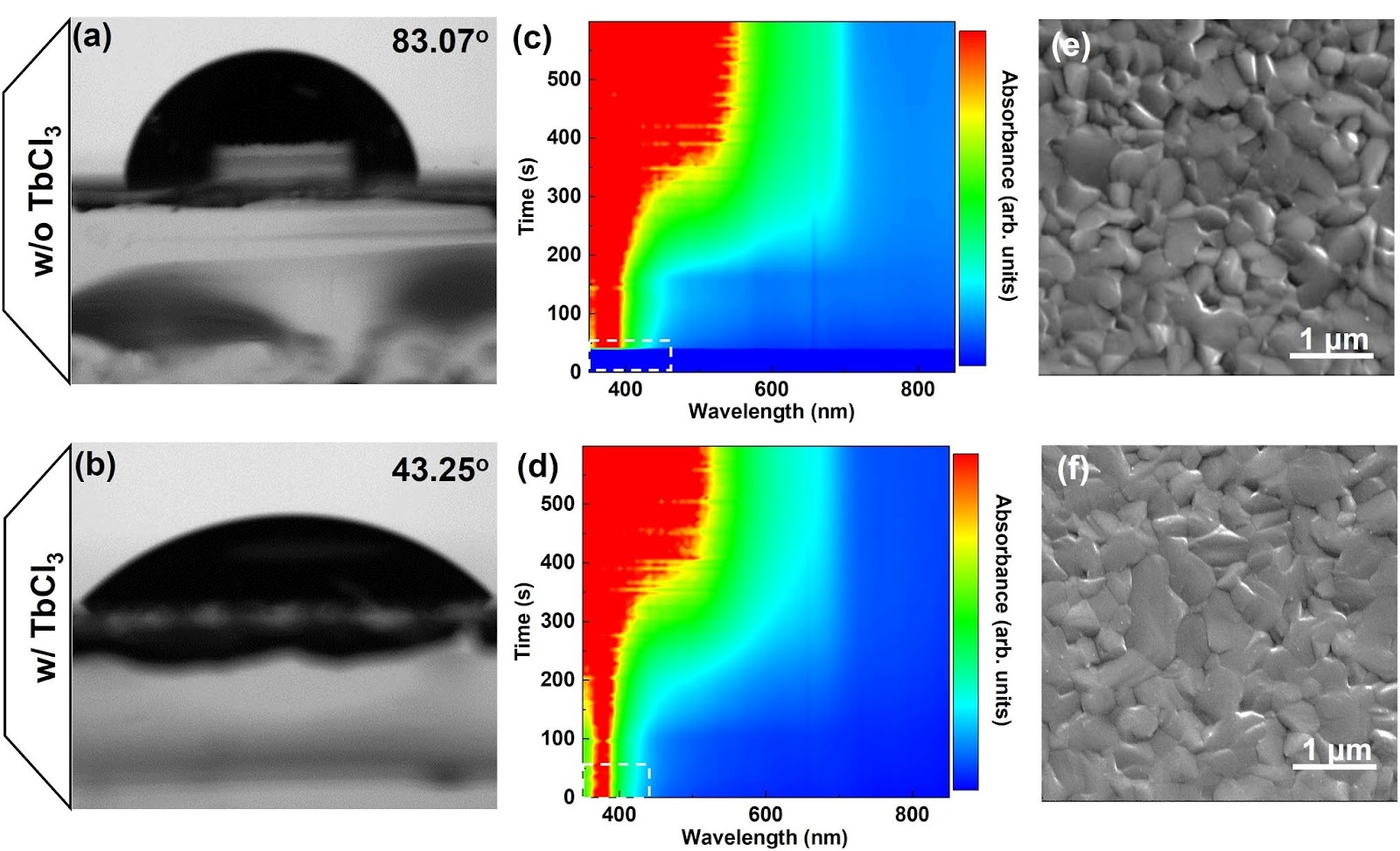
All-inorganic perovskite materials exhibit exceptional thermal stability and promising candidates for tandem devices, while their application is still in the initial stage. Here, a metal halide doping strategy was implemented to enhance device performance and stability for inverted CsPbI3 perovskite solar cells (PSCs), which are ideal for integration into perovskite/silicon tandem solar cells. The lanthanide compound terbium chloride (TbCl3) was employed to improve buried interface between [4-(3,6-Dimethyl-9H-carbazol-9-yl) butyl] phosphonic acid (Me-4PACz) and perovskite layer, thereby enhancing the crystallinity of CsPbI3 films and passivating non-radiative recombination defects. Thus, the inverted CsPbI3 PSCs achieved an efficiency of 18.68% and demonstrated excellent stability against water and oxygen. Meanwhile, remarkable efficiencies of 29.40% and 25.44% were, respectively, achieved in four-terminal (4T) and two-terminal (2T) perovskite/silicon mechanically tandem devices, which are higher efficiencies among reported all-inorganic perovskite-based tandem solar cells. This study presents a novel approach for fabricating highly efficient and stable inverted all-inorganic PSCs and perovskite/silicon tandem solar cells.

Examine Data & PDF
Research PaperYear: 2025
Guest Editorial to the Special Issue Deep-Sea Mining and Environmental Protection

Guest Editorial to the Special Issue Deep-Sea Mining and Environmental Protection

The global transition to green energy has created an unprecedented demand for critical metals and energy resources such as cobalt, nickel, copper, manganese, rare earth elements, and gas hydrates. Deep-sea mineral and energy resources are increasingly viewed as essential supplements to terrestrial supply bottlenecks and as strategic safeguards for the future low-carbon economy. However, deep-sea mining, as a frontier industry characterized by high technology, high investment, and high risk, faces multiple challenges, including technological complexity, substantial capital requirements, and potentially irreversible environmental impacts on unique and fragile deep-sea ecosystems. This Special Issue of the International Journal of Mining Science and Technology, titled Deep-Sea Mining and Environmental Protection, presents research on high-fidelity sediment sampling and sediment dynamics; technological innovations in deep-sea mining and equipment development; and environmental monitoring systems and geo-hazard assessment. Contributions from China, Canada, the UAE, Thailand, the UK, Vietnam, Germany, India, and Indonesia highlight the global, interdisciplinary nature of deep-sea resource and environmental studies. The issue provides engineers, geoscientists, and policy-makers with theoretical insights and practical tools to promote sustainable ocean resource development while protecting marine environments.

Examine Data & PDF
Research PaperYear: 2025
Effects of Cr element doping on microstructure and performance of quinary FeCoNiSiB multi-principal element alloys

Effects of Cr element doping on microstructure and performance of quinary FeCoNiSiB multi-principal element alloys

This research focused on the influences of Cr element doping on the microstructure, thermal stability, microhardness, soft magnetic, and anti-corrosion properties of FeCoNiSiB multi-principal element alloys. The as-received Fe-Co-Ni-Si-B-Cr alloy ribbons made by melt-spinning technique could maintain amorphous nature. The glass-transition temperature and onset crystallization temperature become lower with the addition of Cr, and the highest values are 782.0 K and 821.5 K, respectively. When the Cr content reaches 3at.%, the alloy owns the best soft magnetic performance with the saturation magnetic flux density of ~0.578 T and coercivity of ~5.5 A·m-1 among the studied melt-spun ribbon samples. The microhardness of all alloy ribbons reduces with an increasing Cr content on the whole, and the values are 810 HV0.5 or above. The corrosion behavior of these multi-principal element amorphous alloys containing Cr was also investigated in detail. As the Cr content increases, the corrosion resistance becomes superior and the specimens present the obvious passive regions in 3.5wt.% NaCl solution. The glassy ribbons with 8at.% Cr have the highest self-corrosion potential of -0.340 V and pitting potential of 0.288 V as well as the widest passive region of 0.628 V. Besides, the corroded micrographs of alloy ribbons immersed in corrosive environment lasting 100 h are also presented, which further confirms the above-mentioned experimental results. This research deepens the understanding about the role of Cr element in the microstructure and a series of physical and chemical properties of Fe-Co-Ni-Si-B-Cr multi-principal element amorphous alloys.

Examine Data & PDF
Research PaperYear: 2025
Effect of La content on microstructure, tensile properties, and electrical conductivity of cast Al-Mg-Si-xLa alloys

Effect of La content on microstructure, tensile properties, and electrical conductivity of cast Al-Mg-Si-xLa alloys

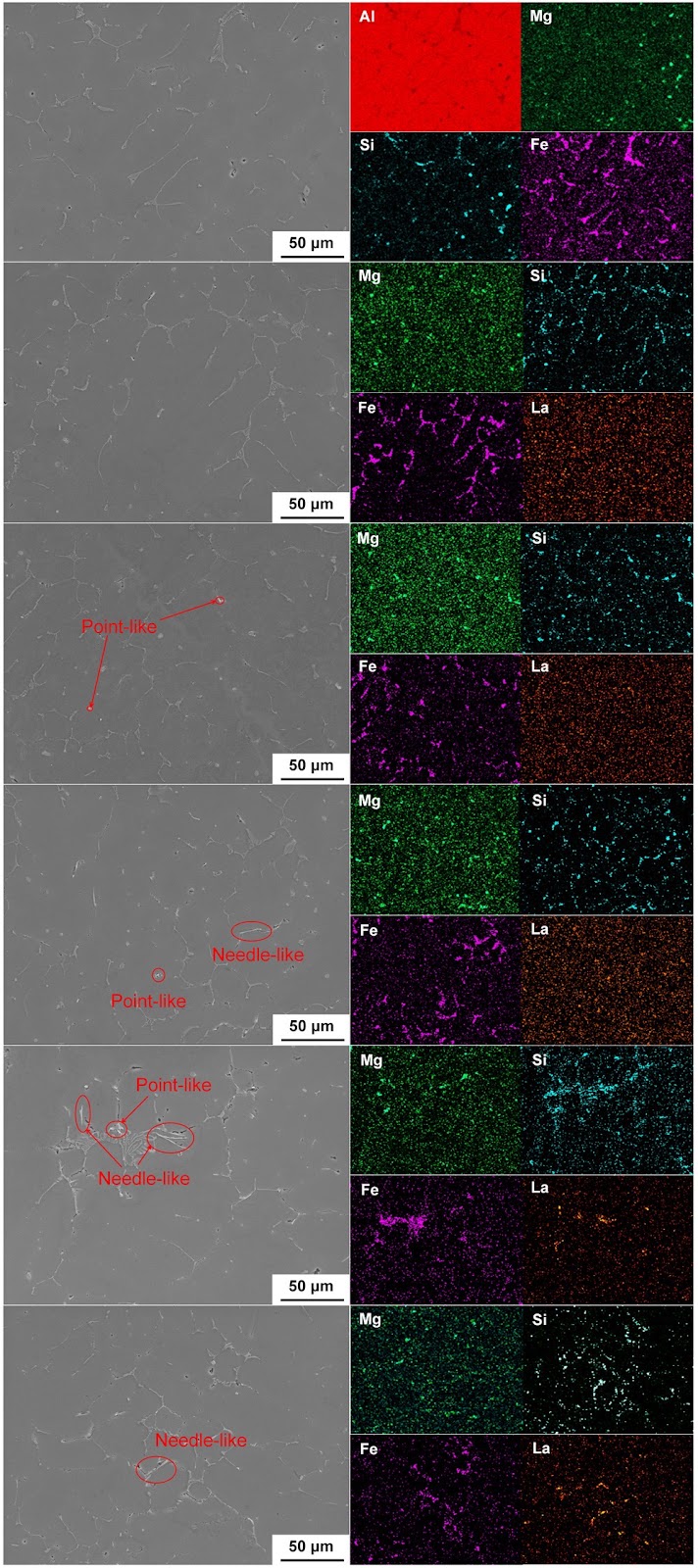
Lightweight aluminum alloy conductor materials (Al-Mg-Si alloys) require not only high electrical conductivity to reduce electrical loss, but also high strength to withstand extreme weather conditions. To improve electrical conductivity and mechanical properties of Al-Mg-Si alloy simultaneously, the rare earth La was introduced to modify the Al-Mg-Si alloy. The effect of La addition on the microstructure, tensile properties and electrical conductivity of cast Al-Mg-Si alloy was investigated systematically. Results indicate that the appropriate La content is helpful to improve the strength and electrical conductivity of Al-Mg-Si alloys. When the addition of La is 0.2wt.%, the α-Al grains are refined apparently, Mg and Si solute atoms in the Al matrix are reduced by the formation of Mg2Si phase; the distribution of Al11La3 phases is uniform, and the morphology of AlFeSi phase transforms from continuous state to discontinuous state. The Al-Mg-Si-0.2La alloy exhibits the optimal tensile properties and electrical conductivity, with an ultimate tensile strength of 170 MPa, a yield strength of 88 MPa, an elongation of 18.9%, and an electrical conductivity of 44.0% IACS. These values represent improvements of 9.0%, 15.8%, 70.3%, and 17.3%, respectively, compared to the Al-Mg-Si alloy without La addition. However, excessive La deteriorates the properties of Al-Mg-Si-xLa alloys.

Examine Data & PDF
Research PaperYear: 2025
Review of rare earth oxide doping-modified laser cladding of Fe-based alloy coatings

Review of rare earth oxide doping-modified laser cladding of Fe-based alloy coatings

Conventional Fe-C alloy parts used in mechanical transmission and braking systems exposed to the external environment often suffer from wear and corrosion failures. Surface coating strengthening technologies have been explored to improve the surface performance and prolong service life of these parts. Among these technologies, laser cladding has shown promise in producing Fe-based alloy coatings with superior interfacial bonding properties to the Fe-C alloy substrate. Additionally, the microstructure of the Fe-based alloy coating is more uniform and the grain size is finer than that of surfacing welding, thermal spraying, and plasma cladding, and the oxide film of alloying elements on the coating surface can improve the coating performance. However, Fe-based alloy coatings produced by laser cladding typically exhibit lower hardness, lower wear resistance, corrosion resistance, and oxidation resistance compared to coatings based on Co and Ni alloys. Moreover, these coatings are susceptible to defects such as pores and cracks. To address these limitations, the incorporation of rare-earth oxides through doping in the laser cladding process has garnered significant attention. This approach has demonstrated substantial improvements in the microstructure and properties of Fe-based alloy coatings. This paper reviewed recent research on the structure and properties of laser-cladded Fe-based alloy coatings doped with various rare earth oxides, including La2O3, CeO2, and Y2O3. Specifically, it discussed the effects of rare earth oxides and their concentrations on the structure, hardness, friction, wear, corrosion, and oxidation characteristics of these coatings. Furthermore, the mechanisms by which rare earth oxides influence the coating’s structure and properties were summarized. This review aimed to serve as a valuable reference for the application and advancement of laser cladding technology for rare earth modified Fe-based alloy coatings.

Examine Data & PDF
Research PaperYear: 2025
Extraction of rare earths from ion-adsorption type rare earth ore by indigenous microbial community

Extraction of rare earths from ion-adsorption type rare earth ore by indigenous microbial community

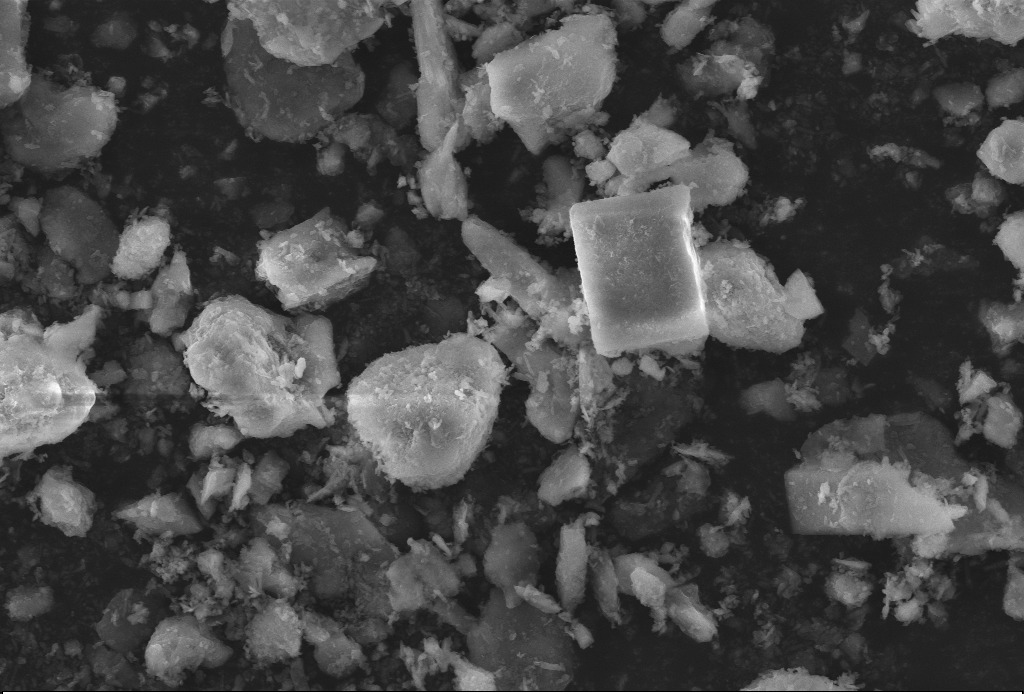
Indigenous microbial communities were employed after subculture in stirred and column bioleaching experiments involving ion-adsorption type rare earth ore. The microbial eukaryotic communities exhibited dramatically varying diversity and structure across culture compositions. Compared with Czapek and sucrose medium, the community cultured in a nutrient broth (NB) medium had a higher diversity, and it was mainly composed of Zygosaccharomyces, Ustilago, Kodamaea, Malassezia, and Aspergillus. These microorganisms secrete organic acids, such as citric acid, malic acid, gluconic acid, and itaconic acid, which provide effective coordination electrons through hydroxyl and carboxyl groups. Stirred bioleaching experiments were conducted to investigate the effect of community, inoculum dosage, liquid–solid ratio, and time on the leaching efficiency. Stirred bioleaching resulted in a concentration limitation phenomenon. When the inoculum dosage of the community cultured in NB medium was 70vol%, the liquid–solid ratio was 5.0 mL·g−1, and the time was 60 min, the upward trend of rare earths leaching rate has become very small. Specifically, the leaching rates of detectable La, Ce, and Y were approximately 92.49%, 92.42%, and 94.39%, respectively. The leaching efficiency and the three influencing factors all conformed to the Poly5 polynomial function, with variances above 0.99. Column bioleaching experiments were performed at a scale of 1 kg. The self-propelled low-pH environment increased the leaching efficiency, which resulted in a leaching rate of 98.88% for rare earths after 117 h. X-ray diffraction and scanning electron microscopy revealed that the samples mainly comprised quartz, kaolinite, orthoclase, muscovite, and zeolite, which were predominantly present in the form of lumps, flakes, rods, and small particles. After bioleaching, the wave intensity of quartz, kaolinite, orthoclase, and muscovite increased, and that of zeolite decreased considerably. A diminution in the number of fine particles indicated the dissolution of small quantities of clay minerals. Ultimately, the differentiated bioleaching mechanism of various forms of rare earths was discussed based on experimental phenomena.

Examine Data & PDF
Research PaperYear: 2025
Investigation of a Low-Power-Consumption and Self-Retaining Micro Solenoid Valve for Thermal Management Systems

Investigation of a Low-Power-Consumption and Self-Retaining Micro Solenoid Valve for Thermal Management Systems

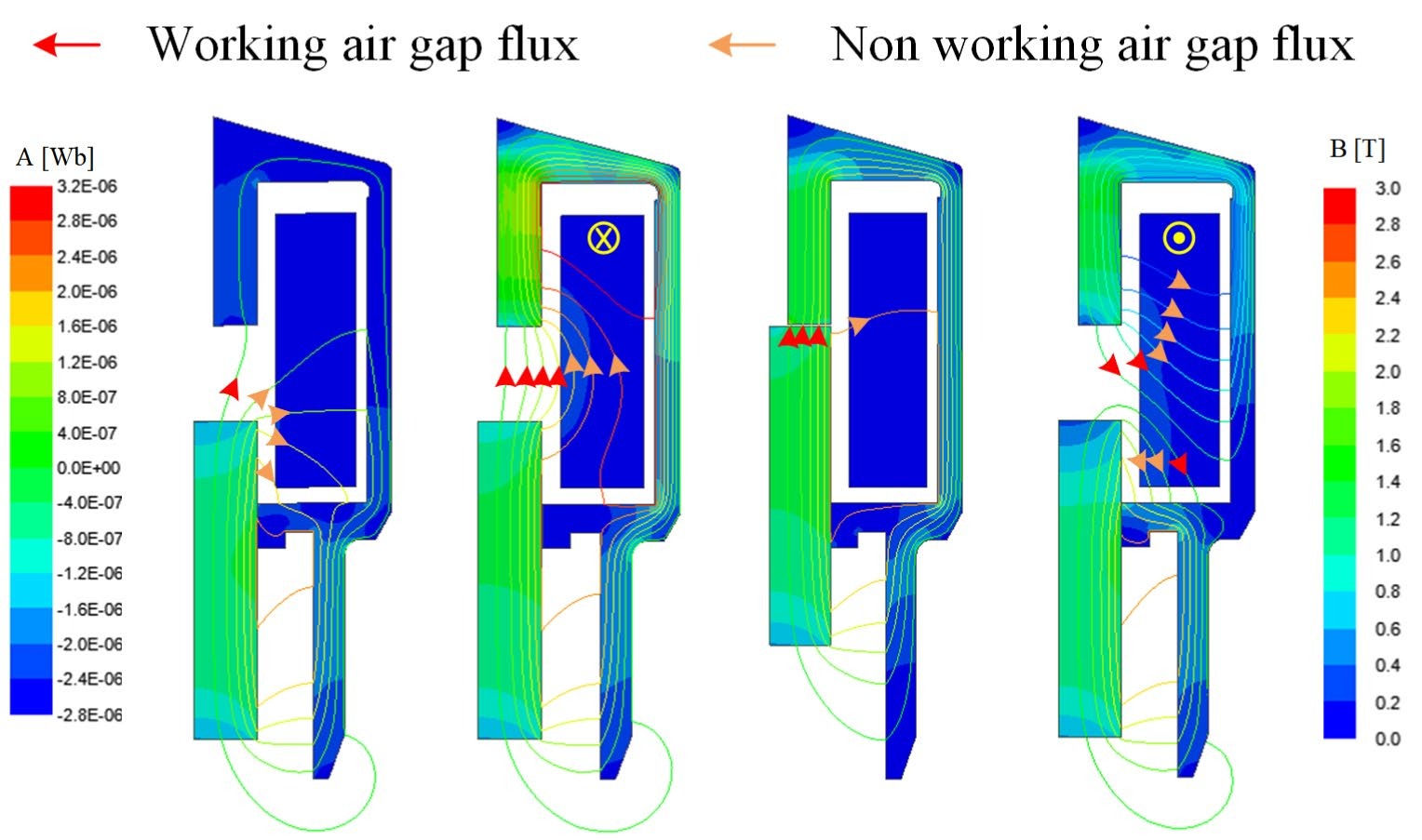
Thermosyphon loops are widely used in cooling systems. However, such distributed thermal management systems lack the ability to actively control the coolant flow in each parallel branch. An effective method for addressing this is to control the coolant flow in each branch using a solenoid valve. However, the existing valves do not satisfy the requirements for fast switching, low power, low pressure loss, and miniaturization. Therefore, in this study, a low-power-consumption miniature solenoid valve (LMSV) is proposed for use in thermal management systems. The key novelty is that the valve is designed with a suitably sized permanent magnet (PM) to allow the spool to continue working without consuming electrical energy. To achieve low flow resistance, a straight-through design is employed in the valve with the electromagnetic actuator located inside the valve shell. Multiphysical coupling analysis is performed to investigate its performance. The influence of the PM dimensions and current on the magnetic field distribution and electromagnetic force is studied. The effects of these key parameters on the flow field and pressure loss are also analyzed. Because the LMSV is sensitive to temperature, the switching time and energy consumption at different working temperatures are investigated. Experimental test platforms are constructed. A valve switching time of as short as 3 ms, pressure loss of 200 Pa at 0.92 L/min, and energy consumption of approximately 1.55 J during the opening and closing processes are achieved. The novel solenoid valve proposed in this study offers fast switching, low power consumption, low pressure loss, and miniaturization to meet the requirements of thermal management systems.

Examine Data & PDF
Research PaperYear: 2025
Structural stability, optical and dielectric properties of the (Ba1/5Pb1/5Sr1/5RE1/5K1/5)TiO3 high-entropy ceramic

Structural stability, optical and dielectric properties of the (Ba1/5Pb1/5Sr1/5RE1/5K1/5)TiO3 high-entropy ceramic

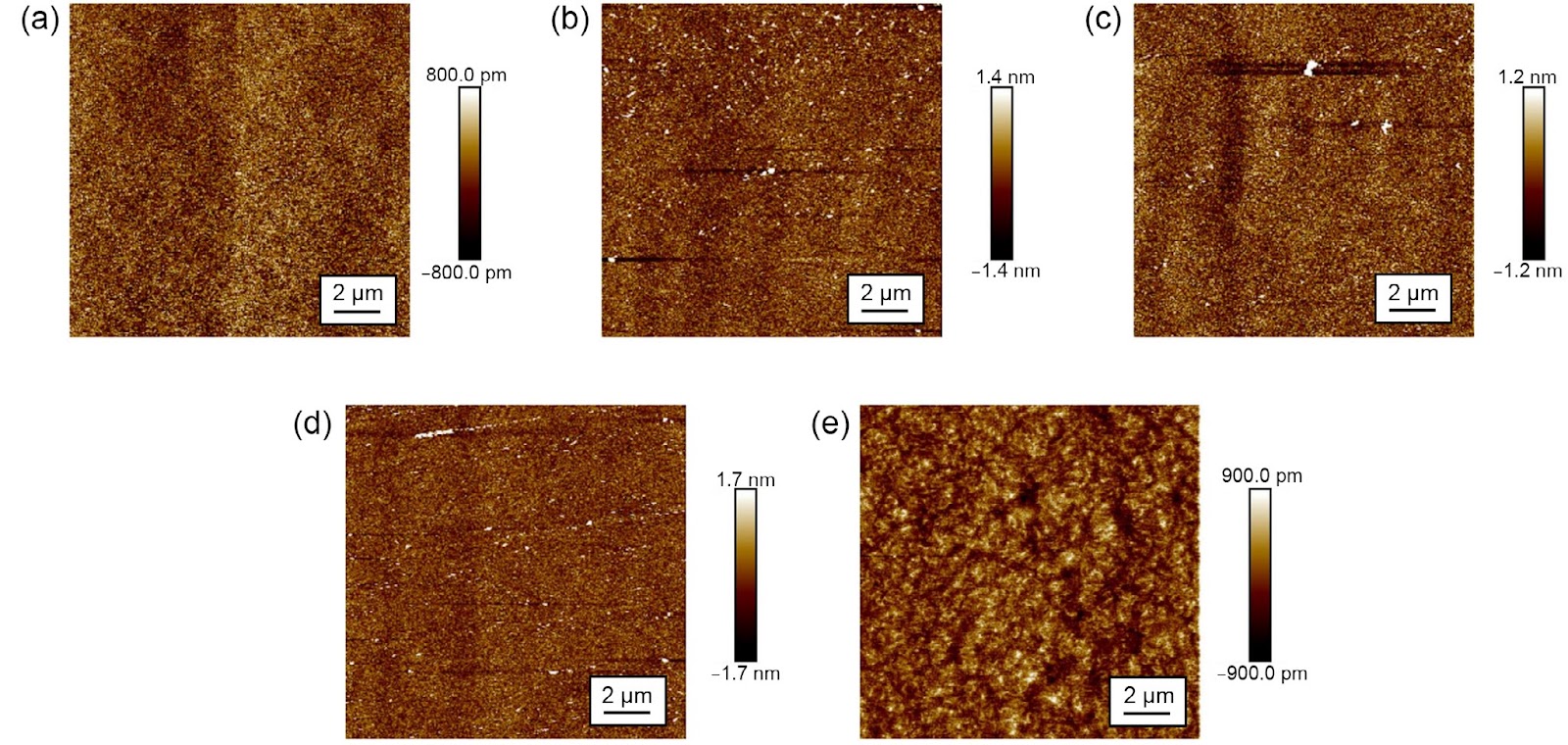
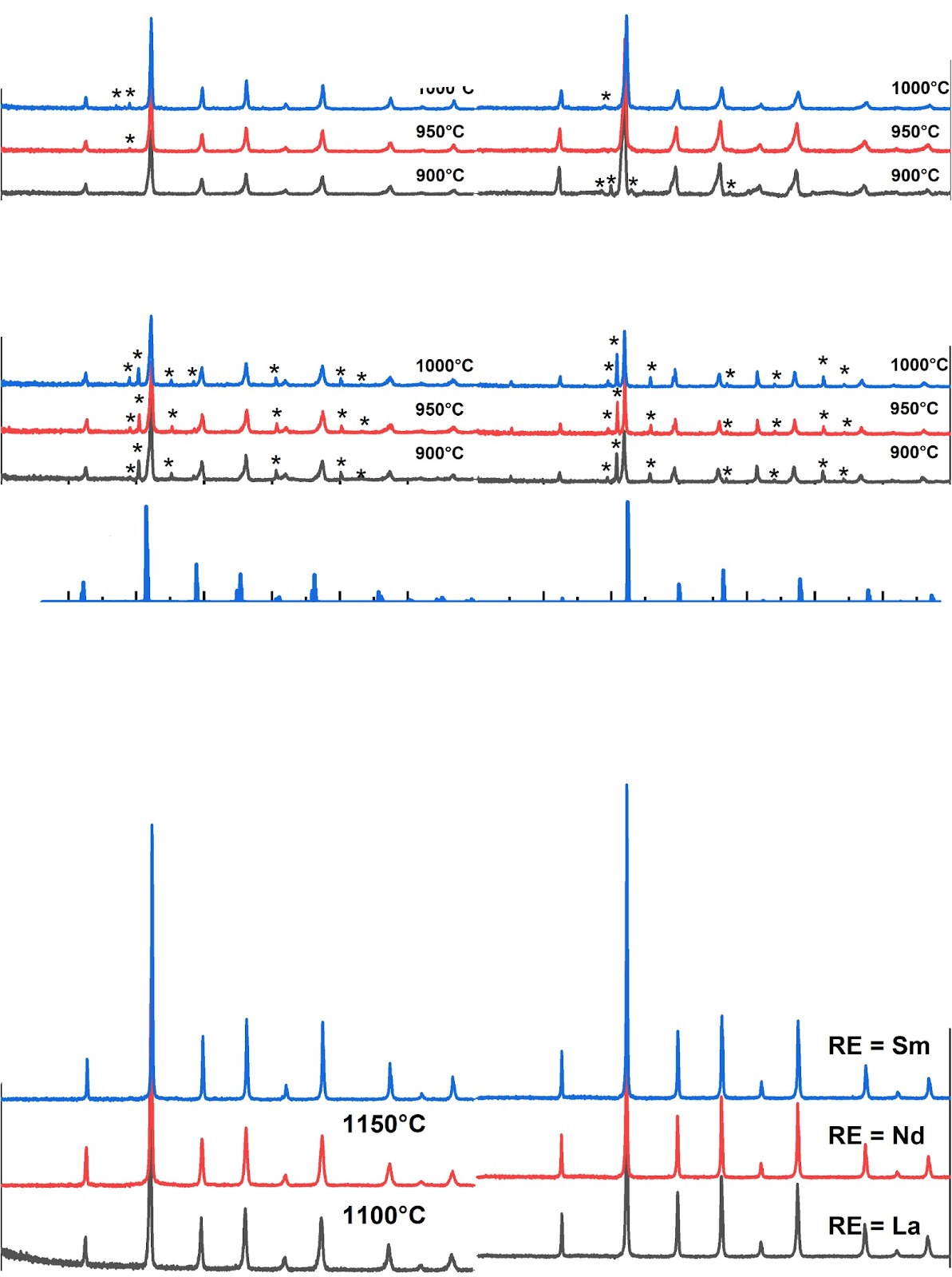
A high-entropy matrix with highly polarizable elements sharing a rare-earth element at the same crystallographic site was designed using the chemical formula Ba1/5Pb1/5Sr1/5RE1/5K1/5TiO3 (BPSREKTO), where rare-earth (RE) = La, Nb, Sm, Gd, Dy, Ho, Y, and Lu. Single-phase stability was observed only in the BPSREKTO with RE = La, Nd, and Sm high-entropy compounds. The crystal structure, optical properties, and ferroelectric nature of the single-phase ceramic compounds were investigated. Elemental and structural analyses revealed that all the cations were homogeneously distributed in a global centrosymmetric cubic structure (S.G. Pm¯3m). Optical absorption showed that the RE = Nd compound is more photoactive in the 200–1000 nm wavelength range, unlike the RE = La, Sm high-entropy compounds. The introduction of RE elements in high-entropy ceramic (HEC) systems affects the indirect bandgap of BPSREKTO with RE = La, Nd, and Sm. It was also found that cationic disorder increases the Urbach energy, leading to a decrease in the indirect energy bandgap in the HEC compound compared to the homologue BaTiO3/SrTiO3 single-phase. The dielectric spectra show a broad peak in the dielectric constant and dielectric loss, which are shifted in temperatures with increasing frequencies due to a relaxor ferroelectric transition typical of the diffuse phase transitions. This relaxor behavior was unexpected, because the global crystal structure was centrosymmetric, implying an increase in the number of polar nanoregions (PNRs). These PNRs coexisting with non-polar regions (NPRs) were observed using piezo-force microscopy. Furthermore, the slim polarization loop confirmed the relaxor behavior of BPSREKTO with RE = La, Nd, and Sm. These ferroelectric features make these RE-modified HEC materials good candidates for high-energy storage applications.

Examine Data & PDF
Research PaperYear: 2025
High-entropy oxide ceramics for detecting the ionic conductivity component in electron conductors

High-entropy oxide ceramics for detecting the ionic conductivity component in electron conductors

A series of solid solutions with high content of Tb2O3–(TbxTi1−x)4O8−2x (x = 0.667–0.830) are synthesized in the Tb2O3–TiO2 system via co-precipitation and/or mechanical activation. This is followed by high-temperature annealing for 4–22 h. The X-ray diffraction method showed that the fluorite structure was realized for (TbxTi1−x)4O8−2x (x = 0.75–0.817). The solid solution Tb3.12Ti0.88O6.44 (64mol% Tb2O3 (x = 0.78)) with a fluorite structure exhibited a maximum hole conductivity of ~22 S/cm at 600°C. To separate the ionic component of the conductivity in the electronic conductor Tb3.12Ti0.88O6.44, its high entropy analogue, (La0.2Gd0.2Tm0.2Lu0.2Y0.2)3.12Ti0.88O6.44, was synthesized in which all rare-earth elements (REE) cations exhibited valency of +3. Consequently, the contribution of ionic (proton) conductivity (~7 × 10⁻⁶ S/cm at 600°C) was revealed with respect to the background of dominant hole conductivity. The proton conductivity of high-entropy oxide (HEО) (La0.2Gd0.2Tm0.2Lu0.2Y0.2)3.12Ti0.88O6.44 was confirmed by the detection of the isotope effect, where the mobility of the heavier O–D ions was lower than that of the O–H hydroxyls, resulting in lower conductivity in D2O vapors when compared to H2O.

Examine Data & PDF
Research PaperYear: 2025
Characterization and properties of soft magnetic (Fe0.5Co0.5)75B21Nb4 metallic glasses subjected to cryogenic treatment and relaxation annealing

Characterization and properties of soft magnetic (Fe0.5Co0.5)75B21Nb4 metallic glasses subjected to cryogenic treatment and relaxation annealing

The effect of cryogenic treatment (CT) and relaxation annealing on the average nearest neighboring distance of atom (dm), thermodynamic stability, soft magnetic properties, microhardness (Hv), and corrosion resistance of as-spun (Fe0.5Co0.5)75B21Nb4 metallic glasses (MGs) is studied. On the premise of maintaining a fully amorphous phase, appropriate CT and relaxation annealing are conducive to achieving the synergistic effect of increasing saturation magnetization (Ms) and reducing coercivity (Hc). Shallow CT at 213 K optimally enhances the soft magnetic properties of MGs. Given its low activation energy of nucleation and increased activation energy of growth, appropriate CT is beneficial for achieving uniform annealed nanocrystals in amorphous phases. The correlation between free volumes (FVs) and potential energy suggests that the variation in Hc depends on the expansion and contraction behavior of amorphous phases after different CT processes. The fitting formulas of Hc–dm and Ms–Hv correlations demonstrate that soft magnetic parameters have a solid linear relationship with the contents of FVs and degree of dense random packing. Moreover, pitting resistance is improved by appropriate CT and relaxation annealing. This improvement is characterized by the promotion of the stability of the Nb-rich passive film formed during electrochemical corrosion in 3.5wt% NaCl solution.

Examine Data & PDF
Research PaperYear: 2025
Mineralogical characterization and flotation properties of rare earths in refractory iron tailings subjected to hydrogen-based mineral phase transformation

Mineralogical characterization and flotation properties of rare earths in refractory iron tailings subjected to hydrogen-based mineral phase transformation

Hydrogen-based mineral phase transformation (HMPT) technology has demonstrated its effectiveness in separating iron and enriching rare earths from Bayan Obo refractory ores. However, further research is needed to clarify the phase composition and floatability of rare earths obtained after HMPT owing to the associated phase transformations. This study explored the mineralogical characteristics and separation behavior of rare earths in HMPT-treated iron tailings. Process mineralogy studies conducted via BGRIMM process mineralogy analysis and X-ray diffraction revealed that the main valuable minerals in the tailings included rare-earth oxides (9.15wt%), monazite (5.31wt%), and fluorite (23.52wt%). The study also examined the impact of mineral liberation and gangue mineral intergrowth on flotation performance. Flotation tests achieved a rare-earth oxide (REO) grade of 74.12wt% with a recovery of 34.17% in open-circuit flotation, whereas closed-circuit flotation resulted in a REO grade of 60.27wt% with a recovery of 73%. Transmission electron microscopy and scanning electron microscopy coupled with energy-dispersive spectroscopy revealed that monazite remained stable during the HMPT process, while bastnaesite was transformed into Ce7O12 and CeF3, leading to increased collector consumption. Nonetheless, the HMPT process did not significantly affect the flotation performance of rare earths. The enrichment of fluorite in the tailings highlighted its further recovery potential. The integration of HMPT with magnetic separation and flotation presents an efficient strategy for recovering rare earths, iron, and fluorite from Bayan Obo ores.

Examine Data & PDF
Research PaperYear: 2025
Insights into the effects of Mn substitution in CoFe2O4 nanoferrites involving high-frequency storage device applications

Insights into the effects of Mn substitution in CoFe2O4 nanoferrites involving high-frequency storage device applications

Nanoferrites of the CoMnxFe(2−x)O4 series (x = 0.00, 0.05, 0.10, 0.15, 0.20) were synthesized in this study using the sol–gel auto-combustion approach. The lattice constants were computed within the range of 8.312–8.406 Å, while crystallite sizes were estimated to range between 55.20 and 31.40 nm using the Scherrer method. The different functional groups were found to correlate with various absorption bands using Fourier transform infrared (FTIR) spectroscopy. Five active modes were identified by Raman spectroscopy, revealing vibration modes of O2− ions at tetrahedral and octahedral locations. The ferromagnetic hysteresis loop was observed in all the synthesized samples, which can be explained by Neel’s model. The results showed that AC conductivity decreased with increasing Mn2+ content at the Fe2+ site, while the dielectric constant and dielectric loss increased with increasing frequency. Furthermore, the saturation magnetization (Ms), remnant magnetization (Mr), and coercivity (Hc) all showed declining trends with the increase in Mn2+ doping. Finally, the CoMn0.20Fe1.8O4 samples showed Ms and Mr values ranging from 73.12 to 66.84 emu/g and from 37.77 to 51.89 emu/g, respectively, while Hc values ranged from 1939 to 1312 Oe, after which coercivity increased. Thus, the CoMn0.20Fe1.8O4 sample can be considered a promising candidate for magnetic applications.

Examine Data & PDF
Research PaperYear: 2025
In-situ deposition and comparative study of electromagnetic absorption performance of MXene (Ti3C2Tx)@nano-Fe1Co0.8Ni1 composites with different compositions

In-situ deposition and comparative study of electromagnetic absorption performance of MXene (Ti3C2Tx)@nano-Fe1Co0.8Ni1 composites with different compositions

Three sets of MXene (Ti3C2Tx)@nano-Fe1Co0.8Ni1 composites with 15, 45, and 90 mg MXene were prepared by in-situ liquid-phase deposition to effectively investigate the impact of the relationship between MXene (Ti3C2Tx) and nano-Fe1Co0.8Ni1 magnetic particles on the electromagnetic absorption properties of the composites. The microstructure, static magnetic properties, and electromagnetic absorption performance of these composites were studied. Results indicate that the [email protected] composites were primarily composed of face-centered cubic crystal structure particles and MXene, with spherical Fe1Co0.8Ni1 particles uniformly distributed on the surface of the multilayered MXene. The alloy particles had an average particle size of approximately 100 nm and exhibited good dispersion without noticeable particle aggregation. With the increase in MXene content, the specific saturation magnetic and coercivity of the composite initially decreased and then increased, displaying typical soft magnetic properties. Compared with those of the Fe1Co0.8Ni1 magnetic alloy particles alone, MXene addition caused an increasing trend in the real and imaginary parts of the dielectric constant of the composite. Meanwhile, the real and imaginary parts of the magnetic permeability exhibit decreasing trend. With the increase in MXene addition, the material attenuation constant increased and the impedance matching decreased. The minimum reflection loss increased, and the maximum effective absorption bandwidth decreased. When the MXene addition was 90 mg, the composite exhibited a minimum reflection loss of −46.9 dB with a sample thickness of 1.1 mm and a maximum effective absorption bandwidth of 3.60 GHz with a sample thickness of 1.0 mm. The effective absorption bandwidth of the composites and their corresponding thicknesses showed a decreasing trend with the increase in MXene addition, reducing by 50% from 1.5 mm without MXene addition to 1 mm with 90 mg of MXene addition.

Examine Data & PDF
Research PaperYear: 2025
Preparation of FeCoNi medium entropy alloy from Fe3+–Co2+–Ni2+ solution system

Preparation of FeCoNi medium entropy alloy from Fe3+–Co2+–Ni2+ solution system

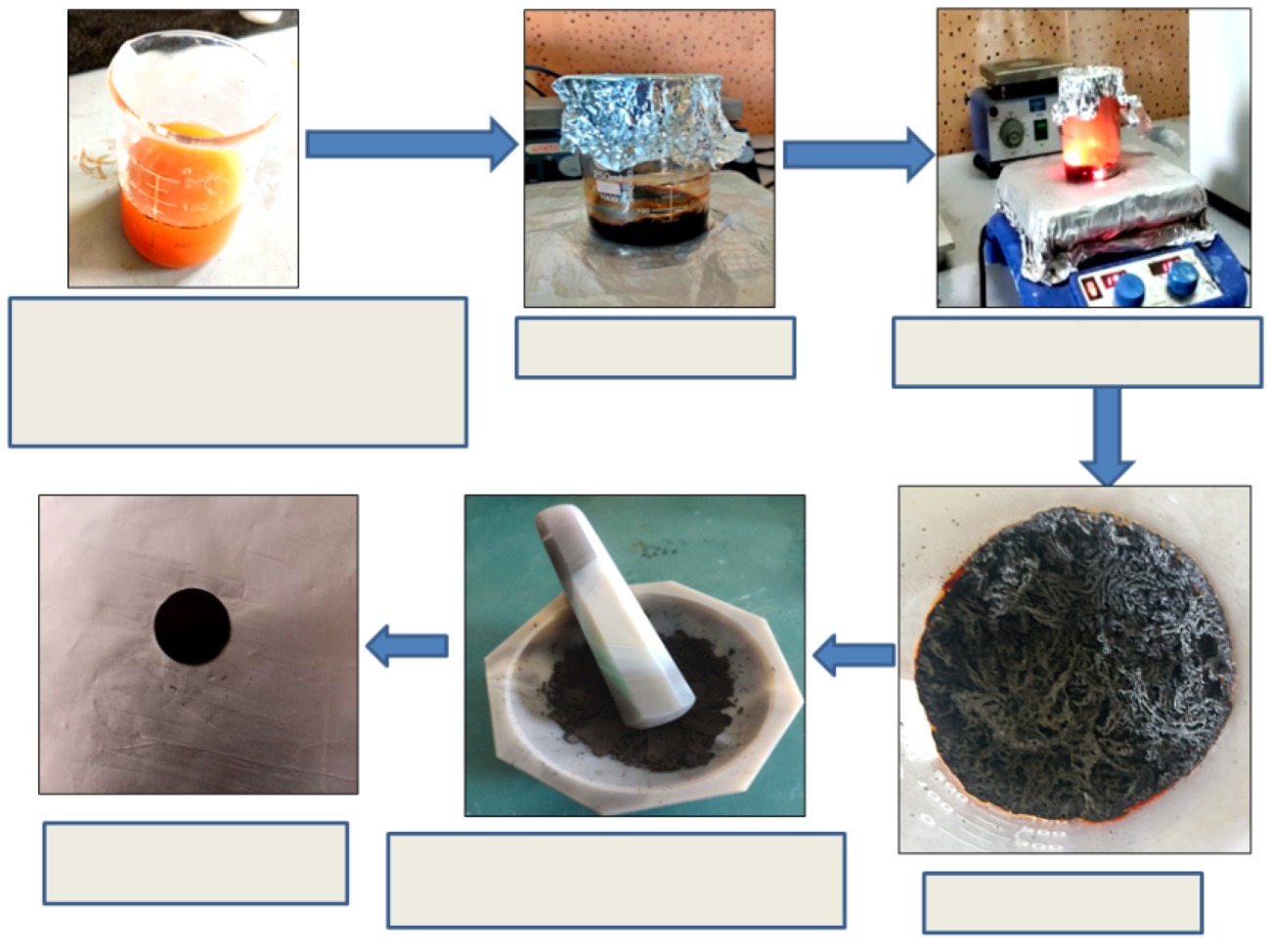
In recent years, medium entropy alloys have become a research hotspot due to their excellent physical and chemical performances. By controlling reasonable elemental composition and processing parameters, the medium entropy alloys can exhibit similar properties to high entropy alloys and have lower costs. In this paper, a FeCoNi medium entropy alloy precursor was prepared via sol–gel and co-precipitation methods, respectively, and FeCoNi medium entropy alloys were prepared by carbothermal and hydrogen reduction. The phases and magnetic properties of FeCoNi medium entropy alloy were investigated. Results showed that FeCoNi medium entropy alloy was produced by carbothermal and hydrogen reduction at 1500°C. Some carbon was detected in the FeCoNi medium entropy alloy prepared by carbothermal reduction. The alloy prepared by hydrogen reduction was uniform and showed a relatively high purity. Moreover, the hydrogen reduction product exhibited better saturation magnetization and lower coercivity.

Examine Data & PDF
Research PaperYear: 2024
Advancing the recovery of iron and rare earth elements from the solid waste at Bayan Obo

Advancing the recovery of iron and rare earth elements from the solid waste at Bayan Obo

The storage of solid waste in Bayan Obo has resulted in significant resource wastage and environmental concerns. In this study, an efficient process was developed to recover iron and rare earth elements (REEs) from this waste by processes of hydrogen-based mineral phase transformation (HMPT), magnetic separation, and flotation. Under optimal HMPT conditions (525 °C, 12.5 min, and 30% H2 concentration), an iron concentrate with a TFe grade of 64.09% and a recovery of 95.33% was obtained. The magnetic properties of the solid waste were greatly enhanced by HMPT, allowing the effective magnetic separation of iron minerals. Further optimization of the flotation process resulted in a REEs concentrate with a rare earth oxide (REO) grade of 65%–70% and a REEs recovery of 60%–65%. Hematite was reduced to magnetite during HMPT, and bastnaesite was decomposed to REEs oxides and fluorides, and the particle structure was significantly destroyed. However, changes in monazite, fluorite, and barite were minimal.

Examine Data & PDF

Frequently Asked Technical Questions (Rare Earth Magnets)

Q:What is Grain Boundary Diffusion (GBD) in Chinese NdFeB magnets?

GBD is a surface-treatment process where heavy rare earths (Dy or Tb) are diffused exclusively along grain boundaries rather than dissolved into the bulk grain, dramatically increasing demagnetization resistance with minimal cost.

Q:How does China manage rare earth export and processing standards?

China enforces strict state-mandated resource consolidation and environmental extraction quotas while prioritizing high-value downstream magnetic assemblies for domestic EV and wind turbine manufacturers.

Explore Related Research Pillars in SinoTechIntel