SinoTechIntel Academic Portal
🏛️ Indexed Academic JournalImpact Factor: 4.4 (Q1 - Springer)Original: 中南大学学报 (自然科学版/英文版)

Journal of Central South University

4.4 (Q1 - Springer)

Total Research Papers: 153
Access: 100% Free Open Access
Browse by Publication Year & VolumeReset All Filters ✕

Published Research PapersFiltered: Year 2025 • Vol. 32 • Issue 10

Showing 12 of 153 peer-reviewed papers with full Graphical Abstracts.

Original ResearchVol. 32, Issue 10 • pp. 161-173DOI: 10.1007/s11771-025-5951-1Oct 25, 2025

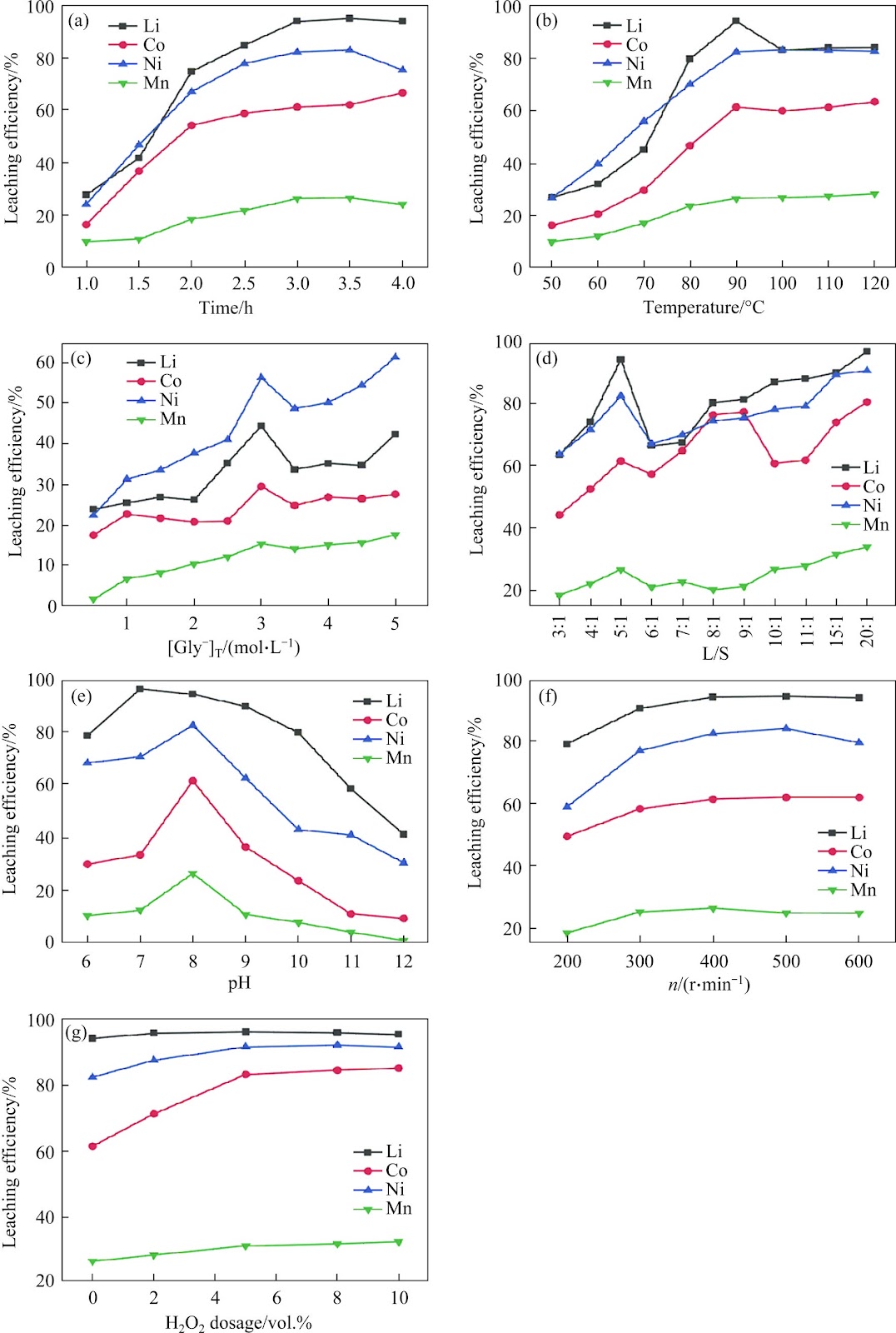
Selective leaching of valuable metal from spent lithium-ion batteries in the alkaline glycinate system

Authors: DOU Ai-chun, FAN Yu-qian, KONG Xiao, CHEN Yao-dong, QIAN Ji-kai, LIU Yun-jian, SU Ming-ru, ZHOU Yu, ZHAO Xiao-chao

In view of the difference in coordination capacity of the glycine ion (Gly−), a selective leaching process for treating with spent lithium-ion batteries (LIBs) in the alkaline glycinate system was proposed. The effects of retention time, leaching temperature, concentration of glycine ligand, liquid-solid ratio (L/S), pH, stirring speed, and H2O2 dosage on the leaching efficiency of valuable metals and the dissolution of impurities were investigated. When the spent LIBs were leached in 3 mol/L gl
Selective leaching of valuable metal from spent lithium-ion batteries in the alkaline glycinate system
Graphical Abstract
Original ResearchVol. 32, Issue 10 • pp. 569-581DOI: 10.1007/s11771-025-5984-5Oct 22, 2025

Mechanical response and impact tendency index correction of gangue-coal combined structure

Authors: WEN Zhi-jie, XU Chang-long, GONG Feng-qiang, ZUO Yu-jun, SONG Zhen-qi

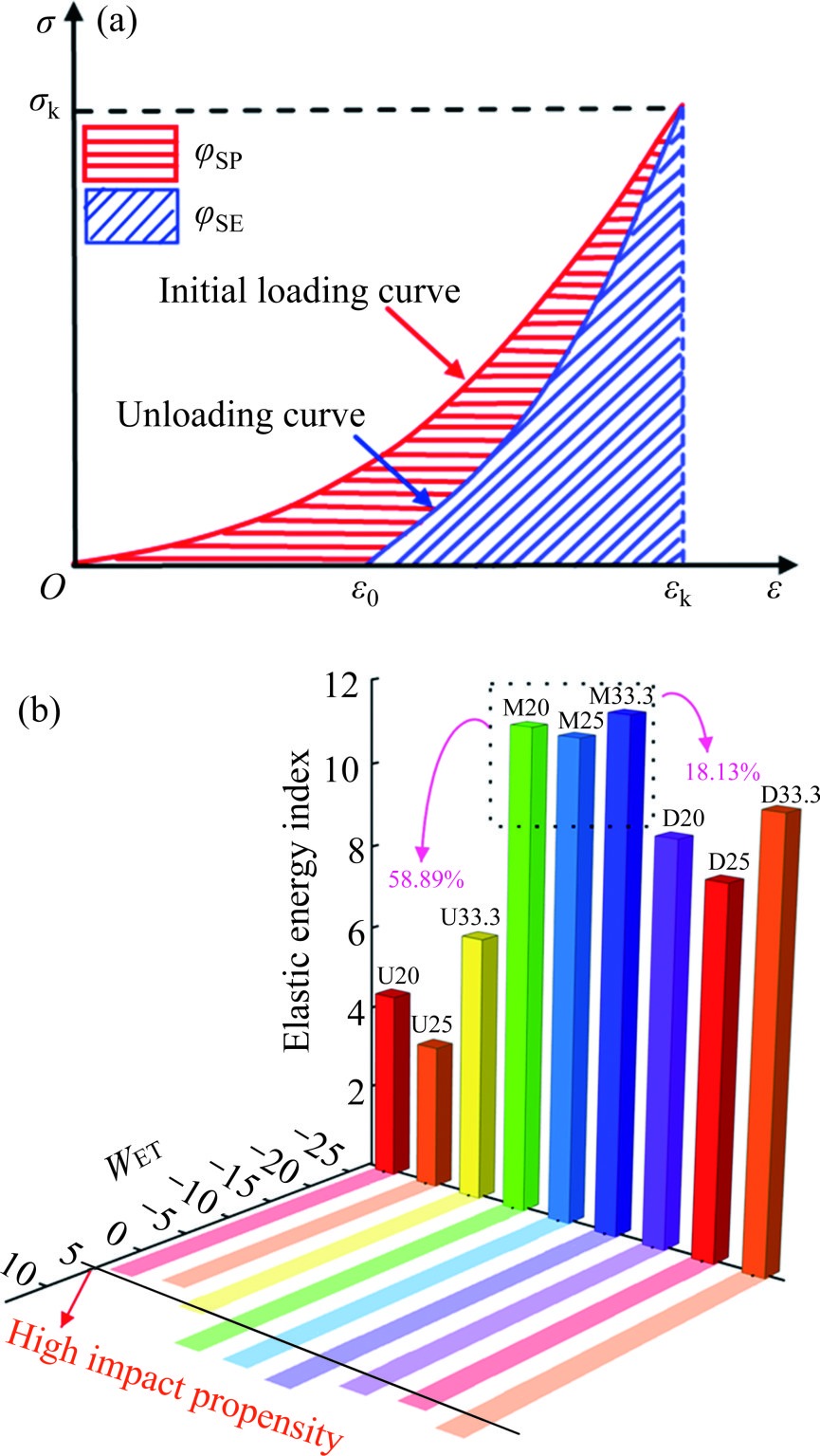
To investigate the mechanical response during failure and the impact tendency characteristics of gangue-coal combined structure, uniaxial compression tests were conducted on nine groups of combined structures, each with varying gangue thicknesses and positions. The response patterns of compressive strength, elastic modulus, pre-peak accumulated energy, elastic energy index, and impact energy index were systematically analyzed. Furthermore, a new index for evaluating the impact tendency of gangue

Mechanical response and impact tendency index correction of gangue-coal combined structure
Graphical Abstract
Original ResearchVol. 32, Issue 10 • pp. 741-753DOI: 10.1007/s11771-024-5734-0Oct 20, 2025

Energy evolution model and energy response characteristics of freeze-thaw damaged sandstone under uniaxial compression

Authors: ZHANG Chun-yang, TAN Tao, ZHAO Er-cheng

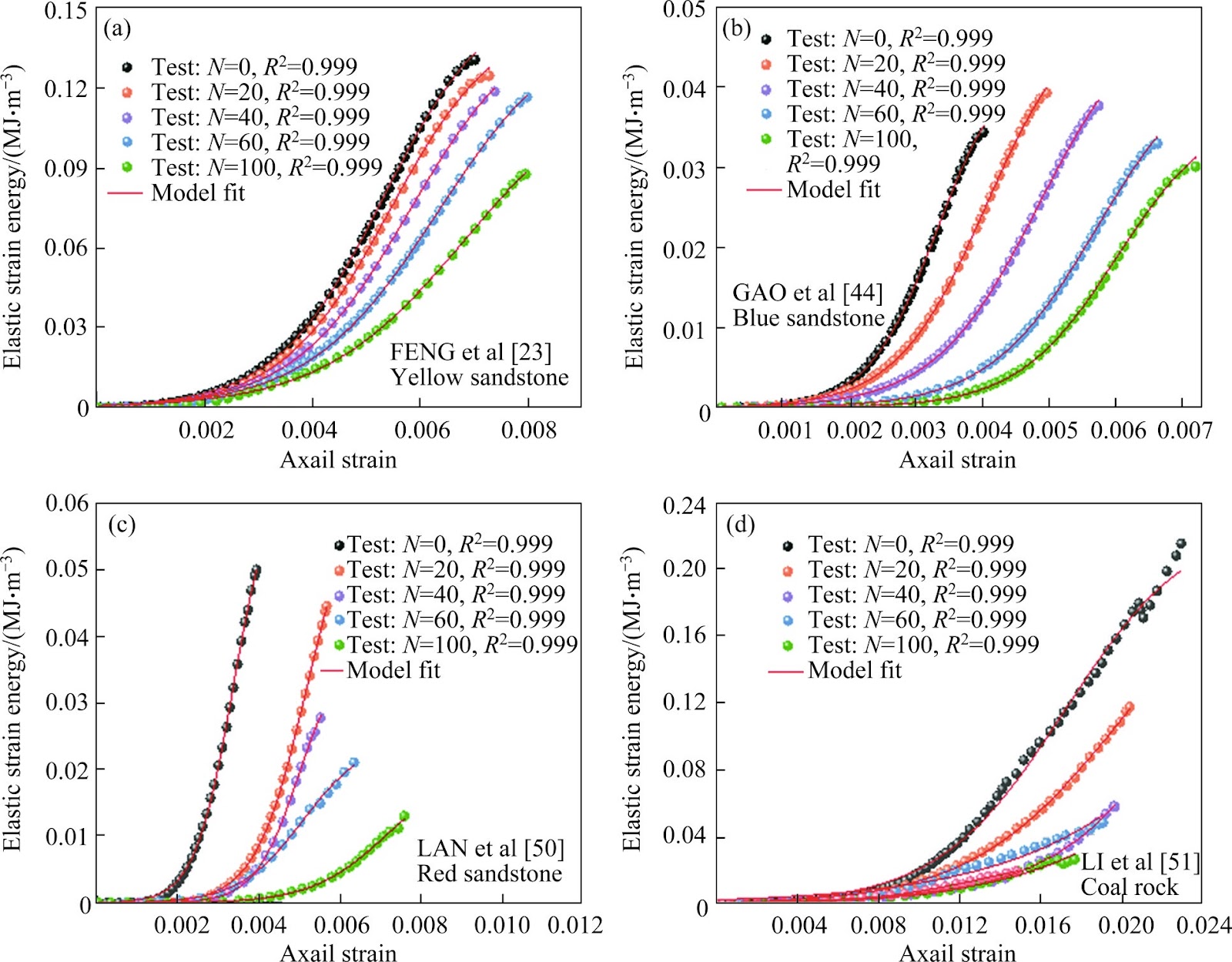
Rocks will suffer different degree of damage under freeze-thaw (FT) cycles, which seriously threatens the long-term stability of rock engineering in cold regions. In order to study the mechanism of rock FT damage, energy calculation method and energy self-inhibition model are introduced to explore their energy characteristics in this paper. The applicability of the energy self-inhibition model was verified by combining the data of FT cycles and uniaxial compression tests of intact and pre-cracke

Energy evolution model and energy response characteristics of freeze-thaw damaged sandstone under uniaxial compression
Graphical Abstract
Original ResearchVol. 32, Issue 10 • pp. 177-189DOI: 10.1007/s11771-025-6002-7Oct 19, 2025

Influence of the saw-tooth angle of rock joints on the shear performance of 2G-NPR bolt

Authors: Ren Shu-lin, He Man-chao, Yuan Yong, Tao Zhi-gang, Zhu Chun, Yin Qian

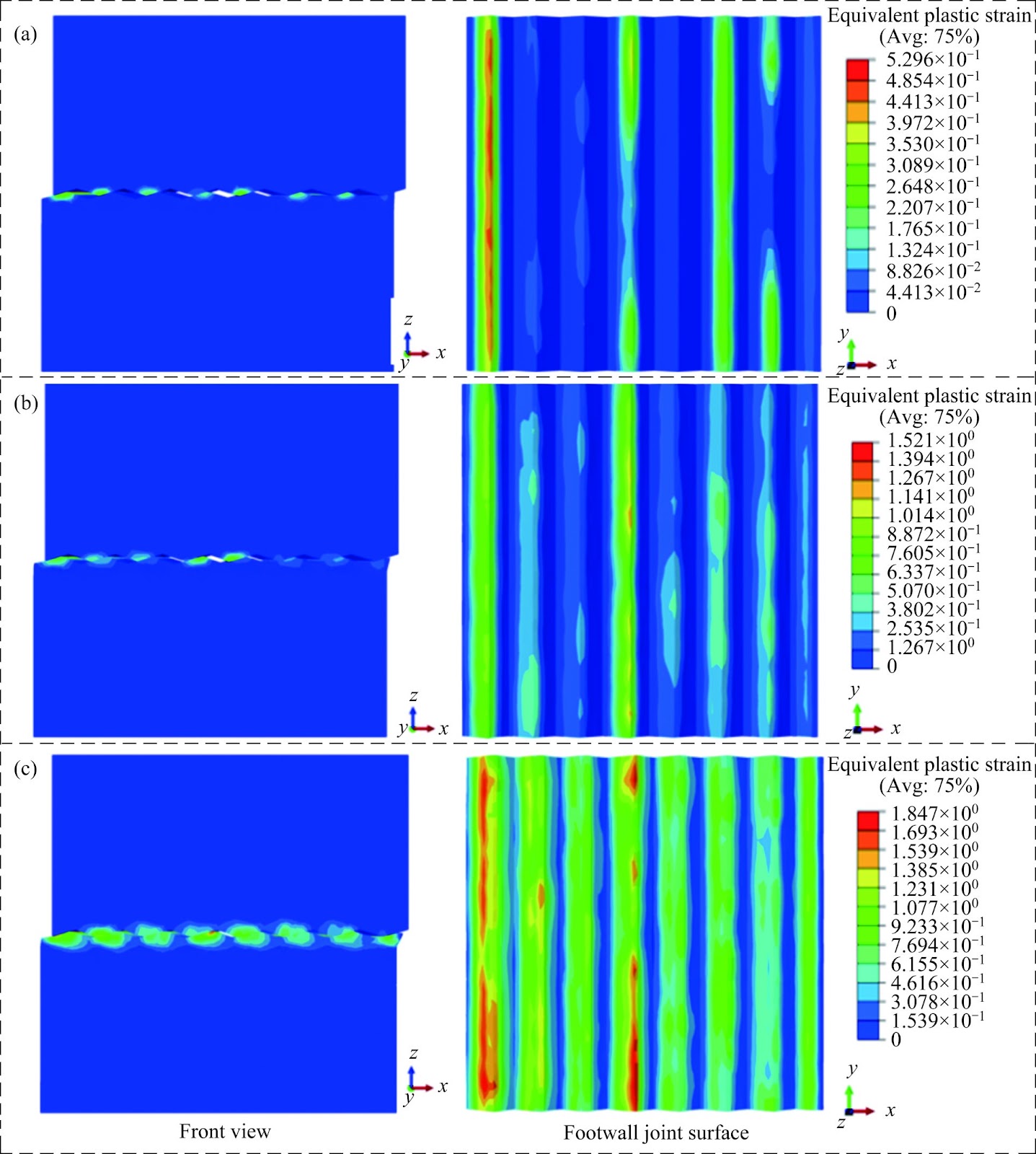
The shear performance of bolts plays a crucial role in controlling rock mass stability, and the roughness of the joint surface is one of the main factors affecting the mechanical properties of anchored joints. The 2nd generation of negative Poisson ratio (2G-NPR) bolt is a new independently developed material characterized by high strength and toughness. However, the influence of joint surface roughness on its anchorage shear performance remains unexplored. This study involves preparing regular

Influence of the saw-tooth angle of rock joints on the shear performance of 2G-NPR bolt
Graphical Abstract
Original ResearchVol. 32, Issue 10 • pp. 349-361DOI: 10.1007/s11771-025-5885-7Oct 17, 2025

Intensive processing optimization of Zn-Cu fabricated by laser powder-bed fusion

Authors: YAN Yi-cheng, ZHU Jiang-qi, YAN Yuan-ming, LIU Yang, LIU Ya-jun, SHI Chun-bao, LIU Yong, LIU Min, QIU Hao, HUANG Qian-li, YAN Xing-chen, ZHANG Xiang-yu

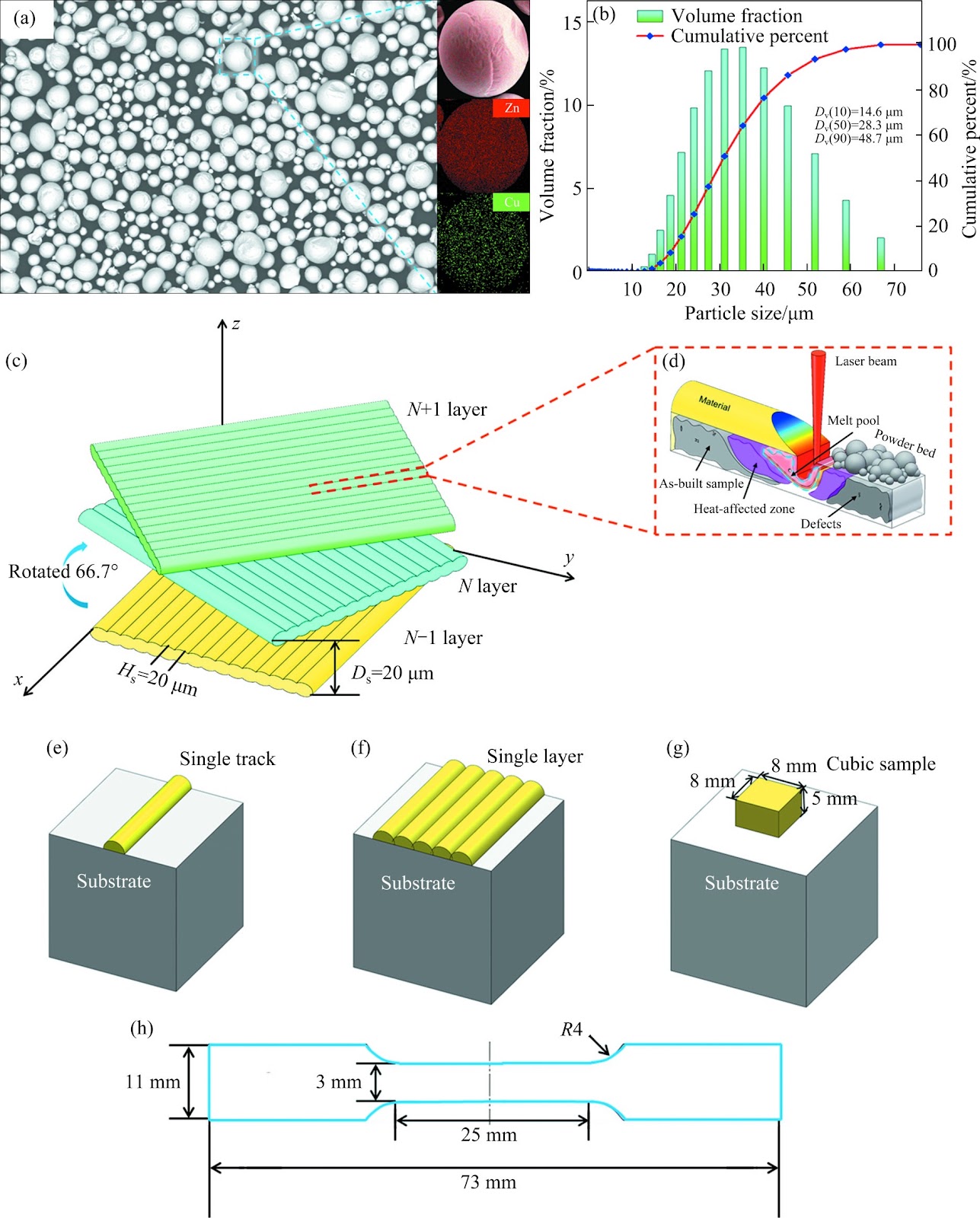
Laser powder-bed fusion (LPBF) of Zn-0.8Cu (wt.% ) alloys exhibits significant advantages in the customization of biodegradable bone implants. However, the formability of LPBFed Zn alloy is not sufficient due to the spheroidization during the interaction of powder and laser beam, of which the mechanism is still not well understood. In this study, the evolution of morphology and grain structure of the LPBFed Zn-Cu alloy was investigated based on single-track deposition experiments. As the scannin

Intensive processing optimization of Zn-Cu fabricated by laser powder-bed fusion
Graphical Abstract
Original ResearchVol. 32, Issue 10 • pp. 585-597DOI: 10.1007/s11771-025-6023-2Oct 16, 2025

Synthesis of backfill foam lightweight soil from bauxite tailings slurry and industrial byproducts

Authors: OU Xiao-duo, CHEN Fu-gui, LYU Zheng-fan, JIANG Jie, LIAO Bang, YE Geng-chang

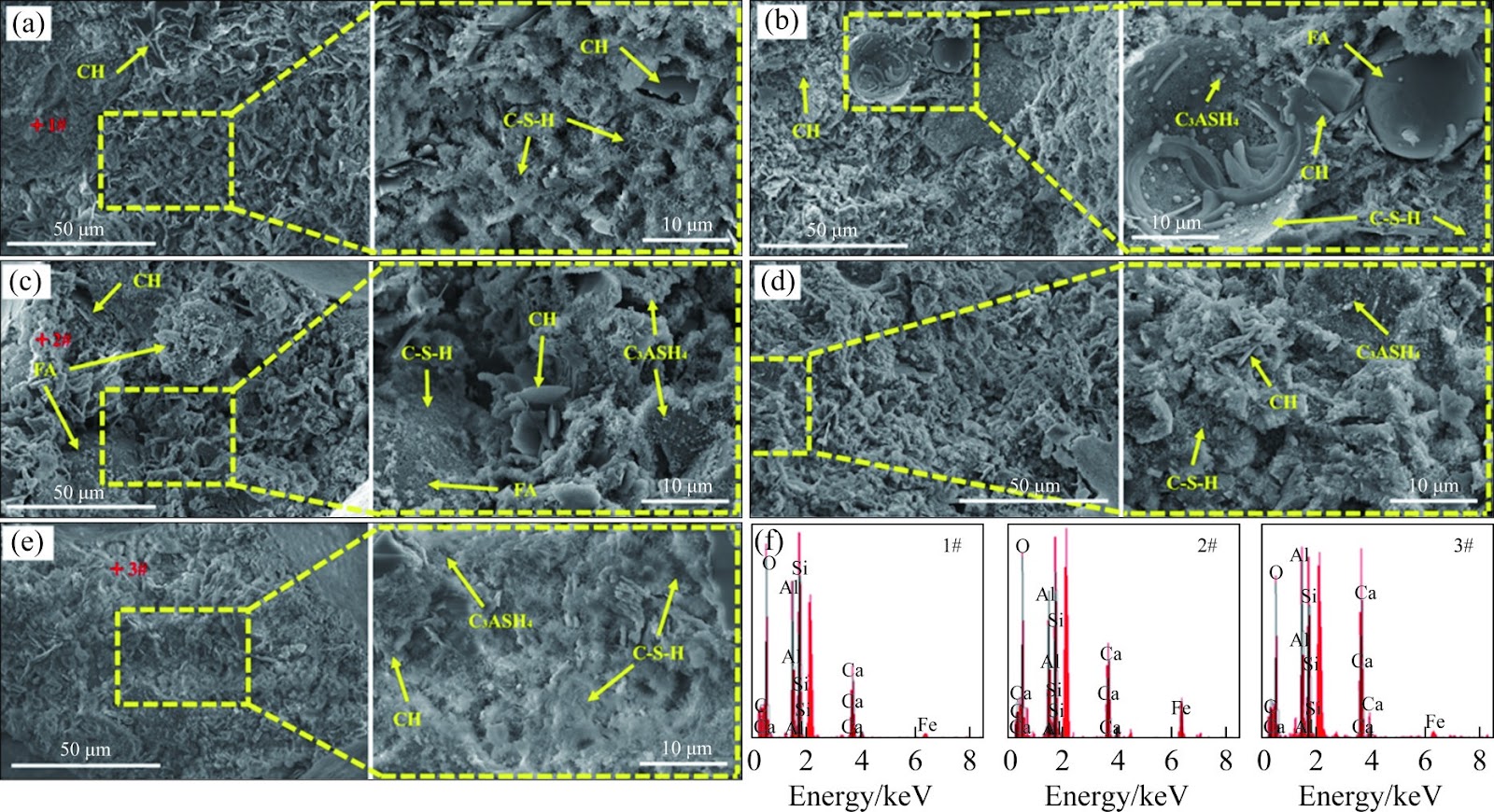
Bauxite tailing (BT) slurry has been generated and accumulated in large quantities, posing a threat to the green and sustainable development of the alumina industry. The regression equation between the actual water content and mud-water separation rate was established to achieve efficient resource utilization, and the feasibility of foam lightweight soil (FLS) prepared from BT was investigated. The effects of industrial waste residues (fly ash and slag powder) on the properties of FLS were studied. Meanwhile, the micro-mechanisms were revealed by XRD, SEM-EDS, and TG-DSC. The results revealed that fly ash reduced the workability and compressive strength of FLS. Slag powder can significantly enhance the compressive strength of FLS, which increased by 18.60%−23.26%, 17.07%−58.54% and 12.12%−52.12%, respectively. Besides, slag powder can improve the long-term water stability performance and enhance carbonation resistance. XRD and thermal analyses showed that adding fly ash decreased the hydration degree of FLS, leading to a decrease in the hydration products. Slag powder improved the pore structure and compacted the skeleton structure of FLS. This study would provide an effective way to realize the resource utilization of BT, fly ash, and slag powder, with certain socio-economic and environmental benefits.

Synthesis of backfill foam lightweight soil from bauxite tailings slurry and industrial byproducts
Graphical Abstract
Original ResearchVol. 32, Issue 10 • pp. 757-769DOI: 10.1007/s11771-025-5939-xOct 14, 2025

Failure microscopic mechanism and damage constitutive model of dolomite under water-rock coupling interaction

Authors: SUN Xiao-ming, ZHANG Jing, SHI Fu-kun, HE Lin-sen, ZHANG Yong, MIAO Cheng-yu, DING Jia-xu, MA Li-sha, ZHAO Hao-ze

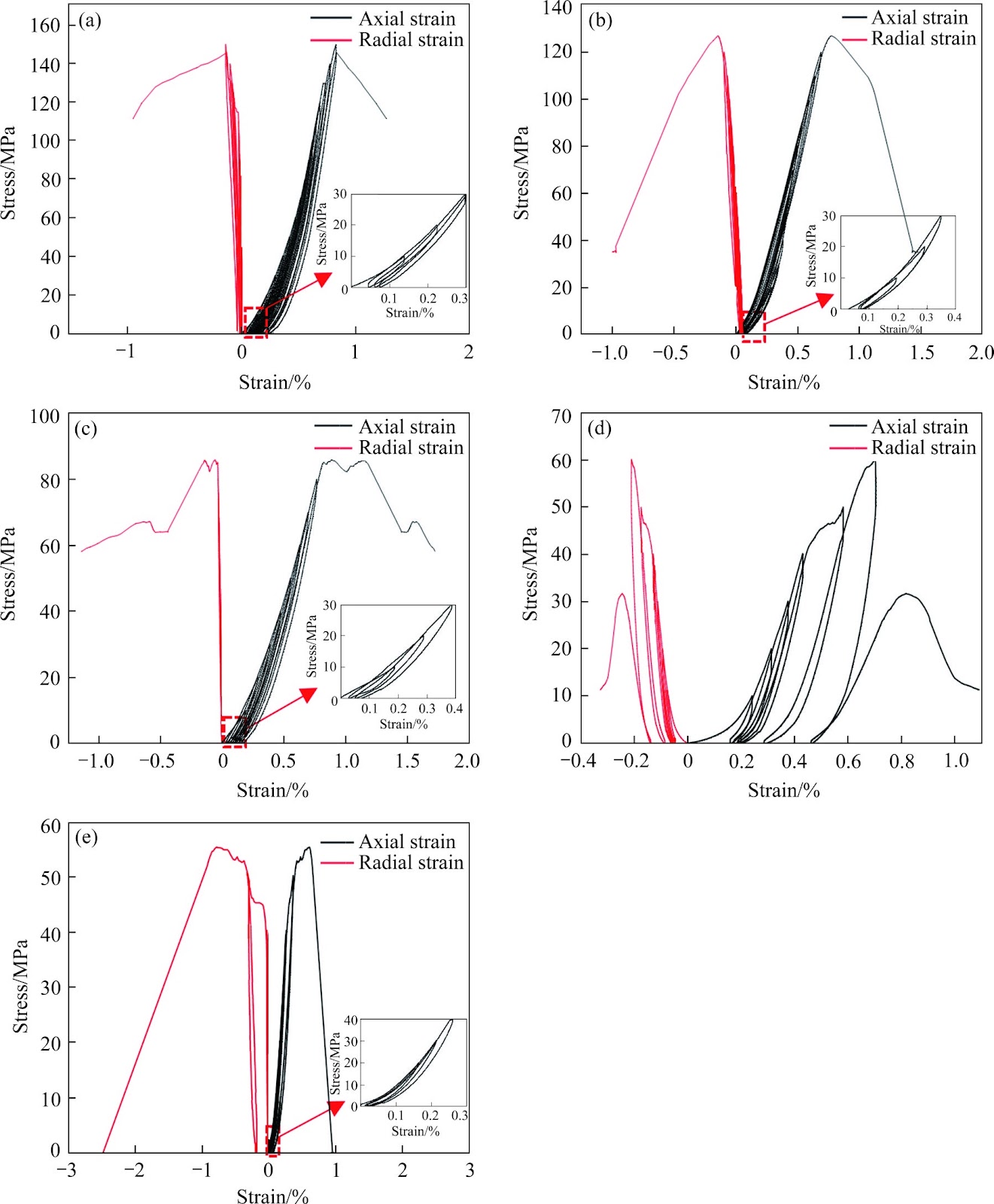
To investigate the effects of water and cyclic loading on dolomite’s mechanical properties during deep mining, mechanical experiments on non-pressure water absorption and cyclic loading were conducted. The findings reveal that the elastic modulus and Poisson ratio of dolomite fluctuate with increasing water content. The mass of water absorption is positively correlated with time and the water absorption stage can be divided into three stages: accelerated, decelerated, and stabilized stages. Duri

Failure microscopic mechanism and damage constitutive model of dolomite under water-rock coupling interaction
Graphical Abstract
Original ResearchVol. 32, Issue 10 • pp. 365-377DOI: 10.1007/s11771-025-5964-9Oct 11, 2025

Application and mechanism of calcium hypochlorite in replacing sodium sulfide for the clean separation of low-grade molybdenum-bismuth ore

Authors: CHAI Xu-jian, ZHANG Hong-liang, LIU Wei-ping, ZHOU Shuang, LIN Shang-yong

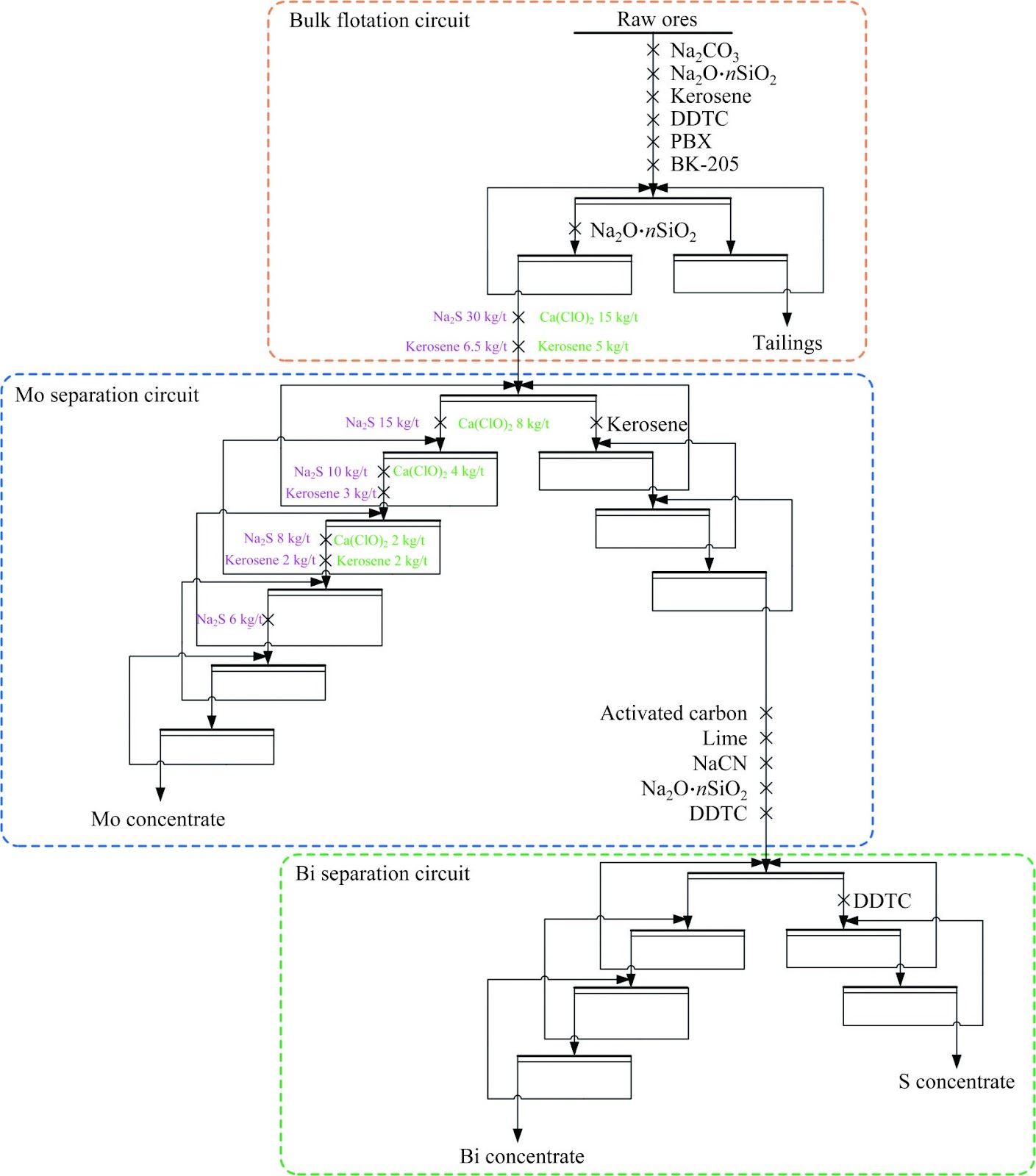
Stemming from the high costs and environmental pollution associated with the use of sodium sulfide in the separation and extraction processes of molybdenum bismuth ore, calcium hypochlorite was introduced as a substitute to facilitate the cleaner production of low-grade molybdenum bismuth ore in this study. The effects of calcium hypochlorite on molybdenite, bismuthinite, and pyrite were investigated through micro-flotation, flotation kinetics, batch flotation, Fourier transform infrared (FTIR)

Application and mechanism of calcium hypochlorite in replacing sodium sulfide for the clean separation of low-grade molybdenum-bismuth ore
Graphical Abstract
Original ResearchVol. 32, Issue 10 • pp. 773-785DOI: 10.1007/s11771-025-5977-4Oct 8, 2025

Arsenic removal in copper electrolyte: A review and future prospects

Authors: MA Jun, DUAN Ning, XU Fu-yuan, JIANG Lin-hua, XIAO Ke

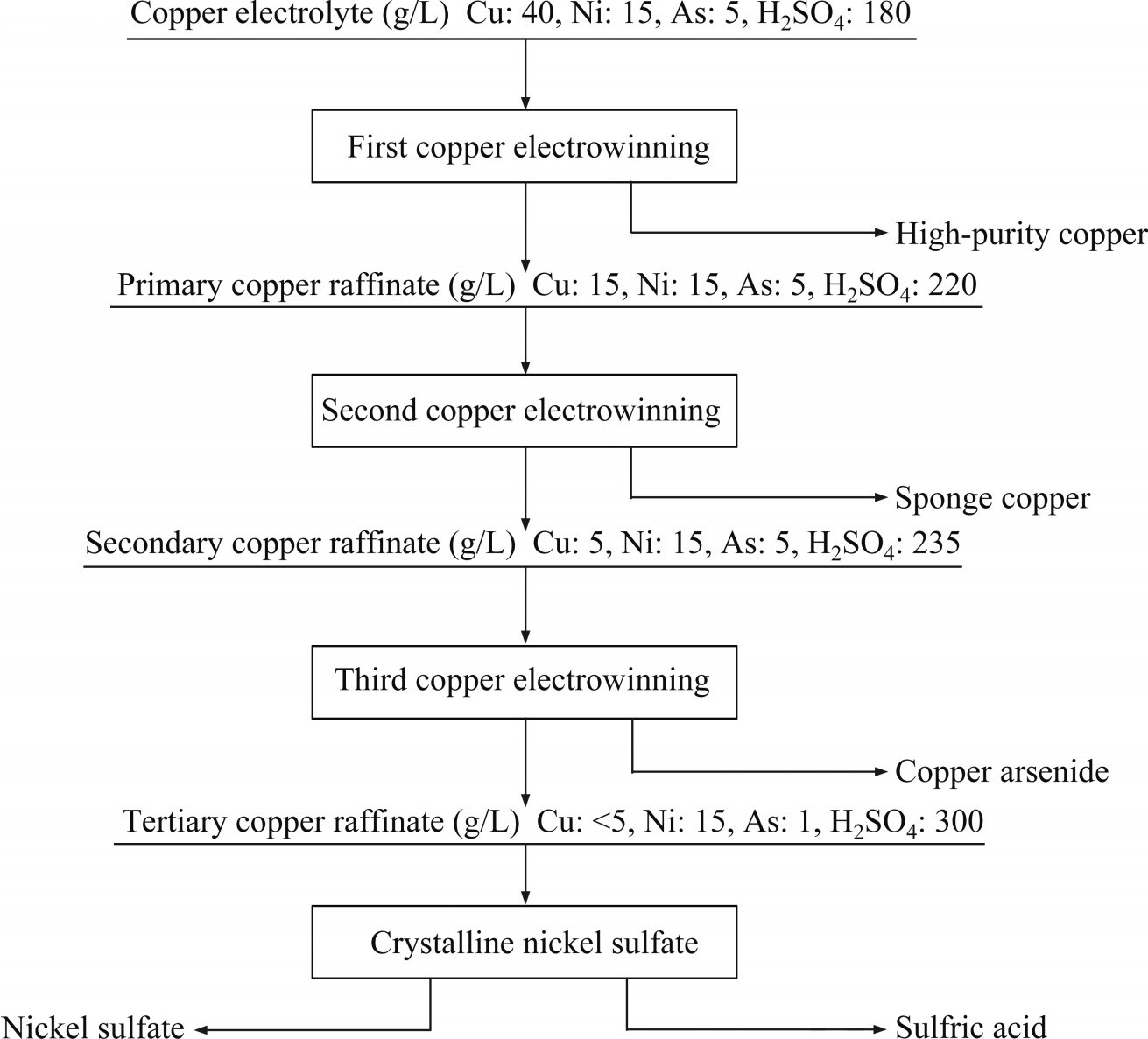
Copper is a strategic metal that plays an important role in many industries. In copper metallurgy, electrolytic refining is essential to obtain high-purity copper. However, during the electrolytic refining process, impurities such as arsenic are introduced into the electrolyte, which significantly affect the subsequent production and quality of copper products. This paper first discusses the sources, forms, and transformation pathways of arsenic in copper electrolyte during the electrolytic proc

Arsenic removal in copper electrolyte: A review and future prospects
Graphical Abstract
Original ResearchVol. 32, Issue 10 • pp. 145-157DOI: 10.1007/s11771-025-5867-9Oct 6, 2025

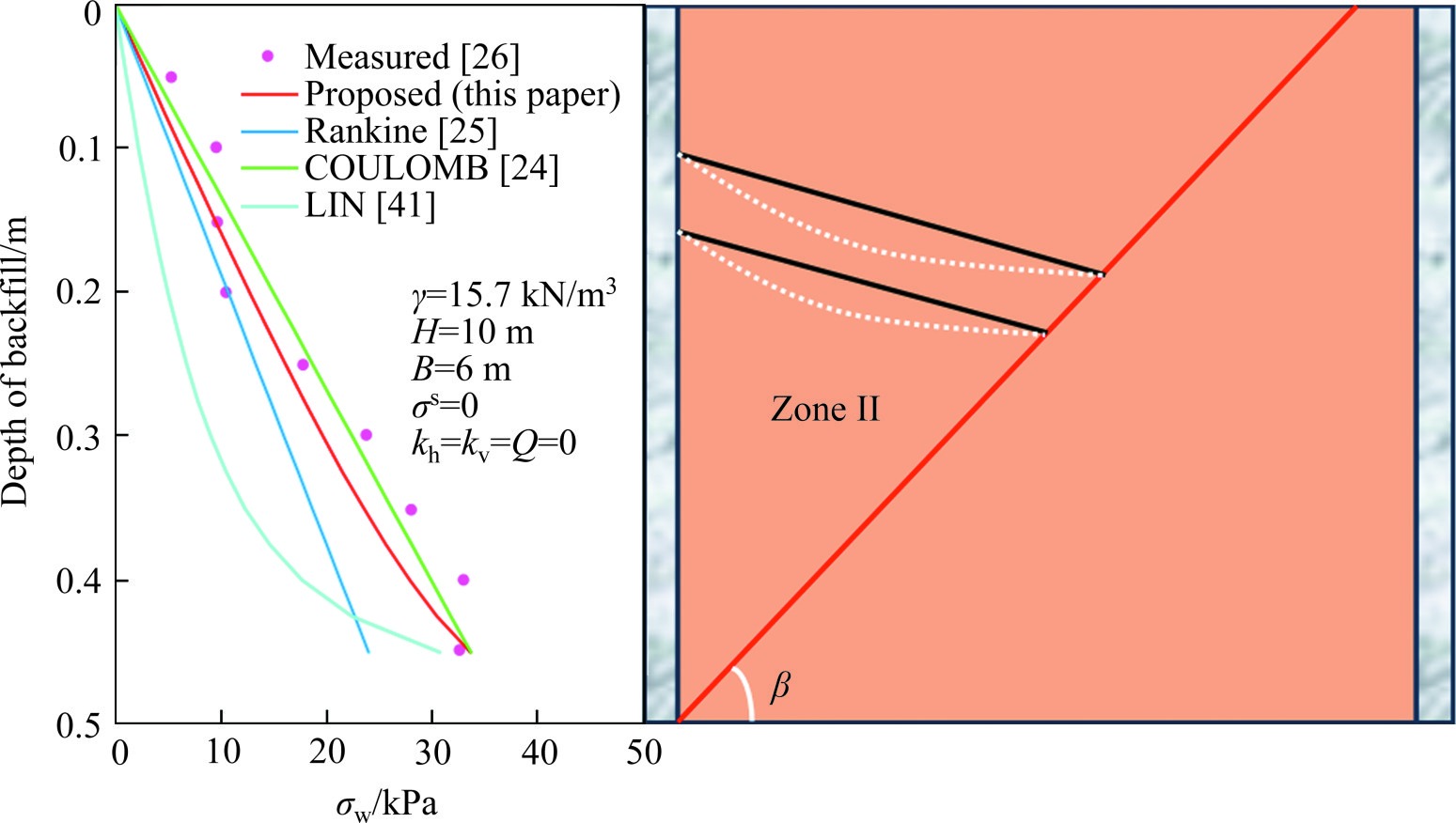
Passive earth pressure of narrow backfill considering seismic-unsaturated seepage multi-field coupling effect

Authors: WANG Ze-yue, LIN Hang

Narrow backfill earth pressure estimation is applied to study the stability of supporting structures in the vicinity of existing buildings. Previous narrow backfill earth pressure studies have neglected seismic-unsaturated seepage multi-field coupling, resulting in inaccurate estimates. To address these deficiencies, this paper proposed a calculation method for seismic passive earth pressure in unsaturated narrow backfill, based on inclined thin-layer units. It considers the interlayer shear str

Passive earth pressure of narrow backfill considering seismic-unsaturated seepage multi-field coupling effect
Graphical Abstract
Original ResearchVol. 32, Issue 10 • pp. 553-565DOI: 10.1007/s11771-025-5927-1Oct 3, 2025

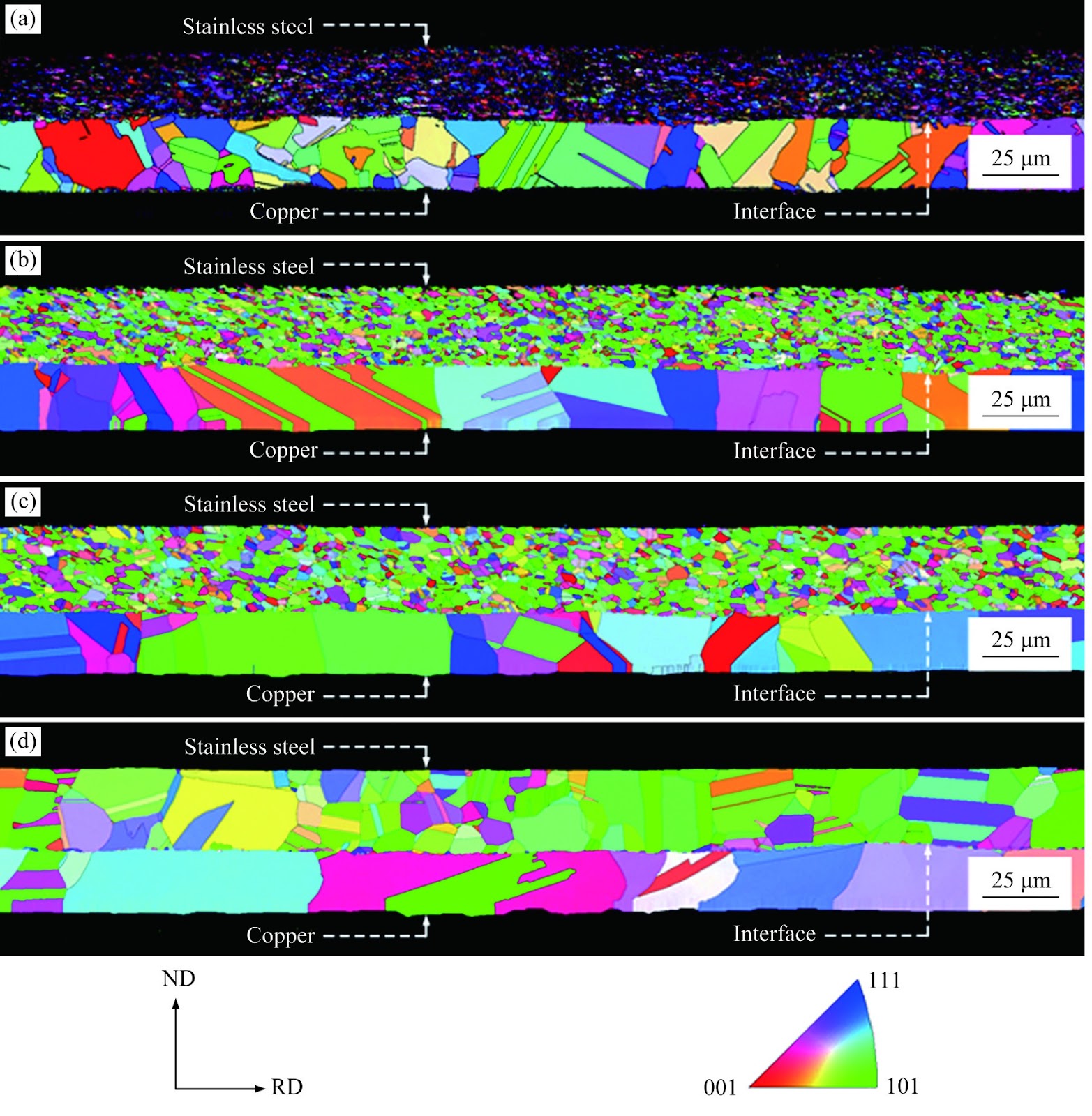
Numerical and experimental investigation on the formability of stainless steel-copper composites during micro deep drawing

Authors: QI Yan-yang, MA Xiao-guang, JIANG Zheng-yi, MA Li-nan, WANG Zhi-hua, ZHOU Cun-long, HASAN Mahadi, DOBRZAŃSKI Leszek A., ZHAO Jing-wei

In the present study, two-layered stainless steel-copper composites with a thickness of 50 µm were initially subjected to annealing at 800, 900 and 1000 ℃ for 5 min, respectively, to achieve diverse microstructural features. Then the influence of annealing temperature on the formability of stainless steel-copper composites and the quality of micro composite cups manufactured by micro deep drawing (MDD) were investigated, and the underlying mechanism was analyzed. Three finite element (FE) models

Numerical and experimental investigation on the formability of stainless steel-copper composites during micro deep drawing
Graphical Abstract
Original ResearchVol. 32, Issue 10 • pp. 789-801DOI: 10.1007/s11771-025-6032-1Oct 2, 2025

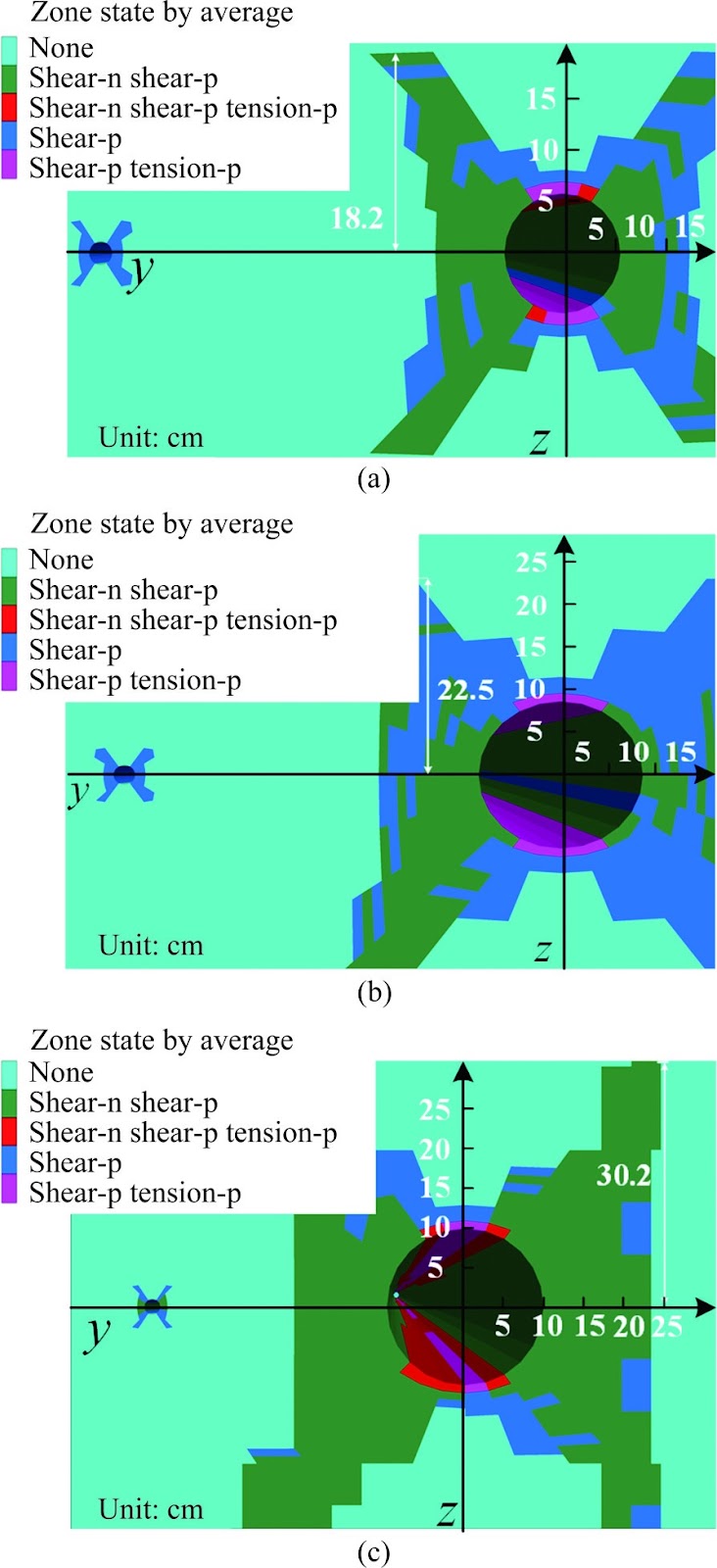
Optimization and engineering practice of large-diameter drilling hole-anchoring hole spacing based on stress relief-support reinforcement cooperative effect

Authors: GUO Wei-yao, WANG Xiang-yu, YIN Li-ming, ZHENG Yong-sheng, JI Xin-bo, LIU Guang-zhao, WU Zhen

Large-diameter drilling method is a prevalent method for preventing and controlling rock burst, and the spacing between the large-diameter drilling hole and anchoring hole is a critical factor influencing the roadway stability and relief effectiveness. In this study, a mechanical model for optimal matching between the large-diameter drilling hole and anchoring hole was established following the principle of synergistic control. The influence of large-diameter drilling hole diameter on the optimal spacing under the synergistic relief effect was investigated by integrating theoretical analysis, numerical simulation, and field practice. The results suggest that the hole spacing achieved a synergistic effect in a certain range when the optimal hole spacing increased linearly with the hole diameter. For instance, when the anchoring hole diameter was 20 mm, an increase in the aperture ratio from 5 to 10 brought about an increase in the optimal spacing from 0.25 m to 0.45 m. Additionally, the vertical stress between the large-diameter drilling hole and anchor hole increased nonlinearly under the condition of constant pore ratio but varying hole spacing. Both excessively small and excessively large hole spacings were detrimental to the pressure relief effect. In the engineering practice, optimizing the hole spacing from 0.55 m to 0.45 m in the 1208 working face contributed to reducing coal body drilling cuttings and the roadway moving quantity by 33% and 19.2%, respectively. This demonstrates that the pressure relief-support reinforcement synergistic effect should be fully considered in optimization design.

Optimization and engineering practice of large-diameter drilling hole-anchoring hole spacing based on stress relief-support reinforcement cooperative effect
Graphical Abstract