Key Takeaways & Executive Findings
- •• Calcium hypochlorite selectively depresses bismuthinite and pyrite while improving flotation indicators for molybdenum and bismuth concentrates compared to sodium sulfide. • Using calcium hypochlorite as a depressant significantly reduces flotation reagent dosage and lowers the chemical oxygen demand (COD) of tailings wastewater. • Mechanistic analysis reveals that calcium hypochlorite forms BiOCl precipitation on bismuthinite surfaces, hindering collector attachment and enabling selective separation. • The substitution of sodium sulfide with calcium hypochlorite offers a cleaner and more sustainable route for processing low-grade molybdenum-bismuth ore in industrial applications.
Abstract
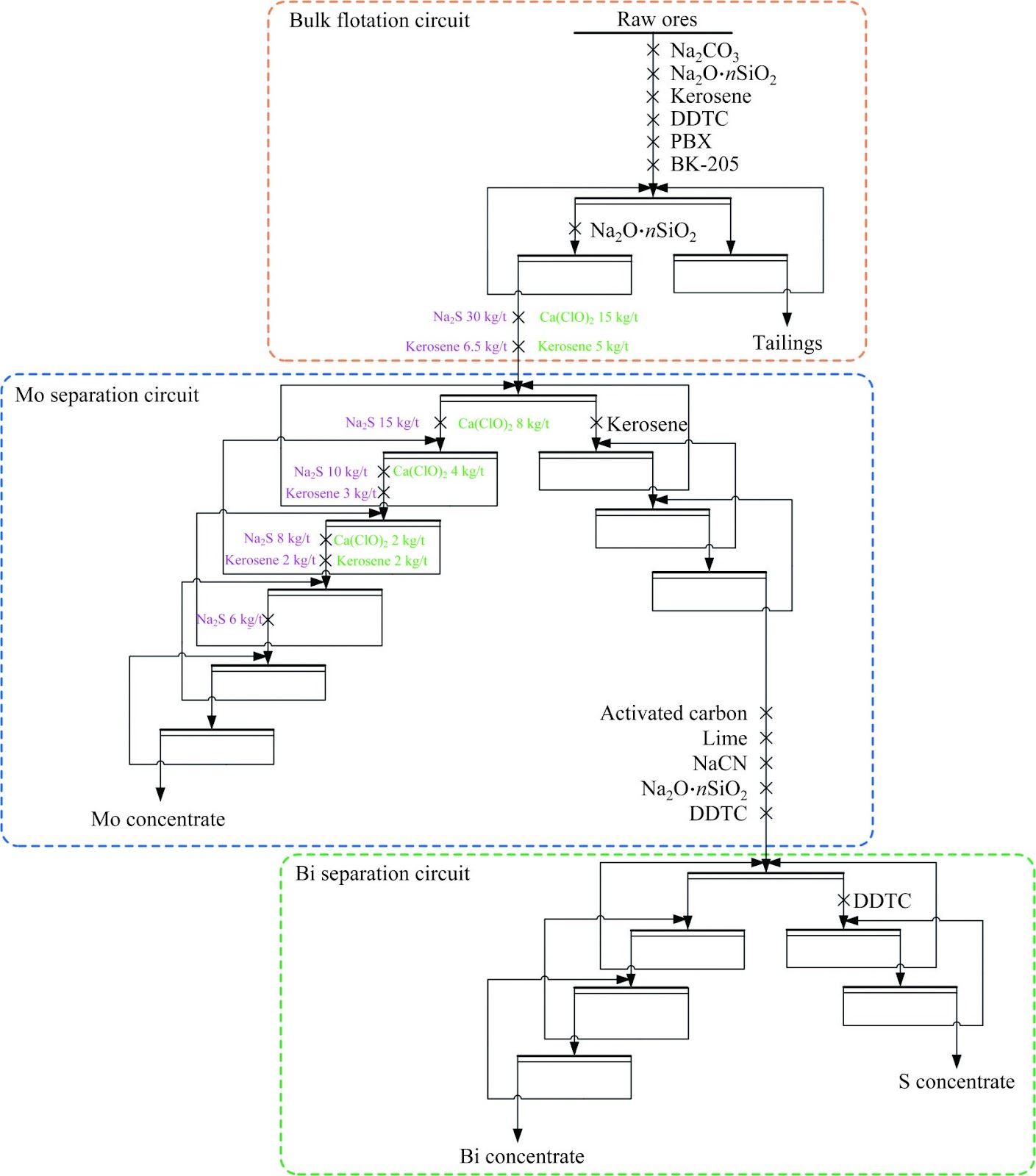
Stemming from the high costs and environmental pollution associated with the use of sodium sulfide in the separation and extraction processes of molybdenum bismuth ore, calcium hypochlorite was introduced as a substitute to facilitate the cleaner production of low-grade molybdenum bismuth ore in this study. The effects of calcium hypochlorite on molybdenite, bismuthinite, and pyrite were investigated through micro-flotation, flotation kinetics, batch flotation, Fourier transform infrared (FTIR) spectra, scanning electron microscopy energy dispersion spectra (SEM-EDS), and inductively coupled plasma-optical emission spectra (ICP-OES). The flotation tests results showed that calcium hypochlorite could selectively depress bismuthinite and pyrite. In comparison to sodium sulfide, calcium hypochlorite not only improved the flotation indicators for molybdenum and bismuth concentrates but also reduced the dosage of flotation reagents. Moreover, the chemical oxygen demand (COD) of tailings wastewater significantly decreased when using calcium hypochlorite as a depressant. Mechanism research revealed that the use of calcium hypochlorite as a depressant led to BiOCl precipitation on bismuthinite, which hindered the attachment of the collector. In summary, calcium hypochlorite serves as a more efficient and environmentally friendly depressant compared to sodium sulfide in the industrial production processes of low-grade molybdenum bismuth ore.
1. Introduction
Molybdenum, a strategically valuable metal, has found applications in medical, aerospace, and other high-tech sectors owing to its exceptional physicochemical properties [1]. Molybdenite is the primary natural form of molybdenum and is recognized as the most commercially significant mineral for molybdenum extraction [2, 3]. Molybdenite commonly coexists with copper ore, and due to continuous development and utilization, the reserves of high-grade copper-molybdenum ore are nearly exhausted [4]. Faced with the burgeoning demand for molybdenum resources in society, beneficiation industries are now compelled to process low-grade molybdenum ores [5].
In recent years, scholarly interest in molybdenum bismuth ore has grown significantly [6−8]. Similar to molybdenite, bismuthinite also exhibits favorable floatability [6]. Therefore, it is a common practice to initially float molybdenite and bismuthinite together, followed by their subsequent separation in the flotation process [9]. During the separation process, processing plants typically use sodium sulfide as the depressant for bismuthinite [10]. Sodium sulfide generates hydrophobic products on molybdenite but forms hydrophilic components on bismuthinite, hindering the adhesion of collectors and thus suppressing the up-float of bismuthinite [11]. Sodium sulfide has been used to depress bismuthinite and facilitate its separation from molybdenite in flotation [9]. However, the application of sodium sulfide has posed numerous challenges in practical production for the plants. Sodium sulfide exhibits poor stability and susceptibility to oxidation, thereby reducing its efficacy in the pulp [12]. As a result, a substantial quantity of sodium sulfide is required during flotation. Exceeding a certain sodium sulfide concentration threshold can induce a non-selective removal effect on collectors [13]. This consequently leads to diminished recovery of valuable minerals and erratic fluctuations in product indicators [9, 12, 13]. Furthermore, storing a substantial quantity of sodium sulfide can generate hydrogen sulfide, a highly toxic gas posing significant threats to operator safety and the ecological environment [10, 14, 15]. Moreover, sodium sulfide’s extensive application poses challenges in treating beneficiation wastewater at the end of the flotation process [9, 16]. Therefore, the use of sodium sulfide, whether direct or indirect, imposes a significant burden on plants, underscoring the need for alternative depressants.
Loading authentic research manuscript (Pages 1–5)...
CHAI Xu-jian, ZHANG Hong-liang, LIU Wei-ping, ZHOU Shuang, LIN Shang-yong (2025). Application and mechanism of calcium hypochlorite in replacing sodium sulfide for the clean separation of low-grade molybdenum-bismuth ore. Journal of Central South University. https://doi.org/10.1007/s11771-025-5964-9
Research & Educational Purpose Only:The translations, structured abstracts, analytical annotations, and data reports provided by SinoTechIntel are intended exclusively for academic research, internal corporate R&D, and educational benchmarking. They do not constitute formal engineering, chemical safety, legal, or professional advice.
Copyright & Intellectual Property Notice: Original copyright of the underlying source articles and experimental data remains with the respective authors, institutions, and original publishing journals. SinoTechIntel claims intellectual property only over its proprietary translations, analytical syntheses, and AEO structured enhancements in accordance with international fair use and academic citation principles.
Frequently Asked Questions
What is the main purpose of using calcium hypochlorite in molybdenum-bismuth ore processing?
Calcium hypochlorite is introduced as a substitute for sodium sulfide to selectively depress bismuthinite and pyrite during the flotation separation of low-grade molybdenum-bismuth ore, aiming to reduce costs and environmental pollution while improving flotation performance.
How does calcium hypochlorite selectively depress bismuthinite?
Mechanistic studies indicate that calcium hypochlorite leads to the precipitation of BiOCl on the bismuthinite surface, which hinders the attachment of collectors and thus suppresses bismuthinite flotation, enabling its separation from molybdenite.
What are the environmental benefits of replacing sodium sulfide with calcium hypochlorite?
Replacing sodium sulfide with calcium hypochlorite significantly decreases the chemical oxygen demand (COD) of tailings wastewater, reduces the dosage of flotation reagents, and eliminates the generation of toxic hydrogen sulfide gas, making the process cleaner and more environmentally friendly.
Does calcium hypochlorite improve flotation indicators compared to sodium sulfide?
Yes, flotation tests showed that calcium hypochlorite not only improves the flotation indicators for both molybdenum and bismuth concentrates but also reduces the required reagent dosage, offering superior performance to sodium sulfide in the separation process.
What analytical techniques were used to investigate the mechanism of calcium hypochlorite?
The study employed micro-flotation, flotation kinetics, batch flotation, Fourier transform infrared (FTIR) spectra, scanning electron microscopy energy dispersion spectra (SEM-EDS), and inductively coupled plasma-optical emission spectra (ICP-OES) to characterize the effects and mechanism of calcium hypochlorite.
Related Technical Papers & Translations
Design and optimization of a high-efficiency distillation process for cellulosic fuel ethanol integrated with thermal coupling and molecular sieve adsorption
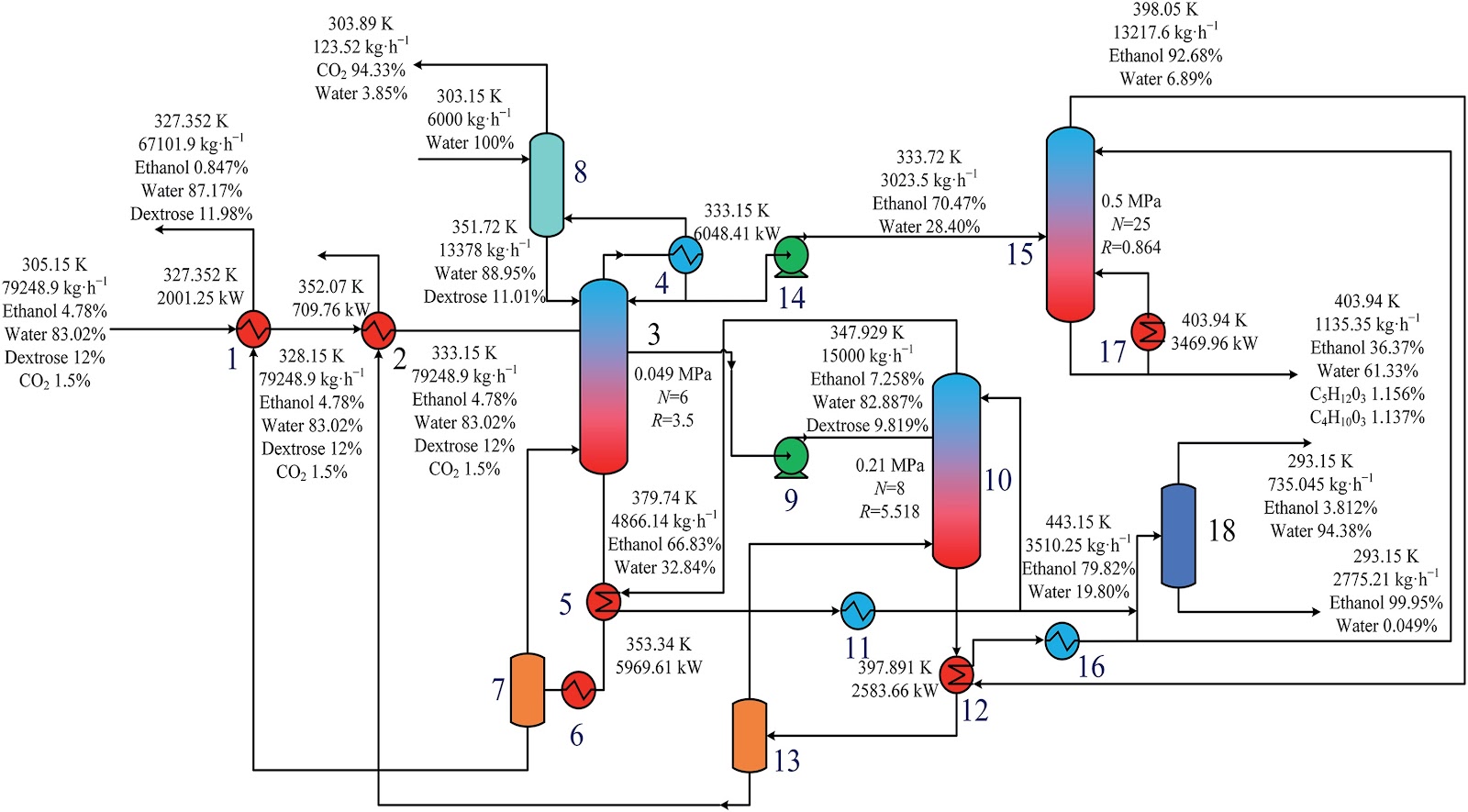
To address the challenges of high energy consumption and prominent costs in the traditional three-columns distillation process for cellulosic fuel ethanol, a distillation—molecular sieve coupling separation process is proposed. This process integrates a three-column (crude distillation column, first distillation column, second distillation column) system with a 3A molecular sieve adsorption deep dehydration unit. A thermal coupling network is constructed via differential pressure design (steam from medium/high-pressure columns as mutual heat sources, reboiler liquid waste heat for feed preheating), and molecular sieve adsorption conditions are optimized. The study first performs a thermodynamic consistency test on the ethanol—water system, determines optimal non-random two-liquid (NRTL) model binary interaction parameters via experimental data regression for Aspen Plus simulation. Aiming at minimum total annual cost (TAC), Aspen Plus is used to optimize process parameters (theoretical tray number, feed location, reflux ratio, side-draw position, etc.). Economic analysis shows this process reduces CO2 emission costs by 27.56%, TAC by 15.58% (to 5.123 × 10⁶ USD·a-1), and increases ethanol purity to >99.6%, providing an effective solution for green, efficient separation.
A cohesion loss model for determining residual strength of deep bedded sandstone
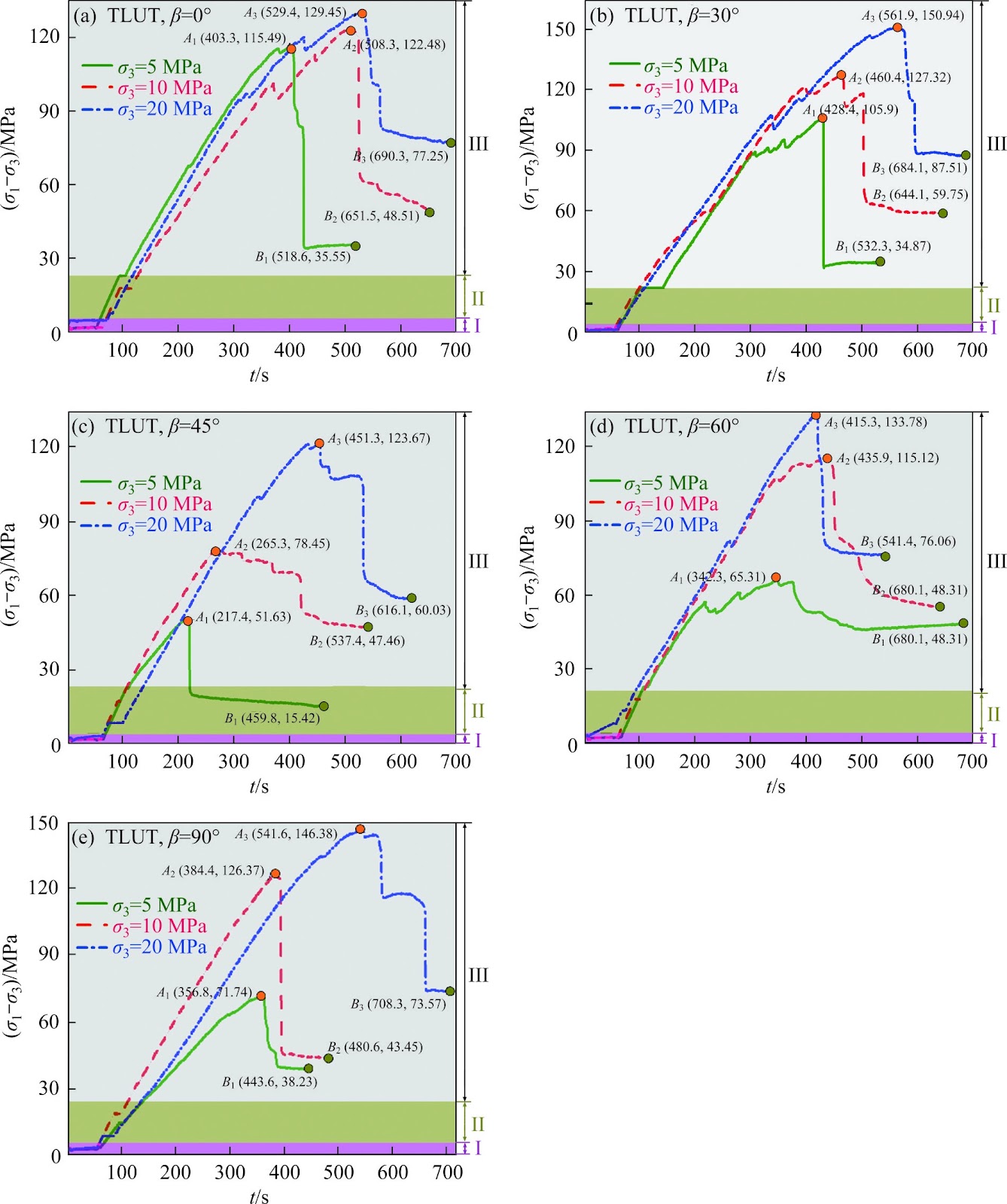
Rock residual strength, as an important input parameter, plays an indispensable role in proposing the reasonable and scientific scheme about stope design, underground tunnel excavation and stability evaluation of deep chambers. Therefore, previous residual strength models of rocks established were reviewed. And corresponding related problems were stated. Subsequently, starting from the effects of bedding and whole life-cycle evolution process, series of triaxial mechanical tests of deep bedded s
Federated model with contrastive learning and adaptive control variates for human activity recognition
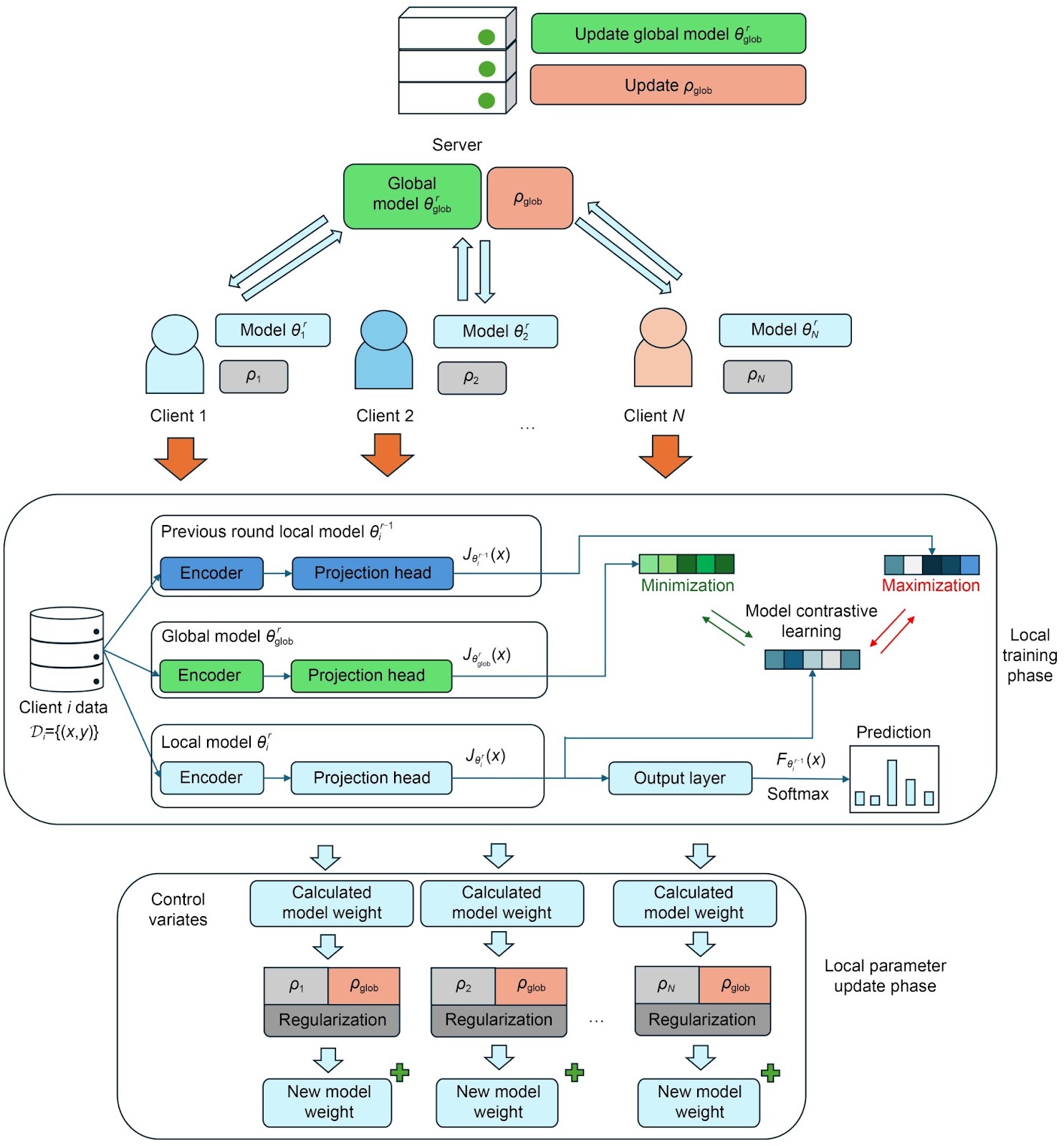
Recent attention to privacy issues demands a communication-safe method for training human activity recognition (HAR) models on client activity data. Federated learning (FL) has become a compelling technique to facilitate model training between the server and clients while preserving data privacy. However, classical FL methods often assume independent and identically distributed (IID) data among clients. This assumption does not hold true in practical scenarios. Human activity in real-world scena