SinoTechIntel Academic Portal
🏛️ Indexed Academic JournalImpact Factor: 2.7 (Q2 - Springer)

Engineering Information Technology and Electronic Engineering

2.7 (Q2 - Springer)

Total Research Papers: 153
Access: 100% Free Open Access
Browse by Publication Year & VolumeReset All Filters ✕

Published Research PapersFiltered: Year 2025 • Vol. 32 • Issue 4

Showing 13 of 153 peer-reviewed papers with full Graphical Abstracts.

Original ResearchVol. 32, Issue 4 • pp. 183-195DOI: 10.1631/FITEE_2500035Apr 23, 2025

Spatial crowdsourcing task allocation for heterogeneous multi-task hybrid scenarios: a model-embedded role division approach

Authors: Zhenhui FENG, Renbin XIAO, Mingzhi XIAO

Spatial crowdsourcing (SC), as an effective paradigm for accomplishing spatiotemporal tasks, has gradually attracted widespread attention from both industry and academia. With the advancement of mobile technology, the service modes of SC have become more diversified and flexible, aiming to better meet the variable requirements of users. However, most research has focused on homogeneous task allocation problems under a single service model, without considering the individual differences among tas
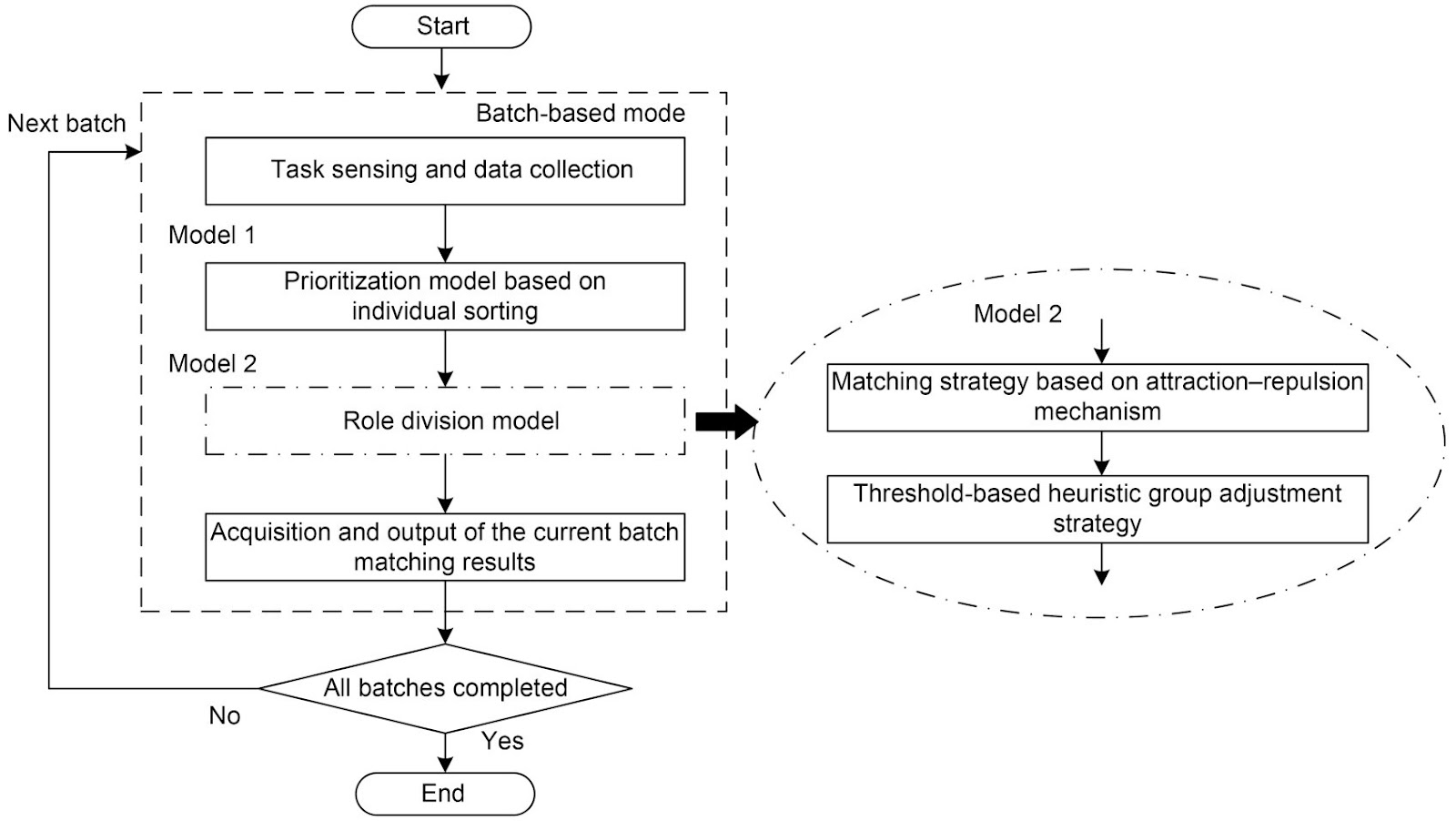
Spatial crowdsourcing task allocation for heterogeneous multi-task hybrid scenarios: a model-embedded role division approach
Graphical Abstract
Original ResearchVol. 32, Issue 4 • pp. 355-367DOI: 10.1631/ENG_ITEE_2025_0173Apr 21, 2025

Key technologies of vertical take-off and landing infrastructure for urban air mobility: a comprehensive review

Authors: Chenglong LI, Runming WANG, Zhaoxuan ZHANG, Yuan ZHENG, Yang WANG, Rui YANG

As the frontier of multidimensional transportation systems, urban air mobility (UAM) is receiving increasing attention from international organizations, governments, and stakeholders in industry and academia owing to its high efficiency, low carbon footprint, and operational flexibility. Vertical take-off and landing (VTOL) infrastructure is the core facility that enables UAM and is therefore essential for its safe, efficient, and large-scale commercial implementation. However, the key technolog

Key technologies of vertical take-off and landing infrastructure for urban air mobility: a comprehensive review
Graphical Abstract
Original ResearchVol. 32, Issue 4 • pp. 591-603DOI: 10.1631/FITEE_2401070Apr 20, 2025

Efficient learning of robust multigait quadruped locomotion for minimizing the cost of transport

Authors: Zhicheng WANG, Xin ZHAO, Meng Yee (Michael) CHUAH, Zhibin LI, Jun WU, Qiuguo ZHU

Quadruped robots are able to exhibit a range of gaits, each with its own traversability and energy efficiency characteristics. By actively coordinating between gaits in different scenarios, energy-efficient and adaptive locomotion can be achieved. This study investigates the performances of learned energy-efficient policies for quadrupedal gaits under different commands. We propose a training–synthesizing framework that integrates learned gait-conditioned locomotion policies into an efficient mu

Efficient learning of robust multigait quadruped locomotion for minimizing the cost of transport
Graphical Abstract
Original ResearchVol. 32, Issue 4 • pp. 763-775DOI: 10.1631/ENG_ITEE_2026_0024Apr 18, 2025

An approach to characterizing the power system security region by integrating distributionally robust optimization and Transformer-based deep learning

Authors: Yuekai Chen, Zhejing Bao, Miao Yu

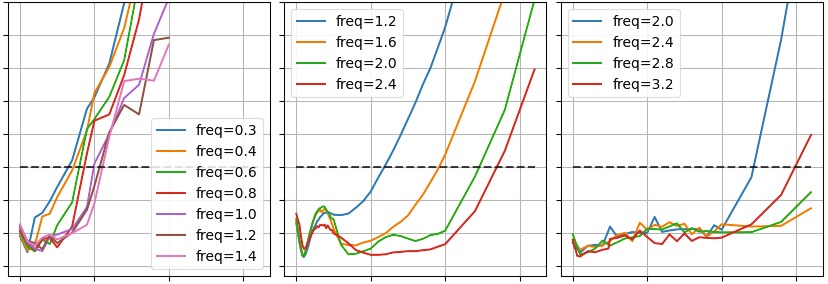
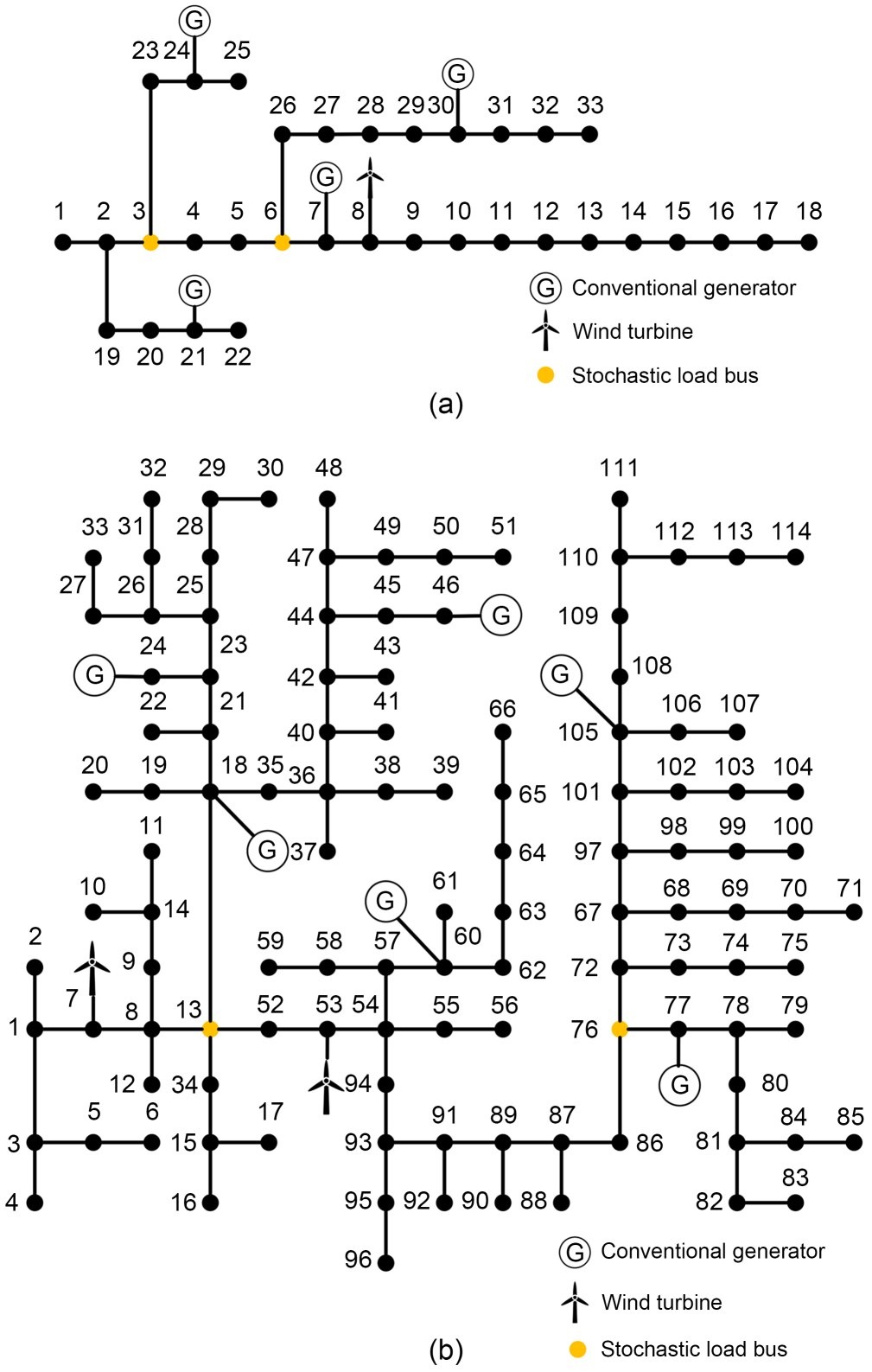
Renewable generation and load uncertainty pose significant challenges to power system security, necessitating efficient approaches to characterizing high-dimensional security regions. To overcome the curse of dimensionality, uncertainty neglect, and undue conservatism in existing methods, this paper proposes an approach integrating distributionally robust optimization (DRO) and deep learning for security region characterization. First, to properly account for uncertainty while avoiding excessive

An approach to characterizing the power system security region by integrating distributionally robust optimization and Transformer-based deep learning
Graphical Abstract
Original ResearchVol. 32, Issue 4 • pp. 199-211DOI: 10.1631/FITEE_2500534Apr 17, 2025

SPID: a deep reinforcement learning-based solution framework for siting low-altitude takeoff and landing facilities

Authors: Xiaocheng LIU, Meilong LE, Yupu LIU, Minghua HU

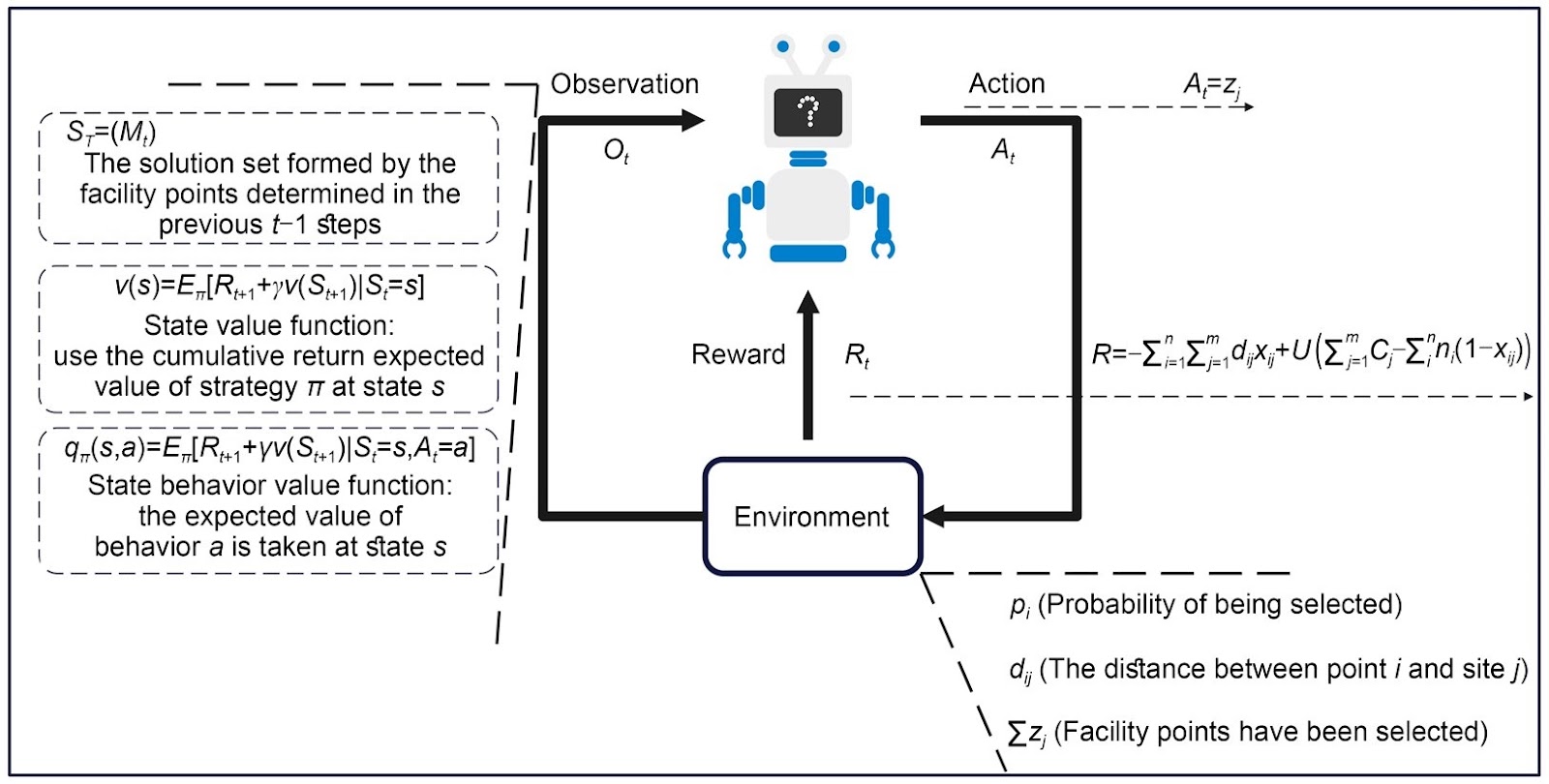
Siting low-altitude takeoff and landing platforms (vertiports) is a fundamental challenge for developing urban air mobility (UAM). This study formulates this issue as a variant of the capacitated facility location problem, incorporating flight range and service capacity constraints, and proposes SPID, a deep reinforcement learning (DRL)-based solution framework that models the problem as a Markov decision process. To handle dynamic coverage, the designed DRL framework-based SPID uses a multi-hea

SPID: a deep reinforcement learning-based solution framework for siting low-altitude takeoff and landing facilities
Graphical Abstract
Original ResearchVol. 32, Issue 4 • pp. 371-383DOI: 10.1631/FITEE_2400061Apr 15, 2025

Dynamic prompting class distribution optimization for semi-supervised sound event detection

Authors: Lijian Gao, Qing Zhu, Yaxin Shen, Qirong Mao, Yongzhao Zhan

Semi-supervised sound event detection (SSED) tasks typically leverage a large amount of unlabeled and synthetic data to facilitate model generalization during training, reducing overfitting on a limited set of labeled data. However, the generalization training process often encounters challenges from noisy interference introduced by pseudo-labels or domain knowledge gaps. To alleviate noisy interference in class distribution learning, we propose an efficient semi-supervised class distribution le

Dynamic prompting class distribution optimization for semi-supervised sound event detection
Graphical Abstract
Original ResearchVol. 32, Issue 4 • pp. 779-791DOI: 10.1631/FITEE_2401025Apr 12, 2025

Towards the first principles of explaining DNNs: interactions explain the learning dynamics

Authors: Huilin Zhou, Qihan Ren, Junpeng Zhang, Quanshi Zhang

Most explanation methods are designed in an empirical manner, so exploring whether there exists a first-principles explanation of a deep neural network (DNN) becomes the next core scientific problem in explainable artificial intelligence (XAI). Although it is still an open problem, in this paper, we discuss whether the interaction-based explanation can serve as the first-principles explanation of a DNN. The strong explanatory power of interaction theory comes from the following aspects: (1) it e

Towards the first principles of explaining DNNs: interactions explain the learning dynamics
Graphical Abstract
Original ResearchVol. 32, Issue 4 • pp. 387-399DOI: 10.1631/FITEE_2400395Apr 9, 2025

Few-shot exemplar-driven inpainting with parameter-efficient diffusion fine-tuning

Authors: Shiyuan Yang, Zheng Gu, Wenyue Hao, Yi Wang, Huaiyu Cai, Xiaodong Chen

Text-to-image diffusion models have demonstrated impressive capabilities in image generation and have been effectively applied to image inpainting. While text prompt provides an intuitive guidance for conditional inpainting, users often seek the ability to inpaint a specific object with customized appearance by providing an exemplar image. Unfortunately, existing methods struggle to achieve high fidelity in exemplar-driven inpainting. To address this, we use a plug-and-play low-rank adaptation (

Few-shot exemplar-driven inpainting with parameter-efficient diffusion fine-tuning
Graphical Abstract
Original ResearchVol. 32, Issue 4 • pp. 559-571DOI: 10.1631/ENG_ITEE_2025_0005Apr 7, 2025

FTHOE: a Hamiltonian-driven fault-tolerant routing algorithm for wafer-scale interconnection networks

Authors: Shuaikang Hou, Qinrang Liu, Wenbo Zhang, Ping Lv, Peijie Li, Wei Guo

As application scenarios continue to grow in complexity, wafer-scale systems impose increasingly stringent requirements on the reliability of interconnection networks. Under inevitable process-induced manufacturing defects and environmental disturbances, node and link faults occur frequently in wafer-scale interconnection networks, making fault tolerance a key factor in improving overall system reliability. To address chiplet node faults and link faults in wafer-scale interconnection networks, t

FTHOE: a Hamiltonian-driven fault-tolerant routing algorithm for wafer-scale interconnection networks
Graphical Abstract
Original ResearchVol. 32, Issue 4 • pp. 795-807DOI: 10.1631/FITEE_2401094Apr 6, 2025

Effective fault detection in M3D ICs: a cluster-based BIST for enhanced inter-layer via fault coverage

Authors: Hadi JAHANIRAD, Ahmad MENBARI, Hemin RAHIMI, Daniel ZIENER

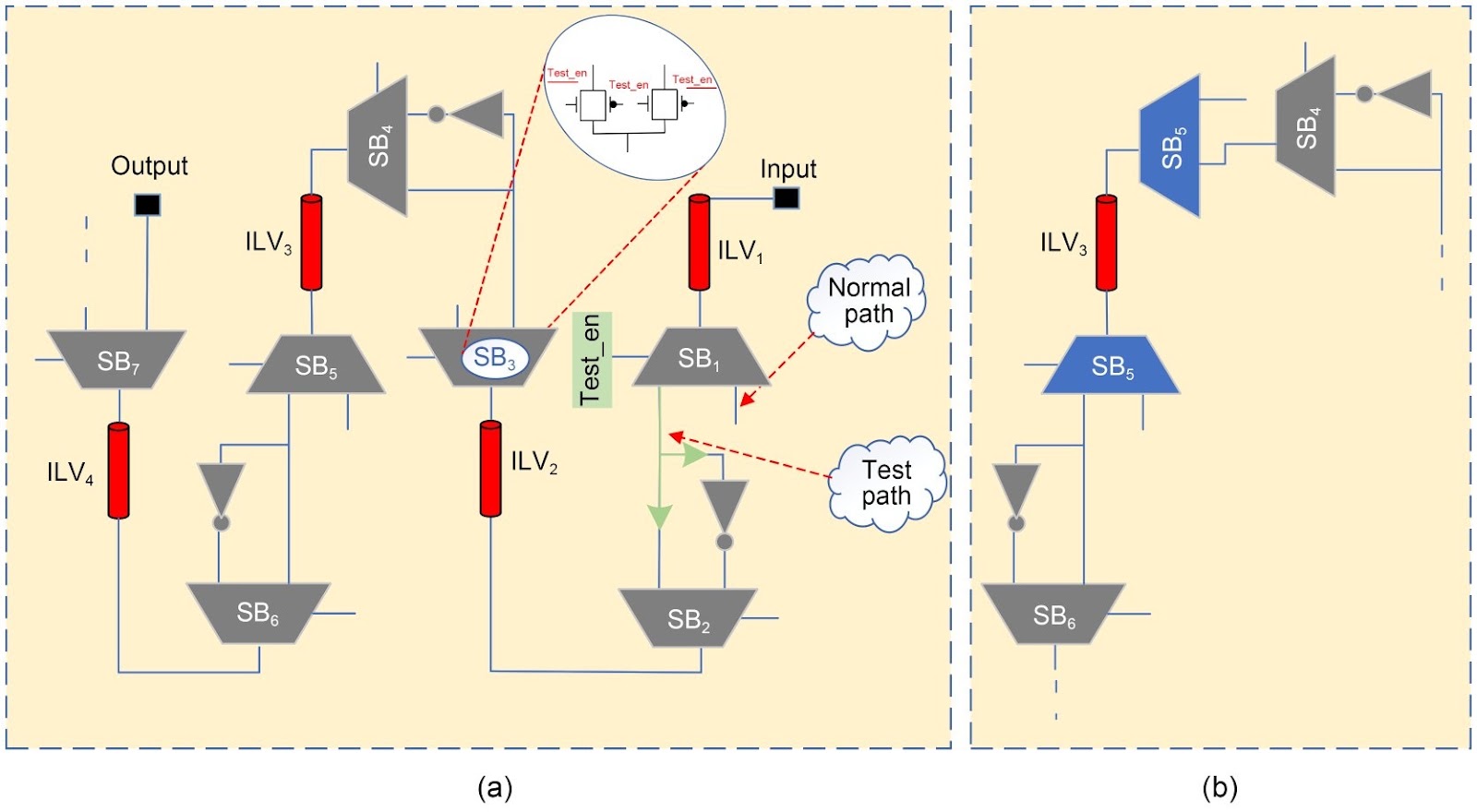
Monolithic three-dimensional integrated circuits (M3D ICs) have emerged as an innovative solution to overcome the limitations of traditional 2D scaling, offering improved performance, reduced power consumption, and enhanced functionality. Inter-layer vias (ILVs), crucial components of M3D ICs, provide vertical connectivity between layers but are susceptible to manufacturing and operational defects, such as stuck-at faults (SAFs), shorts, and opens, which can compromise system reliability. These

Effective fault detection in M3D ICs: a cluster-based BIST for enhanced inter-layer via fault coverage
Graphical Abstract
Original ResearchVol. 32, Issue 4 • pp. 167-179DOI: 10.1631/FITEE_2300710Apr 4, 2025

Training large-scale language models with limited GPU memory: a survey

Authors: Yu Tang, Linbo Qiao, Lujia Yin, Peng Liang, Ao Shen, Zhilin Yang, Lizhi Zhang, Dongsheng Li

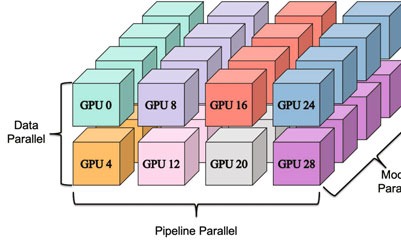
Large-scale models have gained significant attention in a wide range of fields, such as computer vision and natural language processing, due to their effectiveness across various applications. However, a notable hurdle in training these large-scale models is the limited memory capacity of graphics processing units (GPUs). In this paper, we present a comprehensive survey focused on training large-scale models with limited GPU memory. The exploration commences by scrutinizing the factors that cont

Training large-scale language models with limited GPU memory: a survey
Graphical Abstract
Original ResearchVol. 32, Issue 4 • pp. 403-415DOI: 10.1631/FITEE_2500297Apr 3, 2025

Spectrum sensing method based on a multi-scale feature fusion network

Authors: Honghui XIANG, Kejun LEI, Kaiqing ZHOU, Wenjing TUO, Hongbin LIU

Signal-to-noise ratio (SNR) fluctuations significantly affect spectrum sensing performance in wireless communications. Traditional convolutional neural network (CNN) exhibits limited feature extraction capabilities and inefficient feature utilization at low SNR levels, leading to suboptimal spectrum sensing performance. This paper proposes a spectrum sensing method based on a multi-scale feature fusion network (MSFFNet) to address this issue. First, the proposed method employs a multi-scale feat

Spectrum sensing method based on a multi-scale feature fusion network
Graphical Abstract
Original ResearchVol. 32, Issue 4 • pp. 575-587DOI: 10.1631/FITEE_2400598Apr 1, 2025

Optimal federated fusion of multiple maneuvering targets based on multi-Bernoulli filters

Authors: Yu XUE, Xi'an FENG

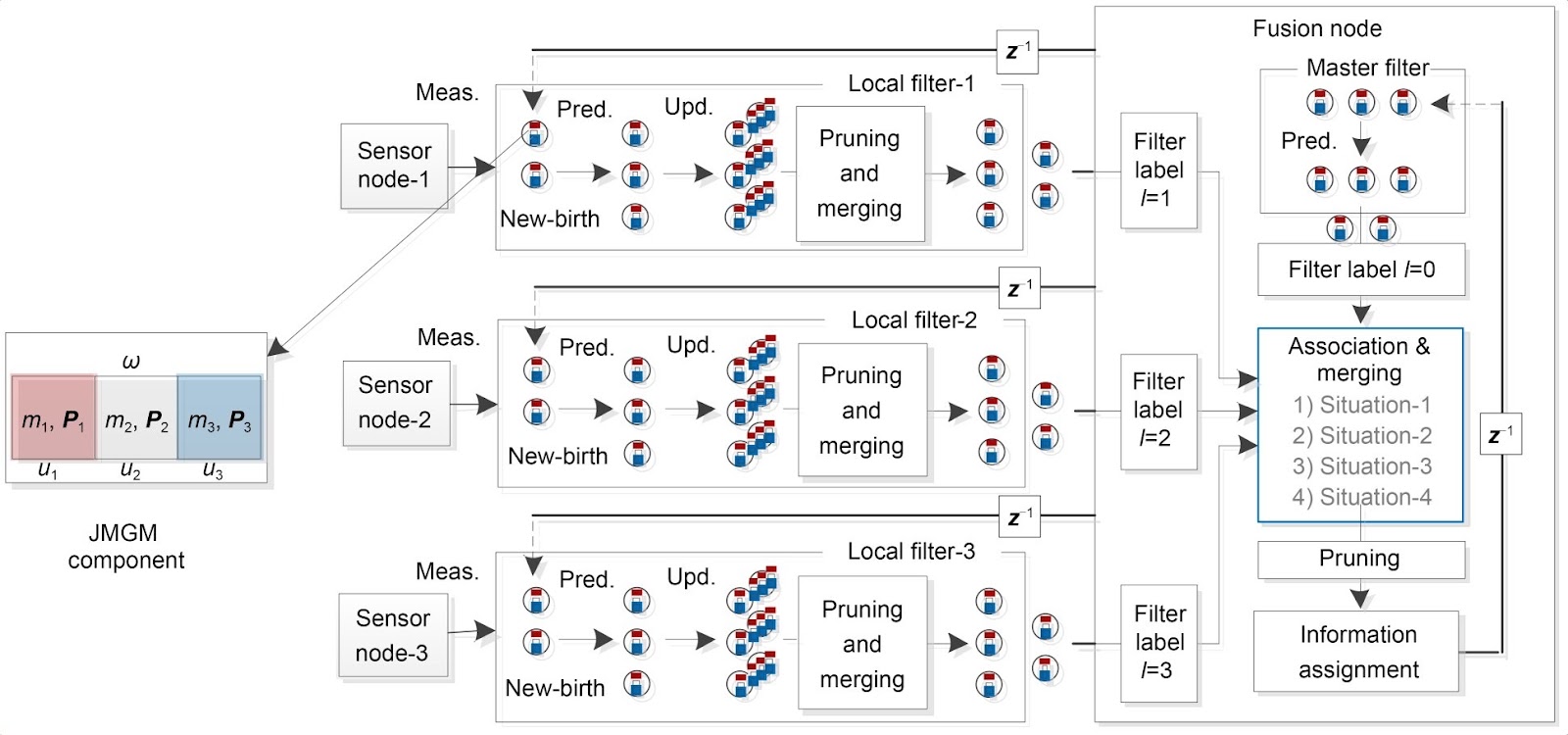
A federated fusion algorithm of joint multi-Gaussian mixture multi-Bernoulli (JMGM-MB) filters is proposed to achieve optimal fusion tracking of multiple uncertain maneuvering targets in a hierarchical structure. The JMGM-MB filter achieves a higher level of accuracy than the multi-model Gaussian mixture MB (MM-GM-MB) filter by propagating the state density of each potential target in the interactive multi-model (IMM) filtering manner. Within the hierarchical structure, each sensor node performs

Optimal federated fusion of multiple maneuvering targets based on multi-Bernoulli filters
Graphical Abstract