SinoTechIntel Academic Portal
🏛️ Indexed Academic JournalImpact Factor: 9.9 (Q1 - Tsinghua / Springer Nature)Original: 纳米研究 (Nano Research)

Nano Research

Access authentic peer-reviewed engineering methodologies, experimental datasets, and scientific literature published in this journal on SinoTechIntel.

Total Research Papers: 21
Access: 100% Free Open Access
Browse by Publication Year & Volume

Published Research Papers

Showing 21 of 21 peer-reviewed papers with full Graphical Abstracts.

Original ResearchVol 19, Issue 9 • pp. 100-112DOI: 10.26599/NR.2026.94908790Jan 15, 2026

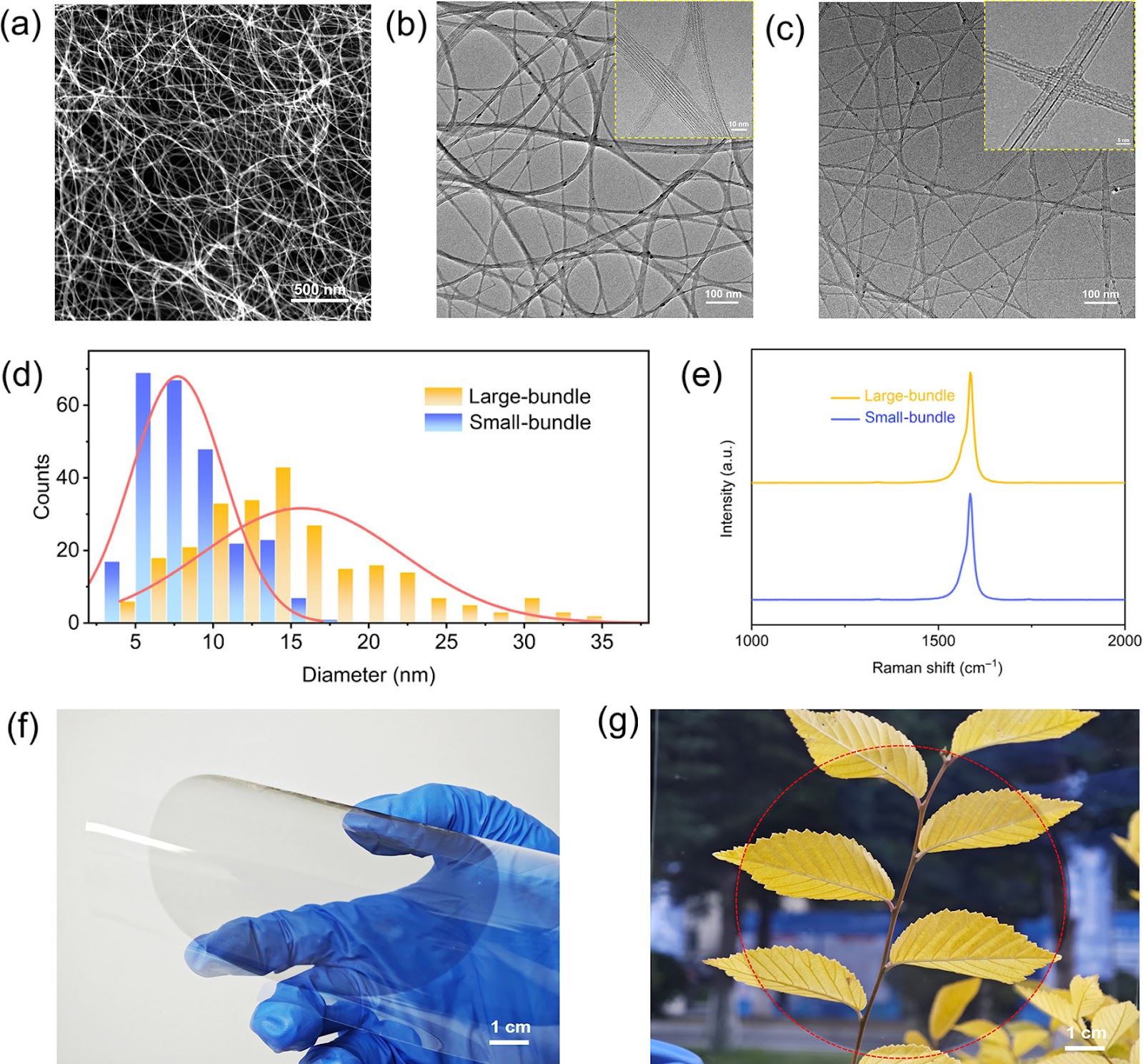
A small-bundle single-wall carbon nanotube electrothermal film for smart windows

Authors: DING Wu-Tong, MENG Yu, YANG Hao, WU An-Ping, MA Rui-Shu, LI Kang, HOU Peng-Xiang, LIU Chang

The integration of electrothermal films into smart windows demands simultaneous high optical transparency and exceptional heating performance, a trade-off that has constrained flexible transparent heater development. This work reports a transparent conductive single-wall carbon nanotube (SWCNT) film composed of highly crystalline, long SWCNTs in small bundles, synthesized by floating catalyst chemical vapor deposition (FCCVD). The small-bundle SWCNT film, with an average bundle diameter of 7.1 nm, achieves a sheet resistance of 26 Ω/□ at 82% transmittance and reaches a stable temperature of 102 °C under a low applied voltage of 20 V. The superior electrothermal performance relative to large-bundle counterparts originates from a higher areal nanotube density and more efficient conductive pathways at equivalent transmittance. Integrating this transparent heating film with a paraffin wax/polydimethylsiloxane (PW/PDMS) thermochromic functional layer yields a large-area flexible smart window. The device exhibits a reversible visible light transmittance range from 0.17% to 78% and exceptional cycling stability. This study overcomes the transparency–conductivity trade-off in transparent electrothermal films, providing a viable route for flexible smart windows and related thermal management devices.
A small-bundle single-wall carbon nanotube electrothermal film for smart windows
Graphical Abstract
Original ResearchVol 19, Issue 9 • pp. 100-112DOI: 10.26599/NR.2026.94908633Jan 15, 2026

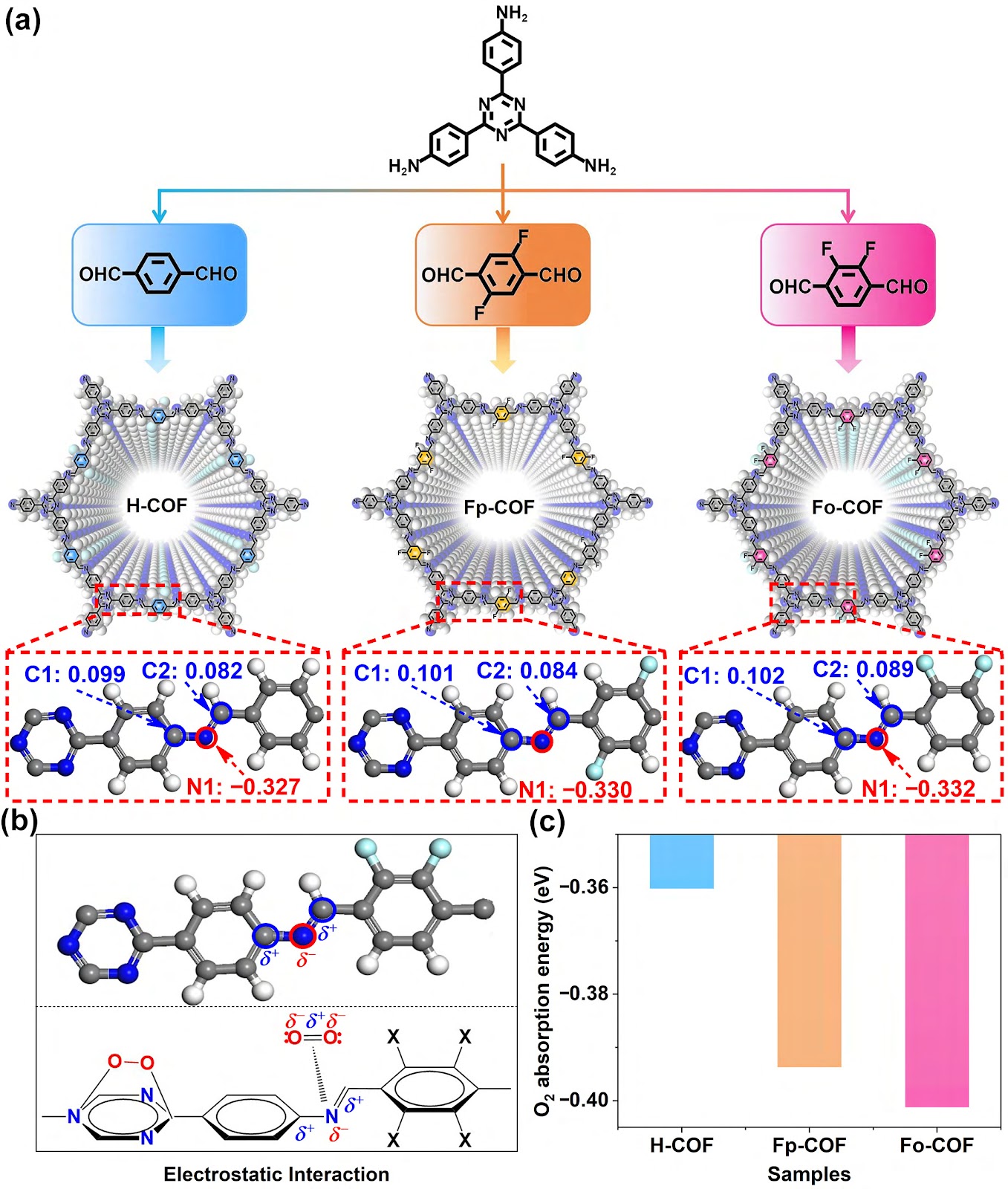
Localized Asymmetric Electron Distribution in Covalent Organic Frameworks Promotes Efficient Photocatalytic H2O2 Production

Authors: Chongbei Wu, Guanxia Dai, Liying Huang, Yuefan Guan, Yifan Sun, Yuanxin Dong, Zike Zhang, Xuan Li, Zhuan Wang, Jizhou Jiang

Covalent organic frameworks (COFs) with highly symmetric skeletons exhibit limited O2 adsorption and weak thermodynamic driving force for the two-electron oxygen reduction reaction (2e− ORR), constraining photocatalytic H2O2 production. Here, we modulate the local arrangement of fluorine atoms in COFs, creating para- and ortho-fluorinated variants (Fp-COFs and Fo-COFs) to induce an asymmetric electronic distribution. This asymmetry provides effective O2-adsorption sites and strengthens the driving force for 2e− ORR. Theoretical analysis reveals that asymmetric fluorination delocalizes lone-pair electrons of F atoms to adjacent carbons, producing a discretized electron distribution that enhances O2 adsorption at imine bonds. The increased electron density on these carbons facilitates electron transfer into the π* orbital of adsorbed O2, accelerating ·OOH* intermediate formation and lowering the Gibbs free energy barrier of the 2e− pathway. Consequently, Fo-COFs achieve a quantum yield of 8.8% for H2O2 photosynthesis in pure water. This work provides a new approach for tuning local electron distribution in COFs, offering guidance for rational design of efficient photocatalytic materials and broadening the application prospects of asymmetric electronic structures.

Localized Asymmetric Electron Distribution in Covalent Organic Frameworks Promotes Efficient Photocatalytic H2O2 Production
Graphical Abstract
Original ResearchVol 19, Issue 9 • pp. 100-112DOI: 10.26599/NR.2026.94908686Jan 15, 2026

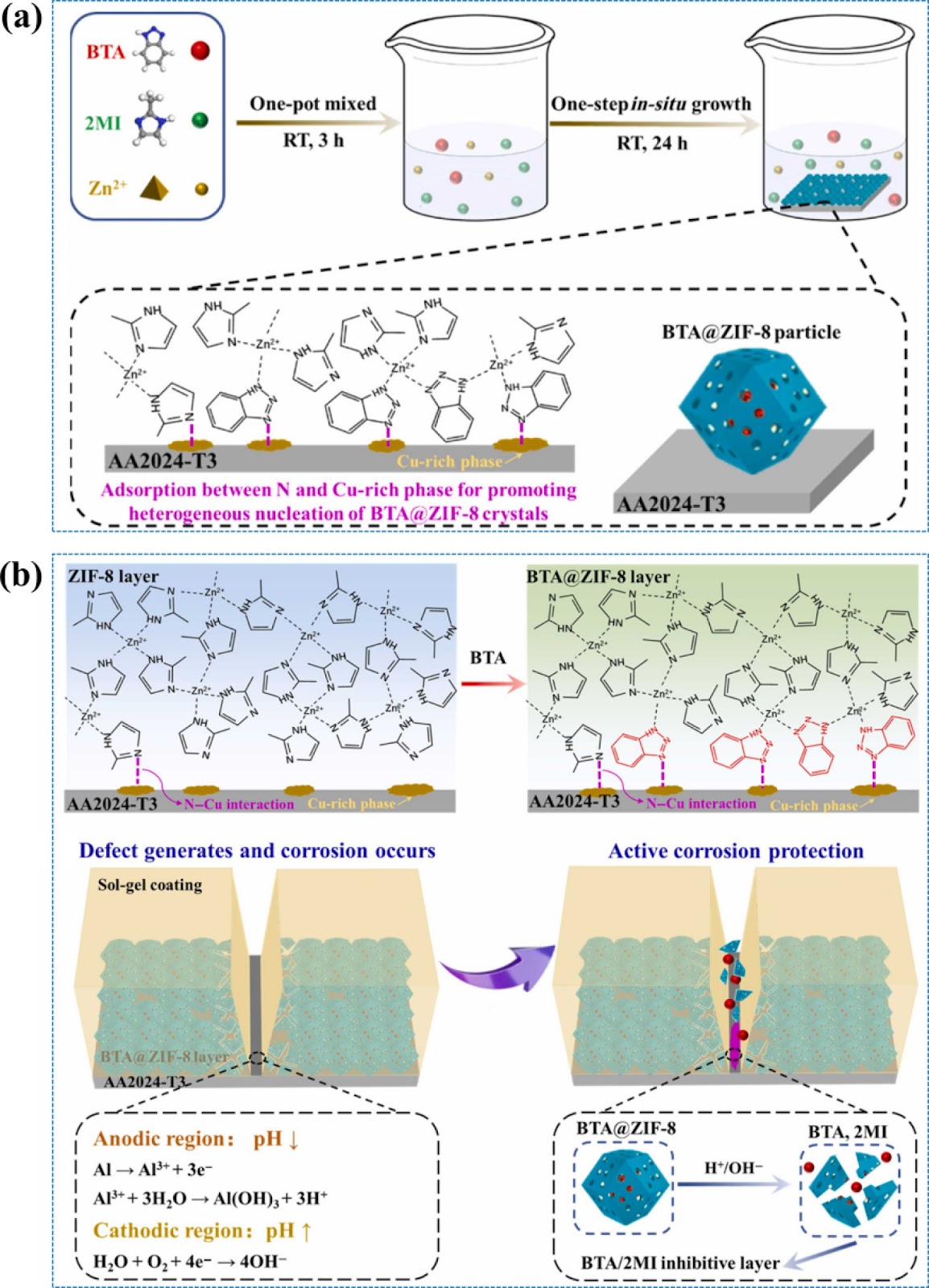
Superhydrophobic, Active Anti-Corrosion, and Solar Anti-Icing Coating with Fast Self-Healing Properties

Authors: Qiang Li, Liying Su, Qian Zhang, Zhijie Zhang, Xiaotao Wang, Zhihong Zhao, Xiaohu Wu, Yanghui Wang, Yingfeng Gao, Shuang Ben, Yuzhen Ning, Kesong Liu

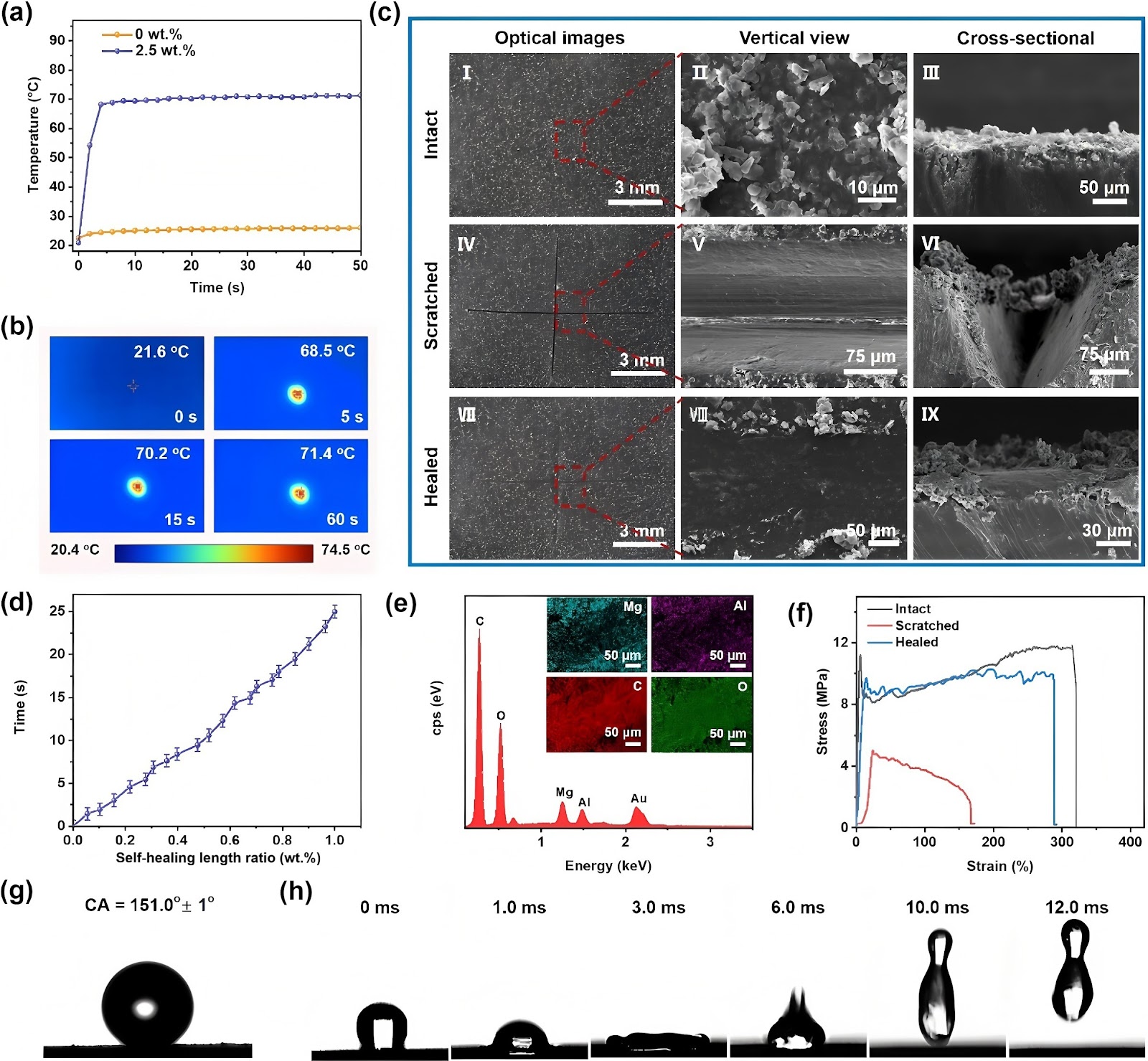
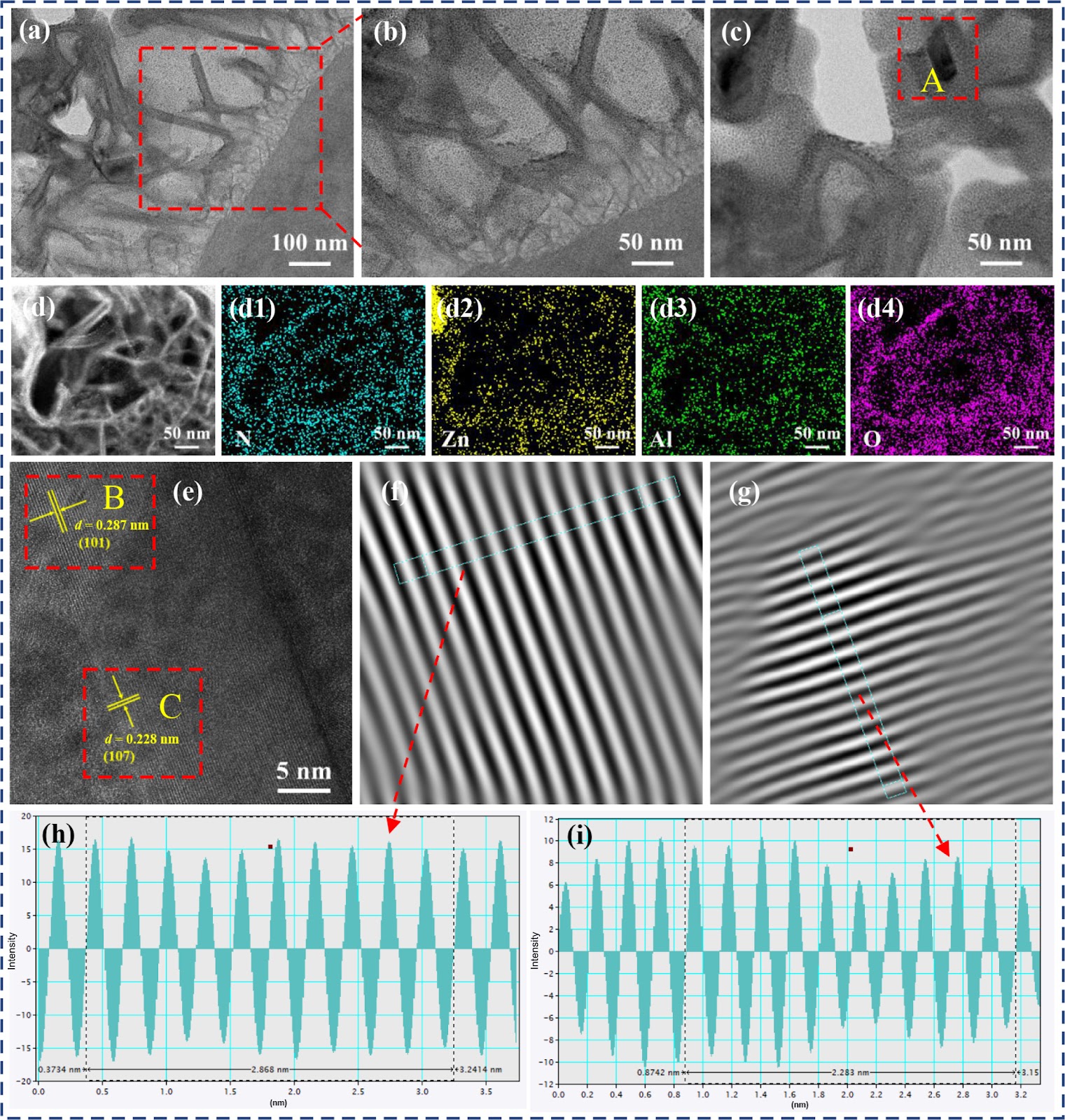
Corrosion and icing critically threaten the service safety of magnesium (Mg) alloys in aerospace and transportation industries. Although superhydrophobic coatings offer effective anti-corrosion and anti-icing functions, they are limited by susceptibility to failure due to physical damage or capillary condensation. Here, a multifunctional integrated coating (SAAS) is reported, which endows coated Mg alloys with excellent superhydrophobicity, active anti-corrosion performance, anti-icing properties, and fast self-healing capabilities. Layered double hydroxide (LDH) modified and intercalated with sodium laurate (La) acts as nanoreservoirs, releasing La corrosion inhibitors via an anion-exchange process to retard corrosion. Incorporation of MXene provides full-spectrum high absorption and efficient photothermal conversion, achieving a surface temperature of 61 °C under 1.0 sun illumination, which prevents adhesion and accumulation of supercooled droplets. Near-infrared (NIR) irradiation induces macromolecular chain migration and phase transition, enabling fast self-healing of coating damage. The SAAS coating exhibits a water contact angle of 153°, a corrosion current density of 1.294 × 10⁻⁹ A·cm⁻² (four orders of magnitude lower than bare Mg alloy), an icing delay time approximately 23 times longer than the substrate, and a healing rate of about 0.34 cm·s⁻¹ under NIR. This study provides a novel strategy for enhancing aircraft skin durability and offers insights into multifunctional coating design.

Superhydrophobic, Active Anti-Corrosion, and Solar Anti-Icing Coating with Fast Self-Healing Properties
Graphical Abstract
Original ResearchVol 19, Issue 9 • pp. 100-112DOI: 10.26599/NR.2026.94908666Jan 15, 2026

In-situ grown 1D Te/2D Bi2O2Se van der Waals heterostructure for high-performance self-powered polarization-sensitive photodetection

Authors: Xingbo Shang, Maohua Chen, Yiye Yu, Tiange Zhao, Yuzhuo Bai, Shikun Duan, Haonan Ge, Zhen Wang, Longhui Zeng, Di Wu

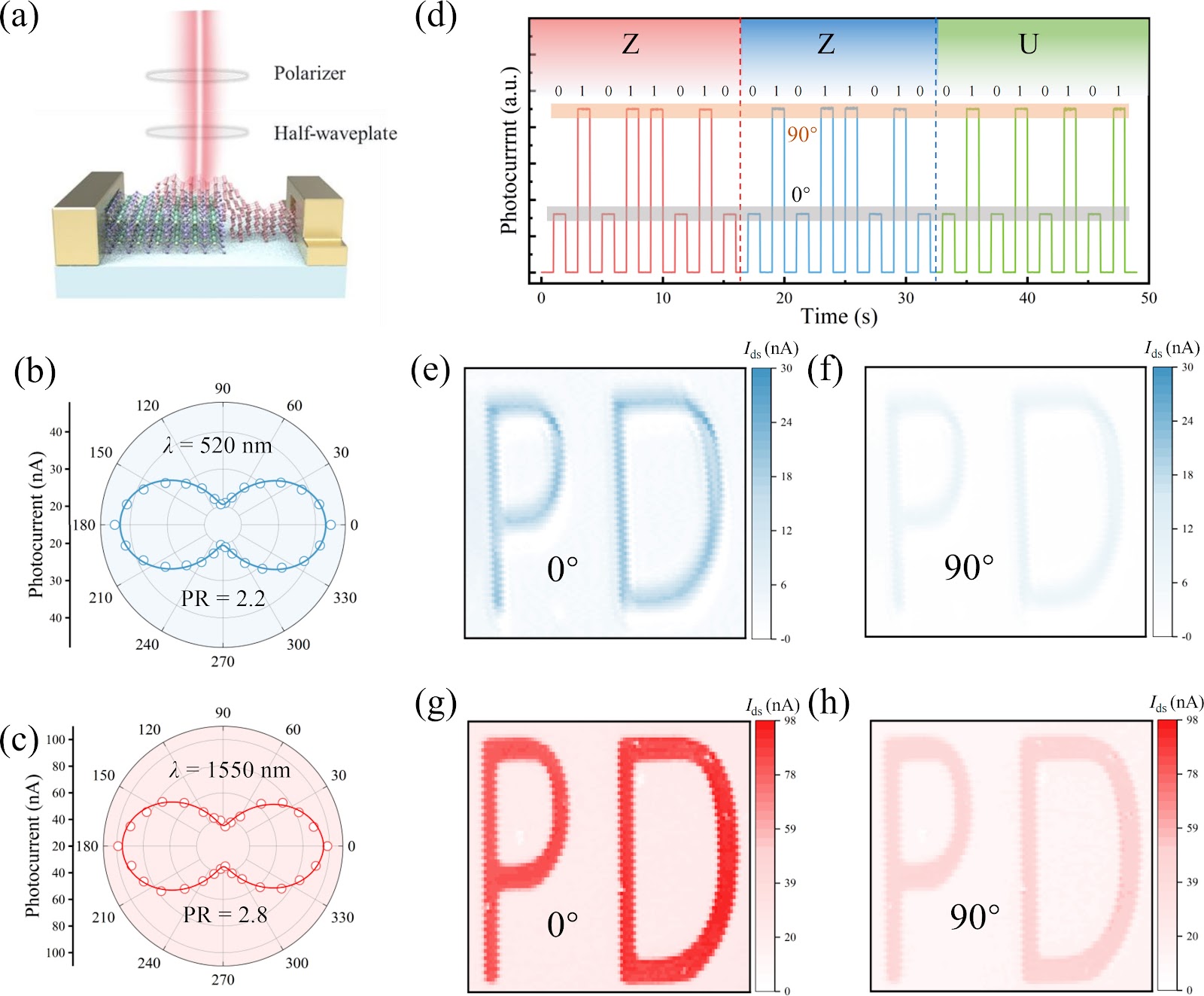
Low-dimensional semiconductors have attracted widespread attention in next-generation broadband infrared photodetectors due to their tunable band structures, strong light-matter interactions, and compatibility with mixed-dimensional integration. Among them, tellurium (Te) and bismuth selenide (Bi2O2Se) are ideal candidates for high-performance detection owing to their inherent anisotropy, high carrier mobility, and broad spectral response. Constructing heterojunction photodetectors based on these materials enables self-powered operation and suppresses dark current. Heterojunction interface engineering and band structure design are crucial for high-performance Te/Bi2O2Se heterojunction photodetectors. Here, we in-situ construct a one-dimensional (1D) Te/two-dimensional (2D) Bi2O2Se heterojunction via a two-step chemical vapor deposition method, achieving a clear interface and type-II band alignment. The photodetector based on the Te/Bi2O2Se heterojunction, operating in self-driven mode, exhibits high performance: a responsivity of ~0.89 A·W−1 and a fast response time of ~29/41 μs under 1550 nm light irradiation. Furthermore, owing to the optical absorption anisotropy of tellurium, the device demonstrates a high polarization ratio of 2.8 and successfully enables polarization optical communication and polarization imaging applications. This work provides new insights into the in-situ construction strategy for high-quality mixed-dimensional van der Waals heterojunctions and advances high-performance photodetectors and their applications.

In-situ grown 1D Te/2D Bi2O2Se van der Waals heterostructure for high-performance self-powered polarization-sensitive photodetection
Graphical Abstract
Original ResearchVol 19, Issue 9 • pp. 100-112DOI: 10.26599/NR.2026.94908775Jan 15, 2026

Multifunctional modular electrospun fiber with heterogenous structure for multimodal sensing

Authors: LUO Yunyun, ZHANG Yaxin, LUO Guoxi, LU Dejiang, XIA Yong, LI Min, YANG Ping, MAEDA Ryutaro, JING Weixuan, ZHAO Libo, WANG Kaifei

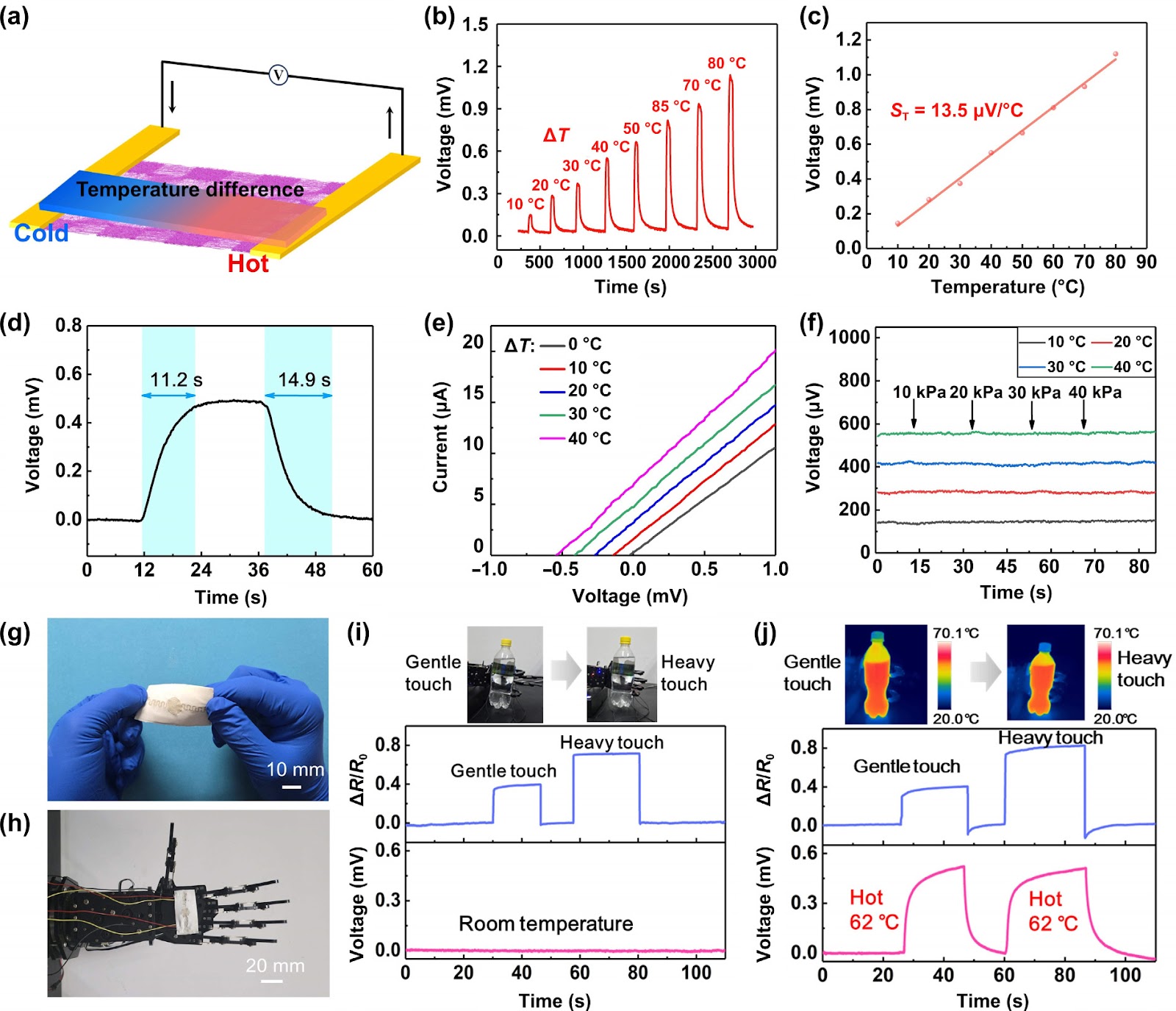
Flexible sensors have advanced rapidly to achieve skin-like multisensory capabilities, yet their performance is compromised by strain disturbances and multi-parameter interactions, impeding widespread deployment. Here, we report a flexible fibrous device with a patterned cellular structure enabling anti-strain interference, dual-parameter measurement, and static/dynamic detection. The patterned cellular fibrous structure achieves a heterogenous strain distribution that preserves sensing performance under 10% strain. The sensor integrates a piezoresistive component for low-frequency mechanical stimuli and a thermoelectric response to calibrate temperature-induced resistance changes. A hybrid piezoresistive/piezoelectric sensing platform was experimentally implemented for static pressure persistence and high-frequency acoustic excitation from 0 to 300 Hz. The hybrid tactile sensing achieved the highest material identification accuracy of 98.6%. This work provides valuable proposals to resolve practical constraints in flexible sensor applications, compelling advantages for broader wearable integration.

Multifunctional modular electrospun fiber with heterogenous structure for multimodal sensing
Graphical Abstract
Original ResearchVol 19, Issue 9 • pp. 100-112DOI: 10.26599/NR.2026.94908819Jan 15, 2026

MXene-Based Hydrogel Disrupts Bacterial Biofilms and Reprograms Immune Cell Metabolism via Photothermal-Electron Transfer Effects to Reverse Bone Resorption in Periodontitis

Authors: Xinting Yang, Jingjie Zhai, Chenke Wei, Yukai Guo, Bo Pan, Bai Yang, Yanmin Zhou, Quan Lin

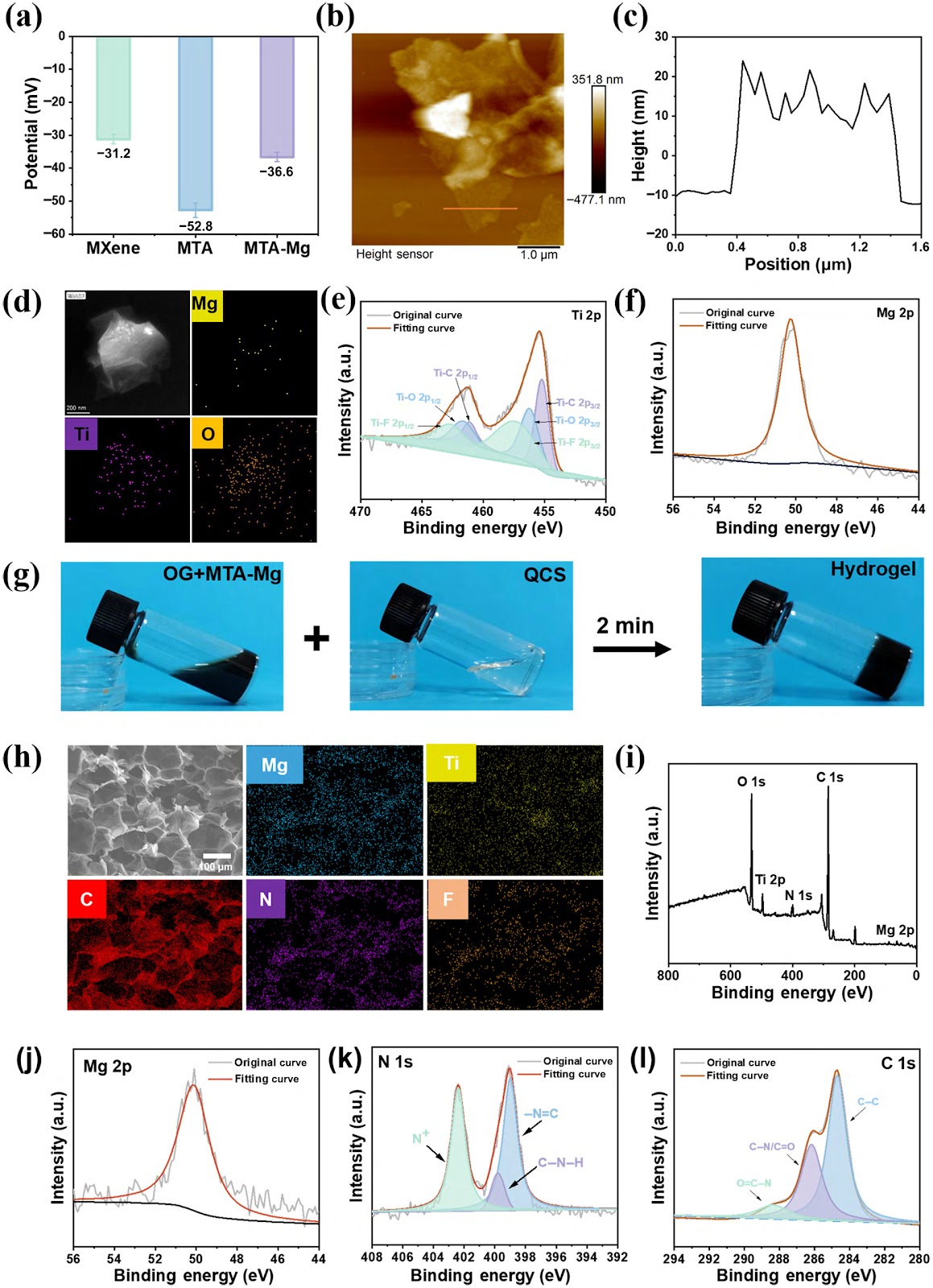
Periodontitis, a chronic inflammatory disease caused by bacterial biofilms, leads to alveolar bone resorption and tooth loss. Current treatments fail to eradicate biofilms and reverse inflammation-induced bone loss. Here, we developed an injectable hydrogel (GQM) composed of oxidized gellan gum, quaternized chitosan, and magnesium–tannic acid-modified MXene nanosheets (MTA-Mg). GQM is injectable into periodontal pockets and delivers MTA-Mg, which disrupts biofilms via photothermal effect under near-infrared (NIR) laser irradiation and kills bacteria through electrostatic interactions from quaternized chitosan. MTA-Mg also acts as an interfacial electron transfer agent to activate oxidative phosphorylation, while releasing magnesium and tannic acid to improve mitochondrial function, thereby reprogramming immune cell metabolism toward the M2 macrophage phenotype. In a rat periodontitis model, GQM hydrogel effectively eradicated biofilms, alleviated inflammation, and reversed alveolar bone resorption. This synergistic 'biofilm disruption–immune metabolic reprogramming' strategy offers a novel approach for treating inflammatory bone resorption in periodontitis.

MXene-Based Hydrogel Disrupts Bacterial Biofilms and Reprograms Immune Cell Metabolism via Photothermal-Electron Transfer Effects to Reverse Bone Resorption in Periodontitis
Graphical Abstract
Original ResearchVol 19, Issue 9 • pp. 100-112DOI: 10.26599/NR.2026.94908737Jan 15, 2026

Construction of Feδ+–Ruδ− synergistic interface enabling efficient and stable hydrogen evolution in versatile electrolytes

Authors: Min Yu, Ziqin Xu, Yuyue Wang, Hao Chen, Kuaibing Wang, Hongjing Zhu, Yi Song, Changyun Chen, Guangxiang Liu

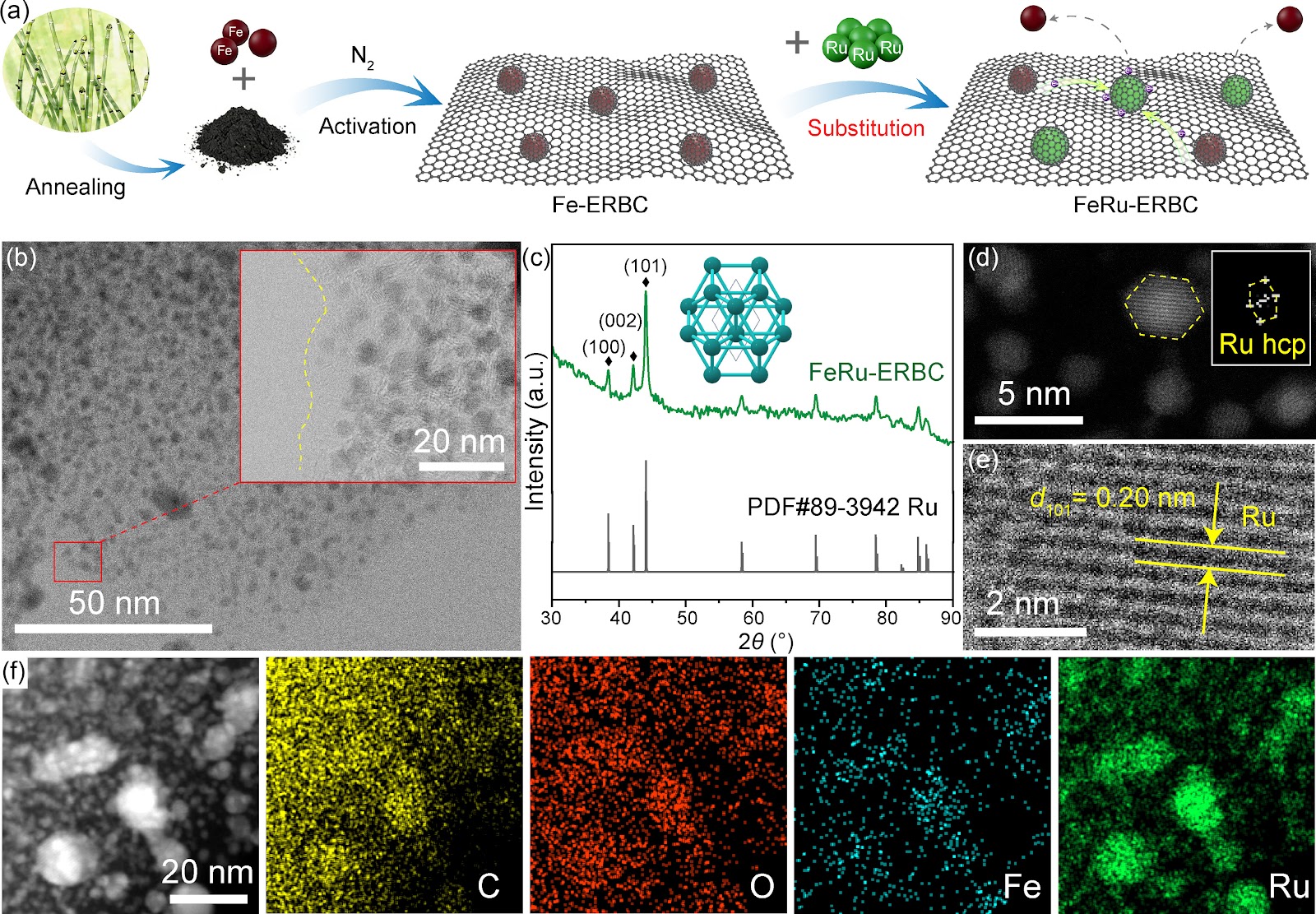
Electrocatalytic water splitting for hydrogen production is a key pathway for sustainable green hydrogen. However, freshwater scarcity limits large-scale application, necessitating efficient and stable catalysts for complex water sources such as seawater and wastewater. Here, we report a FeRu bimetallic nanocatalyst (FeRu-ERBC) constructed by anchoring FeRu composite nanoparticles on engineered biomass-derived carbon from Equisetum ramosissimum Desf. FeRu-ERBC exhibits excellent hydrogen evolution reaction (HER) performance in alkaline, seawater, and chemical wastewater environments, achieving an overpotential of only 22.7 mV at 10 mA·cm−2 in 1.0 M KOH and maintaining stability for over 120 h. Structural characterization and density functional theory (DFT) calculations reveal that the carbon support provides high specific surface area and hierarchical pores for mass transport, and critically promotes atomic-level substitution of Fe by Ru, forming a tightly coupled Fe–Ru interface. X-ray photoelectron spectroscopy and in situ spectroscopy confirm electron transfer from Fe to Ru, creating a 'Feδ+–Ruδ−' synergistic active center. This interface regulates the surface interfacial water network, enhancing overall reaction kinetics. This work provides a new strategy for designing Ru-based catalysts with interfacial electronic regulation for real-world water environments, highlighting the crucial role of biomass-derived carbon supports in advancing green hydrogen technology.

Construction of Feδ+–Ruδ− synergistic interface enabling efficient and stable hydrogen evolution in versatile electrolytes
Graphical Abstract
Original ResearchVol 19, Issue 9 • pp. 100-112DOI: 10.26599/NR.2026.94908756Jan 15, 2026

Interface-stabilized phosphorene/bismuthene heterostructures for freeze-tolerant micro-supercapacitors and integrated sensing

Authors: Yukai Chang, Chenfang Lou, Jin Jia, Huilan Zhao, Penghui Li, Yingjie Huo, Libo Wang, Qianku Hu, Yuanyuan Zhu, Aiguo Zhou

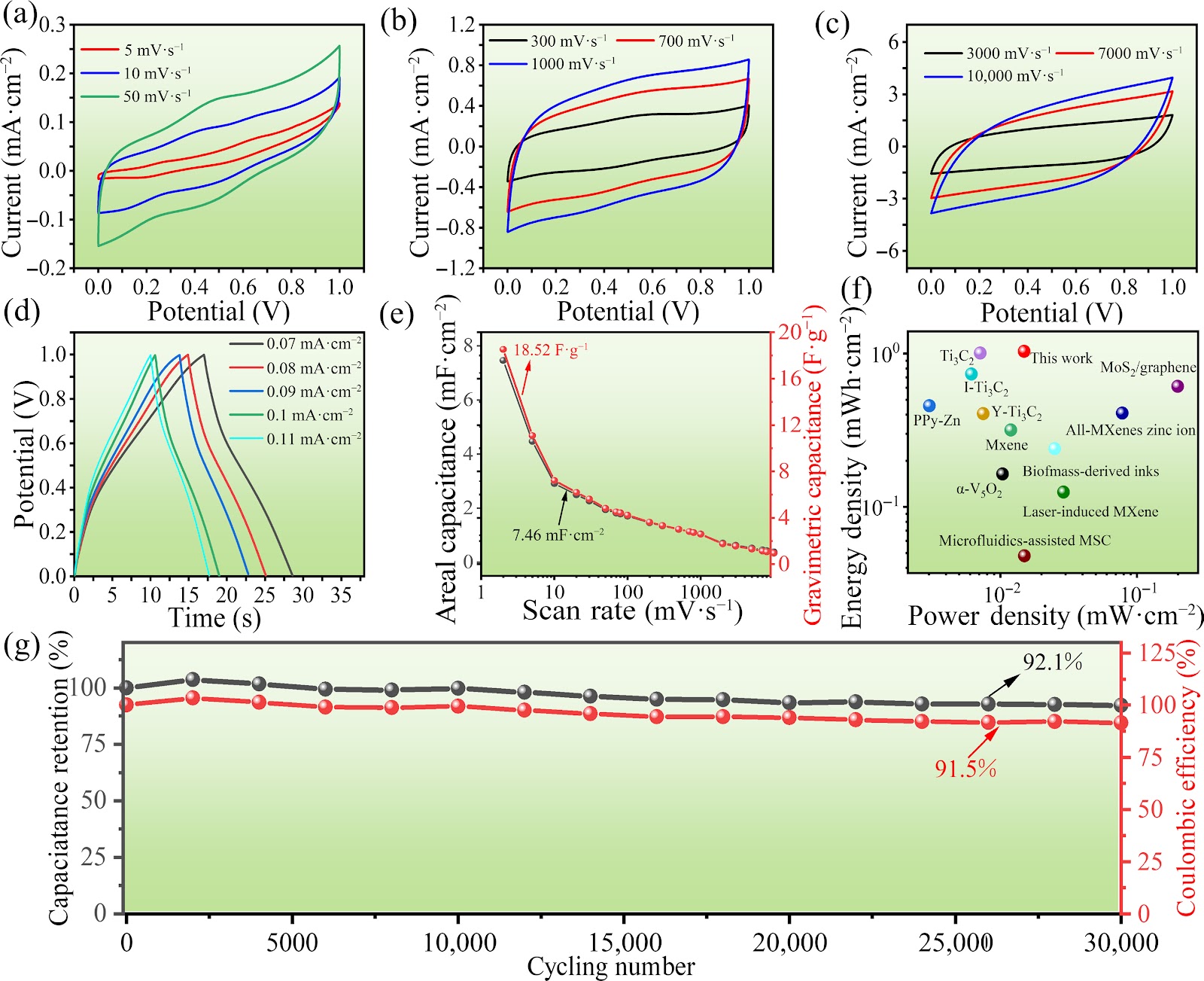
Black phosphorus (BP)-based micro-supercapacitors (MSCs) are promising for wearable electronics but suffer from intrinsic instability and sluggish electron kinetics. Here, we report a two-dimensional phosphorene/bismuthene (2D BP/Bi) heterojunction fabricated via liquid nitrogen-assisted exfoliation and mask-assisted filtration, serving as a robust bifunctional electrode for integrated flexible energy-sensing systems. The heterostructure suppresses nanosheet restacking and enhances interfacial stability through strong P–O–Bi covalent bonding and interfacial synergy. Bismuthene incorporation constructs high-speed electron transport channels, facilitating ion diffusion and charge transfer. The optimized BP/Bi (3:1) electrode achieves a high areal capacitance of 7.6 mF·cm−2 (1.6-fold enhancement over pure BP) and ultra-long lifespan with 92.1% retention after 30,000 cycles. By tailoring the gel electrolyte with DMSO, the device exhibits remarkable freeze-tolerance, maintaining 70% capacitance at −35 °C. An all-flexible integrated system combining the MSC with a pressure sensor using graphene current collectors enables continuous, self-sustained physiological monitoring. This work offers critical insights into interface engineering for high-performance BP-based MSCs and paves the way for extreme-environment wearable applications.

Interface-stabilized phosphorene/bismuthene heterostructures for freeze-tolerant micro-supercapacitors and integrated sensing
Graphical Abstract
Original ResearchVol 19, Issue 9 • pp. 100-112DOI: 10.26599/NR.2026.94908587Jan 15, 2026

Cactus-inspired freeze-printed SiO2/ZrO2 aerogels with programmable configuration for extreme thermal insulation

Authors: Li Huikang, Liao Weilin, Li Bingcheng, Su Xiaosen, Zhang Ke, Fang Fei, Huang Xudong

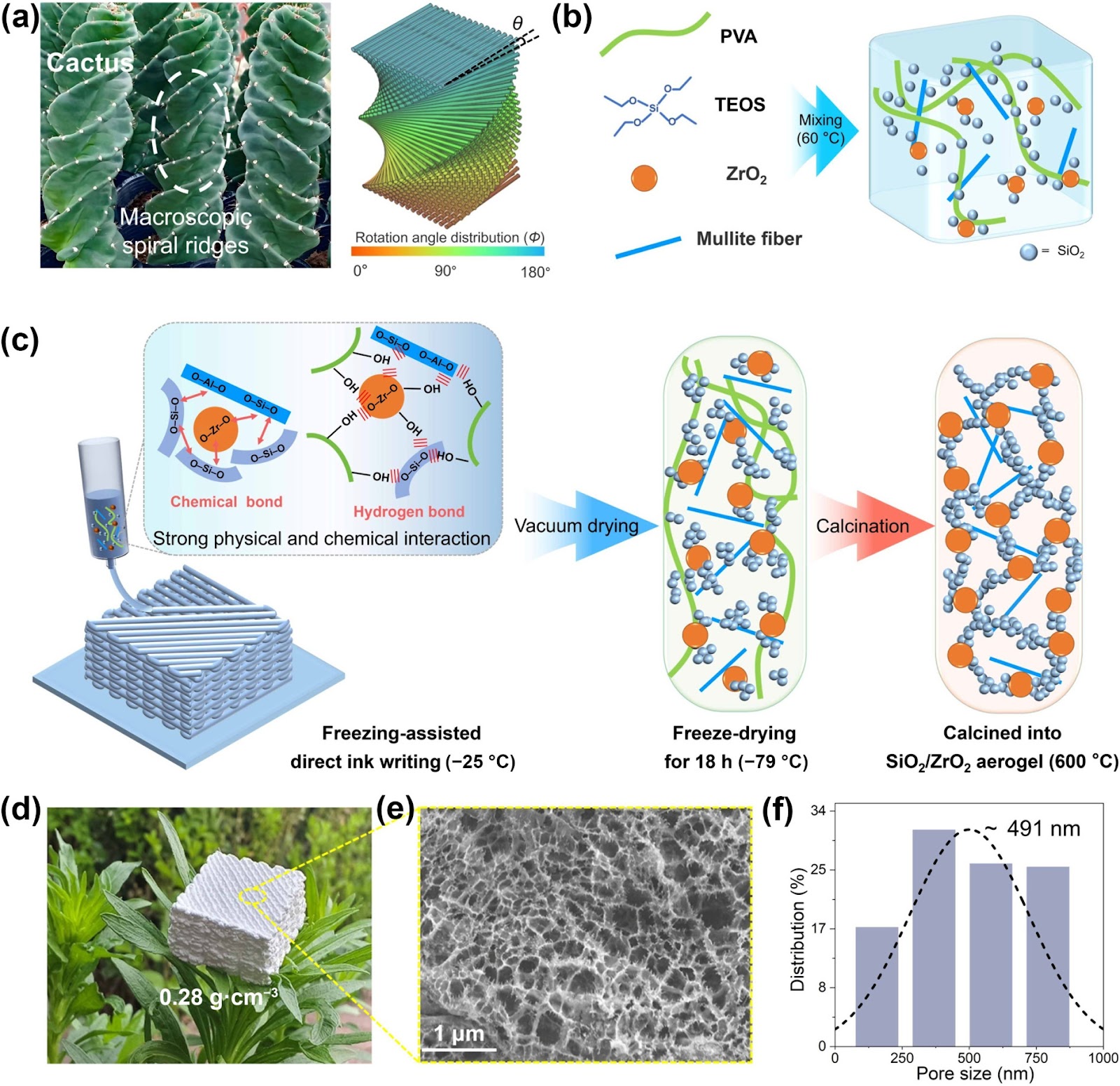
Aerogels are promising for thermal insulation due to their lightweight and low thermal conductivity, yet achieving high-temperature resistance (>1000 °C) alongside robust mechanical performance remains challenging. Here, we report a cactus-inspired spiral structure strategy via freezing-assisted direct ink writing (DIW). By controlling the rotation angle (θ) and printing spacing (x), we fabricate SiO2/ZrO2 aerogels with programmable macroscopic spiral architectures. The aerogel with θ = 40° and x = 1.3 mm exhibits excellent thermal insulation (30.2 mW·m−1·K−1) but limited compressive strength (159.3 kPa at 24.2% fracture strain). To enhance mechanical properties without compromising insulation, we propose an arctangent-topological DIW strategy using αn = arctan(1/n) to create four-fold rotational symmetry. At αn = 26.6° (n = 2), the aerogel achieves a thermal conductivity of 33.9 mW·m−1·K−1 and a compressive strength of 341.7 kPa at 24.6% fracture strain, representing a significant improvement. Finite element simulations (COMSOL Multiphysics) corroborate experimental results. Demonstrations on electronic chips and flame nozzles confirm effective thermal protection. This work provides a viable route to aerogels with integrated high-temperature stability and mechanical robustness.

Cactus-inspired freeze-printed SiO2/ZrO2 aerogels with programmable configuration for extreme thermal insulation
Graphical Abstract
Original ResearchVol 19, Issue 9 • pp. 100-112DOI: 10.26599/NR.2026.94908854Jan 15, 2026

Engineering of atomically dispersed Cu on TiO2 via flash Joule heating for solar-driven CO2 reduction

Authors: Khadija Tul Kubra, Jian Lei, Zhongliao Wang, Shuaikang Sang, You Li, Saira Man, Zakaria Ismail, Chao Zhang, Jingxiang Low, Ran Long, Yujie Xiong

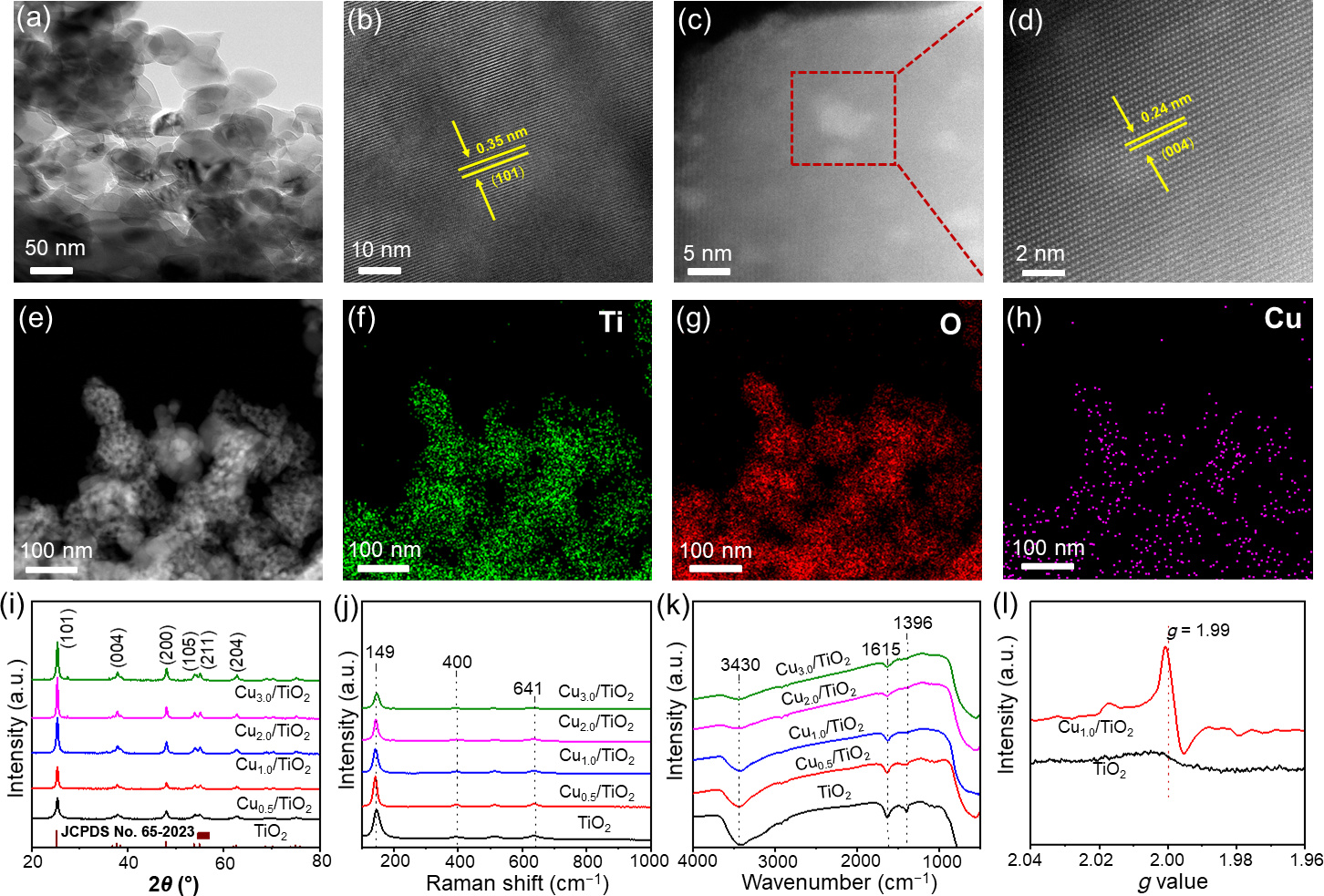
Constructing photocatalysts decorated with atomically dispersed metal species (ADMs) represents a pivotal strategy to maximize atom utilization and tailor active sites for efficient carbon dioxide (CO2) reduction. However, conventional synthesis strategies, typically relying on tedious wet-chemistry or prolonged thermal calcination, often suffer from slow kinetics that inevitably drive the thermodynamic aggregation of metastable single atoms or nanoclusters into less active nanoparticles. Herein, we bypassed these limitations by developing a facile flash Joule heating (FJH) strategy to engineer stable Cu ADMs on TiO2 via an ultrafast and millisecond-scale heating-quenching process. This non-equilibrium thermal shock effectively stabilizes the metal species before thermal diffusion can occur, ensuring a robust metal–support interaction, as unambiguously confirmed by aberration-corrected high-angle annular dark-field scanning transmission electron microscopy (HAADF-STEM) and X-ray absorption fine structure (XAFS) analyses. Consequently, the optimized Cu1.0/TiO2 delivers an approximately 10-fold enhancement in CO evolution compared to pristine TiO2 under simulated solar irradiation. Comprehensive in-situ diffuse reflectance Fourier transform spectroscopy (DRIFTS) and photoelectrochemical measurements reveal that these isolated Cu sites function as superior electron-trapping centers, which significantly accelerate interfacial charge transfer kinetics and promote the activation of critical reaction intermediates. This work establishes FJH as a versatile and scalable platform for overcoming the stability-dispersion trade-off in the rational design of high-performance photocatalysts.

Engineering of atomically dispersed Cu on TiO2 via flash Joule heating for solar-driven CO2 reduction
Graphical Abstract
Original ResearchVol 14, Issue 10 • pp. 100-112DOI: 10.26599/FRICT.2026.9441262Jan 15, 2026

Novel surface engineering design enabled surface multifunctionalisation of metastable Ti–15–3 β-titanium alloy

Authors: Tong Pan, Xuan Huang, Behnam Dashtbozorg, Siyu Sun, Yepeng Yang, Ke Ren, Artemis Stamboulis, Xiaoying Li, Kan Ma, Hanshan Dong

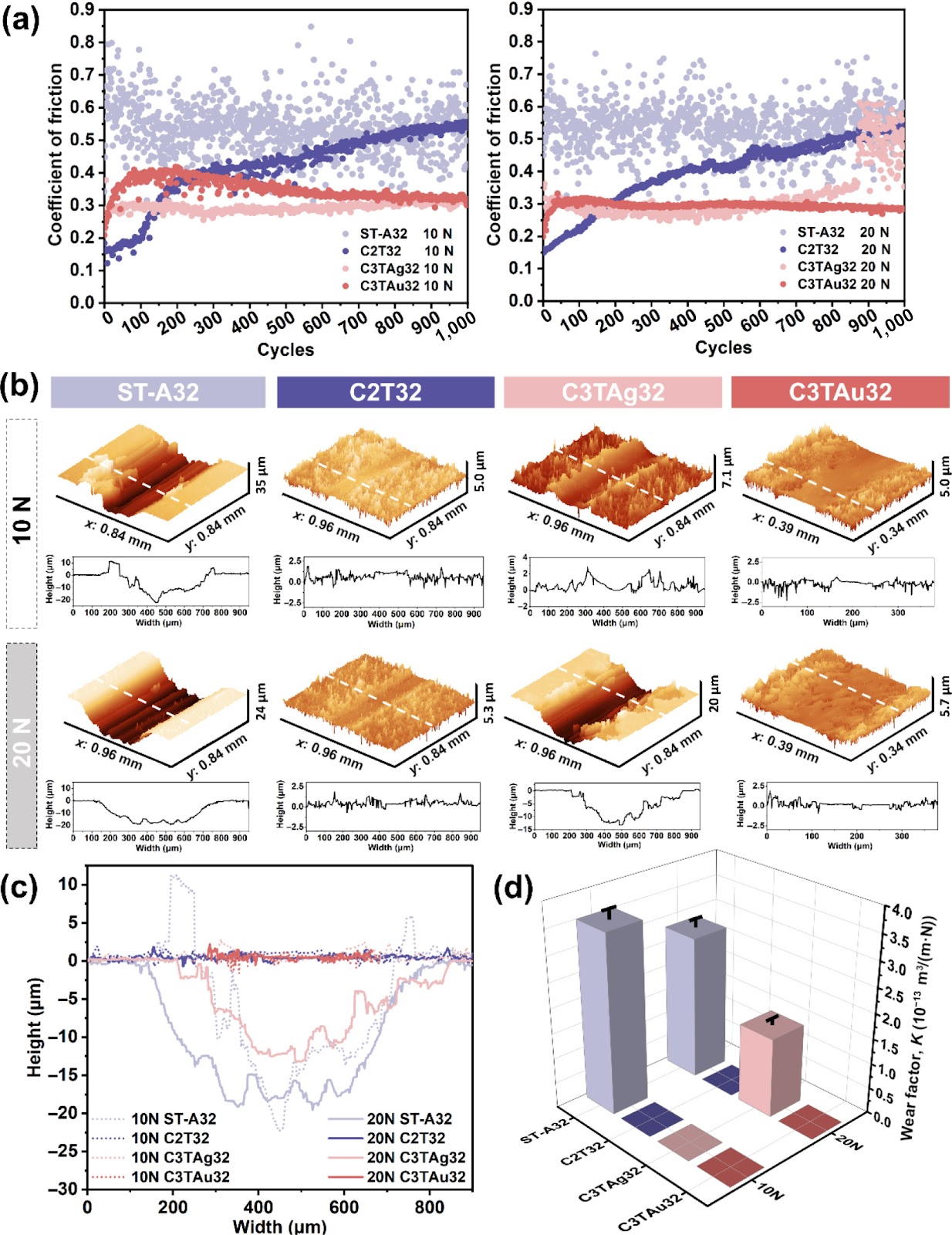
The growing demand for high-performance and long-service components in challenging applications has driven the development of high-strength metastable β-titanium alloys with multifunctional surfaces. This study introduces a novel surface engineering strategy, integrated bulk heat treatment with surface functionalisation (IBTSF), which combines bulk aging treatment with catalytic ceramic conversion treatment (C3T) incorporating Ag or Au. This approach simultaneously imparts surface multifunctionalities—high hardness, desirable tribological properties, and high antibacterial efficacy—while enhancing bulk mechanical properties. Using the metastable β-titanium alloy Ti–15V–3Al–3Cr–3Sn (Ti–15–3) as a representative, C3T was catalysed with either Au or Ag. Under a 20 N load, Au-catalysed C3T achieved near-zero wear and a low, stable coefficient of friction (COF) of ~0.3, attributed to the formation of a lubricating tribo-film. In contrast, Ag-catalysed C3T maintained stable tribological performance up to 10 N while delivering high antibacterial efficacies of 99.878% and 99.999% against E. coli and S. aureus within 3–6 h of contact, respectively, through passive Ag-ion release. Both treatments enhanced bulk tensile strength by approximately 50%, from 872±39 to 1,280±40 MPa. This combination of exceptional wear resistance, potent antibacterial activity, and improved mechanical strength offers a promising pathway to surface multifunctionalising metastable alloys for long-service, high-reliability applications.

Novel surface engineering design enabled surface multifunctionalisation of metastable Ti–15–3 β-titanium alloy
Graphical Abstract
Original ResearchVol 14, Issue 10 • pp. 100-112DOI: 10.26599/FRICT.2026.9441216Jan 15, 2026

Mechanistic Investigation of Friction-Induced Vibration and Noise Behaviors of Lightweight Brake Material

Authors: LIAO Caiqi, MO Jiliang, WANG Quan, WANG Zhiwei, ZHANG Qixiang, JIN Wenwei

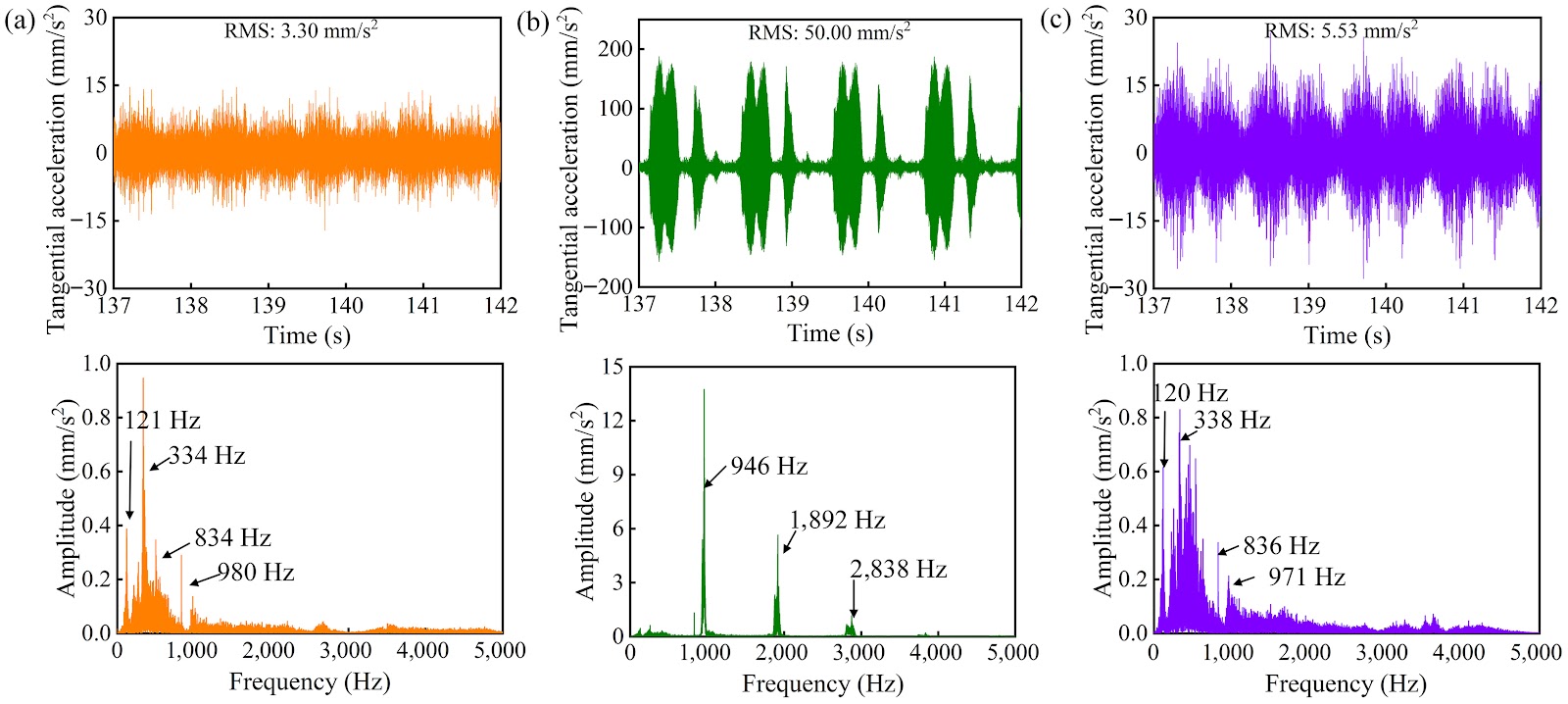
The vibration and noise issues of lightweight friction pairs in suburban train braking systems have become a critical bottleneck restricting their engineering application. This study investigated lightweight friction pairs composed of three representative synthetic brake pads and an aluminum matrix composite brake disc. Utilizing tribological tests, interfacial wear analysis, and dynamic modeling, the study investigated the impact of interfacial wear and contact behaviors on vibration and noise and elucidated the mechanisms by which pad material properties influence these responses. The experimental findings revealed that the pad material properties significantly affect the wear behavior and friction-induced vibration and noise responses of lightweight friction pairs. The pad enriched with lubricating phases (Pad A) readily established stable lubricating films, while the highly plastic pad (Pad C) effectively captured wear debris to build the third-body layers that cushioned loads. Both reduced friction fluctuations and contact stiffness, thereby attenuating vibration and noise. Conversely, the high-hardness pad (Pad B) failed to form continuous lubricating films, leading to intensified friction, higher contact stiffness, and pronounced vibration and noise. Numerical simulations further confirmed that the friction coefficient and normal contact stiffness synergistically regulated system stability, directly affecting the vibration and noise responses. Systems characterized by high friction and large contact stiffness (Pad B) were particularly susceptible to modal coupling, resulting in dynamic instability and elevated vibration and noise levels. Therefore, optimizing the pad material properties and regulating the behavior of wear debris to facilitate the stable formation of lubricating films or third-body layers can effectively suppress friction coefficient fluctuations, reduce normal contact stiffness, and enhance interfacial stability, thereby mitigating vibration and noise. The findings provide a theoretical foundation and engineering guidance for optimizing the design of low-noise lightweight braking systems and selecting appropriate friction materials.

Mechanistic Investigation of Friction-Induced Vibration and Noise Behaviors of Lightweight Brake Material
Graphical Abstract
Original ResearchVol 14, Issue 10 • pp. 100-112DOI: 10.26599/FRICT.2026.9441261Jan 15, 2026

Selenium-doped WS2 for improved humid-air lubricity via weakened interfacial hydrogen bonding

Authors: Yuqian Huang, Bin Zhang, Zhiwei Wang, Zaixiu Yang, Zhenwei Niu, Kaixiong Gao, Junyan Zhang, Goksel Hizli, Kürşat Kazmanlı, Ahmet T. Alpas

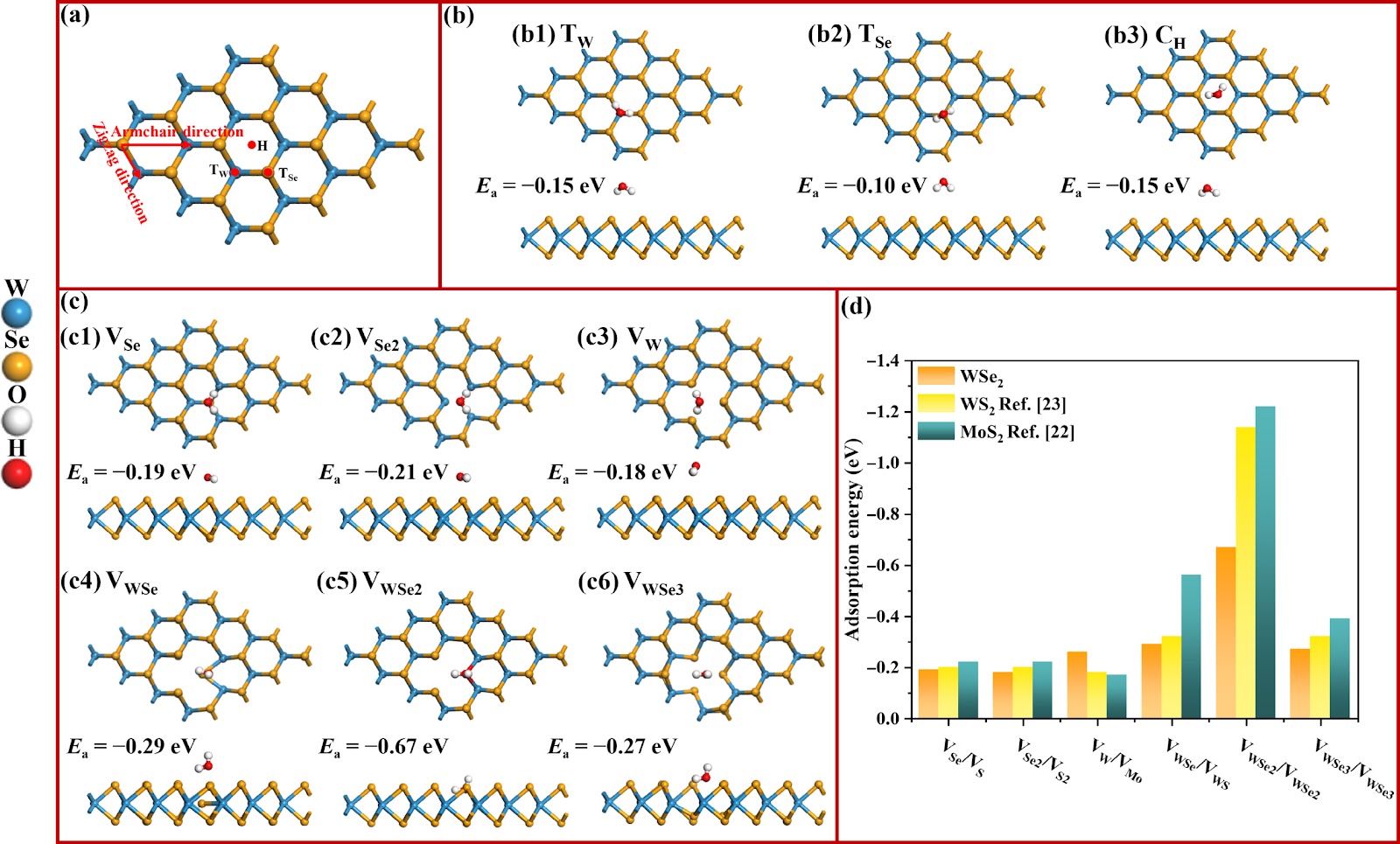
The degradation of the tribological performance of WS2 in humid environments represents a persistent scientific and practical challenge, limiting its application scope despite its excellent lubricity in inert atmospheres. While the superior moisture tolerance of WSe2 has been recognized, the fundamental atomic-scale mechanisms governing this difference remain inadequately understood. This work addresses this critical knowledge gap by revealing that this disparity originates from the distinct hydrogen bond strengths formed at the material–water interface. Through integrated density functional theory (DFT) calculations and experimental validation, we quantitatively demonstrate that water molecules form significantly weaker O–H···Se hydrogen bonds with WSe2 (bond lengths: 3.02–3.25 Å) compared to O–H···S bonds with WS2 (2.80–2.98 Å). This fundamental difference manifests functionally as a 35% lower interlayer sliding energy barrier for WSe2 under humid conditions, providing the first atomistic explanation for its sustained lubricity. Leveraging this mechanistic insight, we propose and validate a novel materials design strategy: selectively doping the WS2 lattice with selenium to engineer its interfacial chemistry. The developed W–S–Se coating exhibits remarkable performance, achieving an 18% reduction in the coefficient of friction and a 78% decrease in the wear rate at 40% RH compared to pristine WS2. Extensive characterization confirms the formation of a reoriented, crystalline transfer layer with insignificant oxidation. This study establishes a new paradigm for solid lubricant design, shifting the focus from conventional microstructure optimization toward direct atomic-level engineering of interfacial water interactions, opening avenues for developing advanced lubricants operable across diverse environmental conditions.

Selenium-doped WS2 for improved humid-air lubricity via weakened interfacial hydrogen bonding
Graphical Abstract
Original ResearchVol 14, Issue 10 • pp. 100-112DOI: 10.26599/FRICT.2026.9441260Jan 15, 2026

Investigating Dry Ski–Snow Friction: Mechanisms and Temperature Dependence

Authors: Shiraz Ahmed Siddiqui, Michael Hasler, Martin Mössner, Joost van Putten, Werner Nachbauer

The gliding of skis on snow involves multiple coexisting mechanisms, including dry friction, lubrication by frictional meltwater, and capillary suction, complicating the isolation of individual contributions. This study focuses exclusively on dry friction, employing a linear tribometer with a flat slider at -8 °C under conditions where no frictional meltwater was previously observed. To eliminate the influence of the quasi-liquid layer (QLL), experiments were also conducted below -30 °C using dry ice, ensuring dry friction as the sole active mechanism. Additionally, frictional behavior representative of cross-country skiing was investigated. Results show that the friction coefficient decreased with increasing speed at temperatures below -30 °C, but increased with speed at -8 °C. Increasing pressure reduced the friction coefficient at both temperatures. Comparison with theoretical models indicates that the primary friction mechanism is the tearing out of grains below -30 °C, and the shearing off of grain tips (abrasion) at -8 °C. The findings demonstrate that friction under all investigated conditions can be explained by these mechanisms, along with mechanical and thermal effects and granular lubrication, without invoking the QLL. While the QLL is often considered crucial for ice friction, its role in snow friction appears far less significant.

Investigating Dry Ski–Snow Friction: Mechanisms and Temperature Dependence
Graphical Abstract
Original ResearchVol. 14, Issue 10 • pp. 100-112DOI: 10.26599/FRICT.2026.9441214Jan 15, 2026

Study on the effect of diketone lubricant on the tribological properties of angular contact ball bearings with skidding behavior

Authors: DU Shaonan, ZHANG Chenhui, LUO Zhi

Skidding in angular contact ball bearings significantly increases friction, wear, and temperature, adversely affecting bearing performance and service life. Despite its critical impact, systematic investigations of lubrication behavior under skidding conditions remain scarce, with conventional lubricants often failing to provide stable low-friction operation. To address this gap, this study first calculated critical skidding parameters using a quasi-static model. Subsequently, experimental parameters for bearings with and without skidding were selected to evaluate tribological behaviors under three lubricants: base oil, commercial lubricant, and a diketone-based lubricant (PAO = 14 (20%)). Results demonstrate that under skidding conditions, the diketone lubricant achieved the lowest coefficient of friction (COF) of 0.0008 and temperature rise of 2.8 °C. Furthermore, diketone-lubricated bearings exhibited excellent anti-wear performance and an extremely short running-in period. The superior tribological performance is attributed to the synergistic effect of diketone molecular adsorption and chelation with iron atoms, which reduces friction and temperature rise. These findings highlight the potential of diketone lubricants to enhance bearing performance and durability under extreme operating conditions.

Study on the effect of diketone lubricant on the tribological properties of angular contact ball bearings with skidding behavior
Graphical Abstract
Original ResearchVol 14, Issue 10 • pp. 100-112DOI: 10.26599/FRICT.2025.9441210Jan 15, 2026

Steady Shear Rheological Response of Ferrofluids Containing Hydrophilic Fumed Silica under Magnetic Fields

Authors: LI Qianping, LI Decai, WEI Yijian, ZHANG Shiting, HU Yang, CAI Jingcheng, LIU Sijia, LIU Lifen, WANG Zhibin, QIAO Yajing

This study investigates the steady shear rheological behavior of water-based ferrofluids composited with hydrophilic fumed silica under different magnetic field strengths, with particular attention paid to avoiding gelation that reduces fluidity. Seven composite ferrofluid samples were prepared and characterized. By adjusting the silica particle size and volume fraction, their effects on viscosity and yield stress were explored. As a result, pronounced shear-thinning behavior is observed in this dispersion, with their flow curves under different magnetic field strengths effectively scaled by the Mason number. A higher silica concentration or larger particle size increases the critical Mason number, showing that field-induced structures become more stable. In contrast, only high silica concentrations significantly enhance shear thinning, as reflected by a larger flow index, whereas particle size has little influence. Yield stress analysis further shows that macroscopic models capture normalized Bingham yield stress, while microscopic models better predict normalized static yield stress. Overall, this work demonstrates that hydrophilic fumed silica offers a simple and effective route for tuning the magnetorheology of water-based ferrofluids without inducing gelation, ensuring controllable rheology and good fluidity.

Steady Shear Rheological Response of Ferrofluids Containing Hydrophilic Fumed Silica under Magnetic Fields
Graphical Abstract
Original ResearchVol 14, Issue 10 • pp. 100-112DOI: 10.26599/FRICT.2025.9441191Jan 15, 2026

Slippery Liquid-Infused Porous Surface with Layered Double Hydroxides for Enhanced Corrosion and Wear Resistance of TC4 Alloys

Authors: Xionggang Chen, Deke Li, Tianqi Wei, Zhiwei Chen, Haidong Wang, Danyan Zhan, Jinxia Huang, Zhiguang Guo

Titanium alloys, particularly TC4 (Ti–6Al–4V), suffer from poor wear performance and susceptibility to pitting corrosion, limiting their application in marine and biomedical fields. Layered double hydroxide (LDH) coatings offer potential protection, but the dense oxide layer on titanium alloys hinders LDH growth. In this study, a ZnAl LDH coating was fabricated on TC4 via an in situ growth method, followed by ion exchange to incorporate molybdate anions. A biomimetic slippery liquid-infused porous surface (SLIPS) was then prepared by UV-grafting polydimethylsiloxane (PDMS) onto the nanoporous LDH structure. The resulting surface exhibited excellent hydrophobicity, corrosion resistance, and wear resistance. Electrochemical tests (Tafel polarization and electrochemical impedance spectroscopy) demonstrated superior corrosion protection, with a corrosion current density as low as 2.34×10⁻⁷ A/cm2, significantly lower than bare TC4. The infused silicone oil and ZnAl LDH nanosheets contributed to improved wear performance. This work provides insights into controllable in situ fabrication of LDH coatings and offers a new strategy for enhancing the durability of TC4 alloys in demanding environments.

Slippery Liquid-Infused Porous Surface with Layered Double Hydroxides for Enhanced Corrosion and Wear Resistance of TC4 Alloys
Graphical Abstract
Original ResearchVol 14, Issue 10 • pp. 100-112DOI: 10.26599/FRICT.2025.9441197Jan 15, 2026

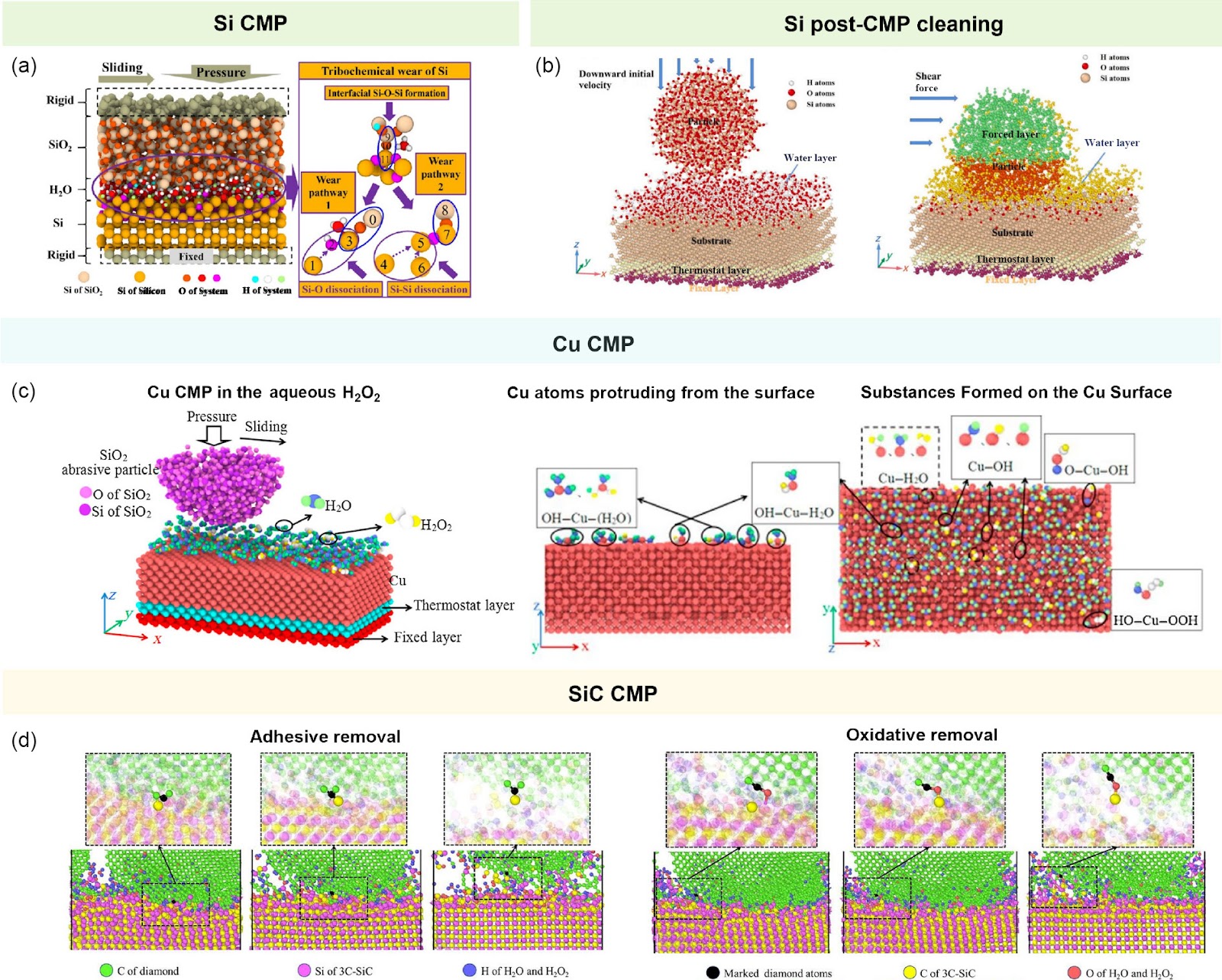
Molecular Dynamics Simulations Addressing Atomic-Scale Core Issues in Chemical Mechanical Polishing and Post-CMP Cleaning: A Concise Review

Authors: Lifei Zhang, Ming Ji, Xinchun Lu

Chemical mechanical polishing (CMP) and post-CMP cleaning are critical steps in current semiconductor manufacturing, requiring atomic-scale flatness and complete removal of contaminants. This review examines molecular dynamics (MD) simulations to elucidate atomic-scale mechanisms underlying these processes, focusing on four major methodologies: classical MD, reactive force field MD (ReaxFF), tight-binding quantum chemical MD (TB-QC MD), and ab initio MD (AIMD). Classical MD enables large-scale simulations but lacks chemical accuracy. ReaxFF allows real-time bond breaking and formation during CMP. TB-QC MD combines quantum accuracy with classical efficiency, enabling exploration of chemical reaction effects on friction and material removal. AIMD directly calculates atomic interactions for precise chemical depictions, albeit with high computational cost. MD simulations act as a 'computational microscope', enhancing CMP and postcleaning by quantifying interactions, material removal pathways, and contaminant desorption. Future research should address multiscale modeling challenges, improve AIMD efficiency, and develop accurate potential functions to advance semiconductor manufacturing precision and efficiency.

Molecular Dynamics Simulations Addressing Atomic-Scale Core Issues in Chemical Mechanical Polishing and Post-CMP Cleaning: A Concise Review
Graphical Abstract
Original ResearchVol 14, Issue 10 • pp. 100-112DOI: 10.26599/FRICT.2025.9441207Jan 15, 2026

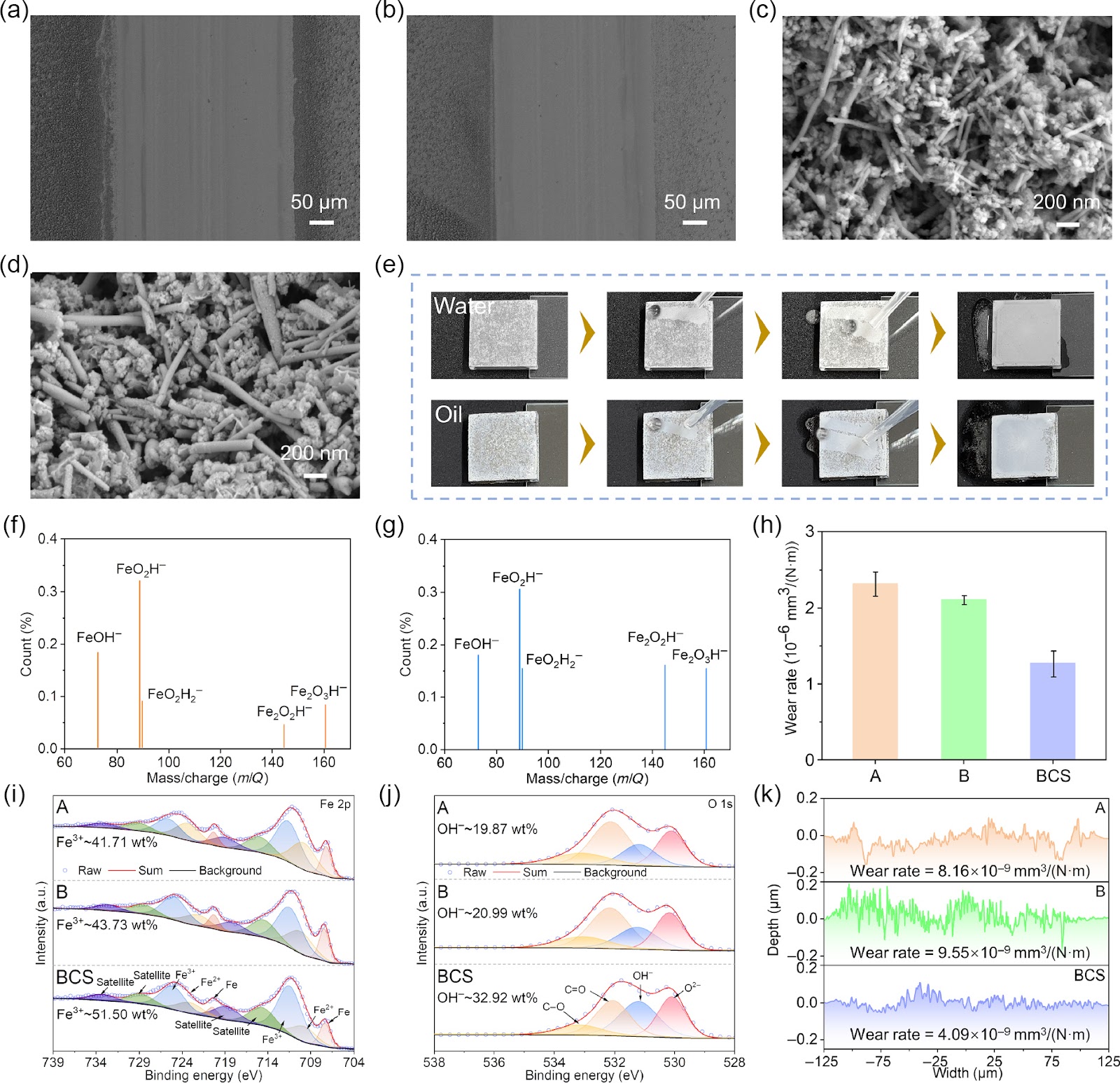
Manipulating the Conversion of Nanoscale Wear Debris into Tribofilm for Wear Reduction of Steel

Authors: Hujun Wang, Zhengcan Xie, Hongcai Huang, Wei Liu, Jing Zheng, Zhongrong Zhou

Wear debris particles critically influence frictional interfaces. Conventional understanding holds that debris accumulation causes severe wear. However, debris from metal friction pairs includes anti-wear metal oxides generated by tribochemical reactions, which can form a protective oxidation film to resist wear. Minimizing abrasive damage from accumulated debris and exploiting the anti-wear property of metal oxides are mutually exclusive. Here, a rational design of a bioinspired coupling surface (BCS) that manipulates nanoscale wear debris to resist further wear is reported. The BCS comprises surface textures that capture and temporarily store excess nanoscale wear debris, and a deposited self-cleaning coating that subsequently transfers part of the captured debris back into the sliding-contact interface, where it converts into a protective oxidation film. The coexistence of these two elements with contrasting properties in manipulating nanoscale wear debris considerably reduces wear under water lubrication, oil lubrication, and macroscale superlubricity. Specifically, the wear rate of steel is reduced by 50.4%, 51.2%, and 46.3% under these respective conditions. This strategy achieves the manipulation and utilization of wear debris for anti-wear purposes, promoting further investigation into the role of nanoscale wear debris and its utilization approaches.

Manipulating the Conversion of Nanoscale Wear Debris into Tribofilm for Wear Reduction of Steel
Graphical Abstract
Original ResearchVol 14, Issue 10 • pp. 100-112DOI: 10.26599/FRICT.2026.9441213Jan 15, 2026

Research Progress and Application Prospects of Nanocomposites in Lubricants

Authors: Siyuan Wang, Hengyuan Liu, Gang Liu, Fang Xie, Ding Chen, Jingyi Liu, Bin Wang, Zhao Liang, Guanlin Ren

Nanocomposites have attracted significant attention as lubricant additives due to their advantages in reducing friction, enhancing wear resistance, and improving thermal and oxidative stability. In recent years, increasing research has explored how different types of nanomaterials (such as carbon-based materials, metallic nanoparticles, and ceramic phases) can use synergistic effects to achieve performance surpassing that of their single components. This review focuses on relevant studies published between 2020 and 2025, providing an updated overview of the advantages, synthesis methods, structures, dispersion stability, lubrication mechanisms, and tribological behavior of nanocomposites. Various structural types are discussed, including core–shell, layered, and in situ hybrid systems, along with their fabrication routes, such as sol–gel processing, hydrothermal synthesis, and surface modification strategies. The lubrication mechanism of nanocomposites is analyzed based on the material structure and the testing conditions. Particular attention is paid to the synergistic effects among multiple components within the nanocomposites and to how these synergies enhance tribological performance. Furthermore, the challenges faced by nanocomposites and potential future developments are discussed. This review aims to clarify the current status of nanocomposites as lubricant additives and facilitate their future application in advanced lubrication systems.

Research Progress and Application Prospects of Nanocomposites in Lubricants
Graphical Abstract
Original ResearchVol 14, Issue 10 • pp. 100-112DOI: 10.26599/FRICT.2025.9441201Jan 15, 2026

Study of Lubricating Nanocoatings for Cardiovascular Catheters Based on Molecular Self-Assembly and Schiff Base Reactions

Authors: LIN Chengxiong, YUAN Huilu, WANG Chengyong

During cardiovascular interventional surgeries, catheters contact vascular tissues, causing friction, collisions, and compression that may damage tissue. Surface engineering is essential to modify catheter surfaces. Effective coatings require high adhesion to prevent delamination from the inner surface, while the outer surface must provide excellent lubricity and biocompatibility. In this study, layer-by-layer (LbL) technique was employed to introduce catechol-modified chitosan (CC) and dopamine-modified oxidized hyaluronic acid (DOHA), forming a nanoscale, superhydrophilic, strongly adhesive, and biocompatible coating on cardiovascular catheters. Tight binding of CC and DOHA results from electrostatic interactions, chemical reactions, and catechol group enrichment, yielding an adhesion strength of up to 1 MPa. These CC/DOHA multilayers greatly enhance lubrication of the TPU substrate, reducing the coefficient of friction (COF) by up to 95% compared with the uncoated state. After a 30-min friction test, the COF of the CC/DOHA16 coating only slightly increased from 0.032 to 0.044, demonstrating excellent stability. Evaluations revealed a reduction in vascular intima damage from grade 5 without coating to grade 3, confirming the coating's effectiveness in minimizing friction-induced damage. The coating thickness was approximately 150 nm, and superhydrophilicity was achieved at 16 layers. These findings indicate that the CC/DOHA LbL coating offers a promising solution for improving catheter safety and performance.

Study of Lubricating Nanocoatings for Cardiovascular Catheters Based on Molecular Self-Assembly and Schiff Base Reactions
Graphical Abstract