SinoTechIntel Academic Portal
🏛️ Indexed Academic JournalImpact Factor: 2.7 (Q2 - Springer)

Information Technology & Electronic Engineering

2.7 (Q2 - Springer)

Total Research Papers: 153
Access: 100% Free Open Access
Browse by Publication Year & VolumeReset All Filters ✕

Published Research PapersFiltered: Year 2025 • Vol. 32 • Issue 9

Showing 12 of 153 peer-reviewed papers with full Graphical Abstracts.

Original ResearchVol. 32, Issue 9 • pp. 472-484DOI: 10.1631/FITEE_2400467Sep 24, 2025

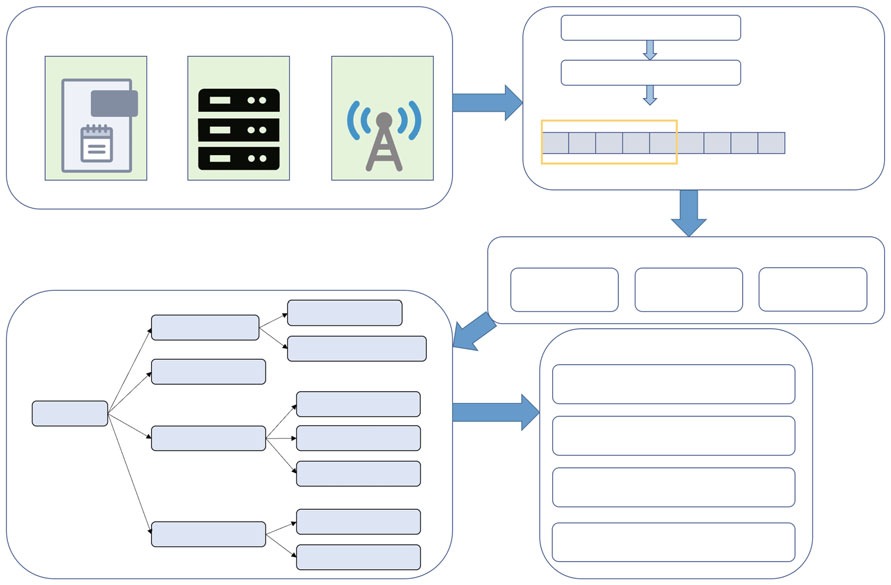
Deep anomaly detection of temporal heterogeneous data in AIOps: a survey

Authors: Jiayi GUI, Zhongnan MA, Hao ZHOU, Yan SU, Miaoru ZHANG, Ke YU, Xiaofei WU

The advancement of the fifth generation (5G) mobile communication and Internet of Things (IoT) has facilitated the development of intelligent applications, but has also rendered these networks increasingly complex and vulnerable to various targeted attacks. Numerous anomaly detection (AD) models, particularly those using deep learning technologies, have been proposed to monitor and identify network anomalous events. However, the implementation of these models poses challenges for network operato
Deep anomaly detection of temporal heterogeneous data in AIOps: a survey
Graphical Abstract
Original ResearchVol. 32, Issue 9 • pp. 644-656DOI: 10.1631/ENG_ITEE_2025_0140Sep 22, 2025

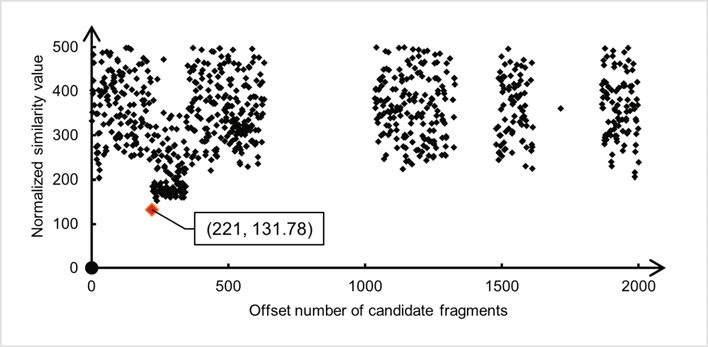
Image fragment carving based on DCT semantics and an adjustment factor

Authors: Binglong LI, Shilong YU, Yong ZHAO, Yifeng SUN, Chaowen CHANG, Qingxian WANG

The recovery of evidence from fragmented image files is a prominent research focus in the field of file carving. To address image fragment reassembly, this paper analyzes the Joint Photographic Experts Group (JPEG) image structure and proposes a fragment connection weighting algorithm based on discrete cosine transform (DCT) semantic features, along with a weight adjustment factor that leverages image compression characteristics. By integrating these components, the algorithm effectively determi

Image fragment carving based on DCT semantics and an adjustment factor
Graphical Abstract
Original ResearchVol. 32, Issue 9 • pp. 880-892DOI: 10.1631/FITEE_2500093Sep 21, 2025

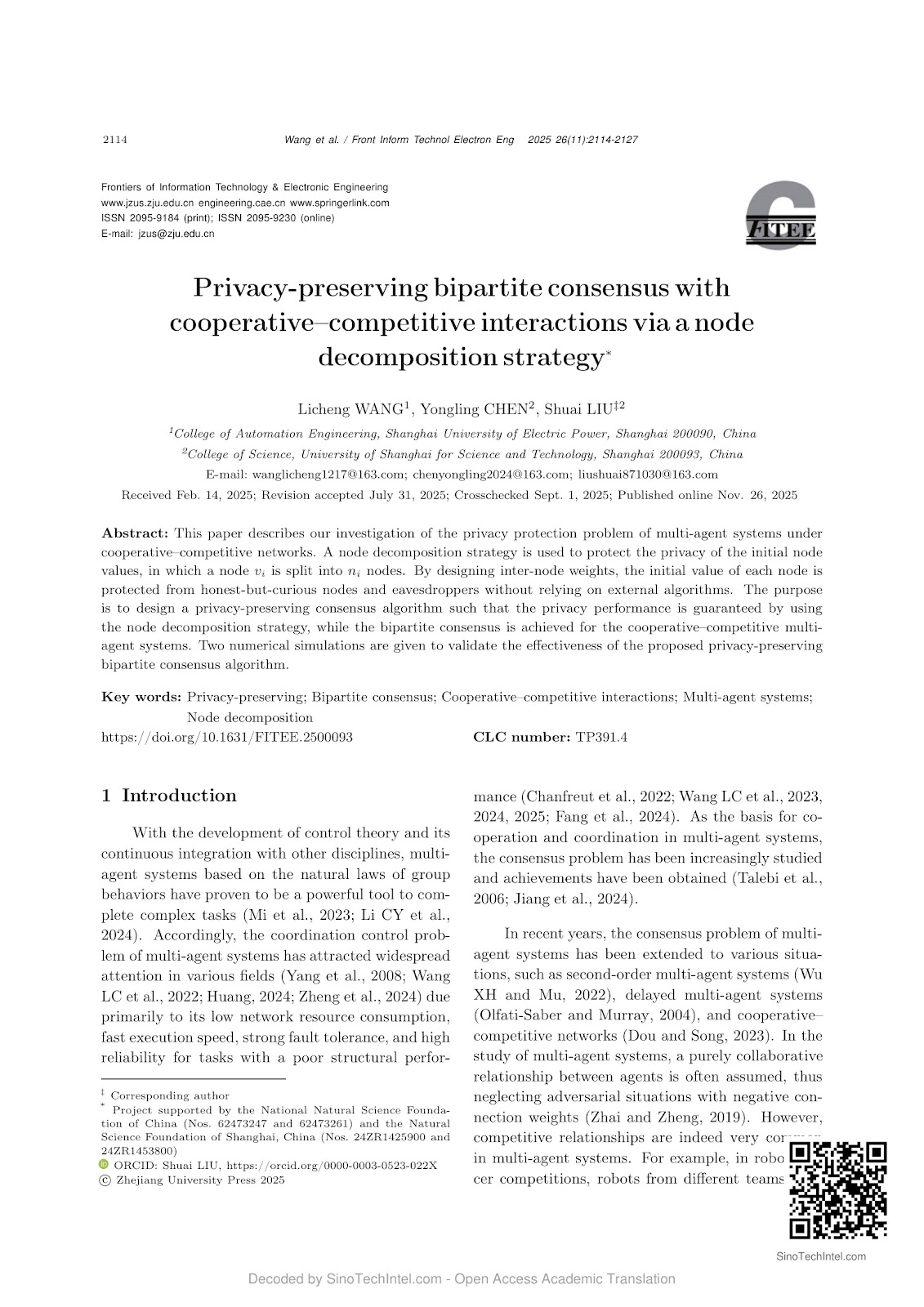
Privacy-preserving bipartite consensus with cooperative–competitive interactions via a node decomposition strategy

Authors: Licheng WANG, Yongling CHEN, Shuai LIU

This paper describes our investigation of the privacy protection problem of multi-agent systems under cooperative–competitive networks. A node decomposition strategy is used to protect the privacy of the initial node values, in which a node vi is split into ni nodes. By designing inter-node weights, the initial value of each node is protected from honest-but-curious nodes and eavesdroppers without relying on external algorithms. The purpose is to design a privacy-preserving consensus algorithm s

Privacy-preserving bipartite consensus with cooperative–competitive interactions via a node decomposition strategy
Graphical Abstract
Original ResearchVol. 32, Issue 9 • pp. 252-264DOI: 10.1631/FITEE_2300755Sep 19, 2025

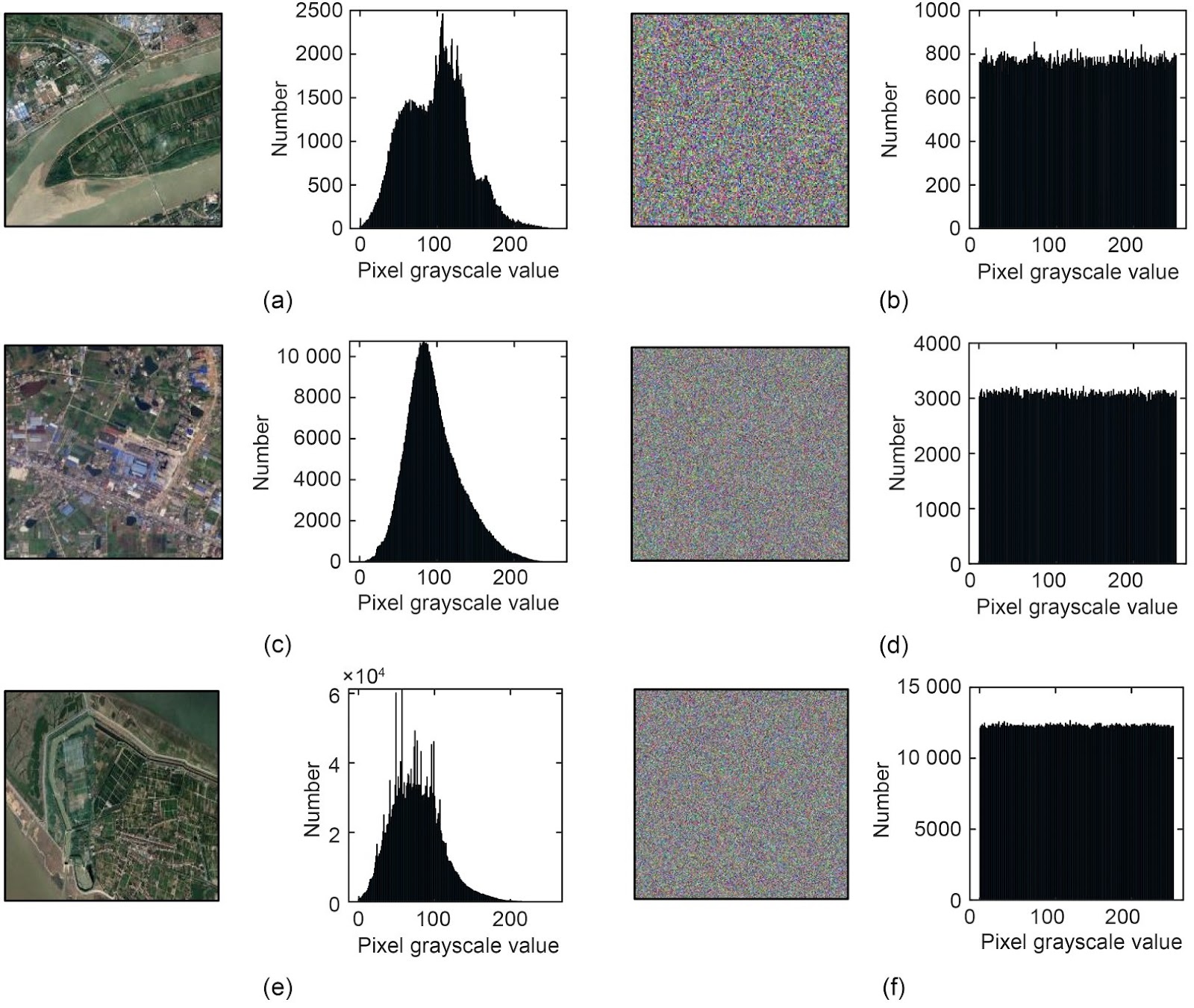
A geographic information encryption system based on Chaos-LSTM and chaos sequence proliferation

Authors: Jia DUAN, Luanyun HU, Qiumei XIAO, Meiting LIU, Wenxin YU

In response to the strong correlation between the chaotic system state and initial state and parameters in traditional chaotic encryption algorithms, which may lead to periodicity in chaotic sequences, the chaos long short-term memory (Chaos-LSTM) model is constructed by combining chaotic systems with LSTM neural networks. The chaos sequence proliferation (CSP) algorithm is constructed to address the problem that the limited computational accuracy of computers can lead to periodicity in long cha

A geographic information encryption system based on Chaos-LSTM and chaos sequence proliferation
Graphical Abstract
Original ResearchVol. 32, Issue 9 • pp. 660-672DOI: 10.1631/FITEE_2400721Sep 16, 2025

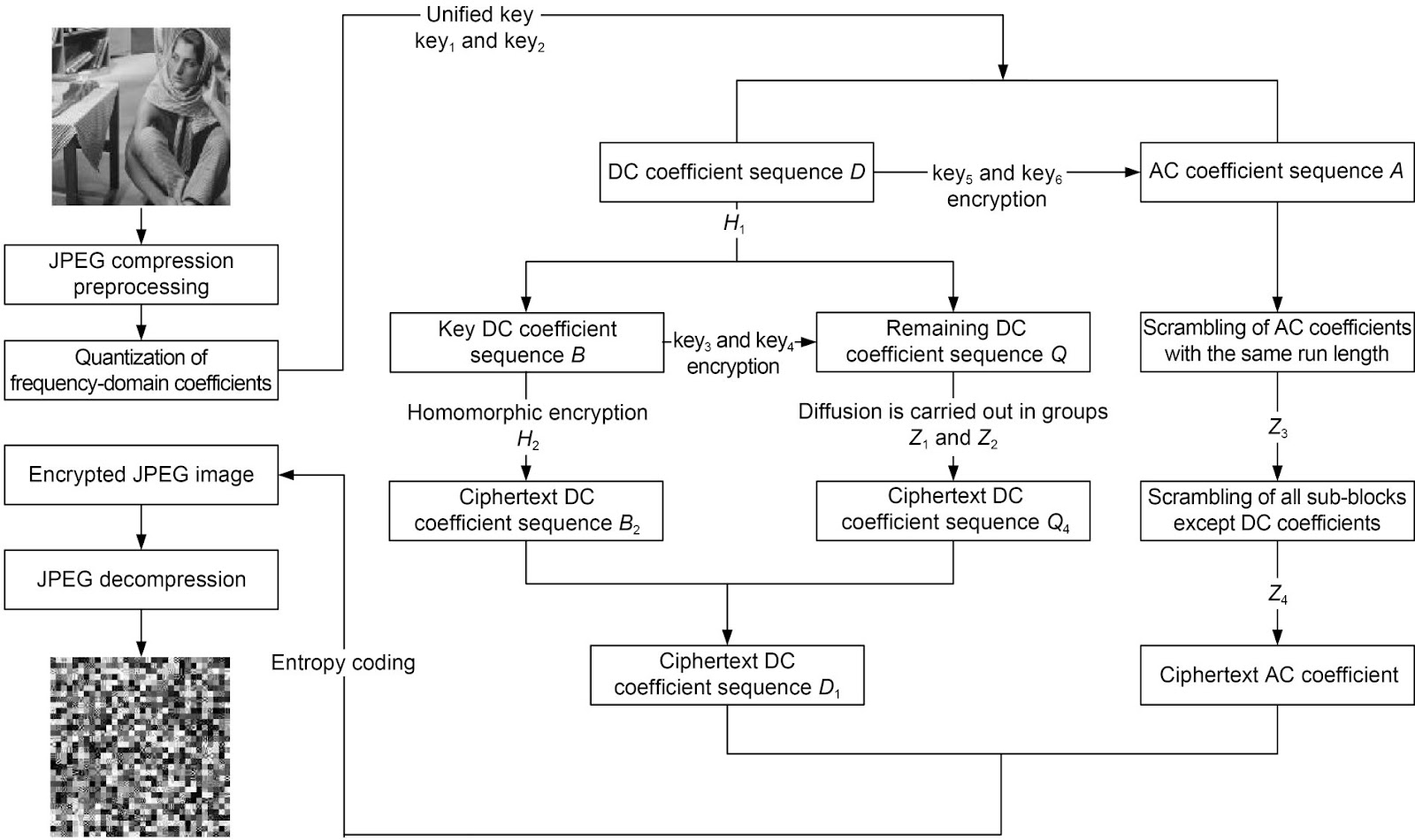
SPJEU: a self-sufficient plaintext-related JPEG image encryption scheme based on a unified key

Authors: Ming LI, Wenwen ZHOU, Mengdie WANG, Yushu ZHANG, Yong XIANG

In recent research on image encryption, many schemes associate the key generation mechanism with the plaintext to resist chosen plaintext attacks. However, when the sender encrypts many images, a large amount of additional data related to the plaintext need to be transmitted, which leads to problems such as high transmission costs, high requirements for key storage space, and complex key management. Therefore, in this paper, we propose a self-sufficient plaintext-related JPEG image encryption sc

SPJEU: a self-sufficient plaintext-related JPEG image encryption scheme based on a unified key
Graphical Abstract
Original ResearchVol. 32, Issue 9 • pp. 268-280DOI: 10.1631/FITEE_2400251Sep 13, 2025

Output difference feedback and system benefit control based dynamic heterogeneous redundancy architecture

Authors: Sisi SHAO, Zhibo HE, Shangdong LIU, Weili ZHANG, Fei WU, Fukang ZENG, Jun ZUO, Longfei ZHOU, Yukun NIU, Yimu JI

Mimic active defense technology effectively disrupts attack routes and reduces the probability of successful attacks by using a dynamic heterogeneous redundancy (DHR) architecture. However, current approaches often overlook the adaptability of the adjudication mechanism in complex and variable network environments, focusing primarily on system security while neglecting performance considerations. To address these limitations, we propose an output difference feedback and system benefit control ba

Output difference feedback and system benefit control based dynamic heterogeneous redundancy architecture
Graphical Abstract
Original ResearchVol. 32, Issue 9 • pp. 440-452DOI: 10.1631/ENG_ITEE_2025_0105Sep 11, 2025

A comprehensive review on humanoid robots: perspectives from academia and industry

Authors: Wenjuan LI, Genyuan YANG, Jiyi WU, Chengjie PAN, Lei SHENG, Qifei ZHANG

Humanoid robotics represents a rapidly evolving research domain that integrates artificial intelligence and robotics. Despite significant advances, existing reviews have predominantly focused on narrow technical aspects and lack comprehensive analysis from academic and industrial perspectives. This paper presents a systematic dual-perspective survey, in which academic literature, commercial products, and industry reports are extensively analyzed. A comprehensive taxonomic framework and systemati

A comprehensive review on humanoid robots: perspectives from academia and industry
Graphical Abstract
Original ResearchVol. 32, Issue 9 • pp. 676-688DOI: 10.1631/FITEE_2401059Sep 10, 2025

Online transfer learning with an MLP-assisted graph convolutional network for traffic flow prediction: a solution for edge intelligent devices

Authors: Jingru SUN, Chendingying LU, Yichuang SUN, Hongbo JIANG, Zhu XIAO

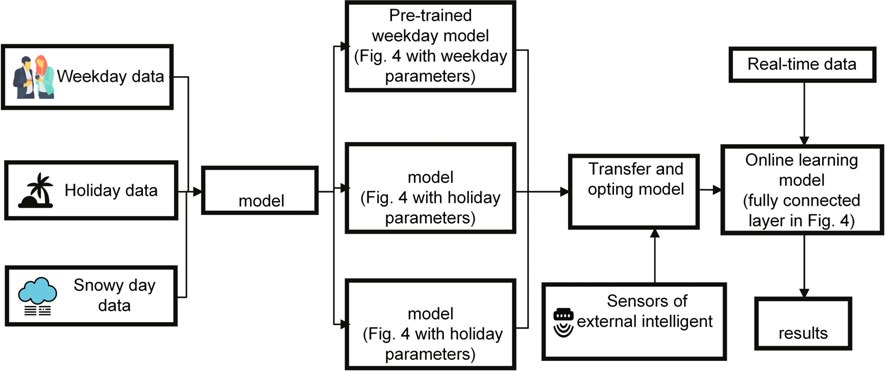
Traffic flow prediction is crucial for intelligent transportation and aids in route planning and navigation. However, existing studies often focus on prediction accuracy improvement, while neglecting external influences and practical issues like resource constraints and data sparsity on edge devices. We propose an online transfer learning (OTL) framework with a multi-layer perceptron (MLP)-assisted graph convolutional network (GCN), termed OTL-GM, which consists of two parts: transferring source

Online transfer learning with an MLP-assisted graph convolutional network for traffic flow prediction: a solution for edge intelligent devices
Graphical Abstract
Original ResearchVol. 32, Issue 9 • pp. 848-860DOI: 10.1631/FITEE_2300741Sep 8, 2025

PPDO: a privacy-preservation-aware delay optimization task-offloading algorithm for collaborative edge computing

Authors: Chao Jing, Jianwu Xu

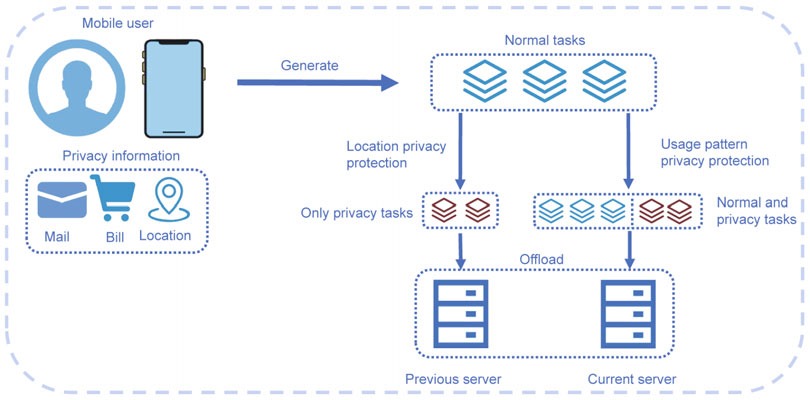
Although collaborative edge computing (CEC) systems are beneficial in enhancing the performance of mobile edge computing (MEC), the issue of user privacy leakage becomes prominent during task offloading. To address this issue, we design a privacy-preservation-aware delay optimization task-offloading algorithm (PPDO) in a CEC system. By considering location and usage pattern privacy protection, we establish a privacy task model to interfere with the edge server and ensure user privacy. To address

PPDO: a privacy-preservation-aware delay optimization task-offloading algorithm for collaborative edge computing
Graphical Abstract
Original ResearchVol. 32, Issue 9 • pp. 284-296DOI: 10.1631/FITEE_2500138Sep 7, 2025

An overview of beam-tracking techniques for mmWave wireless communications

Authors: Ruaa Shallal Abbas ANOOZ, Jafar POURROSTAM, Mohanad Al-IBADI

Millimeter-wave (mmWave) communication is the key to increasing the demand for high data rates and low latency resulting from the rapid evolution of wireless communications, especially in the fifth generation (5G) of wireless communication systems and beyond. The mmWave band suffers from high path loss and obstacle blockage, significantly reducing the transmission range. Note that high-directional beams are required to perform well in the mmWave band. Hence, beam alignment is crucial for high-da

An overview of beam-tracking techniques for mmWave wireless communications
Graphical Abstract
Original ResearchVol. 32, Issue 9 • pp. 456-468DOI: 10.1631/FITEE_2400433Sep 5, 2025

Analog-only beamforming for near-field multiuser MIMO communications

Authors: Ying Wang, Chenhao Qi

For near-field multiuser communications based on hybrid beamforming (HBF) architectures, high-quality effective channel estimation is required to obtain the channel state information (CSI) for the design of the digital beamformer. To simplify the system reconfiguration and eliminate the pilot overhead required by effective channel estimation, we consider an analog-only beamforming (AoBF) architecture in this study. AoBF is designed to maximize the sum rate, it is transformed into a problem maxim

Analog-only beamforming for near-field multiuser MIMO communications
Graphical Abstract
Original ResearchVol. 32, Issue 9 • pp. 864-876DOI: 10.1631/FITEE_2400261Sep 2, 2025

A ground-based dataset and diffusion model for on-orbit low-light image enhancement

Authors: Yiman ZHU, Lu WANG, Jingyi YUAN, Yu GUO

On-orbit service is important for maintaining the sustainability of the space environment. A space-based visible camera is an economical and lightweight sensor for situational awareness during on-orbit service. However, it can be easily affected by the low illumination environment. Recently, deep learning has achieved remarkable success in image enhancement of natural images, but it is seldom applied in space due to the data bottleneck. In this study, we first propose a dataset of BeiDou navigat

A ground-based dataset and diffusion model for on-orbit low-light image enhancement
Graphical Abstract