SinoTechIntel Academic Portal
🏛️ Indexed Academic Journal

Chinese Journal of Mechanical Engineering

Access authentic peer-reviewed engineering methodologies, experimental datasets, and scientific literature published in this journal on SinoTechIntel.

Total Research Papers: 101
Access: 100% Free Open Access
Browse by Publication Year & VolumeReset All Filters ✕

Published Research PapersFiltered: Year 2025 • 38 • Issue 1

Showing 22 of 101 peer-reviewed papers with full Graphical Abstracts.

Original ResearchVol. 38, Issue 1 • pp. 100-112DOI: 10.1186/s10033-025-01232-8Jan 15, 2025

Robust Tube-MPC Trajectory Tracking Control for Four-Wheel Independent Steering Vehicles on Intermittent Snowy and Icy Roads

Authors: Xiaochuan Zhou, Ruiqi Liu, Jinyu Zhou, Ziyu Zhang, Chunyan Wang, Wanzhong Zhao

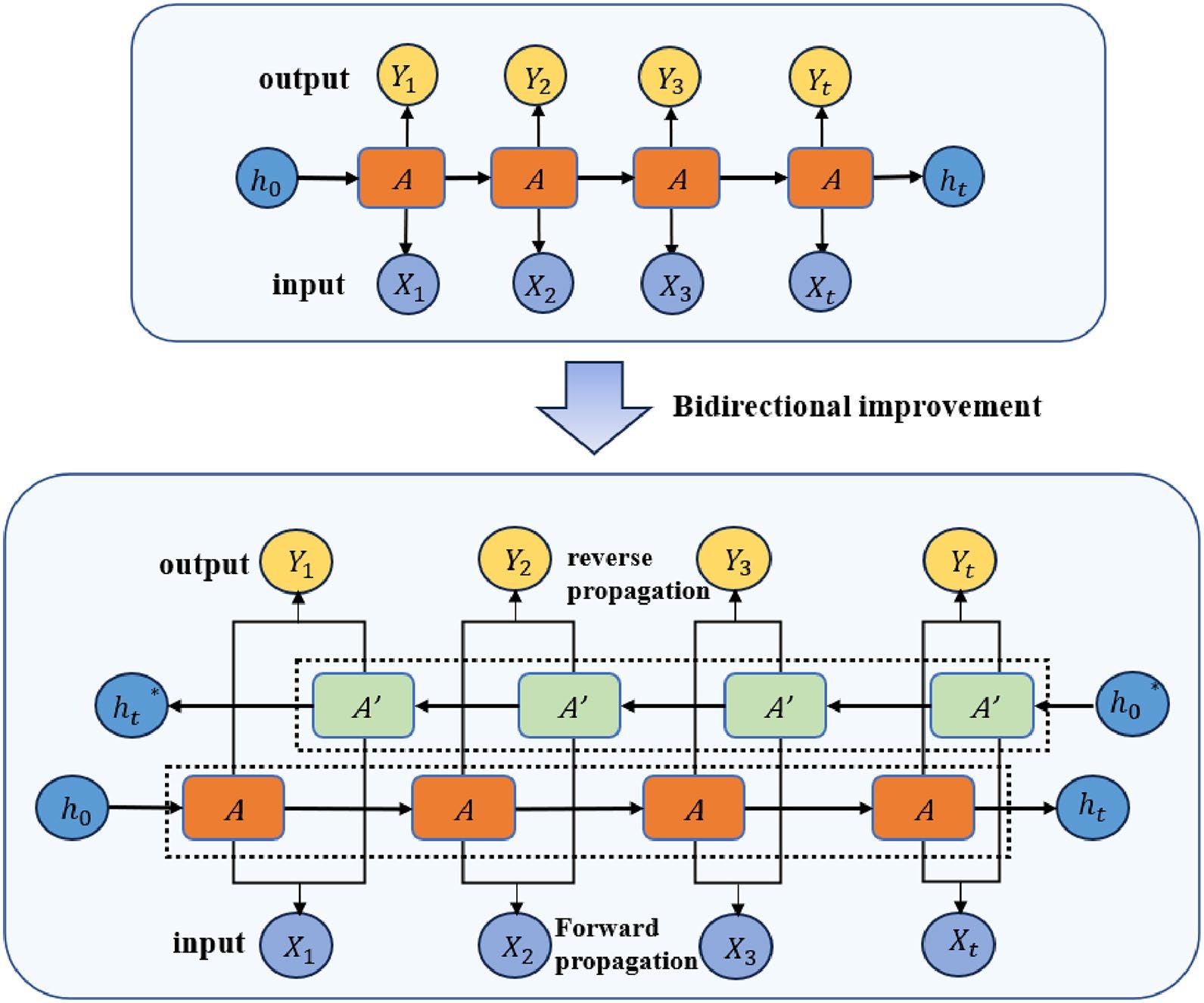
Four-Wheel Independent Steering (4WIS) Vehicles can independently control the angle of each wheel, demonstrating superior trajectory tracking performance under normal conditions. However, on intermittent icy and snowy roads, the presence of time-varying adhesion coefficients, time-varying cornering stiffness, and the irregularities due to ice and snow accumulation introduce multiple uncertainties into the steering system, significantly degrading the trajectory tracking performance of 4WIS vehicles. In response, this paper proposes a robust Tube Model Predictive Control (Tube-MPC) trajectory tracking control method for 4WIS. In this method, a Bi-directional Long Short-Term Memory neural network is established for online estimation of tire cornering stiffness under different road adhesion coefficients, providing accurate estimation of time-varying cornering stiffness for each wheel to mitigate the uncertainties of time-varying adhesion coefficients and cornering stiffness. Additionally, considering the road irregularities caused by snow accumulation on intermittent icy and snowy roads, a trajectory tracking controller that integrates Tube-MPC and robust Sliding Mode Control is proposed. The nominal MPC model, developed from the estimated tire cornering stiffness, utilizes the sliding surface and the optimal auxiliary control unit law for the tube is derived from the reaching law in Tube-MPC, aiming to minimize the trajectory tracking error while enhancing the controller’s robustness against road uncertainties. The experiments show that the proposed method outperforms the Tube-MPC algorithm in terms of trajectory accuracy and robustness. This method demonstrates excellent trajectory tracking accuracy under intermittent icy and snowy road conditions, and it lays a theoretical foundation for future studies on vehicle stability and trajectory tracking under such road conditions.
Robust Tube-MPC Trajectory Tracking Control for Four-Wheel Independent Steering Vehicles on Intermittent Snowy and Icy Roads
Graphical Abstract
Original ResearchVol. 38, Issue 1 • pp. 153DOI: 10.1186/s10033-025-01310-xJan 15, 2025

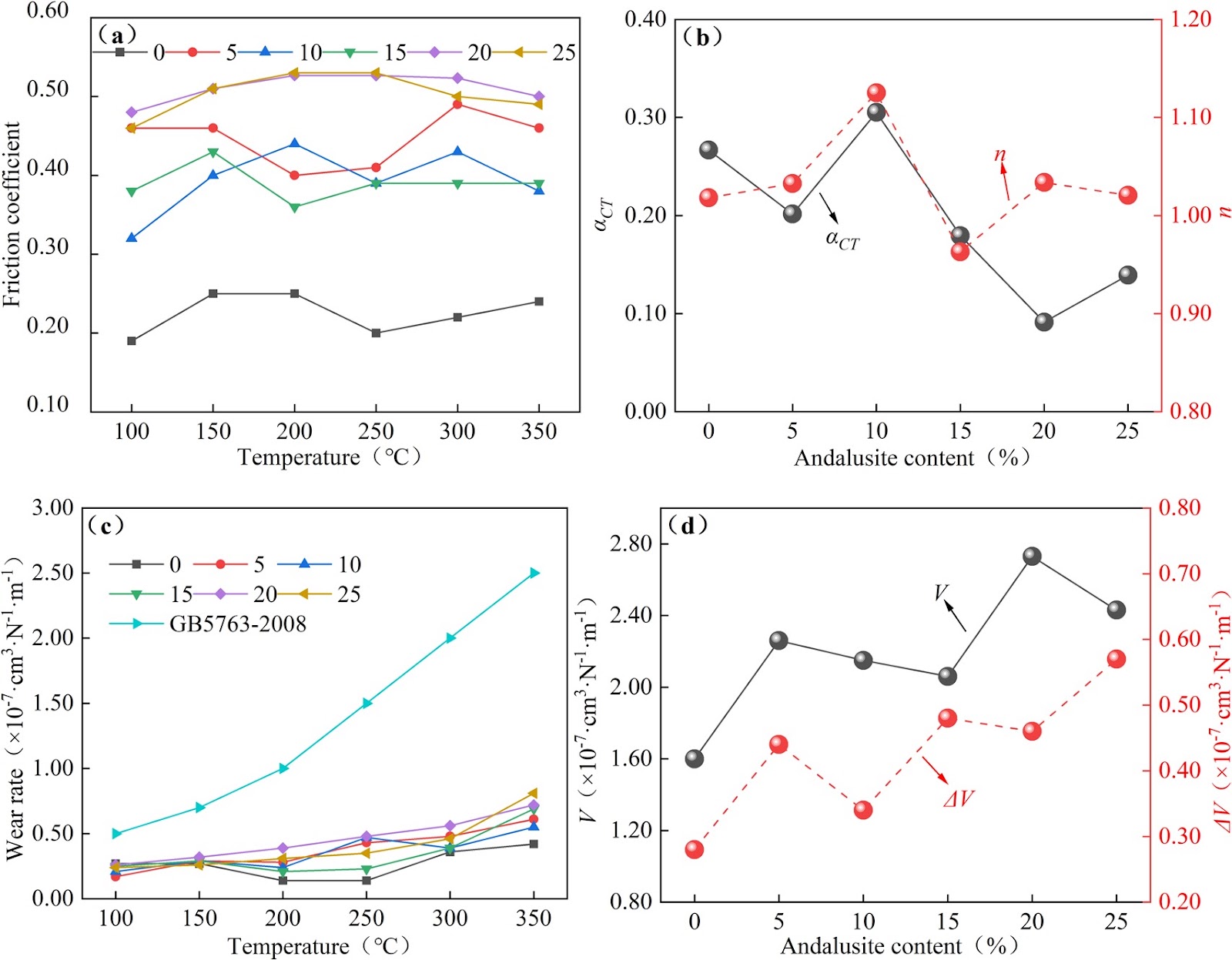
High Heat-fade Resistance, Metal-free Resin-based Brake Pads: A Step towards Replacing Copper by Using Andalusite

Authors: Kaikui Zheng, Zijing Min, Fawang Zhang, Zhiying Ren, Youxi Lin

The emission of copper-containing particulate matter during braking poses a threat to the natural environment, yet copper plays a crucial role in resin-based brake pads. Developing a copper-free brake pad with high heat-fade resistance has emerged as a significant current topic. This study employs andalusite-filled resin-based brake pads as a replacement for copper in brake pads. It investigates the effects of andalusite mesh size and content on the physical properties, mechanical properties, and tribological wear performance of the brake pads, and explores the wear mechanism of andalusite-filled copper-free resin-based brake pads. The results indicate that adding andalusite to the brake pads enhances their thermal stability, hardness, impact strength, and density, effectively improving the medium-to-high temperature friction coefficient and heat-fade resistance of the brake pads. As the mesh size of andalusite increases, the hardness of the brake pads also increases, while the impact strength initially increases and then decreases. As the weight content of andalusite increases, the hardness and impact strength of the brake pads gradually increase. When the andalusite mesh size is 320 mesh and the content is 20%, the brake pads exhibit good comprehensive tribological wear performance. The addition of andalusite not only increases the medium-to-high temperature friction coefficient of the brake pads but also strengthens their high-temperature friction surface. This study successfully replaces copper, which is harmful to the environment and costly, with andalusite in brake pads, obtaining a high heat-fade resistance metal-free resin-based brake pad.

High Heat-fade Resistance, Metal-free Resin-based Brake Pads: A Step towards Replacing Copper by Using Andalusite
Graphical Abstract
Original ResearchVol. 38, Issue 1 • pp. 101DOI: 10.1186/s10033-025-01275-xJan 15, 2025

A Knowledge Push Method of Complex Product Assembly Process Design Based on Distillation Model-Based Dynamically Enhanced Graph and Bayesian Network

Authors: Fengque Pei, Yaojie Lin, Jianhua Liu, Cunbo Zhuang, Sikuan Zhai

Under the paradigm of Industry 5.0, intelligent manufacturing transcends mere efficiency enhancement by emphasizing human-machine collaboration, where human expertise plays a central role in assembly processes. Despite advancements in intelligent and digital technologies, assembly process design still heavily relies on manual knowledge reuse, and inefficiencies and inconsistent quality in process documentation are caused. To address the aforementioned issues, this paper proposes a knowledge push method of complex product assembly process design based on distillation model-based dynamically enhanced graph and Bayesian network. First, an initial knowledge graph is constructed using a BERT-BiLSTM-CRF model trained with integrated human expertise and a fine-tuned large language model. Then, a confidence-based dynamic weighted fusion strategy is employed to achieve dynamic incremental construction of the knowledge graph with low resource consumption. Subsequently, a Bayesian network model is constructed based on the relationships between assembly components, assembly features, and operations. Bayesian network reasoning is used to push assembly process knowledge under different design requirements. Finally, the feasibility of the Bayesian network construction method and the effectiveness of Bayesian network reasoning are verified through a specific example, significantly improving the utilization of assembly process knowledge and the efficiency of assembly process design.

A Knowledge Push Method of Complex Product Assembly Process Design Based on Distillation Model-Based Dynamically Enhanced Graph and Bayesian Network
Graphical Abstract
Original ResearchVol. 38, Issue 1 • pp. 100-112DOI: 10.1186/s10033-025-01280-0Jan 15, 2025

Biomimetic Desert Beetle Microgrinding Tool Flow-field Model and Processability Evaluation

Authors: Zhonghao Li, Jiachao Hao, Min Yang, Xiaoming Wang, Yifei Cheng, Zongming Zhou, Fenghan Jiang, Xiao Ma, Mingzheng Liu, Xin Cui, Yanbin Zhang, Benkai Li, Changhe Li

Microgrinding is widely used in clinical bone surgery, but saline spray cooling faces technical challenges such as low wettability at the microgrinding tool–bone interface, easy clogging of the microgrinding tools, and high grinding temperatures. These issues can lead to bone necrosis, irreversible thermal damage to nerves, or even surgical failure. Inspired by the water-trapping and directional transportation abilities of desert beetles, this study proposes a biomimetic desert beetle microgrinding tool. The flow-field distribution directly influences the convective heat transfer of the cooling medium in the grinding zone, which in turn affects the grinding temperature. To address this, a mathematical model of the two-phase flow field at the biomimetic microgrinding tool–bone interface is developed. The results indicate an average error of 14.74% between the calculated and experimentally obtained airflow field velocities. Next, a biomimetic desert beetle microgrinding tool is prepared. Experiments with physiological saline spray cooling were conducted on fresh bovine femur bone, which has mechanical properties similar to human bone. Results show that, compared with conventional microgrinding tools, the biomimetic tools reduced bone surface temperature by 21.7%, 13.2%, 5.8%, 20.3%, and 25.8% at particle sizes of 150#, 200#, 240#, 270#, and 300#, respectively. The surface morphology of the biomimetic microgrinding tools after grinding is observed and analyzed, revealing a maximum clogging area reduction of 23.0%, which is 6.1%, 6.0%, 10.0%, 15.6%, and 9.5% less than that observed with conventional tools. Finally, this study unveils the dynamic mechanism of cooling medium transfer in the flow field at the biomimetic microgrinding tool–bone interface. This research provides theoretical guidance and technical support for clinical bone resection surgery.

Biomimetic Desert Beetle Microgrinding Tool Flow-field Model and Processability Evaluation
Graphical Abstract
Original ResearchVol. 38, Issue 1 • pp. 159DOI: 10.1186/s10033-025-01303-wJan 15, 2025

Research Progress of Microstructure Regulation on the Electrical Properties of PZT Ferroelectric Films

Authors: Hefa Zhu, Zhiguo Xing, Haidou Wang, Longlong Zhou, Wei Peng, Qingbo Mi, Han Dong, Weiling Guo

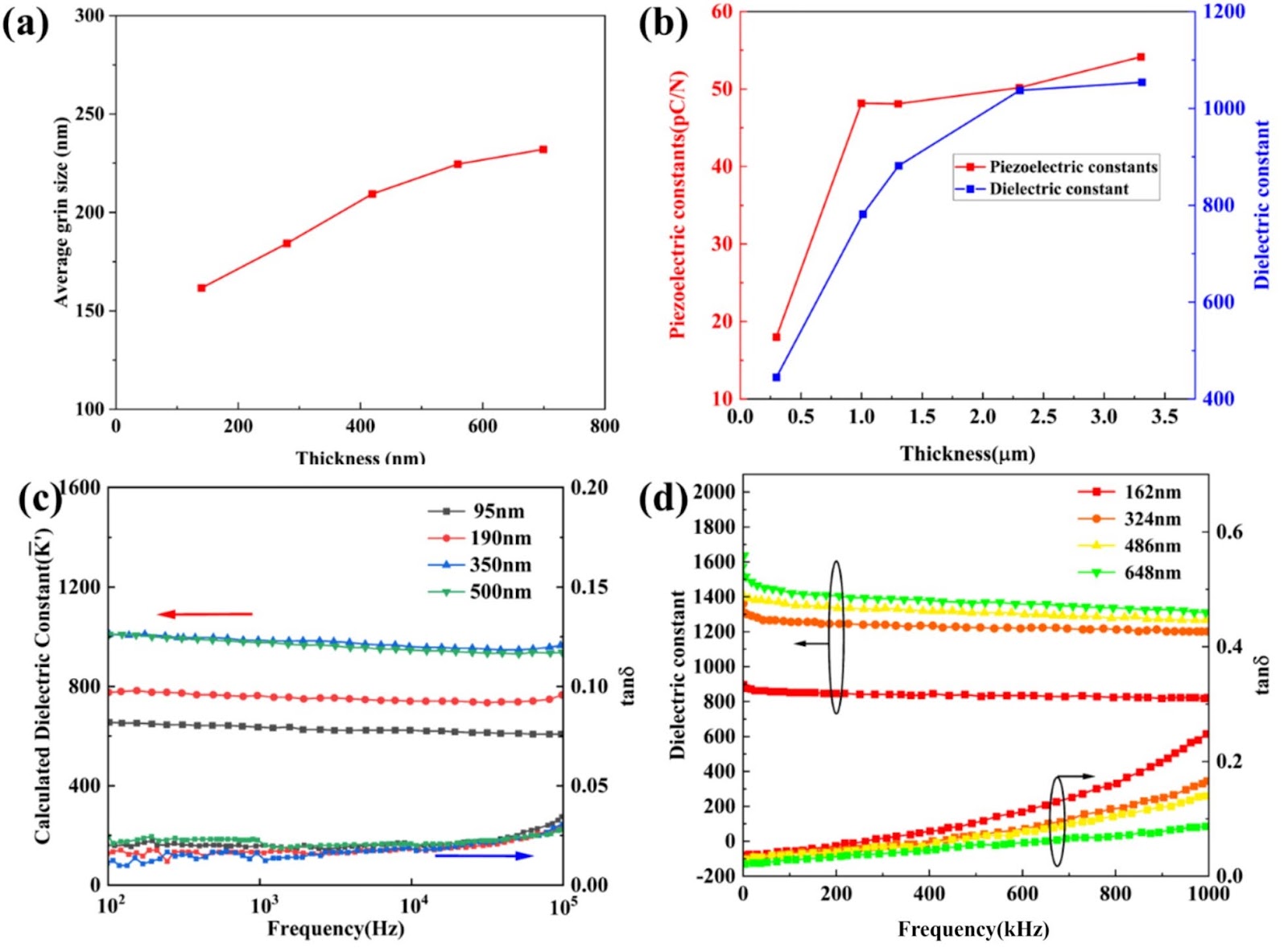
Lead zirconate titanate (PbZrxTi1-xO3, PZT) ferroelectric films possess remarkable characteristics such as high residual polarization, high dielectric constant, and high piezoelectric coefficient and have great application prospects in modern electronics, communications, medical care, and military fields. At present, the microstructure changes of PZT ferroelectric thin films have a significant impact on their electrical properties. Therefore, this work summarizes the influences of geometric structure (thickness, porosity), composition structure (Zr/Ti ratio, doping), and grain structure (grain size, grain boundaries, orientation) on the electrical properties of PZT ferroelectric thin films. The results show that the changes in thickness and porosity have a significant impact on the electrical properties of PZT ferroelectric films. Especially, the actual application scenarios and preparation processes determine the required geometric dimensions and structures of PZT ferroelectric films. The Zr/Ti ratio and doping mainly affect the electrical properties by influencing the phase composition of PZT ferroelectric films. The changes in grain size, boundary structure, and orientation dependence mainly have a certain degree of influence on the domain response and domain switching behavior of PZT ferroelectric thin films. In conclusion, different structures have different influence effects on the dielectric, ferroelectric, and piezoelectric properties of PZT ferroelectric films. The way the tiny structure affects how PZT thin films work was shown, helping to guide the design of ferroelectric thin film devices. In order to further study and apply piezoelectric ceramic devices, it is crucial to have an in-depth understanding of the relationship between the structure and performance of piezoelectric ceramic devices.

Research Progress of Microstructure Regulation on the Electrical Properties of PZT Ferroelectric Films
Graphical Abstract
Original ResearchVol. 38, Issue 1 • pp. 173DOI: 10.1186/s10033-025-01317-4Jan 15, 2025

Observer-based Adaptive Fuzzy Force Control for the Pneumatic Polishing System End-actuator with Uncertain Dynamic Contact Model

Authors: Zhiguo Yang, Wenbo Zhao, Jiange Kou, Yushan Ma, Yixuan Wang, Yan Shi

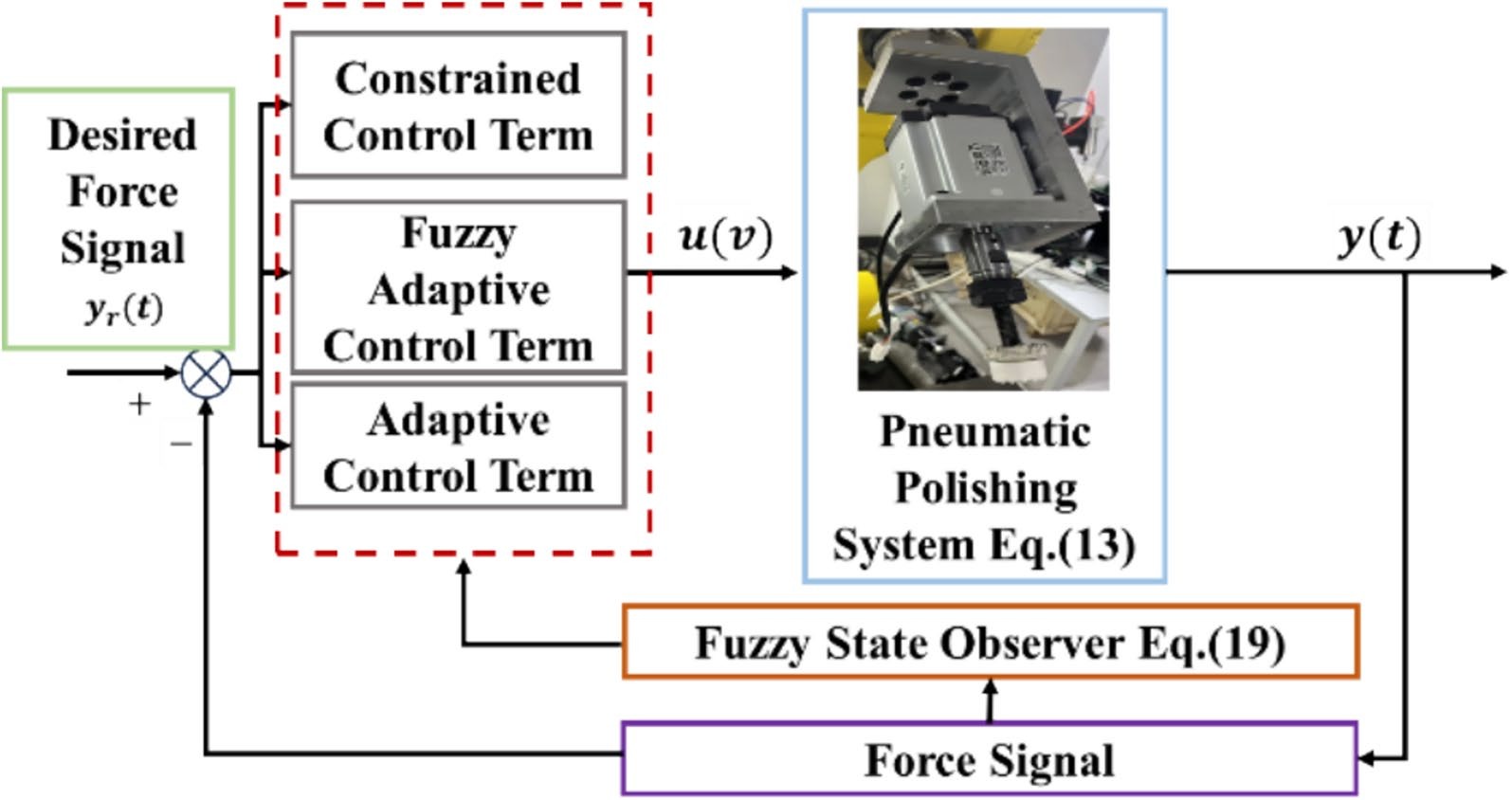
In the field of flexible polishing, the accuracy of contact force control directly affects processing quality and material removal uniformity. However, the complex dynamic contact model and inherent strong hysteresis of pneumatic systems can significantly impact the force control accuracy of pneumatic polishing system end-effectors. To enhance responsiveness and control precision during the flexible polishing process, this study proposes an observer-based fuzzy adaptive control (OBFAC) scheme. To ensure control accuracy under an uncertain dynamic contact model, a fuzzy state observer is designed to estimate unmeasured states, while fuzzy logic approximates the uncertain nonlinear functions in the model to improve control performance. Additionally, the integral barrier Lyapunov function is employed to ensure that all states remain within predefined constraints. The stability of the proposed control scheme is analyzed using the Lyapunov function, and a pneumatic polishing experimental platform is constructed to conduct polishing contact force control experiments under multiple scenarios. Experimental results demonstrate that the proposed OBFAC scheme achieves superior tracking control performance compared to existing control schemes.

Observer-based Adaptive Fuzzy Force Control for the Pneumatic Polishing System End-actuator with Uncertain Dynamic Contact Model
Graphical Abstract
Original ResearchVol. 38, Issue 1 • pp. 100-112DOI: 10.1186/s10033-025-01315-6Jan 15, 2025

Research on the Microstructure Characterization and Fatigue Behavior of Nickel-Based Superalloy Subjected to Short-Arc and Milling Composite Processing

Authors: Pai Wang, Wenxiang Zhao, Xibin Wang, Shuyao Liu, Yifan Bai, Hongtao Chen, Zhibing Liu

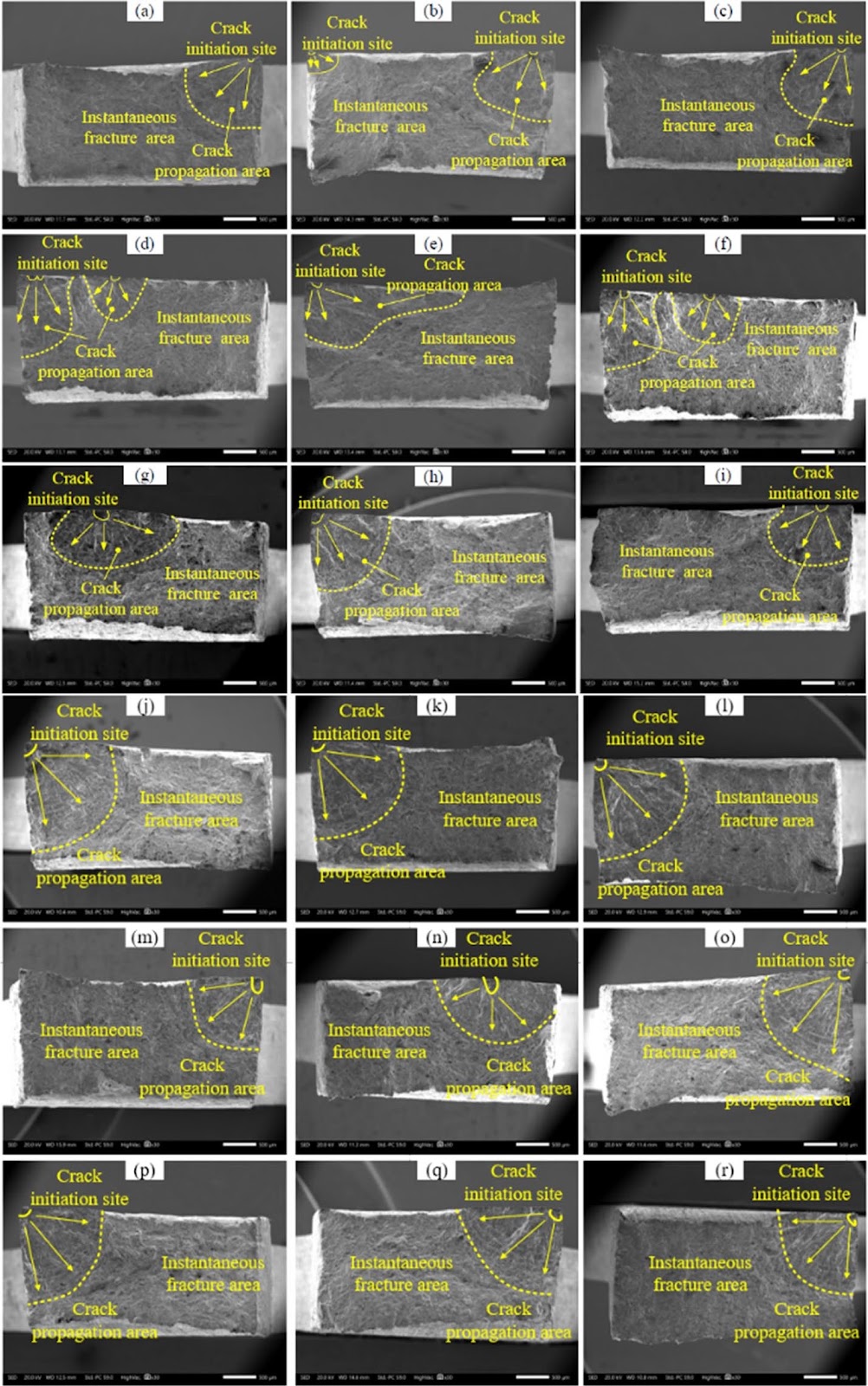
Short-arc machining is a novel electrical discharge machining method that utilizes high-energy arc discharge as the energy carrier. Due to its low cost and high processing efficiency, it has been widely applied in the efficient processing of superalloys. To address the challenges of efficient and high-precision processing of superalloys, a processing method combining short-arc machining with precision milling is employed. Advanced material characterization techniques such as electron backscatter diffraction (EBSD) are utilized to analyze the physical properties of the recast layer and surface crystal characteristics. High-temperature low-cycle fatigue life tests are conducted to investigate the correlation between fatigue life and typical surface integrity parameters (surface roughness, residual stress), as well as crystallographic parameters (grain size, grain orientation spread, geometrically necessary dislocations). Processing parameter optimization is achieved with fatigue life as the target. The results indicate that at high temperatures during short-arc machining, the surface material underwent recrystallisation to form a recast layer with a grain size reduction of 85.5% and a heat affected layer depth of over 400 μm. The trends in fatigue life are consistent with changes in residual stress, grain orientation spread and geometrically necessary dislocations. Selecting a larger axial depth of cut and lower feed per tooth is advantageous for achieving a higher fatigue life. The proposed research provides an instruction for high efficient precision machining of superalloys.

Research on the Microstructure Characterization and Fatigue Behavior of Nickel-Based Superalloy Subjected to Short-Arc and Milling Composite Processing
Graphical Abstract
Original ResearchVol. 38, Issue 1 • pp. 100-112DOI: 10.1186/s10033-025-01335-2Jan 15, 2025

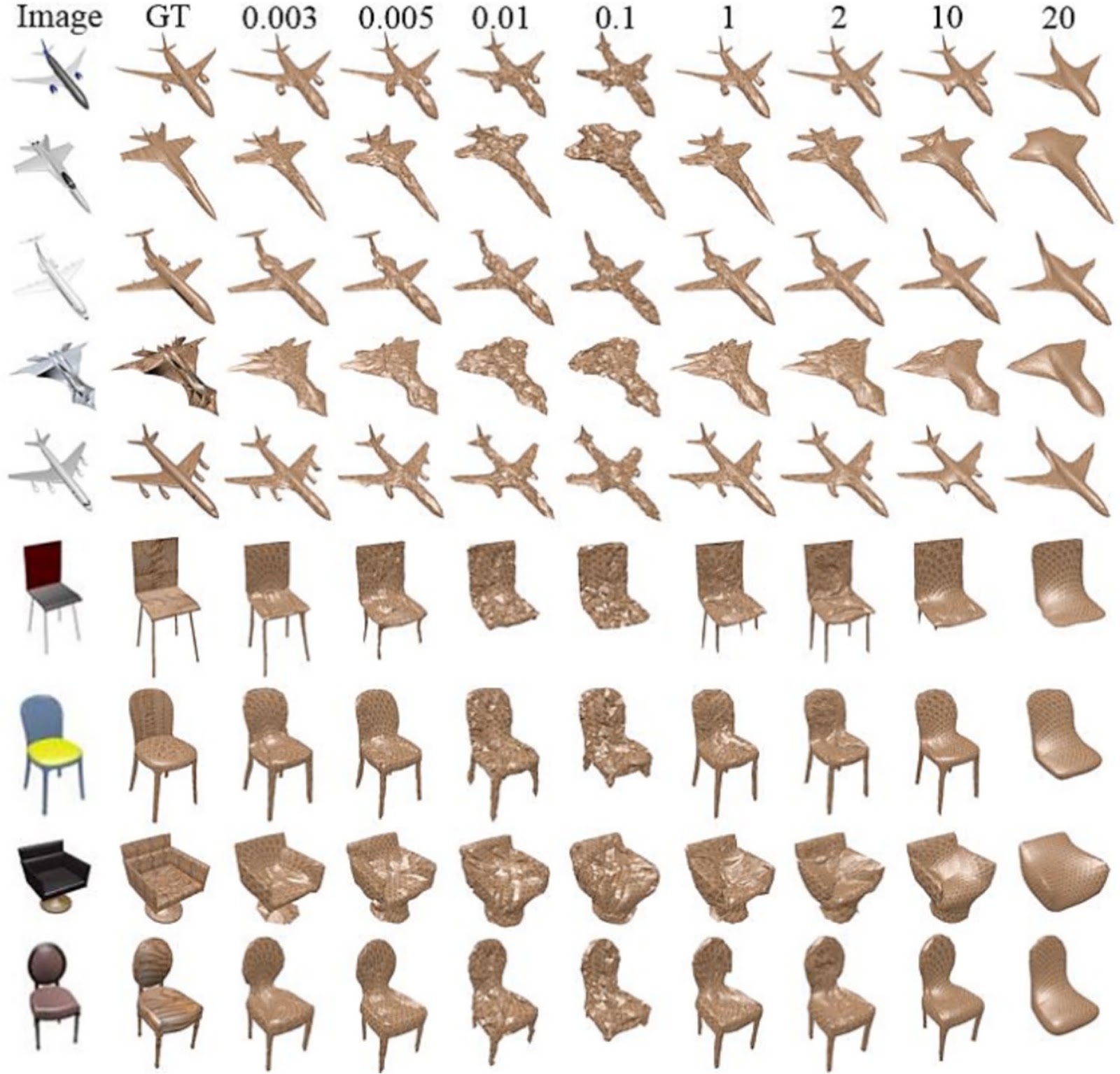
Learning to Predict 3D Meshes from a Single Image via Depth Consistency

Authors: Hao Huang, Shaoli Liu, Jianhua Liu, Peng Jin

Reconstructing three-dimensional (3D) shapes from a single image remains a significant challenge in computer vision due to the inherent ambiguity caused by missing or occluded shape information. Previous studies have predominantly focused on mesh models supervised by multi-view silhouettes. However, such methods are limited in reconstructing fine details. In this study, a 3D mesh model is predicted from a single image, leveraging depth consistency and without requiring viewpoint pose annotations. The model effectively learns strong shape priors that preserve finer structures and accurately predicts view poses from "correlation-supervised" viewpoints. Additionally, standard deviation and Laplacian losses were employed to regulate mesh edge distribution, resulting in more precise reconstructions. Differentiable renderer functions were derived from the 3D mesh to generate depth maps. Compared to conventional approaches, the proposed method provided superior representation of subtle structures. When applied to both synthetic and real-world datasets, the model outperformed existing methods in view-based 3D reconstruction tasks.

Learning to Predict 3D Meshes from a Single Image via Depth Consistency
Graphical Abstract
Original ResearchVol. 38, Issue 1 • pp. 100-112DOI: 10.1186/s10033-025-01253-3Jan 15, 2025

Controlling the Longitudinal Vibration of an Elastic Rod within a Wide Frequency Band by Utilizing an Adjustable Stiffness Internal Support

Authors: Xinhui Shen, Chi Yu, Rongshen Guo, Yuhao Zhao, Mingfei Chen, Haijian Cui

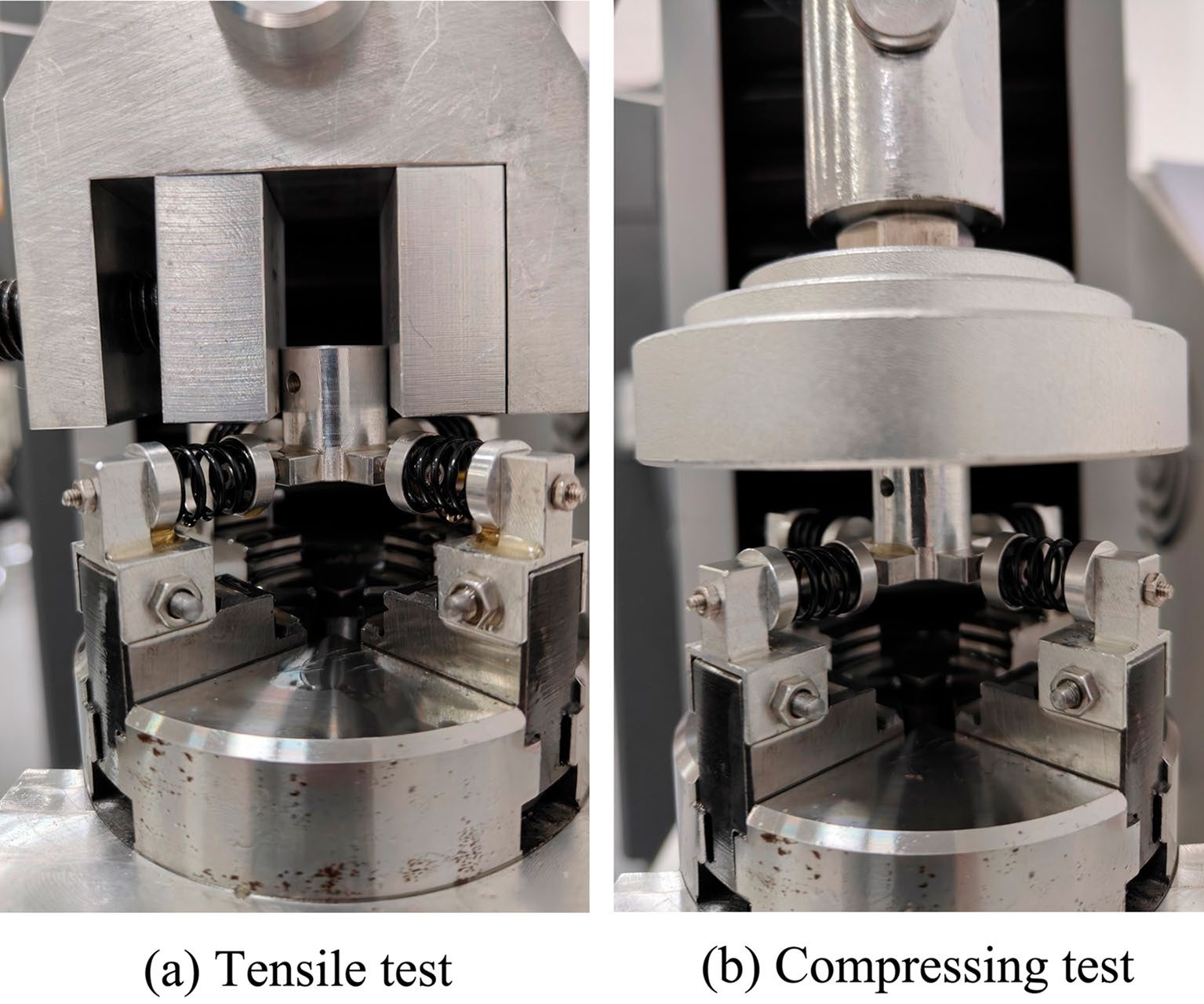
In engineering practice, there are many factors causing the vibration to which rods are usually subjected. Generally, the vibration of elastic rods motivated by determined vibration excitations can be controlled effectively. However, the working frequency of vibration excitation may vary due to environmental changes, the working conditions of equipment, and other factors. Consequently, it remains a challenge to restrict the longitudinal vibration of elastic rods within a wide frequency band. In order to meet the relevant engineering requirements and address the existing limitations, the longitudinal vibration control of an elastic rod within a wide frequency band is explored in this study through an adjustable stiffness internal support. To achieve this purpose, the variable stiffness longitudinal vibration control theory of the elastic rod is validated. The model of an adjustable stiffness internal support is designed, constructed, and tested, demonstrating that the stiffness coefficients of the adjustable stiffness internal support can be effectively controlled. Through the adjustable stiffness internal support, the experiment on longitudinal vibration control of the elastic rod is designed and performed. It leads to the conclusion that the adjustable stiffness internal support within the adjustable working region is effective in restricting the longitudinal vibration within a wide frequency band of the elastic rod. Furthermore, the existence of the adjustable working region in the experiment demonstrates the effectiveness of the adjustable stiffness internal support intended for the variable stiffness longitudinal vibration control of an elastic rod. To sum up, this study provides insights into an adjustable stiffness mechanism for applying the theory of variable stiffness longitudinal vibration control on an elastic rod in engineering practice.

Controlling the Longitudinal Vibration of an Elastic Rod within a Wide Frequency Band by Utilizing an Adjustable Stiffness Internal Support
Graphical Abstract
Original ResearchVol. 38, Issue 1 • pp. 100-112DOI: 10.1186/s10033-025-01274-yJan 15, 2025

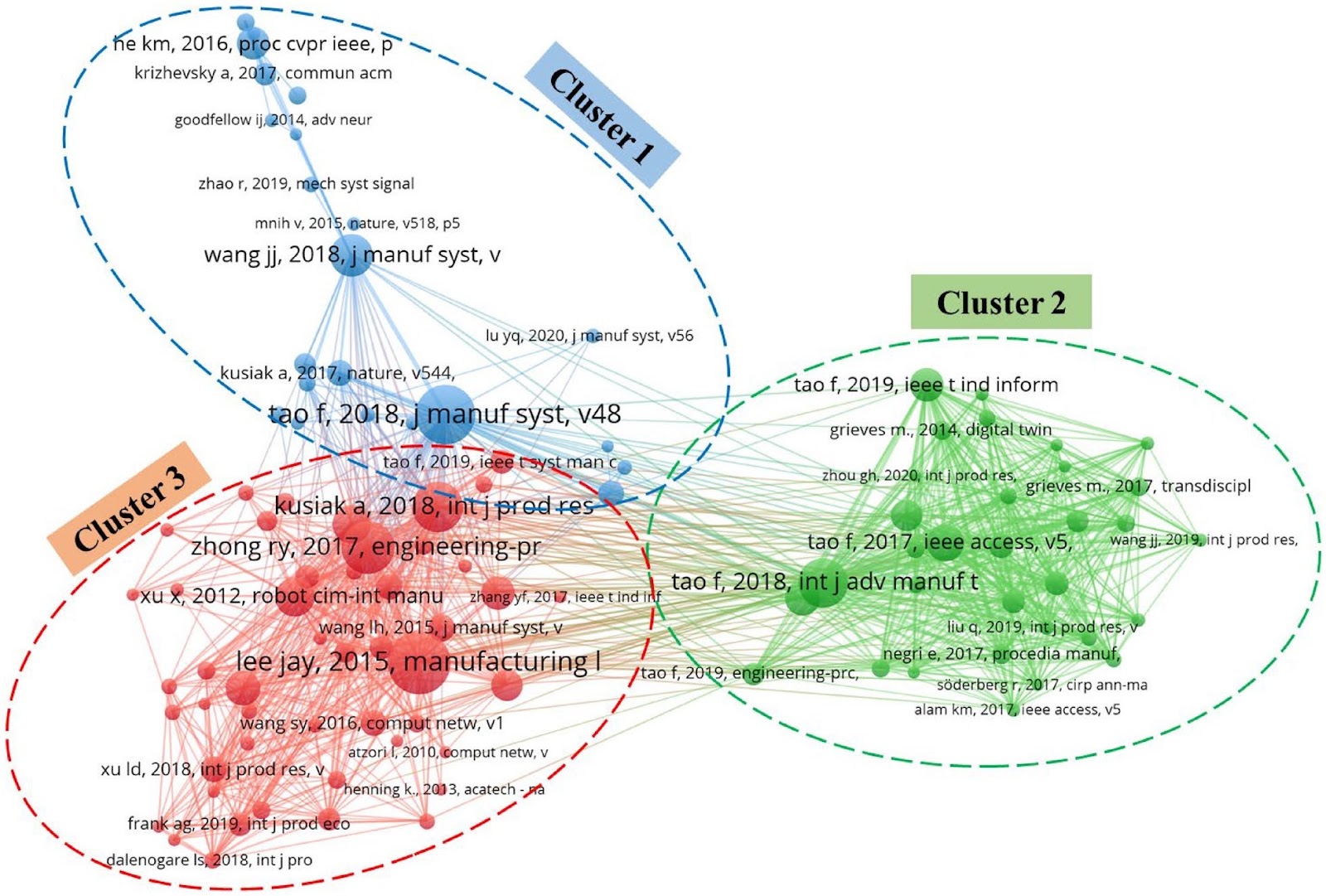
Intelligent Manufacturing of a Bibliometric Review: From Frontier Hotspots to Key Technologies and Applications

Authors: Xiaohan Sun, Lan Dong, Zongyi Liu, Aiguo Qin, Jixin Liu, Zongming Zhou, Xu Yan, Guang Wang, Bo Liu, Zhigang Zhou, Xiangguo Chen, Yuewen Feng, Bo Zhang, Danyang Liu, Changhe Li

Intelligent manufacturing (IM), a driving force behind the fourth industrial revolution, is reshaping the manufacturing sector by enhancing productivity, efficiency, and sustainability. Despite the rapid technological advancements in IM, comprehensive bibliometric reviews remain limited. This article systematically reviews the latest research in IM, addressing emerging hotspots, key technologies, and their applications across the entire product manufacturing cycle. Bibliometric analysis is employed to identify research trends visualize publication volume, collaboration patterns, research domains, co-citations, and emerging areas of interest. The article then examines key technologies supporting IM, including sensors, the Internet of Things (IoT), big data analytics, cloud computing, artificial intelligence (AI), digital twins, and virtual reality (VR)/augmented reality (AR). Furthermore, it explores the application of these technologies throughout the manufacturing cycle—from intelligent reliability design, material transportation and tracking, to intelligent planning and scheduling, machining and fabrication, monitoring and maintenance, quality inspection and control, warehousing and management, and sustainable green manufacturing—through specific case studies. Lastly, the article discusses future research directions, highlighting the increasing global market and the need for enhanced interdisciplinary collaboration, technological integration, computing power upgrades, and attention to security and privacy in IM. This study provides valuable insights for scholars and serves as a guide for future research and strategic investment decisions, offering a comprehensive view of the IM field.

Intelligent Manufacturing of a Bibliometric Review: From Frontier Hotspots to Key Technologies and Applications
Graphical Abstract
Original ResearchVol. 38, Issue 1 • pp. 194DOI: 10.1186/s10033-025-01355-yJan 15, 2025

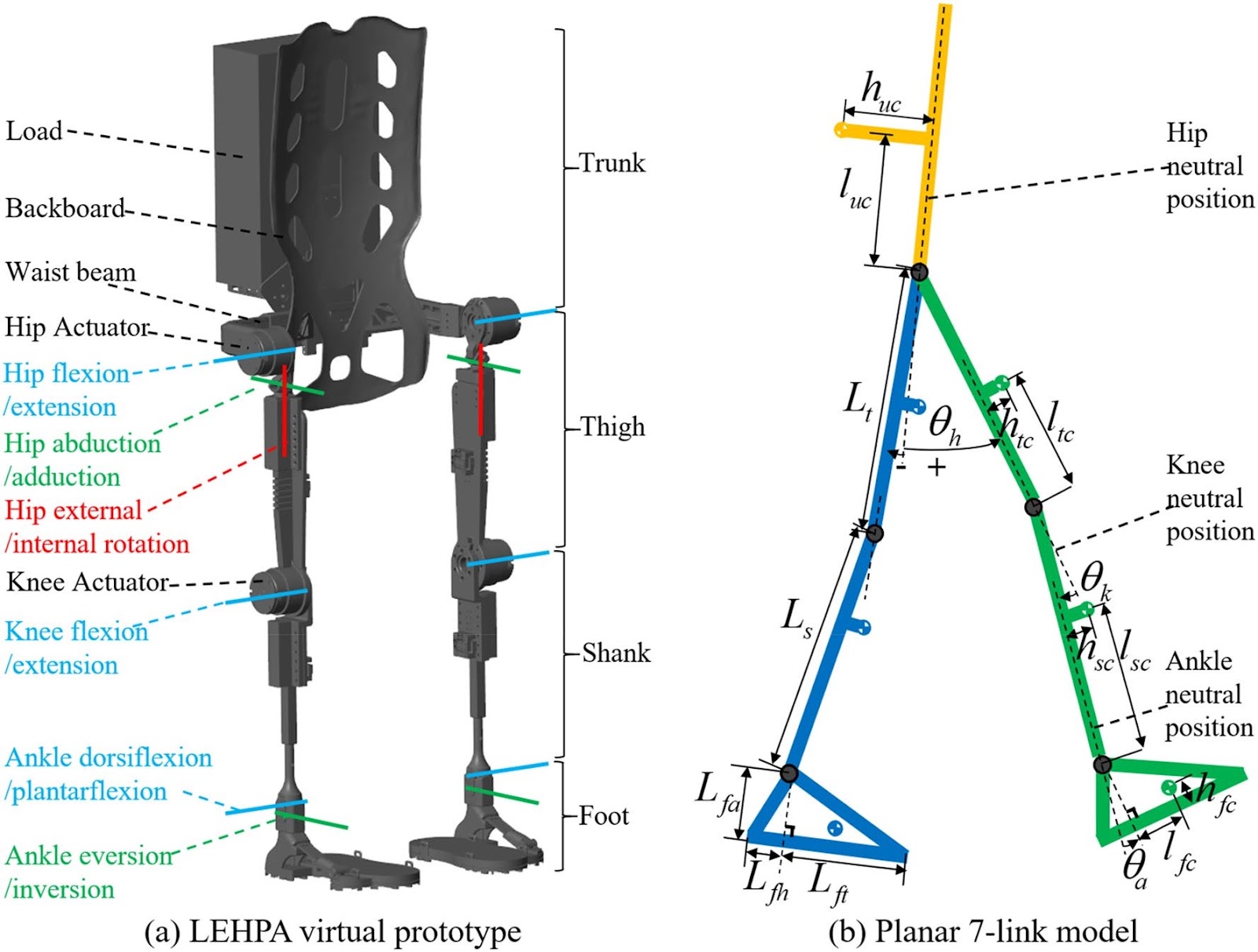
Virtual Impedance Adaptation of Lower-Limb Exoskeleton for Human Performance Augmentation Based on Deep Reinforcement Learning

Authors: Ranran Zheng, Zhiyuan Yu, Hongwei Liu, Junqin Lin, Bo Zeng, Longfei Jia

This paper proposes virtual impedance adaptation of the lower-limb exoskeleton for human performance augmentation (LEHPA) based on deep reinforcement learning (VIADRL) to mitigate reliance on model accuracy and address the ever-changing human-exoskeleton interaction (HEI) dynamics. The classical sensitivity amplification control strategy is expanded to the virtual impedance control strategy with more learnable virtual impedance parameters. The adjustment of these virtual impedance parameters is formalized as finding the optimal policy for a Markov Decision Process and can then be effectively resolved using deep reinforcement learning algorithms. To ensure safe and efficient policy training, a multibody simulation environment is established to facilitate the training process, supplemented by the innovative hybrid inverse-forward dynamics simulation approach for executing the simulation. For comparison purposes, the SADRL strategy is introduced as a benchmark. A novel control performance evaluation method based on the HEI forces at the back, thighs, and shanks is proposed to quantitatively evaluate the performance of our proposed VIADRL strategy. The VIADRL controller is systematically compared with the SADRL controller at five selected walking speeds. The lumped ratio of HEI forces under the SADRL strategy relative to those under the SADRL strategy is as low as 0.81 in simulation and approximately 0.89 on the LEHPA prototype. The overall reduction of HEI forces demonstrates the superiority of the VIADRL strategy in comparison to the SADRL strategy.

Virtual Impedance Adaptation of Lower-Limb Exoskeleton for Human Performance Augmentation Based on Deep Reinforcement Learning
Graphical Abstract
Original ResearchVol. 38, Issue 1 • pp. 189DOI: 10.1186/s10033-025-01350-3Jan 15, 2025

Simulation Analysis of How Scratches Influence Frequency Splitting and Energy Dissipation of Hemispherical Resonator

Authors: Jingyang Guo, Henan Liu, Mingjun Chen, Jian Cheng

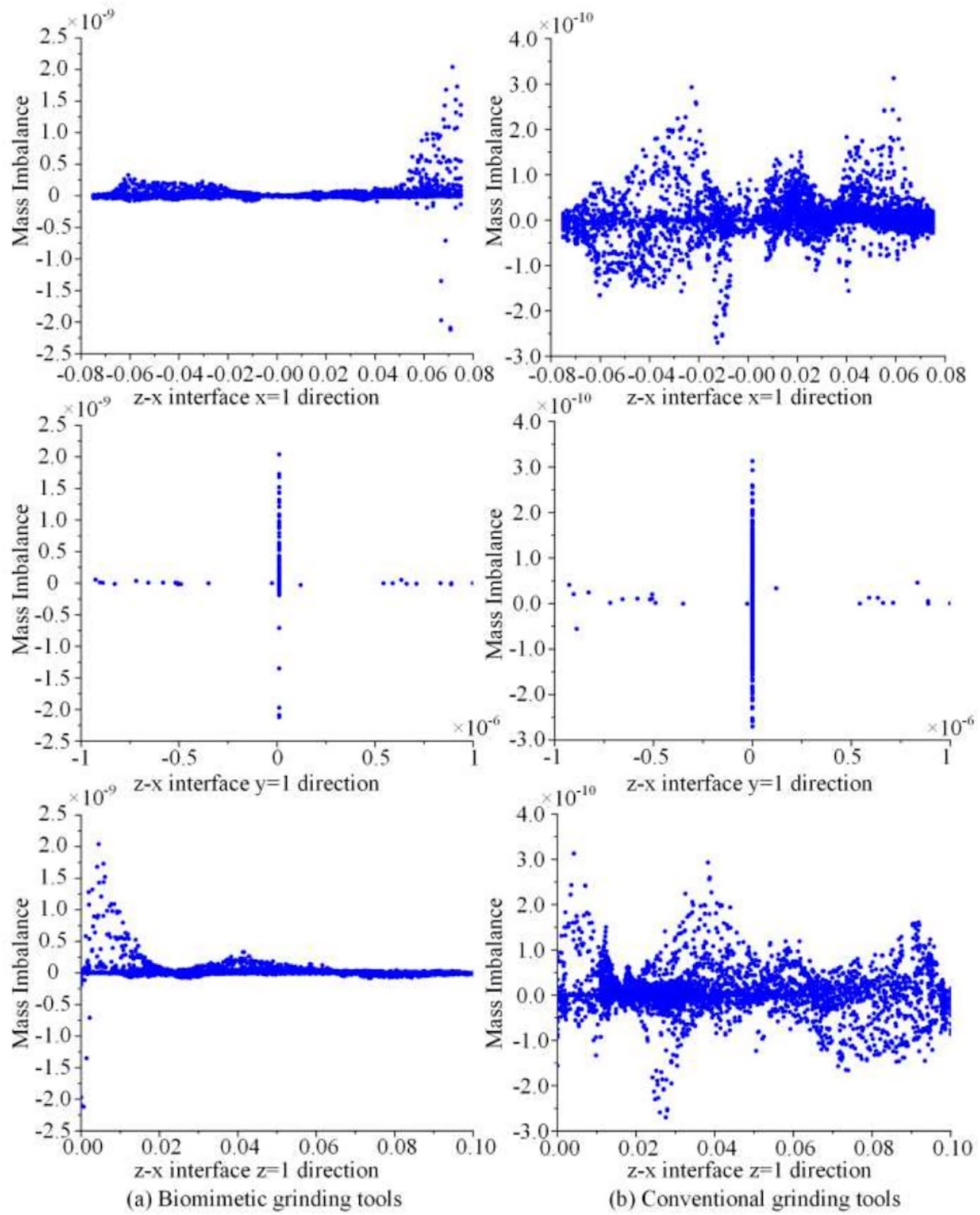
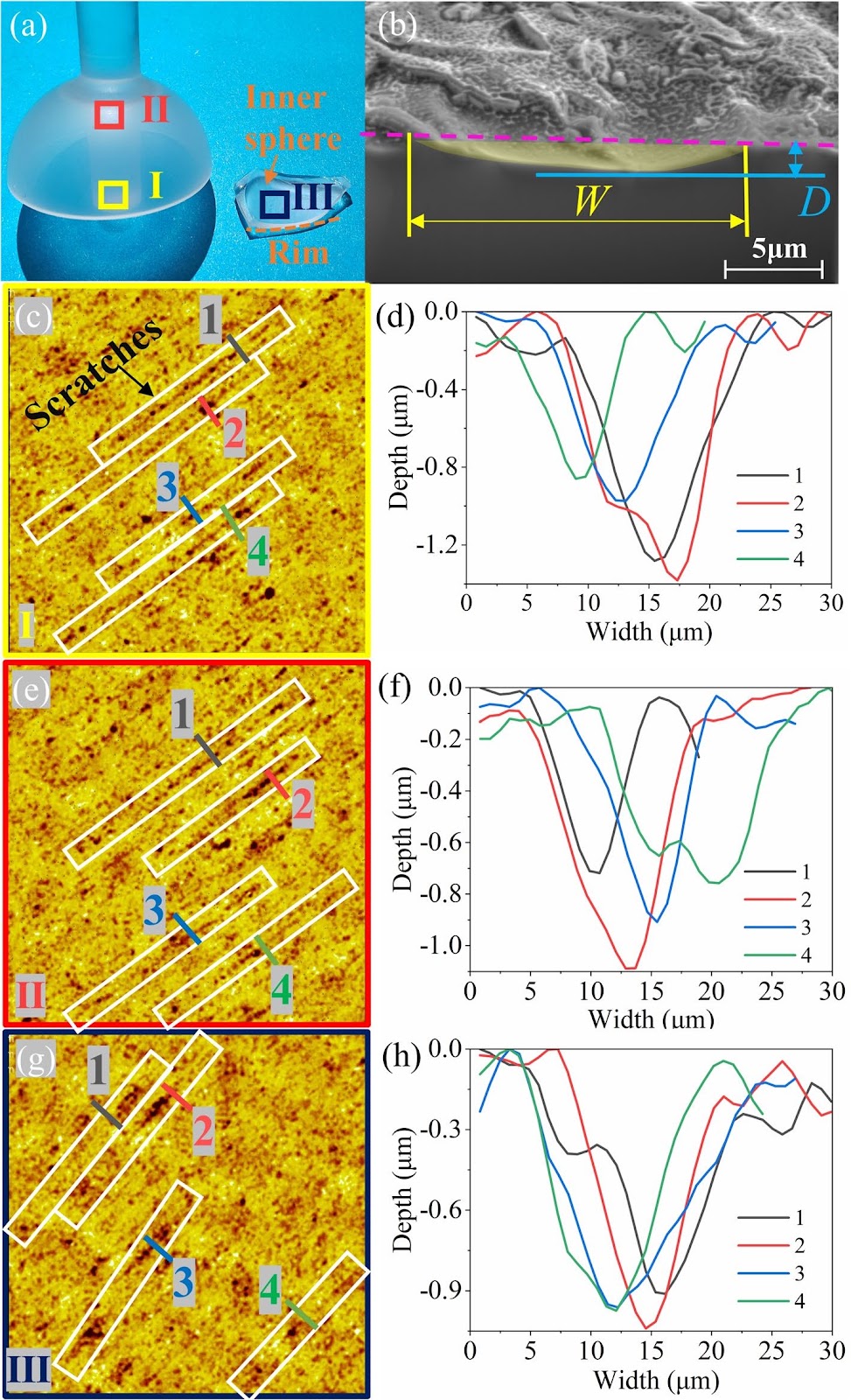
The fused quartz hemispherical resonator is the core component of the hemispherical resonator gyroscope. It features a complex shape and is made from a material that is difficult to process. Scratches are easily introduced during grinding, potentially degrading the mass-stiffness-damping symmetry; however, the underlying mechanisms of this influence have not been fully understood. This paper aims to investigate the effects of scratch defects on the frequency splitting and quality factor of the hemispherical resonator. First, finite element models of the hemispherical resonator with scratches are established. Then, the effects of the mass-stiffness factor, as well as the latitude and length of the scratches, on frequency splitting are analyzed. Furthermore, the impacts of latitude, length, and the first four harmonics of the unbalanced mass caused by scratches on thermoelastic damping and anchor loss are examined. Simulation results indicate that scratches above 55° latitude cause frequency splitting solely due to stiffness changes. Frequency splitting caused by scratches of the same size on the inherent rigidity shaft at the rim is approximately 50% of that near the transition fillet. Frequency splitting varies linearly with the volume of material removed by scratches. Scratches have little effect on thermoelastic damping. The first three harmonics of the unbalanced mass due to scratches at the rim are the primary contributors to anchor loss. Finally, focused ion beam trimming experiments are conducted at different locations on the hemispherical resonator. The trends observed in the experimental results are consistent with the simulation results. This work provides guidance for evaluating the impact of scratches on the performance of hemispherical resonators and for developing appropriate trimming processes.

Simulation Analysis of How Scratches Influence Frequency Splitting and Energy Dissipation of Hemispherical Resonator
Graphical Abstract
Original ResearchVol. 38, Issue 1 • pp. 91DOI: 10.1186/s10033-025-01239-1Jan 15, 2025

Human-centric Product Conceptual Design Model and Its Feedback-based Co-evolution Method

Authors: Bing Lai, Xin Guo, Wu Zhao, Jun Li, Hao Xue, Kai Zhang

In the context of Industry 5.0, more emphasis is placed on human-centric smart manufacturing patterns. Product design is a vital phase of smart manufacturing, involving user engagement is an essential factor in enhancing design quality and fostering innovation. With user involvement in-depth, dynamically changing user requirements and feedback bring new problems to the design process, and the traditional linear solving process cannot perceive such variations timely, which causes hysteresis in the solution. The design solution’s hysteresis affects the consensus achievement process between the designer and user, further prolonging the iteration cycle. To address this issue, a human-centric product conceptual design model is proposed for the timely translation of such variations into design solutions. In this model, design problems are formed by centering on user requirements, designer and user collaboratively solve the problems to form design solutions. Through a cycle of problem-driven, knowledge-supported, and solution evaluation, new problems are solved promptly to achieve progressive solution convergence, which clarifies the iterative evolution process and improves iterative efficiency. To verify the effectiveness of the model, a natural gas well foaming agent automatic filling device design is presented.

Human-centric Product Conceptual Design Model and Its Feedback-based Co-evolution Method
Graphical Abstract
Original ResearchVol. 38, Issue 1 • pp. 100-112DOI: 10.1186/s10033-025-01256-0Jan 15, 2025

Fretting Wear Performance of CrN Coating after Laser Shock Peening

Authors: Chuangming Ning, Ke Li, Guocan Tang, Yujie Xie, Lunlin Shang, Guangan Zhang, Zhenbing Cai

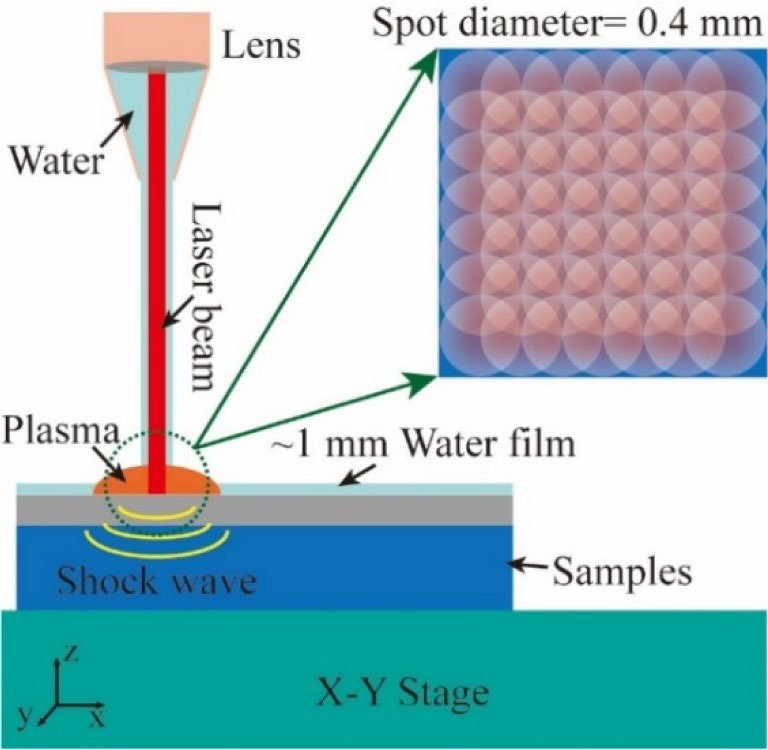
CrN coatings are also employed to protect structural materials in nuclear power plants. It should be noted that the preparation process utilizing physical vapor deposition (PVD) techniques inevitably entails certain defects. Such a phenomenon will affect the protective properties of CrN coatings. In this study, low-energy laser shock peening (LE-LSP) with varying energies was employed for the post-treatment of CrN coatings. The effects of different laser energy LE-LSP treatments on the surface morphology, crystal structure and fretting wear properties of CrN coatings were investigated. The results revealed that the surface of the CrN coatings subjected to LE-LSP underwent significant plastic deformation and displayed a regular texture structure. The surface roughness and Vickers hardness of the CrN coatings exhibit a significant increase. Under a laser energy of 150 mJ, the surface hardness exhibits a maximum increase of 2.35 times. The residual stress of CrN coatings diminishes with the augmentation of laser energy due to the formation of surface cracks. Following LE-LSP treatment, the columnar crystal structure of the CrN coating was disrupted and fragmented into fine grains due to the impact force. As the laser energy augments, the fragmented CrN grains undergo further compaction. During fretting wear, all specimens were in the gross slip regime. The wear mechanism of the CrN coating, 120 and 150 mJ specimens are primarily dominated by abrasive wear, and accompanied by oxidative wear. For specimens treated with 30, 60 and 90 mJ, the predominant wear mechanisms are mainly peeling and abrasive wear, and accompanied by oxidative wear. Both the wear area and wear volume initially increase and then decrease as the laser energy increases. The 150 mJ specimen exhibited the smallest wear area and wear volume of all tested specimens. The wear volume was reduced by 76.32% when compared to that of the CrN coating. This study complements the existing research on PVD/LSP composite strengthening techniques. Introduces a novel post-treatment methodology for PVD coatings. Provides certain theoretical support for subsequent PVD/LSP composite strengthening.

Fretting Wear Performance of CrN Coating after Laser Shock Peening
Graphical Abstract
Original ResearchVol. 38, Issue 1 • pp. 180DOI: 10.1186/s10033-025-01286-8Jan 15, 2025

A New Dynamic Model of Hydro-Viscous Clutch in a Stepless Speed Regulation Fan Drive System Considering Oil Groove Structures

Authors: Lintao Duan, Layue Zhao, Liming Wang, Yimin Shao, Liuyang Guo, Shi Chen, Zaigang Chen

This study aims to develop an accurate calculation model of transmission torque and load-bearing capacity for hydro-viscous clutches (HVC) used in high-power vehicles, which is important to investigate the step-less speed regulation characteristics in a fan drive system. However, most of the existing models ignore the distribution differences of groove area along the radial direction, which may lead to significant deviations in calculating the mechanical property of friction pairs related to operating conditions and the engagement process. To fill this gap, a new calculation model for bearing capacity and frictional torque of friction pairs with different oil grooves is proposed, in which the traditional fixed contact area ratio coefficient for oil groove measurement is replaced by a more precise discrete micro-ring area ratio (DMAR) integration method. Then, a 32-degree-of-freedoms dynamic model of HVC at a fan drive system is established for the prediction of dynamic responses during speed regulation. Results show that friction pairs with different oil grooves have a direct influence on frictional torque and bearing capacity through the change of DMAR along the radial direction. The friction pairs with different groove structures have oscillation phenomena at the engagement steady-state boundary. Furthermore, a step-less speed regulation experimental setup is established to verify the correctness of the proposed model. It is demonstrated that the axial engagement force and the speed regulation curve predicted by the proposed method are in good agreement with the experimental data. The results could effectively predict the engagement dynamic characteristics. The numerical relationship among the structure parameters, the mechanical properties of friction pairs, and the speed regulation characteristics of the system are established through the proposed model, which lays a theoretical foundation for the structure design of friction plates and optimization of step-less speed regulation performance.

A New Dynamic Model of Hydro-Viscous Clutch in a Stepless Speed Regulation Fan Drive System Considering Oil Groove Structures
Graphical Abstract
Original ResearchVol. 38, Issue 1 • pp. 155DOI: 10.1186/s10033-025-01329-0Jan 15, 2025

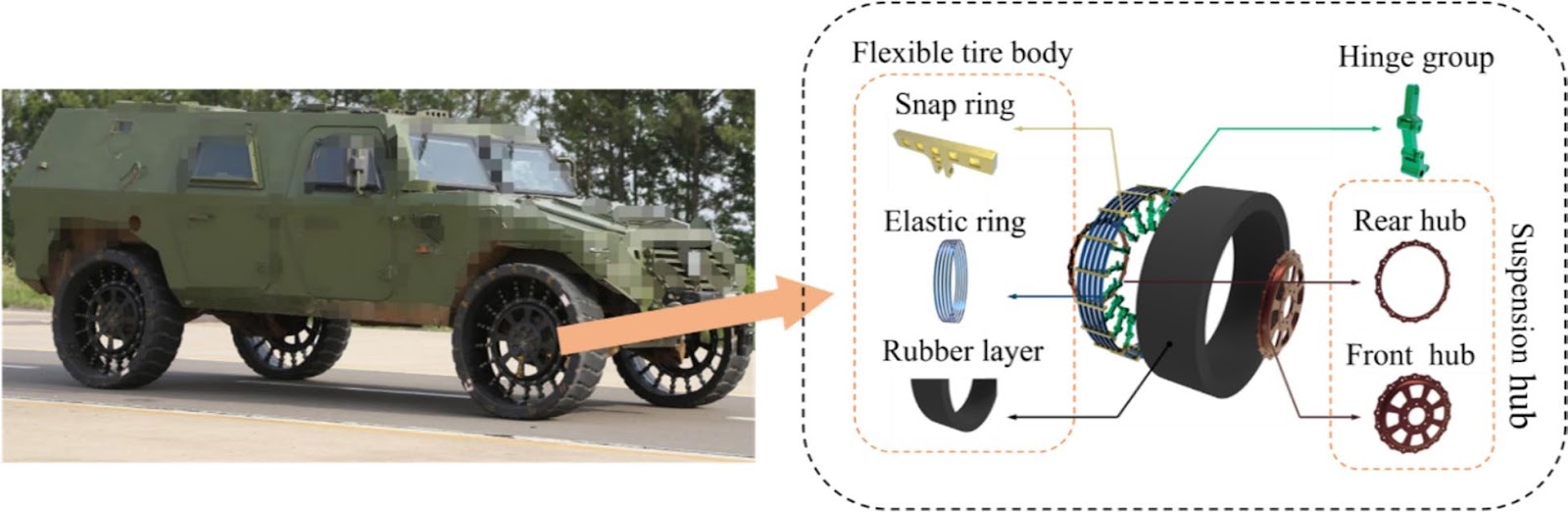
Research on Aerodynamic Characteristics of Isolated Non-pneumatic Mechanical Elastic Wheels

Authors: Shuo Guo, Youqun Zhao, Fen Lin, Chenxi Zhang, Song Yu

Non-pneumatic wheels inherently offer explosion-proof advantages compared to pneumatic wheel. Our team innovatively proposed an “elastic ring-hinge group” type non-pneumatic mechanical elastic wheel (ME-Wheel). To analyze the gas flow characteristics around the ME-Wheel, this study analyzed the aerodynamic characteristics of the ME-Wheel for the first time by using CFD calculation method, and studied the influences of speed, steering angle, camber angle and hinge group on the aerodynamic characteristics of the wheel. Compared with camber angle, steering angle has a more significant effect on the aerodynamic characteristics of non-pneumatic mechanical elastic wheels in terms of lift and drag. Speed has no significant effect on the wheel drag coefficient and lift coefficient. The number of hinge groups has a significant effect on wheel aerodynamic characteristics. The deviations between the maximum and minimum values of drag, lift, drag coefficient, and lift coefficient are 6.06%, 8.57%, 6.05%, and 8.6%, respectively. This study addresses a critical gap in the design optimization of ME-Wheel, provides a theoretical basis for the aerodynamic optimization of ME-Wheel, and has strong practical significance for the commercial development of non-pneumatic mechanical elastic wheels.

Research on Aerodynamic Characteristics of Isolated Non-pneumatic Mechanical Elastic Wheels
Graphical Abstract
Original ResearchVol. 38, Issue 1 • pp. 100-112DOI: 10.1186/s10033-025-01270-2Jan 15, 2025

Multi-mode Evasion Assistance Control Method for Intelligent Distributed-drive Electric Vehicle Considering Human Driver's Reaction

Authors: Bo Leng, Zhuoren Li, Ming Liu, Ce Yang, Yi Luo, Amir Khajepour, Lu Xiong

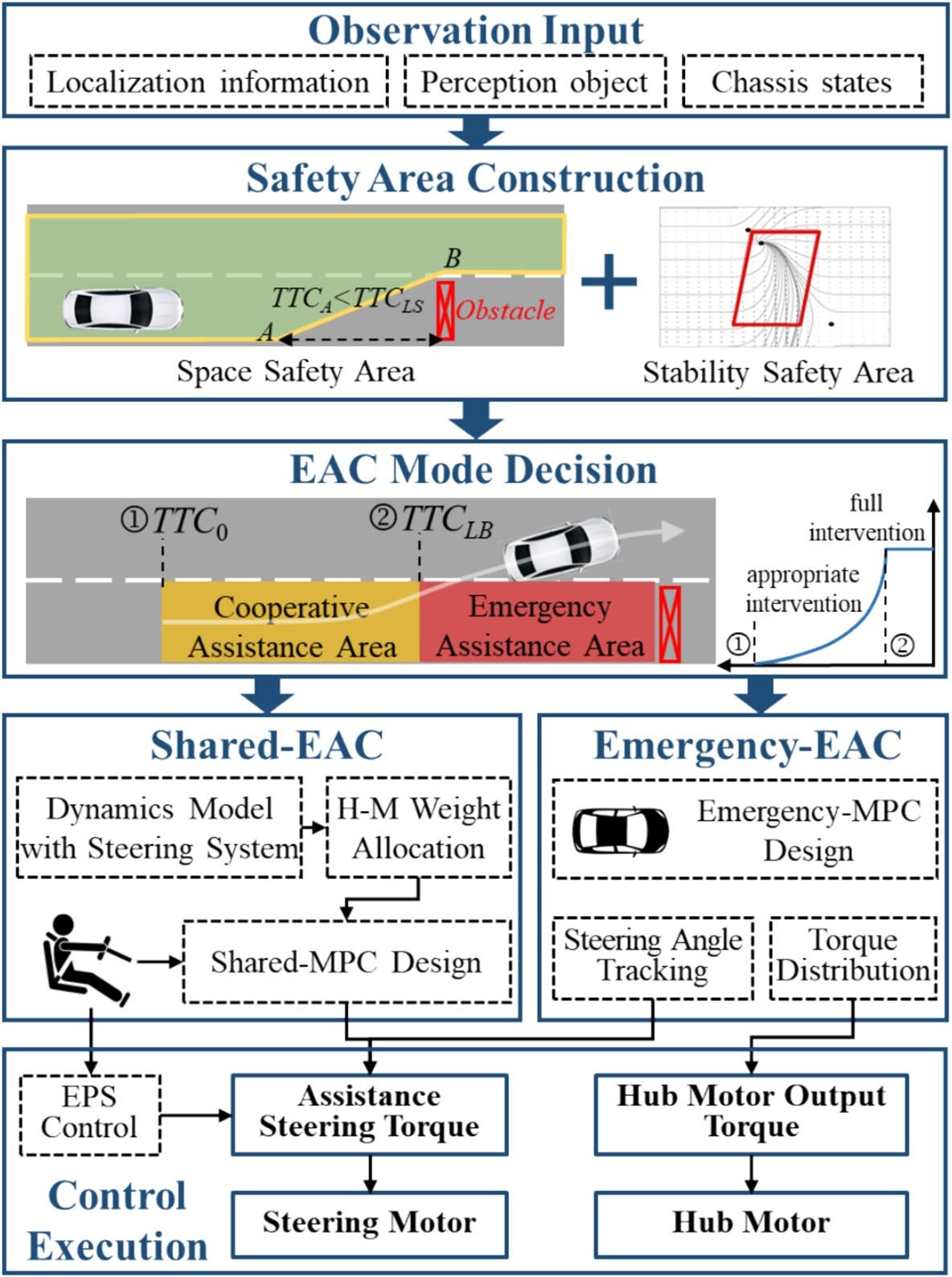
Vehicle collision avoidance (CA) has been widely studied to improve road traffic safety. However, most evasion assistance control methods face challenges in effectively coordinating collision avoidance safety and human-machine interaction conflict. This paper introduces a novel multi-mode evasion assistance control (MEAC) method for intelligent distributed-drive electric vehicles. A reference safety area is established considering the vehicle safety and stability requirements, which serves as a guiding principle for evading obstacles. The proposed method includes two control modes: Shared-EAC (S-EAC) and Emergency-EAC (E-EAC). In S-EAC, an integrated human-machine authority allocation mechanism is designed to mitigate conflicts between human drivers and the control system during collision avoidance. The E-EAC mode is tailored for situations where the driver has no collision avoidance behavior and utilizes model predictive control to generate additional yaw moments for collision avoidance. Simulation and experimental results indicate that the proposed method reduces human-machine conflict and assists the driver in safe collision avoidance in the S-EAC mode under various driver conditions. In addition, it enhances the vehicle responsiveness and reduces the extent of emergency steering in the E-EAC mode while improving the safety and stability during the collision avoidance process.

Multi-mode Evasion Assistance Control Method for Intelligent Distributed-drive Electric Vehicle Considering Human Driver's Reaction
Graphical Abstract
Original ResearchVol. 38, Issue 1 • pp. 158DOI: 10.1186/s10033-025-01298-4Jan 15, 2025

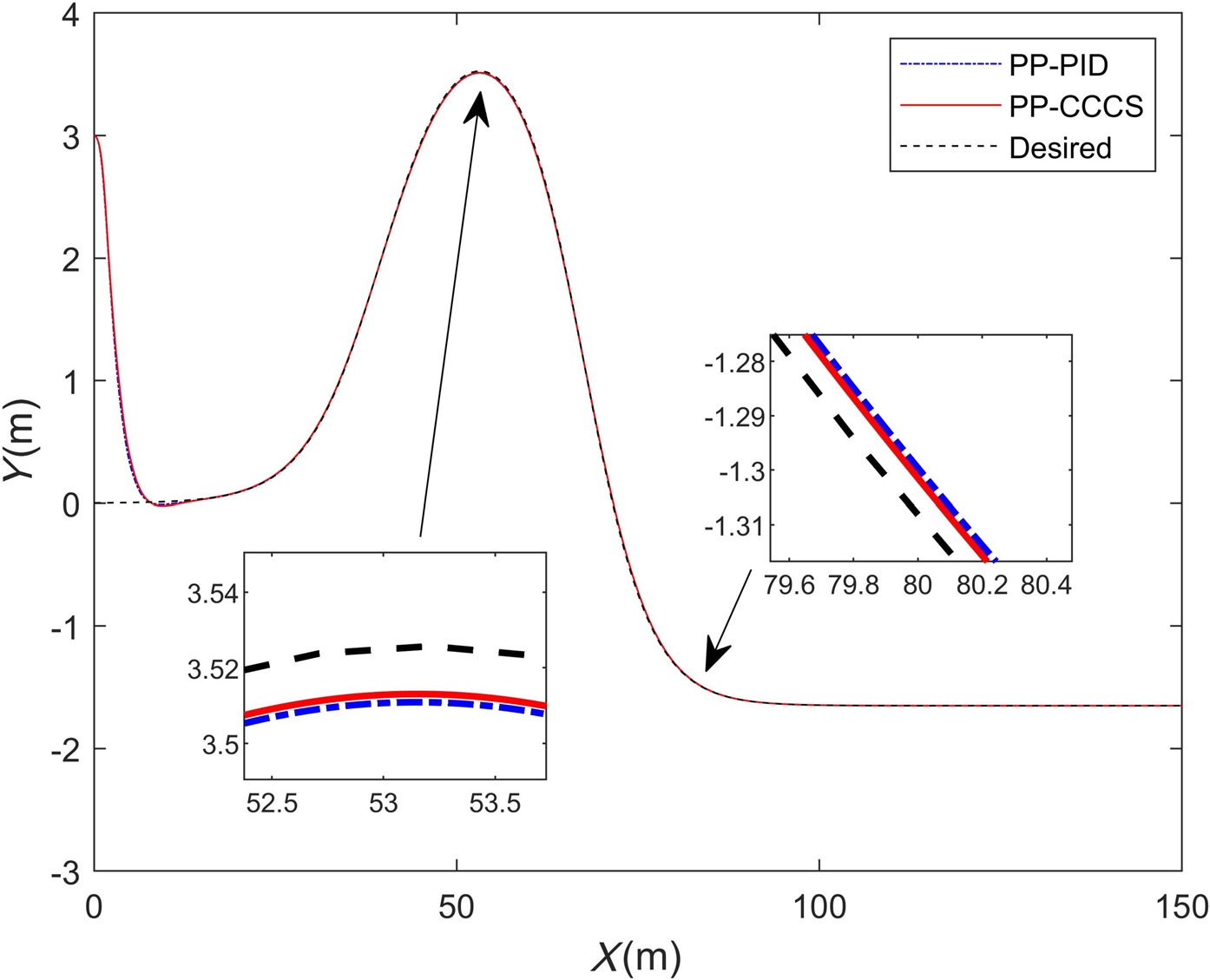
Improving Path Tracking Performance of 4WIS Vehicles via Constraint-Oriented Consistent Coordinated Steering

Authors: Zeyu Yang, Yusheng Dai, Manjiang Hu, Yougang Bian, Qingjia Cui, Yang Li

Research has shown that when vehicles follow the Ackerman steering principle (ASP), the tire wear can be reduced and the path tracking performance can be improved. However, in the case of four-wheel independent steering (4WIS) vehicles, the steering systems of the four wheels are relatively independent, and there are differences and uncertainties in individual steering dynamics, which lead to challenges for all four wheels in simultaneously satisfying the ASP and may deteriorate the vehicle path tracking performance. In response to this problem, this paper introduces a four-wheel consistent coordinated steering control for 4WIS vehicles. The algorithm innovatively reconfigures the Ackerman steering relationships as coupling constraints among the wheels, and utilizes the constraint-following method to design controller. The controller achieves uniform boundedness (UB) and uniform ultimate boundedness (UUB) of ASP constraint error. The Carsim/Simulink joint simulation results demonstrate that the algorithm guarantees the approximate satisfaction of ASP in both the transient and steady-state of the vehicle path tracking. Also, it significantly improves the path tracking performance.

Improving Path Tracking Performance of 4WIS Vehicles via Constraint-Oriented Consistent Coordinated Steering
Graphical Abstract
Original ResearchVol. 38, Issue 1 • pp. 130DOI: 10.1186/s10033-025-01312-9Jan 15, 2025

Thick-Panel Origami-Inspired Multiple Metamorphic Mechanisms with Planar-Spherical-Bennett Bifurcated Cycle

Authors: Yuyao Chen, Xi Kang, Bing Li

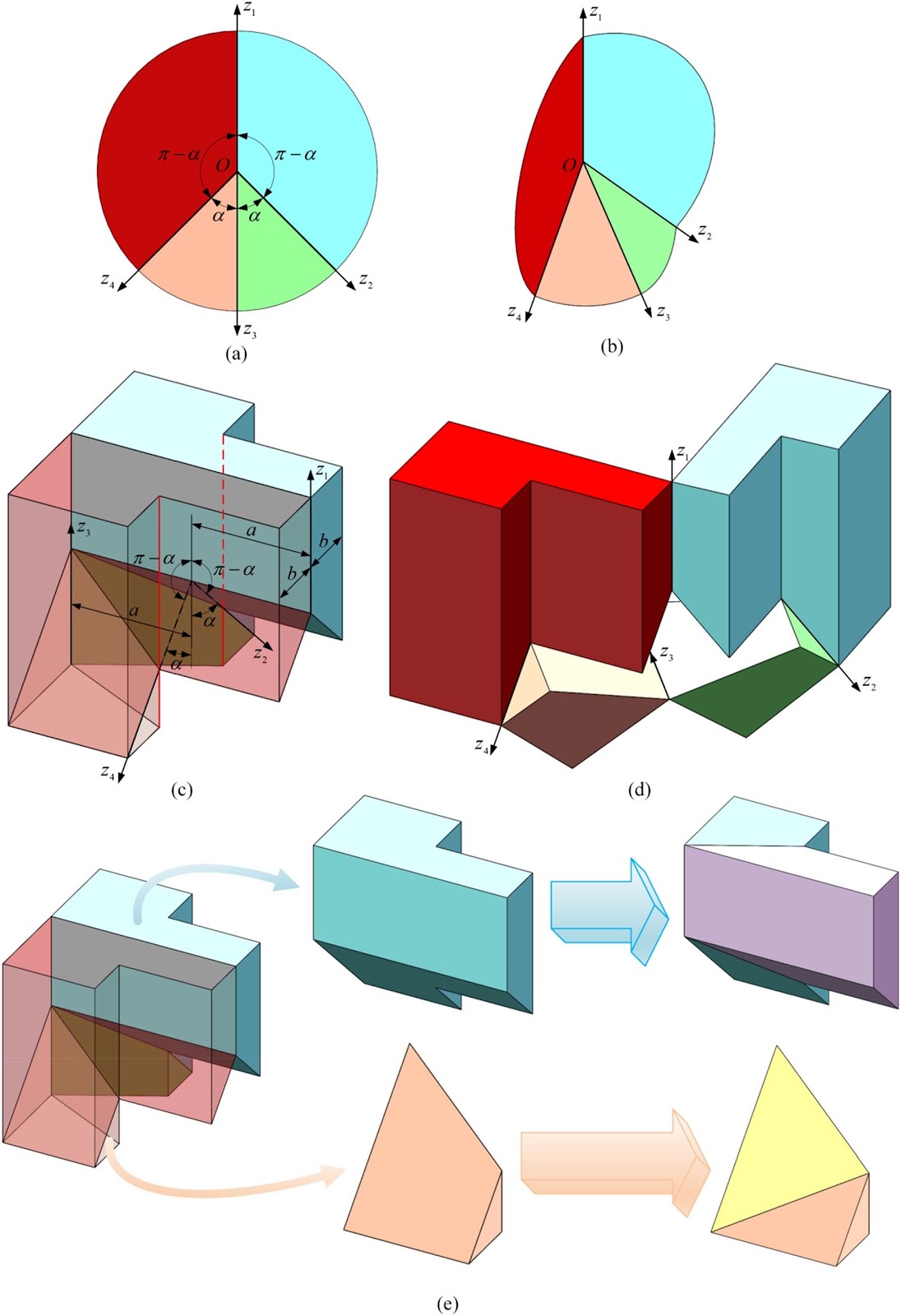
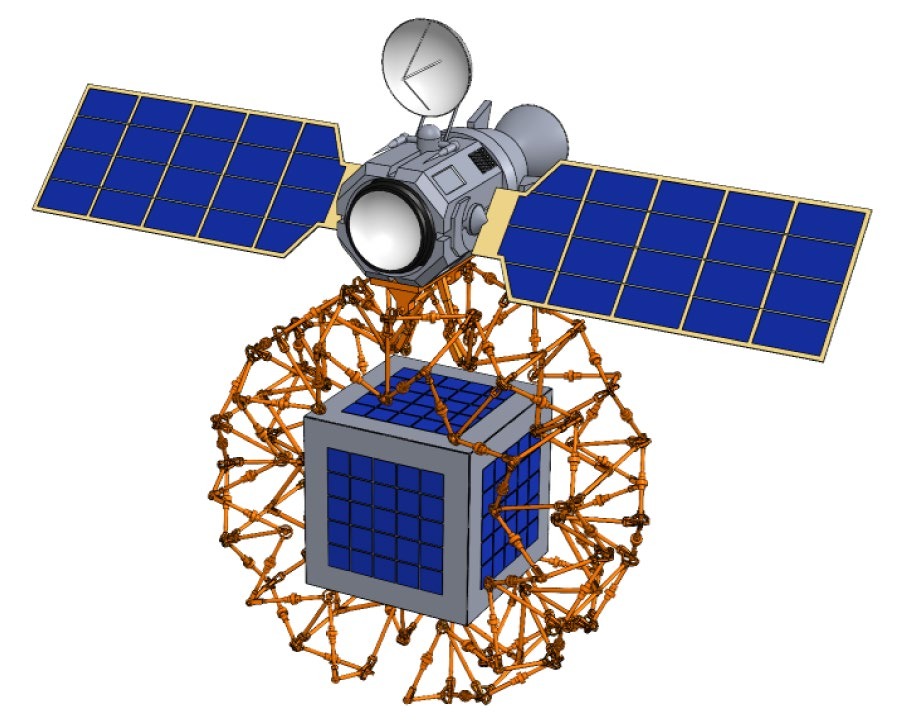
The intricate relationship between origami and mechanism underscores the fertile ground for innovation, which is particularly evident in the construction theory of thick-panel origami. Despite its potential, thick panel origami remains relatively unexplored in the context of single-loop metamorphic mechanisms. Drawing inspiration from thick-panel origami, particularly Miura origami, this study proposes a pioneering single-loop 6R multiple metamorphic mechanism. Through rigorous mathematical modeling (including the construction and resolution of the D-H closed-loop equation) and leveraging advanced analytical tools such as the screw theory and Lie theory, this study meticulously elucidates the planar, spherical, and Bennett motion branches of the mechanism. Furthermore, it delineates all the three bifurcation points between the motion branches, thereby providing a comprehensive understanding of the kinematic behavior of the mechanism. A metamorphic network can be constructed by applying several single-loop mechanisms to a symmetrical layout. Owing to its metamorphic properties, this network can act as a structural backbone for deployable antennas, aerospace shelters, and morphing wing units, thereby enabling a single mechanism to achieve multiple folding configurations. This paper not only introduces innovative metamorphic mechanisms but also suggests a promising method for uncovering and designing metamorphic mechanisms by developing new mechanisms from thick-panel origami.

Thick-Panel Origami-Inspired Multiple Metamorphic Mechanisms with Planar-Spherical-Bennett Bifurcated Cycle
Graphical Abstract
Original ResearchVol. 38, Issue 1 • pp. 169DOI: 10.1186/s10033-025-01337-0Jan 15, 2025

Configuration Synthesis and Analysis of Capture Origami Mechanism Based on Graph Theory

Authors: Hui Yang, Chuanlu Zhu, Chuanyang Li, Yan Wang, Jiantao Yao, Yongsheng Zhao

Origami mechanisms are extensively employed in various engineering applications due to their exceptional folding performance and deformability. The key to designing origami mechanisms lies in the design of the creases. The crease design is often derived from experience and inspiration, so it is crucial to have a systematic approach to crease design. In this paper, a novel synthesis approach based on graph theory is proposed, which effectively addresses the challenge of designing the creases in origami mechanisms. The essence of this method lies in the acquisition of the double symmetrical crease pattern through the directed graph product operation of two subgraphs. The crease pattern can be simplified by employing a technique that eliminates certain creases while preserving the non-isomorphism and symmetry of the pattern. An improved mixed-integer linear programming model is developed to achieve an automatic distribution of the peak_valley creases of the origami. The proposed method ultimately generates 12 unique double symmetrical crease patterns. The new method proposed in this paper, through systematic design, significantly improves the efficiency of mechanism design while opening up broad prospects for exploring new mechanism structures, thereby greatly expanding its application potential in cutting-edge fields such as aerospace engineering and intelligent robots.

Configuration Synthesis and Analysis of Capture Origami Mechanism Based on Graph Theory
Graphical Abstract
Original ResearchVol. 38, Issue 1 • pp. 100-112DOI: 10.1186/s10033-025-01277-9Jan 15, 2025

Performance Analysis of Open–Closed Circuit Integrated Pump-Valve Collaborative Drive Multi-Actuator System

Authors: Tao Liang, Long Quan, Lei Ge, Lianpeng Xia

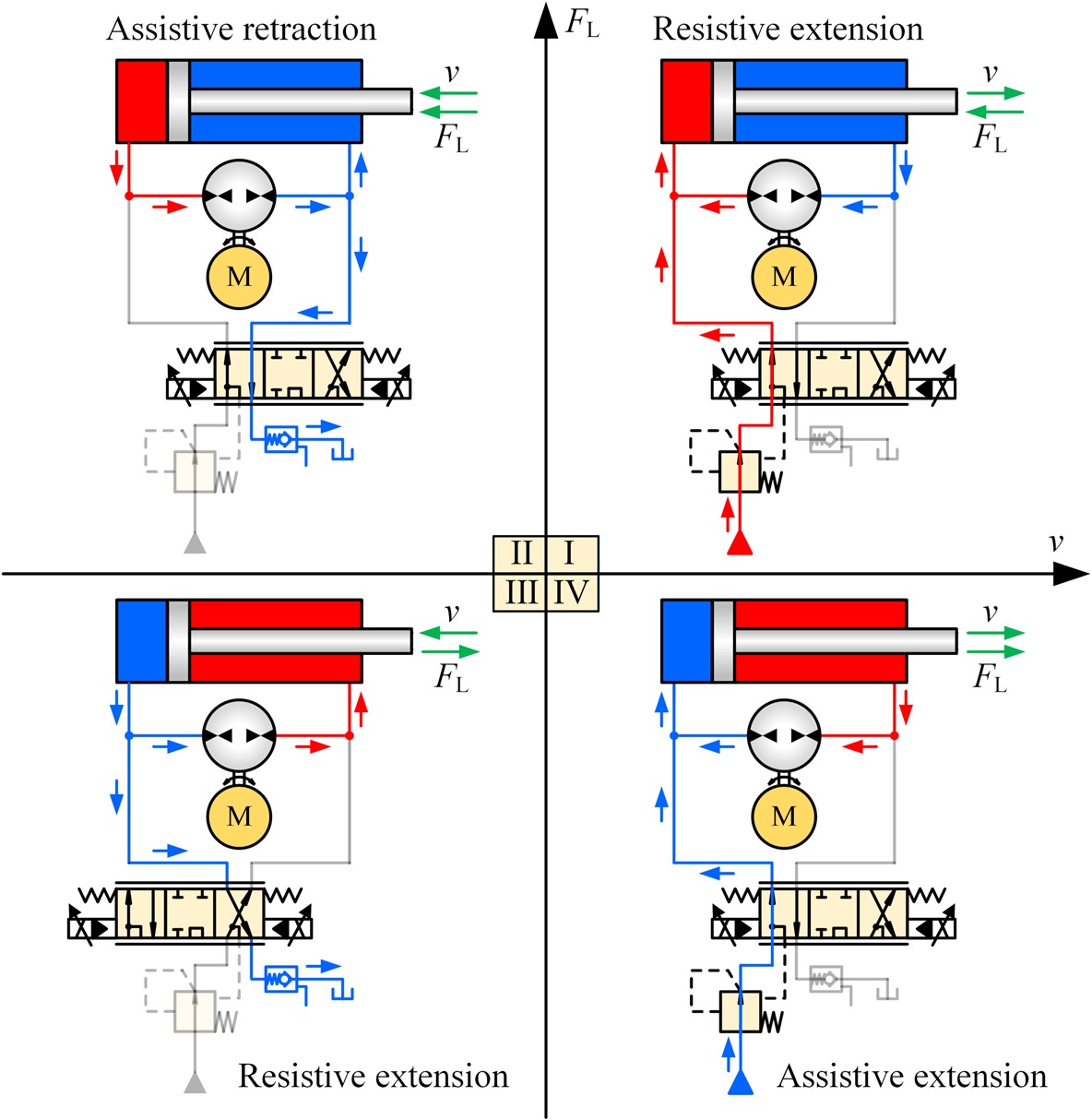
Load-sensing systems use a centralized power source for energy supply and multiway valves for flow distribution and suffer from excessive throttling losses and low energy efficiency. Pump-controlled systems adopt volumetric control methods to eliminate throttling losses. However, pump-controlled multi-actuator systems require excessive installed power. To address these issues, by combining the respective advantages of valve- and pump-controlled technologies, an open–closed circuit integrated pump-valve collaborative drive multi-actuator system consisting of pump- and valve-controlled units is proposed. The pump-controlled units manage the individual actuator motions, whereas the valve-controlled unit enhances the driving power of the pump-controlled units. In addition, to optimize the operation characteristics and energy consumption, a four-quadrant control strategy and an ultralow-pressure loss control strategy were proposed. Several experiments were conducted to evaluate the working performance of the proposed system and the load-sensing system under different working conditions. Experimental results demonstrated that the proposed system exhibited satisfactory velocity control characteristics. Compared with the traditional load-sensing system, the proposed system reduced throttling losses by 90.4−94.4% and energy consumption by 45.9−50.0%. Additionally, only 22.8% of the total energy consumption was attributed to the pump-controlled units, with the remainder provided by the valve-controlled unit. Compared with the traditional pump-controlled multi-actuator system, the proposed system achieved a 29.4% reduction in installed power, thereby lowering the system installed power and costs. This paper presents an electrohydraulic multi-actuator drive method that combines high energy efficiency and high power density and is suitable for electric construction machinery and other heavy equipment with multiple actuators.

Performance Analysis of Open–Closed Circuit Integrated Pump-Valve Collaborative Drive Multi-Actuator System
Graphical Abstract
Original ResearchVol. 38, Issue 1 • pp. 78DOI: 10.1186/s10033-025-01235-5Jan 15, 2025

Performance Analysis and Multi-Objective Optimization of Functional Gradient Honeycomb Non-pneumatic Tires

Authors: Haichao Zhou, Haifeng Zhou, Haoze Ren, Zhou Zheng, Guolin Wang

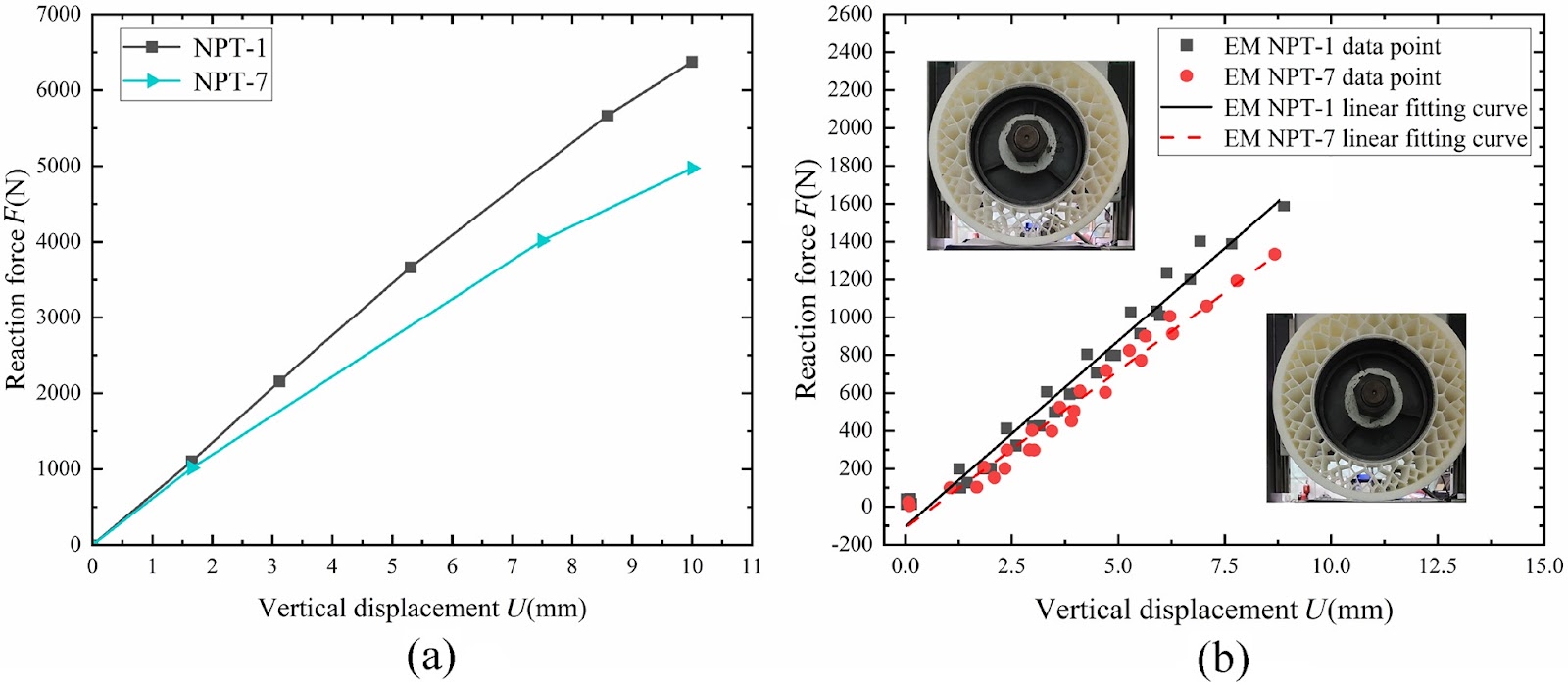
The spoke as a key component has a significant impact on the performance of the non-pneumatic tire (NPT). The current research has focused on adjusting spoke structures to improve the single performance of NPT. Few studies have been conducted to synergistically improve multi-performance by optimizing the spoke structure. Inspired by the concept of functionally gradient structures, this paper introduces a functionally gradient honeycomb NPT and its optimization method. Firstly, this paper completes the parameterization of the honeycomb spoke structure and establishes the numerical models of honeycomb NPTs with seven different gradients. Subsequently, the accuracy of the numerical models is verified using experimental methods. Then, the static and dynamic characteristics of these gradient honeycomb NPTs are thoroughly examined by using the finite element method. The findings highlight that the gradient structure of NPT-3 has superior performance. Building upon this, the study investigates the effects of key parameters, such as honeycomb spoke thickness and length, on load-carrying capacity, honeycomb spoke stress and mass. Finally, a multi-objective optimization method is proposed that uses a response surface model (RSM) and the Non-dominated Sorting Genetic Algorithm - II (NSGA-II) to further optimize the functional gradient honeycomb NPTs. The optimized NPT-OP shows a 23.48% reduction in radial stiffness, 8.95% reduction in maximum spoke stress and 16.86% reduction in spoke mass compared to the initial NPT-1. The damping characteristics of the NPT-OP have also been improved. The results offer a theoretical foundation and technical methodology for the structural design and optimization of gradient honeycomb NPTs.

Performance Analysis and Multi-Objective Optimization of Functional Gradient Honeycomb Non-pneumatic Tires
Graphical Abstract