SinoTechIntel Academic Portal
🏛️ Indexed Academic JournalImpact Factor: 4.4 (Q1 - Springer)Original: 中南大学学报 (自然科学版/英文版)

Journal of Central South University

4.4 (Q1 - Springer)

Total Research Papers: 153
Access: 100% Free Open Access
Browse by Publication Year & VolumeReset All Filters ✕

Published Research PapersFiltered: Year 2025 • Vol. 32 • Issue 8

Showing 14 of 153 peer-reviewed papers with full Graphical Abstracts.

Original ResearchVol. 32, Issue 8 • pp. 111-123DOI: 10.1007/s11771-025-5860-3Aug 25, 2025

Copper and iron extraction from chalcopyrite by NaCl@MgCl2@urea: Synthesis of CuFe2O4 electrodes for supercapacitors

Authors: POLAT Safa, MOHAMMED Mariem, MASHRAH Muwafaq

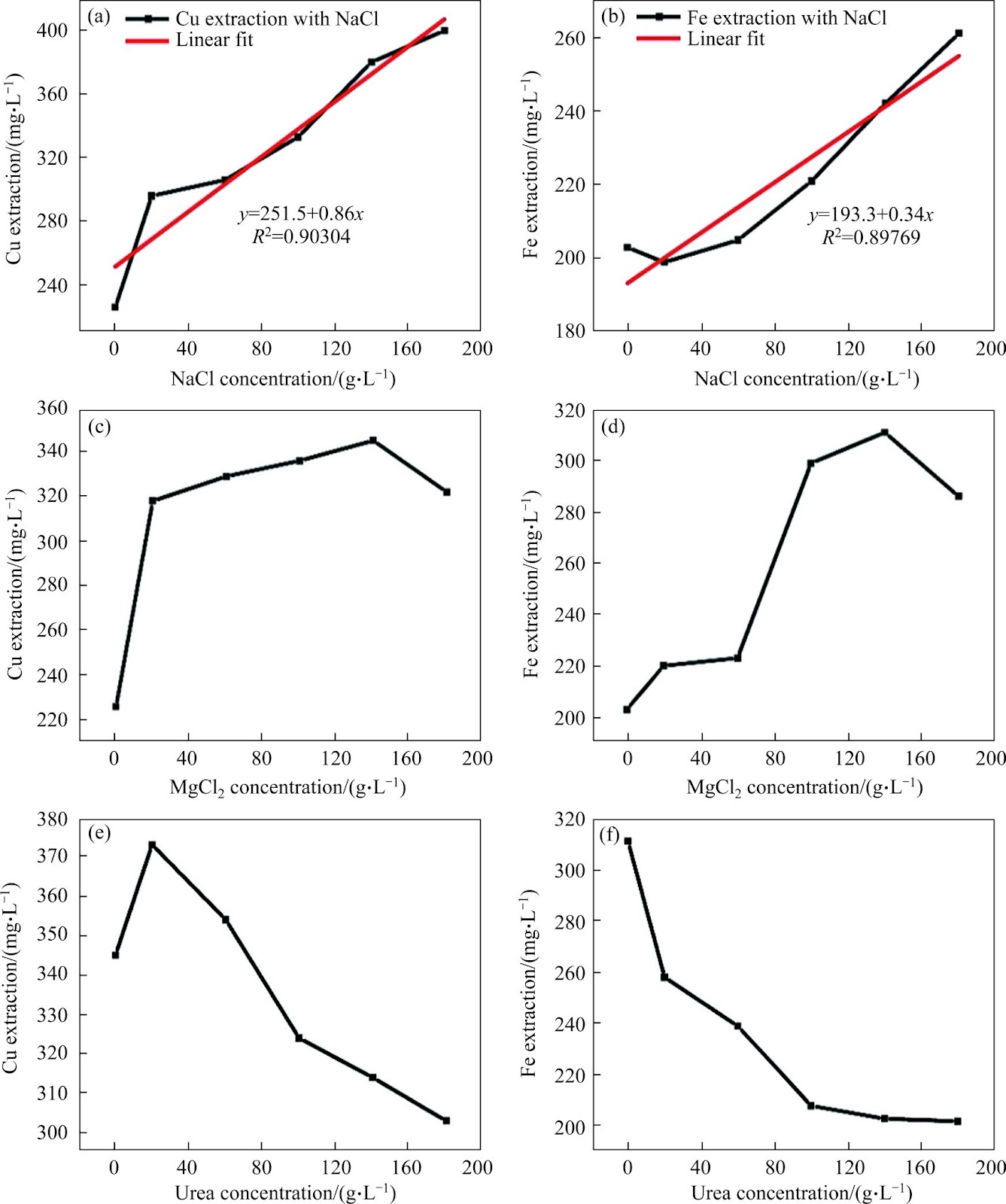
This study was conducted in two sections. Initially, the effects of NaCl, MgCl2, and urea were investigated on extracting copper and iron from chalcopyrite. Subsequently, CuFe2O4-based electrodes for supercapacitors were synthesized using the extracted solution. The first phase revealed that 3 mol/L NaCl achieved the highest extraction performance, yielding 60% Cu and 23% Fe. MgCl2 at 1.5 mol/L extracted 52% Cu and 27% Fe, while a combination of 0.5 mol/L MgCl2 and 1.6 mol/L urea yielded 57% Cu
Copper and iron extraction from chalcopyrite by NaCl@MgCl2@urea: Synthesis of CuFe2O4 electrodes for supercapacitors
Graphical Abstract
Original ResearchVol. 32, Issue 8 • pp. 347-359DOI: 10.1007/s11771-025-5994-3Aug 24, 2025

Shear fracture behavior and fracture fractal characteristics of granite under adverse effect of cyclic heating

Authors: JIANG Tian-qi, CHEN Bing, ZHANG Qing-song, SHEN Bao-tang, BAI Ji-wen, LIU Ren-tai, CHEN Meng-jun, SASAOKA Takashi

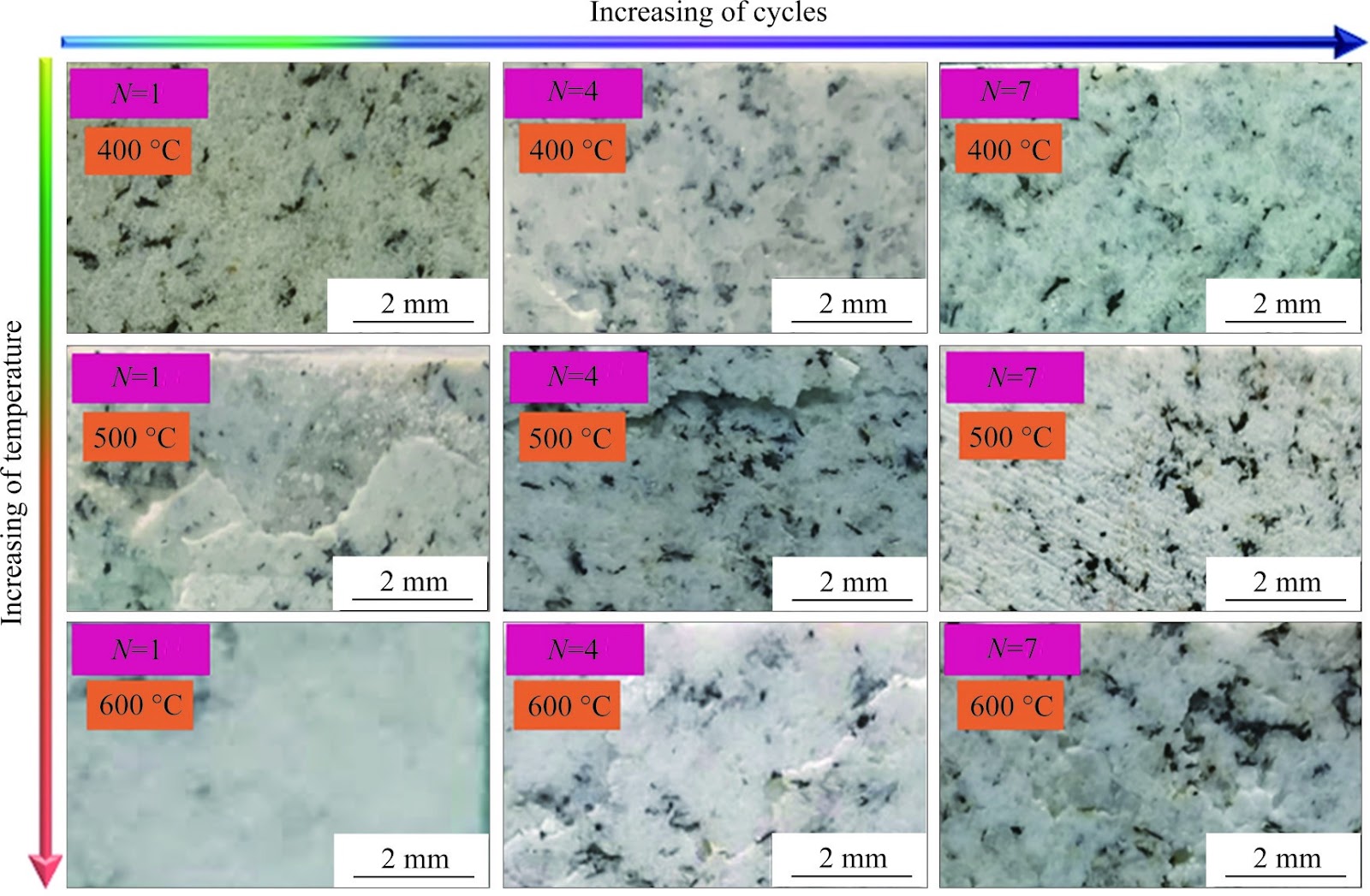
Deep geothermal extraction processes expose rock masses to frequent and significant temperature fluctuations. Developing a comprehensive understanding of the shear fracture mechanisms and crack propagation behaviors in rocks under the influence of cyclic heating is imperative for optimizing geothermal energy extraction. This study encompasses several critical aspects under cyclic heating conditions, including the assessment of stress distribution states, the characterization of two-dimensional fracture paths, the quantitative analysis of three-dimensional damage characteristics on fracture surfaces, and the determination of the fractal dimension of debris generated after the failure of granite. The test results demonstrate that cyclic heating has a pronounced adverse effect on the physical and mechanical properties of granite. Consequently, stress tends to develop and propagate in a direction perpendicular to the two-dimensional fracture path. This leads to an increase in the extent of tensile damage on the fracture surface and accelerates the overall rock failure process. This increases the number of small-sized debris, raises the fractal dimension, and enhances the rock’s rupture degree. In practical enhanced geothermal energy extraction, the real-time monitoring of fracture propagation within the reservoir rock mass is achieved through the analysis of rock debris generated during the staged fracturing process.

Shear fracture behavior and fracture fractal characteristics of granite under adverse effect of cyclic heating
Graphical Abstract
Original ResearchVol. 32, Issue 8 • pp. 519-531DOI: 10.1007/s11771-025-5911-9Aug 22, 2025

Mechanical properties and microstructure of as-cast AA7050 processed by equal channel angular pressing combined with inter-pass aging treatment

Authors: Li Jian, He Tao, Du Xiang-yang, Jia Dong-sheng, Vereschaka Alexy

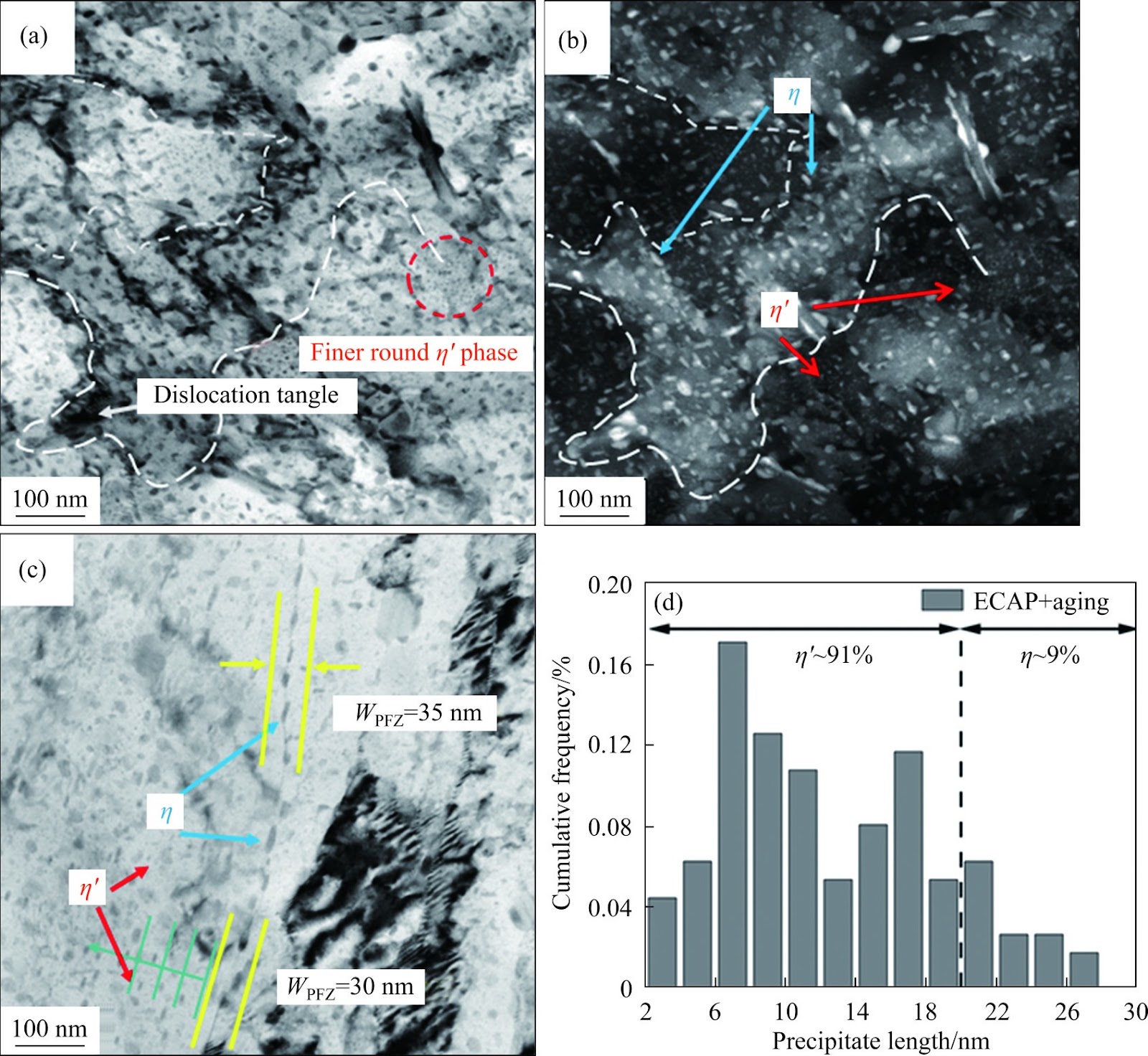
In this study, the interaction between deformation and precipitates during multiple equal channel angular pressing (ECAP) deformations and inter-pass aging combination and its effect on the mechanical properties of 7050 aluminum alloy are studied. The result show that ECAP induces numerous substructures and dislocations, effectively promoting the precipitation of the ηʹ phase exhibiting a bimodal structure during inter-pass aging. Following inter-pass aging and subsequent ECAP, the decrease in g

Mechanical properties and microstructure of as-cast AA7050 processed by equal channel angular pressing combined with inter-pass aging treatment
Graphical Abstract
Original ResearchVol. 32, Issue 8 • pp. 127-139DOI: 10.1007/s11771-025-5940-4Aug 19, 2025

Preparation of Mo2CTx MXene with high specific surface area by etching of acetic acid/acetate solution

Authors: Zhang Guang-lei, Du Ya-qiong, Guo Yi-tong, Liu Han, Wang Li-bo, Jiang Ji-zhou, Zhou Ai-guo

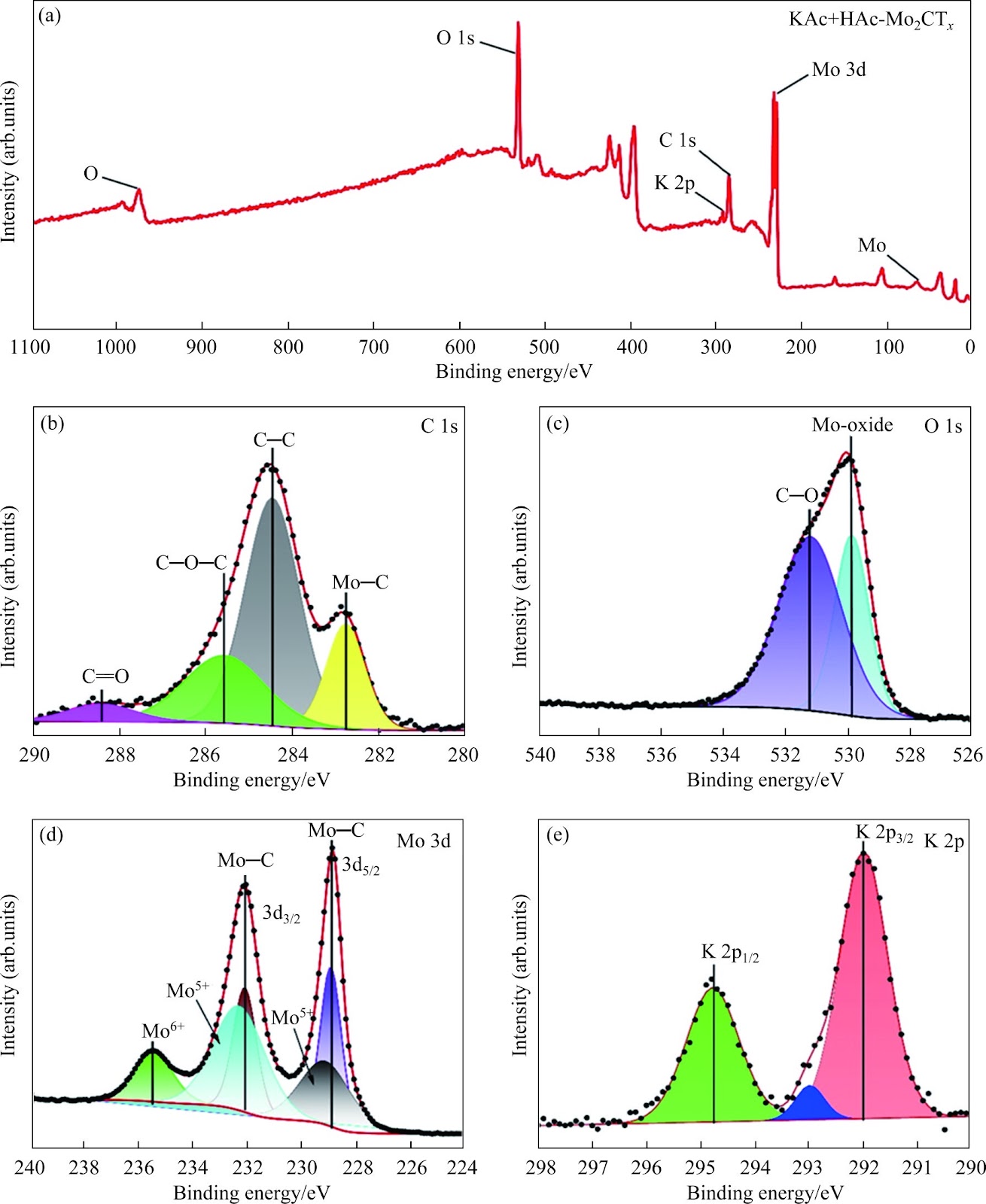
Mo2CTx MXene is a novel two-dimensional material, which is generally made by the etching of inorganic acid solutions, such as hydrofluoric acid (HF) or hydrochloric acid (HCl). Those solutions are always corrosive and hazardous. In this paper, a mild organic acid, acetic acid (CH3COOH), was selected to synthesize Mo2CTx MXene. 30 mL acetic acid (HAc) with the concentration of 13 mol/L was mixed with 2 g acetate (CH3COONa or CH3COOK) and 10 mL water to make etching solution (NaAc+HAc or KAc+HAc).

Preparation of Mo2CTx MXene with high specific surface area by etching of acetic acid/acetate solution
Graphical Abstract
Original ResearchVol. 32, Issue 8 • pp. 665-677DOI: 10.1007/s11771-025-6031-2Aug 17, 2025

Achieving low-porosity and high-strength 2219 aluminum alloy joints through coupling of laser beam oscillation and post-weld heat treatment

Authors: ZHU Liang-jin, DONG Guo-jiang, YANG Zhuo-yun, BI Jiang

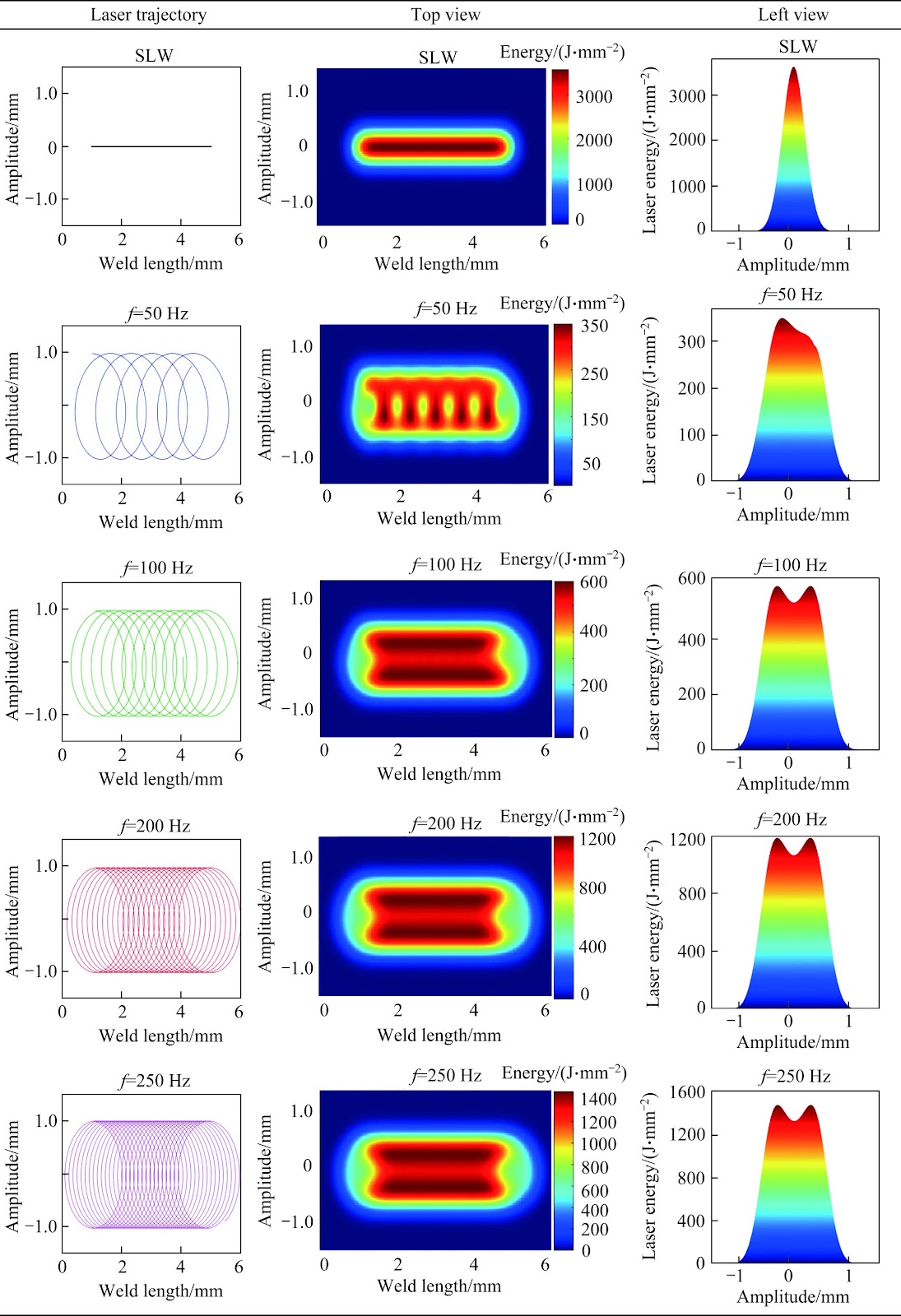
Laser welding is a highly promising joining method for Al alloys. However, certain limitations such as elevated thermal input and keyhole instability are associated with its application in medium-thickness aluminium alloy plates. To address these issues, circular oscillating laser welding combined with post-weld heat treatment was employed to improve the formation quality and mechanical properties of the welds. The effects of the frequency of circular oscillating laser on the forming quality, microstructure, and properties of the welds were analyzed. At an oscillation frequency of 200 Hz, the grain size in the weld zone was reduced compared to single laser welding, and the maximum tensile strength of the weld was observed to reach (264.96±1.33) MPa, representing approximately 61.19% of the base metal. Following the post-weld heat treatment of "solid solution and artificial aging", the grain boundary segregation was diminished. Nanoscale precipitated phases are present in the weld zone. Furthermore, the tensile strength was augmented to (386.35±5.65) MPa, representing approximately 89.23% of the strength of the base metal. The results of this study can provide a theoretical basis and technological reference for the circular oscillating laser welding of medium-thickness 2219-T6 aluminium alloy plates.

Achieving low-porosity and high-strength 2219 aluminum alloy joints through coupling of laser beam oscillation and post-weld heat treatment
Graphical Abstract
Original ResearchVol. 32, Issue 8 • pp. 535-547DOI: 10.1007/s11771-025-5980-9Aug 16, 2025

Flotation separation performance and mechanism of sphalerite from pyrite by Fe³⁺-Cu²⁺-BX process

Authors: LIU Jun, ZHANG Zhi-yong, SHI Jun-yang, LIU Sheng, HU Fang, LIU Guang-yi

The lime-Cu²⁺-xanthate process is commonly used for the flotation separation of sphalerite from pyrite. In this process, lime is added to the pulp to inhibit the floatability of pyrite. However, the excessive use of lime can result in pipeline blockage and inadequate recovery of associated precious metals. Therefore, it is necessary to develop new flotation process that minimizes or eliminates the use of lime. In this paper, a novel Fe³⁺-Cu²⁺-butyl xanthate process was developed as an alternativ

Flotation separation performance and mechanism of sphalerite from pyrite by Fe³⁺-Cu²⁺-BX process
Graphical Abstract
Original ResearchVol. 32, Issue 8 • pp. 707-719DOI: 10.1007/s11771-025-5848-zAug 14, 2025

Interactive effects of bacteria-loaded biochar on the physiological responses of Brassica rapa var. chinensis in the Pb and Zn contaminated soil

Authors: LI Xue, ZHU Xiao-li, ZHU Feng, LI Xing, ZHANG Zi-ye, XUE Sheng-guo

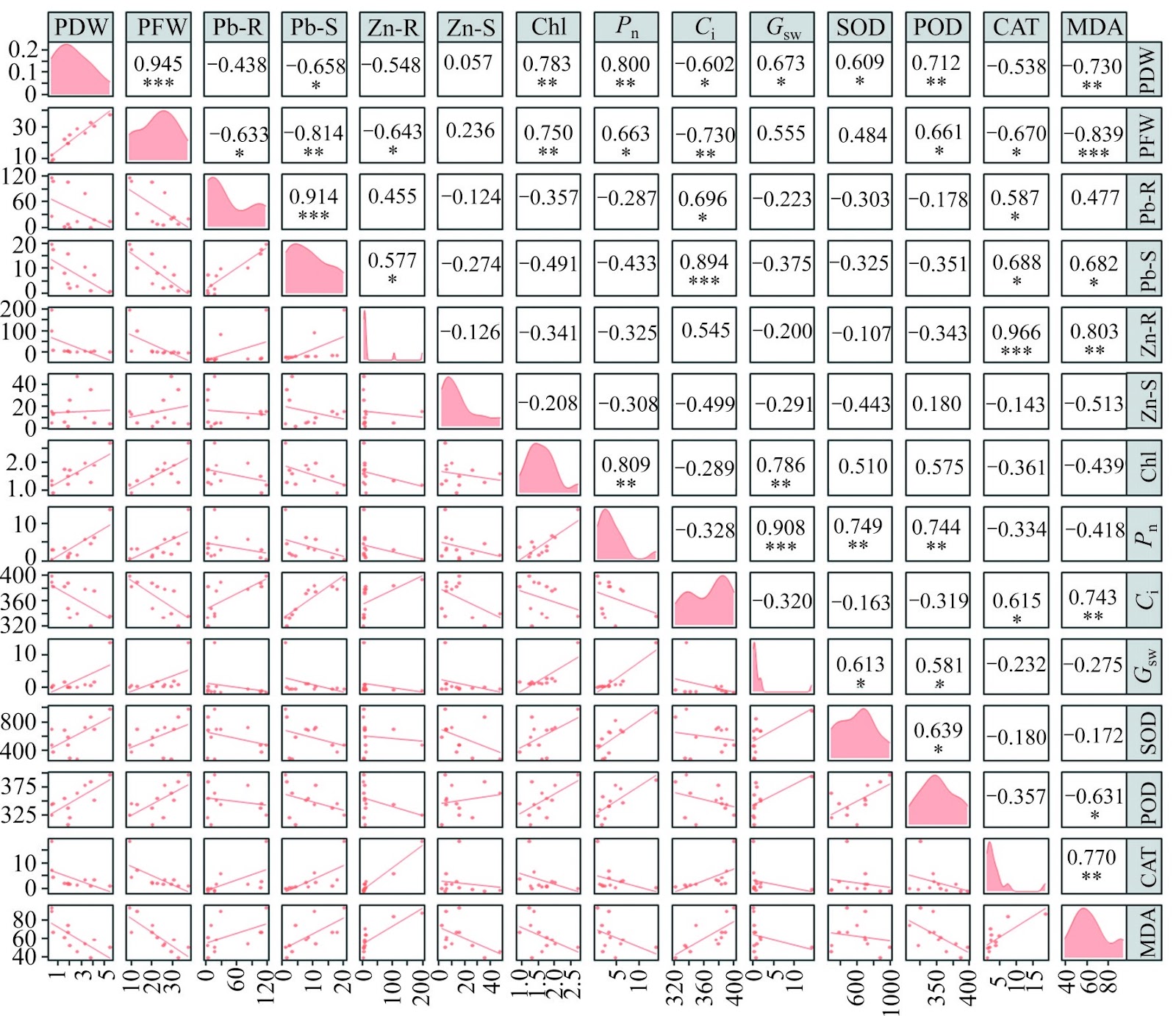
Lead (Pb) and zinc (Zn) are widely recognized as common environmental contaminants, contributing to soil degradation and posing risks to environmental health. Combining functional carbon-based materials with microorganisms has been considered as an effective and environmentally friendly strategy for remediating Pb/Zn-contaminated soil. However, there is still a lack of understanding the connection between heavy metal immobilization and plant responses, which hampers practical applications. Here,

Interactive effects of bacteria-loaded biochar on the physiological responses of Brassica rapa var. chinensis in the Pb and Zn contaminated soil
Graphical Abstract
Original ResearchVol. 32, Issue 8 • pp. 143-155DOI: 10.1007/s11771-025-5993-4Aug 13, 2025

Risk adjustable optimal operation for electricity-hydrogen integrated energy system based on chance constrained goal programming

Authors: Zhou Xiao-jun, Hu Jia-ming, Li Chao-jie, Yang Chun-hua

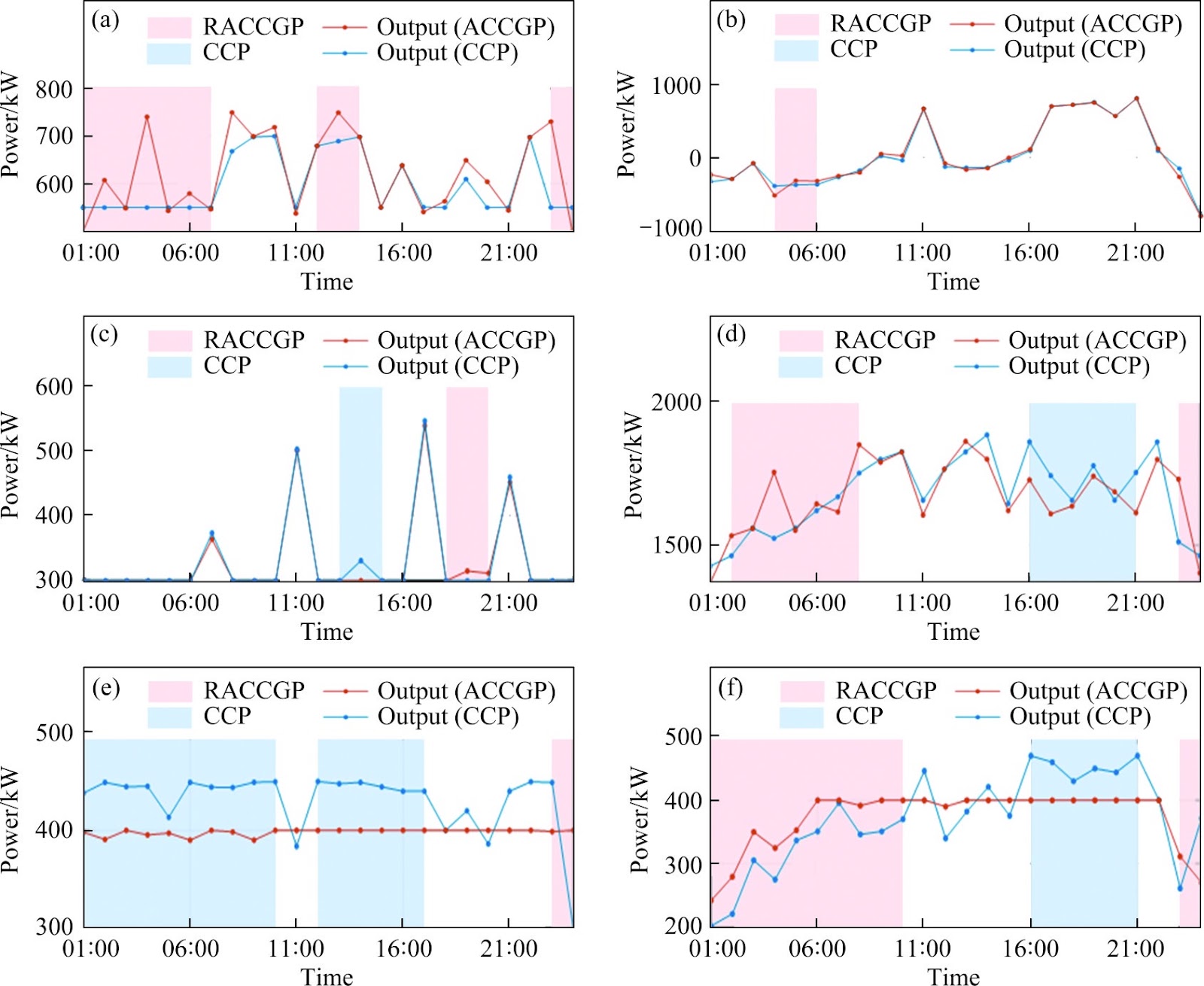
The electricity-hydrogen integrated energy system (EH-IES) enables synergistic operation of electricity, heat, and hydrogen subsystems, supporting renewable energy integration and efficient multi-energy utilization in future low-carbon societies. However, uncertainties from renewable energy and load variability threaten system safety and economy. Conventional chance-constrained programming (CCP) ensures reliable operation by limiting risk. However, increasing source-load uncertainties that can r

Risk adjustable optimal operation for electricity-hydrogen integrated energy system based on chance constrained goal programming
Graphical Abstract
Original ResearchVol. 32, Issue 8 • pp. 315-327DOI: 10.1007/s11771-025-5881-yAug 11, 2025

Gear flank modification and precision control based on electronic gearbox

Authors: Tian Xiao-qing, Lu Yi-guo, You Tong-fei, Tang Jian-ping, Rui Xiao-yu, Li Guang-hui, Xia Lian, Han Jiang

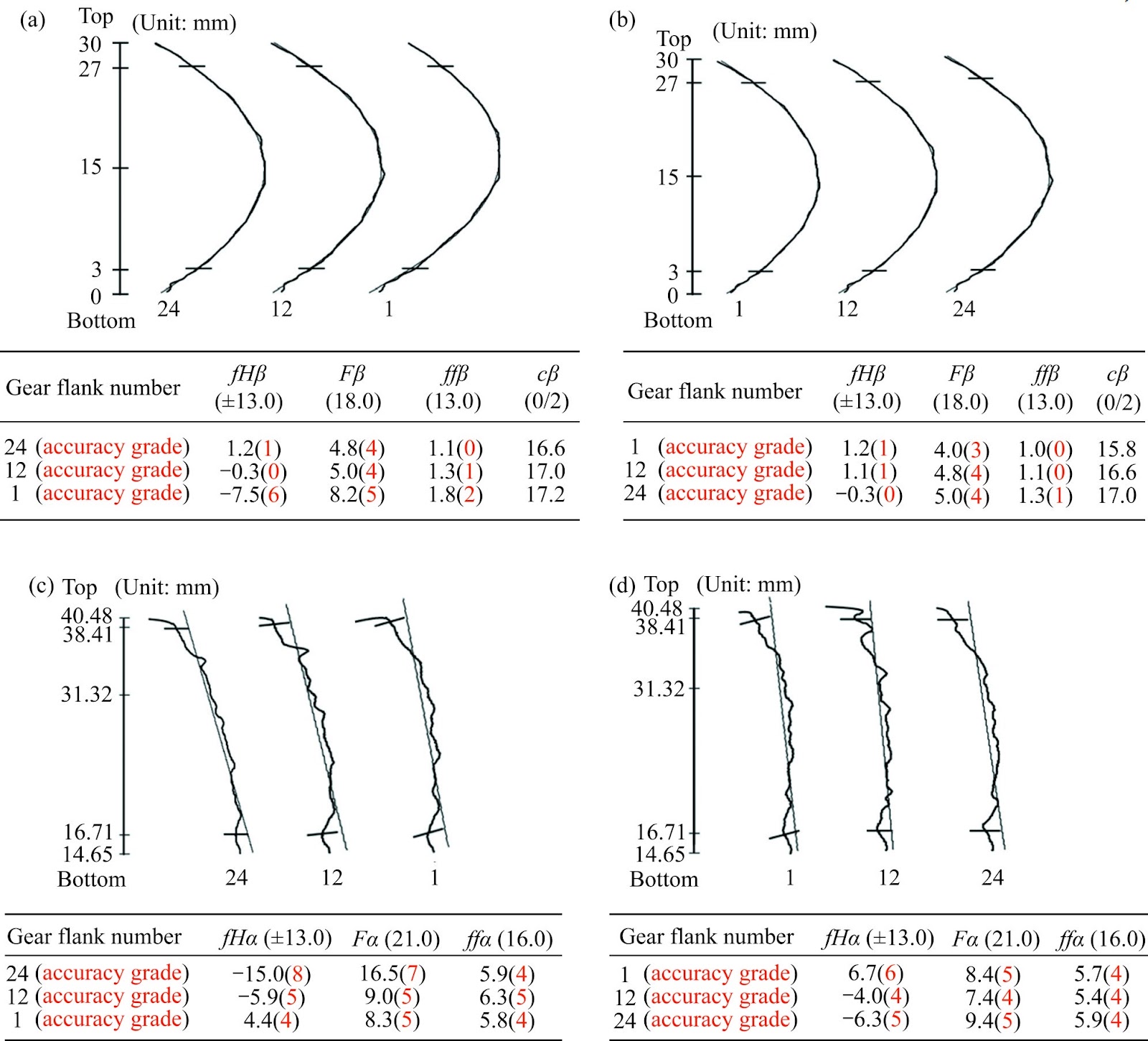
Gear flank modification is essential to reduce the noise generated in the gear meshing process, improve the gear transmission performance, and reduce the meshing impact. Aiming at the problem of solving the additional motions of each axis in the higher-order topology modification technique and how to accurately add the different movements expressed in the form of higher-order polynomials to the corresponding motion axes of the machine tool, a flexible higher-order gear topology modification tech

Gear flank modification and precision control based on electronic gearbox
Graphical Abstract
Original ResearchVol. 32, Issue 8 • pp. 551-563DOI: 10.1007/s11771-025-6021-4Aug 10, 2025

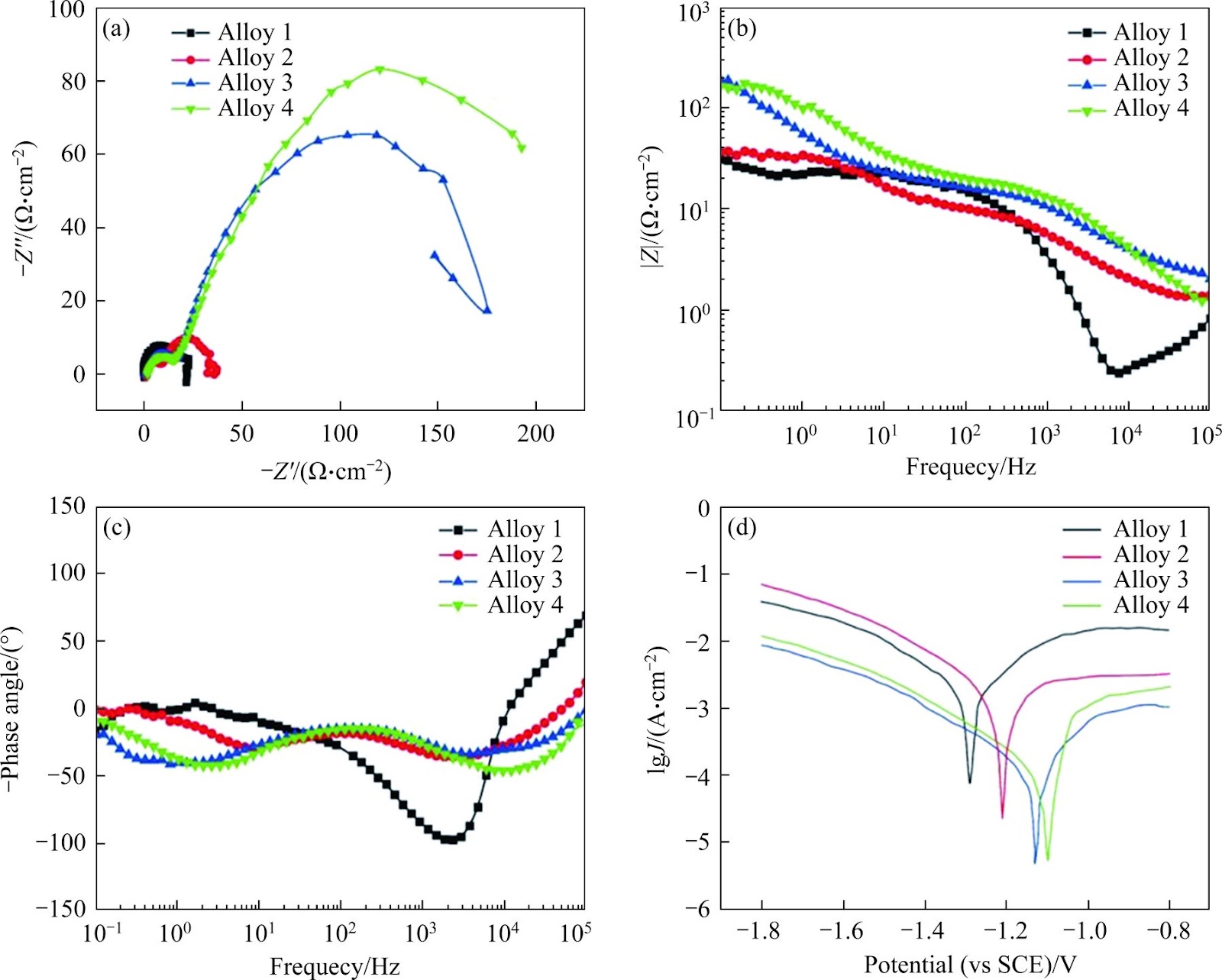
Effects of Er on microstructure and corrosion resistance of degradable Mg-Al-Zn-Mn magnesium alloy

Authors: Ma Wei, Ma Zheng-qing, Chen Bai-hua

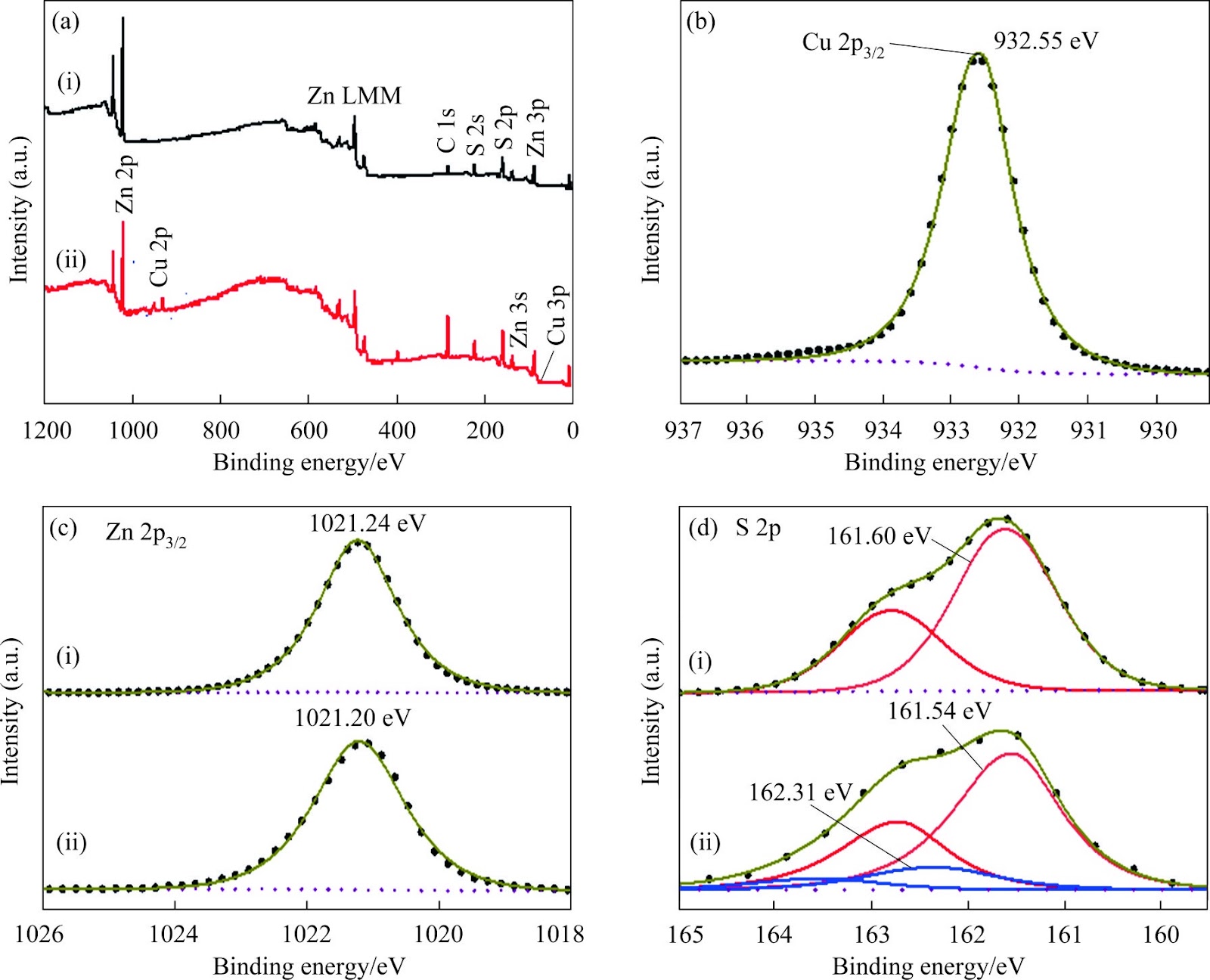
Magnesium alloys as medical implant materials necessitate a lower and adjustable corrosion rate for clinical applications. The microstructure and corrosion behavior of AZ31Mn-xEr (x=0.1, 0.5, 1.2) alloys were systematically investigated using optical microscopy (OM), scanning electron microscopy (SEM), and X-ray photoelectron spectroscopy (XPS), combined with Tafel polarization and electrochemical impedance spectroscopy (EIS) analyses. The findings showed that the alloying element Er refined the grain structure during solidification by increasing the nucleation rate and forming a secondary phase of Al3Er with Al. The Er and Mg in the matrix co-oxidize to form a dense MgO/Er2O3 composite oxide, preventing the formation of loose magnesium hydroxide/basic magnesium carbonate. The trace alloying element Mn interacts with impurities Fe in the magnesium matrix to form an AlFeMn second phase, reducing micro-galvanic corrosion driving force. Electrochemical testing in a 3.5% NaCl solution demonstrated a marked reduction in corrosion rate from 10.46 mm/a (AZ31Mn alloy) to 0.44 mm/a (AZ31Mn-1.2Er alloy). This research offers a reference for searching for corrosion-resistant magnesium alloy and degradable medical magnesium alloy materials.

Effects of Er on microstructure and corrosion resistance of degradable Mg-Al-Zn-Mn magnesium alloy
Graphical Abstract
Original ResearchVol. 32, Issue 8 • pp. 723-735DOI: 10.1007/s11771-025-5936-0Aug 8, 2025

The application of multi-scale magnetic matrix materials in high-gradient magnetic separation: From micro- and nano- to millimeter-scale

Authors: WANG Dong, KU Jian-gang, LEI Zhong-yun, LI Xin, YAN Ju-jian, WANG Qian

Micro- and nano- to millimeter-scale magnetic matrix materials have gained widespread application due to their exceptional magnetic properties and favorable cost-effectiveness. With the rapid progress in condensed matter physics, materials science, and mineral separation technologies, these materials are now poised for new opportunities in theoretical research and development. This review provides a comprehensive analysis of these matrices, encompassing their structure, size, shape, composition,

The application of multi-scale magnetic matrix materials in high-gradient magnetic separation: From micro- and nano- to millimeter-scale
Graphical Abstract
Original ResearchVol. 32, Issue 8 • pp. 159-171DOI: 10.1007/s11771-025-6037-9Aug 7, 2025

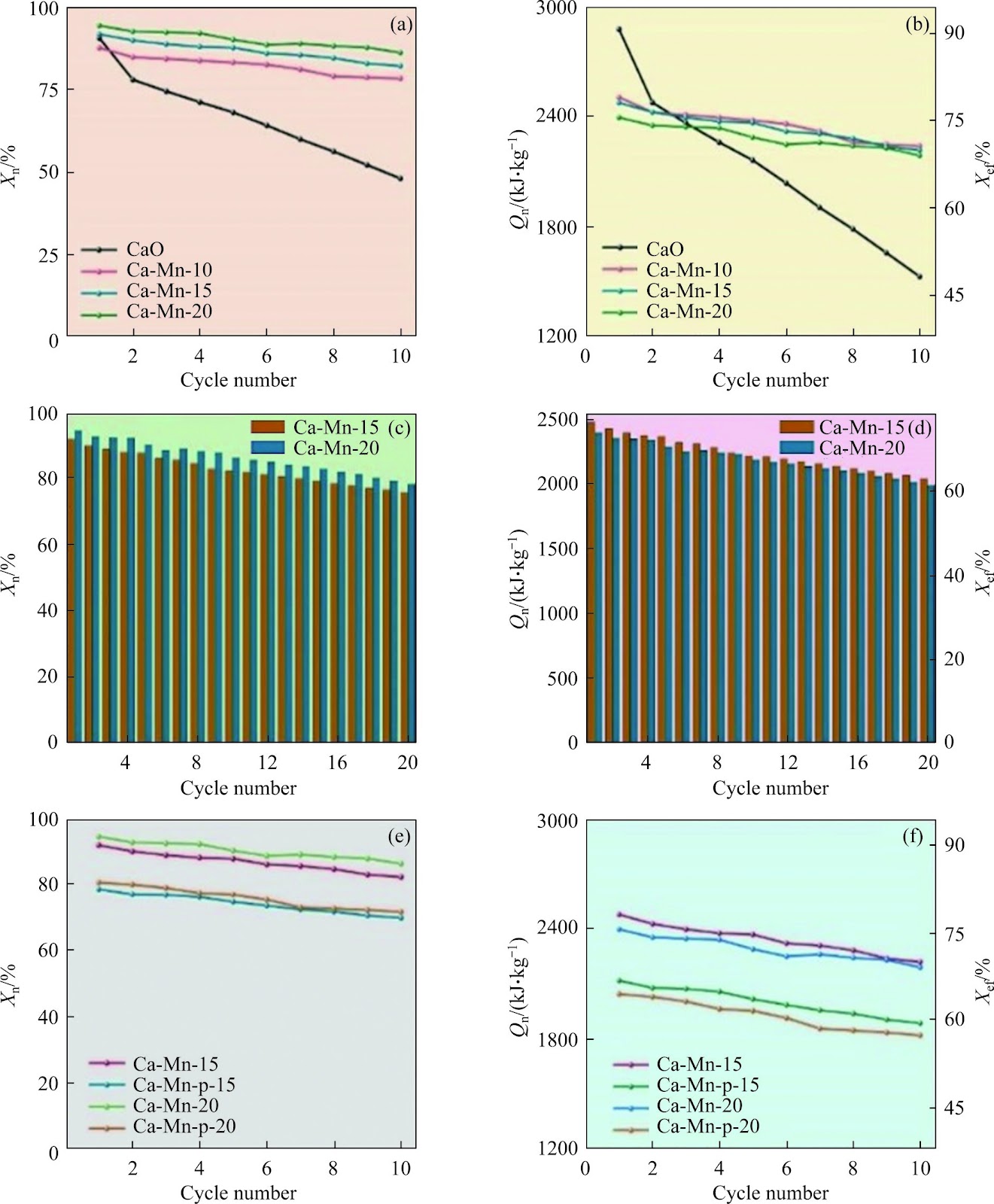
Solar energy storage by dark Mn-doped CaO-based heat carriers

Authors: Xu Ting-ting, Feng Qian-nian, Wei Yuan, Fu Rui-cheng, Hu Ying-chao

CaO-based heat carriers have shown great prospects for thermochemical energy storage in concentrated solar power systems due to the features such as rich reserves, environmental safety, high energy storage densities and high operation temperatures. However, the density decay because of sintering and poor direct solar absorption of white CaO-based heat carriers are the two main obstacles lying on the way to the realistic applications. This work introduced dark Mn-based inert support into calcium heat carriers, attempting to solve the above problems simultaneously. As an inert support, the finely dispersed Ca2MnO4 functioned as the metal framework to resist CaCO3/CaO sintering. Consequently, the cyclic stability of CaO-based heat carriers, resulting in the high energy storage densities of ~2000 kJ/kg even over 20 cycles. As a dark material, Ca2MnO4 successfully darkened CaO-based heat carriers, thereby greatly enhanced the direct solar absorption. In addition, the granulation of CaO-based heat carriers was also studied. The pellets showed satisfactory attrition resistance with only 9.85 wt% mass loss over 3200 cycles. In general, good physicochemical performance of Mn-doped CaO-based heat carrier endows it with great prospects for solar energy storage.

Solar energy storage by dark Mn-doped CaO-based heat carriers
Graphical Abstract
Original ResearchVol. 32, Issue 8 • pp. 331-343DOI: 10.1007/s11771-025-5965-8Aug 5, 2025

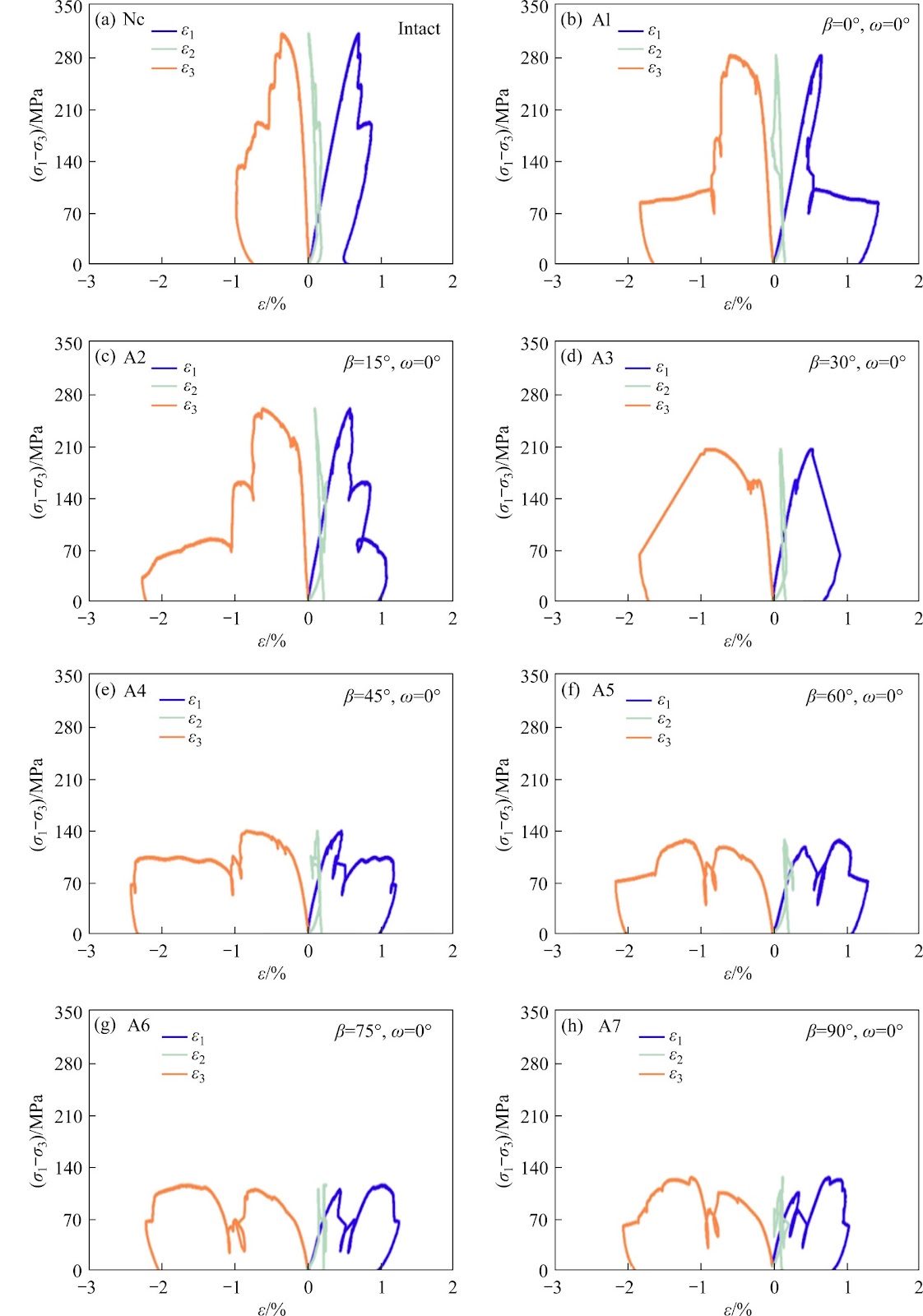
Strength and failure characteristics of hard rock containing a single structural plane under varied loading angles: A true triaxial investigation

Authors: XU Huai-sheng, LI Shao-jun, XU Ding-ping, LIU Xu-feng, FENG Guang-liang, WANG Zhao-feng

The spatial relationship between structural planes and principal stresses significantly affects the mechanical properties of deep hard rock. This paper examines the effect of the loading angle under true triaxial compression. While previous studies focused on the angle β between the maximum principal stress and the structural plane, the role of angle ω, between the intermediate principal stress and the structural plane, is often overlooked. Utilizing artificially prefabricated granite specimens

Strength and failure characteristics of hard rock containing a single structural plane under varied loading angles: A true triaxial investigation
Graphical Abstract
Original ResearchVol. 32, Issue 8 • pp. 739-751DOI: 10.1007/s11771-025-5972-9Aug 2, 2025

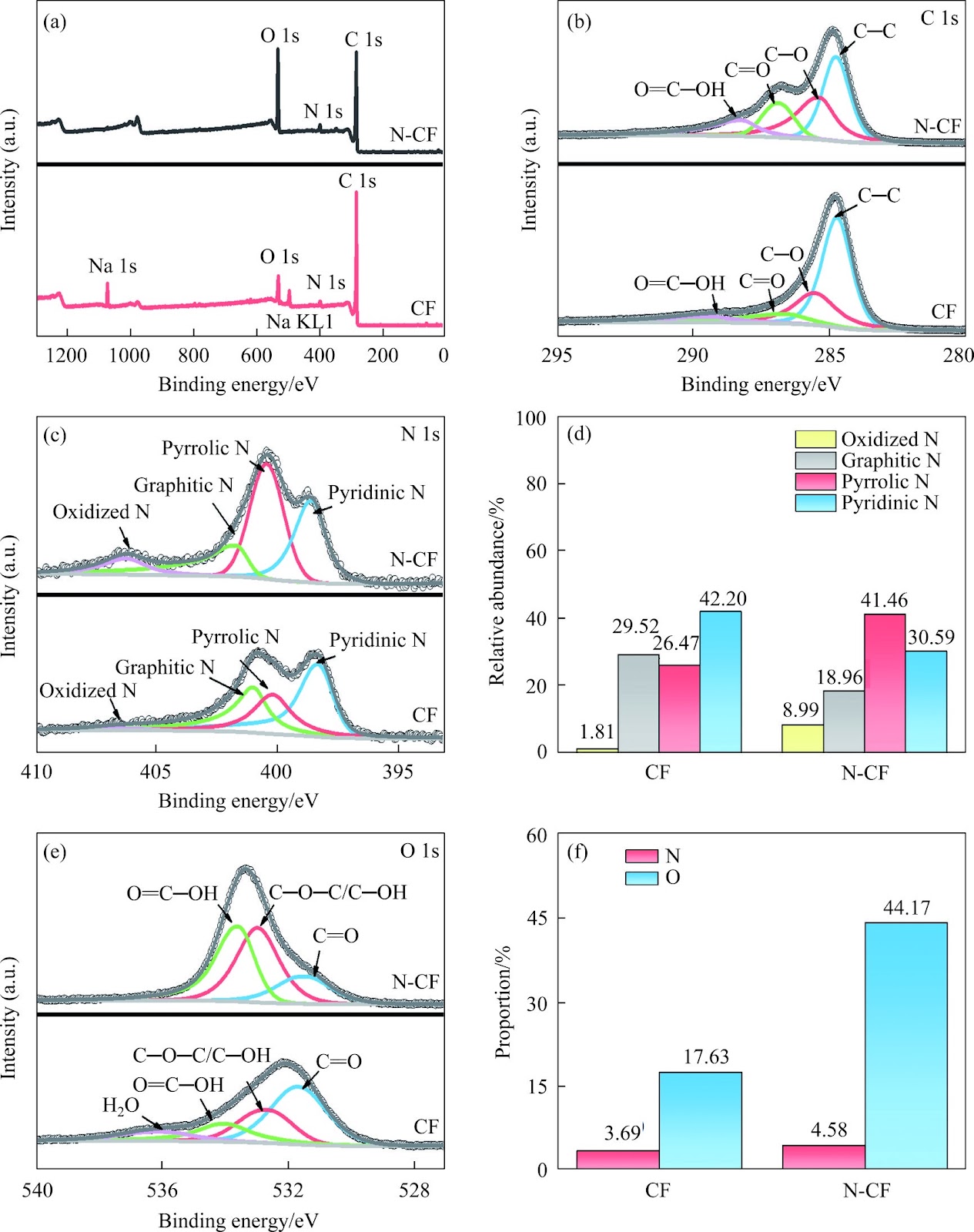
Nitric acid oxidation treatment promoting microwave absorption performance of carbonized melamine foam

Authors: Mao Ming-zhen, Xia Peng-kun, Ma Lei, Huang Sheng-xiang, Gao Xiao-hui, Deng Lian-wen

Carbonized melamine foam has been recognized as a promising material for microwave absorption due to its exceptional thermal stability, lightweight, and remarkable dielectric properties. In this study, we investigated the impact of nitric acid oxidation on the surface of carbonized melamine foam and its microwave absorption properties. The treated foam exhibits optimal reflection loss of −21.51 dB at 13.20 GHz, with an effective absorption bandwidth of 7.04 GHz. The enhanced absorption propertie

Nitric acid oxidation treatment promoting microwave absorption performance of carbonized melamine foam
Graphical Abstract