SinoTechIntel Academic Portal
πŸ›οΈ Indexed Academic JournalImpact Factor: 4.4 (Q1 - Springer)Original: 中南倧学学ζŠ₯ (θ‡ͺη„Άη§‘ε­¦η‰ˆ/θ‹±ζ–‡η‰ˆ)

Journal of Central South University

4.4 (Q1 - Springer)

Total Research Papers: 153
Access: 100% Free Open Access
Browse by Publication Year & VolumeReset All Filters βœ•

Published Research PapersFiltered: Year 2025 β€’ Vol. 32 β€’ Issue 5

Showing 13 of 153 peer-reviewed papers with full Graphical Abstracts.

Original ResearchVol. 32, Issue 5 β€’ pp. 672-684DOI: 10.1007/s11771-025-5933-3β€’ May 24, 2025

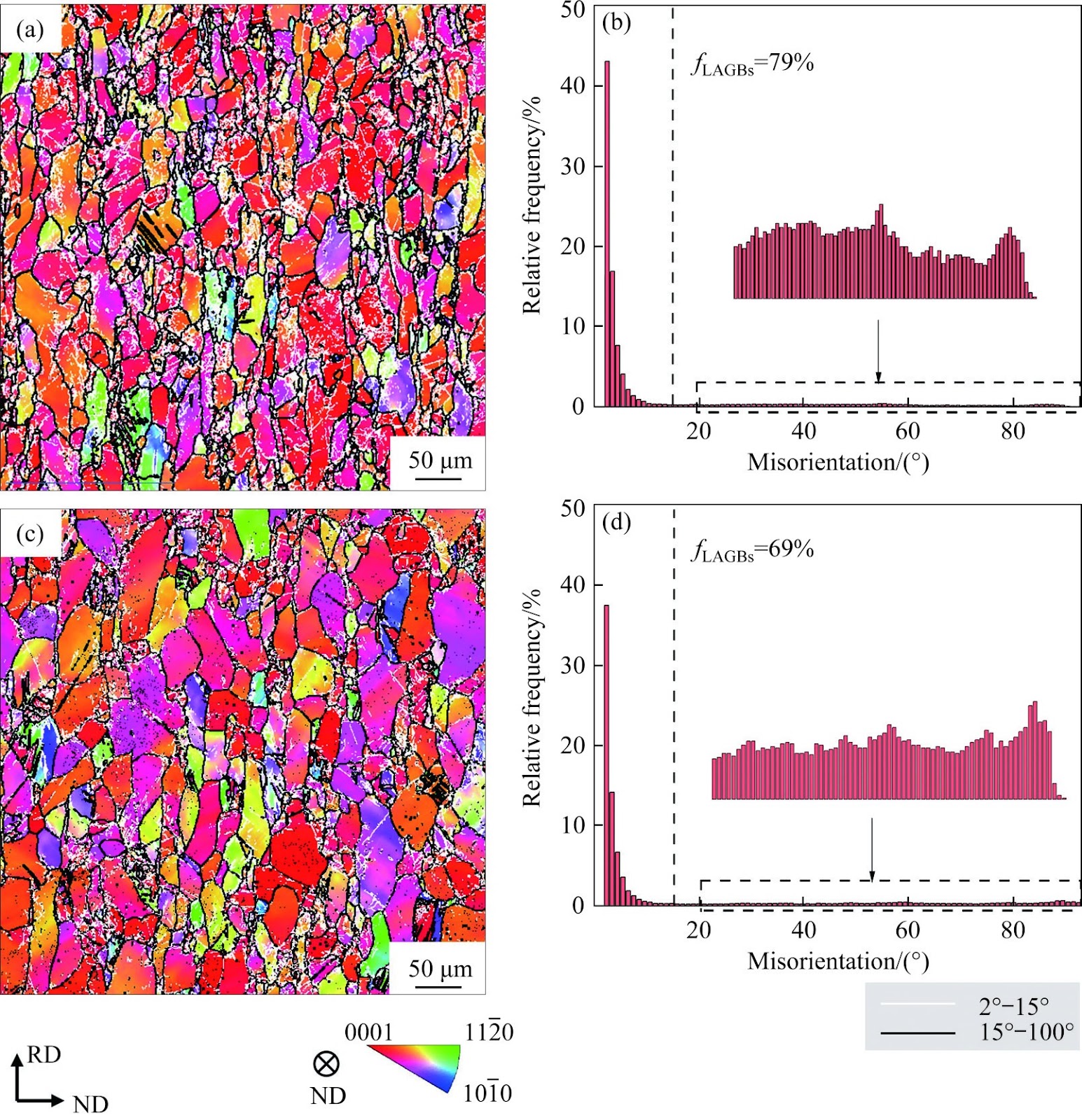
Effect of hot deformation on grain structure and quench sensitivity in 7085 aluminum alloy

Authors: LI Cheng-bo, ZHAO Cai, CAO Pu-li, ZHU Dai-bo, XIAO Bo

The effect of hot deformation on the quench sensitivity of the 7085 alloy was studied through hardness testing and microstructure characterization. The findings indicate that hot deformation enhances the quench sensitivity of the 7085 alloy, with the hardness difference between water quenching and air cooling increasing from 5.4% (before hot deformation) to 10.4% (after hot deformation). In the undeformed samples, the Al3Zr particles within the grains exhibit better coherent with the Al matrix.
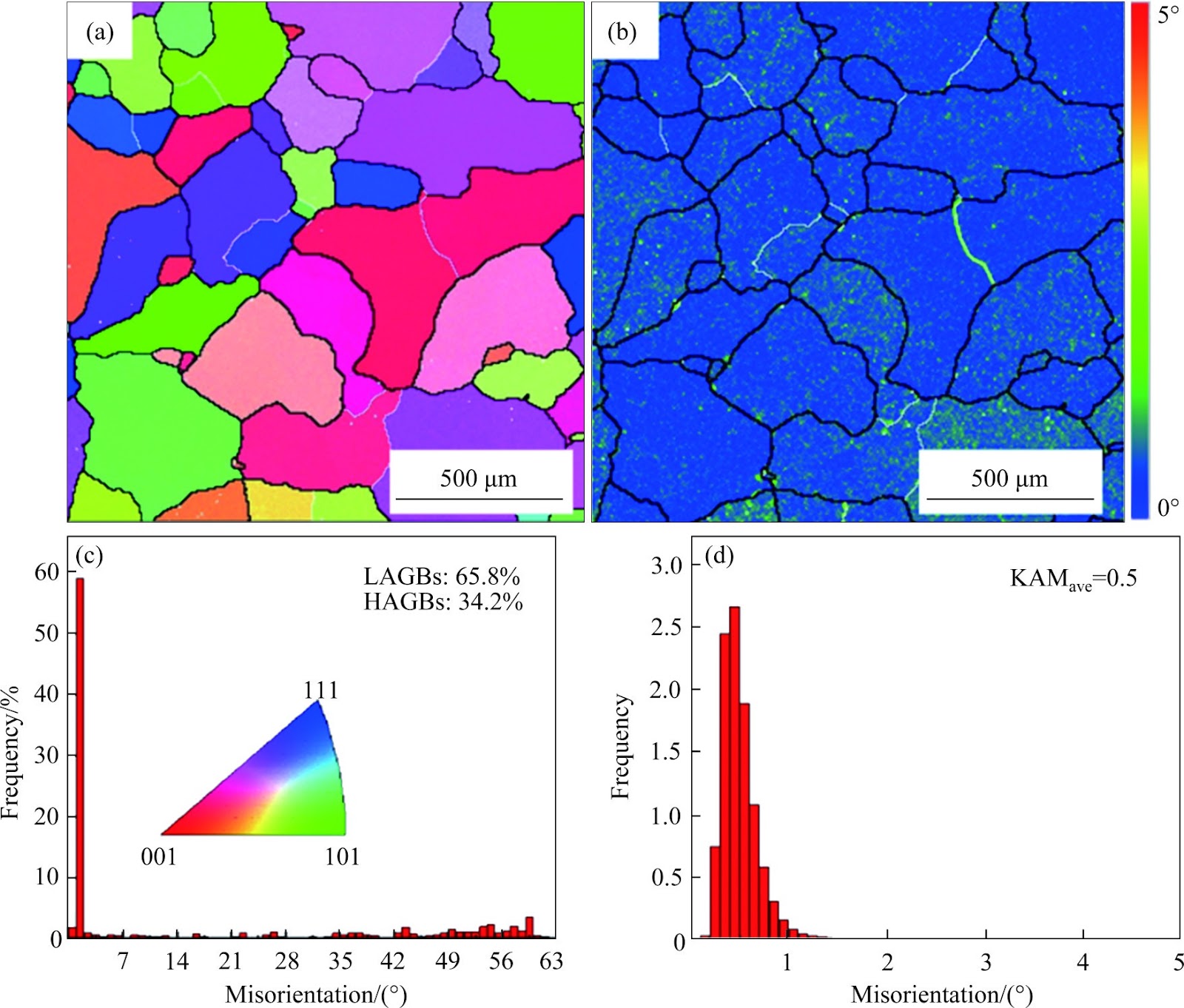
Effect of hot deformation on grain structure and quench sensitivity in 7085 aluminum alloy
Graphical Abstract
Original ResearchVol. 32, Issue 5 β€’ pp. 108-120DOI: 10.1007/s11771-025-6039-7β€’ May 23, 2025

Microstructure and mechanical properties of aged Mg-Gd-Y-Zr-Ag alloy sheets processed by different rolling routes

Authors: ZHU Yu-ting, CHEN Han, CHEN Zhi-yong, HAN Yu-xiang, JIANG Shu-nong, GAO Yong-hao, WAN Ying-chun, LIU Chu-ming

Microstructure and mechanical properties of aged Mg-10Gd-2Y-0.4Zr-0.4Ag alloy sheets prepared by different rolling routes were investigated. The results showed that the cross rolling aged (CRA) sheet possesses larger grain size than unidirectional rolling aged (URA) sheet due to the occurrence of dynamic recovery during rolling which reduces the dislocation density and delays dynamic recrystallization (DRX). The URA sheet has basal texture and RD-favored texture while CRA sheet has multiple-peak texture. Both sheets precipitate Ξ²' phase and CRA sheet exhibits a stronger aging response. The CRA sheet has higher yield strength and tensile strength than URA sheet, with reduced yield strength anisotropy but increased tensile strength anisotropy. Taking into account different strengthening mechanisms, although the finer grain size of URA sheet enhances grain boundary strengthening, CRA sheet is more responsive to aging, leading to superior aging-precipitated phase strengthening and consequently higher yield strength.

Microstructure and mechanical properties of aged Mg-Gd-Y-Zr-Ag alloy sheets processed by different rolling routes
Graphical Abstract
Original ResearchVol. 32, Issue 5 β€’ pp. 280-292DOI: 10.1007/s11771-025-5959-6β€’ May 21, 2025

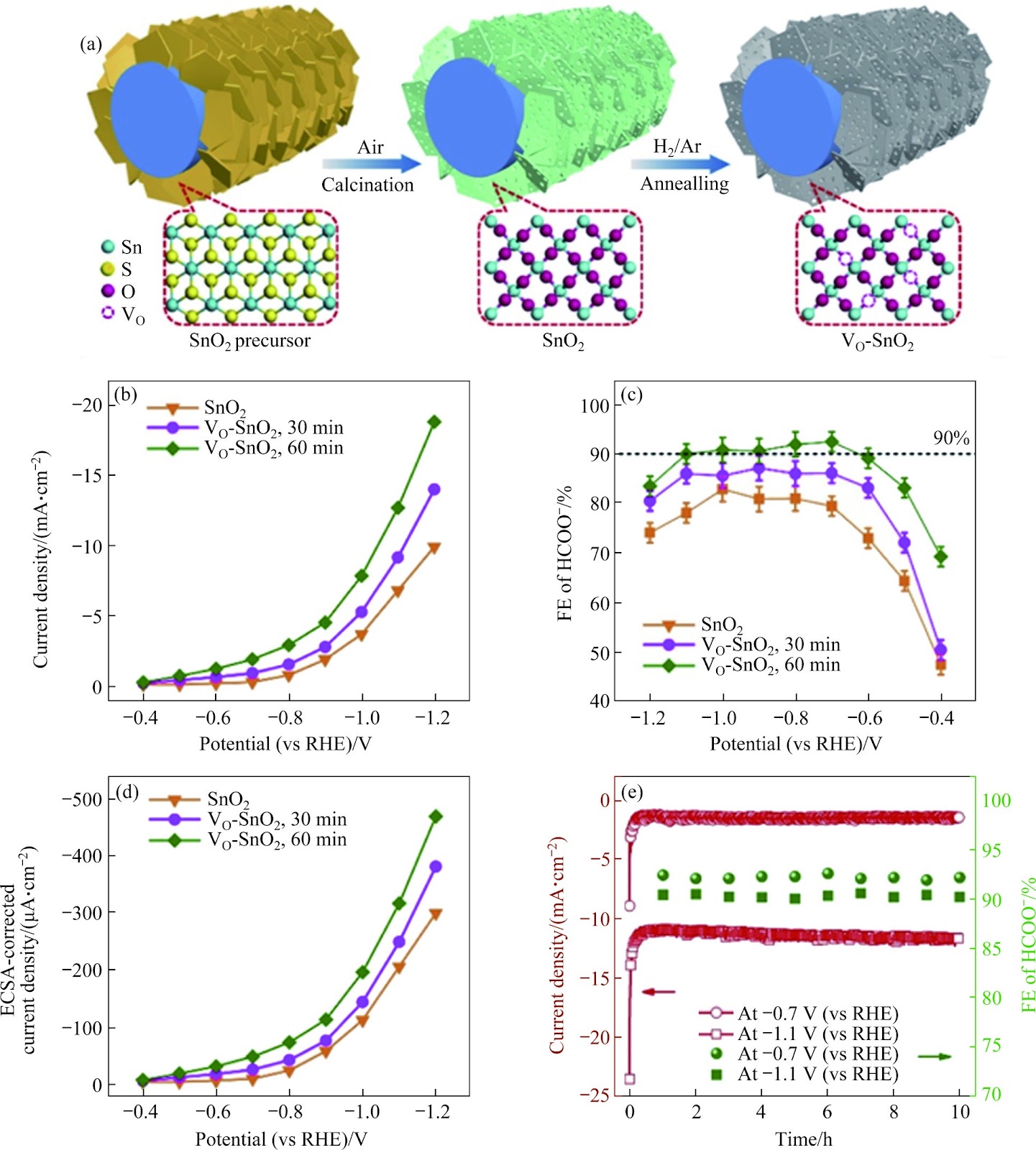
Advances in Sn-based electrocatalysts for selective reduction of CO2 to formate

Authors: ZHANG Ying-ping, LI Wei-jie, HAN Chao, LIU Yong

The selective reduction of carbon dioxide (CO2) into high-value-added chemicals is one of the most effective means to solve the current energy and environmental problems, which could realize the utilization of CO2 and promote the balance of the carbon cycle. Formate is one of the most economical and practical products of all the electrochemical CO2 reduction products. Among the many metal-based electrocatalysts that can convert CO2 into formate, Sn-based catalysts have received a lot of attentio

Advances in Sn-based electrocatalysts for selective reduction of CO2 to formate
Graphical Abstract
Original ResearchVol. 32, Issue 5 β€’ pp. 688-700DOI: 10.1007/s11771-025-5990-7β€’ May 18, 2025

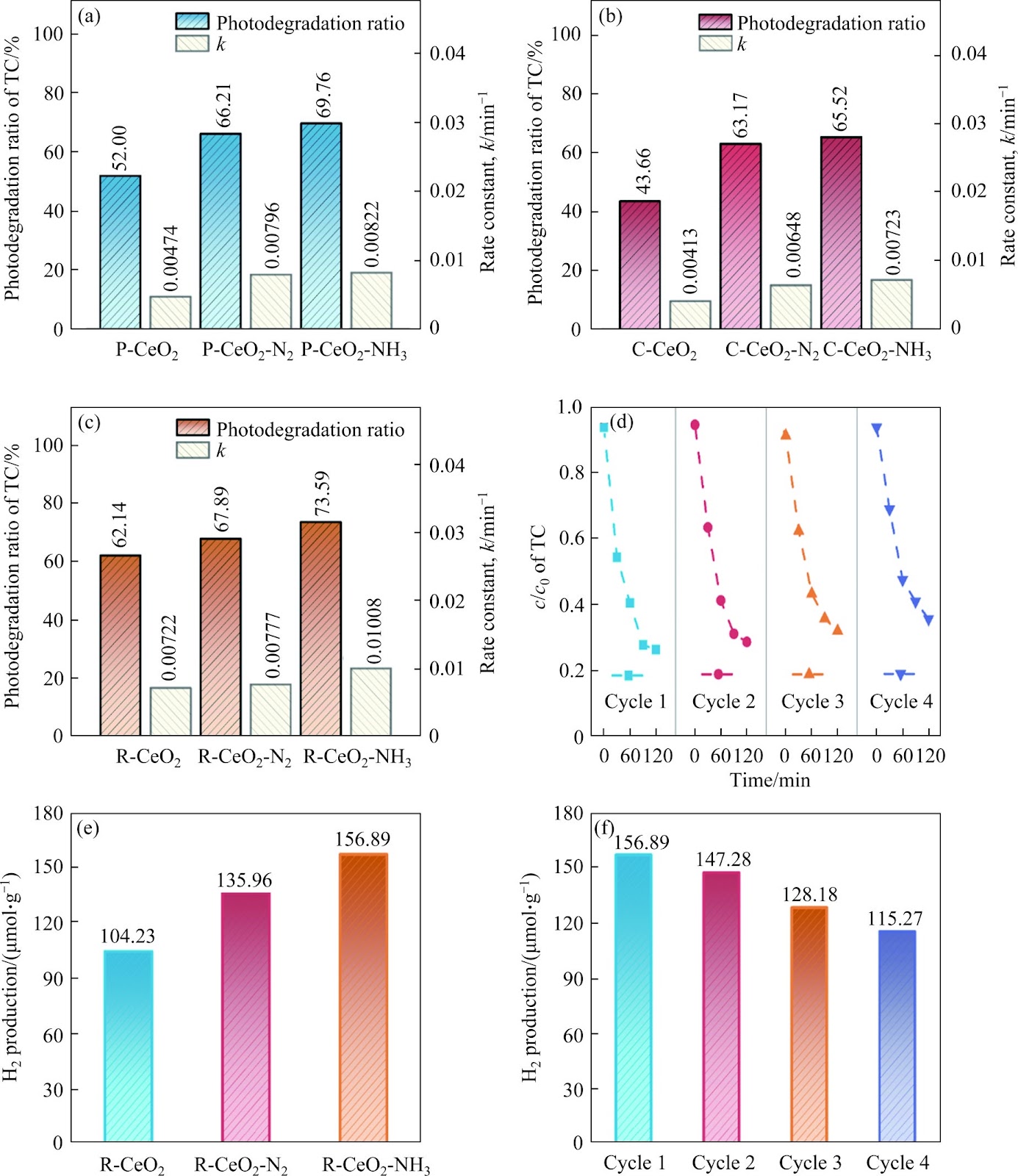
Co-enhancement of doped N and oxygen vacancies on the photocatalytic performance of ceria: Mechanism and influence of crystal faces

Authors: WANG Fan, LI Jun-qi, MURALI Arun, CHEN Chao-yi, ZHANG Wei, LAN Yuan-pei

Nitrogen doping has significant effects on the photocatalytic performance of ceria (CeO2), and the possible synergistic effect with the inevitably introduced abundant oxygen vacancies (OVs) is of great significance for further investigation, and the specifically exposed crystal faces of CeO2 may have an impact on the performance of nitrogen-doped CeO2. Herein, nitrogen-doped CeO2 with different morphologies and exposed crystal faces was prepared, and its performances in the photocatalytic degrad

Co-enhancement of doped N and oxygen vacancies on the photocatalytic performance of ceria: Mechanism and influence of crystal faces
Graphical Abstract
Original ResearchVol. 32, Issue 5 β€’ pp. 860-872DOI: 10.1007/s11771-025-5873-yβ€’ May 16, 2025

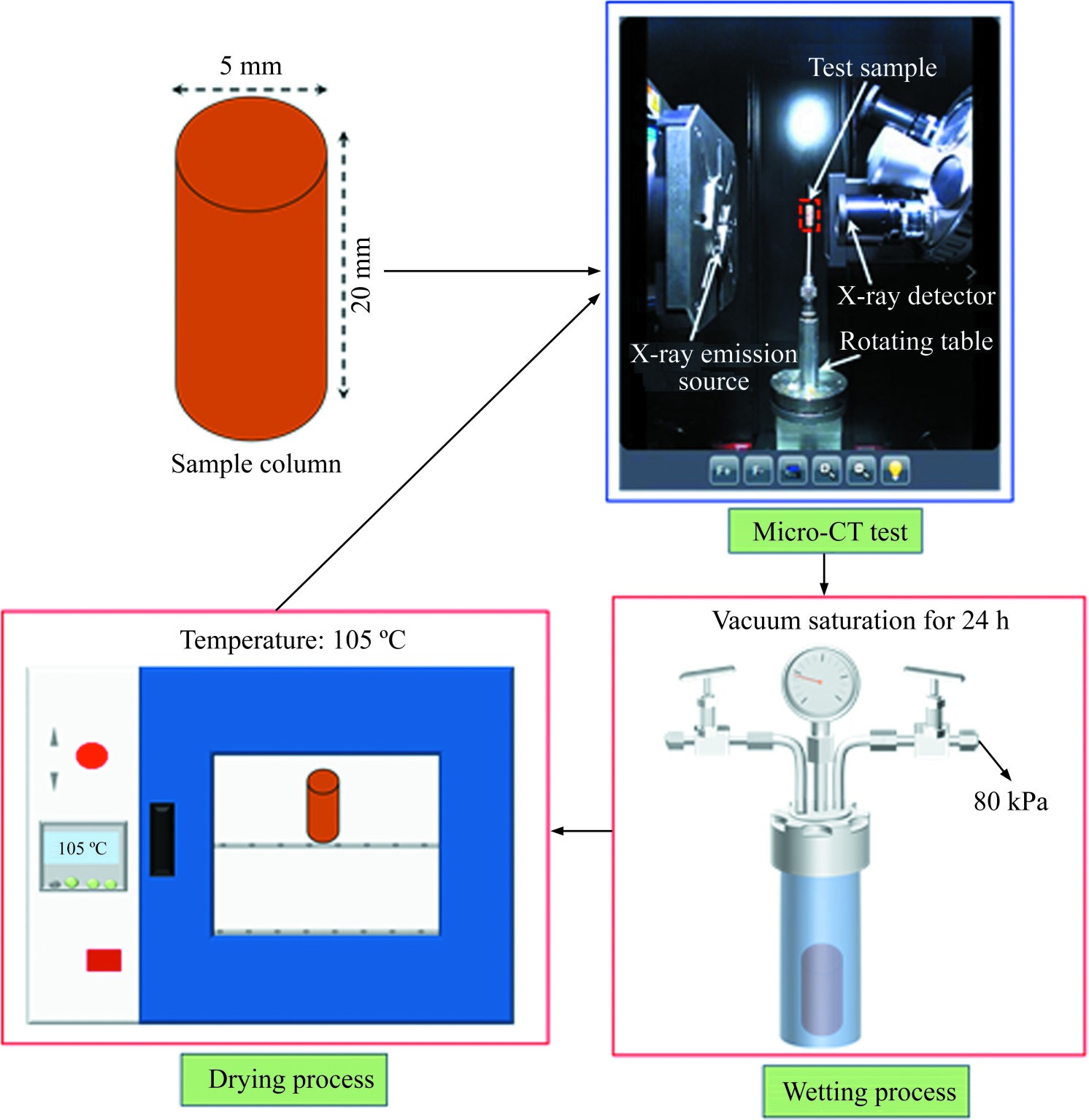
Pore structure variation characteristics of a Chinese local mudstone before and after the first cycle of wetting and drying

Authors: Zhang Qing-song, Liu Zhi-bin, Tang Ya-sen, Deng Yong-feng, Luo Ting-yi, Meng Fan-xing

As a typical sedimentary soft rock, mudstone has the characteristics of being easily softened and disintegrated under the effect of wetting and drying (WD). The first cycle of WD plays an important role in the entire WD cycles. X-ray micro-computed tomography (micro-CT) was used as a non-destructive tool to quantitatively analyze microstructural changes of the mudstone due to the first cycle of WD. The test results show that WD leads to an increase of pore volume and pore connectivity in the mud

Pore structure variation characteristics of a Chinese local mudstone before and after the first cycle of wetting and drying
Graphical Abstract
Original ResearchVol. 32, Issue 5 β€’ pp. 296-308DOI: 10.1007/s11771-025-6010-7β€’ May 15, 2025

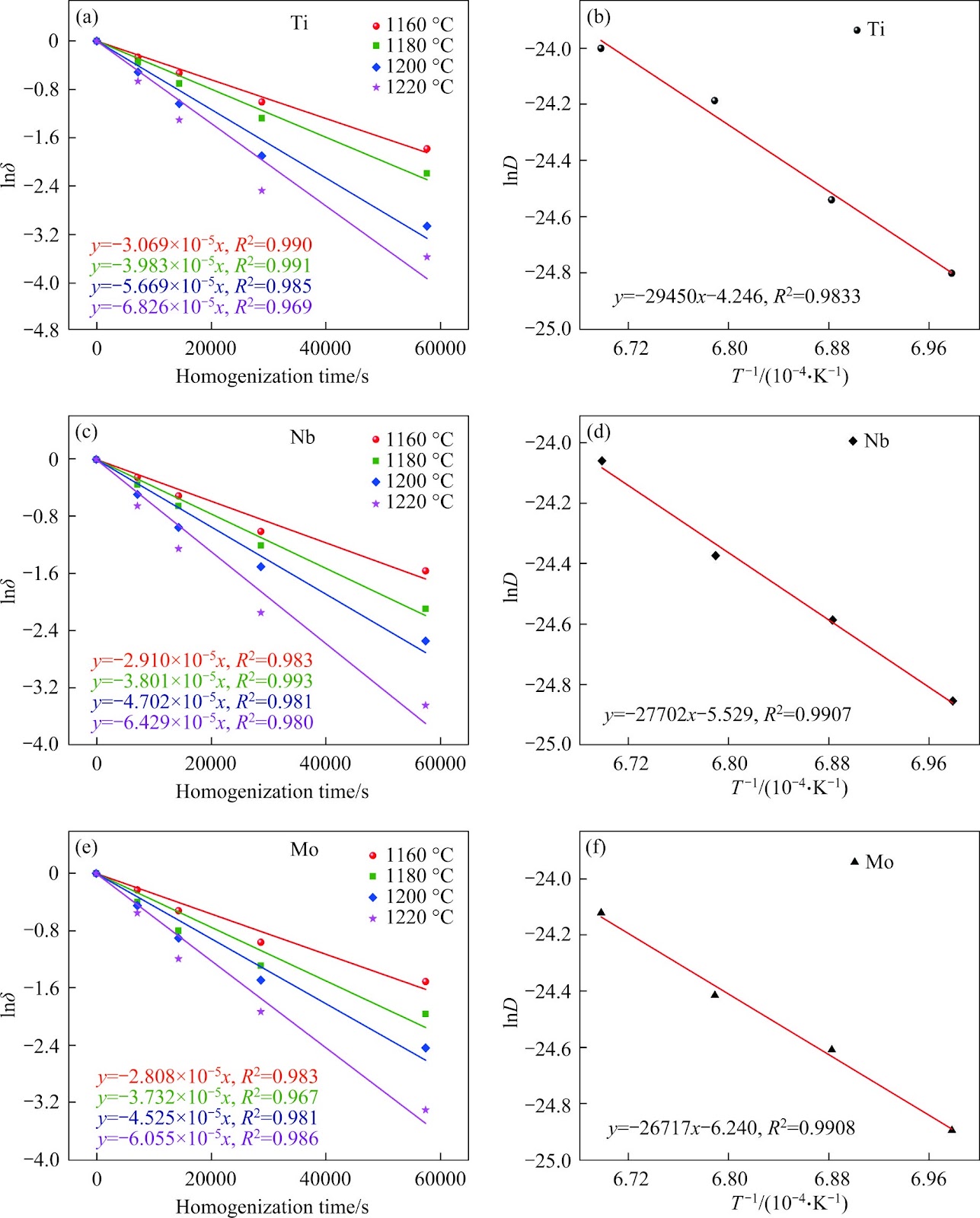
Revealing laws of element diffusion and hot deformation characteristics during homogenization process of Alloy 625 Plus

Authors: DU Shu-yang, DONG Yan-wu, JIANG Zhou-hua, MEDOVAR Lev, STOVPCHENKO Ganna

Based on microstructure analysis, diffusion theory, and hot deformation experiments, the solidification microstructure and element segregation of the Alloy 625 Plus ingot, the diffusion kinetics of Ti, Nb, and Mo during homogenization and the hot deformation behavior of the homogenized ingot were investigated in this study. The results indicate that: (1) the solidified ingot exhibits a typical dendritic microstructure, and significant element segregation occurs, leading to the presence of Ti, Nb

Revealing laws of element diffusion and hot deformation characteristics during homogenization process of Alloy 625 Plus
Graphical Abstract
Original ResearchVol. 32, Issue 5 β€’ pp. 468-480DOI: 10.1007/s11771-025-5904-8β€’ May 13, 2025

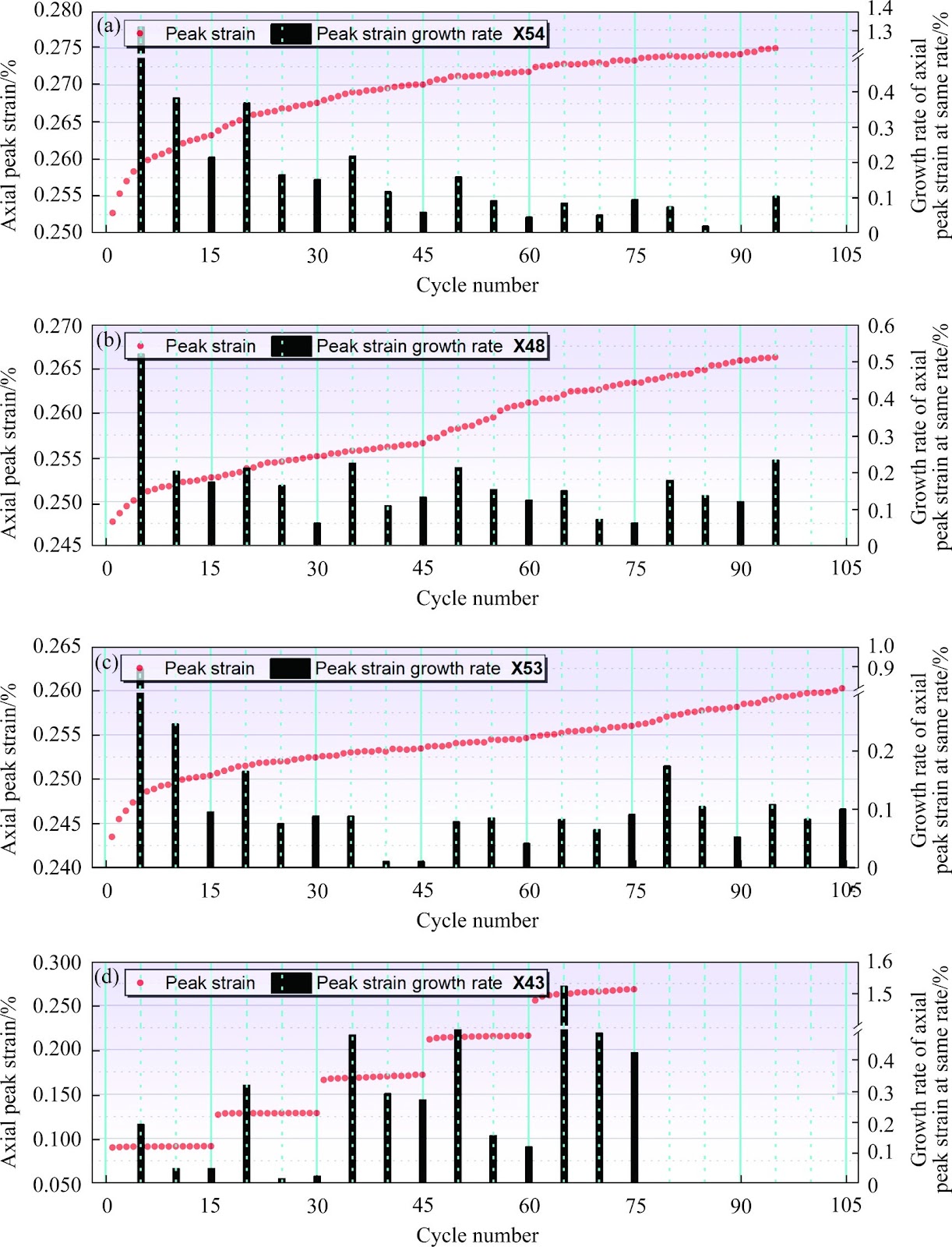
Effect of loading rate on the mechanical response and energy evolution of skarn rock subjected to constant-amplitude cyclic loading

Authors: WU Yun-feng, WANG Yu, LI Chang-hong, ZHOU Bao-kun, LI Peng, CAI Mei-feng, SUN Chang-kun, TIAN Zi-cheng

This work aims to reveal the mechanical responses and energy evolution characteristics of skarn rock under constant amplitude-varied frequency loading paths. Testing results show that the fatigue lifetime, stressβˆ’strain responses, deformation, energy dissipation and fracture morphology are all impacted by the loading rate. A pronounced influence of the loading rate on rock deformation is found, with slower loading rate eliciting enhanced strain development, alongside augmented energy absorption

Effect of loading rate on the mechanical response and energy evolution of skarn rock subjected to constant-amplitude cyclic loading
Graphical Abstract
Original ResearchVol. 32, Issue 5 β€’ pp. 704-716DOI: 10.1007/s11771-025-6026-zβ€’ May 12, 2025

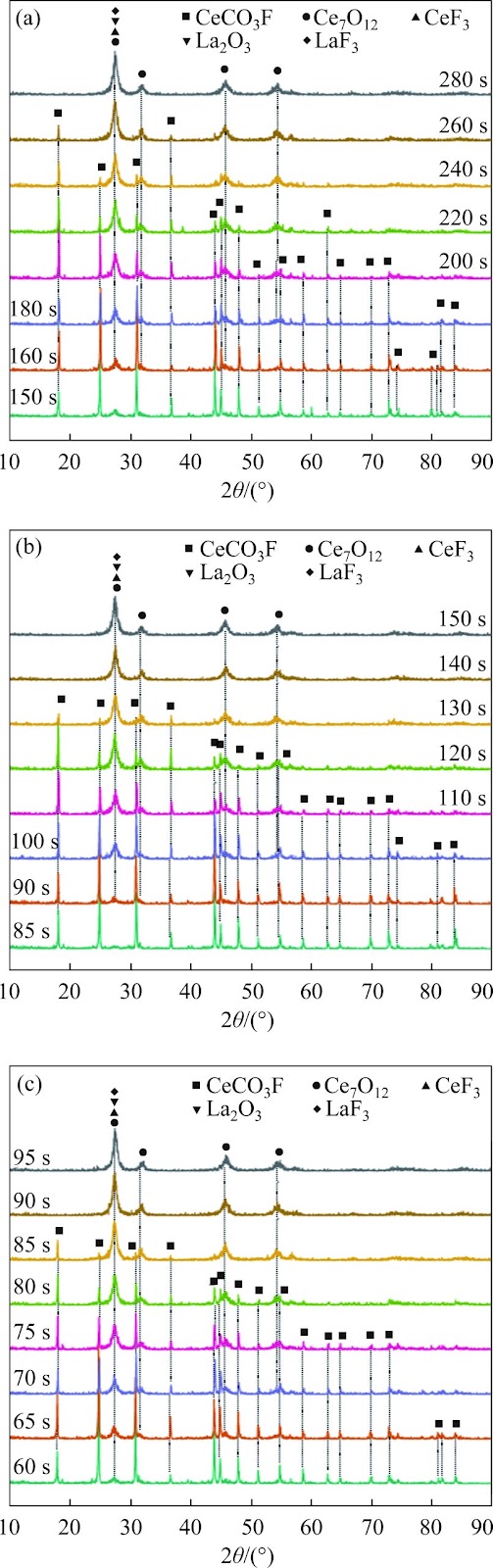
Phase transitions and surface property variations of bastnaesite in suspension roasting: A study of bastnaesite pyrolysis and cerium oxidation

Authors: CHENG Shao-kai, HAN Yue-xin, LI Wen-bo, ZHANG Ling-hui, GAO Peng, SUN Yong-sheng

Roasting bastnaesite concentrates is a crucial process in extracting rare earths. This study explored an efficient suspension roasting technology and investigated the bastnaesite pyrolysis and cerium (Ce) oxidation. Relevant analytical tests were applied to evaluate the phase and surface property variations of bastnaesite, and isothermal kinetic analysis of bastnaesite pyrolysis and Ce oxidation was performed. The results revealed that bastnaesite decomposed rapidly and accompanied by Ce oxidation, and the gas-solid products were identified as CO2, Ce7O12, La2O3, CeF3 and LaF3, with Ce oxidation restricted by bastnaesite pyrolysis. As roasting time prolonged, cracks and pores appeared on bastnaesite surface; the BET specific surface and pore diameter increased. In later roasting period, the pore diameter continued to increase but the specific surface decreased, assigned to particle fusion agglomeration and pore consolidation. Additionally, the surface C content reduced and Ce(β…£) content increased gradually as roasting progressed. The reaction kinetics all followed Avrami-Erofeev equations, the reaction orders of bastnaesite pyrolysis and Ce oxidation decreased with decreasing reaction temperature. The calculated activation energies at lower temperatures were higher than those calculated at higher temperatures. This study analyzed the bastnaesite reaction mechanism to supply a reference for the application of suspension roasting technology in bastnaesite smelting.

Phase transitions and surface property variations of bastnaesite in suspension roasting: A study of bastnaesite pyrolysis and cerium oxidation
Graphical Abstract
Original ResearchVol. 32, Issue 5 β€’ pp. 876-888DOI: 10.1007/s11771-025-5945-zβ€’ May 10, 2025

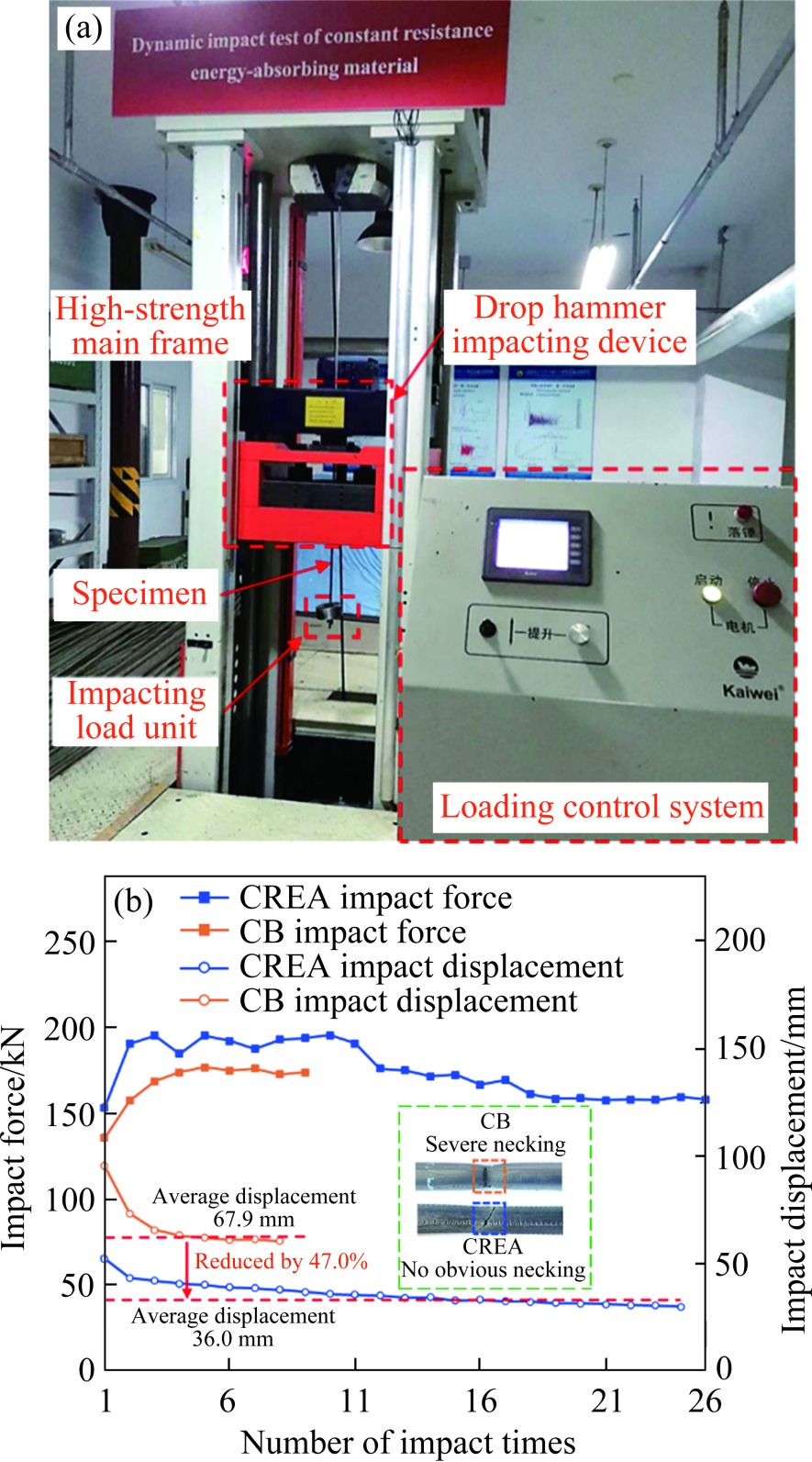
The burst resistance mechanism of anchored rock using new energy-absorbing material

Authors: WANG Qi, WU Wen-rui, JIANG Bei, WEI Hua-yong, HE Man-chao, WANG Ye-tai, XUE Hao-jie

Rockburst is a common disaster in deep underground engineering, which seriously impacts project construction safety. Understanding its causes and burst resistance mechanism is of significance for rockburst prevention and mitigation. We developed a new type of high strength, large elongation, and strong energy-absorbing material, and conducted comparative tests on both basic and anchored rock specimens with such material. We analyzed the rockburst process, energy release and peak stress of the ro

The burst resistance mechanism of anchored rock using new energy-absorbing material
Graphical Abstract
Original ResearchVol. 32, Issue 5 β€’ pp. 484-496DOI: 10.1007/s11771-025-5978-3β€’ May 7, 2025

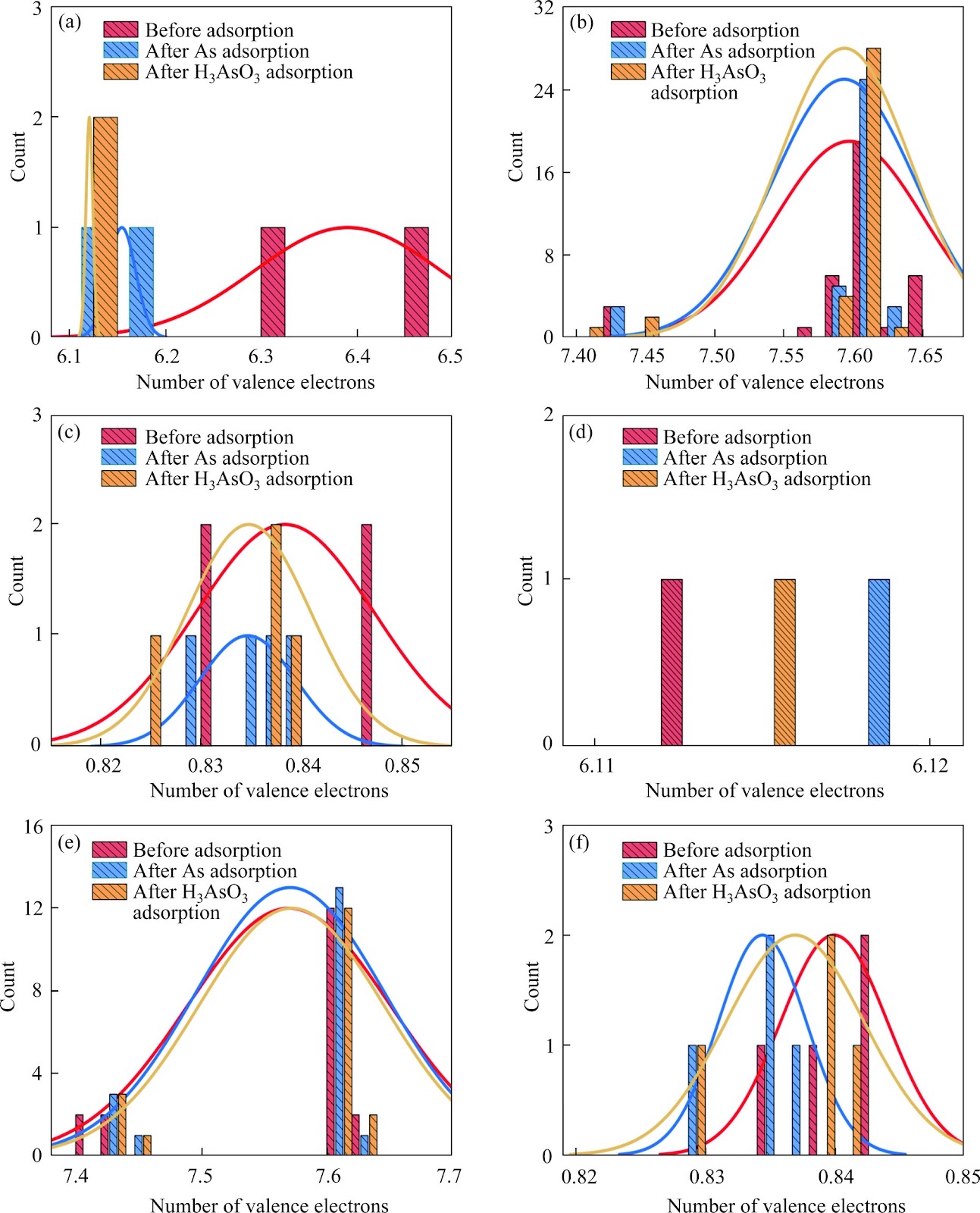
Soil remediation potential of illite and Na-MMT for As and H3AsO3 adsorption: Insights of ab initio calculations

Authors: LIU Zi-rou, XU Xin-hang, ARMAGHANI Danial Jahed, SPAGNOLI Dino, QI Chong-chong

Understanding the adsorption behavior of heavy metals and metalloids on clay minerals is essential for remediating heavy metal-contaminated soils. The adsorption of heavy metals and metalloids on illite(001) and sodium-montmorillonite (Na-MMT)(001) surfaces was investigated using first-principles calculations in this study, especially As atom and H3AsO3 molecule. The adsorption energies of the As atom were βˆ’1.94 eV on the illite(001) and βˆ’0.56 eV on the Na-MMT(001), whereas, the adsorption energ

Soil remediation potential of illite and Na-MMT for As and H3AsO3 adsorption: Insights of ab initio calculations
Graphical Abstract
Original ResearchVol. 32, Issue 5 β€’ pp. 656-668DOI: 10.1007/s11771-024-5773-6β€’ May 5, 2025

Malachite sulfidation flotation mechanism: Sulfidation anisotropy insights

Authors: Rao Xin, Zhang Chen-yang, Sun Wei, Liu Si-yuan, Yao Yu-yun, Chen Jian-hua, Zhu Yang-ge, Pei Yong, Zhang Hong-liang

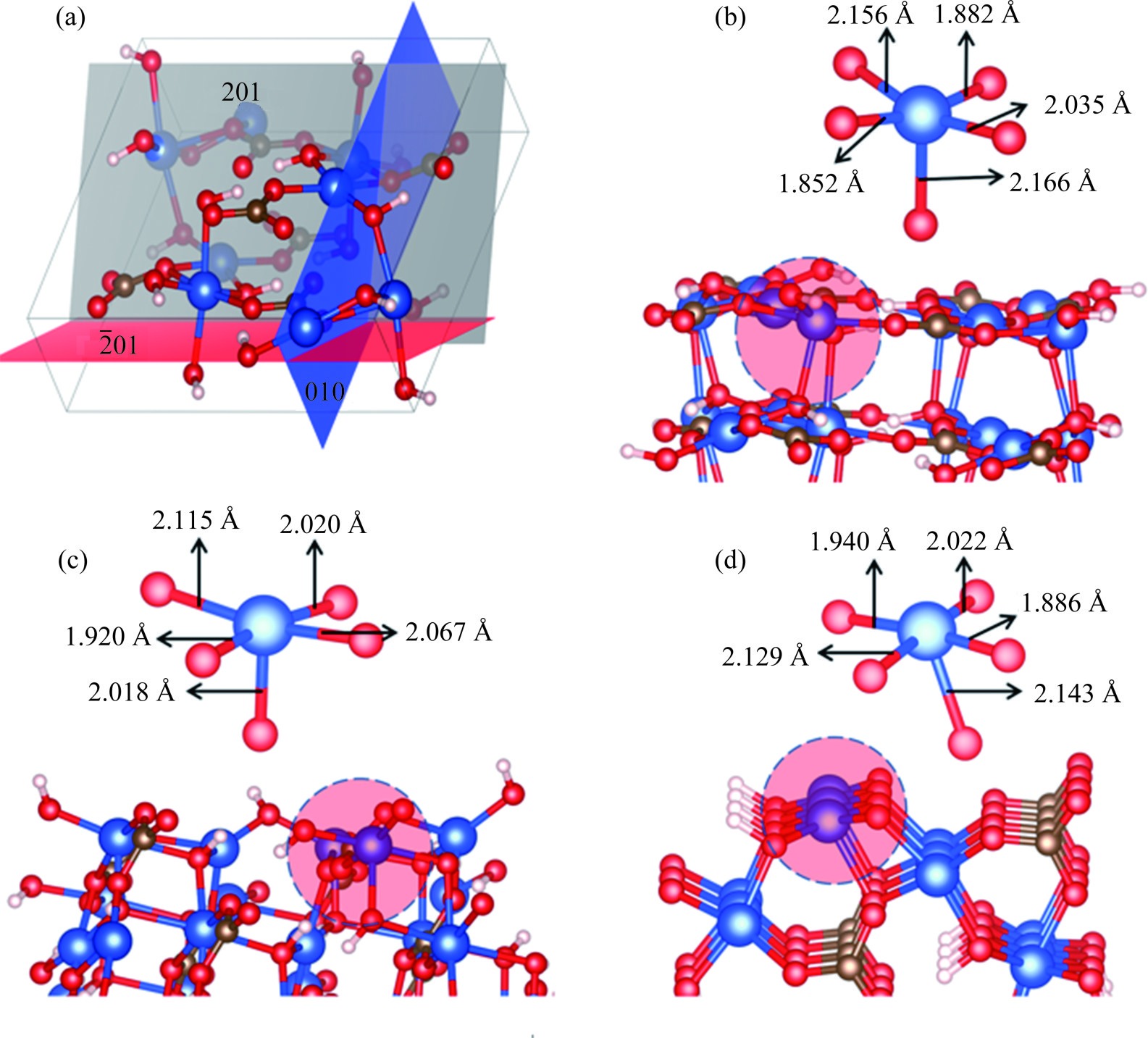
Malachite, being highly hydrophilic and difficult to be floated conventionally, is usually beneficiated by sulfidation flotation in industry. However, the complex crystal structure of malachite leads to the formation of various fracture surfaces with distinct properties during crushing and grinding, resulting in surface anisotropy. In this study, we explored the surface anisotropy of malachite and further investigated its sulfidation mechanism from the coordination chemistry perspective, conside

Malachite sulfidation flotation mechanism: Sulfidation anisotropy insights
Graphical Abstract
Original ResearchVol. 32, Issue 5 β€’ pp. 892-904DOI: 10.1007/s11771-025-5998-zβ€’ May 4, 2025

Static compressive mechanical properties and disturbed state concept-based theoretical model of gypsum rocks with coupled influences of wet-dry cycles and flow rates

Authors: Jiang Song, Huang Ming, Wang Gang, Xu Chao-shui, Xiong Jun

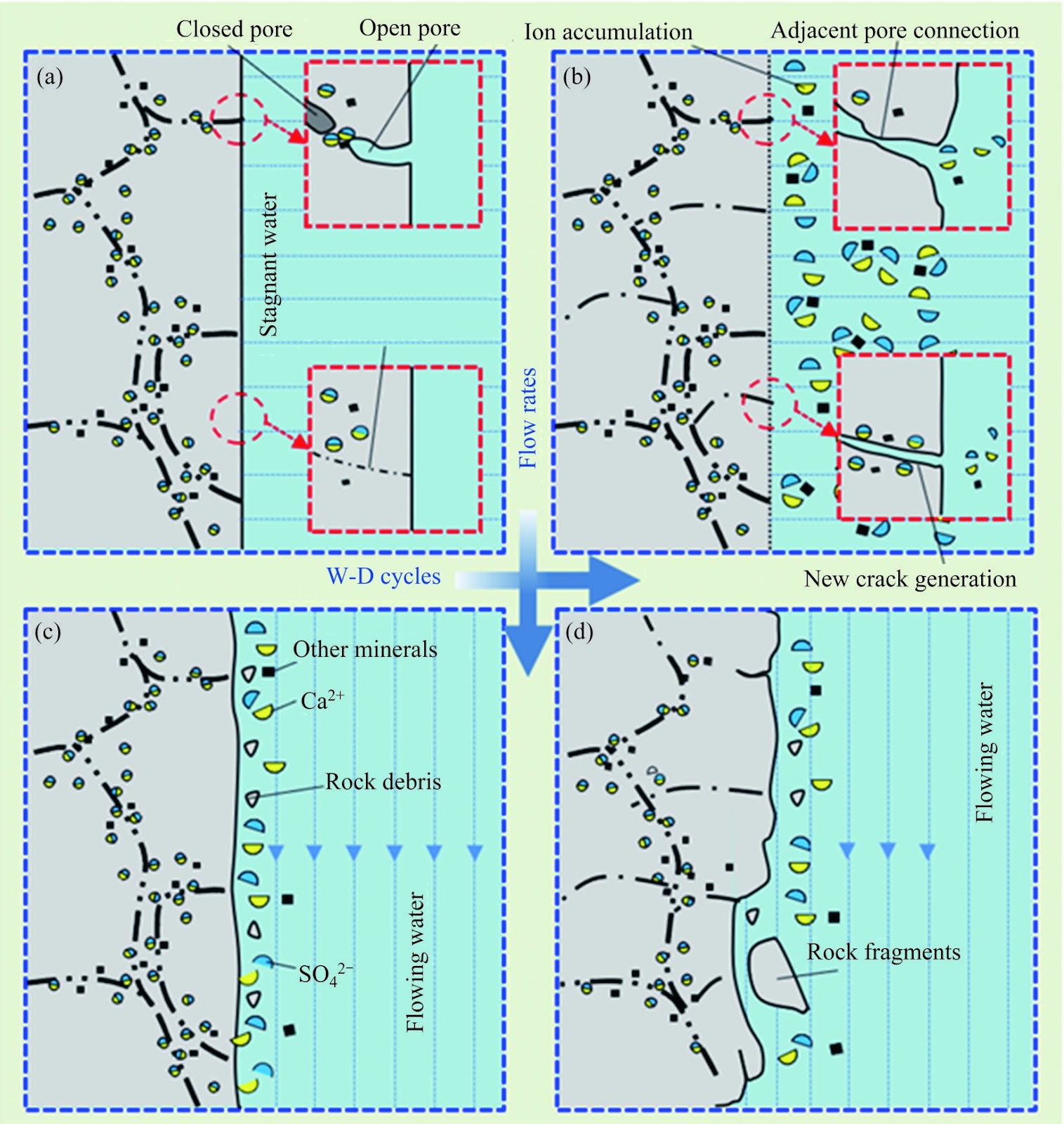
Gypsum rocks are highly susceptible to mechanical deterioration under the coupled effects of wet-dry (W-D) cycles and flow rates, which significantly influence the stability of underground excavations. Despite extensive research on the effects of W-D cycles, the coupling influence of flow rates and W-D cycles on gypsum rocks remains poorly understood. This study investigates the mechanical behavior and deterioration mechanisms of gypsum rocks subjected to varying W-D cycles and flow rate conditi

Static compressive mechanical properties and disturbed state concept-based theoretical model of gypsum rocks with coupled influences of wet-dry cycles and flow rates
Graphical Abstract
Original ResearchVol. 32, Issue 5 β€’ pp. 500-512DOI: 10.1007/s11771-025-6019-yβ€’ May 1, 2025

Flow field characteristics in high-speed train cabin: Negative effect of non-vertical air supply

Authors: WU Song-bo, LI Tian, ZHANG Ji-ye

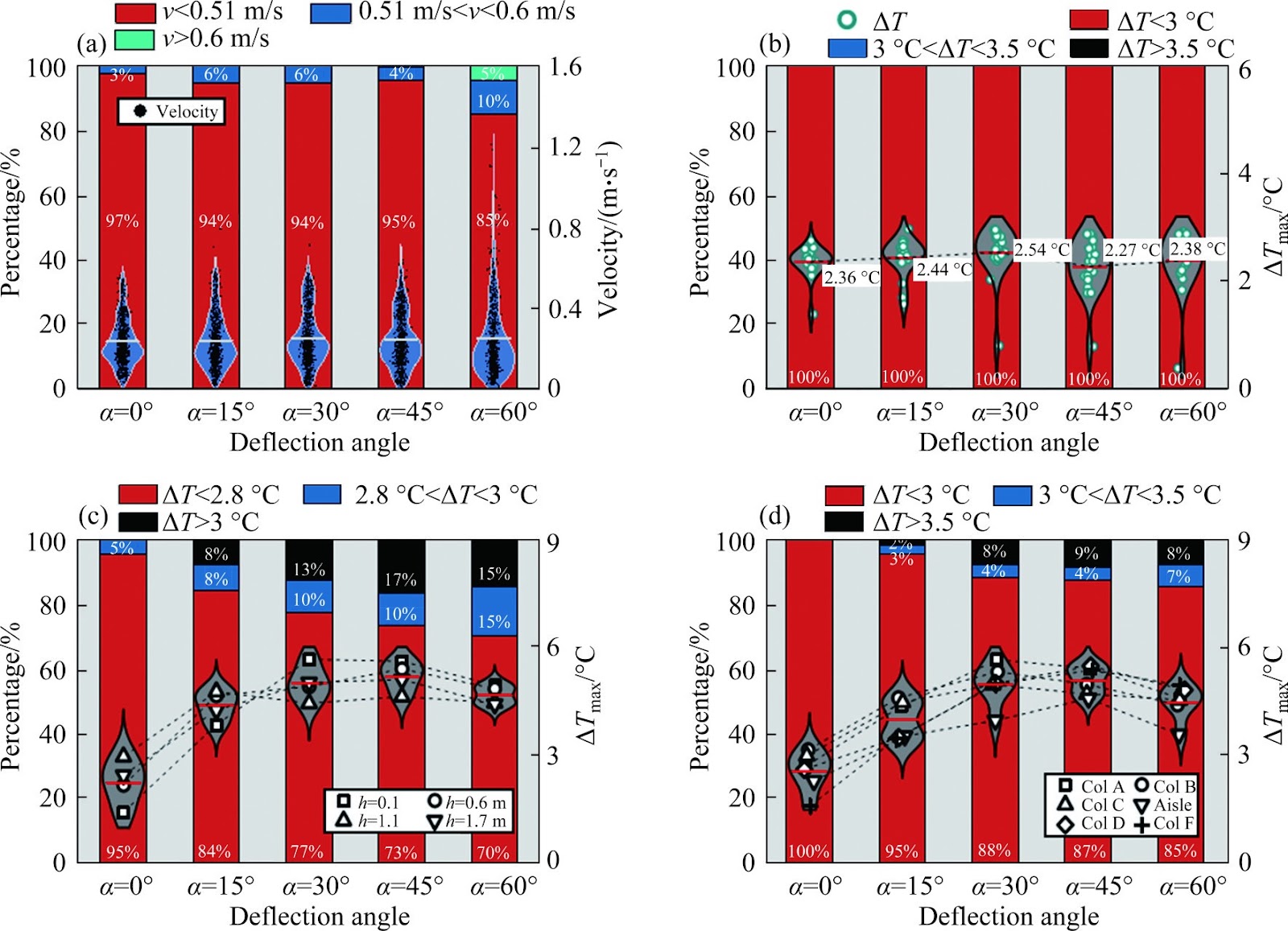
Ventilation systems are critical for improving the cabin environment in high-speed trains, and their interest has increased significantly. However, whether air supply non-verticality deteriorates the cabin air environment, and the flow mechanism behind it and the degree of deterioration are not known. This study first analyzes the interaction between deflection angle and cabin flow field characteristics and ventilation performance. The results revealed that the interior temperature and pollutant concentration decreased slightly with increasing deflection angle, but resulted in significant deterioration of thermal comfort and air quality. This is evidenced by an increase in both draught rate and non-uniformity coefficient, an increase in the number of measurement points that do not satisfy the micro-wind speed and temperature difference requirements by about 5% and 15%, respectively, and an increase in longitudinal penetration of pollutants by a factor of about 5 and the appearance of locking regions at the ends of cabin. The results also show that changing the deflection pattern only affects the region of deterioration and does not essentially improve this deterioration. This study can provide reference and help for the ventilation design of high-speed trains.

Flow field characteristics in high-speed train cabin: Negative effect of non-vertical air supply
Graphical Abstract