Key Takeaways & Executive Findings
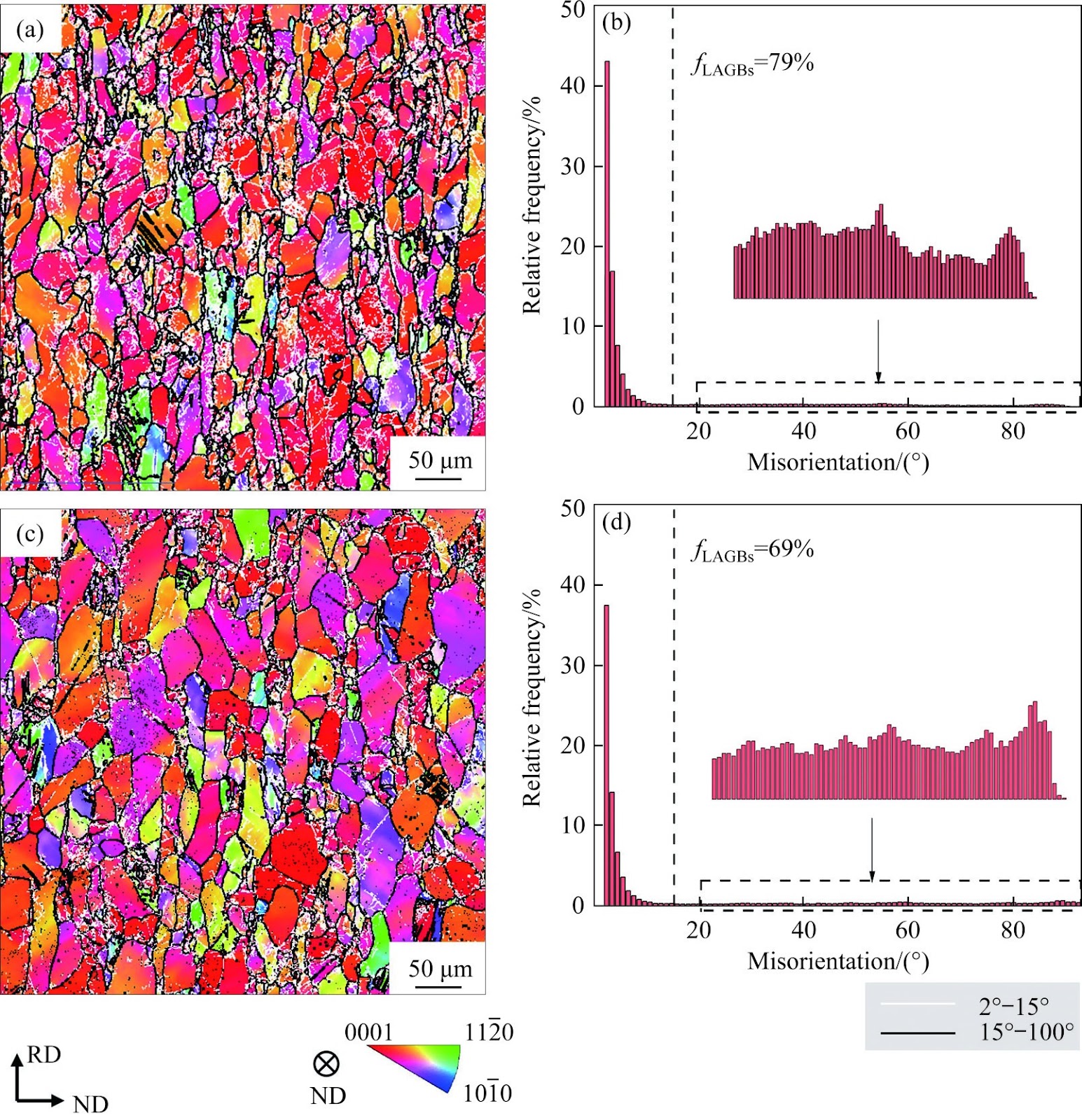
- •• Cross-rolled aged (CRA) Mg-Gd-Y-Zr-Ag alloy sheets exhibit higher yield and tensile strength than unidirectional-rolled aged (URA) sheets. • CRA sheets display a stronger aging response due to enhanced β′ precipitation, despite having larger grain size. • URA sheets develop basal and RD-favored textures, whereas CRA sheets feature multiple-peak texture with reduced yield strength anisotropy. • Grain boundary strengthening is greater in URA sheets, but aging-precipitate strengthening dominates in CRA sheets, yielding superior mechanical performance.
Abstract
Microstructure and mechanical properties of aged Mg-10Gd-2Y-0.4Zr-0.4Ag alloy sheets prepared by different rolling routes were investigated. The results showed that the cross rolling aged (CRA) sheet possesses larger grain size than unidirectional rolling aged (URA) sheet due to the occurrence of dynamic recovery during rolling which reduces the dislocation density and delays dynamic recrystallization (DRX). The URA sheet has basal texture and RD-favored texture while CRA sheet has multiple-peak texture. Both sheets precipitate β' phase and CRA sheet exhibits a stronger aging response. The CRA sheet has higher yield strength and tensile strength than URA sheet, with reduced yield strength anisotropy but increased tensile strength anisotropy. Taking into account different strengthening mechanisms, although the finer grain size of URA sheet enhances grain boundary strengthening, CRA sheet is more responsive to aging, leading to superior aging-precipitated phase strengthening and consequently higher yield strength.
1. Introduction
Owing to their strong strength, stiffness and damping-capacity, Mg alloys have gained widespread attention in aerospace, military and automotive sectors [1−3]. However, the hexagonal close-packed (HCP) structure of Mg alloys implies poor plastic deformation capability at ambient temperature, which impedes their development. To enhance formability, Mg alloys are normally prepared by hot processing, such as hot extrusion [4−6] or hot rolling [7−9]. Conventional unidirectional-rolling of plates is prone to develop a specific texture, resulting in anisotropy in the plate plane or tension-compression asymmetry along the normal direction of the rolled plate. Cross-rolling via different rolling paths mitigates the intense texture developed through unidirectional rolling, thereby achieving a more homogenized distribution of grain orientations. Therefore, cross-rolling [10−12] was proposed to modulate the deformation texture and reduce the anisotropy of plates.
In addition to cross-rolling, the addition of rare-earth (RE) elements can also reduce the texture intensity [13, 14] of Mg alloys. Meanwhile, many researchers have found that adding RE to Mg alloys can effectively improve their mechanical properties [15, 16] and thermal stability [17]. The solubility of Gd in Mg alloys is up to 23.5 wt%, which declines rapidly with reducing temperature, the precipitation of massive scattered high melting points and thermally stable phases can enhance strength and heat resistance [18]. Furthermore, adding Y lowers the critical resolved-shear stress (CRSS) of non-basal slip, thus reducing CRSS gap with basal slip and mitigating the mechanical anisotropy [19] in deformed Mg alloys. Alloying element Zr acts to pin grain boundaries [20], so as to refine grain size and bolster its tensile strength and resistance to creep.
Loading authentic research manuscript (Pages 1–5)...
ZHU Yu-ting, CHEN Han, CHEN Zhi-yong, HAN Yu-xiang, JIANG Shu-nong, GAO Yong-hao, WAN Ying-chun, LIU Chu-ming (2025). Microstructure and mechanical properties of aged Mg-Gd-Y-Zr-Ag alloy sheets processed by different rolling routes. Journal of Central South University. https://doi.org/10.1007/s11771-025-6039-7
Research & Educational Purpose Only:The translations, structured abstracts, analytical annotations, and data reports provided by SinoTechIntel are intended exclusively for academic research, internal corporate R&D, and educational benchmarking. They do not constitute formal engineering, chemical safety, legal, or professional advice.
Copyright & Intellectual Property Notice: Original copyright of the underlying source articles and experimental data remains with the respective authors, institutions, and original publishing journals. SinoTechIntel claims intellectual property only over its proprietary translations, analytical syntheses, and AEO structured enhancements in accordance with international fair use and academic citation principles.
Frequently Asked Questions
What is the effect of cross-rolling on the microstructure of aged Mg-Gd-Y-Zr-Ag alloy sheets?
Cross-rolling leads to a larger grain size due to dynamic recovery and delayed recrystallization, and results in a multiple-peak texture compared to unidirectional rolling.
How does the rolling route affect the mechanical properties of the alloy?
Cross-rolled aged (CRA) sheets exhibit higher yield and tensile strength than unidirectional-rolled aged (URA) sheets, with reduced yield strength anisotropy but increased tensile strength anisotropy.
Why does the cross-rolled sheet have a stronger aging response?
The cross-rolled sheet displays a stronger aging response, likely due to enhanced precipitation of β′ phase during aging, which contributes to superior aging-precipitate strengthening.
What are the main strengthening mechanisms in these alloy sheets?
The main mechanisms include grain boundary strengthening and aging-precipitated phase strengthening; the cross-rolled sheet benefits more from aging precipitation despite its larger grain size.
What is the significance of adding Ag to Mg-Gd-Y-Zr alloys?
Ag promotes the formation of age-precipitated phases (such as γ″ and β′), enhancing the aging response and mechanical properties, leading to the development of high-strength magnesium alloys.
Related Technical Papers & Translations
Design and optimization of a high-efficiency distillation process for cellulosic fuel ethanol integrated with thermal coupling and molecular sieve adsorption
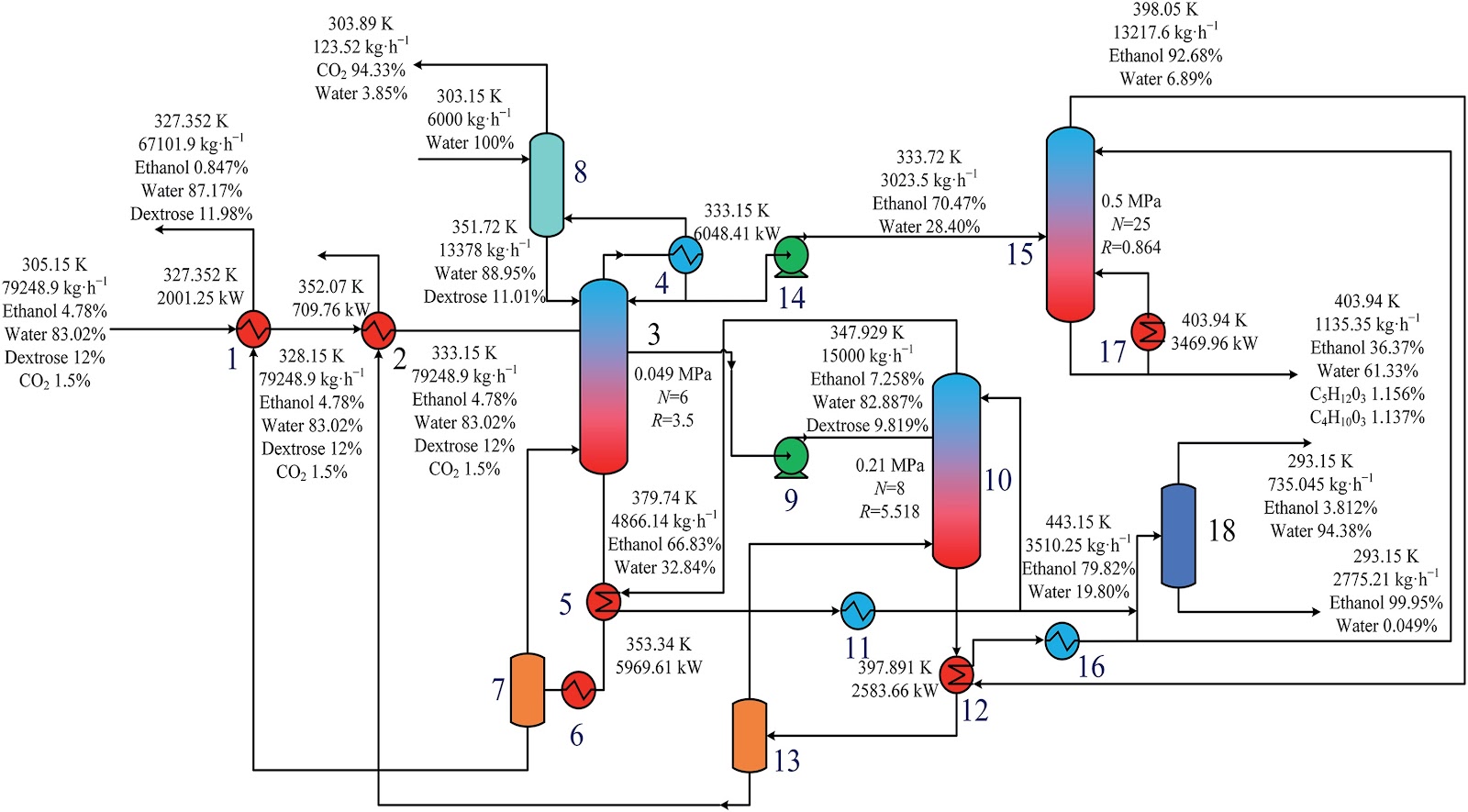
To address the challenges of high energy consumption and prominent costs in the traditional three-columns distillation process for cellulosic fuel ethanol, a distillation—molecular sieve coupling separation process is proposed. This process integrates a three-column (crude distillation column, first distillation column, second distillation column) system with a 3A molecular sieve adsorption deep dehydration unit. A thermal coupling network is constructed via differential pressure design (steam from medium/high-pressure columns as mutual heat sources, reboiler liquid waste heat for feed preheating), and molecular sieve adsorption conditions are optimized. The study first performs a thermodynamic consistency test on the ethanol—water system, determines optimal non-random two-liquid (NRTL) model binary interaction parameters via experimental data regression for Aspen Plus simulation. Aiming at minimum total annual cost (TAC), Aspen Plus is used to optimize process parameters (theoretical tray number, feed location, reflux ratio, side-draw position, etc.). Economic analysis shows this process reduces CO2 emission costs by 27.56%, TAC by 15.58% (to 5.123 × 10⁶ USD·a-1), and increases ethanol purity to >99.6%, providing an effective solution for green, efficient separation.
A cohesion loss model for determining residual strength of deep bedded sandstone
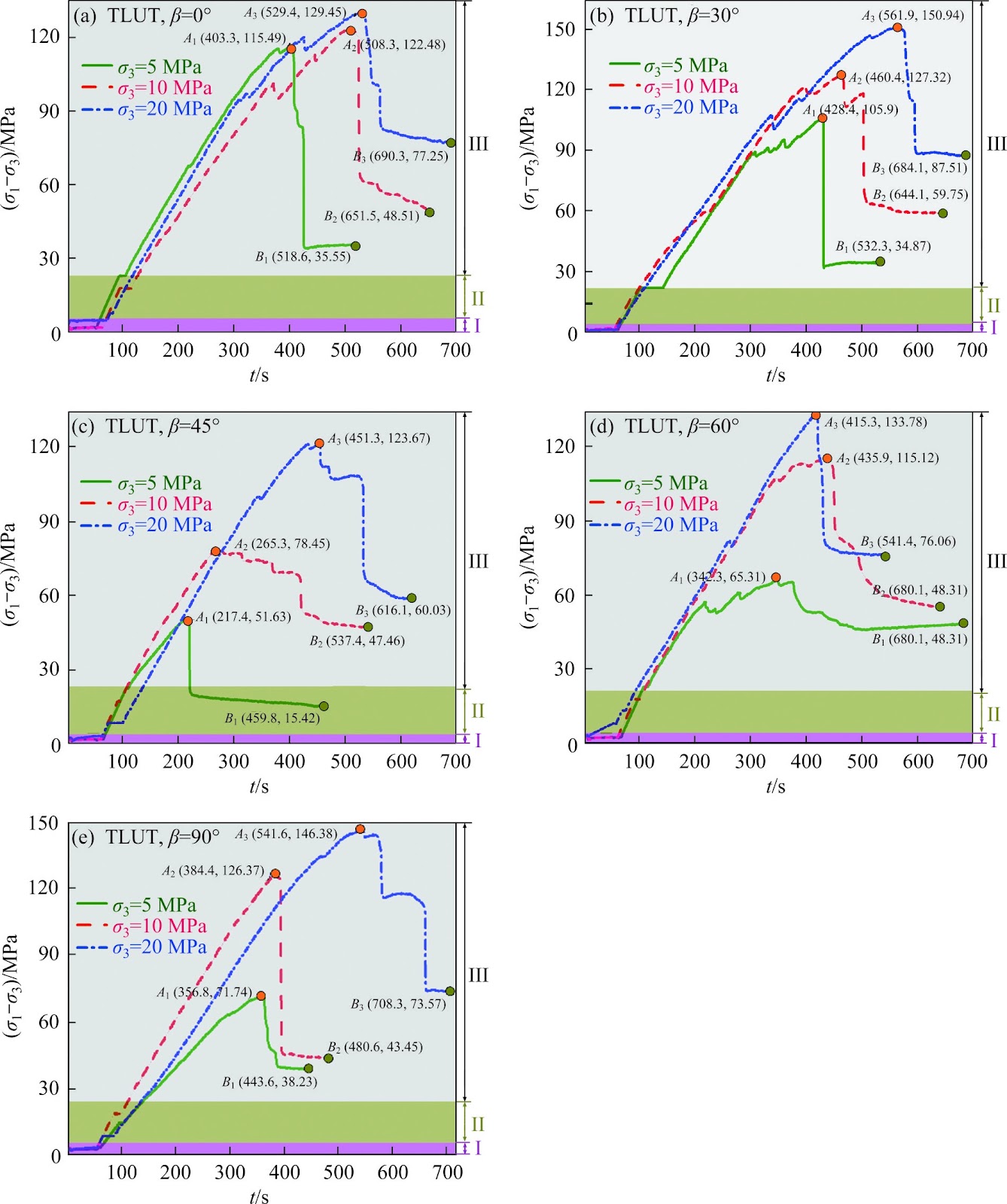
Rock residual strength, as an important input parameter, plays an indispensable role in proposing the reasonable and scientific scheme about stope design, underground tunnel excavation and stability evaluation of deep chambers. Therefore, previous residual strength models of rocks established were reviewed. And corresponding related problems were stated. Subsequently, starting from the effects of bedding and whole life-cycle evolution process, series of triaxial mechanical tests of deep bedded s
Federated model with contrastive learning and adaptive control variates for human activity recognition
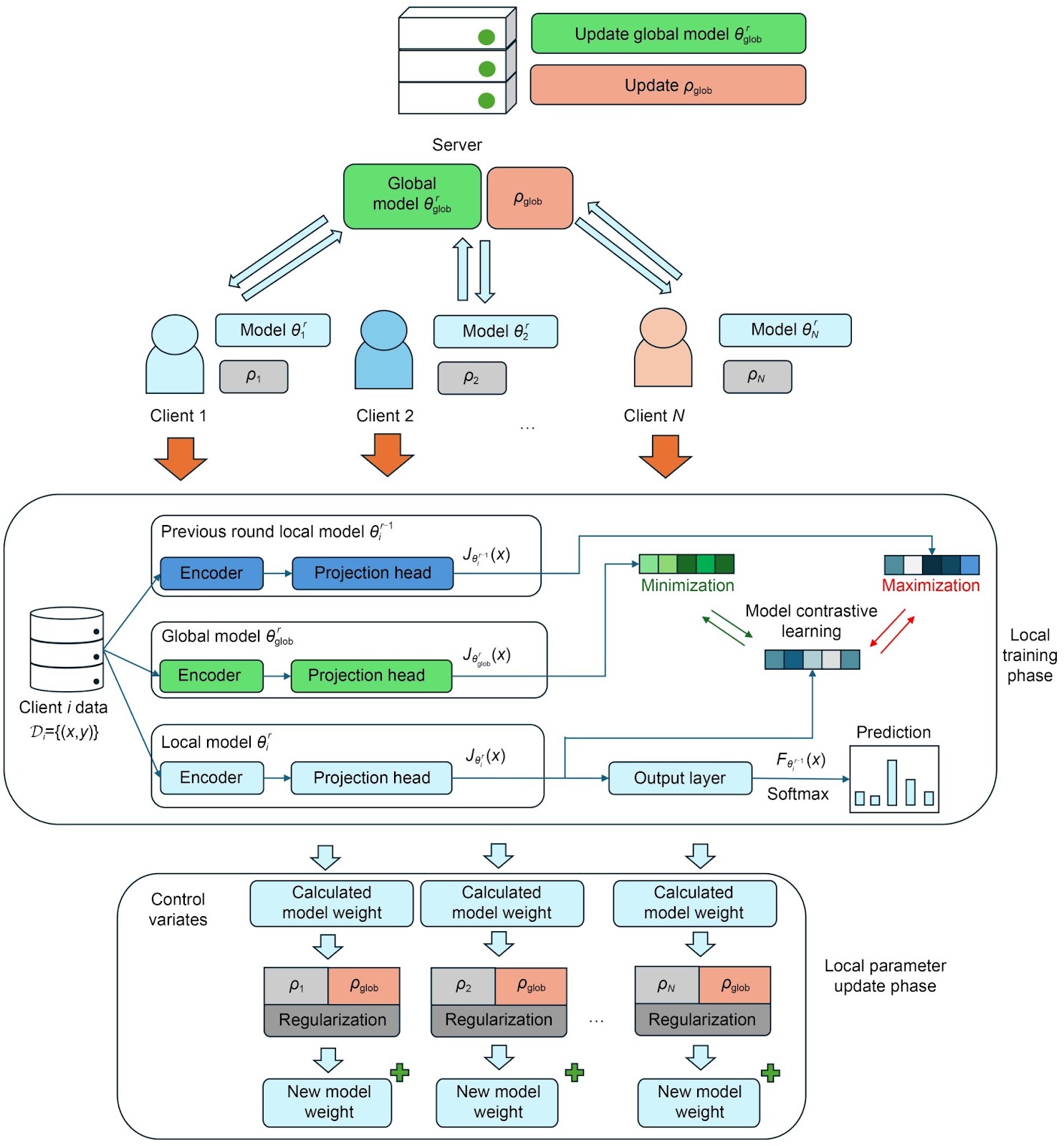
Recent attention to privacy issues demands a communication-safe method for training human activity recognition (HAR) models on client activity data. Federated learning (FL) has become a compelling technique to facilitate model training between the server and clients while preserving data privacy. However, classical FL methods often assume independent and identically distributed (IID) data among clients. This assumption does not hold true in practical scenarios. Human activity in real-world scena