SinoTechIntel Academic Portal
🏛️ Indexed Academic JournalImpact Factor: 3.8

Surface Technology (表面技术)

Authoritative peer-reviewed journal in materials science, metallurgy, chemistry and engineering technologies: Surface Technology (表面技术)

Total Research Papers: 50
Access: 100% Free Open Access
Browse by Publication Year & VolumeReset All Filters ✕

Published Research PapersFiltered: Year 2026 • Vol. 32 • 9

Showing 10 of 50 peer-reviewed papers with full Graphical Abstracts.

Original ResearchVol. 32, Issue 9 • pp. 100-112DOI: 10.16490/j.cnki.issn.1001-3660.2026.09.006Jan 15, 2026

Polishing of Glass-ceramics with Nano-silica Modified Magnetic Abrasives

Authors: CHEN Tonghao, ZHANG Hongxu, FENG Ming, ZHOU Hongming, LI Min, ZHANG Xianglei, SHEN Jiangnan

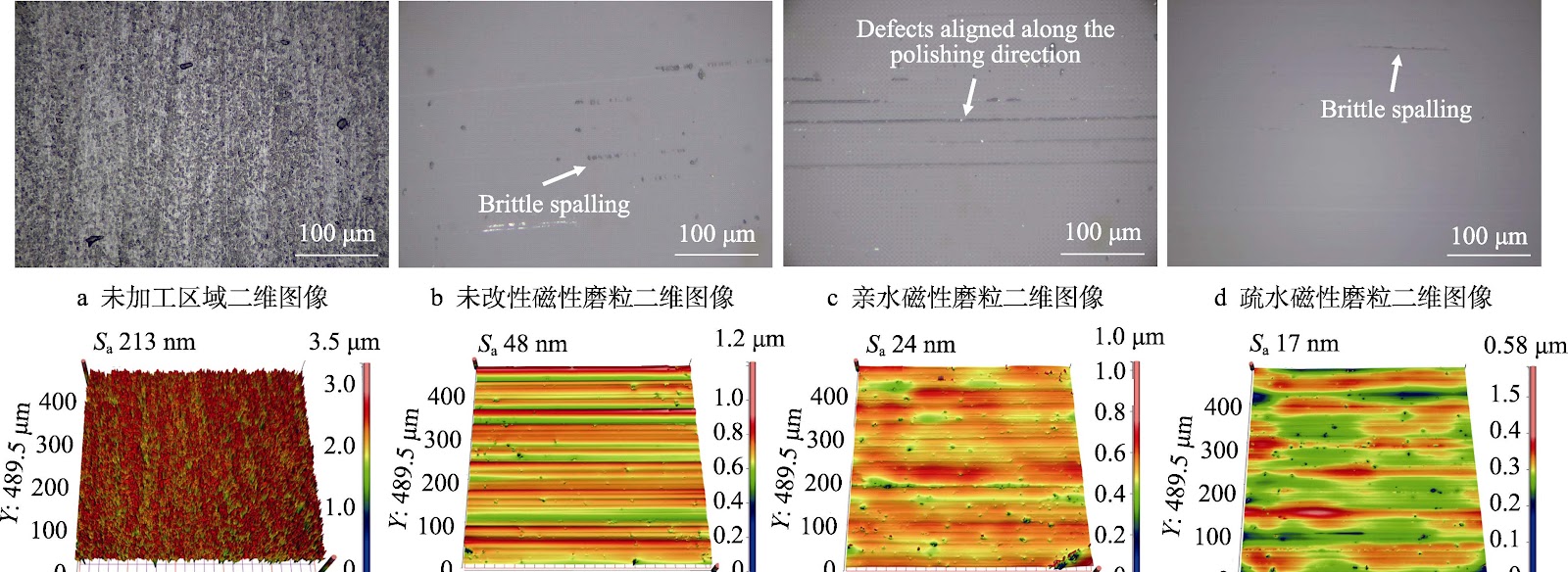
Glass-ceramics, multiphase composites combining amorphous and crystalline phases, exhibit disparate mechanical responses that induce subsurface damage and surface defects during conventional polishing. This study fabricates magnetic abrasive particles (MAPs) via a bonding process with three variants: unmodified, hydrophilic nano-silica (20 nm) modified, and hydrophobic nano-silica (20 nm) modified. Base composition comprises iron powder (75 μm) and CeO2 abrasives (15 μm) at a 12:3 mass ratio. Polishing tests on glass-ceramics using an N-S array tool reveal that hydrophobic modified MAPs achieve the lowest surface roughness (Sa = 17 nm) and highest material removal depth (2.5 μm), compared to hydrophilic (Sa = 24 nm) and unmodified (Sa = 48 nm) MAPs. Dynamic friction coefficients measured in situ are 0.31, 0.35, and 0.42 for hydrophobic, hydrophilic, and unmodified MAPs, respectively. Surface and subsurface damage analyses show hydrophobic MAPs minimize pits, micro-cracks, and brittle fractures, while hydrophilic MAPs exhibit brittle spalling and unmodified MAPs show point defects. Wear tests confirm that nano-silica addition enhances bond strength and extends abrasive lifespan. The hydrophobic modification promotes surface hydration and formation of a lubricating silicate gel layer, reducing mechanical plowing and friction, thereby enabling high-quality surface integrity. These findings demonstrate that nano-silica modification effectively tunes MAP hydrophobicity, offering a viable route for ultra-smooth, low-damage polishing of glass-ceramics.
Polishing of Glass-ceramics with Nano-silica Modified Magnetic Abrasives
Graphical Abstract
Original ResearchVol. 32, Issue 9 • pp. 100-112DOI: 10.16490/j.cnki.issn.1001-3660.2026.09.009Jan 15, 2026

Progress in Fatigue Research of Nitrided Titanium Alloys

Authors: LI Cong, WANG Xin, ZHOU Libo, CHEN Wei, CHEN Jian, LI Wei, CHEN Wanglin

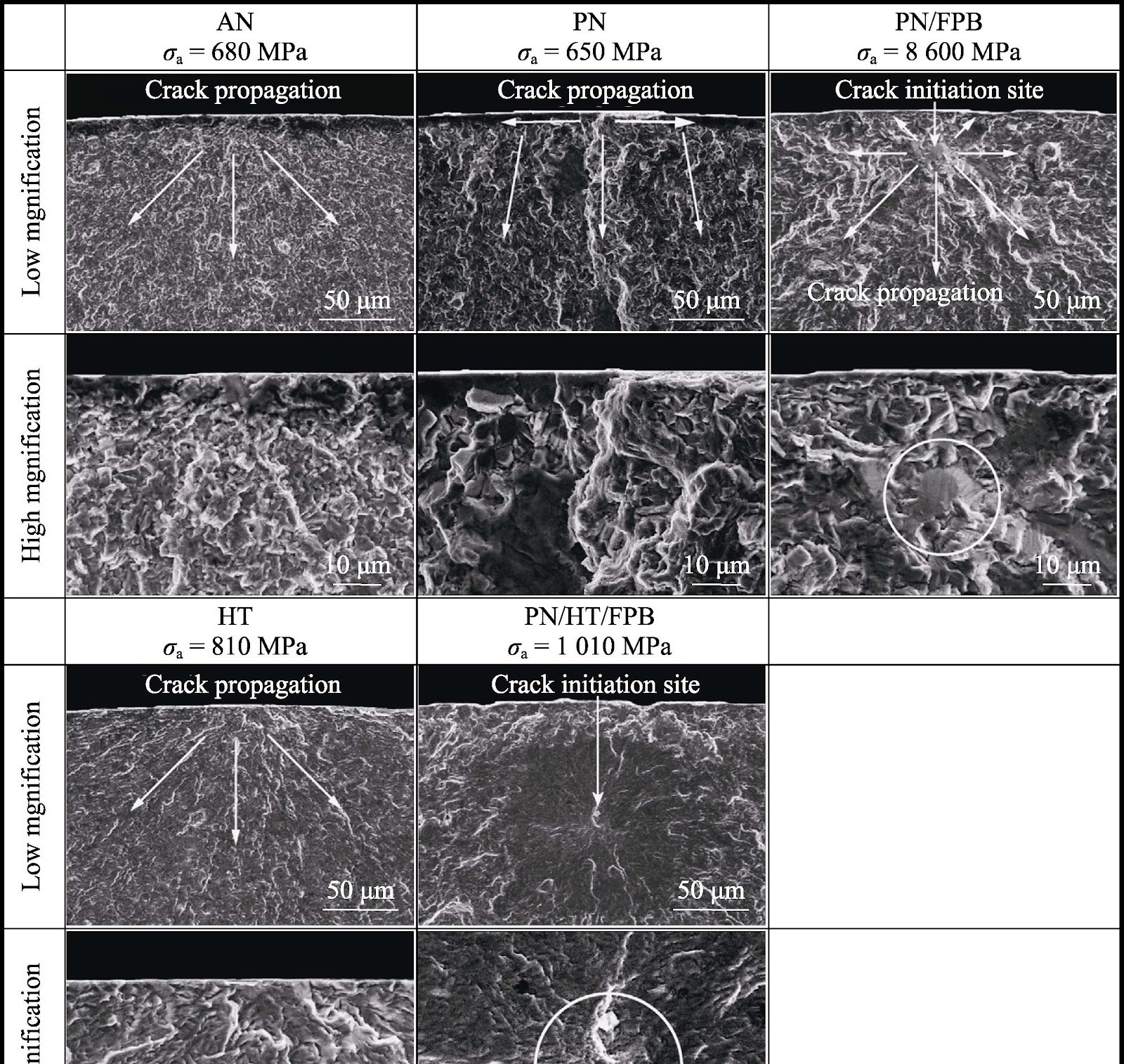
Titanium alloys are extensively employed in aerospace, chemical, energy, and biomedical engineering owing to their high specific strength, low density, and excellent corrosion resistance. However, their inherently low surface hardness, poor wear resistance, and high friction coefficient restrict application under high-load, long-life conditions. Nitriding, a thermochemical treatment in which nitrogen atoms diffuse into the surface below the alloy transformation temperature to form a hard nitride layer, serves as an important means to upgrade surface performance. Its effect on fatigue behaviour is twofold: the nitrided layer introduces residual compressive stress and a hardness gradient that suppress crack initiation, while the brittle nitride film, grain coarsening, and interfacial stress concentration created during processing can act as fatigue crack nucleation sites and reduce fatigue life. This review systematically examines the effects of gas nitriding, plasma nitriding, hybrid nitriding, and several novel nitriding techniques on the fatigue response of representative titanium alloys. Conventional gas nitriding and high-temperature plasma nitriding produce a 2–10 µm surface compound layer of brittle TiN and Ti2N with hardness of 1,000–2,000 HV yet very low fracture toughness, which readily develops surface micro-cracks under cyclic loading and serves as the dominant fatigue crack origin. Beneath it, a 20–100 µm thick nitrogen diffusion zone exhibits graded hardness and high residual compression. Low-temperature, short-duration, or energy-controlled processes such as plasma nitriding, low-temperature plasma nitriding, and pulsed laser nitriding tend to form thin compound layers and deep diffusion layers, pushing crack sources to subsurface or internal defects and extending fatigue life. Hybrid treatments (nitriding followed by shot peening or heat treatment) further suppress surface crack initiation by removing the brittle layer, refining grains, and introducing high residual compressive stress, achieving significant fatigue strength improvement. The review clarifies the intrinsic relationship between nitrided layer architecture and fatigue performance, and reveals the micro-mechanisms of fatigue crack initiation and propagation, providing a theoretical basis for optimizing titanium alloy surface treatment processes.

Progress in Fatigue Research of Nitrided Titanium Alloys
Graphical Abstract
Original ResearchVol. 32, Issue 9 • pp. 100-112DOI: 10.16490/j.cnki.issn.1001-3660.2026.09.007Jan 15, 2026

Graphene-Assisted Chemical Magnetorheological Polishing of TC4 Titanium Alloys

Authors: SHEN Jiangnan, TAO Xiyue, FENG Ming, ZHANG Xianglei, LI Min, CHEN Tonghao, FENG Qingxiang

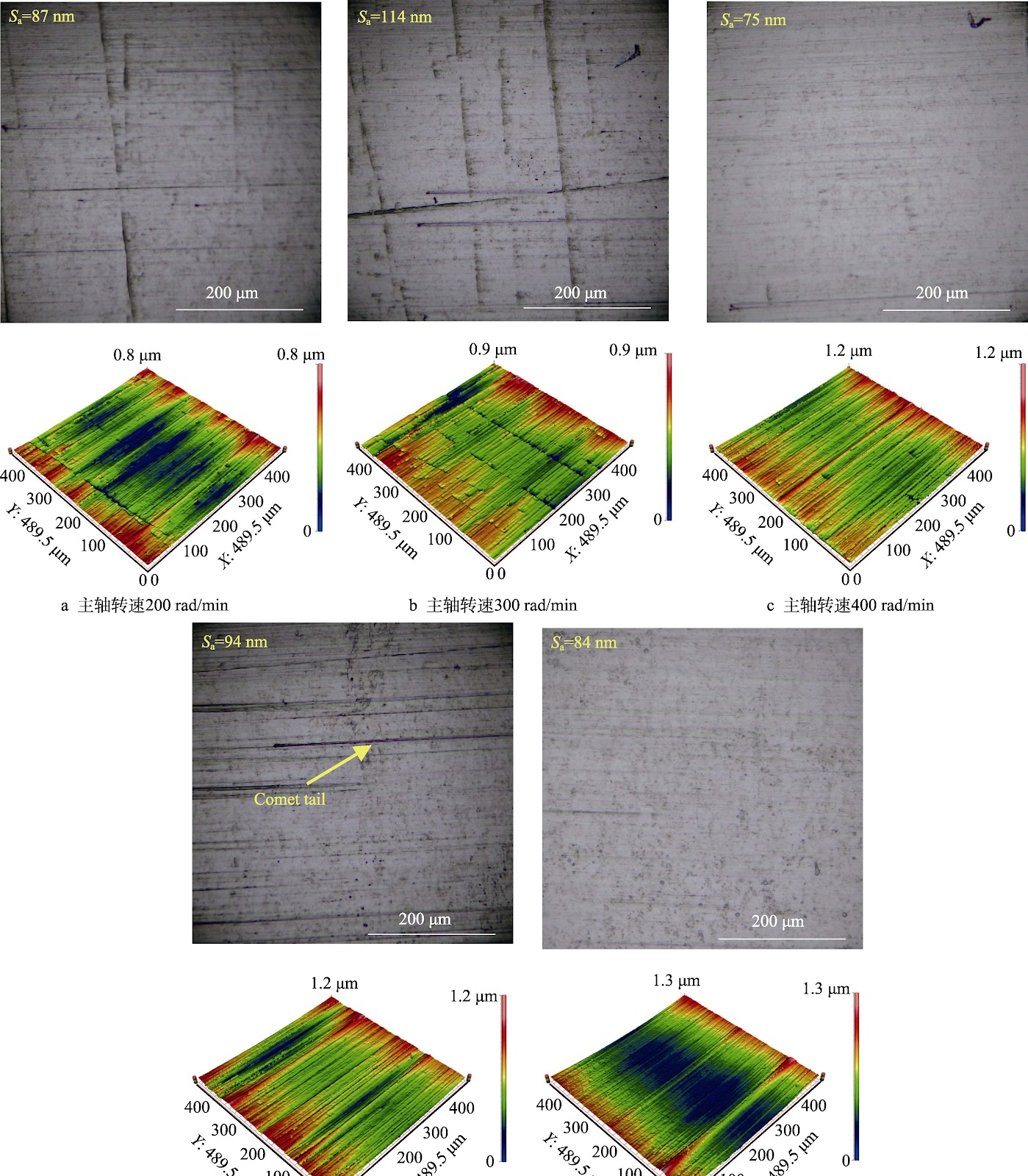
TC4 titanium alloy, a representative α+β dual-phase alloy, exhibits high specific strength, corrosion resistance, and biocompatibility but remains a classic difficult-to-machine material due to high chemical reactivity, low thermal conductivity, and complex phase-dependent mechanical behavior. Conventional polishing routes yield low material removal rates and poor surface consistency. This work formulates a graphene-assisted chemical magnetorheological polishing fluid comprising 0.40 wt.% monolayer graphene flakes, 15 wt.% carbonyl iron powder, 5 wt.% alumina abrasives, and 3.0 wt.% hydrogen peroxide as the primary oxidant. The catalytic role of graphene in the Fenton reaction is quantified via real-time oxidation-reduction potential (ORP) monitoring, immersion tests, and X-ray photoelectron spectroscopy (XPS). Graphene elevates the ORP from 337 mV to 347 mV at 30 min and increases the high-valence Ti4+ fraction in the surface oxide layer from 54.81 at.% to 60.13 at.%. Concurrently, graphene reduces the average polishing force by 50% (from 0.26 N to 0.13 N) and improves force stability, confirming a lubrication effect at the pad-workpiece interface. Single-factor experiments on machining gap and spindle speed identify an optimized condition of 1.0 mm gap and 400 rad/min, under which surface roughness Sa decreases from 350 nm to 75 nm within 15 min. The results establish that graphene delivers dual catalytic-oxidation and lubrication functions, enabling efficient, high-integrity finishing of TC4 titanium alloy and offering a viable route for ultra-precision surface treatment of complex hard-to-machine materials.

Graphene-Assisted Chemical Magnetorheological Polishing of TC4 Titanium Alloys
Graphical Abstract
Original ResearchVol. 32, Issue 9 • pp. 100-112DOI: 10.16490/j.cnki.issn.1001-3660.2026.09.008Jan 15, 2026

Experimental Study on Halbach Array-based Magnetic-field-assisted Shear Thickening Polishing of Zirconia Ceramics

Authors: ZHANG Yangyang, WANG Yingshuai, FENG Longlong, YUAN Yujie, LI Xiaojing, LIU Xiaofeng, HU Liang

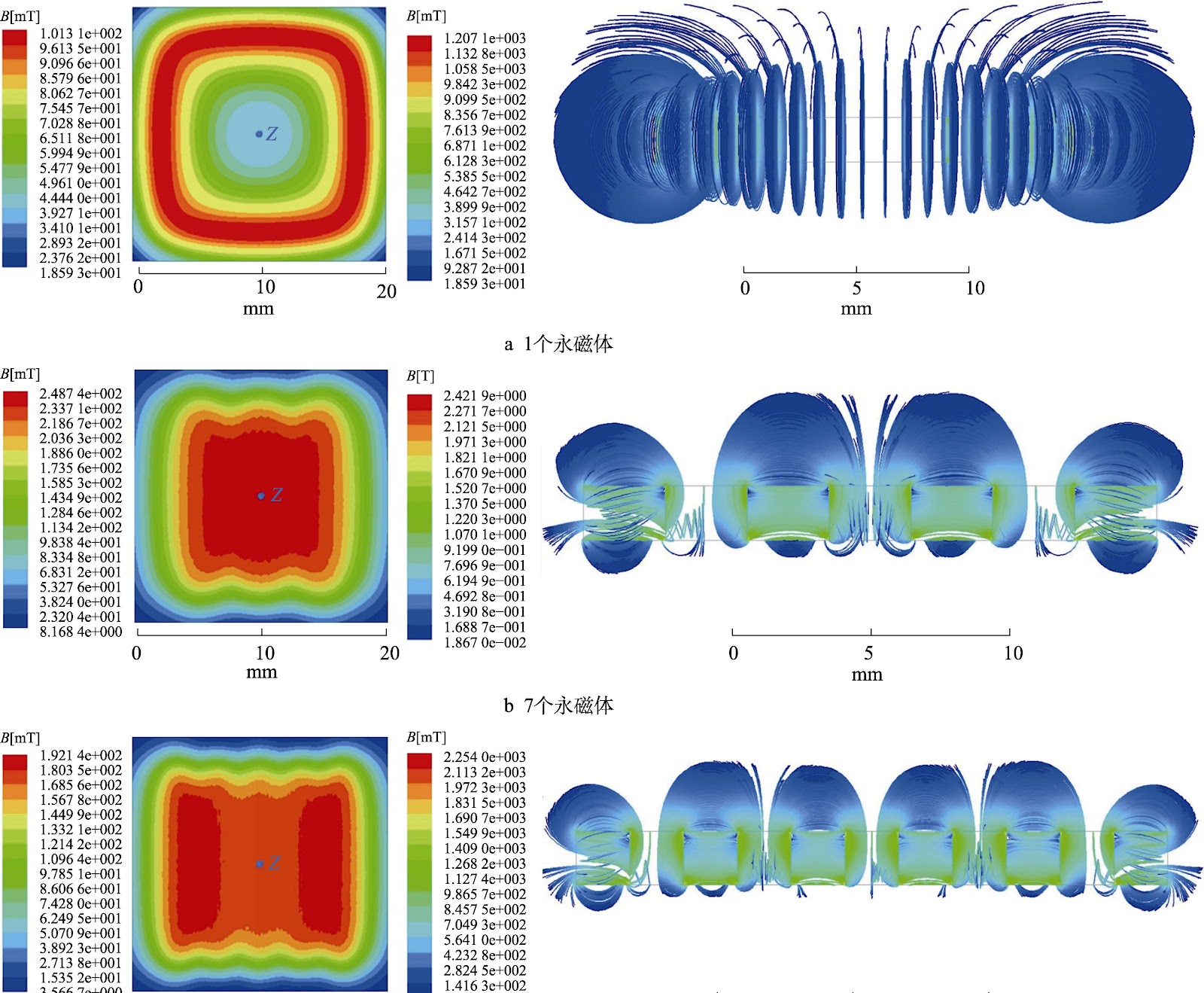
Zirconia (ZrO2) ceramics are extensively utilized in aerospace, automotive, and biomedical sectors due to exceptional mechanical properties and favorable biocompatibility. However, inherent high hardness and brittleness pose significant challenges for conventional polishing tools in achieving effective surface removal. This study proposes a Halbach-array magnetic-field-assisted shear thickening polishing (HMSTP) method to achieve high-efficiency, low-damage, and low-cost precision polishing of ZrO2 ceramics. Magnetic-field rheological tests were conducted on magnetic shear thickening slurries prepared with carbonyl iron powder at different mass fractions. A slurry containing 4% carbonyl iron powder at a magnetic induction of 150 mT was selected as optimal, demonstrating the most pronounced synergistic enhancement between magnetorheological and shear thickening properties. The Halbach array magnetic field was designed comprising 11 magnets, characterized by a maximum magnetic induction of 192 mT and uniform central distribution. Experimental measurements confirmed an average magnetic induction of 150.2 mT, consistent with simulation. Polishing experiments revealed that increased polishing speed enhances shear rate and material removal rate (MRR), while excessive or insufficient polishing angle impairs slurry flow. Workpiece rotation ensures uniform force distribution but excessive rotation speed diverts slurry, weakening shear thickening. After 60 min of HMSTP, surface roughness (Ra) decreased from 601 nm to 11 nm, and MRR reached 7.26 μm/h. Compared to conventional shear thickening polishing without magnetic field, Ra was reduced by 85.6% and MRR increased by 1.33 times. The HMSTP method effectively improves surface quality and material removal rate of zirconia ceramics, achieving efficient, low-damage, and low-cost processing.

Experimental Study on Halbach Array-based Magnetic-field-assisted Shear Thickening Polishing of Zirconia Ceramics
Graphical Abstract
Original ResearchVol. 32, Issue 9 • pp. 100-112DOI: 10.16490/j.cnki.issn.1001-3660.2026.09.001Jan 15, 2026

Thermal Stability and Cutting Performance of AlCrN/TiSiN/AlCrTiSiON Multilayer Tool Coating

Authors: XIONG Longyu, BAI Wuliji, WU Fenghe, YUAN Wenhao, LIU Yanmei, FAN Qixiang, WANG Peng, LIU Qi, XU Yuanjian, WANG Tiegang

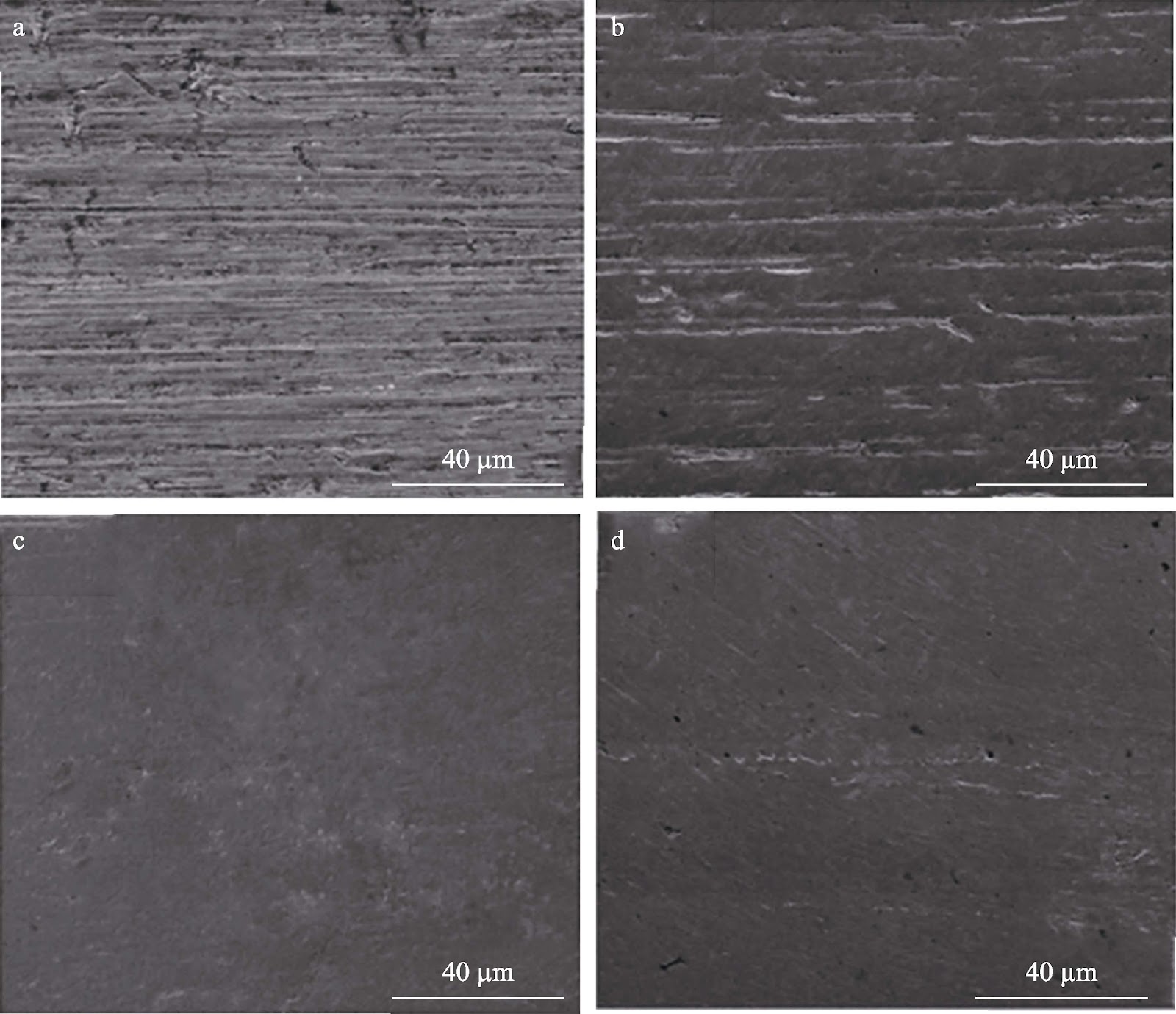
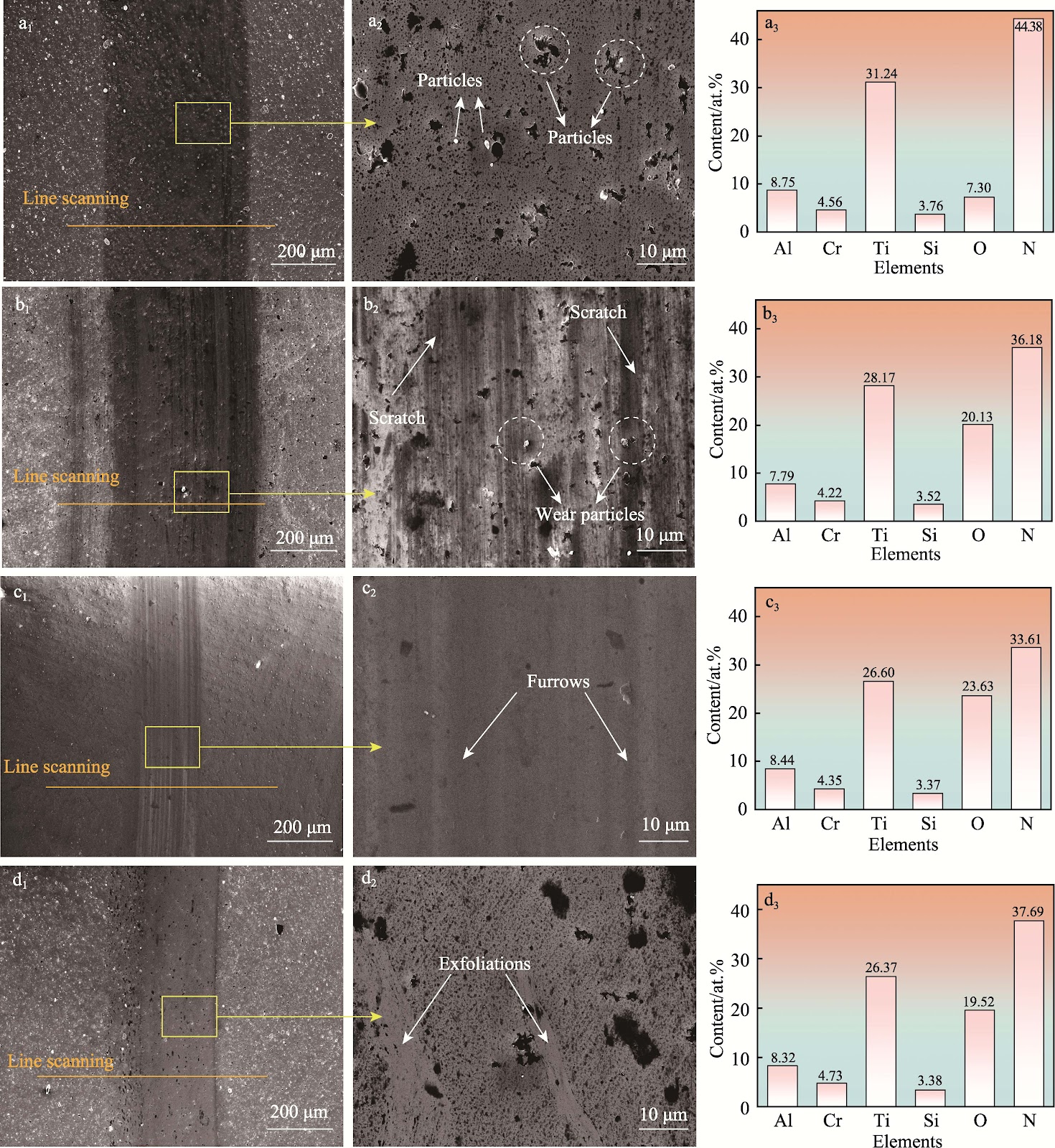
High-speed dry cutting of hardened steel imposes severe oxidative and diffusion wear on AlCrN/TiSiN-coated tools, limiting service life. This study introduces a multilayer composite plus pre-oxidation strategy: an AlCrN/TiSiN coating deposited by arc ion plating is subjected to controlled pre-oxidation, forming an in-situ AlCrTiSiON oxide barrier. Static oxidation, high-temperature tribological tests, and dry milling of hardened 45 steel evaluate performance. After 800 °C oxidation, the AlCrN/TiSiN coating develops porous TiO/TiO2 and o-SiO2 phases, while the multilayer coating retains sharp protective oxide peaks and strong fcc-TiN/fcc-CrN reflections. Hardness peaks at 49.64 GPa after 600 °C oxidation, with H/E = 0.102 and H3/E*2 = 0.426 GPa. Critical load reaches 85 N after 700 °C oxidation. At 700 °C friction, wear rate minimizes at 2.28×10⁻¹⁰ mm3/(N·mm); at 800 °C, friction coefficient drops to 0.63. In dry milling, the multilayer tool achieves a wear band of only 60.66 μm after 90 min, and a cutting life 13.83 times that of uncoated and 3.46 times that of AlCrN/TiSiN-coated tools. Cutting temperature is reduced by 68 °C at 120 min compared to the AlCrN/TiSiN coating. The pre-oxidized oxide layer suppresses oxygen inward diffusion and heat conduction, enhancing structural stability and tool longevity.

Thermal Stability and Cutting Performance of AlCrN/TiSiN/AlCrTiSiON Multilayer Tool Coating
Graphical Abstract
Original ResearchVol. 32, Issue 9 • pp. 100-112DOI: 10.16490/j.cnki.issn.1001-3660.2026.09.005Jan 15, 2026

IWP-based Flexible Polishing Tools for Improving Hydrodynamic Fluid Polishing Performance of BK7 Glass

Authors: SONG Jintao, GUO Lei, LI Baozhen, HUI Jizhuang, XU Chen, LIU Xiaohui, JIN Qichao, ZHANG Jing, CHEN Zhenxian

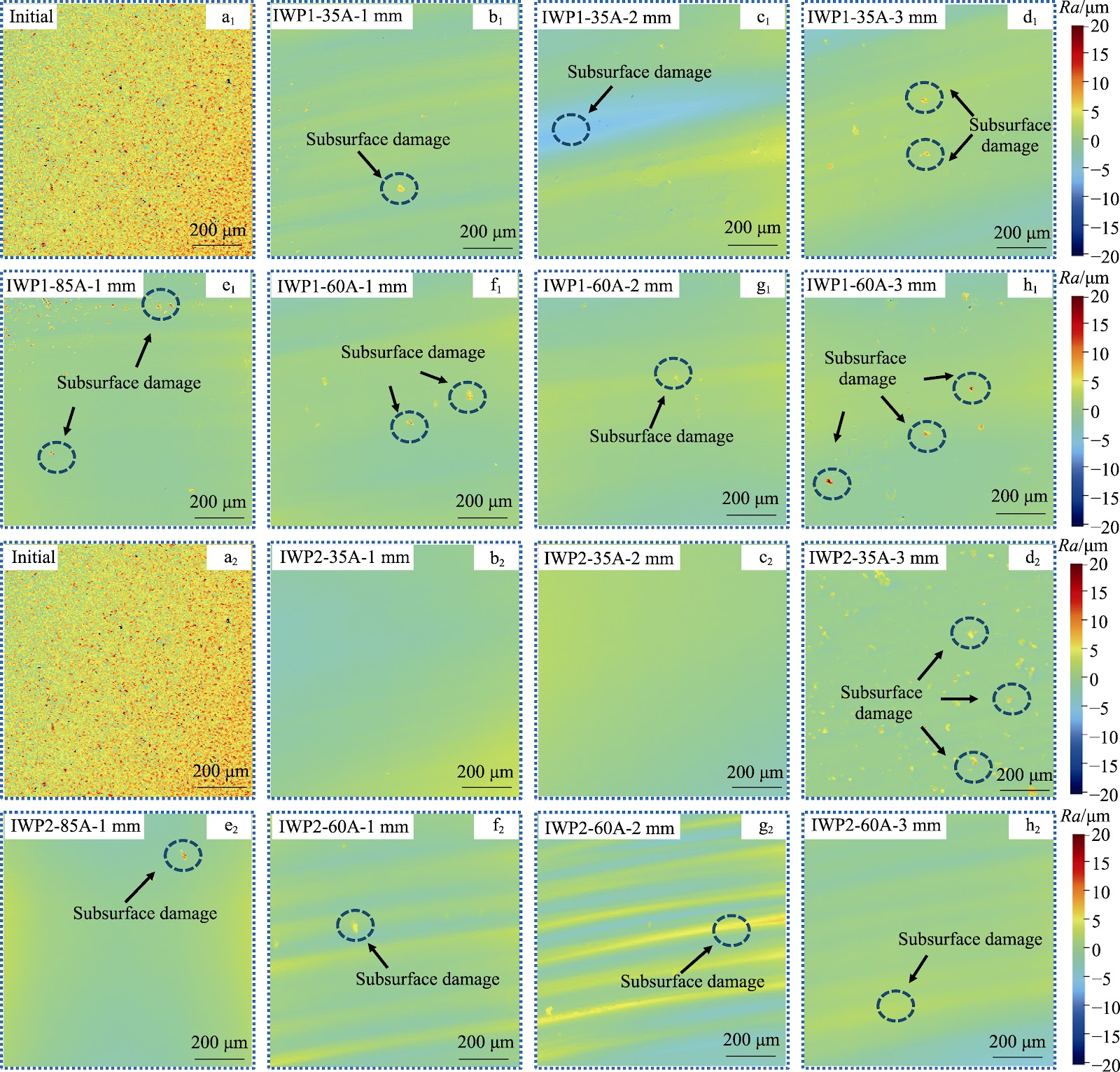
Polishing of BK7 optical glass suffers from rapid tool wear, low material removal rates, and unstable surface quality. This study introduces an internal-configuration optimization strategy for flexible polishing tools based on I-graph-wrapped package (IWP) triply periodic minimal surface unit cells. Two complementary architectures—skeletal lattice (IWP-1) and perforated lattice (IWP-2)—were fabricated via stereolithography (SLA) photocuring additive manufacturing at Shore A hardness levels of 35 A and 60 A. A corrected material removal function was developed by coupling Hertzian contact theory, the Preston equation, and effective abrasive count, with elastic-plastic deformation analysis of individual grains. Static finite element analysis revealed that IWP topologies homogenize contact pressure and reduce stress concentration. CFD-DPM/DEM fluid-structure interaction simulations showed that internal channels and surface depressions enhance slurry supply, circulation, and abrasive spatial distribution. Orthogonal polishing experiments (three factors, three levels) identified optimal parameters: IWP-1 at 2 mm compression and 60 A hardness achieved Ra = 0.033 μm, suitable for final polishing; IWP-2 at 2 mm compression and 35 A hardness achieved Ra = 0.075 μm with a material removal rate ηMRR = 0.0558 mm³/min, suitable for pre-polishing. These results demonstrate a tunable balance between removal efficiency and surface quality, providing a structural design framework for non-Newtonian hydrodynamic polishing of hard-brittle optical components.

IWP-based Flexible Polishing Tools for Improving Hydrodynamic Fluid Polishing Performance of BK7 Glass
Graphical Abstract
Original ResearchVol. 32, Issue 9 • pp. 100-112DOI: 10.16490/j.cnki.issn.1001-3660.2026.09.002Jan 15, 2026

Profile Accuracy and Surface Roughness of CaF2 Cylindrical Microlens Arrays Machined by Form Tool Cutting

Authors: XU Jiachang, GUAN Chaoliang

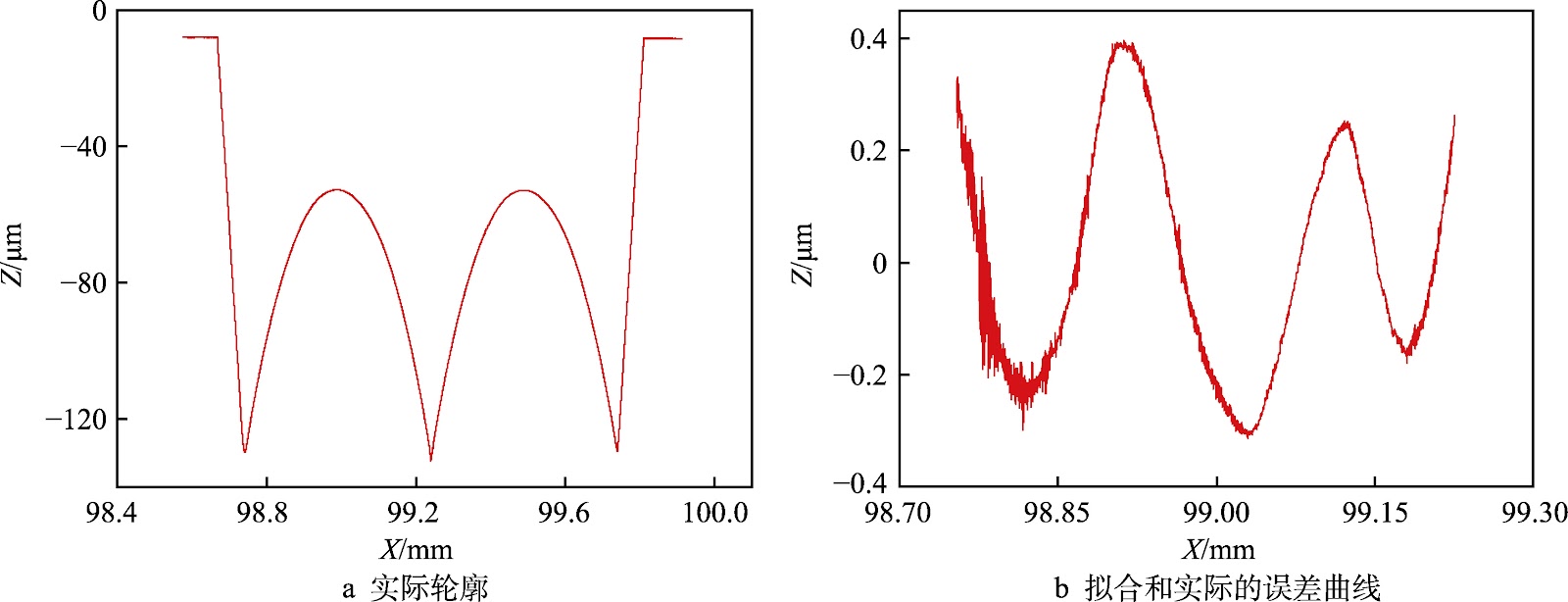
Fabrication of high-precision cylindrical microlens arrays (CMLA) on single-crystal calcium fluoride (CaF2) substrates is critical for advanced lithographic illumination systems. However, the intrinsic soft-brittle characteristics and weak elastic anisotropy of CaF2 often induce brittle fracture and surface damage during ultra-precision machining, limiting achievable form accuracy and surface quality. This study systematically investigates the coupling relationship between profile accuracy and surface integrity in diamond machining of CaF2 CMLA, emphasizing material properties, auxiliary cutting strategies, tool geometric accuracy, and tool wear evolution. First, fundamental mechanical properties of CaF2 are analyzed from elastic constants. Calculations show a Young's modulus of 110.04 GPa, Poisson's ratio below 1/3, and hardness of 5.71 GPa, confirming typical soft-brittle nature. The elastic anisotropy factor ranges between 0 and 1, indicating relatively weak anisotropy compared with many crystalline optical materials. Two auxiliary ultra-precision machining techniques, ultrasonic elliptical vibration cutting (EVC) and fly-cutting, are comparatively investigated. Experimental results show that EVC locally improves surface finish via intermittent cutting and reduced cutting forces, but periodic reversal of tool motion in the elliptical trajectory inevitably generates scratches and defects at the groove bottom of microlens structures. In contrast, fly-cutting consistently produces superior surface quality across the entire CMLA surface, attributed to significantly reduced tool-workpiece contact time and suppression of instantaneous cutting forces, effectively mitigating brittle fracture. A systematic parameter study reveals that tool geometric errors are directly replicated onto the workpiece surface, dominating profile error. After correcting the non-circular-arc tool profile, workpiece profile error (RMS) decreased from 200 nm to 16.8 nm, validating the decisive role of tool contour accuracy. Wear analysis indicates significant tool tip wear due to long cutting strokes, while middle sections experience lighter wear, primarily from repeated edge cutting and localized thermo-mechanical friction. These findings provide critical process guidance for high-precision, low-damage machining of CaF2 CMLA and other brittle optical crystals.

Profile Accuracy and Surface Roughness of CaF2 Cylindrical Microlens Arrays Machined by Form Tool Cutting
Graphical Abstract
Original ResearchVol. 32, Issue 9 • pp. 100-112DOI: 10.16490/j.cnki.issn.1001-3660.2026.09.003Jan 15, 2026

Performance of Ultrasonic-assisted Turning of Additively Manufactured Titanium Alloys

Authors: SU Yongsheng, SUN Yajie, LI Kaifeng

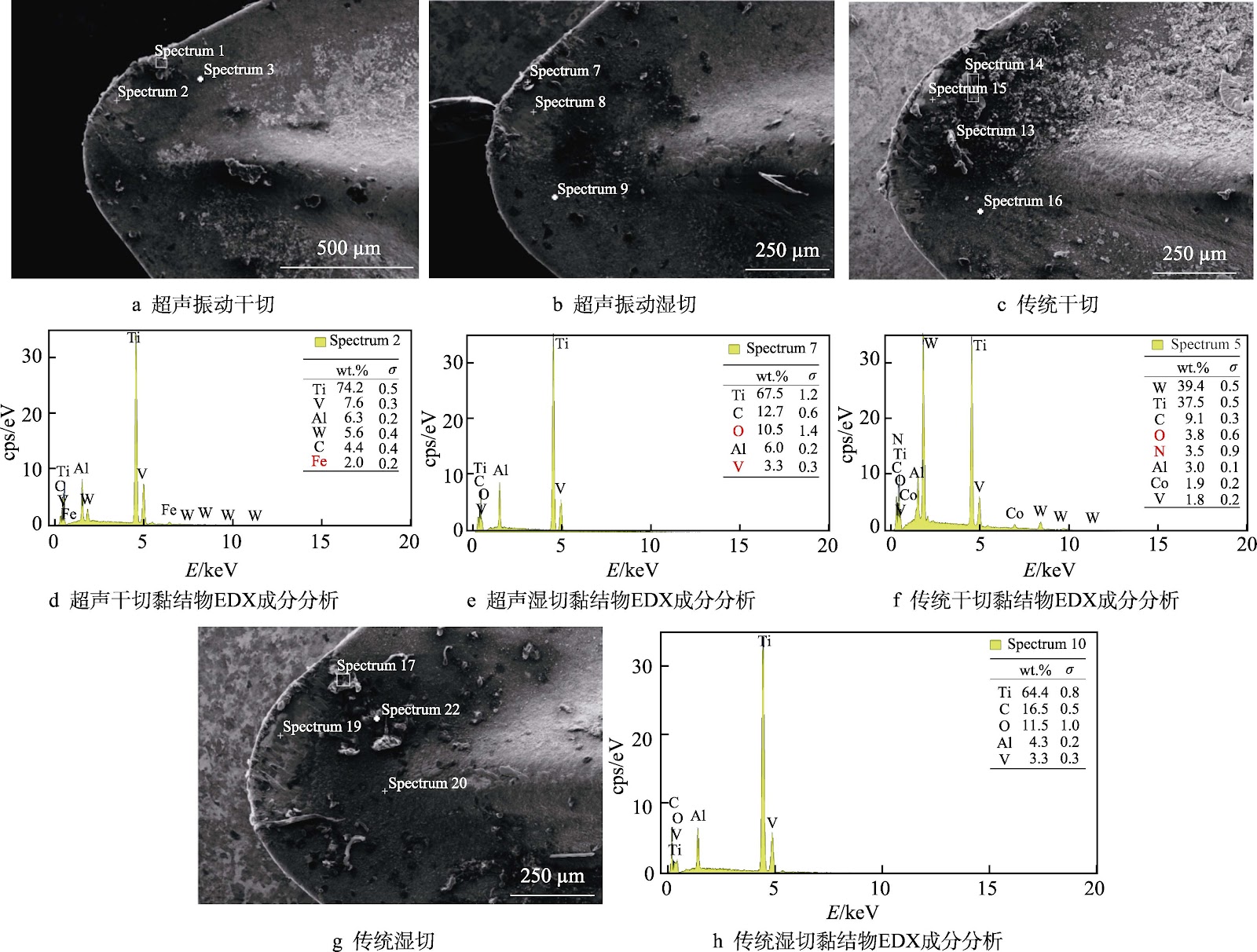
Additively manufactured (AM) titanium alloys are increasingly deployed in aerospace, medical, and high-end equipment sectors owing to their high design freedom, material utilization efficiency, and superior mechanical properties. However, insufficient surface quality and dimensional accuracy necessitate post-processing. This study investigates the performance of two-dimensional ultrasonic vibration-assisted turning (2D UVAT) on AM titanium alloys under dry and wet cutting environments, comparing it against conventional turning (CT). Cutting forces were measured using a Kistler 9257B dynamometer; surface morphology and roughness were characterized with a Super Viewer surface profiler; surface hardness was assessed via a TMVS-1 digital micro-Vickers hardness tester; and tool adhesion was analyzed through scanning electron microscopy and EDX composition mapping. Results demonstrate that under dry cutting conditions, 2D UVAT reduces the main cutting force by up to 25.50% at a feed rate of 0.05 mm/r compared to CT. Under wet cutting conditions, the maximum reduction in main cutting force is 22.73%. Surface roughness decreases by 21.28%–37.11% in dry cutting and 14.68%–38.63% in wet cutting. The average surface hardness of 2D UVAT specimens consistently exceeds that of CT specimens. Furthermore, tool rake face adhesion is markedly reduced in 2D UVAT, attributed to lower friction and cutting forces that mitigate adhesive wear. These findings confirm that 2D UVAT substantially improves machined surface integrity and tool performance when turning AM titanium alloys, offering a viable strategy for enhancing post-processing quality in high-value AM components.

Performance of Ultrasonic-assisted Turning of Additively Manufactured Titanium Alloys
Graphical Abstract
Original ResearchVol. 32, Issue 9 • pp. 100-112DOI: 10.16490/j.cnki.issn.1001-3660.2026.09.004Jan 15, 2026

A Material Removal Model for KDP Crystal in Chemical Mechanical Polishing Based on Solid-phase Chemical Reactions

Authors: SI Jialong, LU Xiao, LI Lan, YANG Liantong, CHEN Kai, YU Zhi, LI Jun

Potassium dihydrogen phosphate (KH2PO4, KDP) crystals are indispensable optical components in high-power laser systems and inertial confinement fusion devices, yet their hygroscopicity, brittleness, and low hardness render them among the most difficult materials to machine. This study establishes a solid-phase chemical reaction rate model grounded in heterogeneous solid-phase reaction kinetics and the Arrhenius equation, quantifying the influence of mechanical action and temperature on reaction kinetics. The true contact area between the KDP crystal and the fixed abrasive pad is computed, and the reaction layer thickness is derived by coupling the reaction rate model with single-abrasive scratching theory. A material removal model is subsequently formulated, linking abrasive penetration depth to reaction layer thickness. Experiments were conducted at polishing pressures of 7.5, 15, 22.5, and 30 kPa and pad rotational speeds of 40, 50, 60, 70, and 80 r/min. Theoretical material removal rates were compared with empirical data, yielding discrepancies within 13% (maximum errors of 10.6% at 7.5 kPa and 12.5% at 30 kPa). Material removal rate increases monotonically with polishing pressure and pad rotational speed. The model elucidates the coupling mechanism between chemical and mechanical actions: solid-phase reactions generate a reaction layer on the workpiece surface, which is removed by abrasive mechanical action; equilibrium between chemical and mechanical actions enables high-quality KDP crystal processing.

A Material Removal Model for KDP Crystal in Chemical Mechanical Polishing Based on Solid-phase Chemical Reactions
Graphical Abstract