SinoTechIntel Academic Portal
🏛️ Indexed Academic JournalImpact Factor: 3.5 (Q2 - USTB)Original: 矿物冶金与材料学报 (英文版)

Journal of Mineral Metallurgy and Materials Science

3.5 (Q2 - USTB)

Total Research Papers: 111
Access: 100% Free Open Access
Browse by Publication Year & VolumeReset All Filters ✕

Published Research PapersFiltered: Year 2025 • Vol. 32 • Issue 9

Showing 11 of 111 peer-reviewed papers with full Graphical Abstracts.

Original ResearchVol. 32, Issue 9 • pp. 708-720DOI: 10.1007/s12613-026-3419-4Sep 23, 2025

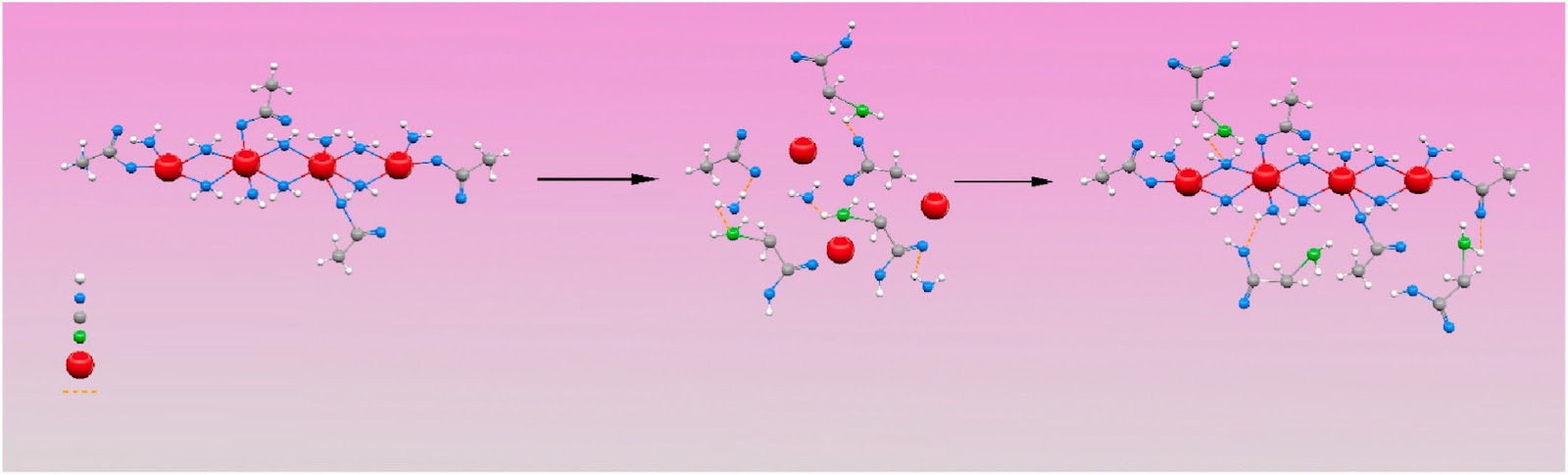
Achieving battery-level energy density in carbon/metal sulfide asymmetric supercapacitors using organic radicals

Authors: Xiaolong Li, Yunpeng Zhou, Huilin Wei, Yongzhihan He, Lintong Hu, Caicai Li, Minjie Shi

Asymmetric supercapacitors (ASCs) are promising candidates for high-power output applications; however, their theoretical capacity remains largely unrealized owing to the low specific capacity of carbon negative electrodes. Traditional strategies for enhancing the specific capacity of carbon via structural optimization often compromise the tap density, electrical conductivity, and rate performance of the material. In this study, we address this bottleneck by incorporating 4-hydroxy-2,2,6,6-tetra
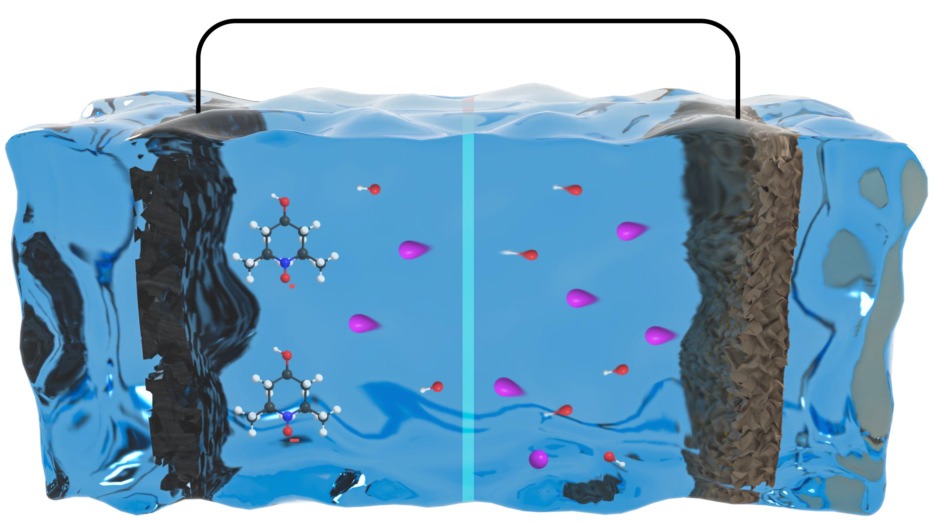
Achieving battery-level energy density in carbon/metal sulfide asymmetric supercapacitors using organic radicals
Graphical Abstract
Original ResearchVol. 32, Issue 9 • pp. 316-328DOI: 10.1007/s12613-025-3340-2Sep 20, 2025

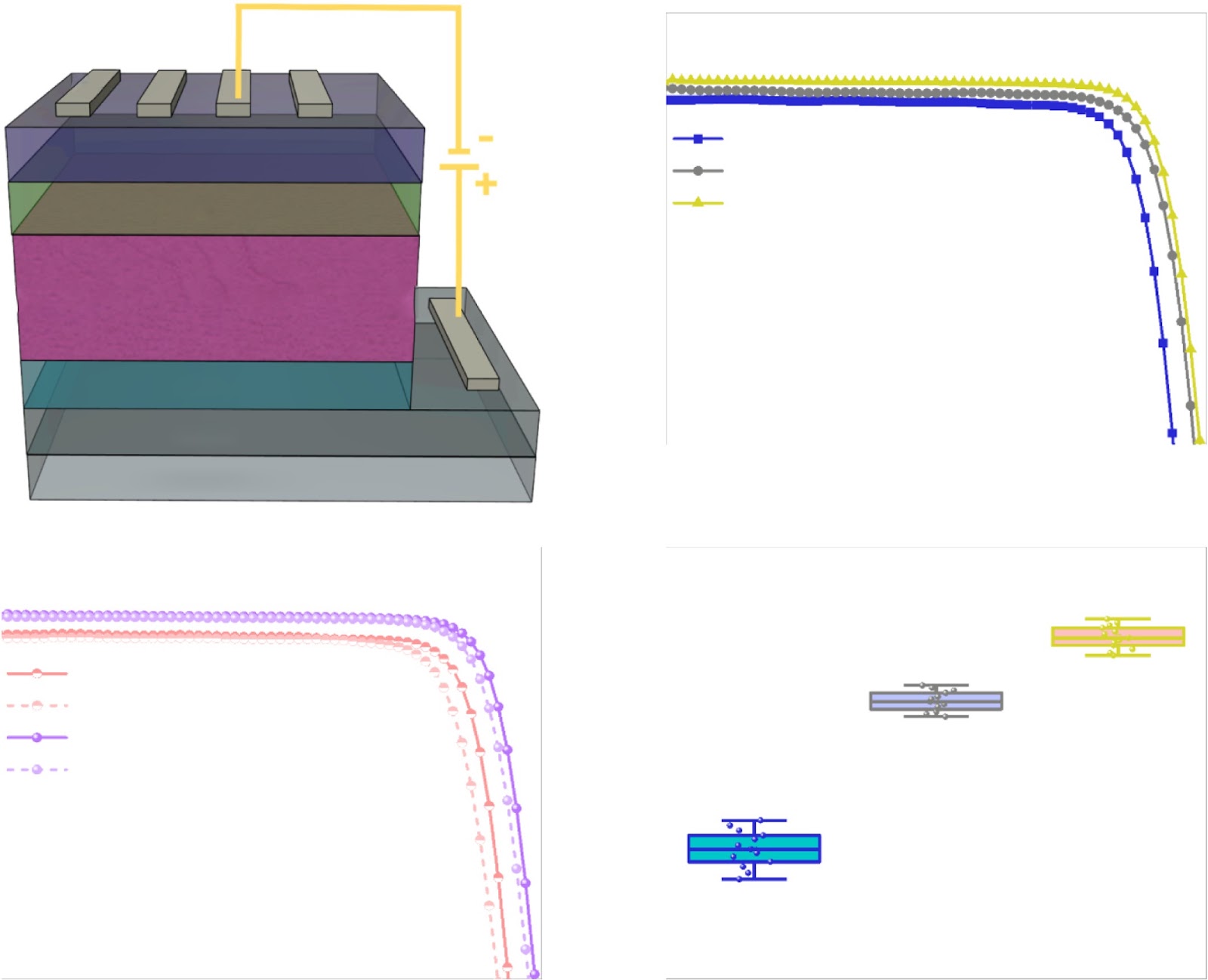
Transition metal carbide-engineered active layers for high-efficiency and stable perovskite solar cell

Authors: Sajjad Hussain, Hailiang Liu, Sayed Zafar Abbas, Iftikhar Hussain, Abdullah A. Al-Kahtani, Naesung Lee, Hyun-Seok Kim, Jungwon Kang, Jongwan Jung, Dhanasekaran Vikraman

We introduce an innovative perovskite solar cell (PSC) architecture featuring a multifunctional active layer (AL) of FA0.85MA0.15PbI3 (FA: formamidine, MA: methylamine) integrated with two dimensional (2D) transition metal carbides (TiC/WC). The properties of the chemically reduced WC and TiC were thoroughly validated through structural and morphological analyses. This design significantly enhances the conventional charge-transporting properties of the AL by utilizing conductive carbide networks

Transition metal carbide-engineered active layers for high-efficiency and stable perovskite solar cell
Graphical Abstract
Original ResearchVol. 32, Issue 9 • pp. 488-500DOI: 10.1007/s12613-025-3265-9Sep 18, 2025

Advanced thermal-resistant aluminum conductor alloys: A comprehensive review

Authors: Behrouz Abnar, Samaneh Gashtiazar, Paul Rometsch, Mousa Javidani

This review provides a comprehensive overview of recent advancements in aluminum-based conductor alloys engineered to achieve superior mechanical strength and thermal stability without sacrificing electrical conductivity. Particular emphasis is placed on the role of microalloying elements—particularly Sc and Zr—in promoting the formation of coherent nanoscale precipitates such as Al3Zr, Al3Sc, and core–shell Al3(Sc,Zr) with metastable L12 crystal structures. These precipitates contribute signifi

Advanced thermal-resistant aluminum conductor alloys: A comprehensive review
Graphical Abstract
Original ResearchVol. 32, Issue 9 • pp. 896-908DOI: 10.1007/s12613-025-3286-4Sep 15, 2025

Comparison of Zn recovery prediction from carbonate ores with machine-learning methods

Authors: Ilker Erkan, Mehmet Akif Günen

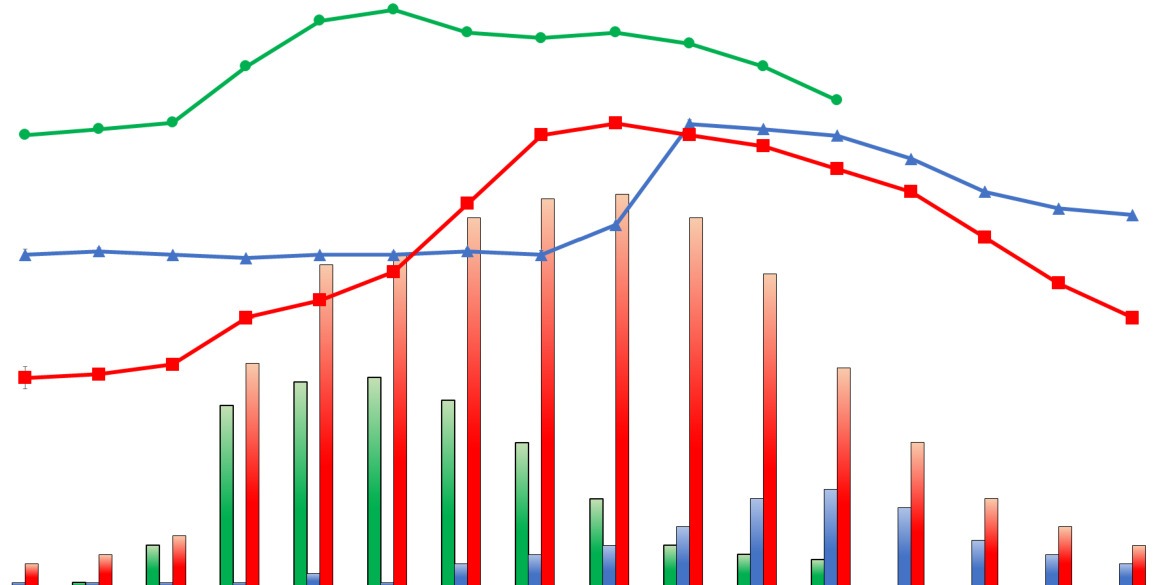
This study addresses the challenge of predicting zinc (Zn) recovery from carbonate ores via sodium hydroxide (NaOH) leaching. This complex process influenced by variable ore composition, surface passivation effects, and nonlinear reaction dynamics, which complicate reagent optimization and process control in hydrometallurgical operations. To tackle this, a dataset containing 422 experimental observations was compiled from previous studies, incorporating ore composition and process parameters, su

Comparison of Zn recovery prediction from carbonate ores with machine-learning methods
Graphical Abstract
Original ResearchVol. 32, Issue 9 • pp. 504-516DOI: 10.1007/s12613-026-3371-3Sep 12, 2025

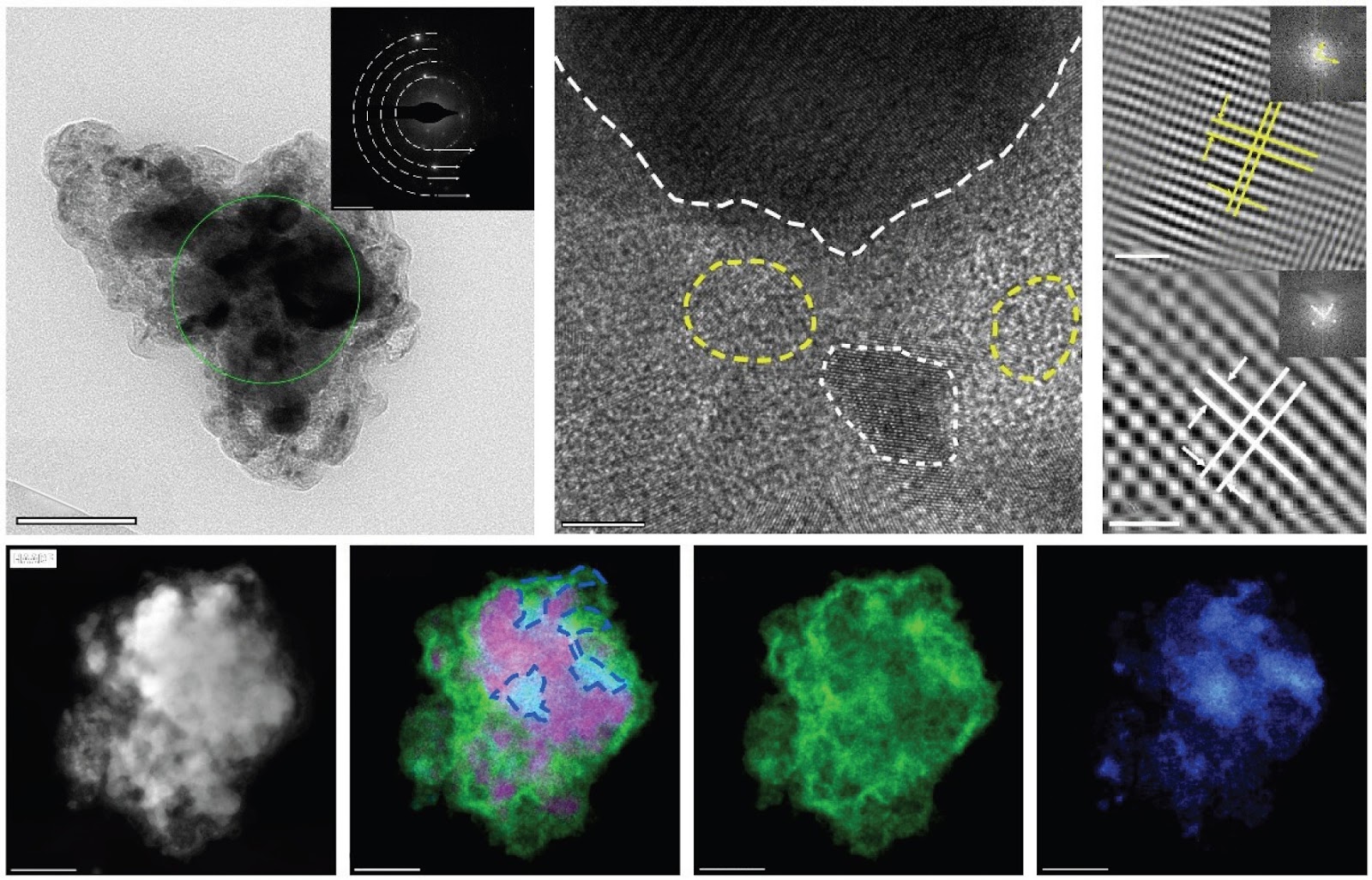
Thermodynamic and kinetic destabilization of Mg solid-solution alloys with nanosized grains for hydrogen storage

Authors: Xiansong Jia, Quan Yang, Xiaoli Ding, Haiwen Li, Yongtao Li

Solid-solution magnesium-based alloys have garnered significant attention for hydrogen storage applications. However, their practical implementation has been limited by their stable thermodynamic properties and sluggish kinetics. Herein, we report a nanoengineering approach to simultaneously enhance the kinetic and thermodynamic properties of Mg-based solid-solution alloys. Using Mg(In) alloys as a model system, we demonstrate this positive size effect through a two-step fabrication process. Fir

Thermodynamic and kinetic destabilization of Mg solid-solution alloys with nanosized grains for hydrogen storage
Graphical Abstract
Original ResearchVol. 32, Issue 9 • pp. 112-124DOI: 10.1007/s12613-025-3342-0Sep 9, 2025

Cold storage systems integrated with phase change technology

Authors: Xiao Yang, Baoshan Xie, Xikang Xie, Lijin Zhou, Yuanxin He, Chuanchang Li

Market demand for cold storage systems, a critical component of modern cold-chain logistics, is rapidly expanding. Phase change cold technology offers a low-carbon route for energy savings in cold storage systems and is now a major research focus. This paper outlines the application of cold storage technology, systematically reviews the characteristics of three types of phase change materials (PCMs), and provides a comparative analysis of their advantages and disadvantages. It elaborates on key

Cold storage systems integrated with phase change technology
Graphical Abstract
Original ResearchVol. 32, Issue 9 • pp. 520-532DOI: 10.1007/s12613-025-3228-1Sep 6, 2025

Influence of delay time on the blasting effect of multiple charging forms in single free-face rock masses

Authors: Chengxiao Li, Renshu Yang, Jinjing Zuo, Ye Zhu, Ping Xie

In order to improve excavation efficiency, we considered coal mine rock roadway blasting excavation as a background to examine the influence of delay time on the blasting effect of different charging structures under single free-surface conditions. Single-pore dispersed-charge models, dual-pore continuous-charge models, and dual-pore composite charge models were established. Their respective explosive rock-breaking mechanisms were explained using different models. These three numerical models we

Influence of delay time on the blasting effect of multiple charging forms in single free-face rock masses
Graphical Abstract
Original ResearchVol. 32, Issue 9 • pp. 692-704DOI: 10.1007/s12613-025-3267-7Sep 4, 2025

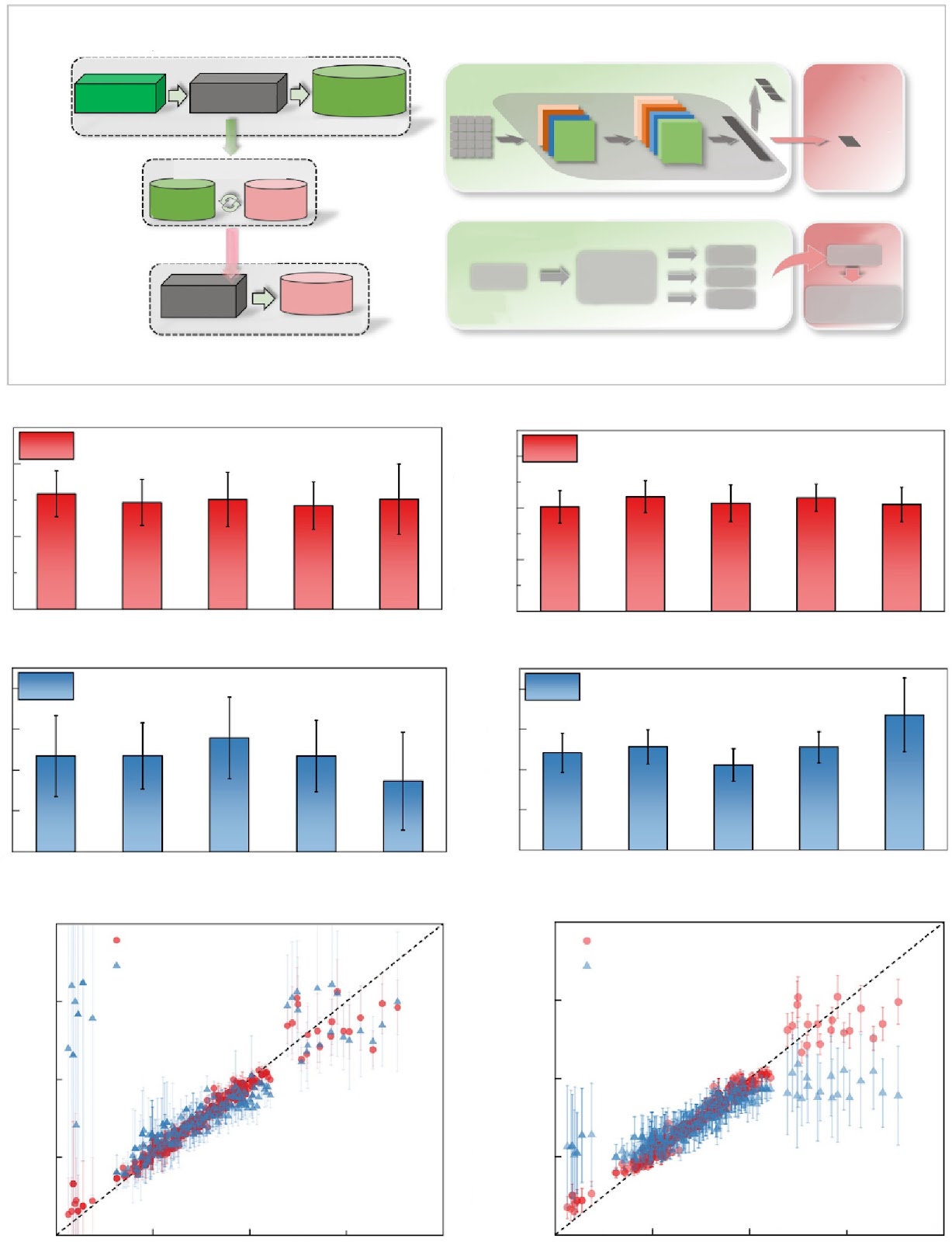
Transfer learning-enabled performance prediction of metallic materials: Methods, applications and prospects

Authors: Yufan Liu, Dexin Zhu, Zhihao Tian, Jiayi Liu, Xing Ran, Zhe Wang, Chengjiang Tang, Lifei Wang, Wei Xu, Xin Lu

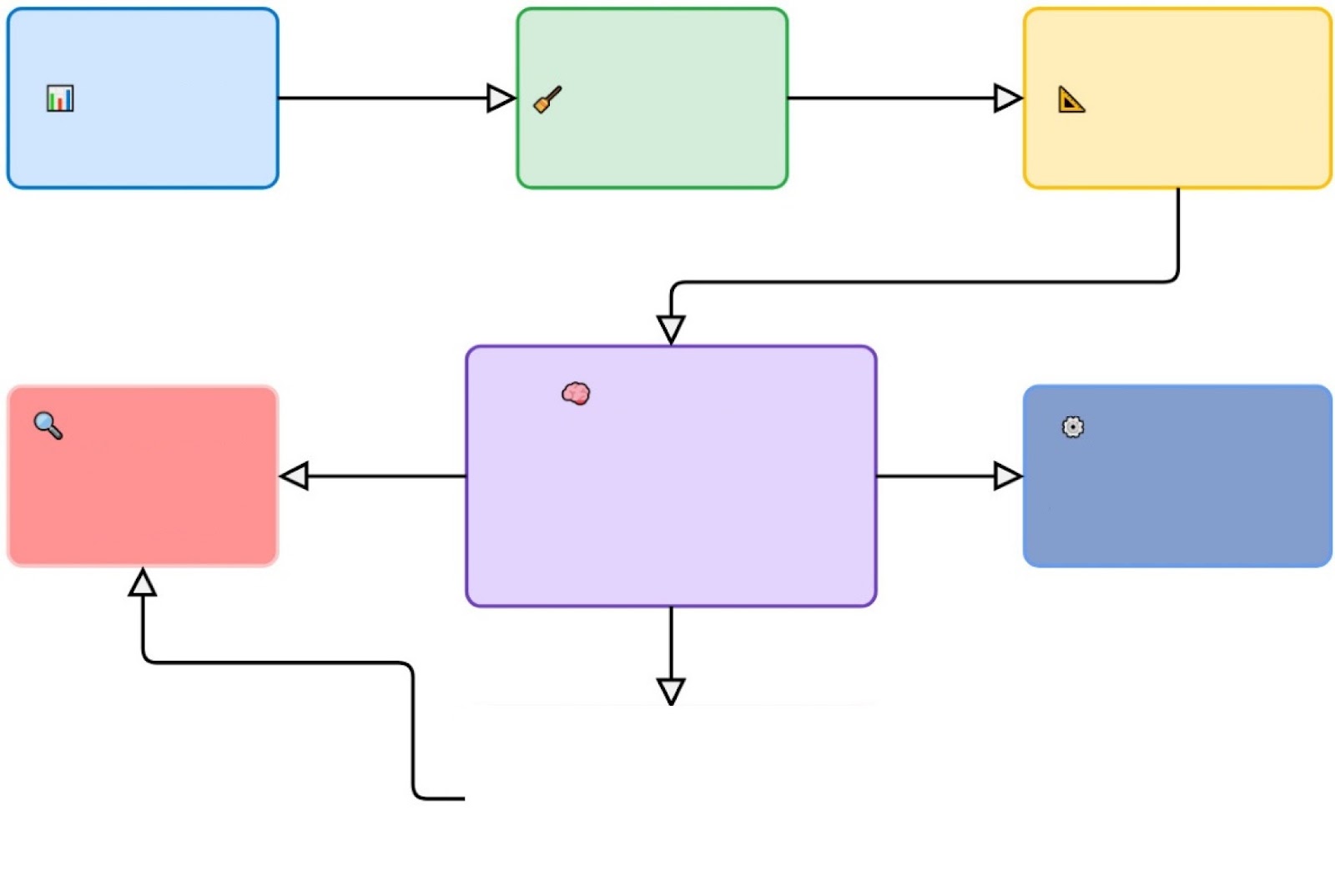
In the era of materials genome engineering, data-driven machine learning has become a powerful tool for accelerating the research and development of metallic materials. However, the predictive accuracy and generalization ability of traditional machine learning models are often limited by the scarcity and heterogeneity of available data, especially in small-sample scenarios. To address these challenges, transfer learning has emerged as an effective strategy to leverage knowledge from related doma

Transfer learning-enabled performance prediction of metallic materials: Methods, applications and prospects
Graphical Abstract
Original ResearchVol. 32, Issue 9 • pp. 300-312DOI: 10.1007/s12613-025-3243-2Sep 1, 2025

Effect of Mn content on microstructure, texture and room-temperature mechanical properties of hot-extruded Mg–2Nd–1Gd alloy

Authors: Juan Wang, Guangyu Yang, Chenjin Zhang, Yaozhong Zhou, Zhiyong Kan, Chunhui Wang, Wanqi Jie

The effect of Mn content on the microstructure, texture, and room-temperature mechanical properties of hot-extruded Mg–2Nd–1Gd alloy was investigated. The microstructure of hot-extruded Mg–2Nd–1Gd–xMn (x = 0, 0.25wt%, and 0.5wt%) alloys consisted primarily of a fine-grained α-Mg matrix phase and point-like, streamline-distributed Mg41(Nd,Gd)5 phase along the extrusion direction. In the extruded Mg–2Nd–1Gd–0.25Mn and Mg–2Nd–1Gd–0.5Mn alloys, Mn was mainly present as solid–solution Mn atoms and α-

Effect of Mn content on microstructure, texture and room-temperature mechanical properties of hot-extruded Mg–2Nd–1Gd alloy
Graphical Abstract