SinoTechIntel Academic Portal
🏛️ Indexed Academic JournalImpact Factor: 4.4 (Q1 - Springer)Original: 中南大学学报 (自然科学版/英文版)

Journal of Central South University

4.4 (Q1 - Springer)

Total Research Papers: 153
Access: 100% Free Open Access
Browse by Publication Year & VolumeReset All Filters ✕

Published Research PapersFiltered: Year 2025 • Vol. 32 • Issue 4

Showing 14 of 153 peer-reviewed papers with full Graphical Abstracts.

Original ResearchVol. 32, Issue 4 • pp. 247-259DOI: 10.1007/s11771-025-5882-xApr 24, 2025

Mechanical properties and permeability evolution of sandstone subjected to the coupling effects of chemical-seepage-stress

Authors: WANG Wei, CHEN Chao-wei, CAO Ya-jun, JIA Yun, LIU Shi-fan, SHEN Wan-qing

In this study, a series of triaxial tests are conducted on sandstone specimens to investigate the evolution of their mechanics and permeability characteristics under the combined action of immersion corrosion and seepage of different chemical solutions. It is observed that with the increase of confining pressure, the peak stress, dilatancy stress, dilatancy stress ratio, peak strain, and elastic modulus of the sandstone increase while the Poisson ratio decreases and less secondary cracks are pro
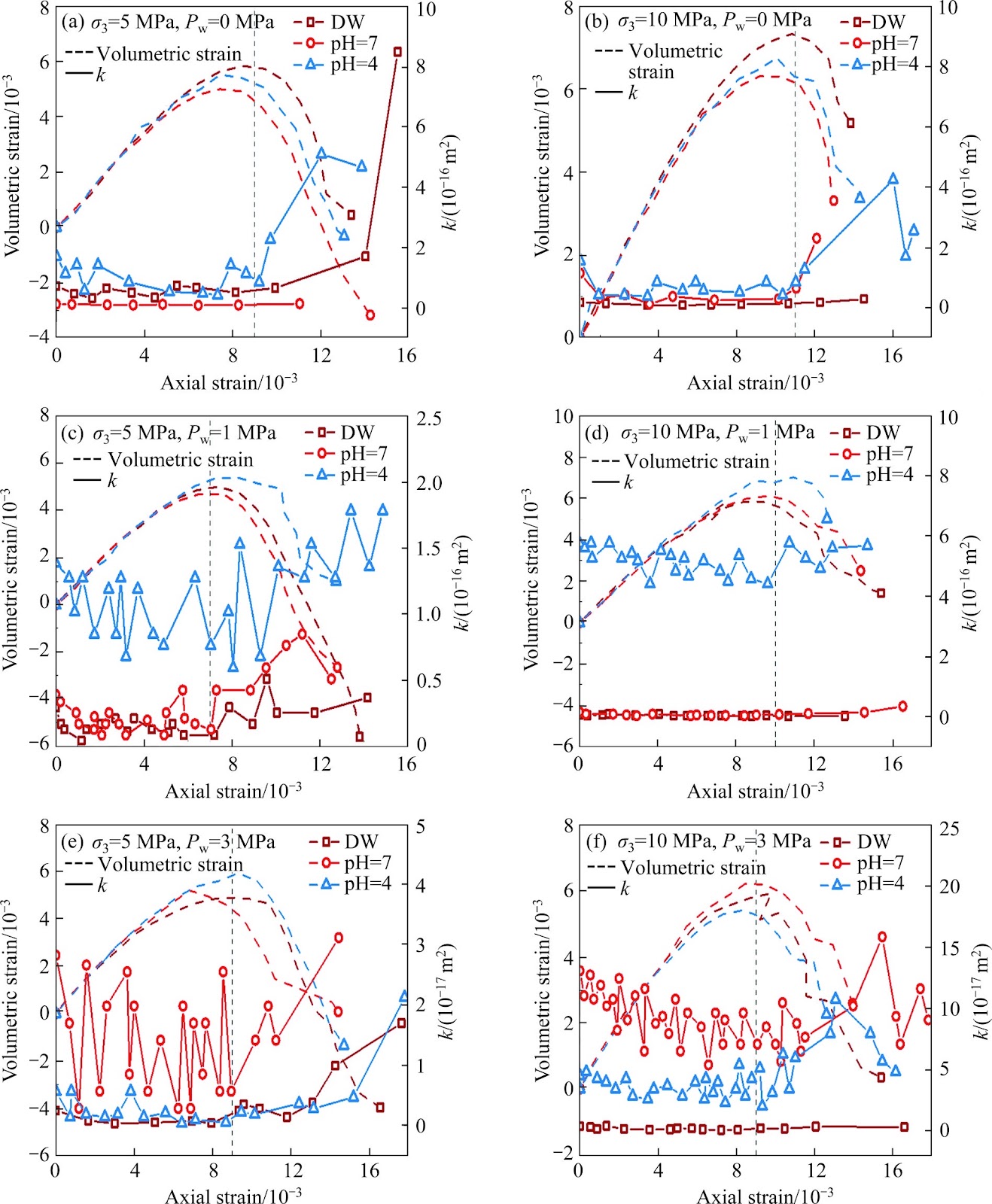
Mechanical properties and permeability evolution of sandstone subjected to the coupling effects of chemical-seepage-stress
Graphical Abstract
Original ResearchVol. 32, Issue 4 • pp. 483-495DOI: 10.1007/s11771-025-6018-zApr 23, 2025

Effects of applying electroshocking treatment at different stages of cold rolling-quenching-tempering process on microstructure and properties of M50 steel

Authors: WEI Wen-ting, LI Lai-yu, LIU Guo-cheng, LIU Yan-xiong, HUA Lin

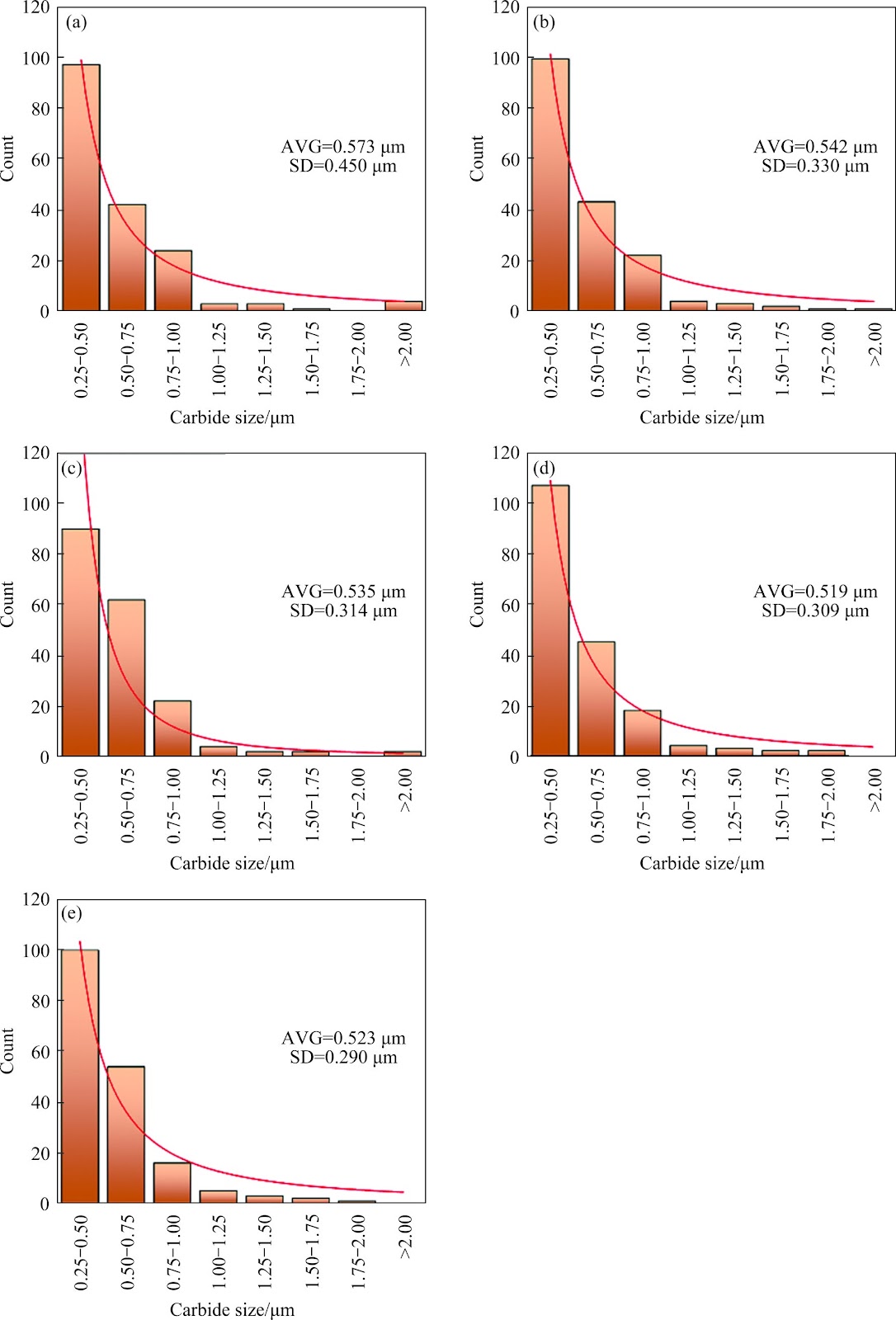
Electroshocking treatment (EST), an efficient and rapid material treatment method, promotes microstructure evolution and improves mechanical properties. This study incorporates EST into the conventional cold rolling-quenching-tempering process of M50 steel and investigates the influence and mechanism of applying EST at different stages of the process on the microstructure and mechanical properties. Scanning electron microscope (SEM), transmission electron microscope (TEM), and X-ray diffraction (XRD) were used to characterize the effect of EST on microstructure. The results show that EST can refine the grains of M50 (average reduction of 10.1% in grain size), homogenize the grain size distribution, reduce the dislocation density (20.9% in average), promote the dissolution of carbides in the matrix and distribute them more uniformly along the grain boundaries, resulting in the improvement of mechanical properties. The mechanical properties of the specimen with the process flow of rolling-quenching-tempering-electroshocking showed excellent performance, with an increase in hardness of 1.4%, tensile strength of 17.7%, and elongation at break of 24.3% as compared to the specimen without EST. The tensile properties of the specimen with the process flow of rolling-electroshocking-quenching-tempering showed the best performance, with an increase in tensile strength of 30.0% and elongation at break of 30.7% as compared to the specimen without EST.

Effects of applying electroshocking treatment at different stages of cold rolling-quenching-tempering process on microstructure and properties of M50 steel
Graphical Abstract
Original ResearchVol. 32, Issue 4 • pp. 655-667DOI: 10.1007/s11771-025-5931-5Apr 21, 2025

Atomic-scale understanding of martensitic transformation and transition-induced twinning in deformed Fe-Mn alloys

Authors: ZHANG Hong-bo, LI Hong-kui, OU Xiao-qin, SHEN Jie, SONG Min

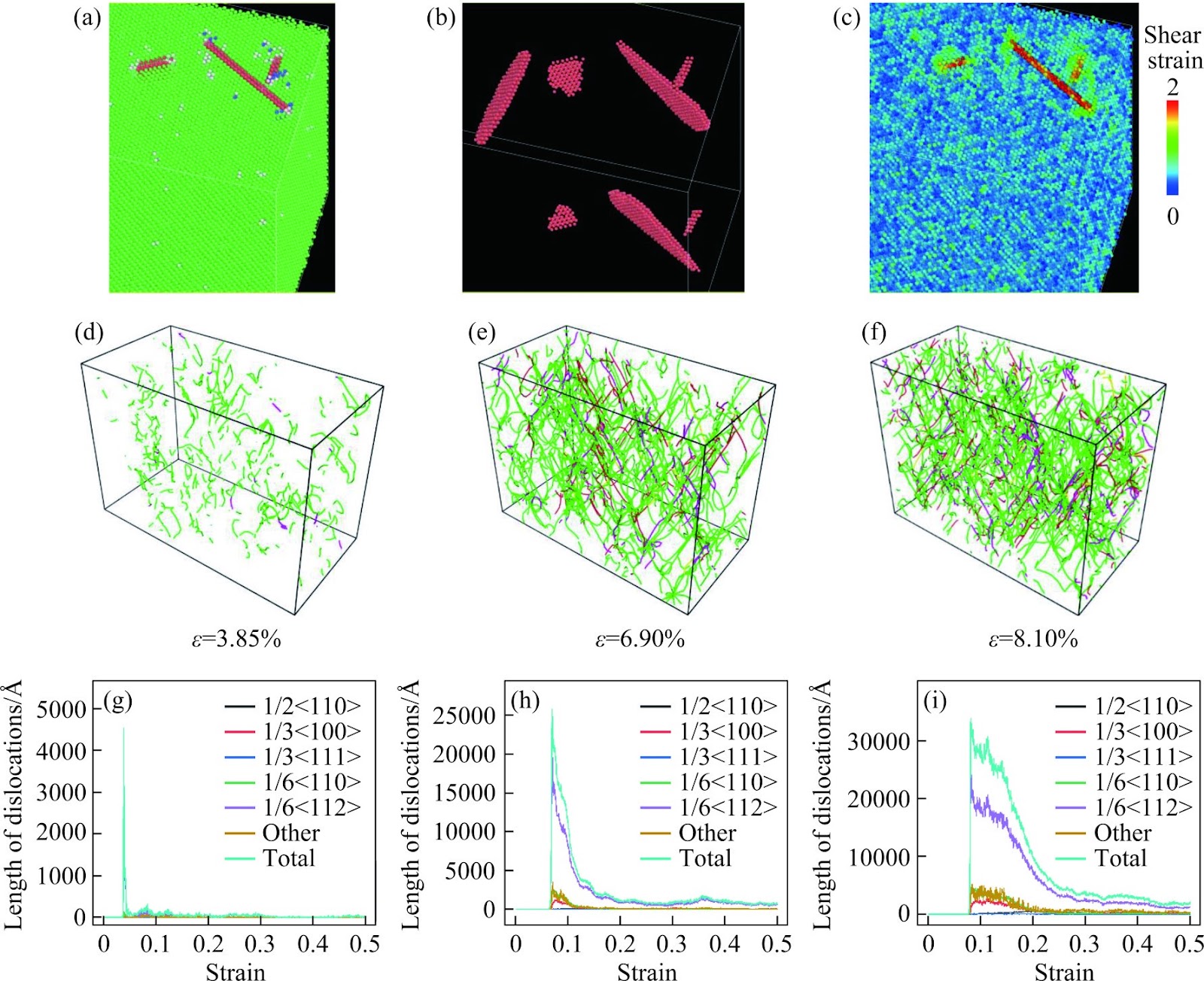
In the present study, molecular dynamic simulation (MD) was used to investigate the plastic deformation process of the Fe-Mn alloys with different Mn contents. The influences of Mn contents ranging from 10% to 30% (at%) on the deformation behavior and the controlling mechanism of the Fe-base alloys were analyzed. The results show that phase transformations and {112} <111>BCC deformation twinning occur in all Fe-Mn alloys but follow different deformation paths. In the Fe-10%Mn alloy the deformati

Atomic-scale understanding of martensitic transformation and transition-induced twinning in deformed Fe-Mn alloys
Graphical Abstract
Original ResearchVol. 32, Issue 4 • pp. 891-903DOI: 10.1007/s11771-025-6038-8Apr 20, 2025

Flotation behavior and sulfidation mechanisms of stibiconite after sulfidation with sulfur

Authors: HUANG Yu-song, ZHENG Yong-xing, DAI Zhe, ZHANG Song

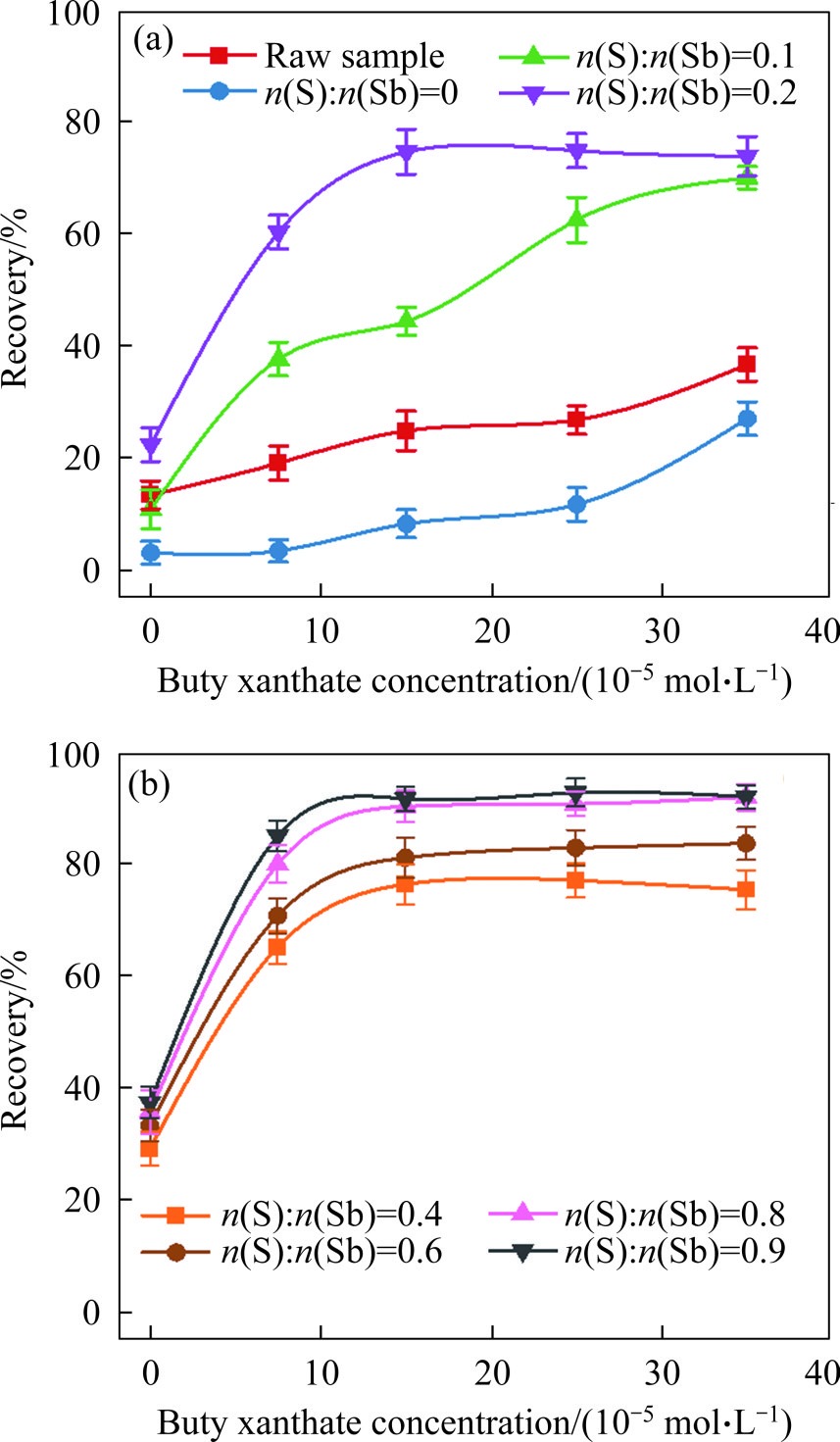
Flotation behavior of stibiconite after sulfidation roasting with sulfur at a high temperature and the sulfidation mechanisms were investigated by ultraviolet spectrophotometry, X-ray diffraction (XRD) combining with thermodynamic calculation, X-ray photoelectron spectroscopy (XPS) and electron probe microanalysis (EPMA). The XRD and thermodynamic analyses revealed that the Sb3O6(OH) was reduced into Sb2O4 and Sb2O3, and was transformed into Sb2S3 after introducing sulfur at high temperatures. Flotation test results show that flotation recovery of the stibiconite after sulfidation reaches 90.3%. Ultraviolet spectrophotometry tests confirm that adsorption capacity of sodium butyl xanthate (SBX) on surface of the roasted products has a positive relationship with S/Sb mole ratio. XPS analyses indicate that Sb-bearing species including mainly Sb2S3, Sb2O3 and Sb2(SO4)3 are formed at the surface of particle after sulfidation. The EPMA analyses verify that the Sb2S3 is generated at the outer layer of sample after sulfidation roasting, but the particle interior is mainly composed of antimony oxides. The sulfur atmosphere induces the outward migration of oxygen to form Sb2O4. Then, the Sb2O4 is transformed into Sb2O3 in two pathways, and the Sb2S3 is formed. These findings will provide theoretical support for recovering antimony from antimony oxide ores by xanthate-flotation methods.

Flotation behavior and sulfidation mechanisms of stibiconite after sulfidation with sulfur
Graphical Abstract
Original ResearchVol. 32, Issue 4 • pp. 263-275DOI: 10.1007/s11771-025-5958-7Apr 18, 2025

Longitudinal structural vulnerability analysis of shield tunnels under adjacent excavation disturbances

Authors: PENG Zhu, SHI Cheng-hua, WANG Zu-xian, LEI Ming-feng, PENG Li-min

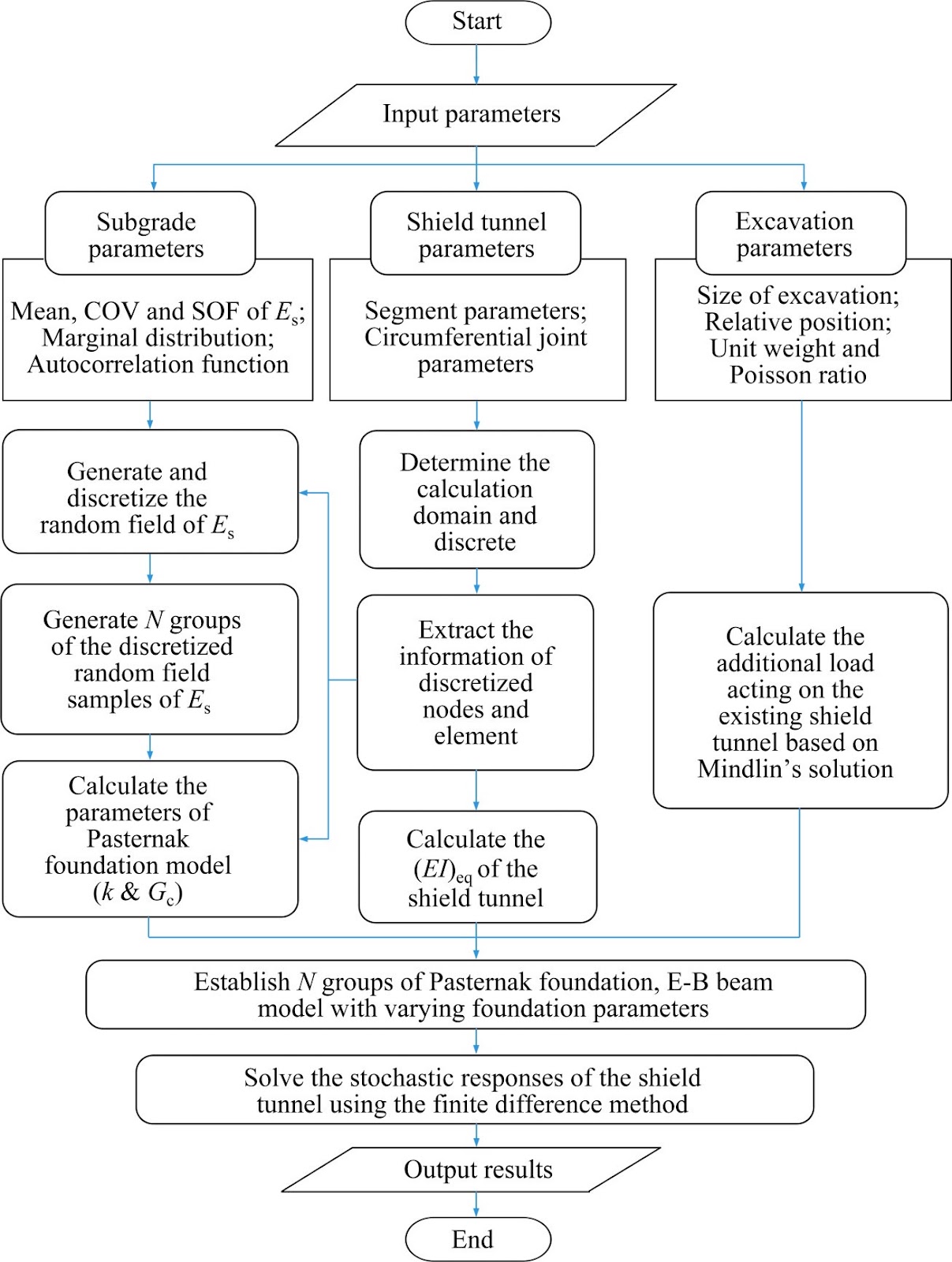
This paper proposes a longitudinal vulnerability-based analysis method to evaluate the impact of foundation pit excavation on shield tunnels, accounting for geological uncertainties. First, the shield tunnel is modeled as an Euler-Bernoulli beam resting on the Pasternak foundation incorporating variability in subgrade parameters along the tunnel’s length. A random analysis method using random field theory is introduced to evaluate the tunnel’s longitudinal responses to excavation. Next, a risk a

Longitudinal structural vulnerability analysis of shield tunnels under adjacent excavation disturbances
Graphical Abstract
Original ResearchVol. 32, Issue 4 • pp. 671-683DOI: 10.1007/s11771-025-5983-6Apr 15, 2025

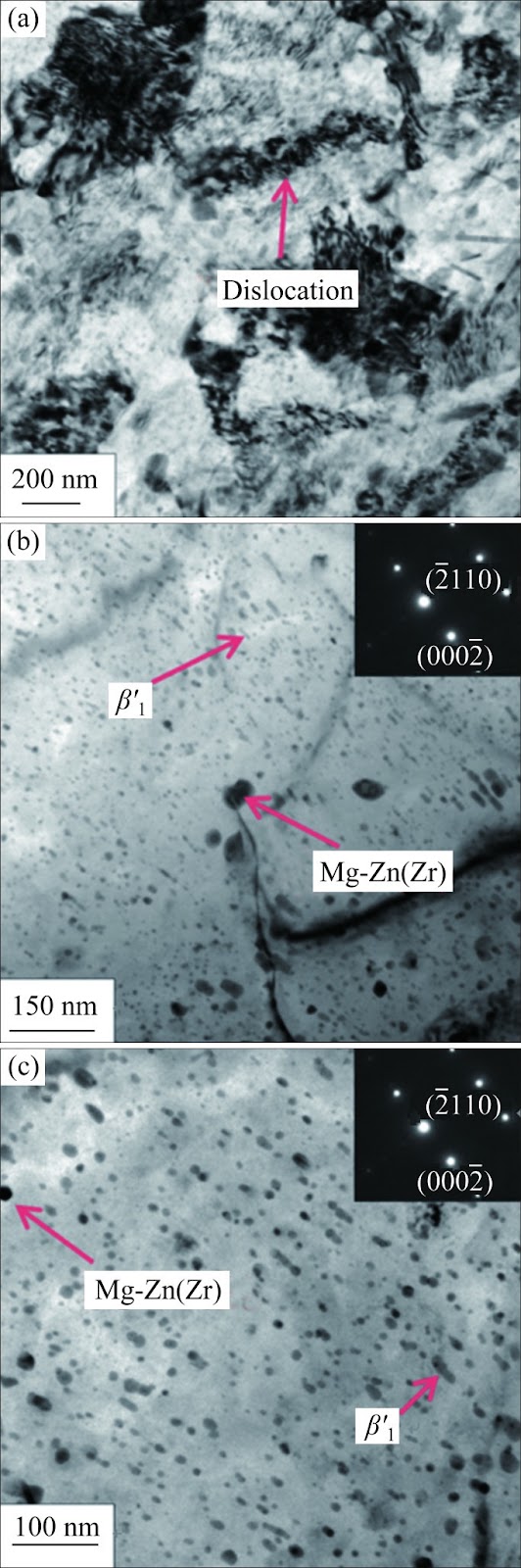
Dynamic instantaneous dissolution of the precipitates in aged Mg-Zn-Zr alloy at high strain rate

Authors: LIU Yue-yang, YANG Yang, HU Li-xiang, CHEN Yi, KE Yu-bin, LI Dan, WEI Shao-hong, XU Wen-lin, CHEN Xiang

The commercial ZK60 magnesium alloy with extruded state experienced aging heat treatment (T6) was dynamically loaded at strain rate of 3000 s−1 by means of the split Hopkinson pressure bar (SHPB) in this paper. Transmission electron microscopy (TEM) observations showed that the precipitated β′1 phases partially dissolved (spheroidized) with blurred interfaces within 160 μs at 3000 s−1. The average length and diameter of the rod-shaped β′1 phase particles were 48.5 and 9.8 nm after the T6 heat tr

Dynamic instantaneous dissolution of the precipitates in aged Mg-Zn-Zr alloy at high strain rate
Graphical Abstract
Original ResearchVol. 32, Issue 4 • pp. 843-855DOI: 10.1007/s11771-025-5863-0Apr 13, 2025

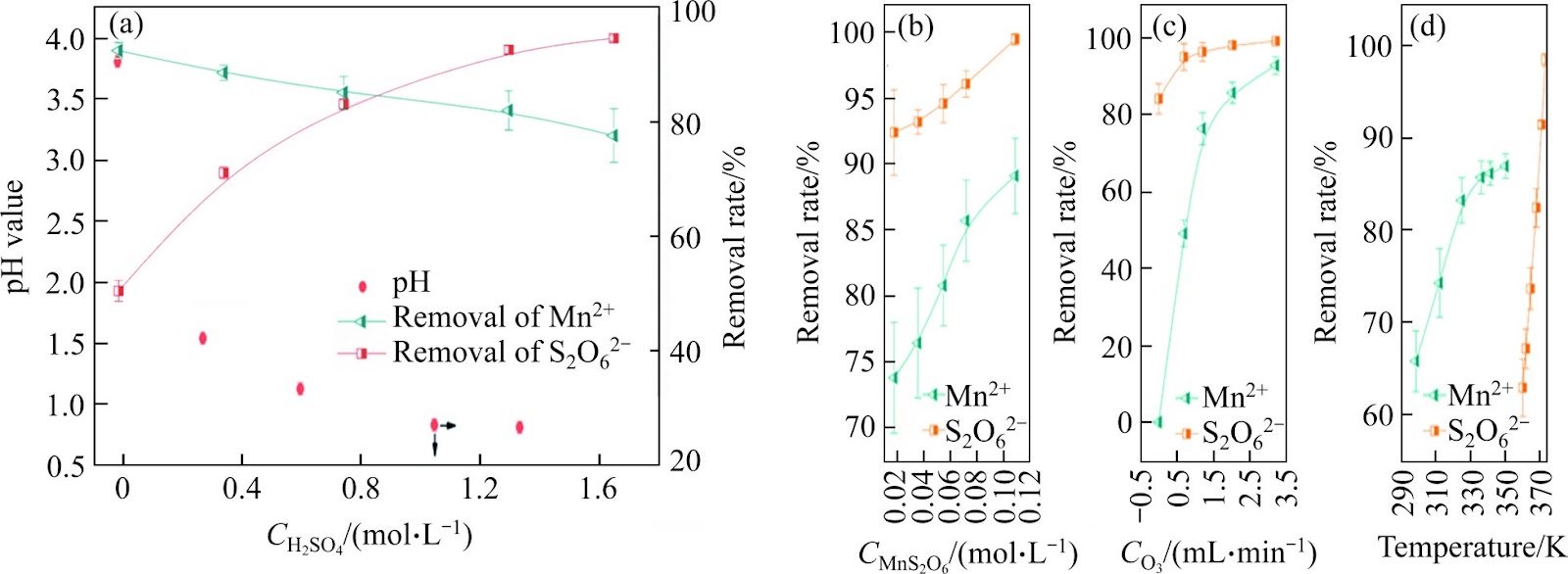
Utilizing the ozonation pathway for enhanced conversion of manganese dithionate to manganese dioxide from acid leaching solution: Insights into mechanism and kinetics

Authors: QU Bing, LI Teng, YANG Zheng-zheng, REN Li-ping, WANG Ying-wu, WU Meng-qiang, CHEN Si-bei

In response to the fact that the presence of manganese dithionate (MnS2O6) leads to a series of adverse impacts, especially lower purity of manganese sulfate (MnSO4) and disruption of its recovery, advanced oxidation methods such as ozonation system are used to manage MnS2O6 in the leaching solution, replacing conventional methods. To ascertain the conversion rate and kinetics of MnS2O6 during the ozonation process, we explored the factors influencing its removal rate, including ozone dosage, ma

Utilizing the ozonation pathway for enhanced conversion of manganese dithionate to manganese dioxide from acid leaching solution: Insights into mechanism and kinetics
Graphical Abstract
Original ResearchVol. 32, Issue 4 • pp. 279-291DOI: 10.1007/s11771-025-6008-1Apr 12, 2025

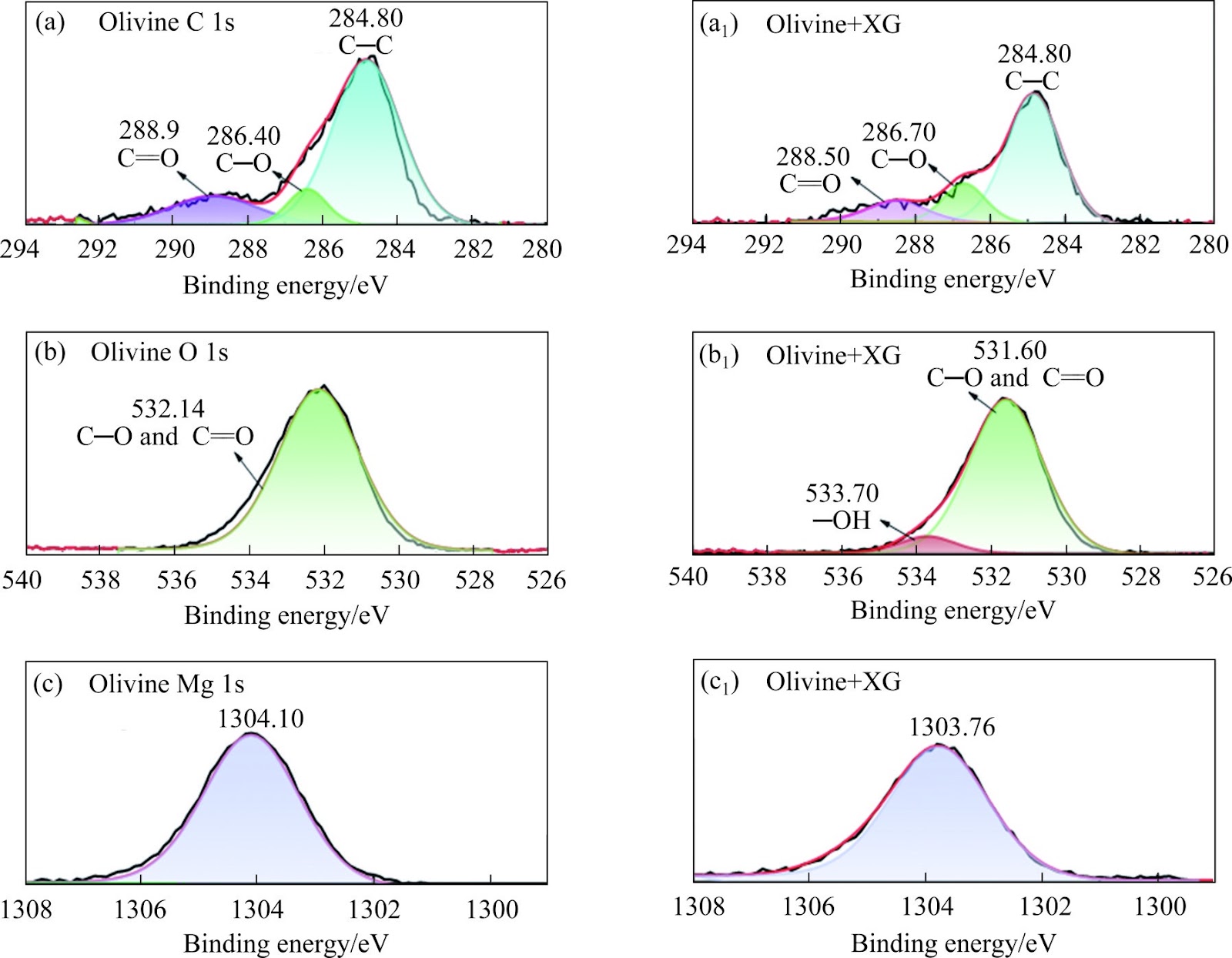
Influence and mechanism of xanthan gum on the aggregation and flotation behavior of talc, olivine, and serpentine

Authors: Yang Xu-sheng, Feng Bo, Wang Zi-ming, Jiang Long-xia

Finding appropriate flotation reagents to separate copper-nickel sulfide ores from various magnesium silicate gangue minerals has always been a challenge in the mineral processing industry. This study introduced xanthan gum (XG) as a non-toxic and environmentally friendly depressant of talc, olivine, and serpentine. The effects and mechanisms of XG on the aggregation and flotation behavior of talc, olivine and serpentine were investigated by flotation tests, sedimentation tests, IC-FBRM particle

Influence and mechanism of xanthan gum on the aggregation and flotation behavior of talc, olivine, and serpentine
Graphical Abstract
Original ResearchVol. 32, Issue 4 • pp. 451-463DOI: 10.1007/s11771-025-5898-2Apr 10, 2025

Brittleness evaluation of gas-bearing coal based on statistical damage constitution model and energy evolution mechanism

Authors: XUE Yi, WANG Lin-chao, LIU Yong, RANJITH P G, CAO Zheng-zheng, SHI Xu-yang, GAO Feng, KONG Hai-ling

Accurate assessment of coal brittleness is crucial in the design of coal seam drilling and underground coal mining operations. This study proposes a method for evaluating the brittleness of gas-bearing coal based on a statistical damage constitutive model and energy evolution mechanisms. Initially, integrating the principle of effective stress and the Hoek-Brown criterion, a statistical damage constitutive model for gas-bearing coal is established and validated through triaxial compression tests

Brittleness evaluation of gas-bearing coal based on statistical damage constitution model and energy evolution mechanism
Graphical Abstract
Original ResearchVol. 32, Issue 4 • pp. 687-699DOI: 10.1007/s11771-025-6027-yApr 9, 2025

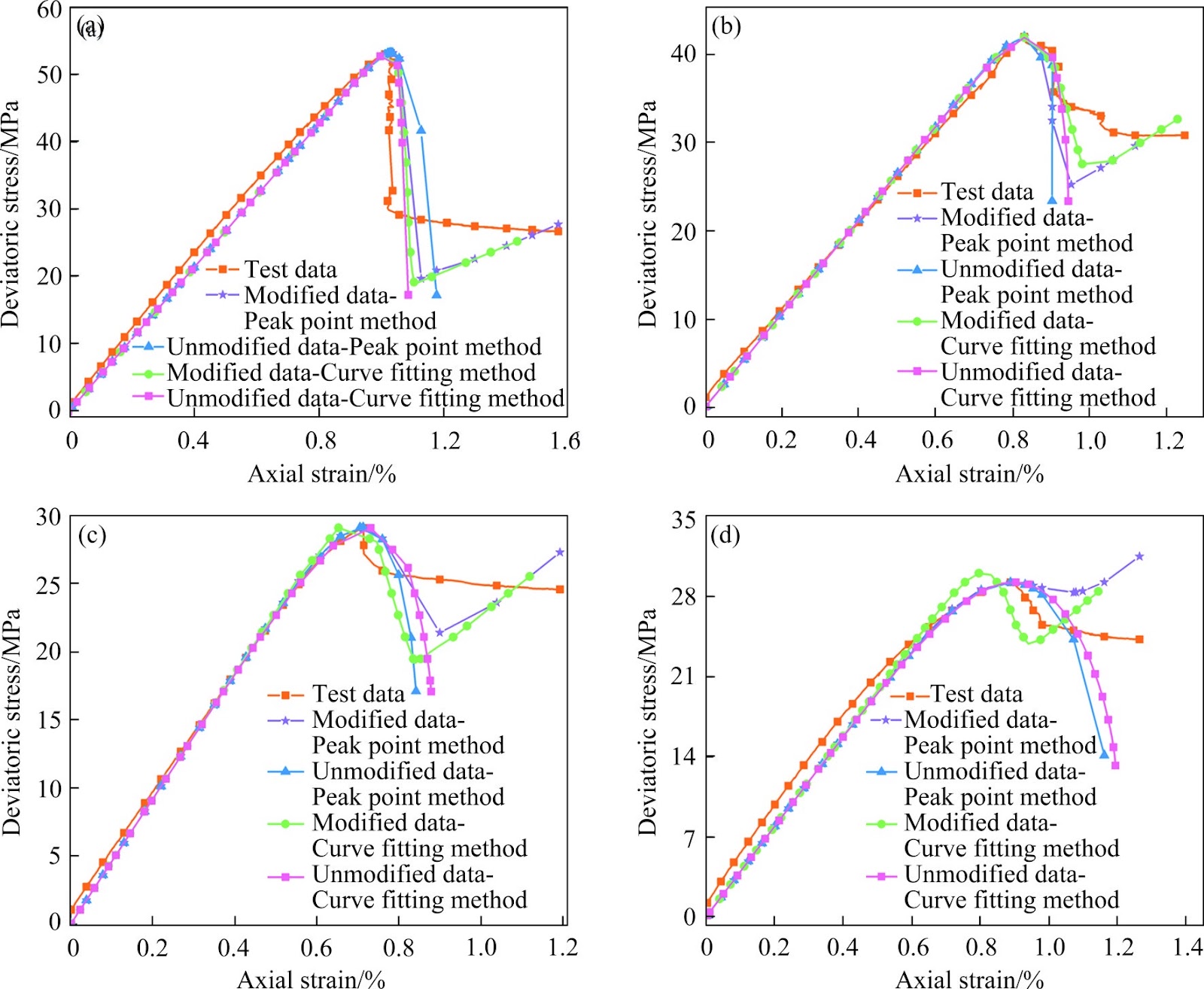
A new damage constitutive model for rock strain softening based on an improved Logistic function

Authors: GUO Yun-peng, LIU Dong-qiao, YANG Sheng-kai, LI Jie-yu

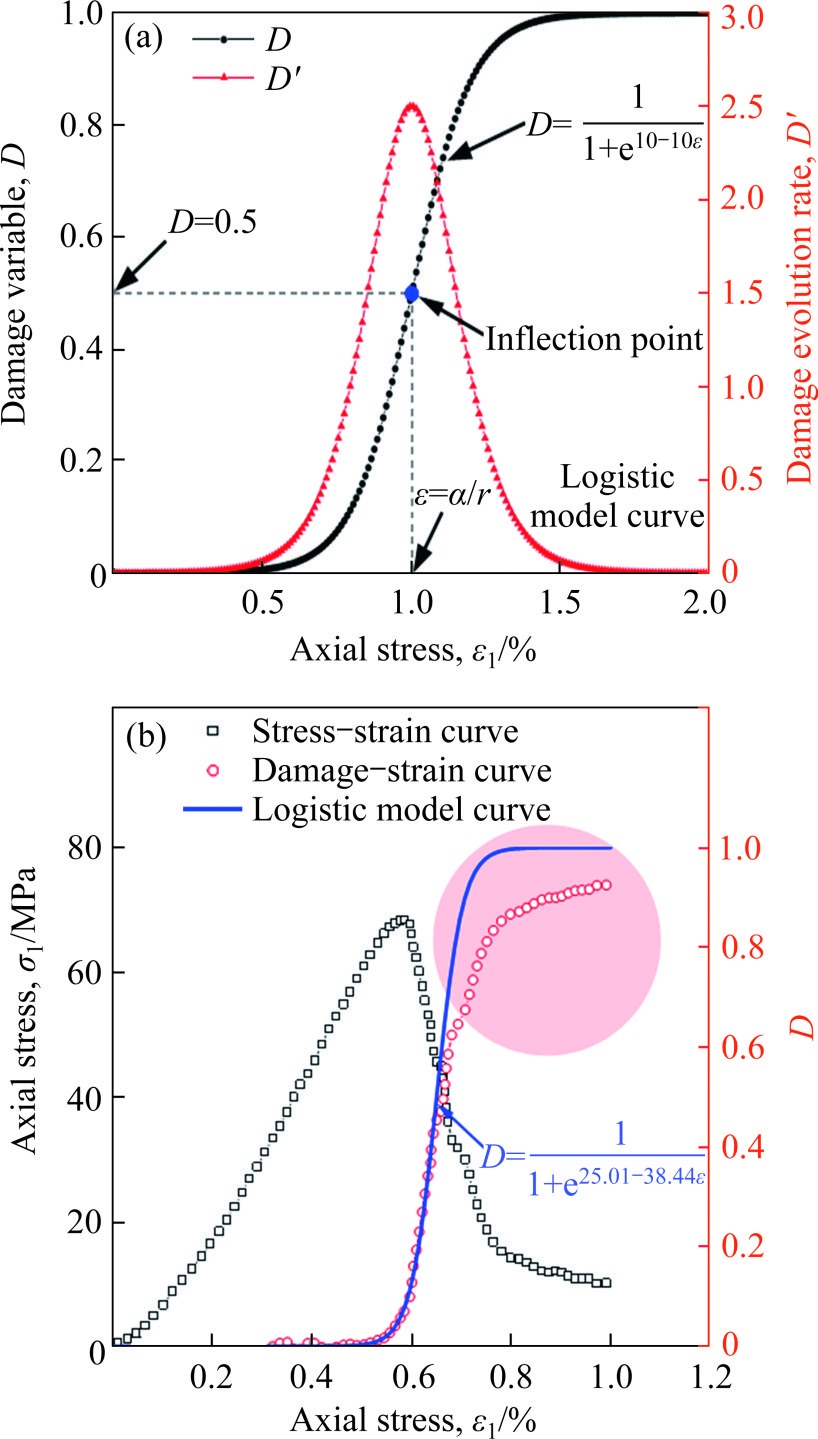
This study proposed a new and more flexible S-shaped rock damage evolution model from a phenomenological perspective based on an improved Logistic function to describe the characteristics of the rock strain softening and damage process. Simultaneously, it established a constitutive model capable of describing the entire process of rock pre-peak compaction and post-peak strain softening deformation, considering the nonlinear effects of the initial compaction stage of rocks, combined with damage mechanics theory and effective medium theory. In addition, this research verified the rationality of the constructed damage constitutive model using results from uniaxial and conventional triaxial compression tests on Miluo granite, yellow sandstone, mudstone, and glutenite. The results indicate that based on the improved Logistic function, the theoretical damage model accurately describes the entire evolution of damage characteristics during rock compression deformation, from maintenance through gradual onset, accelerated development to deceleration and termination, in a simple and unified expression. At the same time, the constructed constitutive model can accurately simulate the stress-strain process of different rock types under uniaxial and conventional triaxial compression, and the theoretical model curve closely aligns with experimental data. Compared to existing constitutive models, the proposed model has significant advantages. The damage model parameters a, r and β have clear physical meanings and interact competitively, where the three parameters collectively determine the shape of the theoretical stress-strain curve.

A new damage constitutive model for rock strain softening based on an improved Logistic function
Graphical Abstract
Original ResearchVol. 32, Issue 4 • pp. 859-871DOI: 10.1007/s11771-025-5946-yApr 7, 2025

Hot compression deformation behavior and microstructural characteristics of high-purity silver

Authors: YAO Ying-jun, WEN Jing, YAN Shuai-jiang, WANG Ri-chu, PENG Xiang, CAI Zhi-yong

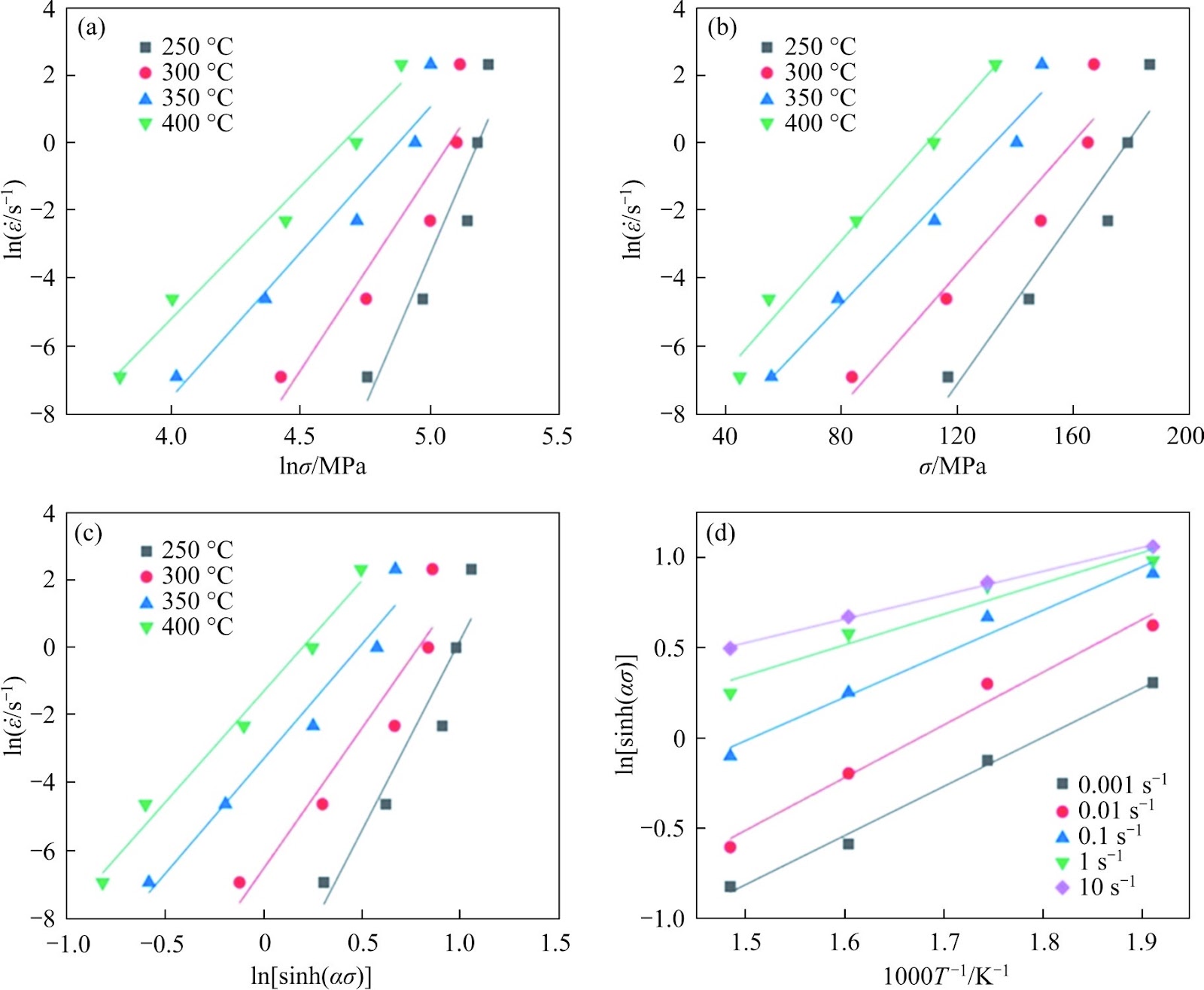
High-purity silver (Ag) is extensively utilized in electronics, aerospace, and other advanced industries due to its excellent thermal conductivity, electrical conductivity, and machinability. However, the prohibitive material cost poses substantial challenges for optimizing thermal processing parameters through repetitive experimental trials. In this work, hot compression experiments on high-purity silver were conducted using a Gleeble-3800 thermal simulator. The high-temperature deformation beh

Hot compression deformation behavior and microstructural characteristics of high-purity silver
Graphical Abstract
Original ResearchVol. 32, Issue 4 • pp. 467-479DOI: 10.1007/s11771-025-5975-6Apr 4, 2025

Effect of trace Zr and V on 3D morphology of Fe-rich phase and mechanical properties in recycled Al-Mg-Si alloy

Authors: SONG Dong-fu, ZHAO Yu-liang, CAI Yue-hua, YANG Dong-yang, XIE Zheng-chao, WANG Xiang-jie, ZHANG Wei-wen

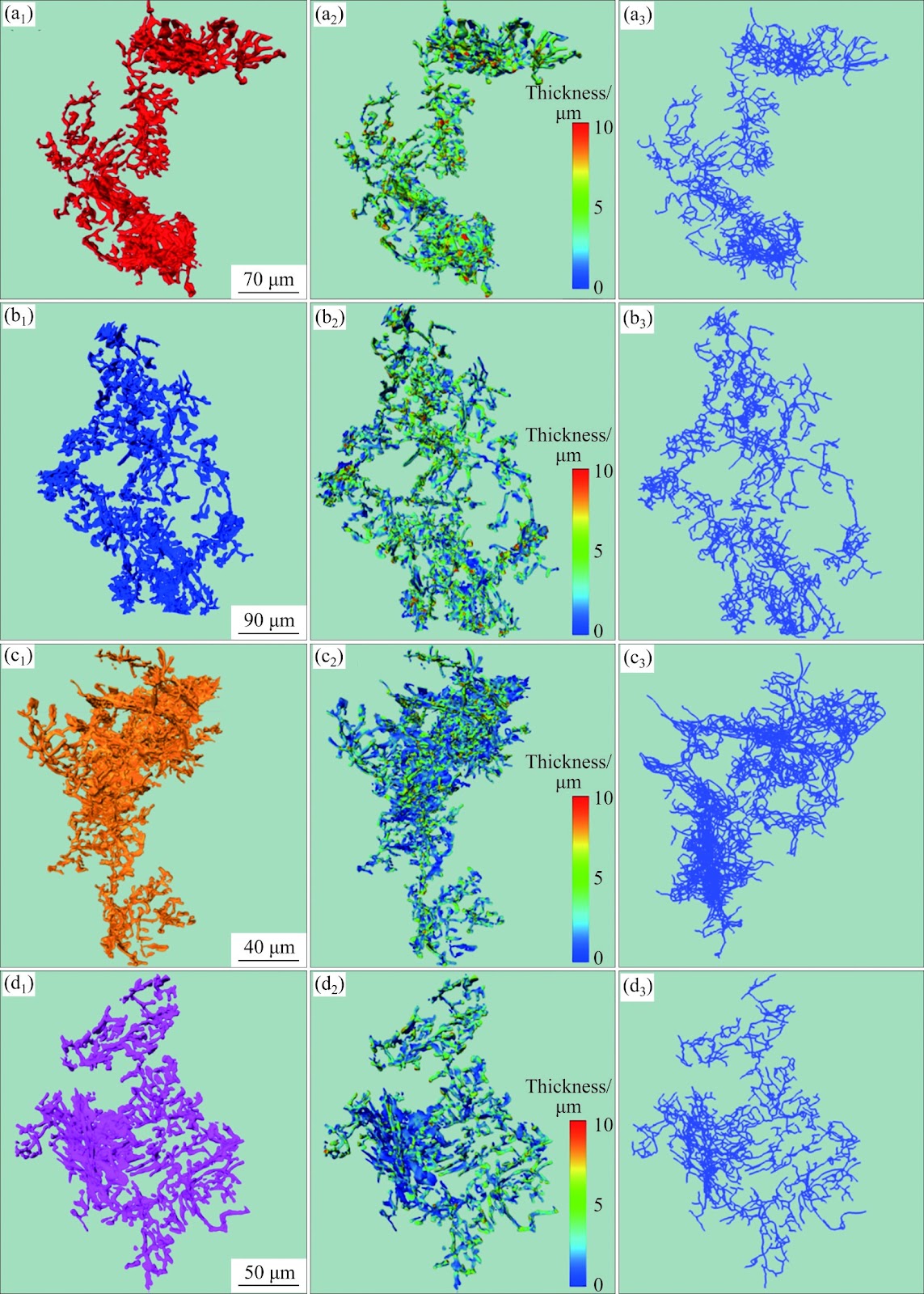
Trace amounts of Zr and V can increase the recrystallization temperature of Al-Mg-Si wrought aluminum alloys, which is expected to regulate the recrystallization grain. In this paper, trace amounts of V and Zr were added to recycled Al-Mg-Si alloys, and their effects on the microstructure and mechanical properties of the cast alloys were studied by scanning electron microscopy (SEM) and synchrotron radiation X-ray tomography (SRXT). The results show that the addition of Zr significantly increase

Effect of trace Zr and V on 3D morphology of Fe-rich phase and mechanical properties in recycled Al-Mg-Si alloy
Graphical Abstract
Original ResearchVol. 32, Issue 4 • pp. 639-651DOI: 10.1007/s11771-024-5655-yApr 2, 2025

Simulated solution condition experiment and process design for copper deep removal from nickel anodes based on ion-exchange

Authors: TANG Xiao-wei, ZHAO Zhong-wei

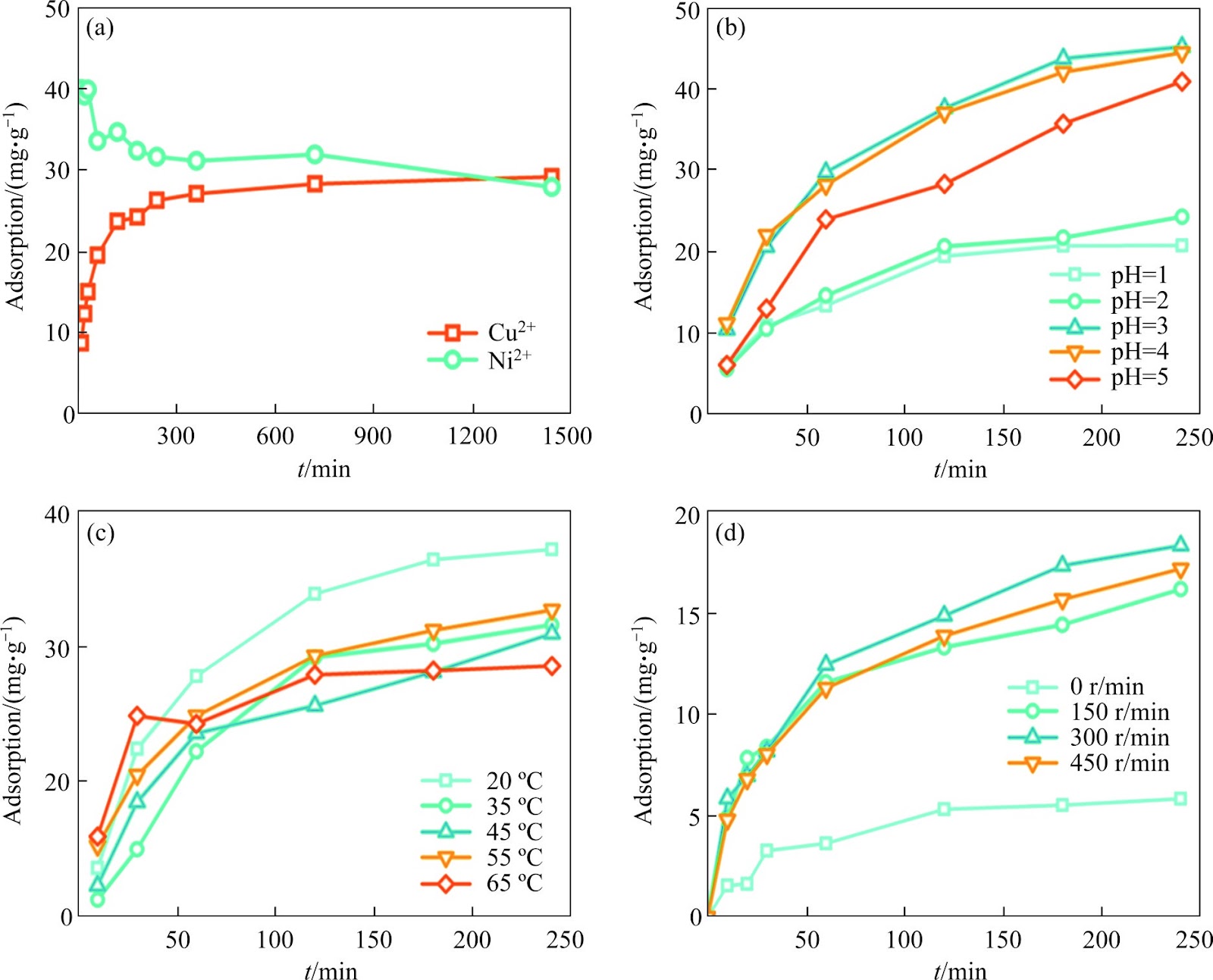
Removing copper from nickel electrolysis anode solution has been a major keypoint in the nickel metallurgy industry. In this study, we proposed a novel process flow to promote removing copper from nickel electrolysis anode solution. A simulated nickel anode solution was designed, and static and dynamic adsorption experiments were conducted to determine the best of solution pH, adsorption time and temperature, resin dosage and particle size, and stirring speed. The optimal conditions were explore

Simulated solution condition experiment and process design for copper deep removal from nickel anodes based on ion-exchange
Graphical Abstract
Original ResearchVol. 32, Issue 4 • pp. 875-887DOI: 10.1007/s11771-025-5999-yApr 1, 2025

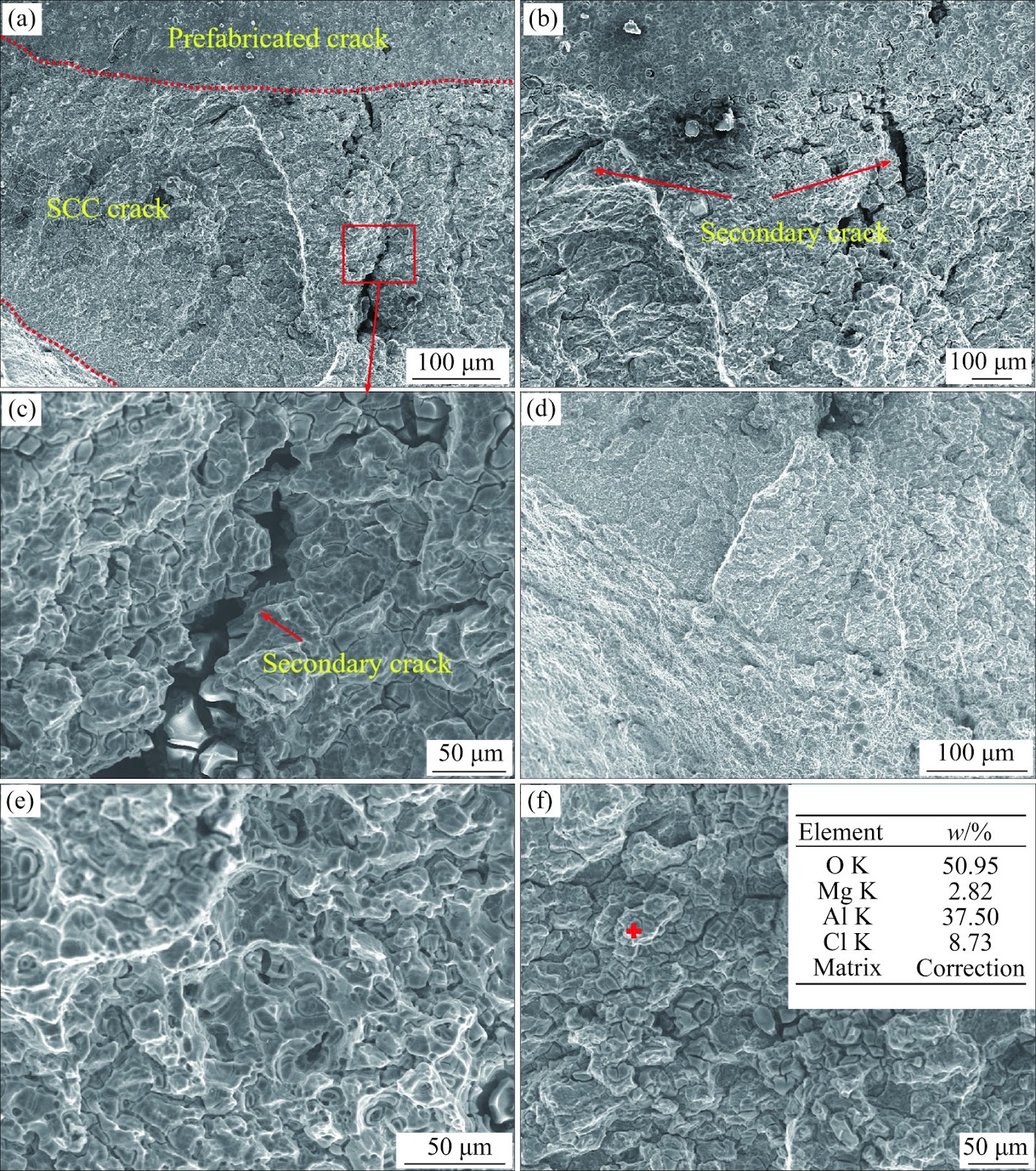
Stress corrosion cracking behavior of TIG welded Al-Mg-Mn-Sc-Zr alloy

Authors: TANG Zhong-qin, JIANG Feng, LONG Meng-jun, YE Peng-cheng, WU Ming-jin

Al-Mg-Mn-Sc-Zr alloys with excellent weldability have emerged as ideal candidates for aerospace applications. Currently, the investigations on the corrosion behavior of alloys under tungsten inert gas (TIG) welding conditions are insufficient. Here, the stress corrosion cracking (SCC) behavior of base metal (BM) and weld zone (WZ) of TIG welded Al-Mg-Mn-Sc-Zr alloys was investigated by using pre-cracked compact tensile samples immersed in 3.5% NaCl solution. The direct current potential drop (DC

Stress corrosion cracking behavior of TIG welded Al-Mg-Mn-Sc-Zr alloy
Graphical Abstract