SinoTechIntel Academic Portal
🏛️ Indexed Academic JournalImpact Factor: 3.8

Int. Journal of Minerals, Metallurgy and Materials (矿物冶金与材料学报)

Authoritative peer-reviewed journal in materials science, metallurgy, chemistry and engineering technologies: Int. Journal of Minerals, Metallurgy and Materials (矿物冶金与材料学报)

Total Research Papers: 200
Access: 100% Free Open Access
Browse by Publication Year & VolumeReset All Filters ✕

Published Research PapersFiltered: Year 2025 • Vol. 32 • Issue 5

Showing 17 of 200 peer-reviewed papers with full Graphical Abstracts.

Original ResearchVol. 32, Issue 5 • pp. 1270-1280DOI: 10.1007/s12613-024-3026-1Jan 15, 2025

Synthesis of a halloysite/MnFe2O4 heterogeneous Fenton catalyst for the efficient degradation of organic pollutants

Authors: Xiaoyu Jiang, Sikai Zhao, Yaozhong Qi, Jiafang Zhang, Wenbao Liu, Qiang Zhao, Yanbai Shen

To address the limitations associated with conventional Fenton processes, which often exhibit a restricted pH range and present challenges in terms of catalyst recovery and second pollutant, magnetic heterogeneous halloysite (HNT)/MnFe2O4 catalysts were optimally synthesized, which could achieve 90% removal efficiency for 50 mg/L methylene blue (MB) at pH 4–10 and have high hydrogen peroxide (H2O2) utilization efficiencies. In addition, the catalysts could be easily separated from a solution through magnetic separation. The degradation efficiency of MB exhibited remarkable resilience against common aqueous interferents with anions (NO3−, Cl−, SO4^2−, CO3^2−, HCO3−) and humic acid, demonstrating negligible inhibitory effects. Notably, carbonate species (CO3^2− and HCO3−) even elicited a promotional effect on the catalytic process. Furthermore, the removal efficiency of MB only decreased by less than 10% in the fifth cycle compared with that of a fresh catalyst. Furthermore, the HNT/MnFe2O4 catalyst effectively degraded various organic pollutants, such as benzohydroxamic acid, xanthate, and eosin Y. The excellent catalytic performance of the catalysts was attributed to the synergistic effects between HNT and MnFe2O4. The electron paramagnetic resonance spectra and quenching experiments indicated that the main reactive oxygen species that participated in the degradation process were ·OH and ·O2−. ·OH directly attacked MB molecules, and ·O2− accelerated the reduction of metal ions. Therefore, the catalysts showed considerable potential for organic pollutant degradation. This study provides valuable insights into the synthesis of novel catalysts and their practical applications in organic wastewater purification.

Synthesis of a halloysite/MnFe2O4 heterogeneous Fenton catalyst for the efficient degradation of organic pollutants
Graphical Abstract
Original ResearchVol. 32, Issue 5 • pp. 1234DOI: 10.1007/s12613-024-3065-7Jan 15, 2025

Synthesis and characterization of high-purity SiO2 nanoparticles utilizing greater club rush: Exploring a promising natural source

Authors: Anuchit Sawangprom, Tachgiss Jampreecha, Santi Maensiri

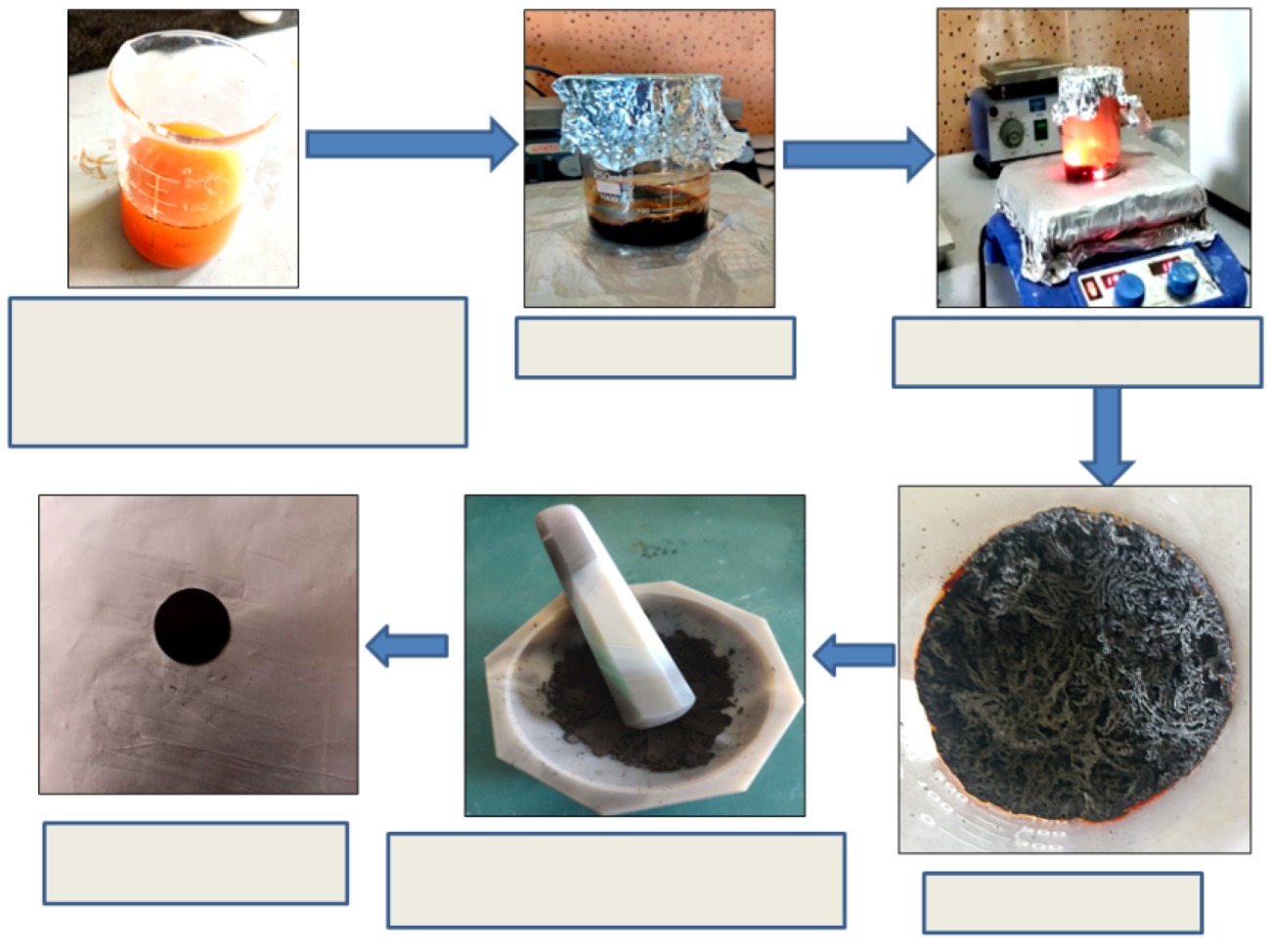
High-purity SiO2 nanoparticles (SNPs) play a crucial role in various electronic applications, such as semiconductors, solar cells, optical fibers, lenses, and insulating layers, given their purity and particle size, which significantly impact device efficiency. This study focuses on the synthesis and characterization of pure SNPs through the chemical etching of greater club rush. White powder SNPs were prepared using HCl etching, and their thermal behaviors were analyzed via thermogravimetric analysis/differential scanning calorimetry. Structural properties were investigated using X-ray fluorescence, scanning electron microscopy, and transmission electron microscopy. X-ray absorption near-edge structure was employed to assess the oxidation state of the SNPs. The morphology of the SNPs after the first etching was amorphous, with sizes ranging from 50 to 100 nm, which increased to 50–200 nm after the second etching. Despite this size variation, the SNPs maintained a high purity level of 99.8wt% SiO2, comparable with industry standards. Notably, the second etching with 0.1-M HCl significantly enhanced the purity level, achieving 99.8wt% SiO2 mass. Furthermore, HCl etching facilitated the formation of SiO2 in the Si4+ oxidation state, akin to industrial SNPs. These findings underscore the critical role of HCl etching in synthesizing high-purity SNPs, with potential applications in advanced electronic devices.

Synthesis and characterization of high-purity SiO2 nanoparticles utilizing greater club rush: Exploring a promising natural source
Graphical Abstract
Original ResearchVol. 32, Issue 5 • pp. 1141-DOI: 10.1007/s12613-024-2975-8Jan 15, 2025

Beneficial role of Sn in rapid rust stabilization of weathering steel in marine environments

Authors: Liu Yang, Xuequn Cheng, Xiaogang Li

Weathering steel exhibits excellent corrosion resistance and is widely used in bridges, towers, railways, highways, and other engineering projects that are exposed to the atmosphere for long periods of time. However, before the formation of stable rust layers, weathering steel is prone to liquid rust sagging and spattering, leading to environmental pollution and city appearance concerns. These factors limit the application and development of weathering steel. In this study, a rapid and environmentally friendly method was developed by introducing alloying elements, specifically investigating the role of Sn in the rapid stabilization of rust layers in marine atmospheric environments. The rust layer formed on weathering low-alloy steel exposed to prolonged outdoor conditions and laboratory immersion experiments was explored using electron probe micro-analyzer (EPMA), micro-Raman, X-ray photoelectron spectroscopy (XPS), and electrochemical measurements. Results showed an optimal synergistic effect between Sn and Cr, which facilitated the accelerated densification of the rust layer. This beneficial effect enhanced the capability of the rust layer to resist Cl− erosion and improved the protection performance of the rust layer.

Beneficial role of Sn in rapid rust stabilization of weathering steel in marine environments
Graphical Abstract
Original ResearchVol. 32, Issue 5 • pp. 1114-1124DOI: 10.1007/s12613-024-3009-2Jan 15, 2025

Numerical simulation of the deformation risk in thin slab continuous casting process with liquid core reduction

Authors: Zhida Zhang, Jize Chen, Cheng Ji, Yutang Ma, Miaoyong Zhu, Wenxue Wang

The application of liquid core reduction (LCR) technology in thin slab continuous casting can refine the internal microstructures of slabs and improve their production efficiency. To avoid crack risks caused by large deformation during the LCR process and to minimize the thickness of the slab in bending segments, the maximum theoretical reduction amount and the corresponding reduction scheme for the LCR process must be determined. With SPA-H weathering steel as a specific research steel grade, the distributions of temperature and deformation fields of a slab with the LCR process were analyzed using a three-dimensional thermal–mechanical finite element model. High-temperature tensile tests were designed to determine the critical strain of corner crack propagation and intermediate crack initiation with various strain rates and temperatures, and a prediction model of the critical strain for two typical cracks, combining the effects of strain rate and temperature, was proposed by incorporating the Zener–Hollomon parameter. The crack risks with different LCR schemes were calculated using the crack risk prediction model, and the maximum theoretical reduction amount for the SPA-H slab with a transverse section of 145 mm × 1600 mm was 41.8 mm, with corresponding reduction amounts for Segment 0 to Segment 4 of 15.8, 7.3, 6.5, 6.4, and 5.8 mm, respectively.

Numerical simulation of the deformation risk in thin slab continuous casting process with liquid core reduction
Graphical Abstract
Original ResearchVol. 32, Issue 5 • pp. 1245DOI: 10.1007/s12613-024-3040-3Jan 15, 2025

Insights into the effects of Mn substitution in CoFe2O4 nanoferrites involving high-frequency storage device applications

Authors: Biswajita Dash, Krutika L. Routray, Sunirmal Saha, P.M. Sarun, Subhasis Sarangi

Nanoferrites of the CoMnxFe(2−x)O4 series (x = 0.00, 0.05, 0.10, 0.15, 0.20) were synthesized in this study using the sol–gel auto-combustion approach. The lattice constants were computed within the range of 8.312–8.406 Å, while crystallite sizes were estimated to range between 55.20 and 31.40 nm using the Scherrer method. The different functional groups were found to correlate with various absorption bands using Fourier transform infrared (FTIR) spectroscopy. Five active modes were identified by Raman spectroscopy, revealing vibration modes of O2− ions at tetrahedral and octahedral locations. The ferromagnetic hysteresis loop was observed in all the synthesized samples, which can be explained by Neel’s model. The results showed that AC conductivity decreased with increasing Mn2+ content at the Fe2+ site, while the dielectric constant and dielectric loss increased with increasing frequency. Furthermore, the saturation magnetization (Ms), remnant magnetization (Mr), and coercivity (Hc) all showed declining trends with the increase in Mn2+ doping. Finally, the CoMn0.20Fe1.8O4 samples showed Ms and Mr values ranging from 73.12 to 66.84 emu/g and from 37.77 to 51.89 emu/g, respectively, while Hc values ranged from 1939 to 1312 Oe, after which coercivity increased. Thus, the CoMn0.20Fe1.8O4 sample can be considered a promising candidate for magnetic applications.

Insights into the effects of Mn substitution in CoFe2O4 nanoferrites involving high-frequency storage device applications
Graphical Abstract
Original ResearchVol. 32, Issue 5 • pp. 1259-DOI: 10.1007/s12613-024-2922-8Jan 15, 2025

In-situ deposition and comparative study of electromagnetic absorption performance of MXene (Ti3C2Tx)@nano-Fe1Co0.8Ni1 composites with different compositions

Authors: Hong Li, Hongyang Li, Zhenfeng Shen, Shentao Zeng, Feng Yang, Qing Cai, Wenqi Xu, Ran Wang, Cui Luo, Ying Liu

Three sets of MXene (Ti3C2Tx)@nano-Fe1Co0.8Ni1 composites with 15, 45, and 90 mg MXene were prepared by in-situ liquid-phase deposition to effectively investigate the impact of the relationship between MXene (Ti3C2Tx) and nano-Fe1Co0.8Ni1 magnetic particles on the electromagnetic absorption properties of the composites. The microstructure, static magnetic properties, and electromagnetic absorption performance of these composites were studied. Results indicate that the [email protected] composites were primarily composed of face-centered cubic crystal structure particles and MXene, with spherical Fe1Co0.8Ni1 particles uniformly distributed on the surface of the multilayered MXene. The alloy particles had an average particle size of approximately 100 nm and exhibited good dispersion without noticeable particle aggregation. With the increase in MXene content, the specific saturation magnetic and coercivity of the composite initially decreased and then increased, displaying typical soft magnetic properties. Compared with those of the Fe1Co0.8Ni1 magnetic alloy particles alone, MXene addition caused an increasing trend in the real and imaginary parts of the dielectric constant of the composite. Meanwhile, the real and imaginary parts of the magnetic permeability exhibit decreasing trend. With the increase in MXene addition, the material attenuation constant increased and the impedance matching decreased. The minimum reflection loss increased, and the maximum effective absorption bandwidth decreased. When the MXene addition was 90 mg, the composite exhibited a minimum reflection loss of −46.9 dB with a sample thickness of 1.1 mm and a maximum effective absorption bandwidth of 3.60 GHz with a sample thickness of 1.0 mm. The effective absorption bandwidth of the composites and their corresponding thicknesses showed a decreasing trend with the increase in MXene addition, reducing by 50% from 1.5 mm without MXene addition to 1 mm with 90 mg of MXene addition.

In-situ deposition and comparative study of electromagnetic absorption performance of MXene (Ti3C2Tx)@nano-Fe1Co0.8Ni1 composites with different compositions
Graphical Abstract
Original ResearchVol. 32, Issue 5 • pp. 1128-DOI: 10.1007/s12613-024-2974-9Jan 15, 2025

Microstructure–property relationship of a high strength–toughness Cr–Mo–V steel

Authors: Ce Liang, Guangxin Song, Liguang Liang, Wanlin Wang, Hang He, Jie Zeng

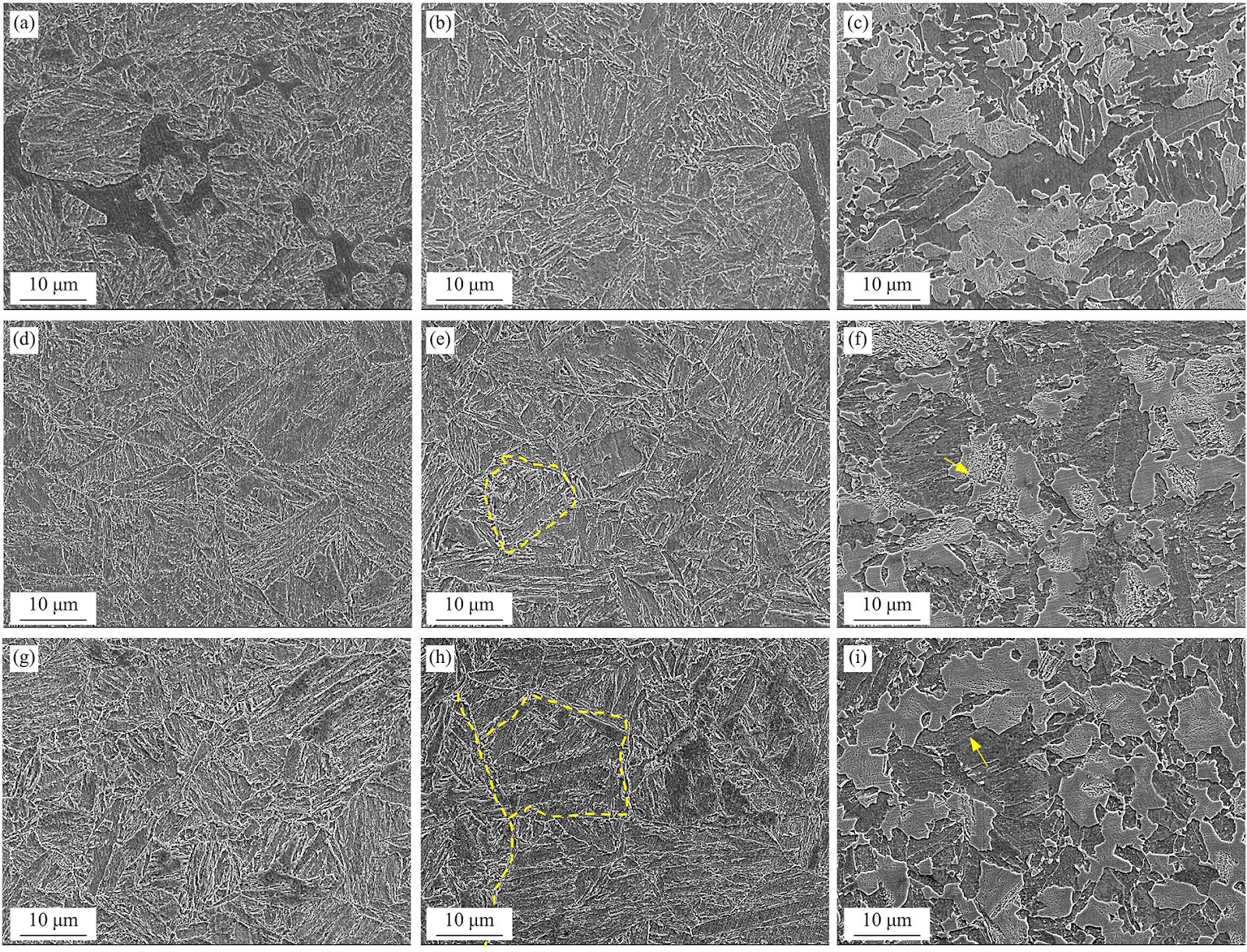
The demand for oil casing steel with ultra-high strength and excellent impact toughness for safe application in ultra-deep wells is pressing. In improving the combination of strength, ductility, and impact toughness, the designed Cr–Mo–V micro-alloyed oil casing steel was quenched at 800, 900, and 1000°C, followed by tempering at 600, 680, and 760°C, respectively, to obtain distinct microstructures. The results showed that the microstructure of the samples quenched at 800°C followed by tempering comprised untransformed ferrite and large undissolved carbides, which considerably deteriorated tensile strength and impact toughness. For other conditions, the nucleated carbides and the boundaries are key factors that balance the tensile strength from 1226 to 971 MPa and the impact toughness from 65 to 236 J. From the perspective of carbide, optimal precipitation strengthening is achieved with a smaller carbide size obtained by a low tempering temperature of 600°C, while larger-sized carbides would remarkably soften the matrix to improve the toughness but deteriorate the tensile strength. Additionally, an increase in prior austenite grain size with the corresponding enlarged sub-boundaries obtained by high quenching temperatures substantially diminishes grain refinement strengthening, dislocation strengthening, and the energy absorbed in the crack propagation process, which is unfavorable to strength and toughness.

Microstructure–property relationship of a high strength–toughness Cr–Mo–V steel
Graphical Abstract
Original ResearchVol. 32, Issue 5 • pp. 1198-DOI: 10.1007/s12613-024-3034-1Jan 15, 2025

Achieving the excellent intermediate-temperature strength–ductility synergy in a fine-grained FeCrNi-based medium entropy alloy with heterogeneous precipitation

Authors: Tianxiang Bai, Tuanwei Zhang, Zhiming Jiao, Jinyao Ma, Hui Chang, Jianjun Wang, Dan Zhao, Shengguo Ma, Zhouzhu Mao, Xiaoxiao Liu, Zhihua Wang

Fe–Cr–Ni austenitic alloys are extensively utilized in the hot-end components of nuclear light water reactors, turbine disks, and gas compressors. However, their low strength at elevated temperatures limits their engineering applications. In this study, a novel precipitation-strengthened alloy system is developed by incorporating Al and Si elements into a FeCrNi equiatomic alloy. The results indicate that the FeCrNiAlxSix (at%, x = 0.1, 0.2) alloys possess heterogeneous precipitation structures that feature a micron-scale σ phase at the grain boundaries and a nanoscale ordered body-centered cube (B2) phase within the grains. An exceptional strength–ductility synergy across a wide temperature range is achieved in FeCrNiAl0.1Si0.1 alloys due to grain refinement and precipitation strengthening. Notably, a yield strength of 693.83 MPa, an ultimate tensile strength of 817.55 MPa, and a uniform elongation of 18.27% are attained at 873 K. The dislocation shearing mechanism for B2 phases and the Orowan bypass mechanism for σ phase, coupled with a high density of nano-twins and stacking faults in the matrix, contribute to the excellent mechanical properties at cryogenic and ambient temperatures. Moreover, the emergence of serrated σ phase and micro-twins in the matrix plays a crucial role in the strengthening and toughening mechanisms at intermediate temperatures. This study offers a novel perspective and strategy for the development of precipitation-hardened Fe–Cr–Ni austenitic alloys with exceptional strength–ductility synergy over a broad temperature range.

Achieving the excellent intermediate-temperature strength–ductility synergy in a fine-grained FeCrNi-based medium entropy alloy with heterogeneous precipitation
Graphical Abstract
Original ResearchVol. 32, Issue 5 • pp. 1208-?DOI: 10.1007/s12613-024-3037-yJan 15, 2025

Effect of nitrogen addition on the structural, mechanical and corrosion properties of FeCoCrMnNiNx high-entropy nitride ceramic thin films

Authors: Mehdi Boroujerdnia, Ali Obeydavi

FeCoCrMnNiNx high entropy nitride ceramics thin films were prepared using the magnetron sputtering method, and the effects of nitrogen content on the thin films’ properties were later examined. The addition of N2 affected the microstructures of the thin films and their mechanical and corrosion properties. Compared with the FeCoCrMnNi thin films with 1-sccm N2, the addition of 2 and 3 sccm of N2 by as much as 5.45at% and 6.34at% changed the solid solution’s crystalline structure into an amorphous structure. The addition of nitrogen caused drastic changes to the surface morphology, creating a smoother and more uniform surface without cauliflower units. The atomic force microscopy image analysis indicated that the addition of nitrogen reduced the surface roughness from 5.58 to 1.82 nm. Adding N2 to the CoCrFeMnNi thin film helped increase its mechanical properties, such as hardness and strength, while the Young’s modulus decreased. The hardness of (8.75 ± 0.5) GPa and the reduced Young’s modulus of (257.37 ± 11.4) GPa of the FeCoCrMnNi thin film reached (12.67 ± 1.2) and (194.39 ± 12.4) GPa, respectively, with 1 sccm N2. The applied coating of the CoCrFeMnNi thin film on 304SUS increased the corrosion resistance, whereas the addition of nitrogen to the CoCrFeMnNi thin film also improved its corrosion resistance compared with that of the CoCrFeMnNi thin film without nitrogen.

Effect of nitrogen addition on the structural, mechanical and corrosion properties of FeCoCrMnNiNx high-entropy nitride ceramic thin films
Graphical Abstract
Original ResearchVol. 32, Issue 5 • pp. 1068-DOI: 10.1007/s12613-024-3078-2Jan 15, 2025

Structural characteristics and viscous behaviors of Al2O3–CaO–SiO2–Fe2O3 slags

Authors: Renze Xu, Zhen Wang

The high-temperature properties of the Al2O3–CaO–SiO2–Fe2O3 basic slag had significant influences on steelmaking operations and waste slag utilization. To further clarify the structural characteristics and properties of Al2O3–CaO–SiO2–Fe2O3 slags, the structures and viscosities of the slags were researched. The slag liquidus temperature was determined, which decreased from 1365 to 1287°C after 4.16wt%–8.52wt% Al2O3 was added to the slags and then increased to 1356°C after 17.07wt% Al2O3 was added. Structure analysis indicated that increasing temperature depolymerized the structure of the 4.16wt%Al2O3–CaO–SiO2–Fe2O3 slag by decreasing the amount of complex AlO4 units and promoting the formation of simplified silicate monomers. The addition of Al2O3 to slags could promote the polymerization of the slag structure by increasing the quantities of complex AlO4 tetrahedral and complicated Si–O units. Variations in the degree of structure polymerization showed similar trends at the same superheat degree and the same quenching temperature, and both samples could be used for analyzing the impact of Al2O3 on slag structures. Finally, the viscous behavior of the present slag system was evaluated. Increasing Al2O3 content could increase slag viscosity, and the apparent activation energy increased from 132.13 to 174.83 kJ/mol as the content of Al2O3 increased from 4.16wt% to 17.07wt%.

Structural characteristics and viscous behaviors of Al2O3–CaO–SiO2–Fe2O3 slags
Graphical Abstract
Original ResearchVol. 32, Issue 5 • pp. 1103-?DOI: 10.1007/s12613-024-3007-4Jan 15, 2025

Study on the ion behavior of solid-phase reaction synthesis of iron chromite at 1473 K

Authors: Yan Wang, Peiyuan Ni, Yuling Liu, Tengfei Deng

The enrichment of chromium in the magnetic iron chromite (Fe(CrxFe1−x)2O4) phase is crucial for the recovery and recycling of chromium in stainless-steel pickling sludge. The kinetics and reaction mechanism of the solid-phase reaction between Fe3O4 and Cr2O3 were investigated using the diffusion couple method at 1473 K. Not only the diffusion behavior of Fe2+ ions and Cr3+ ions was elucidated, but also the solid solution behavior of Fe3+ ions was discussed clearly. The microscopic morphology of the diffusion couple and the change in the concentrations of Fe and Cr cations across the diffusion layers were analyzed using scanning electron microscopy and energy dispersive spectroscopy. The self-diffusion coefficients of cations were calculated based on the concentration profiles of Fe and Cr, with the results indicating that the self-diffusion coefficient of the Fe ions was consistently higher than that of the Cr ions. Additionally, a mixture of Fe3O4 and Cr2O3 was annealed at 1373–1473 K for 1–5 h, and the kinetic parameters were calculated by studying the phase content of the product. The phase content of Fe(CrxFe1−x)2O4 in the product was determined by Rietveld refinement of X-ray diffraction data, revealing that an activation energy (E) of 177.20 kJ·mol−1 and a pre-exponential factor (B) of 610.78 min−1 of the solid-phase reaction that produced the Fe(CrxFe1−x)2O4 spinel.

Study on the ion behavior of solid-phase reaction synthesis of iron chromite at 1473 K
Graphical Abstract
Original ResearchVol. 32, Issue 5 • pp. 1091-1100DOI: 10.1007/s12613-025-3094-xJan 15, 2025

Kinetics study on the H2 reduction of Nchwaning manganese ore at elevated temperatures

Authors: Alok Sarkar, Trygve Lindahl Schanche, Maria Wallin, Jafar Safarian

Replacing solid carbon with hydrogen gas in ferromanganese production presents a forward-thinking, sustainable solution to reducing the ferro-alloy industry’s carbon emissions. The HAlMan process, a groundbreaking and eco-friendly method, has been meticulously researched and scaled up from laboratory experiments to pilot tests, aiming to drastically cut CO2 emissions associated with ferromanganese production. This innovative process could potentially reduce CO2 emissions by about 1.5 tonnes for every tonne of ferromanganese produced. In this study, a lab-scale vertical thermogravimetric furnace was used to carry out the pre-reduction of Nchwaning manganese ore, where direct reduction occurred with H2 gas under controlled isothermal conditions at 700, 800, and 900°C. The results indicated that higher pre-reduction temperatures (800 and 900°C) effectively converted Fe2O3 to metallic iron and Mn2O3 to MnO. By continuously monitoring the mass changes during the reduction, both the rate and extent of reduction were assessed. A second-order reaction model was applied to validate the experimental outcomes of H2 reduction at various temperatures, showing apparent activation energies of 29.79 kJ/mol for dried ore and 61.71 kJ/mol for pre-calcined ore. The reduction kinetics displayed a strong dependence on temperature, with higher temperatures leading to quicker and more complete reductions. The kinetics analysis suggested that the chemical reaction at the gas–solid interface between hydrogen and the manganese ore is likely the rate-limiting step in this process.

Kinetics study on the H2 reduction of Nchwaning manganese ore at elevated temperatures
Graphical Abstract
Original ResearchVol. 32, Issue 5 • pp. 1044-DOI: 10.1007/s12613-024-2976-7Jan 15, 2025

Bacterial-mediated recovery of copper from low-grade copper sulfide using fly ash and bacterial community dynamics

Authors: Wei Chen, Ming Zhang, Shenghua Yin, Yun Zhou

Bioleaching is confronted with problems, such as low efficiency, long production cycle length, and vegetation destruction. In order to solve problems above, fly ash and low-grade copper sulfide ores were used to investigate bioleaching behaviors and bacterial community succession. Results showed that copper recovery, bacterial concentration, total proportion of main leaching bacteria including Acidithiobacillus ferrooxidans, Acidibacillus ferrooxidans, and Leptospirillum ferriphilum, were improved through using appropriate dosage of fly ash. The maximum copper recovery of 79.87% and bacterial concentration of 7.08 × 10⁷ cells·mL−1 were obtained after using 0.8 g·L−1 fly ash. Exclusive precipitation including Zn(Fe3(SO4)2(OH)6)2 and Mg(Fe3(SO4)2(OH)6)2 was found in sample added 0.8 g·L−1 fly ash, which reduced the effect of hazardous ions on bacteria and thus contributing to bacterial proliferation. Bacterial community structure was differentiated, which indicated difference between original inoculation and sample used 0.8 g·L−1 fly ash was less than others. Total proportion of the three microorganism above accounted for more than 95% in all tests, especially in sample with 0.8 g·L−1 fly ash up to 99.81%. Cl− and Ag+ contained in fly ash can act as catalytic agent, which contributed to conversion from smooth and dense passivation layer to sparse and scattered one, and therefore improving contact between ores, lixiviant, and bacteria. Using appropriate dosage of fly ash showed prospects in bioleaching.

Bacterial-mediated recovery of copper from low-grade copper sulfide using fly ash and bacterial community dynamics
Graphical Abstract
Original ResearchVol. 32, Issue 5 • pp. 1079-DOI: 10.1007/s12613-024-2990-9Jan 15, 2025

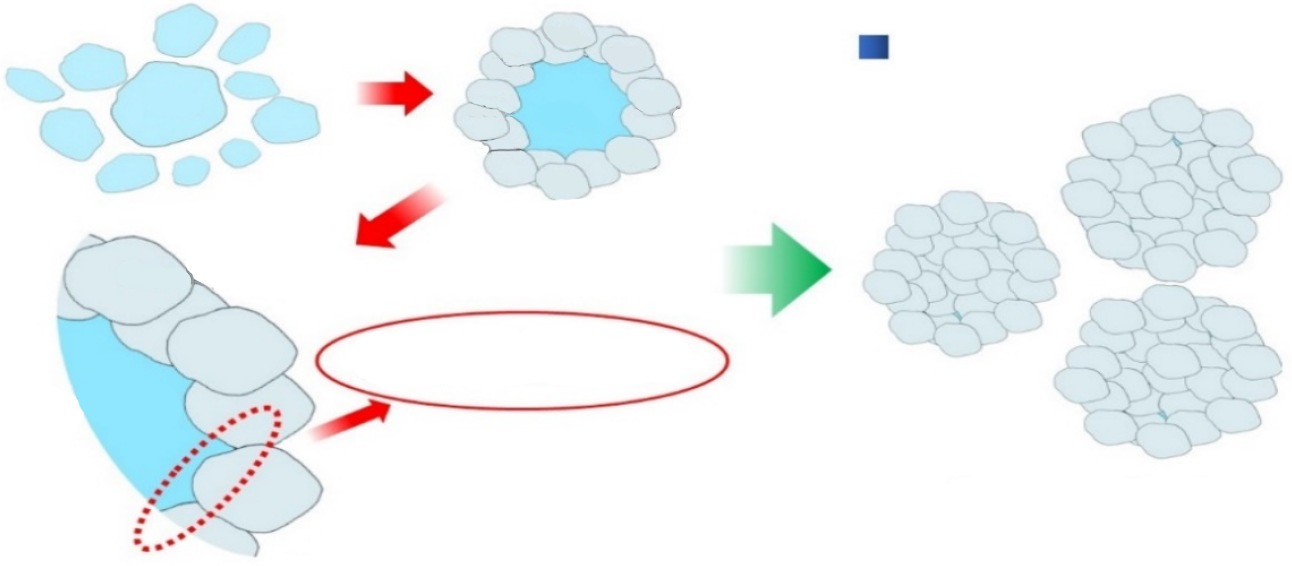
Efficient AlN decomposition and Al species transformation in secondary aluminum dross through co-sintering with waste sodium acetate

Authors: Xiang Li, Nengwu Zhu, Yunhao Xi, Fei Li, Pengfei Zhang

Secondary aluminum dross (SAD) is a rich source of recyclable aluminum but poses considerable risk due to its high AlN content. Therefore, thoroughly removing AlN is essential, but intricate aluminum components and expensive additives pose challenges to the process. In this study, waste sodium acetate is proposed as an environmentally friendly additive for completely removing AlN and enhancing the extraction of aluminum from SAD. Through the exothermic decomposition of NaAc, reactions can occur at 850°C. AlN removal efficiency reached 93.19% after sintering, whereas Al leaching efficiency in the subsequent leaching process reached 90.49%, which were 37.86% and 375.26% higher than the removal efficiency of the control, respectively. These favorable results were attributed to the comprehensive transformation of aluminum species. The formation of soluble phase Na1.95Al1.95Si0.05O4 occurred during the destruction of the Al2O3 layer surrounding AlN and the transformation of other aluminum components. AlN decomposed upon contact with NaAc. Therefore, this study utilizes the decomposition properties of NaAc to provide an efficient and environmentally friendly route for removing AlN and extracting Al from SAD.

Efficient AlN decomposition and Al species transformation in secondary aluminum dross through co-sintering with waste sodium acetate
Graphical Abstract
Original ResearchVol. 32, Issue 5 • pp. 1056-1065DOI: 10.1007/s12613-024-2964-yJan 15, 2025

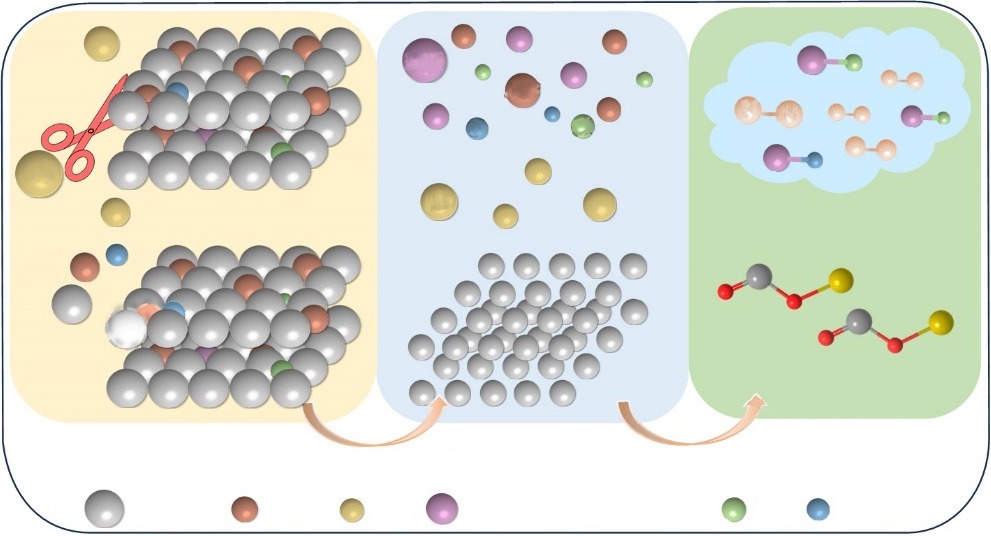
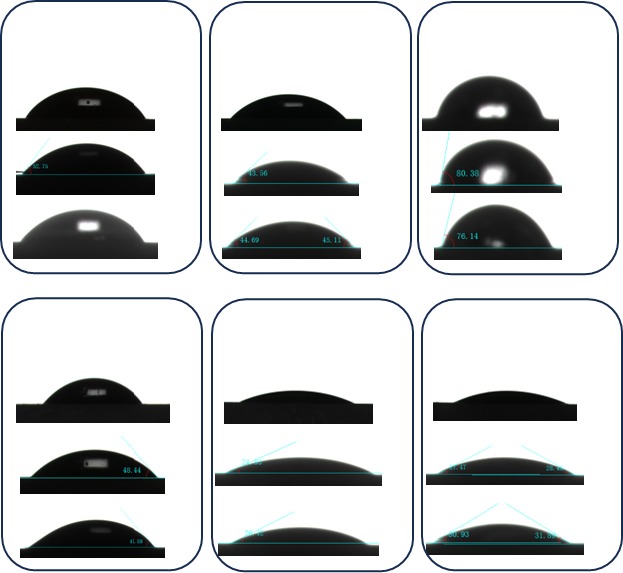
Flotation separation of scheelite and calcite using the biopolymer konjac glucomannan: A novel and eco-friendly depressant

Authors: Zhenhao Guan, Ying Zhang, Shuming Wen, Qi Zuo, Yu Wu, Xiaokang Li

This study investigated the effect of konjac glucomannan (KGM) on the flotation separation of calcite and scheelite. Micro-flotation tests showed that under the action of 50 mg/L KGM, the floatability of calcite notably decreased, while the impact on scheelite was negligible, resulting in a recovery difference of 82.53%. Fourier transform infrared (FTIR) spectroscopy and atomic force microscopy (AFM) analyses indicated the selective adsorption of KGM on the calcite surface. Test results of the zeta potential and UV-visible absorption spectroscopy revealed that KGM prevented the adsorption of sodium oleate on the calcite surface. X-ray photoelectron spectroscopy (XPS) analysis further confirmed the chemical adsorption of KGM on the calcite surface and the formation of Ca(OH)2. The density functional theory (DFT) simulation results were consistent with the flotation tests, demonstrating the strong adsorption performance of KGM on the calcite surface. This study offers a pathway for highly sustainable and cost-effective mineral processing by utilizing the unique properties of biopolymers such as KGM to separate valuable minerals from gangue minerals.

Flotation separation of scheelite and calcite using the biopolymer konjac glucomannan: A novel and eco-friendly depressant
Graphical Abstract
Original ResearchVol. 32, Issue 5 • pp. 975-DOI: 10.1007/s12613-025-3103-0Jan 15, 2025

In-situ observation of nonmetallic inclusions in steel using confocal scanning laser microscopy: A review

Authors: Ying Ren, Lifeng Zhang

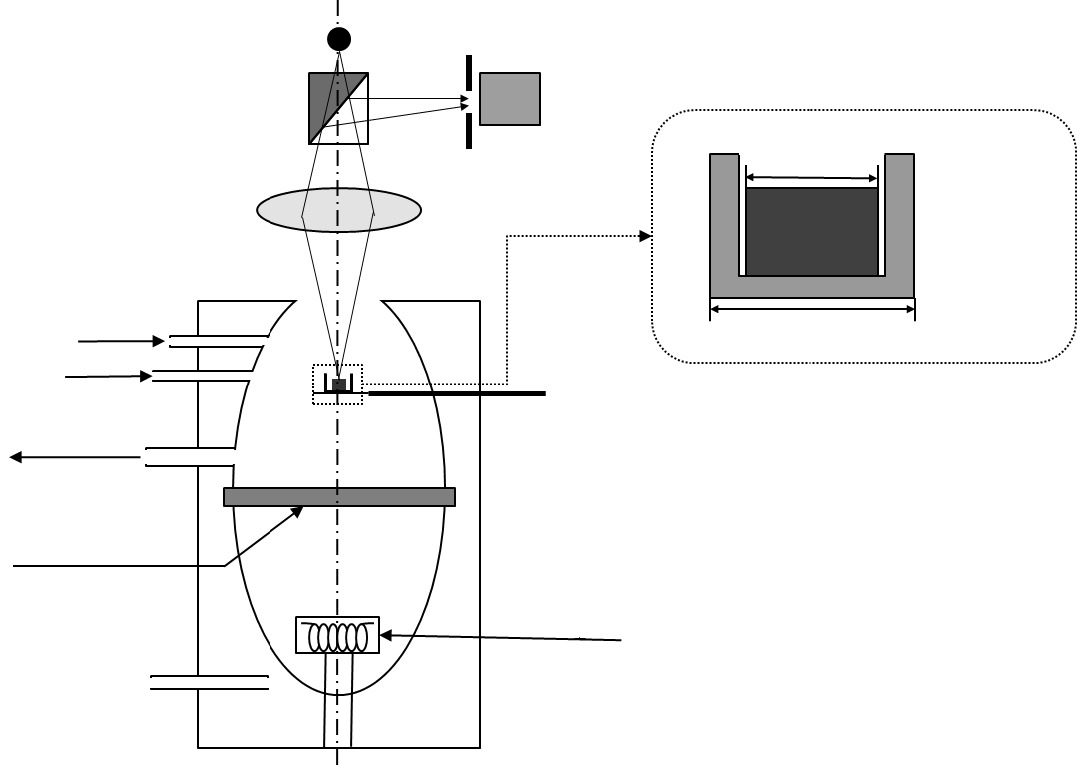
The characteristics of nonmetallic inclusions formed during steel production have a significant influence on steel performance. In this paper, studies on inclusions using confocal scanning laser microscopy (CSLM) are reviewed and summarized, particularly the collision of various inclusions, dissolution of inclusions in liquid slag, and reactions between inclusions and steel. Solid inclusions exhibited a high collision tendency, whereas pure liquid inclusions exhibited minimal collisions because of the small attraction force induced by their <90° contact angle with molten steel. The collision of complex inclusions in molten steel was not included in the scope of this study and should be evaluated in future studies. Higher CaO/Al2O3 and CaO/SiO2 ratios in liquid slag promoted the dissolution of Al2O3-based inclusions. The formation of solid phases in the slag should be prevented to improve dissolution of inclusions. To accurately simulate the dissolution of inclusions in liquid slag, in-situ observation of the dissolution of inclusions at the steel–slag interface is necessary. Using a combination of CSLM and scanning electron microscopy–energy dispersive spectroscopy, the composition and morphological evolution of the inclusions during their modification by the dissolved elements in steel were observed and analyzed. Although the in-situ observation of MnS and TiN precipitations has been widely studied, the in-situ observation of the evolution of oxide inclusions in steel during solidification and heating processes has rarely been reported. The effects of temperature, heating and cooling rates, and inclusion characteristics on the formation of acicular ferrites (AFs) have been widely studied. At a cooling rate of 3–5 K/s, the order of AF growth rate induced by different inclusions, as reported in literature, is Ti–O < Ti–Ca–Zr–Al–O < Mg–O < Ti–Zr–Al–O < Mn–Ti–Al–O < Ti–Al–O < Zr–Ti–Al–O. Further comprehensive experiments are required to investigate the quantitative relationship between the formation of AFs and inclusions.

In-situ observation of nonmetallic inclusions in steel using confocal scanning laser microscopy: A review
Graphical Abstract
Original ResearchVol. 32, Issue 5 • pp. 1025-DOI: 10.1007/s12613-025-3110-1Jan 15, 2025

Strength prediction and cuttability identification of rock based on monitoring while cutting (MWC) using a conical pick

Authors: Shaofeng Wang, Yumeng Wu, Xinlei Shi, Xin Cai, Zilong Zhou

Real-time identification of rock strength and cuttability based on monitoring while cutting during excavation is essential for key procedures such as the precise adjustment of excavation parameters and the in-situ modification of hard rocks. This study proposes an intelligent approach for predicting rock strength and cuttability. A database comprising 132 data sets is established, containing cutting parameters (such as cutting depth and pick angle), cutting responses (such as specific energy and instantaneous cutting rate), and rock mechanical parameters collected from conical pick-cutting experiments. These parameters serve as input features for predicting the uniaxial compressive strength and tensile strength of rocks using regression fitting and machine learning methodologies. In addition, rock cuttability is classified using a combination of the analytic hierarchy process and fuzzy comprehensive evaluation method, and subsequently identified through machine learning approaches. Various models are compared to determine the optimal predictive and classification models. The results indicate that the optimal model for uniaxial compressive strength and tensile strength prediction is the genetic algorithm-optimized backpropagation neural network model, and the optimal model for rock cuttability classification is the radial basis neural network model.

Strength prediction and cuttability identification of rock based on monitoring while cutting (MWC) using a conical pick
Graphical Abstract