SinoTechIntel Academic Portal
🏛️ Indexed Academic JournalImpact Factor: 3.8

Transactions of Nonferrous Metals Society of China (中国有色金属学报)

Authoritative peer-reviewed journal in materials science, metallurgy, chemistry and engineering technologies: Transactions of Nonferrous Metals Society of China (中国有色金属学报)

Total Research Papers: 52
Access: 100% Free Open Access
Browse by Publication Year & VolumeReset All Filters ✕
Select Specific Issue:

Published Research PapersFiltered: Year 2026 • Vol. 32

Showing 15 of 52 peer-reviewed papers with full Graphical Abstracts.

Original ResearchVol. 32, Issue 1 • pp. 100-112DOI: 10.1016/S1003-6326(26)67069-0Jan 15, 2026

Assessment of zinc migration behavior and toxicity characteristics in redox smelting of zinc leaching residue

Authors: Heng WANG, Cheng TAN, Yong YU, Rui-jin FAN, Jian-hang HU, Hua WANG

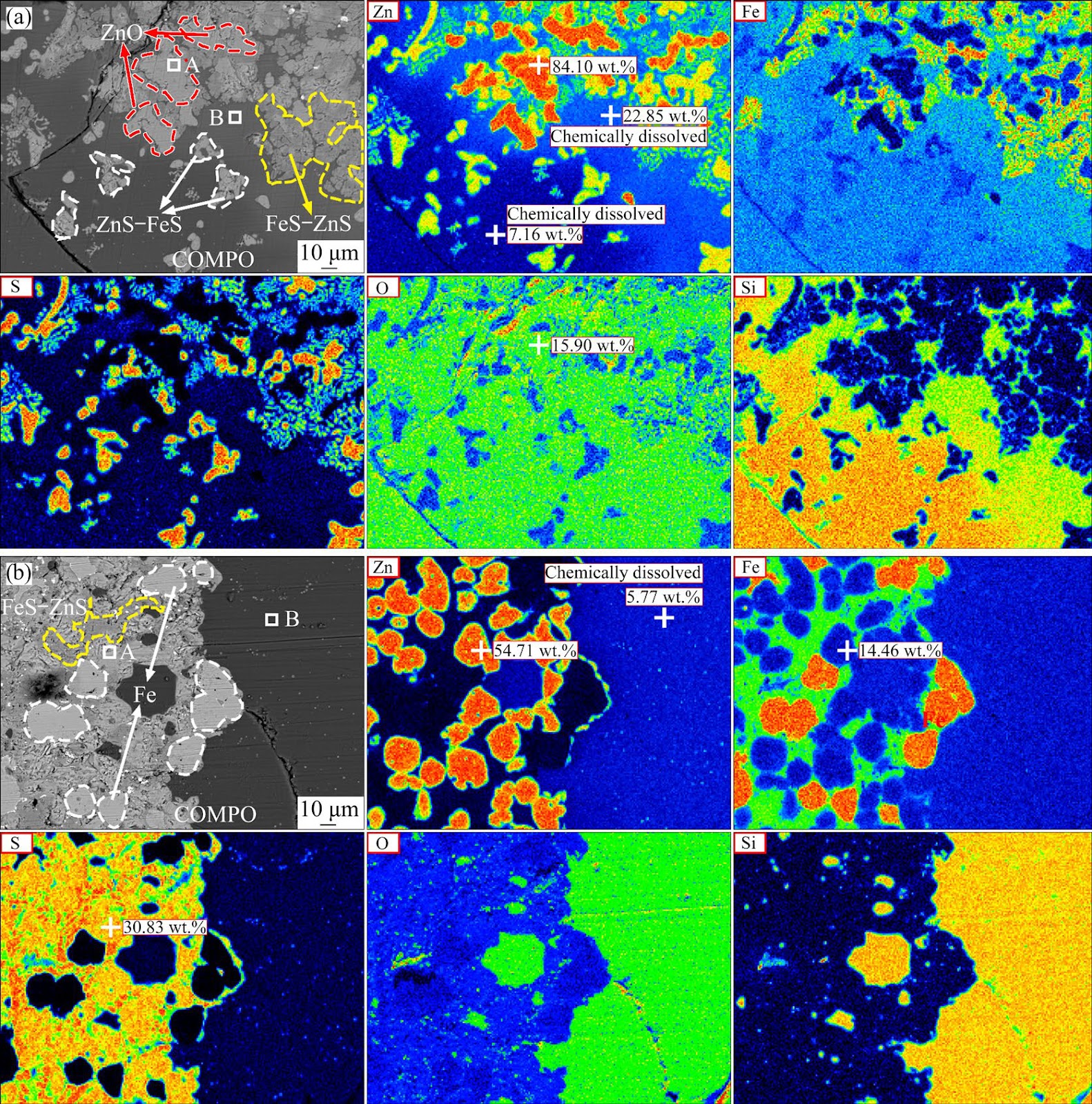
The redox smelting of zinc leaching residue (ZLR) was investigated to determine the migration behavior and toxicity characteristics of zinc under varying anthracite addition, temperature, and holding time. The ZLR, containing 10–20 wt.% Zn, 0.5–5 wt.% Pb, and 0.1–0.5 wt.% Cd, generates TCLP leachate concentrations of Zn up to 4589.0 mg/L, far exceeding regulatory limits. Experimental results reveal that CaSO4 in the residue promotes the transformation of ZnFe2O4 into a ZnS–FeS eutectic, which hinders zinc recovery and elevates environmental risk due to its lower thermodynamic stability relative to (Fe,Zn)2SiO4, ZnFe2O4, and (ZnO)slag. At temperatures above 1573 K, the ZnS–FeS eutectic is oxidized by O2/(O)slag to ZnO(s), subsequently dissolved into the slag as chemically dissolved Zn, and finally reduced to Zn(g) by CO. Pre-desulfurization or increased oxygen potential enhances zinc volatilization. Under optimized conditions, the zinc recovery ratio reached 99.13%, and the residual zinc content in the slag decreased to 0.22 wt.%, substantially below the industrial range of 1.0–3.0 wt.%. A novel strategy integrating desulfurization pretreatment with redox smelting is proposed, which lowers the required smelting temperature and improves zinc recovery efficiency, offering a more economical and environmentally sustainable solution for ZLR treatment.
Assessment of zinc migration behavior and toxicity characteristics in redox smelting of zinc leaching residue
Graphical Abstract
Original ResearchVol. 32, Issue 1 • pp. 100-112DOI: 10.1016/S1003-6326(26)67066-5Jan 15, 2026

Effects of oxidation roasting on surface characteristics and flotation behavior of bastnaesite

Authors: Qiang ZHANG, Yong-sheng SUN, Zhao CAO, Peng GAO, Wen-bo LI

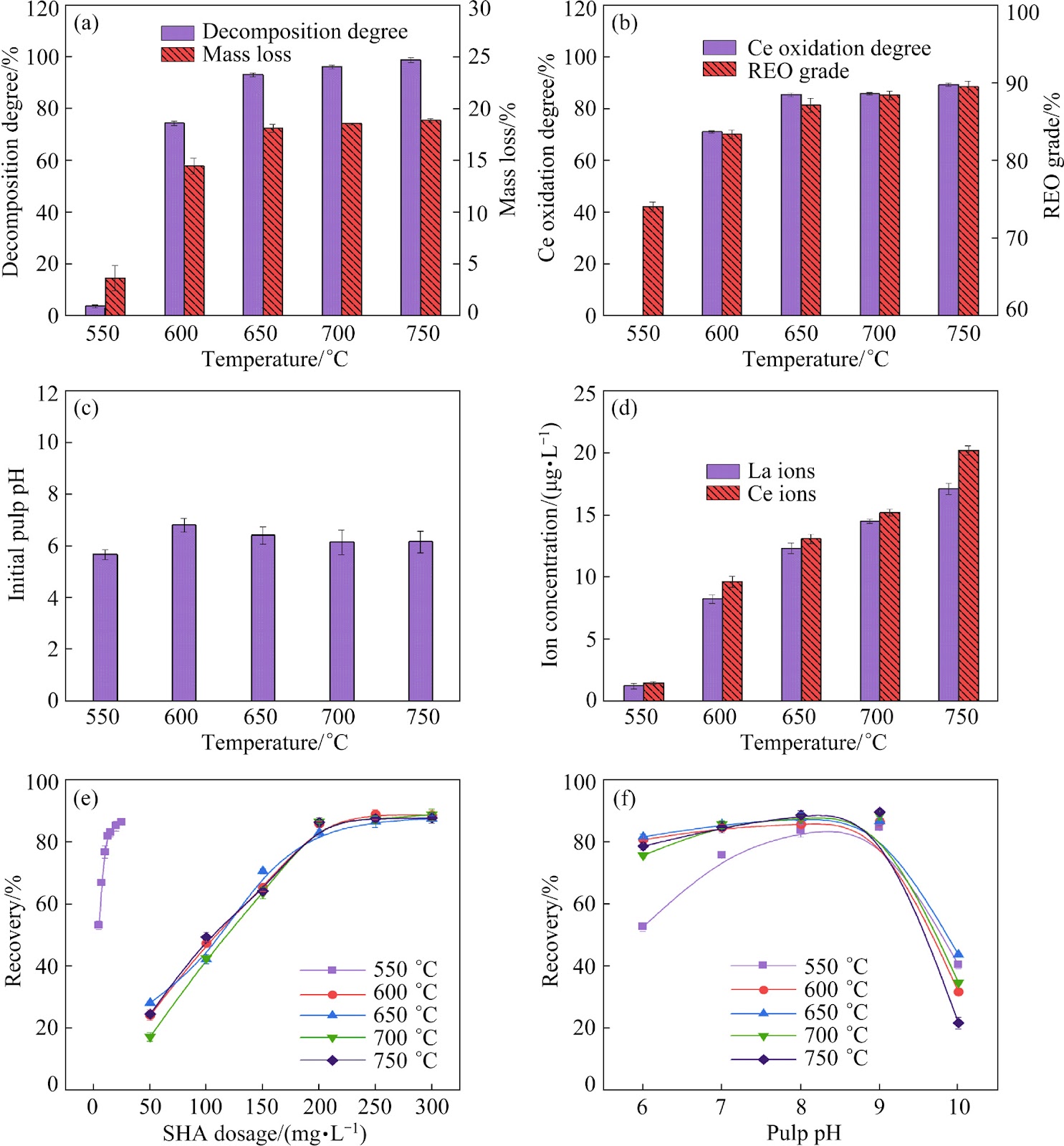
Oxidation roasting of bastnaesite was conducted to evaluate its impact on surface characteristics and flotation behavior. Experiments varied temperature, time, and O2 concentration. Increasing temperature promoted thermal decomposition, yielding Ce7O12, RE2O3, and REF3 as main phases. The Ce oxidation degree and REO grade of roasted products exceeded 85.00%. Roasting induced long, narrow, nearly parallel cracks within particles, increasing porosity and causing partial fragmentation. During flotation, dissolved rare earth ion concentration increased significantly, and surface hydrolysis formed rare earth hydroxyl compounds. Complete decomposition raised the required collector dosage to achieve recovery above 85.00%. This increase is attributed to enhanced particle wettability, altered collector adsorption, and deeper penetration into the porous structure. The findings provide a basis for optimizing flotation circuits treating roasted bastnaesite, particularly in iron-bearing rare earth deposits where pyrometallurgical pretreatment is employed.

Effects of oxidation roasting on surface characteristics and flotation behavior of bastnaesite
Graphical Abstract
Original ResearchVol. 32, Issue 1 • pp. 100-112DOI: 10.1016/S1003-6326(26)67065-3Jan 15, 2026

Single Crystal NCM811 Cathode Material Prepared by Rapid Solvothermal Method

Authors: Li-xing XUE, Hong-yan PAN, Yu-jie WANG, Wei YANG, Yue-jun WANG, Xiang-nan BU, Qian LIN, Kuo ZHANG, Liang-xing JIANG

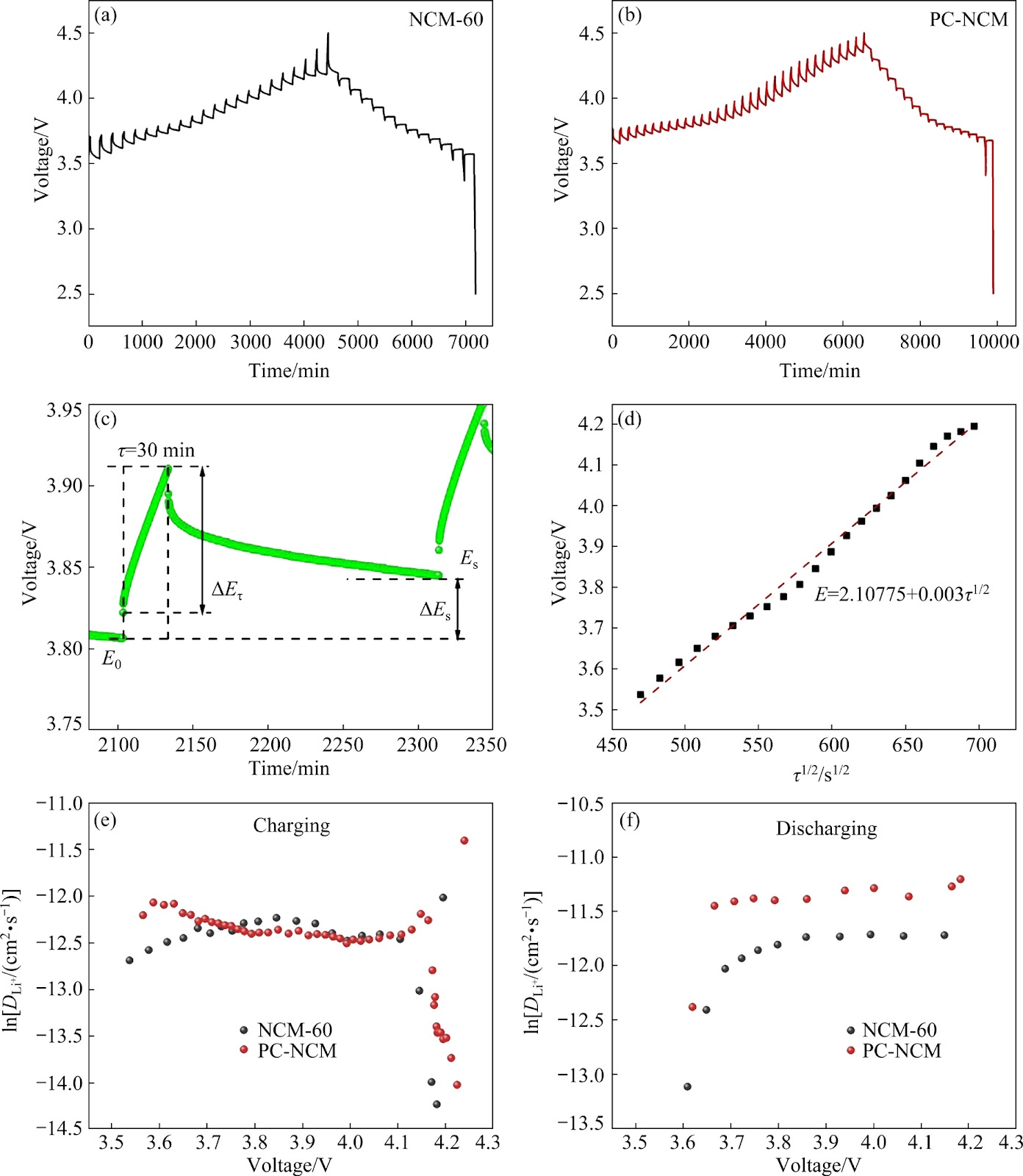
Polycrystalline LiNi0.8Co0.1Mn0.1O2 (NCM811) cathodes undergo intergranular cracking and structural collapse during extended cycling, limiting their commercial viability. This study reports single-crystalline NCM811 synthesized via a rapid ethanol–water solvothermal method. The solvothermal duration was varied, and the 60 min sample (NCM-60) exhibited optimal electrochemical performance. X-ray diffractometry confirmed an α-NaFeO2 structure with R-3m space group and high crystallinity. NCM-60 delivered a reversible capacity of 157.28 mA·h/g at 1C and a capacity retention of 55.06% after 200 cycles, significantly outperforming polycrystalline NCM (PC-NCM). Cross-sectional scanning electron microscopy revealed no apparent cracks in NCM-60 after 200 cycles, whereas PC-NCM exhibited severe intergranular fracture. The results demonstrate that shortening solvothermal time reduces precursor particle size and crystallinity, but 60 min yields the best balance. Pre-oxidation of the carbonate precursor before lithiation is recommended to mitigate CO2 evolution and lithium–nickel disorder during high-temperature sintering. This rapid solvothermal route offers a scalable pathway to single-crystal NCM811 with enhanced cycling stability and mechanical integrity.

Single Crystal NCM811 Cathode Material Prepared by Rapid Solvothermal Method
Graphical Abstract
Original ResearchVol. 32, Issue 1 • pp. 100-112DOI: 10.1016/S1003-6326(26)67068-9Jan 15, 2026

Efficient separation of heavy metals from gypsum residue and secondary zinc oxide fume based on synergistic sulfidation

Authors: Yong-wei WANG, Rui HUANG, Wen-qing QIN, Jun-wei HAN

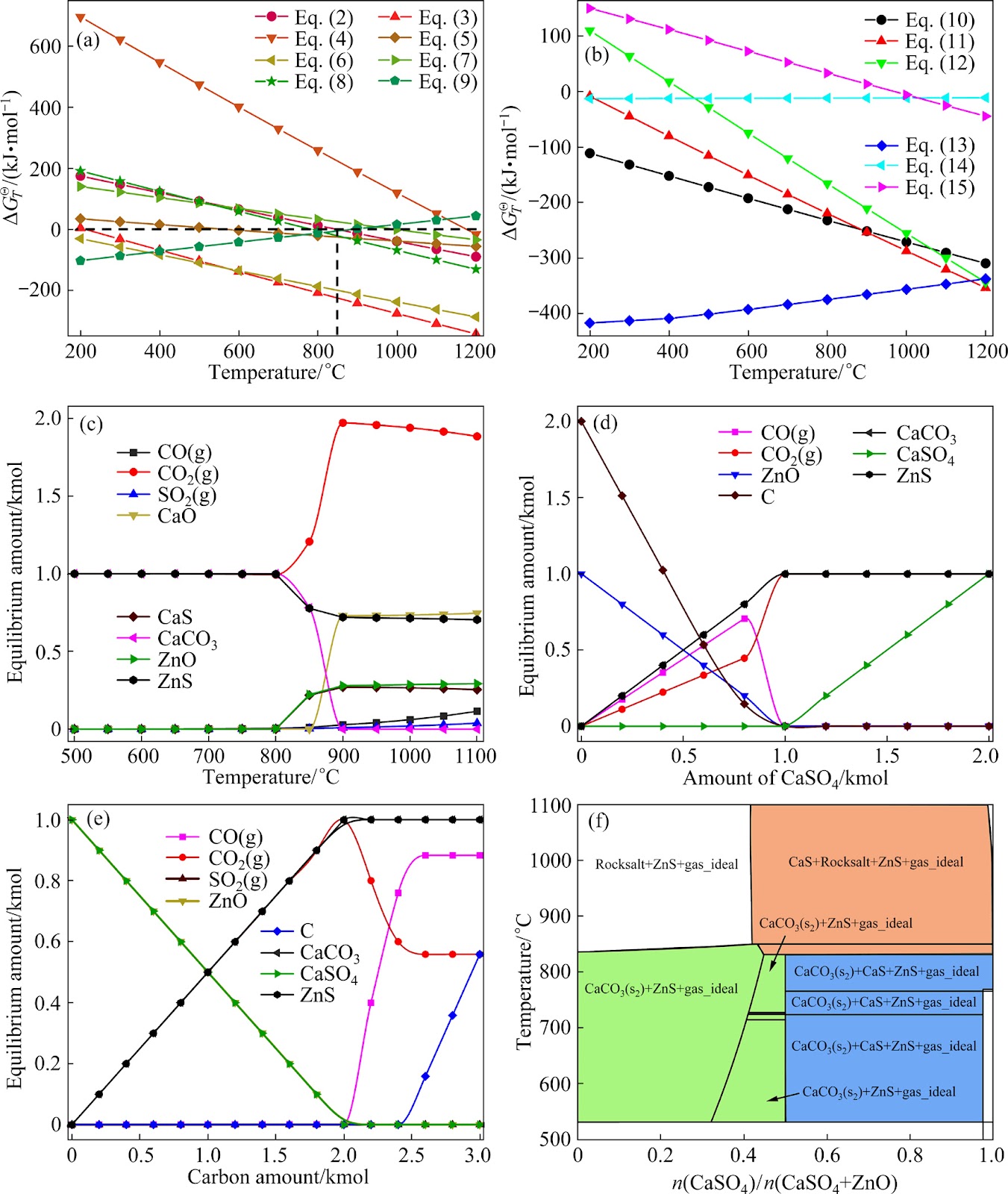
Synergistic sulfidation roasting of heavy metal gypsum residue and secondary zinc oxide fume was proposed by using the research idea of 'waste to treat waste'. Thermodynamic studies indicated that the sulfidation of zinc oxide could be effectively enhanced by increasing the dosage of calcium sulfate and carbon powder in the range of 500−800 °C. The synergistic sulfidation experiments of heavy metal gypsum residue with secondary zinc oxide showed that the sulfidation rate of zinc reached 90.39% and the grain size of ZnS increased from 5 to 10 μm under the conditions of temperature 700 °C, carbon powder 30%, Na2CO3 10%, mass ratio of gypsum residue to secondary zinc oxide 1.4:1, roasting time 2 h and cooling rate 1 °C/min. Meanwhile, 76.32% F, 72.11% Cl and 93.41% As were removed. TG/DTG−DSC, 3D FTIR spectra and SEM analysis showed that the conversion of CaSO4 to CaCO3 and the avoidance of CO2 and SO2 production were achieved under optimized conditions. This study achieves efficient sulfidation of zinc as well as growth of ZnS grains, laying the theoretical and technological foundation for subsequent recovery of ZnS by flotation.

Efficient separation of heavy metals from gypsum residue and secondary zinc oxide fume based on synergistic sulfidation
Graphical Abstract
Original ResearchVol. 32, Issue 1 • pp. 100-112DOI: 10.1016/S1003-6326(26)67067-7Jan 15, 2026

Low-Ammonium Synergistic Leaching of Ionic Rare Earth Ore with Acetic Acid–Ammonium Sulfate System

Authors: Shan HU, Lian-jun WU, Jun WANG, Yang LIU, Bing-xuan HE, Guan-zhou QIU

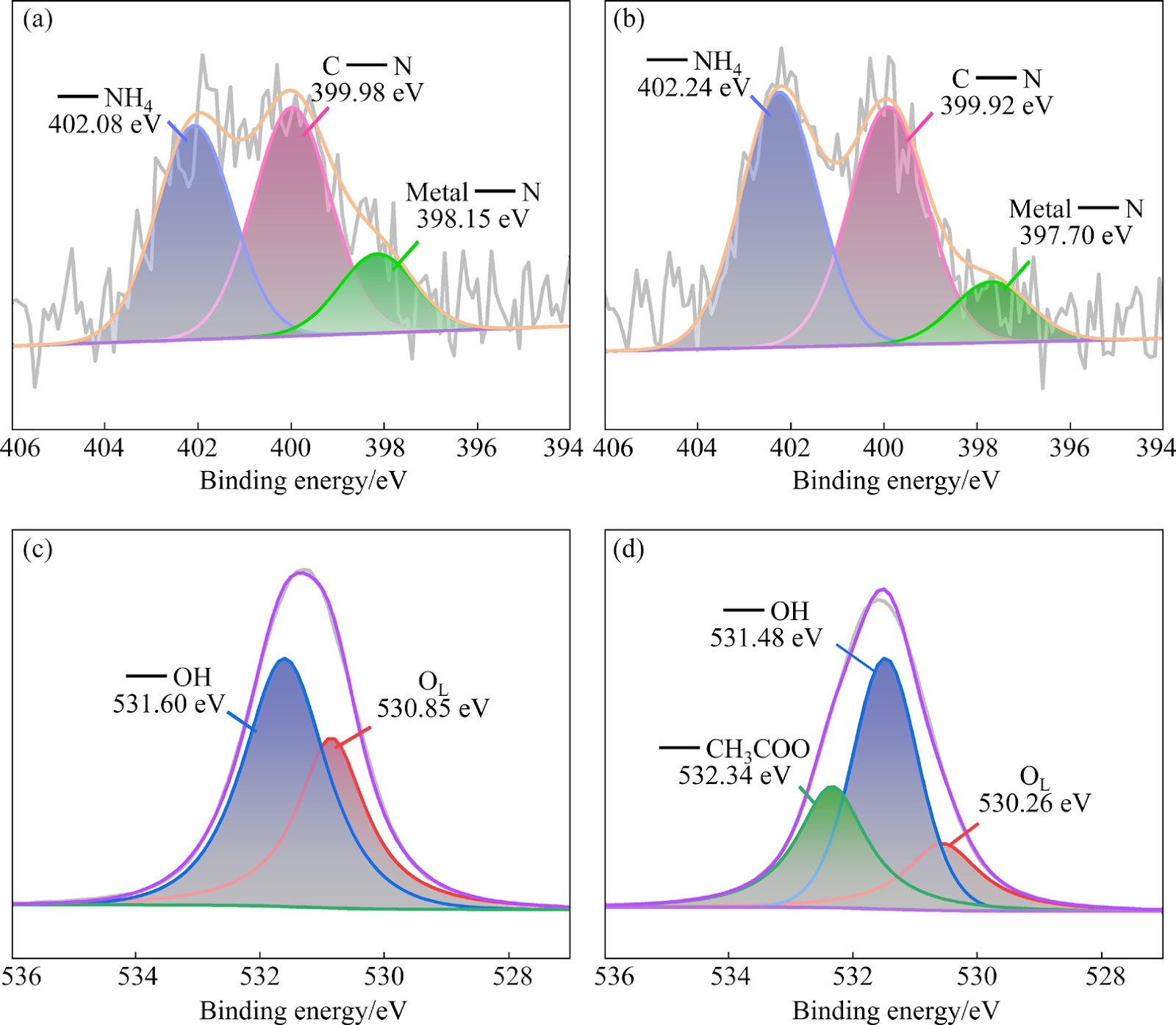
Conventional ammonium sulfate leaching of ionic rare earth ores generates 4–6 t of ammonia-nitrogen wastewater per ton of rare earth and drives mining-area soil pH to 3.5–4.0, creating an acute environmental compliance risk. This study evaluates a low-ammonium synergistic lixiviant comprising 0.020 mol/L (NH4)2SO4 and 0.010 mol/L acetic acid (HAc) at pH 4–5, 30 °C, and 1 h contact time. Comparative leaching experiments establish a rare earth element (REE) leaching efficiency of 88.92%, a 13.36% absolute increase over single 0.020 mol/L (NH4)2SO4 leaching. To achieve the same ~90% efficiency benchmark, the conventional single-salt system requires 0.030 mol/L (NH4)2SO4; the synergistic system therefore reduces ammonium consumption by 33.3%. Surface characterization indicates a dual mechanism: H+ attenuates electrostatic interactions between RE3+ and silicate surfaces, enhancing NH4+–RE3+ exchange, while CH3COO− forms soluble RE3+/Al3+ complexes that prevent Al(OH)3 passivation and sustain surface reactivity. The protocol offers a directly deployable route to cut reagent cost and ammonia-nitrogen load without sacrificing recovery, addressing the principal bottleneck restraining sustainable ionic rare earth ore exploitation under China's dual-carbon and rare earth total-amount control policies.

Low-Ammonium Synergistic Leaching of Ionic Rare Earth Ore with Acetic Acid–Ammonium Sulfate System
Graphical Abstract
Original ResearchVol. 32, Issue 1 • pp. 100-112DOI: 10.1016/S1003-6326(26)67059-8Jan 15, 2026

Achieving strength-ductility tradeoff in near alpha titanium alloy via multi-stage heat treatment-induced nano-martensite phase transformation

Authors: Yong-sheng WANG, Han XIAO, Jie LI, Hao-wei LIANG, Kun LIU, Yao-ping XU

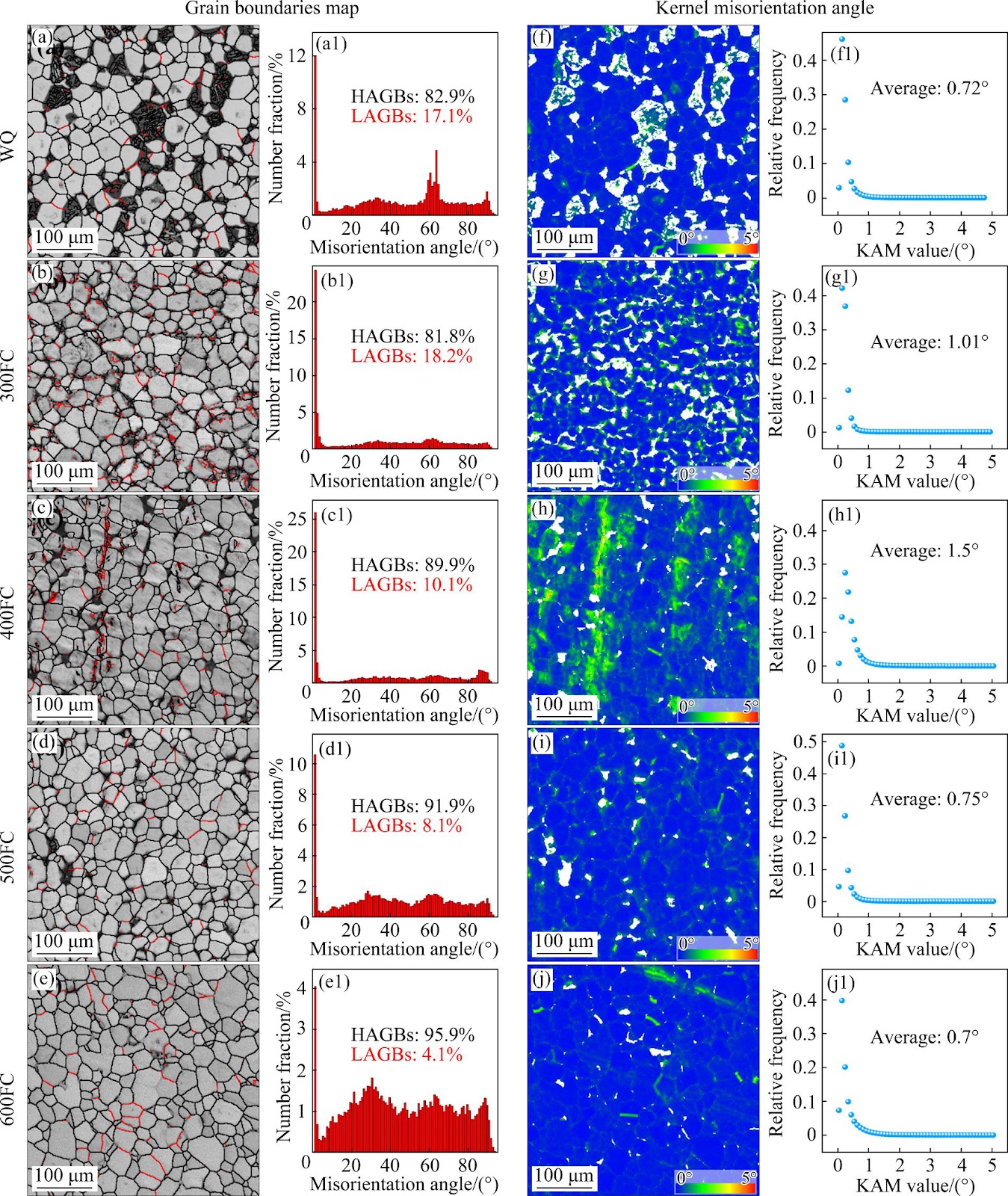
A multi-stage heat treatment (MSHT) strategy, comprising a high-temperature short-duration water quench (WQ) followed by low-temperature long-duration furnace cooling (FC), was applied to a near-alpha Ti-0.3Mo-0.8Ni-2Al-1.5Zr alloy to overcome the strength-ductility tradeoff. The WQ state produced lath nano-martensite alpha-prime, residual beta-prime, and equiaxed recrystallized alpha. Subsequent FC decomposition transformed alpha-prime/beta-prime into homogeneously dispersed nano-scale alpha+beta precipitates, while equiaxed alpha coarsened via grain boundary migration. The WQ condition exhibited an ultimate tensile strength (sigma_UTS) of 610 MPa and elongation to failure (epsilon_f) of 18.2%. The WQ+400FC condition achieved a peak sigma_UTS of 791.5 MPa with epsilon_f = 16.7%, yielding a strength-ductility product (sigma_UTS * epsilon_f) of 13.2 GPa*%, a 19% improvement over the WQ state. Texture analysis revealed a duplex texture in WQ: weak {0001}//Z0 and strong {0110}//Y0, inherited after FC. The 400FC sample showed the highest lattice strain inhomogeneity, with peak kernel average misorientation (KAM) of 1.5 degrees and grain orientation spread (GOS) of 0.96 degrees, correlating with the excellent sigma_UTS. Non-basal slip systems exhibited higher Schmid factor (SF) values after heat treatment, contributing to ductility. Burgers orientation relationship (BOR) reconstruction confirmed variant selection during beta to alpha-prime transformation, with only four predominant alpha-prime variants instead of the twelve theoretically possible.

Achieving strength-ductility tradeoff in near alpha titanium alloy via multi-stage heat treatment-induced nano-martensite phase transformation
Graphical Abstract
Original ResearchVol. 32, Issue 1 • pp. 100-112DOI: 10.1016/S1003-6326(26)67062-8Jan 15, 2026

Adjusting mechanisms for ultrafine-grained microstructures during hot deformation of Ni−38Cr−3.8Al alloy via pre-ageing precipitation

Authors: ZHANG Yu-qing, QUAN Guo-zheng, YU Yan-ze, LIU Ying-ying, XIONG Wei, DAI Wei-wei, JIANG Qian

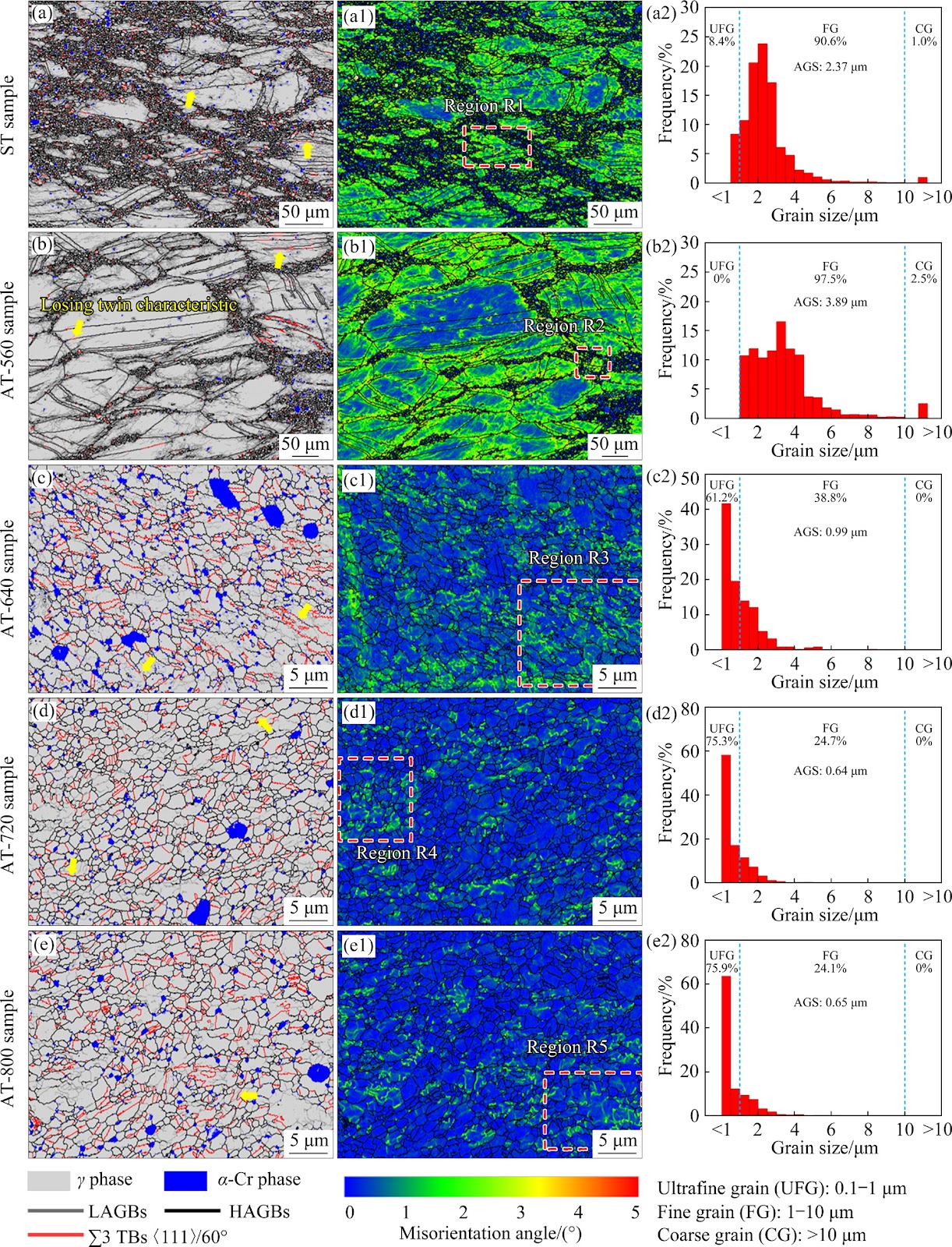
The influence of pre-ageing temperature on dynamic recrystallization (DRX) and microstructure evolution during hot compression of Ni−38Cr−3.8Al alloy was investigated. Five samples with varying pre-precipitation states were fabricated. Pre-ageing treatment precipitates α-Cr phases in lamellar and particle forms. During subsequent hot deformation, pre-precipitated α-Cr lamellae undergo dissolution fragmentation and spheroidization, transforming into finer particles due to elevated temperature and high-density dislocations. At 560 °C, an incomplete discontinuous precipitation (DP) state restrains DRX, producing necklace-like microstructures. Above 640 °C, a complete DP state with fully lamellar structures promotes DRX, yielding ultrafine-grained (UFG) microstructures. Coarse α-Cr particles enhance DRX through particle-stimulated nucleation (PSN) and discontinuous DRX mechanisms, while dissolved α-Cr lamellae promote DRX via continuous DRX. DRX kinetics analysis indicates that increasing pre-ageing temperature accelerates DRX, evidenced by reduced critical strain and peak strain, and increased DRX volume fraction. To achieve UFG microstructures during hot deformation, fully lamellar structures should be precipitated during pre-ageing. These findings provide a processing pathway for tailoring microstructures in high-Cr nickel-based alloys.

Adjusting mechanisms for ultrafine-grained microstructures during hot deformation of Ni−38Cr−3.8Al alloy via pre-ageing precipitation
Graphical Abstract
Original ResearchVol. 32, Issue 1 • pp. 100-112DOI: 10.1016/S1003-6326(26)67056-2Jan 15, 2026

Constructing porosity database for Al−Si alloy castings through 3D cellular automata model and machine learning

Authors: Qing-huai HOU, Xue-long WU, De-cai KONG, Hai-bo QIAO, Xiao-ying MA, Xiang CI, Wen-bo WANG, Yu-ling LANG, Shi-wen XU, Zhong-yao LI, Yi-sheng MIAO, Xing-xing LI, Jun-sheng WANG

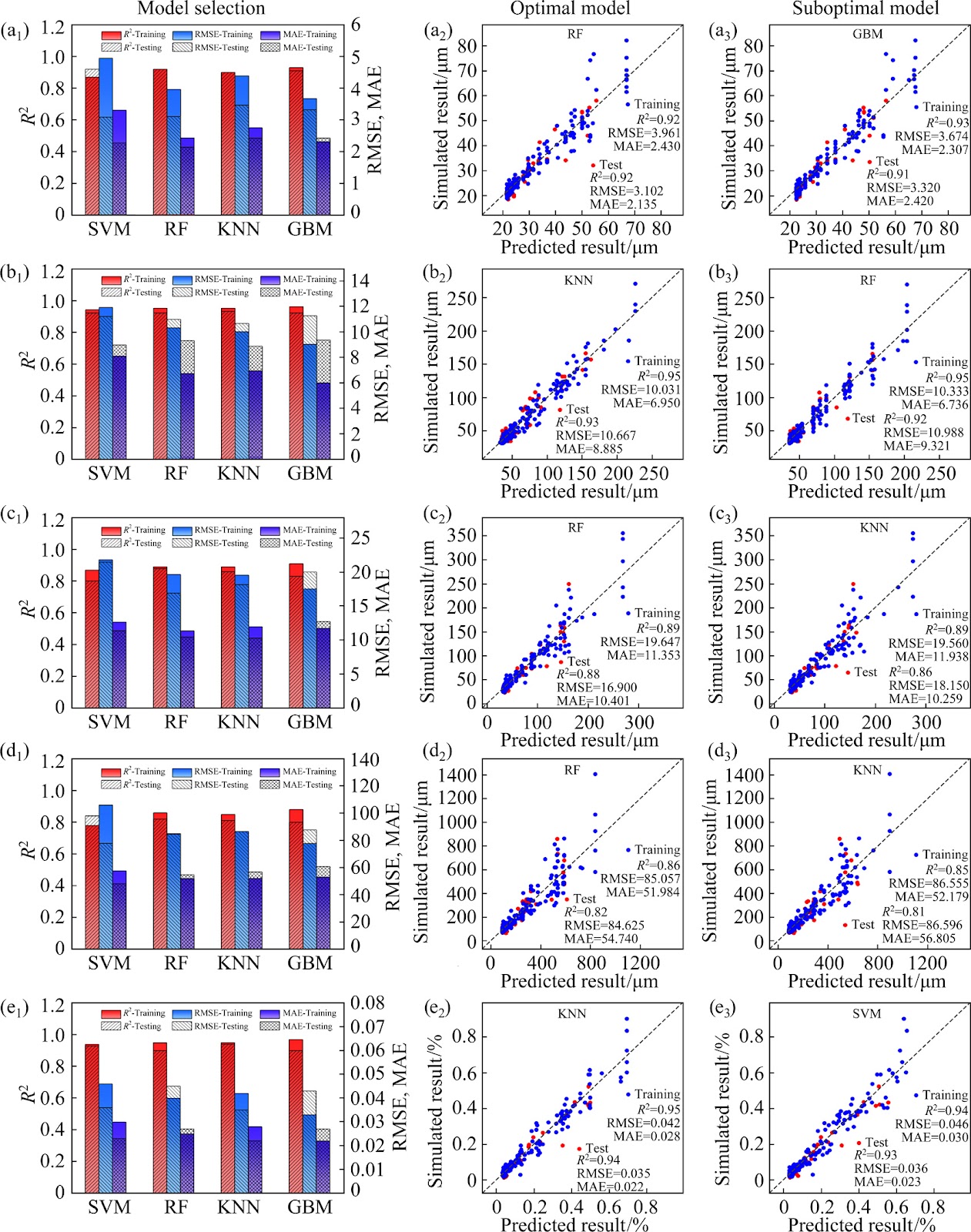
A coupled three-dimensional cellular automata (CA) model was employed to predict hydrogen porosity in Al−Si alloy castings as a function of thermal boundary conditions. Simulations quantified porosity distribution across cooling rates from 0.25 to 50 °C/s at an initial hydrogen content of 3.0×10⁻³ mL/g, generating a comprehensive porosity defect database. Four machine learning algorithms—support vector machine (SVM), random forest (RF), K-nearest neighbors (KNN), and gradient boosting machine (GBM)—were trained and compared for each porosity characteristic to identify the optimal model. For porosity percentage prediction, the KNN model achieved a determination coefficient (R2) of 0.94, root mean square error (RMSE) of 0.035, and mean absolute error (MAE) of 0.022 on the test set. Experimental validation via optical microscopy confirmed that average equivalent porosity diameter and porosity percentage predictions fell within 20% error. The model demonstrates superior performance compared to single nonlinear function fits and other simulation approaches, offering a pathway to reduce simulation time while enhancing prediction accuracy for porosity size distribution in large casting components. The database and coupled CA-ML framework provide a robust tool for mapping porosity defects in industrial Al−Si castings, addressing a critical need for reliable quality control in automotive and aerospace applications.

Constructing porosity database for Al−Si alloy castings through 3D cellular automata model and machine learning
Graphical Abstract
Original ResearchVol. 32, Issue 1 • pp. 100-112DOI: 10.1016/S1003-6326(26)67061-6Jan 15, 2026

Microstructure evolution and mechanical properties of bulk nanocrystalline Zn−Cu−Sr−Li alloy processed by high-speed rolling

Authors: Ze-xu YANG, Si-cong ZHAO, Lei WANG, Yi-cheng FENG, Er-jun GUO

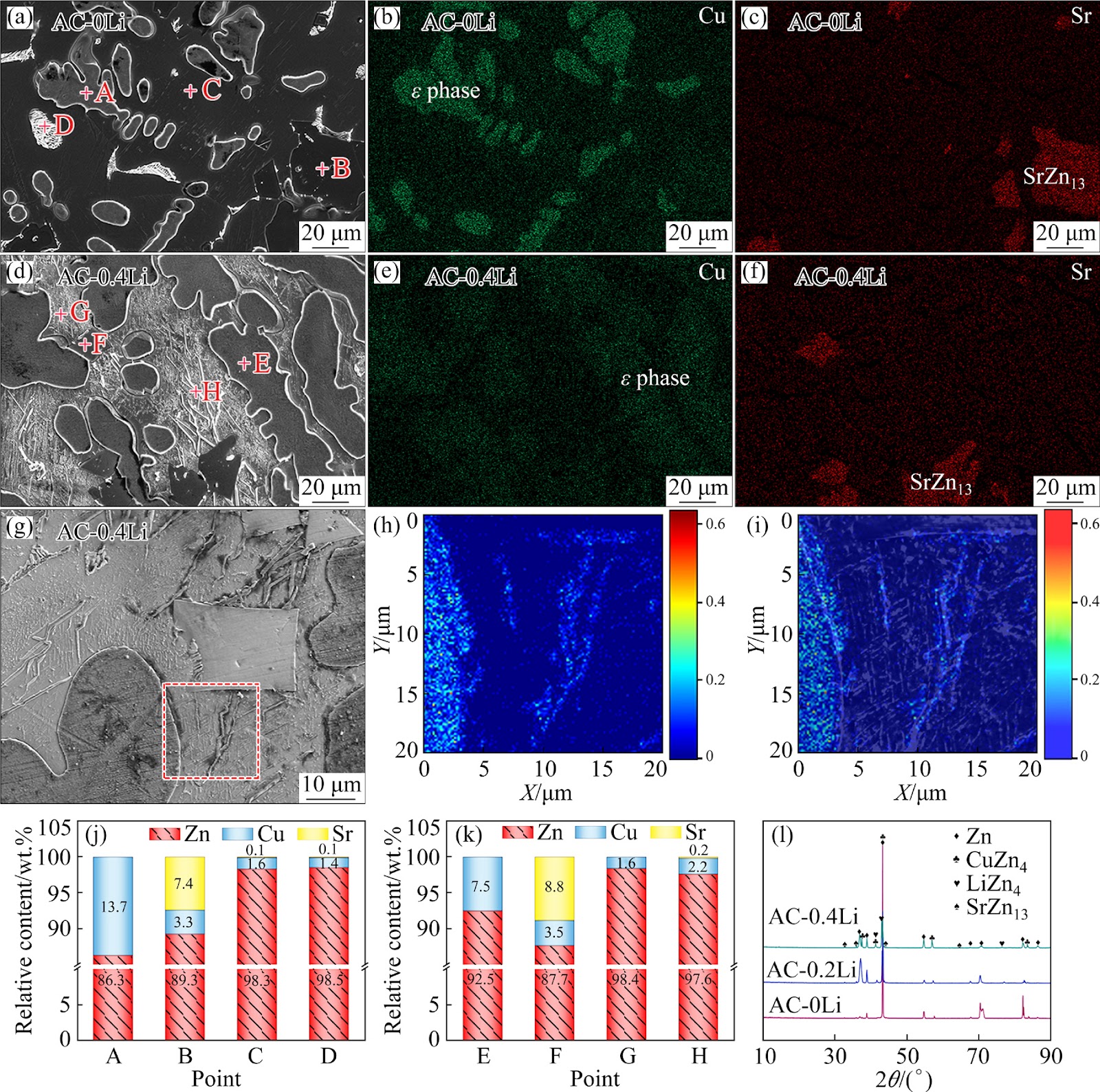
Bulk nanocrystalline Zn−3Cu−0.2Sr−xLi (x = 0, 0.2, 0.4 wt.%) alloys were fabricated via high-speed rolling (HSR) to address the insufficient mechanical performance of as-cast Zn alloys for biodegradable bone fixation. The HSR process introduced dense dislocations that supplied driving force for recrystallization. Li addition promoted the formation of ε and β phases, which provided abundant heterogeneous nucleation sites and a strong Zener pinning effect, facilitating recrystallized grain nucleation while restricting growth. The average grain size of the 0.4Li alloy was refined from 181.8 μm in the as-cast state to 50 nm after rolling. The rolled 0.4Li alloy achieved an ultimate tensile strength of 433.3 MPa, a yield strength of 382.2 MPa, and an elongation of 15.2%. Relative to the as-cast Li-free alloy, the rolled 0.4Li alloy exhibited a 173% increase in yield strength and a 591% improvement in elongation. Nanocrystalline strengthening was the dominant mechanism, contributing 70.4% to the total yield strength. The fracture mode of the 0.4Li alloy transitioned from brittle fracture in the as-cast condition to ductile fracture after rolling. The combination of alloying design and HSR offers a viable route to bulk nanocrystalline Zn alloys with superior mechanical performance for temporary bone fixation applications.

Microstructure evolution and mechanical properties of bulk nanocrystalline Zn−Cu−Sr−Li alloy processed by high-speed rolling
Graphical Abstract
Original ResearchVol. 32, Issue 1 • pp. 100-112DOI: 10.1016/S1003-6326(26)67057-4Jan 15, 2026

Effect of Ca content on mechanical properties and ignition resistance of Mg−Zn−Zr−Ca alloys

Authors: Shi-cheng LI, Ke WANG, Xiao-dong GUO, Hong-yun LI, Jin-xing WANG, Jing-feng WANG, Fu-sheng PAN

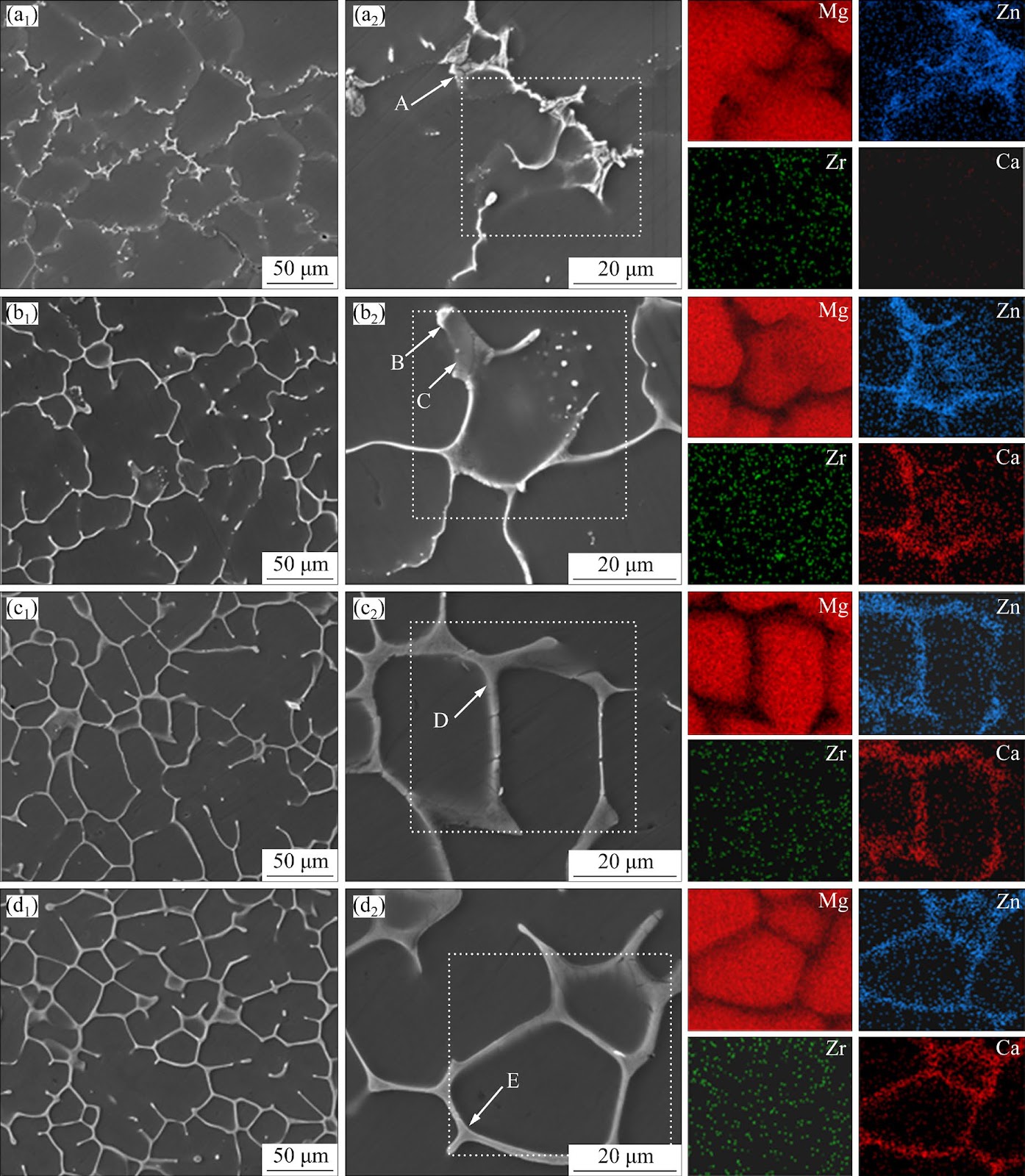
The ignition vulnerability of magnesium alloys restricts their deployment in high-temperature aerospace and railway applications. This study investigates the influence of calcium content (0, 0.6, 1.2, 1.8 wt.%) on the microstructure, mechanical properties, and ignition resistance of gravity-cast and hot-extruded Mg−6Zn−0.6Zr alloys. Calcium addition promotes the formation of Ca2Mg6Zn3 phases while suppressing MgZn2 precipitation in the as-cast condition. Homogenization dissolves most MgZn2 phases but retains numerous Ca2Mg6Zn3 particles. Subsequent extrusion fragments the Ca2Mg6Zn3 phases and precipitates nanoscale MgZn2 within the matrix. The synergy of fine grains and high-density precipitates substantially enhances strength. The Mg−6Zn−0.6Zr−1.2Ca alloy achieves optimal mechanical performance, with ultimate tensile strength of 380.1 MPa, yield strength of 360.1 MPa, and elongation of 10.4%. The ignition point increases from 556 °C for the Ca-free alloy to 824 °C for the 1.8 wt.% Ca alloy, attributed to the formation of a dense CaO−MgO oxide layer. These findings demonstrate that calcium alloying offers a cost-effective, rare-earth-free pathway to simultaneously improve mechanical integrity and ignition resistance in magnesium alloys.

Effect of Ca content on mechanical properties and ignition resistance of Mg−Zn−Zr−Ca alloys
Graphical Abstract
Original ResearchVol. 32, Issue 1 • pp. 100-112DOI: 10.1016/S1003-6326(26)67055-0Jan 15, 2026

Progress in stress-relieving methodologies of ceramic matrix composites/Ni-based superalloys joints: A review

Authors: Ying-xin WANG, Fu WANG, Qiang YANG, Di-chen LI, Zai-wang HUANG, Yun-song ZHAO, Jian-tao WU

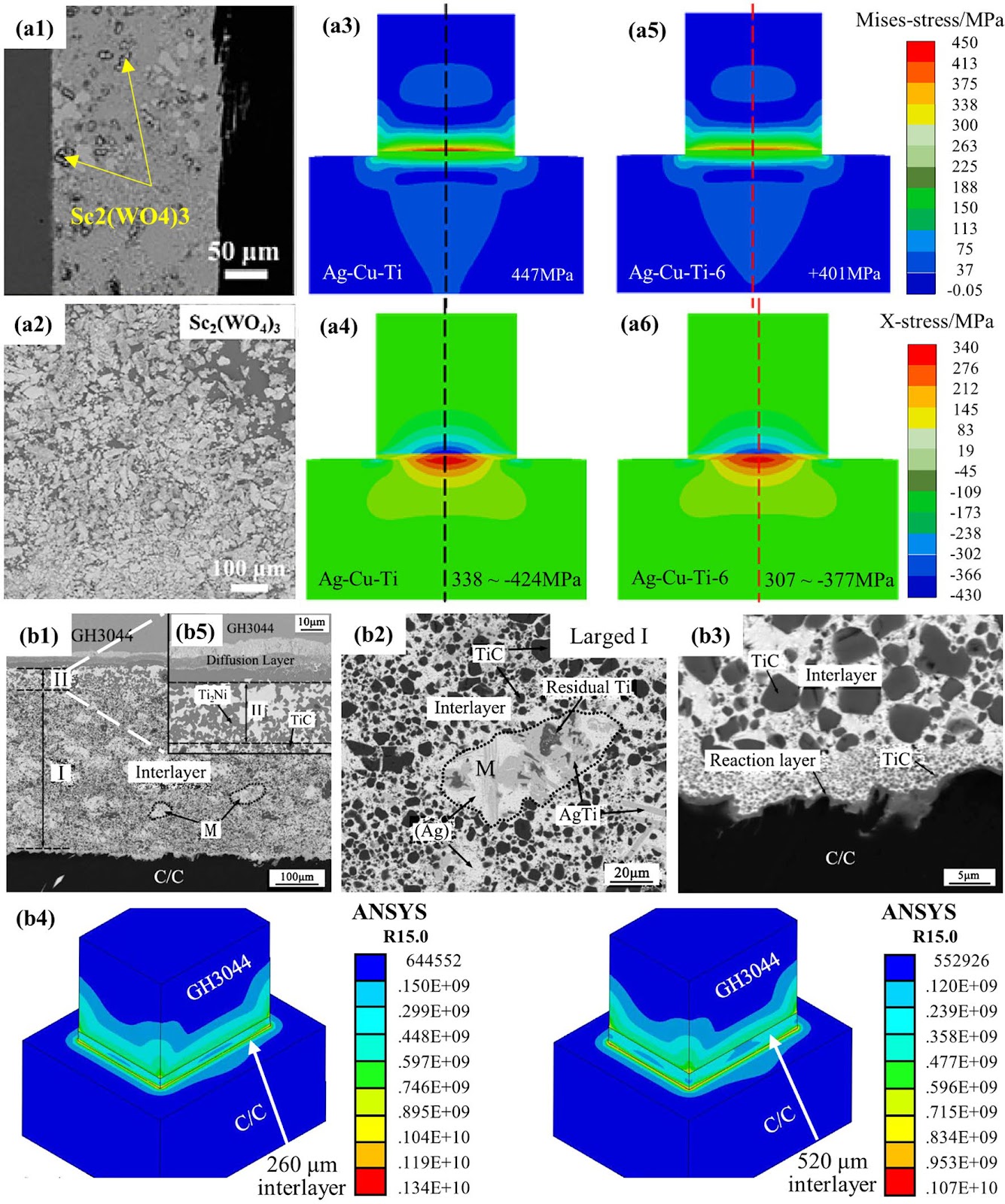
Ceramic matrix composites (CMCs) offer exceptional high-temperature performance and lightweight characteristics, yet their limited manufacturability restricts fabrication of complex, large-scale structural components. Ni-based superalloys exhibit outstanding elevated-temperature properties, and hybrid CMC/superalloy components can significantly expand engineering applications. Interfacial residual stresses arising from thermal expansion coefficient (CTE) mismatch, thermal gradient differences, and phase transformations severely impair joint performance. This review systematically examines residual stress formation mechanisms in CMCs/Ni-based superalloys joints and summarizes mitigation methodologies including interlayer techniques, composite filler approaches, and interface structure design strategies. Key experimental findings from recent studies demonstrate that composite fillers incorporating nanoparticles (e.g., Ag-CuO-Al2O3, Si3N4, Sc2W3O12, graphene nanosheets, carbon nanotubes, WC) effectively regulate interfacial reactions and relieve residual stresses. For instance, Ag-Cu-Ti+Sc2(WO4)3 composite filler reduced residual stress in Cf/SiC-GH3536 joints, while graphene nanoplatelets reinforced AgCuTi fillers improved SiC/GH99 joint integrity. Mo and B inserts in SiCf/SiC-Ni-based superalloy joints provided microstructural control and reinforcement. These methodologies address the critical bottleneck of CTE mismatch-induced stress concentration, offering pathways to reliable CMC/superalloy hybrid structures for aerospace, energy, and propulsion applications. Challenges remain in scaling these techniques for industrial production and ensuring long-term stability under service conditions.

Progress in stress-relieving methodologies of ceramic matrix composites/Ni-based superalloys joints: A review
Graphical Abstract
Original ResearchVol. 32, Issue 1 • pp. 100-112DOI: 10.1016/S1003-6326(26)67058-6Jan 15, 2026

Mechanisms for Synergistically Enhanced Mechanical Properties and Corrosion Resistance in Mg−Al−Sn Alloys

Authors: WANG Da-wei, ZHOU Rui, YANG Ya-jie, DONG Xiao-rui, JIA Hai-long, MA Pin-kui, XU Jin, SHAN Quan, LI Zu-lai, FU Jin-zhu, ZHA Min

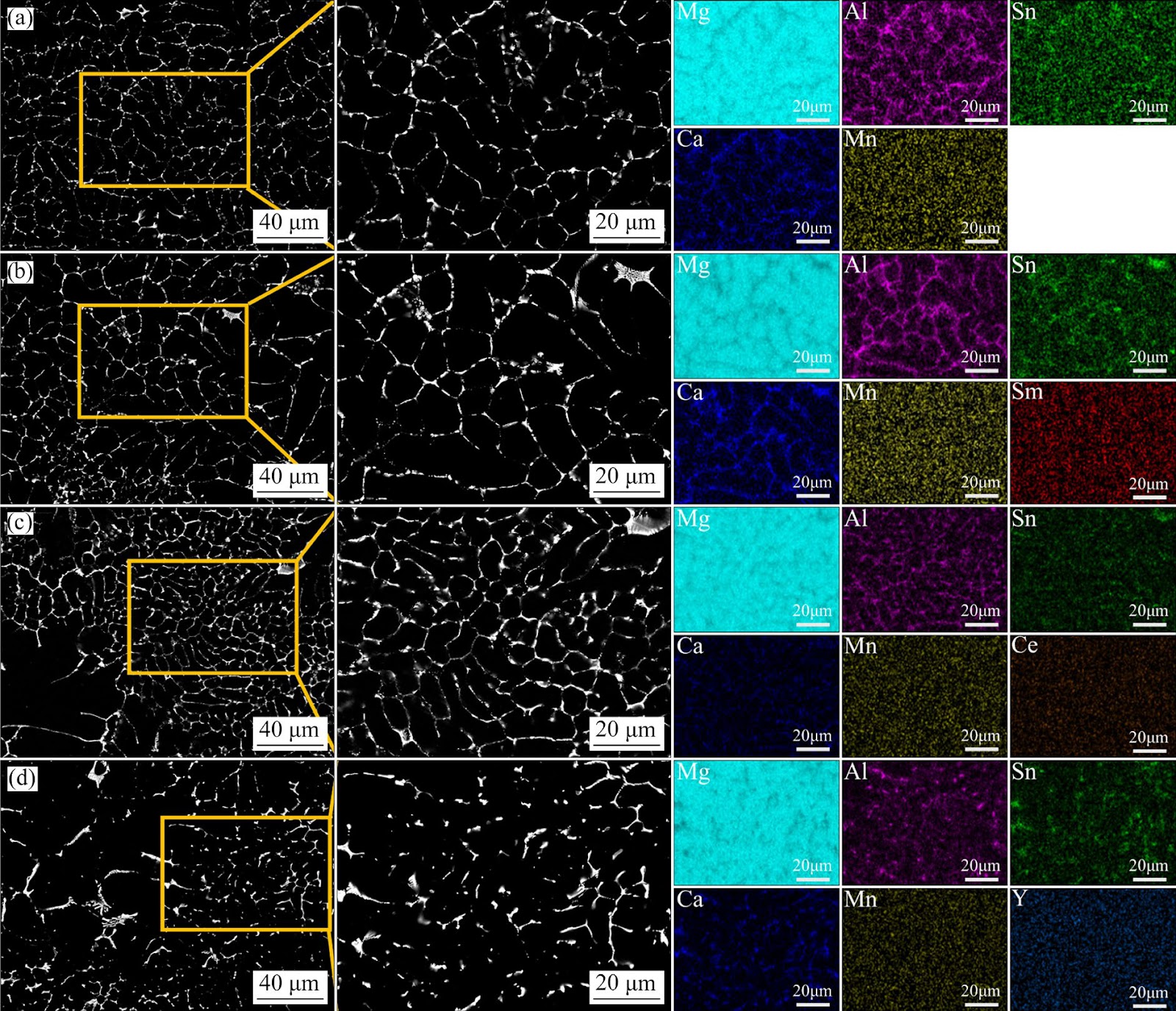
Twin-roll casting (TRC) Mg−3Al−1Sn−0.5Ca−0.2Mn (ATXM) alloys exhibit limited deformation resistance and inadequate corrosion performance, constraining their commercial deployment. This study integrates rare earth (RE) microalloying (Sm, Ce, or Y at 0.1 wt.%) with rolling to address the strength–plasticity–corrosion trilemma. Rolling reduces grain size from ~50 μm to below 5 μm and transforms Al8Mn5 secondary phases into Al8Mn4RE, modifying phase composition, dimension, and spatial arrangement. The rolled ATXM-0.1Y alloy achieves a yield strength of 238 MPa, tensile strength of 305 MPa, and elongation of 23%, coupled with a corrosion rate of approximately 1.7 mm/a—an ~80% reduction relative to TRC ATXM. Sm and Ce additions yield strengths of 238 and 232 MPa, elongations of 18% and 17%, and corrosion rates of 3.4 and 2.9 mm/a, respectively. Strengthening mechanisms are attributed to fine-grain and Orowan strengthening, while corrosion mitigation arises from reduced individual galvanic corrosion and enhanced protective corrosion product film quality. The work establishes a screening protocol for RE elements and processing parameters to synergistically improve mechanical and corrosion properties, facilitating commercial adoption of Mg alloys.

Mechanisms for Synergistically Enhanced Mechanical Properties and Corrosion Resistance in Mg−Al−Sn Alloys
Graphical Abstract
Original ResearchVol. 32, Issue 1 • pp. 100-112DOI: 10.1016/S1003-6326(26)67064-1Jan 15, 2026

High-Performance Finemet Alloy Thin Film with Amorphous/Nanocrystalline Structure Treated by Rapid-Thermal Process

Authors: Jun-jie LIU, Zhao-guo QIU, Yi-ming ZENG, Zhi-gang ZHENG, Gang WANG, Zhi-peng HOU, Hao-liang LIU, De-chang ZENG, Ping LIU

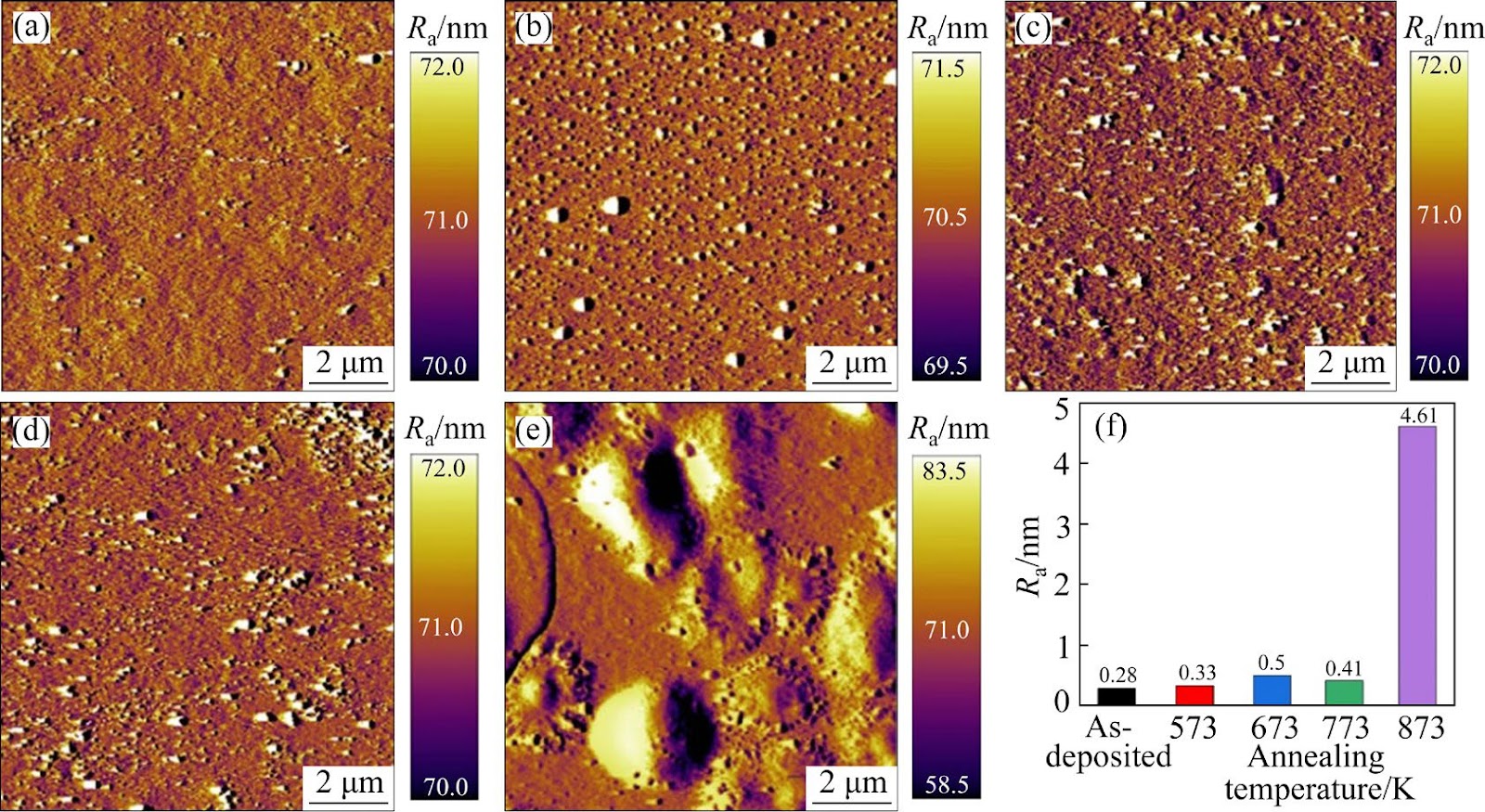
The influence of thickness and annealing treatment on the microstructure and soft magnetic properties of Fe−Si−B−Cu−Nb alloy (Finemet) thin films prepared by magnetron sputtering was systematically investigated. As-deposited films are amorphous; coercivity decreases and saturation magnetization increases with thickness, stabilizing at 400 nm. Annealing at 773 K and 873 K precipitates nanocrystalline α-Fe within the amorphous matrix. Exchange coupling between nanocrystals and the amorphous matrix enhances soft magnetic properties. Rapid thermal processing (RTP) controls the heating rate to minimize grain size and optimize nanocrystal distribution, achieving low coercivity and high saturation magnetization without additional transition metals. The film annealed at 873 K for 30 min with a heating rate of 25 K/s exhibits a coercivity of 0.8 A/m and saturation magnetization of 1.45 T. Compared to the 773 K annealed film, the 873 K annealed film shows significantly lower coercivity due to smaller precipitated nanocrystals. RTP with controlled thermal gradient enables even smaller nanocrystals, further enhancing magnetic properties. These results demonstrate that RTP-treated Finemet films are promising for high-frequency, miniaturized, and integrated electronic devices.

High-Performance Finemet Alloy Thin Film with Amorphous/Nanocrystalline Structure Treated by Rapid-Thermal Process
Graphical Abstract
Original ResearchVol. 32, Issue 1 • pp. 100-112DOI: 10.1016/S1003-6326(26)67060-4Jan 15, 2026

Effect of Al on Microstructure and Properties of Cu−Be−Ni Alloy Processed by Thermo-Mechanical Treatment

Authors: Yan-bin JIANG, Fei WANG, Wei CHEN, Xin-hua LIU, Zhi-hao ZHANG, Xiao-yu JIANG

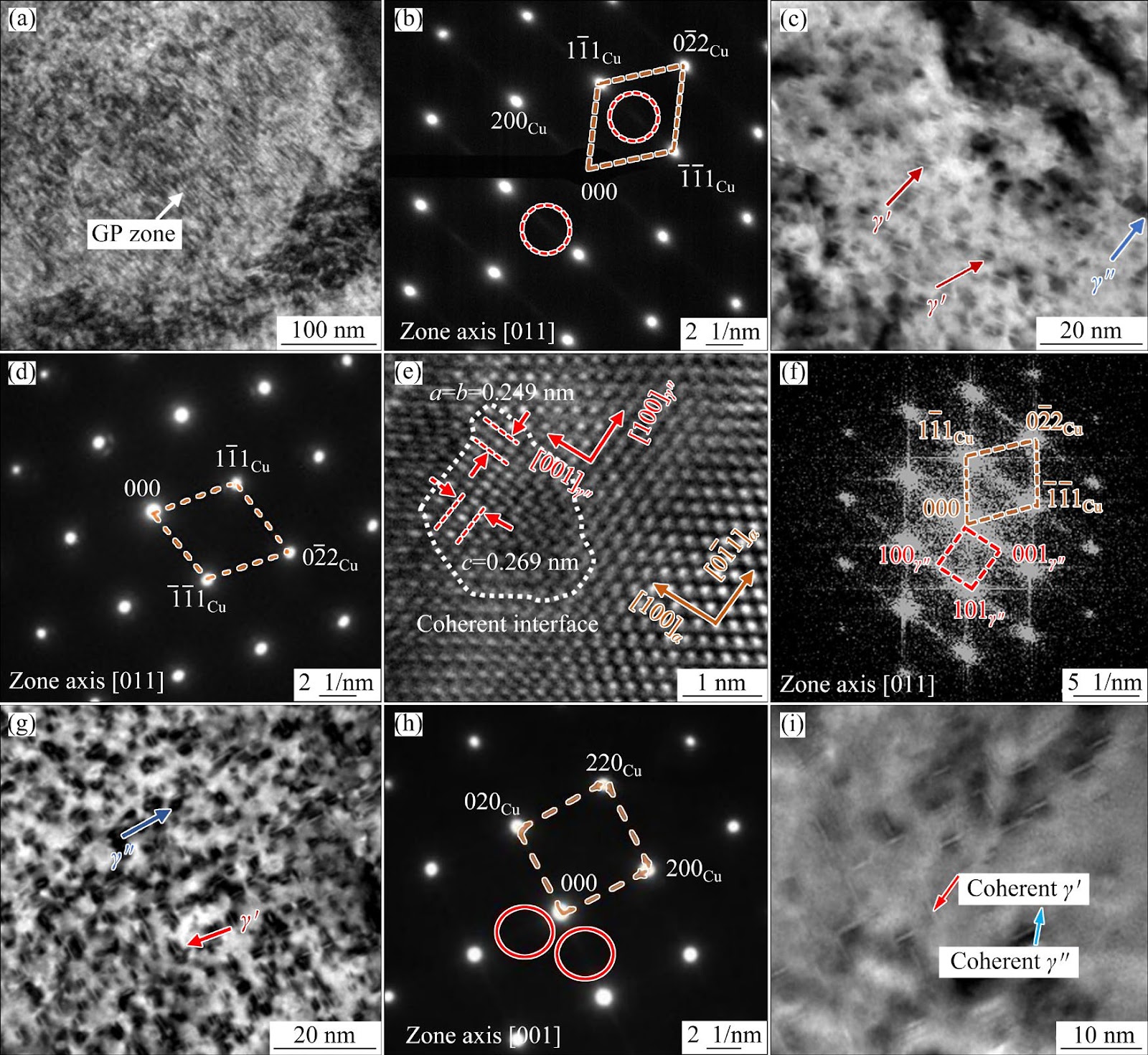
The microstructural evolution and property response of Cu−0.3Be−2.0Ni and Cu−0.3Be−2.0Ni−0.2Al alloys subjected to solution treatment at 950 °C for 30 min, 70% cold rolling, and aging at 450 °C for 60 min were systematically investigated. The baseline Cu−0.3Be−2.0Ni alloy precipitates predominantly the Ni−Be phase with a transformation sequence of γ″→γ′→γ, whereas the Al-modified alloy exhibits co-precipitation of Ni3Al and nanoscale Be−Ni phases. This synergistic precipitation yields a hardness of HV 268, yield strength of 824 MPa, tensile strength of 881 MPa, elongation of 9%, and electrical conductivity of 47% IACS in the Cu−0.3Be−2.0Ni−0.2Al alloy, compared to HV 238, 785 MPa, 840 MPa, 10%, and 50% IACS for the Al-free counterpart. Relative to conventional aging, thermo-mechanical treatment increases hardness by 13% and conductivity by 6.8% in the Al-containing alloy, while the Al-free alloy shows a 6% hardness increase with marginal conductivity improvement. The co-precipitation mechanism effectively compensates for the strength loss typically associated with reduced Be content, demonstrating a viable pathway for low-cost, high-performance Cu−Be alloys.

Effect of Al on Microstructure and Properties of Cu−Be−Ni Alloy Processed by Thermo-Mechanical Treatment
Graphical Abstract
Original ResearchVol. 32, Issue 1 • pp. 100-112DOI: 10.1016/S1003-6326(26)67063-XJan 15, 2026

Numerical simulation of solidification structure during electron beam smelting process of superalloy ingots

Authors: Li-dan NING, Yi TAN, Peng-ting LI, Ru-sheng BAI, Shu-tao WEN, Geng-yi DONG

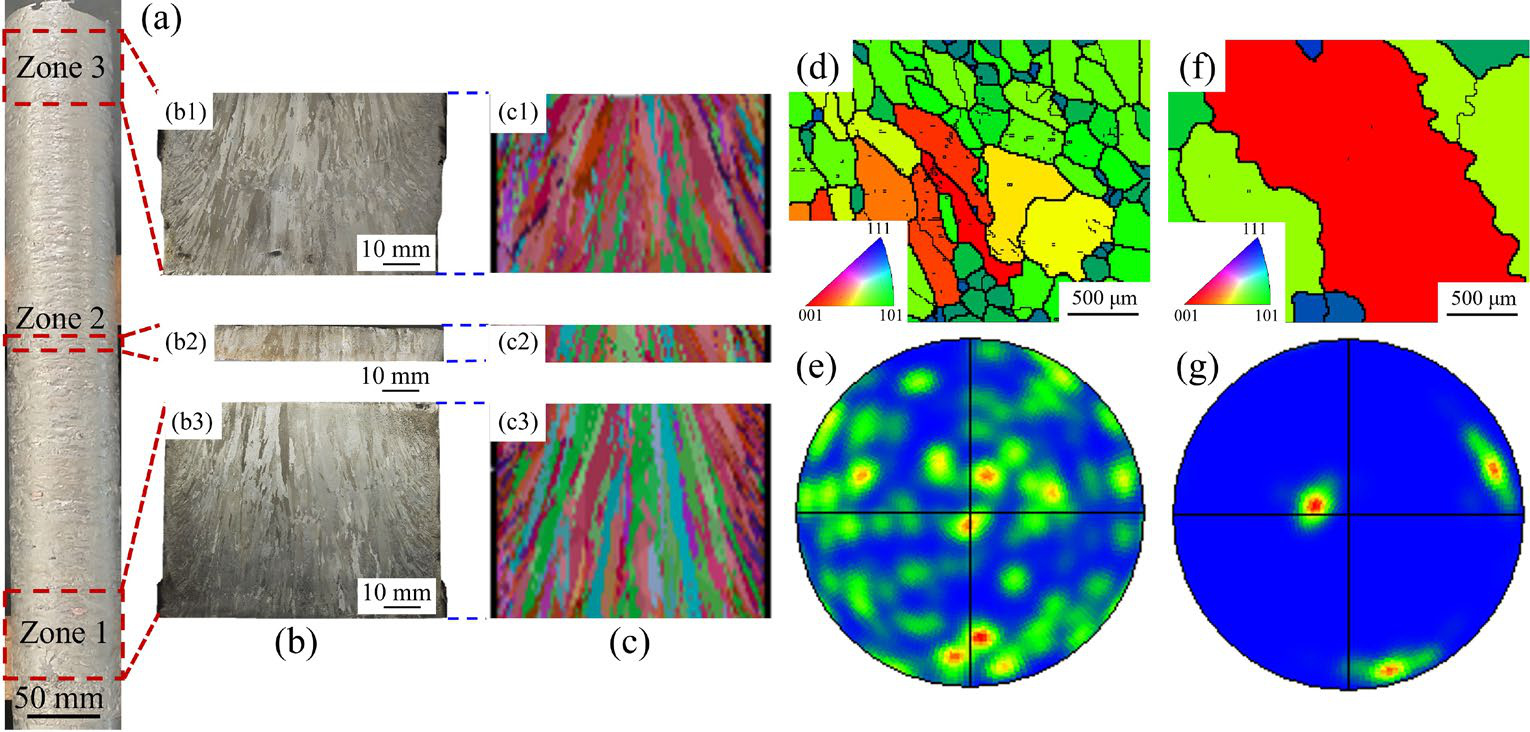
A cellular automaton–finite element (CAFE) model was developed to simulate the solidification structure evolution of DD98M superalloy ingots during electron beam smelting (EBS). The model couples heat transfer, fluid flow, and solute diffusion. Grain nucleation and growth occur opposite to the heat flow direction. Simulation results show good agreement with experimental observations. The influence of nucleation parameters on solidification structure was systematically examined. Increasing the maximum bulk nucleation density reduces grain size and promotes a larger equiaxed grain region while reducing the columnar grain region. Increasing the mean bulk nucleation undercooling results in a smaller equiaxed region and an expanded columnar grain zone. The standard deviation of bulk nucleation undercooling has a negligible effect on grain morphology. The determined nucleation parameters (ΔTs,max=0.5 K, ΔTs,σ=1 K, ns,max=1×10^7 m−2, ΔTv,max=5 K, ΔTv,σ=1 K, nv,max=5×10^9 m−3) were used to simulate large-scale ingots. EBSD analysis confirmed the model's predictive capability. The solidification sequence begins with fine equiaxed crystals at the bottom and sides, followed by columnar growth that decreases in rate as the billet is pulled out, with sidewall heat dissipation eventually dominating and altering grain growth direction.

Numerical simulation of solidification structure during electron beam smelting process of superalloy ingots
Graphical Abstract