SinoTechIntel Academic Portal
🏛️ Indexed Academic JournalImpact Factor: 3.5 (Q2 - USTB)Original: 矿物冶金与材料学报 (英文版)

Journal of Mineral Metallurgy and Materials Science

3.5 (Q2 - USTB)

Total Research Papers: 111
Access: 100% Free Open Access
Browse by Publication Year & VolumeReset All Filters ✕

Published Research PapersFiltered: Year 2025 • Vol. 32 • Issue 2

Showing 9 of 111 peer-reviewed papers with full Graphical Abstracts.

Original ResearchVol. 32, Issue 2 • pp. 197-209DOI: 10.1007/s12613-025-3209-4Feb 24, 2025

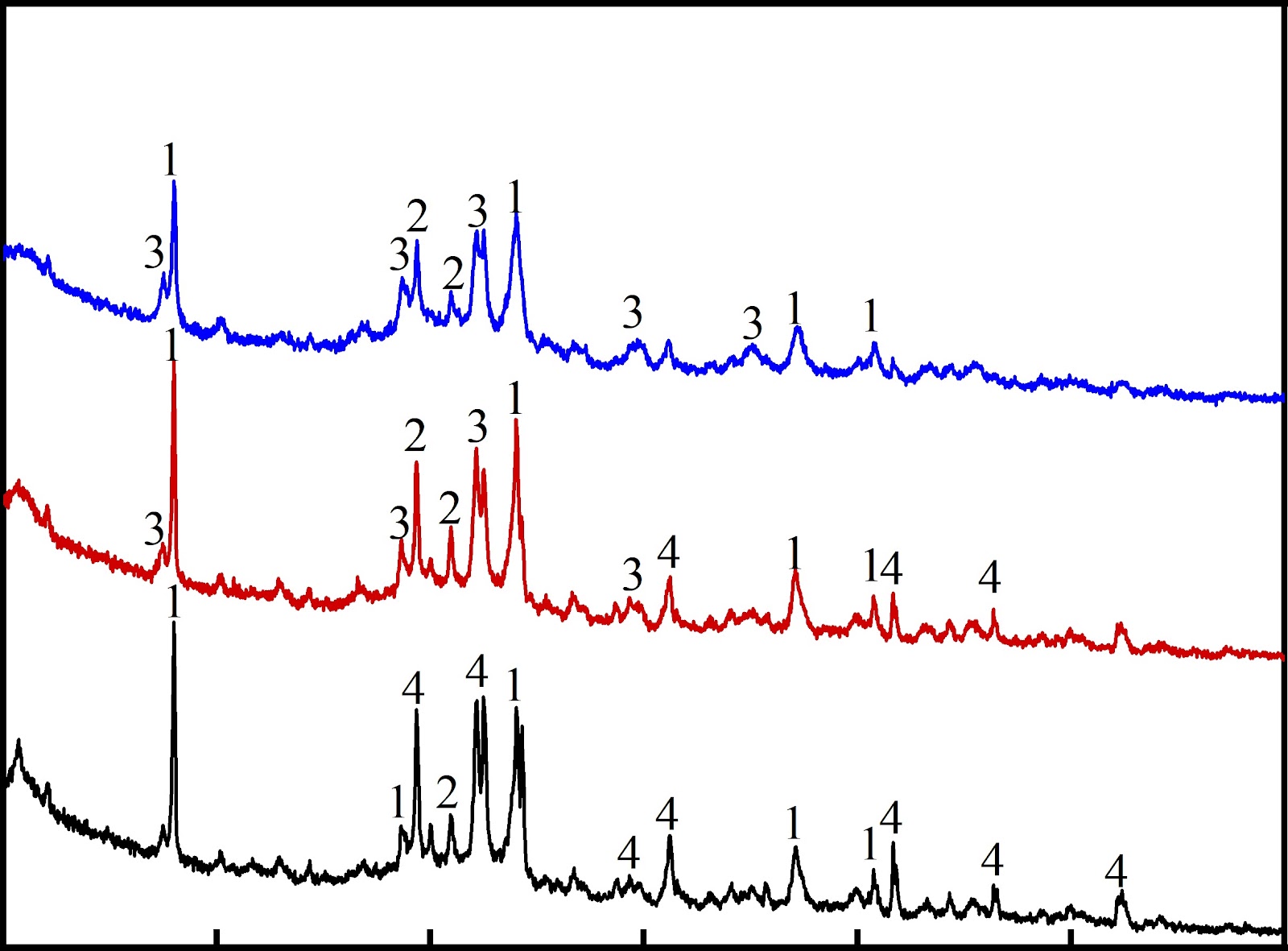
Technical feasibility of bauxite-enhanced vitrification for utilizing AOD slag as a supplementary cementitious material

Authors: Shaowen Wu, Yanling Zhang, Shuai Zhang, Wei Ren, Zhi Sun

The utilization of bauxite-vitrified argon–oxygen decarburization (AOD) slag as a supplementary cementitious material is explored as an alternative approach for recycling unmanageable AOD slag and reducing the CO2 emission levels. The results demonstrate that AOD slag can be effectively vitrified by incorporating 15wt% bauxite as the alumina source, facilitating the formation of a stable glass phase. The resulting vitrified product exhibits excellent properties, such as initial and final setting
Technical feasibility of bauxite-enhanced vitrification for utilizing AOD slag as a supplementary cementitious material
Graphical Abstract
Original ResearchVol. 32, Issue 2 • pp. 605-617DOI: 10.1007/s12613-026-3414-9Feb 21, 2025

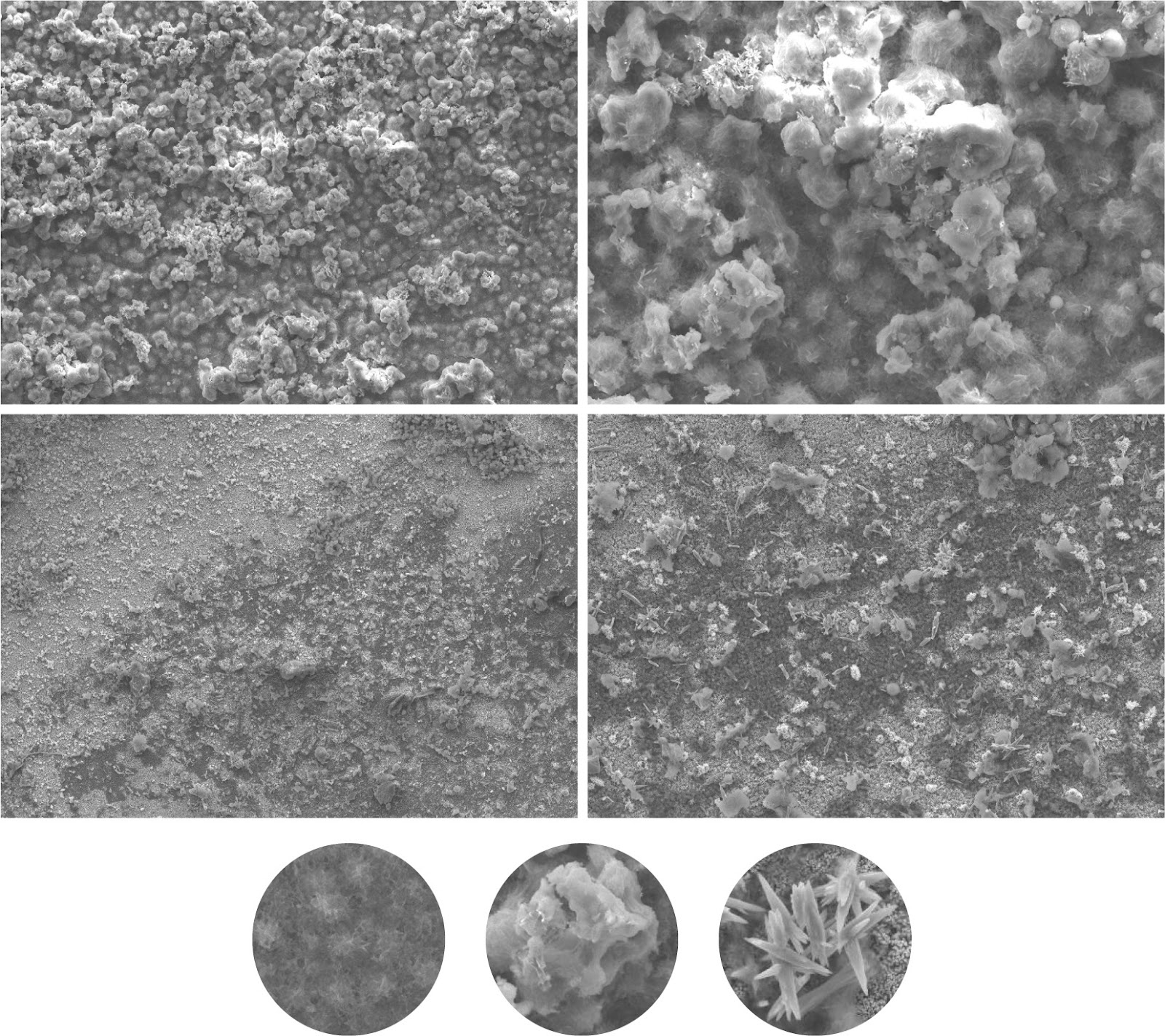
An analytical equation for predicting corrosion rates of biodegradable Zn–0.45Mn–0.2Mg alloy via symbolic regression

Authors: Shanpeng Zhao, Wei Gou, Zhangzhi Shi, Lichen Li, Haijun Zhang, Luning Wang

Corrosion rates of biodegradable Zn alloys are directly related to their post-implantation safety and effectiveness. However, highly accurate and interpretable “white-box” machine learning models for predicting their corrosion rates remain largely unexplored. This study proposes a data-driven method coupled with accelerated corrosion testing for predicting the corrosion rates of biodegradable Zn–0.45Mn–0.2Mg (wt%) alloy. A symbolic regression (SR) machine-learning model was established based on

An analytical equation for predicting corrosion rates of biodegradable Zn–0.45Mn–0.2Mg alloy via symbolic regression
Graphical Abstract
Original ResearchVol. 32, Issue 2 • pp. 777-789DOI: 10.1007/s12613-025-3283-7Feb 19, 2025

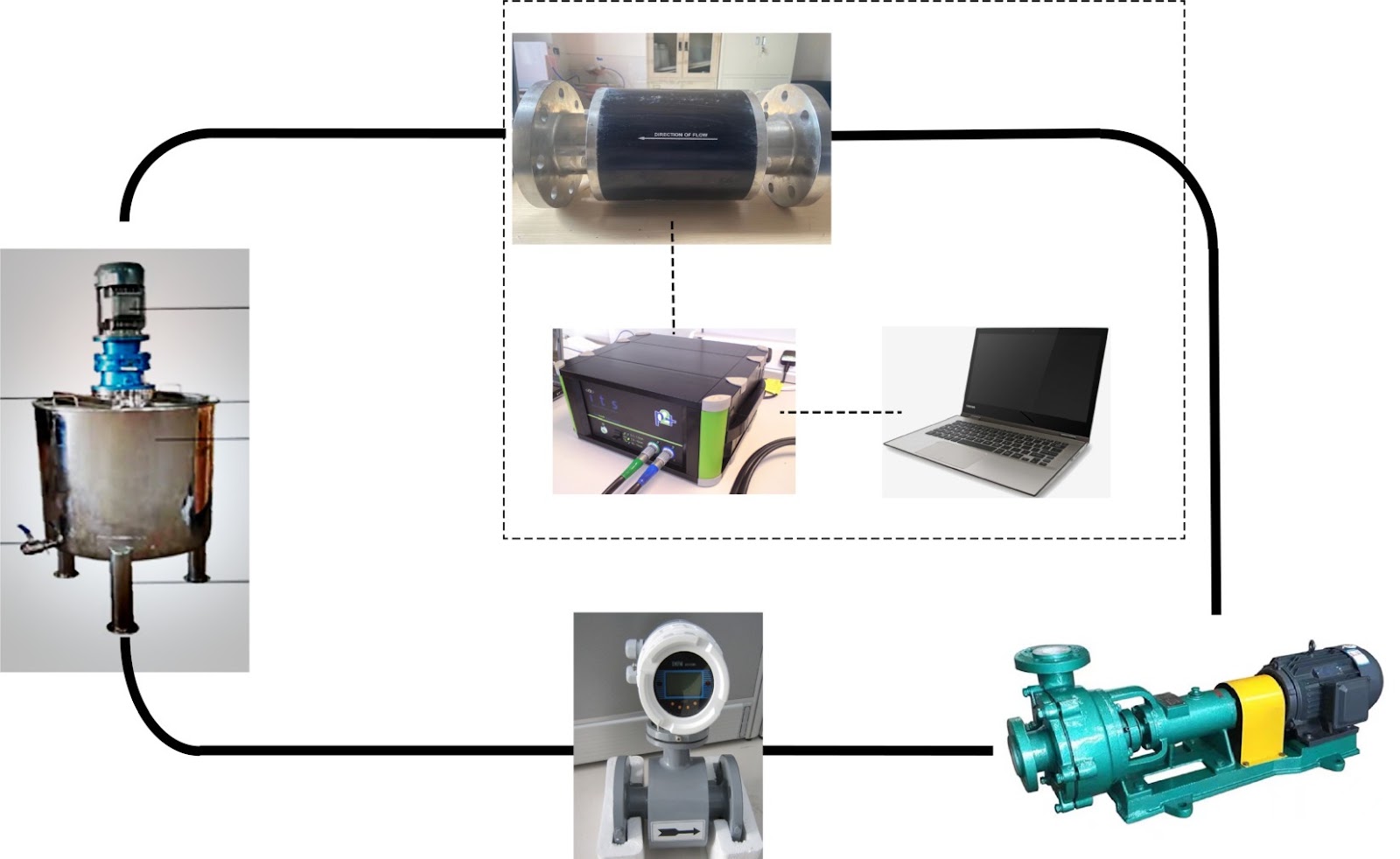
Characterizing dynamic segregation behavior in cemented paste during pipeline transport through electrical resistance tomography

Authors: Yingjie Chang, Aixiang Wu, Zhu'en Ruan, Shaoyong Wang, Jiandong Wang, Shulong Liu, Shuangcheng Du

Cement paste backfill (CPB) technology is a key method for mine waste treatment, and pipeline transport is critical for safe and efficient waste transfer. Variations in raw material properties can cause slurry segregation, increase pipeline wear and resistance, raise the risk of blockages or bursts, and disrupt operations. To study CPB slurry segregation during transport, CPB was prepared using cement as the cementitious material and unclassified tailings as inert materials. A small annular-tube

Characterizing dynamic segregation behavior in cemented paste during pipeline transport through electrical resistance tomography
Graphical Abstract
Original ResearchVol. 32, Issue 2 • pp. 385-397DOI: 10.1007/s12613-025-3292-6Feb 16, 2025

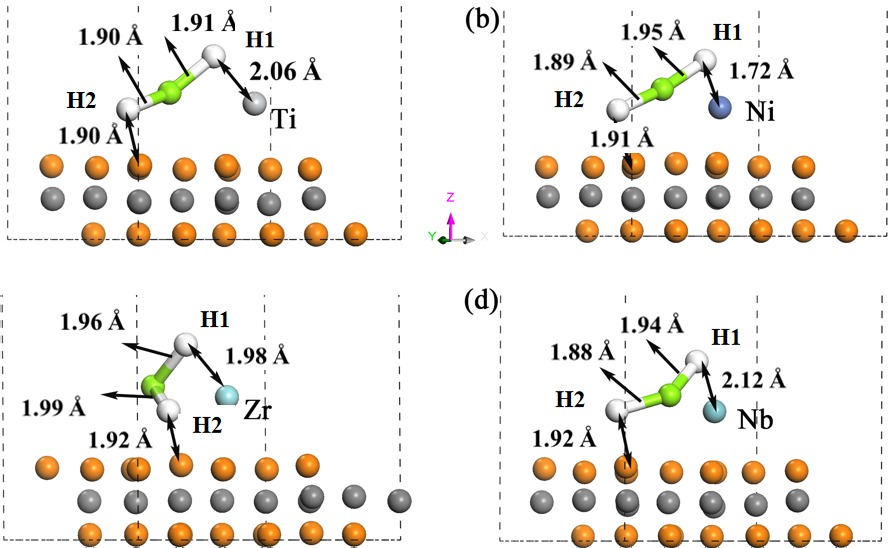
Promising prospects of transition metal (Ti, Ni, Zr and Nb)-modified V2C MXenes for improving the hydrogen storage performance of magnesium hydride

Authors: Hua Ning, Junyu Chen, Zhipeng Meng, Zhiqiang Lan, Haizhen Liu, Jin Guo

The effect of modifying V2C using transition metals (TMs) (Ti, Ni, Zr, and Nb) on the MgH2 dehydrogenation properties was investigated using the density functional theory (DFT). The adsorption energy, dehydrogenation energy, and electronic structure of MgH2 on TM (Ti, Ni, Zr, and Nb)@V2C were calculated. The results showed that TM atoms tended to occupy the face-centered cubic sites of V2C. MgH2 adsorption on V2C was improved by adding a TM and the order of the adsorption energy was as follows:

Promising prospects of transition metal (Ti, Ni, Zr and Nb)-modified V2C MXenes for improving the hydrogen storage performance of magnesium hydride
Graphical Abstract
Original ResearchVol. 32, Issue 2 • pp. 793-805DOI: 10.1007/s12613-026-3386-9Feb 13, 2025

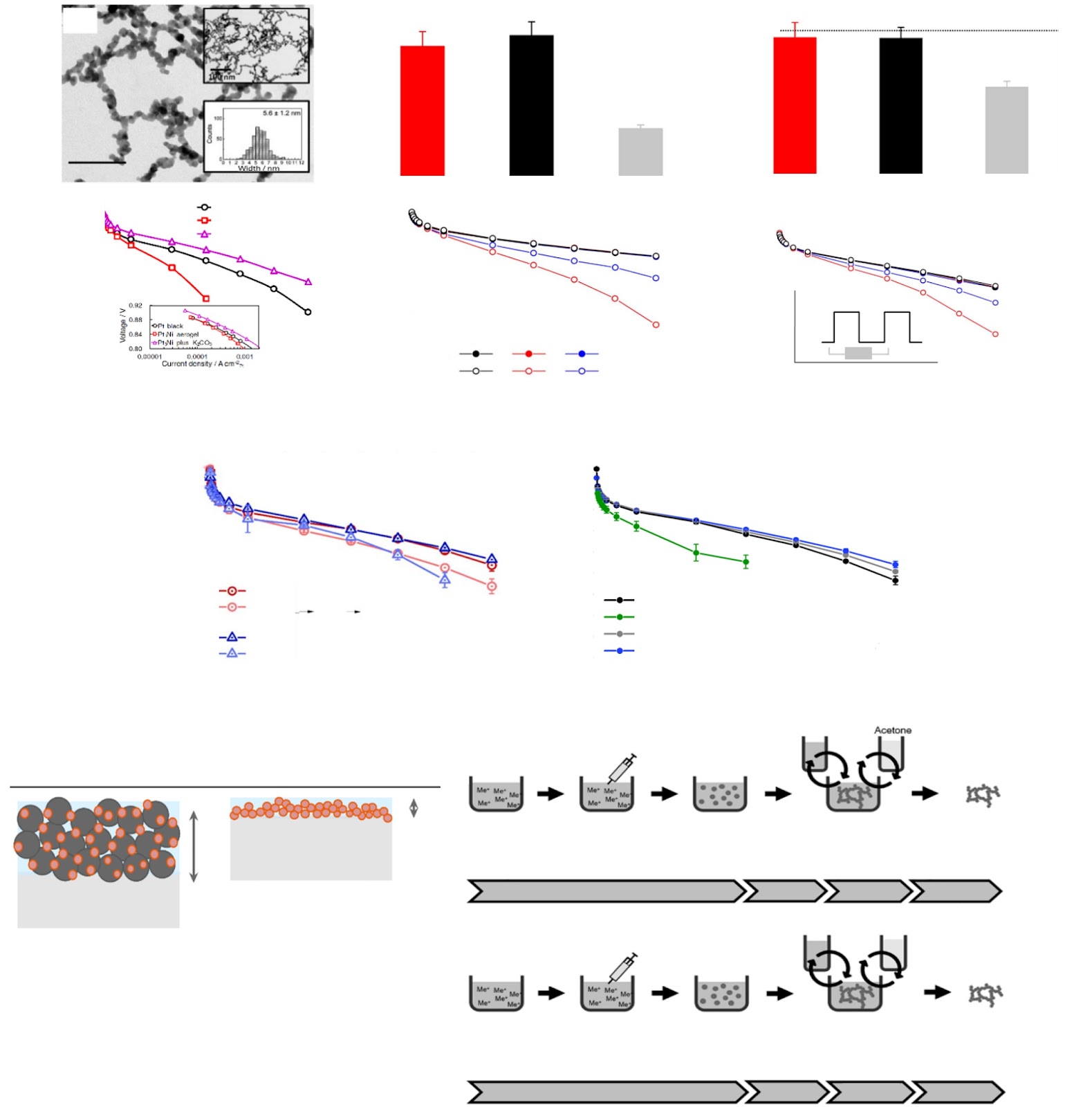
Self-supported metal aerogel electrocatalysts for oxygen reduction reaction: Opportunities and challenges

Authors: Shaik Gouse Peera, Shaik Ashmath, Seung Won Kim, Tae-Gwan Lee, Myunghwan Byun, Chao Liu

The development of highly active and stable electrocatalysts for the oxygen reduction reaction (ORR) remains a challenging task for improving the efficiency of fuel cells. Although Pt and Pt–transition metal alloy-based catalysts stand out as practical choices, they suffer from poor Pt utilization and stability. In this regard, highly electrically conducting, purely metallic, hierarchical 3D-porous, and nanowire aerogels as self-supported electrocatalysts have gained interest in recent decades.

Self-supported metal aerogel electrocatalysts for oxygen reduction reaction: Opportunities and challenges
Graphical Abstract
Original ResearchVol. 32, Issue 2 • pp. 401-413DOI: 10.1007/s12613-024-2961-1Feb 10, 2025

Research status and prospects of the fractal analysis of metal material surfaces and interfaces

Authors: Qinjin Dai, Xuefeng Liu, Xin Ma, Shaojie Tian, Qinghe Cui

As a mathematical analysis method, fractal analysis can be used to quantitatively describe irregular shapes with self-similar or self-affine properties. Fractal analysis has been used to characterize the shapes of metal materials at various scales and dimensions. Conventional methods make it difficult to quantitatively describe the relationship between the regular characteristics and properties of metal material surfaces and interfaces. However, fractal analysis can be used to quantitatively des

Research status and prospects of the fractal analysis of metal material surfaces and interfaces
Graphical Abstract
Original ResearchVol. 32, Issue 2 • pp. 573-585DOI: 10.1007/s12613-025-3245-0Feb 8, 2025

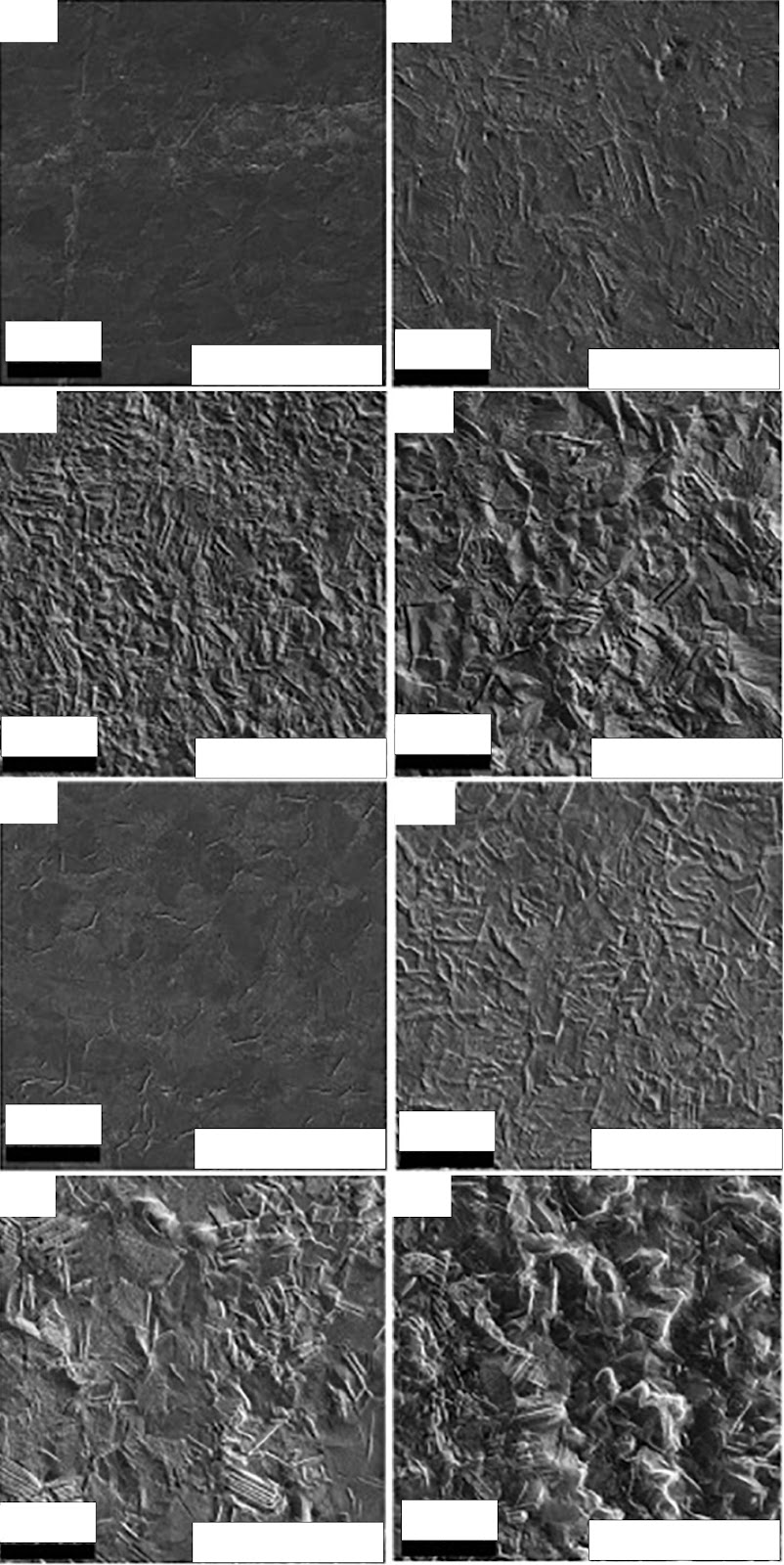
Role of multicomponent nanoprecipitates on strength and low-temperature toughness of simulated heat-affected zone (HAZ) in high-strength low-carbon steel

Authors: Tingwei Yin, Yongfeng Shen, Nan Jia, Xin Sun, Wenying Xue

This study investigates the microstructure and co-precipitation behavior of multicomponent (Ni(Al,Mn) and Cu) nanoparticles in the weld heat-affected zones of high-strength low-carbon steel. Through thermal simulations, the intercritical, fine-grained, and coarse-grained heat-affected zones were systematically characterized to elucidate the interplay between the microstructure, precipitation, and mechanical properties. At a heat input of 30 kJ·cm−1, Ni(Al,Mn) nanoparticles dissolve in the interc

Role of multicomponent nanoprecipitates on strength and low-temperature toughness of simulated heat-affected zone (HAZ) in high-strength low-carbon steel
Graphical Abstract
Original ResearchVol. 32, Issue 2 • pp. 181-193DOI: 10.1007/s12613-025-3238-zFeb 5, 2025

Scale-up validation of an integrated process for boron/iron separation and boric acid preparation from ludwigite ore

Authors: Jinxiang You, Xin Zhang, Mingjun Rao, Jun Luo, Zhiwei Peng, Guanghui Li

Ludwigite ore is a strategic mineral resource unique to China. Its efficient and comprehensive utilization is of paramount importance for ensuring the healthy and sustainable development of China’s industry and national defense security. This study presents and validates a scale-up integrated process for separating boron and iron from boron–iron mixed concentrate (BIMC) and producing reduced iron powder and high-purity boric acid. The process involves reductive soda-ash roasting in a rotary kiln

Scale-up validation of an integrated process for boron/iron separation and boric acid preparation from ludwigite ore
Graphical Abstract