SinoTechIntel Academic Portal
πŸ›οΈ Indexed Academic JournalImpact Factor: 3.5 (Q2 - USTB)Original: ηŸΏη‰©ε†Άι‡‘δΈŽζζ–™ε­¦ζŠ₯ (θ‹±ζ–‡η‰ˆ)

Journal of Mineral Metallurgy and Materials Science

3.5 (Q2 - USTB)

Total Research Papers: 111
Access: 100% Free Open Access
Browse by Publication Year & VolumeReset All Filters βœ•

Published Research PapersFiltered: Year 2025 β€’ Vol. 32 β€’ Issue 11

Showing 10 of 111 peer-reviewed papers with full Graphical Abstracts.

Original ResearchVol. 32, Issue 11 β€’ pp. 522-534DOI: 10.1007/s12613-025-3117-7β€’ Nov 24, 2025

Research on the visualization method of lithology intelligent recognition based on deep learning using mine tunnel images

Authors: Aiai Wang, Shuai Cao, Erol Yilmaz, Hui Cao

An image processing and deep learning method for identifying different types of rock images was proposed. Preprocessing, such as rock image acquisition, gray scaling, Gaussian blurring, and feature dimensionality reduction, was conducted to extract useful feature information and recognize and classify rock images using TensorFlow-based convolutional neural network (CNN) and PyQt5. A rock image dataset was established and separated into workouts, confirmation sets, and test sets. The framework wa
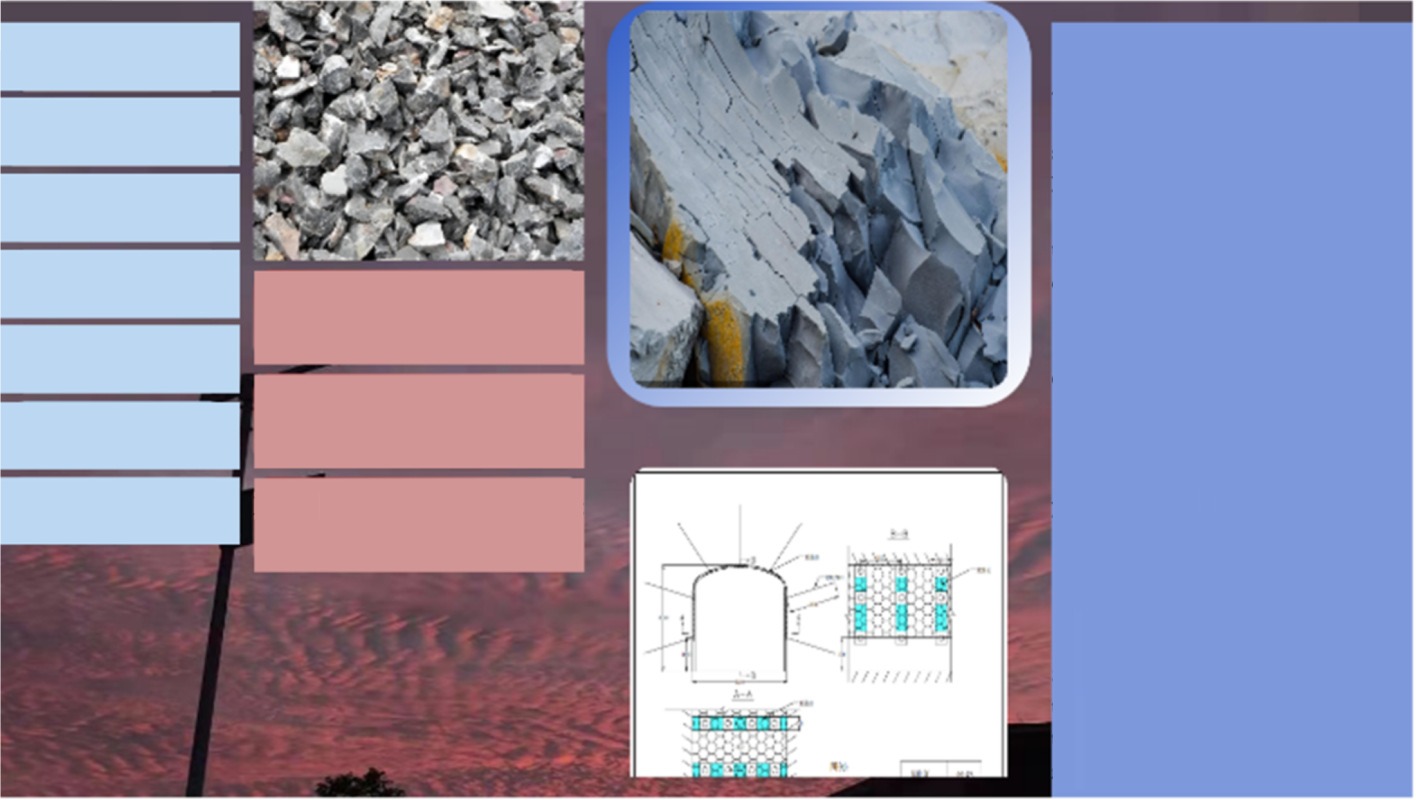
Research on the visualization method of lithology intelligent recognition based on deep learning using mine tunnel images
Graphical Abstract
Original ResearchVol. 32, Issue 11 β€’ pp. 130-142DOI: 10.1007/s12613-025-3211-xβ€’ Nov 21, 2025

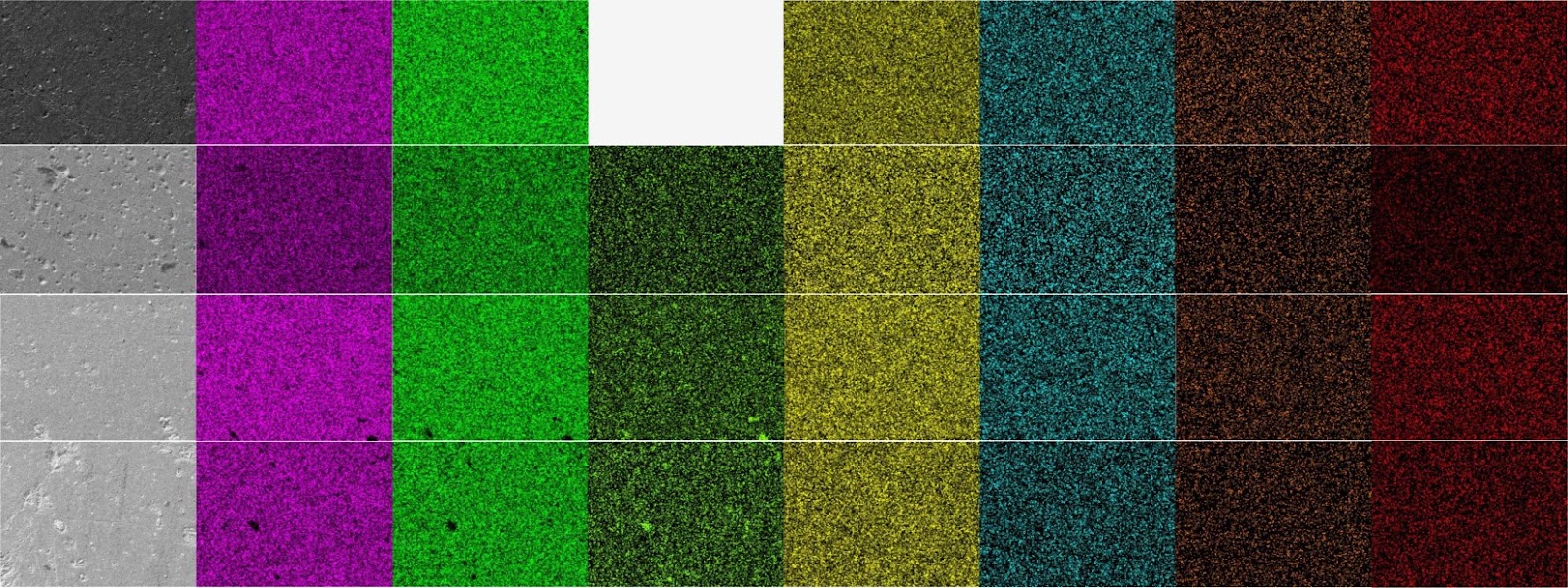
Effect of Ce element on hydrogen storage property of TiMn2-based alloys

Authors: Wenjiao Zhou, Tongyue Li, Anjia Zhang, Yaheng Zhao, Qichen Tang, Xiping Song

This study investigates the effect of Ce content on the hydrogen storage properties of Ti0.98Zr0.02Mn1.5Cr0.05V0.43Fe0.09Cex (x = 0, 0.02, 0.04, and 0.06, at%) alloys. Microstructural analysis of these alloys revealed dendritic microstructures without the segregation of chemical elements, with the C14 Laves phase identified as the dominant phase. After two activation cycles at 4 MPa and 293 K, the alloys exhibited excellent hydrogen absorption properties. The addition of Ce significantly improve

Effect of Ce element on hydrogen storage property of TiMn2-based alloys
Graphical Abstract
Original ResearchVol. 32, Issue 11 β€’ pp. 538-550DOI: 10.1007/s12613-026-3394-9β€’ Nov 18, 2025

MXene-supported VHx nanoparticles enhancing hydrogen storage properties of magnesium hydride

Authors: Changhai Wu, Jiaguang Zheng, Meiling LΓΌ, Yitao Li, Zihan Wei, Meijia Liu, Beibei Xiao

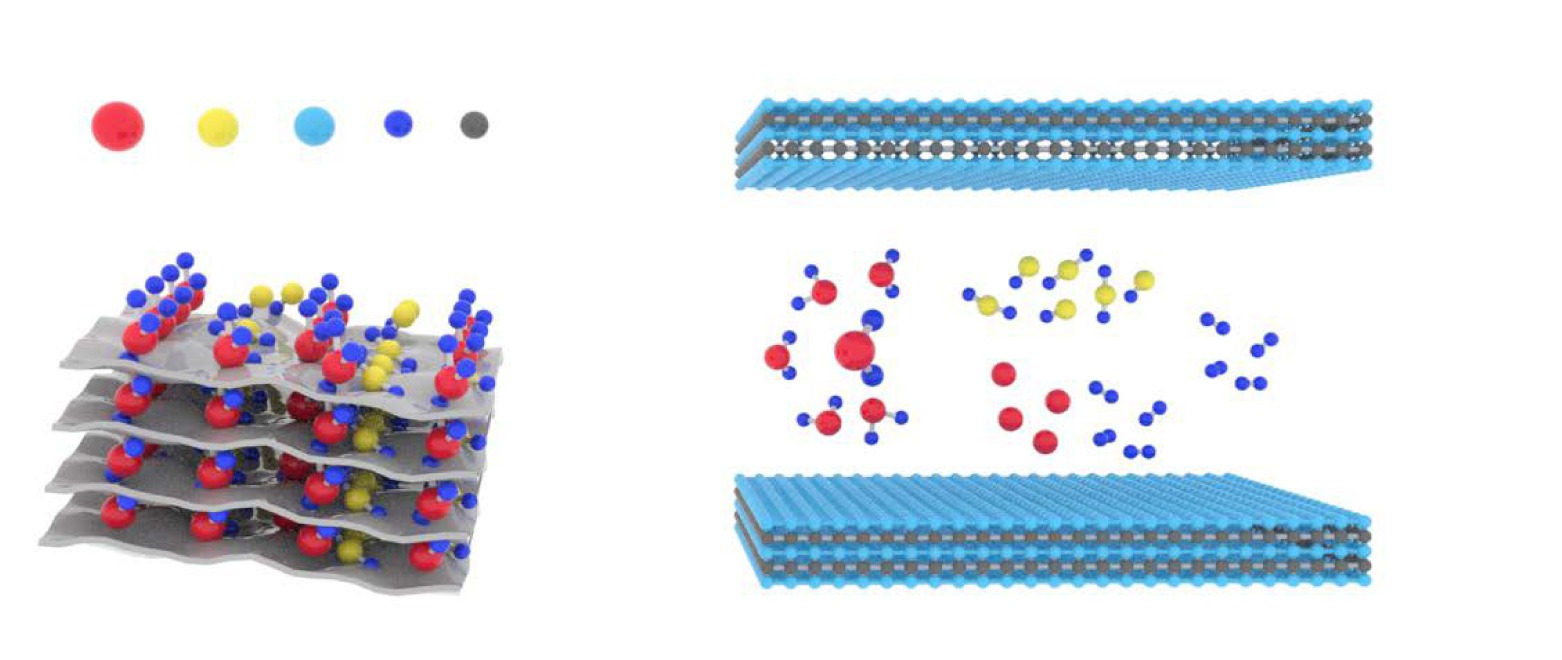
Magnesium hydride (MgH2) is a highly attractive candidate for solid-state hydrogen storage because of its high mass density, excellent cyclic stability, and low cost. However, the commercialization of MgH2 has been hindered by its sluggish hydrogen sorption kinetics and elevated operating temperatures. In this study, vanadium hydride nanoparticles (VHx) adhered to Ti3C2 composite catalyst was synthesized by ball milling to improve the hydrogen storage properties of MgH2. The onset dehydrogenatio

MXene-supported VHx nanoparticles enhancing hydrogen storage properties of magnesium hydride
Graphical Abstract
Original ResearchVol. 32, Issue 11 β€’ pp. 146-158DOI: 10.1007/s12613-025-3346-9β€’ Nov 15, 2025

Anion modification for enhanced anode catalyst performance in seawater electrolysis

Authors: Wei Wei, Ruize Ma, Ruguang Wang, Jisi Li, Quanlu Wang, Zheng Lv, Hui Jin, Jinshuai Xu, Jiaxin Guo, Tao Ling

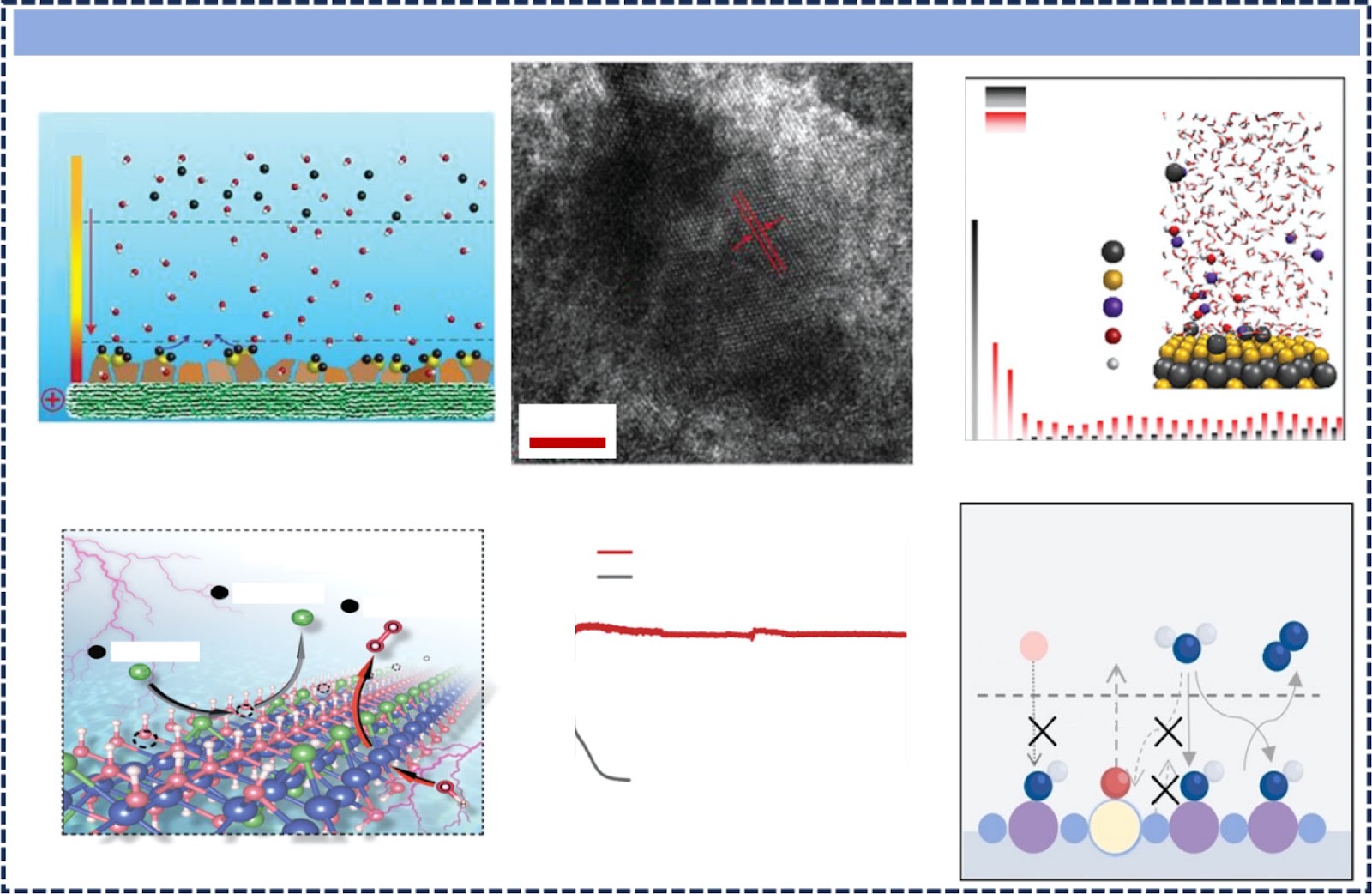
Direct seawater electrolysis presents a promising pathway for sustainable β€œgreen hydrogen” production. However, the complex composition of seawater, particularly the presence of chloride ions (Clβˆ’), poses significant challenges to the structural stability and electrocatalytic performance of oxygen evolution reaction (OER) catalysts. Although recent studies have demonstrated that anion modification can improve the stability and activity of catalysts, the extent of these improvements varies consid

Anion modification for enhanced anode catalyst performance in seawater electrolysis
Graphical Abstract
Original ResearchVol. 32, Issue 11 β€’ pp. 554-566DOI: 10.1007/s12613-025-3193-8β€’ Nov 12, 2025

Explainable MRF-BBAPM with self-learning for predicting compressive strength of oxidized pellet

Authors: Zezheng Li, Jue Tang, Mansheng Chu, Quan Shi

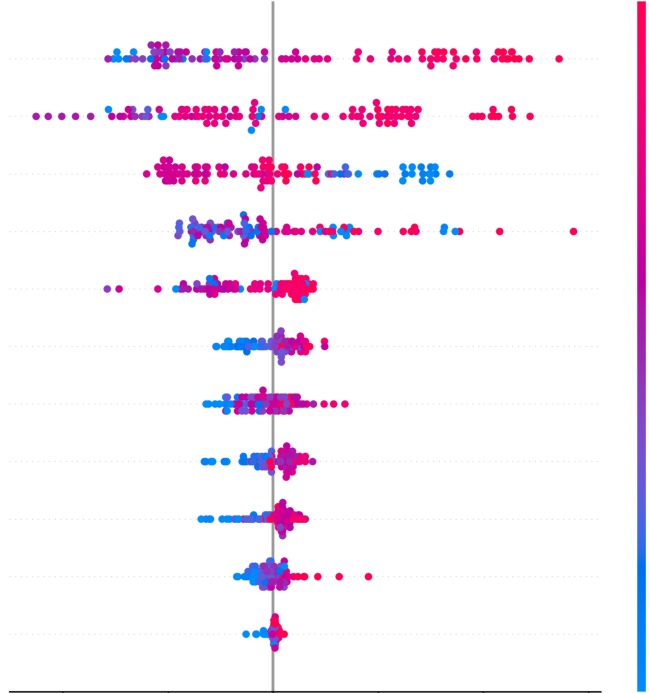
The compressive strength of oxidized pellets is a key indicator for evaluating pellet quality and stability. Accurate prediction of its variation trend is essential for improving production efficiency and optimizing process parameters. However, due to the high dimensionality and strong nonlinearity of compressive strength prediction, existing models still face limitations in terms of reliability, applicability, and generalization. This study proposes the metallurgical-random forest-based Bayesia

Explainable MRF-BBAPM with self-learning for predicting compressive strength of oxidized pellet
Graphical Abstract
Original ResearchVol. 32, Issue 11 β€’ pp. 726-738DOI: 10.1007/s12613-025-3194-7β€’ Nov 10, 2025

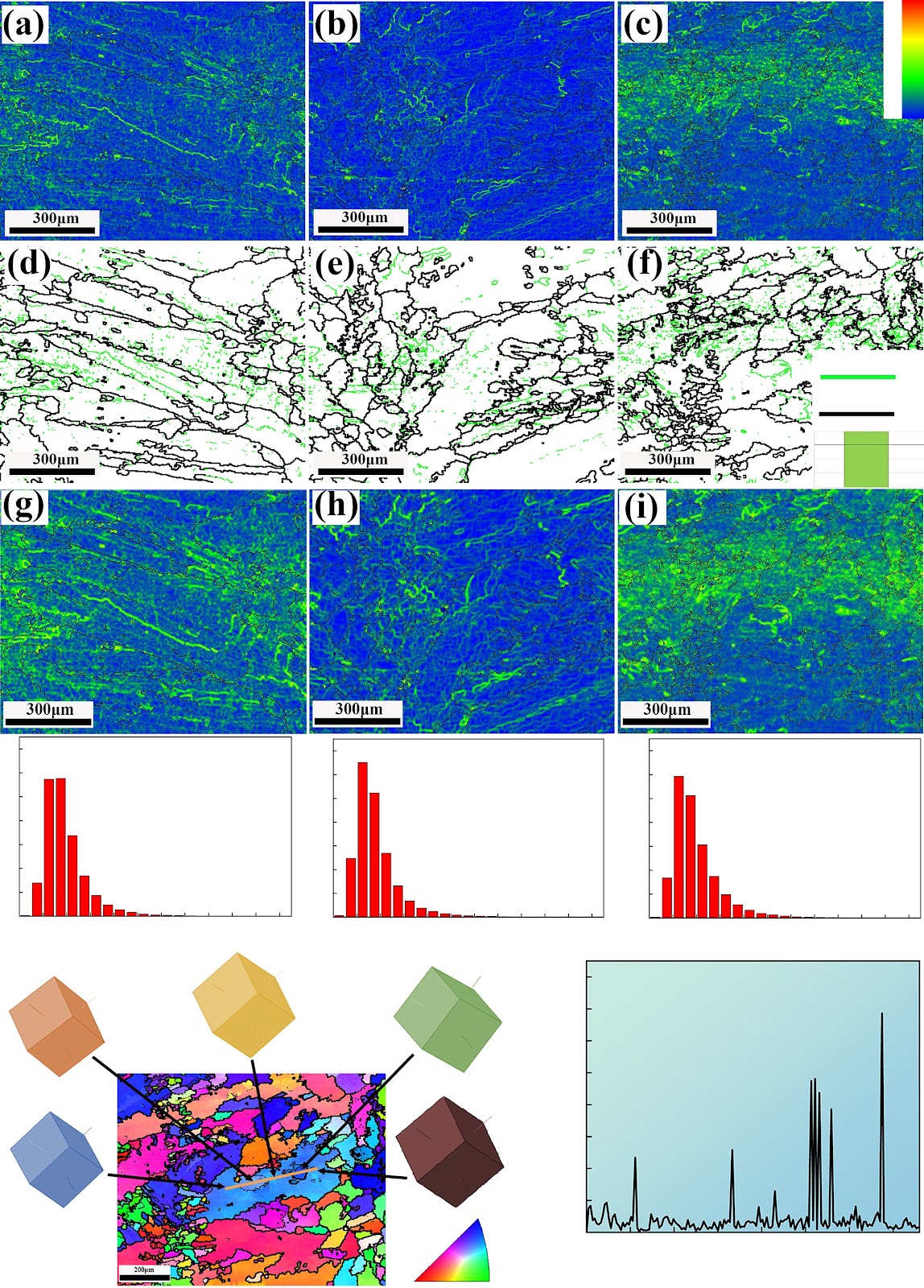
Evolution of microstructure and mechanical properties of graphene oxide-reinforced aluminum alloy (6061) composite fabricated via accumulative roll bonding

Authors: Vijay Pratap Singh, Abhishek Sharma, Gaurav Kumar Gupta, Mohammad Ashiq, Sunil Patidar, Manoj Kumar, Srinibash Mishra

This study investigates the fabrication and characterization of Al alloy matrix composites reinforced with graphene oxide (GO) using accumulative roll bonding (ARB). The annealed Al 6061 sheets were processed through 5-pass ARB with GO reinforcement applied during the initial passes. Scanning electron microscopy revealed effective mitigation of GO agglomeration and improved interface bonding due to microscale material mixing. Raman spectroscopy confirmed the strong interaction between GO and the

Evolution of microstructure and mechanical properties of graphene oxide-reinforced aluminum alloy (6061) composite fabricated via accumulative roll bonding
Graphical Abstract
Original ResearchVol. 32, Issue 11 β€’ pp. 334-346DOI: 10.1007/s12613-026-3413-xβ€’ Nov 7, 2025

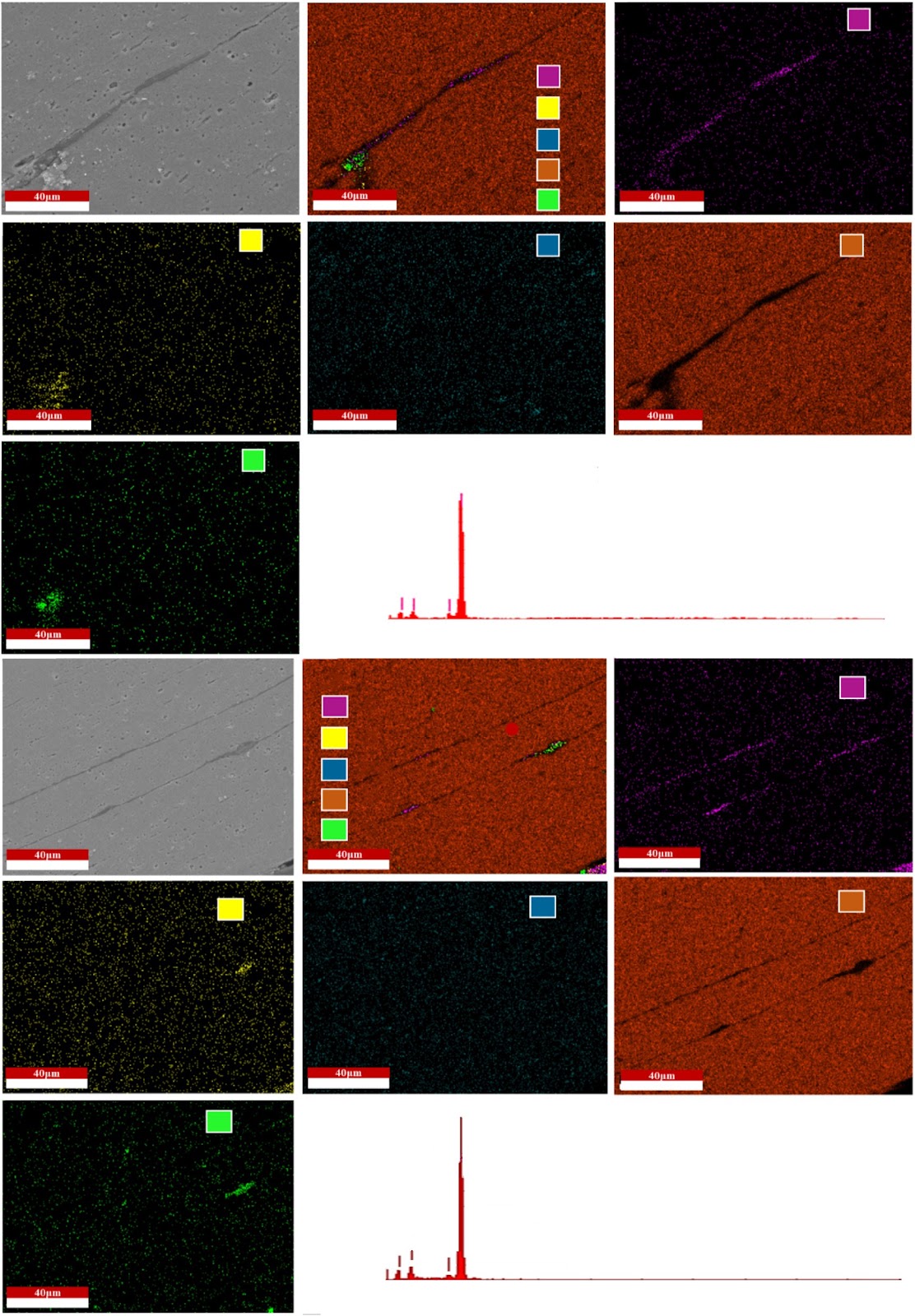
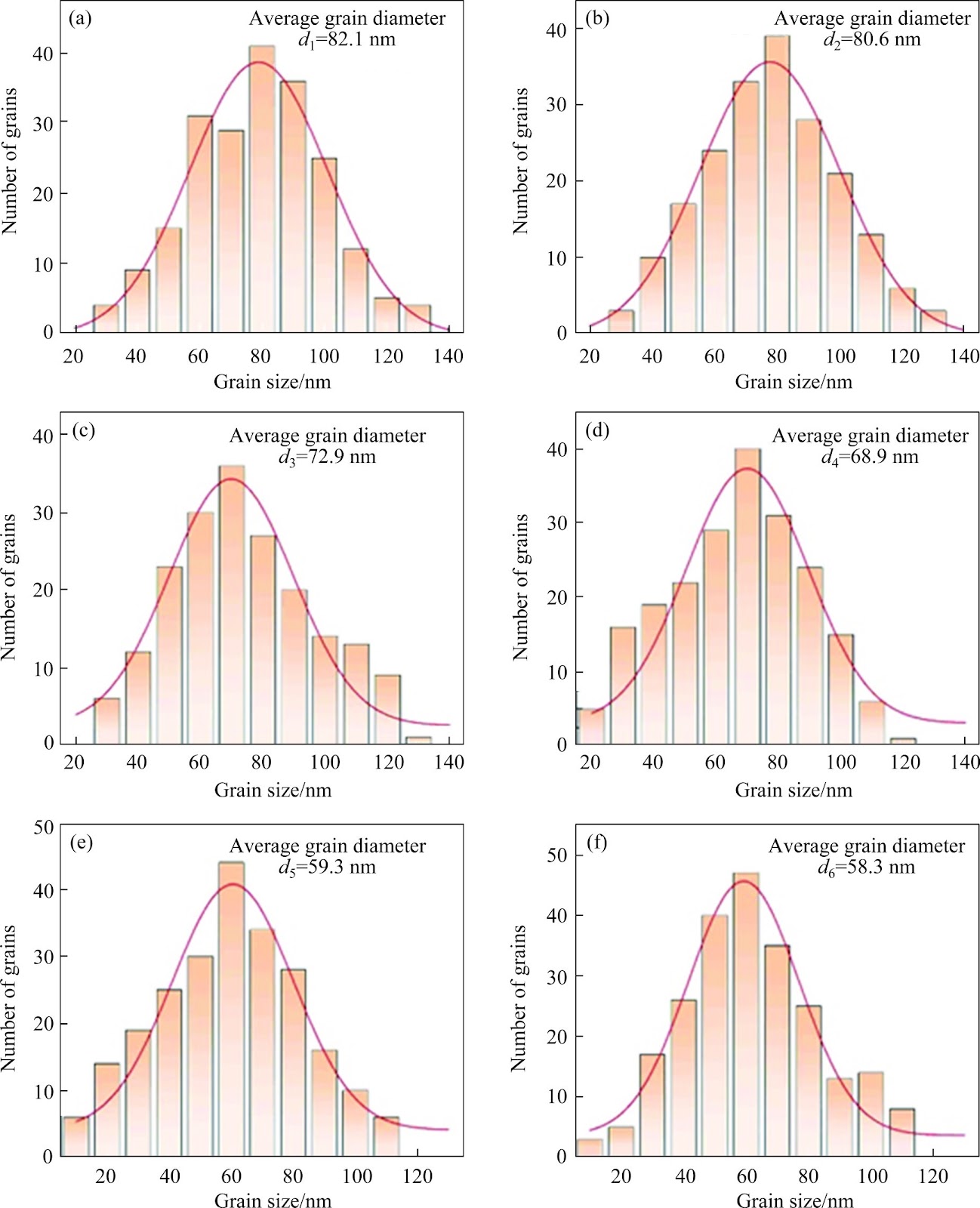
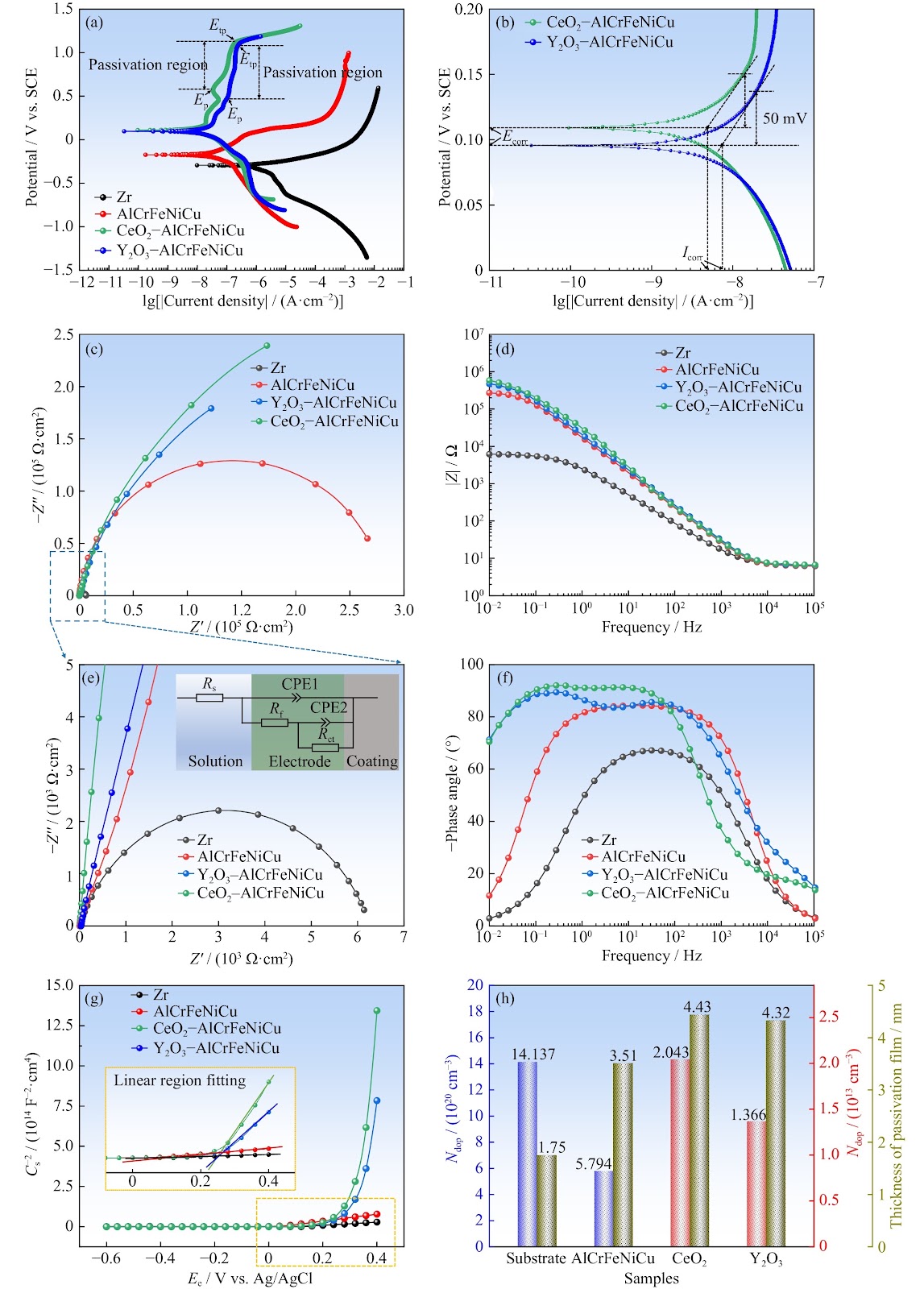
Influence of Y2O3/CeO2 on the microstructure and properties of AlCrFeNiCu high-entropy alloy coating

Authors: Xiaona Ren, Zhipei Chen, Qingzhi Yan, Peng Wang, Wenchang Wang, Yao Wang, Changchun Ge, Yong Zhang

Y2O3 and CeO2 nanoparticles were individually incorporated into an AlCrFeNiCu coating applied to the surface of a Zr-4 rod. The microstructure, hardness, high-temperature fretting wear behavior, corrosion resistance, and high-temperature oxidation resistance of the coatings were comprehensively evaluated. The results demonstrate that the addition of Y2O3 or CeO2 notably modified the solidification kinetics of the molten pool, affected elemental diffusion pathways, and effectively refined the gra

Influence of Y2O3/CeO2 on the microstructure and properties of AlCrFeNiCu high-entropy alloy coating
Graphical Abstract
Original ResearchVol. 32, Issue 11 β€’ pp. 742-754DOI: 10.1007/s12613-026-3417-6β€’ Nov 4, 2025

First-principles investigation of structural, optoelectronic, mechanical, thermodynamic and hydrogen storage properties of Si-based XCsSiH6 (X = K, Rb) hydrides

Authors: Noorhan F. AlShaikh Mohammad, Ebrahim Nemati-Kande, Ahmad A. Mousa, Mohammed S. Abu-Jafar, Asif Hosen, N.S. Abd EL-Gawaad, Jihad Asad

First-principles density functional theory (DFT) calculations are employed to investigate the structural, optoelectronic, mechanical, thermodynamic, and hydrogen storage properties of XCsSiH6 (X = K, Rb). The hydrogen atoms form discrete SiH6 octahedra stabilized by alkali metal cations, confirming a stable cubic symmetry upon structural optimization. Both compounds exhibit both thermal and dynamical stability. The calculated gravimetric hydrogen storage capacities are 2.94wt% for KCsSiH6 and 2.

First-principles investigation of structural, optoelectronic, mechanical, thermodynamic and hydrogen storage properties of Si-based XCsSiH6 (X = K, Rb) hydrides
Graphical Abstract
Original ResearchVol. 32, Issue 11 β€’ pp. 350-362DOI: 10.1007/s12613-025-3289-1β€’ Nov 1, 2025

Microstructures, mechanical properties and corrosion resistances of FCC CoCrFeNiTi high-entropy alloys prepared by pre-alloyed powder mixing and vacuum laser-directed energy deposition

Authors: Jian Zhu, Shuhao Zhao, Zhen Li, Yi Xu, Shuai Wu, Xidong Hui

In this study, vacuum laser-engineered directed energy deposition (V-LDED) was employed to fabricate CoCrFeNiTix (x = 0.1, 0.2, 0.3) high-entropy alloys (HEAs) by strategically mixing equiatomic pre-alloyed CoCrFeNi and CoCrFeNiTi powders. With increasing Ti content, the lattice distortion of the HEAs intensified, grains were refined, and precipitate content increased; however, the face-centered cubic (FCC) structure remained the predominant structure. The strength and plasticity of the HEAs ini

Microstructures, mechanical properties and corrosion resistances of FCC CoCrFeNiTi high-entropy alloys prepared by pre-alloyed powder mixing and vacuum laser-directed energy deposition
Graphical Abstract